
Choosing the right fence requires more than comparing appearance. Security risks, installation conditions, corrosion exposure, and long-term maintenance all influence performance. Coastal properties face different challenges from inland industrial facilities. Buyers should also consider cameras, gates, lighting, and access control.
This guide examines both fencing systems through practical engineering and security considerations. It also explains where each product offers greater value. The goal is to support informed purchasing decisions without relying on exaggerated security claims.
Palisade Fencing vs Clear View Fencing: Main Differences
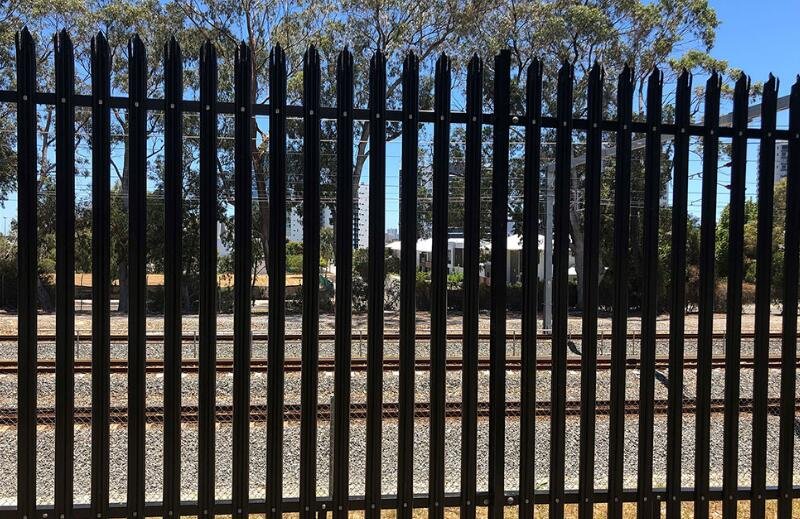
The most obvious difference involves the barrier structure. Palisade fencing uses vertical steel sections attached to horizontal rails. Clear View fencing uses closely spaced welded steel wires.
These construction methods influence visibility, climbing resistance, repairs, and installation. However, neither product guarantees complete protection against determined intruders. The entire perimeter system determines its effectiveness.
| Comparison | Steel Palisade | Clear View Mesh |
|---|---|---|
| Construction | Vertical steel pales and horizontal rails | Rigid welded steel wire panels |
| Visual Appearance | Traditional industrial security | Modern, open architectural appearance |
| Climbing Deterrence | Depends on pale shape and head design | Narrow openings restrict convenient footholds |
| Cutting Resistance | Depends on steel thickness and connections | Depends on wire diameter and mesh spacing |
| CCTV Visibility | Views between vertical pales | Consistent visibility through welded mesh |
| Installation | Rail and pale assembly | Prefabricated panel installation |
| Repairs | Individual pale replacement may be possible | Individual panel replacement may be possible |
| Coating | Galvanising and optional powder coating | Galvanising and optional powder coating |
| Typical Applications | Factories, utilities, industrial yards | Estates, warehouses, schools, data centres |
Understanding Steel Palisade Fencing
Steel palisade fencing creates a strong visual boundary. Manufacturers attach vertical pales to horizontal steel rails. Supporting posts transfer structural loads into suitable foundations.
Industrial facilities have used palisade systems for decades. The design remains relevant for factories, utility sites, and storage yards. Its appearance clearly communicates restricted access.
W-Section and D-Section Pales
Manufacturers commonly offer W-section and D-section steel pales. Their profiles create different shapes and mechanical characteristics. Steel thickness also influences resistance to damage.
W-section pales use a formed profile with multiple bends. D-section pales feature another cross-sectional design. Buyers should compare actual dimensions rather than relying on product names.
Pointed and Rounded Pale Heads
Palisade manufacturers offer several head designs. Triple-pointed and pointed heads provide a visible climbing deterrent. Rounded heads may suit locations requiring different safety considerations.
Schools and public facilities should assess exposed sharp elements carefully. Local regulations may influence acceptable configurations. Security and public safety deserve equal attention.
Advantages of Traditional Palisade Systems
Steel palisade offers a prominent security appearance. Its individual components can support localised repairs. Suitable galvanising also helps protect outdoor steel.
However, the system contains numerous mechanical connections. Poor-quality fasteners can compromise security. Buyers should review the complete assembly.
Palisade Fencing vs Clear View Fencing: Product Construction
Clear View systems use welded steel wire panels. The rigid grid provides consistent mesh openings. Posts and clamps secure the panels along the boundary.
High-security designs commonly use 358 mesh. Other configurations include profiled panels and double wire systems. Each design offers different structural and security characteristics.
358 High-Security Mesh
Traditional 358 mesh commonly uses 76.2 × 12.7mm wire centres. A 4mm wire diameter represents one common configuration. Other wire specifications are also available.
The measurements describe wire centre-to-centre spacing. Actual clear openings are smaller because the wires occupy part of the space.
358 Security Mesh suits applications requiring narrow openings. Buyers should verify the complete panel specification.
Profiled Welded Mesh
Profiled panels include horizontal bends that improve rigidity. Their openings often exceed those of traditional 358 mesh. This difference influences climbing resistance.
Commercial properties may select profiled panels for general boundaries. However, security requirements should guide the choice. Wider openings do not offer identical protection.
Double Wire Mesh
Double wire panels use paired horizontal wires. Their construction can increase rigidity. Different wire diameters create different product grades.
However, rigidity alone cannot establish intrusion resistance. Mesh geometry and connections remain important. Buyers should compare complete systems.
Original Product Photographs
Photographs help illustrate the appearance of welded security mesh. They also support preliminary product comparisons. Technical drawings remain necessary for accurate specifications.
 Clear View welded mesh reference for commercial perimeter protection. |
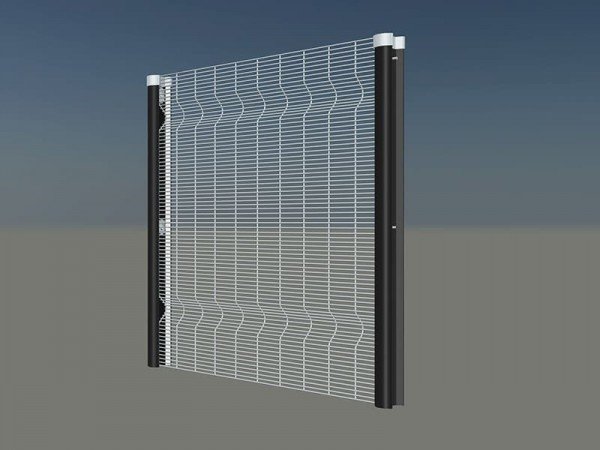 Rigid security mesh reference showing the open panel appearance. |
Palisade Fencing vs Clear View Fencing: Climbing Resistance
Climbing deterrence represents a major consideration for security fencing. The two systems approach this challenge differently. Their effectiveness depends on the complete installation.
Palisade Fencing vs Clear View Fencing: Mesh Geometry
Clear View 358 mesh uses closely spaced horizontal wires. These narrow openings restrict convenient handholds and footholds. The rigid welded grid maintains consistent spacing.
Palisade uses separated vertical steel pales. Pointed heads can discourage climbing. However, horizontal rails and nearby structures may provide alternative access opportunities.
Fence Height and Surrounding Structures
Fence height influences climbing difficulty. However, height alone cannot guarantee security. Nearby walls, trees, and stored equipment may create access routes.
Security teams should inspect the surrounding environment. Removing convenient climbing aids can improve perimeter protection. Regular site reviews remain important.
Security Toppings
Some facilities require additional climbing deterrence. Compatible toppings may include fence spikes or razor wire. However, legal requirements and public safety must guide installation.
ClearVu Fence Spikes can support selected security designs. Buyers should confirm compatibility before ordering.
Palisade Fencing vs Clear View Fencing: Cutting Resistance
Cutting resistance depends on material dimensions and mechanical properties. Palisade uses substantial steel sections. Clear View uses welded wires with controlled spacing.
Steel Pale Resistance
Heavy steel pales may resist certain mechanical attacks. However, pale thickness and attachment details influence performance. Weak connections can compromise strong steel sections.
Buyers should inspect rail connections and fasteners. Appropriate security hardware helps discourage casual removal. Maintenance teams should identify damaged components promptly.
Palisade Fencing vs Clear View Fencing: Wire Resistance
Narrow welded mesh restricts convenient tool access. Thicker wire generally increases cutting effort under comparable conditions. Weld quality also contributes to structural consistency.
However, no ordinary steel fence is completely cut-proof. Determined attackers may use specialised equipment. Surveillance and response measures remain essential.
Understanding Security Certifications
Marketing descriptions sometimes promise specific attack times. However, reliable performance claims require controlled testing. Different tools and methods produce different results.
Buyers should request recognised test reports where necessary. A product name cannot establish formal certification. Security assessments should guide purchasing decisions.
Palisade Fencing vs Clear View Fencing: CCTV Visibility
Perimeter surveillance depends on clear observation areas. Fence geometry can influence camera performance. Lighting and equipment placement also matter.
Palisade Fencing vs Clear View Fencing: Camera Sightlines
Clear View mesh offers consistent visibility across the boundary. Its narrow steel wires reduce large visual obstructions. Security personnel can observe activity beyond the fence.
Palisade also permits visibility between vertical pales. However, wide steel profiles may interrupt certain camera angles. Camera positioning should reflect the selected system.
Reducing Concealment
Solid walls can create concealed areas outside properties. Open fencing supports visual observation. However, vegetation and buildings may still obstruct important locations.
Security planners should identify blind spots. Gates and corners require particular attention. Regular vegetation management can improve visibility.
Night-Time Surveillance
Camera performance changes after dark. Suitable lighting helps maintain useful images. Poor illumination can reduce detection quality.
Security teams should test cameras after installation. Glare and shadows also deserve attention. Physical barriers work best alongside reliable monitoring.
Palisade Fencing vs Clear View Fencing: Appearance
Security fencing influences the appearance of a property. Different architectural styles require different solutions. The preferred design depends on the project.
Traditional Industrial Appearance
Palisade creates a strong visual statement. Factories and utility sites may prefer this appearance. Its vertical profiles communicate restricted access.
However, prominent steel elements may dominate landscaped areas. Colour selection can reduce visual contrast. Designers should consider surrounding buildings.
Palisade Fencing vs Clear View Fencing: Modern Architecture
Clear View mesh offers a visually lighter boundary. Dark powder-coated panels can complement contemporary buildings. The open structure preserves distant views.
Clear View Fence Panels offer different dimensions and finishes. Buyers can match the specification to their architecture.
RAL Colour Options
Both systems can use powder-coated finishes. Black, green, and grey remain popular choices. Custom RAL colours may also be available.
However, colour alone cannot establish coating quality. Surface preparation and coating thickness influence durability. Buyers should request written specifications.
Palisade Fencing vs Clear View Fencing: Installation Speed
Installation time affects labour costs and project schedules. The two systems use different assembly methods. Site conditions also influence progress.
Palisade Fencing vs Clear View Fencing: Prefabricated Panels
Clear View systems commonly arrive as completed welded panels. Installers connect these panels to supporting posts. This arrangement can simplify repetitive installation.
However, large panels require appropriate handling. Incorrect post spacing may cause delays. Accurate surveys help prevent installation problems.
Palisade Assembly
Some palisade systems require individual pale installation. Workers attach pales to horizontal rails. The process can involve additional assembly operations.
However, prefabricated palisade sections also exist. Installation speed therefore varies. Buyers should compare actual supplier methods.
Foundation Requirements
Both systems require suitable foundations. Soil conditions influence post dimensions and embedment depth. Wind exposure also affects structural design.
Engineers should assess demanding installations. Existing concrete slabs may require separate checks. Correct foundations support long-term stability.
Palisade Fencing vs Clear View Fencing: Sloping Ground
South African properties often contain uneven terrain. Fence alignment becomes more complicated on slopes. Accurate measurements help reduce installation problems.
Stepped Installation
Rigid panels can follow slopes through stepped arrangements. However, elevation changes may create bottom gaps. Installers should address these openings.
Custom panel dimensions may improve the fit. Suitable post lengths also matter. Structural requirements remain important.
Palisade Fencing vs Clear View Fencing: Terrain Adaptability
Some palisade systems accommodate slopes through adjusted rails. However, available flexibility depends on product design. Buyers should request approved installation details.
Steep terrain may require custom components. Additional foundations can increase costs. Site surveys should guide the final solution.
Palisade Fencing vs Clear View Fencing: Corrosion Protection
Outdoor steel requires protection against corrosion. Galvanising provides zinc-based protection. Compatible powder coating can add another barrier.
Palisade Fencing vs Clear View Fencing: Galvanising
Zinc coatings help reduce steel corrosion. However, coating thickness and environmental exposure influence service life. Damaged areas may require repairs.
Buyers should confirm the galvanising process. Fabricated steel and galvanised wire may follow different standards. Written specifications support accurate comparisons.
Powder Coating
Polyester powder coating provides colour and surface protection. Proper pretreatment supports adhesion. Coating thickness should match project requirements.
Both systems can use compatible duplex coatings. However, poor preparation may reduce performance. Inspection records help verify quality.
Long-Term Maintenance
Neither system remains completely maintenance-free. Owners should inspect damaged coatings and loose fasteners. Coastal environments may require more frequent cleaning.
Palisade contains numerous pale connections. Clear View requires attention around clamps and welded panels. Maintenance schedules should reflect actual exposure.
Palisade Fencing vs Clear View Fencing in Cape Town
Cape Town combines coastal exposure with significant wind conditions. Property owners also value attractive boundaries. These factors influence fencing decisions.
Palisade Fencing vs Clear View Fencing: Coastal Conditions
Marine salt can accelerate corrosion around damaged coatings. Suitable galvanising helps protect exposed steel. Regular cleaning reduces accumulated deposits.
Clear View Fencing Cape Town projects should consider local exposure. Buyers should request appropriate coating specifications.
Residential Estates
Residential developments often favour visually open boundaries. Clear View mesh preserves landscaping and distant views. Palisade offers a more industrial appearance.
However, appearance should not replace security planning. Gates and surveillance remain important. Buyers should balance design with protection.
Wind Exposure
Strong winds create loads on fencing systems. Post spacing and foundations influence stability. Additional privacy screens can increase wind resistance.
Engineers should review exposed installations. Taller fences require suitable support. Site-specific calculations improve reliability.
Palisade Fencing vs Clear View Fencing in Durban
Durban combines marine exposure with major port activity. Warehouses and logistics yards require controlled boundaries. Corrosion protection also deserves attention.
Industrial Security
Palisade creates a prominent industrial boundary. Clear View supports observation through the fence. Both systems can suit different facilities.
Clearview Fencing Durban applications include commercial security projects. Buyers should confirm their required protection level.
Palisade Fencing vs Clear View Fencing: Port Facilities
Logistics facilities manage frequent vehicle movements. Suitable gates help control access. Security cameras support operational monitoring.
Marine conditions can affect exposed hardware. Compatible coatings help reduce deterioration. Regular inspections remain necessary.
Palisade Fencing vs Clear View Fencing in Johannesburg
Johannesburg generally experiences less direct marine salt exposure. However, industrial pollution and seasonal weather still affect outdoor materials. Security requirements vary between properties.
Warehouses and Factories
Industrial facilities often contain valuable inventory. Physical boundaries help control unauthorised access. Security cameras and lighting provide additional protection.
ClearVu Fence Johannesburg systems can suit commercial projects. Buyers should review complete specifications.
Palisade Fencing vs Clear View Fencing: Industrial Parks
Industrial parks may favour prominent physical deterrence. Palisade can suit this objective. However, Clear View offers greater visual openness.
Gate design should reflect traffic patterns. Maintenance access also matters. Site assessments help identify priorities.
Security Fencing for Schools and Public Facilities
Public facilities require security alongside safe daily movement. Fence appearance influences the surrounding environment. Sharp exposed elements may create additional concerns.
School Perimeters
Schools often benefit from clear visibility. Welded mesh can support supervision. However, gate arrangements and child safety remain essential.
Pointed palisade heads may not suit every setting. Local regulations should guide selection. Appropriate risk assessments remain important.
Sports Facilities
Sports facilities need suitable boundaries around playing areas. Mesh openings and wire diameters should match the activity. Ball impact may influence panel design.
Standard 358 mesh does not automatically suit every sports application. Different configurations may perform better. Buyers should confirm technical requirements.
Palisade Fencing vs Clear View Fencing: Gates and Access Control
Security fencing requires compatible access points. Pedestrian entrances and vehicle openings serve different purposes. Supporting posts must accommodate operational loads.
Pedestrian Gates
Pedestrian gates help manage authorised access. Steel frames can match either fence system. Locks and hinges require suitable specifications.
Gate placement influences surveillance. Security teams should consider visibility. Regular maintenance supports reliable operation.
Palisade Fencing vs Clear View Fencing: Vehicle Gates
Industrial facilities often require wide vehicle entrances. Double swing and sliding gates provide different solutions. The correct choice depends on available space.
Automated systems require suitable safety equipment. Structural design must reflect gate dimensions. Qualified installers should follow applicable requirements.
Palisade Fencing vs Clear View Fencing: Repair Methods
Repair methods differ between the systems. Palisade may allow individual pale replacement. Clear View commonly supports panel replacement.
Palisade Repairs
Local damage may affect only selected pales. Compatible replacements can restore the boundary. However, rails and connections also require inspection.
Different manufacturers use different profiles. Replacement availability therefore matters. Buyers should retain technical drawings.
Clear View Panel Replacement
Welded mesh panels form modular sections. Installers can replace damaged panels when compatible parts remain available. However, surrounding posts may also require attention.
ClearVu Fence Posts support compatible security panels. Buyers should confirm replacement dimensions.
Maintenance Planning
Coating damage can increase repair costs. Loose connections also require attention. Routine inspections help identify problems early.
Owners should document maintenance work. Replacement components must match original specifications. Consistent records support long-term management.
Palisade Fencing vs Clear View Fencing: Total Ownership Cost
Initial purchase prices provide only part of the financial picture. Installation, freight, maintenance, and replacement costs also matter. Buyers should compare complete project budgets.
Palisade Fencing vs Clear View Fencing: Material Consumption
Palisade costs depend on pale profiles and steel thickness. Rail dimensions also influence material consumption. Clear View costs depend on wire diameter and mesh density.
High-security 358 mesh contains closely spaced wires. Wider mesh uses a different material arrangement. Actual quotations depend on the complete specification.
Installation Labour
Prefabricated mesh panels can simplify repetitive installation. Palisade may require additional assembly. However, terrain and project complexity affect labour.
Buyers should request detailed installation quotations. Foundation work may represent a substantial expense. Gate requirements can also change budgets.
Long-Term Financial Value
A cheaper fence does not always produce lower ownership costs. Frequent repairs can increase expenditure. Suitable corrosion protection may reduce future maintenance.
Buyers should compare expected service conditions. Warranty terms also deserve attention. The complete system determines long-term value.
Temporary Boundaries During Fence Installation
Permanent security projects may require temporary site separation. Portable fencing helps manage construction access. However, temporary panels differ from permanent security systems.
Temporary Fencing Panels can define suitable work areas. Compatible Temporary Fence Blocks provide support.
Contractors may also use Temporary Fence Gates for controlled access. Local safety requirements should guide installation.
Palisade Fencing vs Clear View Fencing: Export Packaging
International buyers should consider packaging and shipping arrangements. Palisade components may ship separately. Clear View panels generally require organised pallet loading.
Palisade Fencing vs Clear View Fencing: Container Loading
Product dimensions influence container capacity. Steel weight also matters. Buyers should request accurate loading plans.
Packaging must protect finished coatings. Suitable separators reduce contact damage. Secure loading helps prevent movement.
Steel Pallet Protection
Steel pallets support organised panel transport. Protective wrapping helps reduce handling damage. Corner protection may also prove useful.
Buyers should request packing photographs. Gross weights must match shipping documents. Accurate records support customs clearance.
Import Planning
Importers should compare complete landed costs. Ocean freight and destination charges influence budgets. Applicable customs requirements may also differ.
Clearview Fencing orders require approved specifications. Written agreements help clarify responsibilities.
Palisade Fencing vs Clear View Fencing: Technical Specifications
Accurate quotations require consistent specifications. Buyers should provide identical project information to competing suppliers. This approach supports fair comparisons.
| Requirement | Palisade System | Clear View System |
|---|---|---|
| Height | Required overall height | Required panel height |
| Width | Bay width | Panel width |
| Steel | Pale profile and thickness | Wire grade and diameter |
| Spacing | Pale spacing | Mesh centres |
| Supports | Posts and rails | Posts and clamps |
| Fixings | Pale bolts and rail brackets | Security bolts and clamps |
| Finish | Galvanising and optional coating | Galvanising and optional coating |
| Gates | Opening dimensions and hardware | Opening dimensions and hardware |
| Foundations | Approved structural design | Approved structural design |
| Documents | Drawings and relevant certificates | Drawings and relevant certificates |
Palisade Fencing vs Clear View Fencing: Quality Inspection
Steel dimensions should match approved drawings. Coating inspections help confirm specified protection. Connections also require appropriate checks.
Buyers may request material certificates. However, certification requirements depend on the project. Formal security ratings require suitable test evidence.
Manufacturer Warranty
BMP offers a 15-year manufacturer warranty for its ClearVu and Clearview fencing products, subject to written terms. Customers should review the applicable conditions.
Environmental exposure may influence maintenance requirements. Buyers should retain purchase records. Clear documentation supports future claims.
Frequently Asked Questions
Which Fence Offers Better Climbing Resistance?
Narrow 358 mesh restricts convenient handholds. Palisade uses vertical pales and selected head designs. Actual performance depends on the complete system.
Which Fence Looks Better?
Clear View generally offers a modern appearance. Palisade creates a stronger industrial character. Architectural preferences determine the best fit.
Which Fence Works Better With CCTV?
Clear View mesh usually provides excellent sightlines. Palisade also permits visibility between pales. Camera placement remains important.
Which Fence Costs Less?
Prices depend on steel dimensions and security requirements. Installation and freight also influence costs. Buyers should compare complete quotations.
Which Fence Requires Less Maintenance?
Both systems need periodic inspections. Coating quality and environmental exposure influence maintenance. Neither product remains completely maintenance-free.
Which Fence Suits Coastal Areas?
Both systems can suit coastal projects with appropriate protection. However, salt exposure requires careful coating selection. Regular maintenance remains necessary.
Can Clear View Replace Palisade?
Clear View can replace palisade in suitable projects. However, security and structural requirements must match. Buyers should obtain technical approval.
Which Fence Is Easier to Repair?
Palisade may allow individual pale replacement. Clear View usually supports panel replacement. Repair costs depend on damage and component availability.
Palisade Fencing vs Clear View Fencing: Final Recommendation
Both systems can provide effective perimeter protection. Palisade offers strong industrial deterrence. Clear View emphasises narrow mesh and excellent visibility.
Warehouses requiring CCTV observation may favour welded mesh. Industrial facilities seeking prominent steel barriers may prefer palisade. However, neither choice should ignore complete system design.
Coastal projects require suitable corrosion protection. Schools and residential estates should consider appearance and safety. High-risk facilities need appropriate engineering assessments.
Buyers should compare materials, posts, fixings, gates, foundations, and protective finishes. Accurate specifications support reliable quotations. Long-term maintenance also deserves attention.
For related security mesh applications, ClearVu Fence Panels offer another regional product reference. Customers should verify actual dimensions before ordering.
BMP manufactures configurable ClearVu and Clearview security fencing for international projects. Contact clearvu@construction-fence.com with your project drawings. Our team can prepare a detailed quotation.