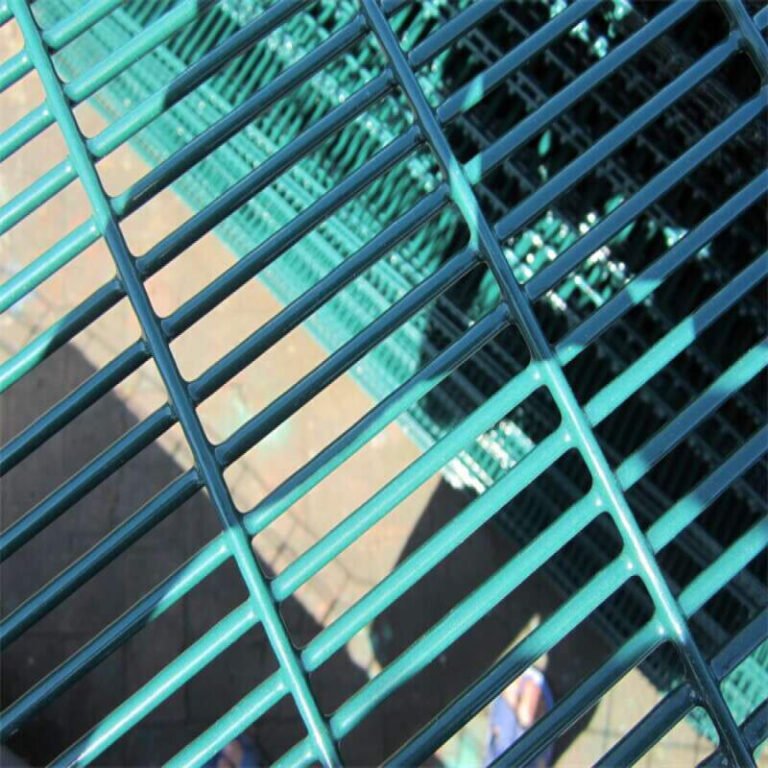
Description Clear View Fence Anti-Climb Fence for Open, Monitored Perimeters
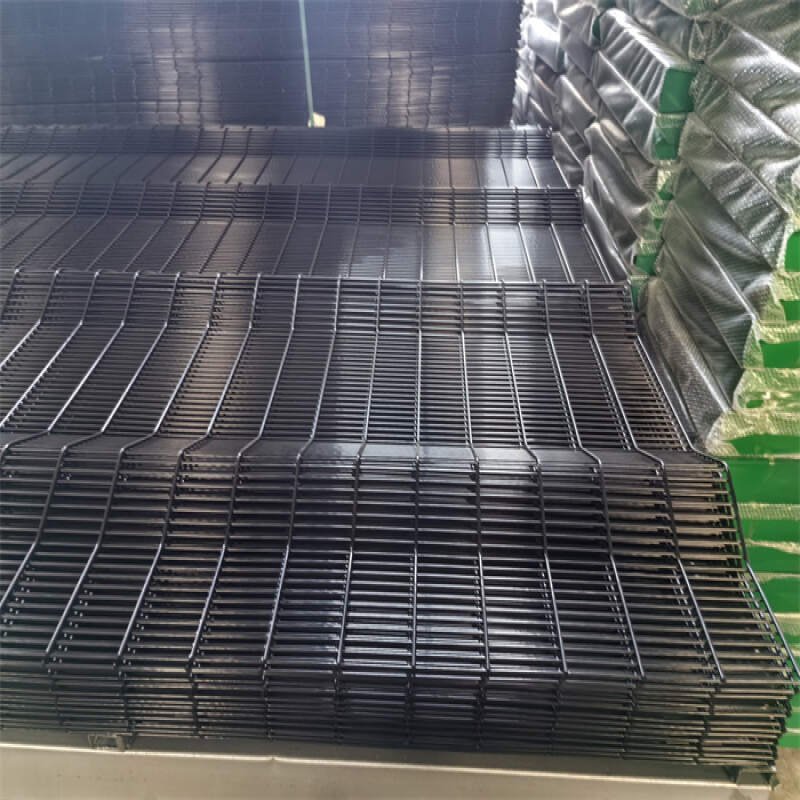
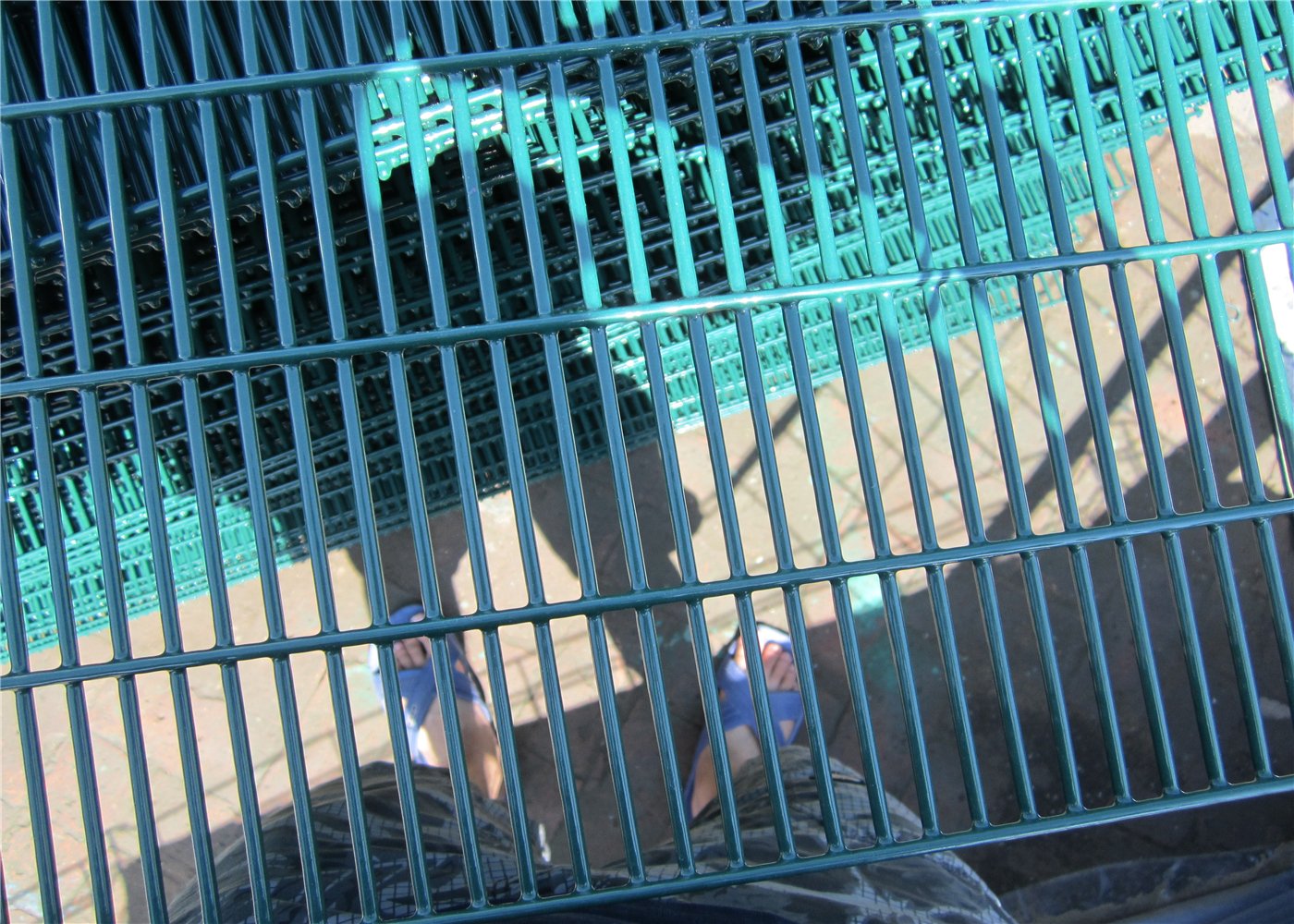
Clear view fence anti-climb fence systems combine close welded mesh with useful visibility along demanding property boundaries. Their narrow openings discourage ordinary climbing attempts while preserving views for guards and cameras. BMP manufactures matching panels, posts, gates, and fasteners for projects requiring coordinated steel security fencing.
A mesh boundary creates physical separation without the complete visual obstruction of a solid wall. Security officers can monitor approaches, loading areas, and service lanes through suitable panel layouts. Lighting, vegetation management, and camera placement still determine the quality of surveillance.
Industrial buyers often choose Clear View Fence Panels to balance appearance, visibility, and perimeter control. Every installation needs compatible posts and correctly aligned fixing hardware. No wire fence guarantees protection against every attack method.
 |
 |
 |
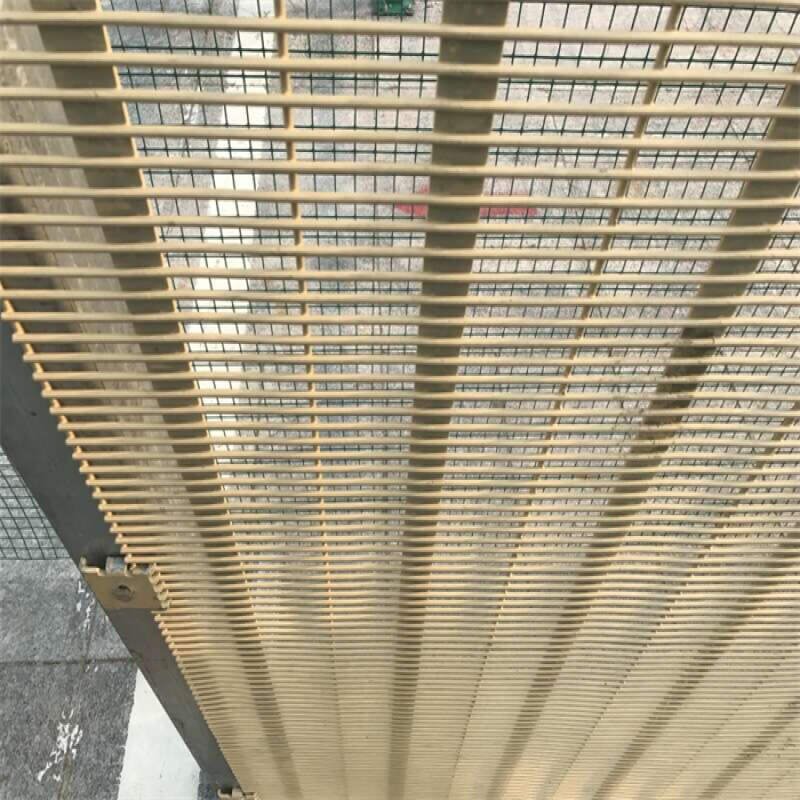
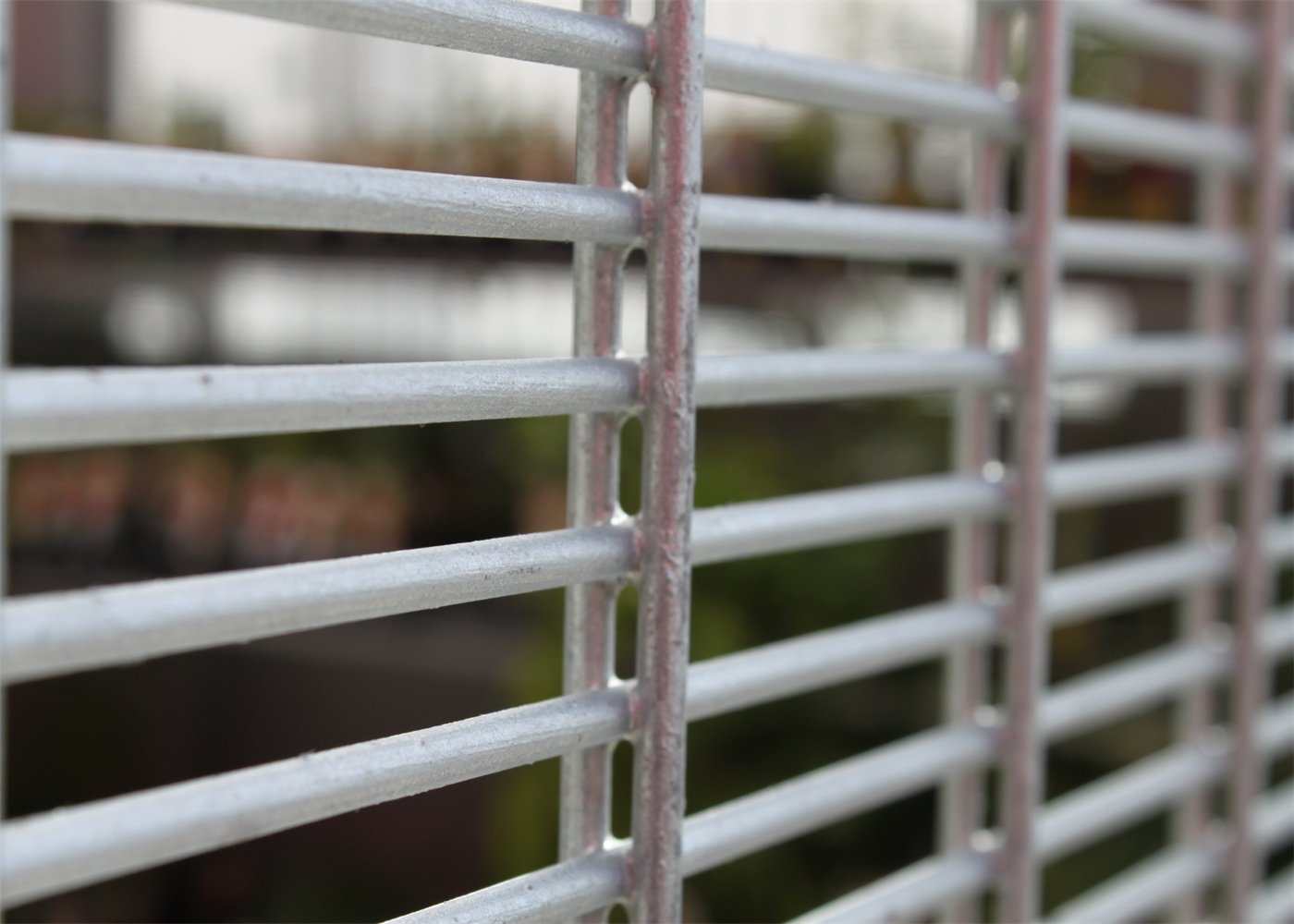
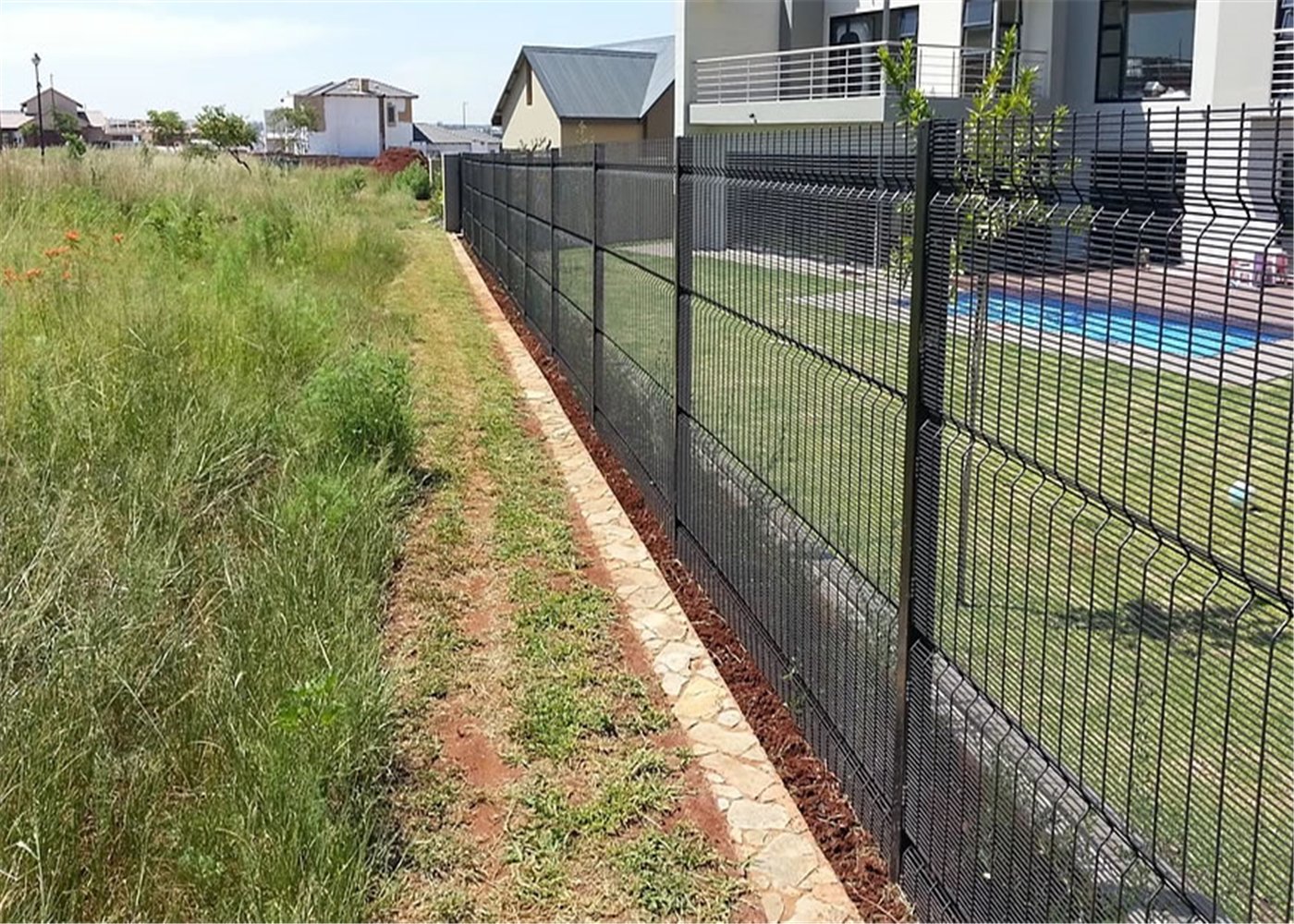
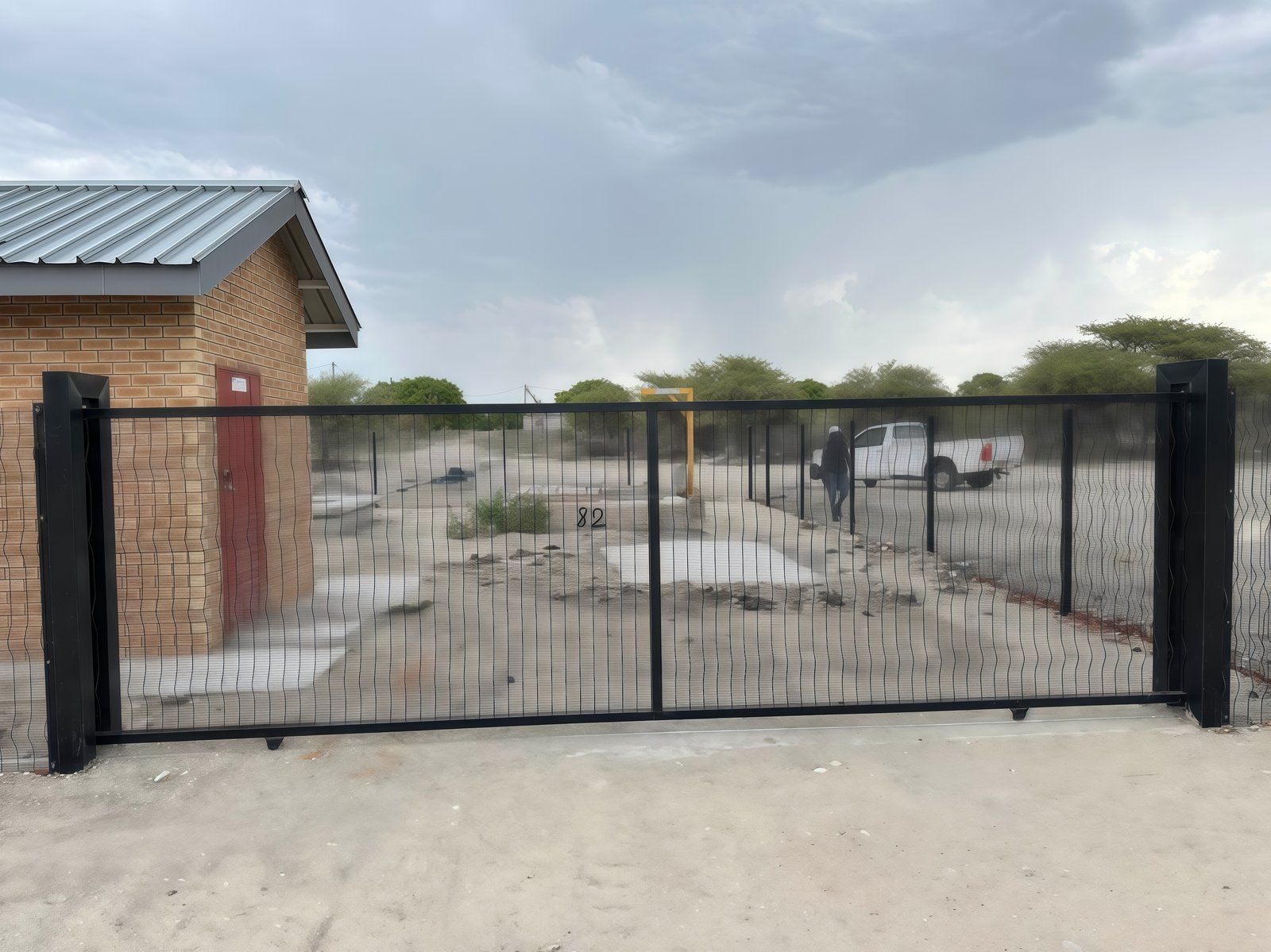
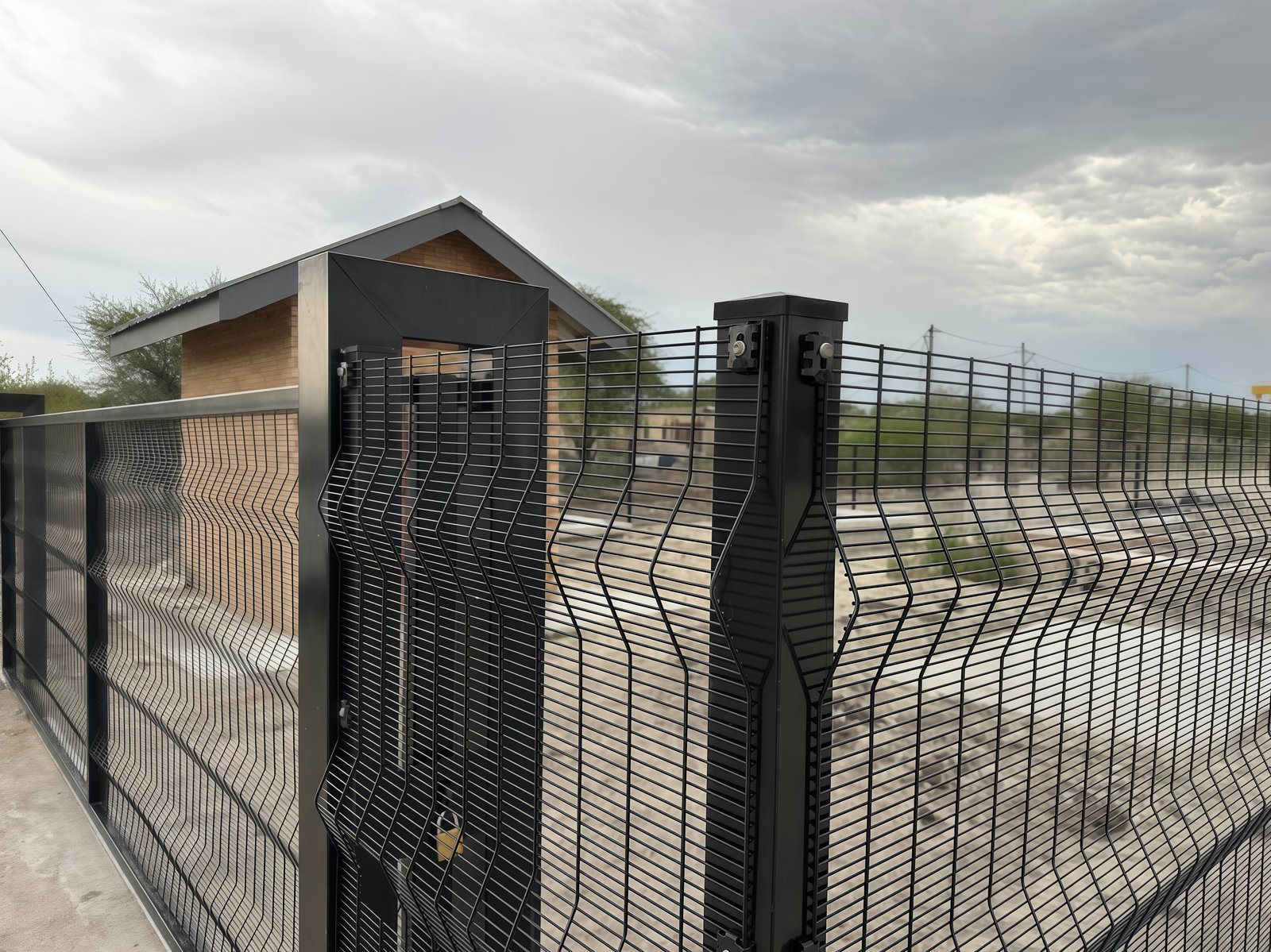
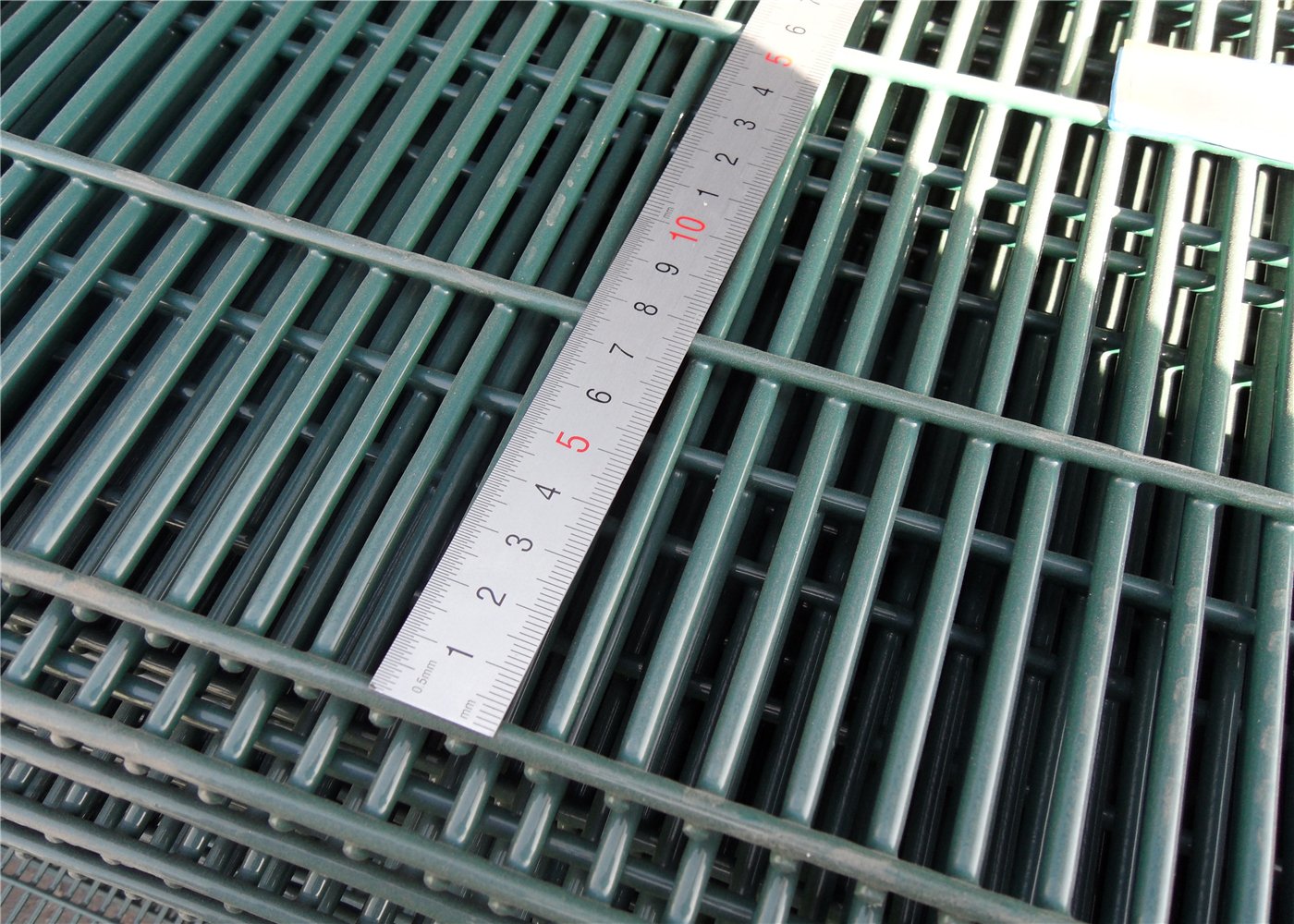
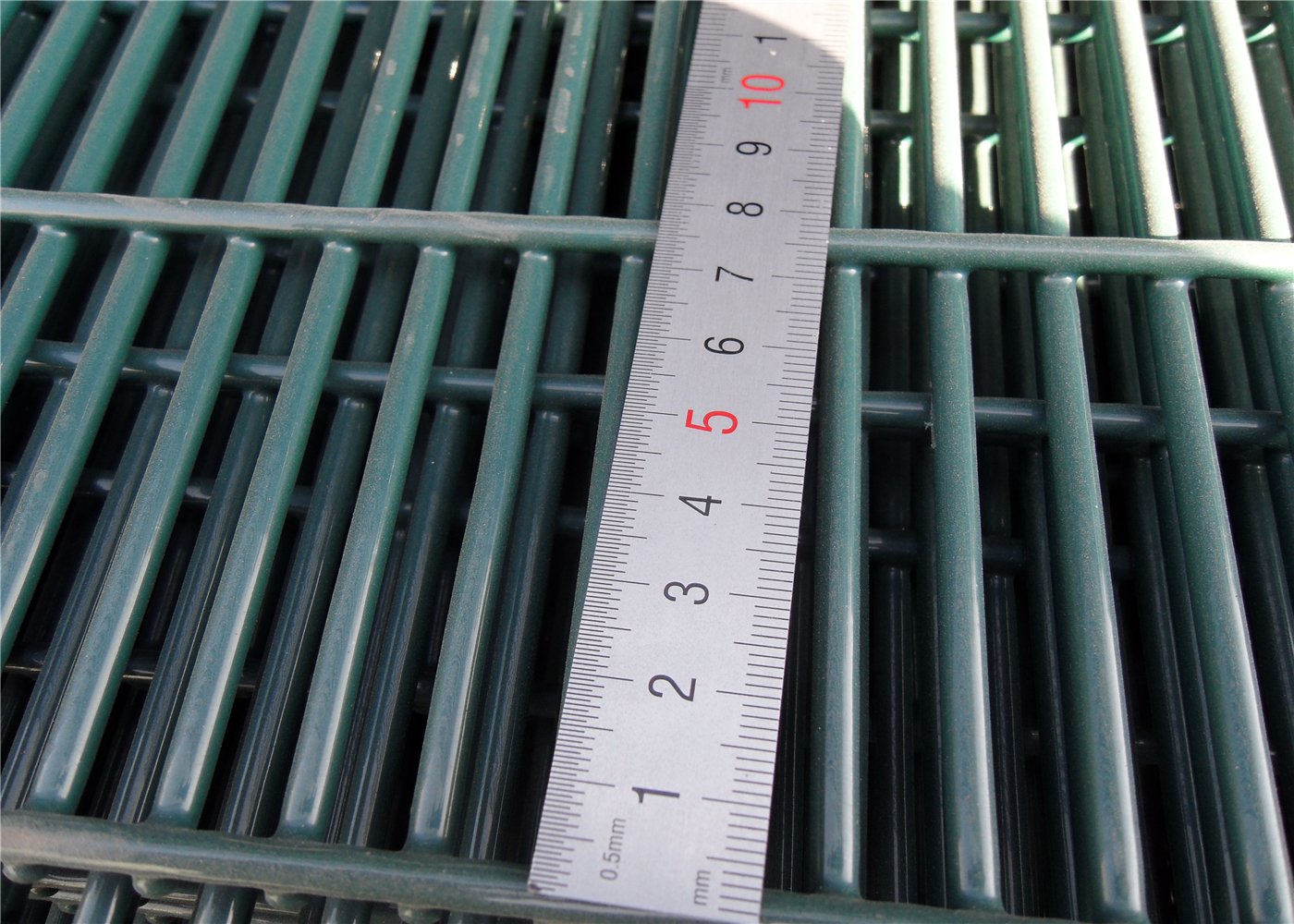
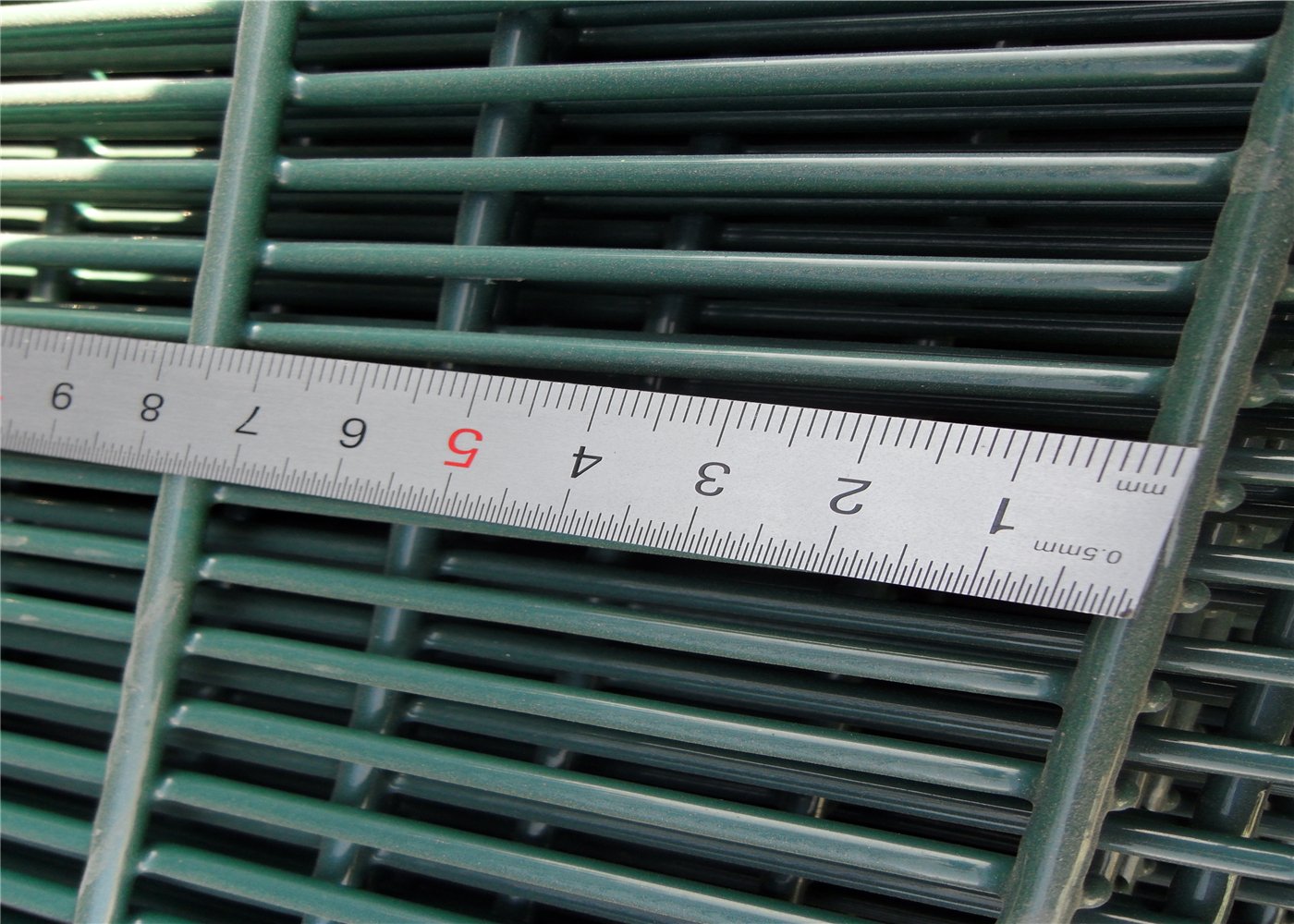
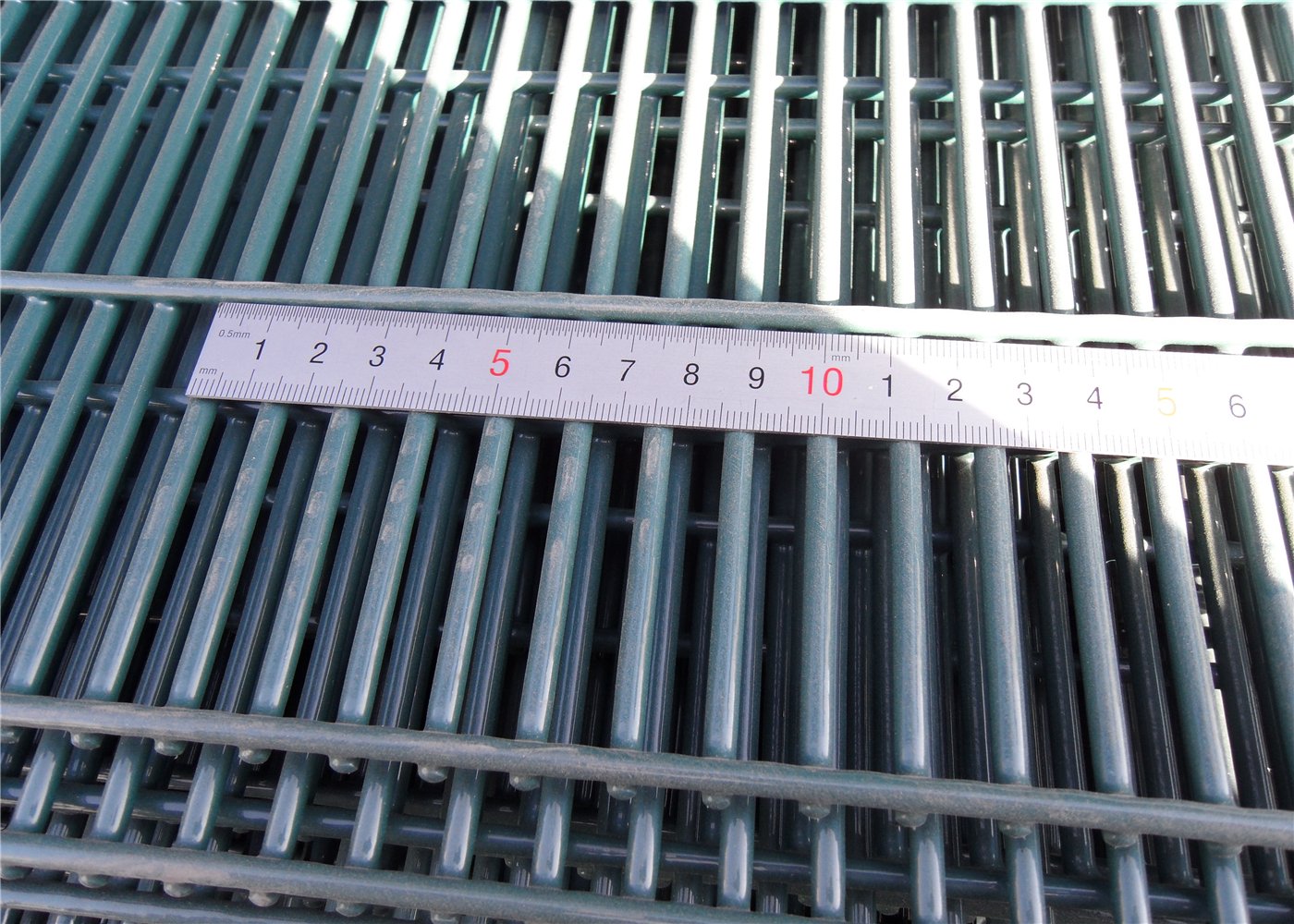
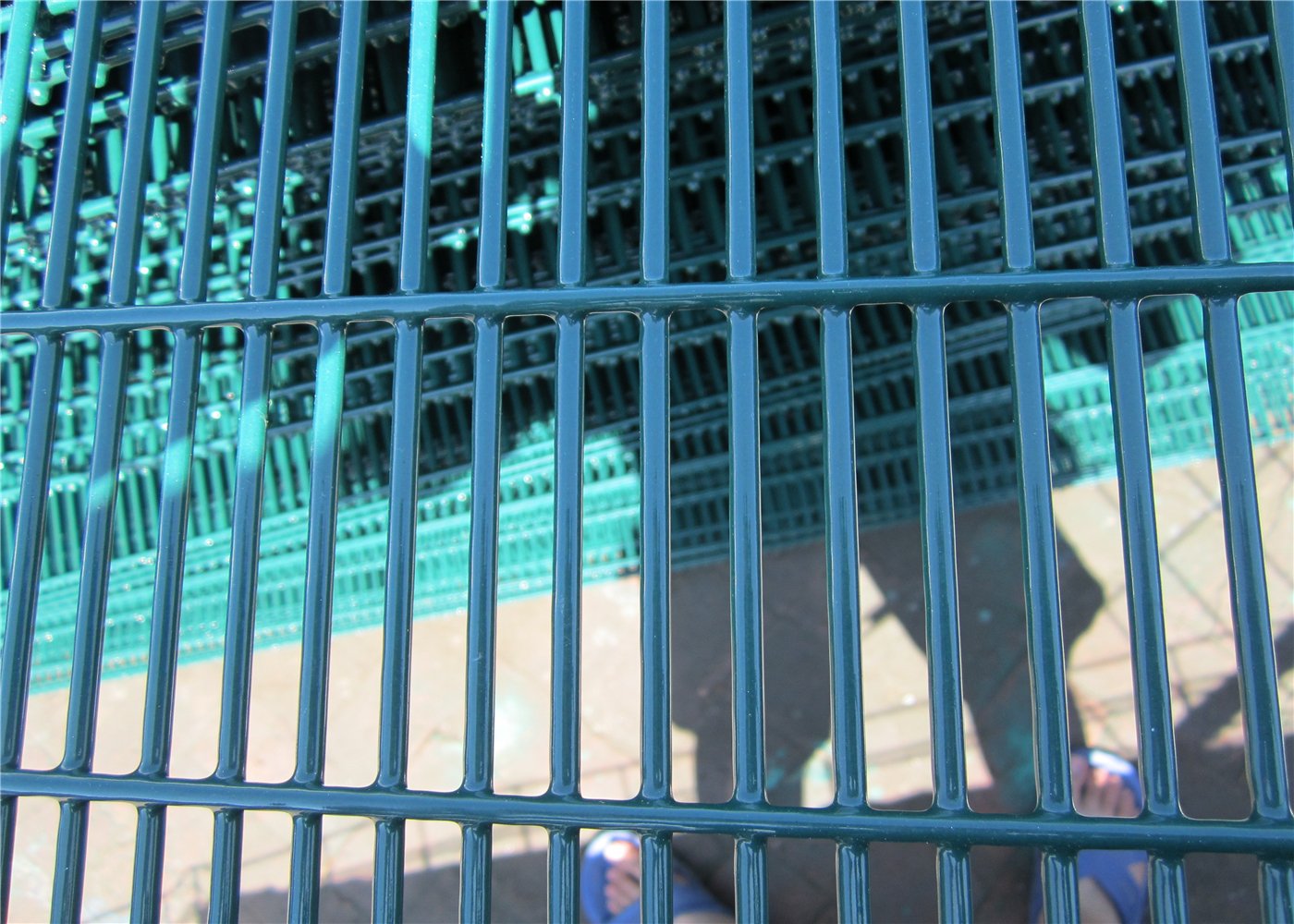
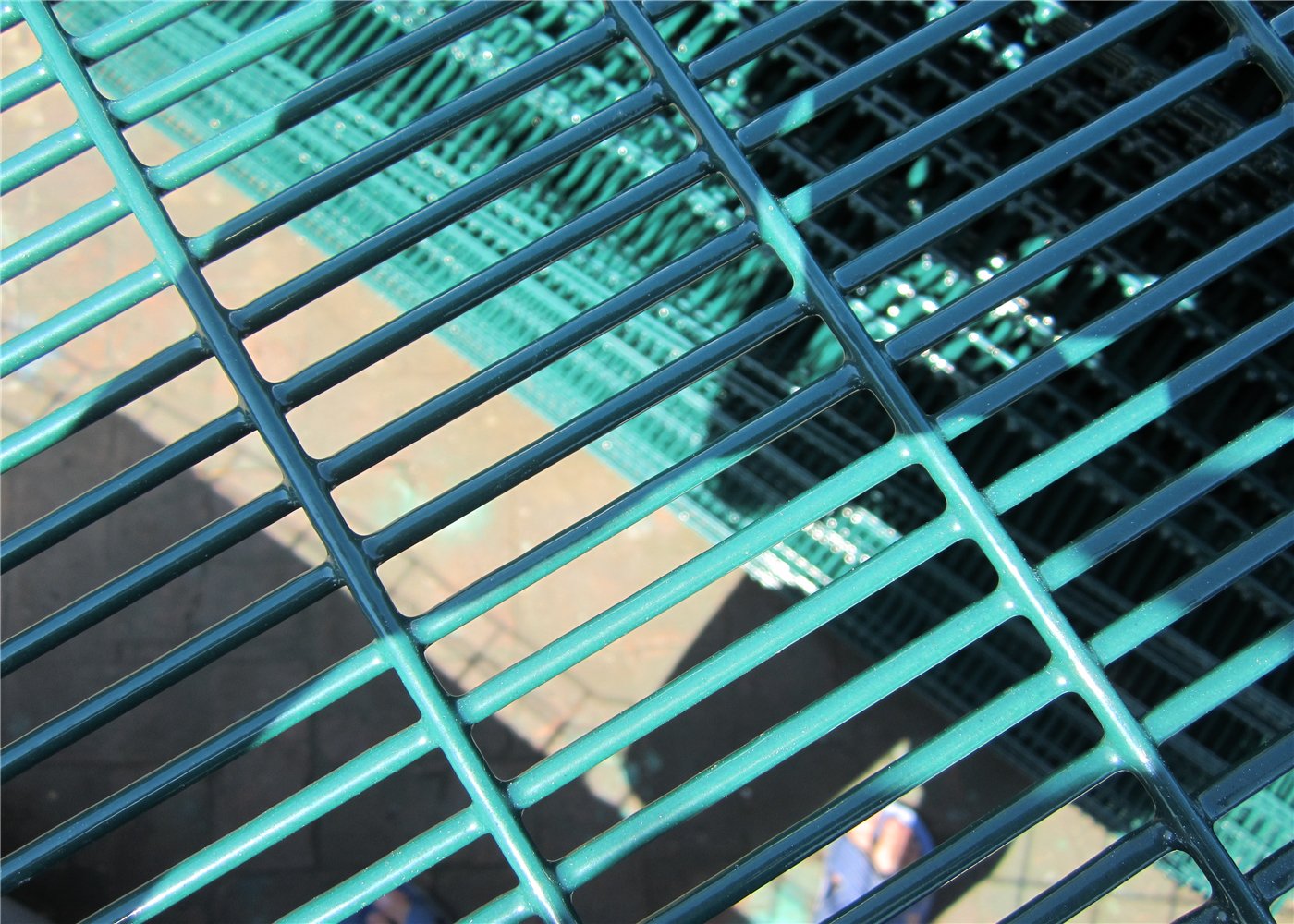
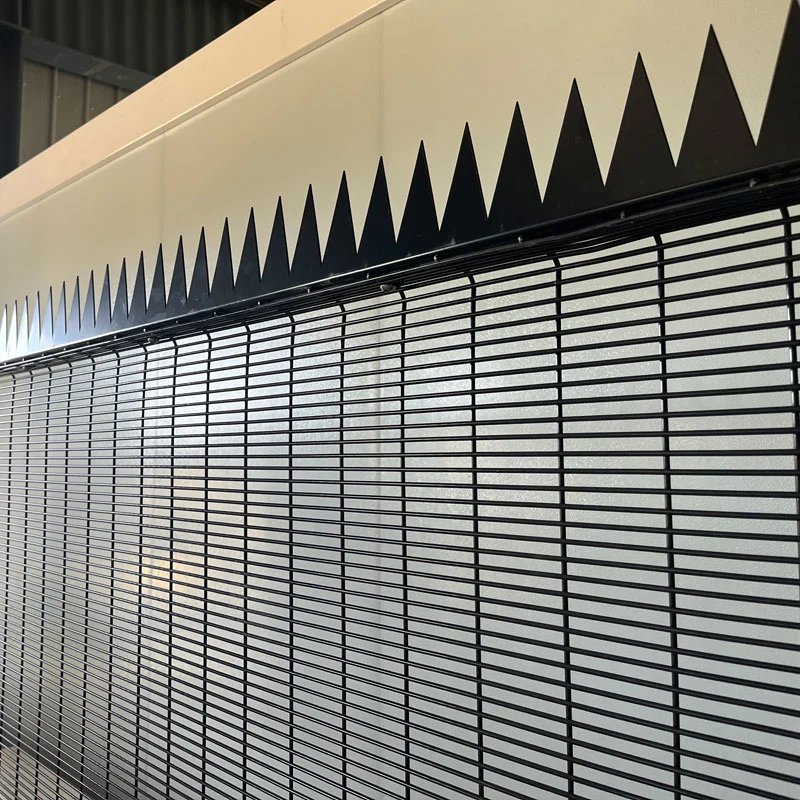
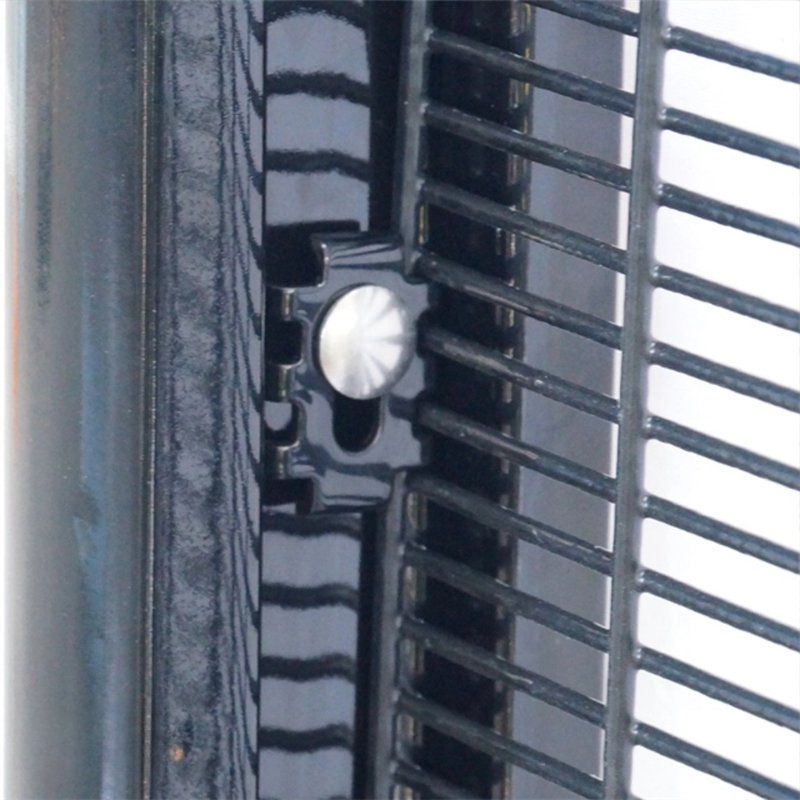
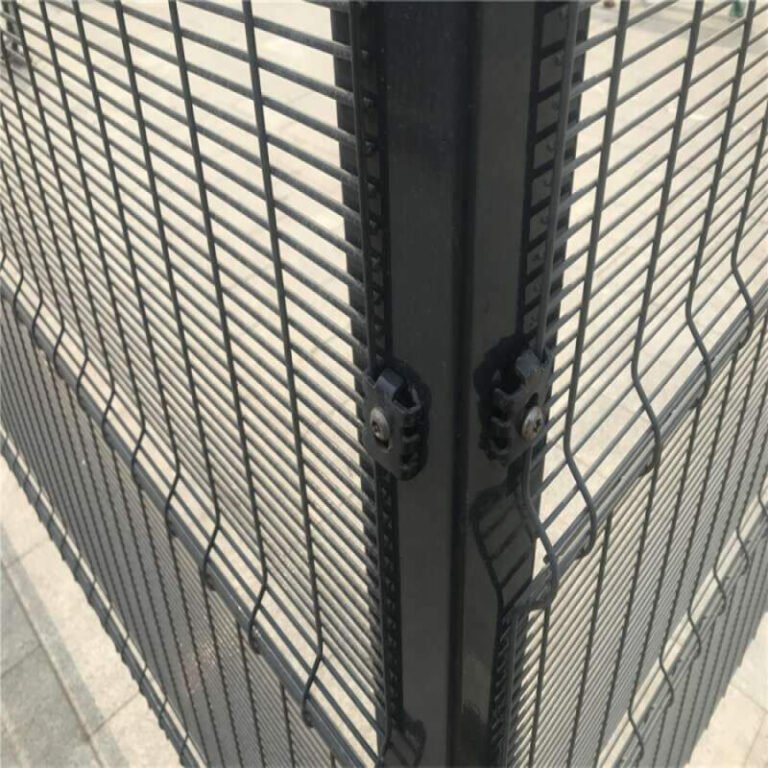
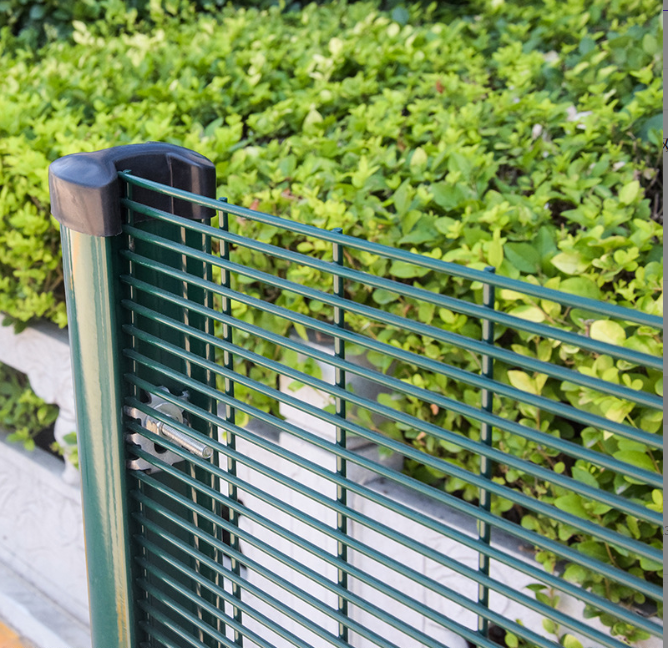
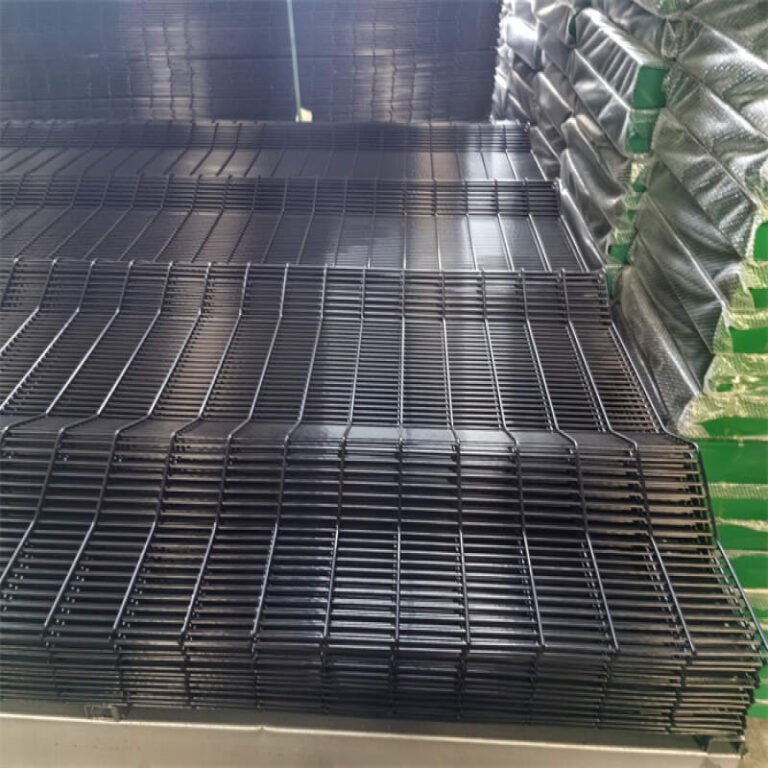
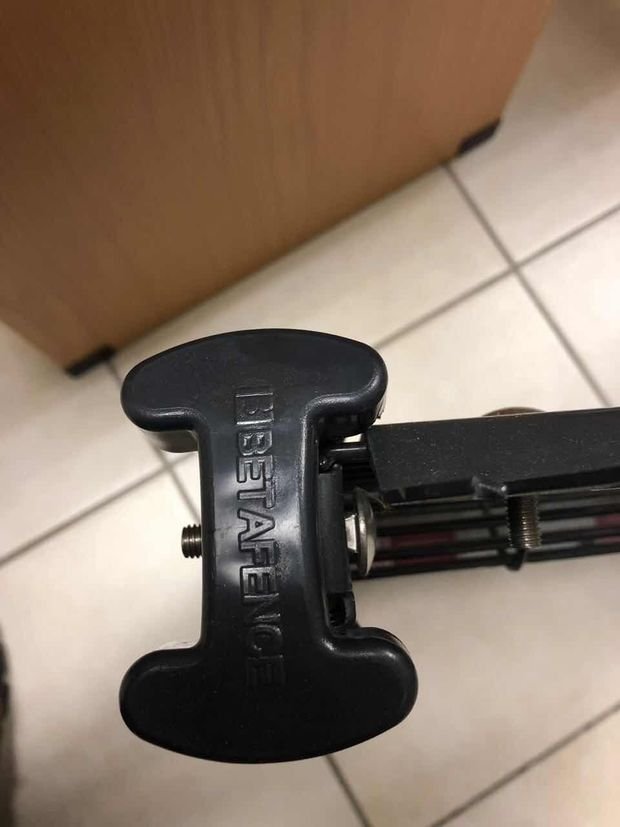
| Original product photo: close welded mesh design. |
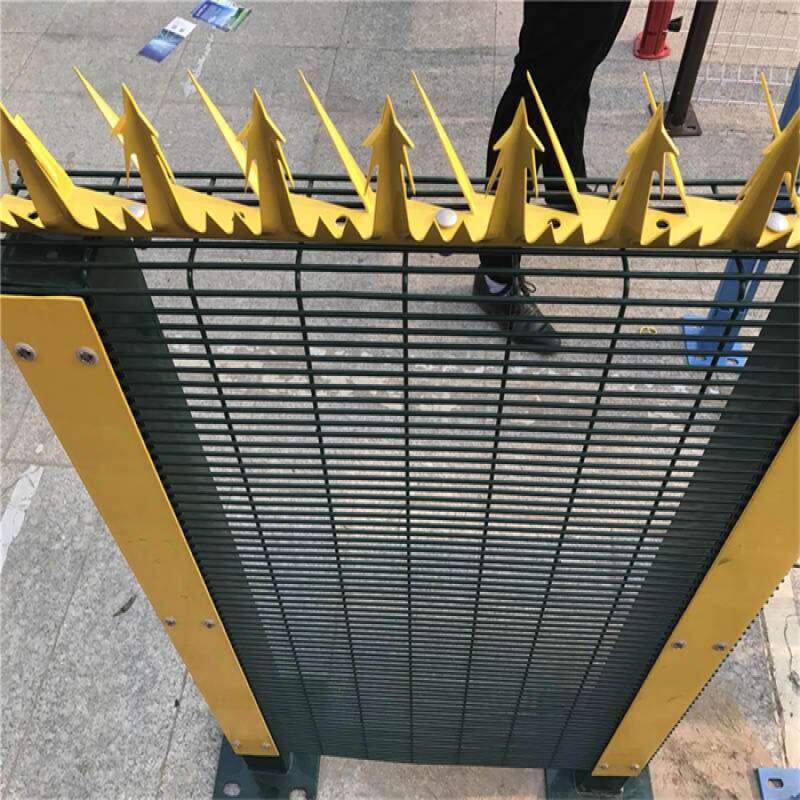
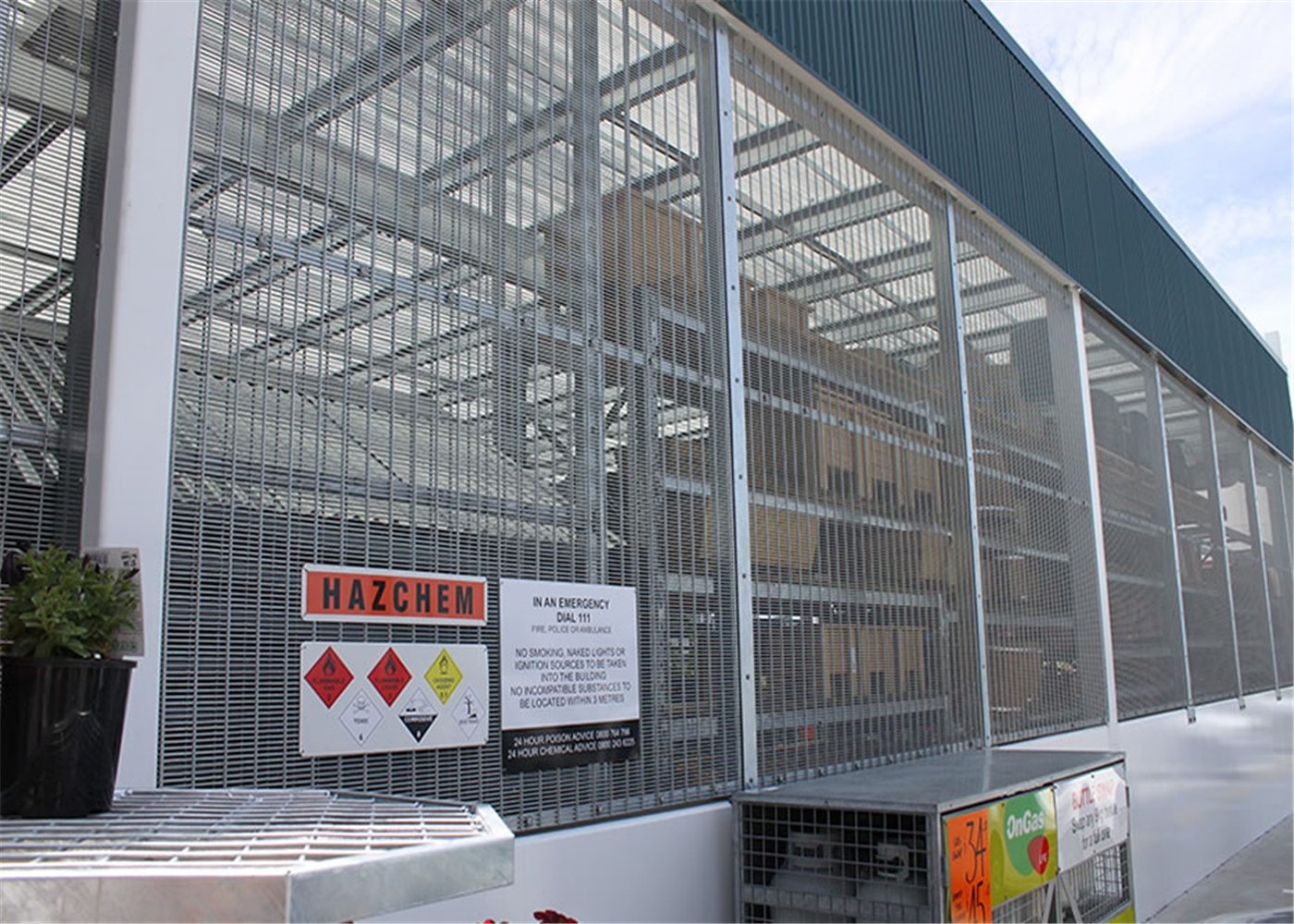
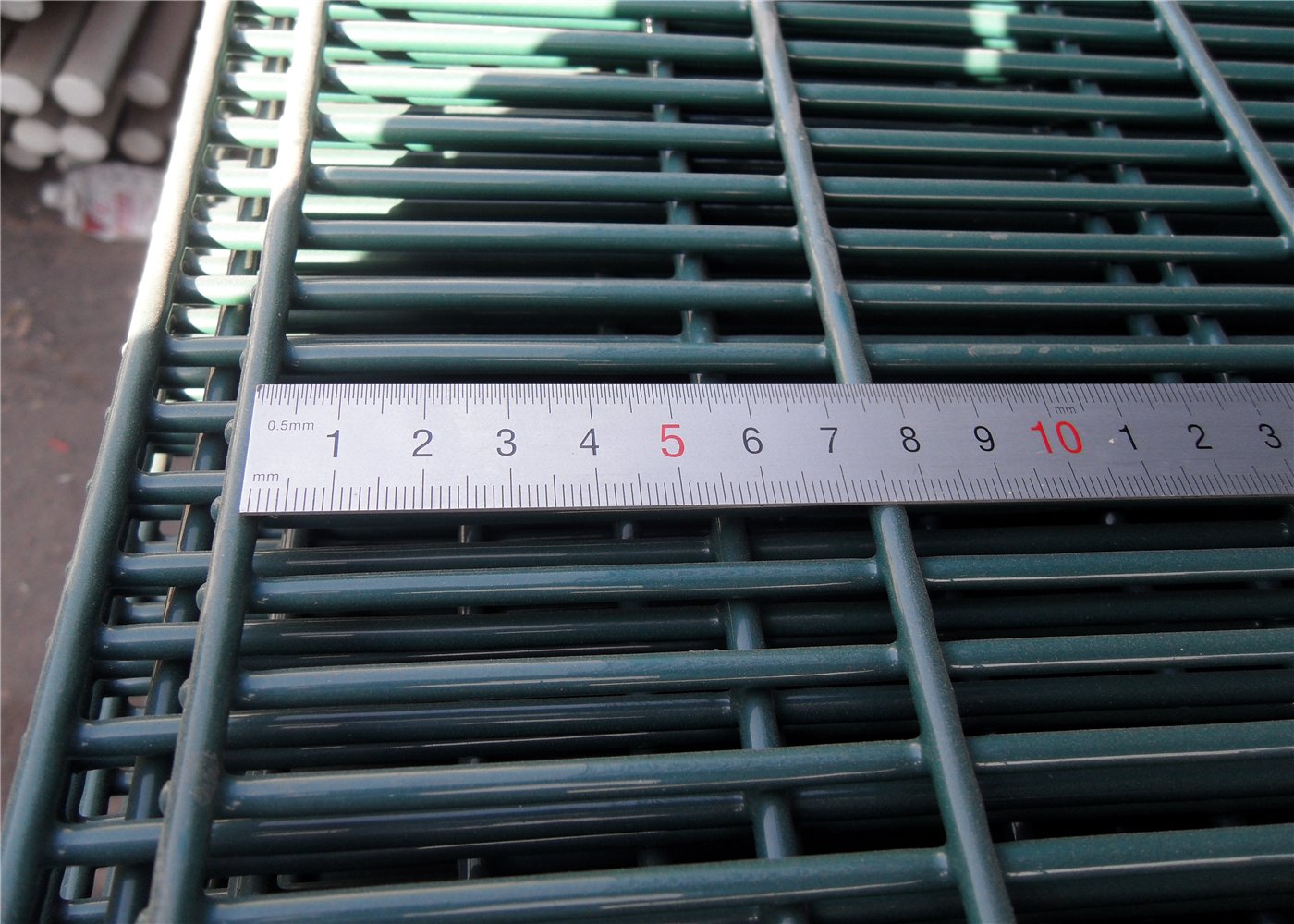
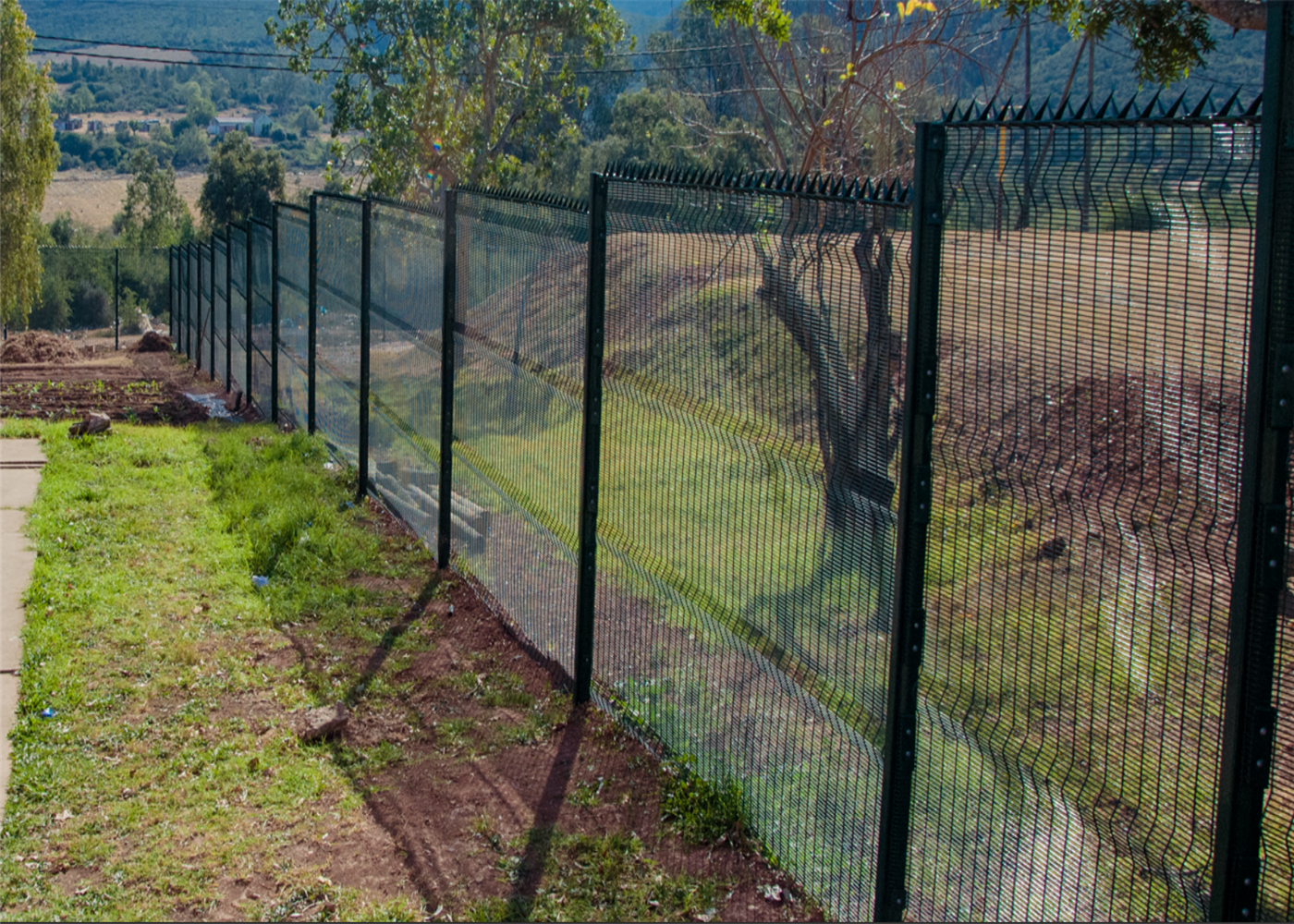
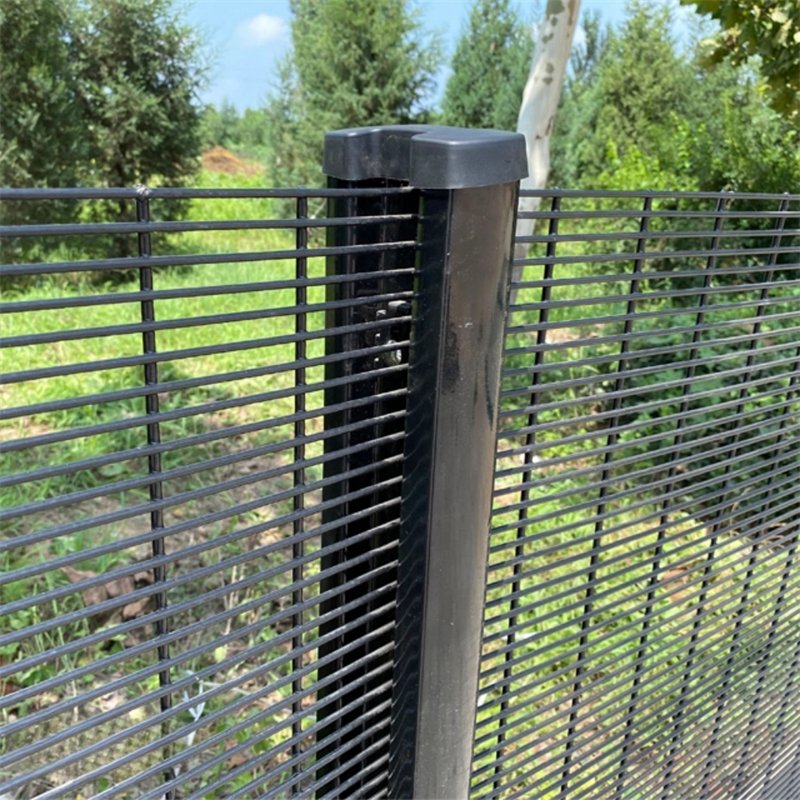
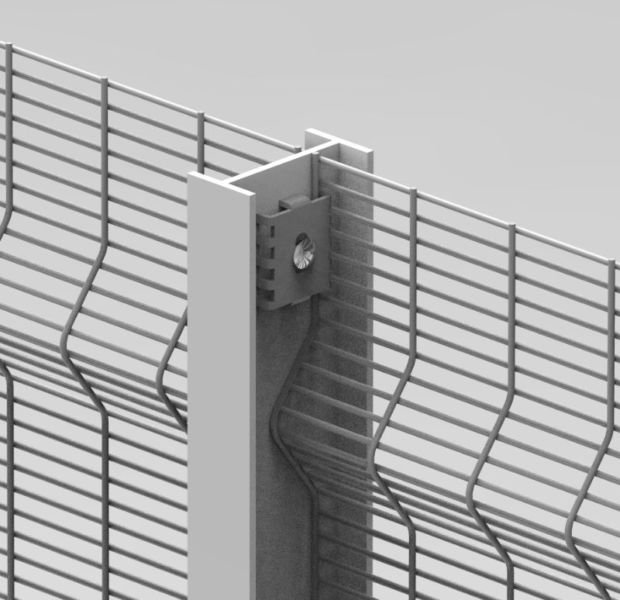
Original product photo: security fence system reference. |
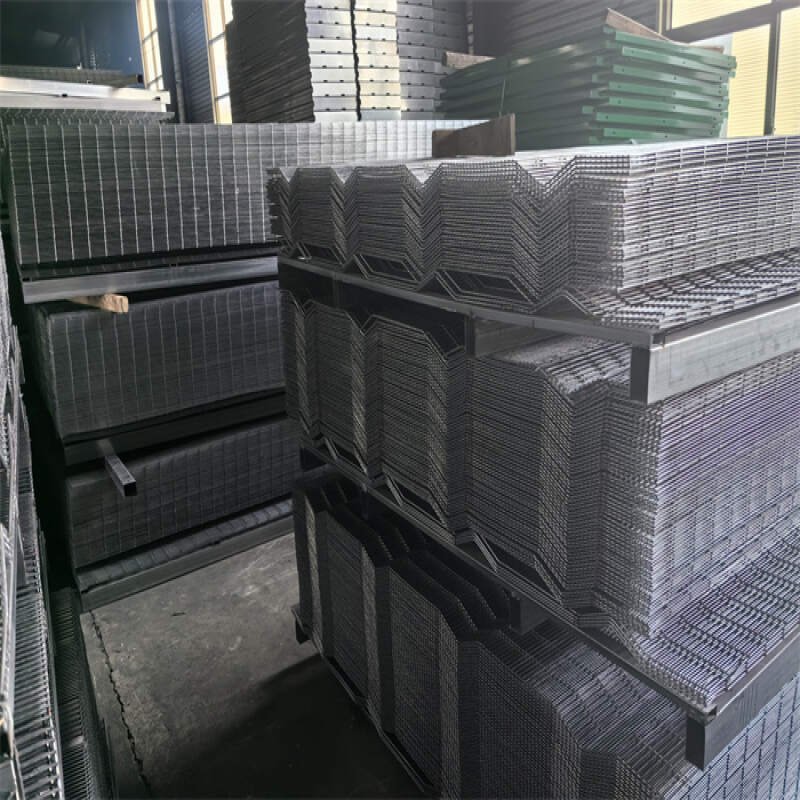
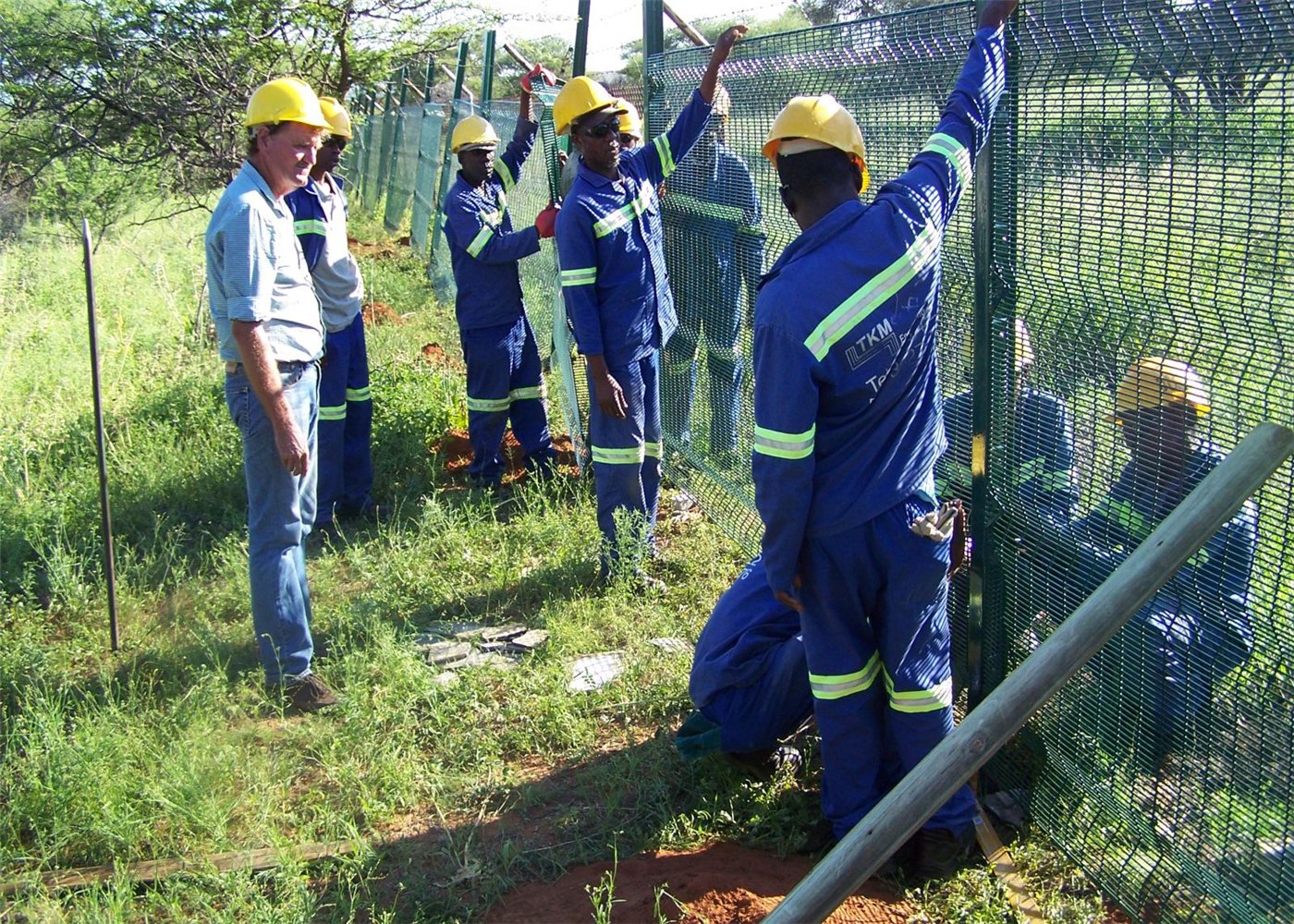
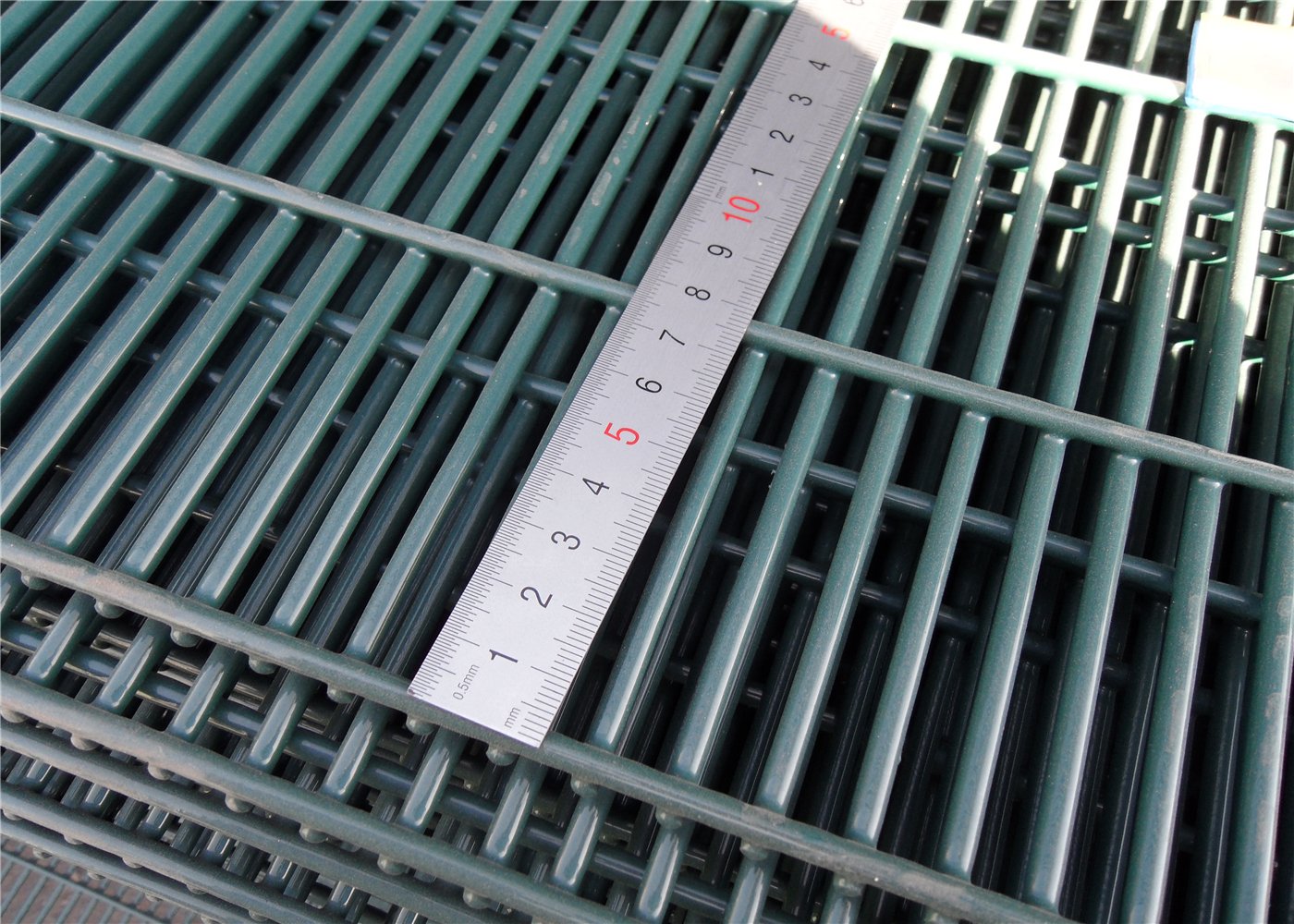
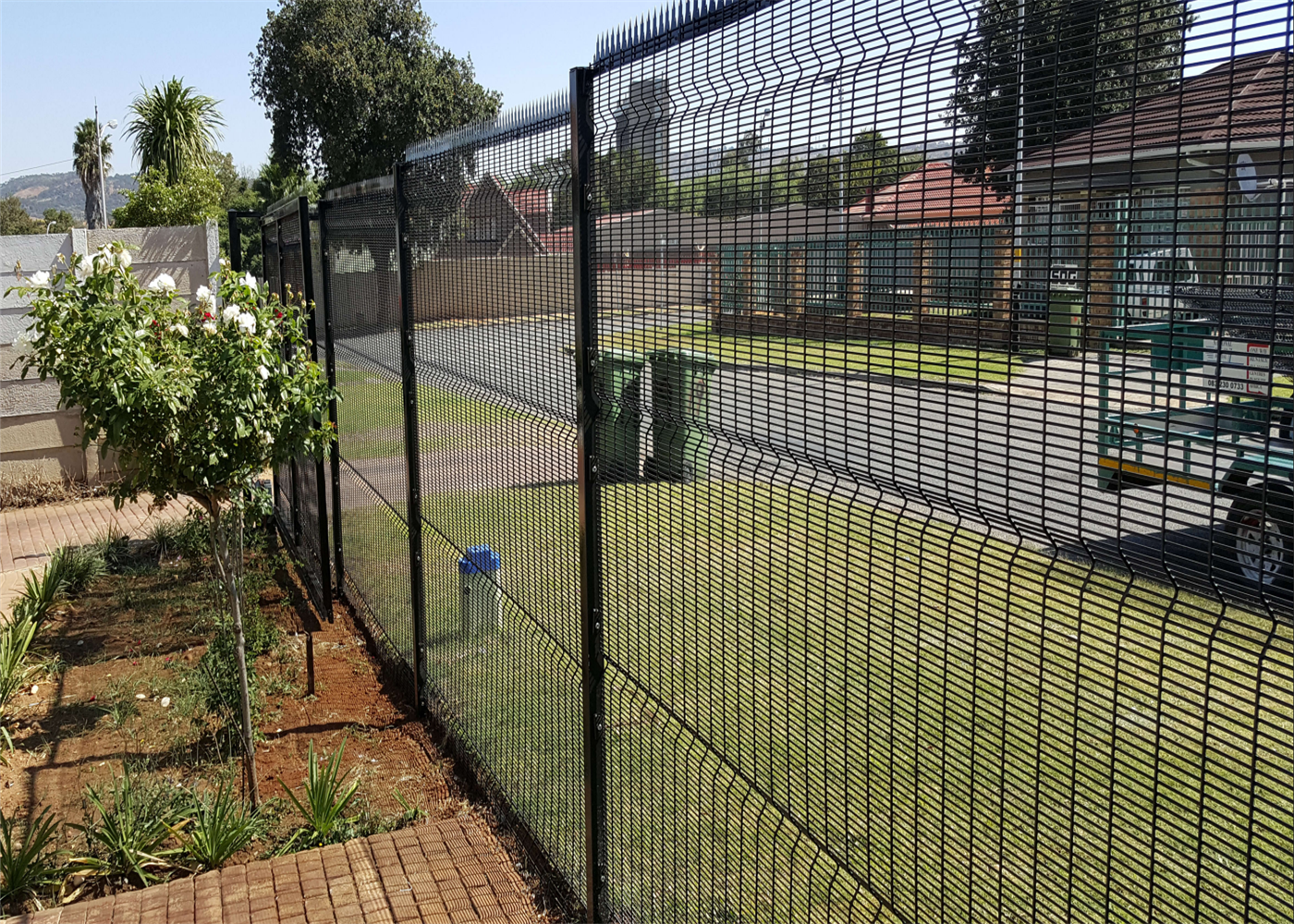
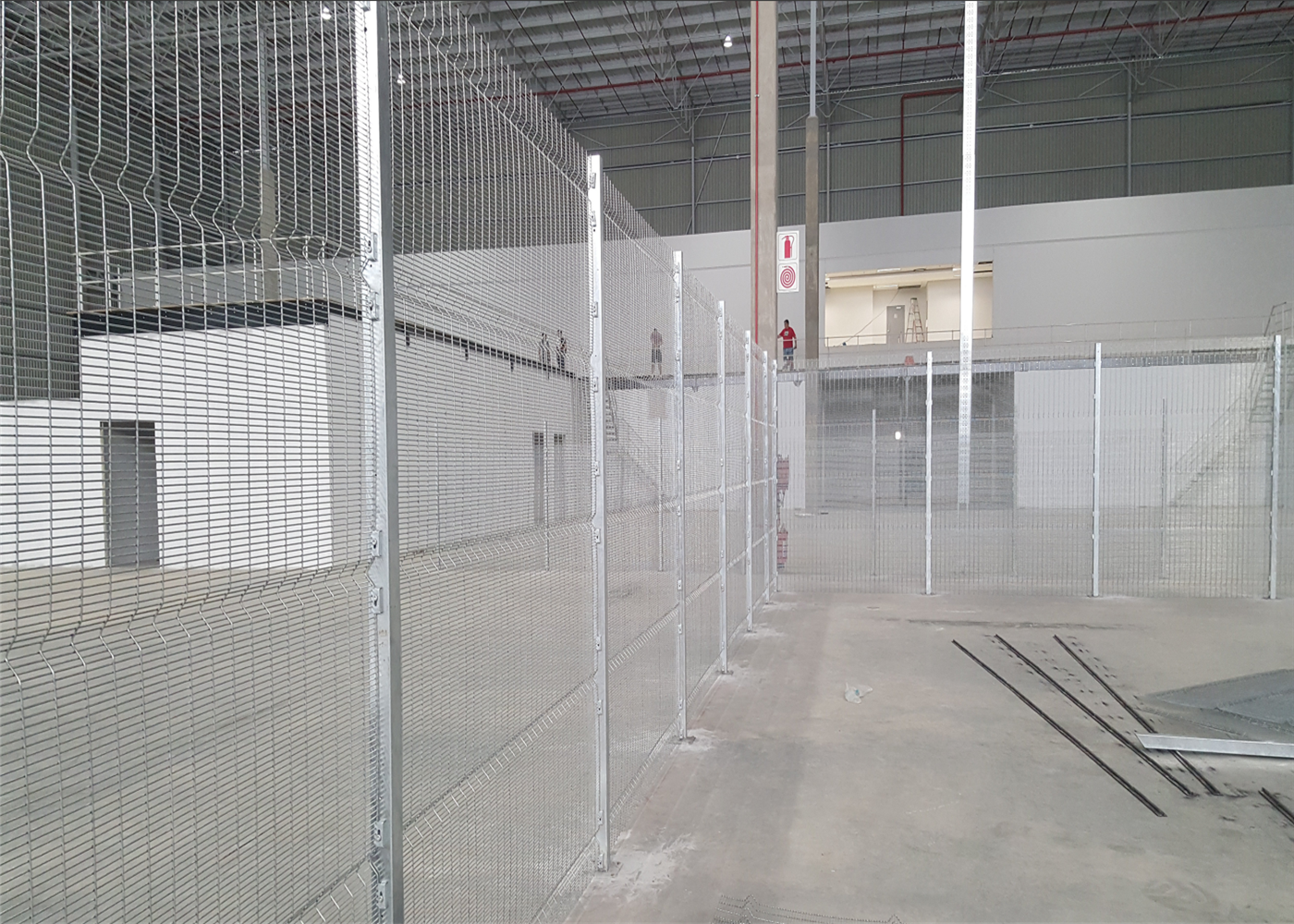
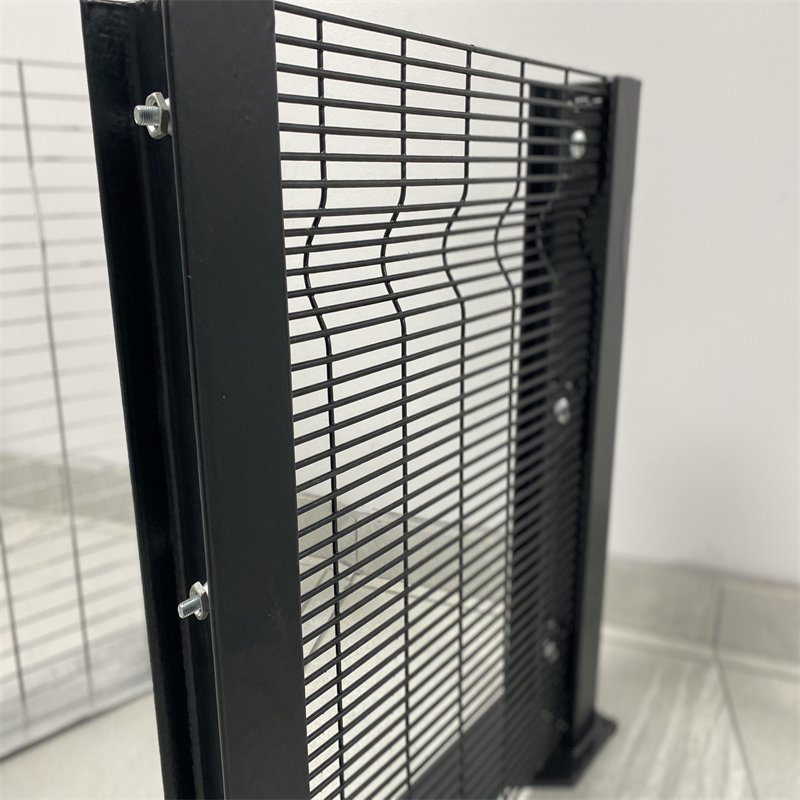
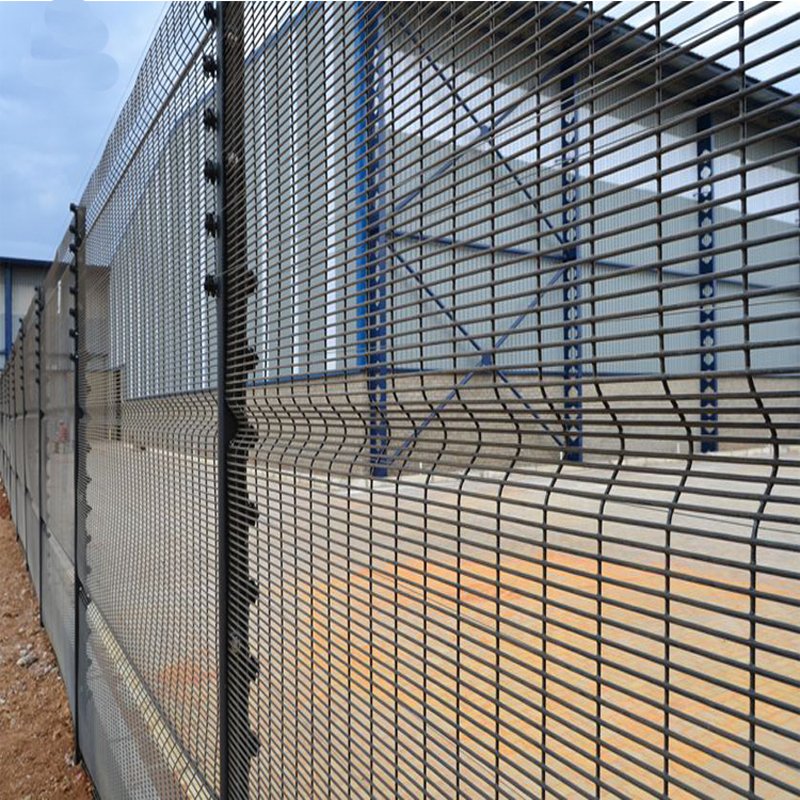
Original product photo: panel and accessory details. |
Why Small Mesh Openings Change Security Performance
Climbing usually requires convenient places for hands and feet. A narrow welded grid offers fewer practical holds than widely spaced chain-link openings. Dense steel wires also complicate access for some conventional hand cutters.
Nevertheless, determined intruders may use different equipment or target the fence connections. Secure gates, reliable alarms, and trained personnel remain necessary. Specify a certified resistance level only when an appropriate test report supports it.
Clear View Fence Anti-Climb Fence and the 358 Reference
The familiar 358 classification describes approximately three-inch by half-inch mesh with eight-gauge wire. Common metric references use 76.2 × 12.7 mm centres with approximately 4 mm steel. The distance between wire centres differs from the actual unobstructed opening.
358 Mesh Fence designs may include flat or folded welded panels. Their overall stiffness depends on wire diameter, steel grade, welds, and support spacing. Approved drawings should identify every relevant dimension.
Anti-Cut Claims and Realistic Resistance
Closely spaced wires can obstruct conventional cutters and reduce available working space. However, no manufacturer should promise absolute cutting resistance without defined test conditions. Evaluate threats to posts, clamps, and gate hardware alongside mesh strength.
Risk managers should treat fence resistance as a delay measure within a layered security plan. Detection systems work best when staff can respond promptly. A damaged panel also requires timely repair.
Clear View Fence Anti-Climb Fence with V-Bend Reinforcement
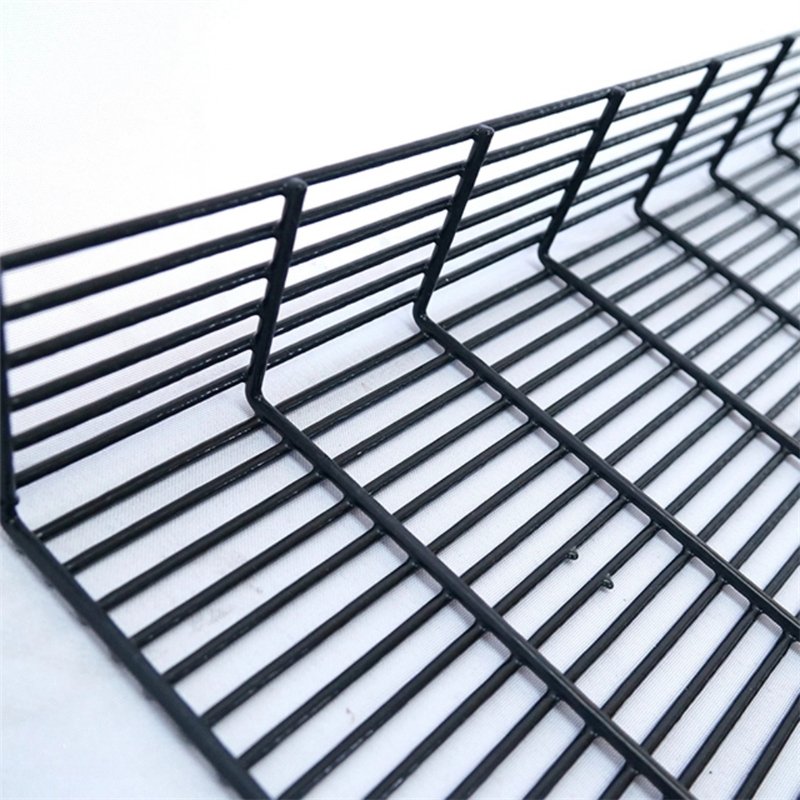
Pressed horizontal V profiles introduce stiffness into a relatively flat welded panel. Designers can use these bends while retaining an open visual appearance. The number and depth of folds depend on finished height and project requirements.
Catalogue figures describe three bends for several lower panels and five for the tallest reference. Four bends appear on its 2400 mm option. Buyers should approve the actual fold position and depth before production.
Flat Mesh Compared with Profiled Panels
Flat security sheets rely on wire size, welding quality, and support spacing for rigidity. Profiled panels add formed geometry to the welded grid. Neither format automatically matches another product's loading or certified performance.
For denser layouts, High Security Clear View Fence models offer further design options. The appropriate profile depends on height, exposure, and required fixings. Always compare finished dimensions rather than unformed blanks.
Clear View Fence Anti-Climb Fence Panel Dimensions
The original catalogue lists five panel heights across one 3000 mm nominal length. V-bend counts vary from three to five according to the panel height. This table preserves those figures for technical comparison.
Engineers must approve post foundations for the actual wind, soil, and site loads. A 3000 mm panel requires different installation planning from an 1800 mm panel. Catalogue lengths never guarantee structural suitability on their own.
| Panel Height (mm) |
Panel Length (mm) |
V-Bends |
Drawing Check |
| 1800 |
3000 |
3 |
Confirm finished height and fold depth |
| 2000 |
3000 |
3 |
Confirm fixing centres and edges |
| 2100 |
3000 |
3 |
Confirm post spacing and connections |
| 2400 |
3000 |
4 |
Review wind loading and foundations |
| 3000 |
3000 |
5 |
Check structural support and lifting |
These measurements represent the supplied reference, not a universal manufacturing standard. Other panel widths or heights may require altered folds. The final order must follow the approved engineering drawing.
Clear View Fence Anti-Climb Fence Wire and Aperture Table
Its wire specification identifies 4 mm vertical wires and 3 mm horizontal wires. It also lists 75 × 12.7 mm mesh and a tensile reference of 500–650 MPa. The stated weld-strength percentage needs further clarification.
| Parameter |
Original Catalogue Value |
Approval Requirement |
| Vertical Wire |
4 mm |
Confirm diameter and tolerance |
| Horizontal Wire |
3 mm |
Confirm direction and grade |
| Mesh Centres |
75 × 12.7 mm |
Confirm orientation and clear opening |
| Tensile Strength |
500–650 MPa |
Match to material test certificate |
| Weld Strength |
60%–80% (source reference) |
Confirm basis, method, and acceptance criteria |
Percentages alone cannot establish weld resistance without a stated test basis. Ask the factory for sample records and the relevant method. Avoid translating that catalogue range into a certified security rating.
Different Steel Grades for Project Needs
Q195 and Q235 appear in the original material options. Neither designation alone confirms a particular finished wire tensile strength. Chemical composition, processing, and drawing conditions influence actual properties.
ClearVu Fence Panels can use different wire combinations across security grades. Compare certificates against the purchased grade rather than a general marketing description. Consistent wire positioning also matters for welding quality.
Support Posts and Clamp Compatibility
A strong mesh sheet still depends on its supporting steel posts. Wind, soil conditions, fence height, and installation method determine structural demands. End posts and gate supports may need different sections from ordinary intermediate supports.
Square profiles remain common, while some systems use specialized steel shapes. ClearVu Fencing Post options require matching dimensions and connection details. Never combine unrelated components simply because their nominal heights match.
Clear View Fence Anti-Climb Fence Connection Hardware
Clamps and security bolts keep panels aligned against support posts. Appropriate connections help resist casual removal and accommodate the finished mesh profile. Incorrect fasteners can cause loose joints or expose unprotected steel.
ClearVu Fence Clamps suit selected post and mesh combinations. Designers should specify single and double clamp locations explicitly. A complete bill of materials must cover ends, corners, and gates.
Square Posts, Embedding and Base Plates
Buried posts need suitable embedment and correctly proportioned foundations. Base-plated posts require approved anchor bolts and sound supporting concrete. Survey underground services before any excavation.
For alternatives, Clear View Fence Post profiles support different fixing patterns. The installed centre distance should reflect the actual panel and clamp arrangement. Do not assume the nominal panel width equals the post-centre distance.
Clear View Fence Anti-Climb Fence Protective Coatings
Outdoor steel relies on suitable corrosion protection and regular inspection. The reference catalogue lists light galvanizing, heavier zinc coatings, and zinc-aluminium options. These treatments describe alternative production routes rather than a single combined specification.
Buyers should identify the coated component and relevant test method. Wire coatings and post-fabrication galvanizing have different process requirements. Polymer layers also require compatible surface preparation.
Source Zinc Coating Reference Table
The original document provides two rows of zinc coating values without clear labels. Both rows remain below as separate reference sets. Final purchasing documents should identify their coated components.
| Catalogue Reference |
Lightly Galvanized |
Fully Galvanized |
Galfan Coated |
| Original Row A |
60 g/m² |
275 g/m² |
220 g/m² |
| Original Row B |
50 g/m² |
255 g/m² |
195 g/m² |
Different zinc values can correspond to different material or process options. The supplied text does not define each row's exact purpose. BMP should confirm the requested grade before issuing acceptance criteria.
Clear View Fence Anti-Climb Fence Colour Finishes
The source also distinguishes powder coatings from thicker thermoplastic finishes. Zinc-aluminium composition is a metallic coating, not a colour finish. The following table preserves that distinction clearly.
| Finish Category |
Source Reference |
Specification Check |
| Powder Coating |
60–80 microns |
Confirm measured dry-film thickness |
| Thermoplastic Coating |
250 microns minimum |
Confirm process and applicable test |
| Zinc-Aluminium Coating |
95% zinc / 5% aluminium |
Confirm metal composition and coating mass |
Powder Coated Clear View Fence offers further colour and finish options. Green and black remain common architectural choices. Actual durability depends on substrate preparation, coating quality, and exposure.
Quality Assurance Before Powder Coating
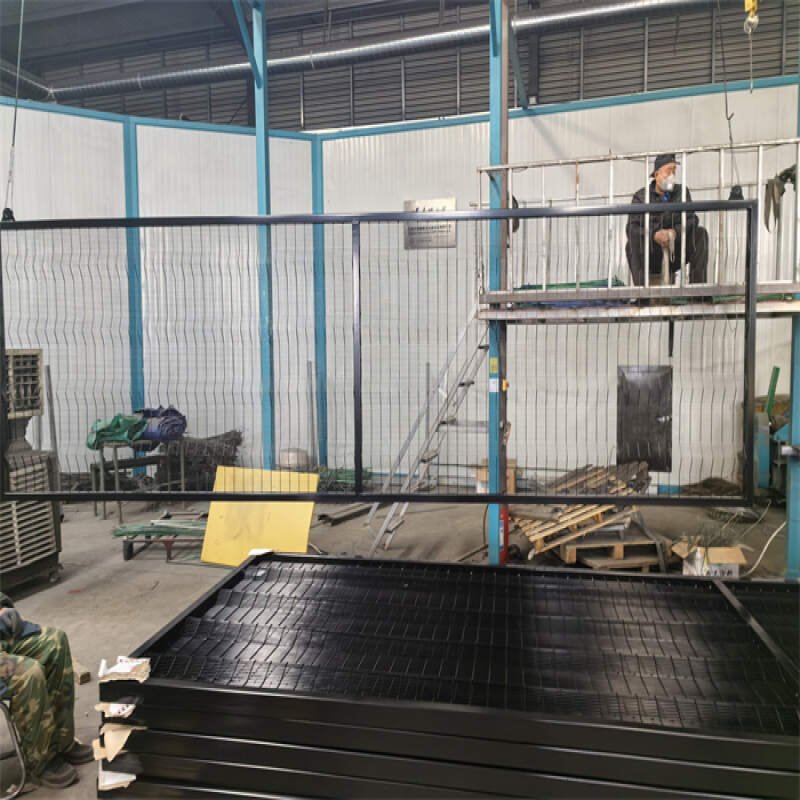
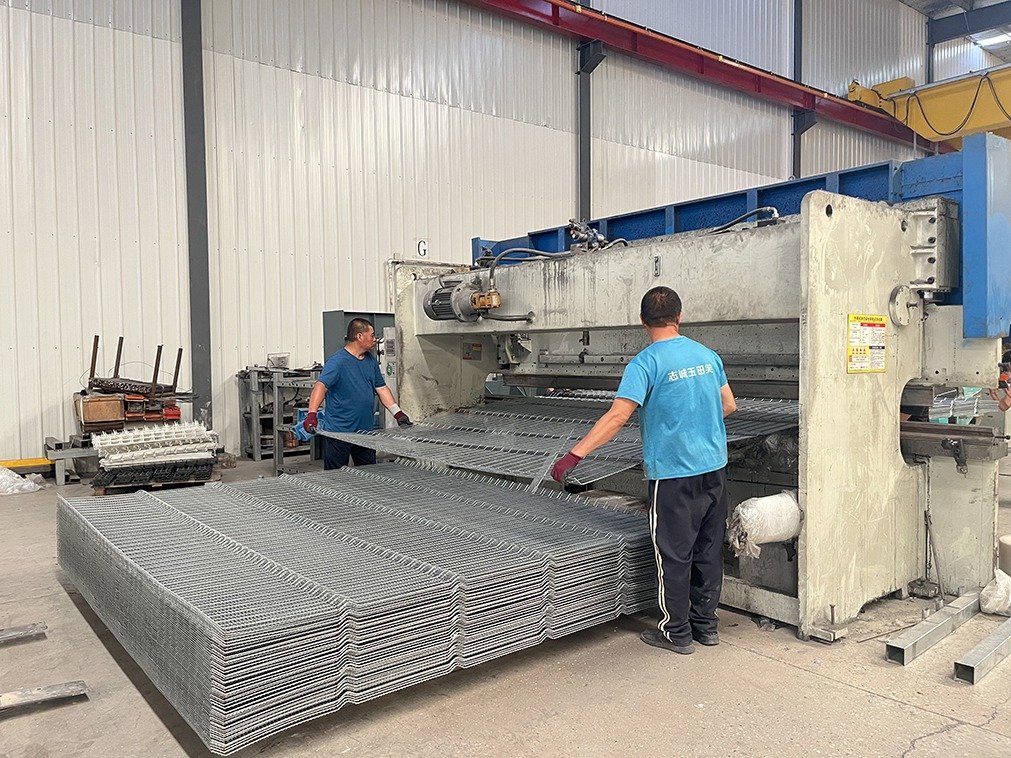
Production control begins with incoming steel inspection and wire preparation. Factory operators must keep the welded grid aligned before bending. Damaged welds deserve correction before finishing.
Coating inspections should measure the agreed thickness and confirm visible coverage. Packaged samples help buyers review colour consistency and connection fit. Written tolerances are more useful than broad claims about maximum security.
Clear View Fence Anti-Climb Fence Factory Process
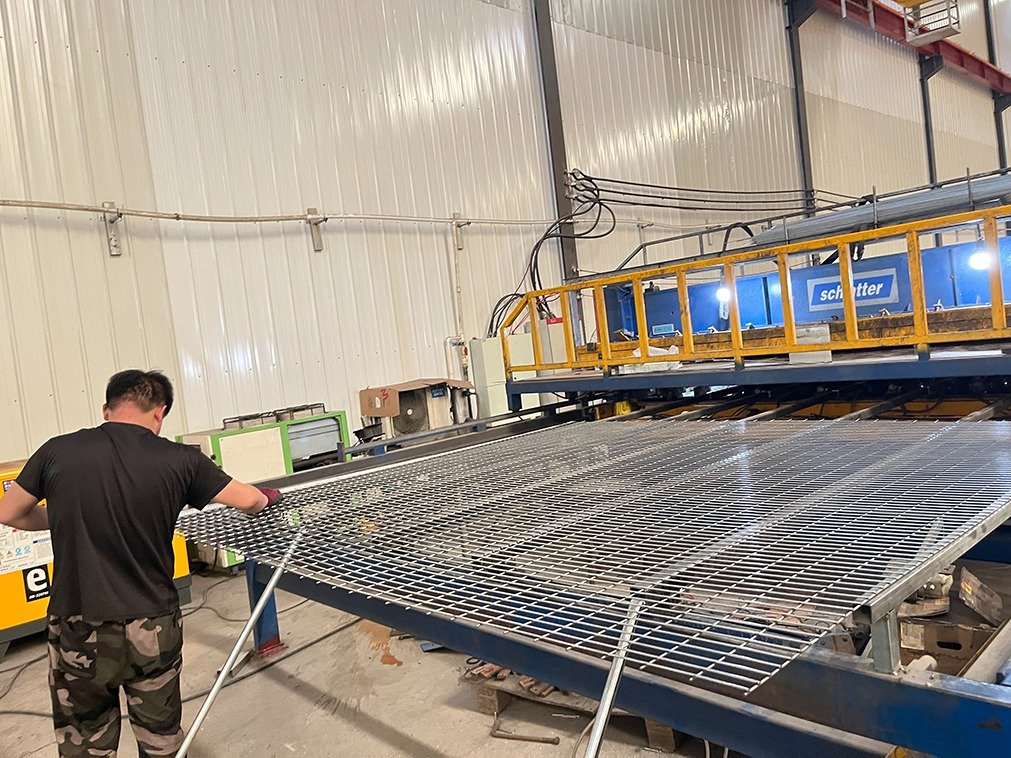
Welding equipment needs consistent settings and accurately positioned wires. Operators should inspect intersections before sending panels to their finishing stage. Posts and clamps follow separate fabrication processes.
- Verify incoming wire grades and coating information.
- Straighten and cut wires according to approved panel dimensions.
- Weld the mesh and inspect its intersections.
- Form the agreed V-bends and check finished height.
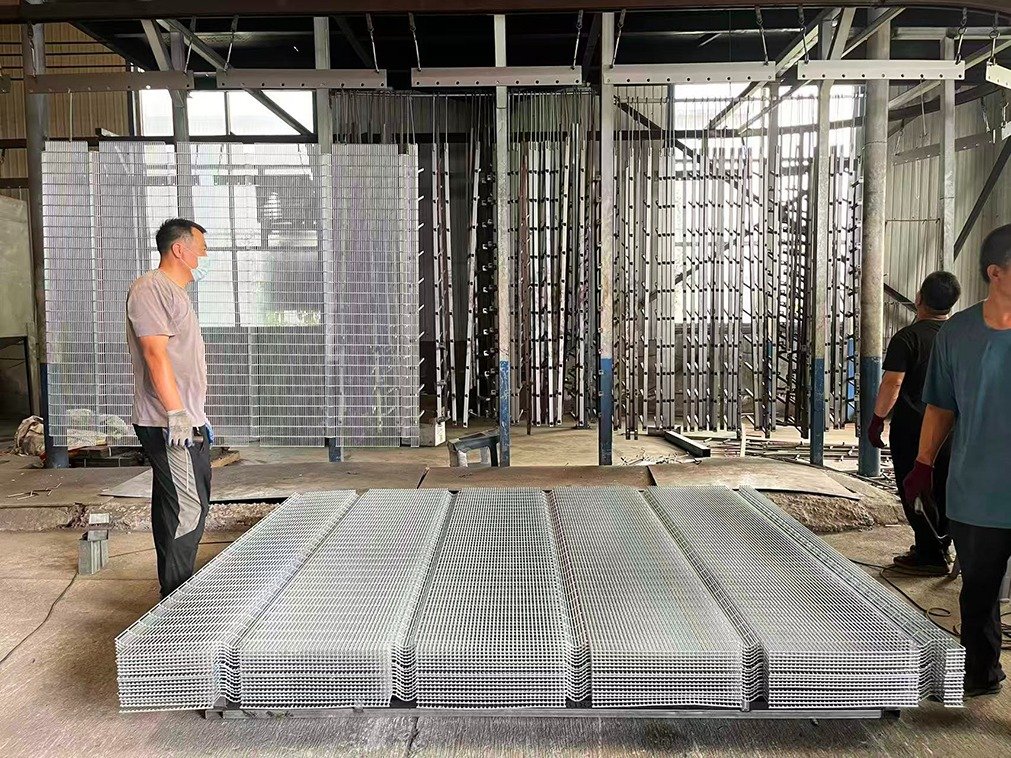
- Apply the selected zinc and compatible polymer finish.
- Inspect finished panels, posts, and accessories.
- Complete sample assembly and protective export packing.
Clear View Fence Anti-Climb Fence Inspection Certificates
Some projects require material tests, coating reports, or witnessed sample inspections. Confirm the required standards before manufacturing begins. A purchase order should identify each acceptance criterion.
Visually attractive panels can still contain dimensional errors. Measuring aperture centres, profile folds, and fixing positions reduces those risks. Document any approved design changes before shipment.
Where the System Supports Modern Perimeter Security
Industrial compounds, logistics yards, and utility installations benefit from visible separation and controlled access. Certain institutional projects also require closely spaced security mesh. Safety rules, structural requirements, and access procedures vary by location.
ClearVu Fence Panels can support projects needing reduced visual obstruction. The correct configuration depends on the site rather than an advertising category. Confirm whether formal attack-resistance testing applies.
Clear View Fence Anti-Climb Fence for Industrial Facilities
Warehouses need secure stock areas and reliable vehicle entrances. Narrow mesh supports visual monitoring without hiding loading activity. However, heavy vehicles can damage posts if the layout lacks suitable protection.
Keep containers and pallets away from the perimeter where practical. Their proximity may create climbing aids or obstruct camera views. Safety barriers should protect vulnerable corners from accidental impacts.
Coastal Ports and Inland Substations
Coastal sites face moisture and salt deposits that can accelerate steel corrosion. Inland facilities may encounter dust, seasonal storms, and poor drainage. Both settings need suitable finishing and inspection schedules.
Electrical substations also require clearances and carefully controlled access. Metal fencing must comply with the site's electrical safety requirements. Never assume an ordinary steel boundary satisfies specialized electrical standards.
Schools, Campuses and Public-Facing Boundaries
Schools can use visible perimeter mesh to support controlled entry and supervision. Sharp toppings may be inappropriate near playgrounds or daily pedestrian routes. Project teams should choose safe details for the intended users.
Campus security depends on visitor procedures and reliable access points. Gates should operate safely during emergencies. A visually open fence helps observation but cannot replace staff oversight.
Clear View Fence Anti-Climb Fence with Gates and Sensors
Fixed mesh remains only one part of a complete perimeter. Every entrance interrupts the continuous barrier and creates different structural demands. Matching gate frames and secure locks deserve separate design attention.
Clear View Fence Gates include pedestrian and vehicle opening arrangements. Select the type according to available space and daily operations. The final system should accommodate emergency access.
Gate Geometry and Moving Loads
Heavy swing leaves need suitable hinges and strong supporting posts. Sliding gates introduce track, guide, and motor requirements. Their operating zones must remain clear of pedestrians and obstructions.
ClearVu Fence Sliding Gates suit selected sites with sufficient lateral clearance. Installers should check alignment and drainage before final commissioning. Motorized access also needs appropriate safety devices.
Clear View Fence Anti-Climb Fence and Detection Systems
Close mesh supports CCTV visibility when installers select suitable angles. Fence-mounted sensors may need specialized fixing and calibration. The monitoring design should identify blind corners and possible false-alarm sources.
Electric fencing components require legal and technical compliance. Qualified personnel should design any powered topping. Avoid adding energized equipment to a standard fence without an approved safety plan.
Security Toppings and Public Safety
Extensions, spikes, and razor materials can change the hazard presented by a fence. Their installation may face local restrictions or setback requirements. Buyers should review those obligations before ordering accessories.
Clear View Fence Accessories cover compatible caps and fitting choices. Secure attachment and safe maintenance matter with every additional component. Unapproved modifications can weaken the original system.
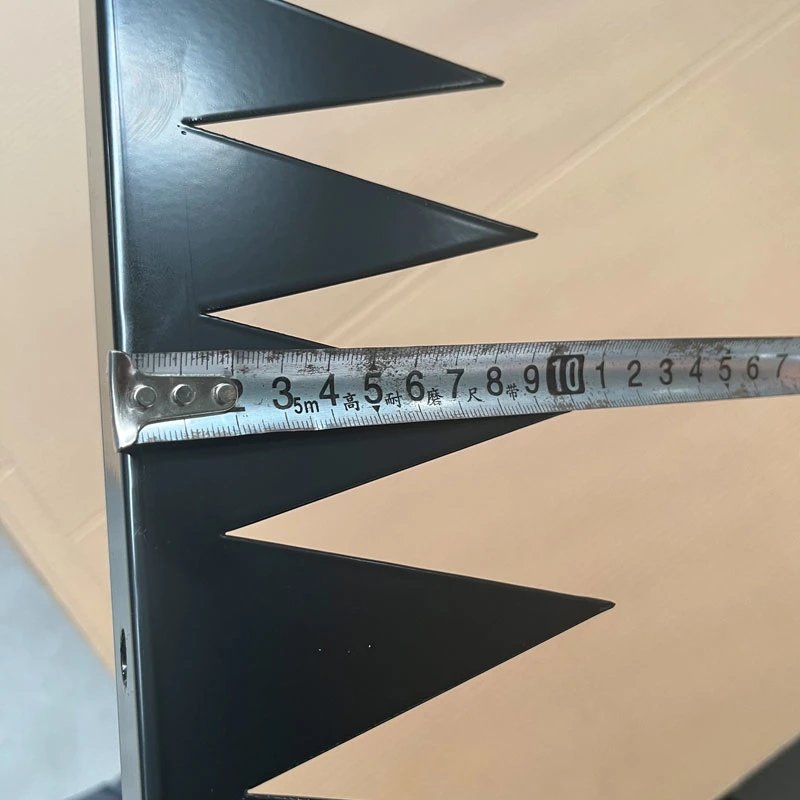
Clear View Fence Anti-Climb Fence Topping Options
Some restricted facilities add inclined steel arms or other authorized security features. These elements require separate drawings and load checks. Ordinary school or residential sites may need less hazardous solutions.
Choose any topping through a documented risk assessment. The design must also preserve emergency access and safe working practices. Security deterrence should not create unnecessary public exposure.
Comparing Related Fence Systems
Different steel barriers serve different operational priorities. Close welded mesh restricts conventional climbing holds, while picket systems create wider gaps. A site may prioritize visibility, appearance, or repair access.
Corromesh uses a different high-density steel configuration. Garrison Security Fencing uses tubular pickets and rails. Neither system should replace an approved 358 design without technical review.
Clear View Fence Anti-Climb Fence or Temporary Panels?
Permanent mesh normally relies on engineered fixed posts and foundations. Temporary Construction Fencing uses movable supports for changing work zones. Their performance objectives and installation details differ considerably.
Projects can install temporary panels while builders prepare permanent foundations. Remove portable sections only after approving safe replacement routes. Site security should remain continuous during construction.
Export Packing and Component Protection
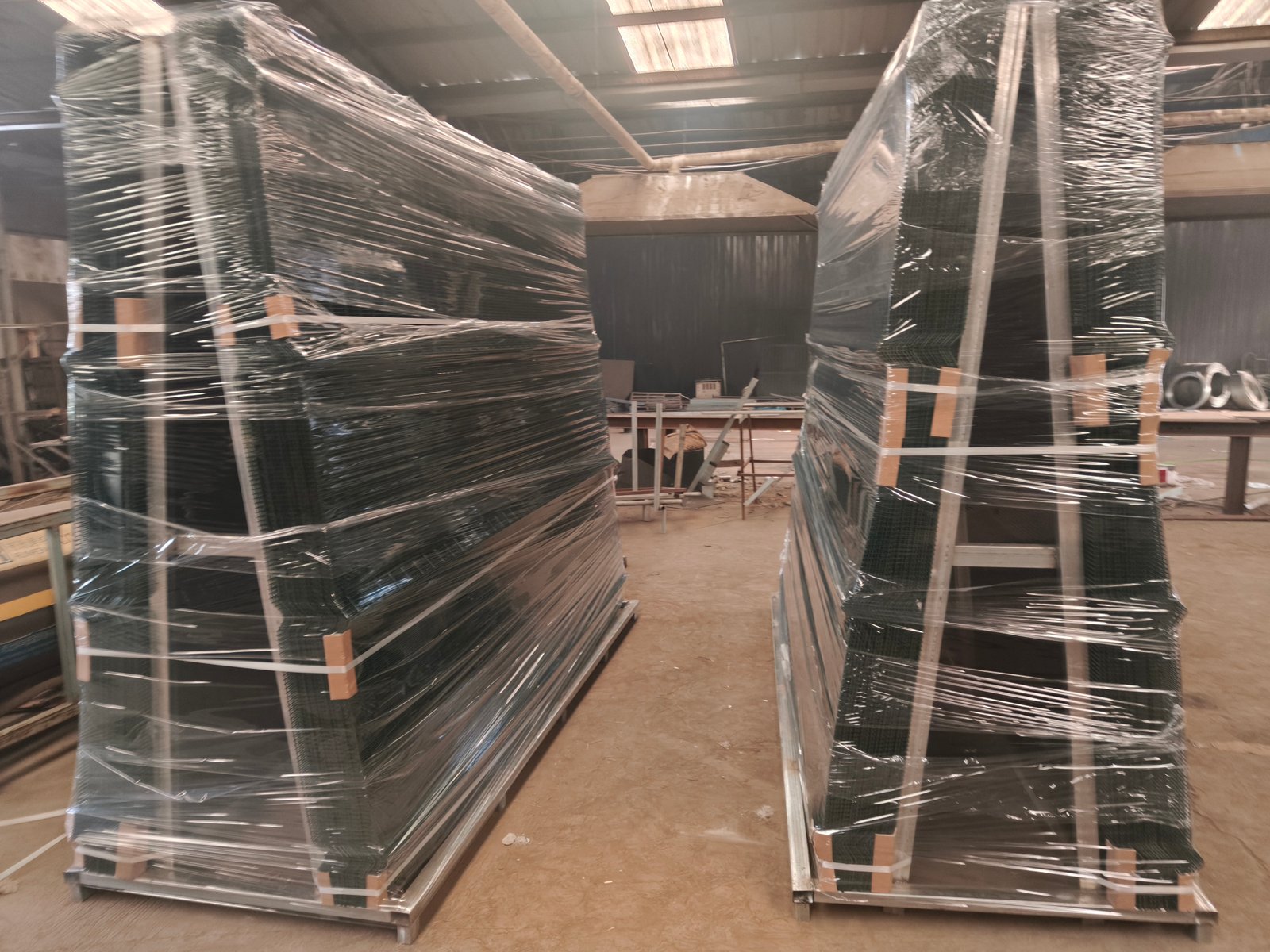
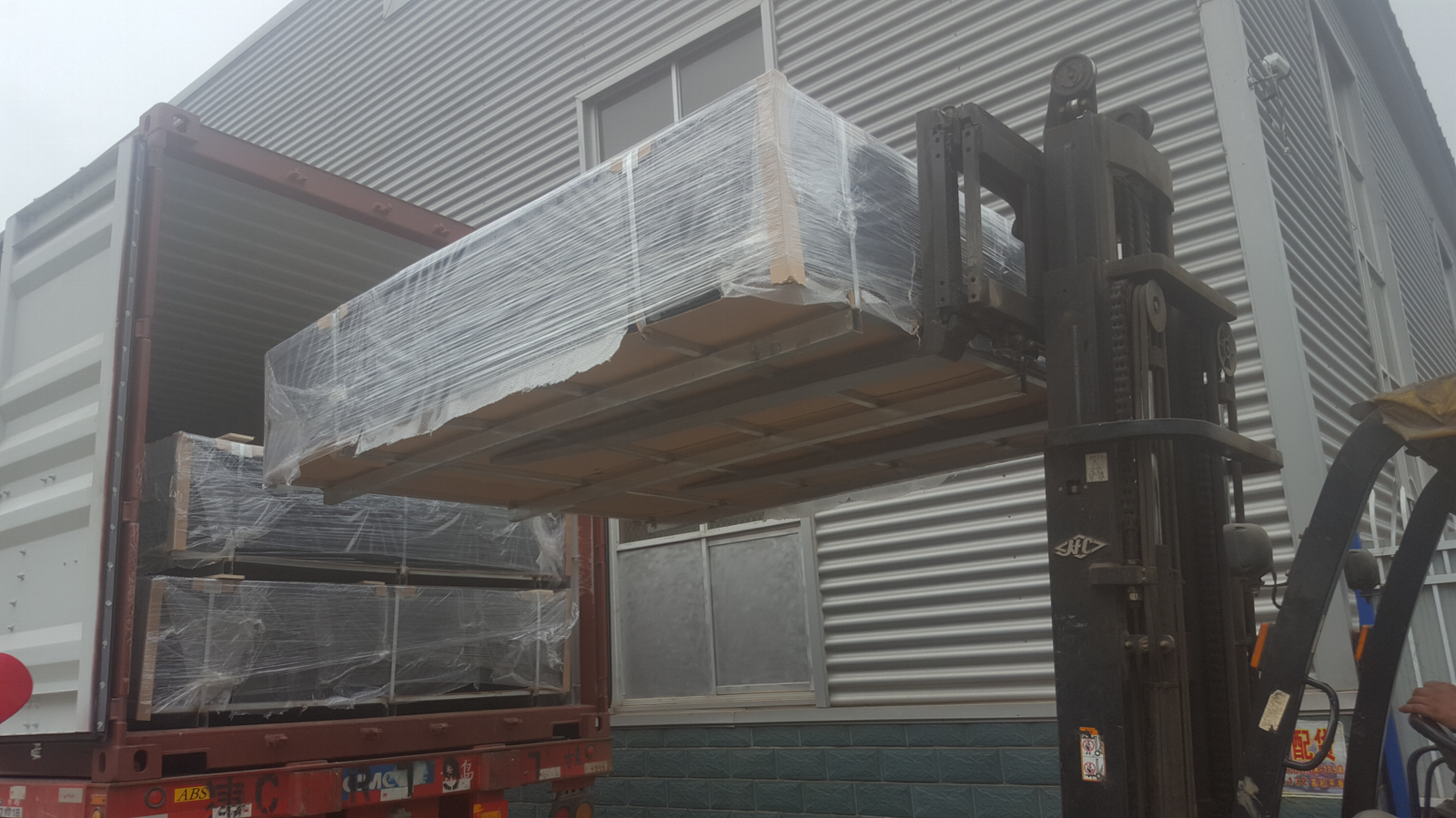
Steel pallets can support welded mesh during handling and ocean transport. Protective wrapping reduces contact damage, while straps restrain unstable bundles. Posts and small fittings need separate identification.
The source catalogue mentions plastic film, steel strapping, cartons, wooden cases, and pallets. Custom export plans may combine these methods. Actual packaging should reflect panel weight and shipping limitations.
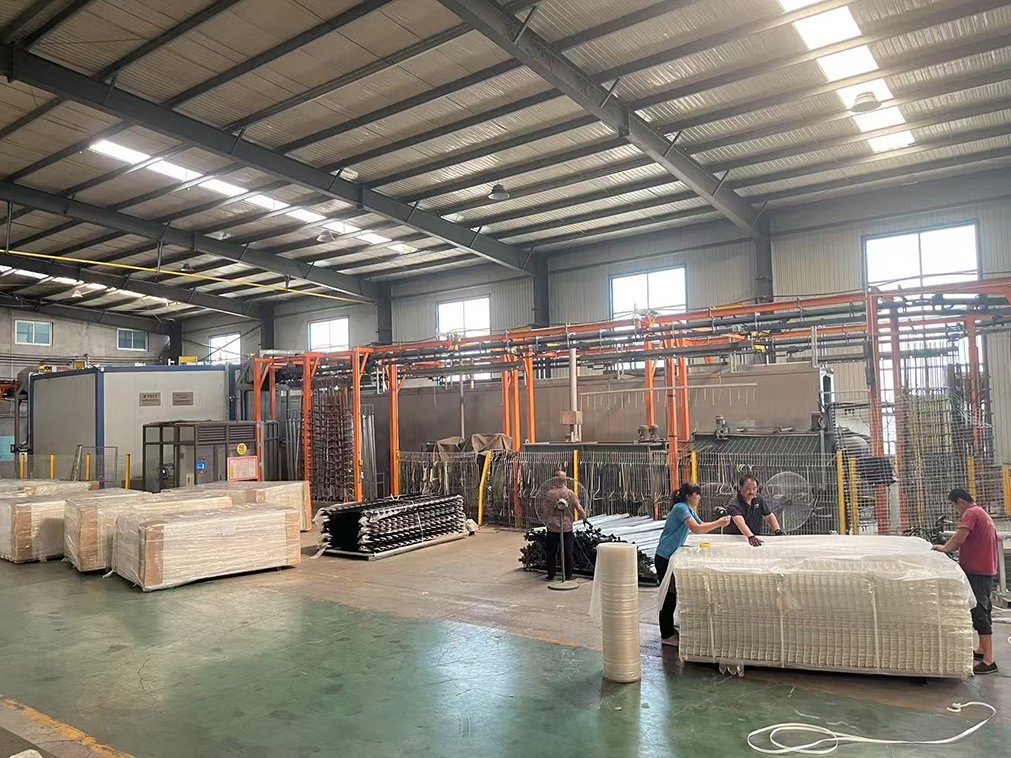
Clear View Fence Anti-Climb Fence Packing Photos
Two original photographs illustrate the packing section. Both images retain their BMP source addresses. Captions distinguish the references from a confirmed loading count.
 |
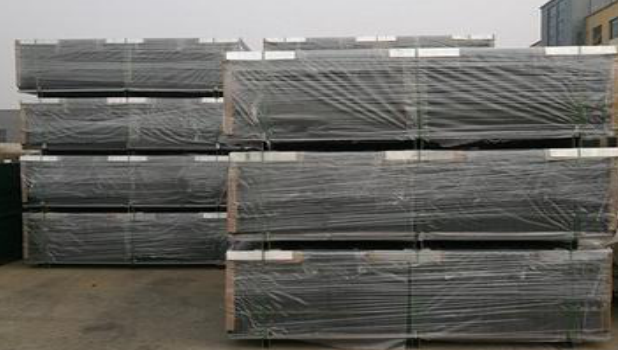 |
| Original packing reference: wrapped mesh components. |
Original packing reference: shipment and handling preparation. |
Loading Lists and Receiving Checks
Identify each panel height, post length, clamp type, and gate accessory on the packing list. Record pallet weights and outer dimensions before loading. These details help freight planning and warehouse receiving.
Inspect packaging damage after arrival and compare labels with the invoice. Separate components by installation zone. Replace missing fasteners before the erection crew begins work.
Clear View Fence Anti-Climb Fence Project Selection Checklist
A reliable quotation starts with measured boundary lengths and gate locations. Include panel specifications, site exposure, and structural requirements. Material schedules should distinguish standard bays from corners and access openings.
- Confirm the exact mesh centres and wire orientation.
- Specify height, width, V-bend count, and finished edge geometry.
- Approve steel grade, tensile criteria, and welding test requirements.
- Select post profiles, foundations, clamps, and security fasteners.
- Identify coating types, zinc mass, colours, and inspection methods.
- Provide gate dimensions and electrical or surveillance requirements.
- Review packing methods, labels, and shipment documents.
Documentation Before Manufacturing
Supply one approved drawing revision and matching bill of materials. Samples should confirm finish, mesh geometry, and connection fit. Engineers must sign off unusual spans or loading conditions.
The ClearVu Fence Installation Guide can help teams plan their preparation sequence. Site-specific engineering remains necessary. Generic installation advice cannot replace foundation calculations.
Clear View Fence Anti-Climb Fence Frequently Asked Questions
Does narrow mesh remove every camera blind spot? No. Camera position, lighting, gates, and nearby obstructions still affect visibility. A properly planned surveillance system remains essential.
Are V bends necessary for every security panel? No. Flat and profiled panels use different structural approaches. Select geometry through the approved system design.
Can buyers request alternative colours? BMP can review RAL colours and compatible coating options. Confirm the chosen finish through an approved sample. Application quality matters alongside colour.
Warranty and Service Documentation
BMP offers a 15-year manufacturer warranty for its ClearVu and Clearview products under the relevant written terms. Specific exclusions and maintenance requirements should appear in the contract. A warranty cannot replace adequate structural design.
After-sales support can include drawings, inspection records, packing lists, and maintenance guidance. Buyers should retain their approved specifications for future replacements. Matching components simplify repairs.
Clear View Fence Anti-Climb Fence Factory Supply from BMP
Boss Metal and Plastic Co., Ltd. supplies welded security fencing components for industrial and infrastructure projects. Our products include panels, posts, clamps, and matching gates. Every order requires an agreed dimensional and finishing schedule.
For another regional reference, High Security ClearVu Fence Panels show related product configurations. Confirm each feature in the formal quotation. Send BMP the boundary drawing, required security details, and shipping destination.
 |
 |
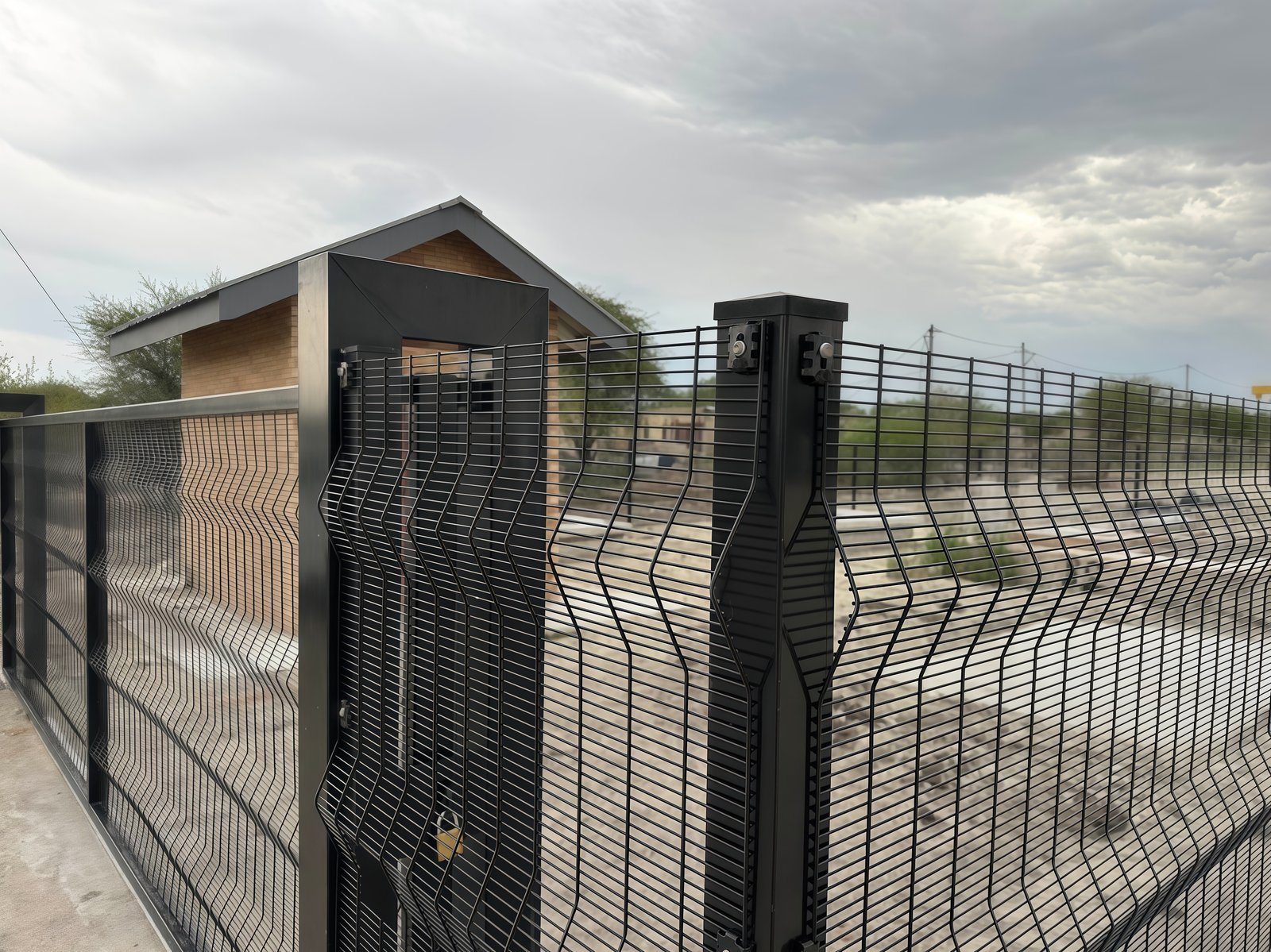
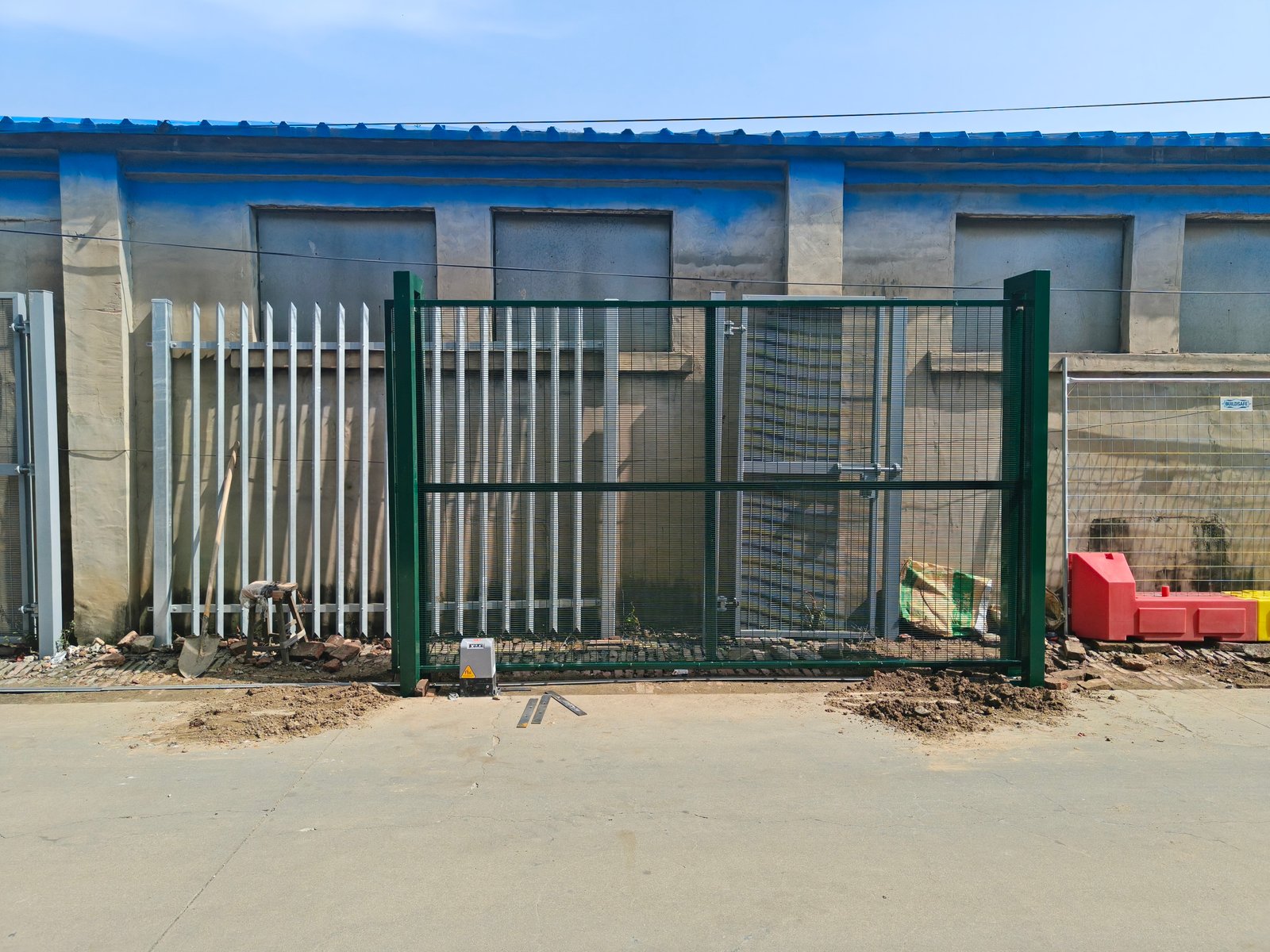
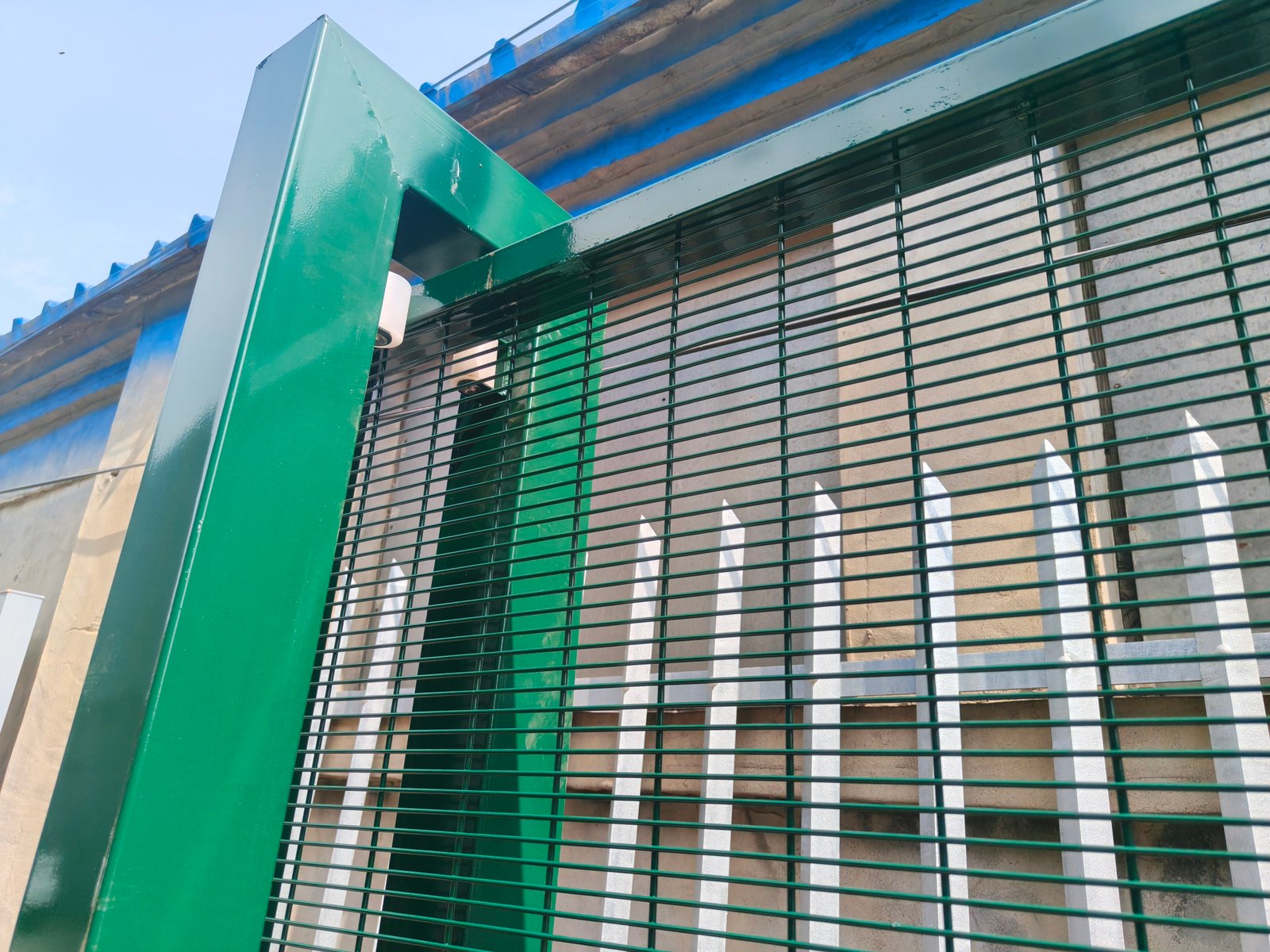
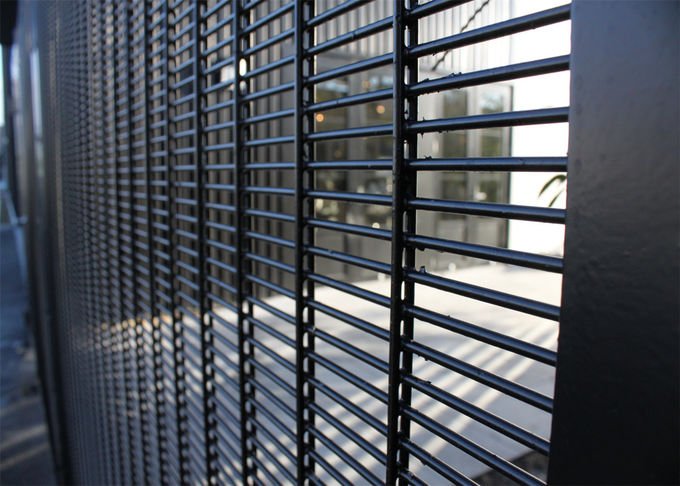
| Original finished product: coated close-mesh panel. |
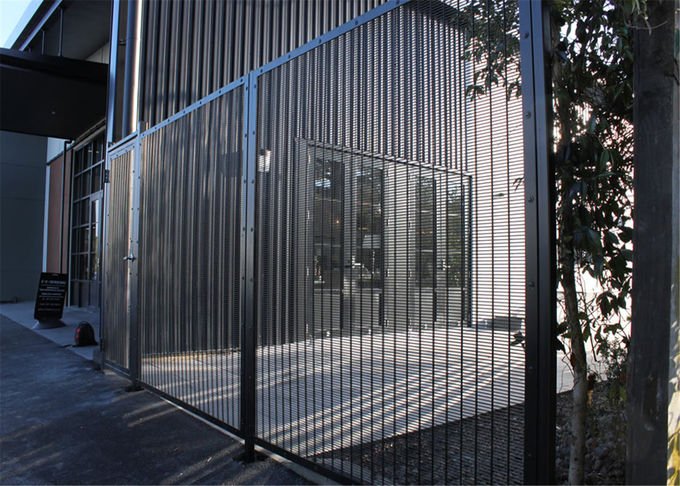
Original finished product: 358 fence detail and appearance. |