Description Temporary Fencing South Africa: Practical Barriers for Changing Worksites
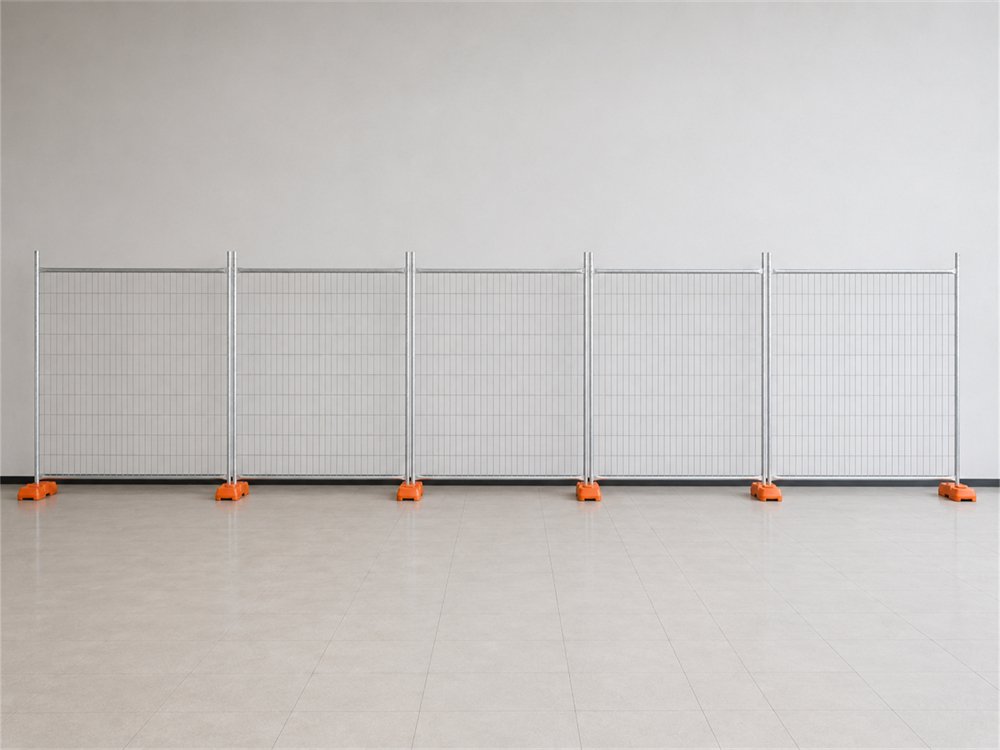
Temporary fencing South Africa helps contractors separate active work areas from roads, visitors, equipment, and neighbouring properties. Unlike permanent walls, portable panels move as projects develop. Removable feet, connecting clamps, and stabilising stays create a reusable perimeter system.
South African sites vary considerably. Durban projects face humid coastal conditions, while Cape Town sites often encounter strong winds. Gauteng construction teams also manage busy entrances, dust, and sudden summer storms. Each location needs a practical approach to panel strength, coatings, and stability.
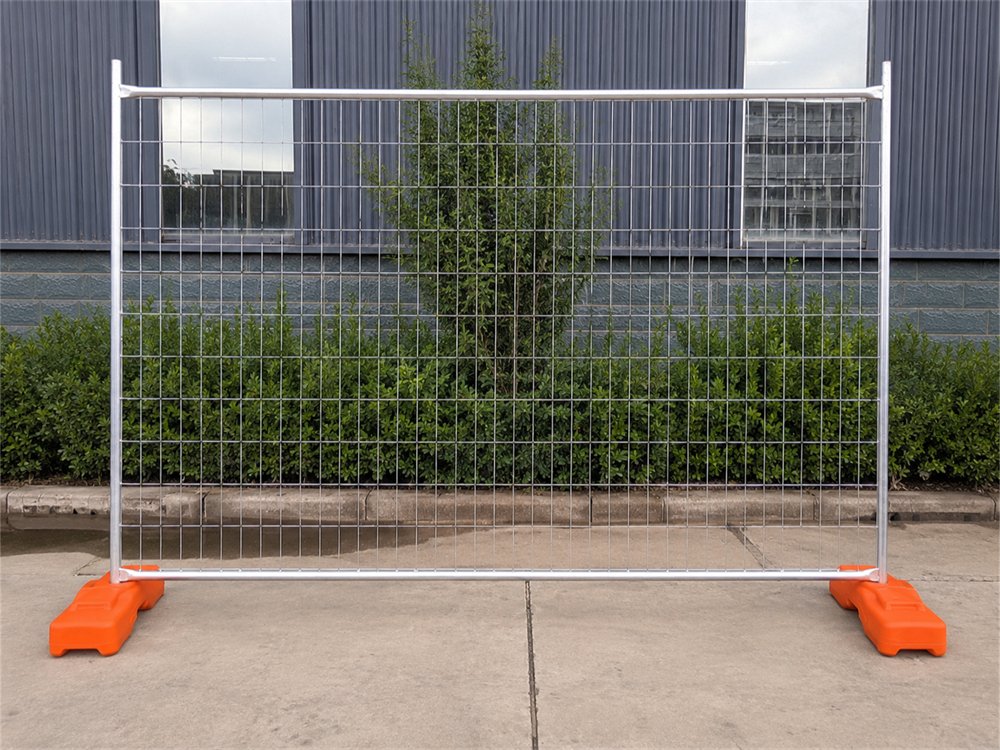
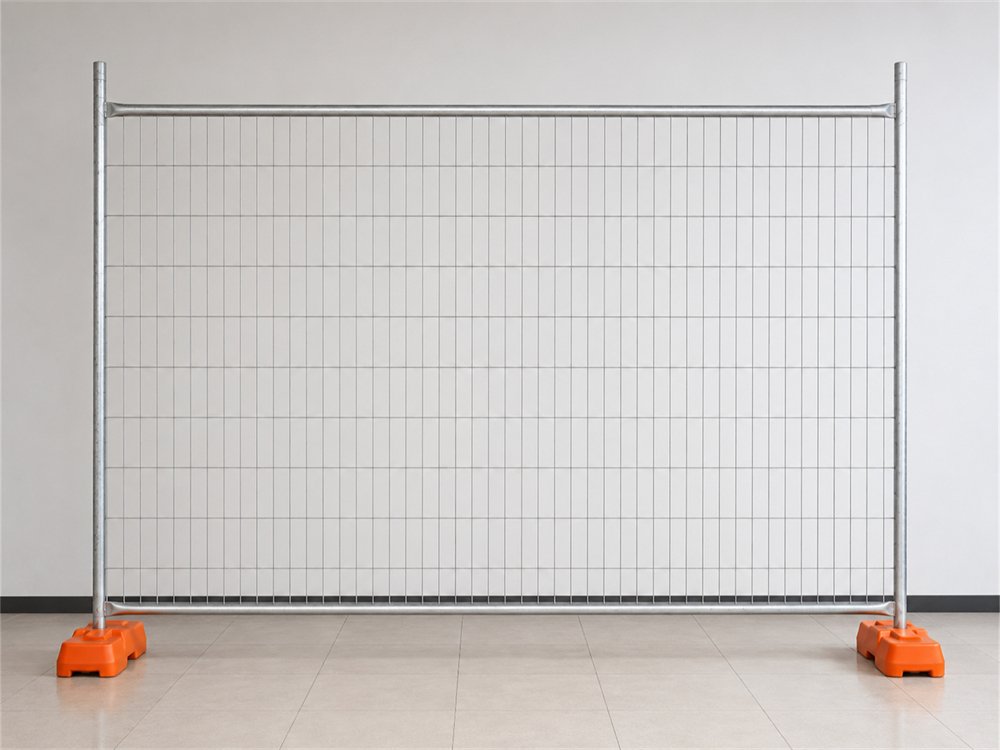
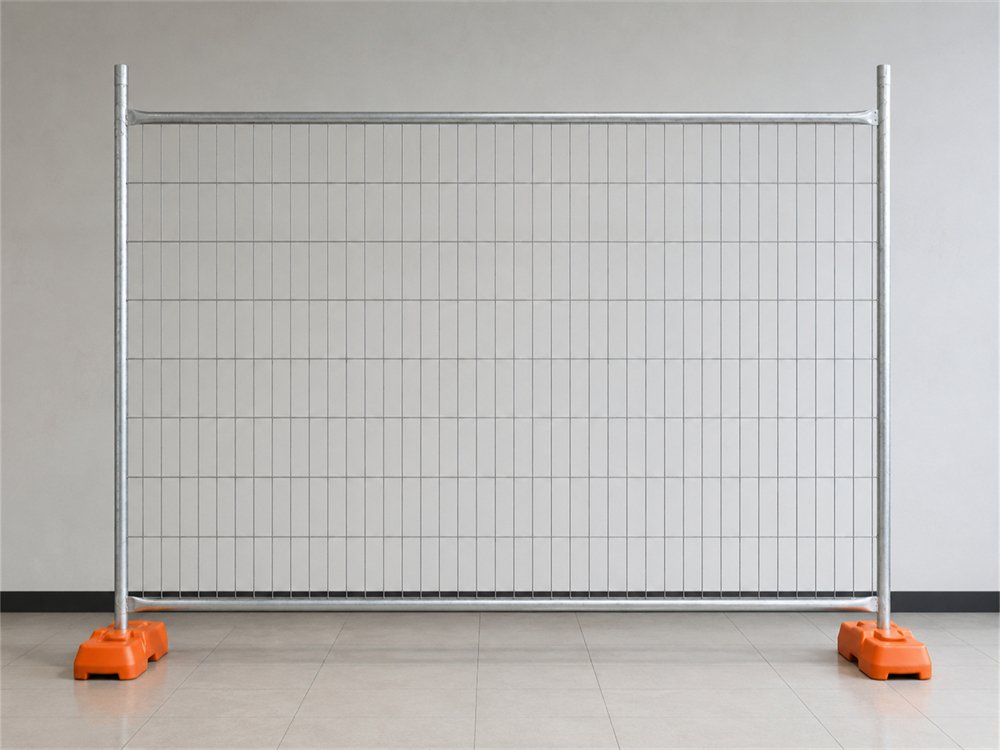
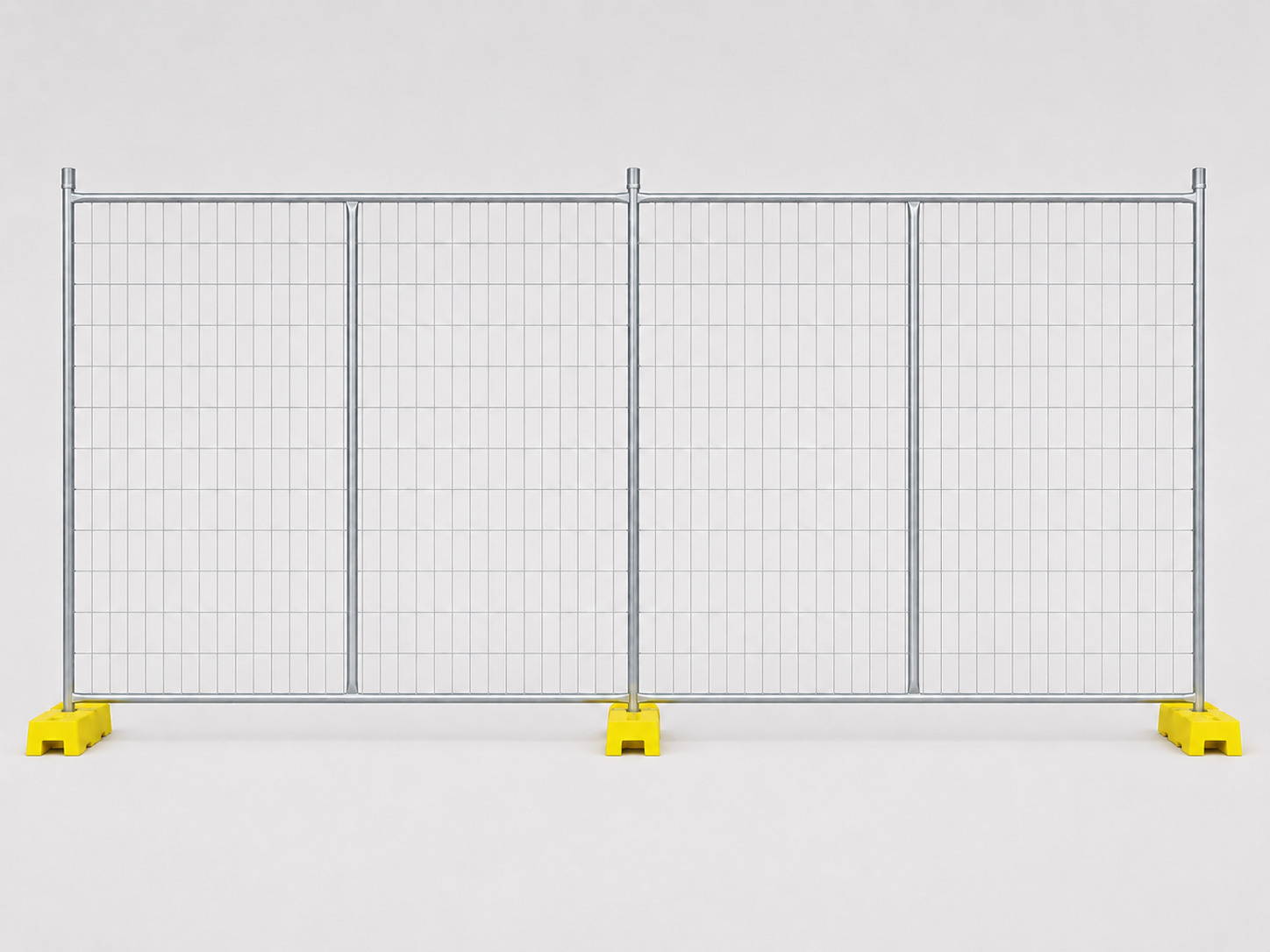
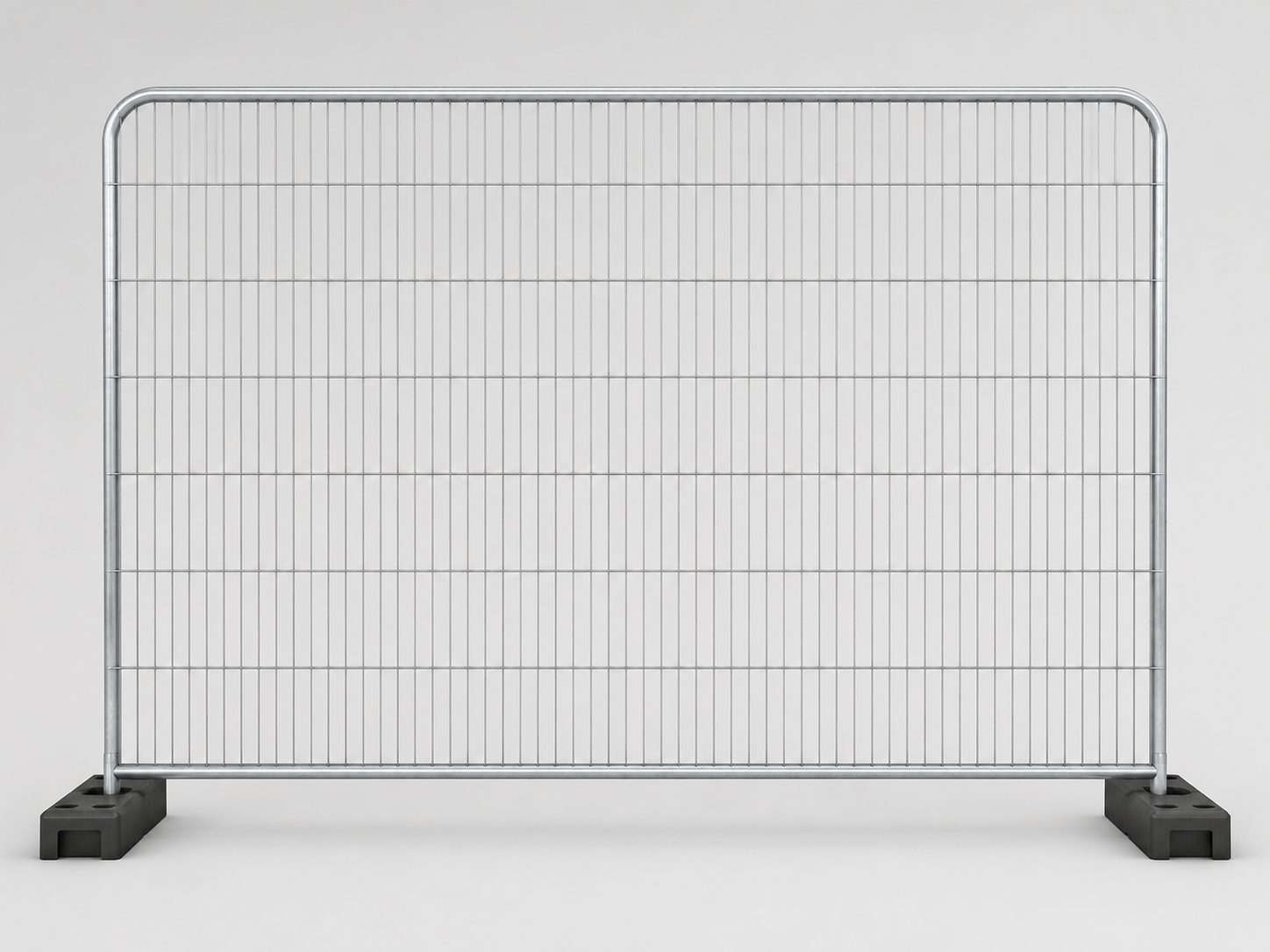
Our Temporary Site Fencing uses welded steel mesh and tubular frames. Contractors can extend, shorten, or relocate the boundary without building permanent post foundations. However, every installation still needs suitable ballast and a site-specific safety assessment.
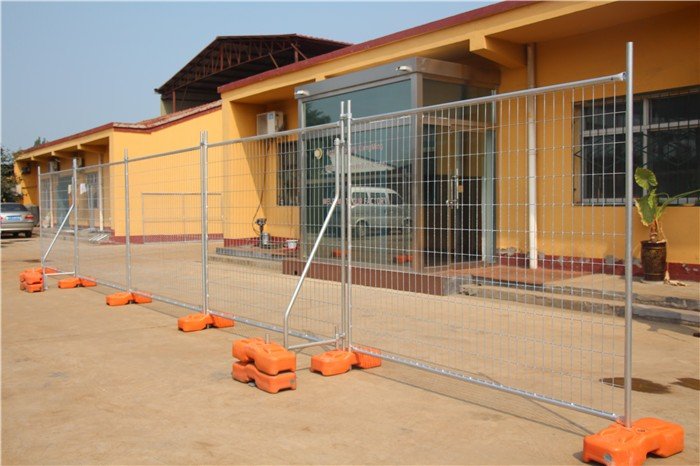 |
| Welded mesh temporary fence panel for construction sites and industrial applications. |
Temporary Fencing South Africa in Coastal and Inland Cities
One panel design cannot address every South African environment. Site managers should consider wind exposure, rainfall, ground firmness, traffic, and intended installation duration. They should also inspect nearby drainage channels and emergency access routes.
Durban and Richards Bay: Coastal Site Challenges
Durban and Richards Bay have major port and industrial activities near the Indian Ocean. Coastal moisture and salt deposits can accelerate corrosion at damaged metal surfaces. Select appropriate zinc protection and inspect welded corners, bolts, and frame ends.
Heavy rainfall can soften ground near construction boundaries. Place supports on stable surfaces and check areas where stormwater might undermine ballast. A portable fence helps restrict casual site entry, but it cannot replace surveillance or controlled gates.
Cape Town Wind and Temporary Fence Stability
Cape Town experiences notable summer southeasterly winds. Exposed coastal roads and building plots may create additional pressure on tall panels. Contractors should assess the entire fence run before installation.
Shade cloth and advertising sheets can greatly increase wind loading. Add engineering-approved bracing or adjust the layout when necessary. Never assume a base alone will secure a covered panel during strong winds.
Johannesburg, Pretoria, and Inland Development
Highveld construction sites often face dust, busy vehicle movements, and seasonal thunderstorms. Temporary panels can separate pedestrians from excavation areas and machinery routes. Clear site signage helps visitors recognise restricted zones.
Uneven pavements may leave some feet poorly supported. Check each base contact and avoid loose rubble beneath heavily loaded supports. Inspect the fence again after storms or nearby earthworks.
Temporary Fencing South Africa Product Specifications
Most buyers compare panel dimensions, wire thickness, mesh spacing, and tube wall thickness. The following options reflect the original BMP reference catalogue. Final production follows the approved technical drawings.
| Specification |
Available Options |
Purchasing Note |
| Typical Panel Size |
2100 × 2400 mm; 1800 × 2400 mm; 2100 × 2900 mm |
Confirm finished dimensions |
| Mesh Opening |
60 × 150 mm; 75 × 75 mm; 75 × 100 mm; 50 × 100 mm |
Confirm mesh spacing |
| Wire Diameter |
2.7, 3.0, 3.2, 3.5, 4.0, 4.5 mm |
Confirm wire thickness |
| Frame Tube |
OD 32, 38, 40, 42, 48 mm |
Match clamps and feet |
| Frame Wall Thickness |
1.0, 1.4, 2.0 mm |
According to model |
| Surface Treatment |
Galvanized / Custom Finish |
Confirm coating process |
| Components |
Panels, Feet, Clamps, Stays, Gates |
Complete fencing system |
| Packing |
Steel Pallets and Plastic Film |
Export packing |
Comparing Three Panel Grades
BMP offers different material configurations to suit project requirements. Frame thickness and wire diameter influence panel weight, strength, and handling performance.
| Grade |
Panel Size |
Frame |
Mesh |
Reference Weight |
| Economical |
2100 × 2400 mm |
OD 32 × 1.0 mm |
60 × 150 × 2.7 mm |
10 kg |
| Smart |
2100 × 2400 mm |
OD 32 × 1.4 mm |
60 × 150 × 3.0 mm |
14 kg |
| Standard |
2100 × 2400 mm |
OD 32 × 1.4 mm |
60 × 150 × 4.0 mm |
22 kg |
These weights represent catalogue references. Actual measurements can vary with steel tolerances, welding, and protective coatings. Buyers should request finished-product weight confirmation before finalizing shipping arrangements.
Panel Durability During Repeated Handling
Construction companies frequently move temporary fence panels between different projects. Repeated loading can damage welded intersections, frame corners, and external protective coatings. Reliable handling procedures help extend product service life.
Temporary Event Fencing supports changing venue layouts and short installation periods. Organisers can create service corridors, controlled entrances, and restricted backstage areas. They must maintain safe emergency access throughout the event.
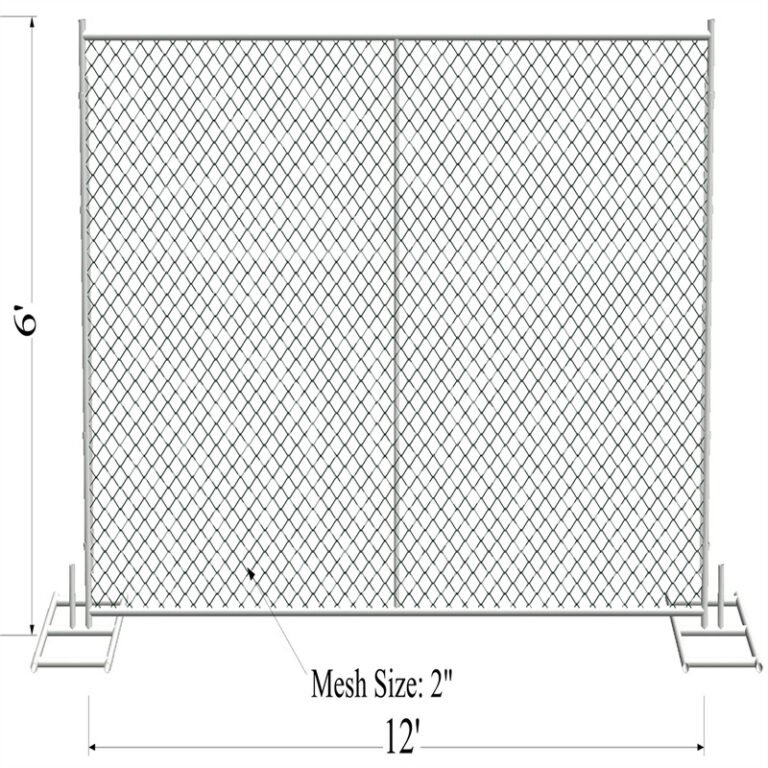
Some contractors prefer Chain Link Temporary Fence for specific projects. Chain-link fabric provides a different construction method from welded mesh. Buyers should compare component durability and fastening requirements.
Temporary Fencing South Africa Mesh Quality
Factory inspections should cover weld integrity, mesh dimensions, tube alignment, and visible defects. Strong outer frames cannot compensate for poor welded connections. Damaged panels should leave the rental fleet until repairs restore their suitability.
Temporary Fencing South Africa Feet and Ballast
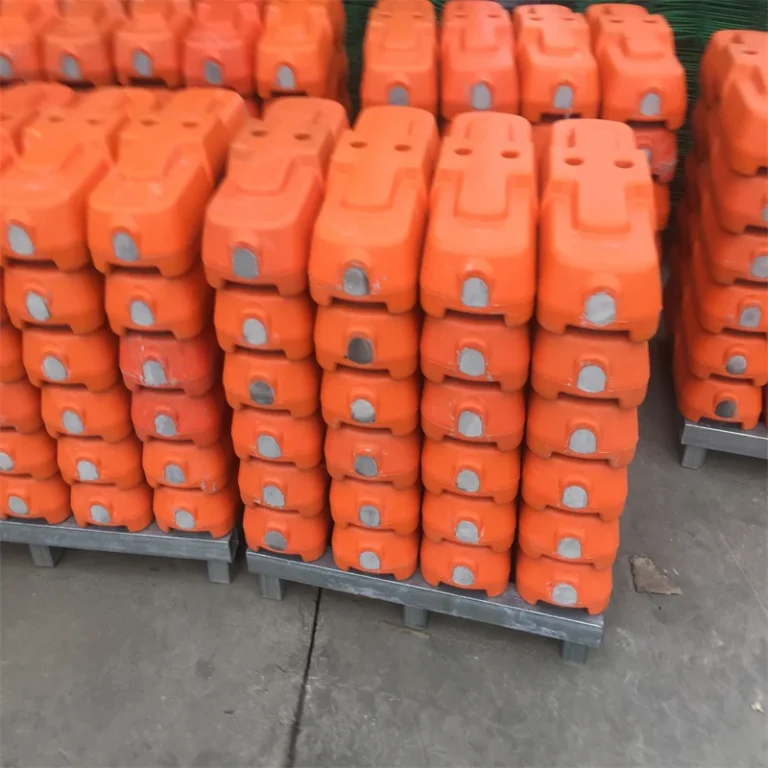
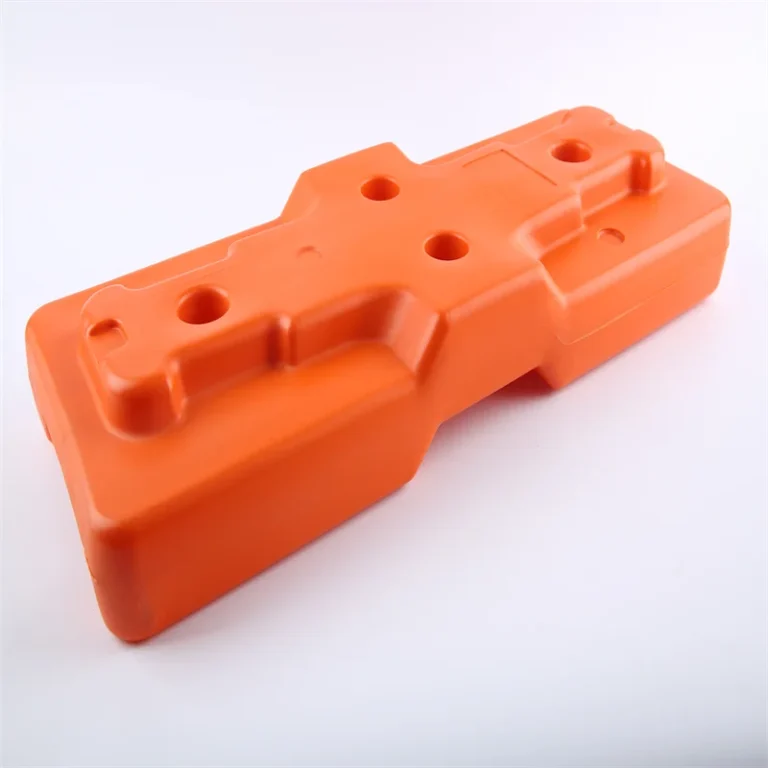
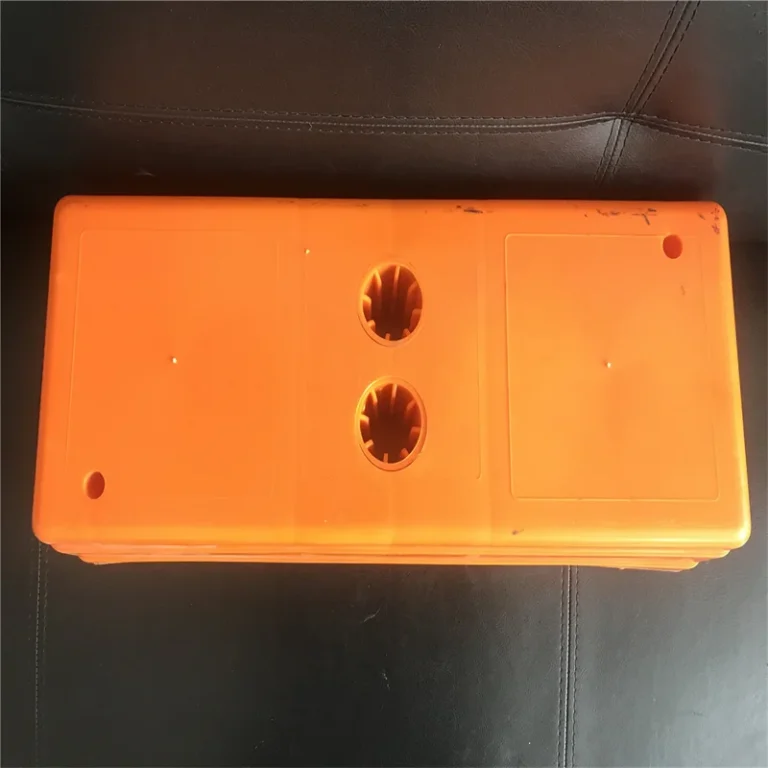
Temporary fence feet hold panels upright without permanent concrete foundations. Their construction and ballast influence overall fence stability. Buyers should distinguish plastic shell weight from the total weight of a filled base.
Common Temporary Fence Feet use HDPE shells with compatible tube openings. Different footprints suit different frame arrangements and installation conditions.
Buyers can select Injection Mould Temporary Fence Feet for compatible panel systems. Recycled Rubber Temp Fence Feet offer another material option. Selection should reflect ballast, handling, durability, and ground conditions.
BMP004HDPE Base Dimensions and Features
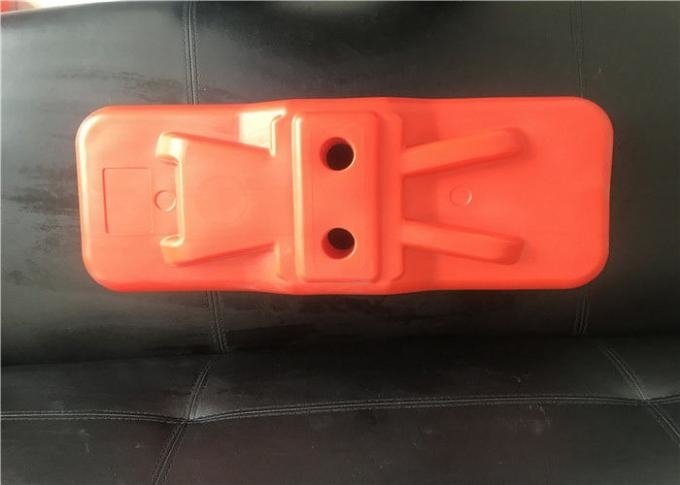
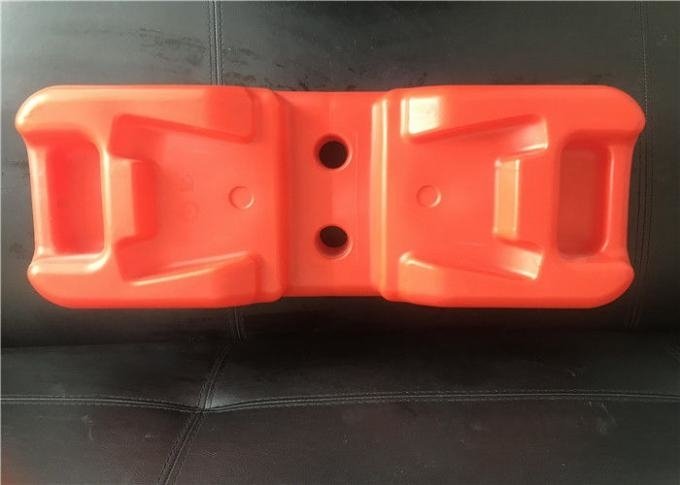
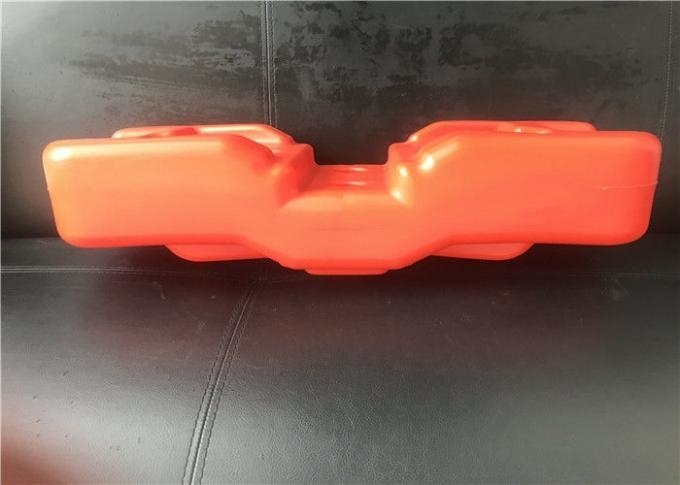
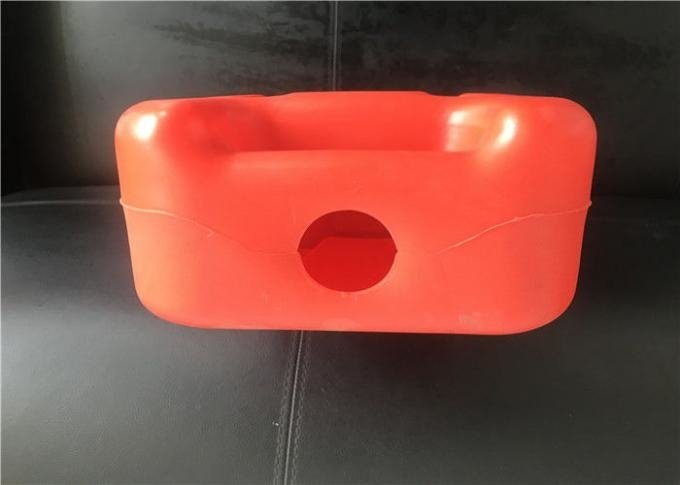
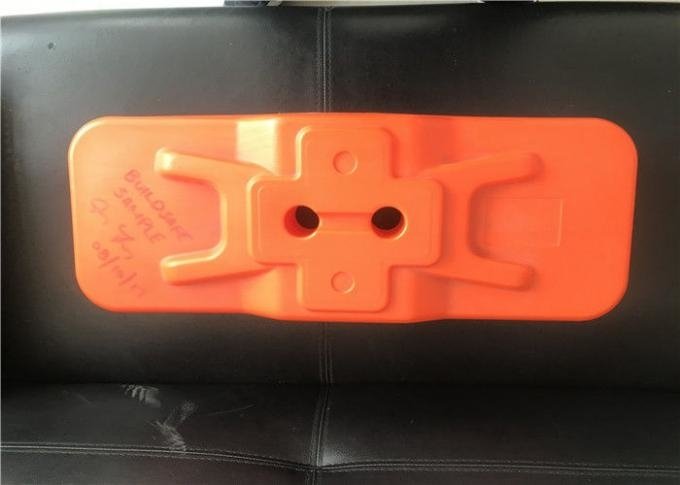
BMP004HDPE uses a 600 × 220 × 150 mm reference footprint. The HDPE shell supports compatible temporary fence frames. Buyers should confirm post-hole geometry, filling requirements, and actual ballast weight.
| Specification |
Details |
| Model |
BMP004HDPE |
| Length |
600 mm |
| Width |
220 mm |
| Height |
150 mm |
| Material |
HDPE |
| Empty Shell Weight Options |
0.9 / 1.0 / 1.2 / 1.4 / 2.0 kg |
| Colour |
Custom |
| Packing |
Steel Pallets |
The following four photographs show the BMP004HDPE product reference.
 |
 |
 |
 |
| Base view 1 |
Base view 2 |
Base view 3 |
Base view 4 |
BMP002HDPE Base Specifications
BMP002HDPE provides an alternative footprint measuring approximately 620 × 230 × 130 mm. The shell uses HDPE material and supports compatible tubular frames. Contractors should compare hole spacing and ballast requirements before installation.
| Specification |
Details |
| Model |
BMP002HDPE |
| Length |
620 mm |
| Width |
230 mm |
| Height |
130 mm |
| Material |
HDPE |
| Colour |
Custom |
| Packing |
Steel Pallets |
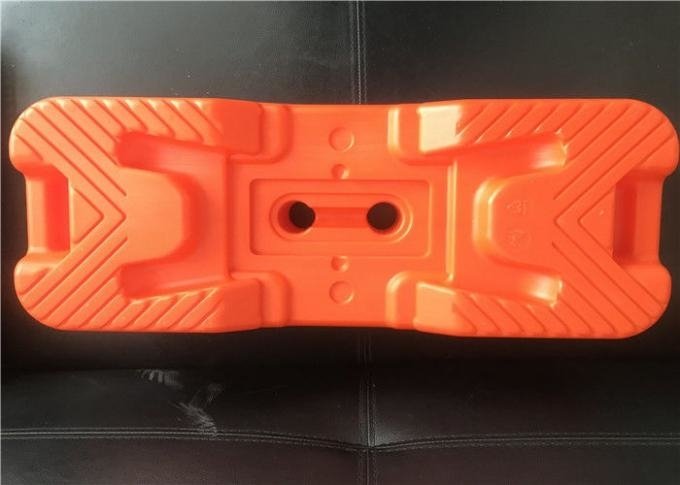
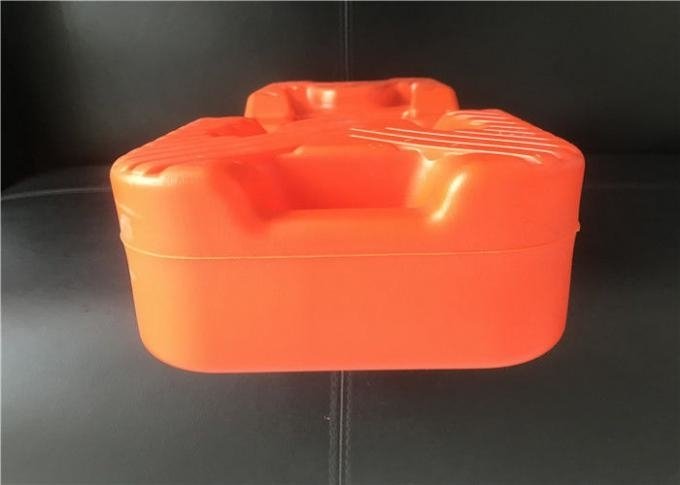
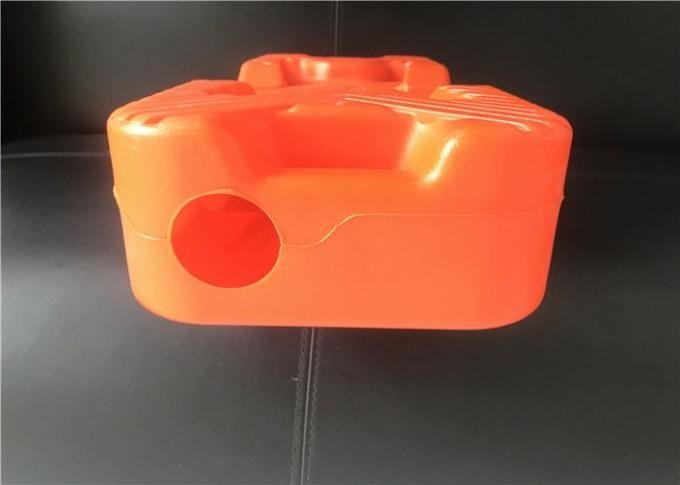
Four product photographs illustrate the BMP002HDPE base configuration.
 |
 |
 |
 |
| Base view 1 |
Base view 2 |
Base view 3 |
Base view 4 |
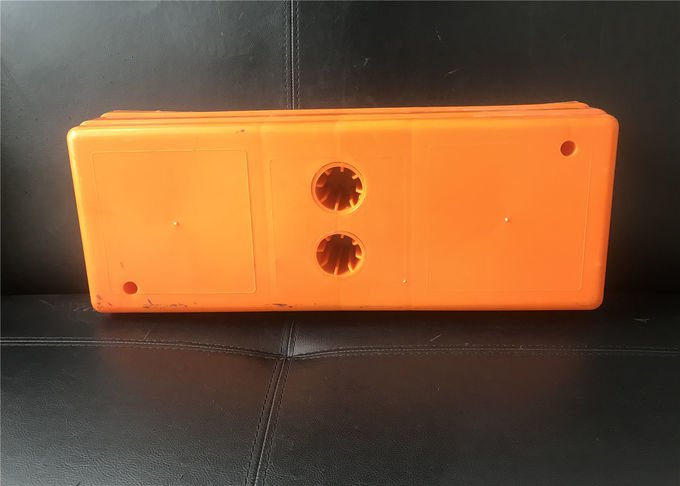
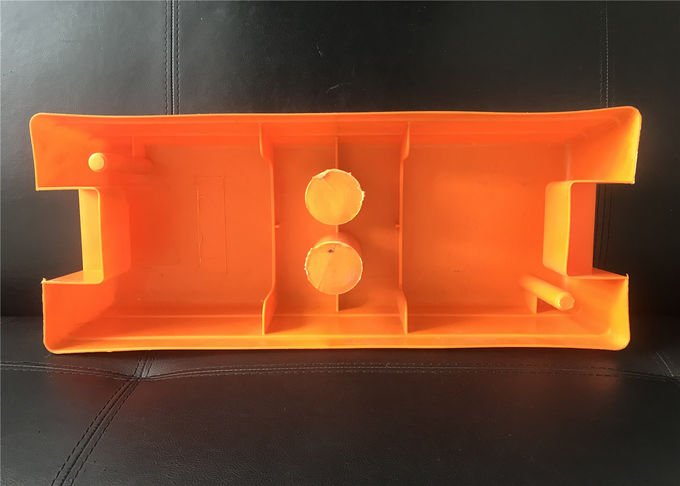
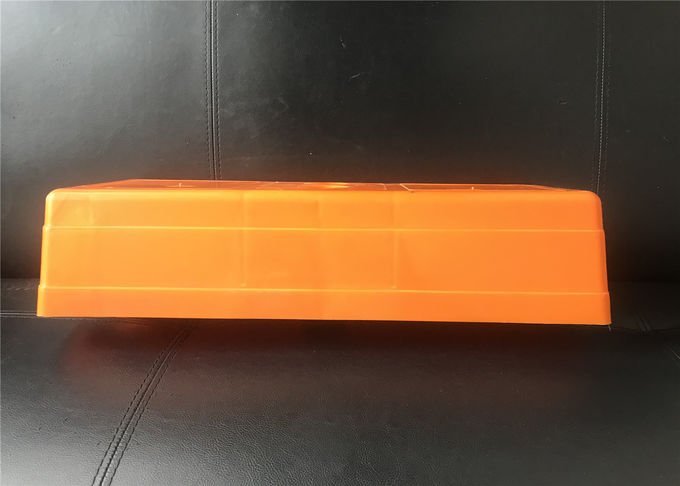
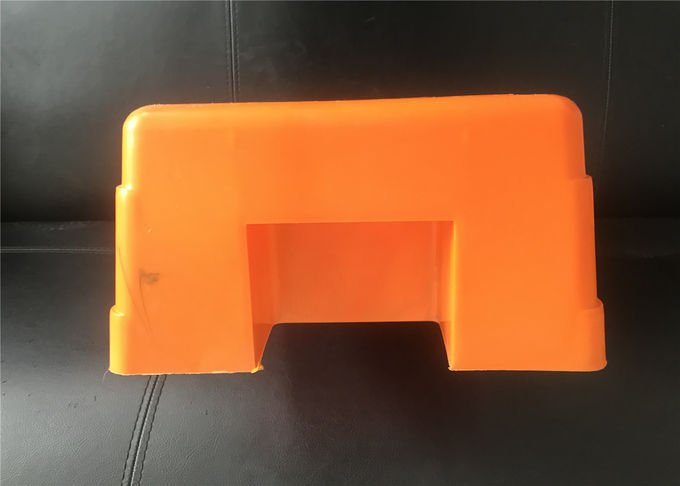
FENCE009 Polypropylene Fence Base
FENCE009 uses a polypropylene shell for suitable temporary fencing systems. Its reference footprint measures 560 × 245 × 150 mm. Buyers should verify filling material, base weight, and compatibility before confirming production.
| Specification |
Details |
| Model |
FENCE009 |
| Length |
560 mm |
| Width |
245 mm |
| Height |
150 mm |
| Material |
Polypropylene |
| Colour |
Custom |
| Packing |
Steel Pallets |
The four images below show the FENCE009 polypropylene base.
 |
 |
 |
 |
| Base view 1 |
Base view 2 |
Base view 3 |
Base view 4 |
Pool and Residential Work Zones
Renovation teams may need temporary separation around unfinished pools and residential gardens. Temporary Pool Fence Feet provide components for compatible installations. However, standard construction fencing does not automatically satisfy swimming-pool safety requirements.
Contractors must review the relevant safety requirements before installation. Pool gates, openings, and access restrictions may require different designs.
Temporary Fencing South Africa Clamps and Connections
Clamps connect neighbouring tubular fence frames and reduce unwanted panel movement. Their centre distances must match the actual frame arrangement. Incorrect clamps can cause loose connections and installation difficulties.
50mm Temporary Fence Clamps suit specific connection layouts. Other panel designs use 75mm Temporary Fence Clamps, 90mm Temporary Fence Clamps, or 100mm Temporary Fence Clamps.
Typical clamp plate thickness options include 3.75–4.0 mm. Bolt dimensions and galvanized finishes depend on the approved configuration. Buyers should confirm all connecting hardware before ordering.
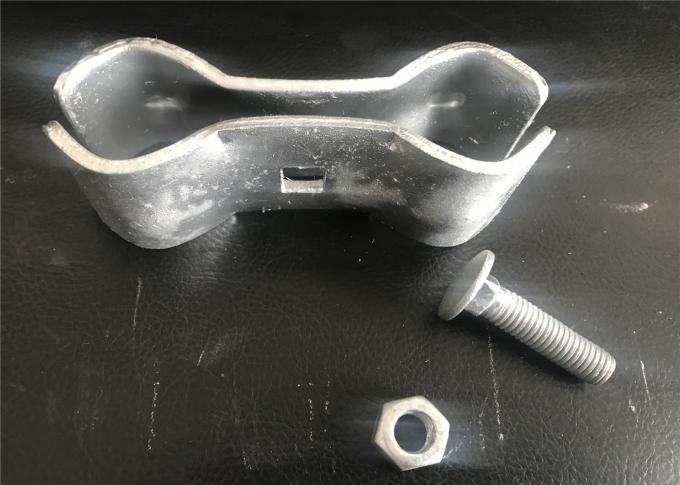
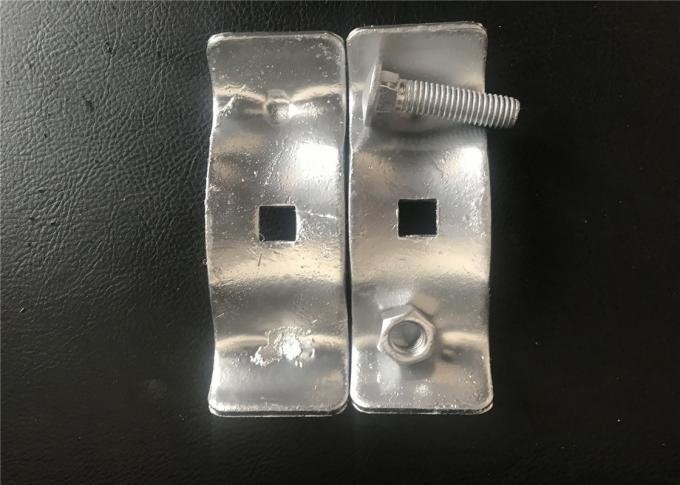
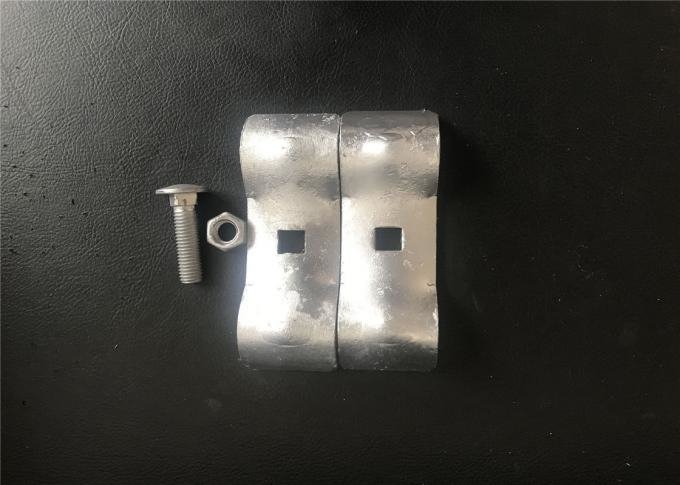
75 mm Clamps and Connection Details
75 mm centre-distance clamps provide connections for selected round-tube fencing frames. The manufacturer can provide suitable bolts and nuts according to the approved system.
| Specification |
Details |
| Centre Distance |
75 mm |
| Steel Thickness |
3.75–4.0 mm |
| Finish |
Galvanized |
| Bolts |
M8 / M10 Options |
| Packing |
Cartons |
 |
 |
 |
| 75 mm clamp view 1 |
75 mm clamp view 2 |
75 mm clamp view 3 |
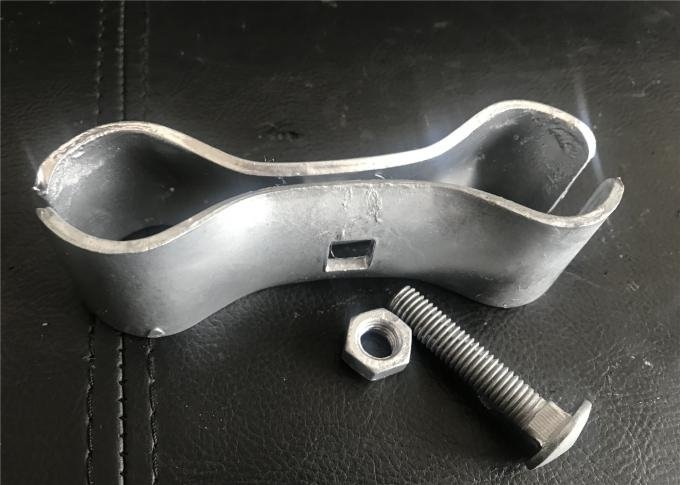
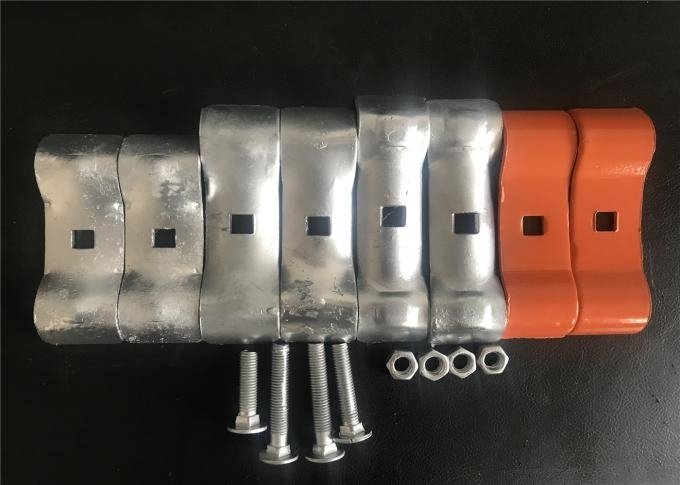
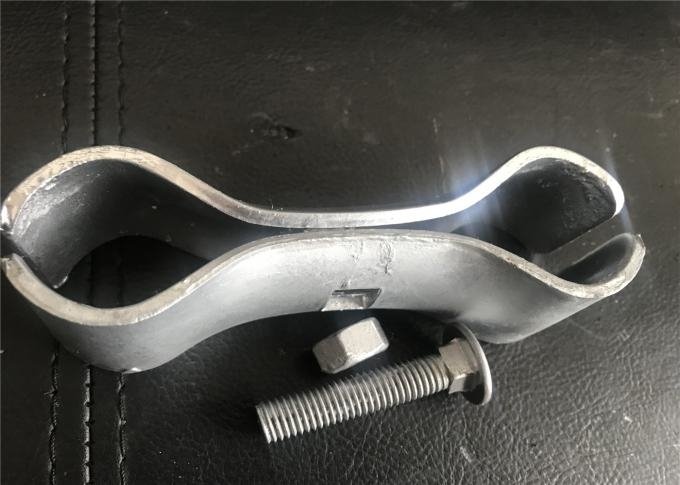
90 mm Clamps and Product Photos
90 mm clamps provide an alternative connection for compatible temporary fencing frames. Their centre-distance geometry supports specific tube arrangements. Buyers should confirm plate thickness, bolt dimensions, and protective finish.
 |
 |
 |
| 90 mm clamp view 1 |
90 mm clamp view 2 |
90 mm clamp view 3 |
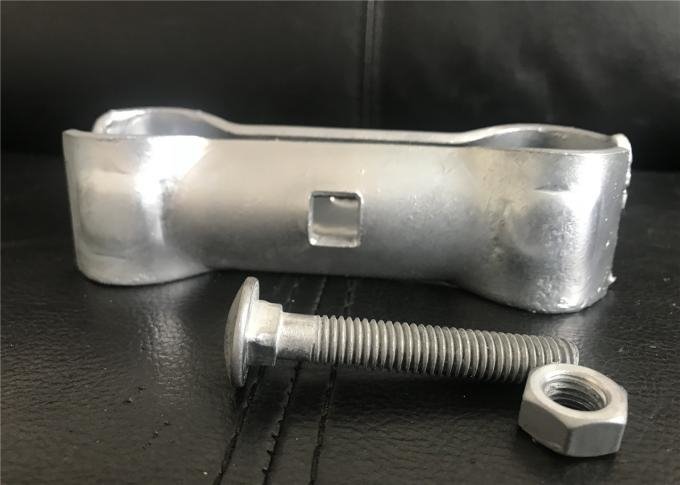
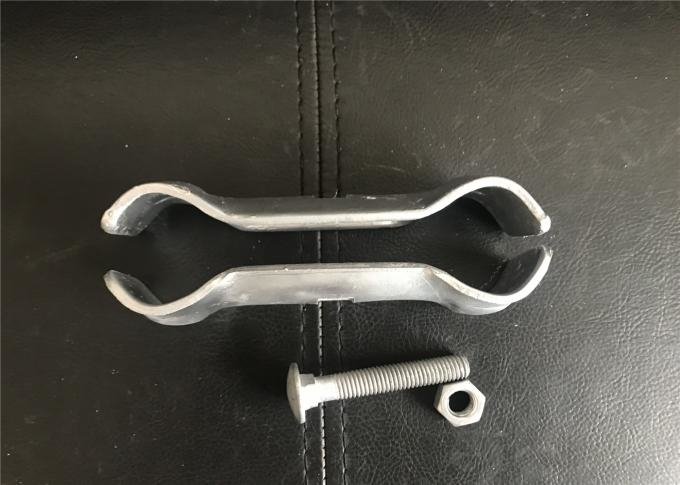
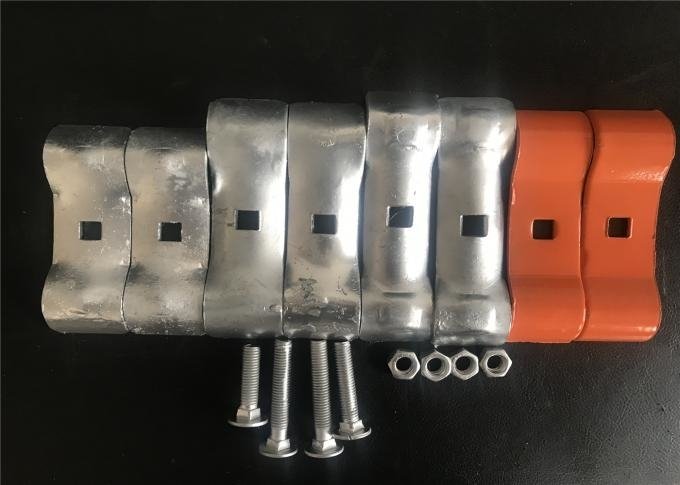
100 mm Clamps and Fixing Options
100 mm centre-distance clamps support selected wider frame connection arrangements. Manufacturers can provide matching bolts and nuts for the required application. All fixing dimensions should follow the approved drawings.
 |
 |
 |
| 100 mm clamp view 1 |
100 mm clamp view 2 |
100 mm clamp view 3 |
Temporary Fencing South Africa Access Gates
Busy construction sites need designated entrances for pedestrians and deliveries. Temporary Fence Gate Hinge components can support compatible access arrangements. Gate design should consider movement clearance, locking hardware, and emergency access.
Various Temporary Fence Gates support pedestrian or vehicle access. Their actual dimensions must match the project layout. Local safety requirements still apply.
Temporary Fencing South Africa Bracing and Wind Stability
Strong winds can affect the stability of temporary fence panels. Banners, signs, and shade cloth may increase the applied wind pressure. Contractors should assess these conditions before installing screening materials.
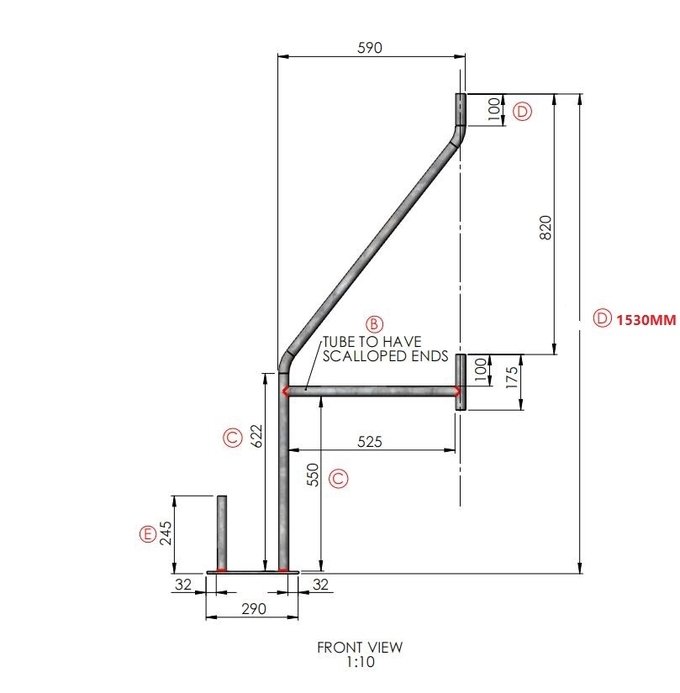
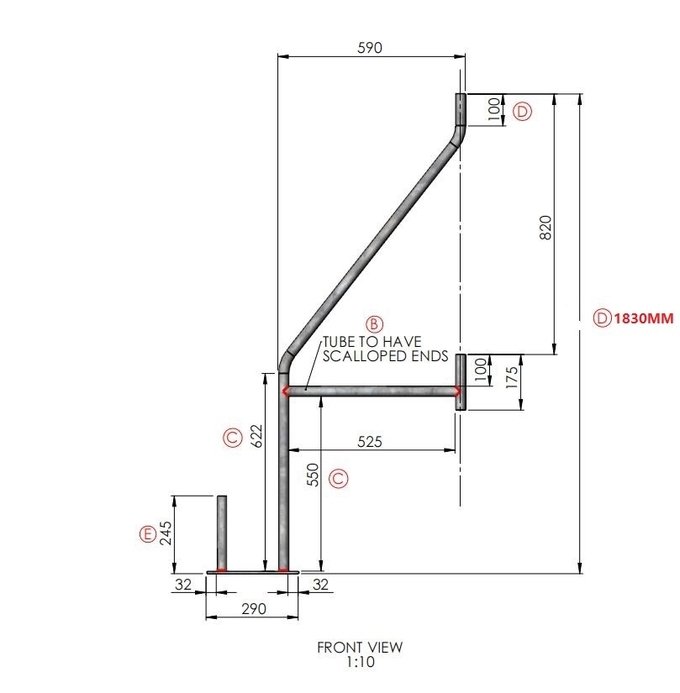
Temporary Fence Bracing provides additional support for compatible fence systems. Common reference options include 1530 mm and 1830 mm diagonal stays. The correct bracing quantity depends on wind exposure and site engineering.
Some configurations use two connecting clamps and additional concrete feet for each stay. However, installers must confirm the required arrangement for each project. Braces should never obstruct walkways or emergency exits.
Temporary Fencing South Africa: 1530 mm and 1830 mm Bracing
The following pictures show two diagonal support options. These stays can help reinforce suitable temporary fence systems when engineering requires additional stability.
| 1530 mm Temporary Fence Bracing |
1830 mm Temporary Fence Bracing |
 |
 |
| 1530 mm diagonal support |
1830 mm diagonal support |
Temporary Fencing South Africa After Severe Weather
Inspect installed fences after strong winds, heavy rain, or nearby excavation work. Check for displaced feet, loose clamps, bent panels, and damaged bracing. Repair unstable sections before reopening adjacent pedestrian routes.
Temporary Fencing South Africa for Construction and Events
Construction projects frequently change their working boundaries. Contractors may relocate panels around excavations, storage areas, and newly completed structures. Portable fencing supports this flexibility without permanent post foundations.
Public events require different planning. Organisers must manage pedestrian routes, entry points, service traffic, and emergency access. Portable mesh fencing provides separation, but it should not replace tested crowd-pressure barriers.
For additional configurations, Temporary Fencing Panels offer examples of construction fence components. Buyers should compare specifications with the actual South African project requirements.
Roadworks and Emergency Repair Projects
Road maintenance teams often move their working areas throughout a project. Temporary panels help separate construction workers from pedestrians and restricted excavations. Approved road signs and traffic management remain essential.
After floods or storms, portable barriers can restrict access to damaged ground. However, their supports must remain stable on the available surface. Site managers should assess ground conditions before installation.
Temporary Fencing South Africa for Security Transitions
Some industrial facilities need portable fencing while contractors replace permanent perimeter systems. These panels discourage casual entry but provide limited resistance to determined intrusion. Higher-security projects may later install ClearVu Fence Panels.
Temporary construction barriers and permanent security fences serve different purposes. Their structural requirements, foundations, and security performance also differ.
Temporary Fencing South Africa Factory Packing
Proper packing protects temporary fence panels during loading, transportation, and storage. BMP offers steel pallets and protective film for suitable configurations. Protective materials help reduce scratches around frame corners and contact points.
Factories should secure fence feet on suitable pallets and pack bolts separately. Clamps and nuts travel in labelled cartons for convenient counting. Packing lists should clearly distinguish all system components.
| Product |
Typical Packing |
Handling Requirements |
| Fence Panels |
Steel Pallet and Protective Film |
Protect welds and corners |
| Plastic Feet |
Secured Steel Pallet |
Check pallet weight |
| Clamps and Bolts |
Carton Boxes |
Confirm quantities and dimensions |
| Bracing Stays |
Steel Bundles |
Protect connections |
Container Loading and Shipping
Container capacity depends on the panel design, weight, base type, and packaging arrangement. The reference catalogue includes loading examples for 40HC containers. Final quantities require an approved loading plan.
Durban often serves imports for KwaZulu-Natal and inland South African destinations. Cape Town may suit Western Cape projects. Freight availability and final delivery costs determine the practical transport option.
Typical export documents include a commercial invoice, packing list, and bill of lading. Additional documentation depends on the applicable customs requirements.
Temporary Fencing South Africa Buying Checklist
Buyers should prepare accurate technical requirements before requesting a quotation. Complete drawings reduce confusion during production and installation. They also support reliable component counting.
- Confirm panel dimensions and mesh spacing.
- Specify wire diameter and frame wall thickness.
- Choose the galvanized finish and coating requirements.
- Confirm base dimensions, material, and ballast.
- Match clamp centre distances and bolt sizes.
- Identify bracing needs and wind exposure.
- Provide gate locations and entrance dimensions.
- Confirm packing, inspection, and delivery requirements.
Temporary Fencing South Africa Frequently Asked Questions
Can Contractors Reuse Temporary Fence Panels?
Yes. Portable fence panels support repeated installations when they remain structurally sound. Inspect all welded joints, tubes, clamps, and bases before reuse.
Temporary Fencing South Africa: Which Finish Suits Coastal Areas?
Coastal locations need suitable corrosion protection because moisture and salt can affect exposed steel. Specify the required galvanized coating and inspect damaged surfaces regularly.
How Many Bracing Stays Does a Fence Need?
The required quantity depends on the site layout, wind exposure, screening, and ground conditions. Engineers should determine an appropriate bracing arrangement for the installation.
Can Temporary Fencing Protect Swimming Pools?
Standard construction fencing does not automatically satisfy swimming-pool safety requirements. Projects may need special gate hardware, barrier dimensions, and opening restrictions.
Temporary Fencing South Africa: Can BMP Customize Components?
Yes. BMP can review customer drawings for panels, frames, plastic bases, connecting clamps, and support stays. Customized designs require technical confirmation before manufacturing.
Temporary Fencing South Africa from BMP
Boss Metal and Plastic Co., Ltd. manufactures temporary fencing components for construction, industrial projects, and event applications. Our product options include welded mesh panels, removable plastic feet, galvanized clamps, and diagonal bracing.
Send the total perimeter, required dimensions, site location, and expected installation conditions for a tailored proposal. Include gate requirements, component quantities, and any special coating specifications.
Our team can review technical drawings, packing arrangements, and export requirements before confirming production.