Description Temporary Noise Barriers for Changing Construction Worksites
Temporary noise barriers help contractors manage sound around active building sites, machinery, and short-term infrastructure projects. Flexible acoustic blankets attach to suitable fences or supporting frames without permanent concrete walls. BMP offers multilayer options for projects requiring relocation, storage, and repeated installation.
Noise control starts with understanding the source, nearby receivers, and the working schedule. A portable screen may reduce sound travelling directly toward an adjacent property. Actual results depend on height, gaps, distance, and the sound spectrum.
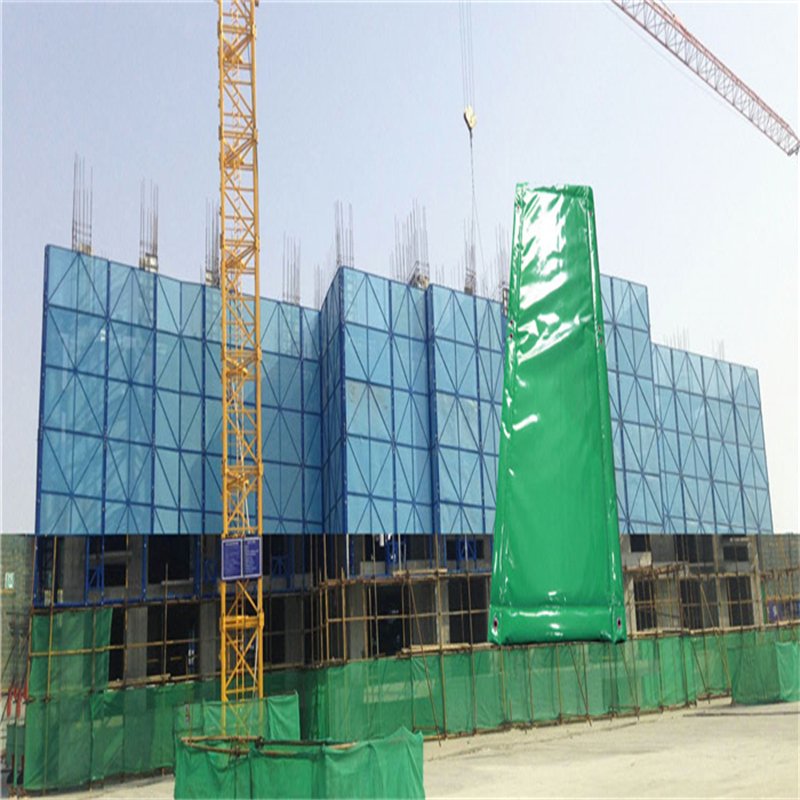
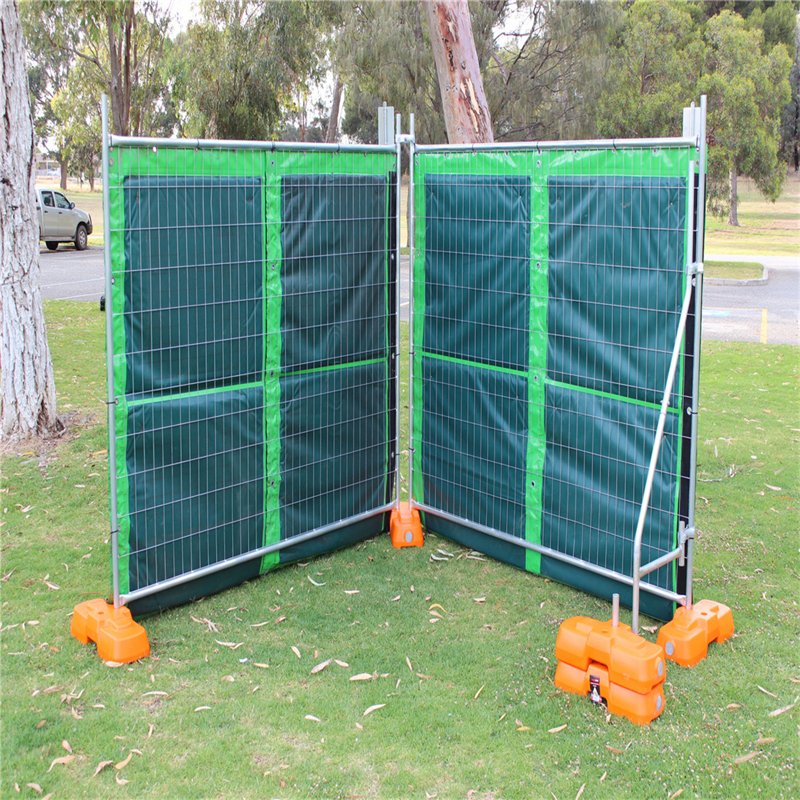
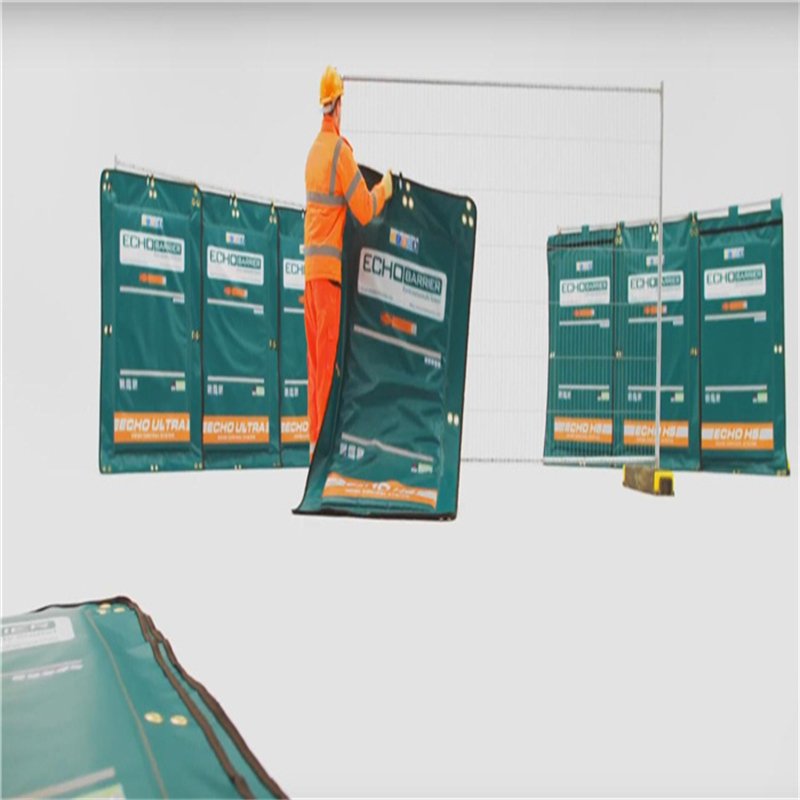
Contractors often mount blankets on Temporary Site Fencing around renovations and civil works. The support frame needs sufficient strength for the added weight and wind pressure. Acoustic performance matters, but safe temporary engineering matters just as much.
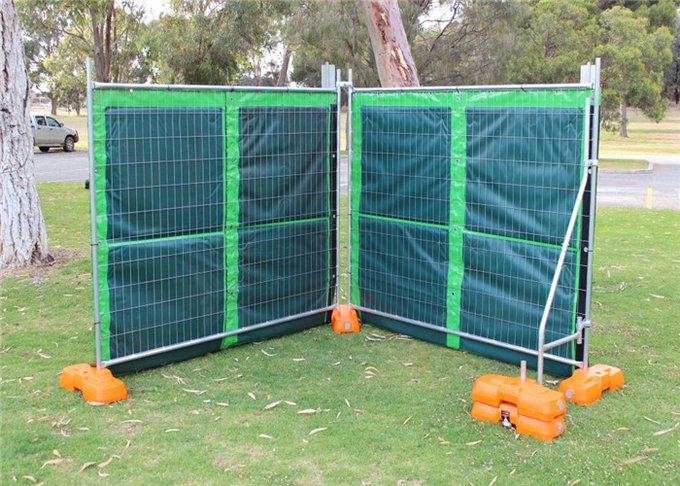 |
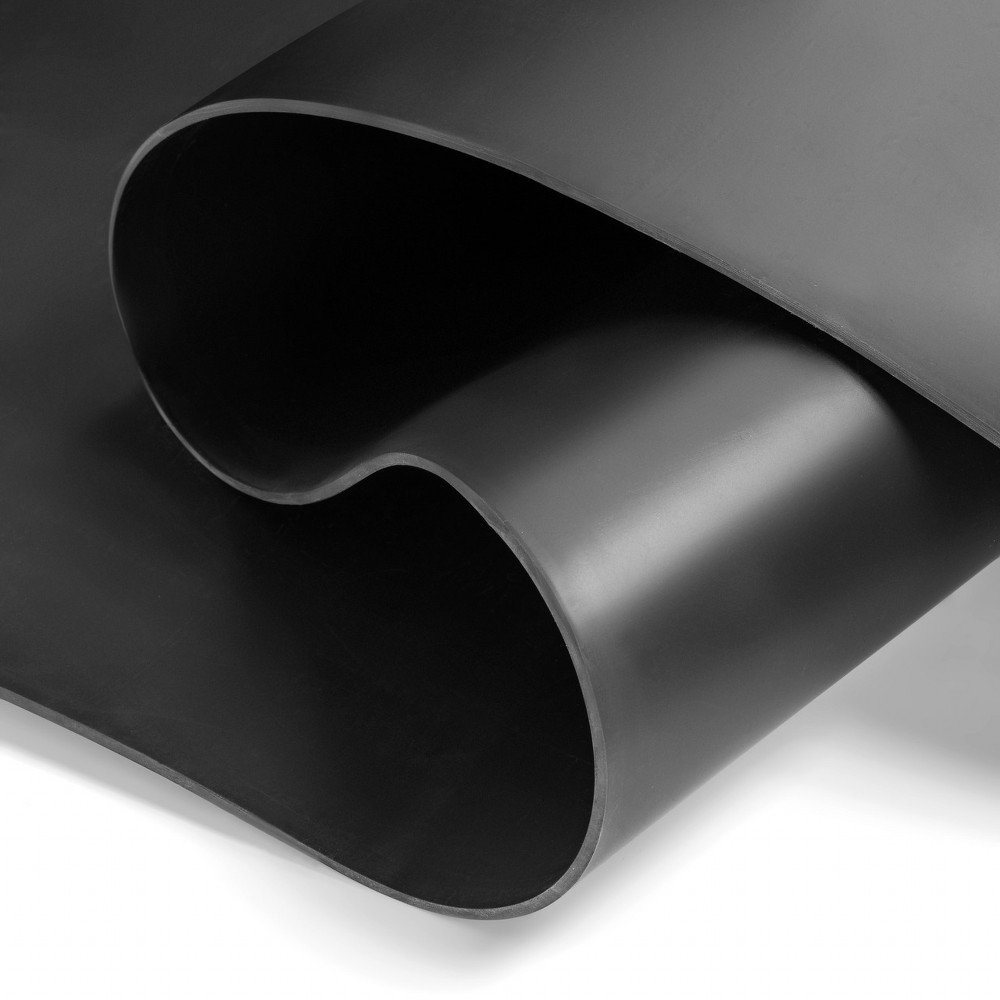
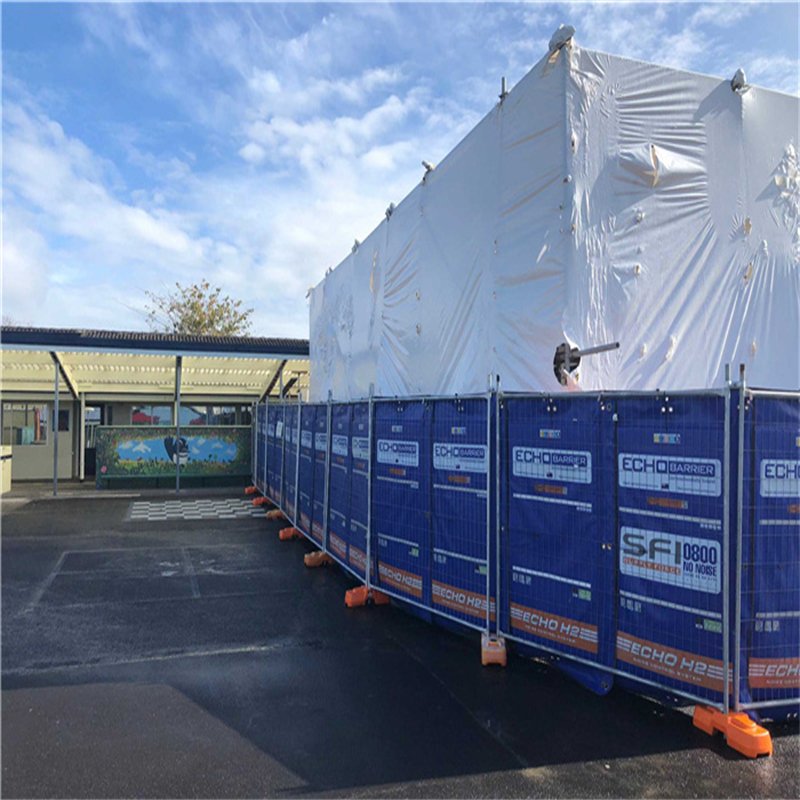
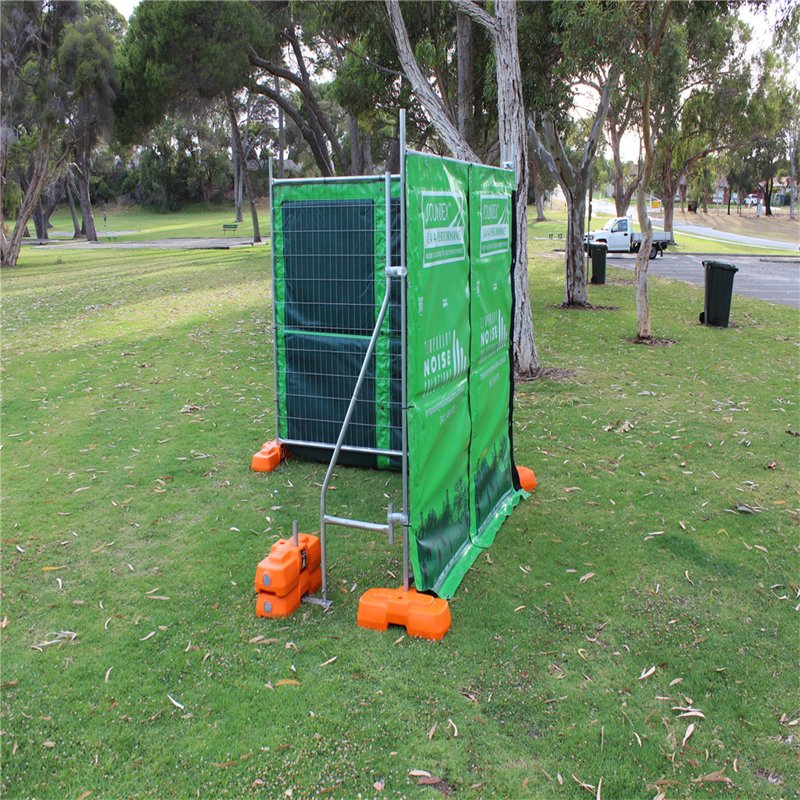
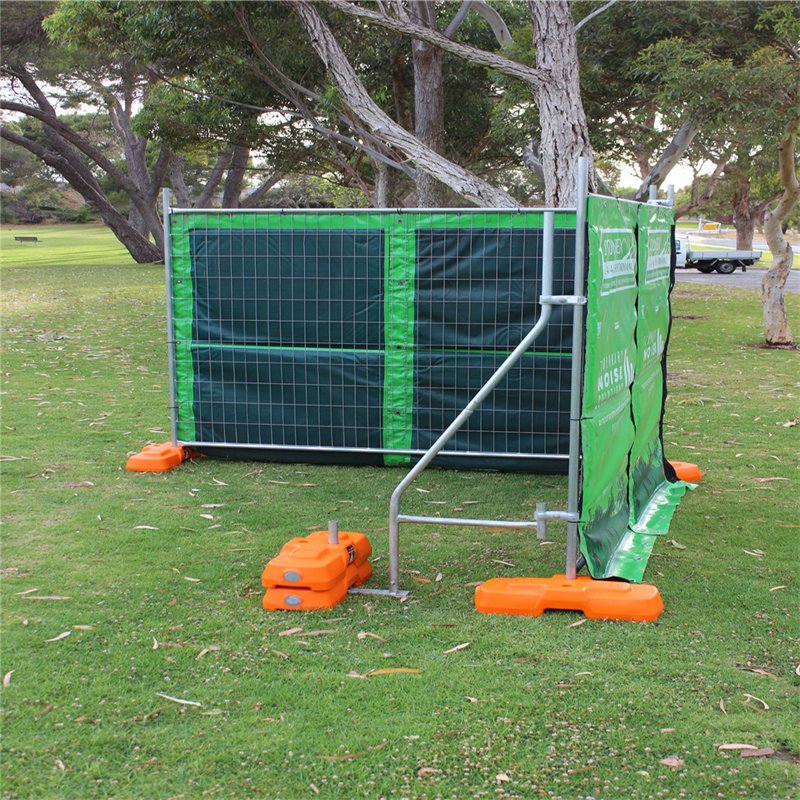
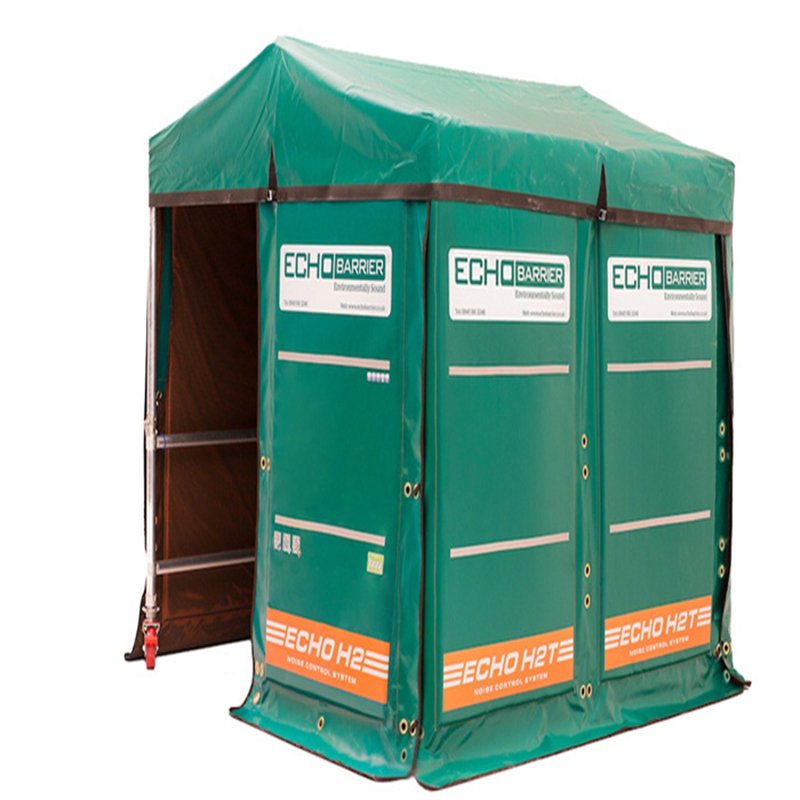
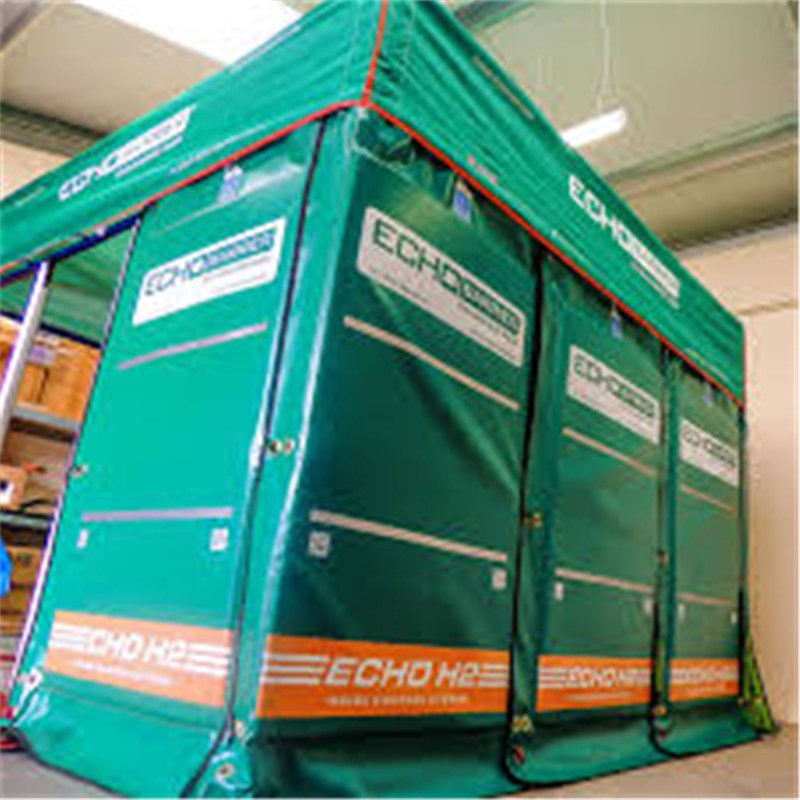
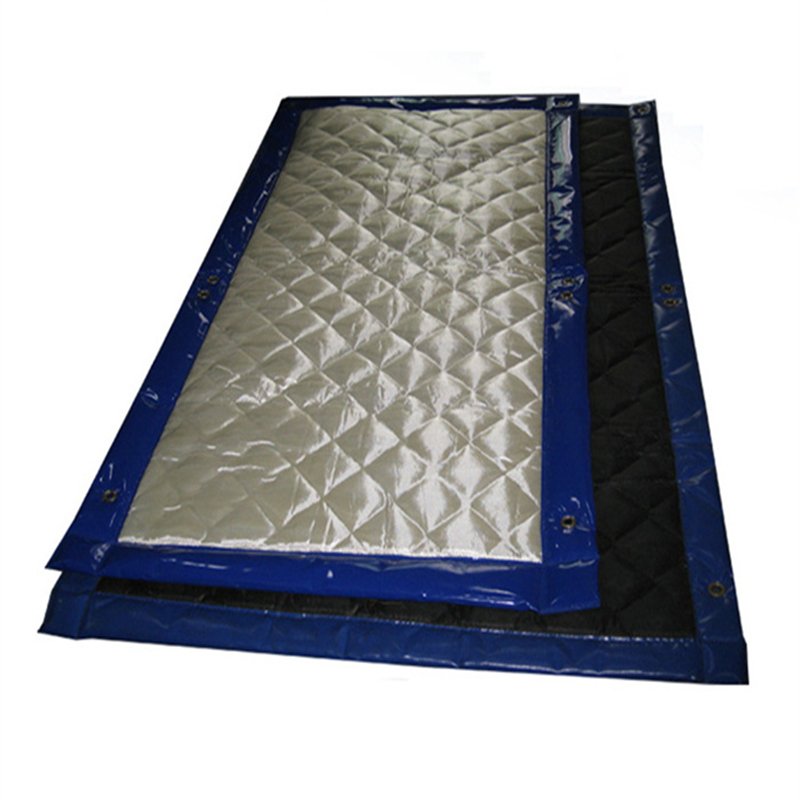
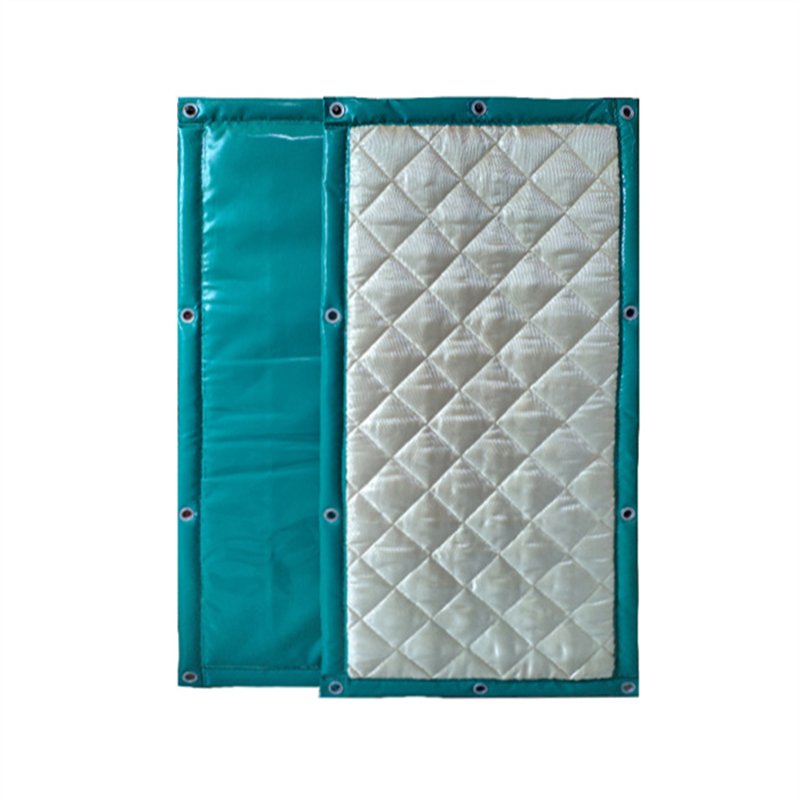
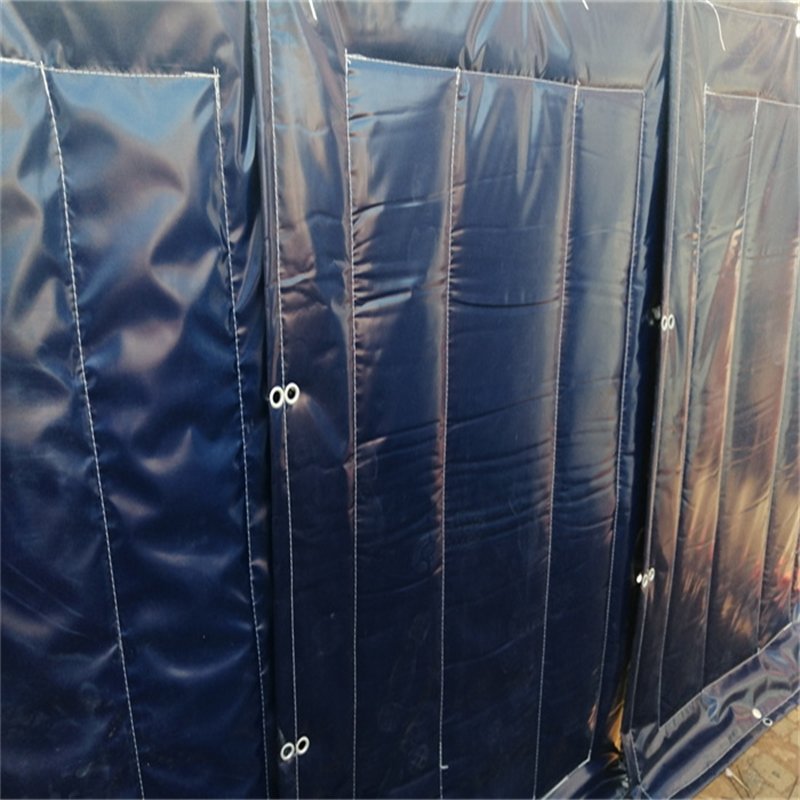
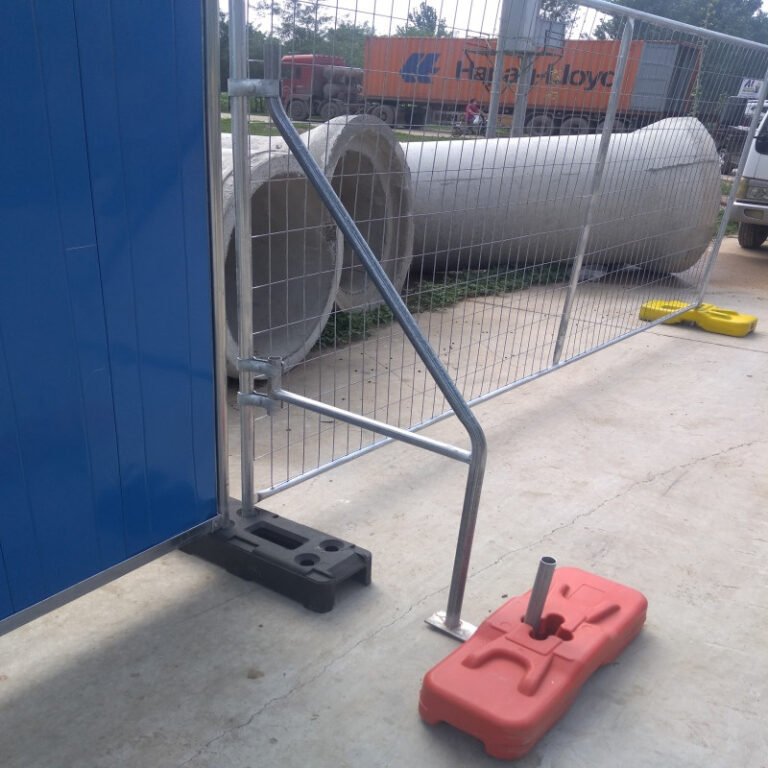
| Original BMP product photograph: portable acoustic screening for temporary construction works. |
What Makes a Portable Acoustic Screen Effective?
Sound travels through openings and bends over barriers. Height and location therefore influence results alongside material construction. A heavier membrane can restrict transmission, while porous layers can absorb part of the incident sound.
For good results, place the screen near the noisy operation or the sensitive receiving area. Avoid unprotected gaps beneath panels and beside entrances. The enclosure should also provide ventilation where machinery requires airflow.
Temporary Noise Barriers Versus Ordinary Fence Screens
Standard privacy fabric primarily changes visibility and wind exposure. Acoustic blankets include purpose-selected sound-blocking and sound-absorbing layers. Neither product makes a construction site silent.
A Temporary Fencing South Africa installation can carry acoustic materials when engineers approve its stability. Wind loading often increases substantially after crews attach a continuous blanket. Never assume an ordinary mesh fence remains safe with heavy screening.
Absorption, Transmission Loss and Insertion Loss
Sound absorption concerns energy that a material retains rather than reflects. Transmission loss describes how much sound passes through a tested assembly. Insertion loss measures the difference after installing a barrier in a specific setting.
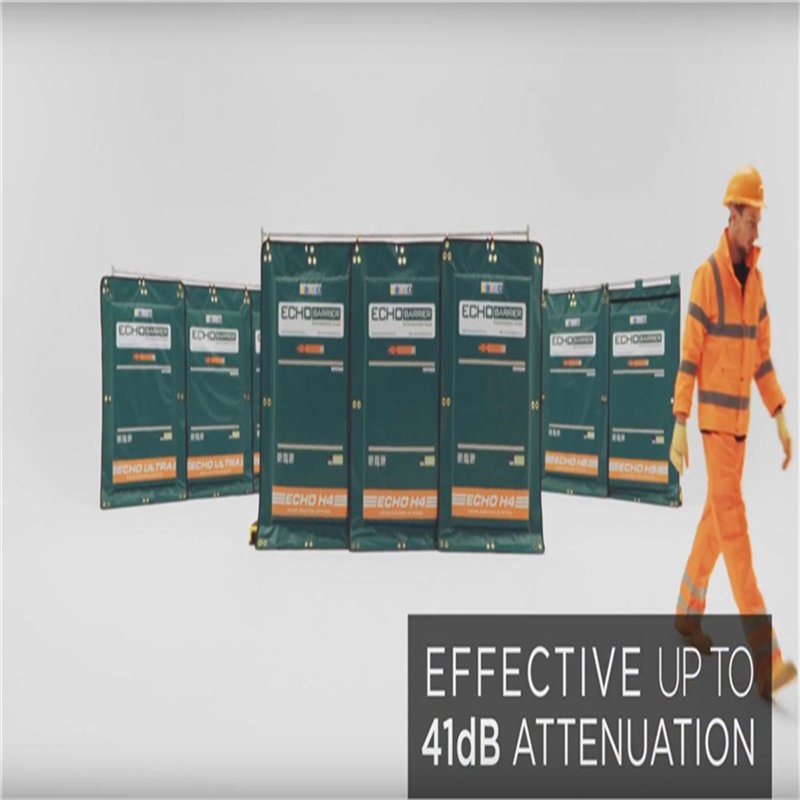
These figures describe different acoustic properties. A catalogue figure of 17–27 dB needs its corresponding test method. It does not guarantee the same reduction at every neighbouring house.
Temporary Noise Barriers: Four-Layer Construction
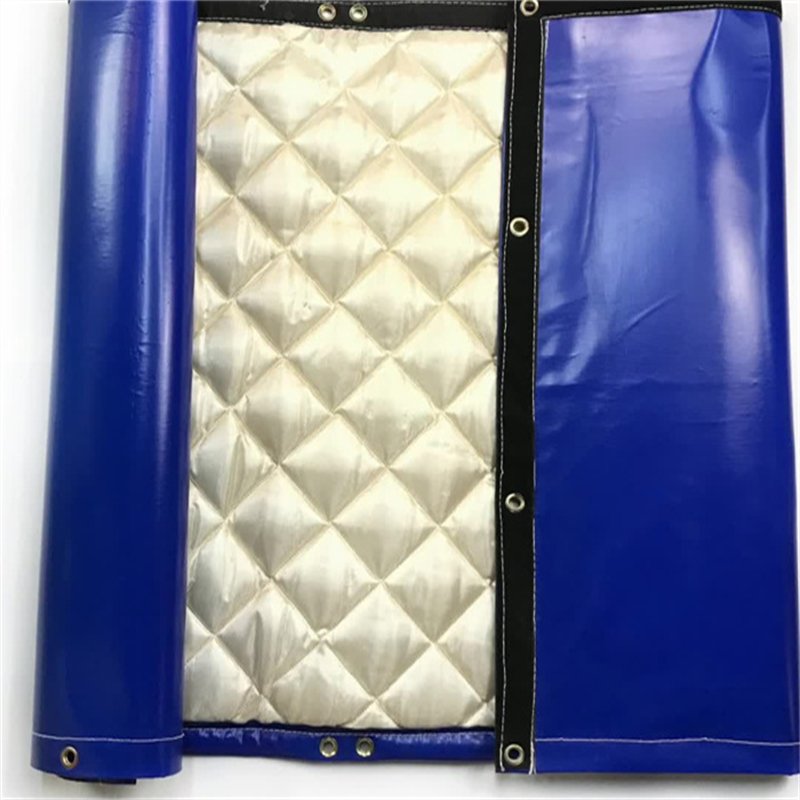
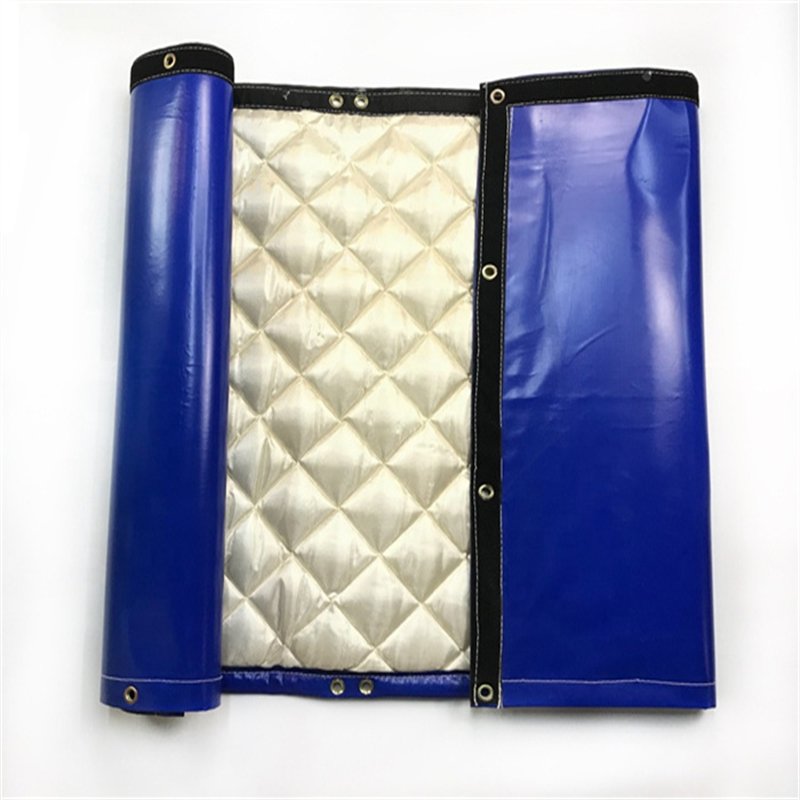
The supplied BMP reference combines waterproof PVC, a mass-loaded barrier, polyester insulation, and fiberglass backing. Each layer supports a different part of the overall design. Manufacturing details can vary with the approved product grade.
Outer PVC provides a cleanable weather-facing surface. The dense core helps restrict transmitted sound through the sheet. Polyester material contributes absorption, while the backing helps protect the composite assembly.
Factories should confirm material thickness, bonding, stitching, and edge reinforcement before accepting custom dimensions. Buyers need actual component details rather than an unqualified waterproof or fireproof claim.
How the Temporary Noise Barriers Layers Work Together
| Layer |
Original Material Reference |
Main Design Role |
| Weather face |
Waterproof PVC sheet |
Helps resist rain and surface contamination |
| Sound-blocking core |
Mass-loaded vinyl or comparable dense membrane |
Helps limit airborne sound transmission |
| Absorbing core |
Polyester insulation cotton |
Helps absorb incident sound within the assembly |
| Backing face |
Fiberglass fabric |
Provides a backing and protective layer |
This table describes the original catalogue construction, not independent laboratory certification. Composite performance depends on the complete tested assembly. Ask for the appropriate report when a project sets measurable acoustic targets.
Seams, Eyelets and Reusable Edges
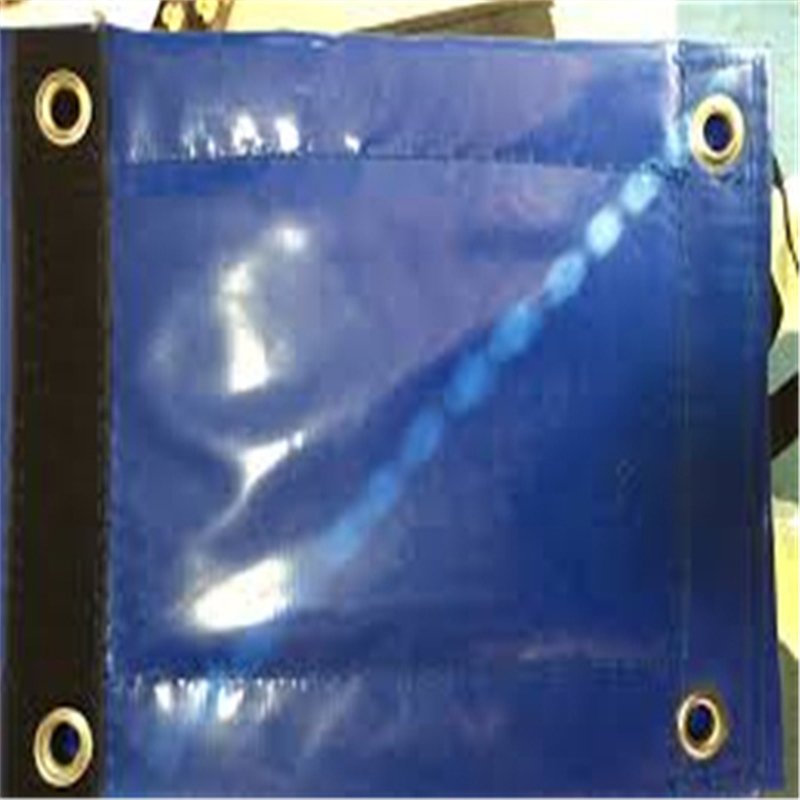
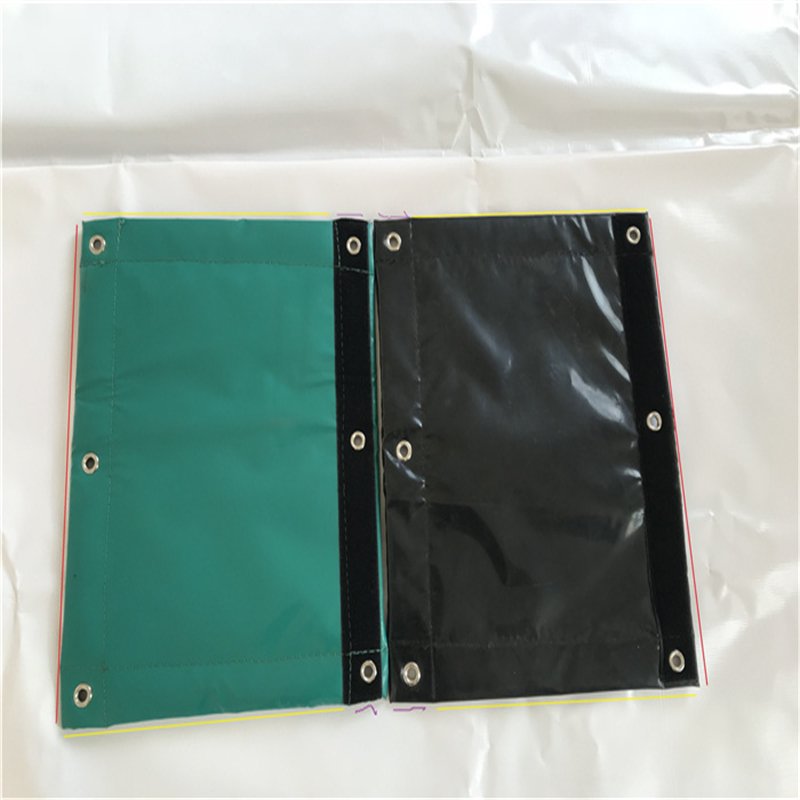
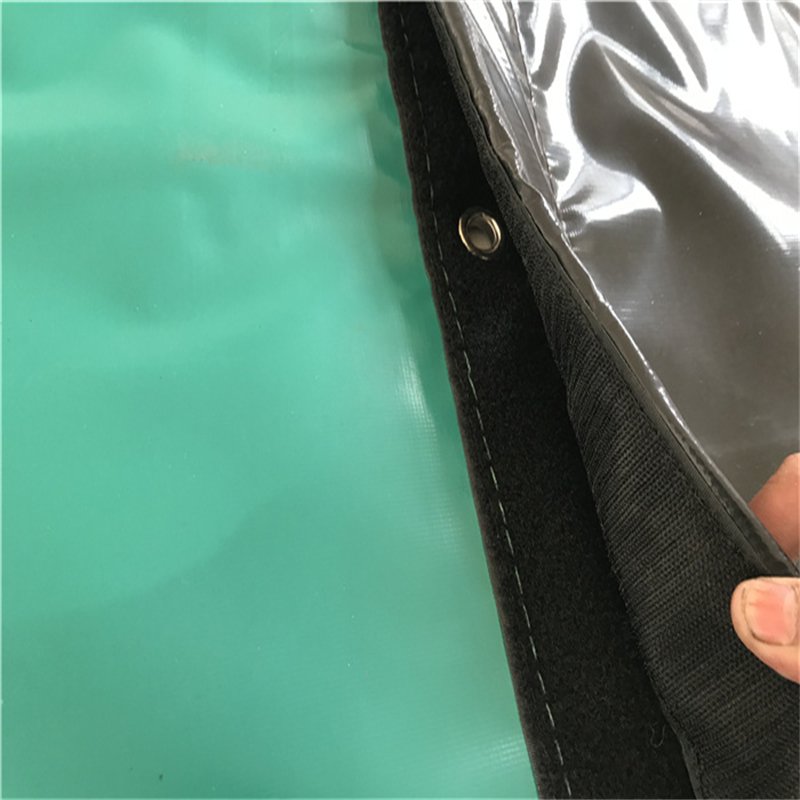
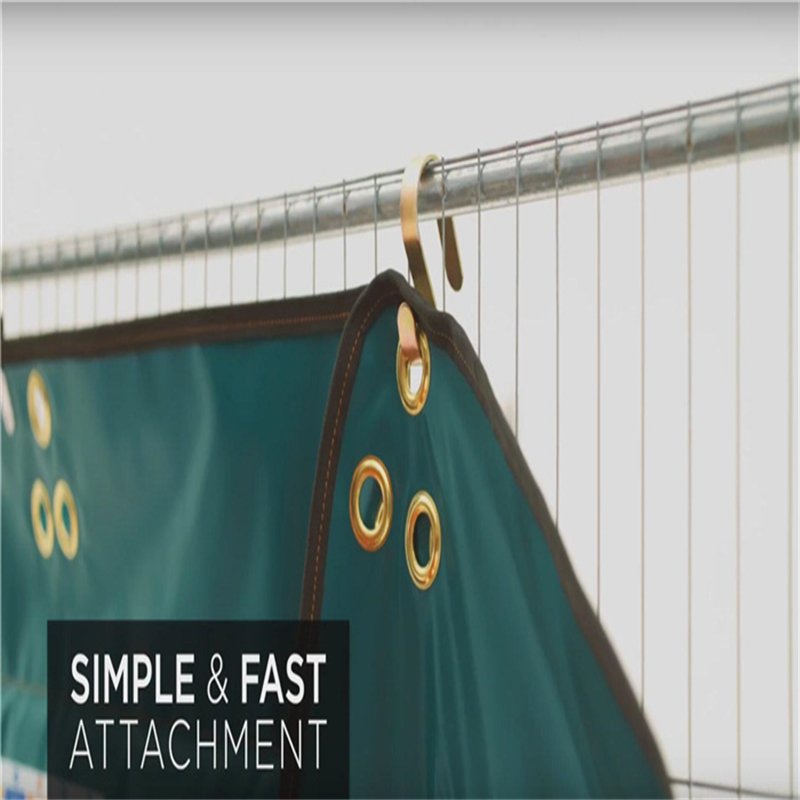
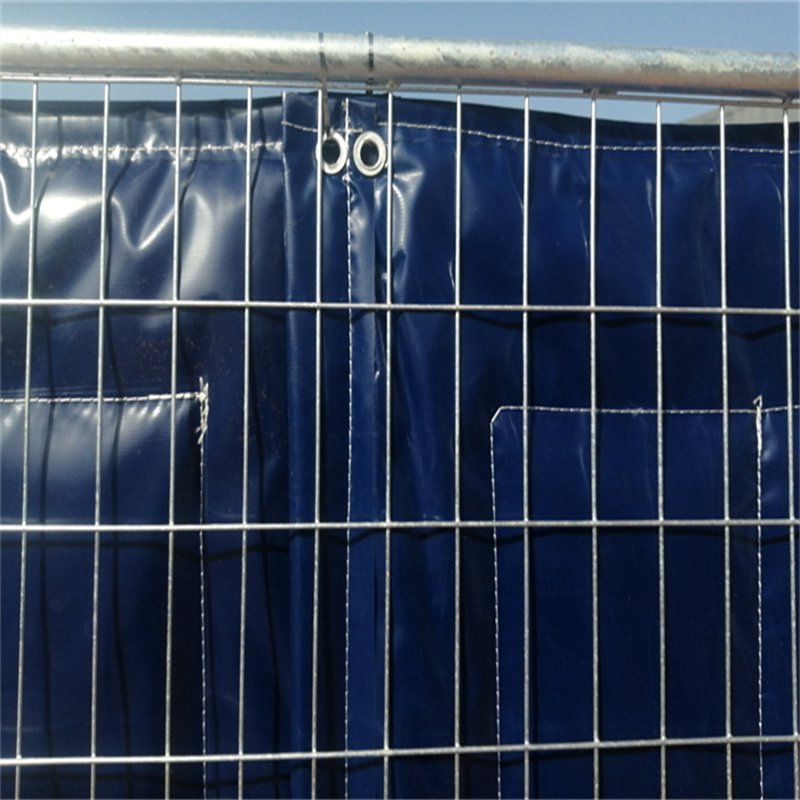
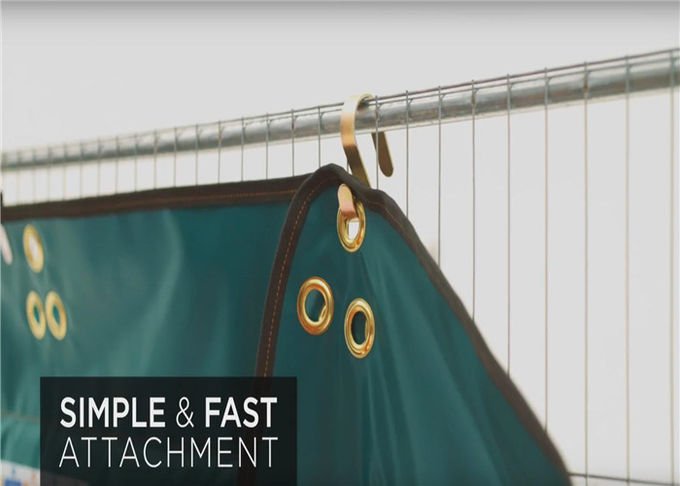
Reinforced edges can accommodate metal eyelets and hook-and-loop fastening arrangements. The original text describes grommets and Velcro for quick installation. Their spacing must match the blanket weight and support frame.
Site teams should inspect the eyelets after repeated folding and tensioning. Damaged corners can create gaps or release the sheet during high winds. The product needs safe attachment without sharp exposed hardware.
Temporary Noise Barriers Reference Specification
The original source gives a 1000 × 2400 mm standard size with custom alternatives. Reference thickness choices include 15, 18, and 25 mm. Standard blue material appears alongside additional colour options by agreement.
Its weight column lists 4, 5, and 7 kg without clearly identifying the measurement basis. Accordingly, buyers should request a confirmed mass per sheet or square metre. That clarification affects lifting, transport, and the supporting fence design.
| Property |
Source Catalogue Reference |
Order Confirmation |
| Product |
Temporary acoustic noise barrier |
Confirm sheet or roll format |
| Layer materials |
MLV barrier, polyester, PVC, fiberglass |
Approve actual laminated construction |
| Standard size |
1000 × 2400 mm |
Custom dimensions subject to approval |
| Thickness options |
15 / 18 / 25 mm |
Confirm tolerance and assembly thickness |
| Weight options |
4 / 5 / 7 kg |
Confirm per sheet or per m² |
| Original colour |
Blue |
Additional colours subject to confirmation |
| Format |
Sheet or roll |
Confirm folding and storage requirements |
| Installation |
Hanging from steel support |
Engineer anchors and wind restraint |
| Acoustic reference |
Approximately 17–27 dB |
Request test type and frequency data |
| Fire classification |
Catalogue states Grade B |
Specify test standard and valid certificate |
| Environmental classification |
Catalogue states E1 |
Verify meaning and test documentation |
| Packing |
One roll in a bag |
Confirm dimensions and gross weight |
| Reference production time |
10–15 working days |
Reconfirm with the current order |
Temporary Noise Barriers and Decibel Ratings
The claimed 17–27 dB range comes from the original product description. It might describe a test result rather than expected outdoor insertion loss. The catalogue does not identify a complete acoustic test report.
Project specifications should request test conditions, frequency bands, and a named measurement method. Laboratory transmission measurements differ from results beside operating excavators. Site testing can establish performance at the receiving position.
Fire Behaviour and Environmental Documents
The words fireproof and non-toxic are too broad without supporting evidence. Ask which fire standard defines Grade B for the exact blanket model. Also confirm the intended meaning of the original E1 environmental designation.
Fire rules vary between temporary buildings, outdoor sites, tunnels, and public-facing work areas. Select materials according to the local project's required classification. Qualified teams should evaluate any nearby hot works.
Original Temporary Noise Barriers Product Gallery
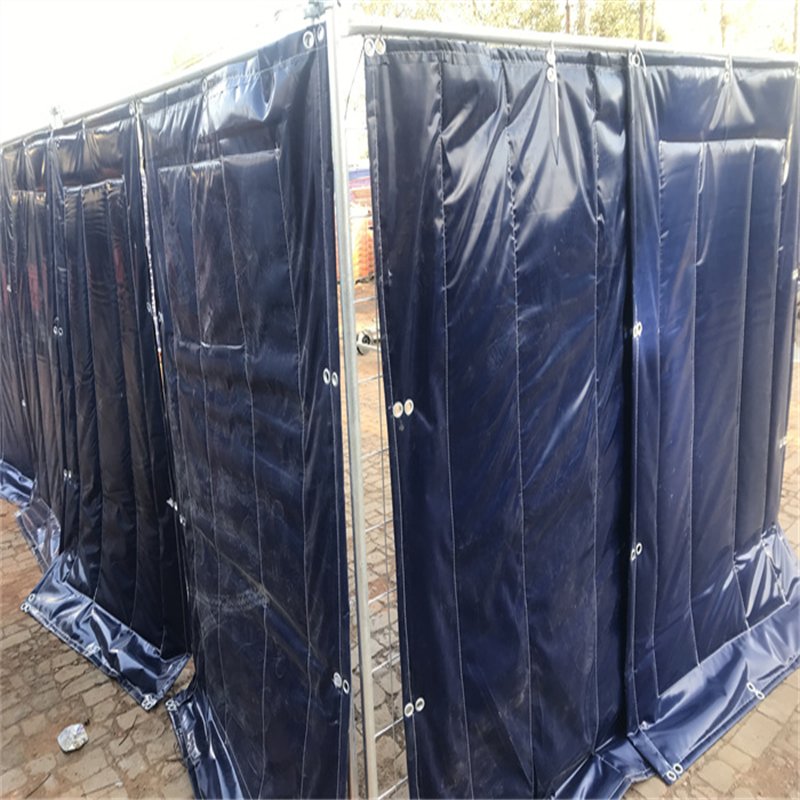
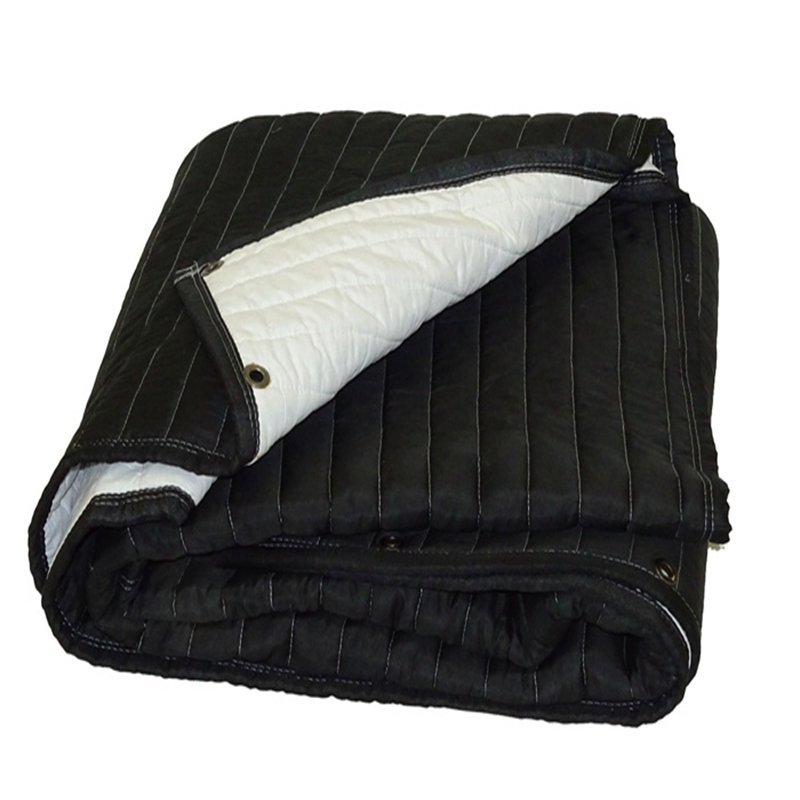
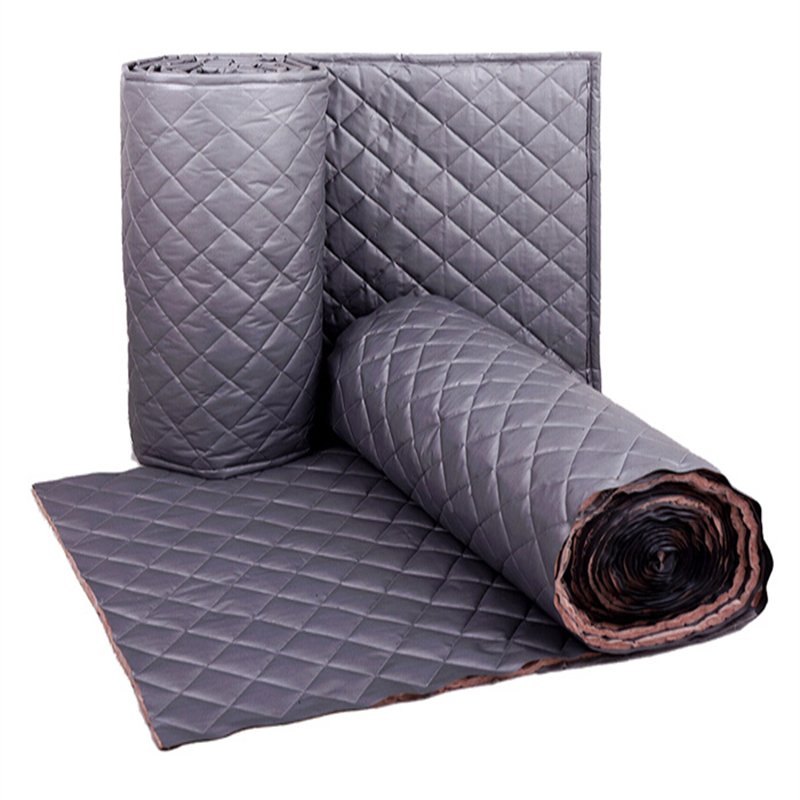
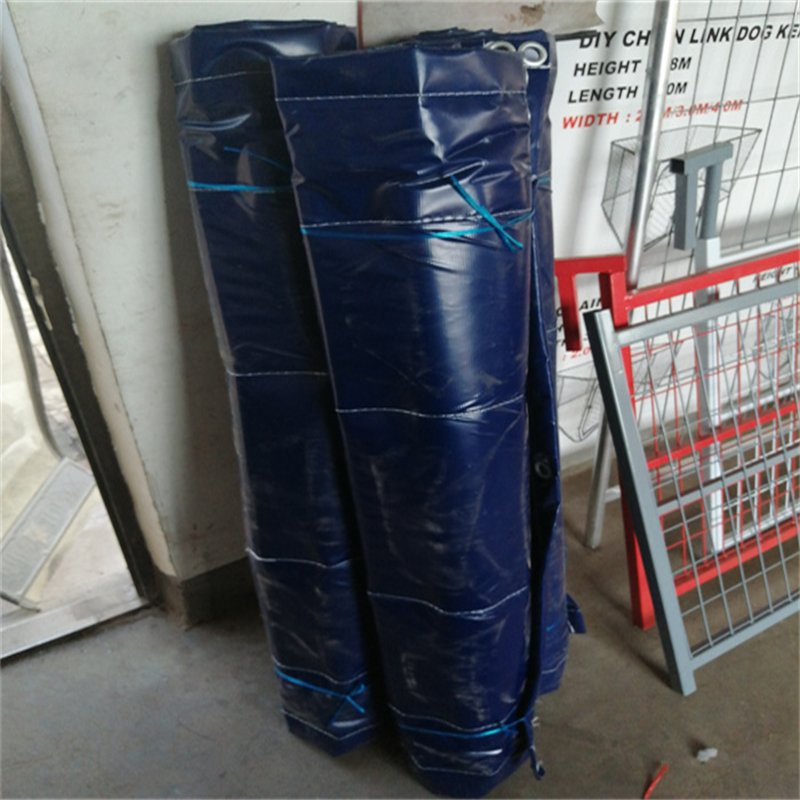
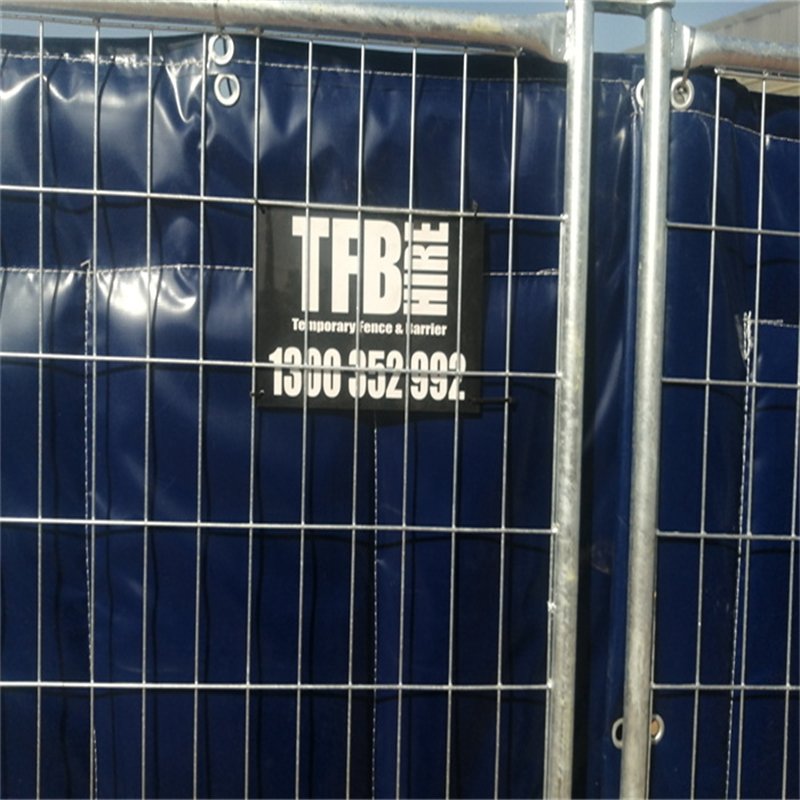
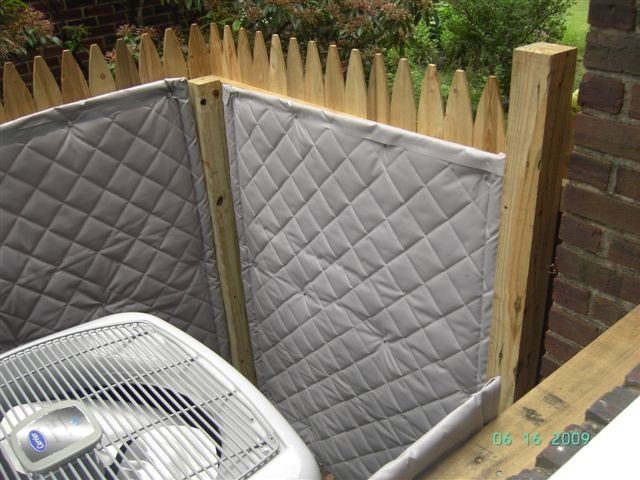
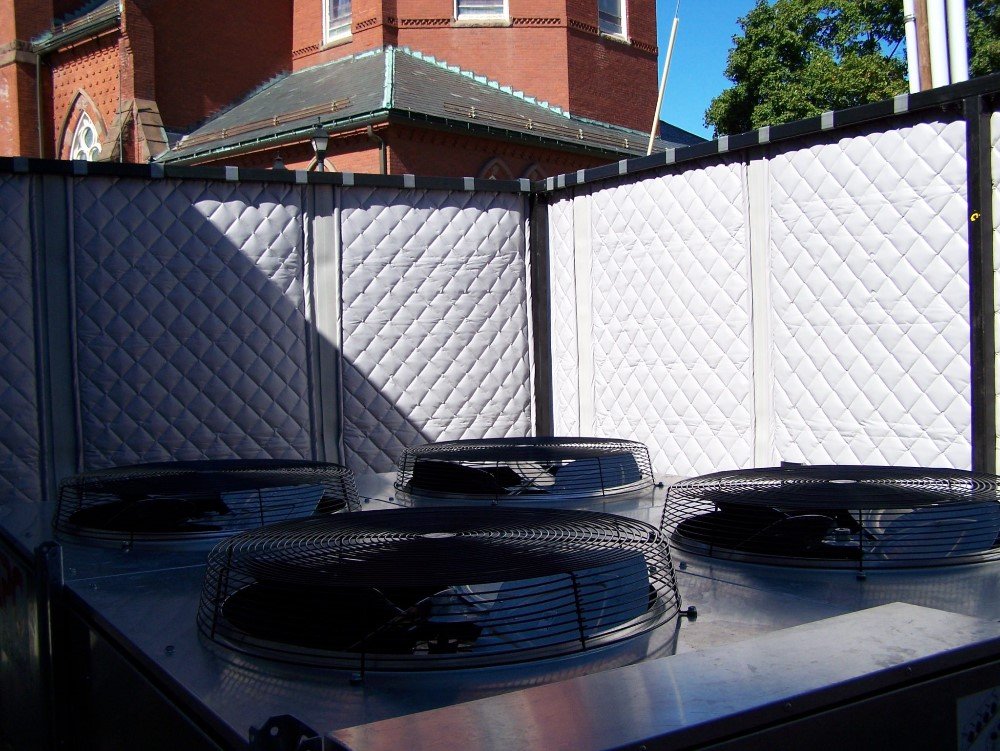
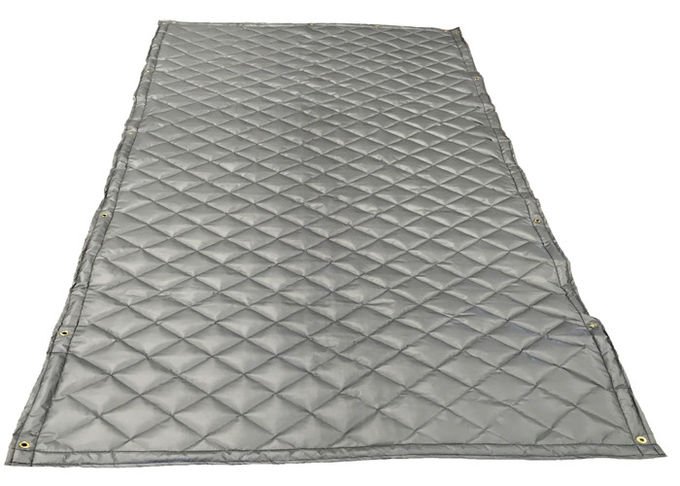
The original catalogue shows four close-up product photographs arranged in a two-by-two table. All four matching files also exist on the BMP site domain. The gallery below retains every distinct photograph without linking to the prohibited domain.
 |
 |
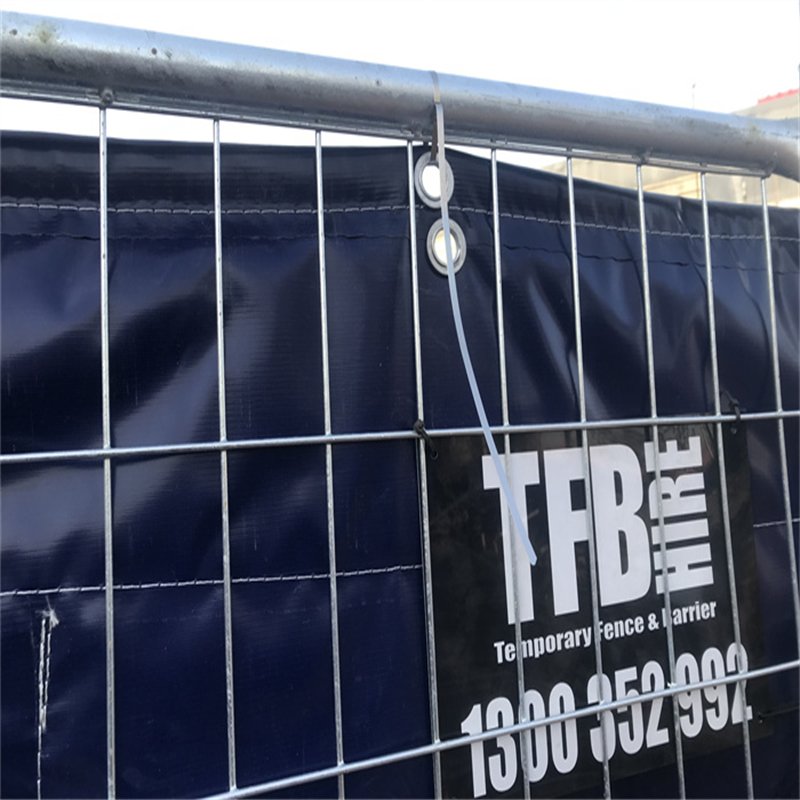
| Original detail photograph: acoustic blanket view one. |
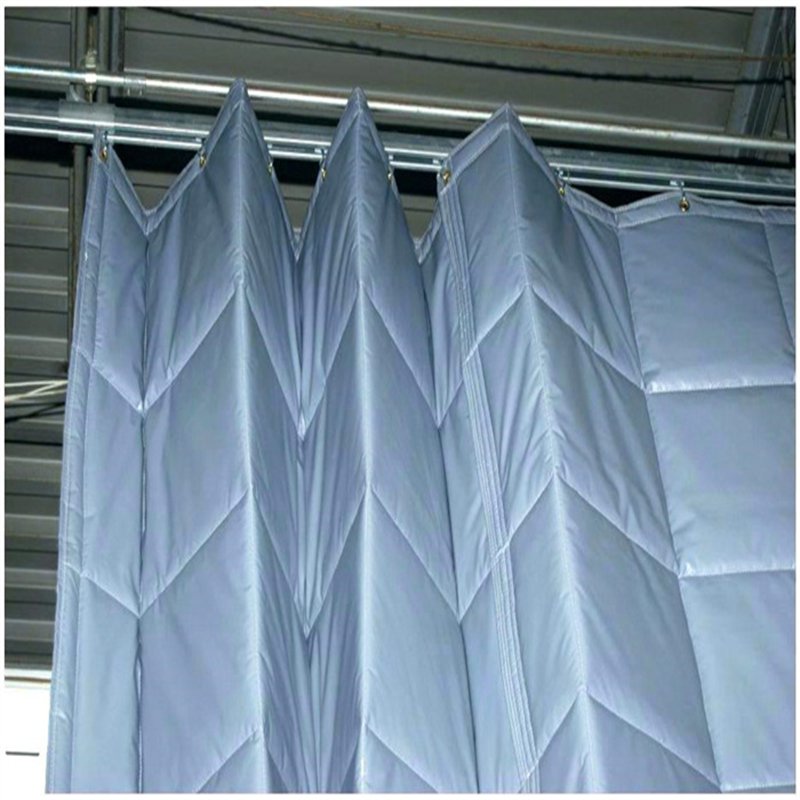
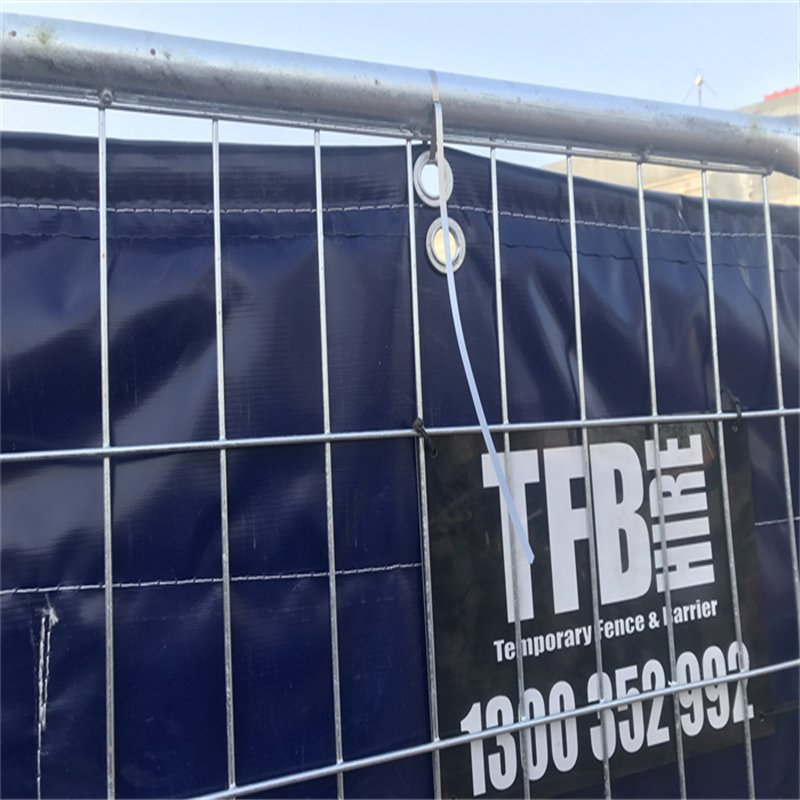
Original detail photograph: acoustic blanket view two. |
 |
 |
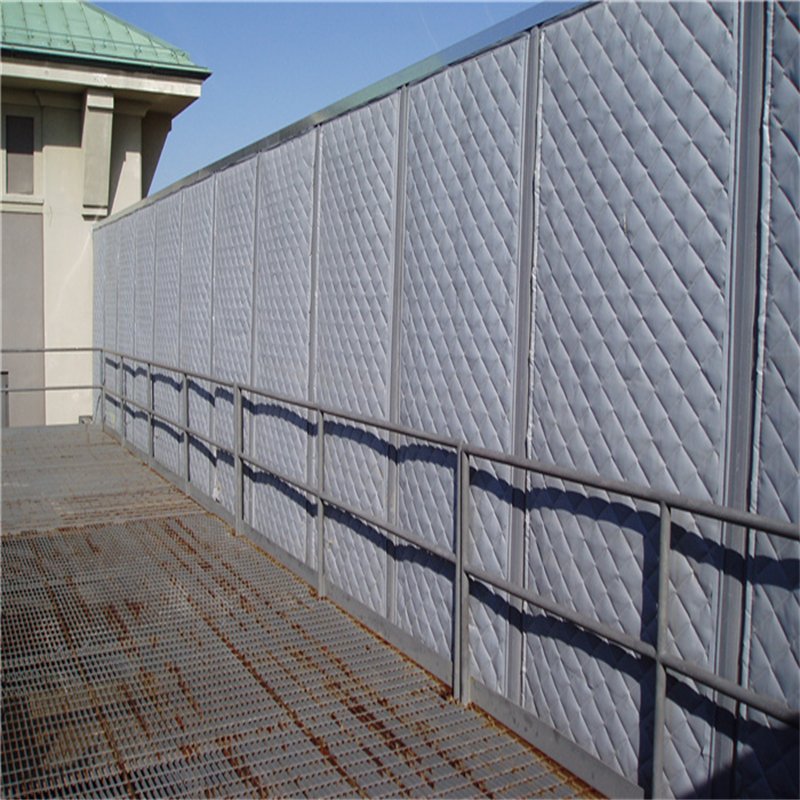
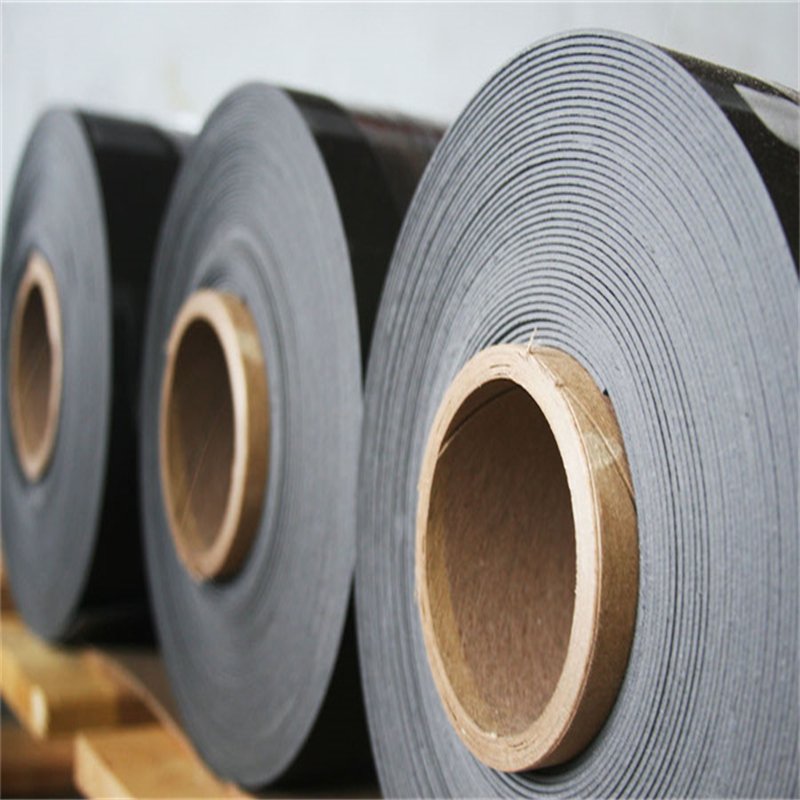
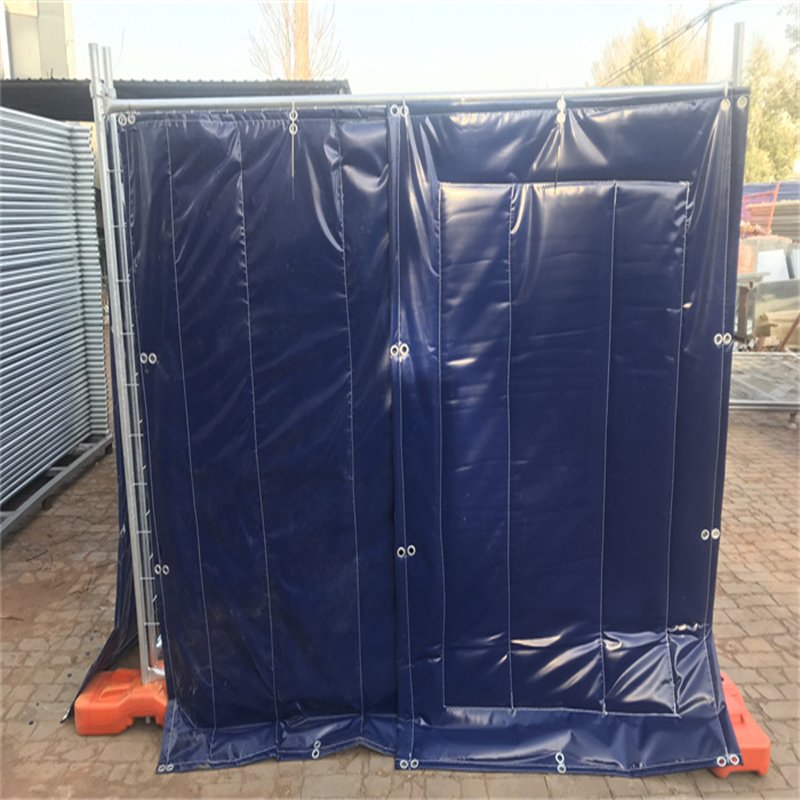
| Original detail photograph: acoustic blanket view three. |
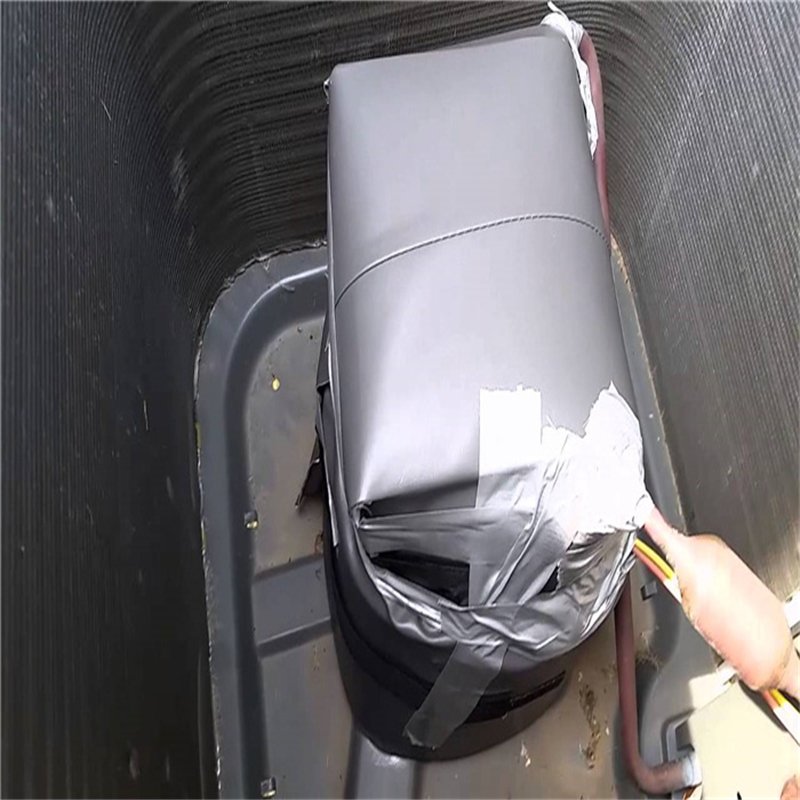
Original detail photograph: acoustic blanket view four. |
Temporary Noise Barriers for Urban Construction
Road repairs, demolition, concrete cutting, and service installations create noise near occupied buildings. Contractors can relocate portable acoustic blankets as the workface moves. This flexibility helps projects that cannot justify permanent acoustic walls.
Environmental managers should identify nearby homes, classrooms, offices, and hospitals before planning the barrier line. Work scheduling and quieter equipment may achieve additional benefits. No blanket replaces appropriate noise management at the source.
Residential Renovation and Neighbouring Properties
Renovation crews often work beside existing homes and retail units. A temporary screen may reduce direct sound transmission across the boundary. Position it between the source and the affected receiving area.
For moving sites, Temporary Event Fencing provides another removable panel family. However, the frame still needs approval for acoustic blanket loads. Avoid placing a sound screen where it obstructs emergency access.
Temporary Noise Barriers Along Roads and Rail Projects
Road maintenance may expose nearby residents to cutting, breaking, or equipment noise. Portable screens can follow individual work stages without lengthy civil installation. Traffic controllers must preserve safe sightlines and driver visibility.
Designers should avoid attaching blankets to ordinary traffic guidance barriers without engineering approval. The required support must consider vehicle exposure and wind. Independent road-safety measures remain essential throughout the work.
Machinery Compounds and Temporary Plant Enclosures
Generators, compressors, and pumps can create persistent tonal or low-frequency noise. Acoustic screens may help limit direct propagation toward occupied spaces. Nevertheless, dense membranes perform differently across the frequency range.
Mechanical equipment needs sufficient cooling airflow and service clearance. An enclosure must not block exhaust outlets or create dangerous heat buildup. Seek specialist acoustic and ventilation advice for close-fitting designs.
Construction Fence Compatibility and Structural Safety
Blankets can turn wind-permeable mesh into a more solid surface. Added pressure may exceed the capacity of standard temporary feet and clamps. A structural assessment should precede installation.
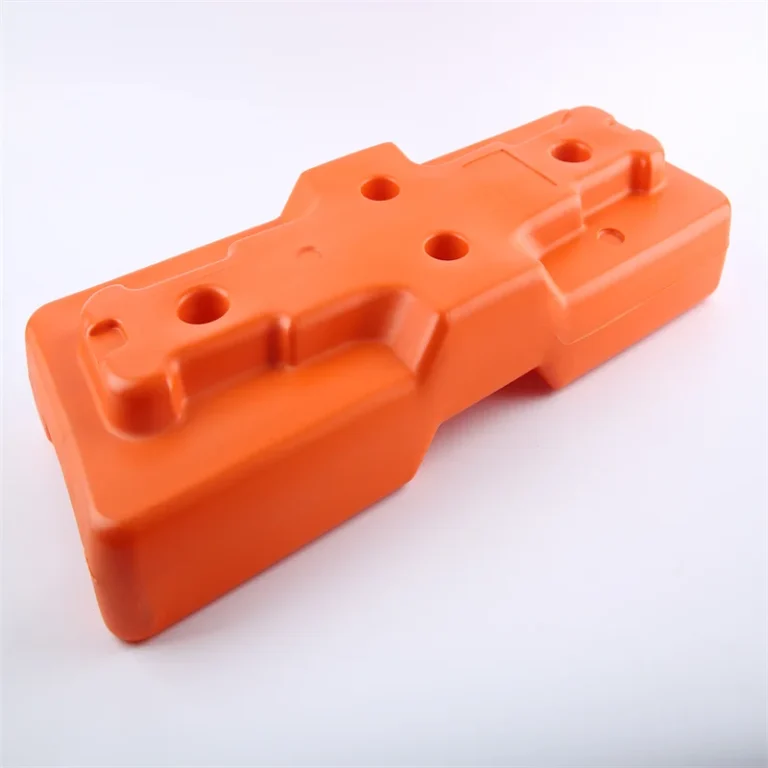
For portable supports, Temporary Fence Feet require suitable ground contact and ballast. Some sites use Recycled Rubber Temp Fence Feet instead. Both options need checks for compatibility and wind resistance.
Temporary Noise Barriers with Clamps and Bracing
Connections depend on the frame diameter and spacing. 50mm Temporary Fence Clamps and 75mm Temporary Fence Clamps suit different layouts. Never interchange hardware only because the pieces appear similar.
Some larger configurations require 90mm Temporary Fence Clamps for the specified post centres. Bracing and anchorage also depend on exposure and supporting soil. Maintain clear pedestrian routes around any diagonal supports.
Where a project needs stabilisers, Temporary Fence Bracing provides useful accessory examples. The selected brace spacing must follow the actual engineered installation. Avoid using catalogue intervals as universal safety rules.
Frequent Moves and Reusable Plastic Feet
Contractors who relocate sections often need repeatable panel connections and robust bases. Injection Mould Temporary Fence Feet provide one removable component choice. Verify their hole spacing and ballast before ordering a complete system.
When the boundary includes an opening, Temporary Fence Gate Hinge hardware may support a suitable gate assembly. Acoustic blankets should not prevent its operation. Seal unavoidable gaps only when safe access remains intact.
Temporary Noise Barriers in Coastal and Inland Environments
Durban and Cape Town projects can face sea spray, wind, and frequent moisture near exposed sites. PVC coverings may help protect acoustic layers from rain. Metal eyelets and support frames still need suitable corrosion protection.
Johannesburg sites present different dust, strong sunlight, and summer storm conditions. Cleaning and UV resistance matter during repeated outdoor use. Inspect stitching, fixing points, and surface wear after each deployment.
Wind Exposure on a Covered Fence
A screen can behave like a sail when wind reaches its full face. Taller or longer runs may require stronger supports and additional ballast. Designers should account for nearby structures and local gust patterns.
Never leave loosely hanging sheets where they could enter traffic lanes. Inspect anchors after high winds and heavy rain. Remove unsuitable sections until the supporting system becomes safe again.
Rain, Drainage and Acoustic Blanket Care
Rain can collect around folds, ground edges, and fabric joints. Avoid dragging blankets through standing water or sharp debris. Dry and clean the product according to the approved care instructions.
Long-term storage should reduce trapped moisture and compression damage. Inspect eyelets and seams before reinstalling each roll. Replace sheets showing tears or significant material deterioration.
How to Plan a Temporary Noise Barriers Layout
Begin with the noise source, operating hours, and nearest sensitive receivers. Identify the direct sound path and practical screen location. Map access gates, uneven ground, and equipment movement at the same time.
The screen must remain continuous where acoustically practical. Gaps can weaken the result even with effective blanket materials. Equipment access and emergency exits must remain functional.
Screen Height, Length and Overlap
A short panel may offer limited benefit when sound travels over its top. Height should reflect source and receiver positions. Overlap adjacent blankets when the fastening design permits a safe continuous screen.
Calculate quantity from actual coverage rather than nominal sheet width alone. Corners, gates, and overlaps change the material requirement. A dimensioned layout helps factory staff identify every custom sheet.
Temporary Noise Barriers and Acoustic Verification
Record baseline sound levels before installing the screens when the project requires evidence. Repeat measurements under comparable operating conditions afterward. An acoustic consultant can distinguish equipment changes from actual barrier improvements.
For material comparisons, Temporary Noise Barriers include other blanket thickness and construction options. Construction Site Noise Barriers also describe the source four-layer configuration. Compare test certificates rather than unrelated decibel marketing figures.
Temporary Noise Barriers Versus Permanent Security Fences
Acoustic blankets mainly address site noise and temporary separation. Permanent security meshes target perimeter integrity and controlled access. Those functions require different structural and operational designs.
Facilities may finish construction with ClearVu Fence Panels for their long-term security boundary. Such open mesh does not automatically provide acoustic insulation. Temporary blankets may remain useful during maintenance or later building phases.
Separate Acoustic and Security Requirements
Security cameras need clear views, while acoustic screens block direct sightlines. Combining the two requirements therefore needs careful gate and monitoring design. Do not conceal important safety signage behind opaque blankets.
Temporary barriers can also reduce some windblown debris, depending on the complete construction. They do not replace certified containment screens for hazardous materials. The project safety plan should name each required function separately.
Temporary Noise Barriers Factory Packing and Delivery
Rolls and folded sheets can reduce storage space compared with rigid acoustic walls. The source catalogue describes one roll per protective bag. Large orders may need pallet protection and clearly labelled model numbers.
Packing staff should identify the sheet dimensions, thickness, weight, colour, and fixing accessories. Heavy packages require a safe lifting plan. Protect eyelets from metal edges and compressed shipping loads.
The original catalogue quotes 10–15 working days as a manufacturing reference. Current production depends on order volume, custom dimensions, and material approval. Confirm the schedule in the formal quotation.
Quality Inspection Before Shipment
Measure actual sheet dimensions and inspect stitching along all reinforced edges. Confirm eyelet spacing, colour, surface condition, and package labels. Acoustic test reports should match the purchased material configuration.
Alternative temporary construction noise barrier models use other materials and thickness ranges. Different models require their own inspection criteria. Never combine their figures into a single guaranteed specification.
Temporary Noise Barriers Buying Checklist
- Identify the noise source, nearest receivers, and project duration.
- Provide the required screen length, height, and installation layout.
- Confirm PVC, membrane, polyester, and fiberglass construction.
- Specify thickness, finished mass, and sheet or roll format.
- Request acoustic reports with named test methods and frequency data.
- Check fire classification and relevant product safety documents.
- Approve eyelet spacing, edge reinforcement, and attachment accessories.
- Assess wind load, ballast, clamps, and required bracing.
- Confirm export packing, weights, and production dates.
Can Crews Reuse the Acoustic Blankets?
Yes, provided the material remains serviceable and the installation allows reuse. Inspect folds, seams, and grommets between projects. Replace damaged sections rather than relying on weakened fixing points.
Do Temporary Noise Barriers Guarantee 27 dB Reduction?
No. The original 17–27 dB range lacks an identified test report in the supplied article. Actual outdoor results depend on placement and surroundings. Buyers should request the relevant report and consider site measurements.
Can the Blanket Hang on Any Fence?
No. The supporting fence must handle the added mass and increased wind pressure. Check clamps, ballast, anchorage, and emergency access. Engineers should approve unusual or exposed configurations.
Temporary Noise Barriers from BMP
Boss Metal and Plastic Co., Ltd. supplies portable acoustic blankets and related temporary fencing components for export projects. Buyers can request custom dimensions, colours, and attachment arrangements through an approved technical schedule. The final quotation should identify the exact acoustic and fire requirements.
Send the construction location, expected working noise, required coverage, and supporting fence details. Include any mandatory test certificates or installation standards. Complete information helps us prepare a coordinated material and delivery proposal.