
Usage of Galvanised Welded mesh: Applications, Benefits and Material Selection
Usage of Galvanised Welded mesh covers security fencing, agriculture, construction, mining, industrial protection, and everyday infrastructure. Its welded steel grid provides consistent openings, while zinc protects the underlying wire against corrosion. Different applications require different wire diameters, mesh sizes, and protective finishes.
Manufacturers produce galvanised welded mesh as rigid sheets, fence panels, or flexible rolls. Contractors select each format according to installation requirements. Farmers often prefer manageable rolls, while industrial facilities may require rigid panels.
South African buyers must also consider local environmental conditions. Durban's marine atmosphere creates different corrosion challenges from Johannesburg's inland climate. Proper material selection helps reduce unnecessary repairs and replacement costs.
This guide explores twelve practical applications, galvanising methods, zinc protection, technical specifications, and purchasing considerations. It also explains how welded mesh differs from stainless steel and woven wire products.
Usage of Galvanised Welded mesh: Understanding the Product
Galvanised welded mesh consists of steel wires joined at regular intersections. Electrical resistance welding creates the connections. Zinc coating helps protect the finished material against environmental corrosion.
Manufacturers commonly use low-carbon steel wire for general-purpose products. However, different applications may require specific steel grades. Wire diameter and mesh spacing determine much of the finished structure.
Usage of Galvanised Welded mesh: Main Product Types
| Product Type | Construction | Typical Application |
|---|---|---|
| Galvanised Welded Mesh Rolls | Welded wire supplied in rolls | Gardens, agriculture, enclosures |
| Galvanised Welded Mesh Sheets | Flat welded steel mesh | Partitions, cages, industrial guards |
| Rigid Security Mesh Panels | Heavy welded wire panels | Commercial and industrial boundaries |
| PVC-Coated Welded Mesh | Welded steel with polymer coating | Gardens and selected outdoor applications |
| Stainless Steel Welded Mesh | Welded stainless steel wire | Selected corrosive or hygiene-sensitive environments |
These products share a welded construction method. However, their materials and coatings differ. Buyers should compare complete specifications before choosing a supplier.
Galvanised Mesh Versus Stainless Steel Mesh
Galvanised welded mesh generally uses carbon steel with zinc protection. Stainless steel mesh uses corrosion-resistant steel alloys. Both products serve different environments.
Stainless steel may suit applications requiring particular chemical resistance or cleaning conditions. However, stainless performance depends on alloy grade and exposure. Galvanised steel often offers a practical option for general outdoor fencing.
Usage of Galvanised Welded mesh: Product Photographs
The following original photographs illustrate welded mesh products. Buyers can compare their appearance and construction. Actual dimensions require confirmation through technical drawings.
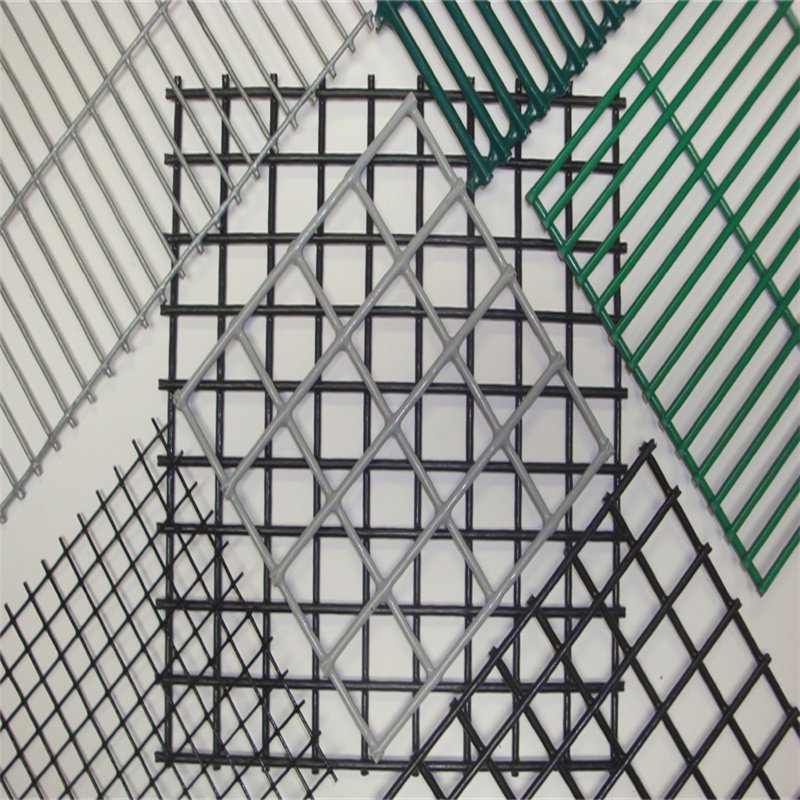 Galvanised welded mesh reference for reviewing steel wire construction. |
 Welded wire mesh reference for fencing and protective applications. |
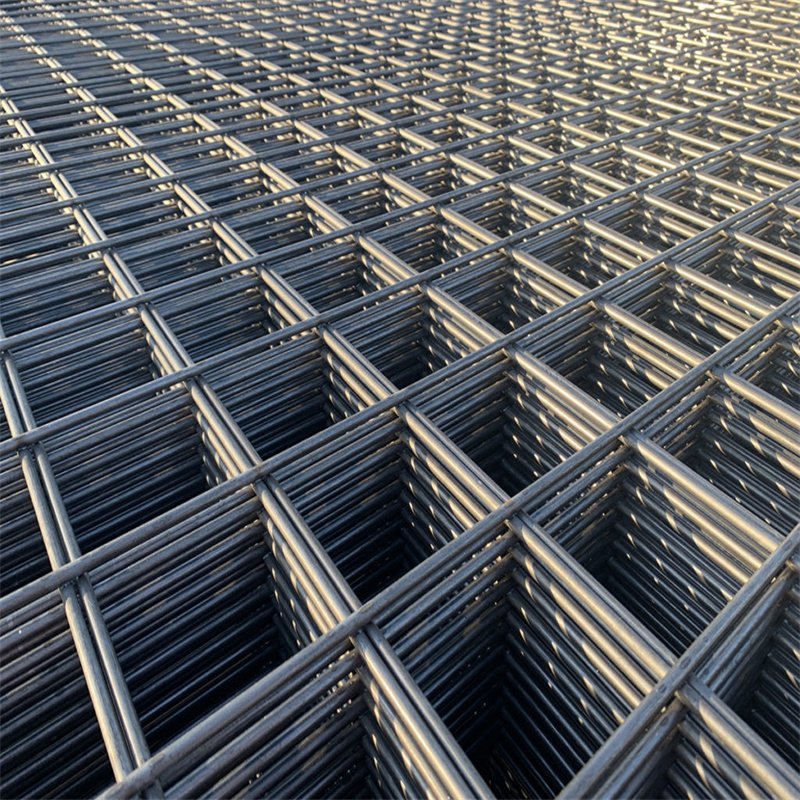 Galvanised mesh product reference for agricultural and commercial uses. |
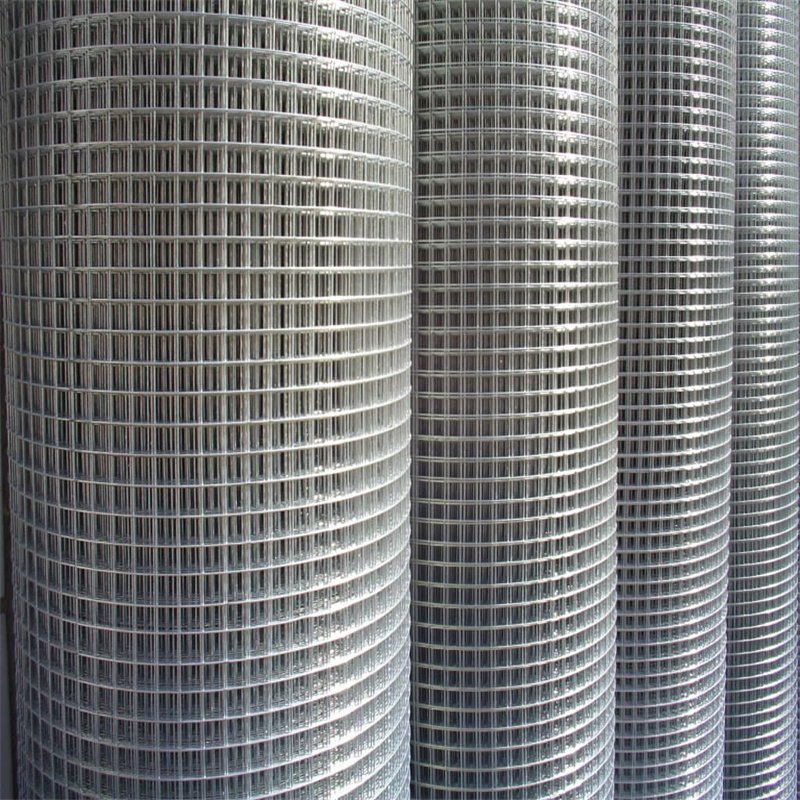 Welded steel grid reference for comparing mesh configurations. |
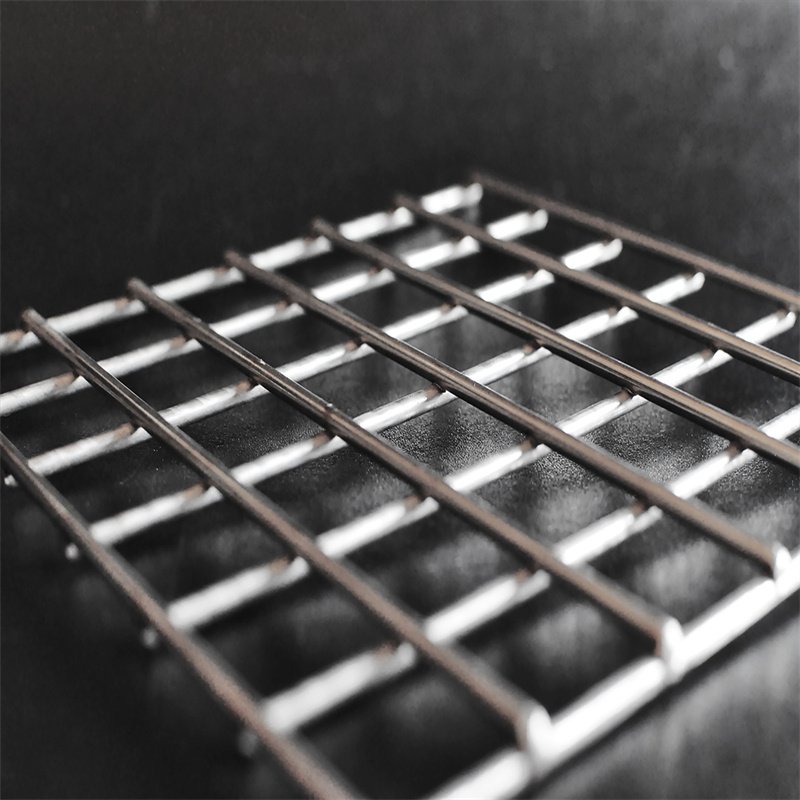 Additional galvanised welded mesh reference for construction and industrial applications. |
|
Usage of Galvanised Welded mesh in Security Fencing
Security fencing represents an important application for rigid welded mesh. The steel grid creates a visible physical boundary. Suitable posts and clamps support the complete system.
Industrial sites often need perimeter observation alongside access control. Welded mesh allows useful sightlines across the boundary. CCTV cameras can monitor activity without solid walls blocking every view.
Usage of Galvanised Welded mesh for Commercial Properties
Warehouses, factories, and logistics centres frequently require durable fencing. Welded mesh separates operational areas from public access. Security gates help control vehicle movement.
For tighter security openings, High Security Clearvu Fencing provides a related welded mesh configuration. Its narrow spacing discourages straightforward climbing attempts.
However, no ordinary fence guarantees complete intrusion prevention. Security teams should combine physical barriers with suitable monitoring. Lighting and access control provide additional protection.
Residential Security Boundaries
Homeowners often prefer fencing that preserves outdoor visibility. Welded mesh offers a neat appearance without forming a solid wall. Different coatings provide suitable colour options.
Clear View Fencing systems use welded steel panels for residential and commercial boundaries. Buyers should select the appropriate mesh grade.
Usage of Galvanised Welded mesh in Agriculture
Agriculture uses welded mesh for animal management, plant protection, and equipment separation. Farmers value regular openings and manageable product dimensions. Zinc coating helps reduce outdoor corrosion.
Usage of Galvanised Welded mesh for Poultry Enclosures
Poultry enclosures require suitable mesh openings and secure connections. Smaller openings may help restrict unwanted animal access. However, the design must consider local predators.
Farmers should check wire diameter and enclosure height. Roof protection may also be necessary. Mesh alone cannot guarantee predator exclusion.
Vegetable Gardens and Plant Protection
Gardeners use welded mesh to protect selected plants. The grid can also support climbing vegetables. Suitable wire spacing depends on the intended crop.
Galvanised mesh tolerates many outdoor conditions. However, soil contact and fertilisers can influence corrosion. Gardeners should inspect damaged areas periodically.
Livestock Pens and Farm Partitions
Welded mesh can divide selected animal enclosures. Larger animals may require heavier construction. Post spacing and mesh strength remain important.
Farmers should avoid sharp exposed edges. Appropriate gate hardware also matters. Animal welfare and containment requirements should guide the design.
Usage of Galvanised Welded mesh in Construction
Construction companies use welded mesh for temporary protection, partitions, and selected reinforcement applications. However, different products serve different structural purposes. Buyers must distinguish general-purpose mesh from engineered reinforcement.
Usage of Galvanised Welded mesh for Site Boundaries
Construction sites often require controlled access and clear separation. Welded mesh panels can help define work areas. Portable fencing offers flexibility during changing project stages.
Temporary Fencing Panels provide movable boundaries for construction projects. Their design differs from permanent welded security fencing.
Concrete Reinforcement Applications
Engineered welded reinforcement mesh helps control cracking and transfer forces within suitable concrete designs. However, general galvanised fencing mesh cannot automatically replace structural reinforcement.
Engineers must specify wire properties and mesh geometry. Applicable standards determine acceptance. Contractors should never substitute materials without approval.
Wall Protection and Building Partitions
Welded mesh can support selected protective partitions. Builders may also use suitable mesh in nonstructural assemblies. The exact application determines material requirements.
Indoor environments often present lower corrosion exposure. Outdoor installations require more careful coating selection. Buyers should match specifications to the environment.
Usage of Galvanised Welded mesh in Mining
Mining operations use specialised welded mesh for ground support and rock containment. These products differ from ordinary agricultural mesh. Their engineering requirements can be demanding.
Usage of Galvanised Welded mesh for Rock Support
Specialised welded mesh helps retain loose rock near excavated surfaces. Ground-support systems may combine mesh with suitable anchors. Engineers must design the complete arrangement.
Underground conditions can introduce moisture and corrosive substances. Protective coatings may improve durability. However, mining mesh requires application-specific testing.
Mine Equipment Protection
Mining facilities also use welded mesh around selected machinery. Protective guards help separate workers from moving components. Guard dimensions must suit the actual hazards.
Maintenance access requires careful planning. Safety systems should follow applicable machinery standards. Ordinary fencing specifications cannot replace a guarding assessment.
Usage of Galvanised Welded mesh in Industrial Machinery Protection
Factories often install welded mesh around production equipment. Rigid panels create physical separation. Transparent openings allow operators to observe machinery.
Usage of Galvanised Welded mesh for Machine Guards
Machine guards help restrict access to hazardous moving parts. However, opening dimensions must reflect safe reaching distances. Proper design requires relevant safety standards.
Suitable frames support the mesh. Interlocked access doors may be necessary. Safety engineers should review the complete arrangement.
Warehouse Partitions and Storage Cages
Warehouses use welded mesh to separate storage areas. Mesh partitions preserve visibility across the building. Lockable doors can control access.
Material thickness depends on operational requirements. Heavy loads may require stronger frames. Buyers should confirm the intended service conditions.
Usage of Galvanised Welded mesh for Animal and Bird Protection
Animal enclosures require suitable openings and safe construction. Welded mesh offers regular grid dimensions. However, different species need different designs.
Pet Enclosures
Pet owners may use welded mesh for outdoor runs. Wire diameter and spacing should suit the animal. Secure gates help prevent accidental escape.
Exposed wire ends can cause injuries. Installers should finish edges carefully. Regular inspections help identify damage.
Aviaries and Bird Enclosures
Bird enclosures often require smaller openings. However, suitable material selection depends on the species. Some birds may damage particular coatings.
Owners should assess chewing behaviour and toxicity risks. Veterinary or specialist guidance may be appropriate. Good ventilation also matters.
Usage of Galvanised Welded mesh in Transportation
Transport infrastructure requires barriers around selected operational areas. Welded mesh can separate pedestrians from equipment. Its visibility helps support observation.
Roadside and Facility Boundaries
Suitable welded mesh can define road maintenance areas. However, roadside safety barriers require specialised engineering. General fencing cannot replace certified vehicle restraint systems.
Maintenance crews should consider exposure and access. Appropriate foundations support permanent installations. Local regulations determine final requirements.
Railway and Logistics Facilities
Railway depots and logistics yards may use welded mesh boundaries. The fence helps control access to operational areas. Gates support authorised movement.
Electrical clearance requirements may apply near railway infrastructure. Designers should assess the specific site. Security and safety standards remain essential.
Usage of Galvanised Welded mesh in Gardens and Landscaping
Landscaping projects use welded mesh for decorative boundaries and plant supports. The regular grid provides a clean appearance. Galvanised finishes suit many outdoor settings.
Garden Trellises
Climbing plants can grow along suitable welded mesh supports. Gardeners should select appropriate wire dimensions. Strong frames help support mature vegetation.
Moisture may accumulate around dense foliage. Regular inspection helps identify coating damage. Suitable drainage also supports durability.
Landscape Dividers
Mesh partitions can separate garden sections without blocking every view. Different opening sizes create different appearances. Powder coating may complement surrounding architecture.
Installers should consider soil conditions. Posts require suitable foundations. Outdoor coatings need periodic maintenance.
Usage of Galvanised Welded mesh in Security Cages
Security cages protect selected assets inside industrial facilities. Welded mesh offers visibility while restricting casual access. Frames and locks complete the assembly.
Tool Storage Cages
Factories may use mesh cages for tool storage. Lockable access doors help manage inventory. However, valuable equipment may require additional security.
Mesh thickness influences physical resistance. Connection details also matter. Buyers should assess the complete enclosure.
Electrical Equipment Separation
Suitable barriers can separate personnel from selected electrical equipment. However, electrical safety requires specific clearances and access controls. Qualified designers should approve these installations.
Metal mesh can conduct electricity. Earthing and bonding requirements may apply. General fencing advice cannot replace electrical engineering.
Usage of Galvanised Welded mesh in Coastal Environments
Coastal conditions introduce airborne salt and frequent moisture exposure. These factors can accelerate zinc corrosion. Suitable coating specifications become particularly important.
Durban and KwaZulu-Natal
Durban combines marine exposure with extensive industrial activity. Outdoor mesh near the coast may accumulate salt deposits. Regular cleaning helps manage surface contamination.
Warehouses also need dependable perimeter security. Clearview Fencing Durban projects should consider corrosion protection and surveillance requirements.
Cape Town and the Western Cape
Cape Town's coastal districts face marine exposure and strong winds. Mesh panels need suitable protective finishes. Structural calculations should also reflect site conditions.
Additional screening can increase wind loading. Engineers should review such modifications. Proper maintenance helps protect connections.
Johannesburg and Inland Conditions
Johannesburg generally faces less direct marine salt exposure. However, pollution and seasonal weather still influence corrosion. Industrial security remains an important consideration.
Clearvu Fence Johannesburg systems can support warehouse boundaries. Buyers should confirm their required security grade.
Usage of Galvanised Welded mesh: How Zinc Prevents Corrosion
Zinc protects steel through several related mechanisms. The coating provides a physical barrier. It can also offer sacrificial protection around limited damaged areas.
Usage of Galvanised Welded mesh: Barrier Protection
An intact zinc coating separates steel from the surrounding environment. This barrier reduces direct exposure to moisture and oxygen. Coating quality influences protection.
However, scratches can expose underlying steel. Zinc may still provide local protection. The outcome depends on damage and environmental conditions.
Sacrificial Protection
Zinc reacts more readily than steel in suitable corrosive conditions. Consequently, nearby zinc can corrode preferentially. This behaviour helps protect limited exposed steel areas.
Protection does not extend indefinitely across large damaged surfaces. Owners should repair significant defects. Regular inspections remain important.
Usage of Galvanised Welded mesh: Zinc Patina Formation
Atmospheric exposure gradually changes the zinc surface. Reactions with oxygen, moisture, and carbon dioxide create protective corrosion products. These compounds can slow further deterioration.
Environmental contaminants influence patina development. Marine salt and industrial pollution can change corrosion behaviour. Coating performance therefore varies by location.
Usage of Galvanised Welded mesh: Galvanising Before or After Welding
Manufacturers use different production sequences. Some weld previously galvanised wire. Others galvanise the completed welded assembly.
Galvanised Wire Before Welding
This method begins with zinc-coated wire. Welding joins the wires into a mesh grid. Heat can affect the coating around intersections.
Manufacturers may apply additional protection afterward. Buyers should confirm the exact process. Weld coverage deserves particular attention.
Usage of Galvanised Welded mesh: Galvanising After Welding
This approach begins with welded steel mesh. The completed assembly then receives a specified zinc coating. The method can provide protection around welded intersections.
However, different galvanising technologies produce different coating properties. Buyers should request applicable standards. Coating thickness also matters.
Electro-Galvanised Versus Hot-Dip Galvanised
| Feature | Electro-Galvanised | Hot-Dip Galvanised |
|---|---|---|
| Application Method | Electrochemical zinc deposition | Immersion in molten zinc |
| Typical Coating | Often relatively thin | Often heavier, depending on specification |
| Appearance | Usually smooth and uniform | Varies with process and steel |
| Corrosion Protection | Depends on zinc thickness | Depends on zinc thickness |
| Selection | Suitable specified applications | Common for demanding outdoor exposure |
Neither process guarantees a fixed service life. Environmental exposure determines corrosion rates. Buyers should compare actual coating specifications.
Usage of Galvanised Welded mesh: Common Technical Specifications
Mesh dimensions influence weight, visibility, and strength. Wire diameter also affects material consumption. Buyers should confirm whether dimensions represent centres or clear openings.
| Reference Mesh | Example Wire Diameter | Potential Application |
|---|---|---|
| 12.7 × 12.7mm | 1.0–1.5mm | Selected small enclosures |
| 25 × 25mm | 1.6–3.0mm | Garden and protective mesh |
| 50 × 25mm | 2.0–3.0mm | Industrial partitions |
| 50 × 50mm | 2.5–5.0mm | Rigid panels and cages |
| 76.2 × 12.7mm | 3.0–4.0mm | Selected high-security fencing |
| 100 × 100mm | 4.0–6.0mm | Selected heavy-duty applications |
These dimensions illustrate possible configurations. They do not establish suitability for every project. Structural and safety applications require appropriate engineering.
Usage of Galvanised Welded mesh: Wire Diameter
Thicker wire generally increases steel consumption. It may also improve mechanical resistance under comparable conditions. However, material grade and welding quality remain important.
Buyers should confirm actual diameters. Coatings can influence measured outside dimensions. Technical drawings should identify the measurement method.
Mesh Openings and Visibility
Smaller openings create denser grids. They may restrict access around individual wires. However, smaller openings also increase material consumption.
Large openings offer greater visibility and airflow. Different applications require different compromises. Buyers should select mesh according to function.
Usage of Galvanised Welded mesh: Comparing Fencing Systems
Galvanised welded mesh supports several fencing designs. However, construction methods vary. Buyers should understand the differences before selecting products.
Welded Mesh Versus Chain Link
Chain link uses interwoven wire to create a flexible mesh. Welded mesh uses fixed wire intersections. Their installation characteristics differ.
Chain link may suit long agricultural boundaries. Rigid welded panels support other applications. Security requirements should guide selection.
Welded Mesh Versus Palisade
Palisade fencing uses vertical steel pales and horizontal rails. Welded mesh relies on crossing wires. Both systems can provide visible boundaries.
However, their security characteristics differ. Installation methods also influence costs. Buyers should compare complete specifications.
Usage of Galvanised Welded mesh in Clear View Systems
Clear View fencing uses rigid welded mesh with narrow openings. Posts and clamps complete the system. Different security grades use different dimensions.
Clear Vu Fence systems illustrate this application. Buyers should verify the wire specification.
Usage of Galvanised Welded mesh: Installation and Accessories
Mesh selection represents only one part of a project. Supporting components influence performance. Installers must consider posts, frames, and connections.
Steel Posts and Supports
Rigid mesh panels often use steel posts. Dimensions depend on height and structural loading. Foundations must suit local ground conditions.
IPE Post systems use specialised profiles. Compatible connections remain essential.
Clamps and Fasteners
Clamps secure panels to supporting structures. Different profiles require different hardware. Incorrect components can reduce reliability.
Buyers should confirm quantities before ordering. Suitable fasteners help maintain connections. Approved drawings support installation.
Temporary Fence Accessories
Temporary construction systems use portable support arrangements. Suitable Temporary Fence Blocks help stabilise compatible panels.
Contractors may also require Temporary Fence Gates for controlled access. Local safety requirements should guide installation.
Usage of Galvanised Welded mesh: Service Life and Maintenance
Galvanised mesh can provide long service under suitable conditions. However, no single lifespan applies universally. Zinc thickness and environmental exposure influence performance.
Usage of Galvanised Welded mesh: Coastal Maintenance
Marine environments can accelerate zinc corrosion. Regular cleaning helps remove salt deposits. Owners should inspect damaged areas.
Coating repairs may become necessary. Severe deterioration may require component replacement. Maintenance plans should reflect actual exposure.
Industrial and Agricultural Maintenance
Industrial pollutants can affect coating performance. Agricultural chemicals may also create corrosive conditions. Regular inspections help identify problems.
Owners should examine welded intersections. Loose connections require attention. Suitable repairs support long-term reliability.
Usage of Galvanised Welded mesh: Buying Checklist
Accurate specifications help suppliers prepare reliable quotations. Buyers should provide the intended application. Environmental exposure also matters.
| Quotation Item | Information Required |
|---|---|
| Application | Fencing, agriculture, construction or industrial use |
| Wire Material | Required steel grade |
| Wire Diameter | Specified millimetres |
| Mesh Dimensions | Centres or clear openings |
| Product Format | Roll, sheet or rigid panel |
| Product Size | Width and length |
| Galvanising | Process and coating specification |
| Optional Coating | PVC, powder coating or other system |
| Accessories | Posts, clamps, gates and fasteners |
| Delivery | Destination and shipping terms |
| Documents | Drawings and applicable test certificates |
Usage of Galvanised Welded mesh: Quality Inspection
Buyers should inspect wire dimensions and mesh spacing. Weld consistency also matters. Coating requirements need written confirmation.
Material certificates may support traceability. However, document requirements vary by application. Safety-critical projects may require additional testing.
Packaging and Export
Manufacturers can pack rigid panels on suitable steel pallets. Rolls may require different packaging. Protective materials help reduce handling damage.
Container loading depends on dimensions and weights. Buyers should request packing details. Accurate documents support customs clearance.
Usage of Galvanised Welded mesh: Common Questions
Does Galvanised Welded Mesh Rust?
Zinc helps protect the underlying steel. However, corrosion can develop as protection deteriorates. Environmental exposure and maintenance influence service life.
Usage of Galvanised Welded mesh: Is Hot-Dip Galvanising Better?
Hot-dip galvanising often provides substantial zinc protection. However, performance depends on coating thickness and application conditions. Buyers should compare actual specifications.
Can Galvanised Mesh Support Concrete?
Engineered welded reinforcement mesh can serve specified concrete applications. However, ordinary fencing mesh cannot automatically replace structural reinforcement. Engineers must approve the material.
Usage of Galvanised Welded mesh: Is It Suitable for Farms?
Yes, suitable welded mesh can support many agricultural applications. However, wire dimensions must match the animals and environment. Appropriate installation remains essential.
Can Galvanised Mesh Protect Machinery?
Specialised welded mesh can form part of machinery guards. However, opening sizes must meet relevant safety requirements. Qualified designers should assess the hazards.
Usage of Galvanised Welded mesh: Is Stainless Steel Necessary?
Not always. Galvanised steel suits many general outdoor applications. However, particular chemical or hygiene conditions may justify stainless steel.
Usage of Galvanised Welded mesh: Final Selection Guide
Galvanised welded mesh serves security, agriculture, construction, mining, and industrial applications. Its welded steel structure provides consistent openings. Zinc coating helps reduce corrosion.
However, product suitability depends on wire diameter, mesh spacing, and coating specifications. Buyers should also consider installation and environmental exposure.
South African coastal projects require particular attention to salt-related corrosion. Durban and Cape Town present different challenges from inland cities. Proper specifications help reduce maintenance demands.
For related security applications, ClearVu Fence Panels provide another welded mesh reference. Buyers should compare the actual product dimensions.
BMP supplies configurable welded steel fencing for international projects. Contact clearvu@construction-fence.com with your technical requirements. Our team can prepare a detailed quotation.