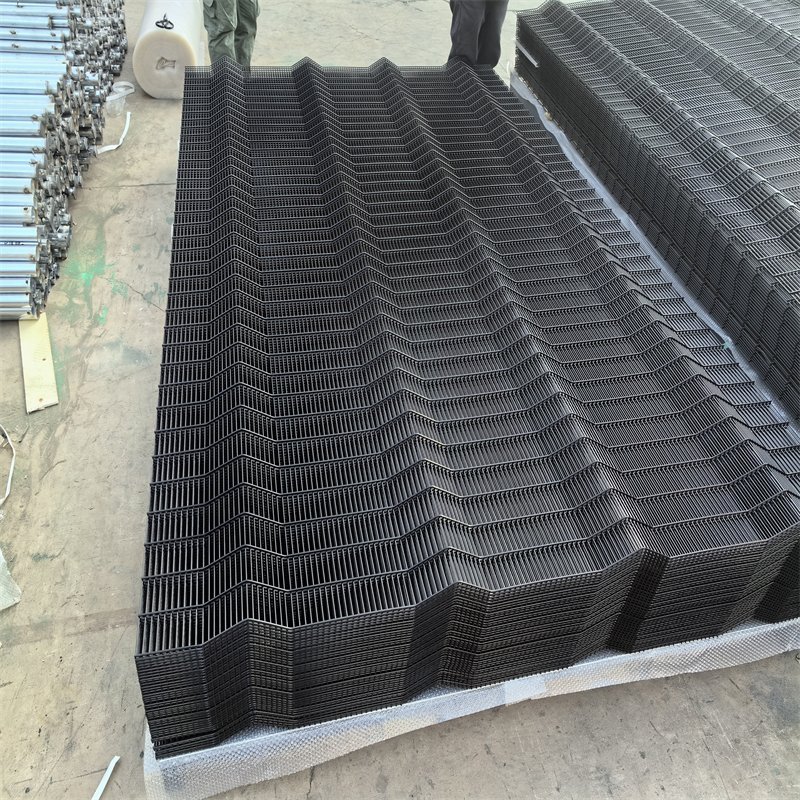
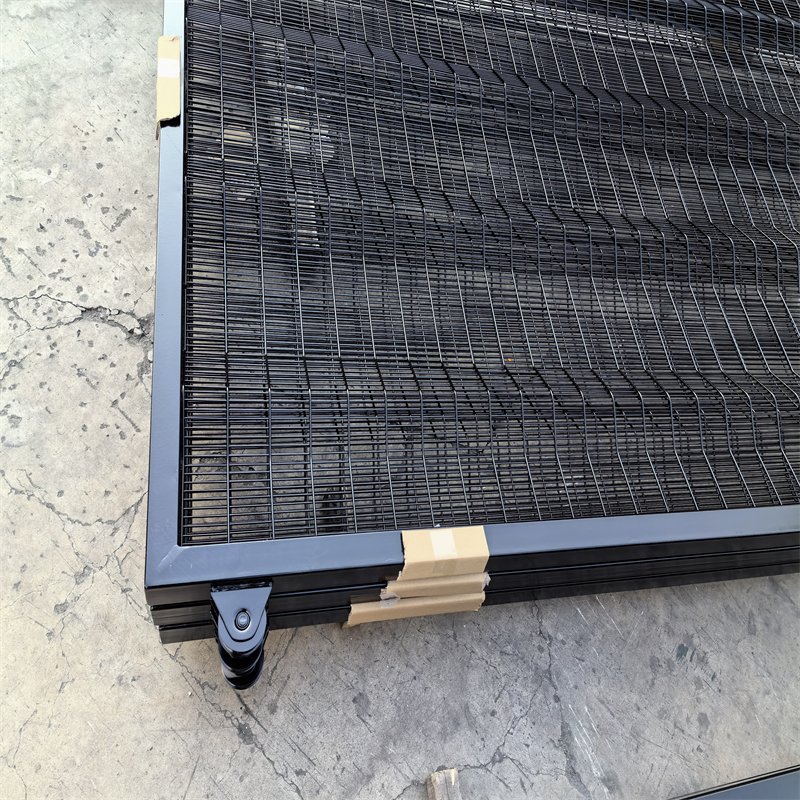
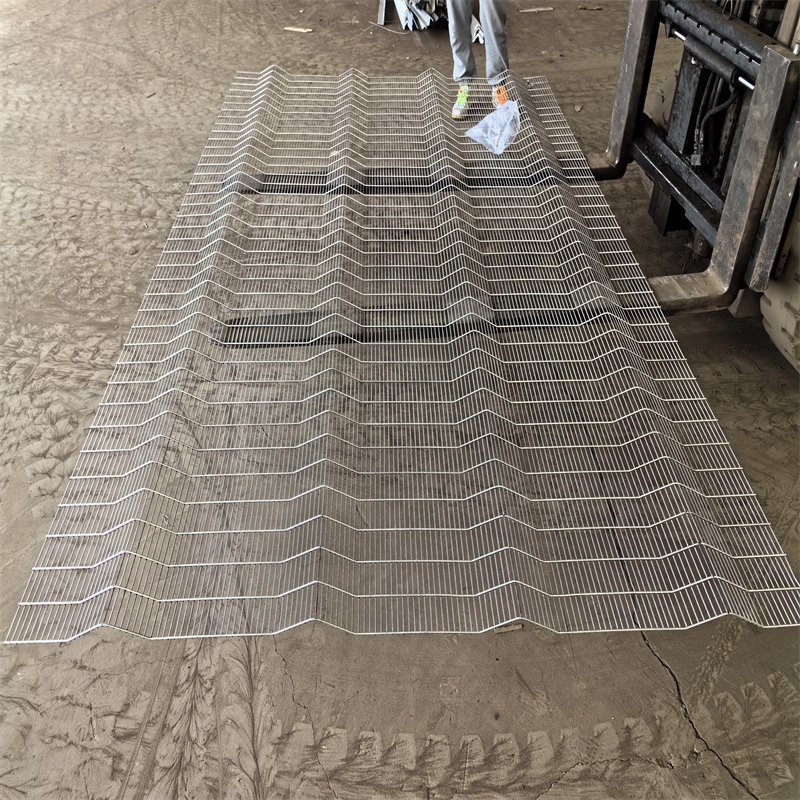
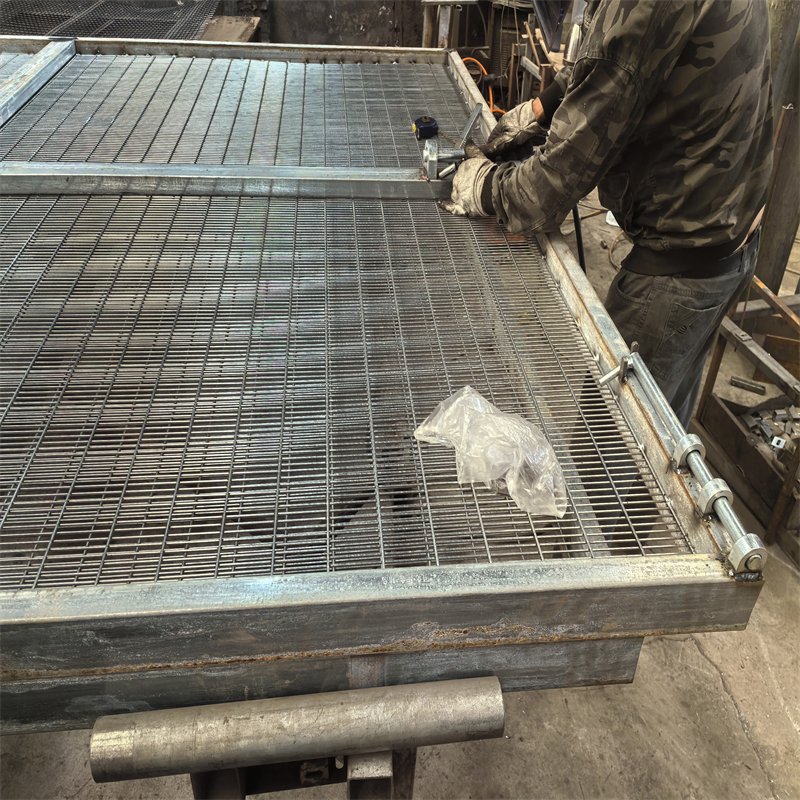
Clear Vu fence product overview
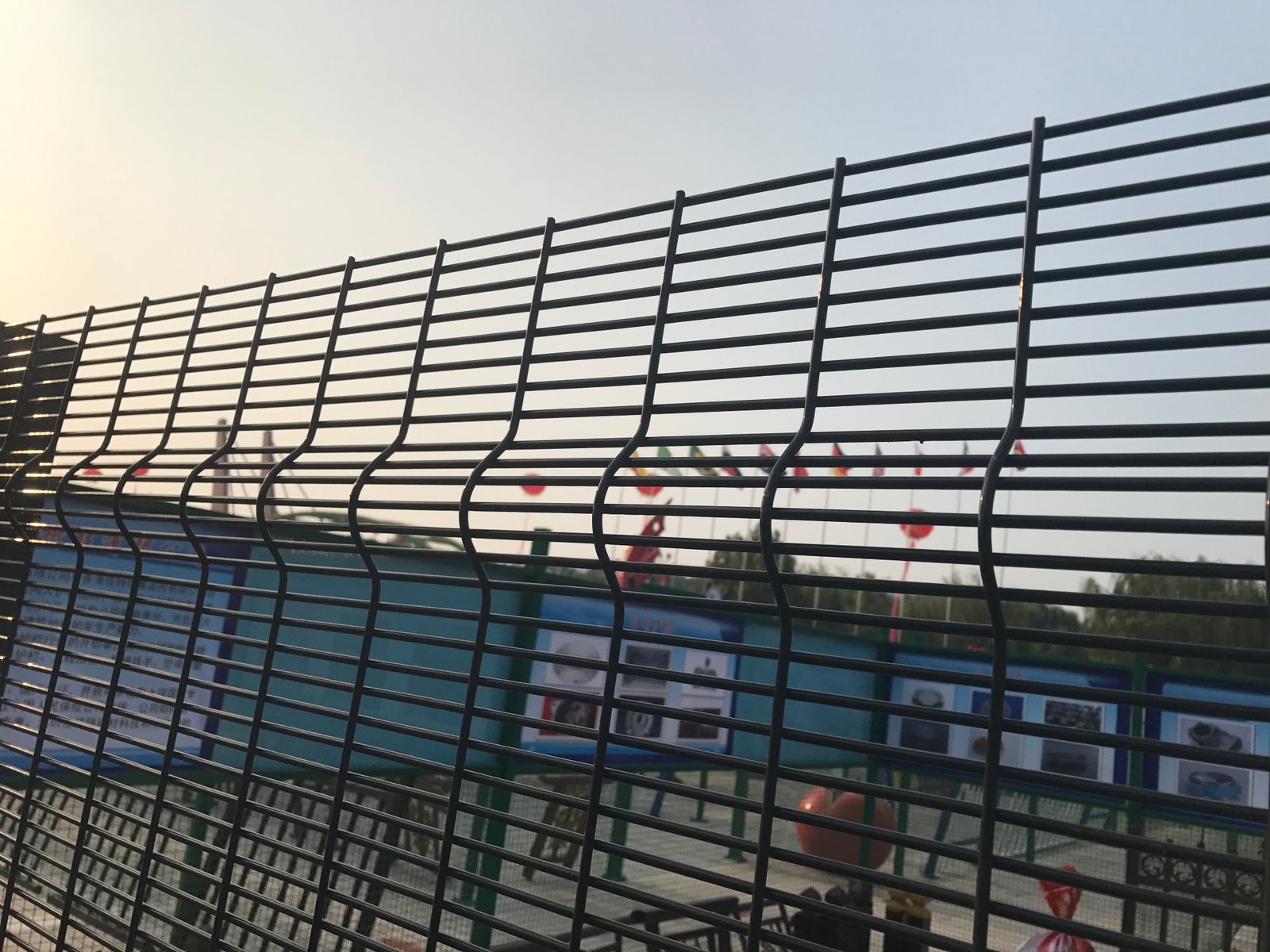
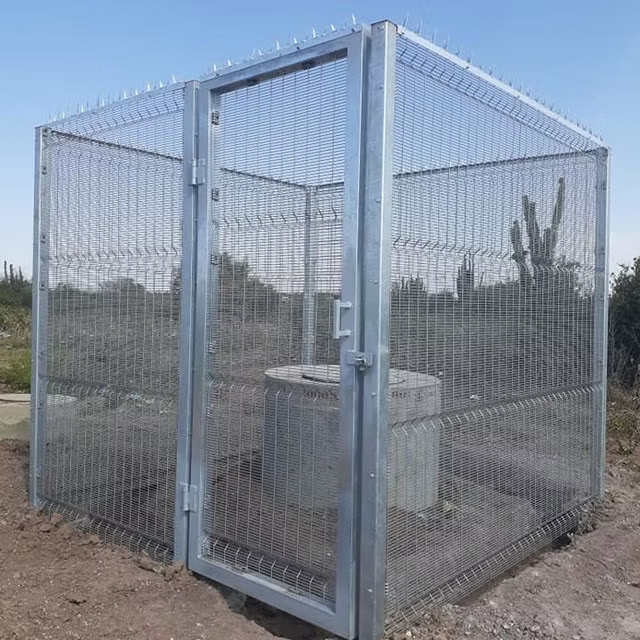
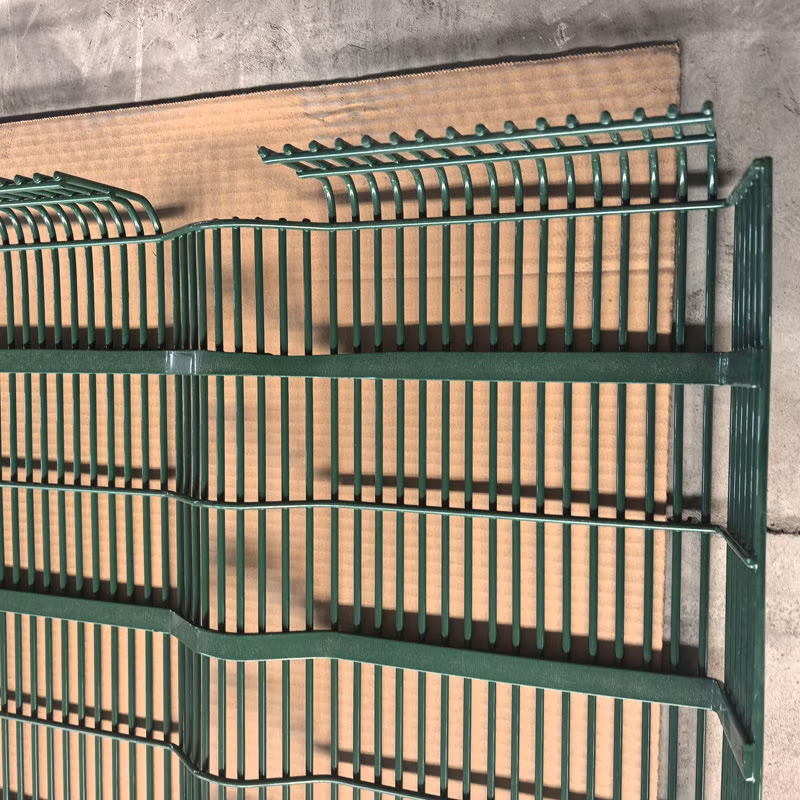
Clear Vu fence panels use closely spaced welded steel wires to preserve visibility along a boundary. Smaller openings discourage ordinary climbing by restricting convenient finger and toe holds. The design can support monitoring near entrances, warehouses, and sensitive infrastructure. Actual protection depends on the entire assembled system.
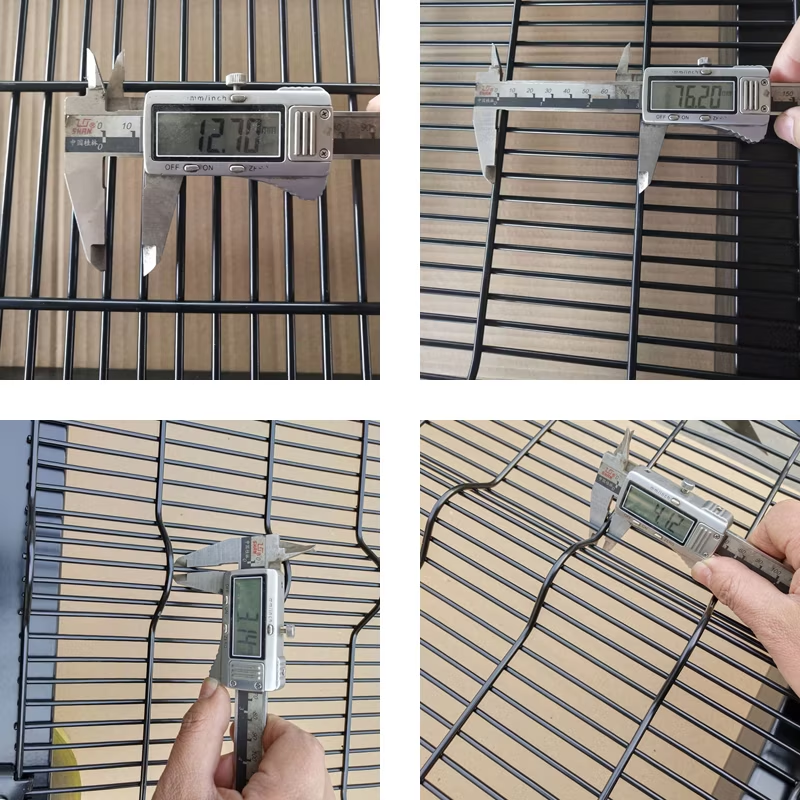
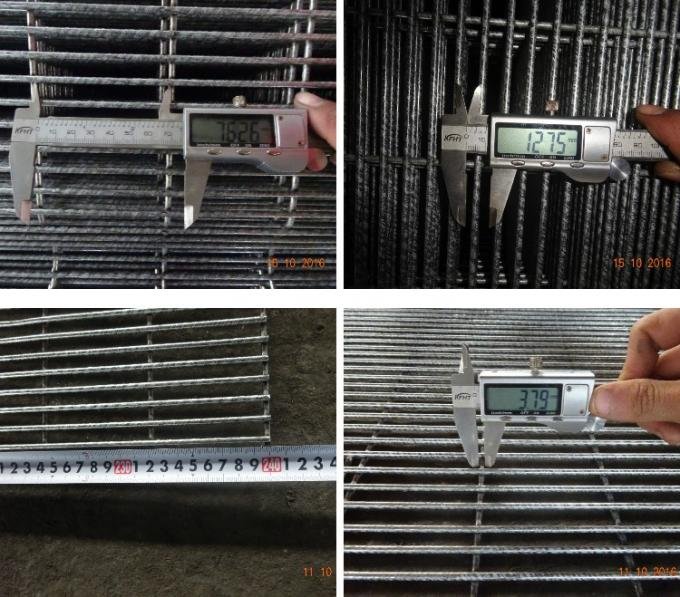
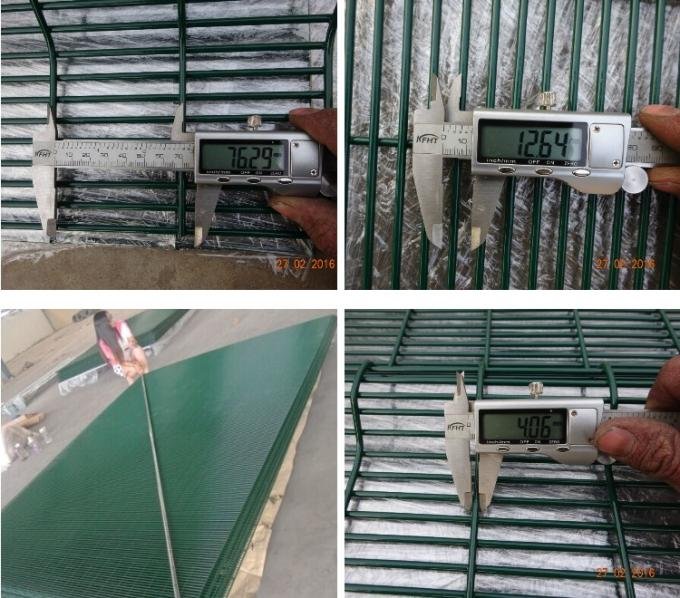
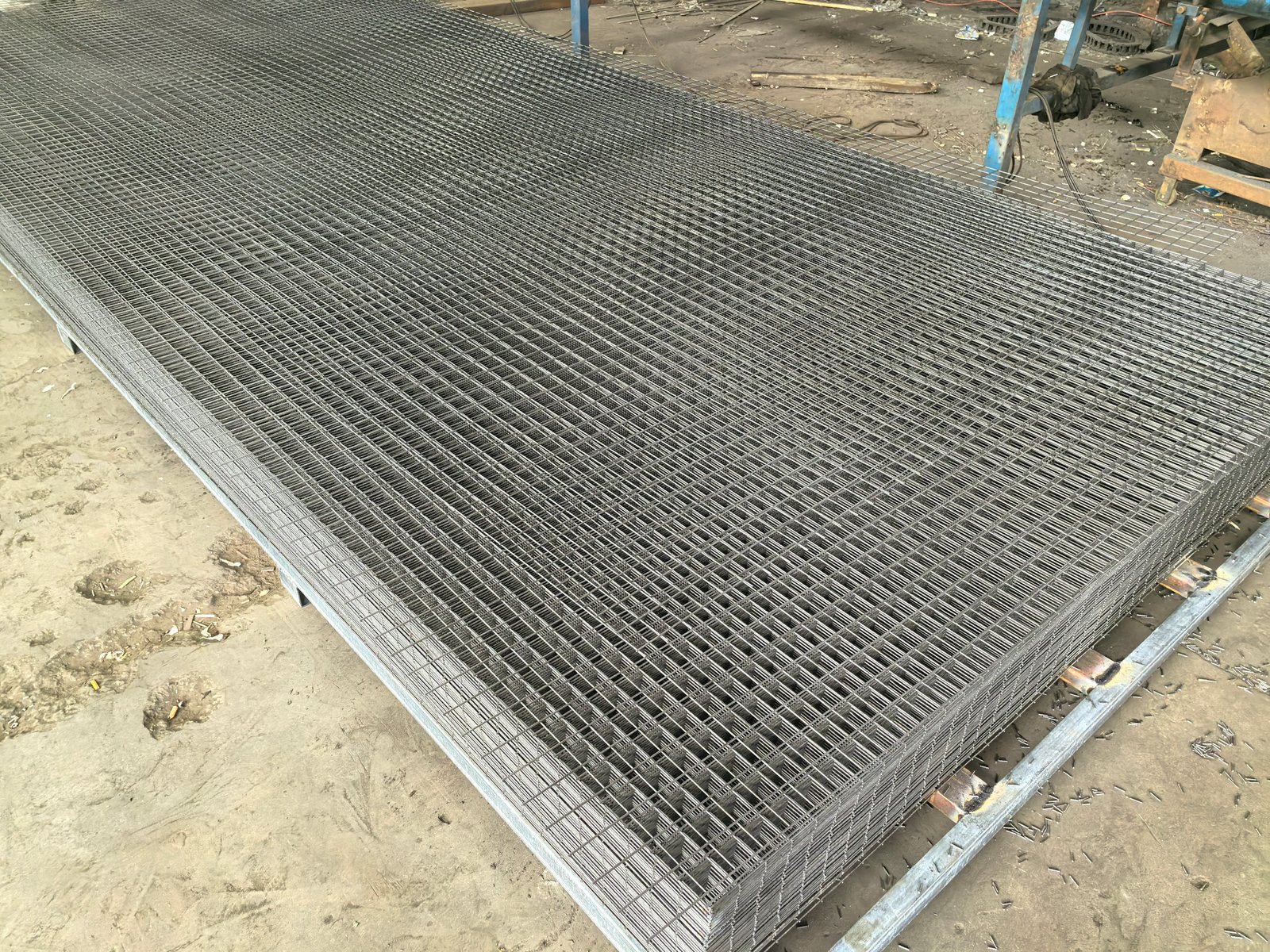
Buyers can compare panel designs with the 358 Mesh Fence range. Traditional 358 terminology usually references 76.2 × 12.7 mm spacing and approximately 4 mm wire. Some BMP configurations use different horizontal and vertical diameters. Approved drawings must identify the chosen arrangement.
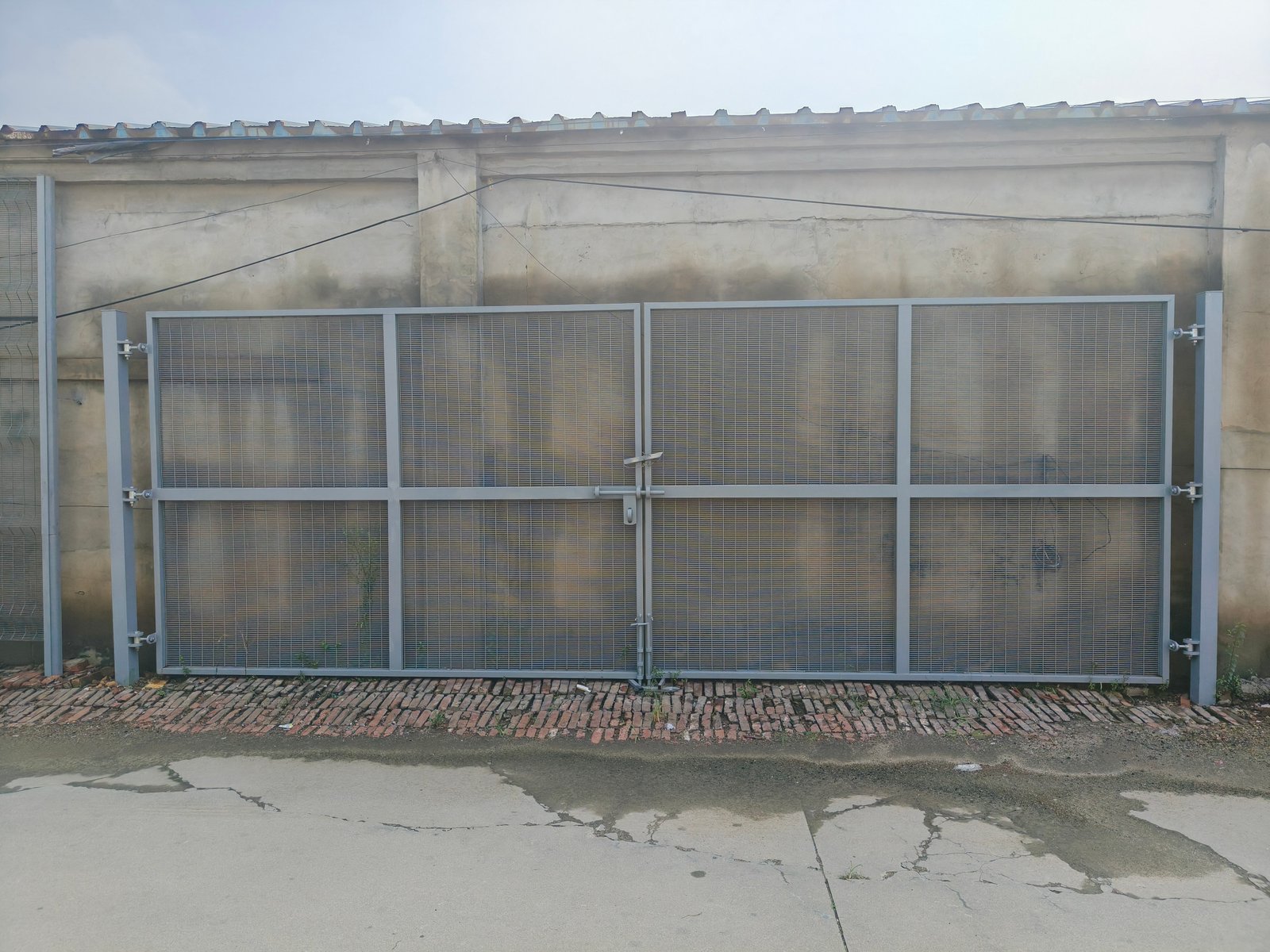
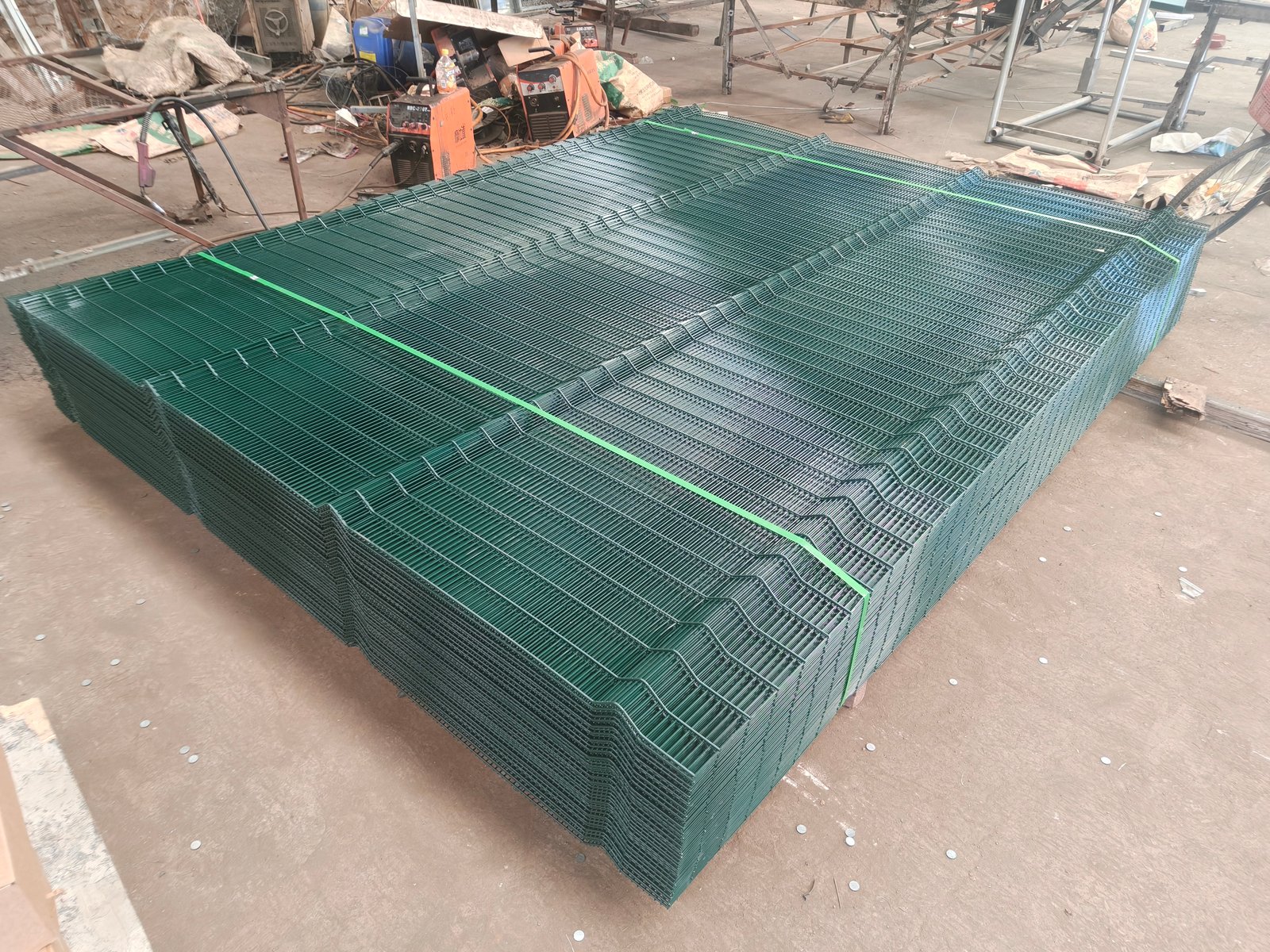
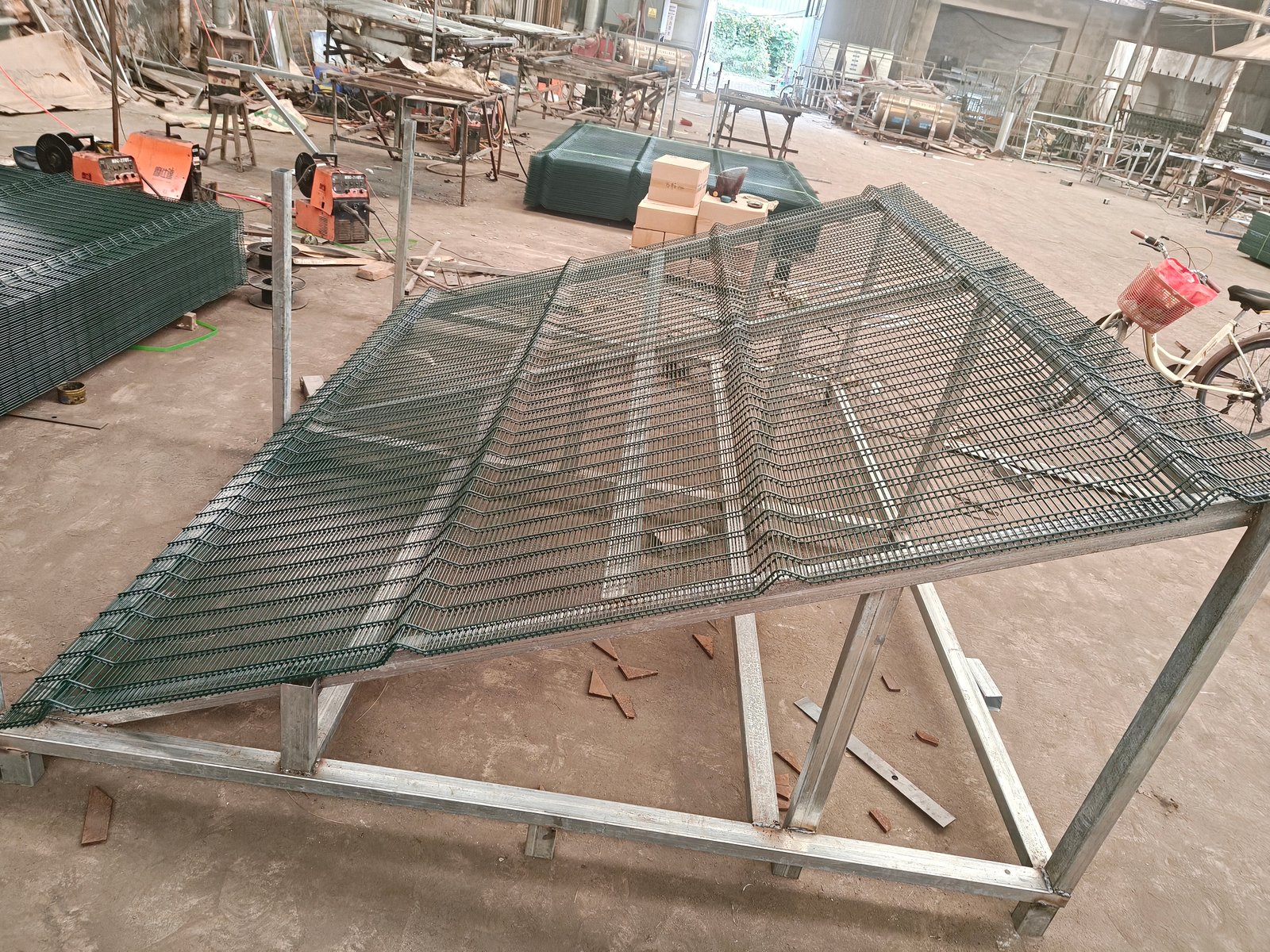
How the fence creates clear sightlines
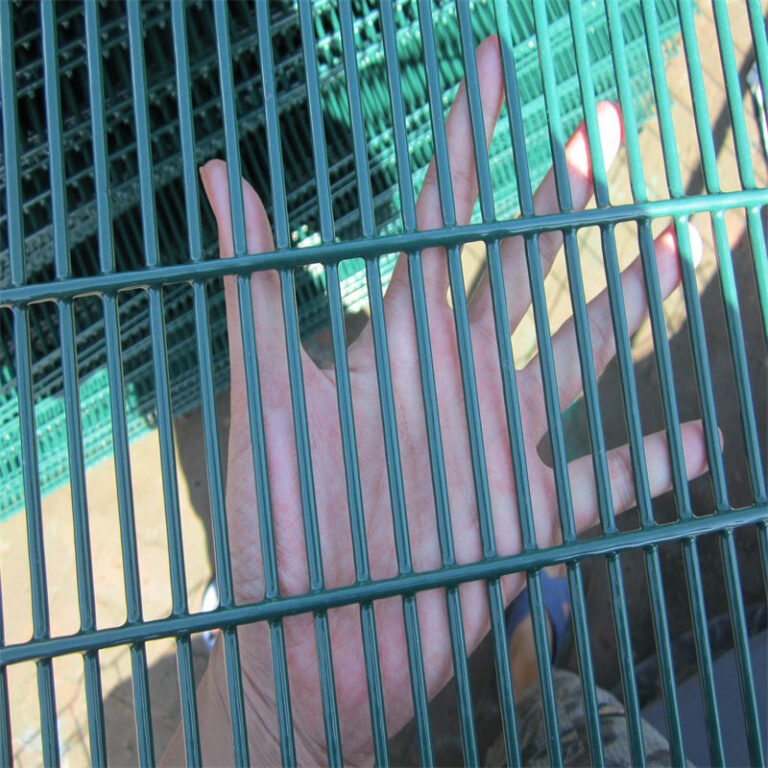
Unlike solid barriers, welded mesh allows security personnel to observe activity beyond the boundary. Close openings also limit many easy gripping points. Lighting, camera placement, and surrounding landscaping influence actual visibility. Design teams should assess those conditions before selecting fence height or accessories.
Clear Vu fence security grades
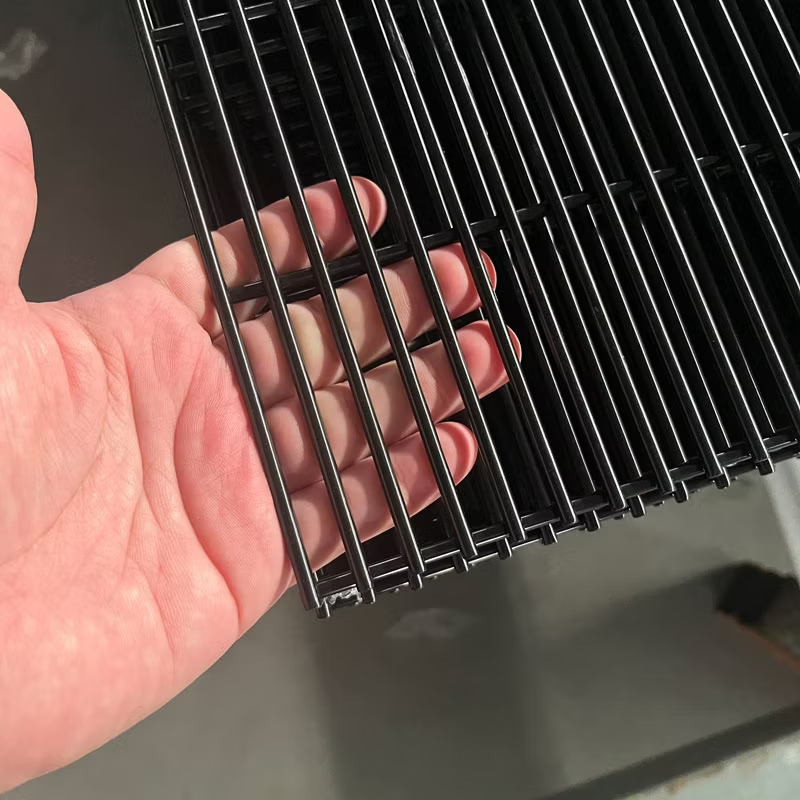
BMP offers high, medium, and lower security mesh configurations for different operating environments. The source range lists 76 × 12.5 mm for its closest mesh. Other examples use 76 × 25 mm and 76 × 50 mm. These names describe product variants rather than universal certified ratings.
Higher mesh density can reduce convenient climbing holds. However, post design, fasteners, and gates also influence barrier performance. Compare all components before selecting a security grade. The High Security 358 Mesh Fencing page provides additional close-mesh context.
Mesh openings and wire thickness
High security examples use 4 mm vertical wires and 3.5 mm horizontal wires. Medium and lower security examples list 4 mm wires in both directions. The exact finished mesh must match approved fabrication drawings. Wire direction and centre-to-centre measurements should appear explicitly on each drawing.
| Grade | Mesh spacing | Vertical wire | Horizontal wire |
|---|---|---|---|
| High security | 76 × 12.5 mm | 4 mm | 3.5 mm |
| Medium security | 76 × 25 mm | 4 mm | 4 mm |
| Lower security | 76 × 50 mm | 4 mm | 4 mm |
Clear Vu fence panel dimensions
The source describes widths around 2515 mm for one reference series. Another product configuration includes 3000 mm widths. These figures represent separate choices rather than one fixed panel size. Common project heights include 1800, 2000, 2200, 2400, and 3000 mm.
Custom dimensions may also suit particular transport and installation arrangements. Taller panels need careful weight and foundation checks. Buyers should verify the effective fence height after installation. Ground clearance, security toppings, and step changes can alter the finished boundary profile.
Selecting panel heights for each site
A warehouse boundary may need different dimensions from a monitored residential entrance. Project teams should consider visibility, intrusion risks, and local planning conditions. Fence height affects loading requirements and installation labour. Ask the contractor to confirm site measurements before ordering materials.
Clear Vu fence weights and loading
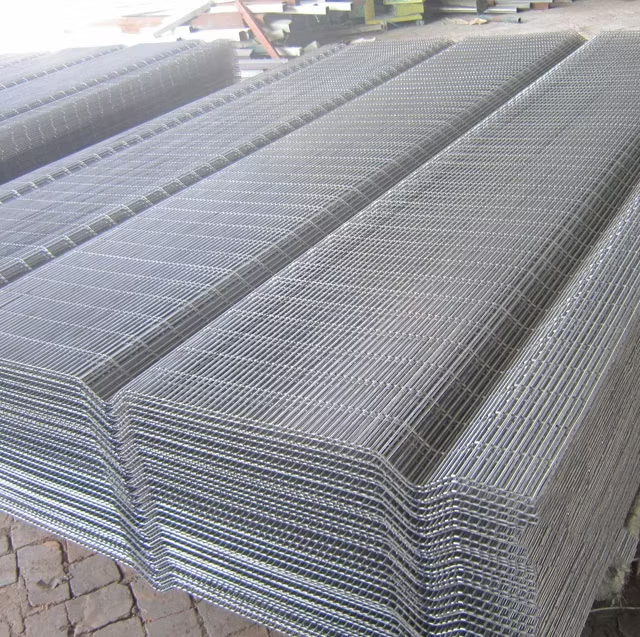
Panel weight affects transport planning, unloading equipment, and storage arrangements. The supplied table lists 3.95 mm wire with 76.2 × 12.7 mm mesh. Width stays at 2515 mm across those reference rows. Published weights should guide early planning, not substitute for shipment verification.
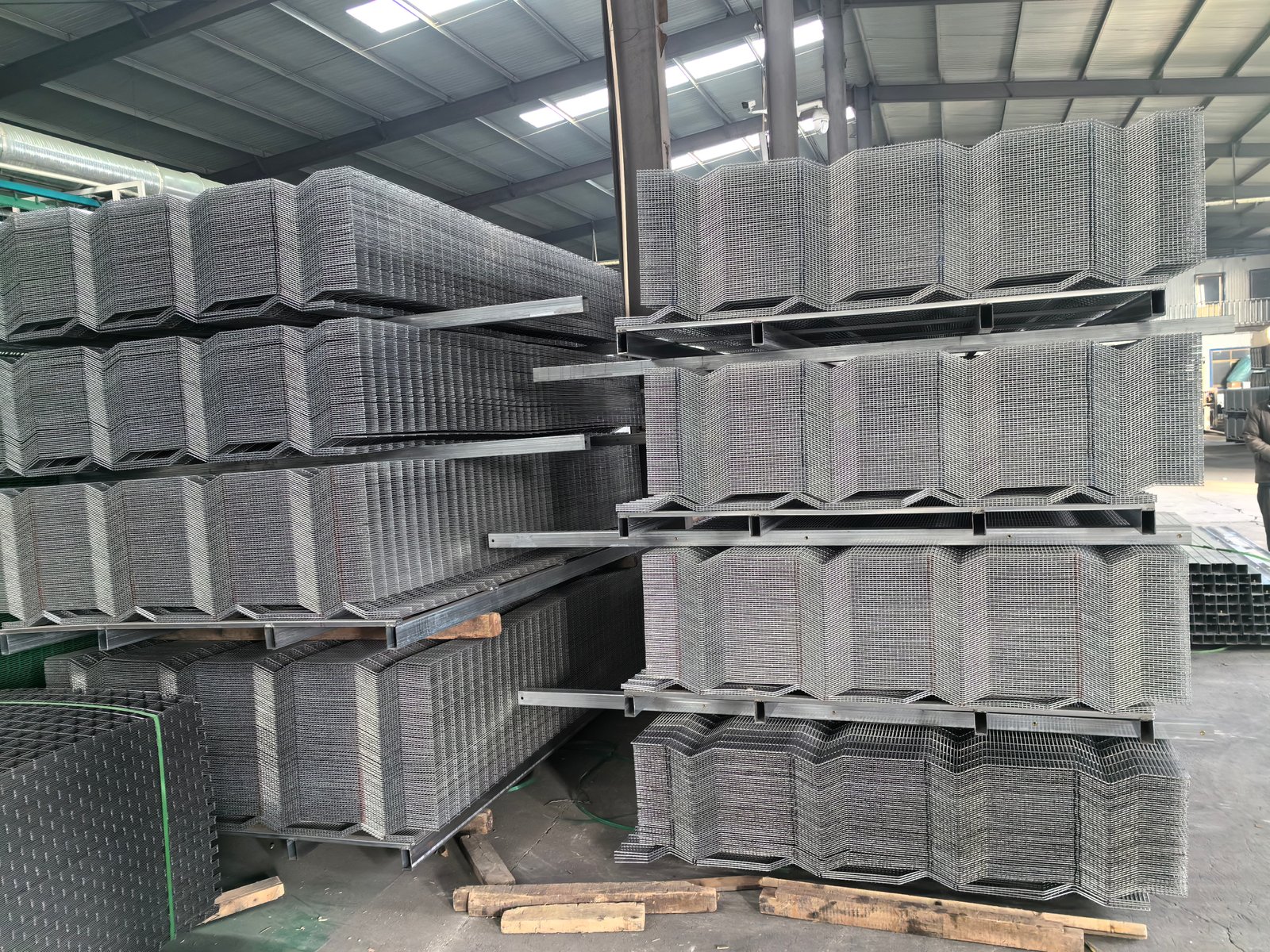
Packing quantities vary with panel height and pallet design. The source lists between ten and fifty panels per pallet. Actual quantities can change after design approval. Confirm stacking height, total mass, and handling equipment before loading the container.
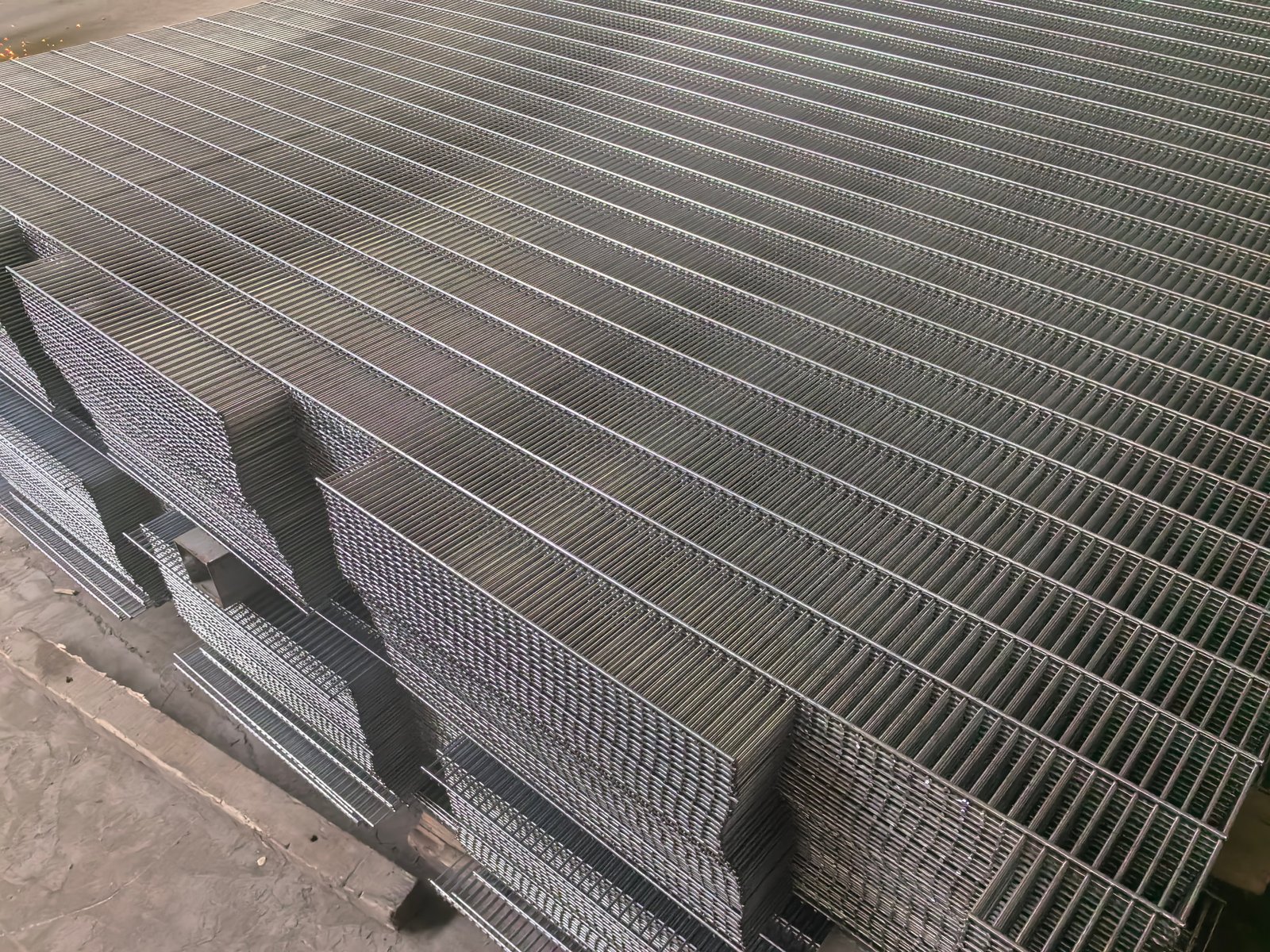
Reference panel weights and pallet quantities
The following table preserves the original product reference figures. Galvanized and zinc-aluminium availability also varies among those listed dimensions. Confirm production availability before treating any figure as current stock. Actual weight tolerances belong in the purchase specification.
| Panel dimensions (mm) | Approx. weight (kg) | Panels per pallet | Galvanized | Zinc-aluminium |
|---|---|---|---|---|
| 2515 × 1207 | 27.2 | 50 | Yes | Yes |
| 2515 × 1270 | 28.6 | 50 | Yes | Yes |
| 2515 × 1829 | 41.1 | 25 | Yes | Yes |
| 2515 × 2134 | 47.8 | 25 | Yes | Yes |
| 2515 × 2438 | 54.6 | 25 | Yes | Yes |
| 2515 × 2705 | 60.6 | 25 | Yes | Yes |
| 2515 × 2997 | 67.1 | 20 | Yes | Yes |
| 2515 × 3302 | 73.9 | 20 | — | Yes |
| 2515 × 4204 | 94.0 | 15 | — | Yes |
| 2515 × 5207 | 116.4 | 10 | — | Yes |
Clear Vu fence posts and clamps
Posts keep the welded panels aligned and transfer loads into their foundations. The original range lists 60, 80, 100, and 120 mm square post options. Wall thickness varies by project, with several reference values between 2.5 and 5 mm. The separate installation schedule also includes lighter post sections.
Post size cannot follow fence height alone. Wind exposure, soil, panel span, and additional toppings also affect design. Corner posts and gate posts may need distinct configurations. A qualified project engineer should approve critical structural details.
Square posts, caps, and security fittings
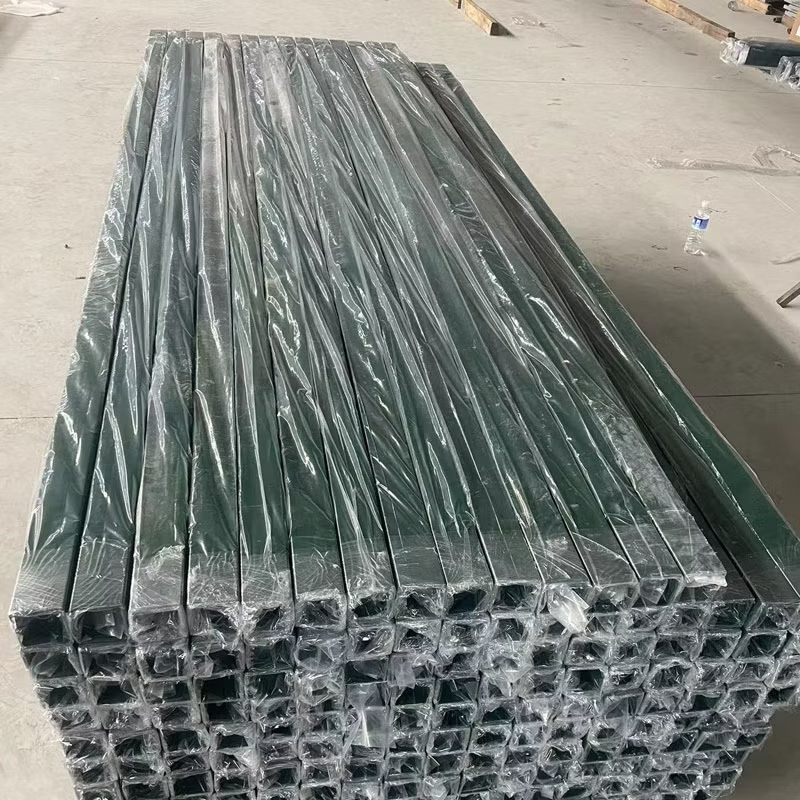
Post caps help protect open sections against moisture and debris. BMP lists metal and plastic cap options. Clamps and fastening components should match the selected post profile. Installers must also use the approved attachment locations and fastening procedure.
| Fence height | Panel size | Post section | Post length | V-bends | Clamps |
|---|---|---|---|---|---|
| 1800 mm | 1800 × 2515 mm | 60 × 60 × 2 mm | 2400 mm | 4 | 16 |
| 2000 mm | 2000 × 2515 mm | 60 × 60 × 2 mm | 2600 mm | 4 | 16 |
| 2200 mm | 2200 × 2515 mm | 60 × 60 × 2 mm | 2800 mm | 4 | 16 |
| 2400 mm | 2400 × 2515 mm | 80 × 80 × 3 mm | 3000 mm | 4 | 16 |
| 3000 mm | 3000 × 2515 mm | 80 × 80 × 3 mm | 3600 mm | 5 | 20 |
Clear Vu fence V-bend construction
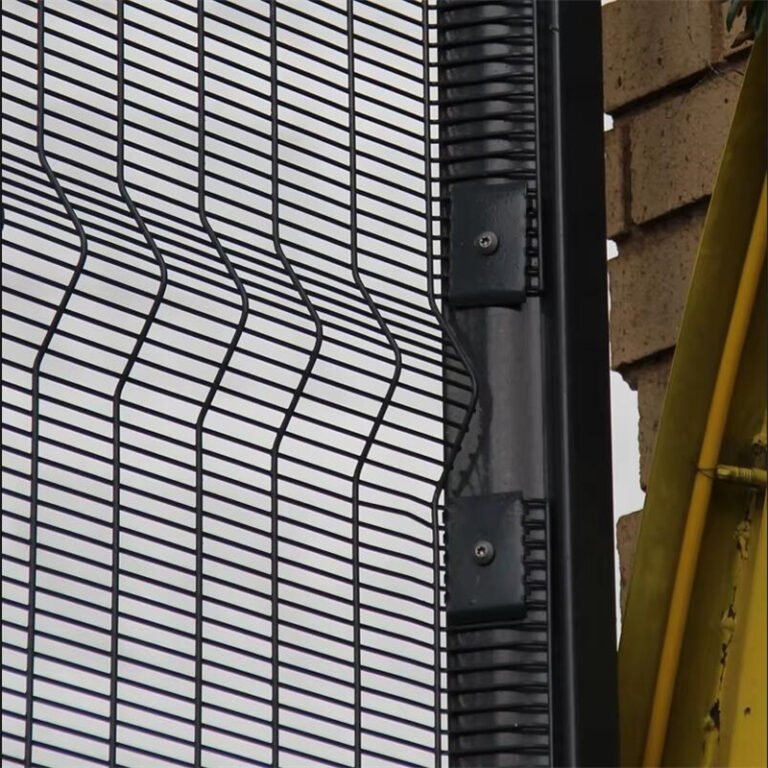
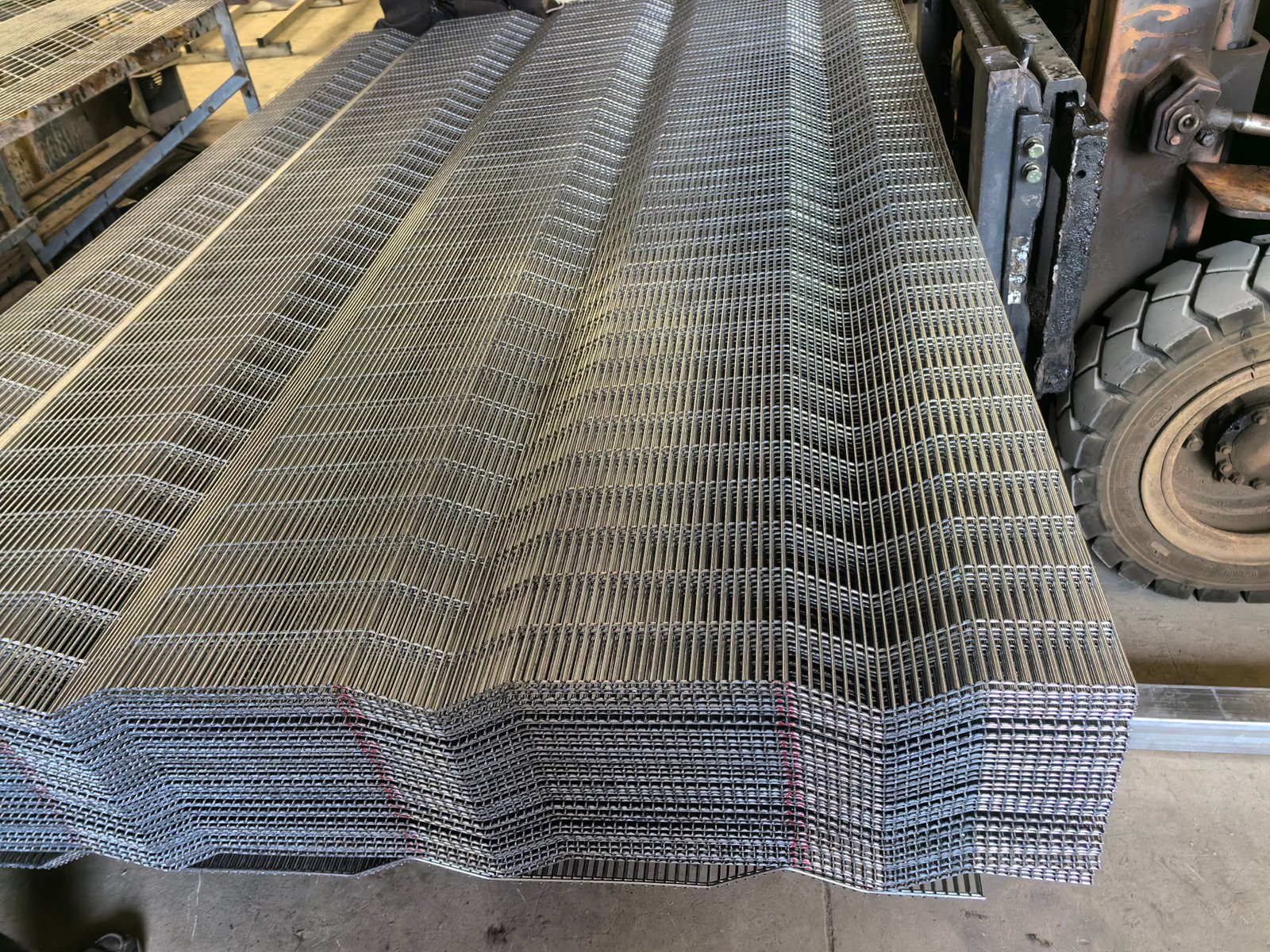
V-bends create geometric stiffness across many welded fence panels. The original range references bends around 45 mm deep. Some source configurations list four bends for common heights. The 3000 mm schedule lists five bends for one arrangement.
Flat panels and folded panels behave differently under load. Buyers should identify bend location, depth, and count on drawings. Gate infills may need a separate geometry. The installation team should check clearance around posts and adjoining panels.
Flat mesh and folded mesh differences
Flat mesh can suit projects that use adequate framing and closely controlled spans. Folded mesh may reduce deformation under certain loading conditions. Neither configuration removes the need for structural checks. Suppliers should document the approved design rather than make universal strength claims.
Clear Vu fence galvanized finishes
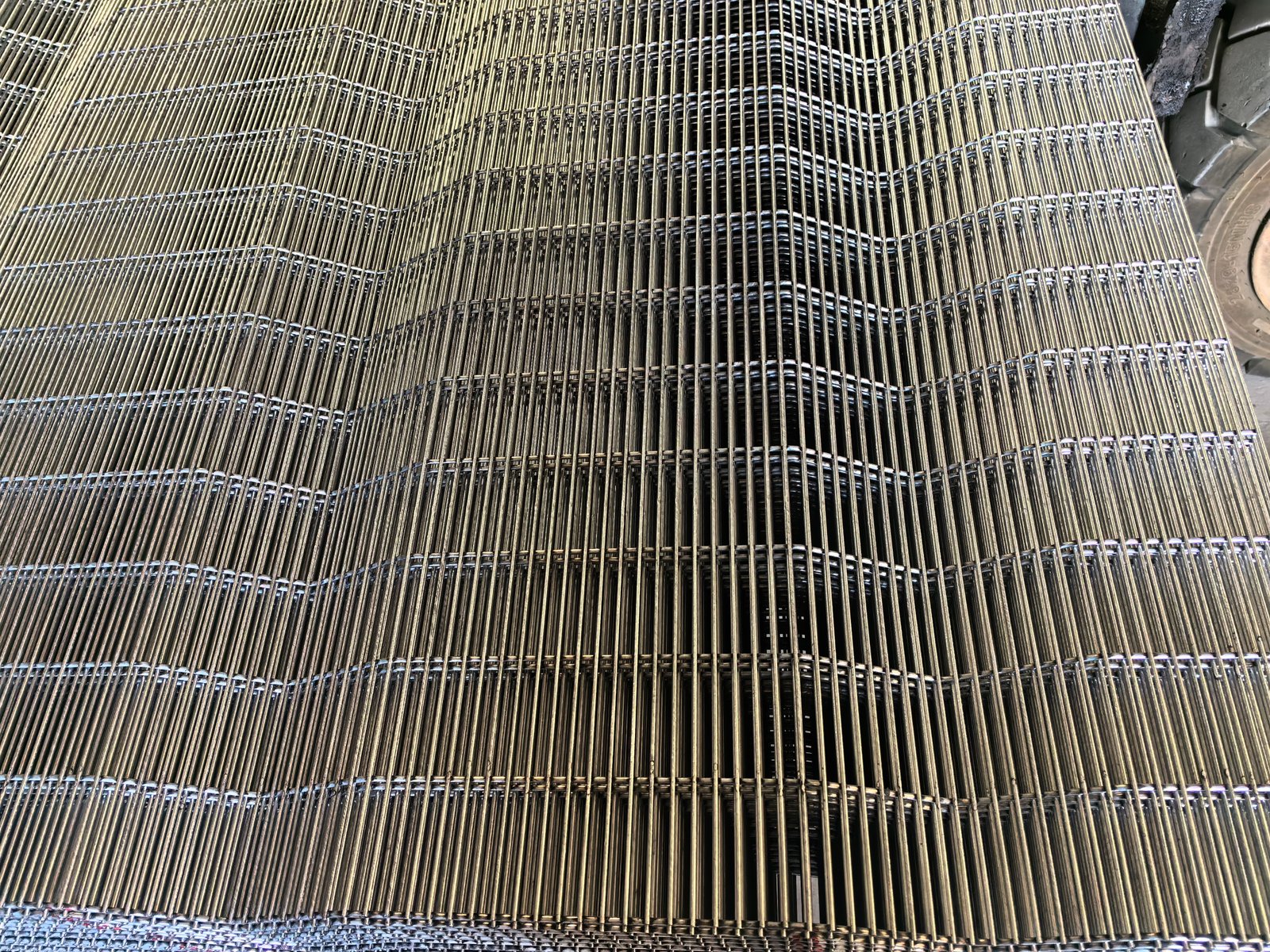
Galvanizing protects steel through a metallic zinc layer. The original source describes coating mass references and galvanized panel options. Those figures require clear measurement methods and acceptance limits. Different galvanizing processes do not automatically produce identical results.
The source also mentions zinc-aluminium coated wire in its panel weight schedule. Metallic coatings can influence corrosion behaviour around welded intersections. Buyers should confirm whether treatment occurs before or after welding. Posts and clamps require compatible protection as well.
Metallic coatings and specification checks
Ask suppliers to identify metallic coating mass and applicable testing methods. A generic galvanized label cannot define every quality requirement. Post sections may follow different coating specifications from welded wire. Review material certificates and inspection records against the purchase contract.
Clear Vu fence powder coatings
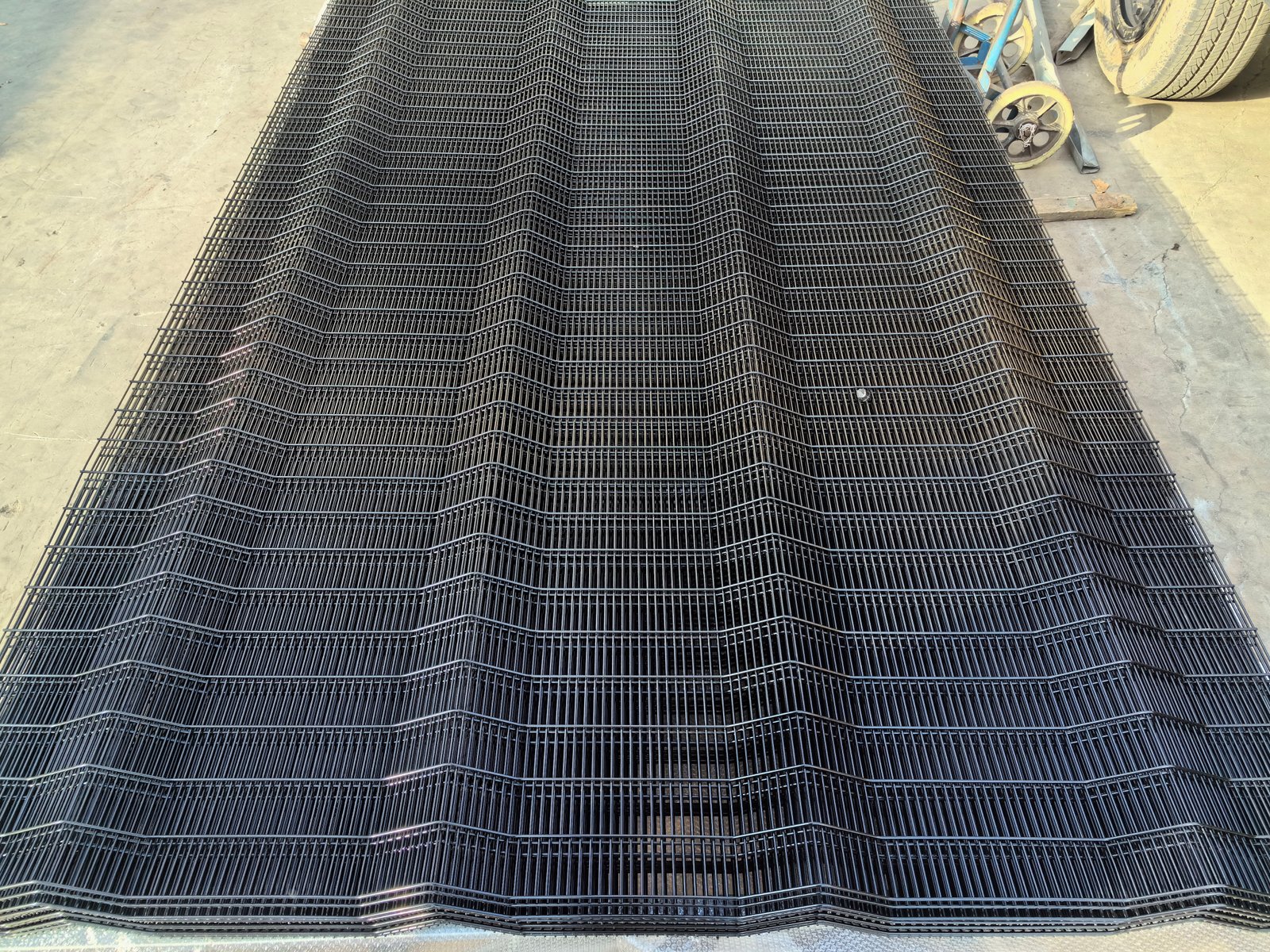
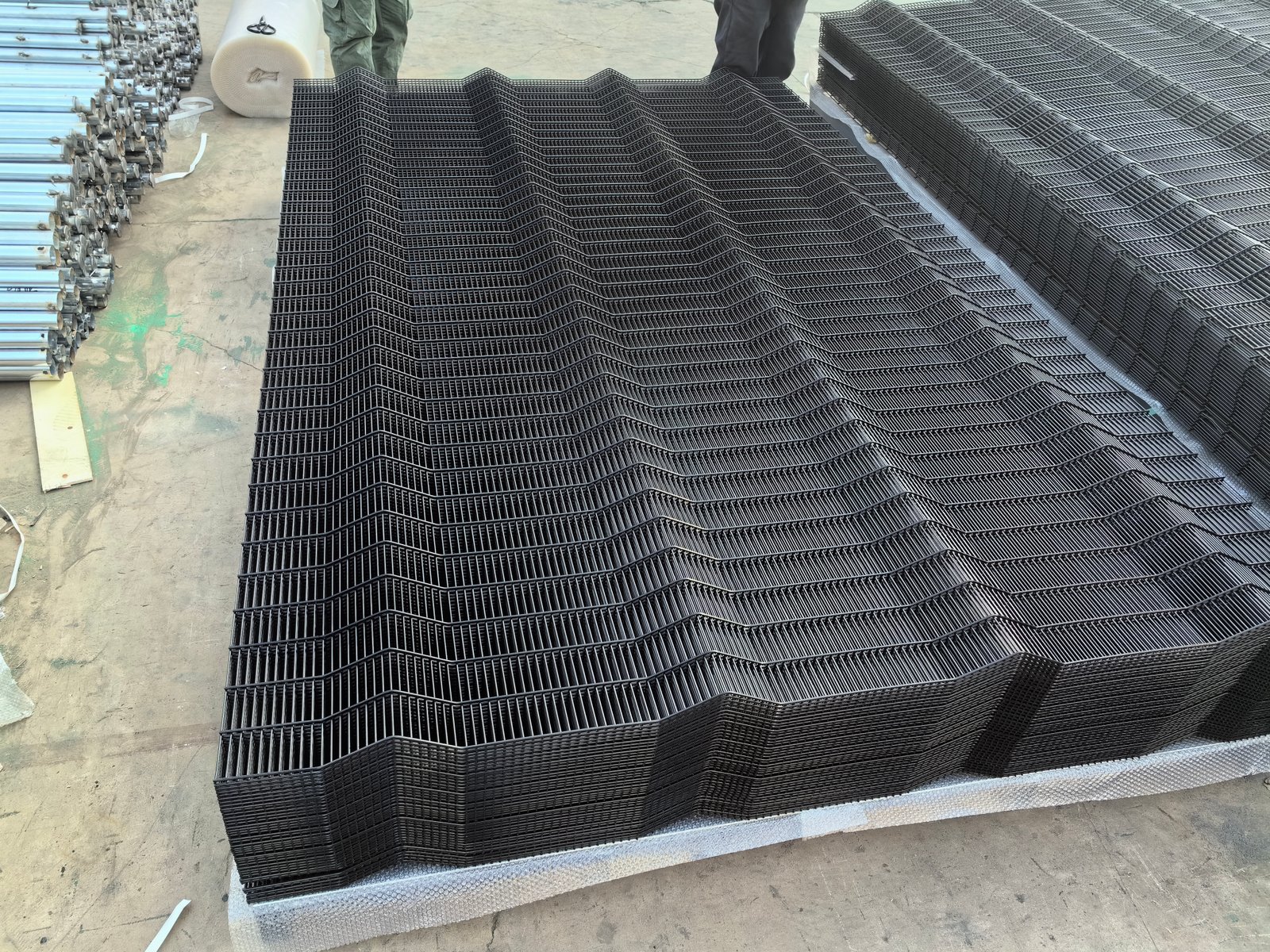
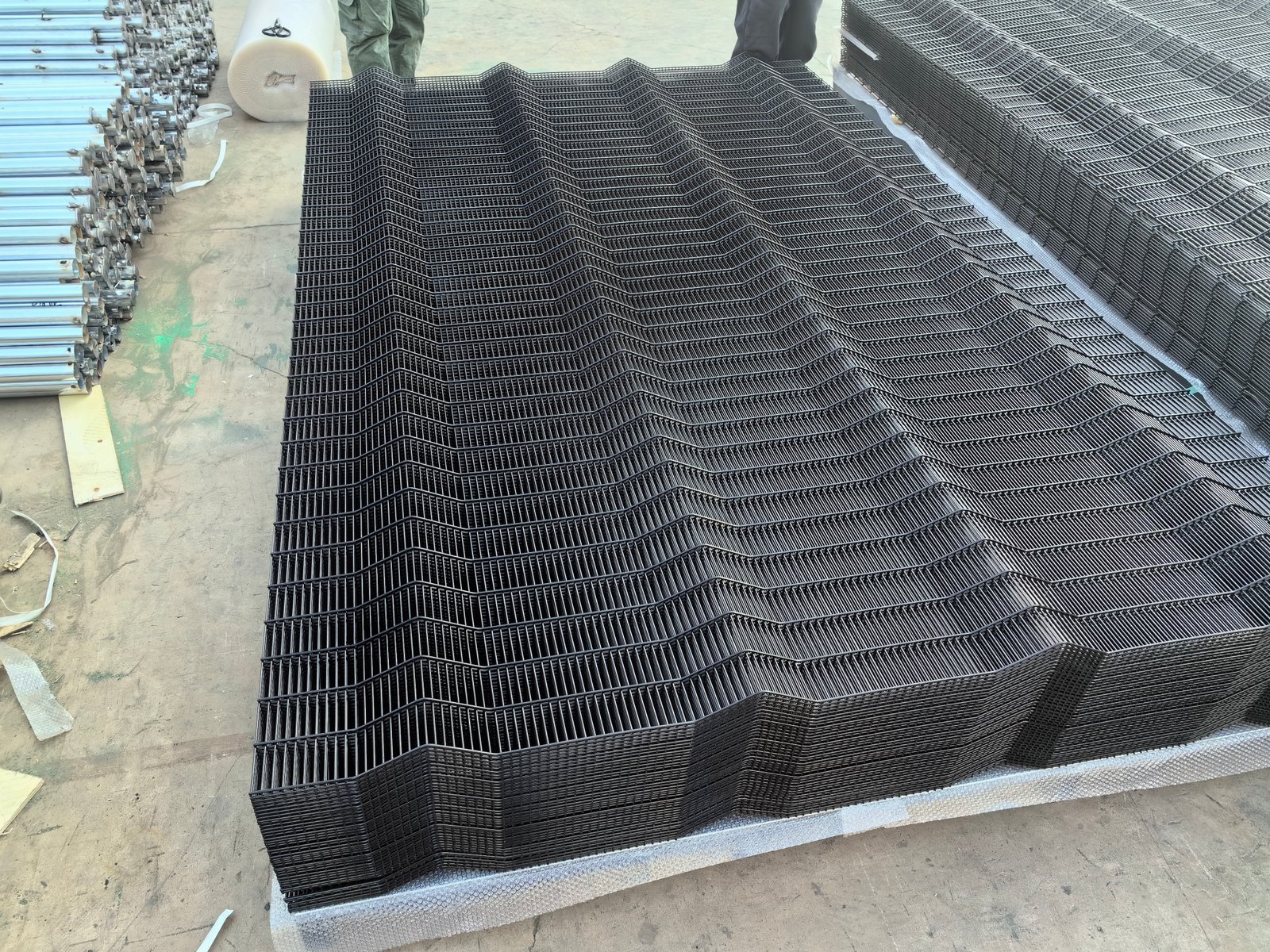
Powder coating adds colour and a protective finish when the underlying process supports proper adhesion. The source lists RAL 6005 green and RAL 9005 black. It also mentions reference polymer thickness of at least 60 microns for posts. Buyers should confirm the selected coating specification for panels separately.
The Powder Coated Clear View Fence page covers this finish category. Marine sites may demand additional coating and maintenance planning. Brands or material names cannot guarantee a fixed outdoor service life. Written warranty terms should explain coverage, exclusions, and care requirements.
Colour selection and surface inspection
A confirmed RAL reference helps buyers compare production samples. Inspectors should examine welds, edges, and connection areas for surface defects. Scratches during container loading can compromise appearance. Protect finished panels with separators and suitable lifting equipment.
Clear Vu fence matching gates
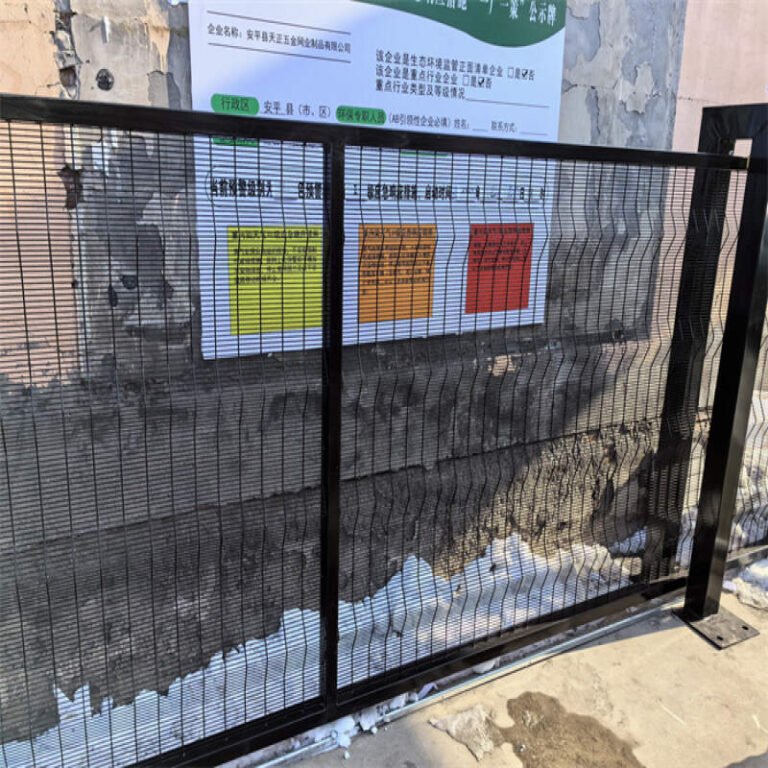
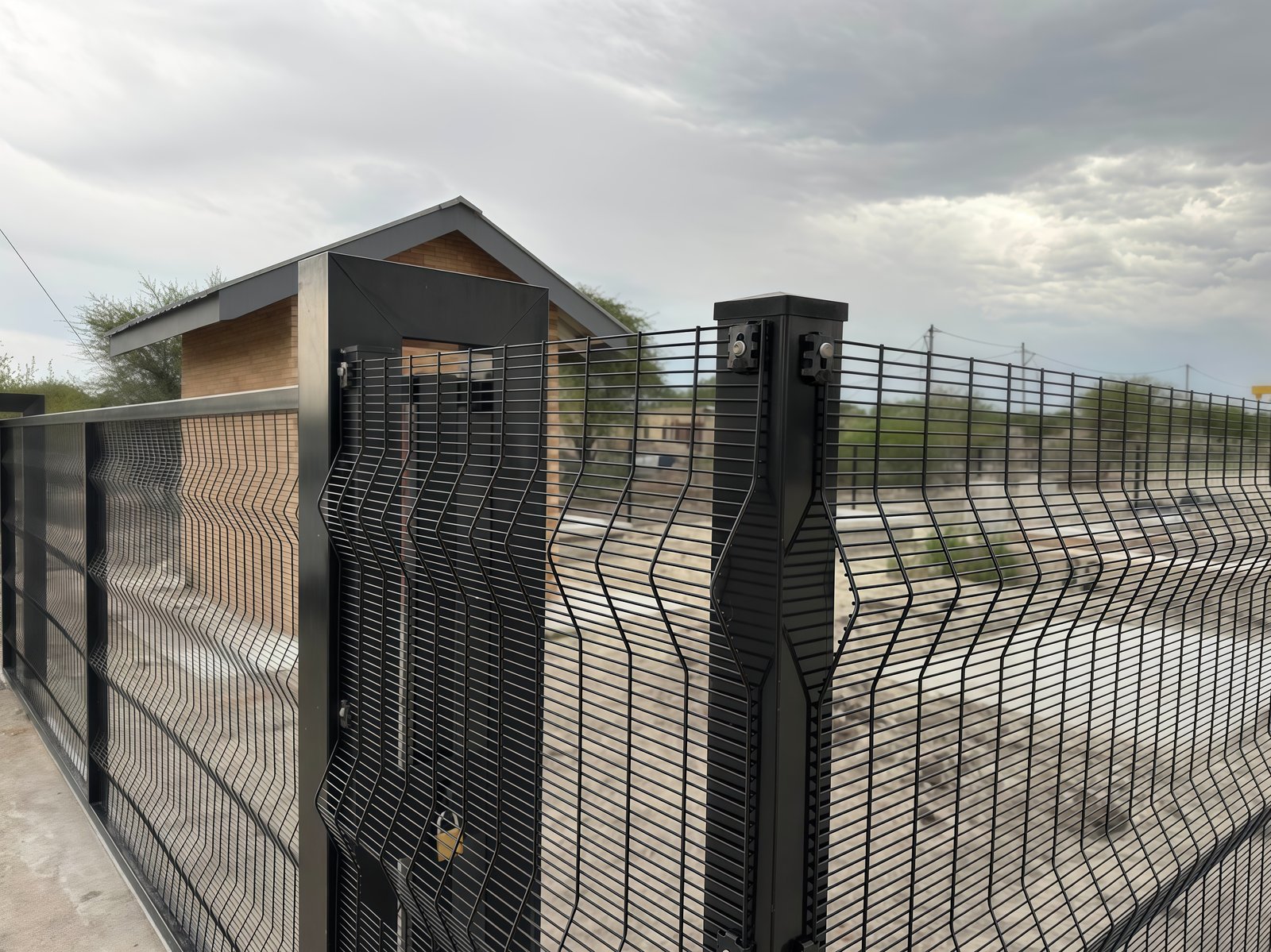
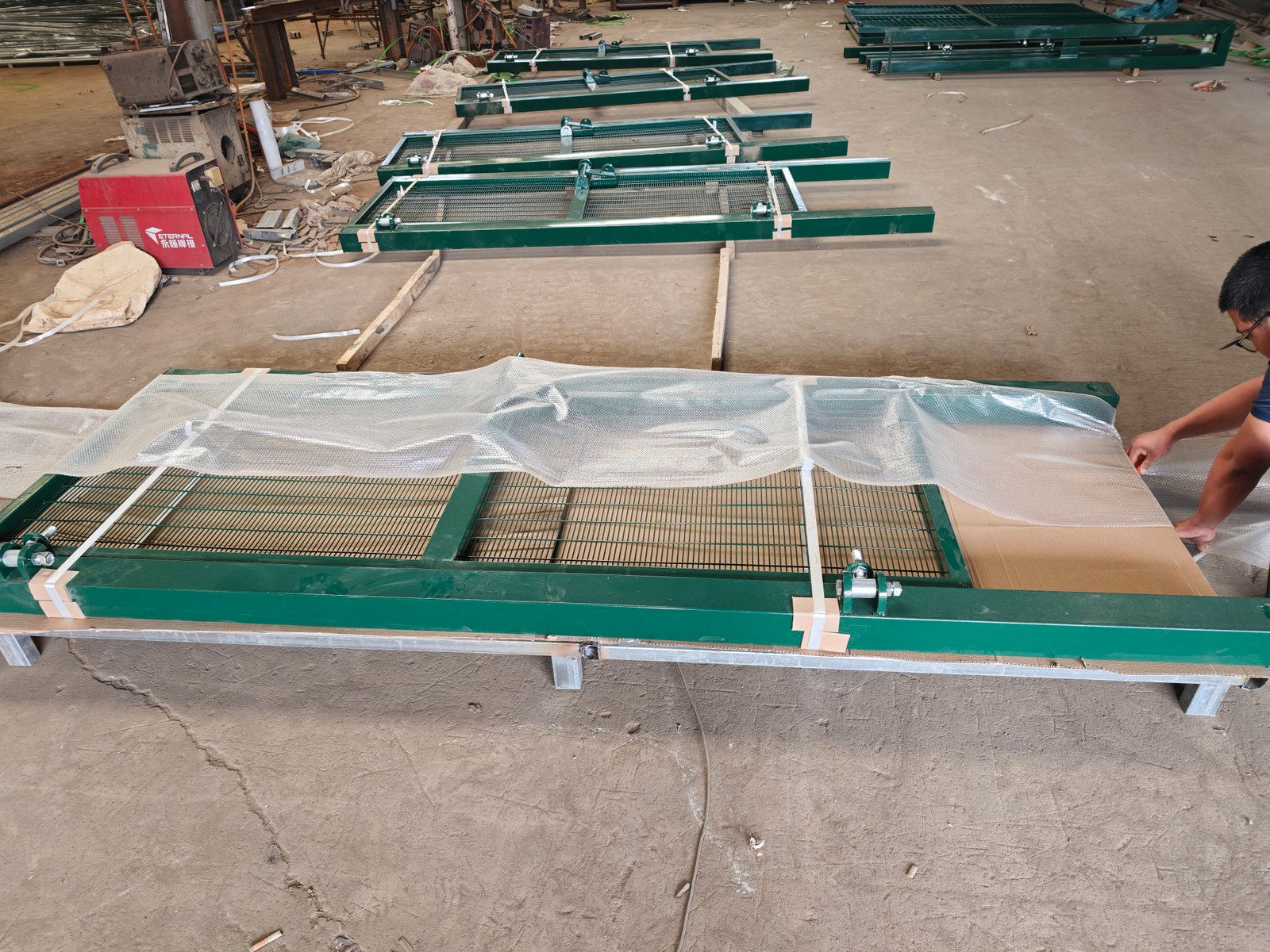
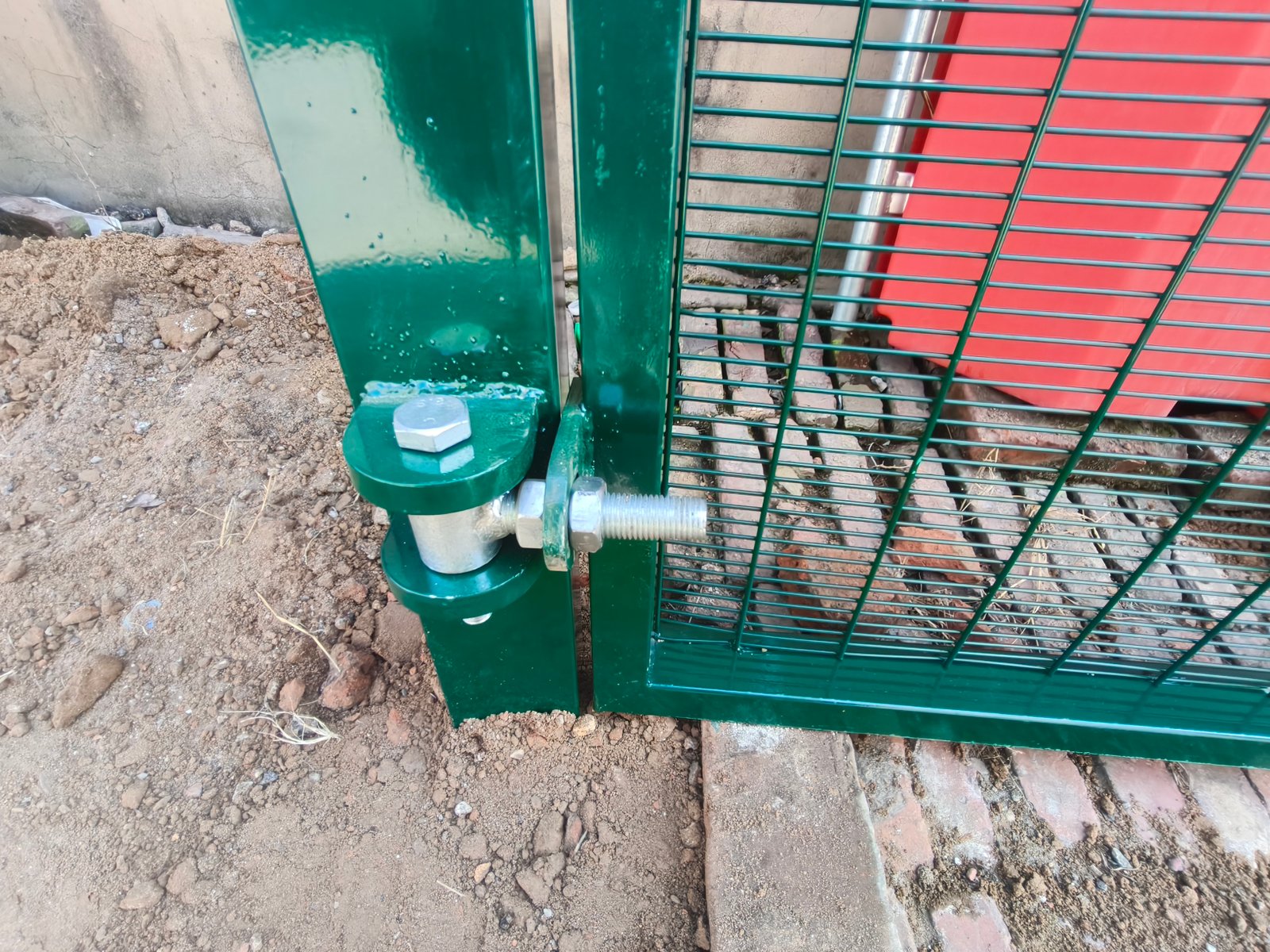
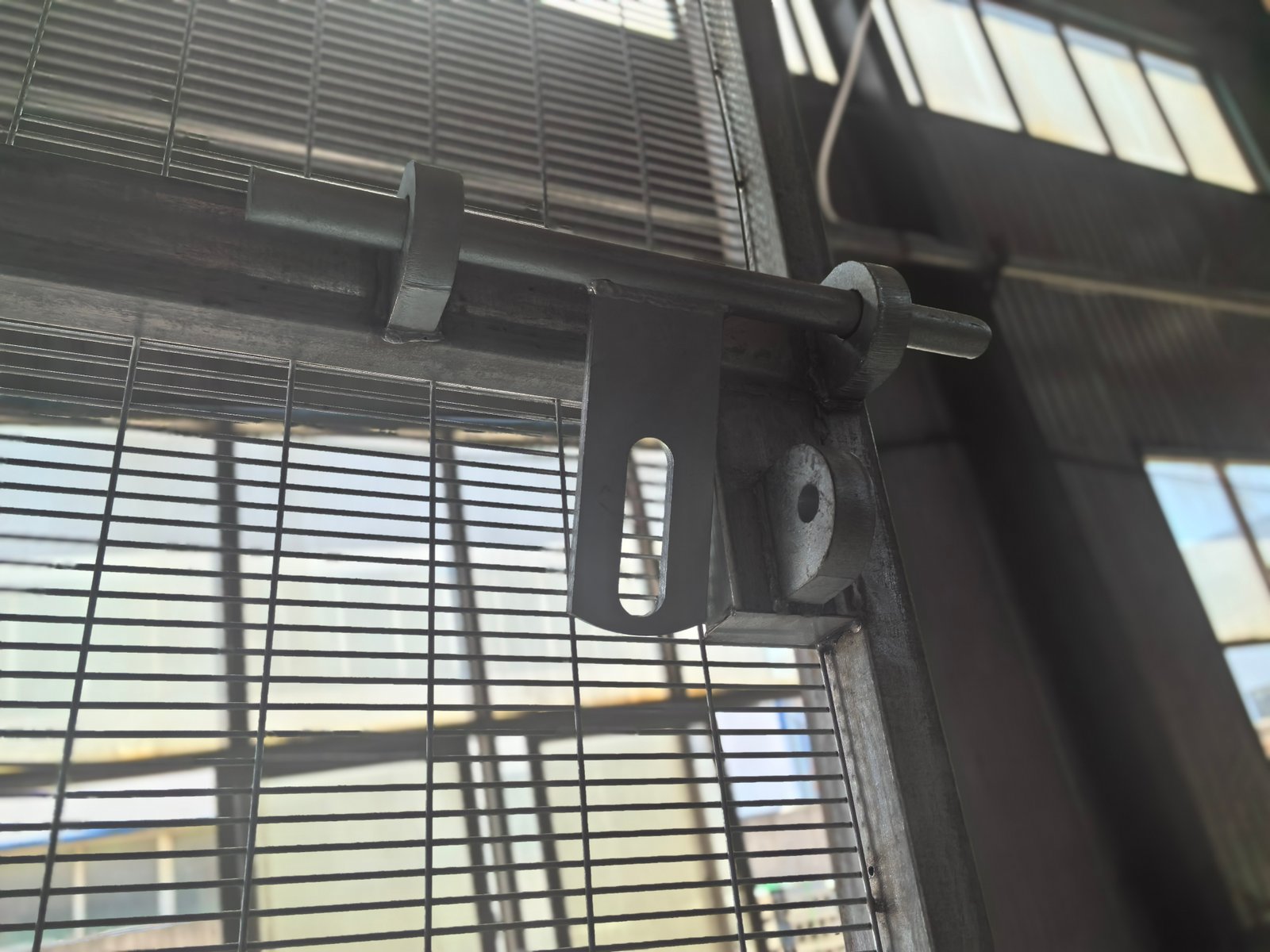
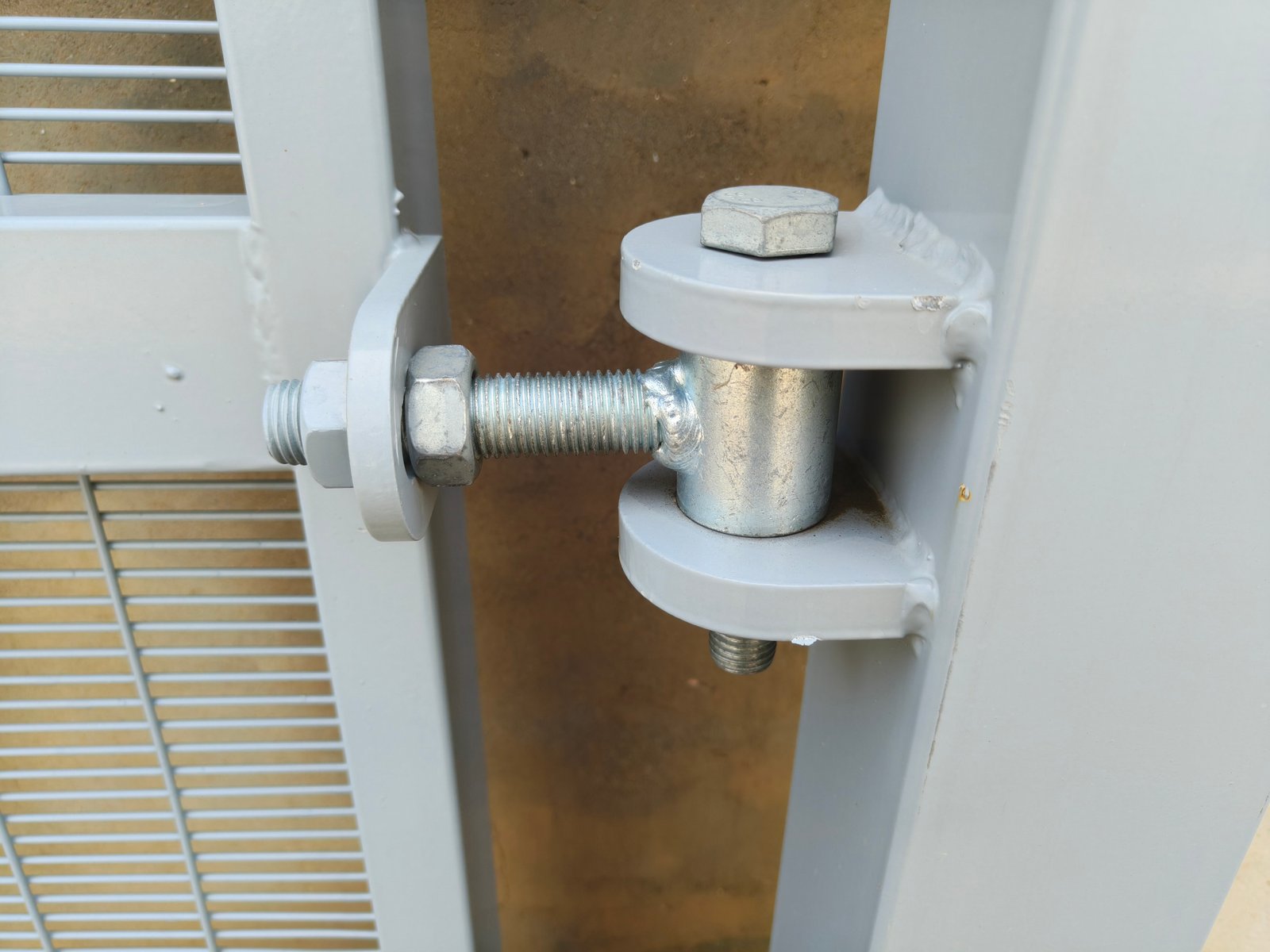
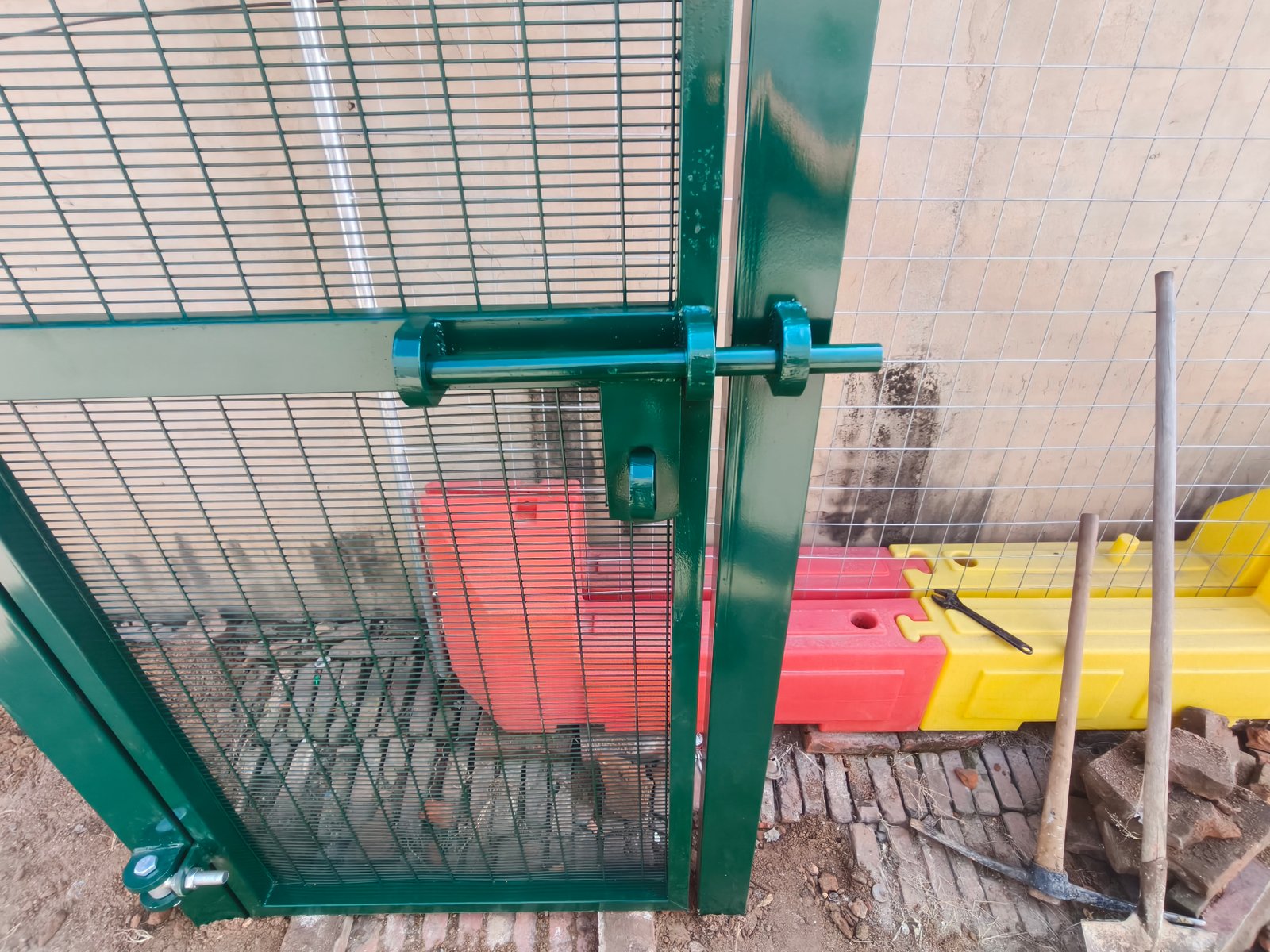
Every security perimeter needs controlled entrance points. Pedestrian gates can support routine access while larger gates serve vehicles. Mesh infill should match adjoining panels when the project requires a consistent appearance. Locks, hinges, gate posts, and frame strength need separate review.
BMP offers related systems through its Clear View Fence Gate product category. Buyers should state opening dimensions, operation style, and expected traffic. A gate quote must identify its accessories. Panel pricing cannot represent a complete gate assembly.
Swing gates and sliding gate arrangements
Double-swing gates need appropriate turning space and reliable leaf supports. Sliding gates require lateral travel space and suitable foundations. Motorized operation introduces safety and control requirements. The Clearvu Fence Sliding Gates page provides related design examples.
-
- oplus_10485760
Clear Vu fence security toppings
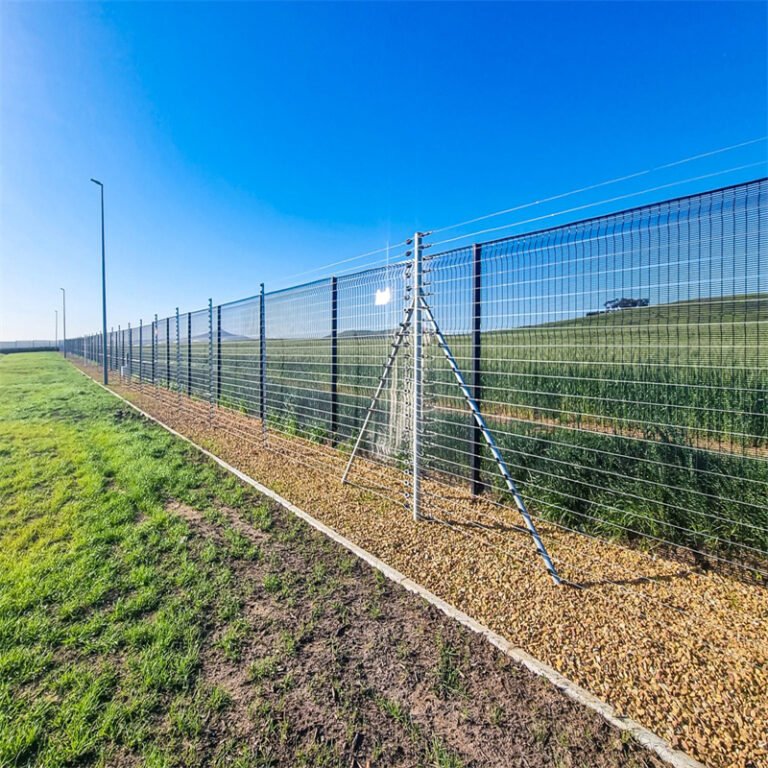
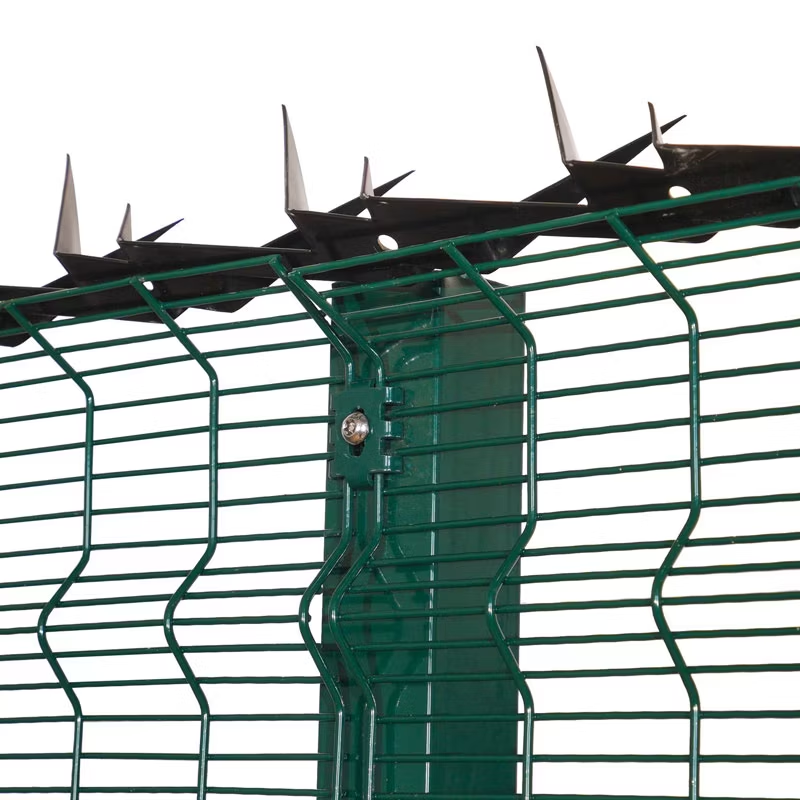
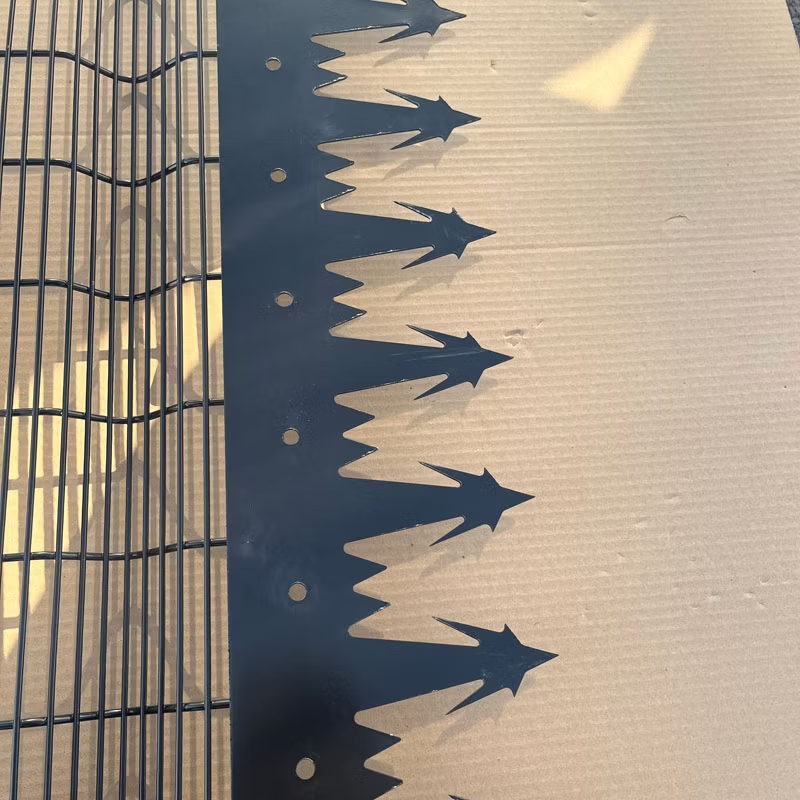
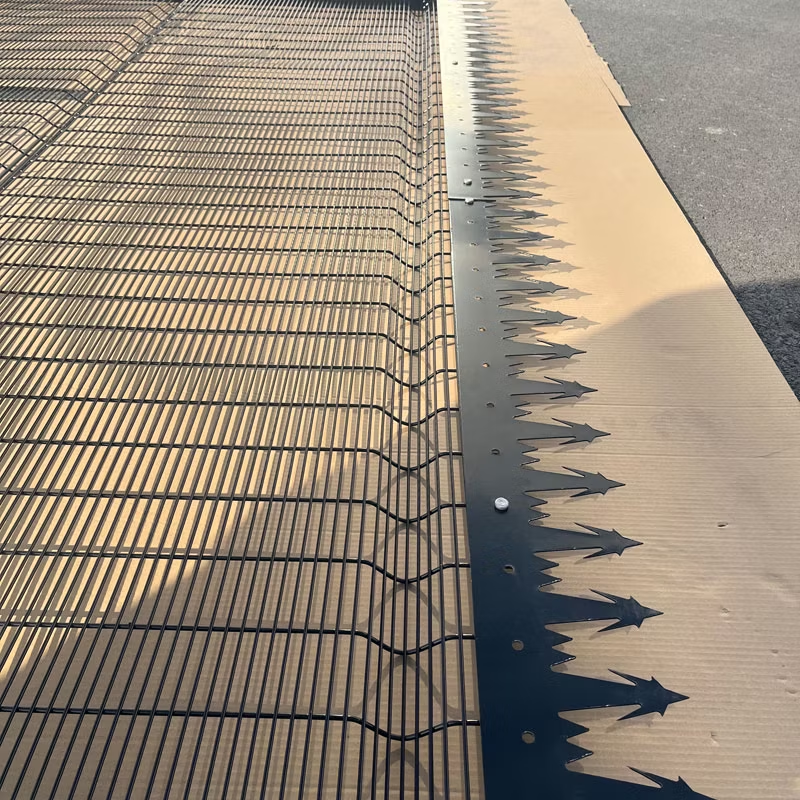
The original range offers fence spikes, razor wire, and electrified fencing options. These components may increase deterrence for some restricted facilities. Their suitability depends on legal requirements, structural capacity, and public access. Security managers should review site safety before specifying additional barriers.
Topping supports can change post loads and installation clearances. Contractors should document attachment details and access restrictions. Outdoor metal accessories also require suitable corrosion protection. Never assume one accessory package suits every site.
Wall spikes and accessory compatibility
Spike assemblies need approved mounting details and suitable warning arrangements. Optional topping choices should appear as separate components on the bill of quantities. Installers must maintain safe working procedures during fitting. The final perimeter should preserve emergency access where required.
Clear Vu fence manufacturing process
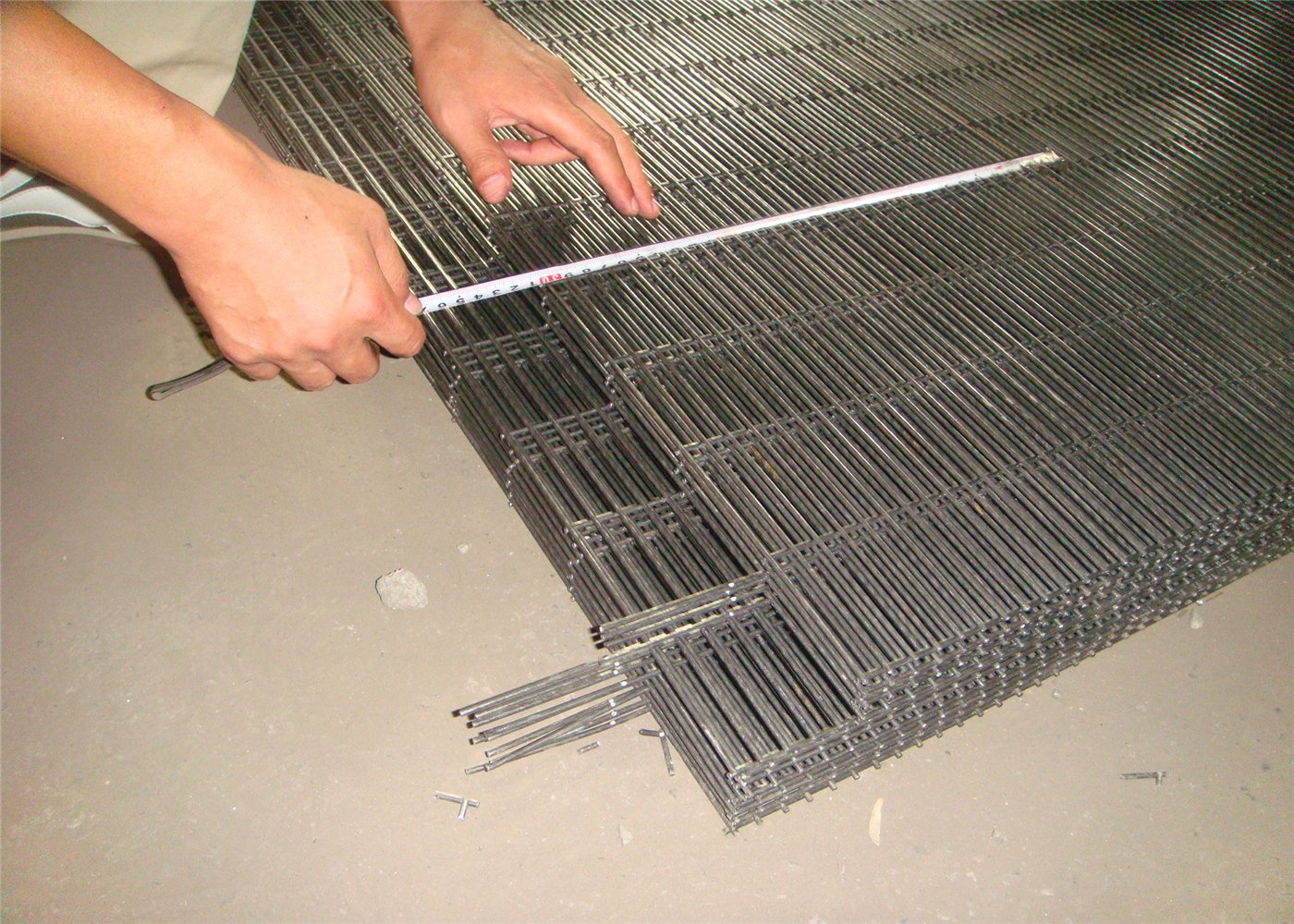
Manufacturing starts with material selection and confirmed wire specifications. Production workers then cut wire and set the welding equipment. The factory checks mesh spacing and panel dimensions during fabrication. Forming, preparation, and surface treatment follow the approved sequence.
Production records should track panel models, coating batches, and accessory quantities. The Clear View Fencing Factory page provides additional company manufacturing information. Buyers can request sample photographs and inspection reports. The final acceptance criteria should appear in the order agreement.
Welding, bending, and finish controls
Weld consistency affects how the panel handles local stresses. Fabrication checks should examine wire spacing, joint appearance, and panel diagonals. Folding must follow the approved geometry. Coating inspectors should review the finished surface before export packing.
Clear Vu fence quality inspections
A practical inspection plan covers dimensions, welding, surface treatment, and complete accessories. Teams should measure finished panel height and width. They should also confirm the wire thickness and selected mesh aperture. Gate and post checks need separate acceptance details.
Photos document visible conditions, but they cannot replace required physical tests. Customers can arrange independent verification for demanding projects. Inspection records should identify production lots and measurements. Those records help resolve technical questions after delivery.
What the buyer should verify
Verify panel dimensions against the signed drawings. Confirm posts, caps, clamps, and bolts against the packing schedule. Review metallic and organic coating records where applicable. Ask for corrections before loading if any measured item fails the agreed specification.
Clear Vu fence installation planning
Installation begins with a site survey and a confirmed perimeter layout. Contractors should locate buried utilities before excavation. Post positions follow actual panel widths and connection details. Foundation engineering must reflect ground conditions, wind exposure, and fence attachments.
The Clearvu Fence Installation Guide Step-by-Step Tutorial outlines related construction steps. Contractors should check post alignment before fitting the mesh. Protect finished coatings during tightening and handling. Record approved field changes for future maintenance.
Foundations, slopes, and setting out
Sloping boundaries may require stepped sections or specially designed panels. Foundation dimensions depend on soil and project loading requirements. Gate foundations often need different designs from line-post foundations. Local professionals should approve critical installation details.
Clear Vu fence project applications
Clear Vu fence systems can support warehouses, industrial compounds, transport hubs, and infrastructure boundaries. The mesh preserves useful sightlines for patrols and monitoring. High security locations may add surveillance and controlled entrances. The exact specification should follow the risk assessment.
Other projects include schools, recreational spaces, and residential estates. Those environments may need different heights and accessory choices. Public areas require particular attention to safe gate operation. Product selection should consider users rather than rely on one standard design.
Infrastructure and commercial site needs
Airports and ports may impose special boundary standards and access restrictions. Warehouses usually need adequate vehicle gates and maintenance paths. Utility sites may also require warning signs and controlled visitor routes. Project teams should integrate fencing with existing site operations.
Clear Vu fence export packaging
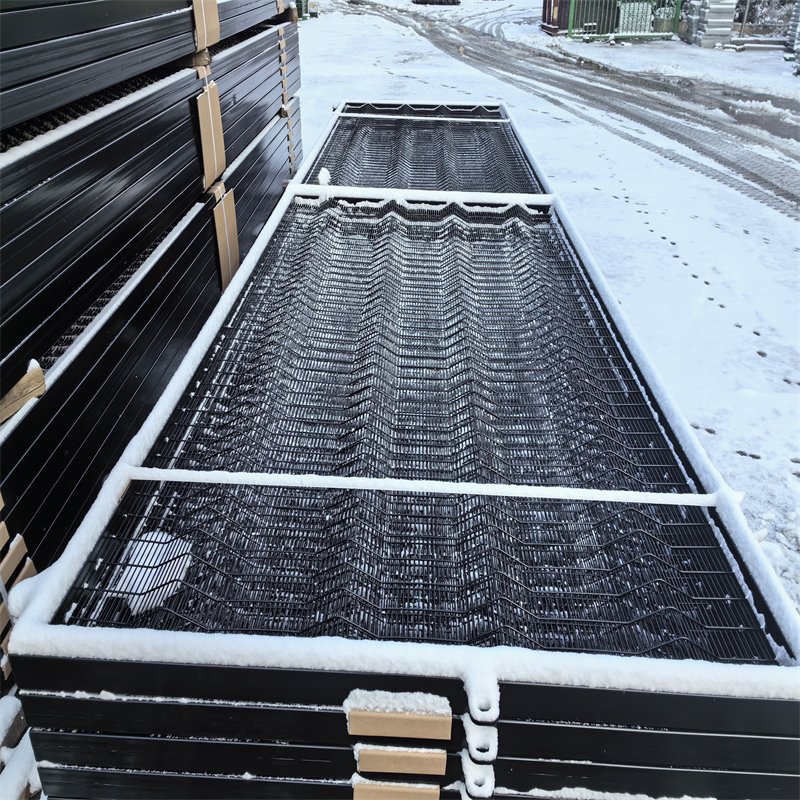
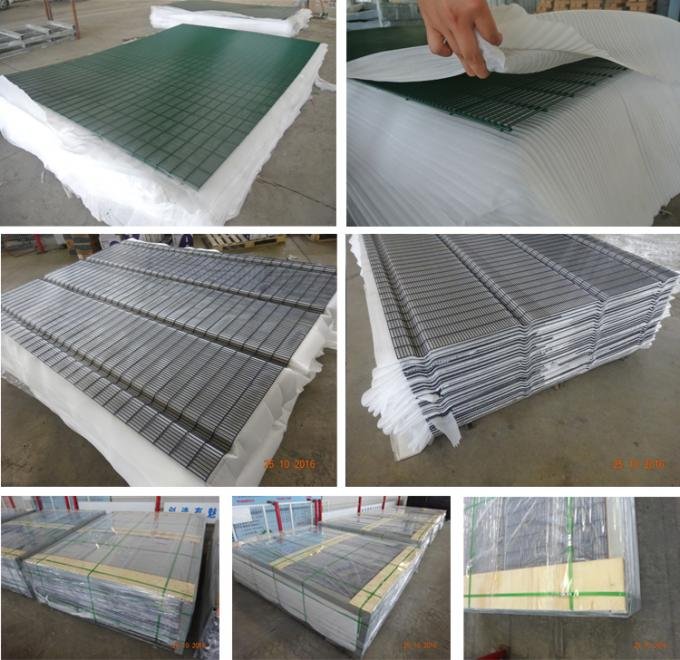
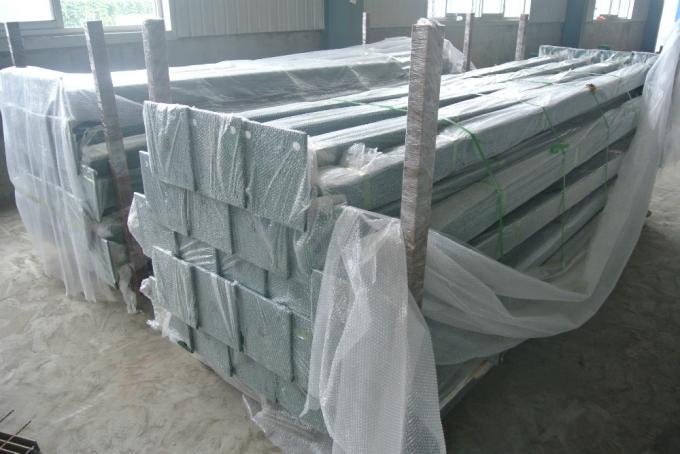
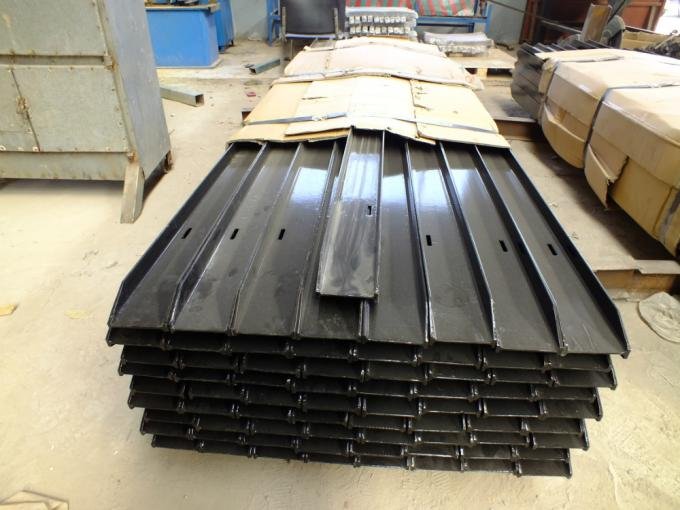
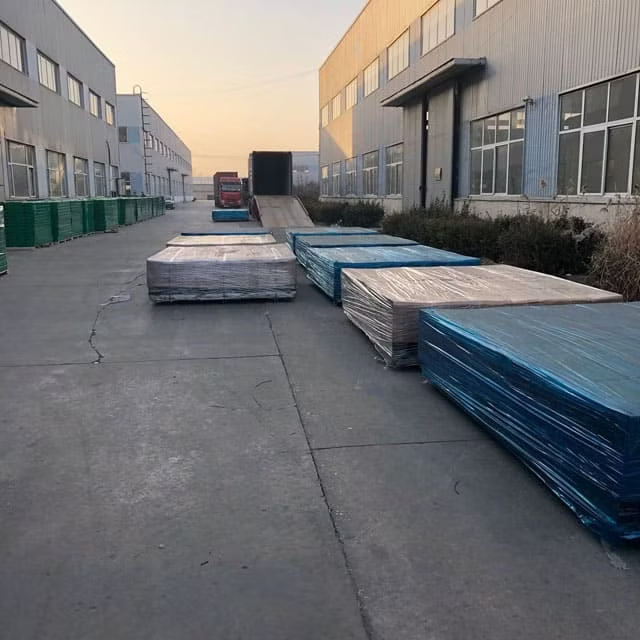
Export packaging protects panels, posts, and fittings during international transport. The source describes plastic film, pallet stacking, and cartons for accessories. BMP also uses steel stillages for suitable product configurations. Packing plans should account for panel dimensions and unloading equipment.
Container loading must distribute weight safely and prevent movement. Protect coated faces against metal contact where possible. Label each pallet and accessory carton clearly. Keep a consistent model reference across the invoice and packing list.
Pallet loading and delivery checks
Before dispatch, compare packed quantities with the approved schedule. Record packaging conditions and container details when required. On arrival, inspect the coatings and count accessory boxes. Report visible damage through the agreed transport claims process.
Clear Vu fence quotation preparation
A useful inquiry should identify total fence length, intended height, and preferred security grade. Specify wire diameter, mesh spacing, post type, and surface finish. Include gate openings, corner arrangements, and any required accessories. These details support a consistent bill of quantities.
The Clear View Fence Price per Meter guide describes common cost components. Actual quotations depend on the full product specification and delivery responsibilities. Avoid comparing panel-only prices against complete fencing systems. Ask every supplier to identify excluded components.
Comparing supply terms and project scope
Check whether a quotation includes posts, clamps, gates, pallets, and freight. Incoterms assign different transport responsibilities to sellers and buyers. Customs and local delivery expenses may remain separate. Request clear written terms before confirming the order.
Clear Vu fence maintenance planning
Routine inspection supports security function and surface appearance. Check post bases, clamps, welds, and gate components for visible damage. Coastal facilities may need more frequent cleaning because of salt exposure. Keep vegetation clear of important sightlines.
Replacement components should match the original drawings and coating system. Record damaged areas and completed repairs. Inspect adjoining panels after any vehicle impact. Proper maintenance helps owners identify problems before they affect larger sections.
Coastal conditions and replacement parts
Moisture may collect around base plates and concealed connections. Cleaning and drainage can reduce some exposure risks. Buyers should retain spare fastener specifications and coating references. Maintenance teams should follow the approved repair instructions for each finish.
Clear Vu fence frequently asked questions
Buyers often ask about panel sizes, mesh grades, and coating choices. Others need information about shipping, gates, and installation responsibility. The answers below summarize the original range and practical purchase considerations. Final requirements belong in the approved project documents.
The Clear View Fencing for Sale page offers another product overview. BMP supplies products from China for international buyers. Local contractors should confirm site approvals, structural details, and installation conditions. Buyers can request manufacturing drawings before production begins.
Answers to common purchasing questions
Which mesh grade suits a high security site? Close mesh options may suit higher risk projects. Can panel width vary? Yes. The source lists different configurations, including 2515 and 3000 mm widths. Are gates available? Yes. Buyers can request matching pedestrian and vehicle gates.
Can customers select a colour? Yes. Green and black appear in the original range. Does powder coating guarantee fifteen years outdoors? No. Exposure and contract terms affect coverage. Who approves foundations? The project engineer should approve critical site designs.