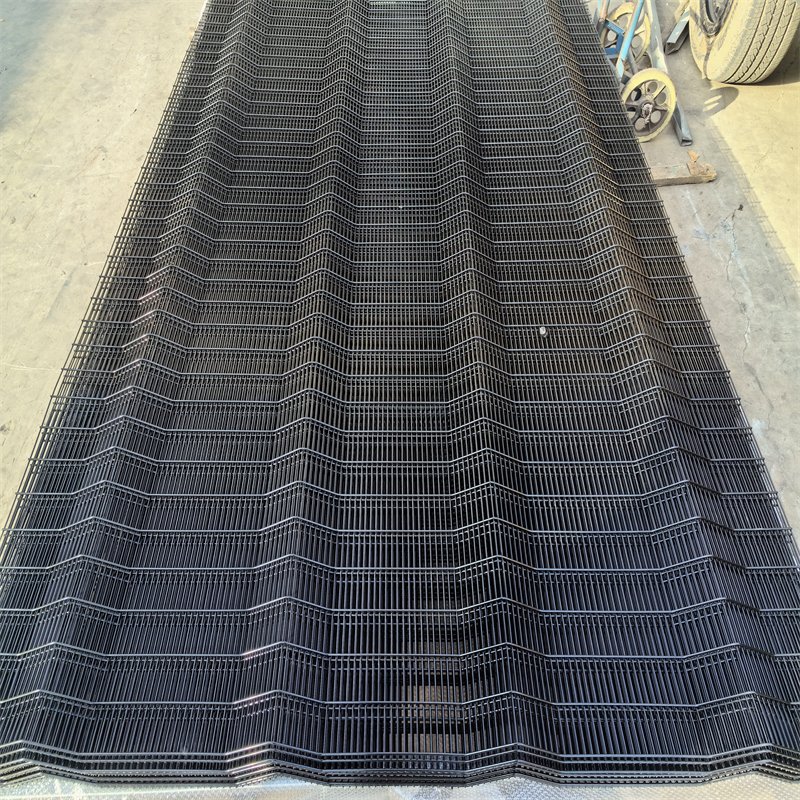
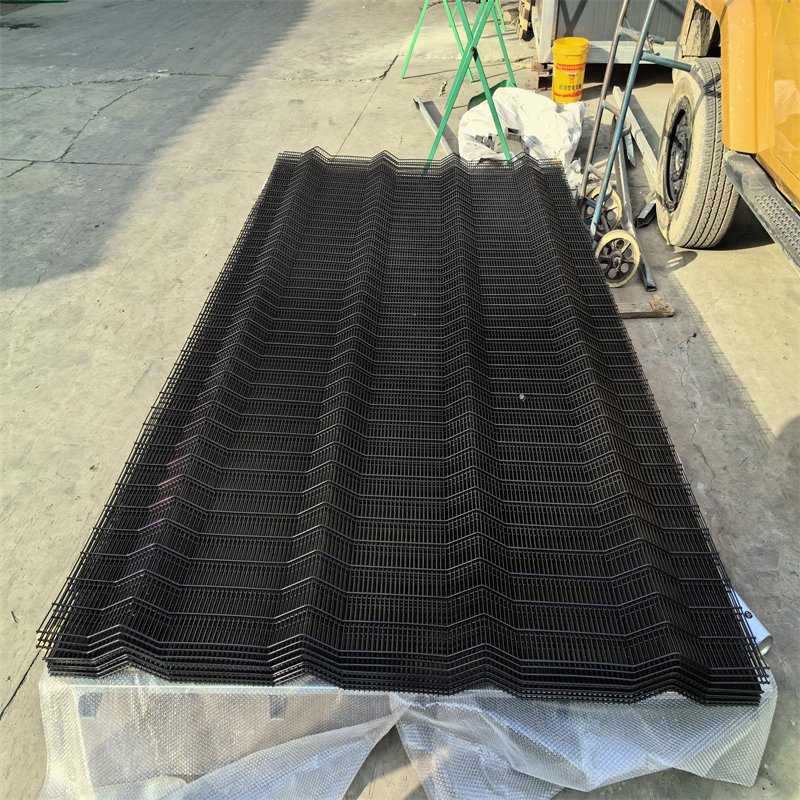
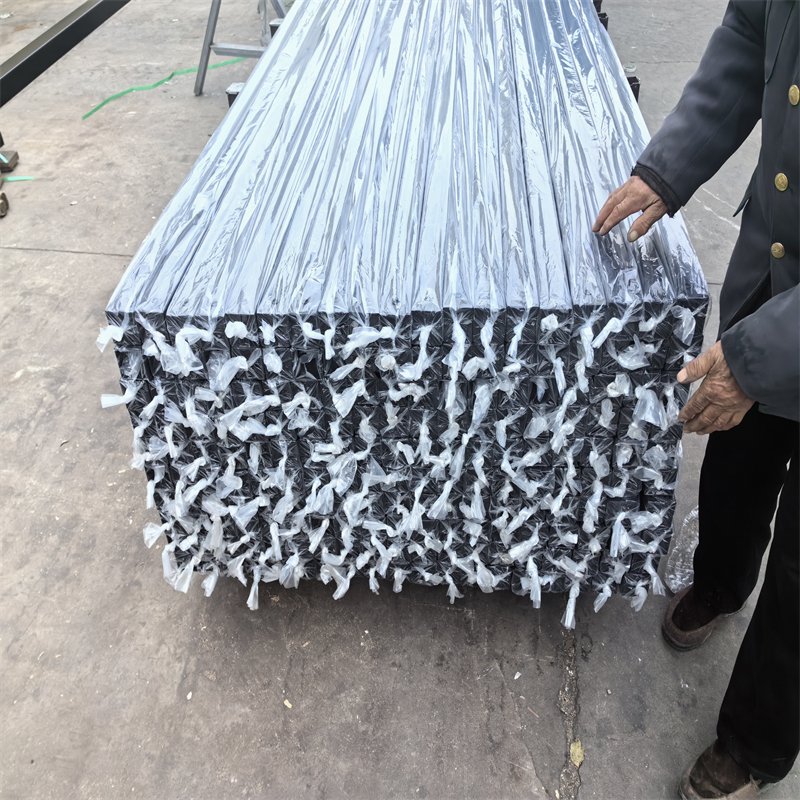
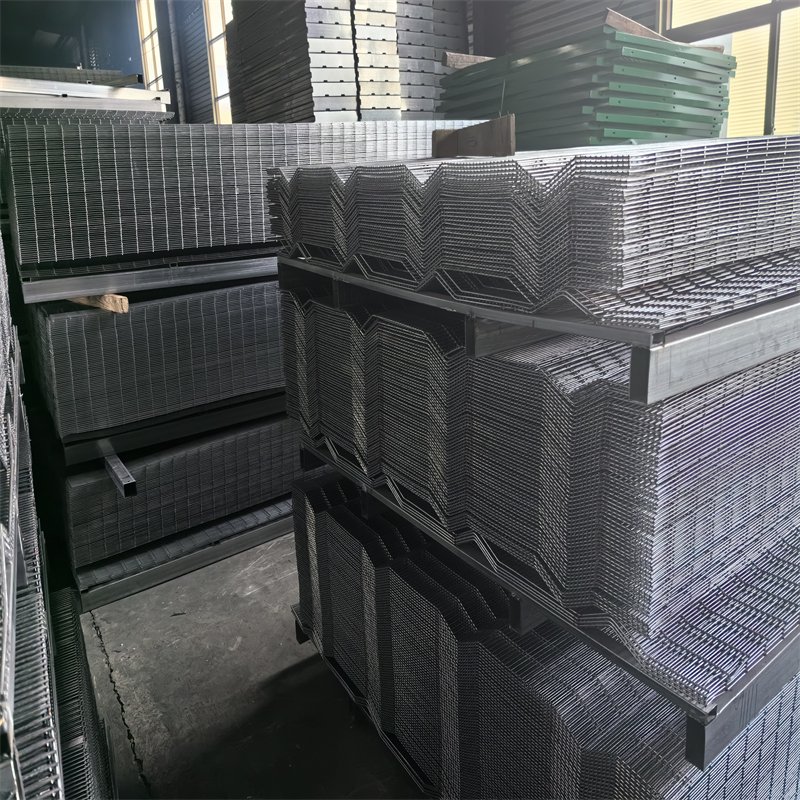
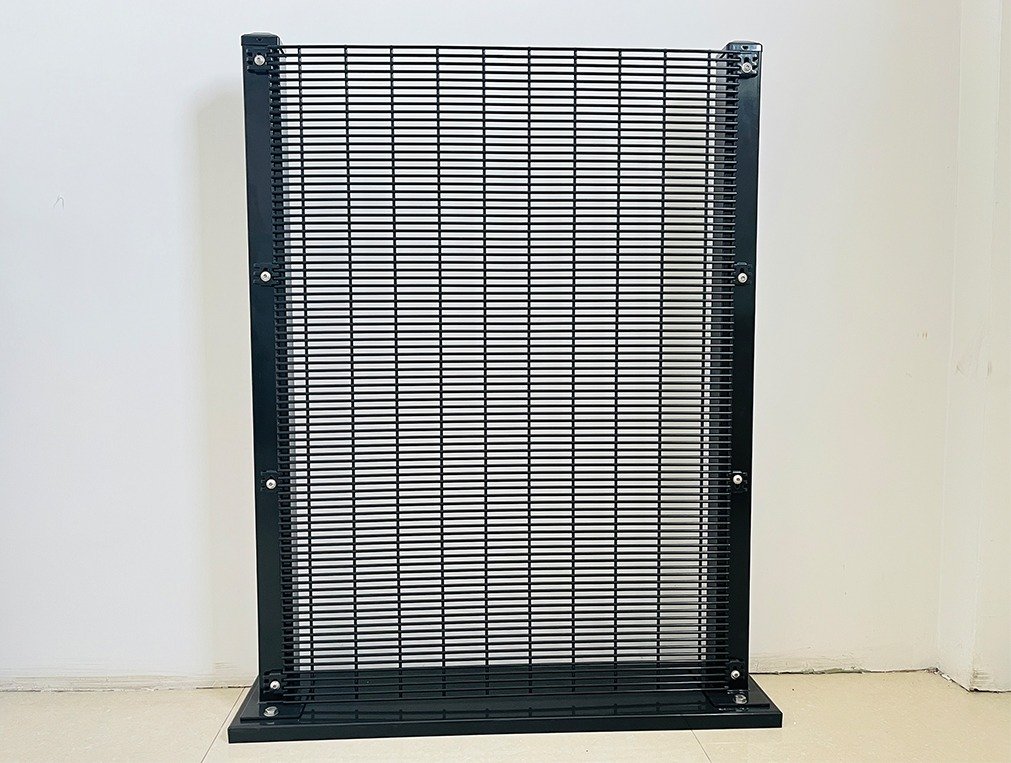
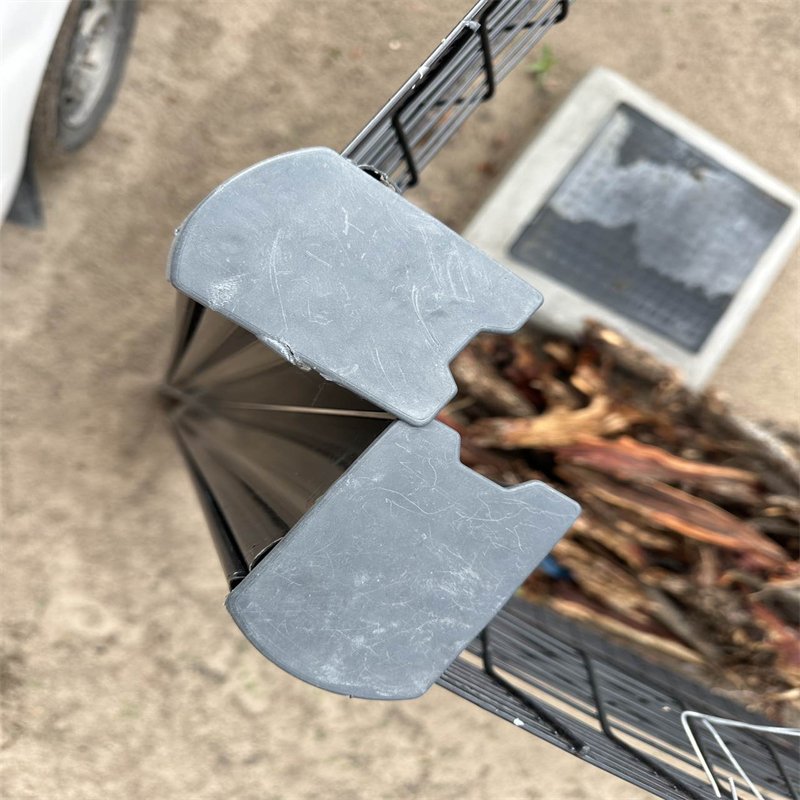
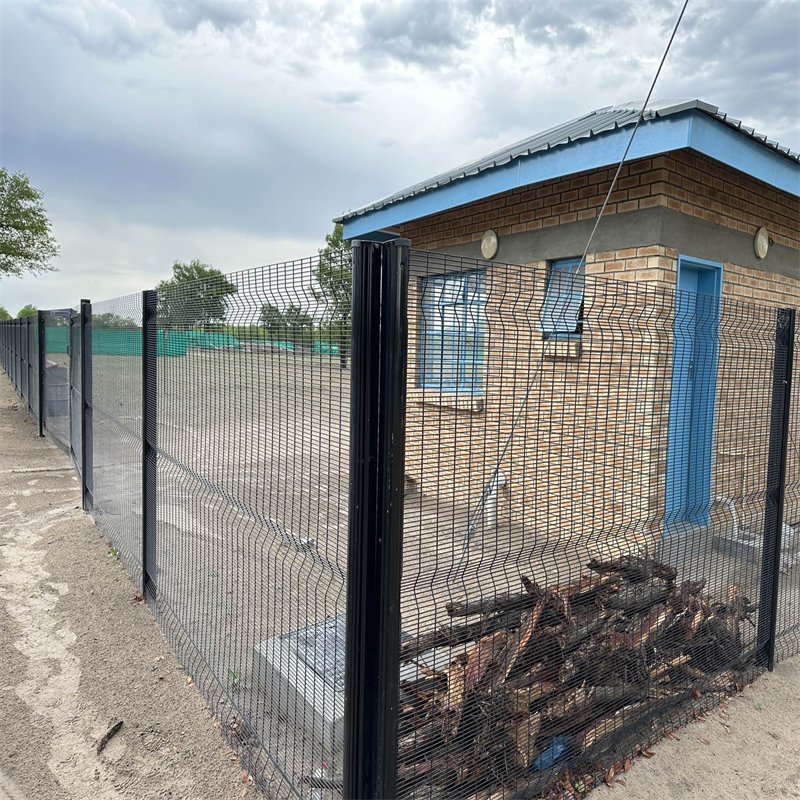
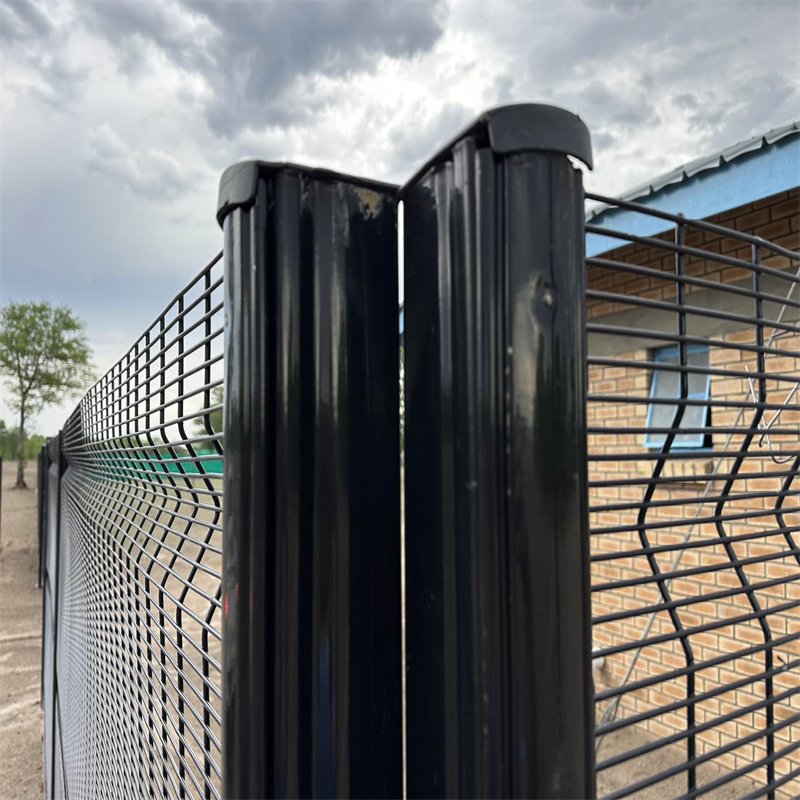
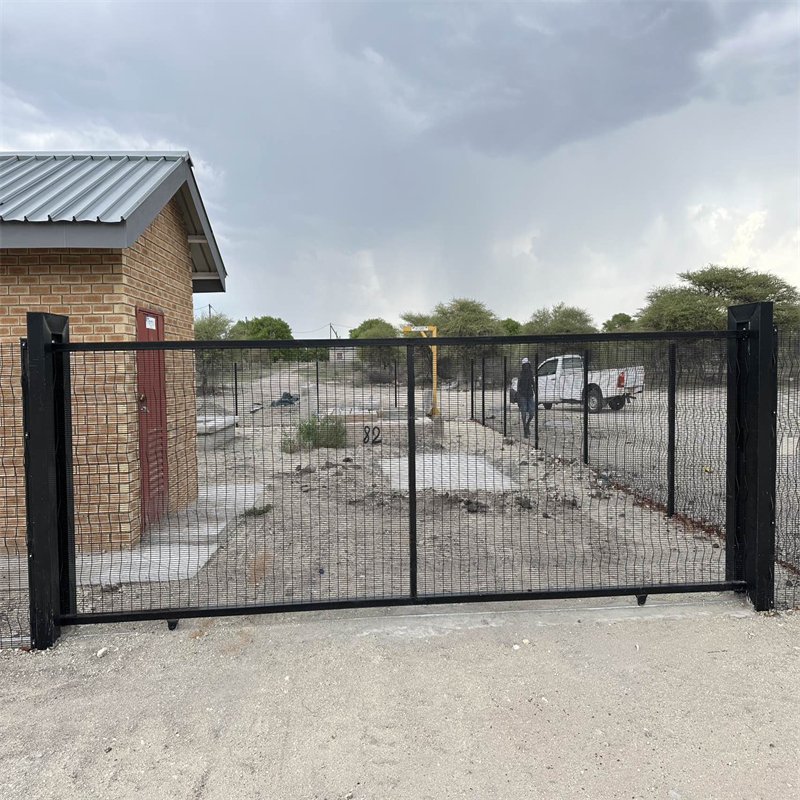
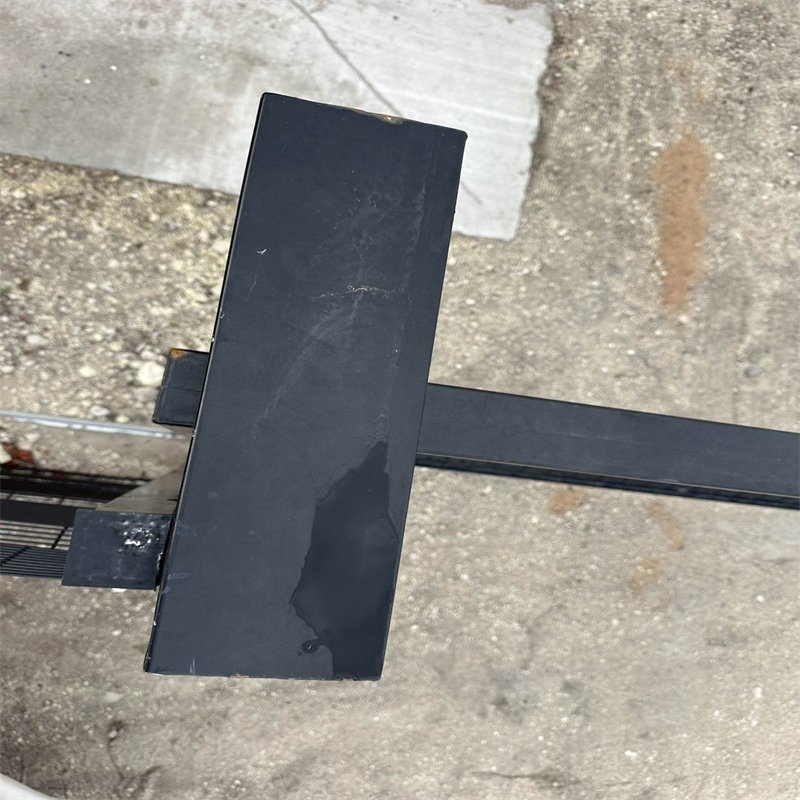
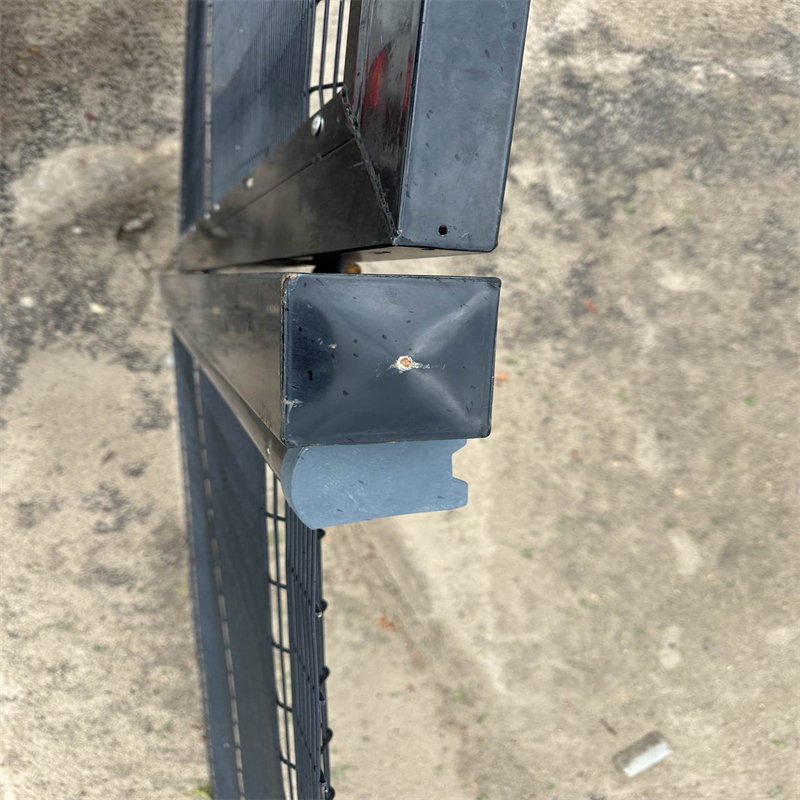
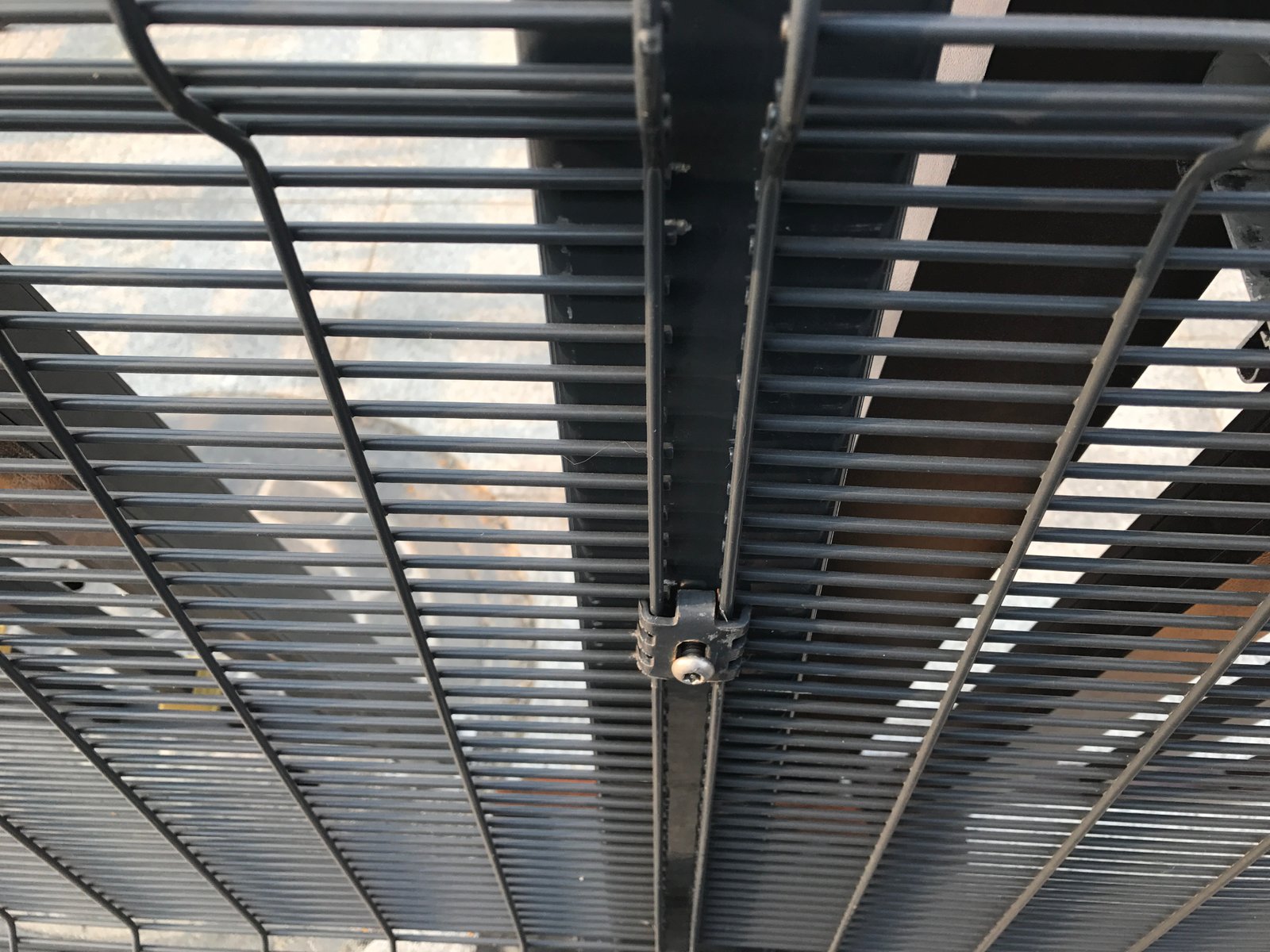
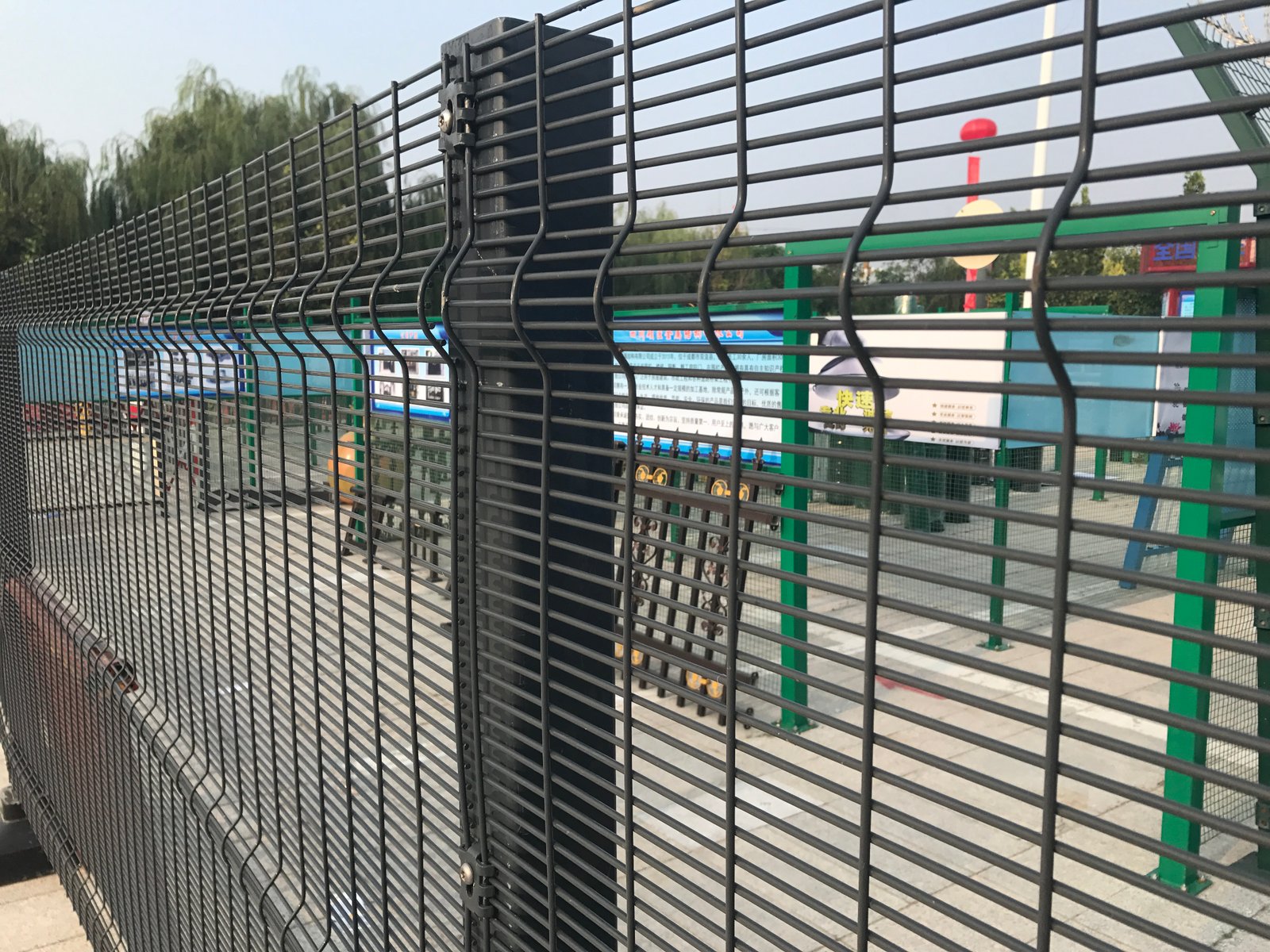
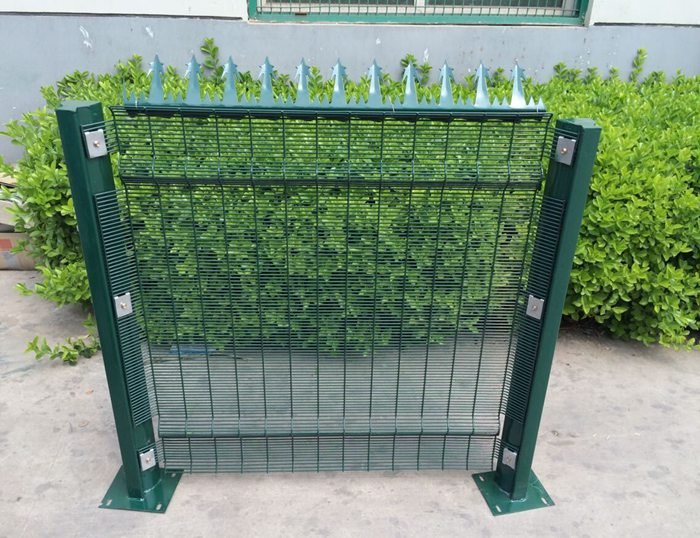
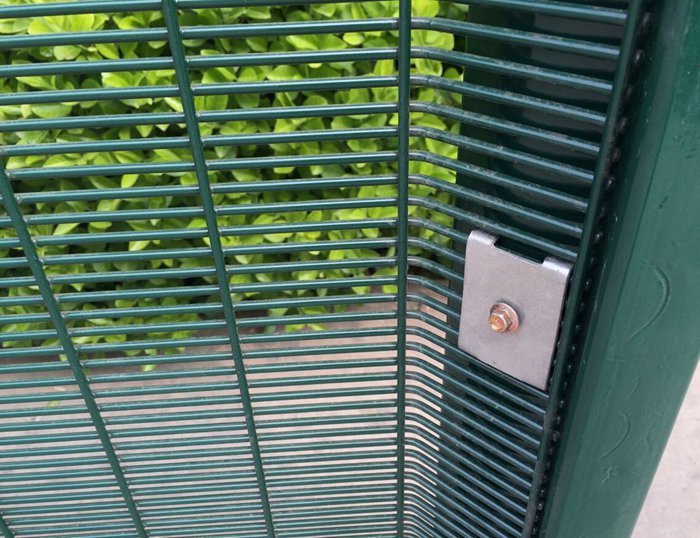
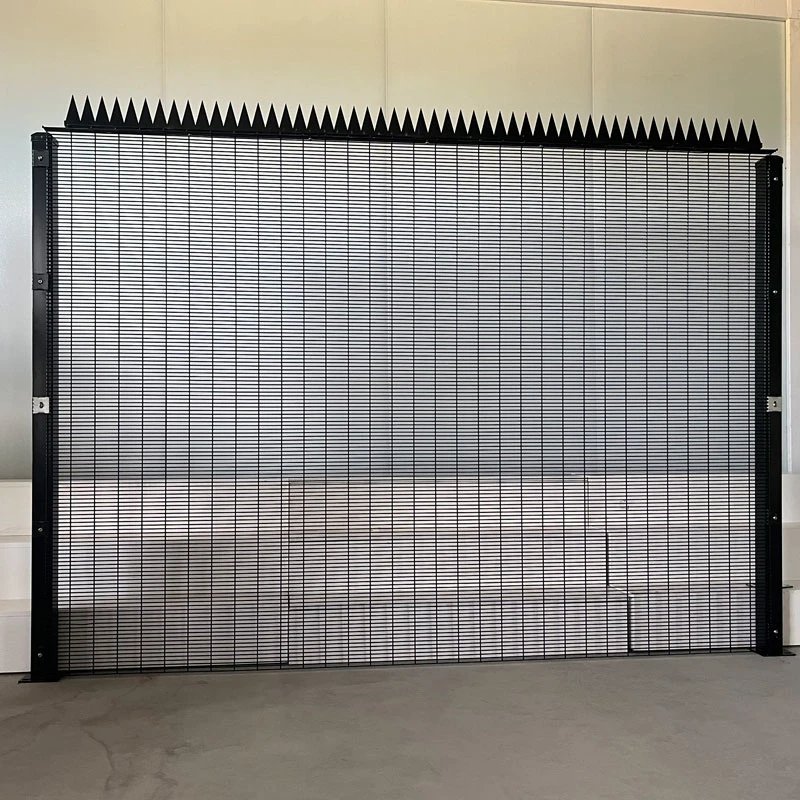
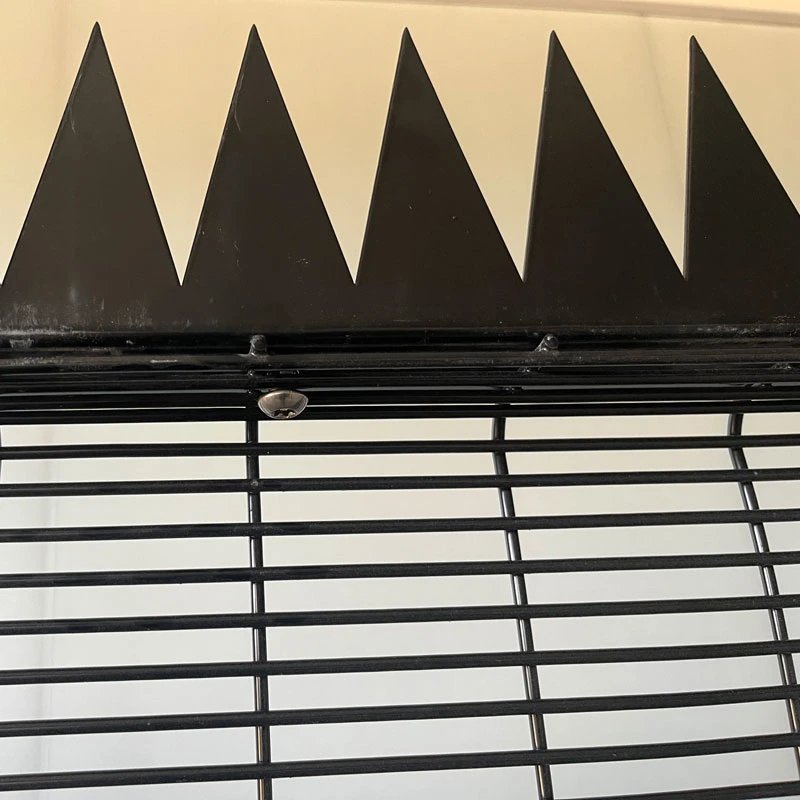
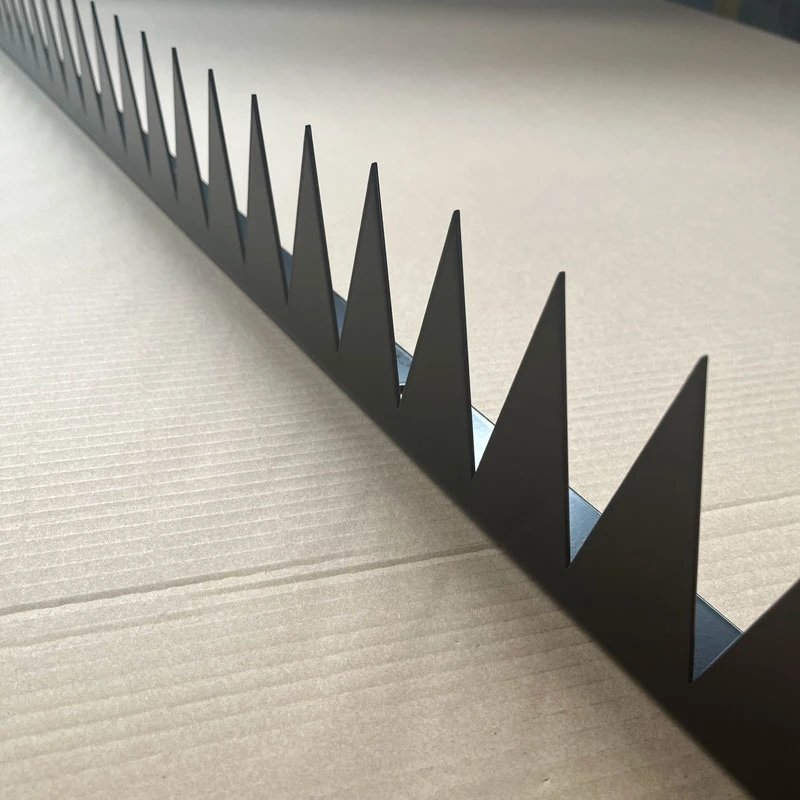
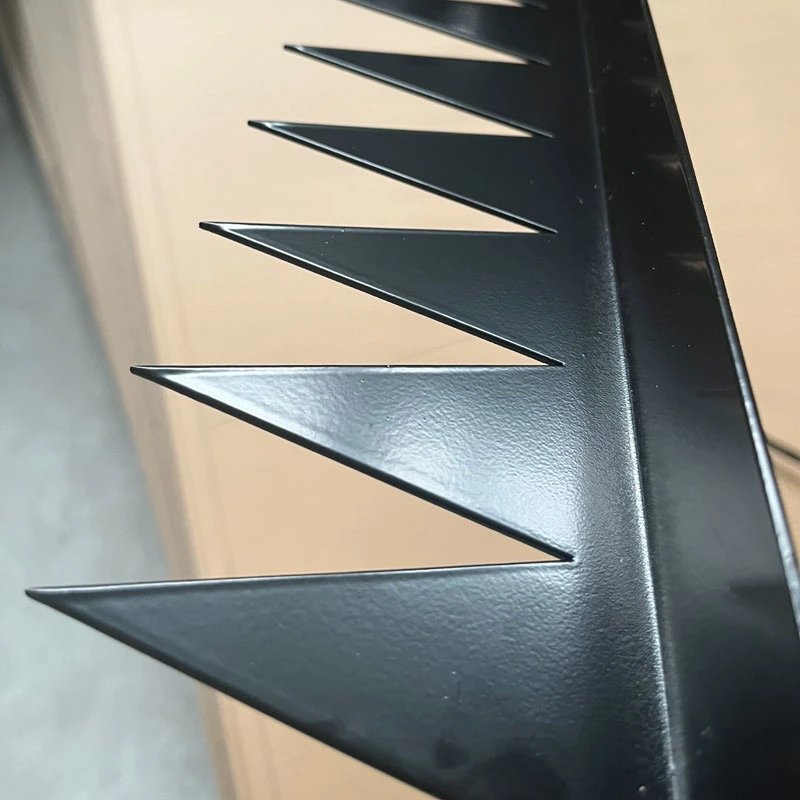
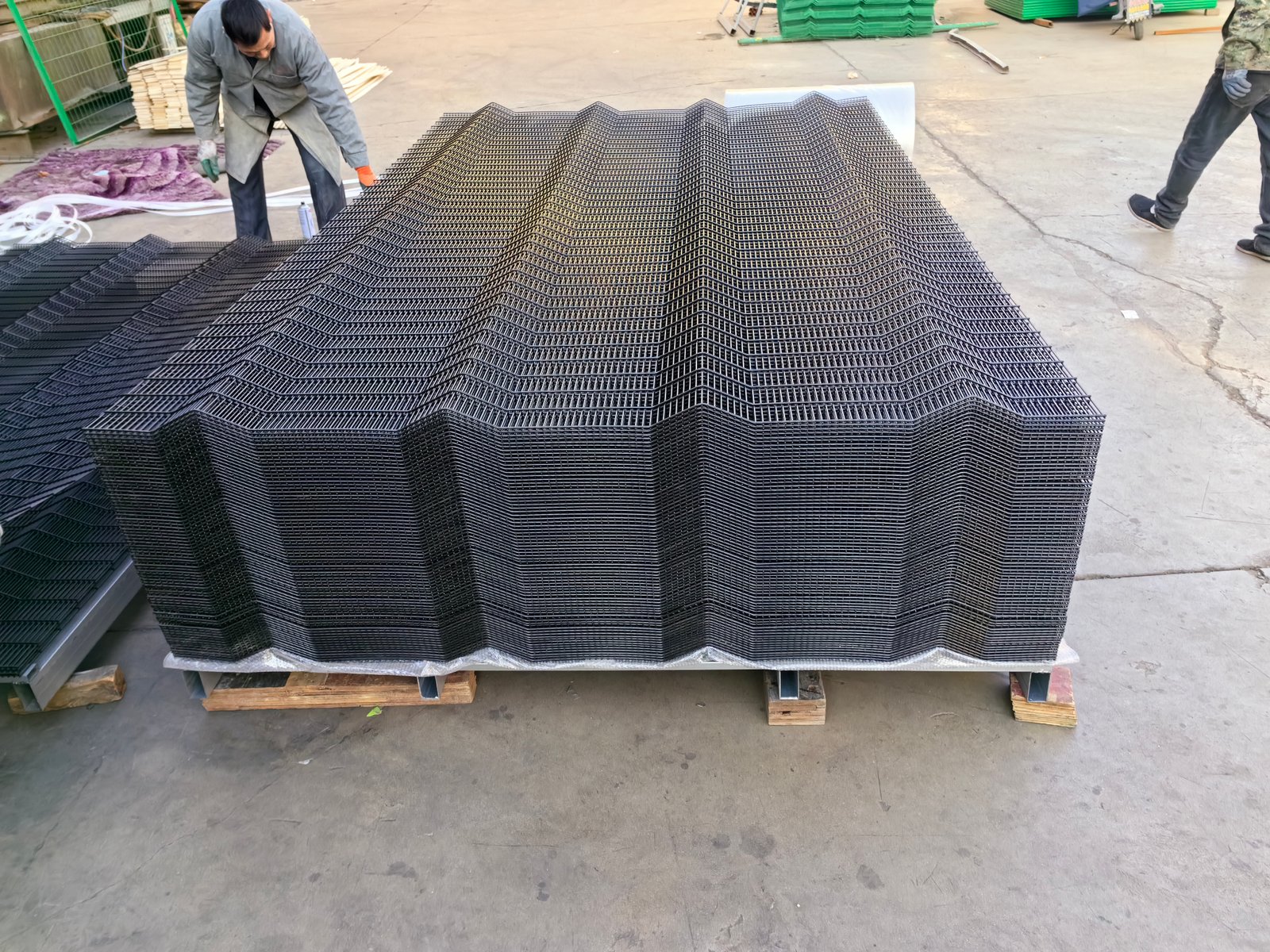
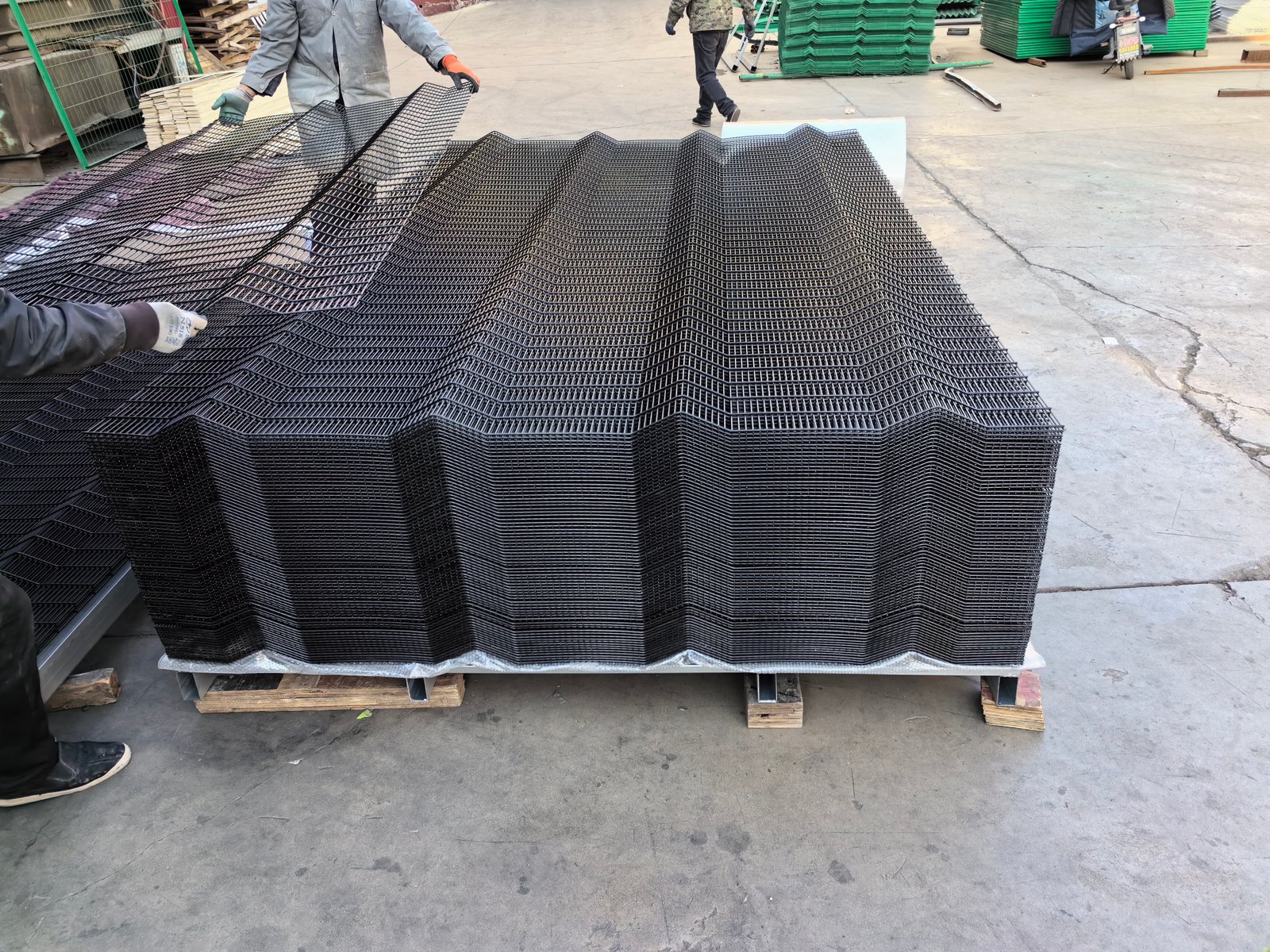
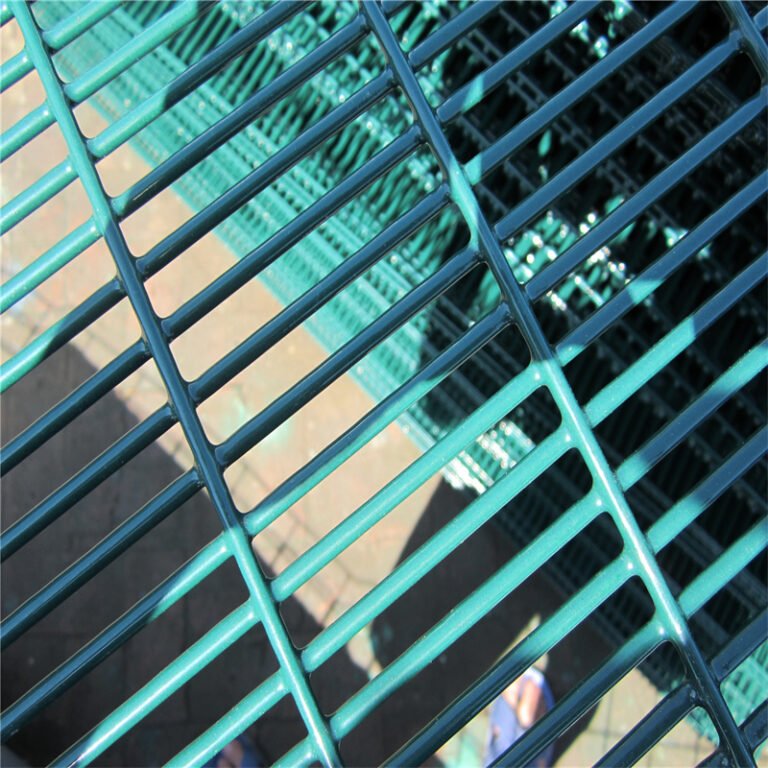
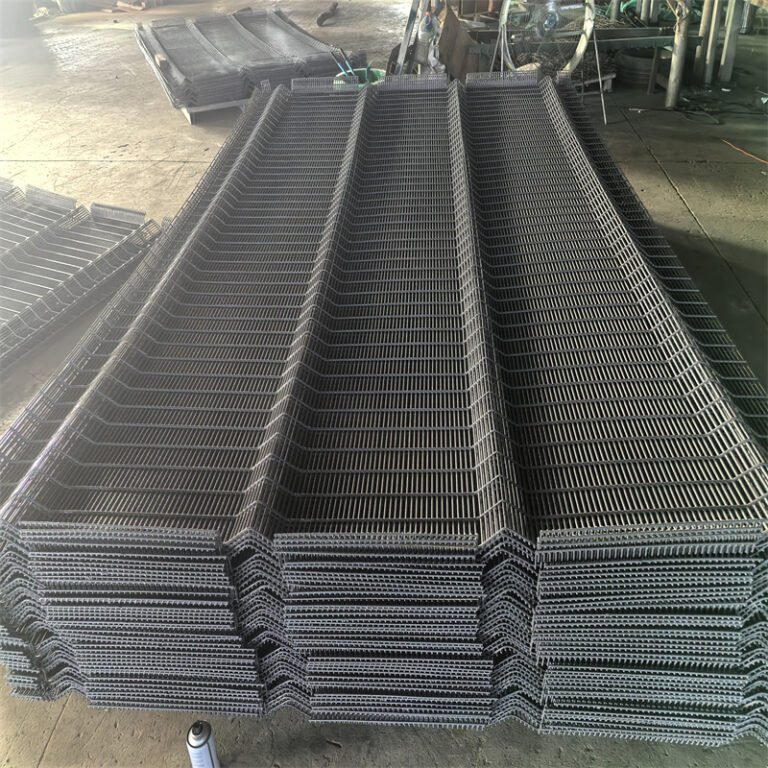
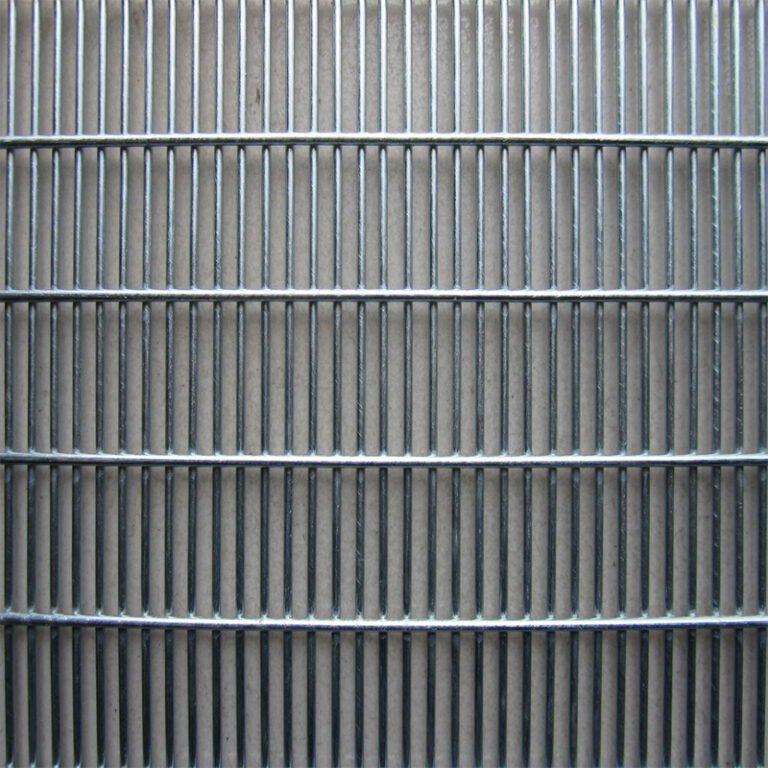
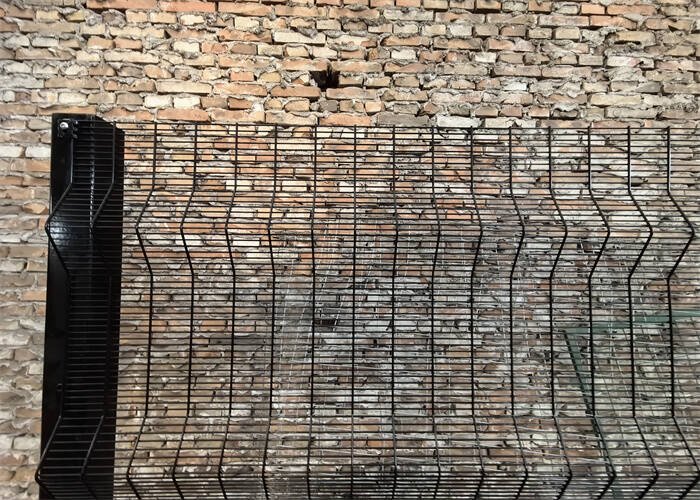
Description 358 fence mesh provides an advanced security barrier through narrow welded openings, strong steel wires, and reliable supporting posts. Also known as prison mesh or anti-climb fencing, this system protects demanding residential, commercial, and industrial boundaries. Its distinctive geometry restricts convenient climbing holds while preserving visibility across the protected perimeter. Furthermore, galvanized and powder-coated finishes help steel components withstand challenging outdoor environments. BMP manufactures complete fencing systems with panels, square posts, security clamps, gates, and optional anti-intrusion accessories.
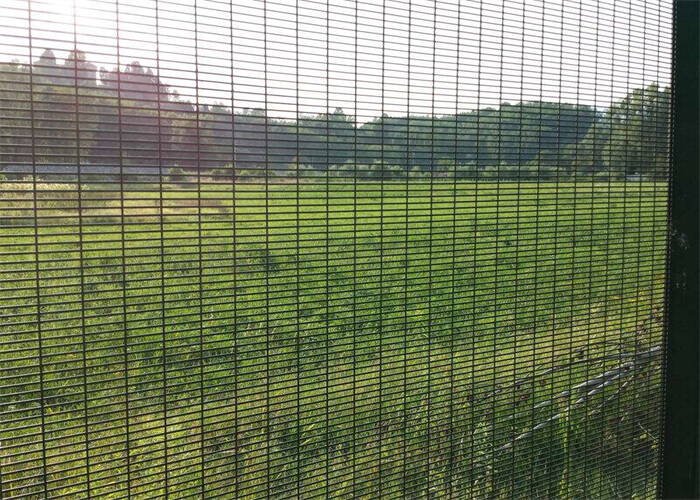
The designation 358 originates from three inches, half an inch, and approximately eight-gauge wire. These dimensions correspond to approximately 76.2 × 12.7 mm mesh spacing and 4 mm wire diameter. Unlike ordinary chain-link fencing, welded intersections create a rigid security panel with closely spaced horizontal wires. Consequently, intruders face greater difficulty gaining a foothold or applying conventional cutting tools. The system also maintains clear viewing conditions for security personnel and perimeter surveillance equipment.
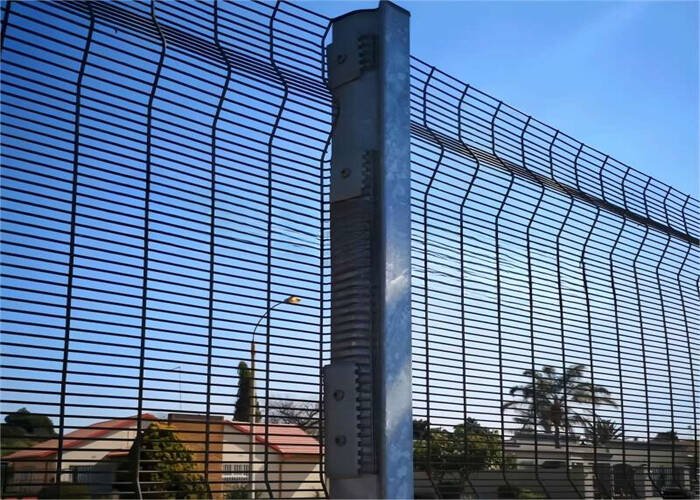
What Makes 358 fence mesh Different From Conventional Fencing?
Conventional fencing often prioritizes boundary separation rather than resistance against unauthorized entry. However, high-security sites require additional protection against climbing, cutting, and panel removal. Dense welded mesh addresses these challenges through its restricted openings and rigid construction.
Each wire intersection creates a fixed connection within the panel. As a result, the mesh maintains its geometry more effectively than flexible woven fencing. Additionally, the narrow horizontal spacing leaves limited room for fingers or footwear. Although determined attacks remain possible, the system increases the difficulty of common intrusion attempts.
Visibility provides another important advantage. Solid walls obstruct observation and can create concealed areas near access routes. In contrast, welded mesh allows guards to monitor movement beyond the boundary. Therefore, security designers can combine physical barriers with lighting, cameras, and organized patrols.
Understanding the 358 Fence Designation
The name describes a traditional imperial combination rather than three separate security ratings. Its first figure represents three inches, which equals 76.2 mm. Meanwhile, the second figure represents half an inch, equivalent to 12.7 mm. Finally, eight-gauge wire corresponds approximately to the commonly specified 4 mm steel diameter.
Importantly, manufacturers normally measure welded mesh spacing from wire centre to wire centre. Therefore, the actual unobstructed opening remains smaller than the nominal mesh pitch. With 4 mm wires, the narrow clear opening measures approximately 8.7 mm before coating adjustments.
This detail matters when buyers compare anti-climb performance and manufacturing tolerances. Likewise, wire diameter influences panel weight, stiffness, and material consumption. Accurate technical specifications should identify both dimensions separately.
358 fence mesh Compared With 3510 Security Mesh
Both systems use closely spaced welded wires to restrict climbing opportunities. However, conventional 3510 mesh typically uses approximately 3.2 mm wire instead of 4 mm. Some projects also specify a nominal 3 mm lightweight variation.
The thinner wire reduces material consumption and panel weight. Consequently, handling and transportation requirements can differ between the two systems. Nevertheless, a lighter panel does not automatically provide equivalent resistance under every loading condition.
For demanding applications, 358 fence mesh remains a practical choice when buyers require heavier wire construction. Engineers should compare actual steel grades, weld quality, post designs, and security requirements before selecting either option.
Where 358 fence mesh Works Best
Security requirements vary significantly between residential boundaries, industrial facilities, and critical infrastructure. Consequently, effective perimeter design should reflect the property's operational risks and access arrangements. Dense welded mesh supports several demanding applications without completely restricting outward visibility.
Prisons and Detention Facilities
Correctional facilities require carefully planned physical boundaries and controlled circulation routes. Fine-mesh security fencing restricts convenient climbing opportunities while allowing officers to observe adjacent areas. Furthermore, designers can combine suitable fence heights with monitored entrances and additional protective systems.
However, a prison perimeter depends on multiple coordinated security measures. Fence panels alone cannot replace surveillance, controlled access, or operational procedures. Accordingly, designers should consider the entire protected environment.
Industrial Sites and Manufacturing Facilities
Factories frequently store valuable materials, machinery, and finished products near external boundaries. Unauthorized access can disrupt operations and create financial losses. Therefore, robust perimeter fencing helps separate controlled production areas from public surroundings.
Additionally, open mesh supports visibility along loading zones and access roads. Security teams can identify unexpected movement without relying exclusively on elevated cameras. Meanwhile, properly positioned vehicle gates maintain efficient daily operations.
Airports and Aviation Infrastructure
Airports require continuous perimeter control around operational and restricted areas. Dense security mesh can form part of a broader access-management strategy. Furthermore, the open construction supports visual observation along suitable patrol routes.
However, aviation projects also require specialized operational clearances and security planning. Engineers must consider applicable regulations, emergency access, and surveillance requirements. Consequently, the final arrangement should follow the airport operator's approved security design.
Schools and Educational Facilities
Educational premises need dependable boundaries that support student safety and controlled access. Open mesh helps staff observe playgrounds, sports facilities, and external circulation areas. In addition, suitable gates can direct visitors toward designated entrances.
Nevertheless, school security planning should balance protection with appropriate emergency exits and accessibility. Smooth finishing details also deserve attention around areas where children may encounter the fence.
Military and Defence Facilities
Military installations often require controlled entry and physical separation around sensitive assets. High-security mesh can contribute to layered protection when engineers select appropriate heights and structural components. Additionally, cameras and monitored access points can complement the barrier.
Security arrangements should reflect the facility's operational requirements and applicable regulations. Therefore, complete project specifications must address foundations, gates, security fittings, and maintenance access.
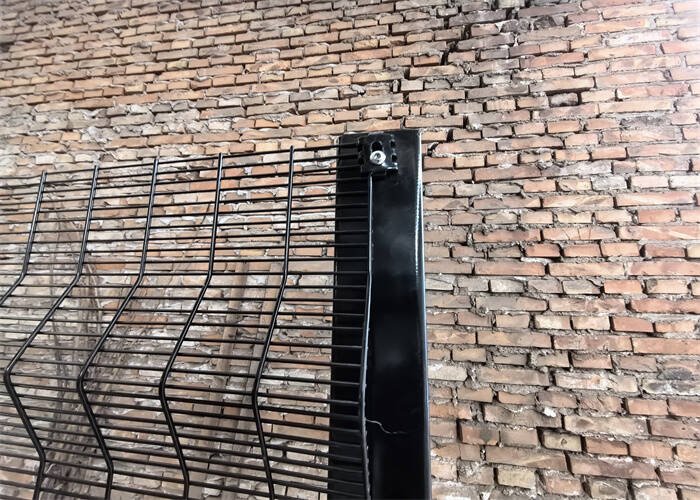
Why Choose 358 fence mesh for Anti-Climb Protection?
A narrow welded opening forms the central advantage of this security system. Unlike wider mesh fencing, closely spaced horizontal wires provide few convenient climbing holds. Furthermore, rigid welded connections resist ordinary movement and deformation during handling.
- Anti-climb geometry: Narrow mesh spacing limits convenient fingerholds and footholds.
- Cut resistance: Strong steel wires increase the effort required for conventional cutting attacks.
- Rigid construction: Welded intersections support consistent panel alignment and structural integrity.
- Corrosion protection: Suitable zinc and powder-coating systems improve outdoor durability.
- Clear visibility: Open mesh supports patrol observation and security camera coverage.
- Flexible appearance: Multiple coating colours complement industrial and architectural surroundings.
- Practical installation: Compatible posts and fixing systems support organized site assembly.
- Multiple heights: Different panel configurations accommodate varying security requirements.
Resistance Against Climbing
Climbing resistance depends primarily on mesh geometry, installation height, and accessible surroundings. For example, narrow openings make it difficult to position footwear securely between adjacent wires. Similarly, limited finger access reduces convenient handholds.
However, nearby structures can compromise even a carefully designed boundary. Storage containers, vehicles, and external platforms may create unintended climbing opportunities. Consequently, effective site planning should maintain suitable clearance around the fence line.
Resistance Against Cutting and Tampering
Welded steel mesh offers more cutting resistance than many lightweight boundary products. Nevertheless, resistance depends on actual wire diameter, steel properties, and available attack tools. Therefore, procurement specifications should avoid unsupported claims of absolute cut resistance.
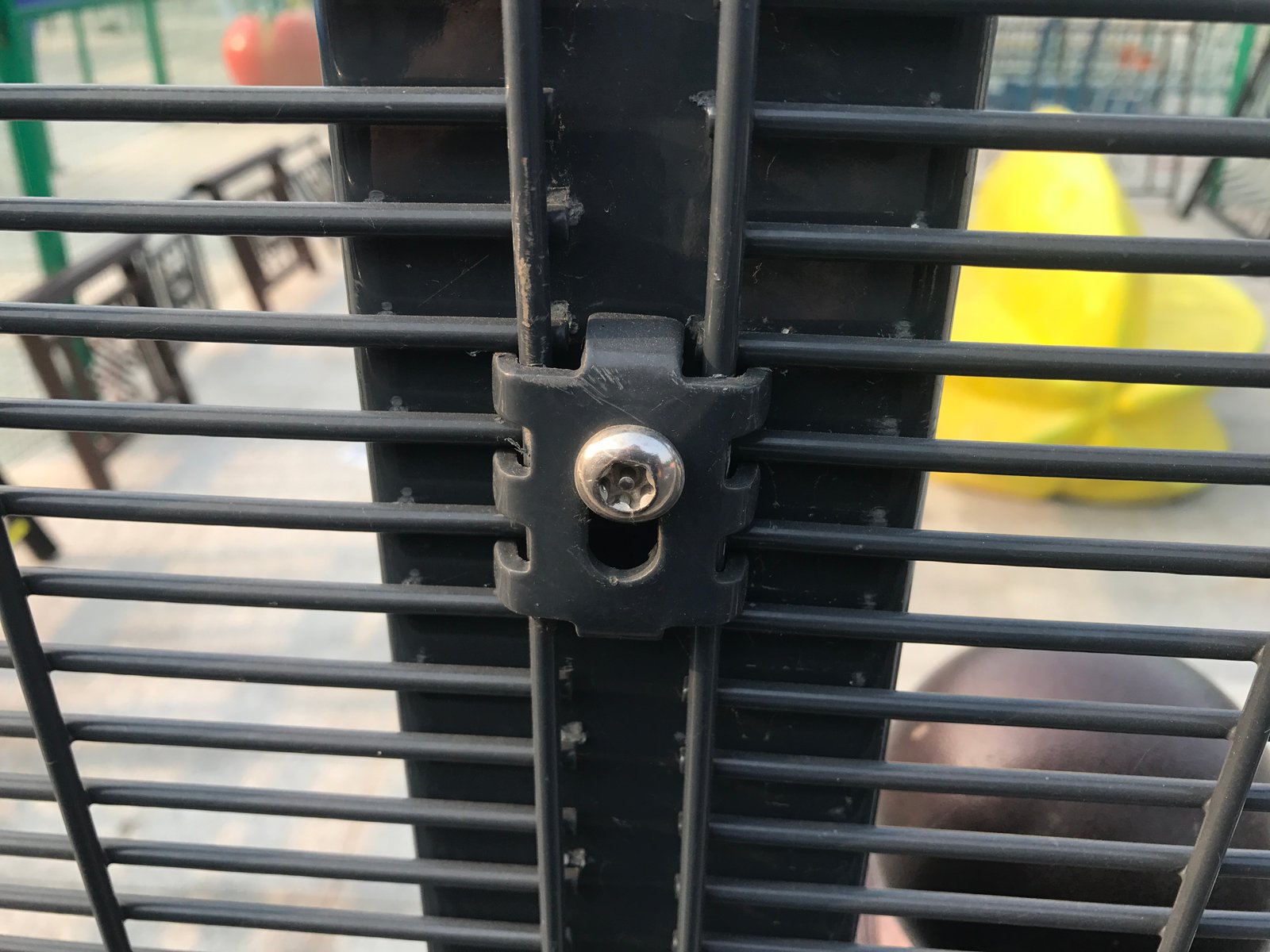
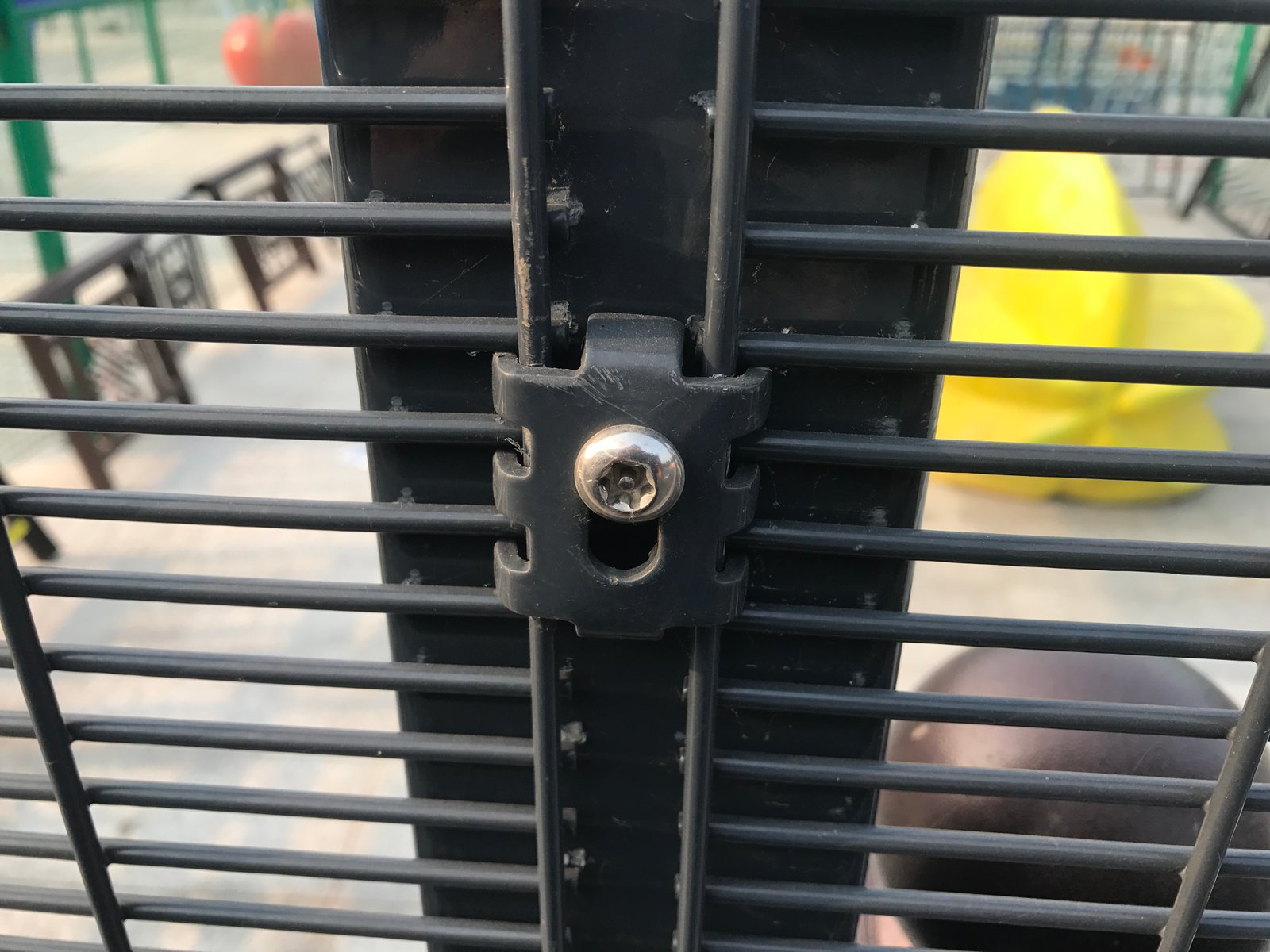
Security connections deserve equal attention. A strong panel provides limited protection when intruders can easily remove its fasteners. Accordingly, appropriate clamps and tamper-resistant hardware complete the physical security system.
Long-Term Durability
Protective finishing plays an important role in service life. Galvanizing provides zinc-based corrosion protection, while suitable powder coating adds another protective layer. Furthermore, routine inspections can identify damaged coating areas before deterioration spreads.
Actual durability depends on environmental exposure and manufacturing quality. Coastal salt, industrial pollution, and trapped moisture can accelerate corrosion. Consequently, buyers should select finishes according to the property's location.
Key Advantages of 358 fence mesh for Perimeter Security
Security fences must balance protective performance, project cost, visibility, and maintenance. Consequently, choosing an appropriate mesh configuration requires more than comparing wire thickness. Designers should consider how each component contributes to the complete perimeter.
- Reduced climbing opportunities: Small openings discourage casual attempts to scale the barrier.
- Strong welded construction: Consistent intersections create a stable, rigid panel.
- Improved observation: Narrow steel wires maintain visibility across the fence line.
- Architectural flexibility: Powder-coated colours complement different surroundings.
- Integrated access: Matching security gates support controlled personnel and vehicle movement.
- Repairable components: Modular panels and suitable clamps can simplify authorized replacement.
- Outdoor durability: Appropriate finishing systems reduce corrosion risks.
- Security customization: Optional toppings and fittings address different perimeter requirements.
358 fence mesh Technical Specifications and Material Options
Accurate technical data helps buyers compare competing quotations and avoid incompatible components. Therefore, project documentation should identify mesh dimensions, wire diameter, post sections, fixing quantities, and surface treatment. The following table preserves the original product specifications.
Standard 358 fence mesh Specification Table
| Specification |
Detail |
| Mesh Size |
3" × 0.5" (76.2mm × 12.7mm) |
| Wire Diameter |
8 gauge (4mm); 3510 model uses 3mm |
| Panel Height |
Options range from 2.0m to 5.2m |
| Panel Width |
Standard widths are 2.0m to 2.5m |
| Post Size |
Varied by height: 60×60×2.5mm, 80×80×2.5mm, 100×60×3mm, 100×100×3mm, 100×100×4mm, 100×100×5mm, 120×120×5mm |
| Post Height |
From 2700mm to 6200mm, depending on panel height |
| Total Number of Fixings |
Between 7 to 18 intermediate clamps, and double (14 to 36) for corners |
| Finish |
Hot-dipped galvanized, Powder-coated (Electrostatic) |
| Color Options |
Black, Dark Green, Yellow, White, Blue |
| Top Security Additions |
Options include razor wire or barbed wire |
These dimensions represent the original reference product range. However, the 3510 wire specification may differ between manufacturers. Buyers should confirm the actual wire diameter through the approved drawing.
Likewise, available height ranges may involve stacked panels rather than single oversized panels. Therefore, suppliers should identify the actual panel arrangement before calculating posts and fittings.
Mesh Opening and Wire Diameter Explained
Manufacturers typically describe welded mesh using wire-centre spacing. In standard 358 geometry, adjacent wire centres measure approximately 76.2 mm and 12.7 mm apart. With 4 mm wires, the clear openings become approximately 72.2 mm and 8.7 mm.
Furthermore, powder coating may reduce the finished opening slightly. This distinction matters when buyers compare mesh aperture requirements against actual production measurements. Accordingly, technical drawings should state whether dimensions represent wire centres or clear gaps.
Material and Welding Requirements
Low-carbon steel wire offers practical fabrication characteristics for welded security mesh. However, steel composition, diameter tolerance, and weld strength influence final panel performance. Therefore, consistent incoming material inspection supports reliable production.
During manufacturing, controlled resistance welding joins intersecting wires. Accurate positioning maintains the narrow mesh geometry across the full panel. Additionally, suitable handling reduces deformation before finishing.
358 fence mesh Panel Heights, Post Sizes, and Fixing Quantities
Supporting posts form a critical part of high-security fence construction. Their dimensions influence lateral stiffness, foundation loading, and compatibility with connection hardware. Consequently, taller fences generally require more substantial structural support.
The following table preserves all nine original combinations, including post sections and fixing quantities. However, several nominal heights differ from their corresponding panel dimensions. Final engineering drawings must resolve those differences before production.
Complete 358 fence mesh Post Specification Table
| Height (m) |
Panel Size (Height × Width, mm) |
Post Size (Section × Wall Thickness, mm) |
Post Height (mm) |
Total Number of Fixings (Inters/Corners) |
| 2.0 |
2007 × 2515 |
60×60×2.5 |
2700 |
7 / 14 |
| 2.4 |
2400 × 2515 |
60×60×2.5 |
3100 |
9 / 18 |
| 3.0 |
2400 × 2515 |
80×80×2.5 |
3800 |
11 / 22 |
| 3.3 |
2997 × 2515 |
80×80×2.5 |
4200 |
12 / 24 |
| 3.6 |
3302 × 2515 |
100×60×3 |
4500 |
13 / 26 |
| 3.6 |
3607 × 2515 |
100×100×3 |
4500 |
13 / 26 |
| 4.2 |
4204 × 2515 |
100×100×4 |
5200 |
15 / 30 |
| 4.5 |
4496 × 2515 |
100×100×5 |
5500 |
16 / 32 |
| 5.2 |
5207 × 2515 |
120×120×5 |
6200 |
18 / 36 |
Important dimensional differences appear within the original schedule. For example, the 3.0 m entry specifies a 2400 mm panel. Likewise, the 3.3 m entry specifies a 2997 mm panel. These values require confirmation rather than automatic adjustment.
Additionally, the two 3.6 m configurations use different post sections and panel heights. Consequently, buyers should treat them as separate reference arrangements until engineering review confirms their application.
358 fence mesh Posts for 2.0m and 2.4m Fences
The original 2.0 m system combines a 2007 × 2515 mm panel with a 60 × 60 × 2.5 mm post. Its reference post length reaches 2700 mm, while the fixing schedule lists seven intermediate connections. Corner arrangements carry a reference quantity of fourteen.
Meanwhile, the 2.4 m configuration uses a 2400 × 2515 mm panel. Its matching post retains the same cross-section but increases total length to 3100 mm. Furthermore, the connection schedule lists nine intermediate fixings and eighteen corner fixings.
These configurations may suit facilities requiring clear observation and robust boundary separation. However, soil conditions and loading assumptions can affect the final post selection.
358 fence mesh Posts for 3.0m and 3.3m Fences
The original 3.0 m arrangement specifies an 80 × 80 × 2.5 mm post with a 3800 mm total length. However, its listed panel height remains 2400 mm. Therefore, the project drawing must clarify any stacked-panel or additional-height arrangement.
Similarly, the nominal 3.3 m configuration includes a 2997 × 2515 mm panel. Its reference post reaches 4200 mm and uses twelve intermediate fixings. Corner quantities increase to twenty-four.
Importantly, connection quantity alone does not determine structural adequacy. Engineers must also consider fastener strength, post loading, wind pressure, and foundation conditions.
358 fence mesh Posts for 3.6m Security Boundaries
The original schedule includes two distinct 3.6 m arrangements. One uses a 3302 mm panel and a 100 × 60 × 3 mm rectangular post. Alternatively, another uses a 3607 mm panel and a 100 × 100 × 3 mm square post.
Both configurations list a 4500 mm post length. Furthermore, each includes thirteen intermediate fixings and twenty-six corner fixings. However, the different panel heights require separate installation drawings.
Rectangular and square steel sections behave differently under lateral loading. Consequently, their selection should follow engineering calculations rather than visual preference alone.
358 fence mesh Posts for 4.2m, 4.5m, and 5.2m Fences
Tall security boundaries impose increasing demands on posts, foundations, and connection hardware. Accordingly, the original 4.2 m configuration specifies a 100 × 100 × 4 mm post. Its total post length reaches 5200 mm.
The 4.5 m arrangement increases wall thickness to 5 mm. Meanwhile, the original 5.2 m configuration uses a 120 × 120 × 5 mm post. Its reference length reaches 6200 mm.
Connection quantities also increase with height. The respective schedules list fifteen, sixteen, and eighteen intermediate fixings. Corner arrangements carry thirty, thirty-two, and thirty-six fixings.
Nevertheless, actual fixing layouts depend on the chosen clamp system and connection design. Engineers should verify overturning resistance, foundation stability, post deflection, and applicable safety requirements.
358 fence mesh Security Clamps and Anti-Tamper Connections
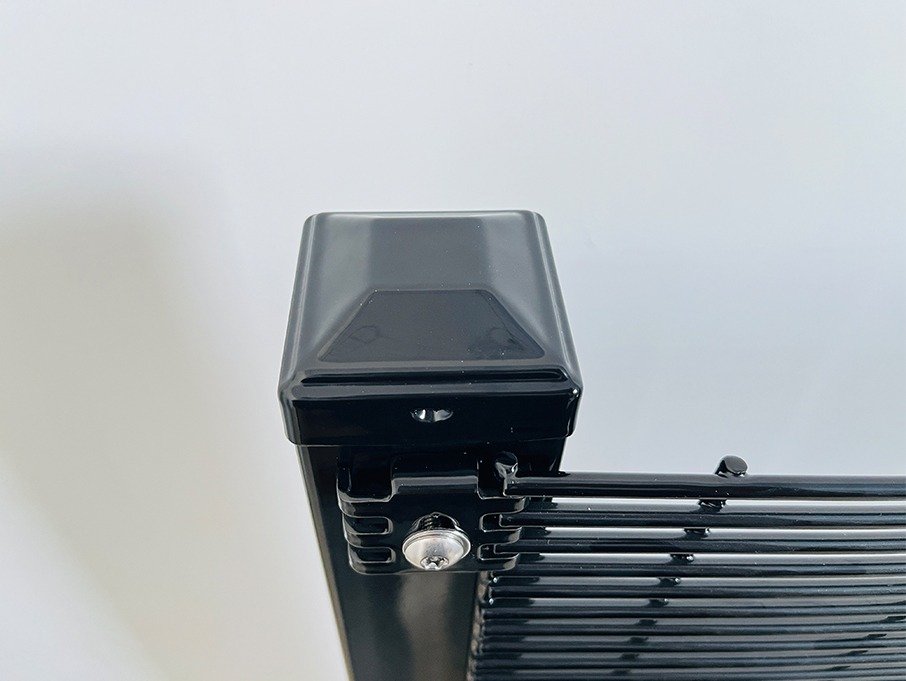
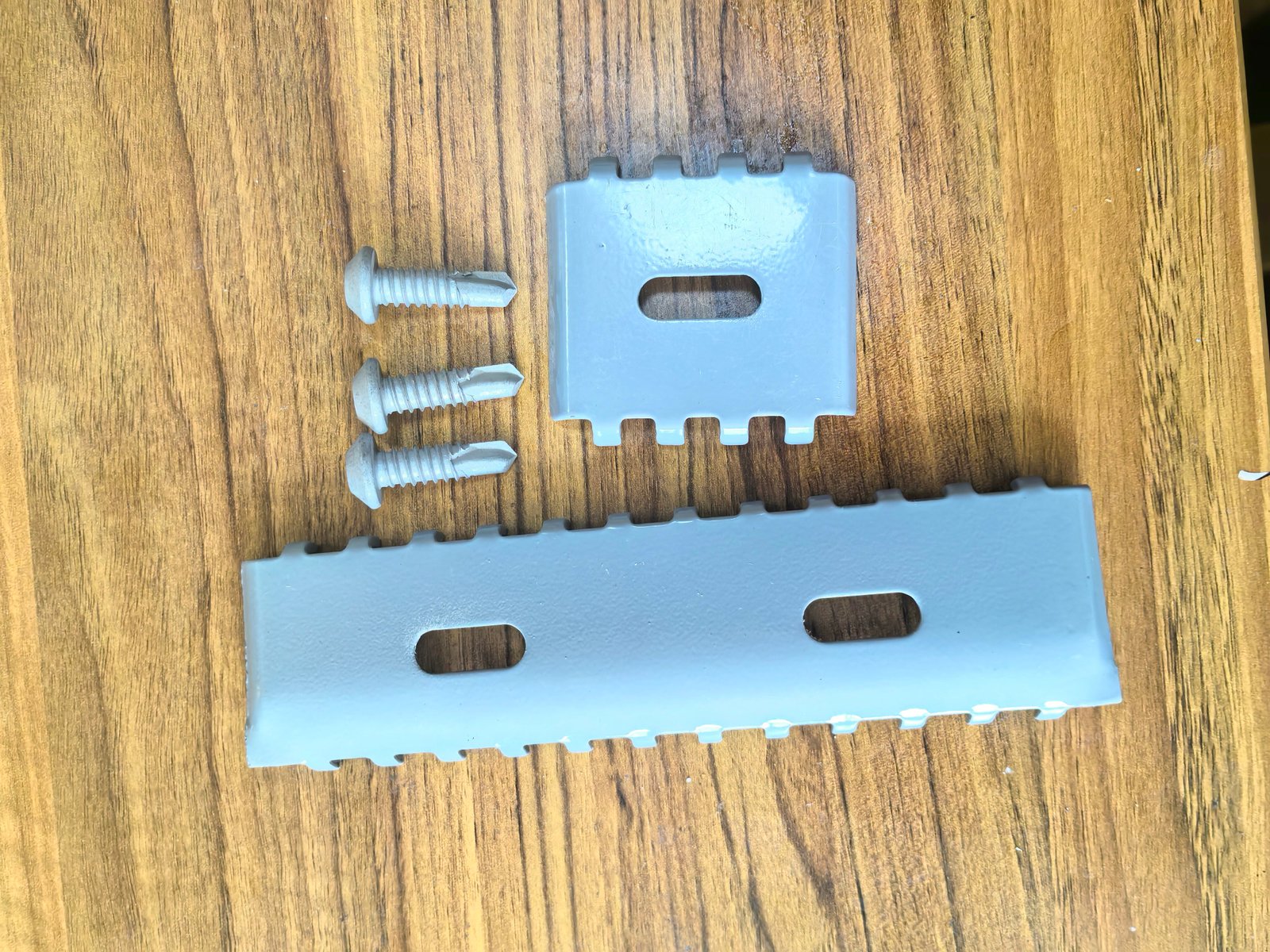
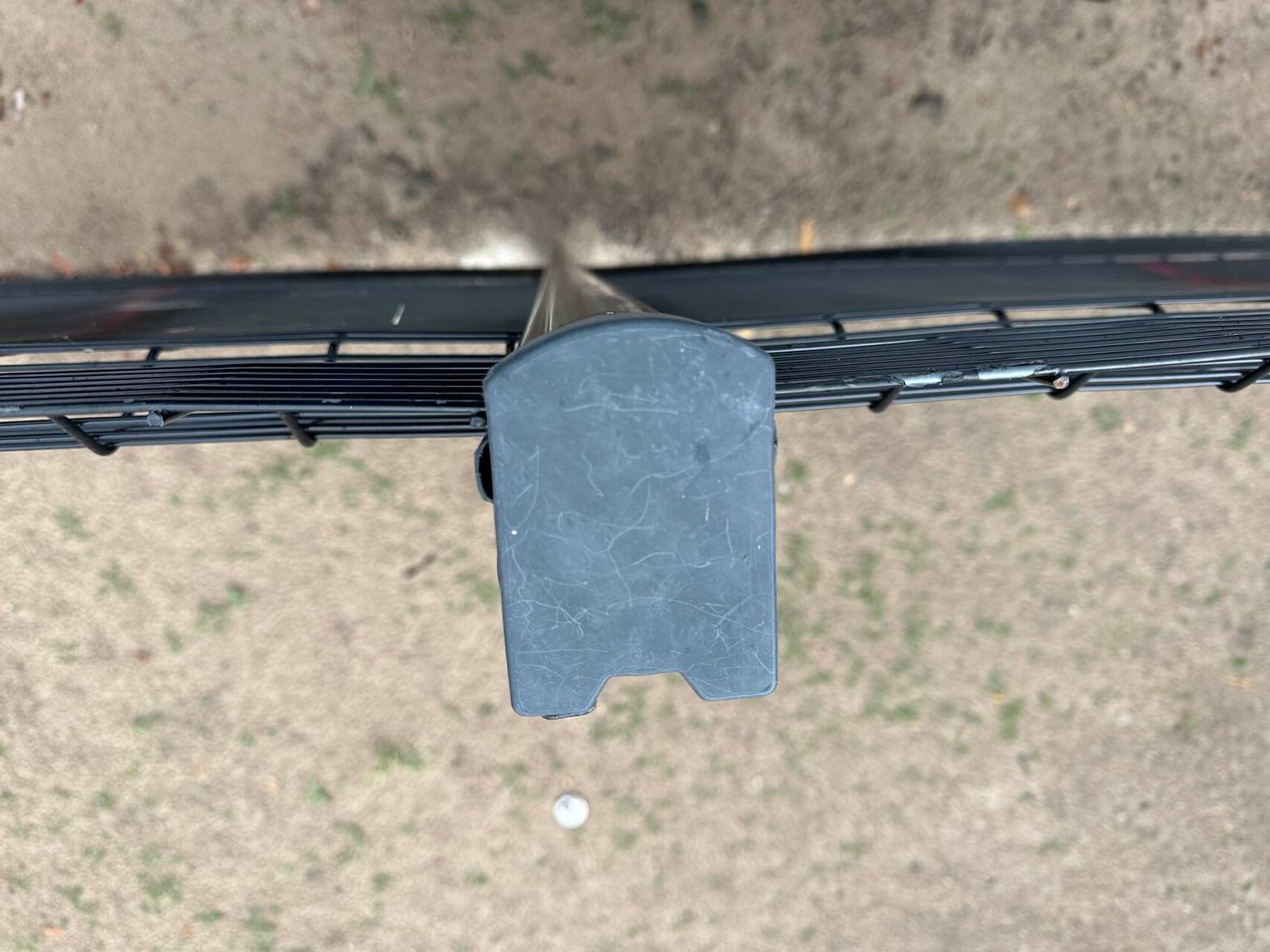
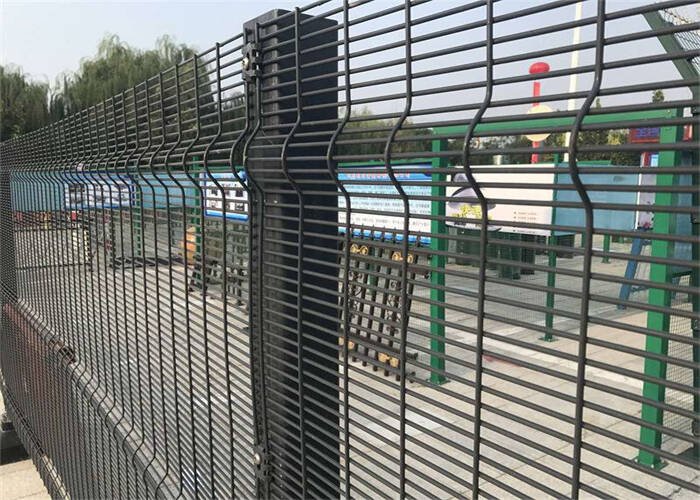
Secure connections prevent unauthorized removal and reduce unexpected movement between panels and posts. Consequently, fitting design deserves the same attention as wire diameter. Manufacturers commonly offer clamp strips, individual brackets, bolts, and specialized security nuts.
Intermediate Panel Fixings
Intermediate positions connect adjacent fence panels to their supporting posts. Depending on the design, continuous clamp bars can distribute pressure along panel edges. Meanwhile, individual clamps may provide more flexible assembly arrangements.
For demanding environments, installers should use compatible tamper-resistant fasteners. However, security hardware must still allow authorized removal during maintenance. Therefore, operators should retain appropriate tools and replacement components.
Corner Connections
Fence corners introduce additional geometric and structural considerations. Unlike straight boundaries, changes in direction alter panel alignment and connection placement. Consequently, corner posts may require specialized brackets or additional fittings.
The original fixing table lists separate intermediate and corner quantities. However, final procurement schedules should match the actual approved connection drawings. Otherwise, contractors may encounter missing or incompatible components during installation.
Flat-Bar Fixing Systems
Continuous flat bars can restrain welded mesh along selected post surfaces. This arrangement helps distribute contact pressure over multiple wires. Furthermore, suitable security-head fasteners can reduce casual tampering.
Nevertheless, installers must avoid excessive tightening that damages protective finishes. Proper washers, bolt engagement, and connection spacing improve long-term reliability.
358 fence mesh Additional Security Features
Dense welded mesh already offers useful climbing resistance and perimeter visibility. However, demanding facilities may require additional protection. Consequently, designers can combine compatible fence panels with controlled access and optional deterrent systems.
- Anti-climbing: Closely spaced wires restrict convenient footholds and fingerholds.
- Cut resistance: Heavy welded steel wire increases resistance to common cutting attempts.
- Corrosion resistance: Suitable galvanized and powder-coated finishes protect steel surfaces.
- Aesthetic flexibility: Different colours support architectural and environmental requirements.
- Installation efficiency: Matching posts, clamps, and drawings support organized assembly.
- Security toppings: Optional razor wire and barbed wire provide additional deterrence where permitted.
- Controlled gates: Compatible entrances maintain access management across the perimeter.
- Camera integration: Open mesh supports observation when operators position equipment correctly.
Razor Wire and Barbed Wire Extensions
Optional toppings can increase the difficulty of crossing high-security boundaries. However, they also introduce additional loading and safety requirements. Therefore, suitable extension arms and structural checks remain important.
For public-facing properties, local regulations may restrict dangerous perimeter accessories. Consequently, designers should confirm legal requirements before specifying exposed razor wire or barbed wire.
Security Gate Integration
Access gates frequently represent important points within a security boundary. Therefore, gates should offer compatible mesh, strong frames, and appropriate locking hardware. Moreover, their hinges and supporting posts require suitable structural capacity.
BMP supplies matching pedestrian, double swing, and sliding gate configurations. Buyers can coordinate finishes and security features with the surrounding panels. This approach also supports a consistent appearance across the property.
High-Quality 358 fence mesh for High-Security Boundaries
High-security welded mesh combines rigid steel construction with a visually open perimeter. Unlike opaque concrete walls, it allows observation through much of the boundary. Consequently, guards and cameras can monitor activity while the physical barrier discourages casual access.
Nevertheless, effective security depends on more than the mesh panel. Foundations, supporting posts, fixing hardware, gates, lighting, and maintenance all influence overall performance. Accordingly, a complete fencing system provides greater practical value than isolated materials.
358 fence mesh Colours and Protective Surface Treatments
Colour selection influences how security fencing appears within the surrounding environment. Meanwhile, surface treatment determines how effectively steel resists outdoor corrosion. These two considerations should work together rather than compete.
Black, Green, Yellow, White, and Blue Finishes
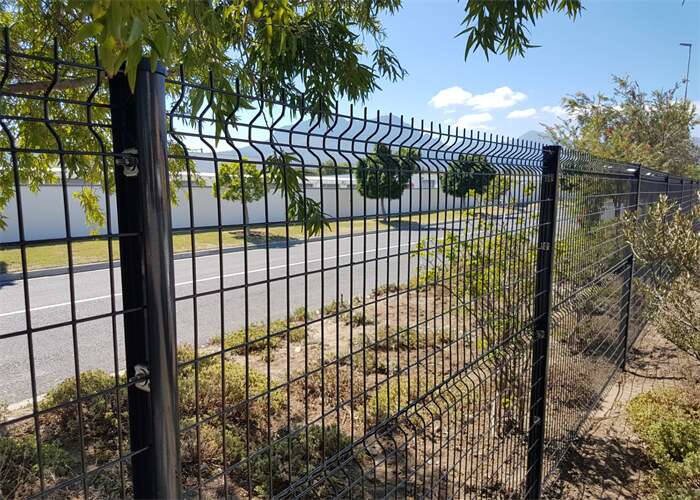
Black powder coating creates a discreet appearance around modern buildings and landscaped properties. Dark green often blends with vegetation and established industrial estates. Meanwhile, yellow can provide stronger visual identification around selected operational areas.
White offers a distinctive architectural appearance, although visible dirt may require additional cleaning. Blue can complement corporate branding or institutional colour schemes. Furthermore, custom RAL options allow projects to coordinate fences with surrounding structures.
358 fence mesh Hot-Dip Galvanizing
Galvanizing applies a protective zinc layer to compatible steel products. This coating helps reduce corrosion through barrier and sacrificial protection. However, fabrication methods determine which technical requirements apply.
ISO 1461 covers batch hot-dip galvanized fabricated iron and steel articles within its defined scope. Continuously galvanized wire and some automatically galvanized tubing require different standards. Therefore, procurement documentation must identify the actual coating process.
Powder Coating Over Galvanized Steel
A suitable duplex coating system combines zinc protection with an additional organic finish. When manufacturers prepare surfaces correctly, powder coating can improve appearance and environmental durability. However, coating selection should reflect service conditions.
For example, marine exposure may require more demanding protection than a sheltered inland site. Furthermore, welds, fasteners, and damaged edges need particular attention. Consequently, coating quality involves more than the final colour.
358 fence mesh in South African Coastal and Industrial Environments
South African properties experience different environmental conditions across coastal, inland, and industrial regions. Therefore, buyers should consider local exposure when selecting welded security mesh. Corrosion protection, maintenance access, and perimeter visibility all deserve attention.
Durban and KwaZulu-Natal Coastal Security
Durban's coastal environment can expose steel structures to moisture and salt-bearing air. Consequently, suitable protective coatings become especially important for properties near the ocean. Warehouse operators also need visible boundaries around valuable goods and transport areas.
For coastal industrial facilities, anti-climb security fencing offers a practical combination of observation and physical separation. Moreover, compatible gates can support controlled vehicle access without obstructing entire boundary sections.
Coastal owners should inspect fasteners, coating defects, and locations where moisture collects. Regular maintenance helps prevent localized corrosion from developing into larger problems.
Gauteng Industrial Security
Johannesburg and surrounding industrial districts contain factories, warehouses, transport operations, and commercial facilities. These properties often require controlled entrances and reliable perimeter monitoring. Consequently, narrow welded mesh provides a useful alternative to opaque boundary walls.
In addition, visible security boundaries support better observation around loading yards and parking areas. However, security performance still depends on site layout, lighting, and operational procedures.
Cape Town and Western Cape Coastal Properties
Cape Town combines marine exposure with varied coastal weather conditions. Therefore, appropriate corrosion protection and structural design remain important. Exposed locations may also require specific wind-load consideration.
For residential developments, dark welded mesh can preserve landscape views without eliminating the physical boundary. Meanwhile, suitable gate arrangements maintain access control along private roads and property entrances.
Infrastructure Projects Across Southern Africa
Infrastructure sites can include electrical equipment, water facilities, industrial compounds, and logistics operations. In many cases, operators need clear sightlines around sensitive assets. Accordingly, 358 mesh provides a suitable basis for engineered perimeter systems.
Projects requiring alternative configurations can also consider 358 mesh dimensions and Clear Vu fence systems. Matching panel designs with the correct posts remains essential for dependable installation.
358 fence mesh Installation and Foundation Requirements
Reliable installation begins with accurate measurements and approved construction drawings. Consequently, contractors should confirm boundary positions before preparing foundations. Underground services, terrain changes, and gate openings can influence the layout.
Surveying and Setting Out
First, installers establish the planned fence line and confirm property boundaries. Next, they mark post positions according to the approved centre-to-centre dimensions. Finally, they check the locations of pedestrian and vehicle entrances.
Panel width does not always equal post spacing. Clamp overlaps and post dimensions may change the effective distance. Therefore, installers should use the actual system drawing rather than relying exclusively on catalogue measurements.
Concrete Foundations
Foundation dimensions depend on soil conditions, wind exposure, fence height, and post loads. Taller security fences can create substantial lateral forces. Consequently, qualified engineers should determine the required concrete foundations and embedment depths.
During installation, workers should maintain accurate post alignment and appropriate verticality. Moreover, concrete needs sufficient curing before significant loading. Premature installation may cause movement or alignment problems.
Base-Plate Installation
Some projects require surface-mounted posts rather than embedded foundations. In these cases, suitable base plates and anchors transfer loads into the supporting structure. However, existing concrete must provide adequate strength and thickness.
Furthermore, anchor edge distances and installation procedures influence connection performance. Therefore, engineered anchor arrangements should replace assumptions based solely on bolt diameter.
Panel Mounting and Final Inspection
Once posts reach the required stability, installers can position panels and secure the approved clamps. Next, they verify alignment and fastener engagement. Finally, the team should inspect the complete fence line for gaps or damaged finishes.
Security inspectors should also examine gate movement and boundary transitions. Consequently, installation quality checks should cover the complete perimeter rather than individual panels alone.
358 fence mesh and CCTV Surveillance
Open welded mesh supports visual monitoring across suitable perimeter locations. However, camera performance depends on equipment position and lighting conditions. Consequently, security designers should test surveillance arrangements before completing installation.
Improving Camera Visibility
Closely positioned mesh can interfere with camera focus under certain viewing conditions. Similarly, infrared illumination may reflect from nearby steel wires. Therefore, installers should evaluate camera angles and lighting arrangements carefully.
For example, cameras mounted above selected fence sections may avoid unnecessary foreground obstruction. Meanwhile, overlapping viewing zones can reduce gaps in perimeter coverage.
Perimeter Lighting and Detection
Suitable lighting helps security personnel observe movement around entrances and external boundaries. However, excessive glare may reduce camera performance. Therefore, lighting equipment should complement the actual surveillance system.
Intrusion detection can add another protective layer where appropriate. Nevertheless, alarms require effective monitoring and response procedures. Physical fencing and electronic systems should support each other.
358 fence mesh Manufacturing Quality and Inspection
Consistent manufacturing improves installation compatibility and finished appearance. Therefore, BMP coordinates wire preparation, resistance welding, panel inspection, surface treatment, and packing. Each stage contributes to the final product.
Wire Diameter and Mesh Pitch Verification
Inspectors should measure incoming wire dimensions before manufacturing begins. Furthermore, production checks should confirm horizontal and vertical spacing. Correct mesh geometry supports both security performance and consistent panel alignment.
Where buyers specify 4 mm wires, manufacturing tolerances should follow agreed technical requirements. Likewise, project documentation should identify whether measurements occur before or after coating.
Weld Quality Inspection
Every welded intersection contributes to panel rigidity. Consequently, process control should maintain consistent weld quality throughout production. Inspectors can also identify visibly damaged joints, deformation, and manufacturing irregularities.
However, visual examination alone cannot demonstrate every mechanical property. Buyers may request suitable testing and inspection documentation for demanding projects.
Post and Clamp Quality Checks
Supporting posts require correct section dimensions, wall thickness, and straightness. Meanwhile, fixing hardware should match the approved connection arrangement. Therefore, component compatibility checks can prevent costly problems during site assembly.
Manufacturers should also inspect protective coatings around edges, welds, and brackets. These locations often deserve additional attention during handling and installation.
358 fence mesh Packaging and International Shipment
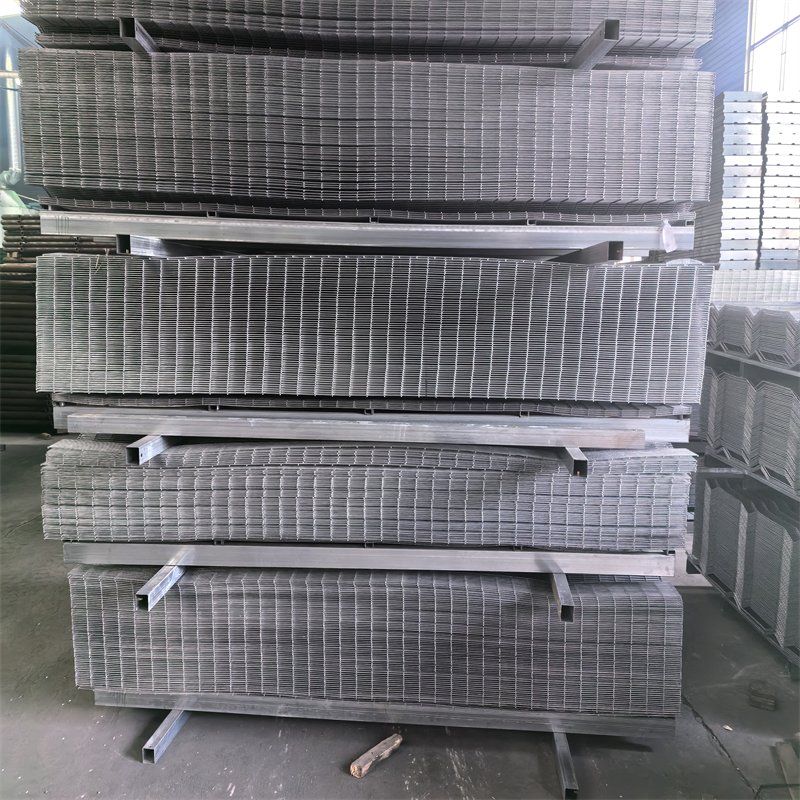
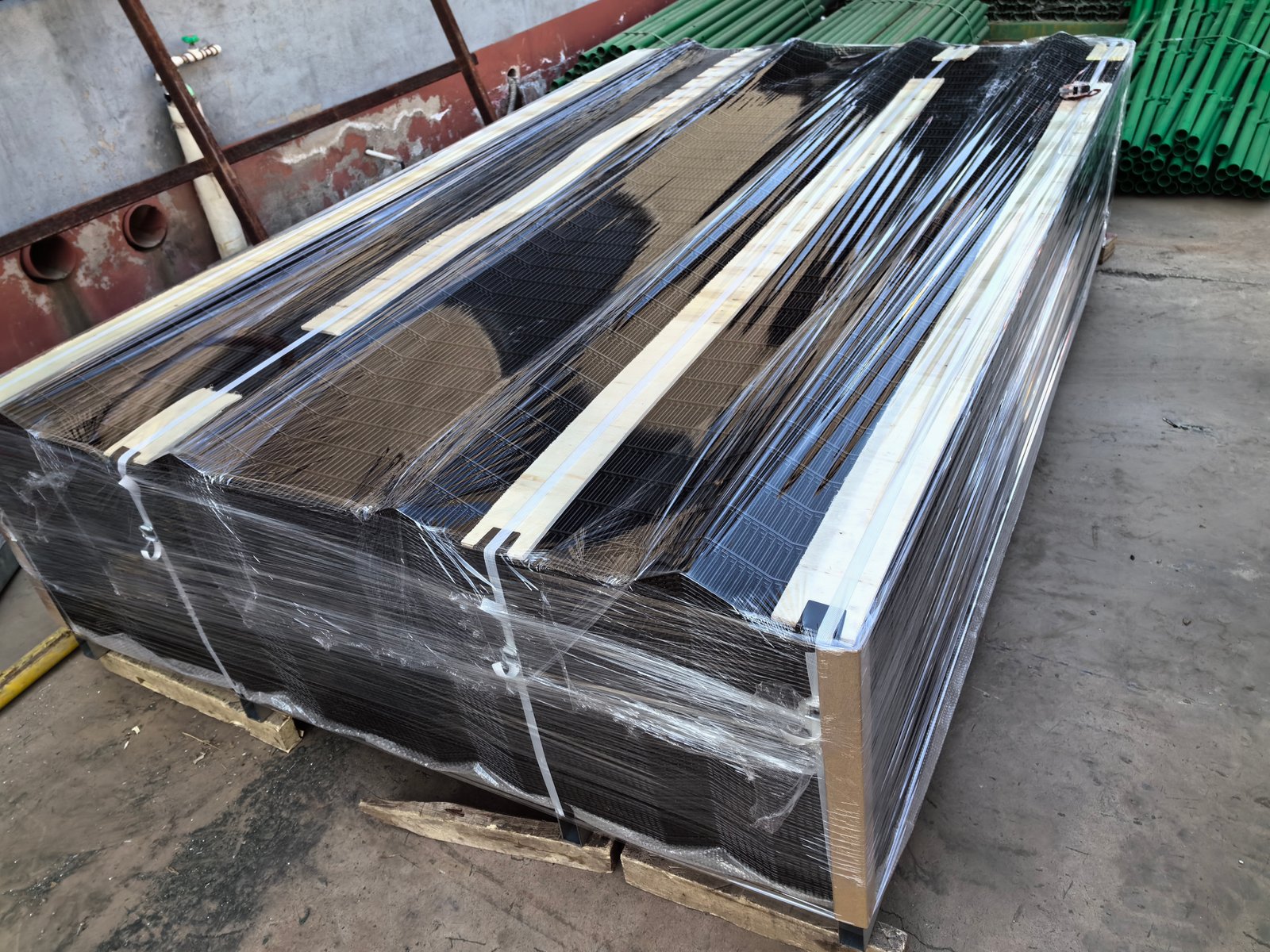
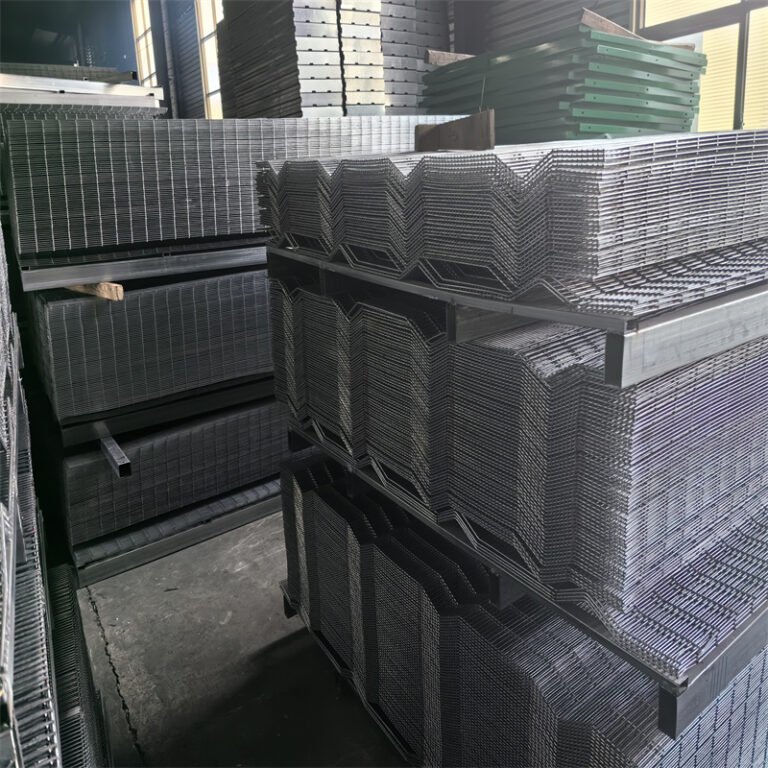
Export packaging protects welded mesh panels during warehouse handling and ocean transportation. BMP can arrange panels and posts on steel pallets with suitable protective materials. Meanwhile, smaller fittings travel in identified bags or cartons.
Fence Panel Packing
Workers arrange panels into manageable stacks according to dimensions and weight. Next, protective materials help reduce abrasion between finished surfaces. Finally, appropriate straps secure packages against movement during transport.
Pallet quantities depend on panel height, wire diameter, and shipping limitations. Therefore, the final packing list should reflect the actual production batch.
Post Packing
Steel posts require secure support to prevent impact and coating damage. Protective wrapping or separators can reduce direct contact between adjacent components. Furthermore, suitable restraints prevent shifting during container handling.
Clamps and Accessories Packing
Small fasteners can disappear easily without organized packaging. Consequently, BMP groups matching hardware into identified packages. Clear labels help customers compare received quantities against the packing list.
Container Loading
Loading teams should distribute cargo weight according to container limitations and safe securing practices. Additionally, forklift access and unloading arrangements deserve advance planning. These steps help protect the shipment and receiving personnel.
358 fence mesh Compared With Other Security Barriers
Not every project requires identical fencing performance. Therefore, buyers should evaluate security risks, visibility, maintenance, and installation conditions. Different fence systems may serve complementary roles across one site.
| Fence Type |
Mesh or Structure |
Visibility |
Primary Consideration |
| 358 fence mesh |
76.2 × 12.7mm welded mesh, approximately 4mm wire |
High |
Climb resistance and controlled perimeter security |
| 3510 mesh |
Fine welded mesh with lighter wire |
High |
Reduced material weight |
| Chain-link fence |
Flexible woven steel wire |
High |
General boundary separation |
| Palisade fencing |
Vertical steel pales and rails |
Moderate to high |
Industrial boundary protection |
| Concrete wall |
Solid masonry or reinforced concrete |
None through the wall |
Privacy and visual separation |
| Temporary barriers |
Portable interconnected panels |
Varies |
Short-term access and movement management |
For temporary public access management, steel crowd control barriers offer movable boundary arrangements. Likewise, metal crowd control barriers support short-term pedestrian separation. Large public events may also use concert crowd control barriers near managed entrance routes.
However, portable barriers cannot automatically replace engineered high-security perimeter fencing. The appropriate product depends on the actual operational requirements.
358 fence mesh Maintenance and Long-Term Service Performance
Regular inspection helps extend the useful life of installed security fencing. Although galvanized and powder-coated steel offers strong durability, physical damage can compromise protective finishes. Consequently, maintenance teams should inspect vulnerable areas periodically.
Checking Panels and Posts
Inspectors should look for deformation, loose connections, missing hardware, and localized corrosion. Additionally, they should examine fence sections near vehicle routes and frequently used entrances. Accidental impacts may damage panels without immediately creating obvious security gaps.
Maintaining Protective Coatings
Damaged coatings require appropriate repair procedures. However, suitable methods depend on the original surface treatment. Therefore, maintenance teams should follow relevant coating recommendations rather than applying unsuitable finishes.
Coastal sites may need more frequent inspection around exposed welds and connections. Meanwhile, inland industrial properties should consider local dust and chemical exposure.
Gate and Fastener Maintenance
Gate hinges, locks, rollers, and automated mechanisms experience repeated mechanical loading. Consequently, scheduled servicing helps prevent operational problems. Technicians should also check adjacent posts for unwanted movement.
Frequently Asked Questions About 358 fence mesh
What Does 358 Mean in Security Fencing?
The designation refers to approximately three-inch by half-inch mesh spacing with eight-gauge wire. In metric terms, traditional specifications use 76.2 × 12.7 mm spacing and approximately 4 mm wire.
Is 358 fence mesh Completely Climb-Proof?
No physical fence guarantees complete protection against every intrusion method. However, closely spaced welded wires significantly restrict convenient climbing holds. Proper height, installation, and surrounding clearance improve the overall result.
What Is the Difference Between 358 and 3510 Mesh?
Standard 358 mesh generally uses approximately 4 mm wire. Conventional 3510 mesh commonly uses approximately 3.2 mm wire. However, suppliers may offer lighter custom variations, so confirmed drawings remain essential.
Can BMP Manufacture 5.2m Security Fencing?
The original reference specifications include a 5.2 m configuration with a 120 × 120 × 5 mm post. However, the final panel arrangement, foundations, and connection design require engineering approval.
Which Colours Are Available?
Common options include black, dark green, yellow, white, and blue. Additional RAL colours may suit customized projects. Buyers should confirm their selected colour and coating process before production.
Does 358 fence mesh Support Security Cameras?
Yes. Open mesh allows observation across the perimeter. However, camera positioning and lighting can influence image quality. Therefore, surveillance equipment should undergo suitable site testing.
Can the Fence Use Razor Wire?
Compatible systems may support razor wire or barbed wire toppings. Nevertheless, designers must consider structural loading, maintenance safety, and local regulations.
What Post Sizes Are Available?
The original schedule includes 60 × 60, 80 × 80, 100 × 60, 100 × 100, and 120 × 120 mm sections. Wall thickness ranges from 2.5 mm through 5 mm within the listed configurations.
Can the Fence Protect Coastal Properties?
Yes, with suitable corrosion protection and maintenance planning. Coastal environments may expose steel to salt-bearing moisture. Accordingly, coating selection should reflect the actual site conditions.
Does BMP Supply Matching Security Gates?
Yes. BMP offers compatible pedestrian, swing, and sliding gate configurations. Buyers can coordinate mesh, hardware, finishes, and access requirements with the surrounding fence.
Why Choose BMP 358 fence mesh for Your Project?
BMP manufactures welded security fence panels alongside supporting posts, clamps, and compatible gate systems. Consequently, buyers can coordinate essential perimeter components through one manufacturer. The company also supports different heights, steel sections, coating finishes, and security accessories.
For large commercial projects, approved technical drawings help establish accurate material quantities and suitable connection arrangements. Meanwhile, organized export packaging supports international shipment and site receiving. Quality inspections also help identify manufacturing issues before delivery.
BMP offers a 15-year manufacturer warranty for applicable ClearVu and Clearview fence products, subject to written warranty terms. However, actual service life depends on exposure, installation, and maintenance.
Ultimately, 358 fence mesh combines narrow welded openings, strong supporting structures, and clear perimeter visibility. This makes it suitable for demanding security projects requiring controlled access and dependable physical separation. When designers coordinate posts, foundations, gates, and maintenance correctly, the complete system delivers practical long-term protection.