Buyers should consider clear opening dimensions, traffic flow, wind loads, and local safety rules. Gate leaves experience different forces than fixed fencing. Strong mesh alone cannot ensure reliable security or smooth operation. The following guide explains technical options and useful procurement checks.
Clearview fence gate systems for secure access
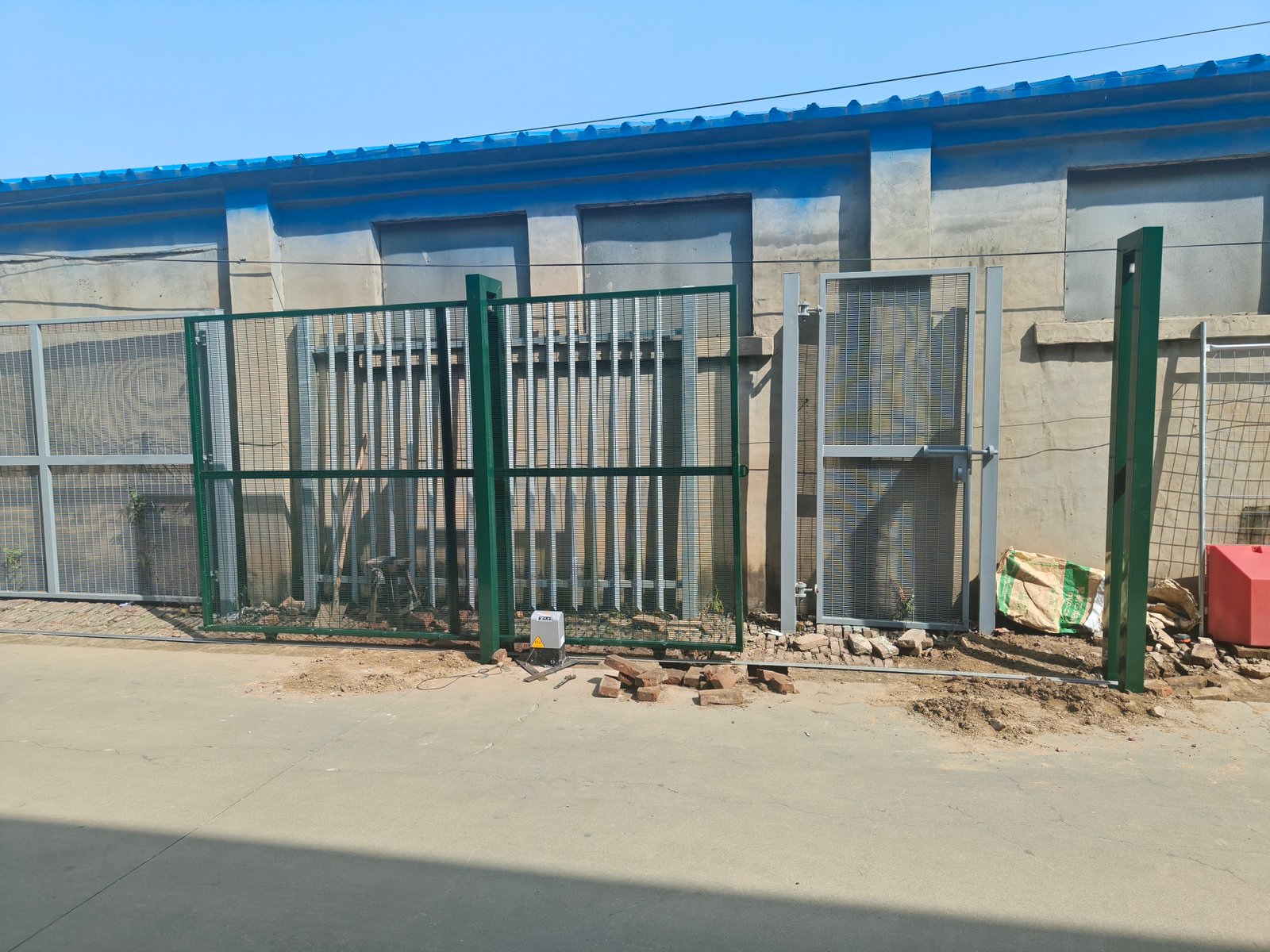
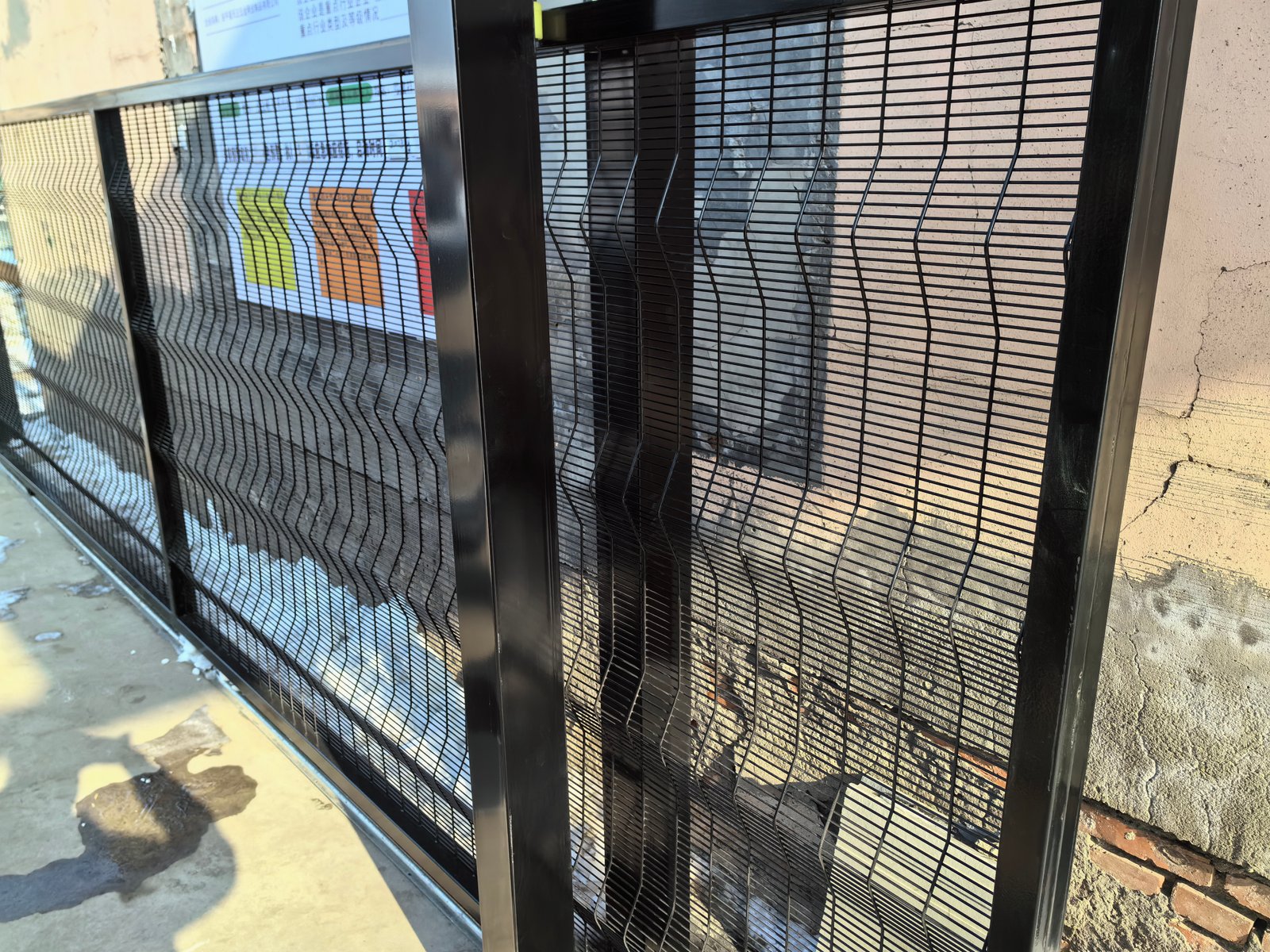
A clearview fence gate extends the security fence across each pedestrian or vehicle entrance. The welded mesh preserves visibility while limiting convenient climbing points. BMP manufactures compatible steel gate frames, infill panels, hinges, and selected access accessories. Buyers can specify manual operation or suitable automation for the chosen entrance.
The correct design follows the site risk assessment and planned traffic. Gate openings face repeated use and greater mechanical loading than fixed fencing. Every design needs suitable support posts and reliable locking hardware. Our Clear View Fence Gates: A Detailed Overview guide compares common configurations.
Why controlled entry deserves special planning
A strong perimeter loses effectiveness when visitors bypass its weakest access point. Gate leaves must align with the surrounding security grade. Installers also need safe approaches, sufficient clearance, and reliable emergency access. A gate specification should define these requirements before production.
Commercial entrances often handle deliveries and frequent staff movements. Residential sites may prioritize visibility, quiet operation, and convenient locking. Sensitive facilities can require stronger frames and controlled credentials. No single gate arrangement fits every situation.
Choosing between swing and sliding access
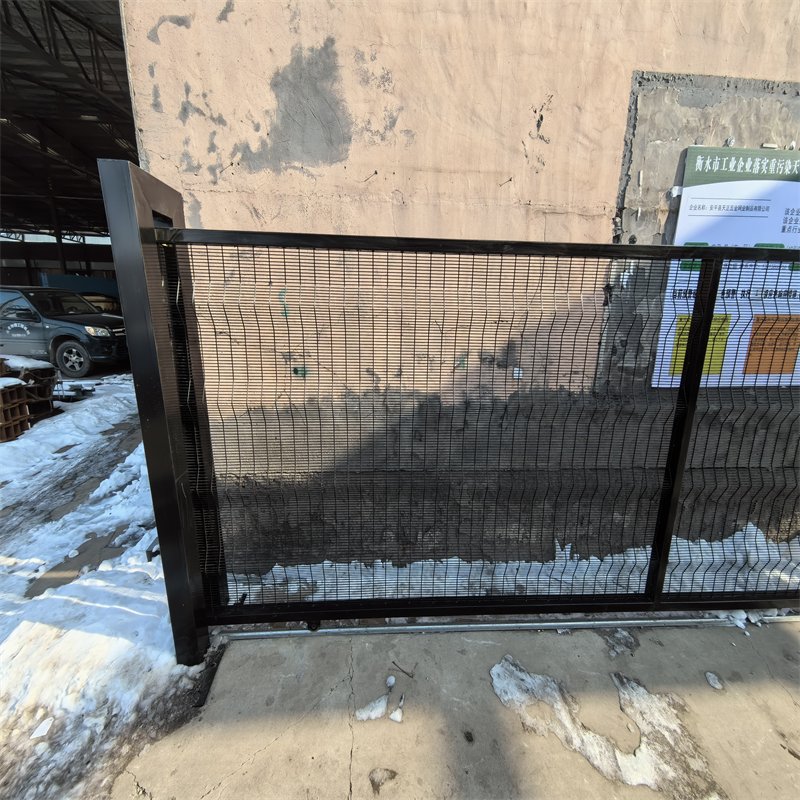
A pedestrian entry usually needs one practical leaf and a dependable latch. Vehicle entrances may benefit from paired swing leaves or a sliding mechanism. The selection depends on available ground space and traffic patterns. Our Clearvu Fence Sliding Gates page explains the sliding alternative.
Double swing gates need clear space on their opening side. Sliding designs require room along the adjoining fence line. Cantilever arrangements also need space for their counterbalance section. Check underground services, ground slope, and drainage early.
Clearview fence gate options for pedestrians and vehicles
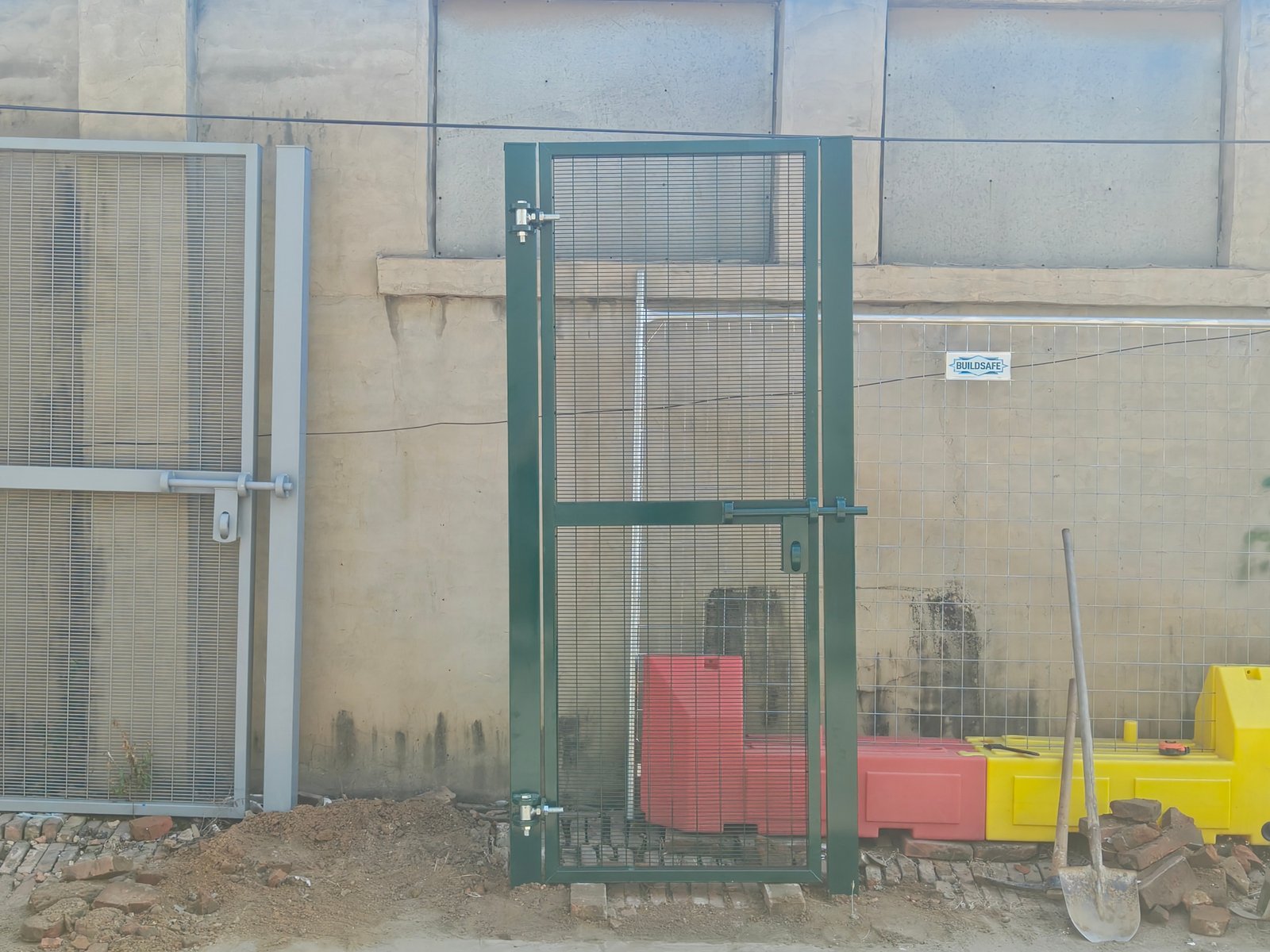
BMP offers pedestrian gates, vehicle swing gates, and sliding gate configurations. Buyers can select flat infill or compatible V-bend panels. The mesh pattern should match nearby fencing whenever practical. Frame geometry and operating hardware vary with the opening.
The original specification includes pedestrian widths around 1500 mm. Its vehicle examples include double leaves near 3000 mm each. One single-leaf example reaches approximately 5900 mm. Larger leaves require individual engineering checks before manufacturing.
Clearview fence gate pedestrian specifications
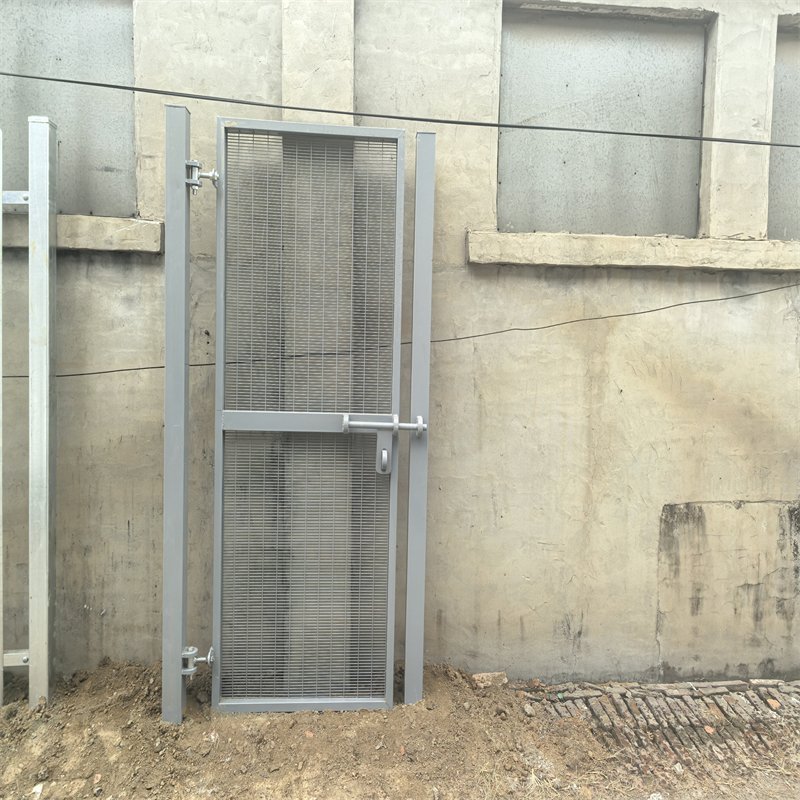
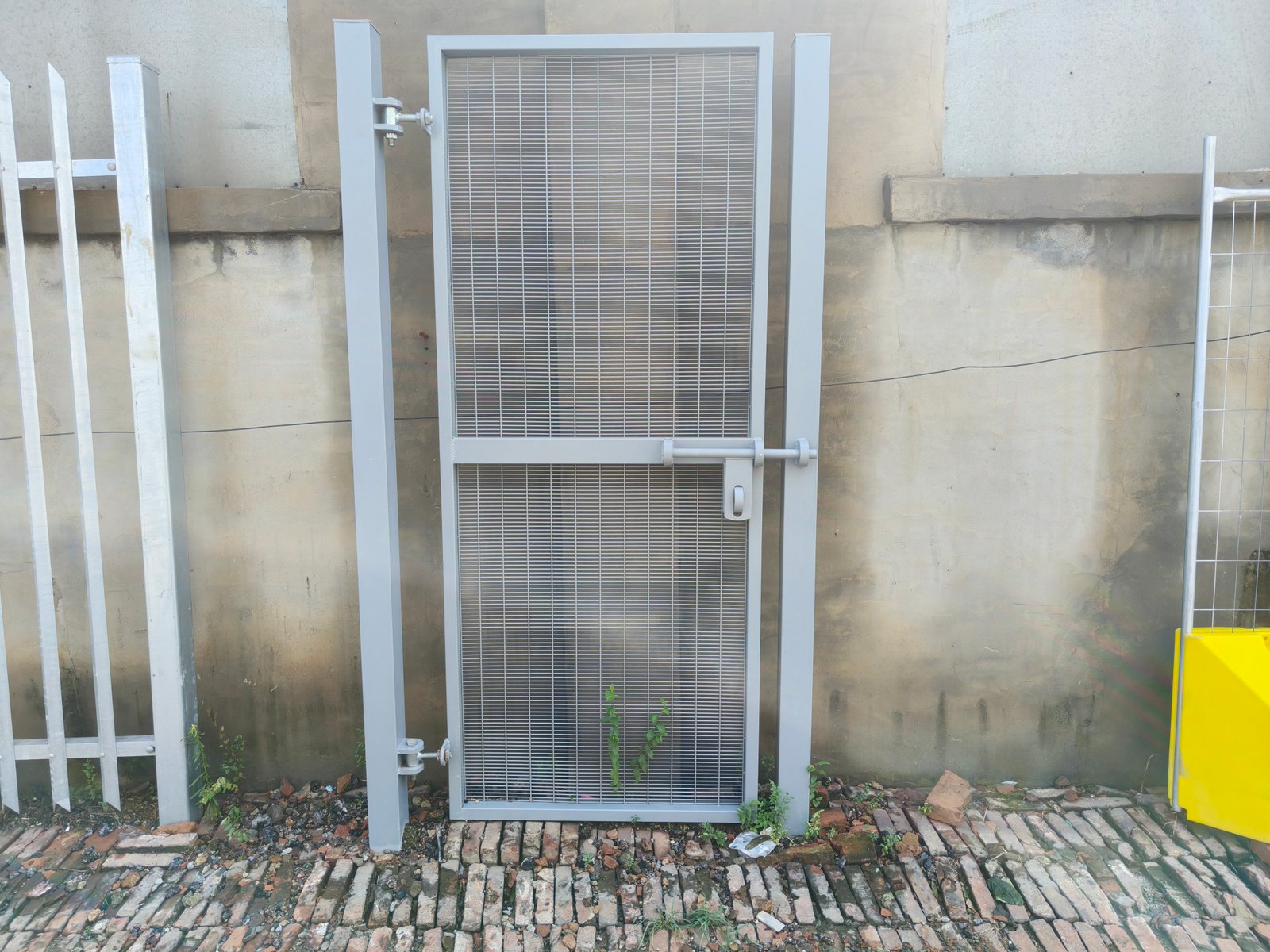
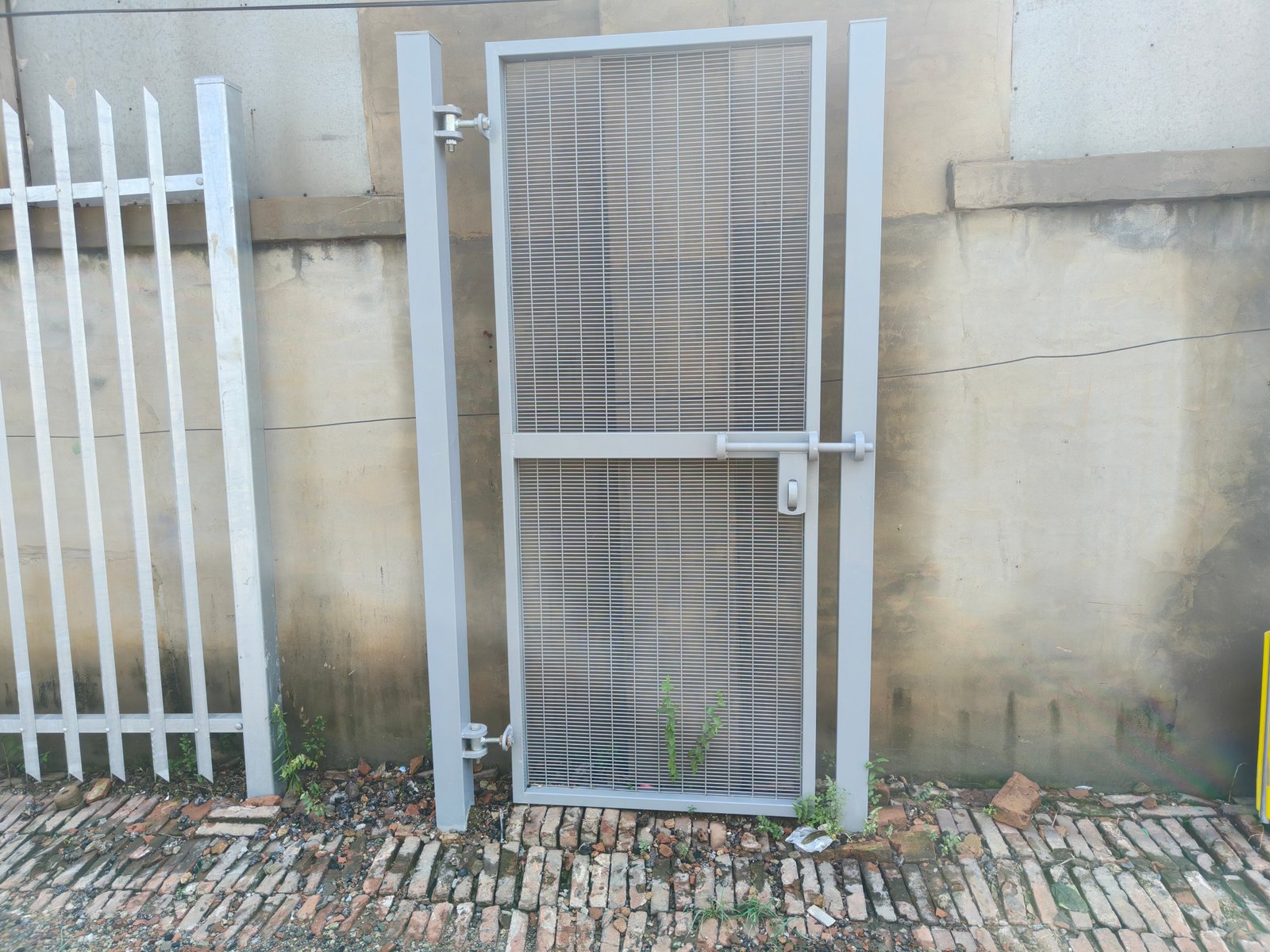
Pedestrian models can match fence heights of 1800, 2000, 2100, 2400, or 3000 mm. The source lists a nominal 1500 mm leaf width. BMP also reviews narrower custom access openings when required. Verify the finished clear opening after installing hinges and posts.
Pedestrian gates can use rectangular or square steel frames. Reference sections include 40 × 60, 60 × 60, 75 × 75, and 80 × 80 mm. The final frame depends on height, leaf weight, and hardware. Choose an appropriate latch, lock, and door closer for expected traffic.
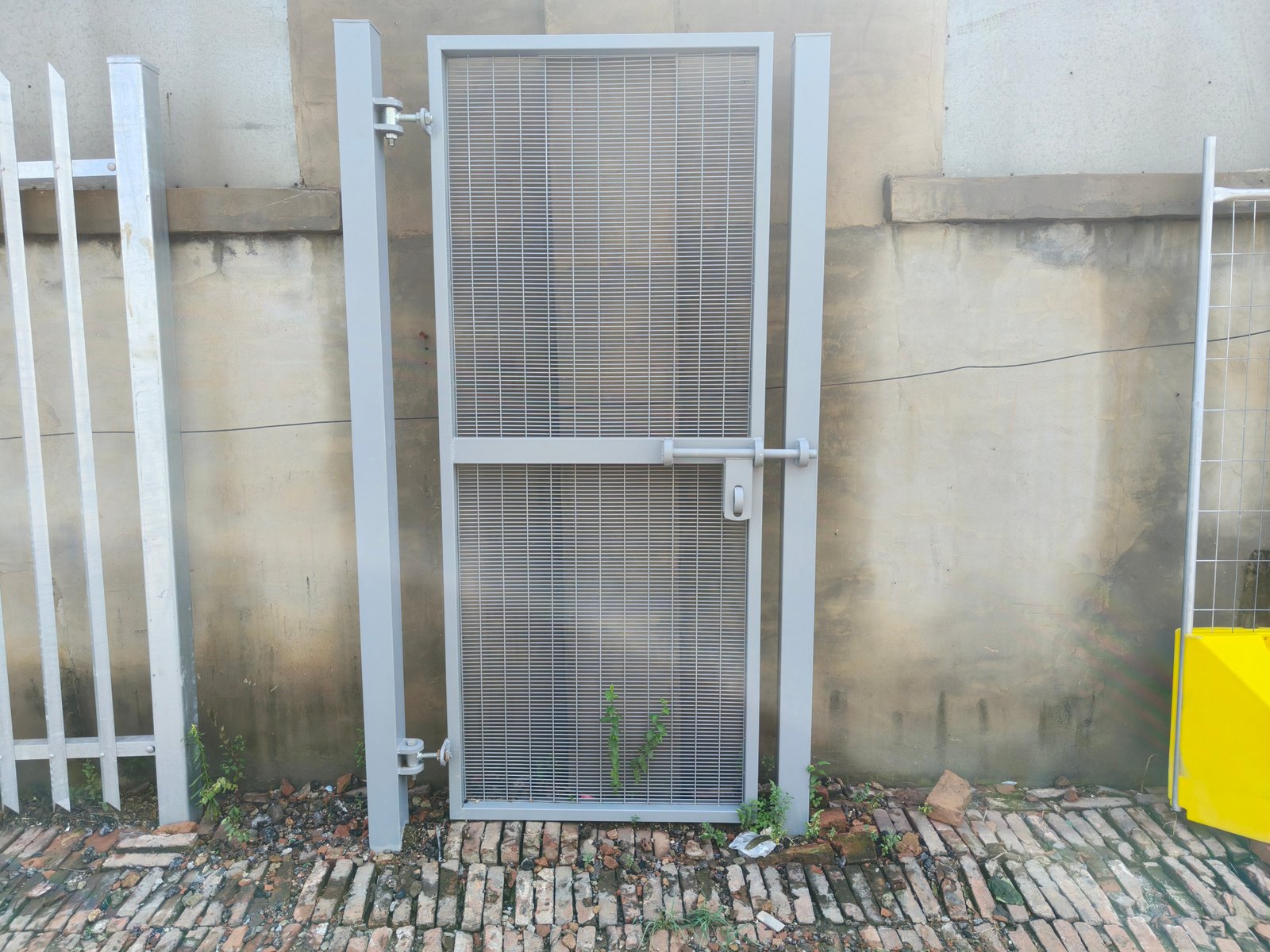
| Gate height (mm) | Nominal leaf width (mm) | V-bends (option) |
|---|---|---|
| 1800 | 1500 | 3 or 4 |
| 2000 | 1500 | 3 or 4 |
| 2100 | 1500 | 3 or 4 |
| 2400 | 1500 | 3 or 4 |
| 3000 | 1500 | 4 or 5 |
Pedestrian access dimensions and usability
A nominal leaf width does not equal the accessible clear passage. Hinge projections and locking posts can reduce usable space. Accessibility and emergency egress may impose different local requirements. Confirm the approved doorway width with the project designer.
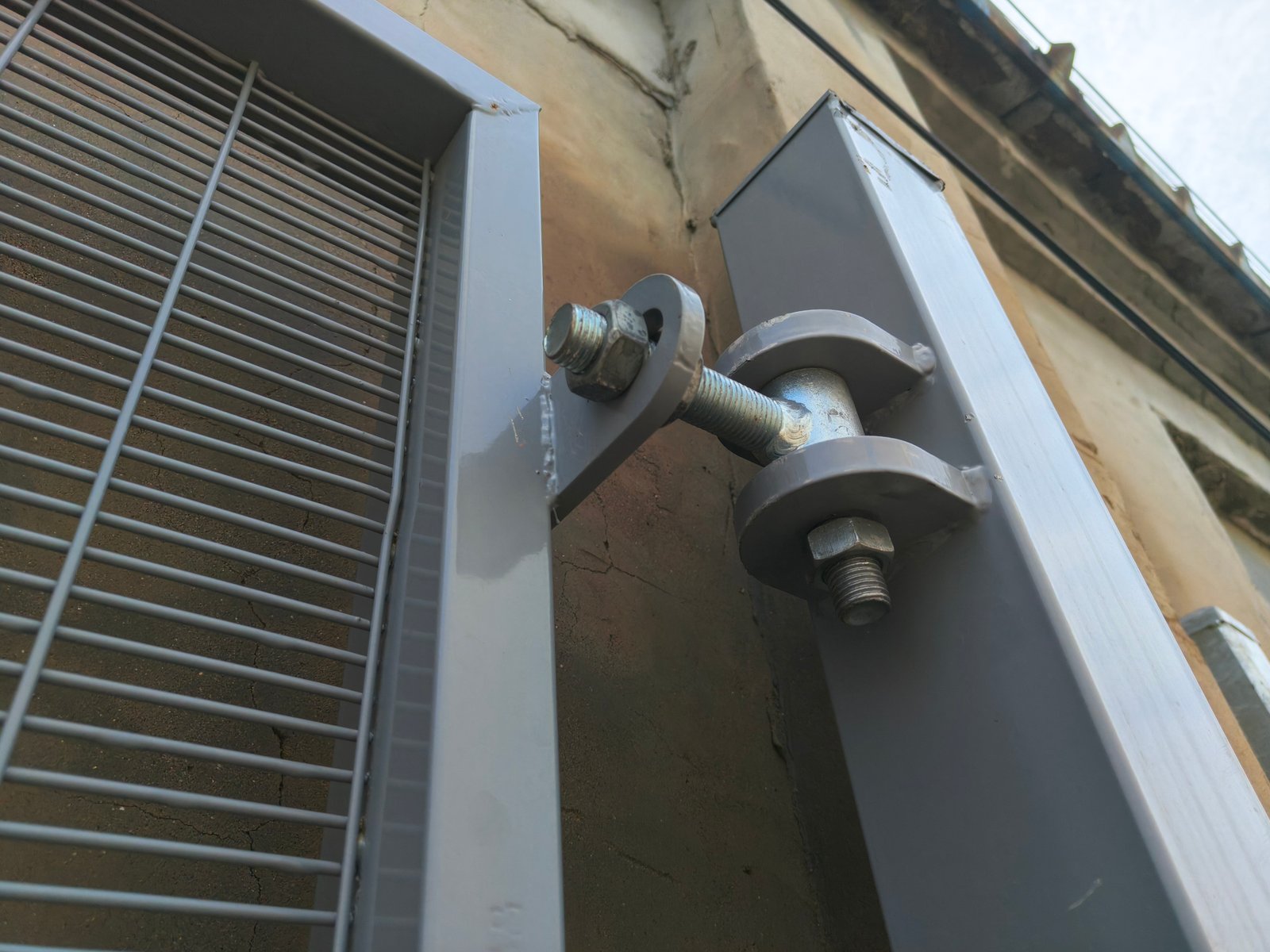
Frequent-use entrances need durable hinges and predictable closing action. Adjustable hinges can simplify commissioning and later alignment. Tall leaves may require stronger posts and closer spacing checks. Request a detailed shop drawing before approving fabrication.
When a flat mesh infill makes sense
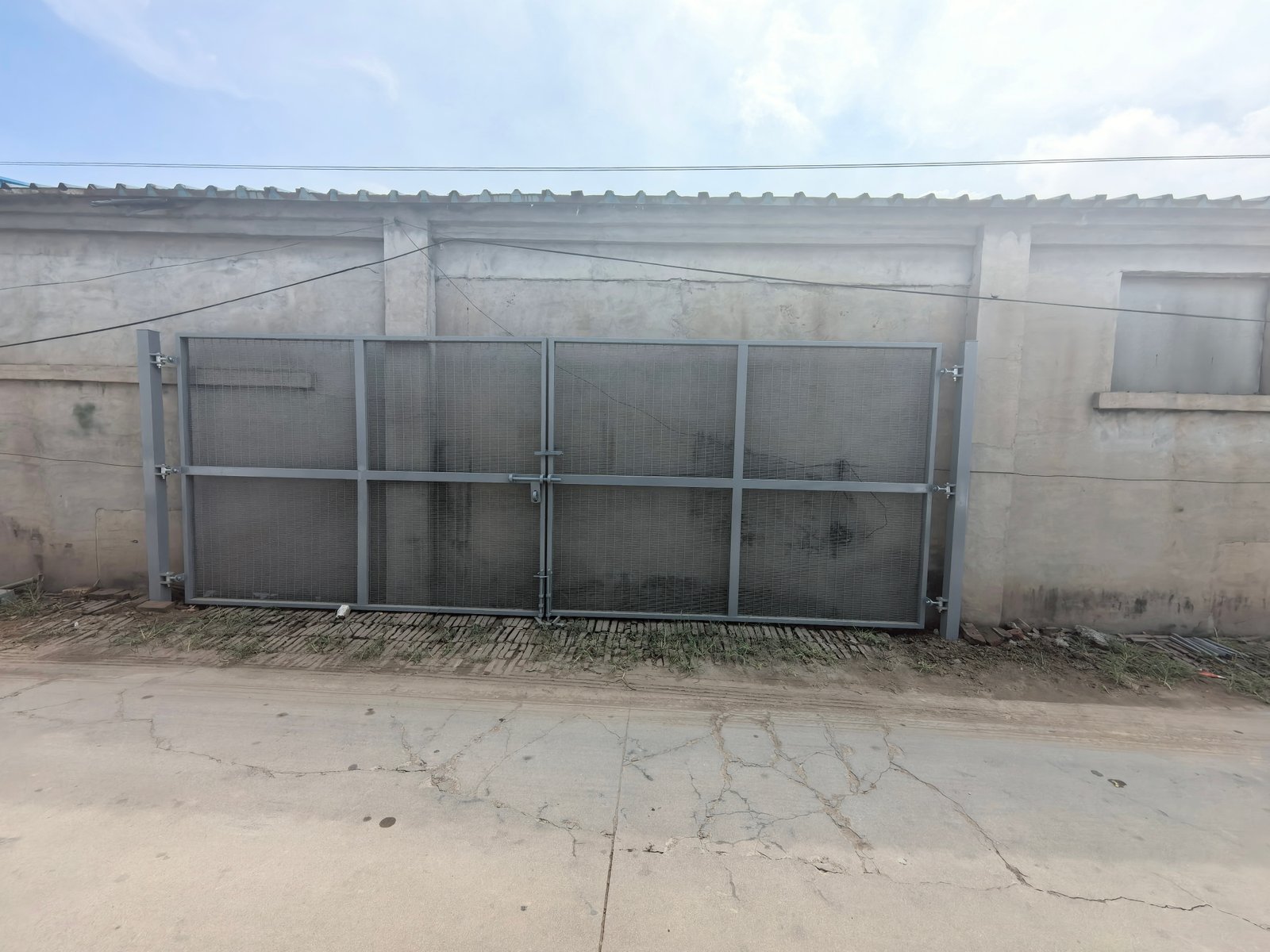
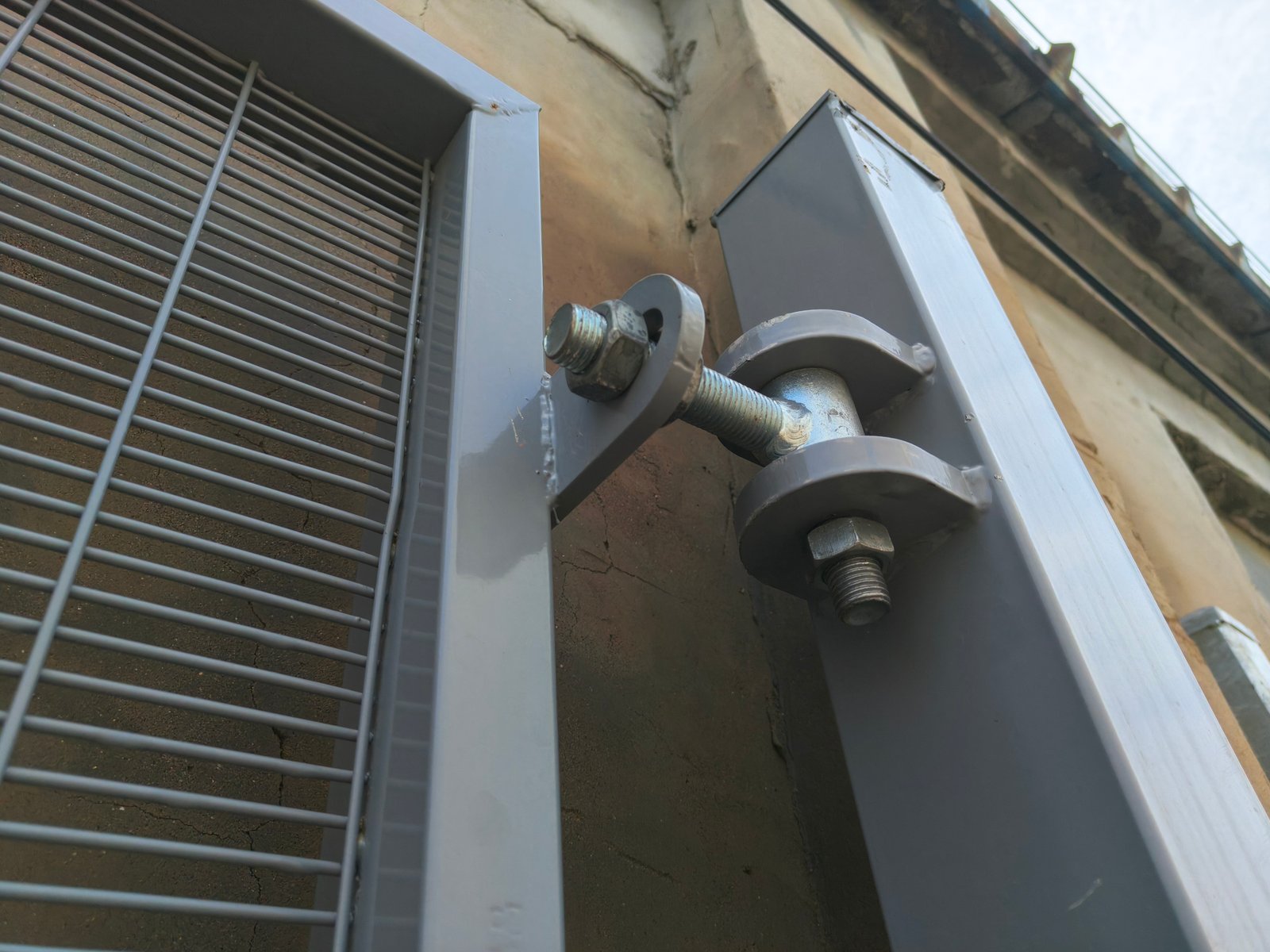
Flat infill offers a simple appearance and straightforward framing. Some gate designs also use flat high-density mesh for compact openings. The same opening and wire specification can still support a security-focused design. However, frame reinforcement may differ from V-bend solutions.
The choice should follow appearance, wind loading, handling, and fabrication constraints. Neither profile guarantees an attack rating by itself. Ask for documented testing when a defined resistance class matters. Review the complete gate assembly rather than the mesh alone.
Clearview fence gate designs with V-bends
V-bend mesh creates a formed profile that can increase panel stiffness. The original range lists three or four bends for many pedestrian sizes. Tall gates may use four or five bends. The final arrangement must suit the frame and hinge clearances.
Bend geometry can affect the position of cross members and clamps. Manufacturers should check how bent infill meets the perimeter frame. A gate needs consistent edge gaps throughout its opening movement. Production drawings should show fold depth and location.
Clearview fence gate double-swing vehicle entrances
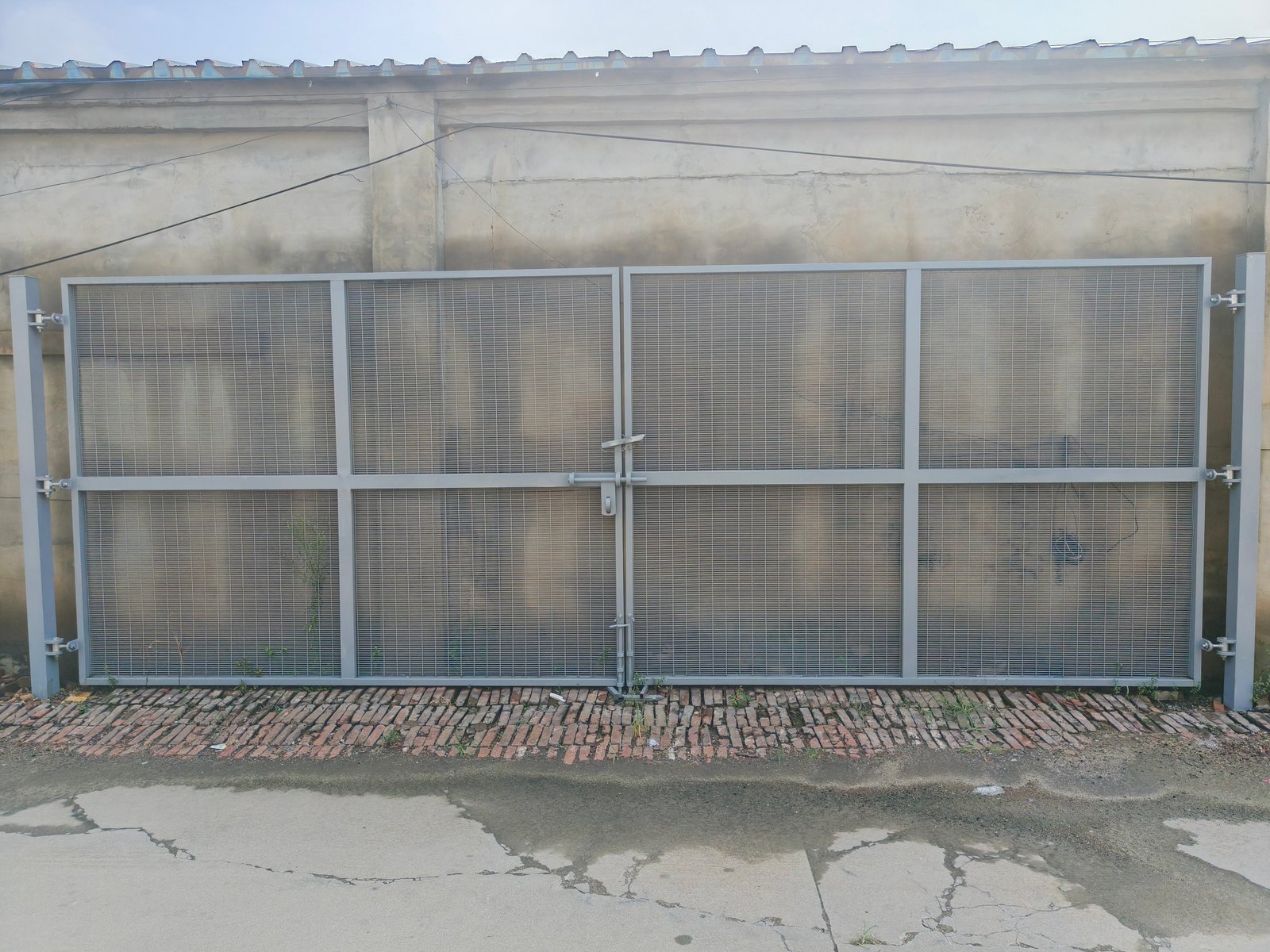
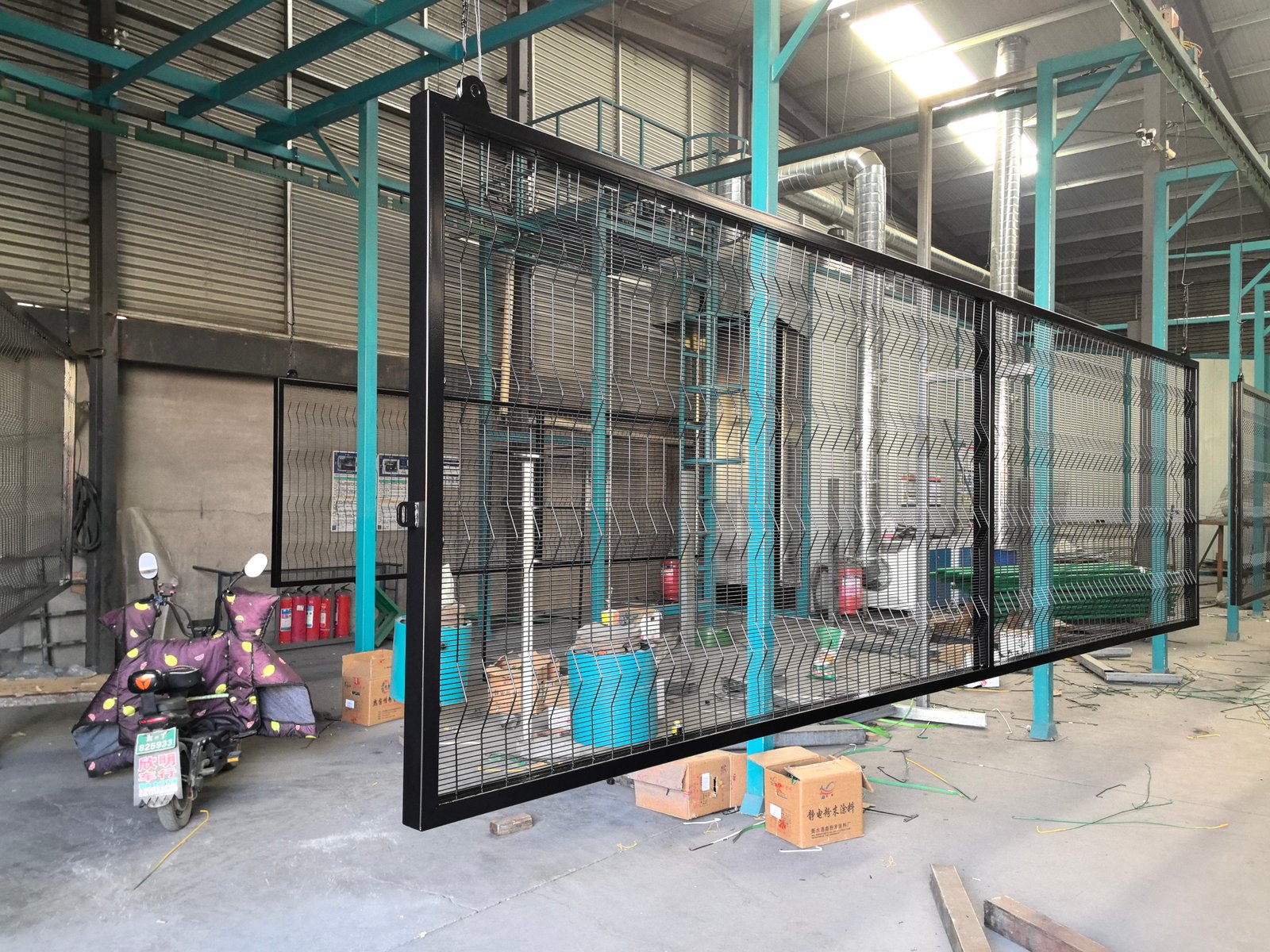
Double swing gates serve vehicle entrances with adequate approach space. The source shows two nominal 3000 mm leaves as one option. Combined entrance width depends on hinges, clearances, and the central stop. Structural checks determine practical leaf dimensions.
Industrial users often need larger clear openings for trucks or equipment. Choose hinge posts according to leaf weight and expected wind pressure. Add reliable ground stops and suitable locking bolts. The supporting foundation must handle operational loads safely.
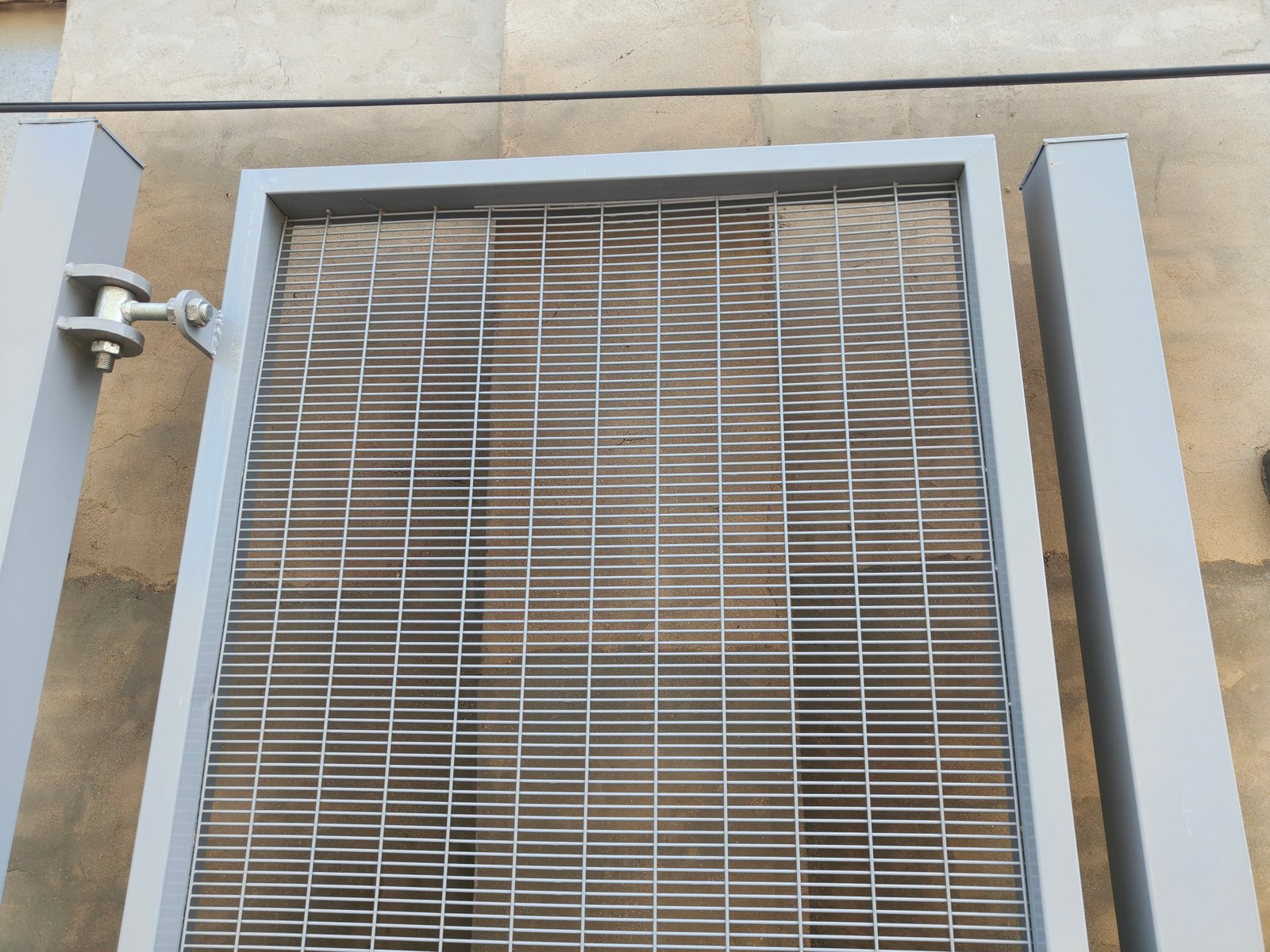
| Gate height (mm) | Double swing reference | Single leaf reference | V-bends |
|---|---|---|---|
| 1800 | 2 leaves × 3000 mm | 5900 mm, subject to engineering | 3 or 4 |
| 2000 | 2 leaves × 3000 mm | 5900 mm, subject to engineering | 3 or 4 |
| 2100 | 2 leaves × 3000 mm | 5900 mm, subject to engineering | 3 or 4 |
| 2400 | 2 leaves × 3000 mm | 5900 mm, subject to engineering | 3 or 4 |
| 3000 | 2 leaves × 3000 mm | 5900 mm, subject to engineering | 4 or 5 |
Vehicle turning clearance and gate leaf size
Check the swept area of both leaves before choosing swing gates. Vehicles must remain clear of public roads during entry procedures. Side slopes and uneven paving can obstruct bottom edges. Wind exposure can also make large leaves harder to control.
Clarify whether leaves open inward, outward, or both ways. A site designer should confirm travel paths and emergency arrangements. Mechanical stops help control motion at the intended positions. Avoid treating a large nominal width as a verified design.
Sliding track, rollers and site preparation
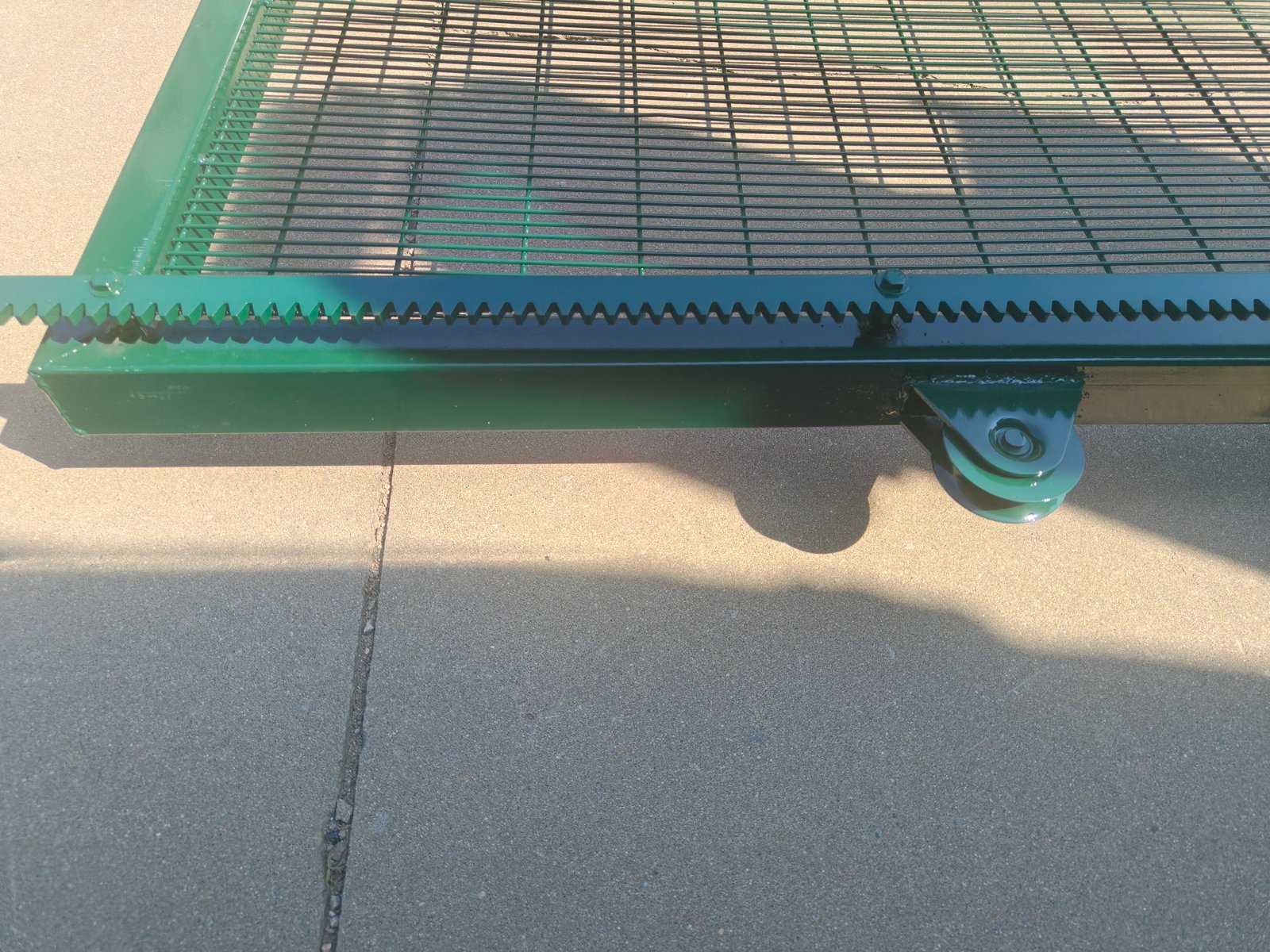
A ground track should remain level and clear of debris. Drainage reduces standing water near moving components. Rollers must carry the actual gate weight within their ratings. Structural posts must withstand guide and impact loads.
Cantilever designs avoid a continuous track across the roadway. However, they require larger counterbalance space and suitable foundations. An engineer should check soil conditions and support loads. Product drawings must identify the correct sliding arrangement.
Clearview fence gate sliding systems for limited swing space
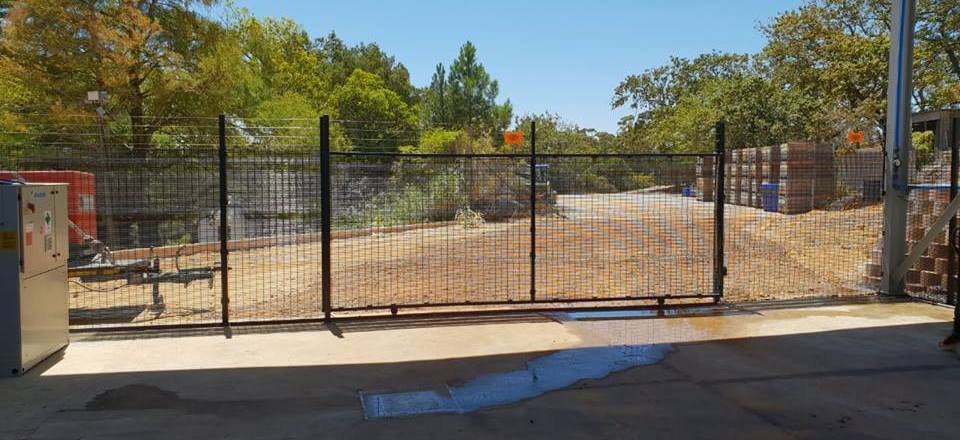
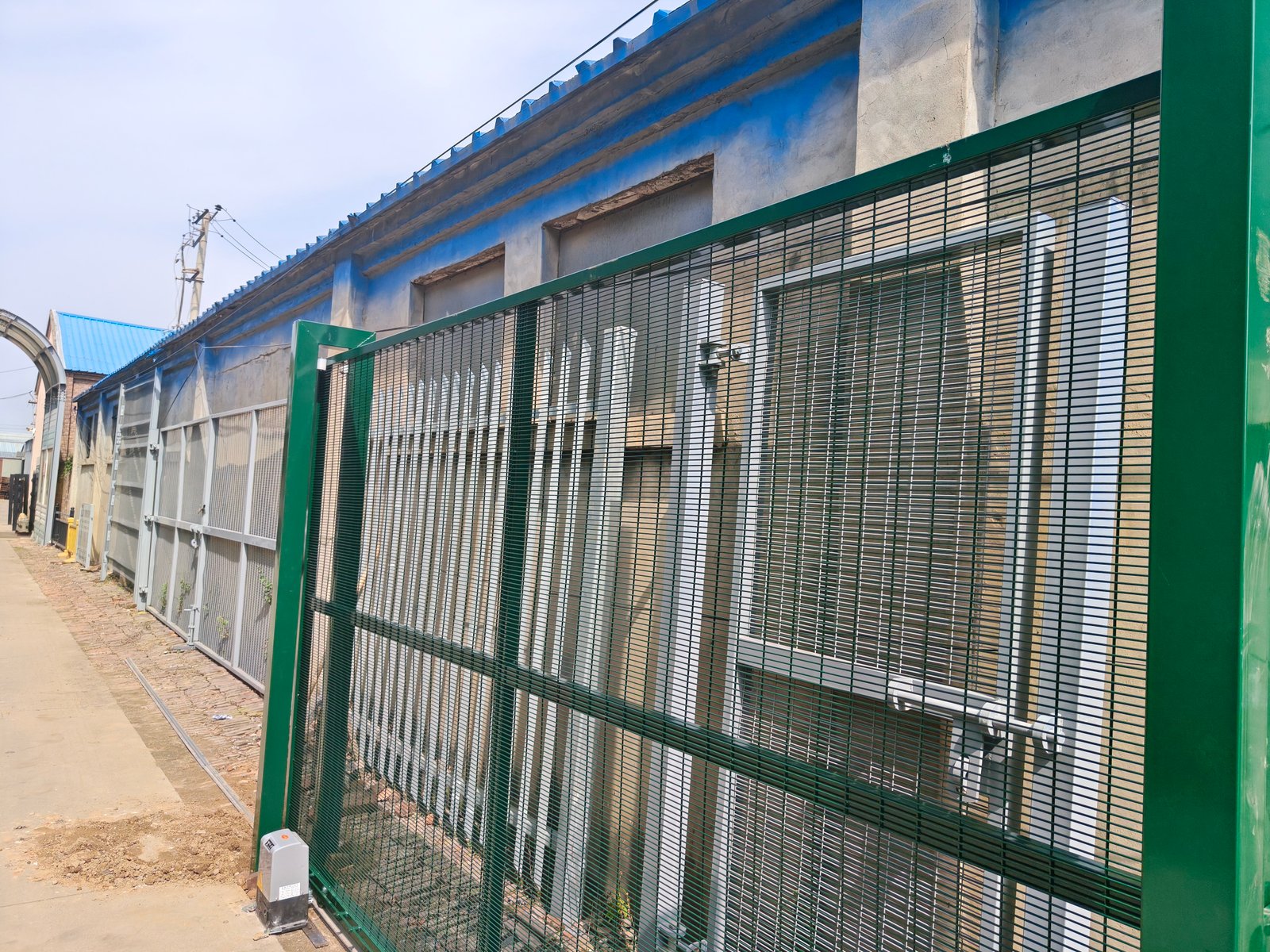
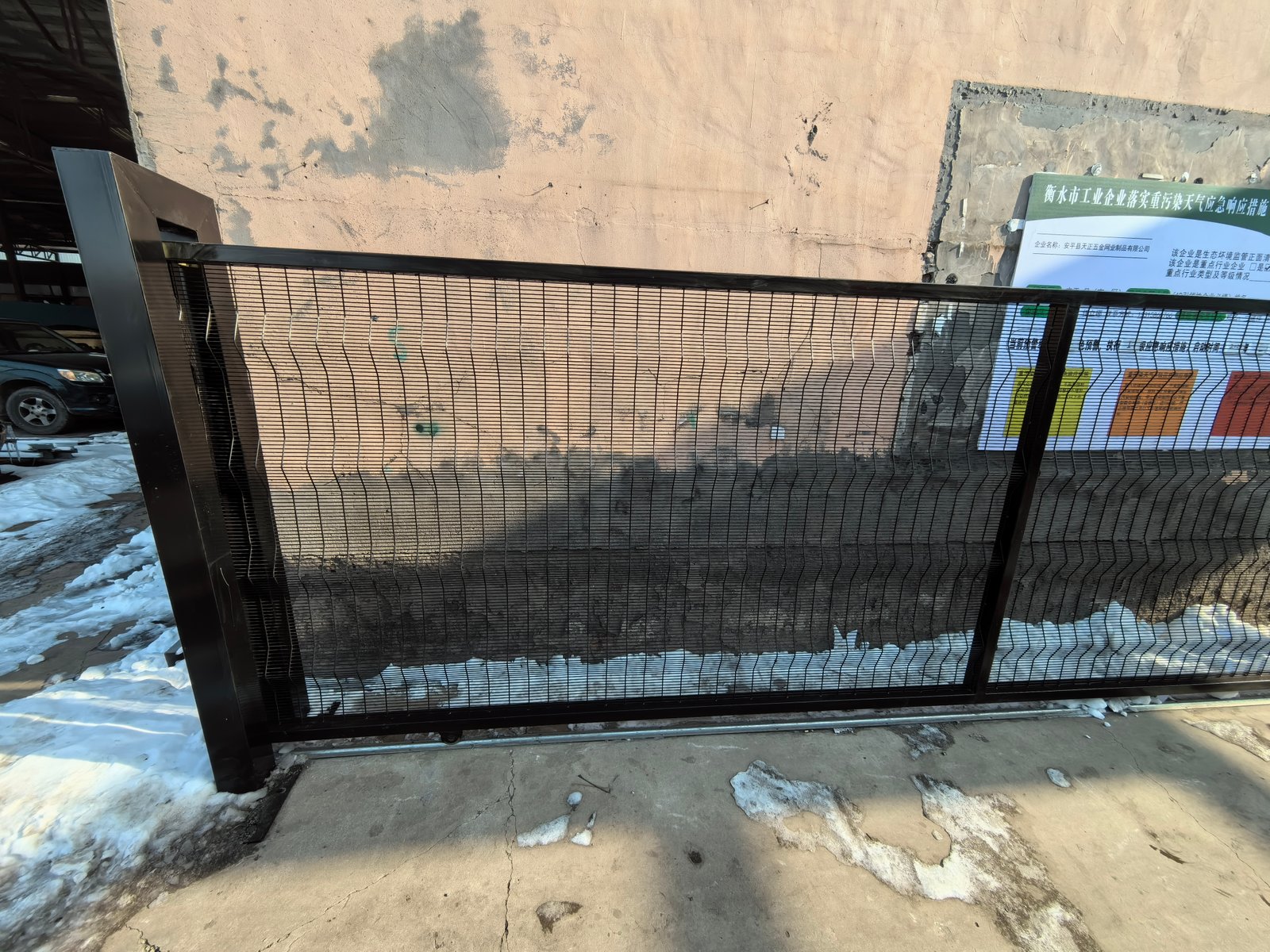
Sliding gates move laterally beside the perimeter instead of sweeping inward. This arrangement can suit constrained industrial entrances. Tracks, rollers, guides, stops, and adequate foundations support movement. Different designs use tracked or cantilever systems.
A manual sliding unit needs manageable operating force and secure end stops. Motorized gates also need suitable racks, controls, and protected wiring. Review the detailed Clearvu Fence Sliding Gates guide before approving equipment. The available runback space may exceed the clear entrance width.
Clearview fence gate mesh apertures and security grades
Gate infill can match several welded mesh security grades. The original specification lists nominal openings of 75 × 12.7 mm for higher security. Medium-security examples use 75 × 25 mm openings. Low-security options use 75 × 50 mm openings.
The narrower opening offers fewer convenient finger and footholds. Security also depends on frame thickness and locking details. The 358 Security Fence: High-Security Perimeters page explains dense security mesh. A buyer should assess the full entry system rather than aperture alone.
| Security grade | Nominal mesh aperture | Wire references |
|---|---|---|
| High | 75 × 12.7 mm | 4 × 3, 4 × 4, 5.6 × 4 mm |
| Medium | 75 × 25 mm | Confirm chosen wire diameter |
| Low | 75 × 50 mm | Confirm chosen wire diameter |
Comparing high, medium and low security
Low-security mesh suits selected boundaries with lower intrusion risk. Medium-security mesh balances visibility and denser wire spacing. High-security mesh supports more demanding perimeter applications. These labels describe product categories, not guaranteed security certifications.
The source lists wire options of 4 × 3, 4 × 4, and 5.6 × 4 mm. Confirm orientation and actual coated diameters before ordering. Different combinations change mass, strength, and fabrication cost. Ask for a sample or drawing when matching existing panels.
Frame design and reinforcement choices
Tall panels can create significant wind forces even with open mesh. Frame stiffness influences how well locks and hinges stay aligned. Lightweight sections may not suit every tall vehicle leaf. Specifications should include section sizes and wall thickness.
Extra reinforcement adds weight and changes hardware requirements. Gate-post design must reflect these effects. Review the entire assembly before changing a tube specification. An apparently small substitution may affect safe operation.
Clearview fence gate steel frames and bracing
Gate frames support mesh infill while transferring loads toward the hinges or sliding supports. The original source lists several square and rectangular sections. Common examples include 40 × 60 and 60 × 60 mm. Larger openings can require heavier tubes or internal bracing.
Fabricators should maintain square corners and consistent weld quality. Bracing can reduce deformation in larger leaves. The designer should check deflection and wind loading. Material thickness needs confirmation on the approved manufacturing drawing.
Clearview fence gate posts and foundations
Support posts carry repeated opening loads and additional forces from wind. Installers should choose adequate steel sections for each gate type. Larger leaves may need stronger hinge posts than neighboring fence panels. Posts also require corrosion protection near ground level.
Concrete foundation size depends on soil conditions and gate geometry. Base-plated posts need suitable anchors and sound concrete. Embedded posts need sufficient embedment and corrosion protection. An engineer should confirm the final foundation details.
Hinge post alignment and anchoring
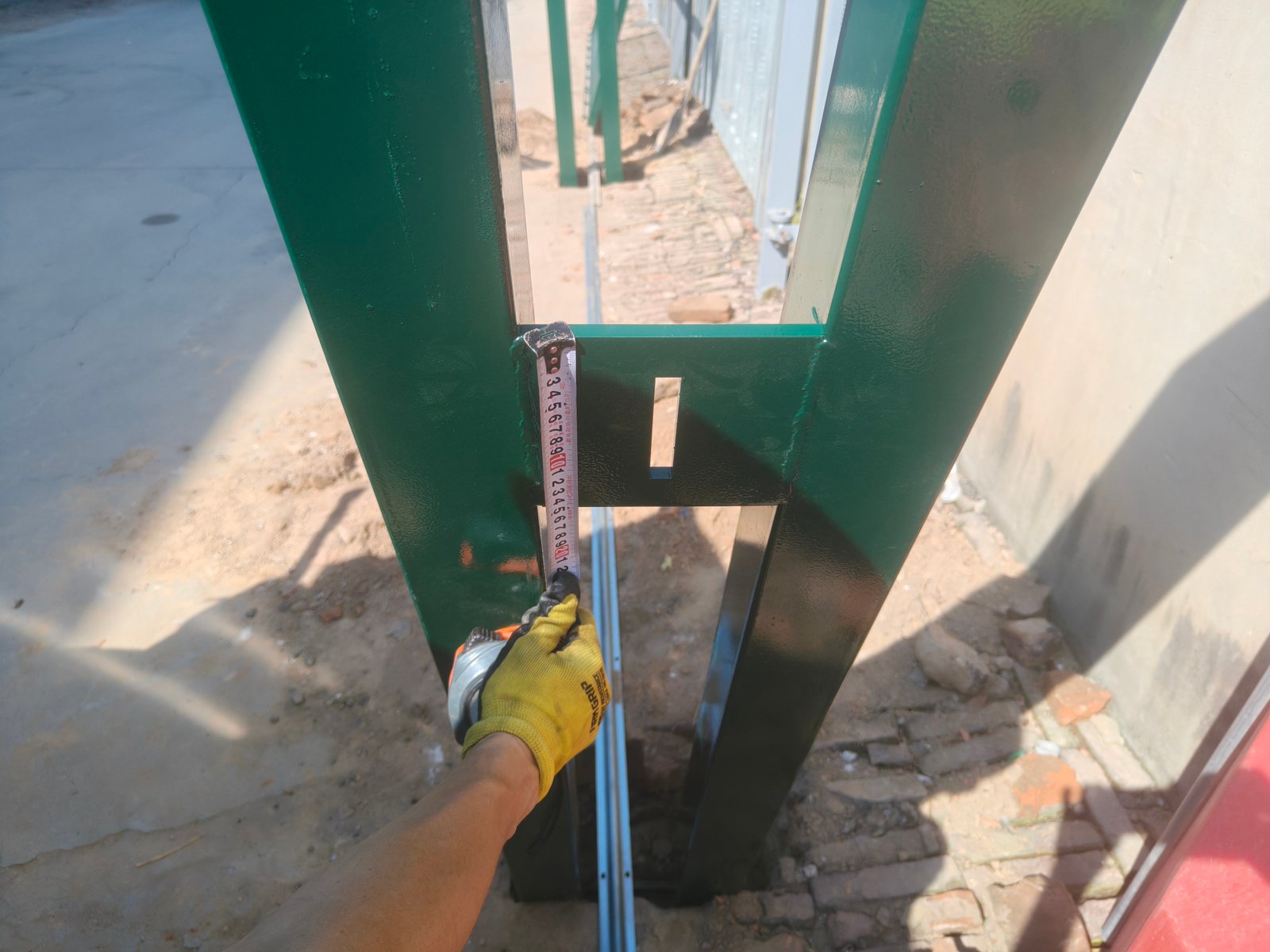
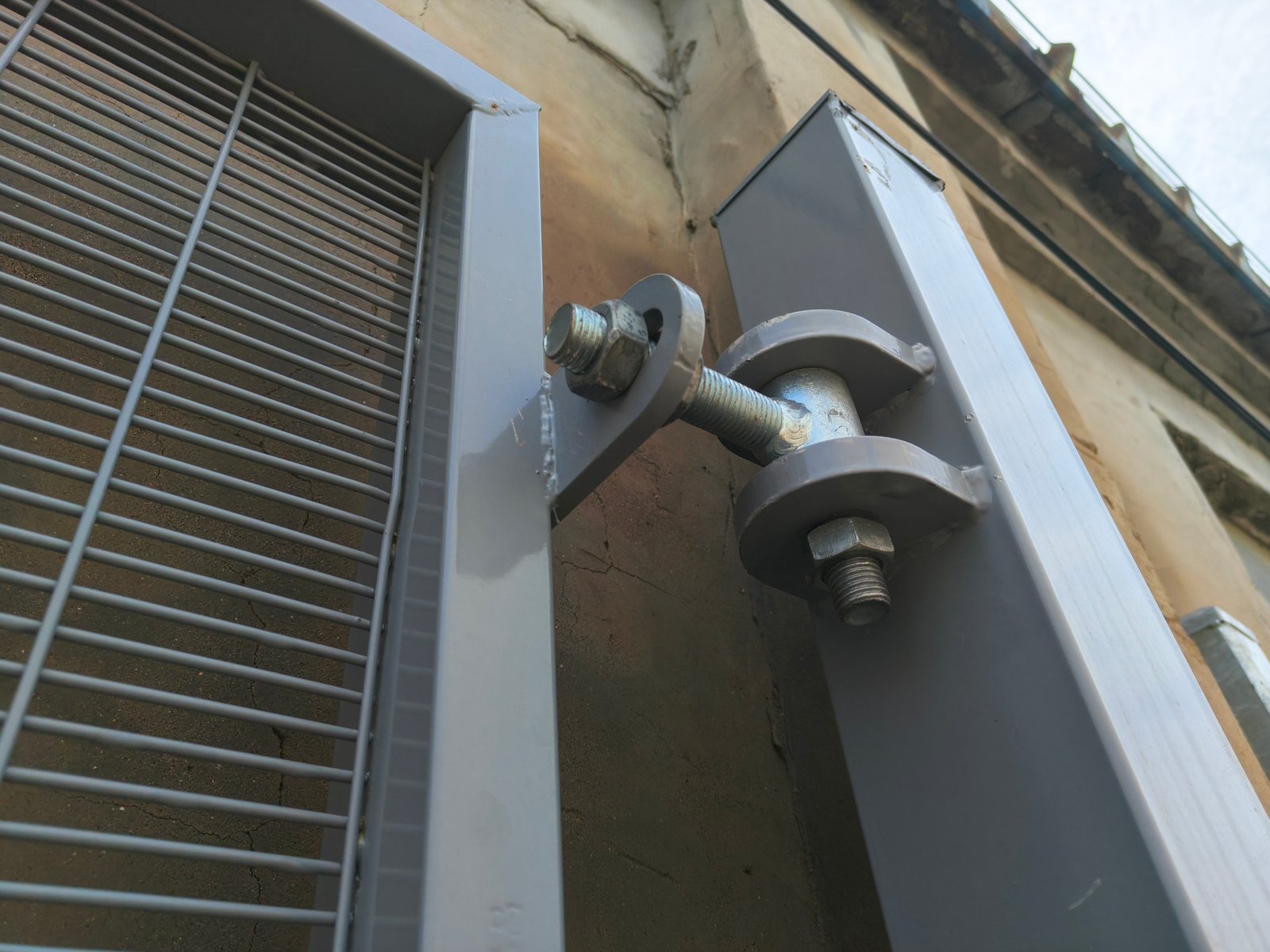
Misaligned posts can cause gate binding and premature hinge wear. Installers should check plumb, level, and the intended clear opening. Allow concrete to gain suitable strength before hanging heavy leaves. Verify diagonal measurements before final adjustment.
Existing foundations deserve inspection before receiving a replacement gate. Cracks, corrosion, or loose anchor bolts can indicate problems. Never assume a fence post can support a heavy swing gate. Confirm structural capacity when upgrading an entrance.
Hardware selection for different sites
Commercial sites may need access-control readers and visitor intercoms. Schools can require closer attention to safeguarding and emergency egress. Sensitive infrastructure may use monitored locks and intrusion detection. Always follow relevant local safety requirements.
Lock choice must match the actual frame and expected duty cycle. Poor alignment can overload an otherwise suitable latch. Request practical testing before shipment when possible. Keep spare keys or recovery procedures under approved site control.
Clearview fence gate locks and tamper-resistant fittings
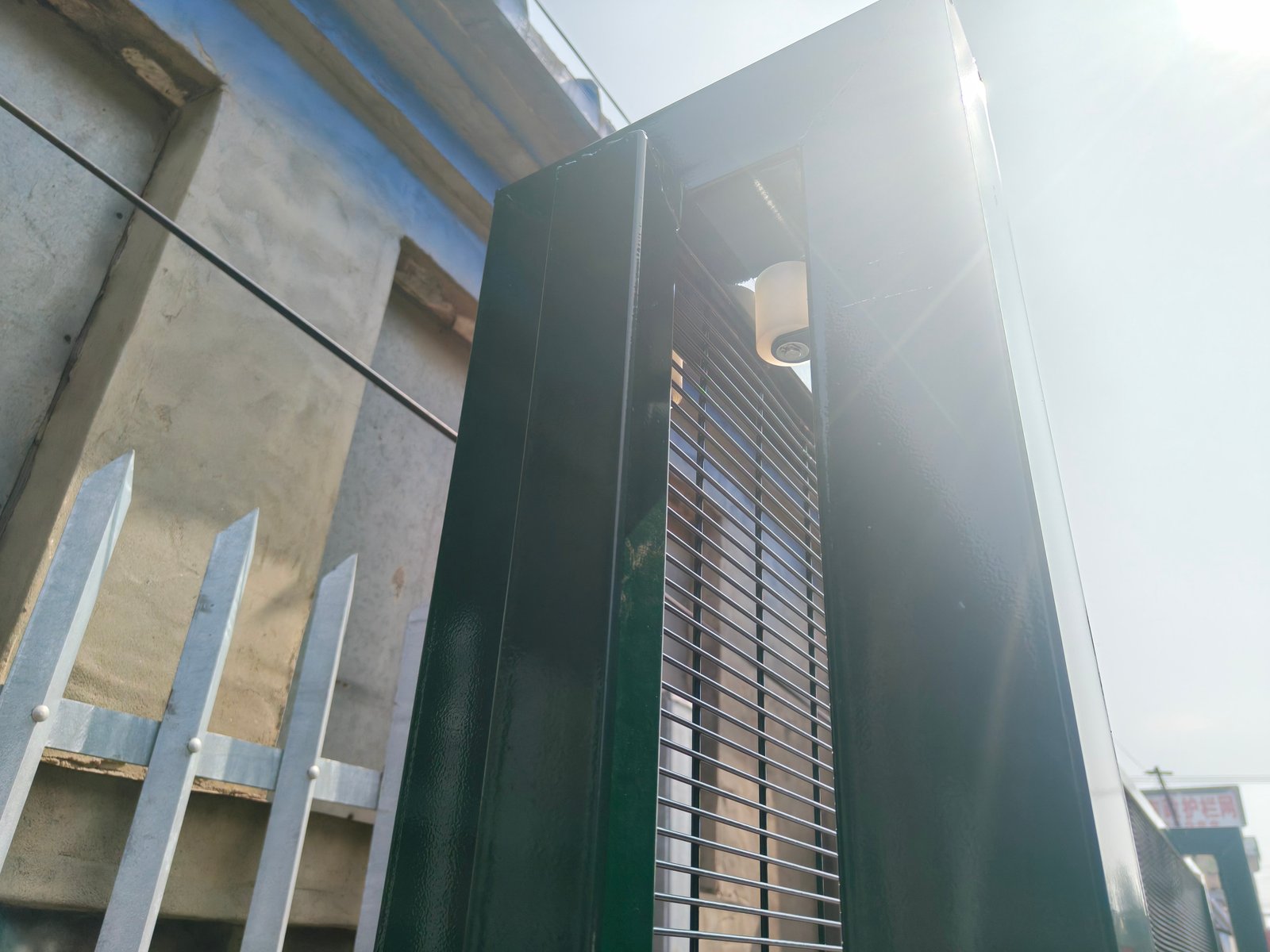
Locks, hinges, stops, and bolts contribute to the security of any gate. Pedestrian access may use mechanical locks or monitored electric strikes. Double swing gates may need drop bolts and a secure center stop. Sliding systems require suitable end locks and reliable guides.
Weather-resistant hardware helps prevent corrosion and binding. Security nuts can reduce casual removal of exposed fittings. Buyers should specify material grades and protective finishes. The gate drawing should identify every supplied accessory.
Clearview fence gate galvanizing and corrosion protection
Galvanizing protects steel components from many outdoor corrosion conditions. The source lists several historical zinc coating reference masses. However, those values describe different products and processes. The buyer should specify the required method and acceptance criteria.
Hot-dip galvanizing after suitable fabrication can protect accessible steel surfaces. Pre-galvanized components may need attention around welds and cut ends. The exact performance depends on design, preparation, and application quality. Request coating records when the project demands formal verification.
| Finish example | Source reference | Procurement note |
|---|---|---|
| Light galvanizing | 50 or 60 g/m² | Confirm actual coating process |
| Full galvanizing | 255 or 275 g/m² | Confirm agreed zinc mass |
| Galfan wire | 195 or 220 g/m² | Specify applicable coating method |
| Polyester powder | 60–80 microns | Confirm colour and film thickness |
| Thermoplastic coating | 250 microns minimum | Confirm selected polymer system |
Coastal exposure and maintenance needs
Coastal locations can expose gates to salt and persistent moisture. Hinges, fasteners, and drainage points deserve additional attention. A suitable duplex coating system may improve protection. The exact system must fit the steel fabrication and exposure.
Inspect impact damage and standing water during maintenance visits. Keep moving parts clean and lubricate according to hardware instructions. Address damaged finishes before corrosion progresses. The Clear View Fence South Africa guide covers related South African perimeter planning.
Colour options and surface preparation
An attractive finish cannot replace a suitable zinc coating where conditions require one. Choose coating layers according to exposure and maintenance expectations. Ask for agreed colour references and film thickness tolerances. Avoid treating a nominal thickness as a lifetime guarantee.
Factory inspection should check coverage around edges and welds. Touch-up procedures depend on the coating system. Transport protection helps preserve the finish before installation. Keep spare repair materials when the project needs them.
Clearview fence gate powder-coated finishes
Polyester powder coating offers colour selection and a protective barrier. The source cites powder thickness around 60–80 microns. It also mentions thermoplastic finishes near 250 microns. These values remain reference options until a quotation confirms them.
Customers often request green or black shades for perimeter systems. Custom colours can match surrounding fence panels and posts. Surface preparation strongly influences adhesion and corrosion resistance. See Powder Coated Clear View Fence for related powder-coated fencing information.
Clearview fence gate specifications and size tables
The following tables organize the source data into clearer product categories. They describe reference sizes, not approved structural designs. Fabrication details may change with hardware and local requirements. Confirm all dimensions through a final shop drawing.
Height refers to the nominal gate product height in these examples. Leaf width and clear opening are different measurements. A wide gate may require additional bracing or larger posts. The project designer should check each combination independently.
| Component | Reference options |
|---|---|
| Gate frame | 40 × 60, 60 × 60, 75 × 75, 80 × 80 mm |
| Pedestrian nominal width | 1500 mm |
| Vehicle gate reference | 2 × 3000 mm or 5900 mm custom leaf |
| Nominal heights | 1800, 2000, 2100, 2400, 3000 mm |
| Gate infill | V-bend or flat welded mesh |
| Drive systems | Manual or motorized, model dependent |
| Finish example | Source reference | Procurement note |
|---|---|---|
| Light galvanizing | 50 or 60 g/m² | Confirm actual coating process |
| Full galvanizing | 255 or 275 g/m² | Confirm agreed zinc mass |
| Galfan wire | 195 or 220 g/m² | Specify applicable coating method |
| Polyester powder | 60–80 microns | Confirm colour and film thickness |
| Thermoplastic coating | 250 microns minimum | Confirm selected polymer system |
How to interpret standard dimensions
The reference tables separate pedestrian and vehicle configurations. They also distinguish V-bend infill from flat mesh alternatives. This makes comparison easier without repeating the same figures across many tables. Coating and wire options appear in their own summary.
Record whether measurements use millimetres and centre-to-centre mesh spacing. Also identify clearances, handedness, and hinge positions. Ask the supplier to mark gate swing direction. A simple drawing prevents expensive installation mistakes.
Safety devices and commissioning tests
Commissioning should include full opening and closing cycles. Inspect limit settings, safety devices, and emergency operation. Verify that visitors cannot access hazardous moving parts. Record testing and maintenance instructions for the site operator.
Motorized installations also require drainage and electrical protection. Confirm the local supply voltage and backup requirements. Remote controls need appropriate security management. Do not energize a gate before completing safety checks.
Clearview fence gate automation and motor choices
Gate motors can simplify daily access at busy entrances. Equipment selection depends on leaf weight, movement type, and duty cycle. The chosen motor must support the operating conditions. Properly designed controls should permit safe operation.
Automatic gates create potential crushing and entrapment hazards. A competent installer should apply relevant safety requirements. Suitable sensors, protective edges, and emergency release arrangements may be necessary. Testing must reflect the finished installation.
Clearview fence gate installation checklist
Installation begins with a surveyed opening and an approved gate drawing. Mark foundation positions and identify underground services. Set posts accurately before attaching heavy leaves. Finish adjustments only after the supports reach adequate stability.
Then check hinges, rollers, stops, and locking alignment. Confirm smooth movement throughout the full travel range. Inspect coating damage and exposed steel. The Clearvu Fence Installation Guide article covers broader fence installation planning.
Practical sequencing for installers
Check that the finished surface drains away from moving parts. Leave suitable clearance for paving irregularities and expansion. Avoid using forced adjustments to hide structural misalignment. Document any site deviation before handover.
Gate height, leaf width, and foundation details must follow the agreed specification. Installers should use suitable lifting equipment for heavy assemblies. Keep unauthorized people away from the operating area. Complete a final inspection with the customer.
Factory testing before export
Photographs can document gate assembly and critical dimensions. For motorized units, a functional trial offers further reassurance. The factory should provide the agreed test evidence. A pre-shipment checklist helps buyers monitor final readiness.
Production inspections cannot replace local foundation engineering. Field conditions can differ from approved drawings. Communicate changes before production finishes. Documented approvals reduce disputes during final installation.
Clearview fence gate manufacturing and quality checks
BMP starts fabrication from approved dimensions and material selections. Fabricators cut the frame sections and prepare the mesh infill. Welding follows the approved design and production sequence. Workers then inspect dimensions and fit before coating.
Quality checks should cover weld appearance, diagonal dimensions, and hardware locations. A trial assembly can identify alignment problems early. Inspectors should also verify coating coverage and accessories. The Clear View Fencing Factory page introduces the manufacturing background.
Clearview fence gate packaging and export shipment
Large frames need careful support during storage and transport. Steel pallets or suitable stillages can protect welded assemblies. Wrap contact points to reduce scratches and coating damage. Pack small hardware separately with clear labels.
Export documentation should match the approved bill of materials. Buyers should confirm the number of leaves, posts, locks, and accessories. Long sliding sections can affect container loading plans. Packing drawings help optimize handling safely.
Protecting frames, posts and hardware
Mark each package with the relevant gate identification. Separate fragile motor equipment from heavy steel components. Protect electrical items from moisture and impact. Photograph completed pallets before closing the container.
Freight choices depend on destination, total dimensions, and delivery terms. The Clear View Fencing For Sale page offers context on broader fence procurement. A gate quotation should identify transport scope clearly. Imported equipment may also need local electrical compliance checks.
Matching the entrance to site operations
Airports and sensitive utilities can impose special access-control requirements. Schools require particular attention to pedestrian safety. Industrial plants often need wider openings and durable operating mechanisms. Consult the site engineering and security teams.
Gate placement also affects traffic queuing and emergency access. Confirm the approach width and vehicle turning radius. Separate pedestrian and vehicle entries where appropriate. Add signage and visibility measures when site conditions justify them.
Clearview fence gate applications across property types
Clear-view gates support residential compounds, warehouses, schools, factories, and selected infrastructure boundaries. Pedestrian gates help separate visitor routes from truck traffic. Sliding systems may suit frequent industrial deliveries. The entrance strategy should reflect daily site operations.
High-security sites often pair dense mesh with stronger hardware. Public-facing locations may prioritize unobstructed supervision and safer movement. The right specification balances security, operation, accessibility, and maintenance. No single gate layout works everywhere.
Clearview fence gate purchasing and quotation requirements
A useful quotation identifies gate type, height, clear width, frame, and mesh grade. It should also list posts, hinges, locks, coatings, and packing. Include automation details when the project needs powered operation. Shipping terms and inspection scope should remain explicit.
Gate prices can differ significantly from fence prices per linear metre. Large leaves require extra material and hardware. Access controls and motors add further cost. Our Clear View Fence Price Per Meter guide explains general perimeter pricing factors.
Comparing quotations on an equal basis
Compare quotations using equivalent steel thickness and accessories. Check whether the offer includes posts and concrete foundations. Clarify electrical equipment, installation, and commissioning responsibilities. A low headline price may exclude essential items.
Ask suppliers to identify excluded components and optional upgrades. Confirm currency, delivery terms, lead time, and packaging. Request a signed specification before placing the order. These steps reduce misunderstandings across international shipments.
Answers for project buyers
Can the gates match existing RAL colours? Manufacturing can review requested colours against the coating specification. Can a wide gate use one leaf? Structural capacity and site geometry determine feasibility. Can BMP supply only gate leaves? The quotation can define the requested scope.
What information helps the factory quote accurately? Send the clear opening, height, mesh grade, site photographs, and preferred gate movement. Include coating requirements and destination details. A marked drawing helps the factory identify suitable components.
Clearview fence gate frequently asked questions
Buyers often ask whether pedestrian and vehicle gates use identical mesh. They can share mesh grades while using different frame engineering. Another question concerns replacement gates for existing fencing. Matching a panel opening alone does not confirm compatibility.
Customers also ask about automation and local installation. BMP can supply suitable gate components from China. On-site integration requires a capable local installer. Confirm responsibility for foundations, electrics, testing, and safety approvals.
Clearview fence gate selection summary
A well-specified gate should match its fencing system and intended security level. Consider mesh spacing, frame strength, locks, hinges, and supporting foundations. Plan safe operation before selecting manual or motorized movement. Inspect dimensions and coatings before shipment.
Boss Metal and Plastic Co., Ltd. supports custom project requirements and export documentation. Share the entrance drawings, gate type, security grade, and accessory list. BMP can prepare a project-specific manufacturing quotation. The goal is a practical and maintainable entrance.
Next steps for a reliable project
Choose the leaf arrangement after checking access space. Confirm clear opening measurements and local safety obligations. Approve manufacturing drawings and agreed inspection checkpoints. Finally, coordinate delivery with the site installation team.
Consistent specifications make comparisons easier and reduce downstream changes. Keep technical records for maintenance and future replacements. Review gate operation periodically after commissioning. A carefully planned entry point supports the whole perimeter.