
Clearvu Fence: Complete Guide to High-Security Mesh, Posts, Gates and Installation
A Clearvu Fence combines narrow welded mesh, durable steel posts, and secure fittings to protect property boundaries. Its open design supports surveillance while discouraging climbing. Property owners can select different heights, mesh grades, coatings, and access systems. However, reliable perimeter protection depends on the entire fence assembly.
South African buyers use these systems around homes, warehouses, schools, factories, and infrastructure facilities. Different environments create different technical requirements. Coastal locations need corrosion protection, while exposed sites require careful structural design. This guide explains practical specifications, production methods, installation planning, and long-term maintenance.
What Is a Clearvu Fence?
A Clearvu Fence uses welded steel wires to create a rigid security panel. Narrow openings reduce convenient finger and footholds. The transparent structure also allows guards and cameras to observe surrounding areas.
Manufacturers connect the panels to steel posts through compatible clamps or locking profiles. Security bolts discourage casual removal. Gates and suitable foundations complete the perimeter system.
Buyers can compare Clear Vu Fence configurations for different boundary conditions. Project drawings should identify every essential component. A stronger panel cannot compensate for weak supporting posts.
Clearvu Fence Security Features
Security fencing must balance intrusion resistance, visibility, structural strength, and maintenance. Narrow welded mesh addresses several of these requirements. However, no fence guarantees complete protection against determined attacks.
Clearvu Fence Anti-Climb Performance
Small mesh openings limit convenient gripping positions. This geometry makes climbing more difficult than many wide-aperture fencing designs. Fence height and surrounding structures also influence performance.
Nearby trees, walls, and equipment can create alternative access routes. Security planners should inspect the entire boundary. Appropriate lighting and surveillance provide additional protection.
Resistance to Cutting and Tampering
Wire diameter influences the effort required to cut individual wires. Weld quality also affects panel integrity. However, cutting resistance requires testing under defined conditions.
Security fasteners can discourage casual dismantling. Matching Clearvu Fence Clamps help connect compatible panels and posts. Installers should follow approved fixing details.
Clear Visibility for Surveillance
Transparent welded mesh preserves useful sightlines across property boundaries. Guards can observe activity beyond the fence. Cameras also benefit from unobstructed viewing angles.
Vegetation and poor lighting can reduce visibility. Regular landscaping helps maintain clear observation. Camera placement should reflect actual site conditions.
Low Maintenance and Long Service Life
Suitable coatings protect steel against environmental exposure. Galvanized and powder-coated systems offer different protective characteristics. Maintenance needs depend on local conditions.
Coastal locations require particular attention. Salt deposits can accelerate corrosion around damaged finishes. Periodic inspections help identify problems early.
Clearvu Fence Panel Specifications
Panel specifications determine security characteristics and manufacturing requirements. Buyers should confirm mesh spacing, wire diameter, dimensions, and finish. Different manufacturers offer different combinations.
Clearvu Fence Mesh Aperture
Traditional 358 security mesh uses approximately 76.2 × 12.7mm wire-centre spacing. This designation originates from imperial measurements. Actual clear openings depend on wire diameter.
For example, 4mm wire leaves approximately 8.7mm across 12.7mm centres. Manufacturing tolerances can change the finished opening. Therefore, buyers should distinguish centre spacing from clear aperture.
| Security Grade | Reference Mesh Centres | Typical Application |
|---|---|---|
| High Security | 76.2 × 12.7mm | Industrial and sensitive perimeters |
| Medium Security | 76 × 25mm | Commercial properties and selected schools |
| Low Security | 76 × 50mm | Residential and visual boundaries |
These categories provide general product comparisons rather than certified security ratings. Actual performance depends on the complete assembly. Customers should specify required testing separately.
Clearvu Fence Wire Diameter
Wire thickness affects panel weight and mechanical characteristics. Common configurations include 3.0mm and 4.0mm wires. Manufacturers may also offer intermediate sizes.
A thicker wire contains more steel for the same length. However, wire diameter alone cannot establish security performance. Welding quality and panel geometry also matter.
Panel Height and Width
Manufacturers offer several panel heights for different applications. Common reference heights include 1800mm, 2000mm, 2100mm, 2400mm, and 3000mm. Width options depend on the product family.
Some projects use approximately 2515mm panels. Others specify 2900mm, 3000mm, or 3305mm widths. Customers should confirm actual dimensions before calculating quantities.
Clearvu Fence V-Bends
V-bends introduce shaped reinforcement into selected welded panels. Their geometry can increase panel rigidity. Different designs use different bend counts and depths.
Not every high-security mesh panel requires V-bends. Flat panels remain suitable for certain engineered systems. Buyers should follow the approved product specification.
Clearvu Fence Technical Reference Table
The original product article includes five height configurations. Its reference width measures 3000mm. V-bend quantities increase with selected taller panels.
| Panel Height | Panel Width | V-Bends | Reference Wire |
|---|---|---|---|
| 1800mm | 3000mm | 3 | 4mm vertical / 3mm horizontal |
| 2000mm | 3000mm | 3 | Confirm project grade |
| 2100mm | 3000mm | 3 | Confirm project grade |
| 2400mm | 3000mm | 4 | Confirm project grade |
| 3000mm | 3000mm | 5 | Confirm project grade |
This table preserves the original height and bend schedule. The source does not establish identical wire specifications for every row. Final drawings must confirm those details.
Wire Strength and Weld Quality
The original specification references wire tensile strength between 500 and 650MPa. It also lists weld-strength percentages without a complete test method. Buyers should request suitable laboratory documentation.
Material certificates can identify wire properties. Weld tests require defined procedures and acceptance criteria. Manufacturers should confirm the applicable standard before claiming compliance.
Alternative Mesh Configurations
Some projects use wider openings for lower-risk boundaries. Other installations require especially narrow security mesh. The correct choice depends on actual threats.
For example, Clearvu Fence Panels offer different technical arrangements. Buyers should compare matching heights, wire diameters, and post systems.
Clearvu Fence Product Photographs
The following photographs come from the original BMP article. They illustrate welded security fencing and related products. Each image includes descriptive text for accessibility and search engines.
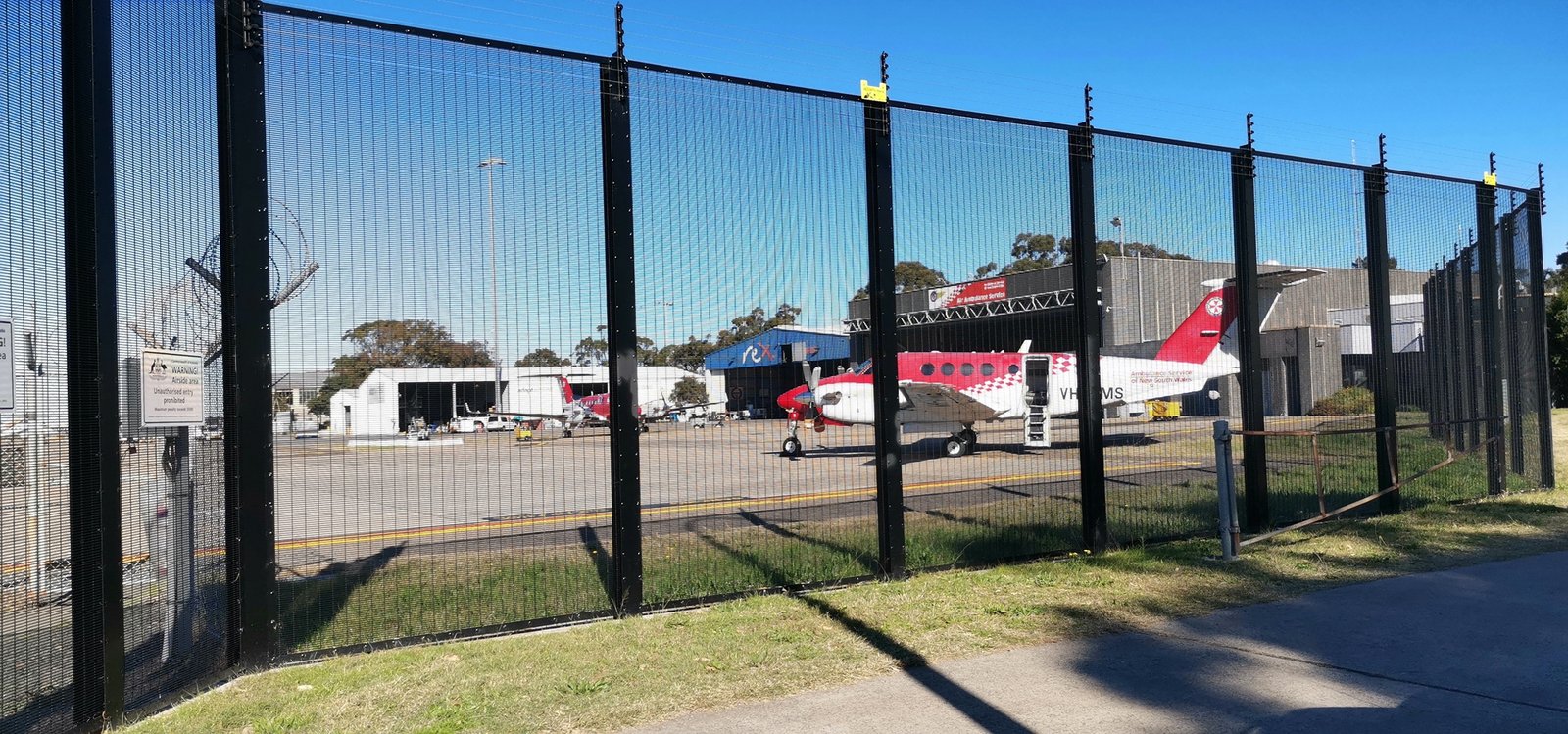 Welded security mesh provides a transparent physical boundary around sensitive properties. |
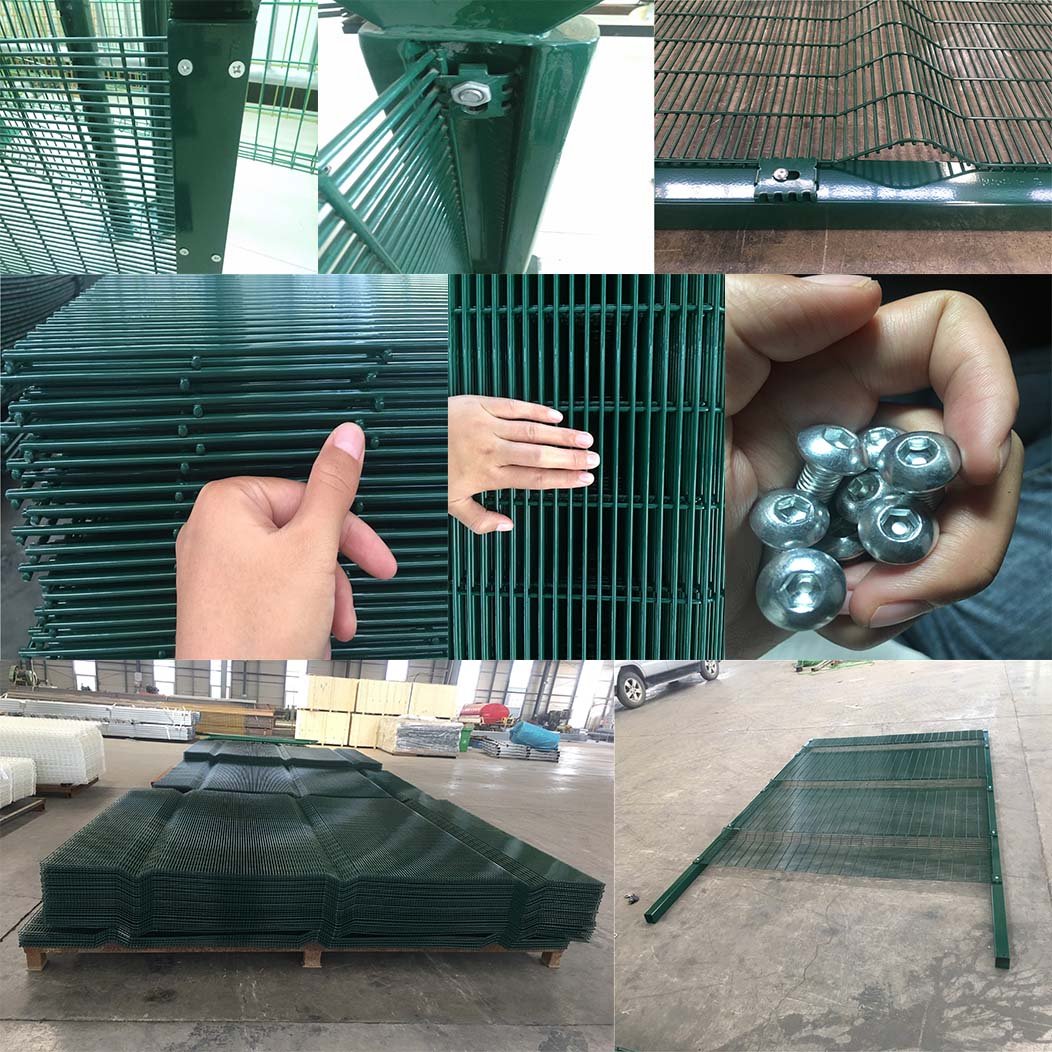 Narrow mesh openings discourage climbing while supporting visibility across the perimeter. |
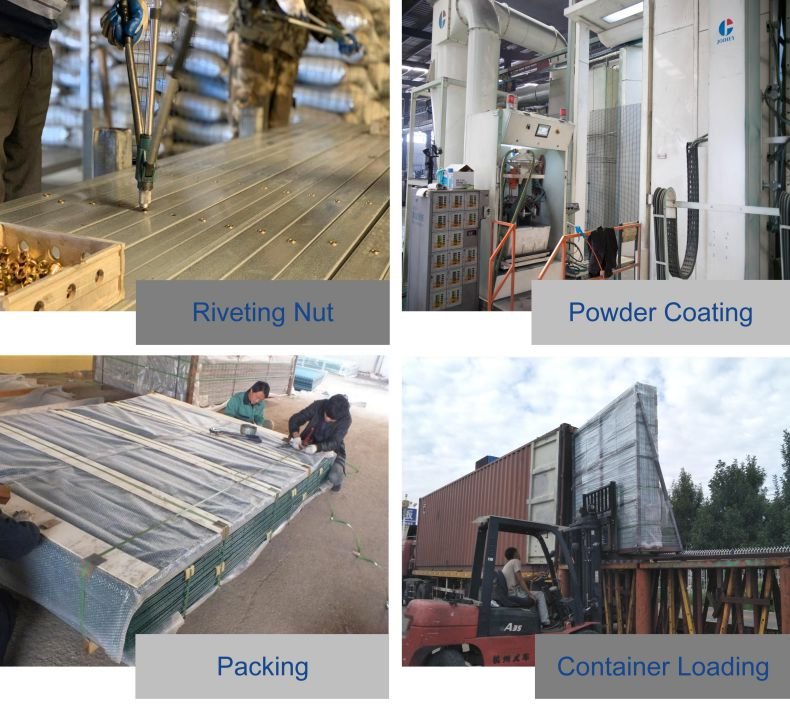 Factory production requires consistent dimensions, welding quality, and protective finishes. |
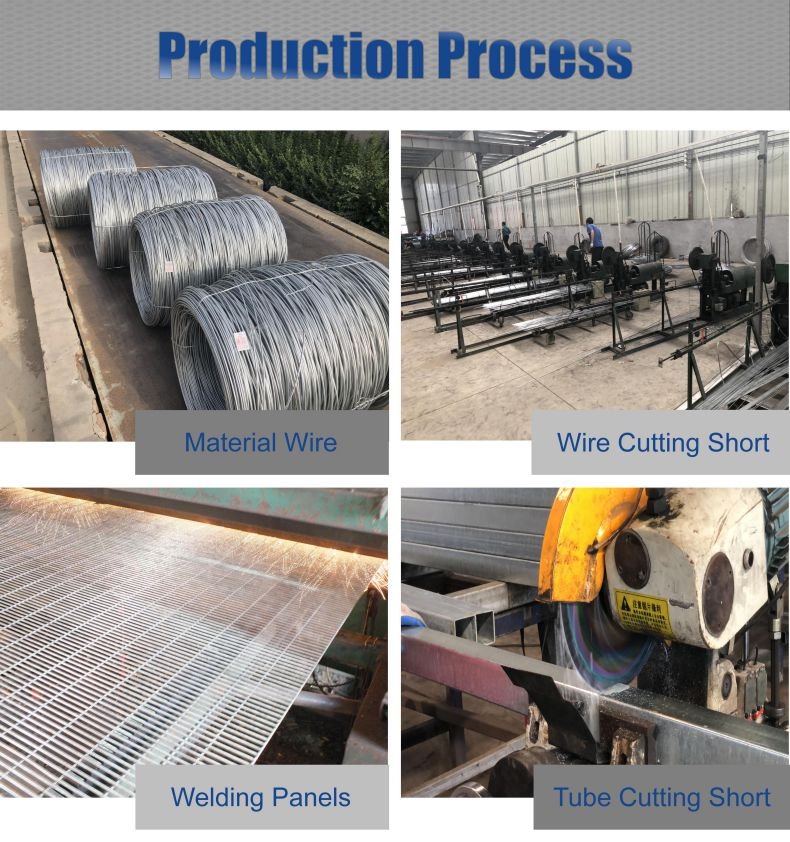 Industrial fencing systems combine panels, structural posts, and compatible security fittings. |
Clearvu Fence Posts and Structural Support
Posts transfer panel loads into foundations or supporting structures. Their dimensions depend on fence height, wind exposure, and soil conditions. Engineers should confirm suitable sections.
Square Steel Posts
Square posts provide straightforward mounting surfaces. Manufacturers offer different wall thicknesses and lengths. The correct section depends on project loading.
Buyers may compare Clear View Fence Post profiles for compatible assemblies. Matching dimensions alone cannot establish structural suitability.
Tapered Security Posts
Tapered profiles offer alternative panel connections. Common reference dimensions include 85 × 45 × 85mm. Larger options may suit different systems.
Some assemblies use locking channels and specialised fasteners. Customers should verify panel-edge compatibility. Incorrect combinations can compromise installation quality.
IPE and Alternative Profiles
I-shaped profiles provide another connection arrangement. Their geometry differs from ordinary square posts. Suppliers may offer fabricated or roll-formed variations.
A Clearvu Fencing IPE Post requires matching clamps and drawings. Buyers should confirm flange dimensions and steel thickness.
Post Caps and Base Plates
Post caps help limit moisture entry into hollow sections. Manufacturers may offer polymer or steel options. Suitable materials improve outdoor durability.
Base plates support selected surface-mounted installations. Their thickness and anchor arrangement require engineering checks. Existing concrete must provide adequate support.
Clearvu Fence Clamps and Security Fasteners
Clamps connect mesh panels to supporting posts. Different profiles require different fixing arrangements. Buyers should request a complete hardware schedule.
| Clamp Type | Reference Size | Typical Function |
|---|---|---|
| Single-Bolt Clamp | 50 × 76mm | Selected panel-edge connections |
| Double-Bolt Clamp | 50 × 165mm | Selected adjoining panel connections |
| Security Fastener | Project-specific | Resists casual dismantling |
Clamp thickness may range from 3mm to 5mm for certain products. However, every design needs compatible fasteners. Installation drawings should control quantities and placement.
Anti-Tamper Connections
Security fasteners can discourage casual removal of panels. Their effectiveness depends on the complete fixing design. Contractors should avoid substituting ordinary bolts without approval.
Corner and End Connections
Corner posts may require special clamps. Terminal positions can also need different hardware. Accurate schedules help prevent shortages.
Clearvu Fence Gates and Access Control
Gates interrupt the perimeter and create controlled entry points. Their frames, hinges, locks, and supports need separate consideration. A strong mesh boundary still requires secure entrances.
Pedestrian Gates
Pedestrian gates commonly serve staff and visitor entrances. Reference widths may range from 900mm to 1500mm. Project requirements determine final dimensions.
Gate frames should match the surrounding fence height. Locks may use mechanical or electronic systems. Emergency access requirements also matter.
Double Swing Gates
Double swing gates accommodate wider vehicle openings. Each leaf requires suitable structural support. Hinges and closing arrangements influence long-term operation.
Large openings can experience substantial wind loading. Engineers should check gate posts and foundations. Ground gradients also affect clearance.
Sliding and Motorised Gates
Sliding gates provide another vehicle access option. Motorised systems require electrical equipment and safety controls. Their design must reflect operating frequency.
Customers should confirm clear opening and available travel space. Gate frames need adequate rigidity. Safety devices require suitable installation and testing.
Clearvu Fence Protective Coatings
Outdoor fencing faces rain, sunlight, moisture, and atmospheric contaminants. Protective finishes help reduce corrosion. Buyers should match coatings to environmental exposure.
Galvanized Steel
Galvanizing provides zinc-based corrosion protection. Different production processes produce different coating characteristics. Suppliers should identify the applicable specification.
Continuously galvanized wire differs from batch hot-dip galvanized assemblies. Buyers should not treat these processes as identical. Coating inspection helps verify quality.
Powder Coating
Powder coating adds colour and another protective layer. Popular colours include RAL6005 green and RAL9005 black. Proper preparation supports adhesion.
The original article references powder-coating thickness around 60–80 microns. Actual requirements depend on the coating specification. Buyers should confirm finished thickness.
Galfan and Alternative Finishes
Galfan coatings use zinc-aluminium alloys. Their properties differ from conventional zinc coatings. Buyers should request the relevant material specification.
Some projects also consider thermoplastic coatings. The original article references approximately 250 microns for certain systems. Actual products require manufacturer confirmation.
Clearvu Fence Manufacturing Process
Manufacturing quality begins with suitable raw materials. Steel wire, posts, and hardware must match approved specifications. Production control supports consistent results.
1. Raw Material Preparation
Factories inspect steel wire and structural sections before production. Material properties influence the finished product. Purchasing teams should verify relevant certificates.
2. Wire Straightening and Cutting
Machines straighten wire and cut it to the required dimensions. Accurate lengths support consistent mesh spacing. Operators should monitor production tolerances.
3. Resistance Welding
Welded mesh panels use resistance welding at wire intersections. This process differs from weaving. Welding parameters influence joint quality.
Production teams should inspect weld consistency. Suitable tests help identify weak connections. Finished panels require dimensional checks.
4. Panel Forming
Selected panels receive V-bends for additional rigidity. Forming equipment controls bend position and depth. Flat-panel products skip this stage.
5. Post Fabrication
Steel sections become square, rectangular, tapered, or specialised posts. Factories cut and prepare connection features. Approved drawings control finished dimensions.
6. Surface Treatment
Manufacturers apply the specified corrosion-protection system. Preparation and coating quality influence durability. Inspectors should check finished surfaces.
7. Quality Inspection
Final inspections compare products with approved drawings. Teams check dimensions, welds, coatings, and accessories. Packing lists should match completed quantities.
Clearvu Fence Packaging for International Shipping
Export packing protects finished panels during handling and transport. Different product sizes require different arrangements. Container loading plans should consider weight distribution.
Steel Pallet Packaging
BMP commonly uses steel pallets for security mesh shipments. Protective film helps reduce surface damage. Suitable restraints prevent movement during transport.
Pallet quantities depend on panel dimensions and weight. Heavy assemblies require suitable lifting equipment. Packing drawings help loading teams.
Post Packaging
Posts may receive individual protective wrapping. Bundles should remain stable during handling. Labels help identify different lengths and profiles.
Clamps and Accessories
Small components need organised cartons or bags. Clear labels support installation teams. Accurate counts reduce site delays.
Gate Packaging
Gate frames require protection around hinges and connection points. Large sliding gates may need dedicated stillages. Handling plans should consider centre of gravity.
Clearvu Fence Applications in South Africa
South African properties face different security and environmental conditions. Residential estates, factories, and infrastructure sites require different designs. Location influences coating and maintenance requirements.
Johannesburg Warehouses
Johannesburg contains extensive industrial and logistics developments. Warehouses often need long boundaries and controlled vehicle entrances. Transparent mesh supports perimeter surveillance.
Property crime risks vary across individual locations. Security planning should reflect local assessments. Cameras and reliable gate systems complement fencing.
Durban Coastal Properties
Durban's marine environment exposes steelwork to humidity and airborne salt. Corrosion protection deserves particular attention. Damaged finishes require prompt maintenance.
Coastal warehouses may also need clear visibility across loading areas. A ClearVu Fencing system can support monitored boundaries. Gate security remains essential.
Cape Town Residential Estates
Cape Town properties may experience strong winds and coastal exposure. These conditions affect post and foundation design. Engineers should assess exposed locations.
Residents often value landscape views. Transparent mesh preserves visual openness. Dark coatings can complement contemporary architecture.
Schools and Universities
Educational facilities require controlled access and safe boundaries. Security systems must also support emergency movement. Sharp toppings may create unnecessary hazards.
Appropriate fencing can help separate public and restricted areas. However, supervision remains important. Designers should follow local safety requirements.
Utilities and Critical Infrastructure
Power facilities and water-treatment sites may require stronger perimeter controls. Security requirements depend on the facility's risk assessment. Some projects also require certified performance testing.
Buyers can compare Clearvu Fence arrangements for sensitive applications. Product descriptions alone cannot establish certified protection levels.
Clearvu Fence Installation Planning
Installation begins with accurate site measurements. Contractors should identify underground services and boundary conditions. Engineering drawings determine post spacing and foundations.
Survey and Set Out
Measure the perimeter and identify corners. Record gate openings and changes in level. Confirm the boundary before excavation.
Foundation Preparation
Foundation dimensions depend on soil conditions and structural loads. Contractors should follow approved details. Weak ground may require additional engineering.
Post Alignment
Install posts vertically and check spacing. Incorrect alignment can prevent panel installation. Concrete must reach suitable strength before loading.
Panel Installation
Position panels according to the drawings. Use compatible clamps and security fasteners. Inspect alignment before final tightening.
Gate Installation
Gate posts carry different loads from ordinary fence posts. Installers should follow the separate gate design. Check clearances and operating safety.
Final Inspection
Inspect connections, coatings, and ground clearances. Confirm gate operation and access arrangements. Record any necessary repairs.
Clearvu Fence Compared with Other Security Fencing
Different fencing systems serve different purposes. Narrow welded mesh emphasises visibility and restricted footholds. Other designs may prioritise appearance or temporary separation.
Clearvu Fence Versus Chain Link
Chain-link fencing uses interwoven wire. Clearvu panels use welded intersections. Their construction and security characteristics therefore differ.
Chain-link systems may suit lower-risk applications. Narrow welded mesh can discourage climbing more effectively. Actual performance depends on specifications.
Clearvu Fence Versus Palisade
Palisade fencing uses vertical steel pales. Its appearance differs from transparent welded mesh. Both systems require suitable structural supports.
Buyers should assess visibility and access requirements. Security performance depends on the complete design. Maintenance costs also matter.
Clearvu Fence Versus Temporary Fencing
Permanent security mesh relies on engineered posts and foundations. Temporary fencing supports changing site boundaries. These systems serve different operational needs.
Construction teams may use Temporary Fencing Panels before permanent installation. Matching Temporary Fence Blocks support portable systems.
Other projects require Temporary Fencing during construction. Contractors should follow the applicable local standards.
Clearvu Fence Quality Control and Buying Checklist
Buyers should request complete specifications before confirming production. Product descriptions cannot replace approved drawings. Accurate documents reduce manufacturing misunderstandings.
| Inspection Item | Required Confirmation |
|---|---|
| Panel Dimensions | Height, width, and tolerances |
| Mesh | Wire-centre spacing and diameter |
| Welding | Inspection method and acceptance criteria |
| Posts | Profile, wall thickness, and length |
| Clamps | Dimensions, quantities, and fasteners |
| Coatings | Process, colour, and required thickness |
| Gates | Opening, frame, hardware, and operation |
| Packaging | Pallet arrangement and protection |
| Documents | Drawings, packing list, and certificates |
Clearvu Fence Factory Documentation
Manufacturers should identify materials and finished dimensions. Relevant inspection records support quality control. Customers may request additional testing for specialised projects.
Clearvu Fence Warranty
BMP offers a 15-year manufacturer warranty for its ClearVu and Clearview fencing products, subject to written terms. Buyers should review coverage conditions.
Related Security Mesh Products
Different markets may require alternative panel configurations. For example, ClearVu Fence Panels serve related security fencing applications. Buyers should verify the required specifications.
Clearvu Fence Frequently Asked Questions
What Makes a Clearvu Fence Difficult to Climb?
Narrow mesh openings reduce convenient handholds and footholds. However, nearby structures may create alternative routes. Perimeter planning should address these risks.
What Is 358 Mesh?
Traditional 358 mesh uses approximately 76.2 × 12.7mm wire centres. Common reference wire diameter reaches 4mm. Actual openings depend on wire thickness.
Can a Clearvu Fence Use Powder Coating?
Yes, manufacturers offer suitable powder-coated systems. Colour options include green and black. Coating specifications should match environmental exposure.
Which Posts Suit Clearvu Panels?
Square, rectangular, tapered, and specialised profiles may suit different assemblies. Engineers should confirm structural capacity. Clamps must match the selected design.
Are Clearvu Fence Gates Available?
Yes, suppliers offer pedestrian, swing, and sliding gate configurations. Custom dimensions may suit different entrances. Gate hardware requires separate design checks.
Can Clearvu Fence Work Near the Coast?
Suitable protective finishes can support coastal installations. Salt exposure increases corrosion risks. Regular inspections remain important.
Does Clearvu Fence Require Maintenance?
Yes, owners should inspect coatings, connections, and gates. Coastal locations may require more frequent attention. Preventive maintenance supports service life.
Can Clearvu Fence Protect Industrial Facilities?
Welded security mesh can support industrial perimeter protection. Its visibility assists monitoring. Risk assessments should guide the complete system design.
How Does BMP Package Clearvu Fence Products?
BMP commonly uses export steel pallets and protective wrapping. Accessories travel in suitable cartons or bags. Final packing depends on shipment specifications.
How Should Buyers Request a Quotation?
Provide panel dimensions, mesh specifications, quantities, coating requirements, and destination. Include gates and accessories where necessary. Complete drawings improve quotation accuracy.
Conclusion: Choosing the Right Clearvu Fence
A Clearvu Fence combines welded security mesh with compatible posts, clamps, and gates. Its narrow openings discourage climbing while preserving visibility. Different configurations suit different property requirements.
South African buyers should consider local security risks and environmental exposure. Coastal corrosion and structural loading deserve particular attention. Accurate specifications support reliable purchasing decisions.
BMP manufactures configurable security fencing for international projects. Send your drawings and requirements to clearvu@construction-fence.com. Our team can prepare a technical quotation.