
Clear View Fence FAQs: 36 Questions About Security, Prices and Installation
These Clear View Fence FAQs explain security mesh specifications, installation methods, protective coatings, and practical purchasing decisions. South African property owners often need reliable protection without sacrificing visibility. However, choosing the correct fencing system requires more than comparing panel prices.
Residential estates, factories, schools, warehouses, and infrastructure facilities face different security challenges. Coastal conditions also influence material selection. Durban properties encounter salt exposure, while Cape Town installations may experience strong winds. Johannesburg businesses often prioritise access control and perimeter surveillance.
This guide answers 36 essential questions about clear view fencing. Each answer focuses on practical product information and realistic installation requirements. Buyers can also compare mesh grades, supporting posts, gate systems, and maintenance considerations.
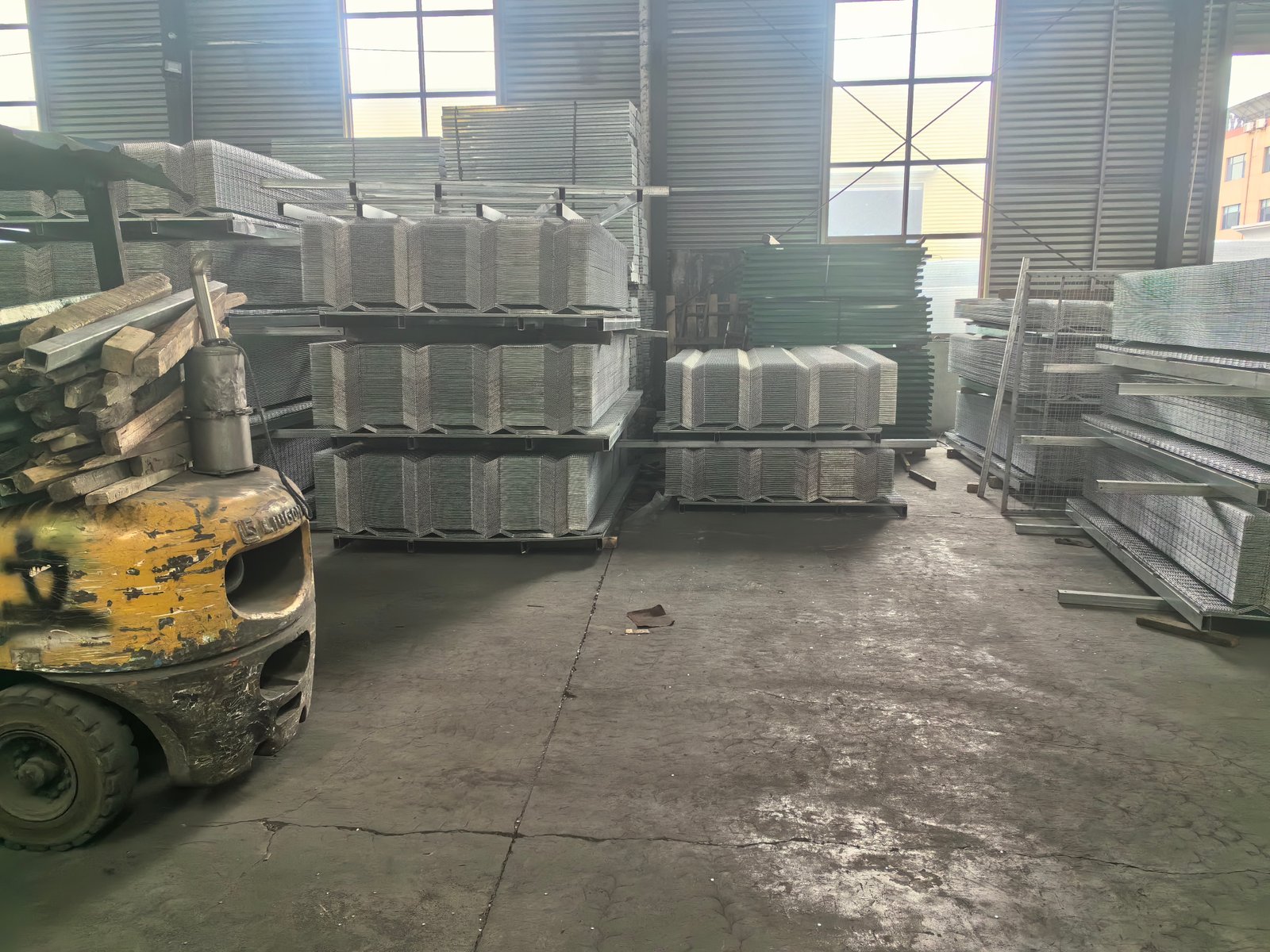
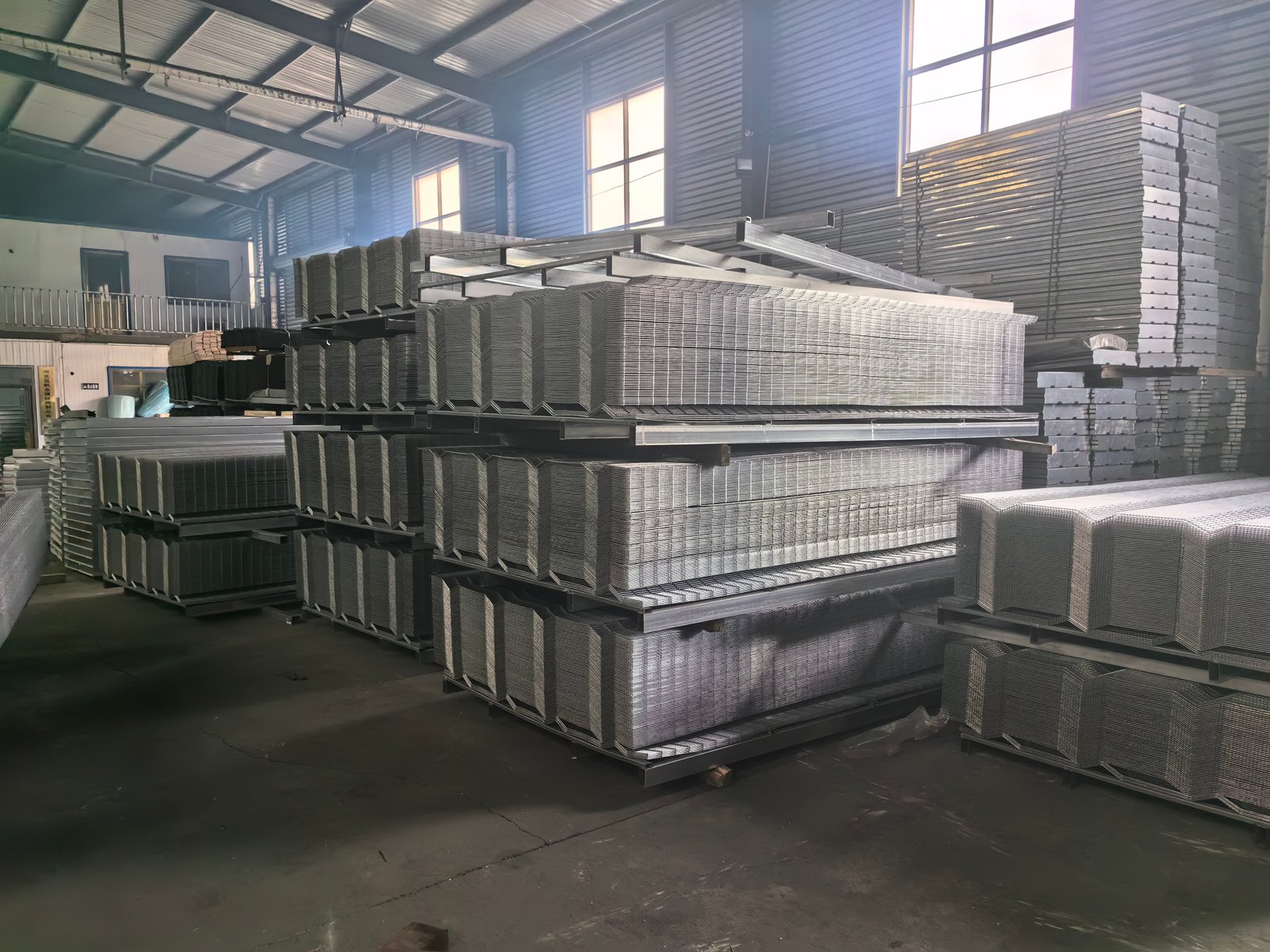
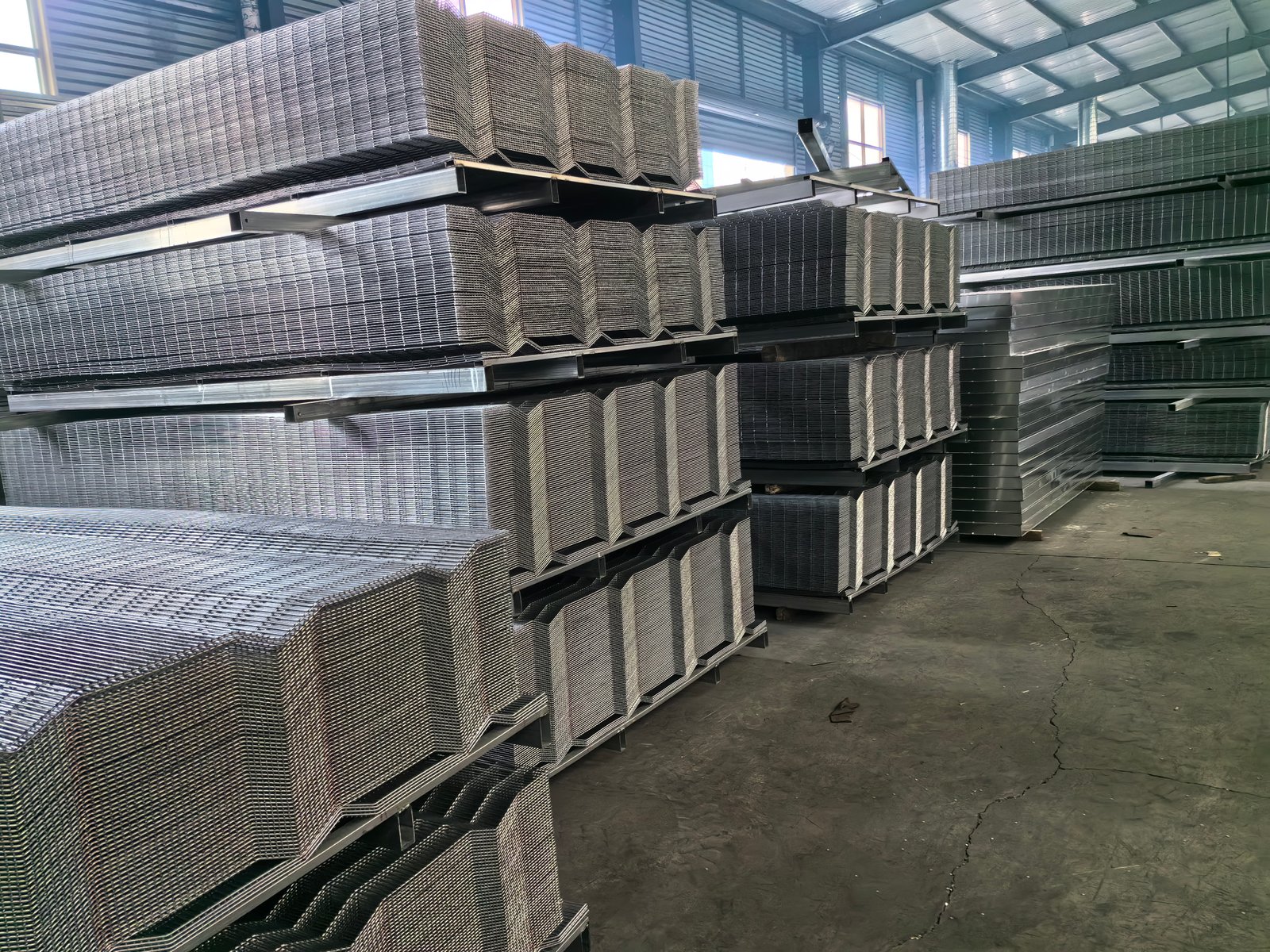
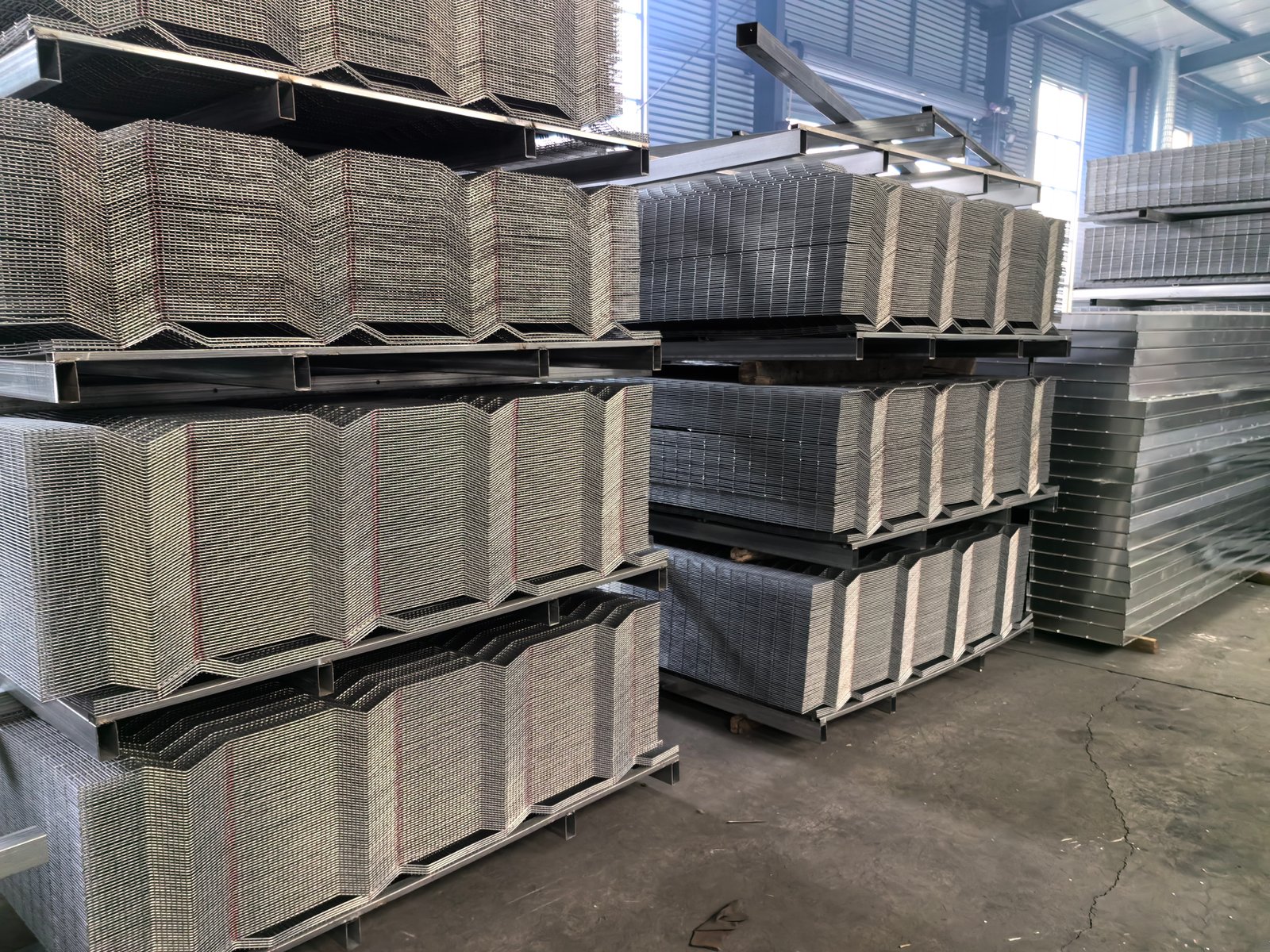
Clear View Fence FAQs: Basic Product Questions
1. What Is Clear View Fencing?
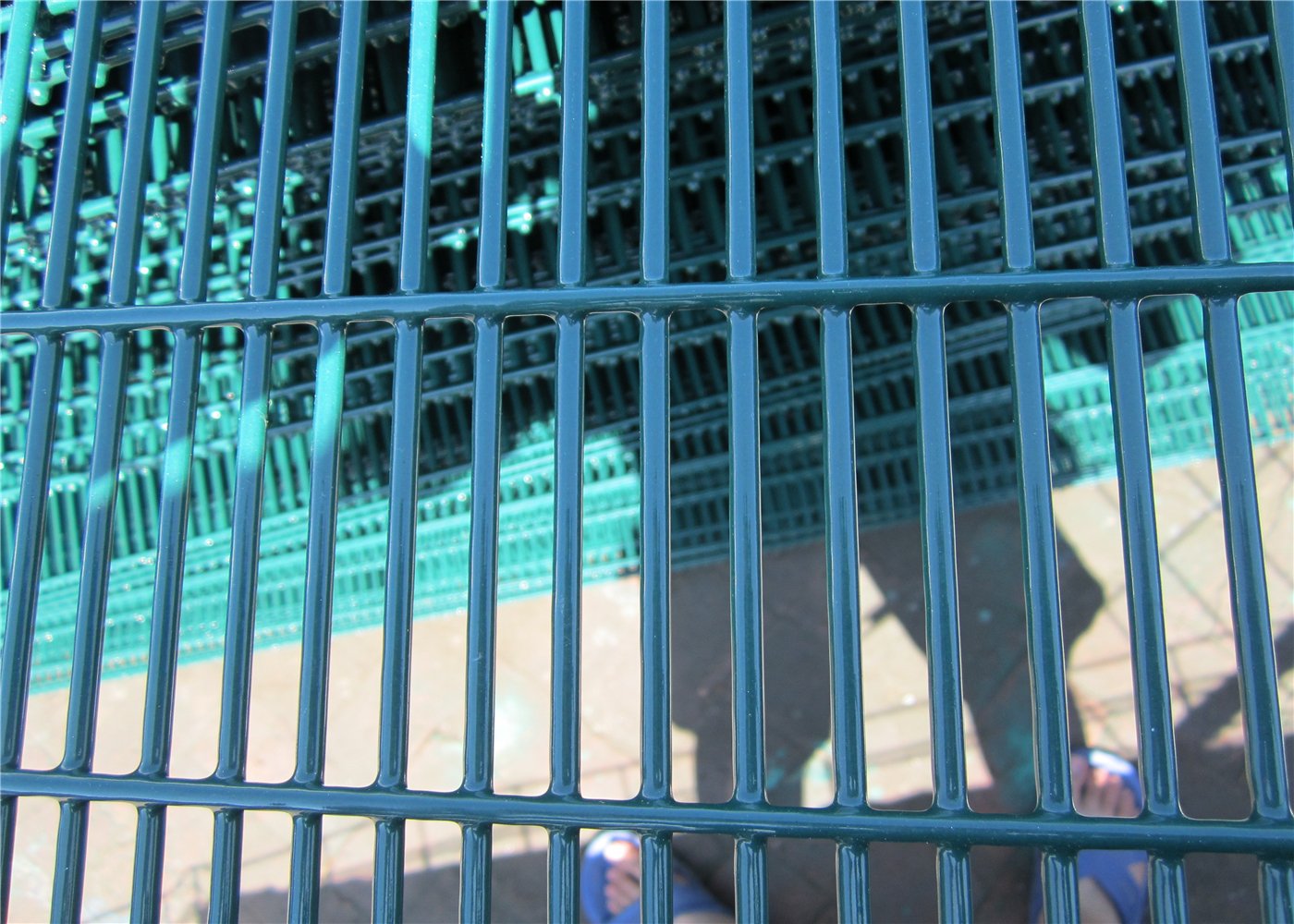
Clear view fencing uses welded steel wires to form a rigid security barrier. Narrow openings discourage climbing while maintaining visibility. Steel posts, clamps, and compatible gates complete the perimeter system.
Unlike solid walls, welded mesh allows airflow and daylight through the boundary. Security teams can also observe surrounding activity. Many buyers select Clear View Fencing for these practical characteristics.
2. Clear View Fence FAQs: Product Names and Brands
Manufacturers use names such as ClearVu, Clearview, and Clear View for related security fencing products. However, these terms do not guarantee identical specifications. Different manufacturers may offer different mesh sizes and post profiles.
Buyers should compare approved drawings rather than marketing descriptions. Certain product names may also carry trademark rights. Technical documents provide a stronger basis for purchasing decisions.
3. What Materials Do Clear View Fences Use?
Most conventional 358 security mesh systems use welded steel wire. Supporting components generally include steel posts, clamps, bolts, and gates. Protective finishes help reduce corrosion.
Some transparent barriers use alternative materials. However, buyers should not confuse these products with conventional welded security mesh. Material certificates can identify the specified steel grade.
4. Clear View Fence FAQs: Key Product Features
Clear view fencing combines narrow openings with a transparent structure. This arrangement discourages climbing while supporting surveillance. Rigid welded panels also maintain a consistent appearance.
Security performance depends on the complete assembly. Strong panels require compatible posts and secure connections. Appropriate installation remains essential.
Clear View Fence FAQs: Mesh Specifications
5. Clear View Fence FAQs: What Does 358 Mesh Mean?
The designation originates from imperial measurements. Traditional 358 mesh uses approximately 3-inch by 0.5-inch spacing and 8-gauge wire. Metric references commonly use 76.2 × 12.7mm wire centres.
Actual wire diameter depends on the product specification. Many security mesh systems use approximately 4mm wire. Buyers should confirm dimensions before ordering.
6. What Is the Difference Between Mesh Centres and Clear Openings?
Mesh centres measure distances between neighbouring wire centres. Clear openings measure the available space between wire surfaces. These measurements are not identical.
For example, 12.7mm centres with 4mm wire create approximately 8.7mm clear spacing. Manufacturing tolerances may affect finished dimensions. Quotations should identify the measurement method.
7. Clear View Fence FAQs: Available Security Grades
Manufacturers offer different mesh configurations for different applications. Narrow openings generally provide fewer convenient climbing points. Wider openings may suit lower-risk boundaries.
| Reference Grade | Mesh Centres | Typical Application |
|---|---|---|
| High Security | 76.2 × 12.7mm | Industrial and sensitive boundaries |
| Medium Security | 76 × 25mm | Commercial properties |
| Low Security | 76 × 50mm | Selected residential boundaries |
These descriptions identify general product configurations rather than certified resistance ratings. Formal security classifications require appropriate testing. Buyers should request relevant reports where necessary.
8. Which Wire Diameter Should Buyers Choose?
Common configurations include 3mm, 3.5mm, and 4mm wire. Thicker wire generally increases steel consumption. However, weld quality and panel geometry also influence performance.
Different Clear View Fence Panels serve different security requirements. Buyers should compare matching dimensions and material grades.
9. Clear View Fence FAQs: Available Panel Heights
Common panel heights include 1800mm, 2000mm, 2100mm, 2400mm, and 3000mm. Manufacturers may also offer customised dimensions. Taller panels require suitable supporting structures.
Fence height alone cannot guarantee security. Nearby walls and equipment may create alternative access routes. A site assessment should guide selection.
10. Why Do Some Panels Have V-Bends?
V-bends introduce shaped reinforcement into selected welded panels. Their geometry can improve panel rigidity. Manufacturers offer different bend counts and depths.
Some security systems use flat panels instead. Both arrangements require suitable posts and connections. Approved drawings should define the final configuration.
Clear View Fence FAQs: Security Performance
11. Clear View Fence FAQs: Anti-Climb Protection
Narrow mesh openings reduce convenient handholds and footholds. This geometry discourages climbing compared with many wide-aperture systems. However, no fence guarantees complete protection.
Nearby structures can create alternative access routes. Suitable Clear Vu Fence assemblies should form part of a wider security plan. Lighting and surveillance also matter.
12. Can Intruders Cut Through the Mesh?
Cutting resistance depends on wire diameter, material properties, and available tools. Stronger wire may increase the required effort. However, determined attackers can damage steel mesh.
Buyers should avoid unsupported cutting-resistance claims. Formal testing provides stronger evidence. Security planners should also consider response times.
13. Clear View Fence FAQs: CCTV Visibility
Transparent mesh allows cameras to observe activity beyond property boundaries. Solid walls can obstruct these sightlines. However, camera placement remains important.
Vegetation and poor lighting may reduce visibility. Reflective surfaces can also affect images. Security teams should test actual camera coverage.
14. Can Electric Fencing Improve Security?
Electric fencing can provide another deterrent layer. However, installation requires suitable equipment and regulatory compliance. Professional installers should assess electrical safety.
South African projects must follow applicable requirements. Owners should confirm inspection and certification obligations. Unauthorised modifications can create serious hazards.
15. Clear View Fence FAQs: Security Spikes
Security spikes provide additional deterrence in selected applications. However, sharp components introduce contact hazards. Their suitability depends on location and regulations.
Schools and public spaces require particular caution. Property owners should evaluate safer alternatives where appropriate. A risk assessment should guide the decision.
Clear View Fence FAQs: Installation and Structural Design
16. Clear View Fence FAQs: Installation Methods
Installation begins with a site survey and approved layout. Contractors establish post positions before excavation. Foundation work follows the structural drawings.
Workers then align posts and install the mesh panels. Compatible clamps secure the connections. Final inspections check stability and ground clearances.
17. Which Fence Posts Are Available?
Common options include square, rectangular, tapered, and I-shaped steel posts. Each profile requires compatible connections. Structural capacity depends on dimensions and loading.
An IPE Post offers a different connection arrangement from square tubing. Buyers should confirm the complete assembly.
18. Clear View Fence FAQs: Foundation Depth
Foundation depth depends on soil conditions, fence height, and wind loading. A single universal depth cannot suit every site. Engineers should approve the design.
Soft ground may require larger foundations. Rocky terrain can complicate excavation. Accurate surveys help contractors estimate costs.
19. Can Contractors Install Panels on Existing Concrete?
Some designs use base plates and engineered anchors. However, existing concrete must provide sufficient strength. Slab thickness and edge distances matter.
Contractors should inspect the supporting structure. Anchor selection requires technical approval. Improvised installations may compromise stability.
20. Clear View Fence FAQs: Sloping Ground Installation
Installers can use stepped arrangements or customised panels on sloping ground. Changes in elevation affect post heights and bottom clearances. Detailed surveys help prevent unexpected gaps.
Stepped panels may leave triangular spaces near the ground. These gaps can affect perimeter security. Custom designs may reduce the problem.
Clear View Fence FAQs: Corrosion and Maintenance
21. Clear View Fence FAQs: Galvanizing and Rust Protection
Galvanizing provides zinc-based corrosion protection. Its performance depends on coating quality and exposure conditions. However, zinc coatings do not eliminate every corrosion risk.
Damaged surfaces require inspection. Marine environments create additional challenges. Buyers should confirm the specified galvanizing process.
22. Is Powder Coating Better Than Galvanizing?
These finishes provide different protective functions. Powder coating adds colour and a barrier layer. Galvanizing provides zinc-based protection.
Compatible duplex systems combine both approaches. However, proper surface preparation remains essential. Environmental conditions should guide selection.
23. Clear View Fence FAQs: Coastal Weather Resistance
Suitable coated systems can serve coastal locations. However, airborne salt increases corrosion risks. Maintenance schedules should reflect local exposure.
Durban's humid marine environment creates challenges for outdoor steel. Similar concerns affect exposed Cape Town properties. Owners should inspect fasteners and damaged coatings.
Clearview Fencing Durban systems require suitable coastal protection. Buyers should specify environmental conditions before ordering.
24. How Often Should Owners Maintain Their Fences?
Maintenance frequency depends on exposure and usage. Coastal properties may need more frequent cleaning. Industrial sites should also inspect accidental damage.
Owners should check coatings, fasteners, and gate hardware. Prompt repairs can reduce deterioration. Records help track recurring problems.
25. Clear View Fence FAQs: Repairing Damaged Panels
Minor coating damage may allow suitable repairs. However, significant wire damage can require panel replacement. Structural damage needs professional assessment.
Replacement panels must match existing dimensions. Clamp positions also require compatibility. Owners should avoid unapproved structural modifications.
Clear View Fence FAQs: Costs and Purchasing
26. Clear View Fence FAQs: Factors Affecting Prices
Prices depend on mesh density, wire diameter, panel dimensions, and coatings. Posts and clamps also influence costs. Installation introduces additional expenses.
Buyers should compare complete quotations. Some suppliers exclude gates or foundations. The Cost of Clear View Fencing also depends on transport.
27. Is Factory-Direct Purchasing Cheaper?
Factory-direct procurement may reduce certain supply-chain costs. However, international shipping introduces additional expenses. Customs and local transport also matter.
Large projects may benefit from consolidated shipments. Smaller orders may favour local suppliers. Buyers should compare complete landed costs.
Clearview Fencing from China involves freight planning and import documentation. Accurate cost comparisons require matching specifications.
28. Clear View Fence FAQs: Complete Quotation Checklist
Quotations should identify panels, posts, clamps, and security bolts. Gates and protective coatings need separate confirmation. Delivery terms also matter.
| Quotation Item | Required Details |
|---|---|
| Panels | Height, width, mesh centres, wire diameter |
| Posts | Profile, thickness, length, finish |
| Clamps | Type, size, quantity, bolts |
| Gates | Dimensions, frame, locks, hinges |
| Coatings | Process, colour, technical specification |
| Packaging | Pallets, wrapping, accessory cartons |
| Transport | Incoterm, destination, delivery scope |
| Documents | Drawings, certificates, packing list |
29. How Can Buyers Compare Different Suppliers?
Compare matching technical specifications before reviewing prices. Different wire thicknesses can create misleading quotations. Coating quality also affects long-term value.
Buyers should request drawings and inspection documentation. Product samples may help verify construction. A Clearvu Fencing quotation should identify all essential components.
30. Clear View Fence FAQs: BMP Manufacturer Warranty
BMP offers a 15-year manufacturer warranty for its ClearVu and Clearview fencing products, subject to written terms. Customers should review coverage conditions.
Environmental exposure and maintenance may affect warranty obligations. Buyers should retain purchase records. Written documentation provides the clearest reference.
Clear View Fence FAQs: Residential and Commercial Applications
31. Clear View Fence FAQs: Residential Security
Residential properties often require security without obstructing views. Transparent welded mesh supports this balance. However, suitable fence height depends on local requirements.
Homeowners should consider gate security and surrounding structures. Landscaping may affect visibility. Different neighbourhoods require different risk assessments.
32. Can Clear View Fencing Protect Swimming Pools?
Some fence configurations may suit pool enclosures. However, pool barriers require specific safety features. General security fencing does not automatically satisfy these rules.
Gate operation, openings, and climbable features require careful review. Local building requirements must guide design. Owners should obtain appropriate professional advice.
33. Clear View Fence FAQs: Balcony Safety
Balconies require structural barriers that resist applicable loads. Ordinary security mesh specifications may not meet these requirements. Engineers must assess the complete assembly.
Guard height and opening limitations also matter. Fixings need suitable supporting structures. Property owners should avoid using unverified fencing as balustrades.
34. Does Clear View Fencing Reduce Noise?
Open welded mesh provides little meaningful acoustic separation. Sound passes through the openings. Solid acoustic barriers perform a different function.
Properties near highways may require dedicated noise-control systems. Engineers should assess acoustic performance separately. Transparent fencing primarily supports security and visibility.
35. Clear View Fence FAQs: Privacy Options
Transparent mesh does not provide substantial visual privacy. People can generally see through the openings. Privacy screens may reduce visibility.
However, solid additions increase wind loading. Structural checks become important. Landscaping can offer another approach without modifying the mesh.
36. Is Clear View Fencing Suitable for Commercial Properties?
Warehouses, factories, dealerships, and logistics facilities often require visible perimeter boundaries. Welded security mesh can support monitoring. Controlled gates remain essential.
Industrial properties may also require different security zones. Higher-risk areas need appropriate assessments. Clear View Fence Prices vary with these requirements.
Clear View Fence FAQs: Temporary Fencing and Site Access
Permanent security fencing and temporary site barriers serve different purposes. Construction projects may need portable protection before permanent installation. Temporary systems require suitable bases and connections.
Temporary Fencing Panels help separate active work areas. Compatible Temporary Fence Blocks support the portable panels.
Some projects also use Temporary Fence Gates to control access. However, local safety requirements remain important.
Clear View Fence FAQs: South African Regional Considerations
Durban and Coastal Corrosion
Durban combines coastal housing with major port and industrial activity. Marine exposure can accelerate deterioration of damaged steel coatings. Suitable finishes help reduce maintenance demands.
Industrial sites also need clear surveillance around loading areas. Transparent mesh supports visibility. Security planning should consider individual property risks.
Clear View Fence FAQs: Johannesburg Industrial Security
Johannesburg contains extensive warehousing and commercial developments. Property crime concerns can influence perimeter planning. However, actual risks vary between locations.
Facility managers should evaluate access routes and valuable assets. Cameras and lighting support physical barriers. Strong gate systems remain important.
Cape Town and Wind Exposure
Cape Town's exposed locations may experience substantial wind loading. Fence height and structural geometry influence design. Coastal salt also affects protective coatings.
Engineers should review post spacing and foundations. Solid privacy attachments can increase loads. Maintenance plans should reflect marine conditions.
Clear View Fence FAQs: Environmental Questions
Clear View Fence FAQs: Steel Recycling
Steel offers established recycling opportunities. However, coatings and mixed components affect recovery processes. Local recycling facilities determine practical options.
Long service life can reduce replacement frequency. Suitable maintenance also helps preserve materials. Buyers should evaluate the complete product lifecycle.
Does Clear View Fencing Block Natural Light?
Open welded mesh allows substantial daylight through its apertures. It also permits airflow. This differs from solid privacy barriers.
However, the fence still creates shadows. Wire density influences the effect. Site orientation also matters.
Clear View Fence FAQs: Branding and Signage
Signs and branding panels may suit selected commercial sites. However, solid attachments increase wind resistance. Engineers should check structural loading.
Large advertising panels can change fence behaviour. Property owners should avoid unapproved modifications. Local planning rules may also apply.
Clear View Fence FAQs: Final Buying Advice
Buyers should start with site dimensions and security requirements. Accurate drawings help manufacturers identify suitable products. Environmental exposure also influences coatings and maintenance.
Different Clearvu Fence configurations create different purchasing costs. Matching specifications make comparisons more reliable. Customers should also review gate and foundation requirements.
For related international products, ClearVu Fence Panels provide another product reference. However, local project requirements should guide final selection.
Conclusion: Clear View Fence FAQs for Better Decisions
These Clear View Fence FAQs explain the main differences between security mesh configurations and complete fencing systems. Strong panels require compatible posts, connections, and foundations. Suitable coatings also support long-term performance.
South African buyers should consider local security risks and environmental conditions. Coastal corrosion and structural loading deserve particular attention. Complete quotations help prevent unexpected expenses.
BMP manufactures configurable security fencing for international projects. Send your technical requirements to clearvu@construction-fence.com. Our team can prepare a detailed quotation.