
Categories
Recent News & Blog
Share With
Understanding the clearvu fencing price per metre helps property owners make better security investments. South African buyers often compare fence height, mesh strength, coating quality, and installation expenses before selecting a supplier. However, the cheapest quotation rarely represents the lowest long-term ownership cost.
BMP offers factory reference prices ranging from USD 33.23 to USD 45.38 per linear metre. These prices apply to selected bulk supply configurations, with a minimum order of 300 linear metres. Final quotations depend on technical specifications, order quantities, accessories, and delivery terms.
For residential estates, industrial facilities, and commercial developments, Clear Vu Fence provides a practical combination of visibility and perimeter protection. Its closely spaced welded mesh discourages climbing while allowing security personnel to observe activity beyond the boundary.
| Product | ClearVu Security Fencing |
| Factory Reference Price | USD 33.23–45.38 per linear metre |
| Minimum Order | 300 linear metres |
| Panel Heights | 1800 / 2000 / 2100 / 2400 / 3000 mm |
| Standard Panel Width | 3305 mm |
| High-Security Mesh | 76.2 × 12.7 mm, centre to centre |
| Wire Diameters | 3/3, 3/4, 4/4 mm |
| Post Options | Tapered, square, rectangular, C-profile |
| Surface Finish | Galvanized and powder coated |
| Standard Colours | RAL 6005 / RAL 9005 |
| Packing | Steel pallets |
| Manufacturer Warranty | 15 years, subject to warranty terms |
| Price Basis | Indicative factory supply, excluding installation, freight, duties, and taxes |
ClearVu fencing costs depend on the complete system rather than panel dimensions alone. Steel consumption, post design, protective coatings, and manufacturing complexity all influence factory pricing. Consequently, buyers should compare equivalent technical specifications before deciding which quotation offers better value.
For larger developments, Clearvu Fencing offers flexible panel dimensions and different post configurations. Project engineers can match these options to local security requirements and installation conditions.
The following table illustrates selected factory reference prices within BMP's quoted range. Each option represents a different purchasing scenario rather than a guaranteed market rate.
| Fence Configuration | Height | Reference Price per Metre | Typical Application |
|---|---|---|---|
| Economy Security | 1800 mm | USD 33.23 | Commercial boundaries |
| Standard Security | 2000 mm | USD 35.76 | Residential estates |
| Enhanced Security | 2100 mm | USD 38.49 | Warehouses |
| High Security | 2400 mm | USD 42.68 | Industrial facilities |
| Custom Security | Project-specific | Up to USD 45.38 | Restricted facilities |
These figures illustrate possible supply budgets and require confirmation against a complete bill of materials. A taller fence may exceed the indicated range when buyers specify heavier wire, stronger posts, or specialist coatings.
South African installation quotations often exceed imported factory prices because contractors provide additional services. Local pricing may include site surveys, foundations, labour, transport, and installation equipment.
Published 2026 market guides commonly describe installed Clear View fencing around R900–R1,650 per metre. Actual project quotations can fall outside that range. Comparing factory supply with installed pricing requires careful attention to scope.
For example, a factory quotation might cover panels, posts, and fastening hardware. Meanwhile, a local contractor may supply concrete, excavate foundations, install gates, and manage site access. Buyers should request separate prices for these activities.
Several engineering decisions influence material consumption and manufacturing costs. Understanding these variables helps procurement teams avoid unnecessary expenses without weakening the required security performance.
Increasing fence height generally increases steel consumption and panel weight. Taller installations may also require longer posts, stronger foundations, and additional fastening points.
A 1800 mm boundary often suits residential or commercial environments with moderate security requirements. Industrial compounds may prefer 2400 mm fencing where climbing resistance and access control deserve greater attention.
For particularly sensitive locations, 3000 mm panels can provide additional height. Nevertheless, engineers must verify structural loading, post strength, and foundation requirements before approving the design.
Wire diameter directly influences panel weight, stiffness, and resistance to deformation. Common configurations include 3/3 mm, 3/4 mm, and 4/4 mm welded wire.
Thicker wire increases material consumption and can improve mechanical resistance. However, welding quality and joint integrity remain important alongside nominal wire thickness.
High-security mesh commonly uses 76.2 × 12.7 mm centre-to-centre spacing. The actual clear openings are smaller because the steel wires occupy part of that distance.
Buyers considering Clearvu Fencing should confirm both wire orientation and aperture measurements. Small openings restrict convenient finger and footholds while maintaining useful visibility.
Fence posts transfer loads from the mesh into the foundations. Their dimensions and spacing therefore influence structural performance and material costs.
Tapered posts provide a distinctive appearance and accommodate matching security clamps. Square and rectangular posts offer alternative arrangements for different site requirements.
Corner locations, vehicle entrances, and exposed boundaries may need additional reinforcement. Engineers should determine the final sections according to site conditions rather than price alone.
Corrosion protection affects both initial pricing and long-term maintenance expenses. Galvanizing provides sacrificial zinc protection, while suitable powder coatings add colour and another protective barrier.
Coating performance depends on surface preparation, zinc coverage, application quality, and environmental exposure. A decorative finish alone cannot guarantee adequate protection near the ocean.
Customers should request coating specifications, inspection criteria, and applicable standards. Proper documentation helps distinguish economical manufacturing from inadequate corrosion protection.
South Africa's coastline creates different challenges from inland installations. Salt deposits, humidity, coastal winds, and frequent moisture can accelerate corrosion on inadequately protected steel.
Properties around Cape Town, Durban, and Gqeberha need careful coating selection. Coastal warehouses and logistics yards may also face regular vehicle movement and demanding maintenance conditions.
Cape Town's Atlantic coastline exposes many properties to airborne salt and seasonal winds. Fence foundations and post sections require appropriate engineering for these conditions.
Homeowners and commercial developers can explore Clearvu Fencing Western Cape for regional specification considerations. A suitable coating system helps reduce corrosion risks around welds, clamps, and exposed connections.
Security visibility also matters around coastal holiday properties and industrial storage areas. Open mesh allows cameras and security personnel to observe activity without relying on a solid boundary wall.
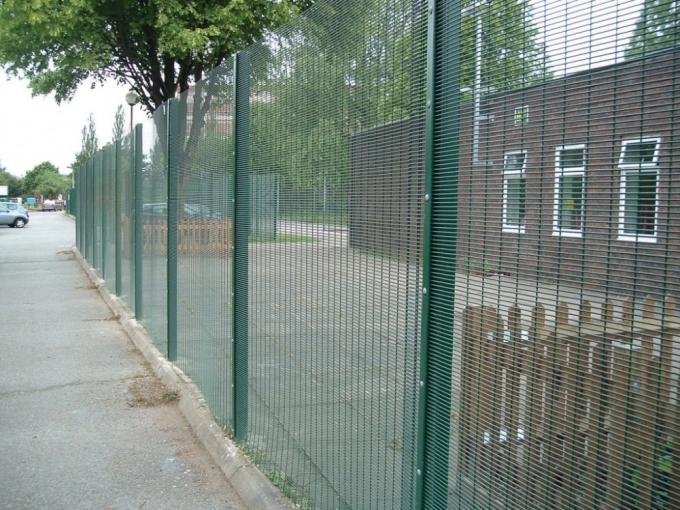
The narrow welded mesh provides perimeter visibility while limiting convenient climbing footholds.
Durban combines humid coastal conditions with major logistics and industrial activities. Warehouses, freight depots, and commercial compounds need dependable perimeter control.
Security fencing can help discourage unauthorized entry and protect storage boundaries. However, effective protection also requires reliable gates, lighting, surveillance, and operating procedures.
Marine exposure may justify additional coating specifications and regular inspections. Buyers should examine post bases and hardware connections where moisture can accumulate.
Johannesburg, Pretoria, and surrounding industrial districts face different environmental and operational demands. Busy commercial sites often prioritize visibility, access management, and protection against opportunistic intrusion.
Distribution centres may benefit from clearly defined vehicle entrances and separate pedestrian access. Security teams can observe movement through welded mesh while maintaining controlled boundaries.
Unlike coastal projects, many Gauteng installations face less direct marine exposure. Nevertheless, rainfall, industrial pollution, and damaged coatings can still create corrosion problems.
Security performance depends on aperture geometry, wire strength, attachment design, and installation quality. Different sites require different combinations of these characteristics.
| Security Category | Typical Mesh Centres | Main Advantage | Common Application |
|---|---|---|---|
| Low Security | 76.2 × 50.8 mm | Visibility and boundary definition | General commercial properties |
| Medium Security | 76.2 × 25.4 mm | Smaller climbing footholds | Schools and warehouses |
| High Security | 76.2 × 12.7 mm | Strong anti-climb geometry | Industrial and restricted sites |
Mesh spacing alone does not establish a certified security rating. Testing, hardware selection, installation quality, and the complete barrier design determine actual performance.
Facilities requiring restricted access often select Clear Vu Fence systems with closely spaced welded wires. Such configurations can complement electronic detection systems and monitored access points.
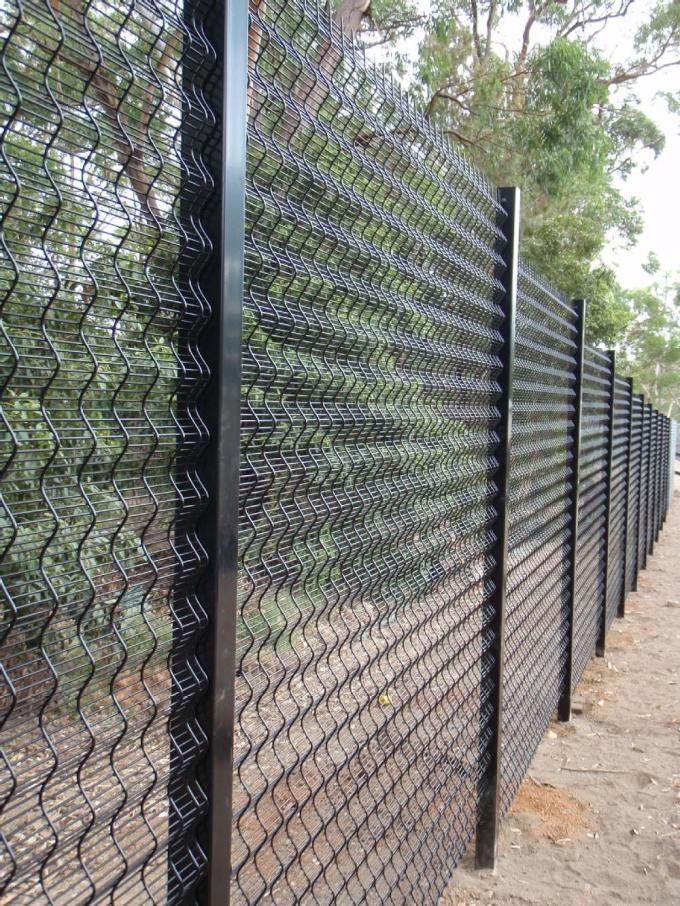
High-security panels combine narrow mesh geometry with welded intersections for demanding perimeter applications.
Accurate budgeting begins with the complete perimeter length. Buyers should measure each straight section and identify corners, gates, and changes in ground elevation.
Next, calculate the required panel quantities using the approved post spacing. A nominal 3305 mm panel does not necessarily create an identical installed centre-to-centre span.
Finally, add posts, clamps, foundations, transport, and optional security equipment. This approach produces a more realistic budget than multiplying fence length by a panel-only price.
Consider a commercial project requiring 300 linear metres of fencing. The following calculation uses a reference supply rate of USD 35.76 per metre.
| Fence Length | 300 metres |
| Reference Unit Price | USD 35.76 |
| Estimated Factory Supply | USD 10,728.00 |
| Shipping | Quoted separately |
| Installation | Excluded |
| Gates and Optional Security | Quoted separately |
This calculation assumes the selected fence configuration qualifies for the indicated supply rate. The actual material schedule must confirm post and accessory quantities.
Larger industrial developments can benefit from consolidated production and shipping. Consider a 720-metre project using a reference price of USD 38.49 per metre.
| Fence Length | 720 metres |
| Reference Unit Price | USD 38.49 |
| Estimated Factory Supply | USD 27,712.80 |
| Freight and Import Costs | Excluded |
| Site Construction | Excluded |
Longer runs may improve manufacturing efficiency, although freight costs depend on shipment weight and loading arrangements. Project managers should request a packing list before comparing shipping options.
Panel width influences the number of posts, clamps, and installation operations along a boundary. Wider panels can reduce connection points on suitable straight runs.
However, wider spans may increase structural demands under wind and impact loading. Designers must balance installation efficiency with adequate support.
A 3305 mm panel system may suit large commercial developments with regular boundary geometry. Smaller panels can offer practical advantages around short sections, corners, and restricted access areas.
For technical comparisons, Clearvu Clearview Fencing demonstrates how welded mesh supports security without creating an opaque perimeter.
Gates represent a separate budget category because their frames, hinges, locks, and support posts differ from standard fence panels. Vehicle entrances often require stronger structural components.
Pedestrian gates can provide controlled staff access without opening the main vehicle entrance. Double-swing gates suit wider openings where sufficient clearance exists.
Sliding gates can help facilities manage traffic along constrained access routes. Automated systems introduce additional requirements for motors, safety devices, foundations, and electrical connections.
Projects requiring matching entrances can incorporate Clearvu Gates into the initial design. Early planning helps maintain consistent mesh patterns and protective finishes.
Industrial buyers should examine daily traffic volume, vehicle dimensions, and emergency access requirements. Gate openings must accommodate operational movements without weakening adjacent fence sections.
Large sliding systems may require dedicated foundations and reinforced posts. Manual swing gates can provide a simpler option where space and operating conditions permit.
Security hardware deserves equal attention. Weak locks or exposed hinges can undermine an otherwise strong perimeter.
Some properties require additional deterrents beyond welded mesh. Electric fencing, razor wire, security spikes, and surveillance equipment can increase overall project costs.
These accessories should match the property's risk assessment and applicable safety requirements. Electrical installations need appropriate professional design, warning signage, and maintenance arrangements.
For high-security developments, additional toppings can discourage attempts to cross the perimeter. However, no single fencing component guarantees protection against every intrusion method.
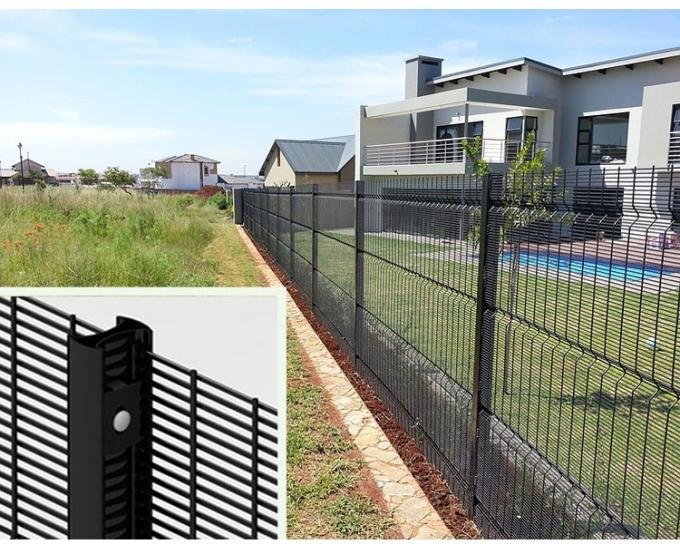
Welded wire geometry contributes to climbing resistance while retaining clear views through the perimeter.
Permanent security fencing and temporary barriers serve different operational purposes. ClearVu fencing establishes a long-term boundary, while temporary systems help manage changing site layouts.
Construction managers often use Temporary Fencing during early building stages. These movable systems can separate workers, equipment, and public access routes.
For public gatherings and controlled pedestrian queues, Crowd Control Barriers provide flexible arrangements. Their removable construction allows operators to adjust access routes as activities change.
Temporary fence installations may also require Temporary Fence Blocks to support panels. Appropriate stability depends on the complete temporary fencing design and site conditions.
Permanent welded mesh generally offers a different level of structural attachment and access resistance. Buyers should select the system according to the intended security function.
South African buyers can purchase fencing through local distributors or source larger quantities directly from manufacturers. Each purchasing route involves different responsibilities and costs.
Local suppliers may offer shorter delivery distances and installation services. Factory procurement can provide more control over panel dimensions, post configurations, and production quantities.
However, imported materials require planning for freight, customs, inland transport, and delivery coordination. Currency movements can also influence the final landed cost.
Buyers researching Clearvu Fencing Western Cape suppliers should compare total project scope rather than headline prices alone.
Durban handles important cargo movements serving KwaZulu-Natal and inland commercial markets. Cape Town provides another route for Western Cape developments and surrounding regions.
Port selection depends on vessel schedules, inland distance, handling arrangements, and project deadlines. A lower ocean freight quotation does not always produce the lowest delivered cost.
Importers should confirm whether quotations use FOB, CIF, or another agreed Incoterms rule. Each term assigns different transport responsibilities and risk-transfer points.
Initial material prices tell only part of the ownership story. Corrosion, damaged hardware, and inadequate installation can increase maintenance costs over time.
Coastal properties require particular attention to salt exposure and coating damage. Regular washing and inspection may help reduce accumulated deposits and identify deterioration early.
Factory quality control should include welding inspections, dimensional checks, and coating verification. Buyers can request relevant production records and test documentation.
BMP provides a 15-year manufacturer warranty for its ClearVu and Clearview fencing products, subject to applicable warranty conditions. Buyers should confirm coverage, exclusions, and maintenance obligations before purchase.
Comparing prices without matching technical specifications can produce misleading conclusions. Procurement teams should review every quotation against the same project requirements.
Missing accessories can create unexpected expenses after materials arrive. A detailed bill of materials reduces purchasing uncertainty and helps contractors prepare installation schedules.
Reliable suppliers should provide consistent specifications, clear quotations, and suitable manufacturing documentation. Product photographs alone cannot establish welding quality or coating performance.
Buyers can review the Clearview Fence Catalogue when comparing panel systems, posts, gates, and accessories. Technical drawings remain important for confirming the exact approved configuration.
For regional applications, Clear View Fencing Cape Town provides another reference for high-security welded mesh specifications. Site conditions should guide the final engineering decisions.
West African procurement teams can also explore Clearvu Fence Panels when reviewing related security mesh systems. Project-specific quotations should identify applicable dimensions and supply conditions.
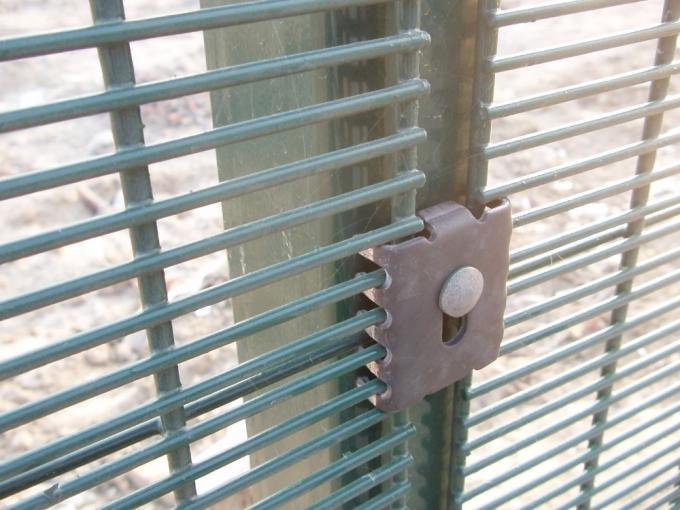
Consistent panel geometry and suitable fastening hardware help maintain an orderly security perimeter.
BMP's indicative factory supply range is USD 33.23–45.38 per linear metre for selected configurations. Final pricing depends on the complete specification, quantity, and commercial terms.
No. The indicative factory range excludes on-site installation, foundations, freight, customs duties, and taxes. Buyers should request a separate installed quotation when required.
The minimum order quantity is 300 linear metres. Buyers can discuss mixed heights or customised configurations when requesting a formal quotation.
Fine-aperture 358 mesh generally requires more closely spaced wires than wider-aperture alternatives. This can increase material consumption and welding requirements.
A 1800 mm or 2000 mm system may suit many commercial boundaries. Higher-security projects may require 2400 mm or taller panels.
Suitable galvanizing and powder coating can improve corrosion resistance in coastal environments. Long-term performance still depends on coating quality, exposure, maintenance, and installation details.
Gate prices normally require separate calculation. Their dimensions, frames, hardware, and automation requirements differ from standard fencing sections.
Service life varies with corrosion exposure, installation quality, and maintenance. BMP offers a 15-year manufacturer warranty under its applicable product warranty terms.
Yes. Common heights include 1800, 2000, 2100, 2400, and 3000 mm. Custom dimensions require confirmation against manufacturing and engineering requirements.
Provide the total fence length, required height, mesh specification, wire diameter, post design, coating, and destination. Include gate drawings and accessory requirements when available.
The clearvu fencing price per metre should reflect security requirements, material quality, and the complete supply scope. Low initial prices offer limited value when specifications or essential accessories remain unclear.
BMP's indicative factory pricing ranges from USD 33.23 to USD 45.38 per linear metre, with a 300-metre minimum order. Buyers can select different panel heights, wire configurations, posts, and protective finishes.
For South African developments, coastal exposure, site security, transport distances, and installation conditions deserve particular attention. A properly specified system can help control maintenance costs while supporting reliable perimeter protection.
Send your project dimensions and required specifications to clearvu@construction-fence.com for a detailed quotation. BMP can review suitable fencing configurations, packing arrangements, and available shipping options.