
Anti-Climb Measures: 6 Ways to Protect Walls, Fences and Properties
Anti-Climb Measures help property owners reduce unauthorised access across walls, fences, and exposed structures. Different products discourage climbing through physical barriers, restricted footholds, or controlled access. However, no single device can guarantee complete perimeter protection.
South African properties face varied security challenges, from residential trespassing to industrial equipment theft. Coastal weather also affects the durability of outdoor protection. Consequently, choosing suitable equipment requires more than comparing initial prices.
This guide examines six practical solutions, their advantages, limitations, and installation considerations. It also explores layered security, coastal maintenance, and project planning. Buyers can use these comparisons to develop a suitable perimeter strategy.
What Are Anti-Climb Measures?
Anti-climb measures are physical or electronic systems that discourage people from scaling barriers. They protect walls, fencing, poles, and other vulnerable structures. Their effectiveness depends on installation quality and surrounding conditions.
Common solutions include wall spikes, anti-climb paint, roller barriers, welded security mesh, electric fencing, and pole collars. Each option addresses a different climbing opportunity. Some systems work better when combined with complementary security equipment.
For example, narrow Anti Climb Security Fence panels reduce convenient handholds. Security toppings can discourage attempts to cross the upper boundary. Cameras and lighting help monitor activity.
Anti-Climb Measures: Six Security Solutions Compared
The following table compares six approaches by function and typical application. Actual suitability depends on local rules and project conditions. A qualified security specialist should assess high-risk installations.
| Solution | Primary Function | Typical Application | Main Consideration |
|---|---|---|---|
| Wall Spikes | Discourage crossing wall tops | Industrial and selected commercial boundaries | Injury risk and local restrictions |
| Anti-Climb Paint | Reduce grip on surfaces | Selected walls and structures | Warnings and ongoing maintenance |
| Roller Barriers | Reduce stable gripping opportunities | Selected perimeter walls | Mechanical condition and safe placement |
| Anti-Climb Mesh | Limit convenient footholds | Residential, commercial and industrial sites | Wire, post and fixing specifications |
| Electric Fencing | Provide a controlled electrical deterrent | Regulated perimeter installations | Professional installation and certification |
| Anti-Climb Collars | Restrict climbing around poles | Lighting poles and exposed equipment | Equipment access and maintenance |
Anti-Climb Measures 1: Wall Spikes
Wall spikes create a physical deterrent along the upper edge of a boundary. Their projecting shapes discourage people from climbing over. Manufacturers offer several materials and configurations.
Steel spikes commonly serve selected industrial and commercial properties. Plastic alternatives may suit different applications. Neither option should replace a proper security assessment.
Anti-Climb Measures Using Steel Wall Spikes
Steel wall spikes provide a rigid topping for compatible structures. Manufacturers may offer galvanized or powder-coated finishes. The chosen material affects corrosion resistance and maintenance.
Buyers should consider wall condition before installation. Weak masonry cannot reliably support every security topping. A structural assessment may identify necessary repairs.
Razor Spikes and Higher-Risk Boundaries
Razor-style products present greater contact hazards than ordinary blunt deterrents. Their use requires particular care around public access. Schools and pedestrian areas may need safer alternatives.
Local rules, signage, and liability considerations should guide selection. Property owners must avoid creating unnecessary hazards. Professional advice remains important.
Where Wall Spikes Work Best
Industrial boundaries sometimes require additional deterrence above existing walls. However, nearby trees or structures can create alternative access routes. Security planning should consider the entire perimeter.
Coastal sites also need suitable corrosion protection. Damaged finishes may expose steel to salt and moisture. Regular inspections help identify deterioration.
Anti-Climb Measures 2: Anti-Climb Paint
Anti-climb paint uses a persistent, slippery coating to discourage gripping. Many formulations remain tacky instead of drying like ordinary decorative paint. This characteristic can complicate climbing attempts.
Property owners commonly consider it for selected masonry surfaces. However, it can transfer onto clothing and nearby objects. Public contact risks deserve careful assessment.
How Anti-Climb Paint Works
The coating reduces reliable friction on suitable surfaces. Its effectiveness depends on the product and application conditions. Weather, contamination, and surface preparation influence performance.
Unlike a structural fence, paint does not create a physical boundary. People may still access a wall through adjacent objects. Therefore, paint should support broader security arrangements.
Anti-Climb Measures for Existing Walls
Existing masonry walls may accommodate suitable anti-climb coatings. However, owners should verify substrate compatibility. Some surfaces require preparation or specialised primers.
Warning notices may also be necessary. Installers should follow the product manufacturer's guidance. Maintenance teams must understand the coating's handling requirements.
Limitations of Anti-Climb Paint
Slippery coatings can contaminate clothing and equipment. Maintenance workers may also encounter contact hazards. Appropriate positioning reduces unnecessary exposure.
Rain, dust, and weathering can influence service life. Product manufacturers should specify inspection intervals. Owners should avoid assuming permanent effectiveness.
Anti-Climb Measures 3: Roller Barriers
Roller barriers use rotating components along selected fence or wall tops. Their movement reduces stable gripping opportunities. Different systems use different mechanical arrangements.
Some products suit properties seeking alternatives to sharp metal spikes. However, moving parts introduce maintenance requirements. Buyers should assess their long-term reliability.
Anti-Climb Measures with Rotating Components
Roller systems generally rely on movement rather than sharp projections. A suitable assembly can discourage stable hand placement. Its effectiveness depends on geometry and mounting conditions.
Installers must verify the supporting structure. Incorrect mounting may create loose components. Mechanical failures can reduce the deterrent effect.
Applications Around Public Facilities
Selected schools, commercial properties, and public facilities may consider roller barriers. However, child safety and public accessibility remain important. Designers should assess potential contact and entrapment hazards.
Rollers do not eliminate the need for controlled entrances. Security cameras can support monitoring. Good lighting also improves visibility.
Maintenance and Weather Resistance
Dust and corrosion may affect rotating components. Coastal environments can accelerate deterioration. Regular servicing helps preserve movement.
Property managers should inspect supports and mechanical connections. Damaged assemblies require prompt attention. Maintenance costs belong in the purchasing decision.
Anti-Climb Measures 4: Anti-Climb Mesh Fencing
Anti-climb mesh creates a continuous welded steel boundary with restricted openings. Narrow spacing reduces convenient handholds and footholds. Its open structure also supports visual monitoring.
This approach suits many residential, commercial, and industrial applications. Unlike isolated toppings, mesh protects the full fence height. However, posts and connections remain essential.
Anti-Climb Measures with 358 Security Mesh
Traditional 358 mesh uses approximately 76.2 × 12.7mm wire-centre spacing. The designation originates from imperial mesh measurements. Common reference wire diameter reaches approximately 4mm.
These measurements describe wire centres rather than actual clear openings. For example, 4mm wire leaves approximately 8.7mm across 12.7mm centres. Manufacturing tolerances may change finished dimensions.
Factories offer Anti Climb Fence Panels in several heights. Buyers should confirm mesh orientation and wire diameter.
Welded Mesh Versus Ordinary Fencing
Traditional fencing may contain wider openings that provide easier footholds. Narrow welded mesh reduces these opportunities. However, security performance depends on the complete design.
High-security Clearvu Mesh configurations can preserve sightlines around sensitive facilities. Cameras can monitor movement through suitable panels.
Other Clear View Fence Panels offer different heights and construction details. Buyers should compare matching specifications.
Reference Anti-Climb Mesh Specifications
| Feature | Reference Configuration |
|---|---|
| Material | Welded low-carbon steel wire |
| Mesh Centres | 76.2 × 12.7mm |
| Wire Diameter | 3.0 / 3.5 / 4.0mm options |
| Panel Height | 1800 / 2100 / 2400 / 3000mm |
| Posts | Square, rectangular or engineered profiles |
| Connections | Clamp bars, security bolts or compatible fittings |
| Finish | Galvanized or suitable coated systems |
| Colour | RAL6005, RAL9005 or project-specific colours |
These figures illustrate common catalogue configurations. Actual designs vary between manufacturers. Engineers should confirm loading and foundation requirements.
Anti-Climb Mesh for Industrial Security
Warehouses and logistics facilities often require visibility across long boundaries. Narrow mesh supports surveillance without creating a solid visual obstruction. Matching gates provide controlled access.
Industrial buyers may also consider Anti Climb Fence configurations with suitable fastening systems. Installation drawings should identify post centres and connections.
Anti-Climb Mesh for Residential Properties
Homeowners often seek security without sacrificing garden views. Welded mesh can preserve visual openness. Dark finishes may complement modern architecture.
Selected Clear View Fencing configurations serve different security requirements. Buyers should assess boundary height and access points.
Anti-Climb Measures 5: Electric Fencing
Electric fencing uses an energizer and conductive wires to provide a controlled deterrent. Properly designed systems can complement physical boundaries. However, electrical safety requires professional attention.
Property owners should never treat electric fencing as an ordinary DIY topping. Installation rules differ between jurisdictions. Qualified specialists must assess compliance.
Anti-Climb Measures with Electrical Deterrence
An energizer delivers controlled electrical pulses through the fence system. Suitable warning signs alert nearby people. Safe positioning reduces accidental contact risks.
Electric fences do not replace strong physical barriers. They can form part of layered perimeter protection. Cameras and alarms may provide additional monitoring.
South African Electric Fence Regulations
South Africa regulates electric fence installations through applicable electrical machinery requirements. Registered professionals handle the relevant compliance process. Certificates help demonstrate conformity after inspection and testing.
SANS 10222-3 provides important requirements for electric fence systems. Installers should confirm current standards and legal obligations. Owners should retain relevant certification documents.
Electric Fence Maintenance
Vegetation contact can affect system performance. Damaged insulators may also cause problems. Qualified technicians should perform suitable inspections.
Storms and environmental exposure introduce further maintenance needs. Property owners should follow manufacturer instructions. Unsafe modifications can create serious hazards.
Anti-Climb Measures 6: Anti-Climb Collars
Anti-climb collars restrict climbing around poles and similar vertical structures. Their projecting geometry reduces convenient gripping positions. Different designs suit different equipment.
These products may protect lighting poles, cameras, and exposed service structures. However, maintenance access remains necessary. Buyers should assess operational requirements.
Anti-Climb Measures for Lighting Poles
Lighting poles can provide access to nearby structures. Suitable collars may discourage unauthorised climbing. Their effectiveness depends on pole geometry and surrounding objects.
Installers should avoid damaging the supporting structure. Pole manufacturers may impose attachment restrictions. Engineering approval may be necessary.
Protecting Cameras and Equipment
Security cameras sometimes occupy accessible mounting poles. Anti-climb collars can complicate direct access. However, authorised technicians still need safe maintenance procedures.
Owners should consider service platforms and access routes. Poor placement may interfere with maintenance. Equipment warranties also deserve attention.
Material and Corrosion Considerations
Outdoor collars may use galvanized or coated steel. Coastal sites require suitable corrosion protection. Fasteners should match the environmental conditions.
Regular inspections can identify loose connections. Damaged components may lose effectiveness. Preventive maintenance supports long-term reliability.
Anti-Climb Measures: Original Product Photo Gallery
The following gallery preserves the six original BMP website images. Each photograph accompanies its corresponding security solution. Captions explain the intended subject.
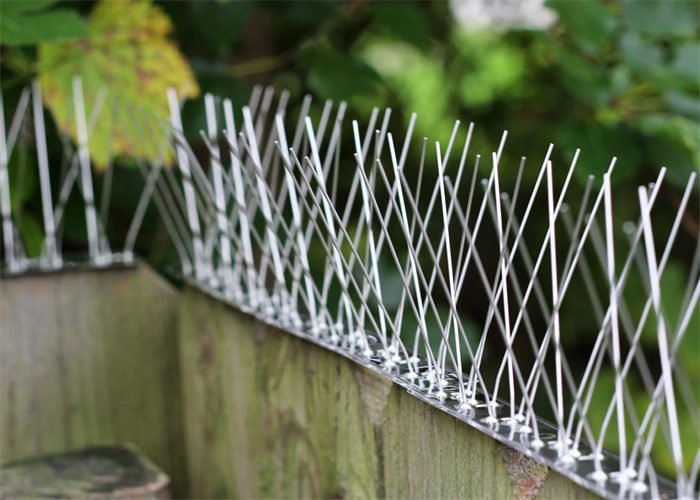 Wall spikes provide a physical deterrent along selected boundary tops. |
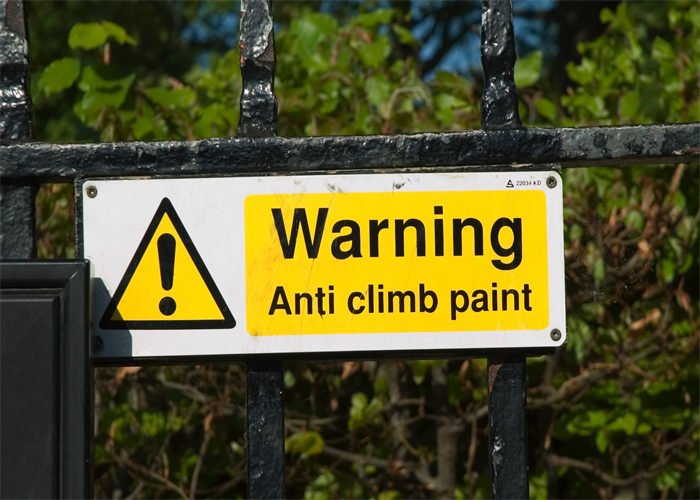 Anti-climb paint reduces reliable grip on compatible surfaces. |
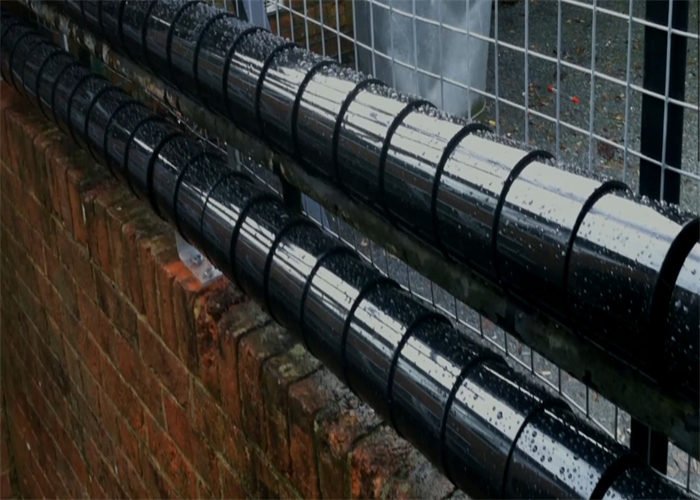 Roller barriers use moving components to discourage stable gripping. |
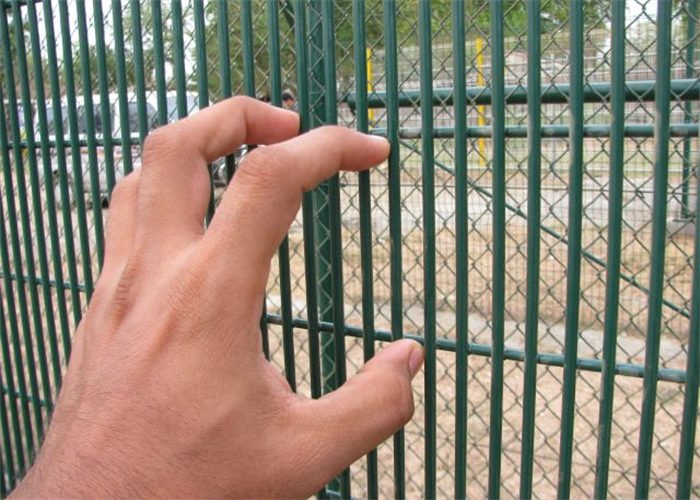 Narrow welded mesh limits convenient footholds while preserving visibility. |
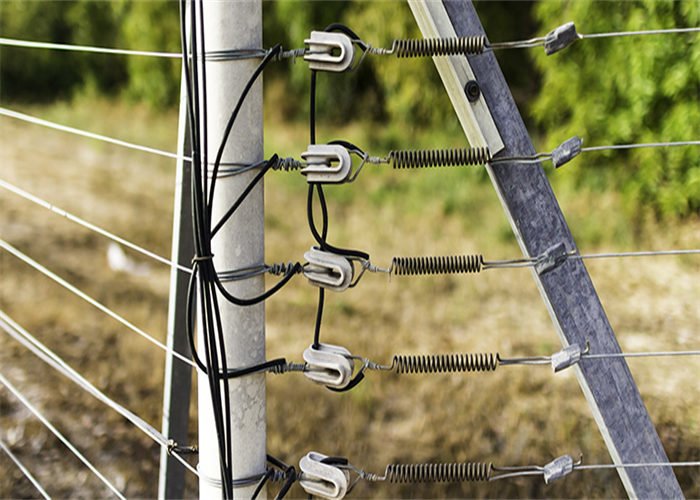 Electric fencing requires suitable installation, warnings, and certification. |
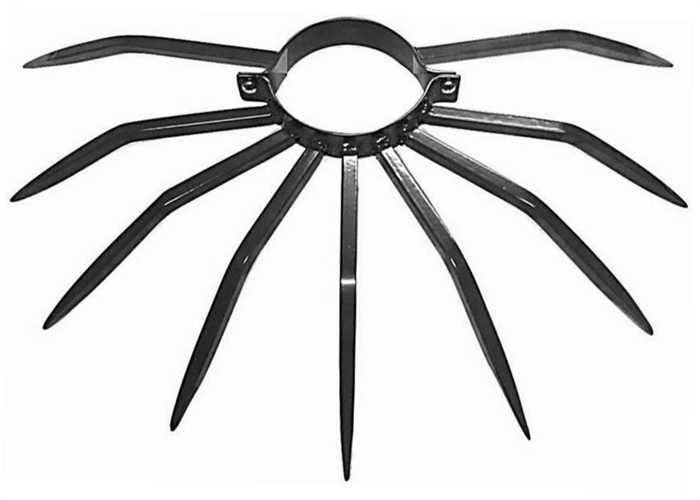 Anti-climb collars discourage access around exposed vertical structures. |
Anti-Climb Measures for South African Residential Properties
Residential security requirements differ between neighbourhoods and individual properties. Some homes face opportunistic trespassing risks. Others require stronger boundary protection.
Property owners should assess access routes, nearby structures, and gate security. A strong fence cannot compensate for an unsecured entrance. Cameras and lighting support early detection.
Anti-Climb Measures in Johannesburg
Johannesburg properties often combine perimeter walls with access control systems. Security needs vary considerably across residential and commercial areas. Clear visibility can help monitor approaches.
Suitable Clear View Fence Anti Climb Fence systems support monitored boundaries. Buyers should also assess gate hardware.
Anti-Climb Measures in Durban
Durban's coastal humidity and airborne salt can accelerate steel corrosion. Security equipment therefore needs suitable protective finishes. Damaged coatings deserve prompt attention.
Transparent Clearview Fencing Durban configurations can preserve visibility around coastal properties. Maintenance planning remains essential.
Anti-Climb Measures in Cape Town
Cape Town properties may experience strong winds and marine exposure. These conditions influence fence foundations and coating selection. Engineers should assess exposed locations.
Residential boundaries may also require attractive finishes. Dark mesh can complement contemporary architecture. Security planning should preserve camera sightlines.
Anti-Climb Measures for Industrial and High-Risk Sites
Industrial facilities often contain valuable machinery, materials, and equipment. Perimeter security can discourage casual intrusion. However, determined attacks require layered protection.
Warehouses may benefit from narrow mesh, controlled gates, and monitored entrances. Sensitive facilities may require additional performance testing. Buyers should not assume every product carries formal security certification.
Anti-Climb Measures for Warehouses
Warehouse boundaries often extend around loading bays and service roads. Transparent mesh helps security personnel observe activity. Vehicle entrances require appropriate gate systems.
Long boundaries also need accurate post spacing. Incorrect layouts can delay installation. Technical drawings reduce unnecessary adjustments.
Anti-Climb Measures for Ports
Port facilities may face marine corrosion and demanding access-control requirements. Cargo handling creates frequent vehicle movements. Security systems must accommodate operational needs.
Coastal steelwork needs suitable coatings. Gate reliability also matters. Perimeter cameras can support surveillance across open mesh.
Anti-Climb Measures for Schools
Schools require security alongside child safety and accessibility. Sharp deterrents may create unacceptable contact hazards. Designers should evaluate safer alternatives.
Appropriate fencing can control access without blocking supervision. Gates should support emergency evacuation. Local regulations must guide the final design.
Anti-Climb Measures: Combining Security Layers
Layered security combines several complementary controls. A physical boundary provides separation. Surveillance helps detect activity, while access systems regulate entrances.
No individual device addresses every intrusion method. Effective planning should consider detection, delay, response, and safe operation. Different properties require different combinations.
Anti-Climb Measures with Surveillance
Clear mesh preserves sightlines for cameras and guards. However, vegetation can create blind spots. Lighting conditions also affect visibility.
Security planners should inspect camera coverage. Gate areas deserve particular attention. Regular maintenance supports reliable monitoring.
Anti-Climb Measures with Gates
Entrances often represent important security points. Gates need suitable frames, hinges, and locks. Automated systems introduce additional safety requirements.
Matching fencing and gate components simplifies maintenance. However, every installation needs appropriate engineering. Buyers should request complete assembly drawings.
Anti-Climb Measures for Temporary Worksites
Construction projects may need temporary boundaries before permanent fencing arrives. Portable panels provide flexible separation. However, temporary systems require suitable stability measures.
Temporary Fencing Panels can restrict access around changing work areas. Appropriate Temporary Fence Blocks help support the panels.
Contractors also use Temporary Fencing for construction and event management. Each country applies its own safety requirements.
Anti-Climb Measures: Choosing the Right Materials
Material selection affects durability, appearance, and maintenance. Steel products commonly use galvanized or coated finishes. Plastic components require suitable weather resistance.
Buyers should compare actual specifications rather than product descriptions alone. Coating thickness and preparation influence performance. Environmental exposure also matters.
Galvanized Steel
Galvanizing provides zinc-based corrosion protection. Different processes produce different coating characteristics. Suppliers should identify the applicable standard.
Batch hot-dip galvanizing may suit certain fabricated components. Continuously galvanized wire follows other production methods. Buyers should confirm the specified process.
Powder-Coated Steel
Powder coating adds colour and another protective layer. Common options include green and black finishes. Proper surface preparation supports adhesion.
Coastal projects need particular attention. Salt exposure can accelerate corrosion around damaged areas. Suitable maintenance helps preserve appearance.
Weather-Resistant Polymer Components
Some anti-climb products use polymer materials. UV exposure may influence their long-term properties. Buyers should request relevant material information.
Temperature changes can also affect performance. Manufacturers should identify intended operating conditions. Product suitability depends on the application.
Anti-Climb Measures: Installation and Maintenance Checklist
Proper installation supports the performance of every security product. Weak structures or incompatible hardware can reduce effectiveness. Qualified contractors should assess complex installations.
| Inspection Area | Recommended Check |
|---|---|
| Supporting Structure | Confirm condition and load capacity |
| Connections | Inspect compatible bolts, clamps, and brackets |
| Protective Coatings | Check exposed steel and damaged finishes |
| Moving Parts | Inspect roller operation and mechanical wear |
| Warning Signs | Confirm suitable placement and visibility |
| Electric Systems | Arrange qualified inspection and certification |
| Vegetation | Maintain suitable clearance around security equipment |
| Access Points | Inspect gates, locks, and authorised entry routes |
Anti-Climb Measures Before Installation
Contractors should review site drawings and structural conditions. Product specifications must match the intended application. Safety considerations should guide final placement.
Buyers should also confirm local restrictions. Certain deterrents may create liability concerns. Professional advice helps reduce avoidable risks.
Anti-Climb Measures During Maintenance
Routine inspections help identify damage and wear. Coastal sites may require closer attention. Electric systems need qualified servicing.
Property managers should record important findings. Damaged components require appropriate repairs. Regular maintenance supports continued effectiveness.
Anti-Climb Measures: How to Select a Supplier
Supplier selection should consider technical capability and product consistency. A low price cannot compensate for unsuitable materials. Buyers should request clear specifications.
Check Technical Documentation
Product drawings should identify dimensions and materials. Coating specifications deserve particular attention. Relevant inspection records can support purchasing decisions.
For narrow mesh applications, Clear Fence configurations provide additional design references. Final performance depends on the complete system.
Confirm Manufacturing Capabilities
Large projects may require consistent panel dimensions and finishes. Suppliers should explain production lead times. Export packing also affects shipment quality.
BMP manufactures configurable security fencing components in China. Its product range includes mesh panels, posts, clamps, and gates. Customers should provide approved drawings.
Review Related Security Products
Different markets may require alternative mesh configurations. For example, ClearVu Fence Panels support related perimeter applications. Buyers should verify project-specific requirements.
Confirm Warranty Terms
Warranty conditions should identify covered products and limitations. Installation quality may affect eligibility. Buyers should obtain written documentation.
BMP offers a 15-year manufacturer warranty for its ClearVu and Clearview fencing products, subject to applicable terms. Coverage requires confirmation.
Anti-Climb Measures: Frequently Asked Questions
What Are the Most Common Anti-Climb Measures?
Common solutions include wall spikes, anti-climb paint, roller barriers, security mesh, electric fencing, and pole collars. Each serves different applications.
Which Anti-Climb Measures Suit Residential Properties?
Suitable options depend on property risks and local restrictions. Narrow security mesh may offer useful visibility. Sharp deterrents require additional safety assessment.
Can Anti-Climb Measures Prevent Every Intrusion?
No security product guarantees complete protection. Determined intruders may exploit alternative access routes. Layered security provides broader coverage.
Are Roller Barriers Better Than Wall Spikes?
Neither option suits every site. Roller barriers use movement, while spikes create a physical deterrent. Safety and maintenance requirements differ.
Does Anti-Climb Paint Need Maintenance?
Yes, weather and contamination can affect performance. Owners should follow manufacturer guidance. Warning signs may also require attention.
What Is 358 Anti-Climb Mesh?
Traditional 358 mesh uses approximately 76.2 × 12.7mm wire centres with a common 4mm reference diameter. Narrow openings discourage climbing.
Are Electric Fences Legal in South Africa?
South Africa permits regulated electric fence installations under applicable requirements. Registered professionals must address certification. Owners should verify current legal obligations.
Which Anti-Climb Measures Suit Coastal Areas?
Coastal projects need suitable corrosion protection. Galvanized and coated steel may offer appropriate options. Maintenance requirements depend on exposure.
Can Anti-Climb Mesh Work with Security Cameras?
Yes, transparent mesh supports visual monitoring. However, vegetation and lighting can obstruct views. Camera placement remains important.
Does BMP Supply Anti-Climb Mesh?
Yes, BMP manufactures configurable welded security mesh and matching components. Customers can request project-specific specifications and quotations.
Conclusion: Selecting Effective Anti-Climb Measures
Anti-Climb Measures provide different ways to discourage unauthorised access. Wall spikes, paint, rollers, mesh, electric fencing, and collars address distinct vulnerabilities. Their suitability depends on the property.
South African buyers should consider security risks, coastal exposure, and local regulations. Installation quality also influences performance. Combining suitable measures can strengthen perimeter planning.
BMP supplies welded security fencing for residential, commercial, and industrial projects. Send your drawings and requirements to clearvu@construction-fence.com. Our team can prepare a detailed technical quotation.