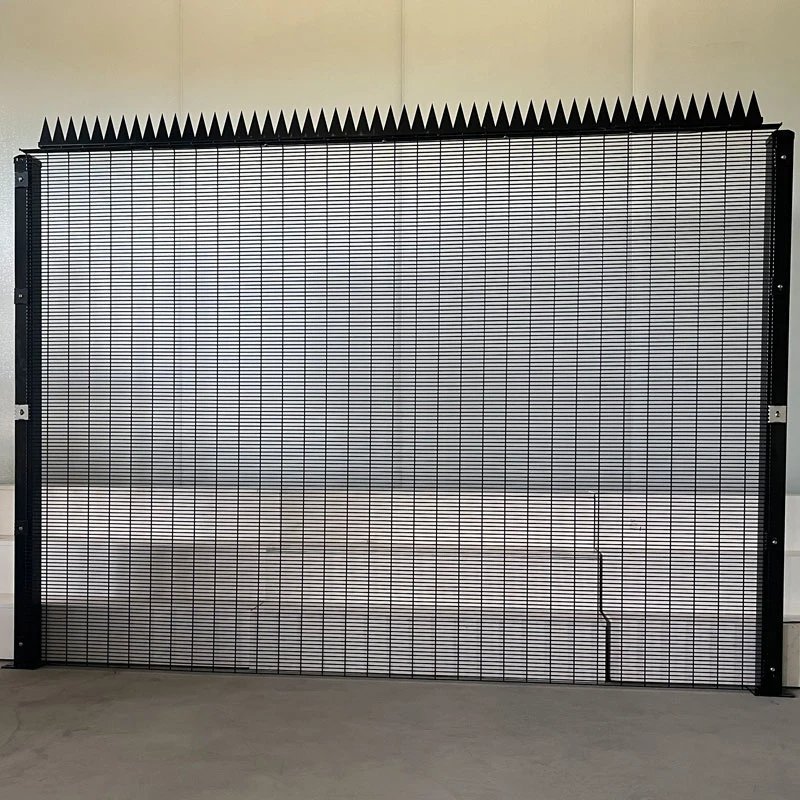
Clear Fence combines welded steel mesh, narrow openings, and reliable fittings to support perimeter security. Its open structure preserves visibility across commercial, residential, and industrial boundaries. Security teams can observe movement without relying on solid walls. Properly selected posts and clamps complete the protection system.
Many buyers also call this product 358 fencing, clear view fencing, or anti-climb mesh. The common 358 configuration uses a 76.2 × 12.7 mm mesh pitch and approximately 4 mm wire. BMP manufactures welded mesh fencing, posts, and accessories for export projects. Each order can match specific height, coating, and installation requirements.
Clear Fence Overview
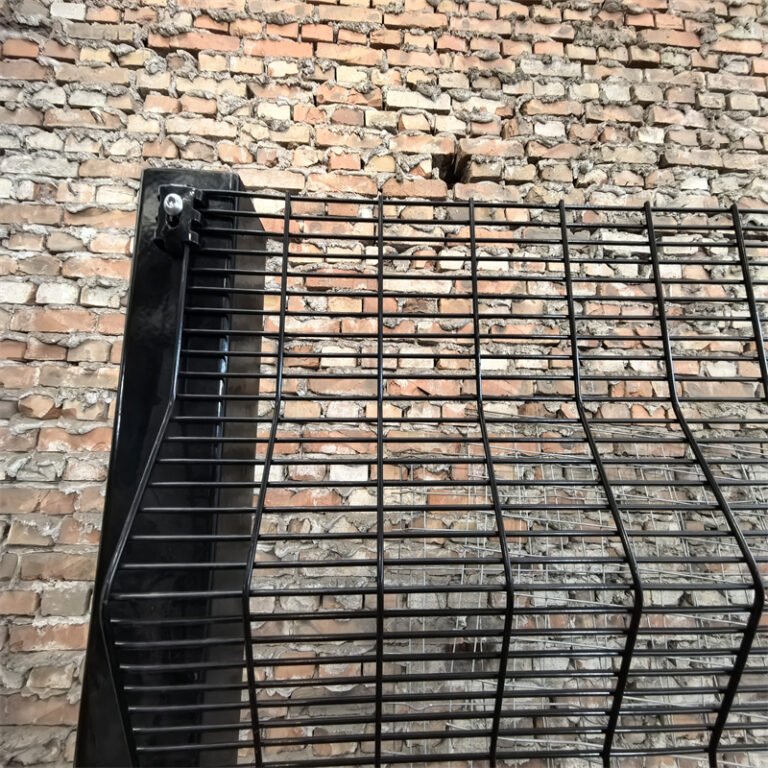
Clear Fence offers an open appearance while limiting convenient climbing points. Closely spaced wires restrict access for fingers and toes. Welded intersections help the mesh maintain its shape during normal service. The complete fence must also resist movement at its posts and connections.
A security fence cannot stop every determined intrusion. However, careful engineering can delay unauthorized access and support detection. Clear View Fencing shares the same balance between observation and perimeter control. Site risk determines the required specification.
How Close Mesh Supports Security
Dense openings reduce useful handholds compared with ordinary welded garden mesh. They also slow many attacks using basic hand tools. Actual performance depends on wire strength, weld quality, and installation details. Guards and surveillance cameras benefit from the fence's open sightlines.
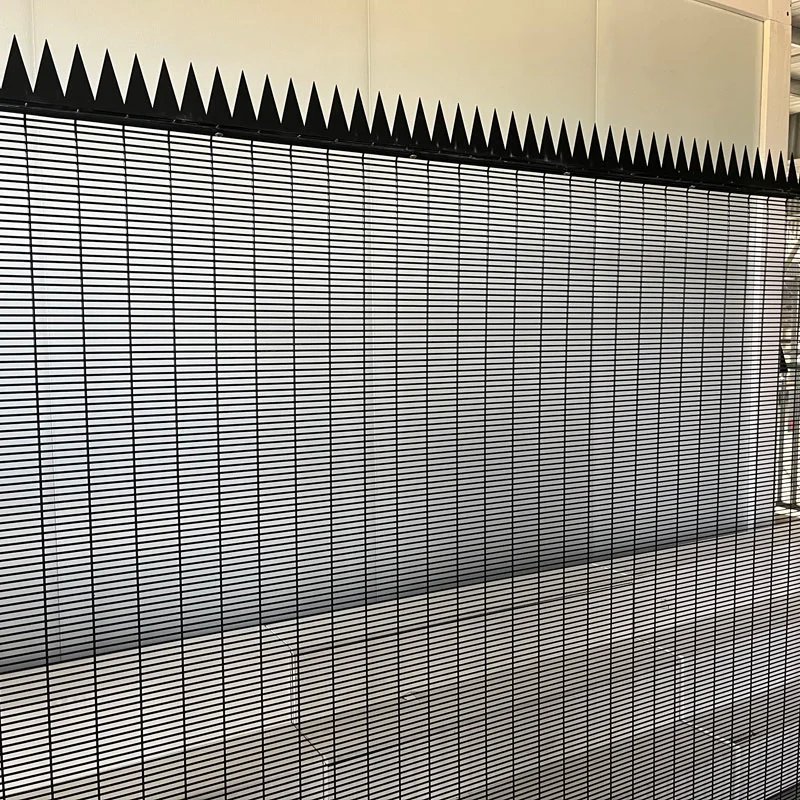
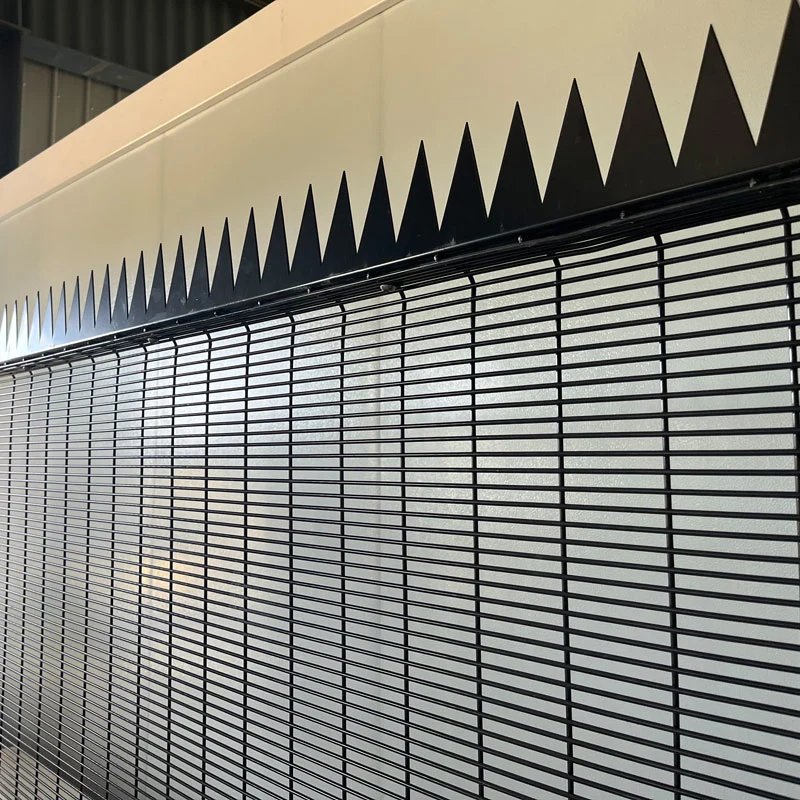
Narrow mesh discourages climbing.
Welded joints support consistent panel rigidity.
Open sightlines help guards monitor boundaries.
Steel posts carry structural loads.
Security fasteners discourage casual removal.
Protective coatings help manage corrosion.
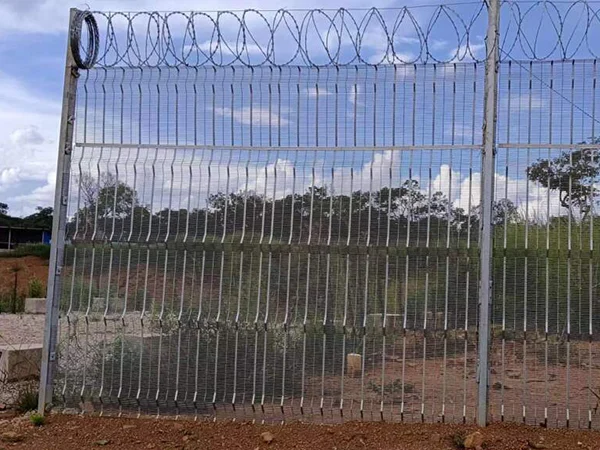
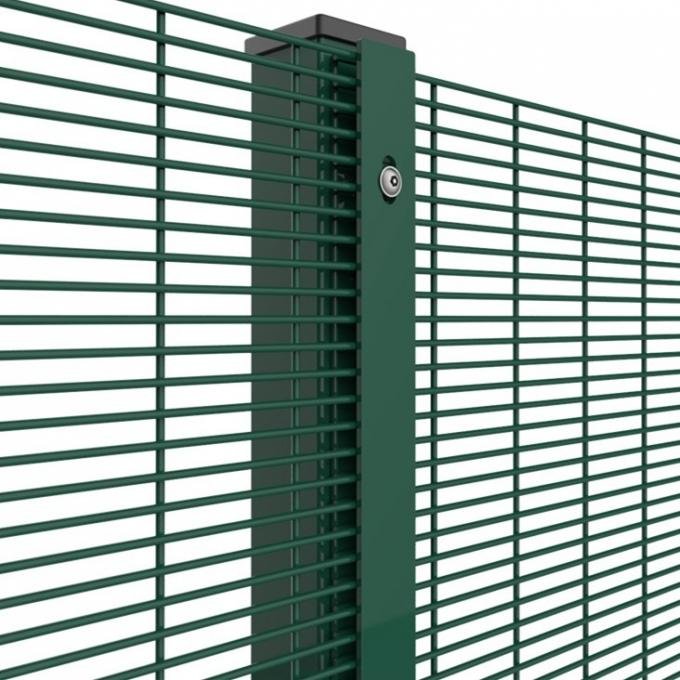
358 welded mesh combines close wire spacing with an open view across the perimeter.
Clear Fence Specifications
Reference panels use 2,515 mm widths and approximately 3.95 mm wire. The mesh pitch measures 76.2 × 12.7 mm between wire centres. Different heights require different panel weights and handling arrangements. The following data reproduces the supplied reference table.
Manufacturing tolerances, coating thickness, and packaging methods can change finished weights. Confirm every technical value before approving drawings or loading plans. Clear View Fence Panels include additional mesh and panel configurations.
Panel weight increases with height, wire diameter, and reinforcing features. Taller panels also require stronger handling equipment and suitable pallet geometry. Buyers should review gross loading weights rather than panel weights alone. Include the mass of posts, clamps, pallets, and protective materials.
The table lists reference pallet quantities, not fixed container loading guarantees. Actual quantities depend on container limits and package dimensions. Separate high panels carefully to protect welds and coatings. Label each pallet with its product code and dimensions.
Clear Fence Mesh Geometry
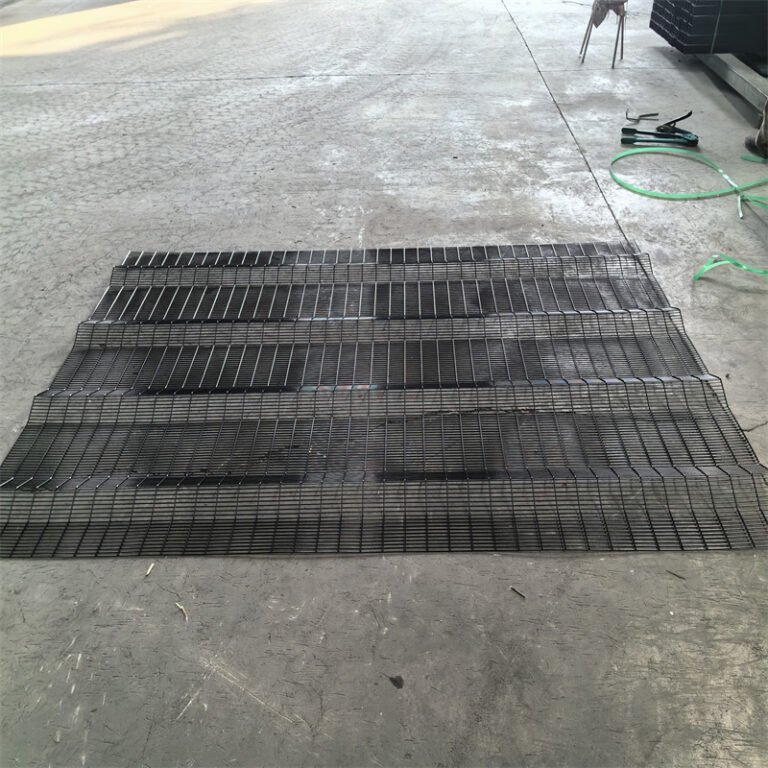
358 mesh takes its name from three inches, half an inch, and approximately eight-gauge wire. Metric production commonly targets 76.2 × 12.7 mm with about 4 mm wire. Always specify whether dimensions refer to wire centres or clear openings.
358 Mesh Fencing uses a dense rectangular pattern. Some projects instead select wider apertures for lower-risk boundaries. The right choice depends on climbing resistance, visibility, material usage, and budget.
358 Fence Compared With Other Panels
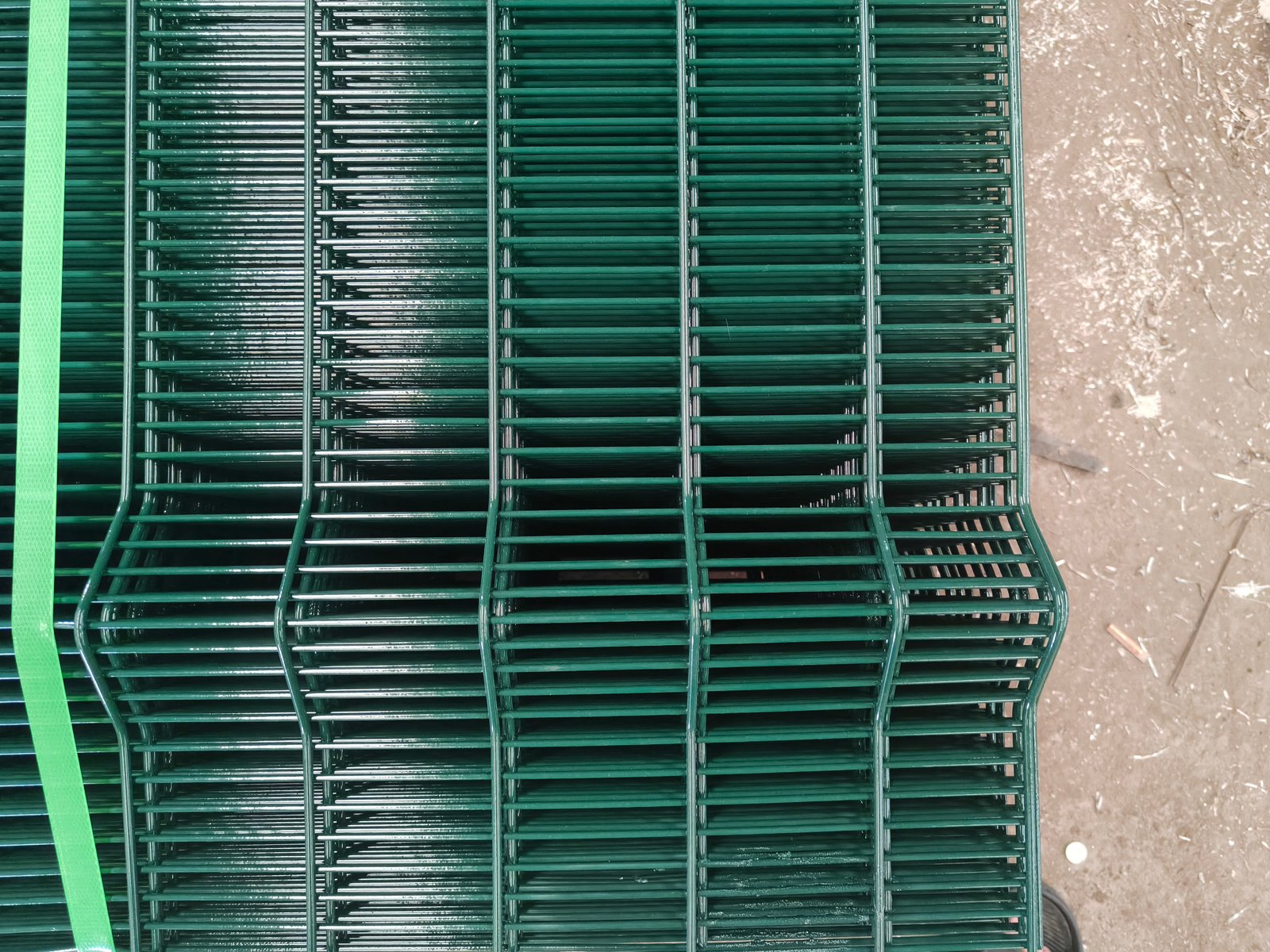
High Security Clear View Fence commonly features narrow spacing and strong steel wire. 3D Fence Panels use formed bends for panel stiffness. These designs may serve different security grades despite similar appearances.
2000mm x 3050mm Low Security Clear View Fence illustrates another mesh category. Do not assume wider mesh offers identical anti-climb performance. Compare the complete specification, including wire, posts, and fixings.
Clear Fence Post Options
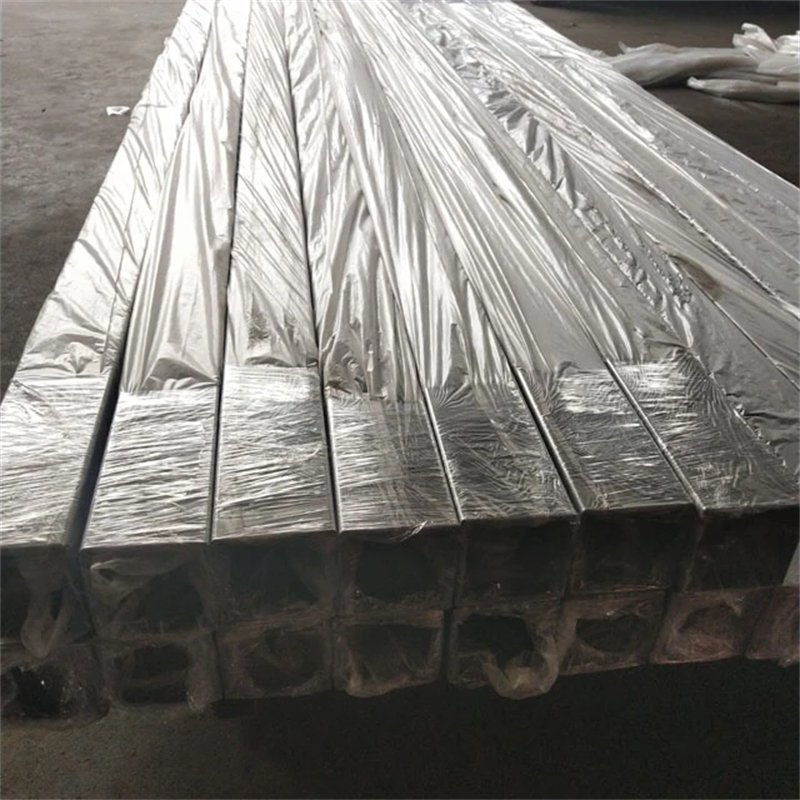
Post geometry influences fence stability, assembly speed, and maintenance access. Square hollow posts suit many straightforward installations. Rectangular and formed posts offer alternative connection details. Projects can also use specially formed profiles and matching cover bars.
Clearvu Fence Posts support a range of panel systems. Specify post length, section size, wall thickness, and finish. Concrete embedment and base plates require separate foundation designs.
Corner and End Connections
Terminal posts collect loads from the final panel and adjoining accessories. Corner arrangements may need different clamps or post orientations. Avoid mixing connection components without compatible drawings. A complete installation plan should show every junction and gate opening.
Mark all post centres before excavation. Check final mesh coverage around ground slopes and steps. Maintain sensible clearances beneath panels without creating an easy intrusion route. Confirm the foundation design against soil conditions and wind exposure.
Clear Fence Clamps and Fasteners
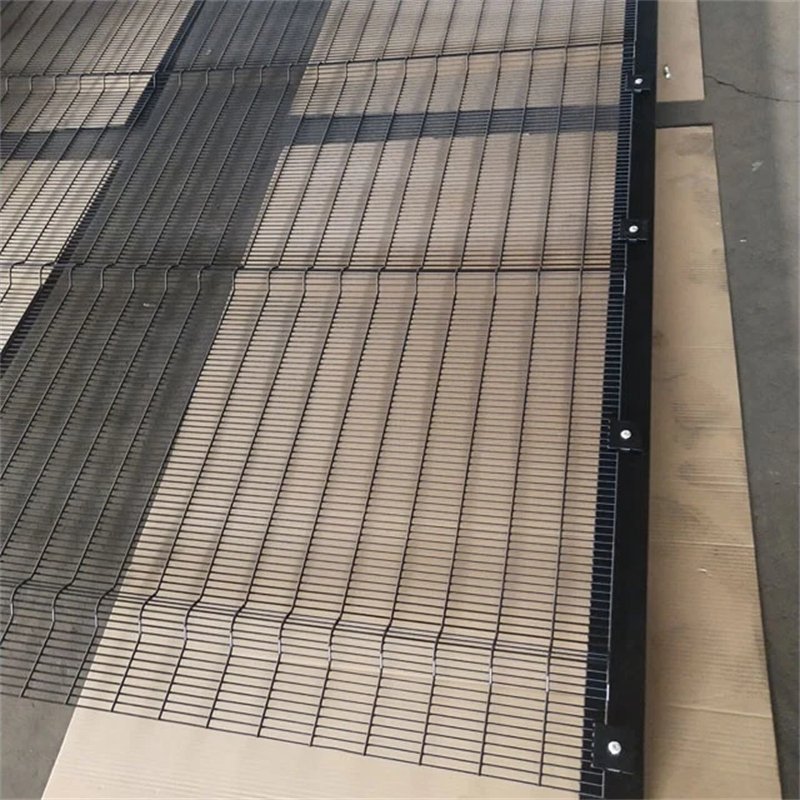
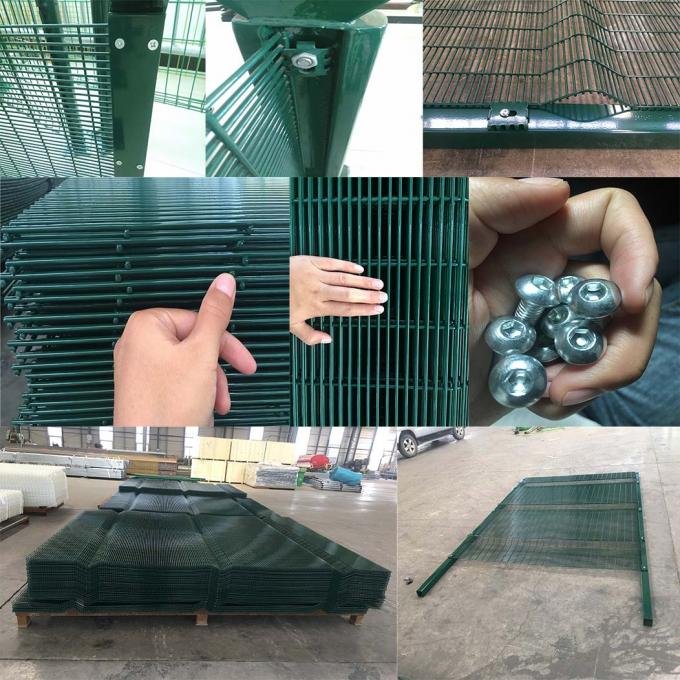
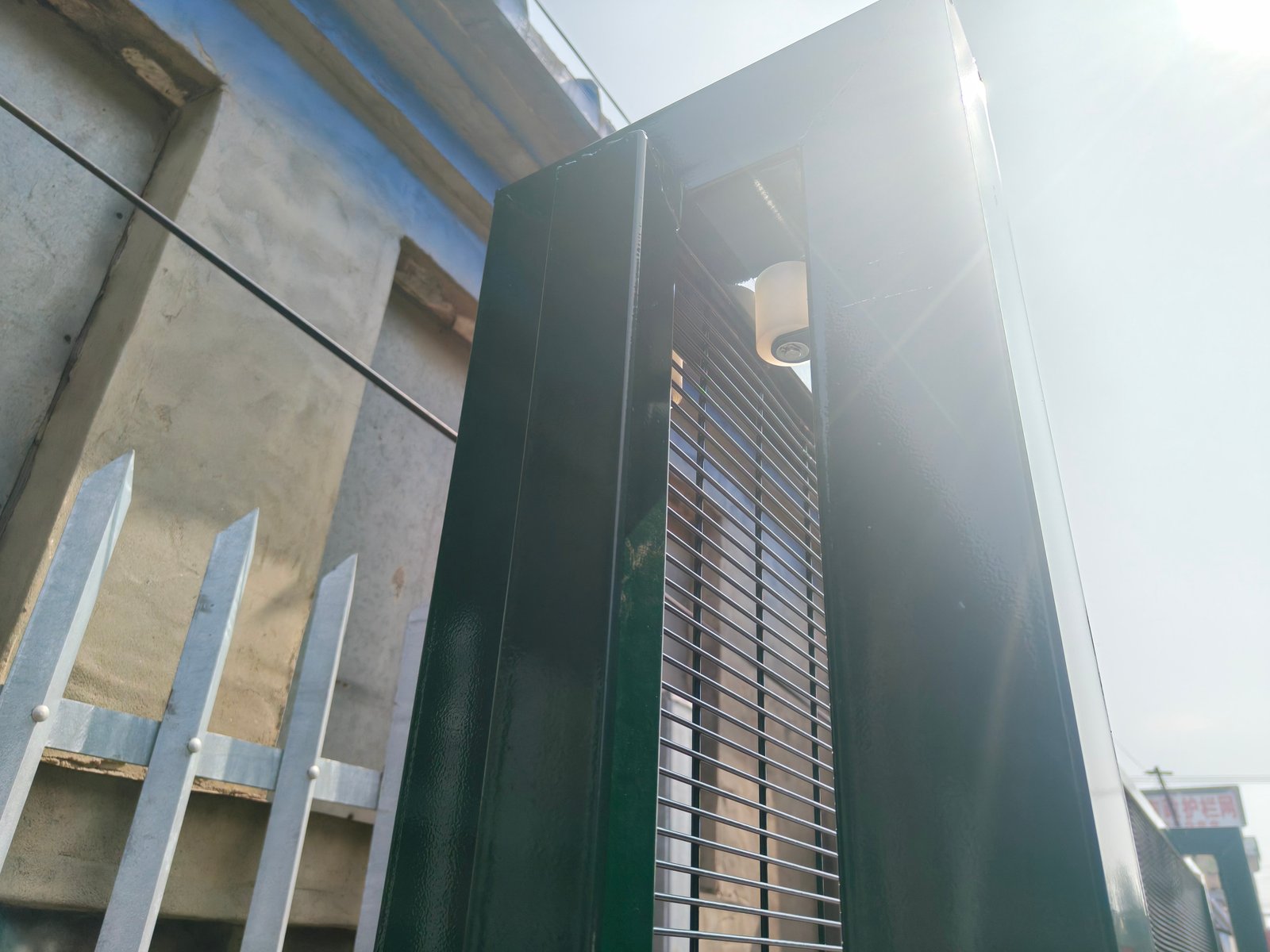
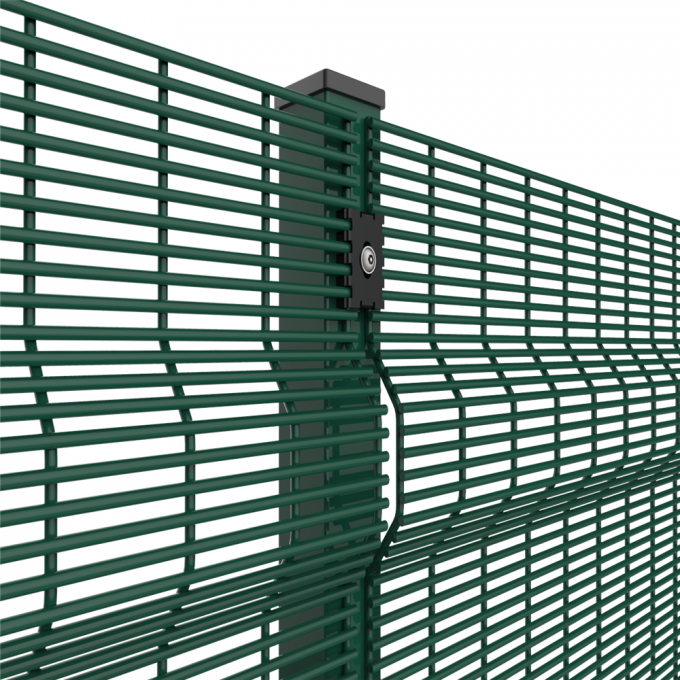
Clamps hold each panel against its support post. The original system includes flat bars and M-shaped metal clamps. Matching profiles help spread fixing pressure across the panel edge. Tightening methods should follow the approved installation details.
Clearvu Fence Clamps form part of the complete fitting schedule. Specify clamp position, bolt diameter, finish, and nut type. Security nuts can discourage casual removal from exposed locations.
A flat bar provides continuous restraint along the panel connection. Match its dimensions to the post and mesh design.
Flat Bars and M-Clamps
Flat bars offer a continuous connection line along a mesh edge. M-clamps provide localized attachment points with a shaped metal profile. Neither choice guarantees security without suitable fasteners and post strength. Inspect clamp coverage during installation and later maintenance.
For extra fixing detail, 358 Fence specifications show related structural arrangements. Select corner assemblies separately when required. Ensure workers can access bolt heads without damaging the protective coating.
Metal M-clamps provide another connection method. Secure bolts and compatible post profiles complete the assembly.
Clear Fence Surface Treatments
Zinc protection helps steel resist corrosion during outdoor service. A polyester topcoat can add colour and another protective barrier. Common project options include galvanised steel, Galfan wire, and powder-coated finishes. Coating quality depends on preparation, coverage, and inspection.
Powder Coated Clear View Fence uses a coloured finish over a prepared base. Specify coating mass and film thickness where relevant. Different climates require different maintenance plans.
Galvanizing and Galfan
Hot-dip galvanizing after fabrication can cover welded intersections and exposed steel surfaces. Pre-galvanised wire follows a different manufacturing sequence. Galfan uses a zinc-aluminium alloy coating with its own product specifications. These finishes should not share one generic test claim.
Ask for supporting coating measurements and manufacturing records. Inspect weld intersections, panel edges, and contact points near clamps. Coastal sites deserve special attention to salt exposure. Local conditions influence coating choice and service intervals.
Clear Fence Coating Colours
Colour helps the fence suit residential landscapes and industrial architecture. Green RAL6005 and black RAL9005 remain familiar project selections. Grey and other RAL shades may suit commercial sites. Approve the actual colour code before production.
The colour specification should match panels, posts, clamps, and gates. Different batches may show small finish variations. Agree on sample acceptance criteria in advance. Outdoor exposure and cleaning methods influence appearance over time.
Powder Coating Inspection
Inspect completed panels under adequate lighting before export packing. Look for pinholes, scratches, incomplete edge coverage, and inconsistent colour. Measure coating thickness using a suitable instrument. Record findings against the purchase specification.
358 Security Mesh Fencing also uses protective surface systems. However, actual coating performance depends on the ordered process. Avoid unsupported lifetime claims without appropriate test evidence.
Clear Fence Installation Guide
Begin installation with an approved fence layout and boundary survey. Mark the post centres and check all gate openings. Confirm underground services before digging. Use the specified foundation size for local soil and wind conditions.
Set posts carefully and maintain consistent panel alignment. Install each panel with compatible clamps and bolts. Protect coated surfaces during lifting and tightening. Recheck corners, joints, and gates before handover.
Foundations and Post Spacing
Panel width alone does not determine final post spacing. Overlaps, clamps, and end clearances also affect centre measurements. Check dimensioned drawings rather than applying a universal spacing value. Engineering review becomes essential for tall or exposed fences.
Choose buried posts or base plates according to the structural design. Concrete curing time influences installation scheduling. Unsupported foundations can undermine even strong mesh panels. Inspect post verticality before fixing the panels.
Clear Fence Applications
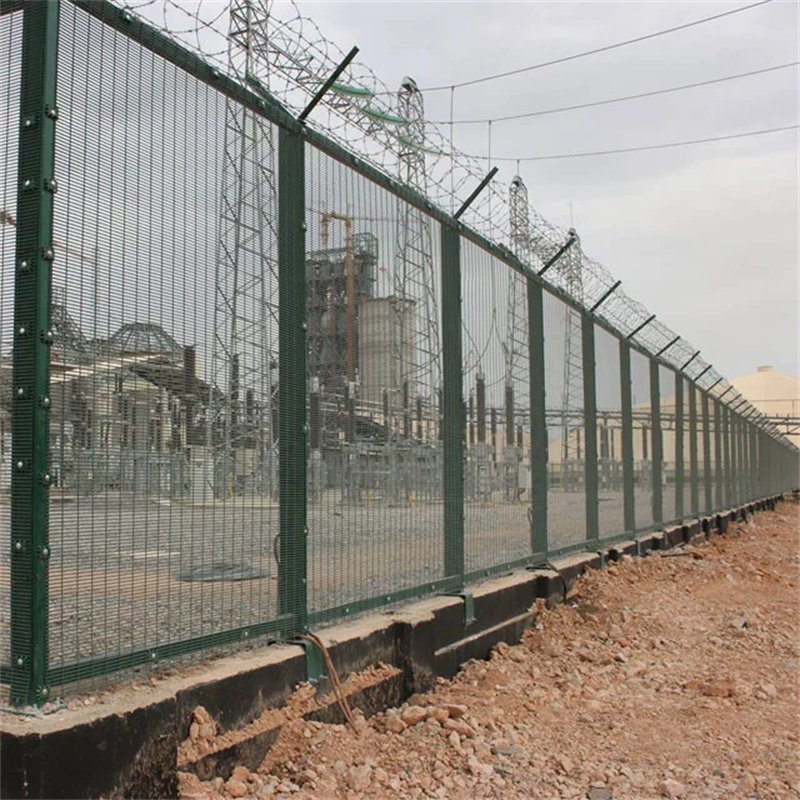
Clear Fence suits projects that need a visible boundary and controlled access. Common applications include warehouses, utility compounds, factories, airports, schools, and commercial properties. Sensitive facilities may require stronger posts, monitored gates, and additional security measures.
Anti-Climb Fence systems can meet more demanding perimeter designs. Clear View Fence for Sale represents related configurations for general project comparison. Select the final product after a site-specific assessment.
Factories and warehouse yards.
Electrical and water infrastructure.
Schools and sports facilities.
Residential estates and commercial parks.
Transport terminals and logistics zones.
Controlled-access compounds and monitored perimeters.
Camera and Alarm Integration
Visible mesh supports observation through the boundary. Position cameras to reduce blind spots around posts and gates. Lighting helps operators review movement after dark. Plan equipment cables and brackets without weakening structural connections.
Alarm sensors need suitable mounting and regular testing. A fence remains only one part of a security system. Combine the boundary with procedures for patrols, access control, and incident response. Document maintenance responsibilities clearly.
Clear Fence Gate Systems
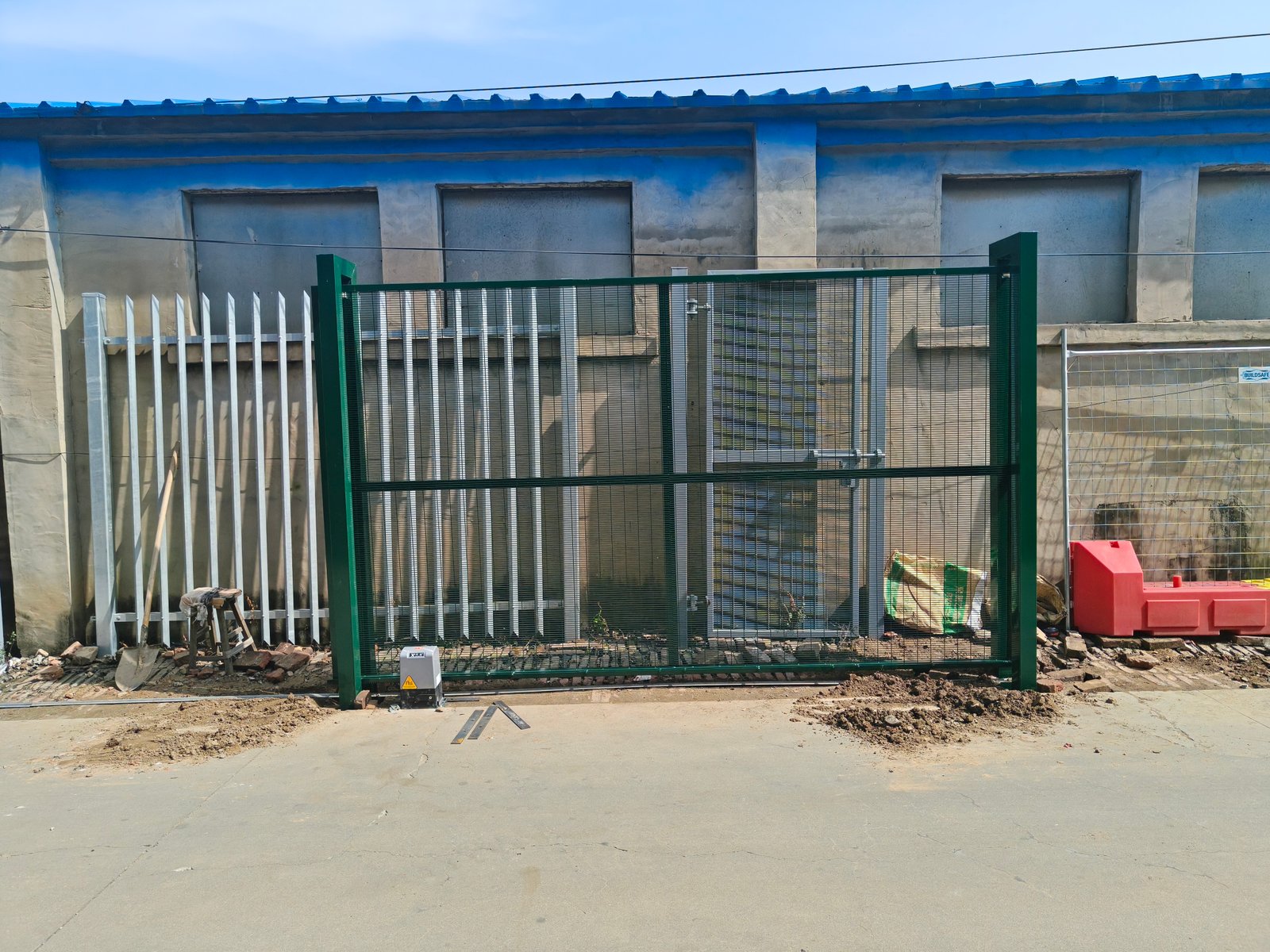
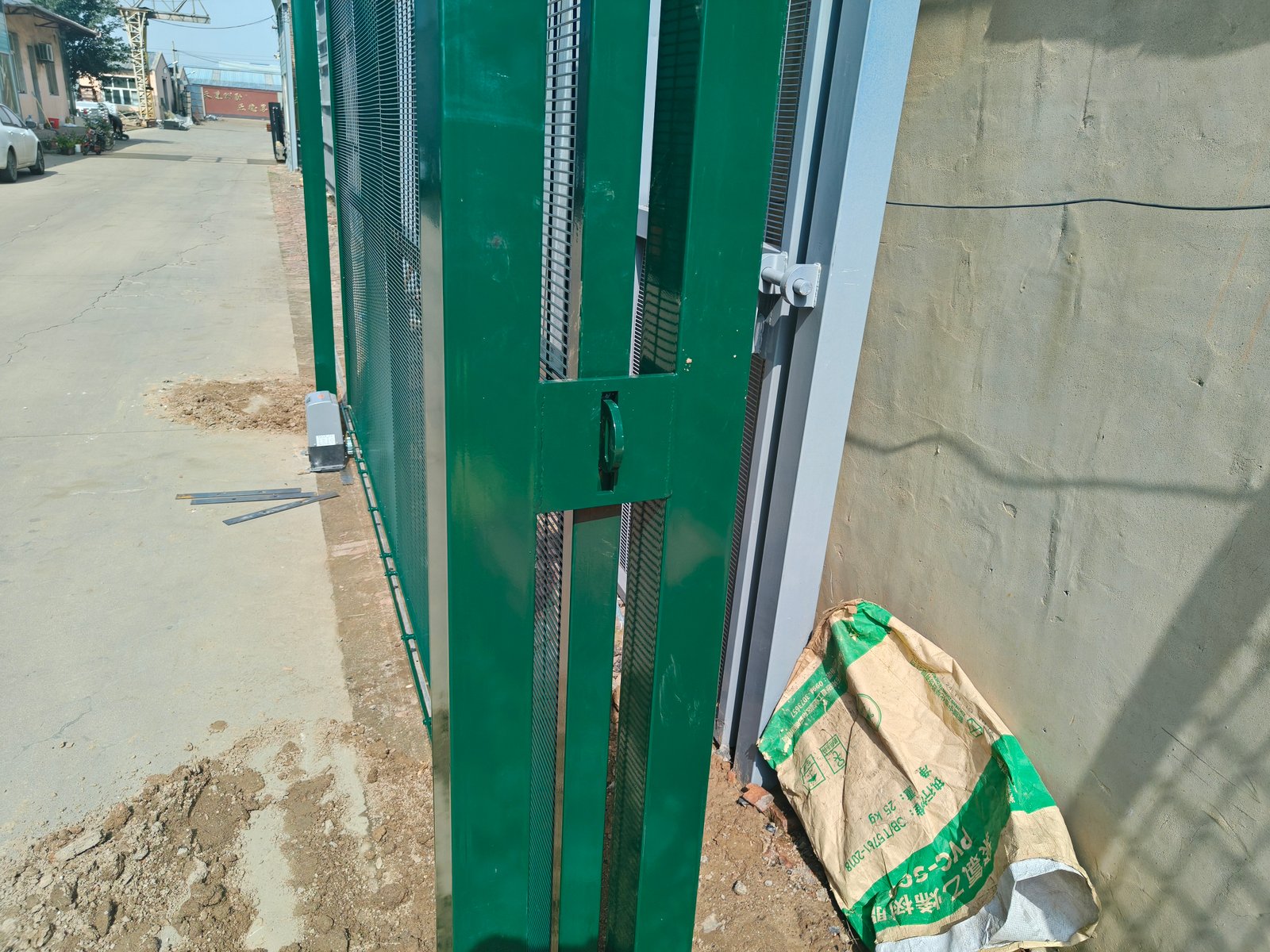
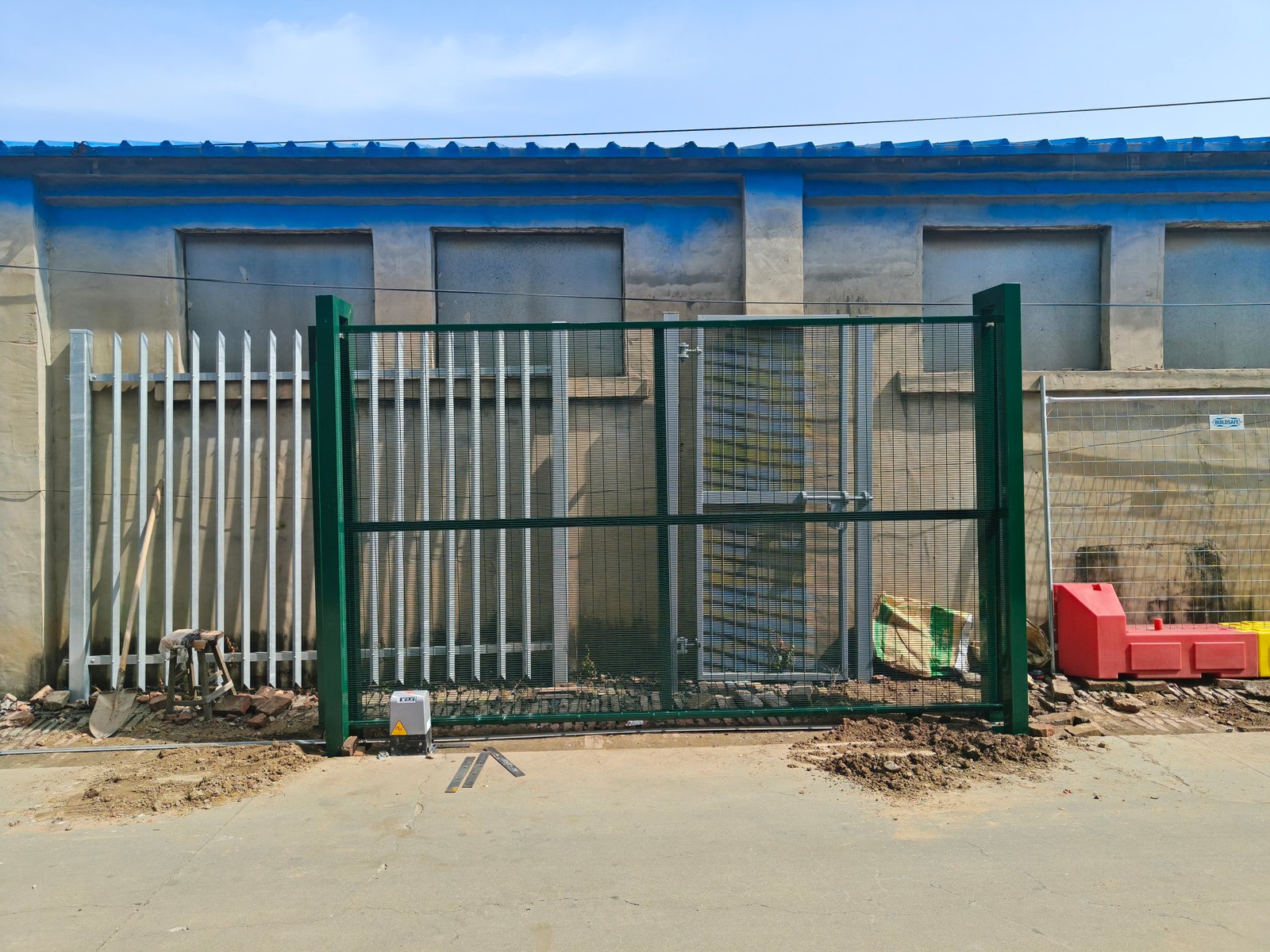
Gate openings interrupt the perimeter and deserve separate engineering attention. Match gate mesh to adjoining panels where practical. Check frame rigidity, hinge loads, lock positions, and opening clearances. Confirm vehicle width and emergency access requirements.
Clearvu Sliding Gates serve larger vehicle openings. Clearvu Single Swing Gates suit other access arrangements. Select each gate around actual traffic needs and operating conditions.
Gate Safety and Access Control
Powered gates require safe movement zones and suitable control equipment. Install guards, emergency release systems, and sensors where applicable. Qualified installers should follow relevant local requirements. Maintain safe separation from pedestrian routes.
Inspect hinges, rollers, drives, and stops during scheduled maintenance. Tighten hardware without damaging protective finishes. The gate should operate smoothly before the project handover. Document settings and service procedures for the owner.
Clear Fence Quality Control
Material verification begins before welding. Check wire diameter, aperture pitch, panel size, and weld alignment. Inspect finished surfaces after coating. Record packaging quantities and component codes before container loading.
Clearvu Fence Panels provide another reference for panel systems. Ask for project photographs, inspection records, and approved drawings. Confirm any custom tolerances before production starts.
Packing and Container Loading
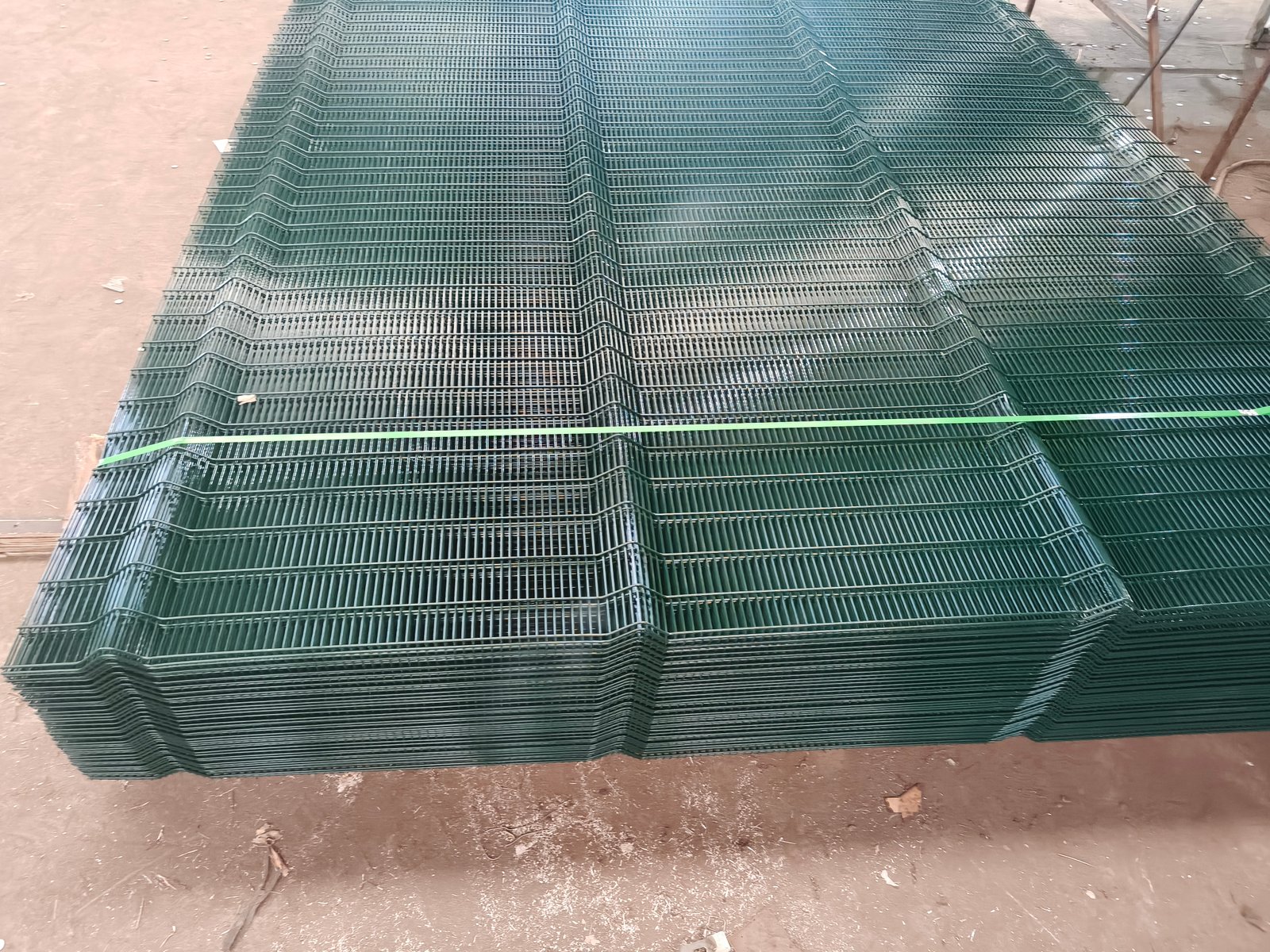
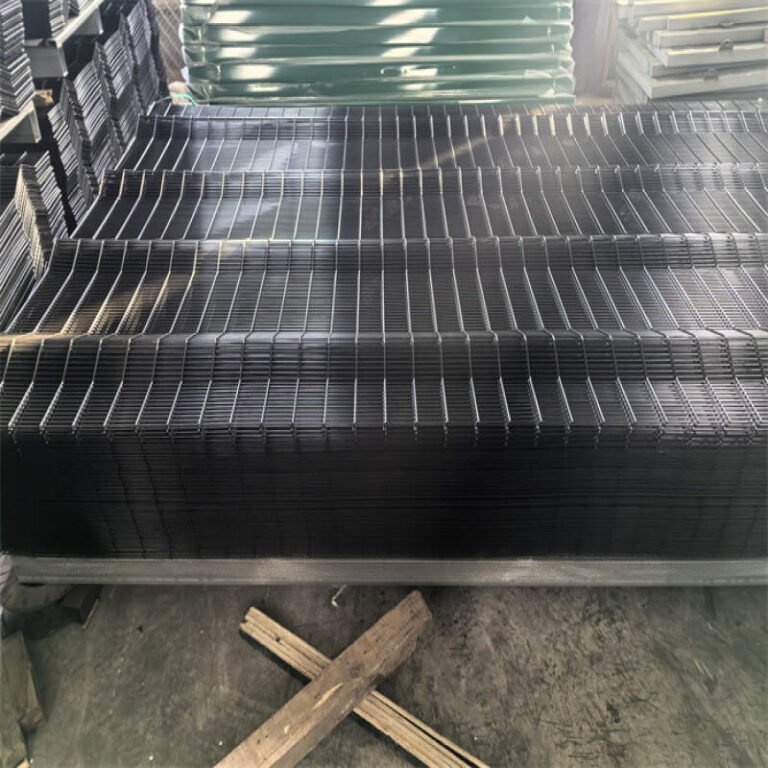
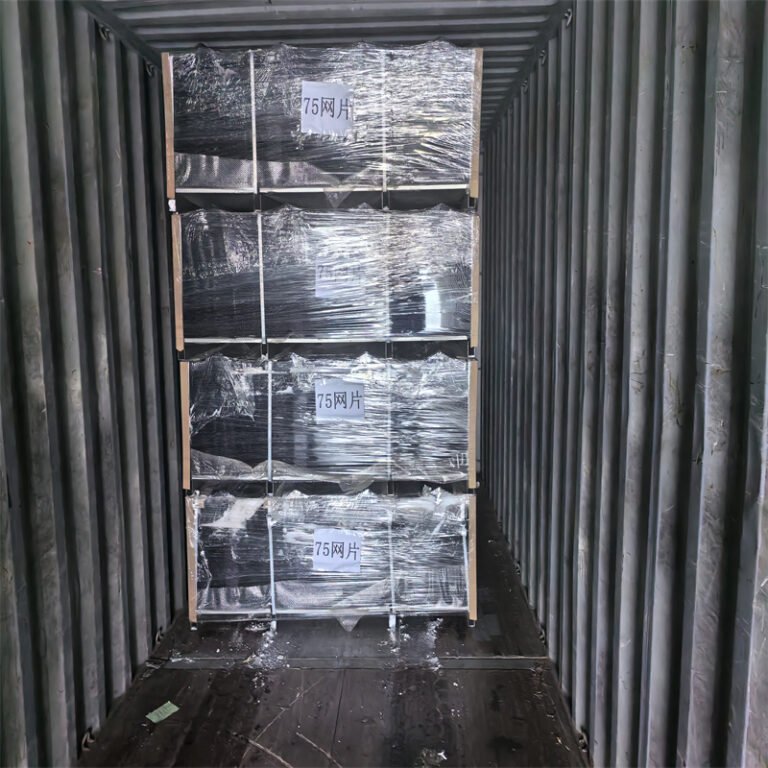
Steel or wooden pallets help organize panels for transport. Protective film and separating materials reduce friction damage. Bundle posts with suitable supports and protect their end caps. Place clamps and fasteners inside labelled cartons.
Plan lifting points and loading sequence before container arrival. Secure each package against shifting during transit. Share packing details with the destination team. Check unloading equipment against the actual package weights.
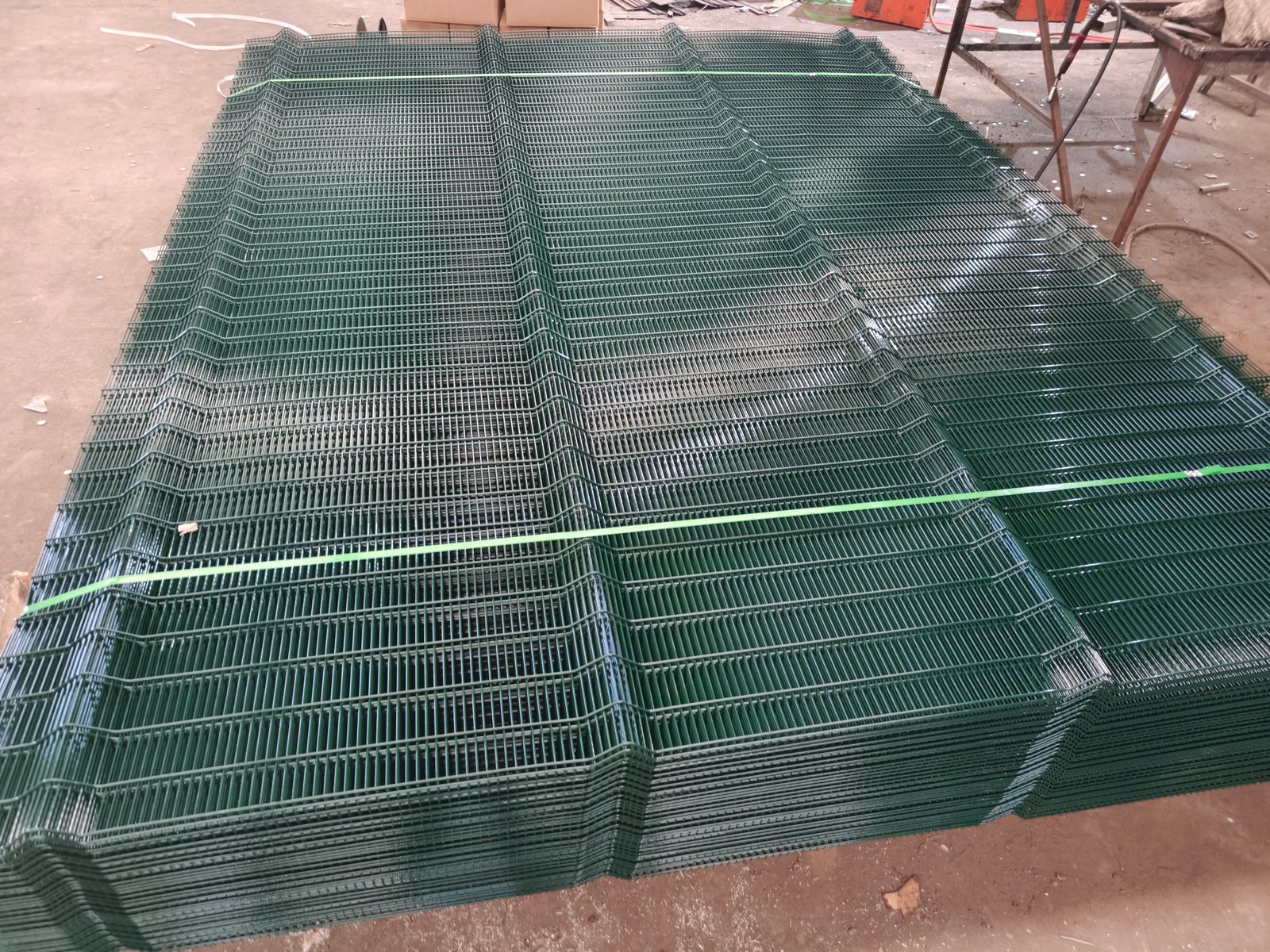
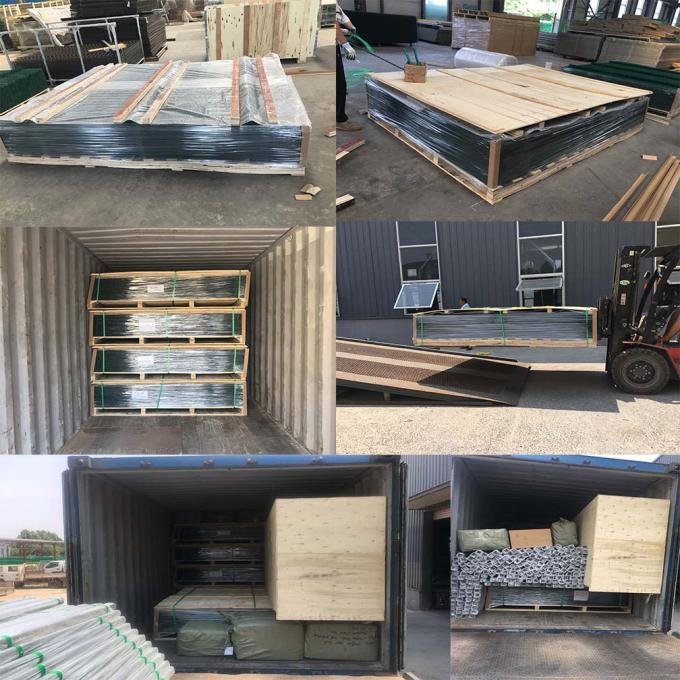
Export packing keeps panels, posts, and accessories organized during shipment. Protective separation helps preserve coated surfaces.
Clear Fence FAQs
What does 358 mean? It describes approximately three-inch and half-inch wire spacing with eight-gauge wire. Confirm the metric dimensions on your drawings.
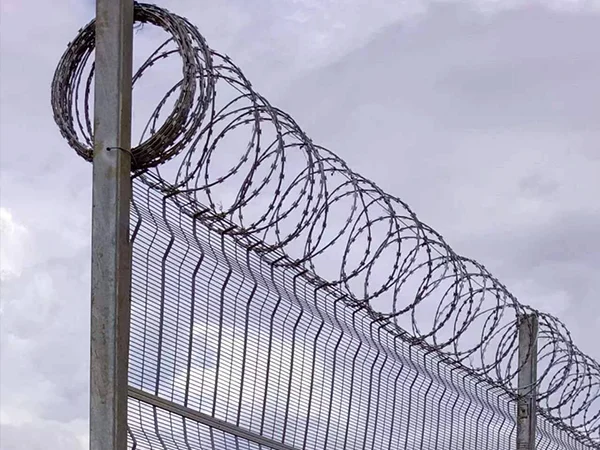
Can the fence support security toppings? Many projects allow optional fittings. Razor Wire Flat Wrap is one related category. Local safety rules determine appropriate applications.
Does every panel have the same weight? No. Height, wire diameter, coating, and reinforcement change finished weight.
Can buyers choose colours? Yes. Factory production can match approved RAL colours and project quantities.
Project Specification Checklist
Send the fence length, required height, and target security grade with your inquiry. Include the preferred mesh pitch, wire diameter, finish, and delivery destination. State post sections, clamp types, and gate requirements.
Provide site drawings where possible. Identify sloping ground, unusual corners, and high-wind locations. Confirm loading, freight, and installation responsibilities before final approval. BMP can review your specifications and prepare a matching supply proposal.