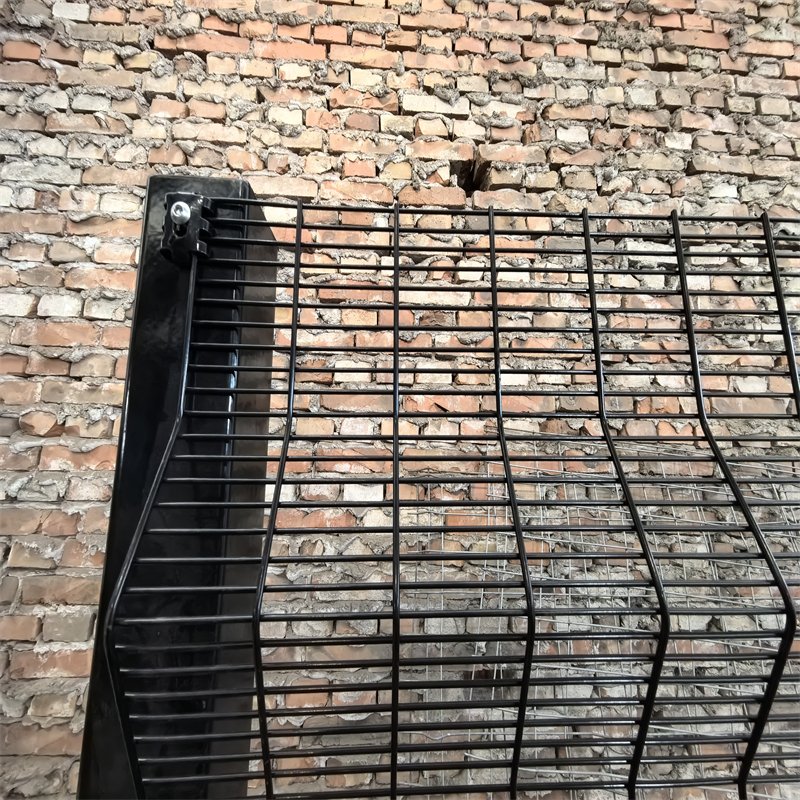
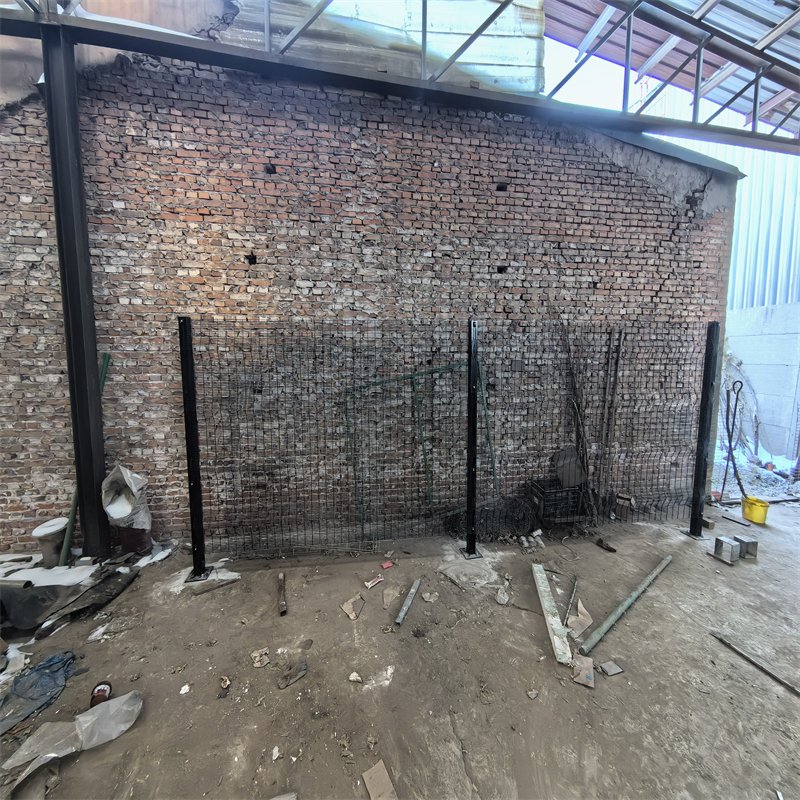
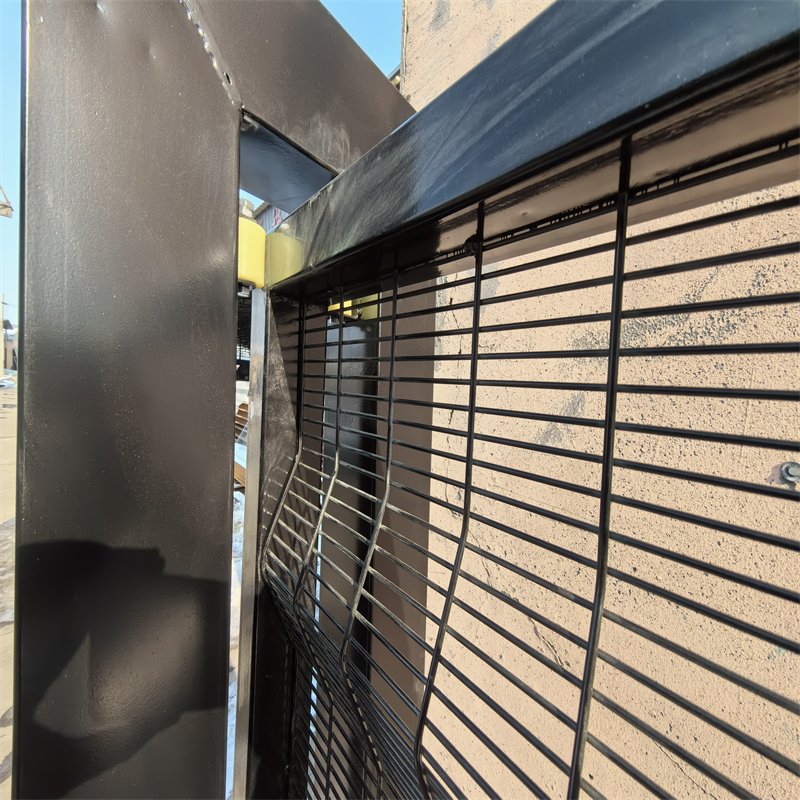
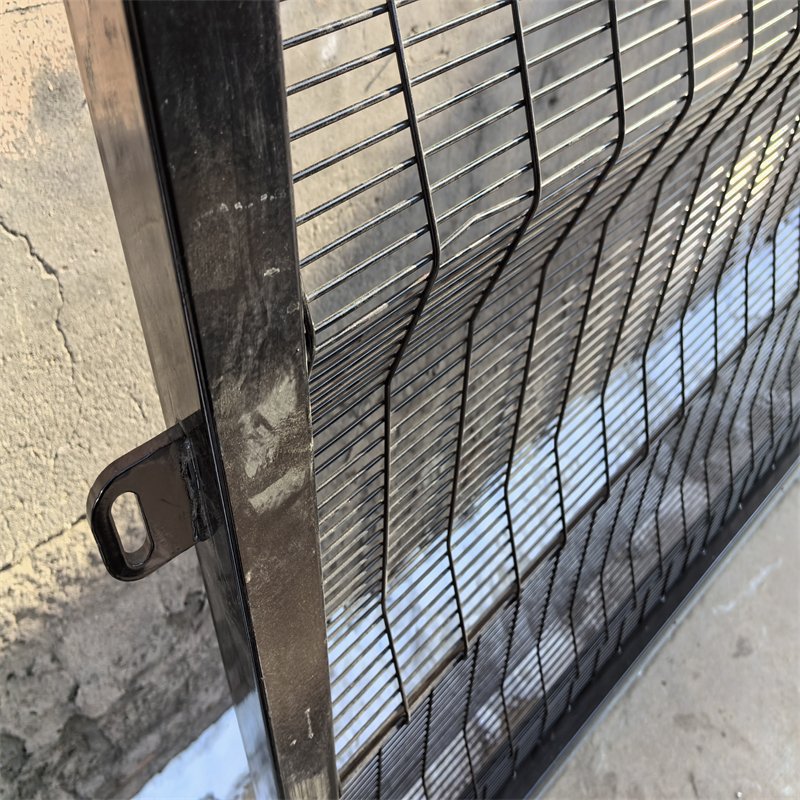
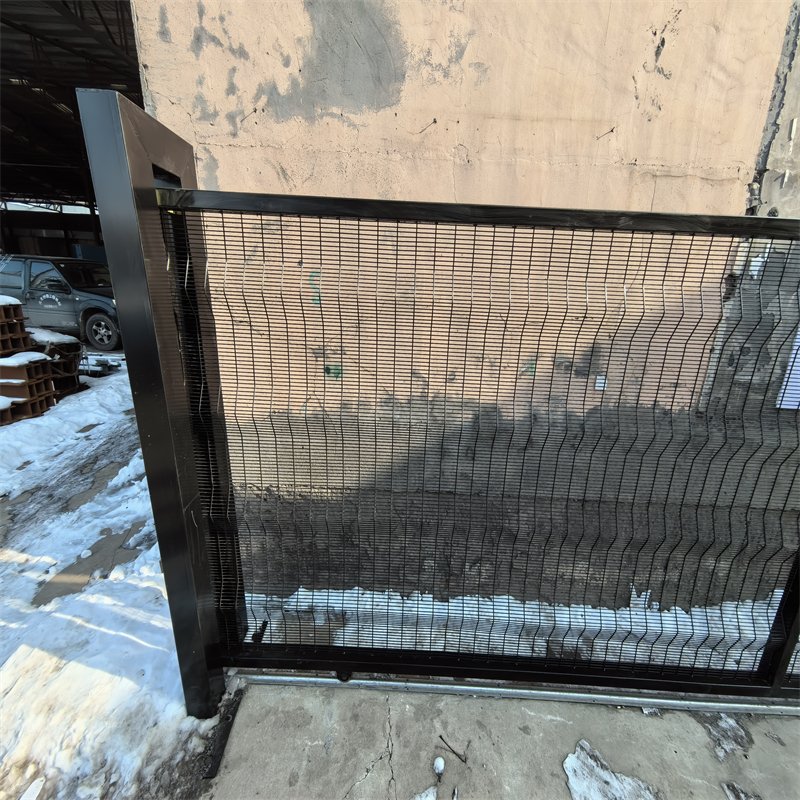
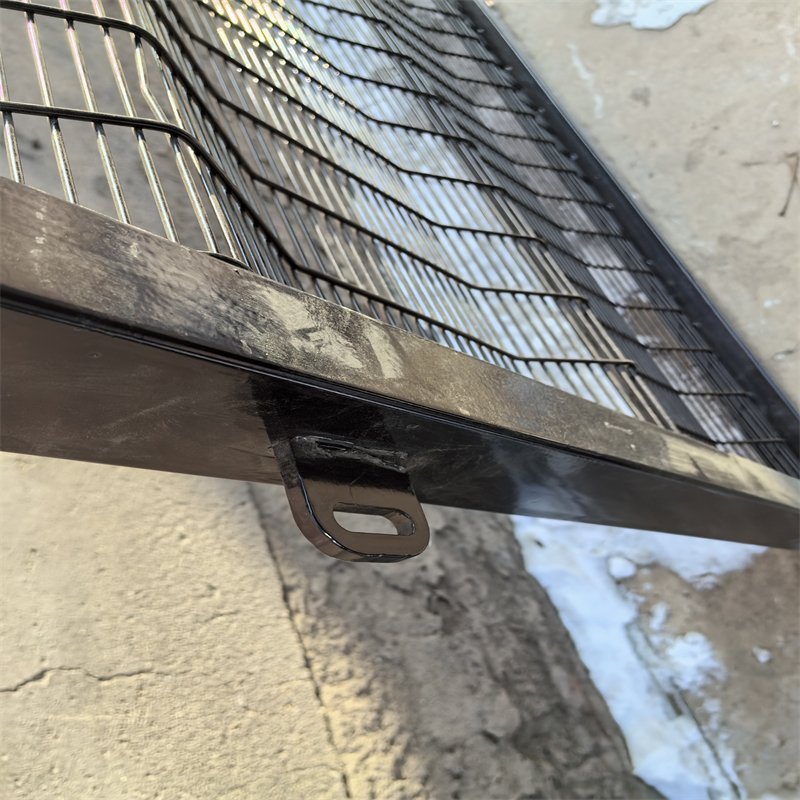
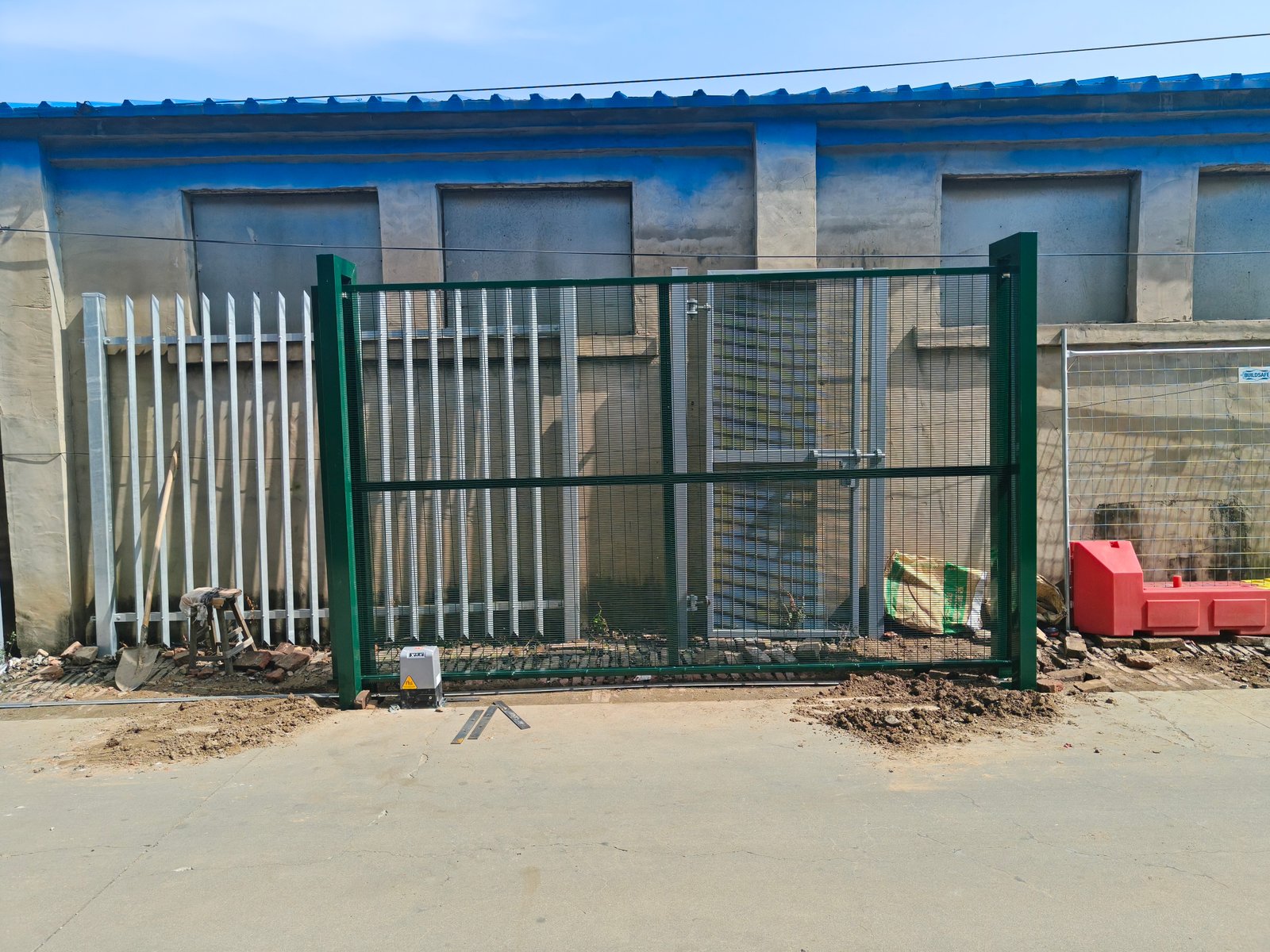
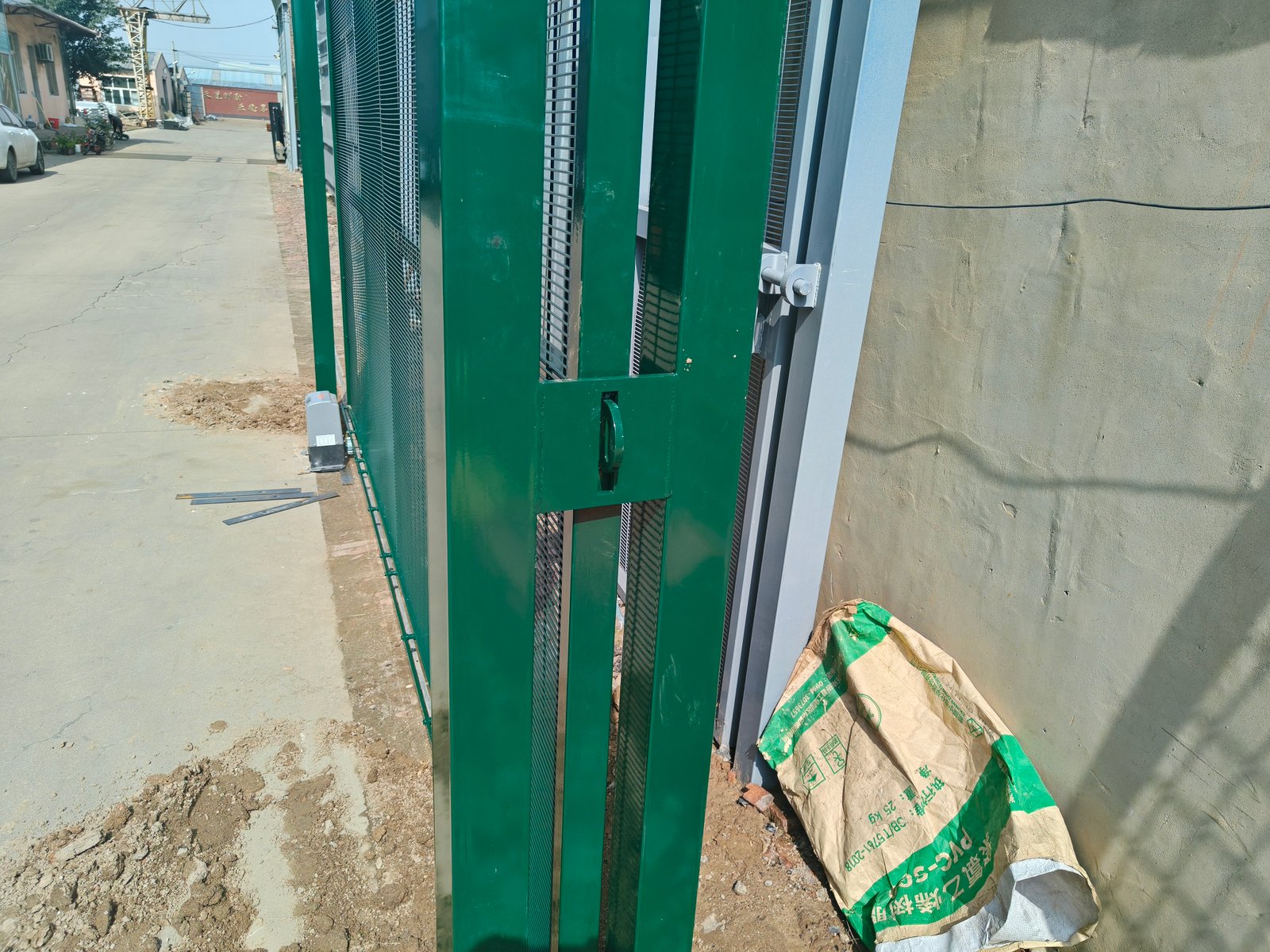
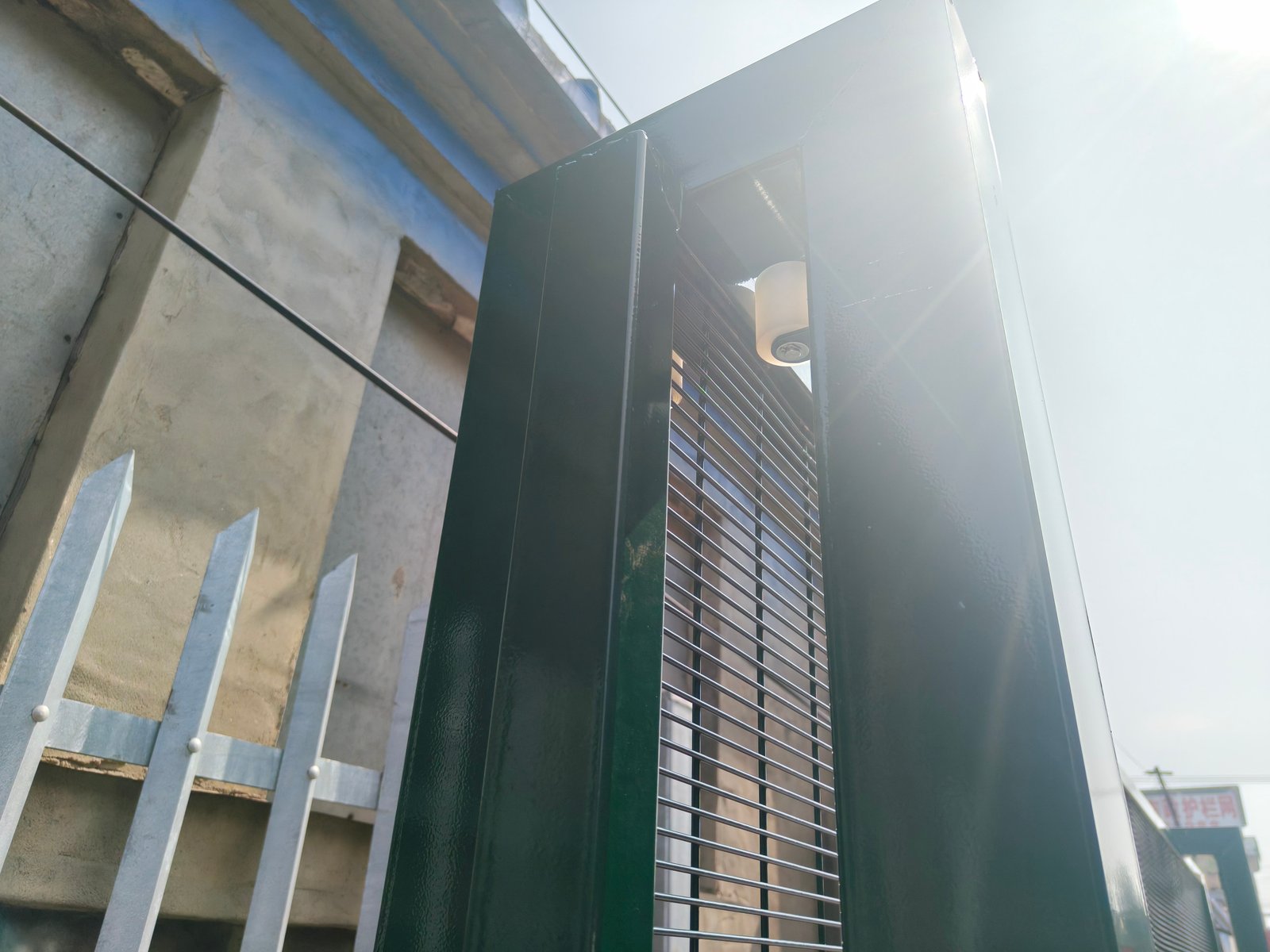
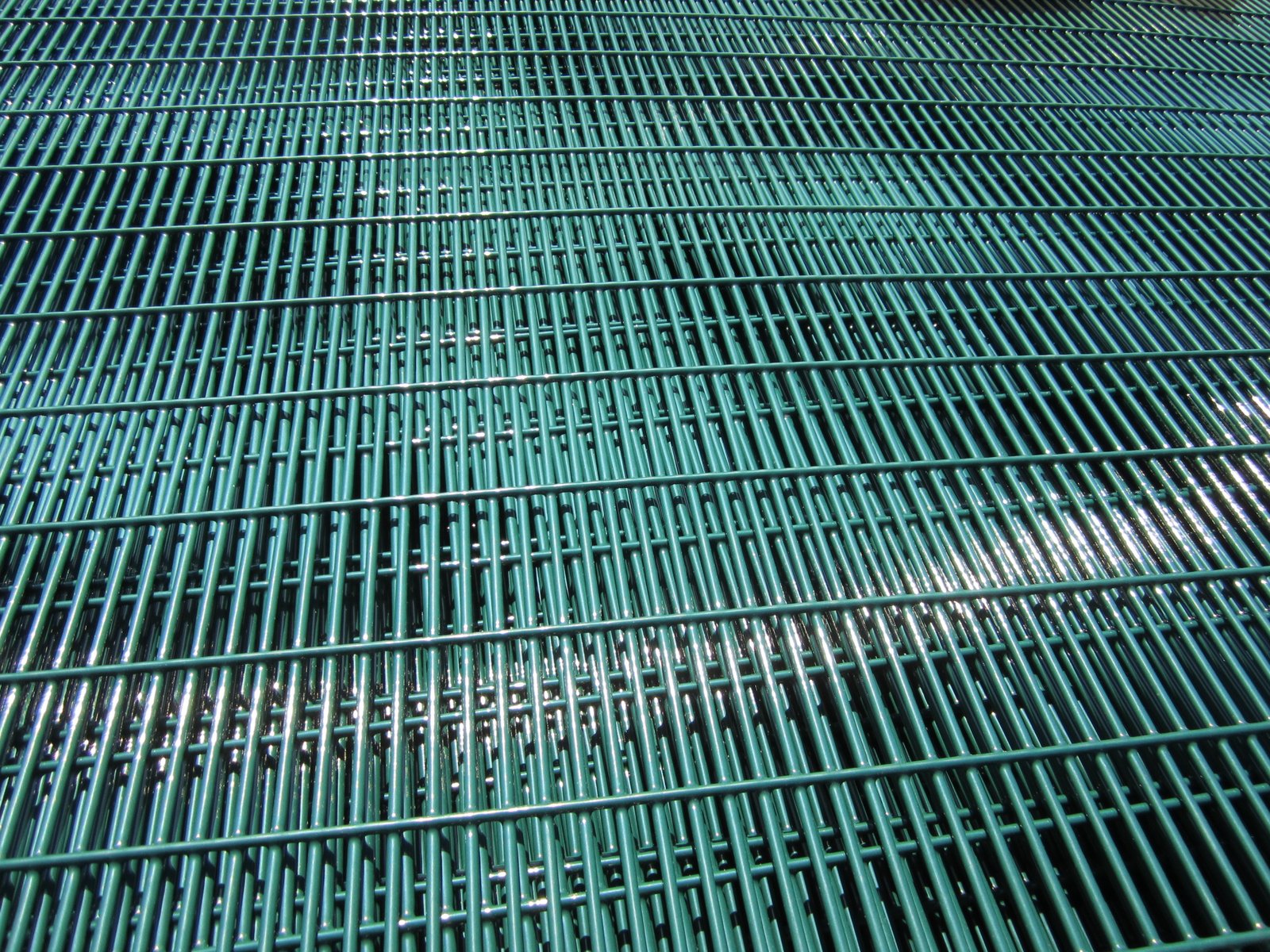
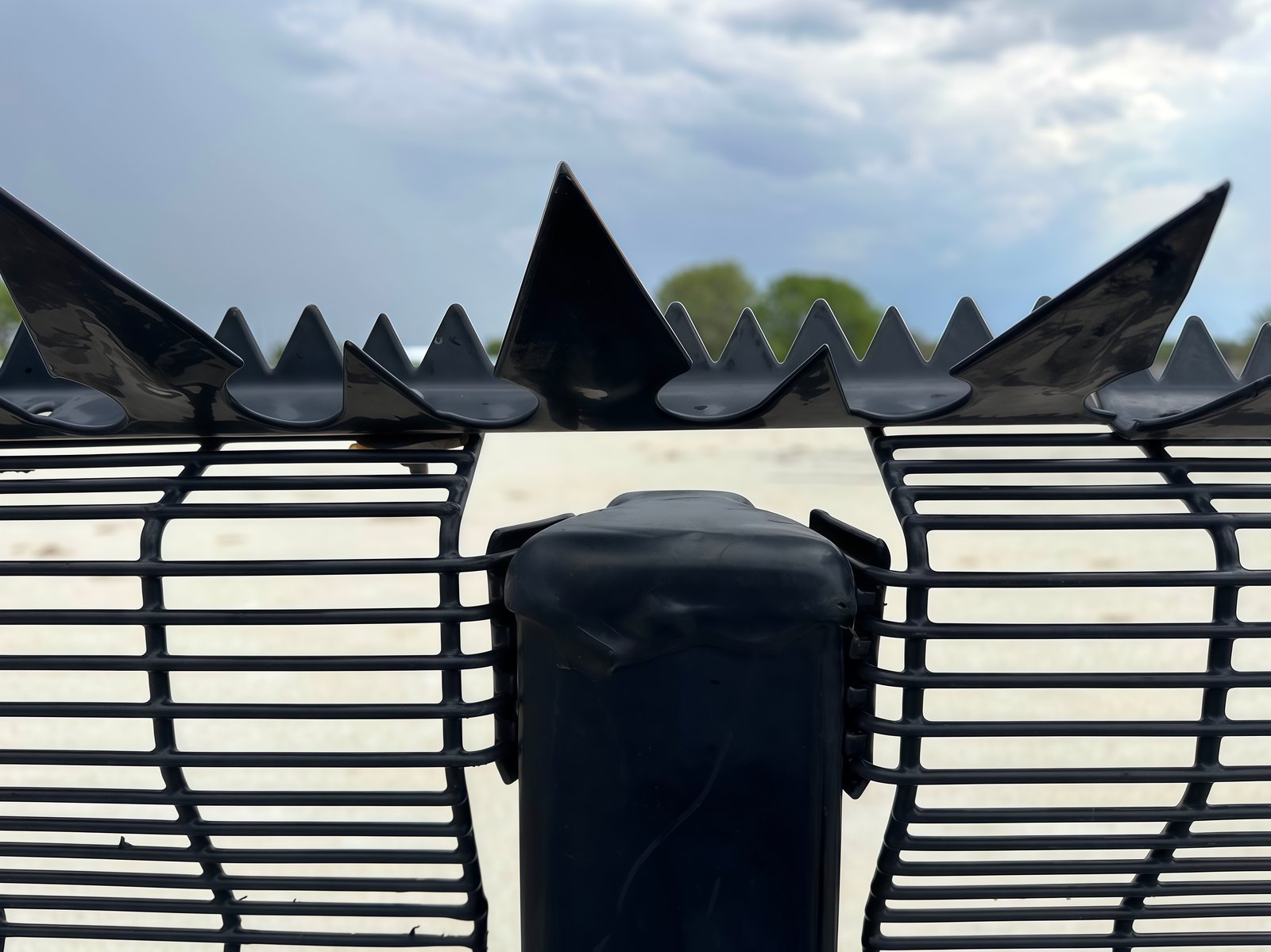
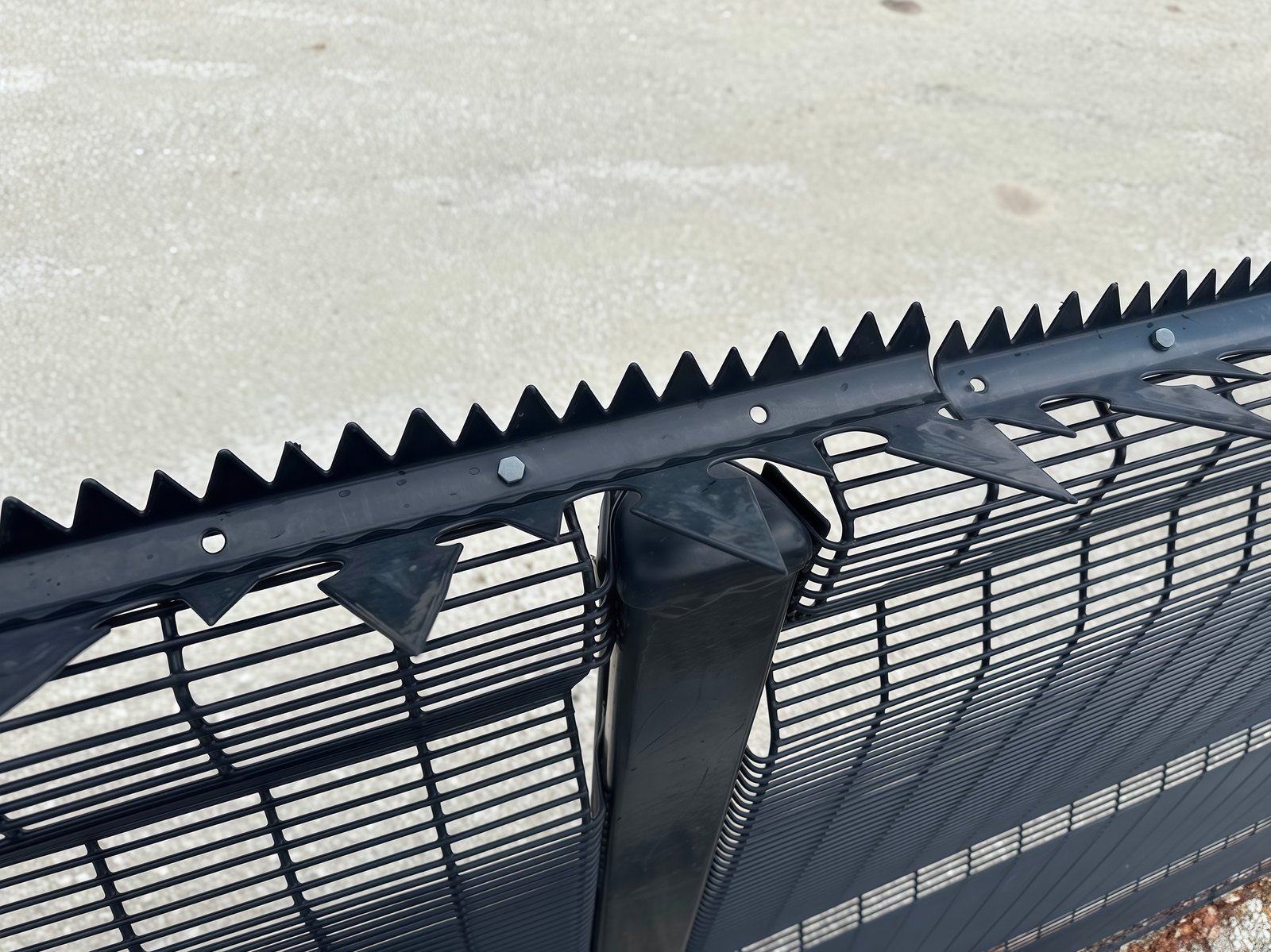
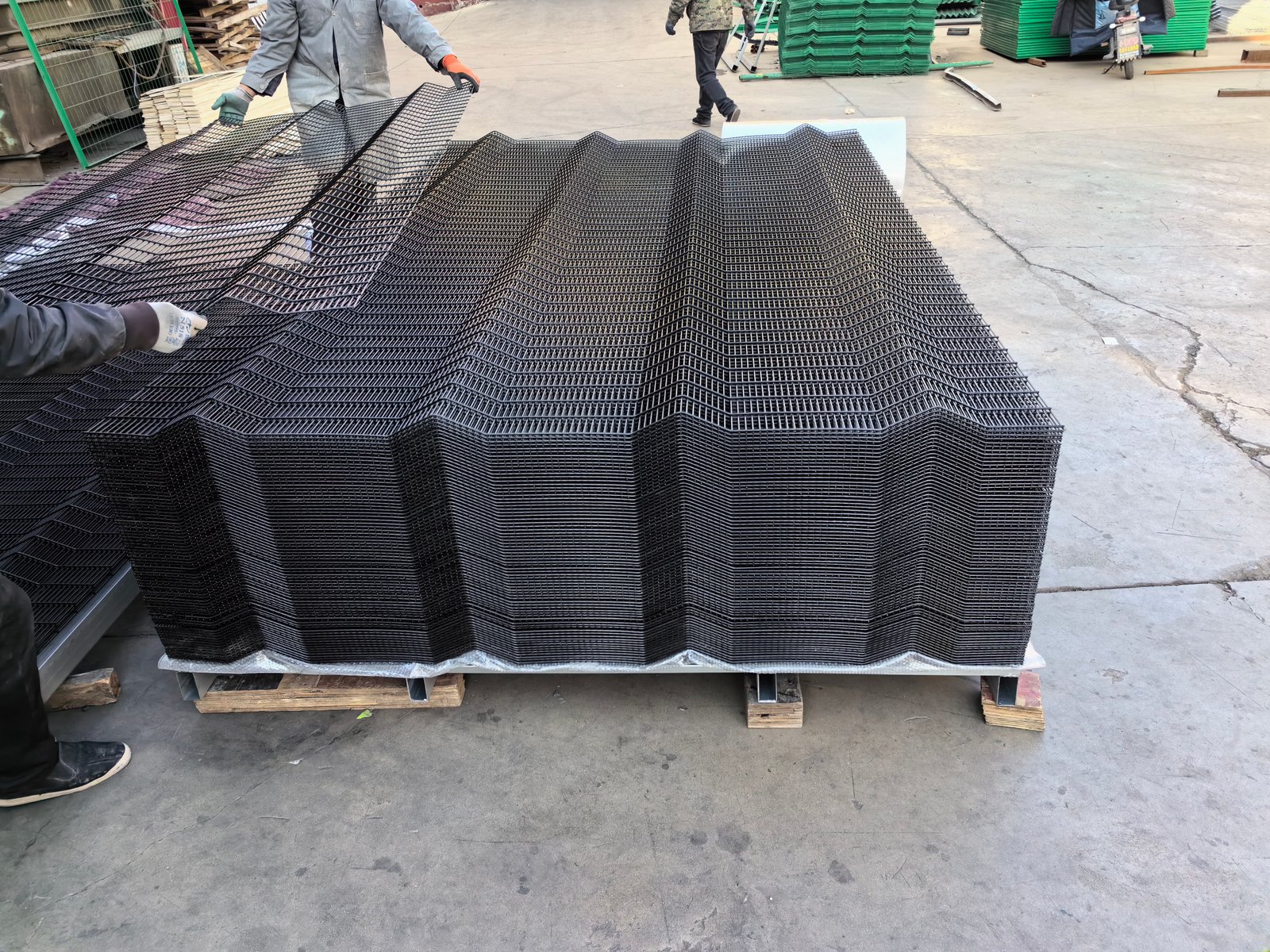
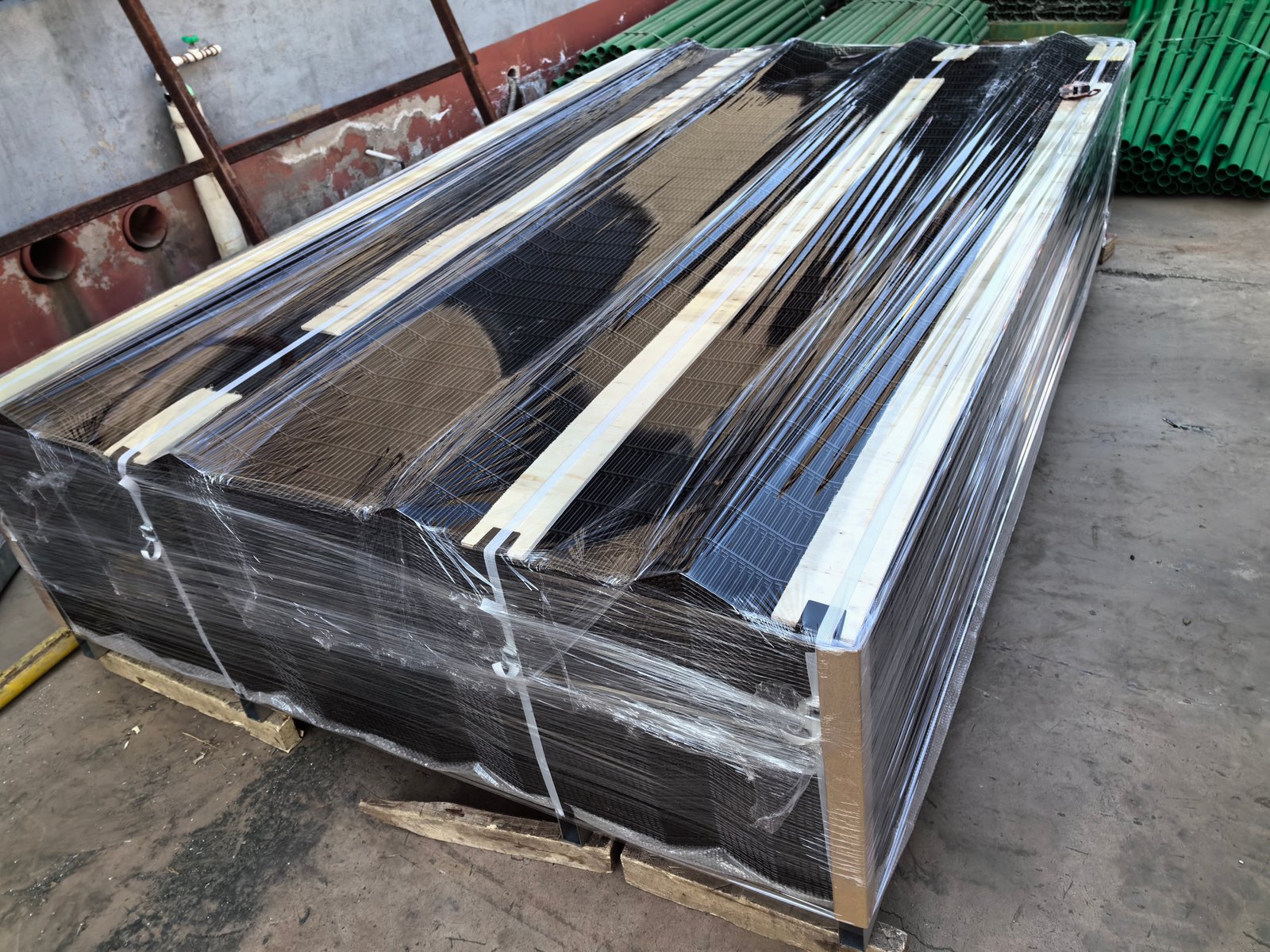
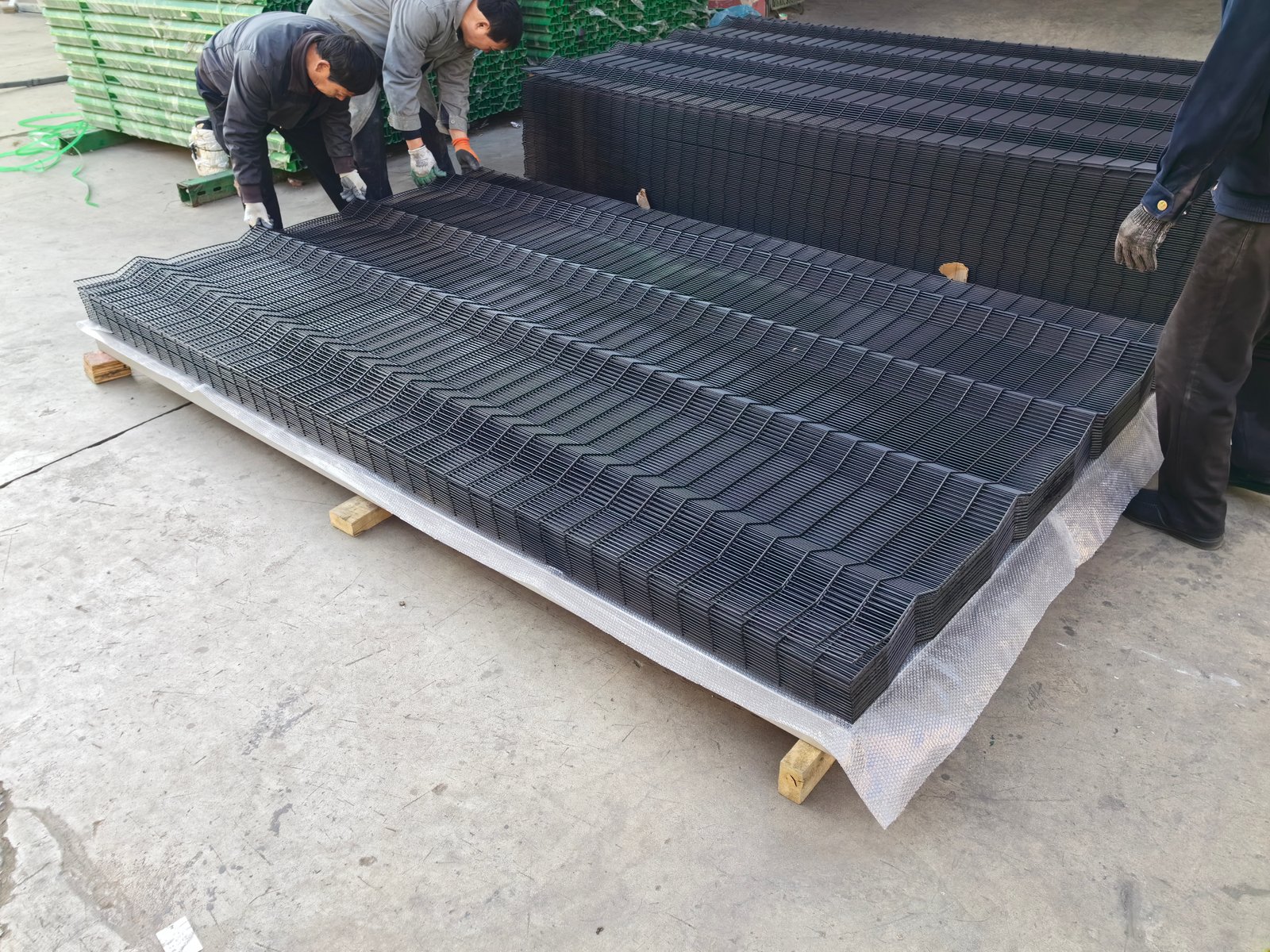
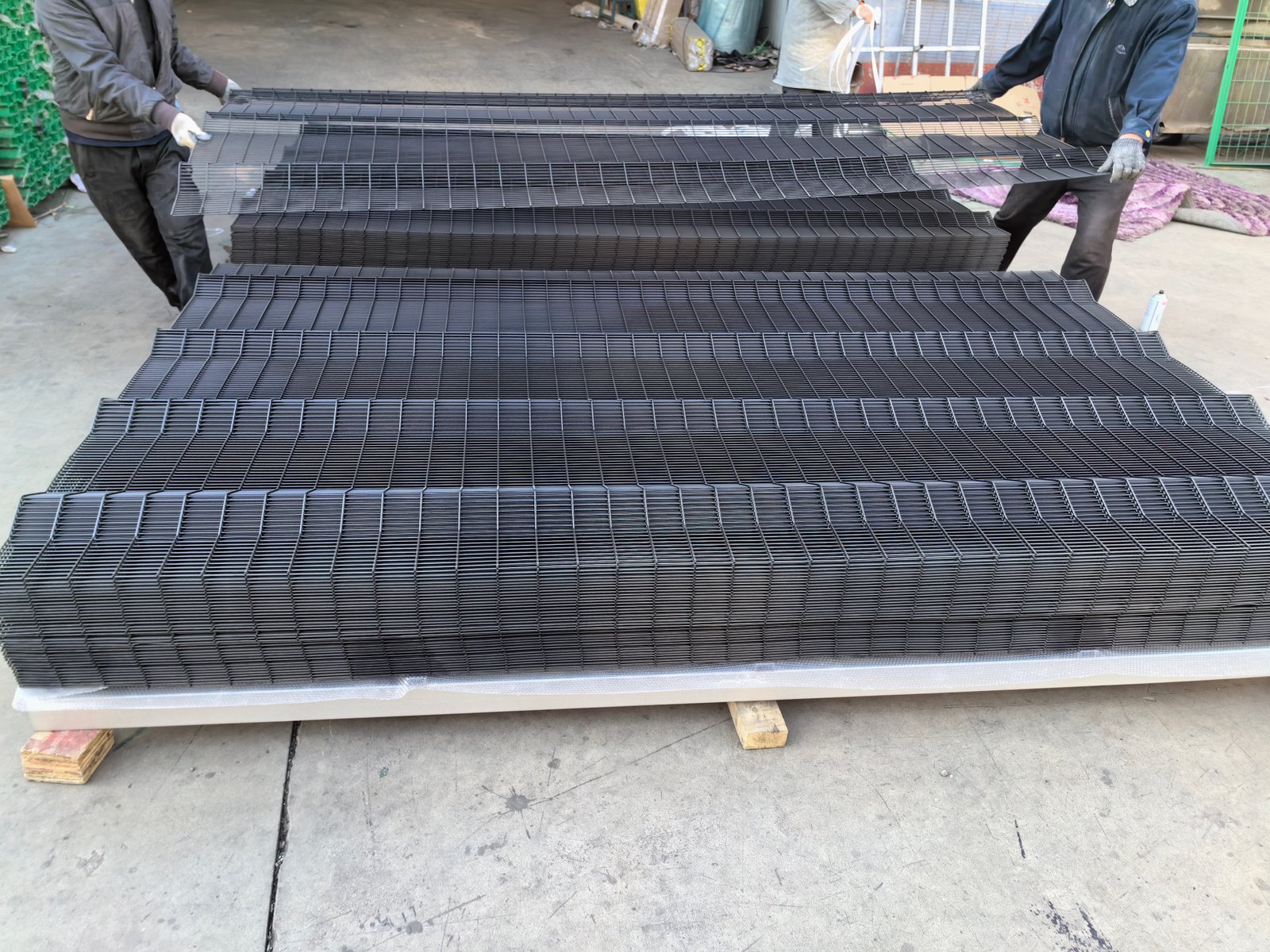
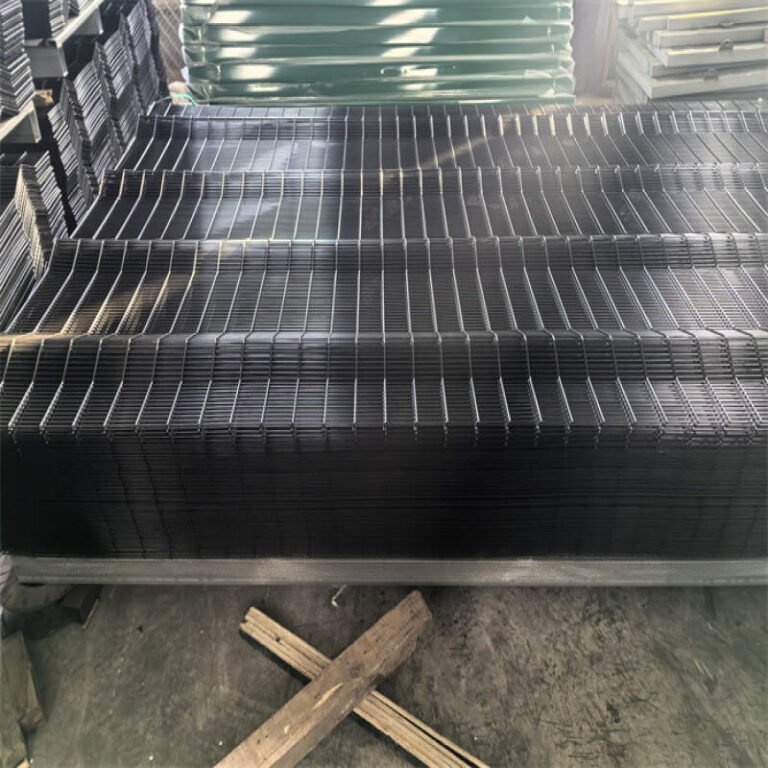
Description Second hand clearview fencing offers a practical option for projects that can reuse inspected welded mesh panels. Its narrow openings discourage climbing while preserving visibility across the perimeter. However, the actual condition of each used panel determines its remaining value. Buyers should examine welds, coatings, dimensions, and accessories before approving any reused fencing system.
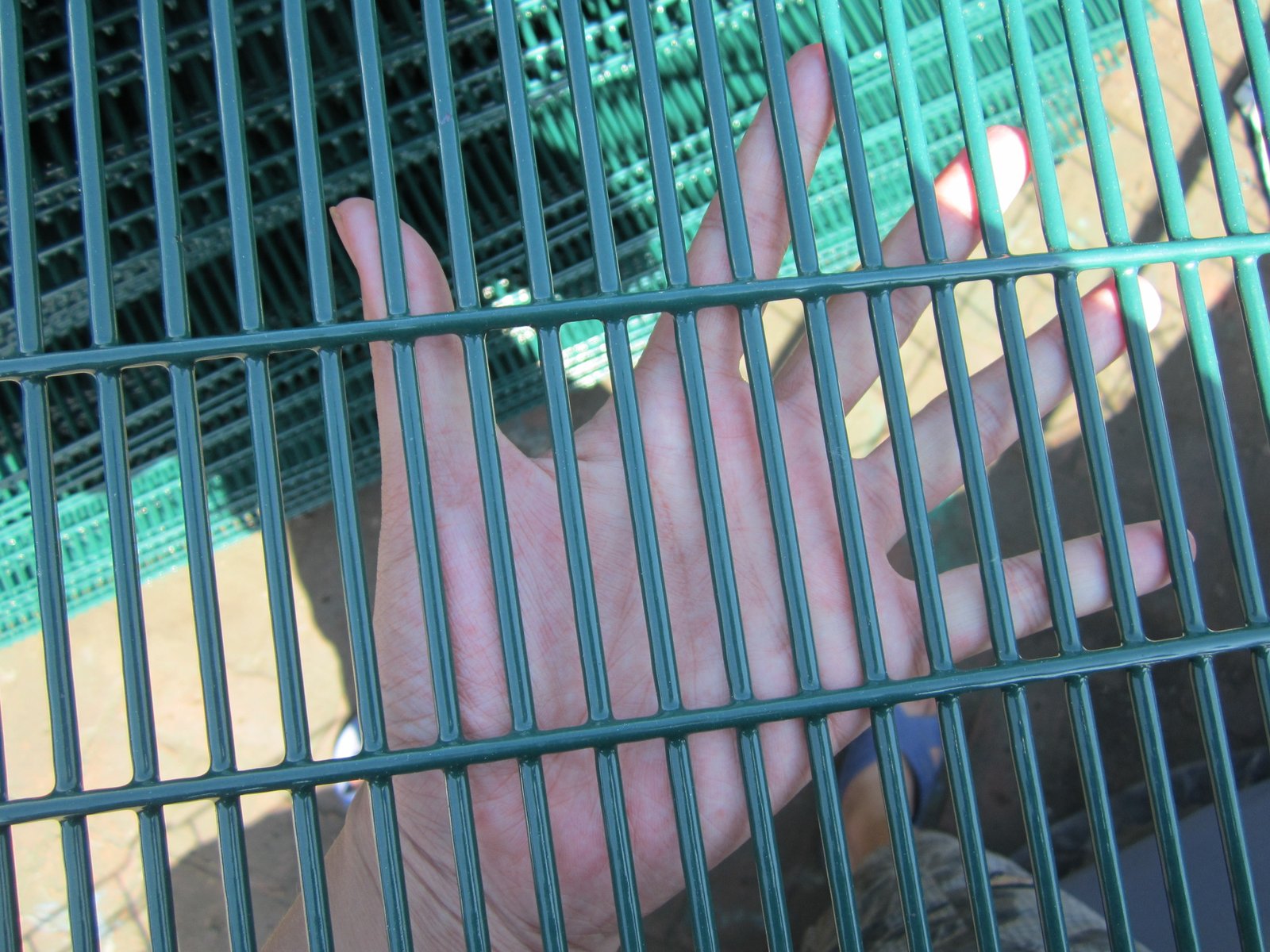
Clearview mesh suits warehouses, residential estates, commercial sites, and controlled-access facilities. The close aperture creates fewer convenient fingerholds than many conventional mesh designs. A complete installation also needs suitable posts, clamps, foundations, and gates. Buyers should compare used materials against current security requirements, not appearance alone.
Second hand clearview fencing overview
Many projects replace fencing during renovations, property redevelopment, or changes in site boundaries. Contractors can sometimes recover reusable welded panels from those installations. Second hand clearview fencing may reduce material waste when the original components remain serviceable. It does not automatically offer the same security performance as new material.
Standard Clear View Fence Panels provide useful reference dimensions when buyers assess recovered stock. Measure every panel instead of relying on its previous product label. Record its height, width, mesh aperture, wire diameter, and number of bends.
Why 358 mesh matters
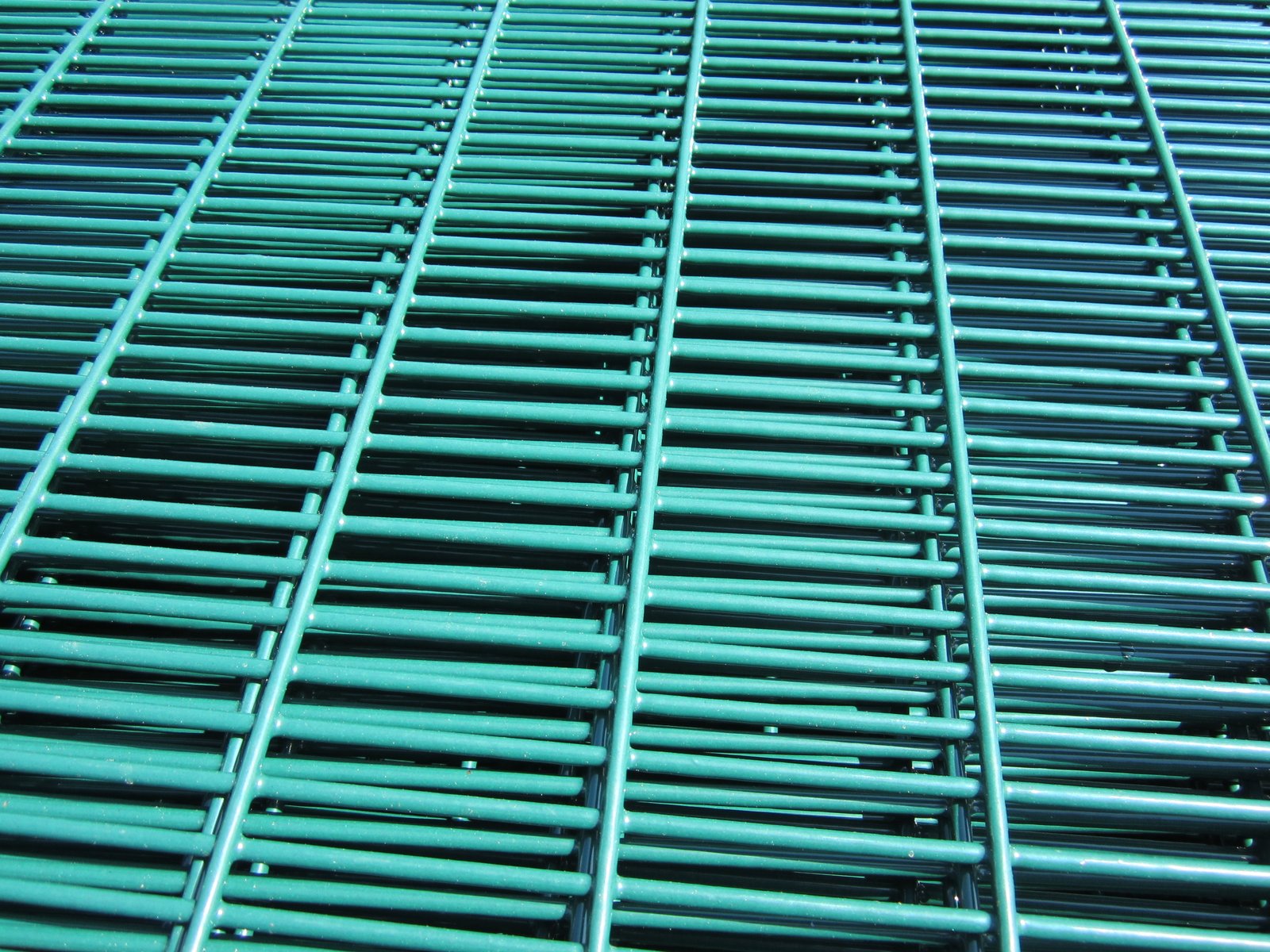
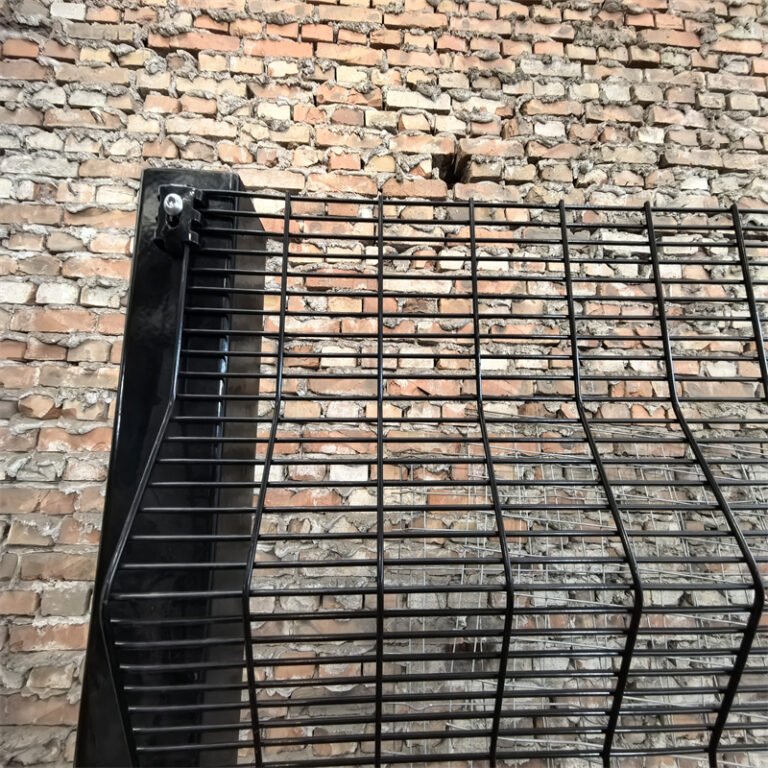
The term 358 describes approximately 76.2 × 12.7 mm mesh with eight-gauge steel wire. The wire commonly measures around 4.0 mm. Closely spaced wires discourage climbing and complicate attacks with ordinary hand tools. Actual resistance still depends on weld strength, wire condition, and fixings.
358 Mesh provides a reference for aperture size and typical wire selection. Recovered panels may instead use 75 × 12.5 mm or 101.6 × 12.7 mm configurations. Never assume every used panel follows the same security grade.
Second hand clearview fencing benefits
Reusable panels can shorten a project's material sourcing process when suppliers hold suitable stock. They can also reduce unnecessary disposal of usable steel. The strongest value comes from panels with intact welds and dependable protective coatings.
- Close mesh discourages climbing and limits convenient fingerholds.
- Open construction supports observation and natural airflow.
- Existing V-bends can add rigidity when the steel remains undamaged.
- Standard accessories may support repairs or partial replacements.
- Reusable steel can reduce waste during site redevelopment.
- Several panel heights support different boundary layouts.
Different projects need different mesh grades. A low-risk storage yard may suit Low Security Clear View Fencing. Higher-risk boundaries need closer mesh, stronger posts, and carefully designed access points.
Visibility and CCTV
Open mesh allows cameras to observe movement beyond the fence. Guards can monitor gates, corners, and nearby roads without a solid wall obstructing sightlines. Position lighting carefully to limit nighttime glare.
The mesh does not eliminate every camera blind spot. Vegetation, equipment, shadows, and post locations still obstruct some views. Review the complete perimeter before selecting camera positions.
Second hand clearview fencing specifications
Used inventory rarely follows one complete catalogue specification. The following table summarises common 3D panel configurations from the original product information. Treat these figures as reference dimensions, not confirmed measurements for available second-hand stock.
Reference 3D welded mesh panel sizes
| Height (mm) |
Width options (mm) |
V-bends |
Post length (mm) |
Bracket count |
| 1800 |
2500 / 2750 / 3000 |
3 |
2600 |
6 |
| 2000 |
2500 / 2750 / 3000 |
4 |
2700 |
7 |
| 2200 |
2500 / 2750 / 3000 |
4 |
2800 |
8 |
| 2400 |
2500 / 2750 / 3000 |
4 |
3000 |
9 |
| 2700 |
2500 / 2750 / 3000 |
5 |
3500 |
10 |
| 3000 |
2250 / 3000 |
5 |
4000 |
12 |
| 4000 |
2250 |
5 |
5200 |
14 |
Reference mesh apertures include 76.2 × 12.7 mm, 75 × 12.5 mm, and 101.6 × 12.7 mm. Reference wire combinations include 3.0 × 4.0, 3.2 × 4.0, and 3.4 × 4.0 mm. The original specification lists these dimensions without a universal wire orientation. Confirm vertical and horizontal wire positions using actual samples.
Reference 3D mesh panel sizes
Measure panel height at several points because removal or transport can bend the frame. Confirm whether V-folds project inward or outward. Check that recovered panel widths match the proposed post spacing.
Flat 358 Mesh Fencing and folded panels can use different clamp arrangements. Avoid mixing panel profiles without an approved connection detail. A small dimensional mismatch can create unsafe gaps.
Second hand clearview fencing inspection checklist
Inspect every batch before agreeing on reusable quantities. Photos help, but physical measurements reveal hidden differences between lots. Set acceptance criteria before loading or paying for the materials.
- Check panel height, width, squareness, and V-bend geometry.
- Look for broken welds, bent wires, and cut edges.
- Inspect zinc or powder coating around weld intersections.
- Identify corrosion under clamps and along panel edges.
- Count posts, caps, security nuts, and usable brackets.
- Inspect any damaged mounting holes or distorted flat bars.
- Separate rejected items from reusable stock.
- Record batch quantities, defects, and repair requirements.
A used Anti Climb Security Fence needs stricter inspection when the site faces higher intrusion risks. Critical facilities should use a competent security designer's assessment. Visual checks alone cannot certify cutting resistance or structural strength.
Weld joints and bending
Welded intersections transfer loads between wires. Corrosion, repeated bending, and rough dismantling can weaken those joints. Examine the areas near panel edges and previous clamps first.
Reject panels with extensive weld failures or severe deformation. Repair decisions require a documented method and a suitable quality check. New Clear Vu Fence components can replace unusable sections when dimensions permit.
Second hand clearview fencing post systems
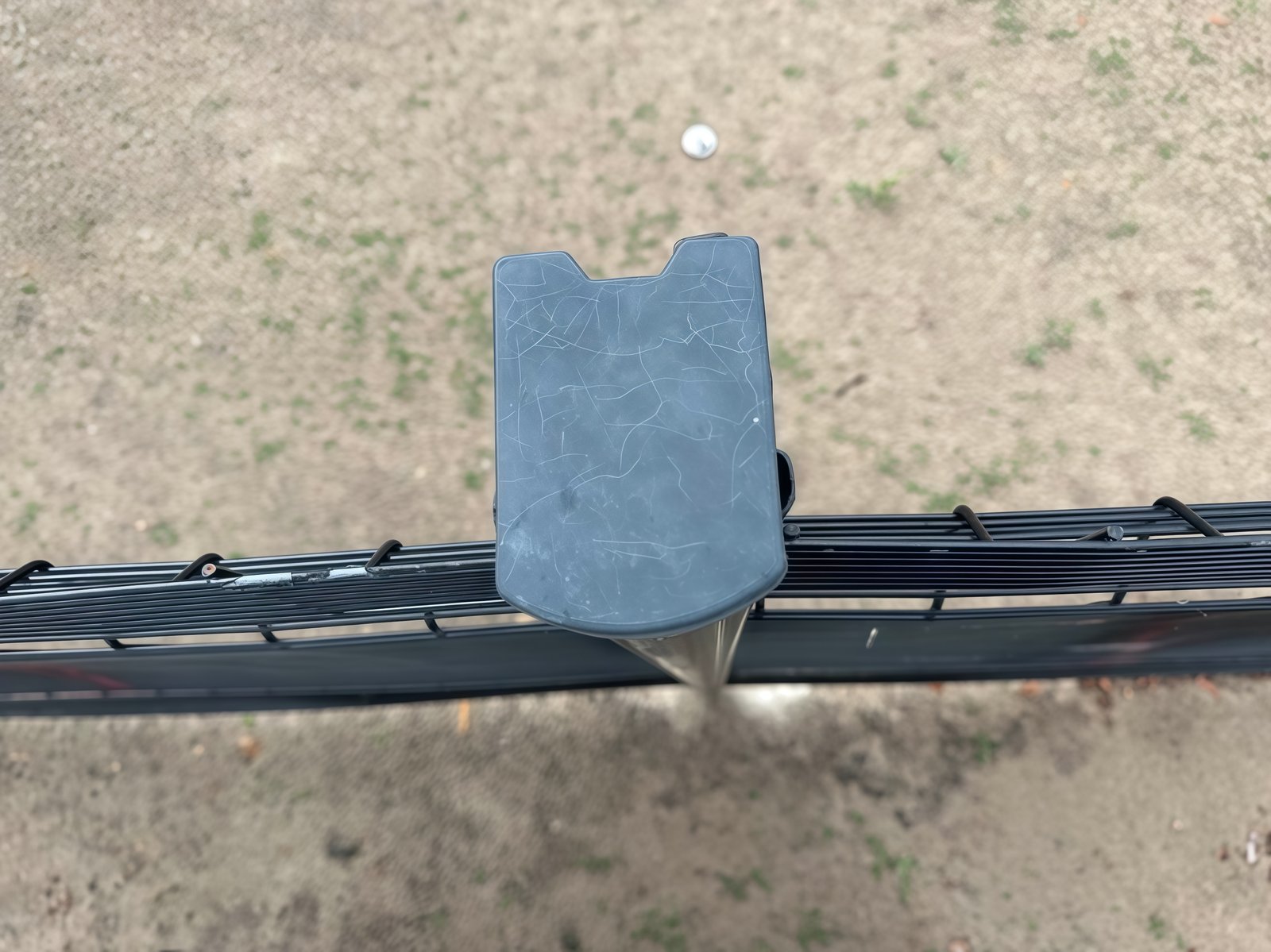
Recovered fencing often includes posts from different manufacturers. Square, rectangular, IPE, and C-type sections use different mounting arrangements. Match the post geometry with the actual panel and clamp system.
Reference post profiles from the original specification
| Post type |
Example sections (mm) |
Listed wall range (mm) |
| Square |
60 × 60 / 80 × 80 / 100 × 100 |
1.2–1.5 |
| IPE |
100 × 55 / 100 × 68 / 120 × 74 |
1.2–2.0 |
| Rectangular |
60 × 80 / 80 × 100 / 100 × 150 |
2.5–5.0 |
| C-type |
60 × 80 / 80 × 100 / 100 × 150 |
2.0–5.0 |
These ranges reproduce historical reference data and do not establish safe structural dimensions. Calculate post capacity using fence height, wind loading, soil conditions, and site exposure. A qualified engineer should approve the final post and foundation design.
For replacement work, Clear View Fence Post options help match common cross-sections. Inspect each reused post for straightness, rust, and previous anchor damage.
Matching clamps and security hardware
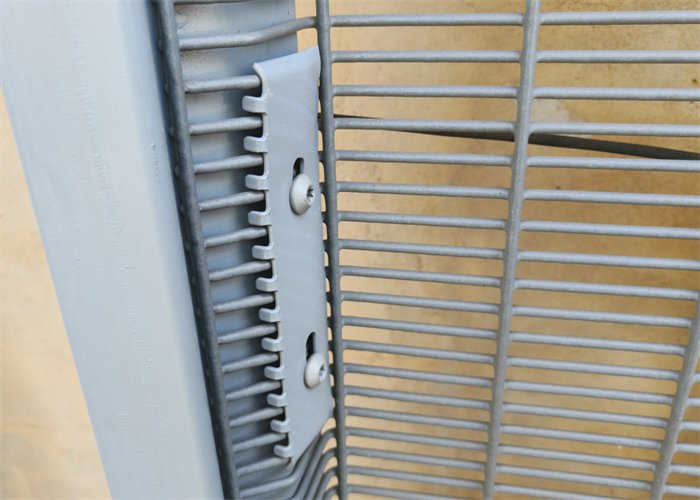
Clamp systems must hold the mesh without crushing damaged wires. Check bolt spacing, panel overlap, flat bar dimensions, and security nut compatibility. Mixing unmatched components can weaken an otherwise serviceable fence.
Clearvu Fence Clamps include options for common panel connections. Related Clearvu Fence Clamps serve similar connection requirements across other product systems. Confirm the exact fastening geometry before selecting replacements.
Second hand clearview fencing coating condition
Surface treatment often determines whether a used fence offers reasonable service life. Scratches can expose bare steel. Corrosion can also develop beneath damaged powder coating.
Reference coating system abbreviations
| Code |
Reference finish |
Inspection priority |
| ST1 |
Pre-electrogalvanised + polyester powder |
Welds, scratches, and exposed steel |
| ST2 |
Pre-galvanised wire + polyester powder |
Cut edges and coating continuity |
| ST3 |
Galfan wire + polyester powder |
Damaged topcoat and weld points |
| ST4 |
Hot-dip galvanised after fabrication |
Zinc coating condition |
| ST5 |
Hot-dip galvanised + polyester powder |
Zinc and powder layers |
Galfan typically combines approximately 95% zinc with 5% aluminium. The original specification lists several galvanised coating masses and 75–100 μm for one hot-dip treatment. Those figures describe reference targets, not measured values on reused panels.
Fresh Clear View Fence South Africa systems may offer defined coating requirements. Reused stock needs direct checks before anyone claims equivalent corrosion protection.
Understanding galvanising and Galfan
Electrogalvanising, continuously galvanised wire, and post-fabrication hot-dip galvanising differ in coating application. Each route has different advantages and potential exposure points. Inspect the finished product instead of relying solely on a coating name.
Clean reusable panels before any protective repair. Remove loose coating and corrosion using an appropriate preparation method. Apply compatible repair materials according to the coating manufacturer's instructions.
Second hand clearview fencing 2D versus 3D
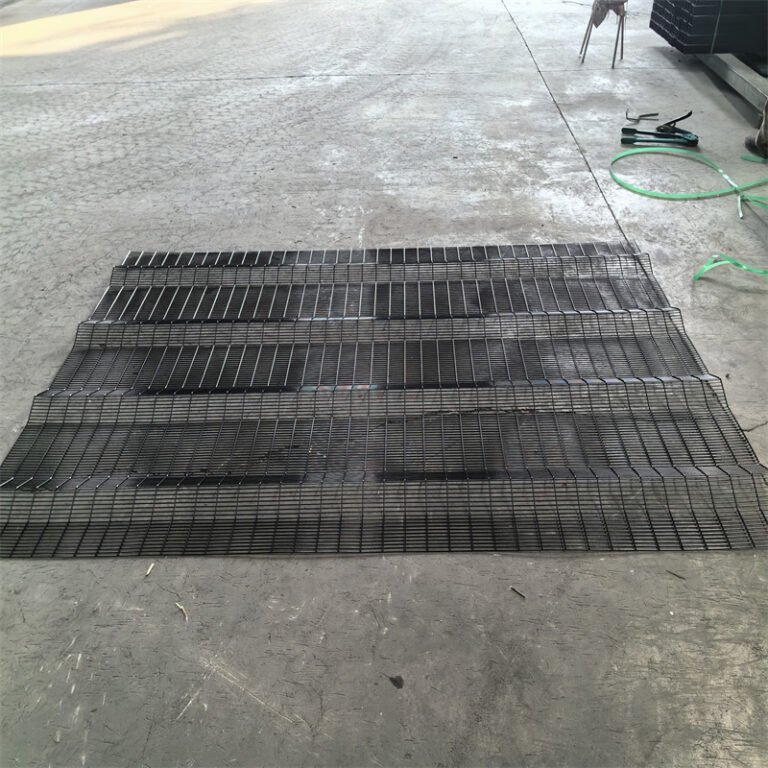
Three-dimensional panels include V-folds that improve stiffness and change the panel profile. Two-dimensional panels retain a flat welded mesh surface. Some 2D Plus arrangements add horizontal reinforcement at regular intervals.
- 3D panels: welded mesh with V-bends and matching post connections.
- 2D panels: flat mesh without formed V-bends.
- 2D Plus panels: flat mesh with additional reinforcing wires.
Panel profiles affect stacking, transport, and fixing requirements. Buyers should not combine 2D and 3D components without checking the design. Prison Mesh uses dense apertures for demanding security applications, but the complete system determines performance.
Alternative mesh grades
Mesh density influences weight, visibility, and intrusion delay. A wider aperture may suit basic perimeter separation. High-risk locations need a more demanding security specification.
Clearvu Fence Panels offer another useful product comparison when planning replacement sections. Check all nominal dimensions before combining components from separate suppliers.
Second hand clearview fencing removal and reuse
Careful dismantling helps preserve reusable steel. Workers should release bolts systematically and support panels before removing their final connections. Avoid bending mesh to force it away from posts.
Label panels by section and record their condition. Keep damaged hardware away from reusable bolts and clamps. Store panels above the ground to minimise moisture exposure.
Foundation and site planning
Old post lengths rarely match every new installation. Verify the required embedment depth or base plate design. Check concrete condition, drainage, wind exposure, and ground slope before installation.
Do not reuse a cracked base plate without an engineering assessment. Compare the existing post layout with Clearvu Fence Posts when replacement sections become necessary. A strong mesh panel cannot compensate for an unstable foundation.
Second hand clearview fencing gates and access
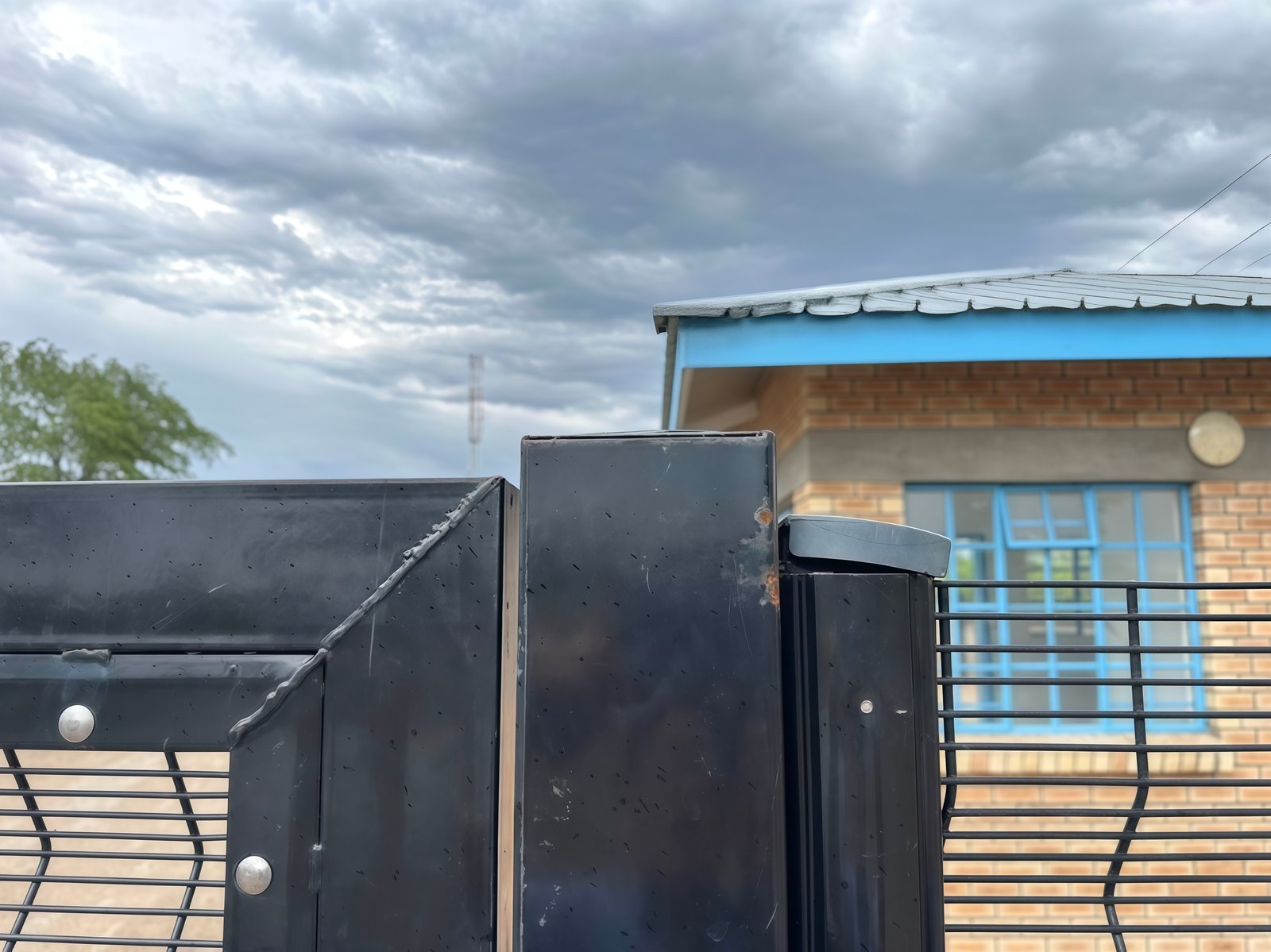
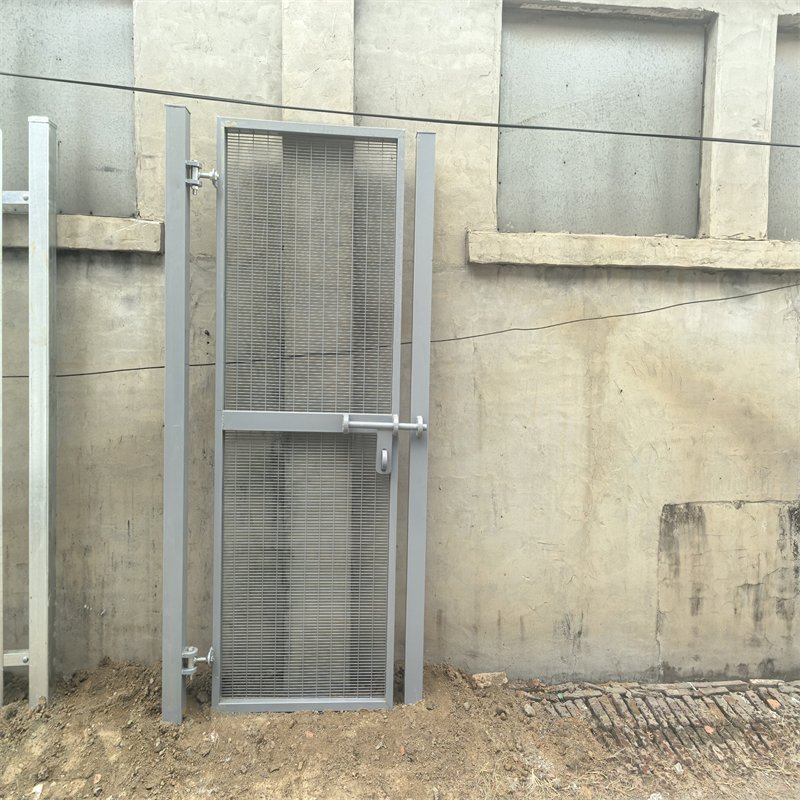
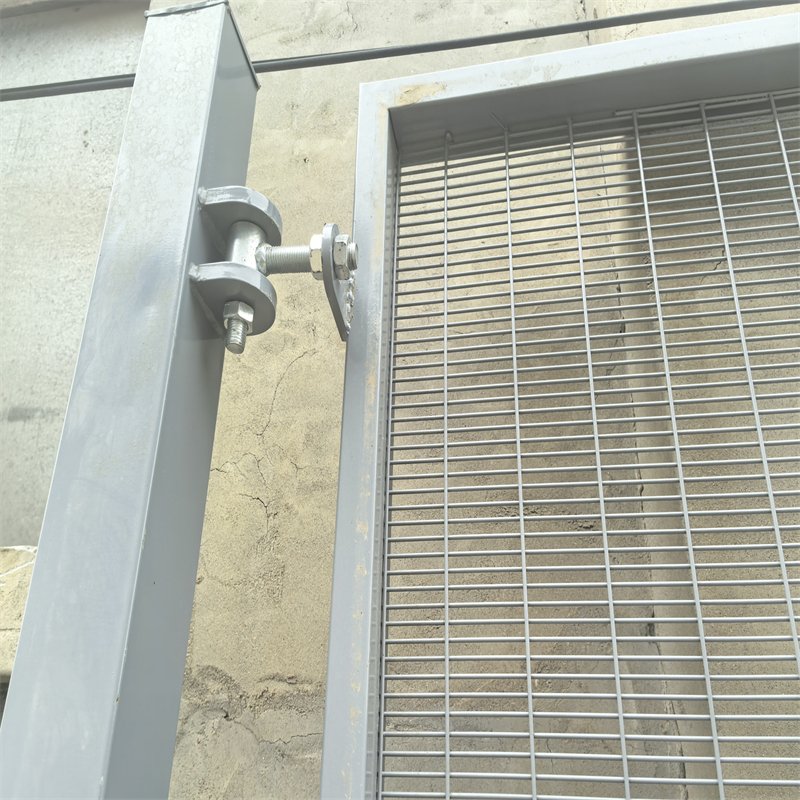
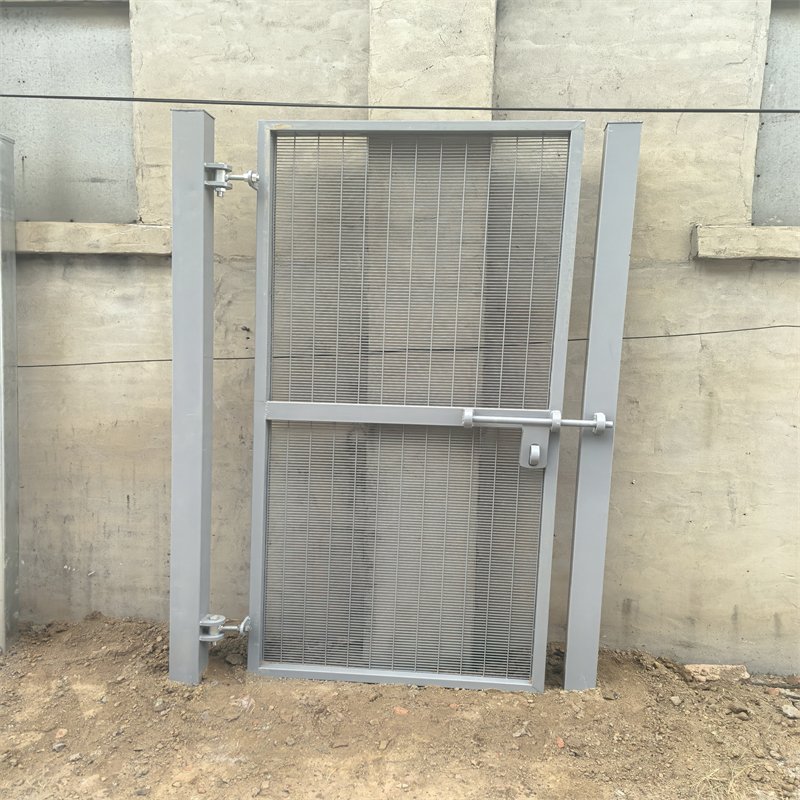
Access points usually experience more mechanical movement than straight fence sections. Check hinges, locking positions, gate alignment, and frame corrosion. The surrounding posts must support the intended gate loads.
Matching Clear View Fence Gate options can help restore a uniform boundary. Where vehicle access requires sliding operation, Clearvu Sliding Gates provide another compatible design category.
Confirm safety controls for motorised systems. Gate opening width, ground clearance, and locking hardware all need project approval. Reused gate parts deserve the same detailed inspection as fence panels.
Boundary extensions
Some locations use angled arms or additional security toppings. These accessories increase loads on posts and require careful safety planning. Check local requirements before installing sharp or electrified systems.
Razor Wire Flat Wrap provides one boundary extension format. Select the mounting design only after assessing access, maintenance, and site safety.
Second hand clearview fencing applications
Reused fencing may suit warehouses, temporary compounds, equipment yards, and managed commercial properties. Residential developments may also consider reusable panels where appearance and condition meet project expectations.
- Warehouse boundaries and storage yards.
- Factory areas and internal property divisions.
- Commercial premises and controlled parking areas.
- Residential estates with compatible existing systems.
- Infrastructure sites following appropriate engineering review.
- Temporary security boundaries where regulations permit reuse.
Critical infrastructure needs a stricter risk assessment. Inspect recovered material against the project's required security performance. A new Clearvu Fencing system may suit projects that need traceable production records.
Site risk and design
Choose fence height, mesh grade, and fixings according to actual exposure. Wind loads increase with panel height and local conditions. Access control and surveillance should support the physical barrier.
Consider replacement planning before purchasing mixed second-hand lots. The project may need extra panels for future repairs. Standardising component sizes simplifies long-term maintenance.
Second hand clearview fencing transport and packing
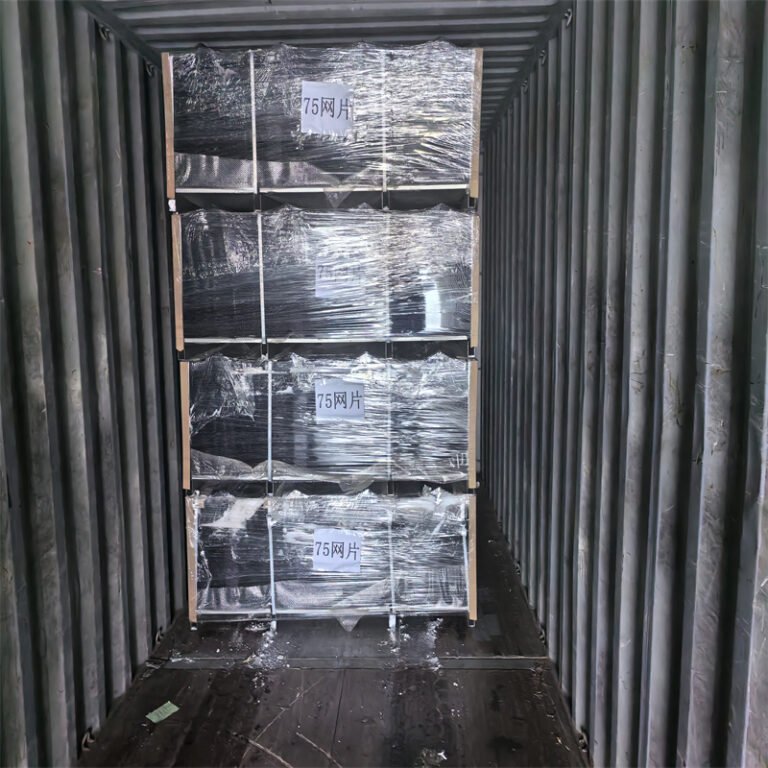
Used panels need secure packing because existing coating damage can worsen during transport. Separate sharp edges from finished surfaces. Group panels by size and protect V-bends from crushing.
- Sort reusable panels by size, finish, and condition.
- Place protective material between coated surfaces.
- Secure stacks on suitable steel or wooden pallets.
- Pack posts separately to prevent impact damage.
- Count clamps, nuts, bolts, and caps before loading.
- Label every bundle with dimensions and quantities.
- Check vehicle loading limits and lifting arrangements.
Pack rejected components separately from approved stock. Document shortages before shipment. A packing list should match the physical quantities.
Storage and maintenance
Store used panels on stable supports away from standing water. Inspect surface scratches and damaged welds during storage. Keep replacement hardware in dry, labelled containers.
After installation, inspect connections and coating condition regularly. Maintenance frequency depends on exposure, access, and security needs. Repair corrosion before it spreads into adjacent wire joints.
Second hand clearview fencing FAQ
Can used clearview panels provide anti-climb protection? Close mesh can discourage climbing, but actual performance depends on panel condition and fixing strength.
Do all second-hand panels use 358 mesh? No. Recovered stock may include different apertures, wires, and panel profiles.
Can installers combine used panels with new posts? Yes, when approved posts and clamps match the panels and structural design.
Should buyers repaint every used panel? Not always. Inspect coating damage first and select repairs according to the existing finish.
Are second-hand panels suitable for prisons? Critical security projects require formal approval and documented performance. Buyers should not assume used panels satisfy those requirements.
Can panels from different batches share one fence line? Possibly. Confirm alignment, mesh profile, width, height, and fixing compatibility first.
Choosing replacement components
Document the dimensions and condition of every reusable item. Choose compatible new components when used stock cannot meet the project specification. The best procurement decision balances inspection results, required security, installation work, and ongoing maintenance.
Boss Metal and Plastic Co., Ltd. manufactures new welded fencing systems and related accessories. Buyers can supply recovered-panel measurements when seeking compatible replacement components. Availability of second-hand stock requires separate confirmation.