Factories manufacture these panels using low-carbon steel wire and controlled resistance welding. Common finishes include galvanising, polyester powder coating, and compatible polymer coatings. Different specifications suit airports, warehouses, industrial facilities, and other security-sensitive locations.
However, the mesh alone cannot guarantee complete protection. Post strength, foundations, gates, and connection details influence the entire perimeter. This guide explains the technical choices behind a reliable installation.
What Is 358 Fencing?
The name 358 originates from traditional imperial mesh dimensions. Three inches describes the longer mesh pitch, while half an inch describes the narrower pitch. Eight gauge identifies the traditional wire reference.
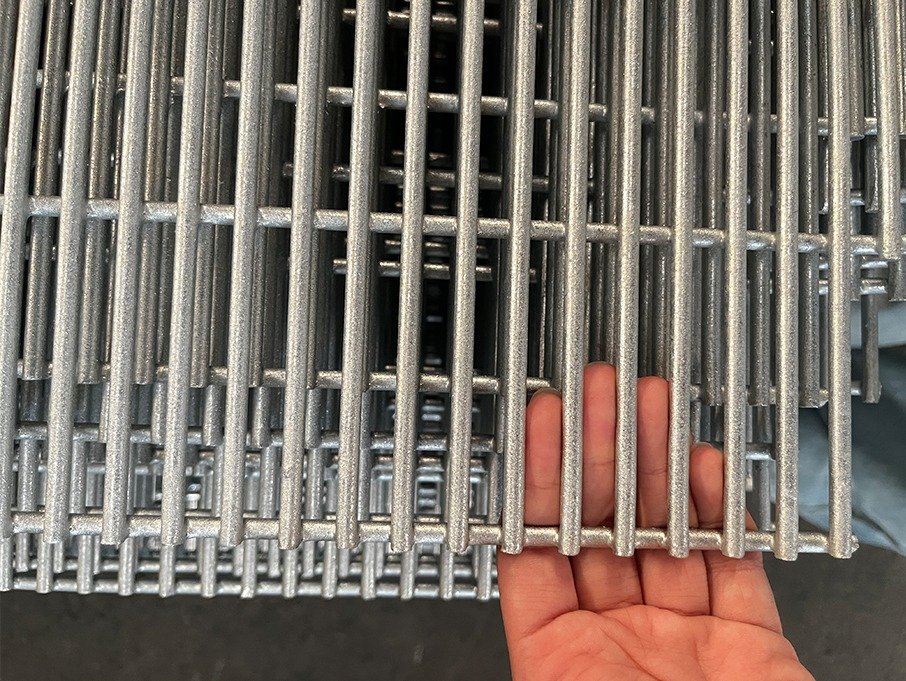
Metric specifications commonly use 76.2 × 12.7 mm wire centres and approximately 4 mm wire. Buyers should distinguish centre-to-centre spacing from the actual clear opening.
For example, 4 mm wires create approximately 8.7 mm clear space across a 12.7 mm pitch. Finished measurements depend on wire tolerances and coatings.
This dense geometry makes climbing more difficult than many conventional welded mesh designs. Strong welded intersections also contribute to panel rigidity.
358 Fencing Versus Conventional Security Mesh
Standard welded mesh often uses wider rectangular openings. Such panels may suit general boundary separation and commercial properties. Dense security mesh addresses more demanding climbing risks.
| Mesh Type | Nominal Wire Centres | Typical Purpose |
|---|---|---|
| Low-Density Mesh | 75 × 50 mm | General boundaries |
| Medium-Density Mesh | 75 × 25 mm | Commercial perimeters |
| 358 Security Mesh | 76.2 × 12.7 mm | Anti-climb applications |
Different mesh grades require different quantities of steel. Nevertheless, spacing alone cannot establish a certified security rating. Complete assemblies require appropriate testing.
358 Fencing Photo Gallery and Panel Details
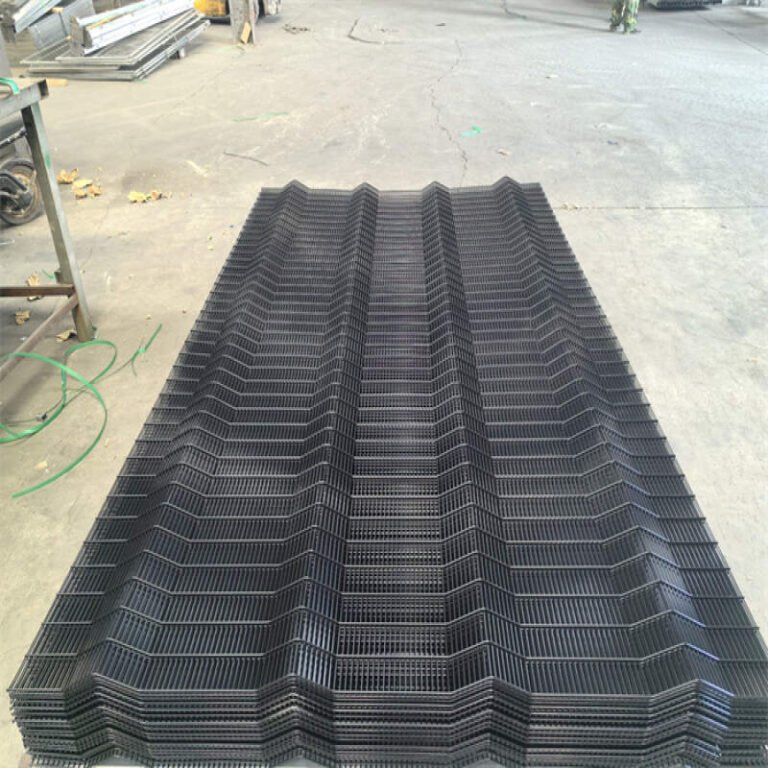
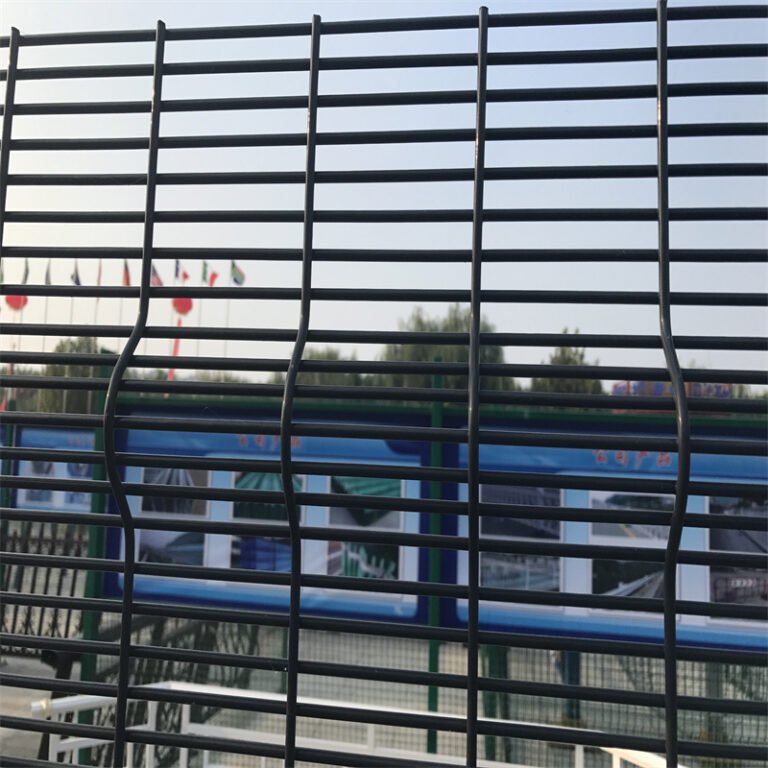
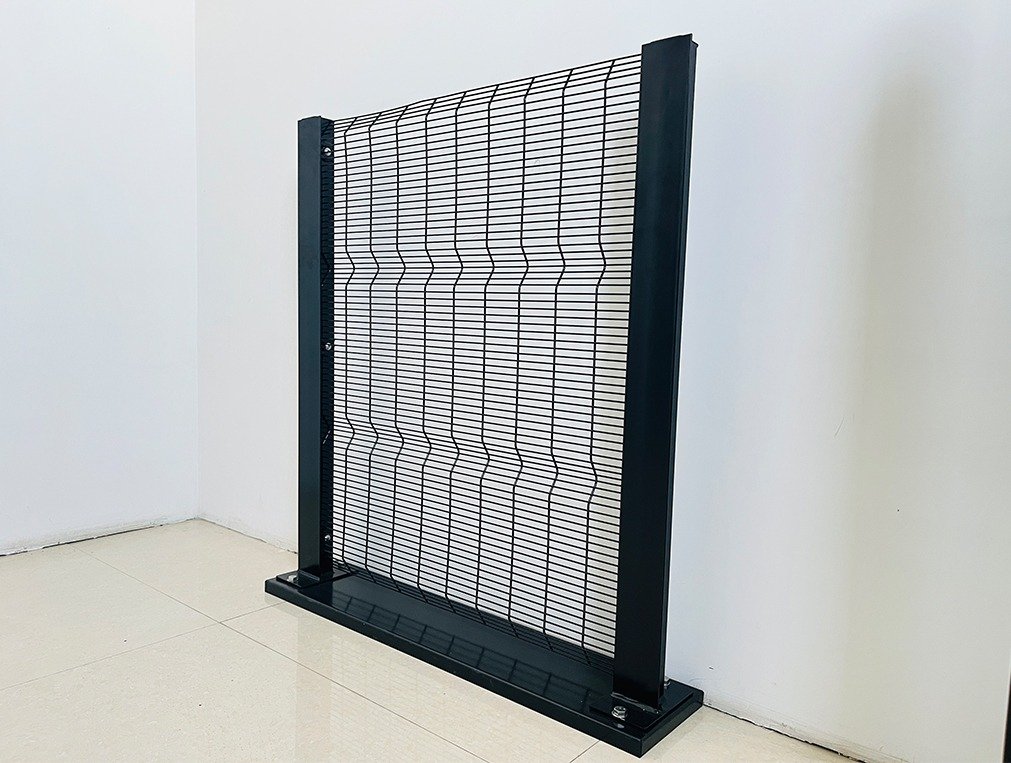
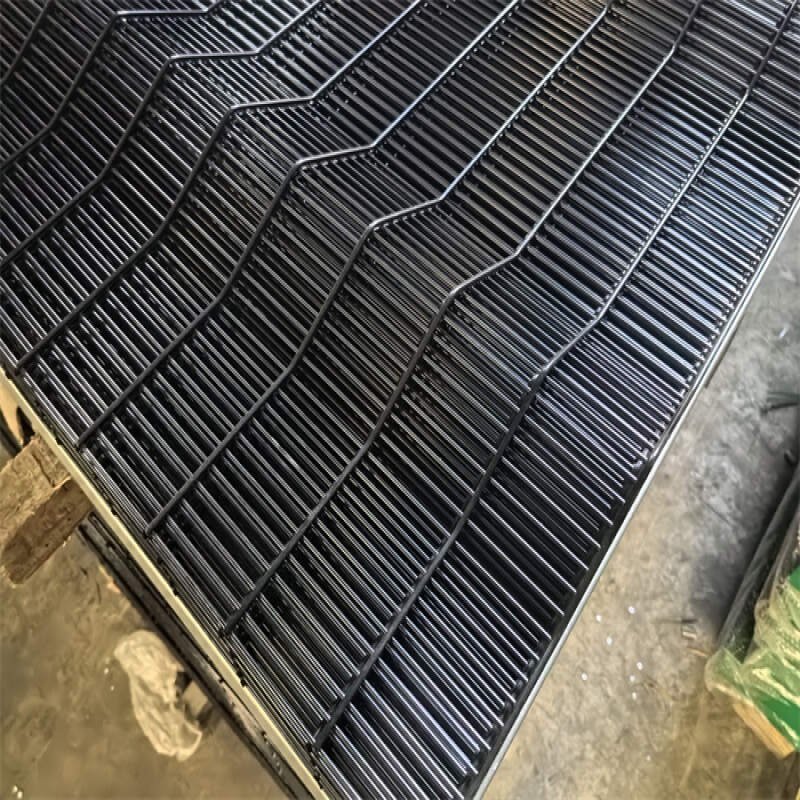
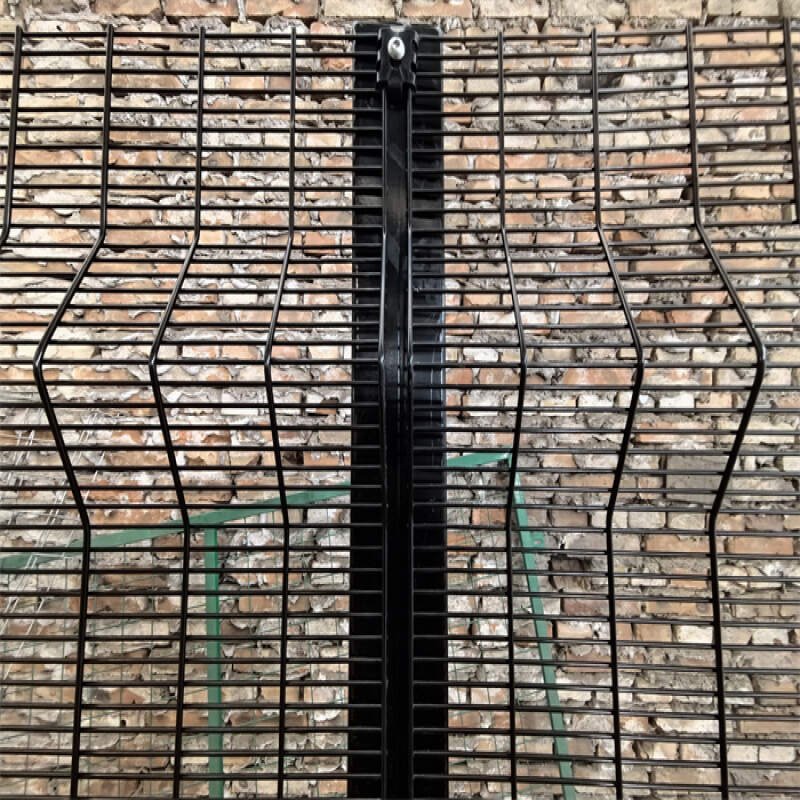
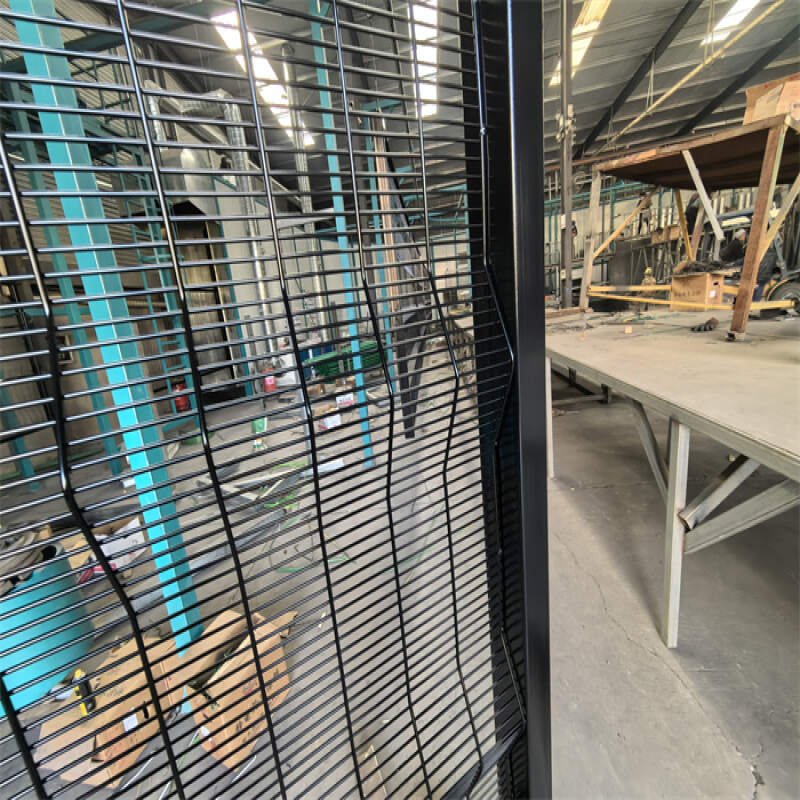
Product photographs help buyers compare mesh density, panel geometry, and protective finishes. Close-up views also reveal welding consistency and edge construction.
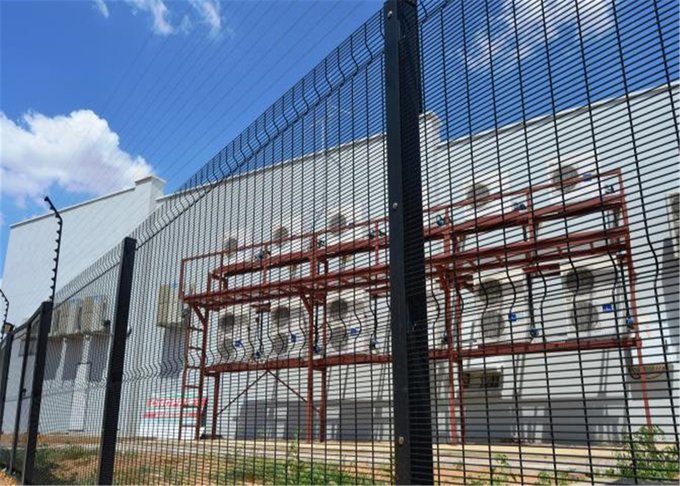 358 security panel reference with close-spaced welded steel mesh and protective coating. |
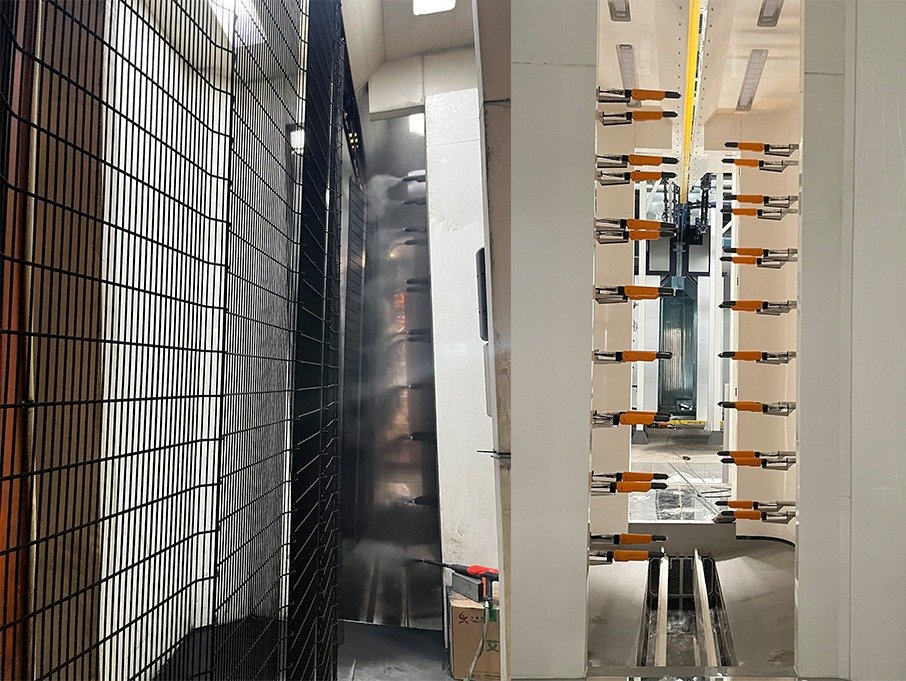
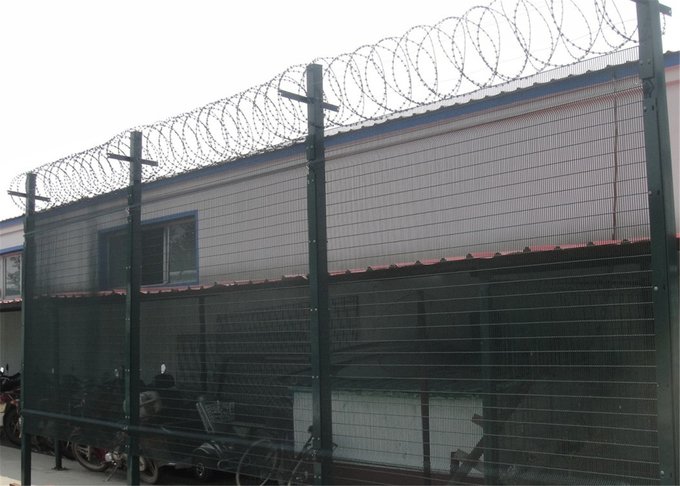 Additional panel view for assessing overall dimensions and mesh appearance. |
358 Fencing Mesh Orientation
Vertical wires commonly follow the wider 76.2 mm spacing. Horizontal wires create the narrower 12.7 mm pitch. This arrangement limits convenient climbing positions.
Actual wire orientation should appear in the approved drawing. Suppliers must also identify both wire diameters. These details help prevent manufacturing misunderstandings.
Understanding the Anti-Cut Claim
Dense mesh complicates access with some conventional hand tools. Heavier wires may also increase cutting resistance. However, determined attacks can damage steel fencing.
Security planners should therefore evaluate delay performance rather than assume absolute protection. Cameras, lighting, and rapid response procedures complement the physical boundary.
358 Fencing Technical Specifications
Panel height, width, wire diameter, and fixing quantities determine the required materials. The original BMP reference includes seven configurations.
| Mesh Centres | Height | Panel Width | Line Wire × Crosswire | Post Length | Brackets |
|---|---|---|---|---|---|
| 76.2 × 12.7 mm | 2100 mm | 2500 / 2750 / 3000 mm | 3.0 × 4.0 mm | 2700 mm | 7 |
| 76.2 × 12.7 mm | 2200 mm | 2500 / 2750 / 3000 mm | 4.0 × 4.0 mm | 2800 mm | 8 |
| 76.2 × 12.7 mm | 2400 mm | 2500 / 2750 / 3000 mm | 4.0 × 6.0 mm | 3000 mm | 9 |
| 76.2 × 12.7 mm | 2700 mm | 2200 / 2300 mm | 3.0 × 4.0 mm | 3700 mm | 10 |
| 76.2 × 12.7 mm | 3000 mm | 2200 / 2300 mm | 4.0 × 4.0 mm | 4000 mm | 11 |
| 76.2 × 12.7 mm | 3600 mm | 2200 / 2300 mm | 4.0 × 6.0 mm | 4800 mm | 12 |
| 76.2 × 12.7 mm | 4000 mm | 2200 / 2300 mm | 4.0 × 6.0 mm | 5200 mm | 14 |
These dimensions reproduce the supplied catalogue references. Final post lengths and bracket quantities depend on approved structural drawings. Engineers must verify each installation.
358 Fencing Wire Diameter Selection
Traditional 358 mesh commonly uses approximately 4 mm steel wires. Other commercial configurations use 3 mm, 3.5 mm, or heavier wires.
Increasing diameter raises steel consumption and panel weight. However, welding quality also influences overall strength. Buyers should compare actual measured diameters.
For detailed comparisons, High Security 358 Mesh Fencing covers additional panel and post combinations.
Panel Width and Structural Loading
Wider panels may reduce the number of intermediate posts. However, greater spans can increase connection and structural demands. Wind exposure also influences the design.
Contractors should check post centres against the approved system. Nominal panel width does not always equal installed coverage. Clamp geometry may change effective spacing.
358 Fencing Materials and Manufacturing
Low-carbon steel provides suitable forming and welding characteristics. The original reference identifies Q195 and Q235 as possible material grades. Actual selection depends on manufacturing requirements.
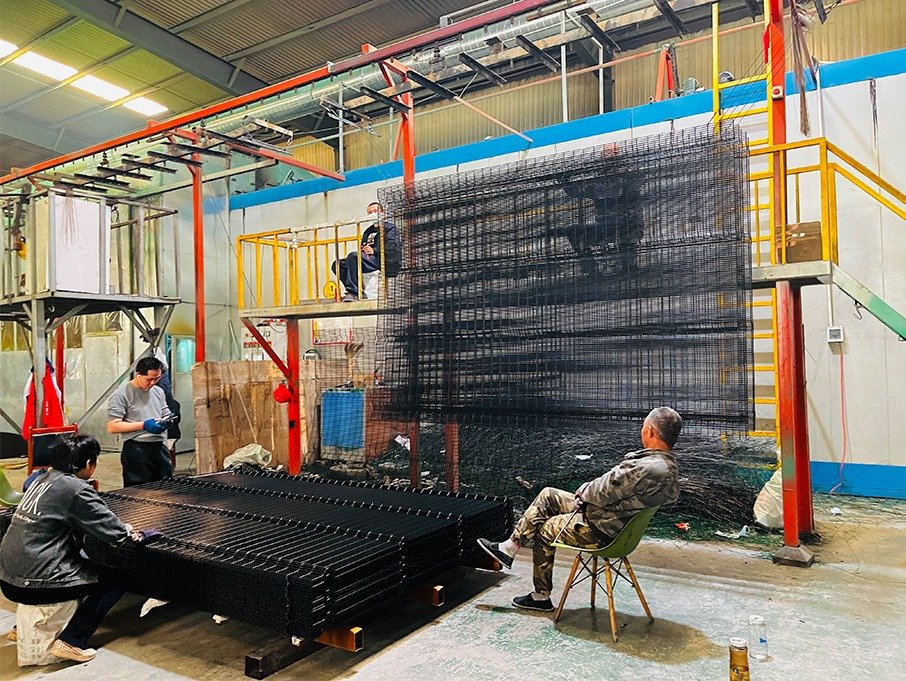
Production quality involves wire preparation, welding, dimensional inspection, and surface treatment. Each stage influences the finished panel.
358 Fencing Resistance Welding
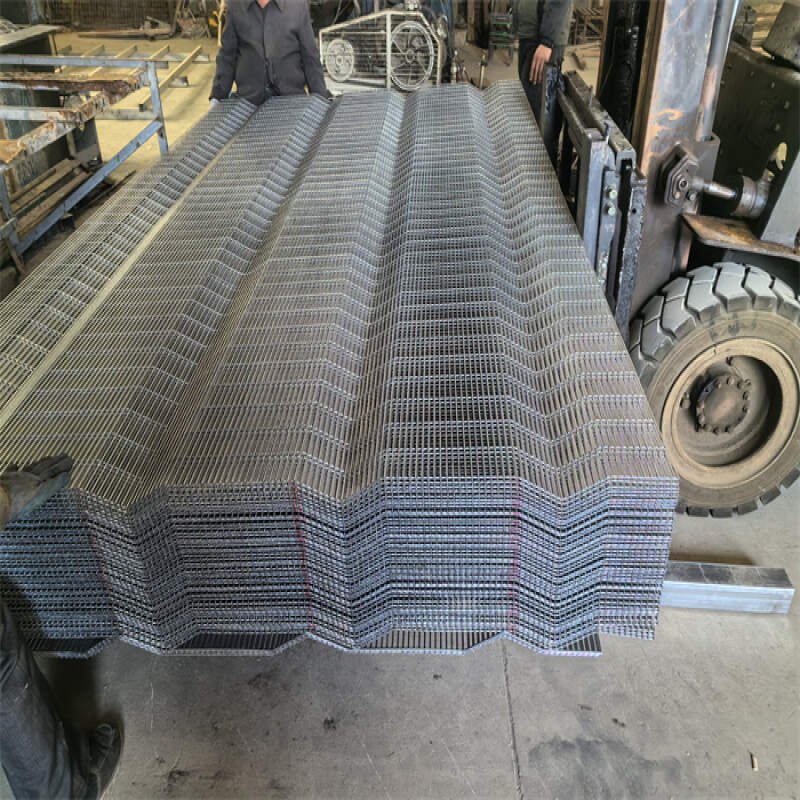
Resistance welding joins intersecting wires through electrical current and pressure. Consistent process control helps create reliable welded intersections.
Inspectors should check incomplete welds, damaged wires, and dimensional distortion. Contract requirements may specify additional weld tests. Material certificates support traceability.
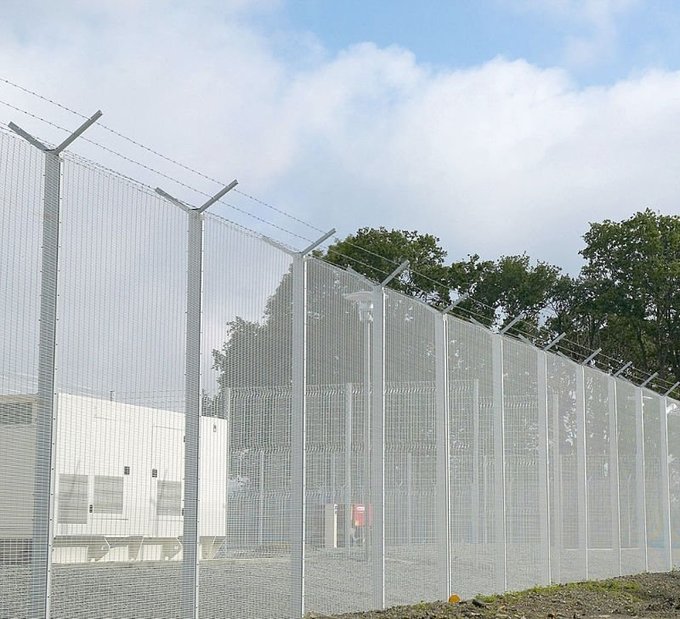 Welded mesh product reference for examining panel construction and finishing quality. |
Factory Quality Inspection
Buyers should request actual wire measurements before shipment. Mesh spacing and panel dimensions also require verification.
Coating inspections depend on the specified treatment. Welded intersections deserve particular attention. Packaging checks complete the final inspection process.
358 Fencing Surface Treatments
Protective coatings help steel withstand outdoor exposure. Manufacturers offer different zinc-based and organic coating systems. Selection depends on environmental conditions.
Hot-Dip Galvanising
Hot-dip galvanising provides zinc-based corrosion protection. Post-fabrication galvanising differs from welding pre-galvanised wire. Buyers should identify the required process.
ISO 1461 provides a recognised reference for hot-dip galvanising fabricated steel articles. Applicable coating requirements depend on material characteristics and project specifications.
358 Fencing Powder Coating
Polyester powder coating provides colour and an additional protective barrier. Suitable pretreatment supports coating adhesion. Manufacturers commonly offer RAL 6005 green and RAL 9005 black.
Other RAL colours may suit architectural requirements. Buyers should confirm colour availability and coating thickness. Proper curing also influences finish quality.
PVC and Galfan Options
Selected projects use compatible thermoplastic coatings. Others specify Galfan zinc-aluminium alloy protection. Each process requires its own technical specification.
Contractors should not compare coating names alone. Actual coating mass, thickness, and preparation matter. Written requirements improve purchasing consistency.
| Finish | Primary Benefit | Inspection Priority |
|---|---|---|
| Hot-Dip Galvanised | Zinc corrosion protection | Coating compliance |
| Galvanised + Powder Coated | Combined protection and colour | Pretreatment and adhesion |
| Galfan | Zinc-aluminium alloy protection | Alloy and coating mass |
| Thermoplastic Coating | Protective polymer layer | Thickness and adhesion |
358 Fencing Posts and Support Structures
Posts transfer loads from welded mesh into foundations. Their section size depends on panel height, wind exposure, and structural requirements.
Manufacturers offer square and rectangular hollow sections. Some systems use specialised C-post or I-post arrangements. Every profile requires compatible fittings.
| Post Type | Section | Wall Thickness | Surface Finish | Reference Lengths | Post Cap |
|---|---|---|---|---|---|
| Square Post | 60 × 60 mm | 2.0 / 2.5 / 3.0 mm | Galvanised or galvanised and powder coated | 2500 / 2800 / 3000 / 3700 mm | Plastic or metal |
| Square Post | 80 × 80 mm | 2.0 / 2.5 / 3.0 mm | Galvanised or galvanised and powder coated | 2500 / 2800 / 3000 / 3700 mm | Plastic or metal |
| Rectangular Post | 60 × 80 mm | 2.0 / 2.5 / 3.0 mm | Galvanised or galvanised and powder coated | 2500 / 2800 / 3000 / 3700 mm | Plastic or metal |
The table preserves the original post options. Actual lengths may exceed these references for taller fencing. Structural engineers should confirm the selected assembly.
358 Fencing Square Posts
Square posts provide flat mounting faces for compatible clamps. Their simple geometry supports regular panel layouts. Larger sections may suit demanding installations.
Post caps help protect hollow openings. However, they do not replace proper corrosion protection. Inspectors should also examine welded caps and drainage details.
Rectangular and C-Post Systems
Rectangular profiles offer alternative connection geometry. Some systems use dedicated clamp bars. Their fixing details must match the approved drawings.
For comparable support arrangements, Clear View Fence Cape Town includes mesh and post configurations.
358 Fencing Clamps and Anti-Tamper Connections
Strong mesh requires reliable post connections. Clamp bars and security bolts help secure the panels. Incorrect fittings can compromise the finished boundary.
Full-Length Clamp Bars
Full-length steel bars can distribute connections along panel edges. Some systems use multiple tamper-resistant bolts. Actual fixing spacing depends on the design.
Installers should follow the approved connection schedule. Missing fasteners require immediate correction. Loose clamps can create unwanted movement.
358 Fencing Security Bolts
Specialised fasteners discourage casual disassembly. Options include security-head bolts and breakaway nuts. Maintenance teams need compatible replacement procedures.
Buyers should specify bolt material and coating. Fastener dimensions must suit the post profile. Correct tightening supports reliable installation.
358 Fencing for Prisons and Correctional Facilities
Correctional facilities require carefully coordinated perimeter security. Dense mesh can provide a physical delay barrier. However, fencing alone cannot establish complete institutional protection.
Security planning also involves surveillance, controlled entrances, and operational procedures. Appropriate testing determines whether a particular system meets project requirements.
358 Fencing and Perimeter Surveillance
Open welded mesh allows observation across the boundary. Camera placement can support incident detection. Suitable lighting improves monitoring after dark.
Designers should consider blind spots near buildings and corners. Gate areas require special attention. Security staff also need clear patrol routes.
Understanding Security Certifications
Not every 358 product carries the same certification. Mesh dimensions alone cannot prove attack resistance. Certified systems require testing against defined criteria.
Buyers should request the actual test report. The document should identify the tested assembly. Substituting posts or fixings may affect applicability.
358 Fencing for Airports and Transport Infrastructure
Airports require extensive perimeter control and operational visibility. Dense welded mesh can support selected security boundaries. The approved specification determines actual suitability.
Transport projects may also involve railway corridors and service roads. Contractors must consider access gates and maintenance routes. Safety requirements vary by location.
Airport Boundary Planning
Airport fencing requires more than a suitable panel height. Gate access, observation, and ground clearance influence perimeter integrity.
Engineers should assess soil and wind conditions. Security teams must review operational risks. Relevant airport requirements govern the final design.
358 Fencing Near Railways
Railway boundaries may require visibility and controlled access. Site conditions can include vibration, slopes, and restricted working areas.
Installers must follow infrastructure safety rules. Approved foundations support the fence. Maintenance access should remain practical.
358 Fencing for Industrial and Commercial Sites
Warehouses and factories often require visible security boundaries. Welded mesh supports observation around loading areas. Compatible gates manage vehicles and personnel.
Different industrial facilities face different risks. Equipment yards may need taller panels. Office developments may prioritise appearance and access control.
358 Fencing for Warehouses
Warehouse operators often combine fencing with CCTV and lighting. Open mesh helps security teams monitor exterior activity.
Gate placement should reflect vehicle movements. Suitable foundations protect high-traffic entrances. Security procedures remain important.
Buyers comparing Clearview Fencing from China should assess complete system specifications.
Power Stations and Utilities
Electrical substations require controlled access and reliable perimeter boundaries. Dense mesh can support selected protection requirements.
However, electrical safety rules may influence material selection and positioning. Qualified engineers must approve the installation. Warning signs and gates also require consideration.
358 Fencing in South African Coastal Environments
South African projects face different environmental conditions. Coastal regions experience salt exposure, while inland facilities may encounter industrial pollutants.
Durban Coastal Projects
Durban's marine environment can accelerate corrosion on inadequately protected steel. Humidity and airborne salts influence coating selection.
Appropriate galvanising and compatible powder coating can improve durability. Regular inspections remain essential. Damaged coating areas require timely repair.
For local applications, Clearview Fencing Durban includes related perimeter configurations.
358 Fencing in Cape Town
Cape Town combines marine exposure with strong winds in many locations. Taller fencing requires suitable structural design.
Post foundations should reflect actual ground conditions. Coating systems must also suit environmental exposure. Contractors should avoid universal foundation assumptions.
Johannesburg Industrial Security
Johannesburg contains extensive logistics and industrial areas. Businesses often need visible boundaries and controlled entrances.
Security concerns vary between properties. Dense mesh can support a layered protection strategy. CCTV, lighting, and access procedures complement the fence.
358 Fencing Installation Guide
Successful installation begins with accurate planning. Contractors should review the site before ordering materials. Approved drawings establish post positions and foundation details.
Step 1: Survey the Fence Line
Measure the entire boundary and identify corners. Mark gates and access points. Locate underground services before excavation.
Record slopes and drainage routes. These conditions influence installation planning. Accurate surveys reduce unexpected adjustments.
Step 2: Prepare Foundations
Excavate according to approved engineering dimensions. Soil conditions affect foundation requirements. Tall panels may require larger supports.
Concrete strength and curing time depend on the project specification. Installers should avoid premature loading. Proper alignment remains essential.
358 Fencing Post Installation
Position each post using the approved centre spacing. Check vertical alignment before securing the foundation. Temporary braces can support accurate placement.
Corner posts may require different connections. Gate posts experience additional loads. Engineers should review these locations separately.
Step 4: Install Mesh Panels
Lift each panel into position using suitable equipment. Align the mesh with the supporting posts. Install approved clamp bars and bolts.
Follow the specified fixing pattern. Check panel clearance above the ground. Avoid damaging protective coatings during handling.
Step 5: Complete Inspection
Inspect all connections and post caps. Verify alignment and ground clearance. Check coating damage and missing hardware.
Test every gate before handover. Record any outstanding defects. Complete the required installation documentation.
358 Fencing Gate Systems
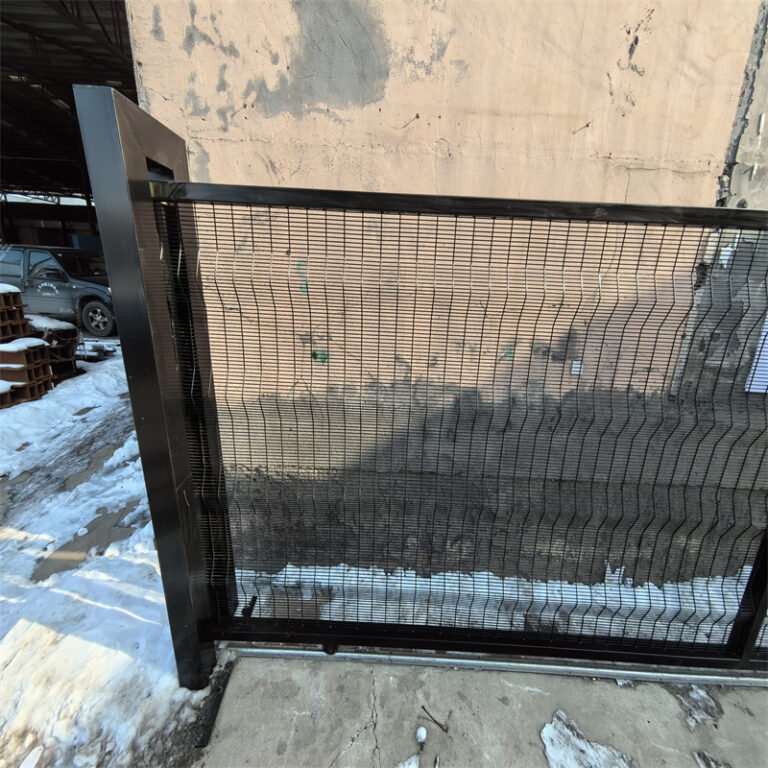
Security gates must match the surrounding fence specification. Different entrances require different designs. Pedestrian, swing, and sliding gates serve distinct purposes.
Pedestrian Gates
gates support controlled staff and visitor entry. Hinges and locks require appropriate specifications. Access control may include electronic systems.
358 Fencing Double Swing Gates
Double swing gates accommodate selected vehicle entrances. Their posts require suitable structural support. Gate stops and locking systems also matter.
Sliding Gates
Sliding gates move along an approved travel path. Some systems use tracks, while others use cantilever structures.
Motorised gates require appropriate safety equipment. Qualified technicians should complete commissioning. Emergency operation must remain practical.
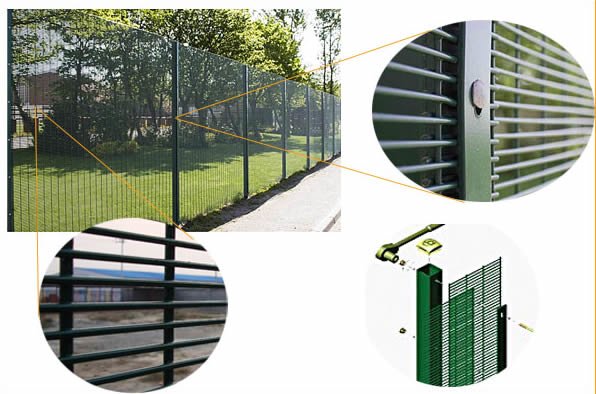 Security mesh reference photograph for comparing compatible perimeter components. |
358 Fencing Accessories
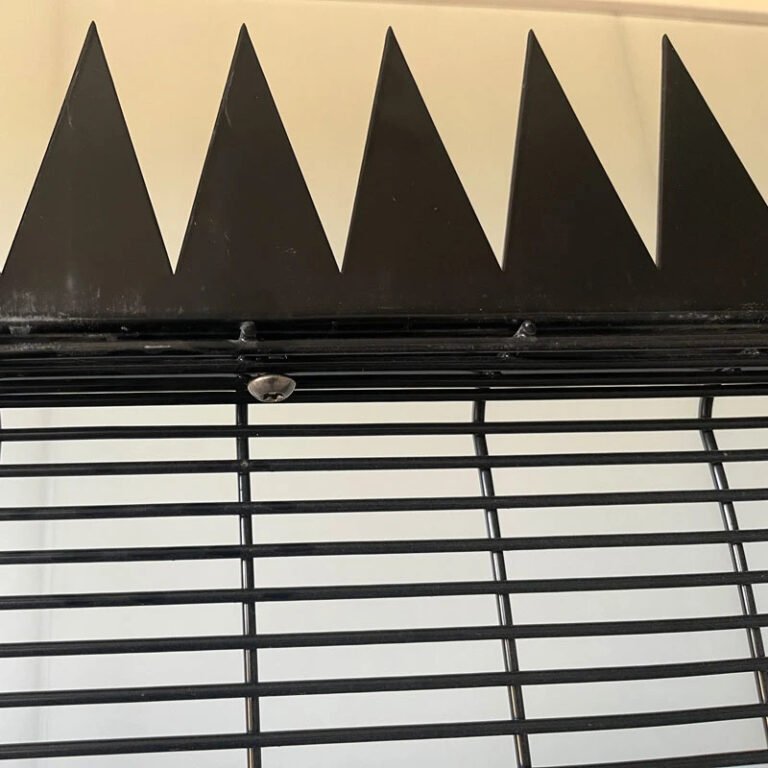
Optional accessories can strengthen a layered perimeter strategy. Their suitability depends on the project risk assessment. Safety requirements remain important.
| Accessory | Function | Consideration |
|---|---|---|
| Security Spikes | Additional climbing deterrence | Local safety requirements |
| Razor Wire | Supplementary barrier | Specialist installation |
| Barbed Wire | Boundary topping | Compatible support arms |
| Y-Arms | Support approved toppings | Structural loading |
| Security Bolts | Discourage casual removal | Matching connection design |
| Post Caps | Protect post openings | Material compatibility |
| CCTV | Perimeter observation | Lighting and coverage |
358 Fencing with Razor Wire
Some industrial sites use approved razor wire extensions. These accessories increase the overall barrier height. Supporting structures require engineering assessment.
Sharp materials introduce handling hazards. Qualified installers should follow applicable regulations. Public-facing boundaries need particular care.
358 Fencing Compared With Temporary Barriers
Permanent security fencing differs from portable construction barriers. Structural posts and foundations support long-term installations.
Construction contractors may use Temporary Fencing before completing permanent boundaries. Portable panels accommodate changing site layouts.
Selected projects also require Temporary Hoarding around active construction areas. Solid hoarding provides visual screening.
Public events may use Crowd Control Barriers to guide pedestrians. These products serve different operational requirements.
358 Fencing Packaging and Export Shipping
Export packaging protects welded panels during transport. Manufacturers commonly use steel pallets and protective separators. Posts require secure bundling.
| Product | Packaging Option | Purpose |
|---|---|---|
| Mesh Panels | Steel pallets | Support stacked panels |
| Fence Posts | Steel bundles or pallets | Organise long components |
| Clamps | Cartons | Protect smaller fittings |
| Security Bolts | Labelled cartons | Identify quantities |
| Gate Assemblies | Protective export packing | Reduce handling damage |
358 Fencing Container Loading
Loading capacity depends on panel dimensions and packaging. Tall panels may limit container arrangements. Gross weight also affects shipment planning.
Buyers should request detailed packing lists. Package dimensions support freight quotations. Accurate documentation helps customs clearance.
Factory-Direct Procurement
Importers should compare identical technical specifications. Different wire diameters can create misleading price differences. Post thickness and coating systems also affect quotations.
For African markets, ClearVu Fence Panels provide related product configurations. Buyers should confirm exact dimensions before ordering.
358 Fencing Maintenance and Service Life
Routine inspections support long-term performance. Maintenance teams should examine clamps, posts, coatings, and gates.
Inspecting Connections
Check for missing or loose fasteners. Inspect damaged clamp bars. Replace incompatible or corroded components.
358 Fencing Corrosion Maintenance
Look for coating scratches and exposed steel. Clean accumulated dirt where appropriate. Repair damaged areas using approved materials.
Coastal sites may need more frequent inspections. Salt deposits can accelerate deterioration. Maintenance records support asset management.
Manufacturer Warranty
BMP offers a 15-year manufacturer warranty for its ClearVu and Clearview fencing products, subject to written terms. Coverage depends on applicable conditions.
Buyers should request warranty documentation before purchasing. Installation and maintenance obligations require review. Environmental exclusions may also apply.
358 Fencing Quality Control Checklist
Buyers should verify specifications before shipment. A detailed inspection reduces the risk of receiving incompatible materials.
- Confirm horizontal and vertical wire diameters.
- Measure mesh centre spacing.
- Check panel height and width.
- Inspect welded intersections.
- Verify post section and wall thickness.
- Confirm clamp and bolt quantities.
- Inspect coating quality.
- Check colour consistency.
- Review packaging and labels.
- Match quantities against the packing list.
358 Fencing Technical Documentation
Factory documentation may include material certificates and inspection reports. Coating records support quality verification. Contract requirements determine the necessary documents.
Buyers should also request approved drawings. Accurate specifications reduce manufacturing disputes. Final inspection records support shipment approval.
358 Fencing Frequently Asked Questions
What Does 358 Mean?
The designation refers to three inches, half an inch, and eight-gauge wire. Metric references commonly use 76.2 × 12.7 mm centres.
Is 358 Mesh Impossible to Climb?
No fence guarantees absolute protection. Narrow openings make climbing more difficult. Overall security depends on the complete perimeter.
Can 358 Mesh Be Cut?
Steel fencing can suffer damage from suitable tools. Dense mesh complicates certain attacks. Certified performance requires appropriate testing.
358 Fencing: Which Wire Diameter Is Best?
The correct diameter depends on project requirements. Traditional 358 mesh commonly uses approximately 4 mm wire. Other specifications may suit different applications.
Does 358 Mesh Need V-Bends?
Traditional flat 358 panels generally do not require V-bends. Some alternative designs use reinforcing folds. Buyers should follow approved drawings.
Which Finish Suits Coastal Projects?
Coastal environments require suitable corrosion protection. Galvanising and compatible powder coatings offer possible solutions. Regular maintenance remains important.
Can Buyers Order Custom Colours?
Manufacturers commonly offer RAL colours. Green and black remain popular. Special colours may require additional production arrangements.
358 Fencing: Are Gates Available?
Yes, compatible systems include pedestrian, swing, and sliding gates. Gate posts require suitable engineering. Locks and access control need separate consideration.
Can 358 Mesh Support CCTV?
Open mesh supports observation through the boundary. Camera placement influences effectiveness. Lighting also matters.
How Should Buyers Compare Quotations?
Compare identical panel, post, clamp, and coating specifications. Confirm delivery terms and accessories. Request itemised quotations.
358 Fencing Conclusion
358 fencing combines narrow welded mesh, structural posts, and secure connections to create a high-security perimeter barrier. Its open structure supports surveillance while discouraging climbing.
Wire diameter, welding quality, and coating specifications influence product performance. Proper foundations and compatible fittings complete the installation.
South African projects also require attention to coastal corrosion, wind exposure, and property security needs. Accurate drawings help manufacturers supply suitable systems.
BMP manufactures ClearVu and Clearview fencing for international projects. Available products include welded mesh panels, posts, clamps, gates, and accessories.
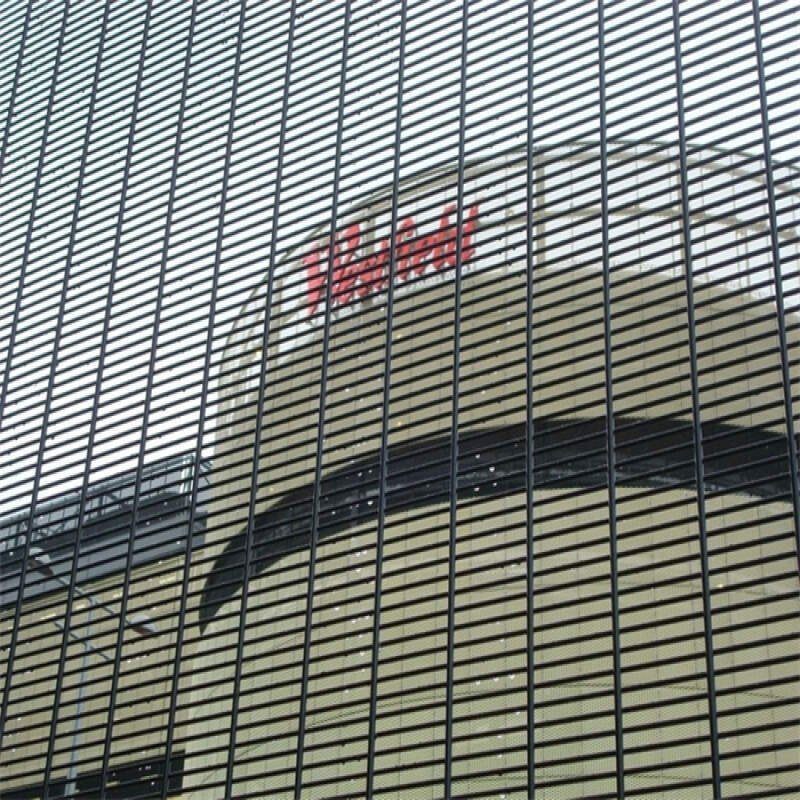
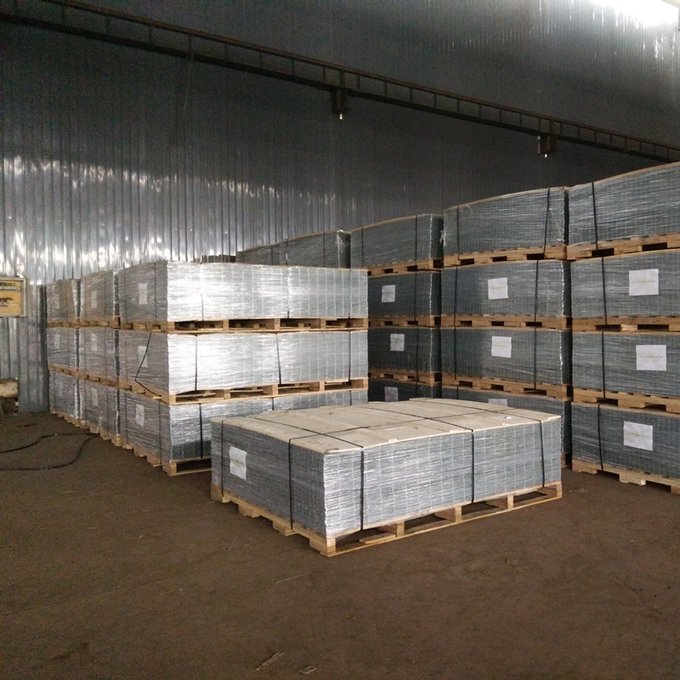 Original 358 security mesh photograph retained as the final product reference. |