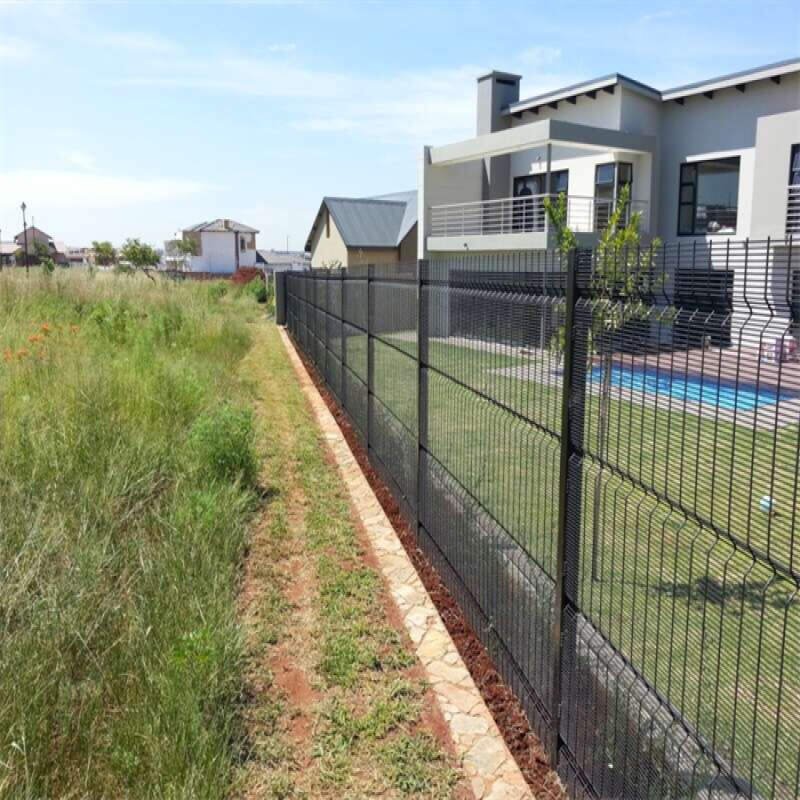
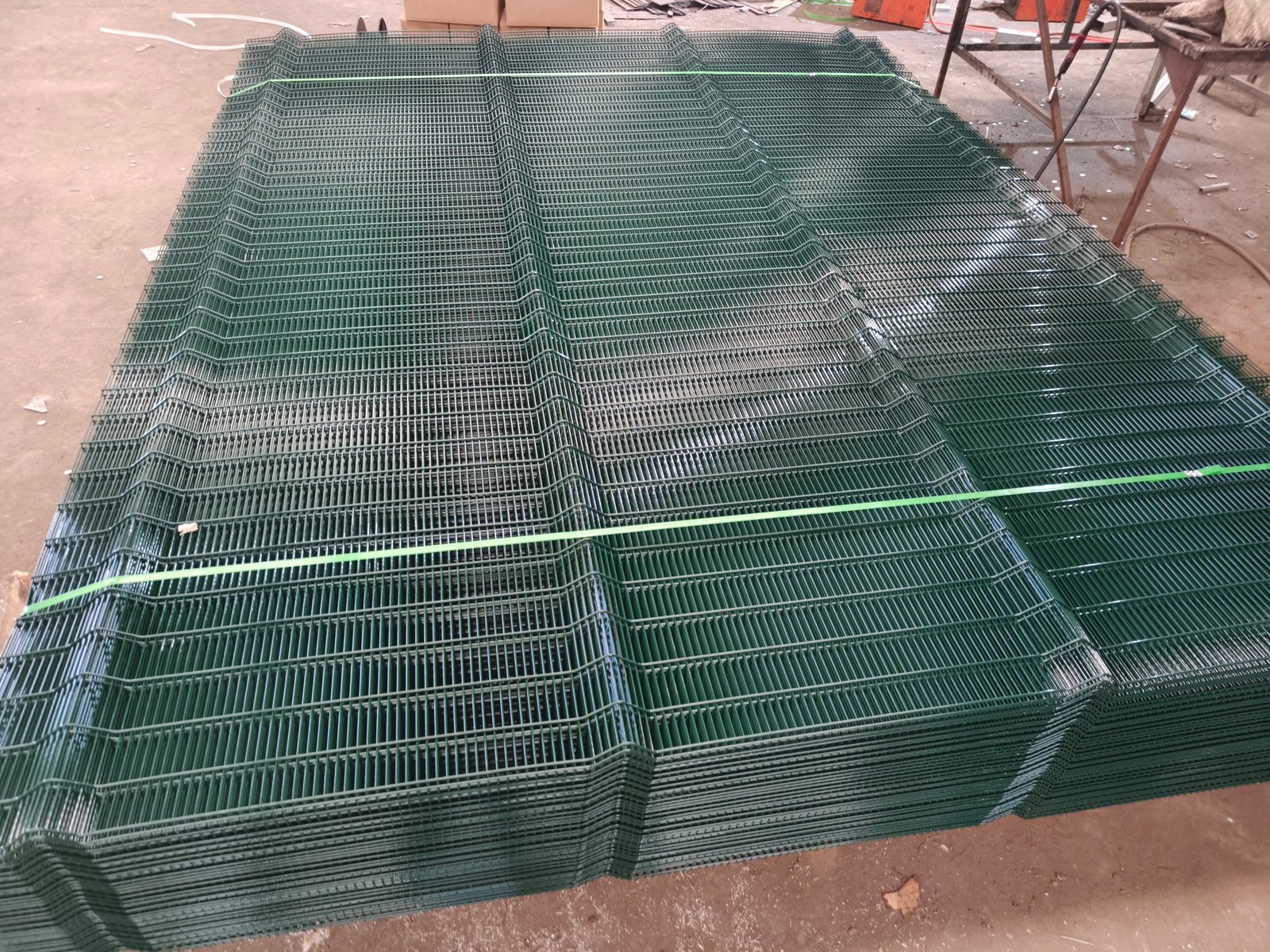
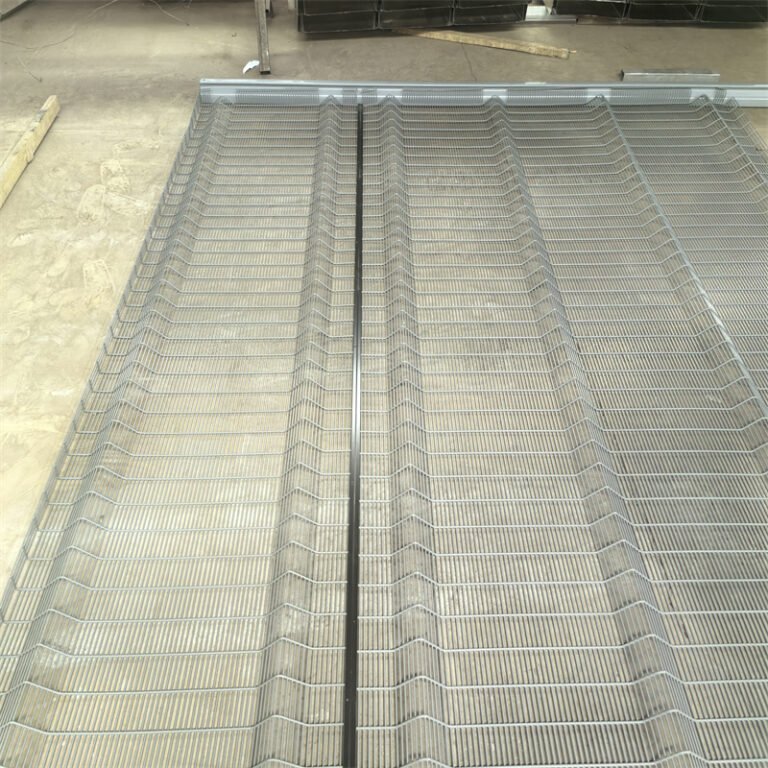
Clear View Fence Cape Town combines welded security mesh, steel posts, and fastening systems into one practical perimeter solution. Its narrow openings discourage climbing while preserving views across a property. The system suits industrial, commercial, infrastructure, and selected residential projects. Boss Metal and Plastic Co., Ltd. (BMP) manufactures these products in Anping County, China. We have supplied fencing products to international markets since 2006.
Customers can choose 2D or 3D panels, several post profiles, and different protective coatings. Each project needs a suitable design for security risks, ground conditions, and coastal exposure. Our Clear View Fencing Cape Town page introduces further configurations for local projects.
Clear View Fence Cape Town system overview
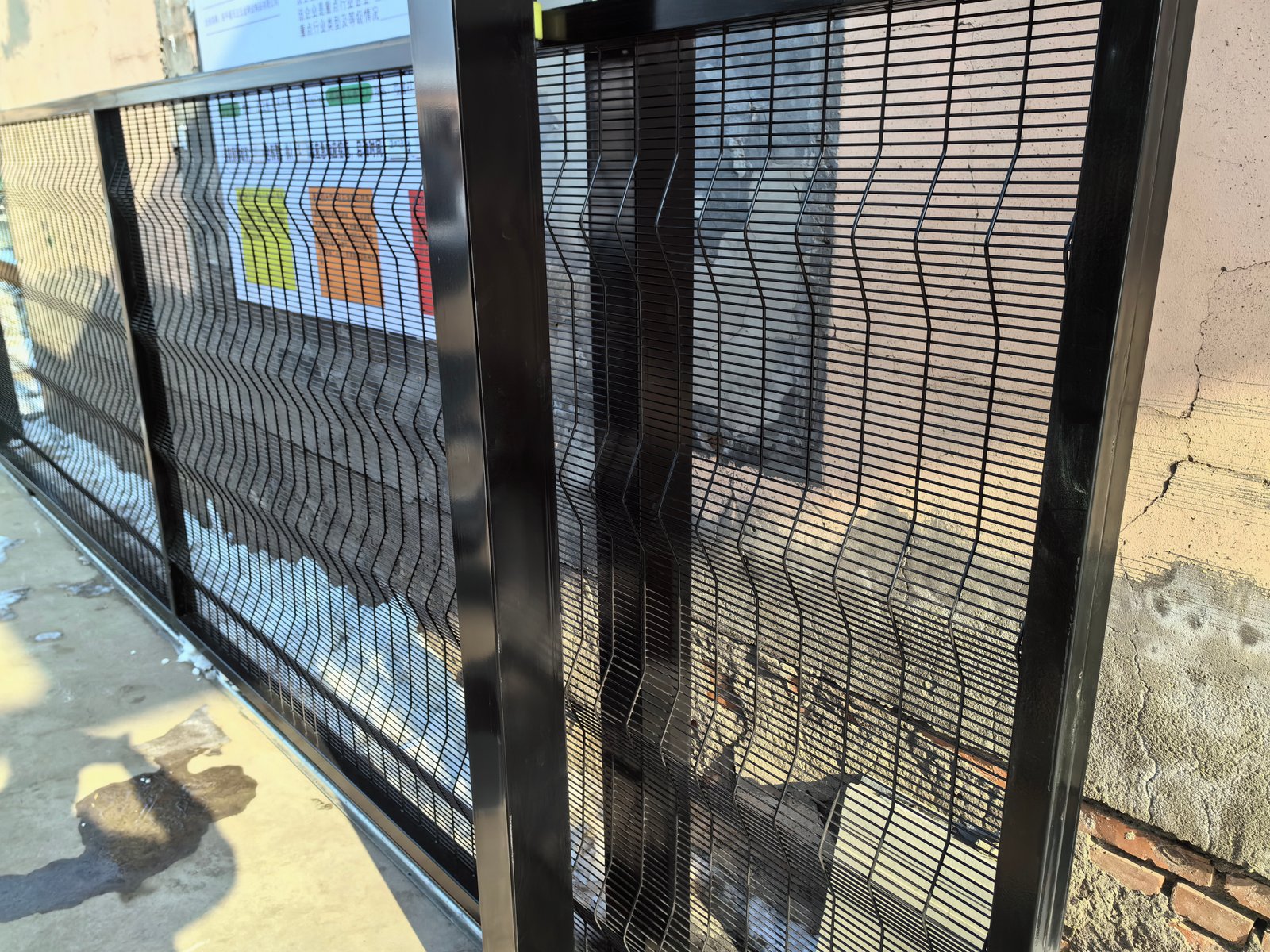
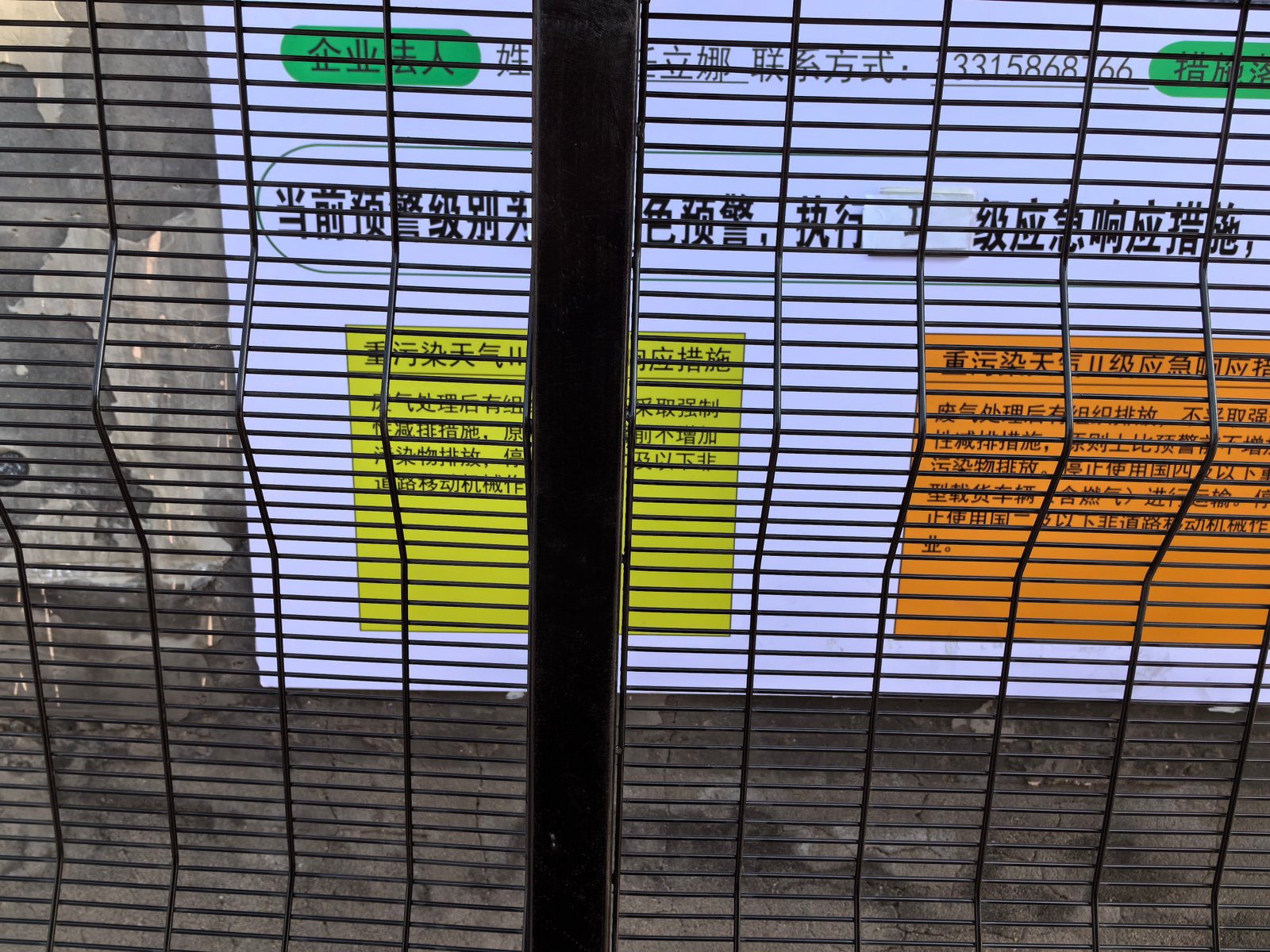
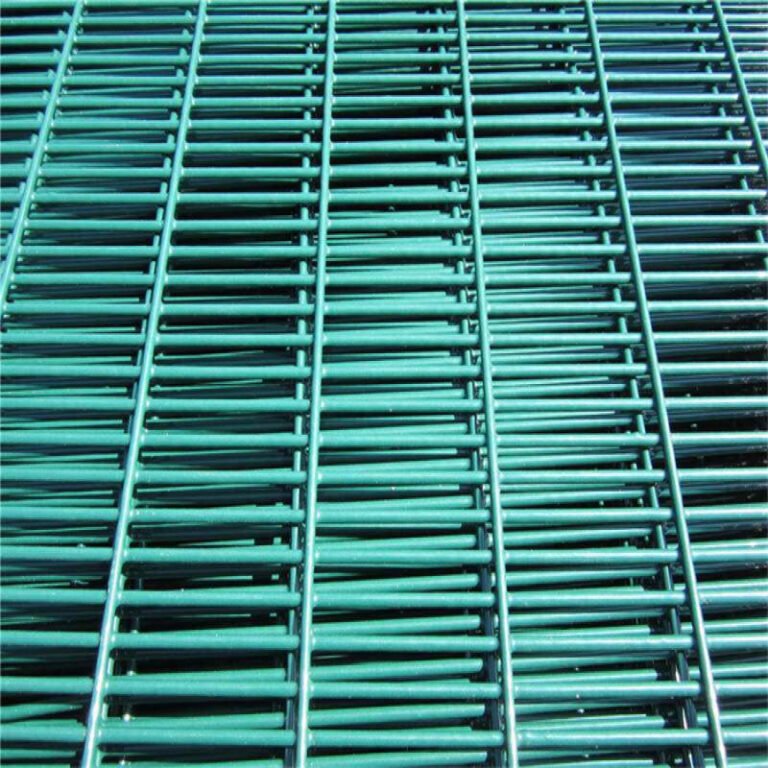
A complete system combines mesh panels, posts, steel clamps, bolts, nuts, washers, and post caps. Narrow mesh openings restrict useful fingerholds and footholds. The open pattern also supports observation from patrol routes, cameras, and occupied buildings. Depending on the drawing, installers can embed posts or use base plates.
How the 358 mesh works
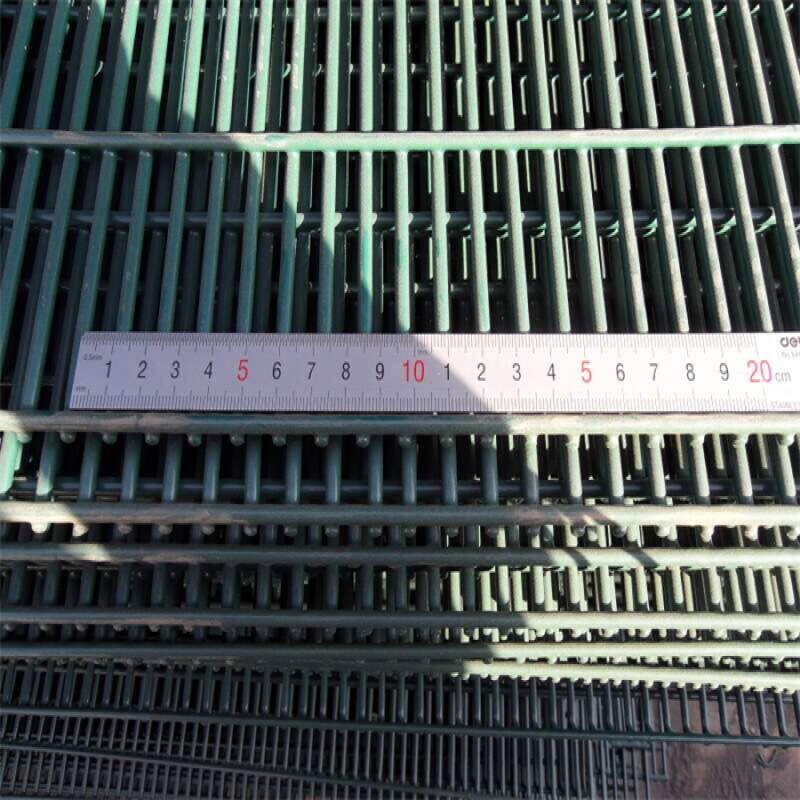
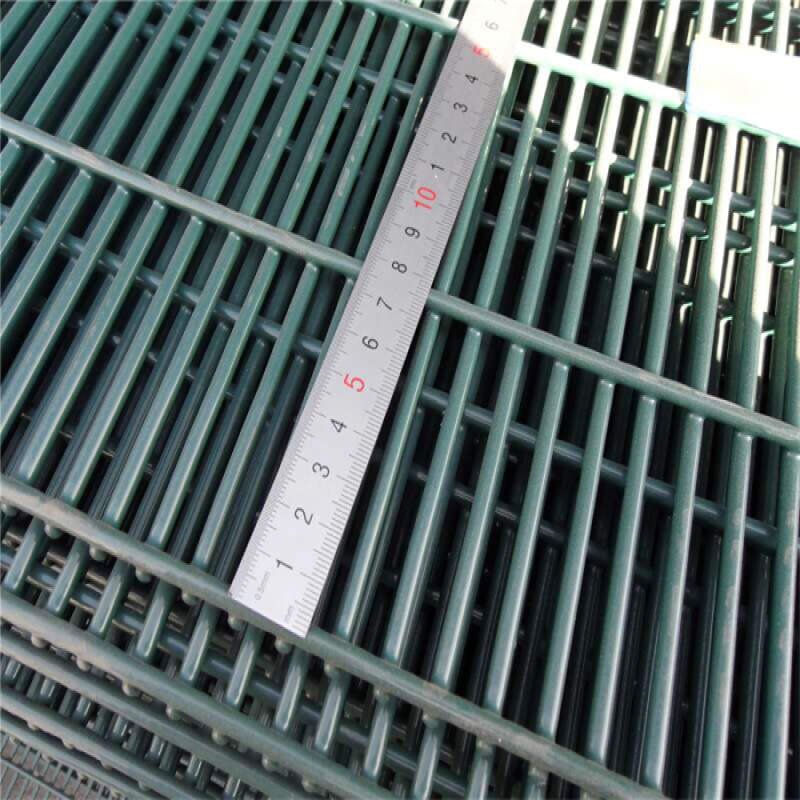
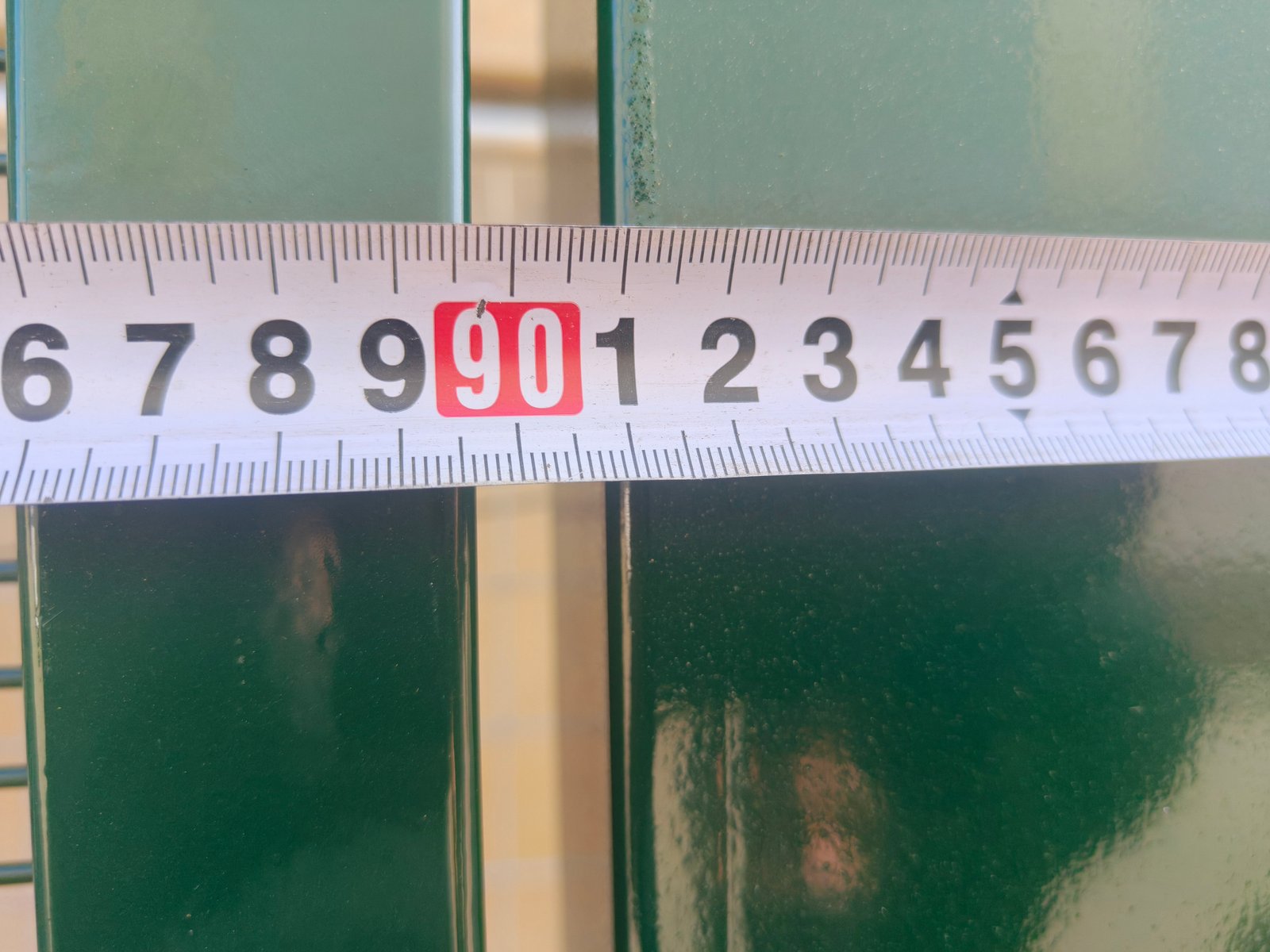
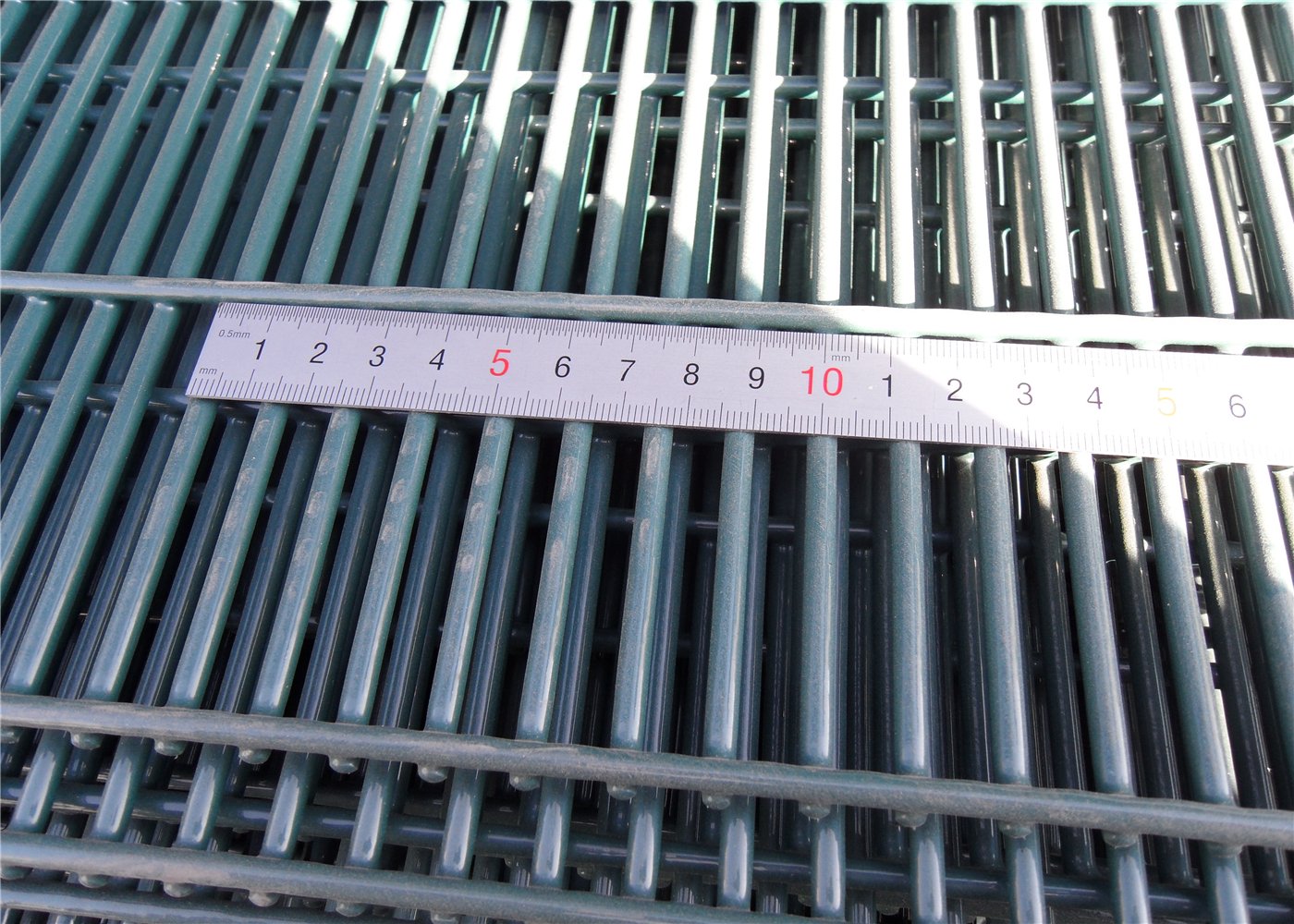
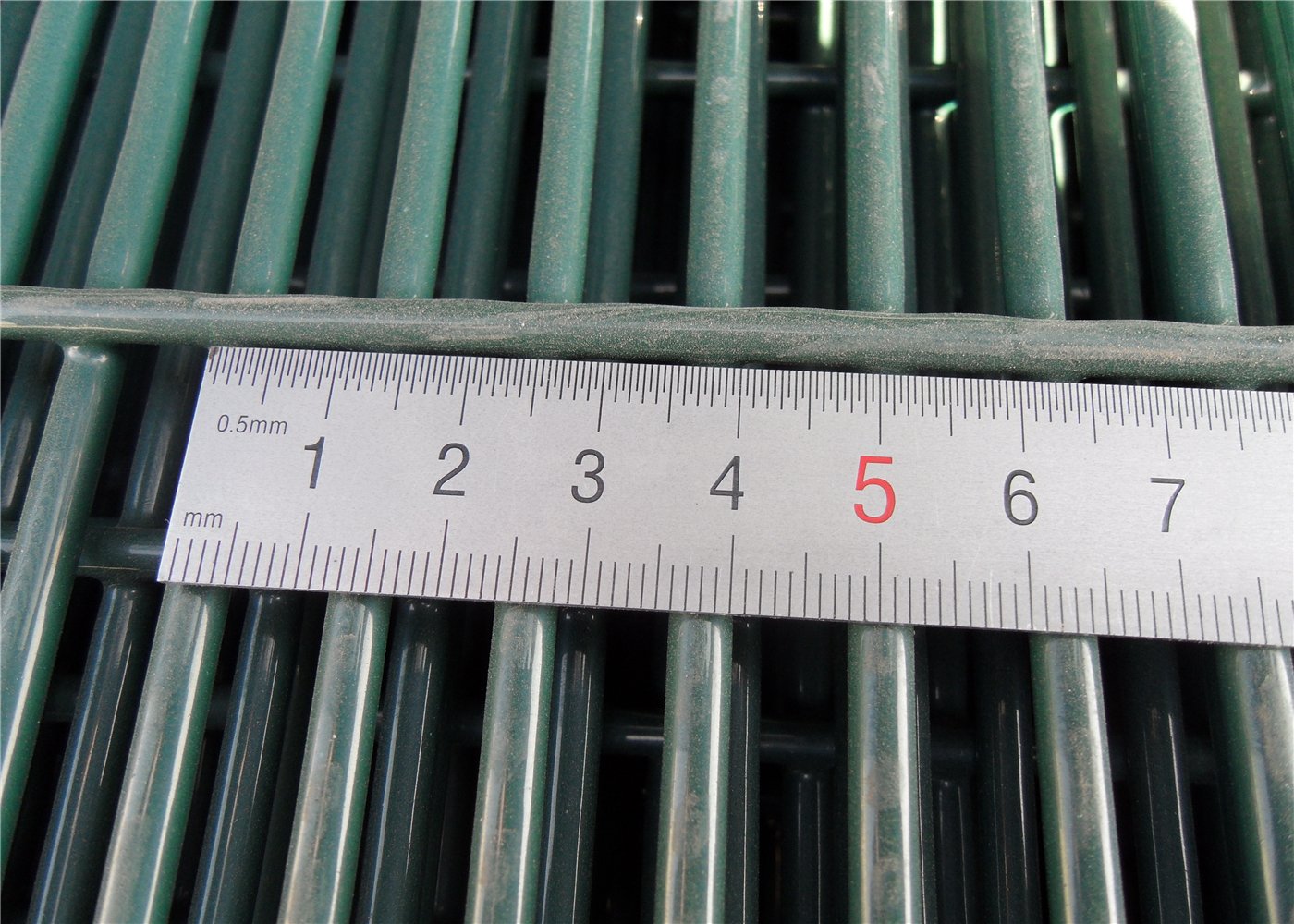
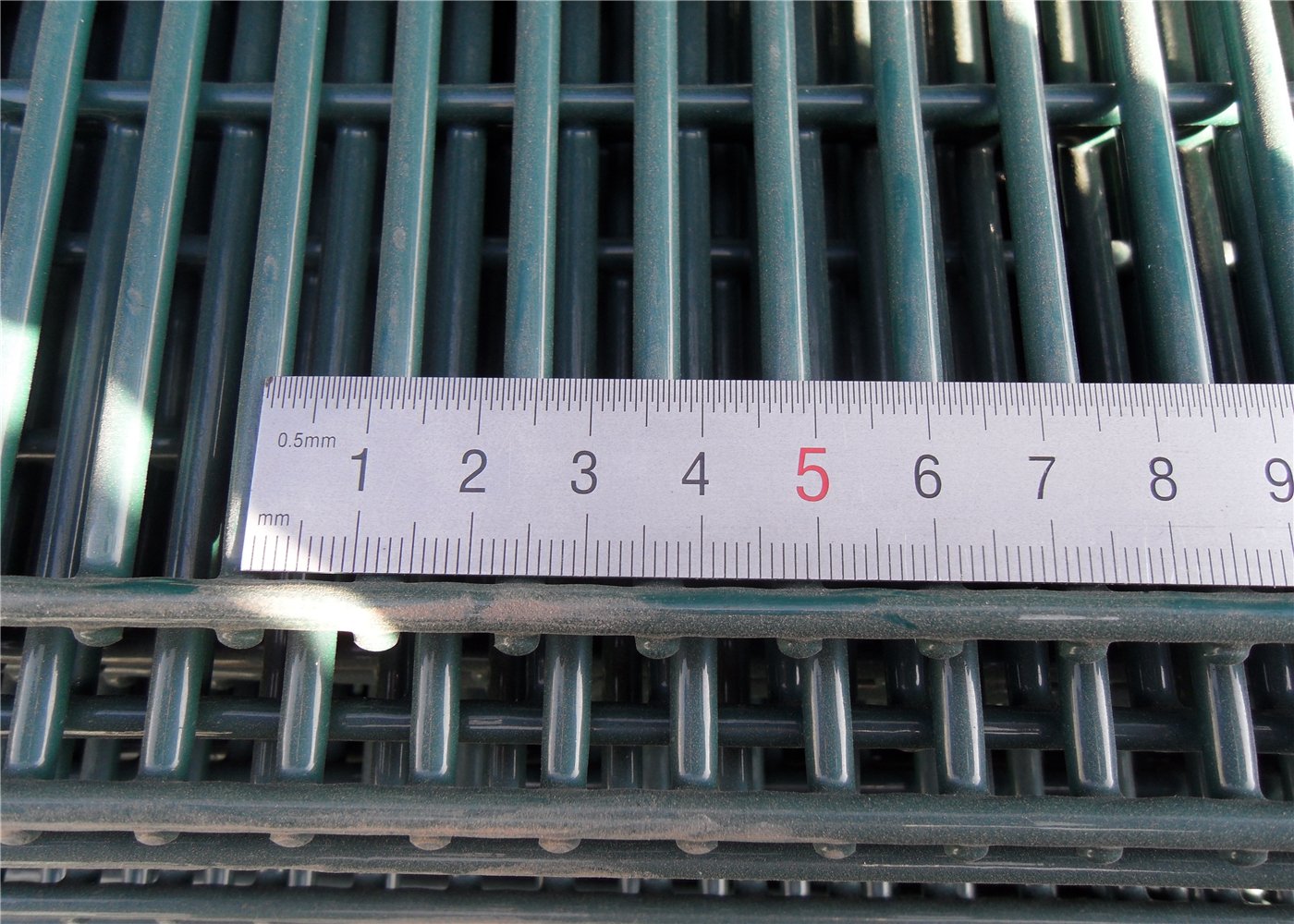
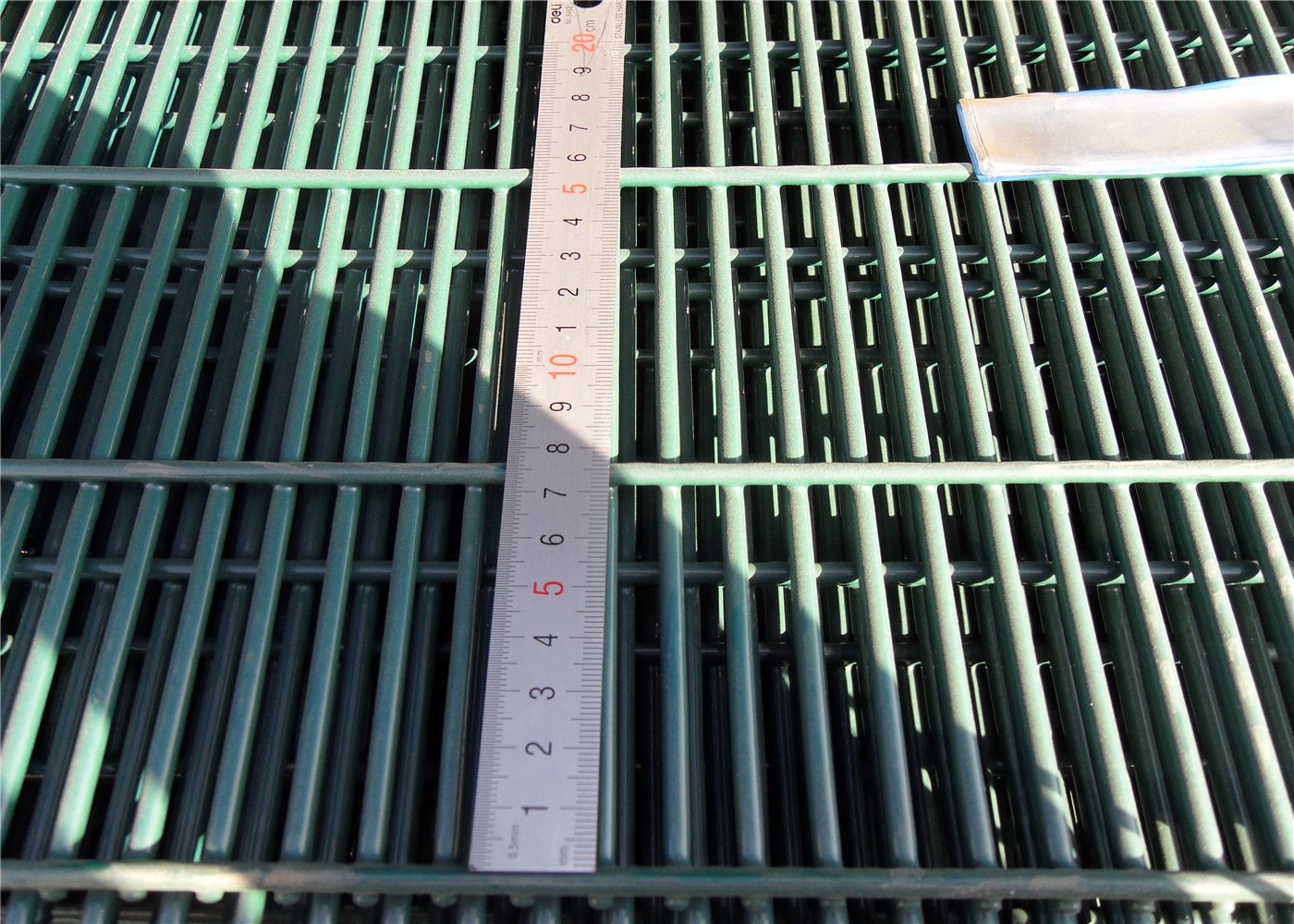
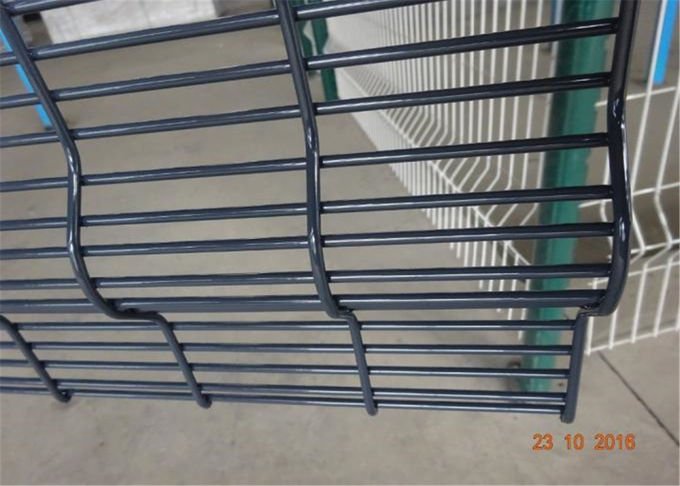
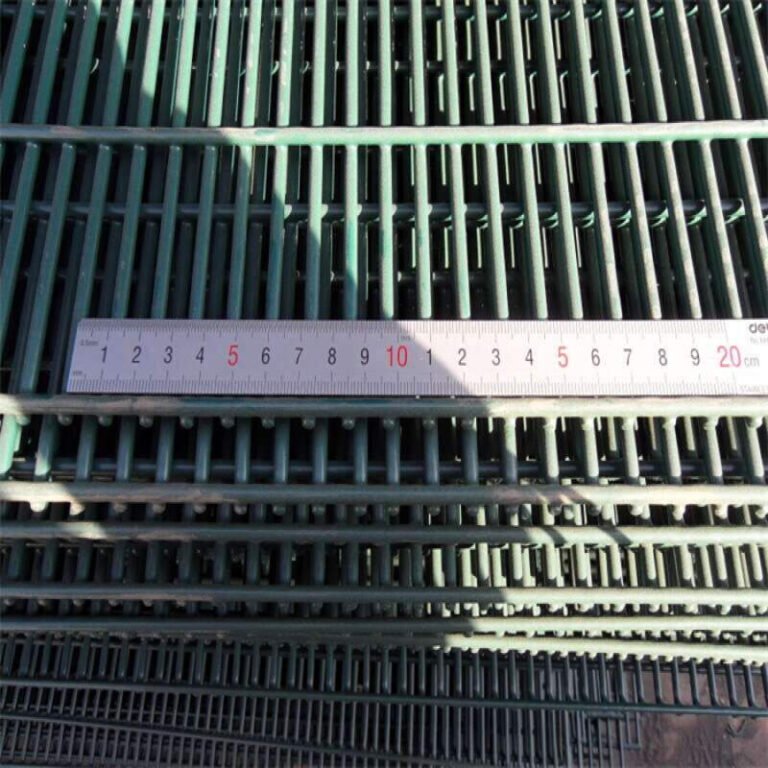
The common 358 configuration uses approximately 76.2 × 12.7 mm mesh and 4 mm wire. Its name refers to three inches, half an inch, and eight-gauge wire. Some production lines use a 75 × 12.5 mm alternative. The final drawing should state the exact mesh pitch and wire orientation.
For related system types, review our Clear View Fencing for Security guide. It compares mesh openings and practical security requirements.
Clear View Fence Cape Town features
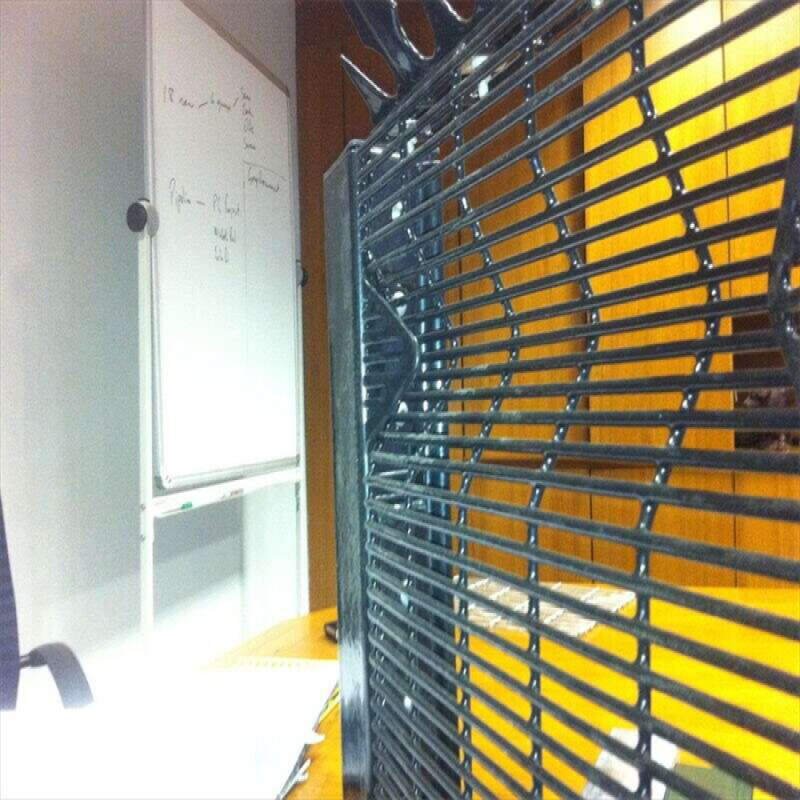
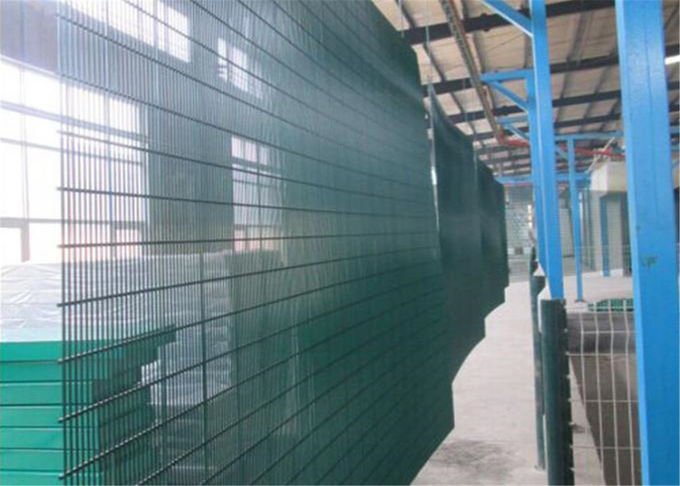
This fencing provides a clear line of sight without relying on a solid wall. Close wire spacing complicates climbing and slows cutting with simple tools. Correct post spacing and reliable fixings help the structure resist everyday loads.
Maintenance access: open mesh simplifies visual inspection of posts and connections.
Why an open perimeter matters
Solid barriers can conceal activity near a site boundary. Mesh allows better visibility, but camera placement still requires careful planning. Lighting, access control, and routine inspection should complement the fence. No fencing system guarantees complete protection against determined intrusion.
BMP supplies welded mesh panels using low-carbon steel wire or galvanised steel wire. Relevant wire specifications may reference EN 10244. Typical wire choices include 3.0 mm, 4.0 mm, and 5.0 mm. Custom production can accommodate different mesh pitches, heights, and installation drawings.
Mesh pitch: 76.2 × 12.7 mm or 75 × 12.5 mm.
Wire combinations: 3 + 4 mm or 4 + 4 mm, according to the panel design.
Panel type: 2D flat mesh or 3D formed mesh.
Post profiles: C, UC, H, T, square, round, and rectangular.
Fasteners: stainless steel 304 options for specified assemblies.
Colours: RAL6005, RAL9005, RAL7040, RAL7016, and RAL5002.
Protective finishes: galvanising, powder coating, or a compatible combined coating.
2D and 3D panel selection
2D panels maintain a flat visual profile and suit many security layouts. 3D panels include formed sections that can increase rigidity. Wire diameters and bend details influence panel performance. Compare actual dimensions instead of assuming every 3D product uses the same construction.
The following table retains eight reference models from the original specification. Dimensions appear as height × width in millimetres. Each model permits 76.2 × 12.7 mm or 75 × 12.5 mm mesh. Confirm production details, wire orientation, and tolerances before placing an order.
Code
Type
Panel H × W (mm)
Mesh (mm)
Wire (mm)
C Post (mm)
UC/H Post (mm)
Other Posts
1111830
3D
1830 × 2740
76.2 × 12.7 / 75 × 12.5
3 + 4
76 × 64
100 × 100 × 6 × 8
80 × 80 square / Ø76.2 round
1112130
3D
2130 × 2740
76.2 × 12.7 / 75 × 12.5
3 + 4
76 × 64
100 × 100 × 6 × 8
80 × 80 square / Ø76.2 round
1112440
3D
2440 × 2130
76.2 × 12.7 / 75 × 12.5
3 + 4
76 × 64
100 × 100 × 6 × 8
80 × 80 square / Ø76.2 round
1112740
3D
2740 × 2130
76.2 × 12.7 / 75 × 12.5
3 + 4
76 × 64
100 × 100 × 6 × 8
80 × 80 square / Ø76.2 round
1121830
2D
1830 × 2440
76.2 × 12.7 / 75 × 12.5
4 + 4
76 × 64
100 × 100 × 6 × 8
80 × 80 square / Ø76.2 round
1122130
2D
2130 × 2440
76.2 × 12.7 / 75 × 12.5
4 + 4
76 × 64
100 × 100 × 6 × 8
80 × 80 square / Ø76.2 round
1122440
2D
2440 × 2130
76.2 × 12.7 / 75 × 12.5
4 + 4
76 × 64
100 × 100 × 6 × 8
80 × 80 square / Ø76.2 round
1122740
2D
2740 × 2130
76.2 × 12.7 / 75 × 12.5
4 + 4
76 × 64
100 × 100 × 6 × 8
80 × 80 square / Ø76.2 round
Matching panel size to a project
Start with the required fence height and total boundary length. Then identify corners, gate openings, slopes, and service access. Panel width influences post quantity and transport planning. A final bill of materials should reflect the approved site layout.
Post selection affects stiffness, attachment security, installation time, and appearance. Our range includes C posts, UC/H posts, T posts, square posts, and round posts. Rectangular sections provide further design flexibility. The engineer should select each section using expected loads and site conditions.
C posts, UC posts, and square posts
C posts can use galvanised coil steel meeting an appropriate EN 10346 material specification. Their shaped profile helps installers position security mesh and clamps. UC/H sections provide alternative mounting faces and load paths. Square posts support several clamp and flat-bar arrangements.
Choose an appropriate steel thickness, cap, and surface treatment for each section. Do not select posts solely from the panel height. Consult our Clear View Fencing Factory product information for additional system options.
Clear View Fence Cape Town surface coatings
Surface protection deserves special attention around the Western Cape coastline. Salt-laden air, rain, and exposed sites can increase corrosion risks. Buyers should specify coating methods rather than relying only on colour names.
Galvanised wire: metallic zinc protects the wire before mesh fabrication.
Hot-dip galvanising: zinc covers the completed steel assembly after suitable preparation.
Powder coating: polyester coatings provide colour and additional surface protection.
Combined coating: compatible zinc and polyester systems provide a layered finish.
Selected projects may specify AkzoNobel Interpon 600 series powder. Confirm coating availability, substrate preparation, and required thickness during technical approval. Buyers may also request ISO 9227 salt spray test evidence covering 500–1,000 hours.
Salt spray hours do not establish an equivalent number of years outdoors. Check the actual test report, acceptance criteria, and coating system before claiming compliance.
Choosing protection near the coast
Coastal locations require careful treatment of welds, edges, fasteners, and damaged areas. A stronger coating specification can reduce maintenance demands. Owners should still schedule inspections and repair scratches promptly. See our ClearVu Fencing South Africa overview for more finish combinations.
Reference standards include BS 1722-14 for open mesh steel panel fences and ISO 1461 for hot-dip galvanising. EN 13438 covers relevant powder coating requirements. These references guide specifications; they do not automatically certify every supplied configuration.
Clear View Fence Cape Town accessories
A complete installation requires carefully matched fittings. Our standard options include flat bars, clamps, bolts, shear nuts, washers, and rain caps. Stainless steel 304 fasteners can support projects with specified corrosion requirements.
Post protection: metal or polymer caps that keep water away from open sections.
Security extensions: single arms, double arms, fence spikes, or barbed wire brackets.
Perimeter integration: compatible mounting points for detection or electric fence equipment.
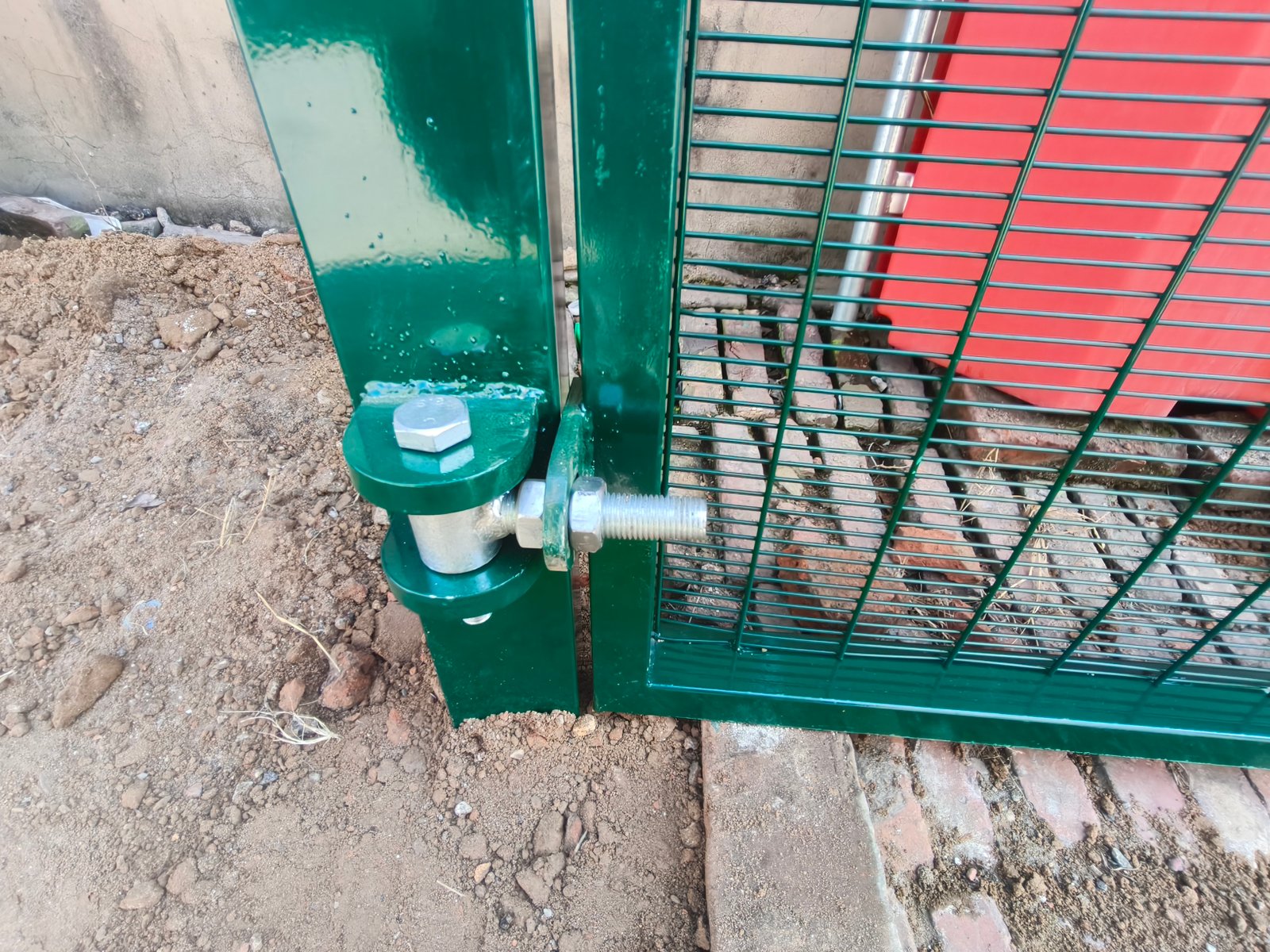
Gate accessories: hinges, locks, gate stops, and access-control fittings.
Gates and access management
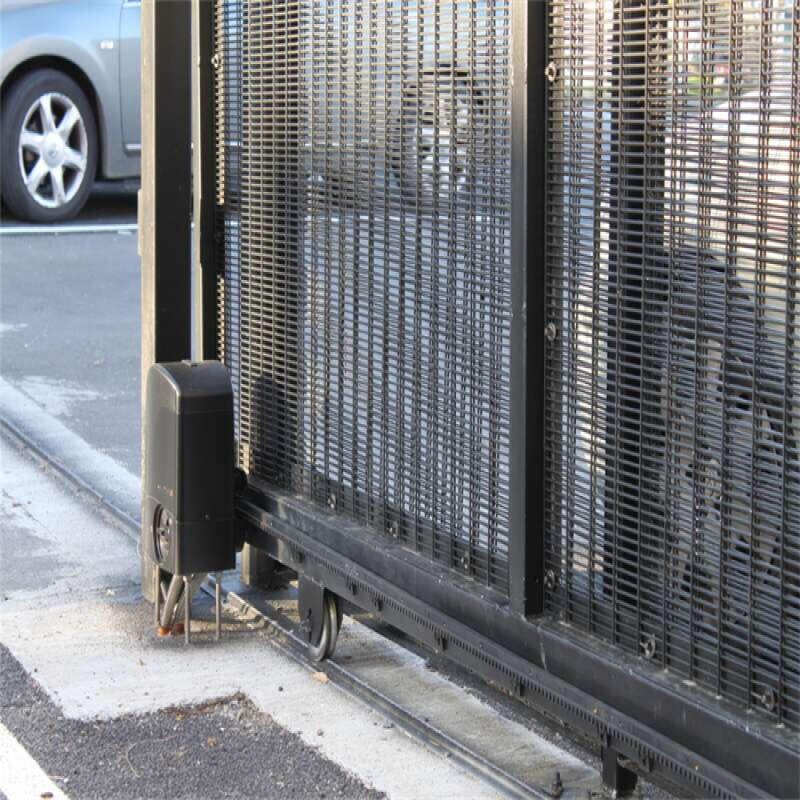
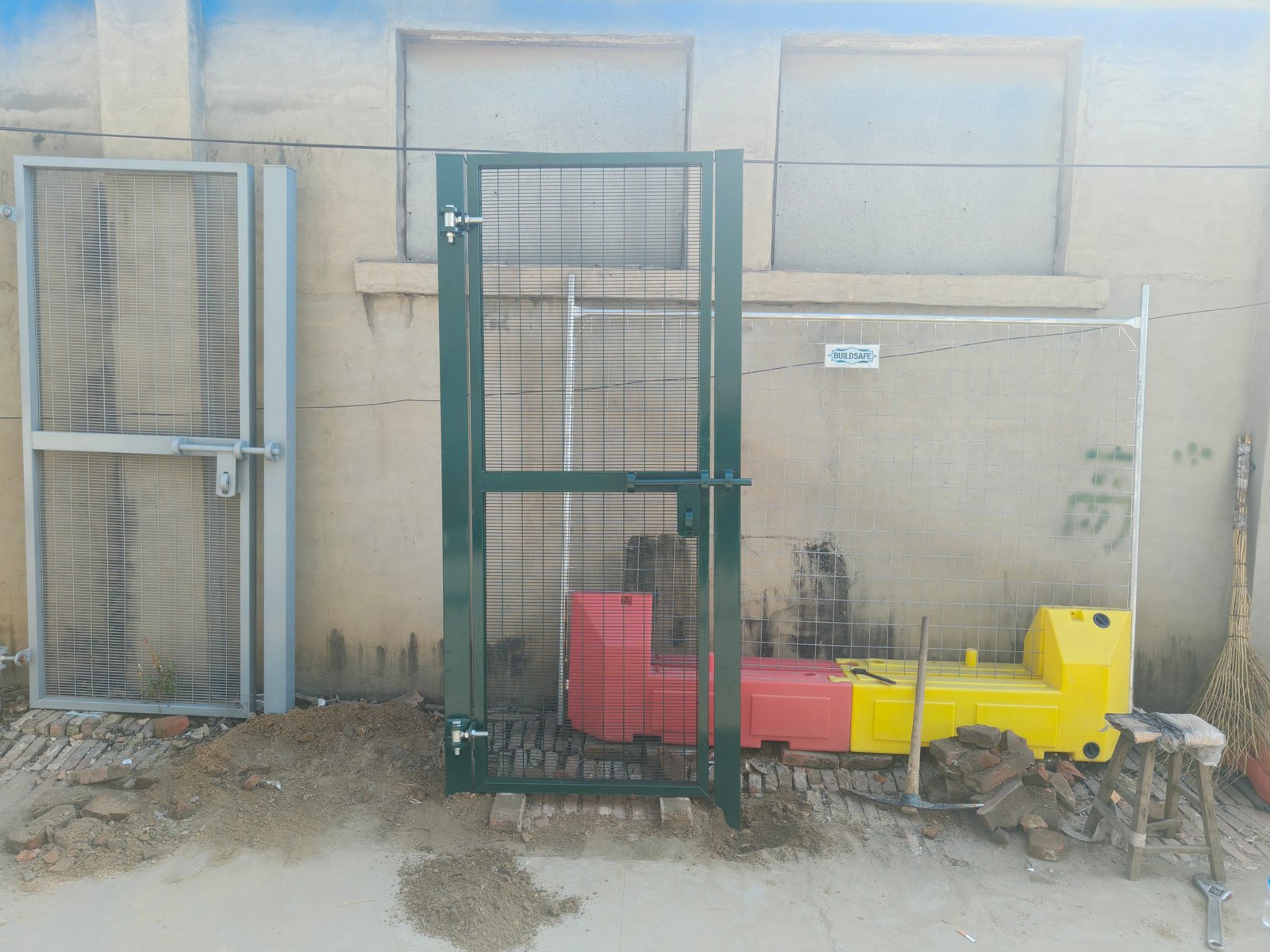
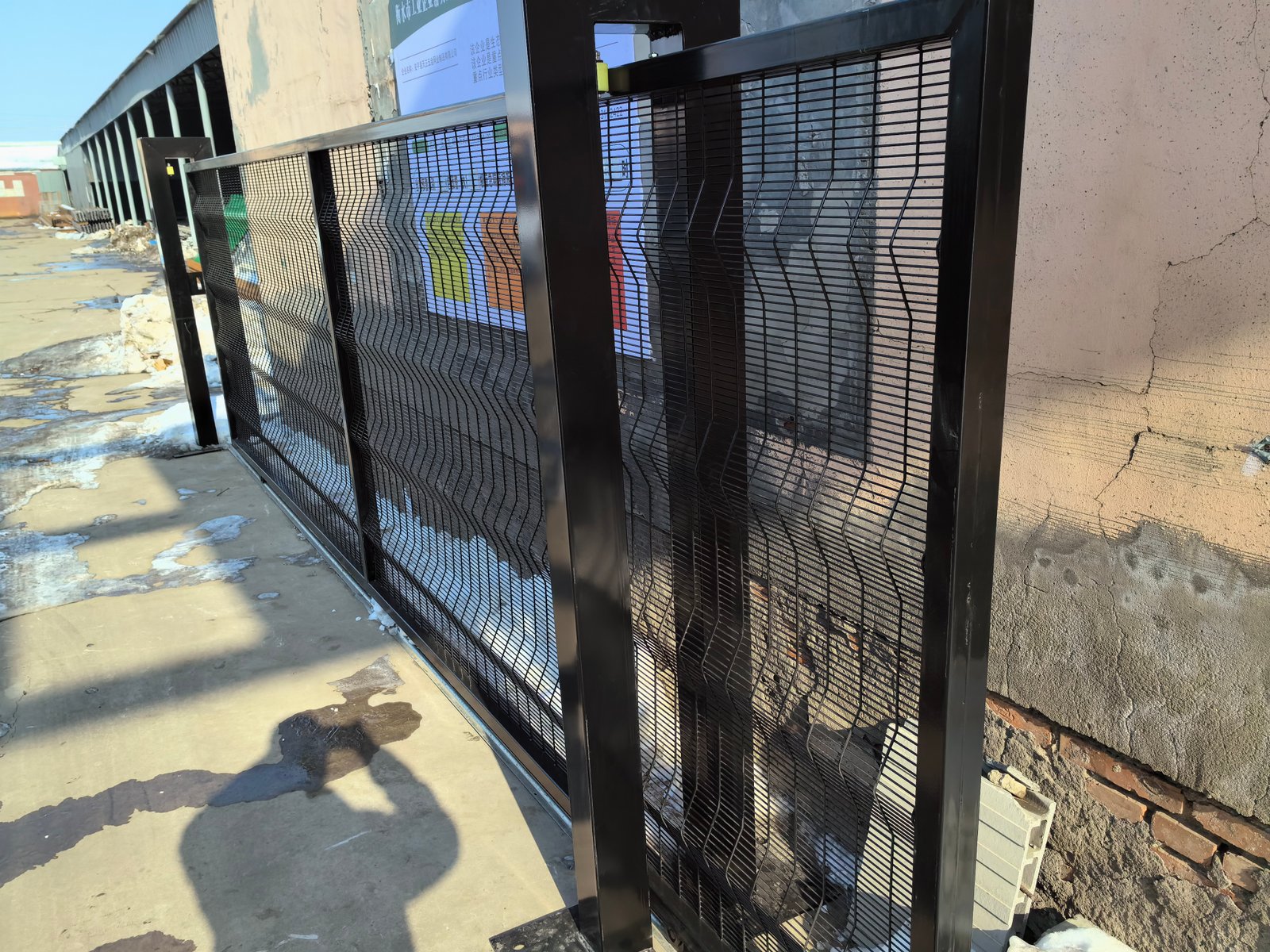
Pedestrian and vehicle gates should match the perimeter's security level. Hinges, frames, and locking hardware need separate checks. Gate locations also affect vehicle movement and emergency access. Discuss powered gates with qualified installers and assess local safety requirements.
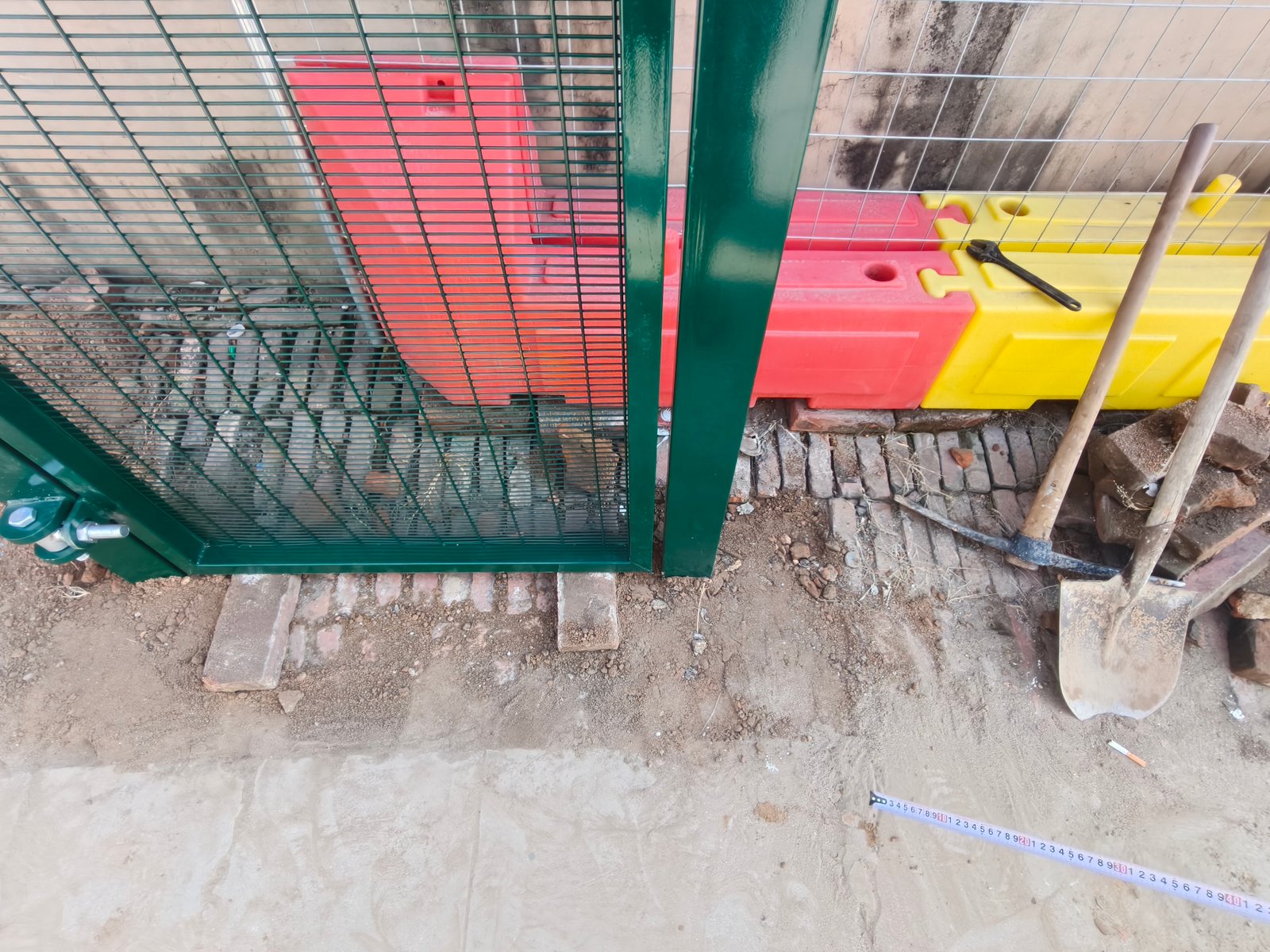
Good installation starts with correct measurements and foundation planning. Survey the route before ordering panels and posts. Mark corners, changes in level, drainage lines, and gate positions. Compare field dimensions with production drawings before concrete work begins.
Check boundary alignment and authorised construction limits.
Confirm post centres and panel clearances.
Evaluate soil strength and the required footing design.
Set posts upright and verify consistent top lines.
Fit the correct clamps and tamper-resistant hardware.
Protect coating from welding sparks and handling damage.
Inspect all connections before site handover.
Sloped land and foundation design
Stepped panels suit some slopes, while customised layouts suit other terrain. Slopes can create larger openings beneath standard panels. Designers should check those gaps against the site's security requirements. Engineers must design foundation sizes for soil conditions, wind loads, and post forces.
The system serves properties where visibility matters alongside physical security. Buyers can select panels according to the specific site risks. High-security layouts may require additional barriers, lighting, and access controls.
Factories, warehouses, and distribution centres.
Ports, harbours, and logistics terminals.
Railway yards and selected transport infrastructure.
Power stations, substations, and utility compounds.
Commercial premises and office campuses.
Sports facilities, parks, and controlled public spaces.
Industrial pipelines and equipment storage areas.
Correctional, government, and defence sites with approved specifications.
Protecting warehouses and public facilities
Warehouse operators often need camera visibility across loading yards and vehicle gates. Public facilities may prioritise appearance and pedestrian safety. Both settings benefit from clear access routes and maintenance plans. Lower-risk areas may use our Low Security Clear View Fencing configuration.
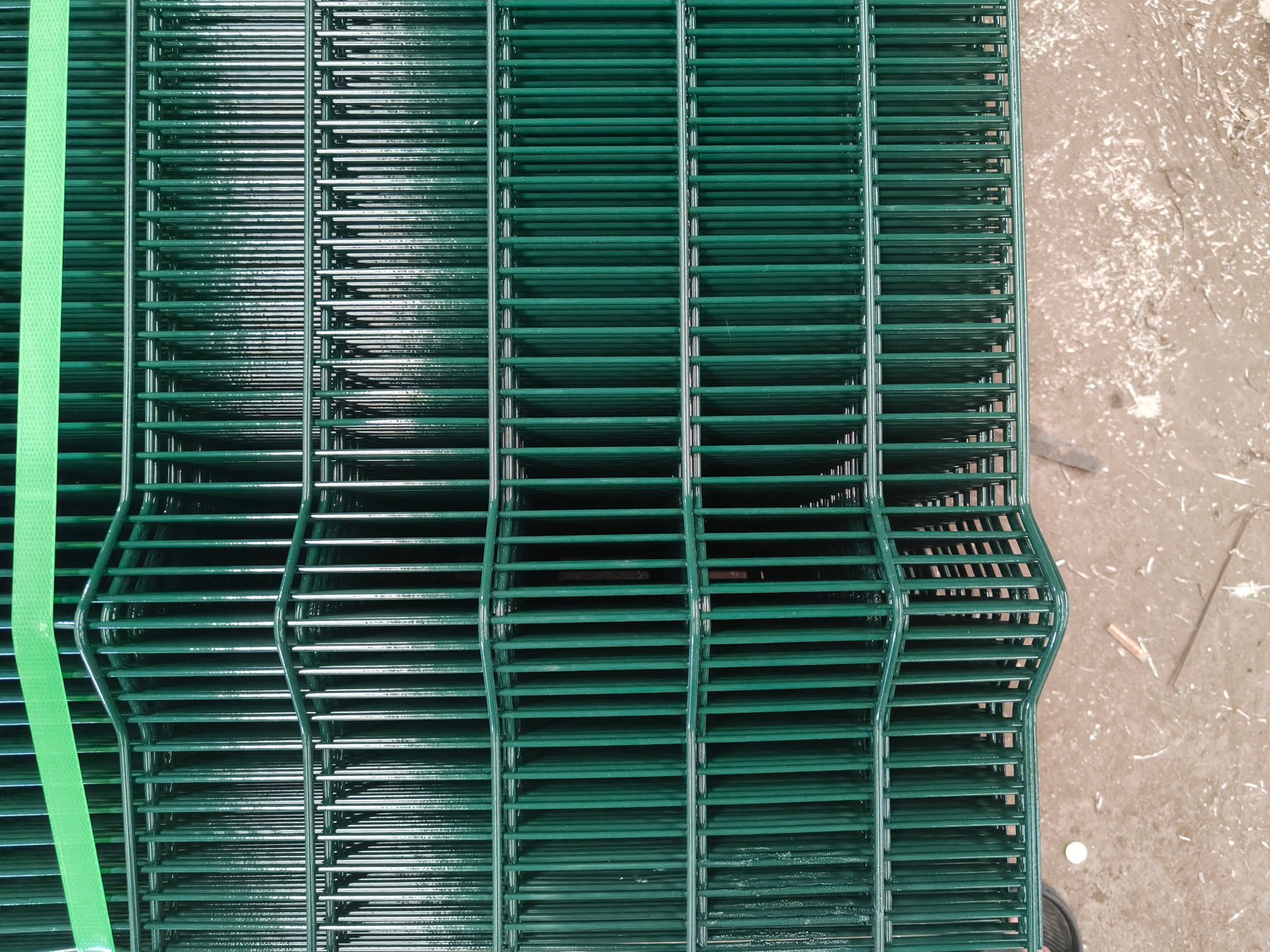
Welded mesh supports visibility while restricting climbing points. Match the wire diameter and aperture to each project's security needs.
Clear View Fence Cape Town factory quality
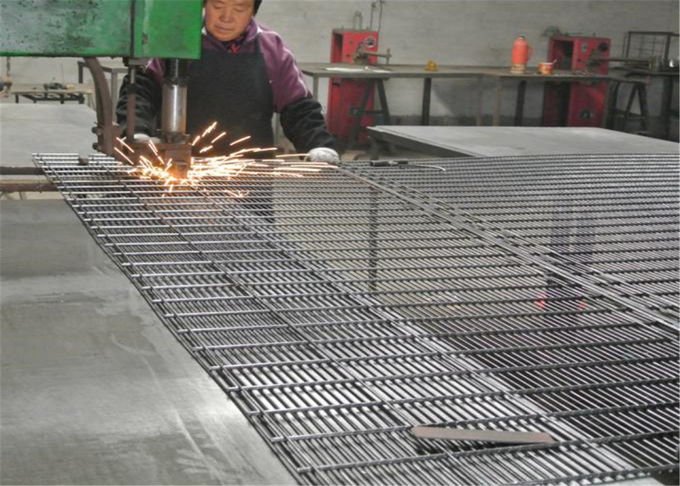
Our team reviews drawings, material requirements, panel dimensions, and coating instructions before production. Automatic mesh welding supports repeatable wire spacing and joint placement. Quality staff inspect products during manufacturing and before packing. Inspection criteria should follow the approved purchase specification.
Inspection and export packing
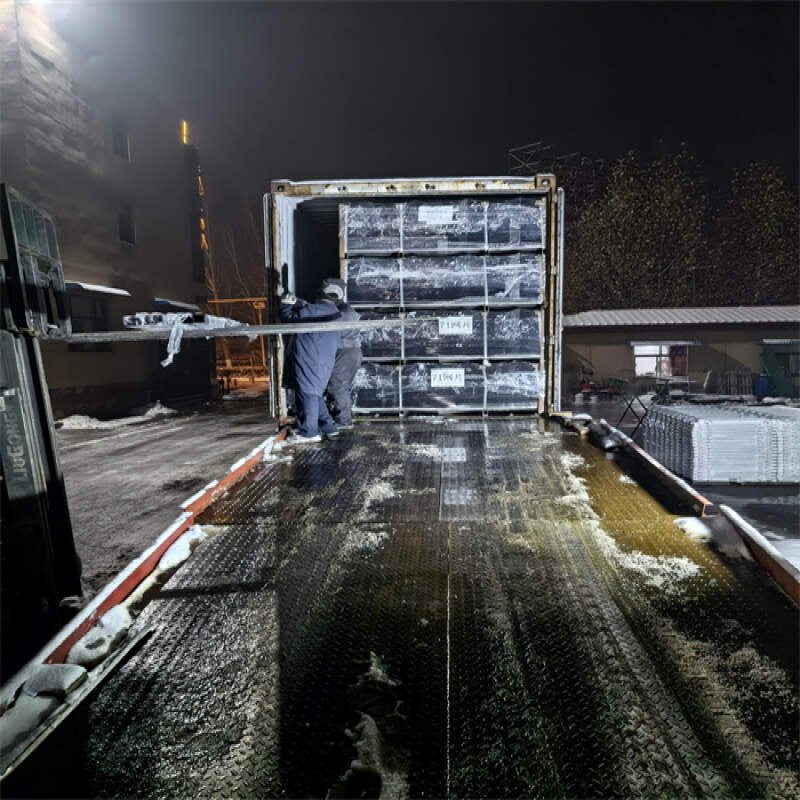
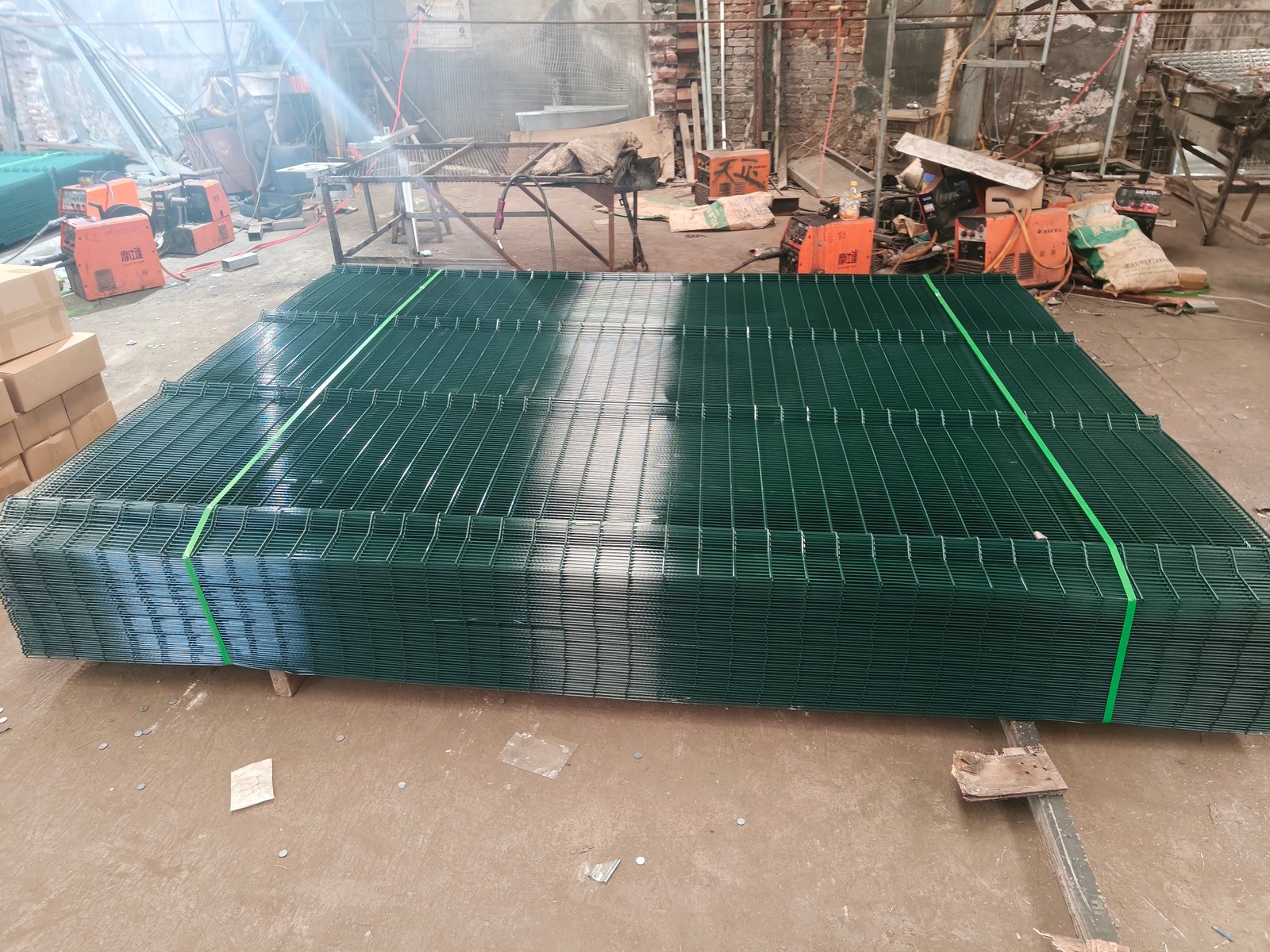
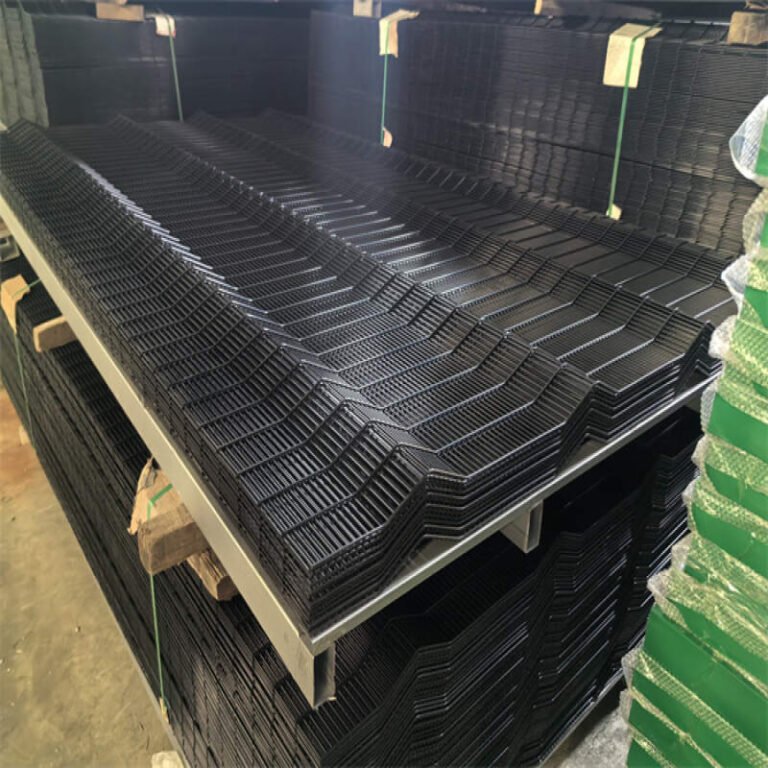
Check wire diameters, mesh pitch, panel size, welds, coating appearance, and accessory counts. Verify pallet markings and packing lists before dispatch. Steel pallets and protective wrapping help organise export loads. Product photographs and inspection records can support buyer approval.
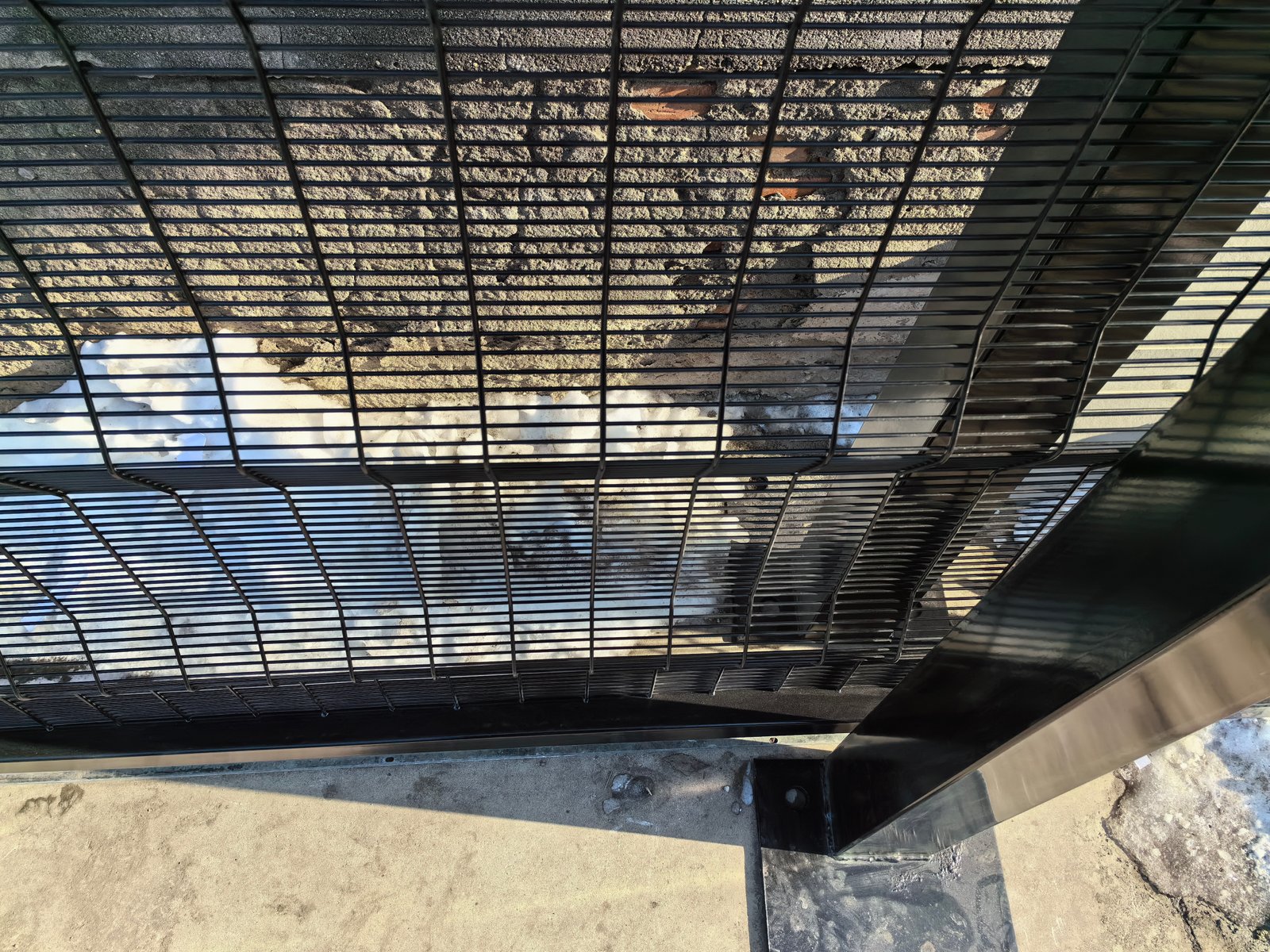
Post connections influence alignment and stability. Buyers should confirm clamps, fasteners, and fixing details before production.
Clear View Fence Cape Town ordering guide
Clear drawings allow accurate planning and reduce manufacturing changes. Share the total fence length, panel height, mesh opening, wire diameter, and finish requirements. Include post sections, gate sizes, and security toppings where relevant. State the delivery destination and preferred shipping terms.
Coating and component choices influence long-term maintenance. Specify the complete panel, post, and fitting system in the purchase order.
Clear View Fence Cape Town FAQ
Does BMP operate a factory in Cape Town? No. BMP manufactures fencing in Anping County, Hengshui, China, and supplies customers through export orders.
Can buyers request custom sizes? Yes. We review project drawings and confirm suitable panel and post dimensions before manufacturing.
What separates 2D and 3D panels? 2D panels present a flat profile. 3D panels use formed bends, which can increase rigidity.
Which coating suits coastal projects? The choice depends on exposure, design life, maintenance, and the approved corrosion protection specification.
Can installers add electric fence brackets? Yes, compatible brackets may support a separately designed security system. Qualified installers should assess safety requirements.
Does a salt spray result guarantee service life? No. The test supports coating quality assessment, not a direct outdoor lifespan prediction.
Comparing alternatives and next steps
Compare security grades, panel sizes, corrosion protection, and fixing details before choosing a system. Our Low Security Clear View Fencing page covers an alternative mesh range. Contact BMP with your project drawings for a tailored technical proposal and export quotation.