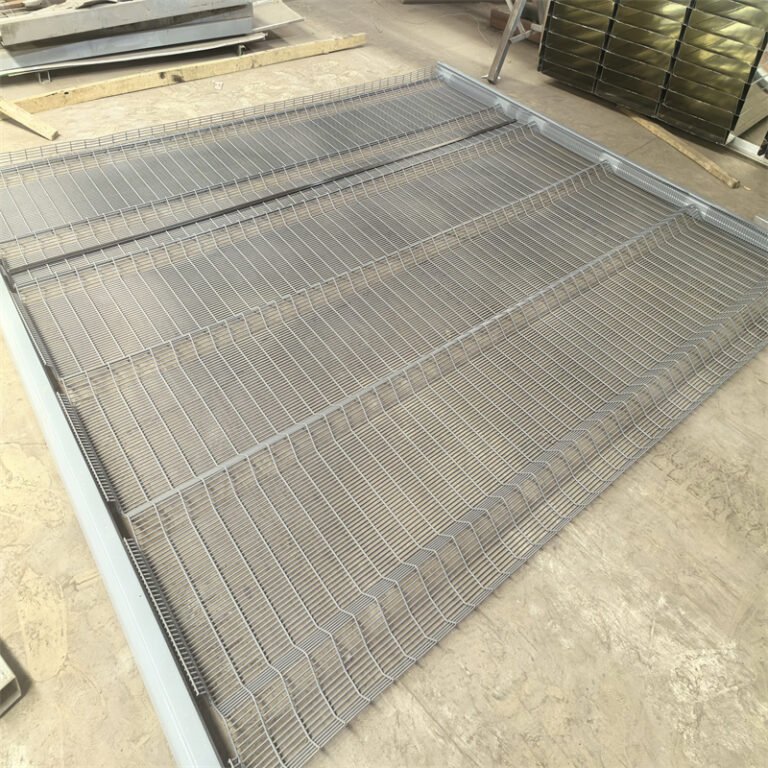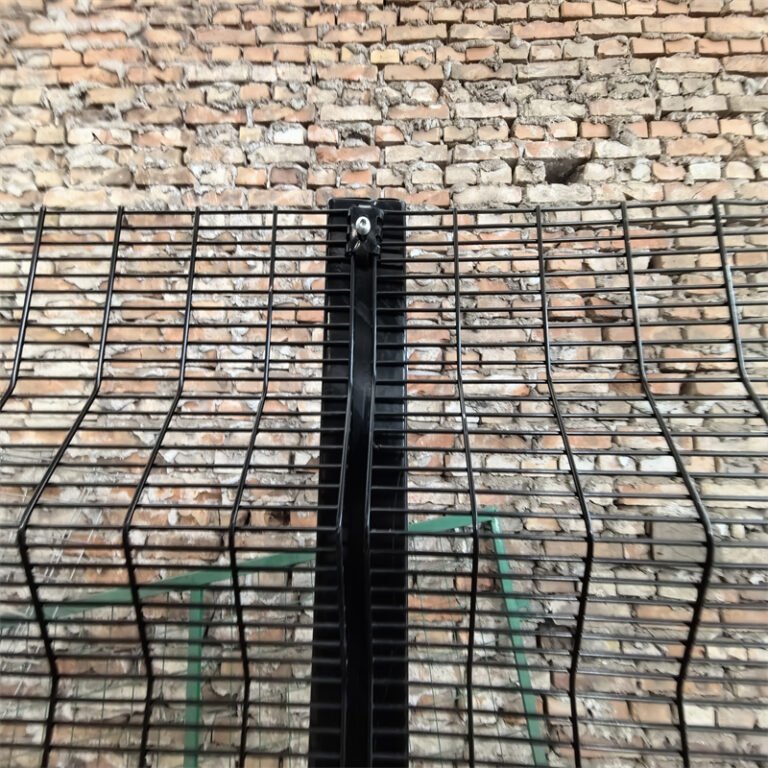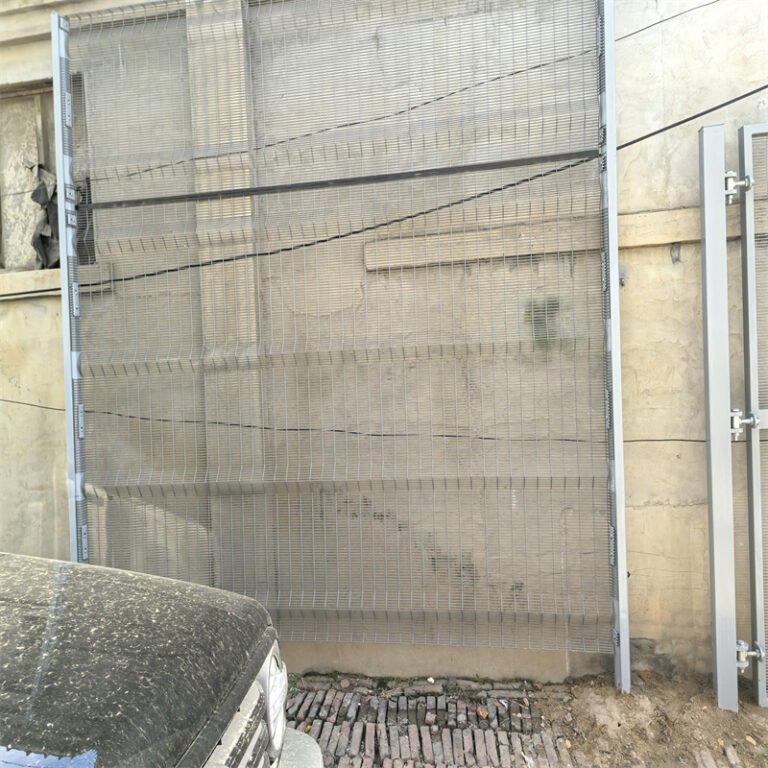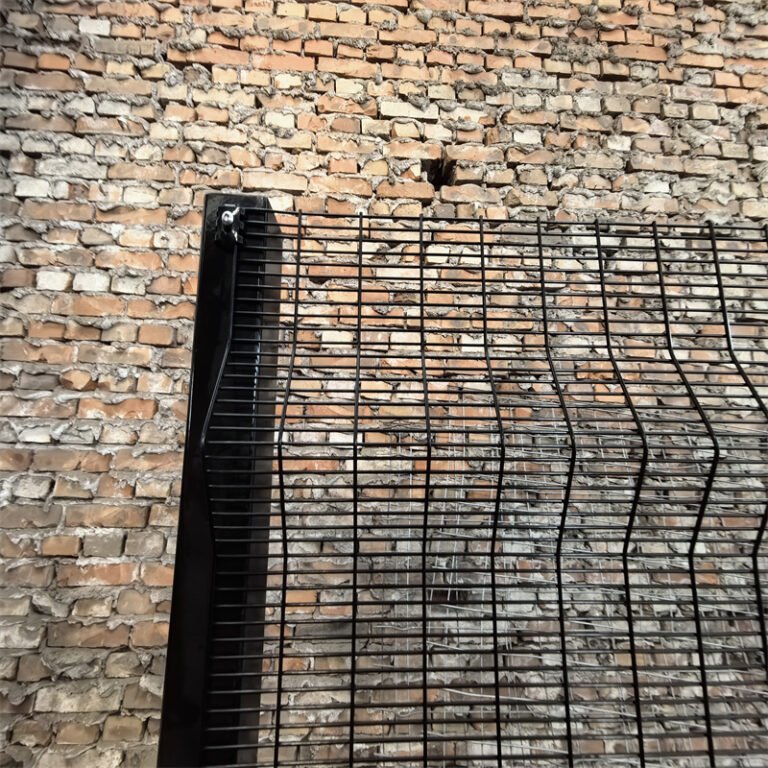
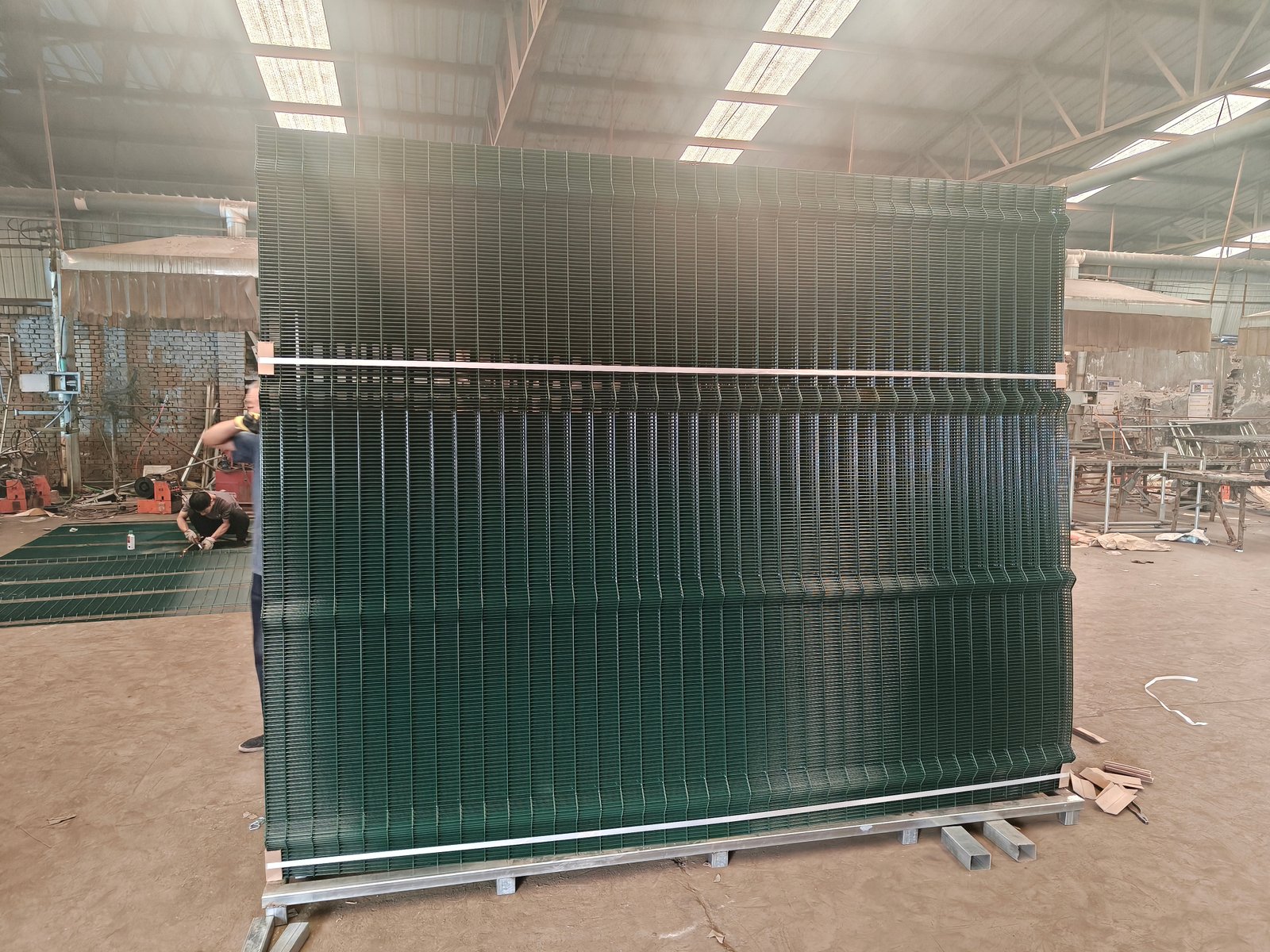
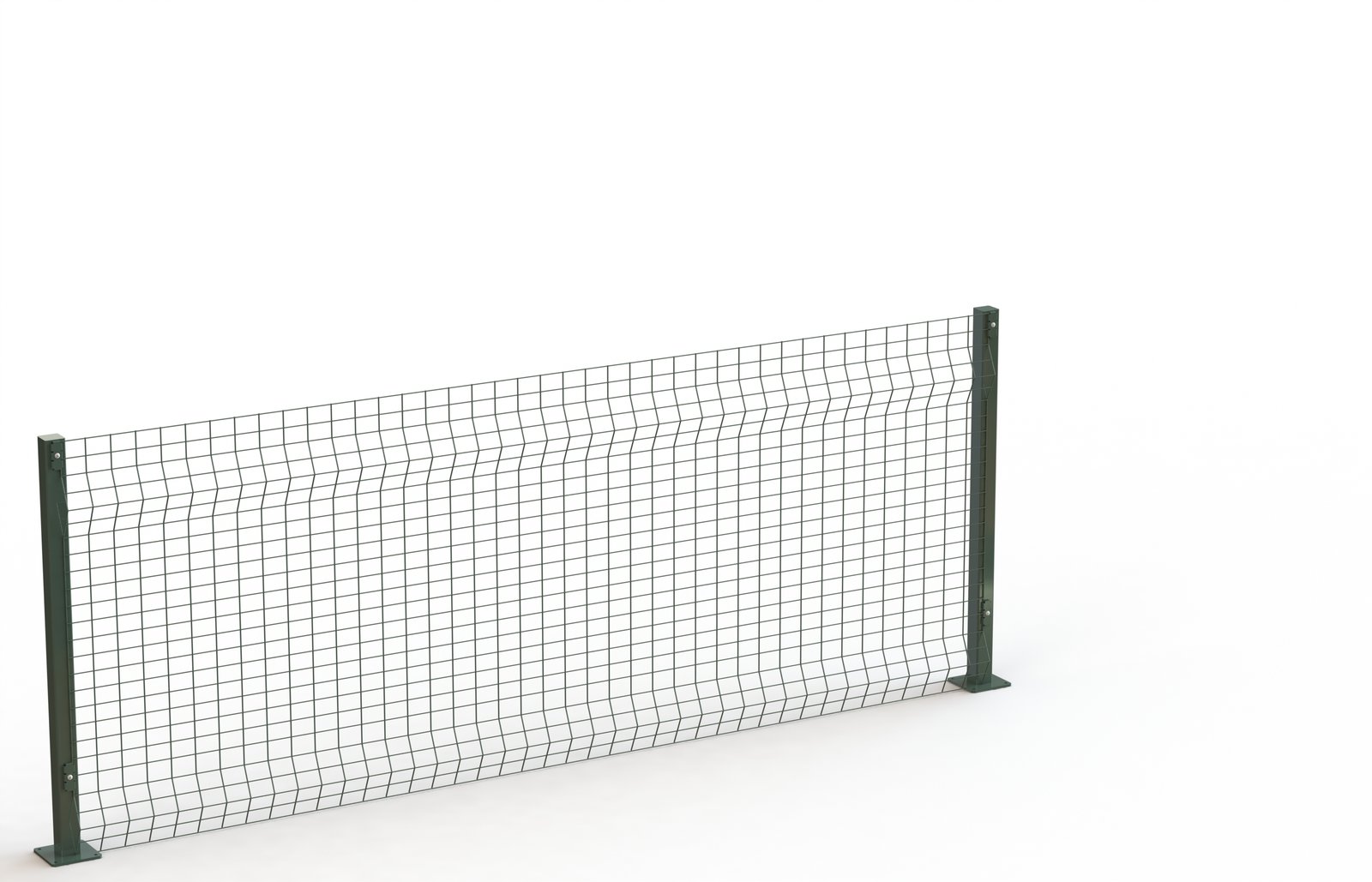
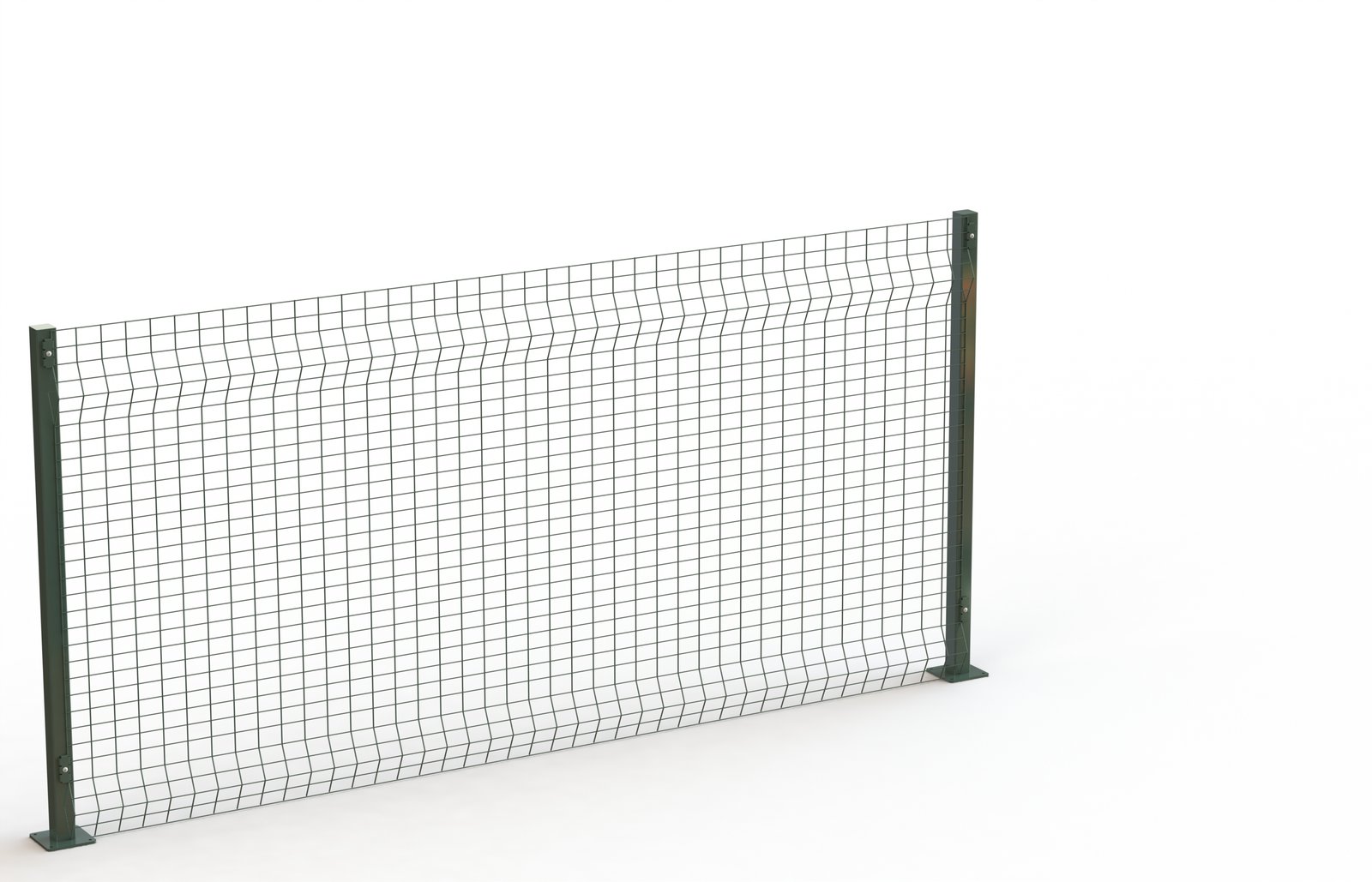
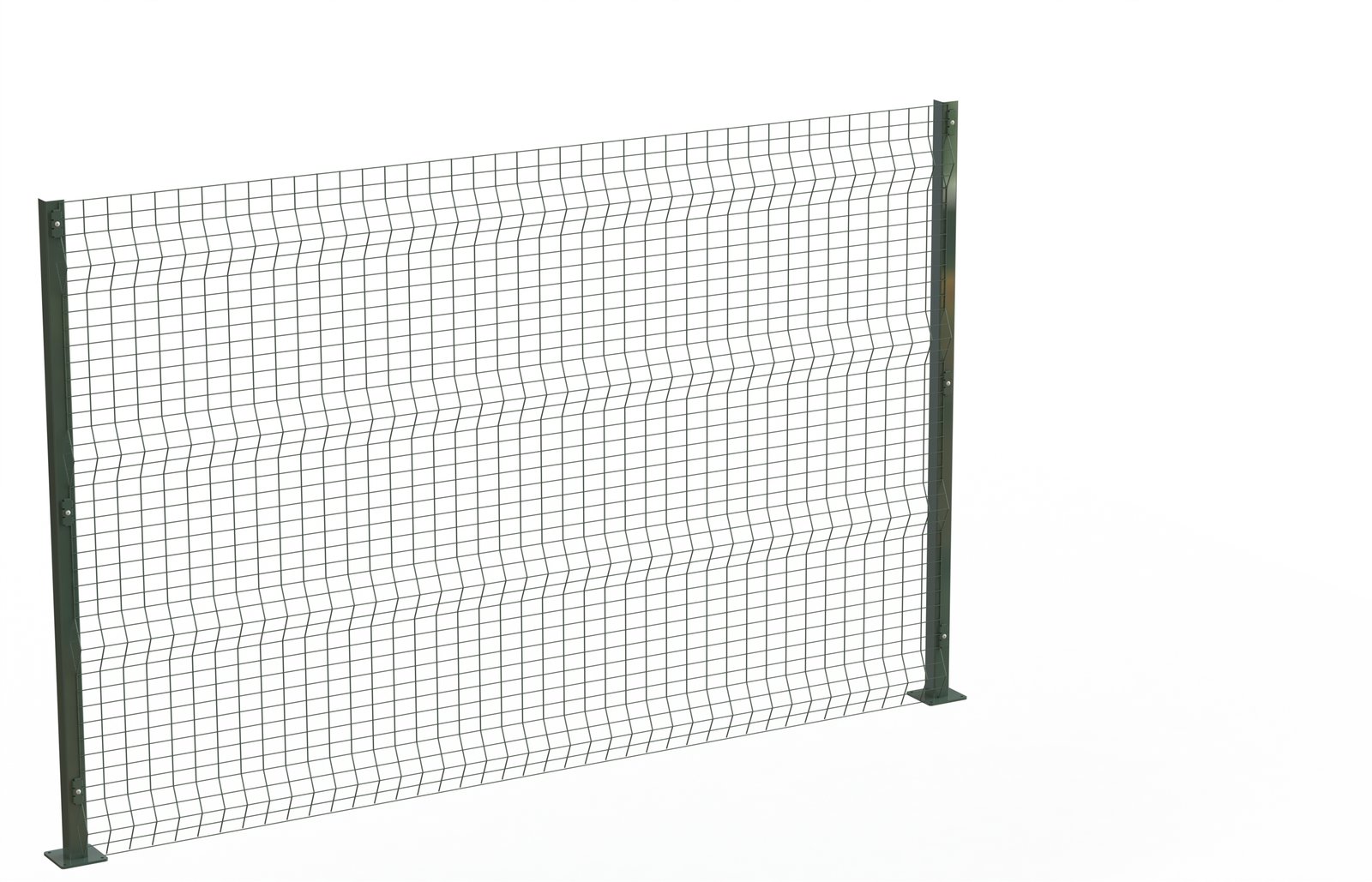
2400mmx3000mm clear view fencing
Low security clear view fencing: practical overview
Low security clear view fencing combines welded wires, sturdy posts, and metal fixings into a visible boundary. Its wider openings reduce steel consumption compared with tighter security meshes. That difference often helps buyers control project costs across long fence lines. Nevertheless, the complete system needs suitable foundations and careful installation.
Property owners often select this fence for supervised premises and lower-risk areas. A warehouse might use it between departments rather than around sensitive external storage. A housing estate might use it beside landscaped communal areas. Buyers should match each application to a documented risk assessment.
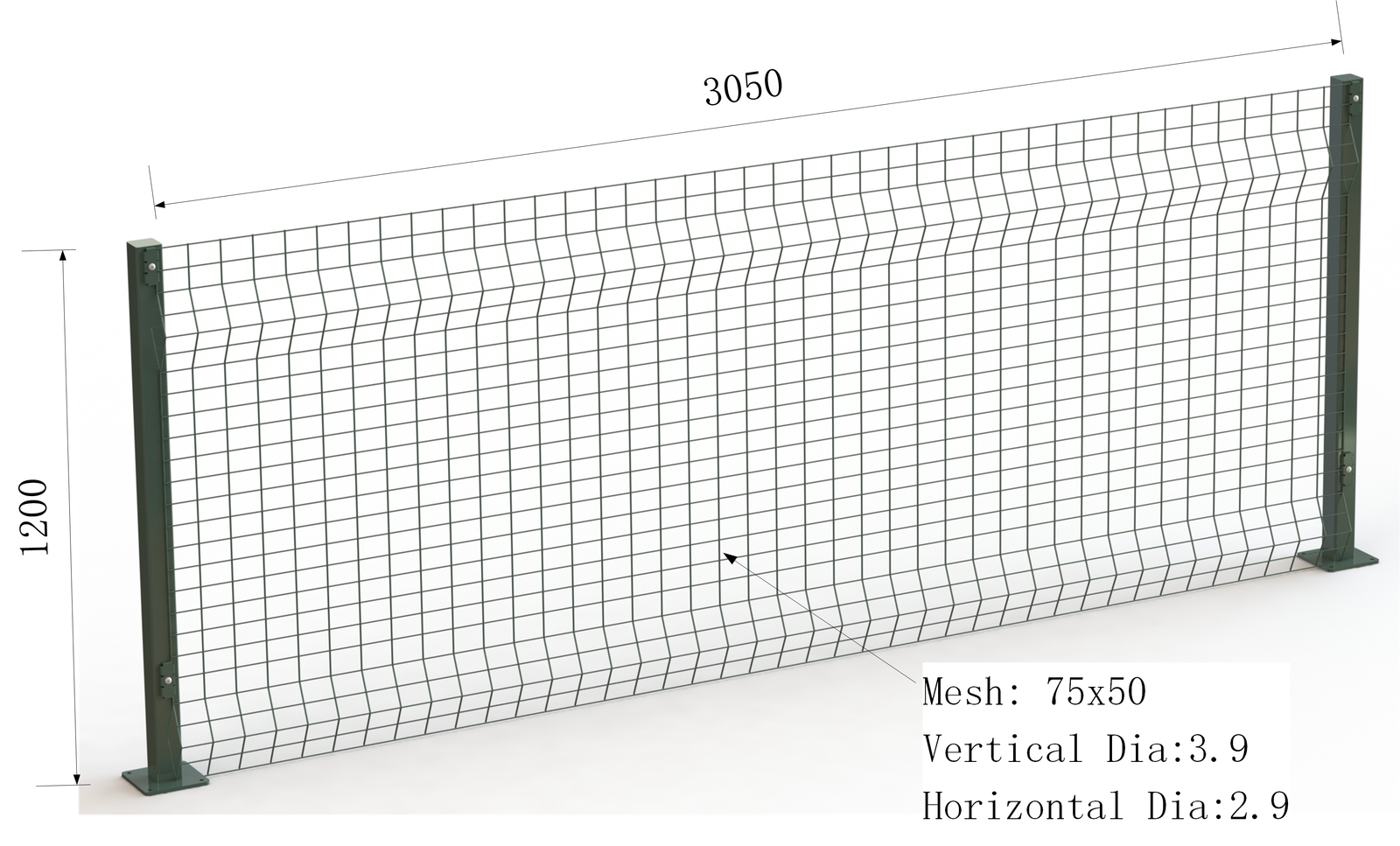
Understanding the 75 × 50 mm mesh opening
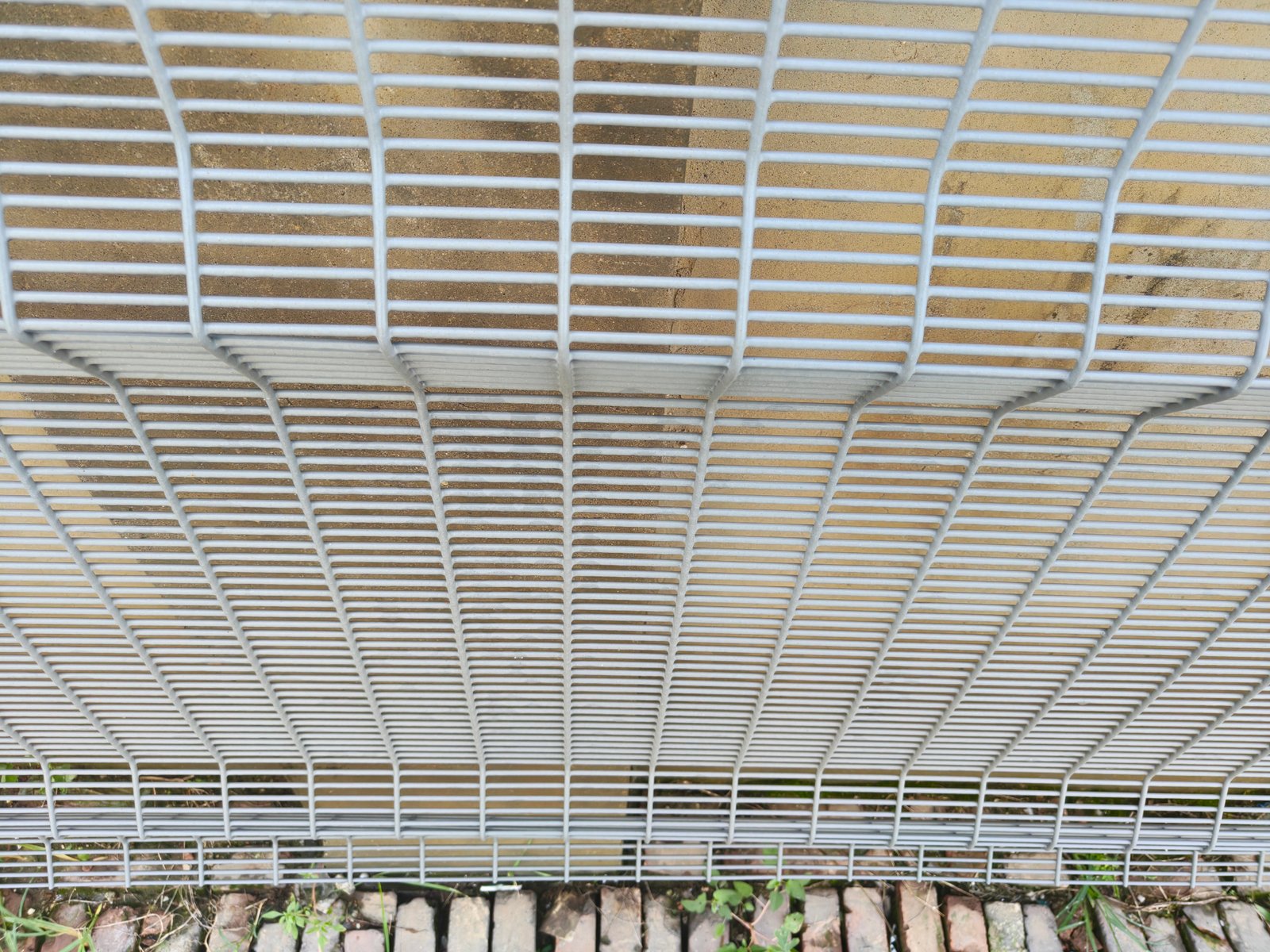
The nominal 75 × 50 mm aperture defines a common low-security welded mesh pattern. It preserves clear sightlines while marking the boundary between adjoining spaces. It offers more climbing opportunities than narrow 358 mesh. Therefore, projects with substantial intrusion risks need a different security specification.
Manufacturing drawings should show the measurement convention for every mesh opening. Wire-centre dimensions can differ from the visible clear opening. Wire diameter also changes the space between adjacent steel wires. Ask for approved drawings before comparing offers across manufacturers.
When low security clear view fencing fits
Low security clear view fencing works best where visibility, separation, and appearance matter more than severe intrusion resistance. Examples include school grounds, internal factory divisions, gardens, and general estate boundaries. Users can monitor movement through the mesh without sacrificing airflow. A qualified professional should assess locations with children, animals, or public exposure.
Why site risk matters
A low-security label describes a relative product category, not a universal safety certification. A suitable barrier for a garden may fail another location’s access requirements. Check the protected assets, expected traffic, and potential misuse before specifying a mesh. Add gates, lighting, surveillance, or higher-security sections where the risk demands them.
Fences near roads or public footpaths also require special attention. Designers should consider local rules, pedestrian safety, and possible vehicle exposure. Never treat mesh aperture alone as proof of a complete security rating.
Low security clear view fencing applications
Low security clear view fencing serves several everyday boundary needs across residential and commercial developments. Owners can divide parking spaces, surround landscaped areas, and separate outdoor work zones. Institutions can define sports grounds and supervised recreation areas. Agricultural buyers can mark selected low-risk property boundaries.
Projects should always review local access and safety requirements. Schools may need additional child-safety provisions around specific areas. Farms should assess animal size and behaviour before choosing this mesh. Some animals can pass through openings or damage inadequate posts.
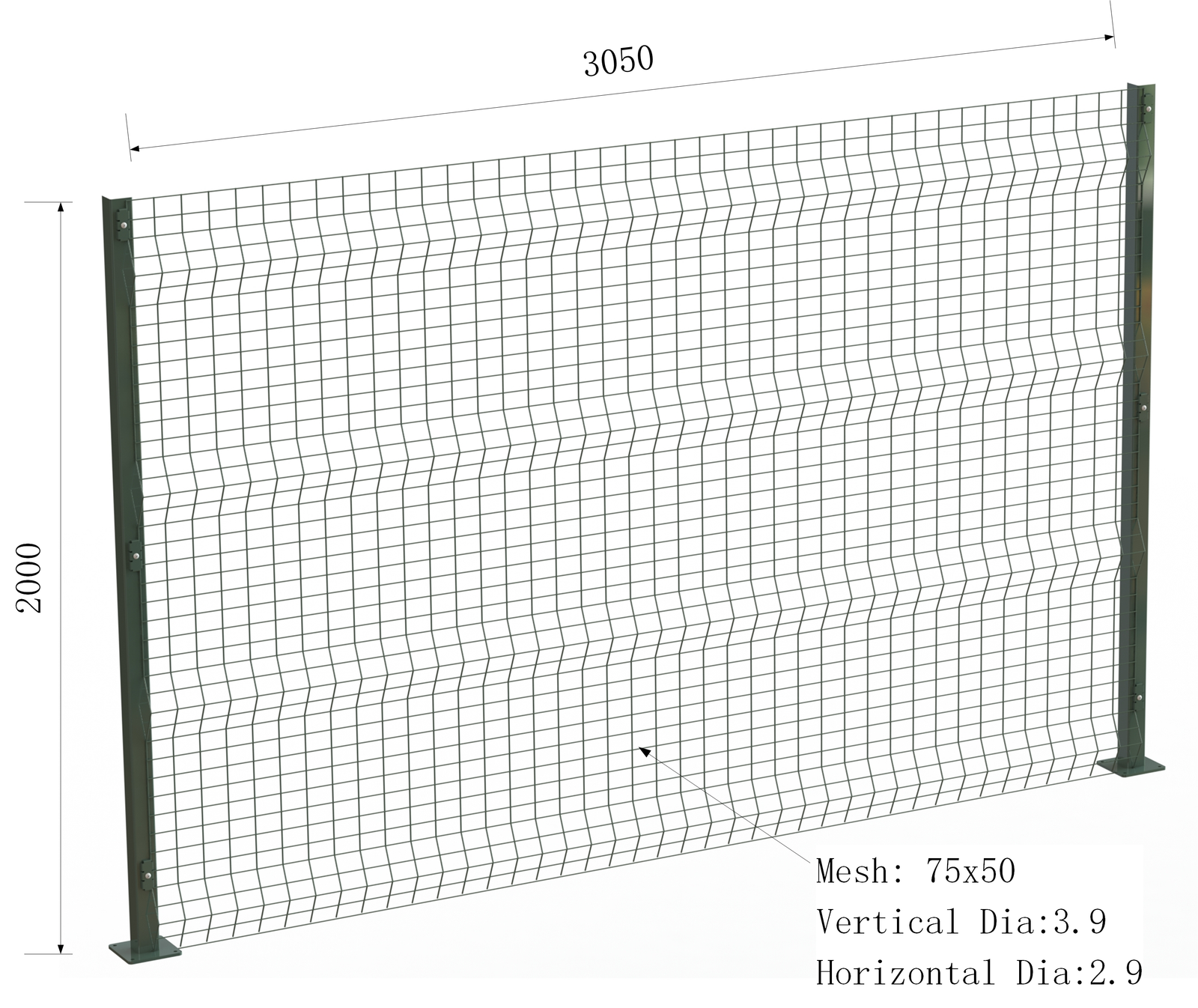
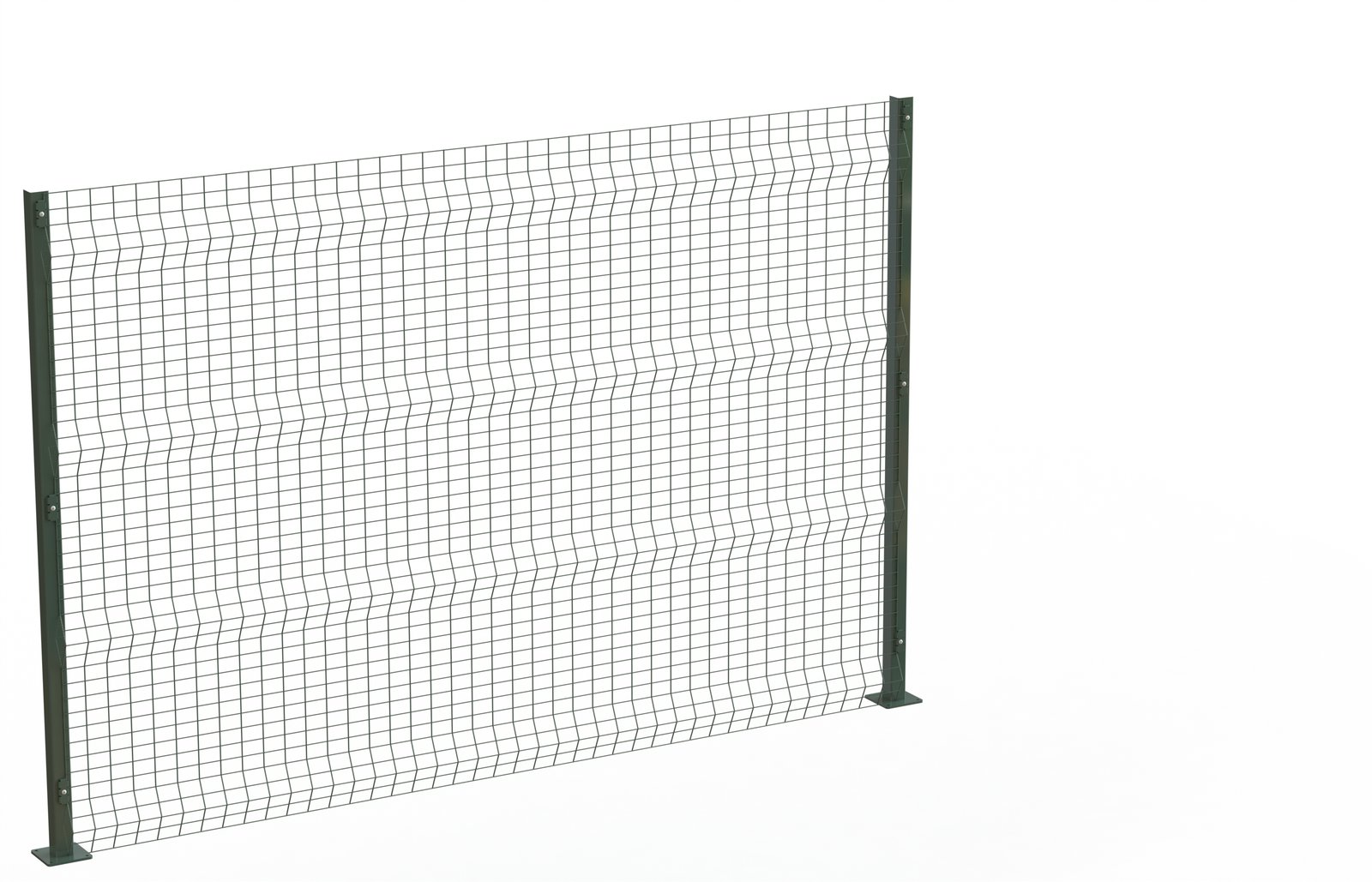
Residential estates and internal boundaries
Housing projects often require a neat boundary without the visual weight of a solid wall. Welded mesh supports that appearance and keeps neighbouring areas visible. Property managers can choose matching gate panels for pedestrian access. For a smaller project, compare the low security clear view fence 1500mm x 3050mm product details.
A continuous finish across panels, posts, and gates creates a coordinated appearance. Select colours with the surrounding architecture and landscape in mind. Specify safe edges and suitable clearances near pedestrian routes.
Low security clear view fencing for farms
Low security clear view fencing can divide agricultural work areas and general property sections. Its open structure allows staff to inspect adjacent spaces. However, animals may push against panels or attempt to pass through mesh openings. Select posts, foundations, and aperture sizes for the actual livestock.
Long agricultural boundaries benefit from a clear installation plan. Survey slopes, drainage channels, and vehicle crossings before production. Confirm where each gate must open and where maintenance vehicles need access.
Visibility and supervision
The relatively open mesh gives security staff and residents useful sightlines. It also helps natural light reach gardens and shared areas. These advantages make the fence practical for sites with supervised activity. Clear views do not eliminate blind spots behind buildings, vegetation, or parked vehicles.
Position cameras and lighting around the actual site layout. Keep shrubs and stored materials away from the barrier where possible. Maintenance teams should remove vegetation that hides fixings or creates climbing support.
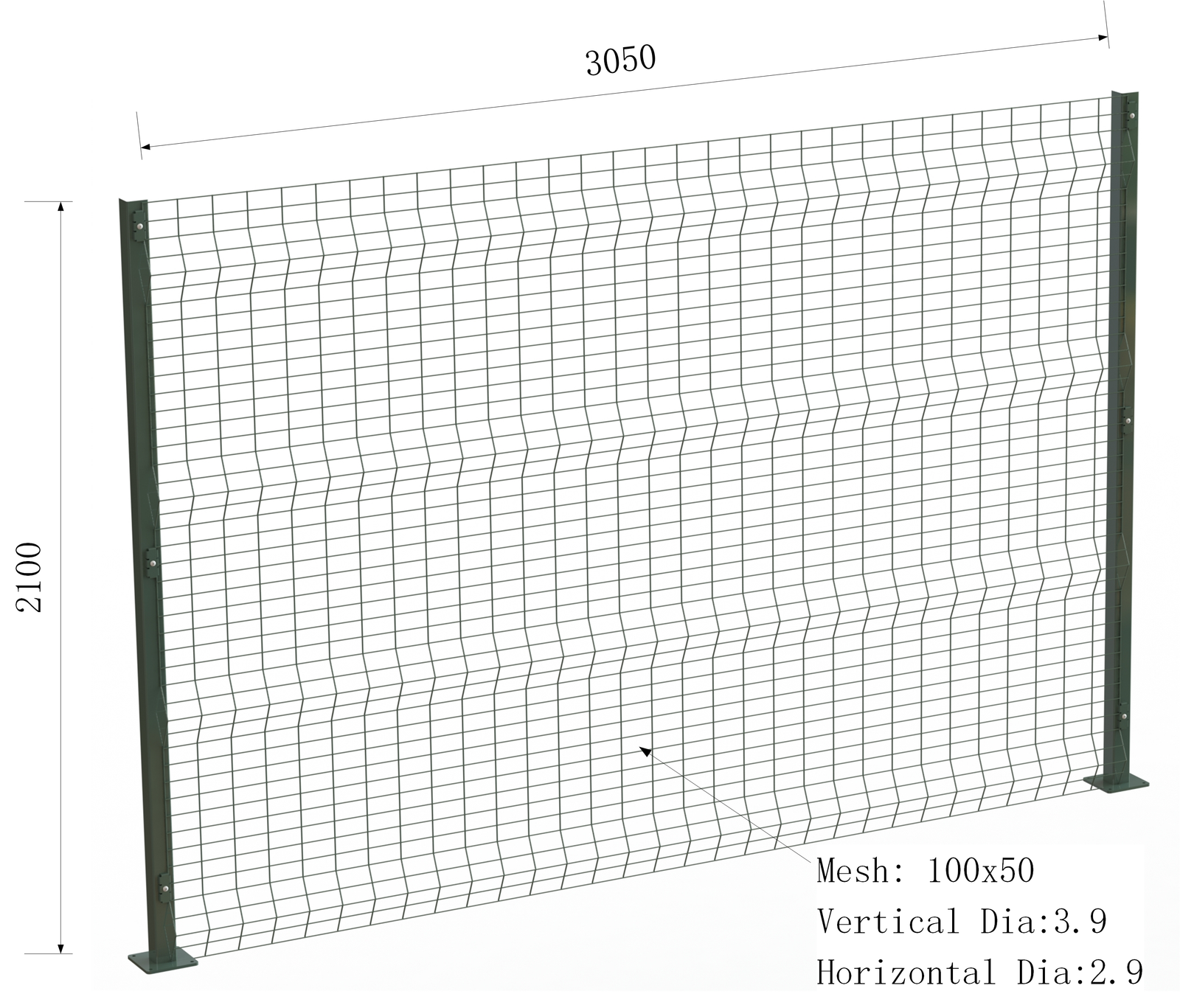
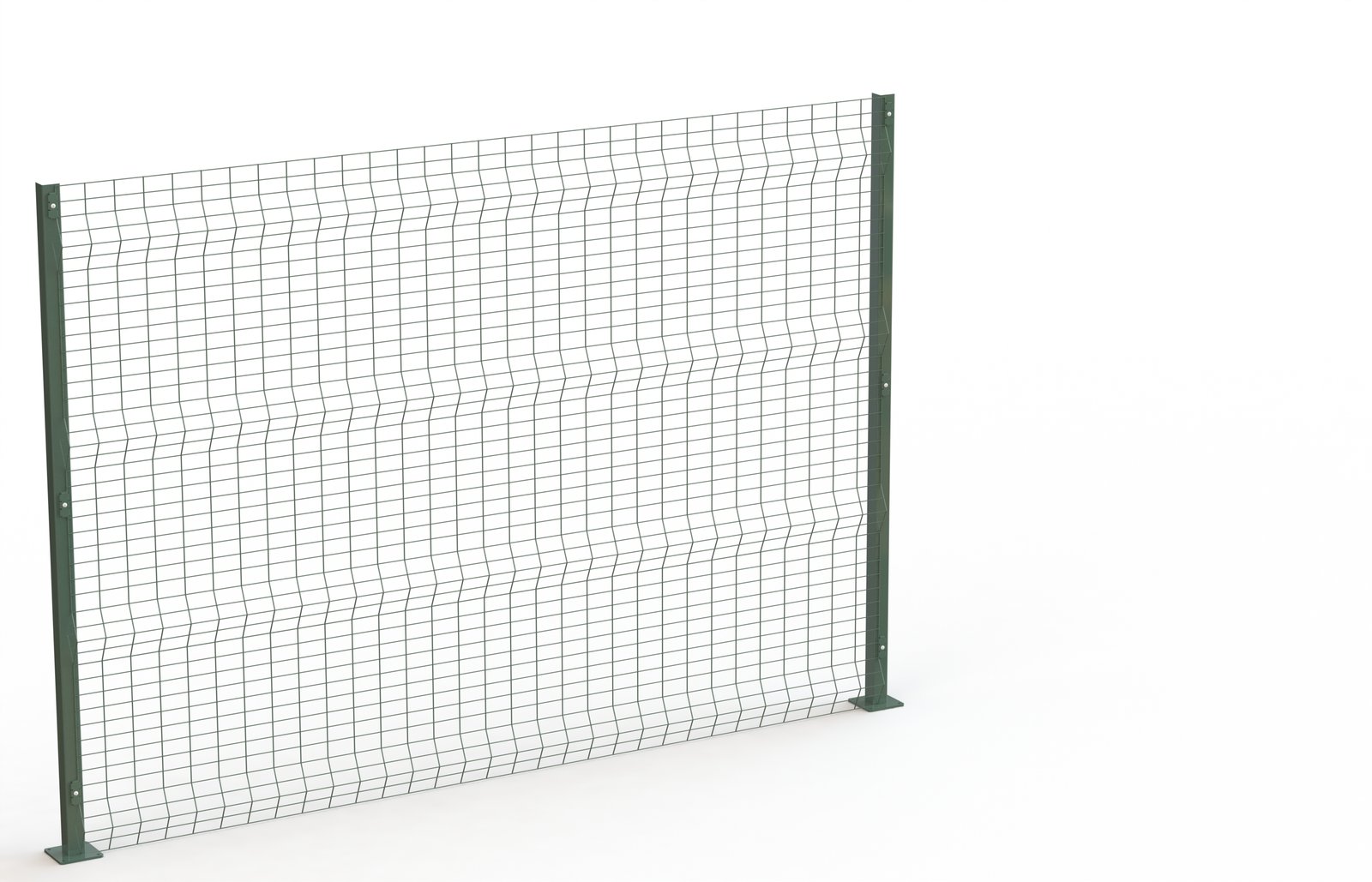
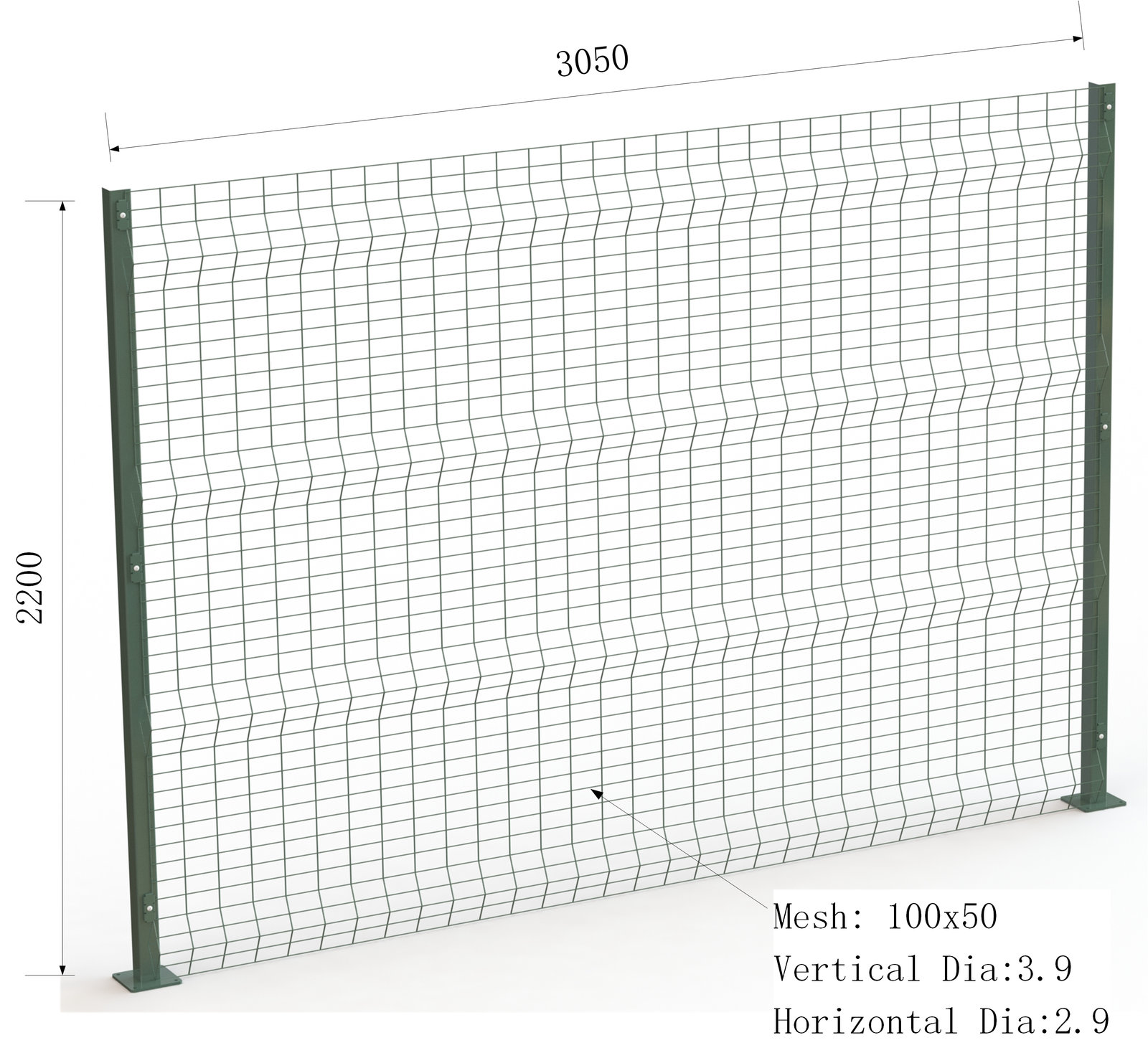
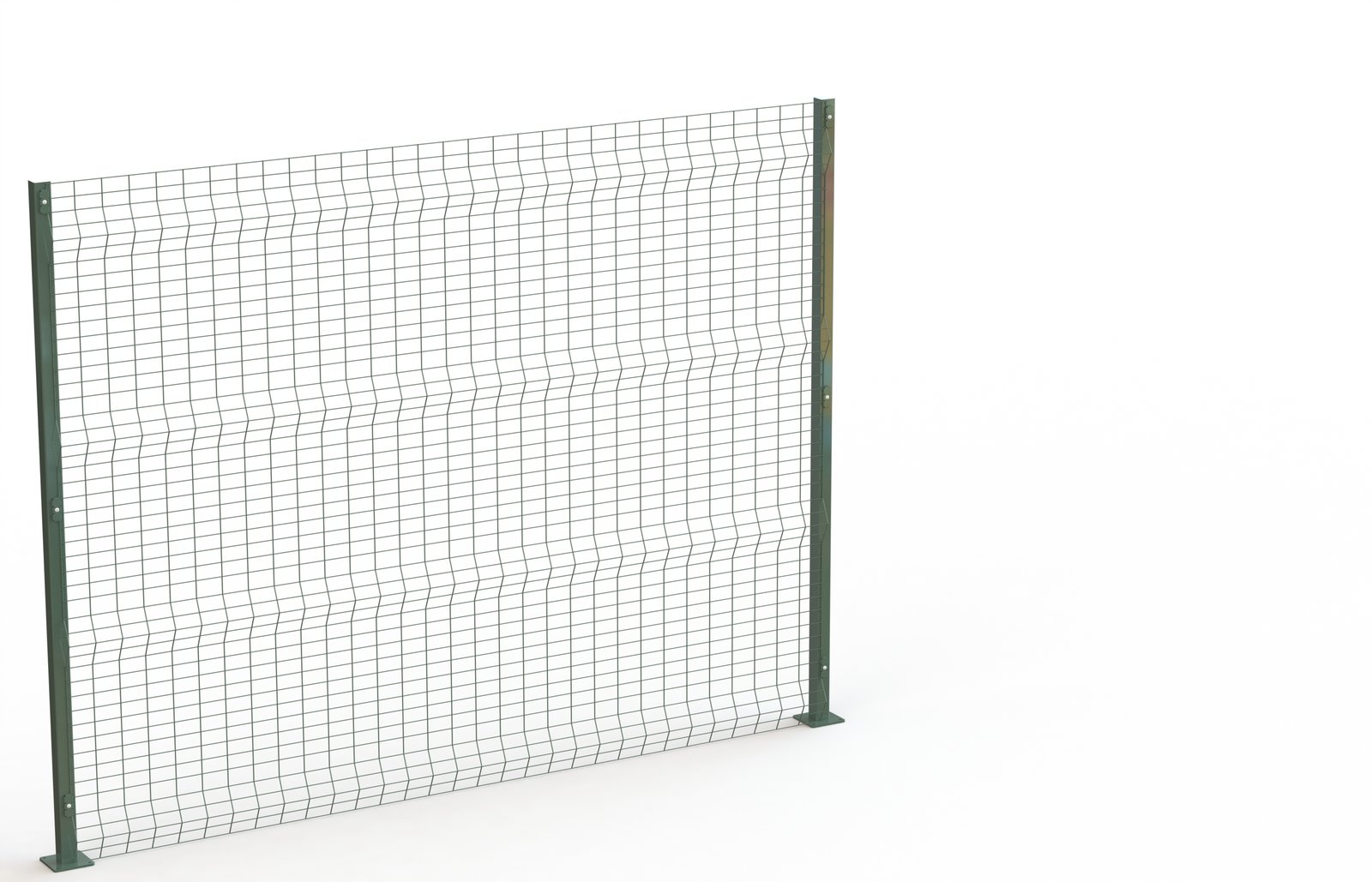
Low security clear view fencing technical specifications
Low security clear view fencing needs a clear technical schedule before fabrication begins. BMP can discuss different wire combinations, panel dimensions, bends, and finishes. The reference tables below describe options from the supplied source article. The final order drawing controls the exact dimensions and tolerances.
For broader product comparison, read the ClearVu fencing specifications South Africa guide. Buyers should not mix nominal catalogue sizes with confirmed production dimensions.
| Panel height | Nominal panel length | Reference V-bends |
|---|---|---|
| 1800 mm | 3000 mm | 3 |
| 2000 mm | 3000 mm | 3 |
| 2100 mm | 3000 mm | 3 |
| 2400 mm | 3000 mm | 4 |
| 3000 mm | 3000 mm | 5 |
Typical panel dimensions
The reference range includes five common heights, from 1800 mm to 3000 mm. Each reference panel uses a nominal 3000 mm width. Actual bay spacing depends on posts, clamps, and construction tolerances. Review corners and gate openings before calculating the complete panel schedule.
Alternative sizes may suit specific projects. Compare the 1800mm x 3050mm low security clear view fence when planning other panel widths. Do not assume components from different product ranges fit together automatically.
Low security clear view fencing wire options
Low security clear view fencing commonly uses low-carbon steel wire with welded intersections. The source article lists 3 × 3, 4 × 3, and 4 × 4 mm configurations. Wire thickness changes stiffness, panel weight, and material consumption. Confirm the vertical and horizontal orientation on the shop drawing.
The source lists a tensile range of 500–650 MPa. It also quotes a 60–80% weld-strength reference. These figures need an agreed test method and product-specific evidence before contractual use.
| Parameter | Source reference | Buyer check |
|---|---|---|
| Mesh opening | 75 × 50 mm | Confirm centre-to-centre convention |
| Wire combinations | 3 × 3 / 4 × 3 / 4 × 4 mm | Confirm wire orientation |
| Tensile reference | 500–650 MPa | Request applicable test evidence |
| Weld-strength reference | 60–80% | Confirm calculation and test method |
Comparing mesh security grades
Suppliers generally distinguish low, medium, and high security through aperture size and complete system design. The supplied product description lists three common mesh configurations. Each category needs suitable posts and fixing hardware. Do not assume these labels represent a universal certified security rating.
| Market category | Typical aperture | Principal trade-off |
|---|---|---|
| Low security | 75 × 50 mm | Wider opening and economical use |
| Medium security | 75 × 25 mm | Closer mesh for enhanced separation |
| High security | 75 × 12.7 mm | Narrower openings and stronger climbing deterrence |
Low security clear view fencing versus 358 mesh
Low security clear view fencing uses wider openings than many 358 security systems. The narrower 358 layout restricts potential handholds and footholds more effectively. Designers should compare height, wire thickness, clamps, and foundation design as well. See the 358 mesh fence reference for that product category.
A stronger mesh alone cannot guarantee perimeter security. Intruders may target gates, corners, or weak post connections. An integrated plan considers every possible entry point.
Panels, V-bends and rigidity
V-bends help stiffen selected welded mesh panels without using the heaviest possible wire. The supplied range lists three, four, or five bends according to panel height. Some flat-panel systems use alternative reinforcement methods. Confirm the configuration before requesting matching posts or clamps.
Panel stiffness also depends on weld consistency and wire properties. Oversized panel spans can place excessive loads on connections. Suppliers should provide compatible structural components rather than isolated mesh dimensions.
Low security clear view fencing post systems
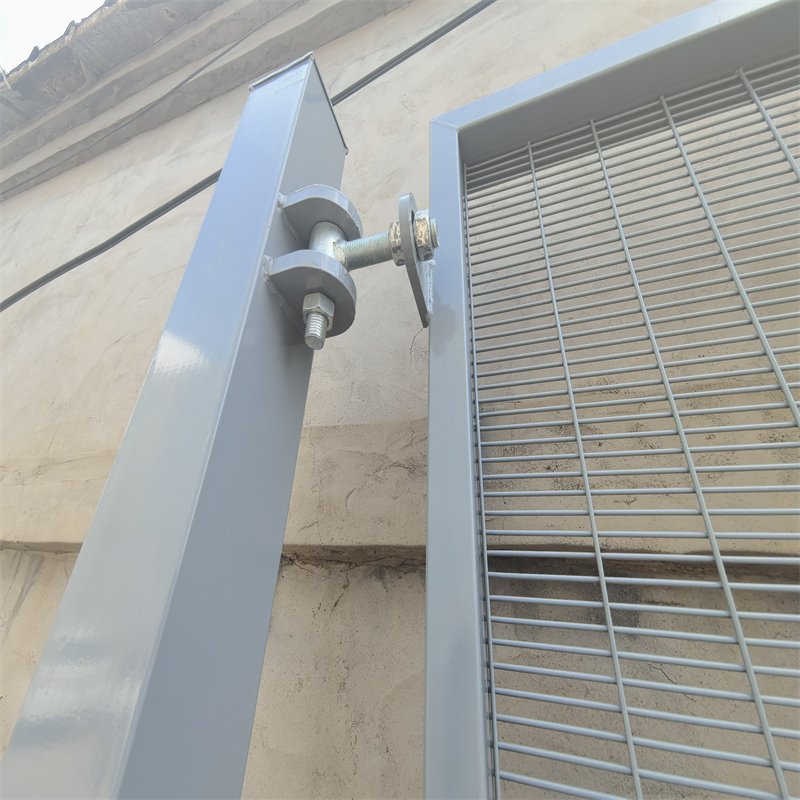
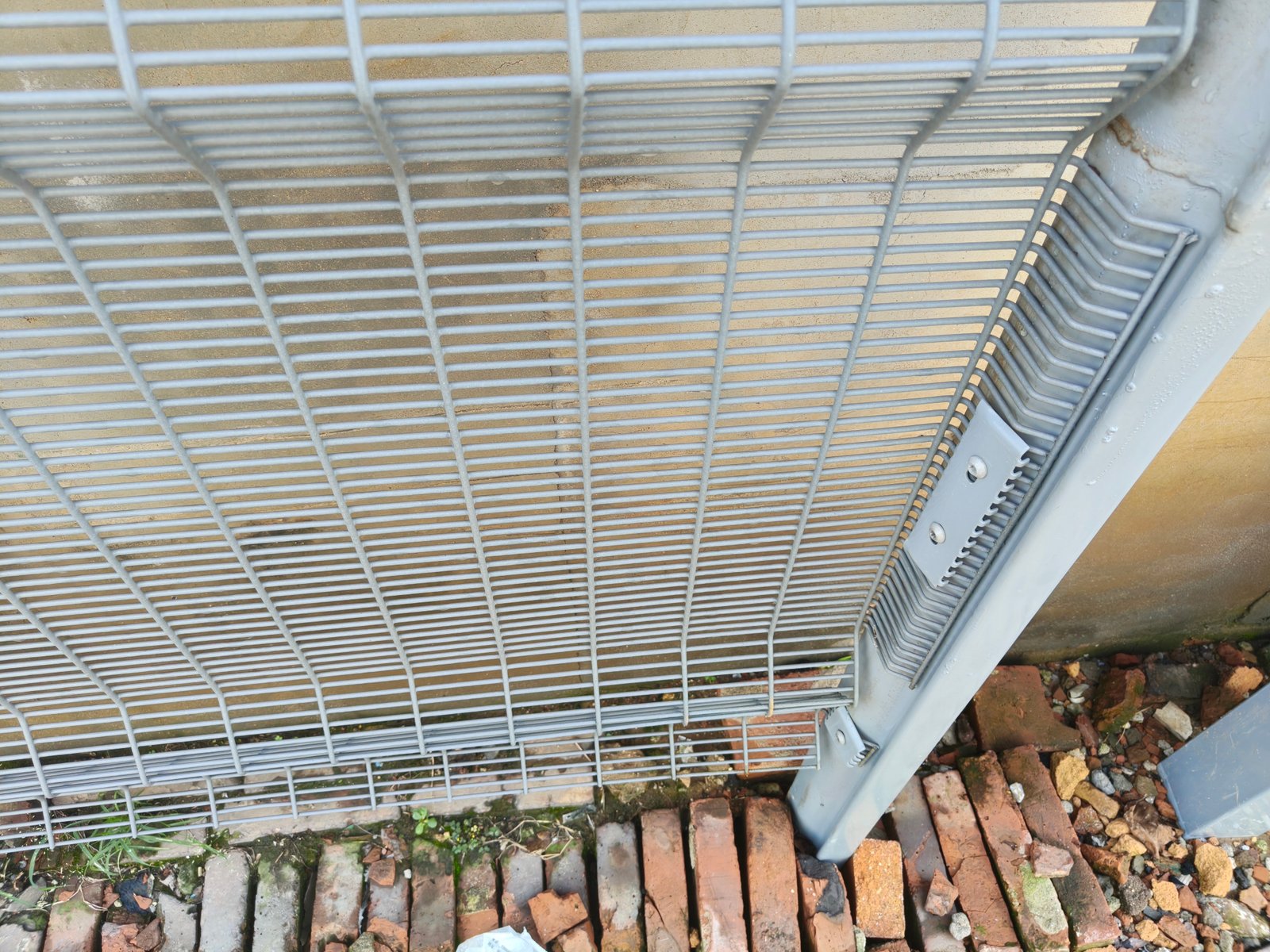
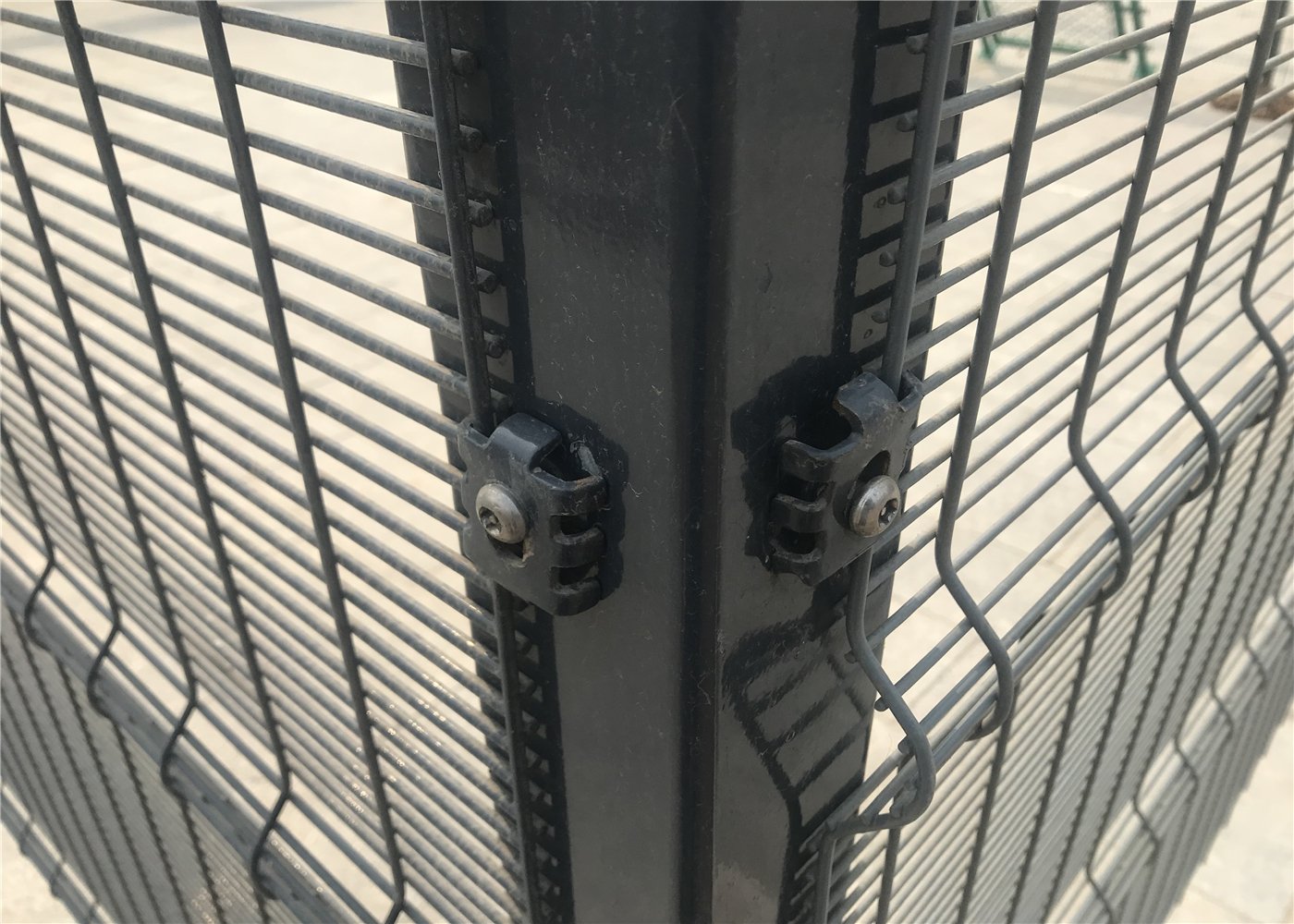
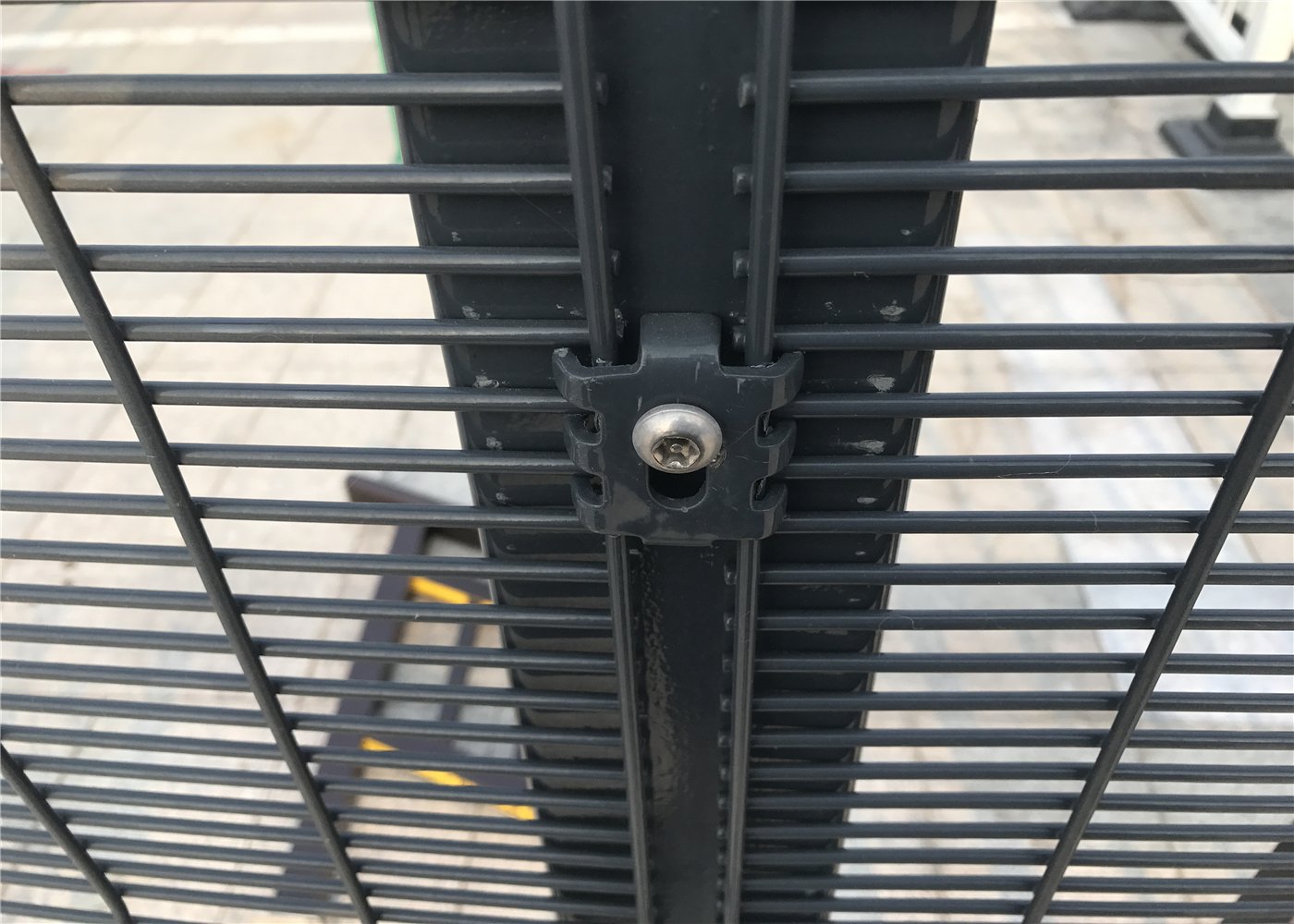
Low security clear view fencing uses steel posts to support panel loads and maintain alignment. Roll-formed profiles can accept concealed cover plates and security fixings. Some projects prefer square posts for straightforward installation. The site engineer should determine post sections and foundations.
Posts must accommodate mesh height, local wind exposure, and boundary geometry. The manufacturer should confirm holes or slots before coating. Late drilling can damage protective finishes and create corrosion points.
Posts on uneven ground
Slopes require a deliberate panel and post layout. Installers may step the panels or follow the contour, depending on project drawings. Ground clearance changes along each arrangement. Survey the boundary carefully to avoid unexpected openings near the soil.
Long slopes can also change the quantity of end posts. Mark retaining walls and drainage channels before finalising the bill of materials. Local engineers should review unusual foundations.
Low security clear view fencing fixings
Low security clear view fencing can use tie rods, stainless steel cleats, security nuts, and washers. A cover plate can conceal connections and create an orderly appearance. The supplied description also mentions shear nuts and tamper-resistant components. Select the actual fixing system before production.
Correct torque and compatible materials matter during installation. Poor connections may loosen under repeated vibration or handling. Ask for replacement hardware and fitting instructions with the order.
Caps, edge details and protection
Post caps protect exposed openings and improve the finished appearance. The source describes UV-stable polypropylene caps with an optional removable section. Such designs may accommodate future security extensions. Confirm the cap type and accessory compatibility before placing the order.
Every exposed metal edge also deserves inspection. Damaged coatings can encourage corrosion around joints and drilled holes. Check the final assembly for sharp projections near public walkways.
Low security clear view fencing manufacturing
Low security clear view fencing begins with wire preparation and accurate welding. BMP can produce project-specific meshes and coordinate compatible posts and fittings. The manufacturer then forms the panel profile according to the drawing. Finally, workers apply the agreed corrosion-protection system.
The workflow may change with wire pretreatment and coating selection. Buyers should confirm whether galvanising occurs before or after welding. Different manufacturing routes need different inspection criteria. The clear view fencing factory page provides broader manufacturing context.
Wire preparation and welding
Production teams straighten and cut steel wires to their specified dimensions. Welding equipment joins the wires at consistent intersections. Operators inspect the aperture pattern, panel dimensions, and visible weld condition. The final drawing should state the acceptable tolerances.
Welding may affect previously applied metallic coatings near intersections. Manufacturers must use a compatible process and inspection plan. Project-specific testing may address weld strength, coating condition, and dimensional accuracy.
Low security clear view fencing surface treatment
Low security clear view fencing can combine metallic protection with a compatible coloured topcoat. Buyers may request pre-galvanised wire, post-fabrication galvanising, powder coating, or selected polymer finishes. Surface preparation and curing influence the finished coating quality. Choose the process for the actual environment.
The powder coated clear view fence article discusses powder-coated systems in more detail. Do not judge coating quality from colour alone. Written specifications should identify the substrate, process, and inspection requirements.
Choosing corrosion protection
Corrosion exposure varies across inland, coastal, and industrial locations. Salt, persistent moisture, and pollutants increase protection requirements. Zinc coatings protect steel differently from polymer topcoats. A compatible duplex approach may combine these functions.
Buyers should specify the coating mass or film thickness for each process. One nominal value cannot describe every finish. Repair instructions should also address scratches, cut edges, and damaged weld areas.
Low security clear view fencing coating specifications
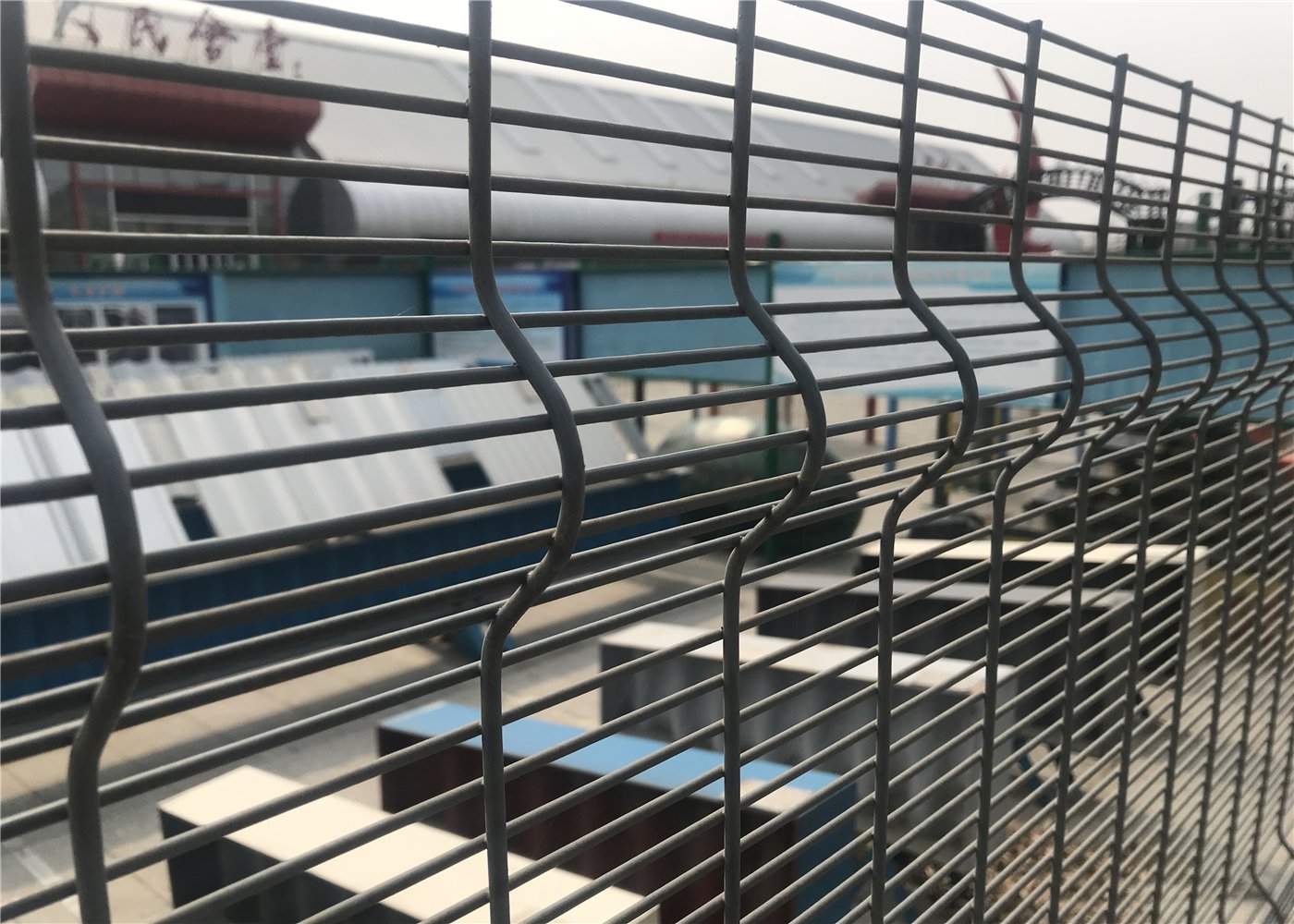
Low security clear view fencing offers several historical coating options in the supplied technical text. The zinc figures below represent reference options, not verified batch results. The final quotation should state the correct process and target value. Ask for inspection evidence whenever coating performance matters.
| Metallic protection reference | Option A | Option B |
|---|---|---|
| Light zinc coating | 60 g/m² | 50 g/m² |
| Higher zinc coating | 275 g/m² | 255 g/m² |
| Zinc-aluminium alloy coating | 220 g/m² | 195 g/m² |
The source also mentions a 95% zinc and 5% aluminium alloy composition. A coating composition does not establish its coating mass. Treat these as separate technical requirements.
Zinc, Galfan and polymer finishes
Galvanised coatings supply sacrificial metallic protection for steel. Zinc-aluminium alloy coatings offer another metallic finish with different material characteristics. Polyester powder creates a coloured external barrier when applicators follow suitable procedures. Thermoplastic finishes use their own material and application systems.
The reference article lists 60–80 microns for powder coating. It also gives 250 microns minimum for a thermoplastic option. These values remain subject to the approved system and supporting tests.
| Finish option | Source reference | Confirmation needed |
|---|---|---|
| Polyester powder coating | 60–80 µm | Surface preparation and cure |
| Thermoplastic coating | 250 µm minimum | Polymer grade and UV suitability |
| Zinc-aluminium option | 95% zinc / 5% aluminium | Alloy designation and coating mass |
| Hot-dip galvanising after welding | Process-dependent zinc coating | Applicable fabrication standard |
Low security clear view fencing for coastal sites
Low security clear view fencing near the coast needs special corrosion planning. Sea salt reaches fasteners, welded intersections, cut edges, and exposed posts. A coating system must match the local exposure. The installer should also avoid details that trap water.
Consider coastal maintenance access during project design. Stainless hardware may need careful compatibility assessment with neighbouring metals. Inspect joints after installation and repair surface damage promptly.
Colour and maintenance expectations
Buyers often choose green, black, grey, or other RAL colours. A colour name alone cannot guarantee outdoor durability. Specify gloss, film thickness, and surface preparation where appearance matters. The buyer should approve samples or documented colour references before production.
Maintenance teams should clean deposits and check coated edges regularly. Exposure and workmanship influence service life more than simple marketing promises. State any warranty conditions in the contract.
Low security clear view fencing installation
Low security clear view fencing requires accurate setting-out and properly designed post connections. Installers should survey the ground before ordering final quantities. They should identify slopes, corners, gates, and underground utilities. A qualified engineer must confirm foundations and local loading requirements.
The ClearVu fence installation guide step by step tutorial covers a typical installation sequence. Local project requirements take priority over general advice. Workers must protect finished coatings throughout handling and installation.
Site survey and post centres
Panel width does not always equal the distance between post centres. Clamps, post profiles, and installation tolerances affect bay spacing. Measure the complete site before determining quantities. Include allowances for entrances, turns, and level changes.
Check whether the fence needs buried posts or base plates. The final choice depends on soil, concrete strength, and site design. Confirm all anchors with the engineer.
Low security clear view fencing installation checklist
Low security clear view fencing projects benefit from a simple inspection routine. Crews should confirm boundaries, align posts, and inspect panel connections. They should also record any coating repairs before handover. Retain the approved drawings for future maintenance.
- Survey the boundary and locate underground services.
- Confirm panel sizes, post centres, and gate openings.
- Install approved foundations and align steel posts.
- Fix panels using compatible security hardware.
- Inspect slope clearances, sharp edges, and finishes.
- Document final quantities and site corrections.
Gates and access planning
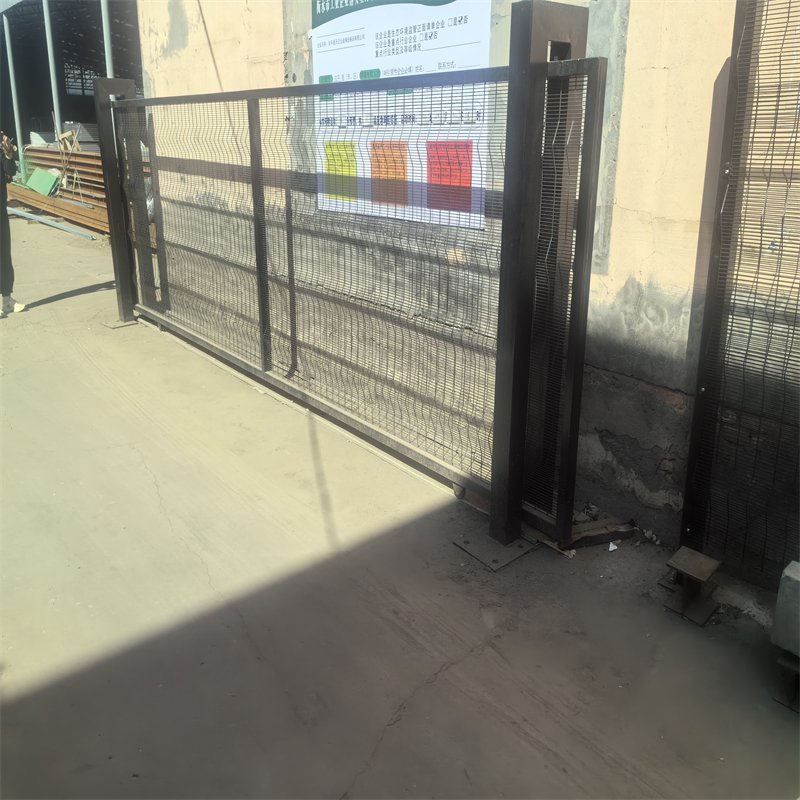
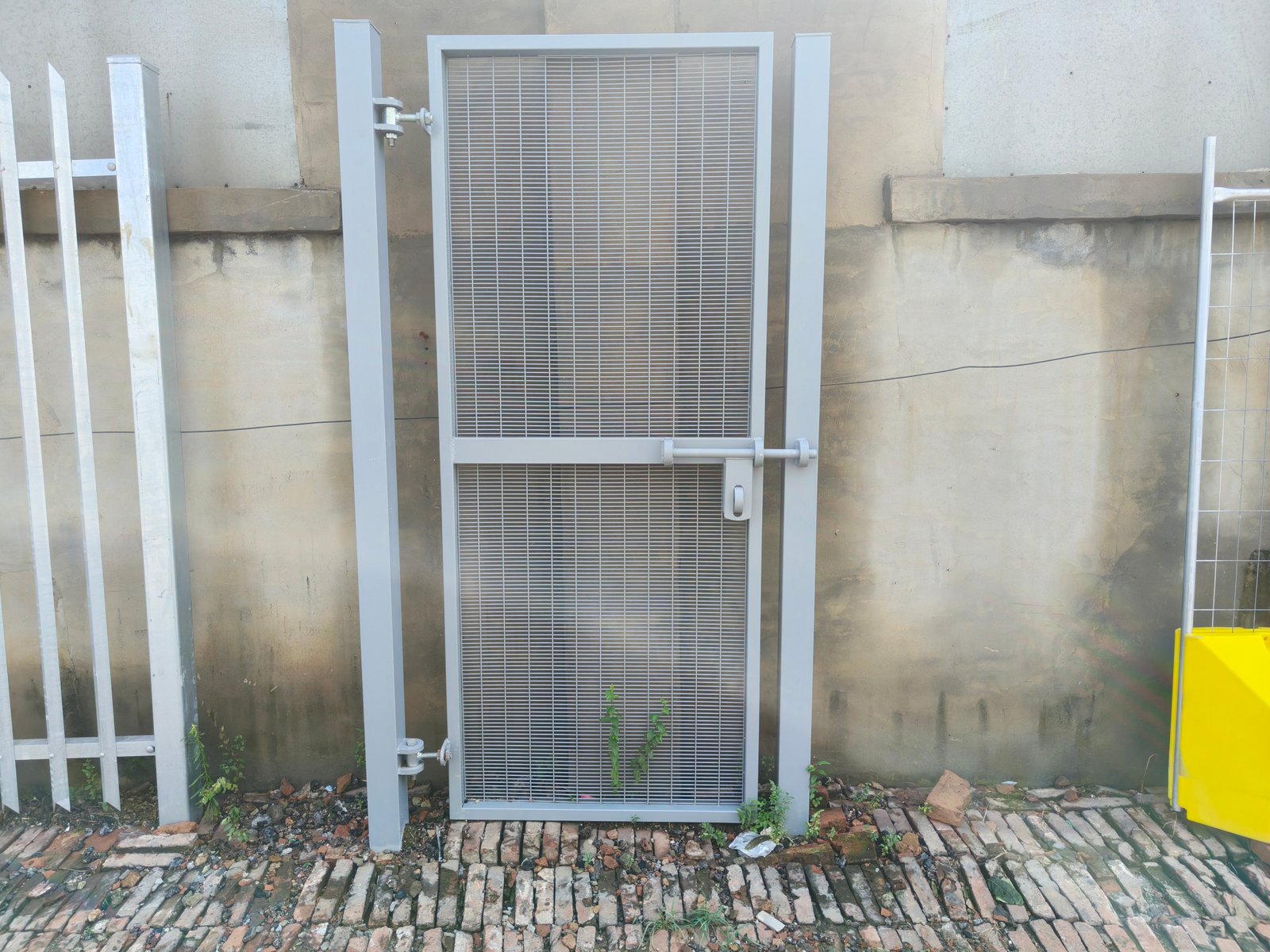
Every perimeter needs practical access for people and equipment. A matching gate can preserve the open appearance of the fence. Gate posts may need additional reinforcement and different foundations. Plan opening direction, ground clearance, and locking requirements early.
The clear view fence gates a detailed overview page explains common gate configurations. Avoid treating a gate as a standard panel with hinges. Each opening needs its own hardware schedule and safety review.
Low security clear view fencing project costing
Low security clear view fencing costs depend on more than welded mesh dimensions. Wire diameter, panel height, coatings, posts, and accessories all affect manufacturing. Freight and delivery responsibilities also change commercial comparisons. Buyers should request complete itemised offers.
The clear view fence price per meter guide outlines further comparison factors. Quotes should clearly separate panels, posts, fittings, and gates. Never compare incomplete material lists as equivalent fence systems.
Comparing complete-system quotations
First, align mesh size, wire thickness, and panel dimensions across supplier offers. Next, confirm the post section, finish, and fastener quantities. Finally, compare packaging, freight scope, and inspection requirements. A cheaper panel can still produce a more expensive project.
Ask whether gates, spare clamps, and protective caps form part of the offer. Check the Incoterm and named destination before accepting freight estimates. Exclude installation assumptions unless the contract includes those services.
Low security clear view fencing packaging
Low security clear view fencing requires protective packaging during export and site handling. Steel pallets can support organised loading and reduce uncontrolled movement. Protective sheets and corner guards may help limit coating damage. Package dimensions must suit the selected panel sizes.
Posts need separate protection around finished edges and caps. Small clamps and bolts should travel in labelled packages. Clear labels help the buyer reconcile the packing list during unloading.
Factory quality checks
Inspectors should verify panel height, width, wire diameter, and aperture consistency. They should review visible welds, bends, posts, and clamp fit. Coating inspection should follow the agreed specification and test plan. Packing checks help identify missing hardware before shipping.
Buyers may request dated inspection photos or third-party inspection terms. Certificates should identify the actual goods and applicable test methods. Do not treat generic standards references as evidence of consignment compliance.
Low security clear view fencing delivery to Africa
Low security clear view fencing buyers can source export-ready panels and components from BMP in China. Importers should confirm their destination port and onward transport requirements. Container loading depends on the actual packing dimensions and weights. Freight arrangements must match the agreed sales contract.
Projects in South Africa, Botswana, Zimbabwe, Zambia, and nearby markets often involve different inland delivery needs. Customs duties, taxes, unloading, and installation require clear responsibility assignments. Confirm all commercial documents before shipment.
Common mistakes and practical solutions
Buyers sometimes select a fence using mesh aperture alone. This approach overlooks foundation design, post strength, and access points. Another common mistake involves choosing coatings without considering local corrosion exposure. A written specification helps the team avoid both problems.
Incomplete drawings can also cause accessory shortages and incorrect panel quantities. Share the full boundary layout before finalising production. Ask the supplier to list any exclusions explicitly.
Low security clear view fencing FAQ
Low security clear view fencing attracts questions about security grades, coatings, maintenance, and installation. The following answers address common purchasing decisions. Project drawings and local engineering requirements still govern the final solution.
Can this fence stop determined intruders?
No low-security mesh can guarantee resistance to a determined attack. The wider openings provide less climbing deterrence than narrow security meshes. Projects with serious intrusion risks should consider a high security clear view fence instead. Supporting measures may include lighting, surveillance, and controlled entrances.
Does low security clear view fencing need maintenance?
Yes, low security clear view fencing needs periodic inspections and cleaning. Inspect clamps, coatings, welds, and post foundations. Repair scratches before corrosion spreads beneath the finish. Coastal locations may require more frequent care.
Which wire diameter should buyers choose?
The appropriate diameter depends on security needs, panel height, and expected loading. A thicker wire generally increases material use and stiffness. Buyers should evaluate complete system performance rather than wire thickness alone. Confirm final sizes and tolerances through approved drawings.
Can low security clear view fencing follow sloping ground?
Yes, low security clear view fencing can accommodate some sloping boundaries through planned panel arrangements. Installers may step panels or use compatible alternative profiles. Ground clearance needs special attention around slopes and drainage channels. The site engineer should approve the layout.
How do I request suitable drawings?
Provide the total boundary layout, expected height, security needs, and ground conditions. Include gates, corners, slope changes, and the preferred coating. State the destination and any local project standards. BMP can discuss product drawings based on these requirements.
Low security clear view fencing quotation process
Low security clear view fencing procurement works best with a complete project schedule. Send panel dimensions, mesh aperture, wire thickness, post details, and coating requirements. Add gate openings and a delivery destination. BMP can then prepare a relevant product proposal.
Identify whether the order needs panels only or a complete fencing system. Confirm technical drawings before production. Contact BMP at clearvu@construction-fence.com or use the contact form.
Final procurement checklist
Choose the mesh grade that matches the actual security risk. Confirm compatible posts, fittings, gates, and corrosion protection. Review the complete layout, approved drawings, and inspection requirements. A clear specification supports reliable manufacturing and easier installation.
Ask the supplier to confirm every commercial inclusion in writing. This reduces surprises during customs clearance and site assembly. Preserve the documentation for future maintenance and replacement orders.