
Clear view fencing Durban: Wholesale Security Systems
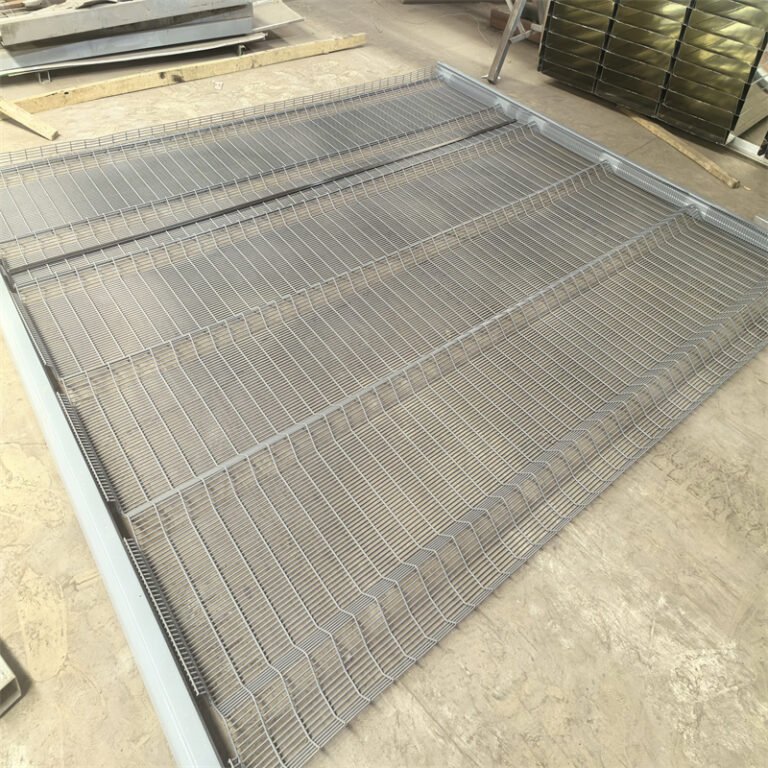
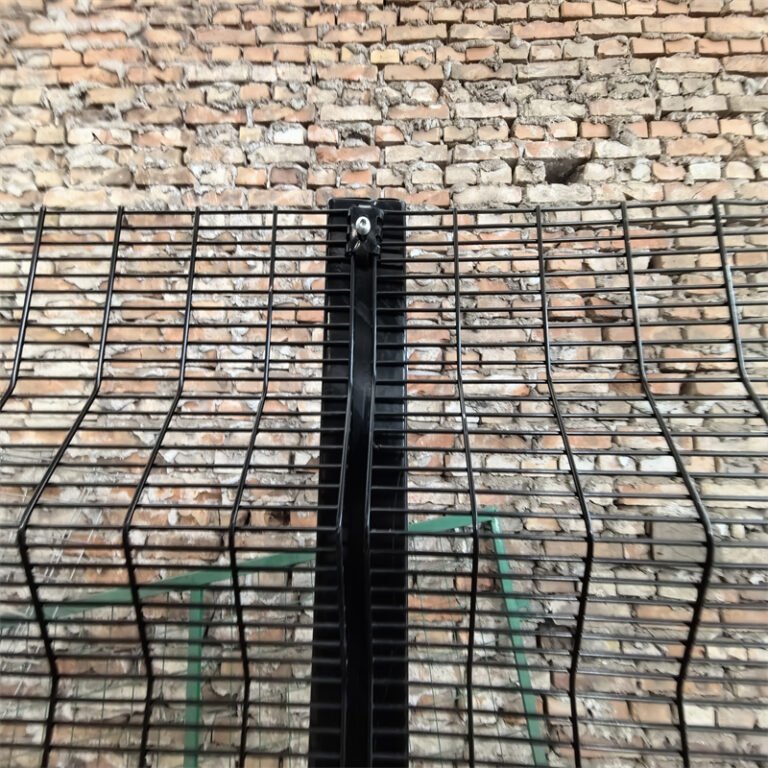
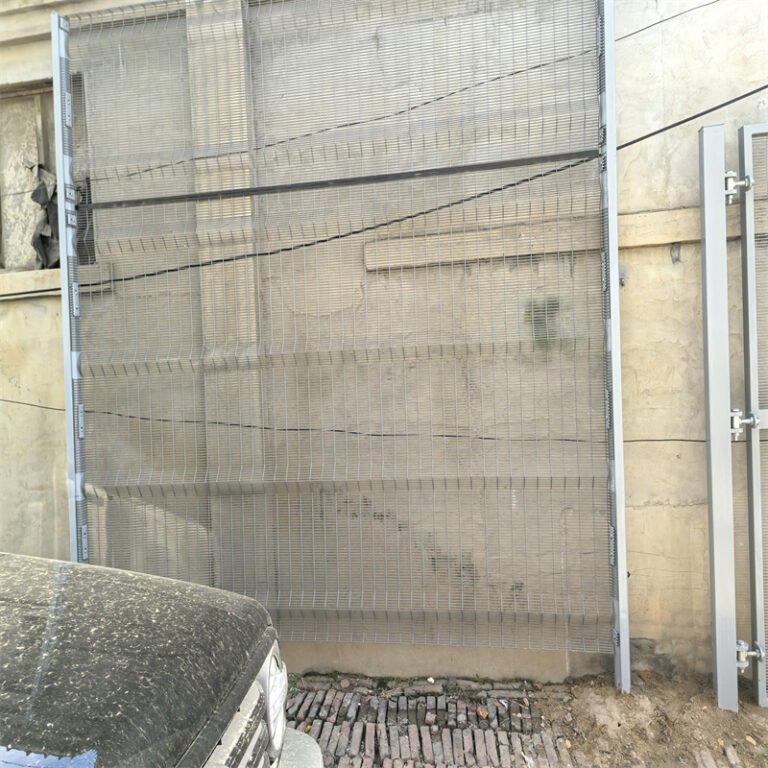
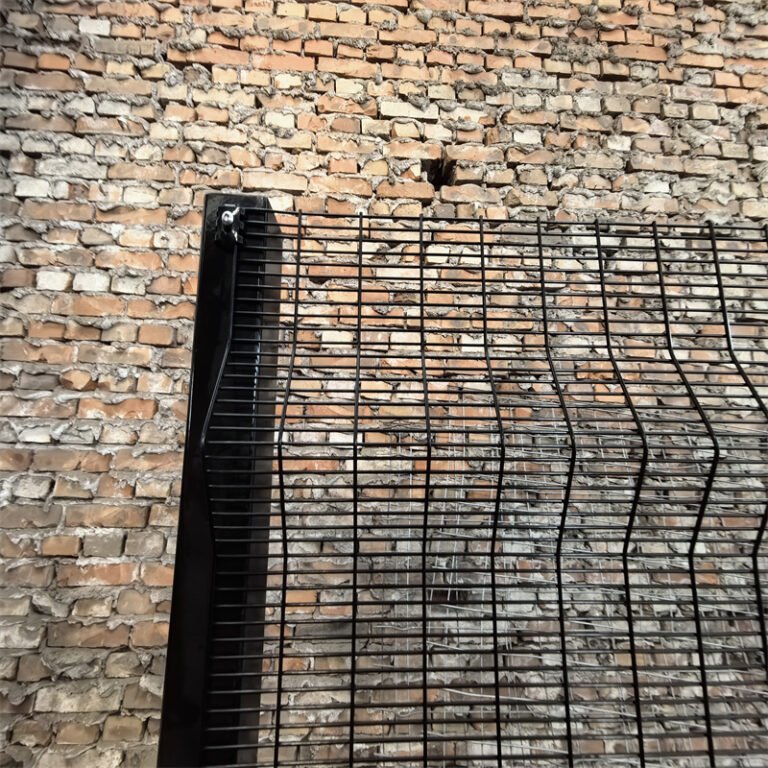
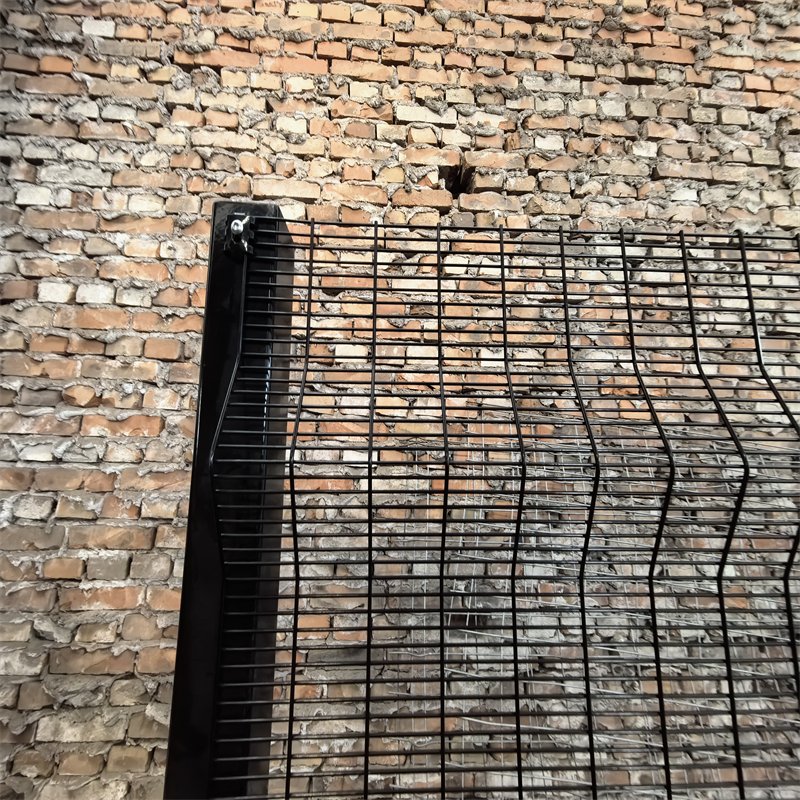
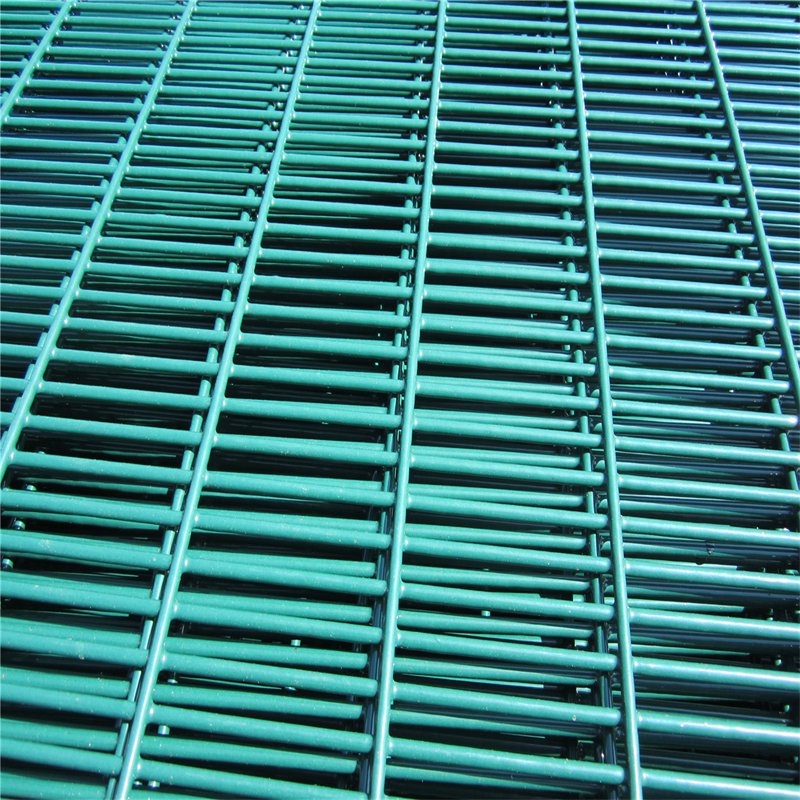
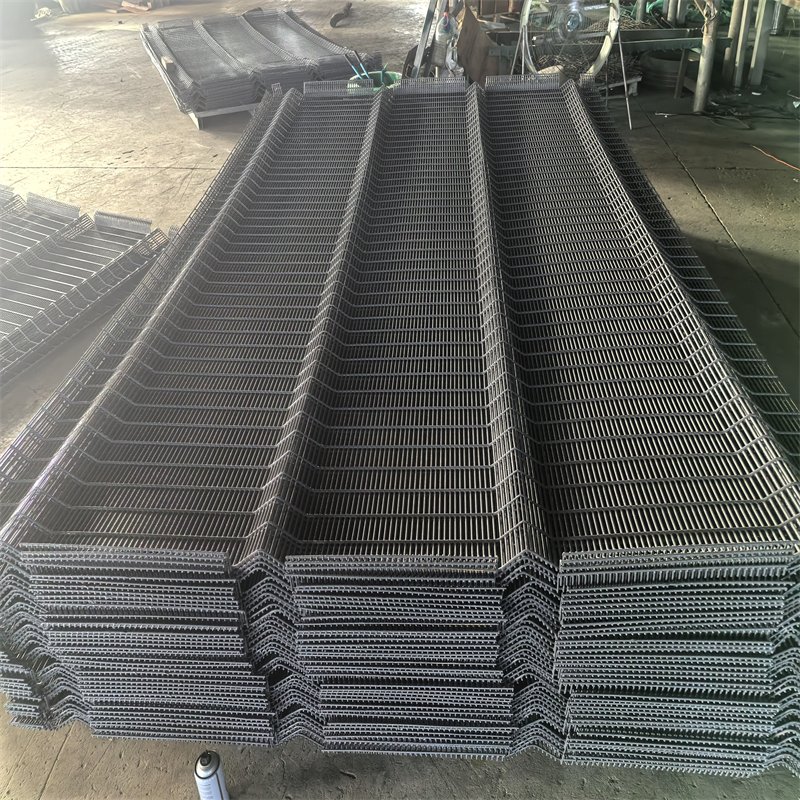
Durban buyers often need visible boundaries for industrial facilities, logistics properties, and residential developments. Clear view panels combine welded steel wires with supporting posts and controlled access points. The open profile helps security teams monitor movement without creating a solid visual barrier. BMP supplies the manufacturing package; local contractors handle site-specific installation when buyers arrange that service. Explore broader market guidance for clear view fencing South Africa .
How See-Through Security Mesh Works
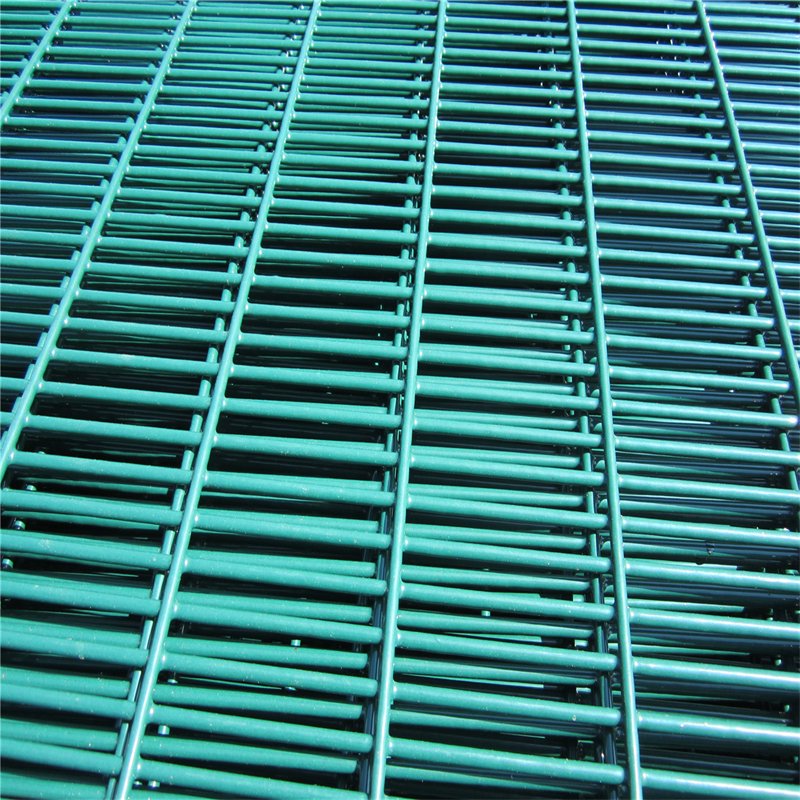
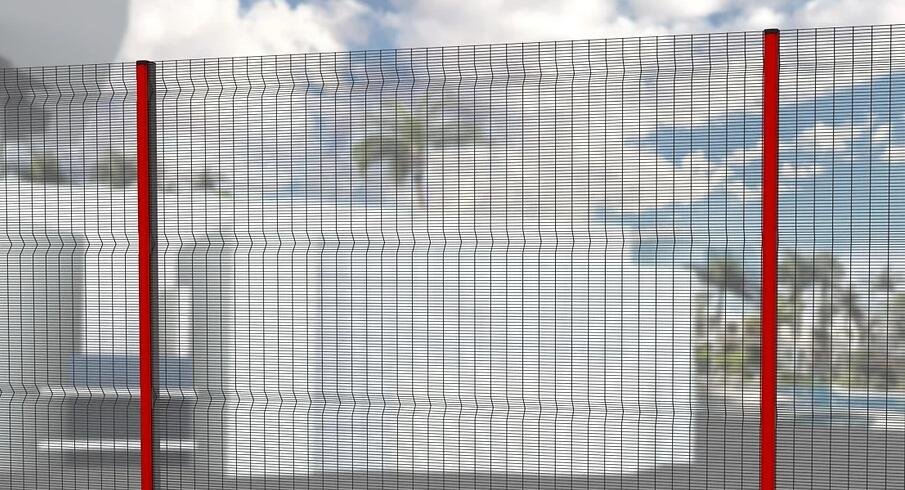
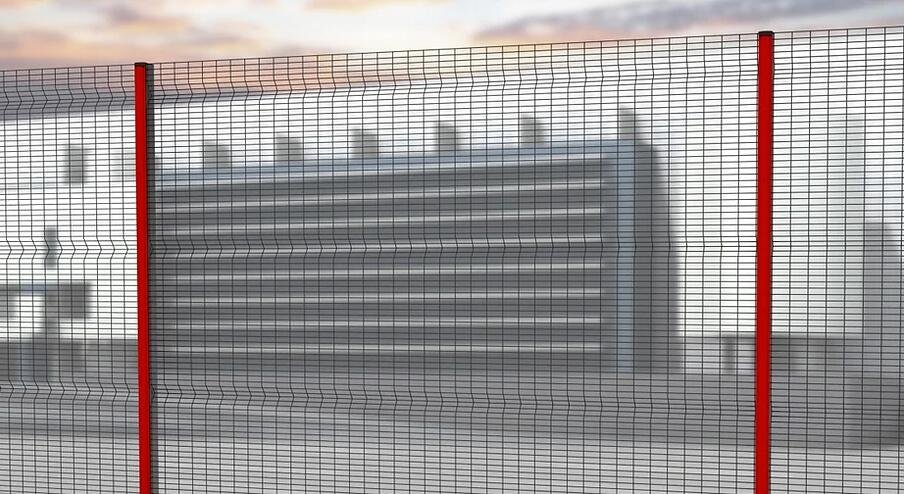
Each wire intersection forms part of a welded mesh grid. Narrow apertures reduce practical fingerholds and footholds, especially on high-security designs. Panel thickness, post strength, secure bolts, and foundation quality also influence overall performance. No mesh barrier guarantees complete protection against cutting or forced entry. Buyers can compare related 358 mesh fence configurations for tighter openings.
Clear view fencing Durban: Security Grades
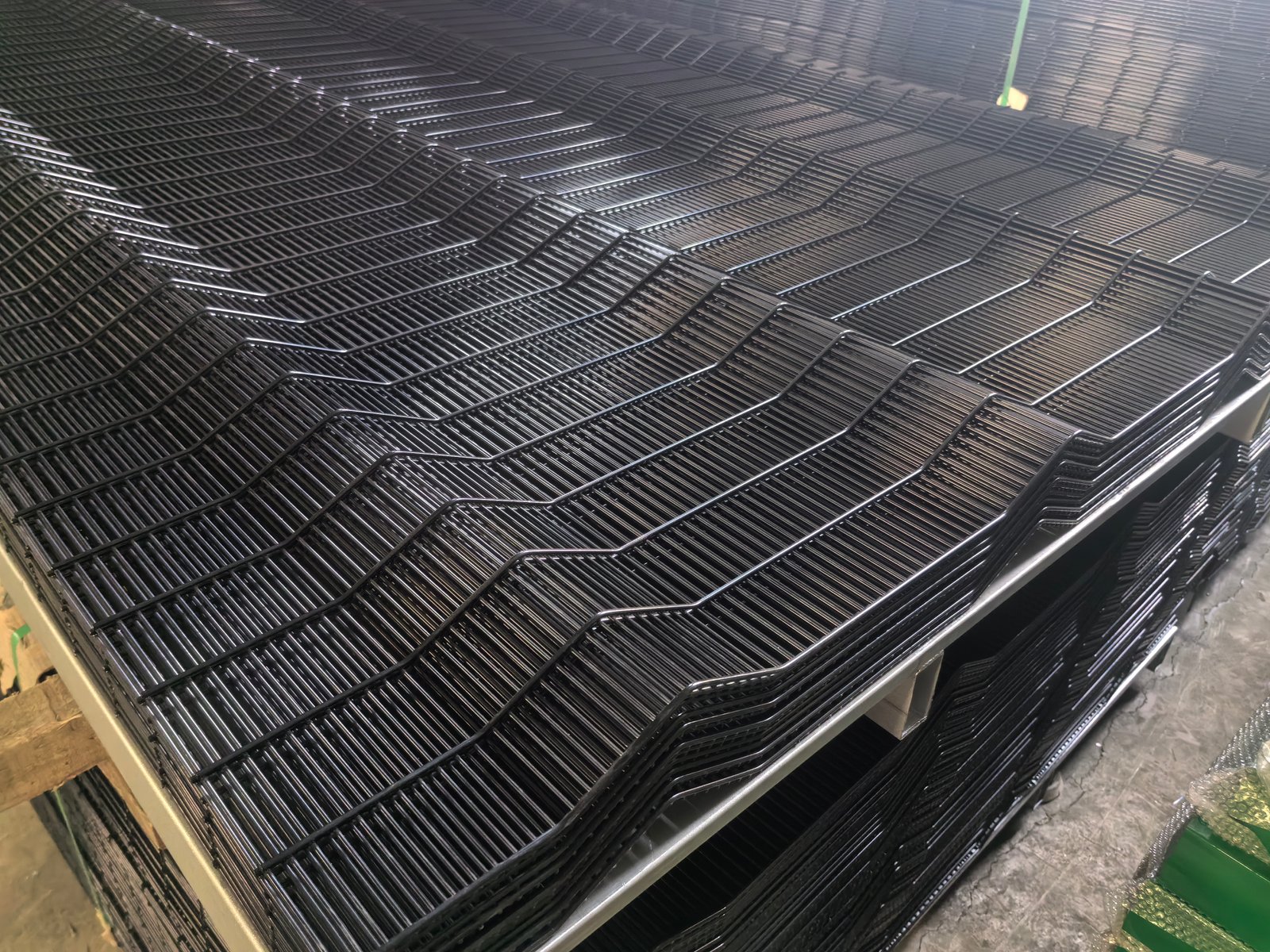
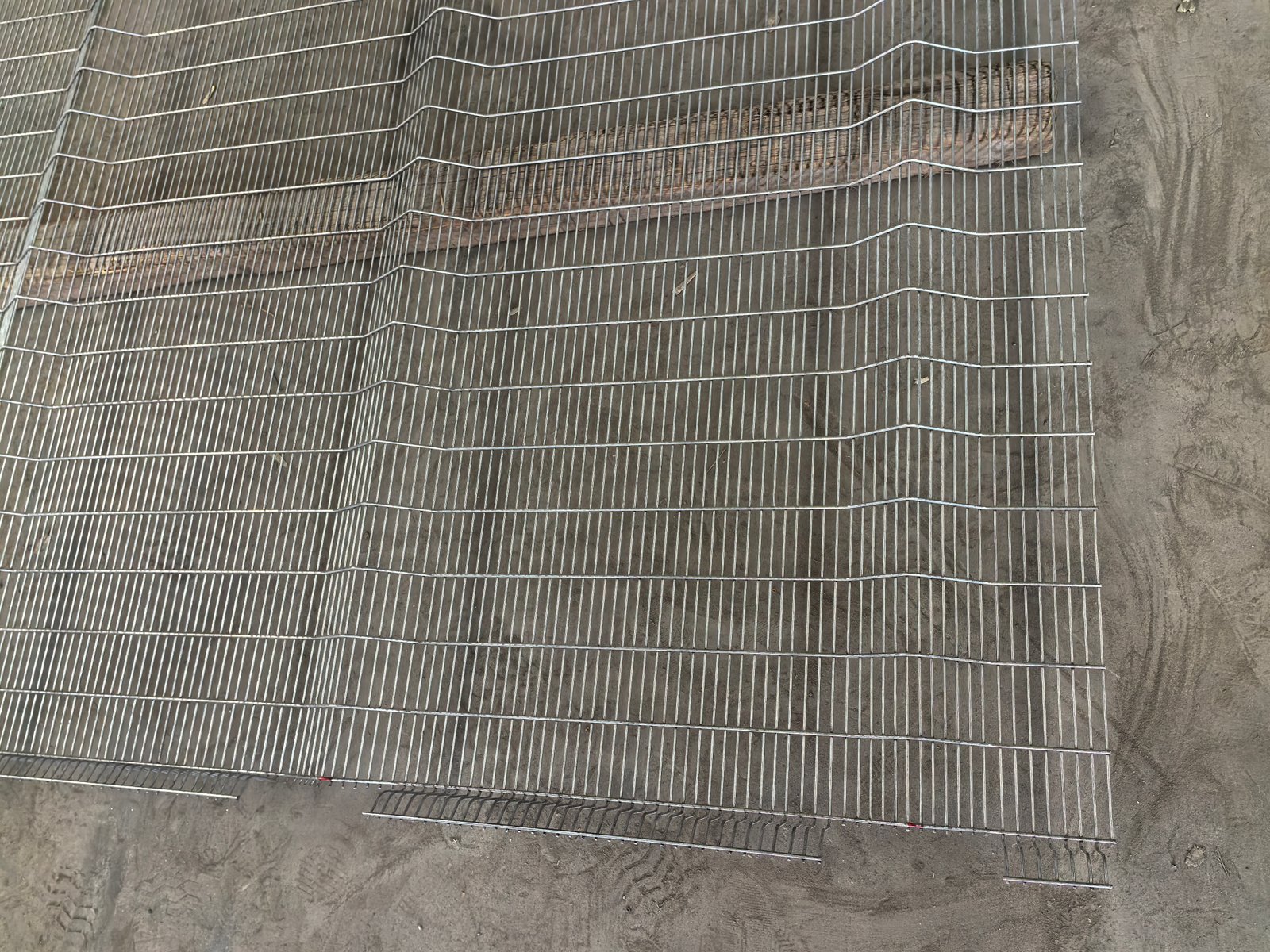
BMP offers several aperture options for different security goals and project budgets. High-security mesh offers the smallest openings in this reference range. Medium-security mesh balances opening size, visibility, and cost. Low-security mesh suits general boundaries where buyers need wider openings.
| Security Grade | Mesh Aperture | Vertical Wire | Horizontal Wire | Typical Selection |
|---|---|---|---|---|
| High | 76 × 12.5 mm | 4.0 mm | 3.5 mm | Dense mesh and climbing deterrence |
| Medium | 76 × 25 mm | 4.0 mm | 4.0 mm | Balanced perimeter protection |
| Low | 76 × 50 mm | 4.0 mm | 4.0 mm | Cost-sensitive general boundaries |
High, Medium and Low Security Comparison
Buyers should compare aperture, wire diameter, coating, and all fixing components together. A narrow mesh may cost more because it contains more steel and weld intersections. A project specification should state the required risk level rather than relying on product labels alone. Consult the clearvu fencing specifications South Africa guide for additional dimensions.
Clear view fencing Durban: Choosing a Security Grade
Start with the purpose of the boundary rather than the lowest panel price. Residential compounds often value visibility, appearance, and controlled pedestrian access. Warehouses may need tighter mesh beside loading yards and valuable equipment. Public recreation spaces need careful consideration of user safety and access.
Buyers should document the threat level, fence height, and site exposure. This information helps BMP propose a suitable mesh design and matching posts. A high-security mesh still needs strong clamps, gates, and correctly engineered foundations.
What Can Narrow Mesh Prevent?
Close spacing makes it harder to insert hands or find secure footholds. A smaller opening can also restrict some common hand tools. However, determined attacks can damage any conventional steel mesh fence. Pair physical barriers with lighting, cameras, alarms, and controlled access when necessary.
Check sightlines from security rooms and public circulation areas. Avoid placing movable equipment near the fence because it may provide climbing assistance. For related design concepts, review anti-climb fencing guidance.
Clear view fencing Durban: Practical Risk Assessment
A fencing decision starts with the property layout and the risks surrounding each boundary. Security teams should identify exposed entrances, hidden corners, and equipment near the perimeter. They can then rank each fence run by access risk and visibility needs. A residential estate may prioritise controlled visitor access and attractive finishes. A distribution centre may need tighter mesh beside delivery lanes and expensive stock. Different areas can require different gates, even when they share one panel design. Plan lighting, cameras, and emergency access alongside the fence layout. Avoid using a mesh rating as the only measure of protection. A complete risk review makes future maintenance and security upgrades easier.
Clear view fencing Durban: Technical Specifications
The source specification lists 2515 mm panel widths and multiple fence heights. Standard projects may use 1800, 2000, 2200, 2400, or 3000 mm heights. The reference panels use 45 mm rigidity bends. Designers can choose additional sizes after reviewing manufacturing and transport constraints. BMP confirms wire orientation, panel measurements, and post centres before production.
Original Panel Heights and Post Dimensions
The following measurements reproduce the source table as reference options. They do not replace site-specific wind calculations or structural drawings.
| Fence Height | Panel Size | Post Section | Post Length | V-Bends | Clamp Reference |
|---|---|---|---|---|---|
| 1800 mm | 1800 × 2515 mm | 60 × 60 × 2 mm | 2400 mm | 4 | 16 |
| 2000 mm | 2000 × 2515 mm | 60 × 60 × 2 mm | 2600 mm | 4 | 16 |
| 2200 mm | 2200 × 2515 mm | 60 × 60 × 2 mm | 2800 mm | 4 | 16 |
| 2400 mm | 2400 × 2515 mm | 80 × 80 × 3 mm | 3000 mm | 4 | 16 |
| 3000 mm | 3000 × 2515 mm | 80 × 80 × 3 mm | 3600 mm | 5 | 20 |
Clear view fencing Durban: Measuring Site Boundaries
A reliable fence quotation begins with the actual boundary length. Separate straight runs, corners, gateways, and changes in direction. Mark significant slopes and changes in ground level on your layout. Note walls, existing structures, drainage paths, and underground services.
The nominal panel width does not equal the installed post spacing. Posts, clamps, expansion gaps, and corner details affect the final layout. Ask the installer to verify the site before final manufacturing approval.
Designing Corners, Slopes, and Steps
Sloping sites may need stepped panels or adjusted post positions. Sharp corners often require additional posts or custom fixing arrangements. Discuss gate thresholds and drainage before approving each fence run. A poorly planned ground gap can weaken perimeter security.
Share a drawing that shows the fence direction and elevation changes. BMP can review panel dimensions against the approved system design. A local engineer should confirm foundations and stability where conditions demand them.
Avoiding Specification Gaps During Procurement
A product name alone cannot describe a complete security fence system. Buyers should record mesh centres, actual wire diameter, panel height, and finished width. They should also specify post sections, protective finishes, and fixing arrangements. Nominal panel dimensions may differ from installed distances between posts. Drawing approval helps both parties avoid mismatched anchors and unnecessary site modifications. Corner details and gate interfaces deserve special attention during this review. Ask BMP to mark any proposed substitutions before production starts. Compare revised drawings against the original tender specification. Keep the approved version with the purchase order and inspection checklist.
Clear view fencing Durban: Wire and Aperture Options
The traditional 358 pattern uses approximately 76.2 × 12.7 mm wire centres. Its common reference wire measures approximately 3.95 mm in diameter. The supplied article also describes 76 × 12.5 mm and other security grades.
Buyers must distinguish centre-to-centre measurements from actual clear openings. A thicker wire decreases the physical gap between adjacent wires. Manufacturing drawings should define orientation, wire thickness, and accepted tolerances.
Reference Panel Weights and Pallet Quantities
These figures come from the supplied reference specification. Actual shipping weights depend on wire tolerance, finishes, and pallet design.
| Panel Size | Mesh Centres | Wire Diameter | Approximate Weight | Reference Pallet Quantity | Galvanised Class D | Galfan Class A |
|---|---|---|---|---|---|---|
| 2515 × 1207 mm | 76.2 × 12.7 mm | 3.95 mm | 27.2 kg | 50 | Y | Y |
| 2515 × 1270 mm | 76.2 × 12.7 mm | 3.95 mm | 28.6 kg | 50 | Y | Y |
| 2515 × 1829 mm | 76.2 × 12.7 mm | 3.95 mm | 41.1 kg | 25 | Y | Y |
| 2515 × 2134 mm | 76.2 × 12.7 mm | 3.95 mm | 47.8 kg | 25 | Y | Y |
| 2515 × 2438 mm | 76.2 × 12.7 mm | 3.95 mm | 54.6 kg | 25 | Y | Y |
| 2515 × 2705 mm | 76.2 × 12.7 mm | 3.95 mm | 60.6 kg | 25 | Y | Y |
| 2515 × 2997 mm | 76.2 × 12.7 mm | 3.95 mm | 67.1 kg | 20 | Y | Y |
| 2515 × 3302 mm | 76.2 × 12.7 mm | 3.95 mm | 73.9 kg | 20 | — | Y |
| 2515 × 4204 mm | 76.2 × 12.7 mm | 3.95 mm | 94.0 kg | 15 | — | Y |
| 2515 × 5207 mm | 76.2 × 12.7 mm | 3.95 mm | 116.4 kg | 10 | — | Y |
Class names above follow the original reference; buyers should request the exact applicable coating specification.
Clear view fencing Durban: Selecting Fence Heights
Higher panels can discourage climbing, but they also create greater structural demands. Height selection should reflect the location, planned use, and applicable approvals. A commercial yard might require stronger perimeter control than a garden boundary. Check whether local rules limit fence height beside roads and public areas.
Allow for extra gate height and appropriate clearance where necessary. Avoid choosing post length from fence height alone. Soil quality, wind exposure, foundations, and the mounting method also matter.
Understanding Welded Panel Rigidity
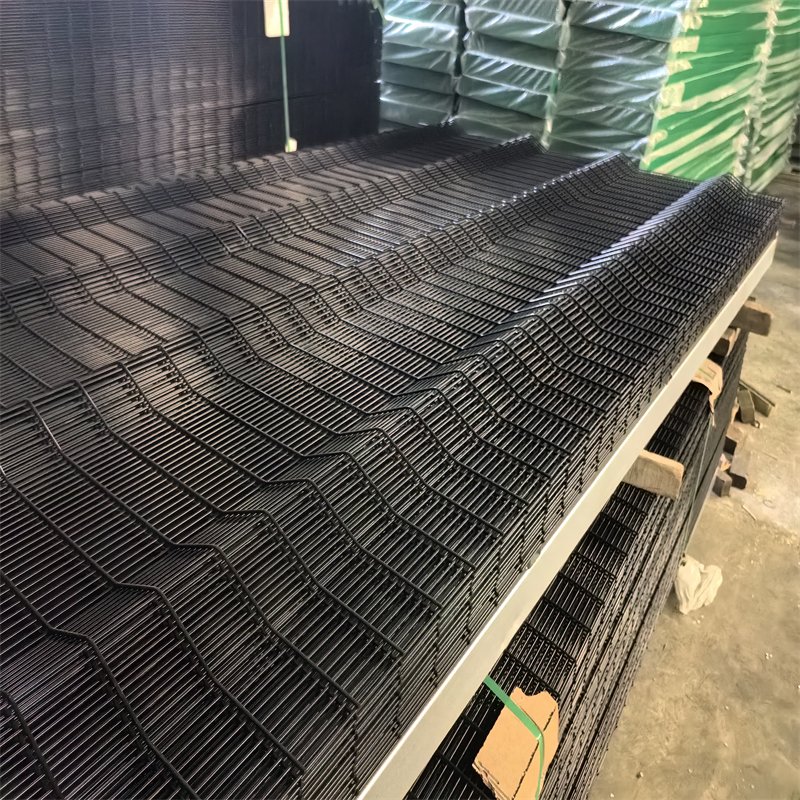
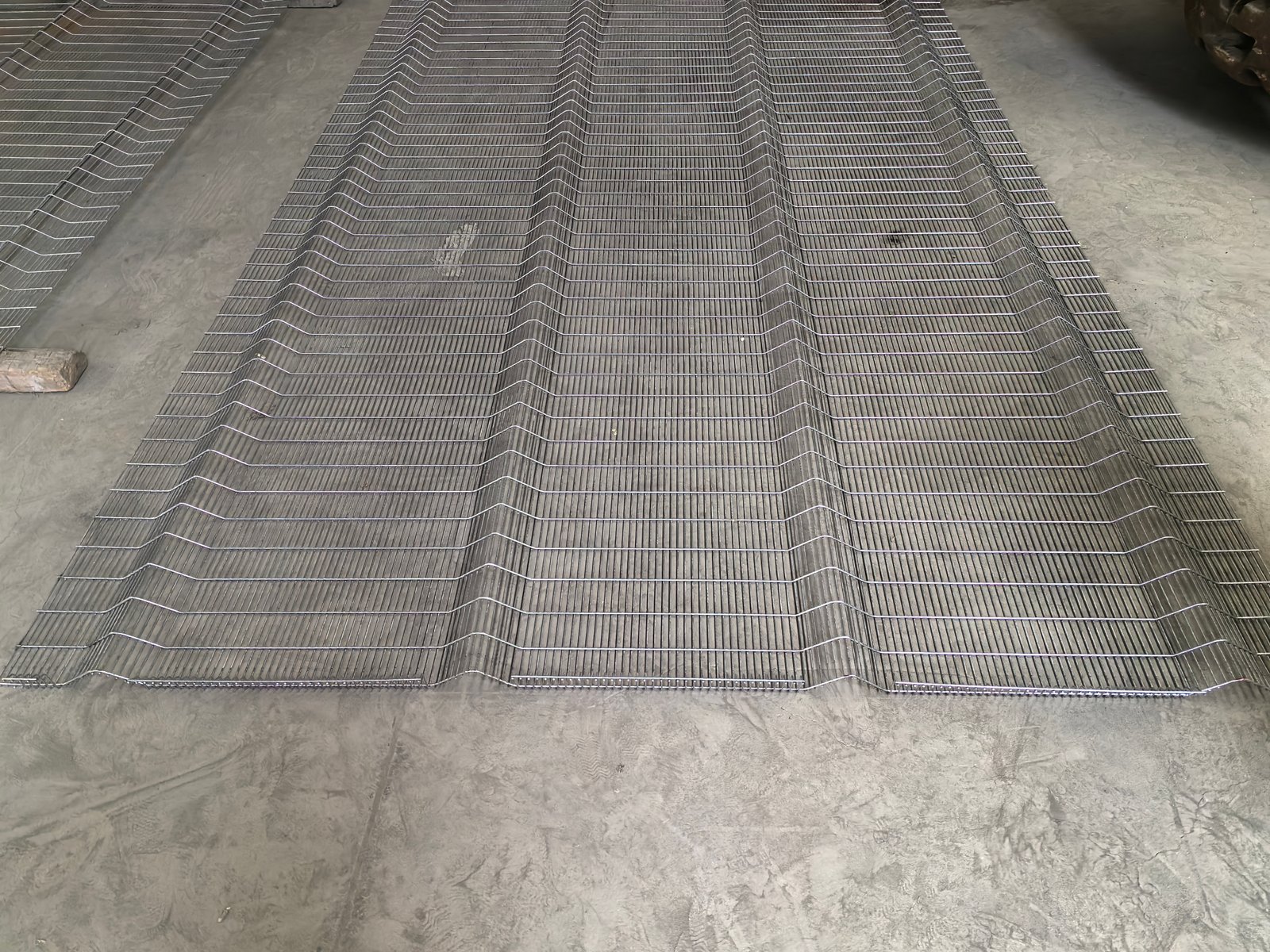
Wire diameter, weld intersections, and panel folds contribute to overall stiffness. V-bends reinforce some panel designs without closing the view through the mesh. Flat high-security mesh panels may use different reinforcement arrangements. Buyers should compare rigidity alongside post sections and support spacing.
Request shop drawings when projects specify unusual widths or heights. A sample panel can help confirm appearance, clamp fit, and fabrication quality. BMP should confirm every approved dimension before production begins.
Clear view fencing Durban: Protective Finishes
Durban coastal projects need careful corrosion planning because salt and moisture affect exposed steel. Buyers can compare pre-galvanised wire, zinc-aluminium coated wire, and compatible polyester powder finishes. Coating durability depends on surface preparation, zinc protection, application quality, and maintenance. BMP can discuss relevant powder coated clear view fence options for industrial and coastal environments.
Galvanising, Galfan and Powder Coating
The source describes standard pre-galvanised wire with approximately 80–100 g/m² zinc before fabrication. It also describes zinc-aluminium wire options near 275–300 g/m² before fabrication. A reference architectural finish combines metallic coating, pretreatment, and approximately 100 microns of polyester. These figures represent design options, not verified measurements for every delivered order. Buyers should request coating certificates and confirm compatibility with the selected wire process.
| Finish | Reference Description | Buyer Verification |
|---|---|---|
| Standard galvanised wire | Around 80–100 g/m² before welding | Coating mass and weld-area protection |
| Zinc-aluminium alloy wire | Around 275–300 g/m² before welding | Alloy composition and documented mass |
| Polyester topcoat | Approximate 100 µm example | Pretreatment, adhesion, curing, and colour |
Clear view fencing Durban: Coastal Coating Selection
Coastal air introduces salt that can accelerate steel corrosion. Durban buyers should describe site exposure before selecting a coating. An inland warehouse and a seafront property may need different specifications. Discuss metallic protection, powder quality, weld treatment, and maintenance access.
Choose fasteners and gate components with compatible corrosion performance. Ask about surface preparation and coating checks for the actual order. Avoid assuming that one colour guarantees coastal durability.
Zinc Coating and Scratch Repair
Galvanising provides sacrificial protection when the zinc layer remains suitable. Polyester powder adds colour and another barrier against moisture. Impacts, field drilling, and installation scratches can expose the underlying steel. Inspect panel edges and damaged corners before contractors finish installation.
Use a repair method that suits the original protective system. Regular cleaning can help remove harmful deposits from coastal fencing. Record coating repairs during handover and routine maintenance.
Clear view fencing Durban: Drainage and Corrosion Detailing
Durban combines coastal conditions with periods of heavy rainfall. Water accumulation can accelerate corrosion around joints, base plates, and damaged coatings. Good fence detailing therefore matters as much as the colour finish. Review drain paths around buried posts and low fence sections. Avoid trapping soil and moisture against exposed steel connections. Choose compatible fasteners and repair any damaged protective layer promptly. A project maintenance plan should identify inspection intervals and suitable cleaning methods. Exposed coastal sites may need more frequent checks than sheltered inland locations. Buyers should agree on coating documentation before shipping.
Clear view fencing Durban: Posts and Clamps
Posts transfer loads from mesh panels into anchors or concrete foundations. The source lists square steel posts and metal fixing clamps. Example posts include 60 × 60 × 2 mm and 80 × 80 × 3 mm sections. A plastic top cap helps protect the post interior from water. Installers should select security fixings that match panel edges, post geometry, and the specified corrosion finish.
Installation and Structural Planning
Survey the boundary before drilling or excavating. Confirm underground services, slope changes, gate openings, and access routes. A qualified local engineer should review wind loads, foundation size, and post embedment.
Installers can then align the posts and secure each mesh panel with the specified clamps. See the clearvu fence installation guide for a practical installation sequence. The guide supports planning, but local design checks remain essential.
Clear view fencing Durban: Security Applications
Commercial warehouses use transparent perimeter barriers to support monitoring and access control. Industrial compounds benefit from clear security sightlines around equipment and yard boundaries. Residential developments may choose an attractive powder colour alongside suitable anti-climb mesh. Schools and recreational facilities often need lower security grades and additional public safety measures. Critical infrastructure requires project-specific engineering and stronger access controls.
Industrial, Residential and Public Projects
Warehouses:
Secure loading areas and storage boundaries.
Factories:
Separate production spaces and external premises.
Residential estates:
Protect property without blocking visibility.
Schools:
Control entry while supporting supervision.
Road and rail projects:
Separate people from restricted corridors.
Government facilities:
Combine mesh with monitored access systems.
Regional project buyers can explore our clearvu fencing in KZN information.
Clear view fencing Durban: Optional Gates and Toppings
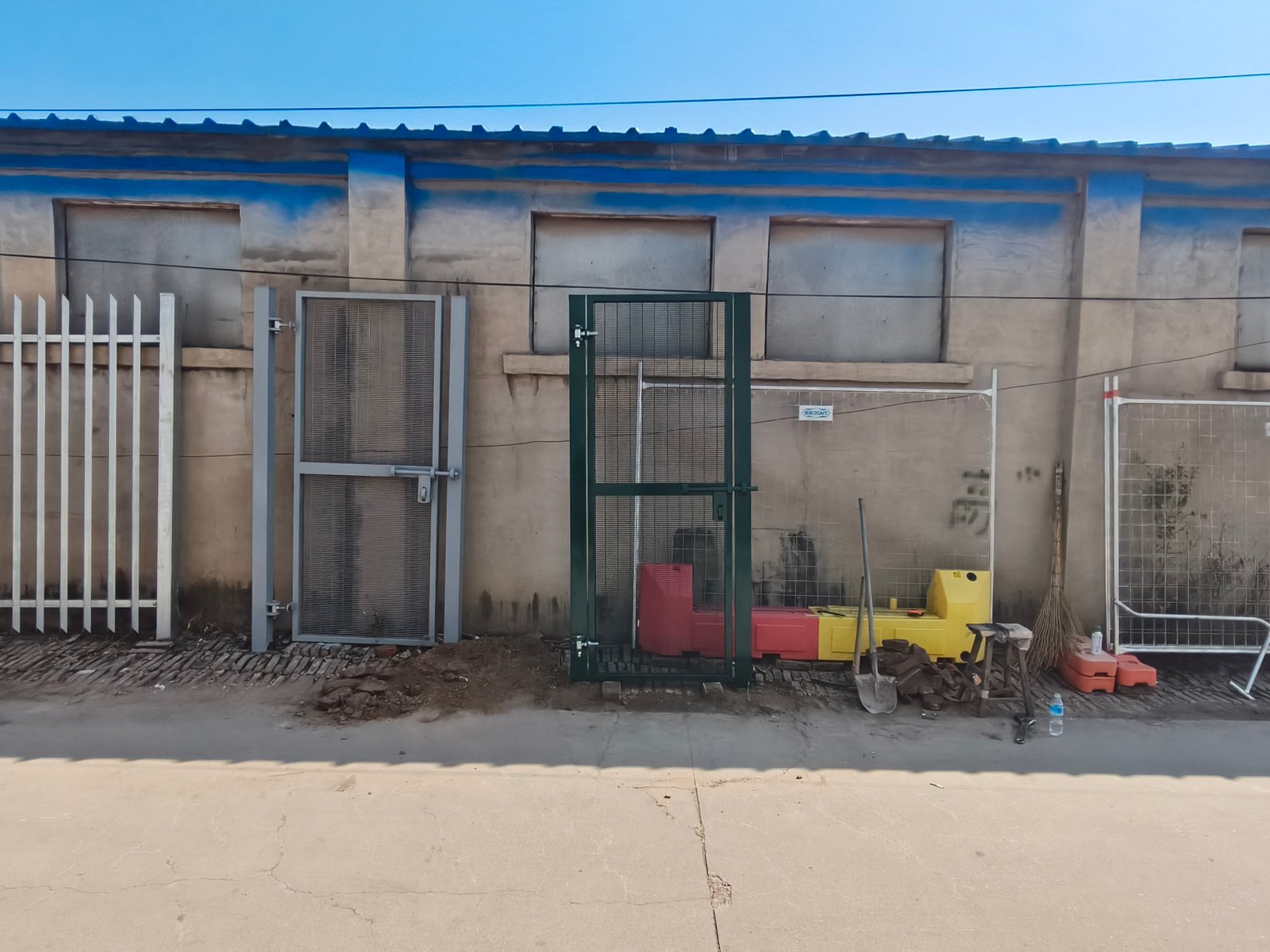
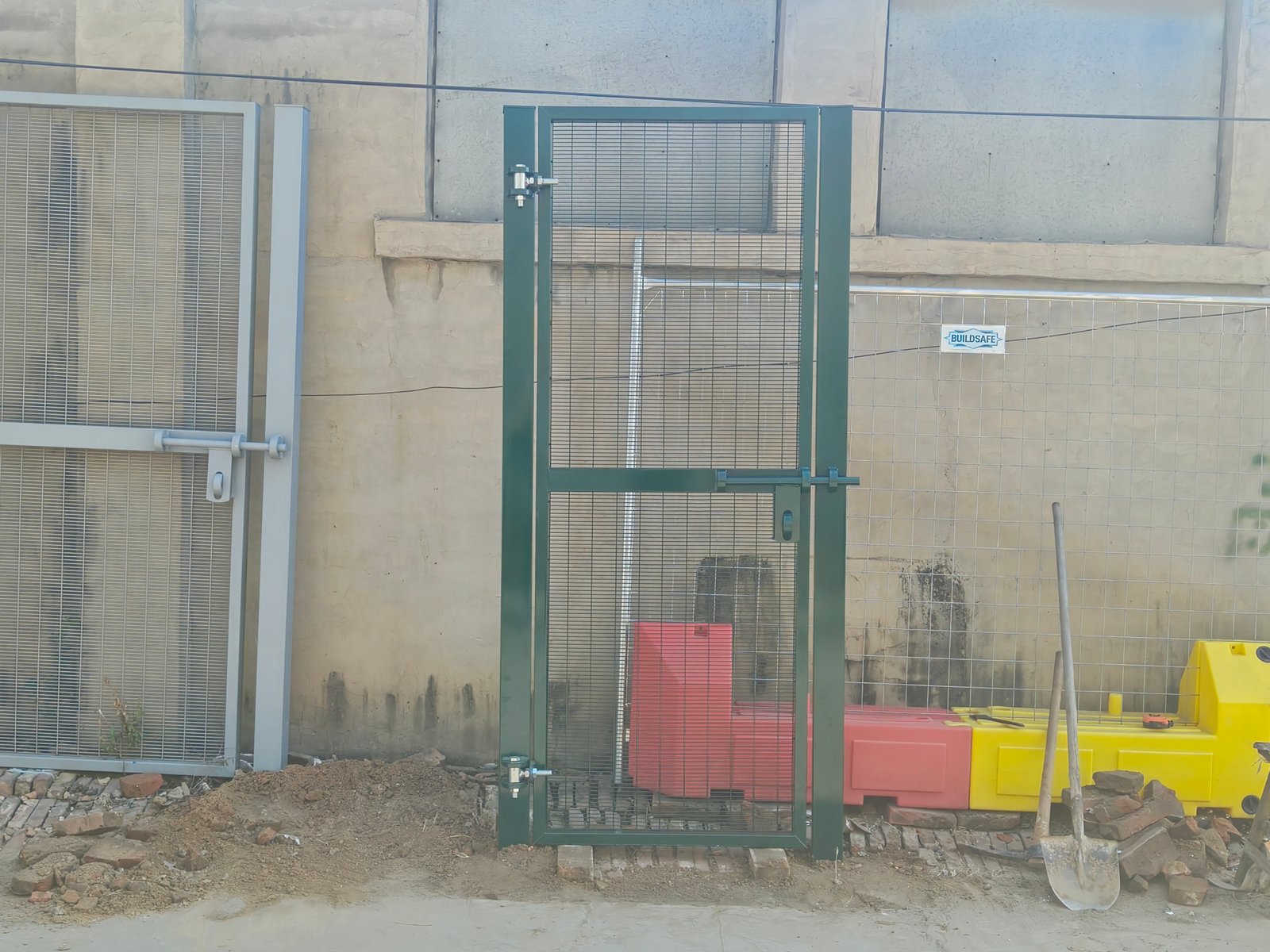
A complete perimeter must address entrances, emergency exits, corners, and level changes. BMP can quote pedestrian gates, swing gates, and sliding gate structures. Security spikes, razor wire, and other toppings may suit some controlled sites. Local regulations and safety reviews should guide every additional deterrent. Explore our clear view fence gates guide for common entrance configurations.
Sliding Gates and Access Design
Sliding gates need suitable operating space, structural supports, and secure opening controls. Motorised gates also require dedicated automation safety arrangements. Buyers should provide gate opening width, height, surface finish, and operational requirements. Our clearvu fence sliding gates page explains related designs and accessories.
Clear view fencing Durban: Gate Planning Checklist
Provide the clear opening width and planned gate height. Identify pedestrian, vehicle, emergency, and service entrances separately. Specify the gate swing direction or sliding travel path. Confirm locks, handles, hinges, automation, and access-control requirements.
Gate posts may need heavier sections than ordinary line posts. Match the gate finish to the adjoining fence where practical. Send your gate schedule with the fencing layout for quotation.
Access Control and Public Safety
Security design must also protect authorised users and emergency responders. Emergency exits need appropriate hardware and unobstructed routes. Avoid dangerous toppings where the public could touch them. Automated gate systems require suitable sensors and separate safety checks.
A contractor should confirm applicable access and electrical regulations. The clearvu fence Y-arm on wall guide shows another perimeter accessory. Assess accessory suitability before adding any security topping.
Clear view fencing Durban: Price per Metre
Budget comparisons should use matching mesh dimensions, wire diameters, coatings, and accessory schedules. Each quotation should identify the currency, delivery responsibilities, and included accessories. Read our clear view fence price per meter guide for additional cost considerations.
What Changes the Total Quotation?
- Wire diameter and mesh opening
- Fence height, panel width, and selected post profile
- Galvanising grade and powder coating process
- Security clamps, gate assemblies, and optional toppings
- Order volume, export packing, and container loading
- Freight, customs clearance, and destination transport
Compare alternative quotes against the same itemised bill of materials. Historical market examples appear in our clear view fence prices article.
Clear view fencing Durban: Complete System Costs
A panel-only offer can appear cheaper than a complete perimeter package. Compare the number of panels, posts, clamps, corners, and gate assemblies. Add export packing, freight, customs, local delivery, and installation allowances. Check whether the quote includes extra posts beside every gate.
Confirm replacement panels or spare fixings for future maintenance. The final cost should reflect the entire usable fence system. An itemised bill of quantities makes supplier comparisons clearer.
How to Compare Supplier Quotations
Send identical specifications to every supplier before comparing offers. Include the wire diameter, aperture, height, width, and coating requirements. Check whether quoted heights represent nominal dimensions or measured panel sizes. Ask suppliers to identify excluded components and optional accessories.
Confirm warranty scope through written terms rather than advertising claims. Review packing weights and container loading assumptions. Our clearvu fence prices per meter article discusses local and import comparisons.
Lifecycle Costs Beyond the Fence Panel
An attractive panel quotation does not always represent the lowest long-term project cost. Installers also need dependable posts, clamps, gate hardware, and foundations. Missing parts can delay work and increase site labour. Consider future access requirements when selecting a gate system. Motorised equipment, coastal cleaning, and replacement fittings introduce ongoing expenses. Compare these needs against the selected security grade and coating. A consistent bill of quantities helps teams control purchasing changes. Buyers can compare each offer without overlooking expensive accessories. Clear documentation also supports accurate maintenance planning after handover.
Clear view fencing Durban: Import and Delivery
BMP manufactures these security fencing systems in China and exports them to overseas customers. Durban buyers should confirm the named port and final delivery point before shipment. FOB and CIF quotations include different freight responsibilities. Import duties, VAT, inland transport, and installation may require separate allowances. BMP does not imply that it operates a local Durban installation team.
Shipping and Customs Checklist
- Confirm panel counts, weight, and pallet quantities.
- Identify the destination port and named Incoterm.
- Check package dimensions and container loading plans.
- Agree on invoice, packing list, and transport documents.
- Confirm the importer and destination clearance responsibilities.
- Plan local handling, storage, and site delivery.
The shipping plan should reflect actual dimensions and current carrier requirements.
Clear view fencing Durban: Export Packing Checks
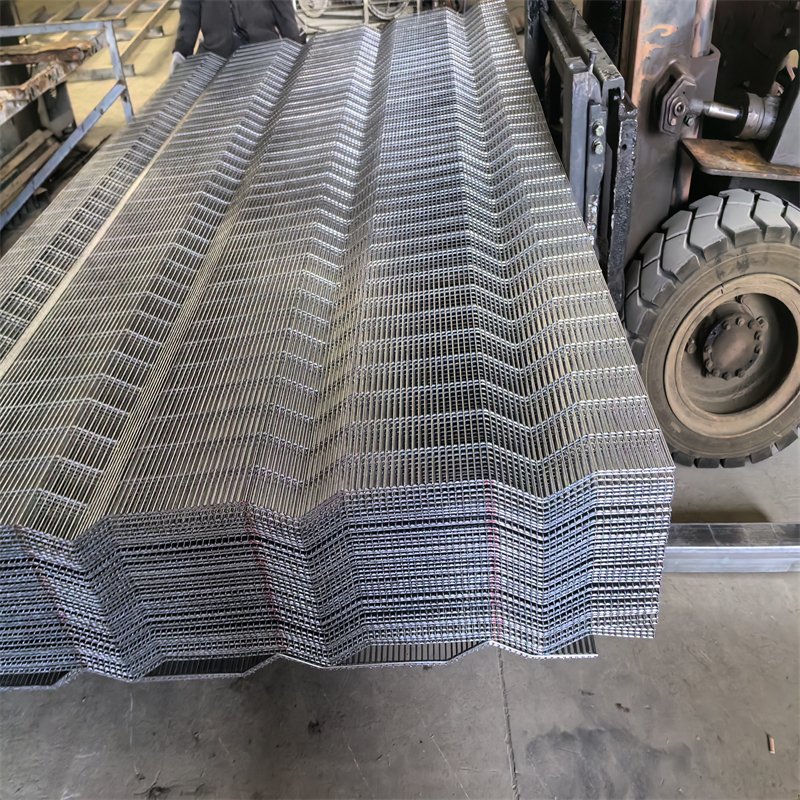
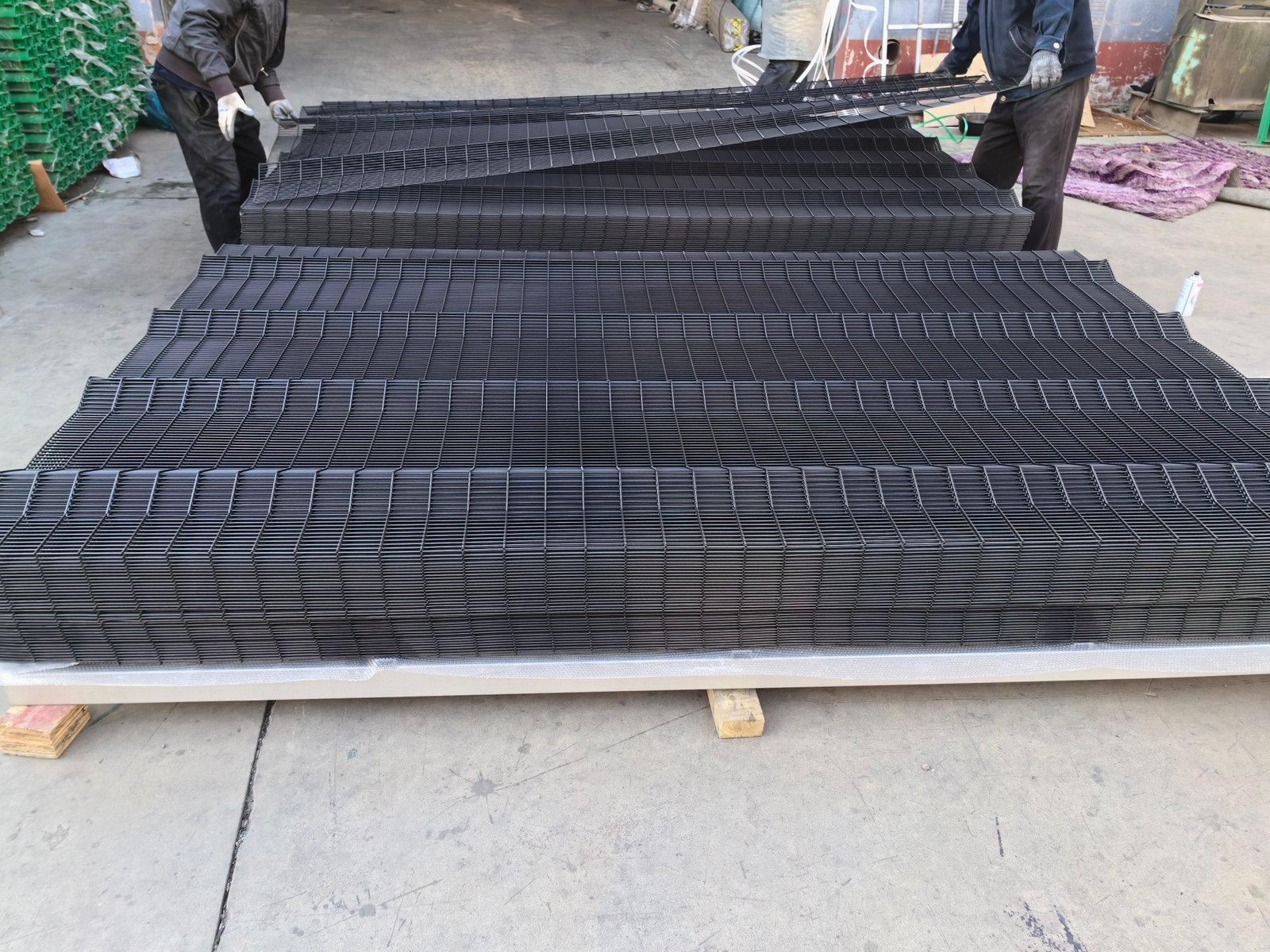
Long panels need appropriate support during loading and sea transport. BMP can prepare steel pallets and protective materials for the agreed shipment. Ask for package counts, net weights, gross weights, and dimensions. Compare pallet lengths against container space and unloading equipment.
Separate sensitive accessories to reduce losses during handling. Secure packing lists should identify each package and its contents. Inspect the goods and transport documents before arranging final site delivery.
Durban Port and Inland Transport Planning
Importers should confirm shipping terms before they compare landed costs. FOB places different responsibilities on the buyer than a CIF quotation. Destination handling, taxes, clearance, and trucking may add further costs. Check access restrictions at warehouses and construction sites.
Plan suitable unloading equipment for heavy panel pallets. Protect packages during temporary storage after customs release. Buyers can review clear view fencing Durban supplier information for regional sourcing context.
Clear view fencing Durban: Site Receiving and Storage
A shipment only reaches the project successfully when the receiving site can unload it safely. Buyers should confirm vehicle access, forklift capacity, and temporary storage before the container arrives. Large welded panels need stable support during handling. Use the packing list to verify each pallet and accessory carton. Photograph visible damage before teams move or unpack the goods. Store components away from standing water and abrasive materials. A receiving report should record quantities, damage, and missing fittings. Share any discrepancies with the freight parties and supplier promptly. Keep protective packaging intact until installation where practical.
Clear view fencing Durban: Inspection and Maintenance
BMP can align inspection checkpoints with the approved drawings and purchase agreement. Inspectors should measure mesh apertures, panel heights, wire diameters, and post dimensions. They should also check weld appearance, coating quality, clamp fit, and gate alignment. Owners should inspect scratches, fasteners, and coating damage during routine maintenance. Written warranty terms should identify the selected coating and service conditions.
Buyer FAQ and Quotations
Buyers often ask whether pricing includes only panels or complete fencing kits. Request a separate price for panels, posts, clamps, gates, and freight. Specify coastal exposure, preferred colour, security grade, and the required delivery arrangement. BMP can then prepare a technical and commercial proposal for review.
Clear view fencing Durban: Long-Term Maintenance
Plan regular visual checks after installation and severe weather. Inspect scratches, exposed welds, fastener corrosion, and loose clamps. Check gates for alignment, hinge wear, and smooth operation. Wash harmful deposits from coated surfaces using appropriate methods.
Repair coating damage promptly under the recommended repair procedure. Document completed work and keep spare fixings where practical. A maintenance record can support future performance and warranty discussions.
A Practical Inspection Handover Checklist
The installer should confirm fence alignment, stability, and consistent ground clearance. Measure selected apertures and check representative panel dimensions. Inspect post caps, bolt tightness, security clamps, and gate hardware. Confirm the coating finish matches the agreed colour and specification.
Record any transport damage and complete necessary touch-ups. Collect drawings, inspection records, and relevant material documentation. Ask the contractor to demonstrate gate operation before final acceptance.
Ownership and Repair Planning for Coastal Sites
A fencing project needs a clear maintenance owner after contractors finish installation. Property managers should keep the approved drawings, material schedules, and coating records. These documents help future teams identify compatible repair materials. Inspect high-contact points near entrances and loading areas more frequently. Check hinges, gate clearances, clamps, and exposed panel edges after severe weather. Small repairs may prevent larger replacement work later. Record inspection dates and corrective actions in a shared maintenance log. Update the log whenever teams replace hardware or modify an entrance. Consistent records support safer operation and more predictable future budgets.
Clear view fencing Durban: Frequently Asked Questions
Which mesh suits higher-security sites? Narrow 358-style mesh helps restrict handholds and footholds.
Can I order different heights? BMP can review custom dimensions against production and transport limits.
Do colour finishes prevent all corrosion? No coating removes every corrosion risk.
Are prices quoted per panel or metre? BMP can prepare either format with a clear component schedule.
Which finish suits a coastal Durban site? Discuss zinc protection, powder pretreatment, exposure, and maintenance with the supplier.
Can a buyer order different mesh grades? Yes. BMP can review different apertures and wire combinations against project drawings.
Should buyers arrange engineering checks? Yes. Local engineers should assess foundations, wind loads, and structural requirements.
Does BMP provide Durban installation? BMP manufactures in China. Buyers should engage qualified local contractors for installation.
What documents help BMP prepare a quotation? Send a layout, product specification, quantities, gate schedule, and destination.
How do installers handle sloping boundaries? They can review stepped panel positions, post spacing, and acceptable ground clearance.
Do You Offer Local Installation?
BMP supplies factory-manufactured fencing systems from China.
Durban buyers should arrange any required local installation through qualified contractors.
Project drawings can help contractors coordinate foundations, posts, panels, and gates.
Local regulations determine installation obligations and approval requirements.
Clear view fencing Durban: Is 358 Mesh Necessary?
The right security grade depends on the threat level, location, and budget.
A high-security design can provide tighter climbing openings than medium-grade mesh.
Some sites may prefer a wider mesh with fewer steel components.
A risk assessment should guide each choice.
Can Customers Request Other Colours?
Yes. BMP can discuss green, black, white, and other suitable RAL colours.
Buyers should identify gloss, coating type, and expected exposure conditions.
Confirm samples and written finish specifications before factory production.
For pricing, share your project drawings and a complete gate schedule.
Contact: clearvu@construction-fence.com .
Request a factory-direct Clear View Fencing quotation from BMP .