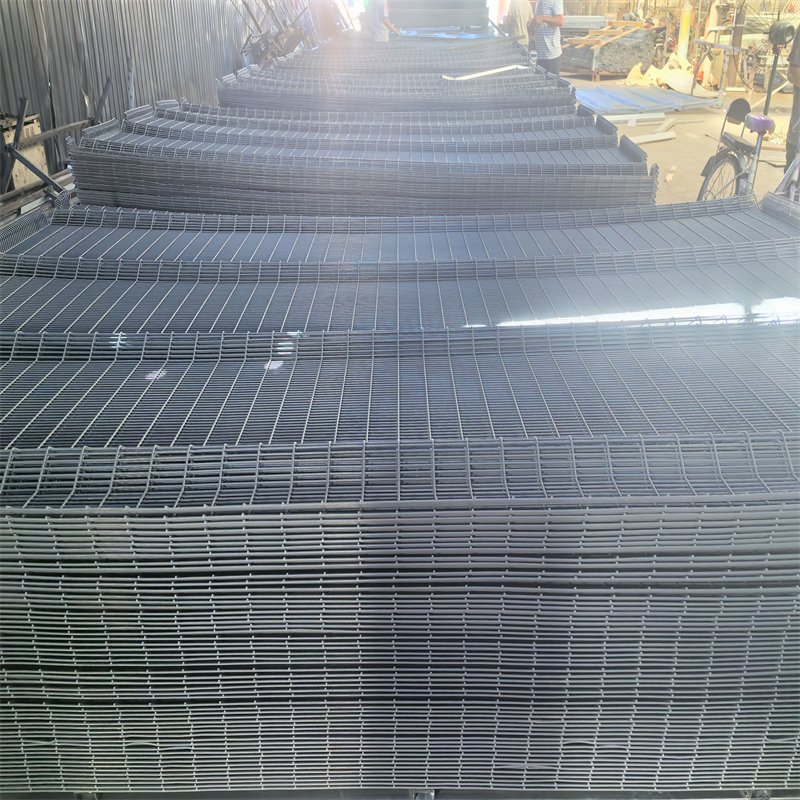
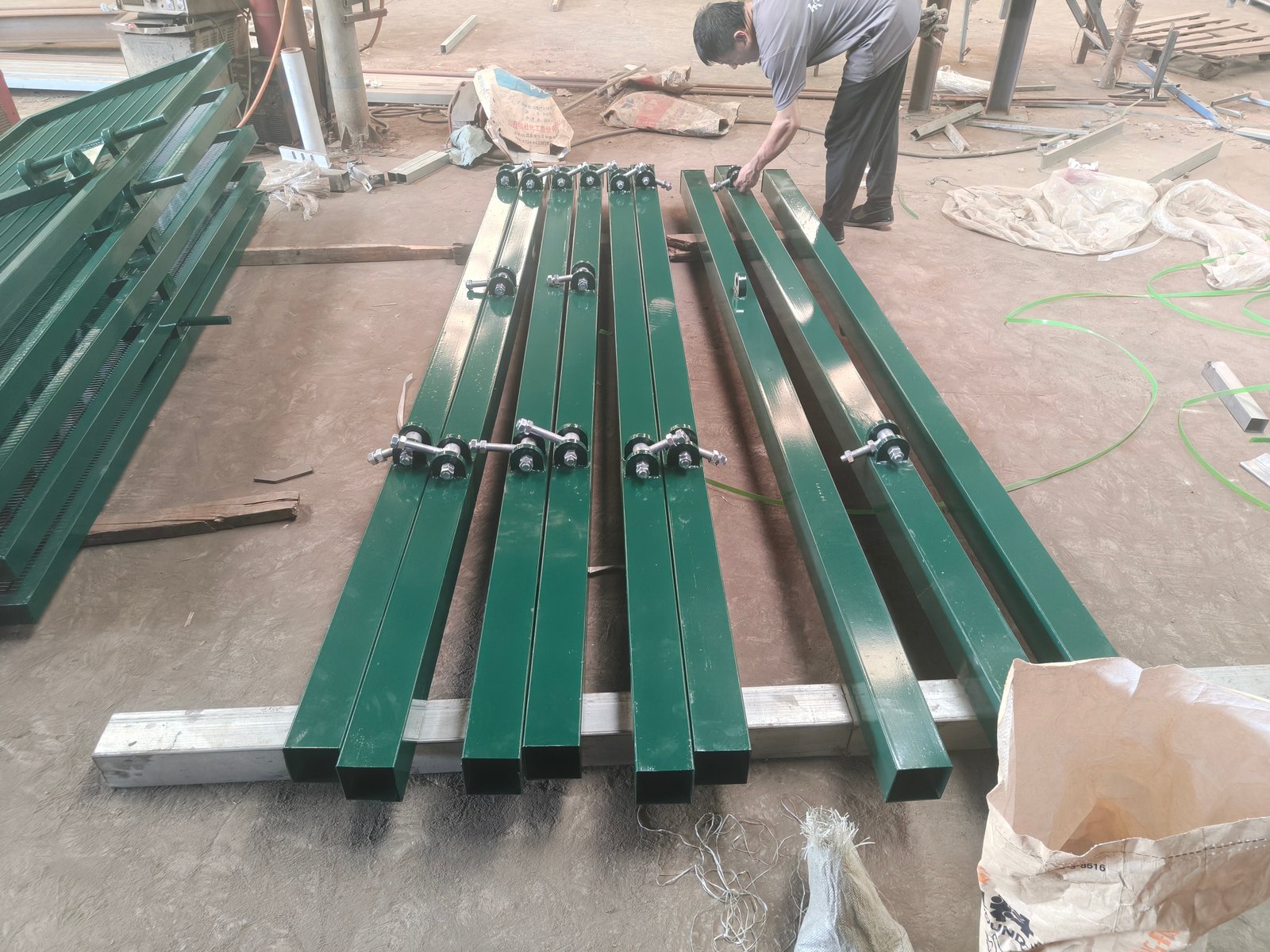
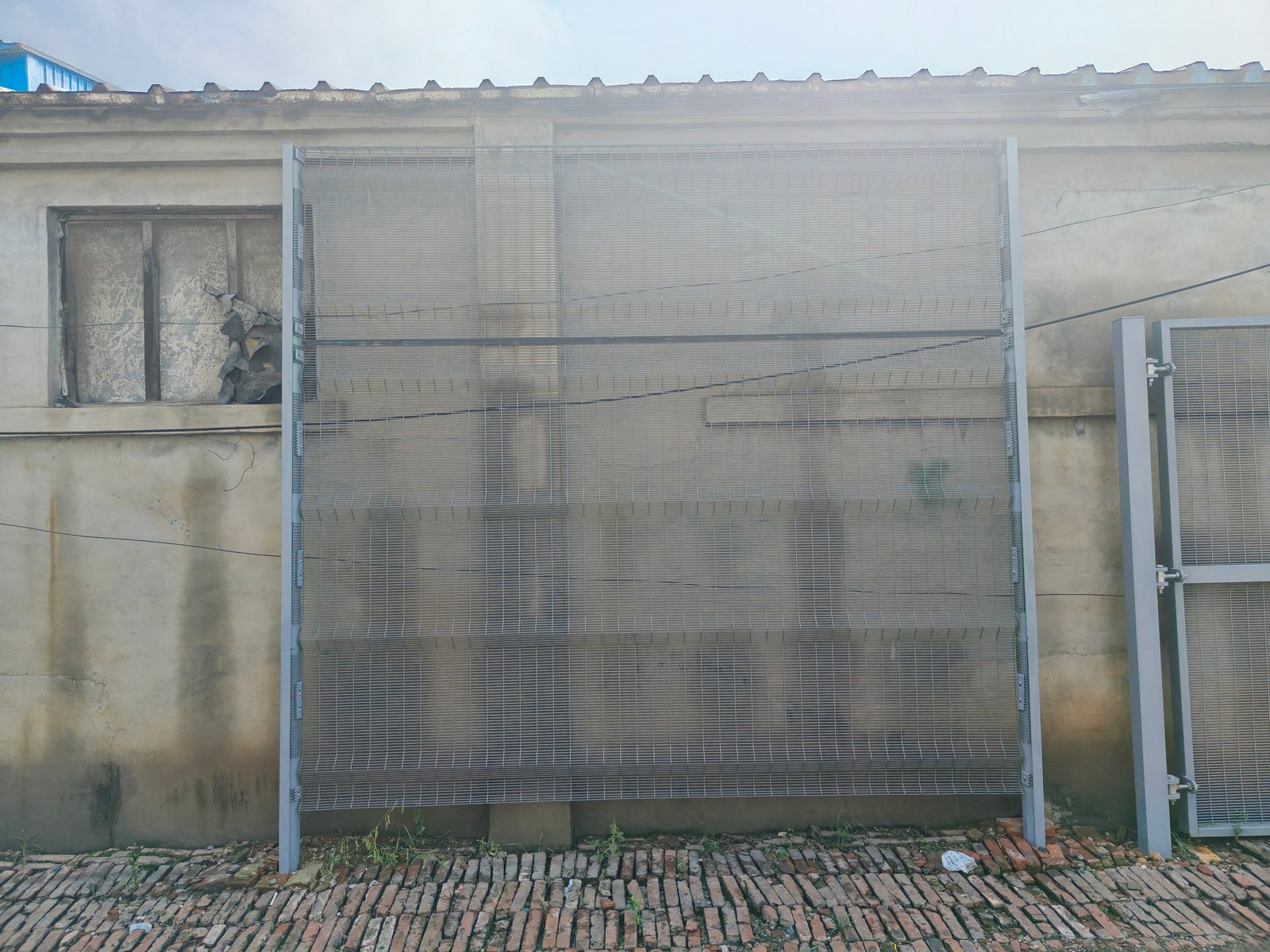
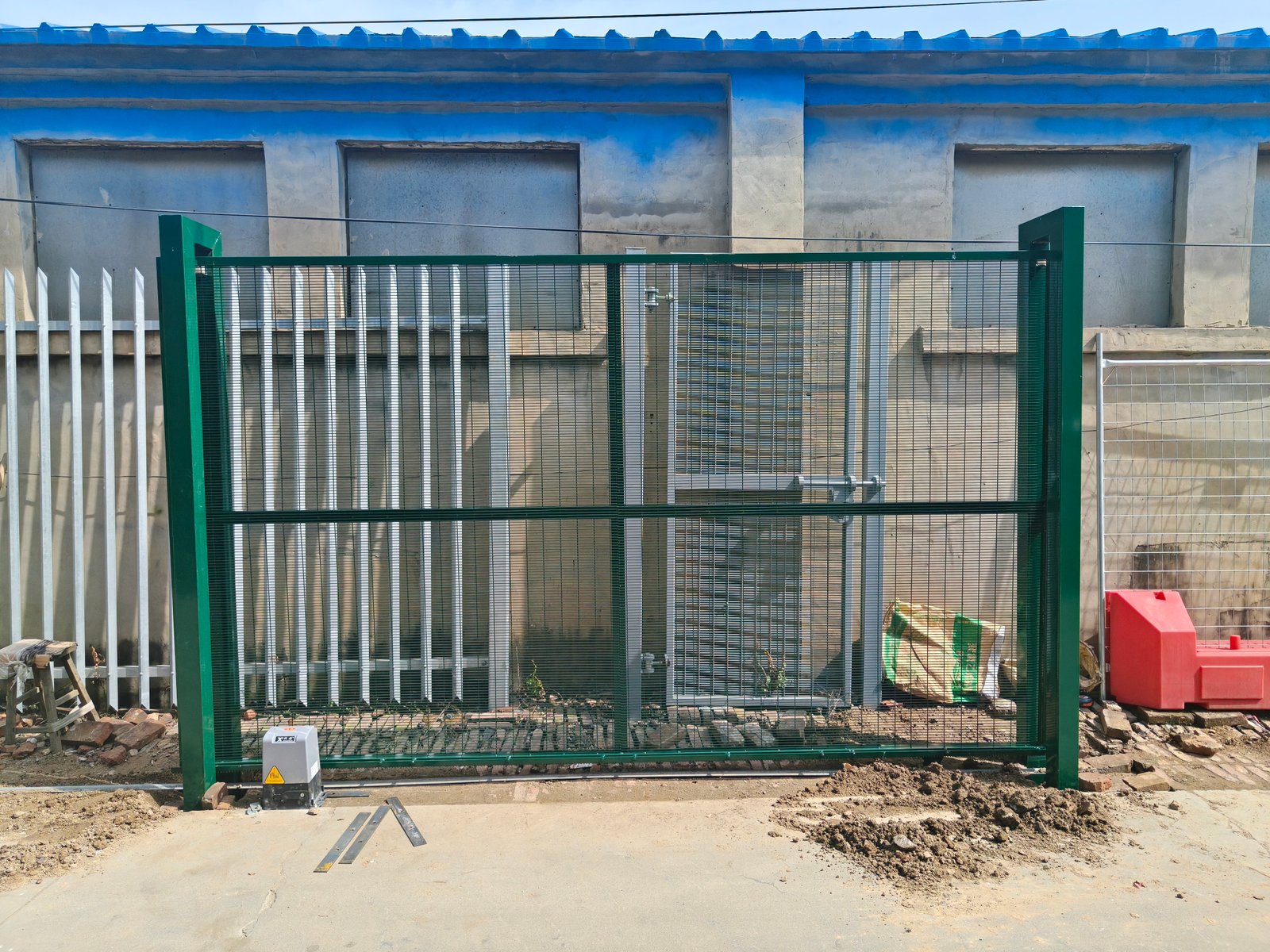
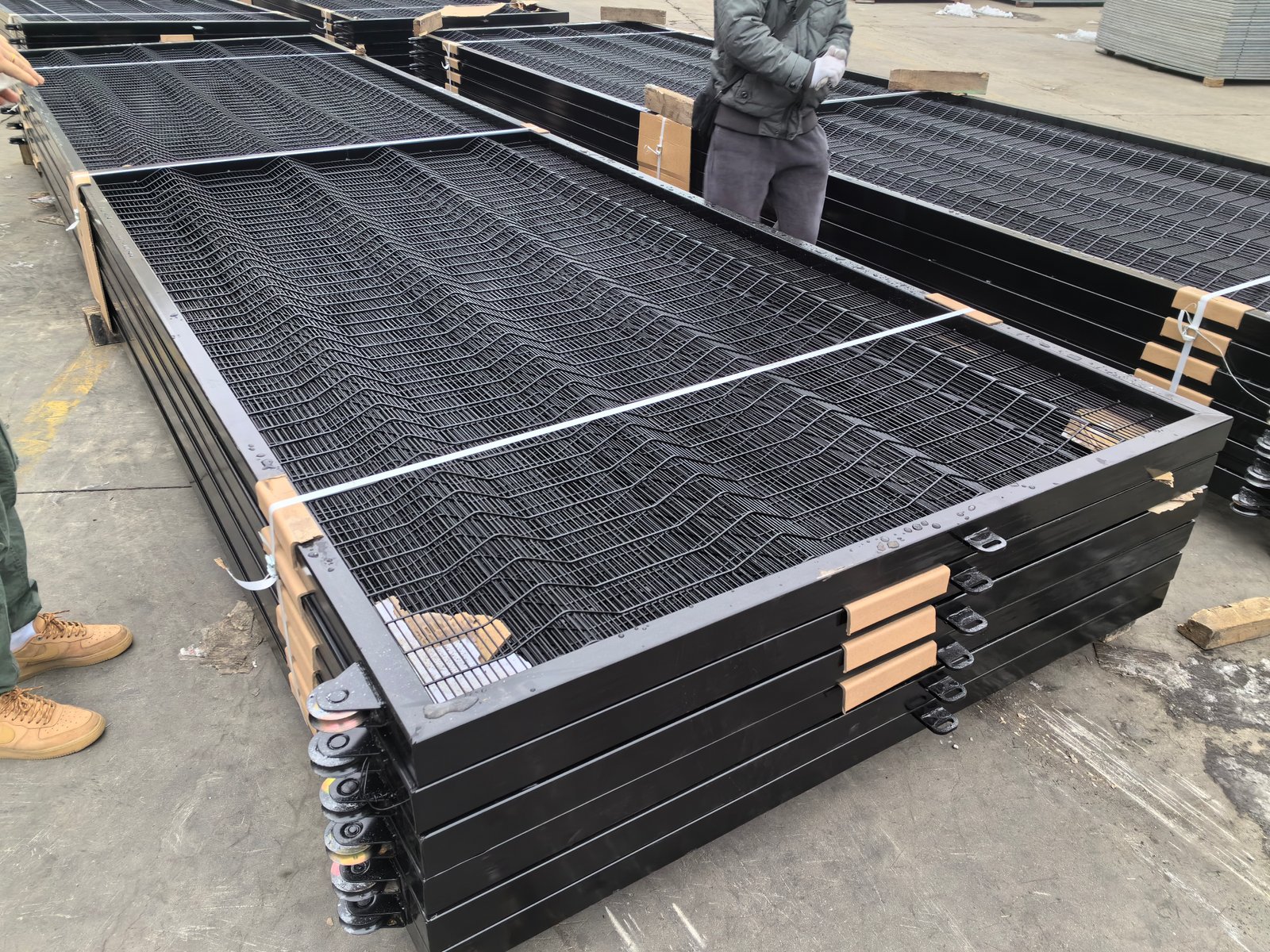
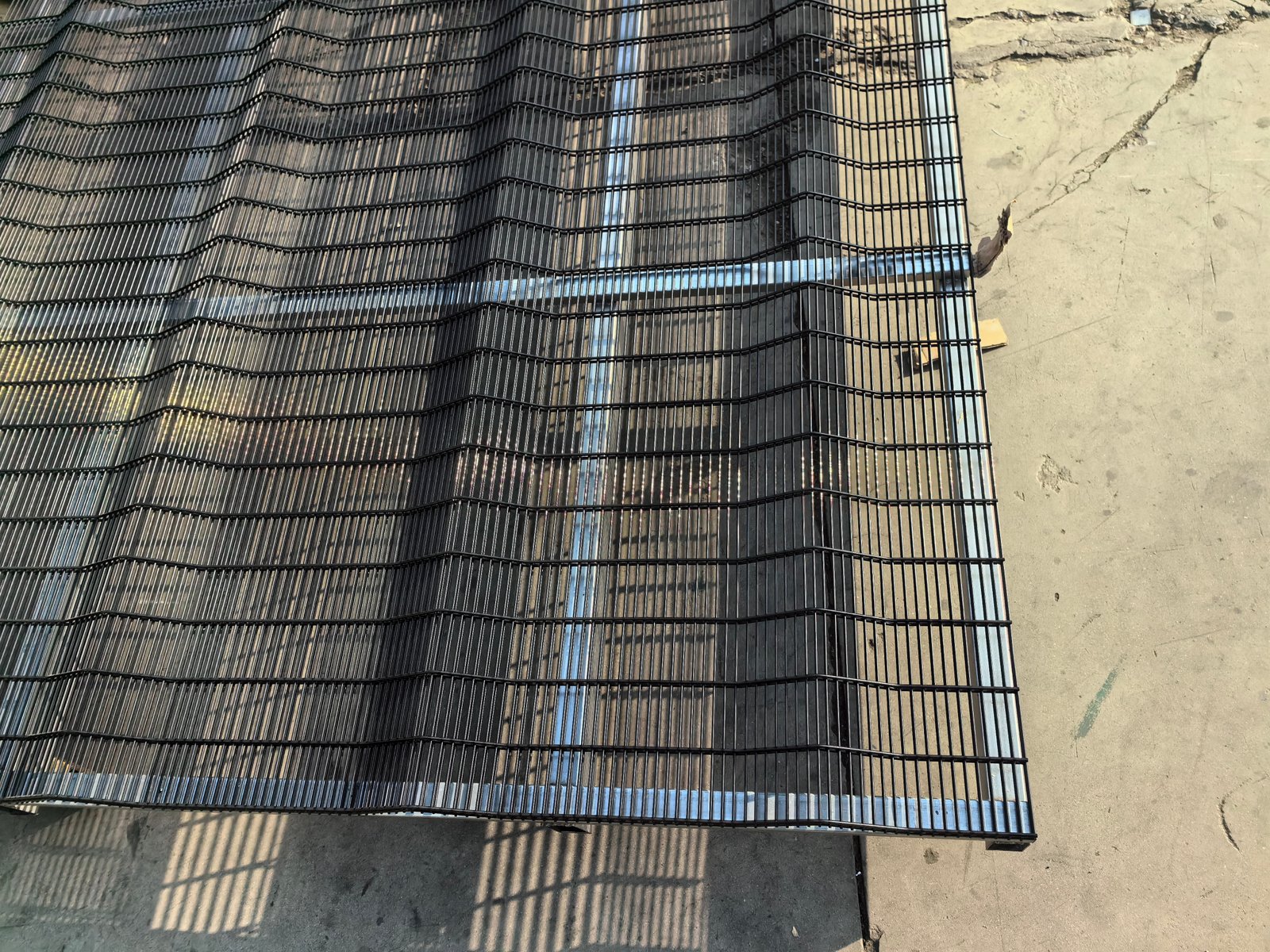
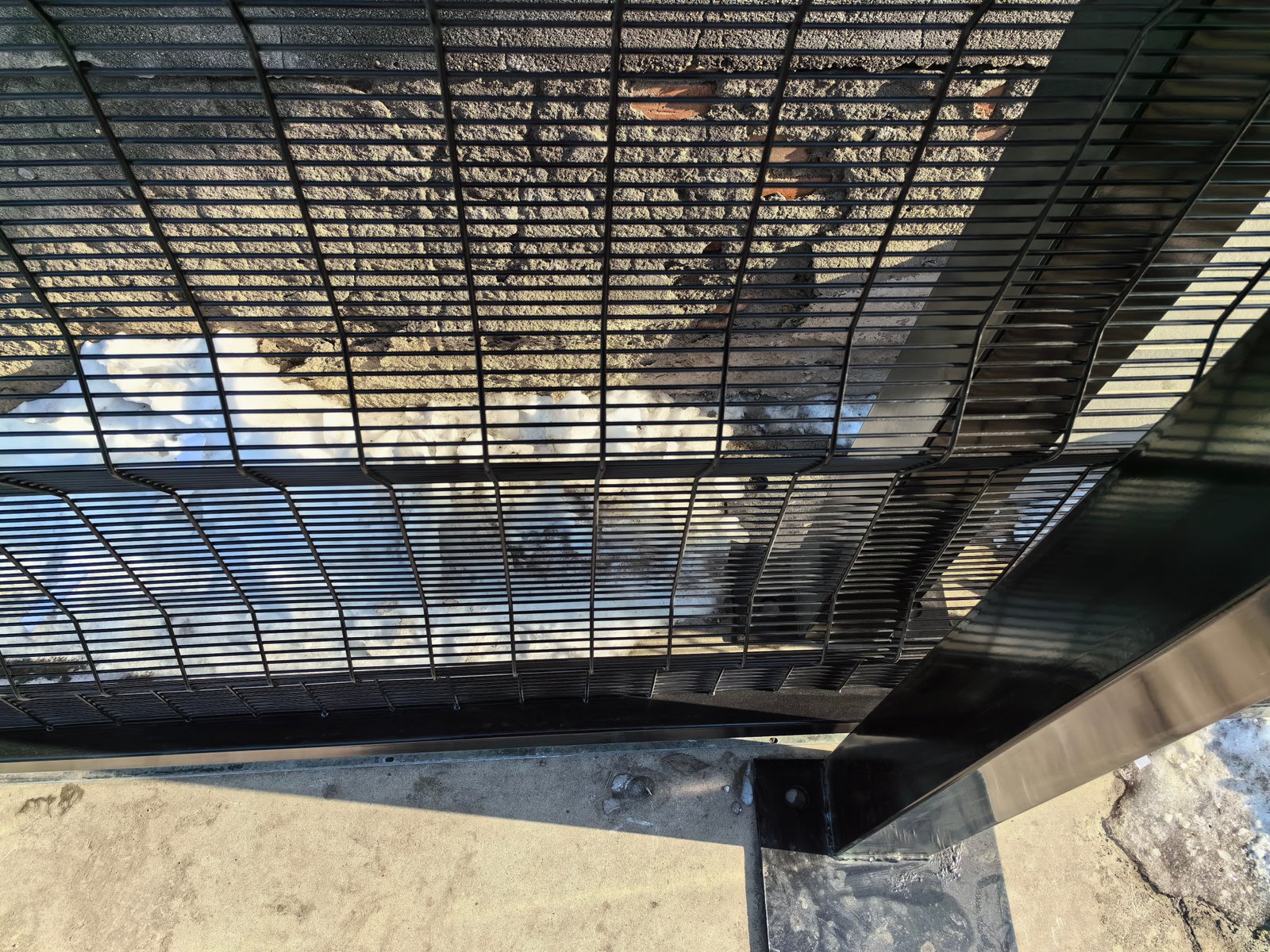
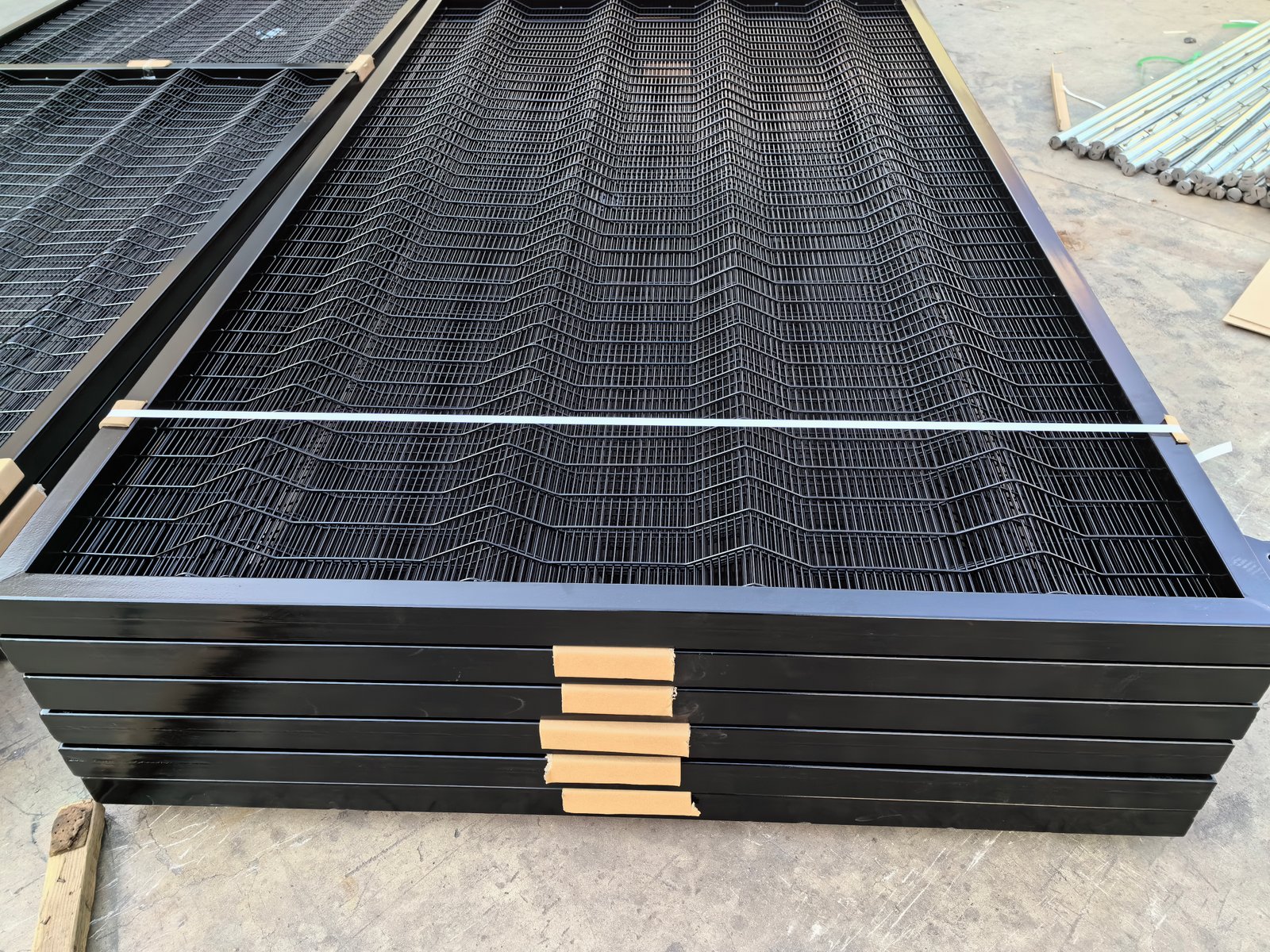
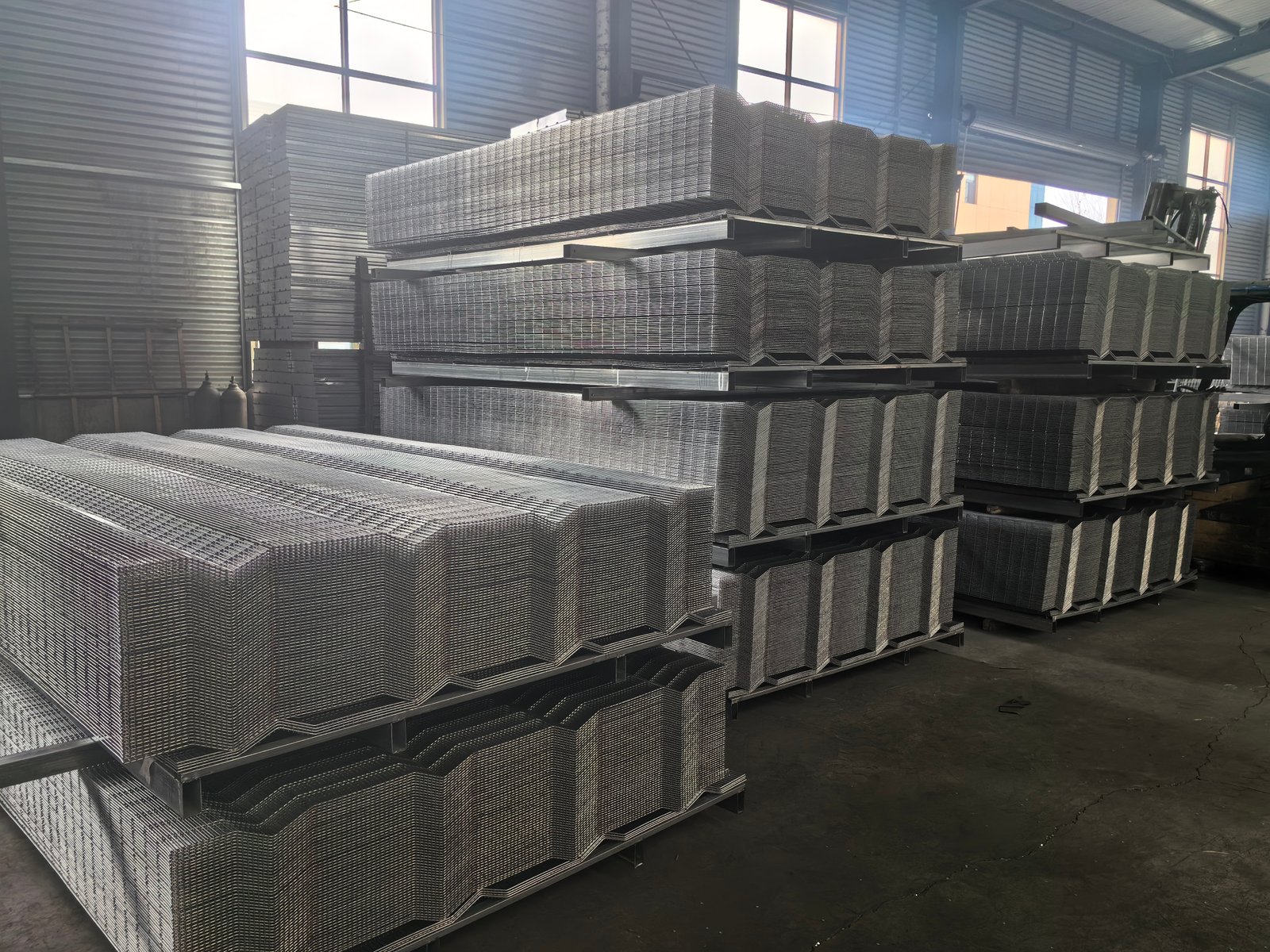
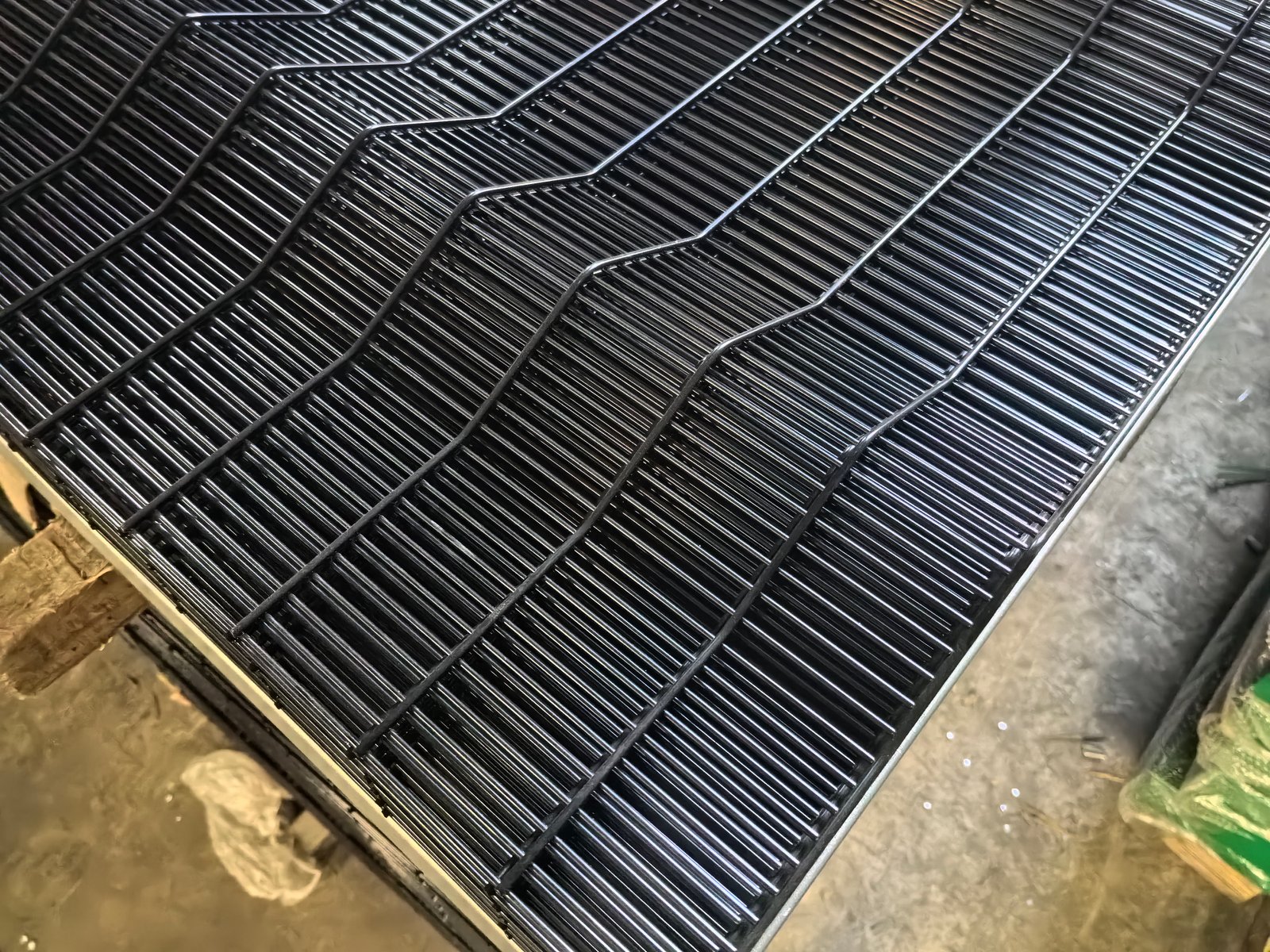
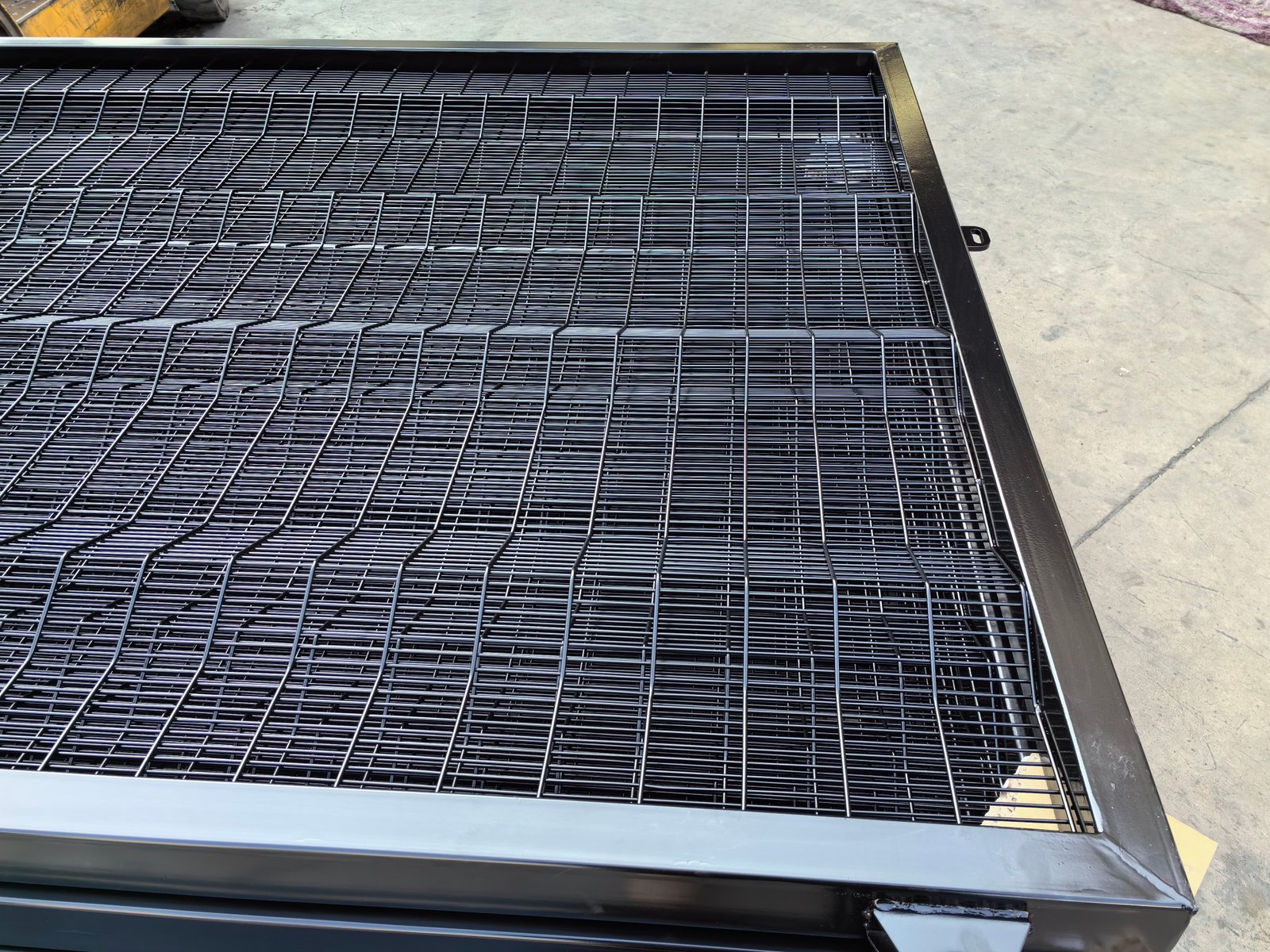
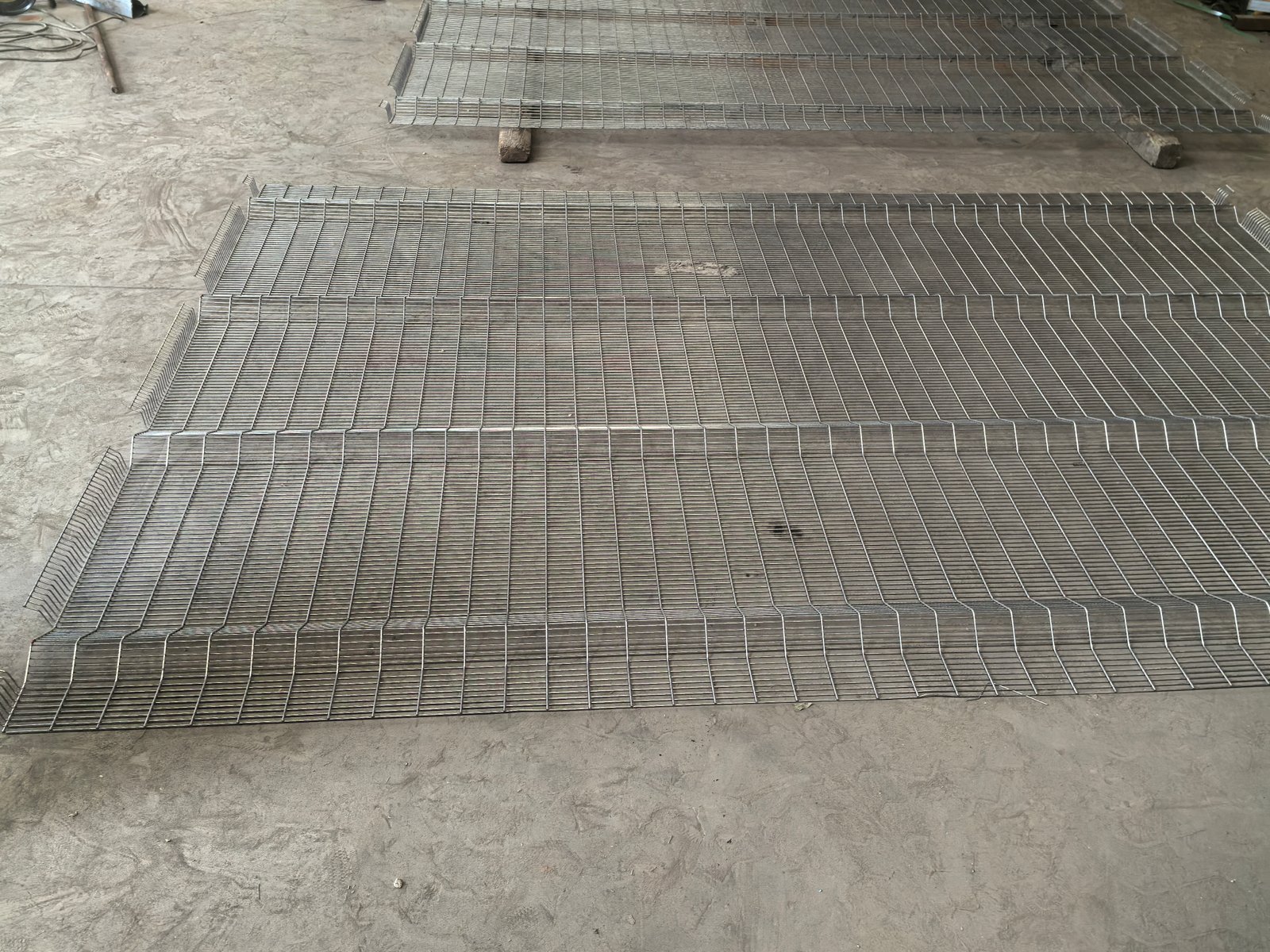
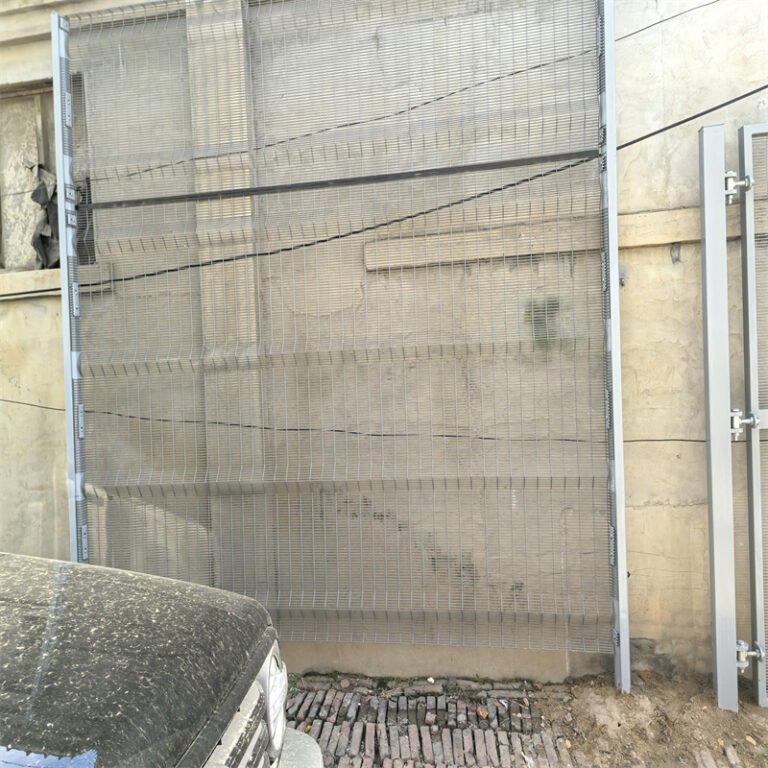
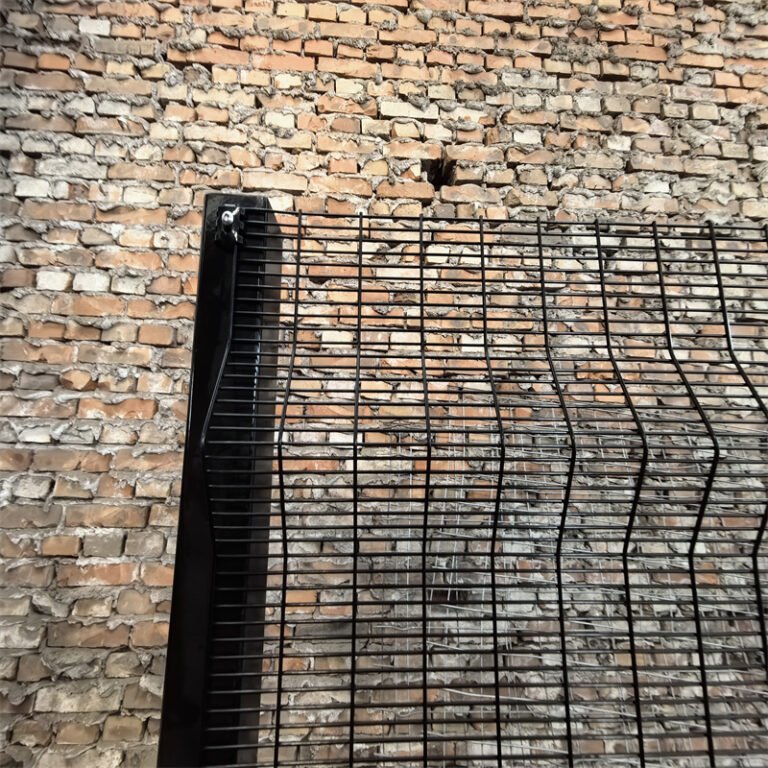
Description Clear view fencing cape town buyers need reliable perimeter security, clear visibility, and practical installation details. BMP supplies welded mesh systems from China. This guide explains technical options, coastal protection, gates, shipping, and procurement.
Clear view fencing cape town: a practical overview
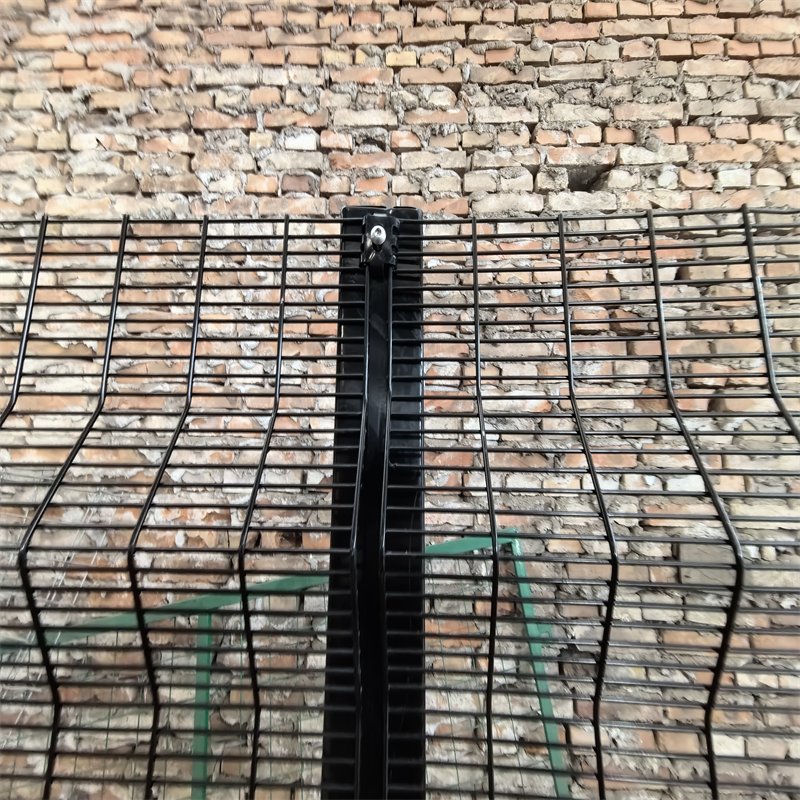
Cape Town properties require fencing that supports visibility, controlled access, and sensible maintenance. Clear view mesh offers an open appearance without conventional horizontal climbing footholds. Its welded wire intersections create a structured panel that suits many boundary layouts. BMP manufactures matching panels, posts, and gate components in China for export projects.
Buyers should start with security needs, site exposure, and the final fence height. A busy warehouse needs different access controls from a residential estate. Coastal installations also need careful coating selection and regular inspections. This guide explains those choices without promising identical performance at every site.
Where 3510 mesh fits
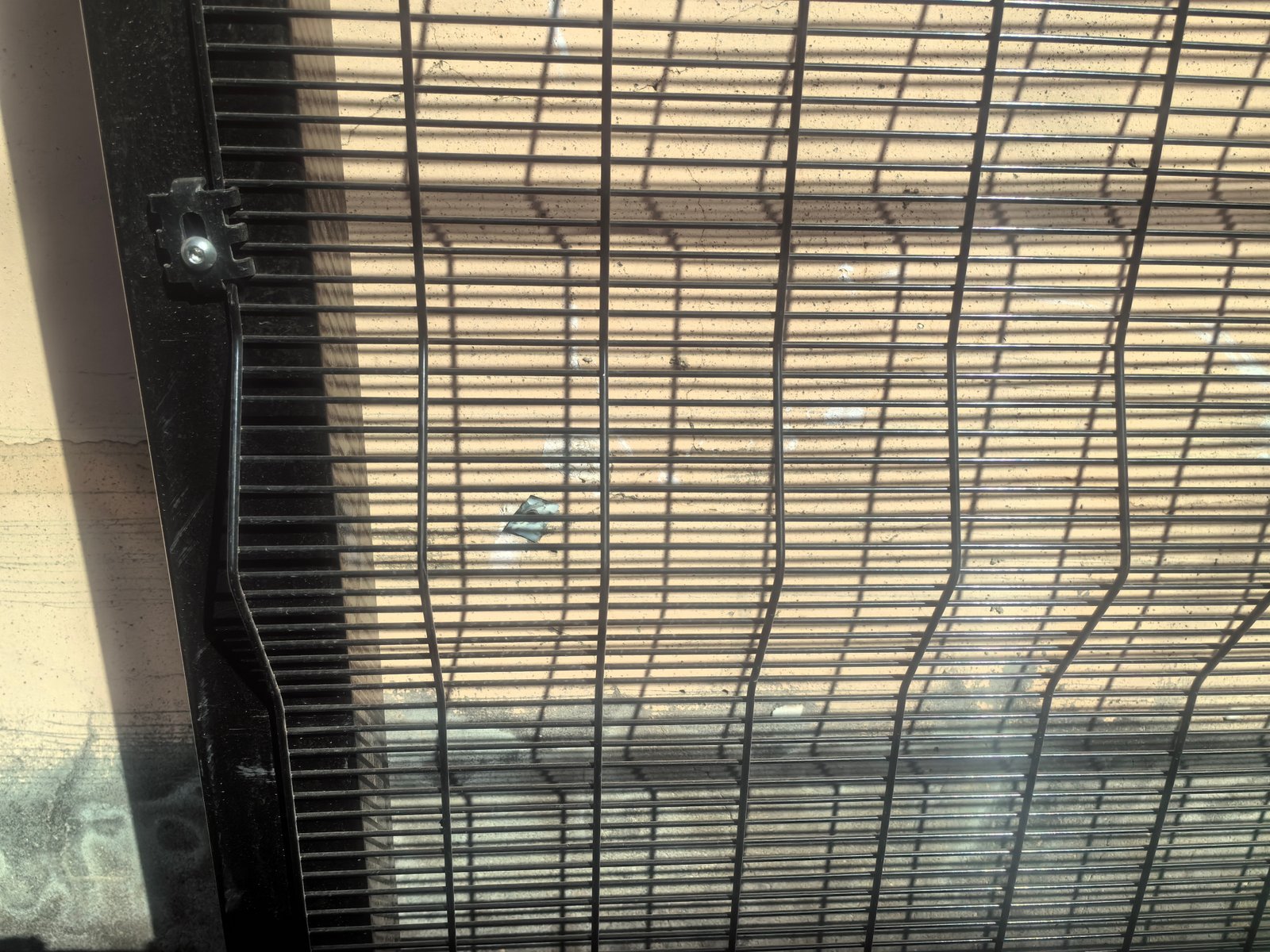
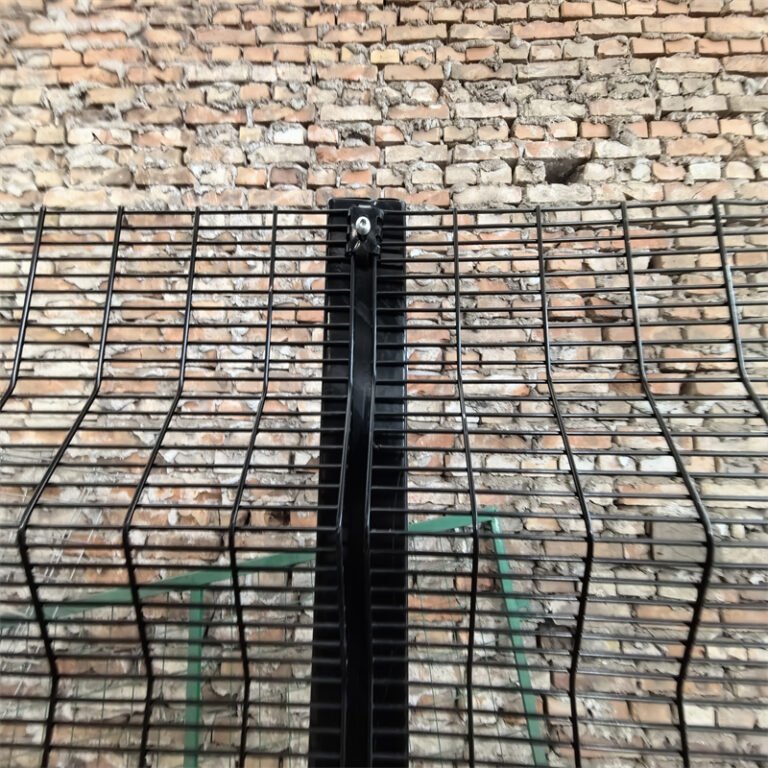
3510 describes an approximate three-inch vertical spacing, half-inch horizontal spacing, and ten-gauge wire. In metric terms, this commonly means 76.2 × 12.7 mm openings with approximately 3.2 mm wire. The dense aperture reduces convenient handholds while keeping sightlines open. Actual finished wire diameter depends on the agreed production specification.
This configuration can suit commercial premises, infrastructure boundaries, and monitored access routes. Customers seeking thicker wire can also compare 358 Mesh Fence specifications. Each project still needs a realistic assessment of intrusion risks and available security staff.
Clear view fencing cape town specifications
BMP offers welded mesh panels with different wire diameters, heights, widths, and coating systems. Popular widths include 2000, 2500, and 3000 mm, subject to engineering requirements. Standard project heights may include 1800, 2000, 2100, 2400, and 3000 mm. Taller systems require separate structural and installation reviews.
The following values reflect the original product data and possible manufacturing options. They do not replace approved drawings or independent test reports. Buyers should confirm every measurement before production. Material certificates and coating reports must match the finished shipment.
Wire diameters and mesh openings
Wire diameter influences resistance to deformation, panel mass, handling, and overall cost. Original product options include 3 × 3, 4 × 3, and 4 × 4 mm wire arrangements. Common aperture categories include 75 × 12.7, 75 × 25, and 75 × 50 mm. Smaller apertures generally reduce grip opportunities.
Mesh sizes refer to wire centre spacing unless the approved drawing states otherwise. Purchasers should specify whether measurements cover centre spacing or clear openings. The Clear View Fencing product page provides additional panel configuration context. Always specify coating thickness separately from steel wire diameter.
Clear view fencing cape town security grades
High, medium, and lower security categories describe different mesh configurations. The smallest apertures suit projects with stricter climbing resistance requirements. Wider openings can suit internal boundaries or managed residential environments. These categories describe product design rather than a universal certified security rating.
Security also depends on post strength, fixings, foundations, gates, lighting, and site supervision. An excellent mesh panel cannot compensate for an unsecured gate latch. Procurement teams should assess the complete boundary system. That review should include each likely access point.
Wire and security-grade reference
| Category |
Mesh spacing (mm) |
Wire options (mm) |
| High security |
75 × 12.7 |
4 × 3 / 4 × 4 / 3 × 3 |
| Medium security |
75 × 25 |
4 × 3 / 4 × 4 |
| Lower security |
75 × 50 |
4 × 3 / 3 × 3 |
The original material also mentions 500–650 MPa tensile strength and 60%–80% weld strength. Treat these figures as historical references until tests establish current acceptance criteria.
3510 versus 358 wire configurations
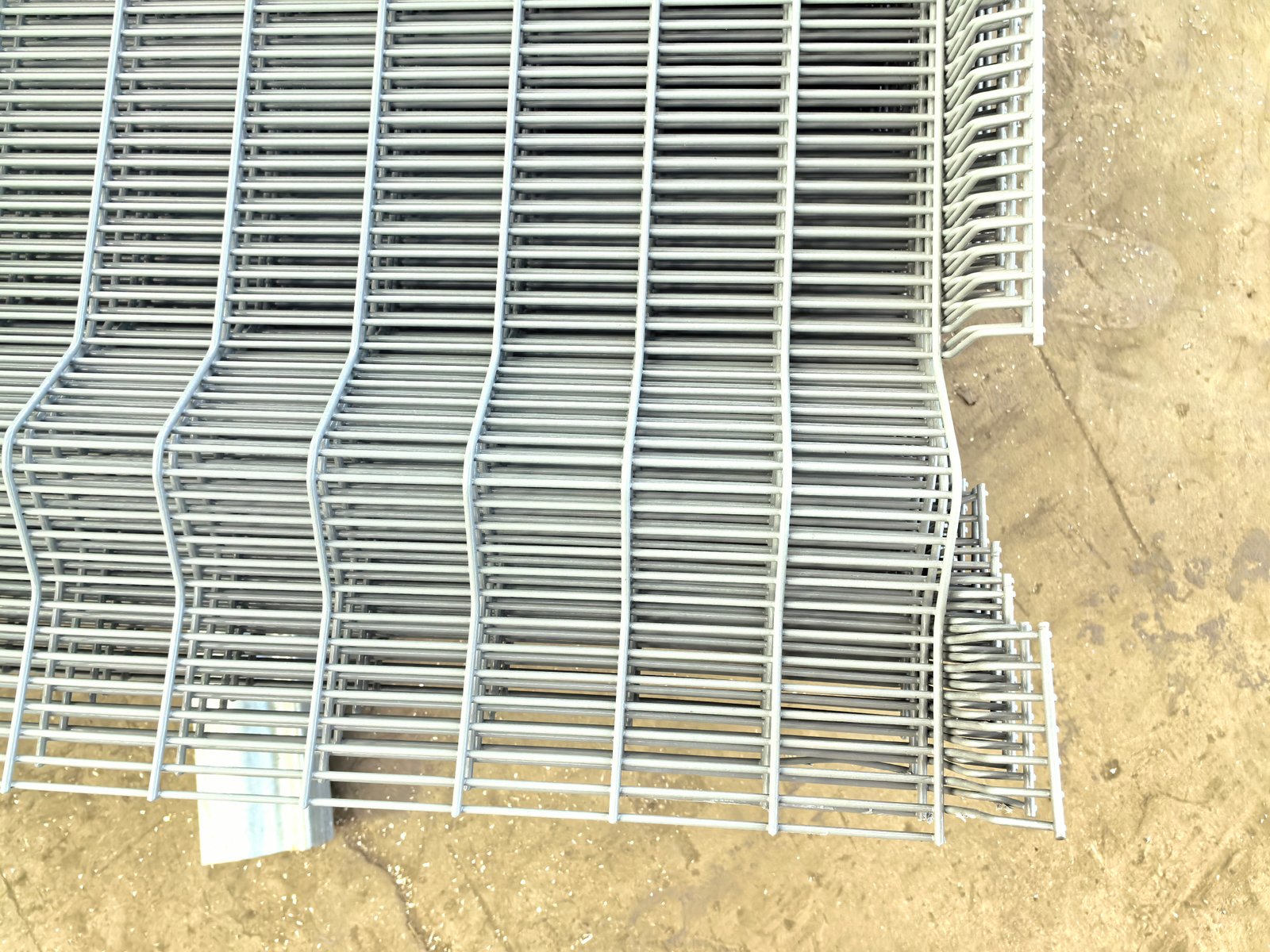
Both 3510 and 358 commonly use approximately 76.2 × 12.7 mm mesh spacing. The naming convention primarily distinguishes wire gauge rather than the entire fence system. Traditional 358 descriptions reference approximately 4 mm wire. The 3510 description often references approximately 3.2 mm wire.
Thicker wire may increase panel weight and material cost. However, a thicker panel does not automatically create a stronger complete installation. Post spans and anchoring still govern system behaviour. Review samples and approved drawings before deciding between configurations.
Clear view fencing cape town panel heights
Fence height influences perimeter coverage, privacy expectations, engineering loads, and installation costs. Lower panels may suit internal controlled zones. Taller panels can serve warehouses, utility properties, and infrastructure locations. The final height should follow site risk assessments and local approval requirements.
BMP can discuss custom panel heights and panel combinations for awkward boundaries. Buyers should check container loading limitations before approving unusually tall panels. Oversized panels may require split designs or special packing. Simple dimensions often support safer handling and easier replacement.
Reference panel heights and V-bend schedule
| Panel height (mm) |
Panel width (mm) |
V-bends |
| 1800 |
3000 |
3 |
| 2000 |
3000 |
3 |
| 2100 |
3000 |
3 |
| 2400 |
3000 |
4 |
| 3000 |
3000 |
5 |
V-fold designs and flat panels
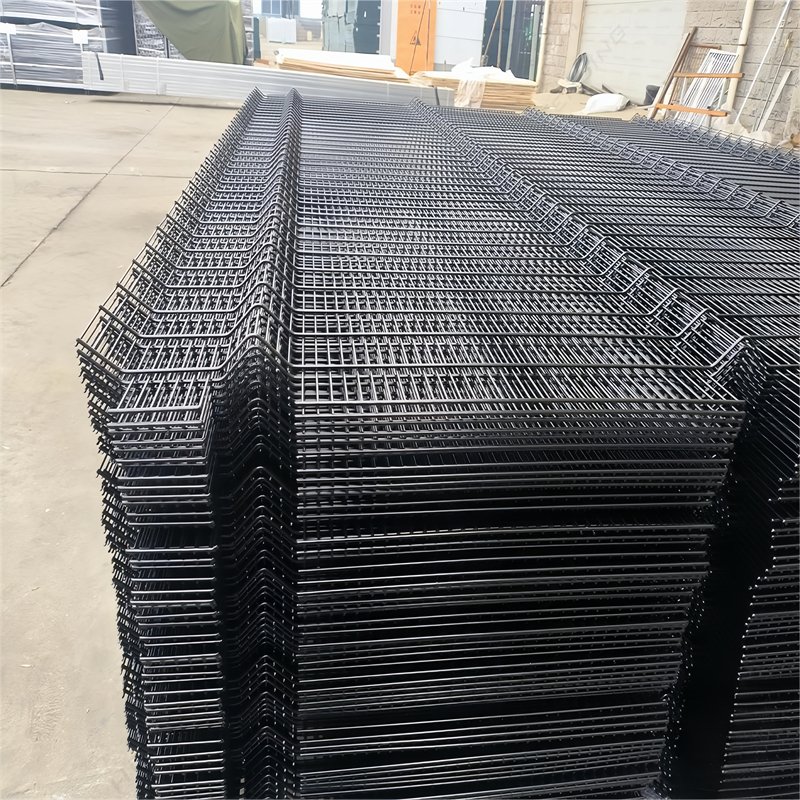
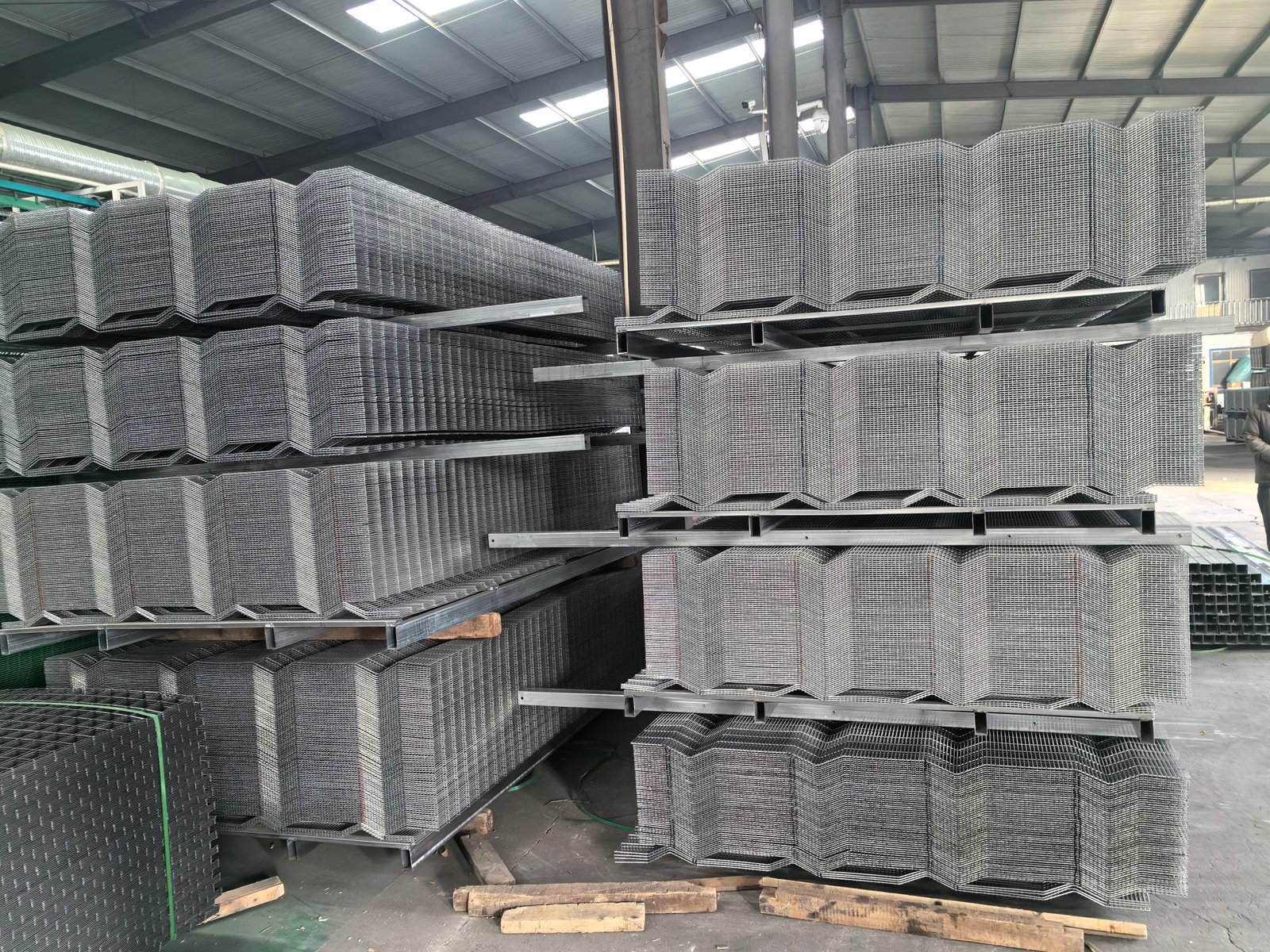
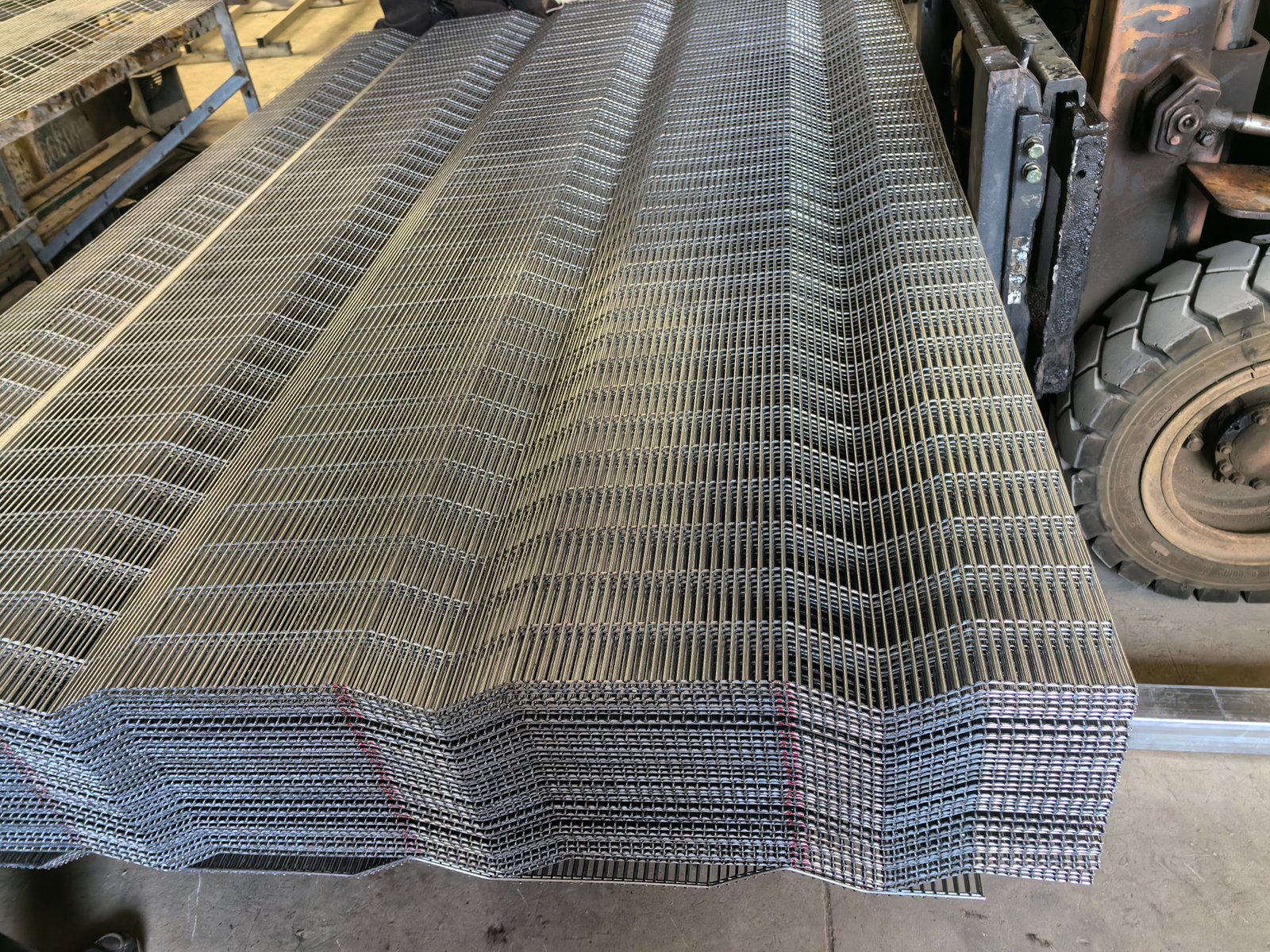
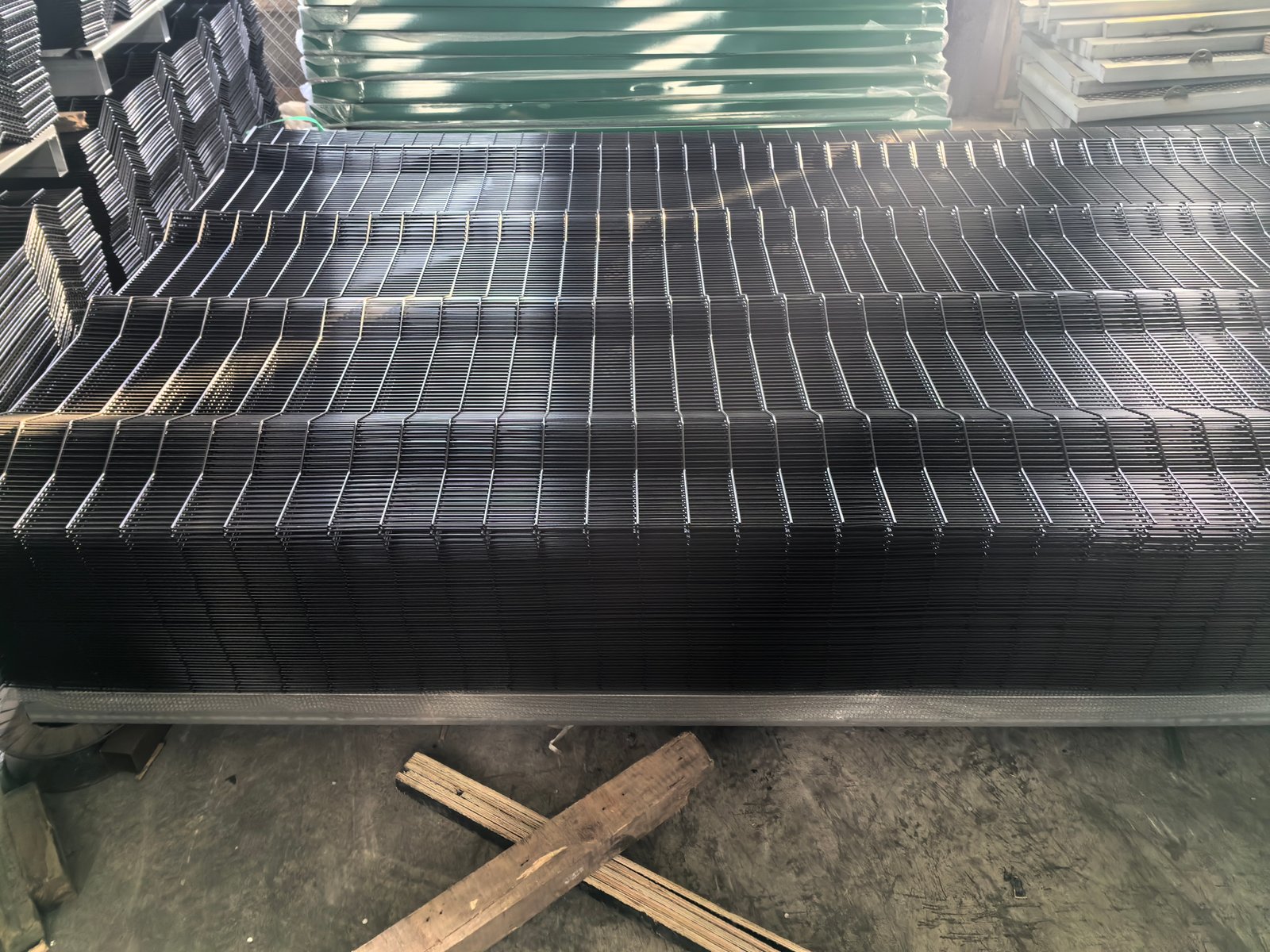
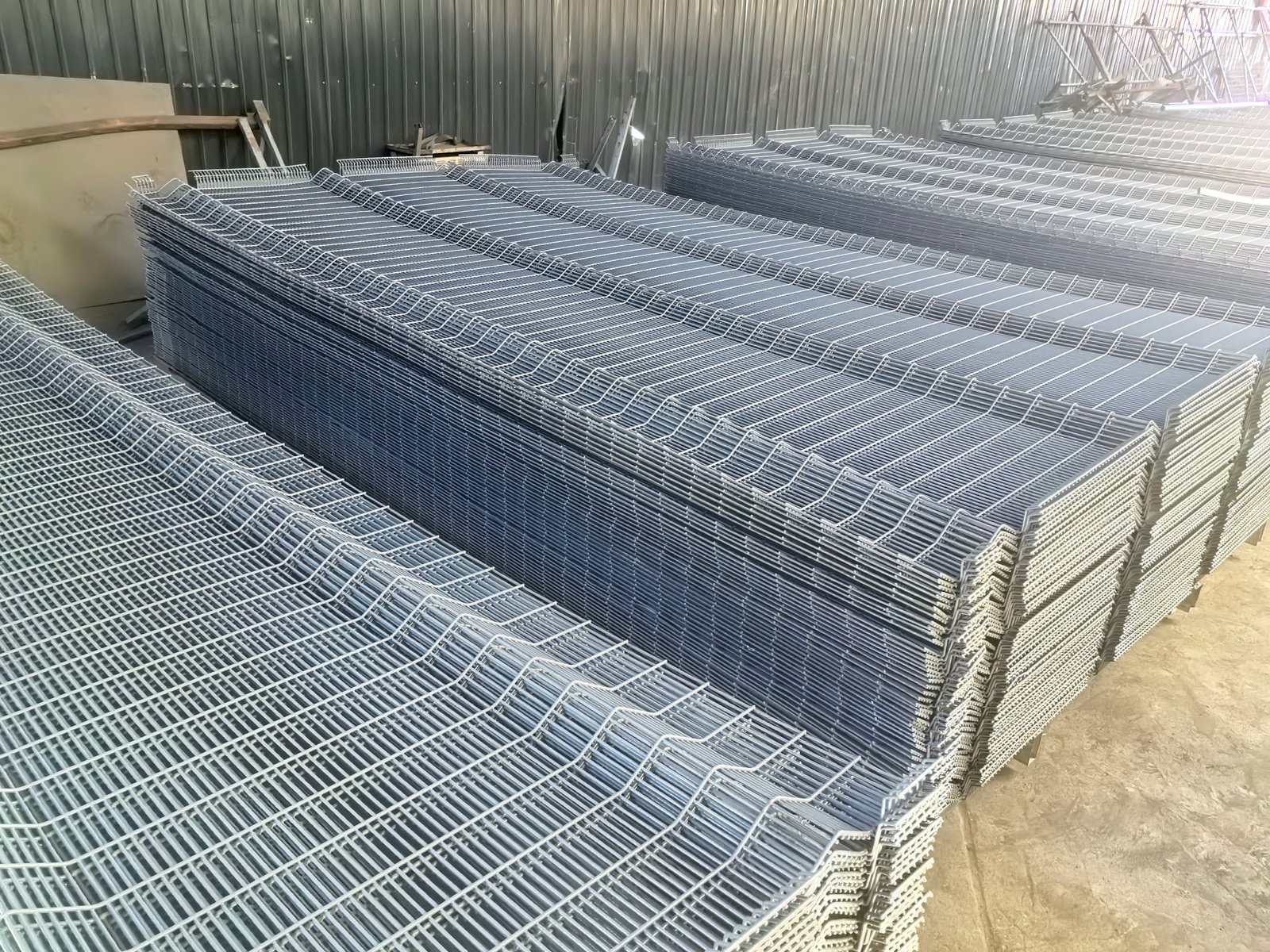
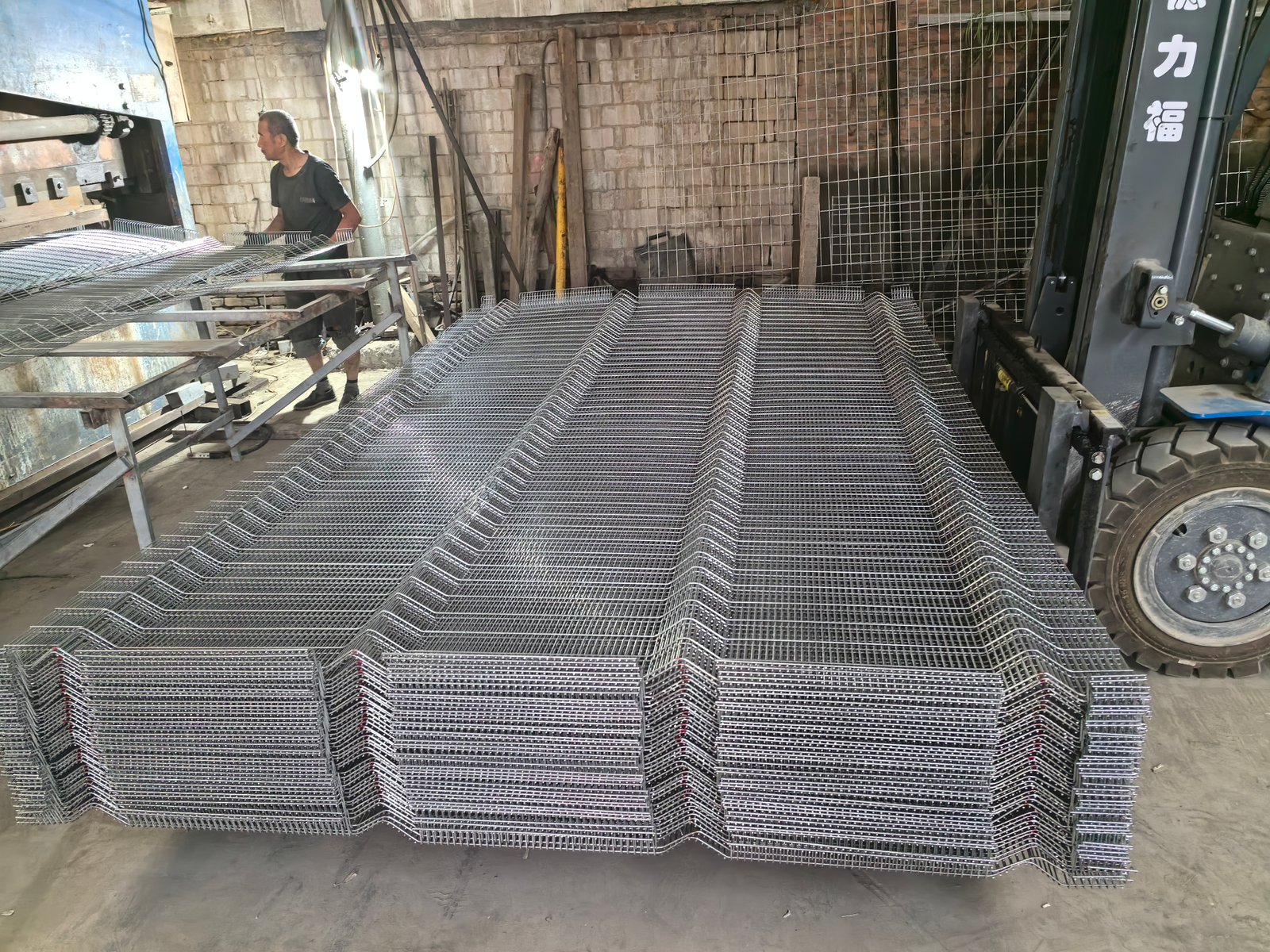
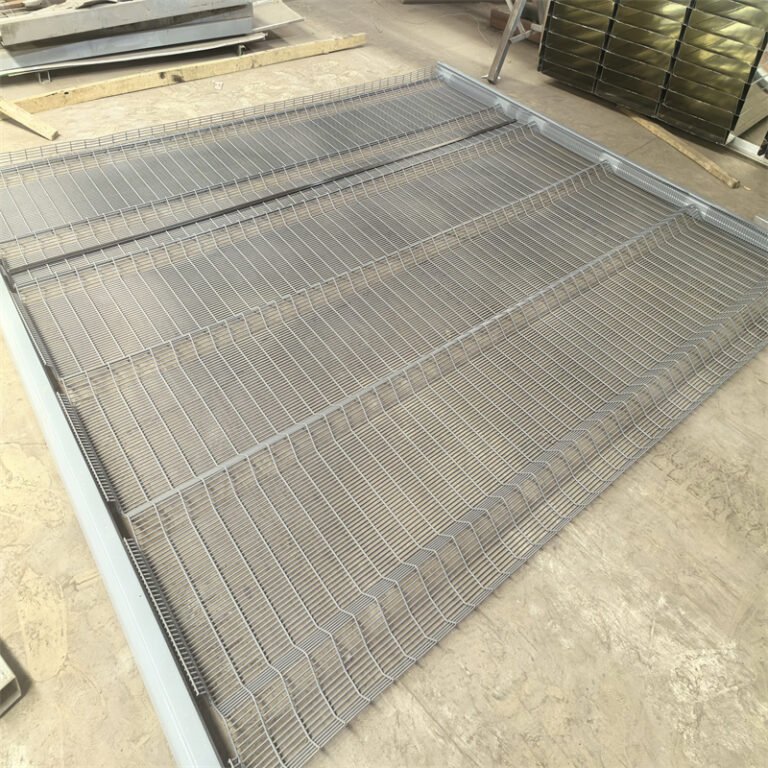
V-folds add geometric stiffness to many welded fence panels. Common reference counts include three folds for several lower heights. The original schedule lists four folds at 2400 mm and five at 3000 mm. Flat mesh remains an option when the frame or post design supplies sufficient support.
The exact fold depth and position should appear on approved production drawings. Installers must also verify clearances around posts and adjoining panels. Compare the complete assembly rather than relying on fold counts alone. The table below preserves the original example schedule.
Clear view fencing cape town posts
Fence posts transfer panel loads into the foundations and influence long-term alignment. Original design examples include angle posts and square hollow section posts. The angle options list 70 × 70 × 6 mm and 100 × 75 × 8 mm sections. Another example uses 76 × 76 × 1.6 mm square tubing.
No single post size suits every height, wind exposure, or ground condition. Cape Town coastal winds make structural review particularly important. Buyers should supply fence heights, spans, soil information, and gate locations. A qualified engineer should confirm critical foundations and post selections.
Fixings and corner assemblies
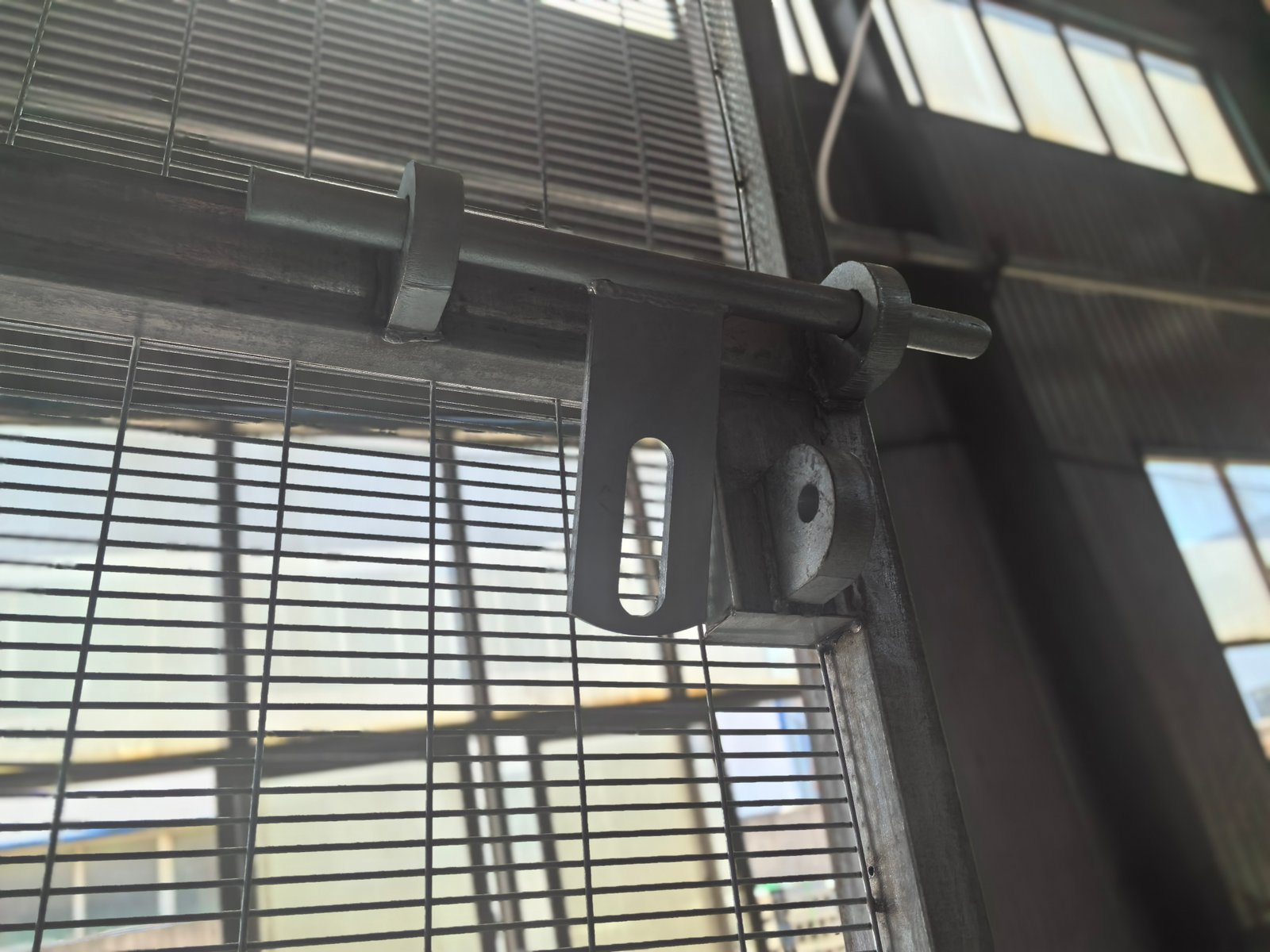
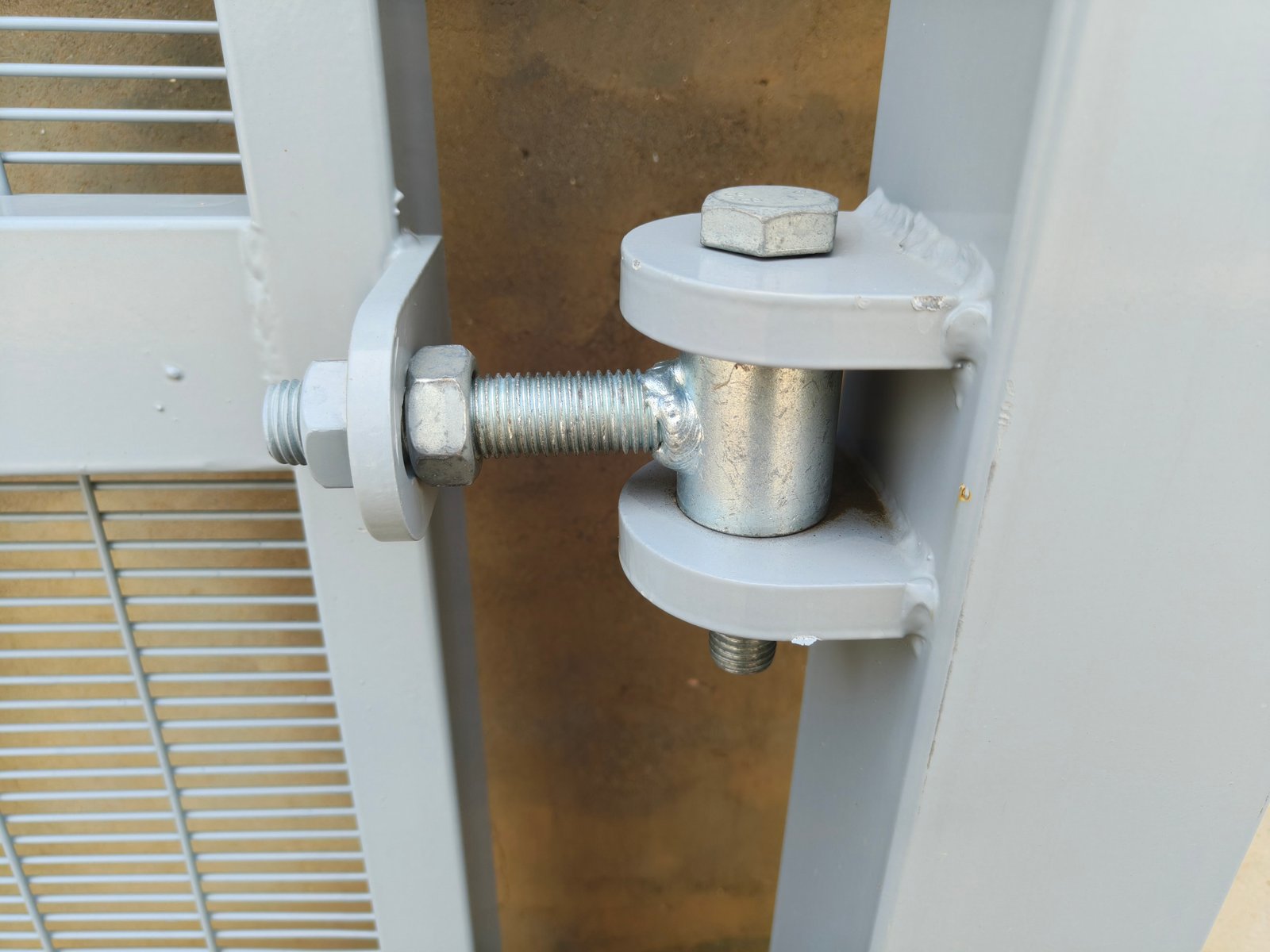
Panels may use flat bars, brackets, clips, and security fasteners for post connections. The original example lists M8 × 40 mm countersunk bolts and shear nuts. Buyers should specify fastener material, thread, quantity, and tamper resistance. Corner posts may need additional clamps or special fabrication.
Each gate opening needs dedicated posts and appropriate clearances. A continuous fence line also needs planned expansion and drainage details. The Clear View Fence Gates page explains related access configurations. Final fixing counts should follow the project drawing.
Clear view fencing cape town coating choices
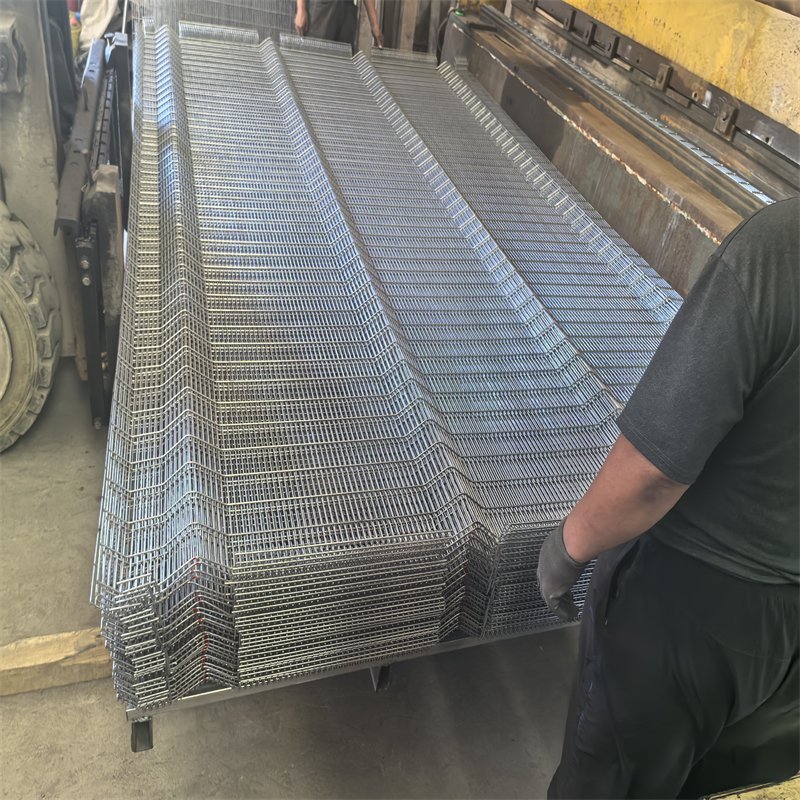
Coating selection plays a major role in service life and maintenance planning. BMP offers options involving zinc protection, zinc-aluminium wire, and organic topcoats. Powder coating can add colour and another environmental barrier. Marine exposure requires particular attention to coating edges and weld intersections.
Customers should define the full coating sequence rather than requesting a generic galvanized finish. Pre-galvanized wire differs from galvanizing the finished welded component. Powder-coated surfaces also need suitable pretreatment and curing. The Powder Coated Clear View Fence page covers this product family.
Zinc and powder coat comparisons
The original source lists several zinc-coating masses, including 50, 60, 195, 220, 255, and 275 g/m². Those figures represent reference options, not simultaneous coatings on one panel. The same source lists powder coating at 60–80 microns. It also lists thermoplastic coating at a minimum 250 microns.
Actual acceptance limits require an agreed specification and appropriate testing method. Zinc-aluminium alloy composition is distinct from organic film thickness. Avoid treating those measurements as interchangeable. The tables below keep the original reference values while clarifying these differences.
Original zinc-coating mass references
| Reference treatment |
Original figures (g/m²) |
Verification |
| Light galvanizing |
50 / 60 |
Confirm actual specification |
| Full galvanizing |
255 / 275 |
Confirm actual specification |
| Zinc-aluminium wire |
195 / 220 |
Confirm alloy and coating mass |
Original organic coating references
| Finish |
Reference thickness |
Comment |
| Powder coating |
60–80 µm |
Agree on test method |
| Thermoplastic coating |
At least 250 µm |
Agree on material system |
| Zinc-aluminium wire |
Not an organic film |
Specify coating mass separately |
Clear view fencing cape town coastal corrosion
Coastal air can accelerate corrosion where salt collects on metal surfaces. Wind-driven rain also creates uneven exposure across buildings and boundary lines. Unprotected cut edges and damaged coating areas need particular attention. Contractors should consider these conditions when planning the entire fence system.
Specify comparable treatments for panels, posts, clamps, and gate frames. Mixed protection levels can create uneven maintenance requirements. Ask the supplier for the coating process, target thickness, and inspection records. Do not assume a fixed service life without site-specific evidence.
Inspection at exposed sites
Inspections should focus on joints, posts, low points, fasteners, and coastal-facing sections. Remove salt residue when maintenance guidelines recommend washing. Look for coating damage, trapped moisture, or rust around concealed connections. Repair defects before corrosion spreads beneath the finish.
Keep photographs and inspection dates for traceability. Schedule additional checks after severe storms or accidental impacts. Site teams should also examine vegetation touching the panels. Regular care supports visibility and makes damage easier to detect.
Clear view fencing cape town installation
Installation starts with surveyed boundaries and approved setting-out drawings. Crews then identify service lines, access routes, and foundation locations. Accurate post spacing helps maintain a straight fence line. Sloping ground may require stepped panels or designed changes in post height.
Installers should protect finished coatings during handling and fitting. Tighten clamps according to the chosen fixing system. Check vertical alignment before finalizing concrete or anchors. Record any field modifications for later maintenance.
Ground conditions and foundation planning
Foundation requirements depend on panel height, post spacing, soil, wind, and fence attachments. Soft or disturbed ground may require larger or deeper foundations. Rock and existing concrete create different anchoring challenges. A site engineer should approve designs for critical locations.
Installers must account for drainage near foundations and low points. Poor drainage can increase moisture exposure around post bases. Gate posts often experience different loads from ordinary line posts. Never copy a standard line-post foundation into a gate design without checking loads.
Clear view fencing cape town gates
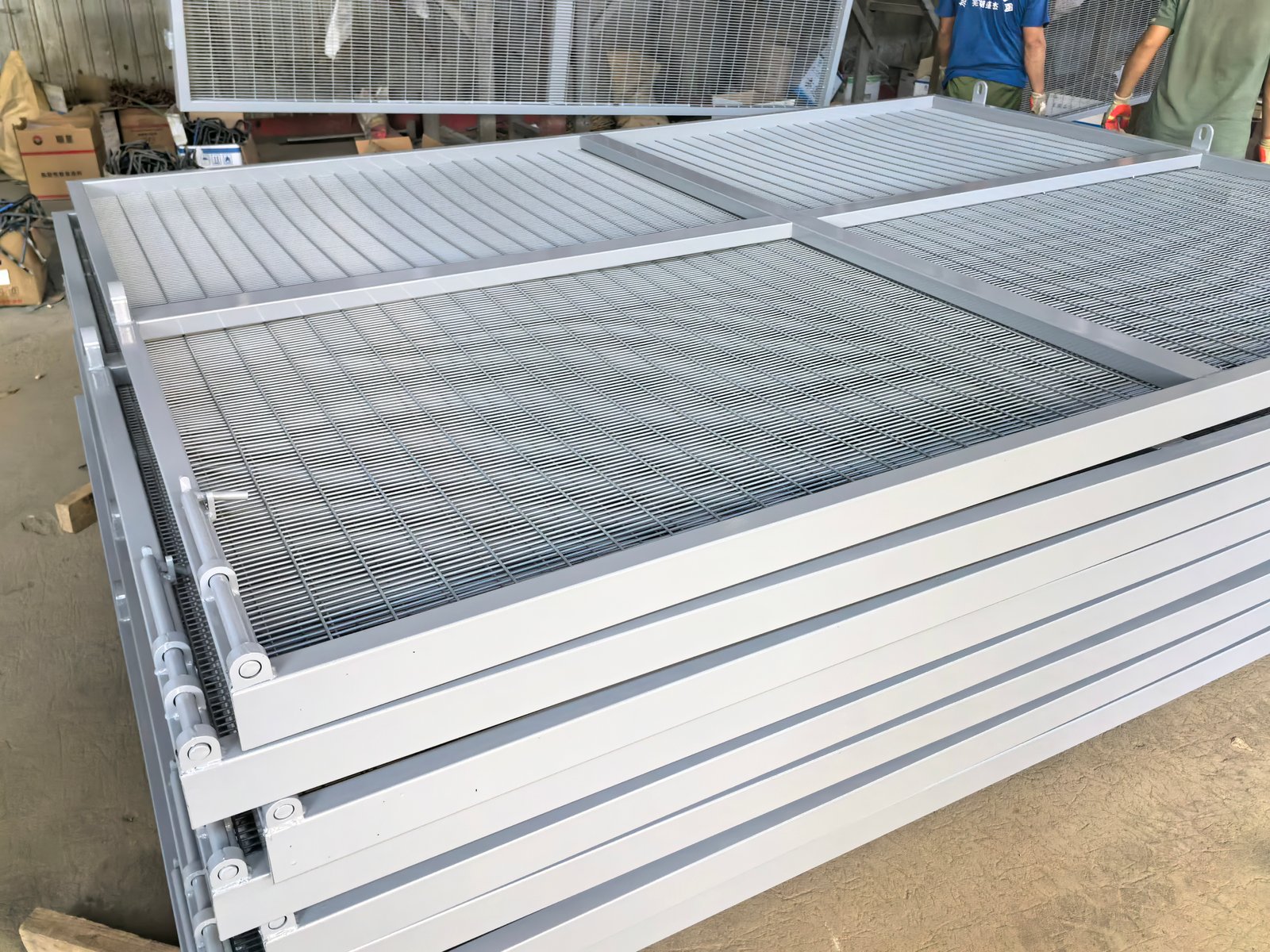
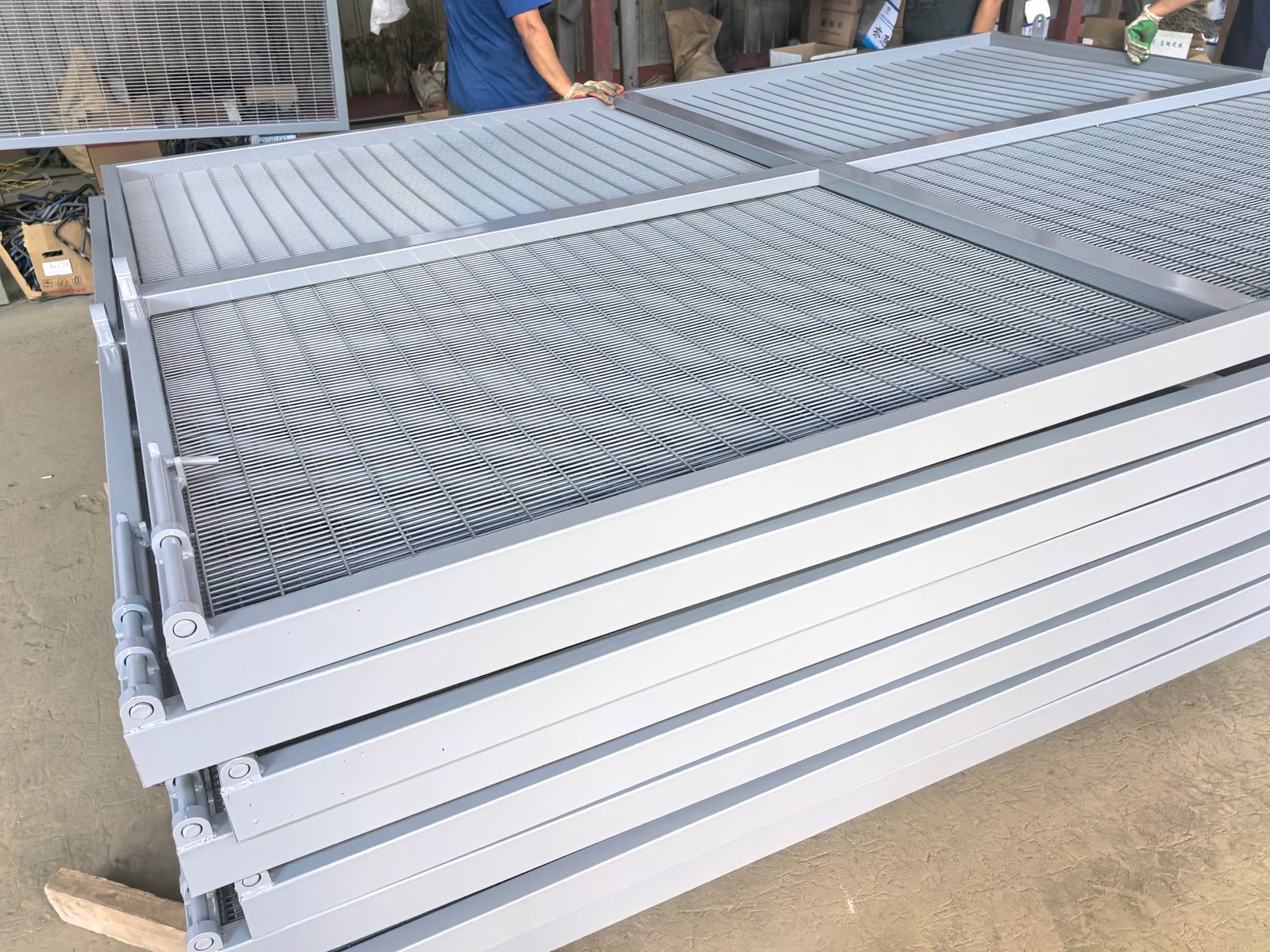
Entrances often require more detailed planning than the adjoining fence. Buyers can select pedestrian, double-swing, and sliding gate formats. Opening width should reflect vehicles, pedestrians, and emergency access. The gate mesh can match the surrounding fence for consistent appearance.
Include locks, hinges, stop positions, and access control requirements in the specification. Motorized gates need safety devices and suitable electrical planning. The Clear View Fence Gate range provides matching components. Security depends on reliable operation throughout the gate lifecycle.
Pedestrian, swing and sliding entrances
Pedestrian gates need secure latches, comfortable operating clearance, and compatible posts. Double-swing gates need adequate leaf support and level travel. Sliding gates need lateral storage space and a carefully prepared travel path. Motor size and control settings depend on actual gate geometry.
For sliding designs, compare Clearvu Fence Sliding Gates with your site requirements. Verify access control interfaces before manufacturing begins. Ask for assembly photographs and testing videos where relevant. A clear acceptance checklist helps prevent costly site adjustments.
Clear view fencing cape town industrial applications
Industrial operators use clear view mesh around warehouses, manufacturing sites, pumping stations, and storage yards. Its open structure supports routine visual checks along the boundary. Tight mesh spacing can discourage casual climbing attempts. Operators should still combine fencing with controlled access and monitoring.
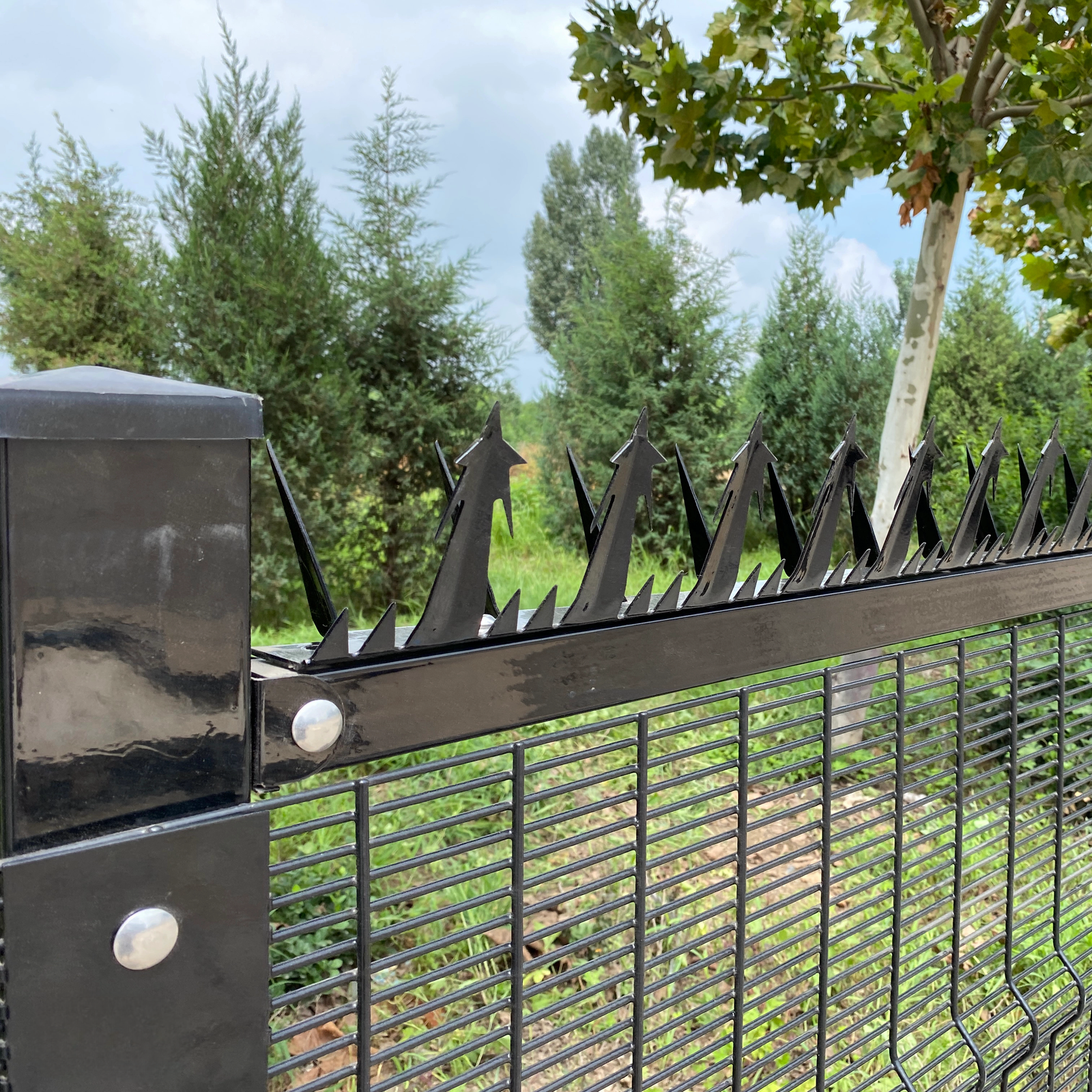
Infrastructure boundaries may require special gate widths and safety distances. Some sites also need additional security toppings or warning signs. Obtain relevant approvals before selecting hazardous toppings. Product drawings should document every accessory and its connection.
Residential and public boundaries
Residential estates often value clean sightlines and a consistent appearance. Schools and public sites also need designs that consider users and supervision. Select mesh, height, and gate hardware according to realistic site needs. Avoid automatically specifying prison-oriented details for ordinary community projects.
Landscaping can improve appearance without obstructing inspection access. Maintain enough clearance for cleaning and repairs. Consider pedestrian routes before choosing gate positions. The Clear View Fence South Africa page provides related product context.
Clear view fencing cape town quality control
Quality control begins with material identification and wire diameter checks. Production teams then check mesh spacing, welding consistency, and panel dimensions. Surface preparation and coating inspections follow the approved process. Final checks should cover posts, clamps, and packing quantities.
Customers can request batch photos, measured samples, and inspection reports. Critical projects may require independent testing and witnessed inspections. Specify the acceptance criteria before production begins. Clear criteria reduce disputes when goods arrive.
Manufacturing and traceability
Production records should identify panel models, quantities, coating systems, and manufacturing batches. Labels can help installers match pallets with their site drawings. Gate assemblies need separate hardware records and installation instructions. Traceability becomes valuable when buyers order replacement parts months later.
BMP supplies goods from China for overseas customers. Customers should confirm each factory capability and quoted lead time. Order drawings should match the commercial invoice and packing list. Verify coating claims through batch-specific records rather than general marketing statements.
Clear view fencing cape town shipping
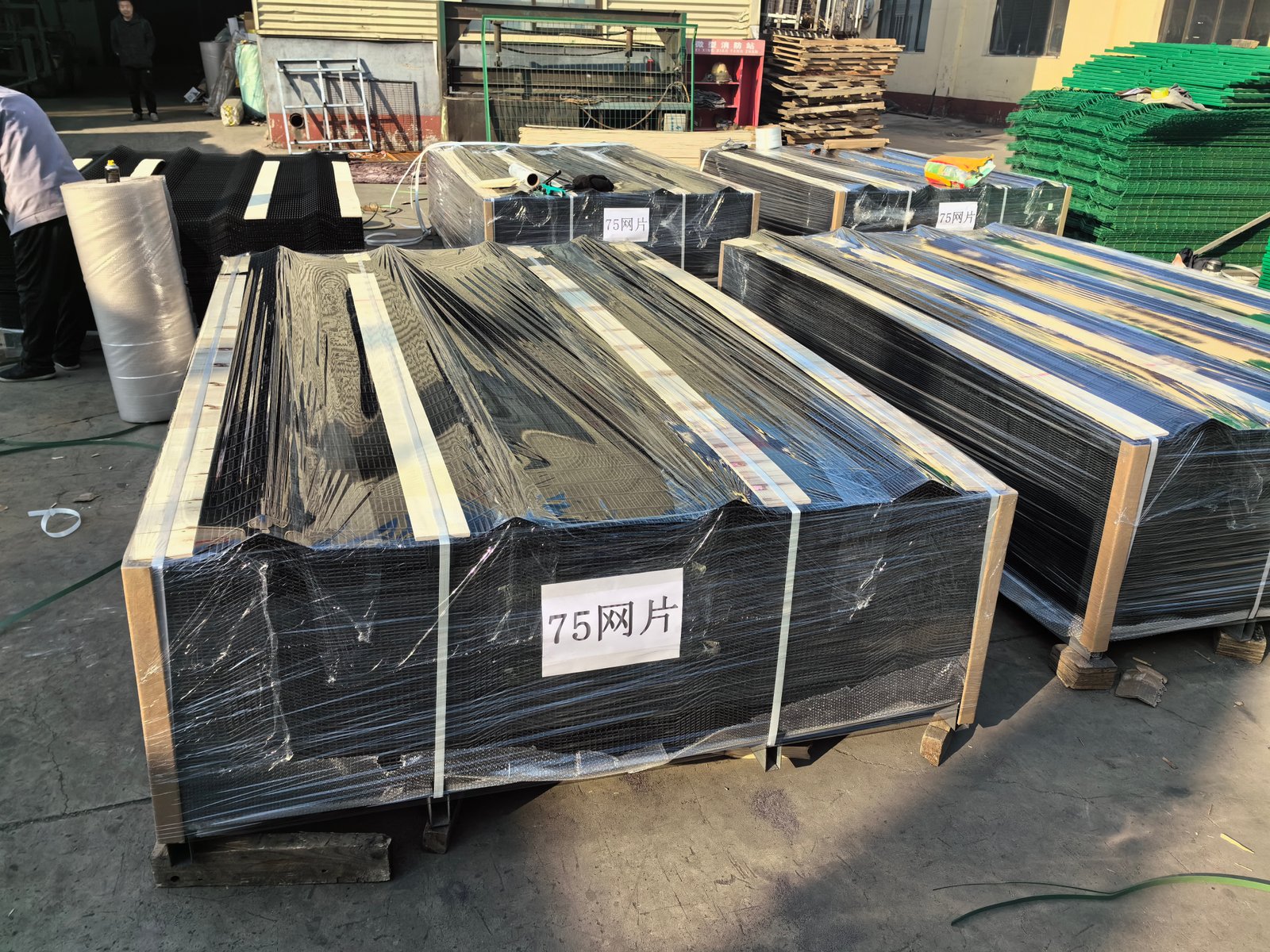
Cape Town buyers can request sea-freight quotations for complete fence systems. Shipping plans should include panels, posts, clamps, gates, and spare fittings. Packing dimensions influence container utilization and unloading methods. Oversized assemblies may need special handling or split shipment arrangements.
Confirm the chosen Incoterm before comparing supplier prices. FOB, CIF, and destination delivery terms include different responsibilities. Ask which charges the quotation includes. Keep customs classification and destination charges separate from product specifications.
Packing and arrival inspection
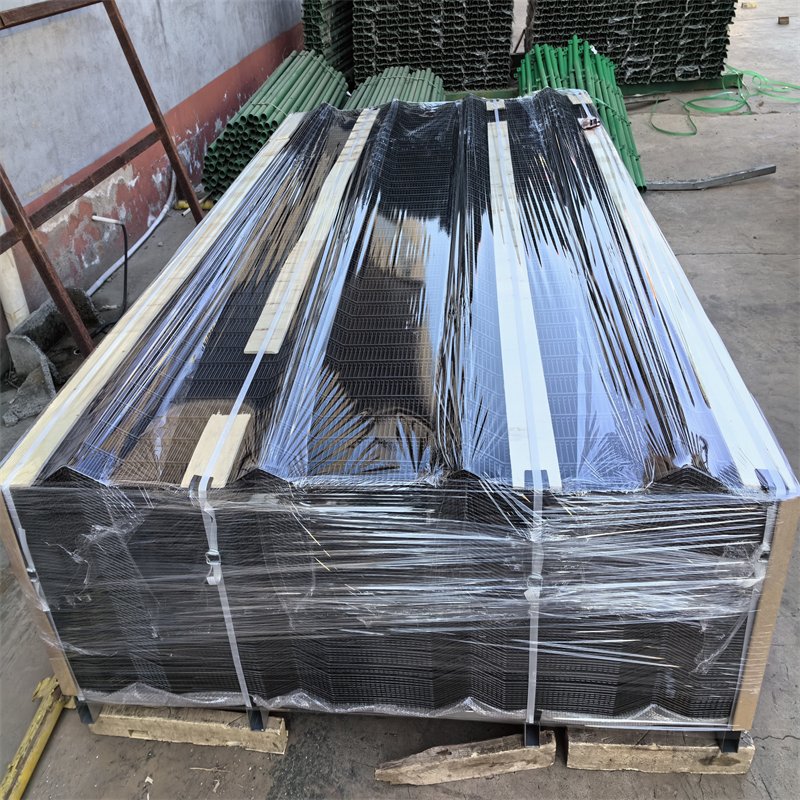
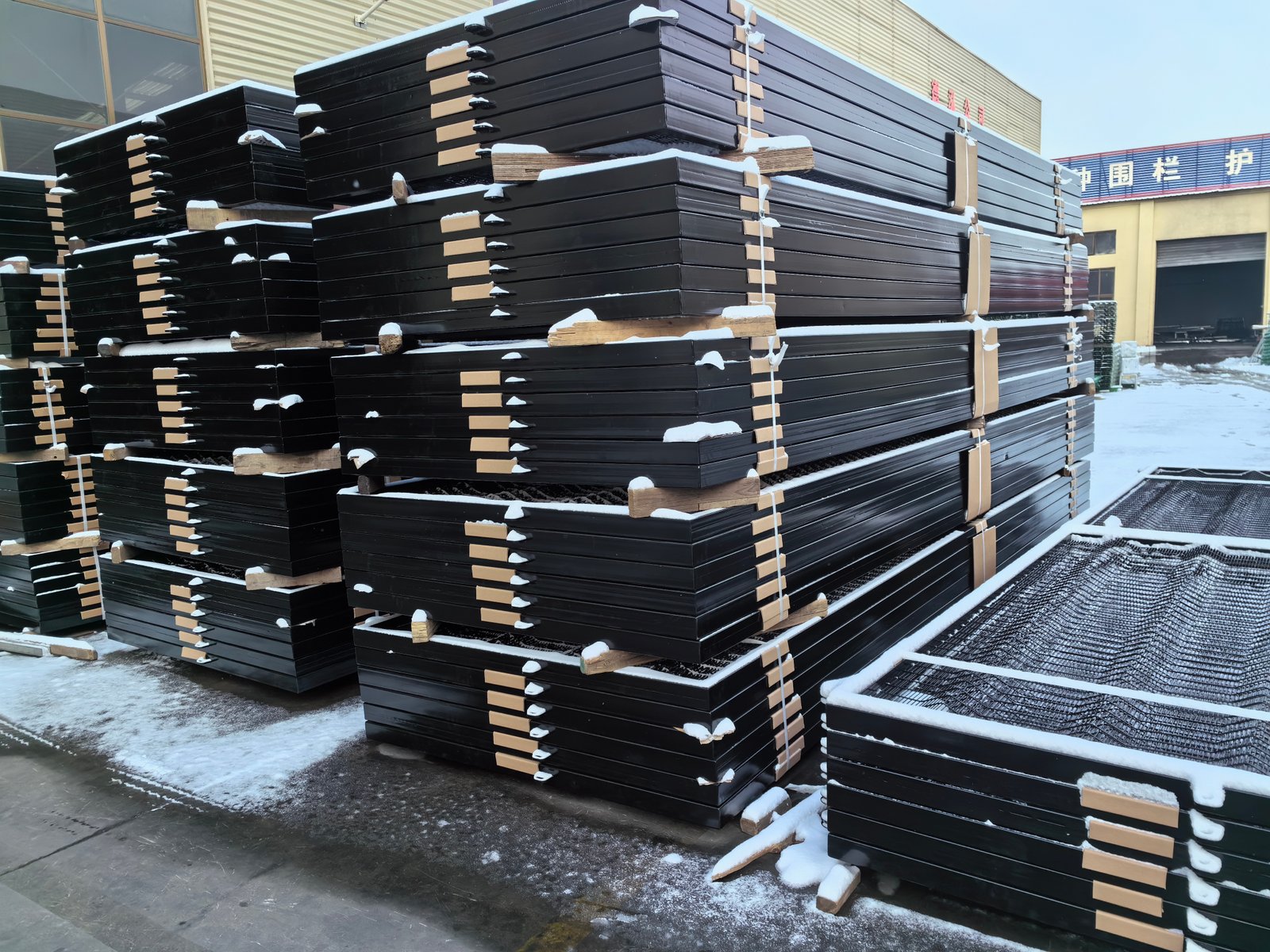
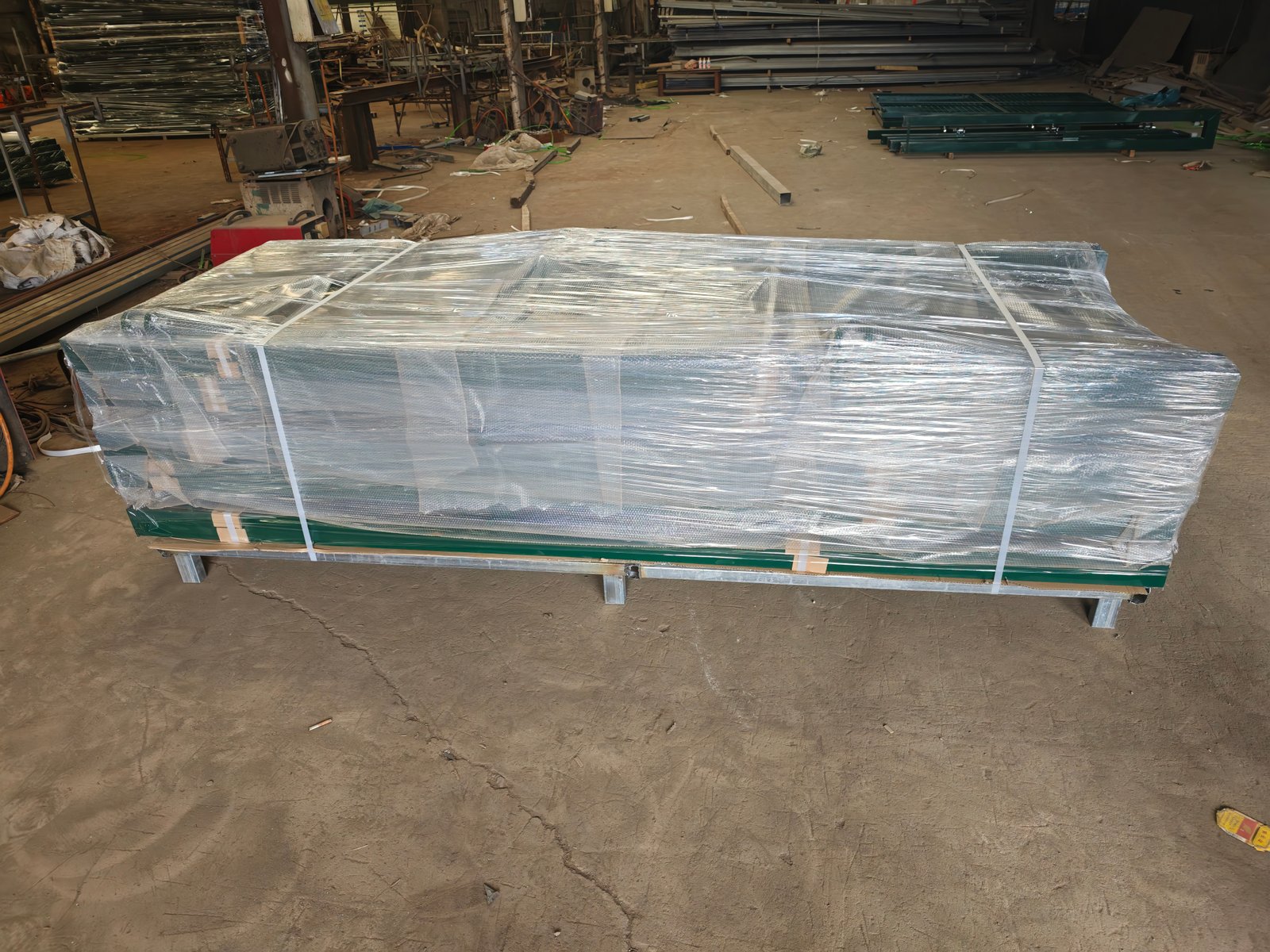
Export pallets can protect welded panels during container movement and unloading. Protective separators help reduce rubbing between coated surfaces. Posts need secure stacking, while smaller accessories need clear carton labels. Large gate frames may require dedicated supports or stillages.
On arrival, check quantities before distributing pallets around the site. Inspect packaging damage and photograph any visible coating defects. Match each component against the approved packing list. Report discrepancies promptly through the agreed claim process.
Clear view fencing cape town buying guide
An effective inquiry identifies project location, total boundary length, and preferred security category. It also includes panel height, width, aperture, and wire configuration. Specify the coating system, colours, posts, and gate schedule. Attach a site drawing whenever possible.
Confirm whether quotations cover only panels or complete fencing kits. Some suppliers exclude posts, clamps, gates, and freight. Compare supplier scope before comparing unit rates. The Clear View Fencing for Sale page shows another fencing supply configuration.
Comparing total landed cost
A low panel price does not always produce the lowest finished project cost. Consider post quantities, accessories, coating durability, shipping, clearance, and installation. Replacement availability also matters for future maintenance. Compare like-for-like specifications across all offers.
Ask suppliers to separate product value from freight and destination costs. Confirm the currency and validity period of each quotation. Check whether panels need assembly or additional local fabrication. Keep a contingency for approved site changes.
Clear view fencing cape town maintenance
Routine maintenance helps keep visibility and perimeter function consistent. Remove debris and inspect connections after strong wind events. Check whether fasteners remain secure and posts remain upright. Gate maintenance should also cover hinges, tracks, locks, and operators.
Record damage and repairs against the relevant fence section. Repair materials must match the original coating as closely as possible. Site personnel should follow the manufacturer repair instructions. More frequent coastal inspections may prove necessary.
Repairs and replacement planning
Replacement panels should match the original aperture, wire diameter, height, and post connection. Even small dimensional differences can complicate site fitting. Keep approved drawings and spare-fastener specifications on file. Store touch-up materials according to their supplier instructions.
Inspect surrounding panels after any vehicle collision or attempted intrusion. A damaged post can affect adjacent panel alignment. Replace unsafe components before reopening restricted areas. Record corrective actions for future maintenance reviews.
Clear view fencing cape town FAQ
Cape Town buyers often ask about the differences between 3510 and 358 mesh. They also ask about coating options, shipping, and gate compatibility. The answers below address common planning questions. Final decisions should always follow site requirements and approved specifications.
BMP can prepare product schedules from drawings and quantities. Buyers should request an itemized offer for their specific project. That approach makes technical review and shipping comparisons easier. It also reduces confusion about included accessories.
Project questions and answers
Does 3510 mean the same thing as 358? No. Their names commonly indicate different wire gauges with similar close mesh spacing. Can the fence follow sloping ground? Yes. Installers can use suitable stepped layouts or approved custom panel arrangements.
Which coating suits coastal properties? The right treatment depends on exposure, component design, and maintenance planning. Can matching gates ship with the panels? Yes. Include gate dimensions and hardware requirements in the approved order. Does BMP provide installation in Cape Town? BMP supplies products from China; arrange local installation separately.