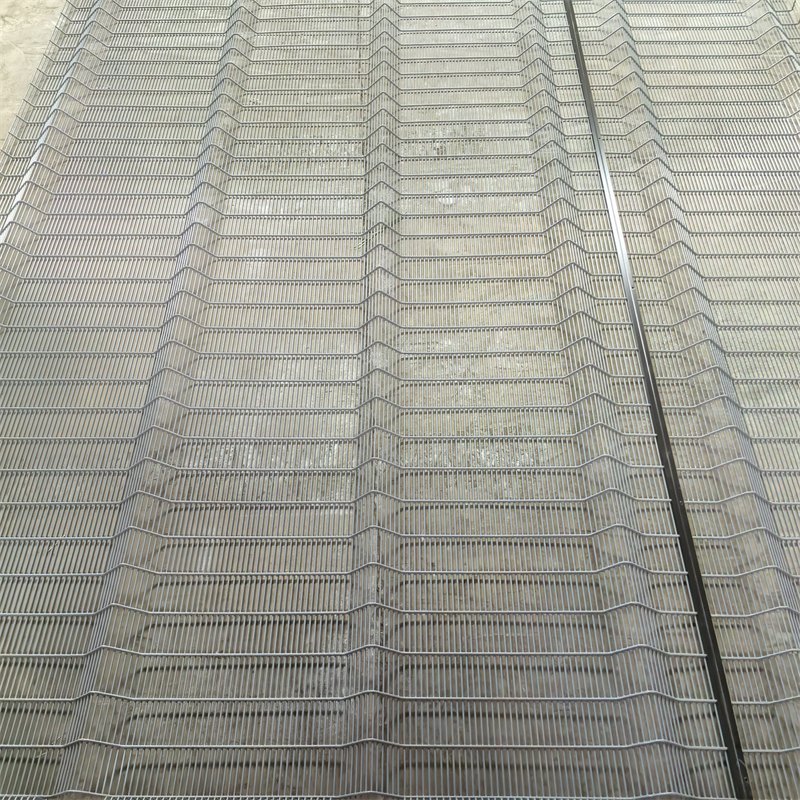
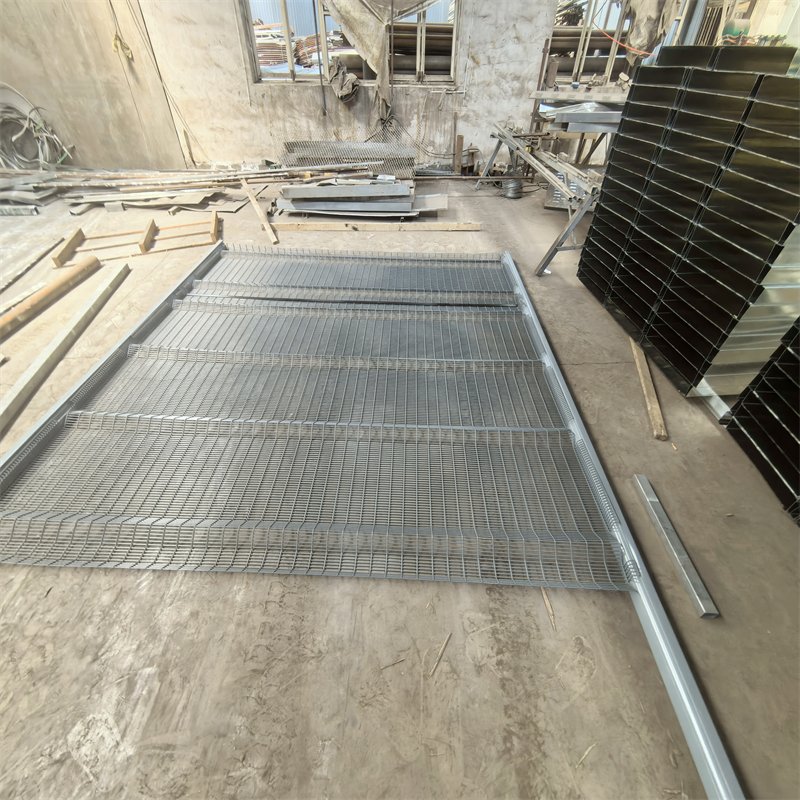
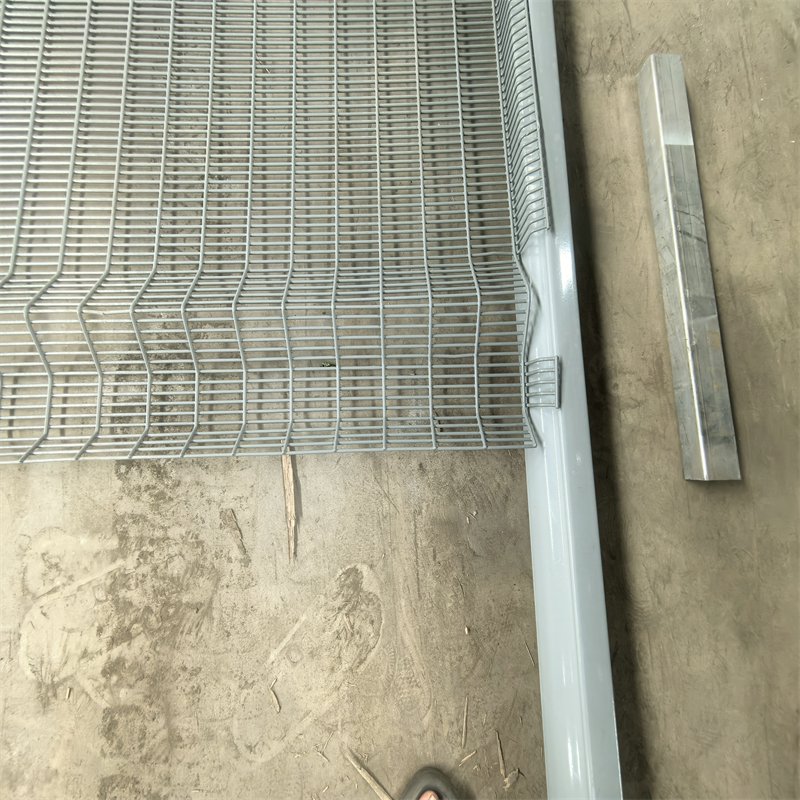
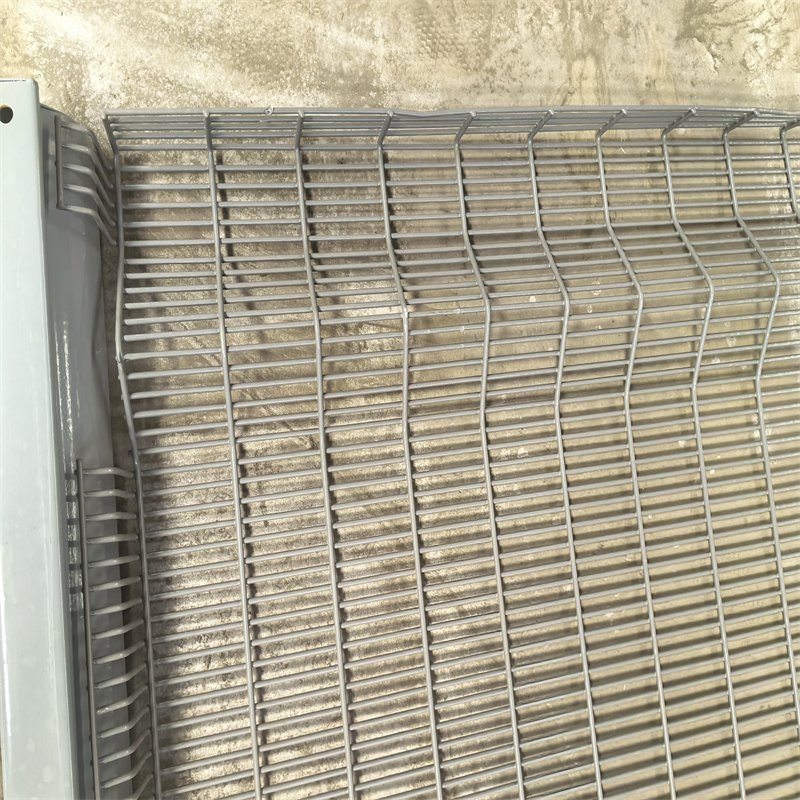
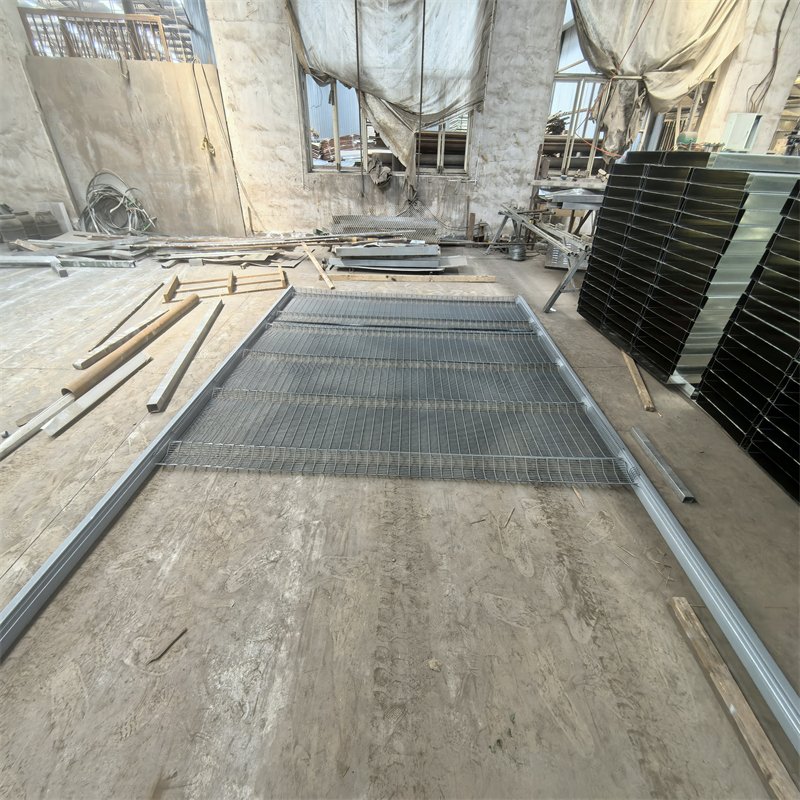
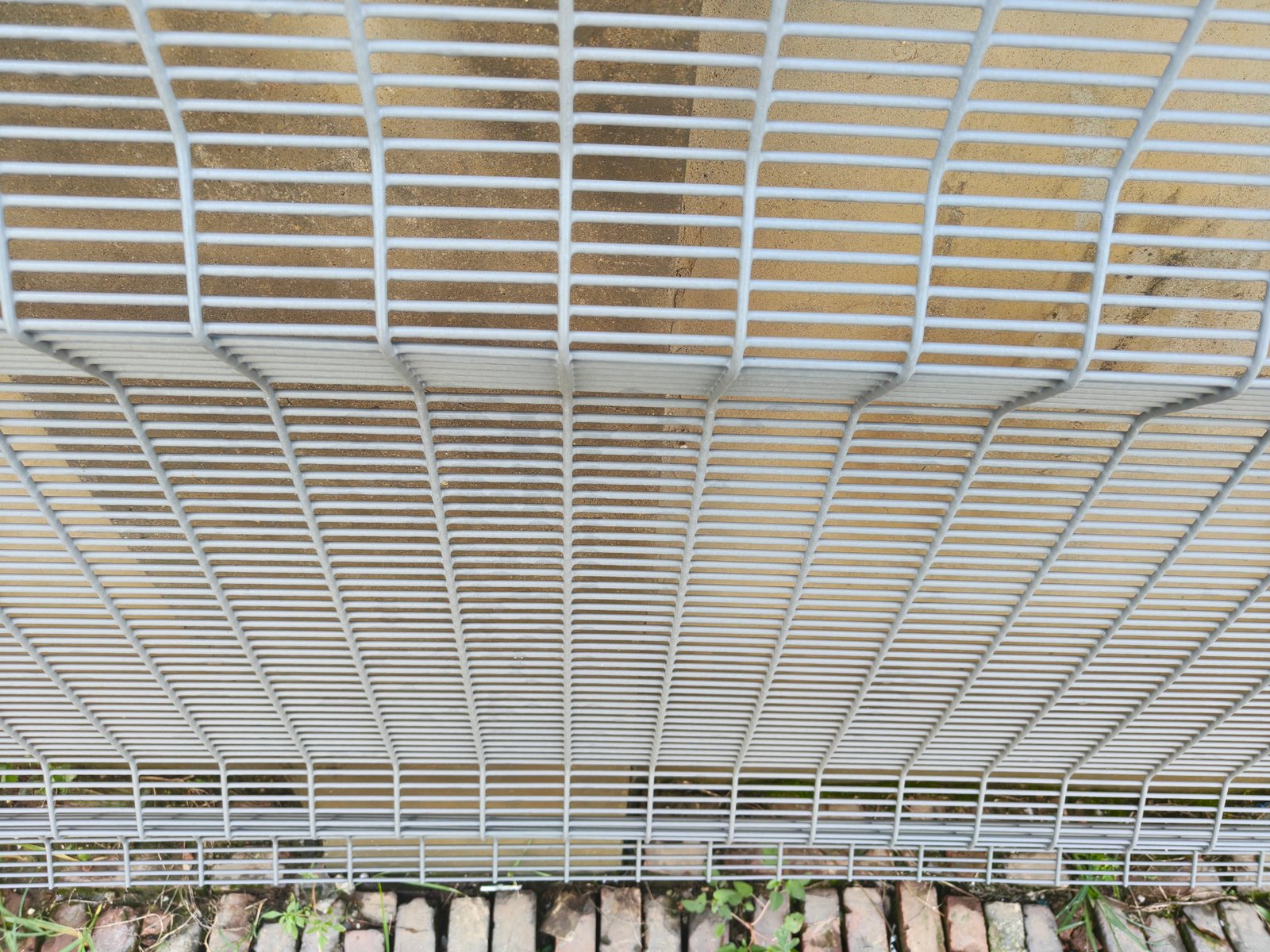
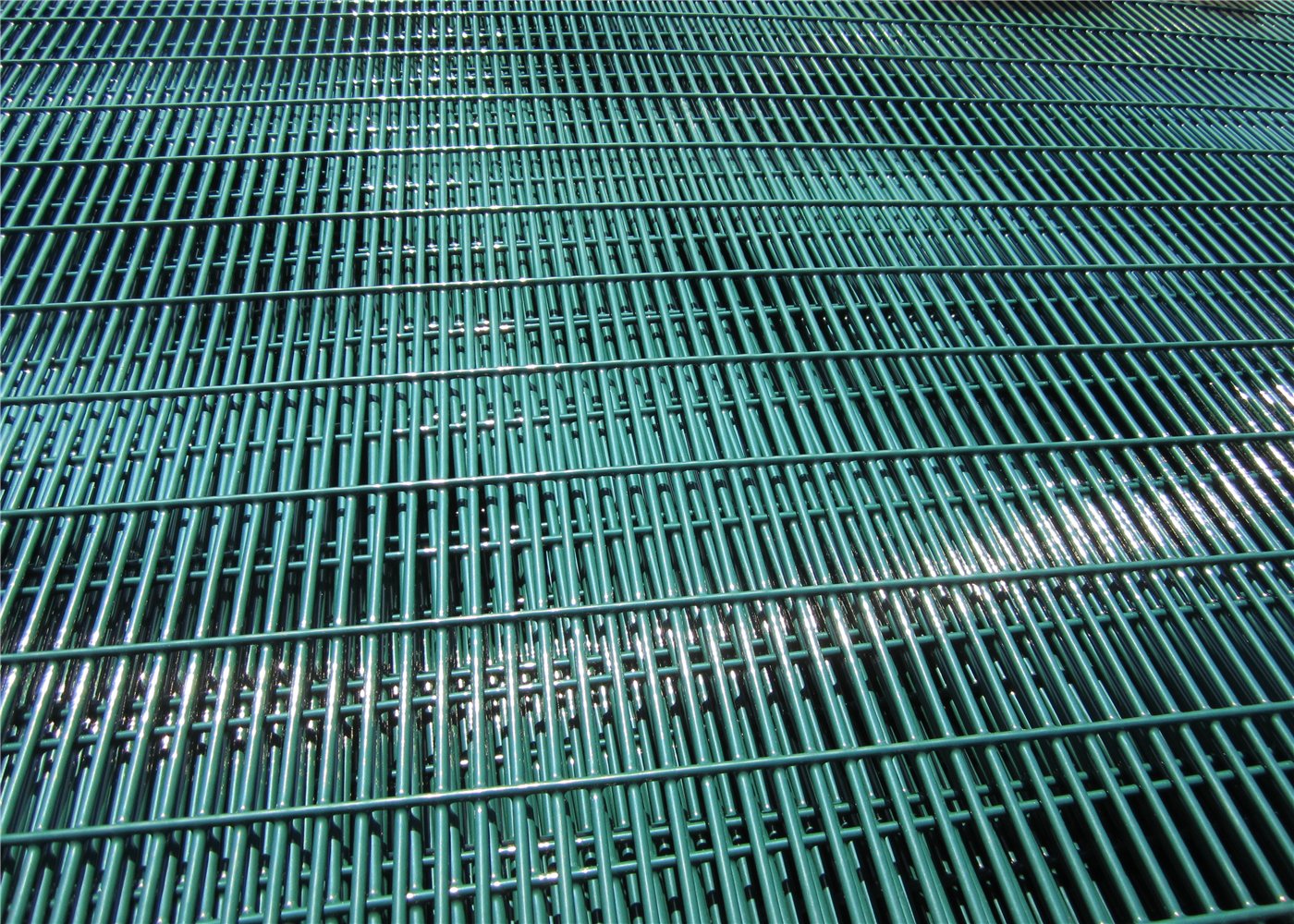
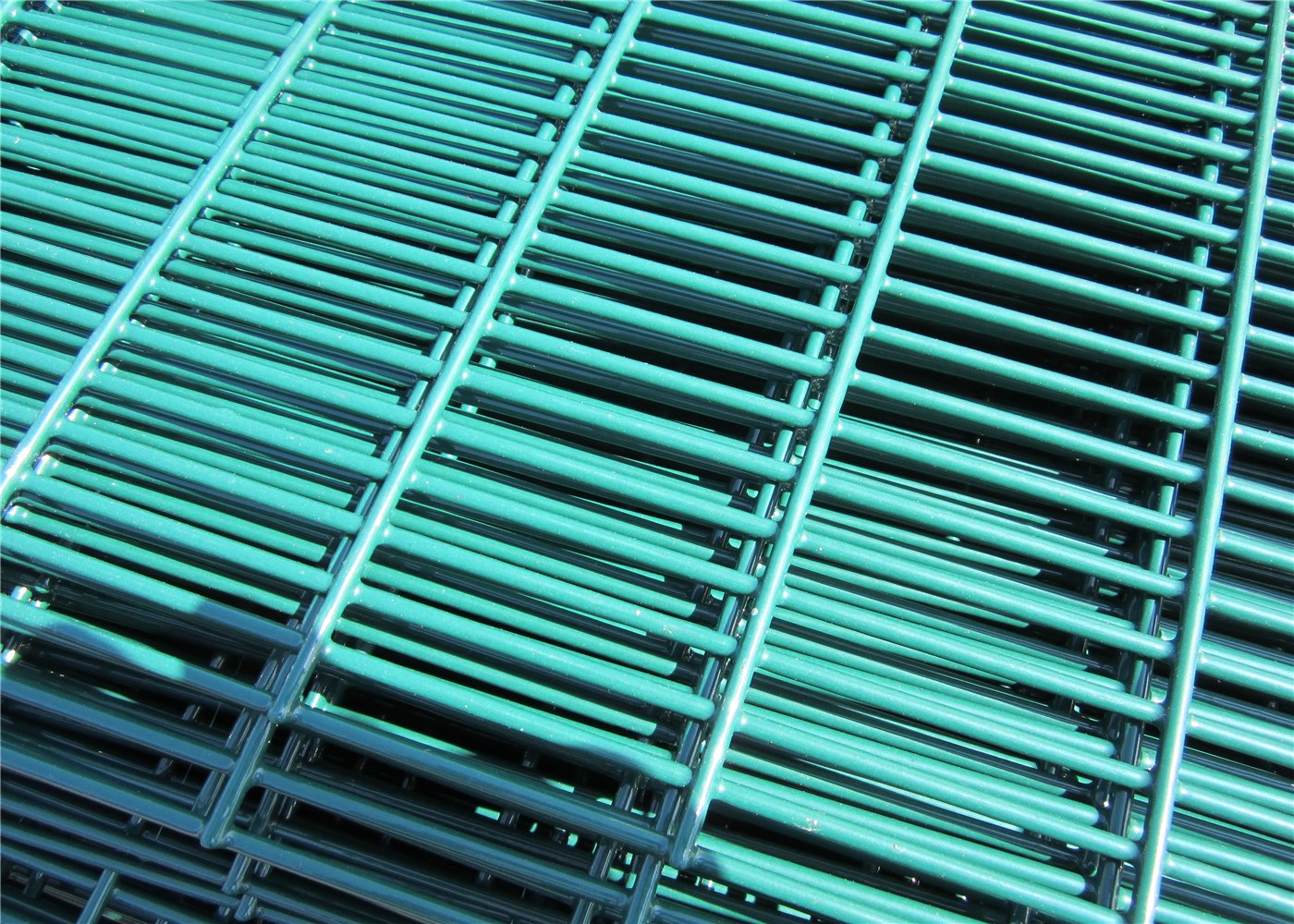
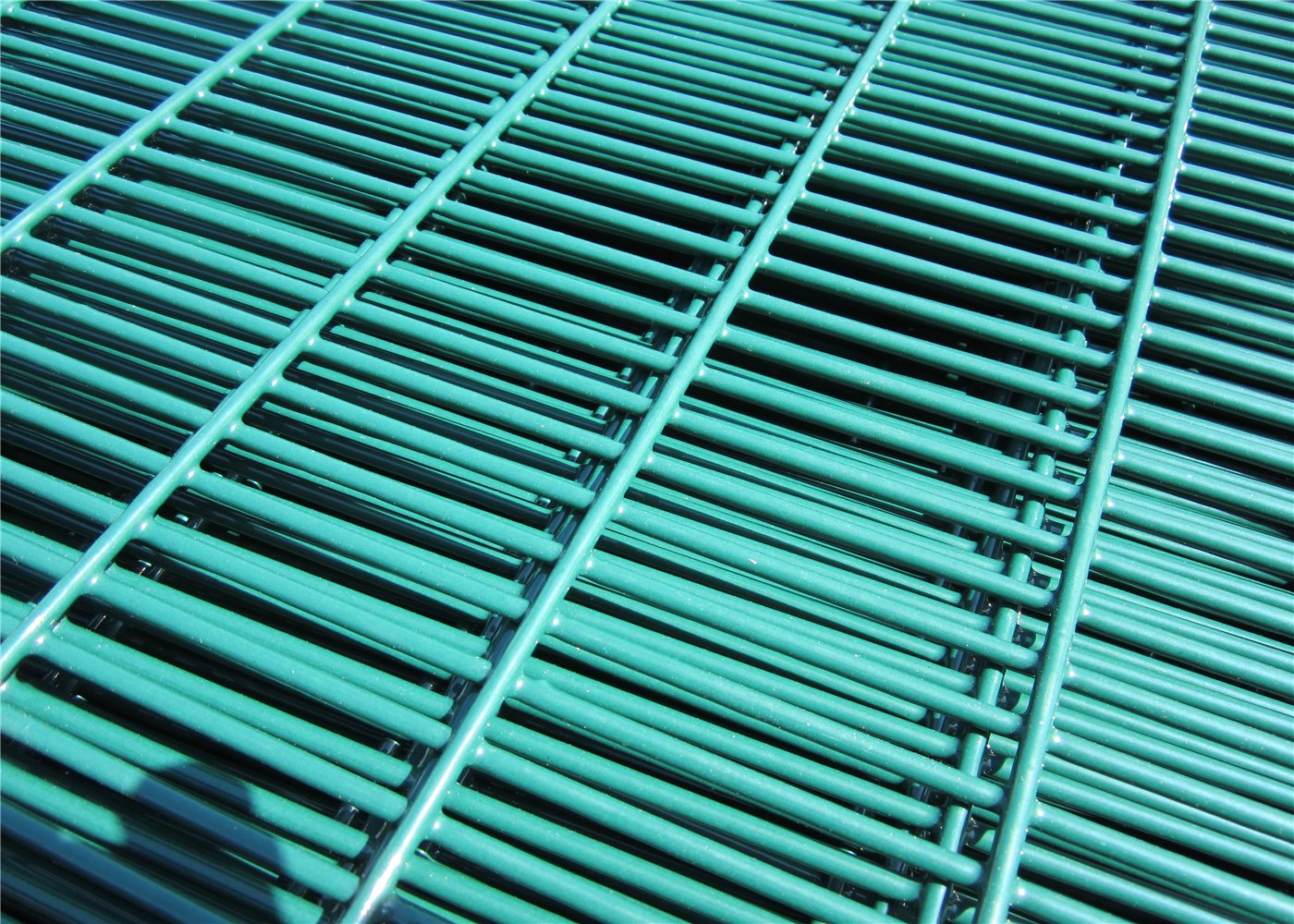
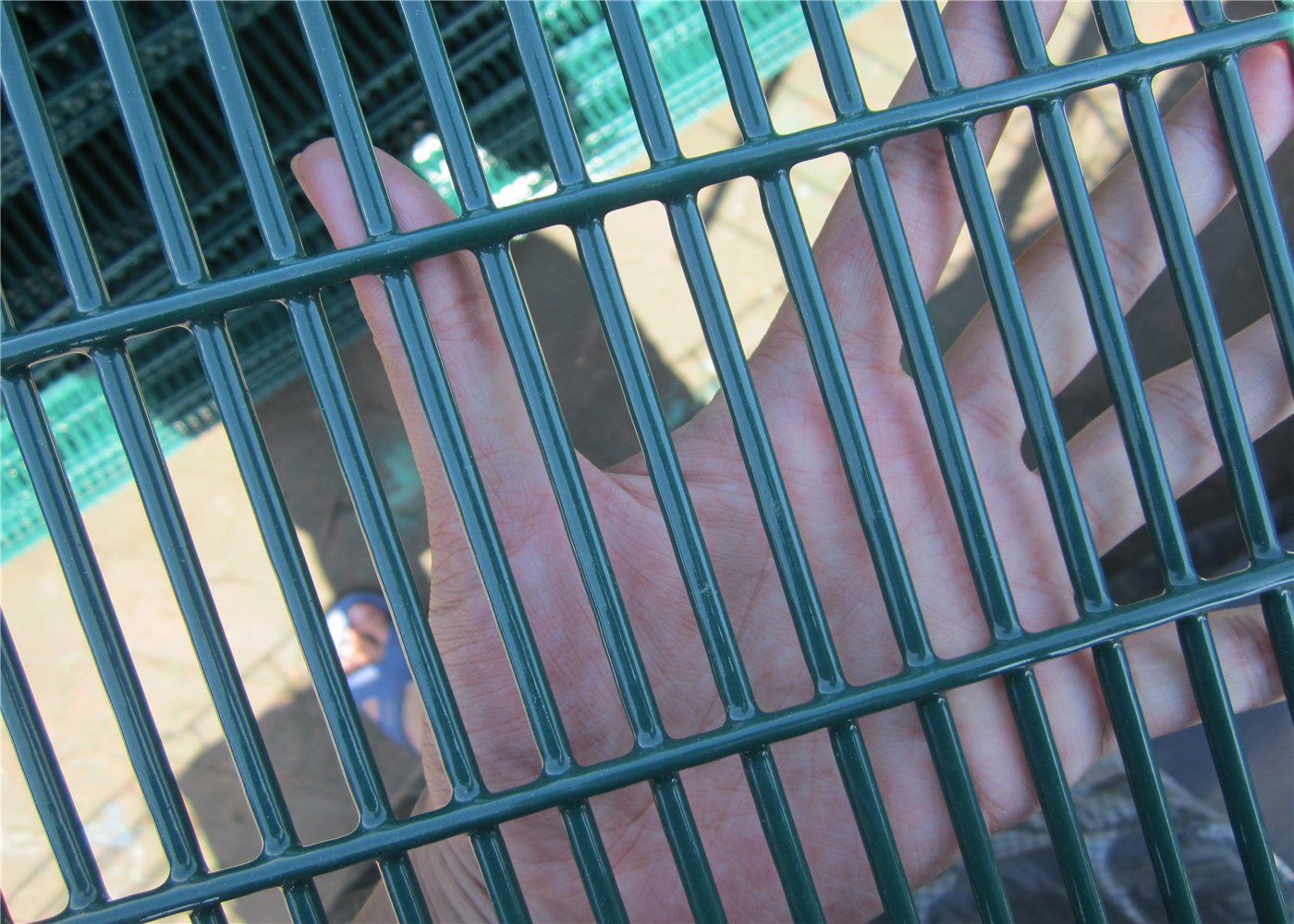
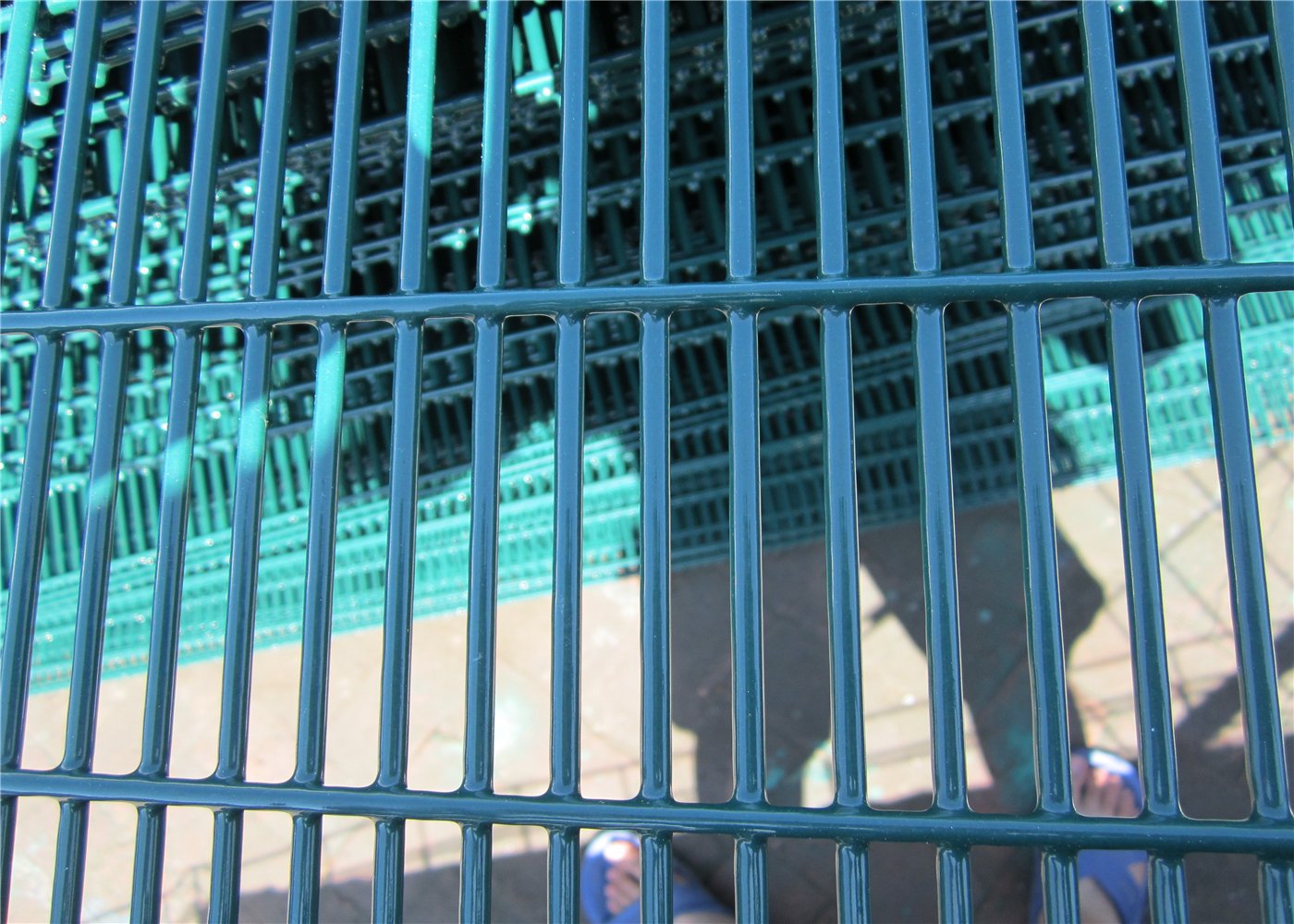
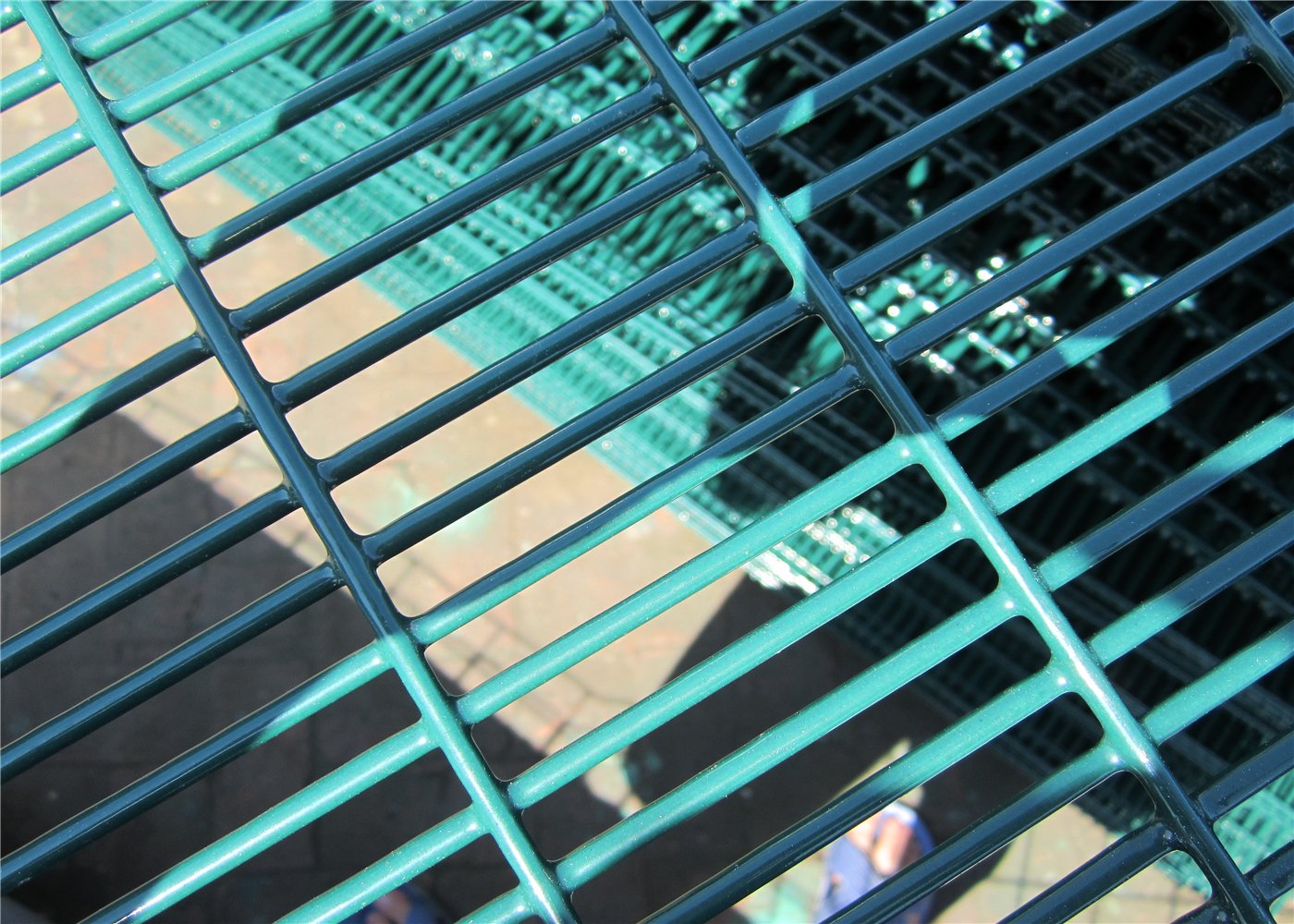
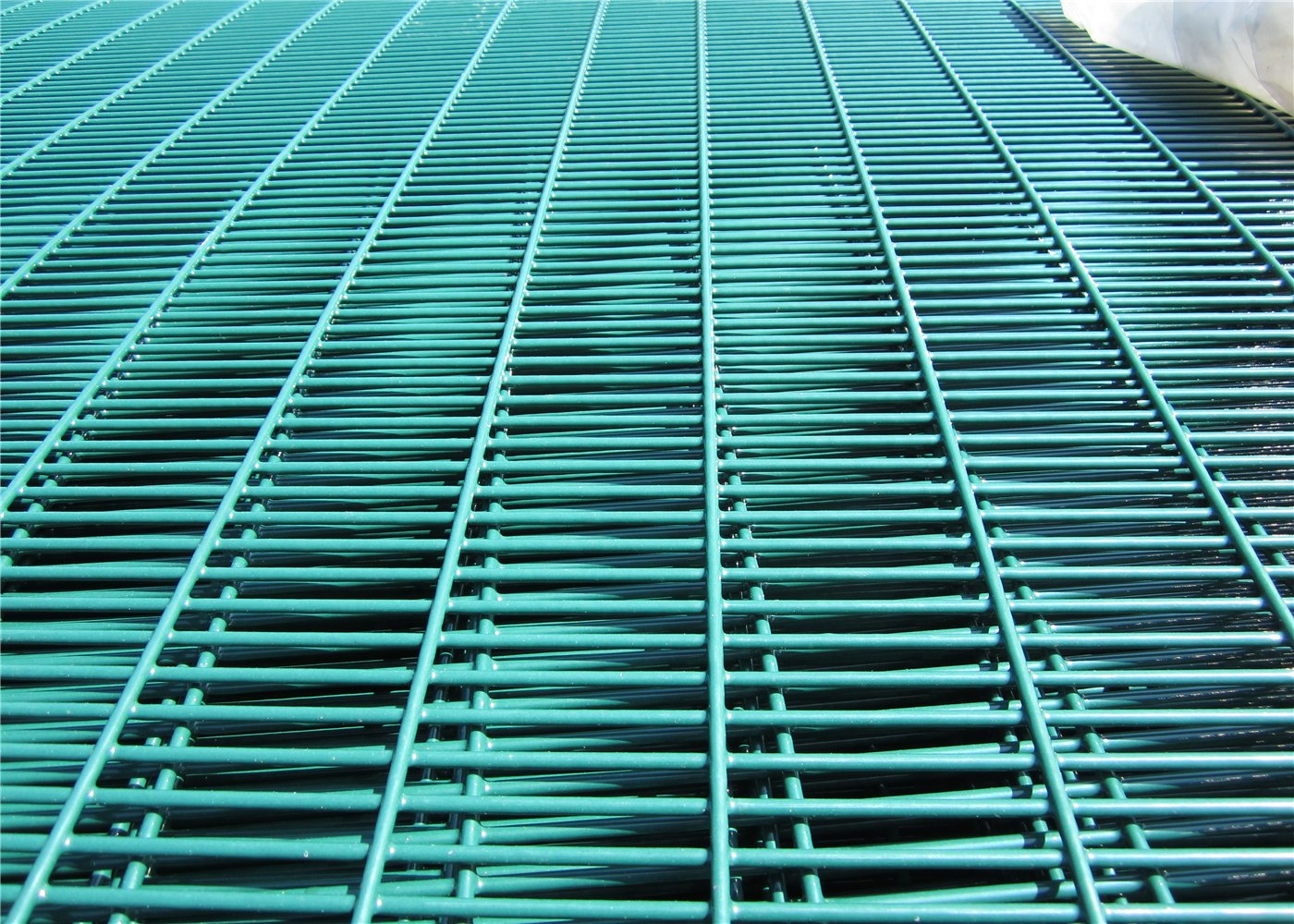
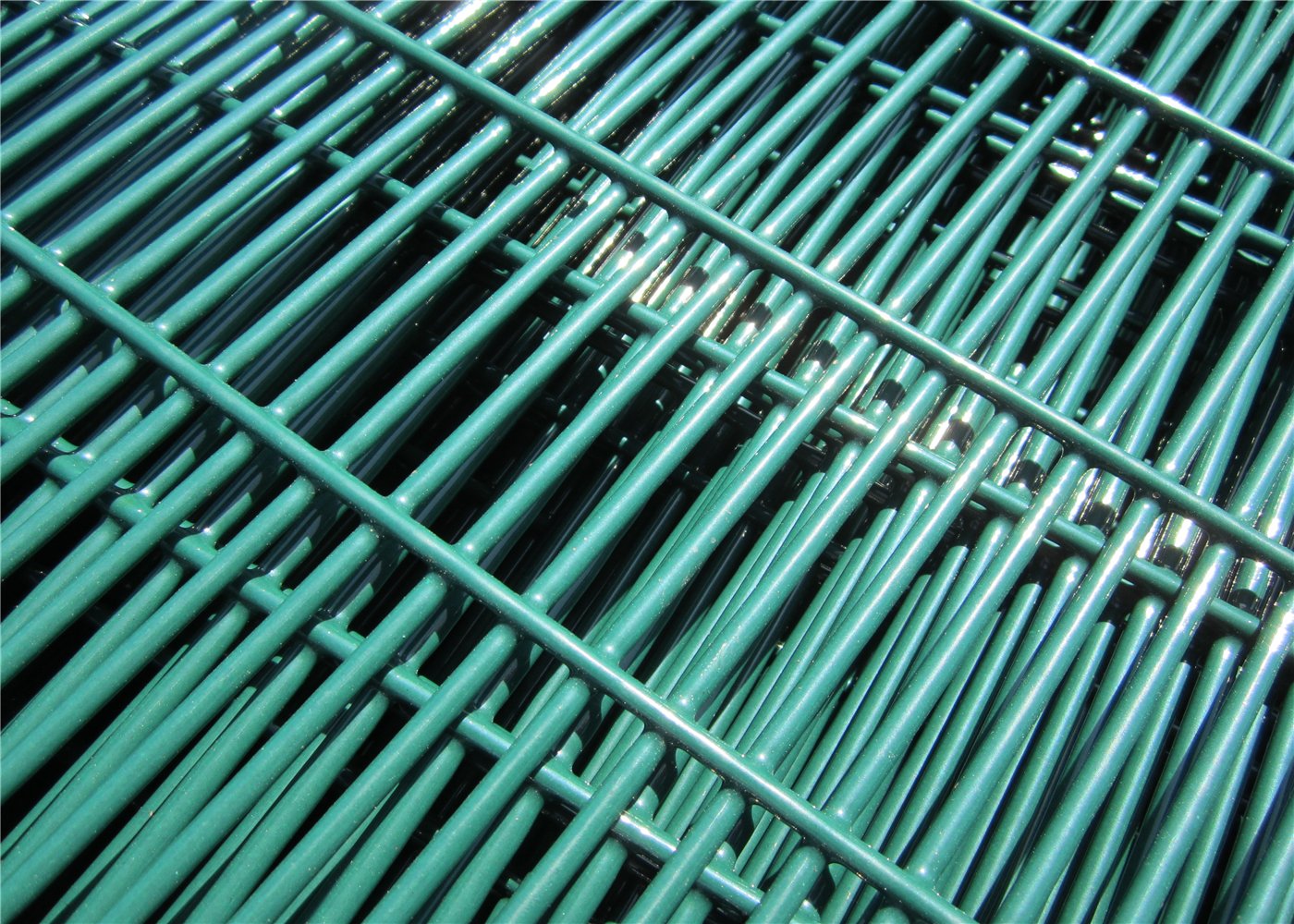
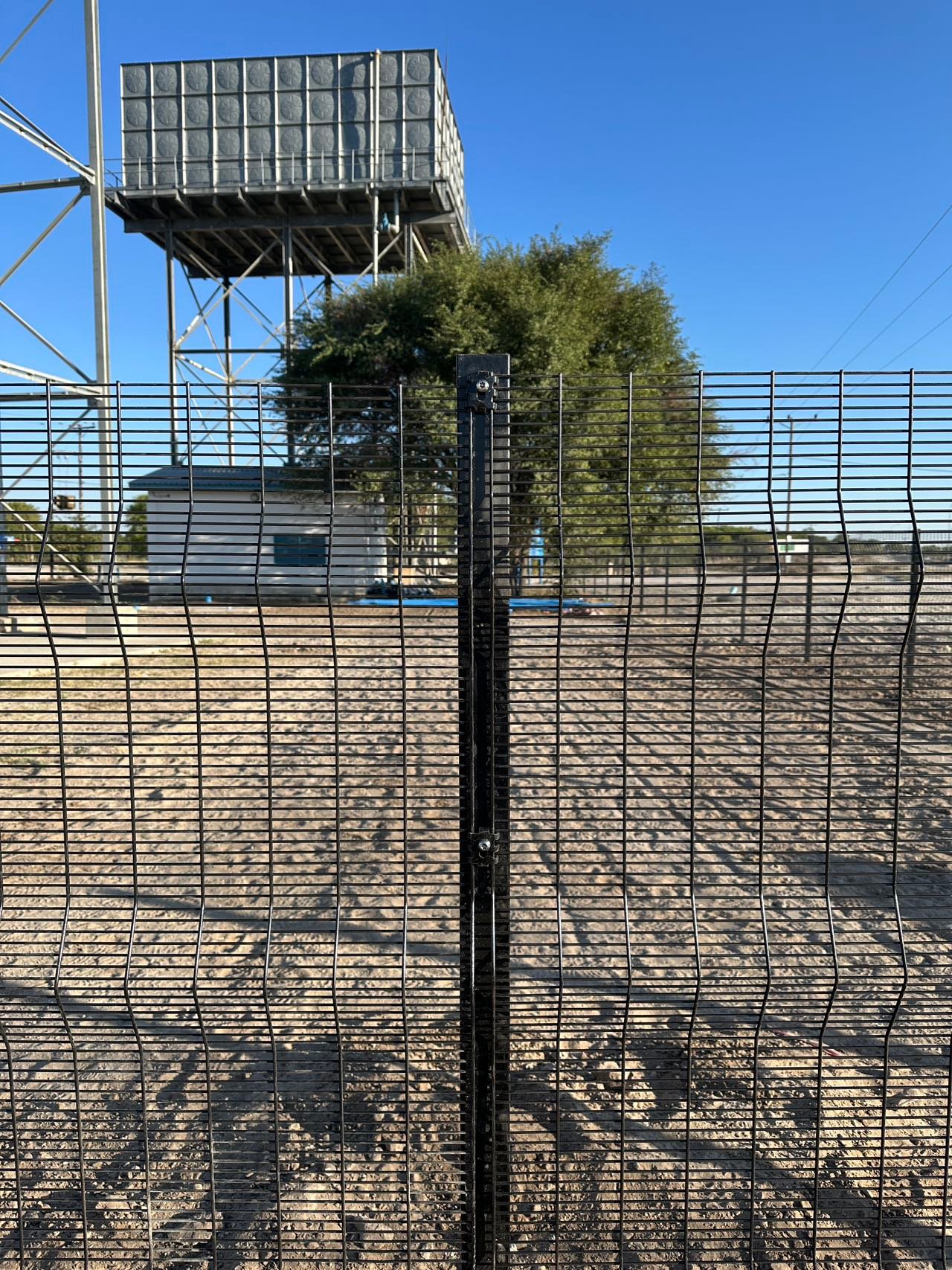
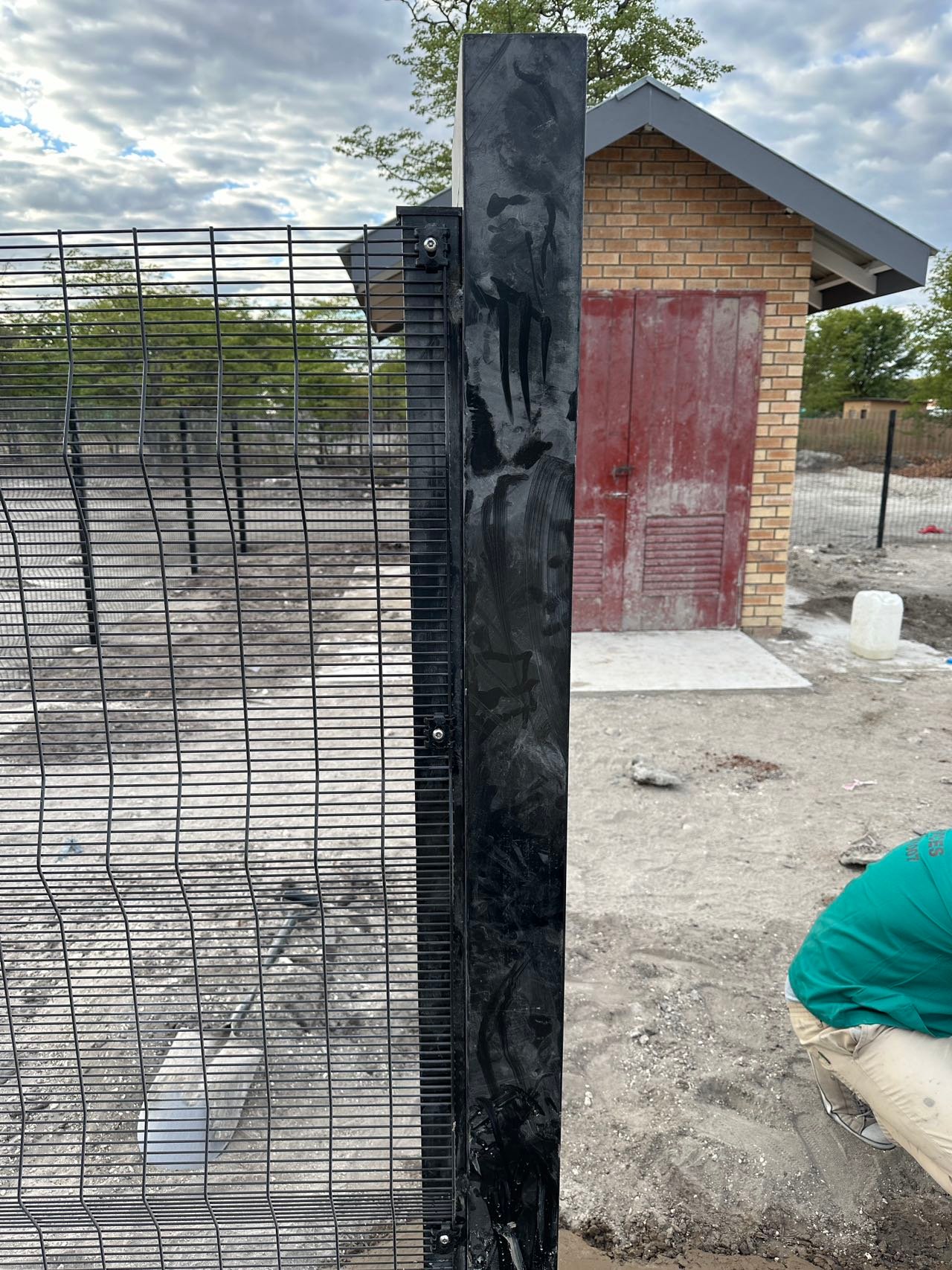
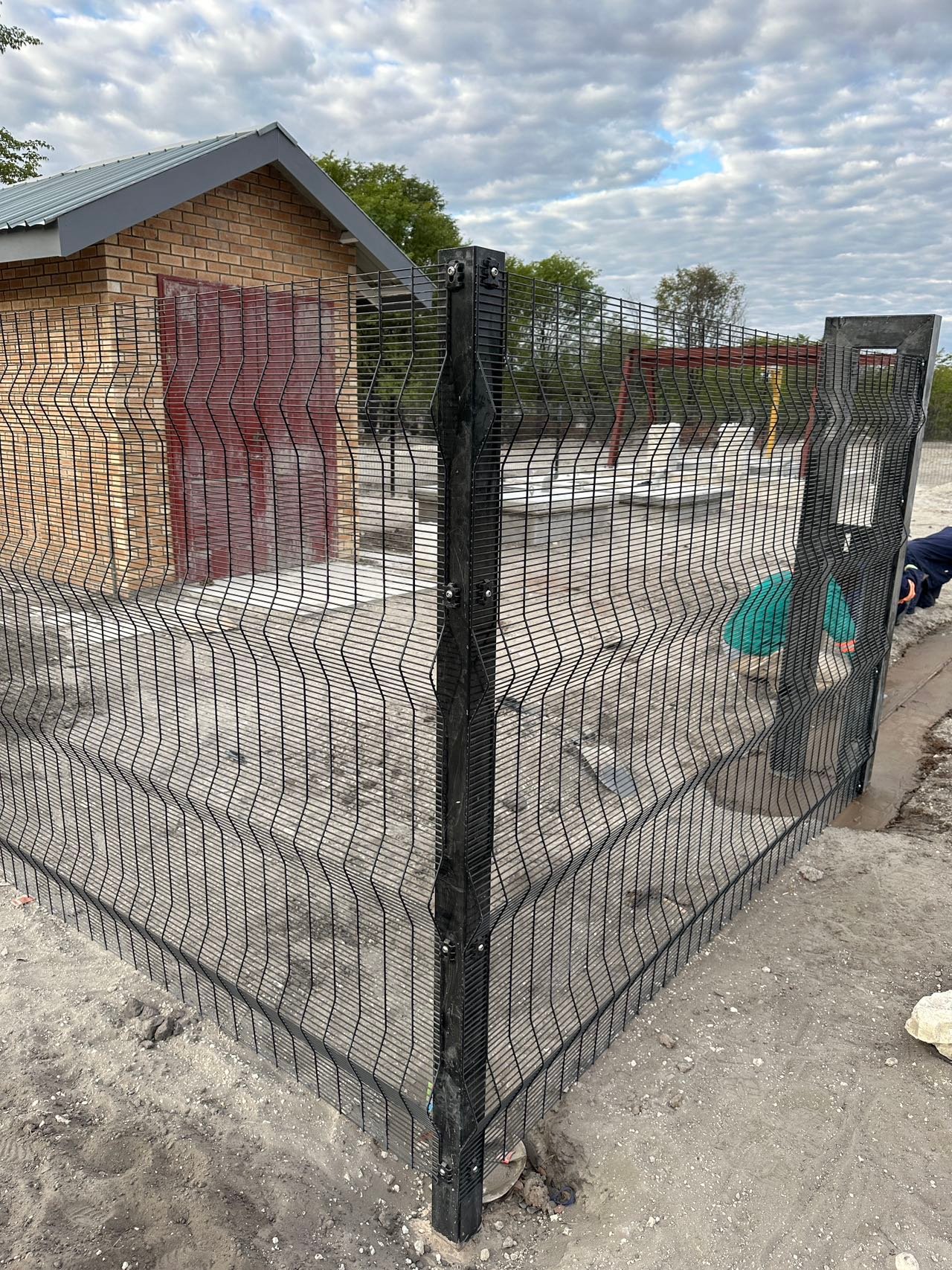
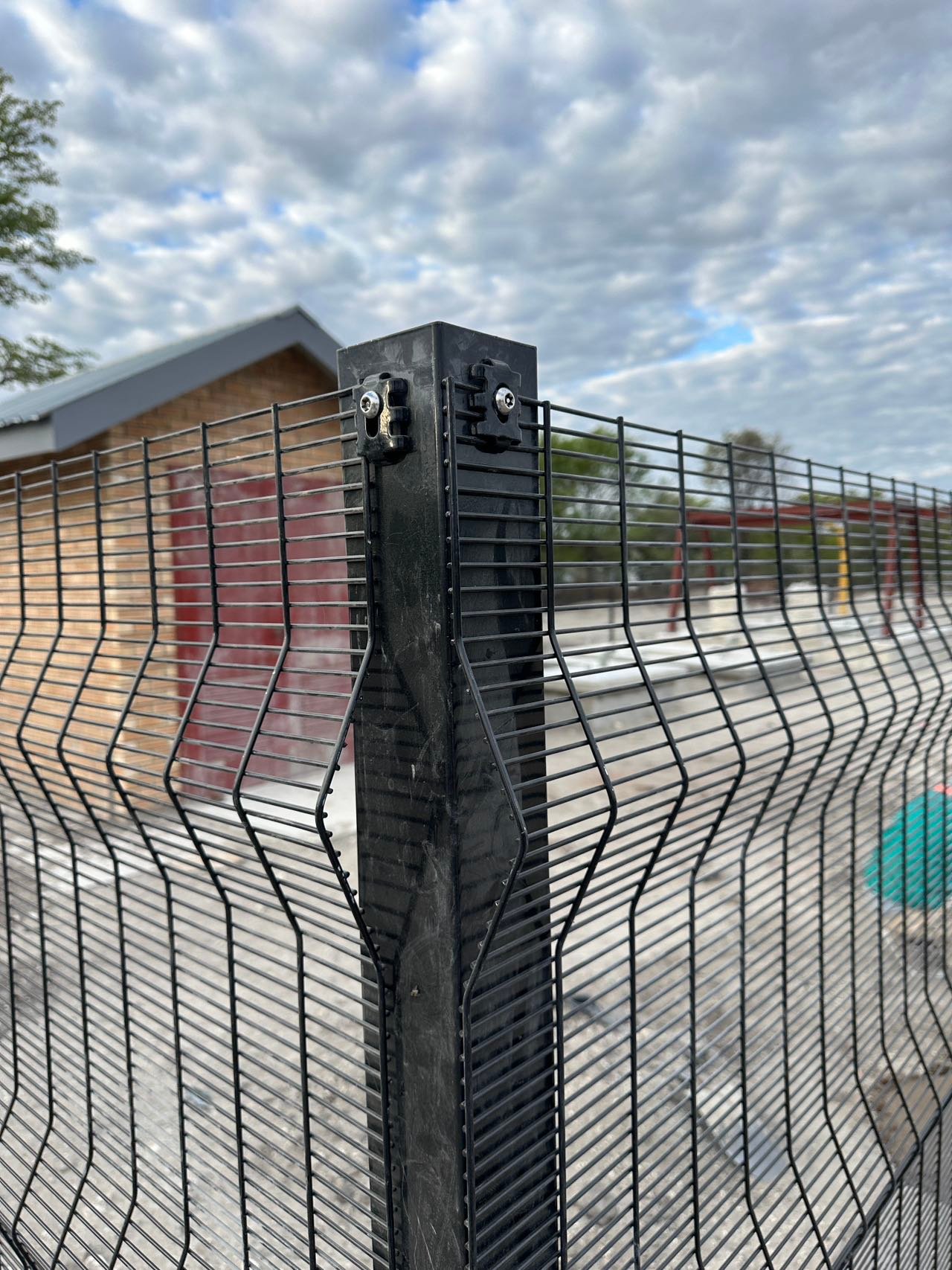
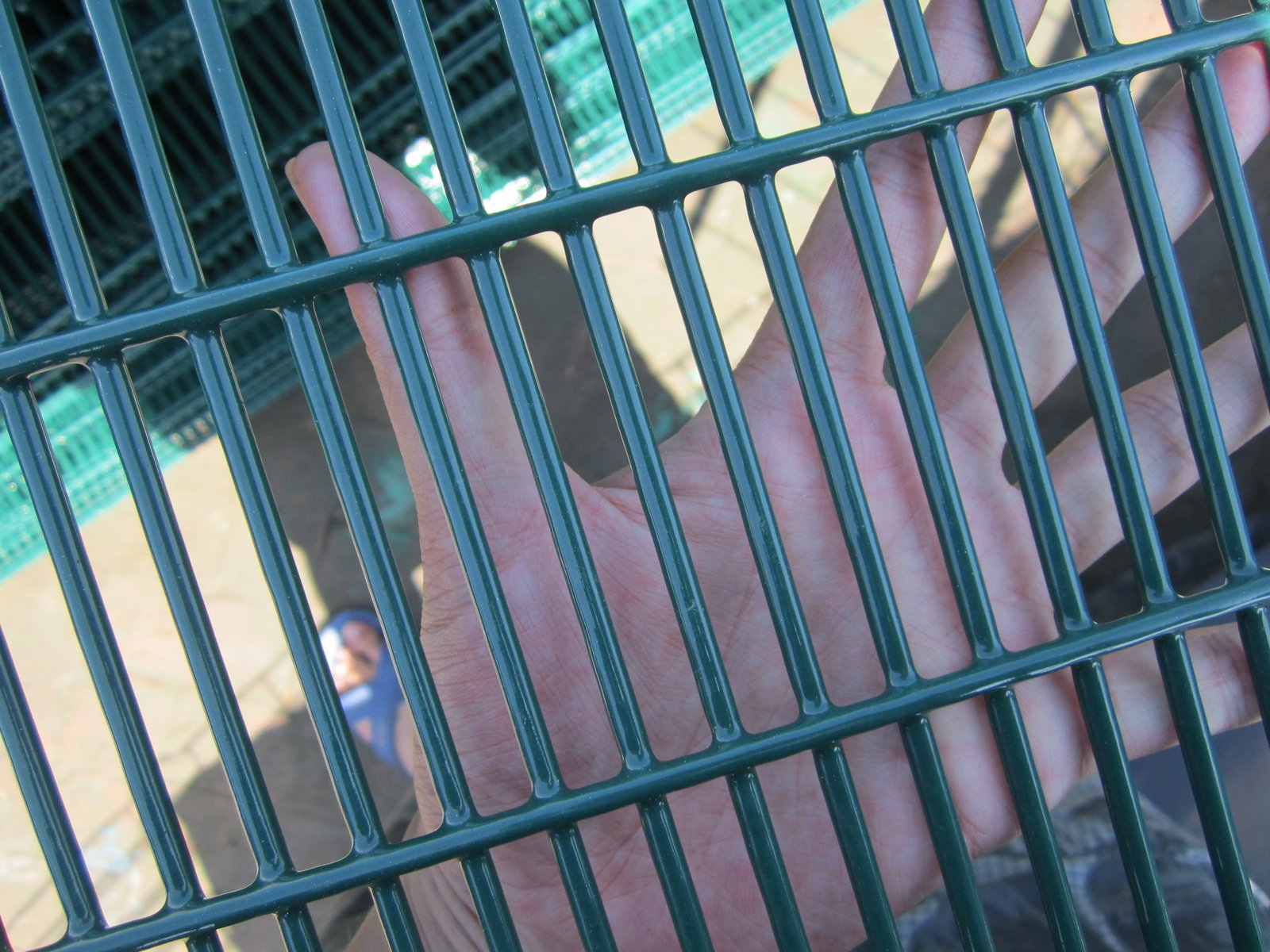
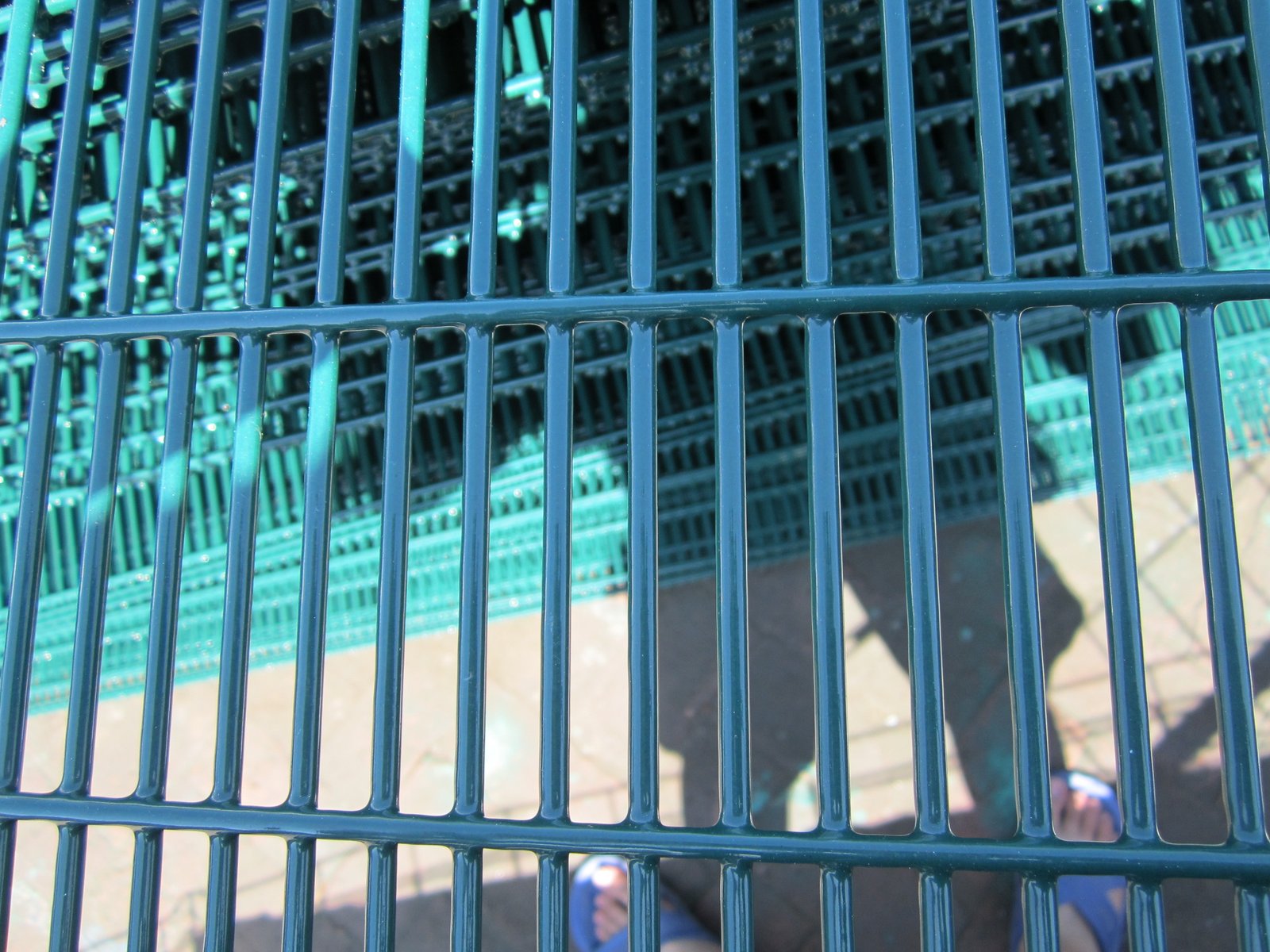
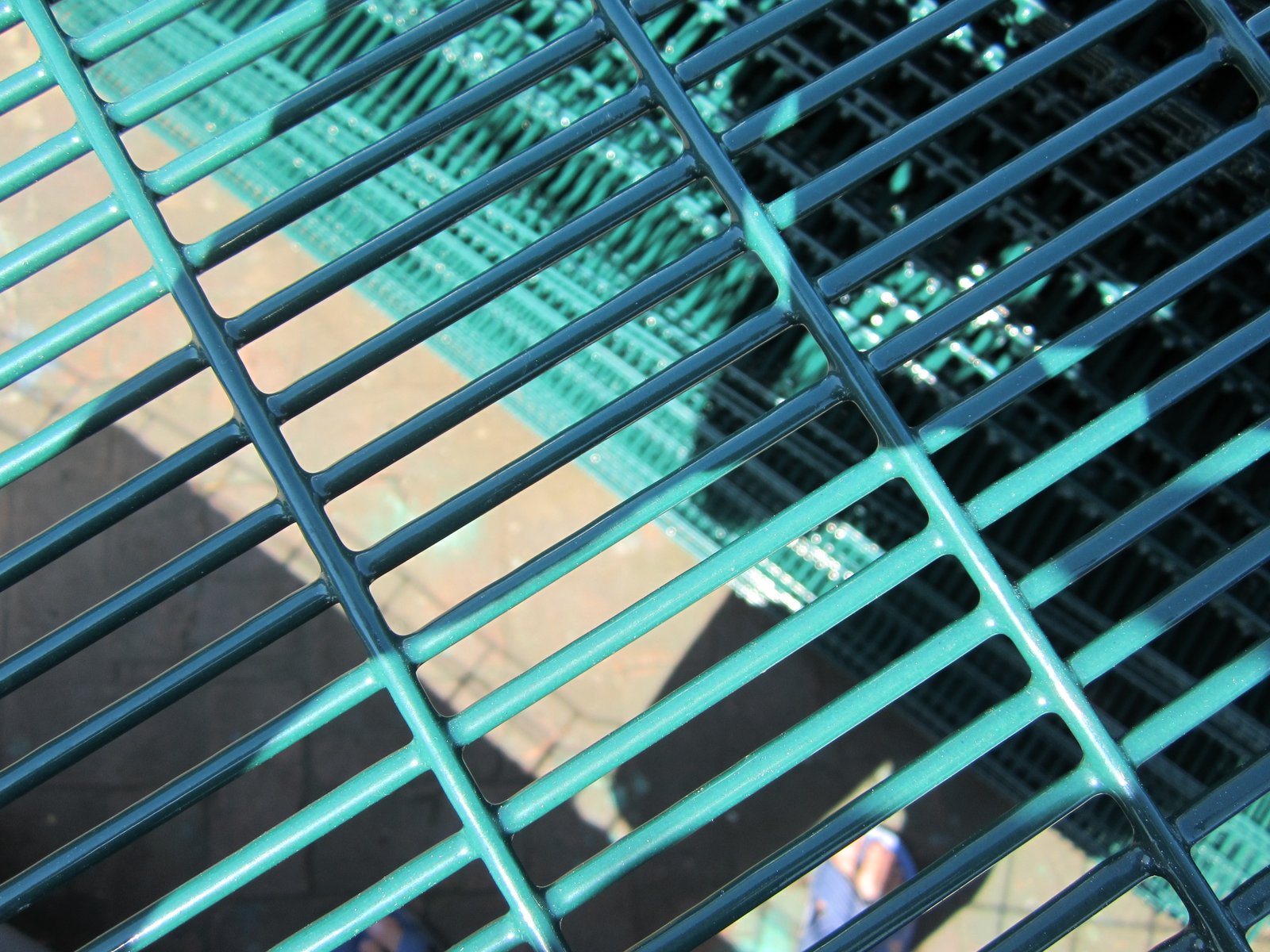
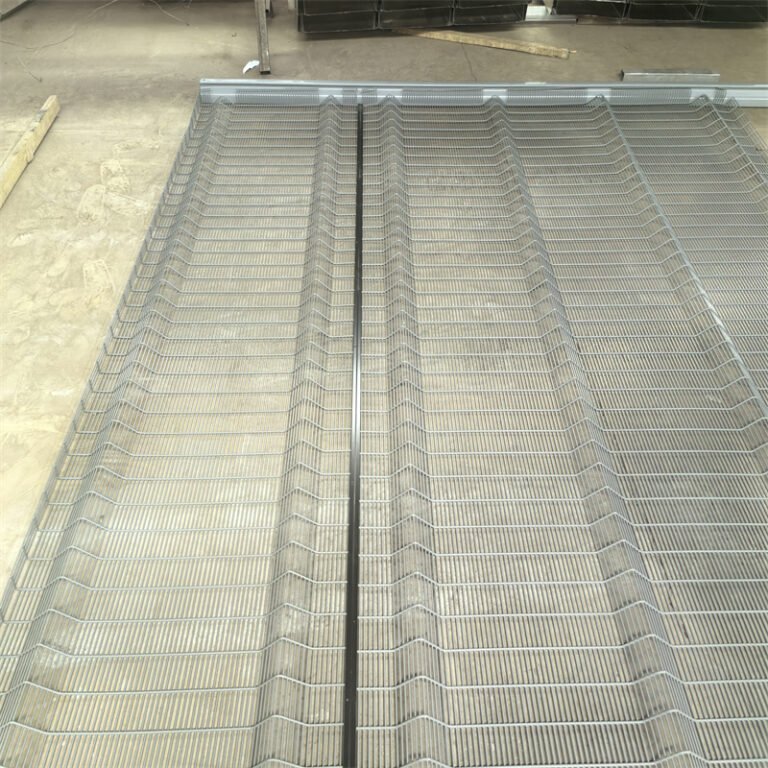
Clearview fencing Port Elizabeth combines perimeter security, clear visibility, and a practical welded mesh design. Its narrow apertures discourage climbing while allowing cameras and security teams to monitor surrounding areas. The system supports residential estates, business premises, warehouses, public facilities, and industrial sites.
Port Elizabeth, now officially called Gqeberha, forms part of Nelson Mandela Bay in South Africa's Eastern Cape. Coastal exposure makes corrosion protection an important consideration for many local fencing projects. Boss Metal and Plastic Co., Ltd. (BMP) manufactures panels, posts, clamps, and matching fence components in China.
Buyers can specify high, medium, or low-security mesh according to the property's risk assessment. Our Clear View Fence Panels guide introduces the main panel configurations and common applications.
Clearview fencing Port Elizabeth for secure properties
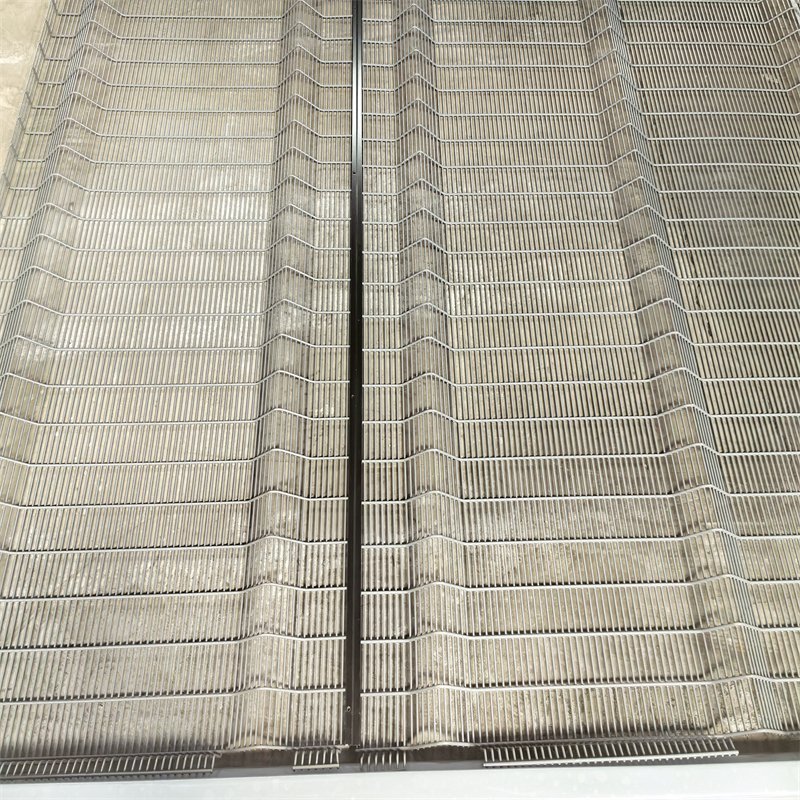
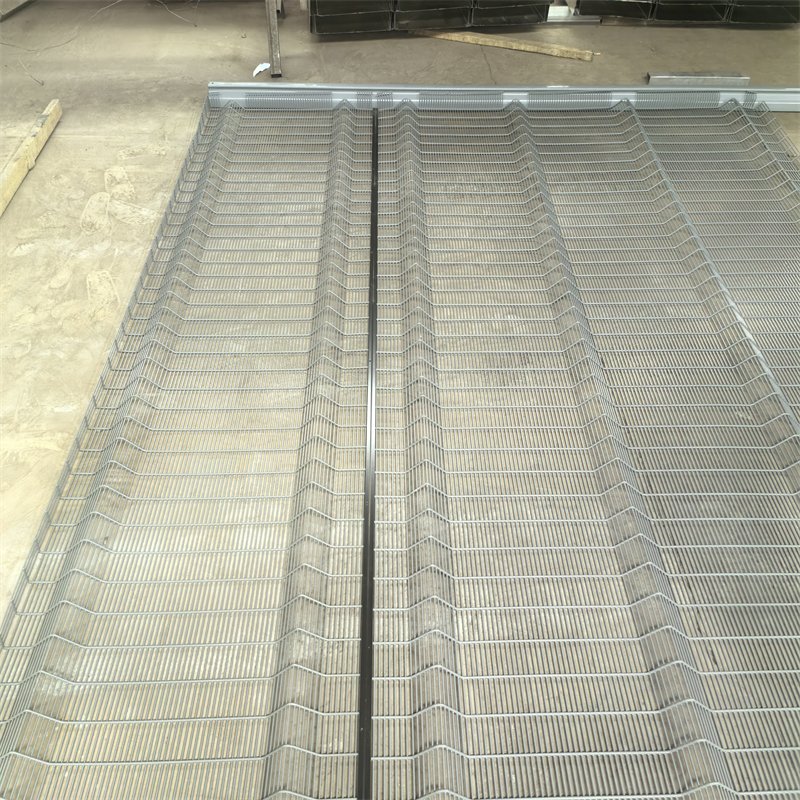
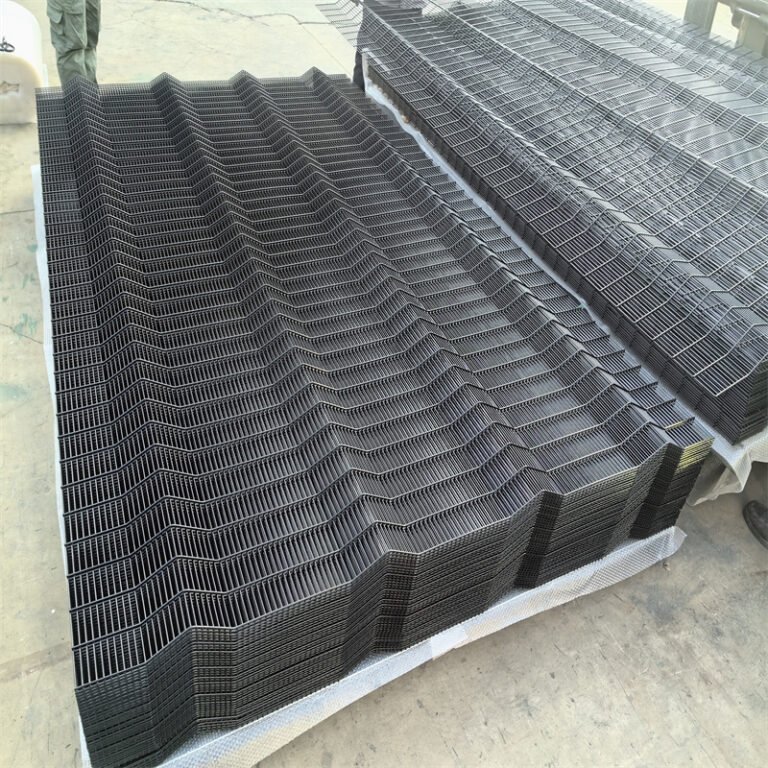
A clearview fence creates a visible boundary without the closed appearance of a solid wall. Welded steel wires form a rigid panel, while carefully spaced apertures limit convenient climbing points. V-shaped folds increase panel stiffness on suitable designs.
The complete system includes welded panels, steel posts, clamps, fasteners, and protective caps. Project designers can also consider gates, security extensions, and compatible detection equipment. Actual protection depends on installation quality, foundations, and overall system design.
Our Clear View Fencing product guide explains the relationship between security levels, panel sizes, and visible boundaries.
Understanding the three security grades
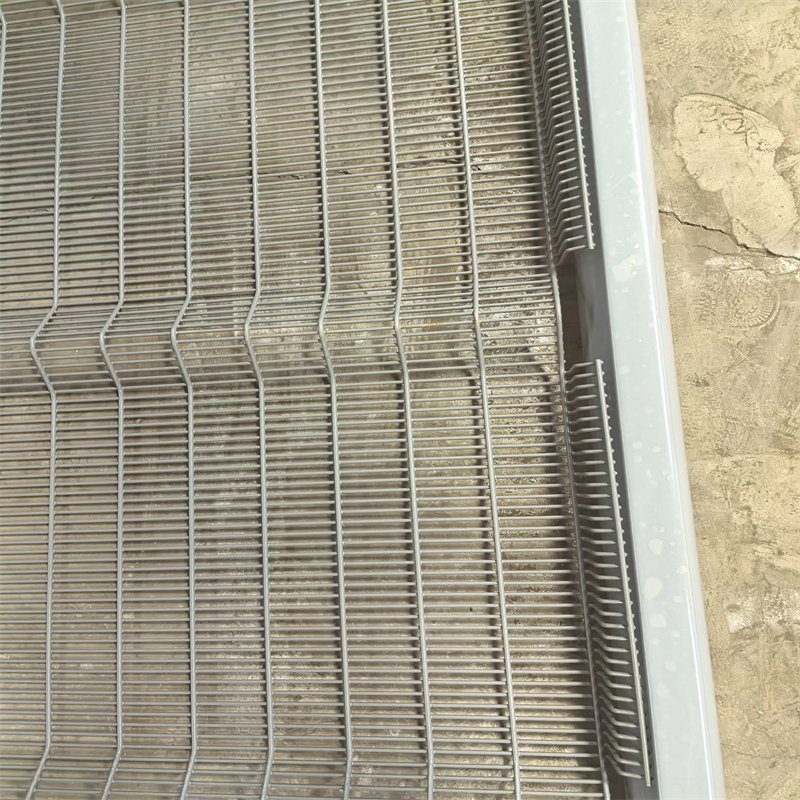
Mesh aperture influences climbing resistance, material requirements, and visibility. A narrower opening generally restricts fingerholds better than a wider opening. Every grade still needs suitable posts, clamps, and foundations.
Table 1: Clearview fencing security grades
Security grade
Mesh aperture
Vertical wire
Horizontal wire
Typical purpose
High security
76 × 12.5 mm
4.0 mm
3.5 mm
Anti-climb perimeter and restricted access areas
Medium security
76 × 25 mm
4.0 mm
4.0 mm
Commercial and supervised property boundaries
Low security
76 × 50 mm
4.0 mm
4.0 mm
General separation and lower-risk boundaries
These figures describe the original reference designs, not every available configuration. Buyers may request alternative diameters and pitches. Compare broader options in our ClearVu Fencing Specifications South Africa guide.
Clearview fencing Port Elizabeth high-security panels
High-security mesh uses narrow openings to reduce useful fingerholds and footholds. Its 76.2 × 12.7 mm configuration also appears in common 358 fencing systems. The term 358 describes a three-inch aperture, half-inch aperture, and approximately eight-gauge wire.
This design suits areas with stronger perimeter control requirements. Examples include storage yards, utilities, critical infrastructure, and restricted industrial premises. Explore High Security Clear View Fencing for a closer product comparison.
Medium-security panels for visible boundaries
Medium-security mesh combines relatively narrow openings with a practical material arrangement. It suits commercial premises, schools, residential developments, and supervised industrial yards. A designer should assess threats before choosing this grade.
Wire diameter, coating, post spacing, and gate construction influence the completed perimeter. Security labels alone cannot establish protection performance.
Clearview fencing Port Elizabeth low-security panels
Low-security panels use wider apertures for general boundary control. They can suit gardens, internal partitions, farmland, and managed public spaces. Wider mesh openings provide less climbing resistance than dense high-security patterns.
Clearview fencing Port Elizabeth technical specifications
BMP offers standard and custom panel configurations for different site conditions. A common reference width measures 2,515 mm. Typical panel heights range from 1,800 mm to 3,000 mm, with additional sizes available by agreement.
Material: low-carbon steel wire or suitable galvanised wire.
Mesh: 76.2 × 12.7 mm, 76 × 25 mm, or 76 × 50 mm.
Wire diameter: common selections include 3.0, 3.5, 4.0, and 4.5 mm.
Panel width: 2,515 mm reference size.
Panel heights: 1,800, 2,000, 2,200, 2,400, and 3,000 mm.
Reinforcement: approximately 45 mm V-bends on relevant designs.
Posts: square or other engineered steel profiles.
Connections: steel clamps, bolts, washers, and protective post caps.
Finish: galvanised steel with optional protective coating.
Colours: black, green, grey, white, and project-specific RAL colours.
Confirm dimensions against approved drawings before production. The site designer should check local wind exposure, terrain, and foundation requirements.
Panel bends, widths and wire choices
V-bends increase stiffness without requiring a fully framed mesh panel. Taller panels may need additional bends and stronger posts. Wire thickness affects weight, visibility, resistance, and handling requirements.
Choose the mesh and steel specification together. Do not select an aperture solely from a product photograph.
Posts and clamps: structural selection
Posts transfer wind and impact forces from the mesh into the foundations. Square posts commonly support straightforward panel alignment. Other projects may use rectangular, C-shaped, or H-shaped sections.
The table below preserves the original reference post schedule. Clamp figures describe the original arrangement and require confirmation for each fixing design.
Table 2: Reference panel sizes, posts and clamps
Fence height
Panel size, H × W
Post section
Post length
V-bends
Reference clamps
1800 mm
1800 × 2515 mm
60 × 60 × 2 mm
2400 mm
4
4
2000 mm
2000 × 2515 mm
60 × 60 × 2 mm
2600 mm
4
4
2200 mm
2200 × 2515 mm
60 × 60 × 2 mm
2800 mm
4
4
2400 mm
2400 × 2515 mm
80 × 80 × 3 mm
3000 mm
4
4
3000 mm
3000 × 2515 mm
80 × 80 × 3 mm
3600 mm
5
5
Post length does not automatically determine a safe foundation depth. Soil conditions and engineering loads must guide embedment and concrete dimensions.
Clearview fencing Port Elizabeth posts and fixings
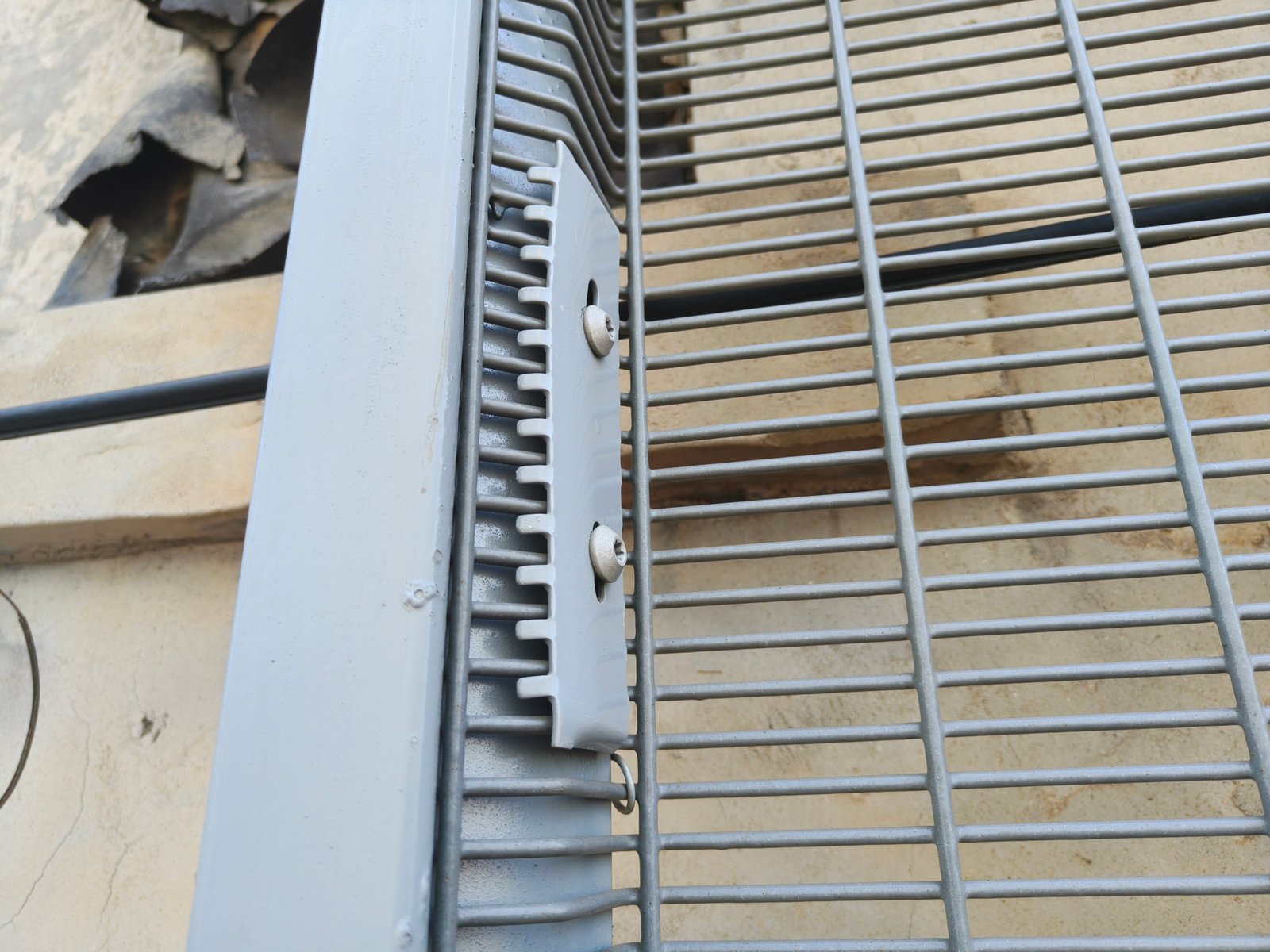
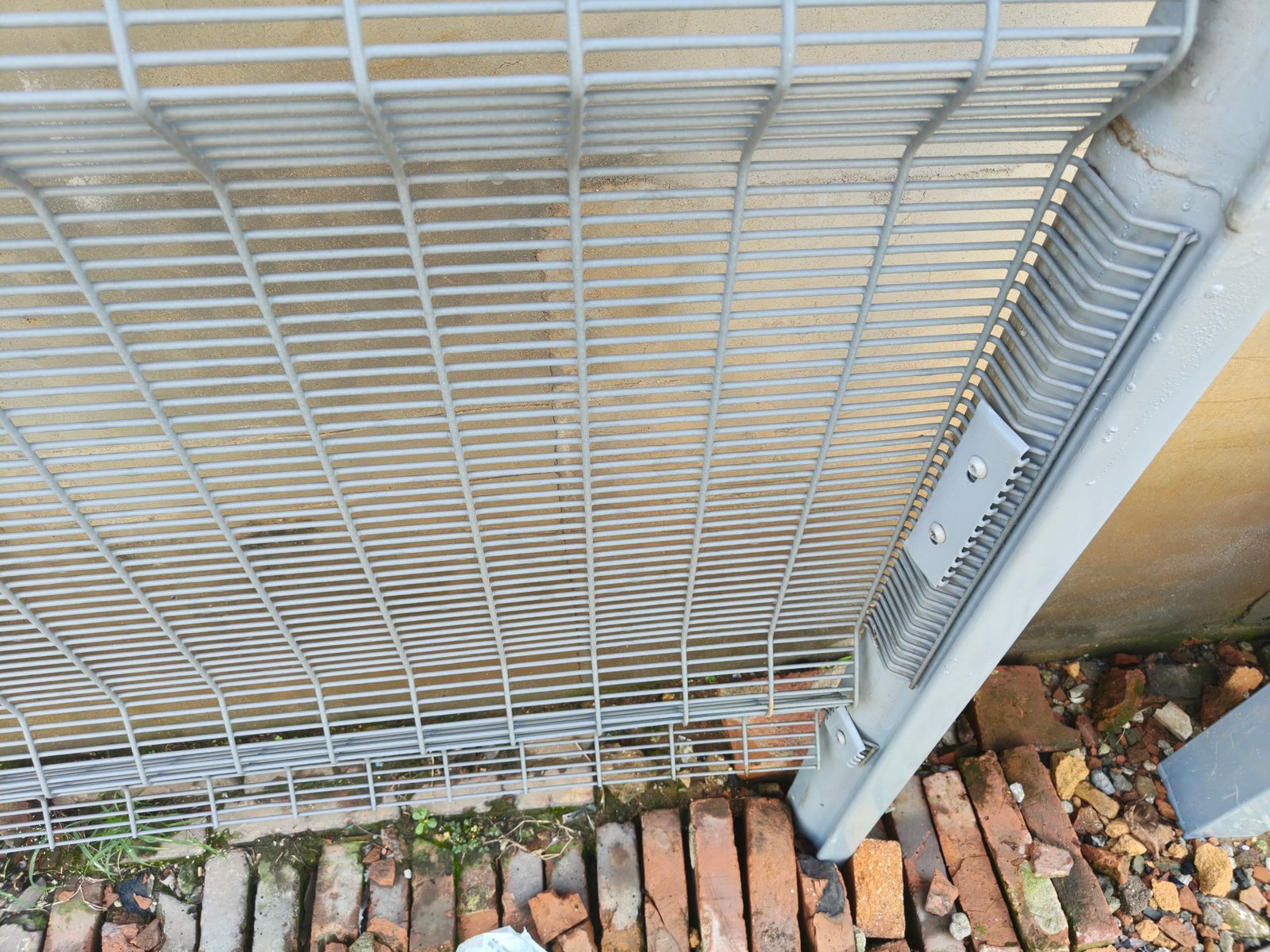
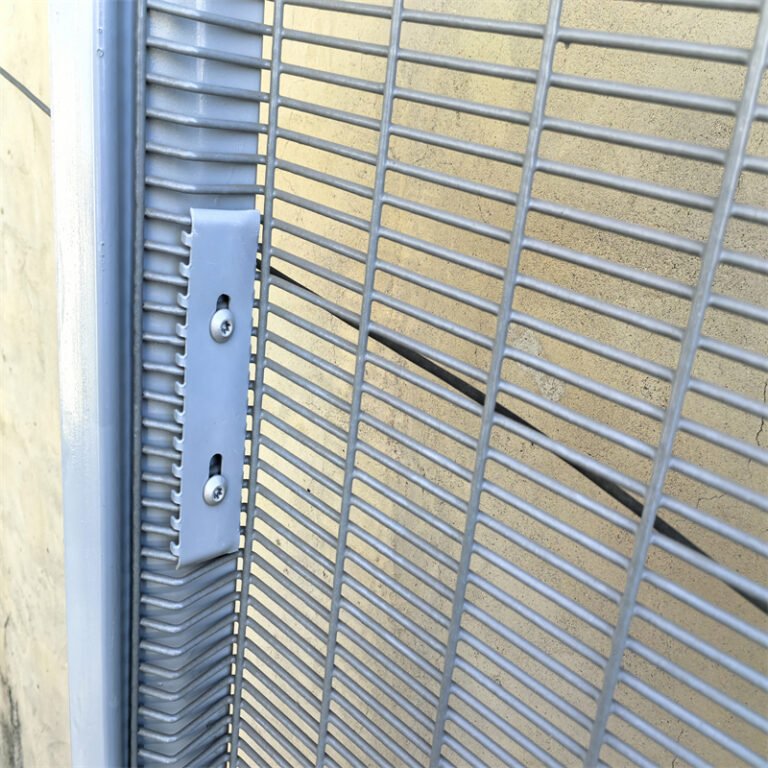
Every fixing connection affects the fence's security and stability. Designers can specify flat bars, panel clamps, shear nuts, and suitable bolts. Protective caps help keep rainwater and debris away from hollow post interiors.
Coating selection deserves particular attention near coastal areas. Salt-laden moisture can accelerate corrosion around damaged steel surfaces. A protective system should cover mesh wires, weld areas, posts, and fittings.
Pre-galvanised wire: zinc-coated wire provides a metallic protective base.
Hot-dip galvanising after fabrication: zinc covers the completed steel assembly.
Polyester powder coating: a colour finish adds a protective outer layer.
Duplex finish: compatible galvanising and powder coating provide complementary protection.
PVC coating: a thicker polymer finish offers another project-specific option.
Welding pre-galvanised wire can disturb zinc around weld points. Buyers should specify suitable treatment for those areas. Review Powder Coated Clear View Fence for available surface systems.
Marine exposure and corrosion planning
Properties near the harbour may experience greater airborne salt exposure than inland sites. Choose the coating system after assessing location, maintenance access, and expected service conditions. Request coating thickness and material test records where required.
Clean dirt and salt deposits during routine inspections. Repair scratches promptly with an appropriate coating repair method.
Clearview fencing Port Elizabeth installation steps
Good installation begins with an accurate site survey. Mark boundary lines, entrance positions, corners, slopes, and drainage features before setting posts. Confirm that every fence section follows the approved drawings.
Measure the full perimeter and record gate openings.
Mark post centres for the selected panel system.
Assess soil conditions and specify suitable foundations.
Set posts vertically and confirm the finished alignment.
Install mesh panels using the specified clamps and bolts.
Check all connections and protective caps.
Inspect coatings, gate clearances, and finished ground levels.
Installers should follow relevant local rules and site safety procedures. BMP can supply product drawings and component details for project coordination.
Slopes, corners and changing ground levels
Sloping ground may require stepped panels or an engineered raking arrangement. Panel alignment should preserve the intended security barrier. Avoid unexpected gaps beneath the fence, especially near drainage channels.
Confirm corner details before manufacture. Nonstandard angles can change clamp positioning and post requirements.
Access control, gates and fence toppings
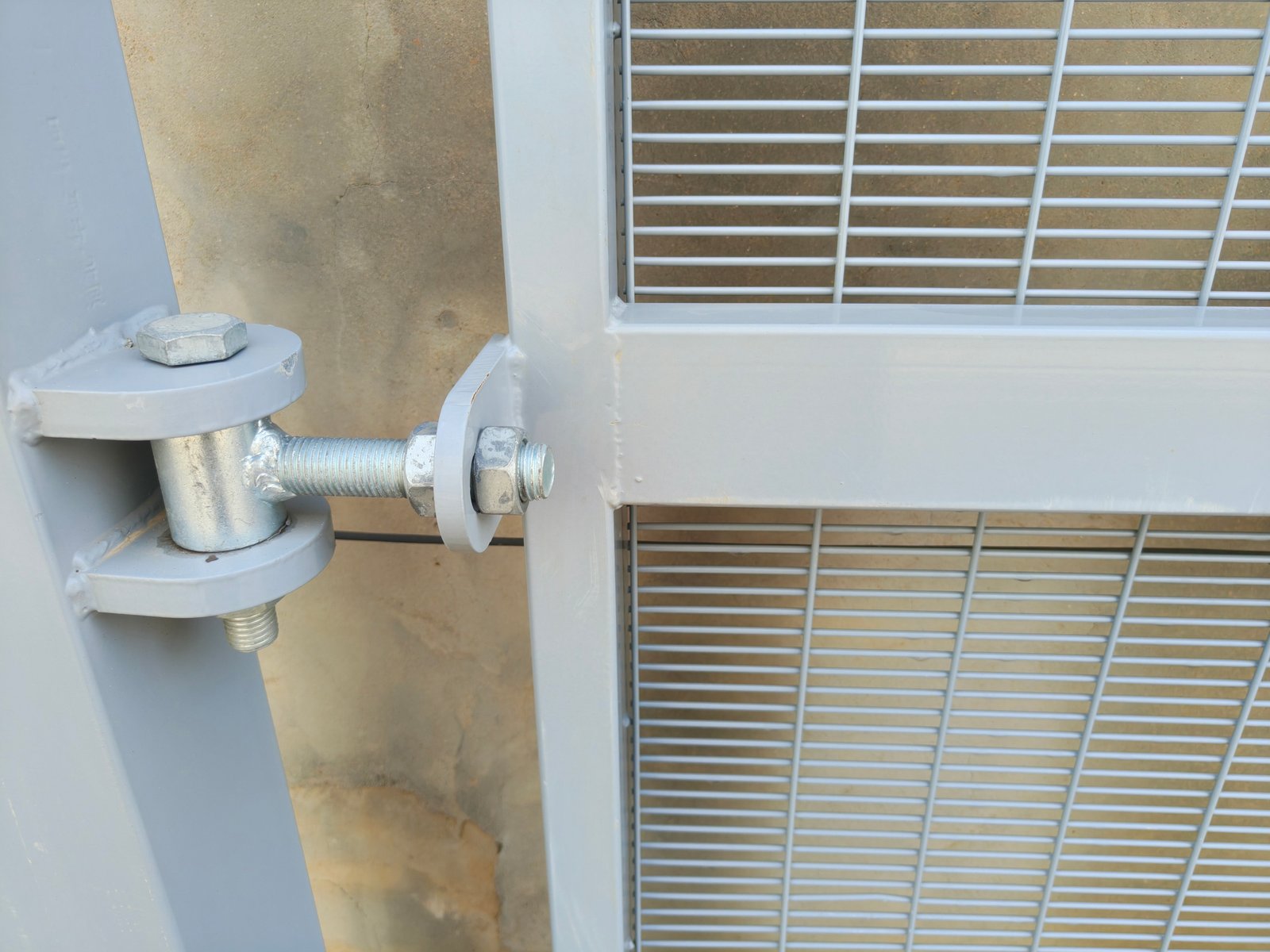
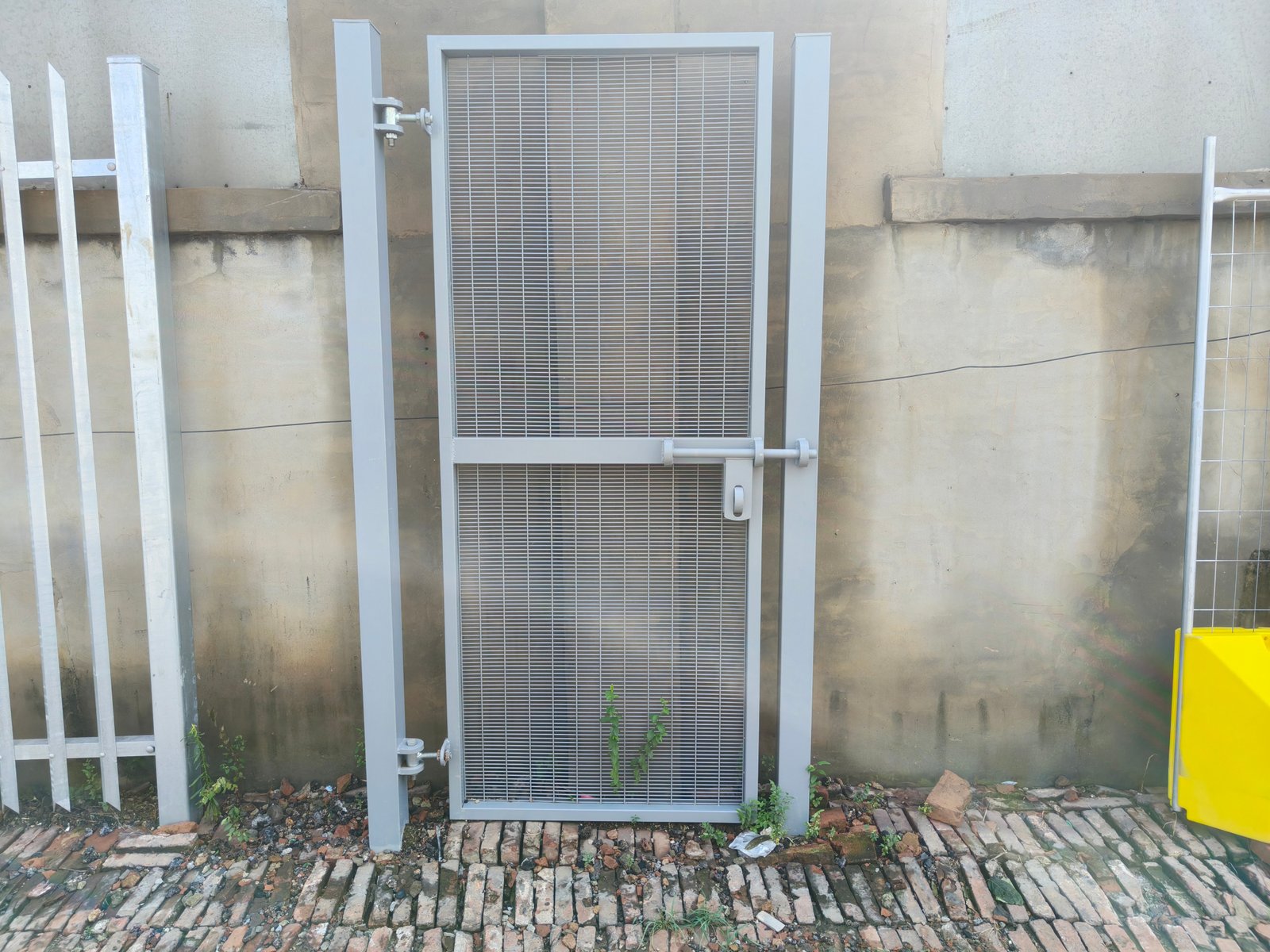
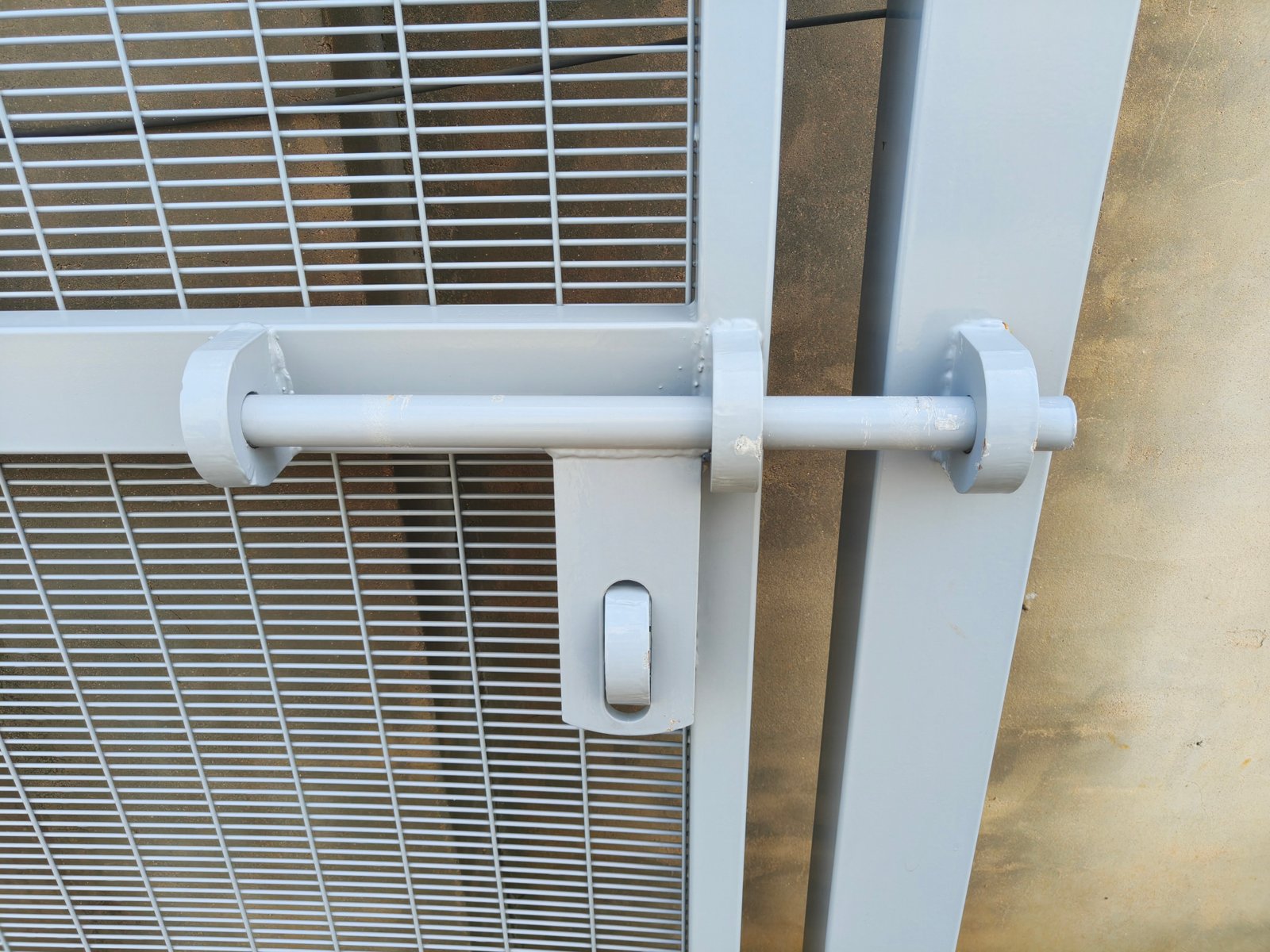
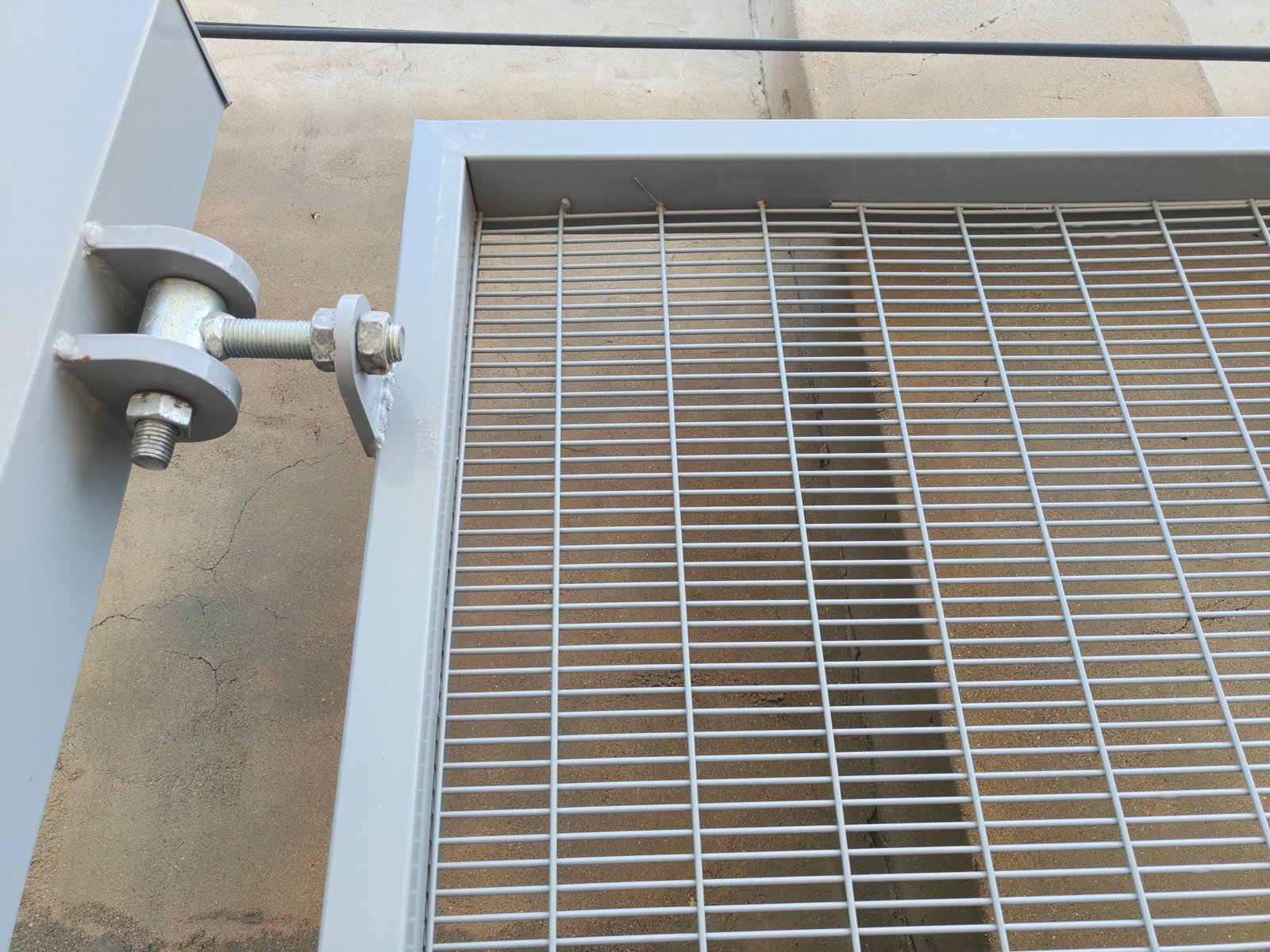
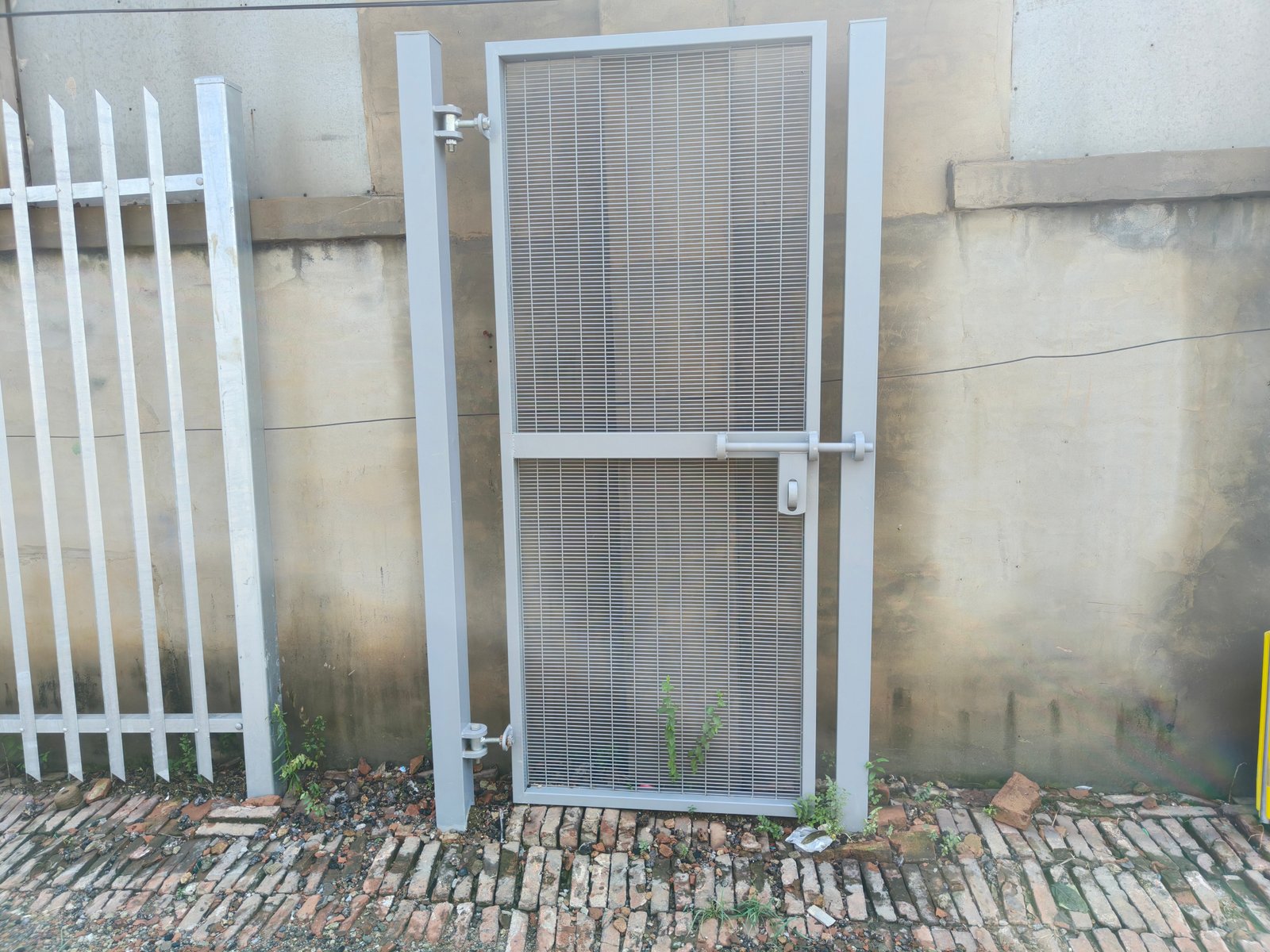
A fence works as part of a wider access-control plan. Pedestrian gates and vehicle entrances need suitable frames, hinges, and locks. Match the mesh design across fixed panels and gate leaves whenever practical.
Additional options include fence spikes, razor wire, detection sensors, and electric fence brackets. These features require a separate safety and compliance assessment. Browse Clear View Fence Accessoires for the site's accessory category.
Clearview fencing Port Elizabeth gate options
Pedestrian gates suit staff access and controlled walkways. Swing gates support many vehicle entrances, while sliding gates serve other layouts. Gate width and operating frequency influence the final hardware design.
Different properties need different perimeter designs. A warehouse yard may prioritise inventory control and camera visibility. A residential estate may emphasise appearance, access management, and shared-space safety.
Warehouses and logistics facilities.
Manufacturing plants and service yards.
Residential estates and apartment developments.
Schools, hospitals, and sports facilities.
Commercial properties and parking compounds.
Utility stations and selected infrastructure sites.
Internal partitions and lower-risk property boundaries.
Project risk assessments should guide panel grades and gate specifications. High-risk sites require additional security planning beyond the fence panels.
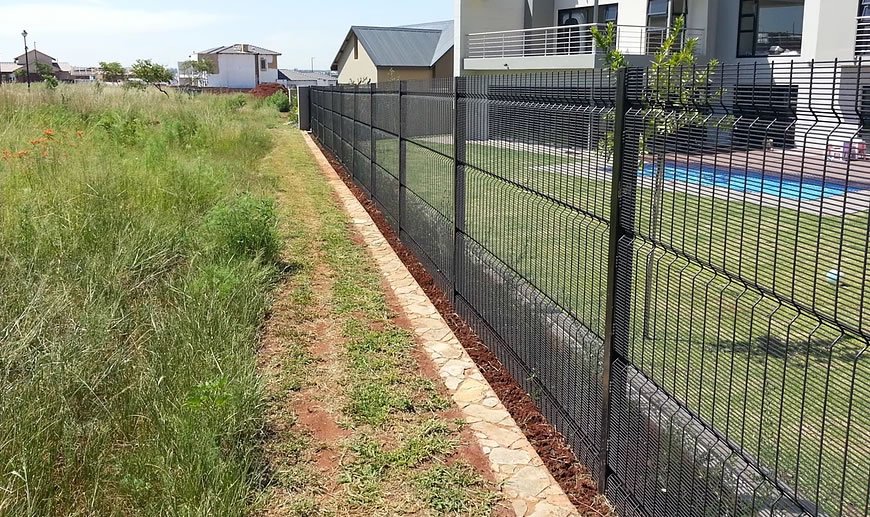
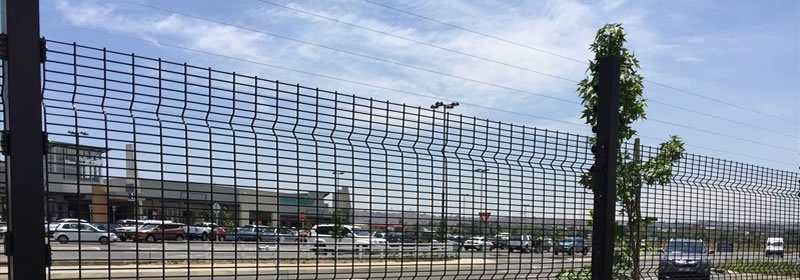
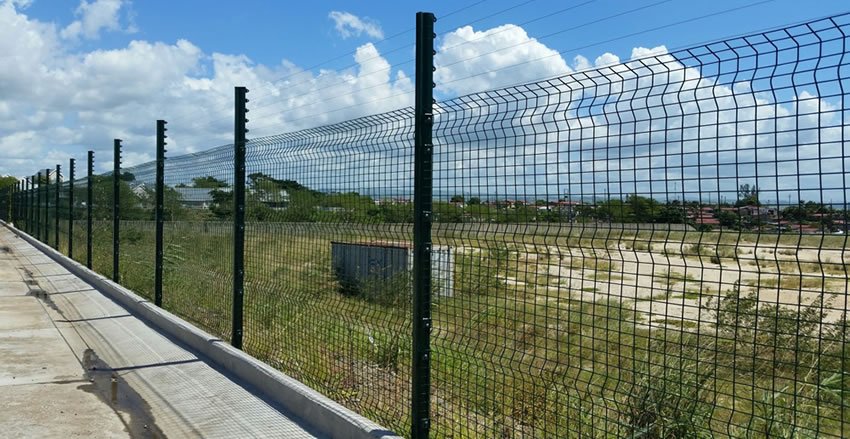
CVF-02: High-security welded mesh supports clear views across residential boundaries. Narrow mesh openings discourage climbing without creating a solid wall.CVF-03: Medium-security fencing suits supervised parking areas and commercial boundaries. Its visible design assists daily monitoring.CVF-04: Low-security fencing defines roadside and landscaped boundaries. A green finish can complement nearby vegetation.
Selecting a system for each property
Match the fence design to risks, ground conditions, and planned surveillance. A narrower mesh helps limit climbing opportunities. Post spacing, gates, and weak boundary points can still control overall performance.
BMP manufactures welded security mesh products in Anping County, Hengshui, China. Our production workflow covers material selection, welding, coating coordination, and export preparation. Factory checks support consistency across repeat orders.
Inspect wire diameter and steel material requirements.
Measure finished panel width, height, and mesh spacing.
Check welding quality and visible surface defects.
Verify post sizes, hole positions, and matching fittings.
Review coating appearance and agreed testing records.
Check pallet protection, labels, and loading arrangements.
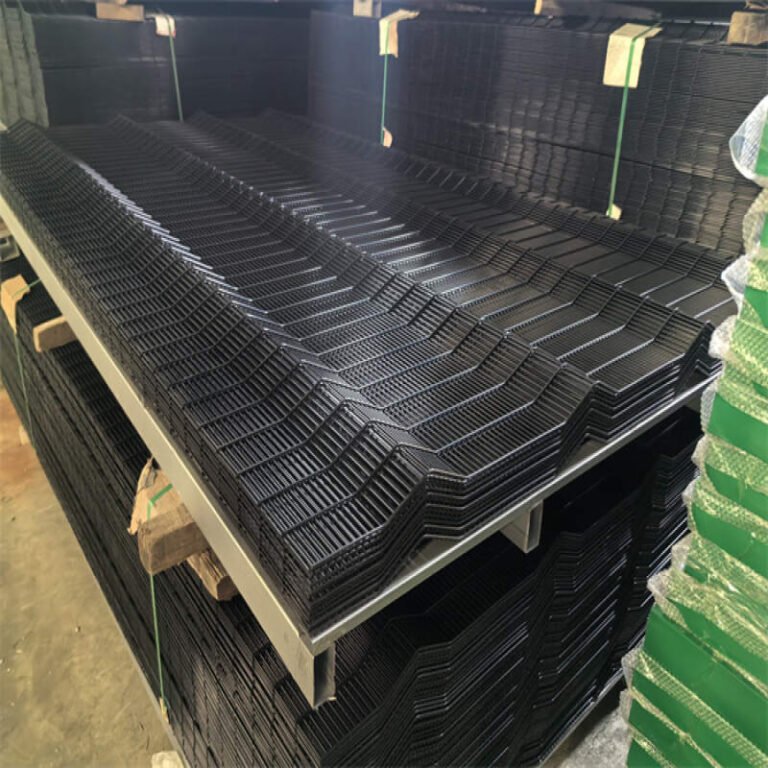
Steel pallets help organise export shipments and protect individual components. Buyers should confirm destination handling equipment and unloading access.
Clearview fencing Port Elizabeth ordering checklist
Send a clear project description before requesting production drawings. Complete information helps the factory select matching components and prepare an accurate proposal.
Total boundary length and project location.
Security grade and required mesh aperture.
Panel height, width, and wire diameter.
Post profile, foundation method, and ground conditions.
Coating type and desired RAL colour.
Gate quantity, opening sizes, and security accessories.
Shipping terms, destination, and unloading requirements.
Clearview fencing Port Elizabeth frequently asked questions
These answers address common technical and ordering questions. Final specifications should follow approved project drawings and local requirements.
How does welded mesh support CCTV?
Open mesh allows cameras to observe activity through the boundary. Camera placement and lighting still matter. Avoid posts, vegetation, and gate positions that obstruct important sightlines.
Clearview fencing Port Elizabeth custom panel sizes
BMP can review custom heights, widths, wire diameters, and post designs. Production feasibility depends on drawings and the selected manufacturing process. Confirm all dimensions before approving fabrication.
Can coastal properties use powder coating?
Yes, a suitable coating system can support coastal installations. The underlying zinc protection, surface preparation, and powder specification all matter. Buyers should request the applicable coating documents.
What information supports an accurate quotation?
Provide the perimeter length, panel grade, dimensions, coating, and gate details. Include a drawing when the property has slopes or unusual corners. State the required delivery terms and destination.
Boss Metal and Plastic Co., Ltd. can review your fencing requirements and prepare a project-based supply proposal. Share your technical drawings to confirm the complete system.