Chain link temporary fence panels create removable boundaries around building projects, industrial sites, and public events. Each panel combines woven chain-link fabric with a welded tubular steel frame. Contractors can relocate sections as project access, delivery routes, and restricted areas change.
BMP manufactures temporary fencing components in China for international supply. We offer different panel dimensions, wire gauges, frame tubes, and support arrangements. Buyers can match each system to their site conditions, installation schedule, and handling requirements.
Chain link temporary fence overview
A portable chain-link system separates pedestrians, equipment, and controlled work areas without permanent perimeter foundations. Woven steel wire forms the familiar diamond-shaped openings. Welded pipe frames keep each panel practical for repeated movement and storage.
Projects requiring welded infill can consider Temporary Site Fencing instead. Chain-link and welded-mesh panels share temporary applications, but they use different infill construction.
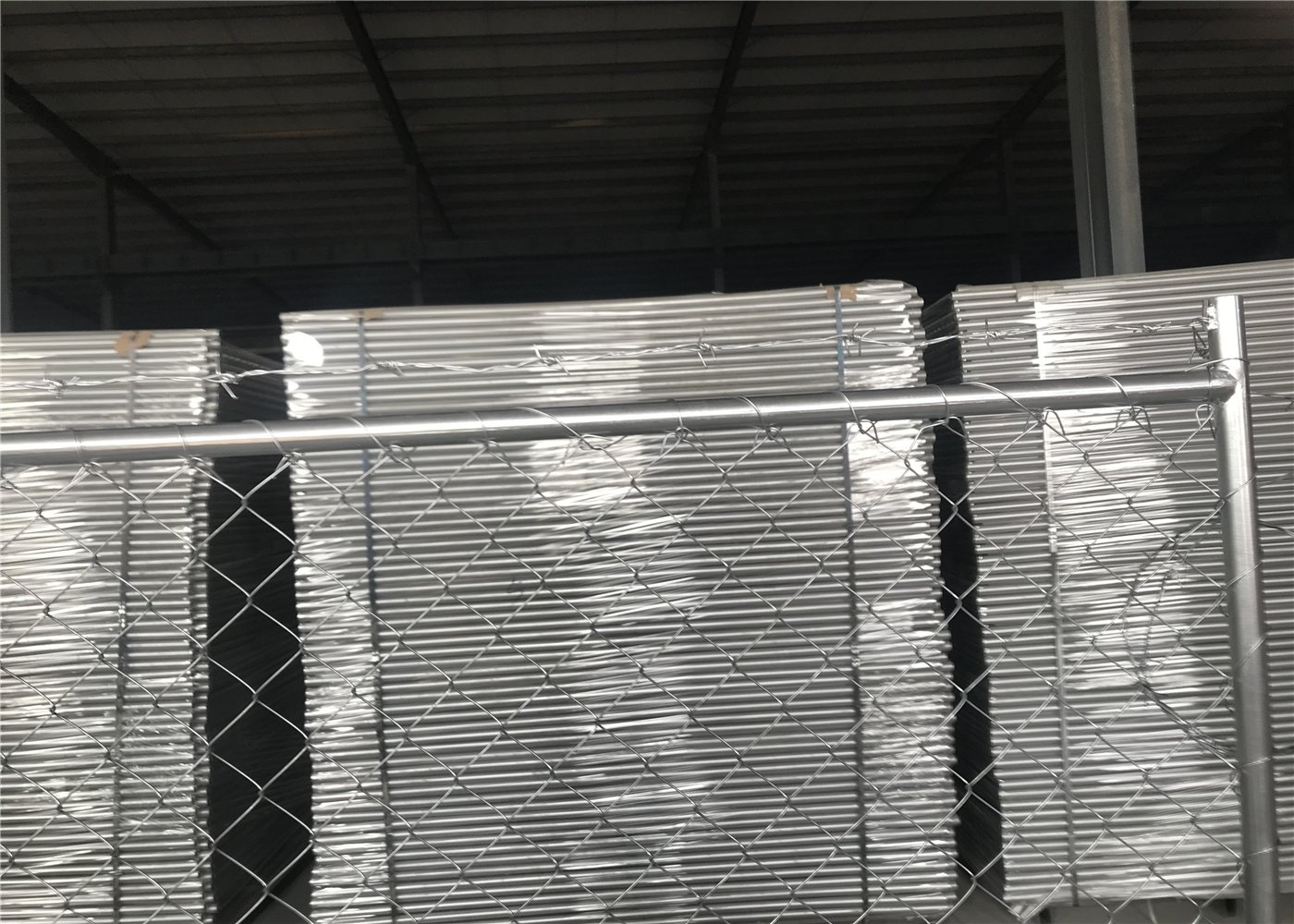
Portable panel construction
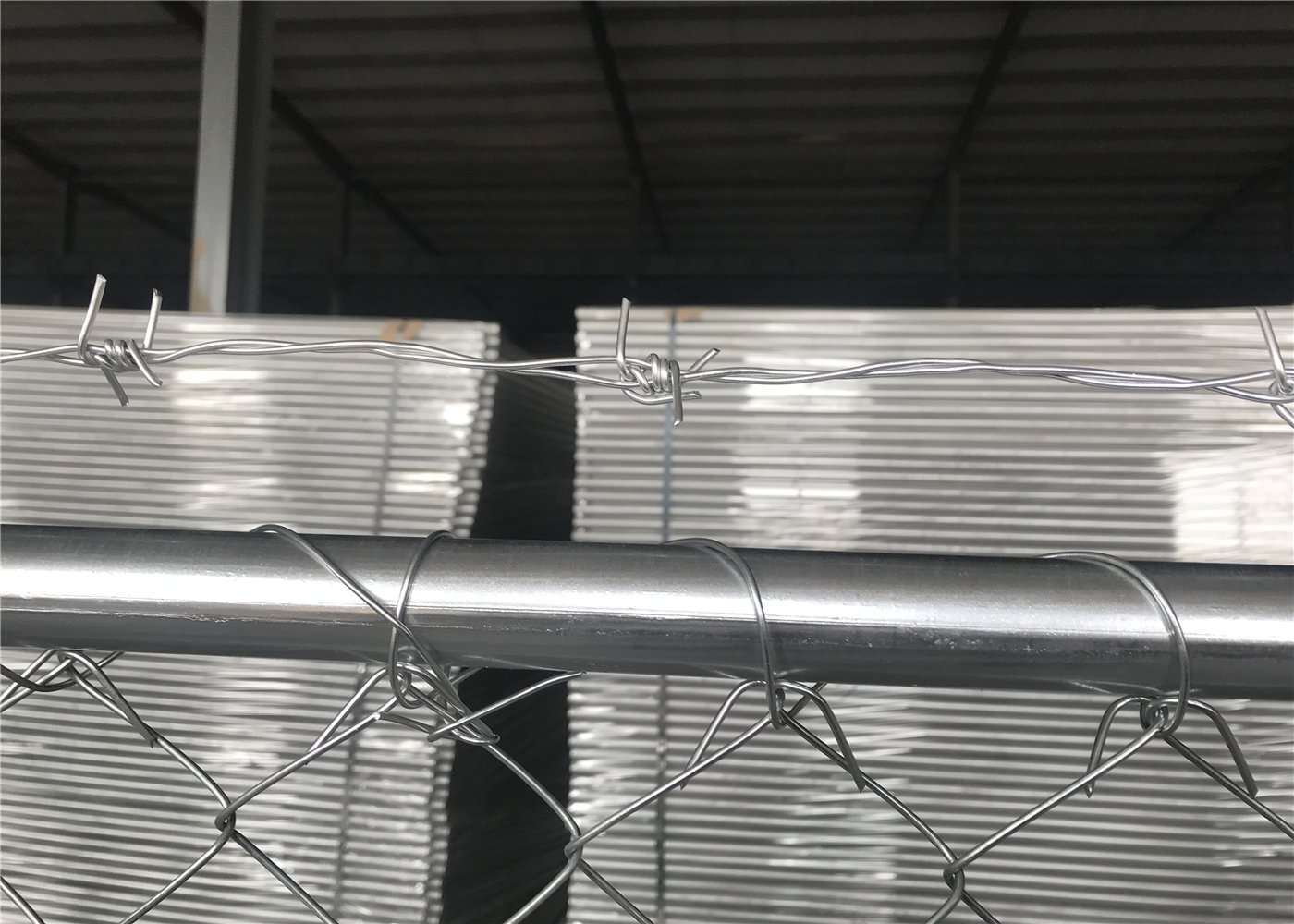
The surrounding frame usually includes horizontal and vertical steel tubes. Fabric ties, tension bars, or other approved connections secure the woven mesh. Frame joints need consistent welding and smooth finishing for safer handling.
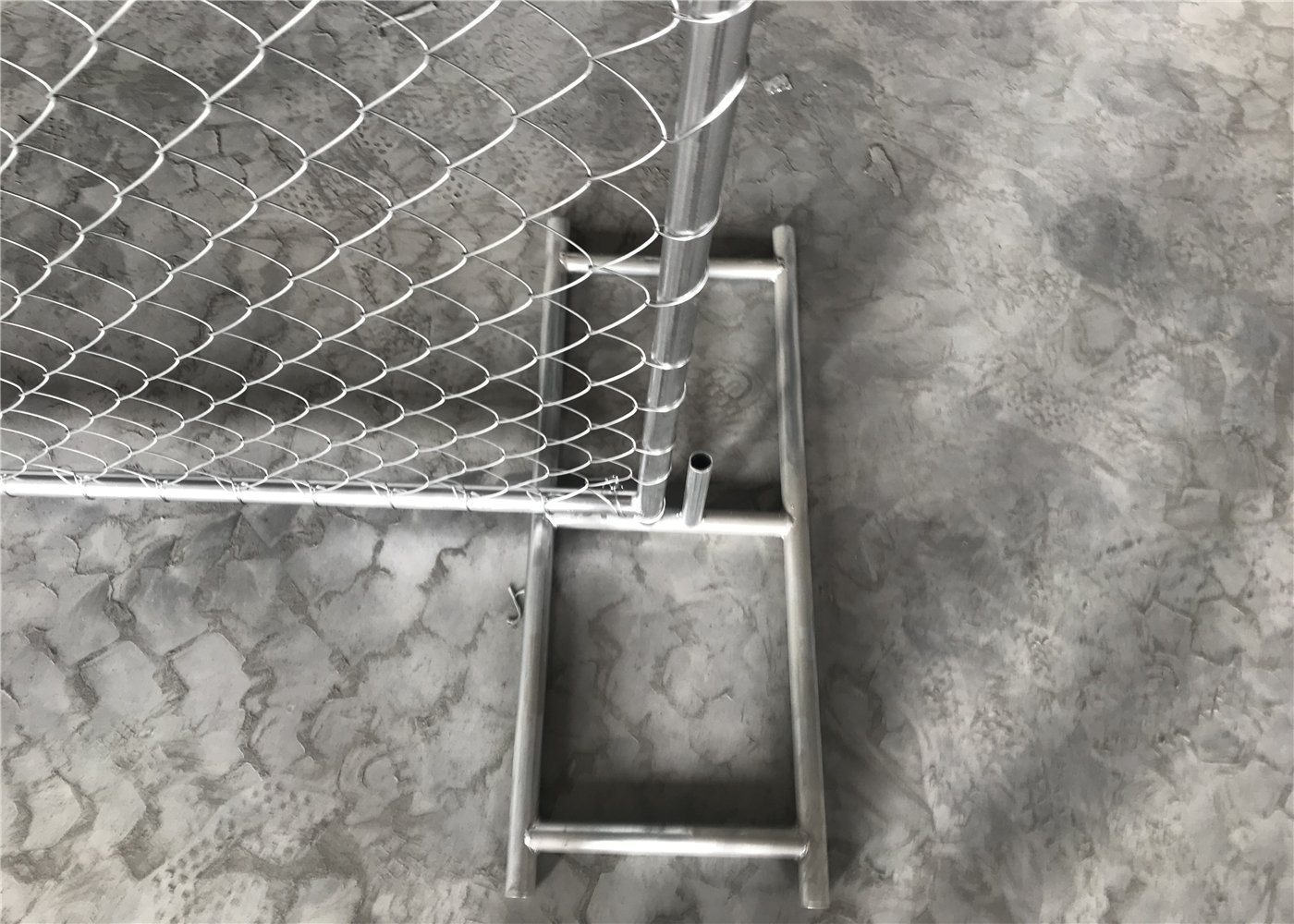
Panel feet, clamps, stays, and gates complete the installation. Each component needs matching dimensions before dispatch. A stable layout depends on the whole assembly, not the wire fabric alone.
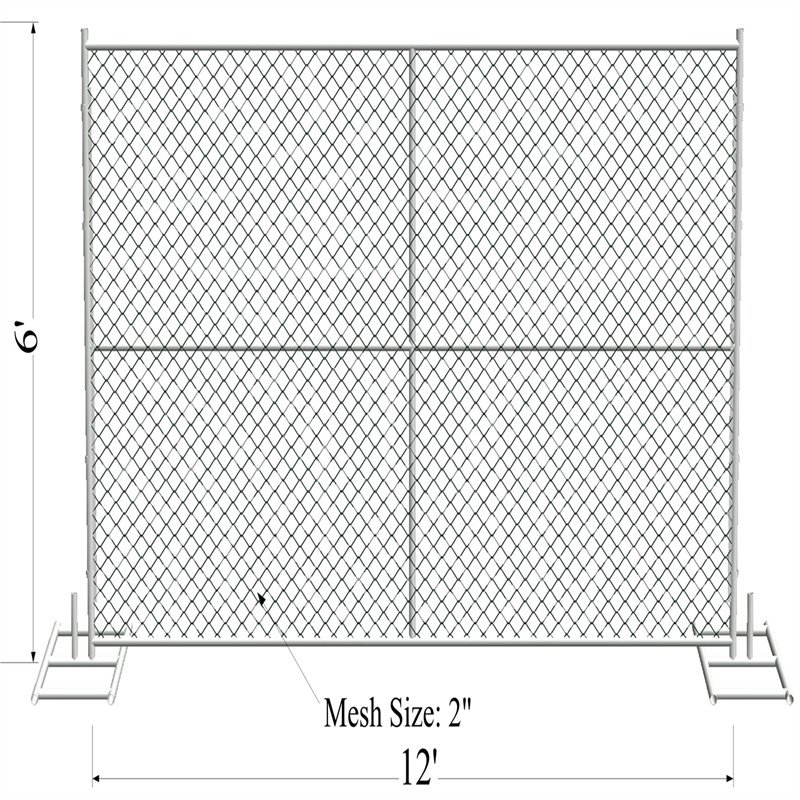
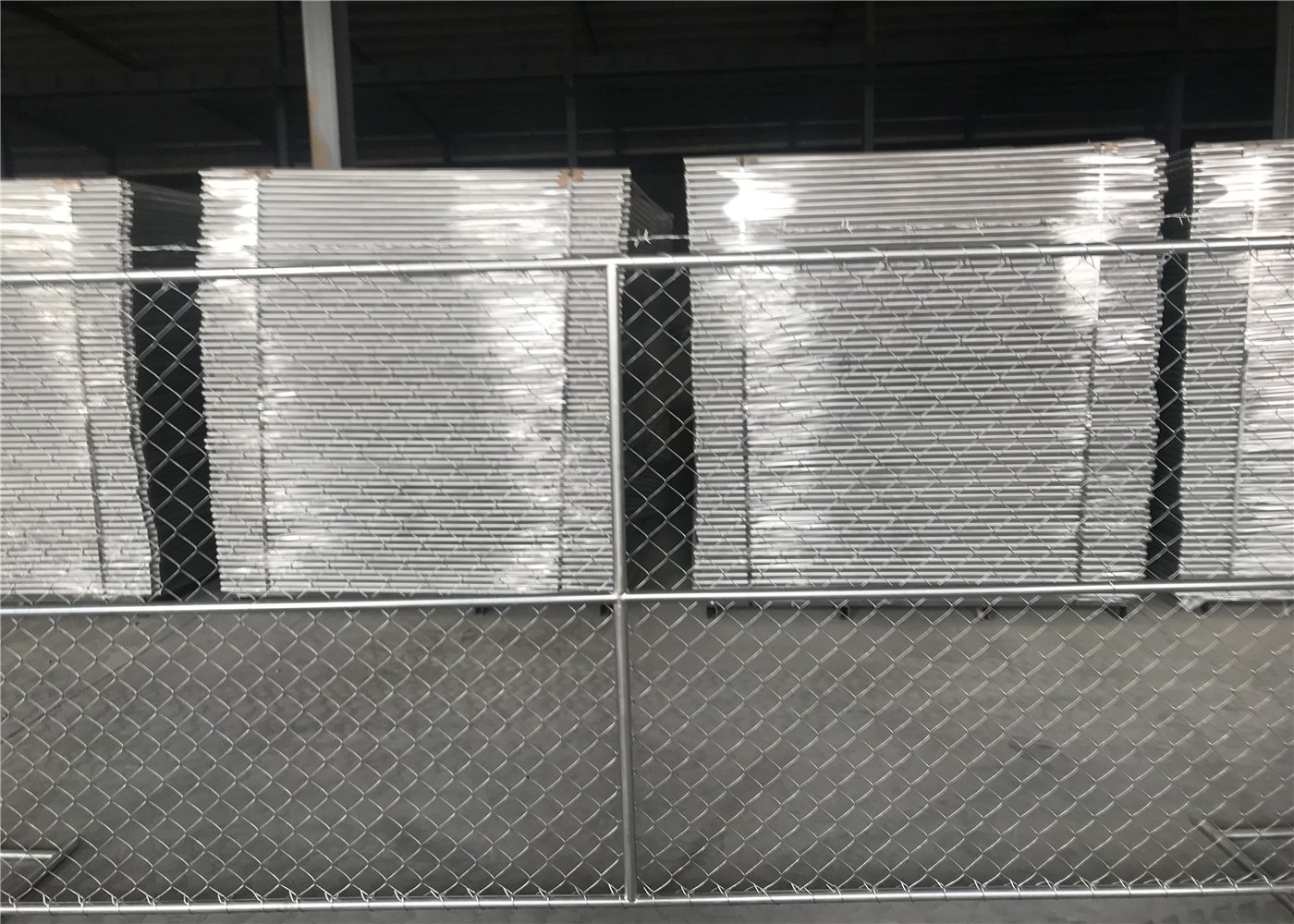
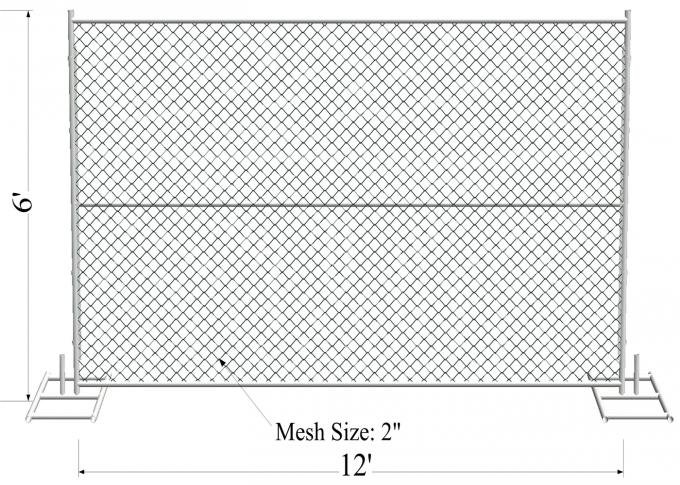
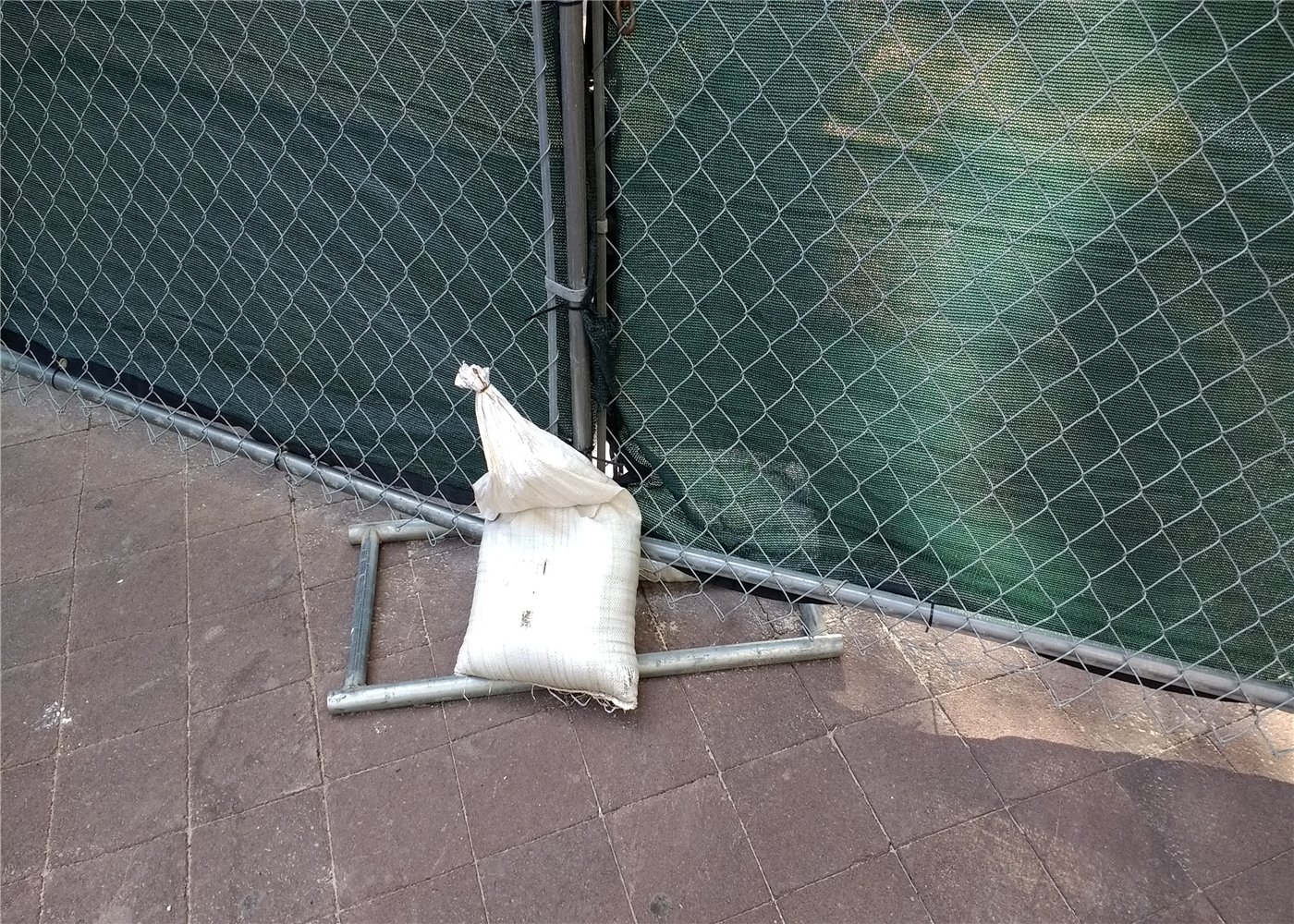
Chain link temporary fence panel example showing a portable arrangement for construction boundaries.
Chain link temporary fence specifications
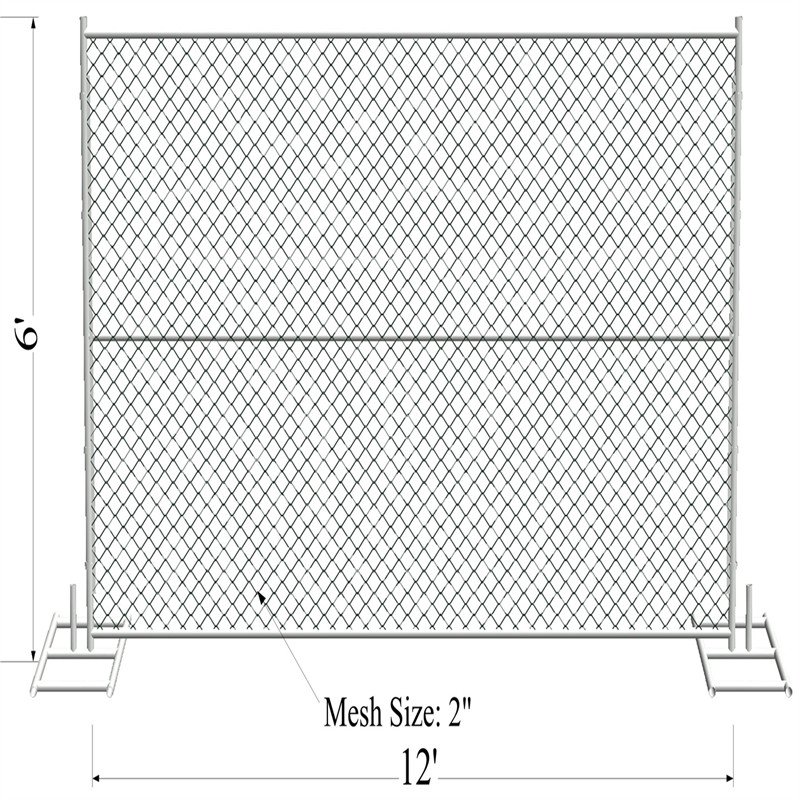
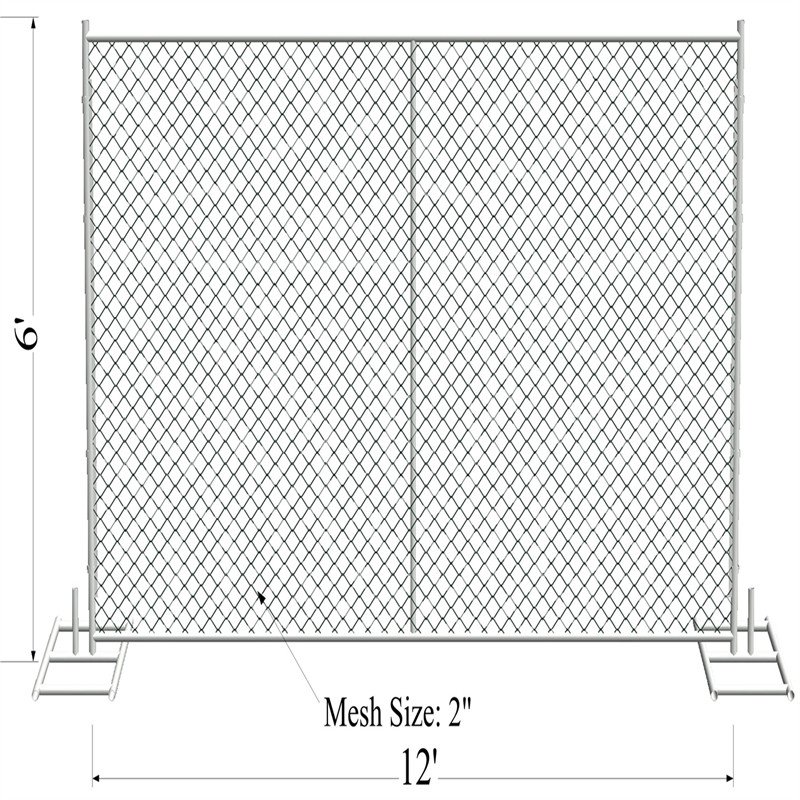
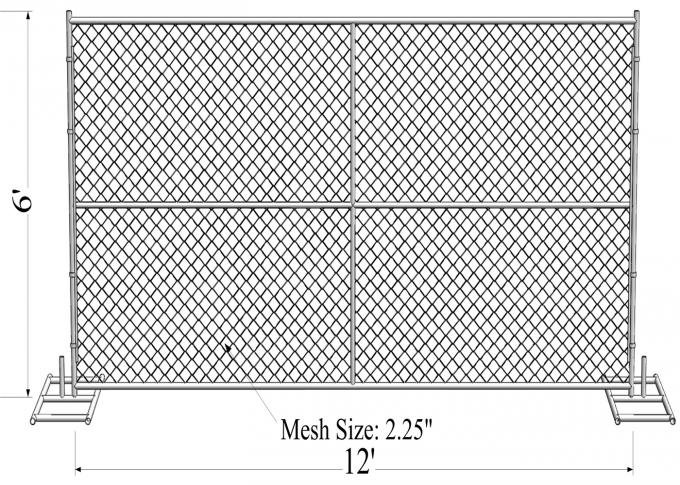
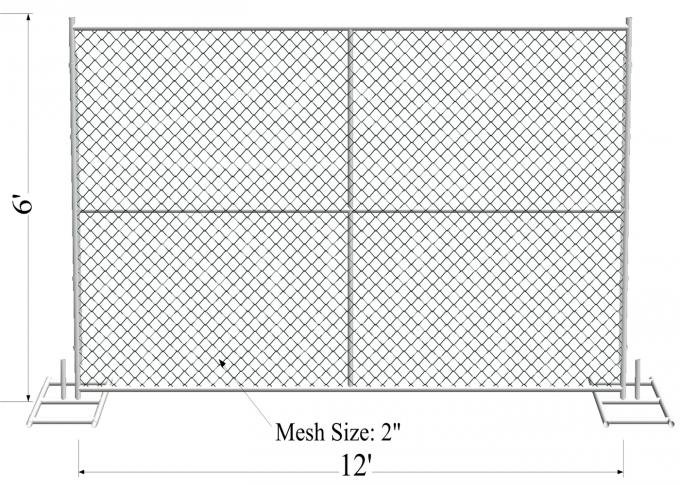
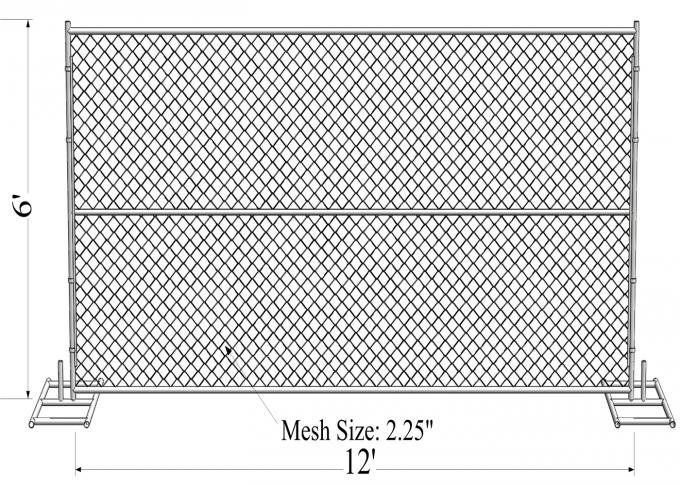
United States construction projects commonly request 6 ft × 12 ft and 8 ft × 12 ft panels. Other heights and widths can support different site plans. The following table consolidates the original reference specifications.
Chain link temporary fence reference specifications
Component
Available options
Frame tube outside diameter
32, 35, 38, 40, 42, or 48 mm
Frame wall thickness
1.22, 1.42, 1.50, 1.60, 1.70, 1.80, 1.90, or 2.00 mm
Chain-link mesh opening
50 × 50, 57 × 57, 60 × 60, or 63 × 63 mm
Nominal panel height
4, 6, or 8 ft (approximately 1220, 1820, or 2420 mm)
Nominal panel width
8, 9, 10, 12, or 14 ft
Popular panel sizes
4 × 12 ft, 6 × 12 ft, or 8 × 12 ft
Mesh wire diameter
Approximately 2.3–3.2 mm, depending on selected gauge
Steel and finish
Galvanised steel with a specified zinc coating
Packaging
Metal pallets, banding, and protective film
Dimensions represent catalogue options rather than a single universal standard. Confirm finished outside dimensions, tolerances, frame orientation, and net opening before production.
Frame tube sizes and wall thickness
Tube selection changes frame weight, rigidity, handling effort, and transport capacity. A 32 mm tube suits some lighter configurations. Larger diameters can support more demanding panel arrangements when engineering confirms the design.
Wall thickness also influences weld preparation and corner strength. Buyers should identify the tube outside diameter and wall thickness separately. Gauge labels alone may cause confusion across markets.
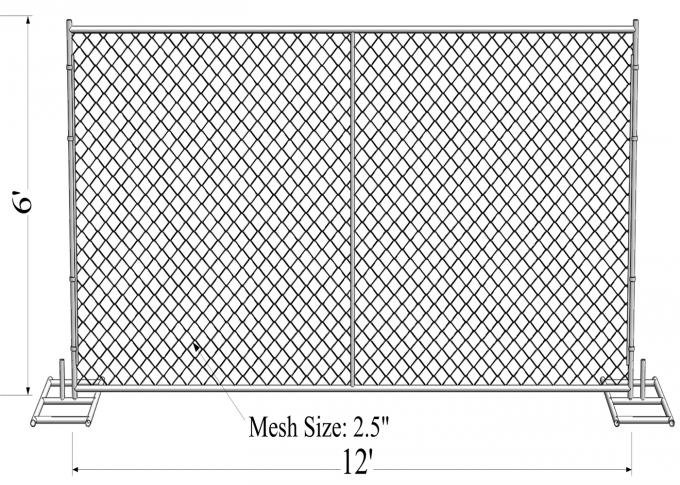
Portable fencing configuration showing how framed panels define temporary construction boundaries.
Chain link temporary fence mesh options
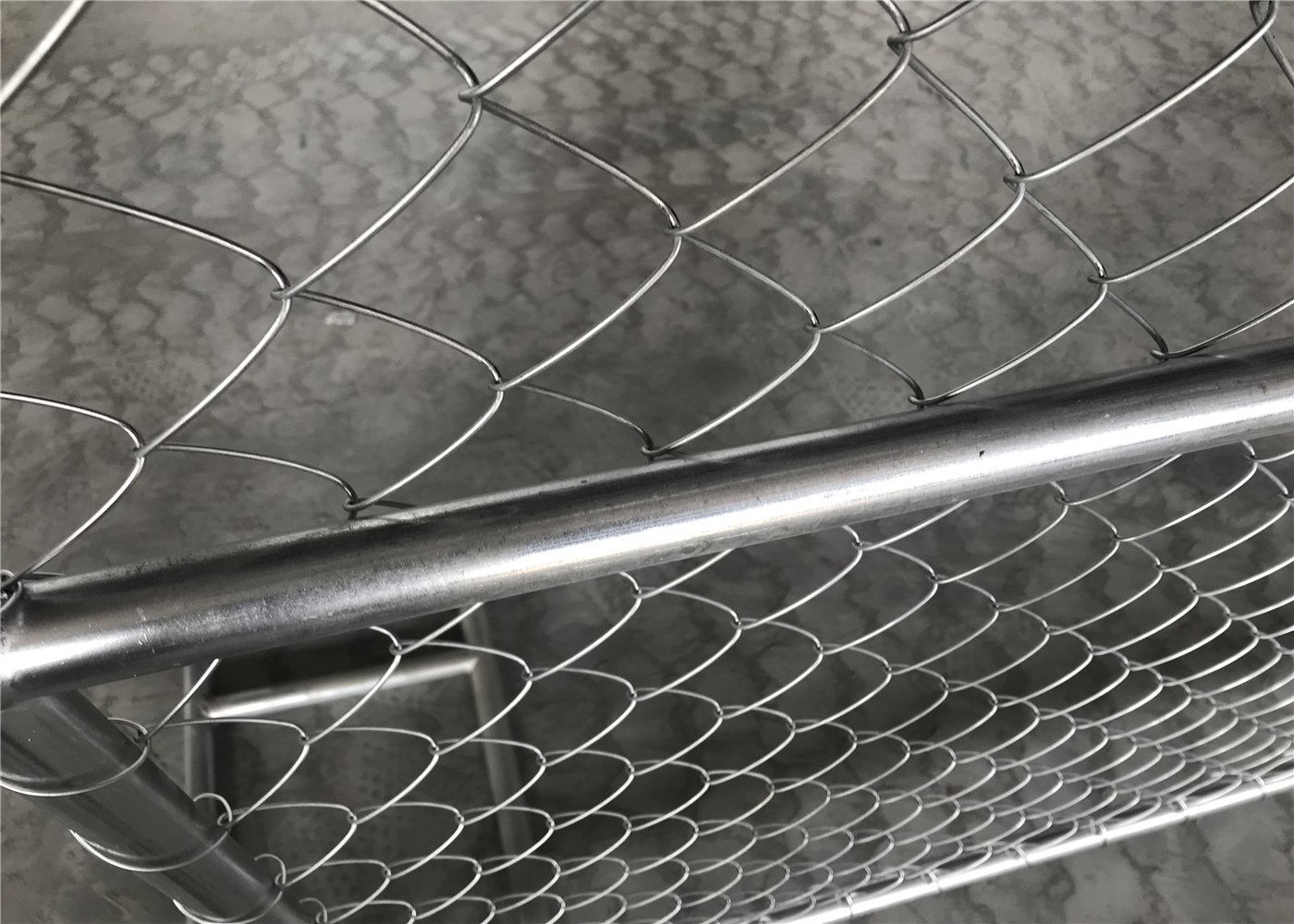
The woven mesh provides visibility and allows airflow through the perimeter. Customers can select 50, 57, 60, or 63 mm nominal openings. Smaller openings may reduce access through the fabric but also affect material usage.
Woven fabric differs from the rigid welded infill of Clearvu Fence Panels. Those permanent security products use smaller welded openings and different fixing systems. Neither product should substitute for the other without a project review.
Chain wire gauge and aperture
Wire options include 3.2, 3.0, 2.9, 2.75, 2.6, 2.5, and 2.3 mm. Nominal gauge conversions can differ by specification. Request the actual finished wire diameter instead of relying solely on a gauge number.
Diamond openings also need an agreed measurement convention. The manufacturer should identify clear opening dimensions and wire diameter in the approved drawing. This prevents mismatched fabric during assembly.
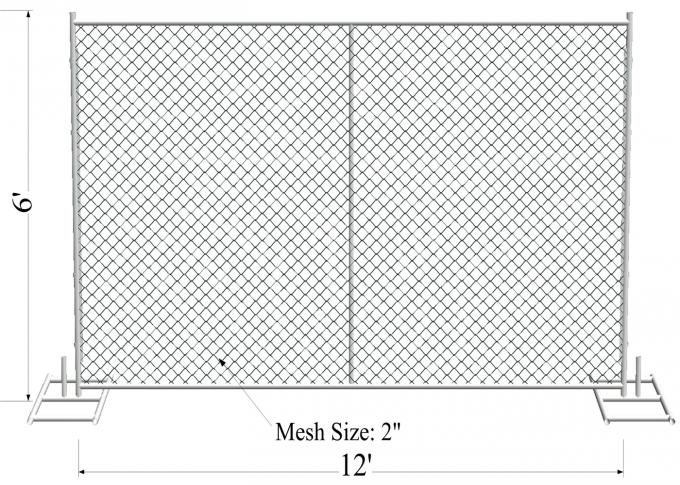
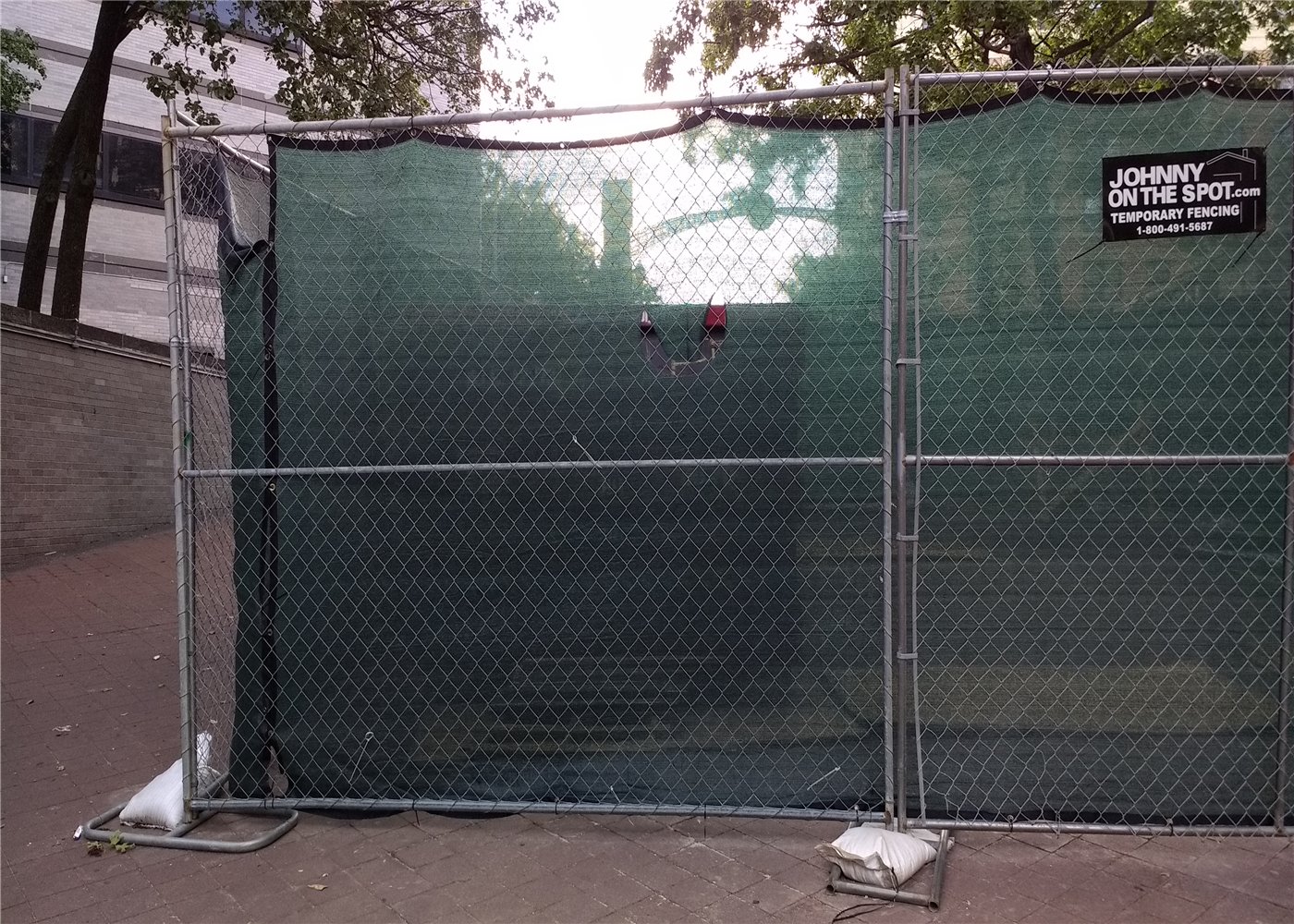
Chain-link mesh and supporting frame represent separate components within one removable fence panel.
Chain link temporary fence panel dimensions
Panel size influences delivery access, storage space, and handling equipment. Twelve-foot lengths suit many United States construction layouts. Shorter panels can help around corners and irregular boundary lines.
Common nominal panel configurations
Panel dimensions
Approximate metric reference
Typical planning consideration
4 × 12 ft
1.22 × 3.66 m
Lower temporary partitions
6 × 12 ft
1.83 × 3.66 m
General construction perimeter
8 × 12 ft
2.44 × 3.66 m
Taller controlled boundaries
6 × 10 ft
1.83 × 3.05 m
Restricted storage or access zones
Final sizes depend on the approved frame drawing and fabrication tolerances. Never assume a nominal 12-foot width equals an exact 3650 mm finished dimension.
Common configurations for US sites
Contractors often combine standard panels with short adjustment sections. These sections help maintain a continuous perimeter around uneven plot boundaries. Gates and service entrances need separate space allowances.
Event organisers may prefer Temporary Event Fencing with welded mesh. That option suits projects prioritising reusable panel sets and standard connecting clamps. Chain-link sections remain useful where woven fabric specifications apply.
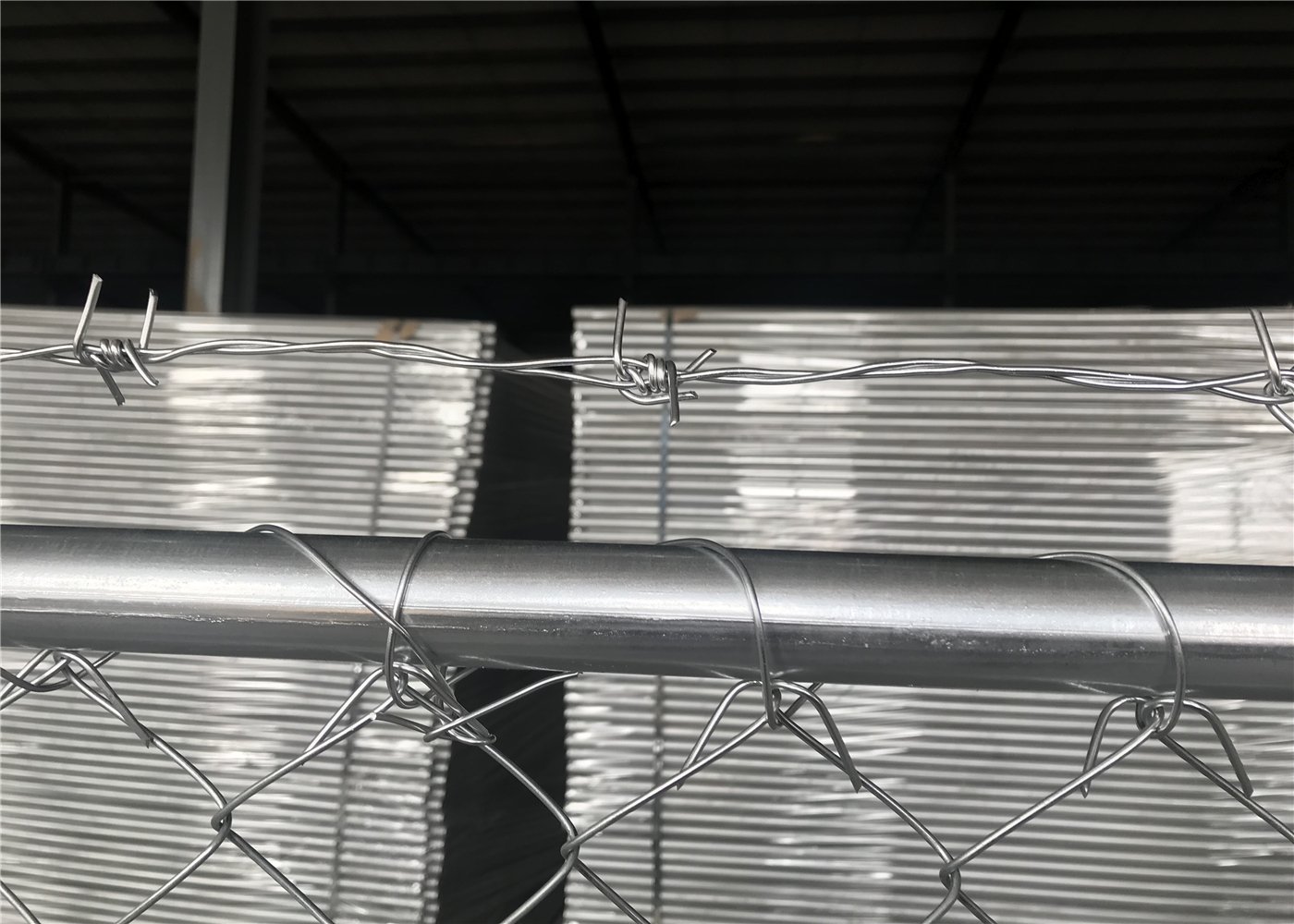
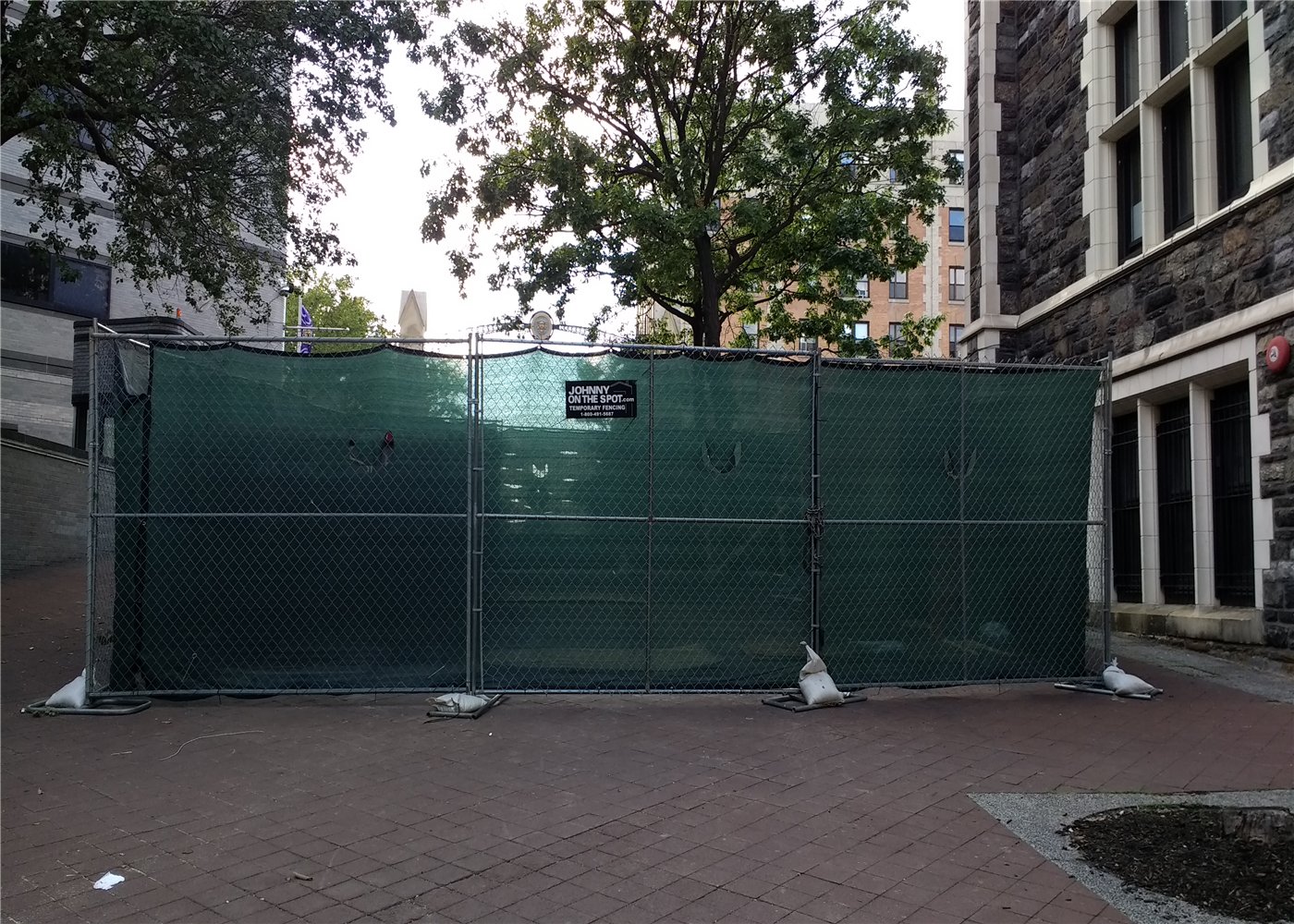
Temporary construction fencing supports modular layouts that contractors can adjust between project phases.
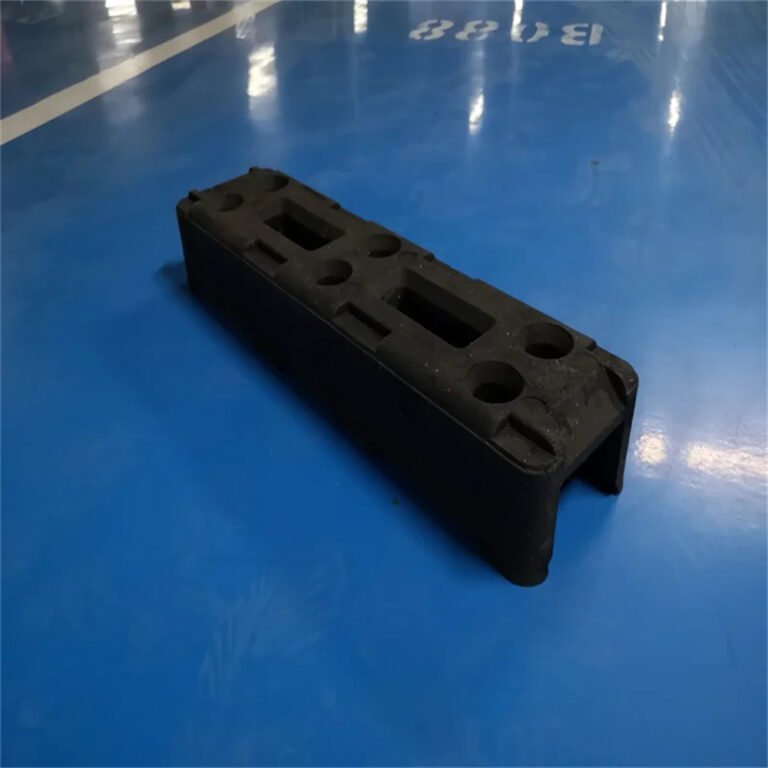
Chain link temporary fence bases
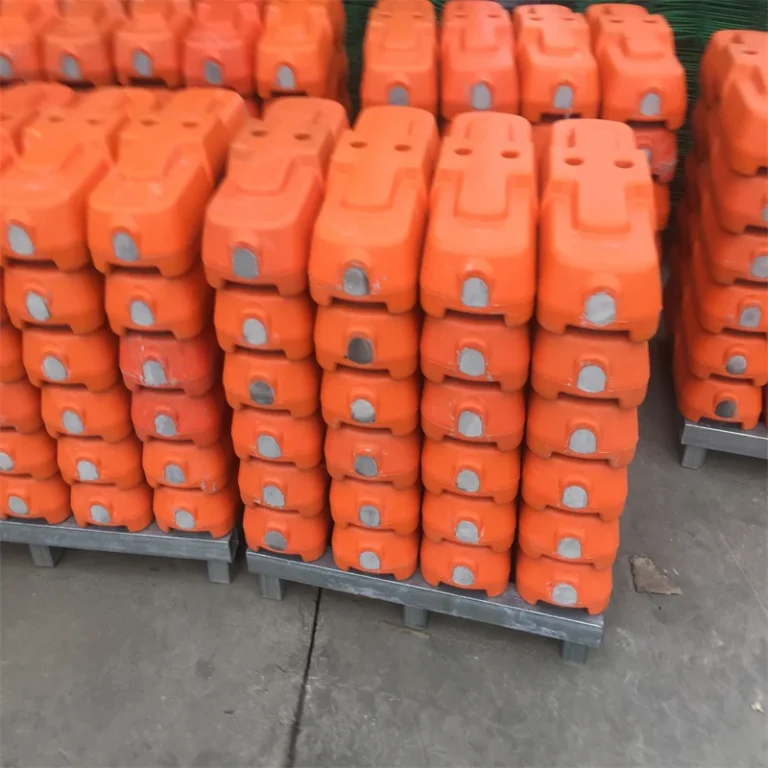
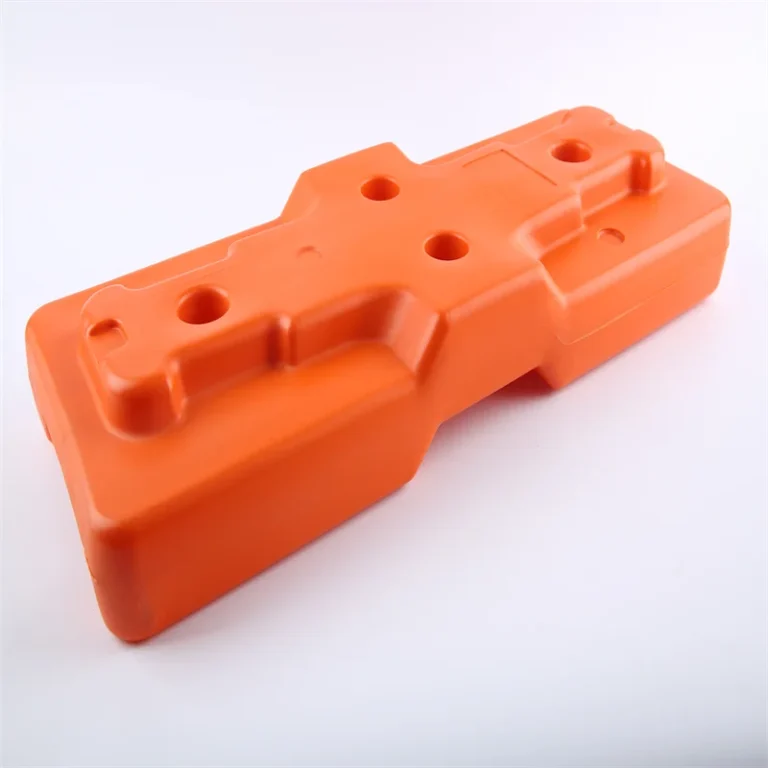
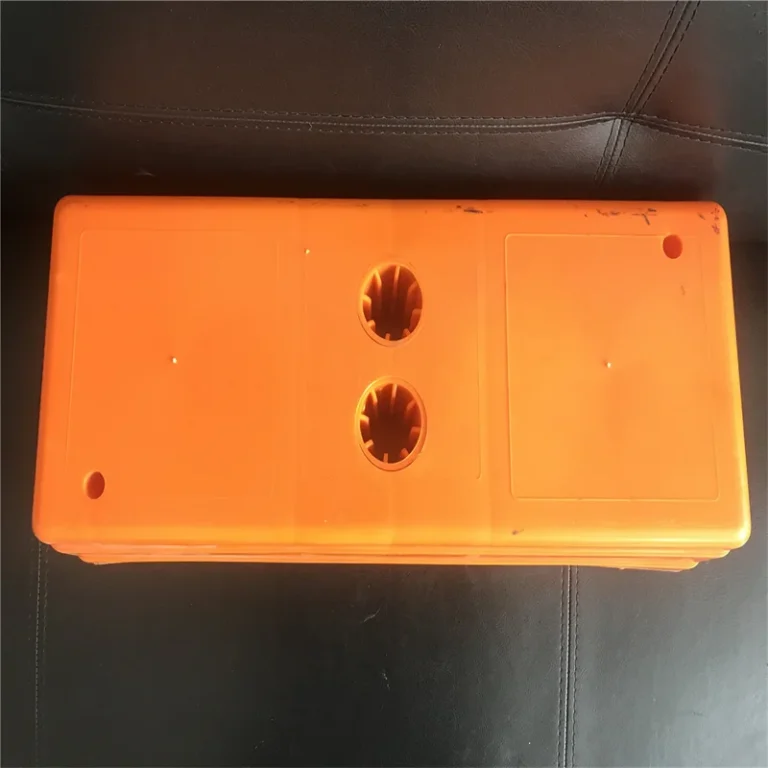
Support bases keep portable panels upright without permanent posts. Original reference designs include several rectangular footprint options. The required base weight depends on wind exposure, ground contact, fence height, and additional bracing.
Reference base footprint options
Base option
Dimensions
Option 1
914 × 762 × 203 mm
Option 2
914 × 406 × 203 mm
Option 3
762 × 460 × 203 mm
These dimensions describe reference footprints, not universal ballast requirements. Confirm hole spacing, fitting size, base weight, and site stability separately.
Choosing stability and bracing
Wind and attached screening increase lateral loads. Larger panels may require stronger bases, stays, or engineered anchoring. Use a site-specific assessment instead of choosing supports by appearance.
Other portable systems can use Temporary Fence Feet or Recycled Rubber Temp Fence Feet. Confirm these alternatives fit the selected chain-link frame. A matching hole diameter does not guarantee complete structural compatibility.
Chain link temporary fence clamps
Clamps join adjacent frames and reduce unwanted movement at each connection. Their geometry must match the frame diameter and post spacing. Security bolts may help control unauthorised panel removal.
Projects requiring a temporary opening can use an approved Temporary Fence Gate Hinge arrangement. Permanent security sites may instead select Clearvu Gates. Each gate type requires its own operating clearance and support design.
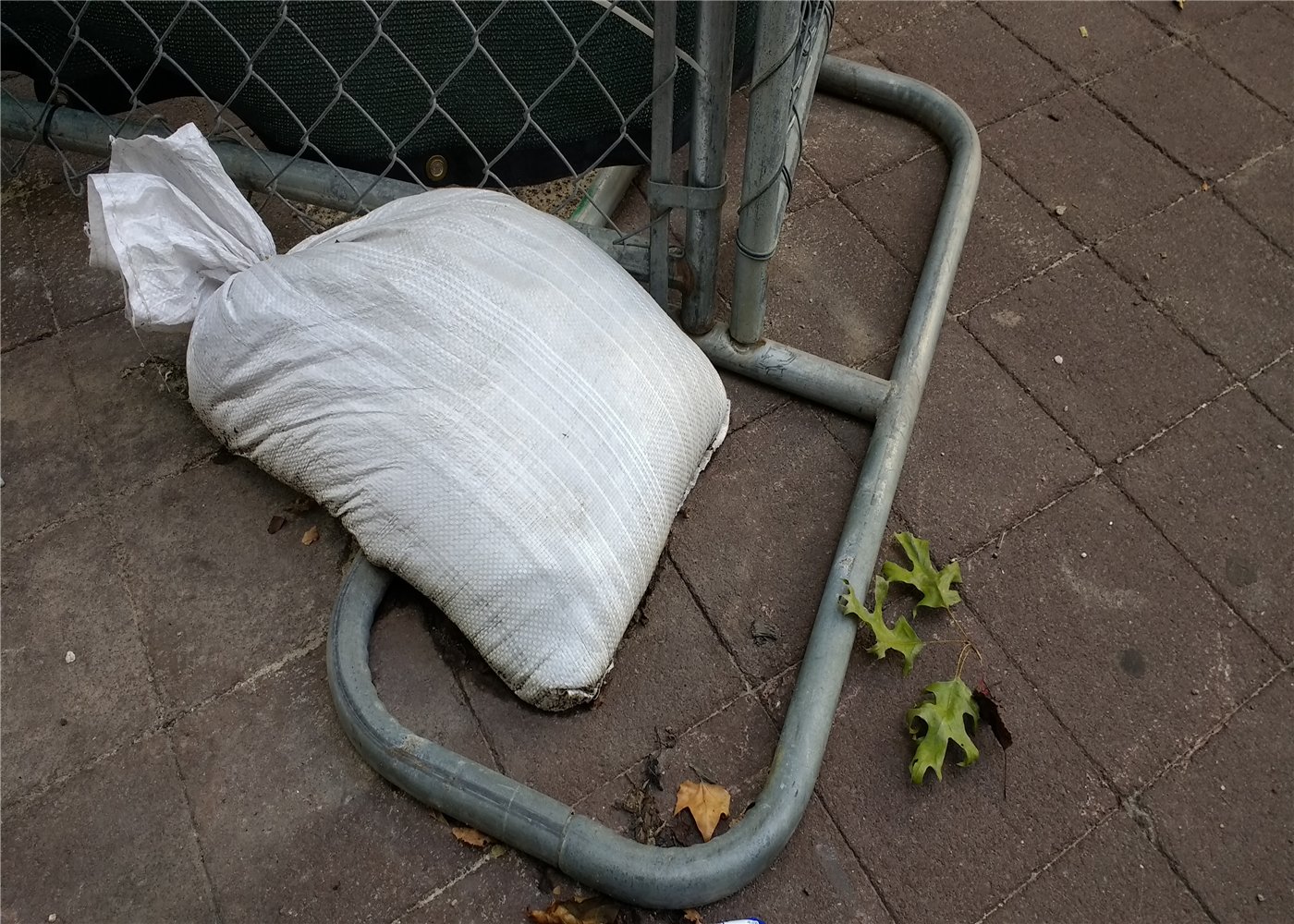
Connections and frame interfaces require compatible clamp spacing, bolts, and support hardware.
Chain link temporary fence galvanizing
Zinc coatings help protect steel from atmospheric corrosion during outdoor service. Fabric, frame tubes, welds, and fittings may follow different coating processes. Specify the complete protective system for each component.
The original product range mentions zinc masses near 100, 200, 300, and 600 g/m². It also gives nominal thickness examples near 14, 28, 42, and 84 microns. These numbers require a defined measurement basis and coating method.
ASTM specifications and coating records
ASTM A392 covers zinc-coated steel chain-link fence fabric. It does not certify every welded frame, portable base, clamp, or complete temporary fence assembly. Buyers should request applicable certificates and inspection records for the actual ordered components.
Coating mass and coating thickness are different measurement forms. Their conversion depends on the coating material and reporting convention. Confirm inspection methods, minimum values, and acceptance criteria before shipment.
Outdoor temporary fence components need suitable corrosion protection across fabric, frames, welds, and fixings.
Chain link temporary fence installation
Installation starts with boundary measurements and safe pedestrian routes. Mark vehicle access points, emergency exits, utilities, and changes in ground level. Keep components organised before erecting the first section.
Confirm the fence line and temporary access requirements.
Inspect bases, frames, fabric, and connection hardware.
Position supports according to the approved layout.
Stand panels carefully and connect neighbouring frames.
Add stays or ballast according to the site design.
Check gates, edges, clearances, and final stability.
Teams should review the assembly after major site changes. Wind, excavation, and vehicle movements can alter safe operating conditions.
Slope and corner planning
Shorter panels can follow curves and changes in direction more easily. Steps or approved adjustable connections can accommodate some elevation differences. Large gaps beneath panels may create unwanted access points.
For specialised permanent perimeter requirements, Clearvu Fence Posts support different security arrangements. Their foundations differ from portable feet. Do not mix these support methods without an approved design.
Chain link temporary fence applications
Temporary chain-link panels help separate changing work activities from the public. Their removable design suits construction phases, civil projects, industrial work, and outdoor event preparation. They can also surround stored equipment and temporary service areas.
Commercial and residential building sites.
Roadworks, demolition, and civil engineering projects.
Warehouse expansion and equipment storage.
Outdoor events and backstage service corridors.
Industrial maintenance and restricted access areas.
Short-term pet runs where the design suits animal safety.
Construction and event boundaries
Building contractors need space for deliveries, vehicles, and workforce movement. Event organisers focus on visitor flow and temporary restricted zones. Both applications benefit from clear entry locations and reliable panel connections.
Some sites require stronger permanent security after construction ends. Clearvu Fencing addresses that separate requirement through fixed welded mesh assemblies. Portable chain-link fencing remains a distinct product category.
Chain link temporary fence inspection
Inspect the wire weave for broken strands, sharp ends, and inconsistent apertures. Check each welded frame corner for cracks and deformation. Verify zinc coverage and inspect locations where handling may damage the finish.
Inspect support interfaces before connecting panels. Misaligned clamps and damaged bolts can reduce assembly reliability. Check gate movement without placing workers inside pinch points.
Maintenance and reuse
Clean accumulated mud and debris before storing panels. Separate bent frames from serviceable stock. Replace worn connectors rather than forcing damaged parts into place.
Some projects later replace portable fencing with 3D Fence Panels or a High-Security Clear View Fence. These products serve different operational periods and risk profiles. Compare requirements before approving a permanent replacement.
Routine panel inspection supports safer reuse between temporary construction and event projects.
Chain link temporary fence packing and shipping
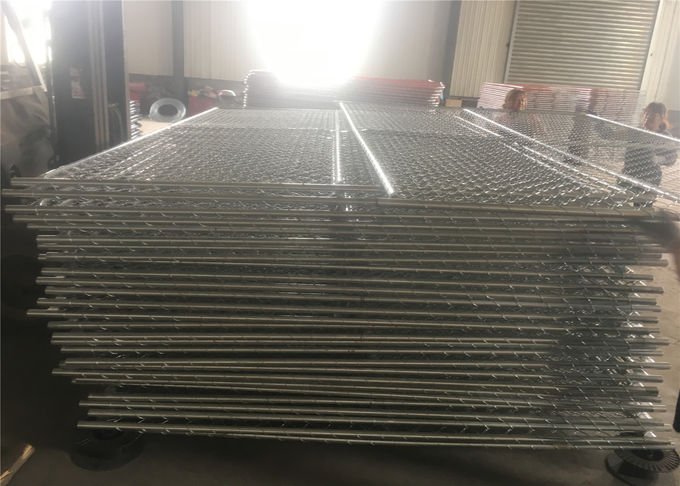
BMP prepares export bundles around the approved container loading plan. Metal pallets help organise panels and protect the frames during handling. Protective film and banding reduce movement across stacked components.
Pack clamps, nuts, bolts, and spare parts in labelled cartons. Separate heavy bases when stacking could damage the mesh. Confirm pallet footprints and loading weights before booking transport.
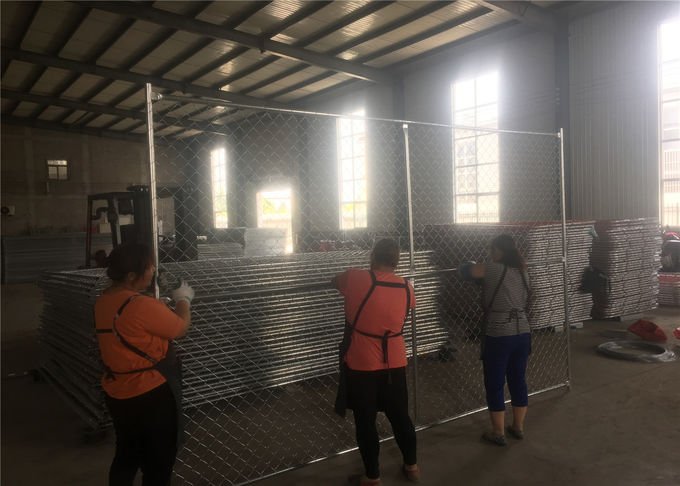
Export preparation requires protected panel stacks, labelled accessories, and a practical container loading sequence.
Ordering checklist
Provide the total boundary length, preferred panel size, mesh opening, and wire thickness. Include frame outside diameter, wall thickness, finish, and support requirements. Identify gate openings, corner conditions, and delivery terms.
Projects using portable moulded bases may also consider Injection Mould Temporary Fence Feet. Compatibility depends on post dimensions and loading assumptions. Confirm your design before ordering any alternative support.
Chain link temporary fence FAQs
Which panel dimensions are common? Many US construction projects use 6 × 12 ft or 8 × 12 ft panels. Custom sizes depend on the manufacturing drawings.
Is chain-link fabric welded? No. The mesh uses interwoven steel wire, while the surrounding tubular frame uses welded joints.
Does every project require heavy ballast? No. The support design depends on local exposure, fence dimensions, ground conditions, and attachments.
Can I reuse the panels? Yes, after suitable inspections. Replace damaged fabric, frames, and connectors before the next installation.
Can permanent security fittings replace temporary clamps? Not automatically. Clearvu Fence Clamps belong to different fixing arrangements. Check compatibility and engineering details first.
Choosing alternative perimeter systems
Temporary chain-link panels suit projects with changing work boundaries. Welded temporary fencing may offer different panel handling and connection options. Permanent systems may require narrower openings, engineered foundations, and coordinated gate hardware.
BMP can assess drawings for panel dimensions, wire specifications, and accessories. A complete request helps align manufacturing details with the project's intended use. Clear specifications also reduce rework during production and installation.