
Clear View Fence I Post: Specifications, Installation and Applications
A clear view fence I post supports welded security mesh through its distinctive I-shaped steel profile. The central web connects two flanges, creating defined fixing surfaces. This arrangement supports compatible panels, clamps, and security fasteners.
Unlike ordinary square posts, I-shaped profiles require specific connection details. Their dimensions affect panel positioning and installation clearances. Proper selection also depends on wind exposure, soil conditions, and fence height.
South African projects increasingly require security fencing that preserves visibility. Industrial facilities need reliable perimeter structures, while residential developments often prioritise appearance. Coastal installations also require suitable corrosion protection.
This guide examines I-post dimensions, materials, manufacturing, installation, and maintenance. It also compares alternative support profiles and explains practical purchasing considerations.
What Is a Clear View Fence I Post?
A clear view fence I post is a vertical support with an approximately I-shaped cross-section. Its central web joins two outer flanges. Manufacturers can produce different profiles for specific fencing systems.
Some designs resemble conventional structural I-sections. Others use modified roll-formed or fabricated shapes. Consequently, the term I post does not identify one universal dimension.
Buyers should confirm the actual cross-section before ordering. Flange width, web thickness, and fixing positions determine compatibility. The selected Clear Vu Fence system must match these details.
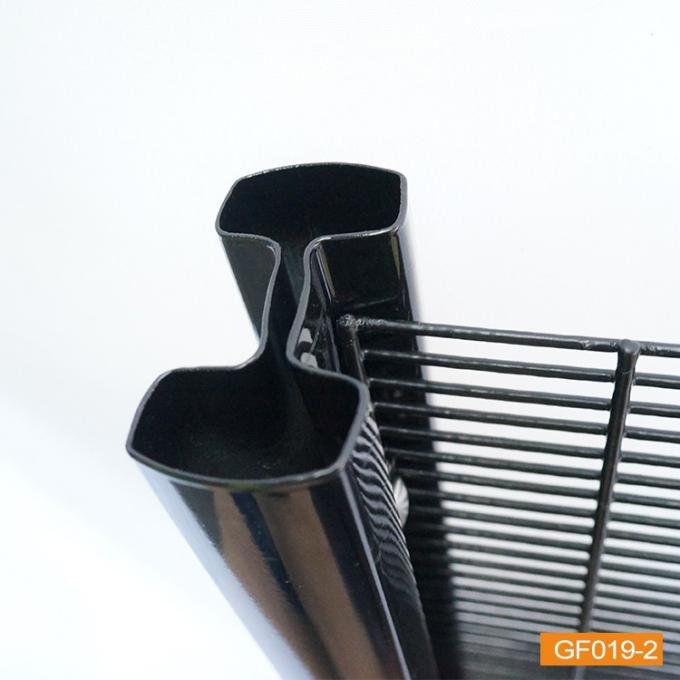
Clear View Fence I Post Cross-Section
The I-shaped profile contains three principal structural elements. Two flanges form the outer surfaces. A connecting web joins them through the centre.
Profile geometry affects stiffness in different directions. An I-section does not provide identical bending resistance about both axes. Engineers should evaluate the expected loading direction.
Flange thickness also influences connection performance. Thin material may require different fastening arrangements. Approved drawings should identify every critical dimension.
Clear View Fence I Post Versus IPE Post
IPE commonly refers to a European structural beam family. Standard IPE sections generally feature parallel flange faces. However, proprietary fencing profiles may use different dimensions.
A Clearvu Fencing IPE Post can incorporate specialised holes or connection features. Buyers should never assume universal compatibility.
Standard beam dimensions alone cannot establish the finished fencing arrangement. Hole spacing and panel overlap also matter. Project drawings should control procurement.
Clear View Fence I Post Specifications
Manufacturers offer several I-shaped post sizes for welded security fencing. The original catalogue identifies 44 × 70mm and 55 × 100mm options. Other profiles may suit different projects.
Wall thickness varies with the selected manufacturing method. Common catalogue values include 1.8mm, 2.0mm, 2.5mm, and 3.0mm. These dimensions represent product options rather than universal engineering recommendations.
Clear View Fence I Post Size Options
| Specification | Reference Options | Selection Consideration |
|---|---|---|
| Profile Type | I-shaped steel section | Confirm approved cross-section |
| Section Option A | 44 × 70mm | Check flange and web dimensions |
| Section Option B | 55 × 100mm | Check fixing compatibility |
| Wall Thickness | 1.8 / 2.0 / 2.5 / 3.0mm | Confirm actual profile thickness |
| Material | Project-specified structural steel | Verify material certificate |
| Finish | Galvanized or compatible coated system | Match environmental exposure |
| Installation | Concrete embedment or engineered base plate | Follow structural drawings |
These values reproduce the source catalogue's general size options. Manufacturers may supply additional profiles. Every order requires approved drawings.
Clear View Fence I Post Length Schedule
The original product table pairs different panel heights with post lengths. Its entries also include square posts for comparison. The following table separates both product families.
| Post Type | Section Options | Panel Height | Reference Post Length |
|---|---|---|---|
| I Post | 44 × 70mm / 55 × 100mm | 1830mm | 2400mm |
| I Post | 44 × 70mm / 55 × 100mm | 2030mm | 2500mm |
| I Post | 44 × 70mm / 55 × 100mm | 2230mm | 2800mm |
| Square Post | 50 × 50 / 60 × 60 / 80 × 80 / 100 × 100mm | 2430mm | 3000mm |
| Square Post | 50 × 50 / 60 × 60 / 80 × 80 / 100 × 100mm | 2800mm | 3500mm |
| Square Post | 50 × 50 / 60 × 60 / 80 × 80 / 100 × 100mm | 3000mm | 3700mm |
Reference lengths do not establish safe foundation depths. Soil capacity and structural loading determine embedment. Engineers should approve final post lengths.
Material Thickness and Structural Performance
Steel thickness influences weight, stiffness, and connection capacity. However, section geometry also affects structural behaviour. Two profiles with identical thicknesses may perform differently.
Wind loads create bending forces through the fence panels. Posts transfer these forces into foundations. Designers should assess the complete load path.
High-security 358 Mesh Fencing Panels require compatible support structures. Panel height alone cannot determine post thickness.
Clear View Fence I Post Product Photographs
The following images preserve the original BMP product references. Each photograph includes descriptive ALT text and a short caption. Customers should verify dimensions against approved drawings.
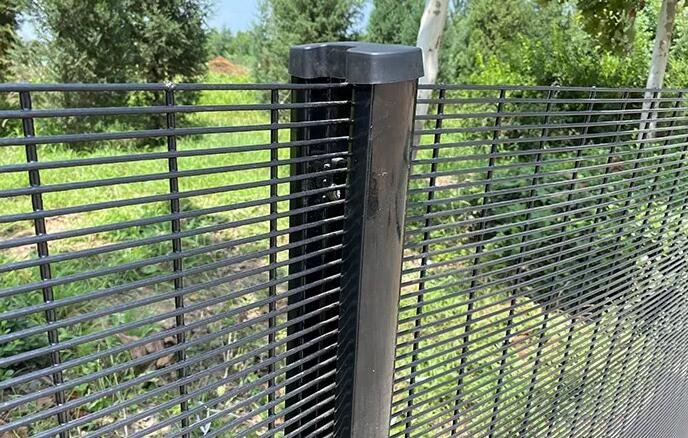 I-shaped steel posts provide support for compatible welded security panels. |
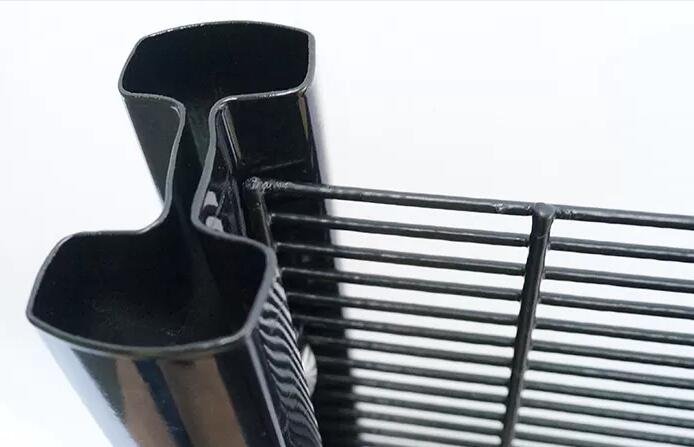 Profile geometry and connection details influence the completed fence assembly. |
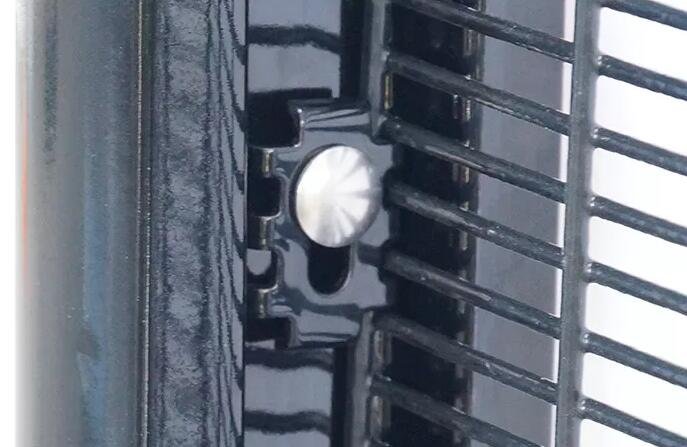 Technical references help buyers compare post sections and connection arrangements. |
|
Clear View Fence I Post Connection Systems
Connections transfer panel forces into supporting posts. Different I-shaped profiles require different clamps or fastening arrangements. Incorrect hardware can compromise installation quality.
Clear View Fence I Post Flange Connections
Some systems position mesh panels against the post flanges. Steel clamps secure the panel edges. Other designs use dedicated channels or brackets.
Flange dimensions determine available fixing space. Bolt positions must avoid interference with the panel wires. Contractors should follow the approved connection drawings.
Steel Clamps and Security Bolts
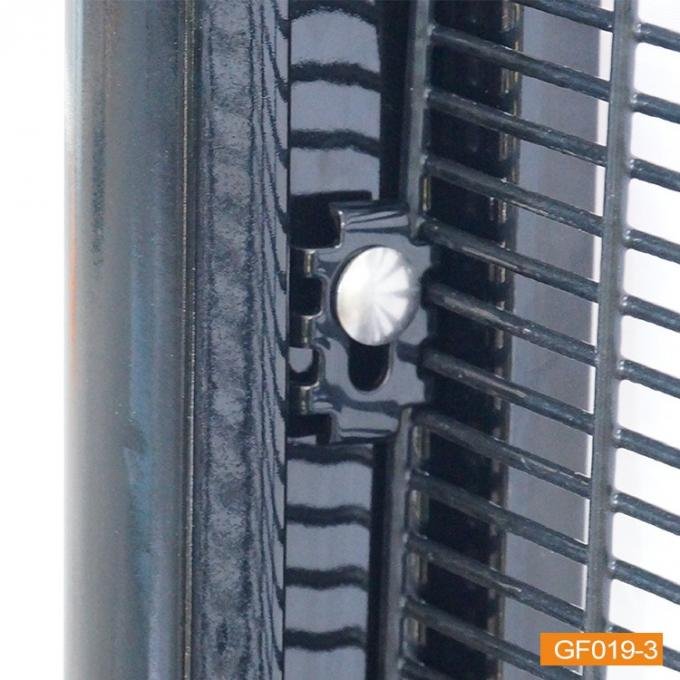
Clamps hold the panel against its supporting structure. Their shape must match the post profile. Security bolts can discourage casual dismantling.
Related Clear Fence assemblies use flat bars and shaped clamps. However, these arrangements are not interchangeable without verification.
Installers should inspect bolt engagement and clamp alignment. Loose fittings can increase panel movement. Suitable maintenance helps preserve connection reliability.
Clear View Fence I Post Corner Connections
Corner positions create different connection geometry from straight fence runs. Standard clamps may not suit every angle. Custom brackets sometimes provide better alignment.
Corner posts can also experience different loading. Engineers should evaluate these conditions. Workers must avoid forcing incompatible components together.
Panel Overlap and Post Centres
Nominal panel width does not always equal installed post spacing. Overlap and clamp geometry change the effective bay width. Incorrect assumptions can cause foundation errors.
Buyers should request centre-to-centre dimensions. Drawings must also show panel edges and fixing positions. Accurate setting-out reduces installation delays.
Clear View Fence I Post Installation Methods
Installation methods depend on the supporting ground and structural design. Concrete embedment and base-plate mounting serve different applications. Neither method guarantees suitable performance without engineering.
Clear View Fence I Post Concrete Embedment
Contractors first survey the fence alignment. They identify underground services and establish post positions. Excavation follows the approved foundation drawings.
Workers position each post vertically before placing concrete. Temporary supports maintain alignment. Concrete must achieve the specified condition before panel installation.
Foundation dimensions depend on soil capacity and wind loads. Weak ground may require larger foundations. Local engineers should assess unusual conditions.
Clear View Fence I Post Base-Plate Installation
Some projects use steel base plates on existing concrete. This method avoids conventional post embedment. However, anchor design becomes critical.
Engineers must assess concrete strength and edge distances. Anchor spacing also affects performance. Existing slabs may require reinforcement.
Installers should follow the specified anchor system. Improvised connections can reduce reliability. Final inspections should include anchor condition.
Installing Panels Between I Posts
Workers position panels after the posts achieve suitable stability. Matching clamps secure each connection. Fasteners must follow the specified tightening procedure.
Panel edges should remain aligned. Incorrect clearances can create uneven gaps. Installers should inspect the complete fence run.
Clear View Fence I Post Installation on Slopes
Sloping sites require additional planning. Stepped panels may create changing bottom clearances. Custom panel geometry offers another option.
Surveyors should record ground levels before production. Contractors must also consider drainage. Excessive gaps can weaken perimeter security.
Clear View Fence I Post Installation Checklist
| Installation Stage | Inspection Requirement |
|---|---|
| Site Survey | Confirm boundary and underground services |
| Profile Selection | Check section dimensions and steel thickness |
| Post Centres | Follow approved panel connection drawings |
| Foundations | Confirm engineering and soil requirements |
| Post Alignment | Inspect verticality and spacing |
| Panel Connections | Use compatible clamps and bolts |
| Coating Protection | Repair handling damage where necessary |
| Final Inspection | Check alignment, gates, and security gaps |
Clear View Fence I Post Protective Coatings
Outdoor steel posts face moisture and atmospheric contamination. Protective finishes help limit corrosion. The selected system should reflect local exposure.
Hot-Dip Galvanized I Posts
Hot-dip galvanizing creates zinc-based corrosion protection. Coating characteristics depend on the process and steel preparation. Buyers should identify the applicable standard.
Fabricated components may undergo galvanizing after production. This approach can protect accessible surfaces and edges. Inspection remains important.
Galvanized Steel with Polymer Coating
Some posts receive additional polymer coatings. These finishes provide colour and supplementary protection. Surface preparation influences adhesion.
Common security fencing colours include RAL6005 green and RAL9005 black. Customers may request other finishes. Approved samples help confirm appearance.
Clear View Fence I Post Coastal Protection
Marine environments expose steelwork to salt and moisture. Corrosion can accelerate around damaged finishes. Coastal projects therefore need suitable protection.
Durban and Cape Town contain properties near marine environments. Exposure varies with distance, prevailing winds, and local conditions. Maintenance schedules should reflect actual risk.
Buyers considering Clear View Fencing Cape Town should assess coastal exposure. Appropriate coatings can reduce long-term deterioration.
Clear View Fence I Post Versus Square Posts
I-shaped and square posts use different structural geometries. Their connection arrangements also differ. Buyers should compare complete assemblies rather than isolated dimensions.
| Feature | I-Shaped Post | Square Post |
|---|---|---|
| Cross-Section | Central web with two flanges | Closed square tube |
| Connection | Profile-specific clamps or brackets | Tube-compatible clamps or bars |
| Dimensions | Flange and web measurements | Outside width and wall thickness |
| Structural Behaviour | Different stiffness about principal axes | More symmetrical section geometry |
| Installation | Engineered embedment or base plate | Engineered embedment or base plate |
| Compatibility | Requires matching I-profile hardware | Requires matching tube hardware |
Clear View Fence I Post Advantages
I-shaped profiles offer defined flange surfaces for compatible connections. Their geometry may suit specific panel arrangements. Some manufacturers also integrate specialised fixing features.
However, advantages depend on the actual design. Structural performance requires engineering verification. Buyers should avoid universal strength claims.
When Square Posts Make Sense
Square posts suit many conventional security fence assemblies. Their closed geometry supports various clamp arrangements. Standard tube manufacturing may simplify procurement.
Related Clearvu Fence Johannesburg configurations include square-post schedules. Buyers should compare these systems against their actual project requirements.
Clear View Fence I Post Product Details
The original article includes three additional component photographs. These references support product identification. Final production should follow the approved drawings.
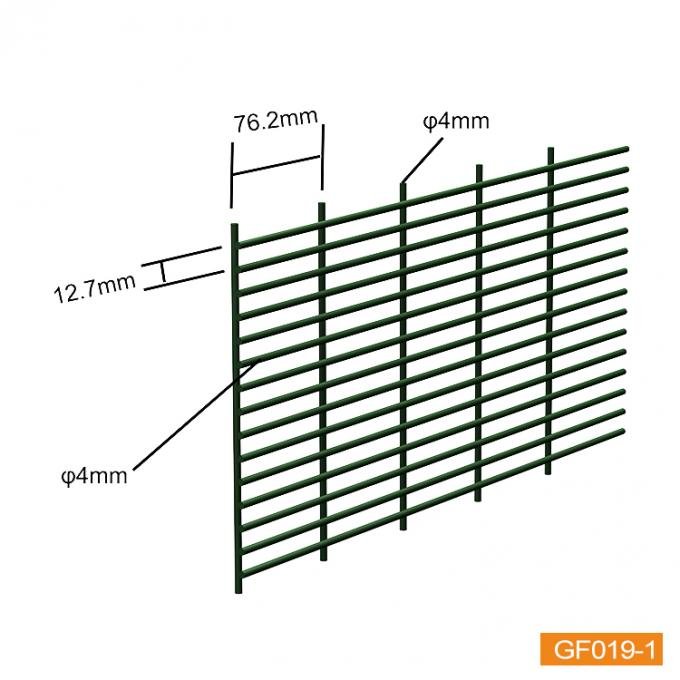 Security fencing components require compatible dimensions and protective finishes. |
 Panel connections transfer forces through clamps into the supporting post. |
 Complete fencing packages include the appropriate fittings and installation hardware. |
|
Clear View Fence I Post Applications in South Africa
Different South African environments create different fencing requirements. Security risks vary between individual properties. Climate and ground conditions also influence post selection.
Clear View Fence I Post for Johannesburg Warehouses
Johannesburg contains extensive industrial and logistics developments. Warehouses often require long boundaries and controlled vehicle entrances. Transparent mesh supports camera monitoring.
Equipment theft and unauthorised access may influence site security planning. However, risks differ across locations. Facility managers should commission appropriate assessments.
Suitable All View Fencing systems can combine mesh panels with secure posts. Gates require separate structural consideration.
Clear View Fence I Post for Durban Coastal Sites
Durban's coastal environment exposes steel structures to humidity and airborne salt. Corrosion protection becomes particularly important. Damaged coatings require prompt attention.
Port-related facilities may also need extensive perimeter surveillance. Open mesh supports visibility across operational areas. However, secure entrances remain essential.
Buyers should consider Clearvu Fencing Western Cape specifications when comparing coastal protection strategies. Actual coating requirements depend on exposure.
Clear View Fence I Post for Cape Town Properties
Cape Town properties may experience strong winds and marine exposure. Exposed boundaries require careful structural design. Fence height and panel spacing influence loading.
Residential estates may also value unobstructed views. Transparent mesh supports visual openness. Dark coatings can complement contemporary buildings.
Clear View Fence I Post for Schools
Schools require controlled access and suitable safety measures. Transparent fencing helps staff observe surrounding areas. Gate placement should support normal movement.
Designers must also consider emergency access. Sharp security toppings may create unnecessary hazards. Local regulations should guide product selection.
Clear View Fence I Post for Industrial Facilities
Factories often require reliable perimeter boundaries. Security cameras benefit from clear sightlines. Structural posts must support the selected panel arrangement.
High-security Anti-Climb Security Fencing may suit sensitive areas. However, formal security ratings require appropriate testing.
Clear View Fence I Post Manufacturing and Quality Control
Production begins with approved section drawings and material specifications. Manufacturers then prepare the required steel profiles. Quality control should continue through finishing and packing.
Steel Profile Production
Factories may use rolling, forming, or fabrication processes. The selected method depends on profile geometry. Dimensional inspection helps maintain consistency.
Cutting and Hole Preparation
Workers cut posts to the specified lengths. Drilling or punching creates required fixing holes. Hole spacing must match the approved connection design.
Welding and Base Plates
Surface-mounted designs may require welded base plates. Weld quality affects structural performance. Inspectors should follow the agreed acceptance criteria.
Surface Finishing
Manufacturers apply the specified protective finish. Preparation influences coating performance. Finished posts should undergo visual inspection.
Final Inspection
Inspectors check dimensions, holes, coatings, and quantities. Packing records should identify product batches. Buyers may request independent verification.
Clear View Fence I Post Packing and Shipping
Export packaging protects steel posts during handling and transport. Long sections require stable bundles. Protective materials can reduce coating damage.
Steel Pallets
Steel pallets support suitable export loads. Straps should restrain movement during transport. Packing teams must consider weight distribution.
Post Bundles
Bundles should separate different post lengths. Clear identification simplifies unloading. Protective contact materials can reduce surface damage.
Accessory Cartons
Clamps, bolts, and caps require organised packaging. Labels should identify quantities and product types. Accurate packing lists support installation.
Clear View Fence I Post and Temporary Construction Security
Permanent fencing projects sometimes require temporary site boundaries. Contractors may install portable panels during foundation work. These systems serve different purposes.
Temporary Fencing Panels provide movable site separation. Suitable Temporary Fence Blocks support compatible panels.
Australian projects also use Temporary Fencing for construction and event applications. South African contractors should follow local requirements.
Clear View Fence I Post Purchasing Checklist
Accurate specifications reduce procurement errors. Buyers should provide drawings and project quantities. Manufacturers need sufficient information before production.
| Item | Buyer Confirmation |
|---|---|
| Profile | I-shaped cross-section drawing |
| Dimensions | Depth, flange width, and thickness |
| Post Length | Approved finished length |
| Material | Specified steel grade |
| Holes | Diameter, spacing, and orientation |
| Connections | Compatible clamps and fasteners |
| Finish | Coating system and colour |
| Foundation | Embedment or base-plate design |
| Packaging | Bundles, pallets, and labels |
| Documentation | Drawings and inspection records |
Clear View Fence I Post Warranty
BMP offers a 15-year manufacturer warranty for its ClearVu and Clearview fencing products, subject to written terms. Buyers should confirm coverage.
Related Fence Panel Options
Post compatibility depends on the selected panel system. Different markets use different security mesh configurations. Customers should compare matching specifications.
For example, ClearVu Fence Panels provide related product references. Approved drawings remain essential for procurement.
Clear View Fence I Post Frequently Asked Questions
What Is a Clear View Fence I Post?
It is a vertical fence support with an I-shaped cross-section. The profile supports compatible security panels through suitable connections.
What Sizes Are Available?
The original catalogue lists 44 × 70mm and 55 × 100mm options. Other sizes may be available. Buyers should confirm drawings.
What Thickness Should Buyers Choose?
Thickness depends on loading and profile geometry. Common catalogue options range from 1.8mm to 3.0mm. Engineering approval remains important.
Can I Posts Support 358 Mesh?
Compatible I-post systems can support 358 mesh panels. However, connections require matching geometry. Buyers should verify the complete assembly.
Can Installers Use Base Plates?
Some designs support base-plate installation. Concrete strength and anchor details require engineering. Existing slabs may need assessment.
Are I Posts Suitable for Coastal Areas?
Suitable protective coatings can support coastal applications. Salt exposure increases corrosion risks. Regular maintenance remains necessary.
Are I Posts Stronger Than Square Posts?
Neither profile is universally stronger. Performance depends on section dimensions and loading direction. Engineers should compare actual designs.
Can Buyers Order Custom Lengths?
Manufacturers may offer customised lengths. Production requires approved drawings. Buyers should confirm quantities and delivery requirements.
Does BMP Supply Complete Fence Systems?
BMP supplies configurable security fencing components. These include panels, posts, clamps, and gates. Customers can request coordinated quotations.
Conclusion: Choosing a Clear View Fence I Post
A clear view fence I post provides structural support for compatible welded security mesh. Its flange geometry influences connection design. Correct dimensions and installation methods remain essential.
South African buyers should consider wind exposure, soil conditions, and corrosion risks. Coastal properties require particular attention. Industrial facilities may also need stronger security arrangements.
BMP manufactures configurable security fencing components for international projects. Send your drawings and specifications to clearvu@construction-fence.com. Our team can prepare a technical quotation.