
Clearview Fencing Can Be Cutted: Can Someone Cut Through a Security Fence?
Can someone cut through a Clearview fence? Yes Clearview Fencing Can Be Cutted, determined intruders can damage steel fencing with suitable equipment. However, high-security welded mesh makes many conventional attacks more difficult. Its narrow openings, rigid wires, and secure connections help delay unauthorised entry.
Businesses across South Africa need more than a decorative property boundary. Warehouses contain valuable inventory, while factories often store expensive machinery. Residential estates also need reliable perimeter control. A suitable fence helps protect these assets without blocking important sightlines.
Understanding cutting resistance helps buyers make informed decisions. Material thickness, mesh spacing, welding quality, and installation all influence performance. No single feature guarantees complete protection.
Traditional Clear View Fencing systems combine welded panels with steel posts and secure fasteners. Their effectiveness depends on the entire assembly.
Clearview Fencing Can Be Cutted: Understanding 358 Security Mesh
High-security 358 fencing uses closely spaced welded steel wires. The traditional designation refers to three imperial measurements. These dimensions correspond approximately to 76.2mm spacing, 12.7mm spacing, and 4mm wire.
Manufacturers often describe these measurements as mesh centres. However, clear openings differ from centre-to-centre distances. Buyers should confirm the measurement convention before ordering.
Clearview Fencing Can Be Cutted: Why Narrow Mesh Matters
Small openings restrict access around individual wires. This geometry reduces convenient handholds and footholds. It also complicates some cutting attempts.
Wider mesh provides more accessible space between wires. However, narrower openings alone cannot guarantee resistance against every tool. Wire strength and construction quality remain important.
High Security Clearvu Fencing uses narrow mesh for demanding perimeter applications. Buyers should request the exact wire specification.
What Does 76.2 × 12.7mm Actually Mean?
The 76.2mm dimension commonly describes spacing between vertical wires. Meanwhile, 12.7mm describes spacing between horizontal wires. Both values refer to wire centres in many technical drawings.
With 4mm wire, the smaller clear gap measures approximately 8.7mm. Manufacturing tolerances may change the finished measurement slightly. Buyers should distinguish actual openings from nominal centres.
Clearview Fencing Can Be Cutted: Wire Diameter and Strength
Wire diameter influences the steel available to resist mechanical damage. Thicker wires generally require greater cutting force under comparable conditions. However, material grade and tool capability also matter.
Some panels use 3mm wire, while other designs specify 4mm or larger sections. Mixed-diameter configurations also exist. Customers should compare complete specifications rather than product names.
| Technical Feature | Reference Specification | Security Consideration |
|---|---|---|
| Mesh Centres | 76.2 × 12.7mm | Restricts convenient gripping points |
| Wire Diameter | Approximately 4mm | Influences mechanical resistance |
| Construction | Welded Steel Mesh | Provides a rigid panel structure |
| Post System | Square, tapered or I-shaped | Supports the complete assembly |
| Fasteners | Compatible security bolts and clamps | Helps resist unauthorised removal |
| Protective Finish | Galvanising or compatible coating | Supports corrosion protection |
Clearview Fencing Can Be Cutted: Product Construction Photographs
Product photographs help buyers examine the visible construction of security fencing. However, images cannot establish certified cutting resistance. Technical drawings and relevant tests provide stronger evidence.
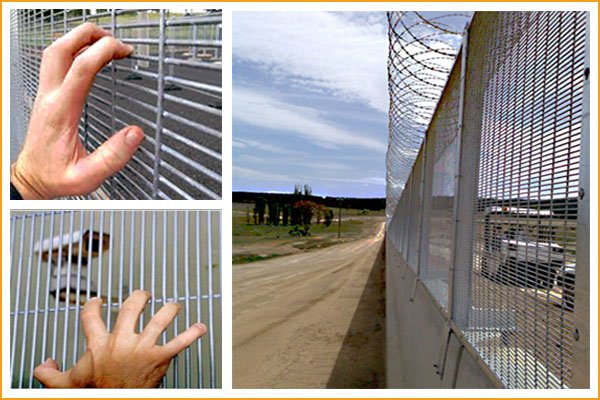 Clearview fencing reference for reviewing panel appearance and security construction. |
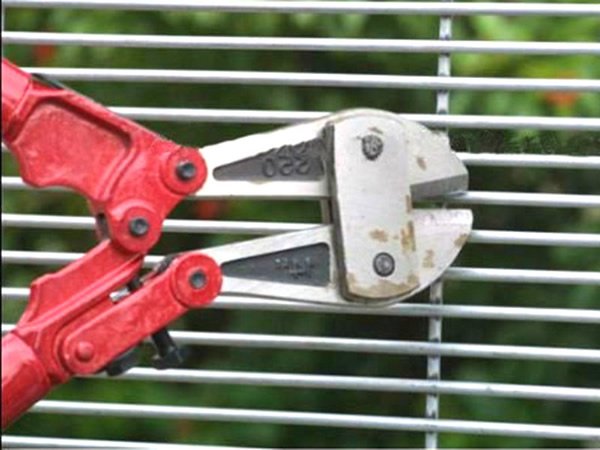 Welded security fencing reference for comparing panel design and protective features. |
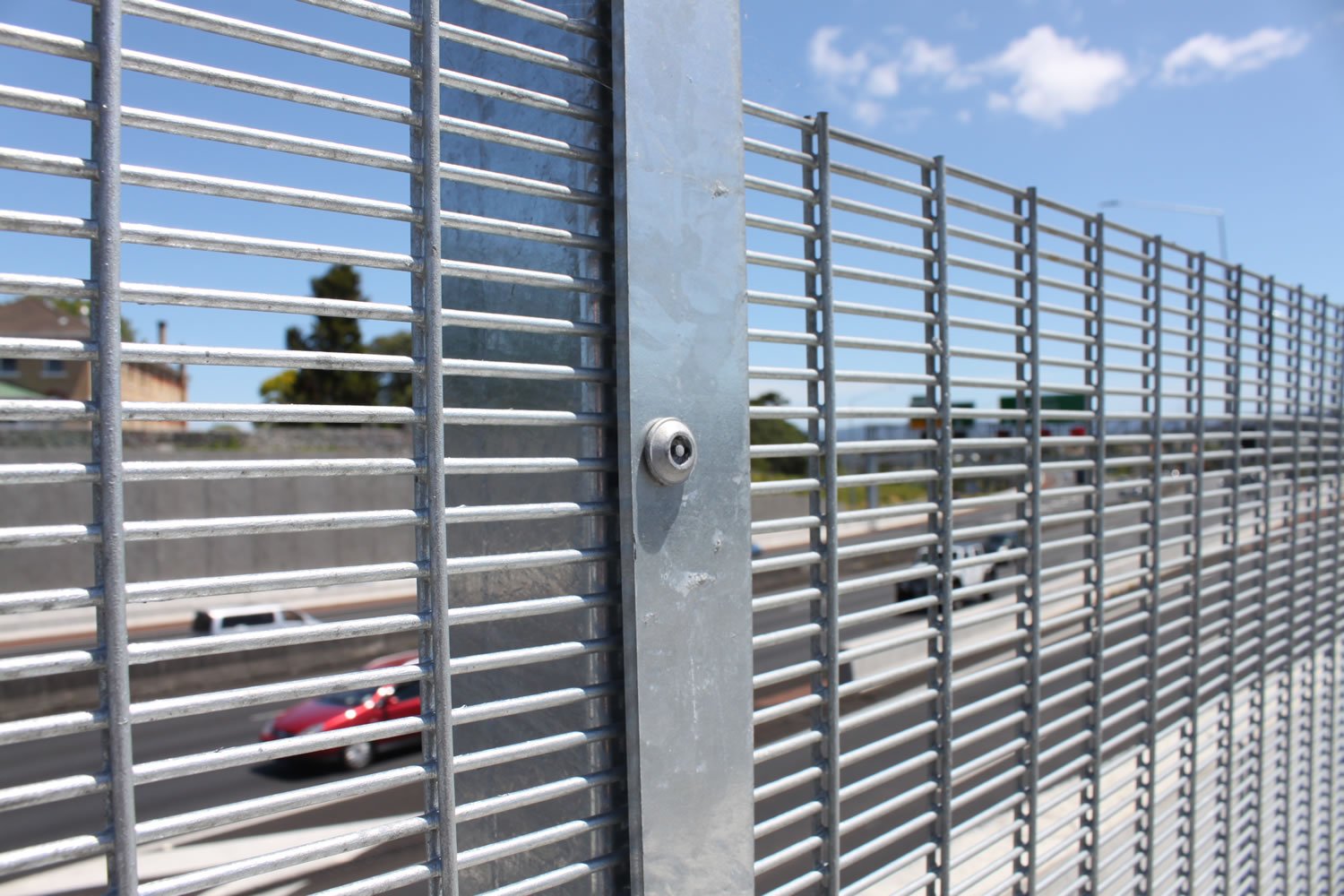 Security mesh reference illustrating a rigid steel fencing product. |
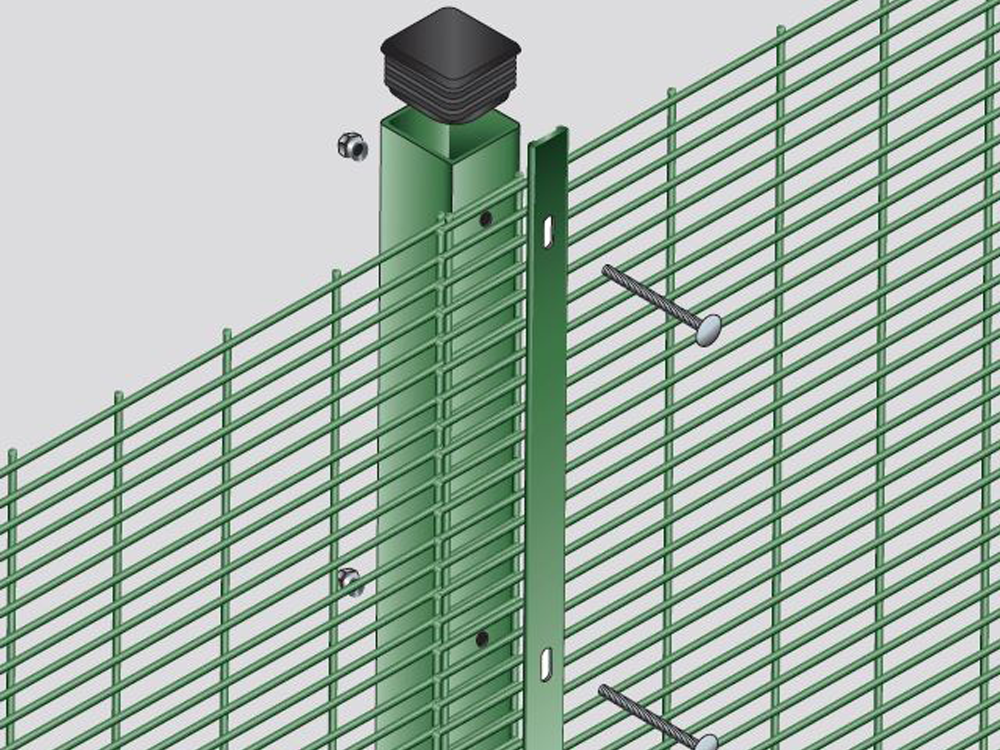 Alternative product reference for reviewing security fence construction. |
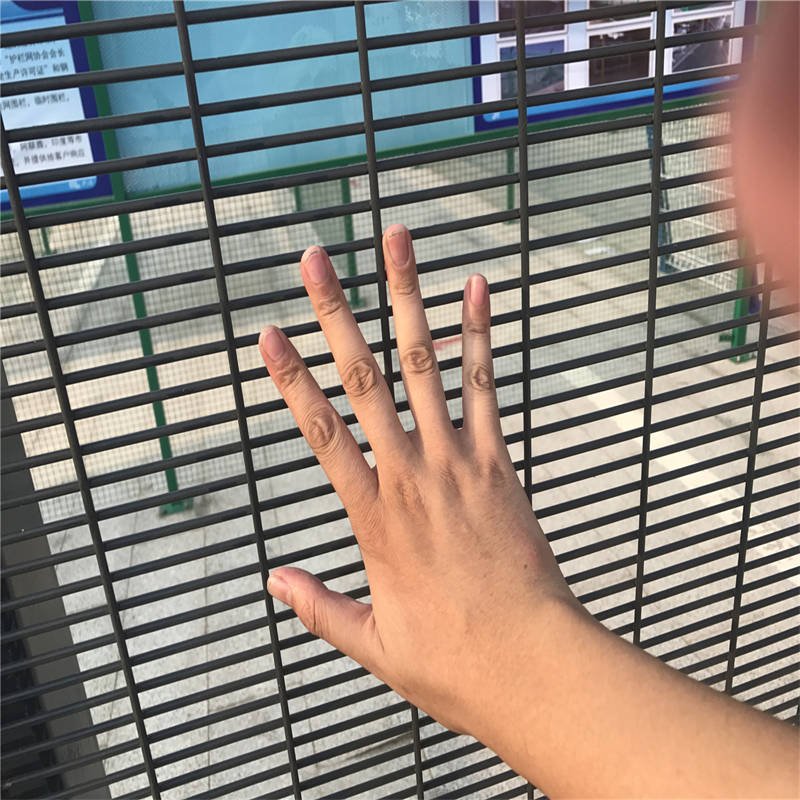 Welded mesh product reference for residential and commercial boundaries. |
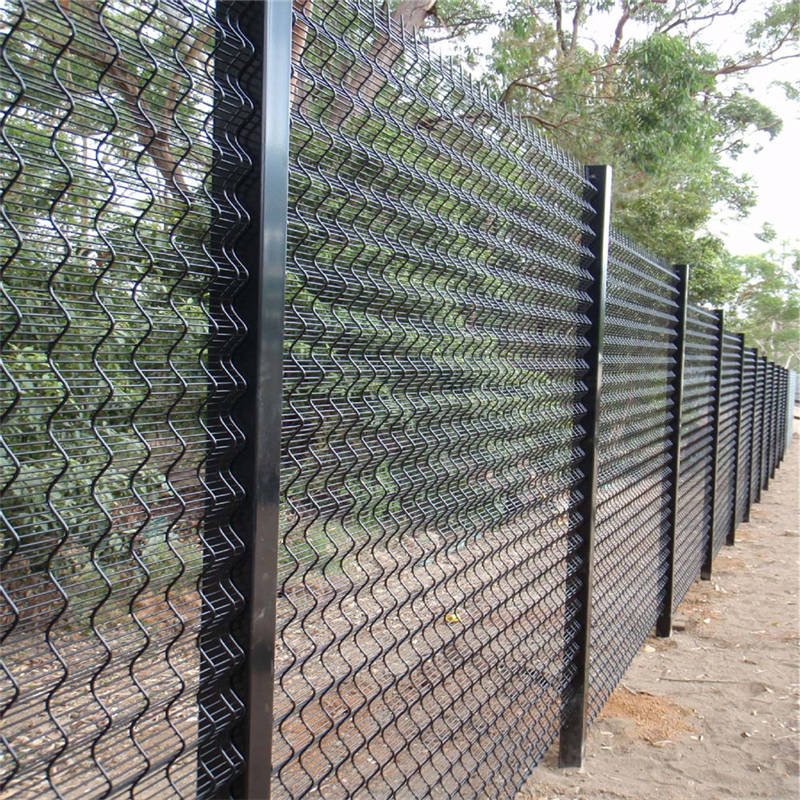 Additional Clearview fencing reference for examining security panel options. |
Clearview Fencing Can Be Cutted: What Anti-Cut Really Means
Manufacturers often describe 358 mesh as anti-cut fencing. However, this term describes resistance rather than absolute protection. A determined attacker may still damage the material.
High-security fencing aims to increase intrusion difficulty and delay. Additional security measures can help detect suspicious activity. The complete system matters more than any single component.
Clearview Fencing Can Be Cutted: Cutting Resistance Versus Cutting Proof
Cutting resistance describes how effectively a material withstands an attempted attack. Cutting proof suggests complete immunity. Ordinary welded steel fencing cannot guarantee that immunity.
Actual resistance depends on the equipment and conditions involved. Product-specific testing provides more reliable information than marketing claims. Buyers should request appropriate evidence for sensitive projects.
Does Galvanising Make the Fence Harder to Cut?
Galvanising primarily protects steel against corrosion. It does not transform ordinary wire into an impenetrable material. Mechanical performance depends mainly on the underlying construction.
However, corrosion protection helps preserve components over time. Severe deterioration can weaken a perimeter. Regular inspections remain important.
Clearview Fencing Can Be Cutted: Welding Quality
Welded intersections connect neighbouring wires and help maintain panel geometry. Consistent manufacturing supports structural integrity. Poor welding can create vulnerable connections.
Buyers should review production quality and inspection requirements. A visually attractive coating cannot compensate for defective welds. Material certificates may provide additional assurance.
Clearview Fencing Can Be Cutted: Anti-Climb Protection
Cutting resistance represents only one aspect of perimeter security. Climbing resistance also matters. Narrow mesh openings reduce convenient places for hands and feet.
Traditional chain link and wider mesh systems offer different climbing characteristics. Closely spaced welded panels discourage many straightforward climbing attempts. However, surrounding structures can change the risk.
Clearview Fencing Can Be Cutted: Why Climbing Becomes Difficult
The narrow horizontal spacing offers limited room for gripping. Rigid welded wires also maintain their positions. Together, these characteristics discourage climbing.
However, nearby walls or stored equipment may create alternative access routes. Security teams should inspect the entire boundary. Landscaping can also influence visibility.
Clear View Fence Anti-Climb Fence configurations suit projects requiring narrow welded mesh. Final performance depends on installation.
Fence Height and Security Planning
Common panel heights include 1800mm, 2100mm, 2400mm, and 3000mm. Taller fences can increase climbing difficulty. However, height alone cannot guarantee security.
Post strength and foundations become increasingly important as height increases. Engineers should assess local wind loading. Gates must also match the intended security level.
Clearview Fencing Can Be Cutted: Security Toppings
Some facilities add approved toppings to discourage climbing. However, sharp components introduce injury risks. Local regulations and site conditions determine suitability.
Public areas require particular caution. Security planners should assess alternatives before adding hazardous components. Professional installation remains essential.
Clearview Fencing Can Be Cutted: CCTV and Perimeter Visibility
Clearview fencing offers a major advantage over solid boundary walls. Its open structure supports observation across the perimeter. Cameras can monitor activity beyond the fence line.
However, effective surveillance depends on camera positioning and lighting. Vegetation can obstruct views. Poor image quality may reduce detection performance.
Clearview Fencing Can Be Cutted: CCTV Integration
Security teams can position cameras to monitor entrances and exposed boundaries. Transparent mesh allows broader observation than many solid walls. However, camera placement requires careful planning.
Strong lighting improves visibility during darkness. Motion detection may provide additional alerts. Monitoring personnel should follow appropriate response procedures.
Why Clear Sightlines Matter
Dense landscaping can conceal suspicious activity near a perimeter. Clear sightlines improve observation. Facility managers should maintain vegetation around critical areas.
Camera placement must account for blind spots. Gates and corners require particular attention. Regular system checks help identify coverage problems.
Clearview Fencing Can Be Cutted: Layered Security
Physical barriers work best alongside other security measures. CCTV, lighting, alarms, and access control can support detection. Appropriate response procedures complete the arrangement.
Each facility needs a suitable risk assessment. A warehouse faces different challenges from a residential estate. Security planners should consider both assets and exposure.
Clearview Fencing Can Be Cutted: Posts and Fasteners
Strong mesh panels require reliable supporting components. Weak connections can compromise the overall boundary. Buyers should examine posts and clamps carefully.
Clearview Fencing Can Be Cutted: Secure Clamp Systems
Clamps connect panels to supporting posts. Different systems use single-bolt, double-bolt, or specialised connections. Security fasteners can discourage casual tampering.
However, compatibility remains essential. Incorrect components may reduce connection reliability. Buyers should request approved assembly drawings.
IPE Post systems use different fixing arrangements from square posts. Suppliers should identify the correct hardware.
Square Posts Versus Tapered Posts
Square steel posts offer a familiar installation arrangement. Tapered profiles support different connection designs. Both require suitable structural dimensions.
Wall thickness affects steel consumption and strength. Post spacing also influences loading. Engineers should confirm the final configuration.
Foundation Design and Stability
Foundations transfer structural loads into the ground. Soil conditions determine suitable dimensions. Weak ground may require additional engineering.
Contractors should also consider drainage. Water accumulation can affect surrounding ground conditions. Accurate installation helps maintain fence alignment.
Clearview Fencing Can Be Cutted: Comparing Security Grades
Not every Clearview product uses identical mesh. Manufacturers offer different openings and wire diameters. Buyers should match specifications to actual security requirements.
| Security Category | Reference Mesh Centres | Primary Consideration |
|---|---|---|
| High Security | 76.2 × 12.7mm | Narrow openings and climbing deterrence |
| Medium Security | 76 × 25mm | Intermediate mesh density |
| Low Security | 76 × 50mm | General boundary applications |
These commercial categories do not automatically establish formal security certification. Independent testing may apply to particular systems. Buyers should confirm requirements before ordering.
Clearview Fencing Can Be Cutted: High-Security Applications
Critical facilities often favour narrow mesh. Warehouses and utilities may also require stronger perimeter systems. However, project risk determines the appropriate design.
Clear Vu Fence systems combine panels, posts, and compatible gates. The complete assembly requires careful specification.
Medium-Security Commercial Boundaries
Some commercial sites choose intermediate mesh spacing. These products may reduce material consumption. However, their climbing characteristics differ from 358 mesh.
Buyers should assess exposure and operational needs. Surveillance may support the boundary. Gates and entrances deserve particular attention.
Clearview Fencing Can Be Cutted: Residential Choices
Residential properties often balance security, visibility, and appearance. Narrow mesh may suit higher-risk boundaries. Other locations may accept wider openings.
Homeowners should consider local building rules. Pool enclosures require separate safety assessments. General security fencing does not automatically meet pool barrier standards.
Clearview Fencing Can Be Cutted: South African Security Conditions
South African properties face different environmental and security challenges. Urban industrial areas may prioritise theft prevention. Coastal properties must also consider corrosion.
A single fence specification cannot suit every location. Buyers should assess their site. Local conditions influence both installation and maintenance.
Johannesburg: Industrial and Warehouse Security
Johannesburg contains extensive industrial and logistics facilities. Property crime concerns influence security planning across many commercial areas. However, risks vary between individual sites.
Transparent fencing supports perimeter observation. Cameras can monitor movement beyond the boundary. Access control remains essential for loading areas.
Clearvu Fence Johannesburg configurations can support industrial perimeter planning. Buyers should confirm their required security level.
Durban: Coastal Corrosion and Port Facilities
Durban combines marine exposure with major port and industrial activity. Salt deposits can accelerate corrosion around damaged coatings. Suitable protective systems help reduce deterioration.
Warehouses may also require strong boundary visibility. Clearview mesh supports surveillance without creating a solid visual barrier. Regular maintenance remains important.
Clearview Fencing Durban projects should consider both corrosion exposure and site security. Coastal coating specifications deserve careful review.
Cape Town: Wind Exposure and Marine Conditions
Cape Town includes exposed coastal sites with significant wind conditions. Fence height and structural geometry affect loading. Engineers should assess the complete installation.
Salt exposure also influences coating selection. Regular cleaning may help remove deposits. Damaged surfaces require prompt attention.
Pretoria: Residential Estates and Commercial Boundaries
Pretoria experiences seasonal thunderstorms and dry winter conditions. Residential estates often value security without obstructed views. Commercial properties may require taller systems.
Security assessments should consider nearby structures and entrances. Gates deserve careful planning. Lighting and surveillance can strengthen the overall perimeter.
Clearview Fencing Can Be Cutted: Maintenance and Corrosion Protection
Clearview fencing generally requires less routine attention than some traditional boundary systems. However, no outdoor steel product remains completely maintenance-free. Owners should inspect coatings and connections periodically.
Clearview Fencing Can Be Cutted: Galvanising
Galvanising provides zinc-based corrosion protection. Its performance depends on coating quality and environmental exposure. Damaged surfaces may need suitable repairs.
Marine environments require particular attention. Regular inspections help identify deterioration. Buyers should confirm the specified galvanising process.
Powder Coating and Colour Selection
Powder coating adds colour and protective coverage. Black and green remain popular choices. However, proper surface preparation determines coating performance.
Compatible duplex systems combine galvanising and powder coating. Buyers should request written specifications. Colour alone cannot establish durability.
Clearview Fencing Can Be Cutted: Repairing Damage
Minor coating damage may allow suitable surface repairs. However, significant wire or weld damage requires professional assessment. Some situations may justify panel replacement.
Replacement components must match existing dimensions. Compatible clamps remain important. Owners should avoid unapproved structural alterations.
Clearview Fencing Can Be Cutted: Manufacturer Warranty
BMP offers a 15-year manufacturer warranty for its ClearVu and Clearview fencing products, subject to written terms. Buyers should review the applicable coverage.
Maintenance obligations and environmental exposure may affect warranty conditions. Customers should retain purchase documentation. Clear written terms help prevent misunderstandings.
Clearvu Fencing specifications should identify coatings and components. These details support future maintenance planning.
Clearview Fencing Can Be Cutted: Comparing Alternative Fences
Different fence designs offer different security characteristics. Traditional palisade uses vertical steel pales. Chain link uses interwoven wire.
Clearview fencing relies on rigid welded mesh. Its narrow openings offer different climbing characteristics. Buyers should compare complete assemblies rather than individual materials.
Clearview Versus Palisade Fencing
Palisade fencing uses vertical steel pales connected by horizontal rails. Clearview systems use welded steel mesh panels. Their construction methods differ significantly.
Both systems allow some visibility. However, the openings and climbing characteristics vary. Buyers should assess site requirements.
Clearview Versus Chain Link Fencing
Chain link fencing uses flexible interwoven wire. Clearview panels maintain a rigid welded structure. These differences affect installation and security planning.
Chain link may suit general boundary separation. Narrow security mesh serves different applications. A risk assessment should guide selection.
Clearview Fencing Can Be Cutted: Temporary Construction Security
Permanent fencing projects sometimes require temporary boundaries during construction. Portable systems help separate work areas. However, they do not replace engineered permanent security fencing.
Temporary Fencing Panels offer movable site separation. Compatible Temporary Fence Blocks support suitable portable systems.
Construction sites may also use Temporary Fence Gates for controlled access. Contractors should follow applicable local safety requirements.
Clearview Fencing Can Be Cutted: Choosing the Correct System
Buyers should start with a clear security objective. A warehouse may need stronger access control than a residential garden. Critical facilities may require formal testing.
Panel specifications alone cannot establish complete security. Posts, clamps, gates, and foundations influence performance. Suitable surveillance provides additional protection.
Clearview Fencing Can Be Cutted: Purchasing Checklist
| Component | Information to Confirm |
|---|---|
| Panel Height | Finished height above ground |
| Panel Width | Nominal width and post spacing |
| Mesh | Wire centres and clear openings |
| Wire | Diameter and material specification |
| Welding | Manufacturing and inspection requirements |
| Posts | Profile, wall thickness and length |
| Clamps | Compatible type and quantity |
| Fasteners | Security bolt specification |
| Coating | Galvanising and optional powder coating |
| Gates | Dimensions, hardware and locking system |
| Foundations | Approved structural design |
| Documents | Drawings and relevant test reports |
What Should Buyers Ask Manufacturers?
Buyers should request detailed product drawings. Actual wire diameters and mesh centres require confirmation. Coating specifications also matter.
Manufacturers should identify compatible posts and fasteners. Customers may request relevant inspection records. High-risk projects may require independent test evidence.
Clearview Fencing from China involves additional shipping considerations. Importers should compare complete landed costs.
Clearview Fencing Can Be Cutted: Common Questions
Can Ordinary Wire Cutters Cut Clearview Fencing?
Performance depends on wire specifications and tool capability. Narrow openings restrict access around wires. However, no universal resistance claim applies to every product.
Buyers should request appropriate test evidence. Product-specific results provide stronger assurance. Security planners should avoid absolute guarantees.
Clearview Fencing Can Be Cutted: Is 358 Mesh Better?
358 mesh offers narrow openings that discourage climbing. Its welded construction supports rigid panels. However, actual security depends on the complete system.
Different products may use different wire diameters. Buyers should compare matching specifications. Independent testing remains valuable.
Can Someone Climb Over Clearview Fencing?
Narrow mesh reduces convenient footholds. However, no ordinary fence guarantees complete climbing prevention. Nearby structures can create alternative access routes.
Security teams should inspect the surrounding environment. Gates and corners also require attention. Appropriate surveillance can strengthen protection.
Clearview Fencing Can Be Cutted: Does CCTV Help?
CCTV supports observation and detection. Transparent mesh allows useful sightlines across the boundary. However, camera placement and monitoring remain essential.
Lighting affects night-time performance. Vegetation may obstruct views. Regular testing helps identify coverage problems.
Does Clearview Fencing Need Maintenance?
Yes. Owners should inspect coatings, connections, and damaged components. Coastal environments may require more frequent cleaning.
Prompt repairs help preserve the system. Gates also need regular checks. Maintenance requirements depend on exposure.
Clearview Fencing Can Be Cutted: Is It Suitable for Factories?
Clearview fencing can suit industrial boundaries. Its transparency supports perimeter observation. Narrow mesh provides climbing deterrence.
However, factory security requires more than fencing. Access control and surveillance also matter. Site-specific assessments should guide design.
Clearview Fencing Can Be Cutted: Final Security Assessment
Clearview fencing can be cut under certain conditions. However, high-security 358 mesh discourages many conventional attacks. Its narrow openings also reduce convenient climbing holds.
Strong perimeter security requires compatible components. Reliable posts, clamps, gates, and foundations support the complete installation. Surveillance and access control provide additional protection.
South African buyers should consider local security risks and environmental exposure. Durban requires particular attention to marine corrosion. Johannesburg facilities may prioritise industrial security and monitoring.
For related mesh options, ClearVu Fence Panels provide another product reference. Buyers should confirm specifications before making comparisons.
BMP manufactures configurable ClearVu and Clearview security fencing for international projects. Send your technical requirements to clearvu@construction-fence.com. Our team can prepare a project-specific quotation.