Description 358 Anti-Climb Welded Mesh – High-Security Prison Fencing Solutions
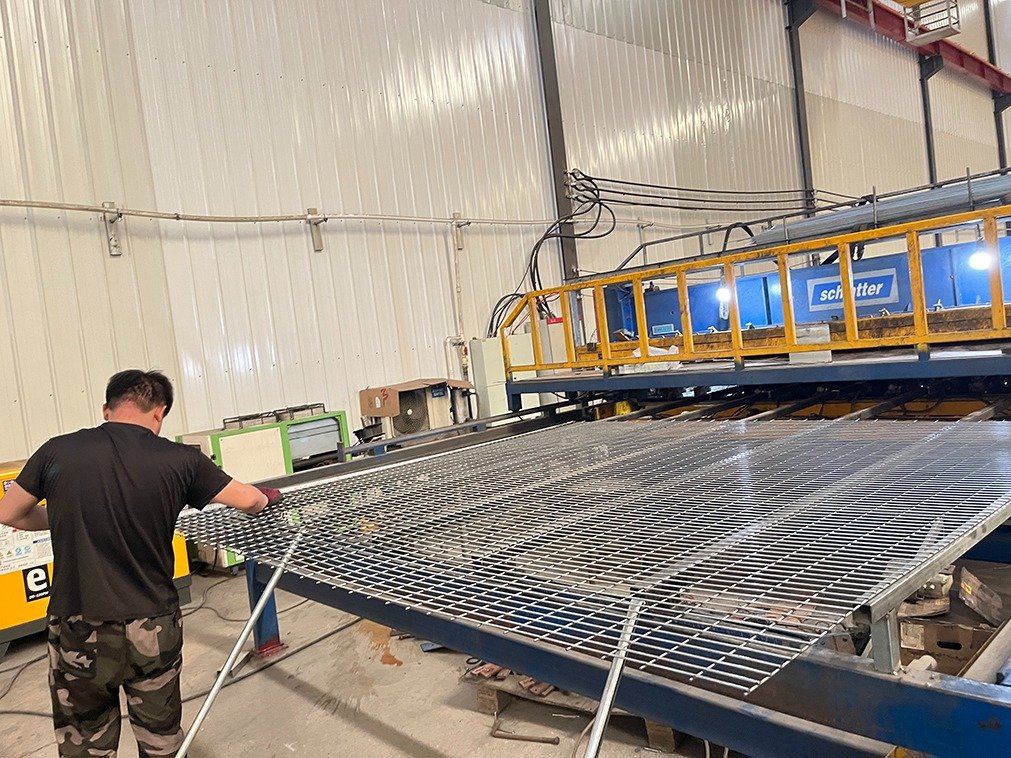
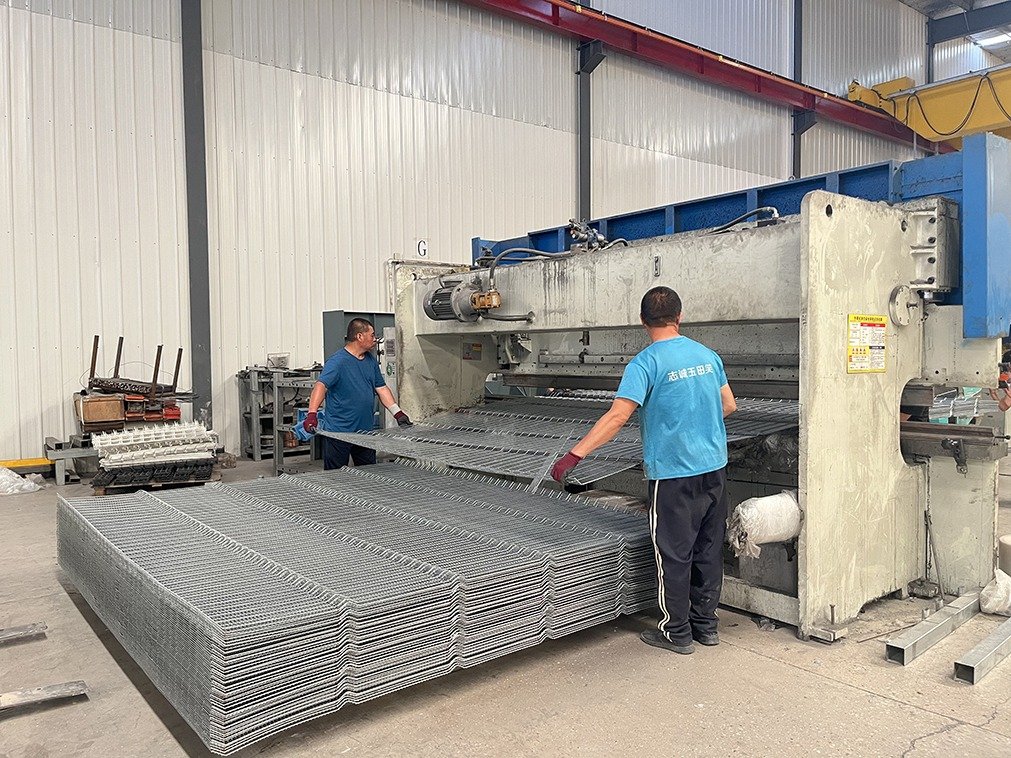
358 anti-climb welded mesh provides reliable perimeter protection for prisons, airports, military facilities, factories, and critical infrastructure. BMP manufactures high-security welded wire fencing with narrow openings, strong welded intersections, and durable protective finishes. This design helps discourage climbing, cutting, and unauthorized entry while maintaining excellent visibility.
Commonly known as prison mesh or 358 security fencing, this system combines rigid steel panels with heavy-duty posts and secure fastening components. The name 358 originates from its nominal 3-inch by 0.5-inch mesh spacing and 8-gauge wire specification. Buyers can select different panel heights, post dimensions, coatings, and installation accessories to suit their security requirements.
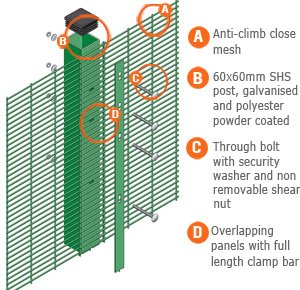 |
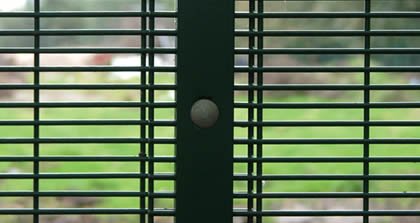 |
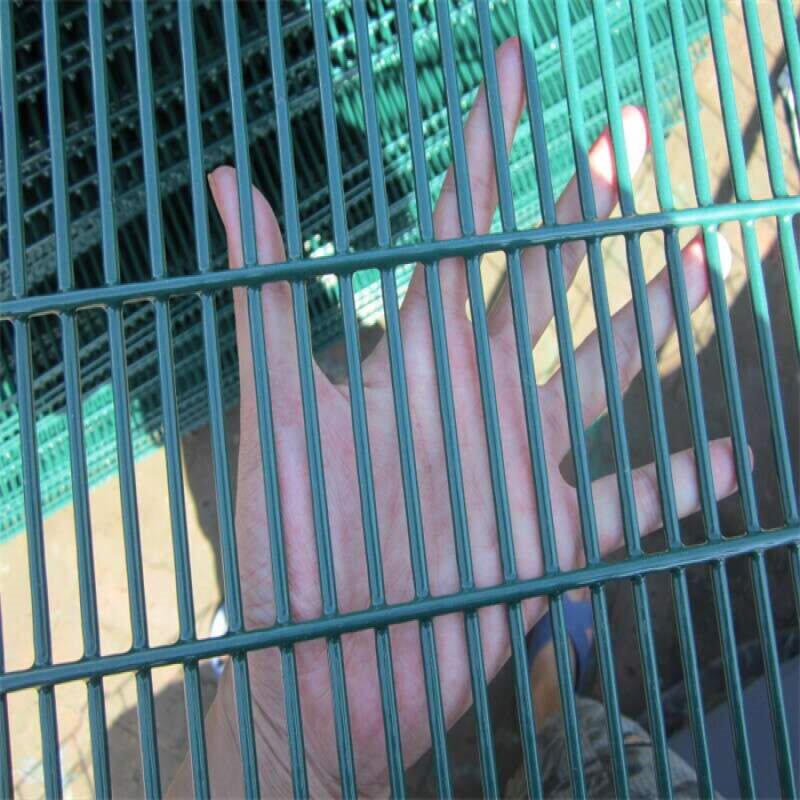
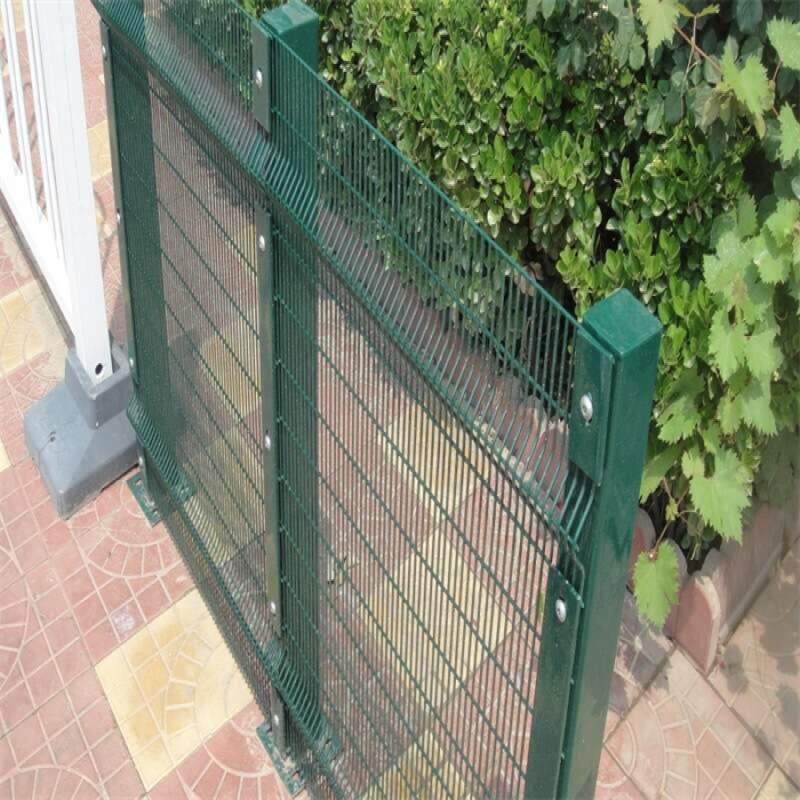
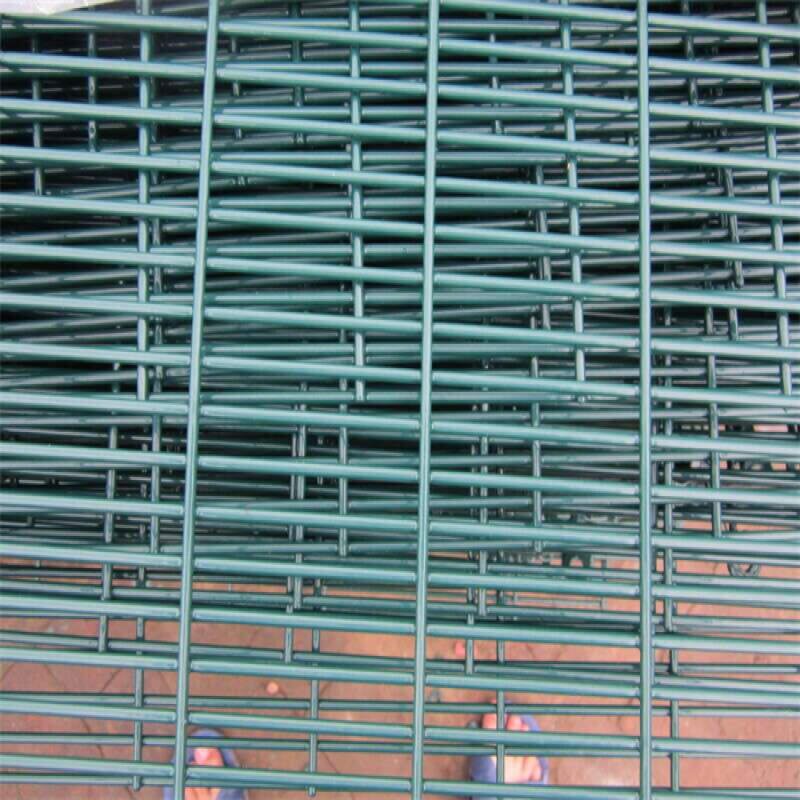
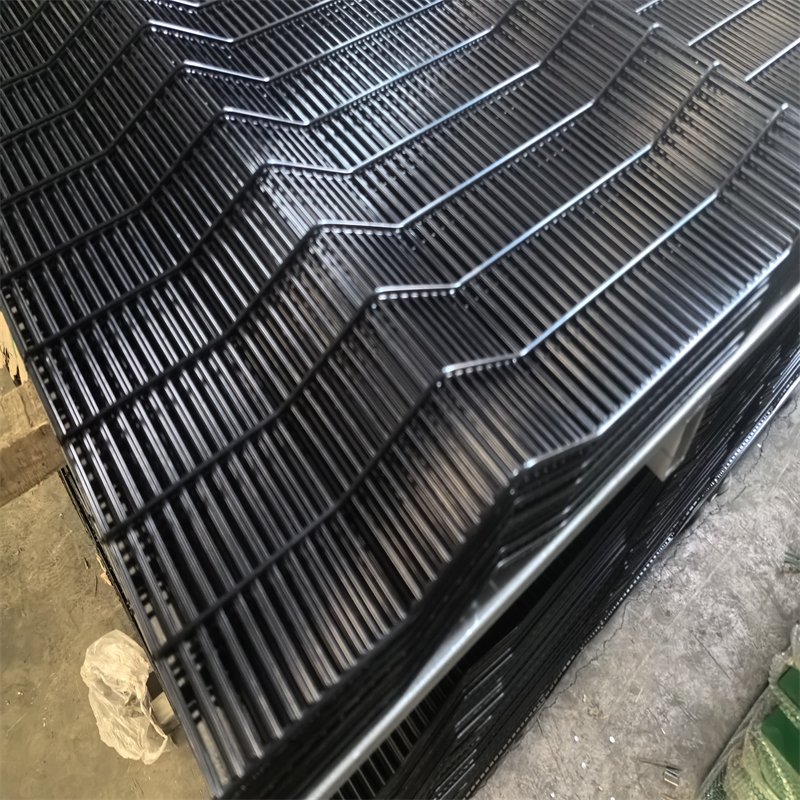
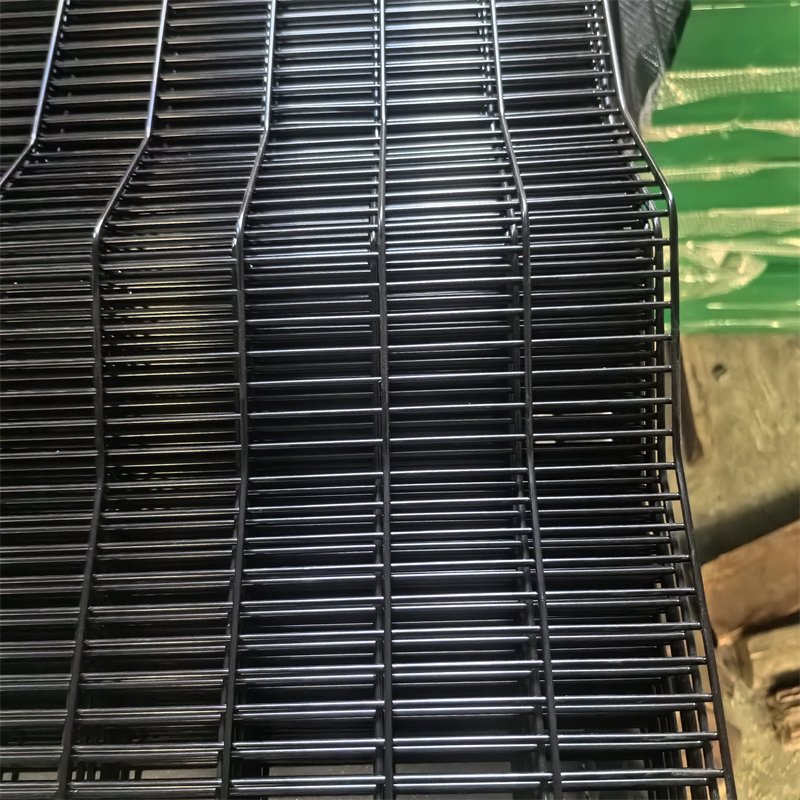
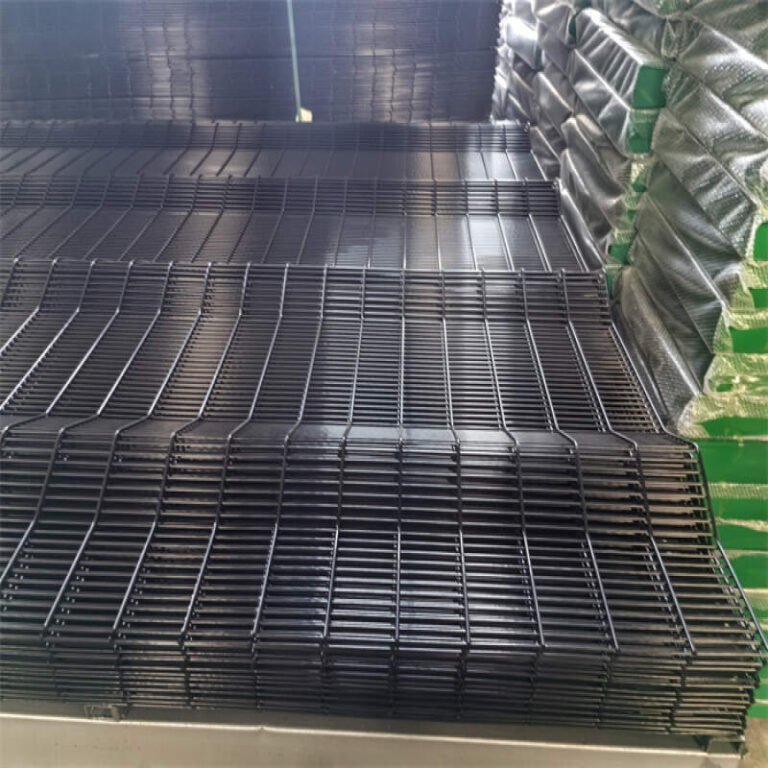
| High-security welded mesh panel with narrow rectangular openings. |
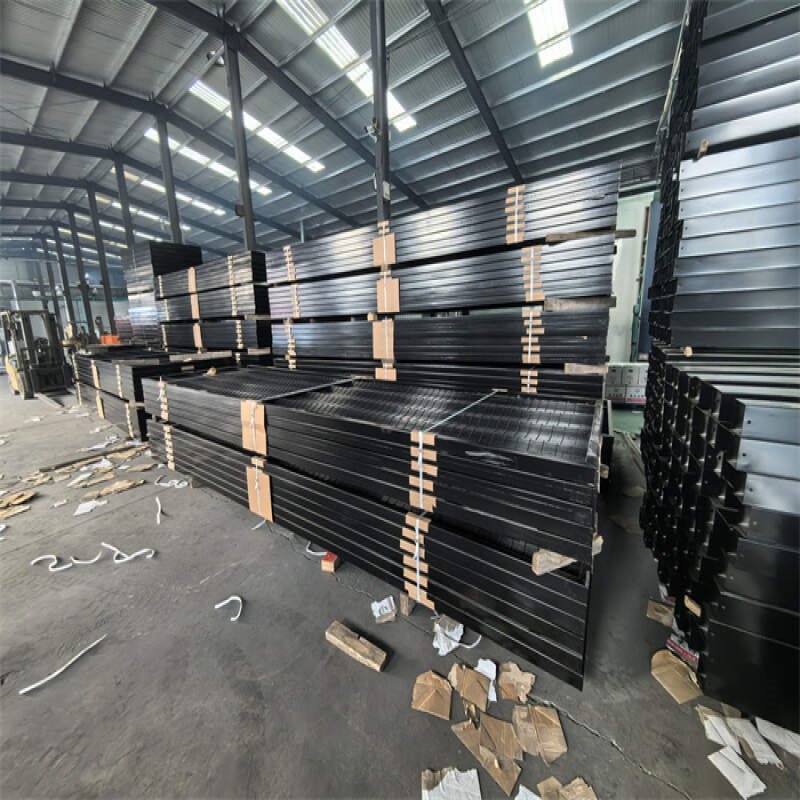
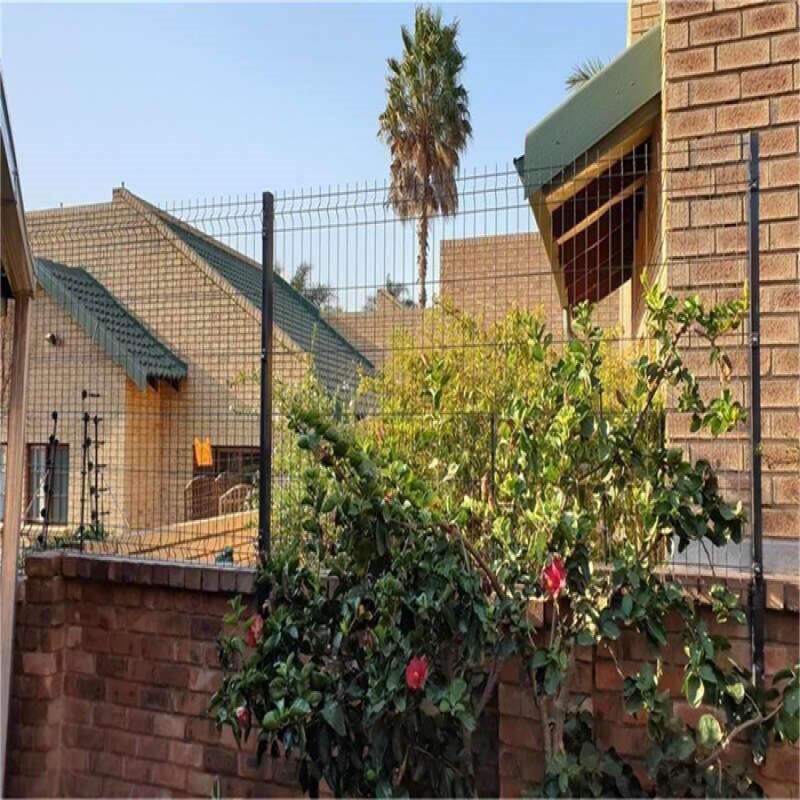
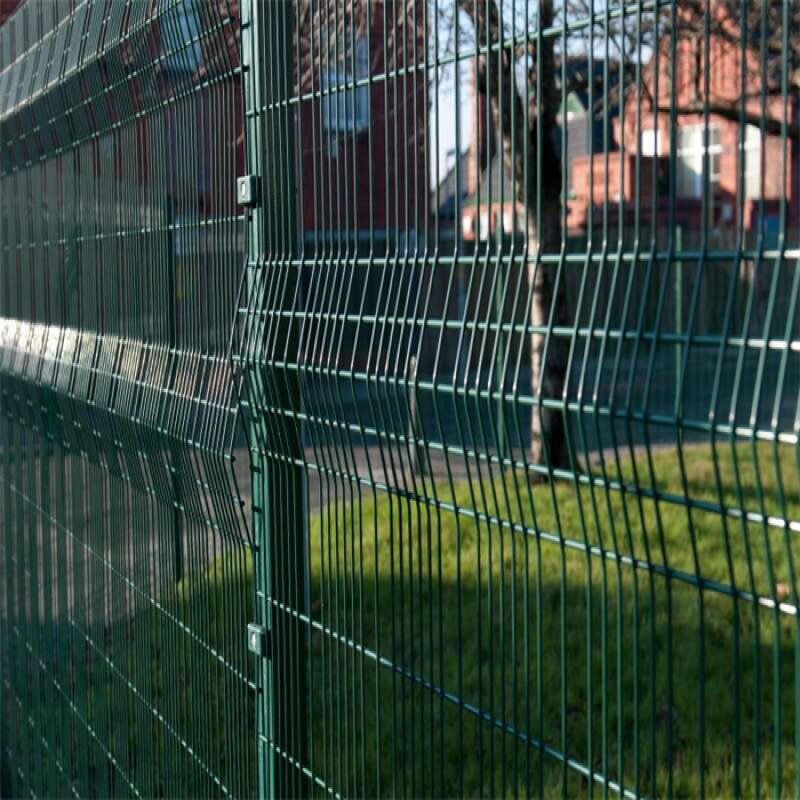
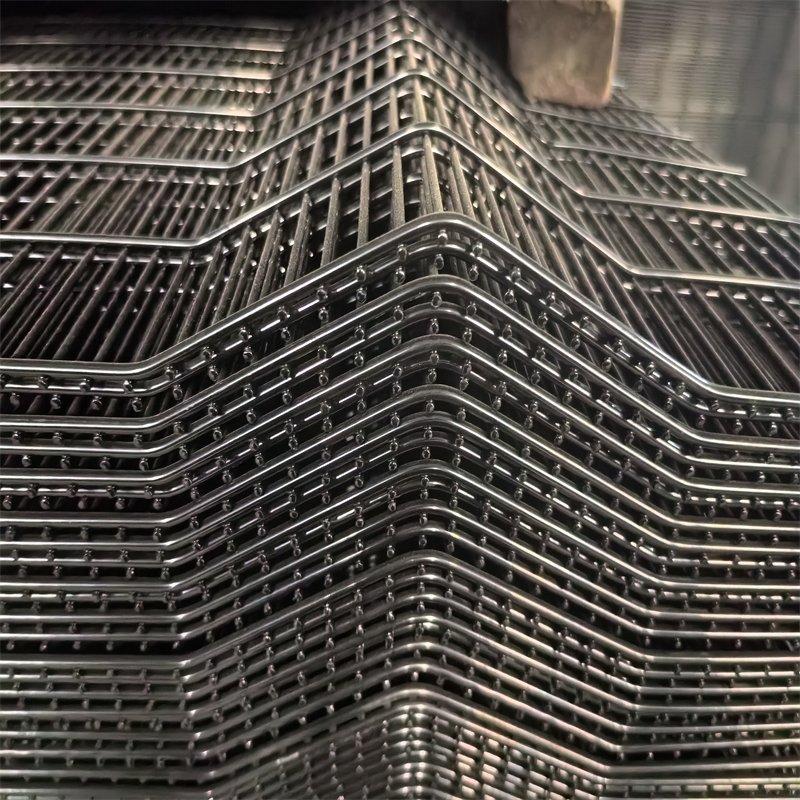
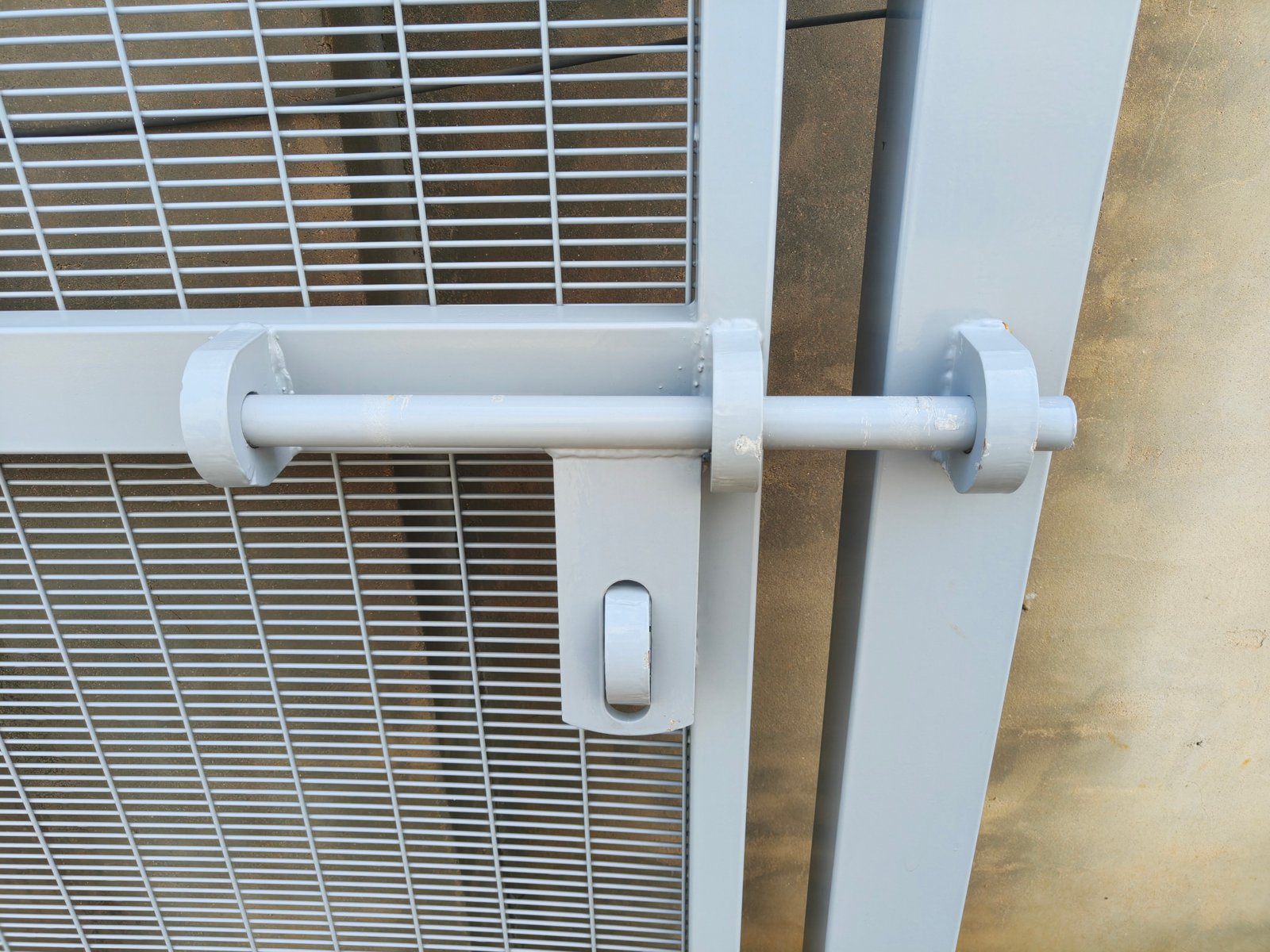
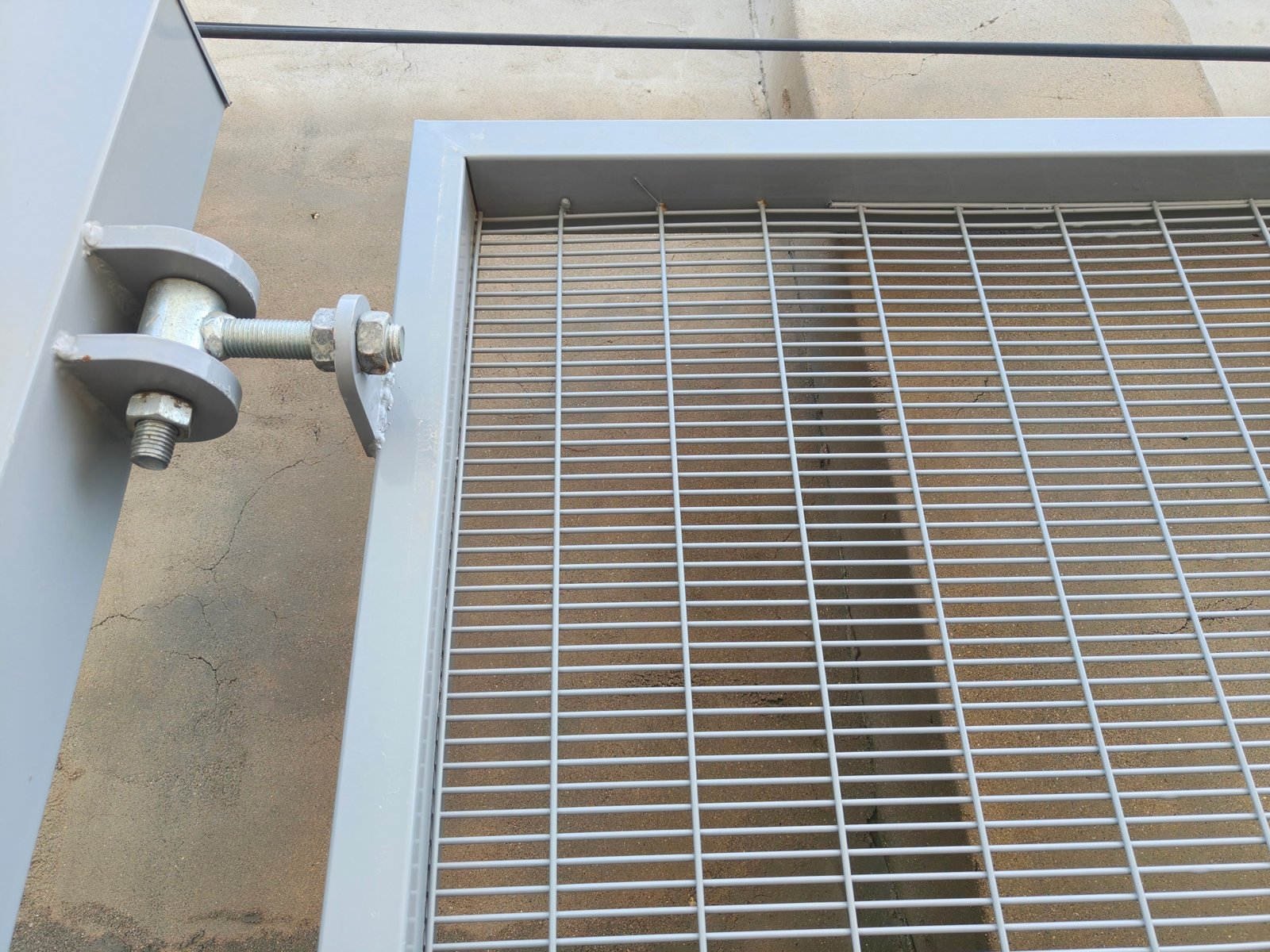
Rigid prison fencing construction for demanding perimeter applications. |
What Is 358 Anti-Climb Welded Mesh?
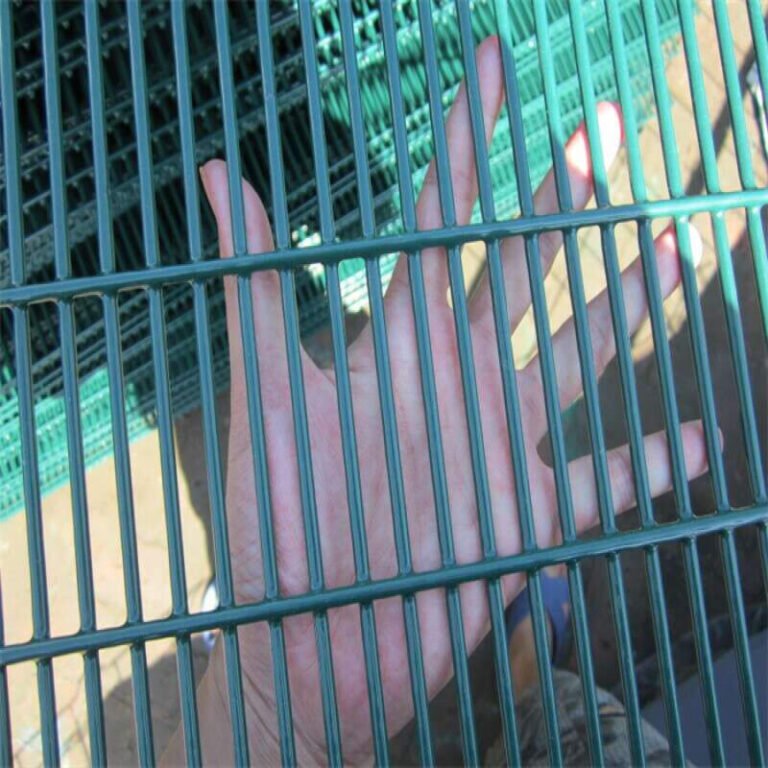
358 anti-climb welded mesh consists of horizontal and vertical steel wires welded together at every intersection. Its closely spaced horizontal wires create openings that offer limited finger and footholds. This construction makes climbing considerably more difficult than with conventional chain-link fencing.
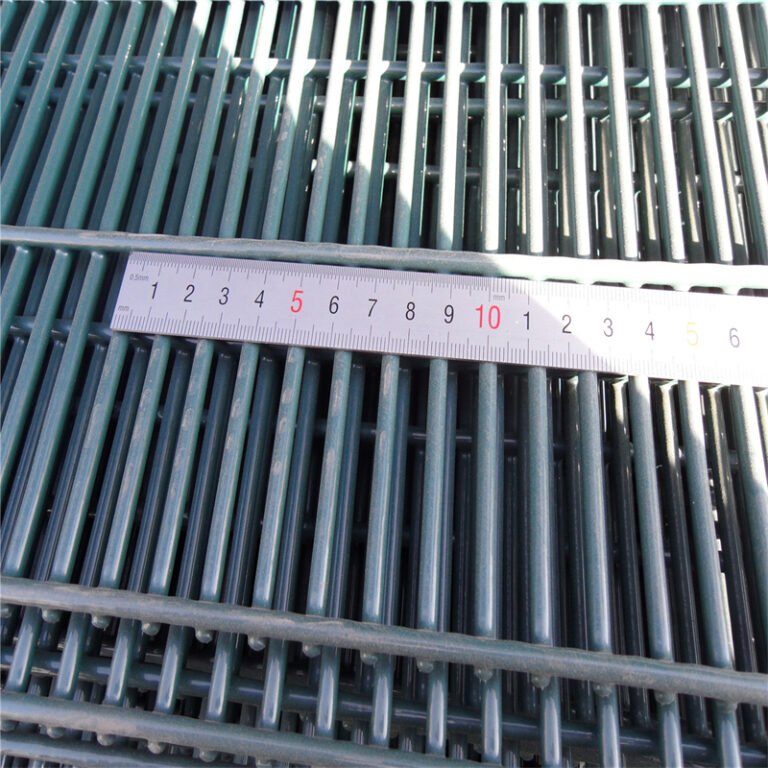
The standard nominal mesh spacing measures 76.2 × 12.7 mm from wire centre to wire centre. Actual clear openings are smaller because the wire diameter occupies part of the spacing. For example, a 4 mm wire produces approximate clear openings of 72.2 × 8.7 mm.
Unlike conventional wide-aperture welded mesh, the narrow configuration restricts access for many common cutting tools. However, actual resistance depends on wire diameter, welding quality, attachment design, and the tools used during an attack.
For projects requiring high visibility, BMP also supplies ClearVu fence panels with alternative mesh configurations. Project engineers can compare both systems before finalizing perimeter specifications.
-
-
oplus_10485760
-
-
oplus_10485760
-
-
oplus_10485760
-
-
oplus_10485760
358 Anti-Climb Welded Mesh Technical Specifications
BMP offers 358 anti-climb welded mesh in multiple panel heights and structural configurations. The following reference specifications include panel dimensions, matching posts, clamp bars, and fastening quantities.
| Panel Size (Height × Width) |
Fence Post (Height × Size × Thickness) |
Clamp Bar (Height × Width × Thickness) |
Intermediate or Corner Clamp Quantity |
| 2007 × 2515 mm |
2700 × 60 × 60 × 2.5 mm |
2007 × 60 × 5 mm |
7 or 14 |
| 2400 × 2515 mm |
3100 × 60 × 60 × 2.5 mm |
2400 × 60 × 5 mm |
9 or 18 |
| 2997 × 2515 mm |
3800 × 80 × 80 × 2.5 mm |
2997 × 80 × 6 mm |
11 or 22 |
| 3302 × 2515 mm |
4200 × 80 × 80 × 2.5 mm |
3302 × 80 × 6 mm |
12 or 24 |
| 3607 × 2515 mm (Option 1) |
4500 × 100 × 60 × 3 mm |
3607 × 100 × 7 mm |
13 or 26 |
| 3607 × 2515 mm (Option 2) |
4500 × 100 × 100 × 3 mm |
3607 × 100 × 7 mm |
13 or 26 |
| 4204 × 2515 mm |
5200 × 100 × 100 × 4 mm |
4204 × 100 × 8 mm |
15 or 30 |
| 4496 × 2515 mm |
5500 × 100 × 100 × 5 mm |
4496 × 100 × 8 mm |
16 or 32 |
| 5207 × 2515 mm |
6200 × 120 × 120 × 5 mm |
5207 × 100 × 8 mm |
18 or 36 |
These dimensions represent available reference configurations rather than universal installation requirements. Final post sections, embedment depths, and fixing quantities require project-specific structural verification.
358 Anti-Climb Welded Mesh Material and Wire Diameter
- Material: Low-carbon steel wire
- Wire diameter: 4 mm or 5 mm
- Nominal mesh spacing: 76.2 × 12.7 mm
- Alternative mesh spacing: 75 × 13 mm
- Common panel heights: 2400, 2500, and 3000 mm
- Common panel widths: 2500 and 3000 mm
- Protective finishes: Hot-dip galvanizing, galvanizing with powder coating, or PVC coating
- Accessories: Steel posts, clamp bars, security fasteners, and compatible gates
Buyers should confirm whether their specified mesh measurements represent centre-to-centre spacing or clear openings. This distinction affects both technical compliance and security performance.
Why 358 Anti-Climb Welded Mesh Provides High Security
Anti-Climb Protection
358 anti-climb welded mesh restricts potential handholds and footholds through its narrow rectangular apertures. Unlike conventional fencing, its geometry offers limited opportunities for climbing without specialized equipment. Additional security measures can strengthen the overall perimeter.
Resistance to Cutting and Tampering
Each welded intersection contributes to panel rigidity and helps maintain the original mesh geometry. Strong wires also increase the effort required for cutting. For higher-risk sites, designers should assess the complete fencing assembly rather than individual panels alone.
Clear Visibility for Surveillance
Security personnel can observe activity through the narrow mesh openings. This visibility supports camera coverage, patrol operations, and routine perimeter inspections. Proper camera positioning remains important because any fencing mesh can affect viewing angles.
Long-Term Corrosion Protection
Protective zinc coatings help reduce steel corrosion. An additional powder-coated finish can provide decorative color and another protective barrier. Coating selection should reflect environmental exposure, especially in coastal and industrial locations.
Compatible Security Accessories
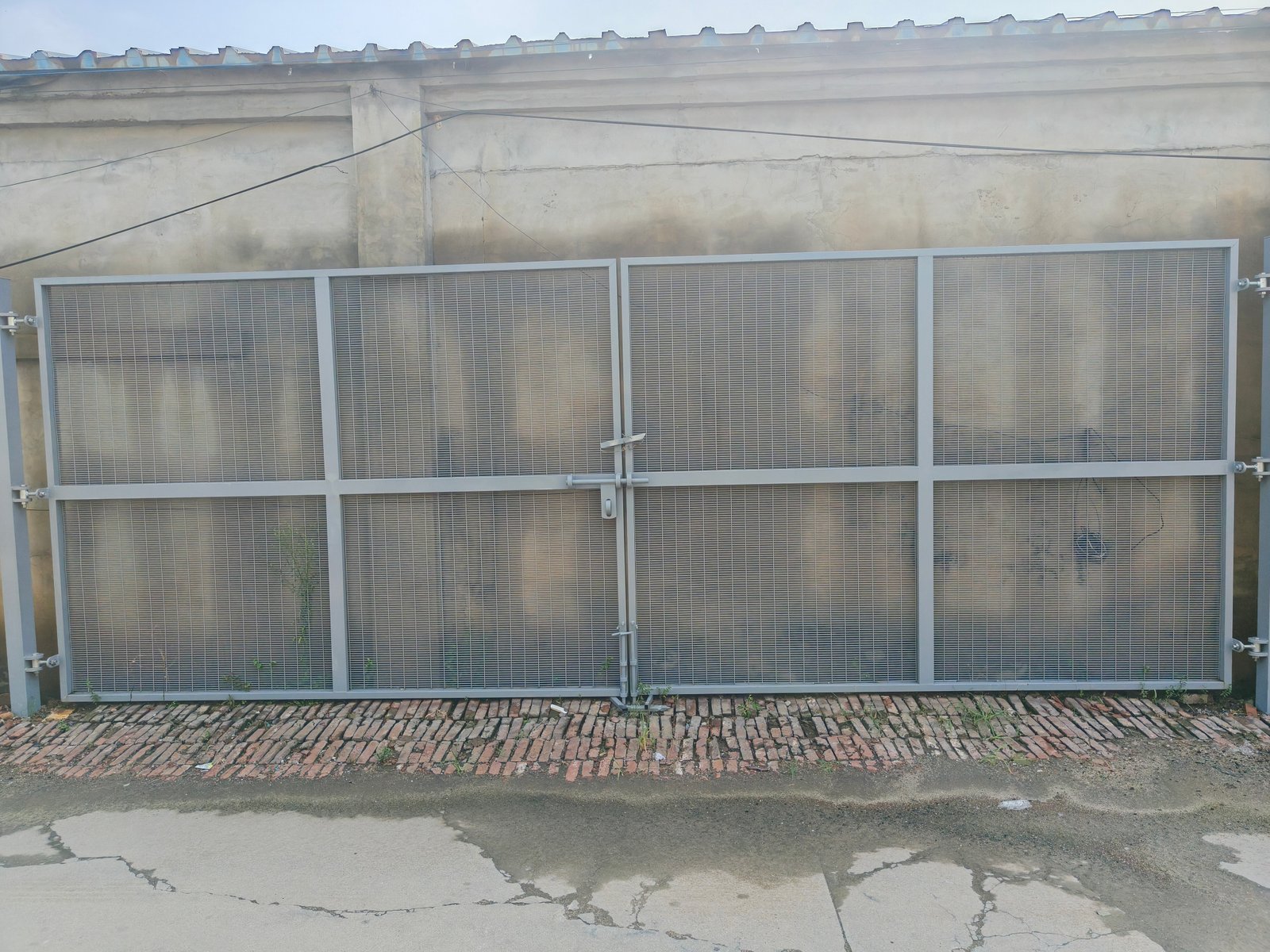
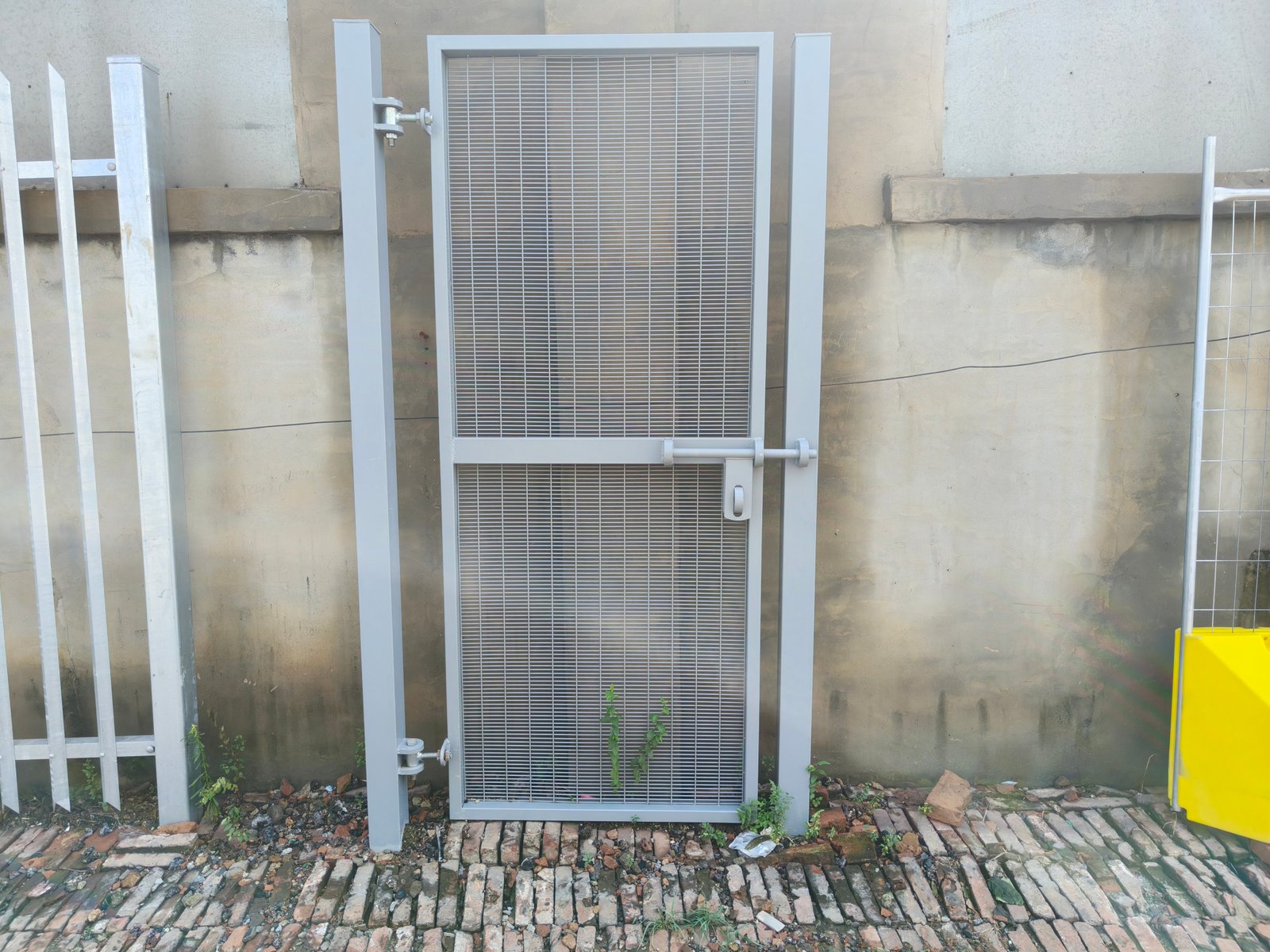
358 mesh can form part of a larger perimeter security system. Compatible options include anti-tamper fasteners, controlled-access gates, alarm equipment, and approved topping arrangements. Each accessory requires suitable engineering and local compliance checks.
358 Anti-Climb Welded Mesh Applications in South Africa
358 mesh suits facilities where security, durability, and visibility are important. South African applications range from industrial compounds to critical utility infrastructure.
Prisons and Correctional Facilities
Correctional facilities require strong perimeter barriers and carefully managed access points. Narrow welded mesh helps discourage climbing and unauthorized movement. Project specifications may also require additional detection systems, controlled gates, and secure foundations.
Airports and Transport Facilities
Airport perimeter fencing helps define restricted operational areas. Security designers must consider visibility, intrusion resistance, service access, and applicable aviation requirements. Fence heights and accessory arrangements should follow the facility's approved security plan.
Mining and Industrial Properties
Mining operations often protect machinery, storage yards, and restricted production areas. Strong perimeter fencing helps establish controlled boundaries. For projects in Limpopo, Gauteng, and other mining regions, foundation design should account for local ground conditions.
Electrical Substations and Public Utilities
Electrical substations, water treatment facilities, and communication installations need controlled access. 358 anti-climb welded mesh helps separate public areas from restricted equipment. Appropriate warning signs, earthing considerations, and safety clearances remain essential.
Warehouses and Commercial Premises
Commercial operators can combine security fencing with surveillance and access-control systems. Clear sightlines assist security teams without creating a solid visual obstruction. Fence selection should reflect property risk, traffic movement, and operational needs.
Educational and Recreational Facilities
Selected school and recreational sites may benefit from secure perimeter boundaries. However, installations must consider child safety, emergency access, and the suitability of security accessories. High-risk prison-style toppings are not appropriate for every public environment.
Explore regional fencing considerations in our ClearVu fencing Gauteng guide and ClearVu fencing Limpopo guide.
358 Anti-Climb Welded Mesh Surface Treatments
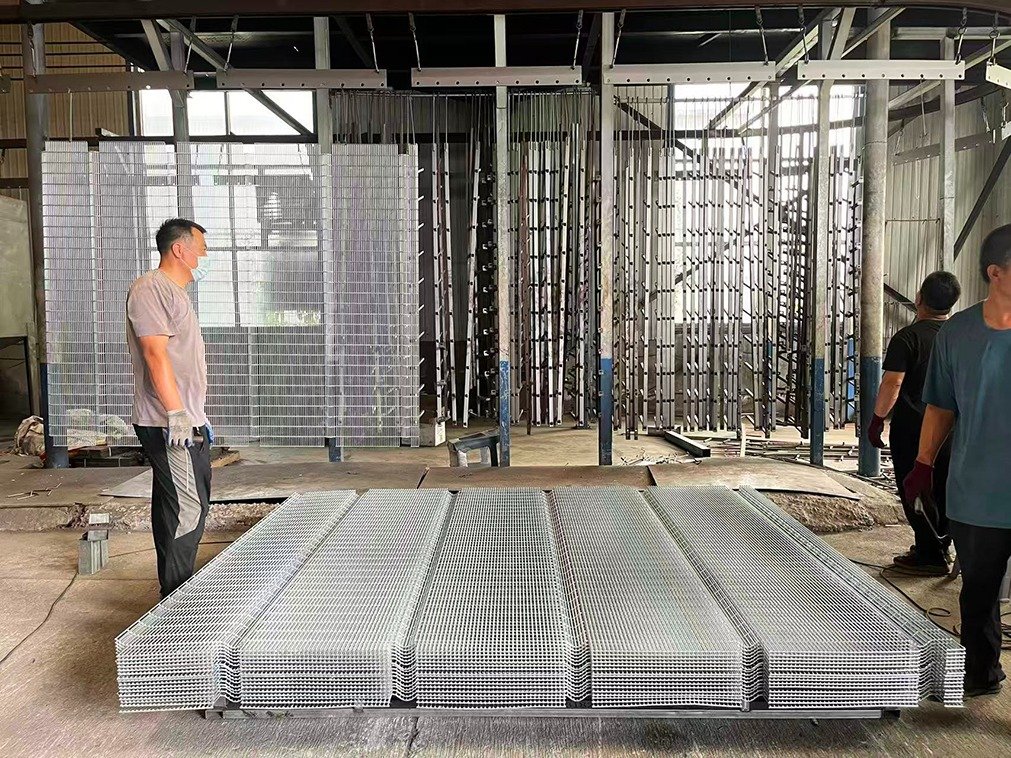
358 anti-climb welded mesh requires appropriate corrosion protection for its operating environment. BMP offers several finish options according to project requirements.
Hot-Dip Galvanized Finish
Hot-dip galvanizing creates a protective zinc coating on steel surfaces. Galvanizing completed after fabrication can protect welded intersections and exposed steel surfaces. Buyers should specify coating requirements, including applicable standards such as ISO 1461 where appropriate.
Galvanized and Powder-Coated Finish
A duplex finish combines zinc corrosion protection with a decorative powder coating. Correct surface preparation is essential for adhesion and coating durability. Customers should identify their preferred RAL color and environmental exposure classification.
PVC-Coated Finish
PVC-coated configurations provide an alternative protective and decorative surface. Material compatibility, coating thickness, and expected service conditions should be agreed upon before production.
358 Anti-Climb Welded Mesh RAL Colors
358 anti-climb welded mesh can be supplied in various RAL colors. Popular selections include RAL 6005 Moss Green, RAL 9005 Jet Black, and RAL 7016 Anthracite Grey. Custom colors are available subject to coating material availability and order requirements.
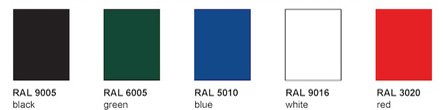 |
| Color reference for security fencing finishes. Confirm the final RAL code before production. |
How to Install 358 Anti-Climb Welded Mesh
358 mesh installation requires accurate setting-out, properly designed foundations, and secure panel connections. Qualified installers should follow the approved project drawings and site safety requirements.
Step 1: Survey the Fence Line
Measure the complete perimeter and identify corners, changes in elevation, drainage routes, and gate locations. Check underground services before excavation. Confirm property boundaries and any applicable local restrictions.
Step 2: Establish Post Positions
Mark the post centres according to the approved panel and fastening configuration. A nominal 2515 mm panel width does not automatically establish the correct post spacing. Allow for clamp geometry and manufacturer tolerances.
Step 3: Prepare Foundations
Excavate foundation holes according to the structural design. Soil bearing capacity, fence height, wind loading, and security requirements determine the necessary foundation dimensions. Taller fences may require substantially larger foundations.
Step 4: Position and Align Posts
Install posts vertically and maintain the specified alignment. Check heights and levels before the foundations reach their required strength. Temporary bracing may be necessary during construction.
Step 5: Secure the Mesh Panels
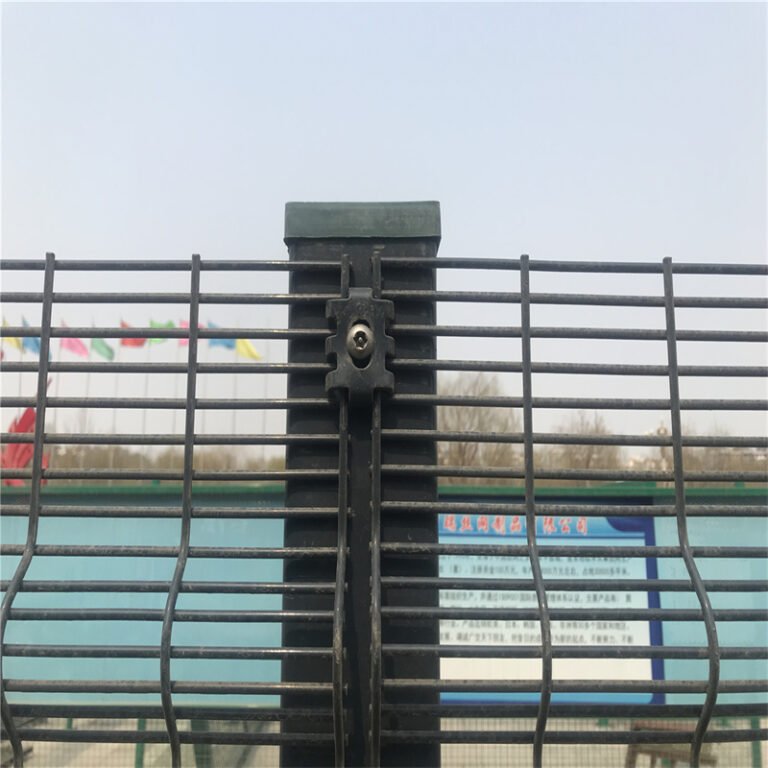
Position each panel against its supporting posts and install the specified clamp bars or brackets. Use suitable security fasteners and tighten them according to the manufacturer's instructions. Avoid damaging protective coatings during installation.
Step 6: Inspect the Completed Perimeter
Examine panel alignment, fixing security, gate operation, and coating condition. Repair any damaged protective surfaces using the approved repair method. Record installation checks before project handover.
For additional planning information, consult our ClearVu fence installation guide. Although the products differ, many basic site-planning principles remain relevant.
358 Anti-Climb Welded Mesh Versus Conventional Security Fencing
358 anti-climb welded mesh differs from conventional chain-link fencing and standard welded mesh through its aperture geometry. The correct solution depends on the required security level, budget, appearance, and installation conditions.
| Feature |
358 Prison Mesh |
Conventional Chain-Link |
Standard Welded Mesh |
| Typical mesh configuration |
76.2 × 12.7 mm centres |
Often diamond-shaped openings |
Various larger rectangular openings |
| Climbing resistance |
High relative resistance |
Depends on aperture and construction |
Depends on mesh spacing |
| Panel construction |
Rigid welded steel |
Interwoven wire fabric |
Welded wire |
| Visibility |
Good |
Good |
Good |
| Typical application |
High-security perimeters |
General boundary fencing |
Commercial and industrial boundaries |
| Installation requirements |
Engineered posts and secure fixings |
Posts and tensioning components |
Posts and compatible brackets |
Projects requiring alternative clear-view designs can also examine ClearVu fencing South Africa and Clear View fencing for sale.
358 Anti-Climb Welded Mesh Packing and Export Protection
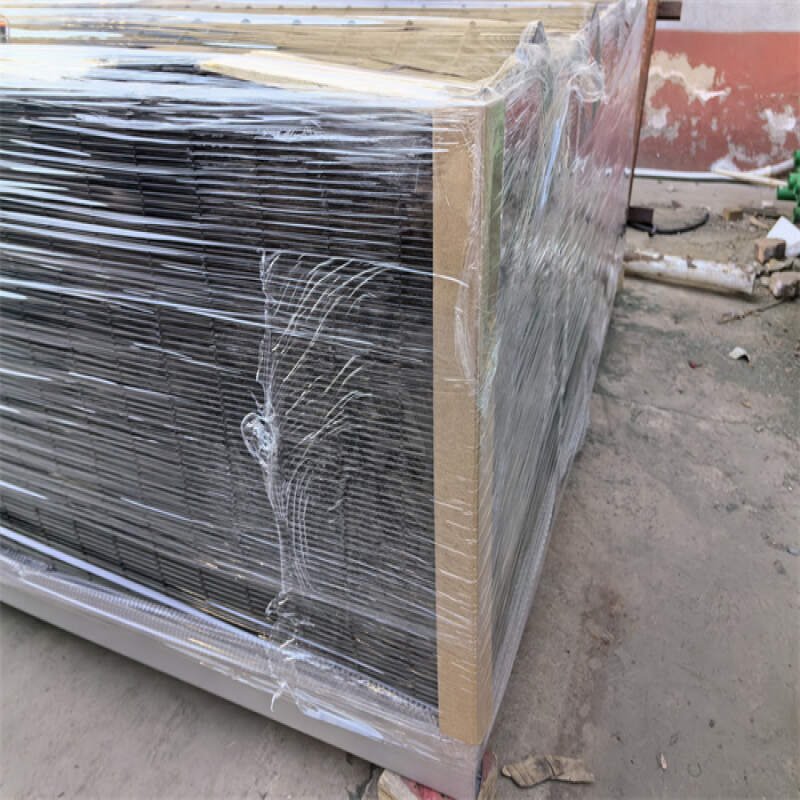
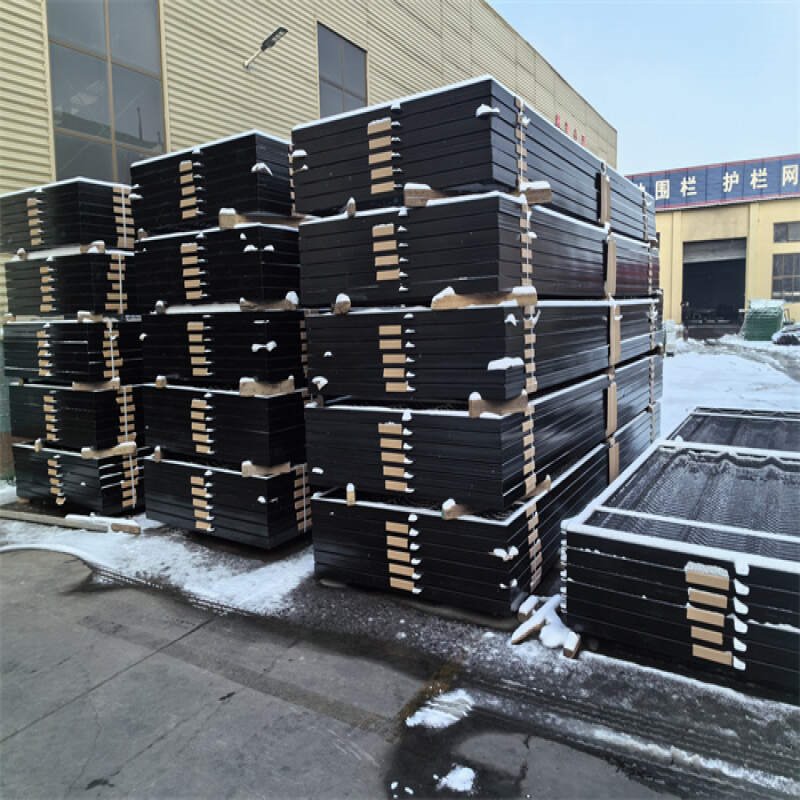
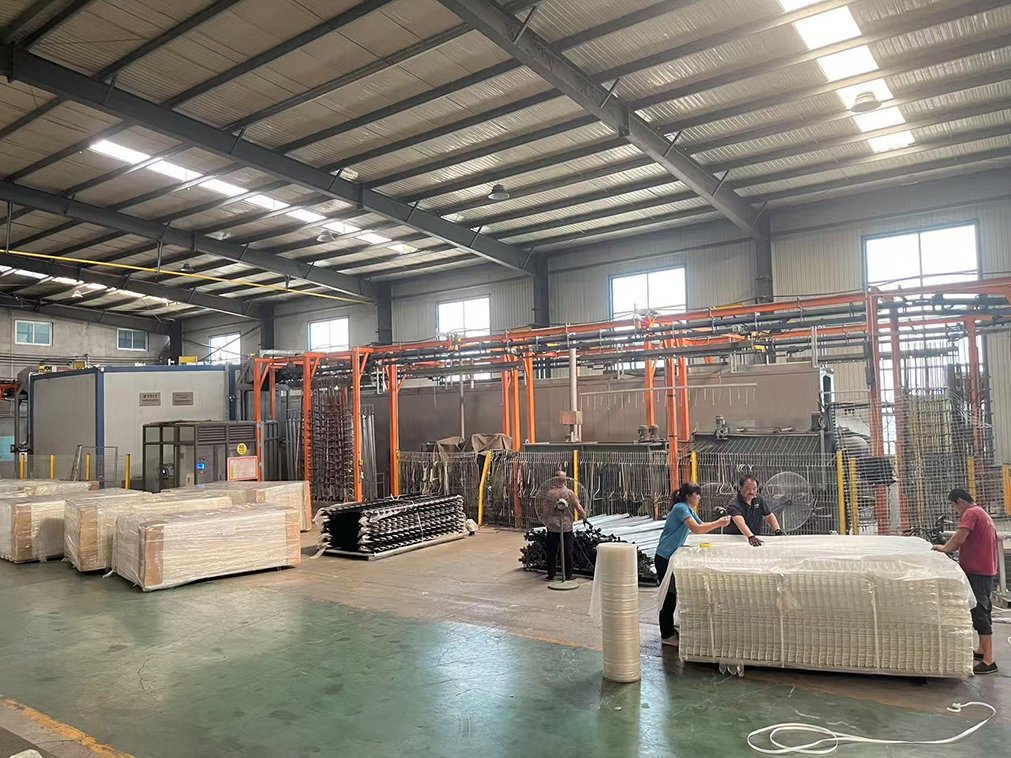
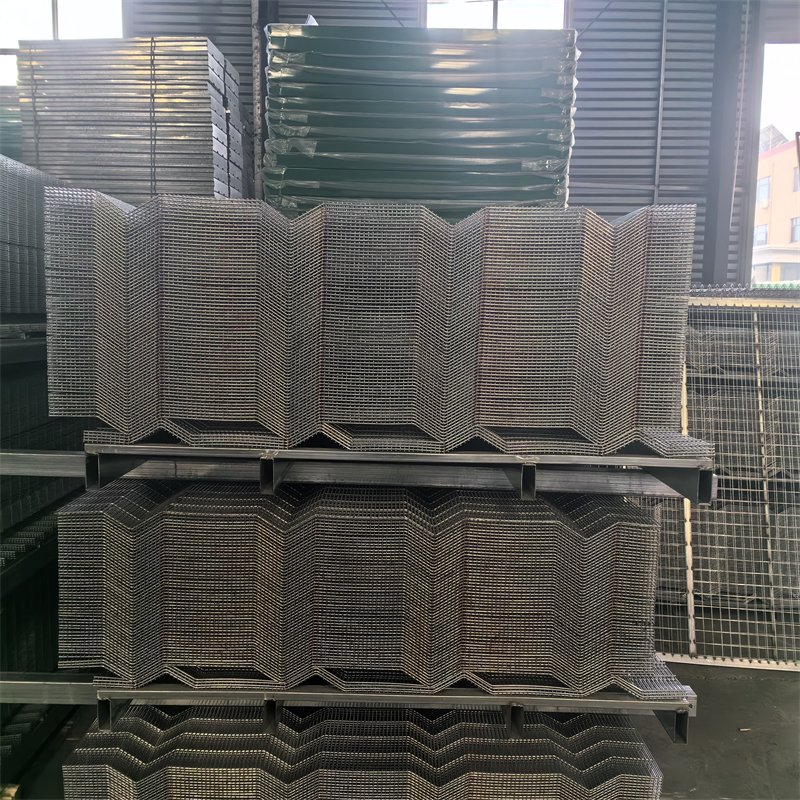
358 mesh panels need suitable packing to prevent movement, abrasion, and coating damage during transportation. BMP offers export packaging arrangements according to panel dimensions and shipment requirements.
- Steel pallets for grouped fencing panels
- Protective separators between coated surfaces
- Secure strapping to reduce movement during handling
- Wrapped or protected accessories where appropriate
- Clearly identified bundles for efficient unloading
- Container loading plans based on actual dimensions and weights
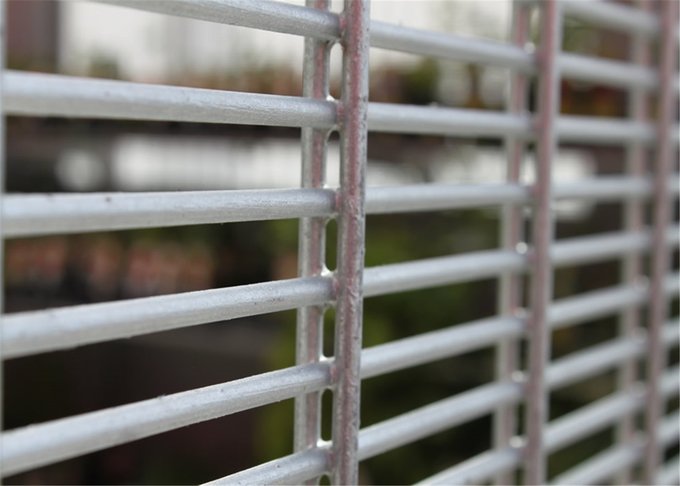 |
| BMP security fencing product reference. Export packing arrangements depend on the confirmed order. |
Customers should request a packing list before shipment to confirm package quantities, gross weights, and container loading arrangements.
358 Anti-Climb Welded Mesh Price and Purchasing Factors
358 anti-climb welded mesh pricing depends on material consumption, manufacturing specifications, finishing requirements, and shipping conditions. A reliable quotation should clearly distinguish the panel-only price from the complete fencing system cost.
Wire Diameter and Mesh Weight
Thicker steel wire generally increases panel weight and material cost. Buyers should compare equivalent wire diameters rather than selecting products solely by panel dimensions.
Fence Height and Structural Components
Taller panels may require larger posts, stronger clamp bars, and more substantial foundations. These components can materially influence total project expenditure.
Surface Finish and Color
Galvanizing, powder coating, and PVC coating have different processing requirements. Coating thickness, preparation, and project color selection affect manufacturing costs.
Order Quantity and Logistics
Production volume, packing efficiency, container utilization, and destination port influence delivered pricing. South African buyers should consider customs clearance, inland transport, and installation separately.
For broader pricing comparisons, read our Clear View fence prices and cost of Clear View fencing guides. These pages cover related products, so their figures should not be treated as confirmed 358 quotations.
How to Choose a 358 Anti-Climb Welded Mesh Supplier
358 anti-climb welded mesh procurement should begin with a complete technical specification. Buyers should request drawings, material details, coating information, and a clear breakdown of included accessories.
Important evaluation criteria include welding consistency, dimensional tolerances, coating quality, manufacturing capacity, packing methods, and after-sales support. Project-specific testing and certification requirements should be agreed upon before production.
South African contractors can review our Clear View fencing manufacturers in South Africa guide. Buyers comparing international supply options may also consult Clear View fence suppliers.
BMP Manufacturing and Product Support
BMP supplies high-security welded mesh fencing and related perimeter products for international projects. Our team can review technical drawings, panel specifications, accessories, finishes, and export packing requirements.
For compatible product categories, explore ClearVu fence panels. Additional perimeter management products include crowd control barriers, temporary crowd barriers, and steel pedestrian barriers.
358 Anti-Climb Welded Mesh Frequently Asked Questions
What does 358 mean in security fencing?
The designation refers to nominal mesh dimensions of three inches by half an inch and an 8-gauge wire specification. In metric terms, common mesh centres measure approximately 76.2 × 12.7 mm.
Is 358 anti-climb welded mesh impossible to cut?
No fencing material is completely cut-proof. However, 358 anti-climb welded mesh uses narrow apertures and strong welded wires to increase resistance to common intrusion methods. Performance depends on the complete system and the tools involved.
Can 358 anti-climb welded mesh be used near the coast?
Yes, provided the coating system suits the exposure conditions. Coastal environments may require enhanced corrosion protection, careful detailing, and planned maintenance.
Which wire diameter is suitable for prison fencing?
Both 4 mm and 5 mm wire options are available. The correct selection depends on the security specification, structural requirements, and project approval process.
What is the recommended height for 358 security fencing?
Common high-security configurations include approximately 2.4 m and 3.0 m panels. Higher options are available where engineering and project requirements justify them.
Can 358 anti-climb welded mesh be powder coated?
Yes. BMP offers powder-coated finishes in selected RAL colors. Buyers should specify the coating system, preparation method, and required corrosion protection.
Does BMP supply posts and clamps with the mesh?
BMP can quote panels together with compatible posts, clamp bars, and security fasteners. Customers should confirm the complete bill of materials before placing an order.
How do I request a quotation for 358 anti-climb welded mesh?
Provide the required fence length, panel height, wire diameter, coating, destination, and accessories. Include technical drawings where available. BMP can then prepare a quotation based on the confirmed requirements.
Conclusion: 358 Anti-Climb Welded Mesh from BMP
358 anti-climb welded mesh offers a practical combination of climbing resistance, structural rigidity, visibility, and corrosion protection. Its narrow apertures make it suitable for demanding perimeter security applications.
BMP supports customers with multiple panel sizes, post configurations, protective finishes, and export arrangements. Choosing the correct system requires consideration of site risk, installation conditions, and technical specifications.
Contact BMP to discuss your 358 mesh requirements and request a project-specific quotation.