Description Razor Mesh Fencing for Restricted Perimeter Sites
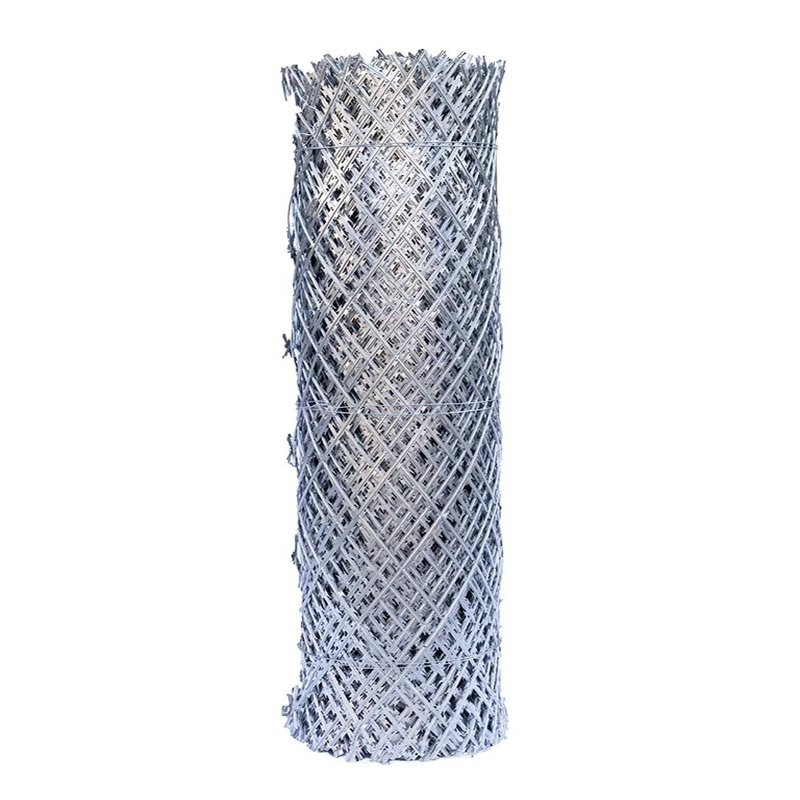
Razor mesh fencing combines reinforced blade wire with a continuous welded grid for controlled industrial boundaries. Sharp-edged strands form diamond, square, or rectangular patterns that discourage climbing and unwanted contact. BMP supplies configurable razor mesh for projects requiring clear specifications, secure packing, and coordinated perimeter planning.
Unlike ordinary steel mesh, exposed razor blades introduce serious contact hazards. Their presence calls for suitable setbacks, warning signs, and controlled access. Every project should balance intrusion deterrence with local laws, worker safety, and emergency arrangements.
Facilities comparing Razor Wire Mesh formats should first distinguish welded sheets from concertina coils. A welded diamond sheet forms the main barrier surface. Expandable coils serve a different layout and need separate product specifications.
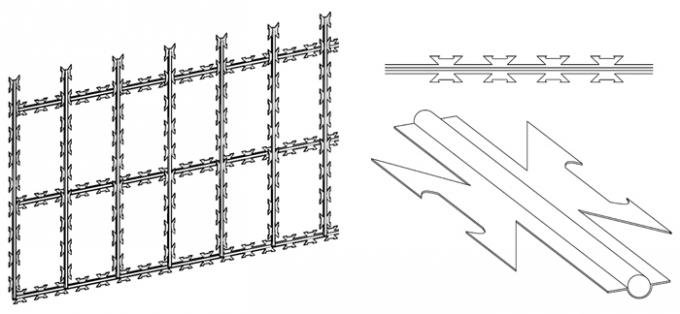 |
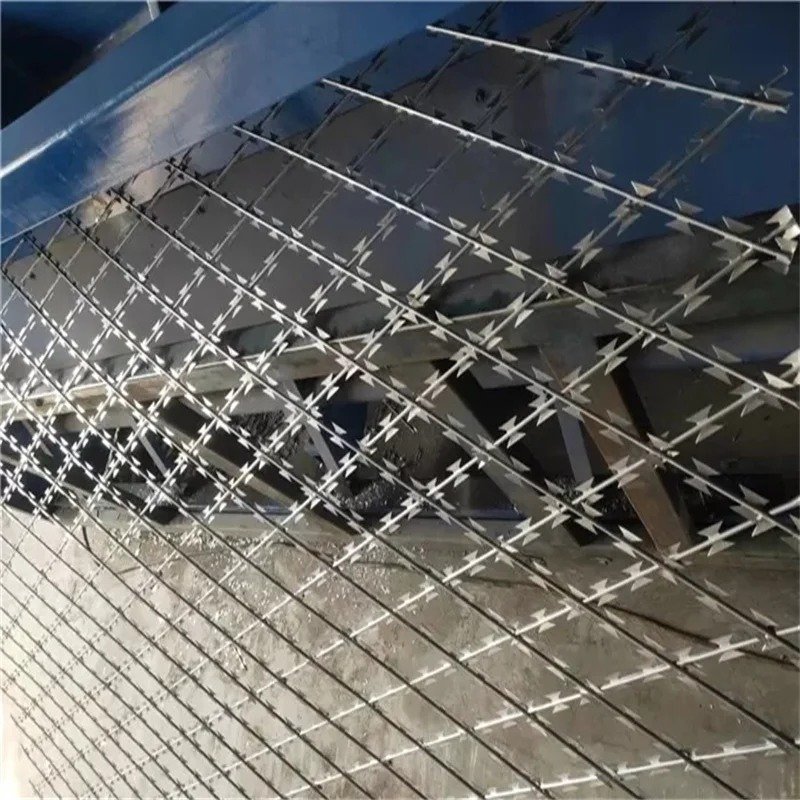
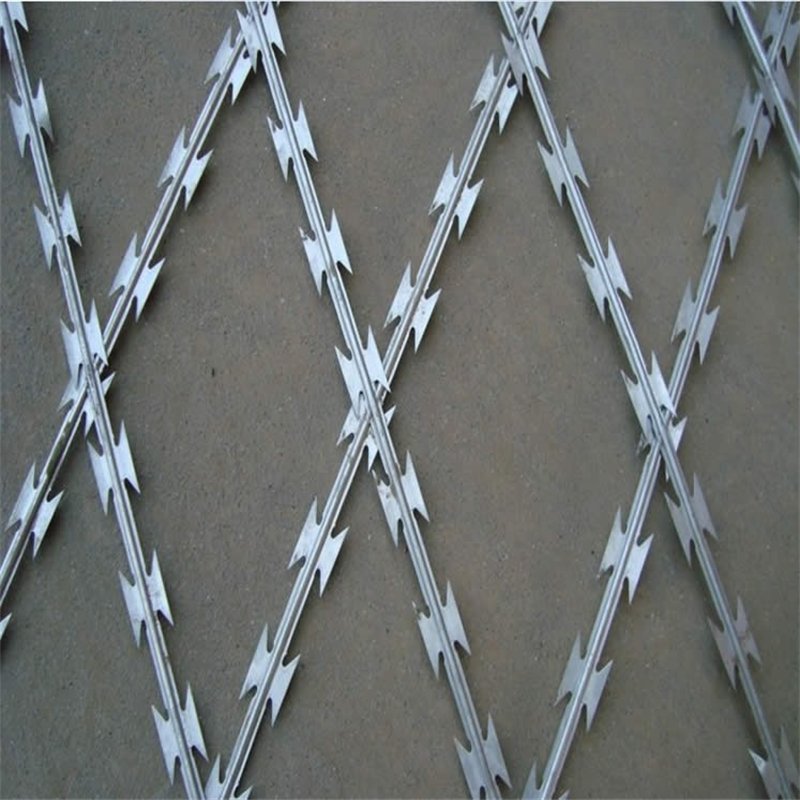
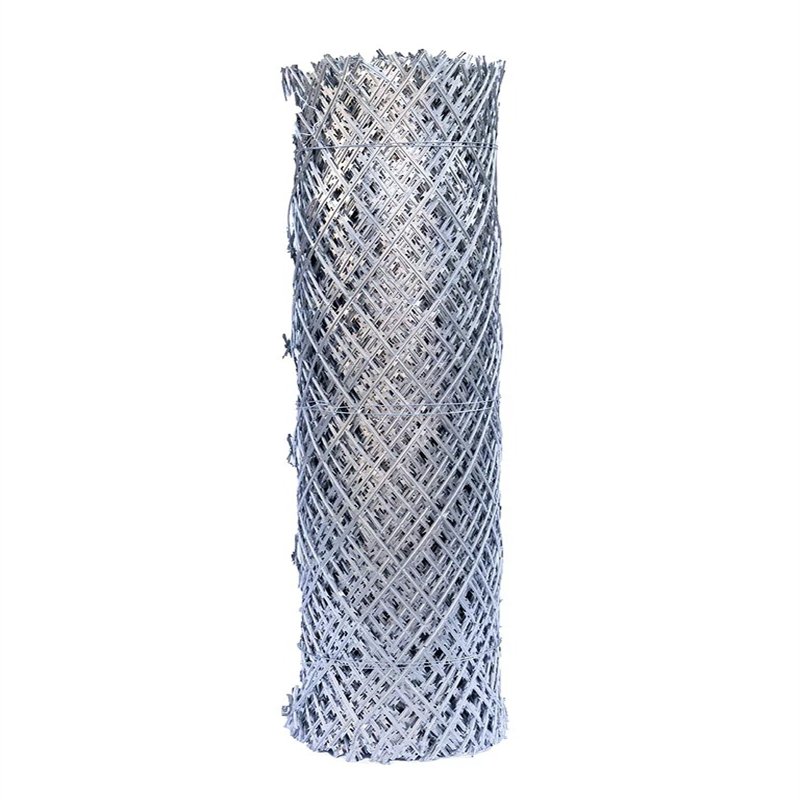
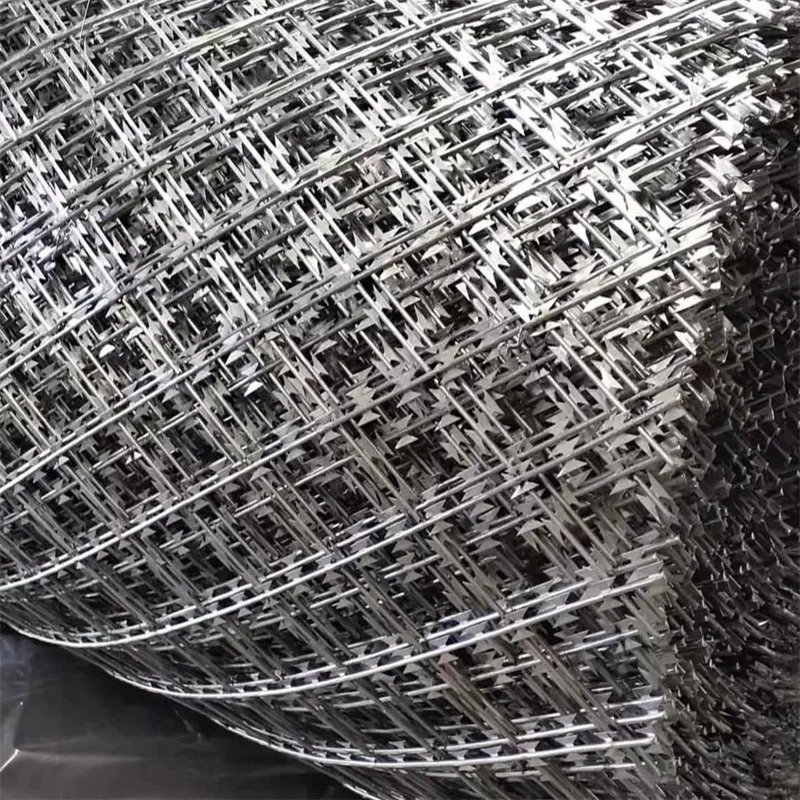
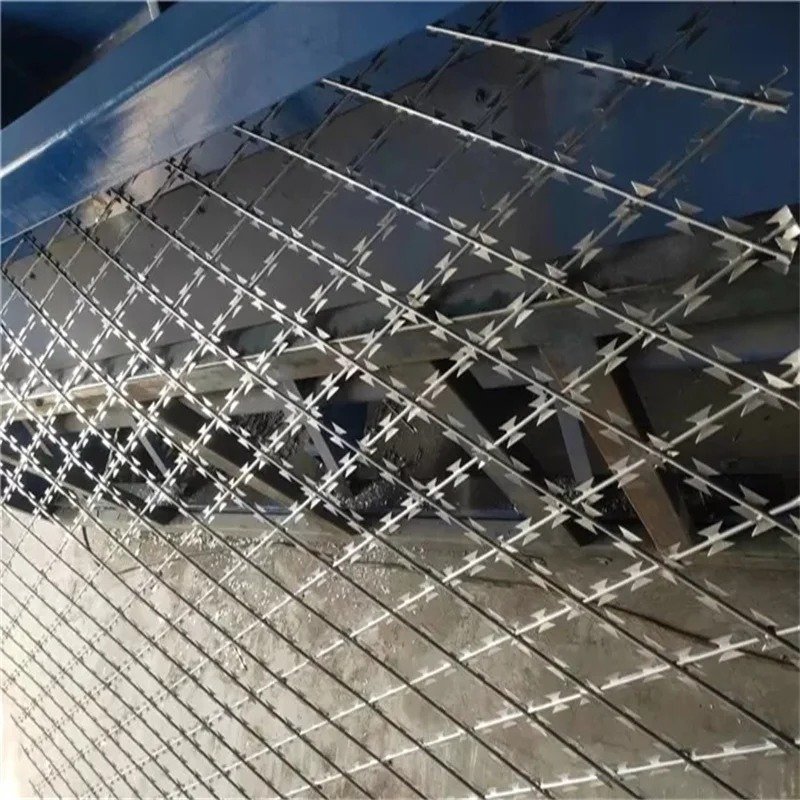
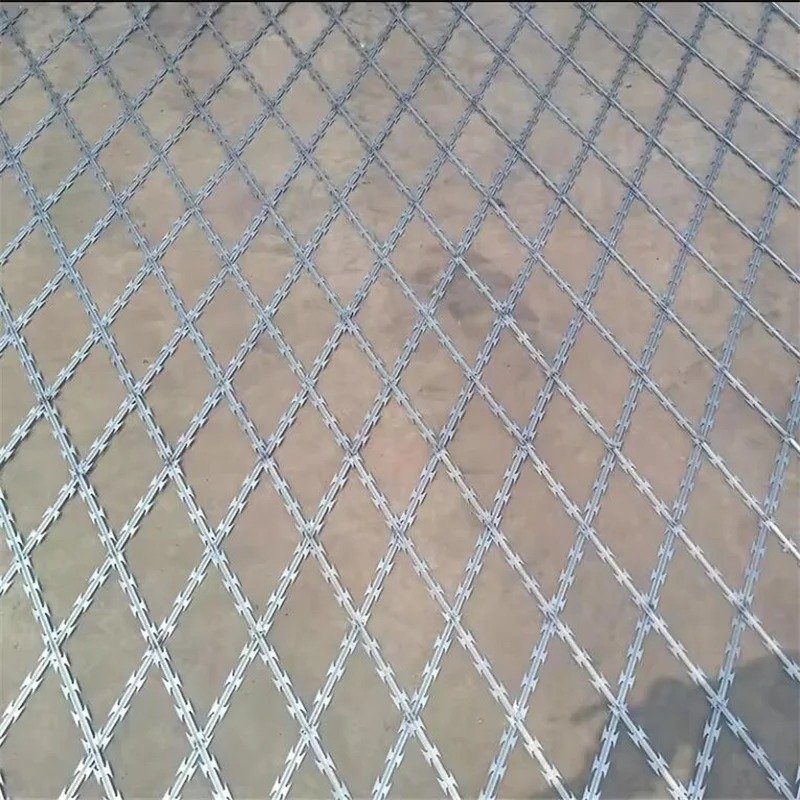
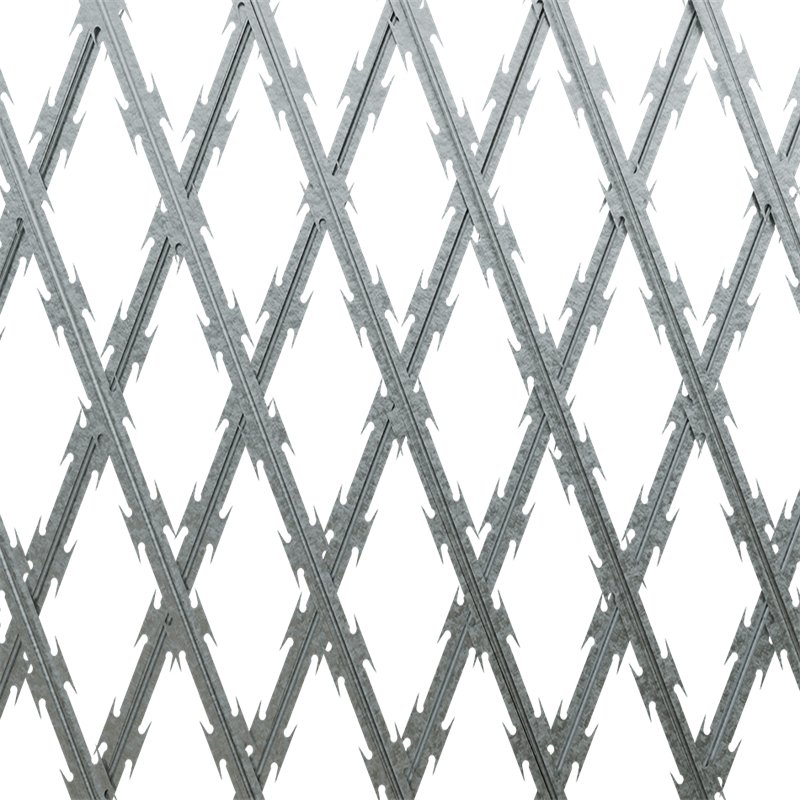
| Original product photograph: diamond-pattern razor mesh with exposed blade-wire construction. |
Why Diamond Apertures Matter
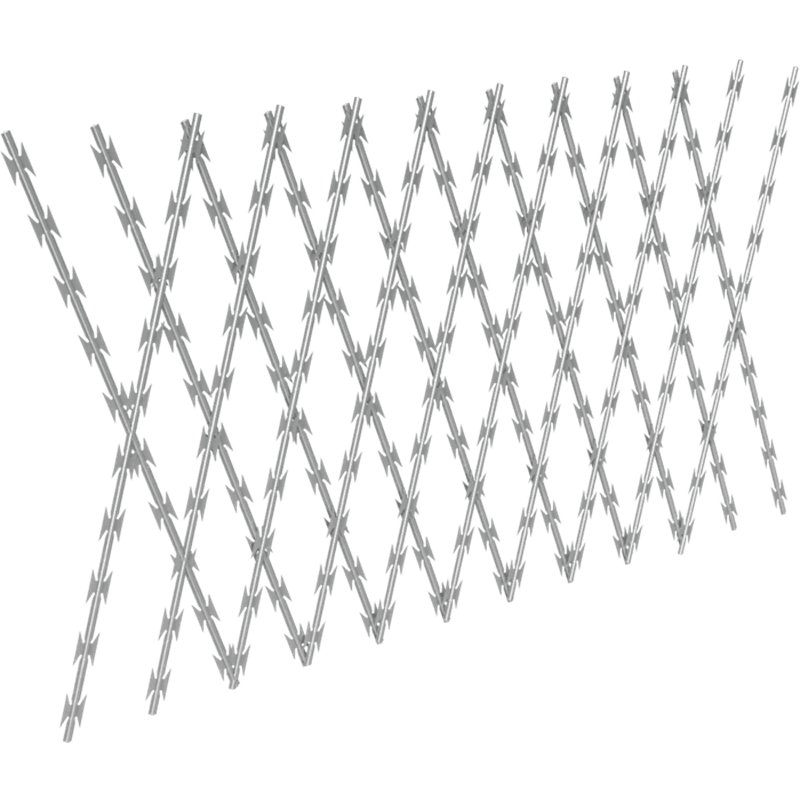
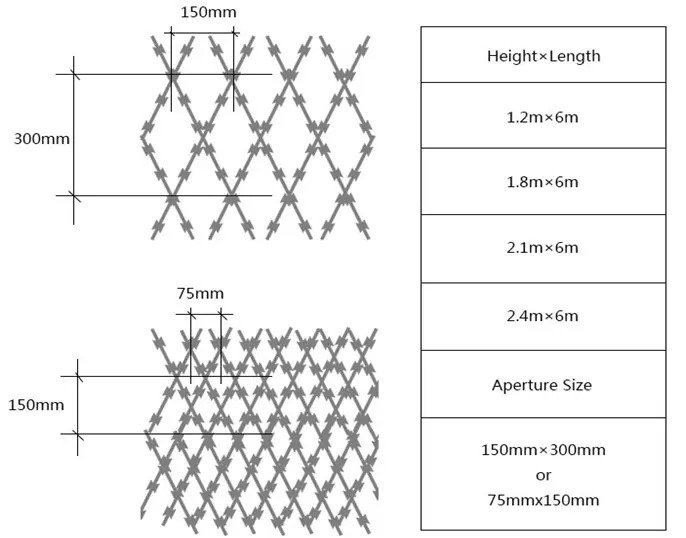
Diamond openings influence wire density, visibility, material consumption, and the finished boundary appearance. Smaller diamonds create a closer blade arrangement. Larger openings use a more open pattern, although both designs still need approved support systems.
Buyers should distinguish the diamond's measured height from its horizontal width. Mesh orientation changes how the pattern appears after installation. Technical drawings must label both dimensions and the method of measurement.
Razor Mesh Fencing High-Density Diamonds
A common high-density reference uses diamonds measuring 150 mm high and 75 mm across. Suppliers also describe this opening as 75 × 150 mm. The tighter arrangement reduces convenient spaces between adjacent blade strands.
Diamond Mesh Razor Wire options include several apertures and materials. Select the pattern after reviewing the property's security and safety requirements. A closer mesh does not automatically provide a certified attack rating.
Standard-Density Geometry and Sightlines
The standard-density reference uses a larger 300 mm high by 150 mm wide diamond. Wider spacing can preserve clearer views through the boundary. It also changes total material consumption and the exposed blade arrangement.
For additional variants, Diamond Mesh Razor Wire includes alternative sheet configurations. Contractors should confirm finished height and usable length before calculating quantities. Nominal roll length may differ from installed coverage.
Razor Mesh Fencing Technical Specifications
The original BMP catalogue lists 50 × 100, 75 × 150, and 150 × 300 mm apertures. Reference heights include 1.2, 1.5, 1.8, 2.1, and 2.4 metres. A nominal six-metre length supports common roll-based supply arrangements.
These figures describe selectable configurations rather than a guaranteed stock combination. The factory should approve blade type, aperture, height, and finish together. Drawings must identify whether the finished material arrives in rolls or rigid sections.
| Product |
Mesh Aperture |
Blade Reference |
Core Wire |
Height Options |
Nominal Length |
Finish |
Packing |
| Welded Razor Mesh |
50 × 100 mm; 75 × 150 mm; 150 × 300 mm |
BTO-22; BTO-30; CBT-60 |
2.5 ± 0.1 mm |
1.2 / 1.5 / 1.8 / 2.1 / 2.4 m |
6.0 m or approved custom size |
Galvanized or compatible coated finish |
Protected rolls or pallets |
The source table lists these blade options together without assigning each one to every opening. Confirm the precise blade configuration during technical approval. Freight calculations also need the actual product weight and packing form.
Core Wire, Blade Tape and Weld Quality
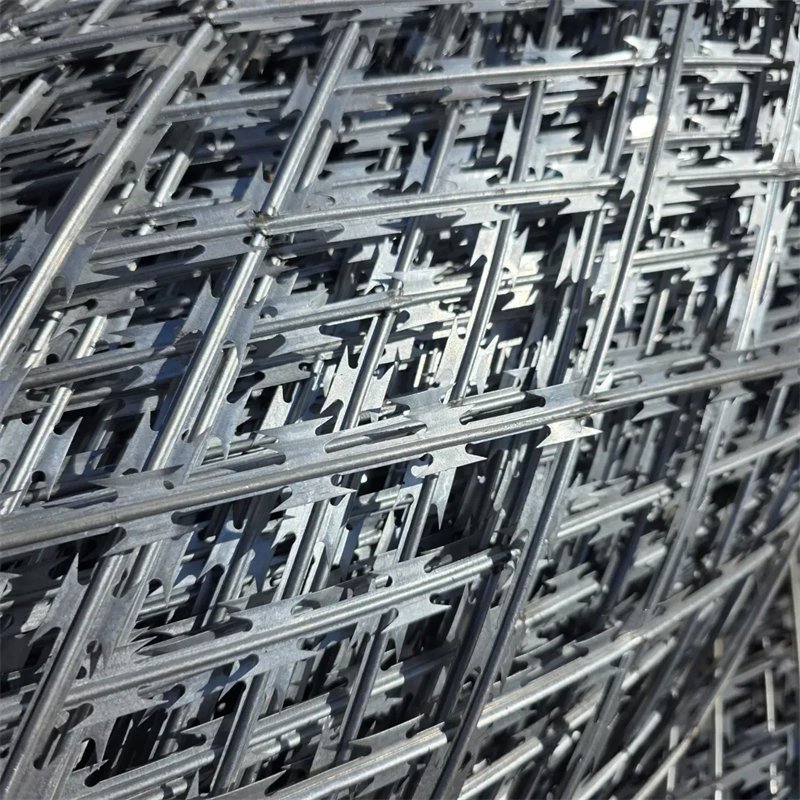
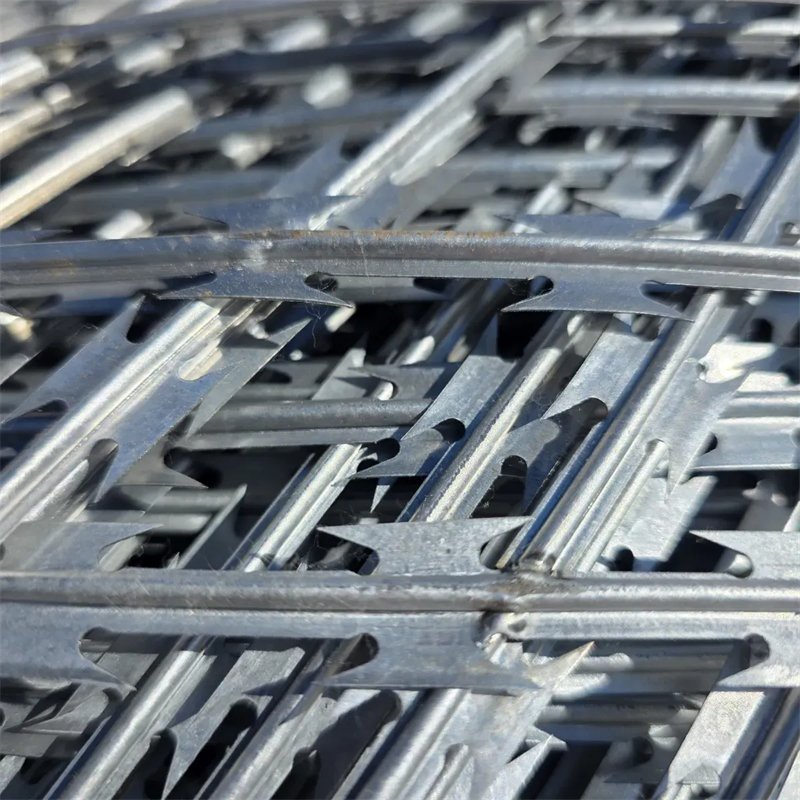
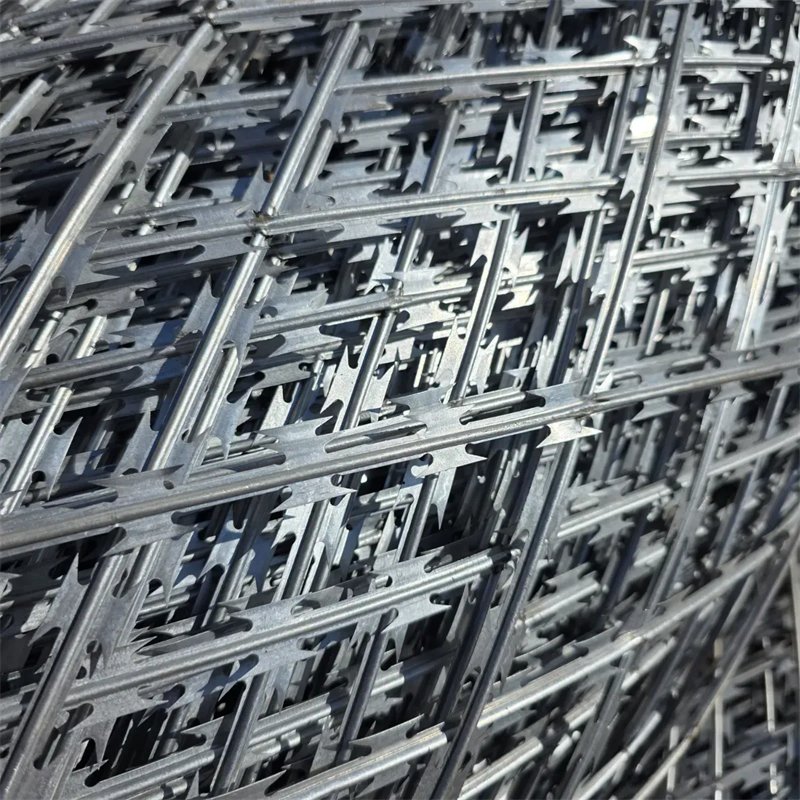
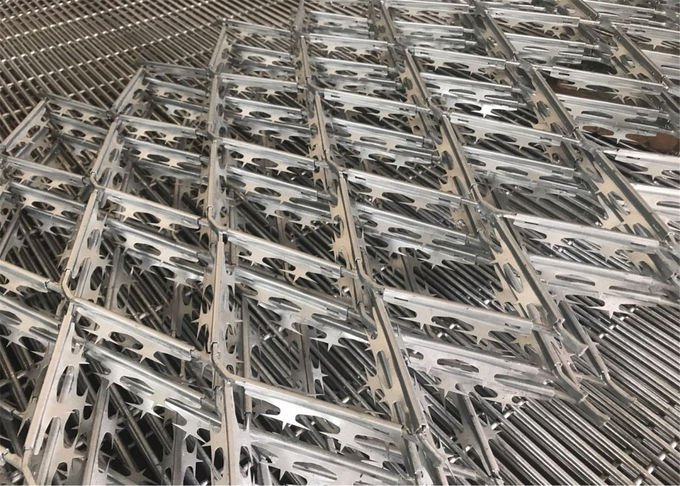
Razor wire typically combines a steel core with shaped blade tape. The original catalogue specifies 2.5 ± 0.1 mm for the core diameter. Separate blade-strip thickness requires its own confirmed dimension.
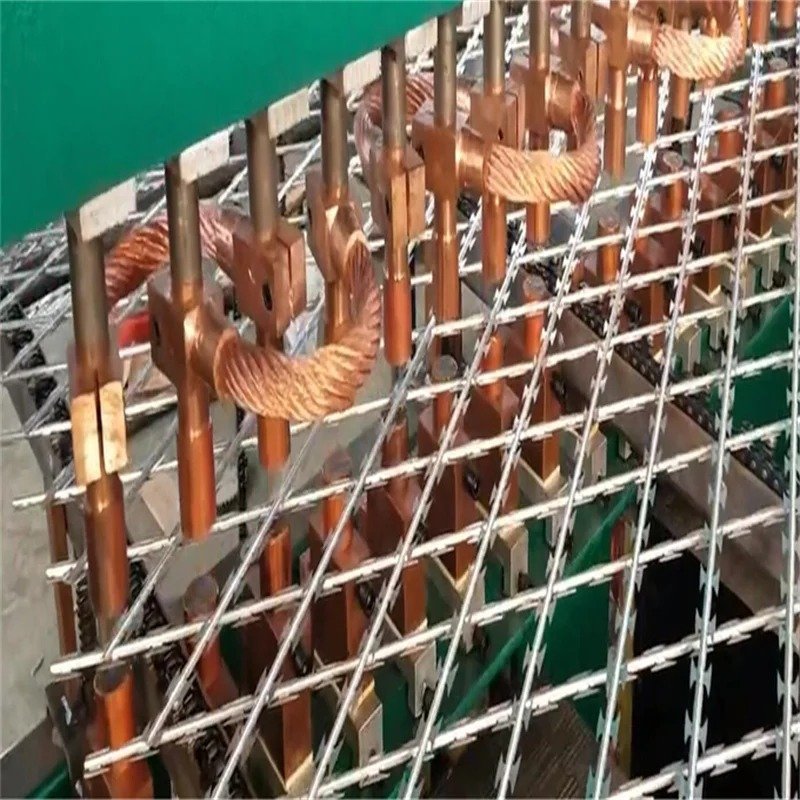
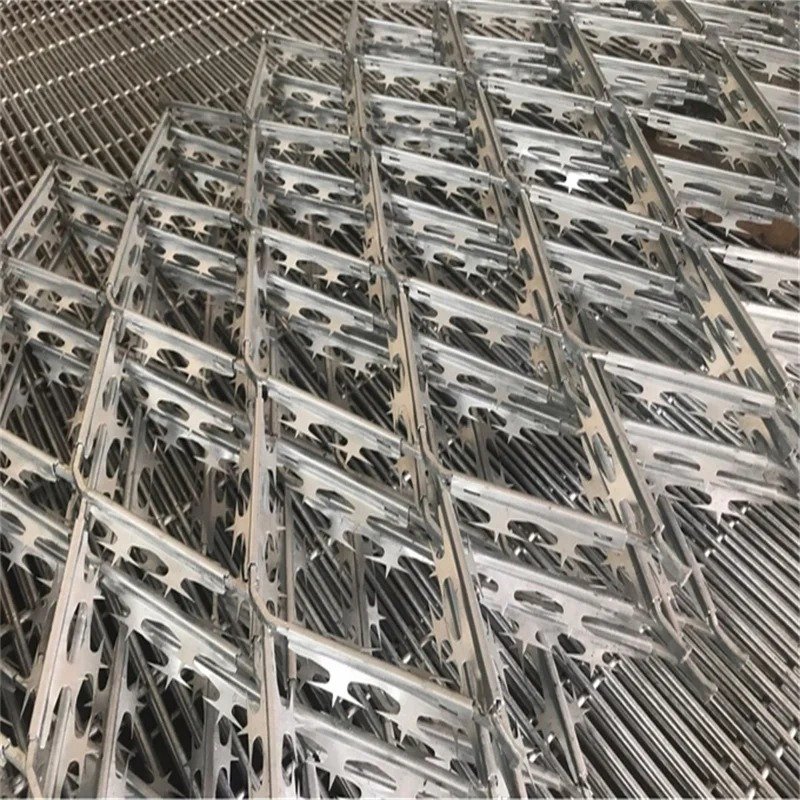
For comparable Welded Razor Mesh, manufacturers describe additional blade and opening combinations. Inspectors should check welded junctions, strand alignment, and damaged blade profiles. A regular pattern needs consistent fabrication rather than unsupported strength claims.
 |
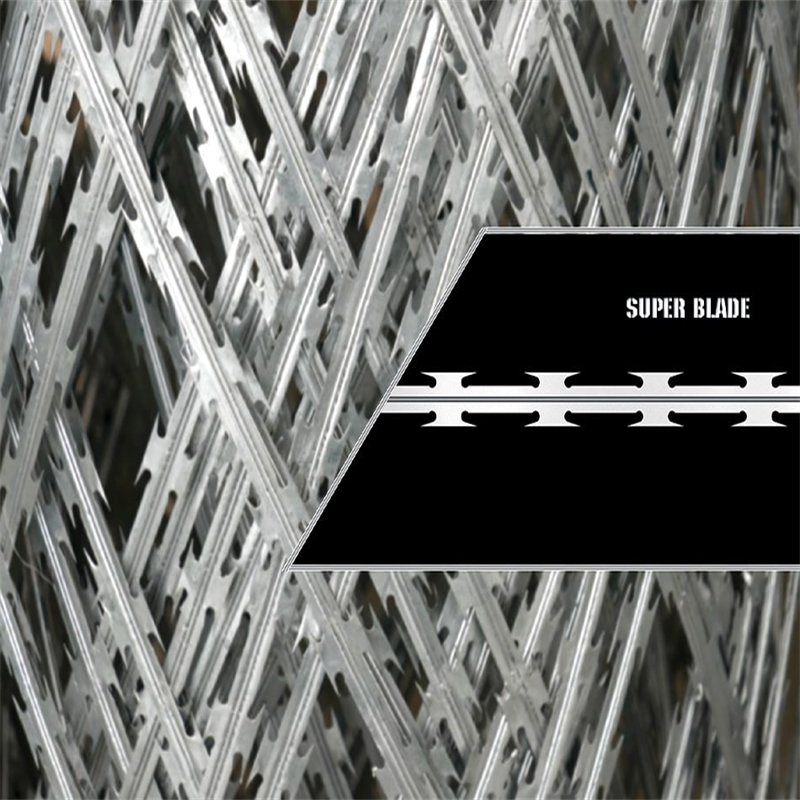
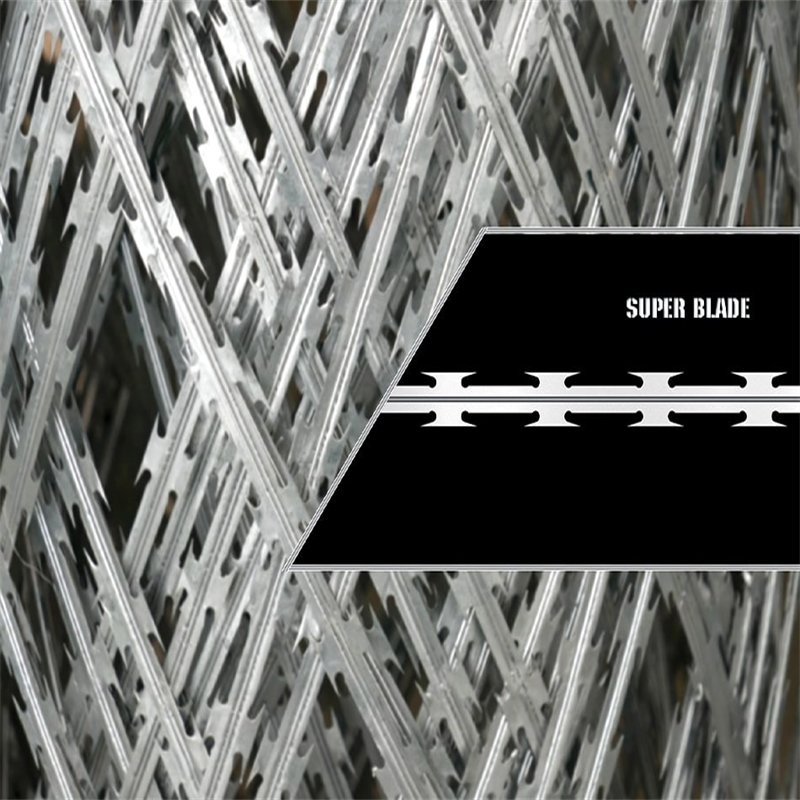
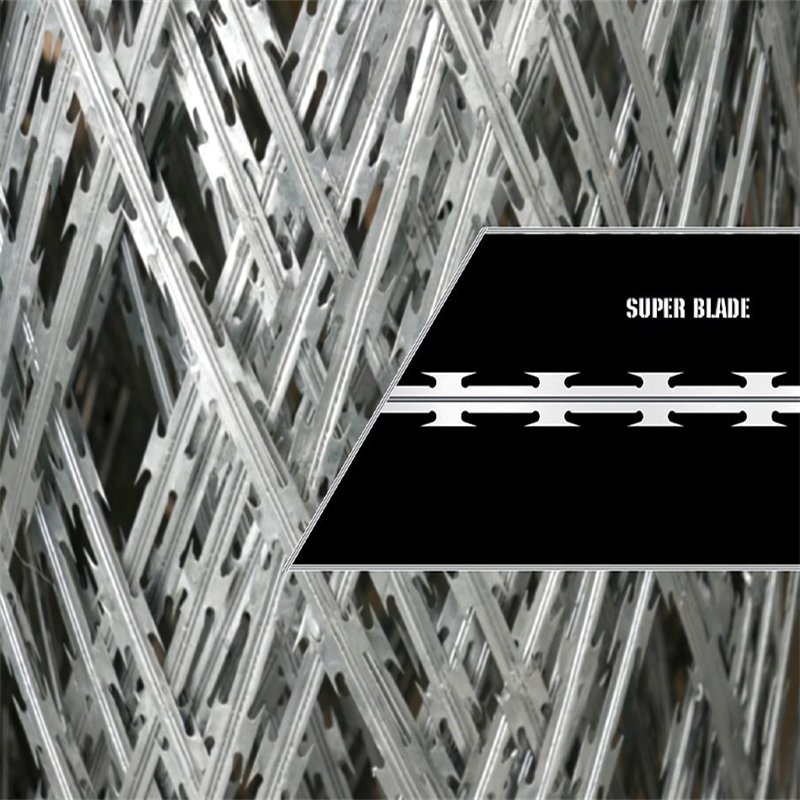
| Original detail photograph: razor blade profiles, core wire, and welded mesh geometry. |
Razor Mesh Fencing Blade Type Options
BTO-22 and BTO-30 identify commonly specified blade profiles in welded razor products. The original reference also mentions CBT-60. These codes do not define the complete panel or its installed strength.
Welded Razor Wire Mesh may use different blade and metal combinations. Purchase documents should identify blade drawings, material grade, and core diameter separately. That detail prevents confusion between a blade family and a finished sheet.
Metal Selection and Corrosion Protection
Galvanized carbon steel provides a practical material choice for many controlled perimeters. Stainless steel offers another option where environmental exposure justifies its cost. Both the core wire and blade strip need matching material approval.
Steel condition matters at welded junctions, exposed edges, and contact points. Contractors should inspect damaged protective finishes during receiving and scheduled maintenance. No single coating guarantees an identical service life across every climate.
Razor Mesh Fencing Galvanized Finishes
Zinc-based finishes help protect steel against atmospheric corrosion. The actual process may vary according to material form and fabrication sequence. Buyers should request coating specifications and test evidence for the selected product.
The Razor Wire Mesh Fence range includes galvanized and optional coloured designs. Protective performance depends on preparation, coverage, and inspection quality. Colour alone cannot confirm corrosion resistance.
Stainless Steel Choices for Difficult Environments
Coastal salt and chemical exposure may favour selected stainless grades. Material selection still depends on actual site conditions. A stainless wire core cannot compensate for an unsuitable blade strip or fastener.
Documentation should name both metal grades and the applicable corrosion requirements. Examine crevices and welded regions during the approval process. Regular cleaning may remain necessary near industrial deposits.
Razor Mesh Fencing for Coastal and Inland Environments
South African conditions vary significantly between seaports, dry industrial yards, and inland mining regions. Salt deposits increase corrosion concerns near exposed shorelines. Inland dust, seasonal storms, and ground movement create different maintenance demands.
Choose the finish after reviewing local exposure and inspection access. A project beside the coast needs different assumptions from a sheltered inland depot. The approved material schedule should record those differences.
The Durban Port and Coastal Industrial Case
Durban's maritime environment exposes many outdoor steel structures to moisture and salt deposits. Freight compounds may also experience heavy vehicles and repeated gate operation. Suitable coating details and protected support posts deserve attention.
Maintenance workers should check damaged blade edges without entering hazardous contact zones. A competent team should assess repairs near public approaches. Restricted boundaries must retain clear emergency access arrangements.
Highveld Mining and Rural Perimeters
Highveld sites often manage dust, dry winter weather, and summer thunderstorms. Mining and agricultural properties may stretch across uneven ground. Foundations, drainage, and accessible inspection routes become important.
Long rural fence lines also need thoughtful gate placement for authorised vehicles. Where public contact remains likely, a less hazardous mesh may offer a better boundary. Security planning should address people and wildlife alongside equipment protection.
Razor Mesh Fencing as Freestanding Sections
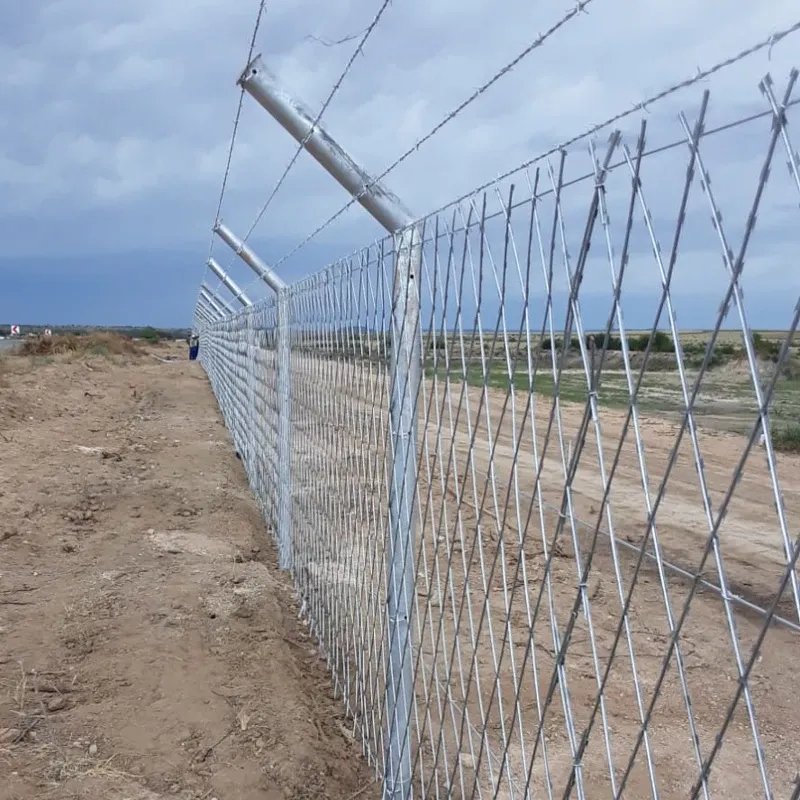
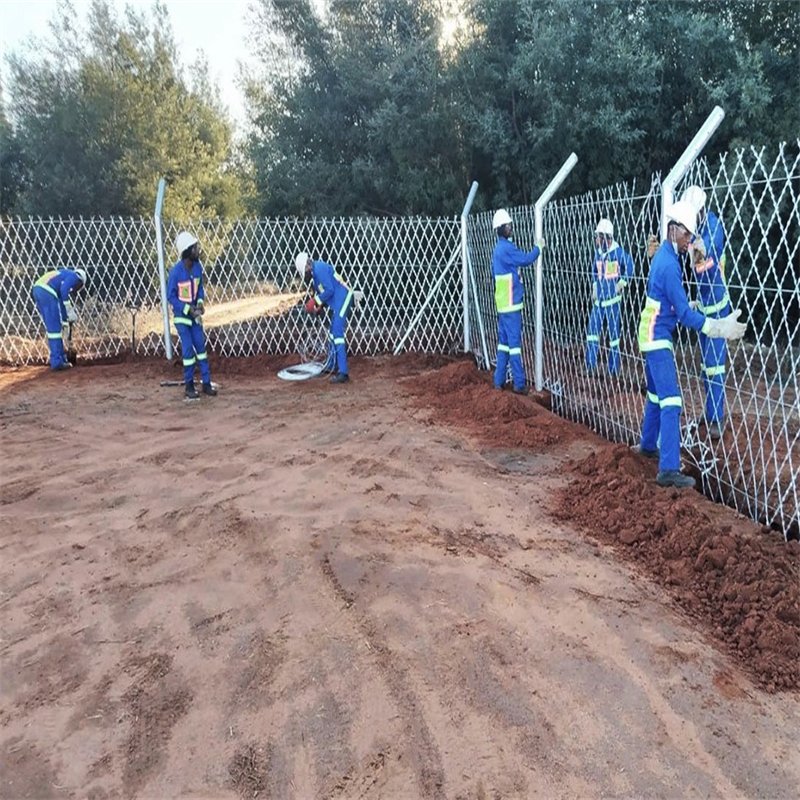
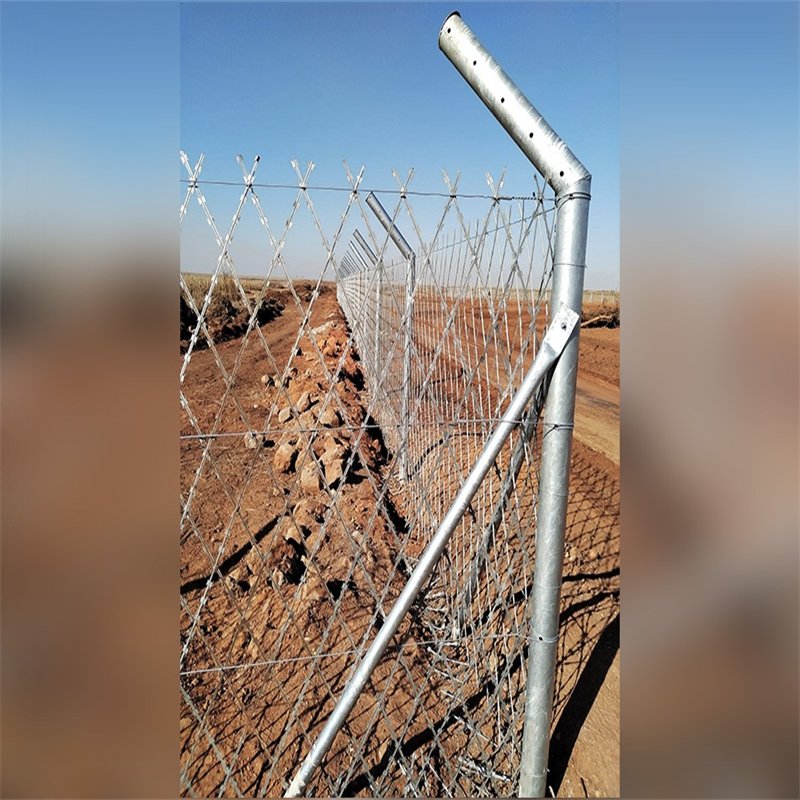
Freestanding razor mesh needs engineered supports, foundations, and suitable connections. The complete system must resist site loads without exposing nearby people to unnecessary hazards. Panel height alone cannot determine post spacing.
The Razor Mesh range includes freestanding and other supported applications. Design drawings should define corners, terminations, gate interfaces, and safe access. A six-metre nominal sheet length does not establish the post-centre dimension.
Supporting Posts and Safe Access
Post material, wall thickness, and anchorage require a project-specific assessment. Wind, terrain, fencing height, and soil conditions influence structural performance. Trained crews must control sharp materials during handling and maintenance.
Gate openings need separate safety checks for hinges, locks, and sightlines. Support details should avoid projecting blades into accessible walkways. Local restrictions may prohibit exposed razor barriers near certain public spaces.
Razor Mesh Fencing and Existing Walls
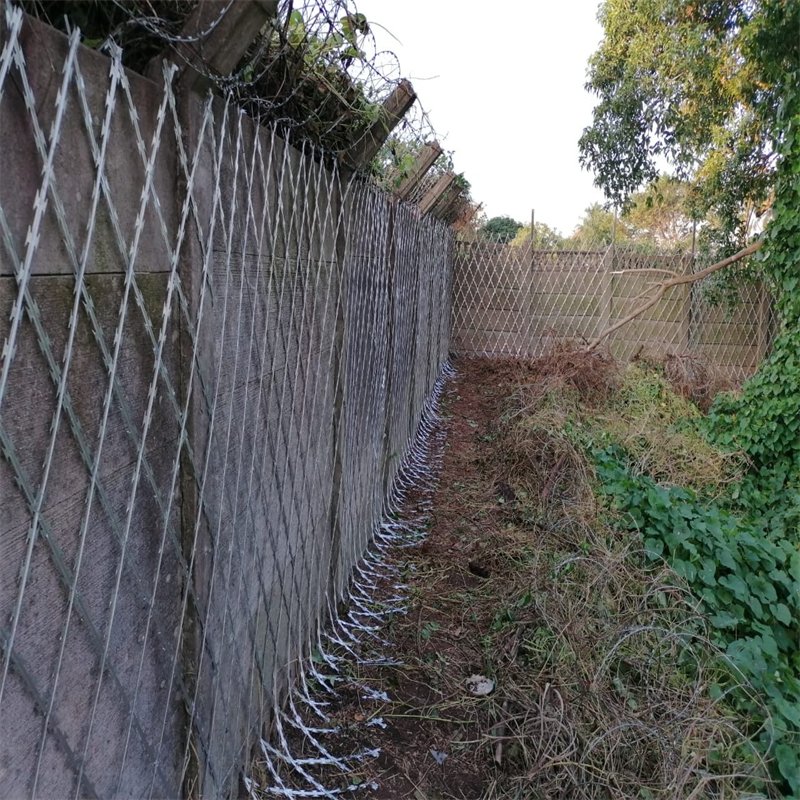
Some sites use wall-mounted deterrent products rather than full-height razor mesh. Existing walls must support any added components and wind forces. Professionals should inspect the wall before approving a modification.
Razor Ribbon Fence describes a separate linear blade product. Its structural needs differ from a welded diamond sheet. Buyers should specify the exact system instead of treating these formats as interchangeable.
Razor Mesh Fencing Compared with Other Barriers
Different perimeter products balance intrusion deterrence, visibility, public safety, and ease of maintenance. Razor mesh has exposed blades across its structure. Ordinary welded fences rely on wire density and their supporting hardware.
No single system suits every residential, commercial, or industrial frontage. Buyers should choose according to documented site risks. A controlled utility yard may accept hazards that a public pedestrian corridor cannot.
Concertina Rolls Versus Welded Sheets
Concertina wire expands into connected loops and normally uses clip connections. Welded razor mesh creates a continuous grid with fixed junctions. Their installed coverage and transport arrangements differ.
The Razor Wire Mesh Fencing family includes welded blade products and related formats. An order should distinguish coils, flat wrap, and welded sheets. Mixing specifications can create serious quantity and installation errors.
Razor Mesh Fencing or ClearVu Panels
Regular Clear View Fence Panels use close welded wire without exposed razor blades. They often suit boundaries requiring greater public separation and simpler servicing. Razor mesh demands stricter access controls due to its sharp profile.
For regional alternatives, ClearVu Fence Panels provide a conventional mesh reference. Neither product name guarantees a tested security rating. Buyers should compare actual specifications and the complete installation.
Australian buyers may also compare Corromesh and Garrison Security Fencing. Their geometry and hazards differ from razor mesh. Selection should follow the site's access and maintenance requirements.
Applications That Need Careful Site Assessment
Razor mesh may suit controlled reservoirs, substations, industrial depots, and restricted infrastructure. Certain mining or defence projects may specify sharp security barriers under dedicated safety procedures. Each installation needs local approval and a documented risk assessment.
Public schools, playgrounds, and ordinary pedestrian routes raise different safety concerns. Avoid treating exposed blades as a universal residential security solution. Safer steel mesh may fit areas with frequent human contact.
Razor Mesh Fencing Around Utilities
Water and energy facilities often need reliable separation around restricted equipment. Security teams may want visible perimeter lines and controlled servicing gates. The chosen fence must accommodate emergency access and safe inspection.
Sharp components increase the importance of warning signs and authorised work procedures. Engineers should address clearance from operating equipment and public boundaries. Maintenance plans need clear responsibilities for damaged sections.
Warehouses, Mines and Farms
Warehouses can combine secure storage with monitored delivery entrances. Mines may need boundary controls around selected high-risk assets. Farms present long distances, uneven ground, and possible animal contact.
For temporary construction areas, Temporary Construction Fencing provides a different removable separation system. Portable panels do not automatically replace permanent razor mesh. Choose the equipment according to the actual hazard and intended duration.
Razor Mesh Fencing Factory Inspection
Factory quality control starts with material identity and dimensional checks. Inspectors should measure core wire, blade-strip thickness, aperture size, and finished dimensions. Weld consistency and protective finishes also need review.
The original catalogue gives a core-wire reference of 2.5 ± 0.1 mm. Additional blade dimensions should follow approved technical drawings. Reports must identify which tests apply to each material component.
Product Photos and Drawing Checks
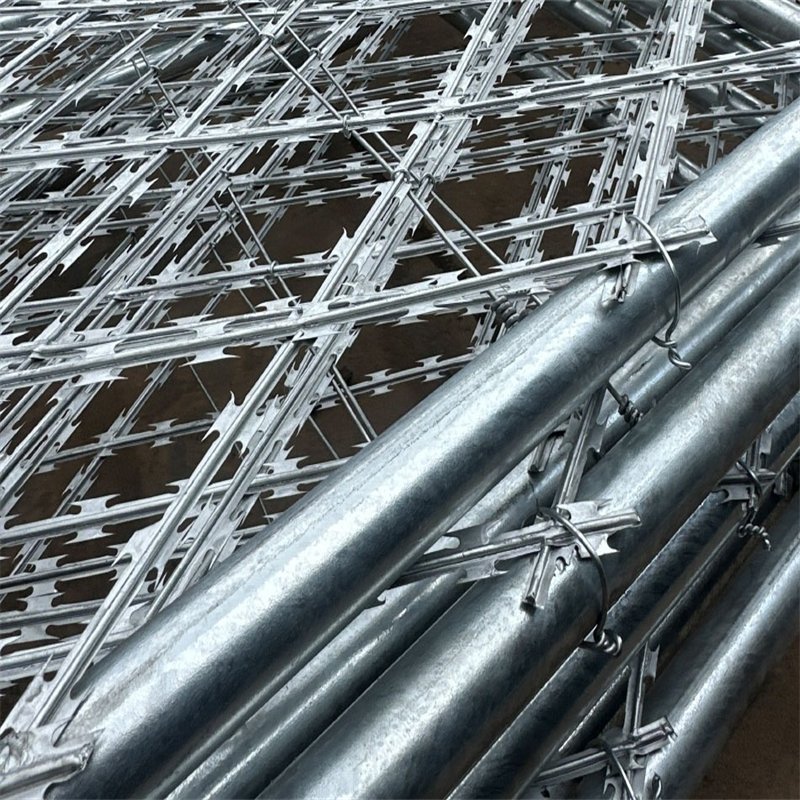
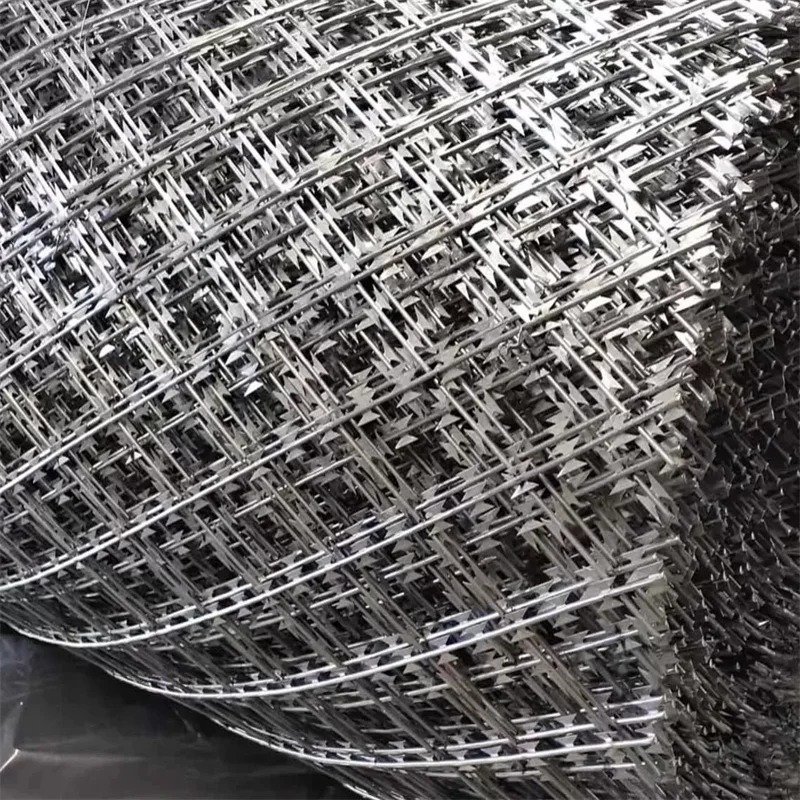
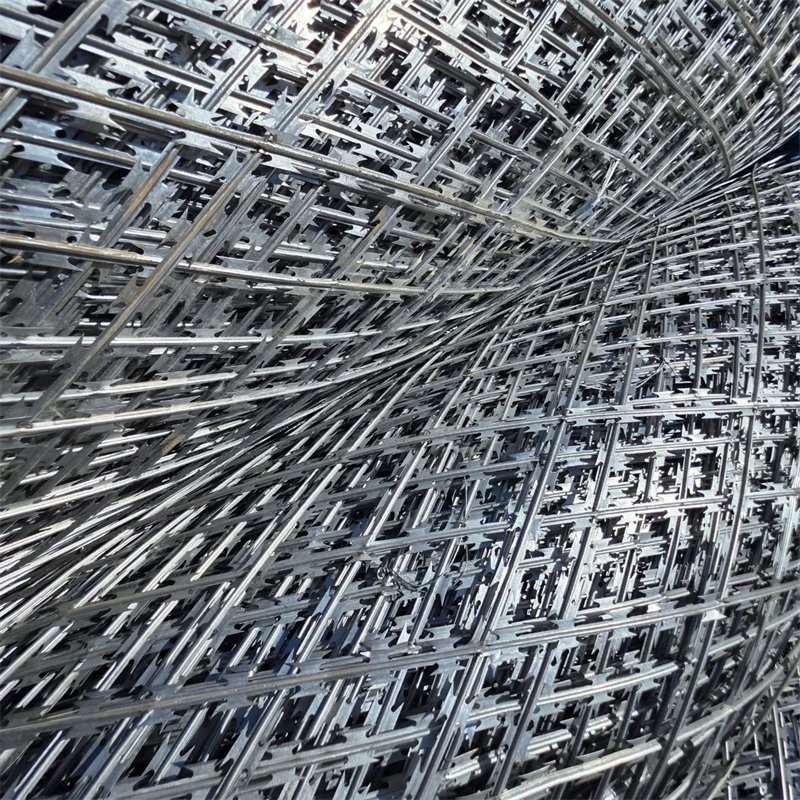
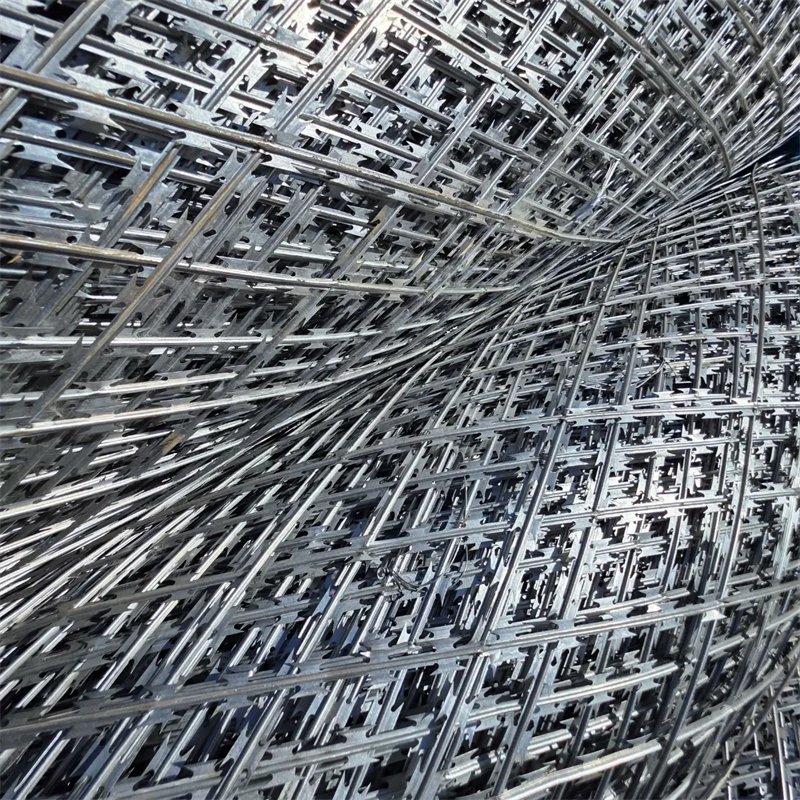
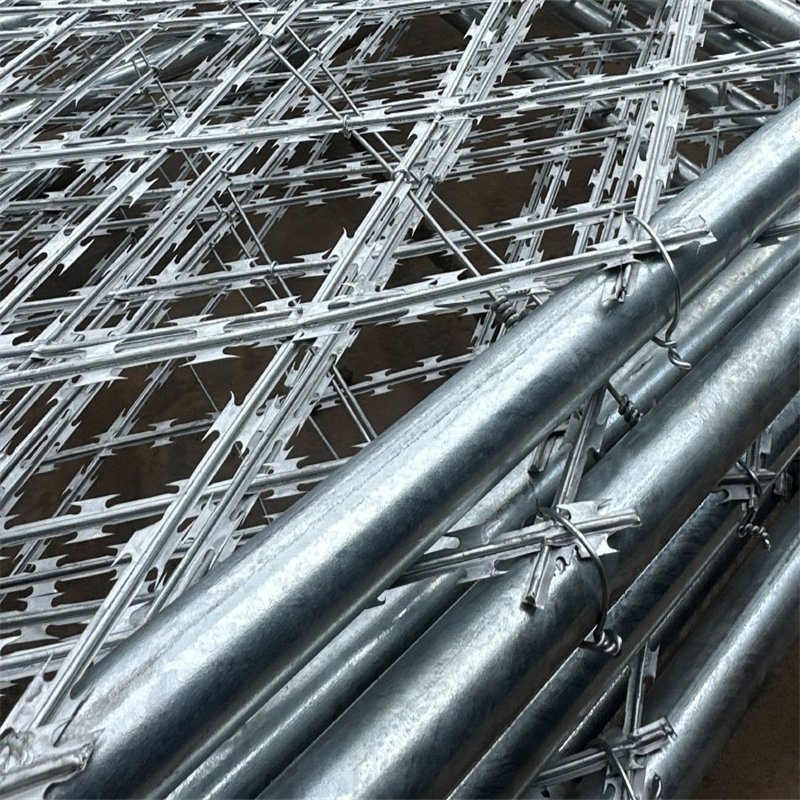
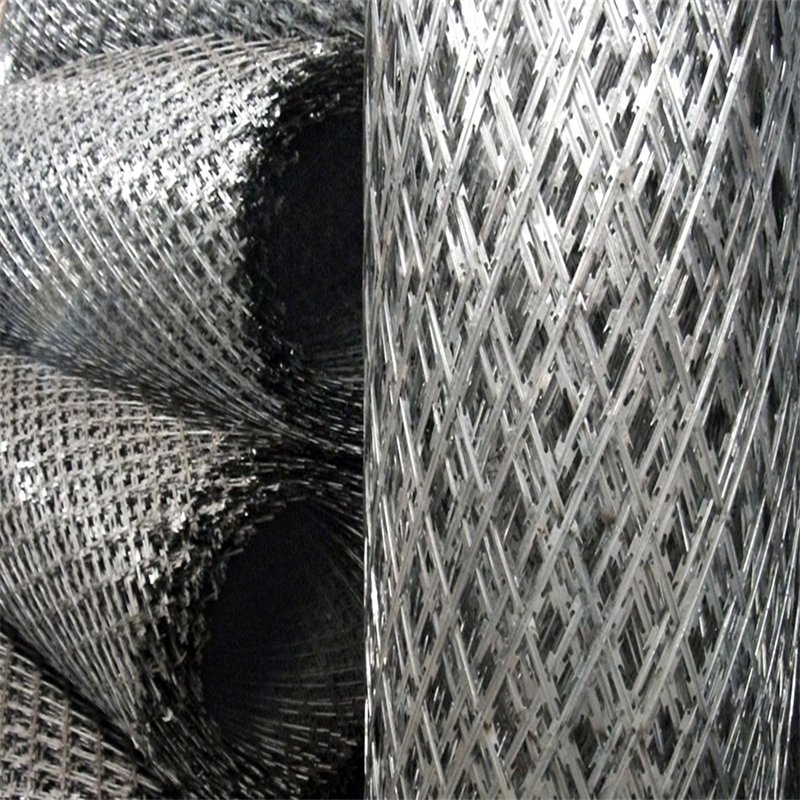
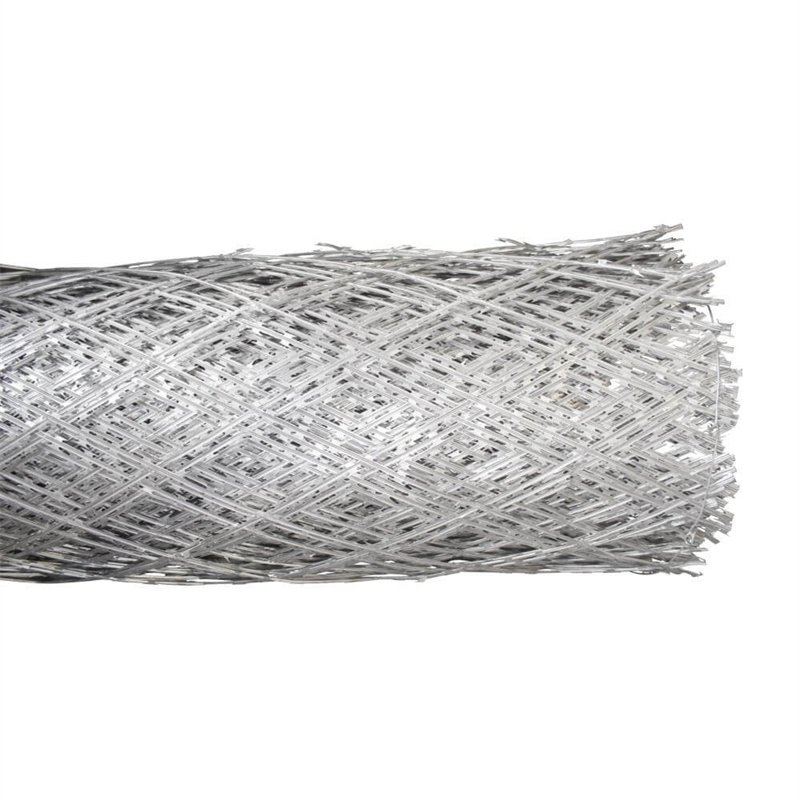
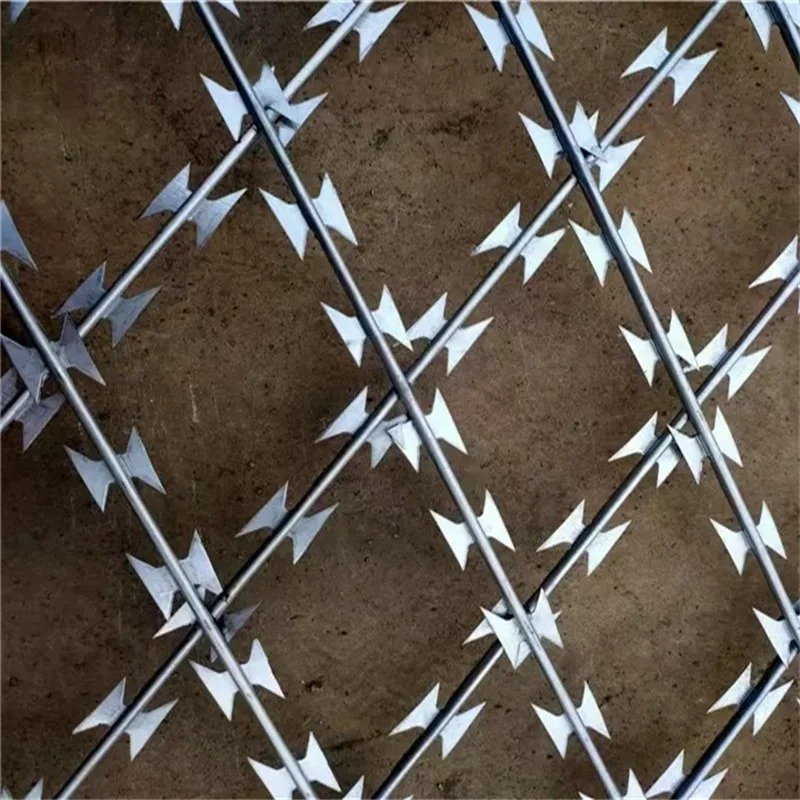
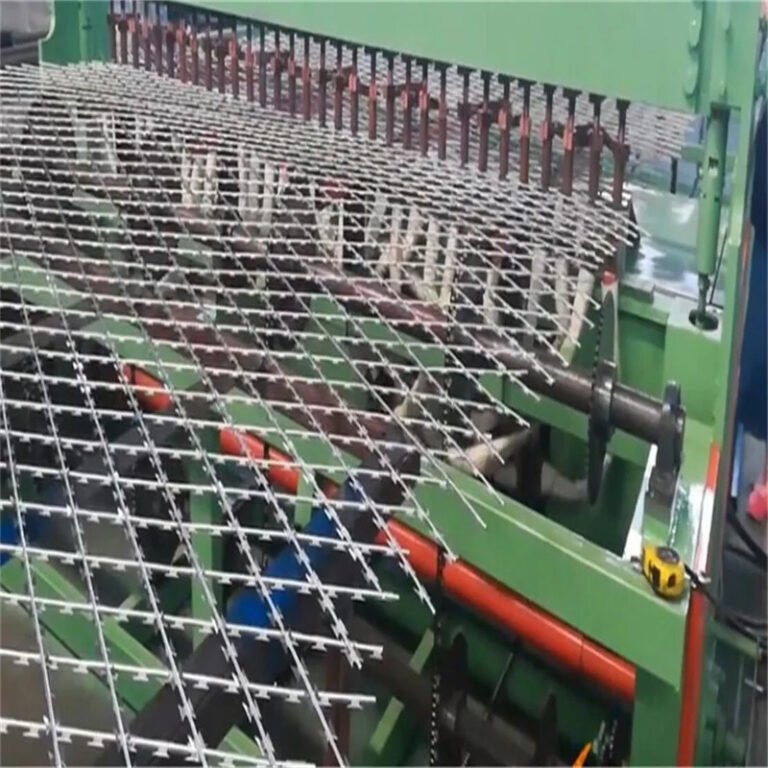
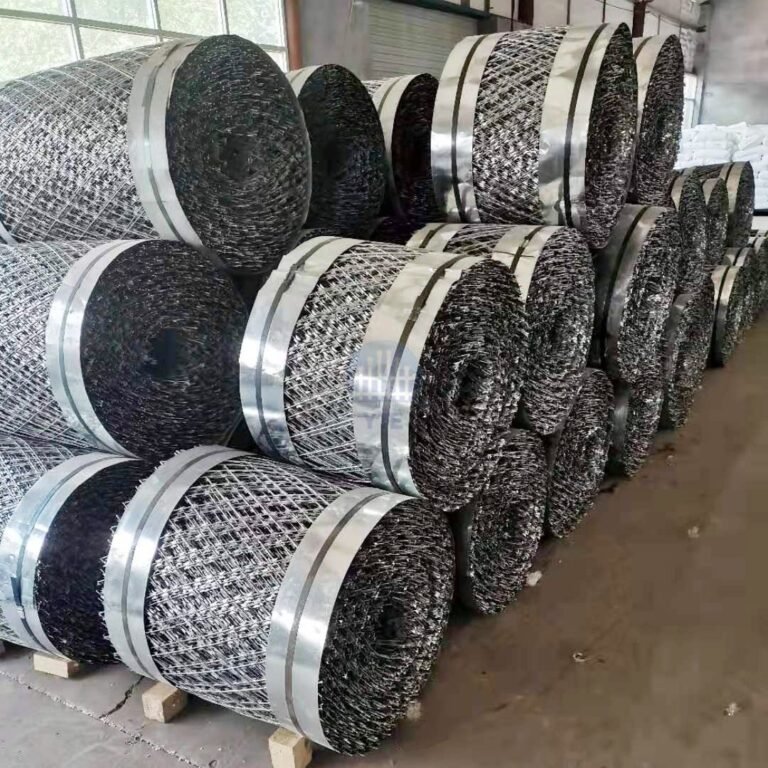
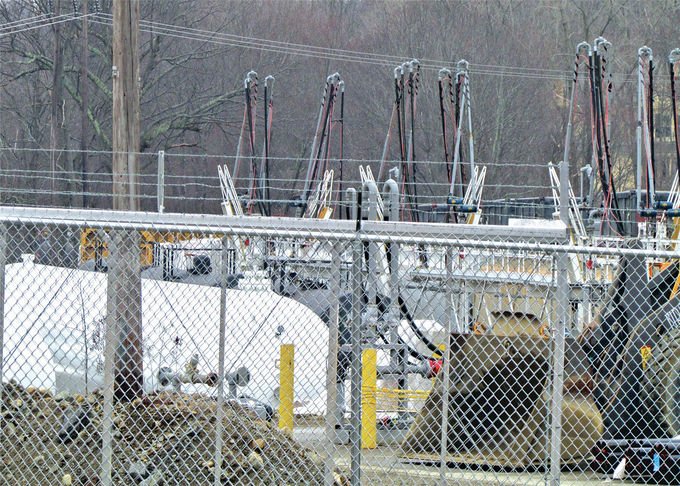
The three original product photographs below show additional razor mesh views. They remain in a table beside the inspection discussion. Each caption explains its purpose without claiming unverified test performance.
 |
 |
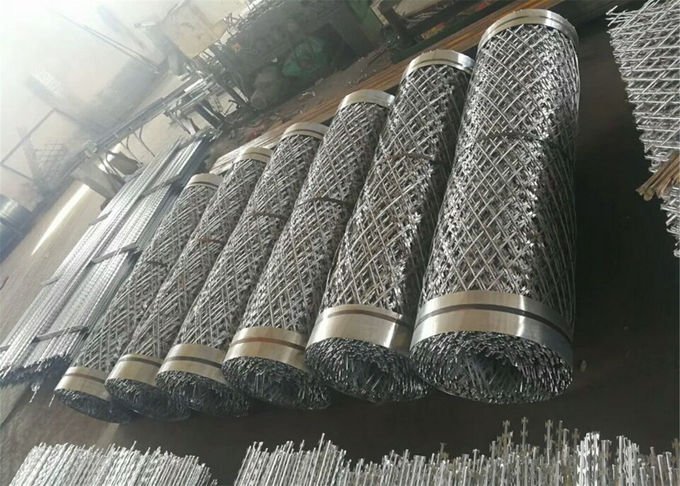 |
| Original reference: diamond blade-wire product. |
Original reference: finish and mesh details. |
Original reference: welded razor mesh configuration. |
Photographs help buyers identify shape and appearance. Actual acceptance needs drawings, measurements, and agreed inspection criteria. Request separate certificates whenever a contract requires tested material properties.
Razor Mesh Fencing Packing and Handling
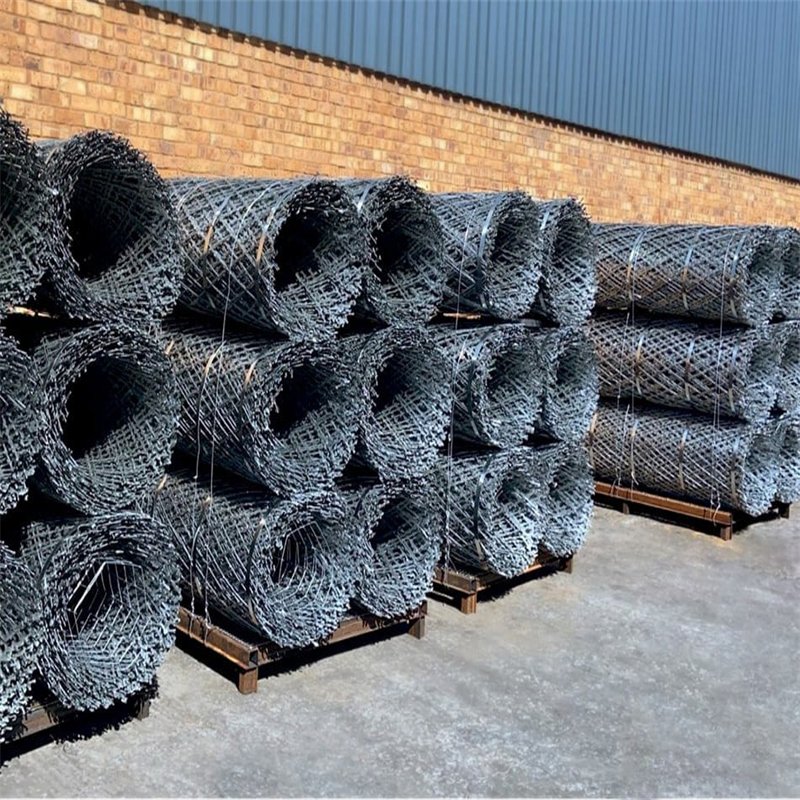
Razor mesh rolls and sheets require secure packaging to protect handlers and nearby cargo. Bundles need suitable restraint against spring-back or accidental movement. Clear handling warnings and trained unloading personnel are essential.
Protected pallets can simplify forklift movement when the package design suits the load. The packing list should identify rolls, dimensions, material grades, and gross weights. Keep accessory cartons separate from sharp mesh surfaces.
Safer Receiving and Storage
Receiving teams should inspect external wrapping before releasing restraints. Damaged packages require controlled handling procedures. Avoid storing sharp products near public access or ordinary pedestrian routes.
Corrosion checks should focus on exposed contact points and wet storage areas. Recording pallet condition improves claims and replacement decisions. Installation crews need their own approved protective equipment and work methods.
Razor Mesh Fencing Buying Checklist
A complete purchasing schedule must identify the product's intended installation and final dimensions. Buyers should separate mesh materials from structural support components. Clear documentation reduces misunderstanding across production, shipping, and construction teams.
- Identify diamond, square, or rectangular welded mesh.
- Specify aperture directions and approved overall sheet dimensions.
- Confirm BTO or CBT blade drawings and core-wire diameter.
- State galvanized or stainless material requirements.
- Approve post sections, supports, and safe gate arrangements.
- Check site restrictions and warning-sign requirements.
- Request coating tests, inspection records, and packing details.
- Verify usable installed length and handling procedures.
Documentation and Procurement Checks
Confirm the drawing revision on every purchase document. Final quantities should consider site openings, corner conditions, and approved overlaps. The supplier should also identify shipping terms and delivery responsibilities.
For related product comparisons, Welded Razor Wire Mesh covers other sheet sizes and blade references. Buyers should not transfer those values to another model without approval. Each order needs one coherent technical schedule.
Razor Mesh Fencing Frequently Asked Questions
Does razor mesh prevent every intrusion? No. Sharp welded strands discourage climbing and complicate some attacks. Effective protection also needs secure gates, surveillance, and response procedures.
Can it arrive in six-metre rolls? The original catalogue lists six-metre lengths and roll packaging. Actual transport geometry depends on the chosen construction. Confirm finished dimensions and safe unloading requirements.
Does galvanizing eliminate maintenance? Zinc can slow corrosion but cannot stop all damage. Inspect blade edges, welds, and fixing points regularly. Exposure and handling influence the required maintenance interval.
What Changes with Custom Diamond Size?
Different diamonds alter blade density, material use, and sightlines. The factory may also need to change its fabrication setup. Engineering and sample approval should precede unusual dimensions.
Large openings do not automatically create an acceptable public-facing barrier. Sharp blades still require access control. Project planners should evaluate any custom format against local safety obligations.
Razor Mesh Fencing Factory Supply from BMP
Boss Metal and Plastic Co., Ltd. supplies welded razor mesh and related steel security products for export projects. Our team can review aperture drawings, material grades, blade profiles, and protected packing. Each proposal should address both the security objective and safe site operation.
Send the boundary length, desired sheet height, selected aperture, coating requirements, and destination. Include any structural drawings or inspection standards. Complete details help us prepare a coordinated manufacturing and shipping quotation.