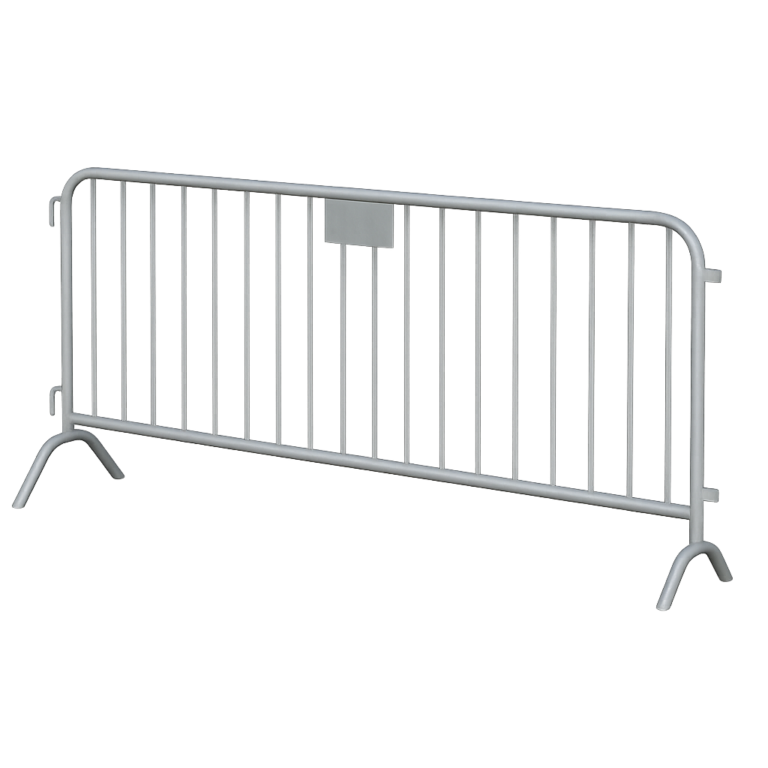
Description Steel Crowd Control Barriers for Organised Pedestrian Movement
Steel crowd control barriers create adaptable boundaries for events, public walkways, temporary works, and controlled entrances. Their tubular frames connect into continuous lines without permanent foundations. Organisers can redirect foot traffic as schedules, queues, and access points change.
BMP manufactures carbon-steel barricades with welded uprights, interlocking ends, and several removable foot designs. Buyers can select galvanised finishes or compatible coloured coatings. A practical system combines sound welding, appropriate stability, clear sightlines, and manageable storage.
For reusable event stock, Steel Crowd Control Barriers suit many ordinary pedestrian-guidance duties. Their purpose differs from tested stage-front crowd-pressure equipment. Every venue still needs a risk assessment covering crowd behaviour, ground conditions, and emergency routes.
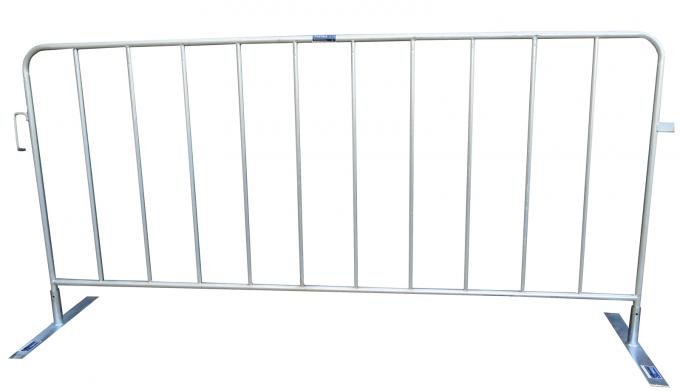 |
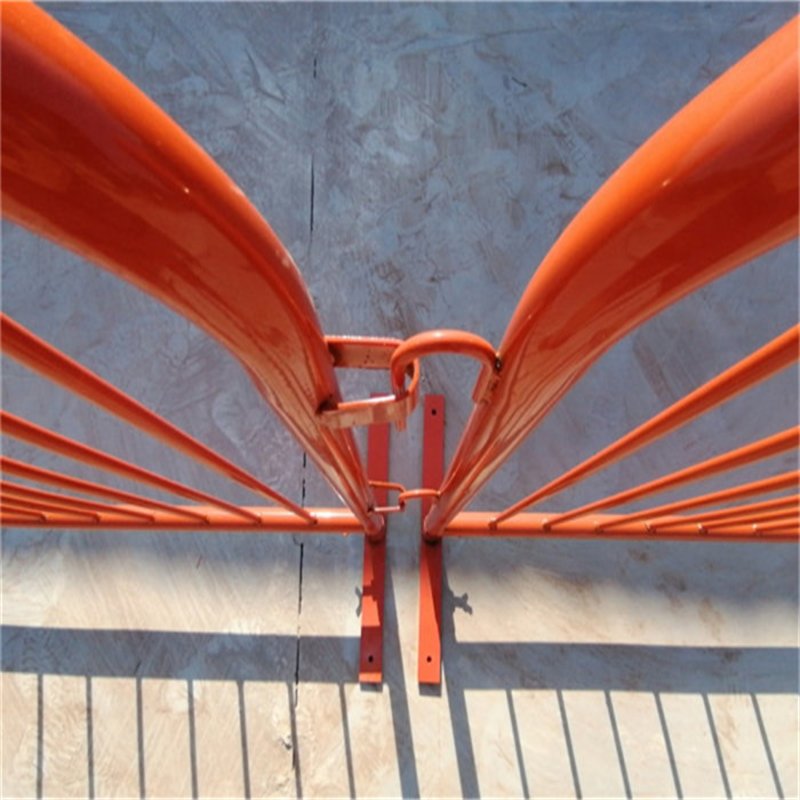
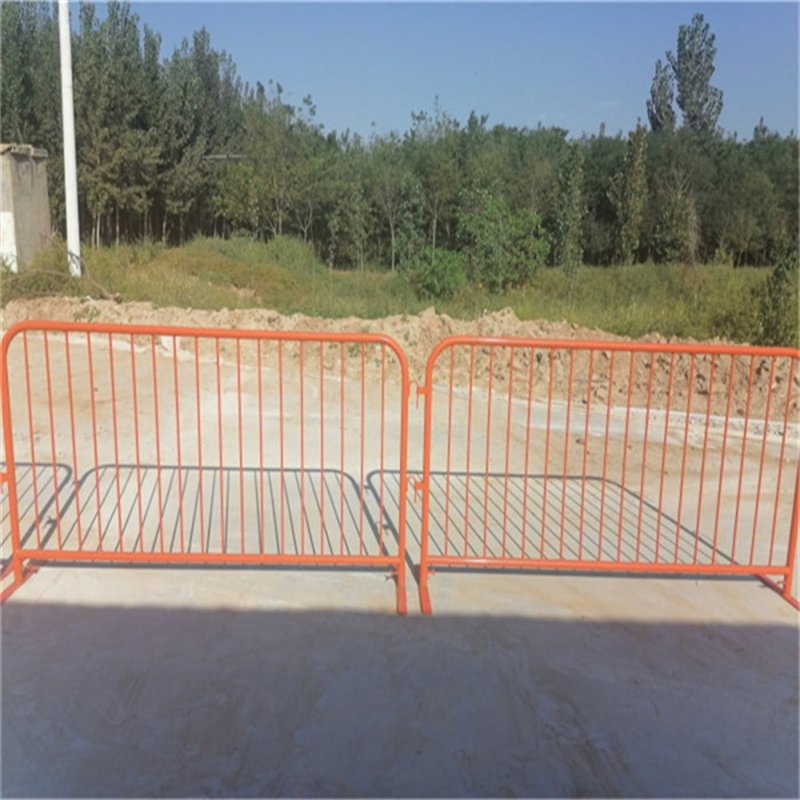
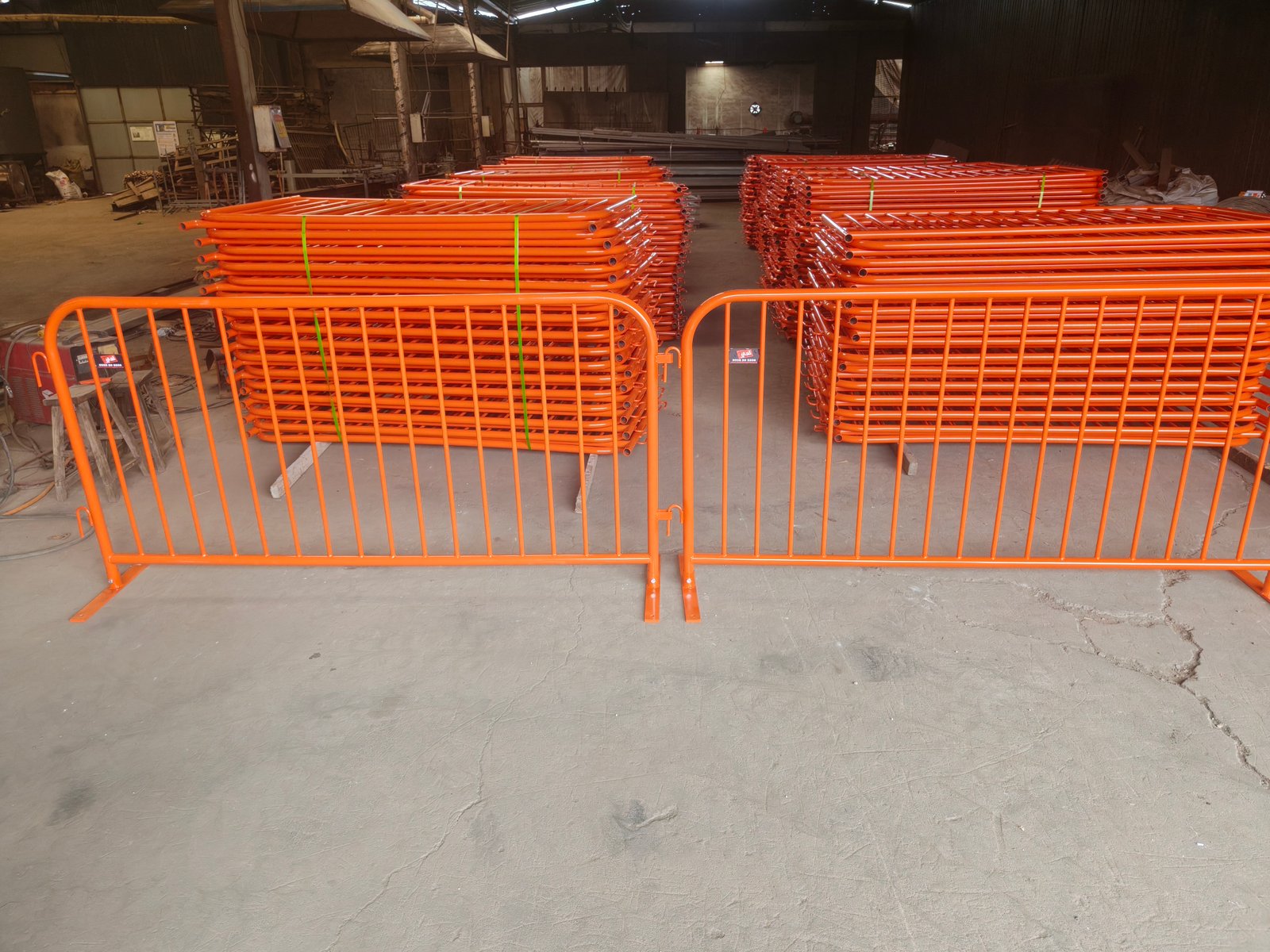
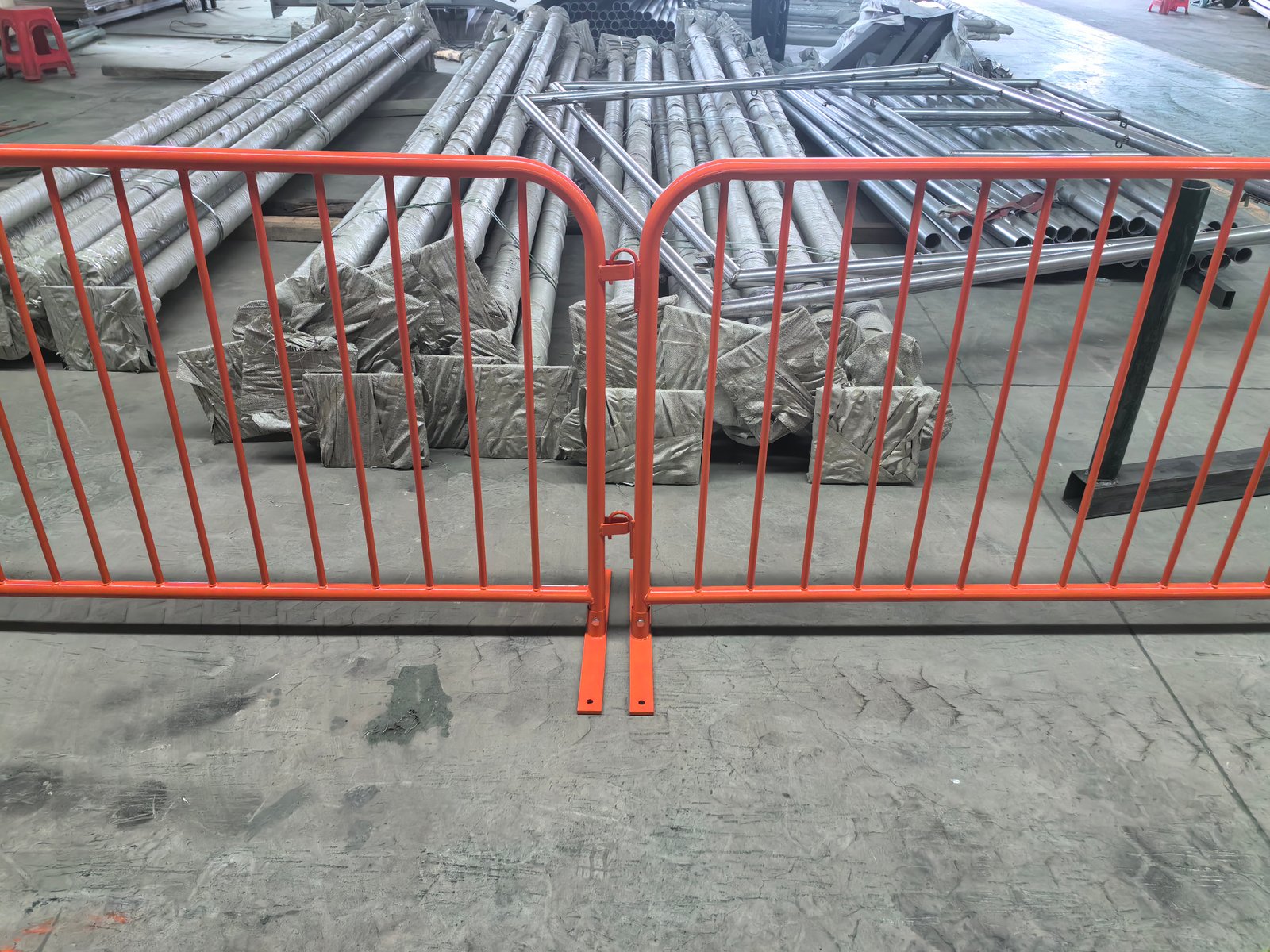
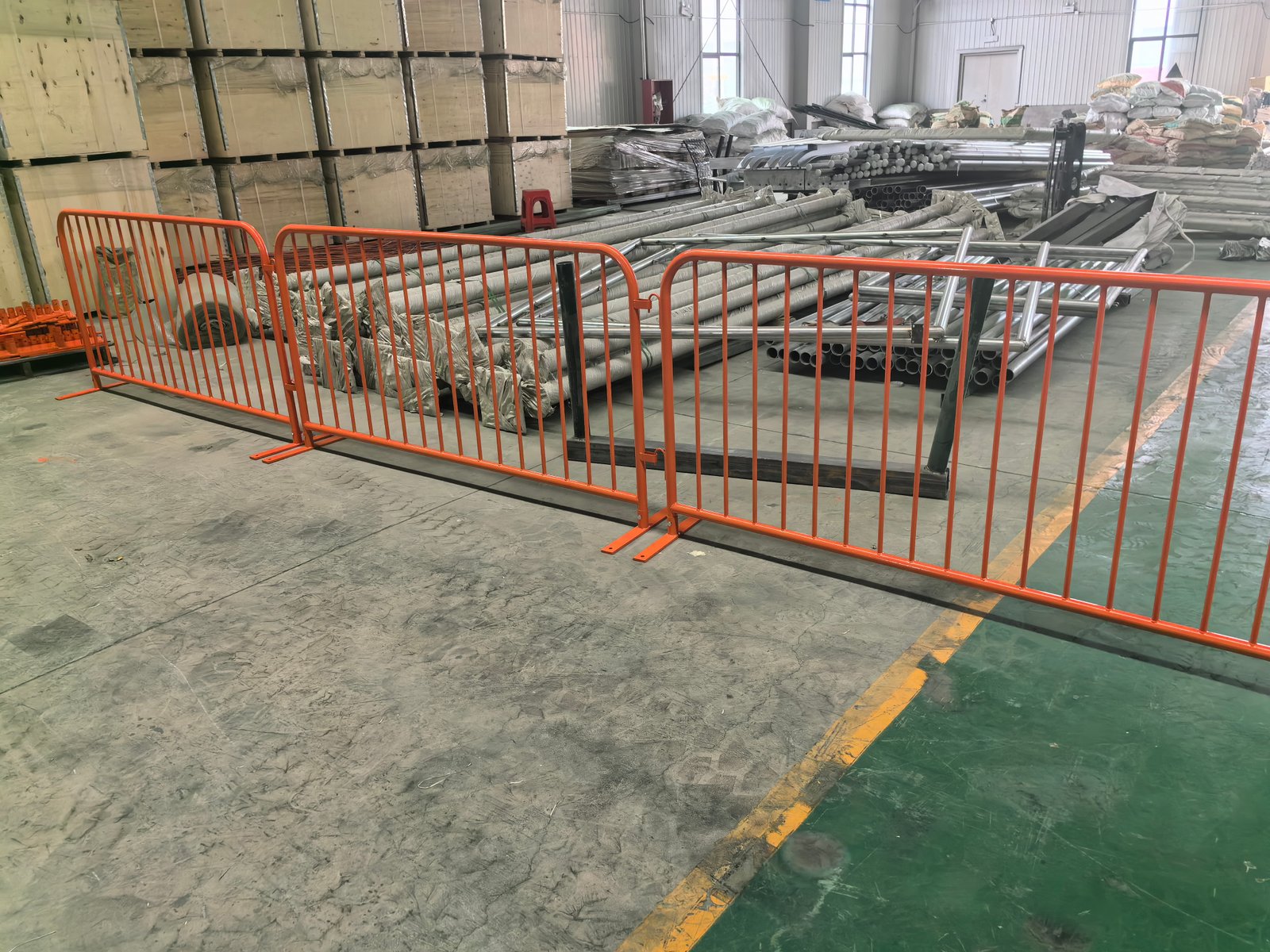
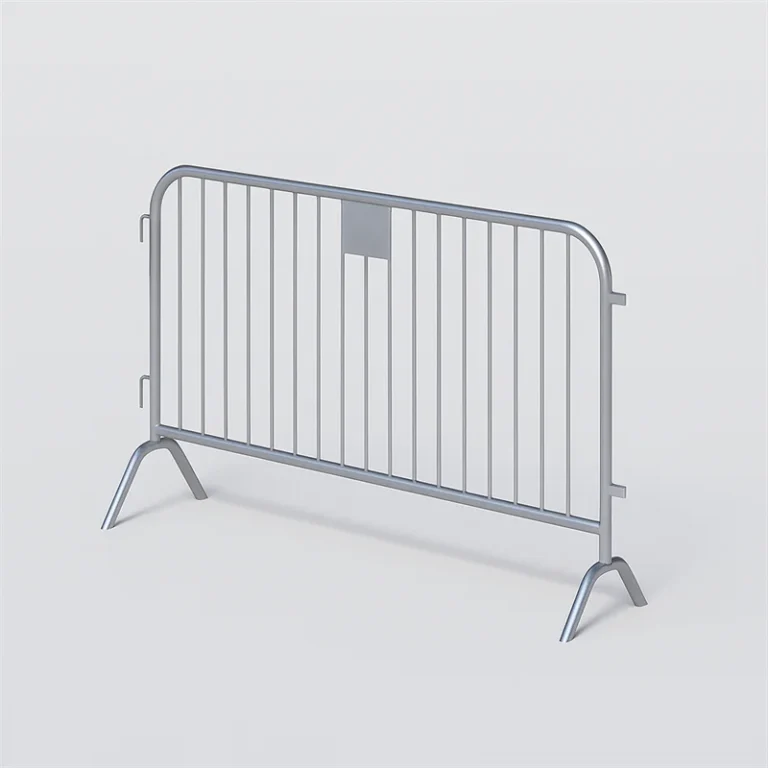
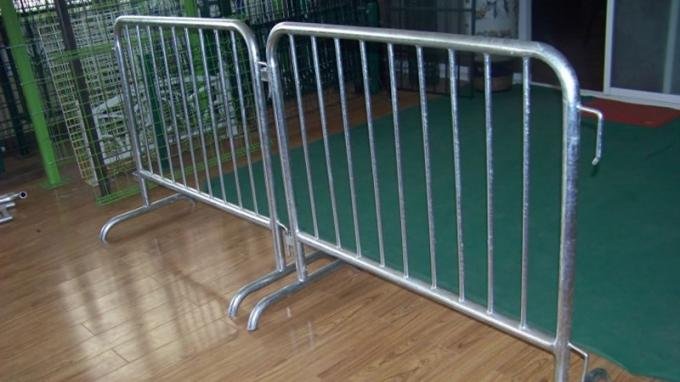
| Original product photograph: welded steel pedestrian barricade with visible upright spacing and removable-foot configuration. |
Why Portable Barricades Need a Complete System
A barrier line depends on more than a single welded panel. Foot geometry influences stability, while end hooks affect how neighbouring sections behave. Crew members also need safe lifting methods and a convenient storage arrangement.
Unlike long-term perimeter fencing, Crowd Control Barriers allow frequent layout changes. Teams can create queues, pedestrian diversions, and temporary waiting zones. Those arrangements require active supervision rather than treating linked panels as permanent security walls.
Steel Crowd Control Barriers Versus Fixed Perimeter Fencing
Permanent ClearVu Fence Panels serve a different security function. They normally use fixed posts, foundations, and high-density welded mesh. Portable crowd barriers guide movement but cannot provide the same perimeter resistance.
Large events may use both products in separate zones. A fixed boundary can enclose a venue, while portable panels form internal queues. Keeping these duties separate improves equipment selection.
Hook and Half-Loop Connections
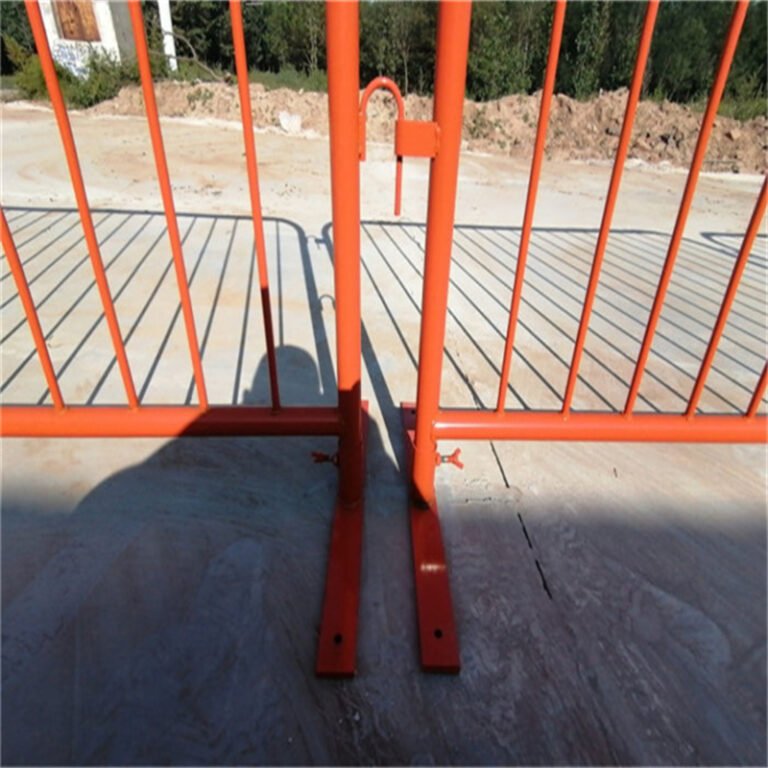
Traditional steel barricades connect with a welded hook and matching half-loop at opposite ends. The connection lets crews form continuous runs without loose joining clamps. Actual hook geometry determines which models can connect.
Manufacturers should confirm fitting alignment and weld quality before dispatch. Do not assume interlocks prevent every panel movement or deliberate disconnection. Staff must inspect connected runs after repeated public use.
Steel Crowd Control Barriers: Tube Construction and Welding
The supplied catalogue describes a 1.5-inch outside-diameter frame with 16-gauge steel tubing. Its reference uprights use 0.5-inch outside-diameter tubing. These imperial figures describe one construction family, not every available BMP model.
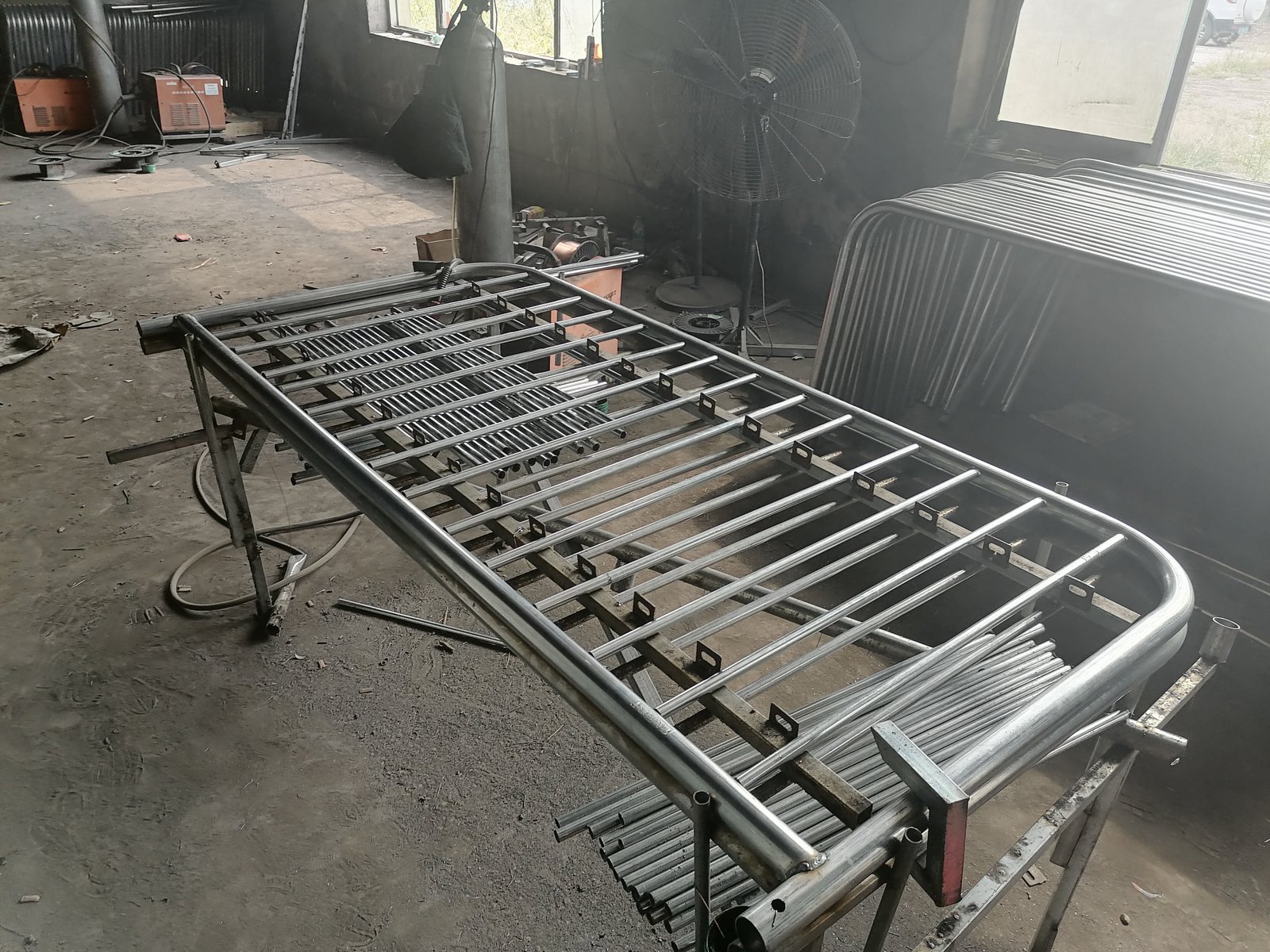
During assembly, operators position the uprights within the frame before welding their connections. Straight spacing and consistent contact improve the finished appearance. Inspect corners and weld areas for distortion, cracking, and sharp edges.
Some Metal Crowd Control Barriers use other frame diameters and upright counts. Compare complete drawings instead of mixing measurements from unrelated products. Weight, handling, and stacking behaviour also change with tube thickness.
Upright Spacing and Pedestrian Visibility
The original reference specifies 110, 120, or 150 mm upright spacing. Gaps affect visibility and interaction near waiting lines. A particular event may require additional safeguards around children, equipment, or accessibility routes.
Uprights should remain straight and securely joined to both frame rails. Rounded exterior corners reduce snagging during handling. Finished panels need a consistent lower rail clearance suited to their feet.
Steel Crowd Control Barriers Galvanized After Welding
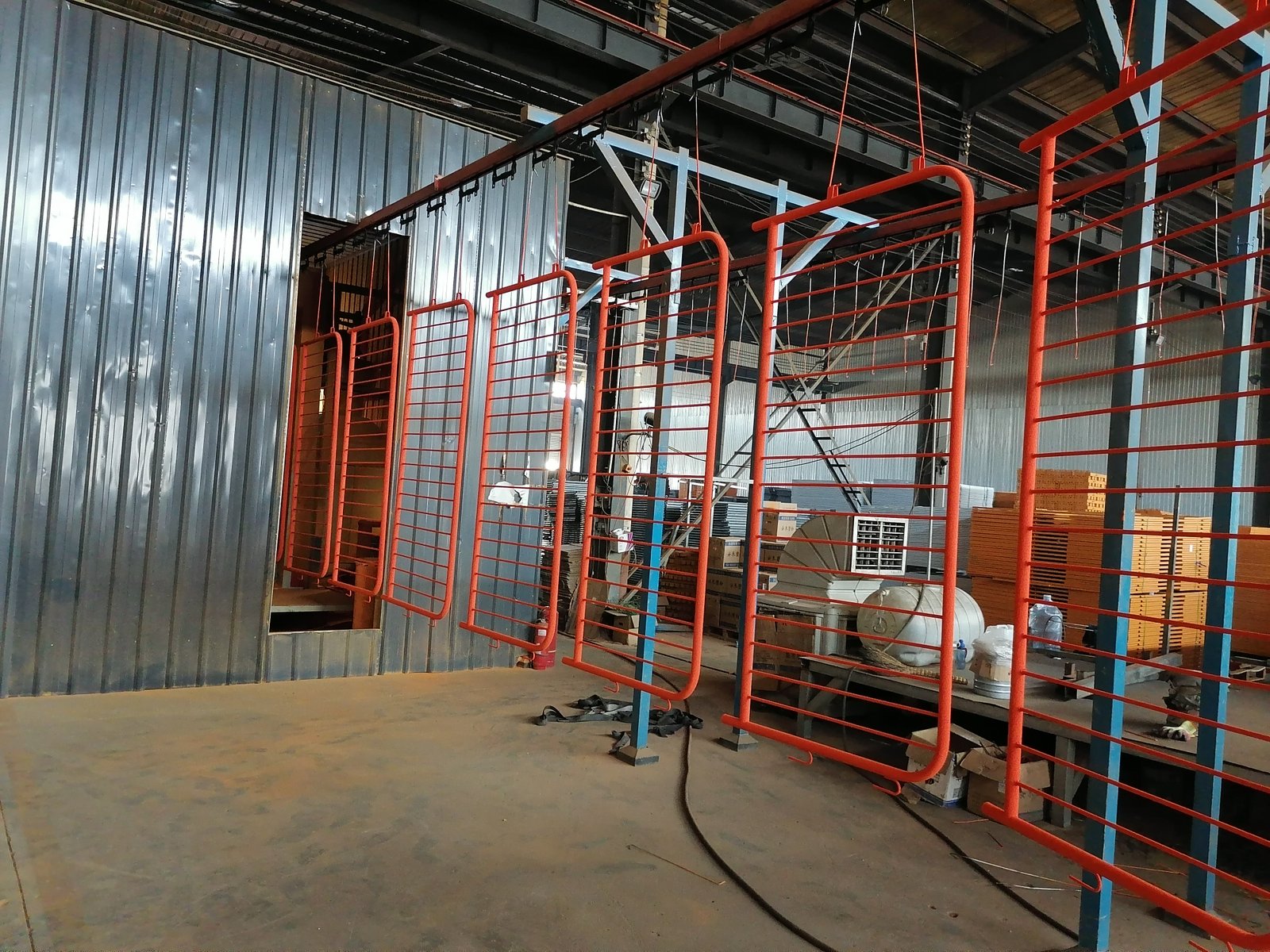
Hot-dip galvanizing after fabrication coats suitable welded assemblies with zinc. The process can protect welded joints and internal surfaces when preparation and venting are correct. Buyers should specify the applicable coating requirements and inspection method.
Some products instead use pre-galvanized tubes or compatible powder-coated finishes. These manufacturing routes are not identical. Confirm the selected process before comparing corrosion performance or accepting a coating certificate.
Steel Crowd Control Barriers and Four Foot Designs
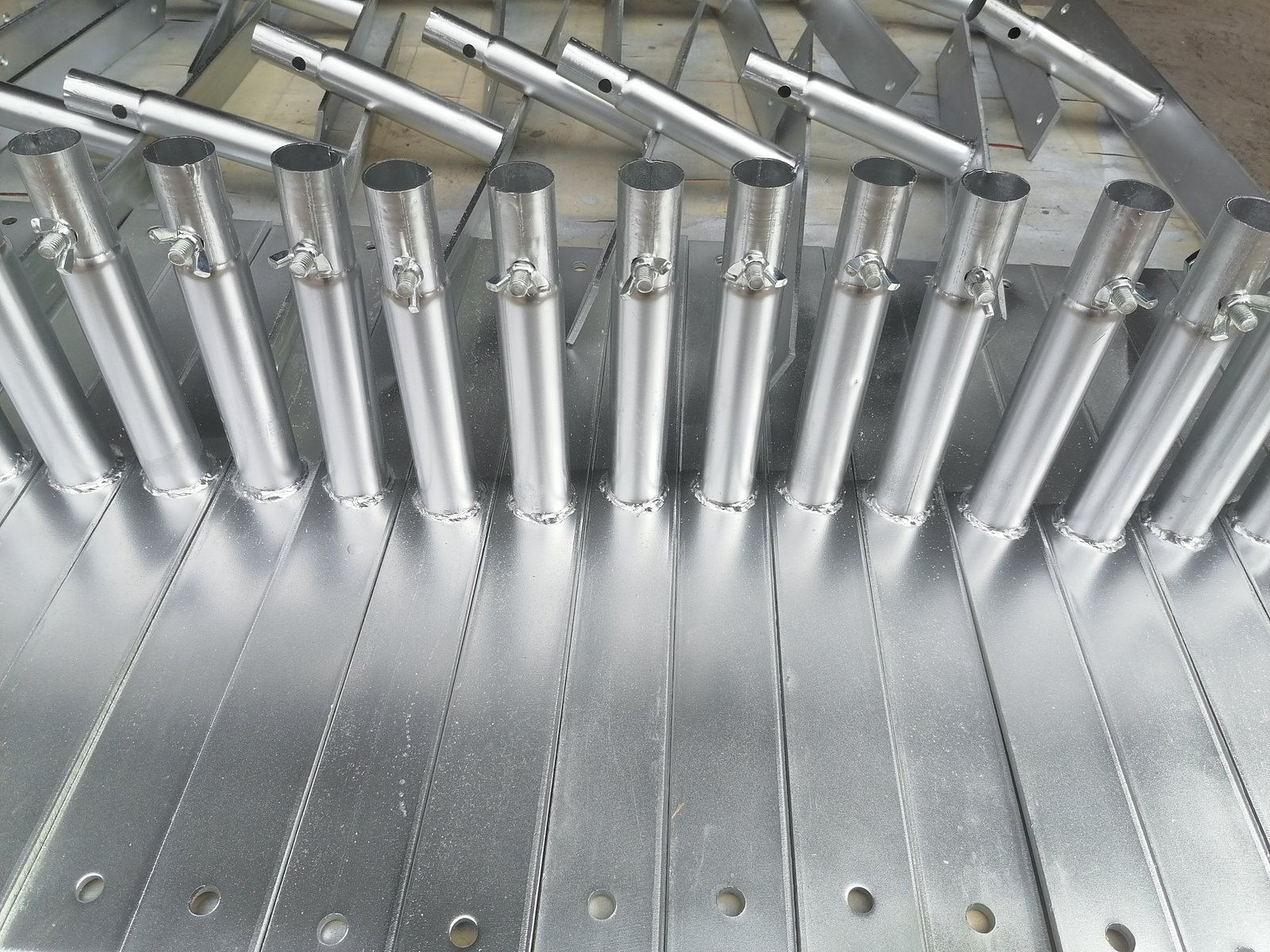
Foot choice influences pedestrian comfort, panel balance, stacking, and ground contact. Flat, cross, bridge, and wheeled configurations serve different operating conditions. No single foot guarantees stability on every surface.
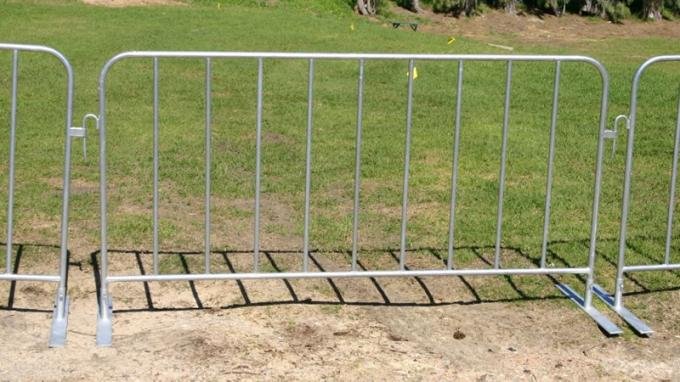
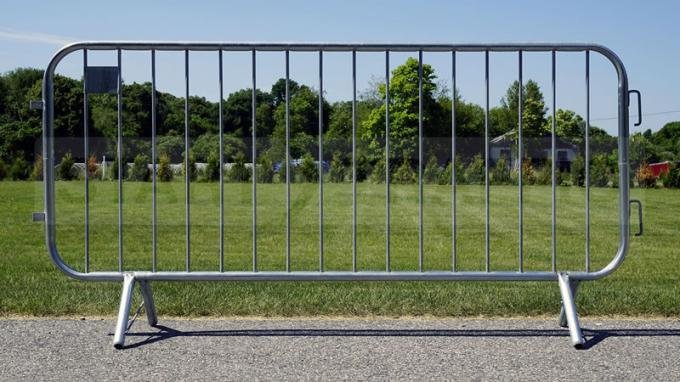
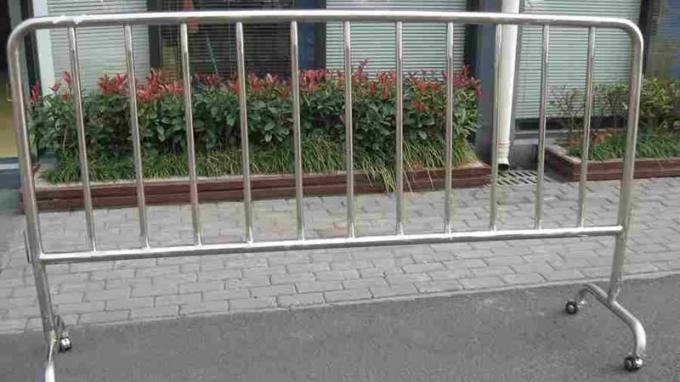
The four original product photographs appear together below, matching the source article's comparison-table layout. Their captions identify the actual foot categories. Select each arrangement through an event-specific assessment.
| Flat Feet |
Cross Feet |
Bridge Feet |
Bridge Feet with Wheels |
 |
 |
 |
 |
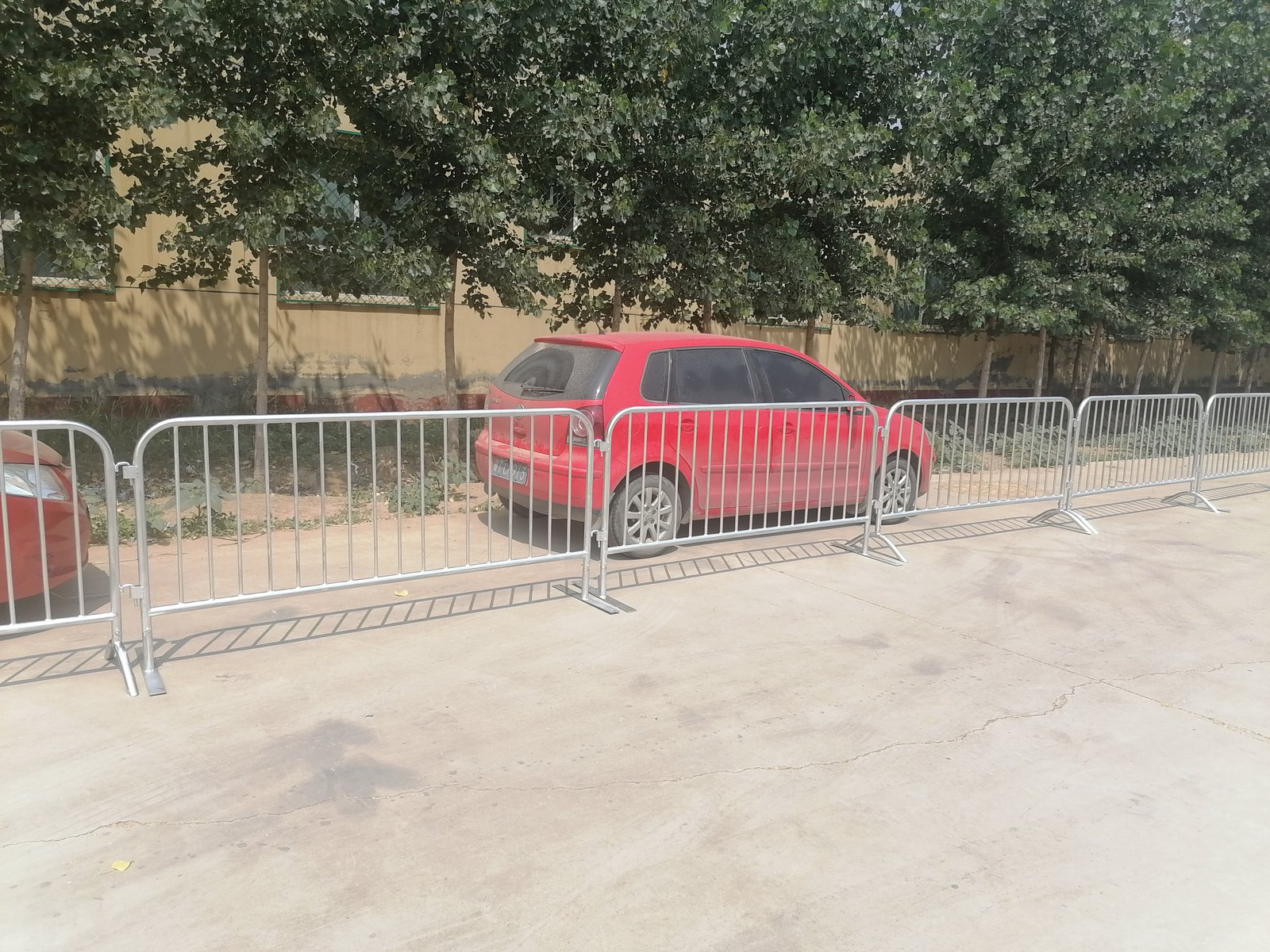
| Original flat-foot barrier configuration. |
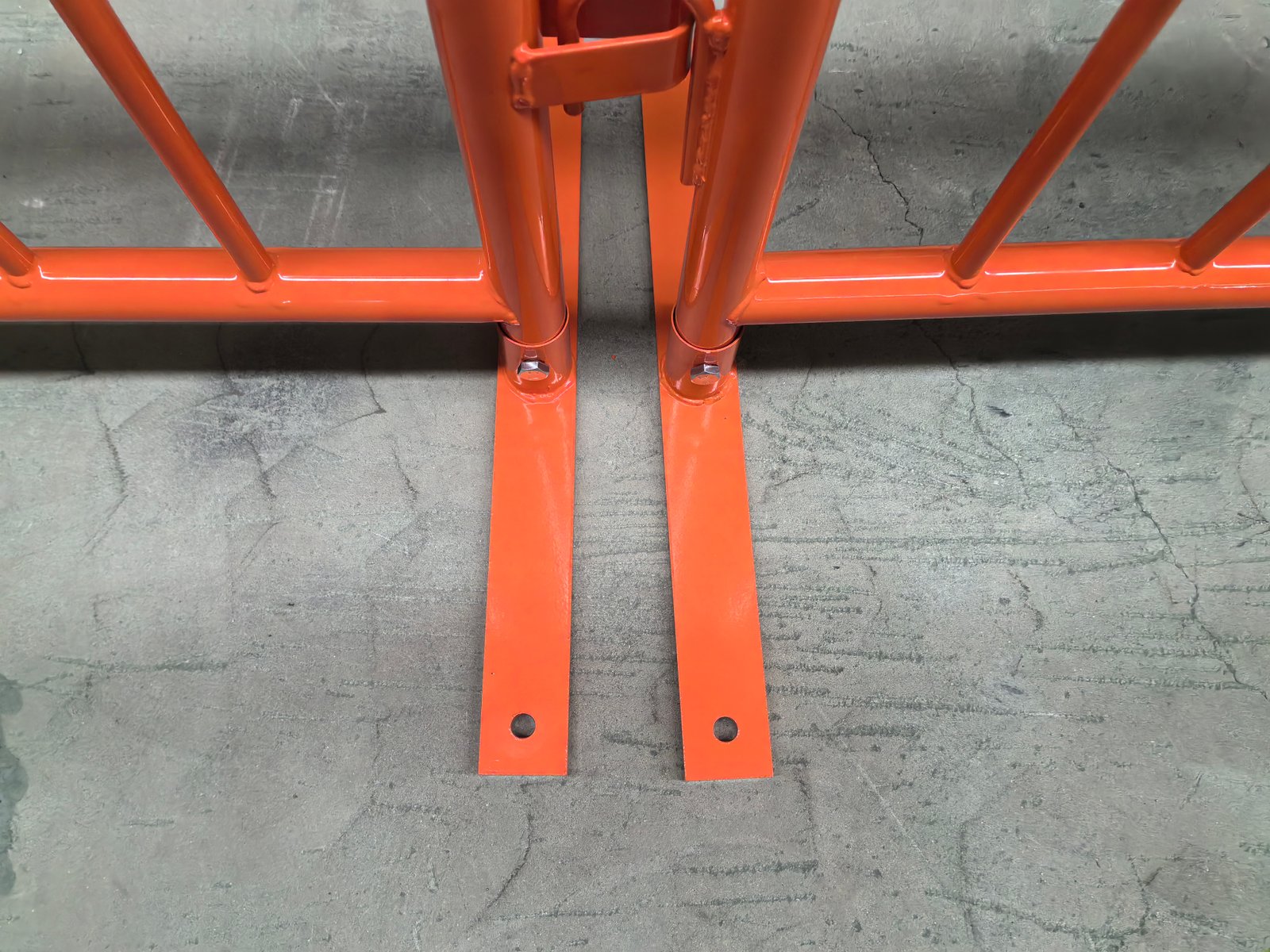
Original cross-foot support configuration. |
Original bridge-foot barricade configuration. |
Original wheeled-foot reference for controlled movement. |
Flat Feet for Paved Routes
Flat steel feet offer a comparatively low profile on firm, even ground. Ticket queues, exhibition halls, and paved concourses often benefit from this approach. Inspect protruding edges where visitors may walk close to the frames.
Suitable Crowd Control Barriers for Sale can include removable flat bases. Match the foot stem to its receiving tube. Check floor protection and any permitted anchoring method before installation.
Steel Crowd Control Barriers with Cross Feet
Cross feet distribute support in two directions and appear on several portable barricade families. They may suit temporary arrangements where ground clearance allows their shape. Their projecting members still need careful placement.
Visitors should not encounter unexpected foot extensions within a narrow walking lane. Inspect the support connection after repeated movement. Never choose cross feet based on appearance alone.
Bridge Feet for Grass and Uneven Surfaces
Bridge feet can provide a practical stance on certain grass, gravel, or uneven surfaces. Their raised profile changes the contact points and the available ground clearance. Organisers must assess soft soil, slopes, and crowd movement.
Heavy Duty Crowd Control Barriers offer bridge-foot and fixed-foot configurations. That product description does not establish certified resistance to crowd crush. High-pressure locations require suitable specialist barriers.
Steel Crowd Control Barriers with Wheels
Wheeled attachments can simplify repositioning within controlled service areas. They also introduce movement risks if operators lack suitable locks or restraints. Check the actual wheel specification before deployment.
Do not use a mobile configuration as an ordinary unrestrained crowd-pressure barrier. Staff should secure the equipment before allowing public access. Storage and wheel maintenance also deserve attention.
Steel Crowd Control Barriers Reference Specification Table
The original catalogue lists five length options and four height options. It also identifies three frame wall thicknesses and several upright dimensions. These ranges describe alternatives rather than one fixed product assembly.
All dimensions need confirmation against the approved production drawing. Foot lengths may vary with the market and model. Mixed imperial and metric descriptions require a consistent purchasing schedule.
| Component |
Original Reference Options |
Buyer Check |
| Panel length |
6.5 / 7.0 / 7.5 / 8.0 / 8.5 ft |
Confirm finished outside width |
| Panel height |
36 / 40 / 47 / 60 in |
Confirm selected height by project |
| Frame tube |
OD 38 × 1.5 / 1.8 / 2.0 mm |
Specify actual outside diameter and wall |
| Inner tube |
OD 12 × 1.2 / 1.5 mm; OD 16 × 1.5 mm |
Identify compatible upright count |
| Upright distance |
110 / 120 / 150 mm |
Define pitch or clear gap |
| Flat foot |
50 × 580 × 6 mm |
Confirm stem and fixing dimensions |
| Bridge foot |
675 × 500 mm reference footprint |
Confirm actual frame geometry |
| V-shaped foot |
270 mm reference height |
Check ground clearance and stability |
| Connection |
Steel hook and half-loop |
Approve connection orientation |
| Surface treatment |
Pre-galvanized welded tubes; post-weld galvanizing; optional PVC or powder coating |
Specify one approved finish process |
Tube Thickness, Upright Count and Finished Weight
A thicker frame can affect durability, shipping weight, and lifting requirements. Upright count also changes with length and spacing. Request finished product weights rather than estimating from nominal tube dimensions alone.
For another reference, Crush Barrier M125 lists a different bar arrangement. Compare its exact drawings and verified test reports before selecting it. A product name alone cannot demonstrate suitability for dense crowds.
Designing Pedestrian Routes for Actual Events
Queue management needs routes people can understand and staff can supervise. Clear entrances and visible turn points help prevent unnecessary cross-flow. Barriers should support the operating plan rather than create hidden dead ends.
Professional guidance recommends considering crowd behaviour, surface conditions, weather, and potential loads. High-density audiences may require dedicated stage-front or load-rated systems. Standard portable barricades should not replace that specialist equipment. UK Health and Safety Executive guidance explains this distinction.
Steel Crowd Control Barriers for Queues and Entry Lanes
Linked panels help staff form winding queues around ticketing areas and controlled entrances. Widths should support expected users and accessible movement. Avoid abrupt corners that funnel visitors into narrow spaces.
Pedestrian Barriers offer multiple removable-foot options for public events. A consistent layout helps visitors recognise where to walk. Staff must still check connections during peak periods.
Sporting Events, Festivals and Public Spaces
Temporary barricades can define race routes, viewing edges, registration zones, and event service corridors. Each activity creates different movement patterns and crowd concentrations. Review weather and site access before the event opens.
For venues with changing plans, Crowd Control Barriers South Africa covers several steel configurations. Colour-coded panels may help distinguish public lanes from backstage access. Signs should remain clear and visible.
Steel Crowd Control Barriers for Construction Walkways
Worksites often need temporary pedestrian diversions around maintenance, excavation, and deliveries. Steel panels can identify safe walking routes when the risk assessment supports their use. Heavy machinery and vehicle impact hazards require different protection.
Temporary Event Fencing uses taller mesh panels for other isolation needs. Those products differ from waist-height pedestrian barriers. Do not substitute one type for another without checking the hazard.
Outdoor Conditions: Coastal Air, Rain and Uneven Ground
Outdoor barriers encounter different conditions across South Africa, Australia, and other export markets. Durban and Cape Town installations may face salt deposits and persistent coastal moisture. Inland venues often manage dust, heat, and sudden storms.
Post-weld zinc protection can help manage corrosion where coating quality meets the specification. Salt-spray tests do not guarantee a precise outdoor service life. Inspect scratches, welded joints, and trapped water after use.
Steel Crowd Control Barriers Weather Protection
Galvanizing should cover suitable accessible steel surfaces and welded areas according to the agreed process. Powder coating can improve visibility and add a compatible exterior finish. Buyers need distinct acceptance criteria for zinc and powder layers.
Temporary Crowd Control Barriers illustrate galvanised and coloured designs for outdoor events. Wind, attached signage, and crowd pressure can change stability requirements. Assess those factors before extending long barrier runs.
Maintenance Between Events
Rental fleets benefit from a consistent return inspection after each deployment. Bent frames, loose feet, damaged hooks, and cracked welds should trigger repair or quarantine. Cleaning helps reveal corrosion and surface defects.
Storage teams should separate mismatched feet and label compatible panels. A simple register can track damaged units and replacement fittings. Good maintenance reduces unexpected delays during event setup.
Manufacturing and Quality Inspection
BMP's reference process moves from material preparation through cutting, welding, finishing, packing, and loading. Production control should check tube dimensions before assembly. Inspectors also need clear acceptance criteria for welds and finished coatings.
Steel Crowd Control Barriers Production Process
- Check incoming steel tubing, diameter, wall thickness, and straightness.
- Cut frame and upright components to the approved dimensions.
- Align and weld the frame, infill members, and interlocking ends.
- Apply the selected galvanized or compatible coated finish.
- Inspect dimensions, sharp edges, welds, and coating quality.
- Pack compatible feet and panels for container loading.
The next image preserves the original manufacturing-process illustration. Each stage needs its own inspections and records. Production schedules depend on model complexity and finish requirements.
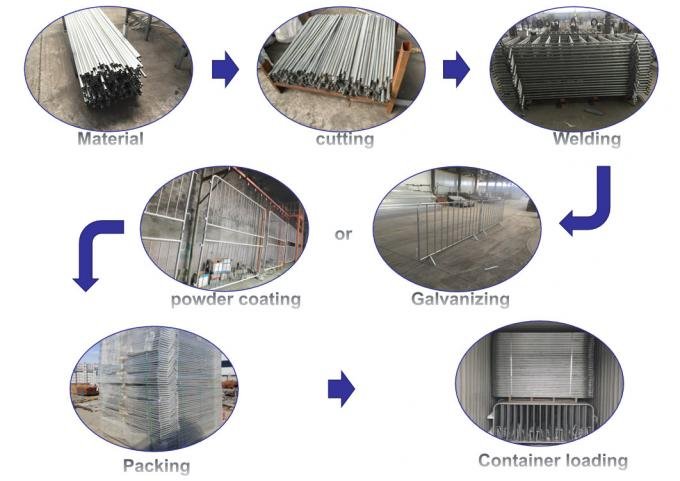 |
| Original production reference: material preparation, welding, protective finishing, packing, and container loading. |
Steel Crowd Control Barriers Export Packing
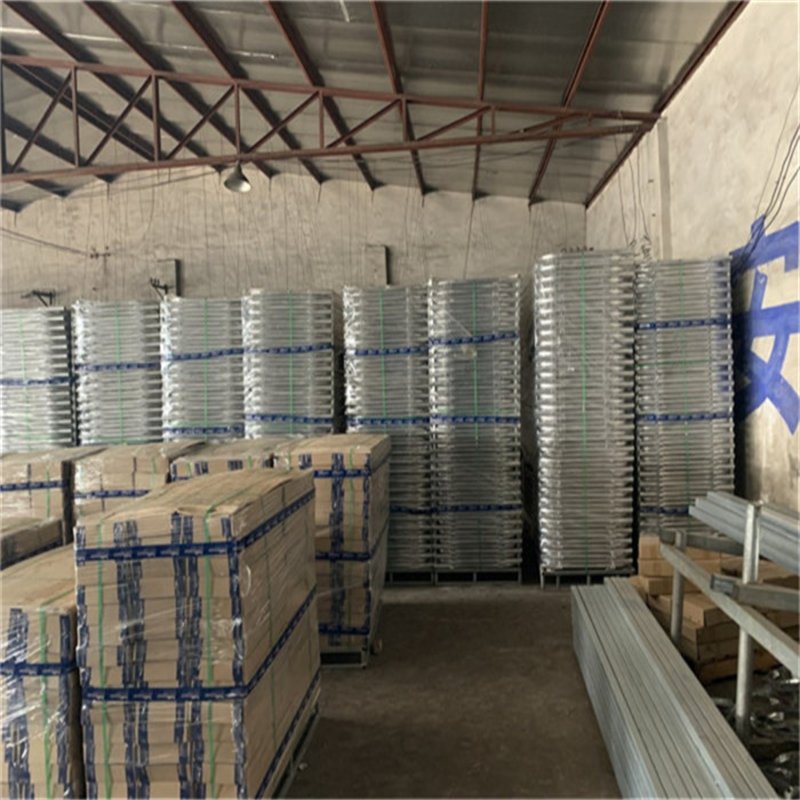
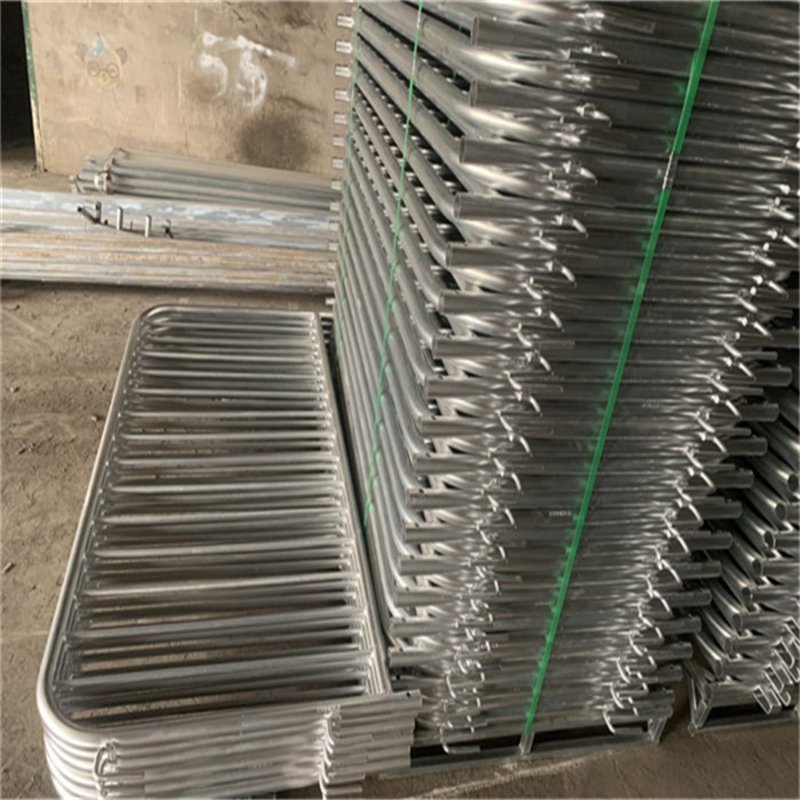
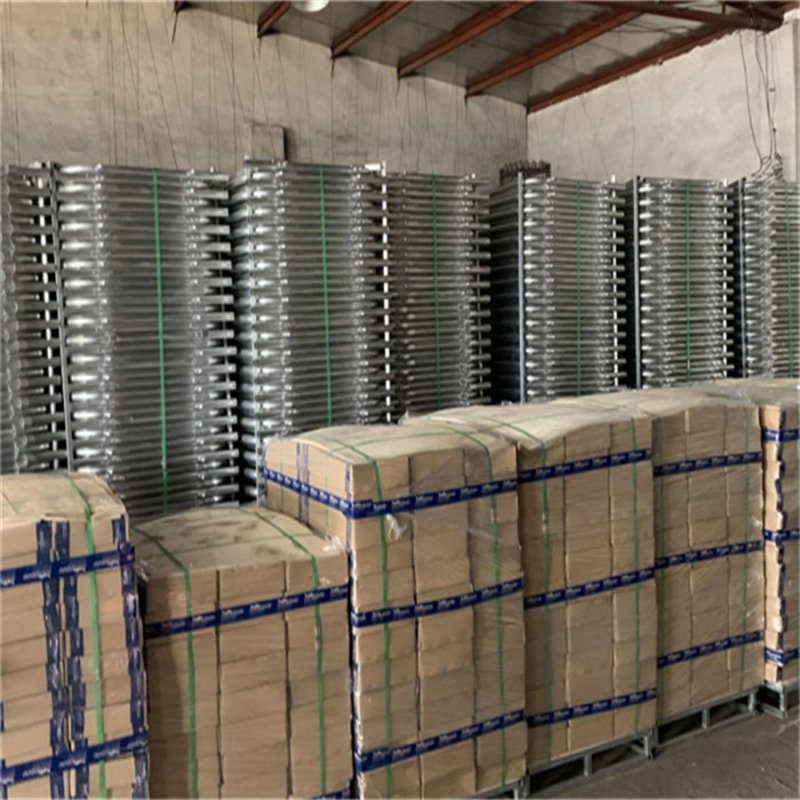
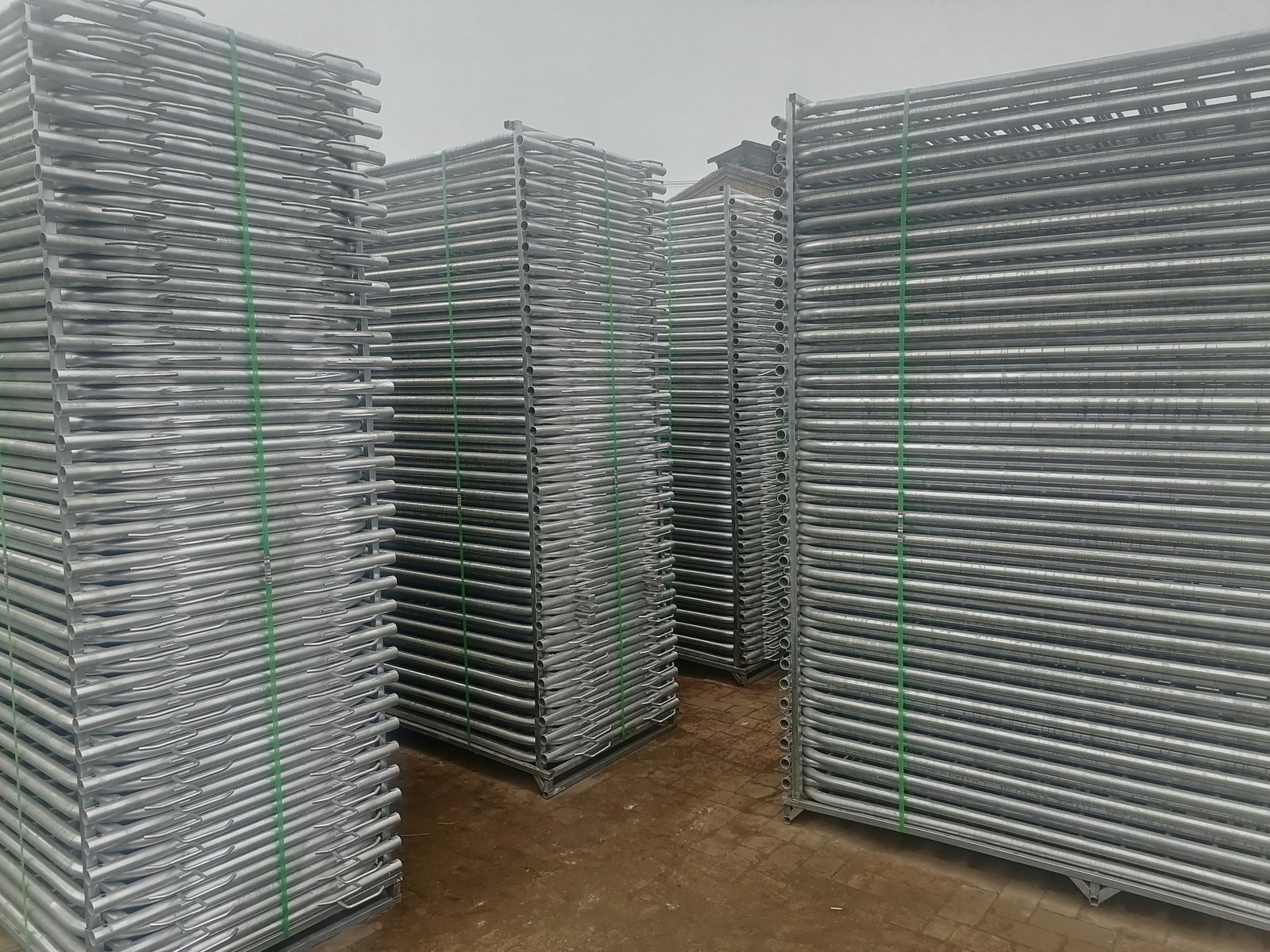
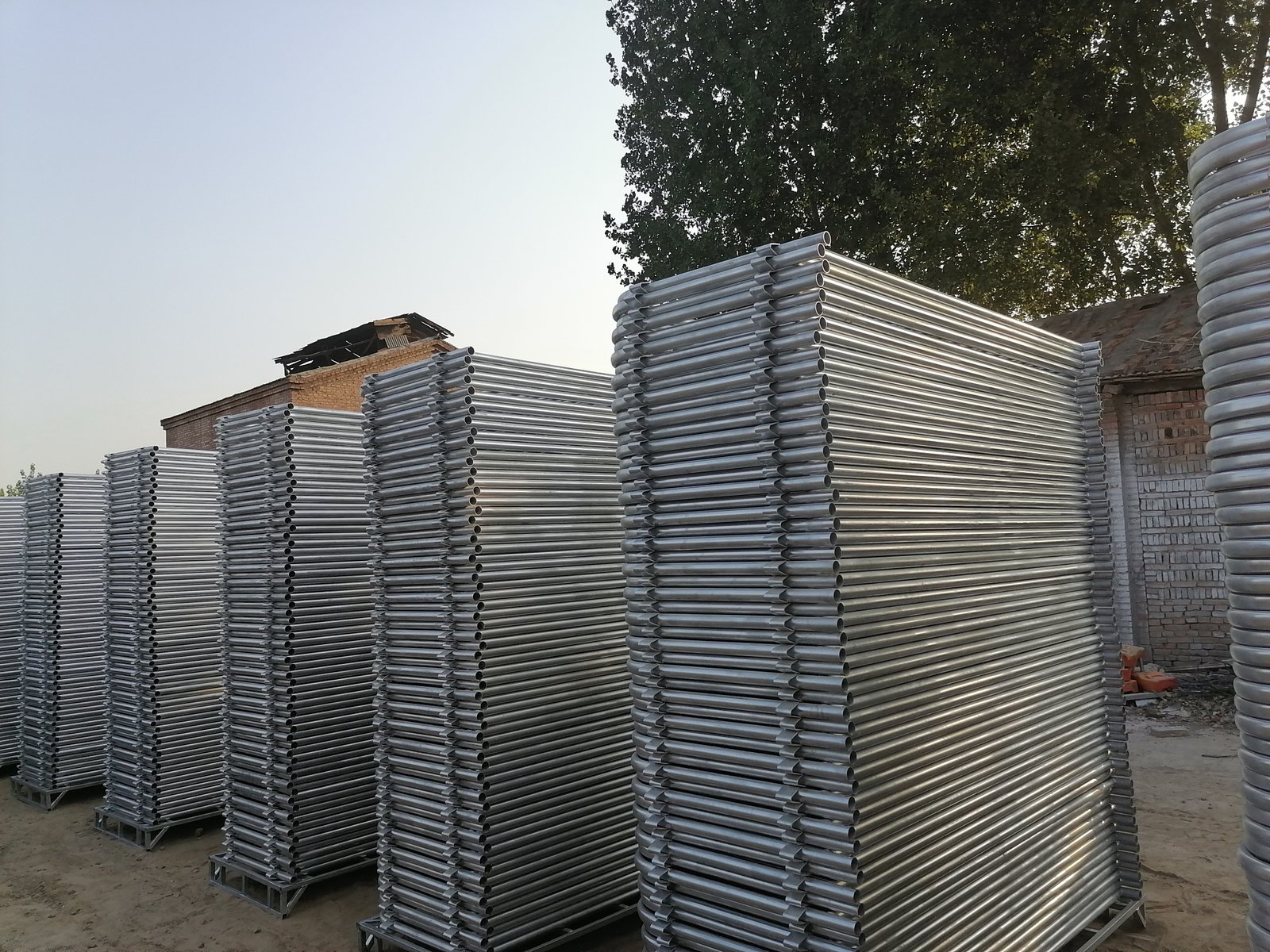
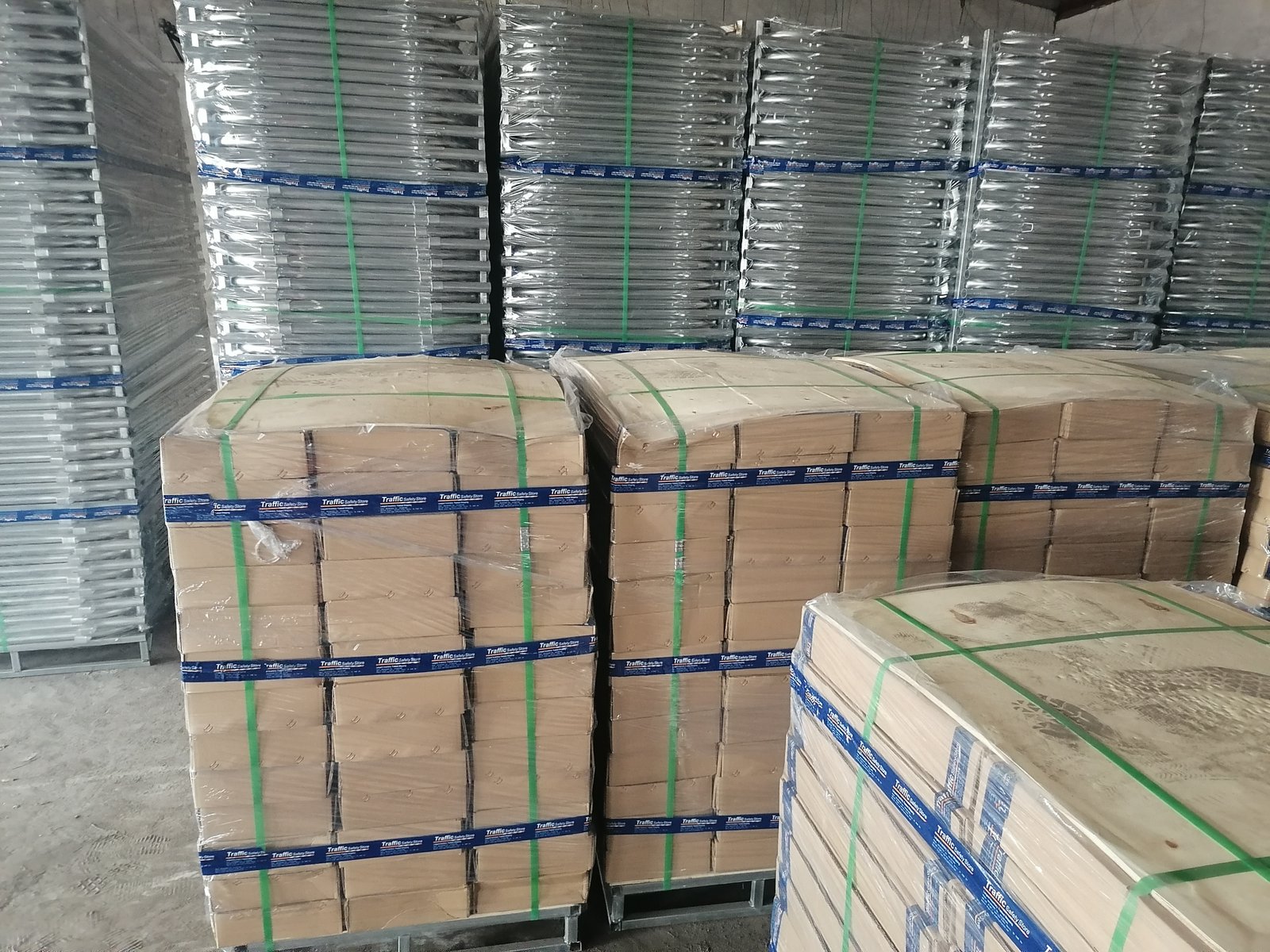
Export packaging must protect frames without creating unstable loads during lifting. Options include bulk loading, protected bundles, and steel pallets with plastic wrapping. Detachable feet can travel separately when the loading plan allows.
Cartons should identify feet, connectors, and spare parts clearly. Pallet dimensions and gross weights must match the actual equipment. Stacking should prevent welded hooks from scratching adjacent galvanised panels.
Steel Crowd Control Barriers Packing Photograph
The original article includes an export-packing photograph. It remains below in a dedicated HTML table within this section. The caption describes the shipping reference without inventing a fixed loading quantity.
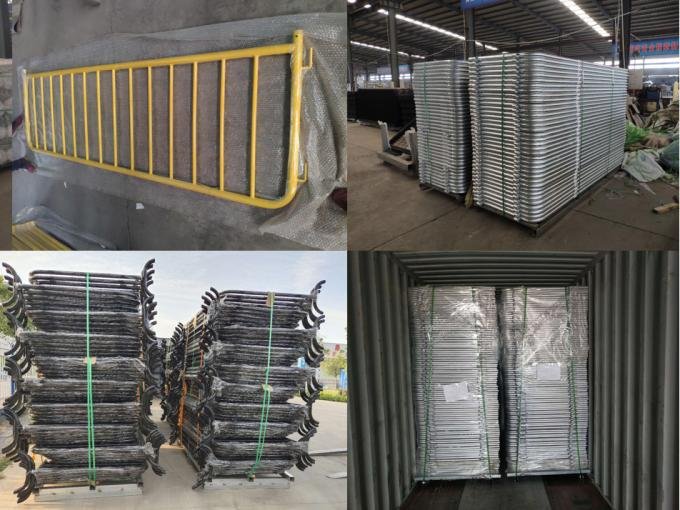 |
| Original packing photograph: steel crowd control barrier preparation for handling and export transport. |
Container Loading and Receiving Checks
Shipping capacity depends on frame size, foot design, stacking geometry, and gross weight. Request a detailed loading plan before confirming container quantities. Actual panel counts may vary substantially across barrier families.
At destination, inspect pallet straps and count every component against the packing list. Store detachable feet with their matching model. Document any transit damage before warehouse distribution.
Comparing Adjacent Crowd Guidance Products
Some venues need a lighter barrier for small queues or temporary direction changes. Plastic Crowd Control Barriers offer a separate material approach. Their handling and stability differ from welded steel panels.
Larger construction zones may prefer Temporary Fencing South Africa systems with taller mesh. Another option, Chain Link Temporary Fence, uses a framed fabric panel. Those designs do not automatically suit close pedestrian queues.
Steel Crowd Control Barriers Versus Specialist Stage Barriers
Stage-front zones can experience sustained crowd pressure near performers and restricted areas. Ordinary pedestrian barricades are not substitutes for engineered stage barriers. A competent specialist should select systems according to expected loading.
Crowd Control Barrier product options help buyers compare everyday pedestrian equipment. Verified load performance requires specific test evidence. Avoid relying on broad advertising claims about strength.
Steel Crowd Control Barriers Buying Checklist
Purchasers should gather the complete deployment plan before placing a factory order. The material schedule must separate panels, foot types, and accessories. Samples and assembly photographs can prevent compatibility mistakes.
- Confirm panel lengths, heights, and finished frame outside dimensions.
- Approve tube diameters, wall thicknesses, and upright spacing.
- Choose flat, cross, bridge, or wheeled feet according to the surface.
- Review hook geometry and compatibility with existing stock.
- Specify galvanizing and optional powder coating requirements.
- Record crowd movement, weather exposure, and emergency access needs.
- Request weight, pallet dimensions, and component packing lists.
- Confirm quality inspection documents before bulk shipment.
Frequently Asked Questions
Are Interlocking Barriers Suitable for Concert Fronts?
Not automatically. Ordinary steel barricades often guide queues and separate circulation zones. High-pressure stage-front areas may require specialist engineered equipment and qualified event-safety planning.
Steel Crowd Control Barriers: Can the Feet Come Off?
Yes, selected models offer detachable flat or bridge feet. Other configurations use fixed welded supports. Confirm each model's assembly method before mixing products.
Which Finish Helps With Rain and Coastal Exposure?
Suitable hot-dip galvanizing provides zinc-based corrosion protection. A compatible powder coat may add colour and another exterior layer. Maintenance remains important near damaged edges and fasteners.
Can BMP Customize Barrier Length and Colour?
BMP can review alternative lengths, tube sizes, foot designs, and RAL colours. Manufacturing feasibility depends on the approved drawings and order requirements. Request a confirmed specification before production.
Steel Crowd Control Barriers from BMP
Boss Metal and Plastic Co., Ltd. supplies welded pedestrian barricades with compatible feet and connections for export markets. Our team can review event layouts, technical drawings, finishes, and container packing. Clear specifications support a reliable material schedule.
Share the required lengths, panel quantities, intended surface, preferred feet, and shipping destination. Include any special safety requirements or inspection criteria. A complete enquiry helps us prepare a coordinated quotation.