Crowd control barriers South Africa help organisers guide people, separate walking lanes, and define temporary event boundaries. Galvanised steel frames provide a reusable solution for concerts, sports fixtures, roadworks, shopping centres, and public gatherings. Boss Metal and Plastic Co., Ltd. manufactures steel barriers with several frame sizes, uprights, foot designs, and finishes.
A practical barrier system combines manageable panel weight, stable feet, secure connections, and clear sightlines. Teams must assess the site, crowd behaviour, ground conditions, and emergency access before choosing a layout. These portable barriers guide pedestrians; they do not replace engineered vehicle-impact barriers or specialist crowd-crush protection.
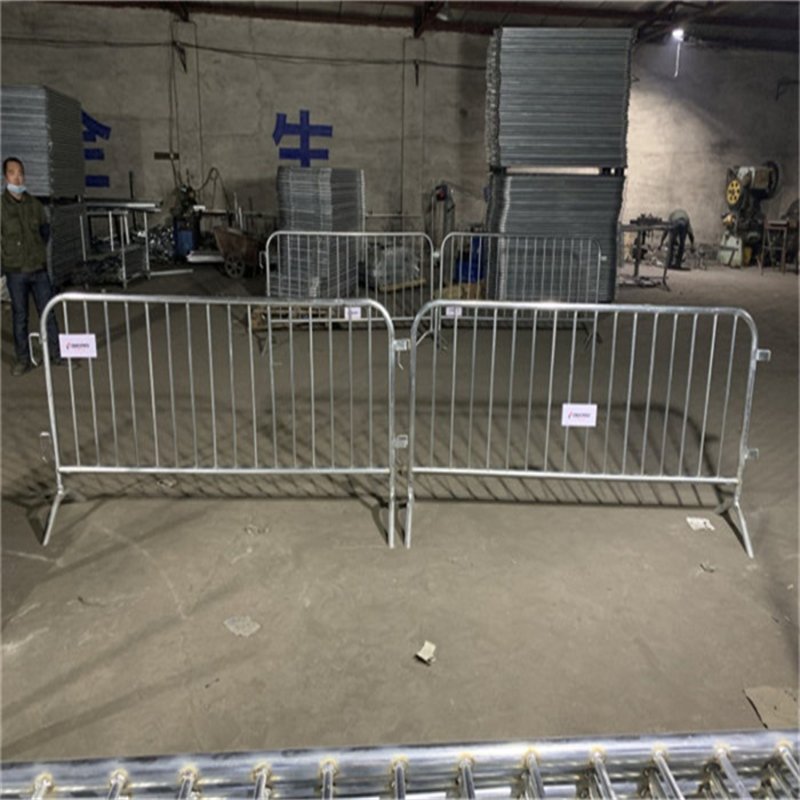
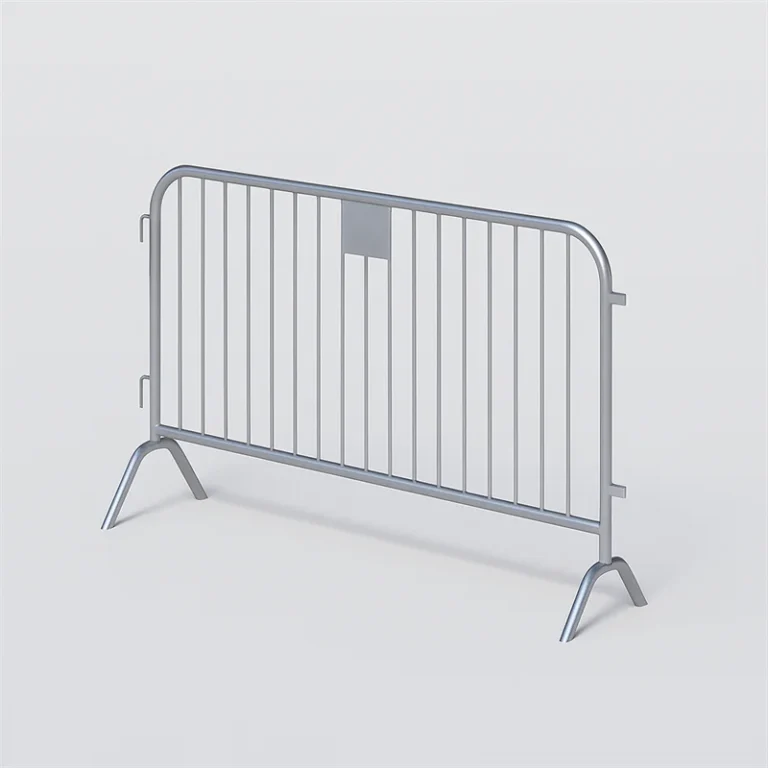
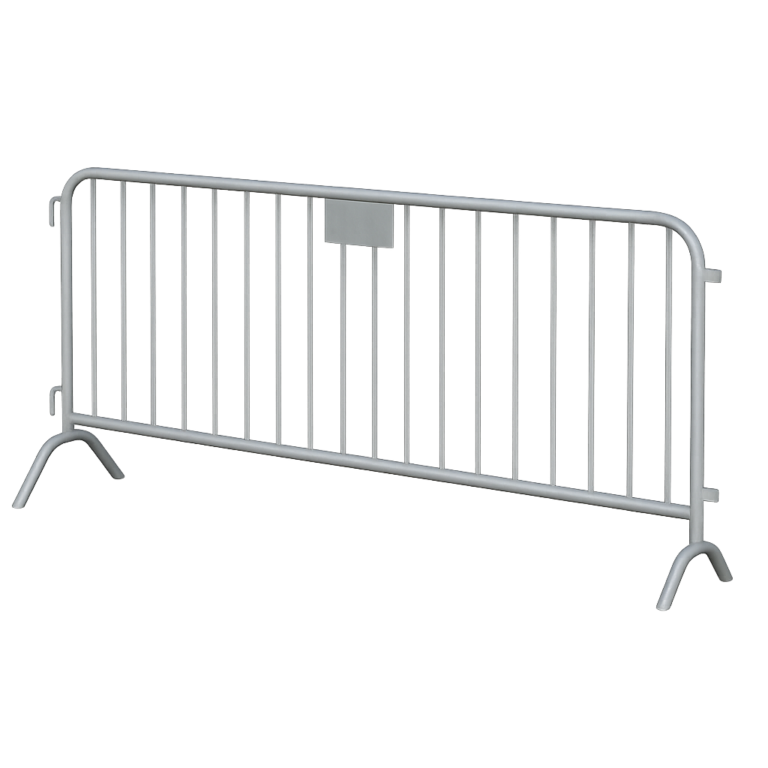
Steel barricade layout showing the frame structure and removable-foot concept. Confirm the final drawing before placing a production order.
Crowd control barriers South Africa for organised pedestrian routes
Event teams often need flexible queues, temporary walkways, and separation around restricted work areas. Linked steel barriers create a visible route without blocking the entire surrounding space. Organisers can reposition the panels when entrances, ticket counters, or event schedules change.
Standard Crowd Control Barriers suit general crowd guidance and temporary separation. Different events need different lengths, upright spacing, and connection designs. Early planning helps crews choose panels that match the available space.
Pedestrian barriers remain portable equipment, not fixed security fencing. Staff should monitor barriers during busy periods and correct movement or unstable connections promptly. Heavy crowd pressure requires a qualified event-safety assessment.
Steel barrier construction and frame options
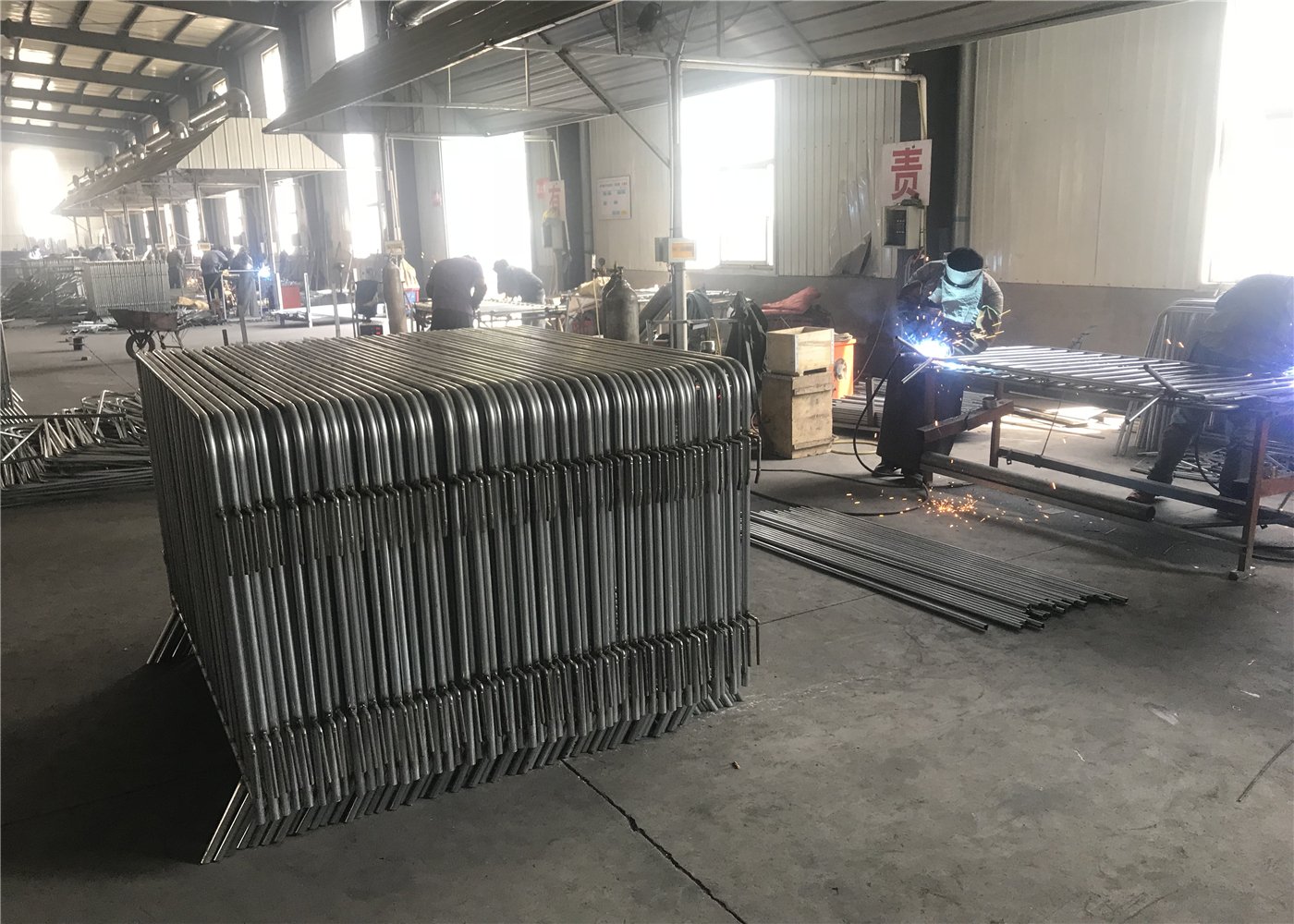
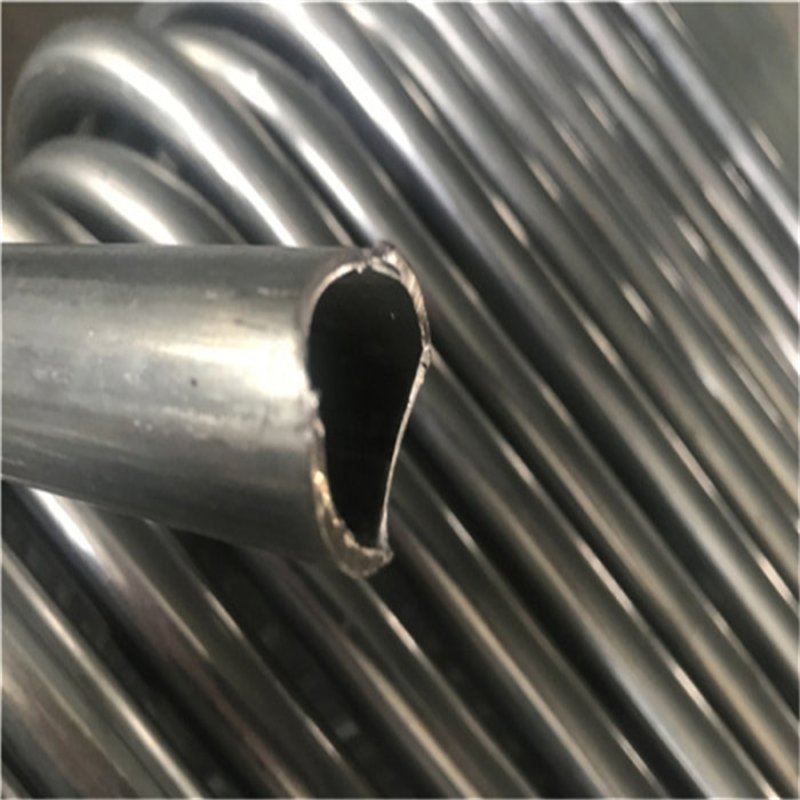
Manufacturers form outer frames from round steel tubes, then weld vertical uprights into the assembly. The frame protects the infill and creates a continuous handhold for handling. Rounded corners reduce exposed sharp edges during routine movement.
Many Steel Crowd Control Barriers use tubular frames and separate foot assemblies. Other models feature fixed bridge feet or compact flat bases. Each configuration changes transport convenience, ground clearance, and handling.
Crowd control barriers South Africa frame and upright dimensions
Common outer tube diameters include 32, 38, and 42 mm, with 1.5–2.0 mm frame walls. Inner uprights may use 16 or 20 mm tubing, with several wall-thickness choices. Customers can request upright spacing near 60, 100, 190, or 200 mm.
These dimensions represent product options rather than one universal specification. Buyers should approve exact tube sizes, upright counts, and tolerances on the production drawing. Welding quality matters more than an isolated thickness figure.
Welded uprights and rounded corners
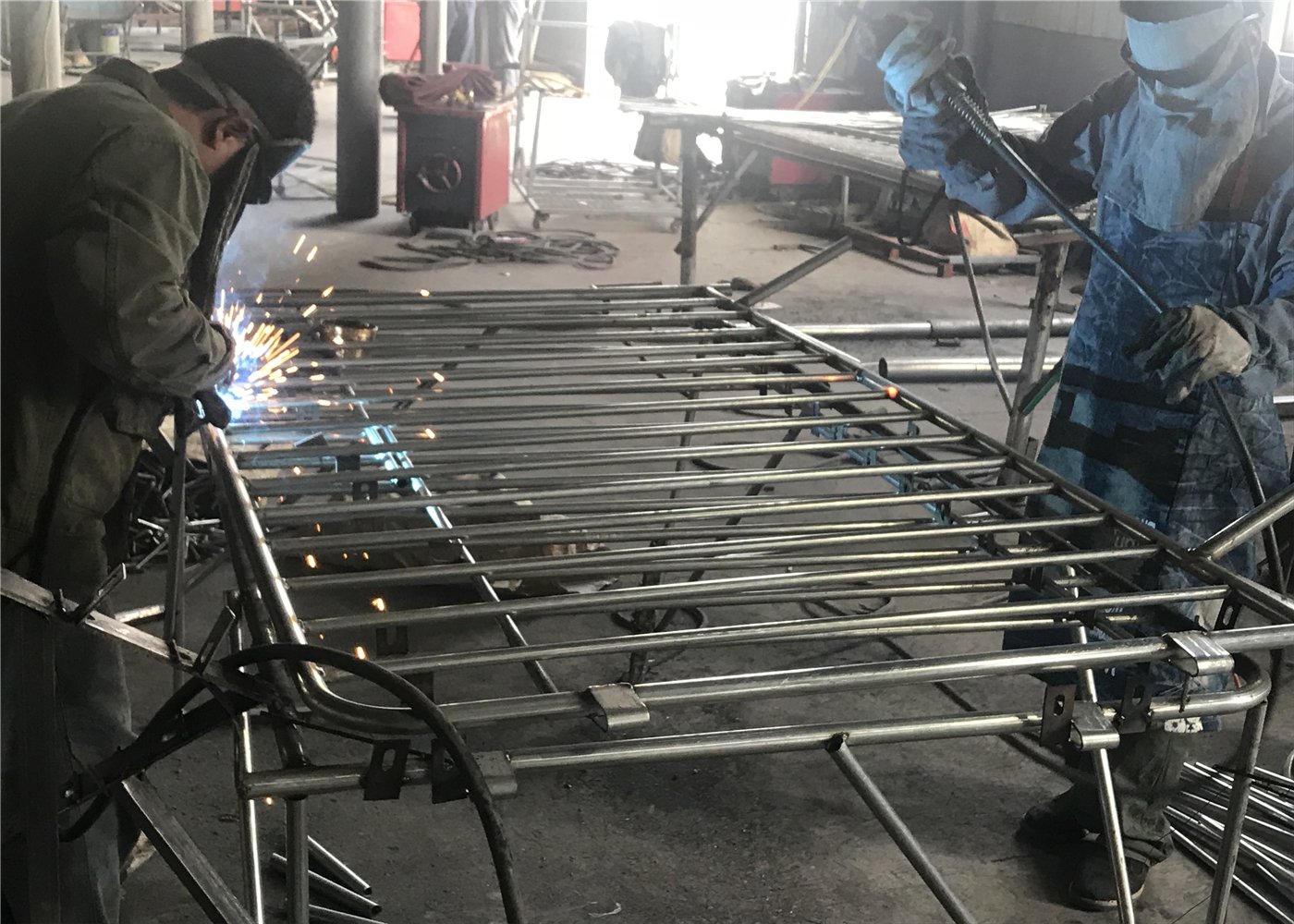
Workers prepare tube ends to fit the frame and improve contact before welding. They check alignment before joining each upright to the top and bottom rails. Consistent welds support a straighter panel and simpler stacking.
For another frame configuration, Metal Crowd Control Barriers offer different length and upright-count options. A rounded frame can also reduce snagging during loading. Inspect exposed edges and welds after repeated event use.
Crowd control barriers South Africa specifications
The following reference ranges organise the original product information into a readable purchasing specification. They describe available options, not one fixed manufacturing combination. Confirm every dimension against your required model before production.
Table 1: Crowd barrier construction specifications
Item
Reference options
Material
Carbon steel tubing with galvanised or coated finish
Protective film and export steel or wooden pallets
Reference lead time
10–15 production days, subject to order confirmation
The source material also mentions the legacy reference model LNF RT-CCB1121. That reference does not establish a BMP product designation. We confirm the final drawing and model code during order review.
Barrier sizes and model comparison
Shorter barriers help teams create tighter turns and more compact storage groups. Longer barriers reduce connection points across straight routes. Consider transport width and manual handling before choosing the longest model.
Table 2: Original reference models for event planning
Version
Nominal height
Reference overall length
Reference weight
Typical use
Long event barrier
43 in
8 ft 4 in
44 lb
Long queues and straight routes
Compact event barrier
43 in
6 ft 6 in
28.5 lb
Short runs and frequent repositioning
Actual weight depends on tube thickness, upright quantity, feet, and overall dimensions. Buyers may also consider Heavy Duty Crowd Control Barriers for robust steel-frame configurations. Heavy-duty describes a product range; it does not establish a certified crowd-load rating.
Crowd control barriers South Africa foot designs
Barrier feet strongly influence pedestrian comfort and panel stability. The ground surface determines which foot shape works best. Designers must consider weather, slopes, drainage, and pedestrian trip exposure.
Flat feet on paving and indoor floors
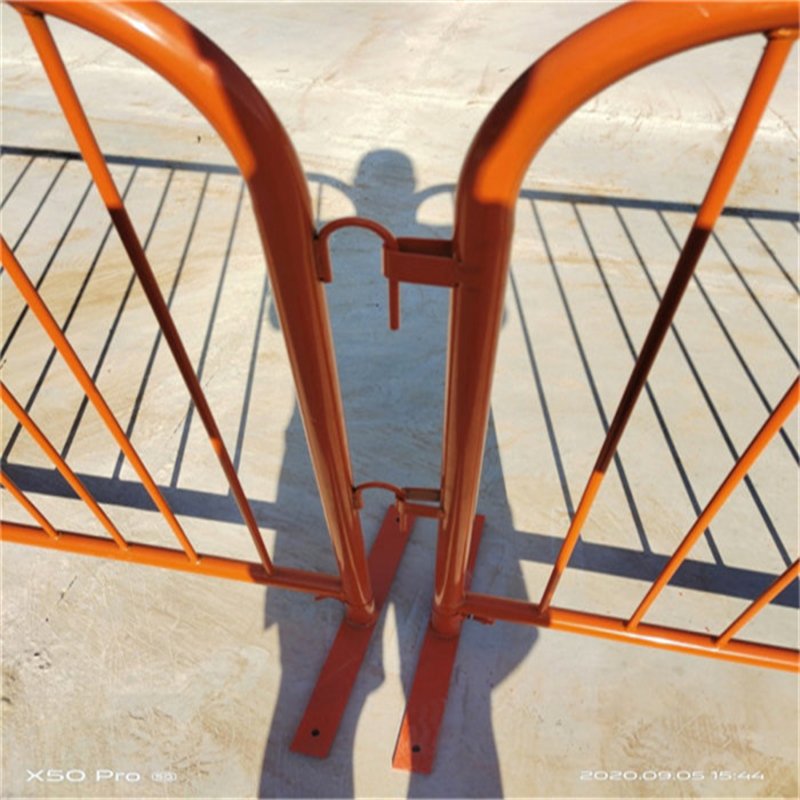
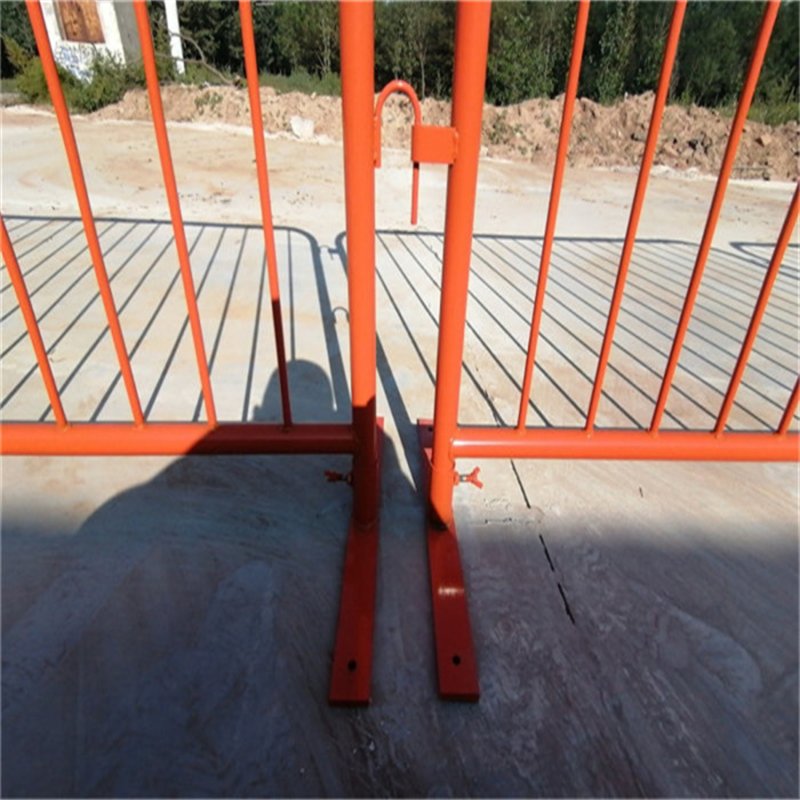
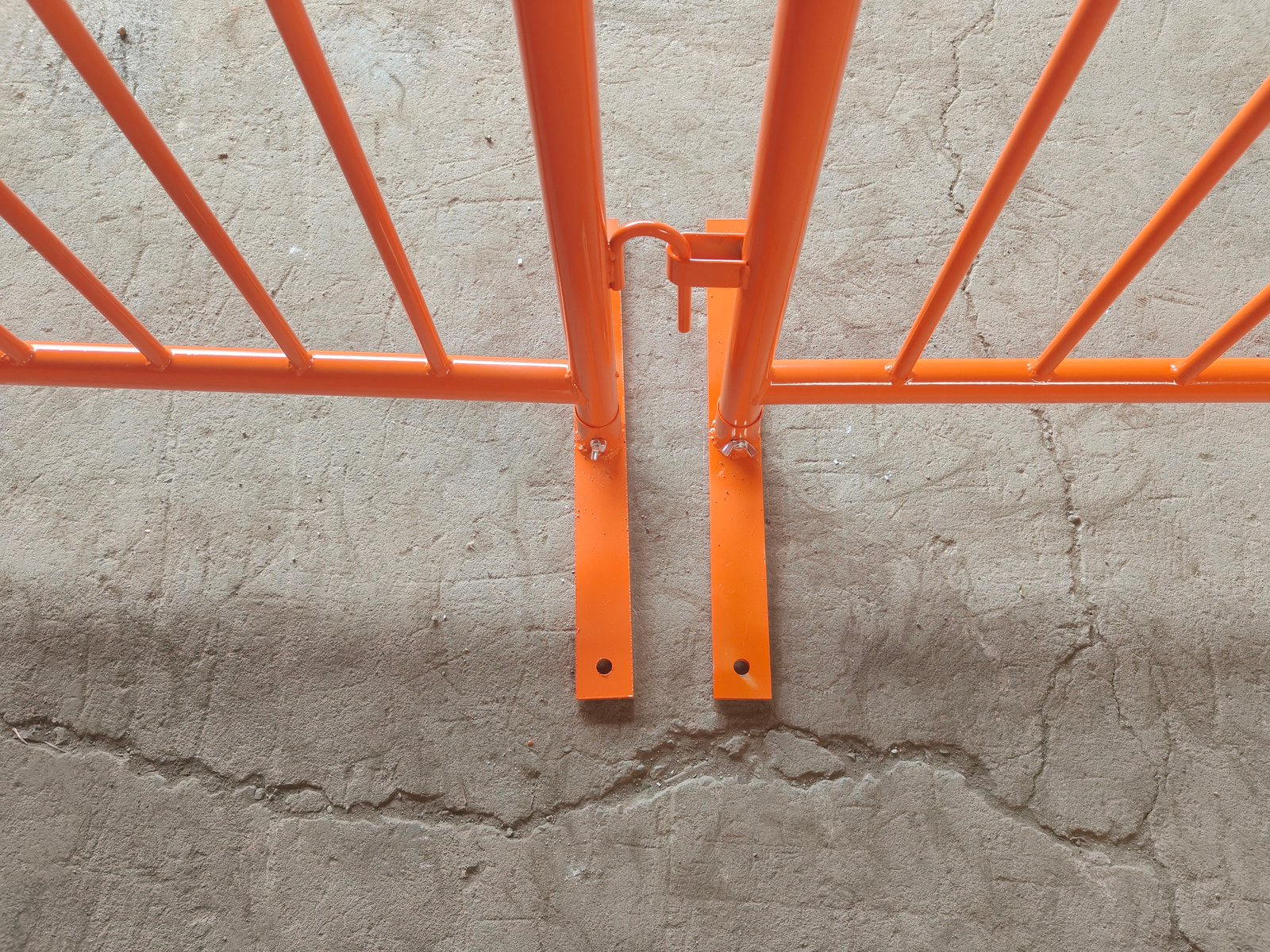
Flat steel feet reduce projection above the walking surface on firm, even ground. They work well around ticket lines, indoor exhibitions, and paved concourses. Staff must still inspect exposed foot edges and pedestrian routes.
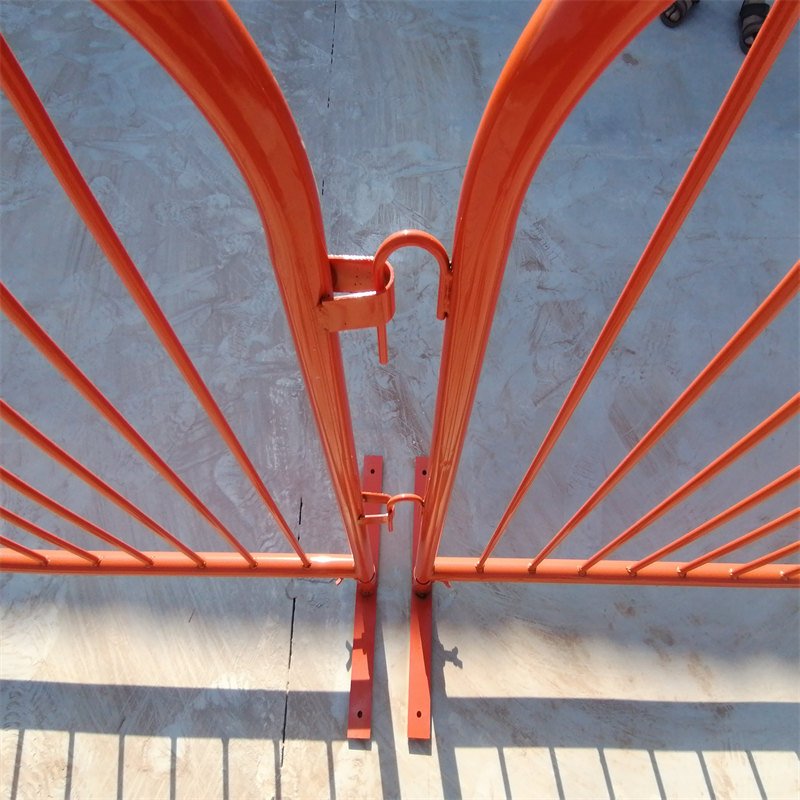
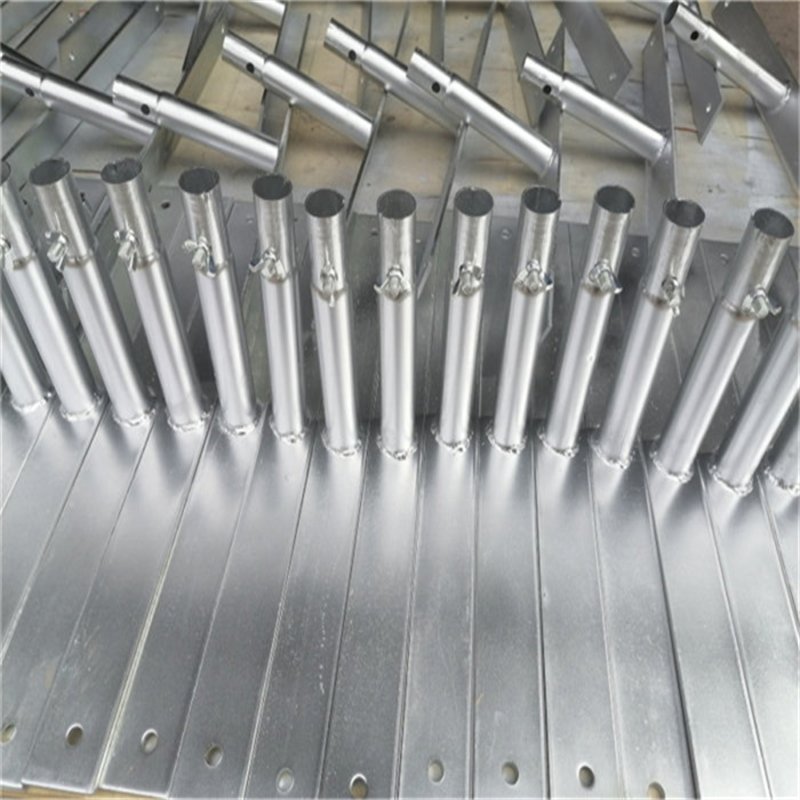
Many Crowd Control Barriers for Sale offer removable flat feet. The foot connection must match the receiving tube or bracket. Always verify compatibility before mixing different barrier models.
Crowd control barriers South Africa bridge feet
Bridge feet raise the frame support over uneven grass or rough ground. Their raised profile can improve contact on certain surfaces. However, the projection also needs careful placement around walking routes.
Organisers should keep feet clear of emergency routes whenever possible. Test the assembled barrier line before opening a venue. Add approved stabilisation when site conditions demand greater resistance.
Removable and fixed feet
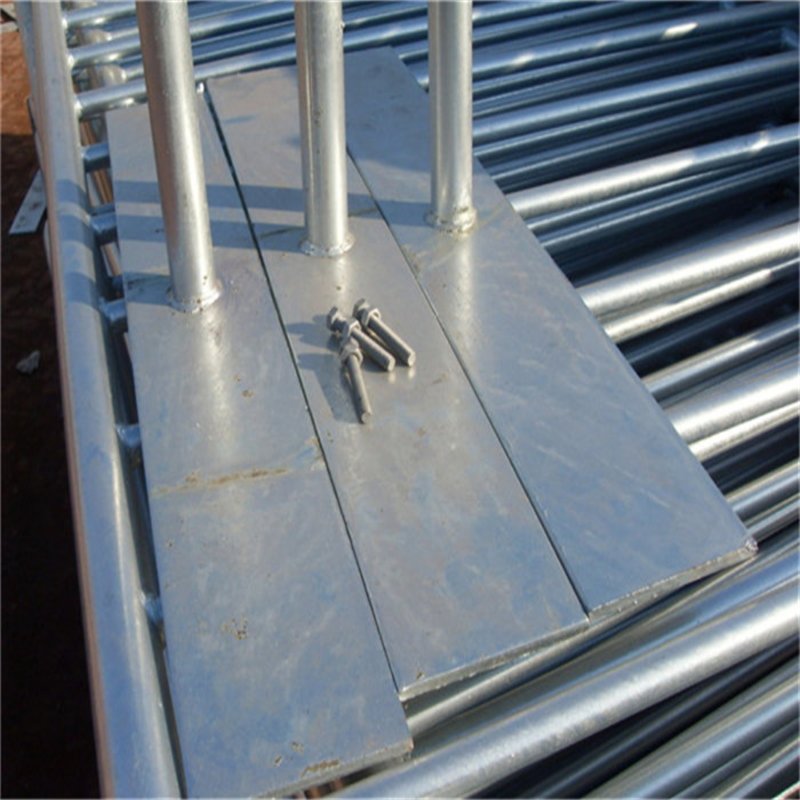
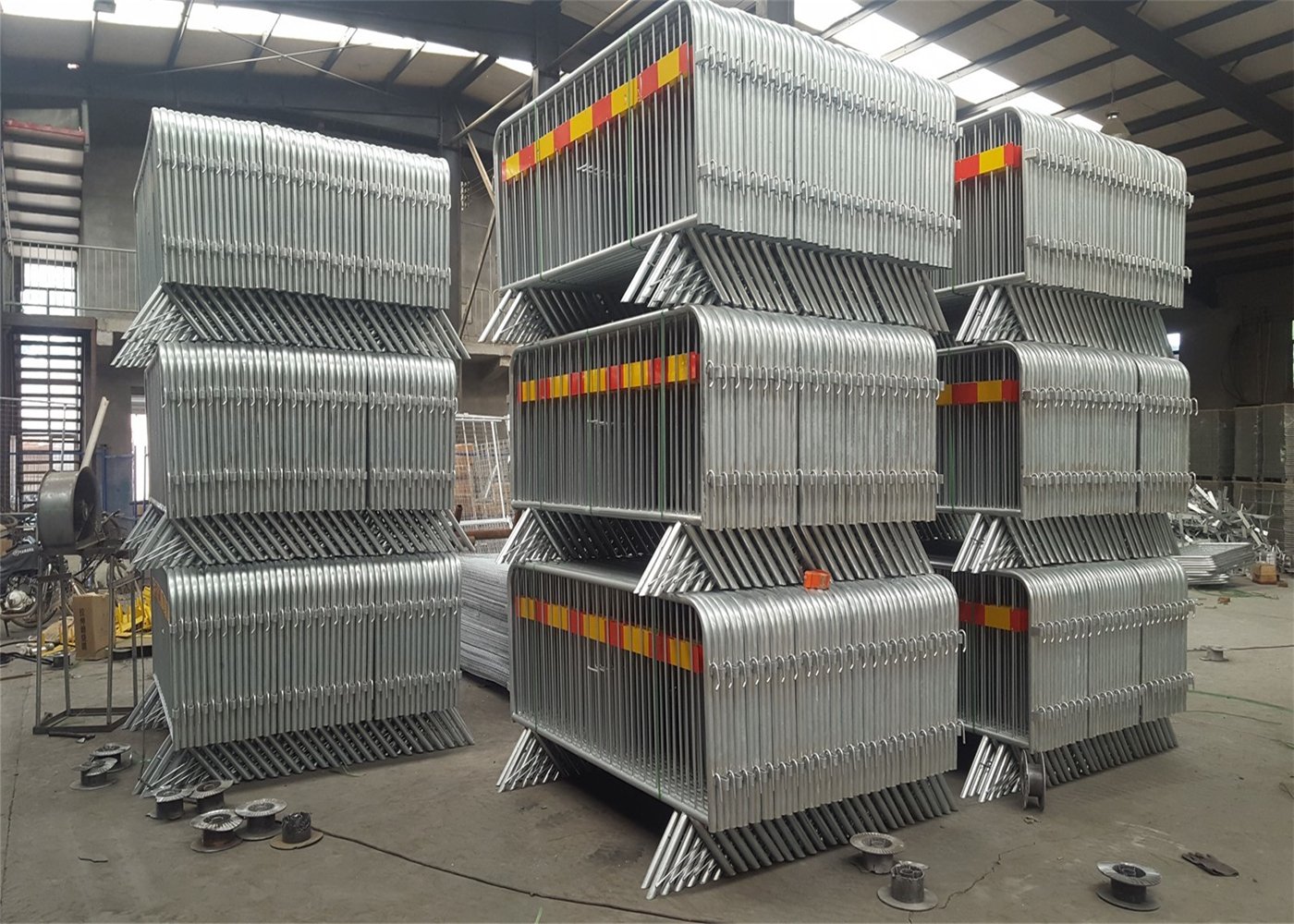
Removable feet reduce storage volume and simplify pallet stacking. Fixed feet save assembly time but may increase transport space. Teams should confirm whether the feet travel separately or attached to each panel.
Original design references include U, Y, flat, and bridge styles. Buyers should specify foot material, connection size, and finish alongside the barrier drawing. A sample assembly helps prevent mismatched parts.
Crowd control barriers South Africa interlocking systems
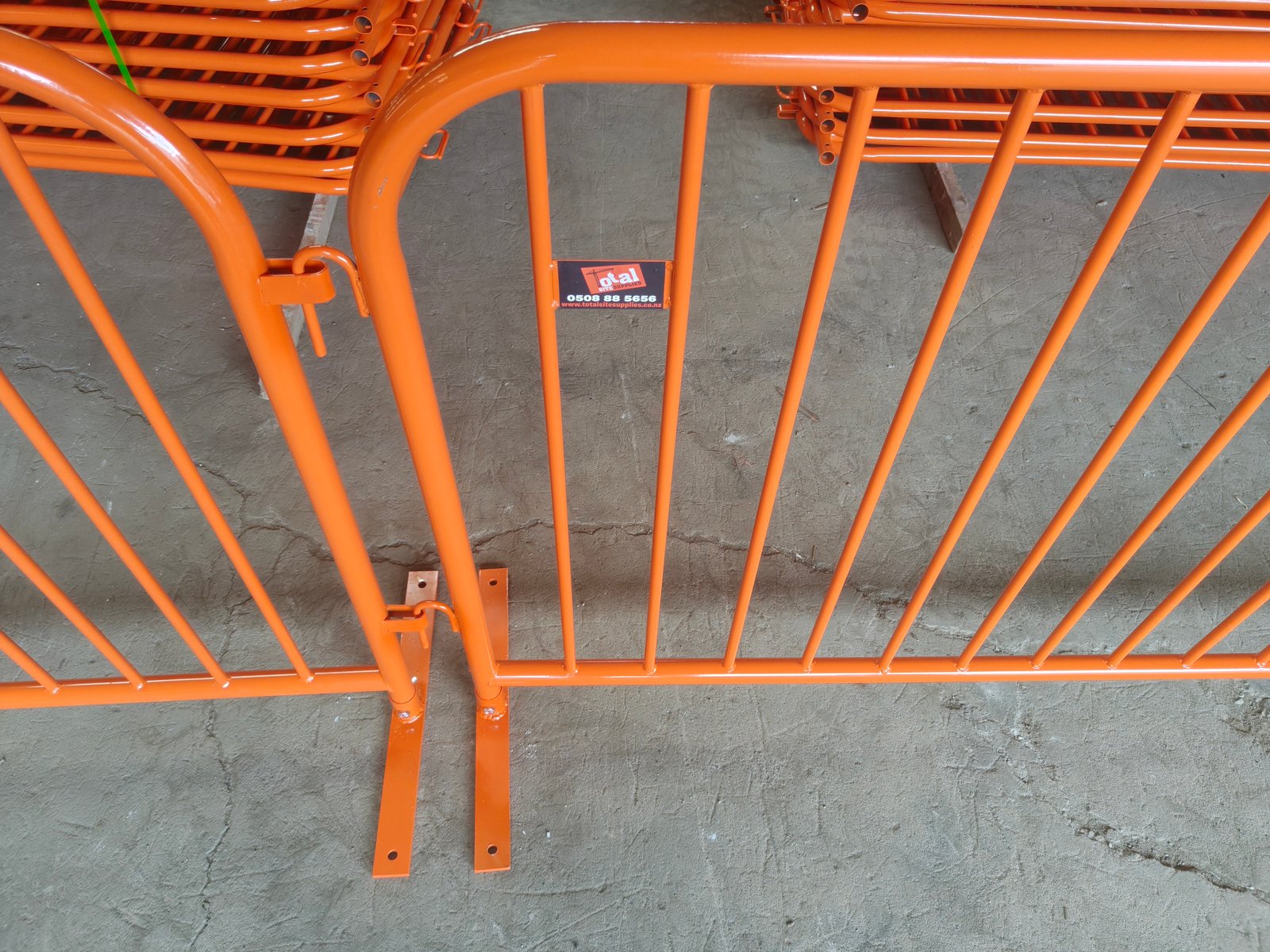
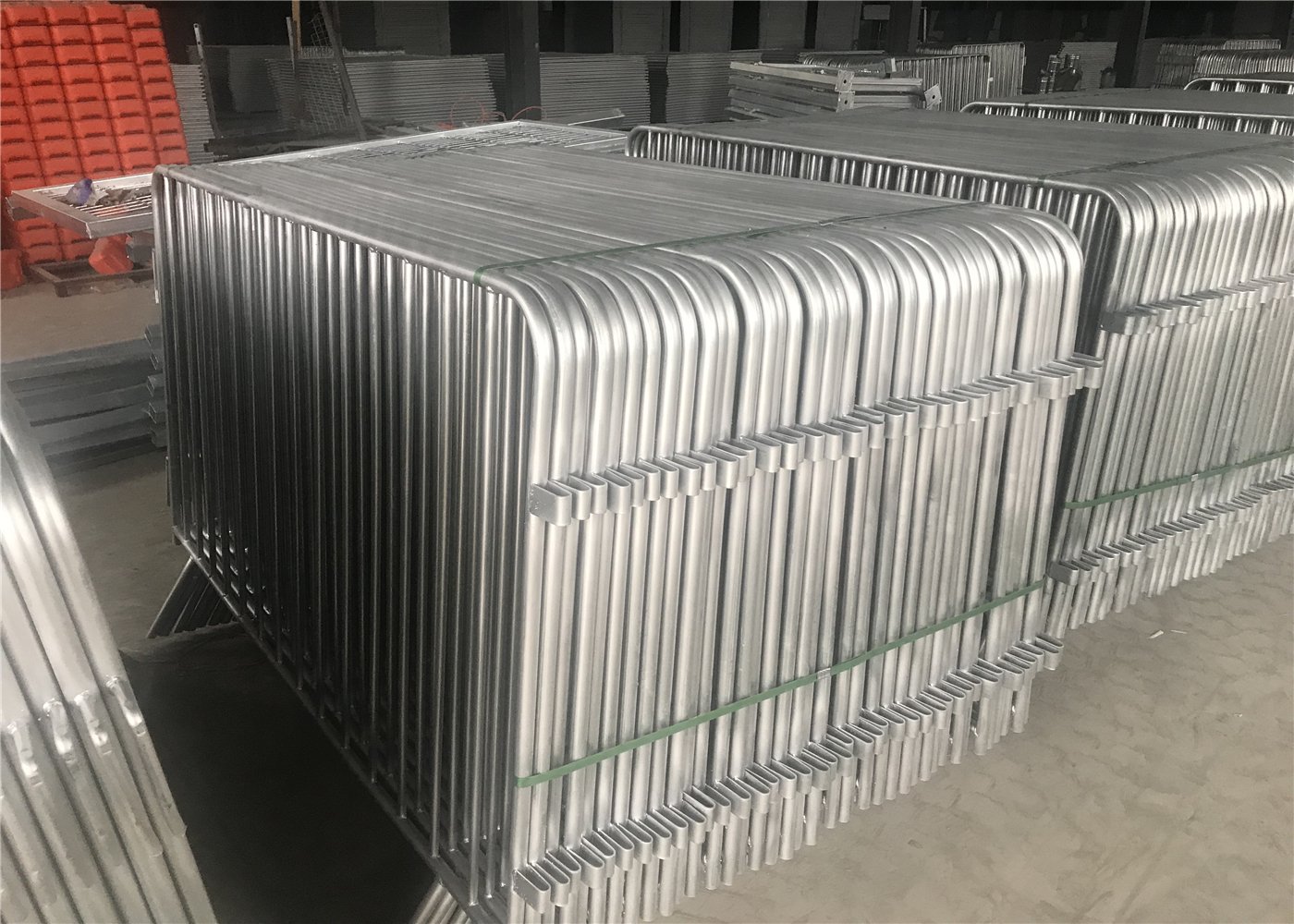
Hooks and half-loops connect neighbouring barriers without a complicated tool kit. Linked panels help crews build straight queues, gentle curves, and access channels. The layout must still allow staff to open critical routes quickly.
Hooks, half-loops and layout curves
The industry commonly uses male-and-female connections for portable steel barriers. Inspect each hook for damage, deformation, and safe engagement. Tight corners can change the contact between feet and ground.
The Crush Barrier M125 features another linked steel-barrier configuration. Its name alone does not confirm a crowd-crush performance certification. Request applicable test documents before planning high-density crowd areas.
Crowd control barriers South Africa surface finishes
Outdoor events expose steel to rain, abrasion, handling damage, and coastal salt. A well-chosen finish helps limit corrosion during repeated deployments. Buyers should compare coating methods against the planned service environment.
Galvanising and powder coating
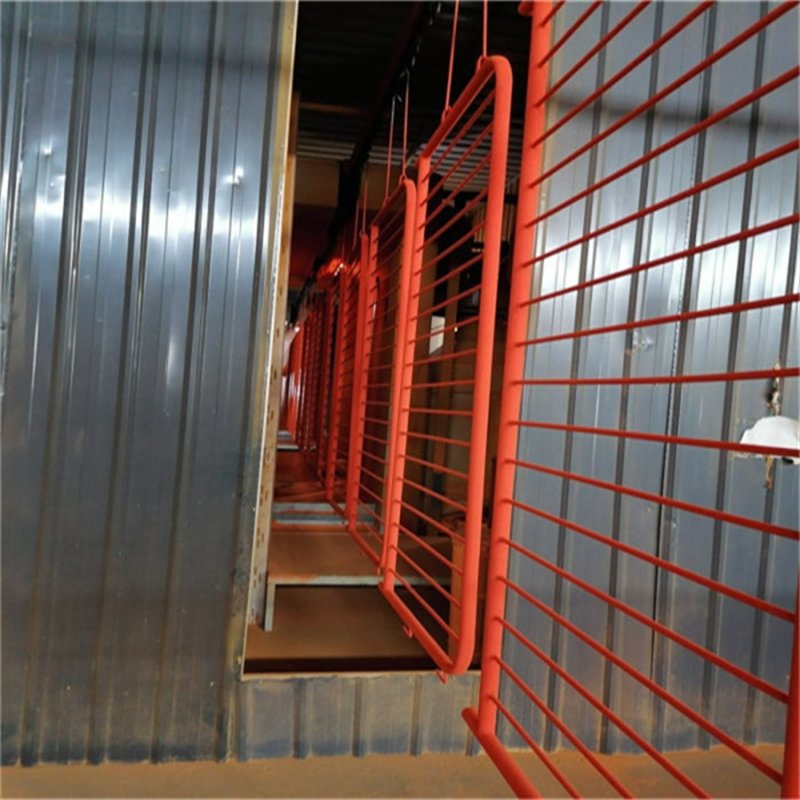
Hot-dip galvanising after welding can protect exposed joints through a continuous zinc layer. Powder coating adds colour and can support event branding or visibility. Suitable pretreatment and coating compatibility determine final performance.
Green, black, white, and grey remain common project colour options. Teams should record surface damage during inspections and repair exposed steel appropriately. No single coating guarantees a fixed outdoor lifespan.
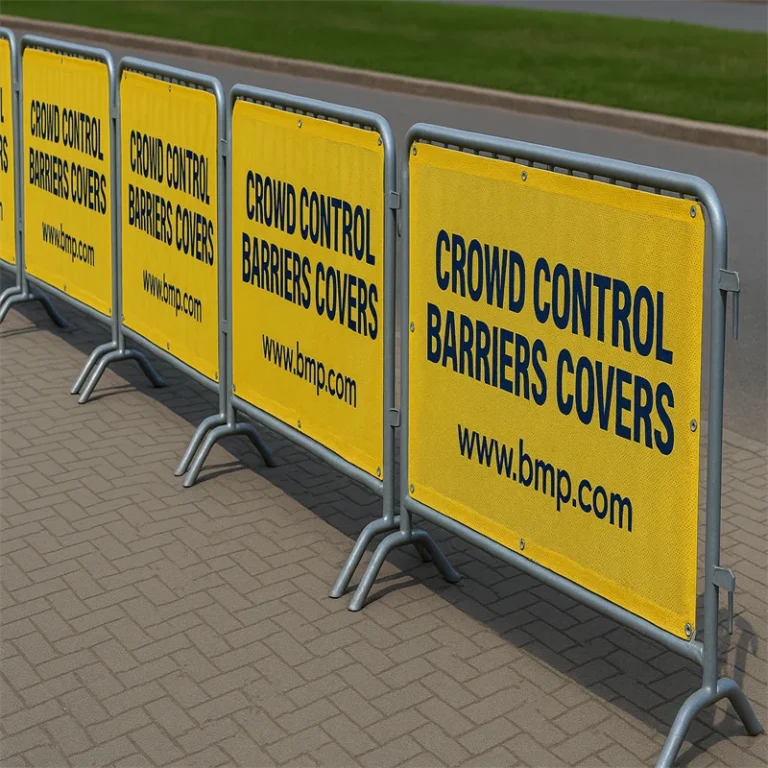
For branded event lanes, Crowd Control Barriers Covers provide printable textile or mesh surfaces. Wind can affect covered barriers, especially with solid banners. Assess wind exposure before installing large covers.
Crowd control barriers South Africa event applications
Portable barricades help venues define waiting lines, temporary work zones, and visitor circulation. Common locations include concerts, shopping districts, sports events, and road maintenance. The barrier arrangement should follow a documented site plan.
Concerts: separate waiting lanes from backstage or equipment areas.
Stadiums: direct visitors towards clearly marked entrances.
Roadworks: identify pedestrian diversions beside active work areas.
Parades: define spectator areas and staff-only corridors.
Warehouses: separate temporary visitor routes from operational zones.
Community events: provide adjustable queues near registration desks.
Construction sites, stadiums and queues
Construction sites sometimes need taller boundaries than standard pedestrian barricades. Temporary Site Fencing can form those taller site boundaries. Meanwhile, barriers can guide workers around temporary entrances.
At festivals, Temporary Event Fencing separates larger restricted spaces. Crowd barriers remain useful for short queues and quick route changes. The two systems serve different functions and should not substitute automatically.
For colourful pedestrian routes, Plastic Crowd Control Barriers offer another material option. Teams may prefer plastic where corrosion, visibility, or handling affects their choice. Match each model to the site's safety requirements.
Crowd control barriers South Africa and permanent security
Portable barriers manage people for temporary periods, while permanent fencing protects a fixed site boundary. Event venues sometimes need both systems. Clear separation between them prevents confusion during procurement and installation.
Permanent site boundaries and access gates
Facilities often install Clearvu Fencing around long-term security perimeters. Clearvu Fence Panels offer welded mesh protection rather than portable crowd guidance. These permanent systems use foundations and structural supports.
Barrier hooks do not replace permanent fence clamps, and removable feet do not replace engineered foundations. Review traffic flow where permanent gates meet temporary event queues.
Crowd control barriers South Africa installation
Before installation, measure the route and mark entrances, emergency exits, and equipment access. Place feet according to the approved crowd plan. Connect panels and walk the entire line to identify hazards.
Crews should inspect each section after weather changes and during heavy event activity. Avoid exposing loose hooks or sharp metal edges to pedestrian traffic. Replace damaged barriers instead of forcing unstable connections.
Ground assessment and emergency exits
Choose the foot design after assessing slopes, hard paving, grass, and drainage. Verify that gates and emergency routes remain operable throughout the event. Obtain expert guidance for elevated crowd loading or complex movement patterns.
For temporary construction entrances, a Temporary Fence Gate Hinge supports a separate temporary fence gate assembly. It is not a standard replacement for a crowd barrier hook. Check dimensions before combining accessories.
Likewise, Recycled Rubber Temp Fence Feet support compatible temporary fence posts. They do not automatically fit crowd barrier base connections. Always confirm hole spacing and load requirements.
Crowd control barriers South Africa packing and export
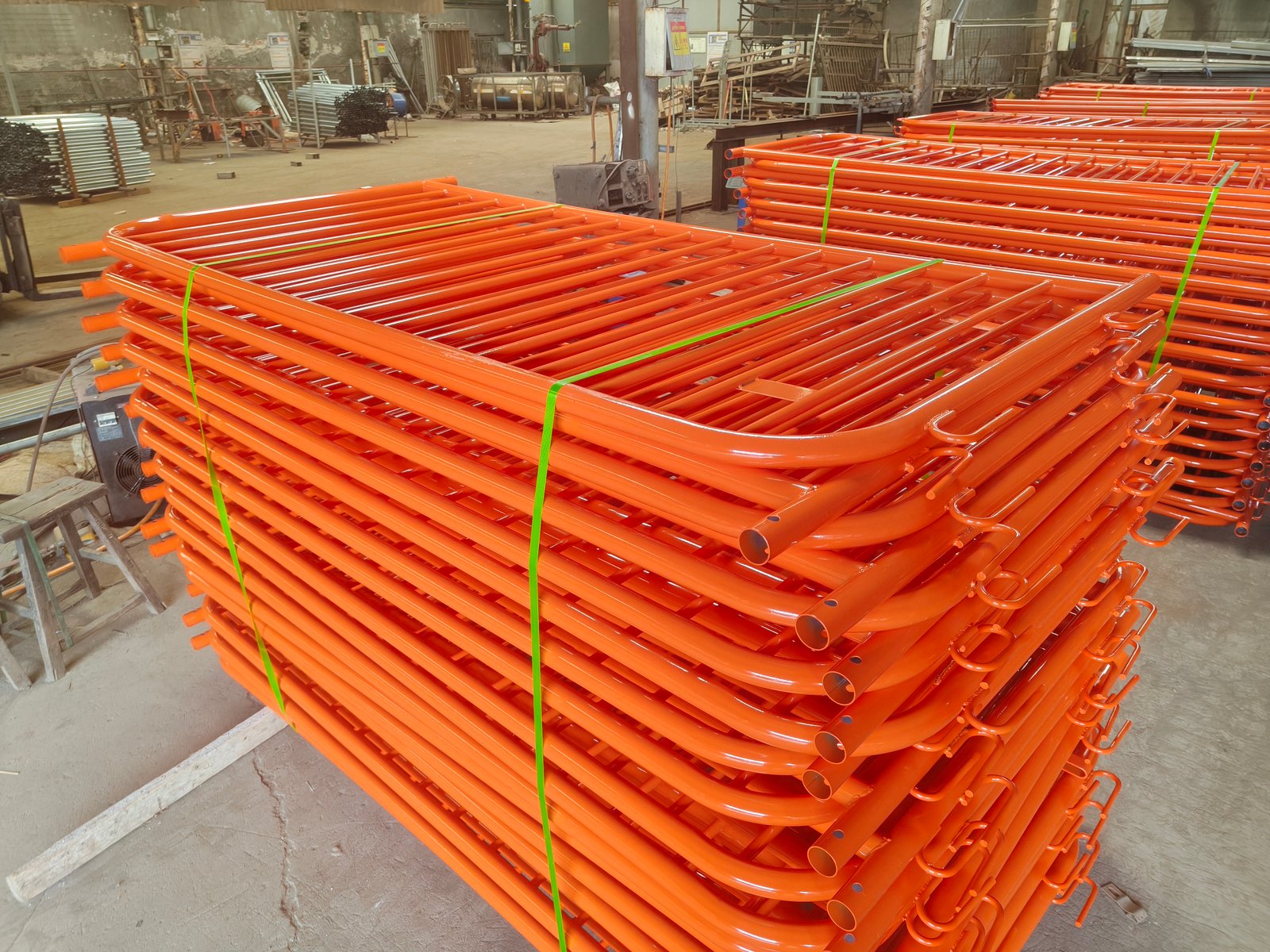
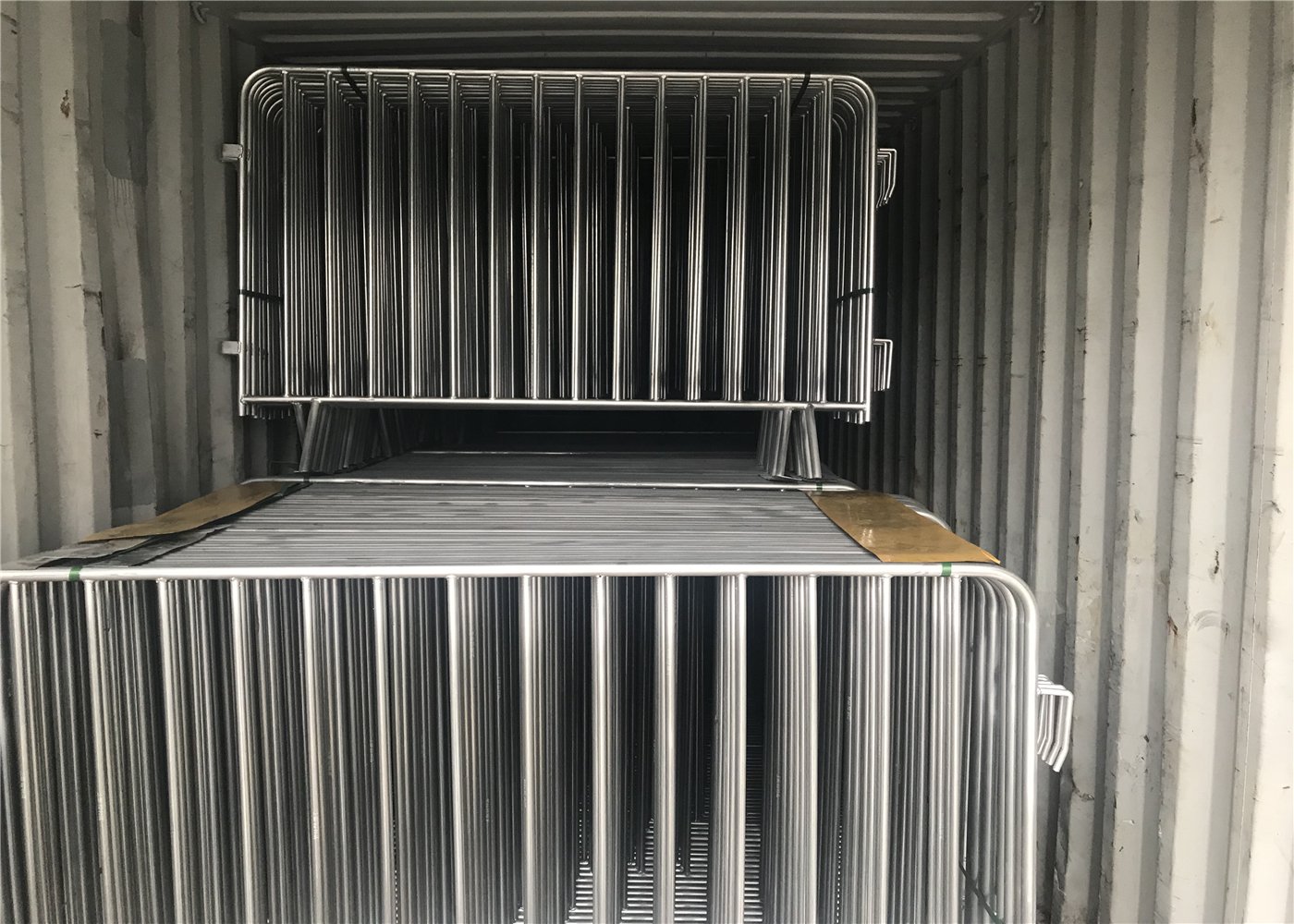
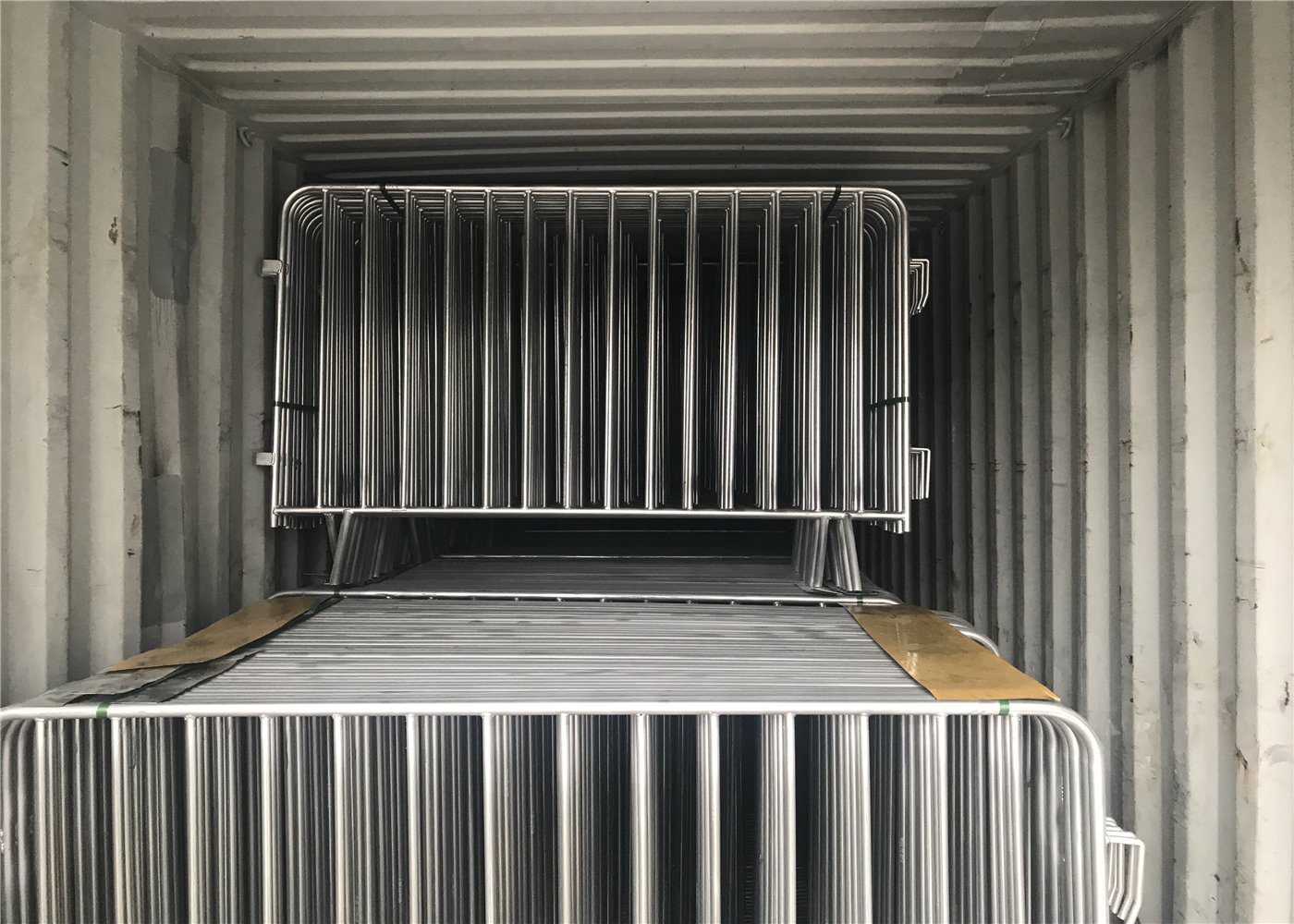
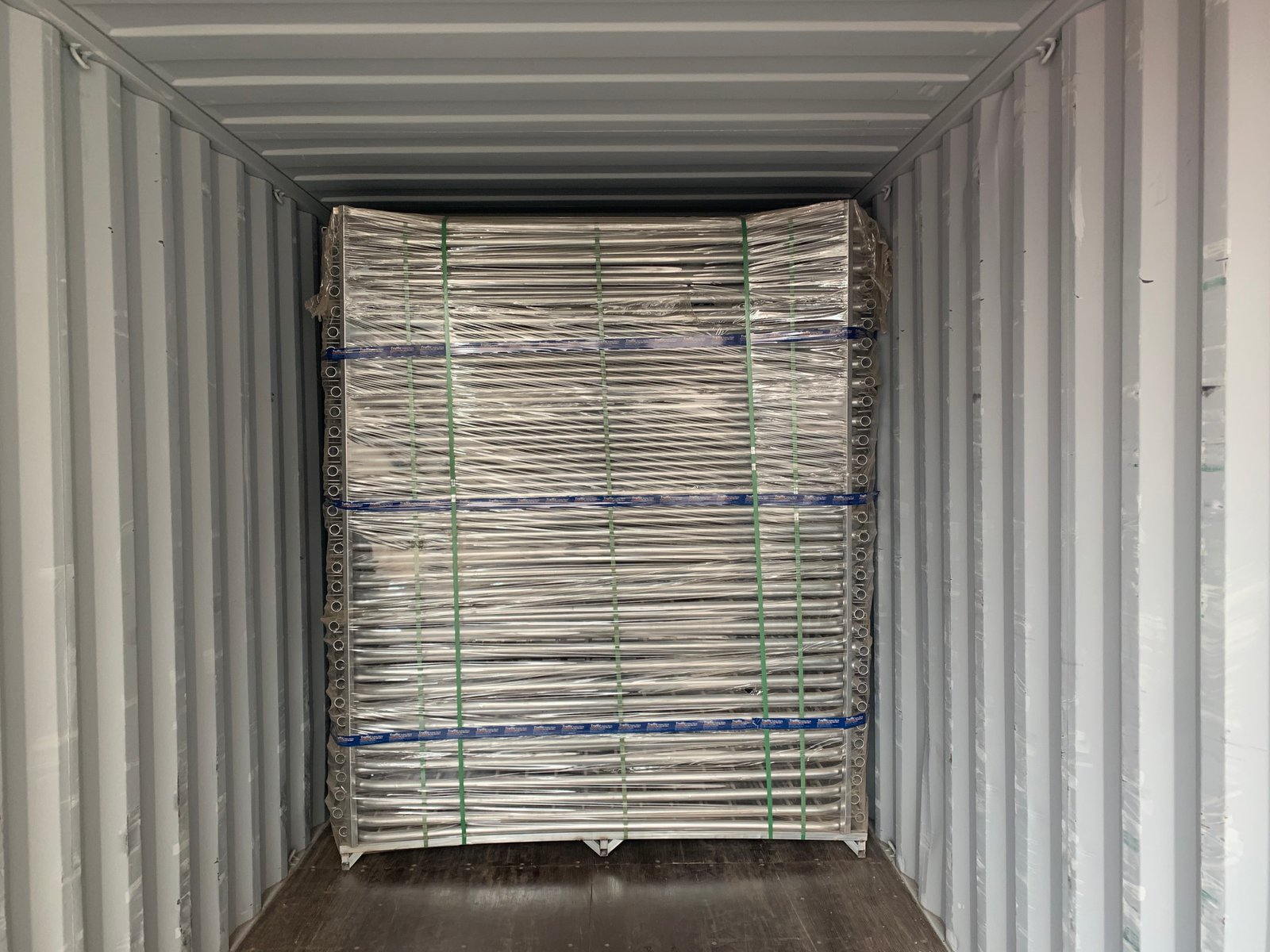
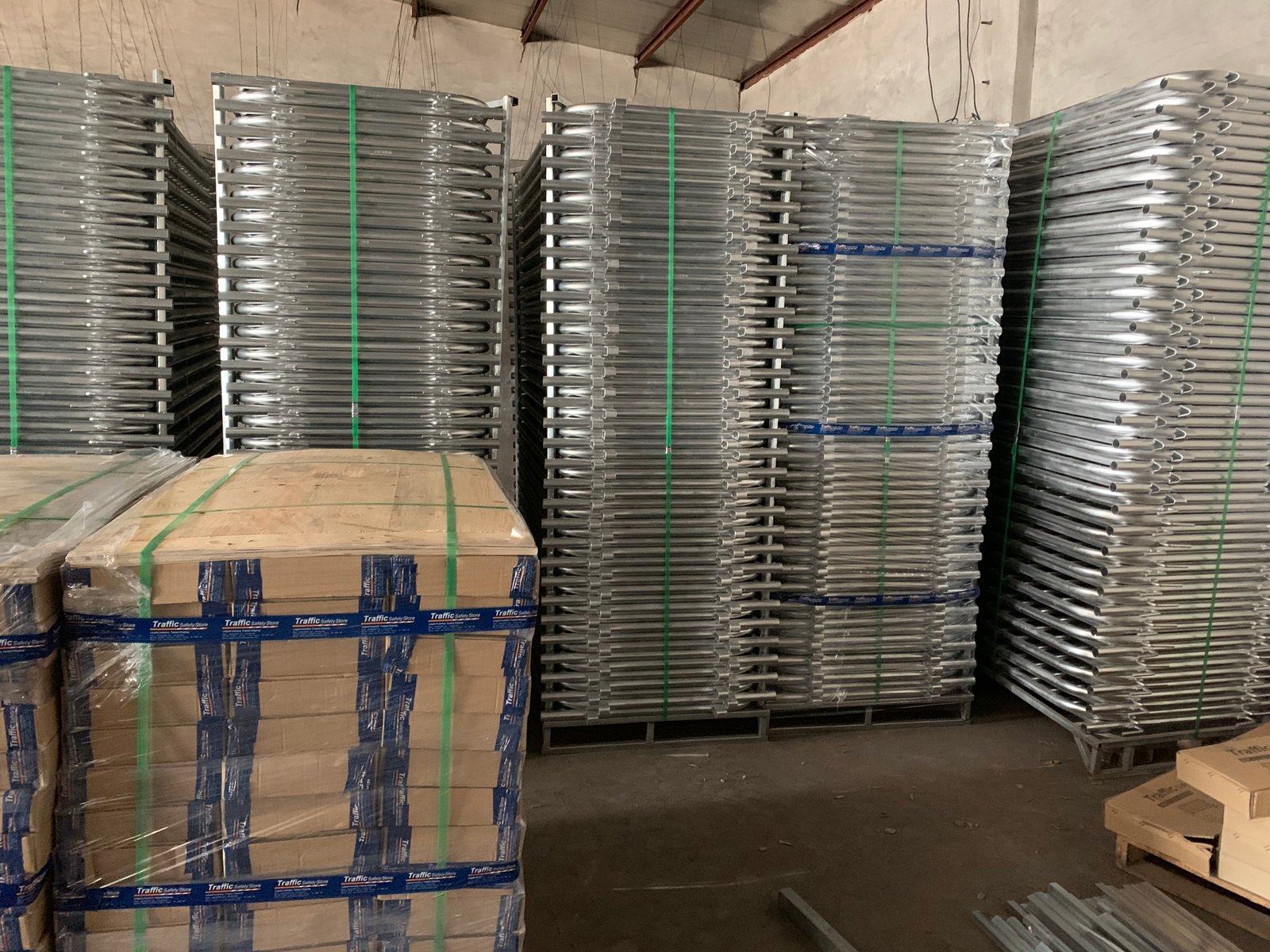
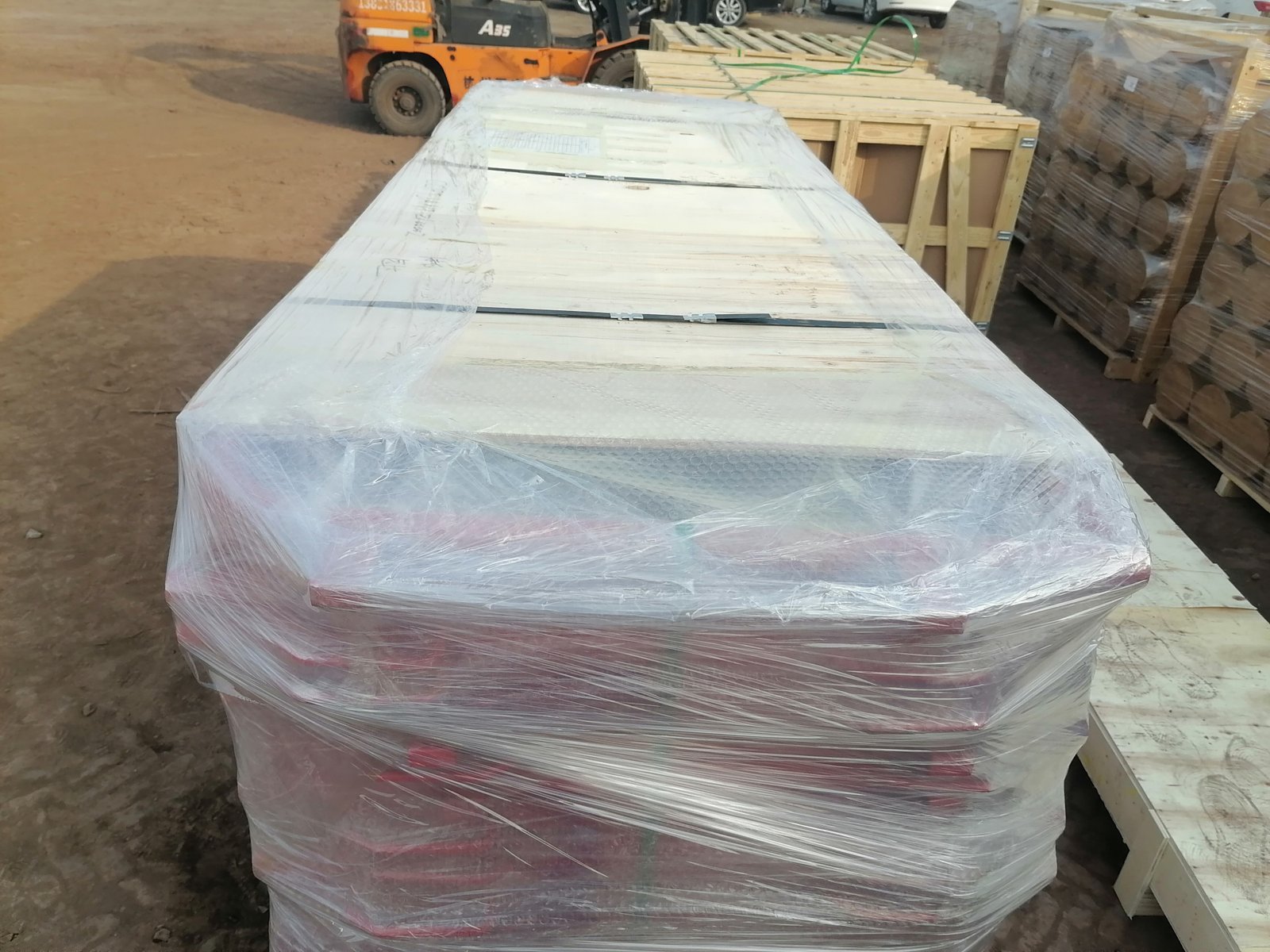
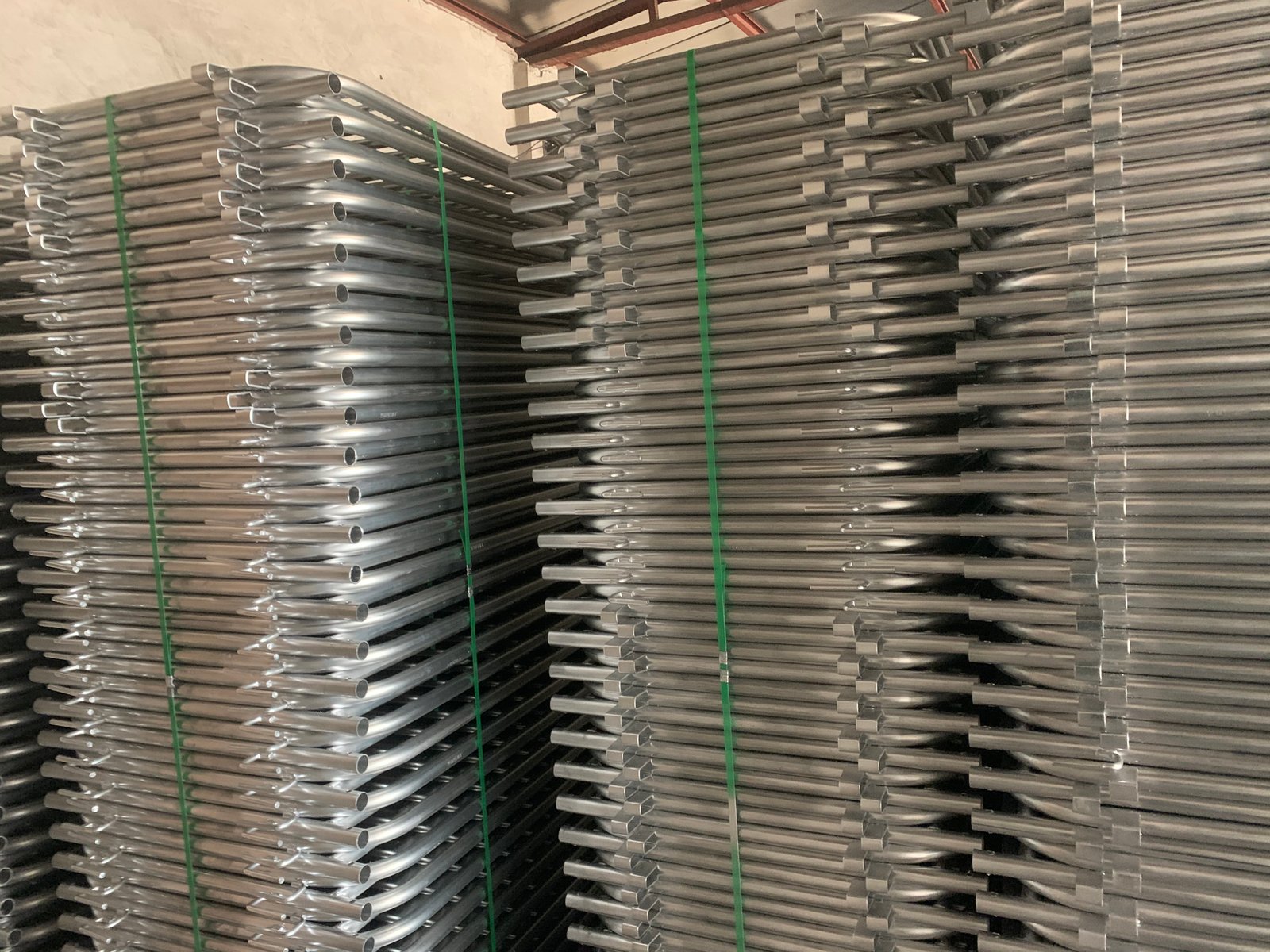
BMP packs steel barriers on export pallets with protective materials between contact surfaces. Removable feet may travel separately to improve stacking efficiency. Organised accessory cartons help buyers count and distribute components after delivery.
The original source gives a reference production window of 10–15 days after deposit. Actual schedules depend on production capacity, custom finishes, and approval timing. Confirm the export port, trade terms, and delivery requirements before ordering.
For long ocean shipments, protective film limits rubbing during handling. Steel pallets support forklift movement when the loading plan permits. The packing list should identify barrier quantities, feet, and spare connections separately.
Quality checks before container loading
Check tube dimensions against approved drawings.
Inspect weld consistency and exposed edges.
Count uprights and verify bar spacing.
Confirm hook engagement with a matching sample.
Inspect galvanising, coating coverage, and visible damage.
Check foot compatibility and removable hardware.
Count packages before container loading.
Buyers can request production photographs, inspection records, and sample measurements. A clear packing report simplifies receiving checks in South Africa. Keep spare feet and connection pieces available for busy event seasons.
Crowd control barriers South Africa FAQs
Which barrier length works for concerts? Longer panels suit straight routes, while shorter panels support tight entrance layouts. Choose the model after reviewing site dimensions.
Do all barriers use hot-dip galvanising? No. The coating depends on the agreed product specification. Confirm galvanising timing and finish details before production.
Can organisers remove the feet? Many designs include removable feet, while others feature welded supports. Request drawings that show the intended base connection.
Can steel barriers stop vehicles? Standard portable crowd barriers do not provide certified vehicle-impact protection. Use appropriately rated systems when vehicle intrusion presents a risk.
Are barriers suitable for high-density crowds? Suitability depends on the event design and verified performance information. Qualified specialists should assess potentially dangerous crowd loading.
Choosing the right barrier for a project
Start with the panel dimensions, frame thickness, upright spacing, finish, and foot type. Add your event layout, delivery location, and packaging requirements. BMP can review the requested configuration and prepare a project-specific supply proposal.
Crowd control barriers South Africa give organisers flexible pedestrian guidance across varied locations. The strongest procurement decision combines suitable materials, safe layouts, reliable connections, and clear technical drawings.