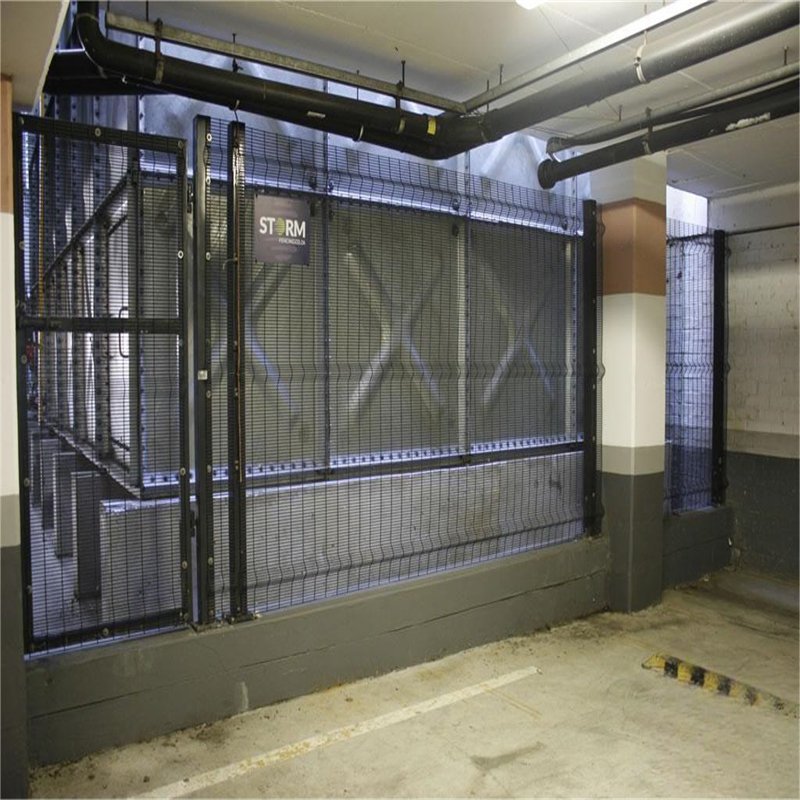
Many security projects need strong boundaries without the visual impact of concrete walls. Factories require observation across storage yards, while utility operators need controlled access around sensitive equipment. Hospitals and public facilities also benefit from clearly defined perimeters. A complete installation combines suitable panels, posts, clamps, gates, foundations, and maintenance procedures.
What Makes 3510 Fencing Different?
The main distinction involves wire diameter and overall panel weight. Traditional 358 mesh commonly uses approximately 4 mm wire. This alternative uses a lighter 3 mm wire configuration.
Both systems employ closely spaced welded mesh. However, their final strength depends on material properties, welding quality, panel geometry, and support arrangements.
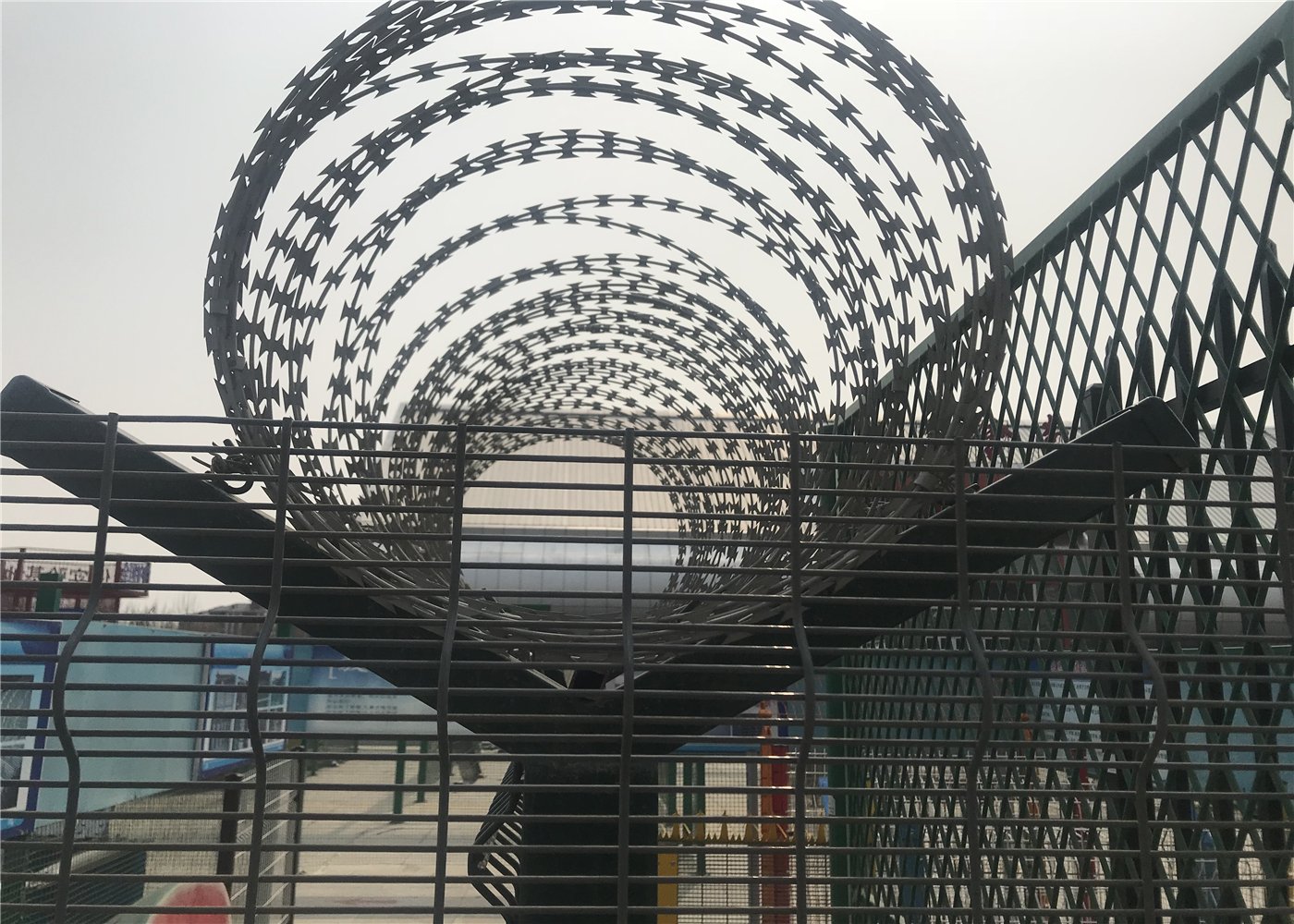
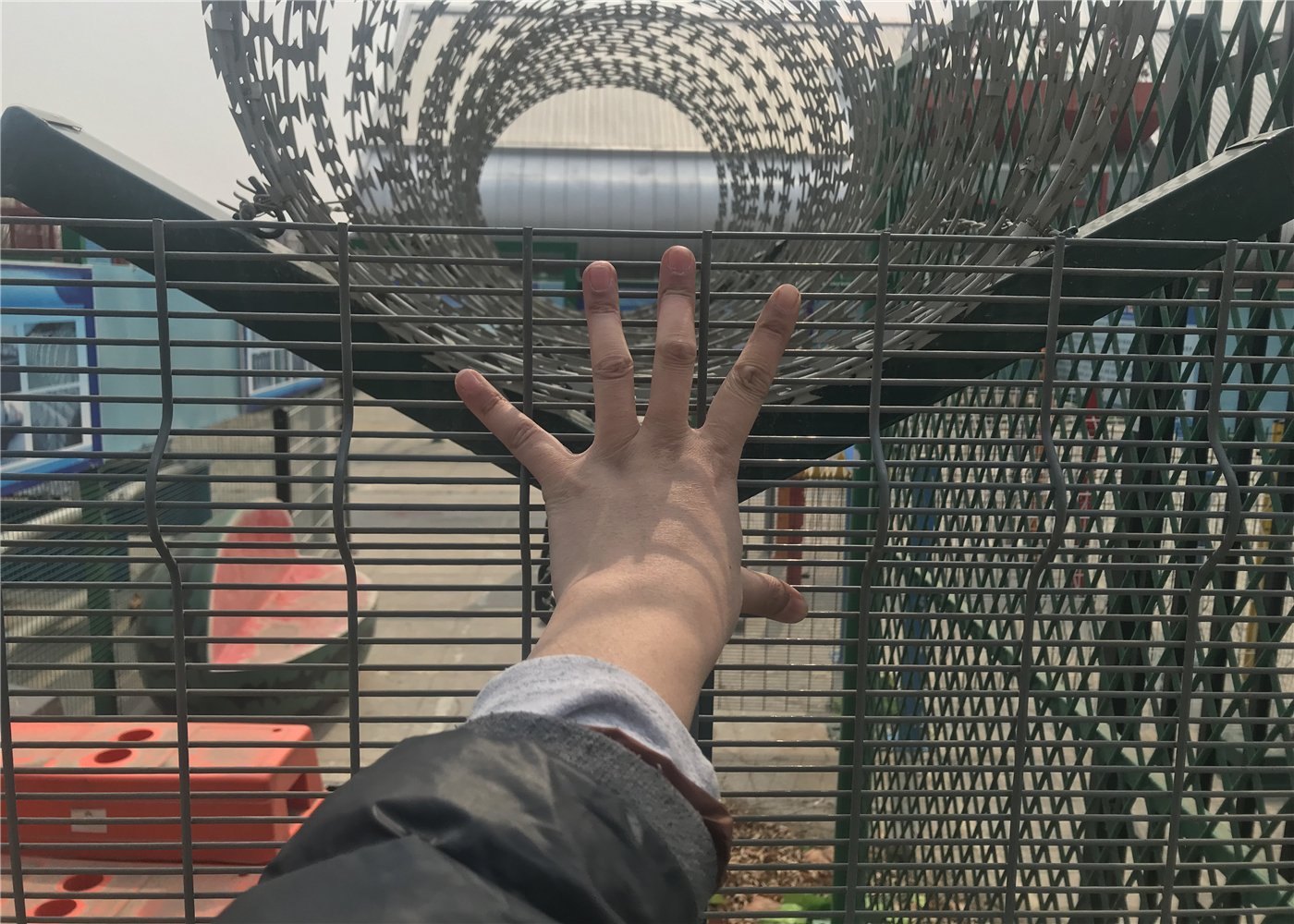
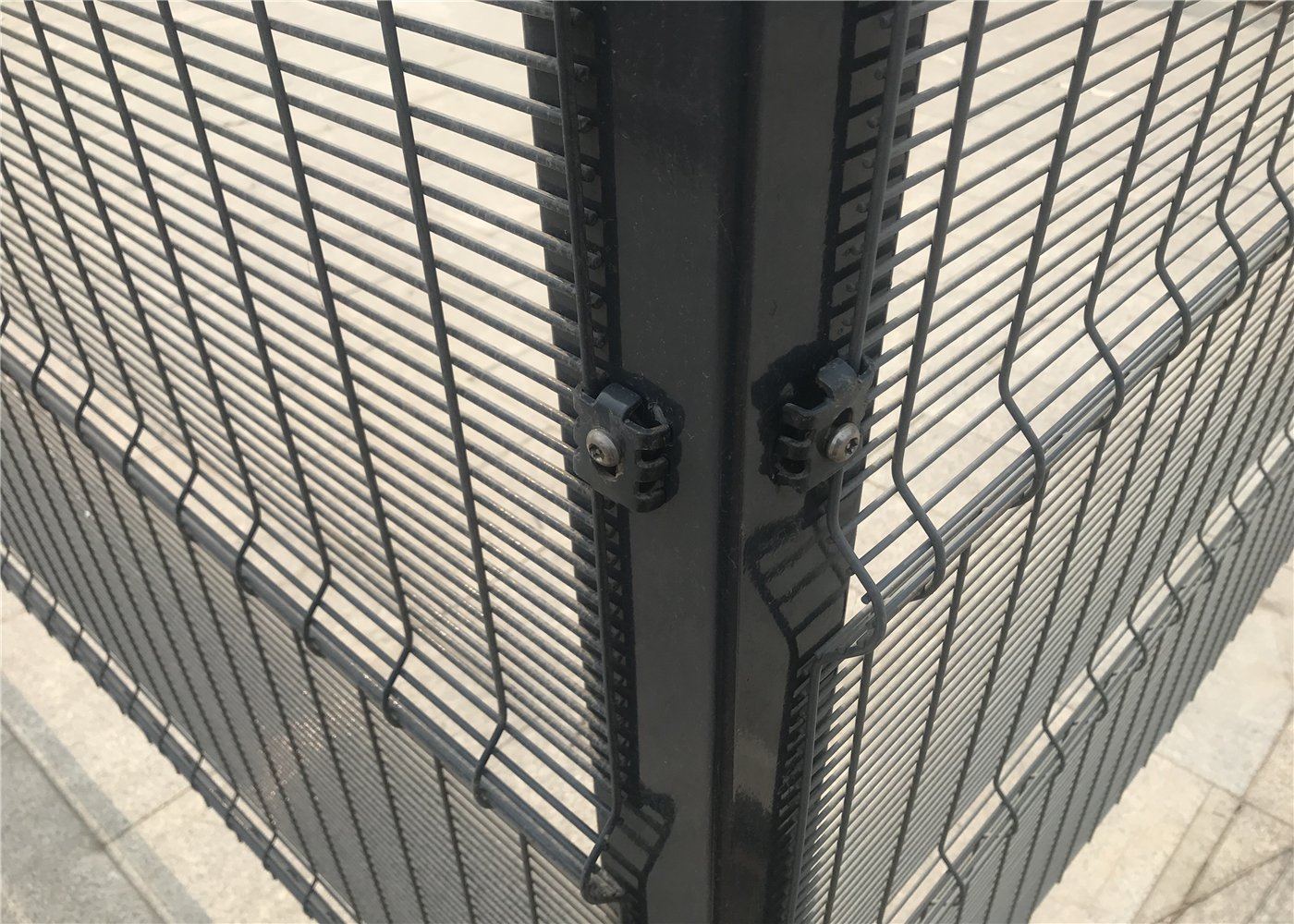
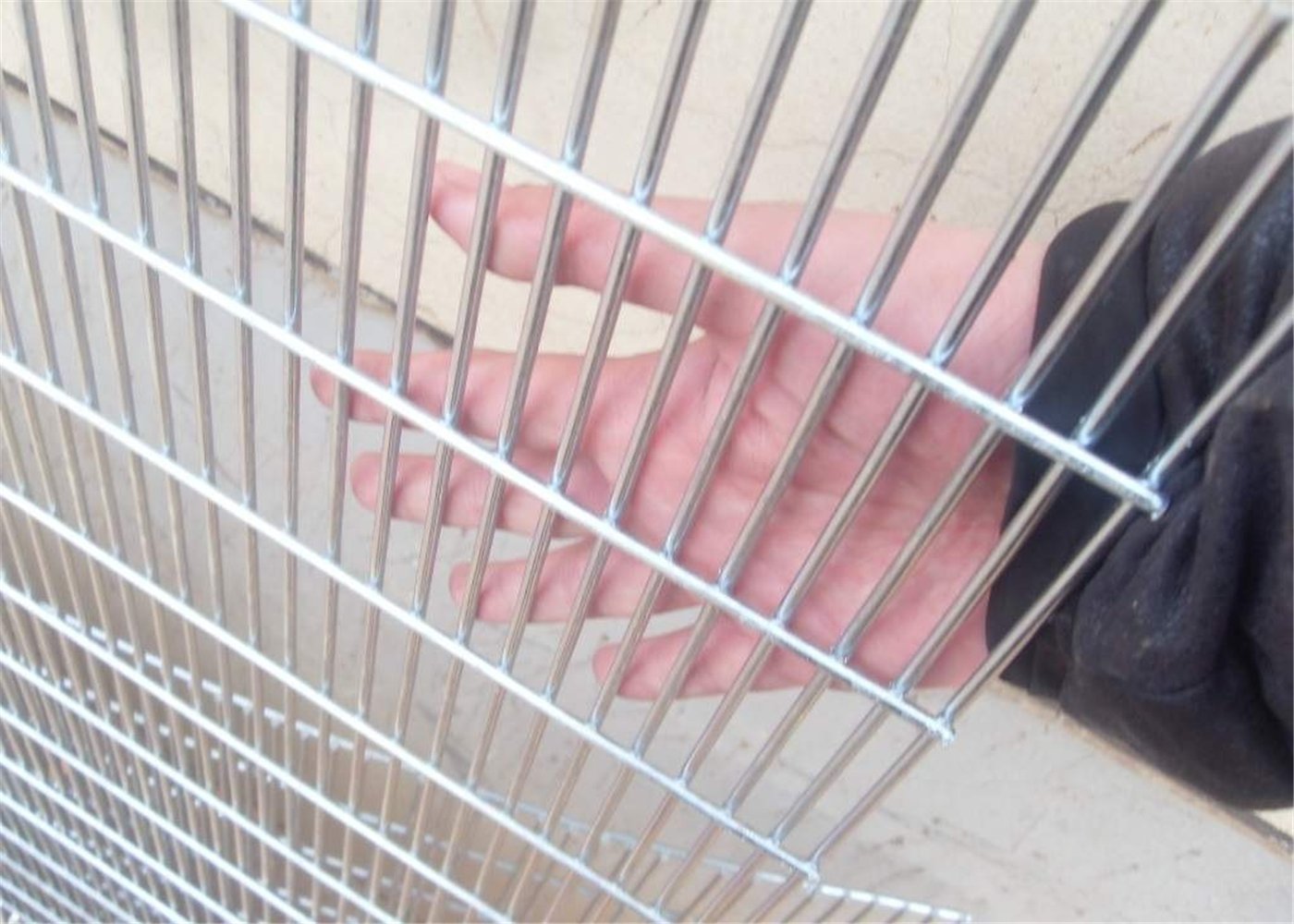
3510 Fencing and Anti-Climb Mesh Design
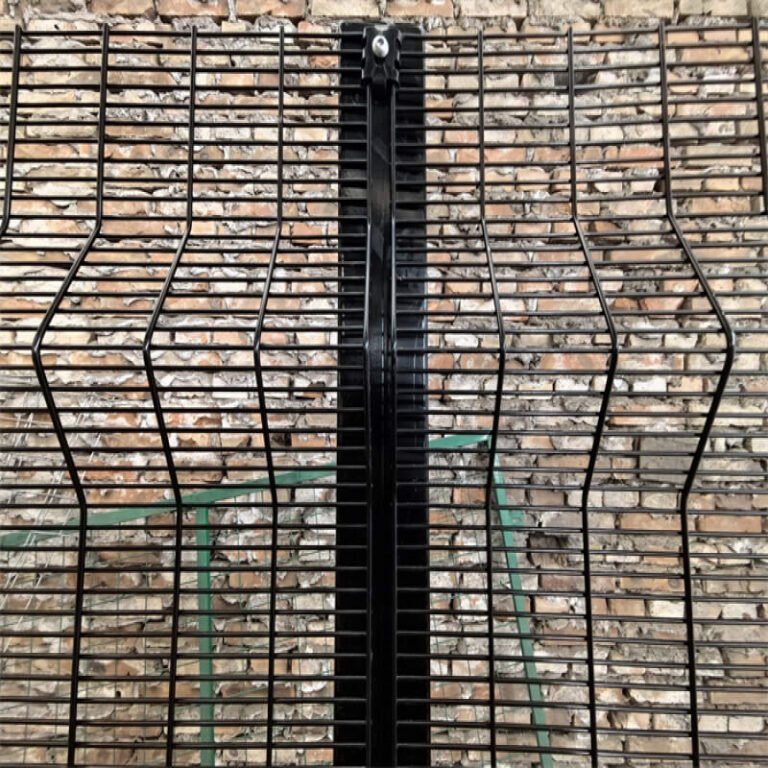
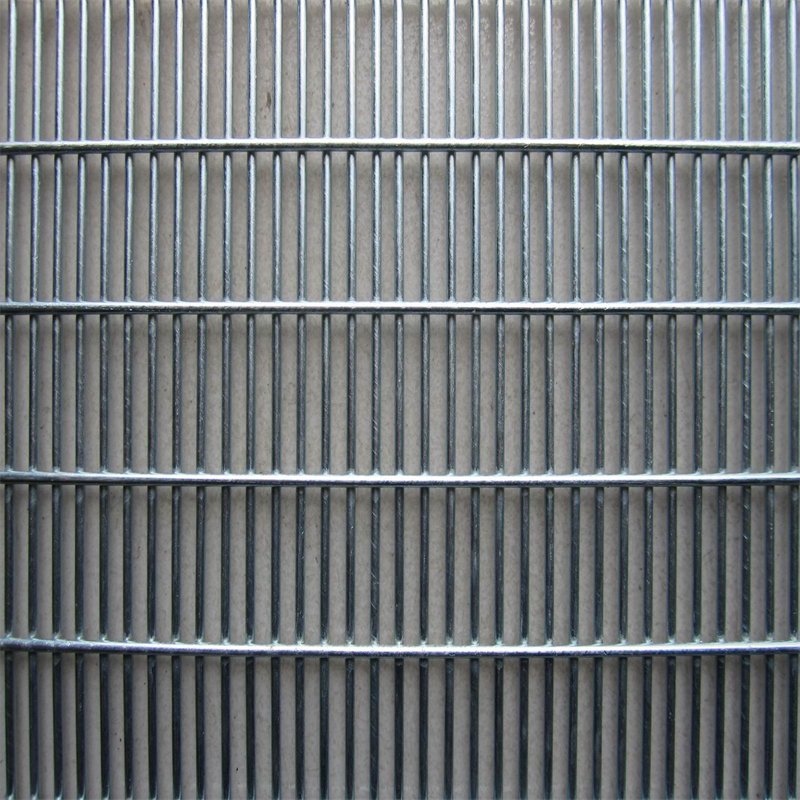
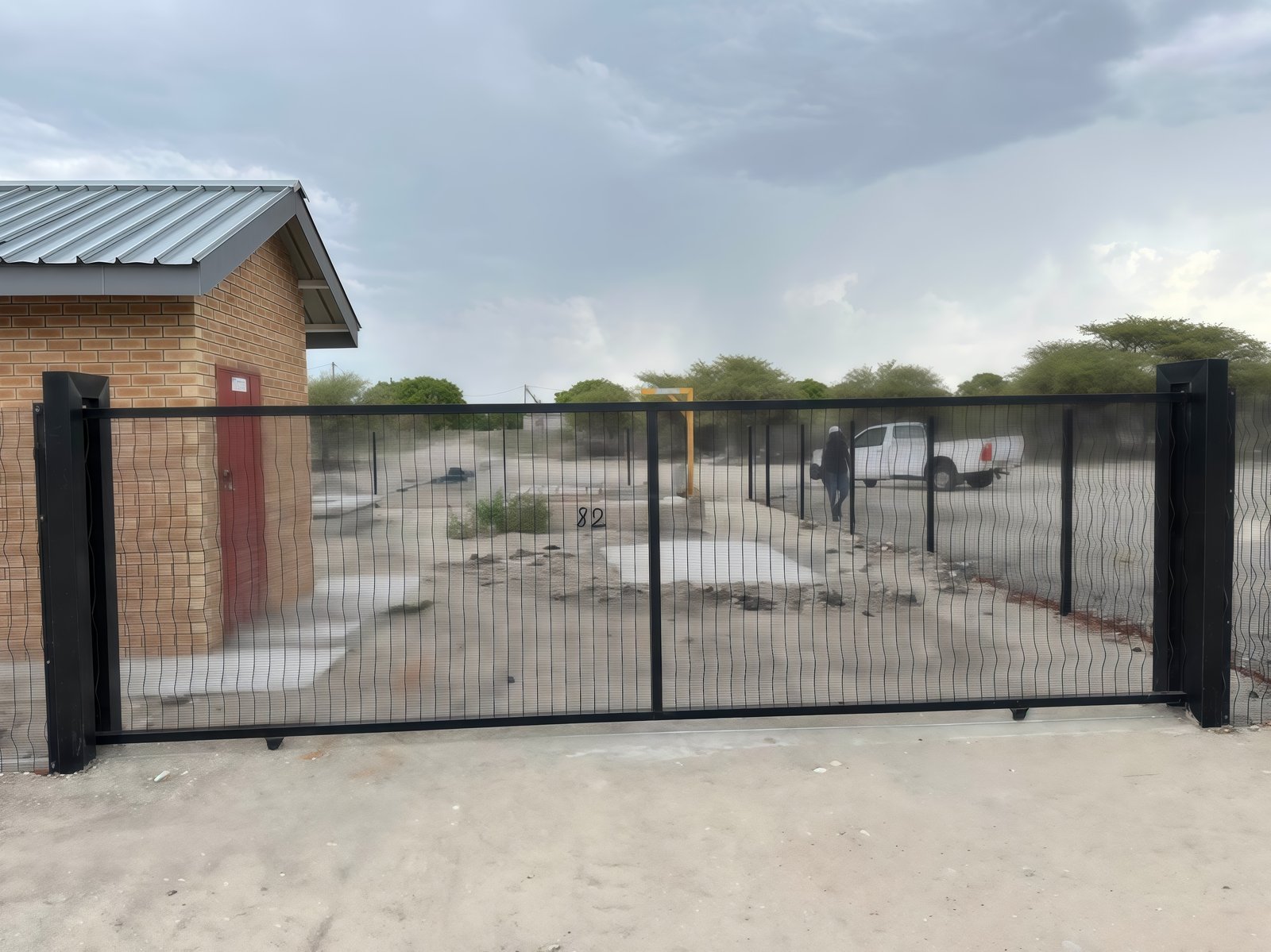
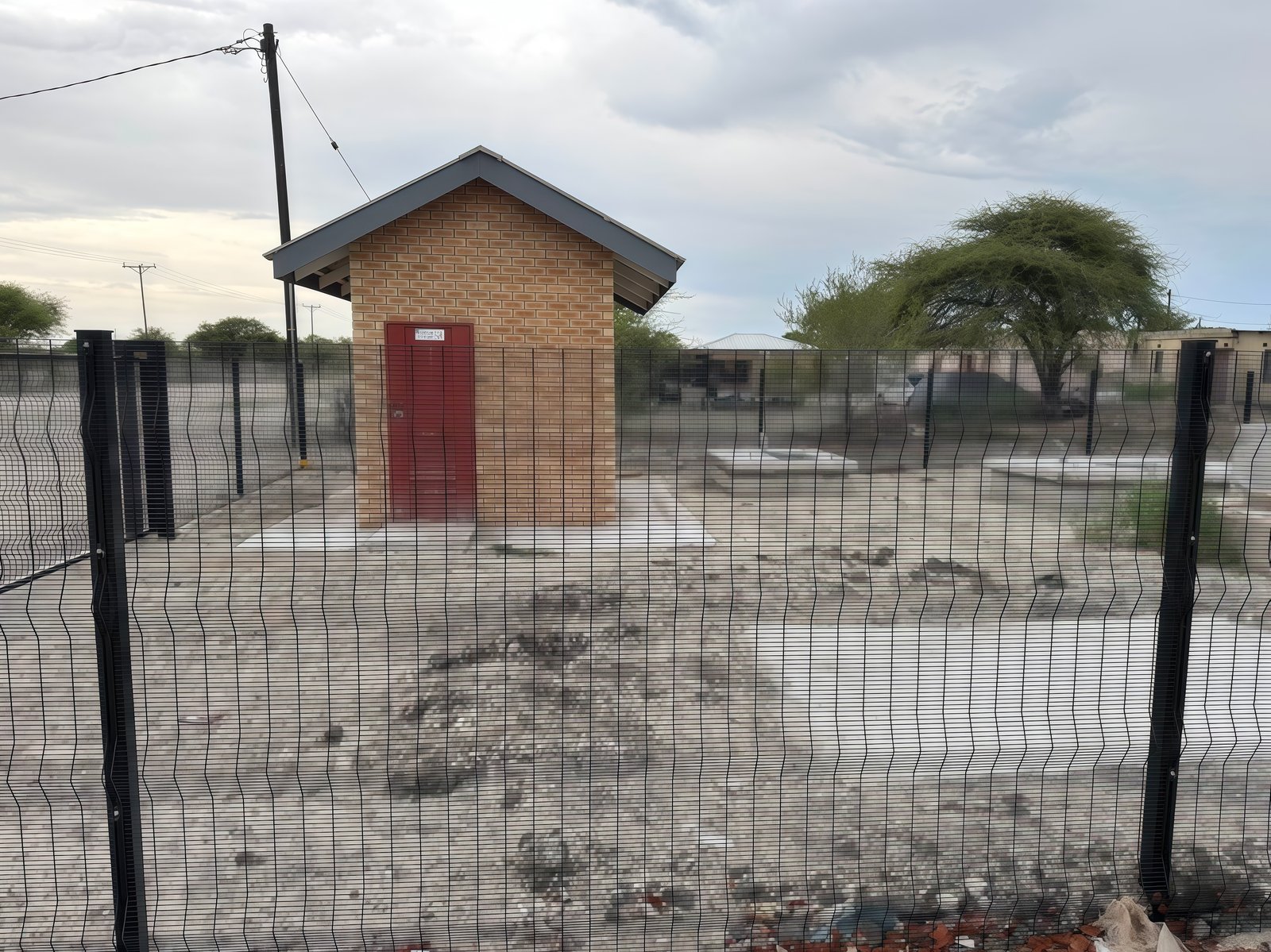
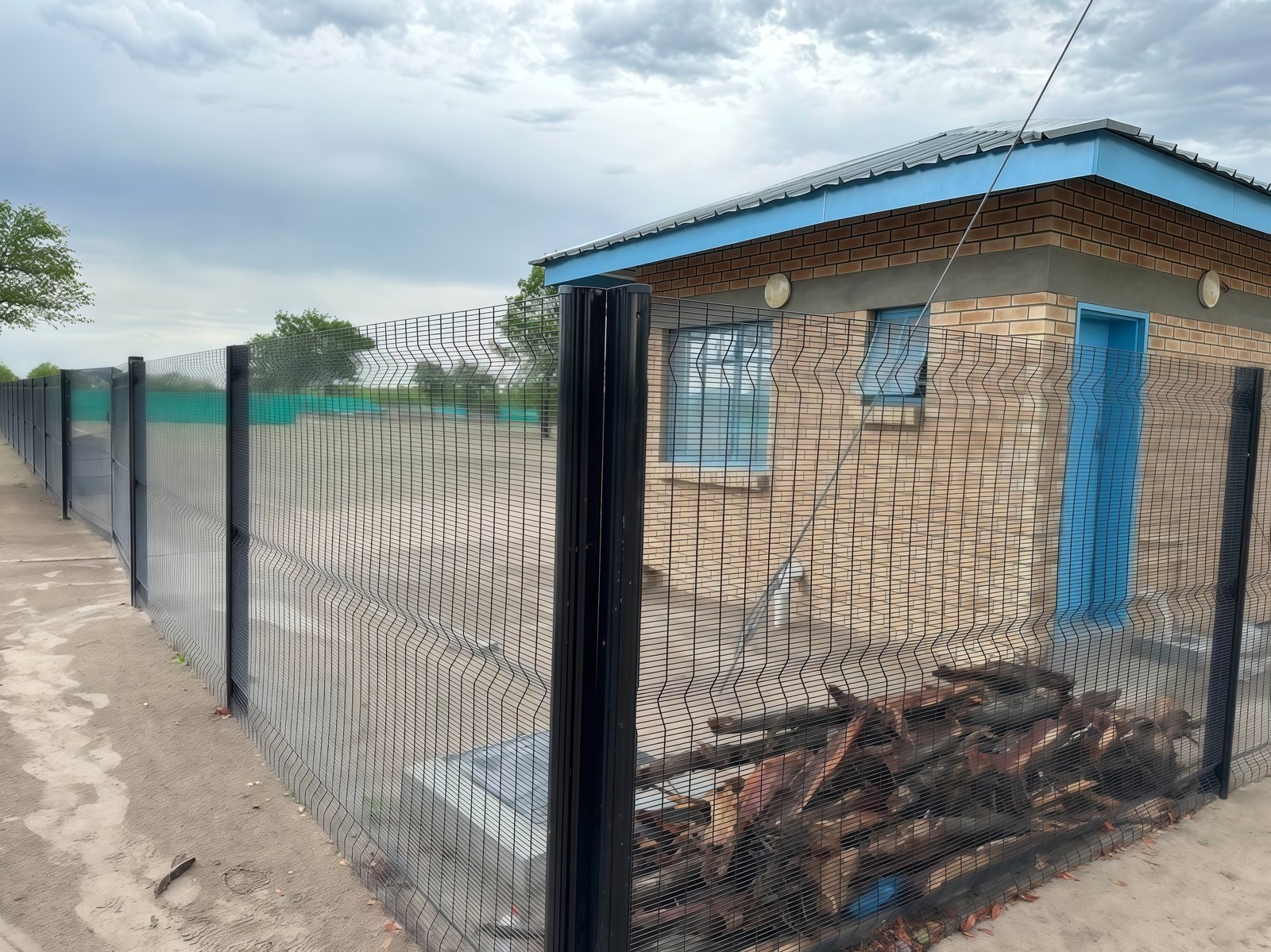
Narrow horizontal openings restrict convenient fingerholds and footholds. Welded intersections maintain the mesh geometry under normal service conditions. Security teams can also observe activity through the panel.
For projects requiring heavier wire, 358 Security Fence offers another perimeter option.
Why Lighter Wire Matters
Steel weight influences handling, freight, and installation planning. Smaller wire diameters generally reduce material consumption for comparable mesh geometry. The actual saving depends on aperture spacing and panel dimensions.
Lower weight does not automatically guarantee adequate strength. Engineers must assess the complete fence against expected loads.
3510 Fencing for Clear Sightlines
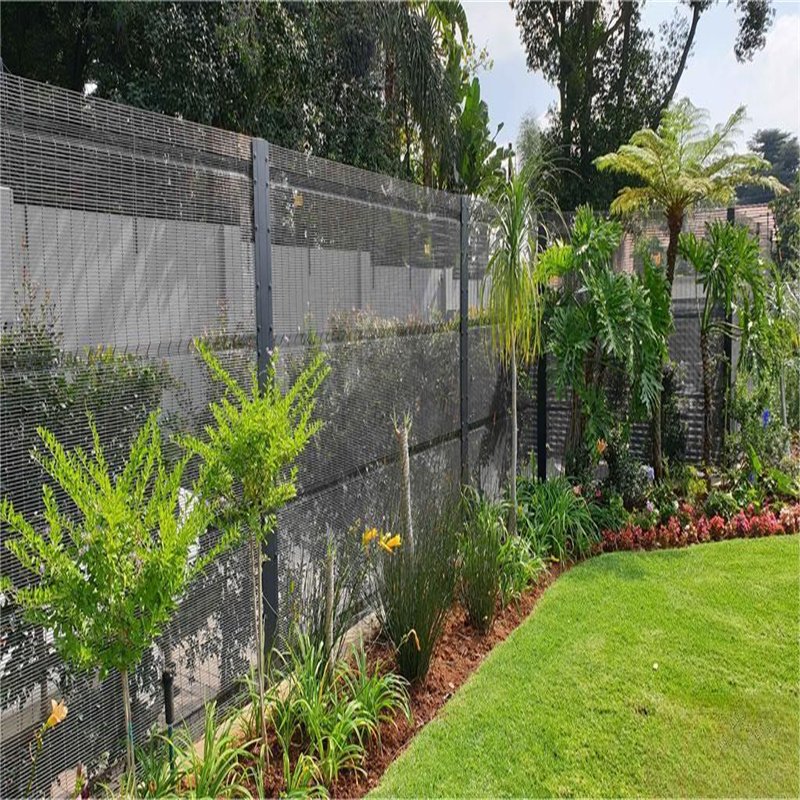
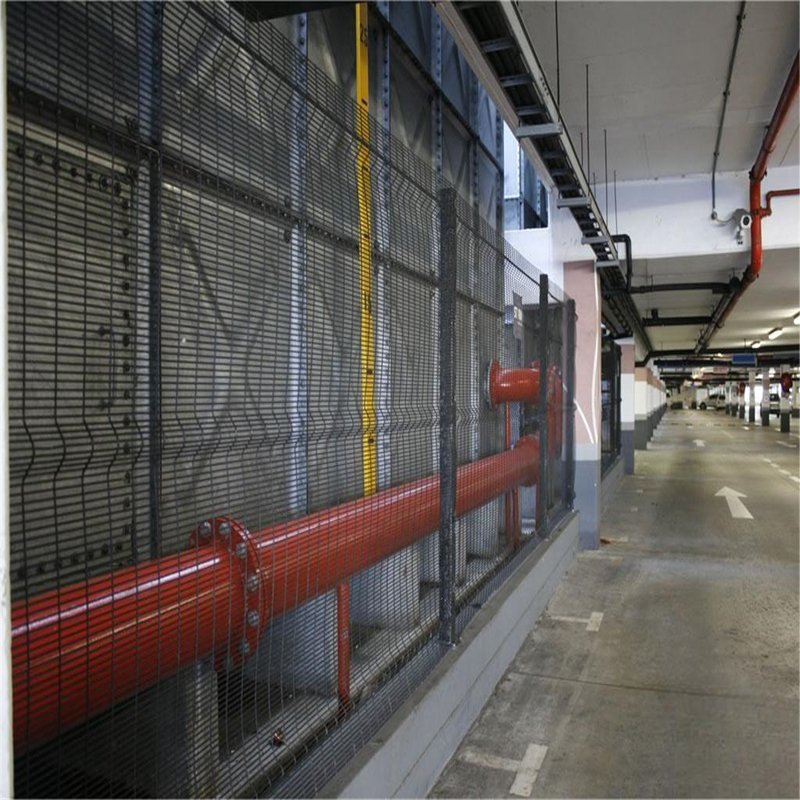
Transparent mesh supports visual monitoring around entrances and restricted compounds. Security cameras can observe movement beyond the fence. Lighting and camera positioning remain important.
Unlike solid walls, mesh panels do not provide visual privacy. Buyers should consider separate screening where necessary.
3510 Fencing Technical Specifications
BMP offers several panel sizes and protective finishes. The following table preserves the original product specifications. Buyers should confirm final manufacturing drawings before placing orders.
| Specification | BMP Reference Details |
|---|---|
| Product Type | 3510 Anti-Climb Welded Security Mesh Fence |
| Material | Low Carbon Steel Wire |
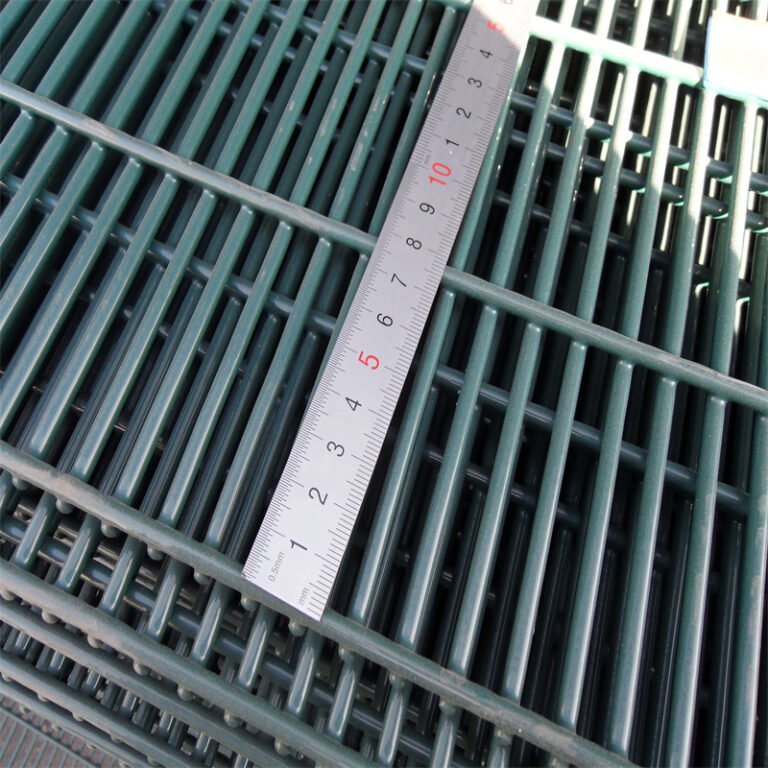
| Mesh Aperture | 73.2 mm Horizontal × 9.7 mm Vertical |
| Wire Diameter | 3.0 mm |
| Surface Treatment | Galvanised + PVC Coated / Hot-Dip Galvanised |
| Panel Width | 2200 / 2500 mm |
| Panel Height | 1800 / 2000 / 2100 / 2200 / 2400 / 2500 / 3000 mm |
| Post Profiles | 60 × 60 mm / 80 × 80 mm / Custom |
| Metallic Coating Option | Zinc Alloy with 5% Aluminium |
| Weld Strength | Original reference: approximately 75% of minimum wire tensile strength; test confirmation required |
| Wire Tensile Reference | 540–690; original unit requires verification |
| Customisation | Panel Dimensions, Post Profiles, Coatings, Colours |
The original tensile-strength entry uses N/m², which requires technical verification. BMP should confirm the correct unit through material certificates. Buyers should also request the applicable weld-strength test method.
Understanding Mesh Aperture Measurements
The original schedule lists 73.2 × 9.7 mm. Production drawings should identify whether these dimensions represent wire centres. That distinction affects the actual clear opening.
With 3 mm wire, a 9.7 mm centre spacing creates approximately 6.7 mm clear space. Actual measurements depend on manufacturing tolerances and coating thickness.
3510 Fencing Panel Width Options
Standard BMP reference widths include 2200 mm and 2500 mm. Different widths influence post spacing and installation quantities. Buyers should specify nominal panel width and actual installed centres.
For other dimensions, Clearvu Fence Panels include alternative welded mesh configurations.
Panel Height Selection
Commercial sites often select heights according to access risks. Taller panels can increase climbing difficulty. However, height also increases structural loads.
Engineers should assess local wind conditions and foundation capacity. Final dimensions must match approved drawings.
3510 Fencing Post Compatibility
BMP offers 60 × 60 mm and 80 × 80 mm post profiles. Wall thickness and post length require separate confirmation. Taller installations may need stronger sections.
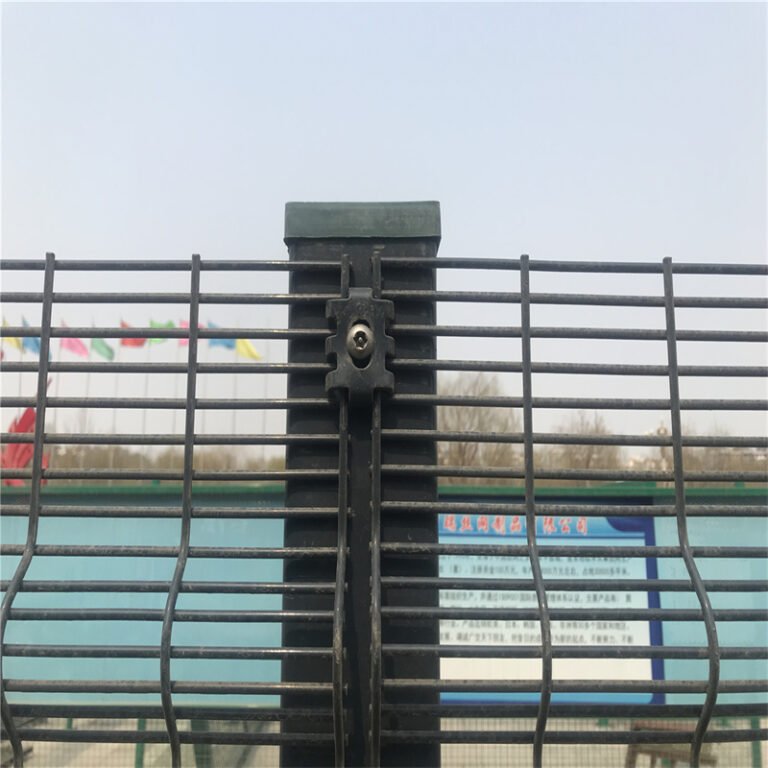
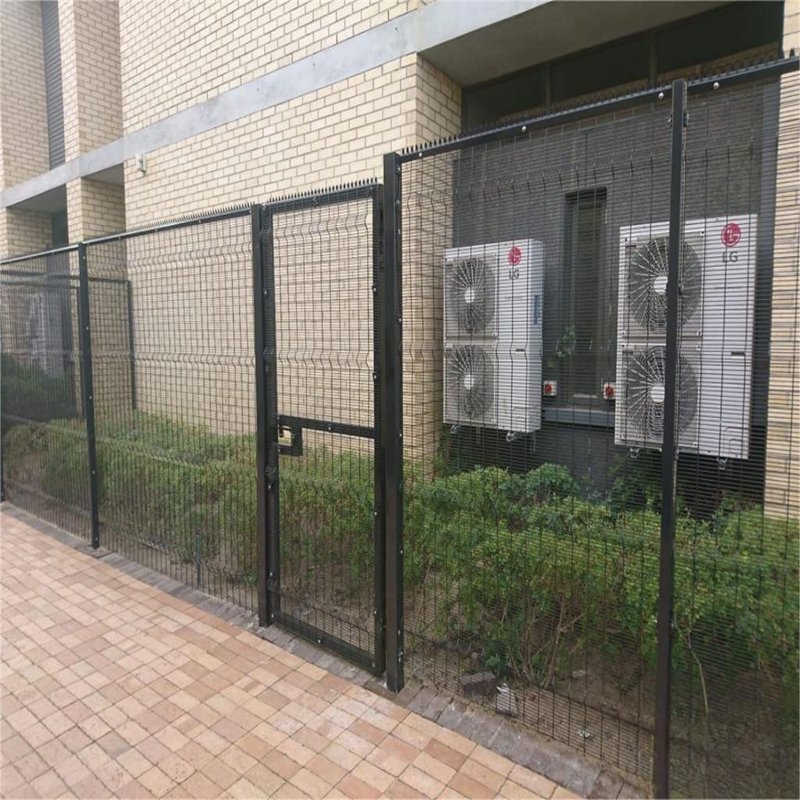
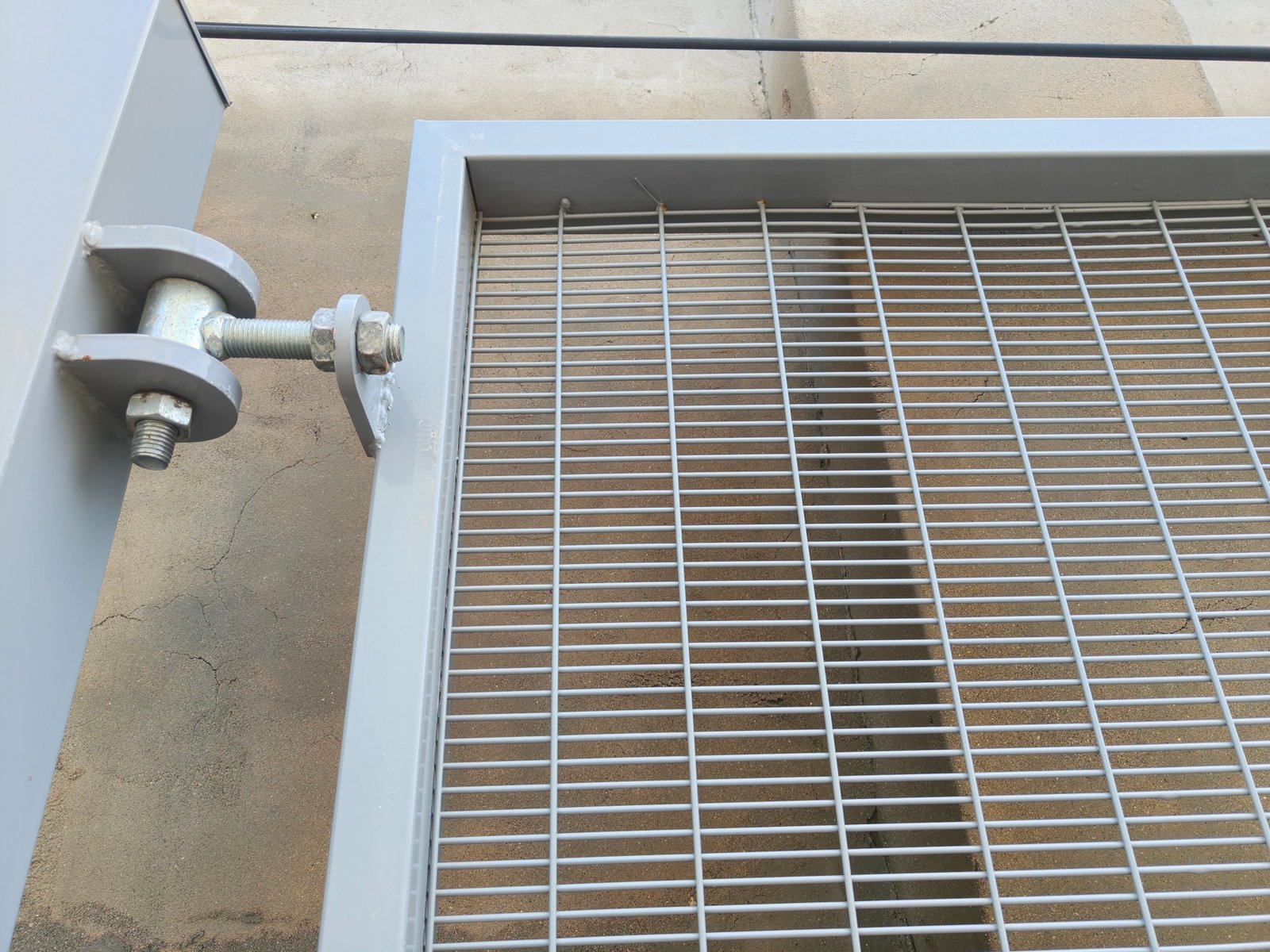
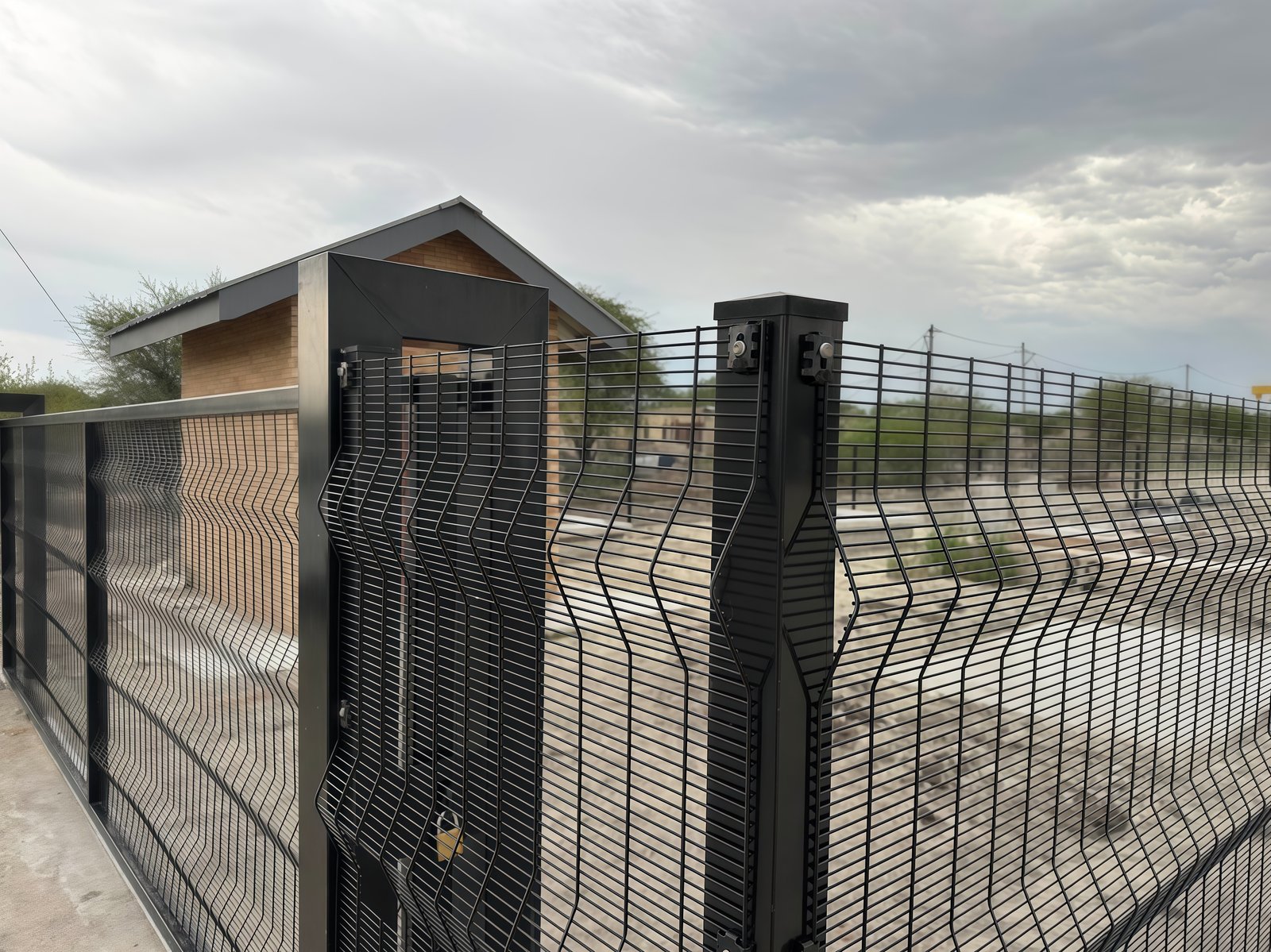
Suitable clamps maintain secure connections between panels and posts. Security bolts can discourage casual hardware removal.
3510 Fencing Versus 358 Security Mesh
Both systems use narrow welded mesh for perimeter protection. Their main differences involve wire diameter, material weight, and selected panel configurations.
| Feature | 3510 Reference | Traditional 358 Reference |
|---|---|---|
| Core Wire Diameter | 3.0 mm | Approximately 4.0 mm |
| BMP Reference Mesh Centres | 73.2 × 9.7 mm | 76.2 × 12.7 mm |
| Relative Wire Weight | Lighter wire | Heavier wire |
| Visibility | Fine wire supports clear sightlines | Clear sightlines with thicker wire |
| Typical Selection | Commercial and selected infrastructure sites | Higher-security perimeter requirements |
| Structural Verification | Required | Required |
These figures compare BMP's supplied reference configurations. Other manufacturers may use different aperture dimensions for similarly named products.
-
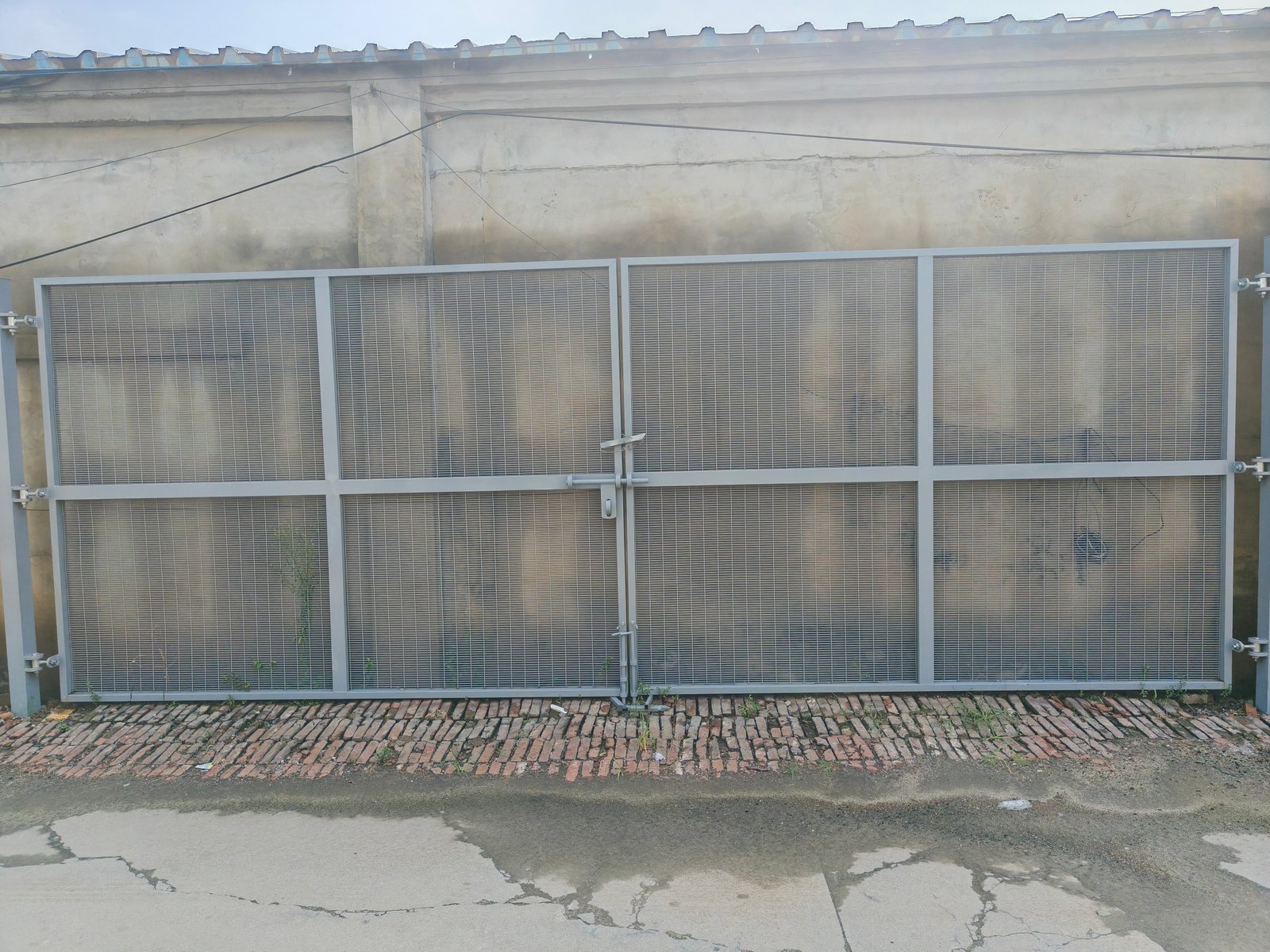
- oplus_10485760
-
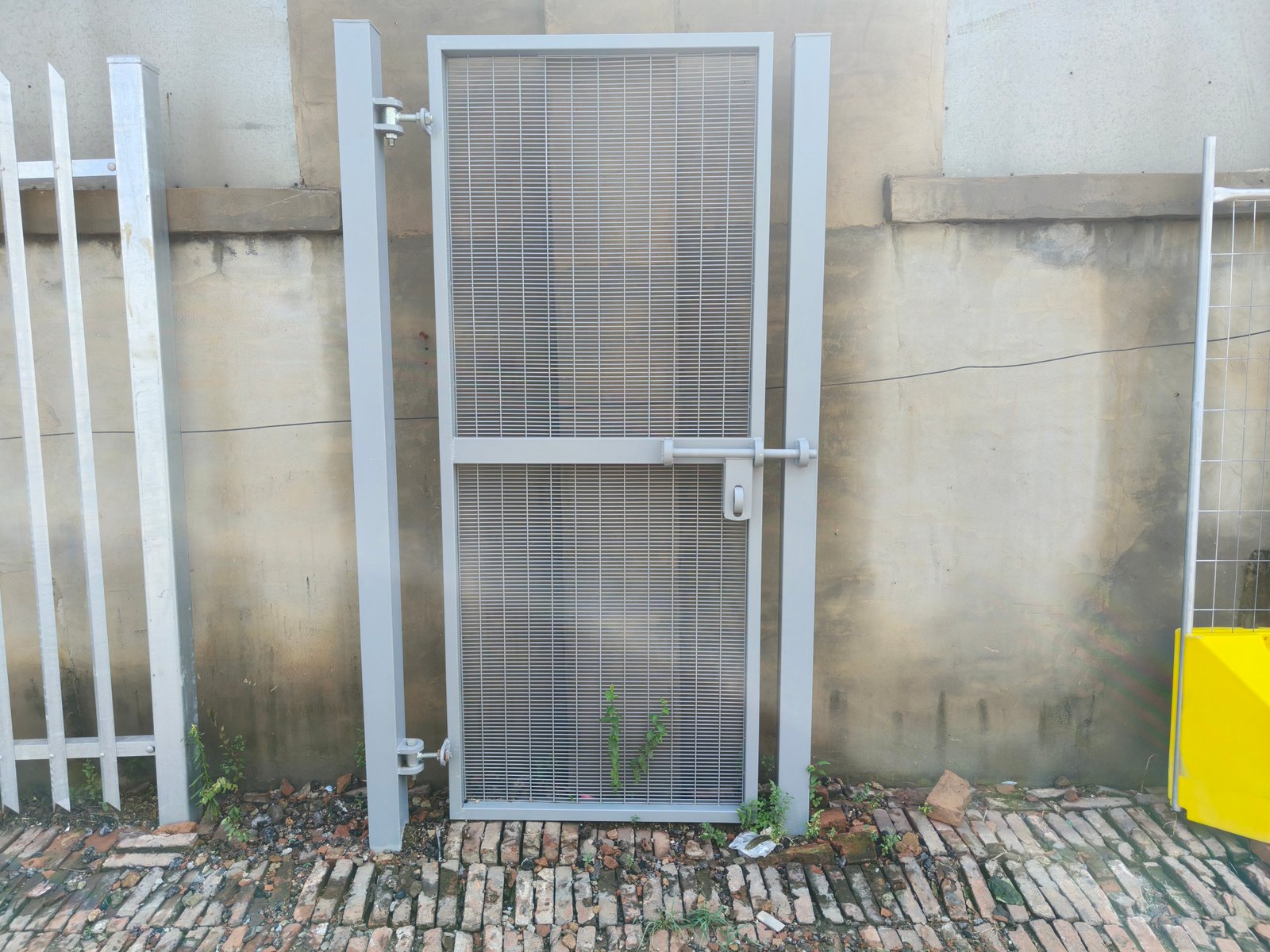
- oplus_10485760
-
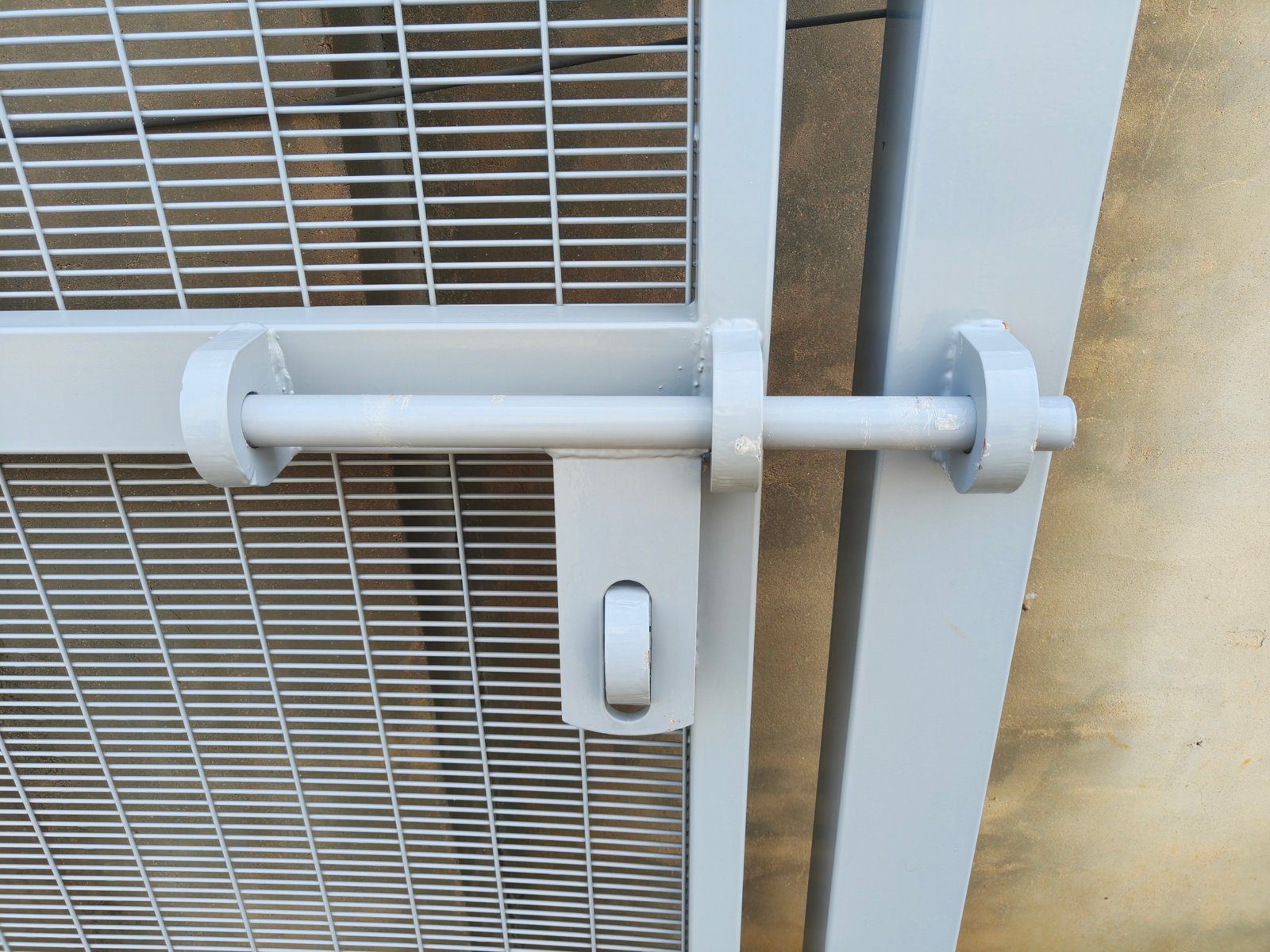
- oplus_10485760
-
- oplus_10485760
3510 Fencing and Material Consumption
For equal wire lengths, steel mass changes approximately with the square of wire diameter. Three-millimetre wire has 56.25% of four-millimetre wire's cross-sectional area.
That comparison excludes differences in wire count and spacing. Actual panel weight requires a complete manufacturing calculation.
Security Performance Differences
Thicker wire may increase resistance against certain cutting and bending forces. However, weld quality and panel support also influence performance. No mesh guarantees complete resistance against determined intrusion.
Projects needing heavier configurations can compare 358 Anti-Climb Fence options.
3510 Fencing and Industry Terminology
Some manufacturers describe 3510 using 76.2 × 12.7 mm spacing and approximately 3 mm wire. BMP's original specification differs. Buyers should avoid relying on model names alone.
Approved drawings should control actual dimensions. Clear documentation prevents manufacturing disputes.
3510 Fencing for Electrical Substations
Electrical substations require controlled access around sensitive equipment. Security mesh can discourage unauthorised entry while maintaining visibility. Utility operators must also consider electrical safety clearances.
Protecting Cable Storage Areas
Copper cables and electrical components can attract theft. Narrow welded mesh provides a physical boundary around selected storage compounds. Surveillance can supplement the perimeter.
Access procedures remain important. Staff should inspect gates and locks regularly.
3510 Fencing Around Transformers
Transformer compounds require safe maintenance access. Fencing must not obstruct required equipment clearances. Qualified engineers should approve the perimeter layout.
Electrical installations also need appropriate earthing arrangements. Fence design must follow applicable safety requirements.
Visibility for Utility Inspections
Transparent mesh helps personnel observe equipment areas without entering every compound. This can support routine external inspections. However, visibility cannot replace authorised technical checks.
Warning signs should remain legible. Access gates need suitable locking systems.
3510 Fencing for Industrial Facilities
Factories and warehouses often need visible boundaries around machinery and valuable materials. Welded mesh supports observation across outdoor compounds.
Warehouse Perimeters
Warehouses may contain valuable inventory and handling equipment. Security mesh helps separate storage areas from public access. Gates should accommodate delivery vehicles.
Clear sightlines can support camera monitoring. Suitable lighting improves observation after dark.
3510 Fencing for Manufacturing Plants
Manufacturing facilities require controlled movement between operational zones. Mesh fencing can define restricted exterior compounds. Internal machine guarding needs separate safety engineering.
Security fencing should not replace certified machinery guards. Each system serves a different purpose.
Equipment and Machinery Yards
Outdoor equipment yards often need secure boundaries and practical maintenance access. Welded panels provide a durable perimeter option. Matching gates support authorised vehicles.
Protective bollards may reduce accidental impact damage. Contractors should consider turning space near entrances.
3510 Fencing for Healthcare Facilities
Healthcare environments require careful security planning. Psychiatric hospitals and specialist treatment centres may need controlled outdoor areas. Patient safety remains a primary consideration.
Controlled Outdoor Courtyards
Selected courtyards need secure boundaries with useful visibility. Narrow mesh can support staff observation. However, anti-climb geometry alone cannot establish clinical suitability.
Specialist designers should assess patient risks. Hardware and gate arrangements require careful review.
3510 Fencing and Staff Visibility
Open mesh helps staff observe activity beyond selected boundaries. Appropriate sightlines can support supervision. Landscaping should not create hidden areas.
Privacy requirements may demand additional screening. Clinical needs should guide the final design.
Safe Access and Emergency Planning
Healthcare facilities need reliable emergency access. Security gates must support authorised evacuation procedures. Staff should receive suitable operating instructions.
Facility managers should coordinate with qualified safety professionals. Local healthcare requirements take precedence.
3510 Fencing for Airports and Transport Infrastructure
Transport facilities need reliable boundaries and clear access procedures. Welded security mesh can support selected perimeter applications.
Airport Service Compounds
Airports contain maintenance yards, utility areas, and restricted service zones. Mesh fencing can help define selected boundaries. Aviation authorities must approve relevant security designs.
Perimeter requirements may exceed standard commercial specifications. Buyers should confirm applicable aviation standards.
3510 Fencing Along Walkways
Pedestrian routes sometimes require protective separation from restricted areas. Narrow mesh offers visibility across the boundary. Engineers must assess fall protection and crowd loading separately.
Walkway fencing should not obstruct emergency movement. Handrail requirements may also apply.
Bridge and Infrastructure Protection
Bridge approaches may need access restriction around maintenance areas. Security mesh can support selected protective boundaries. Structural connections require engineering approval.
Wind exposure and vibration influence installation design. Standard post details may not suit every bridge.
3510 Fencing for Coastal and Inland Environments
Environmental conditions influence coating selection and maintenance. Coastal locations face salt exposure, while inland industrial sites may experience dust and pollution.
Coastal Security Fencing
Durban and Cape Town experience marine influences that can accelerate corrosion. Protective metallic coatings help reduce exposure damage. Compatible polymer finishes may provide additional protection.
Coating selection should reflect actual site conditions. Installers must also protect damaged edges.
3510 Fencing in Industrial Areas
Industrial atmospheres may contain dust, moisture, and airborne contaminants. These conditions can affect exposed metal surfaces. Periodic cleaning supports inspection.
Factories should establish maintenance schedules. Damaged coatings require suitable repairs.
Inland Weather Conditions
Inland sites may experience strong sunlight and seasonal temperature changes. Exterior coatings need suitable weather resistance. Drainage around foundations also matters.
Contractors should assess local soil conditions. Appropriate foundations support long-term stability.
3510 Fencing Surface Treatment Options
BMP offers several protective finish configurations. Buyers should identify the exact metallic coating and polymer finish in purchase documents.
Hot-Dip Galvanised Finish
Hot-dip galvanising applies zinc protection to compatible steel components. Coating quality depends on preparation and process control. Buyers should specify the applicable standard.
Finished products need visual inspection. Damaged areas require compatible repair procedures.
3510 Fencing with PVC Coating
PVC coating provides an additional polymer layer over a suitable metallic finish. The coating can improve appearance and environmental protection. Proper adhesion remains essential.
Buyers should confirm thickness and colour. Surface preparation influences long-term performance.
Zinc-Aluminium Alloy Protection
The original BMP reference describes a zinc alloy containing approximately 5% aluminium. This composition resembles common zinc-aluminium wire coatings. Actual coating mass requires confirmation.
Manufacturers should identify the approved coating standard. Buyers may request material certificates.
3510 Fencing Powder Coating
Polyester powder coating provides colour and additional surface protection. Green and black suit many commercial projects. Custom RAL colours can match architectural requirements.
Proper curing supports coating quality. Finished panels should undergo visual inspection.
3510 Fencing Posts and Security Fasteners
Posts and connections determine how panels perform as a complete system. BMP offers square steel posts and compatible hardware.
Square Steel Post Options
Common reference profiles include 60 × 60 mm and 80 × 80 mm. Wall thickness depends on project requirements. Taller panels may need stronger sections.
Engineers should confirm post lengths and foundations. Wind exposure influences structural design.
3510 Fencing Clamp Systems
Security clamps hold mesh panels against supporting posts. Suitable bolts help maintain attachment strength. Tamper-resistant hardware can discourage casual dismantling.
Connection details should match approved drawings. Incorrect spacing may weaken the assembly.
Corner and End Post Design
Corner posts connect panels from different directions. End posts terminate individual fence runs. These locations may require additional structural consideration.
Installers should check alignment before fastening. Proper connections support consistent panel positioning.
3510 Fencing Installation Planning
Successful installation begins with accurate measurements and suitable foundations. Contractors should identify entrances, corners, ground changes, and underground services.
Boundary Survey
Confirm the legal property boundary before installation. Measure straight sections and gate openings separately. Record significant changes in terrain.
Accurate surveys reduce fabrication errors. They also support efficient material ordering.
3510 Fencing Foundation Design
Foundation dimensions depend on soil conditions and structural loads. Engineers should assess taller panels carefully. Suitable drainage helps protect post bases.
Concrete curing requires appropriate time. Contractors should follow the approved installation specification.
Panel Alignment and Fastening
Installers should align posts before attaching welded panels. Compatible clamps secure the mesh. Check ground clearance throughout each section.
Large gaps can reduce perimeter effectiveness. Uneven sites may need custom panel arrangements.
3510 Fencing Final Inspection
Inspect post alignment, clamps, bolts, and coating condition. Test all gates and locking systems. Record defects before handover.
Owners should receive maintenance instructions. Documentation supports future repairs.
3510 Fencing Packing and Export Shipping
BMP prepares welded panels and steel posts for international transport. Suitable packaging reduces abrasion and handling damage.
Steel Pallet Packaging
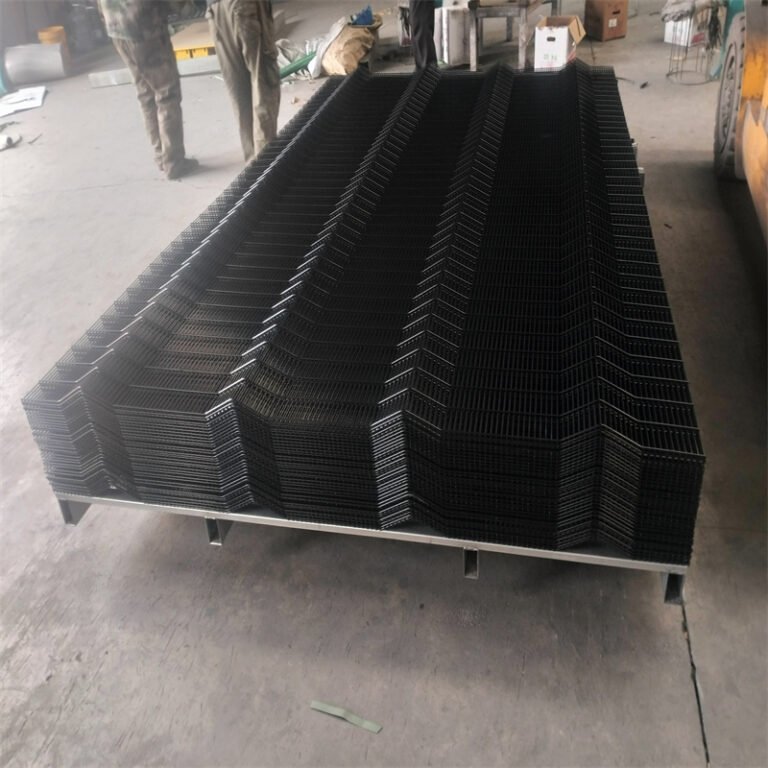
Steel pallets support stacked mesh panels. Protective film separates finished surfaces. Posts require secure bundling.
Accessory cartons should identify clamps and fasteners. Accurate packing lists simplify receiving.
3510 Fencing Container Loading
Container plans must account for panel dimensions and actual gross weight. Secure stacking helps prevent movement during transport. Buyers should confirm loading arrangements.
Large panels need suitable unloading equipment. Site access should accommodate delivery vehicles.
Shipping Documentation
Commercial invoices should identify product descriptions and quantities. Packing lists must match actual cargo. Buyers should confirm applicable customs requirements.
Freight terms define transport responsibilities. Importers should review destination charges before shipment.
3510 Fencing for Construction Project Planning
Construction projects may need temporary boundaries before permanent security fencing arrives. Different products serve different phases.
Temporary Site Boundaries
Temporary Fencing supports movable worksite separation. Contractors can reposition portable panels as construction progresses.
Permanent security mesh requires a different foundation strategy. Project managers should plan the transition carefully.
3510 Fencing and Site Privacy
Some construction sites need visual screening rather than transparent security mesh. Temporary Hoarding helps conceal selected work areas.
Hoarding panels serve a different purpose from permanent welded security fencing. Buyers should specify each system separately.
Pedestrian Access Management
Crowd Control Barriers help organise pedestrian routes around busy sites. Their portable design supports temporary movement management.
Security mesh protects permanent boundaries. Crowd barriers manage shorter-term pedestrian circulation.
3510 Fencing Manufacturing Quality Control
Consistent manufacturing helps ensure predictable dimensions and performance. Buyers should define inspection criteria before production.
Wire Diameter Inspection
Inspectors should verify wire diameter against approved specifications. Measurements must distinguish core wire from coated diameter. Clear records support quality control.
Different manufacturers may use different tolerances. Purchase documents should identify acceptance limits.
3510 Fencing Weld Inspection
Welded intersections maintain mesh geometry. Inspectors should check visible defects and dimensional consistency. Mechanical testing may support project requirements.
The original catalogue's strength figures require verification. Buyers should request relevant test reports before relying on them.
Coating Quality Checks
Finished panels need inspection for visible damage. Check edges, welds, and attachment points. Coating thickness should meet the agreed specification.
Repair procedures must suit the selected finish. Consistent protection supports long-term durability.
3510 Fencing Purchasing Checklist
Buyers should compare complete fence systems rather than panel prices alone. Posts, clamps, gates, coatings, and transport influence total project cost.
| Component | Details to Confirm |
|---|---|
| Mesh Panels | Height, width, wire diameter, mesh centres |
| Steel Posts | Profile, wall thickness, length, coating |
| Clamps | Connection type, security bolts, quantities |
| Gates | Opening dimensions, frames, locks |
| Surface Treatment | Galvanising, zinc-aluminium alloy, PVC or powder coating |
| Quality Control | Wire measurements, weld inspection, coating tests |
| Packaging | Steel pallets, protective film, cartons |
| Shipping | Destination, Incoterms, customs documentation |
3510 Fencing Quantity Calculations
Start with the measured perimeter length. Subtract gate openings before calculating panel quantities. Use the approved installed post spacing.
Include corner posts and additional fittings. Custom sections may require separate fabrication.
Comparing Security Mesh Products
Buyers can compare 358 Security Mesh Fencing with lighter configurations.
For other welded products, Clear View Fence Panels provide additional dimensions.
Projects requiring tighter security may prefer Anti Climb Security Fence systems.
3510 Fencing Factory Supply
BMP manufactures welded mesh panels and compatible accessories. Buyers should approve drawings before production. Clear specifications reduce purchasing disputes.
Related 358 Mesh Fence Factory products provide heavier-wire alternatives.
Other buyers may consider 358 Mesh Fencing for demanding boundaries.
Regional Security Mesh Options
Security requirements vary between projects. 358 Security Fence systems offer different panel arrangements.
For complete assemblies, Clear Vu Fence includes posts, clamps, and gates.
Additional African product references appear under Clearvu Fence Posts.
3510 Fencing Maintenance and Warranty
Regular inspections help preserve appearance and security. Owners should check panels, posts, fasteners, and gate hardware.
Corrosion Monitoring
Inspect protective coatings for visible damage. Remove accumulated debris where appropriate. Use compatible repair materials.
Coastal environments may need closer monitoring. Actual maintenance intervals depend on exposure.
3510 Fencing Gate Maintenance
Check hinges, locks, and moving components periodically. Damaged hardware needs prompt replacement. Gate alignment also requires attention.
Follow manufacturer maintenance guidance. Proper servicing supports reliable access control.
Manufacturer Warranty
BMP offers a 15-year manufacturer warranty for its ClearVu and Clearview fencing products, subject to written terms.
Buyers should confirm whether the selected 3510 configuration qualifies. Environmental conditions and maintenance requirements may affect coverage.
3510 Fencing Frequently Asked Questions
What Is 3510 Fencing?
It is a welded security mesh system using relatively thin wire and narrow openings. BMP's reference configuration uses 3 mm wire.
Is 3510 Fencing Lighter Than 358?
Comparable panels generally use less steel when wire diameter decreases. Actual weight also depends on mesh spacing and dimensions.
Can BMP Customise Panel Heights?
Yes, custom dimensions are available subject to manufacturing confirmation. Buyers should provide approved drawings.
Does 3510 Fencing Prevent All Cutting?
No fence guarantees complete cutting resistance. Narrow welded openings can complicate certain intrusion methods.
Can Security Cameras See Through the Mesh?
Yes, the open design supports useful sightlines. Camera placement and lighting still determine monitoring effectiveness.
Is 3510 Fencing Suitable for Coastal Sites?
Suitable corrosion protection can support coastal applications. Buyers should assess actual marine exposure before selecting a coating.
Which Post Sizes Does BMP Offer?
The original catalogue includes 60 × 60 mm and 80 × 80 mm profiles. Final dimensions depend on structural requirements.
Can BMP Supply Matching Gates?
Matching gates can form part of a complete project quotation. Buyers should specify opening dimensions and operating requirements.
How Do I Calculate Panel Quantities?
Divide the measured fence length by approved installed panel spacing. Adjust quantities for gates, corners, and custom sections.
How Can I Request a Quotation?
Provide panel dimensions, mesh spacing, post requirements, coating preferences, quantities, and destination. Include available project drawings.
3510 Fencing for Practical Perimeter Security
3510 fencing combines lightweight welded steel mesh with narrow anti-climb openings and clear visibility. BMP offers configurable panels, posts, coatings, and accessories.
Commercial and infrastructure projects benefit from careful specification rather than model names alone. Suitable foundations, secure connections, and routine maintenance support performance.
Boss Metal and Plastic Co., Ltd. manufactures welded security mesh and export-ready fencing components.
Contact clearvu@construction-fence.com with your project requirements, quantities, and delivery destination.