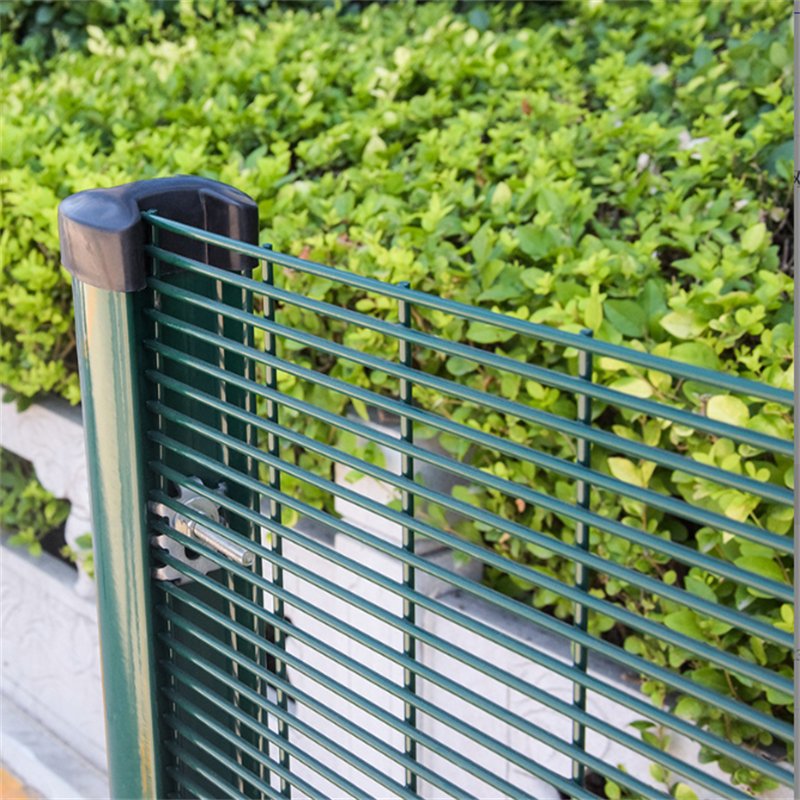
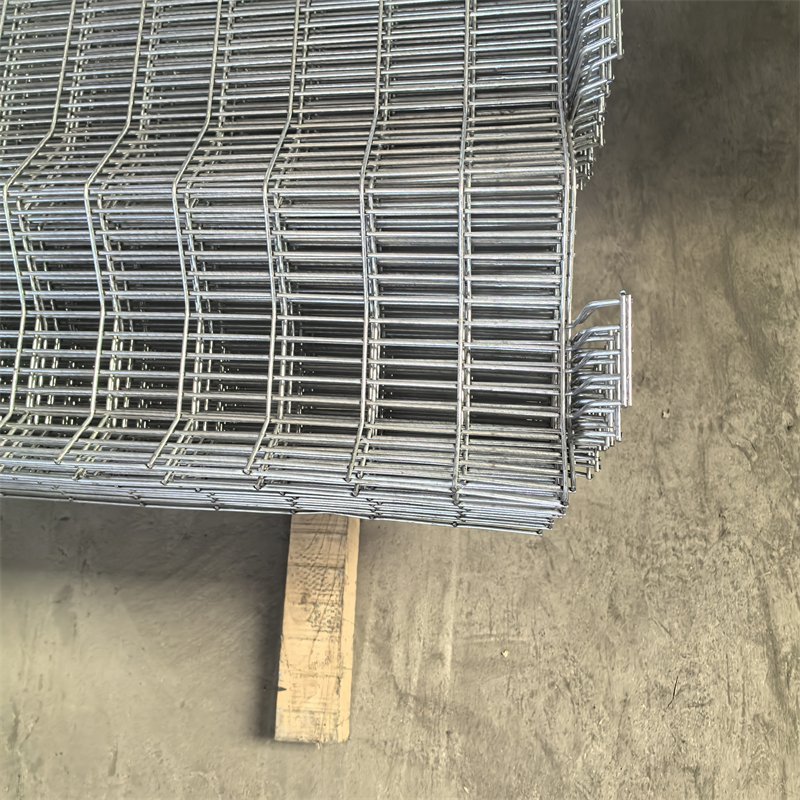
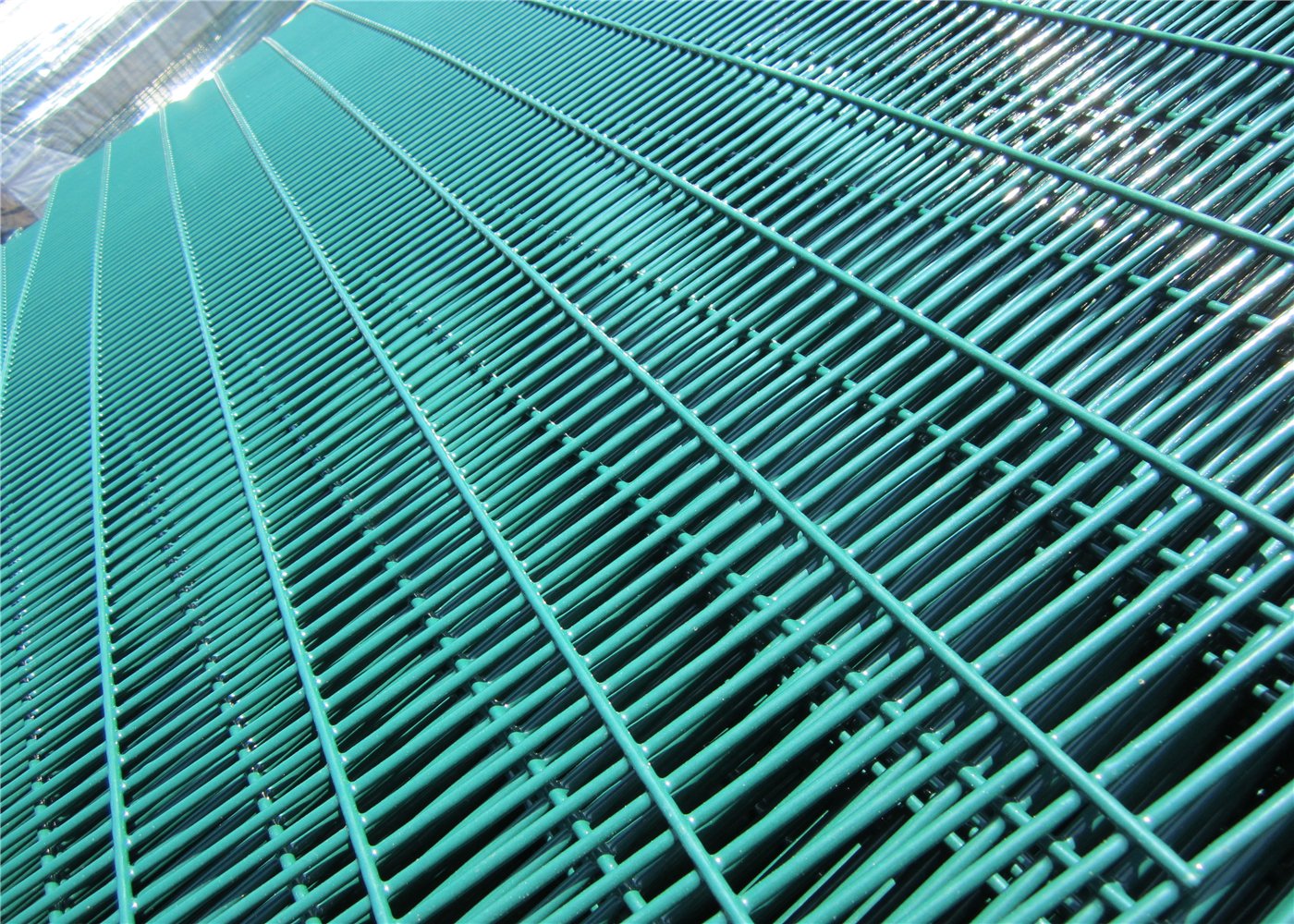
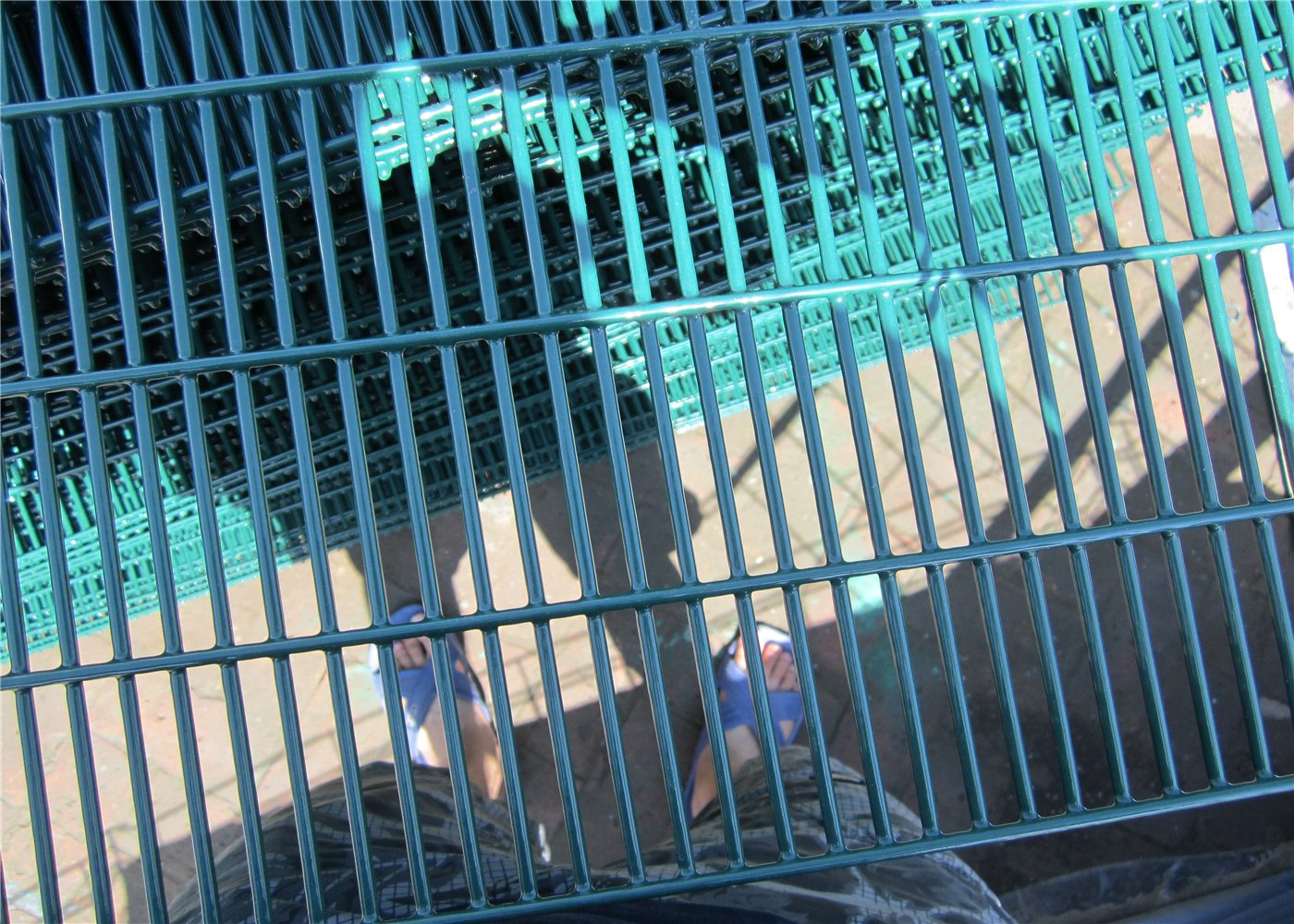
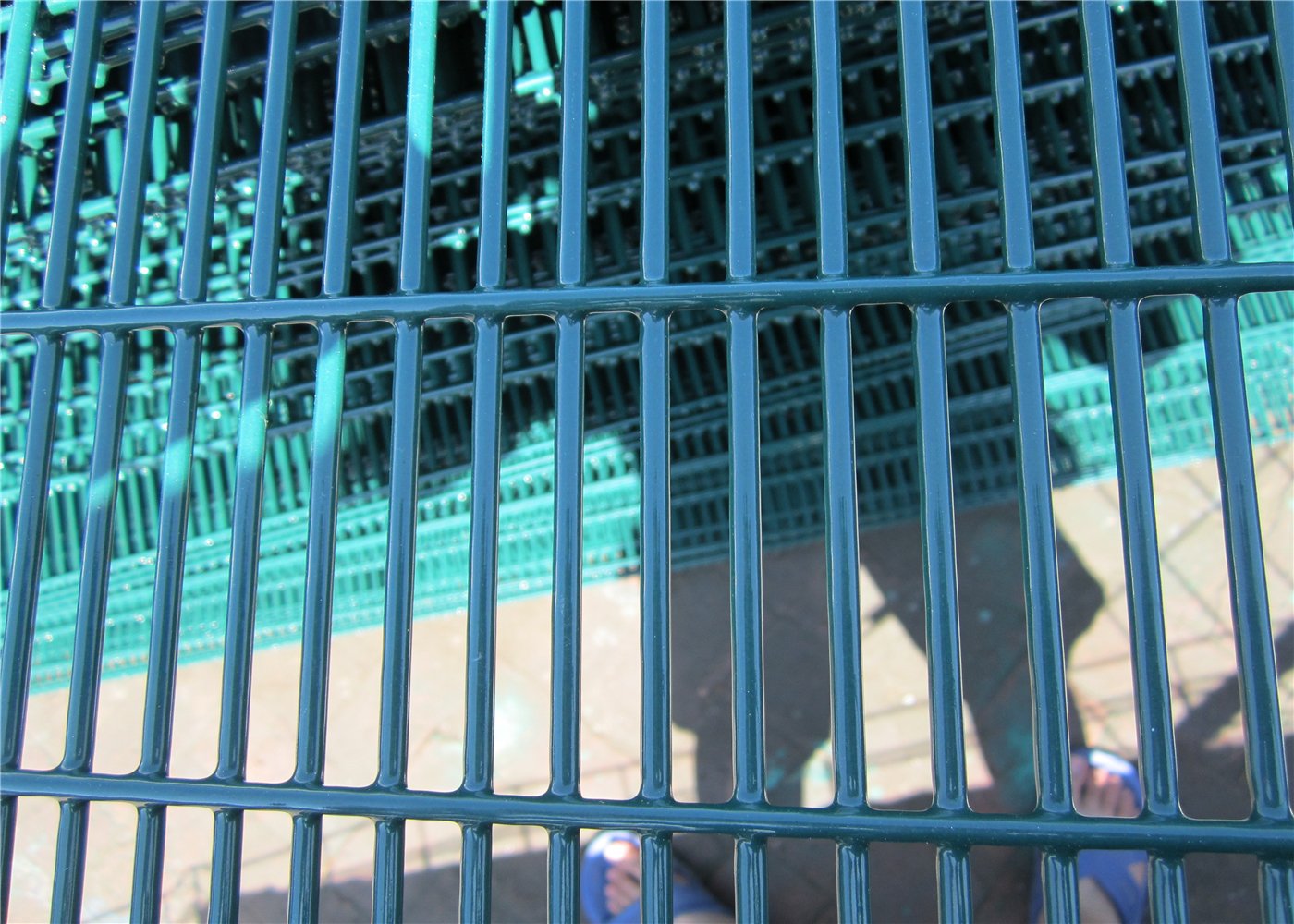
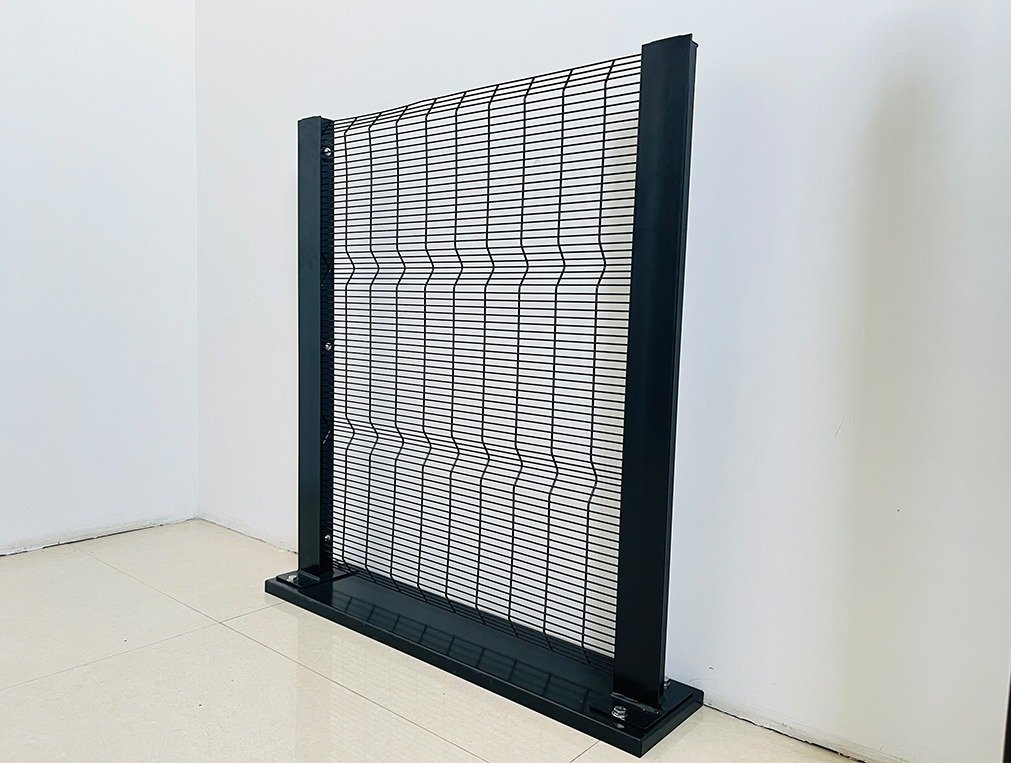
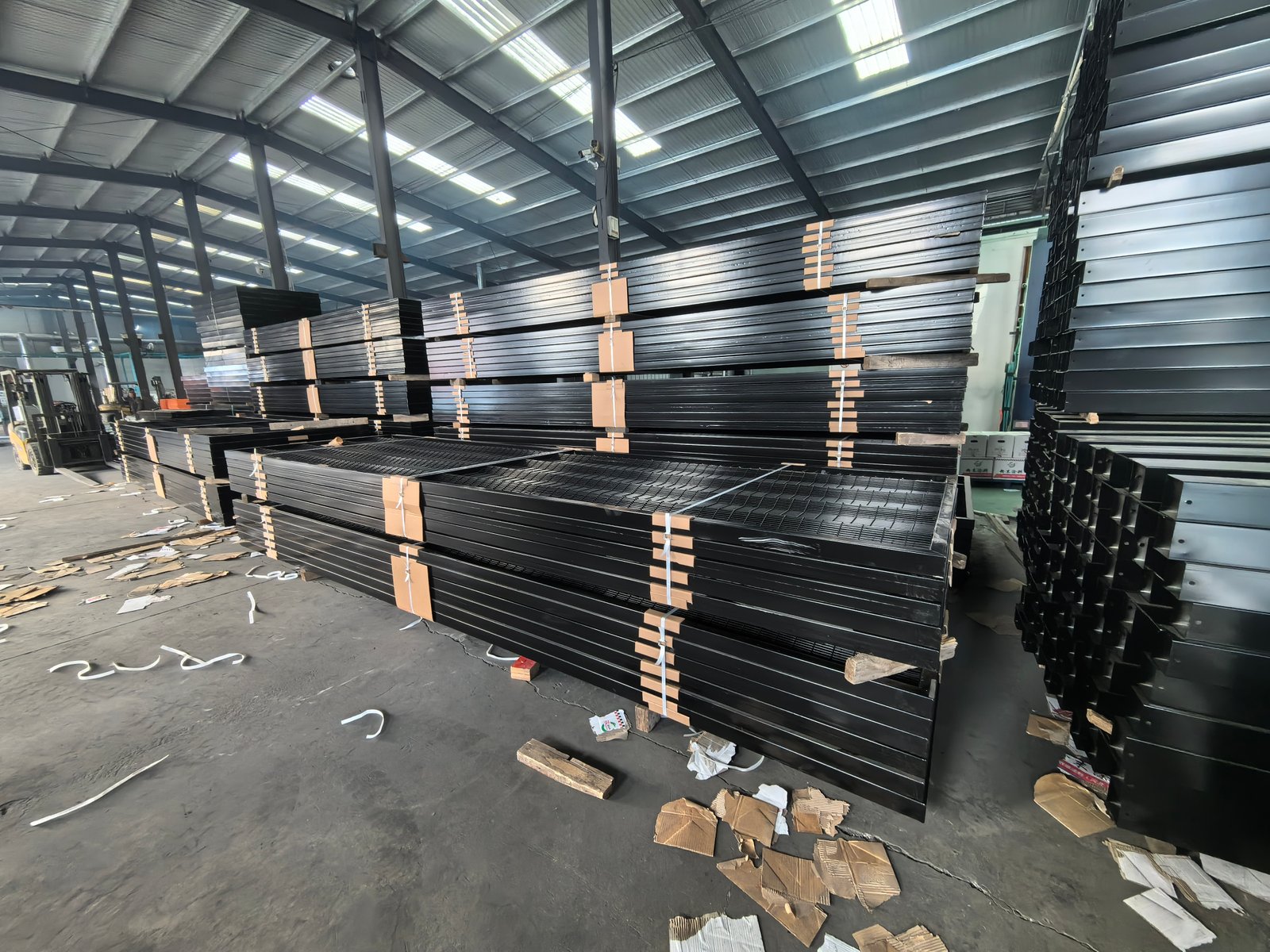
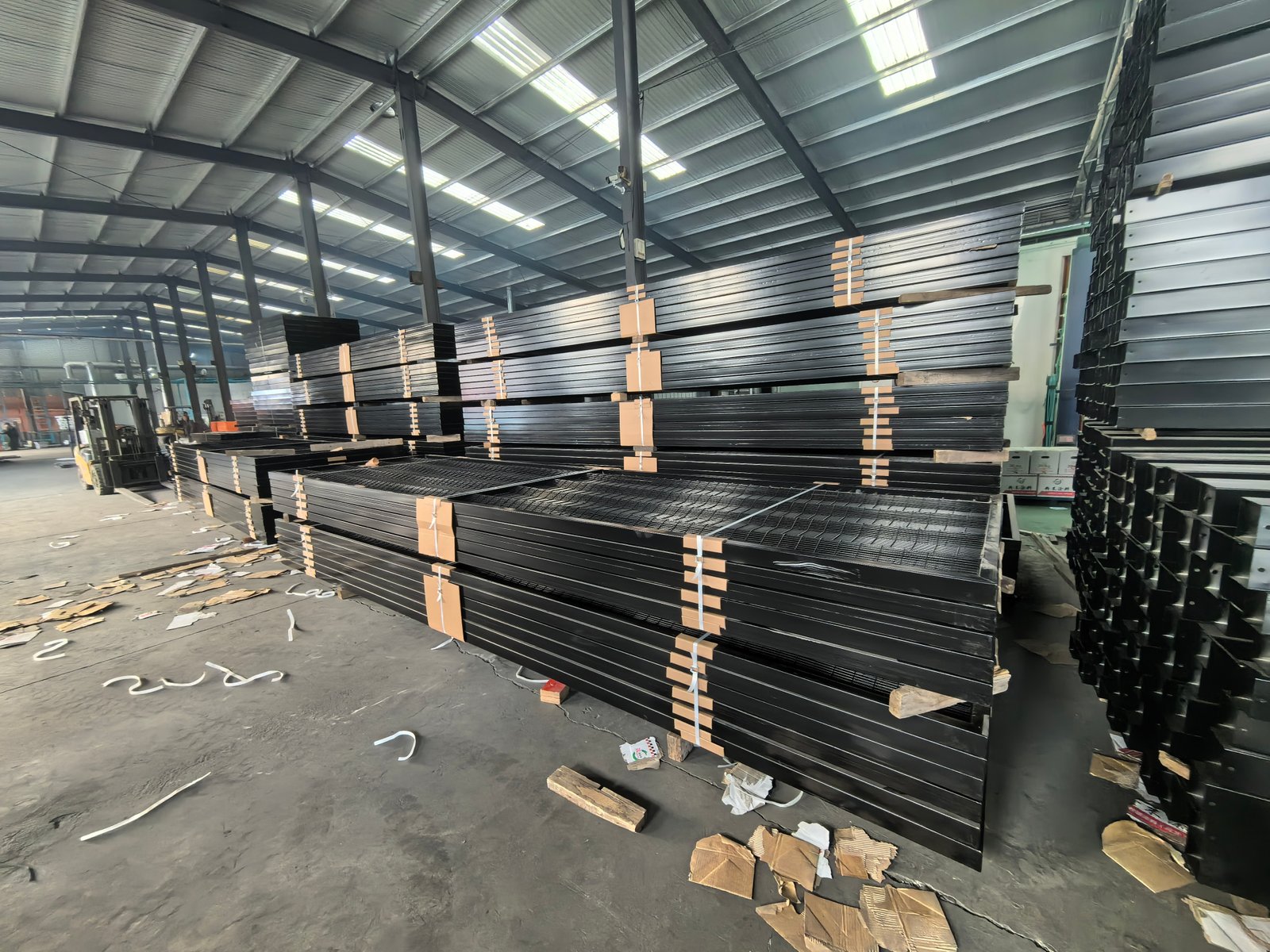
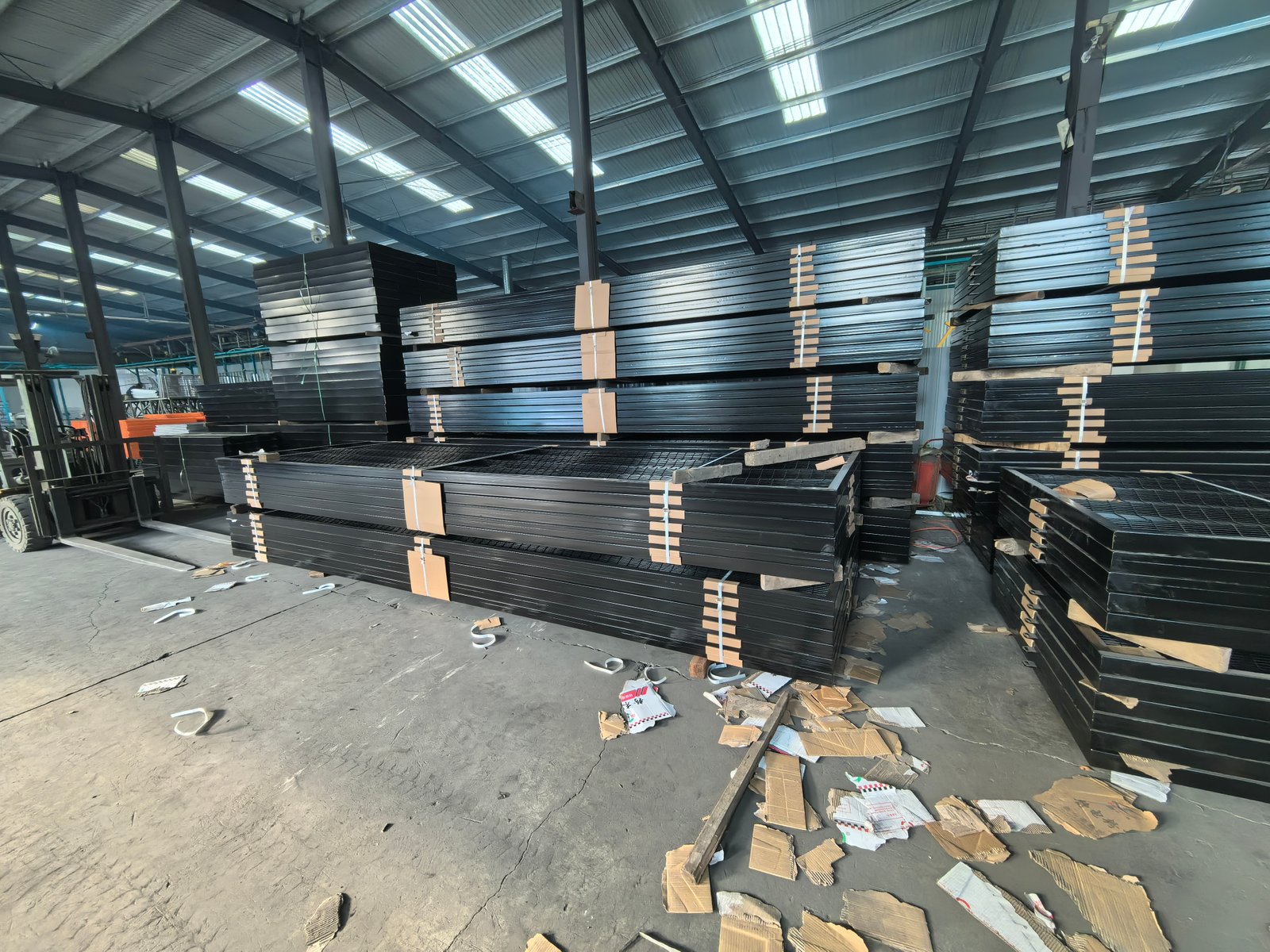
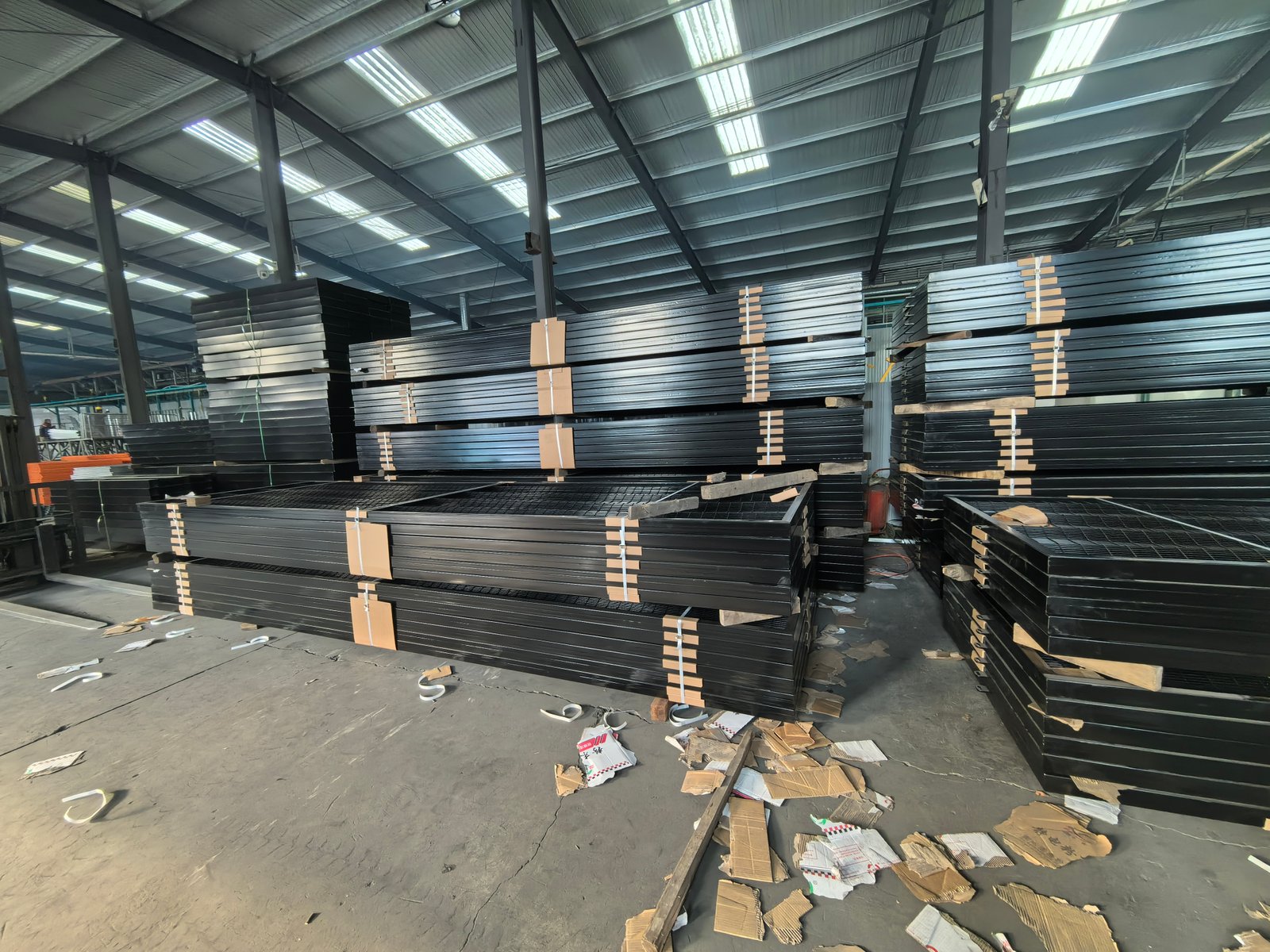
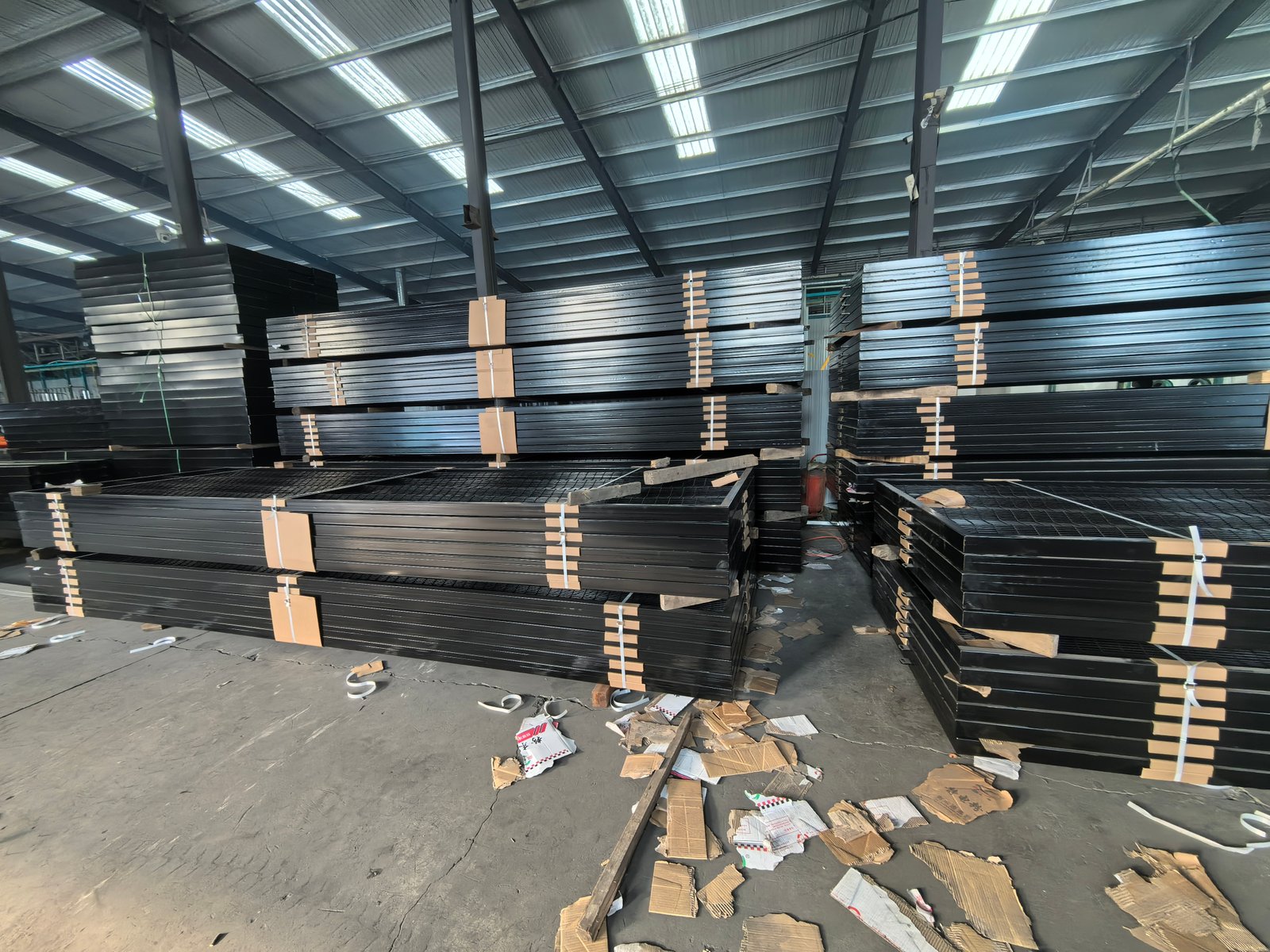
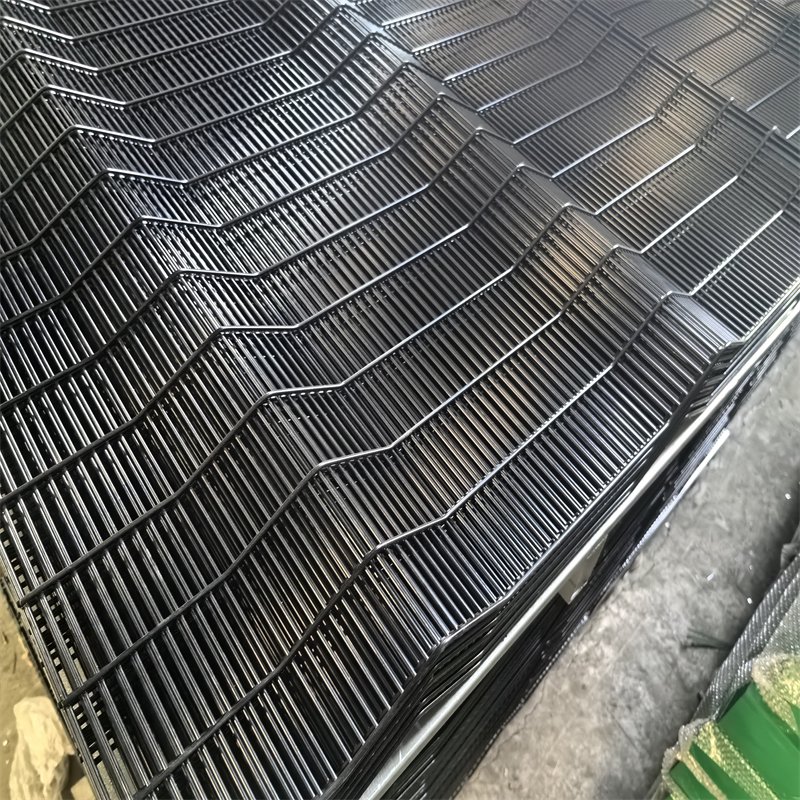
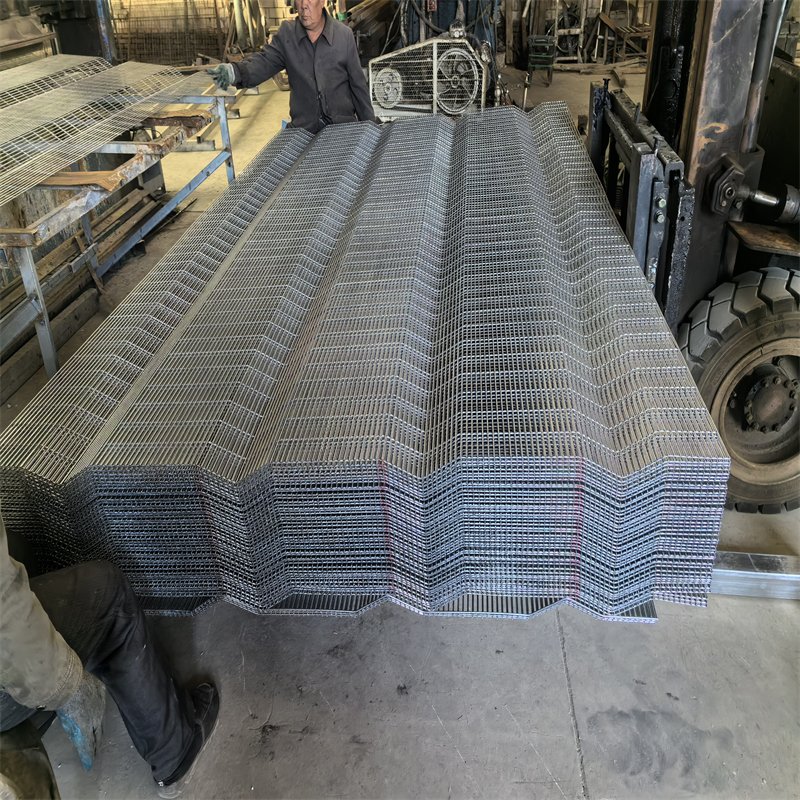
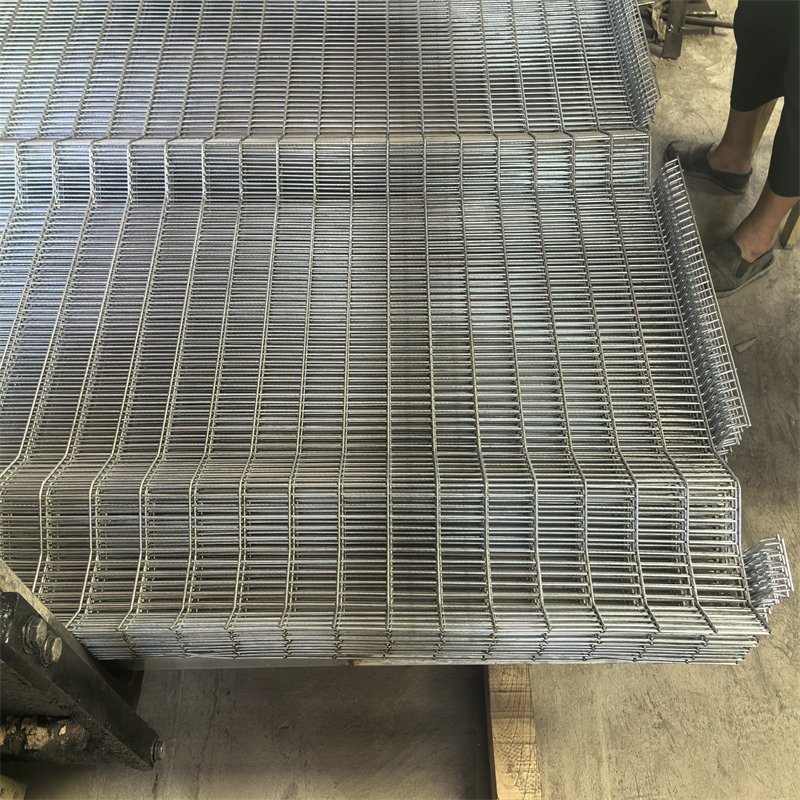
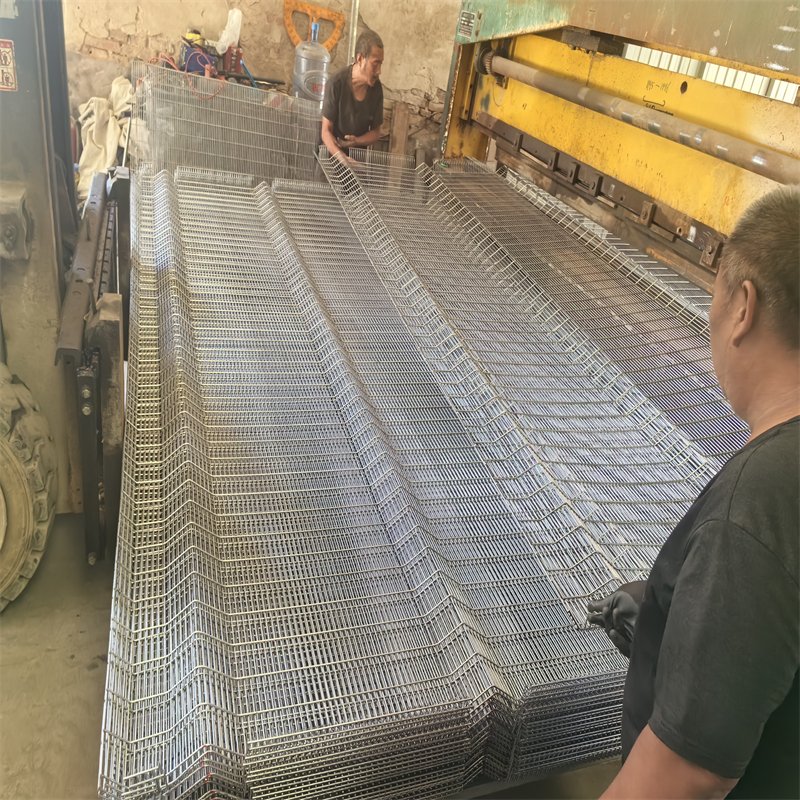
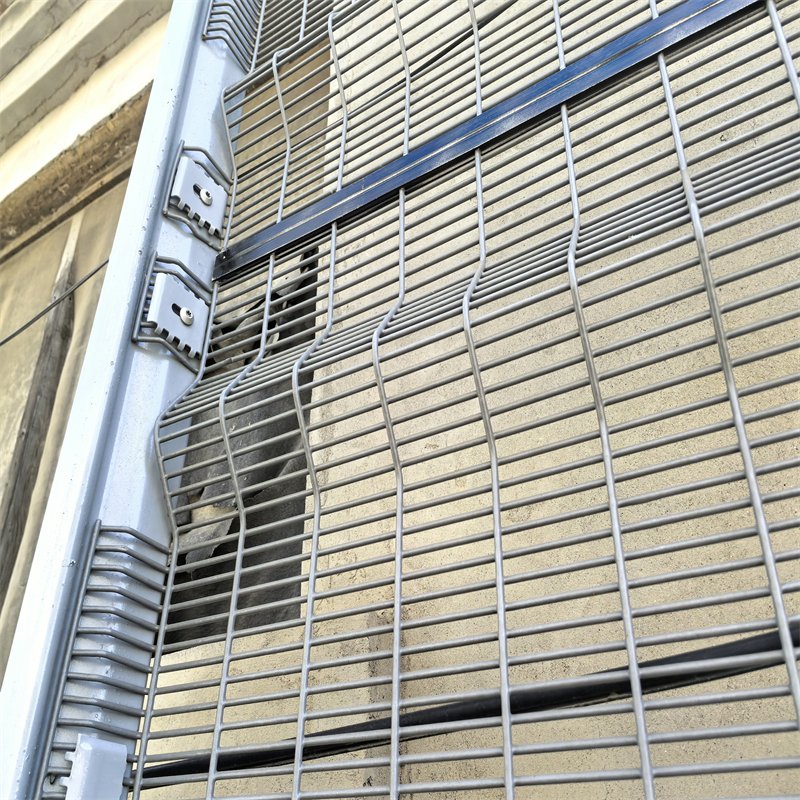
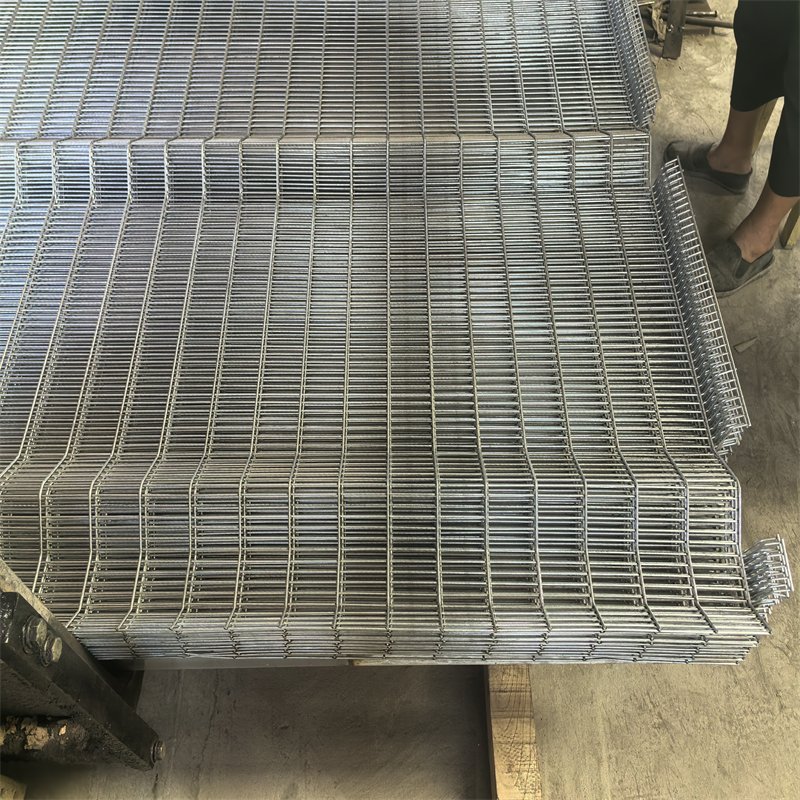
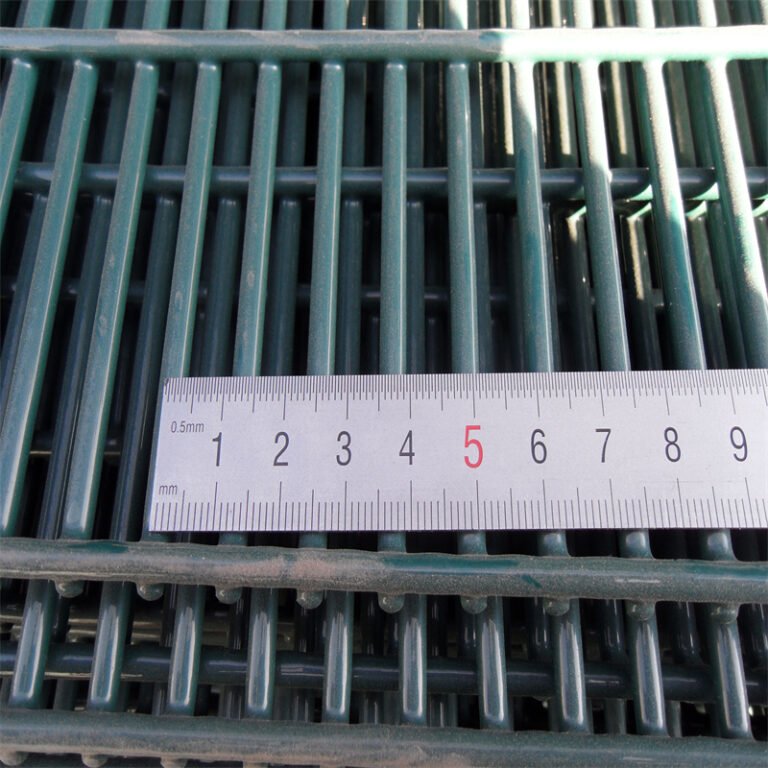
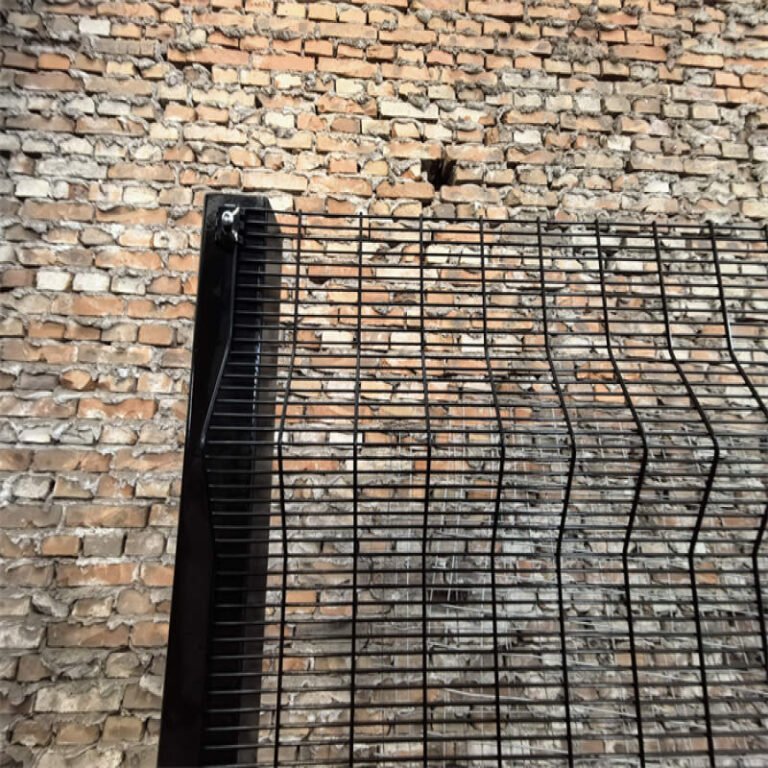
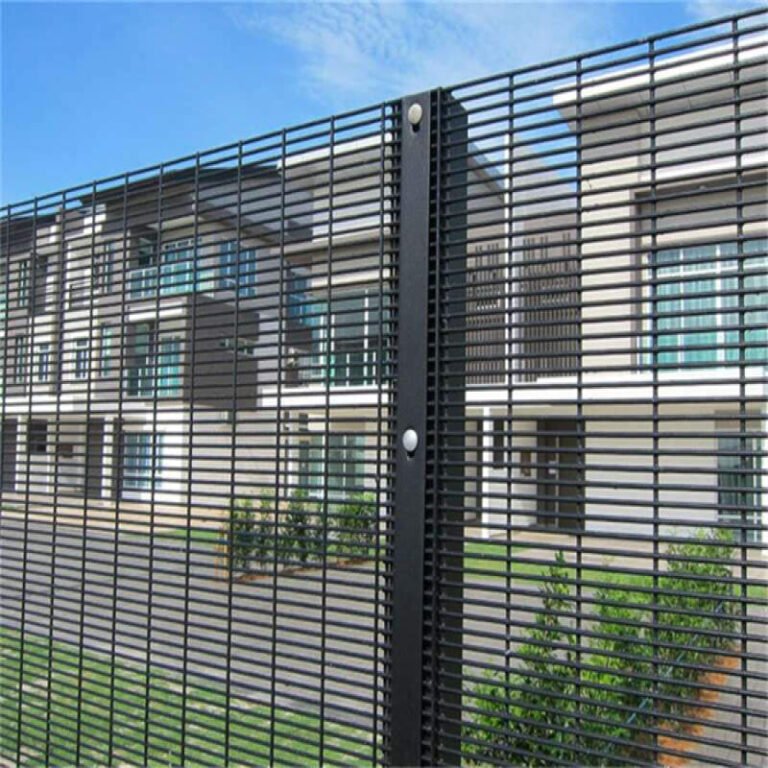
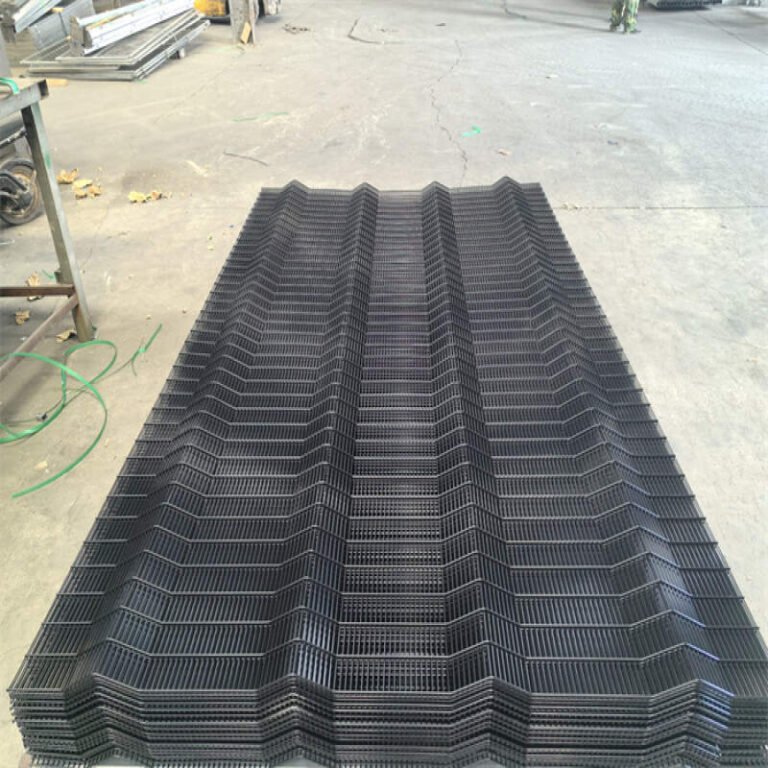
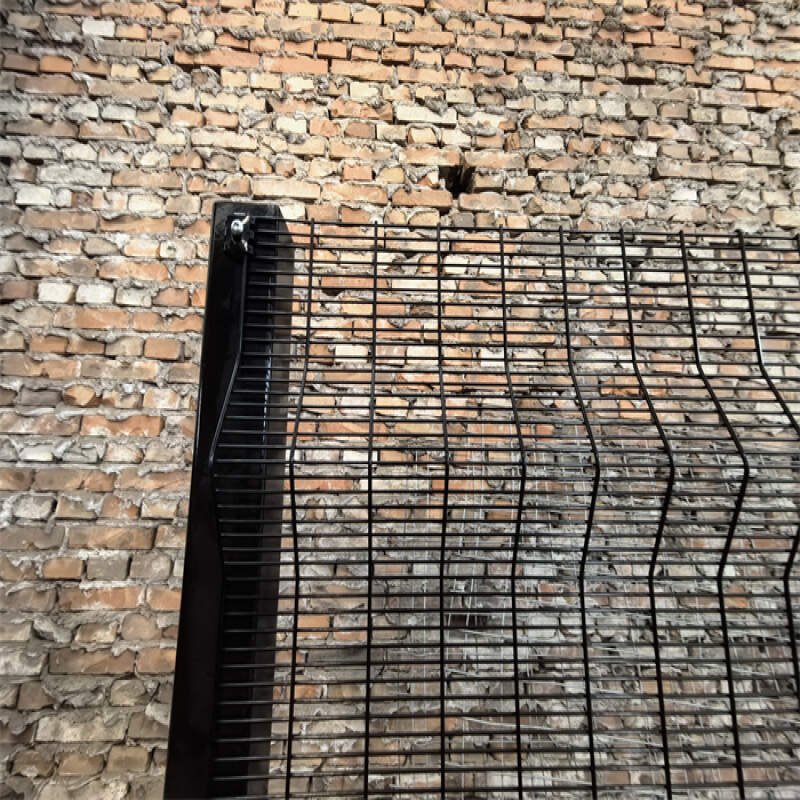
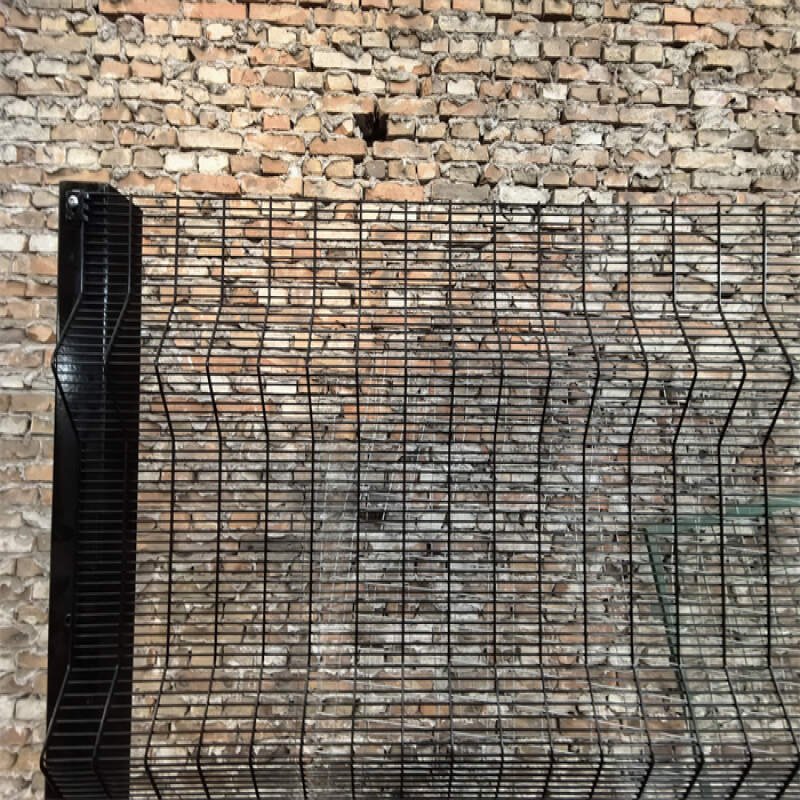
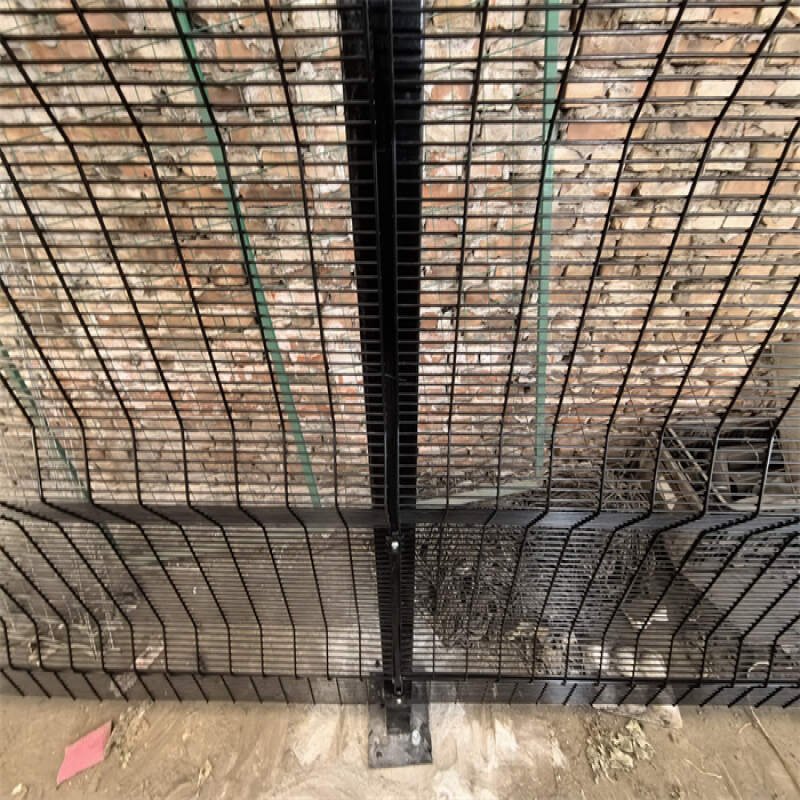
Description No Climb Fence combines narrow welded steel mesh, secure structural posts, and excellent visibility for demanding perimeter protection. Its dense openings discourage climbing while restricting unauthorized access to residential, commercial, and industrial properties. Unlike conventional boundary fencing, this security system limits convenient handholds without obstructing views across the entire perimeter. Furthermore, suitable galvanized and powder-coated finishes help protect steel against outdoor exposure. BMP manufactures matching panels, posts, clamps, gates, and accessories for complete security fencing projects.
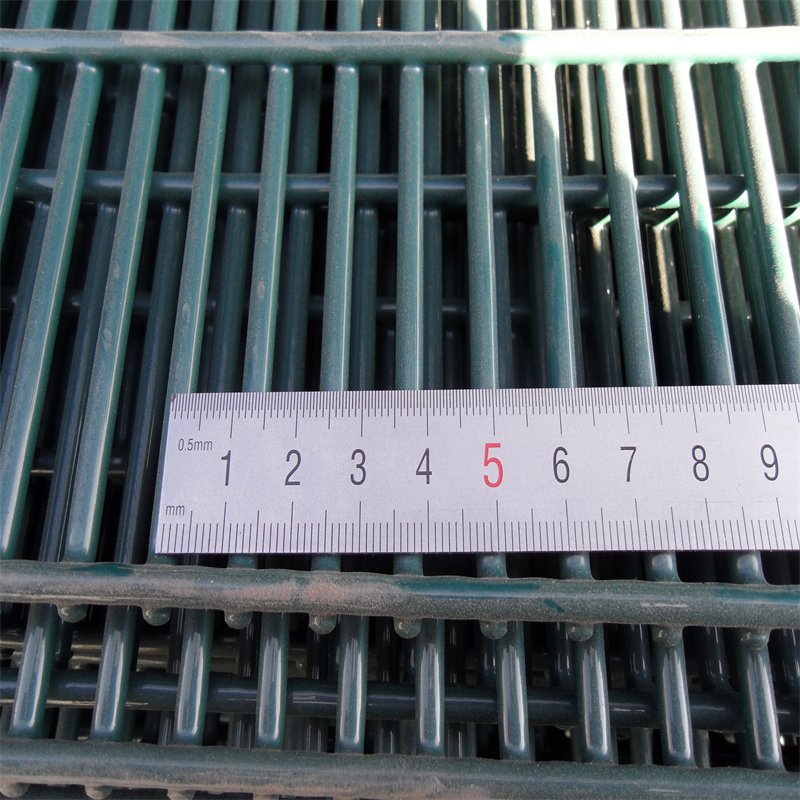
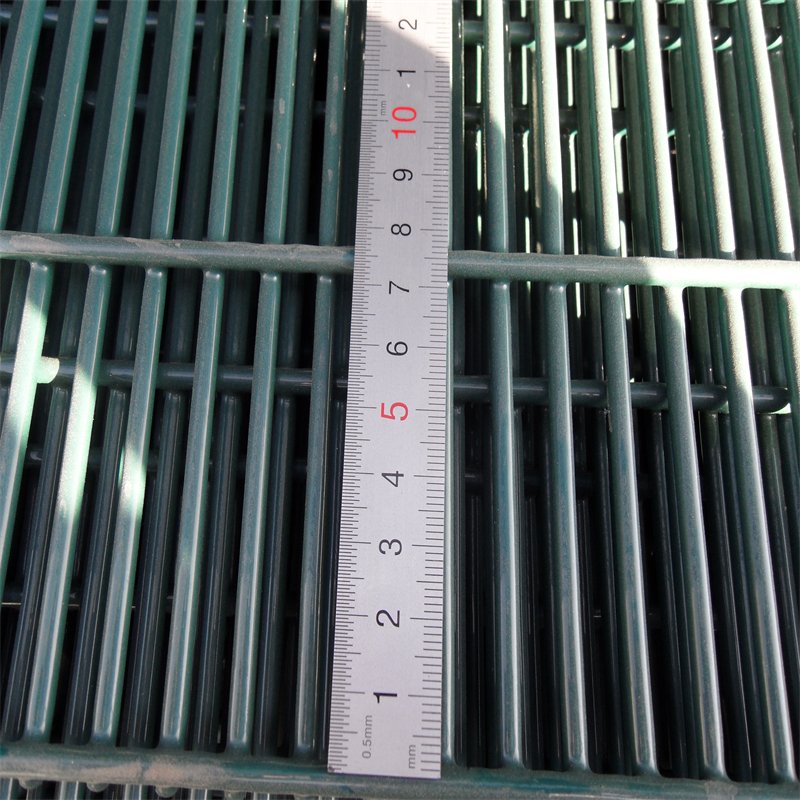
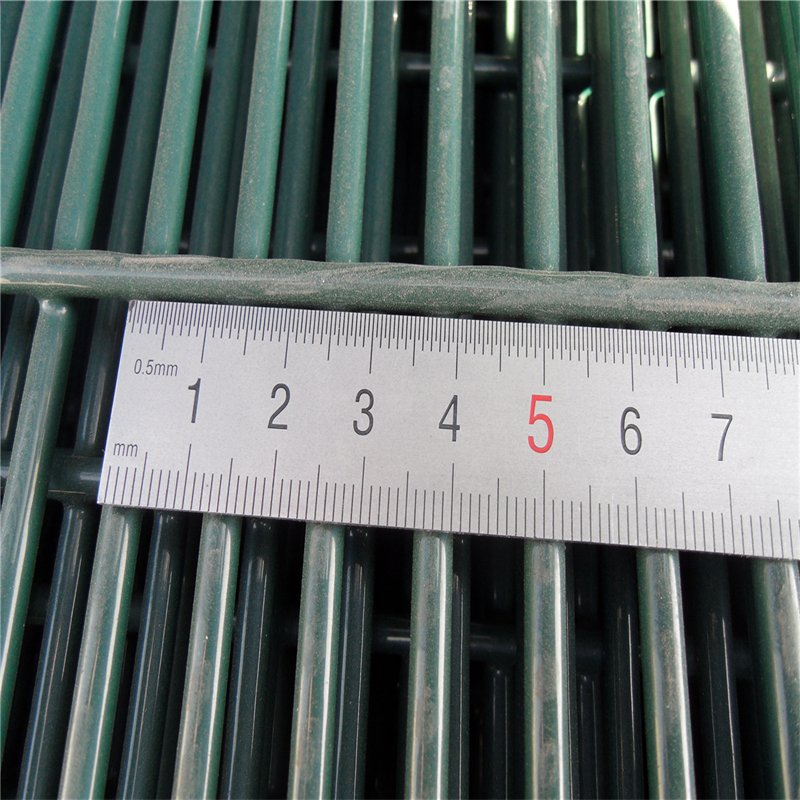
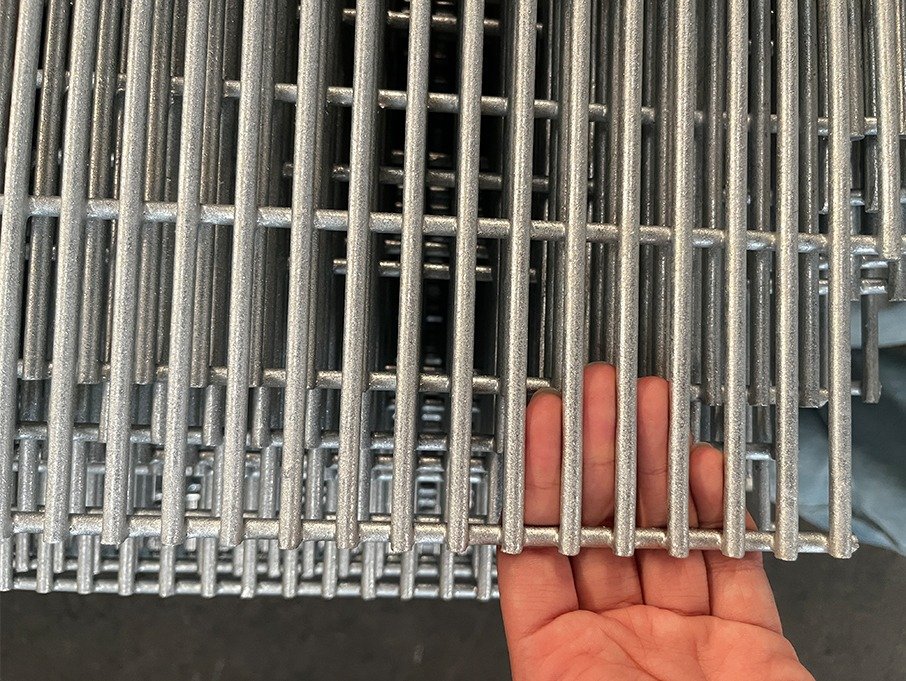
The system commonly incorporates 358 welded mesh, featuring approximately 76.2 × 12.7 mm wire-centre spacing. Heavy steel wires create rigid panels that resist ordinary deformation and casual cutting attempts. Consequently, security personnel gain a practical barrier while maintaining useful observation of surrounding areas. Buyers can also customize panel heights, wire diameters, supporting posts, and protective finishes.
How No Climb Fence Prevents Easy Access Through the Perimeter
Traditional fencing often creates a visible boundary without providing substantial resistance against climbing. However, high-security installations need stronger physical protection and reliable observation. Dense welded mesh addresses both requirements through a carefully selected opening geometry.
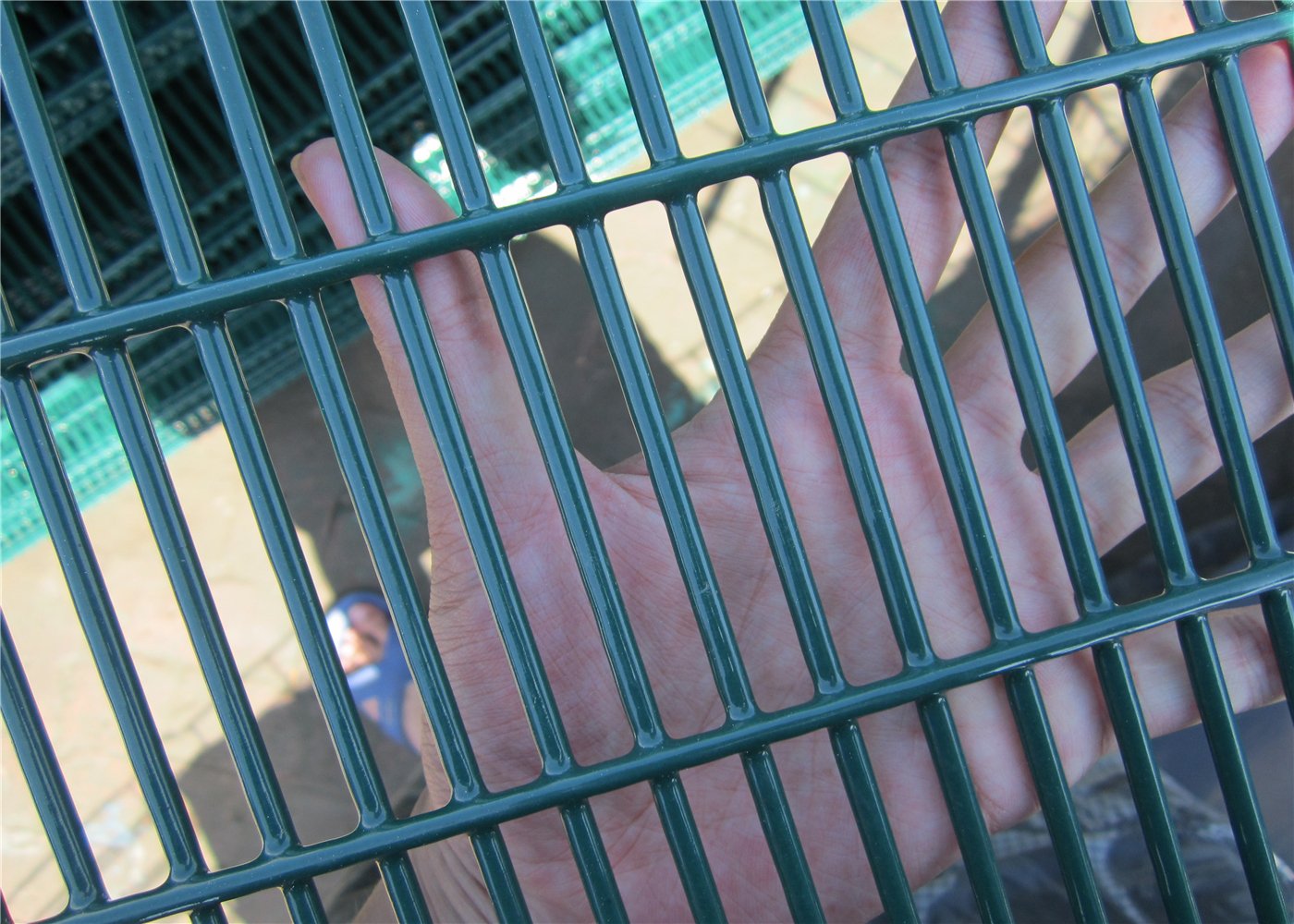
The narrow horizontal spacing restricts secure finger placement between adjacent wires. Meanwhile, welded intersections maintain consistent panel geometry under ordinary service conditions. This combination makes common climbing methods more difficult than those used against wider mesh fencing.
Nevertheless, no physical barrier can guarantee absolute intrusion prevention. Effective security also depends on fence height, structural connections, nearby objects, and access arrangements. Therefore, engineers should evaluate the complete perimeter rather than one isolated panel.
Understanding 358 Mesh Geometry
The designation 358 originates from three inches, half an inch, and approximately eight-gauge steel wire. Conventional dimensions correspond to 76.2 × 12.7 mm spacing and approximately 4 mm wire diameter. This geometry creates a restrictive mesh suitable for security-oriented applications.
Importantly, nominal mesh spacing normally describes distances between wire centres. Therefore, a 12.7 mm pitch with 4 mm wire leaves approximately 8.7 mm of clear space. Along the longer direction, the corresponding clear opening measures approximately 72.2 mm.
Protective coatings can reduce finished openings slightly. Consequently, buyers should confirm whether specifications refer to centre spacing or actual clear apertures.
Why Welded Steel Mesh Matters
Resistance welding joins intersecting wires into a rigid panel. Unlike flexible woven fencing, welded mesh maintains a relatively stable rectangular pattern. Furthermore, controlled production helps maintain consistent dimensions across larger panel surfaces.
Wire diameter and weld quality influence overall performance. However, actual resistance also depends on steel grade, supporting posts, and connection design. Therefore, product drawings should identify the complete technical requirements.
No Climb Fence Applications Across Different Security Environments
Different properties face different security risks and operational conditions. Consequently, one fence arrangement cannot serve every application equally. BMP offers configurable welded mesh systems for facilities requiring controlled access and clear perimeter visibility.
Prisons and Detention Centers
Correctional facilities require physical separation between controlled and restricted spaces. Dense welded mesh discourages casual climbing while allowing security personnel to observe surrounding areas. Furthermore, suitable gates help regulate authorized movement.
However, correctional security depends on multiple protective layers. Surveillance equipment, access controls, lighting, and trained personnel remain essential. Accordingly, physical fencing should support the facility's overall security strategy.
Industrial and Commercial Properties
Industrial facilities frequently store valuable equipment, vehicles, and finished products. Unauthorized entry can create operational disruption and financial losses. Therefore, strong perimeter fencing helps restrict access to working areas.
Meanwhile, the open mesh allows security personnel to monitor yards and loading zones. Controlled gates can also support vehicle movements without compromising the surrounding boundary.
Public Utilities and Infrastructure
Power substations, water treatment facilities, and communications infrastructure often require restricted access. Uncontrolled entry can create safety risks and interfere with essential services. Consequently, security mesh helps protect sensitive equipment.
However, utility installations may require specialized clearances and emergency access routes. Engineers should therefore coordinate the fence design with operational and safety requirements.
Schools and Educational Campuses
Schools need boundaries that support student safety and appropriate access management. Open security mesh allows staff to observe playgrounds, sports areas, and external walkways. In addition, matching gates direct visitors toward designated entrances.
Nevertheless, school designs should prioritize safe edges, emergency evacuation, and accessibility. Fence height and security arrangements must also suit the surrounding community.
Private Residential Properties
Homeowners often seek protection without sacrificing landscaped views. Narrow welded mesh provides a defined physical boundary while preserving visual openness. Furthermore, dark powder-coated finishes can complement gardens and modern architecture.
For residential estates, clear view mesh fencing offers several mesh and post configurations. Property managers can coordinate these with pedestrian gates and controlled vehicle entrances.
Warehouses and Logistics Facilities
Logistics facilities operate around frequent vehicle movements and valuable stored goods. Therefore, operators need reliable entrances and clear observation around loading areas. A welded security perimeter can support both functions.
Additionally, carefully positioned cameras can monitor activity through the mesh. This helps security teams maintain awareness without relying exclusively on elevated observation points.
Benefits of No Climb Fence for Property Owners
A security fence should provide practical value throughout its service life. Consequently, durability, visibility, installation compatibility, and maintenance requirements deserve equal consideration.
- Climbing resistance: Narrow openings reduce convenient fingerholds and footholds.
- Cut resistance: Strong welded steel wires increase difficulty for common cutting attempts.
- Structural rigidity: Welded intersections help maintain panel shape.
- Clear visibility: Open mesh supports patrol observation and surveillance systems.
- Outdoor durability: Appropriate protective finishes reduce corrosion risks.
- Custom dimensions: Different heights and widths accommodate project requirements.
- Architectural appearance: Multiple colours suit modern buildings and landscaped properties.
- Access control: Matching gates maintain convenient authorized entry.
- Repairable components: Suitable clamps support panel replacement and maintenance.
Resistance Against Climbing
Closely spaced wires reduce opportunities for ordinary hand and foot placement. However, nearby equipment can create unexpected climbing routes. For example, stacked pallets or external platforms may provide access above the fence.
Consequently, perimeter planning should maintain appropriate clearance around critical boundaries. Suitable height and secure connections further improve the system's practical performance.
Resistance Against Cutting
Wire thickness influences the effort required for cutting. For example, heavier steel wires generally require more capable tools than lightweight materials. Nevertheless, no mesh guarantees complete resistance against every attack.
Therefore, critical infrastructure projects should consider the required physical delay alongside detection and response measures.
Long-Term Corrosion Protection
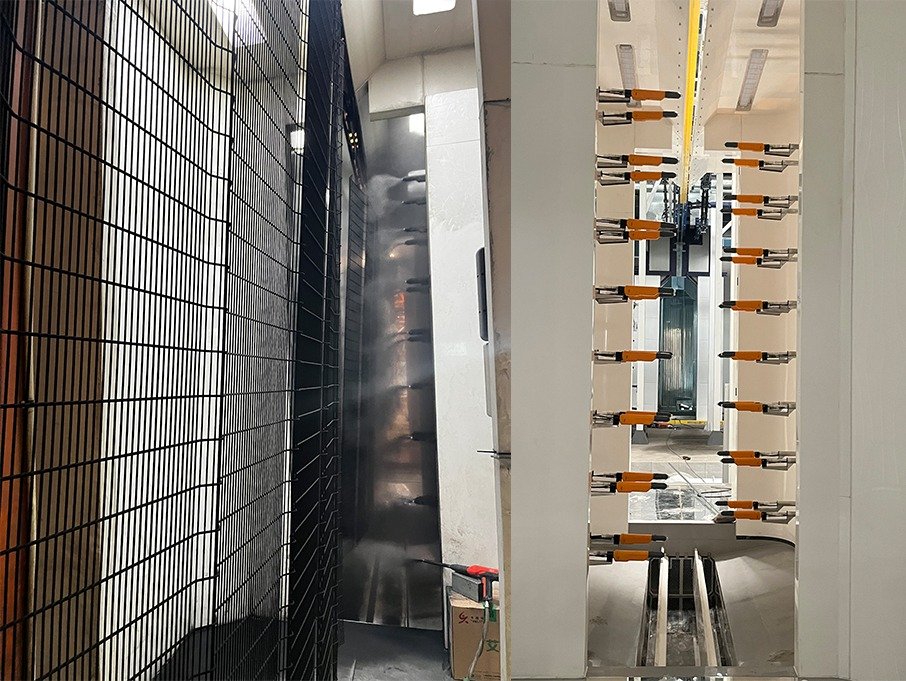
Galvanized steel provides zinc-based corrosion protection. Meanwhile, suitable powder coatings add a protective finish and selected colour. These systems help preserve appearance under appropriate service conditions.
However, actual performance depends on coating preparation, environmental exposure, and maintenance. Coastal locations may require more demanding protection than sheltered inland sites.
No Climb Fence Advantages for Architects and Security Contractors
Architectural projects often require physical security without creating a visually imposing structure. Dense welded mesh provides an alternative to solid boundary walls. Consequently, designers can maintain views while establishing controlled property limits.
- Versatile configurations: Multiple panel heights and widths accommodate different locations.
- Colour flexibility: RAL finishes complement landscaping and building exteriors.
- Installation compatibility: Matching posts and clamps simplify coordinated site assembly.
- Surveillance integration: Open mesh supports observation and camera coverage.
- Controlled access: Matching gates support security without disrupting daily movement.
- Maintenance access: Modular connections can simplify authorized repairs.
Maintaining Architectural Visibility
Traditional concrete walls block views across a property boundary. However, open welded mesh permits substantial visual continuity. Dark coating colours can also reduce the fence's apparent prominence from selected viewing distances.
Consequently, residential estates and commercial properties can preserve a more open architectural character. Nevertheless, the steel structure remains visible at close range.
Coordinating Gates and Access Routes
Security gates should complement the surrounding fence panels. Therefore, designers should coordinate mesh geometry, gate frames, posts, hinges, and locks. Correct alignment also improves daily operation.
For larger entrances, double swing or sliding gates may provide practical access arrangements. However, their structural requirements differ from those of ordinary fixed panels.
No Climb Fence Technical Specifications
Accurate dimensions help buyers compare quotations and prepare installation drawings. Consequently, project documents should identify wire diameter, mesh spacing, panel sizes, supporting posts, and protective treatments.
The following table preserves every technical value from the original product description. These options represent selectable configurations rather than one universal fence specification.
Complete No Climb Fence Specification Table
| Specification |
Details |
| Wire Diameter |
4mm (8 gauge), 5mm, 6mm |
| Mesh Aperture |
76.2mm × 12.7mm (3'' × 0.5'') |
| Height |
1.8m, 2m, 2.4m, 2.7m, 3m, 3.5m, 4m, 5m, etc. |
| Width |
2m, 2.2m, etc. |
| Square Post |
50×50mm, 60×60mm, 80×80mm, 100×100mm, etc. |
| Surface Treatment |
Electro galvanized, Hot-dipped galvanized, Powder coated, PVC coated |
| Color |
Green (Standard RAL 6005), Black (RAL 9005), White, Grey, Blue, etc. |
| Top |
Designed to prevent climbing |
Wire options include 4 mm, 5 mm, and 6 mm diameters. However, thicker wires change panel weight and structural requirements. Therefore, the selected diameter should match the security design.
Likewise, the original reference provides widths of 2 m and 2.2 m. Additional widths may require custom manufacturing. Buyers should confirm feasible dimensions before finalizing material quantities.
Wire Diameter Selection for Different Security Levels
Four-millimetre wire commonly appears in conventional 358 security mesh. Meanwhile, 5 mm and 6 mm options provide heavier wire configurations. However, stronger wire alone does not guarantee a specific security rating.
Post capacity, weld quality, fixing systems, and foundation design must also suit the selected panel. Consequently, complete engineering checks remain important for demanding projects.
Panel Height and Width Customization
Lower-height configurations can suit selected residential or internal security boundaries. Taller systems may serve sensitive industrial and infrastructure facilities. Nevertheless, additional height increases structural loading.
Furthermore, wider panels can influence post spacing and deflection. Therefore, engineers should evaluate the proposed combination before approving production.
No Climb Fence Steel Post Specifications and Selection
Supporting posts transfer panel loads into the ground or an engineered concrete structure. Consequently, correct post selection influences stability and service life. The original product range includes several square hollow steel sections.
However, the original specification does not assign wall thicknesses or post lengths to individual heights. The following comparison therefore preserves the available sections without inventing missing engineering dimensions.
Square Post Size Reference Table
| Post Section |
Compatible Design Considerations |
Wall Thickness |
Post Length |
| 50 × 50mm |
Selected lighter-duty boundaries, subject to engineering approval |
Confirm by drawing |
Confirm by drawing |
| 60 × 60mm |
Selected security panels and intermediate supports |
Confirm by drawing |
Confirm by drawing |
| 80 × 80mm |
Projects requiring greater structural support |
Confirm by drawing |
Confirm by drawing |
| 100 × 100mm |
Taller or more demanding engineered fence arrangements |
Confirm by drawing |
Confirm by drawing |
| Custom Section |
Site-specific structural and connection requirements |
According to engineering design |
According to engineering design |
These categories indicate possible design considerations rather than certified loading capacities. Actual suitability depends on wall thickness, steel grade, post spacing, and foundations. Therefore, contractors should not select a post solely from nominal fence height.
Embedded Steel Posts
Embedded posts transfer lateral loads into engineered concrete foundations. However, suitable embedment depends on soil bearing conditions and project loading. Consequently, foundation depth requires site-specific engineering.
During installation, workers should maintain correct spacing and vertical alignment. Furthermore, concrete requires appropriate curing before significant loading.
Base-Plate Mounted Posts
Surface-mounted arrangements attach posts to suitable concrete structures using base plates and anchors. Nevertheless, existing concrete does not automatically provide sufficient support. Engineers must check anchor capacities, edge distances, and slab strength.
For example, wind exposure can generate significant overturning forces on tall mesh panels. Therefore, anchor design and post connections require appropriate structural verification.
Clamps and Anti-Tamper Connections
Strong posts require equally dependable panel attachments. Suitable clamps connect mesh edges to supporting steel sections. Moreover, security-head bolts can discourage casual removal.
However, fasteners must remain accessible to authorized maintenance teams. Consequently, installers should coordinate security hardware with practical service requirements.
No Climb Fence Protective Coatings and Corrosion Resistance
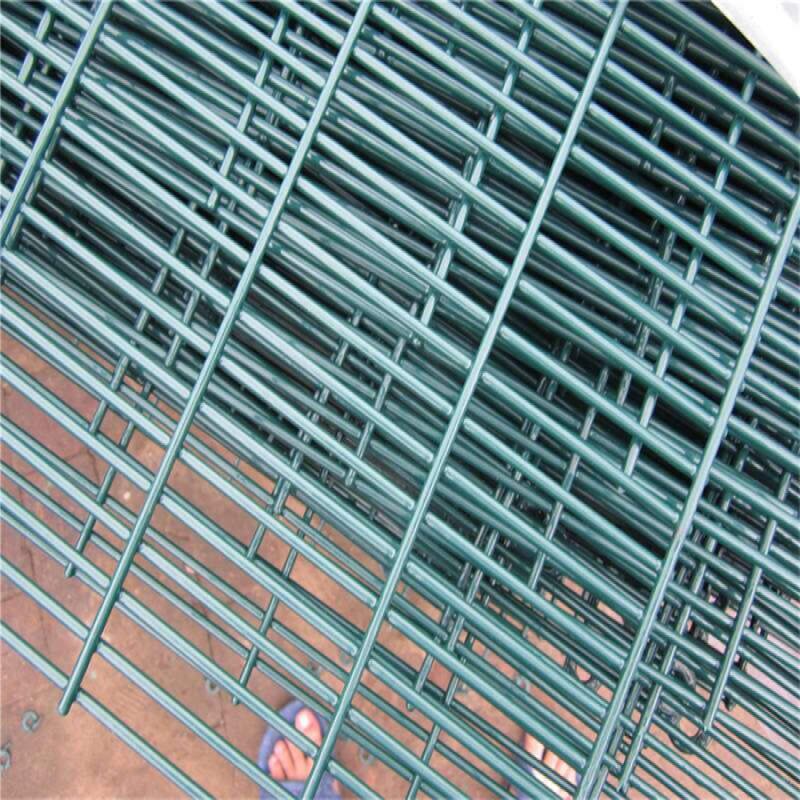
Protective finishes determine how well steel components tolerate outdoor exposure. Rainfall, pollution, and salt-bearing moisture can accelerate deterioration around damaged surfaces. Therefore, coating selection should reflect the actual project environment.
Electro-Galvanized Steel
Electro-galvanizing deposits zinc onto steel through an electrochemical process. This approach supports selected product specifications and finishing requirements. However, coating thickness and corrosion performance differ from other galvanizing methods.
Consequently, buyers should identify required zinc thickness and additional finishing before approval. Outdoor suitability depends on the complete protective system.
Hot-Dip Galvanized Steel
Hot-dip galvanizing forms a zinc coating through immersion in molten zinc. Suitable fabricated steel components can follow relevant batch galvanizing requirements. However, continuously coated wire follows different technical specifications.
Therefore, procurement documents should distinguish galvanized wire from welded panels galvanized after fabrication. This distinction helps avoid incorrect compliance claims.
Powder-Coated Steel
Polyester powder coating provides additional protection and a consistent colour finish. However, surface preparation influences coating adhesion and durability. Appropriate treatment becomes particularly important over galvanized substrates.
For coastal environments, manufacturers may recommend more demanding coating specifications. Buyers should therefore confirm the approved process and inspection requirements.
PVC-Coated Security Mesh
PVC-based coatings offer another available finishing option. However, PVC coating and polyester powder coating differ in material characteristics. Therefore, buyers should identify the exact coating system in their purchase documentation.
Coating thickness, surface preparation, and intended exposure all influence performance. Furthermore, maintenance procedures should follow the selected finish.
No Climb Fence for Durban and KwaZulu-Natal Coastal Properties
Durban's coastal setting introduces corrosion considerations for exposed steel structures. Salt-bearing air can affect vulnerable surfaces, especially near damaged coatings and connections. Consequently, security fencing near the ocean requires careful finishing specifications.
Warehouses, logistics facilities, and commercial properties also benefit from clear perimeter visibility. A fine welded mesh boundary can help security teams observe vehicle yards and external storage areas.
Coastal Corrosion Protection
Marine exposure can accelerate corrosion around welds, bolts, and scratches. Therefore, appropriate protective finishes deserve particular attention. Maintenance teams should also inspect damaged areas and remove accumulated debris.
For coastal property owners, Clear View Fencing South Africa includes several mesh and coating configurations. Suitable selection depends on the actual environment and project requirements.
Security Visibility Around Logistics Facilities
Busy transport areas require clear views around gates, parked vehicles, and storage yards. Therefore, open welded mesh can support visual monitoring without creating an opaque boundary.
However, effective security also needs suitable lighting and controlled access. Physical fencing should complement these measures rather than replace them.
No Climb Fence in Cape Town and the Western Cape
Cape Town combines coastal exposure with varied terrain and weather conditions. Consequently, both corrosion resistance and structural stability deserve attention. Exposed sites may experience stronger wind effects than sheltered inland locations.
Wind Exposure and Structural Planning
Wind creates lateral forces on fence panels and supporting posts. Although open mesh permits airflow, it still transfers loads into the structure. Therefore, engineers should assess wind pressure and post capacity.
Additional security toppings can also influence loading. Consequently, projects require suitable foundations and appropriate connection designs.
Security and Architectural Appearance
Residential estates and commercial developments often prioritize surrounding views. Fine security mesh provides physical separation while preserving much of the landscape. Meanwhile, dark powder-coated finishes can reduce visual prominence.
For regional projects, Clear View Fence Cape Town provides relevant mesh and post options. Buyers should coordinate appearance with corrosion protection and structural requirements.
No Climb Fence for Gauteng Industrial and Residential Security
Gauteng contains large industrial areas, commercial estates, and residential developments. These properties often require controlled access around valuable assets and shared facilities. Consequently, welded security mesh can provide a clear physical boundary.
Factories and Warehouses
Industrial operators need reliable perimeter control around machinery, loading areas, and stored materials. Strong welded mesh helps restrict access while maintaining observation. Furthermore, matching gates can support authorized vehicle movement.
However, fence placement should consider traffic routes and operational clearances. Security systems perform better when physical barriers complement daily site activities.
Residential Estates
Residential developments may prioritize both visual openness and managed access. Dark welded mesh can complement landscaping without creating a solid wall. Additionally, suitable gates support controlled pedestrian and vehicle entrances.
Properties comparing Clearview Fence Boksburg can consider different panel designs, post sections, and protective finishes. Final selections should reflect the development's actual security requirements.
No Climb Fence Installation and Site Preparation
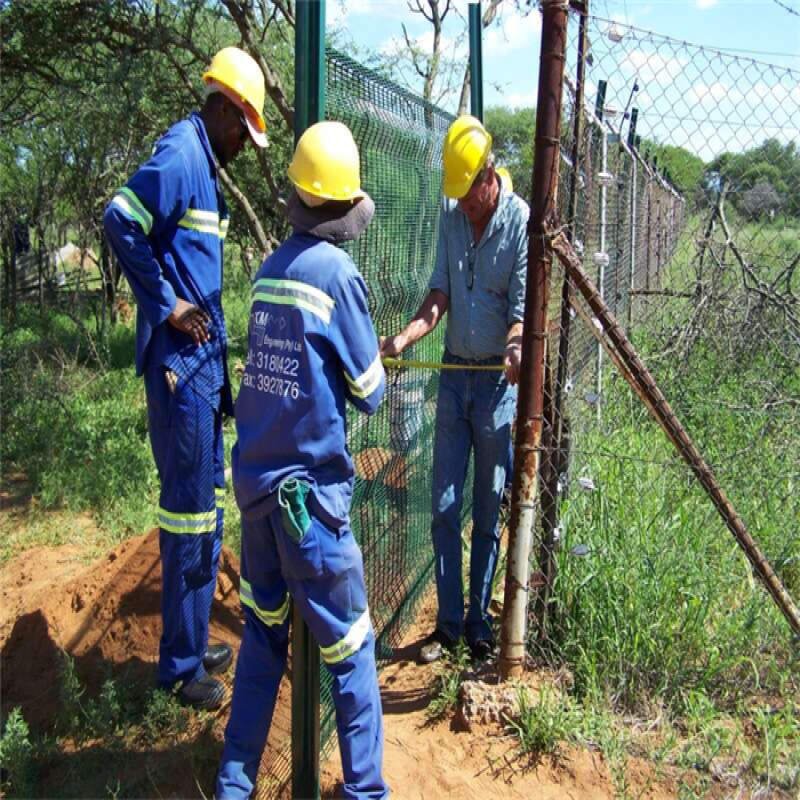
Correct installation begins with an accurate survey and approved engineering drawings. Consequently, installers should check boundaries, underground services, and changing ground levels before excavation.
Step 1: Establish the Fence Line
First, workers mark the intended alignment and confirm property boundaries. Next, they identify gate positions and changes in terrain. Finally, they establish post centres according to the approved layout.
However, panel width does not always equal post centre spacing. Clamp geometry and overlapping edges may change the required measurements.
Step 2: Prepare Foundations
Foundation dimensions must reflect soil strength, post loading, and environmental conditions. Therefore, qualified engineers should determine suitable excavation and concrete requirements.
Workers should also maintain accurate alignment during foundation preparation. Furthermore, concrete needs suitable curing before significant panel loading.
Step 3: Install Supporting Posts
Installers position steel posts according to the layout drawings. Next, they verify vertical alignment and spacing. Proper positioning helps avoid excessive stress on connection hardware.
Step 4: Attach Welded Mesh Panels
After securing the posts, installers position the mesh panels and attach suitable clamps. They should follow the approved fastener arrangement and tightening instructions. Additionally, protective coatings require care during handling.
Step 5: Inspect the Completed Fence
Final inspection should cover panel alignment, fasteners, gate operation, and visible coating damage. Moreover, teams should check ground-level gaps and boundary transitions. These checks help identify potential weaknesses before handover.
No Climb Fence and CCTV Surveillance Integration
Visibility offers an important advantage over opaque perimeter walls. However, camera performance depends on positioning, lighting, and viewing angles. Therefore, security designers should test equipment against the actual fence arrangement.
Camera Positioning
Nearby mesh can appear sharply in focus and obstruct distant subjects. Similarly, infrared lighting may reflect from steel wires. Consequently, cameras should avoid unsuitable positions directly behind close mesh sections.
Elevated mounting or alternative viewing angles may improve coverage. However, the final arrangement should follow the camera manufacturer's recommendations.
Reducing Blind Spots
Overlapping camera coverage helps reduce gaps along extensive boundaries. Furthermore, appropriate lighting improves observation around gates and corners. Security teams should consider vegetation and nearby structures that obstruct visibility.
Combining Physical and Electronic Security
No physical fence guarantees complete intrusion prevention. Therefore, high-risk facilities may combine welded mesh with alarms, cameras, lighting, and managed access.
This layered approach supports detection and response as well as physical delay. Consequently, the fence becomes one component within a coordinated security system.
No Climb Fence Quality Control and Factory Inspection
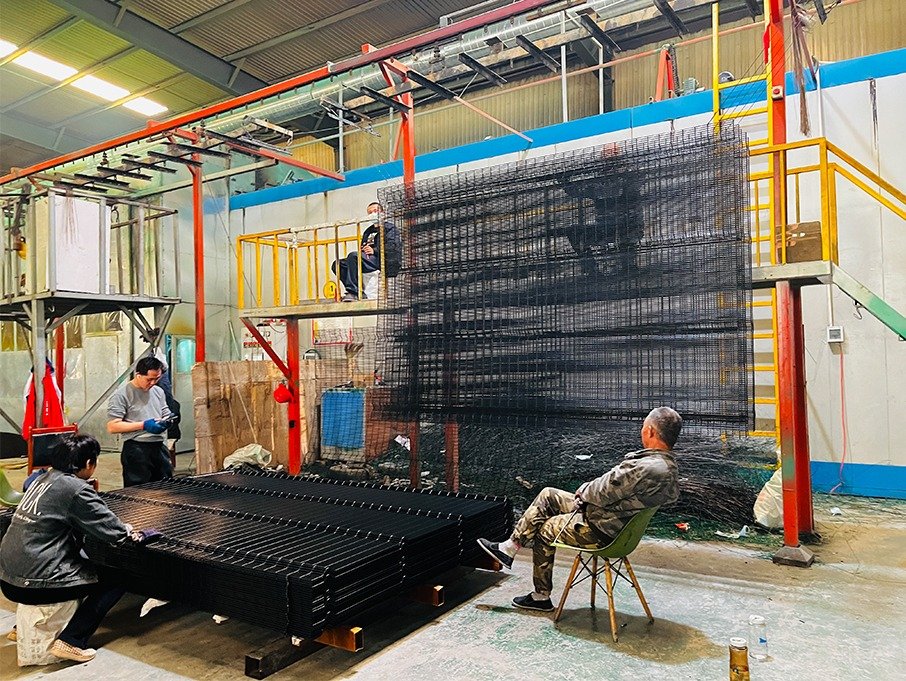
Manufacturing consistency affects installation compatibility and long-term performance. Consequently, BMP coordinates wire preparation, welding, post fabrication, finishing, and packing.
Wire Diameter Inspection
Inspectors should measure actual wire diameters against approved drawings. Furthermore, horizontal and vertical dimensions need separate verification where applicable. Consistent material dimensions support predictable manufacturing quality.
Mesh Spacing Inspection
Production checks should confirm wire-centre spacing and panel dimensions. Incorrect mesh geometry may influence climbing resistance and installation compatibility. Therefore, inspectors should use agreed tolerances rather than approximate visual assessments.
Weld Quality Inspection
Resistance welding creates fixed intersections throughout the panel. Consequently, process control should maintain consistent weld quality. Suitable testing may supplement visual inspection for demanding projects.
Post and Coating Inspection
Steel post inspection should cover section dimensions, straightness, and wall thickness. Meanwhile, protective finishes require suitable visual and thickness checks. Project specifications may also require additional coating tests.
No Climb Fence Packing and International Transportation
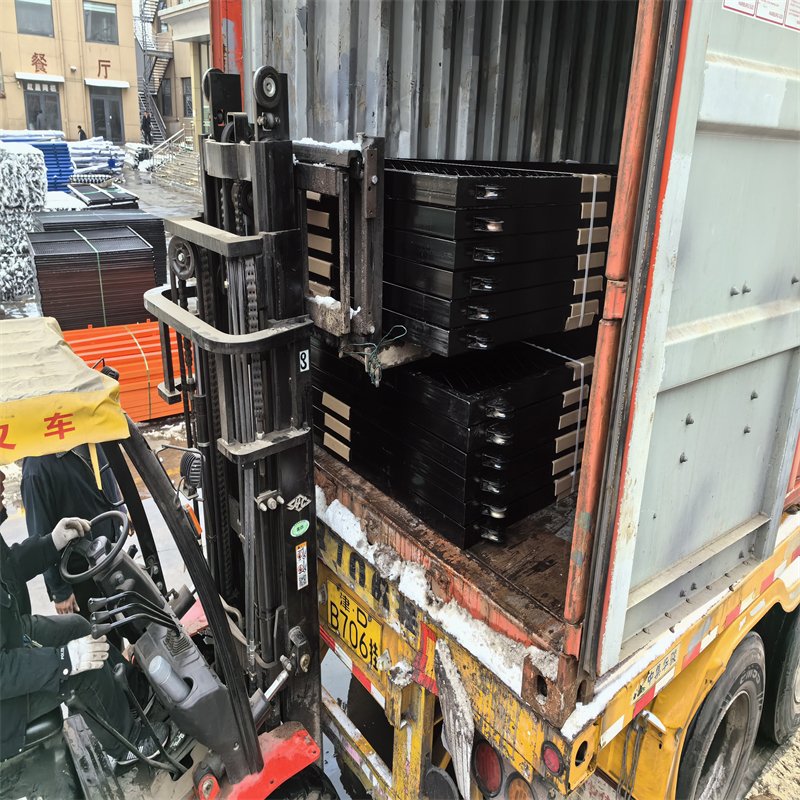
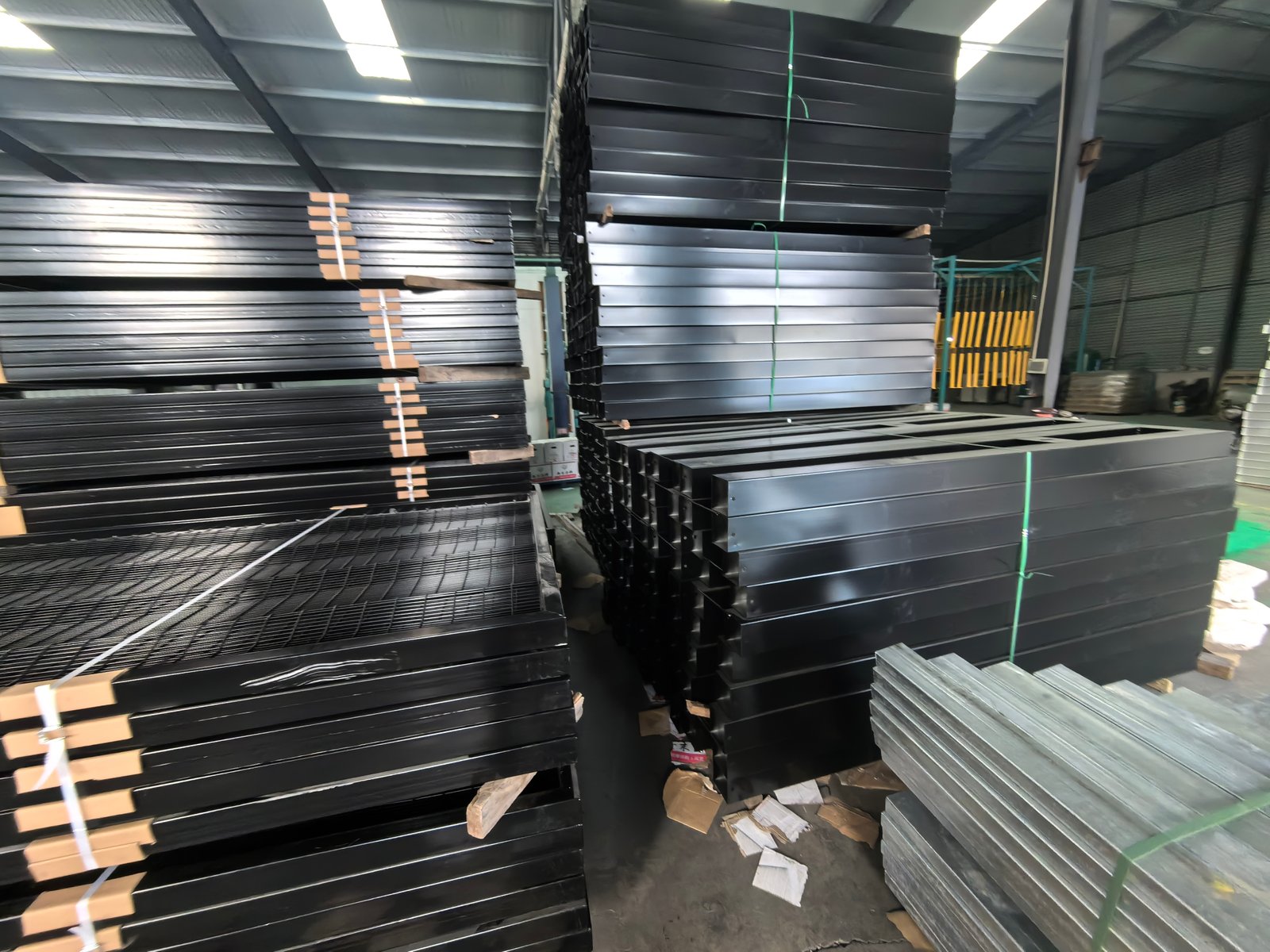
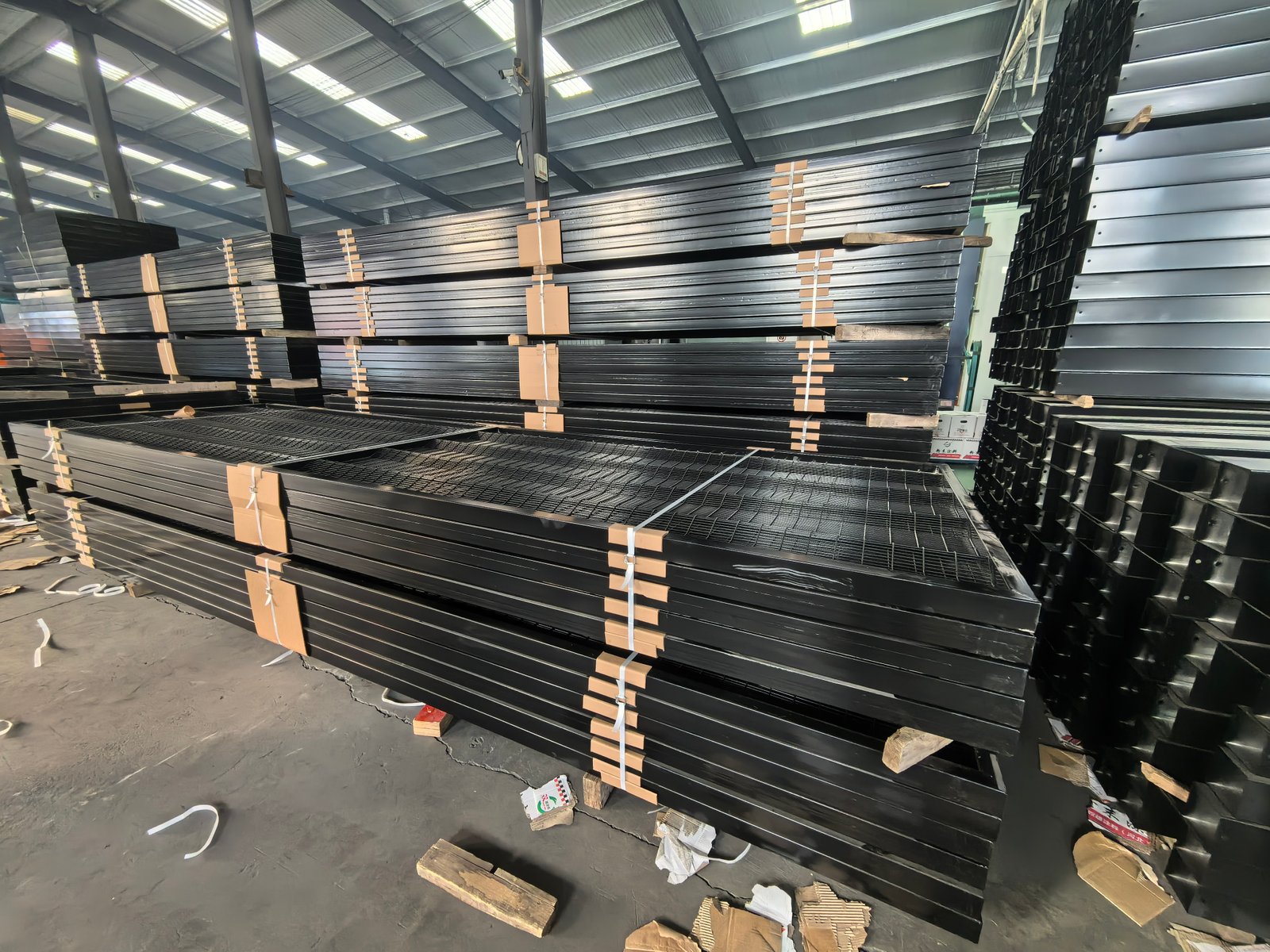
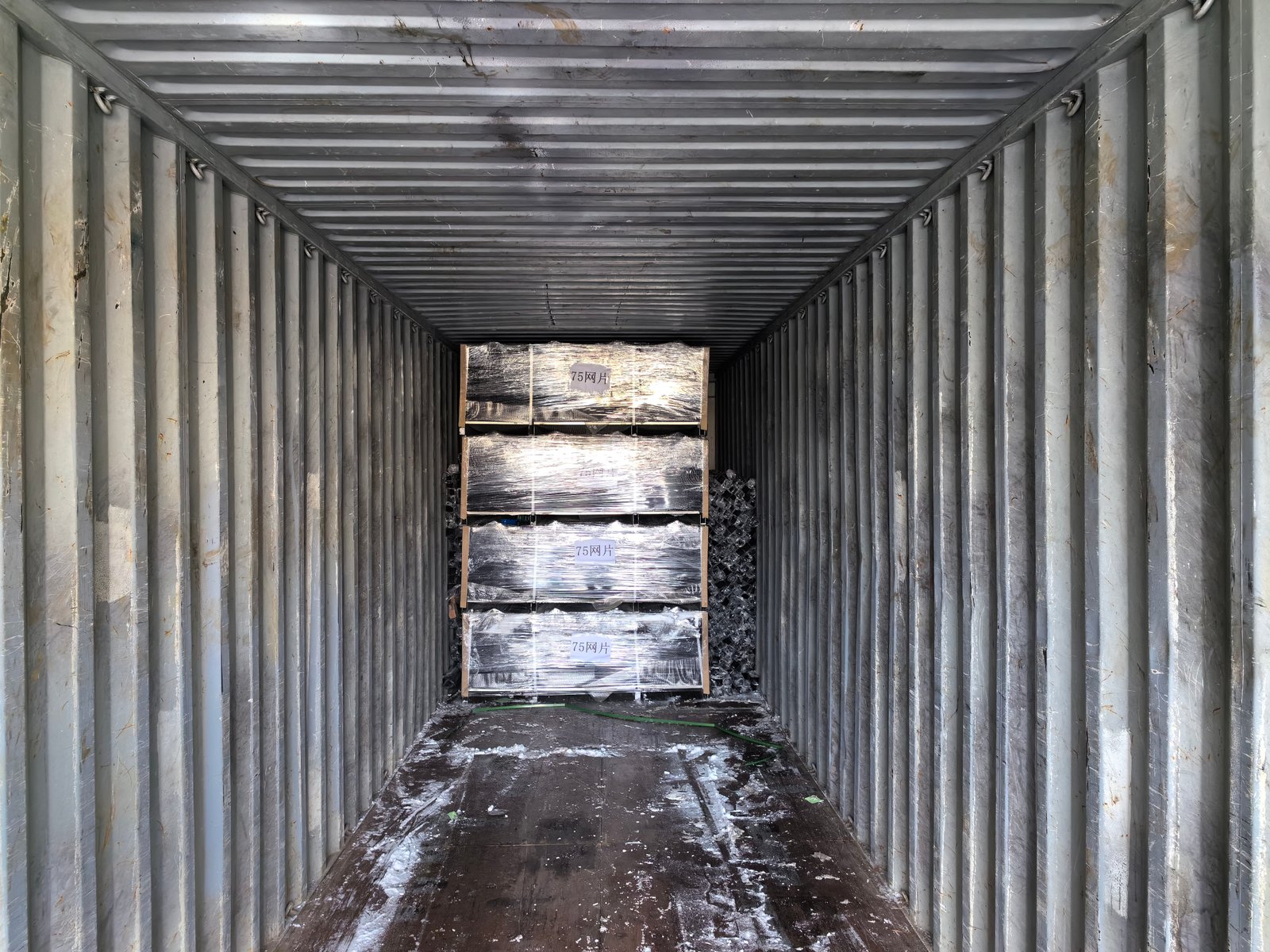
Export packaging protects welded mesh panels against handling damage. BMP arranges suitable panels on steel pallets with protective materials. Meanwhile, posts and accessories receive separate identification.
Steel Pallet Packaging
Workers stack compatible panels according to weight and dimension limitations. Next, protective materials reduce unnecessary surface contact. Suitable restraints help secure the packages during transportation.
Post and Accessory Packaging
Steel posts require appropriate support to limit movement and coating damage. Furthermore, clamps and bolts should remain in clearly identified packages. This approach simplifies receiving inspections and installation preparation.
Container Loading
Loading plans should consider container capacity, cargo weight, and safe restraint arrangements. Consequently, appropriate handling reduces transport damage and improves unloading efficiency.
No Climb Fence Compared With Other Boundary Solutions
Different fence systems provide different combinations of durability, visibility, and security. Therefore, buyers should compare actual operational requirements before selecting a product.
| Fence Type |
Visibility |
Climbing Resistance |
Typical Application |
| No Climb Fence |
High |
High with suitable dense mesh |
Industrial, residential, infrastructure |
| Conventional Chain-Link |
High |
Depends on mesh geometry and toppings |
General boundary fencing |
| Palisade Fencing |
Moderate to high |
Depends on pale spacing and profile |
Commercial and industrial boundaries |
| Concrete Wall |
None through the wall |
Depends on height and design |
Privacy and property separation |
| Portable Barriers |
Varies |
Generally not equivalent to permanent security systems |
Temporary access management |
Temporary events require different boundary arrangements from permanent security compounds. For example, steel crowd control barriers can organize pedestrian movement around public access points. However, portable barriers do not replace engineered anti-climb perimeter systems.
No Climb Fence Maintenance and Long-Term Performance
Regular maintenance helps preserve structural connections and protective finishes. Although galvanized and coated steel offers durability, physical damage and environmental exposure can affect vulnerable areas.
Inspecting Panels and Connections
Maintenance personnel should examine welds, clamps, posts, and security bolts. Additionally, they should identify accidental damage near vehicle routes and busy entrances.
Protecting Surface Coatings
Scratches may expose steel to moisture and accelerated corrosion. Therefore, owners should repair damaged areas using procedures compatible with the original finish. Coastal sites may need more frequent inspection.
Maintaining Gates
Hinges, locks, rollers, and automated components require periodic checks. Furthermore, correct alignment helps reduce mechanical stress. Maintenance teams should follow the applicable manufacturer's recommendations.
No Climb Fence Frequently Asked Questions
What Is a No Climb Fence?
It is a security fencing system designed to restrict climbing through narrow mesh openings and suitable physical construction. Dense welded steel mesh commonly forms the main barrier.
Does No Climb Fence Use 358 Mesh?
Many high-security configurations use conventional 358 geometry. This includes approximately 76.2 × 12.7 mm wire-centre spacing. However, other anti-climb patterns may also exist.
Can Intruders Climb This Fence?
The narrow mesh discourages conventional climbing methods. Nevertheless, no physical barrier guarantees complete intrusion prevention. Fence height, nearby structures, and secure fittings influence actual performance.
What Wire Diameters Are Available?
The original specification includes 4 mm, 5 mm, and 6 mm options. Buyers should select the appropriate diameter according to project requirements and approved drawings.
What Fence Heights Can BMP Manufacture?
The reference range includes 1.8 m through 5 m, with intermediate options. Custom dimensions may be available subject to manufacturing and engineering approval.
Which Square Post Sizes Are Available?
The original range includes 50 × 50, 60 × 60, 80 × 80, and 100 × 100 mm sections. Wall thickness and post length require separate confirmation.
Can the Fence Use Black Powder Coating?
Yes. RAL 9005 black represents a common finish option. RAL 6005 green, white, grey, and blue are also available according to project requirements.
Is It Suitable for Coastal Properties?
Yes, provided the protective coating suits marine exposure. Salt-bearing moisture can accelerate corrosion around vulnerable areas. Therefore, appropriate finishing and maintenance remain important.
Can Security Cameras See Through the Mesh?
The open structure supports visibility across the perimeter. However, camera focus and lighting depend on the actual installation arrangement. Suitable testing improves surveillance performance.
Can BMP Supply Matching Gates?
Yes. BMP supplies compatible pedestrian, swing, and sliding gate configurations. Buyers can coordinate mesh appearance, frames, finishes, and security fittings.
How Long Is the Manufacturer Warranty?
BMP offers a 15-year manufacturer warranty for applicable ClearVu and Clearview security fencing products. Coverage depends on the agreed written warranty terms.
Why Choose BMP No Climb Fence for Your Security Project?
BMP manufactures welded security panels alongside supporting posts, clamps, gates, and related components. Consequently, customers can coordinate major perimeter materials through one supplier.
Manufacturing experience since 2006 supports customized dimensions, protective finishes, and international export requirements. Furthermore, organized inspection and packing arrangements help buyers prepare for project installation.
Customers seeking heavier wire configurations can compare 358 mesh fence products. Likewise, high security Clearvu fencing provides additional configurations for controlled-access properties.
Ultimately, No Climb Fence combines restrictive mesh geometry, robust supporting structures, and useful perimeter visibility. Its effectiveness depends on correct installation, compatible connections, suitable coatings, and ongoing inspection. With coordinated engineering and manufacturing, the complete system supports reliable long-term boundary protection.