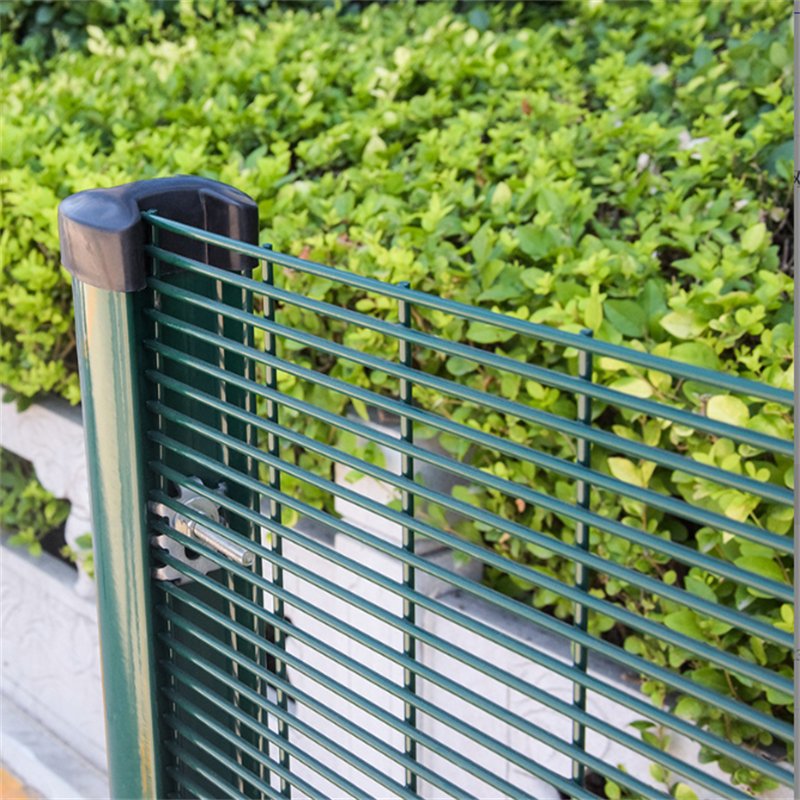
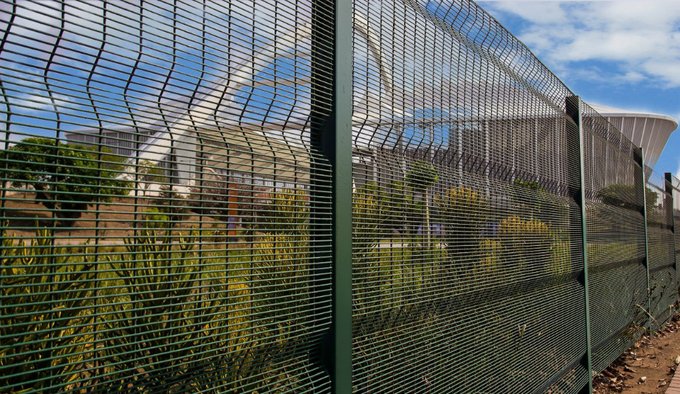
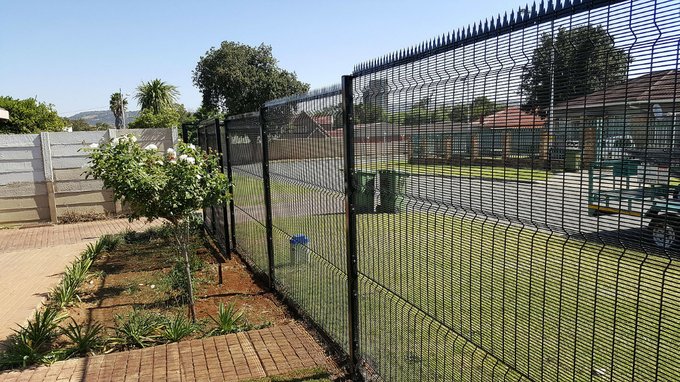
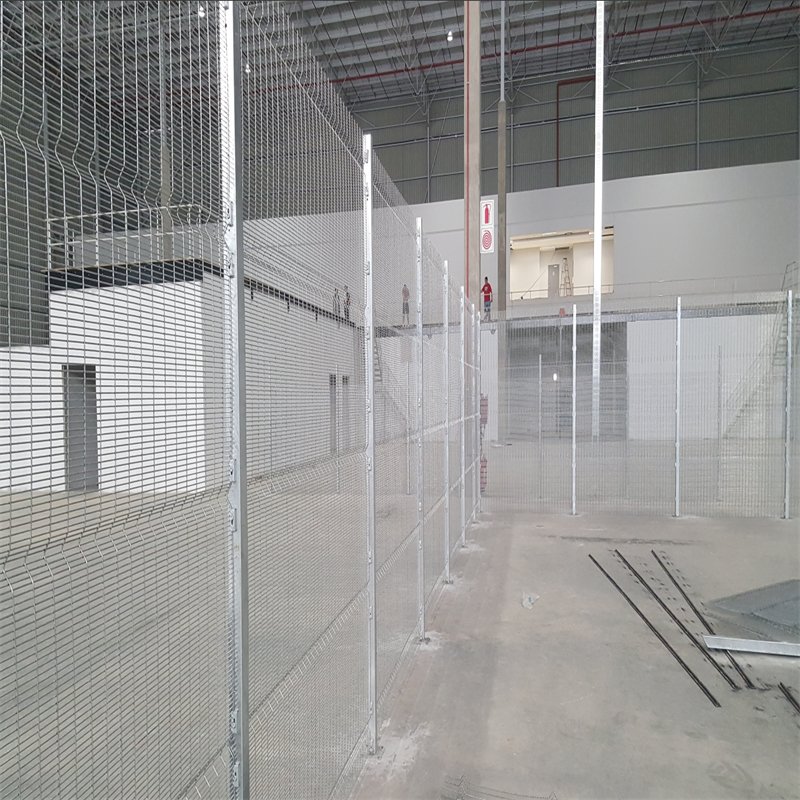
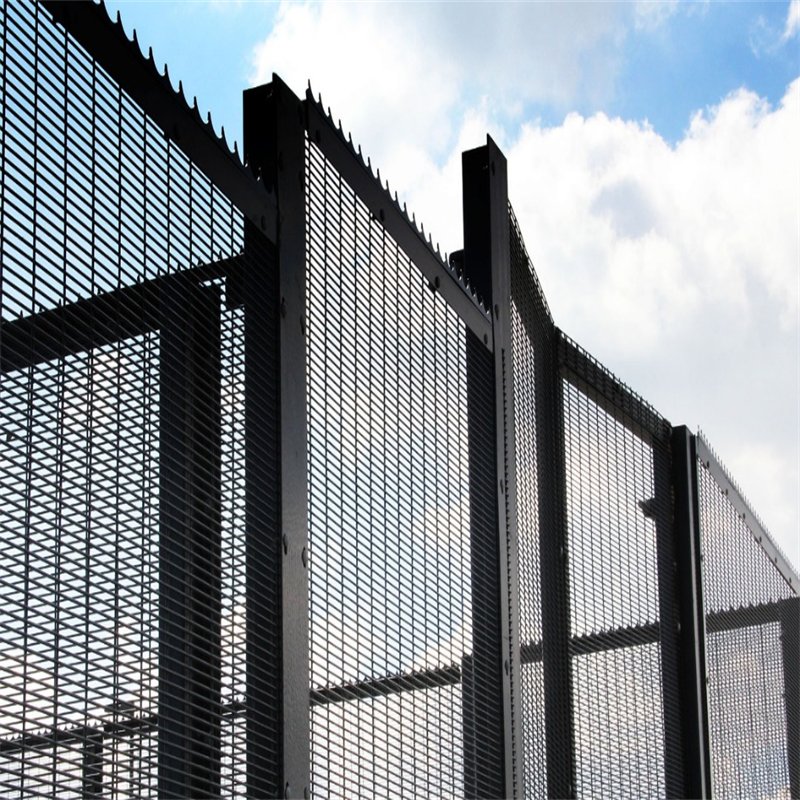
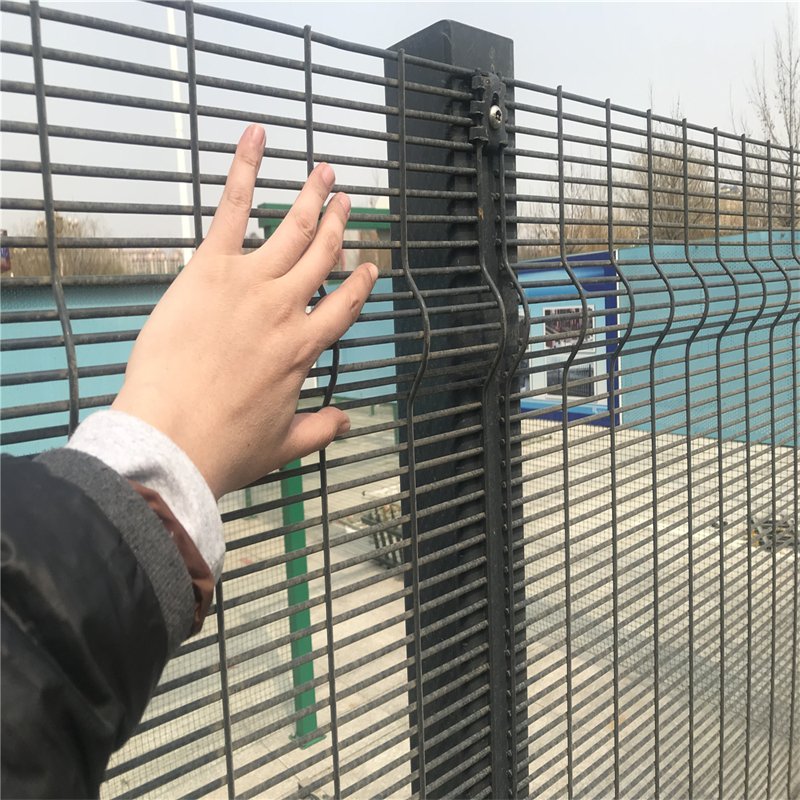
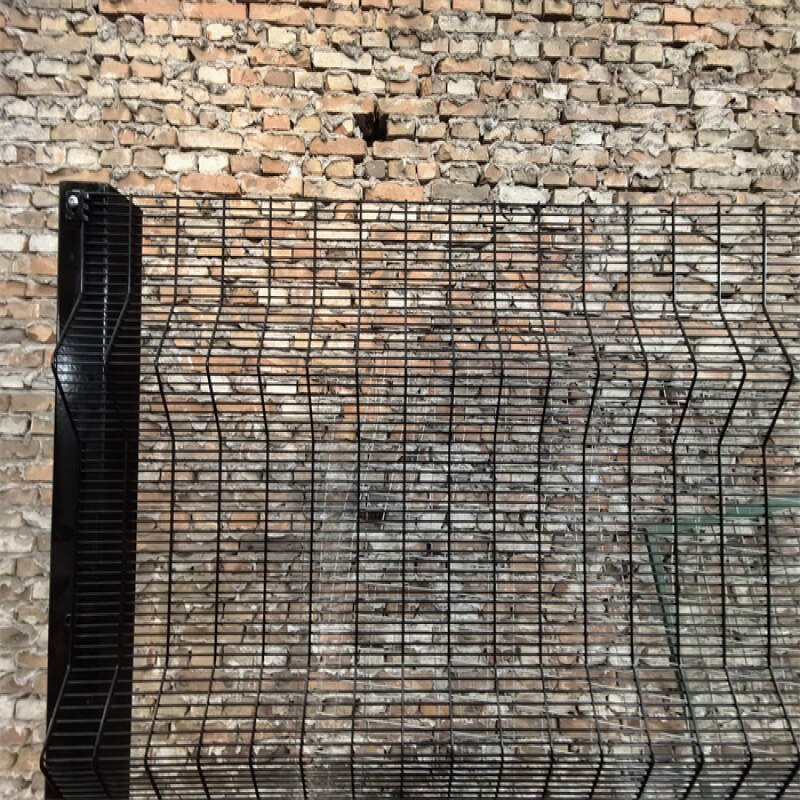
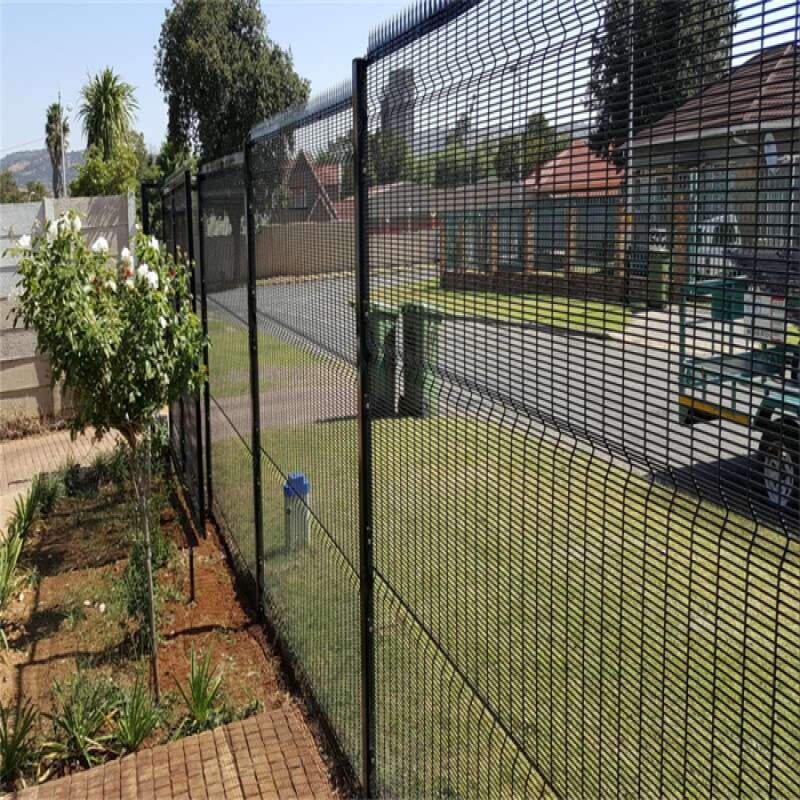
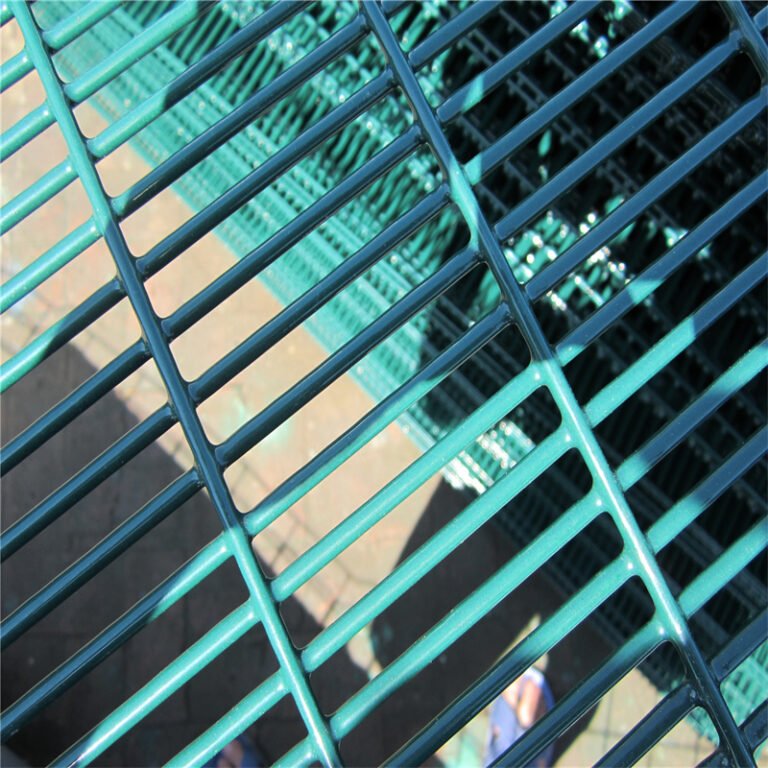
Description clearvu fence models provide different levels of perimeter security through welded steel mesh, structural posts, and protective coatings. BMP manufactures 358, 3510, flat-panel, and V-fold configurations for residential, commercial, industrial, and high-security projects. Each design offers distinct advantages in wire thickness, panel rigidity, visibility, and installation requirements. Therefore, choosing the right model involves more than comparing fence height or colour. Buyers should also evaluate mesh geometry, supporting posts, security fittings, and local environmental conditions.
Traditional 358 fencing features closely spaced wires that discourage climbing and casual cutting attempts. Meanwhile, lighter 3510 configurations reduce steel consumption while maintaining similar mesh geometry. Flat panels offer a uniform appearance, while V-fold panels introduce additional shaping for structural stiffness. Consequently, BMP can tailor the fencing system to different project priorities without sacrificing essential manufacturing consistency.
Understanding the Different clearvu fence models
ClearVu fencing describes a family of visually open steel security barriers. However, different models offer different wire combinations, mesh openings, and panel shapes. Therefore, the intended security level should guide product selection.
BMP supplies high-security mesh for sensitive facilities alongside alternatives for commercial estates and residential boundaries. Furthermore, customers can select appropriate structural posts, security clamps, and matching gates. These components create a complete perimeter system rather than isolated welded panels.
358 High-Security Mesh
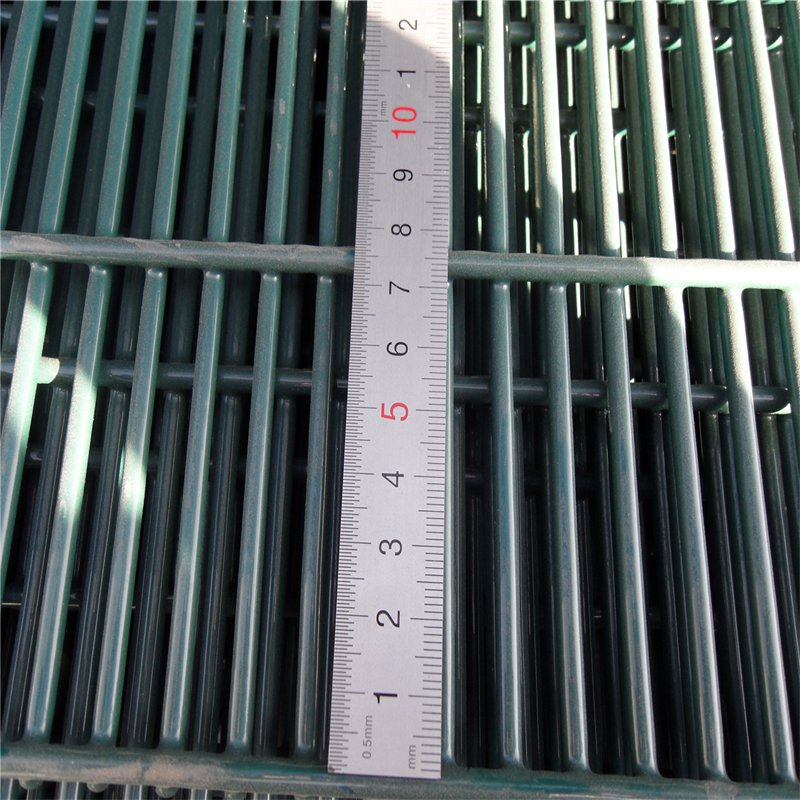
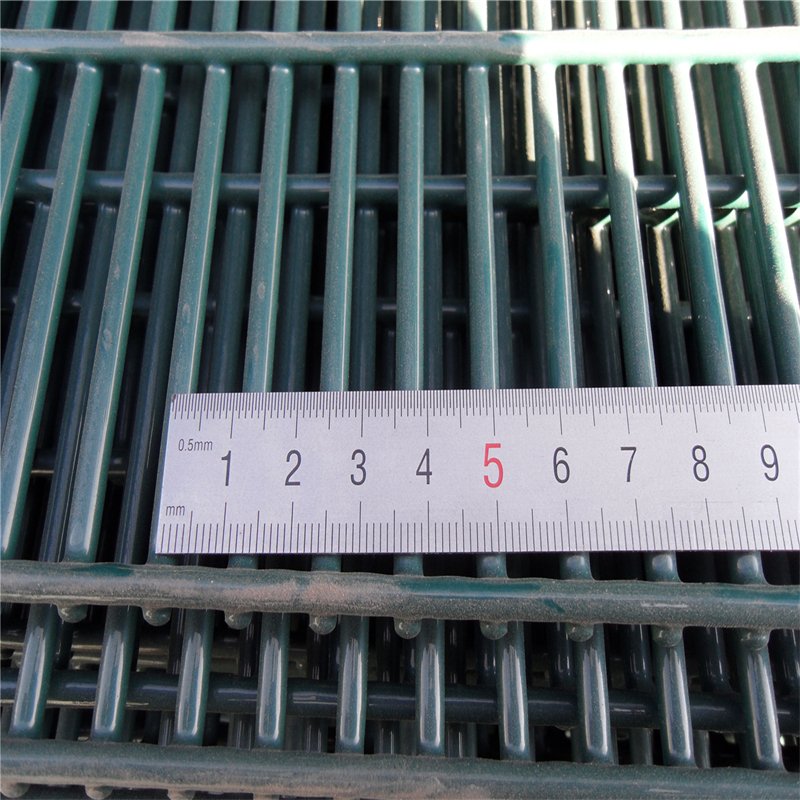
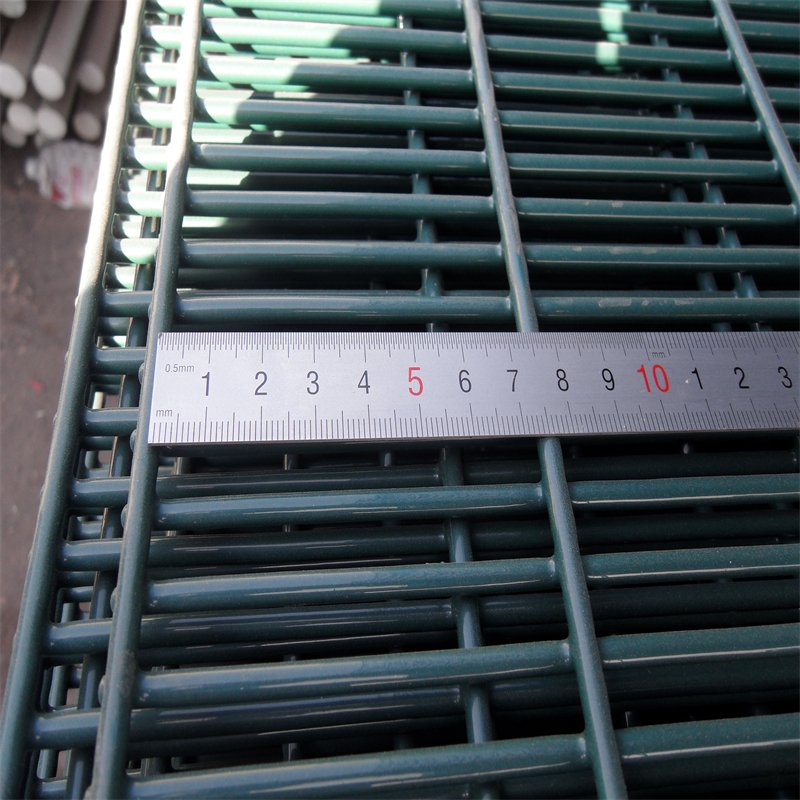
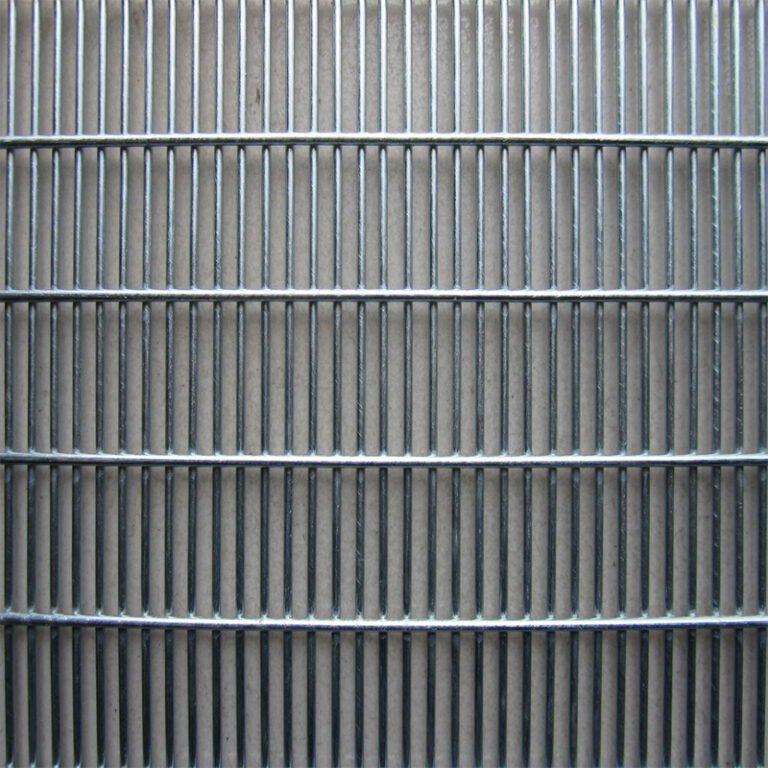
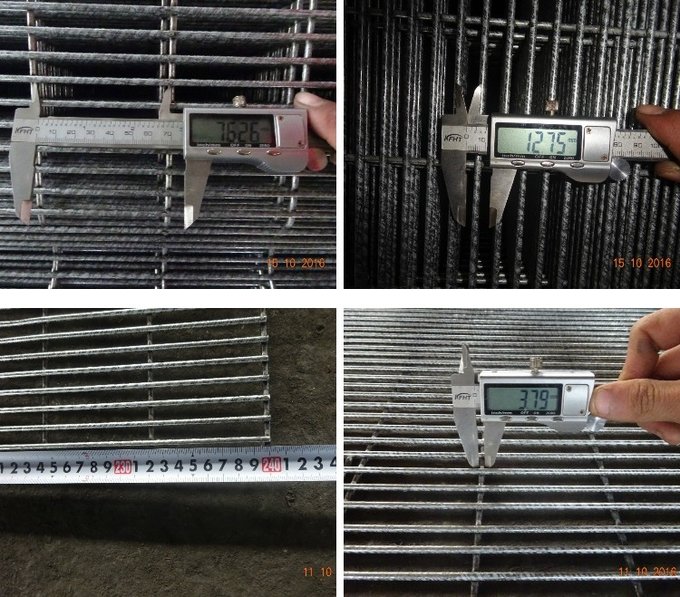
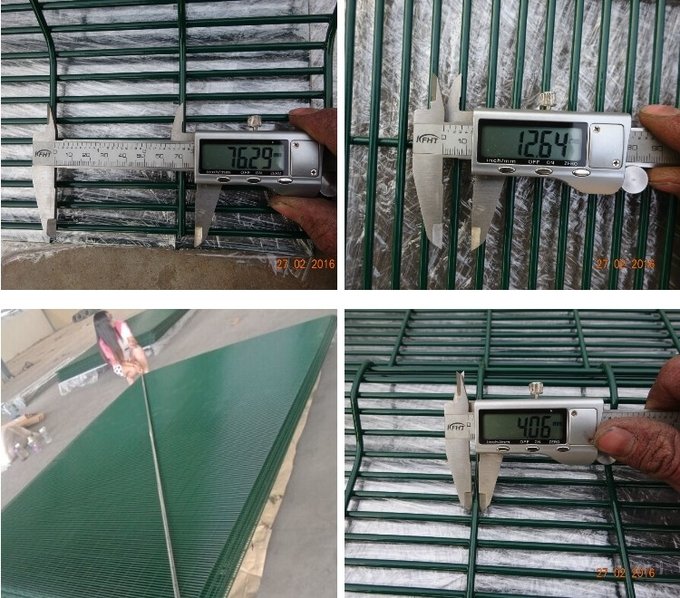
The traditional 358 designation represents three inches, half an inch, and eight-gauge steel wire. In metric measurements, its typical centre spacing equals 76.2 × 12.7 mm. Conventional 358 designs generally use approximately 4.0 mm wire.
These narrow openings limit convenient fingerholds and footholds. Additionally, rigid welded intersections help panels maintain their geometry. Consequently, this arrangement suits sensitive compounds requiring strong physical separation and clear observation.
However, mesh geometry alone does not establish a certified security performance level. Fence height, post strength, fastener arrangements, and surrounding conditions also influence results.
3510 Lightweight Security Mesh
The 3510 designation commonly refers to the same nominal mesh pitch with approximately 3.2 mm wire. This lighter configuration reduces material consumption compared with conventional 4.0 mm 358 mesh. Furthermore, thinner wires can slightly improve visual openness.
BMP also offers project-specific 3.0 mm wire combinations. However, these custom dimensions should not automatically carry the conventional 3510 designation. Buyers should confirm exact wire diameter and orientation before ordering.
Schools, commercial developments, and managed estates may consider these lighter arrangements where project requirements permit. Nevertheless, actual structural suitability requires assessment of the entire installation.
Flat 2D Security Panels
Flat welded mesh panels have a uniform surface without projecting V-shaped stiffening bends. This construction supports a clean architectural appearance and consistent panel alignment. Moreover, flat configurations can simplify certain mounting arrangements.
However, flat panels must achieve the required stiffness through wire diameter, welded geometry, and supporting structure. Consequently, engineers should confirm acceptable deflection before finalizing large panel dimensions.
3D V-Fold Security Panels
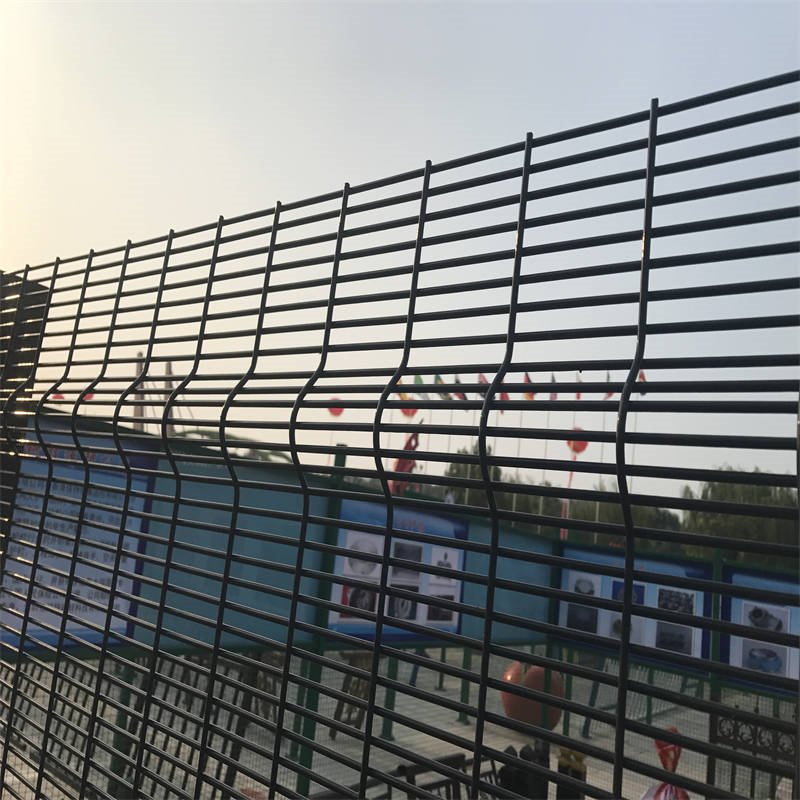
V-shaped bends introduce geometric stiffness into the welded mesh surface. Depending on the design, they can improve panel resistance against ordinary bending. Furthermore, formed edges may contribute to mounting and appearance.
BMP offers various V-fold arrangements, including 50 mm fold-depth configurations. However, fold geometry must match the approved drawings. Some projects favour flat panels where unobstructed surveillance views take priority.
clearvu fence models Compared by Mesh and Construction
A meaningful comparison should consider mesh spacing, steel diameter, panel shape, and application. Therefore, the following table separates different configurations without assigning unsupported security certifications.
| Model |
Typical Mesh Centres |
Wire Configuration |
Panel Geometry |
Common Design Priority |
| 358 |
76.2 × 12.7 mm |
4.0 / 4.0 mm |
Flat or project-specific formed panel |
High-security perimeter protection |
| 3510 |
76.2 × 12.7 mm |
Approximately 3.2 / 3.2 mm |
Flat or selected formed panel |
Lighter high-security mesh |
| BMP Mixed-Wire |
76.2 × 12.7 mm |
3.0 / 4.0 mm |
Flat or V-fold |
Project-specific stiffness and weight |
| Medium Security |
Approximately 75 × 25 mm |
3.0–5.0 mm options |
Flat or V-fold |
Commercial and estate boundaries |
| General Boundary |
Approximately 50 × 75 mm |
Project-dependent |
Flat or V-fold |
Visibility and boundary separation |
Mesh pitch normally describes distances between wire centres, not the actual clear opening. Consequently, thicker steel wires reduce the available space within an otherwise identical mesh pattern.
For example, 12.7 mm pitch with 4 mm wire creates approximately 8.7 mm clear spacing. The actual finished aperture may become slightly smaller after coating.
Buyers comparing 358 anti-climb mesh should verify the intended wire dimensions. Likewise, lighter combinations require separate engineering consideration.
Original clearvu fence models Panel Specifications
The original BMP specification includes seven panel heights with a consistent nominal width of 3297 mm. Every configuration retains the stated mesh aperture, wire options, V-fold details, and edge-flange geometry.
However, different panel heights and fold arrangements may influence material weight and structural performance. Therefore, manufacturers should confirm final drawings before welding and forming.
-
-
oplus_10485760
-
-
oplus_10485760
-
-
oplus_10485760
Complete ClearVu Panel and Flange Specification Table
| Fence Height |
Fence Width |
Mesh Aperture |
Wire Diameter |
V Folds |
Side Flanges |
Top and Toe Flanges |
| 1200mm |
3297mm |
12.7mm × 76.2mm |
3mm / 4mm |
2 × 50mm depth |
2 × 70° × 75mm |
2 × 30° or 2 × 90° × 50mm |
| 1500mm |
3297mm |
12.7mm × 76.2mm |
3mm / 4mm |
3 × 50mm depth |
2 × 70° × 75mm |
2 × 30° or 2 × 90° × 50mm |
| 1800mm |
3297mm |
12.7mm × 76.2mm |
3mm / 4mm |
4 × 50mm depth |
2 × 70° × 75mm |
2 × 30° or 2 × 90° × 50mm |
| 2000mm |
3297mm |
12.7mm × 76.2mm |
3mm / 4mm |
4 × 50mm depth |
2 × 70° × 75mm |
2 × 30° or 2 × 90° × 50mm |
| 2100mm |
3297mm |
12.7mm × 76.2mm |
3mm / 4mm |
4 × 50mm depth |
2 × 70° × 75mm |
2 × 30° or 2 × 90° × 50mm |
| 2400mm |
3297mm |
12.7mm × 76.2mm |
3mm / 4mm |
4 × 50mm depth |
2 × 70° × 75mm |
2 × 30° or 2 × 90° × 50mm |
| 3000mm |
3297mm |
12.7mm × 76.2mm |
3mm / 4mm |
4 × 50mm depth |
2 × 70° × 75mm |
2 × 30° or 2 × 90° × 50mm |
These values describe the original product options, including 3297 mm panel width and 50 mm V-fold depth. Nevertheless, customers should confirm whether dimensions refer to flat blanks or completed formed panels.
Furthermore, the mixed 3 mm and 4 mm wire configuration requires confirmation of wire orientation. Horizontal and vertical diameters should appear separately on approved manufacturing drawings.
Why V-Fold Quantity Changes With Height
Smaller panels need fewer formed stiffening zones than some taller arrangements. Consequently, the original 1200 mm panel includes two V folds. Meanwhile, the 1500 mm configuration includes three folds.
From 1800 mm through 3000 mm, the reference specification lists four V folds. However, identical fold counts do not imply identical structural capacity. Taller panels still require suitable posts and connection systems.
Understanding Side Flanges
The original side-flange arrangement specifies two 70-degree bends with 75 mm dimensions. These features influence panel geometry and connection compatibility. Consequently, contractors should verify the finished dimensions before installation.
Flange orientation also affects how panels sit against supporting posts. Therefore, approved drawings should identify bend directions and relevant tolerances.
Top and Toe Flange Options
The original specification includes 30-degree and 90-degree edge options with a 50 mm dimension. Different edge geometries can influence appearance, handling, and installation.
However, projecting edges may introduce safety considerations depending on their location. Schools and public areas should receive particular attention during design review.
Choosing clearvu fence models by Security Requirements
Different projects demand different balances between protection, cost, and visibility. Therefore, buyers should identify actual risks before selecting a mesh configuration.
Correctional Facilities
Correctional boundaries require controlled access and suitable resistance against casual intrusion. Dense welded mesh restricts convenient climbing holds while preserving observation. Furthermore, appropriate security fittings help discourage unauthorized panel removal.
However, correctional security also depends on surveillance, operational controls, and response procedures. Consequently, the fence must support a broader security strategy.
Airports and Transport Facilities
Airports require physical boundaries around controlled operating areas. Narrow welded mesh can contribute to restricted access while supporting patrol visibility. Nevertheless, aviation installations require applicable operational approvals and safety clearances.
Engineers should also consider maintenance access and emergency routes. Therefore, perimeter layout must reflect the facility's actual operational requirements.
Commercial and Industrial Sites
Factories, warehouses, and logistics centres often contain valuable goods and machinery. Consequently, operators require secure boundaries around loading areas and external storage yards.
Fine welded mesh allows security personnel to monitor surrounding activity. Meanwhile, matching gates support vehicle movements through designated entrances.
Schools and Residential Estates
Managed estates and educational facilities often prioritize visibility alongside access control. Lighter configurations may suit selected locations where engineering requirements permit.
However, safety remains important around pedestrian routes and playgrounds. Accordingly, suitable edge finishing and gate hardware should form part of the design.
Advantages of clearvu fence models for Modern Perimeter Design
Security fencing should complement site operations instead of unnecessarily obstructing them. Consequently, manufacturers must consider appearance, connection details, and maintenance alongside physical strength.
- Anti-climb geometry: Closely spaced wires reduce convenient handholds and footholds.
- Strong welded construction: Rigid intersections help panels maintain consistent dimensions.
- Clear visibility: Open mesh supports observation and surveillance planning.
- Multiple wire options: Different diameters allow project-specific material selection.
- Formed-panel choices: Flat and V-fold designs address different appearance and stiffness requirements.
- Protective finishes: Galvanizing and compatible coatings help reduce corrosion.
- Flexible posts: Square, H-profile, and other structural configurations support different layouts.
- Matching access systems: Pedestrian, swing, and sliding gates provide controlled entrances.
- Organized installation: Compatible panels and fittings simplify project coordination.
3510 Security Fencing: A Lighter Alternative
3510 security mesh shares the narrow geometry associated with conventional 358 fencing. However, its thinner steel wires reduce material consumption. Consequently, panel weight and handling characteristics may differ.
The typical 3510 reference uses approximately 3.2 mm wire. Meanwhile, some BMP custom combinations use 3.0 mm in one wire direction. These variations require clear identification on production drawings.
3510 Versus 358 Wire Weight
For identical material and mesh geometry, wire mass changes approximately with the square of wire diameter. Therefore, 3.2 mm wire contains less steel per unit length than 4 mm wire.
However, total panel weight also depends on dimensions, weld layout, and formed features. Consequently, actual shipping weights require product-specific calculations.
Visibility Differences
Thinner wires occupy less of the viewing area. Therefore, lighter mesh can offer slightly clearer sightlines at certain distances.
Nevertheless, actual camera performance depends on lighting, viewing angle, and positioning. The difference between two wire diameters does not guarantee better surveillance results.
Where 3510 Makes Practical Sense
Selected commercial properties may favour reduced weight while retaining narrow mesh spacing. However, the necessary strength should determine suitability.
For sensitive infrastructure, buyers should compare structural performance instead of choosing solely by material cost. Accordingly, project engineers should review each proposed configuration.
clearvu fence models Production Process at BMP
BMP uses automated welding equipment to manufacture welded security mesh panels. Controlled wire positioning helps maintain consistent mesh geometry. Furthermore, production inspections identify dimensional irregularities before finishing.
Wire Preparation and Straightening
Manufacturing begins with wire preparation and dimensional verification. Workers check wire diameter and remove unsuitable material before welding. Next, straightening equipment helps maintain consistent alignment.
Accurate positioning supports correct mesh spacing. Consequently, stable preparation reduces unnecessary distortion during subsequent manufacturing stages.
Resistance Welding
Automated welding equipment joins horizontal and vertical wires at their intersections. The process creates rigid mesh panels with consistent geometry.
However, welding quality requires appropriate production control. Operators should verify equipment settings and inspect finished joints. Furthermore, suitable testing can support demanding project specifications.
Forming V-Folds and Flanges
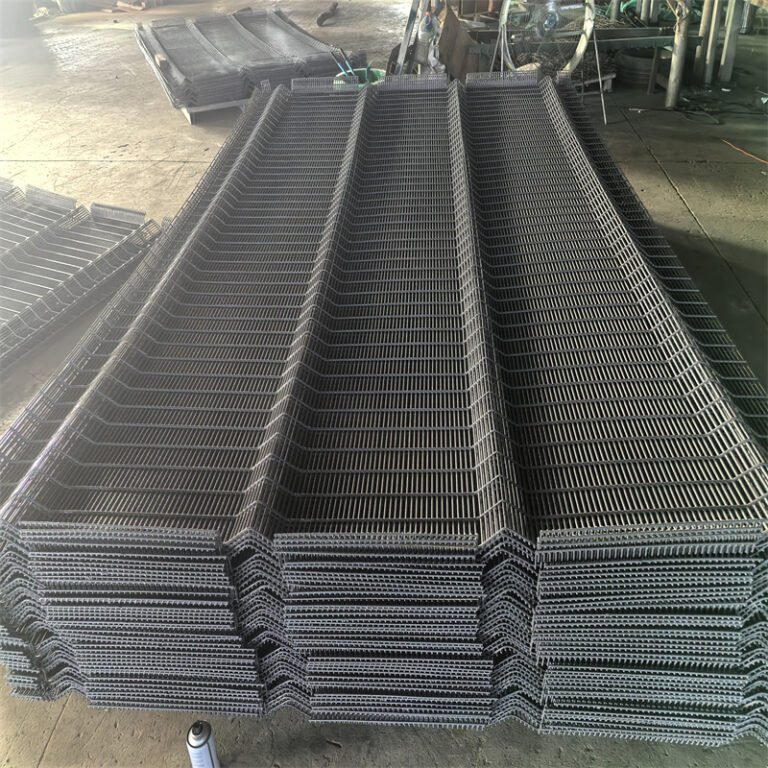
After welding, suitable panels undergo the required bending operations. BMP produces specified V folds alongside side and edge flanges. Consequently, operators must maintain correct angles and dimensions.
Different panels require different forming settings. Therefore, approved drawings should identify the exact configuration before production.
After Welding
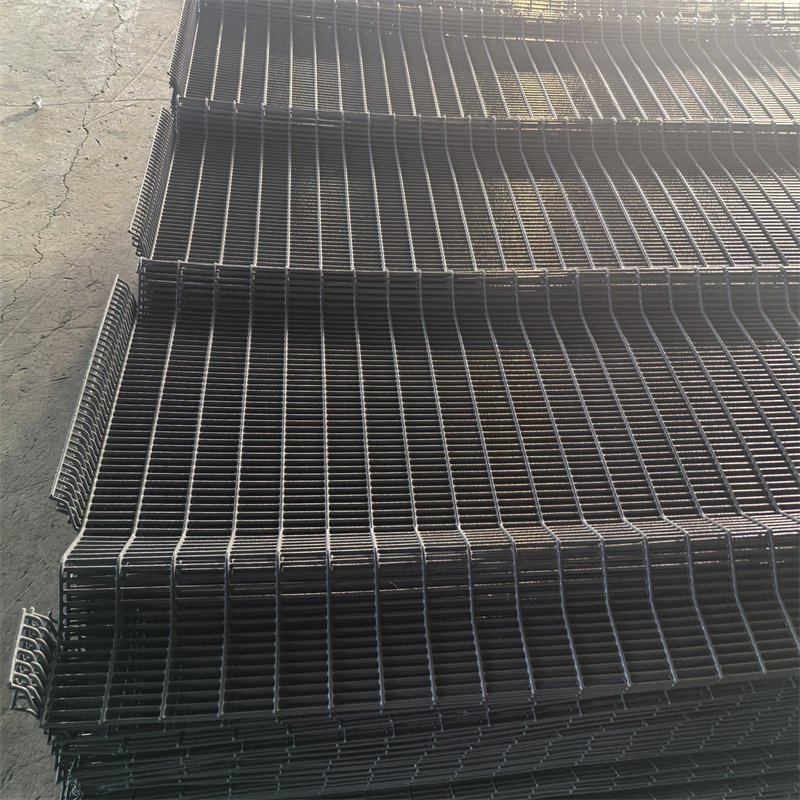
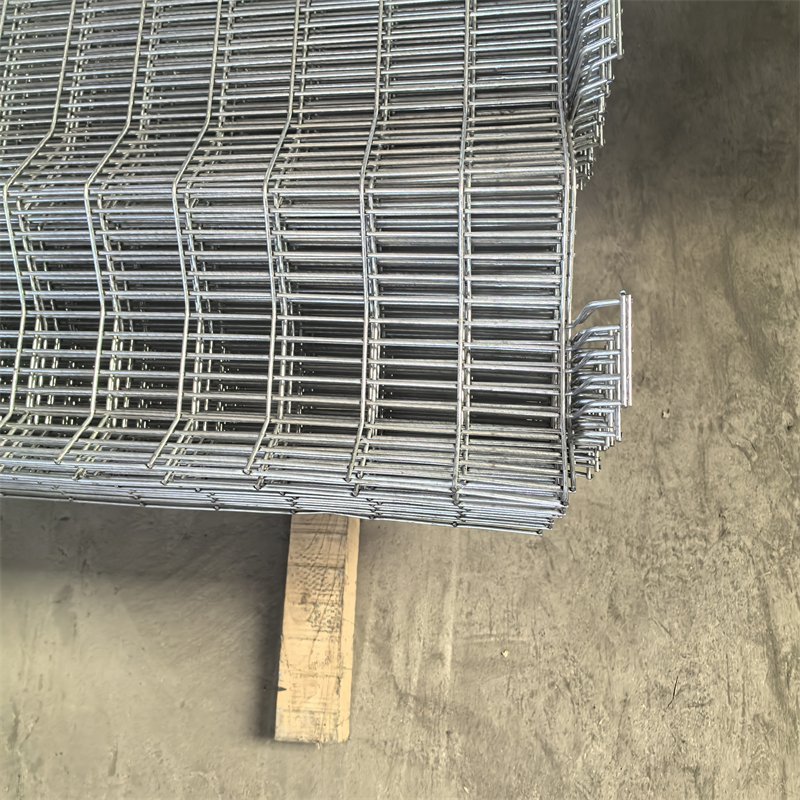
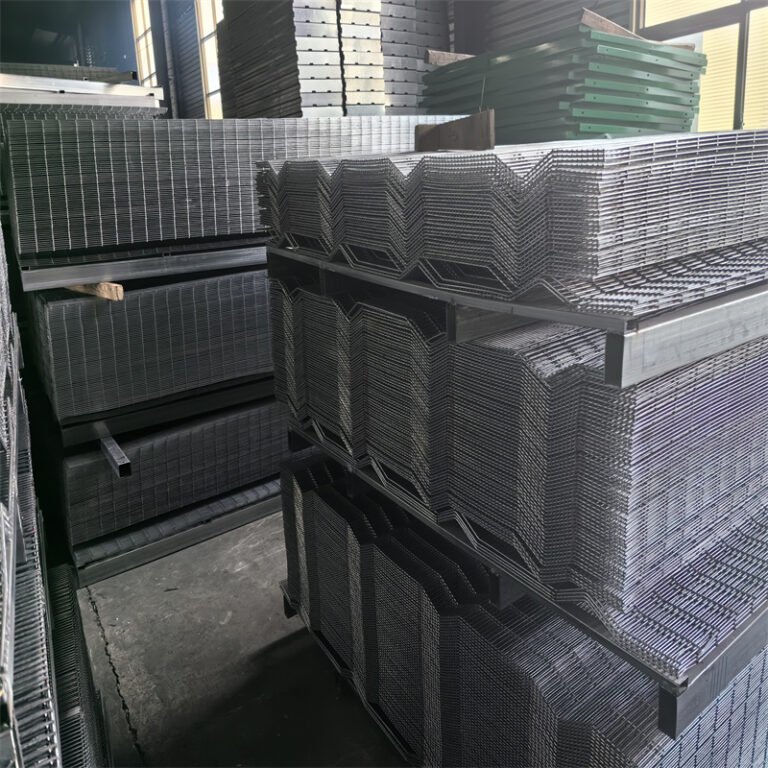
Freshly welded panels show the underlying steel construction before final decorative coating. At this stage, inspectors can check mesh alignment and visible weld consistency. Furthermore, workers can identify panel deformation requiring correction.
After Powder Coating
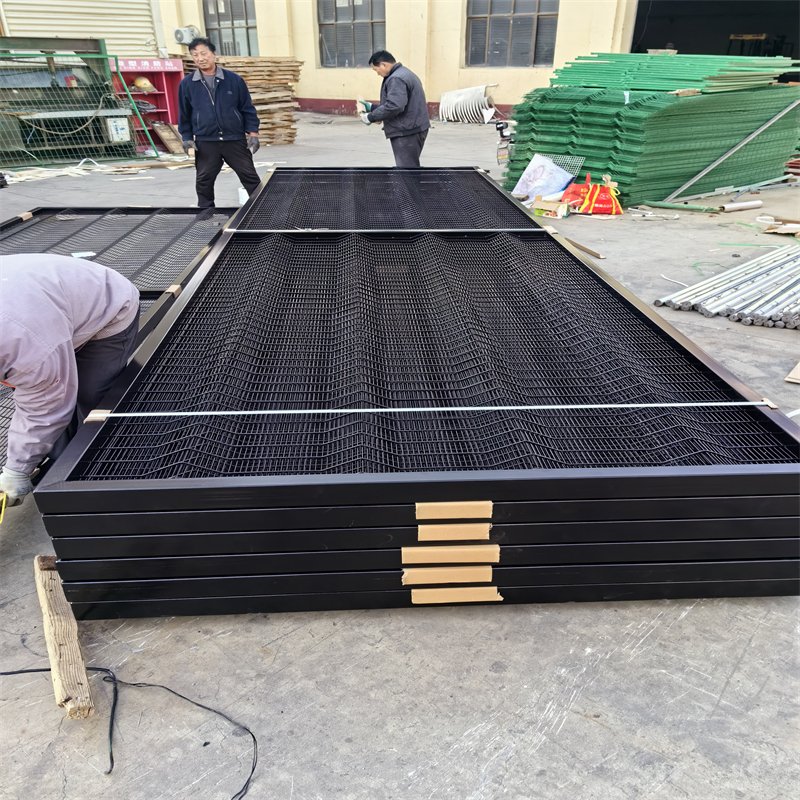
Once panels complete suitable surface preparation, the finishing process adds the specified coating. BMP uses powder-coating materials appropriate to the agreed product requirements, including AkzoNobel options.
Colour selection may include RAL 6005 green, RAL 9005 black, and other specified finishes. However, coating durability depends on preparation, application quality, and environmental exposure.
BMP offers a 15-year manufacturer warranty for applicable ClearVu products, subject to written terms. Actual maintenance requirements depend on the installed environment and coating system.
clearvu fence models Protective Finishes and Corrosion Resistance
Outdoor environments expose fencing to moisture, temperature changes, and airborne contaminants. Consequently, protective coatings contribute significantly to long-term durability.
Hot-Dip Galvanizing
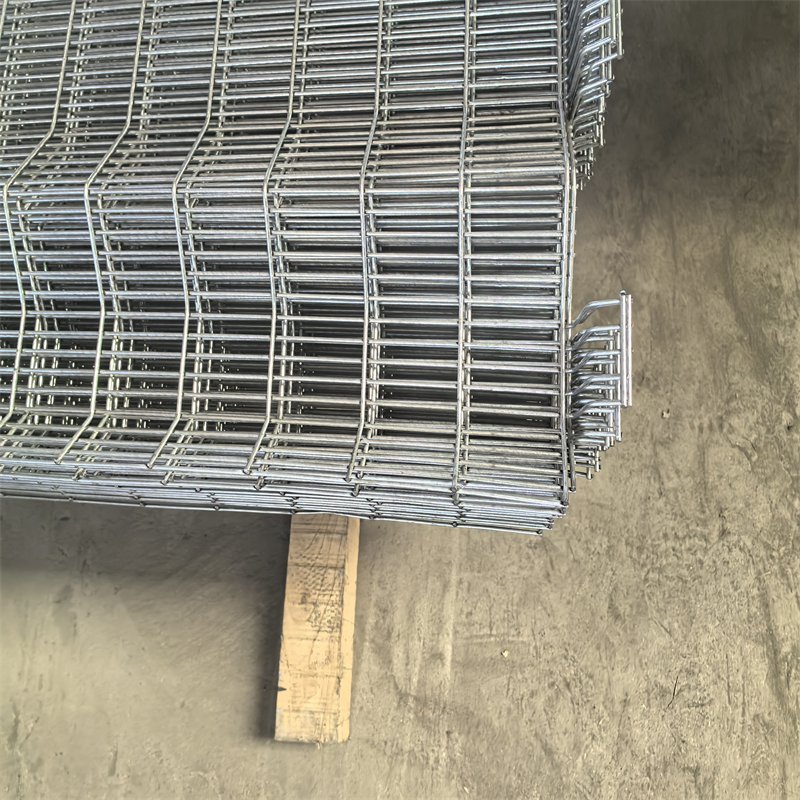
Hot-dip galvanizing forms a zinc layer on suitable steel components. This coating offers corrosion protection through physical separation and sacrificial action.
However, batch galvanizing differs from continuous galvanized-wire production. ISO 1461 applies to fabricated articles within its defined scope, not every zinc-coated wire product. Therefore, buyers should identify the actual manufacturing route.
Powder-Coated Steel
Compatible powder coatings provide selected colours and additional surface protection. However, surface preparation remains important, especially over galvanized steel.
Consequently, coating specifications should identify preparation, application, and inspection requirements. Colour alone does not determine long-term corrosion performance.
Coastal Coating Selection
Marine air can accelerate corrosion where coatings suffer damage. Therefore, projects near the ocean may need more demanding protection and maintenance.
Bolts, exposed edges, and welded regions deserve particular attention. Likewise, suitable drainage and accessible inspection routes help reduce avoidable deterioration.
Square Posts, H-Posts and Other Supporting Structures
Supporting posts transfer mesh loads into the foundations. Consequently, their shape, thickness, and connection arrangement influence fence stability. BMP offers several post families for different installations.
Square Steel Posts
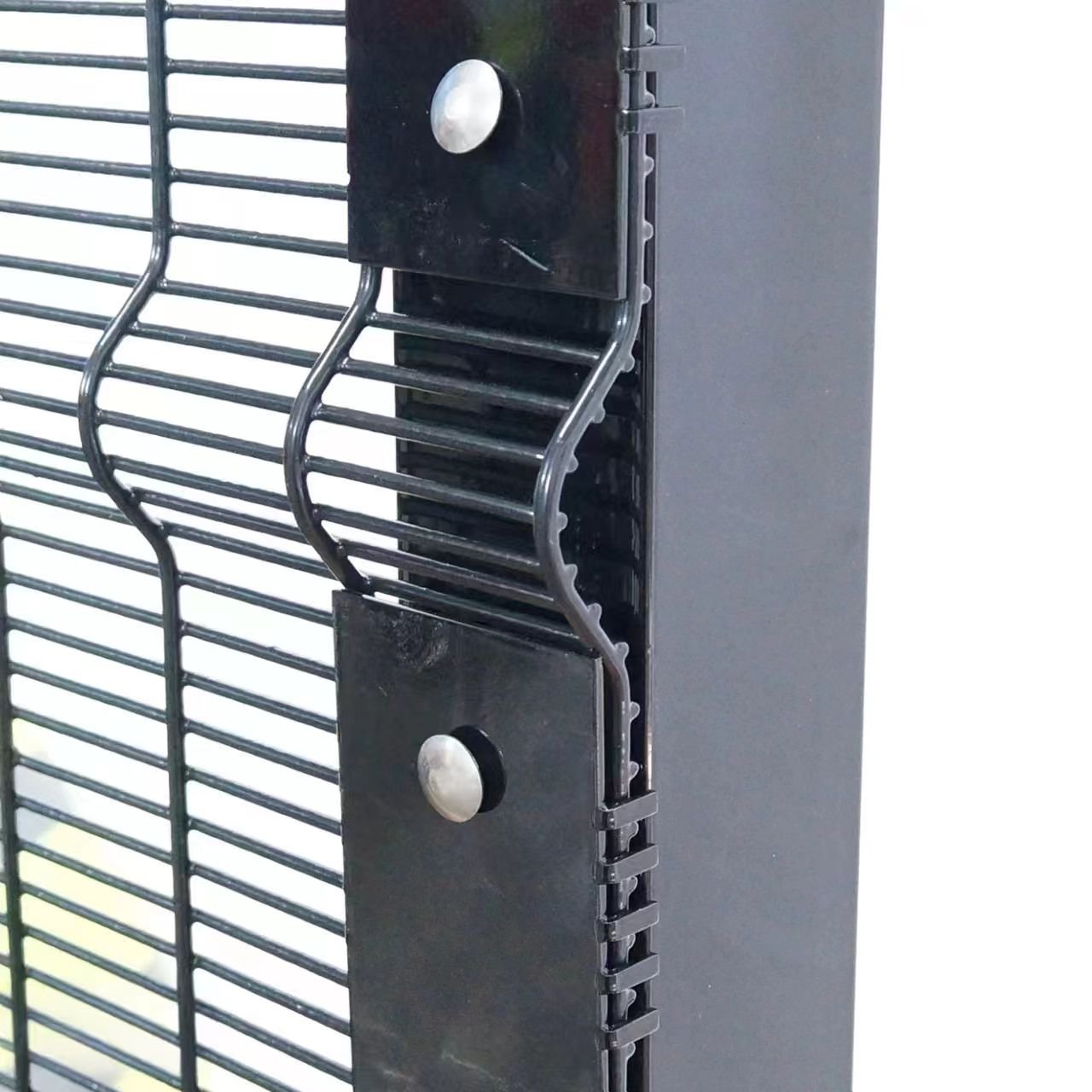
Square hollow posts provide uniform faces for suitable mounting arrangements. They can accommodate brackets, clamps, and security fasteners according to project design.
However, post dimensions depend on fence height and loading requirements. Therefore, engineers should confirm wall thickness and foundation details before ordering.
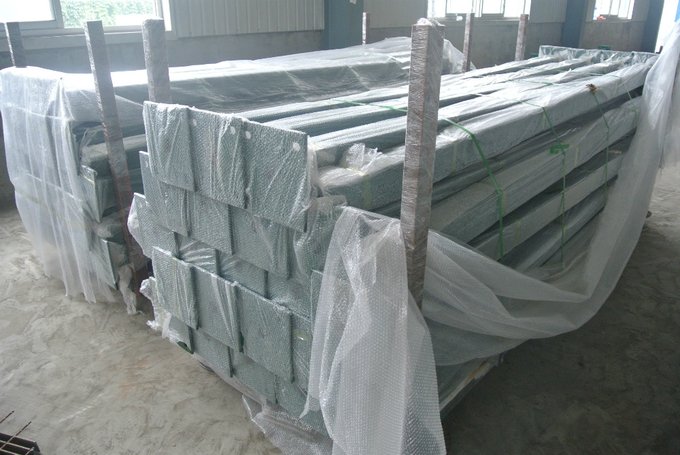
H-Profile Security Posts
H-profile posts offer an alternative structural and connection arrangement. Their geometry can accommodate suitable panel mounting methods, depending on the design.
Nevertheless, H-profile posts and square hollow posts do not provide identical structural behaviour. Consequently, engineers must review their loading and connection requirements separately.
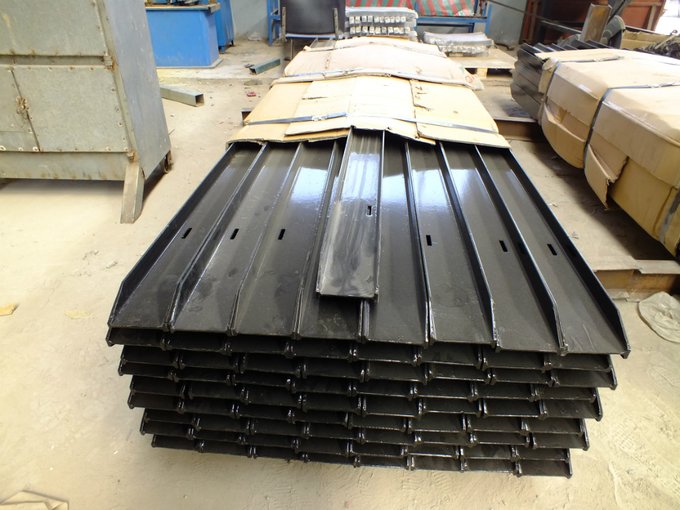
Post Selection Reference Table
| Post Type |
Principal Feature |
Connection Consideration |
Typical Design Use |
| Square Hollow Post |
Uniform square cross-section |
Compatible clamps and security bolts |
General welded security fencing |
| Rectangular Hollow Post |
Different section dimensions by direction |
Orientation-specific brackets |
Custom structural arrangements |
| H-Profile Post |
Open structural profile |
Profile-compatible connections |
Project-specific security boundaries |
| IPE Post |
Rolled structural section |
Suitable engineered mounting hardware |
Selected heavy-duty applications |
| C-Profile Post |
Formed channel geometry |
Dedicated clamp arrangement |
Compatible modular systems |
| Tapered Post |
Variable cross-section geometry |
Profile-specific fittings |
Architectural security installations |
| T-Profile Post |
T-shaped supporting section |
Approved connection geometry |
Selected custom installations |
Actual post sizes, wall thicknesses, and lengths require approval through project drawings. The original article does not define those dimensions for each post family. Therefore, the table does not invent structural capacities.
clearvu fence models in South African Coastal Environments
South African fencing projects face different environmental and security challenges across coastal and inland regions. Consequently, buyers should consider exposure alongside their required access controls.
Durban and KwaZulu-Natal
Durban's coastal environment can expose external steel to salt-bearing moisture. Therefore, suitable corrosion protection becomes important around industrial and residential boundaries.
Warehouses and logistics compounds also benefit from clear visibility around loading areas. In these settings, Clear View Fence South Africa provides relevant security mesh configurations.
However, physical fencing should complement lighting, surveillance, and controlled gates. This combination supports more effective perimeter management.
Cape Town and Western Cape
Cape Town combines marine exposure with variable terrain and wind conditions. Consequently, projects must consider structural loads alongside coating performance.
For residential estates, dark welded mesh can preserve surrounding views. Meanwhile, taller security installations require suitable posts and engineered foundations.
Gauteng Industrial Properties
Factories and commercial facilities around Johannesburg and Boksburg often require visible, controlled boundaries. Consequently, welded security mesh can help protect valuable assets while supporting observation.
Buyers comparing Clearview Fence Boksburg can evaluate different mesh configurations and post types. However, final selection should reflect actual project risks.
Gqeberha and Eastern Cape
Gqeberha combines coastal exposure with industrial and logistics activity. Consequently, security fencing can serve both perimeter control and observation requirements.
Near marine environments, exposed bolts and damaged coatings deserve additional maintenance attention. Therefore, material selection and inspection planning should form part of procurement.
clearvu fence models Installation and Foundation Planning
Correct installation begins with accurate surveying and approved engineering drawings. Consequently, installers must check boundaries, underground services, terrain changes, and entrance locations.
Setting Out the Fence Line
First, contractors establish the approved boundary alignment. Next, they mark post centres according to the selected connection system. Finally, they confirm gate openings and terrain transitions.
Panel width does not always equal post centre spacing. Therefore, approved mounting details should control site measurements.
Preparing Concrete Foundations
Foundation dimensions depend on soil properties, post loading, fence height, and environmental exposure. Consequently, engineers should determine suitable excavation and concrete requirements.
Installers must also maintain post alignment and adequate curing time. Premature loading can cause unnecessary movement or connection problems.
Attaching Welded Panels
After securing the posts, installers position the panels according to approved drawings. Next, suitable clamps and security bolts complete the connections.
Workers should avoid damaging protective finishes during handling. Additionally, final inspections should verify alignment and fastener engagement.
Gate Integration
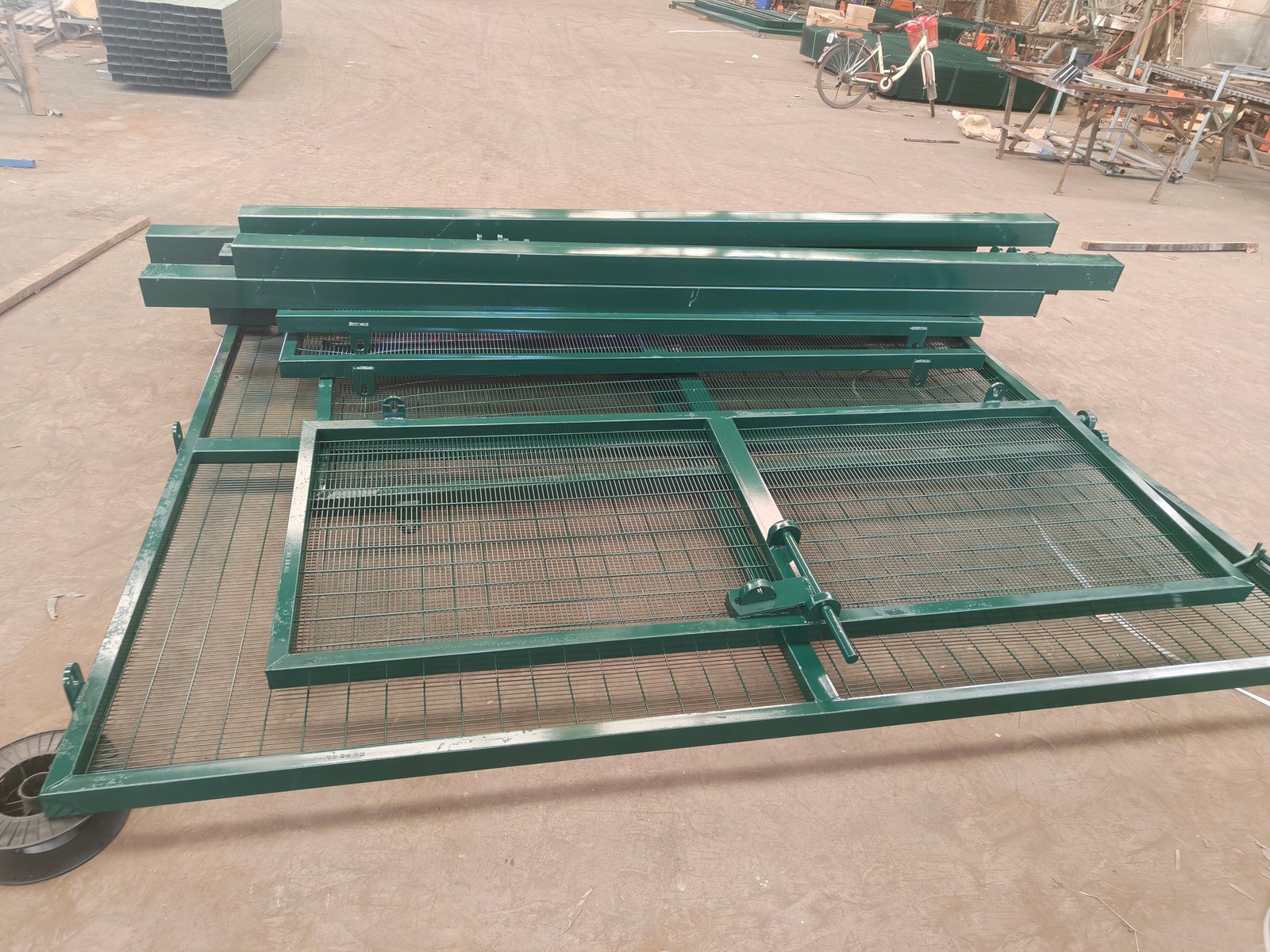
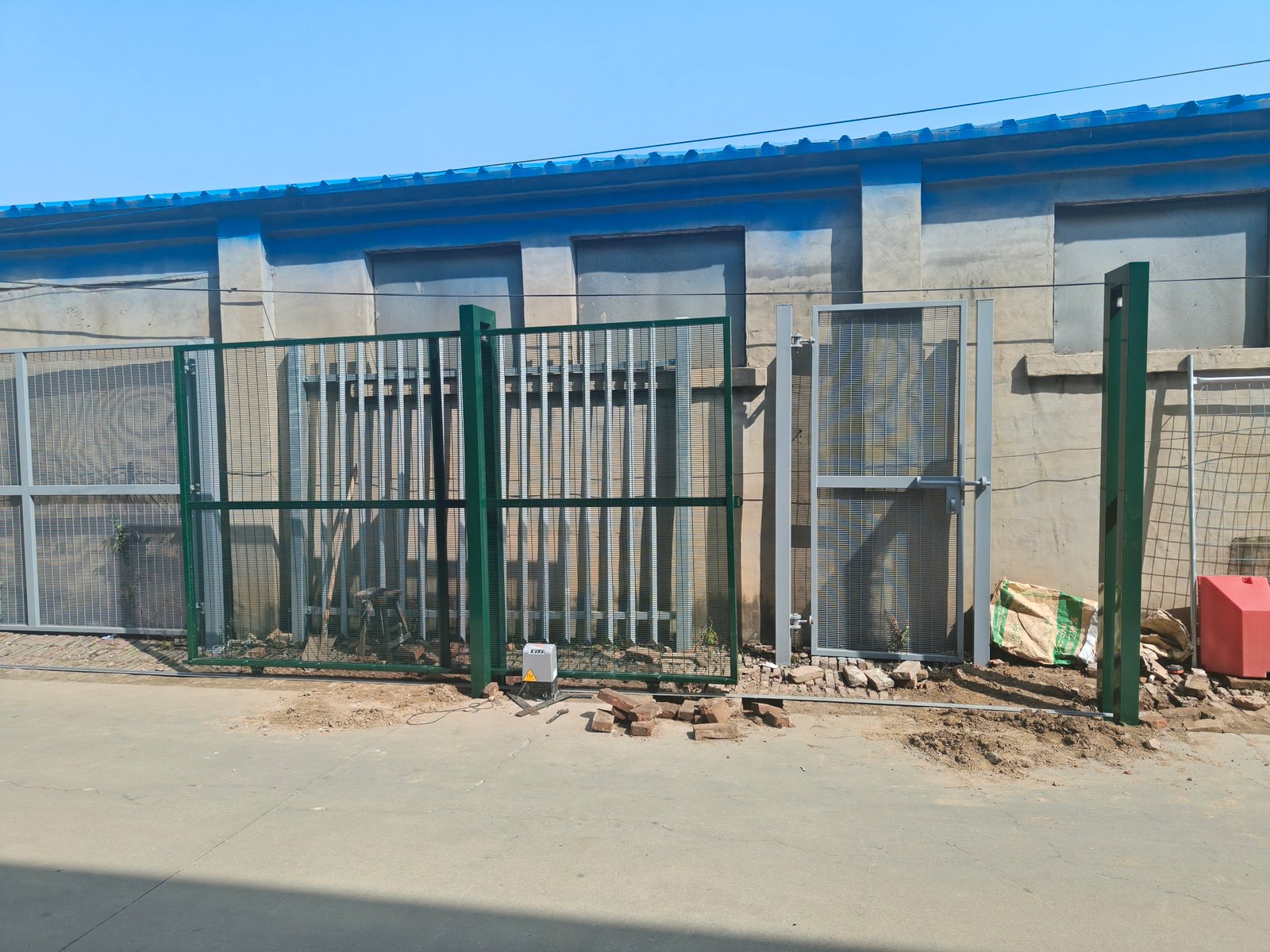
Access gates require compatible frames, hinges, locks, and supporting structures. BMP manufactures pedestrian, swing, and sliding gate options for different perimeter systems.
Where customers need a complete entrance system, Clearview Fence Gate configurations can coordinate with surrounding welded mesh. However, gate structural design requires separate loading checks.
Packing clearvu fence models for International Shipment
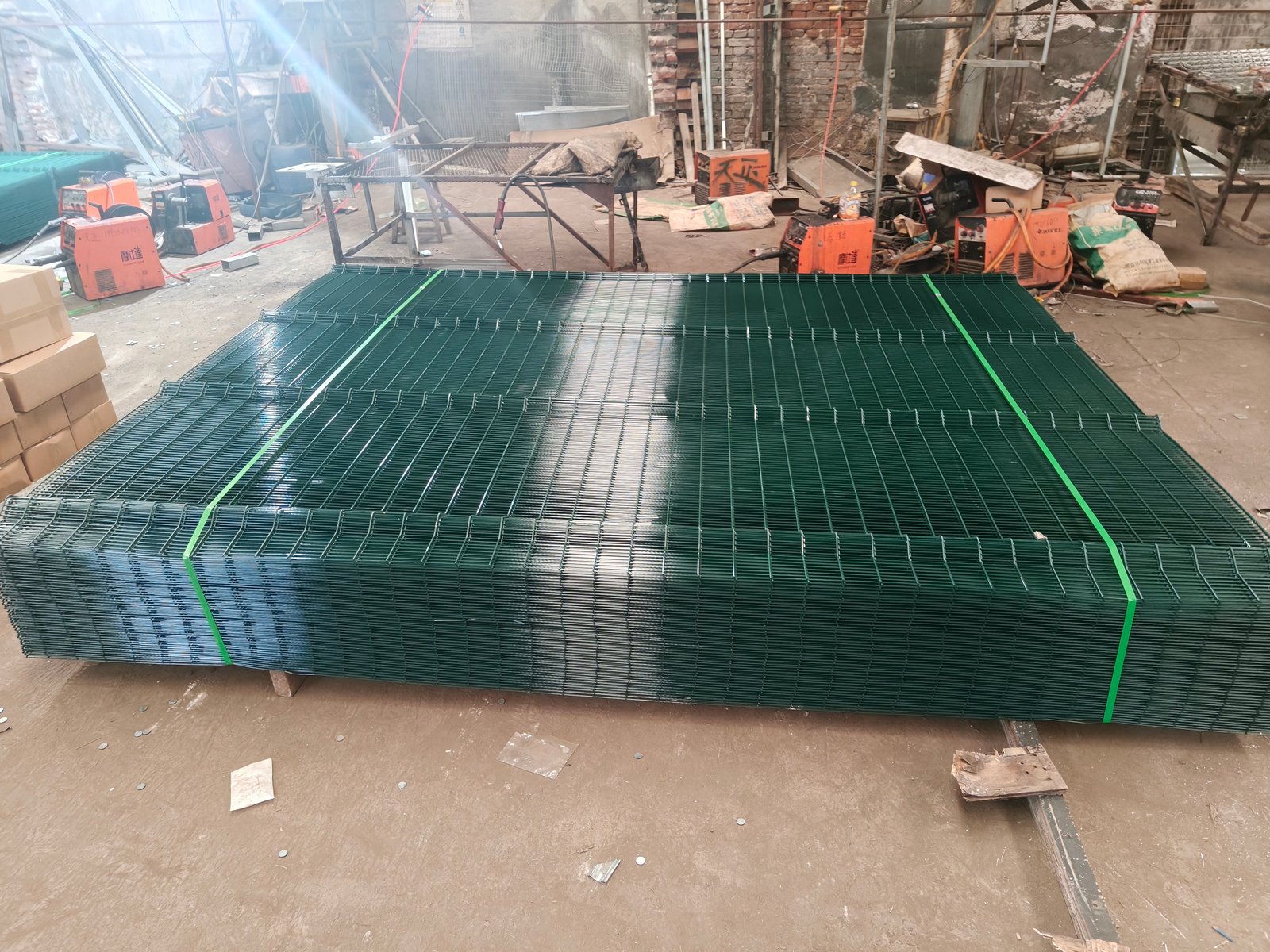
Export packing protects finished security panels during handling and ocean transportation. BMP organizes panels, posts, and accessories into identifiable shipping packages.
Protecting Fence Panels
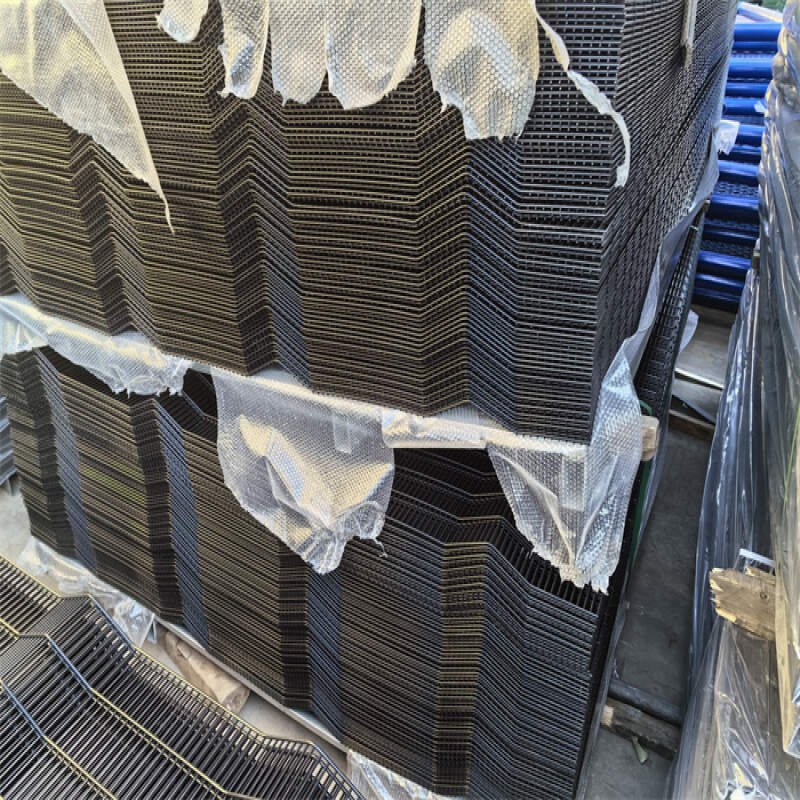
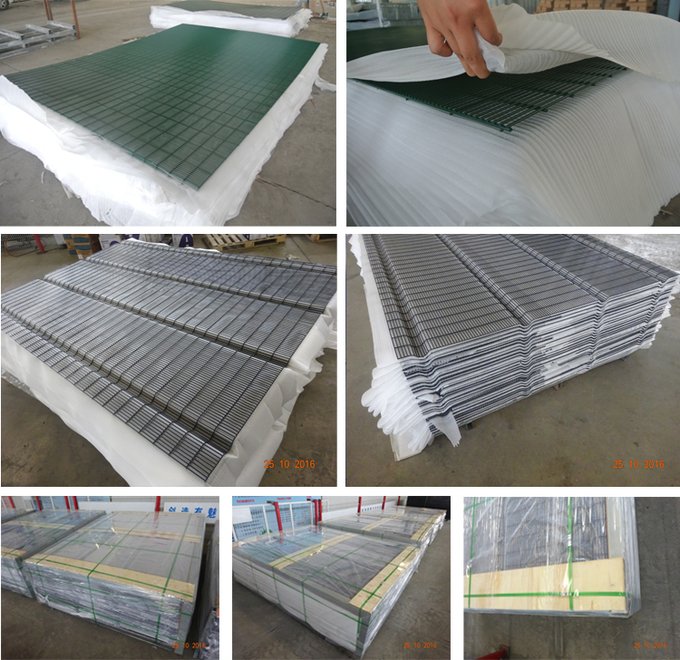
First, workers place a wooden board on the pallet to create a stable protective base. Next, bubble wrap protects the lowest fence panel against surface scratches.
The original packing arrangement allows stacks of up to 70 panels. However, actual quantities depend on dimensions, weight, and pallet capacity.
After stacking, workers position another protective wooden board above the panels. Plastic strapping secures the package against unwanted movement. Furthermore, stretch film helps protect the cargo during handling and temporary storage.
Finally, labels identify the number of panels inside each package. This supports warehouse stock control and receiving inspections.
Packing Square and H-Profile Posts
Structural posts require suitable separation to reduce abrasion and impact damage. Workers can arrange compatible sections on pallets or within properly secured bundles.
However, finished steel surfaces should not contact sharp edges unnecessarily. Therefore, suitable wrapping and supports help preserve the protective coating.
Packing Clamps and Security Fasteners
Small fittings require accurate identification and organized packaging. Consequently, BMP groups matching bolts, clamps, and other accessories into suitable cartons or bags.
Labels help receiving teams compare package contents against the packing list. Furthermore, this arrangement simplifies distribution across larger installation sites.
clearvu fence models Container Loading and Delivery
Efficient container loading requires appropriate cargo distribution and secure restraints. Consequently, BMP considers pallet dimensions, shipment weight, and unloading arrangements during export preparation.
Finished panels should remain stable throughout handling and transportation. Likewise, supporting posts need adequate restraint to prevent shifting.
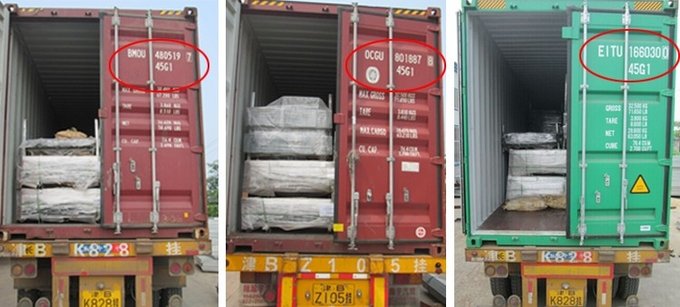
Container Loading and Cargo Protection
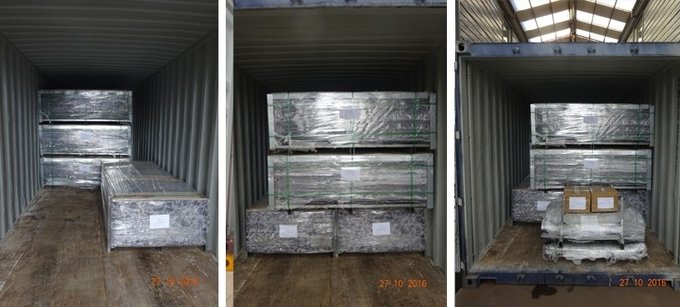
Workers load packaged fencing materials according to practical container limitations. Protective boards and suitable restraints reduce unnecessary movement.
However, actual loading quantities depend on the selected panel dimensions and structural sections. Therefore, confirmed packing lists should reflect the final shipment.
Shipping Documentation
International shipments require accurate commercial invoices and packing lists. Depending on the agreed terms, buyers may also receive applicable transport and origin documents.
Consequently, consistent package identification helps customers manage customs clearance and project receiving. Actual shipping responsibilities depend on the agreed contract.
clearvu fence models for Permanent and Temporary Boundaries
Permanent security fencing and temporary crowd-management barriers serve different purposes. Therefore, buyers should avoid treating them as interchangeable systems.
ClearVu security panels generally form part of an engineered, long-term boundary. Meanwhile, steel crowd control barriers can organize temporary public access.
Construction activities may also require temporary separation around active work zones. However, such barriers do not replace permanent high-security perimeter systems.
Maintenance of clearvu fence models
Regular maintenance helps preserve structural connections and protective finishes. Consequently, operators should inspect panels, posts, bolts, and gates at suitable intervals.
Checking Welded Mesh Panels
Inspectors should look for deformation, damaged welds, corrosion, and accidental impact. Additionally, vegetation should not obstruct critical surveillance areas.
Maintaining Protective Coatings
Surface scratches can expose steel to moisture and corrosion. Therefore, damaged areas require repair methods compatible with the original coating.
Coastal installations may need more frequent inspection. Meanwhile, industrial properties should consider local contamination and maintenance access.
Servicing Gates and Fittings
Hinges, rollers, locks, and security fasteners experience different mechanical demands. Consequently, periodic servicing helps maintain reliable operation.
Authorized maintenance teams should retain compatible replacement hardware. This supports practical repairs without compromising connection security.
Frequently Asked Questions About clearvu fence models
What Is the Difference Between 358 and 3510?
Traditional 358 mesh commonly uses approximately 4.0 mm wire. Meanwhile, 3510 mesh typically uses approximately 3.2 mm wire with similar nominal spacing.
However, BMP also offers custom mixed-wire configurations. Therefore, buyers should confirm actual diameters before production.
Which Model Offers Better Climbing Resistance?
Narrow mesh spacing discourages ordinary climbing by restricting convenient fingerholds and footholds. Nevertheless, complete security depends on panel height, supporting posts, and installation conditions.
Are V-Folds Necessary?
Not always. V folds can increase stiffness through panel geometry. However, flat panels may suit projects requiring particular appearance or surveillance characteristics.
What Panel Width Appears in the Original Specifications?
The original reference table specifies a 3297 mm panel width. All seven listed height configurations retain this value.
What Wire Diameters Are Available?
The original specification includes 3 mm and 4 mm wires. Additional project-specific combinations may be available subject to manufacturing review.
Can Buyers Choose Square or H-Posts?
Yes. BMP offers multiple supporting post families, including square hollow and H-profile arrangements. However, each design requires compatible connections and approved structural dimensions.
Is Powder Coating Suitable for Coastal Projects?
Suitable coating systems can provide corrosion protection under marine exposure. However, actual durability depends on surface preparation, coating quality, and maintenance.
How Many Panels Fit on One Pallet?
The original packing description references stacks of up to 70 panels. Nevertheless, final quantities depend on panel dimensions, weight, and handling limitations.
Does BMP Provide Matching Gates?
Yes. BMP supplies pedestrian, swing, and sliding gate configurations. Buyers can coordinate gate dimensions and finishes with surrounding panels.
What Warranty Does BMP Offer?
BMP offers a 15-year manufacturer warranty for applicable ClearVu and Clearview fencing products. Coverage depends on the agreed written warranty terms.
Choosing the Right clearvu fence models for Your Project
Successful fence selection begins with understanding the intended security function. Therefore, project teams should compare mesh dimensions, wire diameter, post capacity, and coating requirements.
For sensitive boundaries, dense 358 mesh provides a practical combination of climbing resistance and visibility. Meanwhile, lighter 3510 configurations may suit selected projects where engineering requirements permit.
Flat panels deliver a uniform architectural appearance. Alternatively, V-fold panels introduce geometric stiffness and additional design flexibility. However, neither configuration automatically guarantees superior performance without appropriate structural design.
BMP manufactures welded security fencing, compatible posts, clamps, and matching gates for international projects. Our experience since 2006 supports customization, production coordination, and export preparation.
Ultimately, clearvu fence models allow buyers to match security, appearance, and structural requirements within a coordinated system. Correct drawings, reliable connections, suitable coatings, and practical maintenance complete the installation.