Clearview fencing Durban combines narrow welded mesh with useful visibility across residential, commercial, and industrial boundaries. Its close wire spacing reduces convenient climbing points without creating a solid wall. The design supports perimeter monitoring while allowing daylight and airflow through the fence. Boss Metal and Plastic Co., Ltd. manufactures compatible panels, posts, clamps, and gates in China.
Security needs vary across Durban's warehouses, estates, transport facilities, and controlled-access properties. Buyers should consider exposure, ground conditions, site operations, and entry points before choosing a system. Complete fence performance depends on much more than the mesh panel alone.
Clearview Fencing Durban for visible perimeter protection
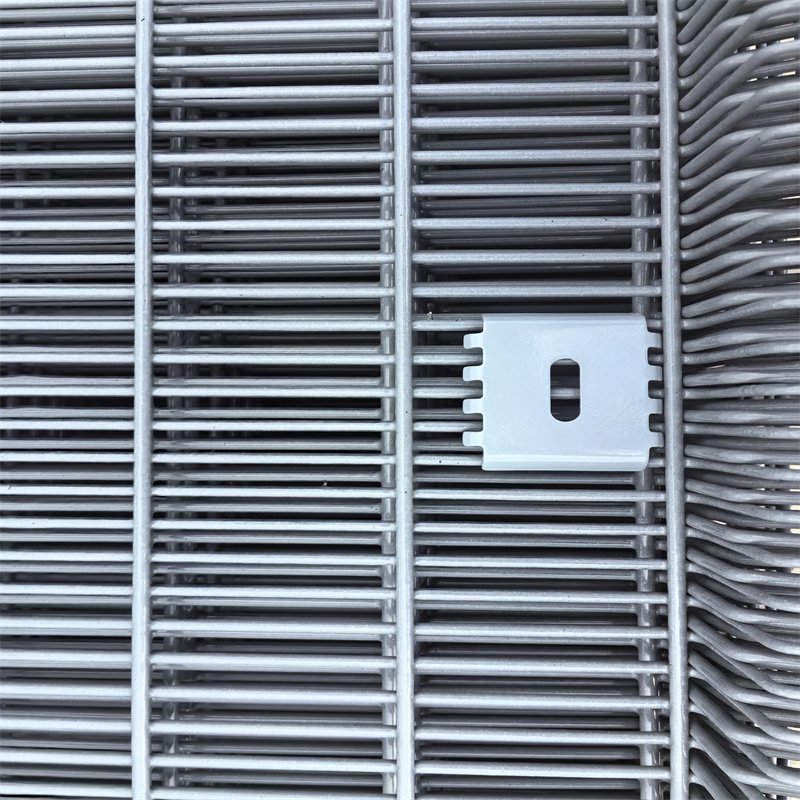
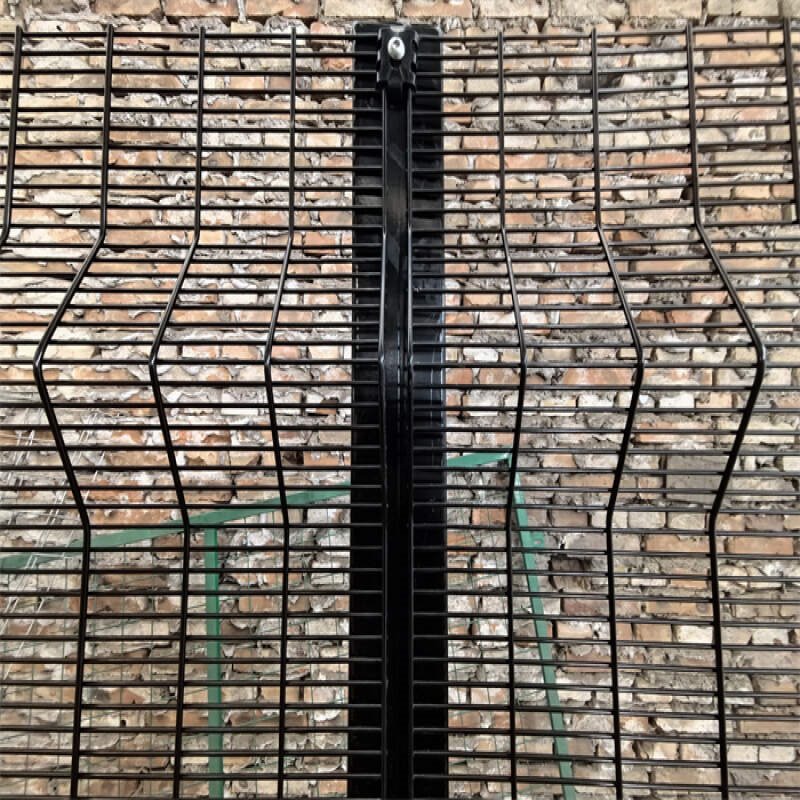
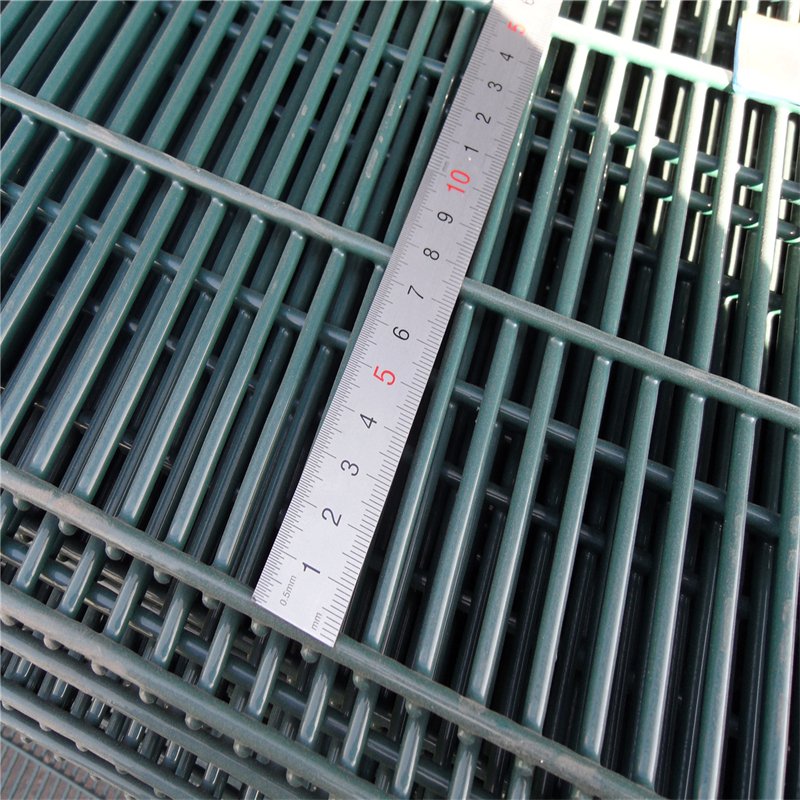
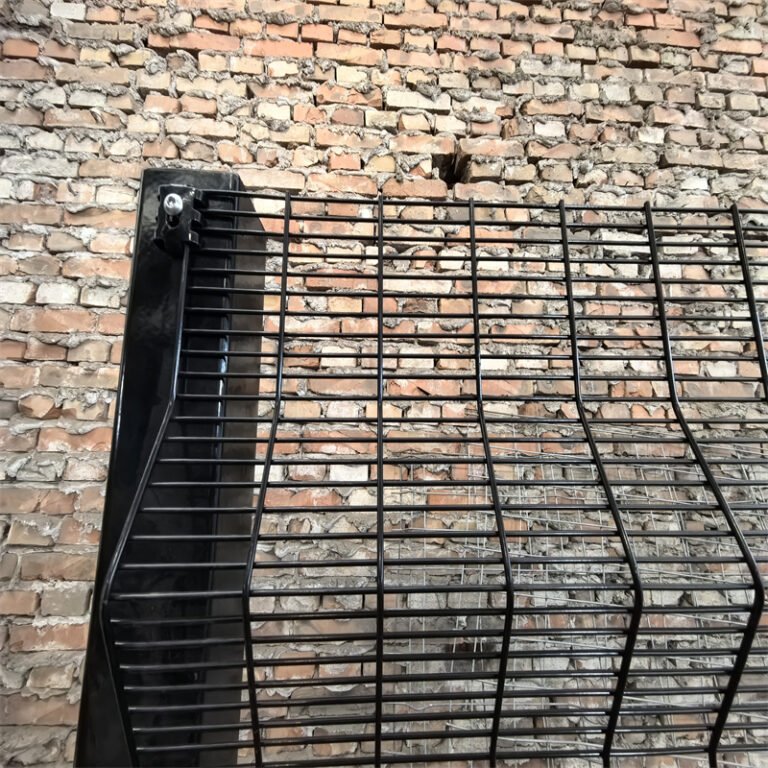
The familiar 358 configuration combines approximately 76.2 × 12.7 mm mesh spacing with 4 mm wire. Its name reflects three inches, half an inch, and eight-gauge wire. The narrow openings offer fewer comfortable fingerholds than ordinary wide-aperture mesh. This geometry helps deter climbing and complicates attacks with common hand tools.
The term Prison Mesh describes a related close-mesh security product. Designers still need appropriate posts, anchors, gates, and surveillance arrangements. No mesh panel guarantees complete resistance against every intrusion method.
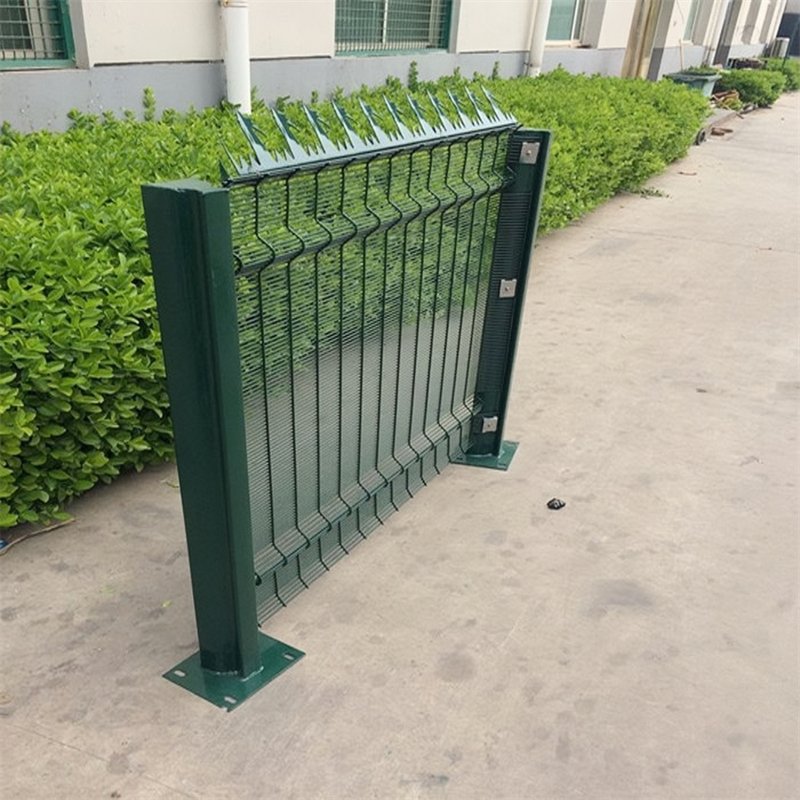
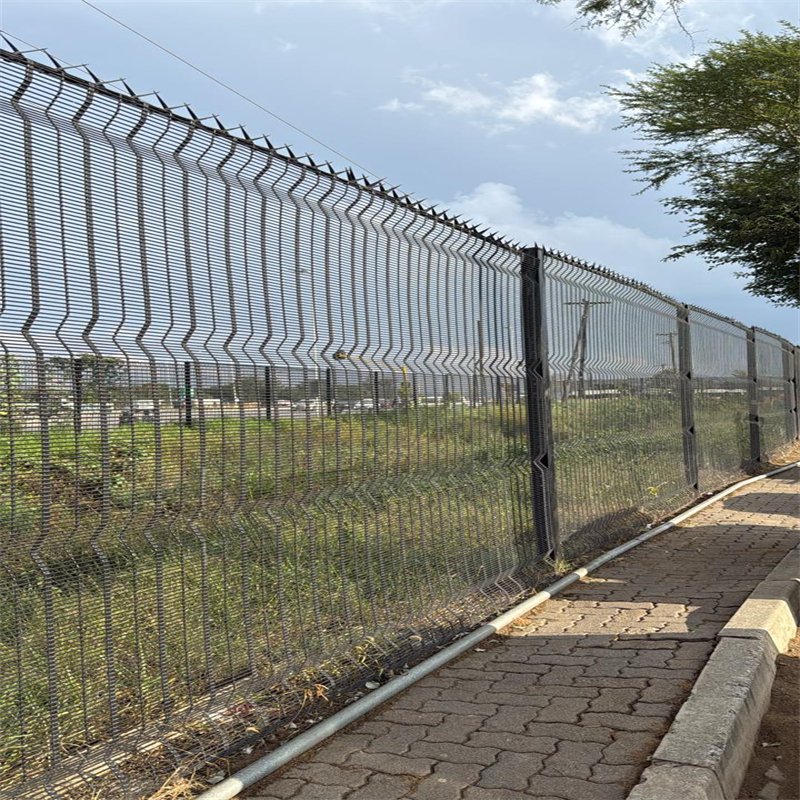
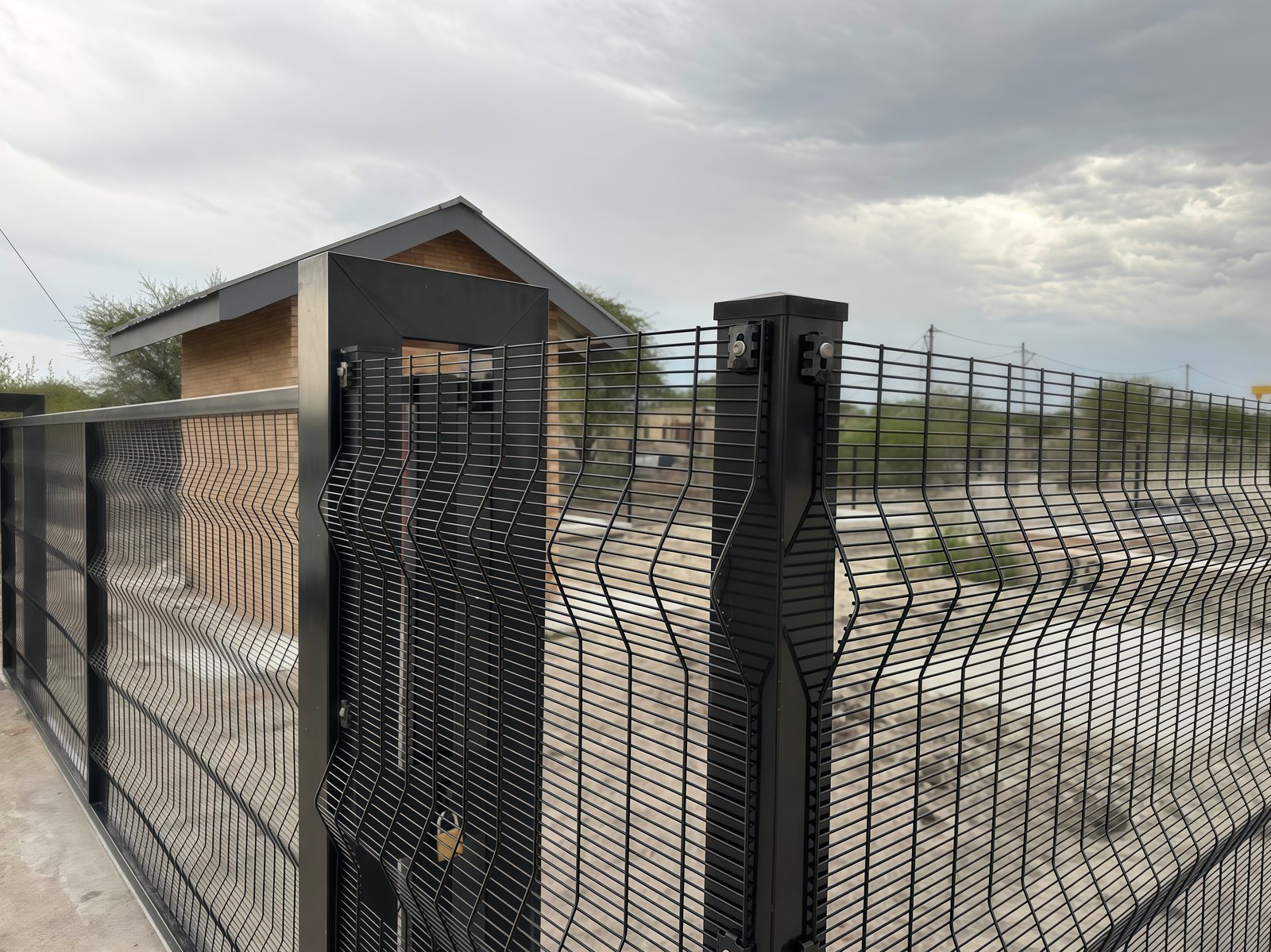
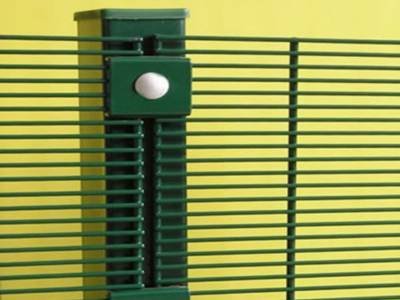
358ACF-01: Black mesh panels provide a visible boundary while complementing residential and commercial architecture.
How 358 mesh controls handholds
The small rectangular pattern restricts the space available for fingers and toes. Vertical and horizontal wires form welded intersections throughout the panel. This arrangement reduces leverage opportunities near the mesh itself. Attack resistance still depends on material strength and the chosen tools.
Compare the mesh geometry with a standard 358 Anti-Climb Fence configuration. The attachment system can determine whether the finished perimeter performs as intended.
Clearview Fencing Durban product advantages
A close-mesh barrier can combine surveillance access, a structured appearance, and perimeter separation. Correctly designed posts transfer forces into the foundation. Metal clamps reduce opportunities to remove a panel without suitable tools. Powder finishes offer colour choices while complementing a metallic corrosion-protection layer.
Anti-climb layout: narrow apertures limit useful handholds and footholds.
Visibility: guards can observe activity beyond the boundary.
Panel options: various heights support different project requirements.
Accessory compatibility: posts, clamps, gates, and toppings complete the system.
Corrosion planning: metallic and polymer coatings suit different exposures.
Appearance: open mesh integrates with many property designs.
A complete High Security Clearvu Fencing system combines these components. The specification should identify each component before production begins.
Welded wire performance and visibility
Consistent welds help distribute forces between adjoining wires. Wire diameter influences stiffness, weight, and available clear space. Small apertures preserve useful sightlines for guards and cameras. However, vegetation, parked vehicles, and site equipment can still obstruct surveillance.
The Clearvu Fence Panels category includes mesh options for different perimeter layouts. Buyers should compare exact drawings rather than relying on marketing labels.
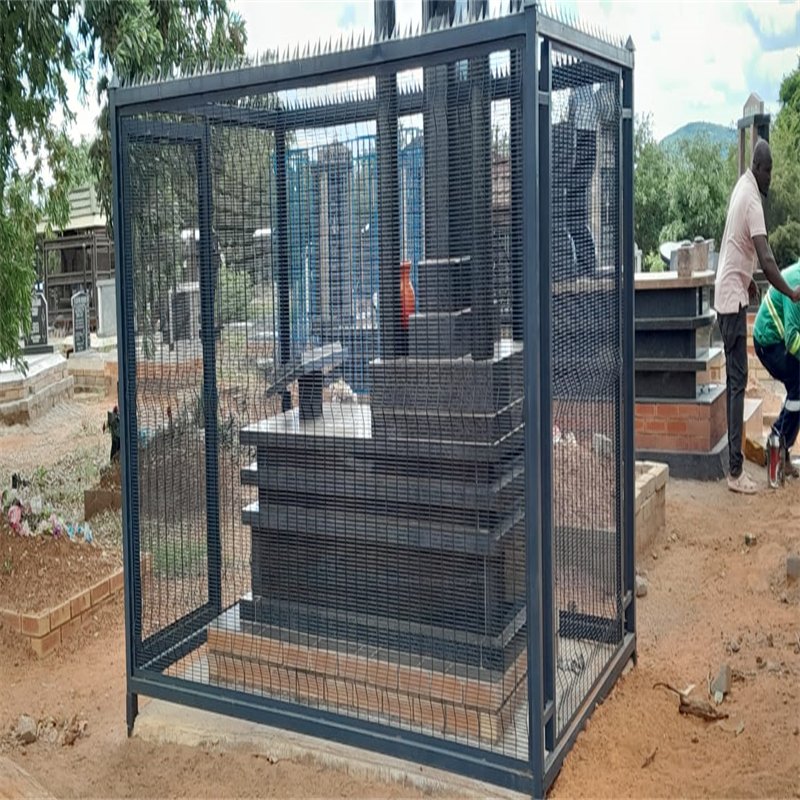
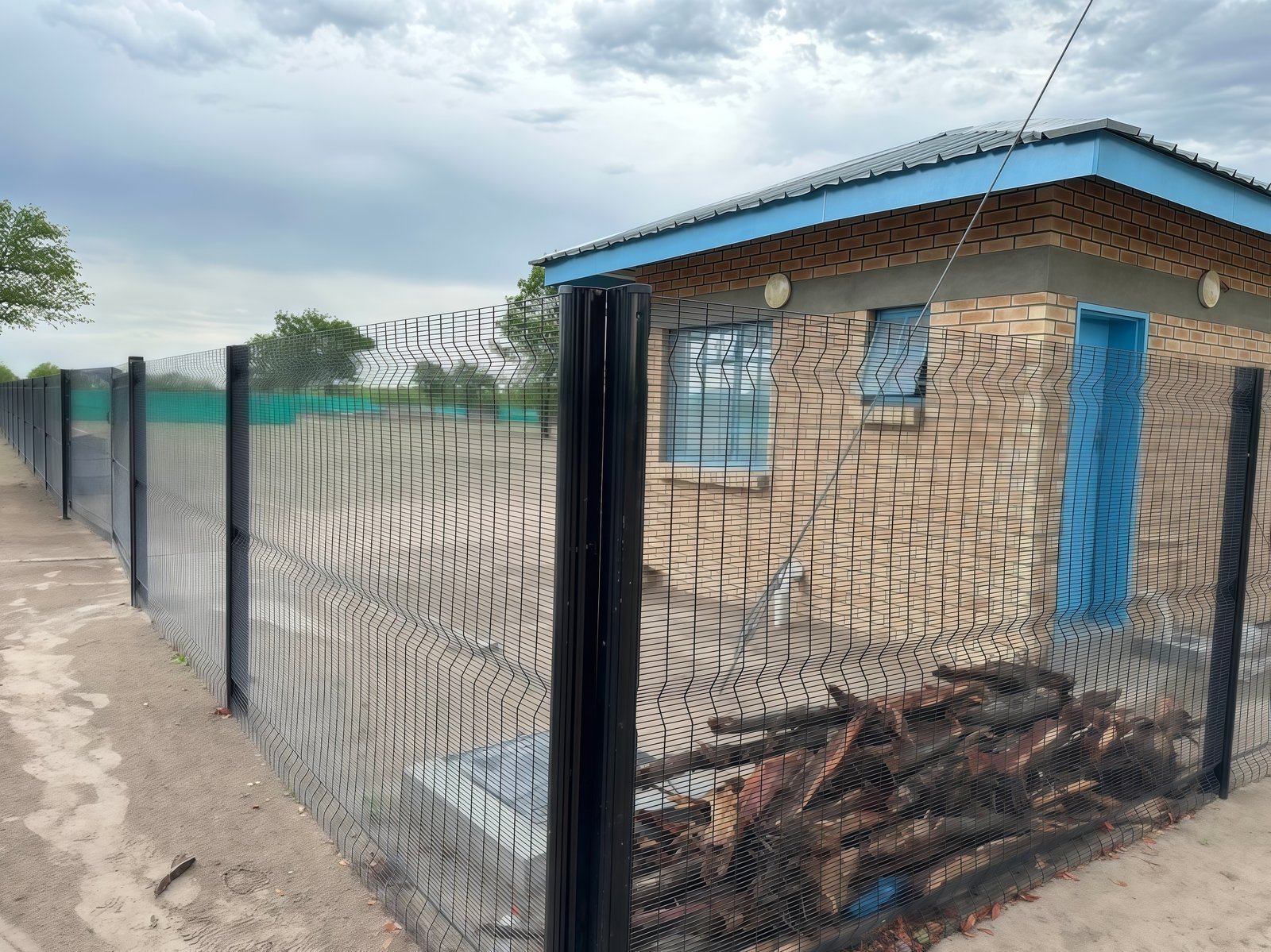
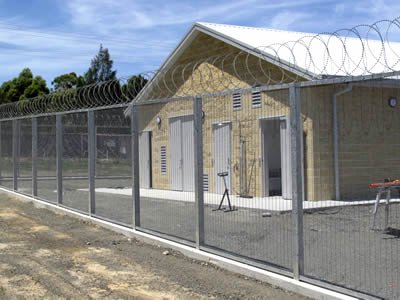
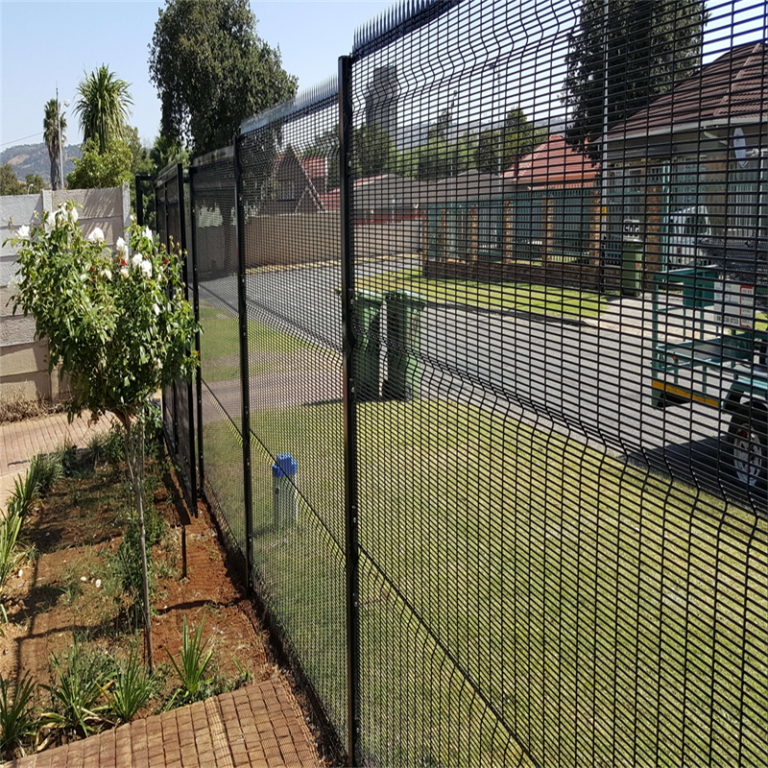
358ACF-02: A factory perimeter combines close mesh with a separate security topping for site-specific protection.
Clearview Fencing Durban technical specifications
The reference system uses approximately 4 mm horizontal and vertical steel wires. Its nominal aperture measures 76.2 × 12.7 mm. Designers may also request other wire sizes or mesh patterns. Alternative dimensions do not automatically qualify as standard 358 construction.
Panel material: low-carbon welded steel wire.
Reference mesh: 76.2 × 12.7 mm, centre to centre.
Reference wire diameter: approximately 4.0 mm.
Reference panel width: 2515 mm.
Reference panel heights: approximately 2007–5207 mm.
Post systems: square steel sections with compatible fixings.
Available finishes: galvanised steel, Galfan, or compatible coated systems.
Common colours: RAL 6005 green and RAL 9005 black.
The following table retains the supplied eight reference assemblies. Dimensions describe catalogue configurations, not automatically approved structural designs. Engineers must confirm foundations, spacing, and loading for each location.
Table 1: Reference 358 mesh panels, posts, and clamp bars
Product ID
Fence height
Panel size (mm)
Post length × section × wall (mm)
Clamp bar (mm)
Intermediate / corner clamps
358F01
2.0 m
2007 × 2515
2700 × 60 × 60 × 2.5
2007 × 60 × 5
7 / 14
358F02
2.4 m
2400 × 2515
3100 × 60 × 60 × 2.5
2400 × 60 × 5
9 / 18
358F03
3.0 m
2997 × 2515
3800 × 80 × 80 × 2.5
2997 × 80 × 6
11 / 22
358F04
3.3 m
3302 × 2515
4200 × 80 × 80 × 2.5
3302 × 80 × 6
12 / 24
358F05
3.6 m
3607 × 2515
4500 × 100 × 100 × 3.0
3607 × 100 × 7
13 / 26
358F06
4.2 m
4204 × 2515
5200 × 100 × 100 × 4.0
4204 × 100 × 8
15 / 30
358F07
4.5 m
4496 × 2515
5500 × 100 × 100 × 5.0
4496 × 100 × 8
16 / 32
358F08
5.2 m
5207 × 2515
6200 × 120 × 120 × 5.0
5207 × 100 × 8
18 / 36
Reference 358 mesh configurations
The table illustrates progressively larger posts and clamp bars for taller fence assemblies. Actual post design depends on wind exposure, terrain, foundations, and operational risks. Buyers should confirm every post section through engineering drawings. Some demanding projects also require additional lateral support.
Related 358 Security Mesh Fencing specifications describe other panel configurations. An independent assessment should resolve any differences before procurement.
Clearview Fencing Durban posts and clamps
Strong panels require compatible posts and connection systems. Common square post sections include 60 × 60, 80 × 80, and 100 × 100 mm. Taller designs may use 120 × 120 mm posts. Final wall thickness depends on site loading and attachment details.
Secure connections may use continuous clamp bars, pressed steel brackets, or tamper-resistant bolts. Matching components reduce installation problems and unplanned gaps. The Clearvu Fence Posts range illustrates post-related product choices.
Post sections and fastening hardware
Project drawings should define post length, wall thickness, coating, and foundation connection. Metal or plastic caps protect open ends from water and debris. Stainless hardware may suit some environments, subject to compatibility checks. Installers should never substitute fastener grades without technical approval.
Matching Clearvu Fence Clamps help connect panels to compatible posts. Flat bars and brackets need correct hole positions and suitable security nuts. These small parts deserve the same inspection attention as the mesh.
Clearview Fencing Durban corrosion protection
Durban projects should consider humidity, rainfall, salt exposure, and local pollution. Zinc coatings provide sacrificial protection for the steel substrate. Compatible powder coatings add colour and another protective barrier. The selected process should match the actual site environment.
Manufacturers can discuss galvanising before fabrication or after welding. Each process affects exposed weld areas and coating continuity differently. The buyer should specify coating mass, thickness, preparation, and inspection methods. A complete 358 Mesh Fencing specification also addresses finish durability.
Metallic and powder coating choices
Hot-dip galvanising after fabrication can cover accessible finished steel surfaces. Pre-galvanised wire requires suitable welding and coating procedures. Powder coating depends on surface preparation and controlled curing conditions. Galfan offers a zinc-aluminium metallic coating alternative.
Do not treat one coating thickness as a guarantee for every project. Buyers can request zinc coating reports and powder film measurements. Coastal installations may justify additional protection and inspection intervals. Maintenance crews should repair scratches and damaged connections promptly.
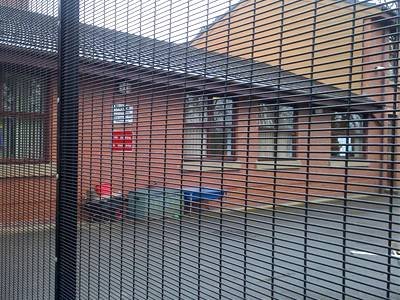
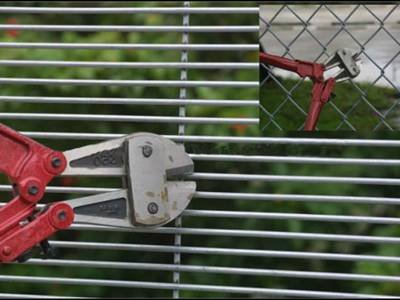
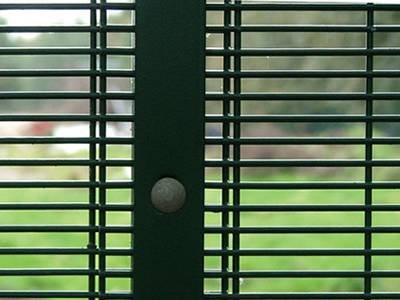
358ACF-03: The narrow aperture restricts access for some hand tools, although no mesh is completely cut-proof.
Clearview Fencing Durban installation methods
Accurate setting-out helps control panel alignment, gate clearances, and post spacing. Installers should survey ground levels before confirming the cutting schedule. They should also identify services, drainage channels, and existing structures. Qualified engineers must approve foundations and structural connections.
Some systems use overlapping panel edges and continuous clamp bars. Others attach adjacent panels separately to a central post. Never mix these methods without approved compatibility details. The Anti-Climb Fence configuration shows how mesh and fixings work together.
Overlapping panels and bracket connections
A reference overlap arrangement uses about 75 mm of panel overlap at the post. A slotted bar and suitable bolts then restrain both panel edges. Another arrangement uses brackets without overlapping the panels. Each method requires its own hole spacing and installation procedure.
Installers should confirm the required fastener count and torque. Loose fixings can weaken an otherwise strong fence line. Corner posts often require different hardware quantities. Check the approved drawings before ordering the final accessory kit.
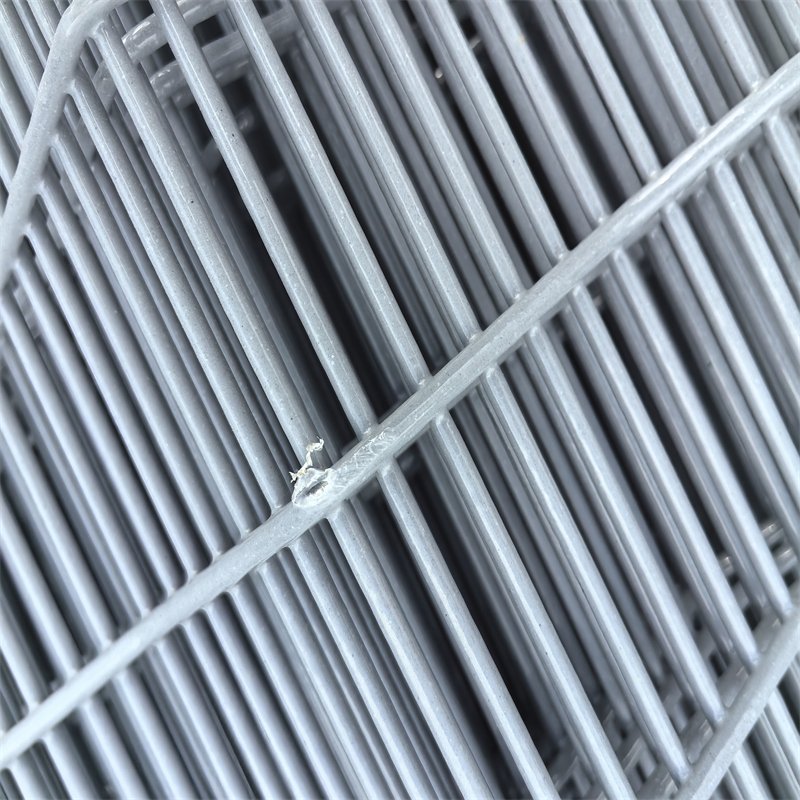
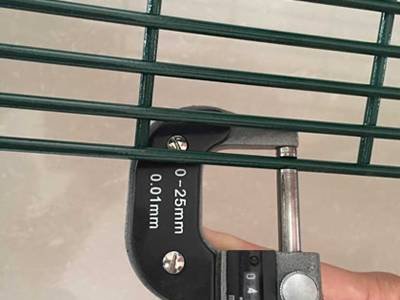
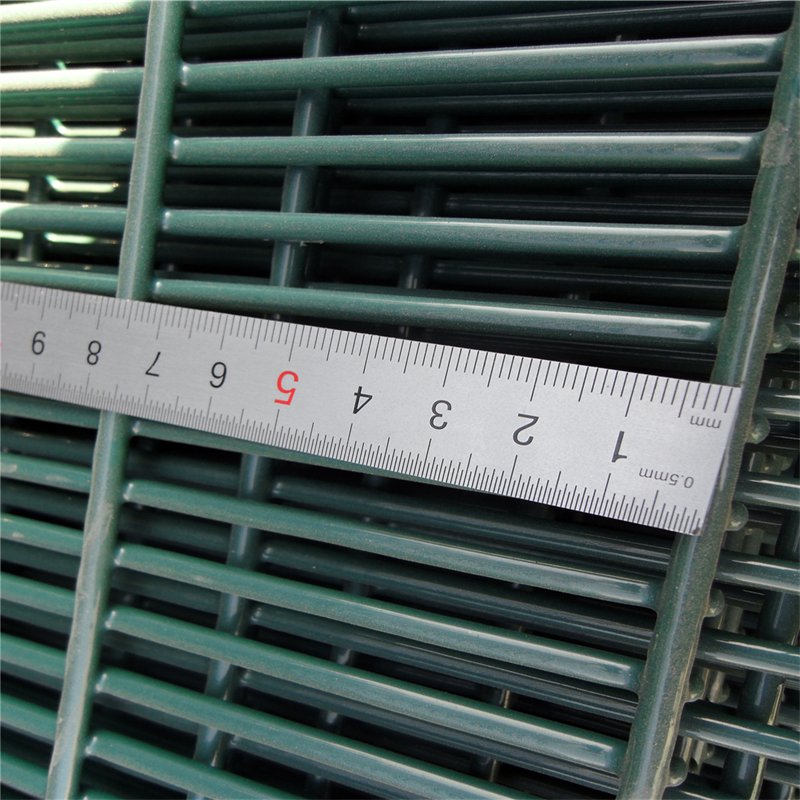
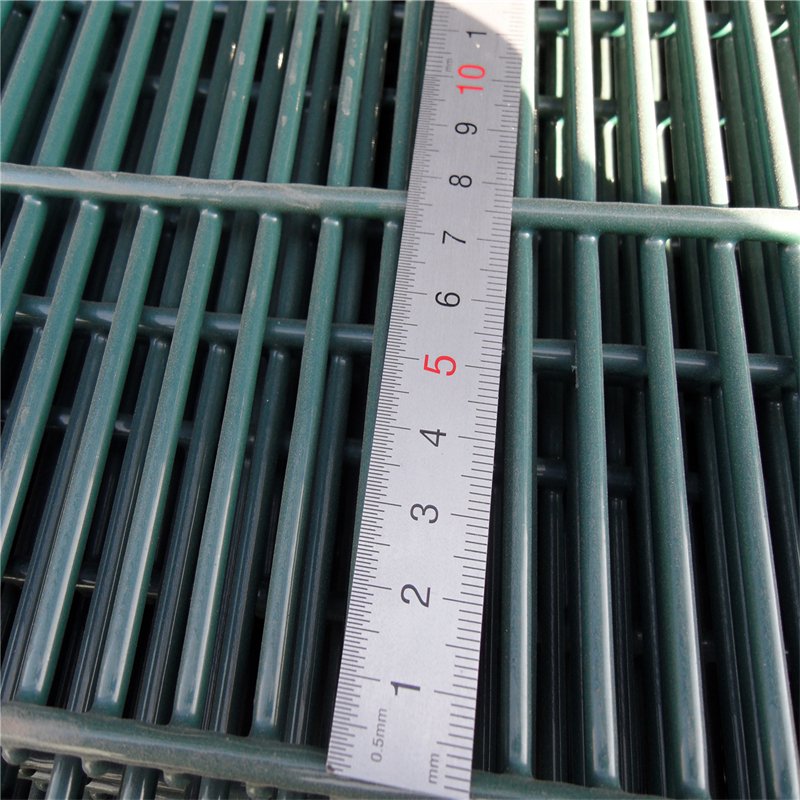
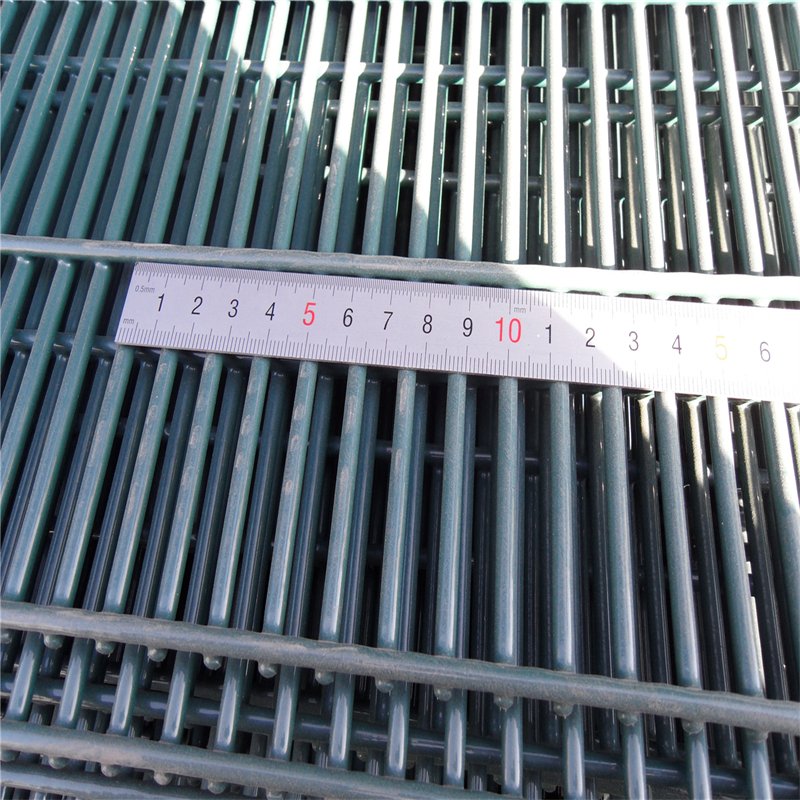
358ACF-04: Wire measurements help verify compliance with the specified steel diameter and product drawings.358ACF-05: Overlapping panels use a clamp bar to connect their edges at a supporting post.
Clearview Fencing Durban security gates
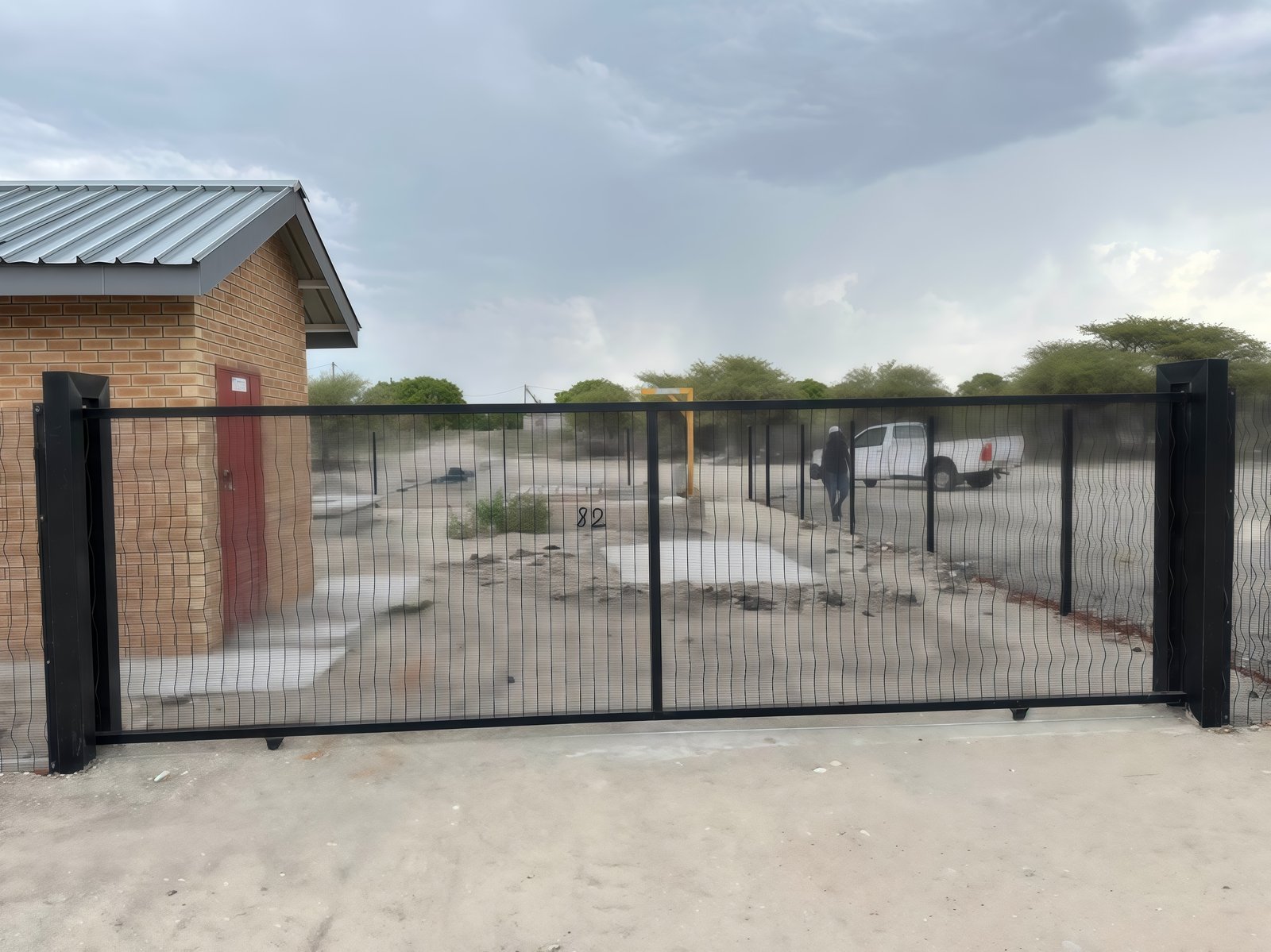
A secure perimeter needs controlled entry points as well as strong mesh panels. Pedestrian gates support routine access and personnel movement. Swing gates suit selected vehicle entrances with adequate clearance. Sliding gates may help where swing space remains limited.
Designers should match gate mesh, coating, and frame dimensions with adjoining panels. Access systems also require reliable hinges, locks, guides, and foundations. The Clearvu Sliding Gates category provides one vehicle-entry configuration. Automation requires separate electrical and operational safety planning.
Pedestrian and vehicle entrance planning
Start by defining pedestrian volumes, vehicle dimensions, and emergency access requirements. Position gates away from blind corners whenever the site permits. Check structural loads on gateposts and concrete supports. Add appropriate access controls and manual release arrangements where necessary.
Gate openings often create the weakest portion of a poorly planned perimeter. Use consistent hardware specifications across the whole project. Confirm the required gate swing or travel area before fabrication. A professional installer should inspect operation after completion.
358ACF-06: Individual brackets support panel edges without a continuous overlap at the post.
Clearview Fencing Durban surveillance integration
Close mesh allows useful visibility across many security boundaries. Guards can observe activity without relying on openings in a solid wall. Cameras can also monitor locations beyond the fence. However, camera placement must account for actual site obstructions.
A High Security Fence 358 Mesh arrangement can support wider security planning. Surveillance remains a separate system with its own installation requirements.
CCTV and lighting coordination
Position cameras to observe entrances, corners, and important equipment areas. Strong backlighting can reduce image quality even through open mesh. Security teams should test views during both daylight and darkness. Vegetation management also helps preserve clear sightlines.
Motion detection may complement perimeter cameras and controlled access gates. Do not assume mesh visibility eliminates every blind spot. The final plan should consider fence height and camera mounting positions. Keep electrical equipment accessible for safe maintenance.
Clearview Fencing Durban site applications
Close-mesh security fencing supports many controlled-access property layouts. Warehouses need defined boundaries around stock and loading zones. Utilities may require separate protection for electrical and mechanical equipment. Estates often balance residential appearance with perimeter visibility.
Warehouses, factories, and logistics yards.
Electrical substations and utility facilities.
Commercial properties and residential estates.
Schools, hospitals, and controlled-access buildings.
Ports, transport facilities, and selected infrastructure sites.
Equipment compounds and sensitive storage areas.
For less demanding internal boundaries, Low Security Clear View Fencing offers wider mesh options. Select the grade according to site risks rather than appearance alone.
Coastal and industrial project considerations
Coastal sites may expose fences to airborne salts and persistent surface moisture. Industrial sites can introduce chemical pollutants and heavier vehicle activity. Maintenance schedules should reflect those differences. Concrete foundations also need suitable drainage and structural design.
Durban buyers sometimes compare regional specifications with Clear View Fencing Cape Town projects. Both regions require location-specific corrosion and loading assessments. One project's coating schedule may not suit another environment.
Clearview Fencing Durban manufacturing checks
Quality control begins with wire diameter, steel condition, and mesh layout. Operators check wire preparation before welding the panel intersections. They then examine panel dimensions, visible weld quality, and coating condition. Final inspection also covers posts and accessory quantities.
The 358 Fence category relies on consistent manufacturing across these components. Buyers should request inspection records for project-critical products.
Weld inspection and dimensional control
Drawings should define mesh spacing, wire diameter, overall size, and acceptable tolerances. Inspection teams need an agreed weld-strength test procedure. An isolated strength number without its method provides limited assurance. Project teams should specify the applicable standard before production.
Operators should inspect coating coverage around welds and cut edges. They should also verify clamp hole locations and post straightness. A final packing check reduces shortages at the installation site. Keep photos and inspection records with the shipment documents.
Clearview Fencing Durban export packaging
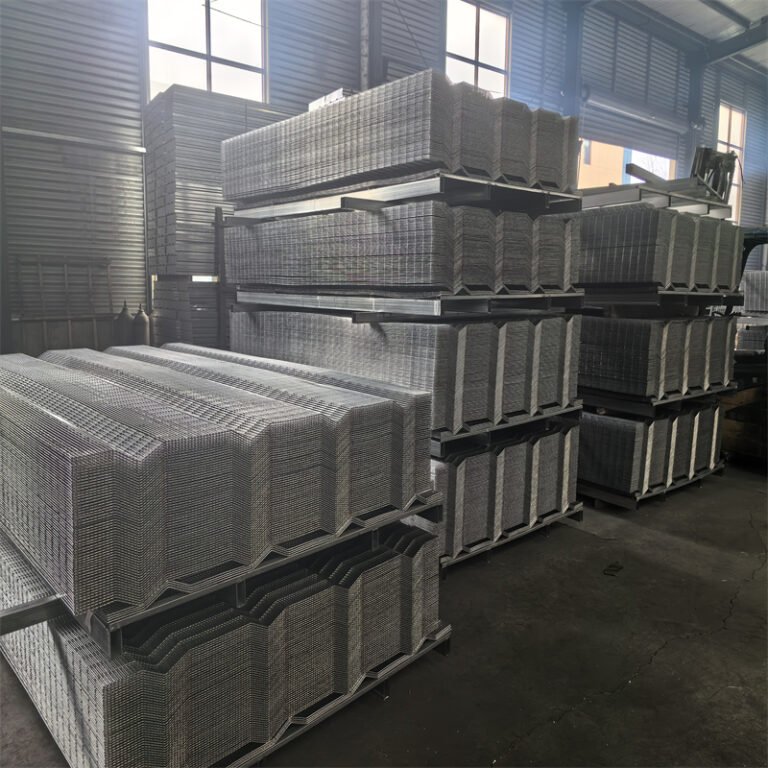
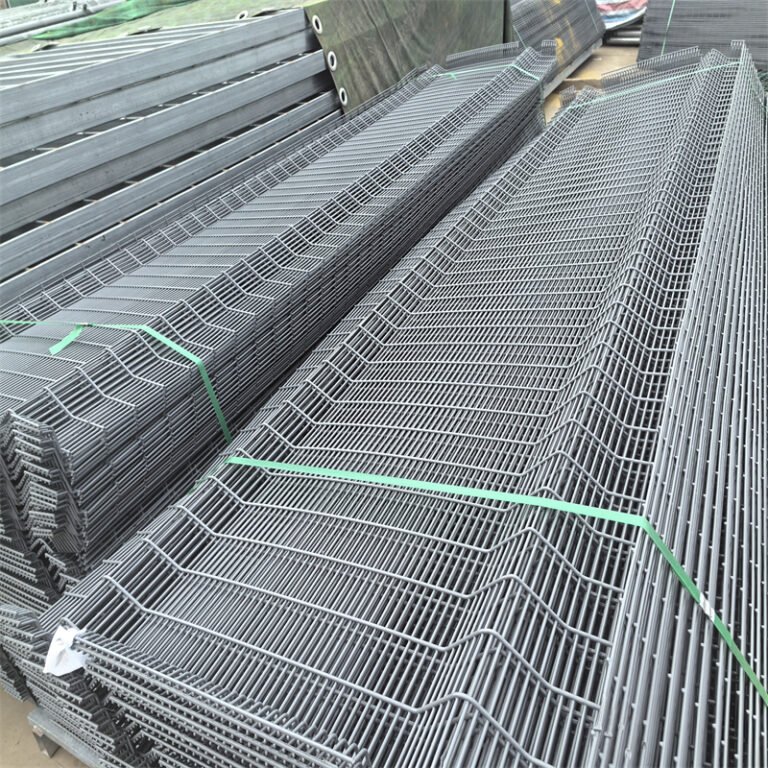
Panels need adequate support to prevent distortion during handling and transport. Steel or wooden pallets can separate products into manageable bundles. Plastic film and protective interlayers help reduce contact scratches. Corner protection may also protect powder-coated surfaces.
Posts require careful stacking around caps, slots, and finished edges. Small hardware should travel in clearly identified cartons. Packing lists should distinguish intermediate and corner clamp quantities. Container loading must respect weight limits and safe lifting procedures.
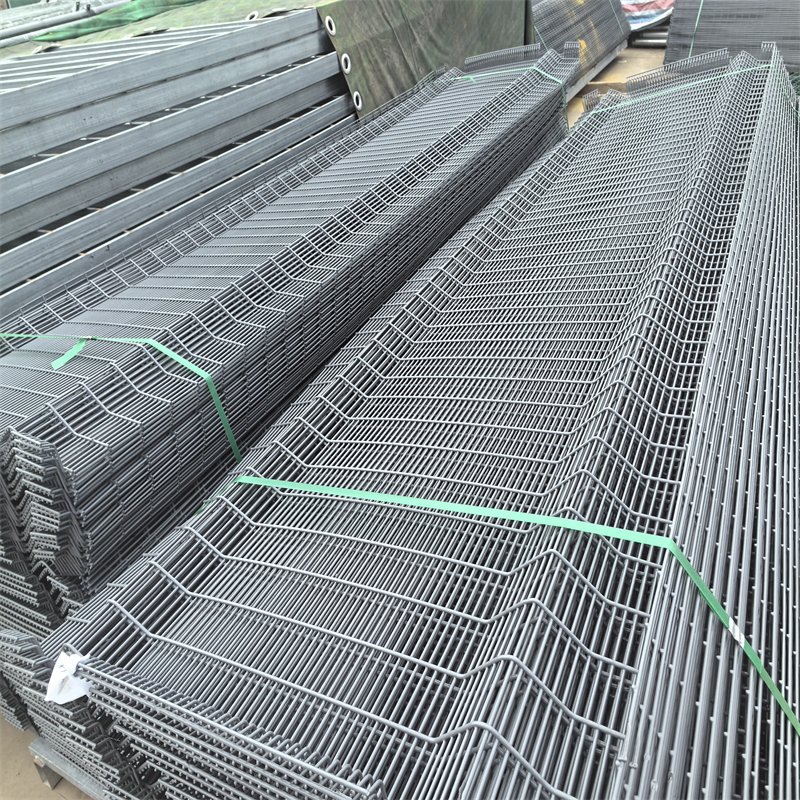
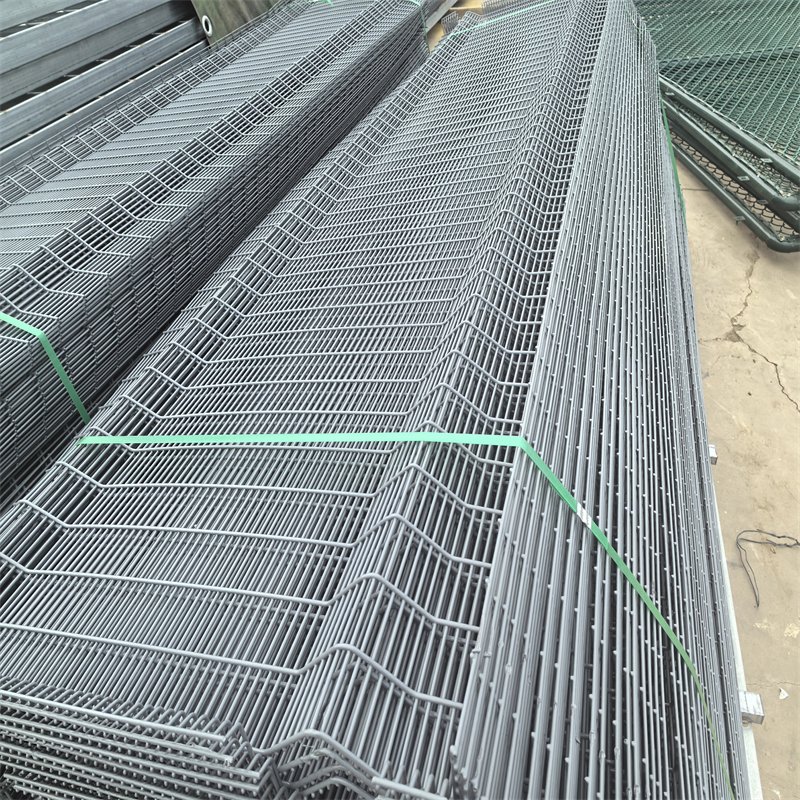
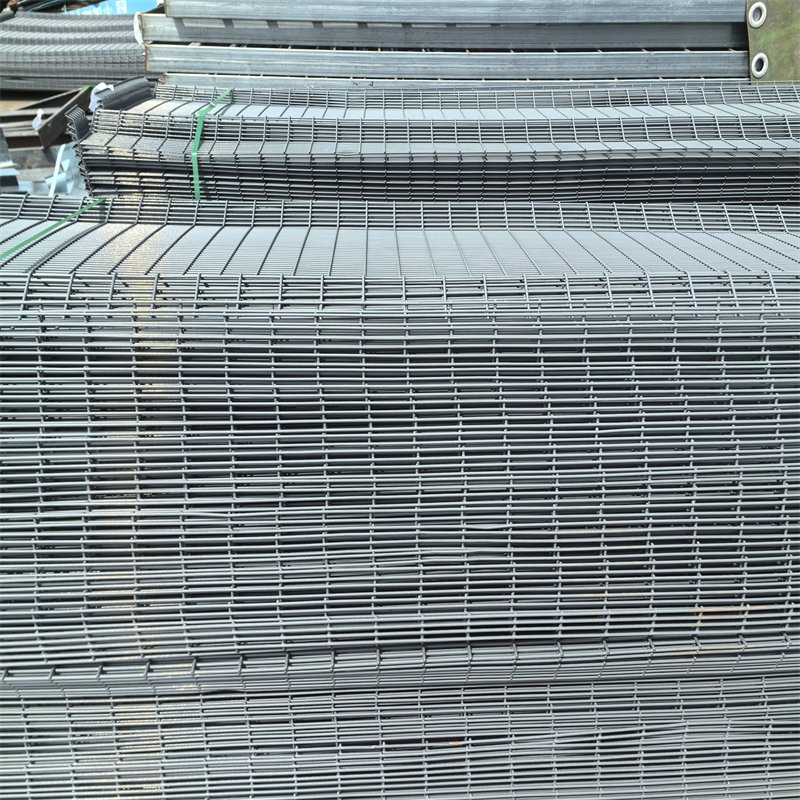
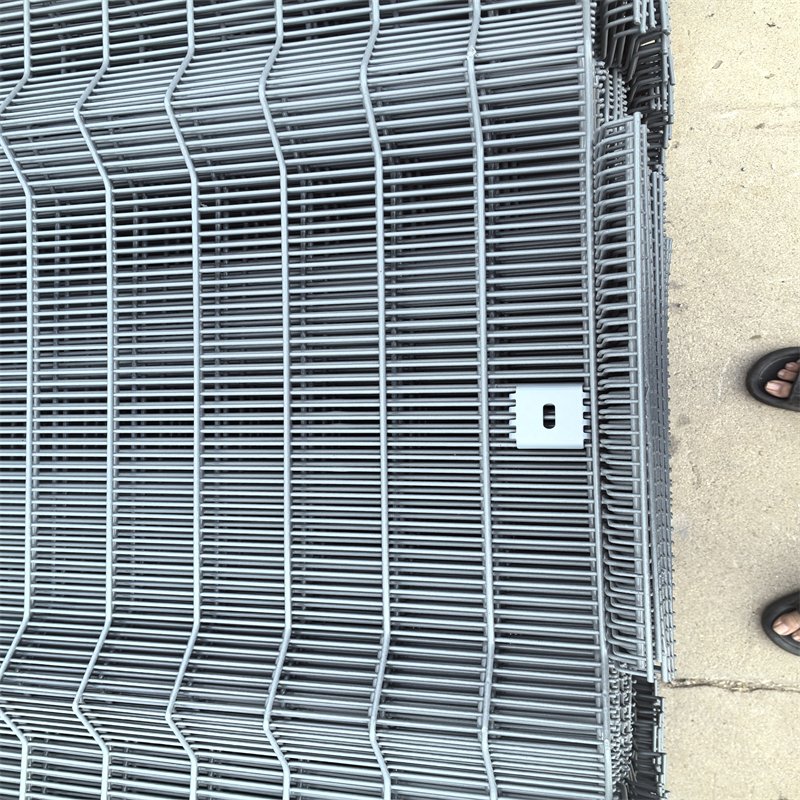
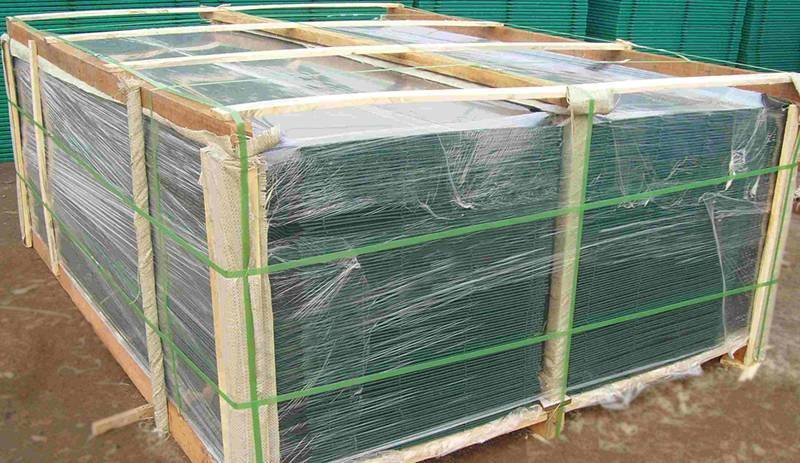
358ACF-07: Protected pallet bundles simplify storage, handling, and container shipment of finished security panels.
Panel handling and delivery checks
Receiving teams should examine bundles before unloading and installation. Record visible damage and compare quantities with the packing list. Check panel corners, coating marks, and post straightness. Keep panels above wet ground during extended storage.
Installation staff should separate damaged units for assessment. Replacement hardware should match the specified grade and finish. A Clear View Fence order should include clear drawings and component descriptions. These records simplify installation and future repairs.
No. The narrow aperture limits access for some conventional cutting tools. Determined attacks may still damage steel wires or vulnerable connections. The complete design should match a documented risk assessment.
Can buyers request different fence heights?
Yes. The reference table includes eight configurations from 2.0 to 5.2 metres. Other sizes may require separate production drawings. Taller systems need appropriate engineering and foundation checks.
Which coating suits coastal locations?
Choose a documented corrosion-protection system for the actual coastal exposure. Galvanising and compatible powder finishes are common options. Ask for coating specifications and inspection records. No coating guarantees permanent freedom from maintenance.
Can security toppings complement the fence?
Some projects add authorised wire toppings or other approved security features. Razor Wire Flat Wrap is one possible component category. Installers must follow local safety requirements and project approvals. Public-facing boundaries may need additional protective measures.
Are these products only suitable for industrial sites?
No. Suitable systems also serve residential estates, institutions, and commercial developments. Buyers should assess security risks, aesthetics, site access, and maintenance needs. Gate and post details remain important across every application.
Getting a technical quotation
Send the total fence length, target height, panel specifications, and site location. Include gate quantities, posts, surface finish, and preferred shipping terms. Provide drawings or a boundary layout whenever possible. BMP can then review manufacturing options and prepare a project-specific offer.
Different 358 Fencing designs may need different hardware quantities. Final drawings should confirm all components before production. Contact BMP through clearvu@construction-fence.com with your technical requirements.