Description Fence Panels for Perimeters That Need Clear Sightlines
Fence Panels help businesses divide land, protect equipment, and guide movement without constructing solid walls. BMP manufactures welded steel mesh systems for industrial compounds, institutions, and commercial boundaries. The right combination includes panels, supporting posts, compatible fittings, and an appropriate protective finish.
Dense mesh offers a particular benefit where cameras must observe activity beyond the perimeter. Narrow openings discourage convenient climbing holds while keeping a relatively transparent appearance. Security still depends on gates, lighting, foundations, and a practical response plan.
Buyers comparing Clear View Fence Panels should define their property risks before choosing a mesh grade. Higher wire density changes weight, visibility, and material requirements. An attractive panel cannot compensate for weak connections or unsecured access points.
 |
 |
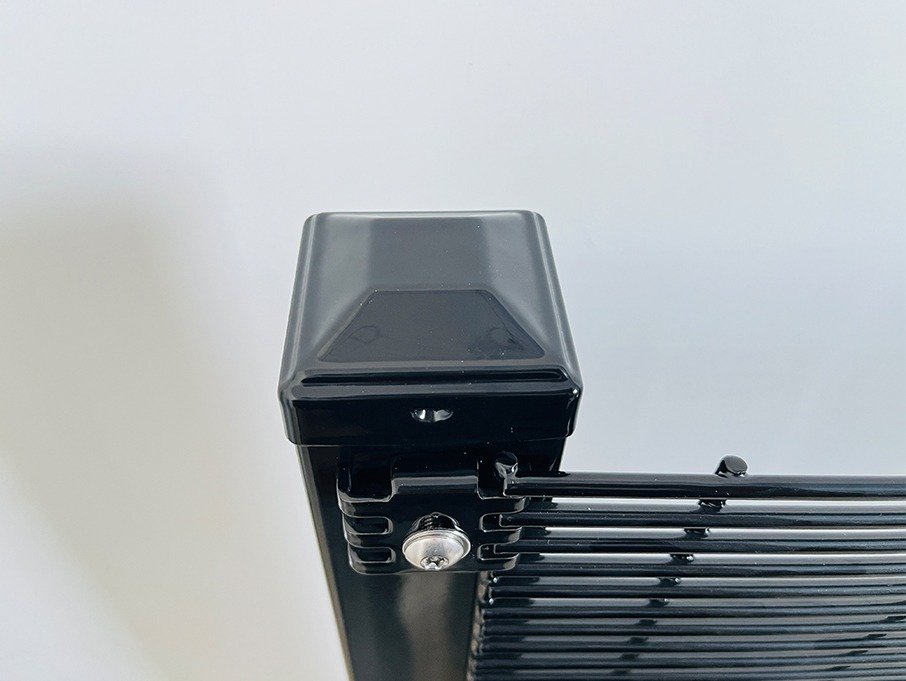
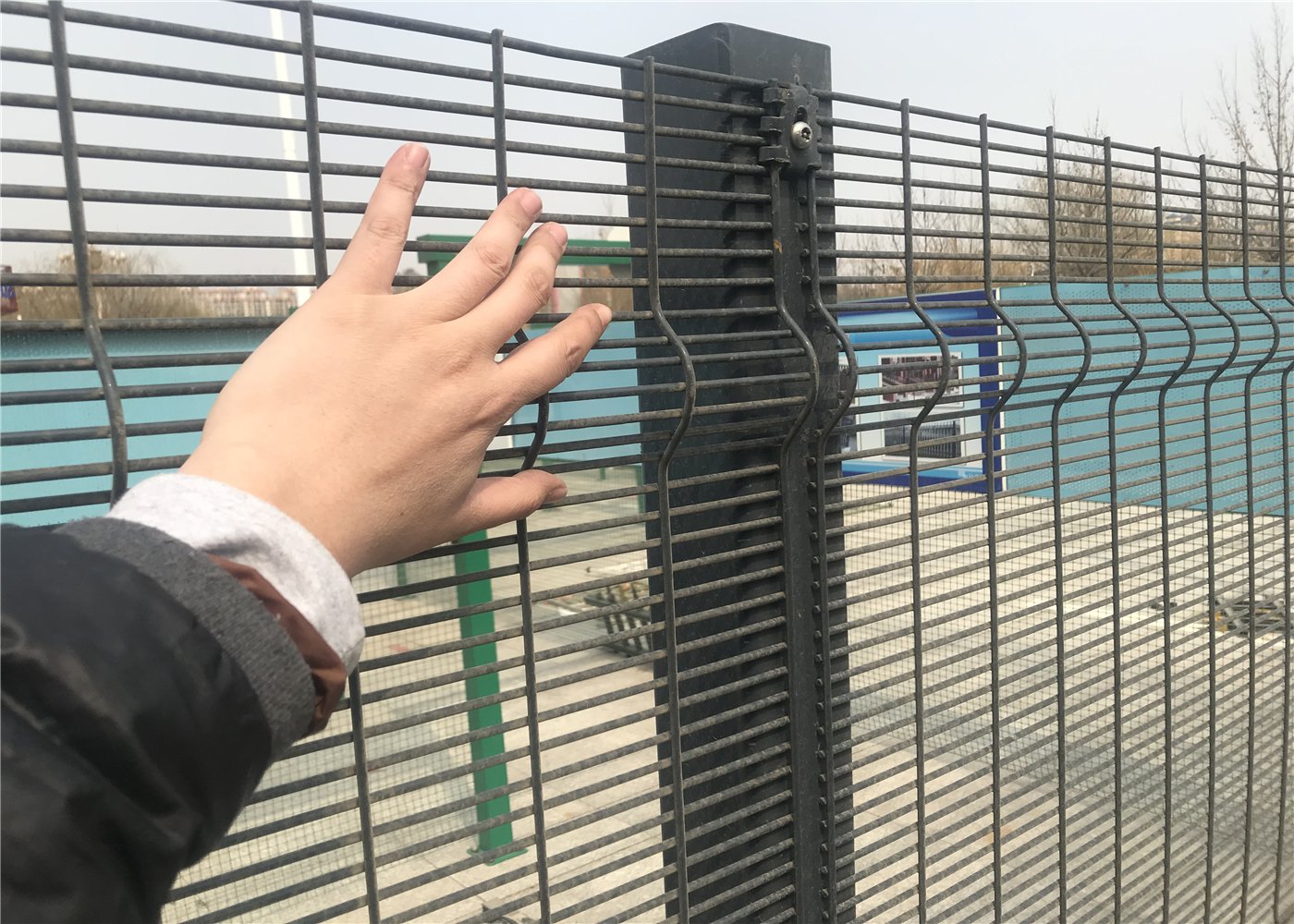
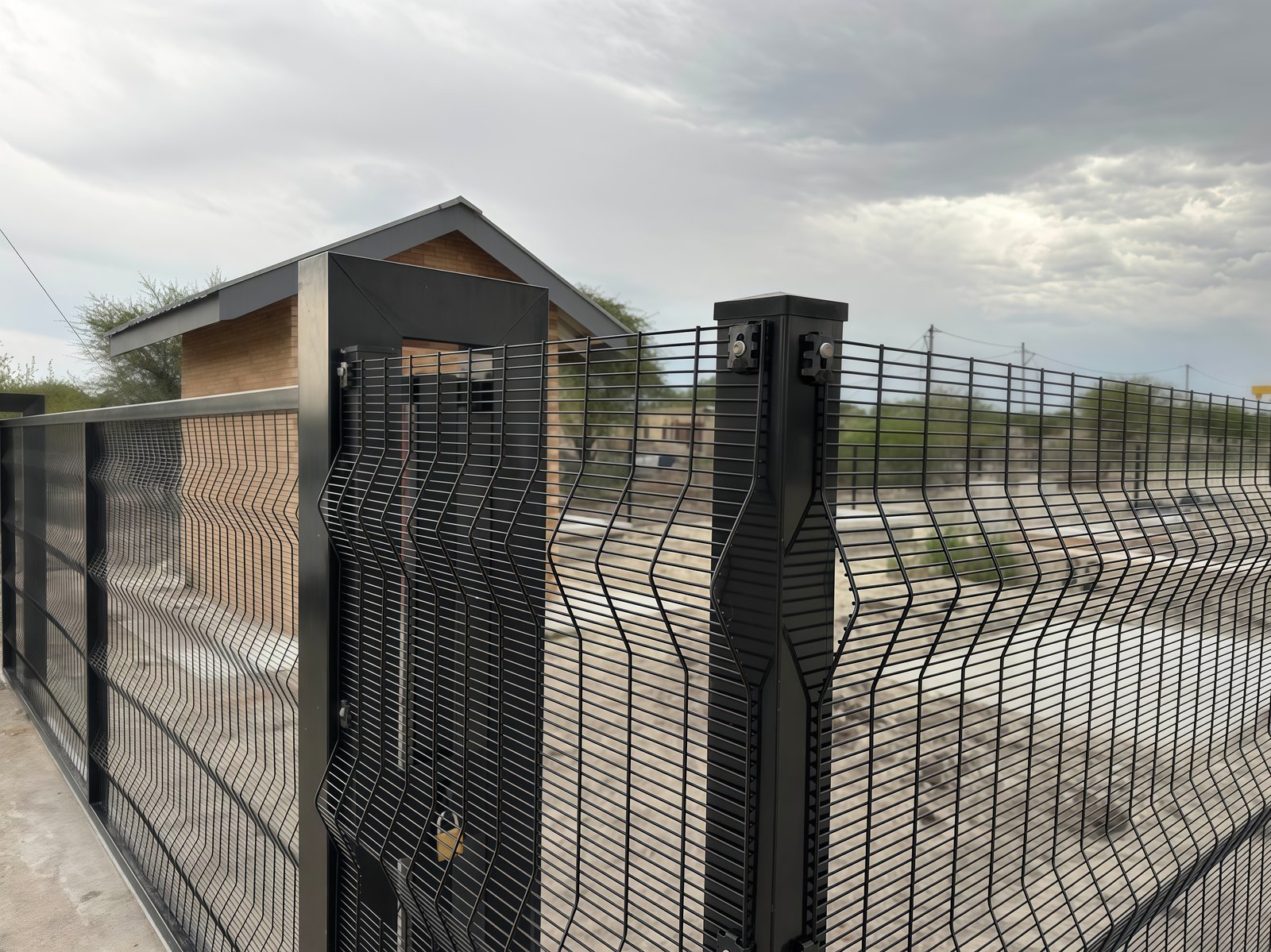
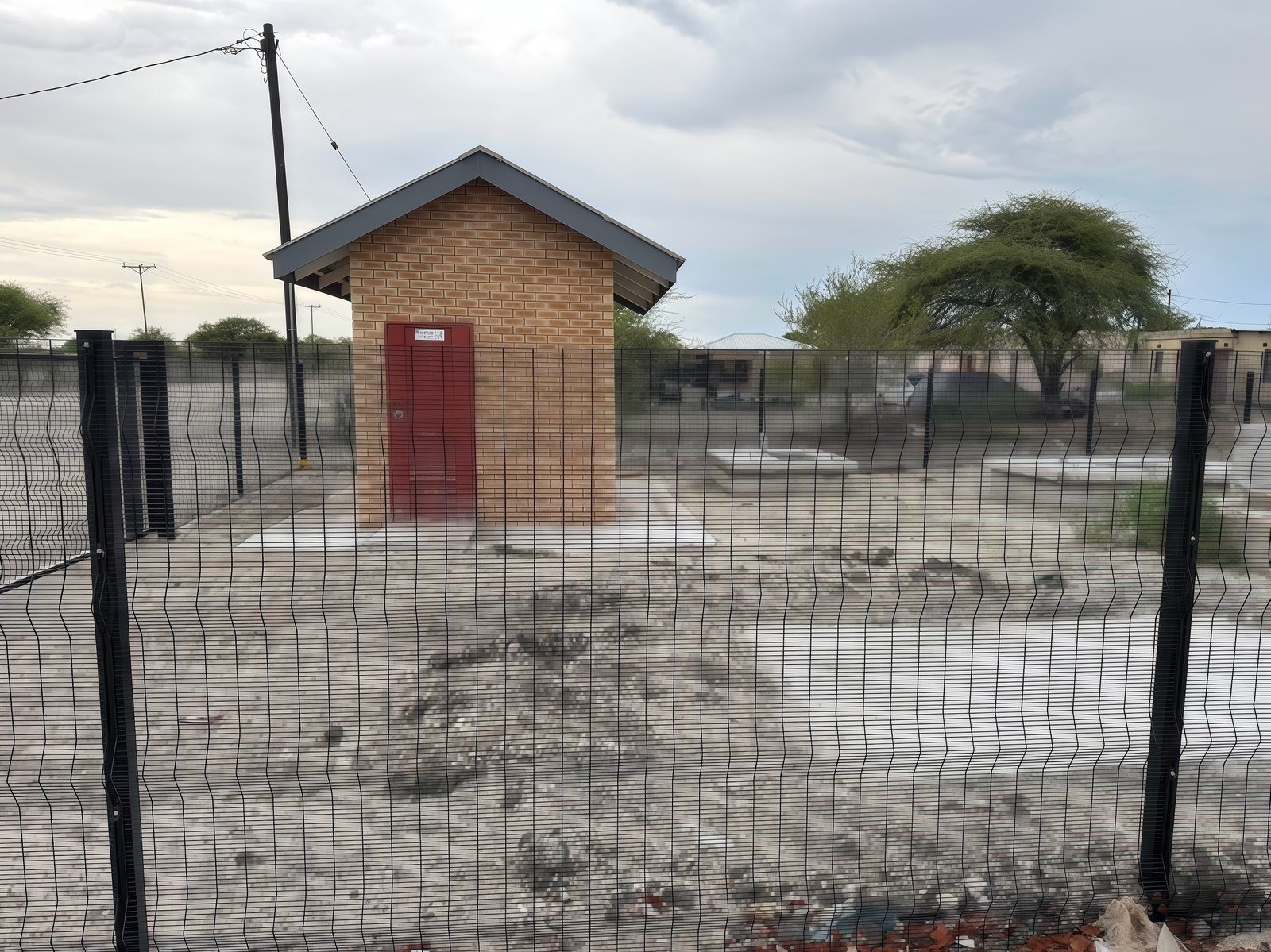
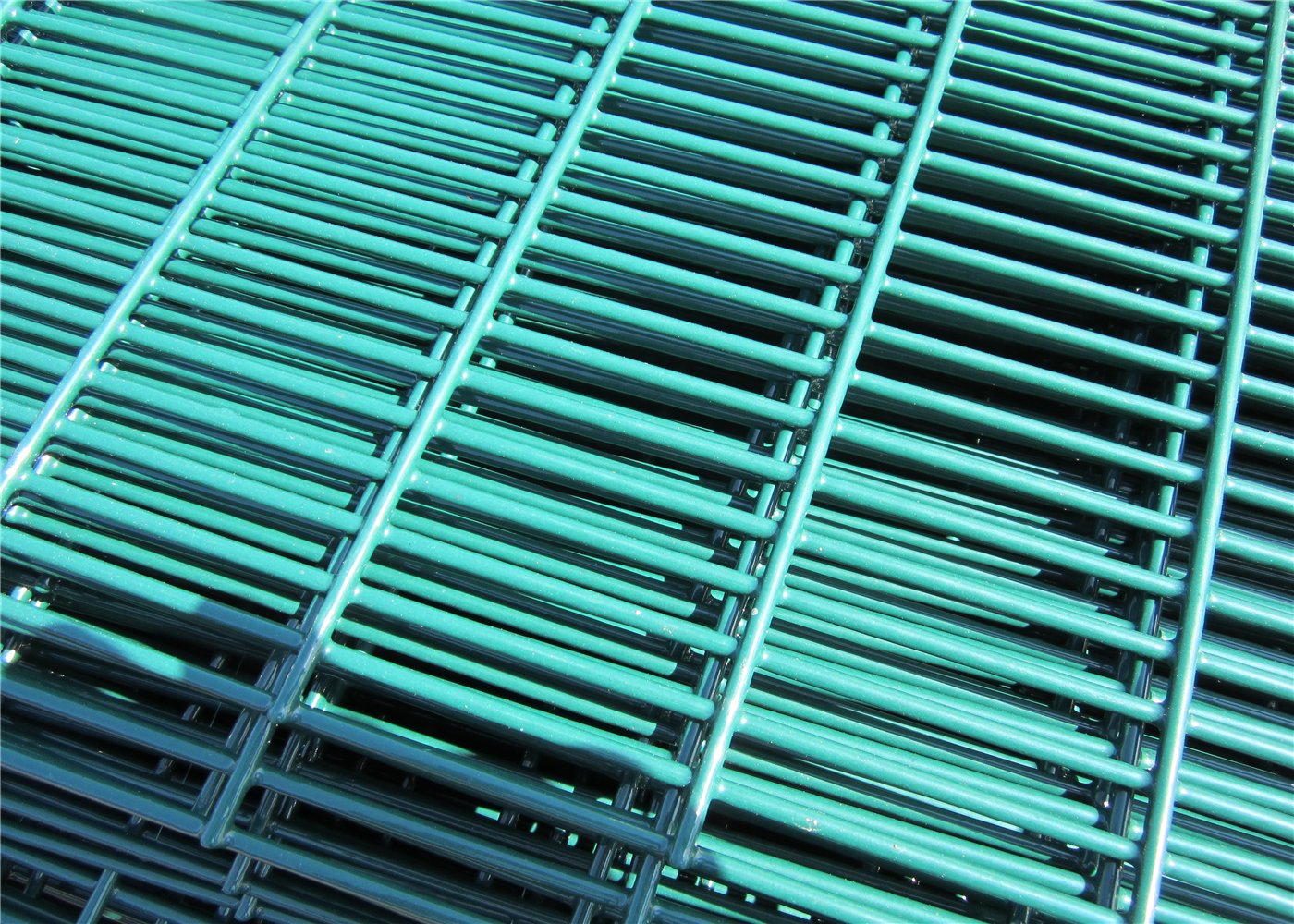
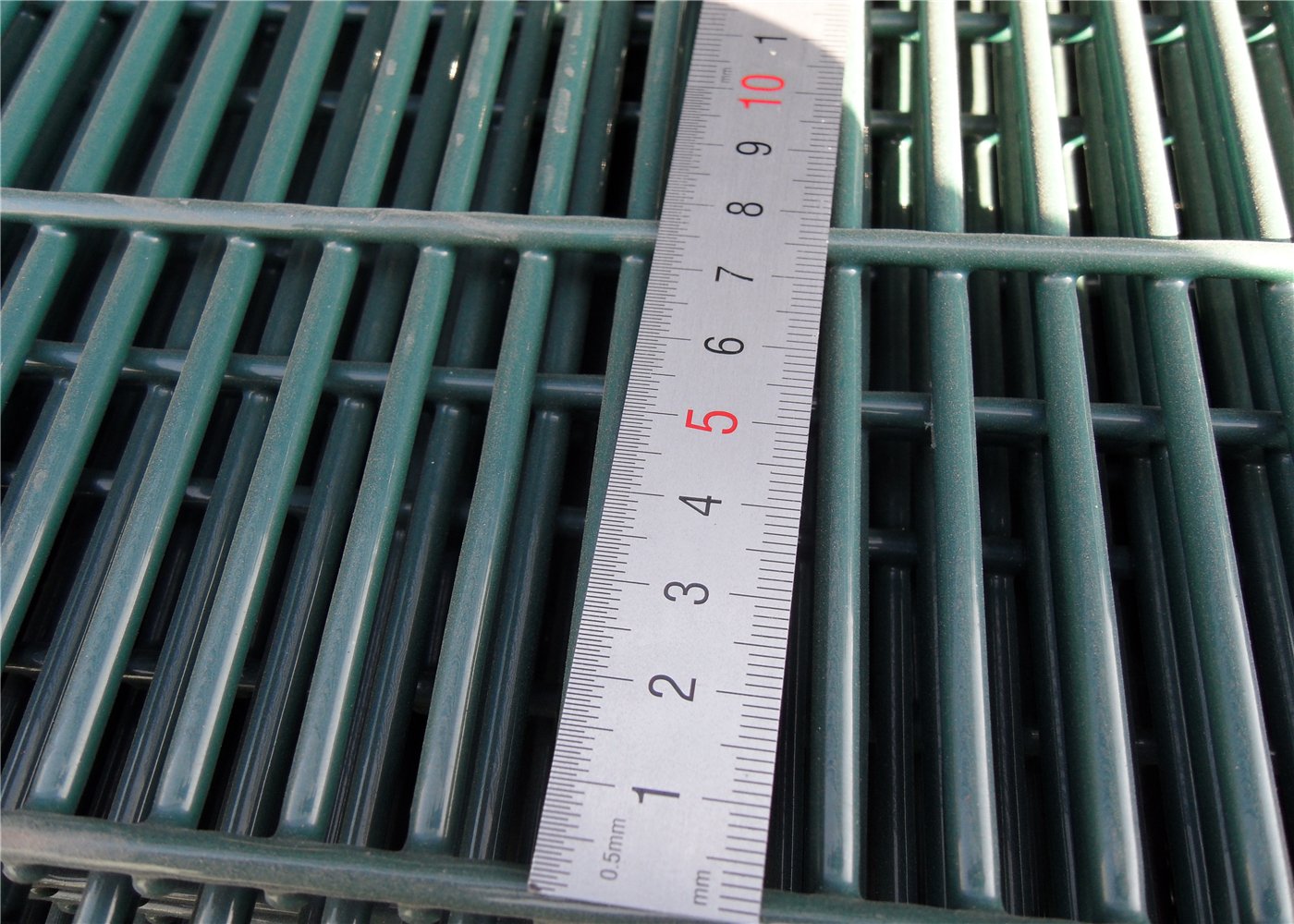
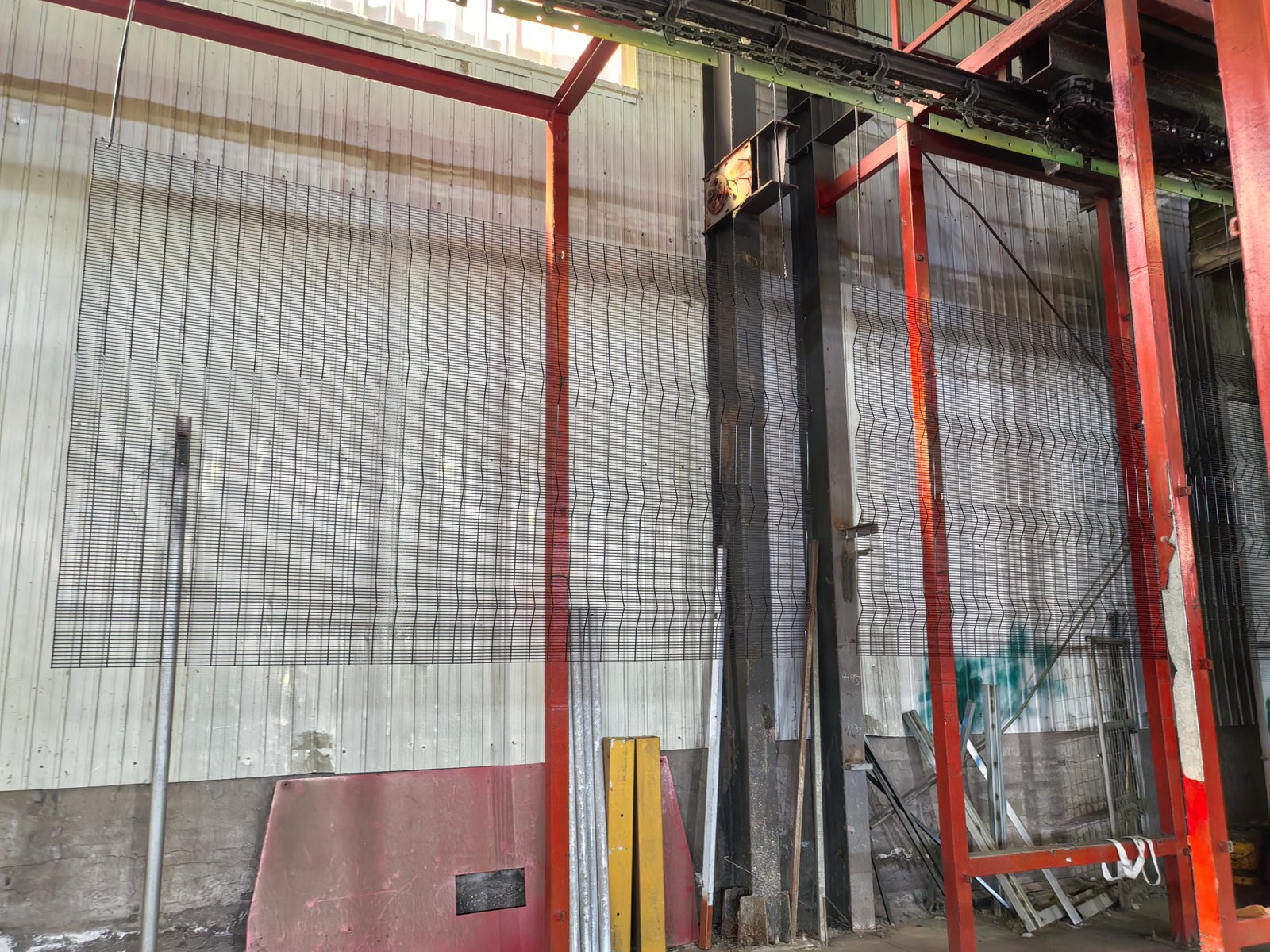
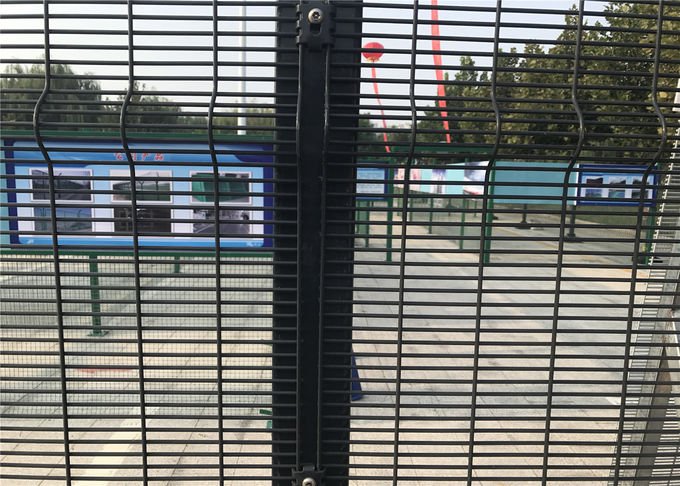
| Original product photo: welded 358 security mesh configuration. |
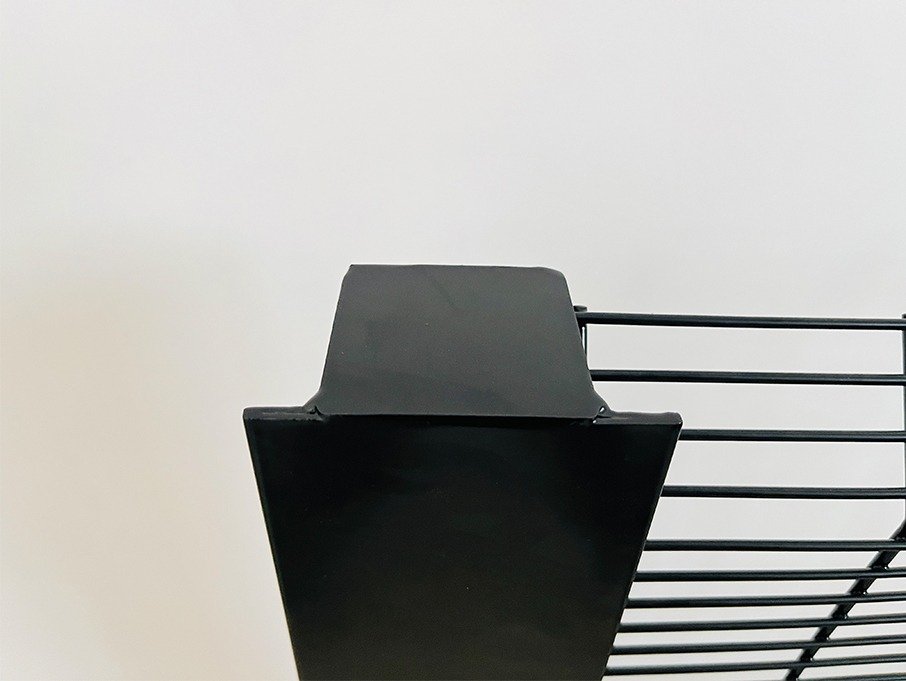
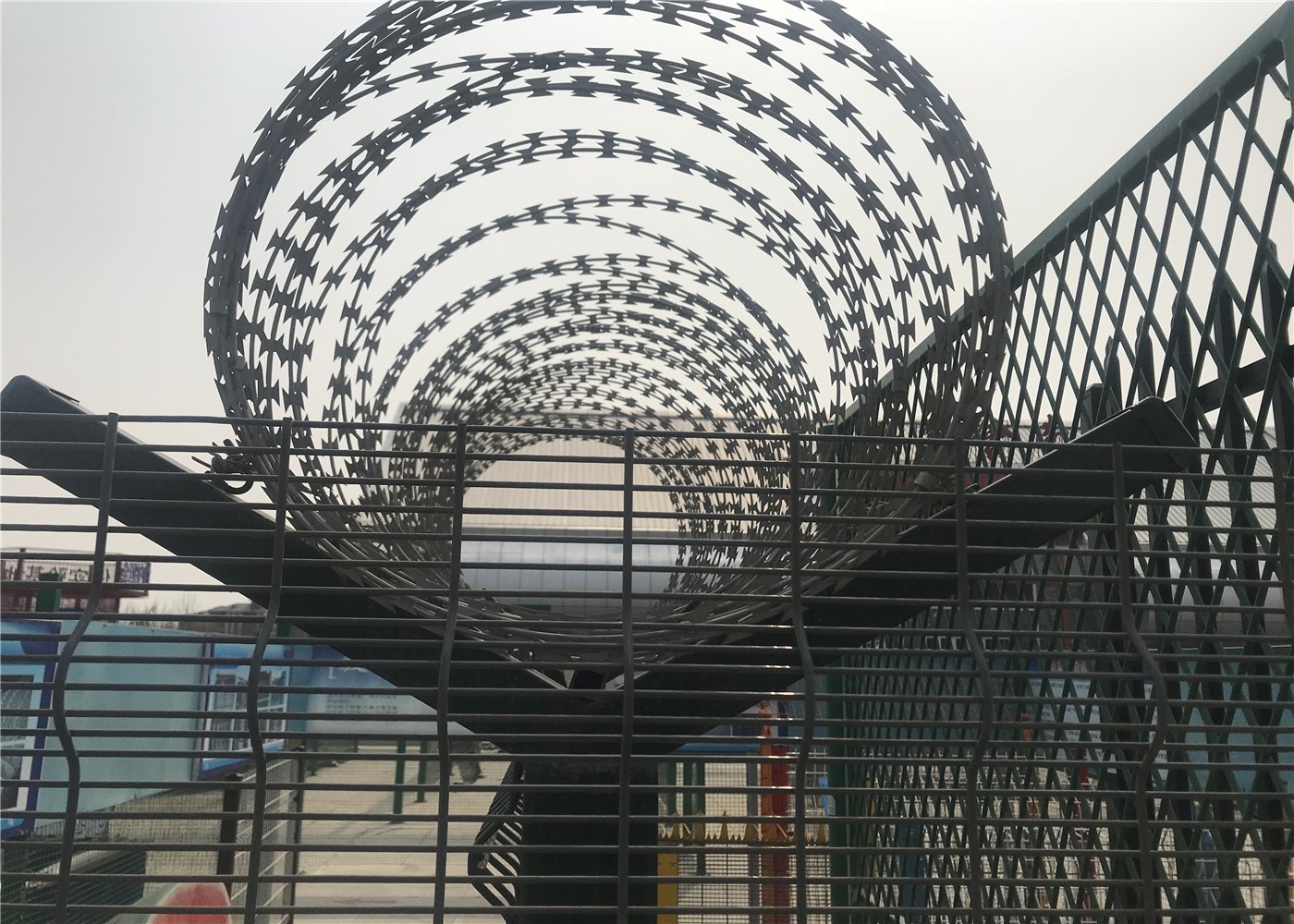
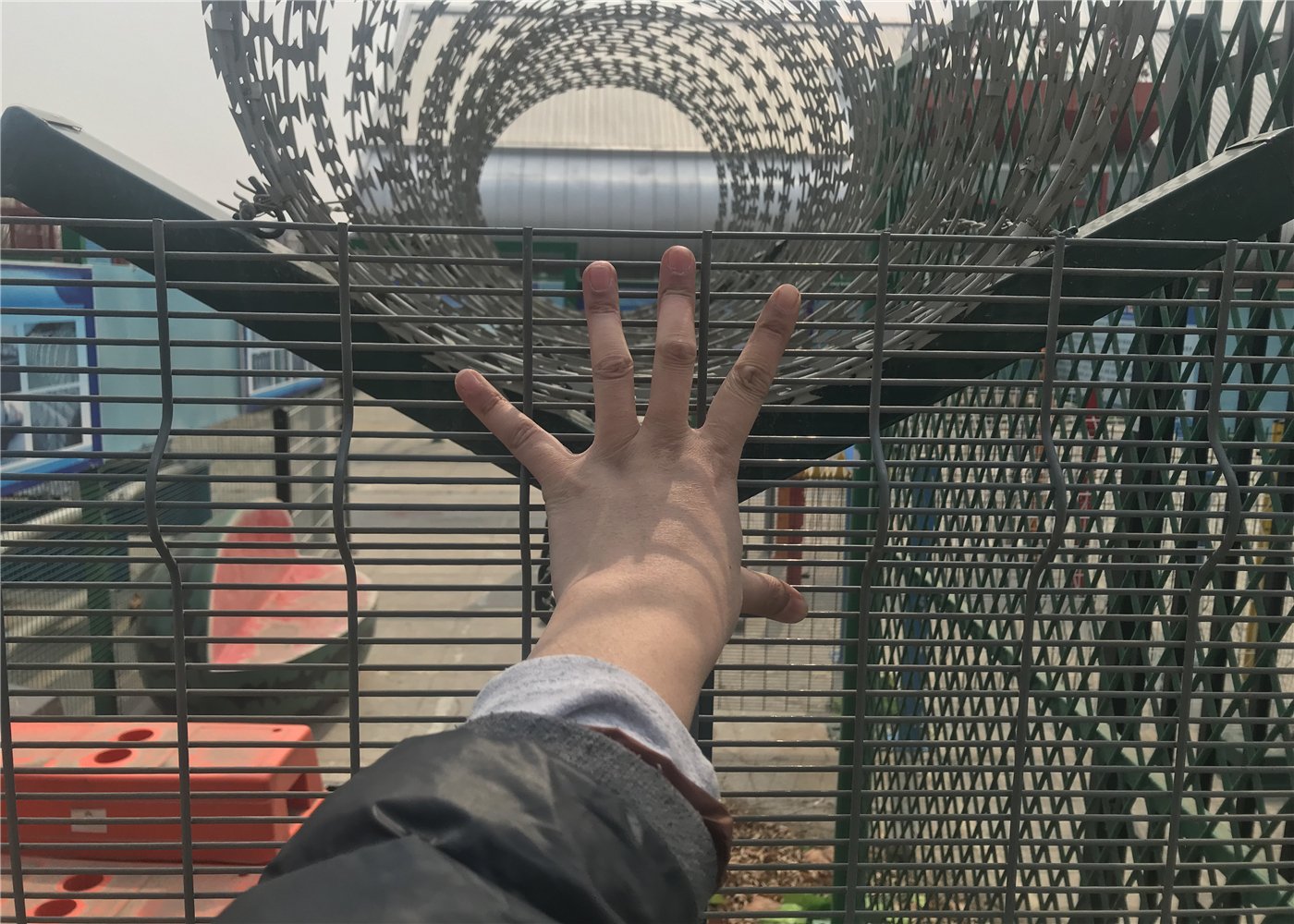
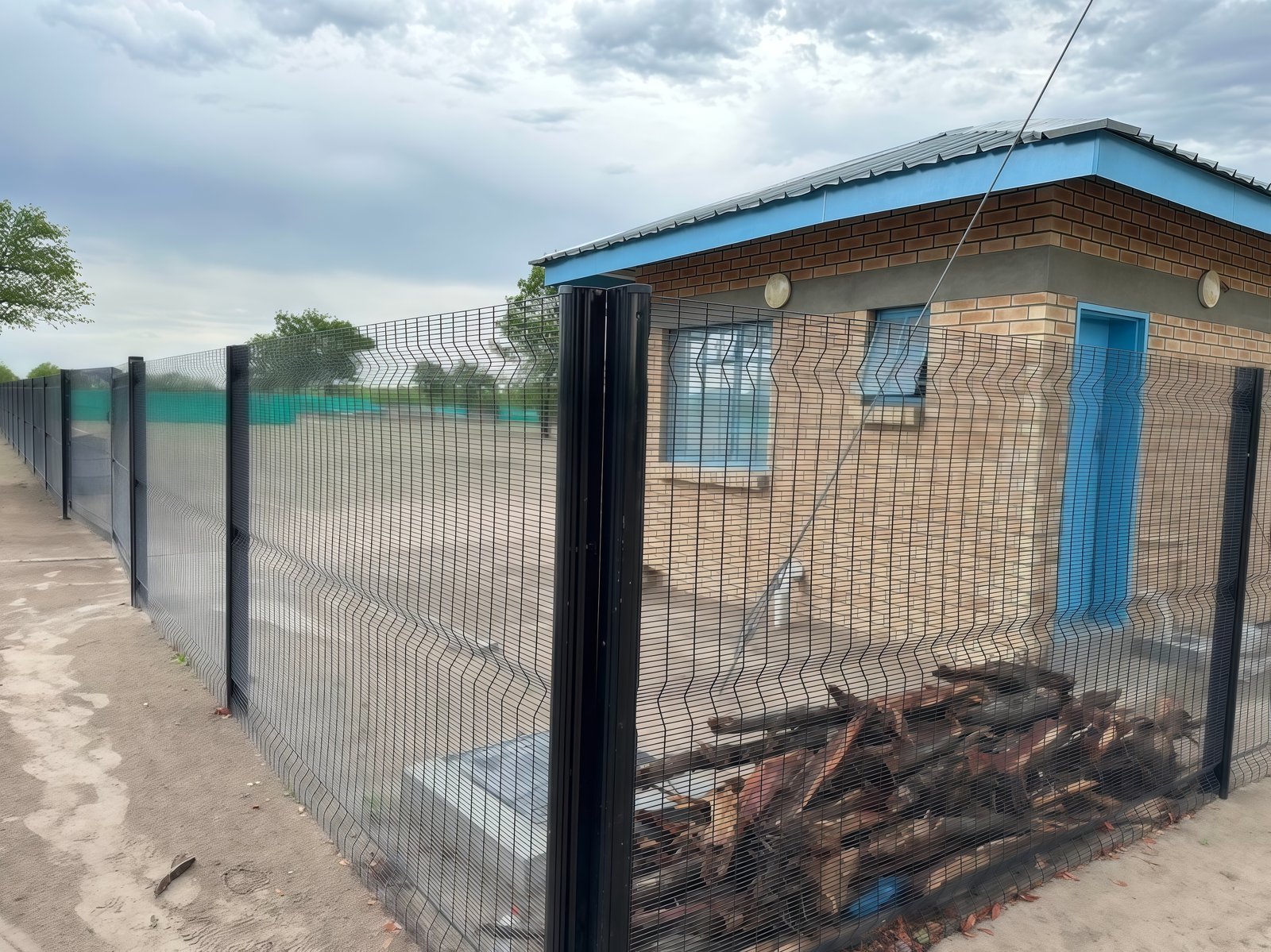
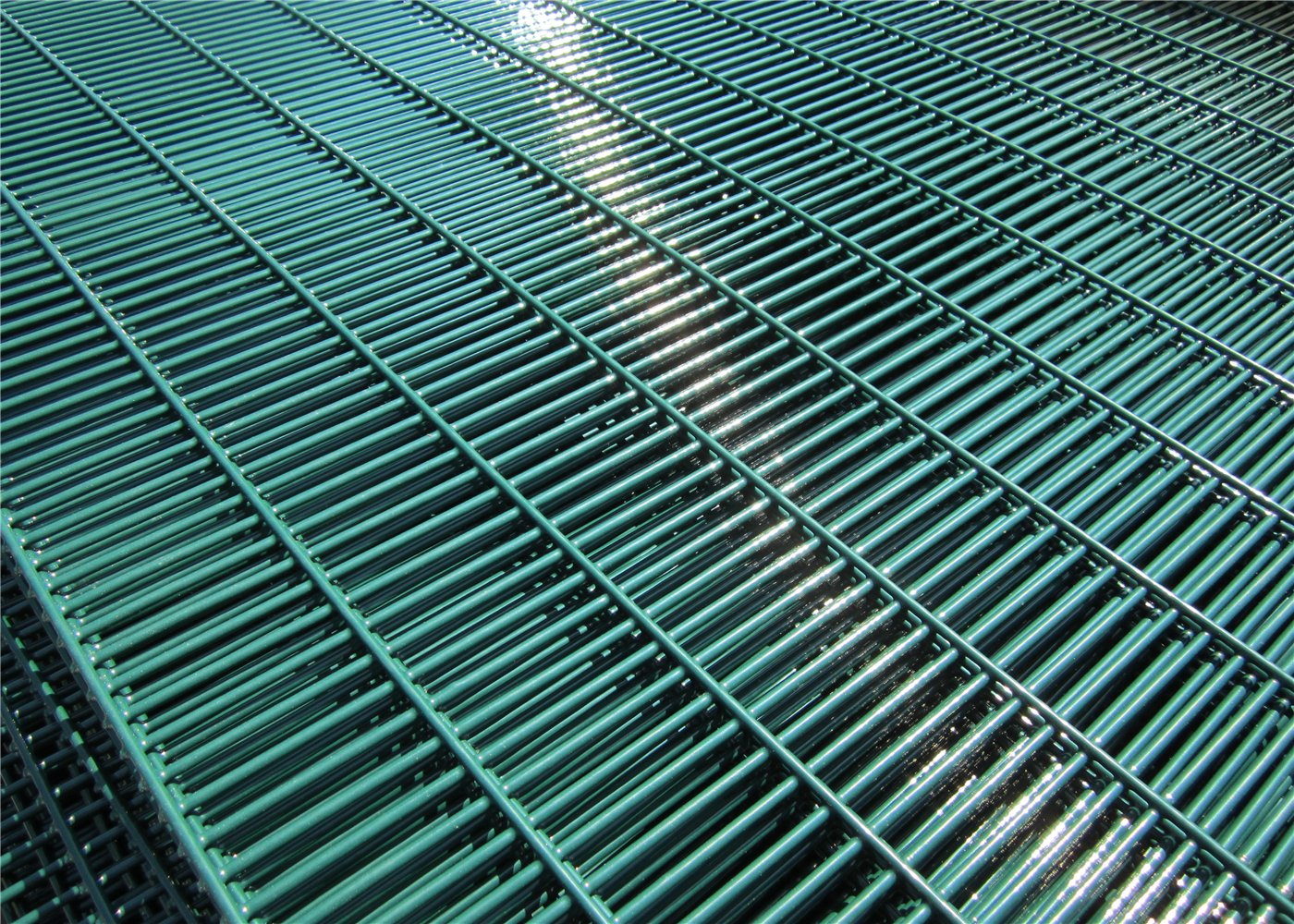
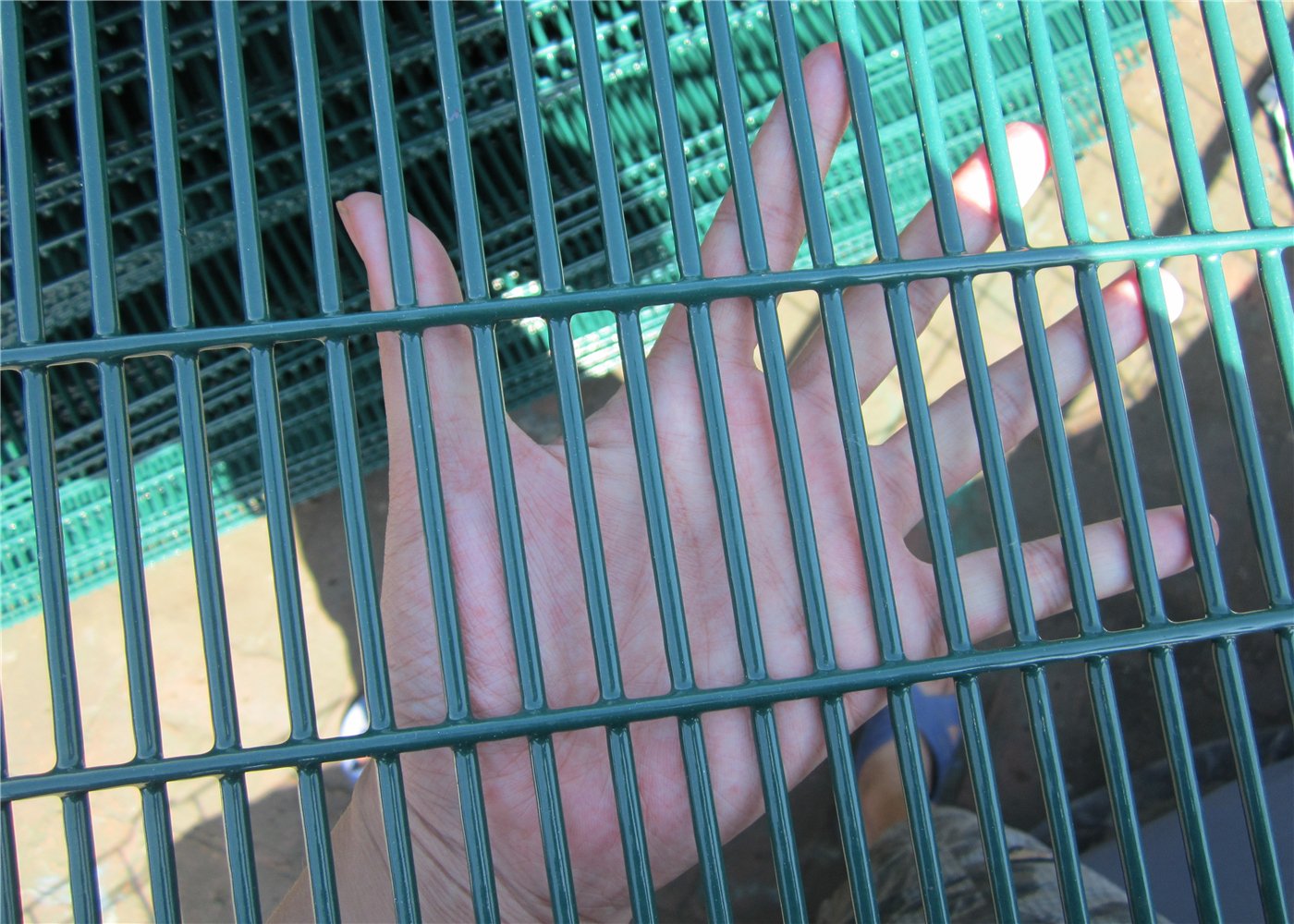
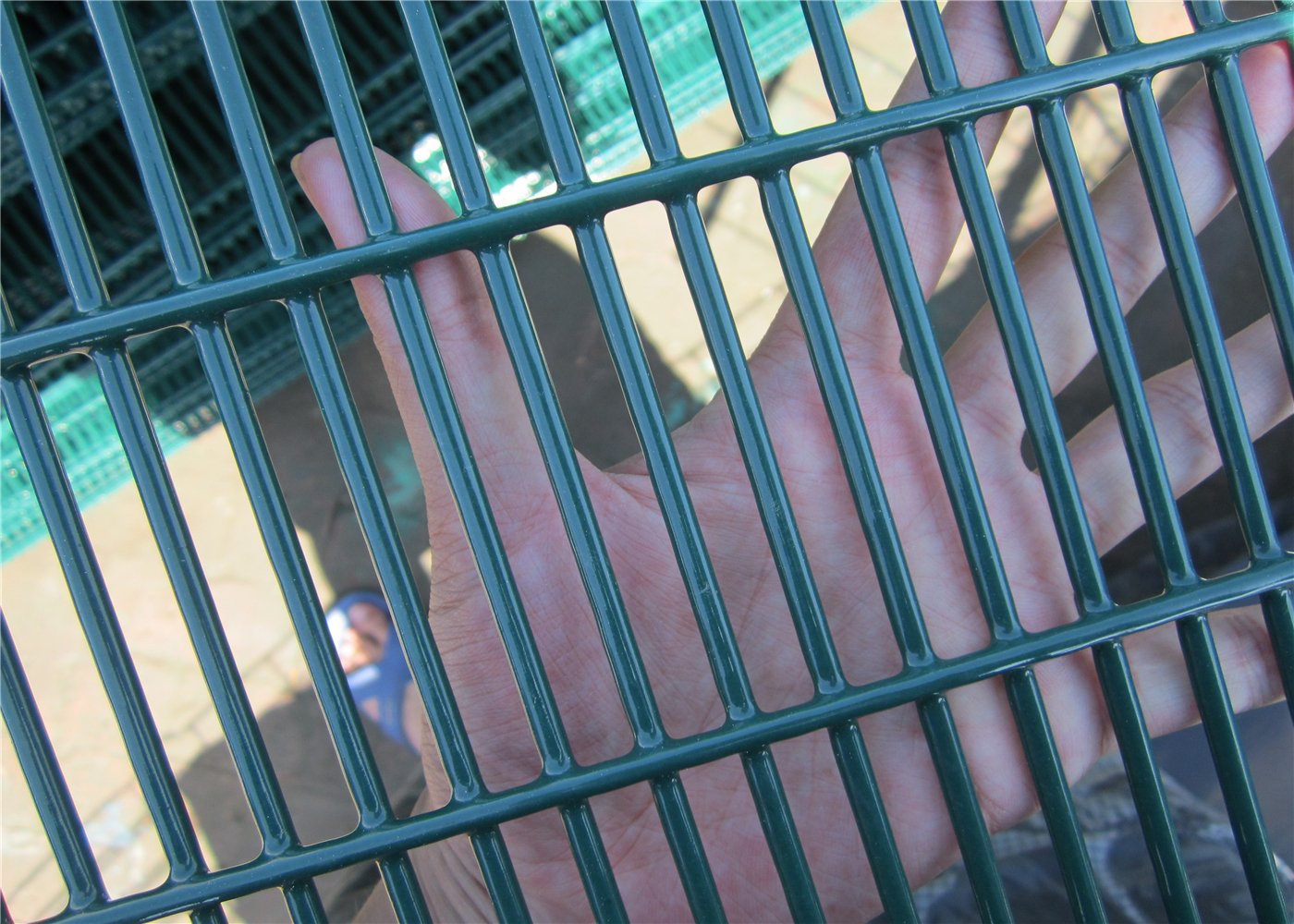
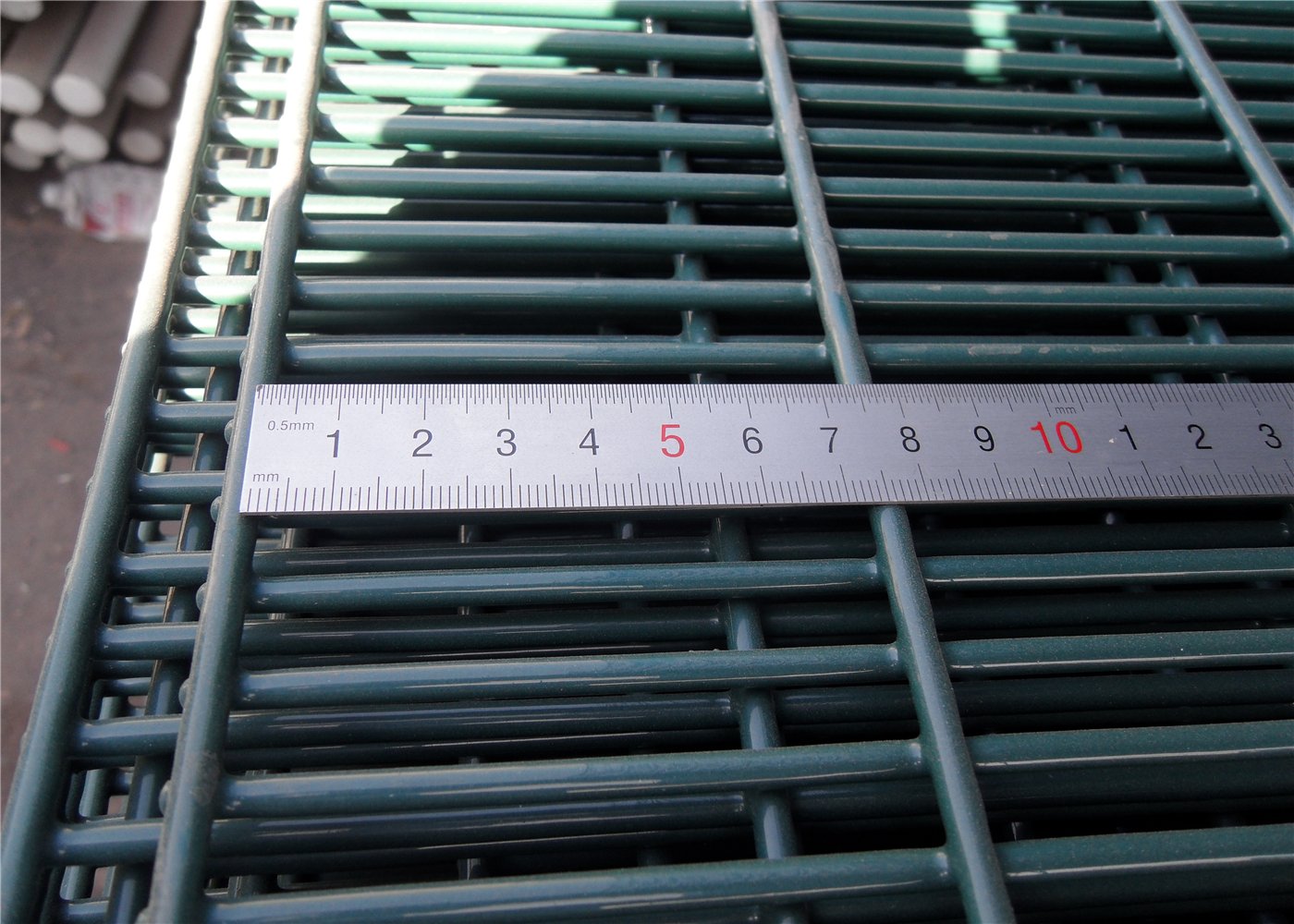
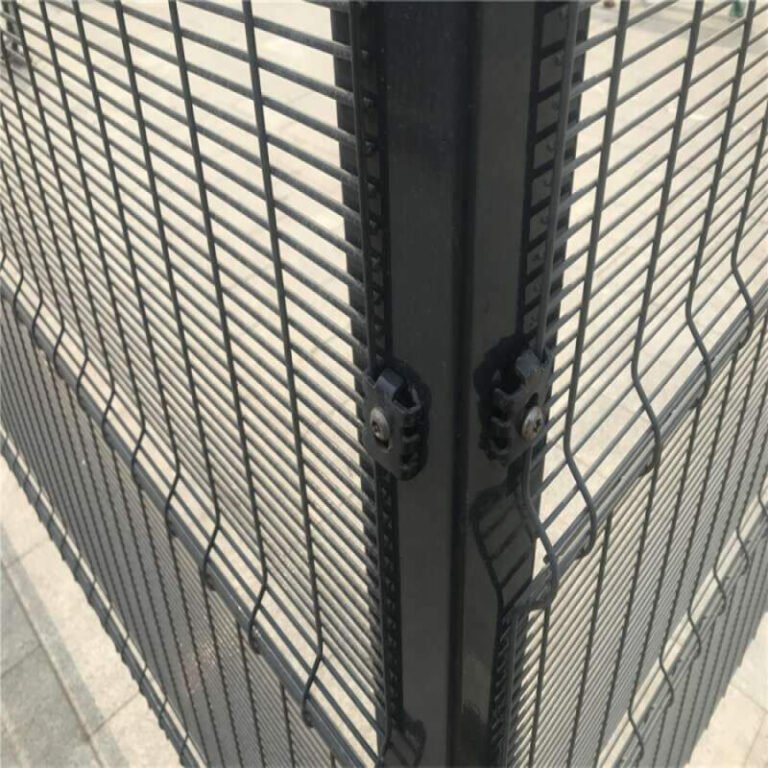
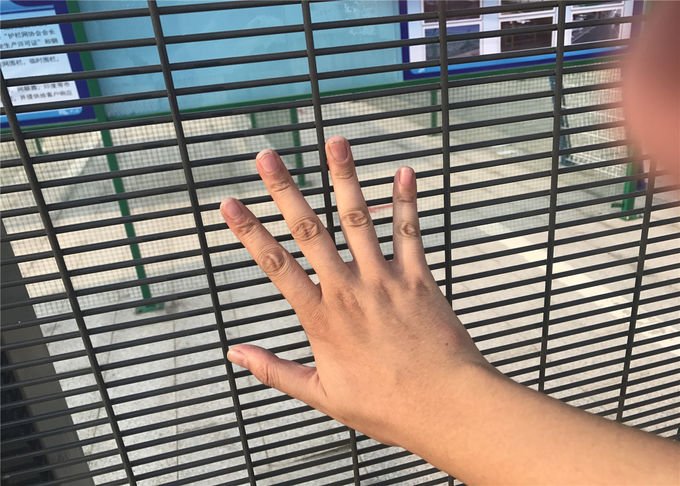
Original product photo: close-aperture steel fencing appearance. |
What a Security Panel Must Deliver
A specification should explain the intended use before describing colours or decorative details. Property managers may value observation, physical separation, controlled entry, or a combination of these functions. Panel geometry changes how the finished fence supports each goal.
The steel grid does not provide complete privacy, especially when cameras look through the mesh. More open grades can improve visual access, but offer larger gaps. Stronger barriers may also require heavier posts and more complicated foundations.
Fence Panels in the 358 Format
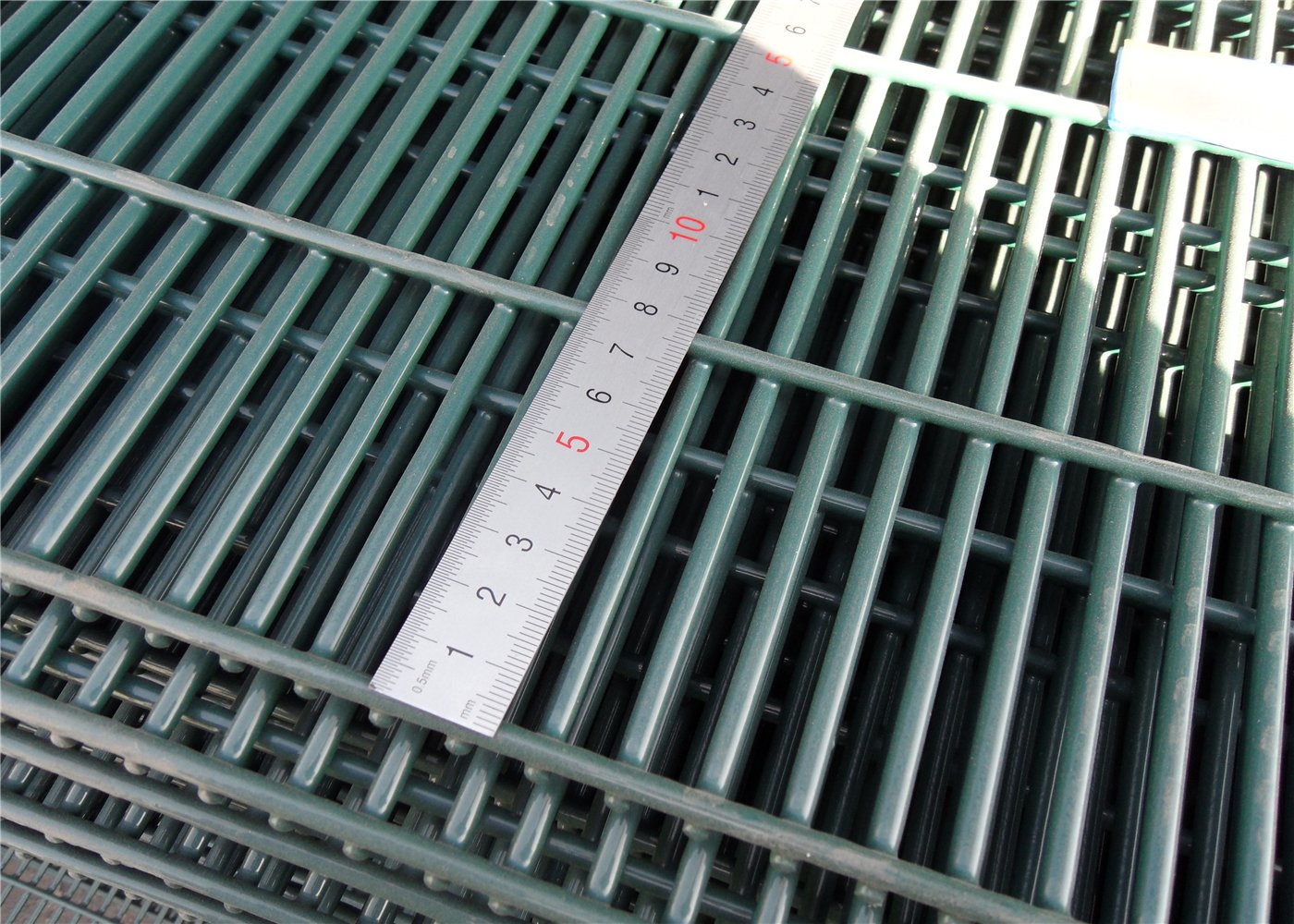
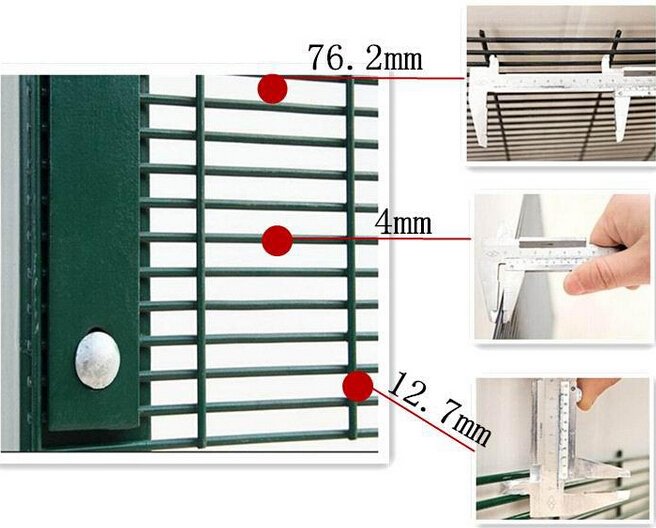
The term 358 refers to approximately three-inch by half-inch mesh with eight-gauge steel wire. A common metric configuration uses 76.2 × 12.7 mm centres and roughly 4 mm wire. Those measurements describe wire pitch rather than the remaining clear opening.
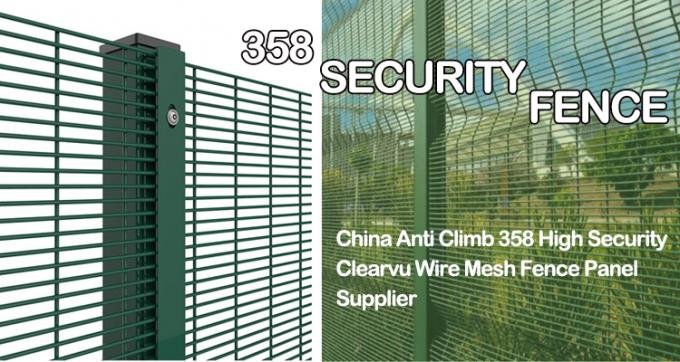
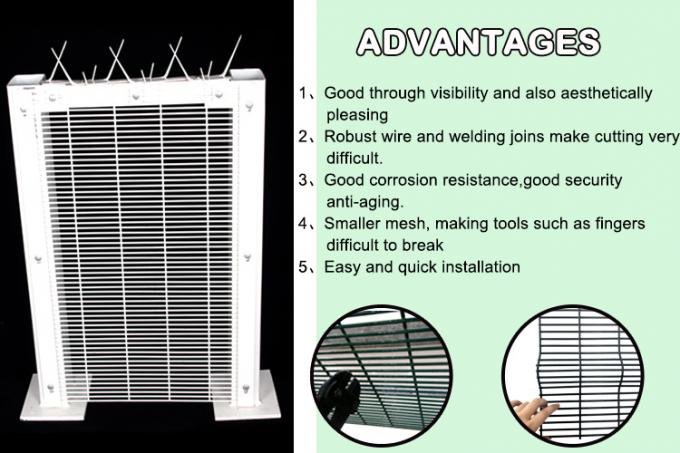
358 Mesh Fence systems provide small apertures and welded intersections for selected security boundaries. Some conventional cutters struggle to work through the narrow openings. However, no steel mesh guarantees immunity from determined attacks.
Why 3510 Uses Less Steel
The supplied catalogue describes 3510 fencing as a lighter variation using approximately 3 mm wire. That comparison mainly concerns wire diameter, rather than a universal certified strength grade. Material savings depend on final panel dimensions and actual spacing.
Commercial properties may choose lighter mesh when the risk assessment permits it. Critical compounds might instead need heavier wire and stronger fixing details. Both options require approved manufacturing drawings and appropriate support structures.
Fence Panels with Ultra-Fine 70 × 8 mm Centres
Some projects specify a 70 × 8 mm high-density grid for particularly narrow spacing. The dimensions describe wire centres, not the clear spaces between the wires. A nominal 4 mm wire leaves a smaller physical aperture than the stated pitch.
These designs can make finger access and ordinary climbing more difficult. Their closely spaced strands also increase manufacturing demands and inspection requirements. Ask the factory to confirm wire orientation, available machinery, and tolerances before quotation.
How Centre Spacing Differs from Clear Aperture
Spacing measured from wire centre to wire centre includes the metal itself. Clear aperture means the actual remaining space between adjacent wire surfaces. Confusing these measurements can create serious acceptance disputes.
Inspection drawings should show whether the 70 mm direction runs vertically or horizontally. Finished wire diameter and coating thickness affect the actual open space. A sample measurement can confirm compliance before full production.
Fence Panels by Security Grade
One property may need several fence grades across different boundary zones. Reception areas often prioritise appearance and visibility, while equipment compounds demand more restricted access. Perimeter schedules should identify each application rather than repeating one specification everywhere.
Anti Climb Fence Panels fit selected high-risk locations with narrow apertures and secure connections. A medium-security layout may use a wider grid. The chosen grade must suit the actual operating environment.
Fence Panels for Logistics and Utilities
Warehouses and distribution yards need clear views of loading lanes, doors, and waiting vehicles. Substations and water facilities often need controlled access around restricted equipment. Fixed boundaries should also maintain emergency routes and safe maintenance clearances.
Consider vehicle impact protection near vulnerable corner posts. Containers and stored pallets can obstruct cameras or provide unintended climbing aids. Infrastructure sites may require additional electrical or operational standards.
Residential and School Perimeters
Estates can use close mesh to define private land while preserving garden views. Schools may prefer safer panel edges and controlled pedestrian gates. Avoid hazardous toppings where children or visitors can approach the fence.
For a lighter visual treatment, ClearVu Fence Panels offer multiple reference dimensions and finishes. Final selection should balance the surroundings with practical safety. A residential boundary rarely needs identical details throughout its full length.
Fence Panels: Source Height and Bend Table
The original BMP specification lists five panel heights with a common 3000 mm length. V-bend counts increase as the reference height rises. These values remain catalogue examples rather than guaranteed structural designs.
| Reference Panel Height (mm) |
Panel Length (mm) |
V-Bends |
| 1800 |
3000 |
3 |
| 2000 |
3000 |
3 |
| 2100 |
3000 |
3 |
| 2400 |
3000 |
4 |
| 3000 |
3000 |
5 |
Additional bend depth can change finished dimensions and transport stacking. Post-centre spacing also depends on the fixing method. Engineers must check local wind exposure and soil conditions before approval.
V-Bend Planning for Stiffness
Pressed bends add geometry to an otherwise flat welded sheet. Their spacing and depth influence rigidity and the final appearance. A bend schedule should accompany the panel drawing when the design requires profiled mesh.
Flat panels offer a different balance of stiffness and visual simplicity. Do not assume two panels share comparable loading because their outer dimensions match. Material tests and installation details determine the actual result.
Wire and Joint Data from the Original Catalogue
The source identifies vertical 4 mm wires and horizontal 3 mm wires for one configuration. It also lists 75 × 12.5 mm centres and tensile strength from 500 to 650 MPa. The weld-strength percentage lacks a defined testing method.
| Wire Diameter |
Mesh Centres |
Reference Tensile Strength |
Original Weld Reference |
| 4 mm vertical × 3 mm horizontal |
75 × 12.5 mm |
500–650 MPa |
60%–80%; test basis requires confirmation |
These figures preserve the supplied reference without inventing a certified performance level. The final material certificate should match the ordered steel. Production acceptance needs a stated weld test and pass criteria.
Fence Panels: Wire Orientation and Tensile Data
Vertical and horizontal wires may carry different diameters in one welded grid. Production drawings must show those directions to avoid reversed construction. Steel grade and wire processing also influence actual tensile measurements.
Separate Clear View Fencing grades use different wire and spacing combinations. Buyers should compare written dimensions instead of general security labels. A sample inspection prevents avoidable disagreements after coating.
Weld Tests versus Security Claims
Visual weld inspection helps reveal damaged intersections and misaligned steel wires. Nevertheless, appearance alone cannot prove weld strength or attack resistance. Independent test evidence should support any required certified security classification.
The original percentage provides no stated denominator or specimen method. Technical teams should clarify that figure before using it in procurement. Product comparisons also need consistent measurement units.
Fence Panels Galvanizing Reference
The original table contains two rows of zinc coating values. It does not identify the separate component or class represented by each row. Keep the figures as references until the coating specification confirms their meaning.
| Original Reference |
Lightly Galvanized |
Fully Galvanized |
Galfan Coated |
| Reference Row A |
60 g/m² |
275 g/m² |
220 g/m² |
| Reference Row B |
50 g/m² |
255 g/m² |
195 g/m² |
Zinc coatings and zinc-aluminium coatings differ in their composition and processing requirements. A protective finish must suit the selected steel and manufacturing route. Buyers should request the relevant standard and inspection report.
Distinguishing Galfan from Standard Zinc
Galfan generally describes a zinc-aluminium alloy coating rather than a coloured polymer layer. The original source separately mentions 95% zinc and 5% aluminium. That composition should not appear as a powder-coating colour option.
Wire coating before welding differs from galvanizing suitable fabricated assemblies afterward. Each route has distinct quality controls around the weld areas. The chosen process should appear clearly in the contract.
Powder and Thermoplastic Options
Polymer coatings add a coloured protective surface over appropriately prepared steel. The catalogue specifies powder coating at 60–80 microns and thermoplastic coating at 250 microns minimum. These values describe different coating families.
| Original Colour Coating Reference |
Reference Thickness |
Technical Clarification |
| Powder coating |
60–80 microns |
Confirm dry-film thickness and adhesion |
| Thermoplastic coating |
250 microns minimum |
Confirm material, process, and coverage |
| 95% zinc / 5% aluminium |
Metal composition, not polymer thickness |
Specify alloy coating separately |
For coloured metal, Powder Coated Clear View Fence options include several finishes. A RAL colour code alone does not establish durability. Surface preparation and measured coating thickness remain essential.
Fence Panels in Coastal and Inland Weather
Durban and Cape Town projects can experience salt deposits on exposed steel near the coast. Inland industrial facilities may face dust, seasonal rain, and different corrosion conditions. Both settings require a suitable coating specification and regular inspection.
Damage often develops first around cut edges, fasteners, or trapped moisture. Good maintenance includes cleaning and approved coating repairs. Avoid promising one fixed service life across every environment.
Fence Panels Posts, Fixings and Connections
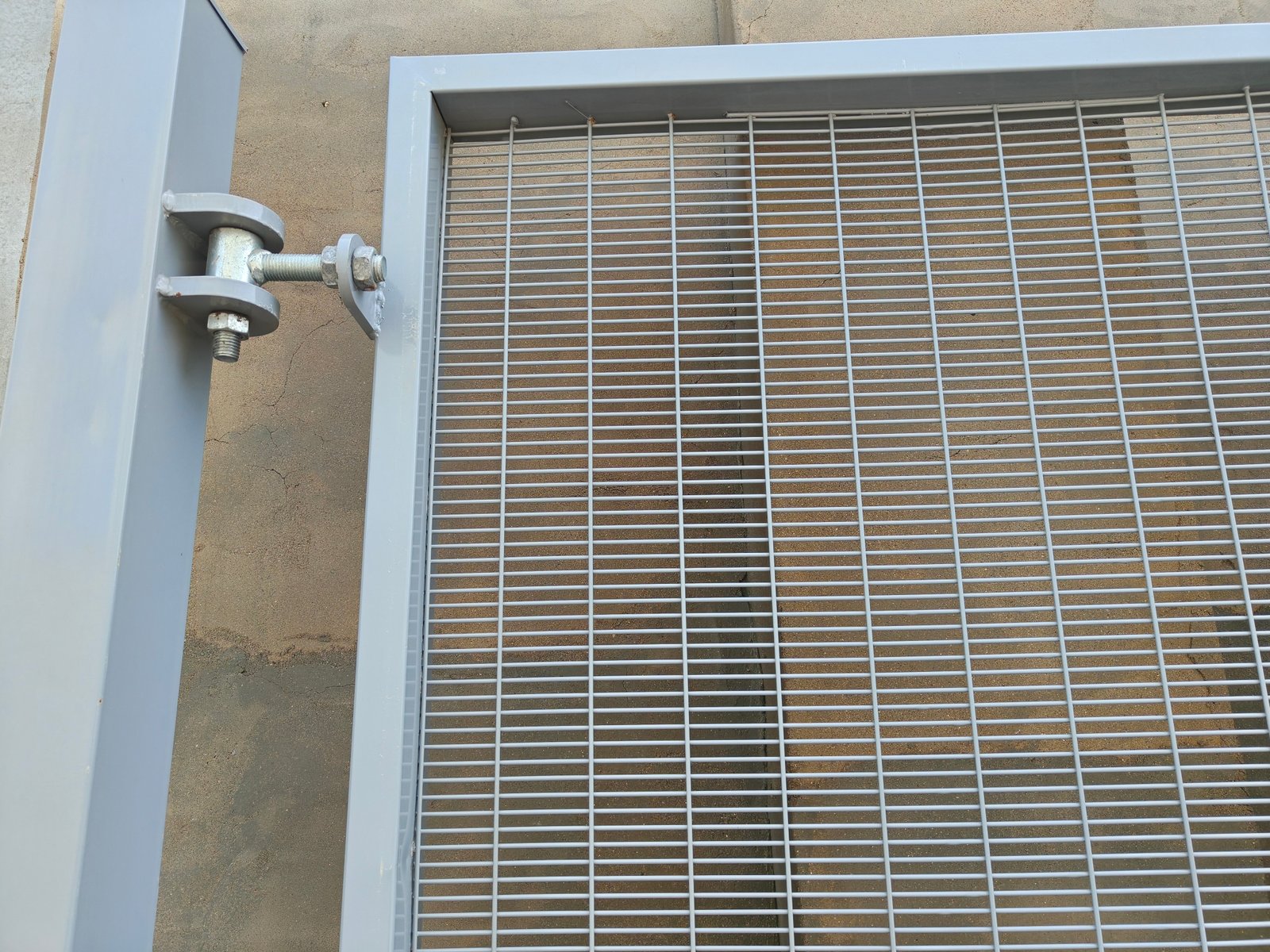
Supporting posts transfer wind and contact loads into the foundations. Their sections and installation methods must match panel height, spacing, and ground conditions. The mesh cannot provide reliable protection through loose or inadequate fittings.
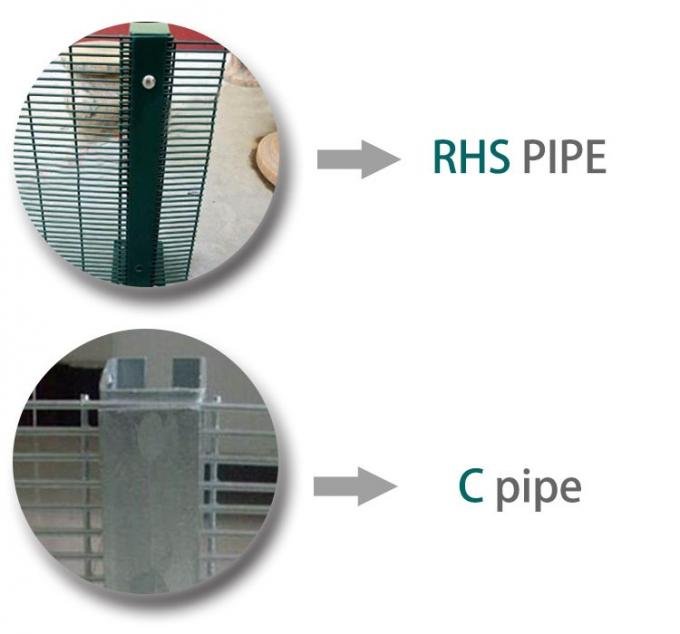
Many installations use square, rectangular, or I-profile steel posts. Clear View Fence Post options can support several panel connections. Each project needs an approved post and fixing schedule.
Fence Panels on Square and IPE Posts
Square posts offer straightforward surfaces for matching clamps and flat bars. IPE-style configurations require separate flange and bolt details. Compare the actual steel section rather than assuming every profile is interchangeable.
ClearVu Fencing Post ranges cover alternative support arrangements. End posts and gate posts often carry additional forces. Foundation depth depends on engineering rather than a universal catalogue rule.
Secure Clamps and Corner Transitions
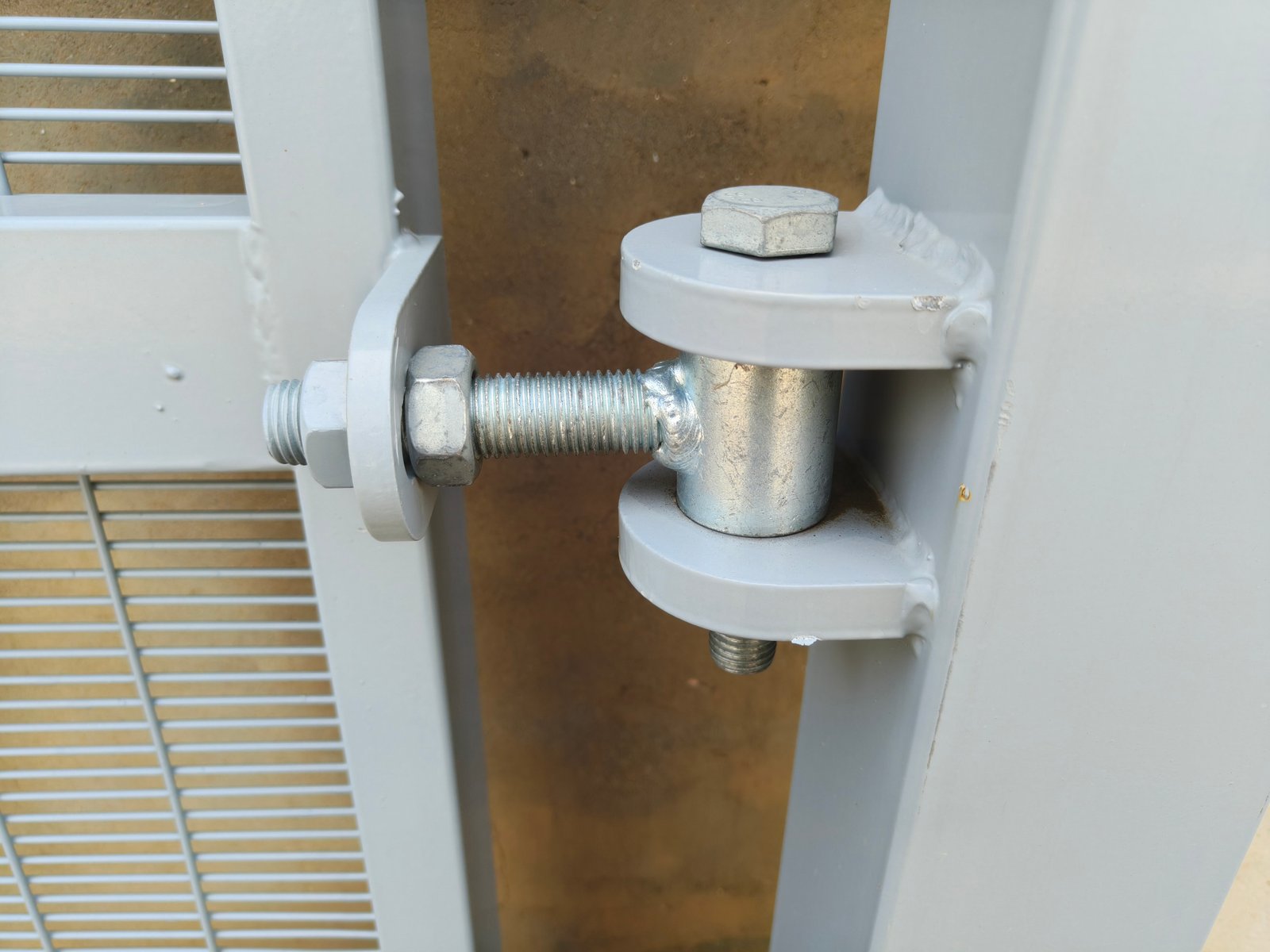
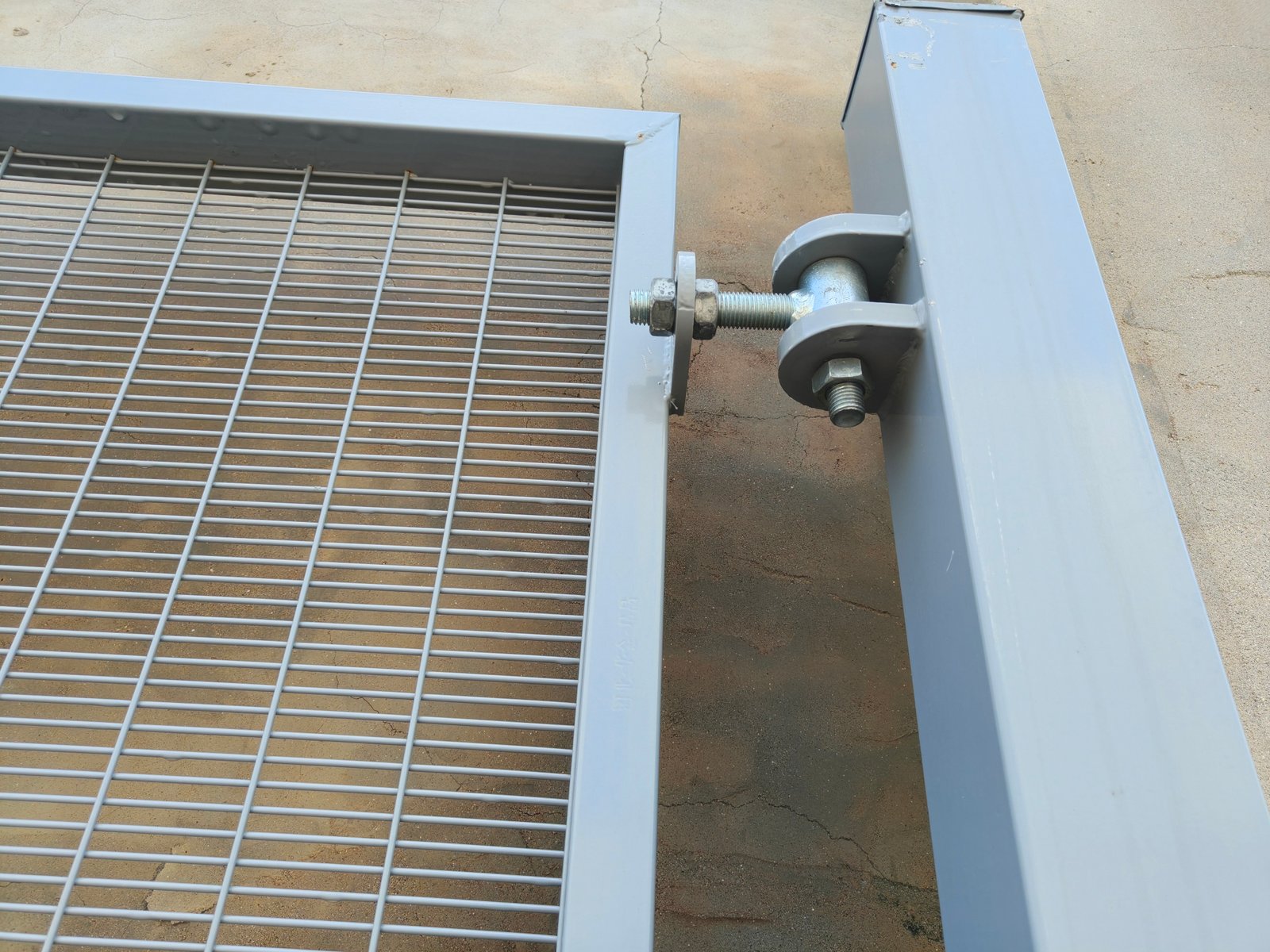
Connections need appropriate bolt lengths, plate geometry, and corrosion protection. ClearVu Fence Clamps fit selected mesh and post combinations. Incorrect hardware may loosen or damage the coating.
Corner arrangements and terminal bays can require different fixing quantities. A bill of materials should separate these positions. Installation teams should inspect final alignment before tightening the completed system.
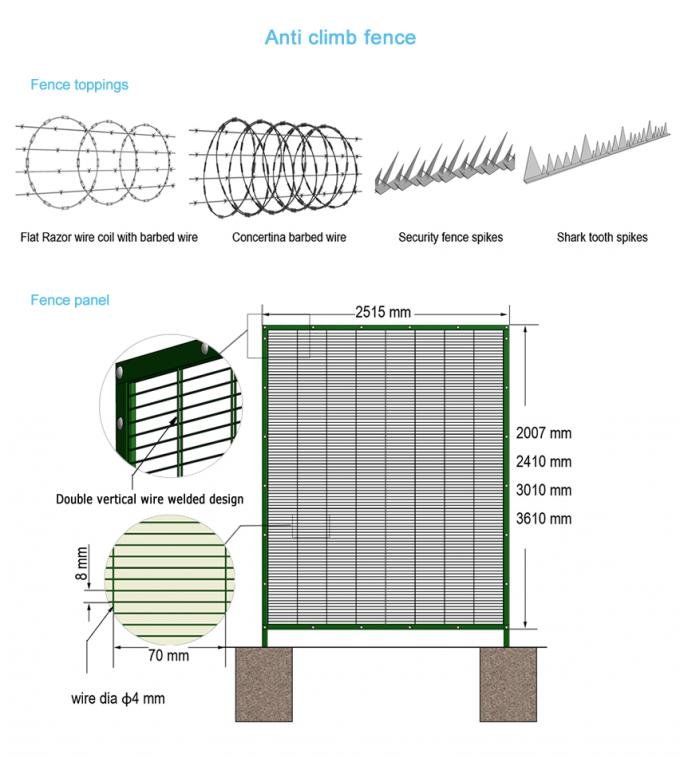 |
| Original installation reference: post arrangement, panel connection, and optional topping layout. |
Fence Panels: Optional Security Toppings
Some restricted sites specify extra deterrent features above a steel mesh boundary. Razor wire, barbed wire, and security spikes introduce additional contact hazards. Local rules and project safety assessments determine whether they belong on the fence.
Optional components need compatible posts and suitable fixing details. Adding a topping can change wind loads and maintenance access. Never treat these accessories as ordinary decorative trims.
Shark Tooth and Anti-Climb Spike Options
The original source describes shark-tooth plates and another security-spike profile. Its figures are catalogue dimensions rather than recommendations for every site. Sharp products require controlled handling and public separation.
| Optional Component |
Source Dimensions |
Purchasing Note |
| Shark-tooth spikes |
35 mm width; teeth up to 58 mm length |
Confirm approved profile and legal suitability |
| Anti-climb spike plate |
2.0 mm plate thickness; 65 mm base width |
Confirm coating and attachment method |
| Spike heights |
35 mm short; 70 mm long |
Confirm exact model drawing |
| Spike pitch |
70 mm |
Confirm product-specific reference |
Razor Wire and Barbed Wire References
The original catalogue also lists flat razor coils and concertina coils. Reference diameters include 600 mm and 750 mm with 55 loops and 7.5 m extension. These values need model-specific confirmation before ordering.
Its core-wire entry states 25 mm, which appears inconsistent with typical razor-wire dimensions. The factory should verify that figure rather than silently change it. Source notes also list galvanized or stainless steel alternatives.
Another topping uses double-strand four-point barbed wire, approximately 11 gauge and three-inch barb spacing. Handling rules and restrictions differ by site. Avoid using these products along ordinary public walkways.
Factory Inspection and Original Photos
Wire preparation, cutting, welding, surface treatment, and export packing require separate process checks. Consistent welding does not automatically establish certified security resistance. Buyers should identify inspection methods before mass production.
The original factory gallery contains five photographs, including manufacturing and finished-product references. These images remain in two tables below, beside the relevant production discussion. Their source addresses stay unchanged.
Fence Panels: Welding and Production Checks
Inspect wire straightness and mesh dimensions after welding. Operators should identify distorted intersections before applying protective finishes. Production samples help verify bend positions and hardware fit.
 |
 |
 |
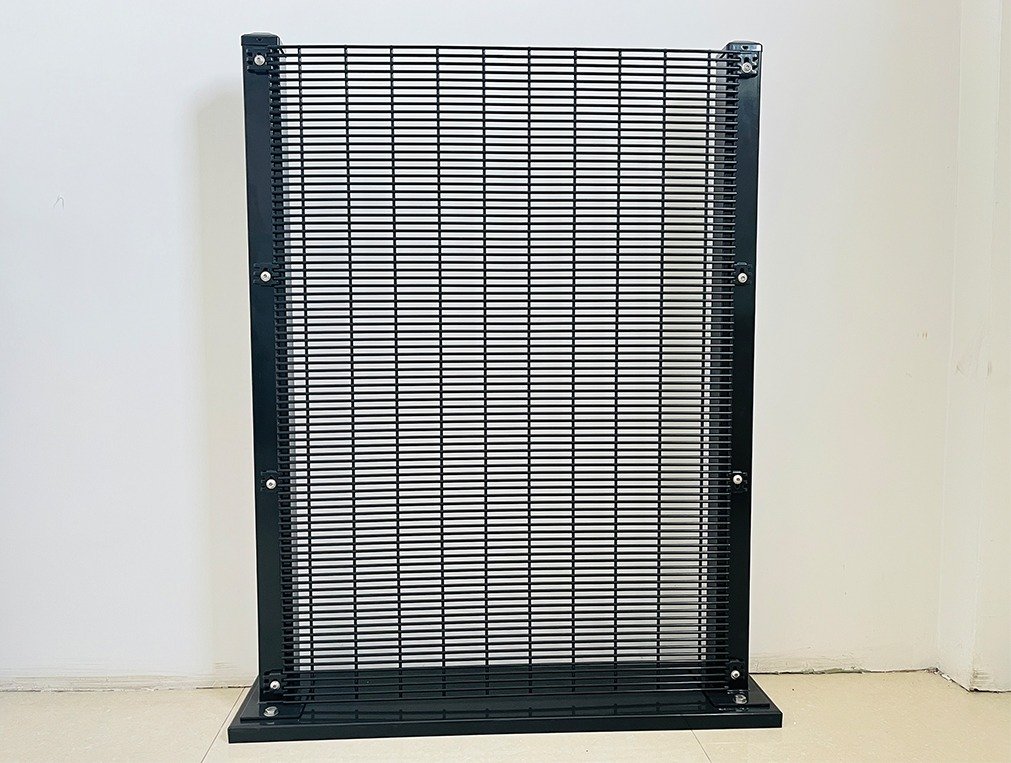
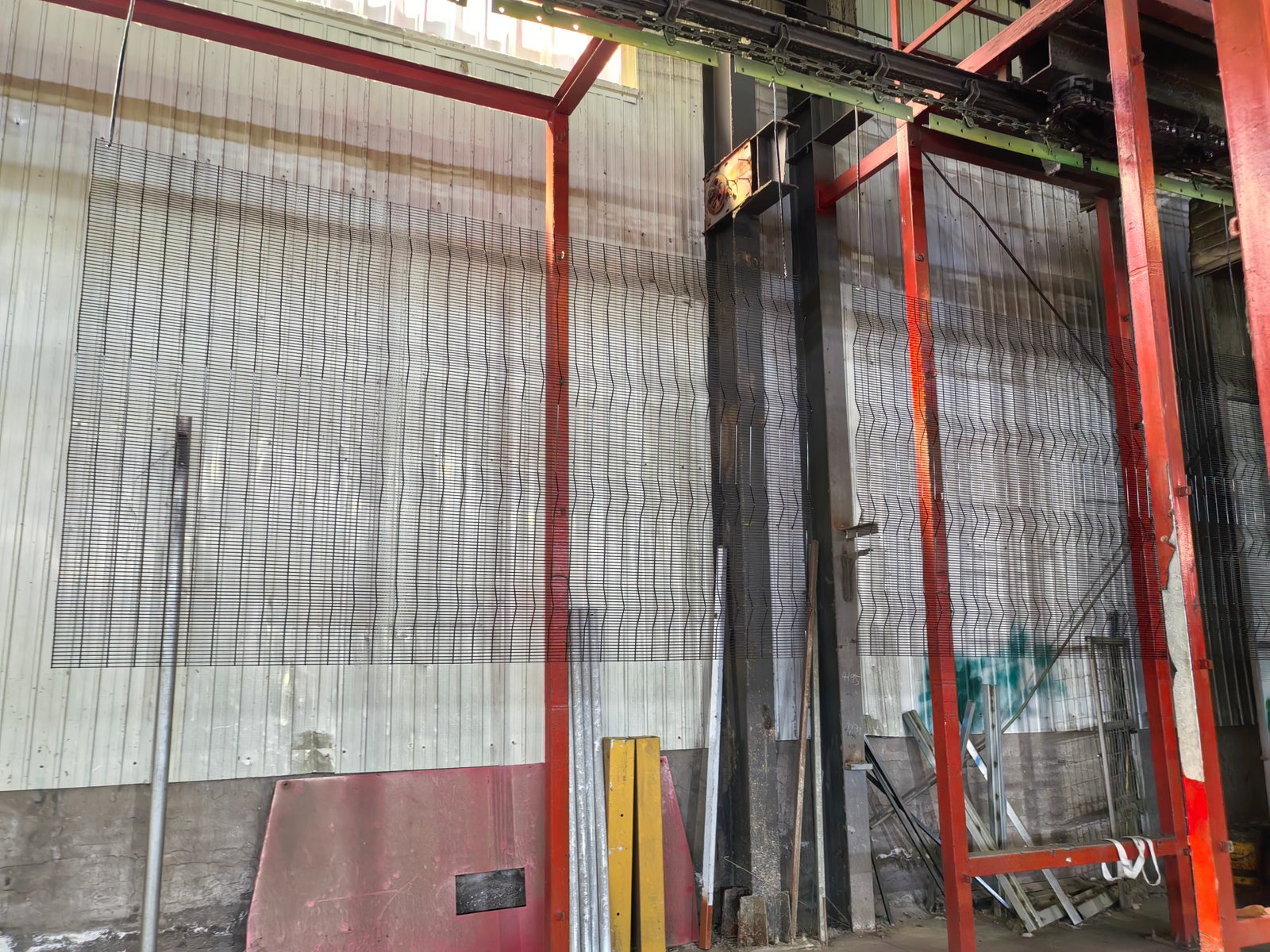
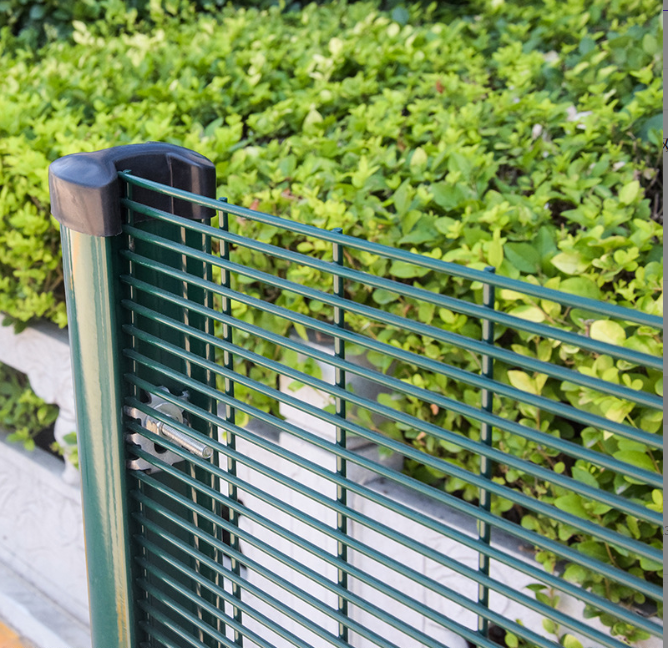
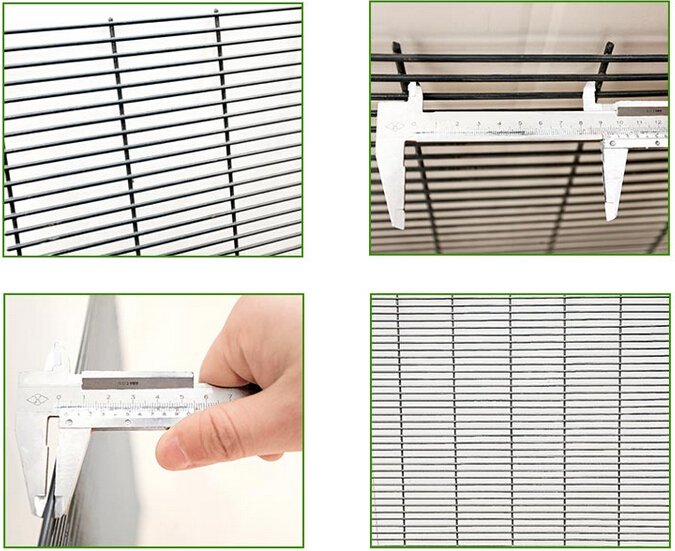
| Original factory view: production reference. |
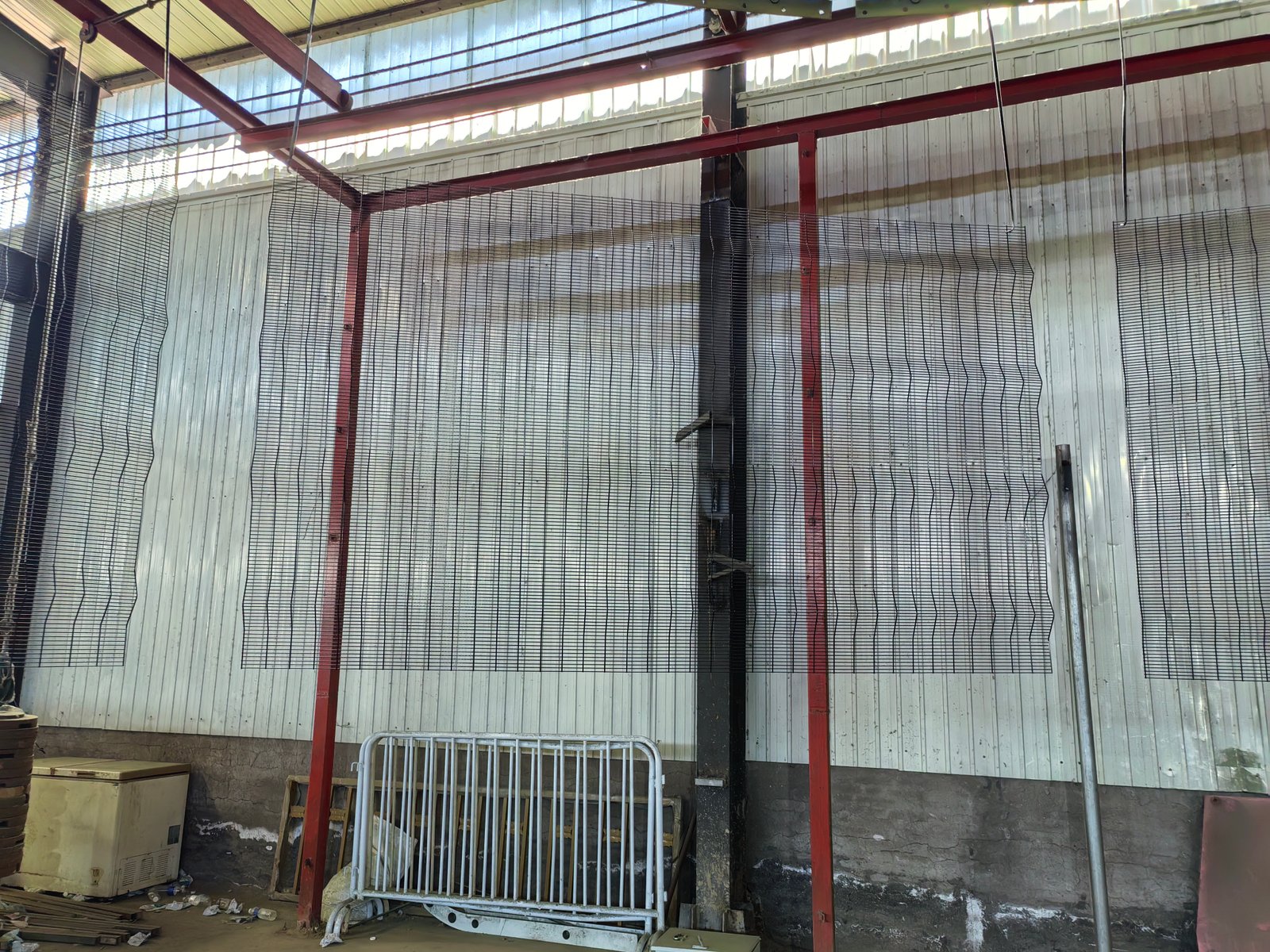
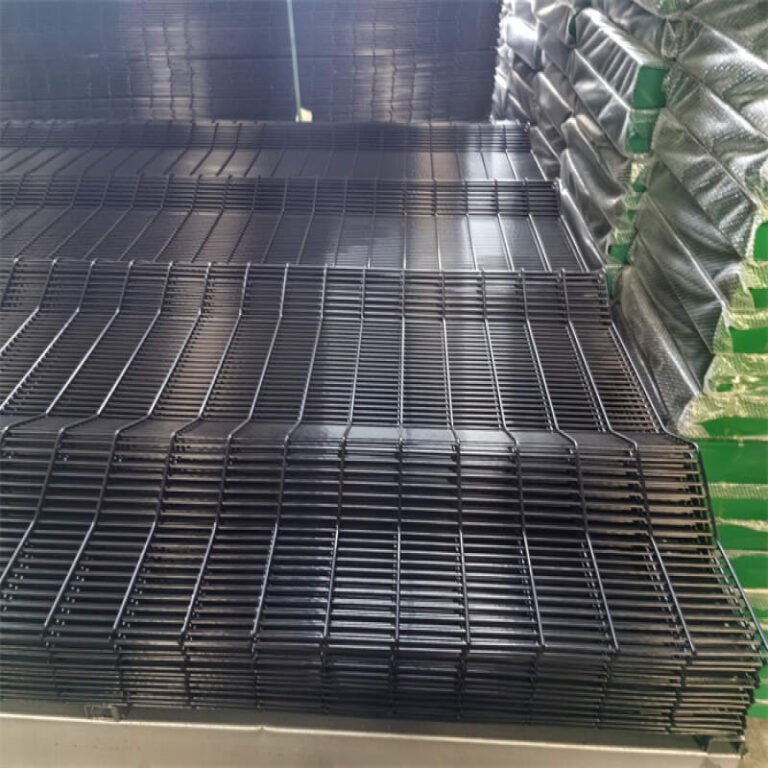
Original factory view: mesh and finishing reference. |
Original product view: galvanized steel security mesh. |
Surface and Fit Inspection
Final inspection should verify protective finish, panel width, wire spacing, and sharp edges. The post-and-clamp assembly also needs a compatibility check. Records should identify the actual batch and approved drawings.
 |
 |
| Original factory reference: assembled steel products. |
Original product reference: finished panel condition. |
Applications Beyond High-Security Sites
Open steel boundaries can suit warehousing, transport facilities, selected campuses, and energy infrastructure. Height and hardware requirements vary considerably between these applications. A security grade should reflect the actual site, not simply its industry.
Schools may require safer edges and fewer hazardous accessories. Industrial yards need protection from vehicle impacts and dependable access gates. Restricted facilities can demand independent performance testing.
Fence Panels for Air and Rail Facilities
Airports and railway compounds use fencing to separate operational zones from public approaches. Such projects may involve additional standards for visibility, clearance, or intrusion detection. A catalogue security description cannot replace those specifications.
For matching entrances, Clear View Fence Gates provide pedestrian and vehicle arrangements. Gate posts must support moving loads and operational hardware. Emergency access should remain clear at all times.
Comparisons with Other Steel Barriers
Corromesh offers another close-mesh steel perimeter format with different geometry. Garrison Security Fencing relies on steel pickets and rails. Neither should replace an approved dense-mesh panel without technical review.
Active work zones may need Temporary Construction Fencing before crews install permanent posts. Portable products have different stability and security objectives. Select each fence according to the relevant stage of construction.
Fence Panels Packing, Storage and Dispatch
Finished mesh requires support against bending and transport scratches. Steel pallets, protective separators, and suitable restraints help keep large sheets stable. Posts and security hardware need clear labels and appropriate separation.
Stacking height must reflect the panel geometry and pallet capacity. Heavy accessories should not rest directly against finished mesh. Overseas buyers can request photographs showing pallet condition before loading.
Pallet Count and Weight Checks
Freight planning depends on actual panel weight, pallet dimensions, and available container payload. A nominal wire diameter cannot provide a complete shipping weight. The final packing list should identify every component quantity.
Receiving teams should inspect damage and missing fittings before distributing the materials. Keep clamps with their matching post sections. Document delivery discrepancies for efficient replacement planning.
Fence Panels Selection and Quotation Workflow
A complete enquiry starts with a measured boundary and an access schedule. Define the required mesh pattern, selected height, posts, and coating process. Identify different security zones on the drawing where necessary.
Additional product references can support comparison, but avoid mixing incompatible specifications. Clear View Fence for Sale options include separate panel and post schedules. Formal approval should resolve all differences before manufacturing.
Fence Panels Product Checklist
- Confirm 358, 3510, or 70 × 8 mm mesh centres and wire diameters.
- Approve the required height, width, V-bends, and panel edge geometry.
- Identify steel grades and the necessary testing documentation.
- Specify square, IPE, or alternative post profiles with correct foundations.
- Count clamps, end posts, corners, and each gate opening separately.
- Confirm zinc or Galfan coating, polymer finish, and colour codes.
- Review any permitted topping with the site's safety requirements.
- Approve shipping weights, pallet quantities, and technical drawings.
Warranty and After-Sales Support
BMP offers a 15-year manufacturer warranty for its ClearVu and Clearview products under applicable written terms. The older five-year reference in the original source does not reflect this current BMP commitment. Coverage depends on the specified product and agreed conditions.
Inspection photographs, drawings, and packing records can support future service enquiries. Customers should retain installation and maintenance documentation. A warranty does not replace engineering or routine inspections.
Fence Panels Factory Supply from BMP
Boss Metal and Plastic Co., Ltd. manufactures welded security mesh and compatible steel fencing components for export projects. Customers can compare ClearVu Fence Panels through the related regional catalogue. Every order should follow its own approved technical schedule.
Provide the site drawing, mesh grade, gates, coating requirements, and shipping destination. BMP can review product compatibility, quality records, and export packing. Clear specifications help buyers receive a coordinated materials proposal.
 |
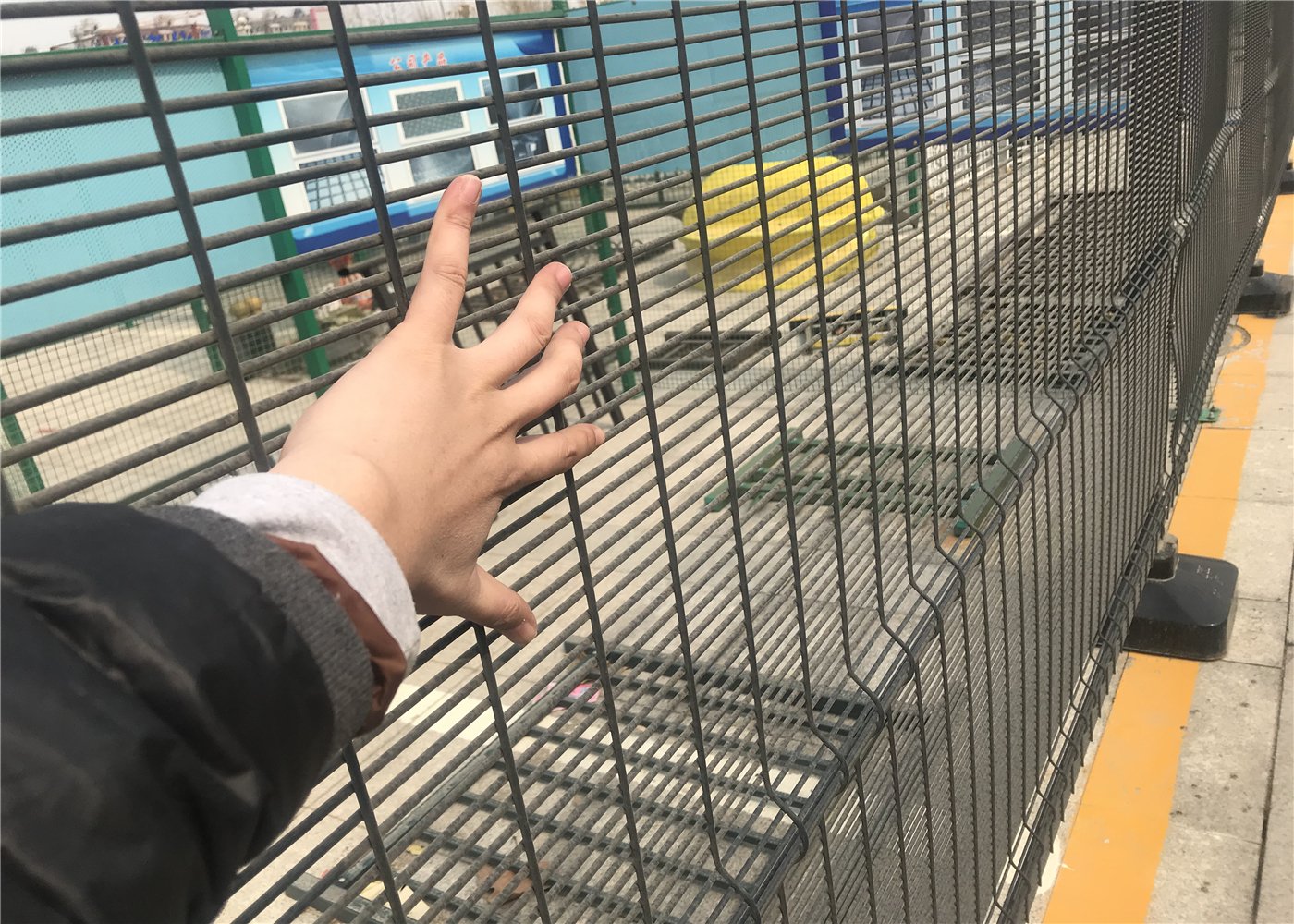
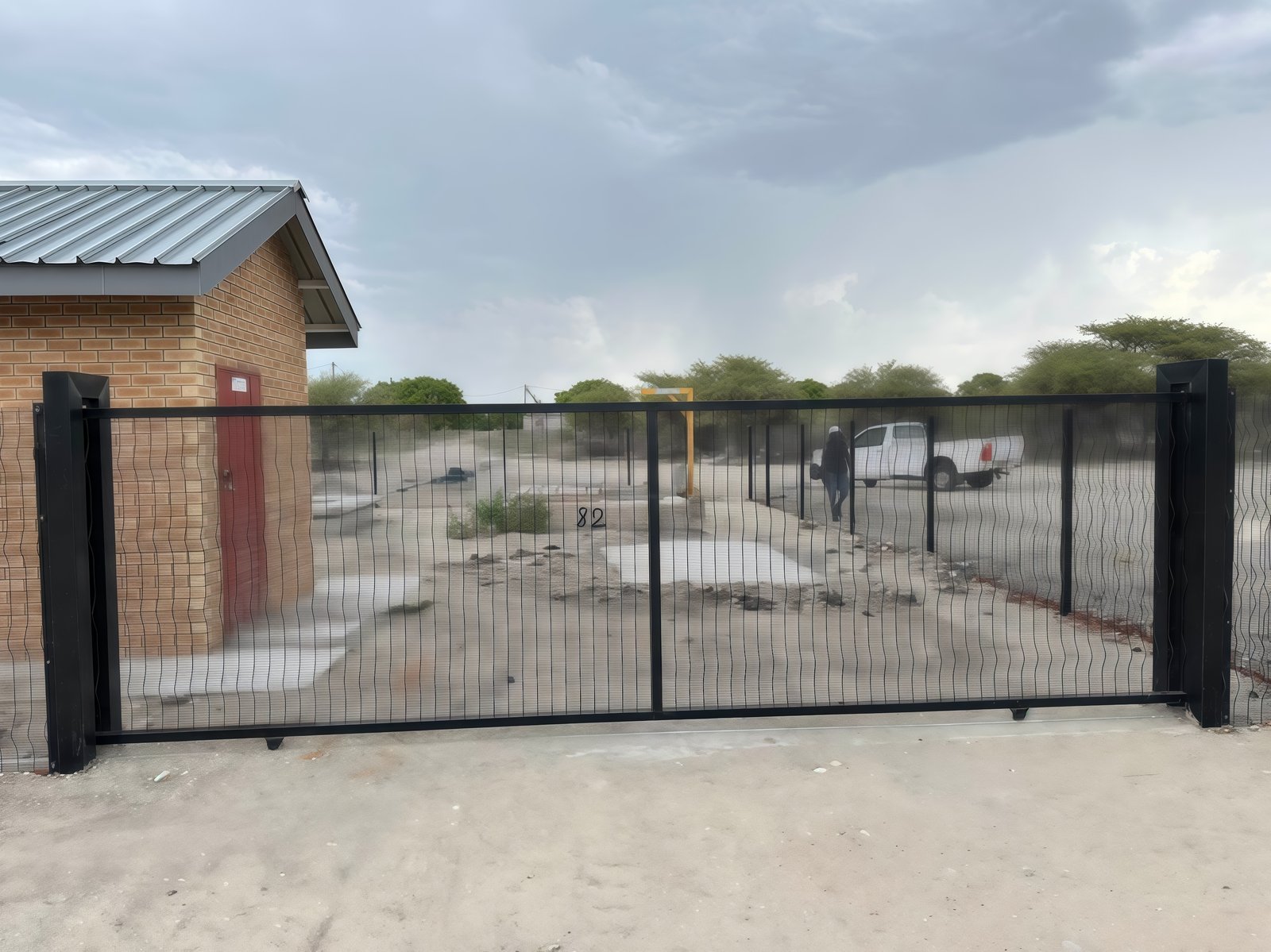
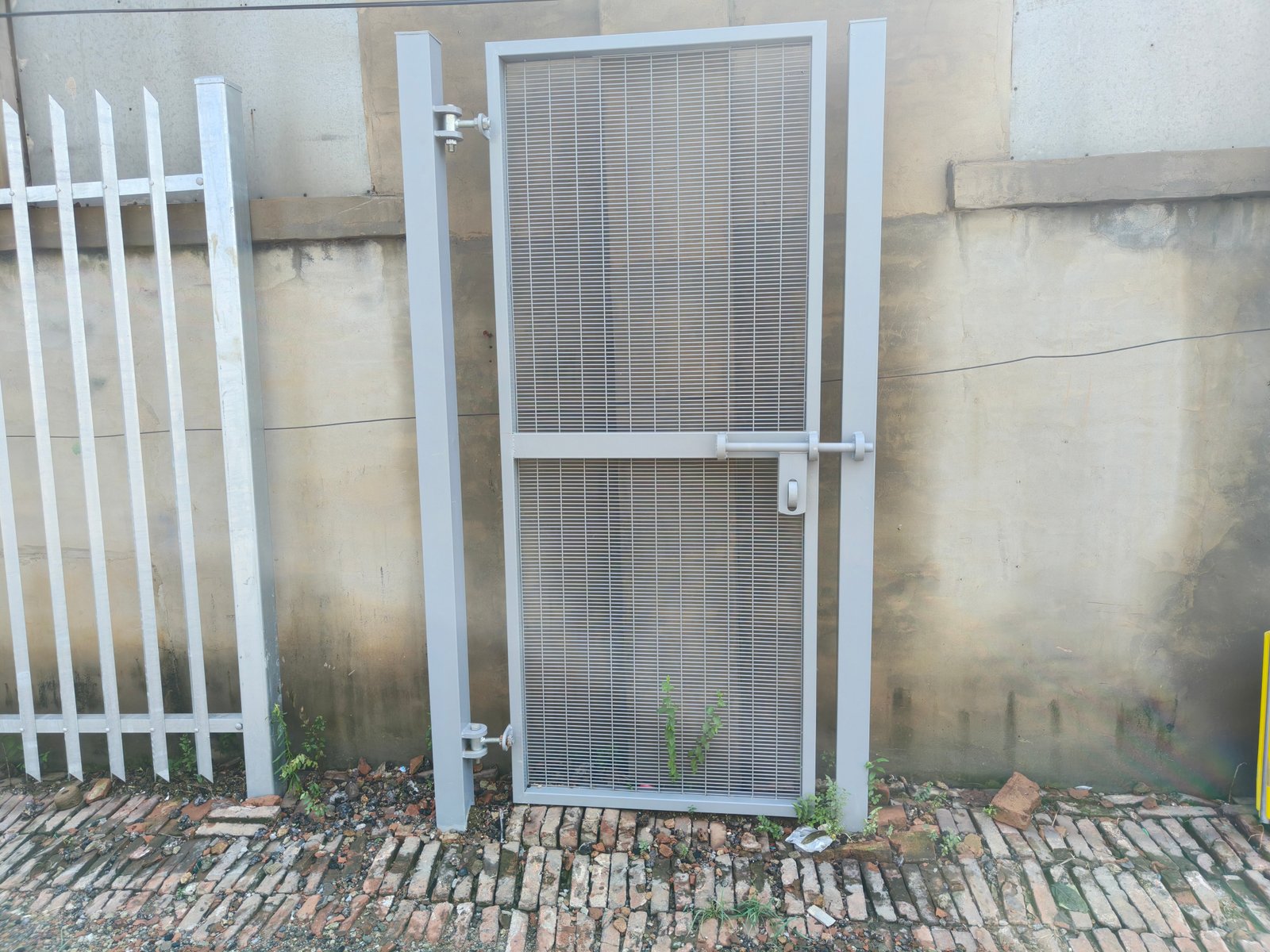
| Original finished-product reference: high-density steel security mesh and perimeter appearance. |