
ClearVu Fence vs Clear View Fence: 7 Key Differences, Specifications and Costs
ClearVu Fence vs Clear View Fence is a common comparison among South African security fencing buyers. Both systems combine welded steel mesh with clear visibility and climbing resistance. However, their branding, panel geometry, posts, connections, and manufacturing costs can differ considerably.
Understanding these differences helps contractors avoid incorrect specifications and incompatible components. A cheaper panel may require additional posts, clamps, or installation work. Meanwhile, specialised designs may offer advantages that standard mesh cannot reproduce.
This guide compares seven important differences using practical manufacturing information. It also explains coastal corrosion, security applications, and purchasing considerations. Buyers can then select the appropriate system for their project.
ClearVu Fence vs Clear View Fence: Are They the Same Product?
Both names frequently describe transparent welded security fencing in South Africa. Nevertheless, ClearVu also identifies a proprietary product range associated with Cochrane Global. Clear View Fence commonly describes a broader category of similar security barriers.
Cochrane develops proprietary panel forming, taper-post, and connection technologies. Independent manufacturers produce other welded mesh fencing systems with different specifications. Consequently, similar appearances do not establish identical construction or performance.
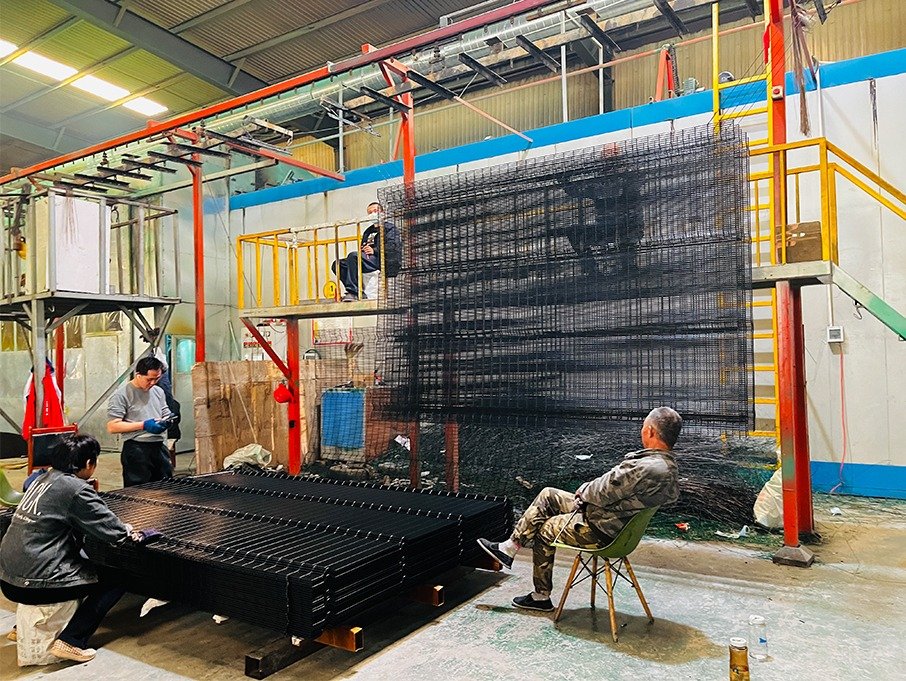
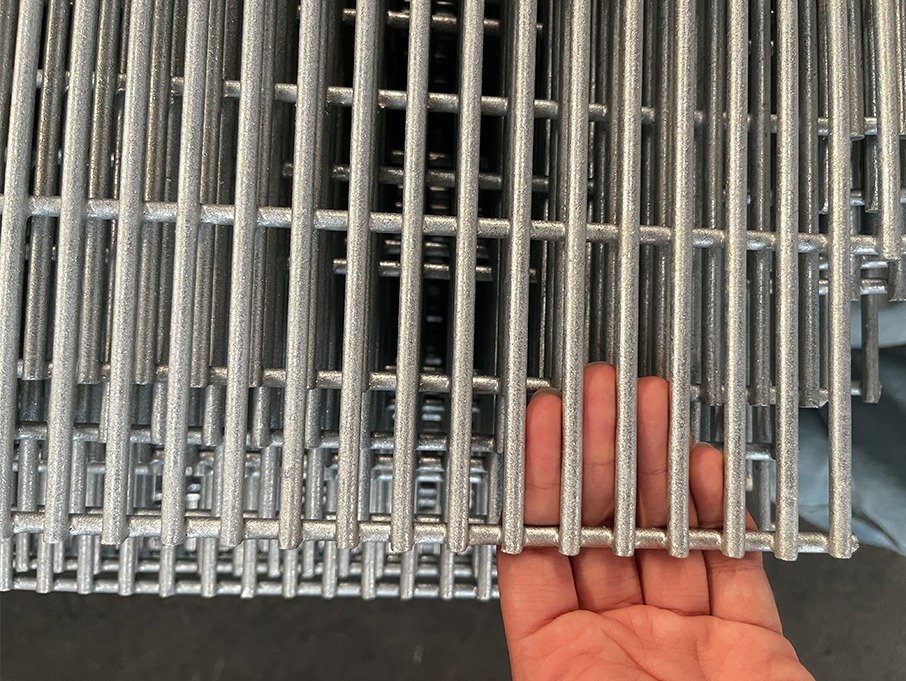
BMP manufactures configurable Clear Vu Fence products in China. Its range includes mesh panels, posts, clamps, and gates. Buyers should distinguish BMP configurations from proprietary Cochrane systems.
ClearVu Branding and Proprietary Technology
Cochrane Global associates ClearVu with specialised perimeter security engineering. Its technologies include the Rock Rigid forming process and patented taper posts. The manufacturer also describes proprietary post-to-panel connections.
These features belong to specific Cochrane systems. Other manufacturers may use alternative engineering solutions. Customers should request technical drawings before comparing supposedly equivalent products.
Clear View Fence as a Product Category
Clear View Fence describes welded mesh barriers that preserve visibility across property boundaries. Manufacturers offer different wire diameters, apertures, posts, and finishes. Some designs target high-security applications.
Other configurations prioritise residential appearance or commercial affordability. For example, Clear View Fence Panels include several dimensions and supporting structures. Product selection should follow actual security requirements.
ClearVu Fence vs Clear View Fence: Seven Differences at a Glance
The following comparison separates proprietary ClearVu characteristics from common clearview fencing options. Actual specifications vary by model. Buyers should confirm every detail with their supplier.
| Comparison | Cochrane ClearVu Systems | Generic Clear View Fence Systems |
|---|---|---|
| Brand Position | Proprietary product range | Broad welded security fencing category |
| Panel Geometry | Specialised forming and flange arrangements | Flat or conventional V-fold designs |
| Panel Width | 3305mm reference configuration | 2900, 2950, 3000 or 3050mm examples |
| Posts | Proprietary taper-post arrangements | SHS, RHS, IPE, C-profile and other options |
| Connections | Specialised recessed connection systems | Spider clamps, plates and security bolts |
| Mesh Options | Depends on the proprietary model | 75 × 12.7, 75 × 25 and 75 × 50mm options |
| Price Structure | Includes proprietary engineering and components | Depends on steel weight, fabrication and accessories |
These distinctions explain why panel-only comparisons can mislead buyers. Complete systems include structural connections and supporting hardware. The following sections examine each difference.
Difference 1: Manufacturer, Brand and Design Ownership
ClearVu's proprietary engineering creates an important distinction from generic welded mesh. Cochrane Global identifies several patented components within its product range. Their performance claims apply to those specific designs.
Meanwhile, manufacturers such as BMP offer independently specified fencing systems. These products may share mesh dimensions without sharing patented components. Similar geometry alone cannot establish equivalence.
Why Manufacturer Identity Matters
Brand identity affects technical documentation, warranties, and component availability. Buyers should confirm the legal manufacturer of each proposed system. Product certificates must match the supplied goods.
Specifications also determine replacement compatibility. A generic clamp may not fit a proprietary post. Mixing components without approval can compromise the installation.
Factory-Direct Manufacturing Options
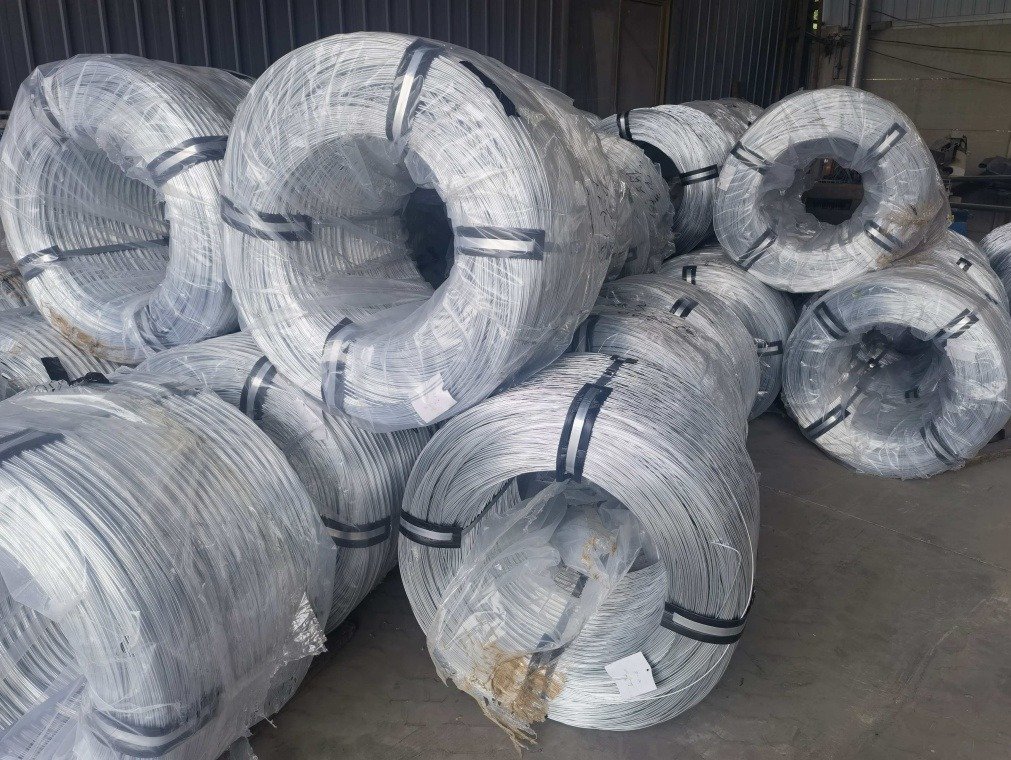
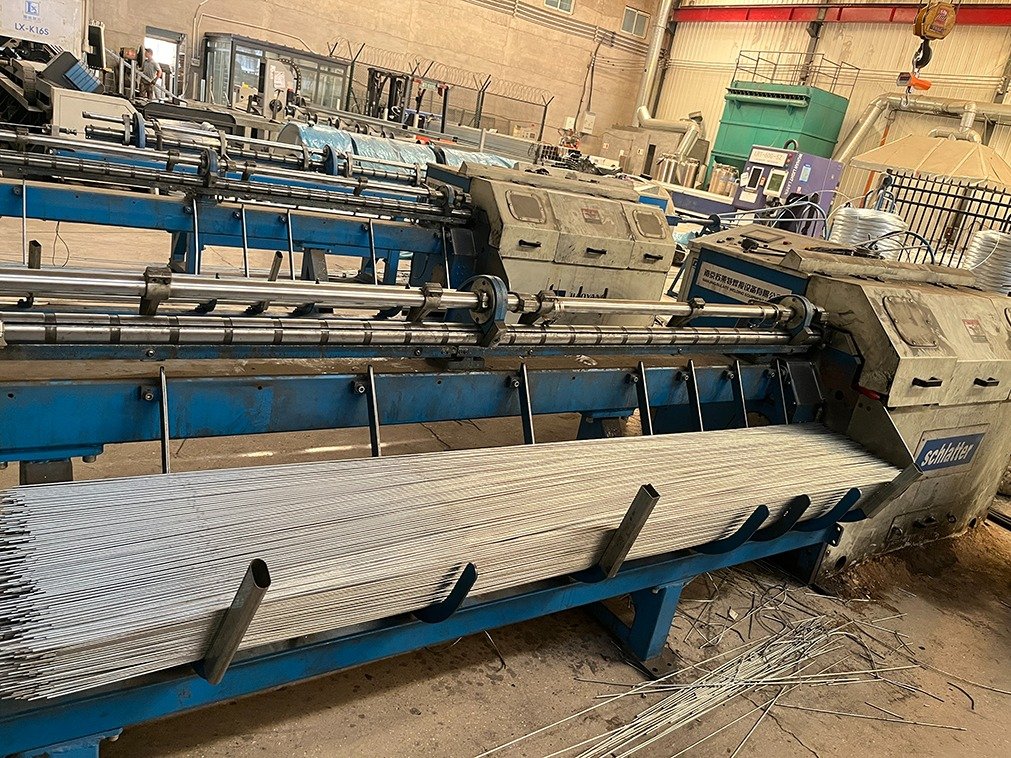
BMP offers configurable mesh, posts, and accessories for international projects. Buyers can select dimensions according to approved drawings. Factory production also supports coordinated export packing.
However, independent manufacturing does not confer ownership of another company's patents. Buyers should request the exact design offered. Technical comparisons should remain product-specific.
ClearVu Fence vs Clear View Fence: Difference 2 – Panel Geometry
Panel geometry represents one of the most visible differences. Conventional security panels often use three to five V-folds. Specialised designs may incorporate additional edge formations.
These features affect rigidity, manufacturing complexity, and material consumption. Therefore, buyers should compare formed dimensions rather than flat wire measurements alone.
Conventional V-Fold Panels
V-folds create geometric reinforcement across welded mesh panels. Manufacturers select fold quantities according to height and design. Taller panels may require additional formations.
Standard ClearVu Fence Panels can use several fold arrangements. Actual dimensions depend on the approved configuration.
Specialised Flange Forming
The source article describes 75mm side flanges with approximately 70-degree formations. It also identifies additional top and bottom edge geometry. These details influence manufacturing development dimensions.
Cochrane's proprietary system uses engineered relationships between panel edges and posts. Its patented connection design differs from ordinary mesh fasteners. Buyers should not assume interchangeable performance.
Developed Size Versus Finished Size
A finished panel may require additional material before forming. The original reference describes a 1800 × 3305mm panel. Its illustrative developed dimensions reach approximately 1900 × 3455mm.
These figures represent a particular manufacturing example. Actual blanks depend on forming angles and tooling. Factories should calculate material development from approved drawings.
| Dimension | Illustrative Developed Blank | Nominal Finished Panel |
|---|---|---|
| Height | 1900mm | 1800mm |
| Width | 3455mm | 3305mm |
| Side Forming Allowance | Included | Depends on finished geometry |
| Top and Bottom Forming | Included | Depends on finished geometry |
Additional material increases steel consumption. Forming operations also require equipment and labour. These factors help explain cost differences.
ClearVu Fence vs Clear View Fence: Difference 3 – Mesh Sizes
Mesh aperture influences climbing resistance, visibility, and material cost. Narrow openings discourage convenient finger and toe placement. Wider openings reduce wire consumption.
However, security performance depends on more than spacing. Wire diameter, welding quality, and connections also matter. Buyers should compare complete specifications.
High-Security 358 Mesh
Traditional 358 mesh uses approximately 76.2 × 12.7mm centre spacing. Manufacturers sometimes offer 75 × 12.7mm alternatives. Both dimensions describe wire centres rather than clear openings.
A 4mm wire leaves approximately 8.7mm clear space across 12.7mm centres. Actual openings depend on manufacturing tolerances. This distinction matters when assessing climbing resistance.
Customers can compare Anti Climb Fence configurations for demanding boundaries. Formal resistance ratings require relevant testing.
Medium-Security Mesh
Medium-security configurations often use approximately 75 × 25mm centres. Their wider openings reduce steel consumption. Some commercial projects prefer this balance.
Nevertheless, these openings provide different climbing resistance from narrow 358 mesh. Buyers should evaluate actual risks. Marketing security categories do not automatically establish certification.
General Perimeter Mesh
Wider apertures may suit selected residential and commercial boundaries. Reference dimensions include 75 × 50mm. Other configurations use different spacing.
BMP offers ClearVu Fencing Panels across several mesh categories. Each project requires an appropriate design.
| Reference Grade | Mesh Centres | Vertical Wire | Horizontal Wire | Typical Use |
|---|---|---|---|---|
| High Security | 75 × 12.7mm | 4mm | 3mm | Industrial boundaries |
| Medium Security | 75 × 25mm | 4mm | 3mm | Commercial sites |
| General Perimeter | 75 × 50mm | 4mm | 3mm | Selected residential applications |
These values reproduce the source article's reference configurations. Other wire combinations remain available. Final drawings should identify orientation and tolerances.
ClearVu Fence vs Clear View Fence: Difference 4 – Fence Posts
Post design influences structural stability and connection security. Cochrane uses proprietary taper-post technology within its ClearVu systems. Generic clearview products offer several alternative profiles.
Steel thickness and foundation design affect both approaches. Neither profile guarantees performance without engineering checks. Site conditions remain important.
ClearVu Tapered Posts
The source article identifies 85 × 45 × 85mm and 150 × 75 × 150mm reference profiles. These dimensions describe selected tapered configurations. Cochrane's proprietary post includes additional patented features.
Its recessed connection arrangement limits access to certain fixing points. Other tapered profiles may look similar. Appearance alone cannot confirm identical engineering.
| Fence Height | Reference Post Length | Reference Profile |
|---|---|---|
| 1800mm | 2400mm | 85 × 45 × 85mm |
| 2000mm | 2600mm | 85 × 45 × 85mm |
| 2100mm | 2700mm | 85 × 45 × 85mm |
| 2400mm | 3000mm | 85 × 45 × 85mm |
| 3000mm | 3600mm | 85 × 45 × 85mm |
These post lengths assume particular installation arrangements. They do not replace foundation calculations. Engineers must confirm embedment and structural requirements.
Square and Rectangular Posts
Square hollow sections offer straightforward manufacturing and fastening. Rectangular sections provide different structural proportions. Wall thickness depends on loads and project requirements.
Generic Clear View Fence Panels can connect to several compatible profiles. Contractors should confirm post centres and clamp positions.
IPE and C-Profile Posts
IPE profiles provide alternative structural arrangements. C-profile systems may incorporate flat bars or specialised clamps. Their suitability depends on engineering requirements.
Some projects use ClearVu Fencing IPE Posts with compatible hardware. Buyers should verify section dimensions carefully.
| Post Type | Reference Dimensions | Key Consideration |
|---|---|---|
| Square SHS | 60 × 60 / 80 × 80 / 100 × 100mm | Wall thickness and loading |
| Rectangular RHS | 60 × 80 / 80 × 100 / 100 × 150mm | Connection orientation |
| IPE Profile | 100 × 55 / 100 × 68 / 120 × 74mm | Section designation and capacity |
| C-Profile | 60 × 80 / 80 × 100 / 100 × 150mm | Clamp and flat-bar compatibility |
The dimensions above represent historical catalogue references. Exact section geometry requires confirmation. Engineers should approve the final profile.
ClearVu Fence vs Clear View Fence: Difference 5 – Clamps and Connections
Connections influence how fence panels transfer loads into posts. Strong mesh cannot compensate for weak fastening arrangements. Different manufacturers therefore use different connection designs.
Specialised ClearVu Connections
Cochrane describes a patented post-to-panel connection within its ClearVu range. Its system combines engineered panel edges, taper posts, and dedicated clamps. These components operate together.
The manufacturer publishes specific strength claims for its proprietary connections. Such claims do not automatically apply to alternative systems. Independent verification matters when comparing performance.
Single and Double Clamp Plates
The original technical reference includes 50 × 76mm single clamp plates. Double clamp plates measure approximately 50 × 165mm. Plate thickness ranges from 3mm to 5mm.
| Clamp Type | Reference Dimensions | Thickness | Application |
|---|---|---|---|
| Single Clamp Plate | 50 × 76mm | 3–5mm | Selected panel connections |
| Double Clamp Plate | 50 × 165mm | 3–5mm | Selected joining arrangements |
| Spider Clamp | Model dependent | Model dependent | Compatible generic mesh systems |
Fastener dimensions must match the selected post and panel. Incorrect hardware may create gaps or weak connections. Buyers should request assembly drawings.
Spider Clamps and Security Bolts
Spider clamps offer compact fastening options for selected mesh systems. Security bolts can discourage unauthorised removal. Their effectiveness depends on the complete connection design.
Hardware compatibility matters more than visual similarity. Contractors should inspect bolt engagement and plate alignment. Coating protection should also cover exposed fasteners.
ClearVu Fence vs Clear View Fence: Difference 6 – Manufacturing Cost
Manufacturing costs depend on steel weight, forming operations, welding, and coatings. Proprietary engineering may introduce additional component requirements. Generic designs can offer simpler fabrication.
However, generic products do not always cost less. Heavier wire or thicker posts may increase material expenditure. Buyers should compare equivalent systems.
Panel Width and Material Consumption
A 3305mm-wide panel contains more nominal surface area than a 2900mm panel at equal height. The difference reaches approximately 14% before other design factors. Wire spacing and diameter also influence actual weight.
Formed flanges may require additional material. Complex tooling can increase processing costs. These factors help explain different factory quotations.
Post Manufacturing Costs
Specialised profiles may require dedicated tooling and production controls. Standard hollow sections often offer broader sourcing options. However, material availability changes by region.
The source article mentions a historical USD 400–500 per-ton difference for selected post types. This figure lacks a current verified quotation. Buyers should not treat it as today's market premium.
Comparing Complete System Prices
Panel-only pricing ignores posts, clamps, gates, and foundations. Transport costs can also change the final comparison. Accurate budgets require complete component schedules.
Buyers can compare ClearVu Fence Price information when preparing budgets. Historical website prices should not replace current supplier quotations.
ClearVu Fence vs Clear View Fence: Difference 7 – Coatings and Coastal Durability
Protective coatings influence maintenance requirements and long-term appearance. Steel fences face moisture, ultraviolet exposure, and airborne contaminants. Coastal locations introduce additional corrosion risks.
Proprietary Marine Fusion Bond
Cochrane identifies Marine Fusion Bond as its proprietary coating technology. The company associates it with demanding corrosion environments. Other manufacturers cannot claim the same proprietary formulation without authorisation.
Alternative coatings require their own technical documentation. Buyers should compare corrosion testing and application methods. Similar colours do not establish equivalent protection.
Galvanized and Powder-Coated Systems
Generic fencing manufacturers offer galvanized steel and powder-coated finishes. Some products use zinc-aluminium alloy coatings. Each method has different production requirements.
Coating performance depends on preparation, thickness, adhesion, and exposure. Buyers should request applicable inspection records. Coastal applications may justify enhanced specifications.
Durban and Cape Town Marine Exposure
Durban's Indian Ocean coastline exposes outdoor steel to humidity and airborne salt. Cape Town properties may encounter strong winds and marine spray. These conditions require careful engineering.
Coastal security projects also benefit from clear sightlines. Transparent fencing supports cameras and perimeter observation. However, lighting and access controls remain necessary.
Property owners should inspect exposed bolts and damaged coatings regularly. Salt deposits can accelerate deterioration. Suitable maintenance helps preserve the installation.
ClearVu Fence vs Clear View Fence: Which Offers Better Security?
Security performance depends on the complete system rather than its name. Mesh spacing, wire diameter, posts, connections, and foundations all matter. Gates can become vulnerable points.
Cochrane's proprietary designs target specific performance objectives. Generic high-security systems may also provide effective perimeter protection. Formal comparisons require consistent testing conditions.
Anti-Climb Performance
Narrow mesh discourages convenient footholds. Taller panels can increase climbing difficulty. Suitable toppings may provide additional deterrence.
However, no fence prevents every intrusion method. Determined attackers may use equipment or exploit nearby structures. Security planning should assess the surrounding environment.
Anti-Cut Performance
Thicker wires can increase resistance to cutting tools. Welding quality also influences panel integrity. Actual attack resistance requires appropriate evidence.
Buyers should avoid relying on unsupported security claims. Independent testing provides stronger assurance. Project specifications should identify required performance levels.
Visibility and Surveillance
Transparent mesh allows cameras to observe activity beyond the boundary. Security guards can monitor surrounding areas more easily. Open sightlines may support earlier detection.
Nevertheless, vegetation and poor lighting can obstruct observation. Site planning should address blind spots. Fencing works best alongside complementary security measures.
ClearVu Fence vs Clear View Fence for South African Projects
South Africa includes coastal cities, inland industrial centres, and extensive mining regions. Each environment presents different security and maintenance requirements. Buyers should avoid applying one specification everywhere.
Johannesburg Warehouses
Johannesburg commercial properties often require controlled vehicle entrances and clear boundaries. Warehouses may face theft or trespassing risks. Transparent mesh supports surveillance across loading areas.
Matching gates help control authorised traffic. Contractors should also consider foundation conditions. Suitable lighting improves nighttime observation.
Projects involving Clearview Fencing Johannesburg may require different post arrangements from coastal estates.
Durban Residential Estates
Durban estates frequently combine landscaped surroundings with perimeter security. Coastal humidity and salt exposure affect coating selection. Transparent mesh can preserve views.
Security requirements vary between properties. Controlled entrances and surveillance help address unauthorised access. Appropriate corrosion protection supports long-term service.
Cape Town Commercial Developments
Cape Town developments may encounter strong winds and marine exposure. Taller panels require suitable structural calculations. Corrosion resistance also deserves attention.
Dark fencing can complement contemporary architecture. However, appearance should not override performance requirements. Engineers must approve foundations and connections.
Mining and Industrial Perimeters
Mining facilities often require long perimeter boundaries. Different sections may face different risks. High-security mesh may suit sensitive locations.
General access roads may require alternative configurations. Gates and maintenance routes need careful planning. Large projects also benefit from accurate quantity schedules.
ClearVu Fence vs Clear View Fence: Installation Compatibility
Installation methods depend on post profiles and connection systems. Proprietary components may require specific assembly procedures. Generic systems can use alternative hardware.
Post Spacing
Post centres must match panel geometry. A nominal 3000mm panel does not always require exactly 3000mm post spacing. Clamp arrangements affect effective dimensions.
Buyers should confirm the installation module before production. Incorrect spacing can delay construction. Accurate drawings reduce these risks.
Foundations and Base Plates
Ground-embedded posts transfer loads into concrete foundations. Surface-mounted systems use suitable base plates and anchors. Both methods require structural assessment.
Wind exposure, soil conditions, and fence height influence foundation design. Contractors should follow approved calculations. Generic footing dimensions cannot suit every project.
Matching Security Gates
Pedestrian and vehicle gates should match the selected fencing system. Different frames require appropriate hinges and locks. Sliding gates need sufficient operating space.
Buyers can include Clear View Fence Gate components in their quotation. This approach helps coordinate finishes and hardware.
How to Compare ClearVu Fence and Clear View Fence Quotations
Procurement teams should compare identical dimensions and materials. Different specifications can create misleading price differences. Complete quotations improve decision-making.
| Quotation Item | Information to Confirm |
|---|---|
| Panel | Height, width, mesh centres and wire diameters |
| Forming | V-fold quantity and flange geometry |
| Post | Profile, thickness, length and finish |
| Clamps | Type, dimensions and quantity |
| Gates | Opening dimensions and hardware |
| Coating | Process, specification and colour |
| Shipping | FOB, CIF or other agreed terms |
| Documents | Drawings, inspection reports and packing list |
Factory-direct procurement may suit larger projects. Local supply can offer faster coordination for smaller orders. Total landed cost provides a fairer comparison.
International buyers can review ClearVu Fence Prices Per Meter when assessing import economics. Current freight and tax figures remain essential.
Choosing Temporary Security During Permanent Fence Installation
Large perimeter projects may require temporary barriers during construction. Portable fencing helps control site access before permanent panels arrive. Suitable supports improve stability.
Temporary Fencing Panels offer movable boundaries around work areas. Matching Temporary Fence Blocks support these installations.
Contractors working across different markets may also review Temporary Fencing systems. Regional compliance requirements still need separate verification.
ClearVu Fence vs Clear View Fence: Buying Recommendations
Buyers should begin with project security requirements. High-risk facilities may justify specialised systems. General commercial boundaries may allow broader product choices.
Compare complete designs rather than isolated mesh panels. Post connections and gates can influence overall performance. Environmental exposure should also guide coating selection.
BMP supplies configurable welded security fencing for international projects. Its product range includes ClearVu Fencing options and compatible accessories. Final specifications depend on approved drawings.
Customers can also compare ClearVu Fence Panels across related security mesh applications.
ClearVu Fence vs Clear View Fence: Frequently Asked Questions
Are ClearVu and Clear View Fence Identical?
No. ClearVu identifies a proprietary product range associated with Cochrane Global. Clear View Fence also describes broader welded security fencing products.
Which Fence Costs More?
Prices depend on the exact design. Proprietary forming and connection systems may increase manufacturing complexity. Heavier generic products can also cost more.
Which System Offers Better Climbing Resistance?
Narrow mesh discourages convenient climbing. Complete system design also matters. Independent testing provides stronger performance comparisons.
Can Both Systems Use 358 Mesh?
Yes, selected configurations use narrow 358-type mesh. However, matching aperture dimensions do not establish identical products. Posts and connections may differ.
Can Generic Clamps Fit Proprietary ClearVu Posts?
Not necessarily. Proprietary posts may require dedicated connections. Buyers should verify compatibility before purchasing replacement components.
Which Fence Suits Coastal Properties?
Both categories can offer suitable coastal configurations. Coating quality and maintenance determine long-term suitability. Buyers should review actual corrosion specifications.
Does BMP Offer Custom Dimensions?
Yes. BMP manufactures configurable mesh panels, posts, and accessories. Customers should provide approved drawings and required quantities.
Does BMP Provide a Warranty?
BMP offers a 15-year manufacturer warranty for its ClearVu and Clearview products, subject to written terms. Customers should review the applicable conditions.
Conclusion: ClearVu Fence vs Clear View Fence
ClearVu Fence vs Clear View Fence involves more than two product names. Proprietary engineering, panel geometry, posts, and connections create meaningful differences. Manufacturing costs and coating systems also influence selection.
Both categories can support transparent perimeter security. However, performance depends on complete system design. Buyers should compare specifications and supporting evidence.
BMP manufactures configurable welded security fencing for international customers. Contact clearvu@construction-fence.com with your drawings and quantities. Our team can prepare a detailed technical quotation.