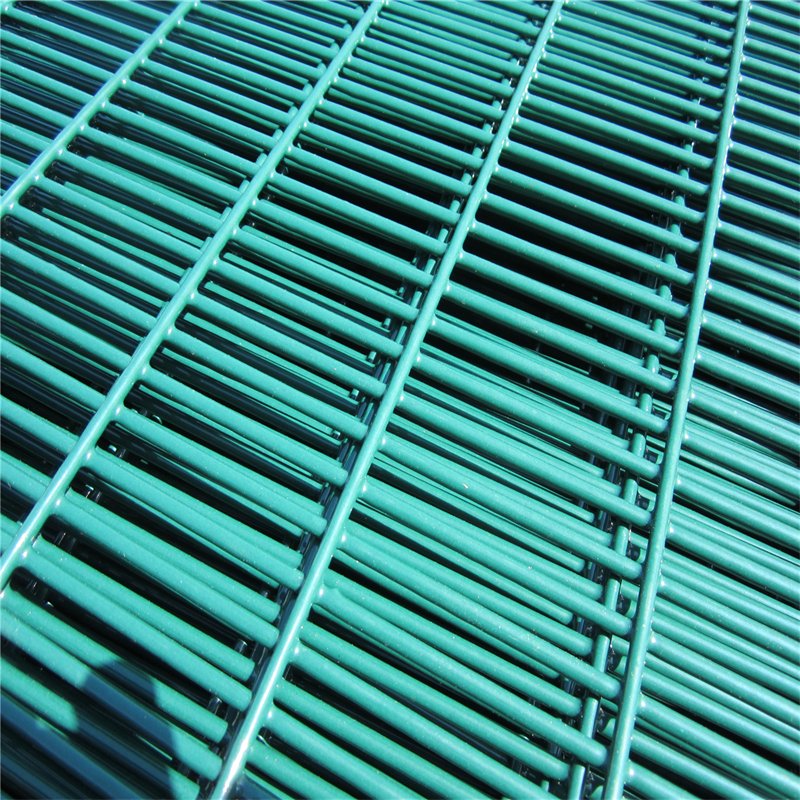
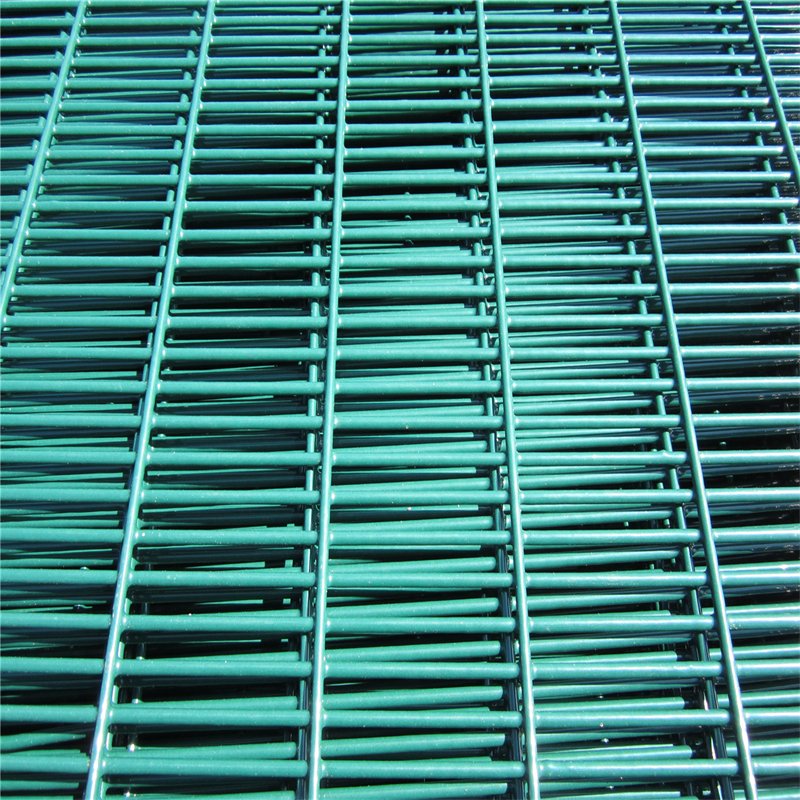
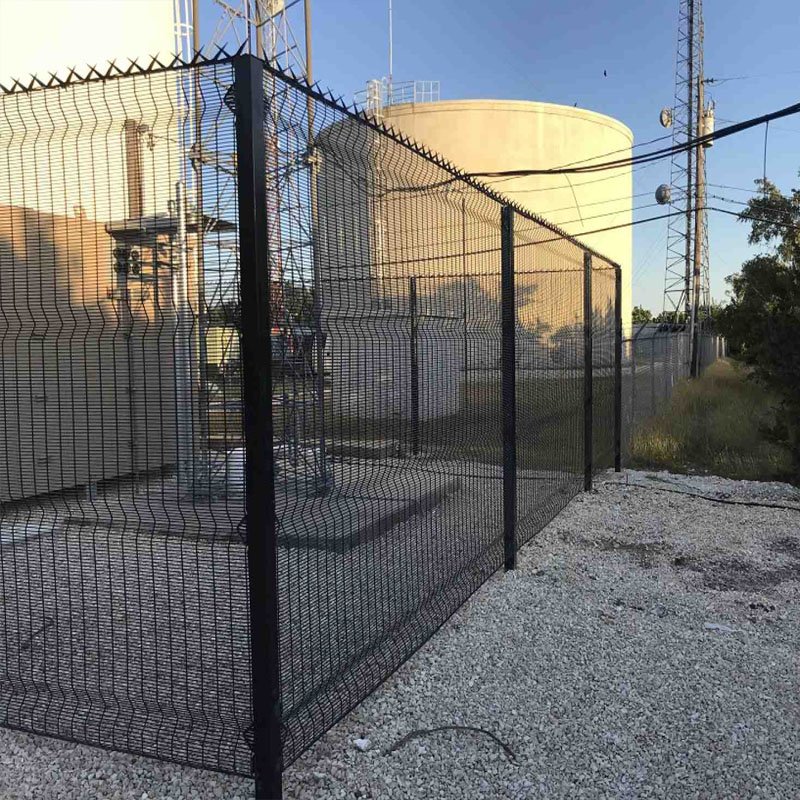
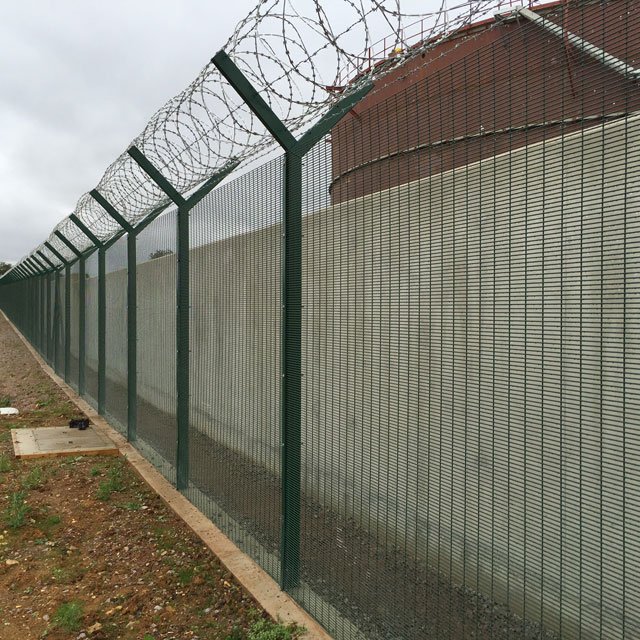
An anti climb fence protects important boundaries while preserving visibility for cameras and security teams. Its narrow welded mesh discourages climbing and slows some intrusion attempts. Warehouses, utilities, transport facilities, and commercial estates use these systems where ordinary mesh lacks sufficient resistance. BMP supplies matching panels, posts, clamps, gates, and finishing options for coordinated projects. A Clear Vu Fence provides the open appearance that many perimeter managers prefer over solid walls.
An anti climb fence works best as part of a complete perimeter plan. Mesh geometry matters, but foundations, gates, lighting, and monitoring also shape security performance. This guide explains the technical decisions buyers should make before requesting a final quotation.
anti climb fence and how 358 mesh works
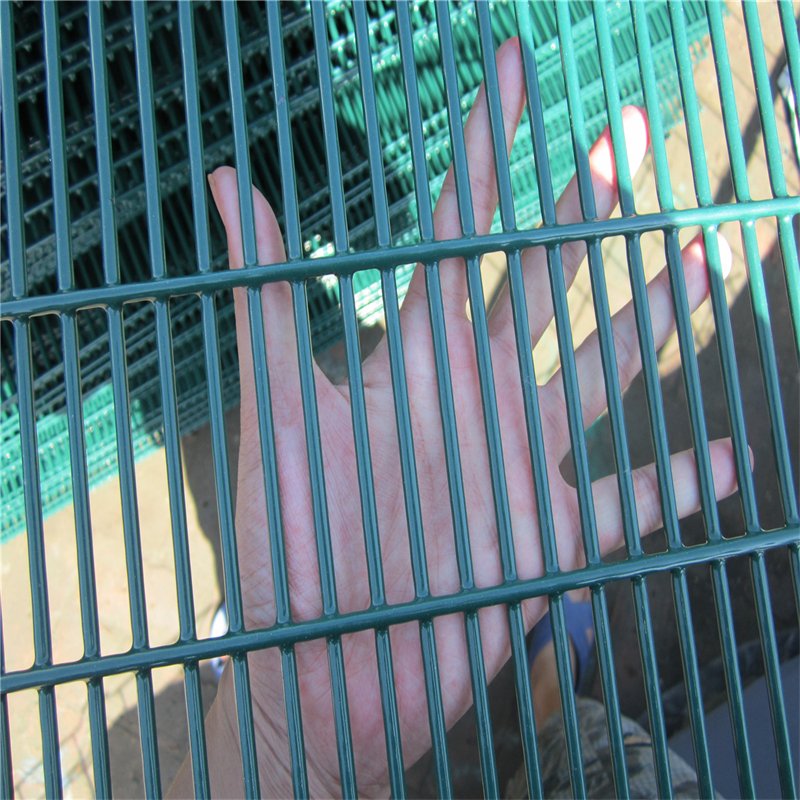
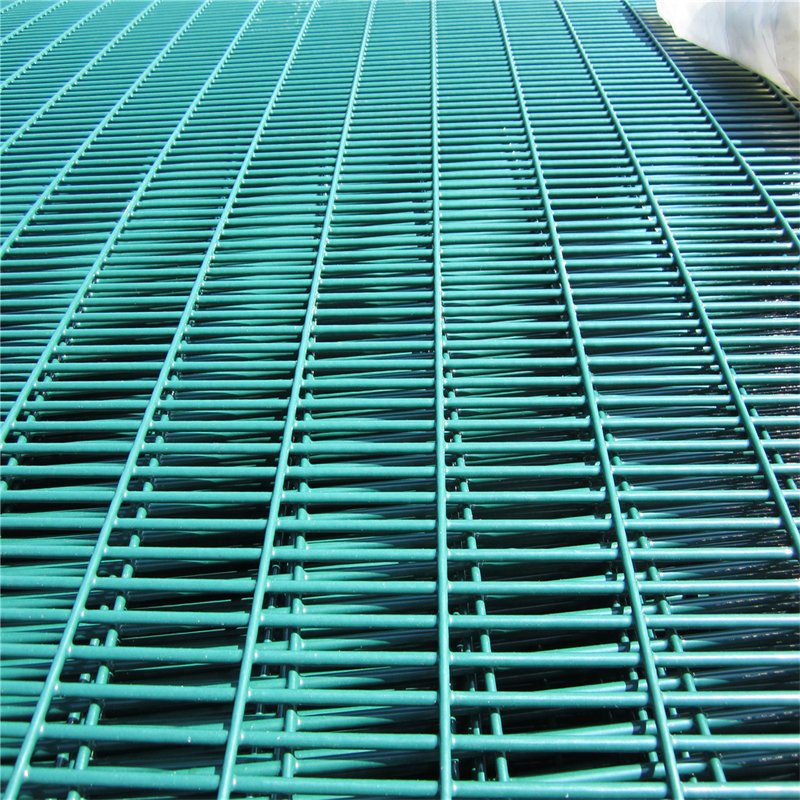
The familiar 358 designation describes a three-inch pitch, a half-inch pitch, and an approximately eight-gauge wire. Metric references commonly use 76.2 × 12.7 mm centre spacing and roughly 4 mm steel wire. A narrow pitch restricts convenient handholds and footholds without blocking the view. This helps explain the popularity of Clearvu Mesh around monitored boundaries.
An anti climb fence does not guarantee an impenetrable boundary. Steel strength, weld quality, fixings, and installation determine how the barrier responds to different attacks. A security consultant should assess access control and response arrangements alongside the fence specification.
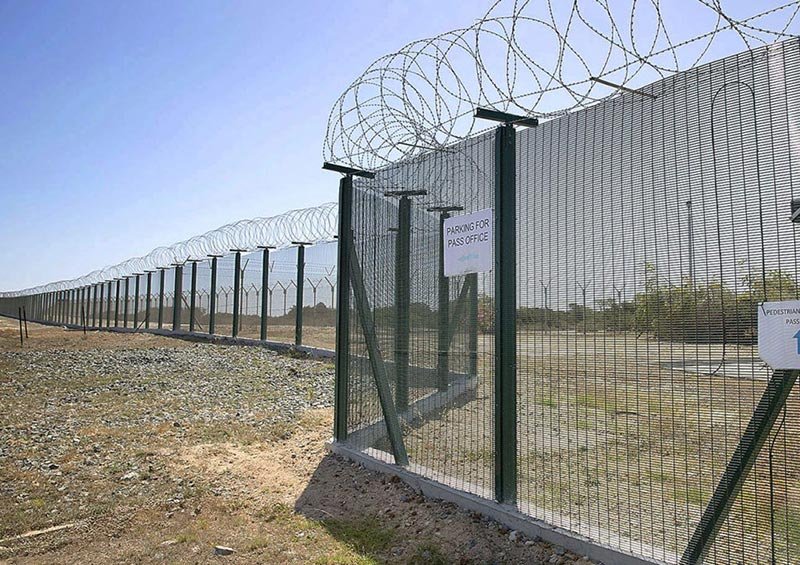
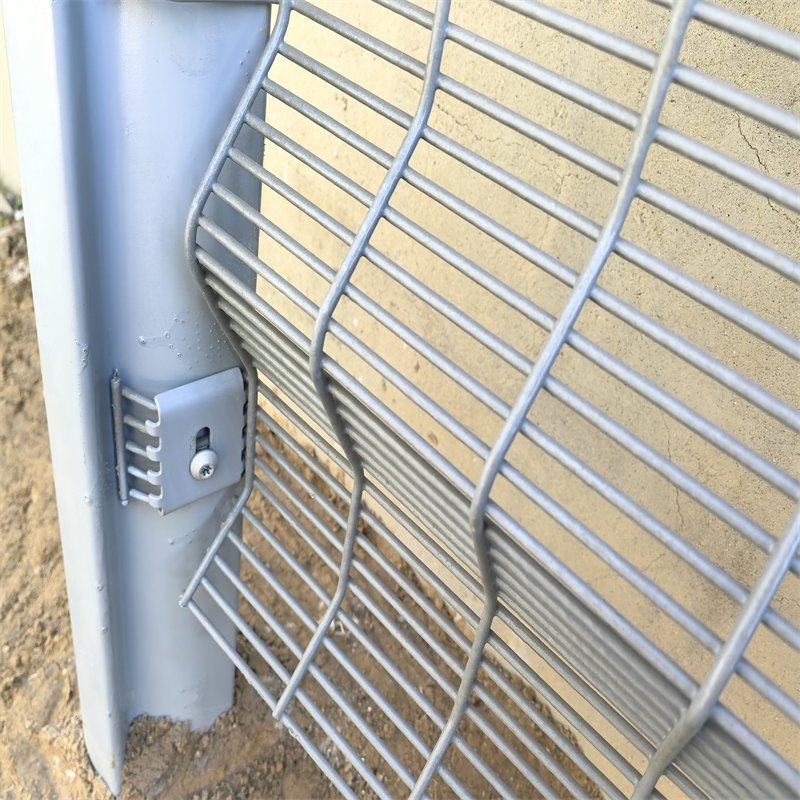
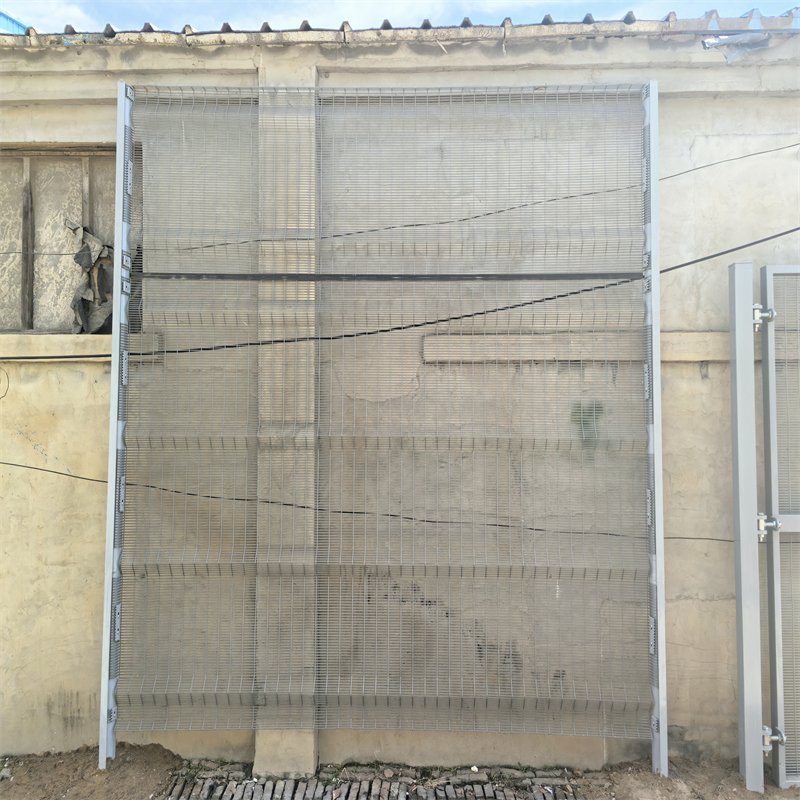
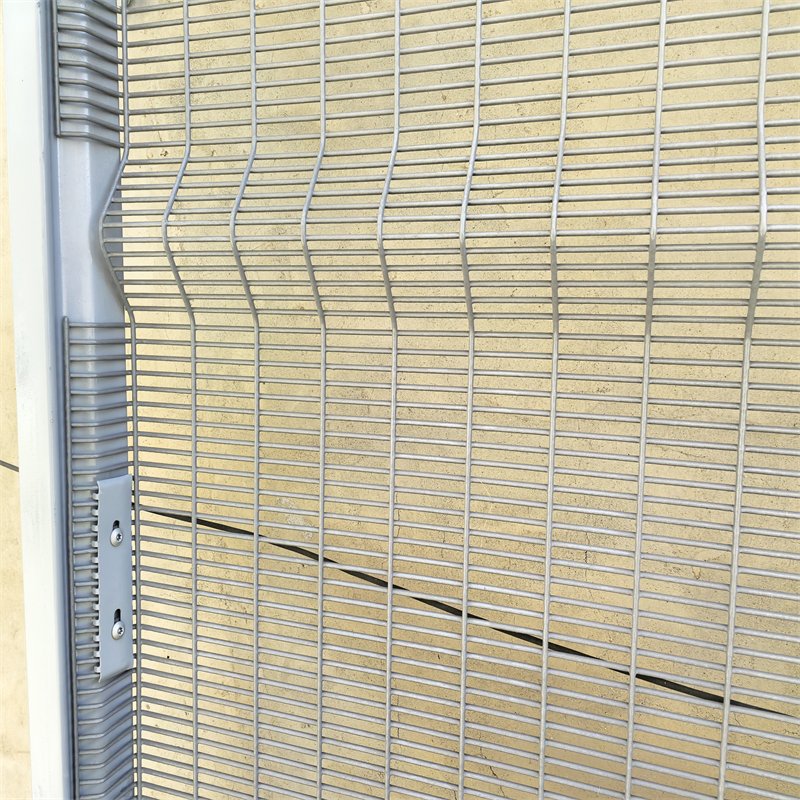
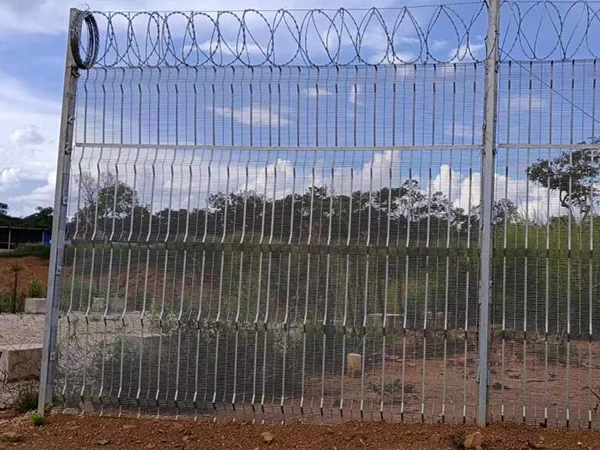
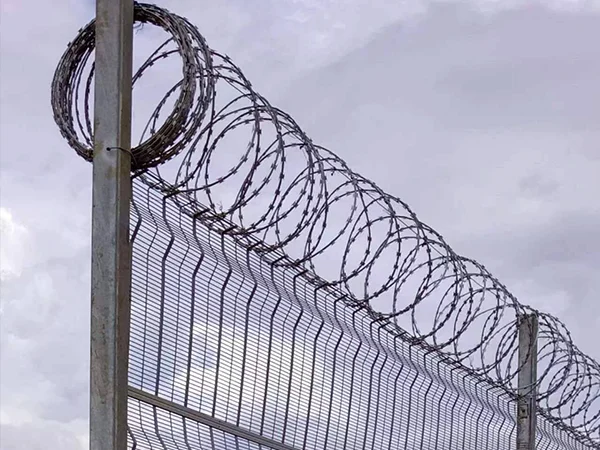
Close welded steel mesh supports perimeter observation while limiting convenient climbing holds.
Mesh geometry: wire centres versus clear openings
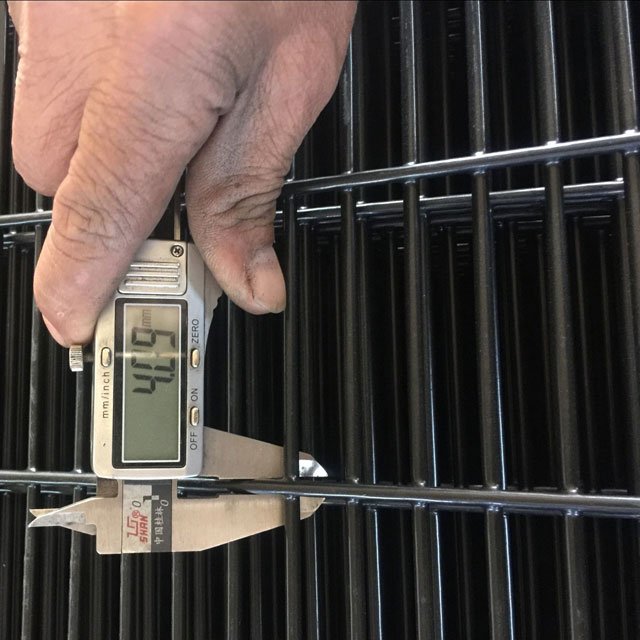
Buyers often confuse mesh pitch with the visible gap between neighbouring wires. Pitch measures from one wire centre to the next wire centre. Clear opening measures the unobstructed space between their surfaces. A 12.7 mm pitch with 4 mm wire leaves approximately 8.7 mm of clear space.
The larger direction of a 76.2 mm pitch leaves approximately 72.2 mm with the same wire diameter. A 75 × 12.5 mm pitch creates approximately 71 × 8.5 mm openings with 4 mm wire. These figures assume equal wire diameters and exclude coating thickness. The ClearVu Clearview Fence range includes additional close-mesh configurations.
A 25 × 75 mm pattern represents another aperture grade, not conventional 358 pitch. An anti climb fence enquiry should identify the actual wire-centre measurements, not only a marketing category. Confirm horizontal and vertical wire directions on the approved drawing.
anti climb fence technical specifications
The following table preserves the dimensions and options from the original product description. Treat every value as a reference until the customer approves the manufacturing drawing. The catalogue includes several mesh patterns and post types rather than one universal configuration.
Original reference options for anti-climb welded mesh fencing
Parameter
Reference specification
Purchase confirmation
Fence model
358 welded security mesh
Confirm the exact grid configuration
Reference fence height
800–2500 mm
Confirm finished height and foundation interface
Reference panel width
2000–3100 mm
Confirm actual bay spacing and panel overlap
Wire diameter options
3.0–5.0 mm
Specify horizontal and vertical wire separately
Dense mesh option
75 × 12.5 mm
Specify centre-to-centre pitch
Alternative fine pitch
76.2 × 12.6 mm
Verify this nonstandard reference against drawing
Separate mesh grade
75 × 25 mm
Do not label this standard 358
Square posts
60 × 60 / 70 × 70 / 80 × 80 mm
Confirm wall thickness and post length
Rectangular C-type post
60 × 80 mm
Confirm the actual cross-section
H-type post
44 × 100 mm
Confirm flange, web, and clamp geometry
For an anti climb fence, the approved drawing should define tolerances, post orientation, and the coating process. Avoid assuming that matching outer dimensions guarantee interchangeable components.
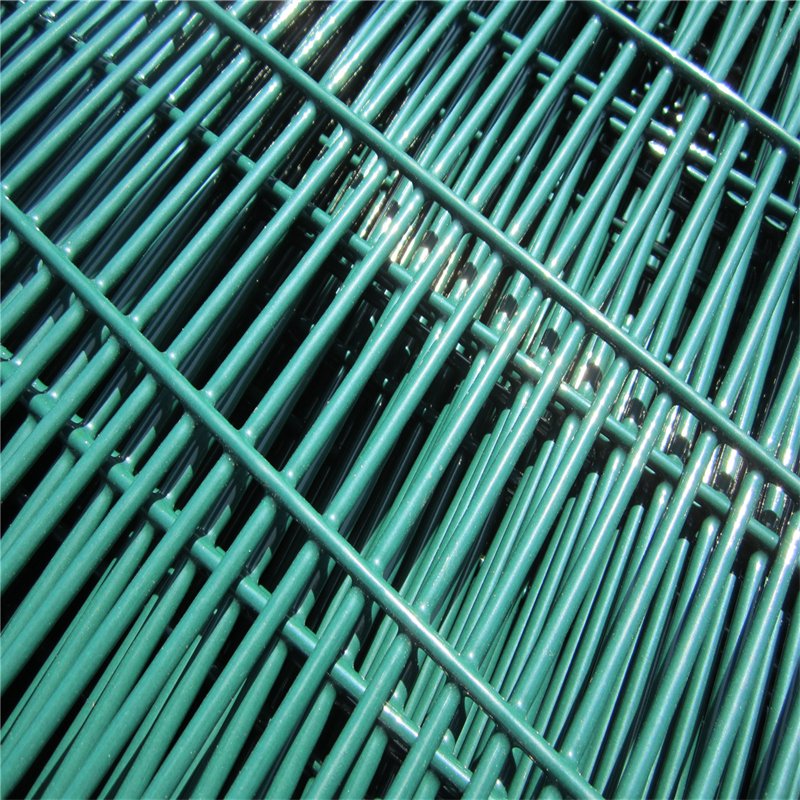
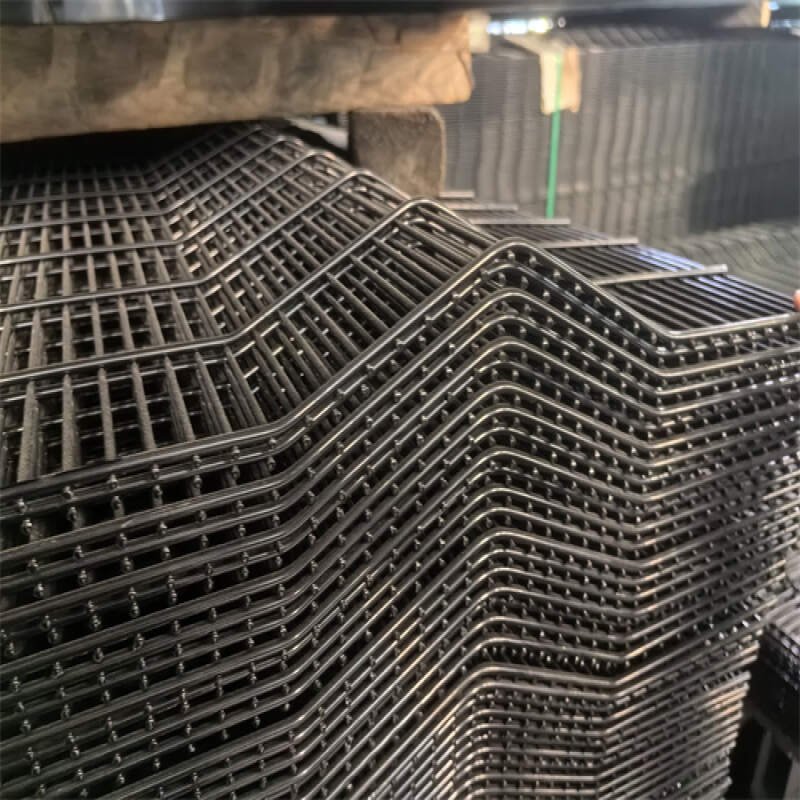
Horizontal wires commonly form the tighter 12.7 mm pitch in 358 panels. Vertical wires create the wider approximately 76.2 mm pattern. This arrangement helps deny convenient climbing holds while maintaining useful visibility. Buyers should distinguish traditional flat security panels from designs with V-shaped stiffening bends.
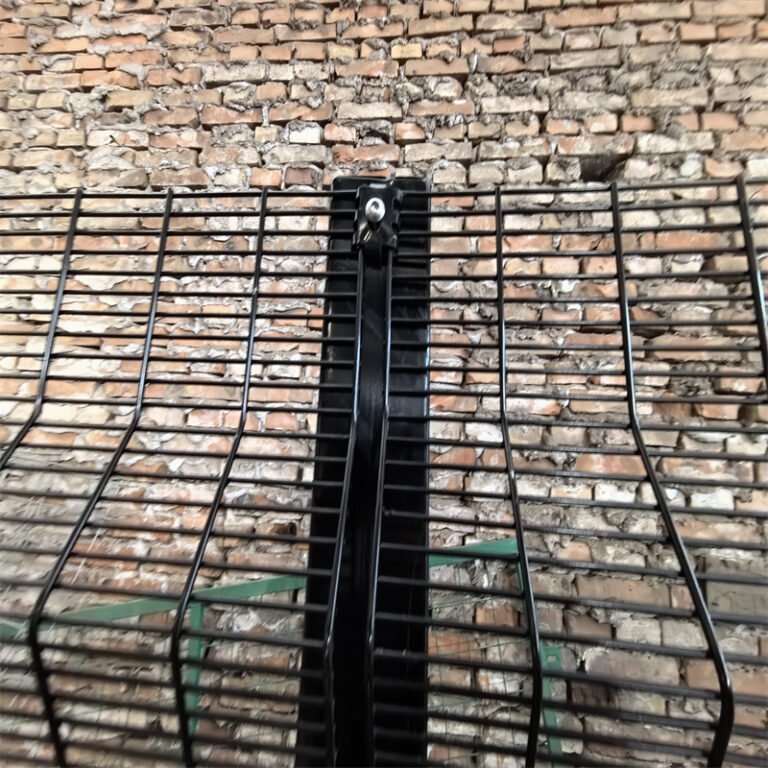
Some Clearvu Fence Panels incorporate bends for stiffness or a particular appearance. However, bends can affect cable routing, clamps, and viewing angles. Confirm the bend location and depth before approving a surveillance-sensitive boundary. The Clearvu Fence Panels range offers different panel choices.
An anti climb fence order should state weld alignment, panel flatness, edge condition, and acceptable dimensional variation. Inspect sample panels before committing to large manufacturing runs.
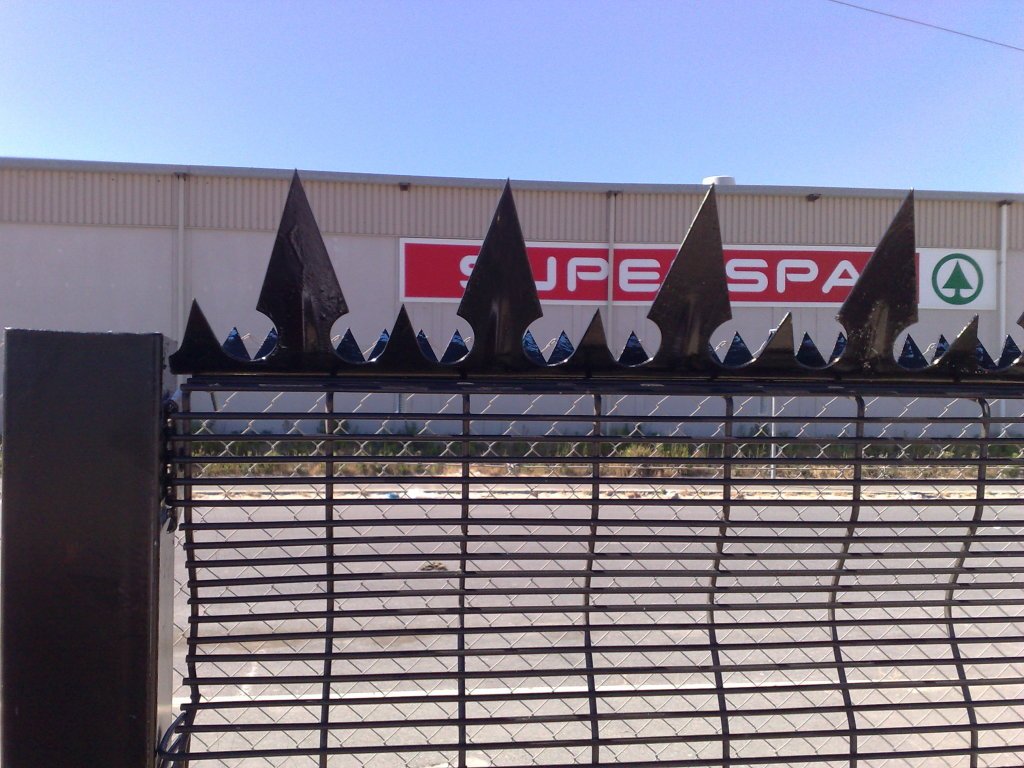
Castle Spikes on ClearVu Fence Spar
anti climb fence posts and security fixings
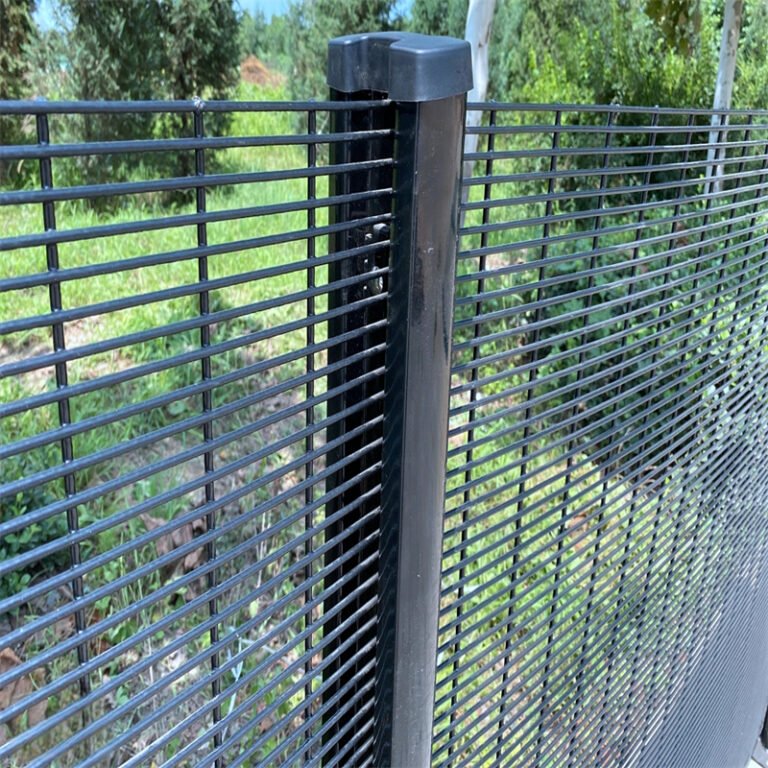
Posts carry lateral forces from the mesh into the foundations. The Clearvu Fencing Post selection includes different profiles for specific fixing systems. Square and rectangular posts suit many standard layouts. An Clearvu Fencing IPE Post introduces different flange and drilling requirements.
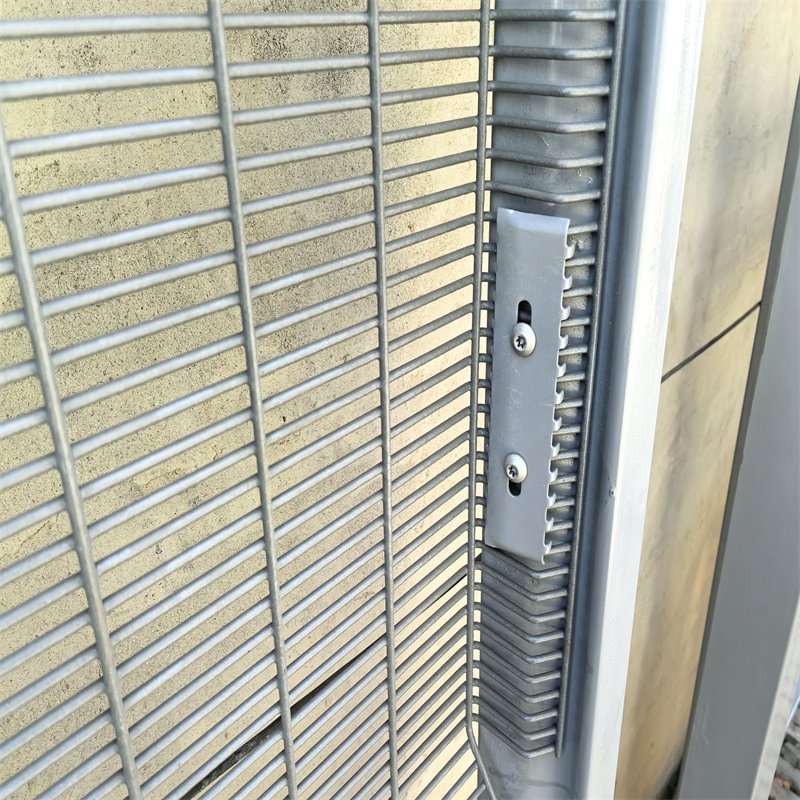
An anti climb fence may use a continuous flat bar or individually spaced metal clamps. Choose Clearvu Fence Clamps that match the post face and wire positions. Bolts need suitable strength, coating, and tamper-resistant features where the site requires them.
Corner posts, ends, and gate supports can need different holes or clamp quantities. Contractors should schedule these positions separately rather than ordering identical posts for every location. The Clearvu Fence Posts selection provides further profile choices. Pair each profile with compatible Clearvu Fence Clamps before production.
Foundations, finished heights and real bay spacing
A panel width does not automatically equal the distance between neighbouring post centres. Fixing overlaps, panel edges, and clamp geometry change the effective bay width. The installation drawing must show these relationships before workers set out foundations.
Finished height differs from overall post length. An embedded post needs allowance below ground, while a base-plated post needs suitable anchors. Soil bearing capacity, local wind exposure, and nearby excavation affect the foundation design. Engineering review becomes especially important for tall panels and weak ground.
For an anti climb fence on sloping terrain, choose a stepped layout or an approved custom panel geometry. Inspect the ground clearance at each step. Excessive bottom gaps can undermine a carefully designed upper boundary.
anti climb fence coating systems and corrosion control
Protective finishes should match the installation environment and expected maintenance programme. Pre-galvanised wire with powder coating suits some projects. Another approach galvanises complete fabricated steel components after welding. Compatible duplex systems can combine zinc protection with an organic topcoat.
An anti climb fence near the ocean needs careful attention to salt exposure, damaged edges, and coating continuity. Inland installations can face industrial pollution, condensation, and drainage problems instead. Specify inspection methods and acceptance limits rather than vague promises of permanent corrosion resistance.
ISO 1461 addresses batch hot-dip galvanising of fabricated steel articles within its scope. It does not automatically certify continuously galvanised wire or welded mesh products. The Clearvu Fencing Specifications collection outlines several finish options. Buyers should request the actual coating standard and test documents for their chosen process.
Coastal, inland and industrial project decisions
Marine exposure can accelerate deterioration at scratches, cut ends, fasteners, and joints. A coastal project may justify stronger zinc protection and an appropriate secondary coating. Drainage and inspection access remain important regardless of the selected finish.
Factories often face other conditions, including chemical splashes, dust, vehicle contact, and repeated gate movement. Schools and residential estates may prioritise smooth edges, appearance, and safe separation from public areas. Evaluate the site first, then choose mesh height, coatings, and gate layouts.
An anti climb fence near public walkways also needs careful topping selection. Sharp additions can create unacceptable risks or violate local rules. Use qualified designers and check applicable permissions before approving security spikes or electric equipment.
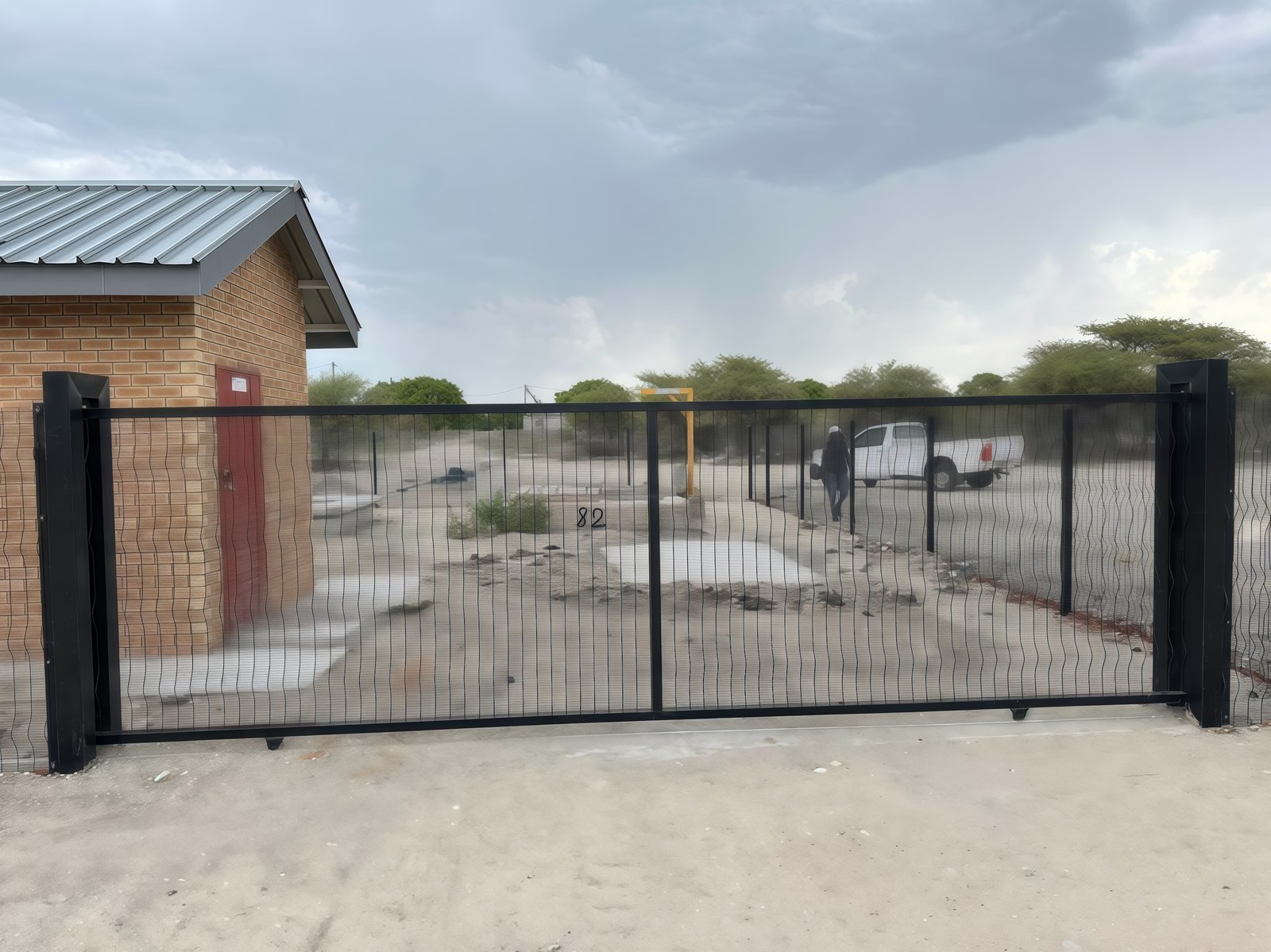
Close security mesh requires compatible posts, clamp positions, and protected steel surfaces.
anti climb fence gates and access control
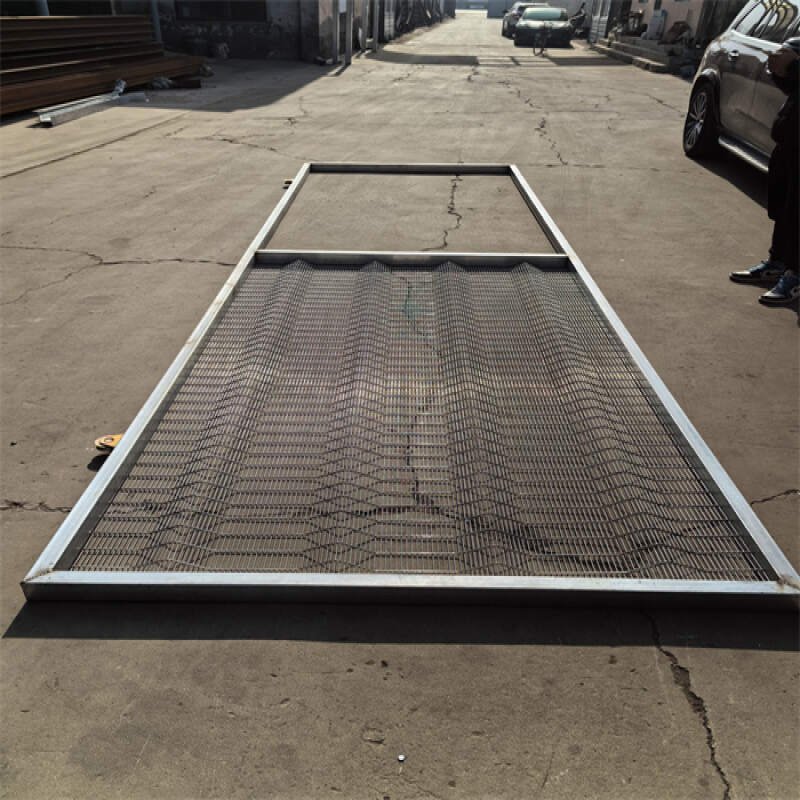
Gates often receive more daily stress than the straight fence line. Hinges, locks, motors, and stopping points need separate engineering attention. A Clear View Fence Gate can maintain the same mesh appearance across pedestrian and vehicle entrances.
For an anti climb fence, the gate leaf should match the required finished height and security grade. Ensure the lower gap remains appropriate throughout its operating arc. A sliding entrance also needs space for travel, guides, and safety equipment.
Common Clearvu Gates configurations include pedestrian and vehicle access options. Specify clear opening, overall gate dimensions, post sections, and locking arrangements separately. Do not assume standard intermediate fence posts can carry gate loads.
CCTV visibility and perimeter detection
Close mesh creates a physical boundary without the visual blockage of a solid wall. Guards can often observe movement along roads, storage yards, and utility corridors. However, camera performance depends on lens choice, illumination, weather, vegetation, and viewing angles.
A monitoring plan should identify blind corners and gate approaches before installation. Confirm cable routes and detector supports without weakening the mesh or its fixings. Use High Security Clear View Fencing where the project calls for narrow openings and monitored boundaries.
An anti climb fence delays some physical attacks, while alarms help teams detect activity. Neither system replaces suitable personnel response, maintenance, and clear access procedures.
anti climb fence installation and handover sequence
Start with the site survey and identify underground services. Mark corners, openings, post centres, and changes in level. Verify foundation drawings before excavation. Align posts, confirm verticality, and allow concrete to reach the required strength.
Install panels without forcing the mesh into unsuitable gaps. Tighten the correct clamps and check the full line for loose fittings. Protect coated parts during handling, especially around post caps and panel edges. Inspect the anti climb fence before transferring responsibility to the site operator.
Handover records should include as-built dimensions, coating repairs, gate checks, and accessory counts. Photograph any agreed deviations. A detailed record saves time when the owner orders future extension panels.
Factory inspection, weld testing and delivery checks
Before dispatch, measure wire diameter, mesh pitch, panel size, and relevant tolerances. Inspect intersections for visible cracks, missing welds, and obvious distortion. Check posts for correct lengths, drilled holes, and coating defects. Keep inspection results alongside approved drawings.
Do not treat the term 358 as proof of an independent security rating. Formal resistance claims require an applicable test method and matching assembly documentation. A buyer should confirm whether any test covers the entire installed system or only a component.
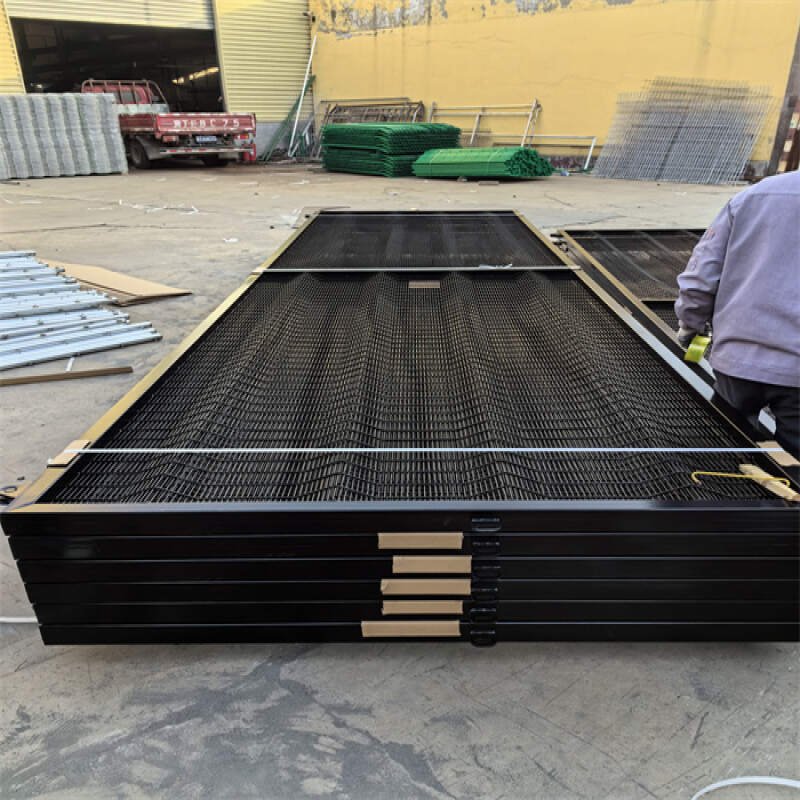
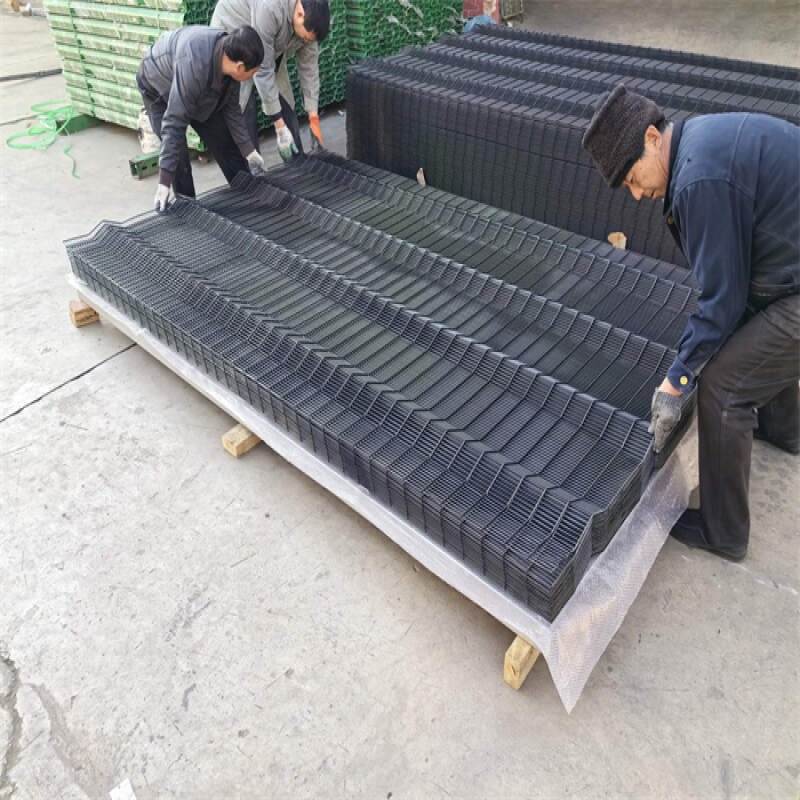
An anti climb fence shipment needs clear packing labels for panels, posts, clamps, and bolts. Protective metal pallets, edge guards, and suitable wrapping can reduce transport damage. Check container limits and unloading equipment before confirming the packing plan.
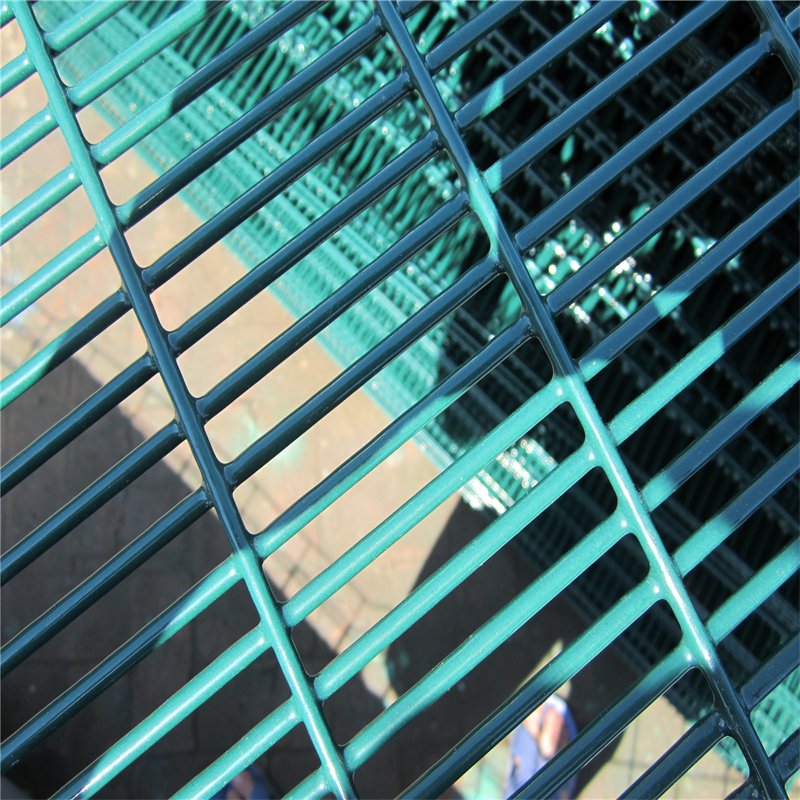
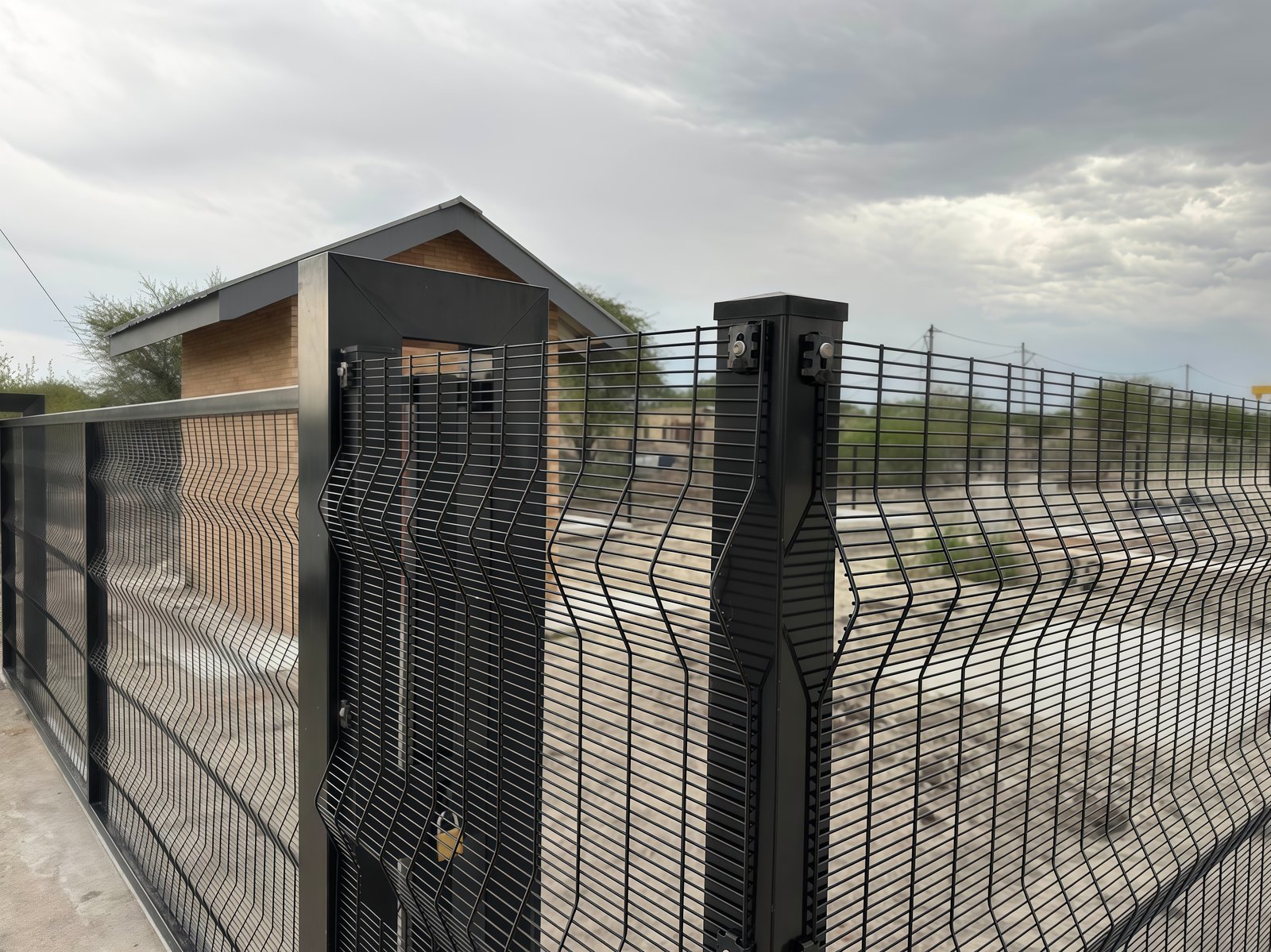
Inspect welded intersections, wire spacing, and the coating before accepting finished security panels.
anti climb fence applications by property type
Power plants and substations need controlled access around sensitive equipment. Airports, logistics centres, and oil facilities often combine fencing with surveillance and patrol routes. Factories and warehouses may focus on loading areas, vehicle entrances, and overnight monitoring.
Schools, hospitals, and residential developments require a different balance of security and everyday access. An anti climb fence can provide useful visibility without creating an opaque boundary. Designers should consider emergency evacuation, landscaping, and public safety before finalising the layout.
Other projects may choose a Clearvu Fence for restricted areas or sensitive equipment. A Clearvu Fencing system can also combine panels with appropriate supporting components. Select the final grade through a documented risk assessment.
Security toppings and responsible design
Additional toppings may provide visible deterrence where local regulations allow them. Razor Coils can occupy a separate approved upper support arrangement. Their design requires adequate clearance, suitable brackets, and maintenance procedures.
Electric fencing needs competent electrical design and compliant warning arrangements. An anti climb fence should never carry improvised live conductors or unsupported sharp additions. Check public access risks, adjoining land uses, and emergency escape requirements before selecting a topping.
anti climb fence quantity planning and RFQ details
Panel counts start with the usable bay width, not simply the catalogue panel dimension. For example, 100 metres divided by 2.5 metres gives 40 theoretical bays. A single straight run with 40 bays has 41 theoretical post positions. Gates, overlaps, corners, and real post centres can change this estimate.
An anti climb fence quotation should list all openings and changes in direction. Specify wire orientation, post sections, coating method, fixing quantities, and the required packing arrangement. Ask suppliers to identify exclusions rather than comparing only a panel price.
BMP can discuss coordinated fence assemblies, including panels, posts, clamps, and gate components. Confirm the written product warranty and any required inspection certificates for the final configuration. A complete bill of materials reduces delays and unexpected installation costs.
Questions buyers ask before approval
Does 75 × 12.5 mm mean the visible hole size? Not necessarily. Confirm centre-to-centre pitch and wire diameter on the drawing.
Are 75 × 25 mm panels also traditional 358 mesh? No. The larger short pitch represents a different welded mesh format.
Can an anti climb fence use powder coating? Yes. Choose a compatible preparation and coating system for the actual exposure.
Does a 2.5 metre panel create a 2.5 metre post spacing? Not automatically. Panel overlaps and fixing geometry control the finished bay.
Is every high-security mesh independently certified? No. Request relevant test reports whenever the project specifies a formal rating.
Choose an anti climb fence through measurable technical requirements, not absolute marketing claims. A coordinated system delivers more dependable performance than unmatched components or assumptions.