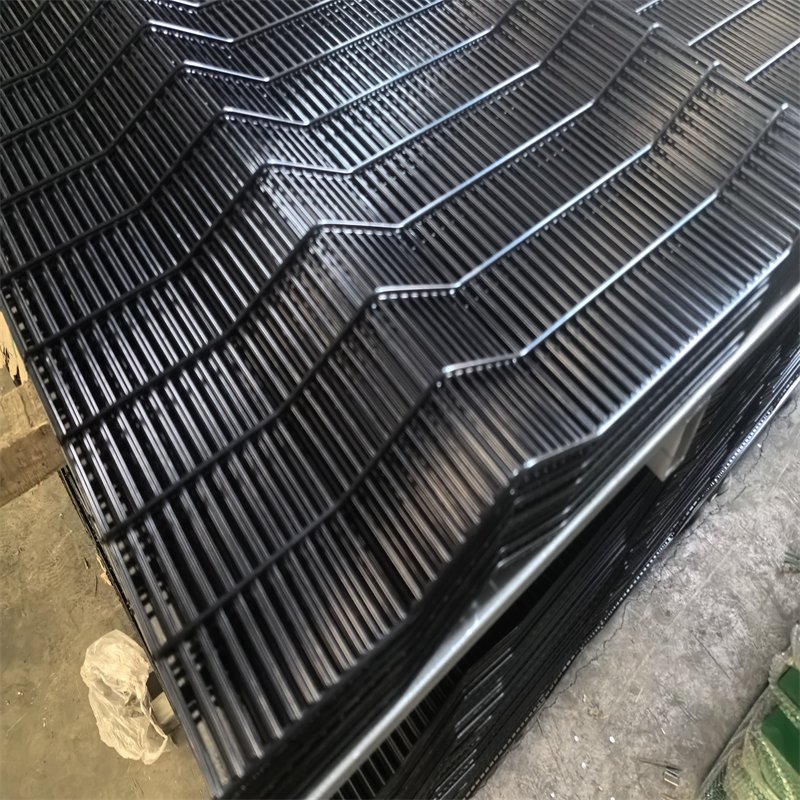
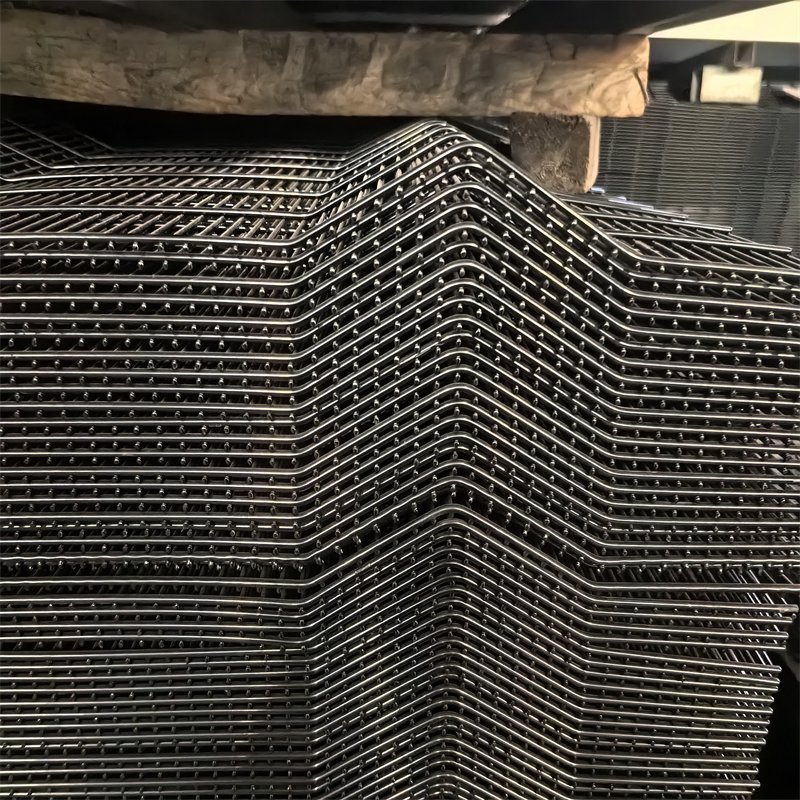
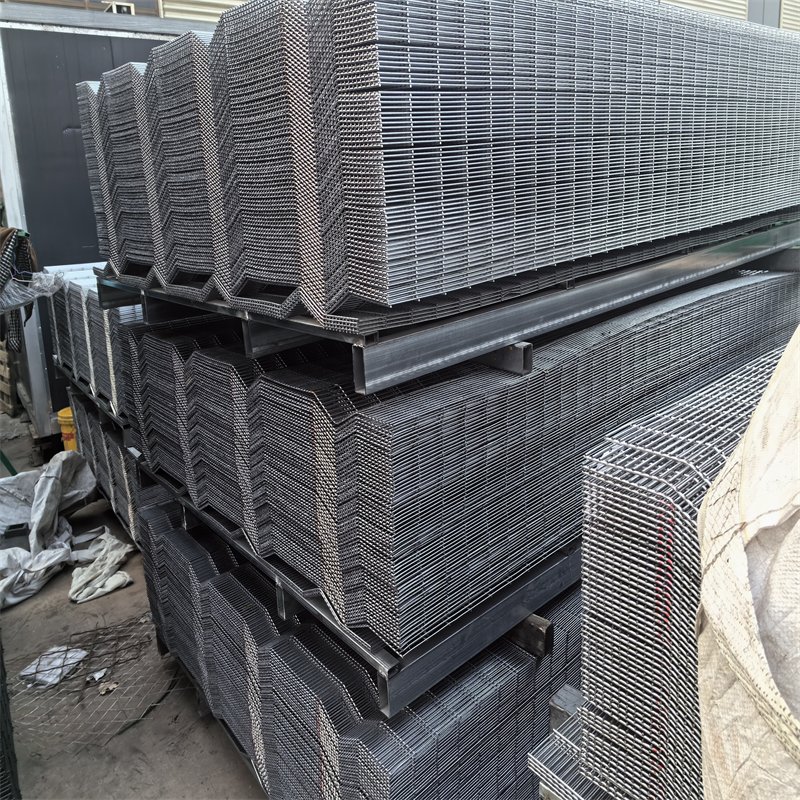
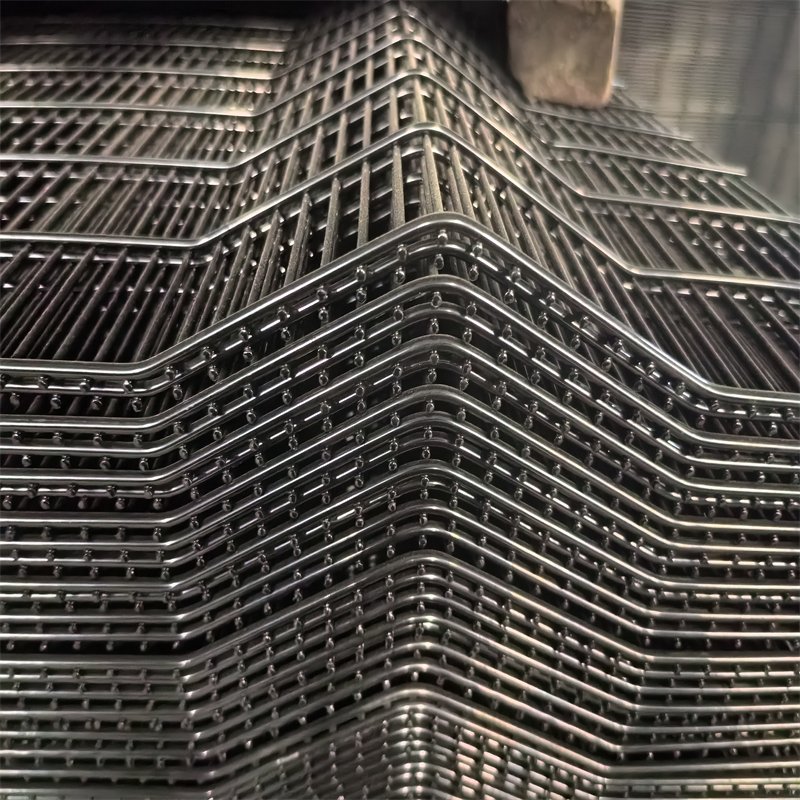
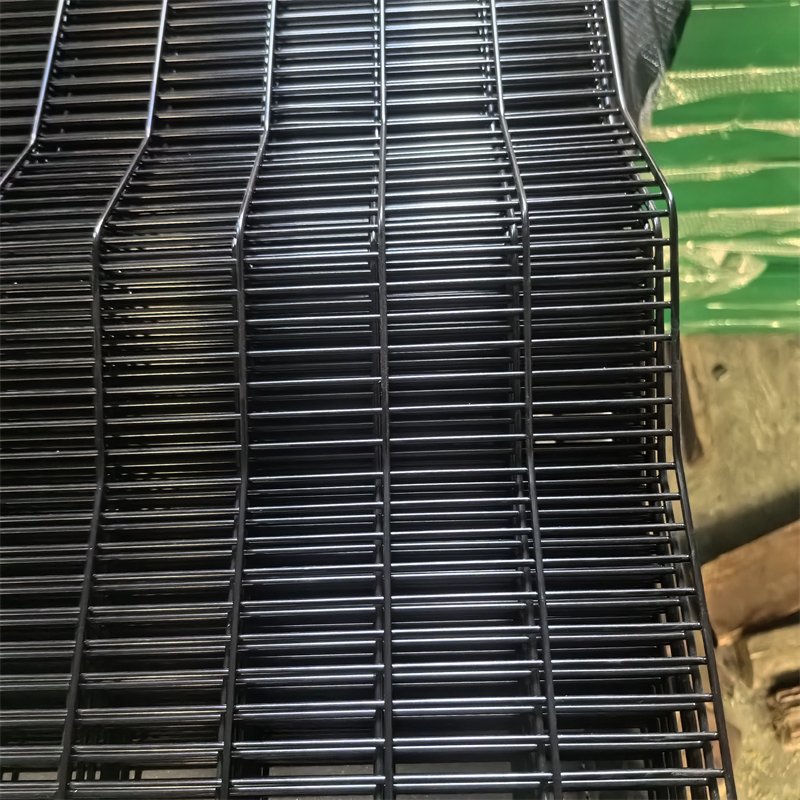
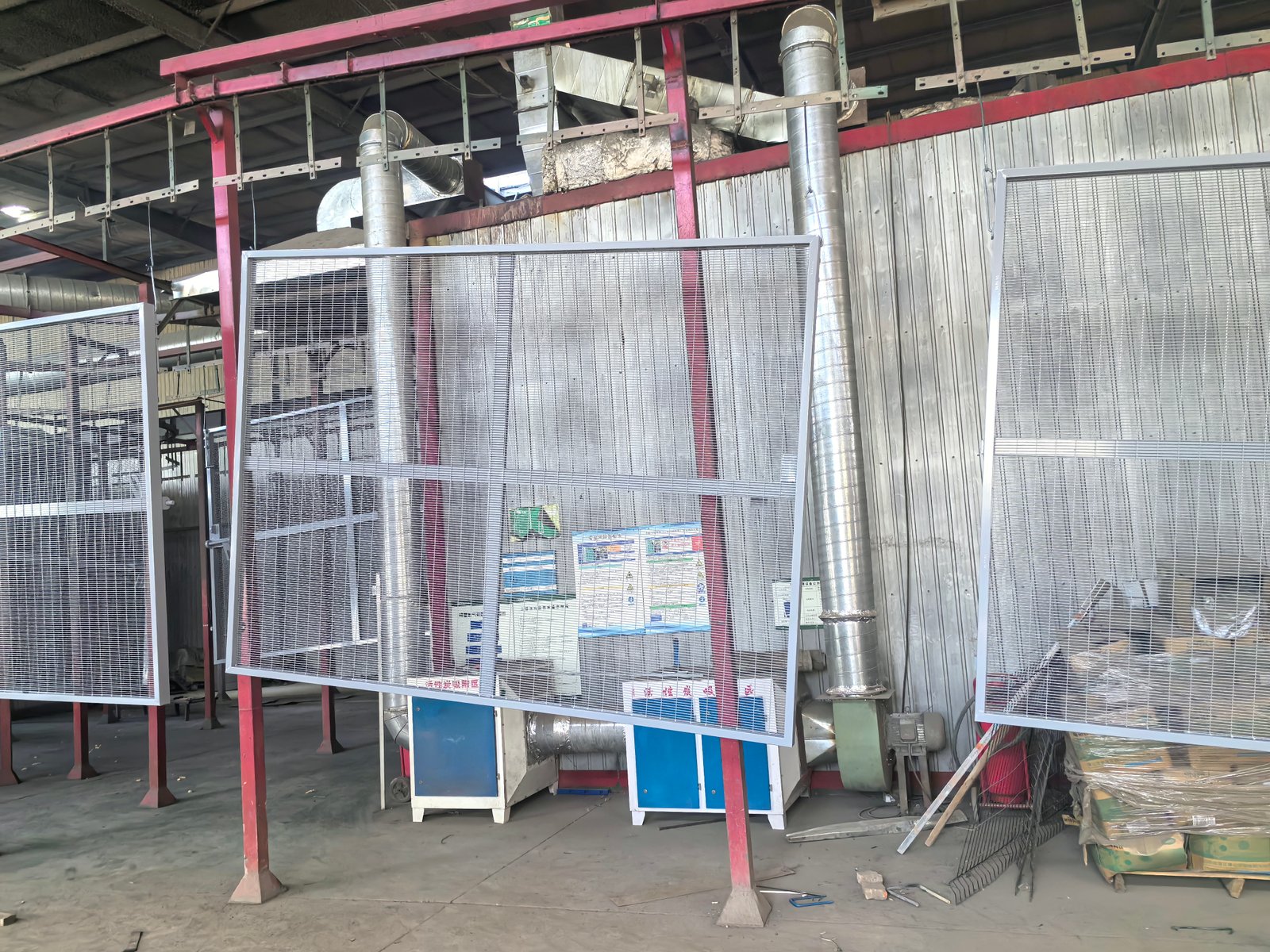
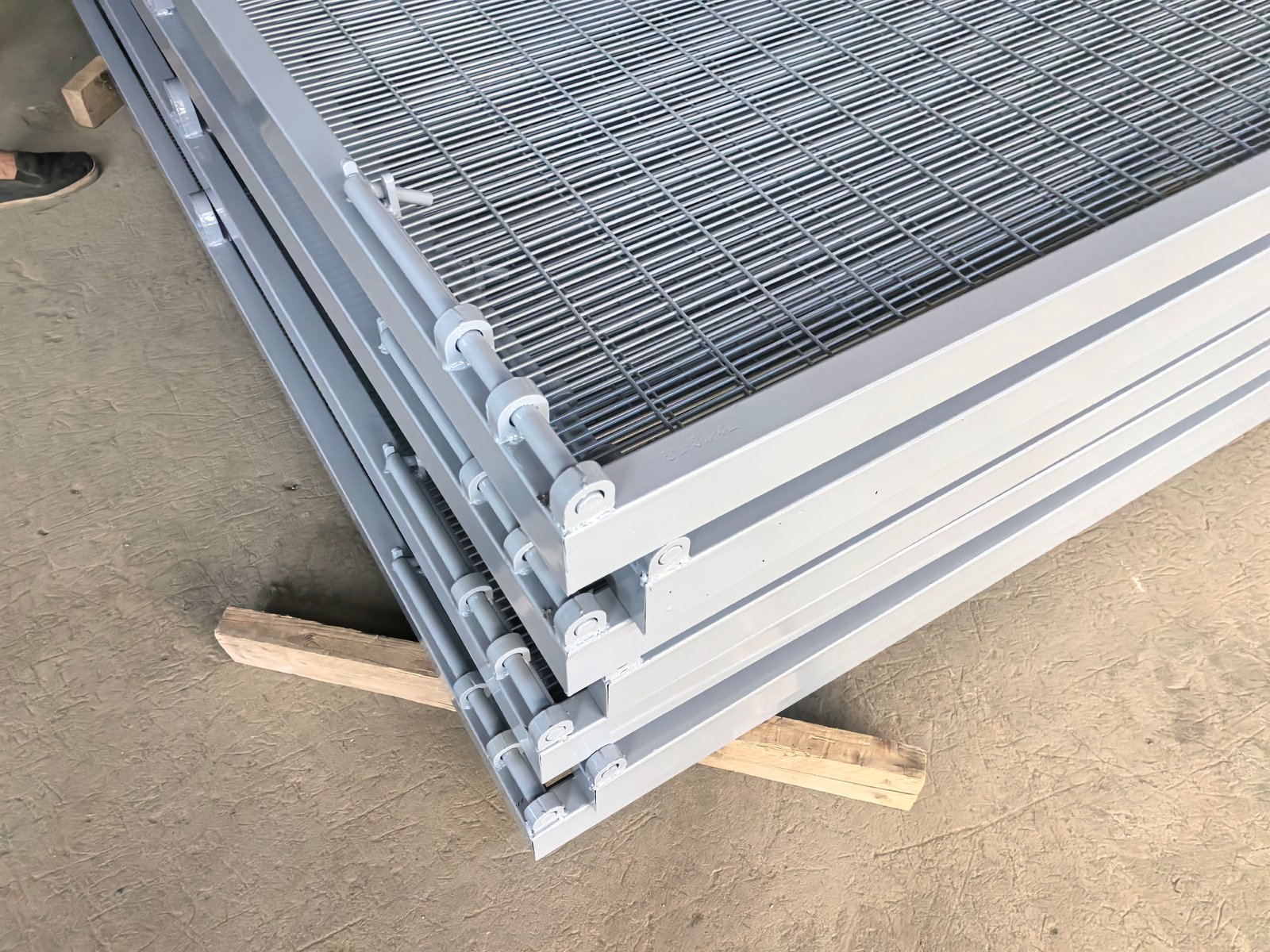
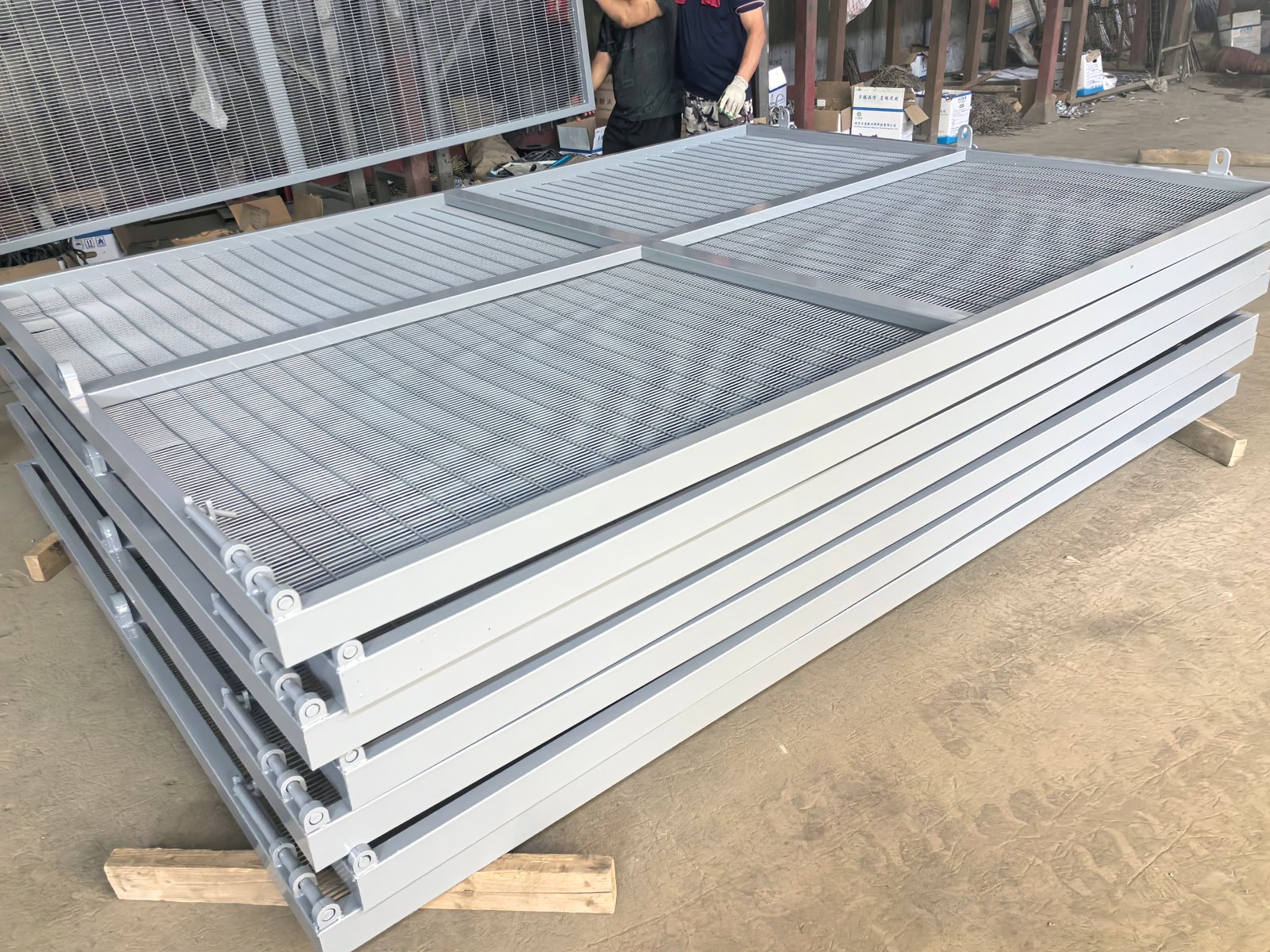
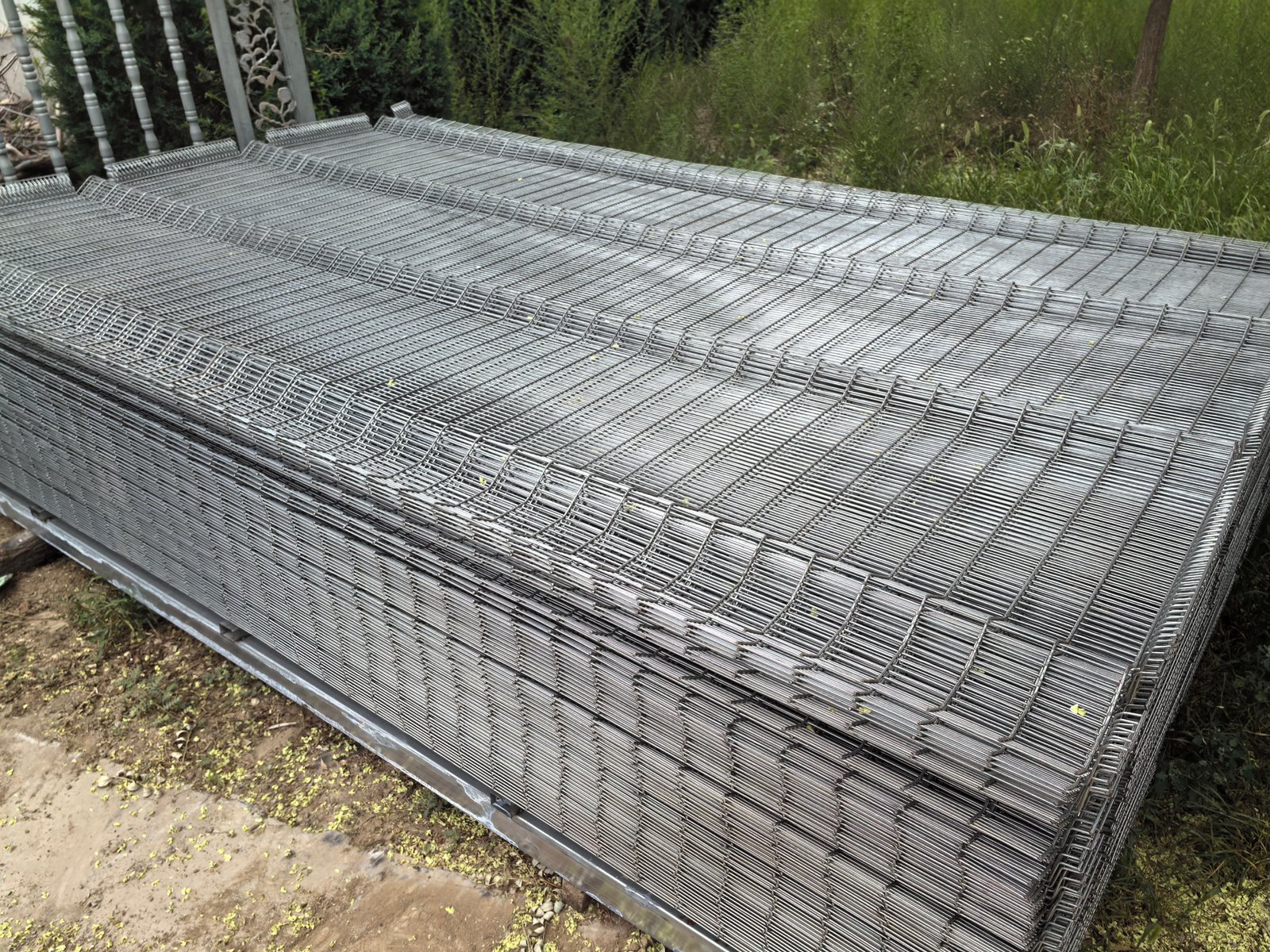
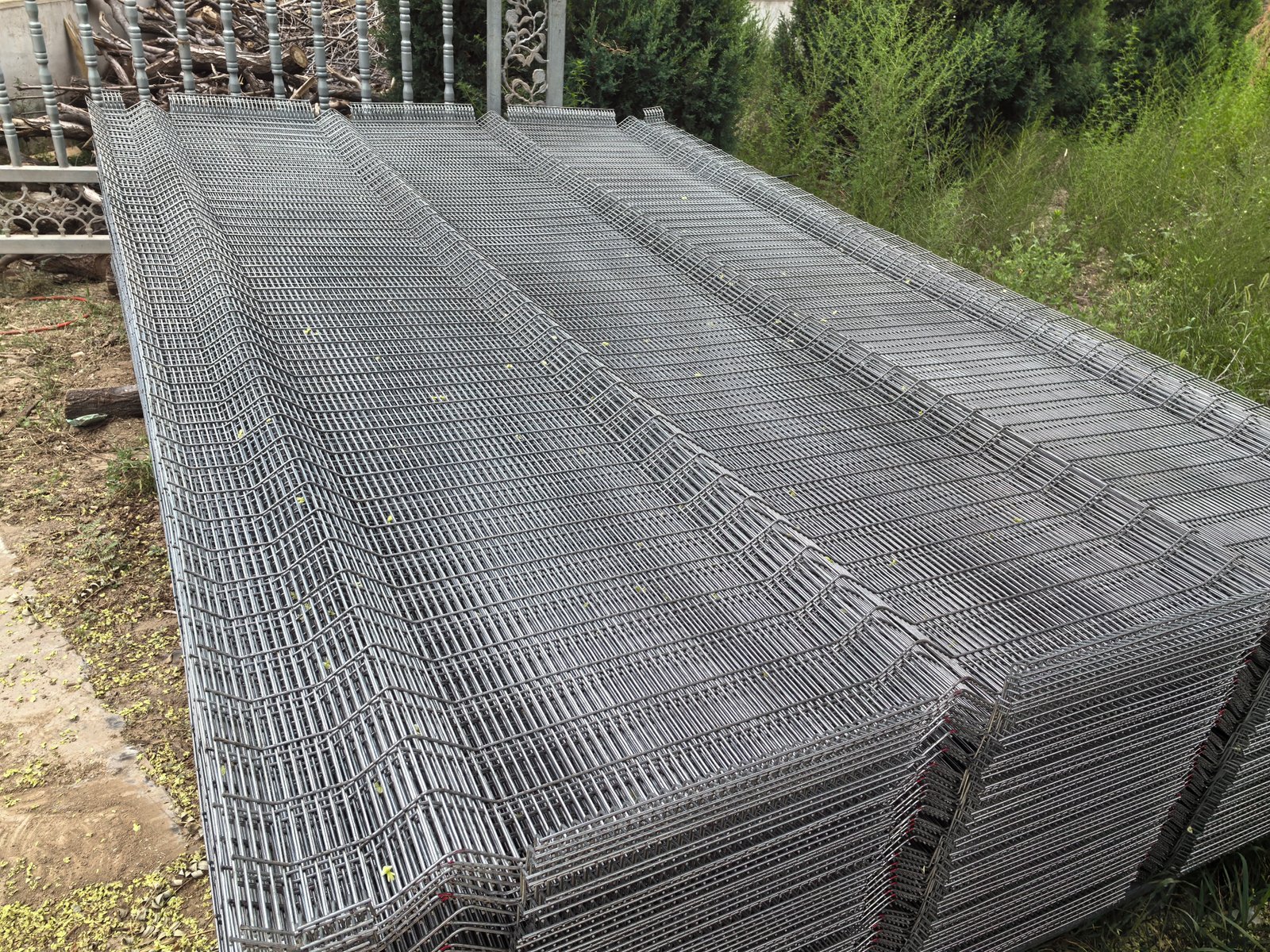
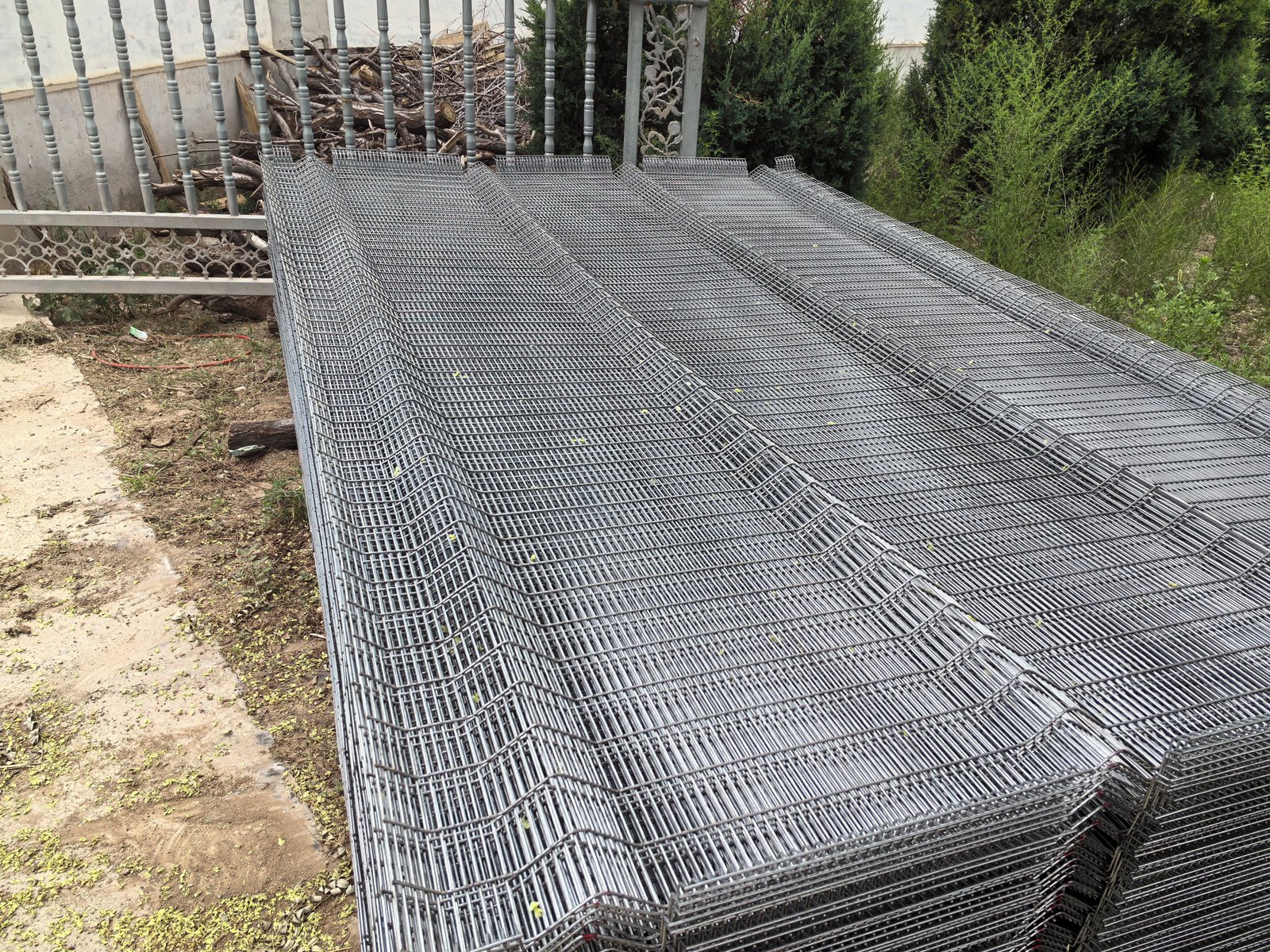
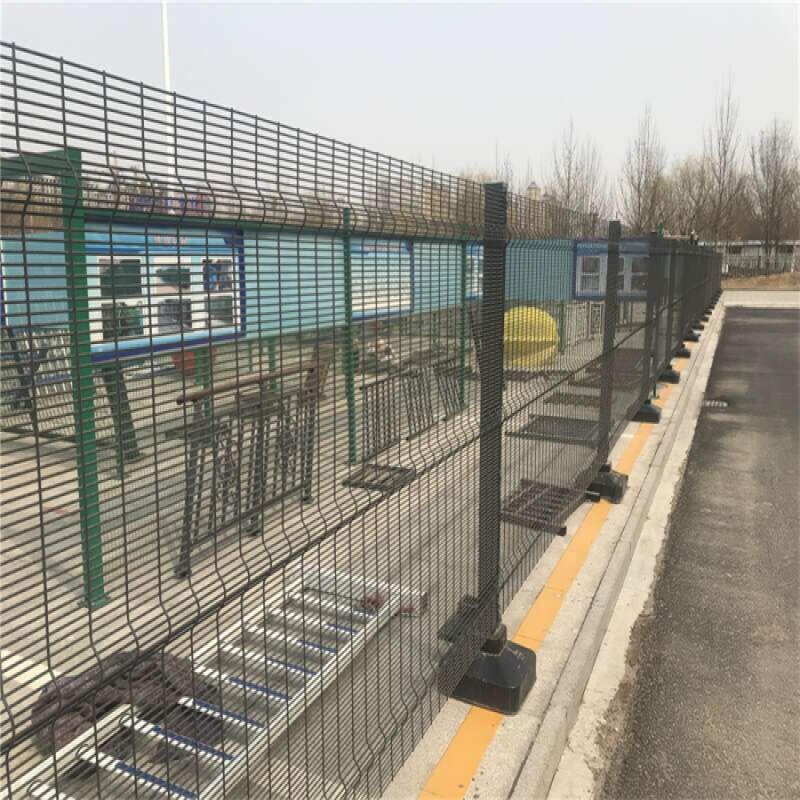
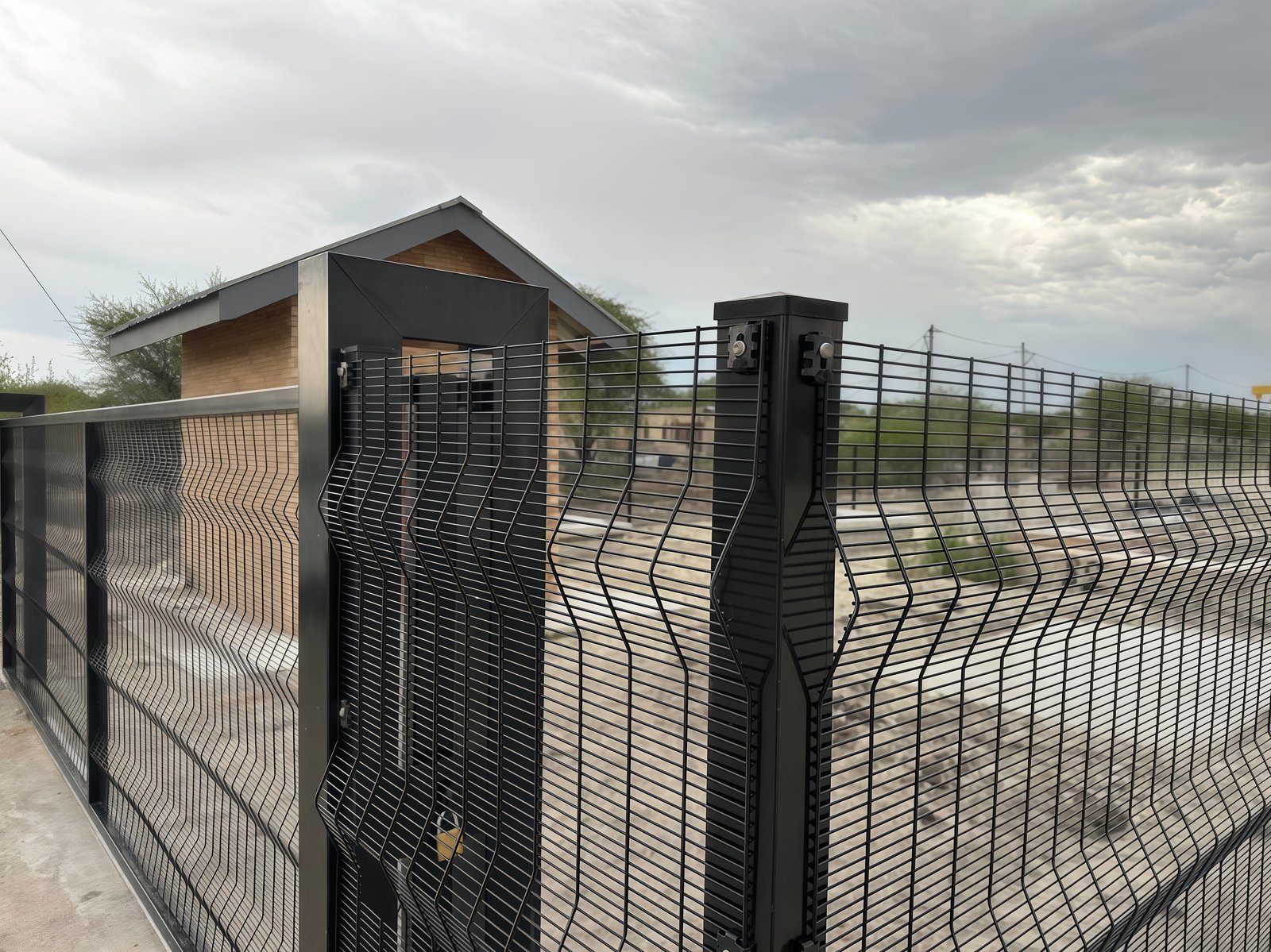
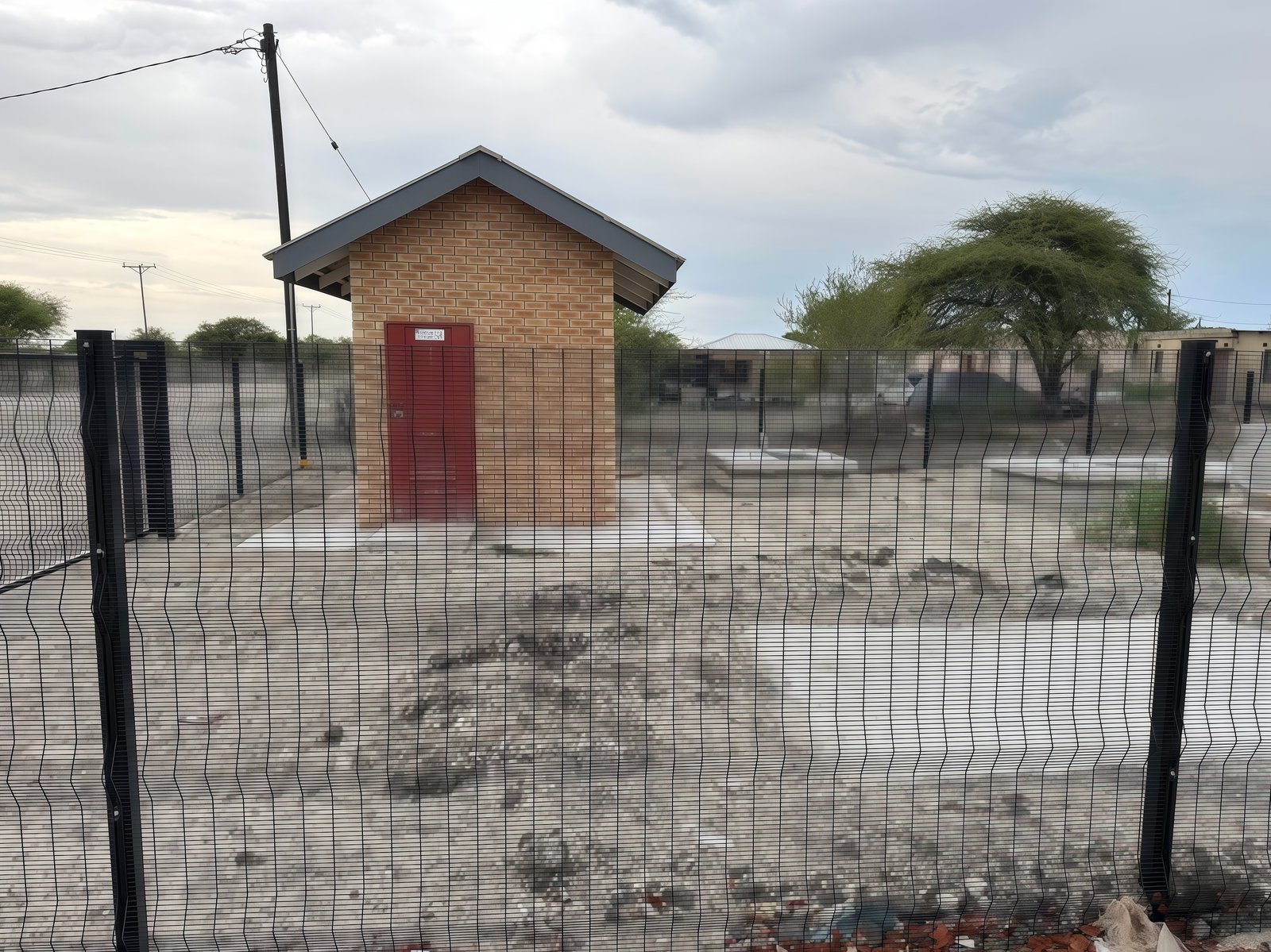
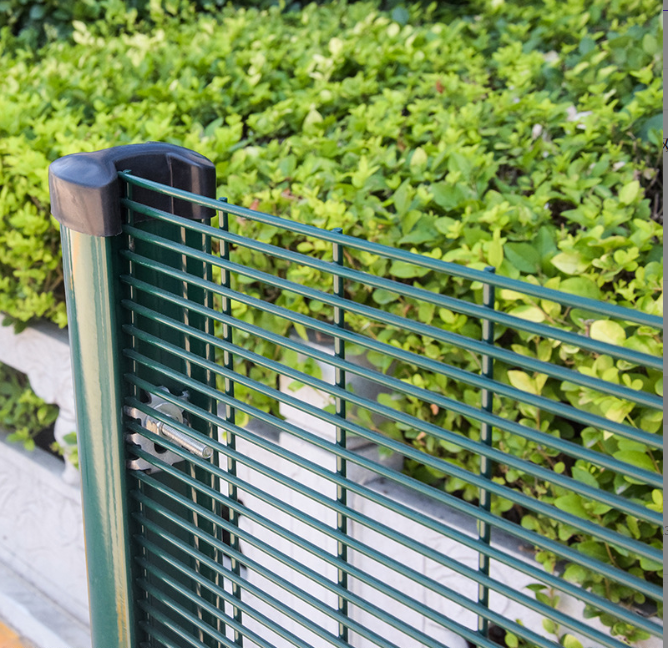
Description Cochrane Clearvu fencing attracts attention for its narrow welded mesh and open appearance. Cochrane Global developed ClearVu as a branded perimeter security system. Its dense mesh discourages climbing while supporting observation along a boundary. Buyers also compare similar 358 welded mesh systems from independent manufacturers, including BMP. The systems may share dimensions without sharing identical engineering, testing, or branding.
Security planners should examine complete fence assemblies rather than mesh panels alone. Post design, installation quality, fittings, coatings, and gates all influence actual performance. Residential estates, warehouses, utilities, and restricted facilities need different levels of protection. This guide explains reference specifications and practical procurement decisions for South African and export projects.
Cochrane Clearvu fencing and 358 mesh explained
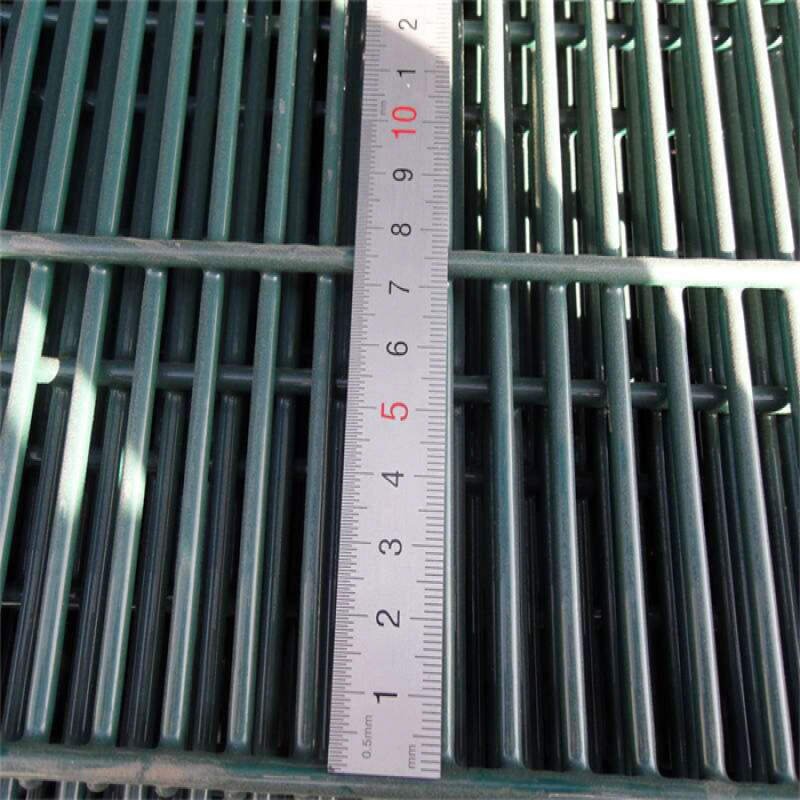
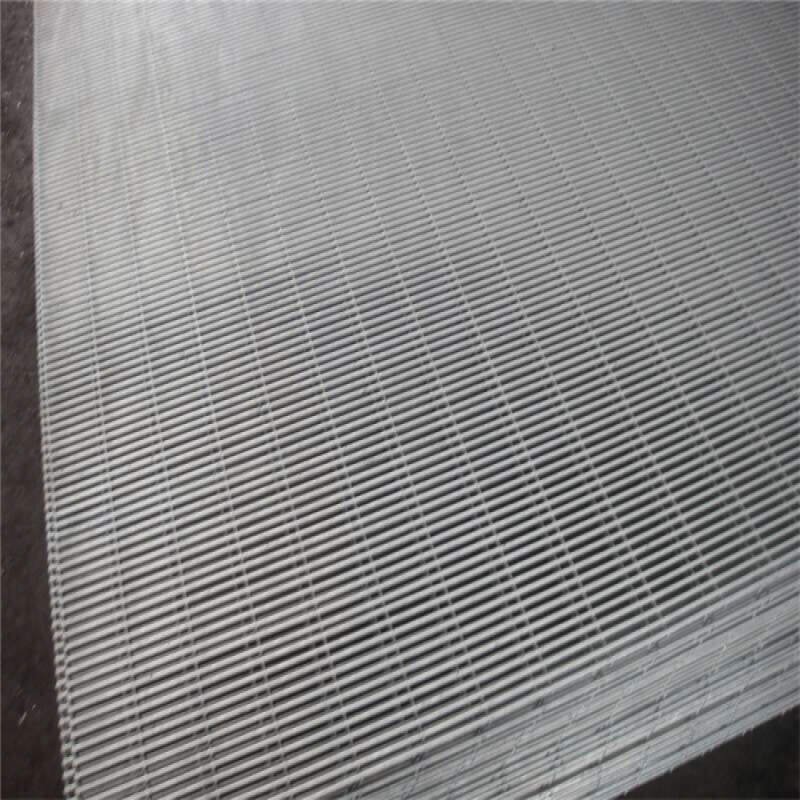
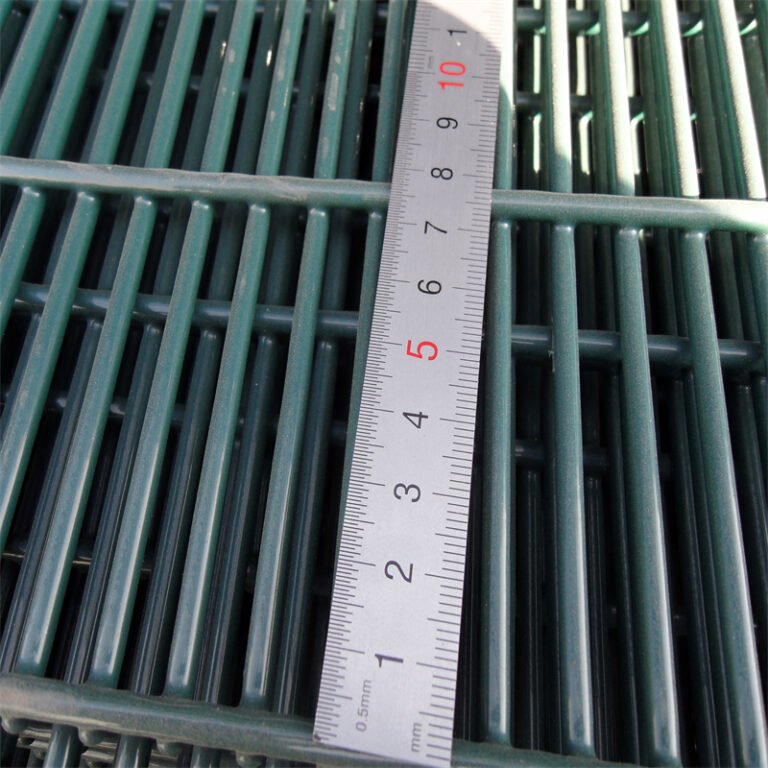
ClearVu identifies Cochrane's branded fence range. The expression 358 describes a common welded mesh geometry. Its three numbers represent three inches, half an inch, and approximately eight-gauge wire. Metric reference dimensions measure 76.2 × 12.7 mm, with approximately 4 mm wire.
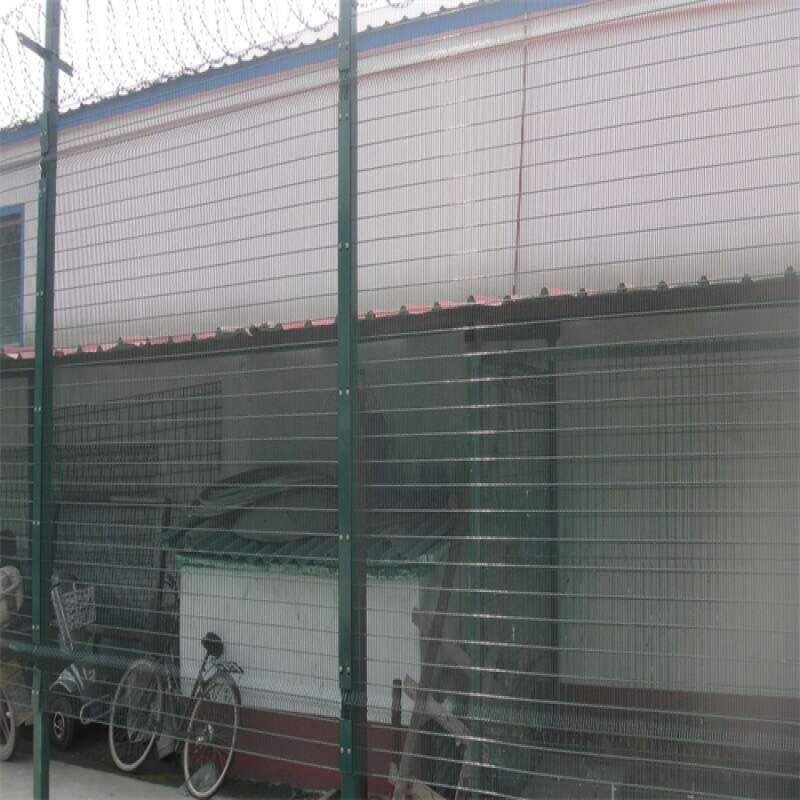
The narrow gap offers few useful fingerholds or footholds. Welded intersections support panel stability under normal service loads. Guards can also view movement through the mesh from suitable observation positions. These properties make High Security Clear View Fencing relevant to monitored boundaries.
A typical 358 panel has a tighter opening than Medium Security Clear View Fence systems. Wider apertures can suit lower-risk sites that prioritise airflow and visibility. A Low Security Clear View Fence configuration serves different design priorities.
How the 358 mesh aperture works
Closely spaced wires restrict access for many conventional hand tools. However, specialised cutting equipment can still damage steel mesh. Security teams should consider attack delay, surveillance response, and access control together. The overall system must match the site's specific risk assessment.
Wire diameter affects bending resistance, mass, and visibility. The 358 Mesh family includes several heights and installation arrangements. A thin-wire alternative should not automatically inherit a thicker panel's performance claims.
Cochrane Clearvu fencing performance considerations
Welded mesh helps create a clear boundary without the visual weight of solid walls. Dense mesh discourages casual climbing and slows some intrusion attempts. Secure posts and tamper-resistant fittings help prevent panel removal. Regular inspection also detects corrosion, loose fittings, and accidental impact damage.
Fence security depends on perimeter continuity and weak-point management. Gates, corners, slopes, and drainage crossings deserve particular attention. An effective project includes lighting, observation, access management, and emergency routes. No perimeter fence alone guarantees absolute protection.
Visibility, surveillance, and access control
Mesh visibility helps guards observe activity through a perimeter. Camera placement should account for lighting, viewing angles, and nearby landscaping. Wide gates and loading entrances can create different surveillance challenges. Position detection equipment according to a complete security plan.
Designers should choose finishes that balance visibility and site appearance. Dark coatings often reduce visual contrast under certain viewing conditions. Their performance still depends on surrounding light and background colours.
Cochrane Clearvu fencing panel specifications
The following table reproduces the supplied reference dimensions for comparable mesh panel configurations. It does not establish Cochrane's current proprietary manufacturing specification. Buyers should confirm drawings, wire tolerances, and approved components before placing any order.
Reference welded mesh panel configurations
| Panel height |
Panel width |
Mesh centres |
Wire diameter |
Horizontal bands |
Edge flanges |
Through bolts |
| 1800 mm |
3305 mm |
76.2 × 12.7 mm |
3 / 3 mm |
4 × 50 mm deep V |
2 × 70° × 75 mm + 2 × 30°, or 2 × 90° × 50 mm |
Included |
| 2000 mm |
3305 mm |
76.2 × 12.7 mm |
3 / 4 mm |
4 × 50 mm deep V |
2 × 70° × 75 mm + 2 × 30°, or 2 × 90° × 50 mm |
Included |
| 2100 mm |
3305 mm |
76.2 × 12.7 mm |
4 / 4 mm |
4 × 50 mm deep V |
2 × 70° × 75 mm + 2 × 30°, or 2 × 90° × 50 mm |
Included |
| 2400 mm |
3305 mm |
76.2 × 12.7 mm |
Custom |
4 × 50 mm deep V |
2 × 70° × 75 mm + 2 × 30°, or 2 × 90° × 50 mm |
Included |
| 3000 mm |
3305 mm |
76.2 × 12.7 mm |
Custom |
4 × 50 mm deep V |
2 × 70° × 75 mm + 2 × 30°, or 2 × 90° × 50 mm |
Included |
Panel width influences post spacing, transportation plans, and site handling. Deep V bands and return flanges provide additional shape rigidity in selected designs. Flat mesh and folded mesh require different support calculations. Clearvu Fence Panels can therefore vary across security levels and project drawings.
Understanding wire diameter and panel rigidity
A 3 / 3 mm wire specification differs substantially from 4 / 4 mm wire. Thicker wire increases material mass and usually improves resistance to deformation. Steel grade, weld integrity, and mesh orientation also influence performance. Request test records for any security rating or structural claim.
Engineers should review tall panels against wind and impact loads. A strong panel cannot compensate for weak posts or undersized foundations. Custom dimensions need structural verification before manufacturing begins.
Cochrane Clearvu fencing post dimensions
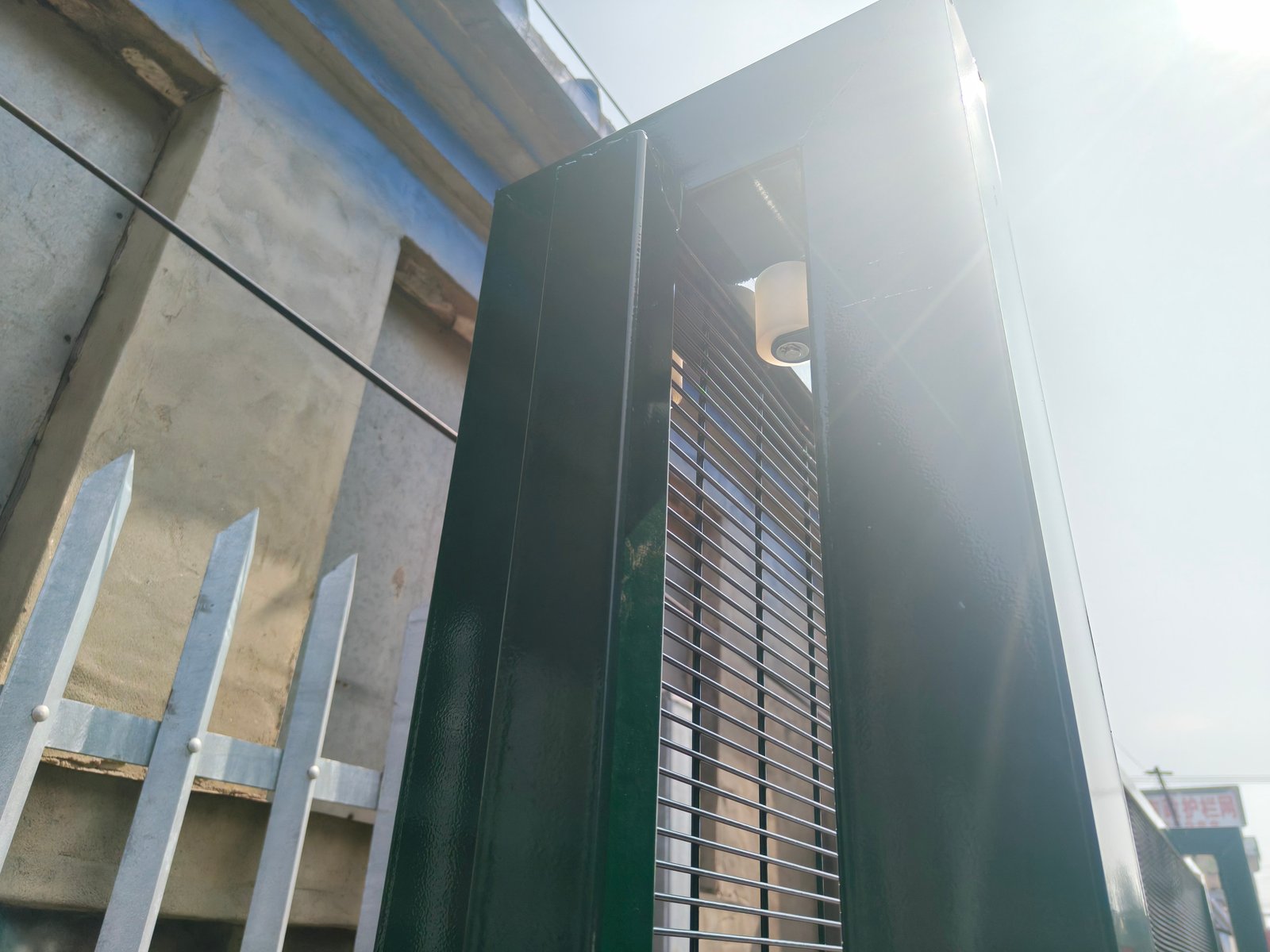
Posts transfer panel loads into concrete foundations or suitable structural supports. Tapered profiles combine a broad connection face with a narrower section. Alternative square profiles may suit standardised production and simpler site handling.
Reference post sizes supplied with the original product information
| Panel height |
Post length |
Post profile alternatives |
Locking recess |
Polymer cap |
Original finish description |
| 1.8 m |
2.4 m |
85 × 45 × 85 mm or 150 × 75 × 150 mm taper |
Included |
Included |
Galvanised with Alu coating |
| 2.0 m |
2.6 m |
85 × 45 × 85 mm or 150 × 75 × 150 mm taper |
Included |
Included |
Galvanised with Alu coating |
| 2.1 m |
2.7 m |
85 × 45 × 85 mm or 150 × 75 × 150 mm taper |
Included |
Included |
Galvanised with Alu coating |
| 2.4 m |
3.0 m |
85 × 45 × 85 mm or 150 × 75 × 150 mm taper |
Included |
Included |
Galvanised with Alu coating |
| 3.0 m |
3.6 m |
85 × 45 × 85 mm or 150 × 75 × 150 mm taper |
Included |
Included |
Galvanised with Alu coating |
The source uses the abbreviated finish description “Alu.” Confirm its exact meaning and coating specification before ordering. Post length alone does not establish sufficient embedment depth. Ground conditions and local structural requirements govern foundation design.
Clearvu Fencing Post options include different fixing arrangements. A separate Clear View Fence Post design may suit other mesh widths. Nigerian projects can also use Clearvu Fence Posts within a compatible system.
Tapered posts and structural loads
Post profiles must resist bending from wind, gate movement, and foreseeable contact. Tall fences usually require larger sections and stronger foundations. Engineers should confirm local ground bearing capacity before approving footings. Check underground services before excavation and concrete work.
Steel caps protect open tube ends against moisture and debris. A sound post design also considers drainage and coating repair. Post centres must match actual panel dimensions and attachment requirements.
Cochrane Clearvu fencing clamps and fixings
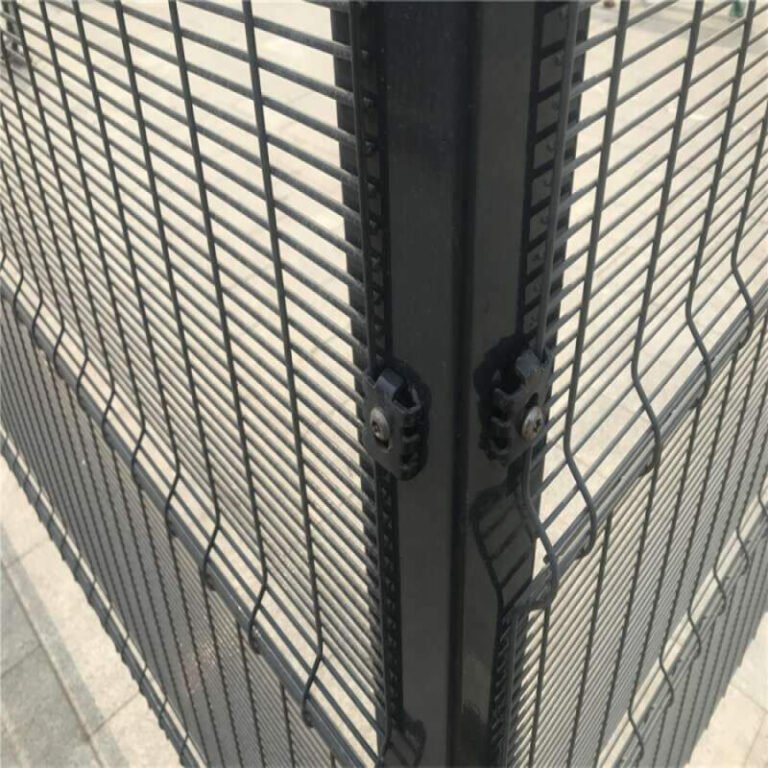
Fasteners connect mesh panels to posts and help maintain perimeter continuity. Choose clamp dimensions according to panel geometry and post profile. Anti-tamper systems can reduce straightforward removal from public-facing areas.
Reference clamp plate specifications
| Clamp type |
Plate dimensions |
Thickness |
Material |
Finish |
| Single Bolt Clamp Plate |
50 × 76 mm |
3.00–5.00 mm |
Hot-dipped steel or black steel |
Galvanised |
| Double Bolt Clamp Plate |
50 × 165 mm |
3.00–5.00 mm |
Hot-dipped steel or black steel |
Galvanised |
Clearvu Fence Clamps connect matching panels and post assemblies. Installers may also specify Clearvu Fence Clamps for projects using another compatible fitting range. Always verify hole patterns and plate thickness before mixing components.
Stainless bolts and tamper-resistant connections
Security fasteners may use stainless steel or protected carbon steel, depending on project requirements. Material compatibility matters in humid and coastal environments. Use the approved torque and locking method for each fastener. Inspect missing washers and loose nuts during routine maintenance.
Single-bolt plates and double-bolt plates serve different connection layouts. Never substitute a shorter plate without checking the system drawing. Corner connections may need more fittings than straight runs.
Cochrane Clearvu fencing coating options
Protective coatings reduce corrosion risks and improve appearance. Pre-galvanised wire offers one manufacturing route. Fabricators can also galvanise completed steel components before applying compatible coatings. Zinc-aluminium coatings provide another option for selected mesh products.
Polyester powder coating provides colour and an additional protective layer. Common choices include RAL 6005 green and RAL 9005 black. Other colours may support commercial architecture or project branding. Final durability depends on pretreatment, coating thickness, environment, and maintenance.
Coastal corrosion and maintenance
Coastal sites experience salt exposure, humid air, and occasional abrasive wind. Specify a coating system that suits the actual exposure category. Ask suppliers for zinc coating measurements and powder coating records. Repair damage promptly after transport or installation.
Inspect welds, edges, bolts, and post bases on a planned schedule. Standing water near foundations can increase corrosion risk. Document the condition of difficult-to-access corners and gates.
Cochrane Clearvu fencing installation planning
Installation begins with a survey of the boundary and ground levels. Mark corners, gates, drainage crossings, and service routes. Confirm panel orientation before drilling brackets or casting foundations. Work from approved drawings rather than nominal dimensions alone.
A complete installation includes panel lifting, post alignment, and secure fixings. Teams should inspect coating damage after each installation phase. Sloping ground may require stepped panels or a tailored post layout. The installer must maintain required safety clearances.
Concrete foundations and base plates
Embedded posts and base-plated posts use different load paths. The ground bearing capacity influences embedded foundation sizes. Base plates require suitable anchors and sound supporting concrete. Consult a qualified designer for tall fences or high-risk installations.
Do not assume a standard footing suits every soil condition. Gate posts typically experience greater forces than ordinary line posts. Their foundations need individual assessment.
Cochrane Clearvu fencing gates and access points
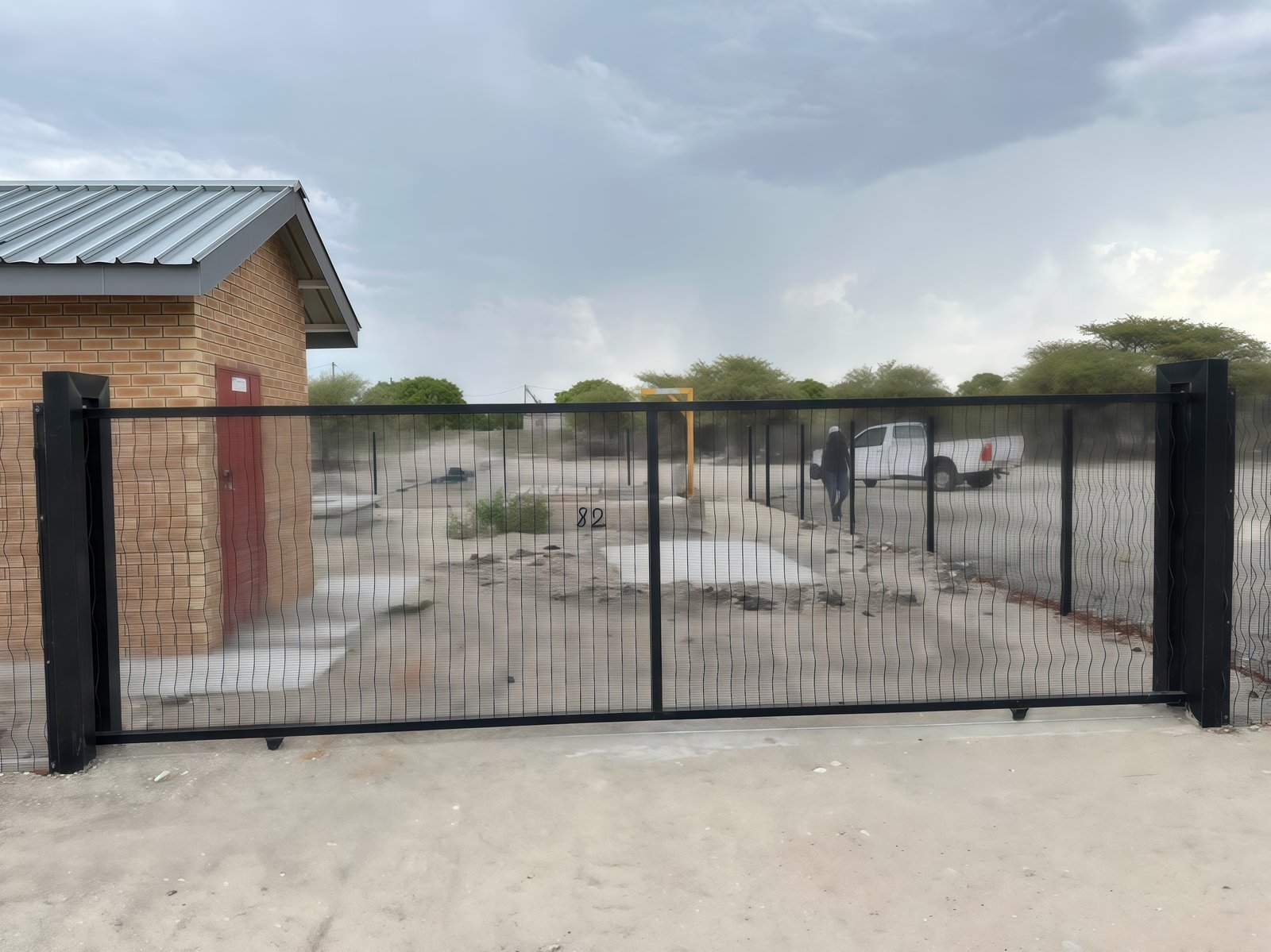
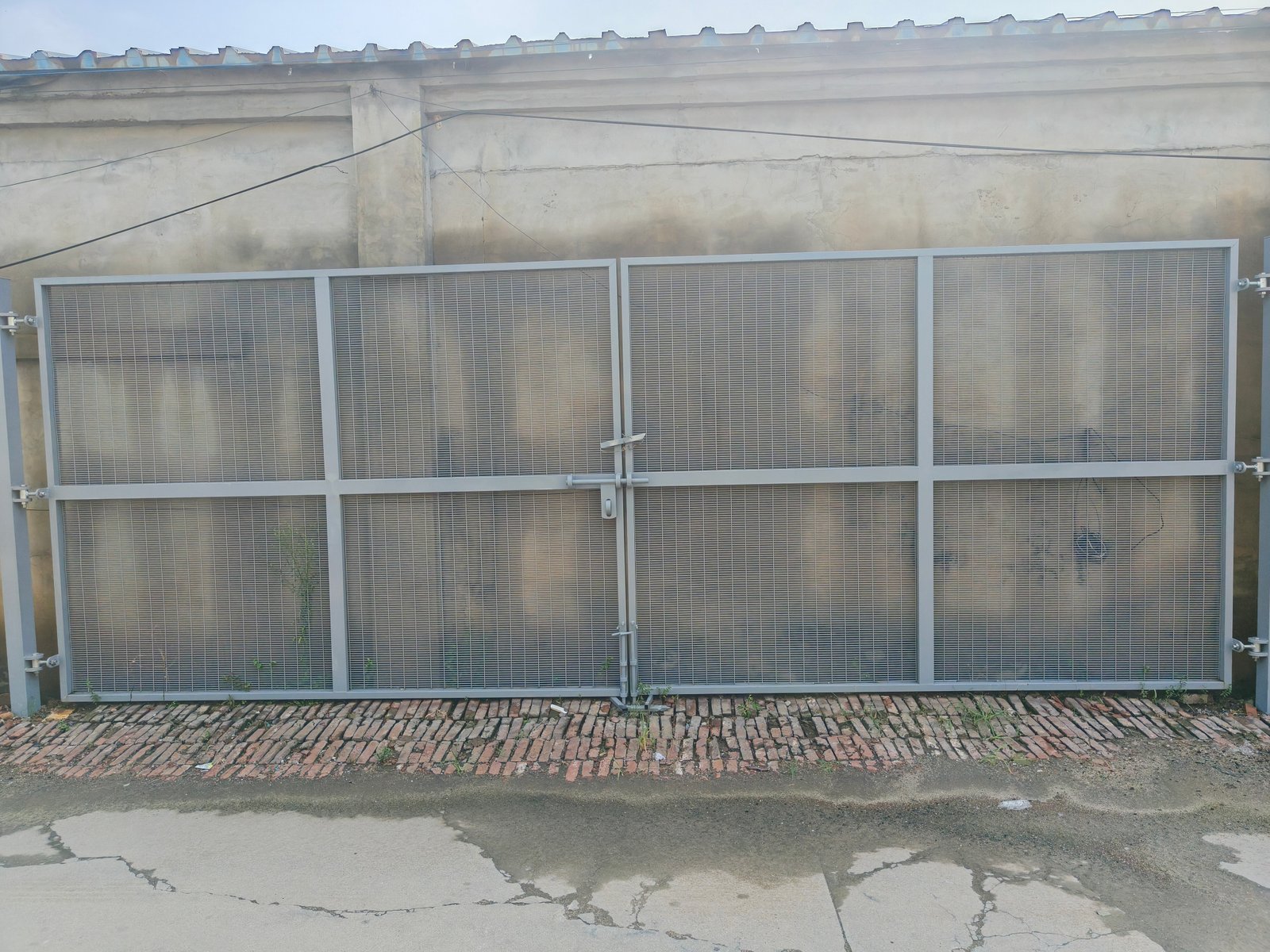
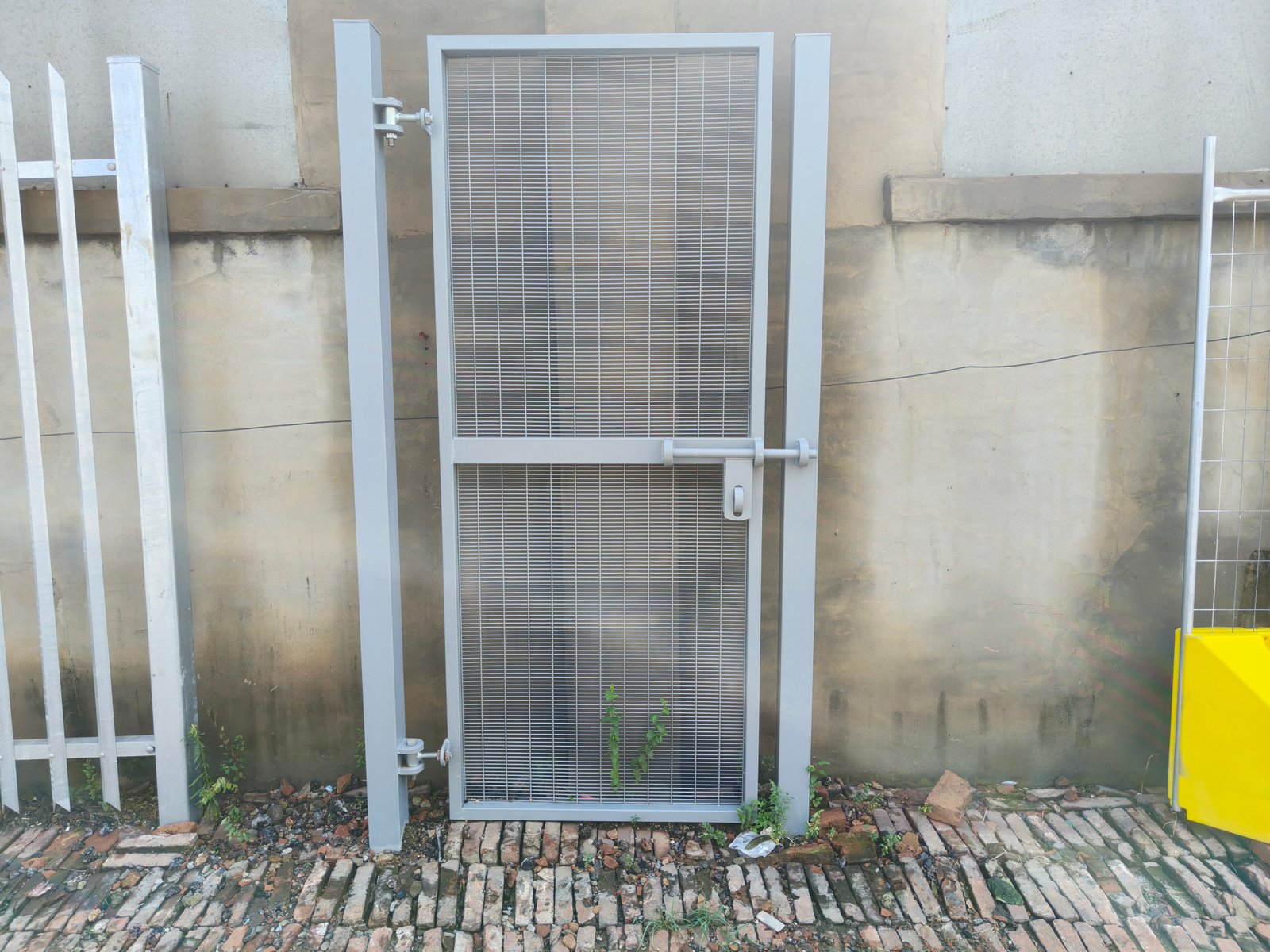
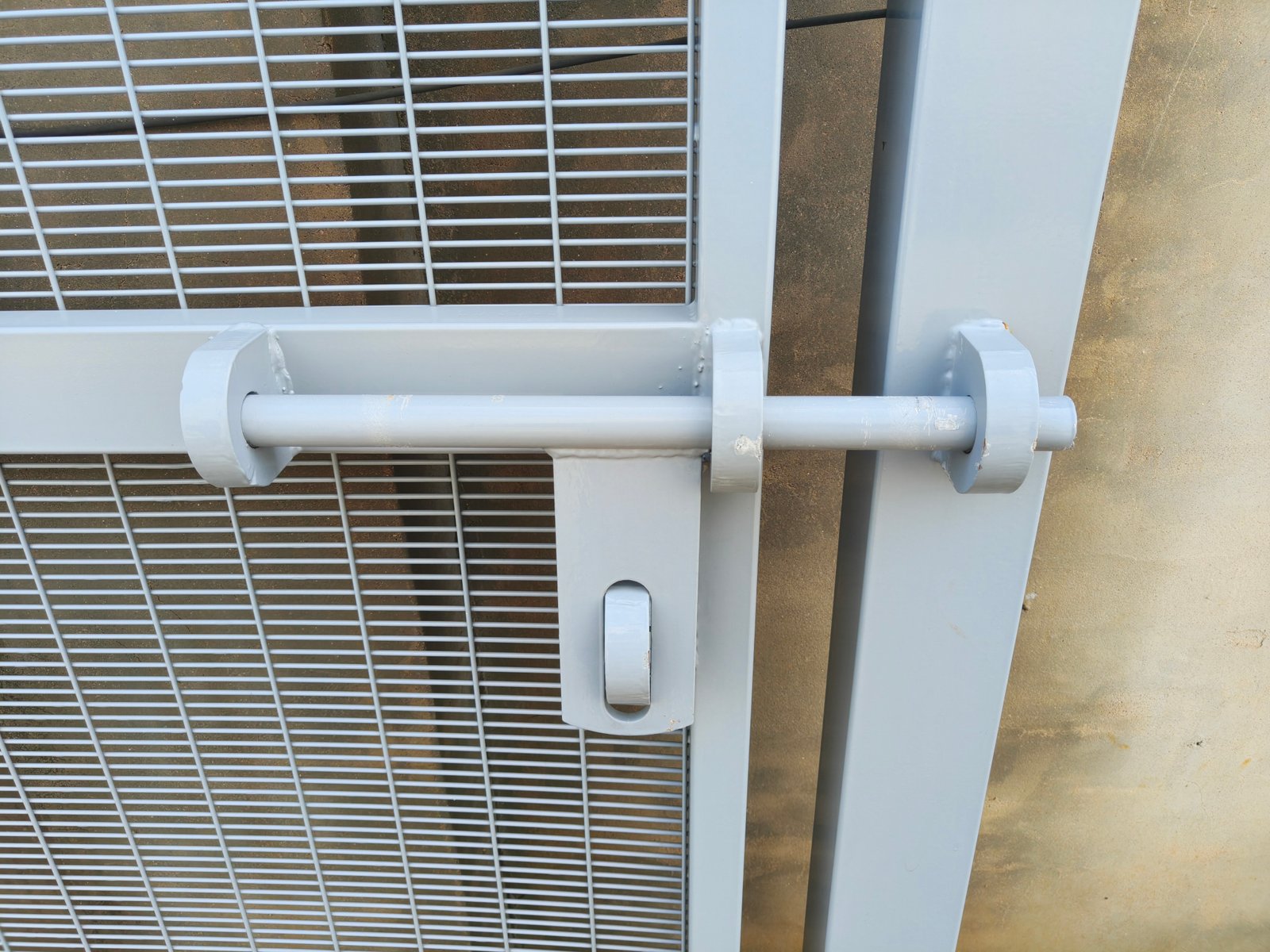
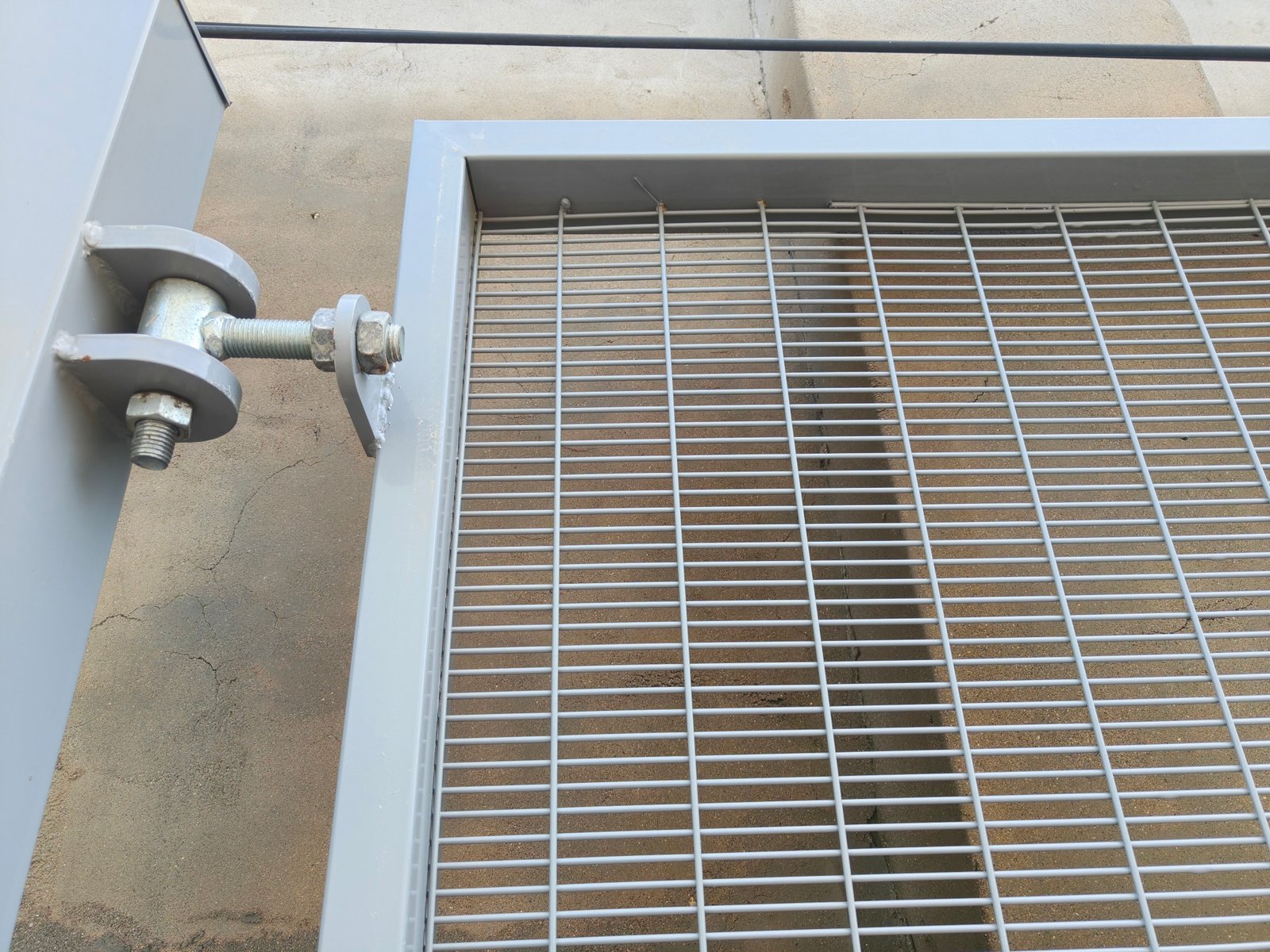
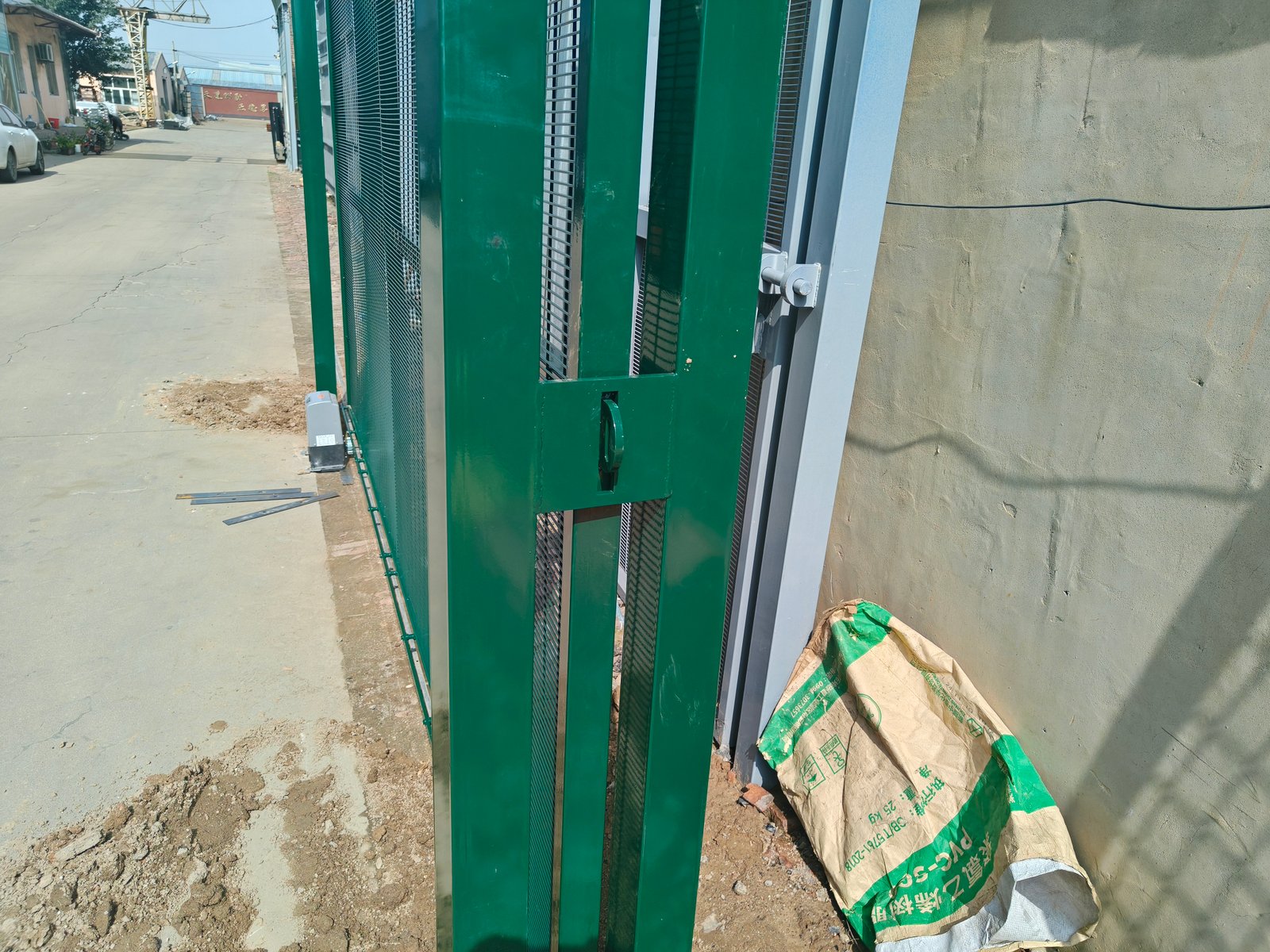
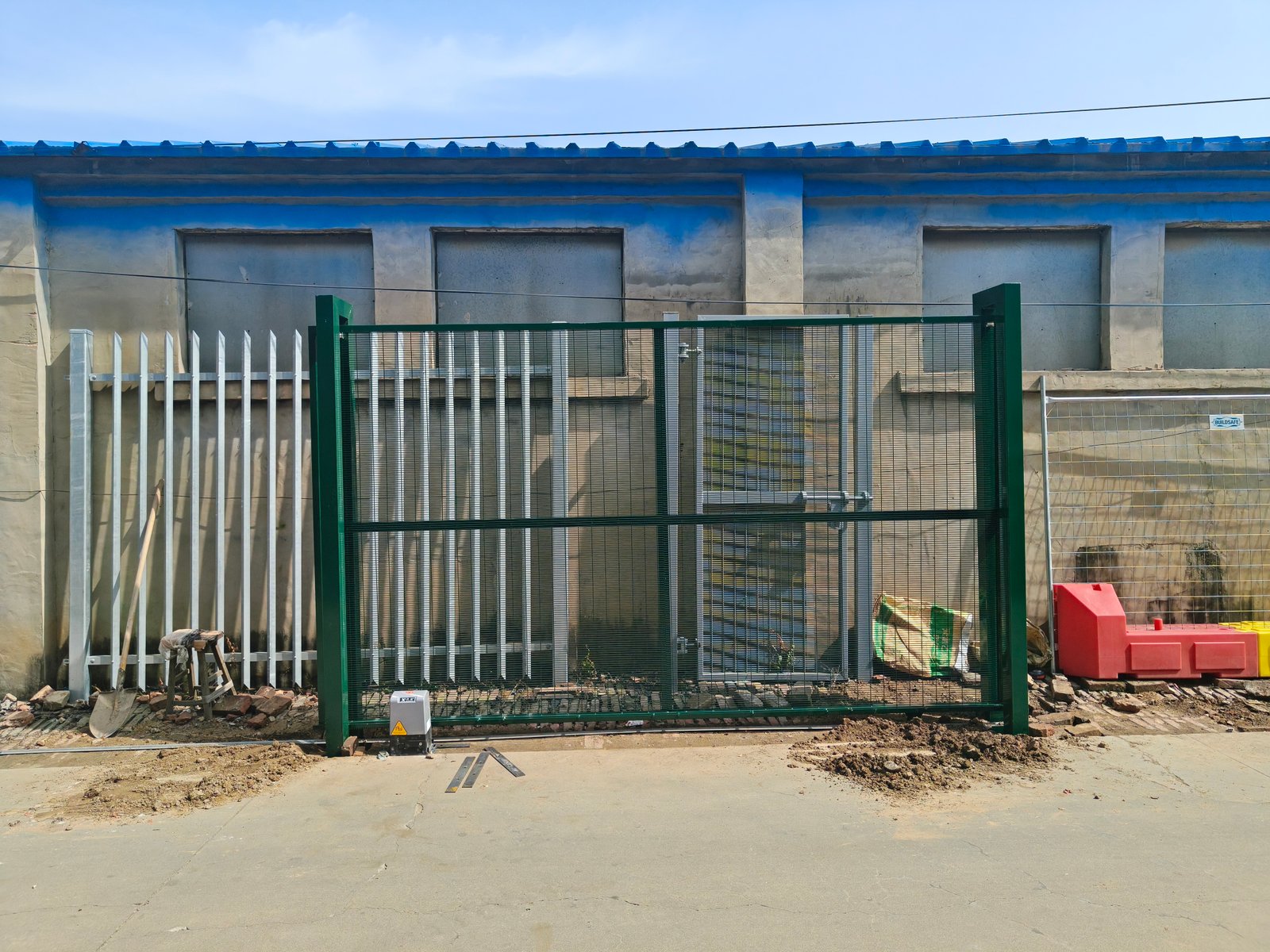
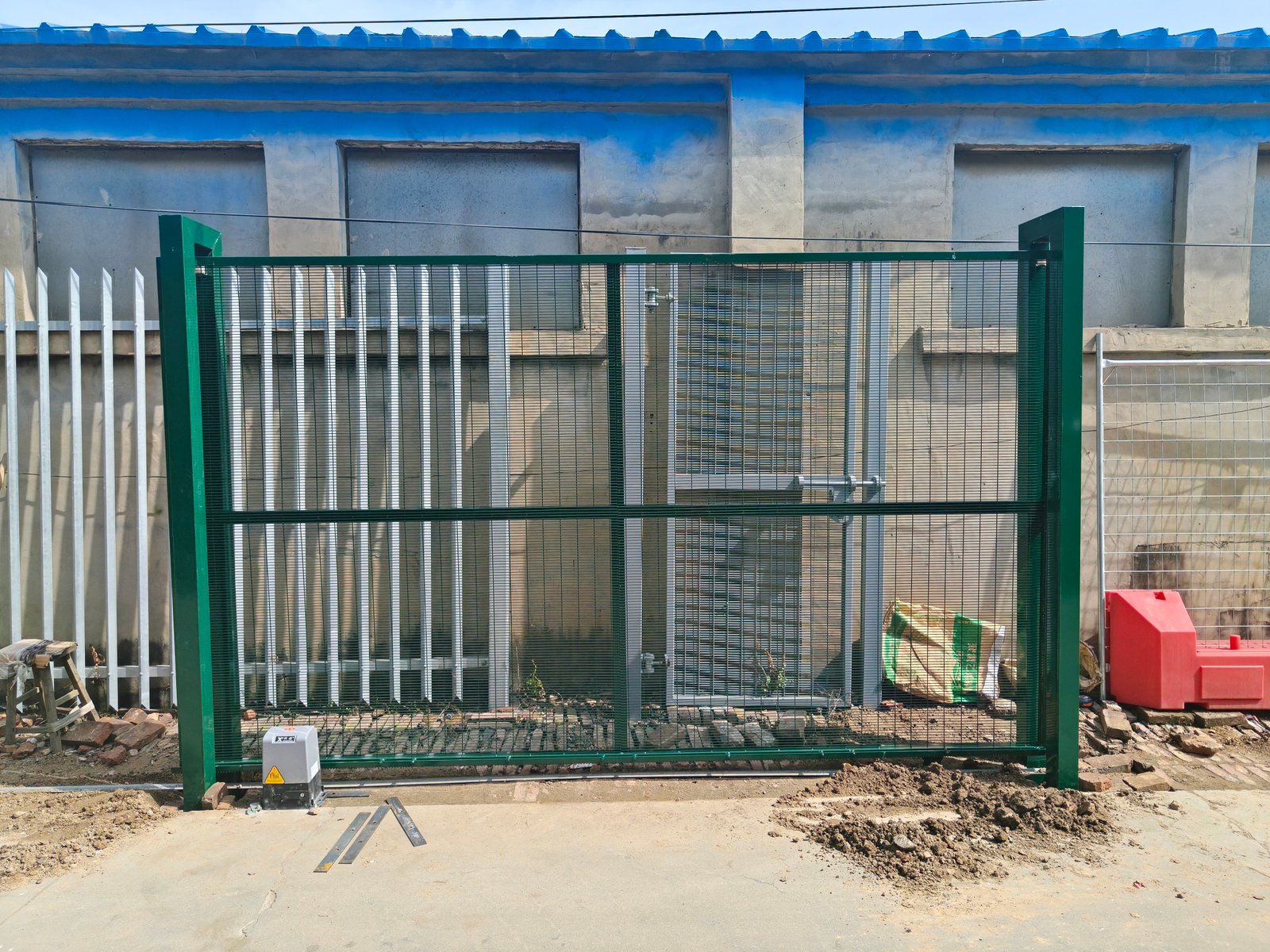
Access points often demand more planning than straight fencing sections. Clearvu Fence Gates can match the surrounding mesh appearance. A Clear View Fence Gates arrangement may use different frames and hardware.
Specify opening widths, access control, locks, and emergency release needs. Motorised systems also require suitable safety devices and electrical installation. Keep sightlines clear near security checkpoints and vehicle approaches.
Pedestrian, swing, and sliding gate configurations
Pedestrian Gates provide controlled passage for staff and visitors. Double Swing Gates suit wider entrances with adequate leaf clearance. Sliding Gates conserve swing space but need lateral travel room.
Other projects use Clearvu Single Swing Gates for narrower access points. Larger entrances may incorporate Clearvu Sliding Gates with suitable drive systems. The gate specification should match actual site traffic.
Cochrane Clearvu fencing applications
Dense welded mesh serves many perimeter projects. Airports, industrial estates, warehouses, and utilities often need visibility alongside access control. Correctional sites may require additional security measures and verified system performance. Schools and residential properties may prioritise appearance, safety, and visibility.
Critical infrastructure buyers should assess response procedures alongside physical barriers. Security cameras and alarms work best within an integrated plan. Fence design cannot replace operational security arrangements.
Choosing the right security level
Higher security does not always require the same mesh specification. Some sites need resistance to casual trespass rather than determined intrusion. Others require certified delay performance against specific tools. Define the threat before comparing panel configurations.
Clearvu Fence Panels offer another product-family reference for buyers. Evaluate wire size, weld quality, posts, and finish independently. Avoid assuming visually similar meshes share identical performance.
Cochrane Clearvu fencing quality inspection
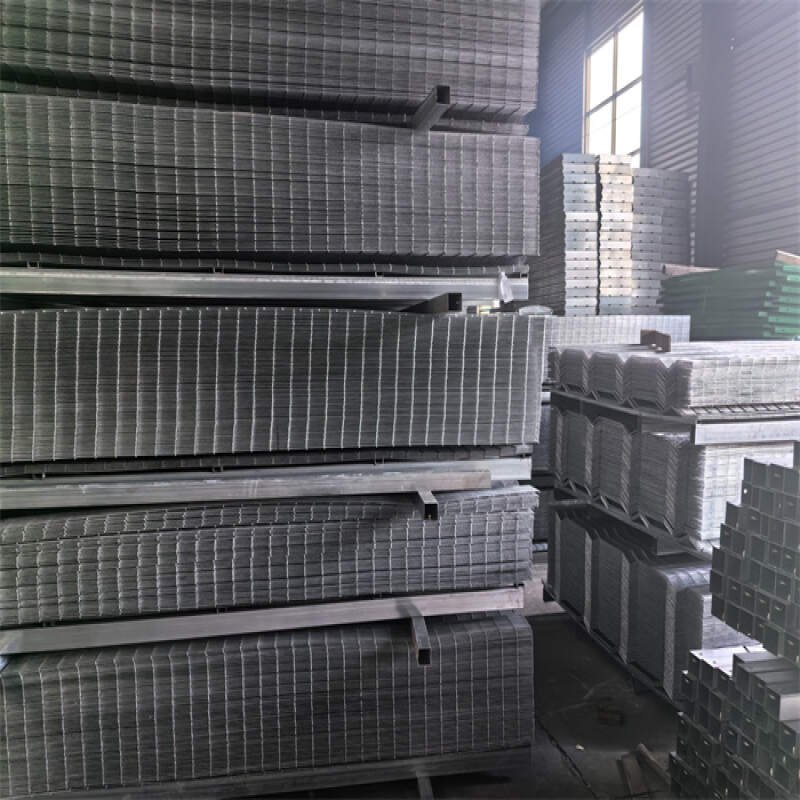
Quality checks begin with incoming wire and steel sections. Inspect mesh dimensions, wire diameter, and weld consistency during production. Measure panel diagonals and post connection positions. Check protective coatings after finishing and before packing.
Photograph any damaged coatings or inconsistent welds during inspection. Confirm the quantity of caps, bolts, clamps, and gate fittings. Buyers should request inspection reports for critical dimensions. Independent testing may be necessary for security-rated projects.
Packaging and export handling
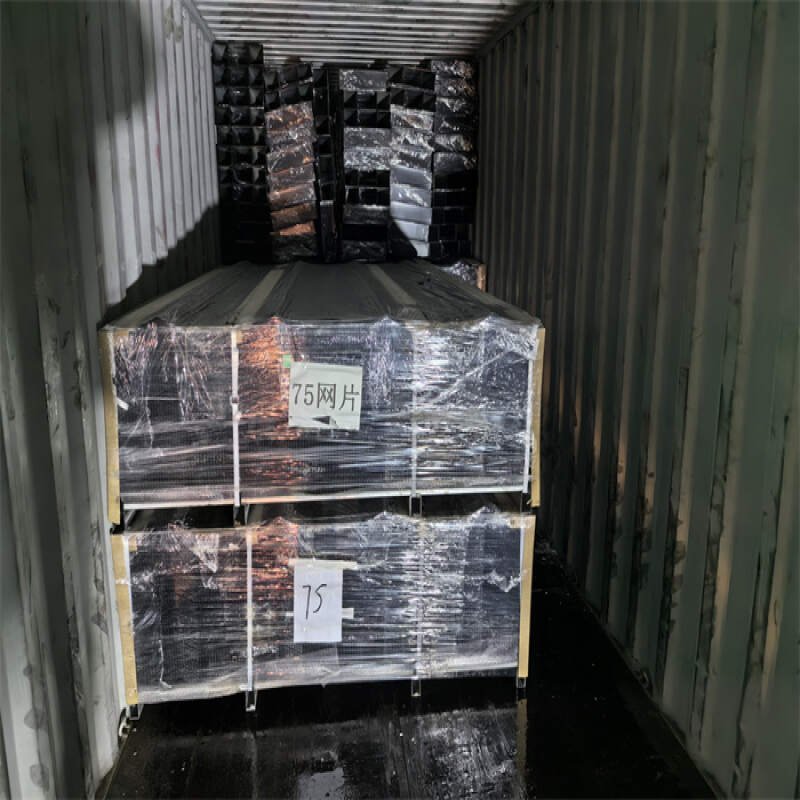
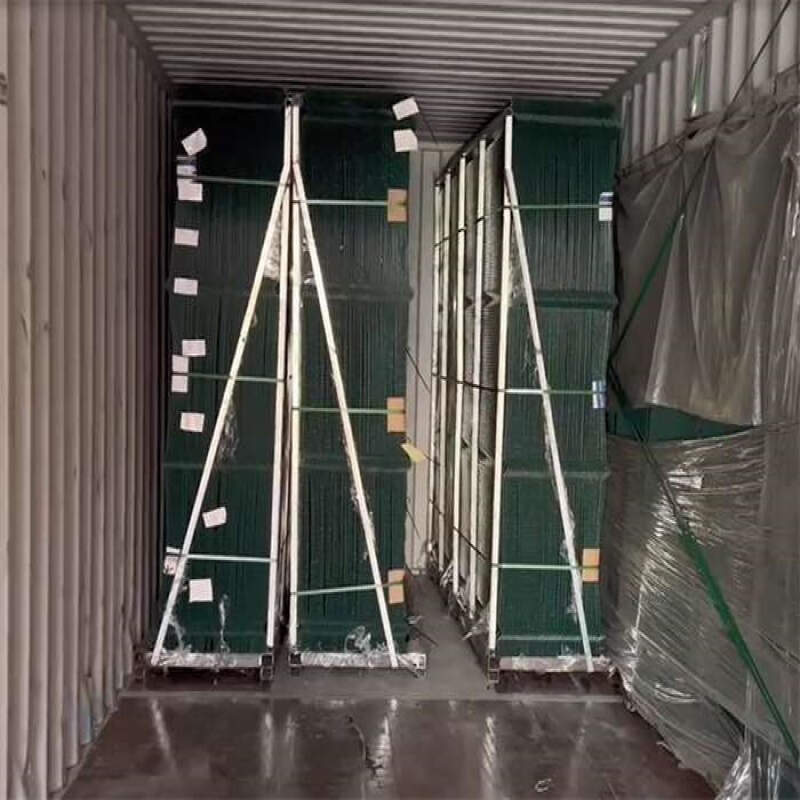
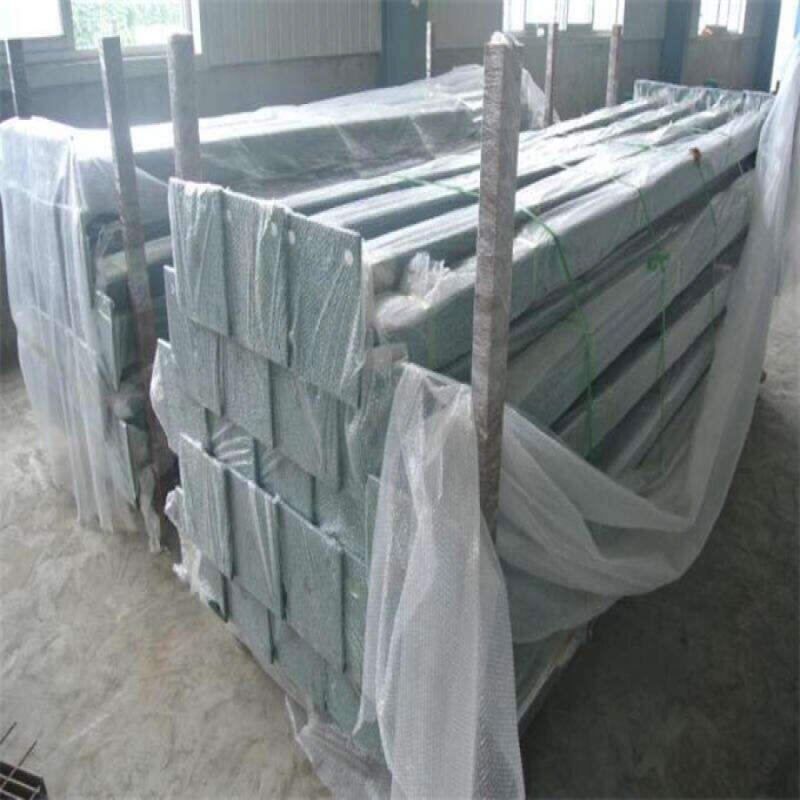
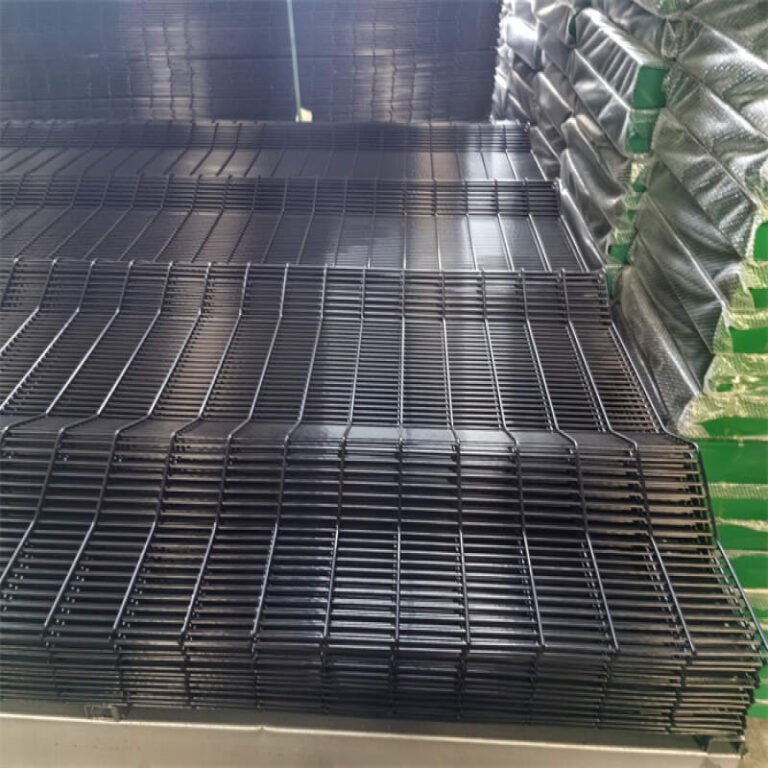
Steel pallets support stacked panels during container transport. Place protective separators between powder-coated surfaces. Secure corners against movement and protect exposed mesh edges. Wrap posts separately to reduce handling damage.
Pack bolts, nuts, and clamp plates in labelled cartons. Include an accessory packing list for each project. Gate frames may require dedicated steel stillages. Loading teams should check gross weights and container restraints.
Cochrane Clearvu fencing procurement checklist
Buyers should provide total length, panel height, mesh pitch, and wire diameter. Confirm the post profile and foundation type. Specify every gate opening and required accessory. Include coating performance requirements and final delivery destination.
Request drawings before approving production. Keep product names and factory identities clear on quotations. Verify whether the offer covers authentic branded products or independent alternatives. Compare installation needs before selecting the final system.
Brand identity and compatible alternatives
Cochrane Global owns the ClearVu brand. BMP manufactures independent welded mesh fencing products. Similar dimensions do not establish brand affiliation, licensed production, or engineering equivalence. Buyers seeking genuine Cochrane products should verify their supply channel directly.
Independent suppliers can offer comparable aperture sizes and custom fittings. However, buyers must assess each design on its own evidence. Do not describe independent panels as genuine Cochrane products without authorisation.
Cochrane Clearvu fencing FAQs
What does 358 mean? It describes a three-inch pitch, half-inch pitch, and approximately eight-gauge wire. The common metric reference uses 76.2 × 12.7 mm openings and approximately 4 mm steel wire.
Can buyers order different panel heights? Yes, independent manufacturers may offer custom dimensions. Check post strength, loading requirements, and production feasibility before placing an order.
Does narrow mesh prevent all cutting attempts? No. Dense apertures restrict access for many hand tools. Security performance depends on the full system and the attack method.
Can gates match the perimeter fence? Yes, compatible mesh can match pedestrian, swing, and sliding gate frames. Gate construction still requires its own structural design.
What should coastal buyers specify? Request suitable corrosion protection, coating documentation, and a maintenance plan. Site exposure should guide the final coating system.
Maintenance and replacement questions
How often should the fence receive inspections? Set inspection intervals according to site risk and environmental exposure. Check gates and fasteners more often under heavy use.
Can damaged mesh panels undergo replacement? Replacement depends on compatible dimensions, post spacing, and the original connection method. Confirm each measurement before manufacturing replacement panels.
What should purchasers confirm before shipment? Review the approved drawings, finished quantities, coatings, packed accessories, and loading plan. Clear documentation reduces on-site delays.
Boss Metal and Plastic Co., Ltd. supplies independent security mesh systems for international projects. We can discuss technical drawings and compatible accessory options. Final product selection should follow the customer's security specification and site requirements.