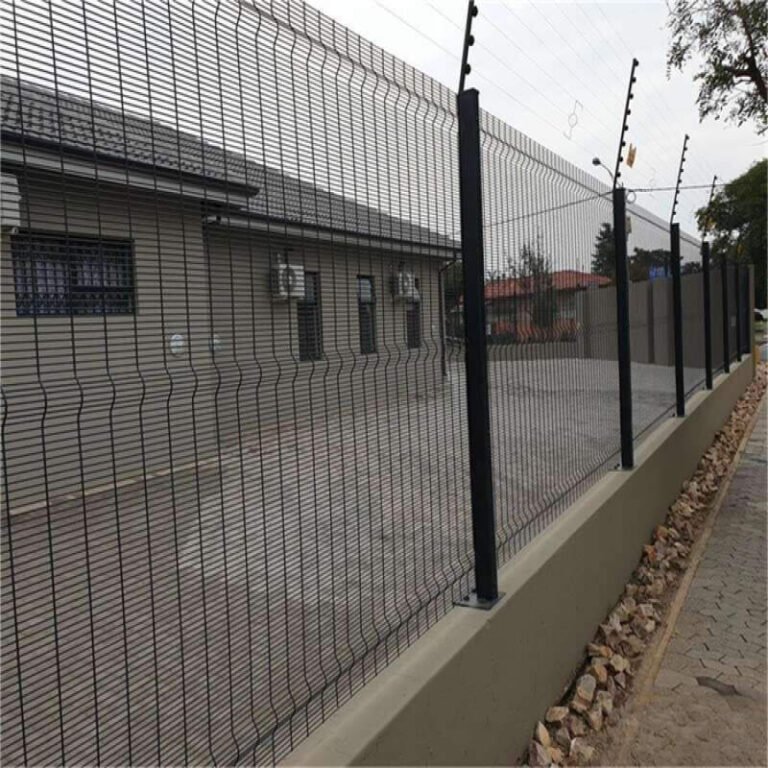
Cochrane fencing is a familiar term in South African perimeter security. Cochrane ClearVu refers to a branded security fencing system from Cochrane Steel Products. BMP supplies welded security mesh alternatives from China for projects with comparable functional requirements. BMP products are not genuine Cochrane-branded systems unless an authorized supply agreement states otherwise.
Our welded mesh range offers narrow openings, visible boundaries, and several coating options. Buyers can select panels, posts, and accessories to match each project. A complete perimeter also needs suitable foundations, gates, surveillance, and maintenance.
Cochrane fencing and clear-view security
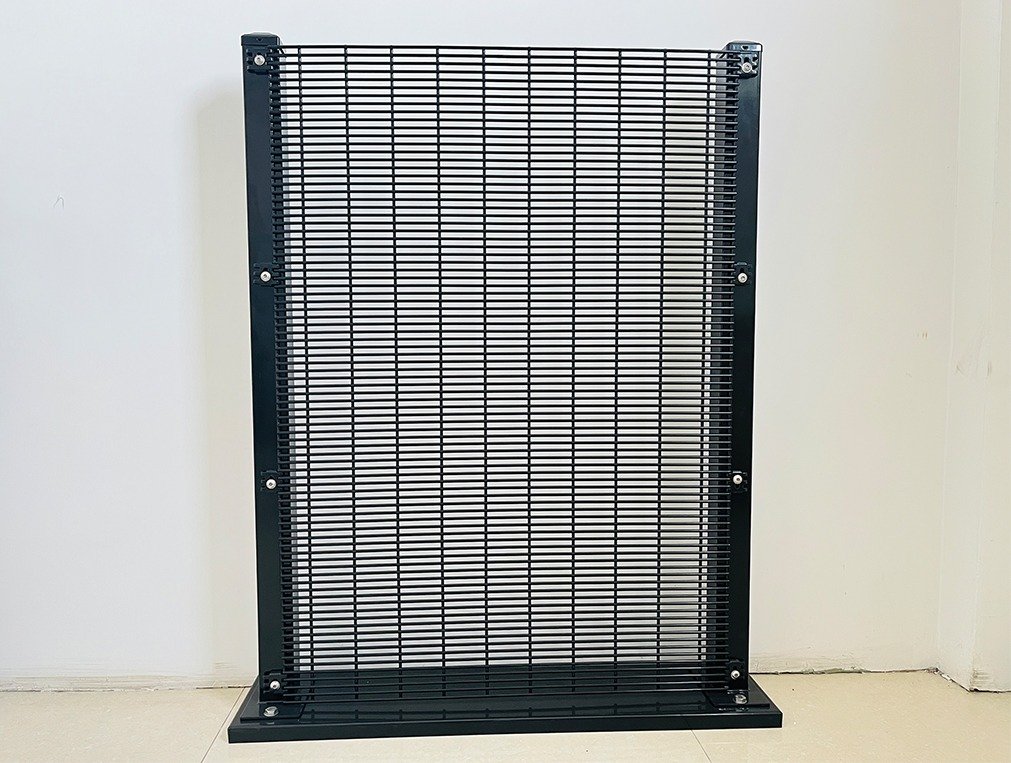
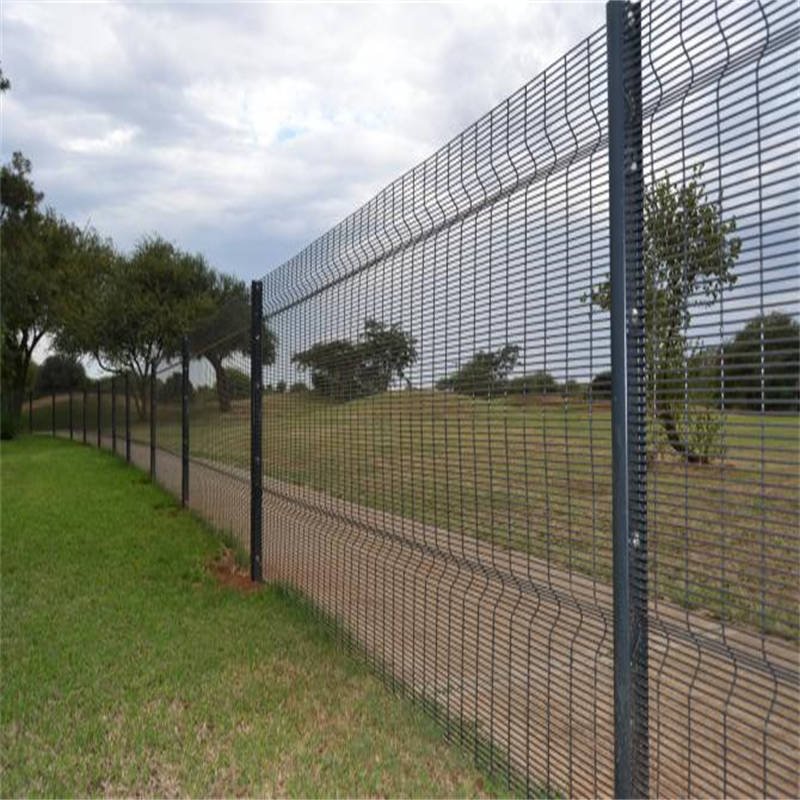
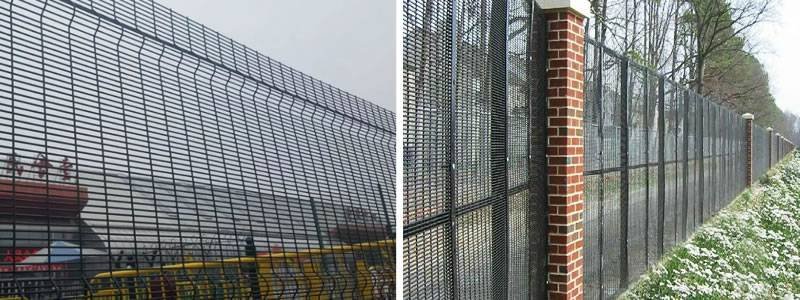
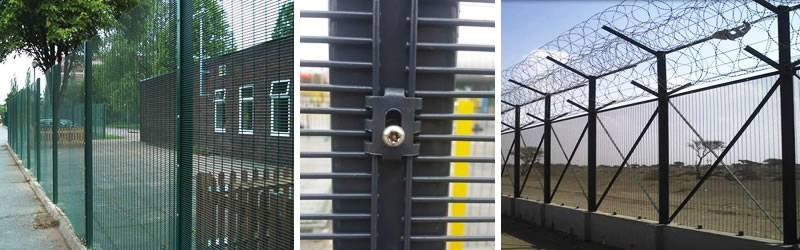
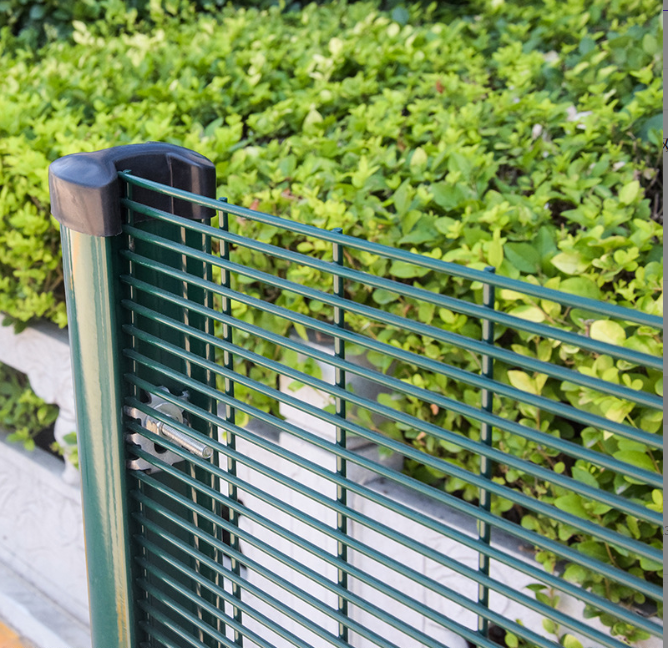
Clear-view mesh combines a physical obstacle with useful visibility across the boundary. Narrow apertures restrict convenient handholds and footholds. Guards and cameras can also observe activity beyond the fence. The Clear Vu Fence design offers several panel configurations for different site needs.
Each property requires its own security assessment. Wire diameter, panel height, post spacing, and gate hardware all affect performance. The Clear View Fence Panels range provides another practical comparison for welded mesh projects.
Welded mesh fencing supports perimeter visibility while limiting convenient climbing points. Confirm the exact mesh and finish before ordering.
Understanding the 358 mesh format
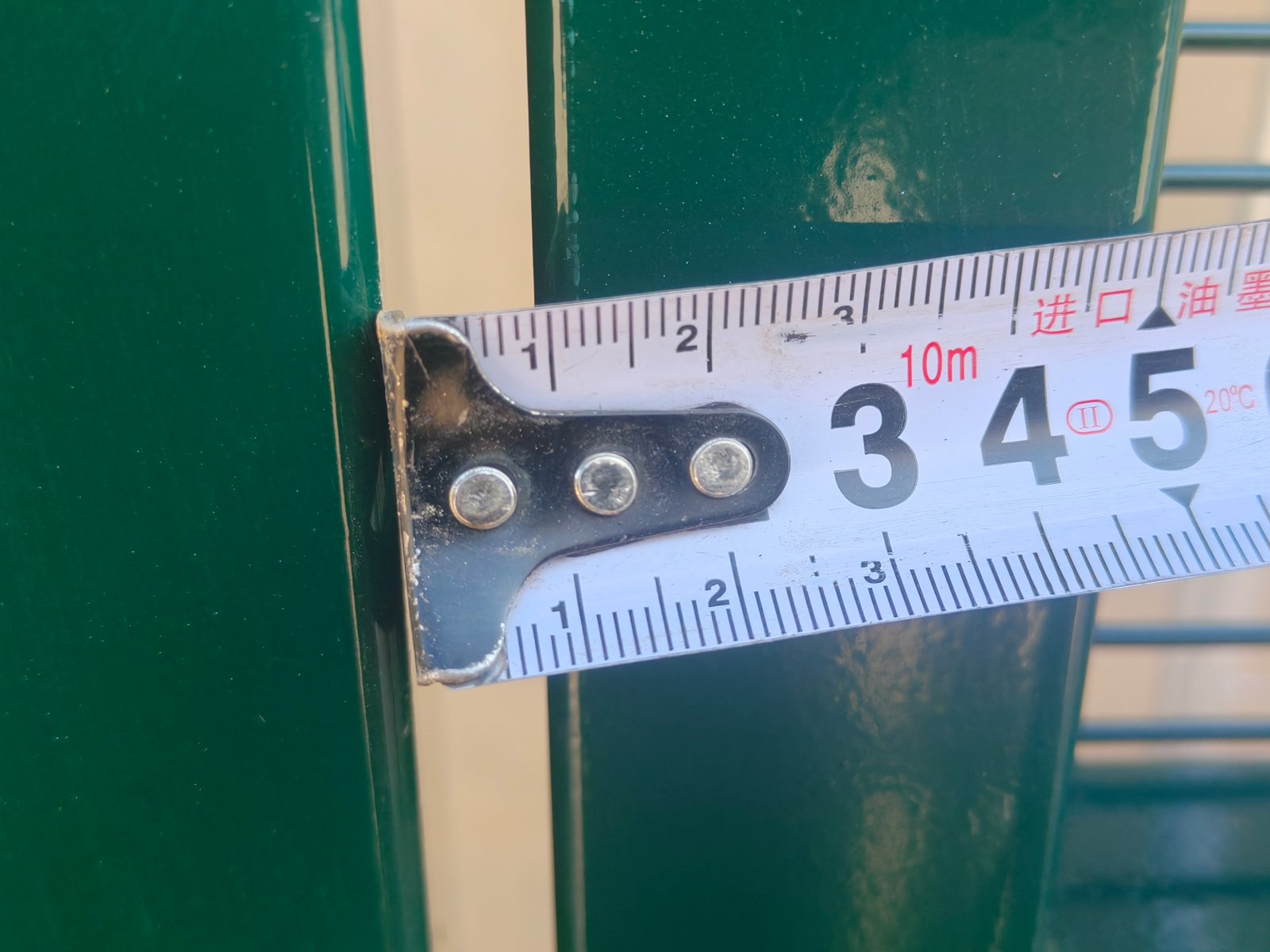
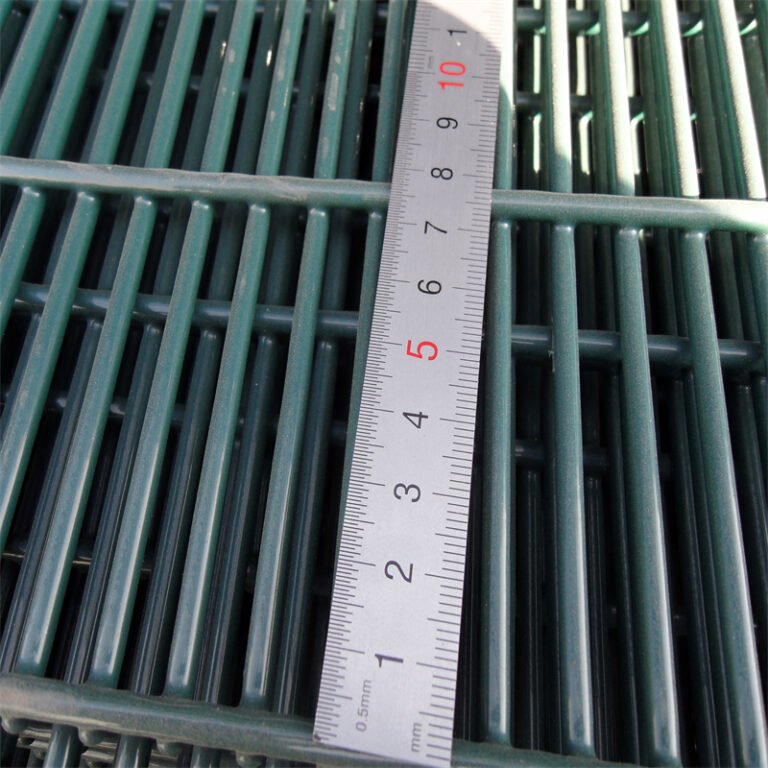
The 358 designation describes approximately three inches by half an inch with eight-gauge wire. Its common metric reference is 76.2 × 12.7 mm with approximately 4.0 mm wire. This designation describes mesh geometry, not an automatic certification or complete system rating.
Small openings reduce finger access, while welded intersections maintain the panel pattern. Metal cutting tools can still damage steel under sustained attack. Buyers should assess intrusion resistance through complete-system testing where necessary.
Cochrane fencing security benefits
Dense welded mesh can delay casual climbing and cutting attempts. The open panel structure also supports CCTV monitoring. Installers can combine the mesh with suitable alarm detection and controlled entry points. High Security Clear View Fencing uses small mesh apertures for demanding boundaries.
Anti-climb profile limits accessible handholds and footholds.
Welded intersections support uniform panel geometry.
Open mesh supports visibility and airflow.
Metal posts and secure fixings support system stability.
Optional toppings and gates support specific access requirements.
No single mesh panel can guarantee complete protection. Site layout, lighting, access management, and monitoring remain essential.
Comparing 358 and 3510 mesh
Both configurations commonly use a 76.2 × 12.7 mm mesh pattern. The 358 format usually uses approximately 4.0 mm wire. The 3510 format commonly uses approximately 3.2 mm wire. Buyers may also request customized wire combinations.
Wider openings suit projects with different security priorities. Low Security Clear View Fencing provides examples of alternative mesh dimensions. Compare the complete system rather than relying only on gauge names.
Cochrane fencing panel dimensions
BMP offers panel widths around 2200 mm and 2500 mm for selected configurations. Available heights range from 1800 mm to 3000 mm in the original reference schedule. Separate V-bend configurations use a 3000 mm panel width. Custom designs require drawing approval before production.
Clearvu Fence Panels can use different aperture sizes, wire pairs, and reinforced profiles. Buyers should distinguish a flat 358 panel from a folded 3D panel.
Reference panel sizes and wire combinations
Mesh pitch
Vertical wire
Horizontal wire options
Panel width options
Panel height
76.2 × 12.7 mm
4.0 mm
3.0 / 3.5 / 4.0 mm
2200 / 2500 mm
1800 mm
76.2 × 12.7 mm
4.0 mm
3.0 / 3.5 / 4.0 mm
2200 / 2500 mm
2000 mm
76.2 × 12.7 mm
4.0 mm
3.0 / 3.5 / 4.0 mm
2200 / 2500 mm
2100 mm
76.2 × 12.7 mm
4.0 mm
3.0 / 3.5 / 4.0 mm
2200 / 2500 mm
2200 mm
76.2 × 12.7 mm
4.0 mm
3.0 / 3.5 / 4.0 mm
2200 / 2500 mm
2400 mm
76.2 × 12.7 mm
4.0 mm
3.0 / 3.5 / 4.0 mm
2200 / 2500 mm
2500 mm
76.2 × 12.7 mm
4.0 mm
3.0 / 3.5 / 4.0 mm
2200 / 2500 mm
3000 mm
Wire strength and weld inspection
The source specification lists 500–650 MPa for wire tensile strength. It also lists a weld-strength reference of 60%–80%. These values describe historical technical options, not verified results for every production batch. Request current test evidence and agreed acceptance criteria.
Reference mechanical specifications
Wire combinations
Mesh aperture options
Tensile reference
Weld reference
4V × 3H / 4V × 4H / 3V × 3H mm
75 × 12.7 / 75 × 25 / 75 × 50 mm
500–650 MPa
60%–80%, test basis to confirm
Inspect wire alignment, weld uniformity, panel dimensions, and surface condition. Check both faces before applying protective coatings.
Cochrane fencing with V-bends
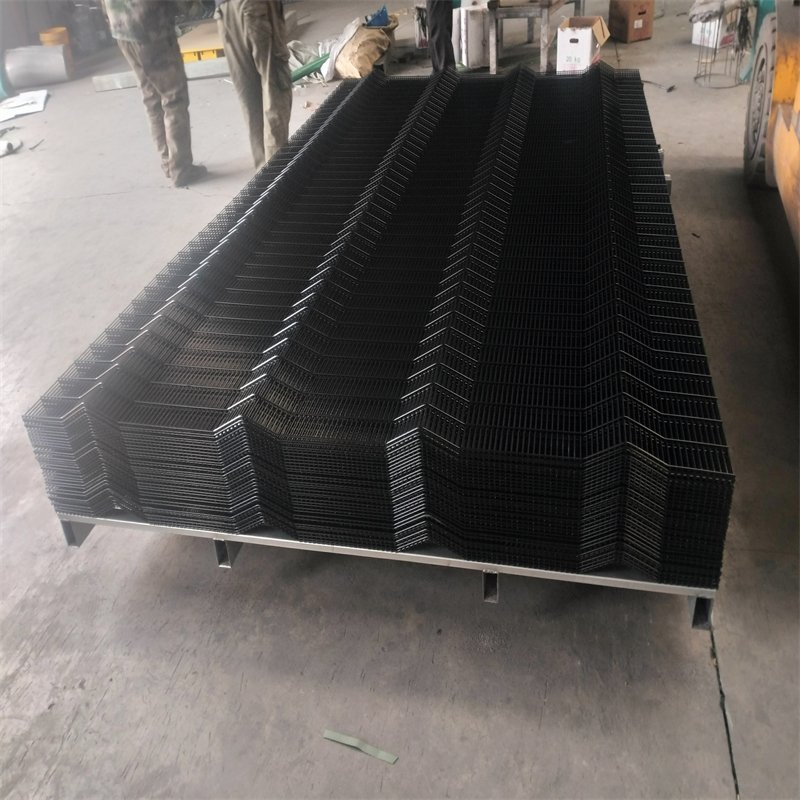
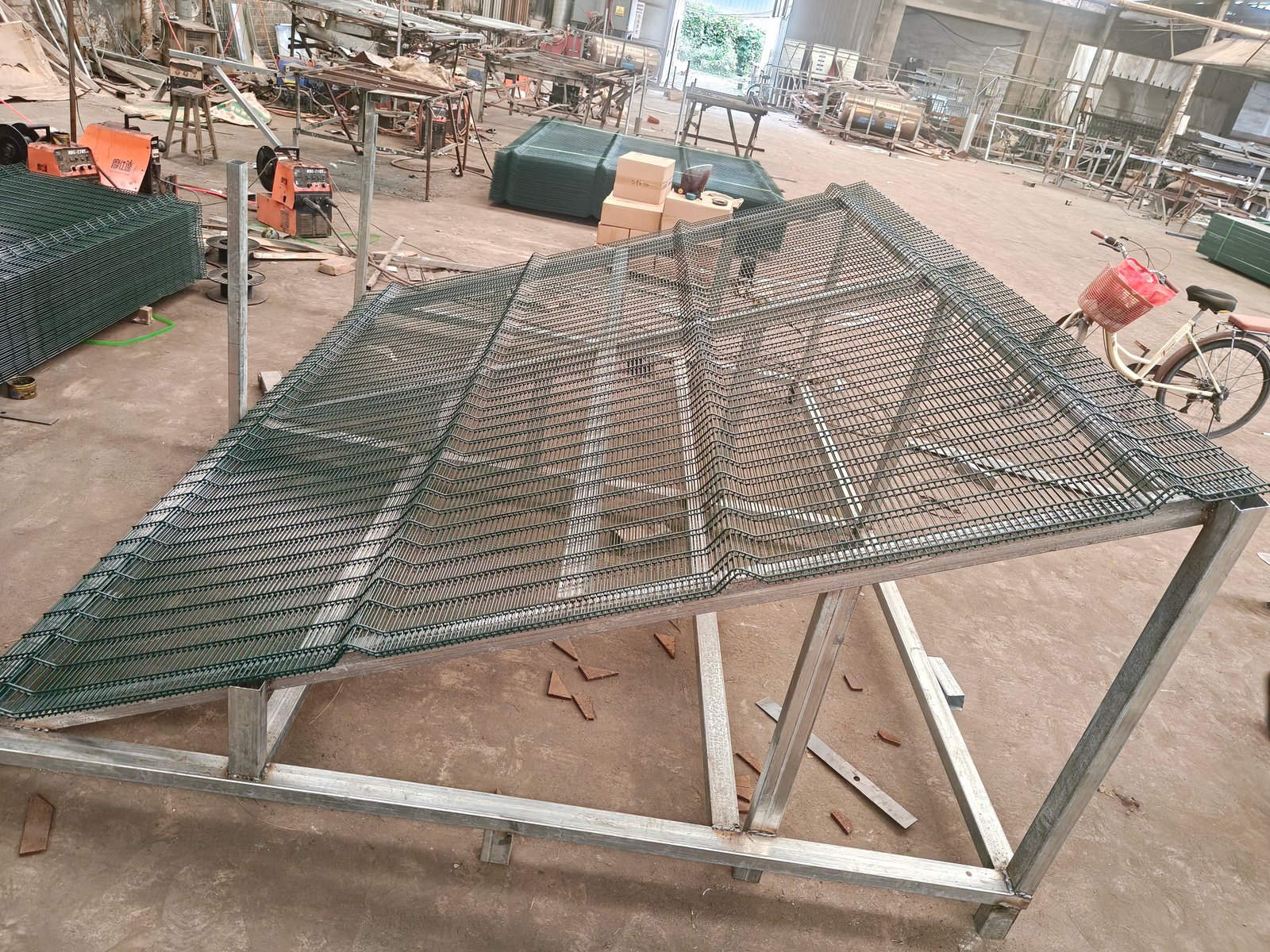
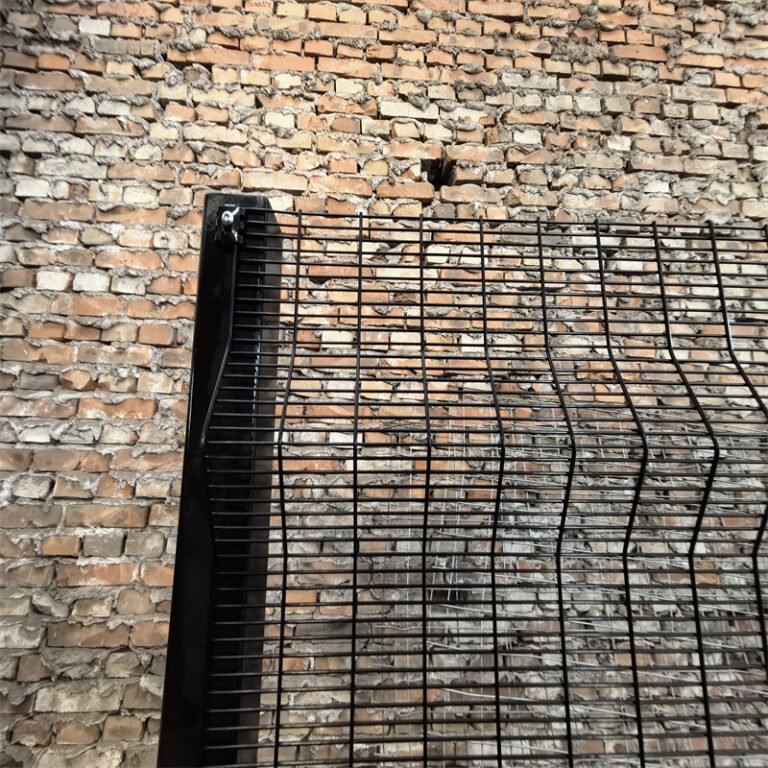
V-bends improve the rigidity of certain welded mesh panel designs. They also give large panels a distinct profile. Flat 358 panels do not always include bends. The 3D Fence Panels range uses bends for structural reinforcement.
Specify the bend count and depth separately from the mesh aperture. Panel height alone cannot determine every bend configuration. Project drawings should identify each fold location and connection detail.
Panel profile and welded mesh details affect rigidity and fixing positions. V-bend geometry requires separate approval on each drawing.
Panel heights and bend counts
The original 3000 mm width schedule provides five common folded configurations. Buyers should confirm the dimensions before production. Alternative wire arrangements and flat panels can require different reinforcement.
Reference V-bend configurations
Panel height
Panel length
V-bends
1800 mm
3000 mm
3
2000 mm
3000 mm
3
2100 mm
3000 mm
3
2400 mm
3000 mm
4
3000 mm
3000 mm
5
Cochrane fencing steel posts
Steel posts transfer fence loads to the foundations. Square, rectangular, and formed post profiles suit different connection systems. Panel height and wind exposure influence the required post section. The Clearvu Fencing Post range includes compatible configurations.
Engineers should confirm post centres, wall thickness, burial depth, and base plates. A nearby Clearvu Fence Posts product option may use another fastening pattern. Never assume interchangeability from similar post dimensions.
Clamps, bolts, and connection details
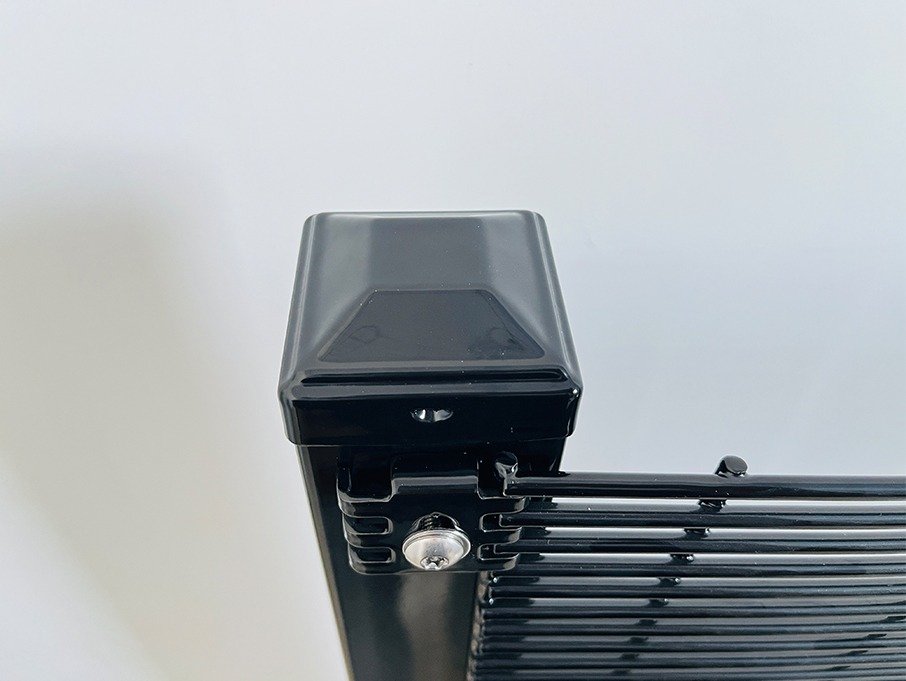
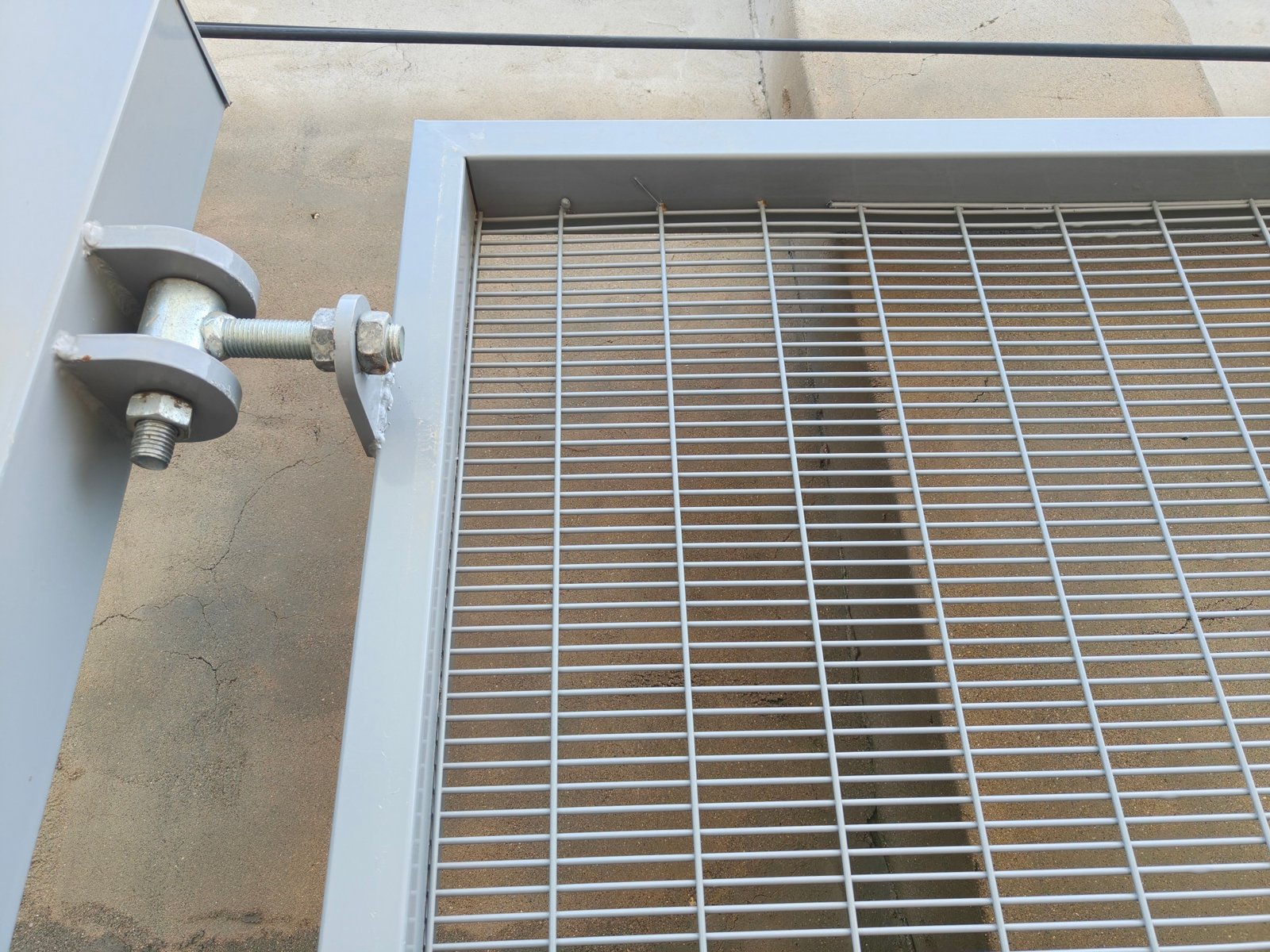
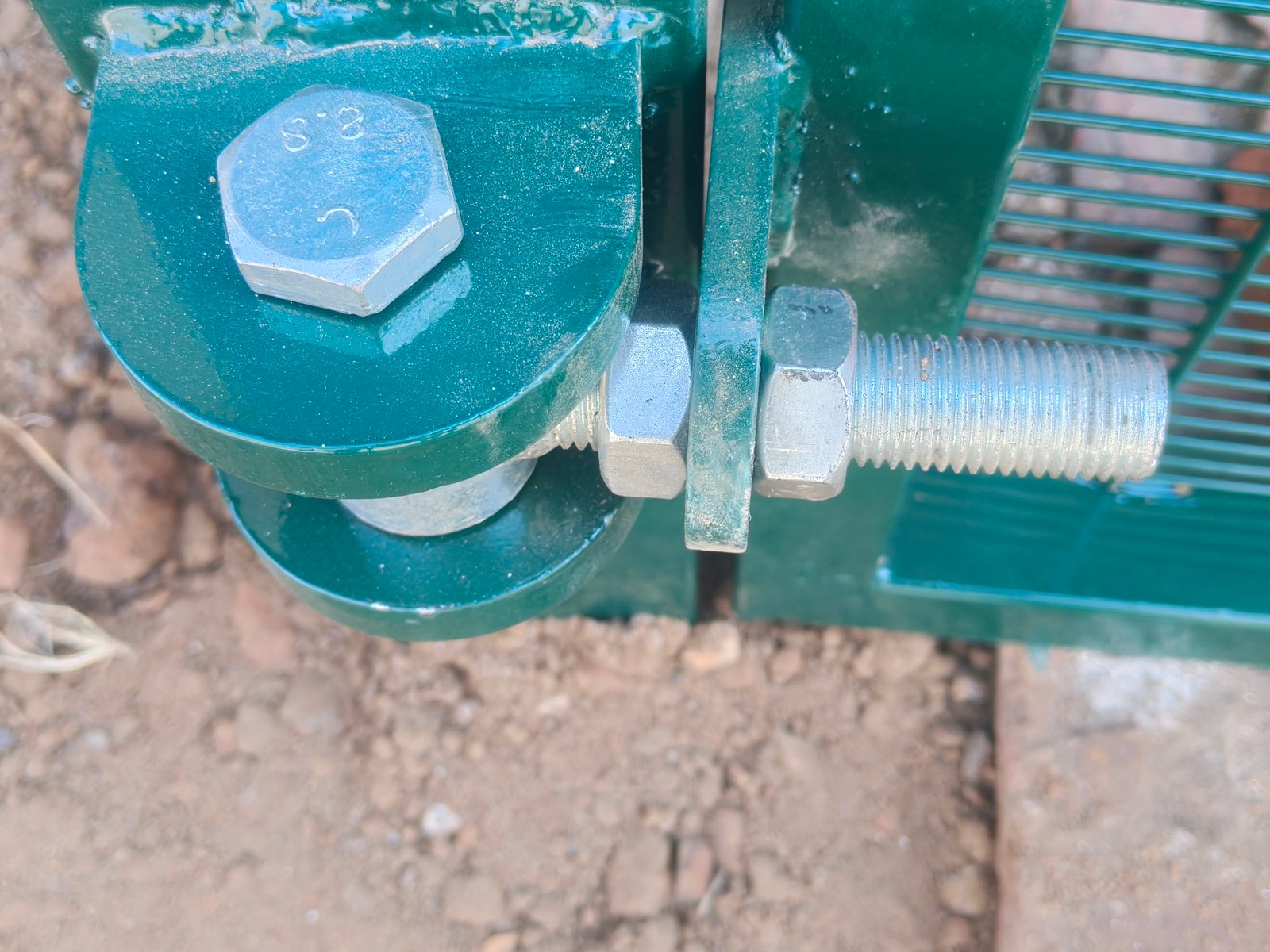
Clamp bars secure mesh edges against the supporting post. Tamper-resistant bolts help protect exposed connection points. Corner locations usually need another clamp arrangement. Clearvu Fence Clamps include several fitting patterns.
Some projects use Clearvu Fence Clamps with specialized hardware. Match every clamp to the post profile and panel edge. Review bolt grade, washer placement, and access for installation tools.
Cochrane fencing coating options
Zinc coatings protect steel from corrosion through sacrificial action. Polyester powder adds colour and another protective barrier. Hot-dip galvanising after fabrication can cover assembled steel surfaces. Powder Coated Clear View Fence offers a different visual finish.
Specify pretreatment, zinc mass, polymer thickness, colour, and inspection methods. Different processes need different acceptance limits. A powder-coated surface alone does not prove marine suitability.
Zinc and aluminium coating references
The source provides three metallic coating categories with two sample target sets. These are reference figures rather than current mill certificates. Confirm the correct test method before approving a coating schedule.
Metallic coating reference options
Reference set
Light zinc
Higher zinc
Zinc-aluminium alloy
A
60 g/m²
275 g/m²
220 g/m²
B
50 g/m²
255 g/m²
195 g/m²
Galfan commonly uses an alloy composition near 95% zinc and 5% aluminium. Alloy composition does not equal coating mass. Clearvu Fencing Specifications describe other surface-treatment references.
Cochrane fencing for marine environments
Marine air carries chloride deposits that accelerate steel corrosion. Industrial pollution and persistent moisture can create additional exposure. Coating performance depends on preparation, thickness, edge coverage, and maintenance. Coastal projects should specify a suitable corrosion category and documented finish.
Inspect cut edges, welds, and drilled holes after fabrication. Drainage also matters around post bases. Moisture traps can shorten coating service life.
Powder coating and thermoplastic layers
The historical schedule lists 60–80 microns for powder coating. It lists at least 250 microns for thermoplastic protection. These values describe different systems and cannot substitute for complete coating specifications.
Reference colour coating systems
Polyester powder
Thermoplastic
Zinc-aluminium composition
60–80 microns
250 microns minimum
95% Zn / 5% Al, metallic layer
Common finishes include RAL6005 green and RAL9005 black. Other RAL colours can match project design requirements. Colour selection does not establish corrosion resistance.
Cochrane fencing manufacturing steps
Production begins with low-carbon steel wire and approved drawings. Workers straighten, cut, and weld the wire into the agreed mesh pattern. Forming equipment adds V-bends when the specification requires them. Surface treatment follows the selected process.
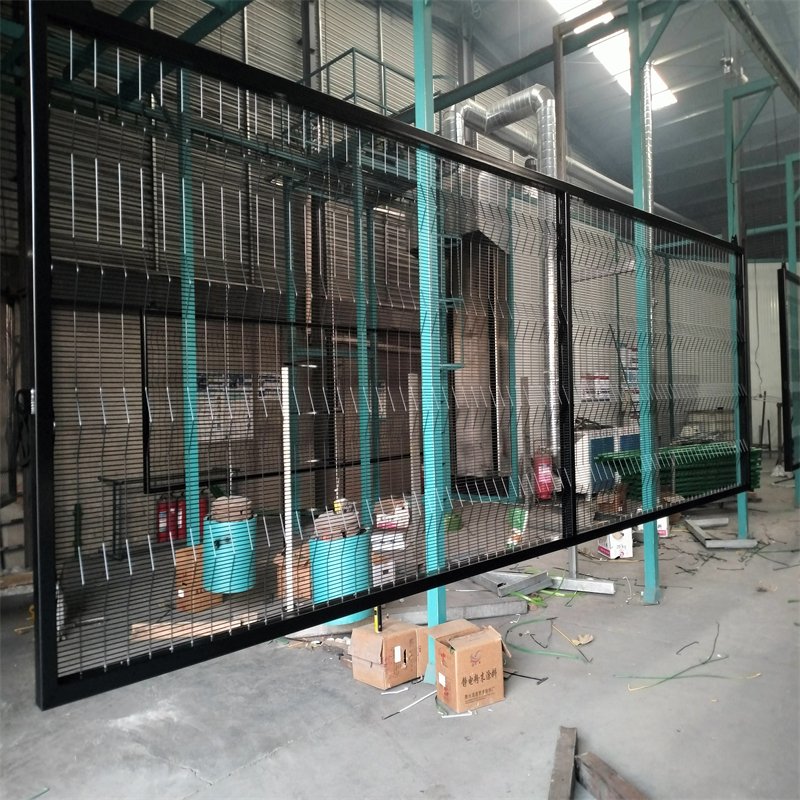
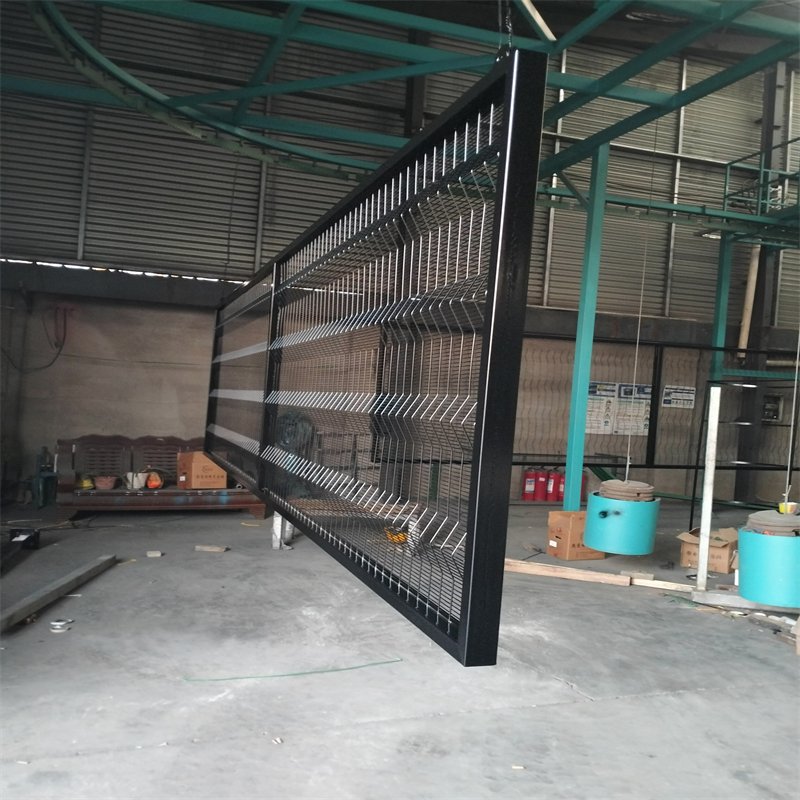
The simplified workflow runs from wire preparation through welding, galvanising, powder coating, and packing. The exact sequence depends on the coating system. BMP supplies welded mesh alternatives rather than automatically representing branded Cochrane manufacture.
Quality-control checkpoints
Inspect incoming wire diameter and surface condition before welding. Check mesh spacing, weld alignment, and panel diagonals during production. Review coating coverage and packaging protection before dispatch. Document any nonconforming panels and corrective action.
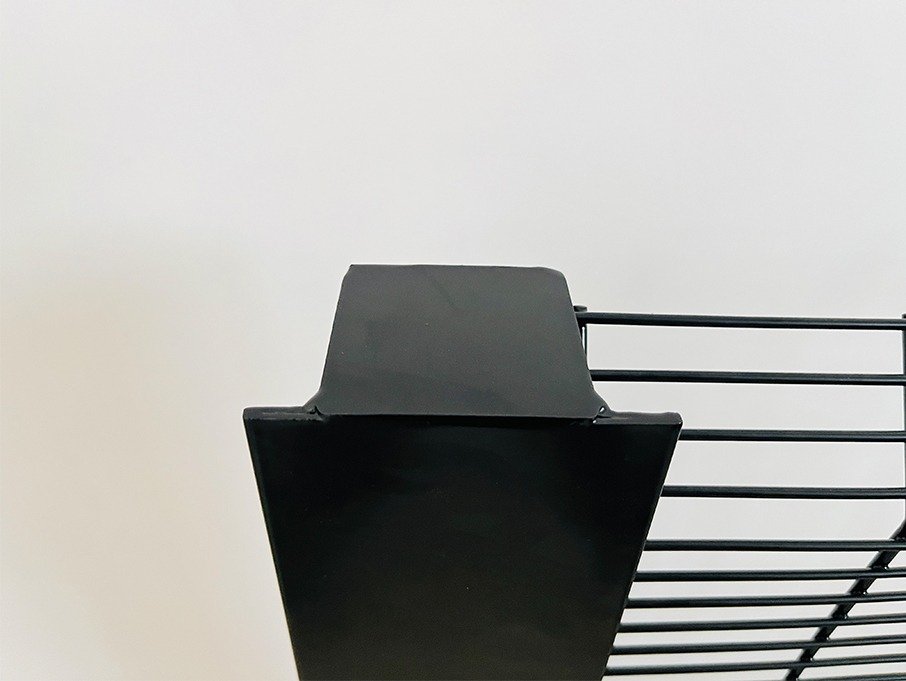
Clearvu Fence Panels can differ in flange details and wire combinations. Compare approved drawings against actual production samples. Do not rely only on a general product photograph.
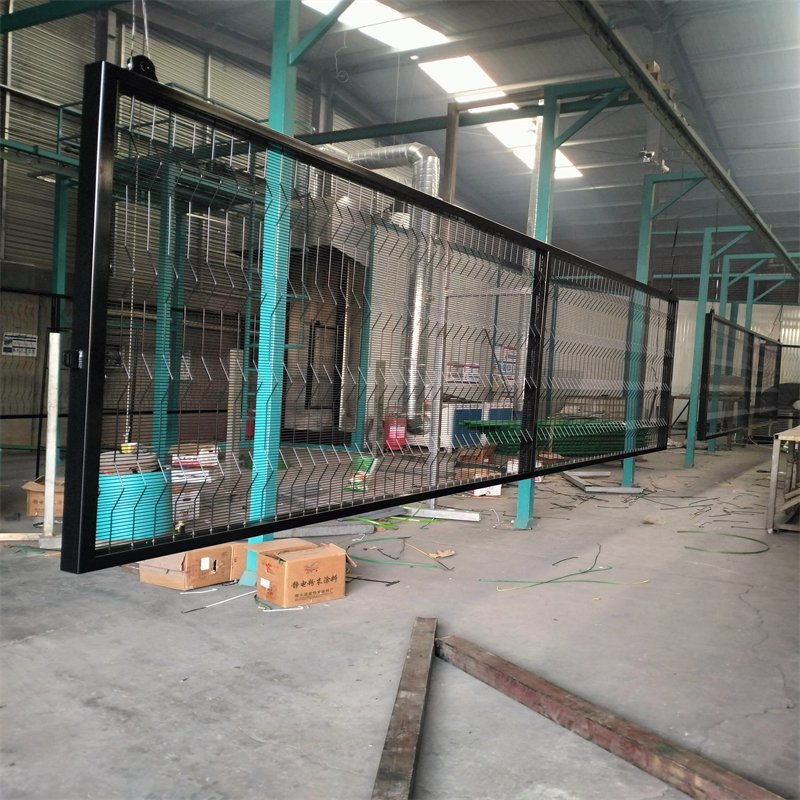
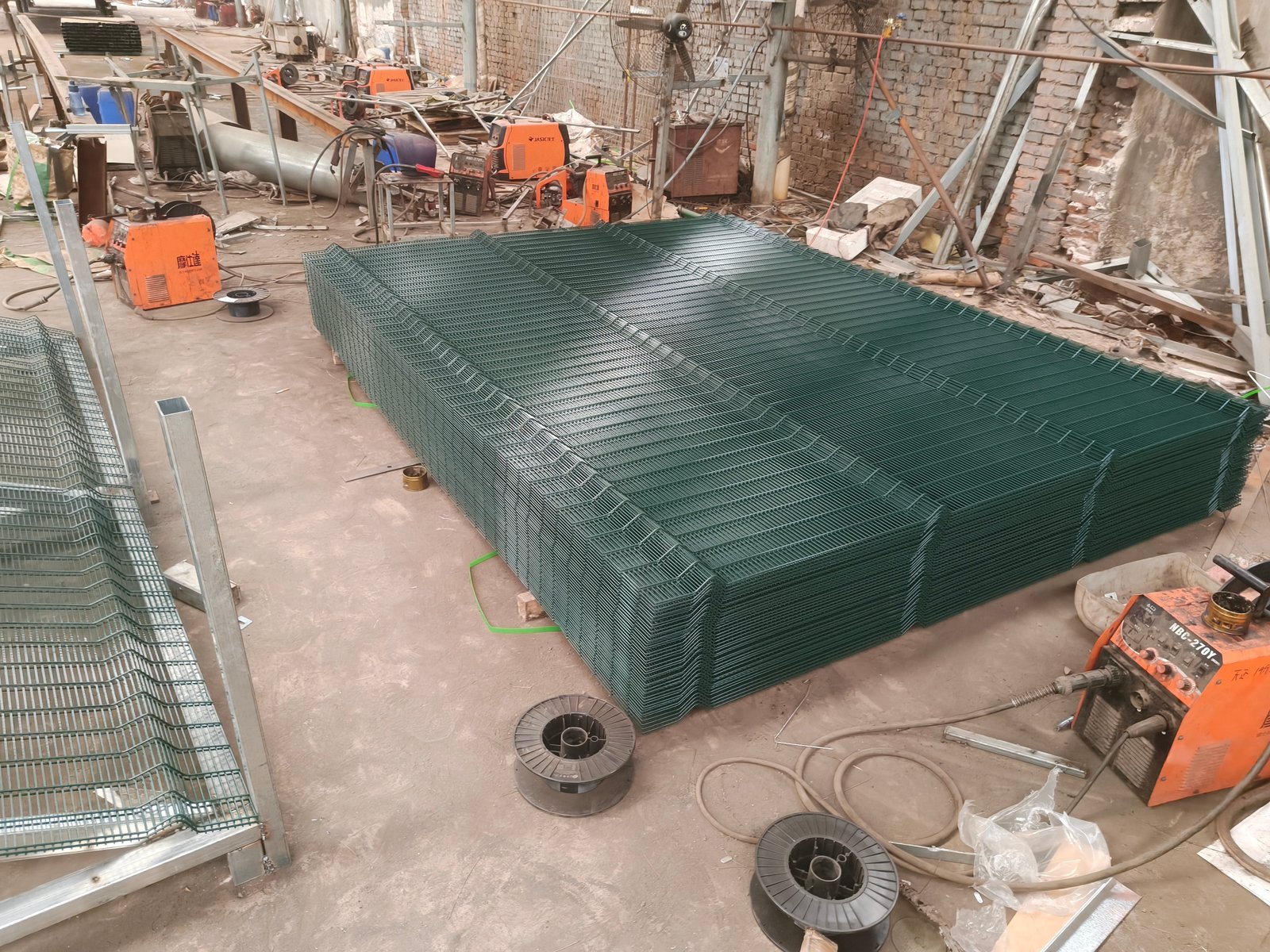
Production inspection should cover weld intersections, panel dimensions, and coating coverage. Final photographs supplement written inspection records.
Cochrane fencing installation guide
Start with a measured site layout and approved post centres. Identify underground services before foundation work. Check post alignment before fixing panels. Use the specified clamp sequence and tighten fasteners according to hardware requirements.
Leave suitable clearance for maintenance and drainage. Inspect every corner and gate transition. Final acceptance should include security hardware and panel alignment.
Slopes, foundations, and gate openings
Sloping sites may require stepped panels, custom post lengths, or engineered adjustments. Avoid large gaps beneath panels near accessible boundaries. Foundation size depends on soil conditions, loads, and structural design.
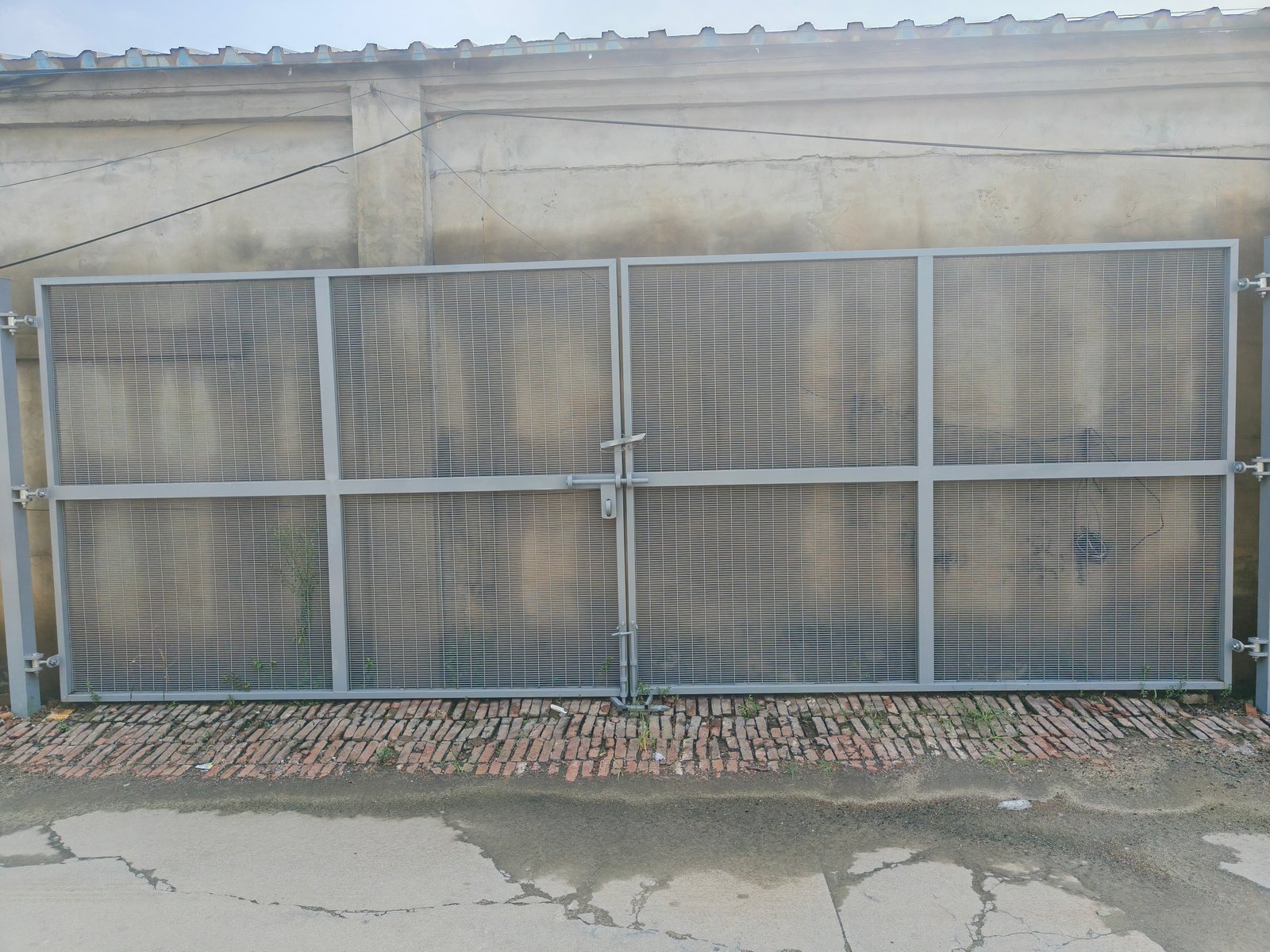
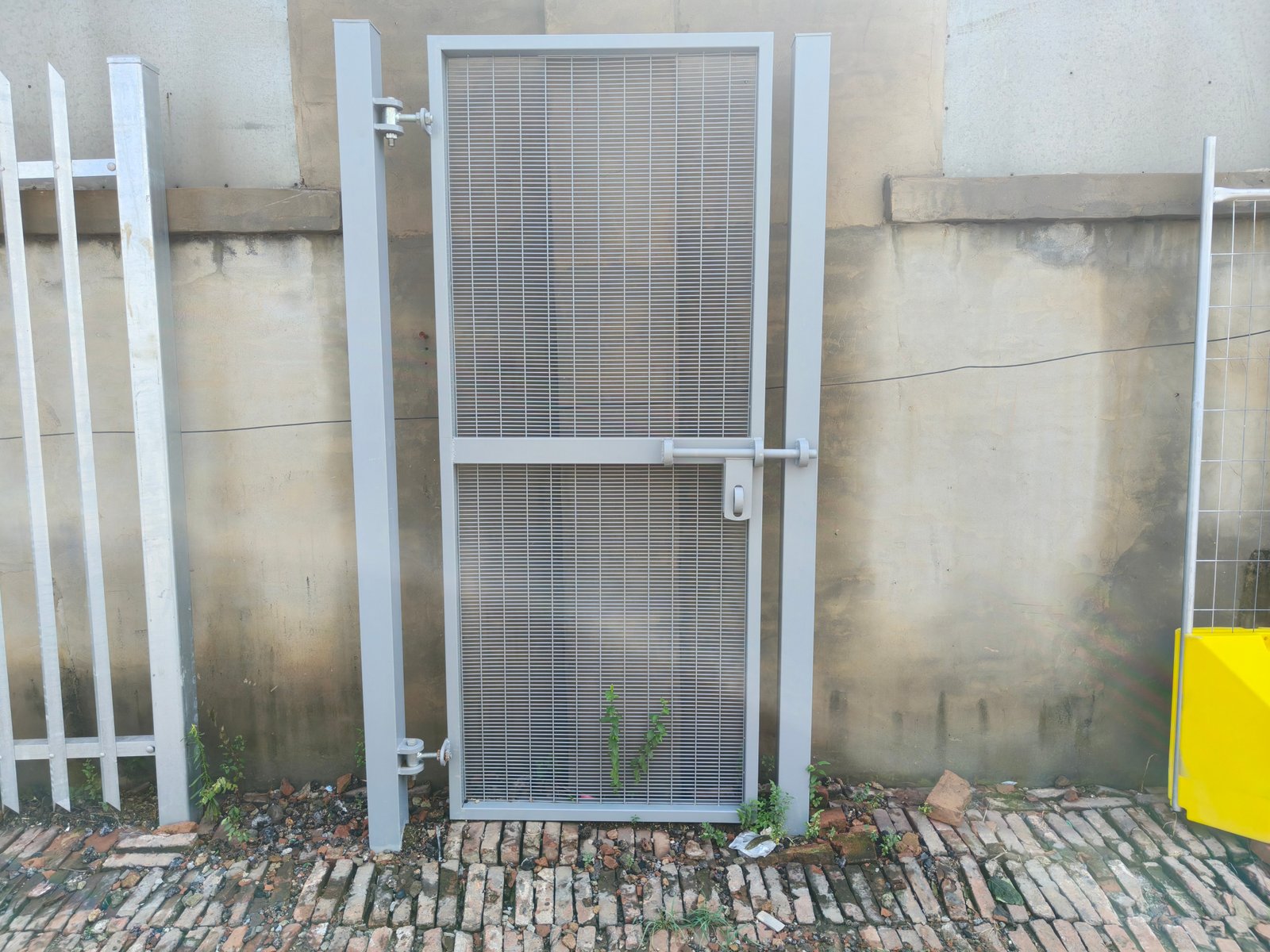
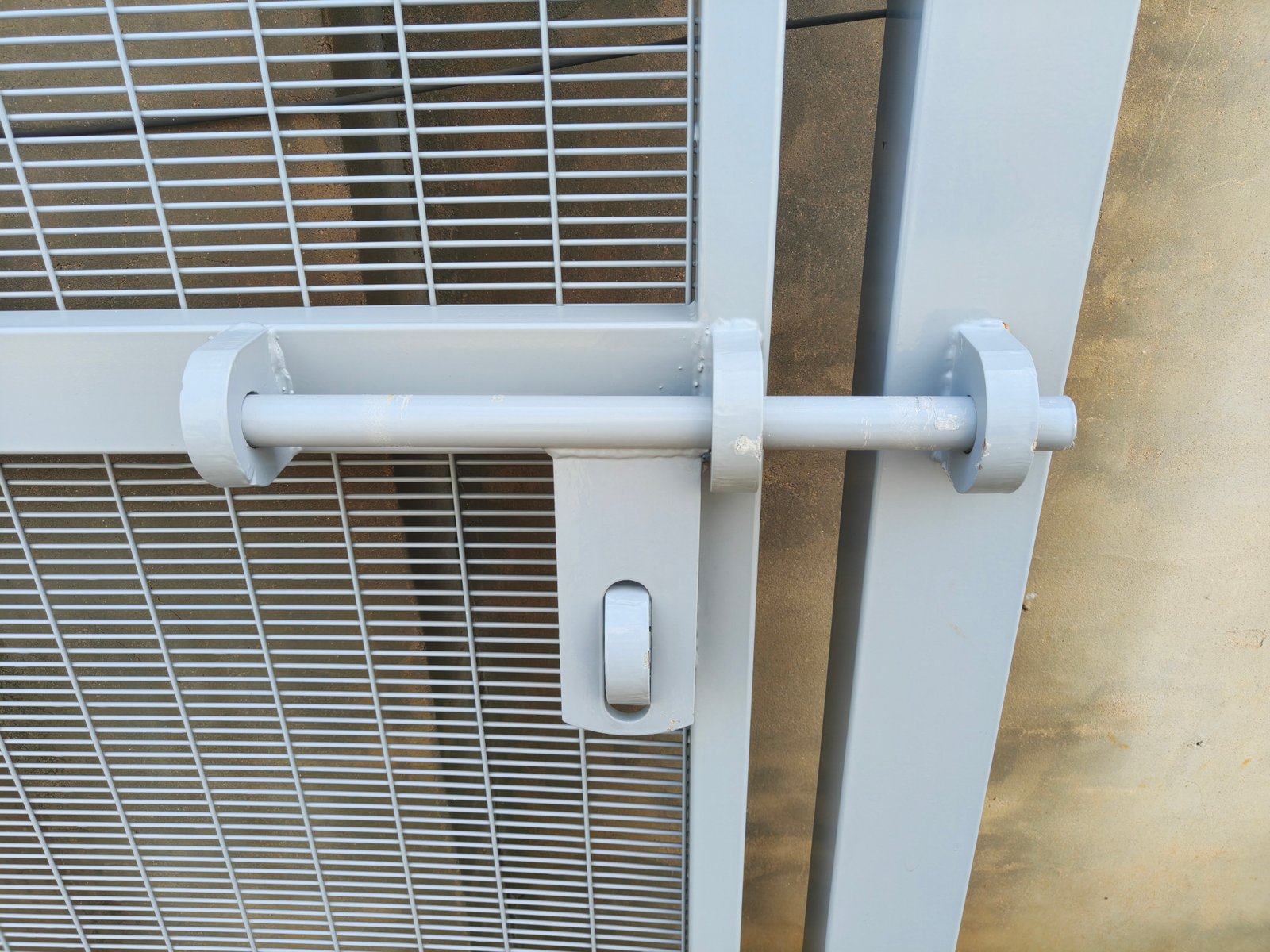
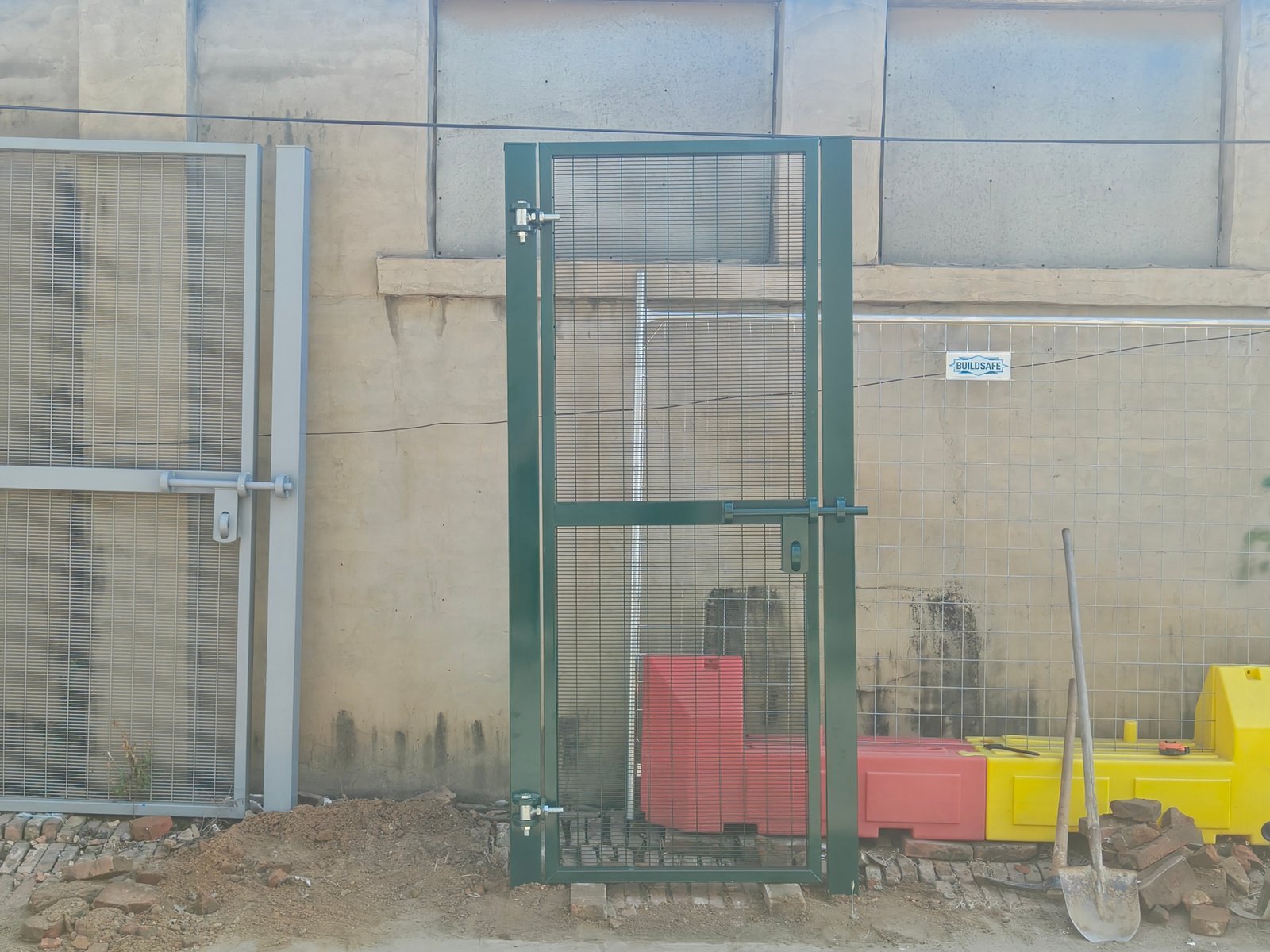
Pedestrian gates need adequate clearances and reliable latches. Vehicle entrances need stronger supporting posts and suitable gate frames. Where appropriate, Clearvu Sliding Gates provide a separate access-control option.
Cochrane fencing applications
High-security mesh can protect warehouses, factories, equipment compounds, schools, and utility sites. Restricted facilities may require verified performance ratings and additional access control. Lower-risk applications can use wider mesh alternatives.
Some properties prefer Palisade Fence profiles rather than welded panels. Compare visibility, foothold geometry, maintenance, and gate compatibility. Select the entire system according to the site assessment.
Fence gates and security toppings
Security toppings can increase the difficulty of crossing a perimeter. Options include angled arms, spikes, and razor wire. Where permitted, Razor Wire Flat Wrap can complement suitable fencing systems.
Review local safety rules before selecting any sharp topping. Keep maintenance staff and public access routes in mind. Electrical fence additions require qualified design and installation.
Cochrane fencing export packaging
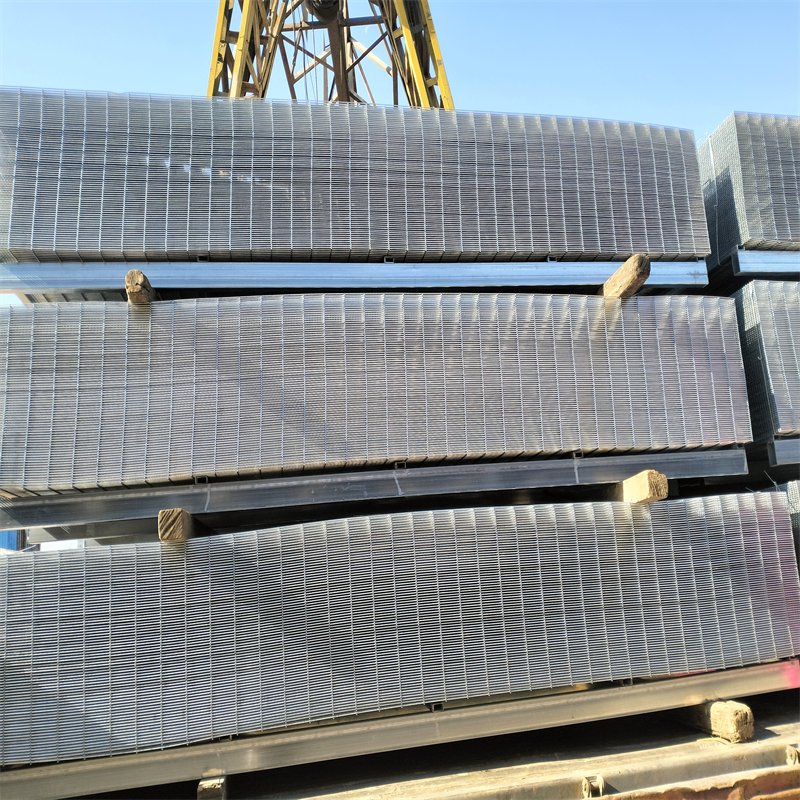
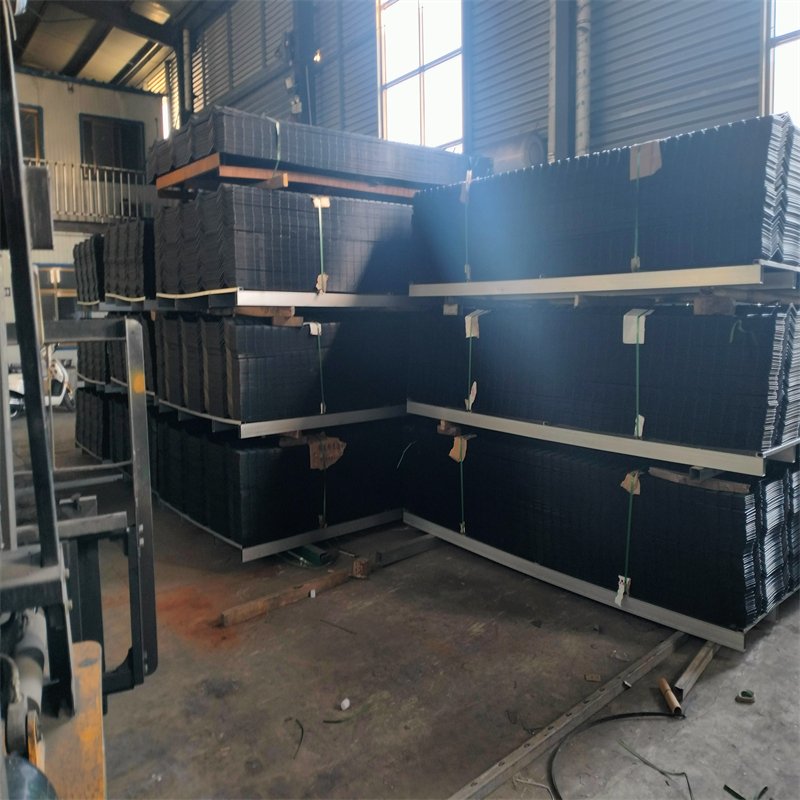
Export packing helps protect welded panels during handling and ocean transport. BMP can arrange metal pallets, protective film, and secured accessory cartons. Posts need separate restraint and surface protection.
Check loading quantities against container payload and pallet dimensions. Keep matching bolts and clamps together with identifiable labels. Photograph loading stages for shipment records.
Specifications to confirm before ordering
Provide total perimeter length, required height, and final delivery destination. Specify aperture size, vertical and horizontal wires, panel width, and post centres. Include coating requirements, gate sizes, and approved security toppings.
Buyers comparing Clear View Fencing for Sale should also review hardware and export terms. Request drawings before paying for custom tooling or production. Record all approved changes in the purchase order.
Cochrane fencing frequently asked questions
Does BMP manufacture genuine Cochrane ClearVu? BMP supplies its own welded security fencing alternatives. Genuine Cochrane branding or certification requires confirmation from the rights holder.
Does every 358 panel include V-bends? No. Flat mesh and folded mesh use different panel designs. Buyers should name the required style.
Can buyers select custom colours? Yes, many coating systems support selected RAL colours. Colour availability depends on the approved production finish.
Can the panels work with CCTV? Yes, the open mesh can support clear sightlines. Camera positioning and lighting still need proper planning.
Maintenance and service planning
Inspect posts, welds, gates, and fasteners at regular intervals. Repair scratches before corrosion spreads. Remove accumulated salt and dirt using coating-compatible cleaning methods. Replace damaged components rather than relying on cosmetic repairs.
Regular inspections support longer service life and safer access control. Record maintenance findings for each section. A complete fencing system performs best with ongoing site management.