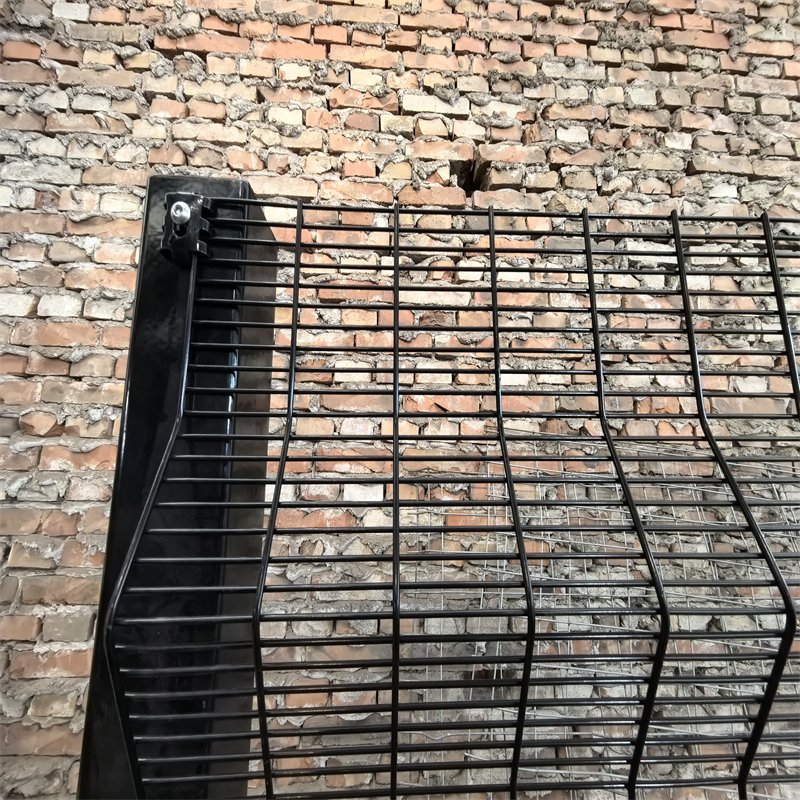
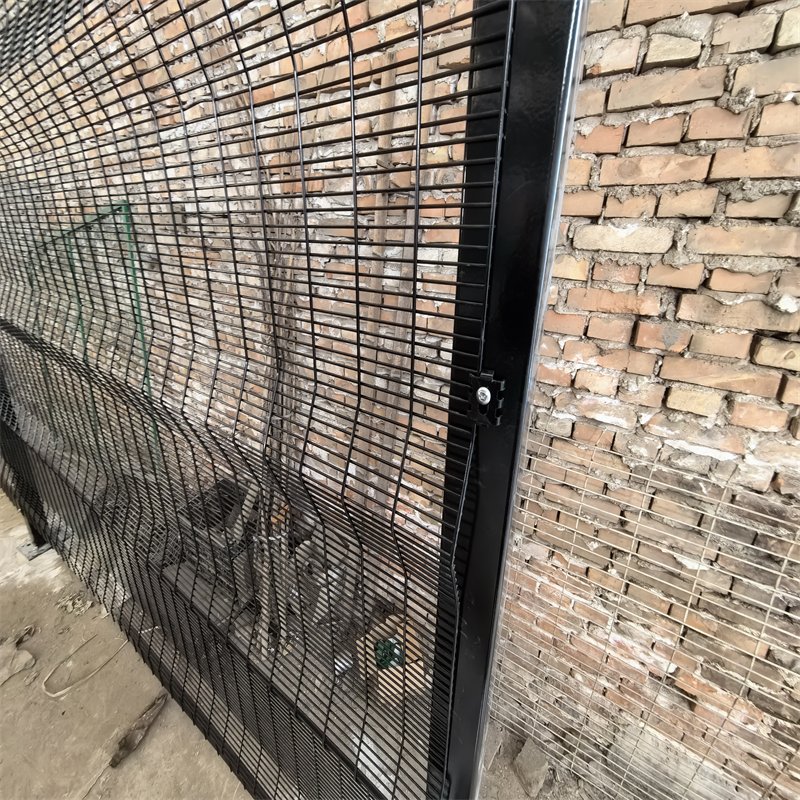
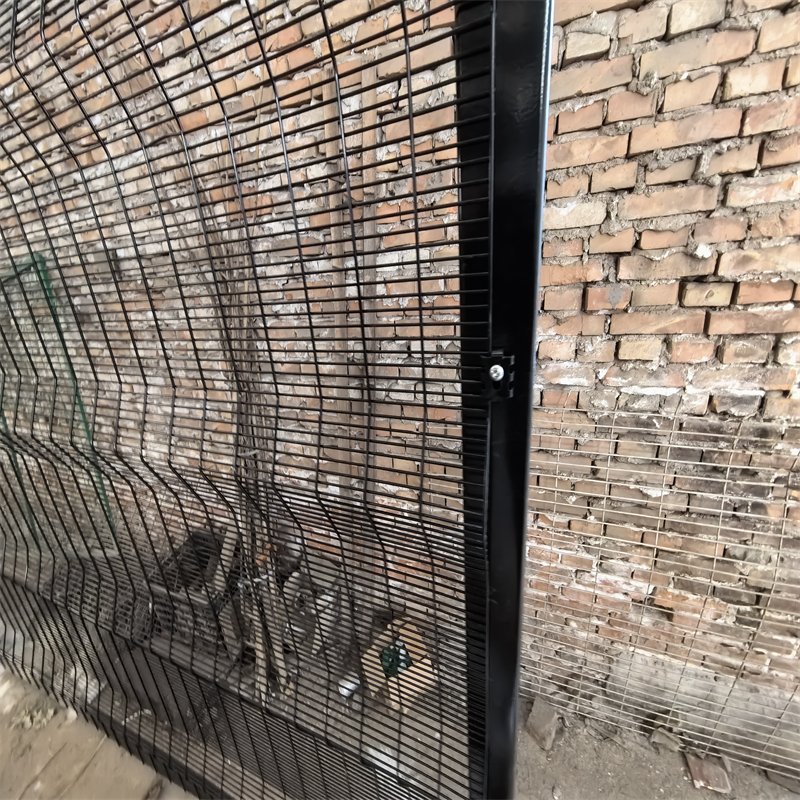
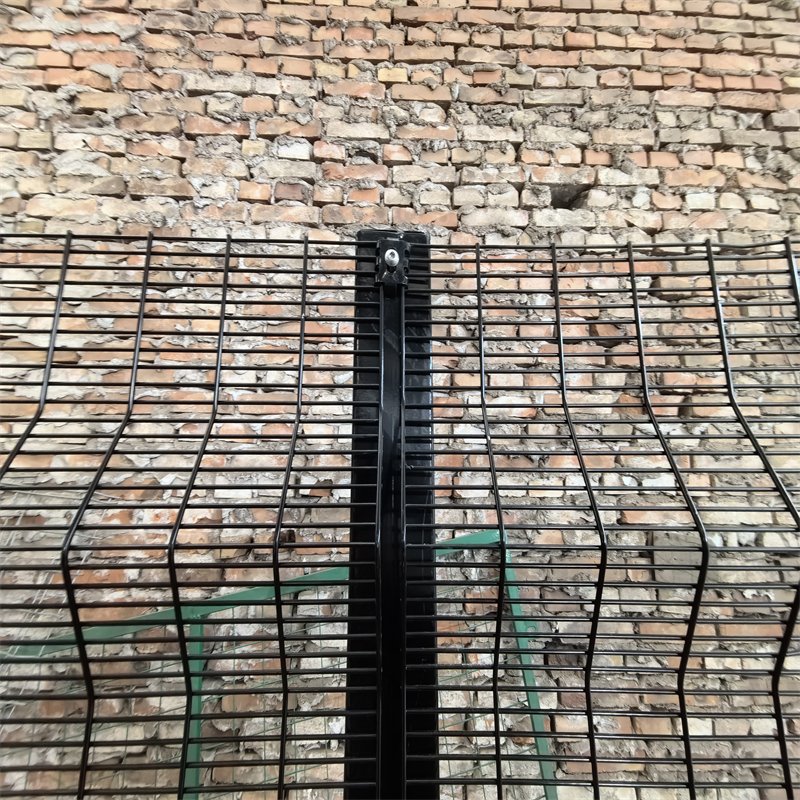
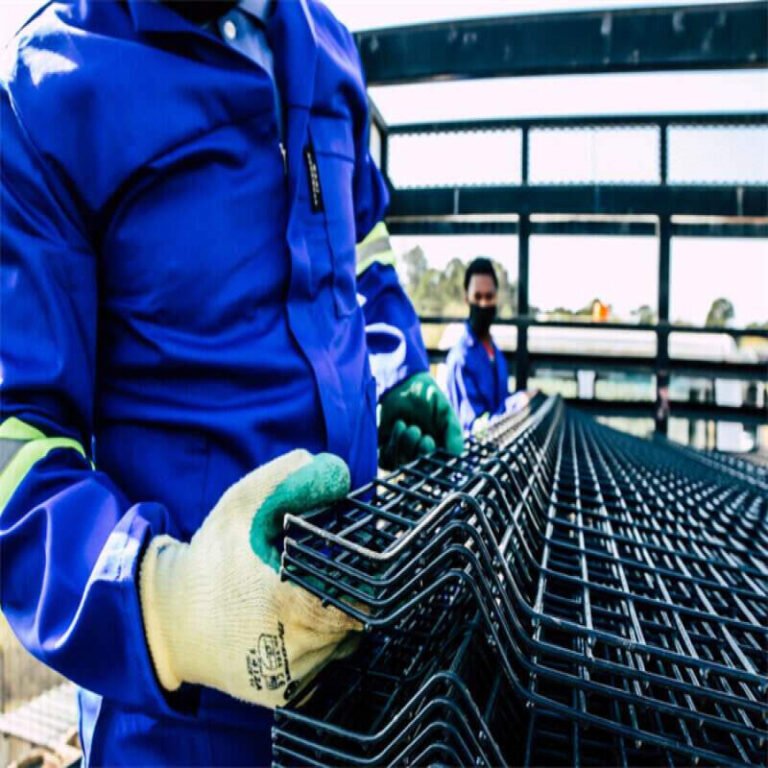
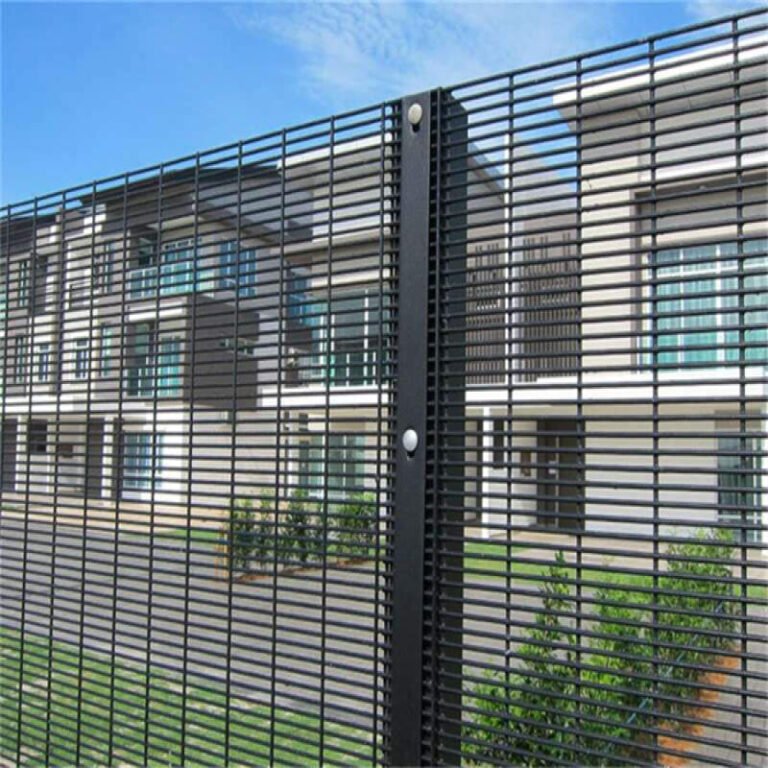
ClearVu Fencing Eastern Cape combines narrow welded mesh with practical visibility across protected boundaries. BMP supplies configurable steel panels, posts, clamps, and access components for projects throughout the province. Security planning must reflect each site's landscape, operating hours, weather, and access requirements. A coastal warehouse needs different details from an inland school or utility compound.
Eastern Cape includes the industrial centres of Gqeberha and KuGompo, formerly East London. These cities face marine exposure alongside everyday property protection needs. Inland locations may experience different moisture patterns, ground conditions, and maintenance demands. A complete fence design should respond to these differences rather than use one standard everywhere.
ClearVu Fencing Eastern Cape: A Site-Specific Security Approach
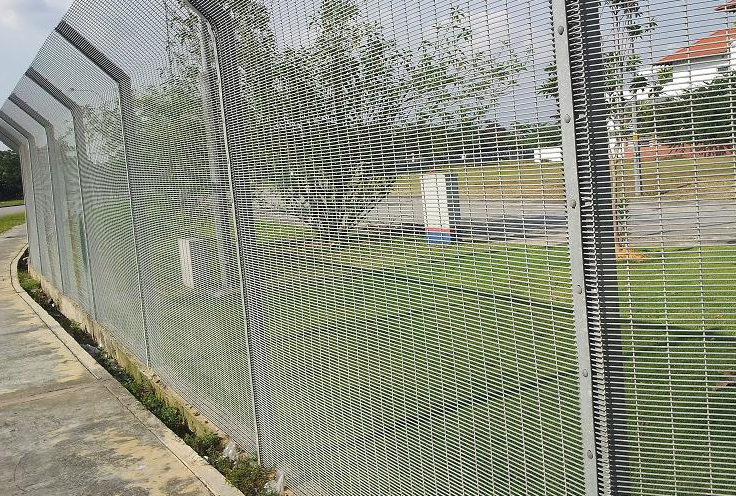
The compact mesh creates a visible boundary with fewer practical climbing holds than conventional wide-aperture fencing. Its open structure supports daytime observation and carefully positioned surveillance cameras. The Clear Vu Fence system also requires well-matched posts, fittings, and gates. Panel selection alone cannot determine a property's overall security.
Consider who uses the entrance, how deliveries arrive, and when personnel leave the building. These everyday movements create more access challenges than straight fence runs. Choose the security grade through a site assessment, not a general claim about the surrounding neighbourhood.
Perimeter Visibility Without Solid Walls
Walls conceal activity on the opposite side of a boundary. See-through mesh allows staff to observe approach routes and external movements. A Clear View Fence Panels installation can also preserve landscaped sightlines. Planners should nevertheless address vegetation, glare, parked vehicles, and poorly lit corners.
Use perimeter lighting to reduce dark zones without shining directly into camera lenses. Place warning signs where visitors can recognize restricted access. A fence discourages intrusion, but coordinated monitoring provides the operational response.
ClearVu Fencing Eastern Cape for Gqeberha and Nelson Mandela Bay
Gqeberha supports manufacturing, transport, warehousing, and activities connected with Algoa Bay. Coastal properties may experience airborne salt and moisture on exposed steel components. The Powder Coated Clear View Fence configuration offers another finish option for buyers to evaluate. Coating selection should reflect distance from surf, maintenance access, and actual exposure.
Inspect gate hinges, clamp edges, cut surfaces, and drilled holes particularly carefully. These small details may show corrosion before broad panel surfaces. Project drawings should specify coating preparation, repair materials, and inspection points.
Coastal Salt Deposits and Coating Vulnerabilities
Salt can accumulate around fittings where rain cannot wash the metal clean. Deposits retain moisture and increase the importance of consistent coating coverage. Choose compatible galvanising and polymer systems for each component. Avoid assuming a coating has identical performance on mesh, hollow posts, bolts, and welded gates.
Review whether fabrication occurs before or after the selected galvanising process. Ensure workers treat exposed steel after welding or site modifications. Maintain written coating requirements and acceptance criteria for the finished shipment.
ClearVu Fencing Eastern Cape for KuGompo and Buffalo City
KuGompo, previously East London, includes coastal commercial areas and busy access routes. Rainfall, marine air, and recurring gate operation can affect long-term maintenance. A Clear View Fencing layout should maintain visibility while protecting loading areas and pedestrian entrances. Visitors and delivery vehicles need distinct access arrangements wherever practical.
Consider drainage around entrance posts and concrete footings. Standing water accelerates problems at vulnerable joints and damaged coatings. Site teams should schedule checks after storms and any nearby groundworks.
Inland Projects Need Different Protection
Projects farther inland may experience greater temperature swings, dust, sloped ground, or seasonal drainage changes. They do not share identical corrosion exposure with coastal sites. Low Security Clear View Fencing may suit defined boundaries without requiring a heavy-duty configuration. A high-risk compound may instead require stronger wire and controlled gates.
Do not describe every Eastern Cape community as unsafe. Security risks vary between locations and types of property. Assess local incident patterns, site assets, access routes, and emergency procedures before selecting the final system.
The original product configuration uses a 3305 mm-wide panel and a close 76.2 × 12.7 mm aperture. These figures describe a particular system rather than every ClearVu panel. For further options, High Security Clearvu Fencing includes closely spaced welded mesh designs. Specify wire direction, diameter, pitch, coating, and fabrication tolerances on approved drawings.
Low-carbon steel wire forms the welded panel structure. Fabrication teams straighten, cut, weld, finish, inspect, and pack the individual components. Requested strength or weld performance needs documented test methods and acceptance criteria.
Understanding the 358 Welded Mesh Pattern
Standard 358 terminology refers to approximately three-inch by half-inch mesh and eight-gauge wire. Metric descriptions commonly reference 76.2 × 12.7 mm and roughly 4 mm steel wire. 358 Security Wire Mesh Fence illustrates this close-mesh product family. Some supplied options use smaller wire diameters and should not share identical strength claims.
The narrow opening complicates convenient handholds and access for certain hand tools. It does not make wire impossible to cut. Security performance also depends on mounting details and access control.
ClearVu Fencing Eastern Cape Panel and Tapered Post Schedule
The table preserves five panel sizes from the supplied specification. Each example uses a 3305 mm nominal width and tapered steel post options. Confirm post spacing, embedment, V-fold geometry, and connections before manufacturing. Dimensions below provide a product reference, not a certified structural design.
Reference panel and post specifications
Panel size (W × H)
Mesh centres
Wire diameter
V-bends
Post length
Tapered post options
3305 × 1800 mm
76.2 × 12.7 mm
3 / 3 mm
4 × 50 mm
2400 mm
85 × 45 × 85 / 150 × 75 × 150 mm
3305 × 2000 mm
76.2 × 12.7 mm
3 / 4 mm
4 × 50 mm
2600 mm
85 × 45 × 85 / 150 × 75 × 150 mm
3305 × 2100 mm
76.2 × 12.7 mm
4 / 4 mm
4 × 50 mm
2700 mm
85 × 45 × 85 / 150 × 75 × 150 mm
3305 × 2400 mm
76.2 × 12.7 mm
Custom
4 × 50 mm
3000 mm
85 × 45 × 85 / 150 × 75 × 150 mm
3305 × 3000 mm
76.2 × 12.7 mm
Custom
4 × 50 mm
3600 mm
85 × 45 × 85 / 150 × 75 × 150 mm
Source drawings also list edge returns of 2 × 70° × 75 mm plus additional 30° returns. Another option uses 2 × 90° × 50 mm edges. Through-bolt fixing forms part of the referenced system. Confirm the final profile through engineering drawings.
V-Bends, Edge Returns and Post Spacing
Four 50 mm V-bends can stiffen a fabricated panel and influence its appearance. Edge returns may add rigidity and create specific fastening requirements. China 3D Security Fence provides a related V-bend panel configuration. Flat 2D panels use different detailing and should not inherit every bend specification.
Measure post centres from the approved drawings rather than nominal panel widths. The tapered profile changes how panels and clamps meet the support. A trial assembly can confirm clearances before large-scale production.
ClearVu Fencing Eastern Cape Clamps and Through-Bolts
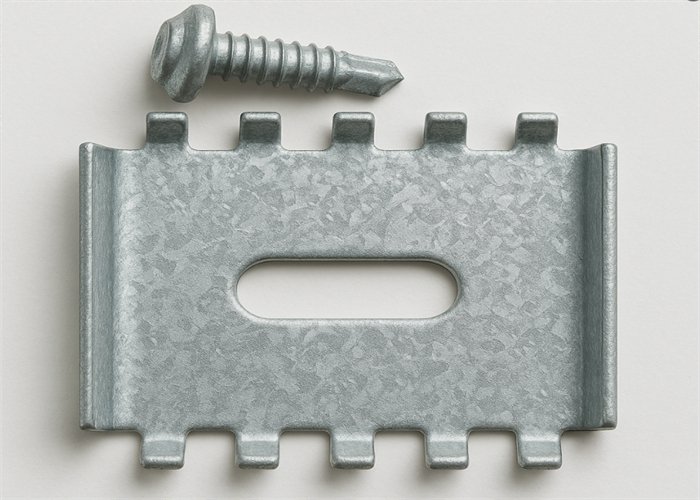
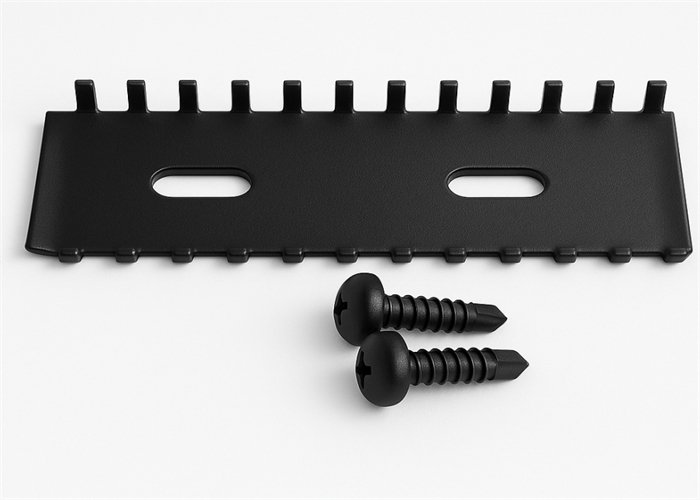
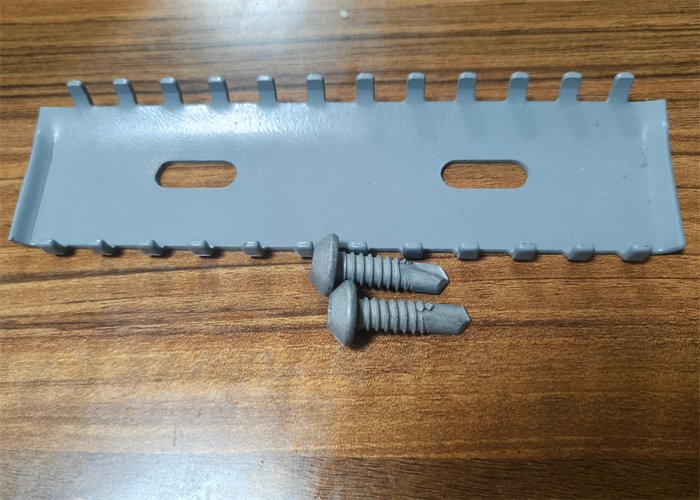
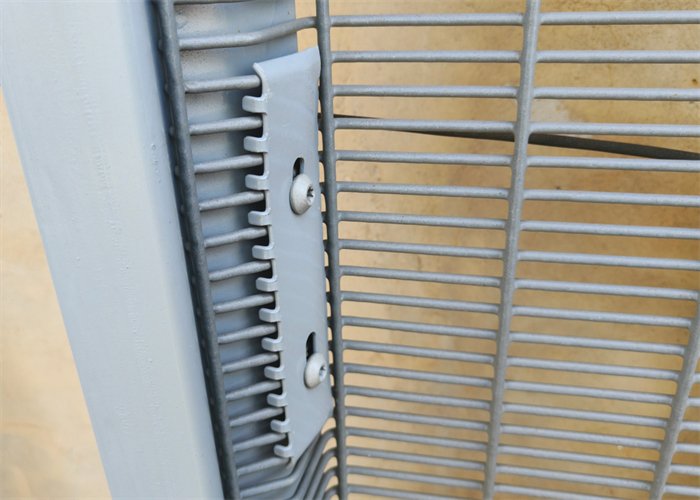
The original accessories include single-bolt and double-bolt clamp plates. Their dimensions depend on panel edges, post geometry, and fixing forces. Clearvu Fence Clamps show comparable fastening components. Buyers should confirm whether each arrangement fits the specified tapered post.
Clamp plate dimensions from the supplied specification
Clamp plate
Plate size
Plate thickness
Connection check
Single Bolt Clamp Plate
50 × 76 mm
3.0–5.0 mm
Confirm bolt, slot and panel edge
Double Bolt Clamp Plate
50 × 165 mm
3.0–5.0 mm
Confirm both fixing positions
Post caps help limit water entry into hollow steel sections. Match each cap to the profile opening and required retention method. Clearvu Fence Posts illustrate related support products without replacing project-specific structural checks.
Anti-Tamper Hardware and Corner Details
Security bolts and matching nuts help discourage casual removal of accessible fittings. Their performance depends on correct engagement and the surrounding steel. Corner posts may require additional clamps or revised fastening positions. Clearvu Fencing Specifications cover further system details.
Inspect clamp seating, bolt engagement, and coating coverage during factory trials. Avoid field drilling through finished coatings without a compatible repair process. Keep spare clamps and fasteners together for later maintenance.
ClearVu Fencing Eastern Cape Coating Options
Steel corrosion protection involves the zinc layer, any polymer finish, and the quality of preparation. Coastal salt exposure may justify a stronger complete protection system. Clearvu Fencing for Sale lists related panel and finish choices. Always confirm coating processes independently for panels, posts, gates, and fasteners.
Reference coating options from the supplied text
Coating
Original reference
Important clarification
Lightly galvanised wire
50–60 g/m² zinc
Verify the coated wire standard
Heavier galvanised wire
255–275 g/m² zinc
Confirm test certificate and coating process
Galfan wire
195–220 g/m²
Reference zinc-aluminium alloy composition
Polyester powder finish
60–80 µm
Confirm preparation and finished thickness
Thermoplastic finish
250 µm minimum
Confirm adhesion and product suitability
These zinc masses describe source coating examples, not universal finished-panel guarantees. Separate hot-dip galvanising after fabrication may use different measurement requirements. Never treat zinc mass and topcoat thickness as interchangeable figures.
Selecting Zinc and Polymer Layers
Galfan generally describes a zinc-aluminium coating rather than a substitute name for powder coating. The two layers serve different functions. Clearvu Clearview Fencing offers another product comparison for coating and visibility requirements. Specify pretreatment, coating thickness, colour, and repair method in the purchase order.
RAL 6005 green and RAL 9005 black suit many commercial installations. Other RAL colours may support architectural requirements. Request a physical sample when colour continuity matters across batches.
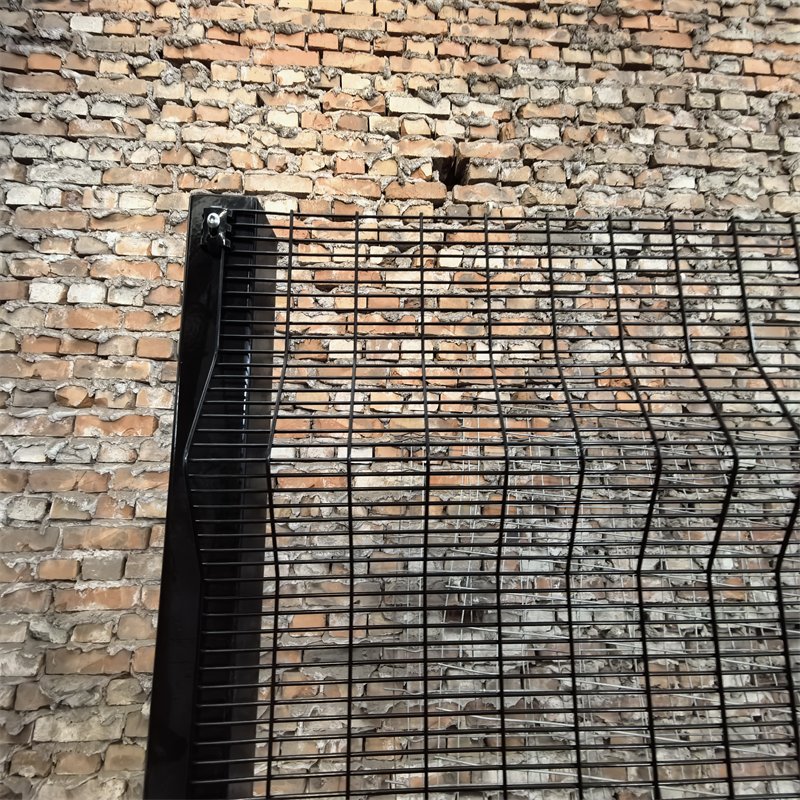
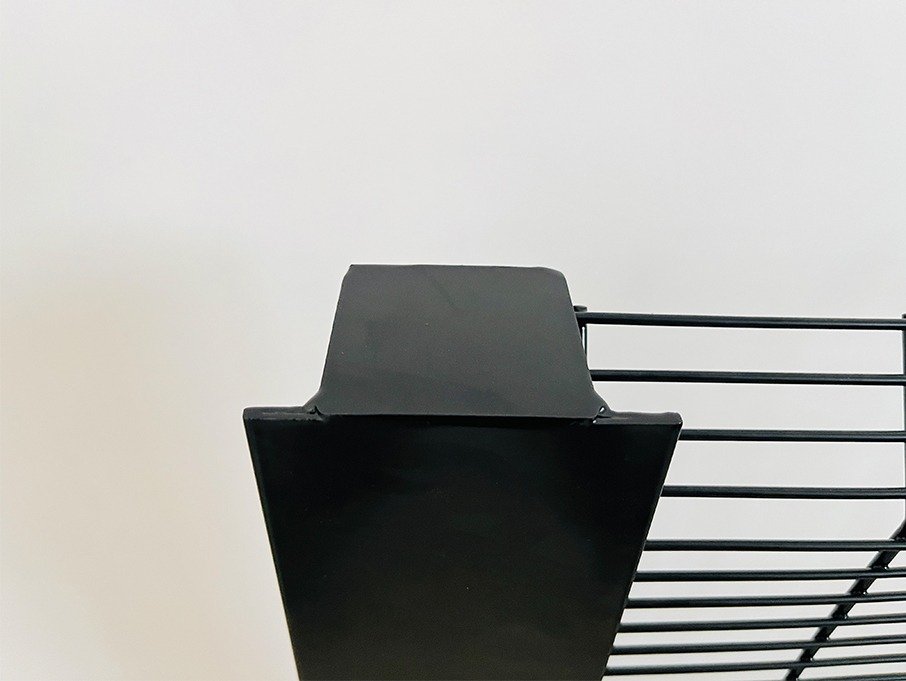
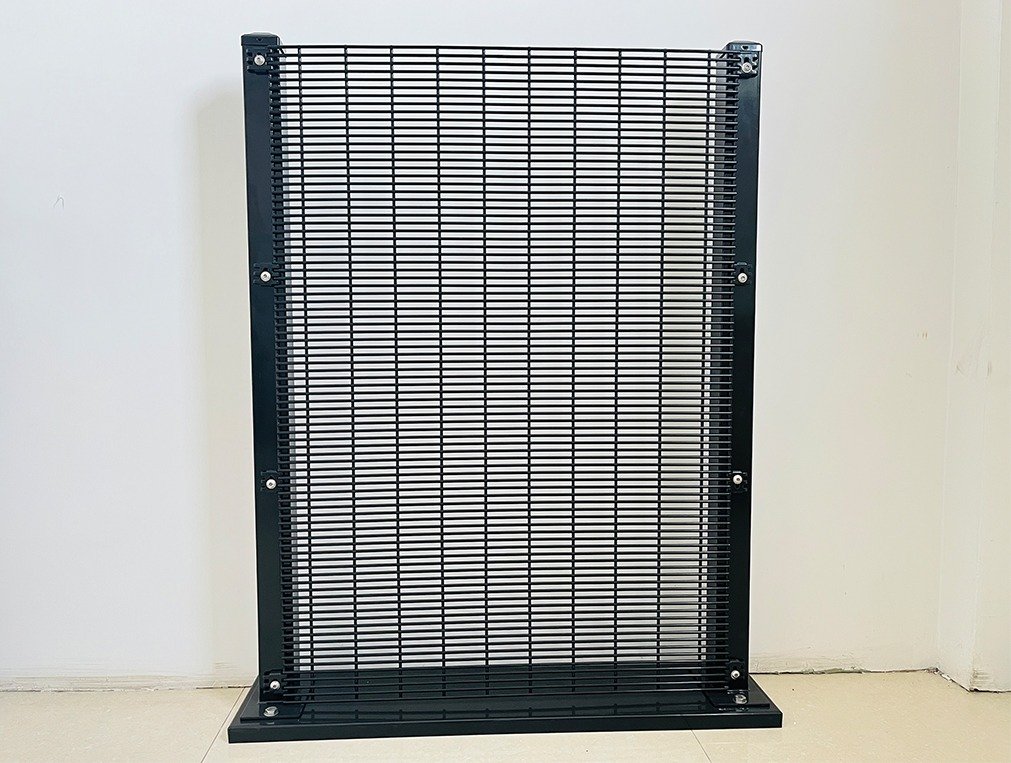
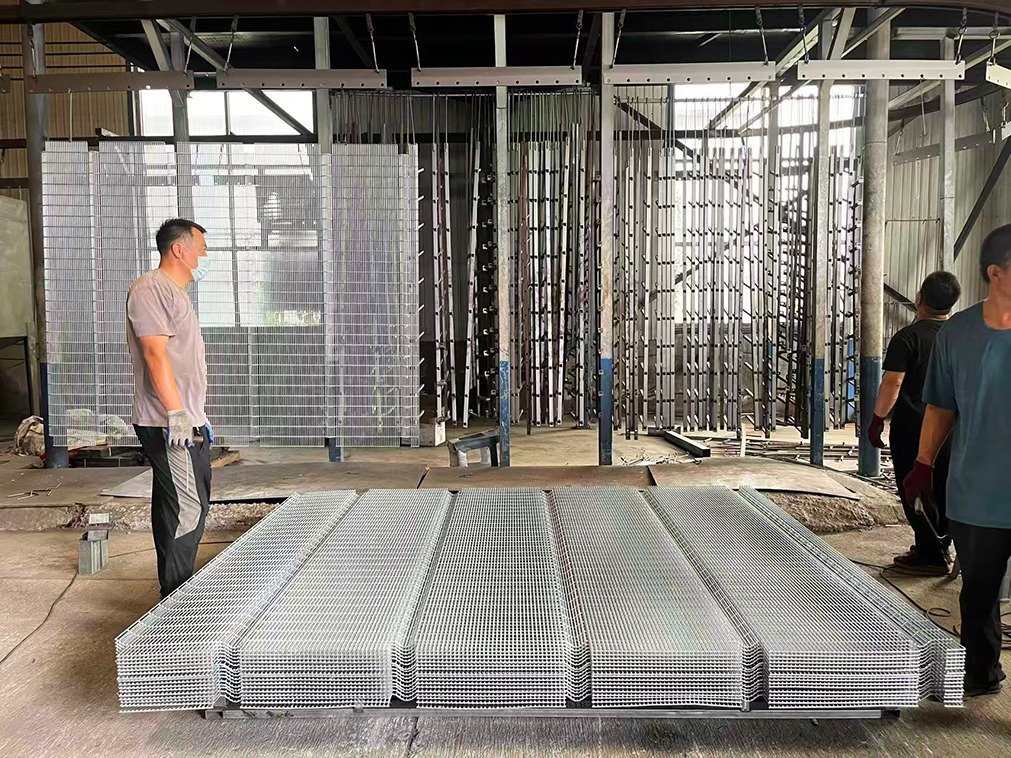
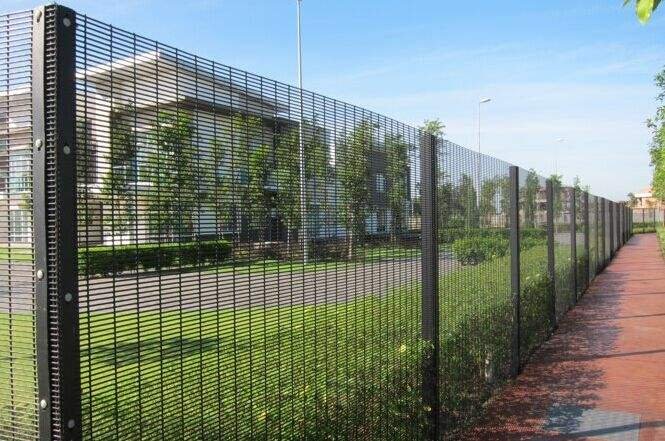
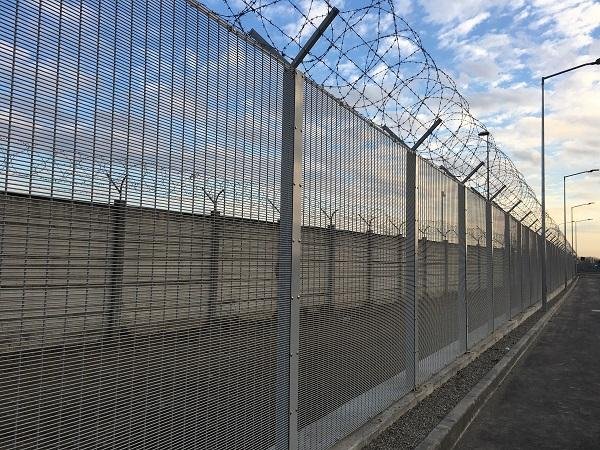
ClearVu security mesh reference photograph. Confirm wire size, finish and panel geometry against the approved specification.
ClearVu Fencing Eastern Cape for Ports and Warehouses
Ports and logistics compounds often combine extended perimeters with frequent vehicle movements. Coastal equipment yards must consider salt exposure, controlled entrances, and after-hours monitoring. Clear View Fence South Africa includes related boundary fencing options. Select mesh height around stored assets, boundary exposure, and access procedures.
Loading gates can become the weakest part of a carefully designed fence. Coordinate swing direction, vehicle turning space, locking hardware, and guard visibility. Inspection teams should also check hinges and wheel assemblies more frequently than fixed panels.
Schools, Estates and Utilities
Schools and housing estates must balance perimeter control with safe circulation. Sharp toppings can create inappropriate hazards where children or pedestrians approach the fence. Utility compounds may require closer mesh and stricter entry permissions. Low Security Clear View Fencing offers another security-level reference, but not every location needs identical protection.
Different Eastern Cape precincts report different property-crime patterns. Use relevant local information rather than claiming the whole province has one security level. Match the boundary to actual exposure, surveillance, staff procedures, and gate control.
ClearVu Fencing Eastern Cape Gate Design
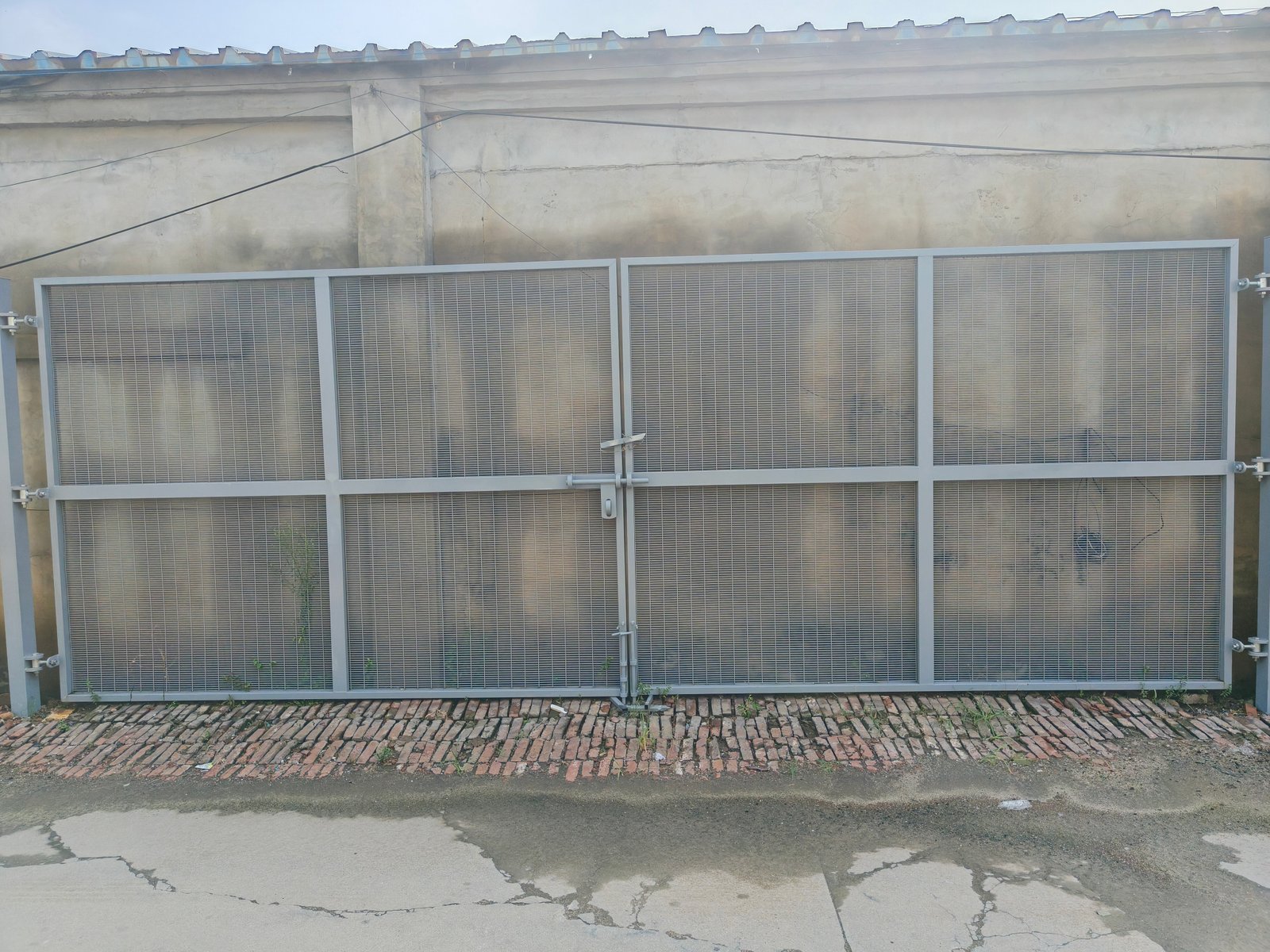
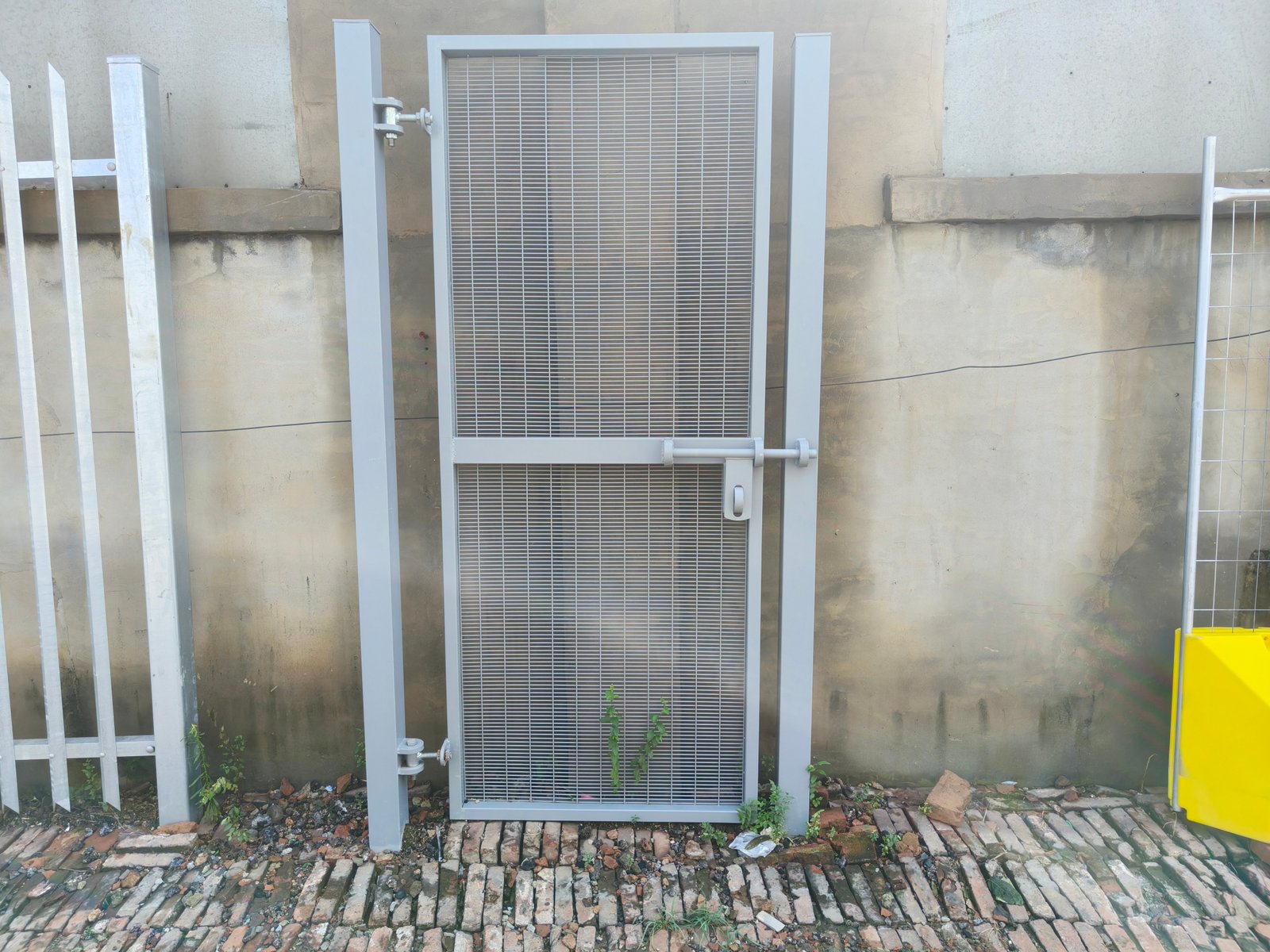
A secure pedestrian gate needs a compatible frame, strong hinges, appropriate locking hardware, and a correctly designed post. Vehicle access adds operating clearances and repeated mechanical loads. Clearvu Sliding Gates provide another gate configuration for wider entries. Confirm manual or powered operation during design.
Sliding systems need a suitable travel path, support arrangement, and safe operating controls. Motorised gates require additional safety assessment for movement and trapping risks. Include all gate components in the final drawing and packing list.
CCTV, Lighting and Intrusion Detection
Open mesh supports many camera sightlines while maintaining airflow. It cannot eliminate blind spots around corners, structures, and storage racks. The Clear View Fence for Sale range illustrates another welded perimeter option. Use a security survey to align mesh, lighting, and camera placement.
Some projects add alarms or monitored boundary sensors. These systems need separate design and commissioning requirements. Razor Wire Flat Wrap may suit certain controlled sites, subject to local safety requirements.
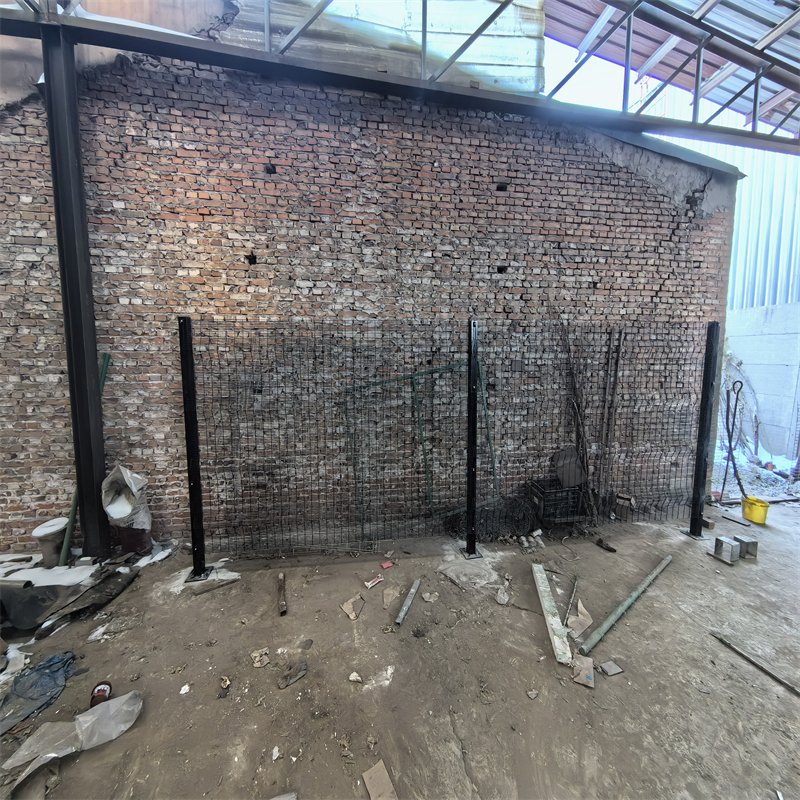
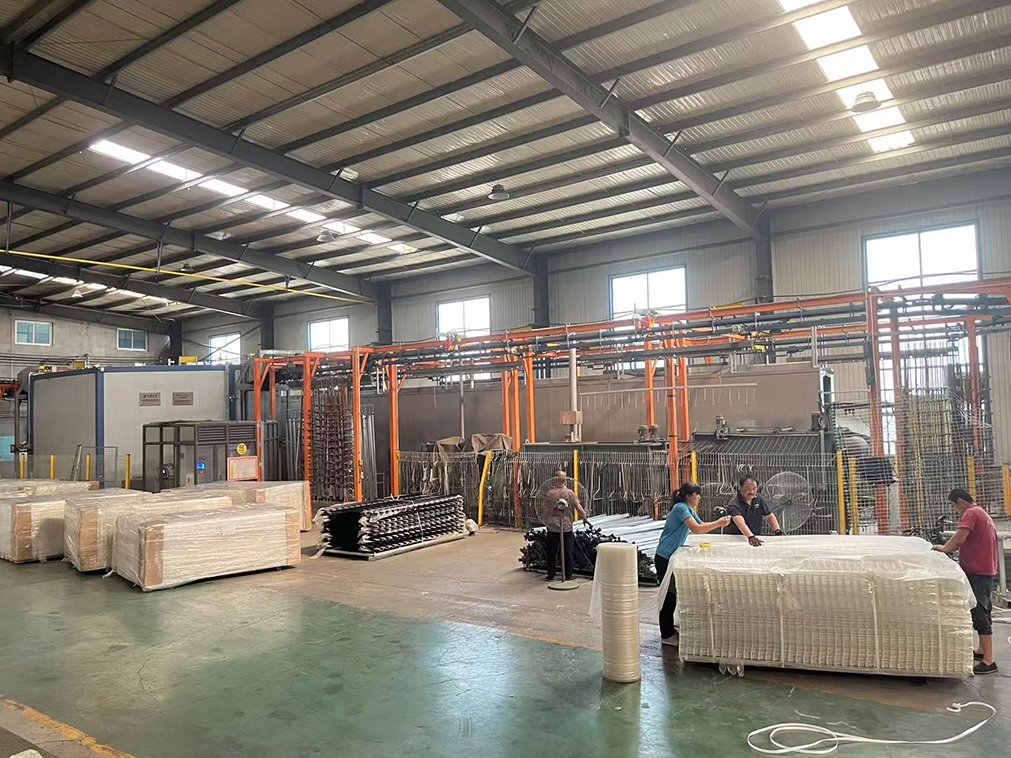
Reference image for perimeter layout. Review gates, posts and surveillance sightlines as one coordinated design.
Begin with a site survey, approved drawing, and marked boundary positions. Confirm underground services before excavating foundation holes. Set each post vertically and check the designed spacing. Install panels using the specified bolts, clamps, and protective caps.
Confirm the fence line, ownership boundaries, and entrance locations.
Check post sizes, foundation drawings, and ground conditions.
Inspect delivered mesh dimensions and coating condition.
Keep panel edges aligned without forcing welded joints.
Check gate clearance, latch operation, and emergency access.
Record completed inspections before project handover.
A specific slotted clamp arrangement may need a 75 mm overlap. Other systems connect panels without that overlap. Follow the actual manufacturing drawing, not a universal installation assumption.
Slopes, Erosion and Foundation Drainage
Eastern Cape terrain ranges from coastal developments to hilly and inland sites. Sloping boundaries can create gaps below standard rectangular panels. Custom panels or stepped runs may reduce these openings. Foundation design must also consider erosion and runoff.
Reference post lengths do not establish suitable embedment for every ground condition. A qualified designer should assess tall fencing, exposed slopes, and weak soils. Drainage and support stability affect security long after installation.
ClearVu Fencing Eastern Cape Manufacturing and Quality Checks
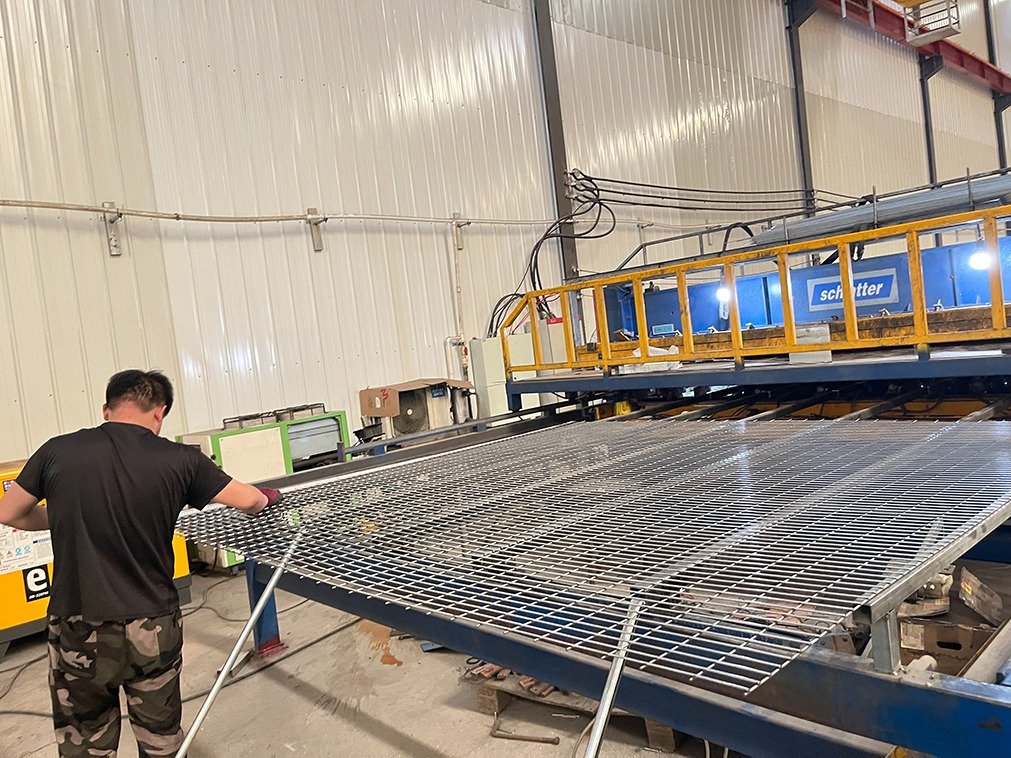
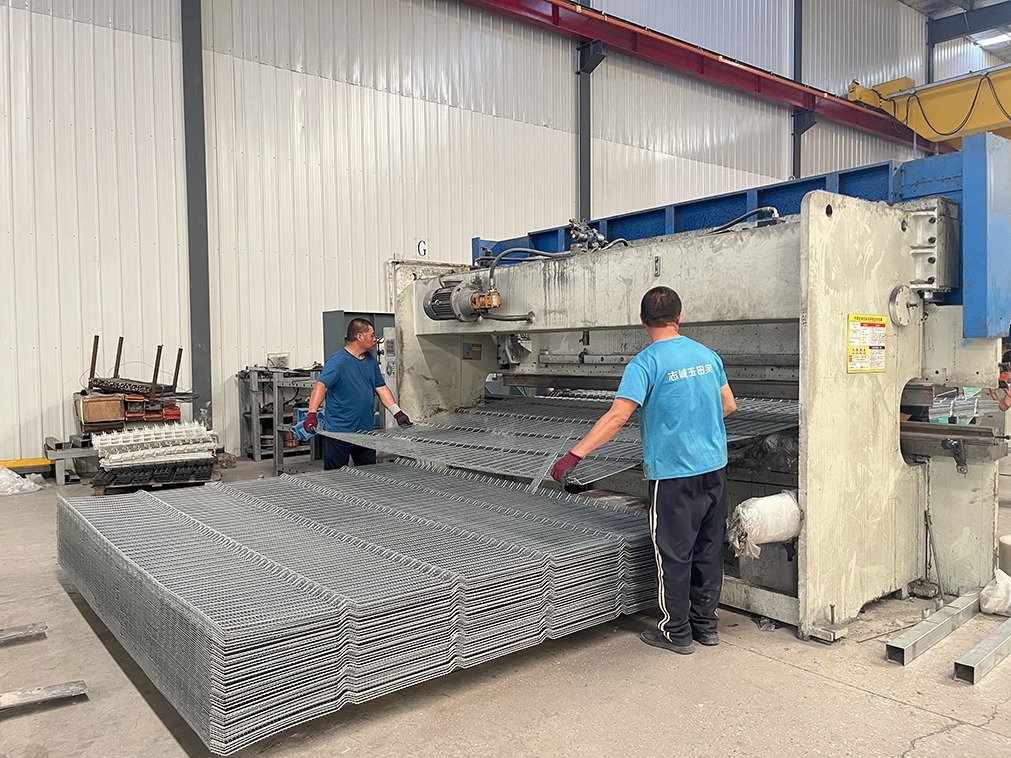
BMP can manufacture welded security mesh through wire preparation, automated welding, surface treatment, inspection, and packaging. 358 Anti-Climb Fence provides a related configuration for procurement comparisons. Confirm material grade and inspection requirements in writing before production.
Inspect mesh pitch, wire diameter, weld continuity, panel squareness, bend geometry, and coating appearance. Measure several samples from each production lot. When testing matters, specify methods, tolerances, and supporting records.
Export Packing and Receiving Inspections
Steel stillages or pallets help protect large panels during international transport. Separate packing reduces contact damage between posts, clamps, and coated mesh. Clearvu Fence Panels provide related product references for compatible shipment planning. Keep hardware cartons clearly identified.
Label pallets with panel types and quantities. Match each package to the final packing list and manufacturing drawings. Buyers should check damage and missing fittings before site installation begins.
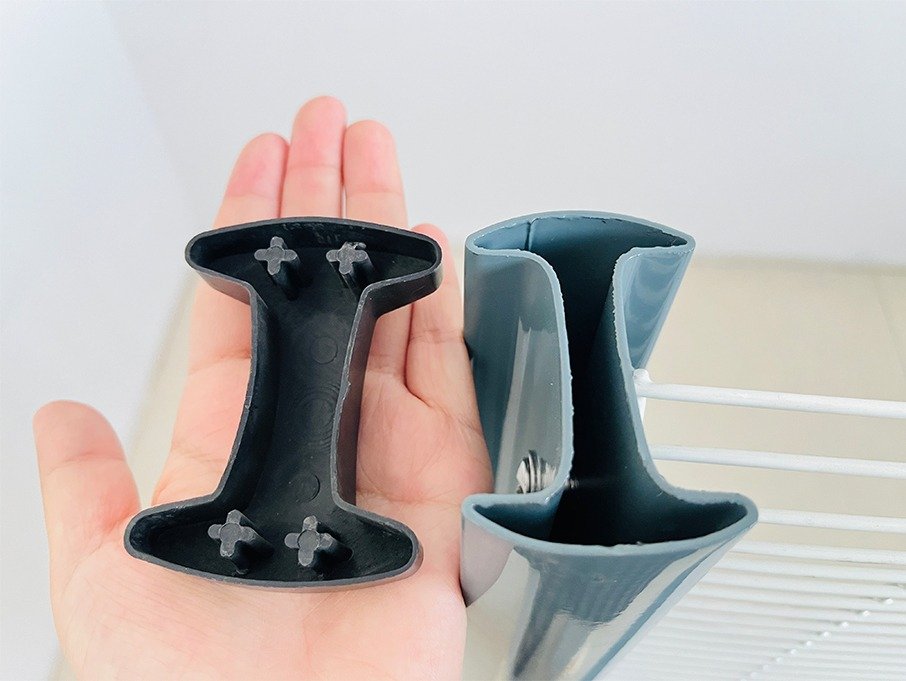
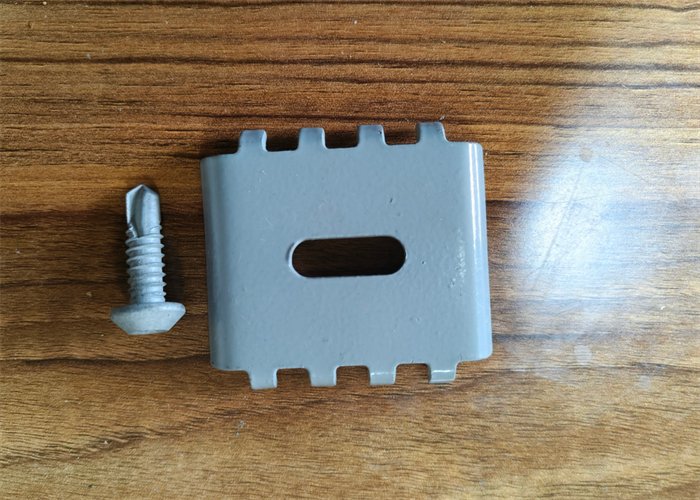
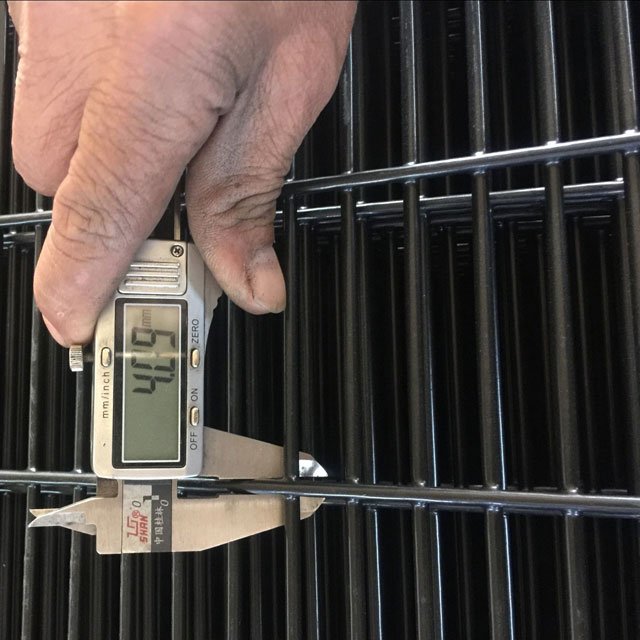
Component reference photograph. Inspect coating continuity, edges and fasteners during packing and delivery.
ClearVu Fencing Eastern Cape Maintenance and Buyer FAQ
Routine inspections should focus on gate movement, clamp tightness, surface damage, and vegetation around the fence line. Coastal installations may need more frequent cleaning and checks. Maintenance frequency should reflect exposure and the selected coating specification.
Which mesh suits a high-security perimeter? Close 358-style mesh can restrict convenient handholds. The final grade also depends on wire strength, posts, gates, and monitoring.
Can panels suit different colours? Powder coating offers RAL colour choices. Confirm colour and coating system before production.
Does the fence work on uneven land? Installers can use stepped panels or engineered custom shapes. Ground clearance still needs checking.
Does galvanized steel need maintenance? Yes. Inspect coatings and connections, especially near coastal salt exposure.
Questions to Resolve Before Fabrication
State the total fence length, required height, gate openings, wire diameters, mesh pitch, and preferred colours. Supply available site drawings and local exposure information. Confirm the post profile, fixing method, and coating sequence. Clear View Fence Panels can provide a comparison when reviewing panel formats.
Discuss unloading access, packaging quantities, and required delivery documents. Request inspection records where the contract calls for them. A complete purchase specification reduces installation changes and unexpected replacement costs.
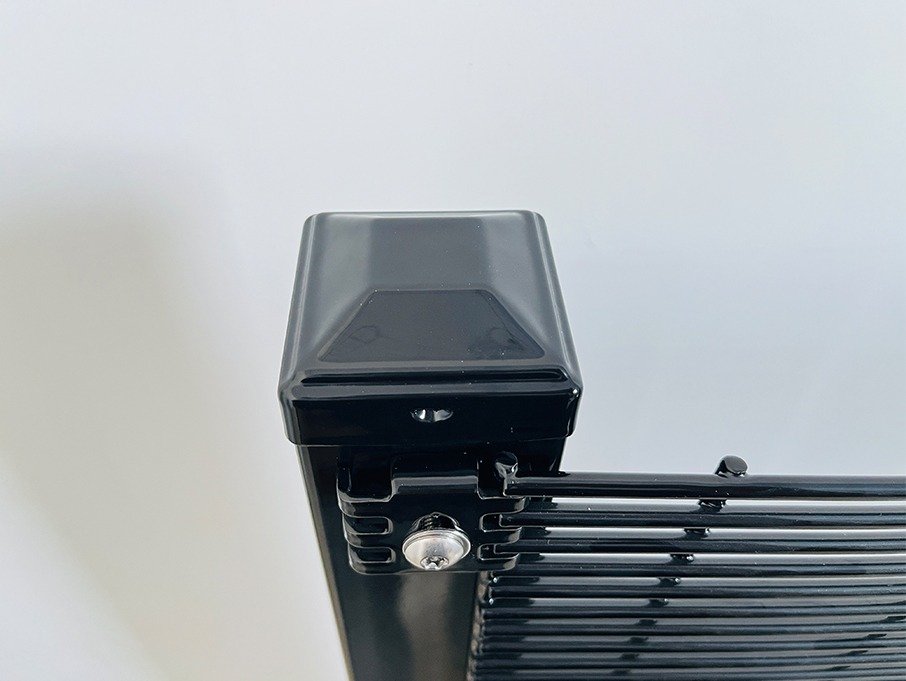
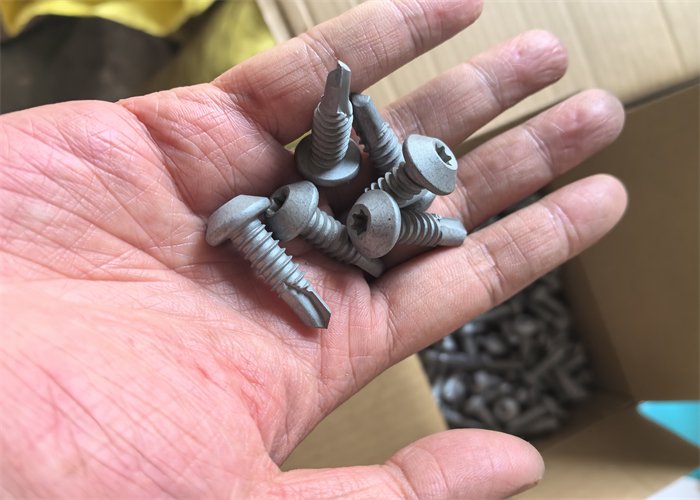
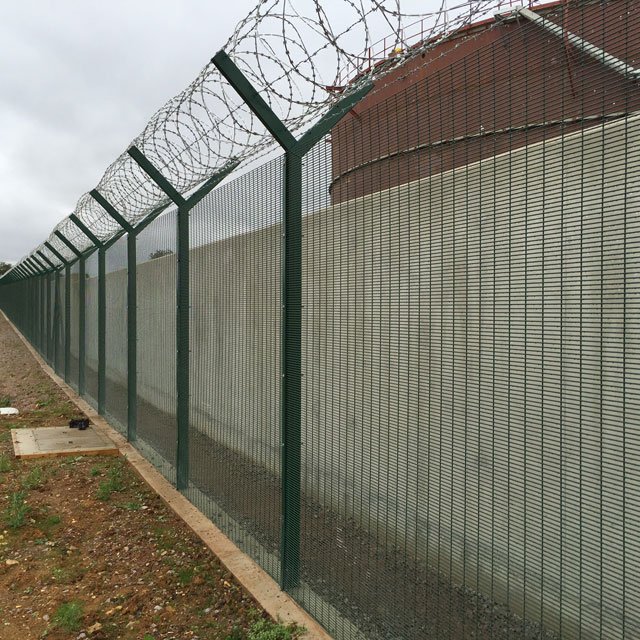
Product reference image. Coordinate approved panel dimensions, post finishes and site installation requirements.