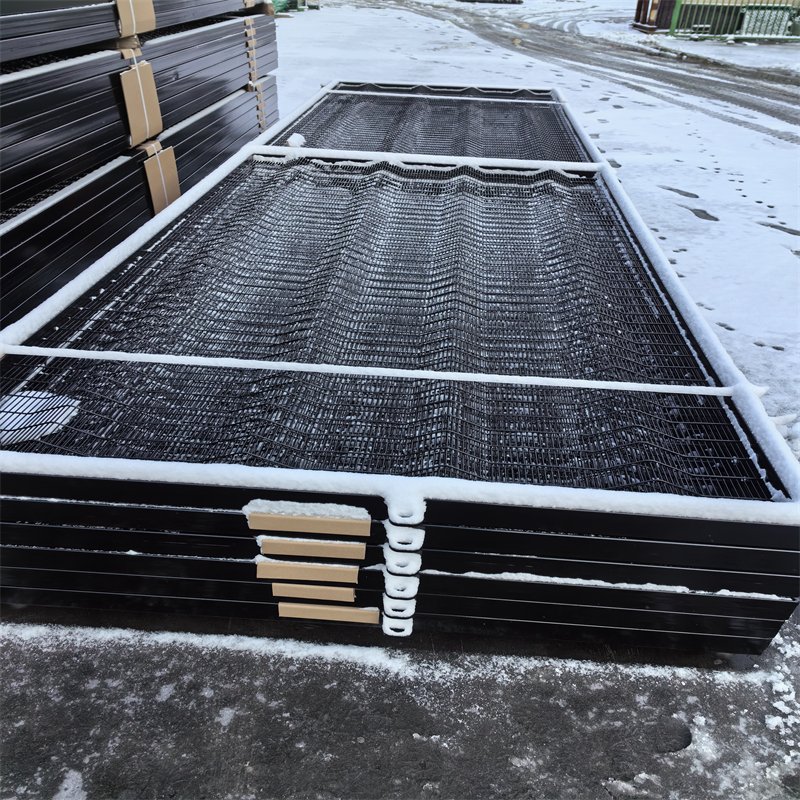
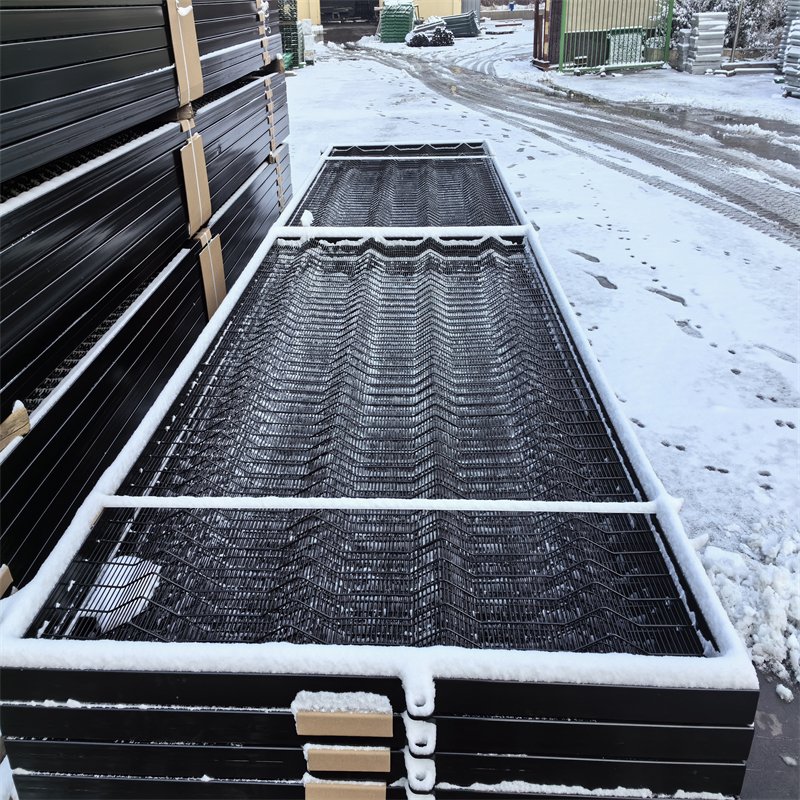
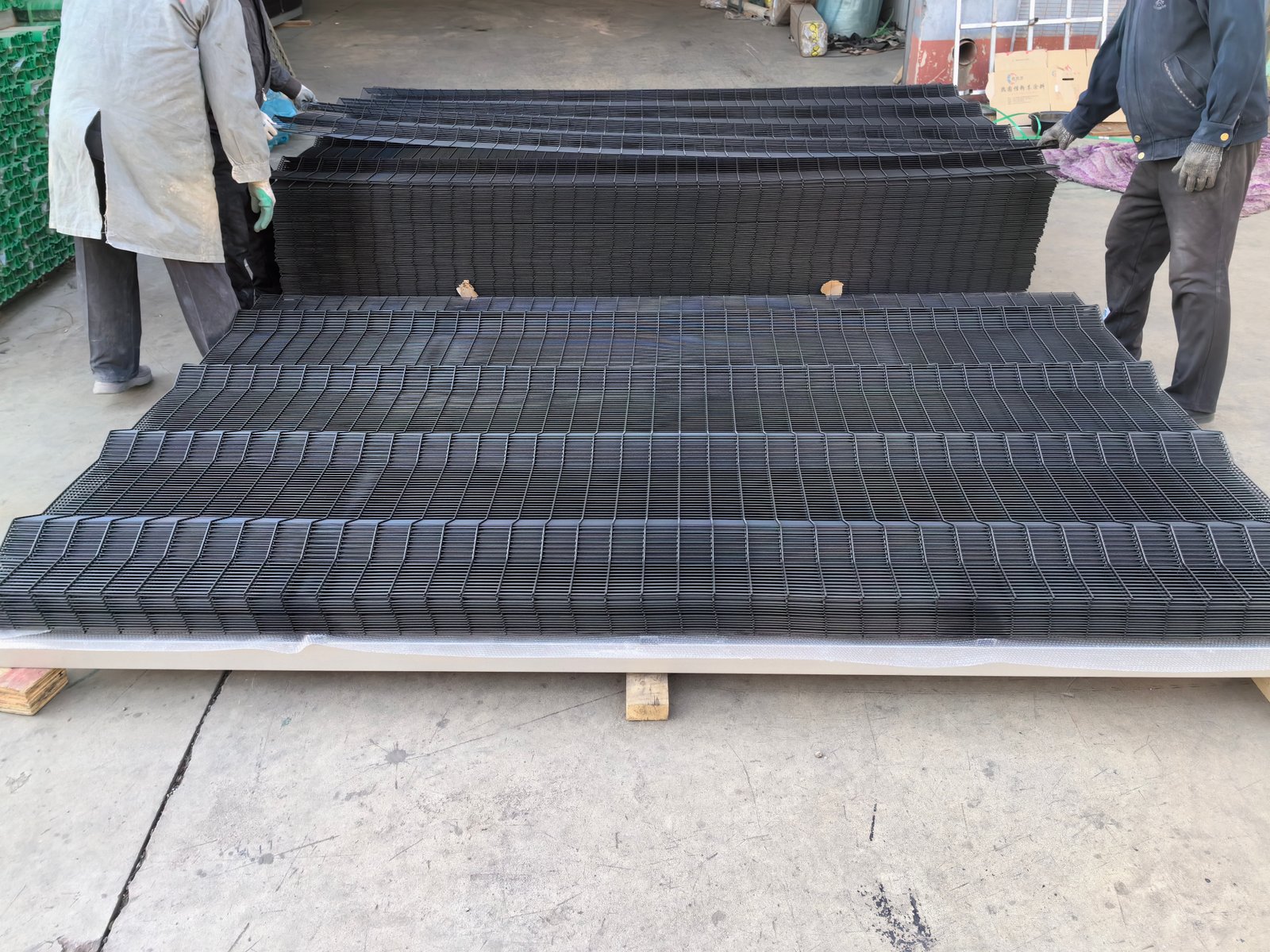
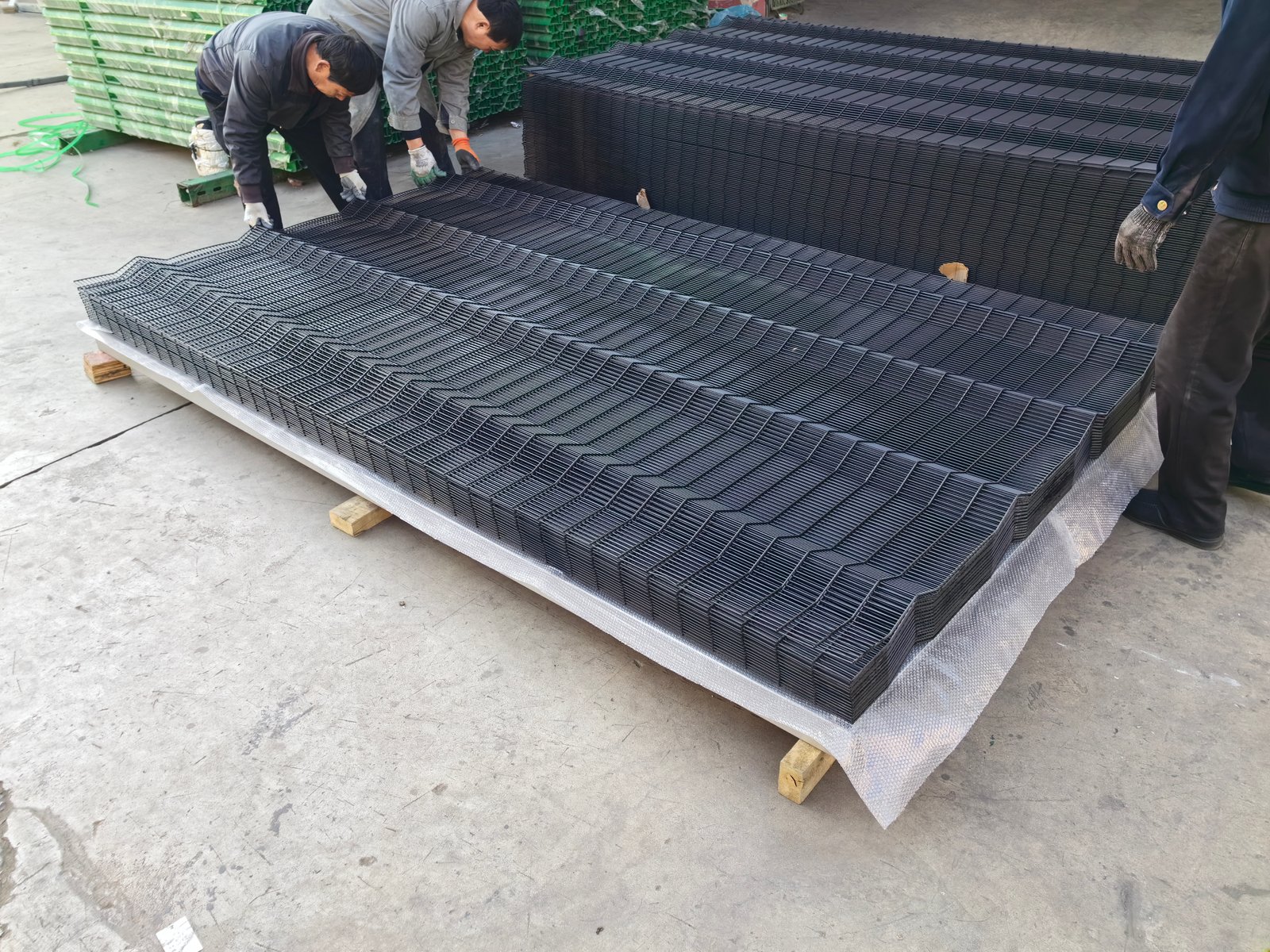
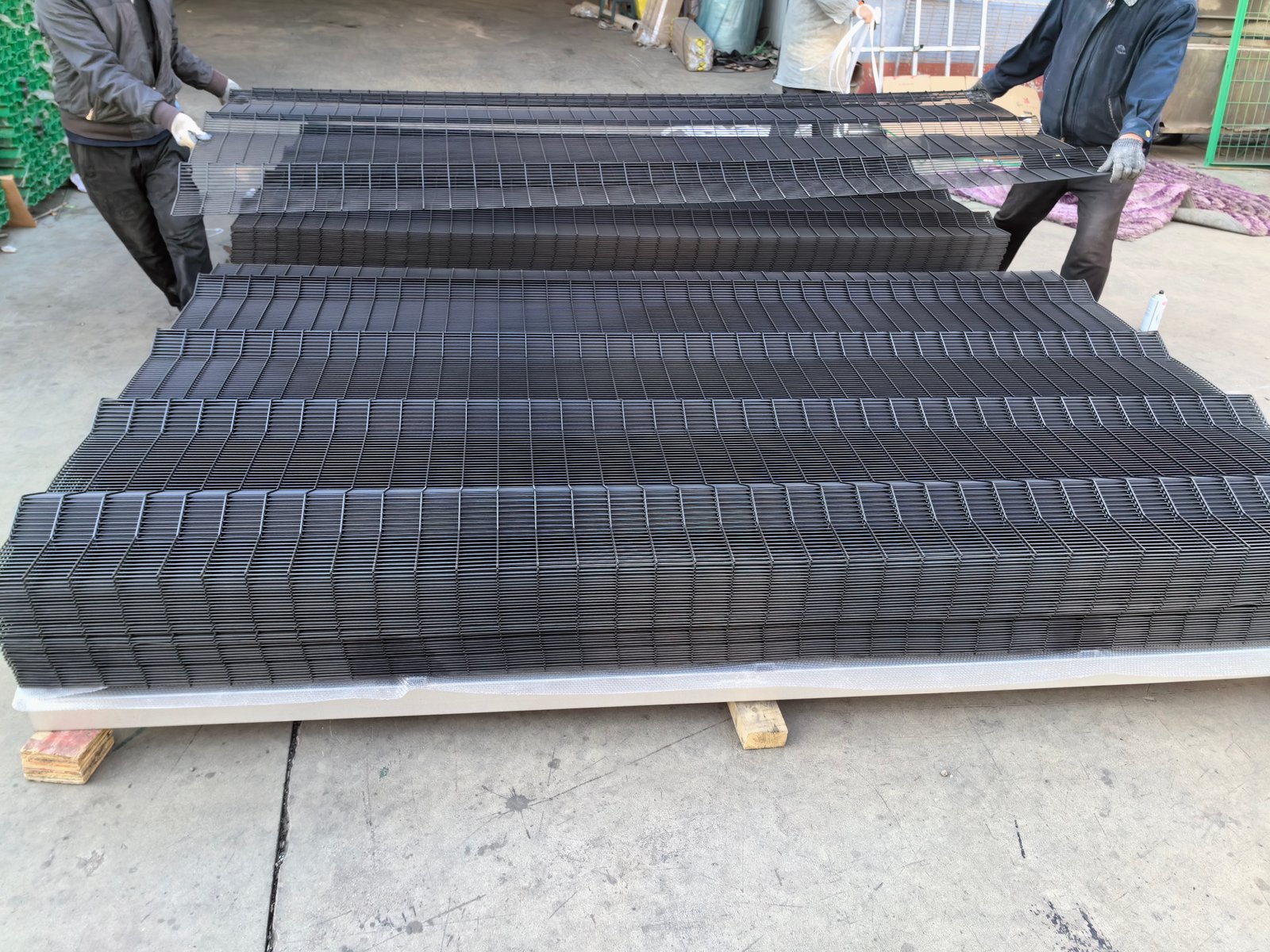
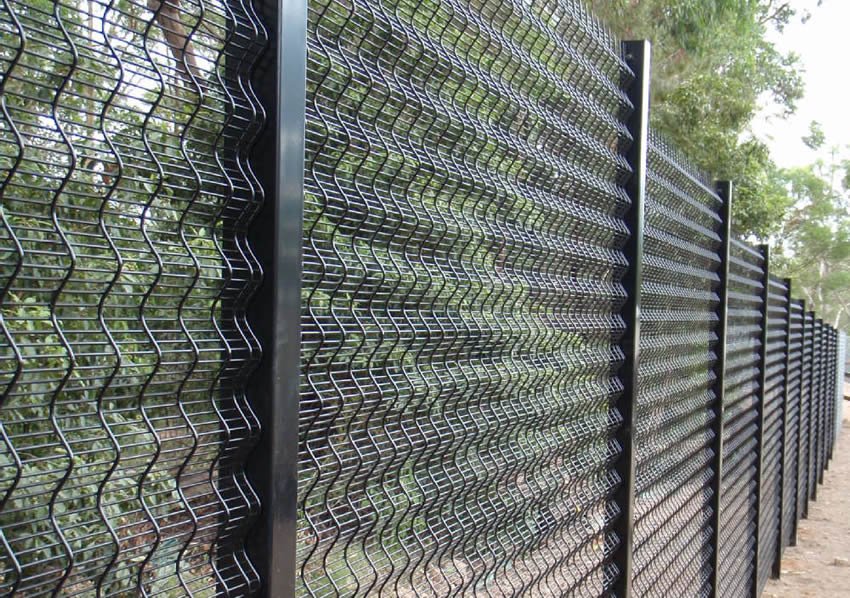
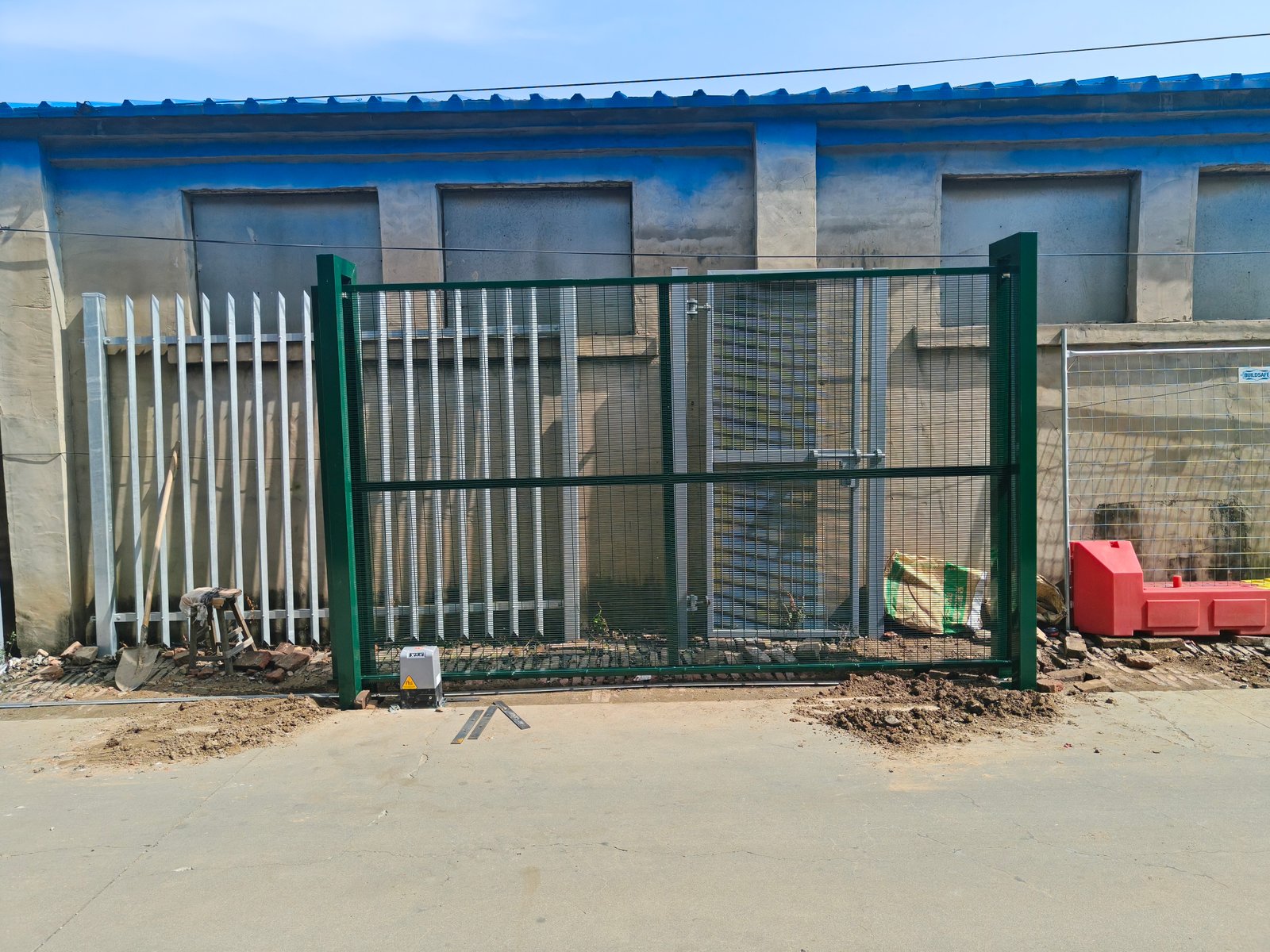
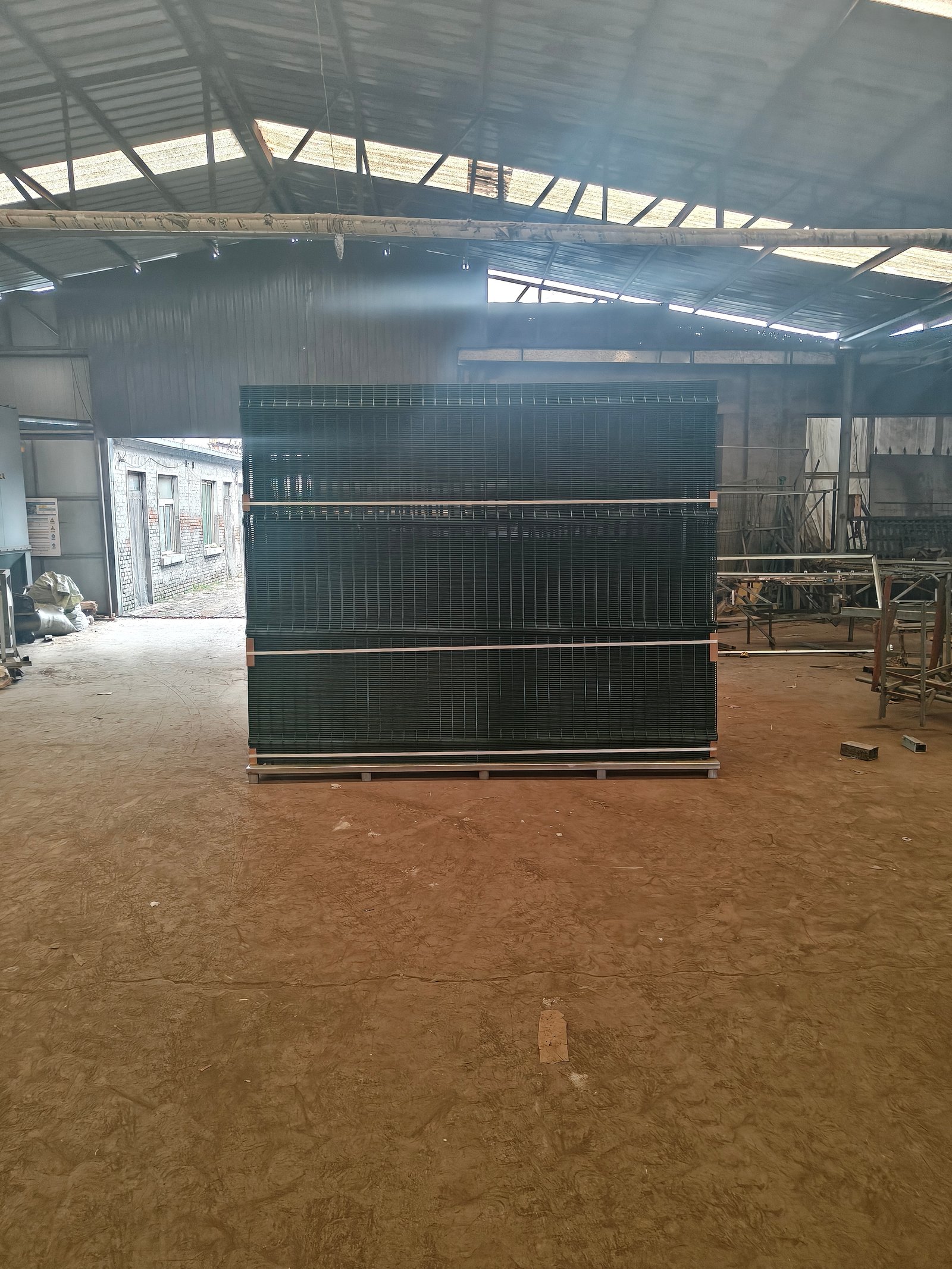
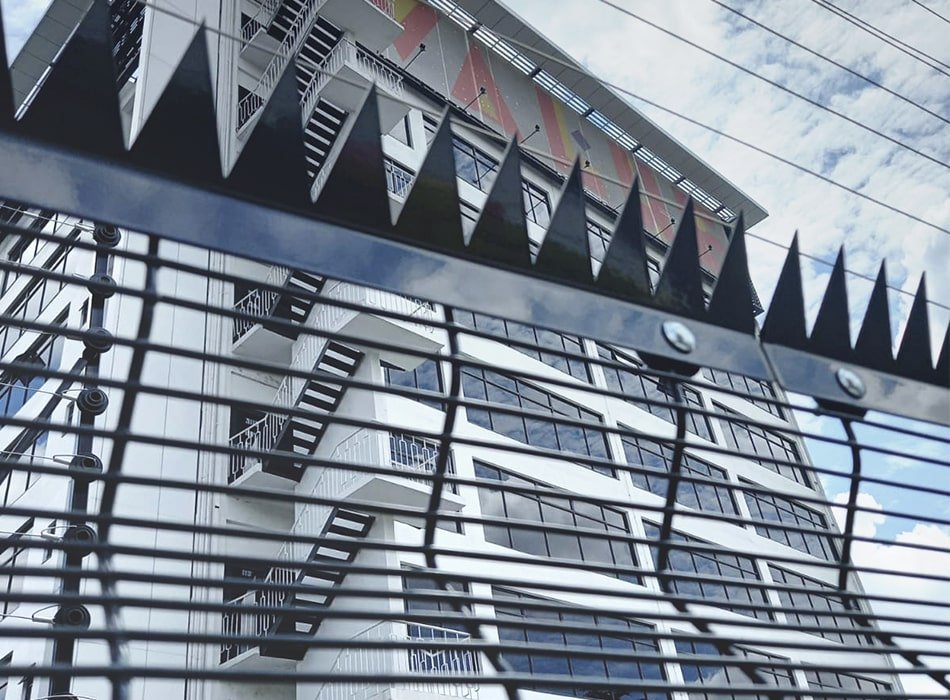
China 3d security fence combines welded steel mesh, reinforcing V bends, and matching posts within one perimeter system. Its curved profile improves panel stiffness while preserving visibility across the protected area. Property owners use this fencing around schools, warehouses, transport facilities, and commercial premises. Higher security projects can select narrow mesh apertures, stronger posts, and additional perimeter protection.
Boss Metal and Plastic Co., Ltd. manufactures welded fence systems in Hebei, China. We support international buyers with technical drawings, coating choices, accessories, and export packaging. Every project needs a suitable balance between security, structural performance, appearance, and maintenance.
China 3d security fence overview
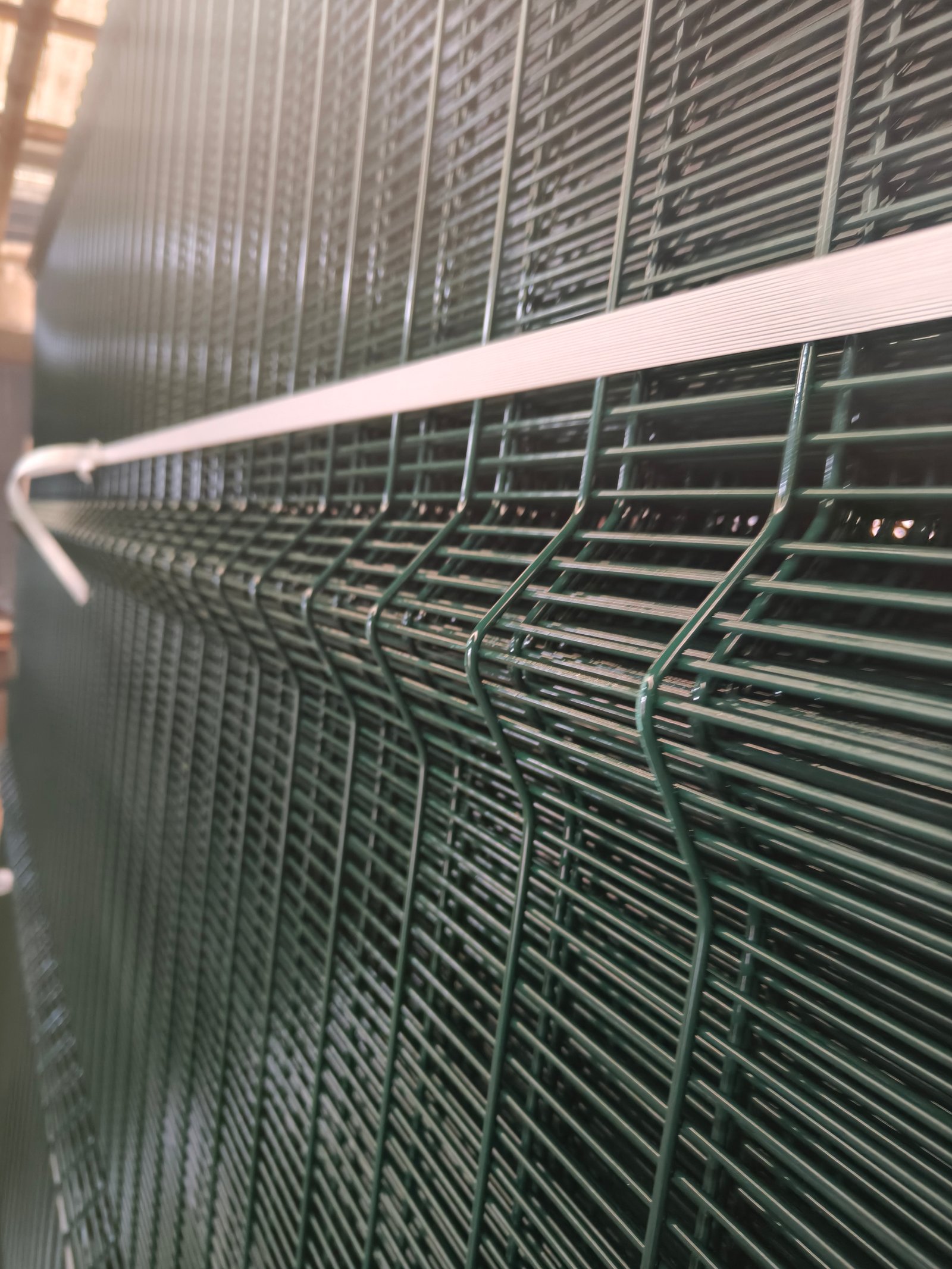
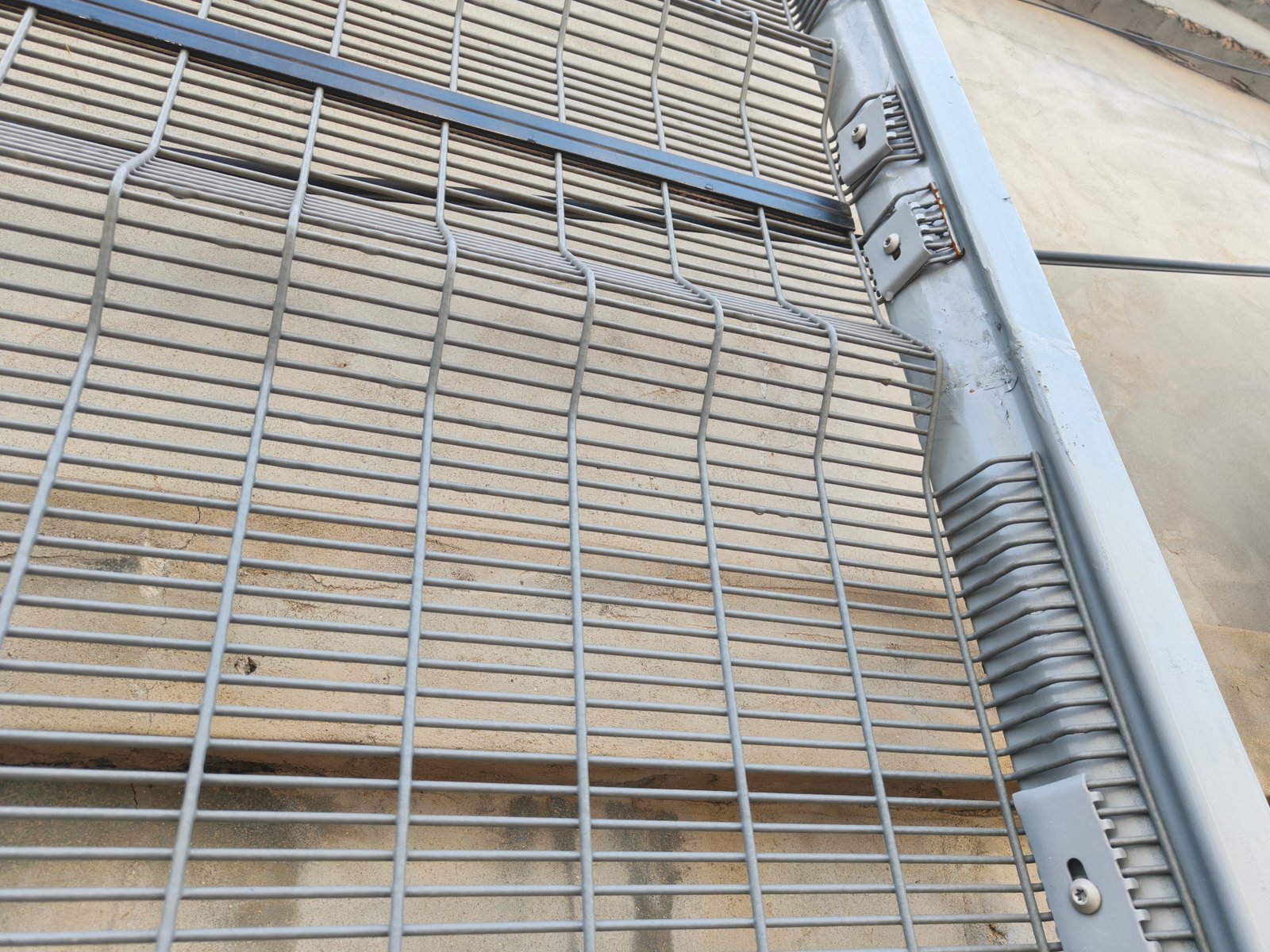
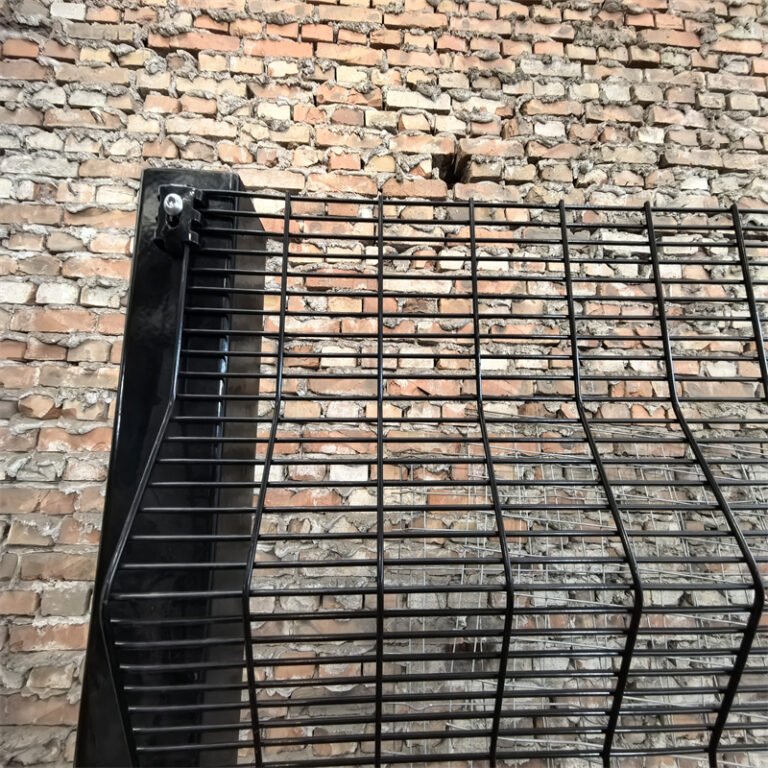
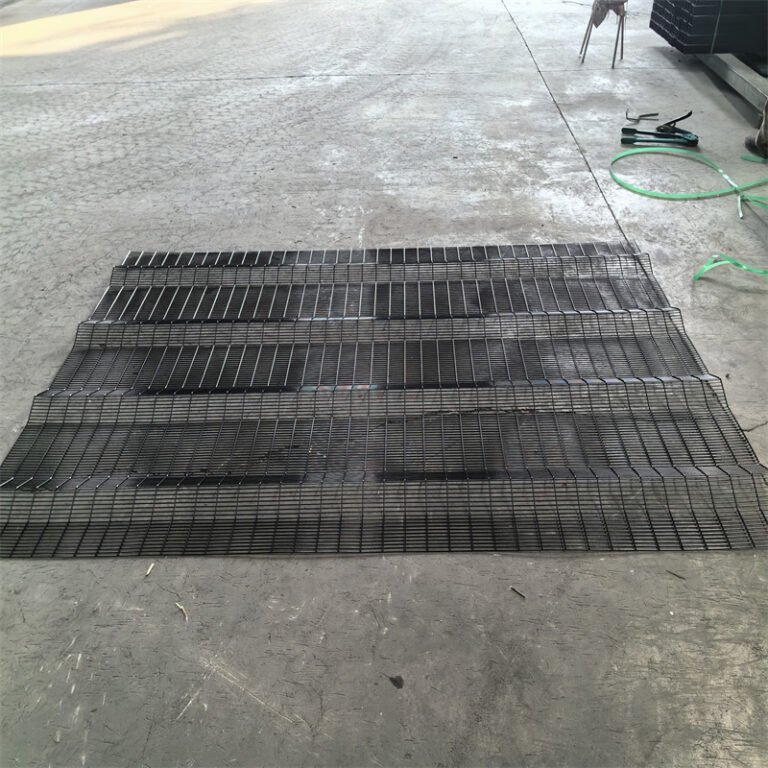
The term 3D describes the horizontal V-shaped folds within the panel. These folds help the welded sheet resist bending and maintain its shape. Unlike flat welded panels, curved panels use their formed profile for additional stiffness. Actual performance also depends on wire diameter, aperture, weld quality, and installation.
Our 3D Fence Panels range introduces other panel patterns and post systems. Buyers can also compare Nylofor 3D Fencing configurations for different boundary requirements.
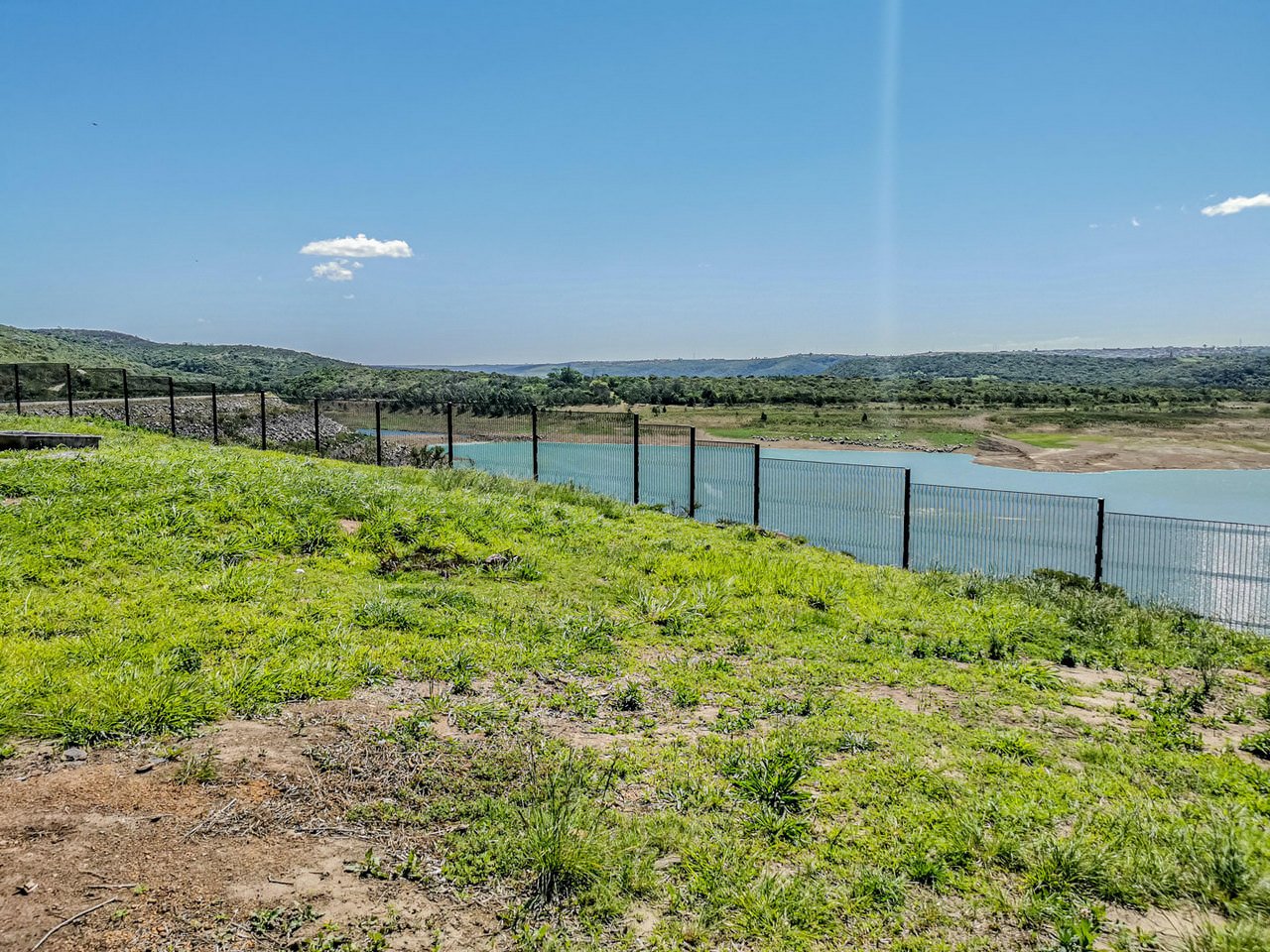
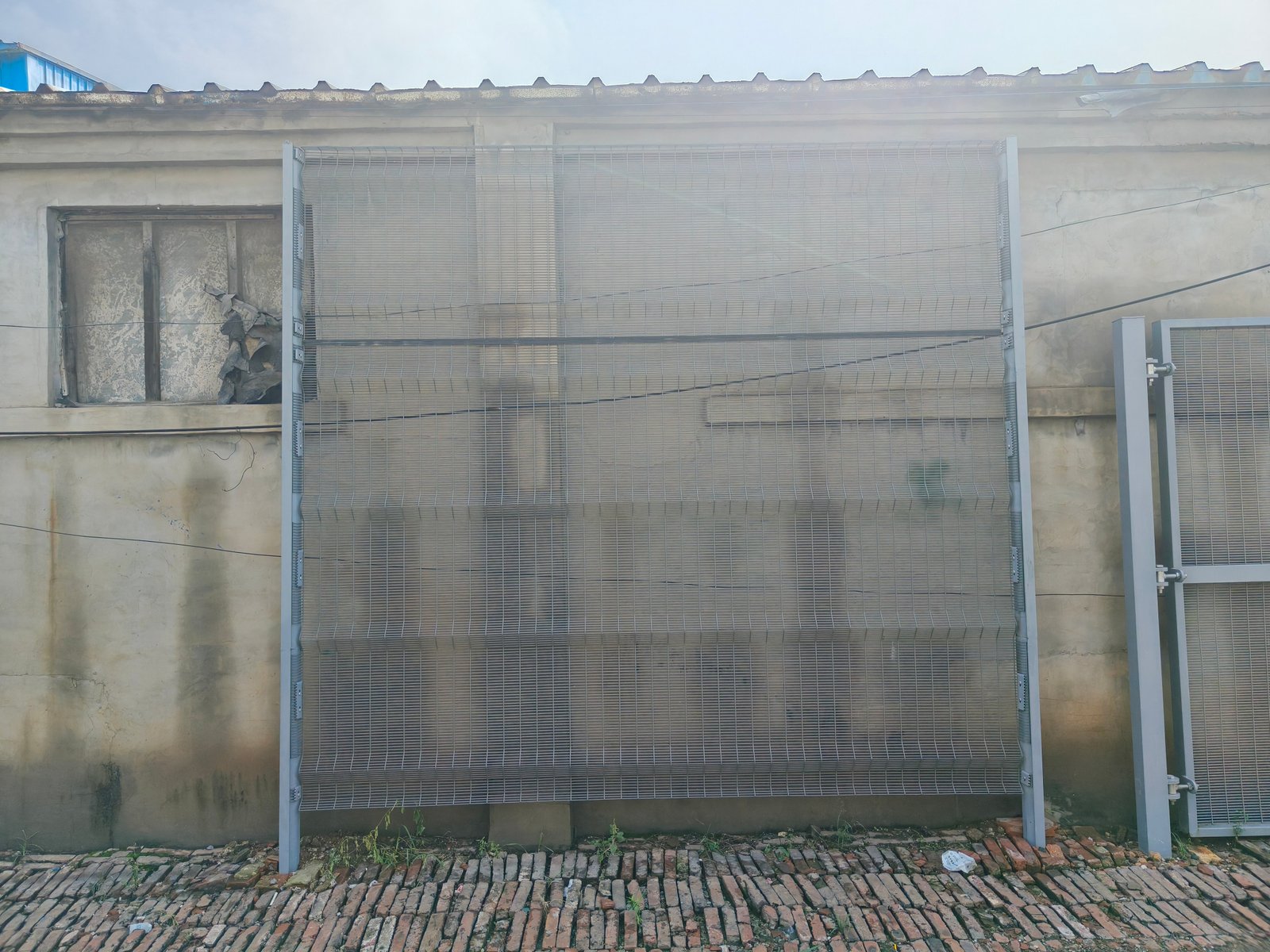
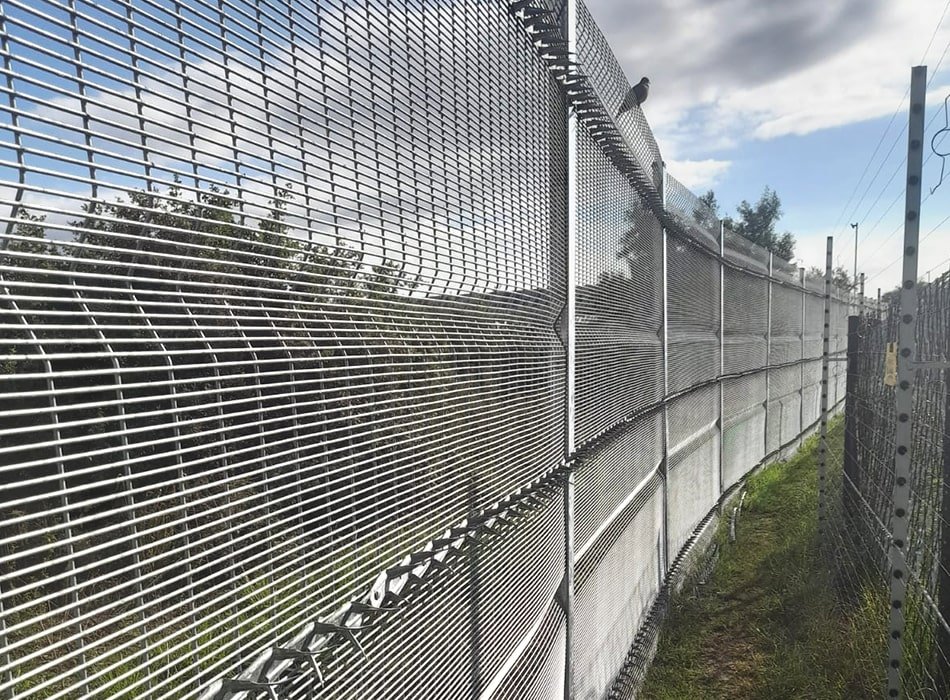
Curved mesh panels create a defined perimeter while preserving views across landscaped areas and roads.
How V bends reinforce welded mesh
V-shaped folds create raised reinforcement lines across the panel width. The depth and quantity of folds influence rigidity and appearance. Designers select their positions according to height, wire size, and installation requirements.
For narrow apertures, inspect both the fold geometry and welded intersections. A strong panel still requires compatible posts and fixings. Compare Clear View Fence Panels when choosing different welded mesh styles.
China 3d security fence features
V-shaped reinforcement improves panel rigidity without a solid wall.
Welded intersections help distribute forces across the steel mesh.
Narrow apertures discourage climbing and limit useful fingerholds.
Open mesh supports security cameras and routine perimeter observation.
Powder coating provides colour options and another protective layer.
Several post configurations support different foundations and site layouts.
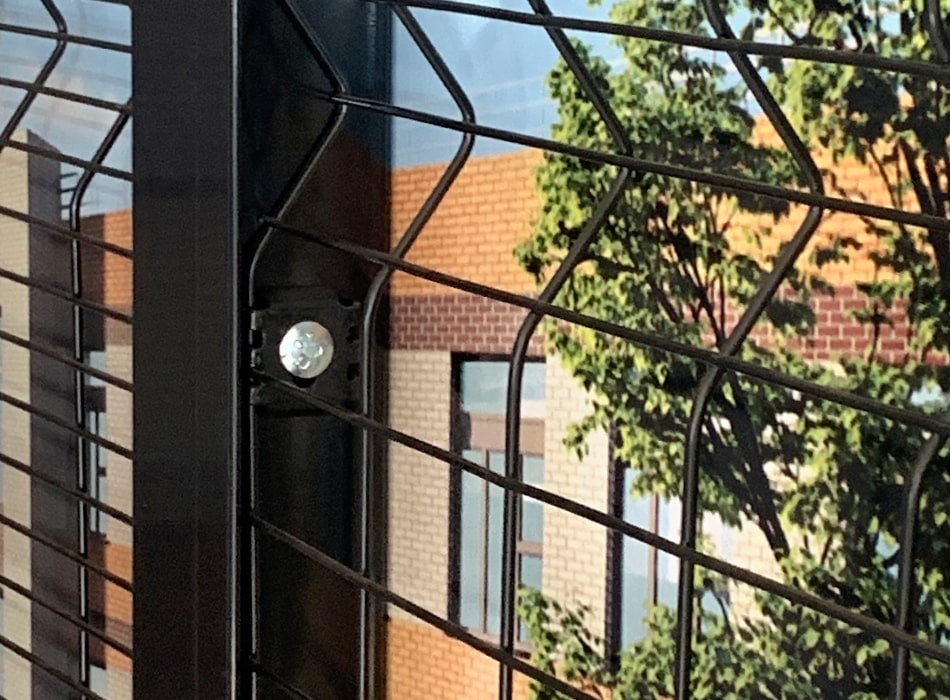
Steel clamps and suitable bolts create secure panel connections.
Custom dimensions accommodate gates, slopes, and boundary changes.
No mesh fence prevents every intrusion. Protection depends on the entire system and the attack methods involved. Risk assessments should address gates, foundations, sightlines, and neighbouring structures.
Why visibility matters along a perimeter
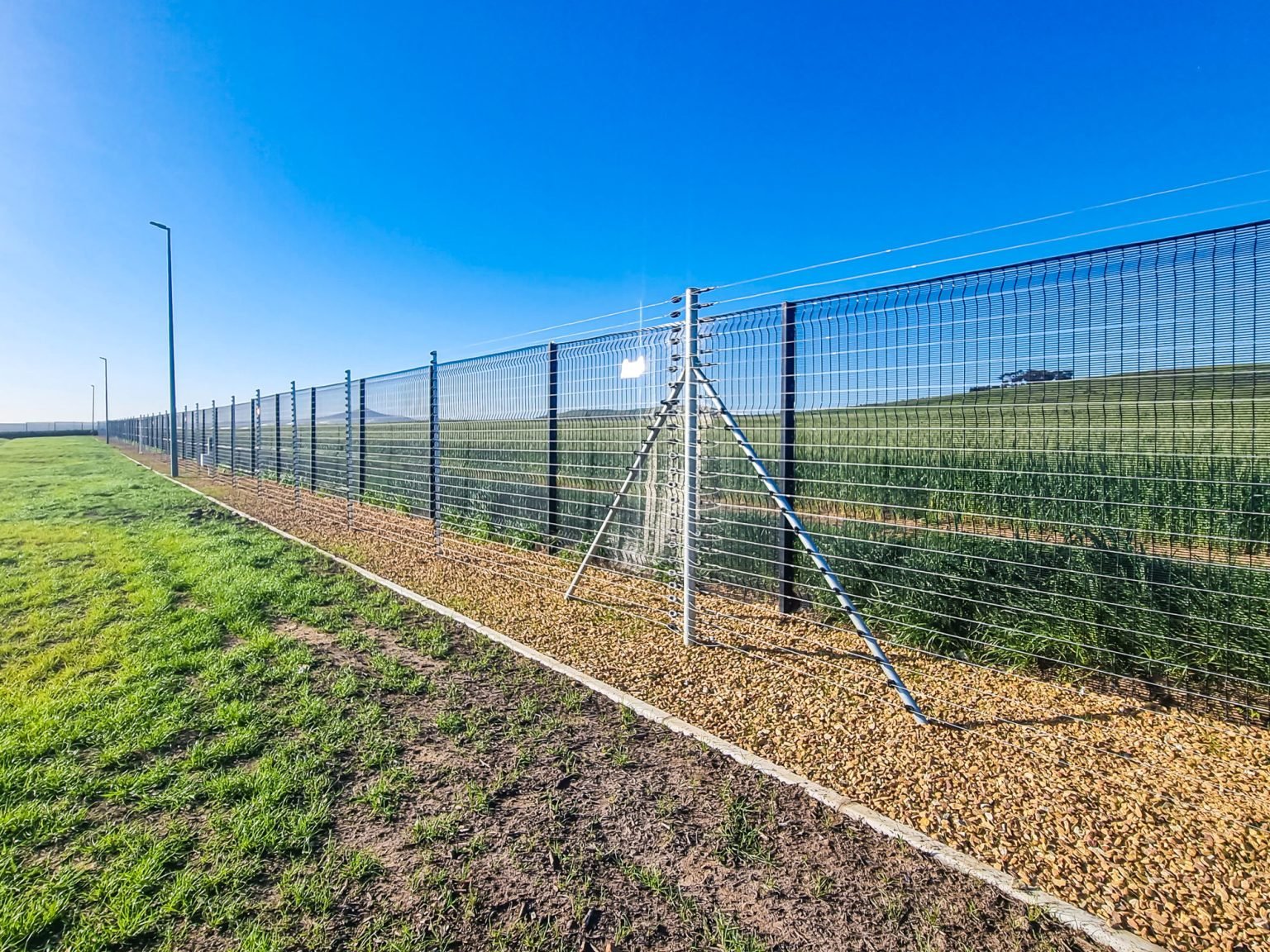
Open welded mesh helps security teams observe movement beyond the fence. Cameras can monitor pathways, vehicle entrances, and vulnerable corners without a continuous solid barrier. Lighting placement also affects surveillance quality after dark.
This article focuses on a narrow-aperture curved security configuration from the original product specification. Other 3D fence families may use wider rectangular mesh openings. Confirm the intended construction before comparing quotations.
Panel structure: resistance-welded steel mesh with horizontal V bends.
Reference mesh pitch: 76.2 × 12.7 mm.
Reference horizontal wire: 4.0 mm diameter.
Reference vertical wire: 4.5 mm diameter.
Reference panel width: 2515 mm.
Reference heights: 2007–6000 mm, according to the selected design.
Post sections: 80 × 80, 100 × 100, or 120 × 120 mm.
Reference colours: RAL 6005 green or RAL 9005 black.
Optional finish: galvanising with compatible polyester powder coating.
Wire sizes, coating values, and dimensions require confirmation within approved drawings. Weld strength needs a defined test method and suitable reporting units. A generic strength figure cannot replace manufacturing inspection.
Mesh pattern and wire selection
The 76.2 × 12.7 mm pitch limits opportunities for climbing compared with wide mesh. Stronger wire may improve resistance to cutting and panel deformation. However, wire diameter also increases weight and transport requirements.
Different applications may benefit from wider apertures and lighter panels. Our Low Security Clear View Fencing provides another mesh category. Buyers should match aperture size to realistic security needs.
China 3d security fence posts
Posts carry panel loads into the foundation and control fence alignment. The original range includes square hollow steel sections with several wall thicknesses. Taller fences generally demand greater structural capacity and more detailed foundation checks.
For associated hardware ranges, browse Clearvu Fence Posts. Confirm post sections, steel grade, coating, and connection details before ordering.
Post fixing options and caps
Embedded posts suit suitable ground conditions and concrete foundations. Base-plate posts can connect to an engineered concrete structure. Both methods need sufficient resistance against overturning and movement.
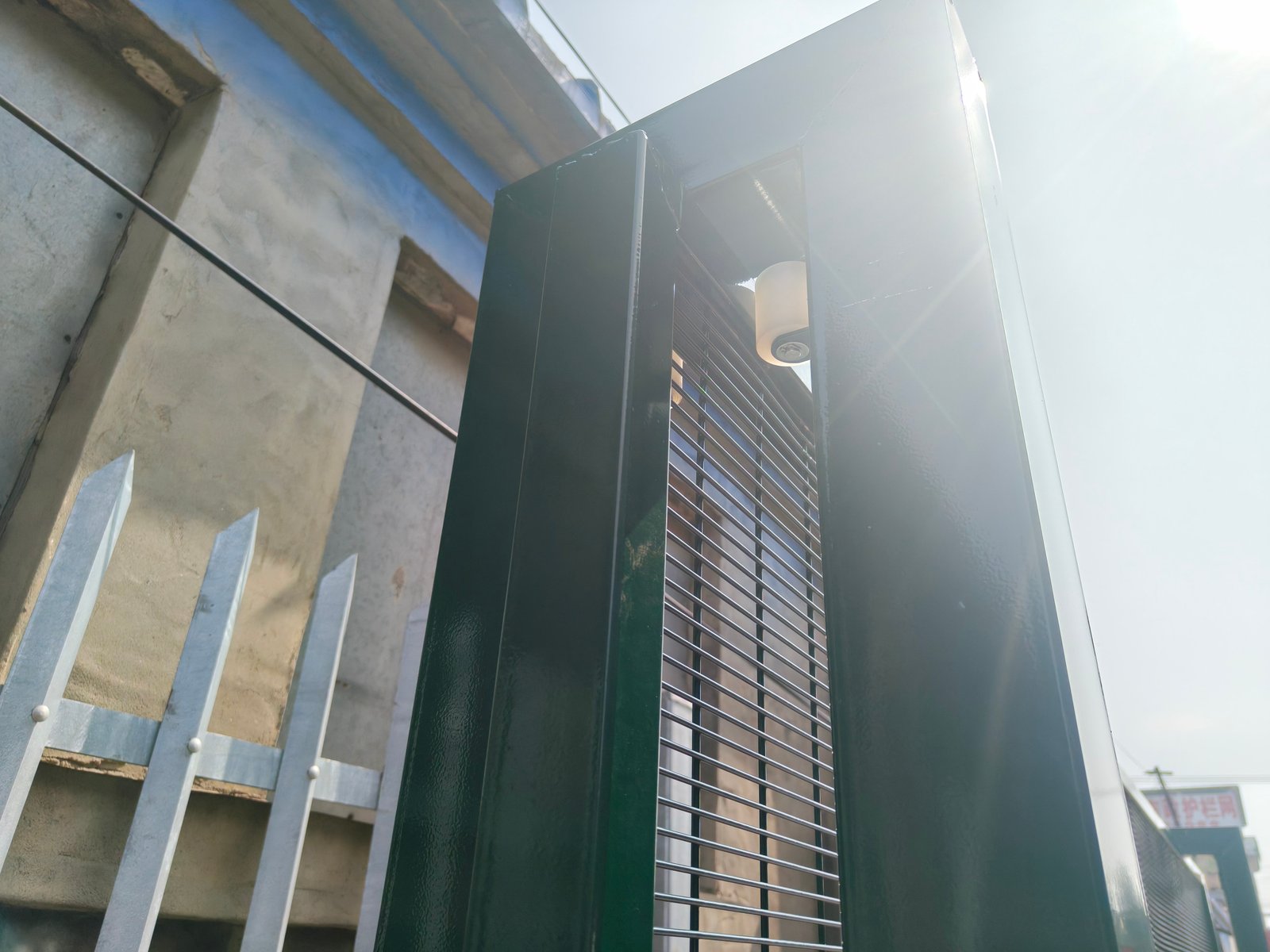
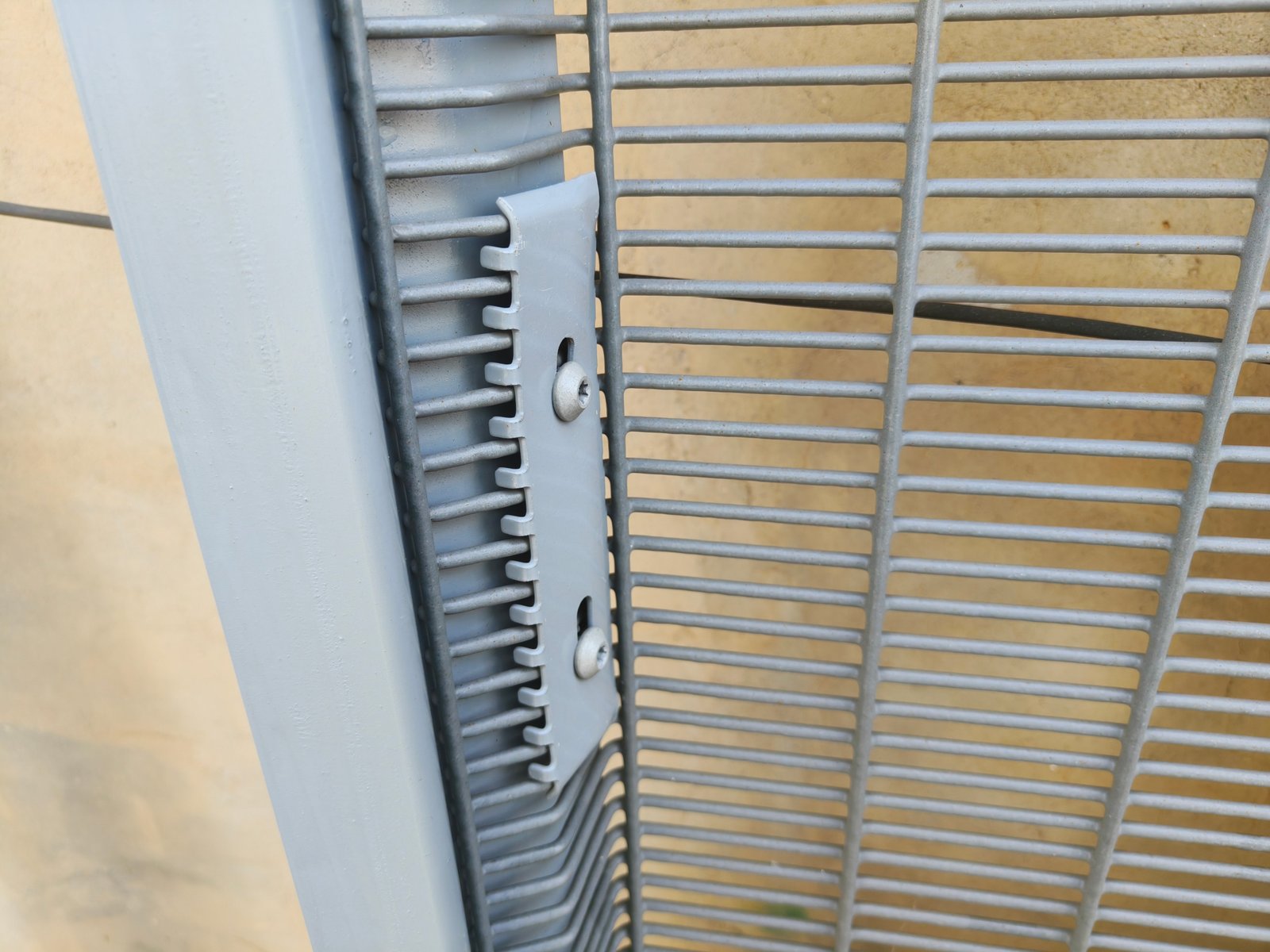
Post caps reduce water entry and improve the completed appearance. Matching clips and anti-tamper fasteners secure the mesh against the post. Review Clearvu Fence Clamps when specifying attachment components.
Panel folds and post connections work together. Select their dimensions through project drawings rather than appearance alone.
China 3d security fence sizes and heights
The reference range spans 2.0 m to 6.0 m fence heights. Each listed panel uses a nominal 2515 mm width. Actual post spacing depends on fixing geometry, overlap, and approved drawings.
The following table preserves the original eight reference combinations. These dimensions describe product options, not certified structural designs.
Reference 3D curved security fence panel and post dimensions
Fence height
Panel size (height × width)
Fence post (length × section × thickness)
2.0 m
2007 × 2515 mm
2700 × 80 × 80 × 2.5 mm
2.4 m
2400 × 2515 mm
3100 × 80 × 80 × 2.5 mm
3.0 m
2997 × 2515 mm
3800 × 80 × 80 × 2.5 mm
3.6 m
3607 × 2515 mm
4500 × 100 × 100 × 3.0 mm
4.2 m
4204 × 2515 mm
5200 × 100 × 100 × 4.0 mm
4.5 m
4496 × 2515 mm
5500 × 100 × 100 × 5.0 mm
5.2 m
5207 × 2515 mm
6200 × 120 × 120 × 5.0 mm
6.0 m
6000 × 2515 mm
6900 × 120 × 120 × 5.0 mm
Reference dimensions and engineering checks
High fences experience larger wind forces and demand careful engineering. Ground conditions, foundation depth, post spacing, and attached security systems affect the design. A six-metre fence should never rely solely on a catalogue table.
Confirm panel orientation, fixing quantities, tolerances, and safe handling procedures before production. Request project drawings for corner details and changes in ground level. Approval should precede manufacturing and dispatch.
China 3d security fence coatings
Metallic coatings protect steel against corrosion, while polymer finishes add colour and surface protection. Common options include Galfan-coated wire and polyester powder coating. Some projects require hot-dip galvanising after fabrication.
Specify the manufacturing sequence because welding can affect pre-coated areas. Ask for coating mass, film thickness, and testing requirements. Our Powder Coated Clear View Fence page explains related finish systems.
Choosing finishes for project conditions
Dry inland locations and coastal industrial sites present different corrosion demands. A suitable duplex system may combine a metallic coating with polyester powder. Coating durability also depends on preparation, drainage, installation damage, and maintenance.
RAL 6005 green and RAL 9005 black provide common finish choices. Buyers can request other RAL colours where production permits. Never assume a fixed service life from coating colour alone.
Coated mesh panels provide a consistent appearance. Inspect weld points, edges, and surfaces before export packing.
China 3d security fence installation
Accurate installation begins with site measurements and an approved setting-out plan. Installers should locate utilities before excavation and mark the post centres. Foundation dimensions must suit the soil and structural requirements.
Survey the perimeter and measure changes in ground level.
Confirm gate openings, corners, and terminal post positions.
Prepare foundations or approved base-plate connections.
Align posts before tightening panel fixings.
Install panels without scratching protective coatings.
Check security fasteners, caps, and gate clearances.
Repair coating damage according to the approved procedure.
Inspect the complete boundary before handover.
Flat ground and sloped boundary methods
Flat sites allow regular panel spacing and consistent bottom clearance. Slopes may require stepped panels or carefully engineered transitions. Large gaps below a fence can undermine the intended perimeter protection.
Consider drainage channels and vehicle access when planning the bottom edge. Align gates with adjacent fencing to avoid weak junctions. Record any site modifications for future maintenance.
China 3d security fence security accessories
Additional accessories can support projects with more demanding security requirements. Options include security clamps, post extensions, and suitable perimeter detection systems. Each addition introduces extra loads or maintenance requirements.
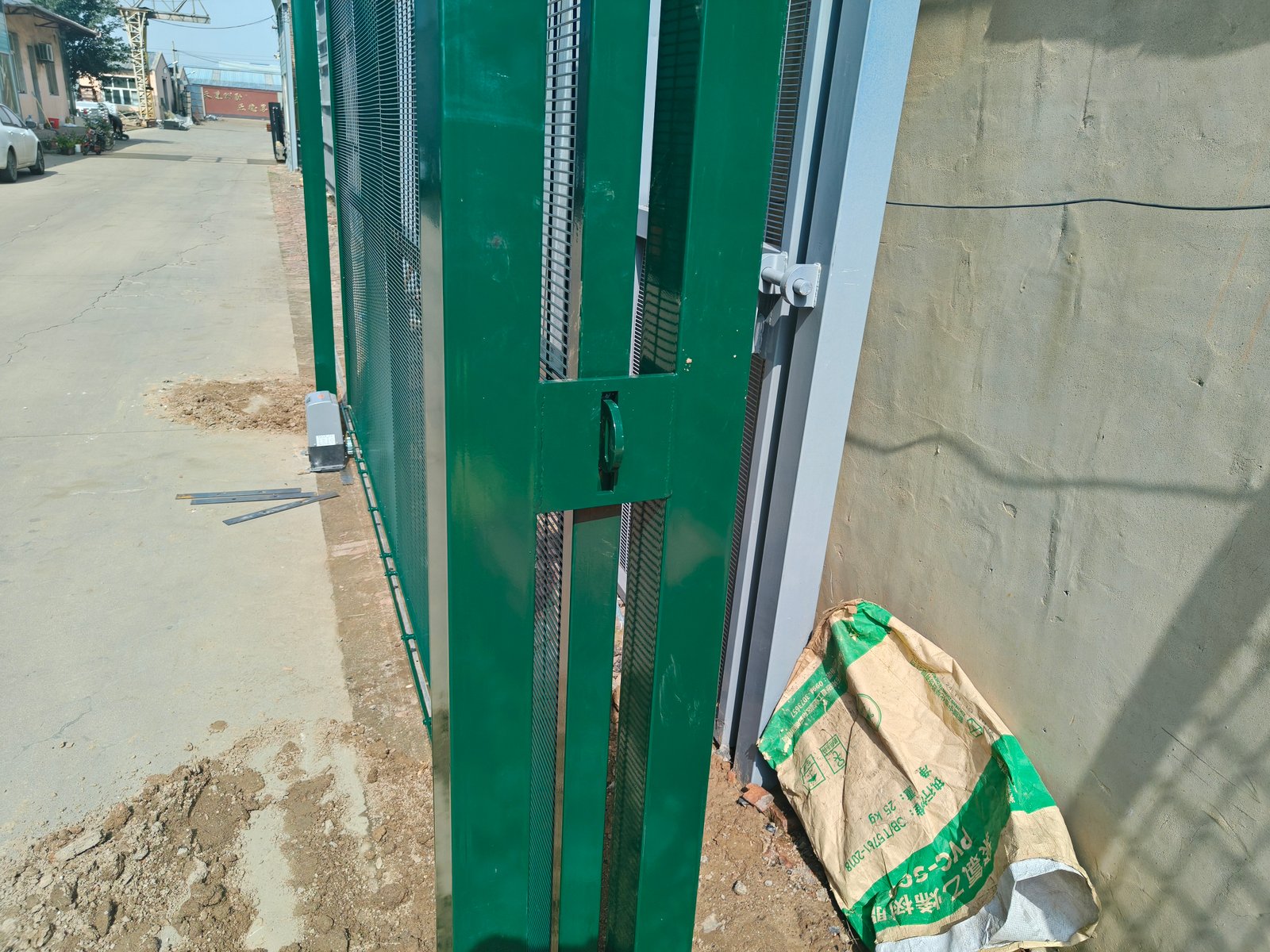
A secure perimeter also needs suitable vehicle and pedestrian gates. Design the gate frame and supporting posts for operating loads. Hinges, locks, clearances, and controls require separate checks.
Our Clear View Fence Gate range covers matching access options. For sliding entrance concepts, see Clearvu Sliding Gates. Select automation only after checking safety and local installation requirements.
China 3d security fence applications
Curved welded fencing supports a wide range of perimeter projects. The correct aperture and post system depend on the site's risk assessment. Common applications include the following locations.
Schools, colleges, and recreational facilities.
Warehouses, distribution centres, and factory compounds.
Airports, logistics routes, and controlled service yards.
Power plants, utility buildings, and equipment areas.
Business parks, parking areas, and commercial premises.
Hospitals, laboratories, and managed-access properties.
Government facilities and other restricted boundaries.
Projects from schools to restricted sites
Schools often value visibility, safe access, and manageable maintenance. Industrial sites may require stronger posts, gate protection, and security monitoring. Higher-risk facilities need a complete engineered perimeter system.
Manufacturing starts with steel wire selection and drawing approval. Workers straighten, cut, and weld the wire into panels. Controlled bending then creates the required V profiles.
The factory checks dimensions before applying the selected finish. Posts undergo cutting, drilling, and surface preparation according to the drawings. Finished components move to inspection and packing after processing.
Quality inspection checkpoints
Inspectors can record mesh pitch, wire diameter, panel dimensions, and bend locations. Weld inspections should follow agreed sampling and acceptance requirements. Coating checks may include appearance, coverage, and film thickness.
Packaging inspections should confirm product counts and pallet stability. Buyers may request photographs, technical drawings, and relevant inspection records. A documented inspection plan helps prevent disputes after delivery.
China 3d security fence packaging
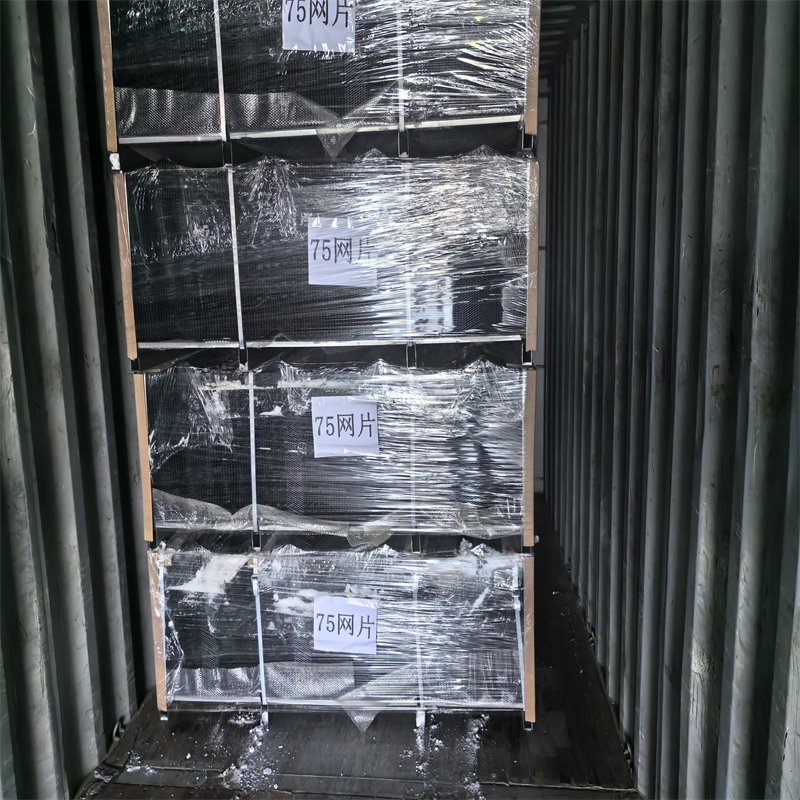
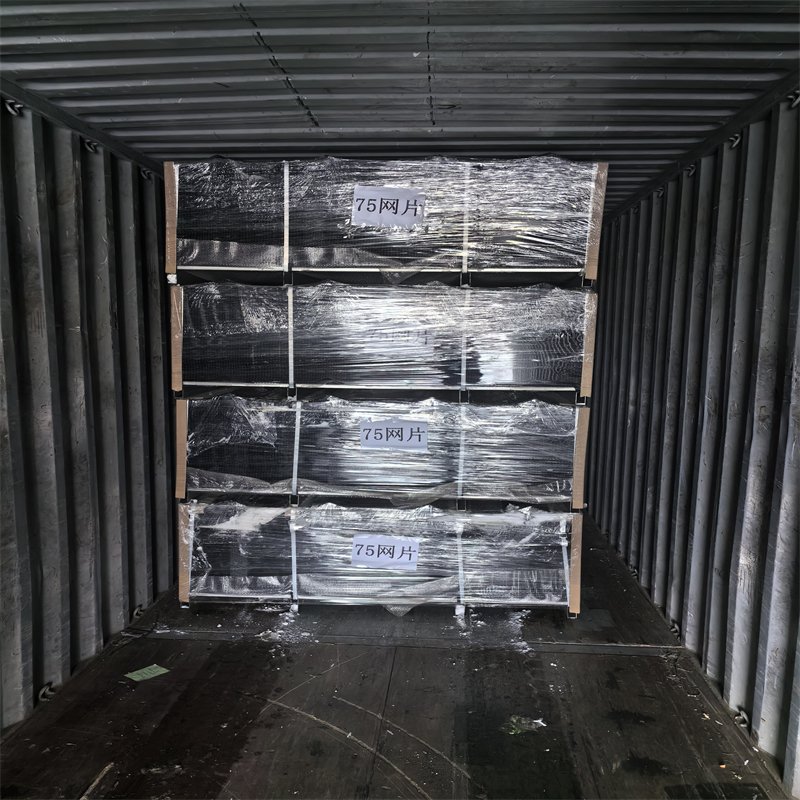
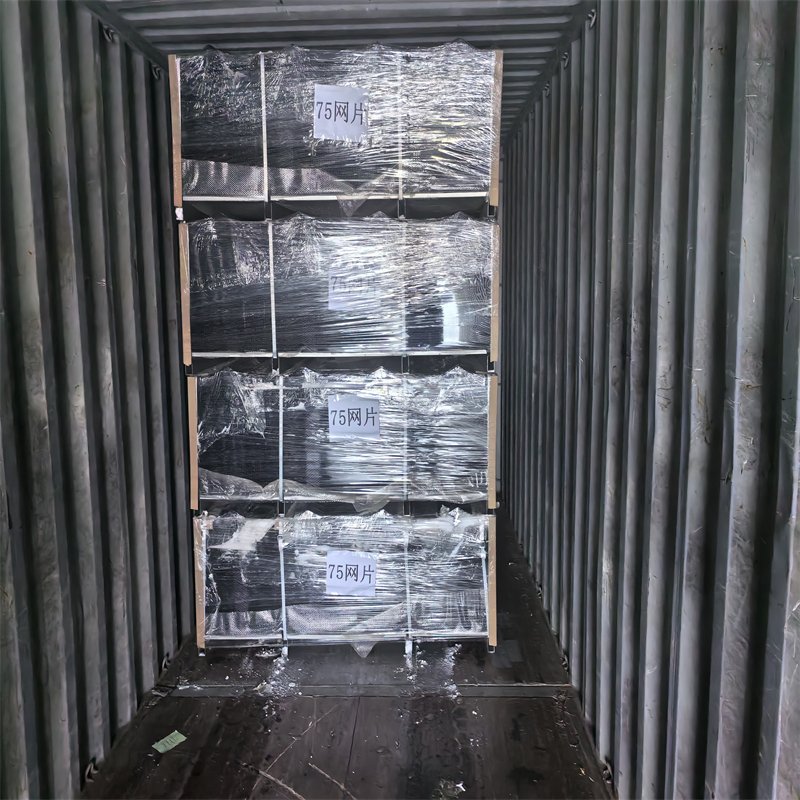
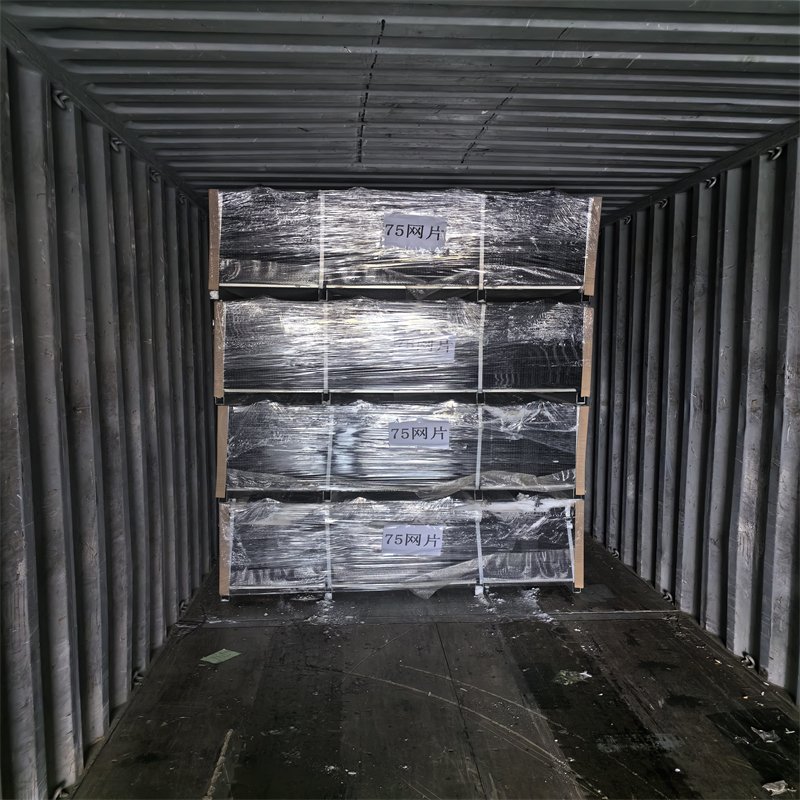
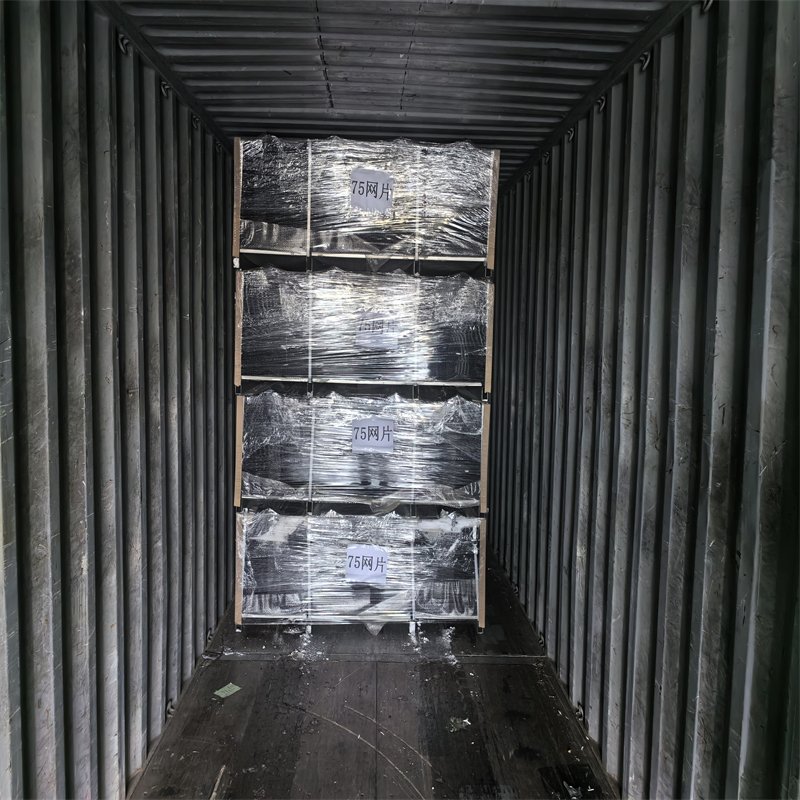
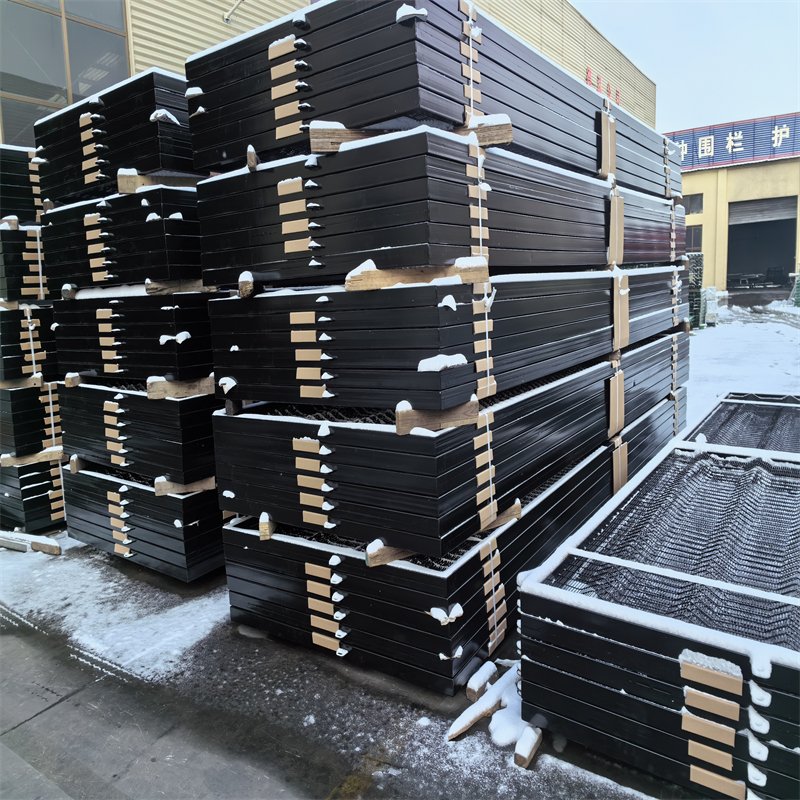
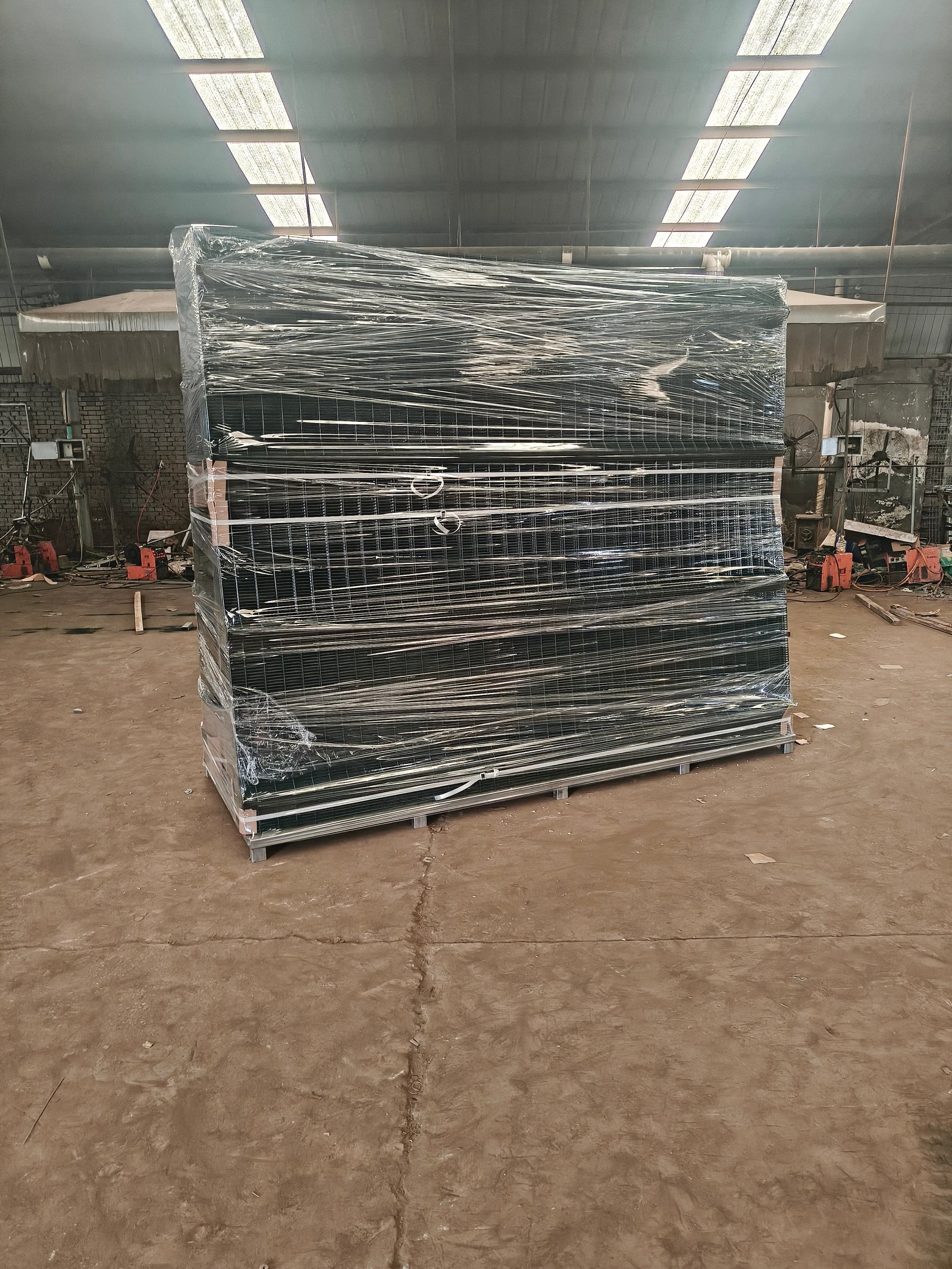
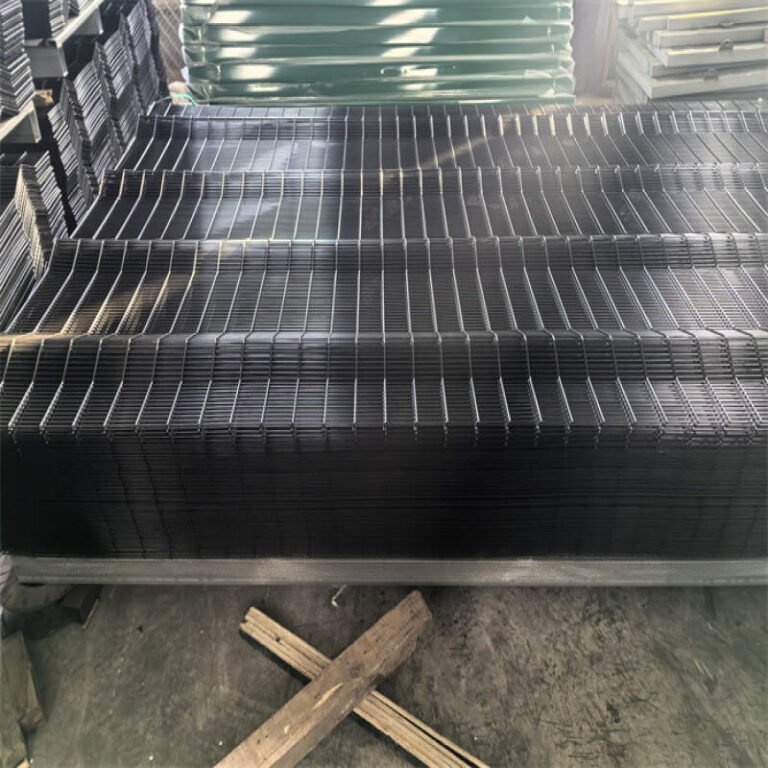
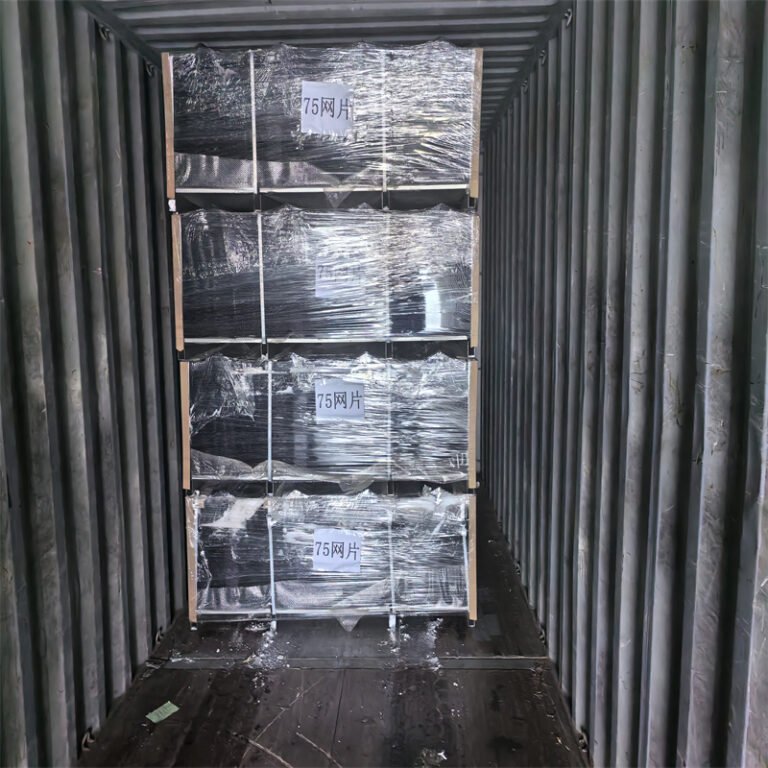
Export packing protects the mesh against transport abrasion and handling damage. Panels may use protective film, edge guards, and steel or wooden pallets. Posts can travel in wrapped bundles or palletised packages.
Fence panels: protective film and export pallets.
Steel posts: protective wrapping and secure bundling.
Clamps and bolts: labelled cartons with quantity records.
Loading: suitable restraints and balanced weight distribution.
Documents: packing list, item references, and shipping marks.
Protective wrapping and secure pallet loading reduce the risk of scratches, deformation, and missing accessories during transport.
Shipping preparation and receiving inspection
Confirm container dimensions, gross weight, pallet measurements, and unloading equipment before dispatch. Large panels may require specialised handling arrangements. Separate small fittings into clearly labelled cartons.
On arrival, inspect pallets before removing the restraints. Compare quantities against the packing list and report visible transport damage promptly. Store panels on stable supports until installation begins.
China 3d security fence FAQs
What makes a fence panel three-dimensional? Horizontal V bends create a curved profile that increases stiffness compared with a similar flat sheet.
Does every 3D fence use 358 mesh? No. Many 3D panels use wider openings. Specify 76.2 × 12.7 mm when the project requires that pitch.
Can buyers order custom colours? Yes, subject to coating selection and production approval. Include the exact RAL reference in the order.
Can the system work on sloping ground? Yes, with a suitable stepped or engineered panel layout. Confirm bottom clearance and post geometry first.
Do taller panels always provide better security? Height contributes to security, but foundations, gates, mesh, and monitoring also matter.
What buyers should confirm before ordering
Share the perimeter length, required height, site drawings, and delivery destination. State the mesh pitch, wire sizes, coating system, and colour. Include gate dimensions, hardware quantities, and security accessories.
Review related Clearvu Fencing when comparing full perimeter systems. Final quotations should identify inclusions, exclusions, inspection requirements, and agreed delivery terms.
BMP can prepare a project-specific proposal after confirming drawings and manufacturing requirements. Matching specifications across the panels, posts, and fixings helps simplify procurement and installation.