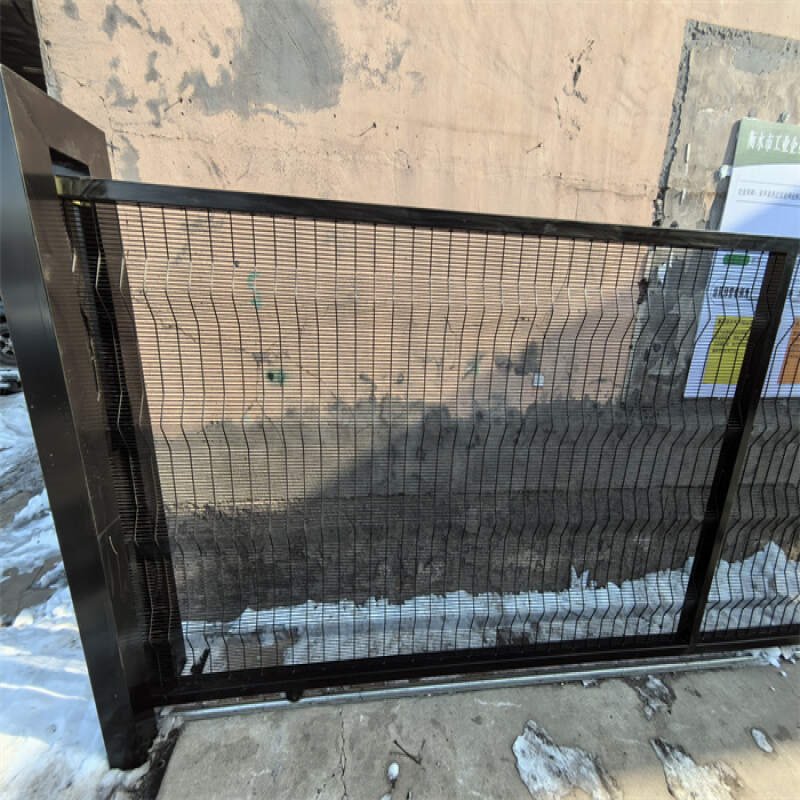
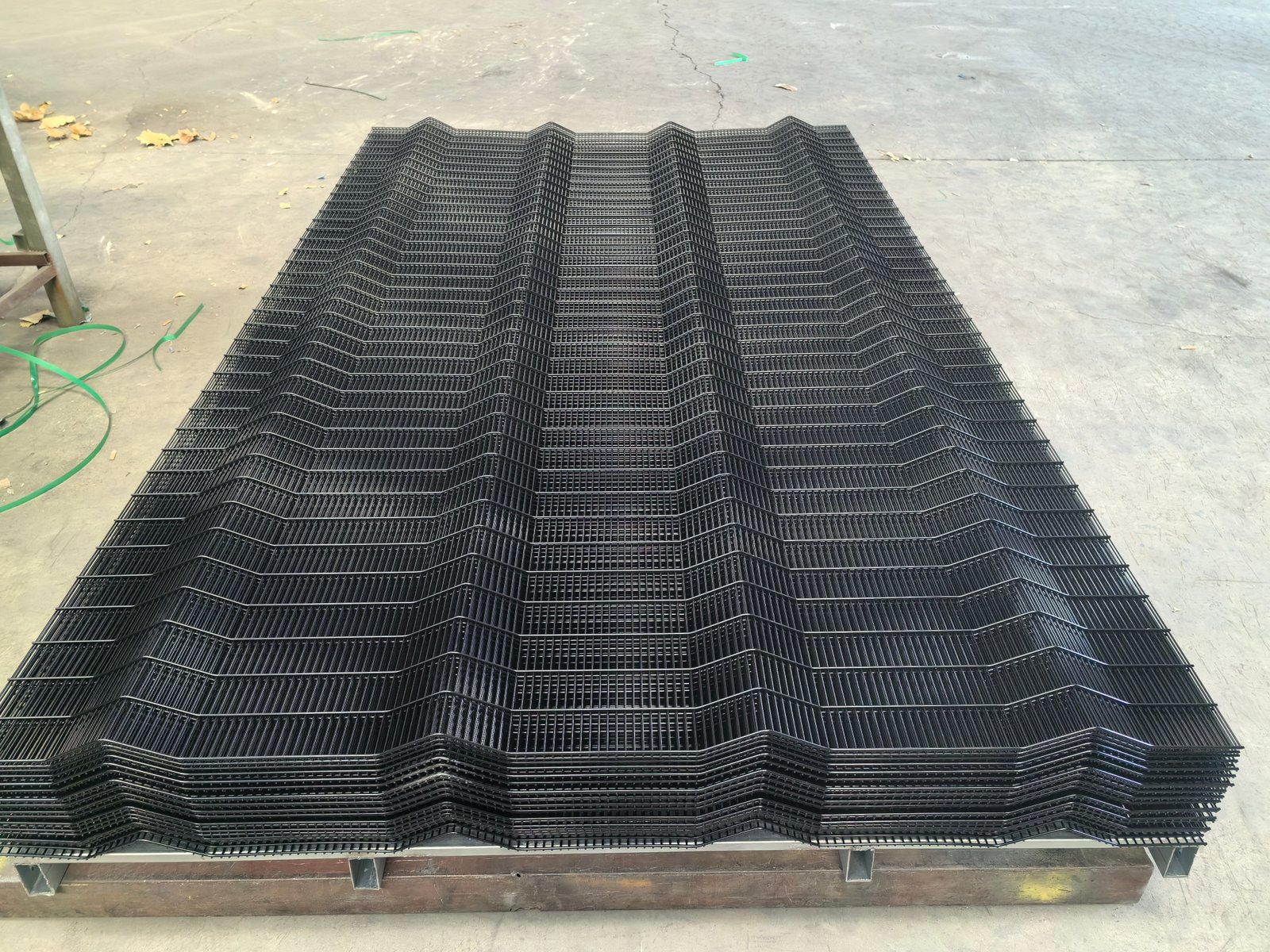
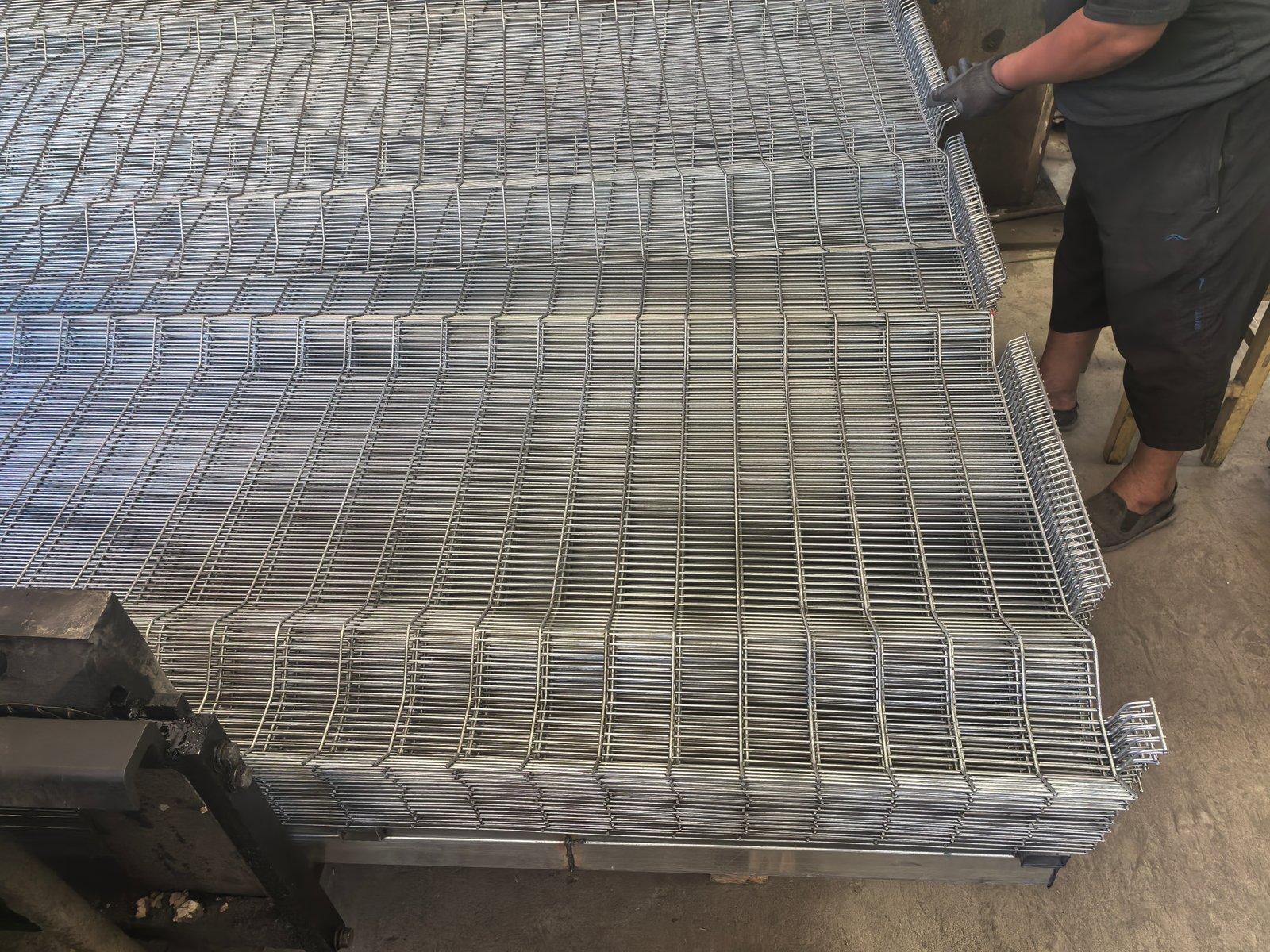
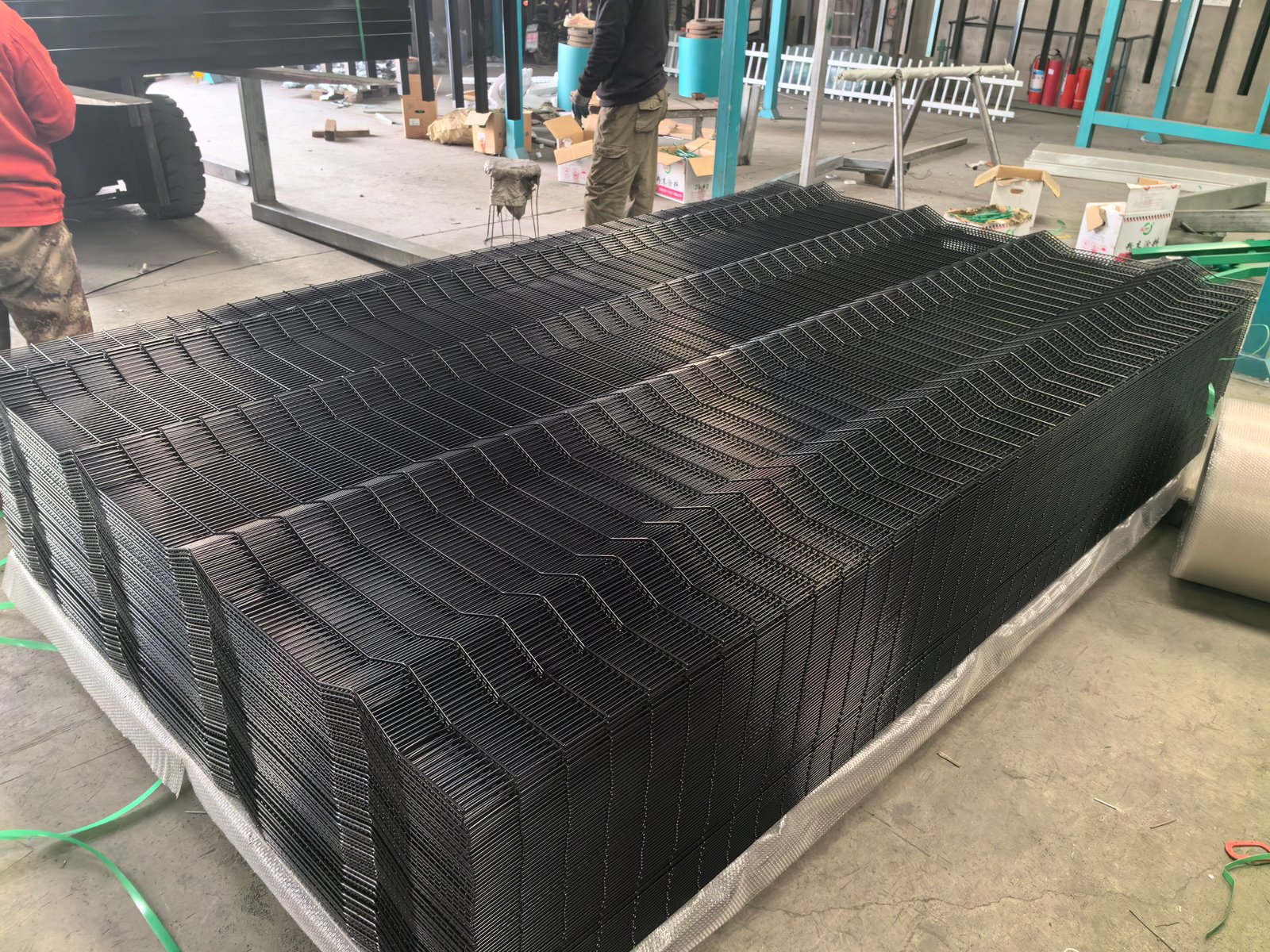
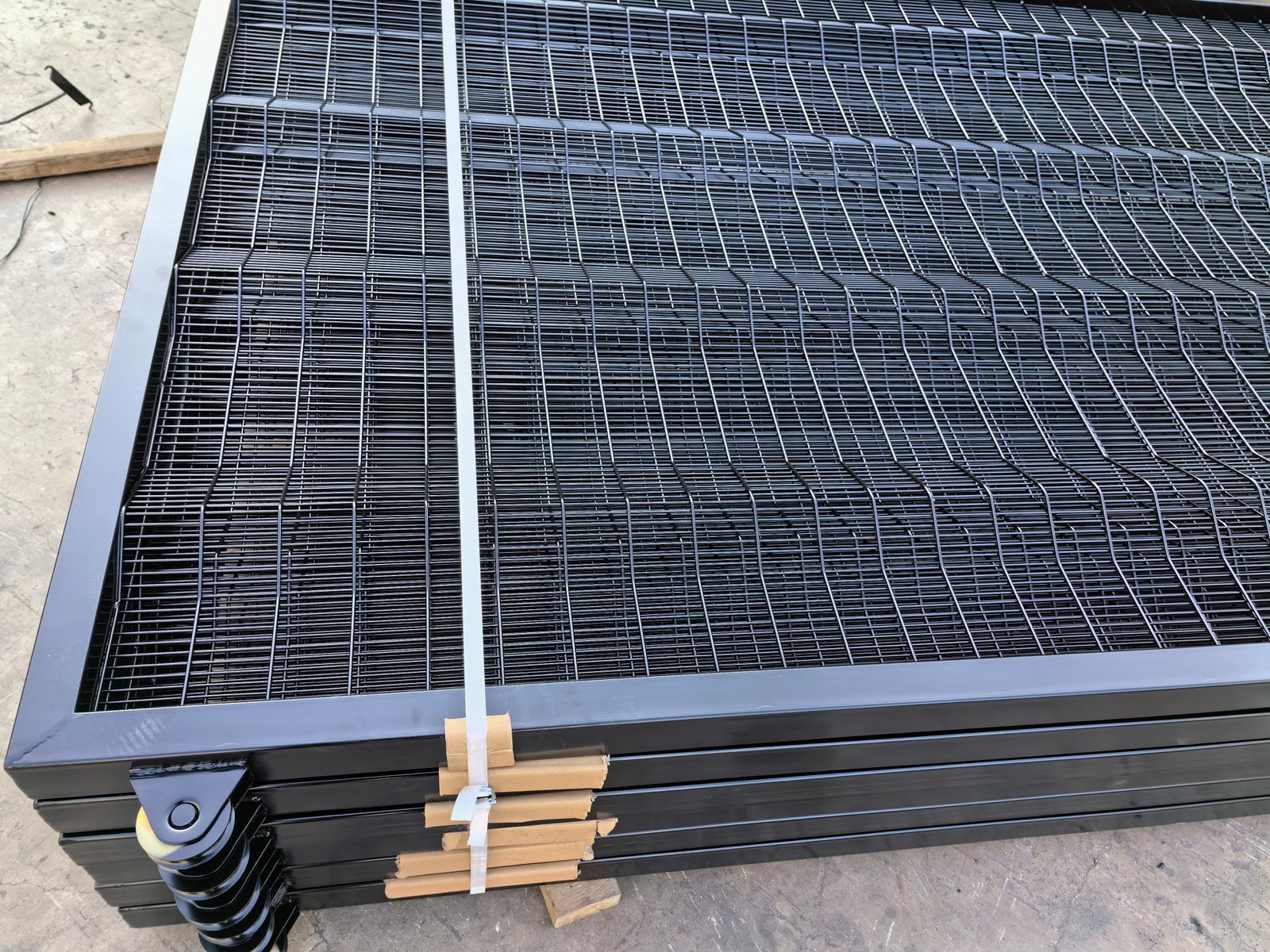
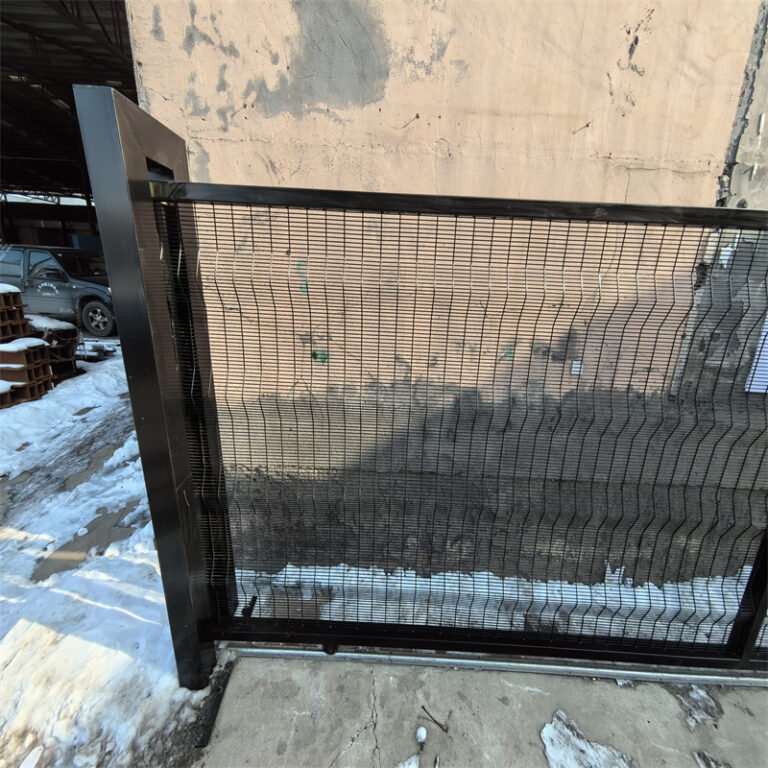
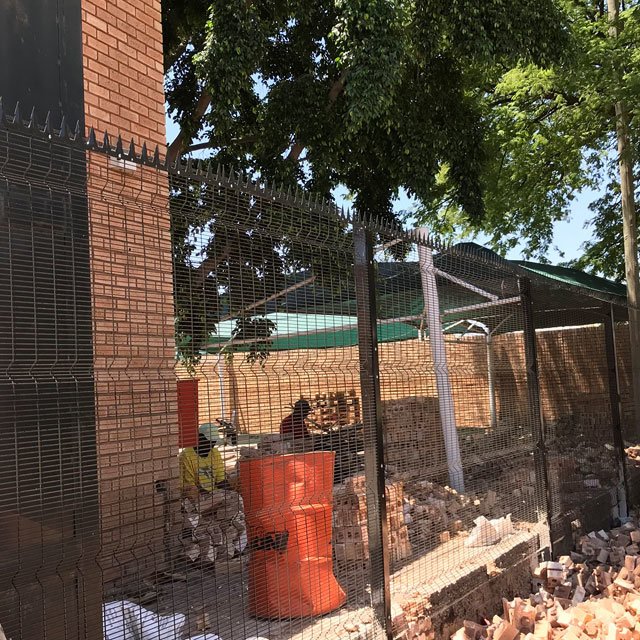
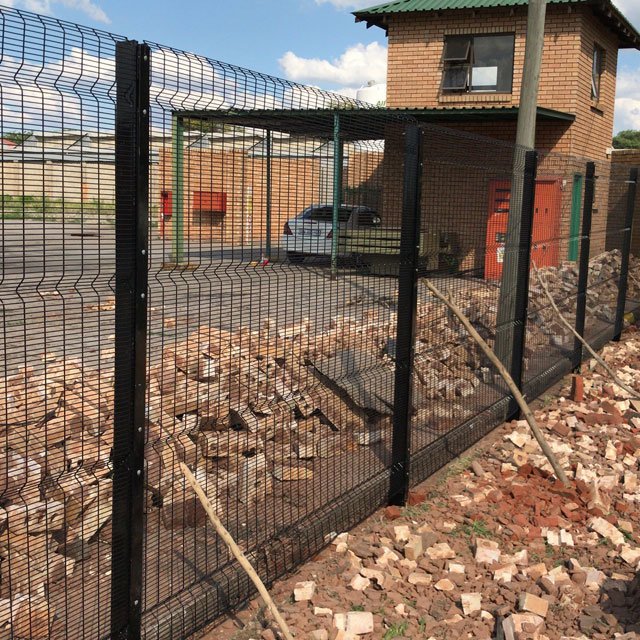
Description no dig clearvu fencing offers practical perimeter solutions for sites requiring limited excavation, secure steel mesh, and dependable boundary protection. BMP manufactures welded ClearVu panels, steel posts, clamps, and compatible accessories for different installation conditions. Depending on the project, contractors can use engineered surface-mounted posts or suitable ground-screw foundations. Alternatively, buried mesh extensions help discourage excavation beneath conventional fence lines. However, these installation methods serve different purposes and require separate engineering decisions.
Property owners often want to avoid damaging existing paving, concrete, underground utilities, or established landscaping. Meanwhile, security managers may need additional protection against attempts to create openings beneath a fence. Therefore, the correct solution depends on whether the project prioritizes excavation reduction or underground intrusion resistance. BMP supports both objectives through configurable panel dimensions, supporting posts, and installation accessories.
What Is no dig clearvu fencing?
The term describes security fencing installations that minimize or avoid conventional post-hole excavation. Common approaches include surface-mounted steel posts, engineered screw foundations, and selected removable mounting systems.
However, a fence without conventional concrete footings does not automatically provide adequate structural strength. Wind loads, soil capacity, post spacing, and panel height still influence foundation requirements.
Furthermore, anti-dig fencing describes a different security feature. Its purpose involves restricting attempts to create passages beneath the boundary.
For example, extending a welded panel 300 mm underground creates an additional physical obstacle. Nevertheless, installing this buried extension normally requires trenching.
no dig clearvu fencing Versus Anti-Dig Mesh
| Feature |
No-Dig Installation |
Anti-Dig Protection |
| Primary Objective |
Reduce conventional excavation |
Restrict underground passage |
| Typical Method |
Base plates or engineered screw foundations |
Buried mesh or approved underground barrier |
| Ground Disturbance |
Limited or none for selected systems |
Usually requires trenching |
| Structural Requirement |
Verified anchors and foundation capacity |
Suitable fence foundations and buried protection |
| Suitable Locations |
Existing concrete and selected soil conditions |
High-security boundaries and vulnerable ground edges |
| Important Limitation |
Not suitable for every soil or structure |
Does not replace above-ground fence security |
no dig clearvu fencing Installation Methods
Installation methods should reflect existing ground conditions and project requirements. Consequently, contractors should inspect the site before selecting foundations or anchoring components.
Surface-Mounted Steel Posts
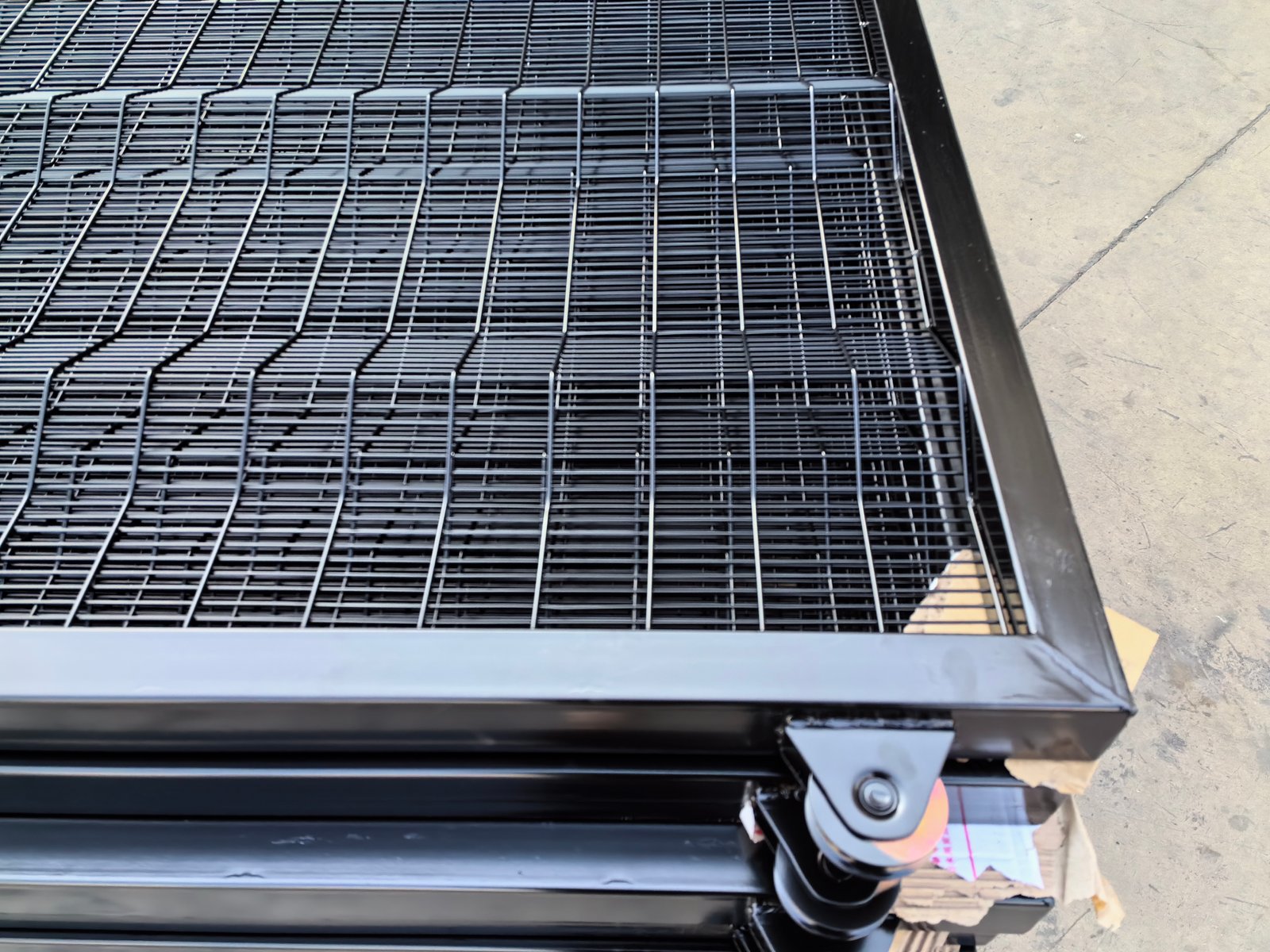
Surface-mounted posts use steel base plates and suitable anchors over an approved concrete structure. This method can avoid excavating conventional post holes.
However, the existing slab must resist the imposed loads. Therefore, engineers should verify concrete thickness, reinforcement, edge distances, and anchor capacity.
Driveway boundaries and industrial concrete platforms may offer suitable applications. Nevertheless, thin paving blocks alone rarely provide dependable structural anchorage.
Ground-Screw Foundations
Ground screws transfer loads into suitable soil without conventional concrete footings. Installation equipment rotates the steel foundations into the ground.
However, underground services, rocks, and soil conditions can restrict installation. Consequently, qualified engineers should assess soil suitability and foundation performance.
Ground screws also penetrate the soil. Therefore, they reduce conventional excavation rather than eliminate all ground disturbance.
Existing Concrete Boundary Walls
Some projects attach steel posts to approved reinforced concrete structures. This approach may preserve surrounding paving and landscaping.
However, the existing wall must support the additional loads. Consequently, structural assessment remains essential before drilling or installing anchors.
Removable and Temporary Mounting
Selected projects require removable barriers during construction or maintenance. Suitable modular supports may simplify relocation.
However, portable mounting systems generally serve different purposes from permanent high-security foundations. Therefore, project teams must avoid assuming equivalent structural performance.
300mm Underground Anti-Dig Protection
The original ClearVu design offers an additional 300 mm mesh extension below ground level. This feature helps discourage attempts to create openings beneath the fence.
However, the extension requires suitable ground preparation and corrosion protection. Furthermore, actual effectiveness depends on soil conditions and installation quality.
How the Buried Extension Works
Installers position the lower mesh section beneath the finished ground level. The steel wires create an additional physical obstacle below the visible boundary.
Consequently, creating an opening beneath the fence becomes more difficult. Nevertheless, this feature does not guarantee complete protection against determined excavation.
Choosing the Underground Depth
The original design identifies 300 mm as an available underground extension. However, this measurement represents a product option rather than a universal security standard.
Soil conditions, drainage, erosion, and security requirements influence the final design. Therefore, project engineers should approve the actual buried arrangement.
Corrosion Protection Below Ground
Buried steel experiences prolonged moisture exposure and variable soil chemistry. Consequently, underground components require suitable protective treatment.
Damaged coatings may increase corrosion risks. Therefore, installers should inspect buried extensions before backfilling.
no dig clearvu fencing Technology and Security Features
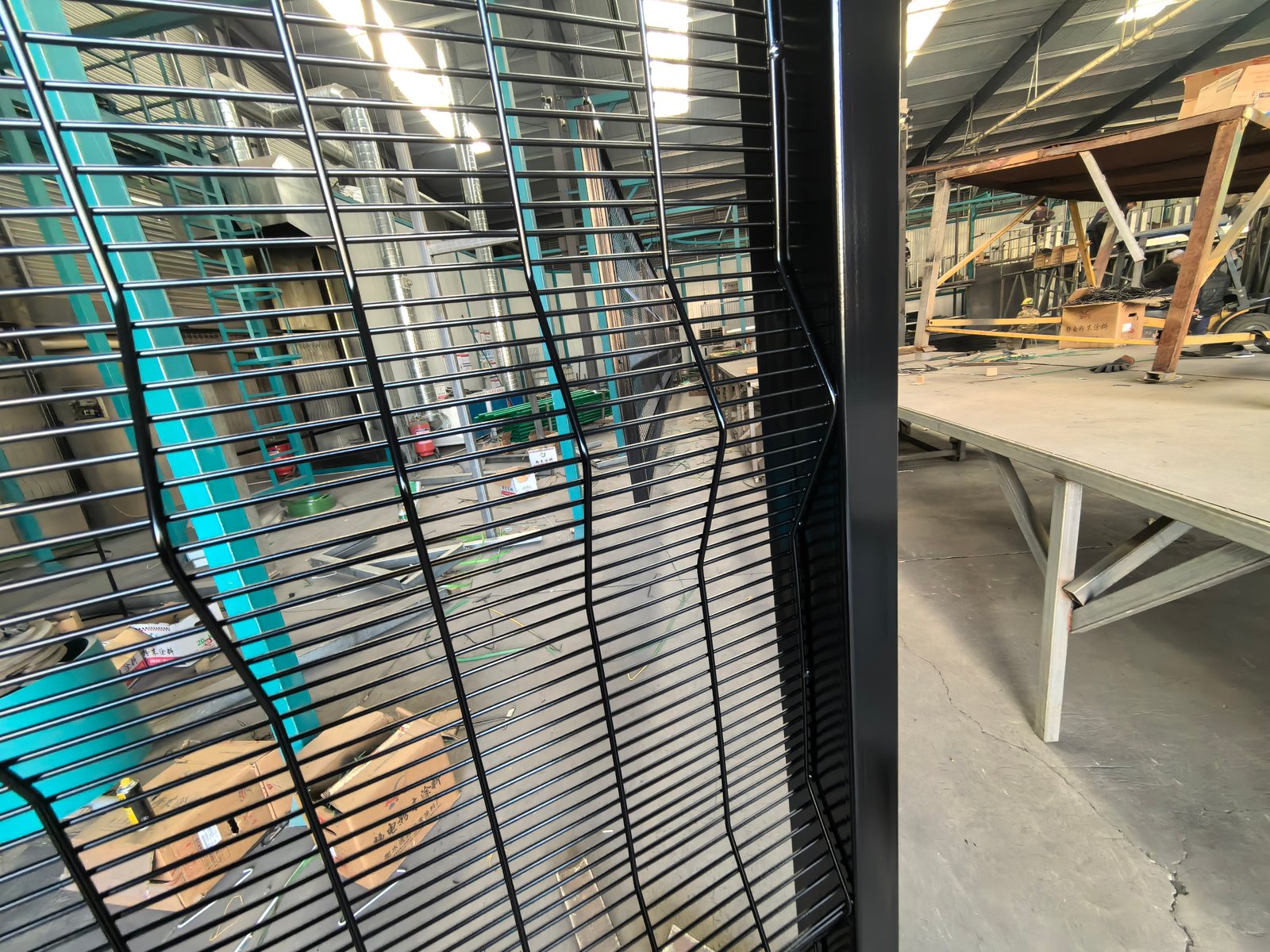
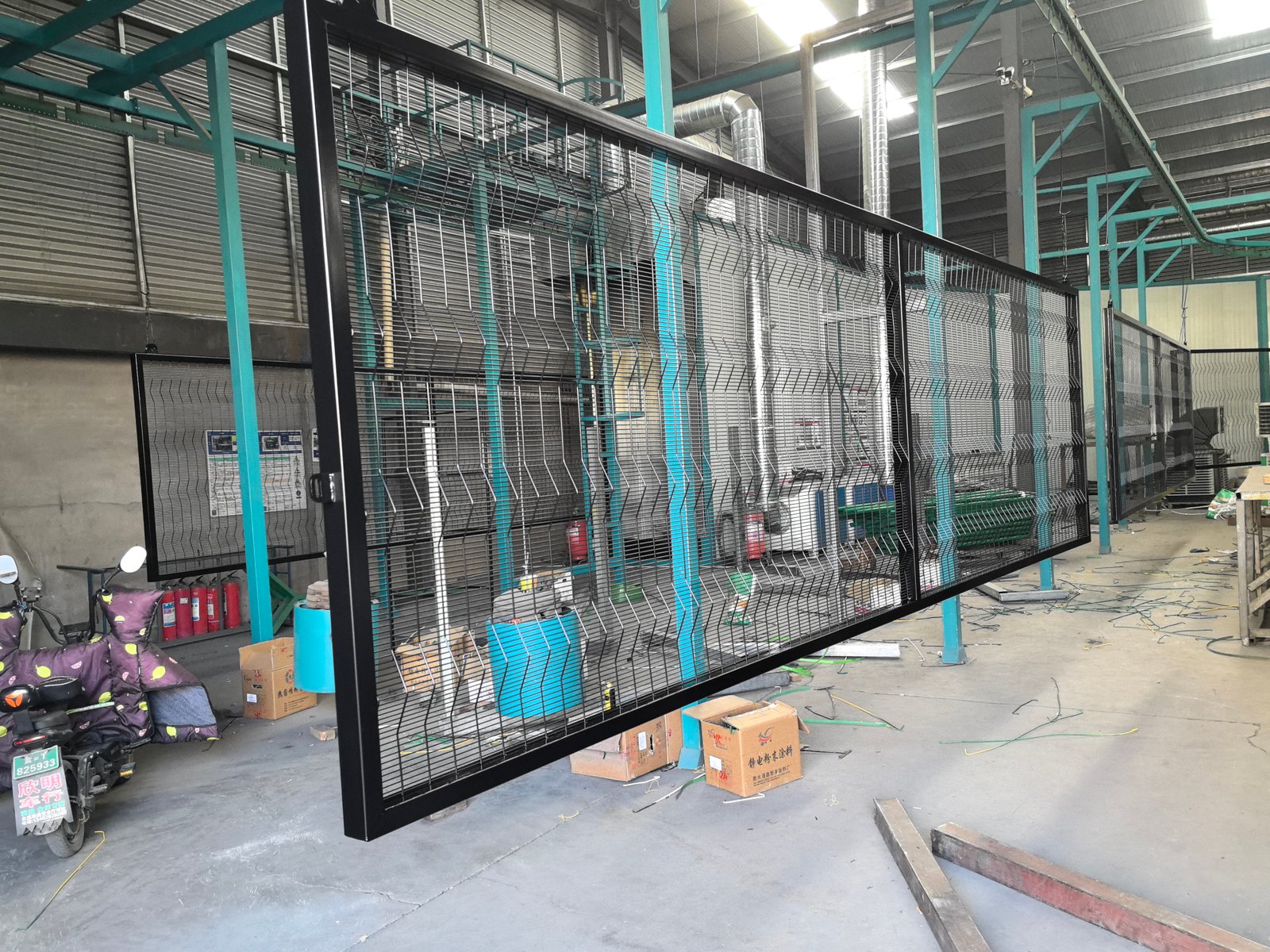
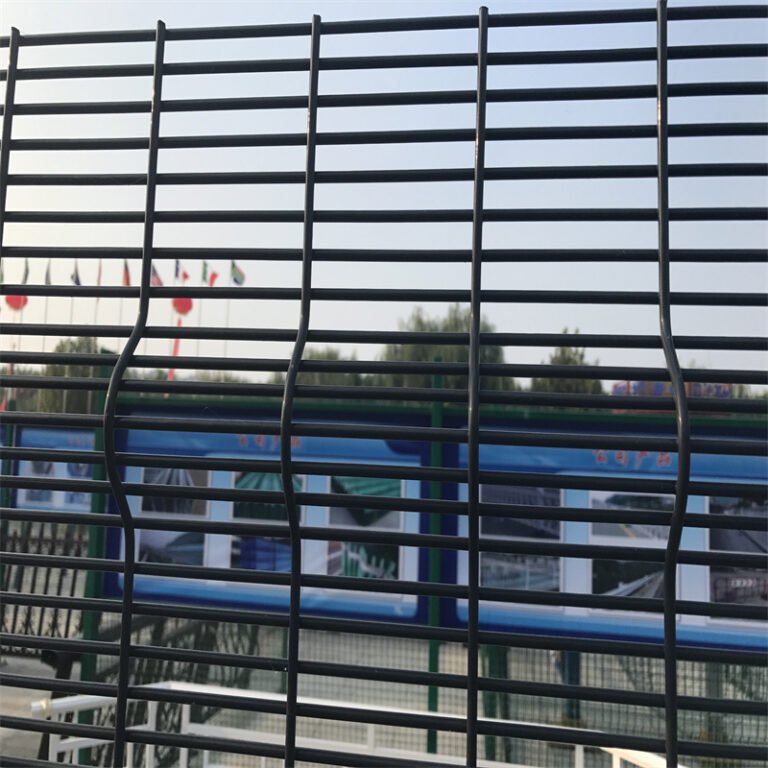
BMP manufactures welded mesh systems that combine narrow openings with rigid steel construction. Consequently, the fence restricts convenient climbing holds while maintaining useful visibility.
- Weld Integrity: The original technical description specifies weld strength reaching at least 75% of the wire's tensile capacity.
- Wire Strength: The source identifies a 540–690 strength range, requiring confirmation of the correct test units.
- Anti-Climb Geometry: Narrow mesh openings discourage conventional climbing techniques.
- Cut Resistance: Strong welded steel wires increase difficulty for ordinary cutting attempts.
- Visibility: Open mesh supports observation across the protected boundary.
- Custom Design: Different mesh patterns accommodate architectural and security requirements.
- Protective Finishes: Galvanizing and compatible polymer coatings support outdoor durability.
- Underground Protection: An optional 300 mm buried extension helps discourage excavation beneath the fence.
These features complement supporting posts, secure clamps, and appropriate foundations. However, no individual component guarantees complete perimeter security.
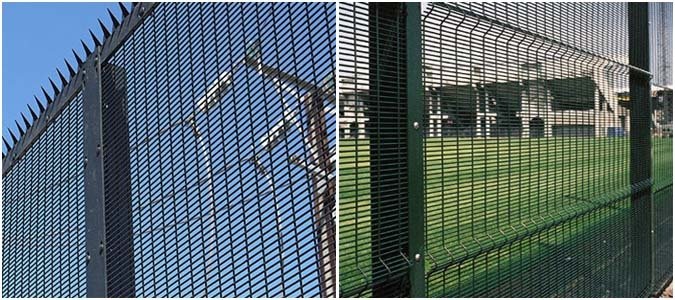
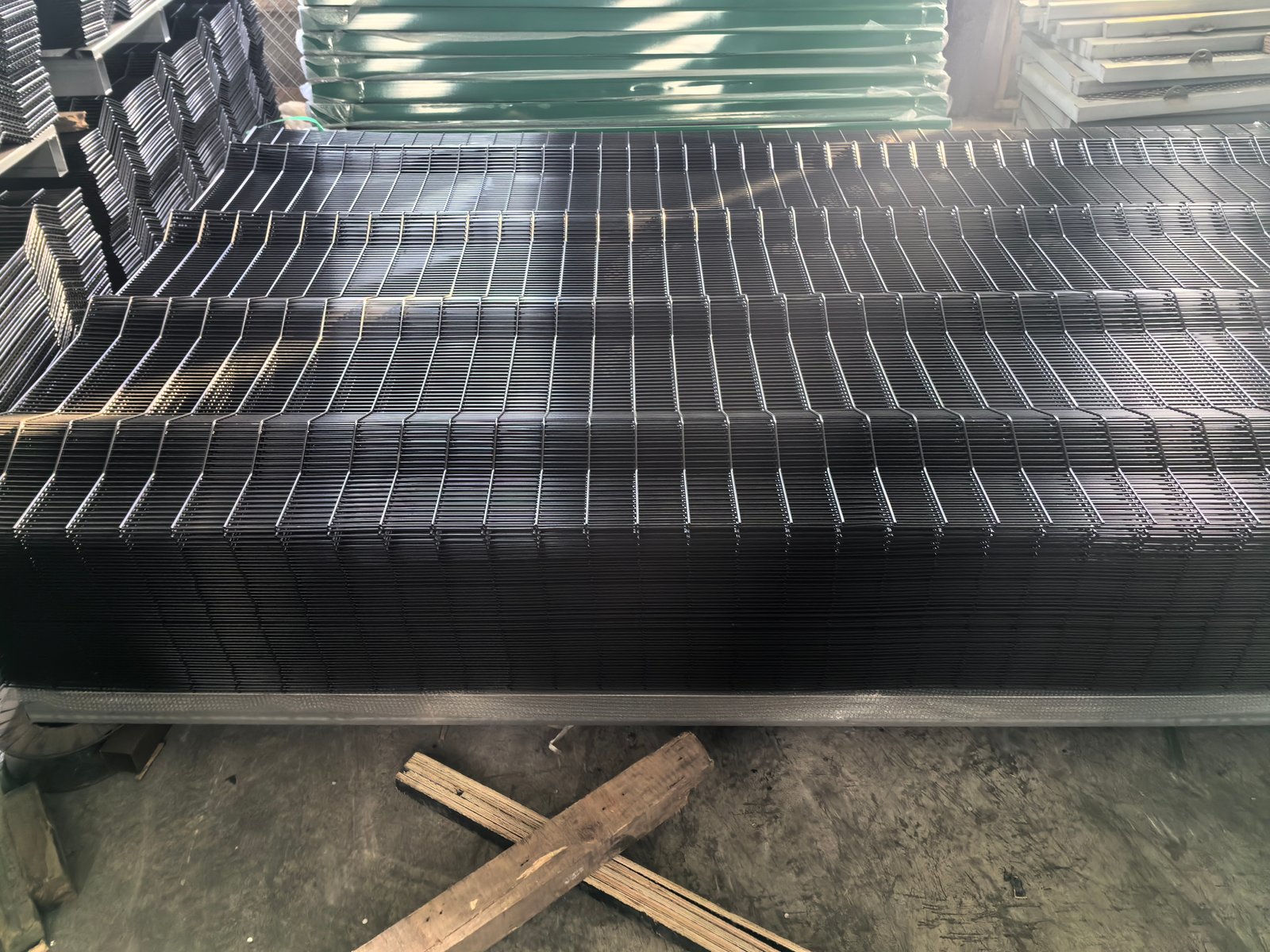
no dig clearvu fencing Panel Types: 2D, 2D Plus and 3D
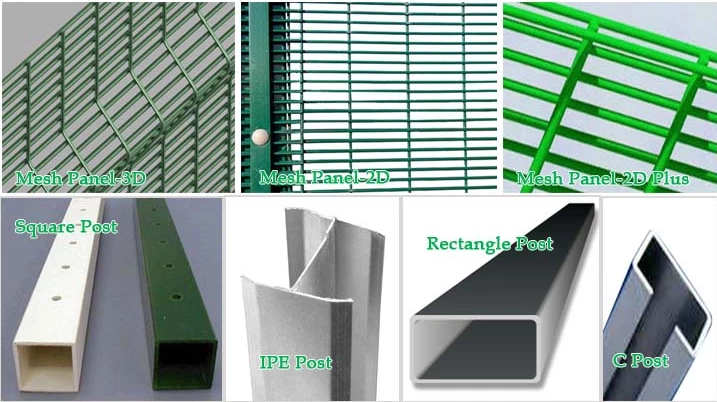
BMP offers different welded mesh configurations for varying project requirements. The original range includes 2D, 2D Plus, and 3D panels.
3D Welded Mesh Panels
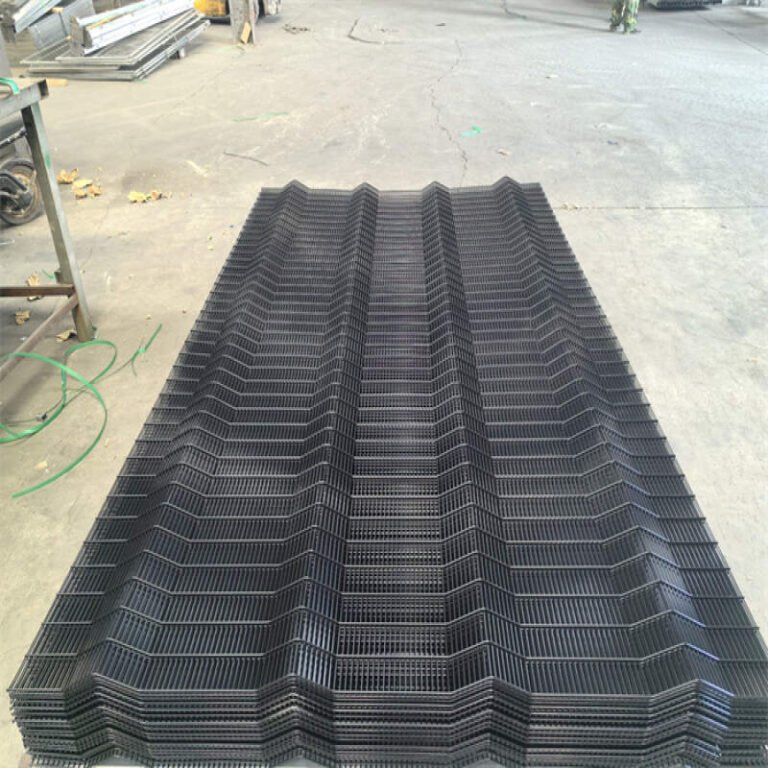
Three-dimensional panels incorporate formed curves that influence rigidity and appearance. Their actual structural performance depends on wire diameter and panel geometry.
Consequently, buyers should verify the number of curves and supporting posts before production.
2D Flat Mesh Panels
Two-dimensional panels use a flat welded mesh arrangement without formed curves. This design creates a consistent visual profile.
However, suitable stiffness still depends on wire diameter, weld quality, and structural support.
2D Plus Mesh Panels
The original 2D Plus design adds an extra horizontal wire after every eleven mesh intervals. This arrangement provides additional reinforcement at selected locations.
Nevertheless, the exact reinforcement layout requires confirmation through manufacturing drawings.
no dig clearvu fencing Complete Panel Specification Table
The following schedule preserves all eighteen original 3D panel configurations. Dimensions use millimetres unless otherwise stated.
Post lengths describe the original conventional installation references. Surface-mounted systems require separately approved post lengths and connection details.
| Mesh Size |
Height |
Width |
Line Wire × Cross Wire |
Curves |
Post Length |
Brackets |
| 76.2×12.7 |
1800 |
2500 |
3.0×4.0 |
3 |
2600 |
6 |
| 76.2×12.7 |
1800 |
2750 |
3.0×4.0 |
3 |
2600 |
6 |
| 76.2×12.7 |
1800 |
3000 |
3.0×4.0 |
3 |
2600 |
6 |
| 75×12.5 |
2000 |
2500 |
3.2×4.0 |
4 |
2700 |
7 |
| 75×12.5 |
2000 |
2750 |
3.2×4.0 |
4 |
2700 |
7 |
| 75×12.5 |
2000 |
3000 |
3.2×4.0 |
4 |
2700 |
7 |
| 101.6×12.7 |
2200 |
2500 |
3.4×4.0 |
4 |
2800 |
8 |
| 101.6×12.7 |
2200 |
2750 |
3.4×4.0 |
4 |
2800 |
8 |
| 101.6×12.7 |
2200 |
3000 |
3.4×4.0 |
4 |
2800 |
8 |
| 76.2×12.7 |
2400 |
2500 |
3.0×4.0 |
4 |
3000 |
9 |
| 76.2×12.7 |
2400 |
2750 |
3.0×4.0 |
4 |
3000 |
9 |
| 76.2×12.7 |
2400 |
3000 |
3.0×4.0 |
4 |
3000 |
9 |
| 76.2×12.7 |
2700 |
2500 |
3.0×4.0 |
5 |
3500 |
10 |
| 76.2×12.7 |
2700 |
2750 |
3.0×4.0 |
5 |
3500 |
10 |
| 76.2×12.7 |
2700 |
3000 |
3.0×4.0 |
5 |
3500 |
10 |
| 75×12.5 |
3000 |
2250 |
3.2×4.0 |
5 |
4000 |
12 |
| 75×12.5 |
3000 |
3000 |
3.2×4.0 |
5 |
4000 |
12 |
| 101.6×12.7 |
4000 |
2250 |
3.4×4.0 |
5 |
5200 |
14 |
Panel width affects the number of supporting posts and connections. Meanwhile, increasing height changes wind loading and foundation requirements.
Consequently, the original bracket quantities remain reference values rather than approved structural calculations.
no dig clearvu fencing Post and Column Specifications
Supporting posts form an essential part of the complete security system. The original range includes RHS, SHS, IPE, and C-profile configurations.
Additional reference sections include 50 × 50 mm, 60 × 60 mm, and 60 × 80 mm. However, each mounting method requires compatible structural design.
Original Steel Post Specification Table
| Post Type |
Popular Size A |
Popular Size B |
Popular Size C |
Wall Thickness |
| Square Post (SHS) |
60×60mm |
80×80mm |
100×100mm |
1.2–1.5mm |
| IPE Post |
100×55mm |
100×68mm |
120×74mm |
1.2–2.0mm |
| Rectangle Post (RHS) |
60×80mm |
80×100mm |
100×150mm |
2.5–5.0mm |
| C Post with a Flat Bar |
60×80mm |
80×100mm |
100×150mm |
2.0–5.0mm |
The original values describe product options rather than universal structural recommendations. In particular, lightweight sections may not suit tall surface-mounted security fences.
Furthermore, the original IPE wall-thickness description requires profile verification. Therefore, customers should confirm the actual section drawing before ordering.
Post Height and Protective Finishes
The original column range lists nominal heights from 800 to 2400 mm, increasing in 200 mm increments. Available references include 800, 1000, 1200, 1400, 1600, 1800, 2000, 2200, and 2400 mm.
These values describe one post range rather than every panel configuration. Taller systems require appropriate post dimensions and engineering approval.
The original column specification also identifies internal zinc coating references of 40–60 g/m². However, actual coating compliance depends on the selected process and specification.
Polyester and Thermoplastic Coatings
The original coating options include polyester powder at 80–120 microns. Alternatively, the source lists thermoplastic PVC coating at approximately 200 microns.
Its historical product description identifies ten-year coverage for thermoplastic-coated posts and five-year coverage for electrostatic-coated posts. However, customers should confirm current warranty conditions in writing.
Post Caps and Moisture Protection
Suitable plastic caps help prevent water and debris from entering open steel posts. The original design includes UV additives for selected caps.
Furthermore, appropriate finishing protects exposed edges and connection areas. However, damaged coatings still require maintenance.
Metal and Plastic Panel Clips
BMP offers metal and plastic connection accessories for selected fence configurations. However, their suitability depends on the required security level.
High-security projects should use approved clamps and fasteners. Consequently, installation drawings must identify the correct hardware.
no dig clearvu fencing Surface Treatment Options ST1–ST5
The original specification provides five alternative surface-treatment combinations. These options allow buyers to compare different zinc and polymer finishing systems.
| Item |
ST1 |
ST2 |
ST3 |
ST4 |
ST5 |
| Mesh |
PRE-EDG+PP |
PRE-HDG+PP |
PRE-GALFAN+PP |
HDG |
HDG+PP |
| Post |
PRE-HDG-PP |
HDG |
HDG+PP |
None |
None |
PP means polyester powder coating. EDG refers to electrogalvanizing, while HDG describes hot-dip galvanizing.
ST2 identifies three original zinc coating classes: 40–60, 80–100, and 200–300 g/m². Meanwhile, ST3 uses a nominal 95% zinc and 5% aluminium alloy coating.
The ST4 reference identifies a 75–100 micron zinc layer. However, actual coating thickness requires confirmation against the specified manufacturing process.
Entries marked None indicate unspecified post treatment in the original schedule. They should not automatically imply that bare steel posts suit outdoor installation.
Choosing Coatings for Ground Contact
Soil exposure differs from atmospheric exposure. Consequently, buried components may require additional corrosion assessment.
Moisture, soil chemistry, and coating damage influence long-term performance. Therefore, project engineers should specify suitable protection for underground extensions.
Coatings for Coastal South Africa
Coastal regions such as Durban and Cape Town experience salt-bearing atmospheric exposure. Consequently, damaged steel coatings may deteriorate faster than in many inland environments.
Suitable duplex coating systems can provide additional protection. However, owners should establish appropriate cleaning and inspection procedures.
Inland Weather Conditions
Johannesburg and Pretoria experience different exposure conditions from coastal ports. Summer thunderstorms, sunlight, and temperature changes influence outdoor fence maintenance.
Consequently, drainage and coating durability deserve attention around concrete bases and ground-level fittings.
Razor Wire and Angled Security Arms
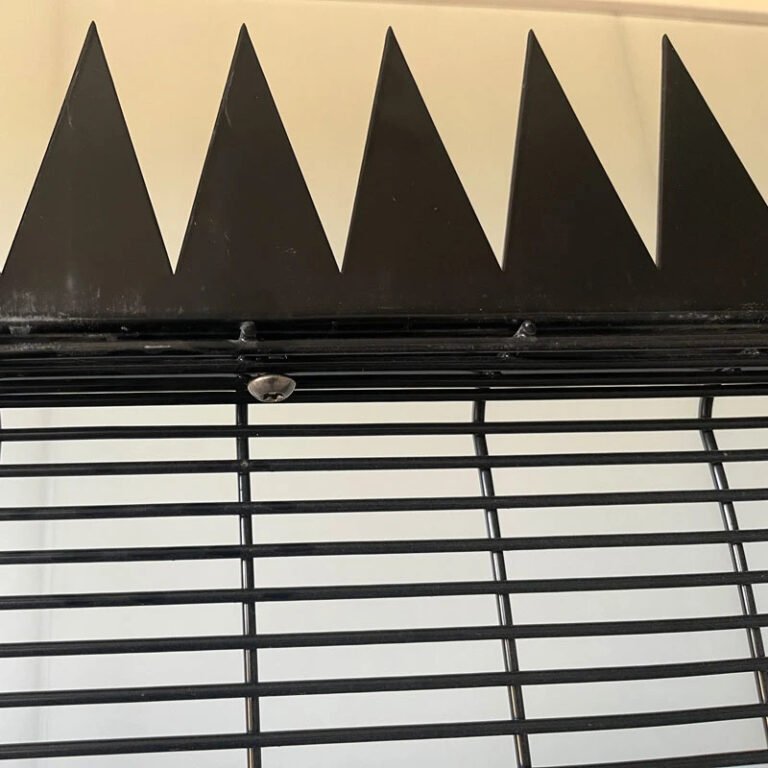
The original ClearVu design includes optional razor wire and angled security arms. These additions provide another physical obstacle above the main mesh.
However, they are not essential for every installation. Residential, public, and industrial properties may face different safety requirements.
Therefore, project teams should verify applicable regulations before selecting security toppings.

no dig clearvu fencing Applications
Different facilities require different boundary designs. Consequently, the appropriate installation method depends on structural conditions and security requirements.
Bridge Anti-Climb Guarding
Bridge installations may require protective mesh to discourage dangerous climbing. However, pedestrian containment systems need specific structural approval.
Psychiatric Hospital Security
Secure healthcare facilities require controlled boundaries and suitable observation. Nevertheless, clinical safety assessments must address ligature hazards and emergency access.
Prison Security Fencing
Correctional facilities use physical barriers to support controlled perimeter protection. However, security performance depends on the complete system and operational procedures.
Factory Machine Guards
Industrial facilities may require physical separation around hazardous machinery. Nevertheless, machine guarding must follow applicable safety requirements.
Walkway Security Fencing
Walkways benefit from visible boundaries that discourage unauthorized access. However, pedestrian safety and accessibility remain essential design considerations.
Airport Security Fencing
Airports require controlled access around sensitive operating areas. Consequently, fencing must comply with applicable airport security and safety requirements.
Shipping Port Security
Ports require reliable boundaries around cargo and restricted facilities. Furthermore, coastal exposure increases the importance of corrosion protection.
Electrical Substation Fencing
Substations require controlled access and appropriate electrical clearances. Therefore, specialist engineering must guide post and foundation arrangements.
Gas Pipeline Security
Gas infrastructure often requires protected access and clear maintenance routes. Consequently, fence foundations must avoid damaging underground services.
High-Security Residential Properties
Private estates may benefit from welded mesh and controlled entrances. However, suitable visibility, landscaping, and gate security remain important.
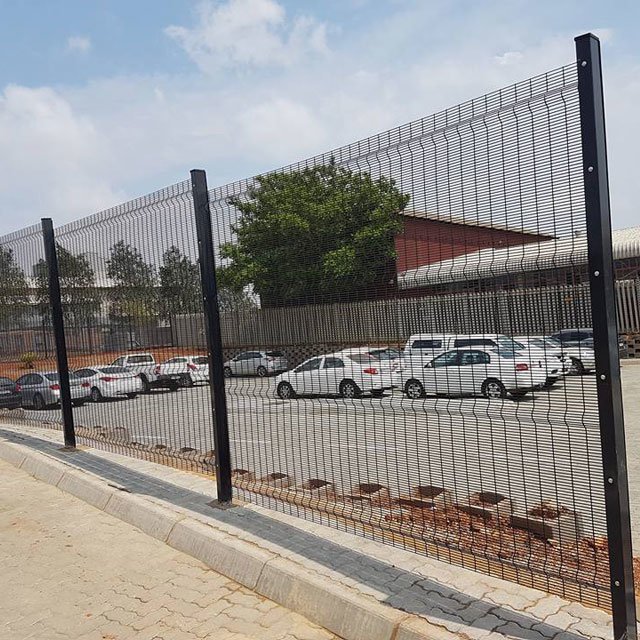
no dig clearvu fencing for Existing Concrete and Paved Areas
Existing paving creates practical installation challenges. Consequently, contractors should evaluate the underlying structure before selecting surface-mounted posts.
Concrete Driveways
Concrete driveways may accommodate approved base-plate installations. However, engineers must assess anchor loads and edge distances.
Industrial Loading Areas
Loading areas often contain heavy vehicles and buried utilities. Therefore, fence installation should avoid interfering with traffic and essential services.
Interlocking Pavers
Interlocking pavers generally lack the structural continuity required for high-security anchoring. Consequently, installers may need separate engineered foundations.
Retaining Walls
Retaining walls already resist soil pressure. Additional fence loads may affect their stability.
Therefore, engineers must assess the existing wall before attaching steel posts.
no dig clearvu fencing Installation Checklist
Successful installation begins with accurate site information. Consequently, contractors should complete a structured review before manufacturing or drilling.
- Survey the Boundary: Confirm property lines, corners, gates, and ground levels.
- Locate Underground Services: Identify electrical cables, drainage pipes, and other buried infrastructure.
- Assess Foundations: Verify soil conditions or existing concrete capacity.
- Select Mounting: Choose approved base plates, ground screws, or conventional foundations.
- Confirm Panel Dimensions: Match mesh width and height with the installation layout.
- Verify Steel Posts: Confirm sections, wall thickness, and connection details.
- Check Coatings: Specify suitable atmospheric or ground-contact protection.
- Install Connections: Use compatible clamps and security fasteners.
- Inspect Alignment: Check post positions and panel clearances.
- Complete Handover: Record inspection results and maintenance requirements.
ClearVu Fence Accessories and Post Details
Complete fencing systems require suitable clamps, security bolts, post caps, and gate components. Consequently, buyers should compare accessories alongside panel specifications.
The Clear Vu Fence range includes several panel and post configurations. Meanwhile, Clearvu Fence Panels cover additional mesh and installation dimensions.
For wider comparisons, Clear View Mesh Fencing includes alternative post profiles and protective finishes. These options help buyers prepare consistent material schedules.
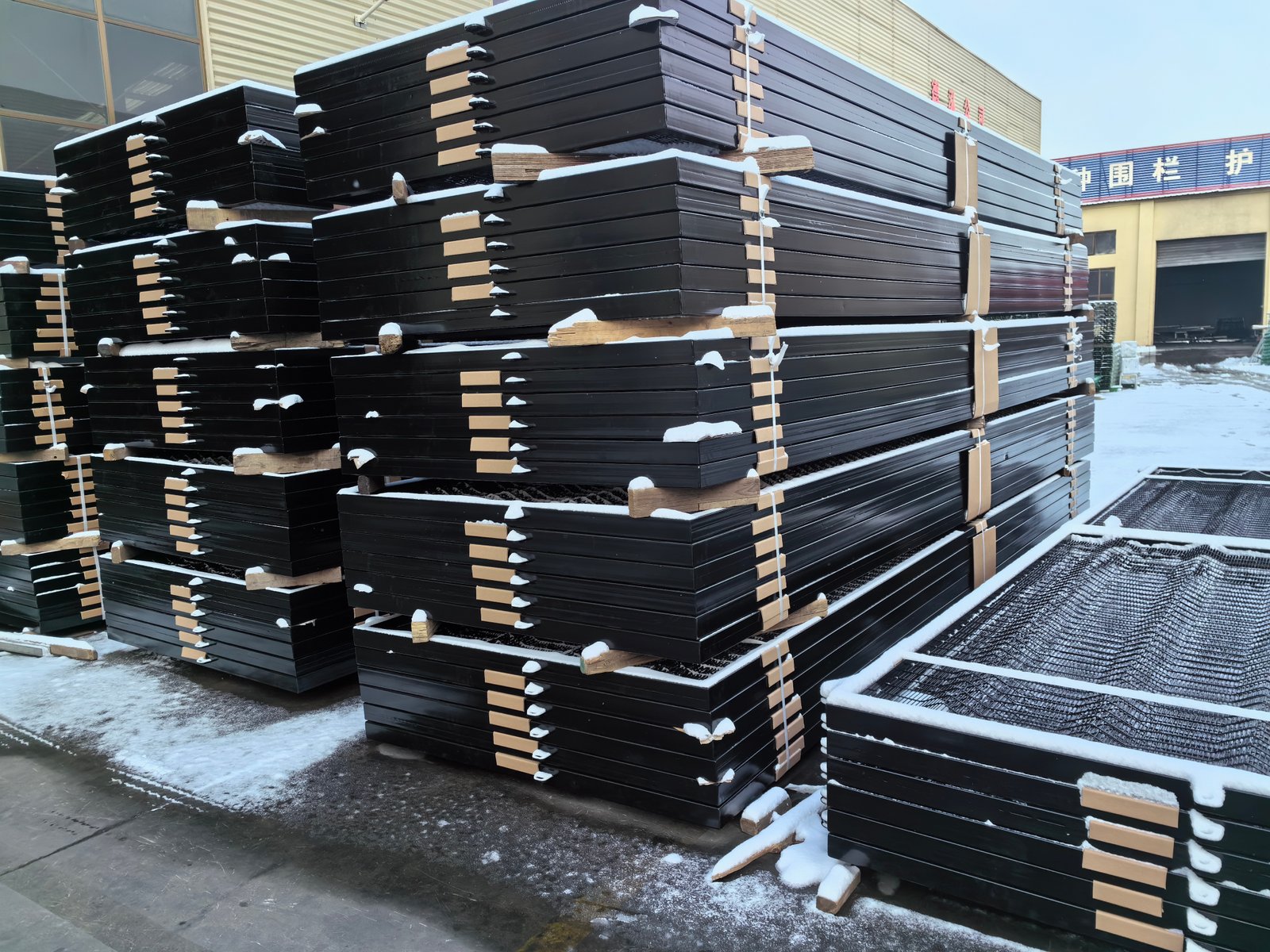
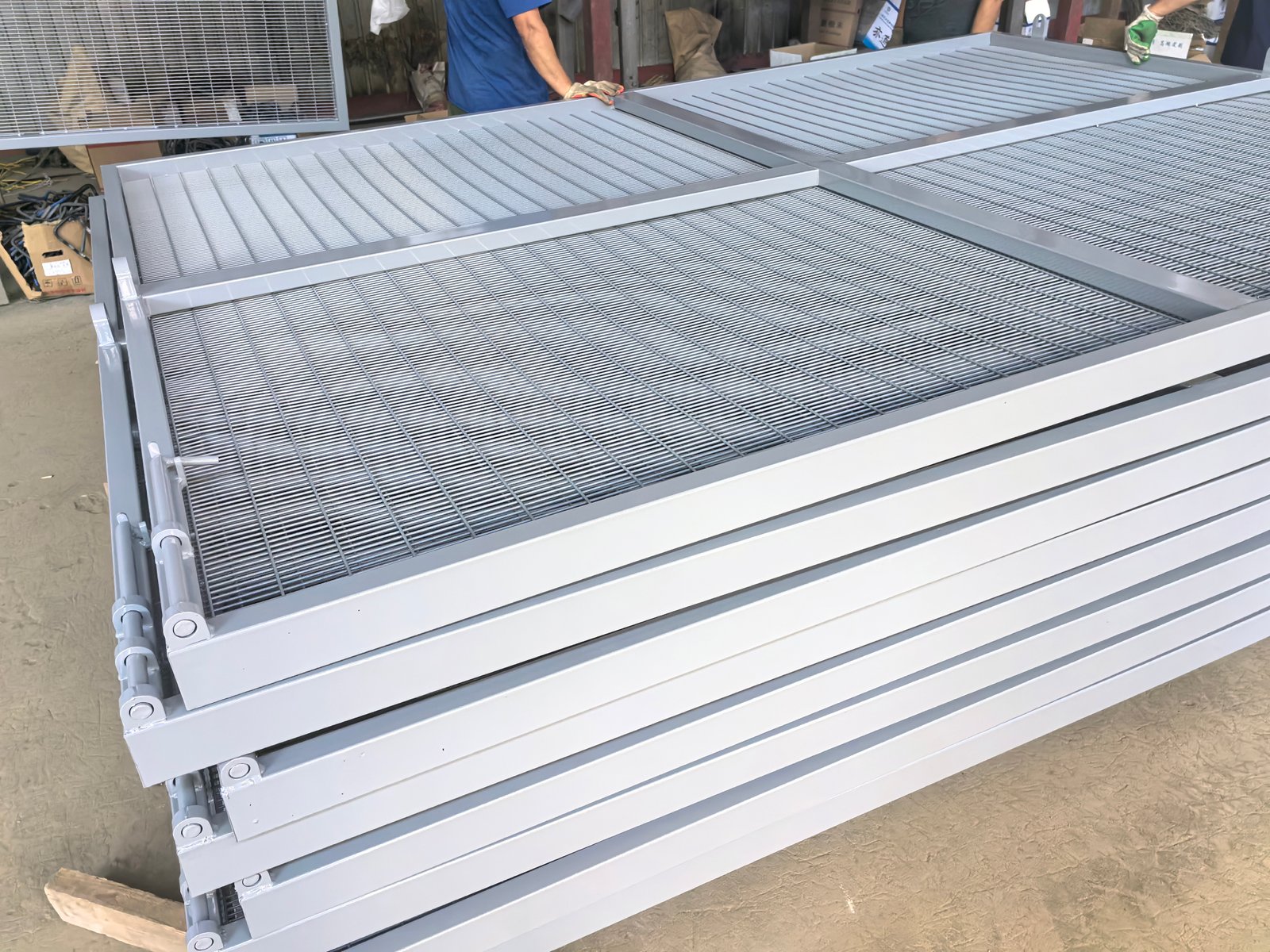
Packaging and Shipping
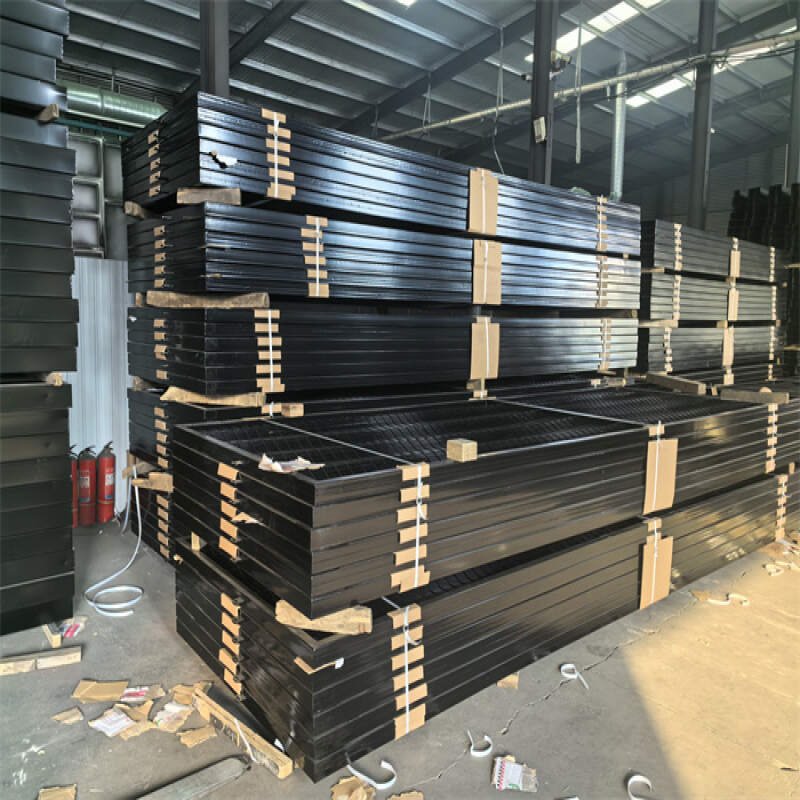
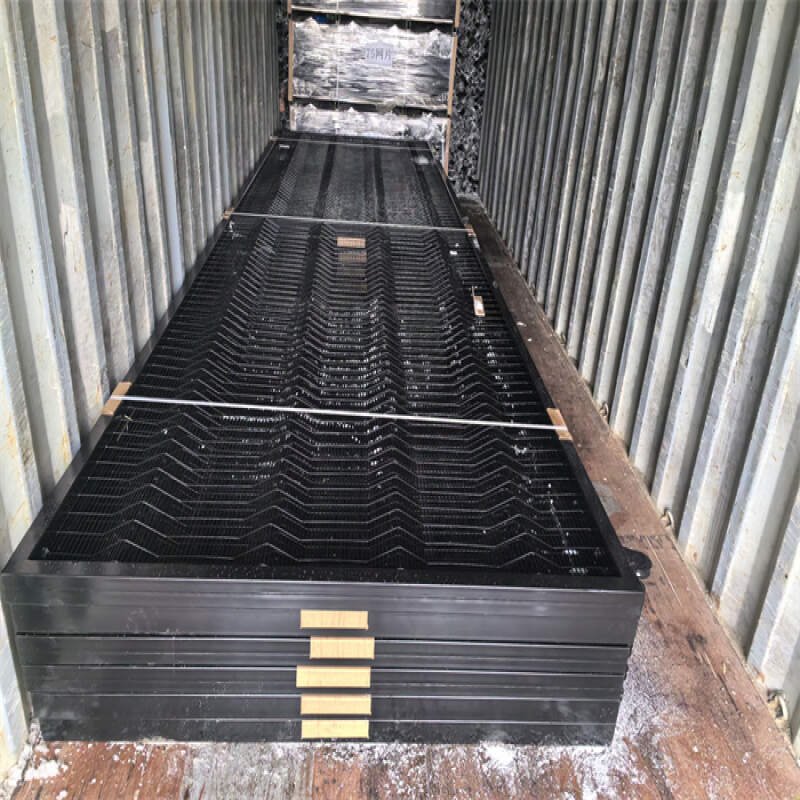
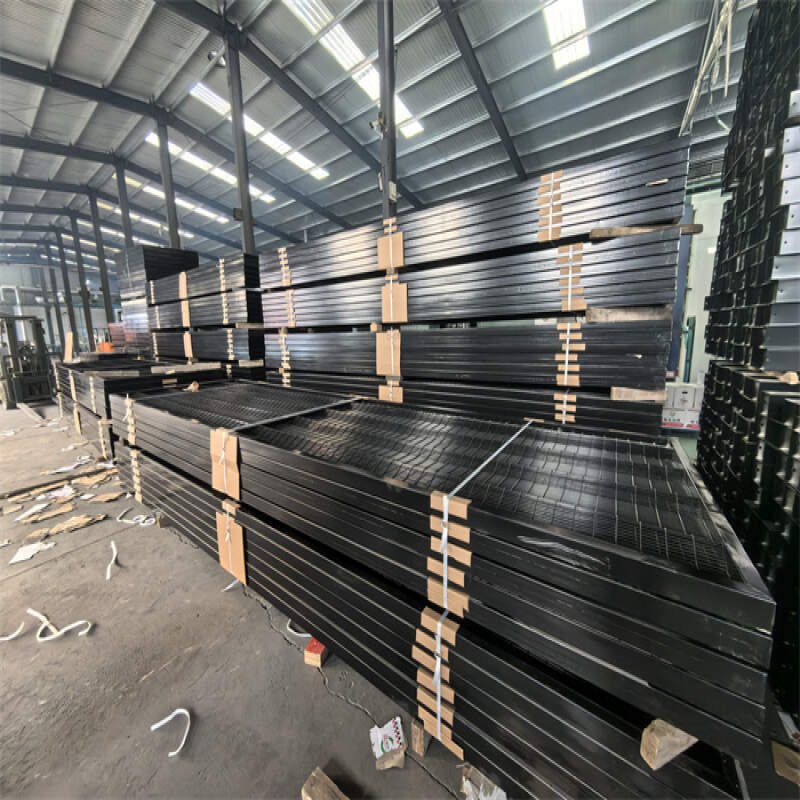
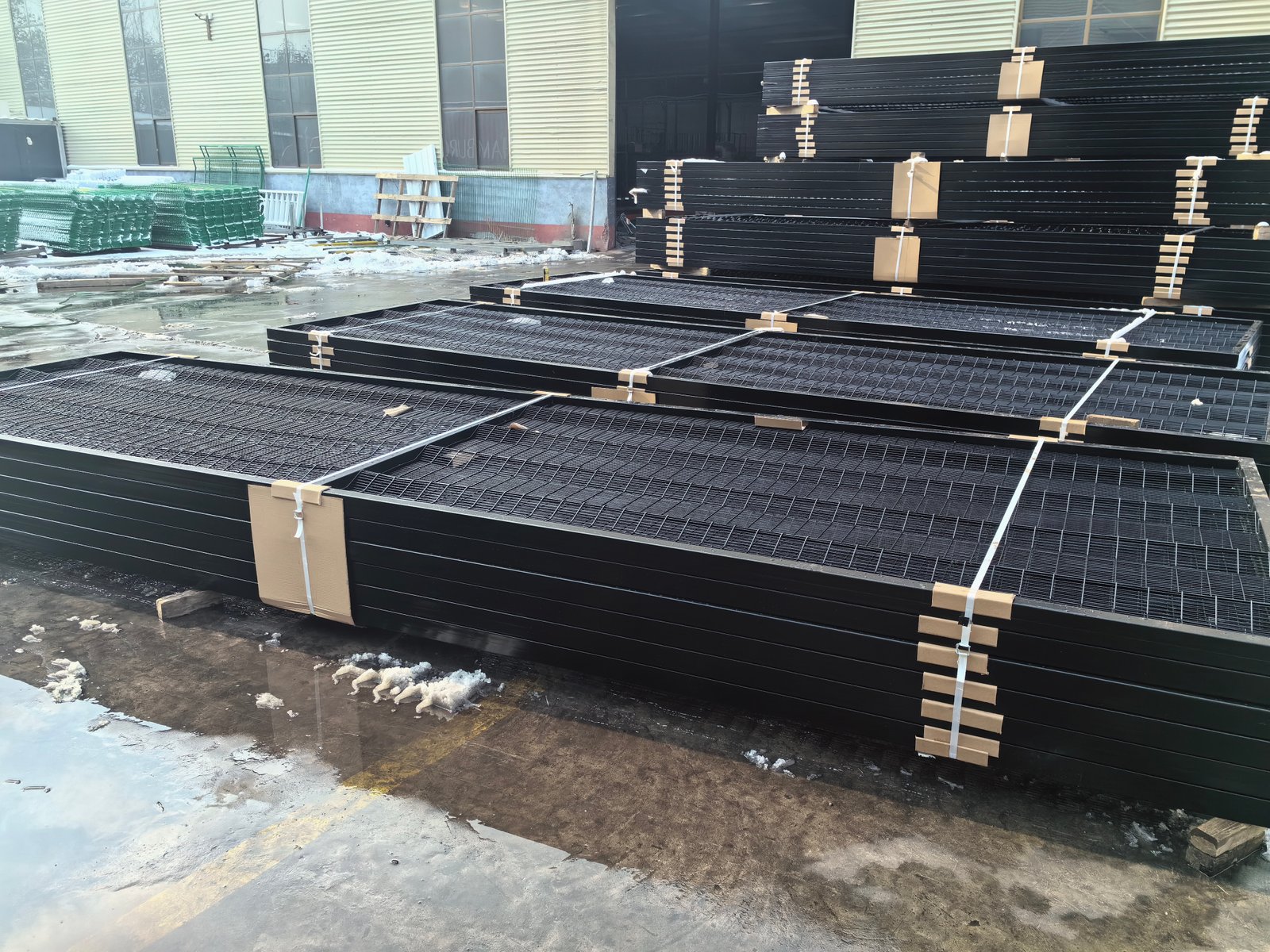
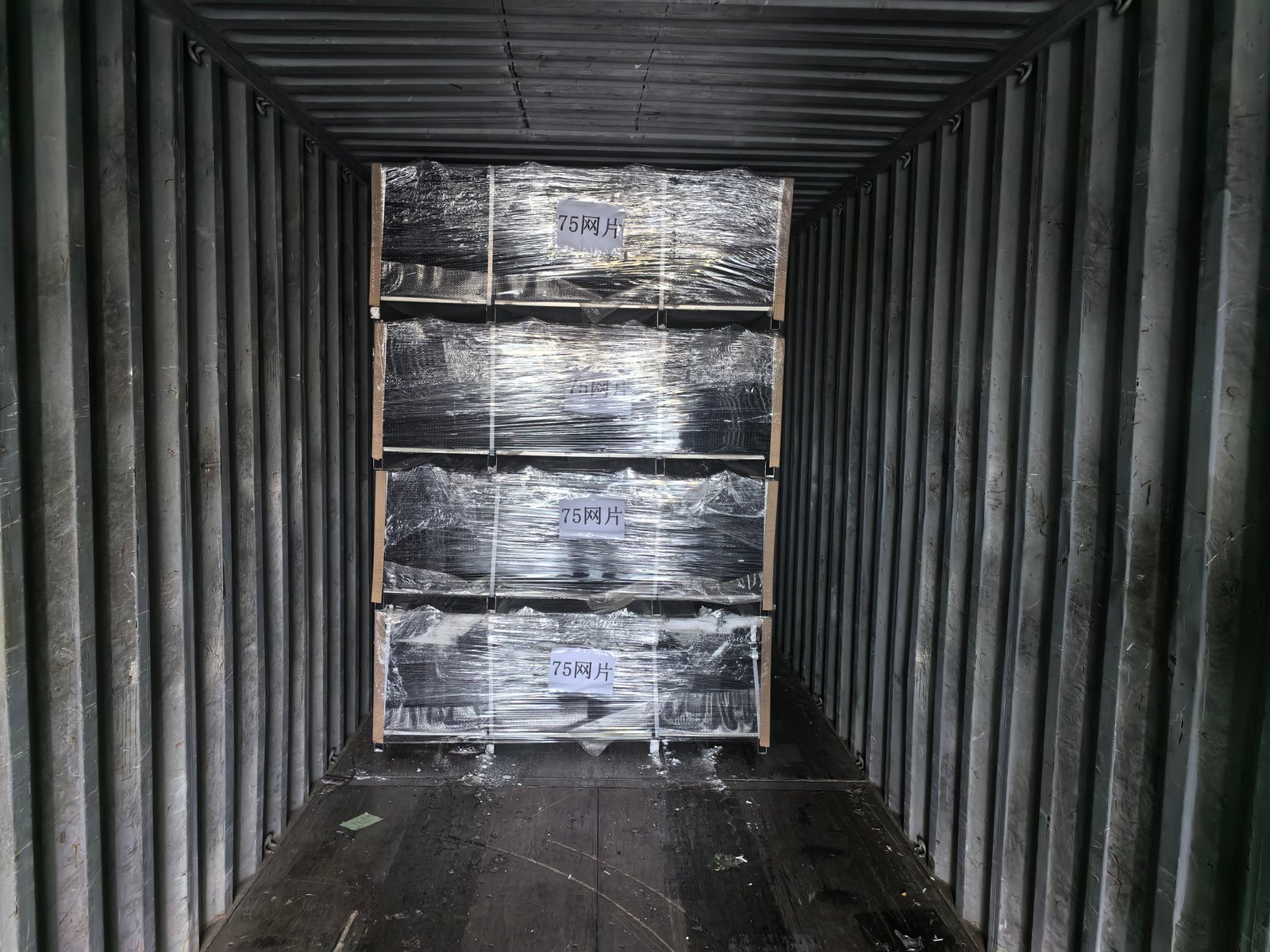
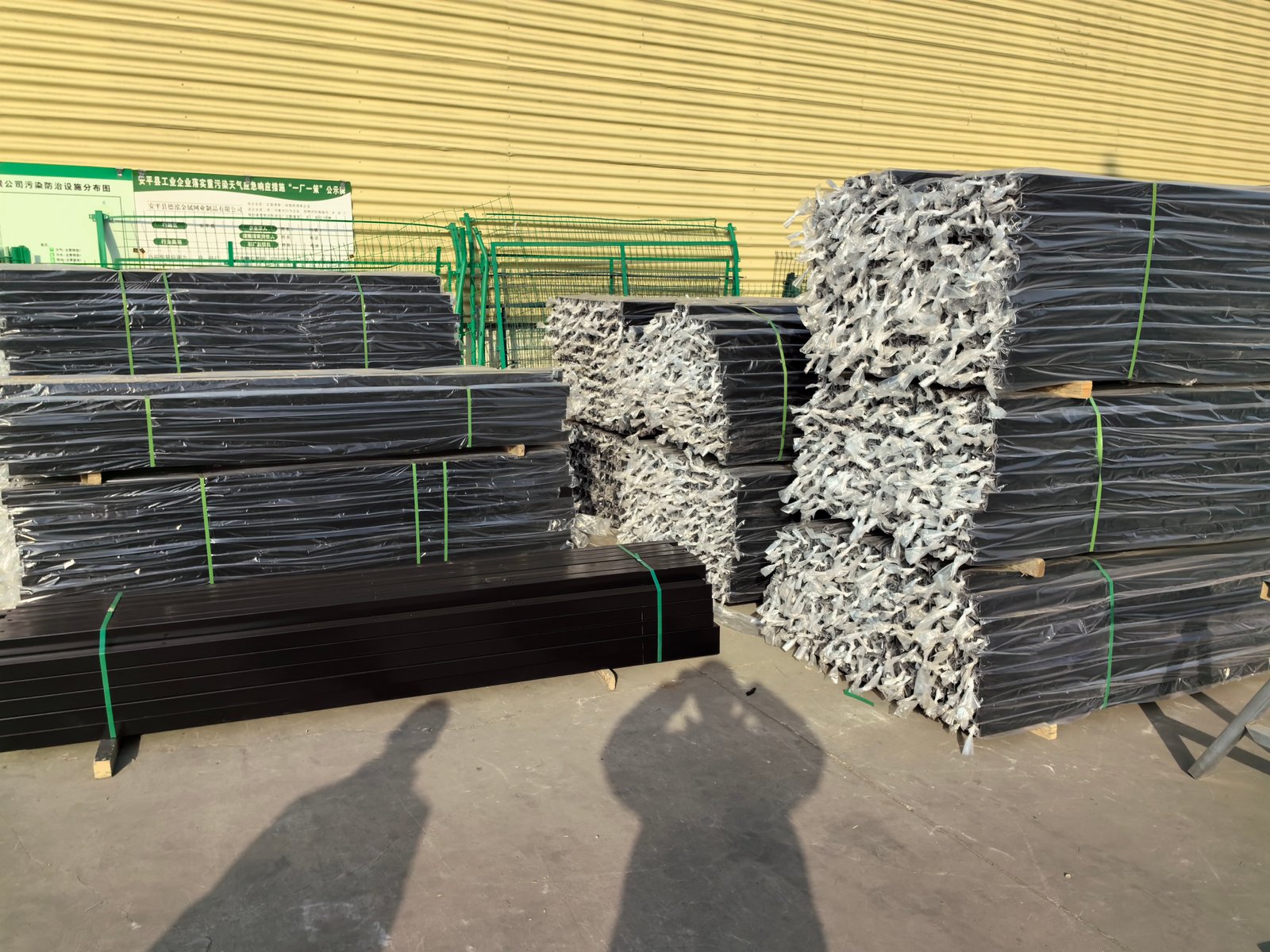
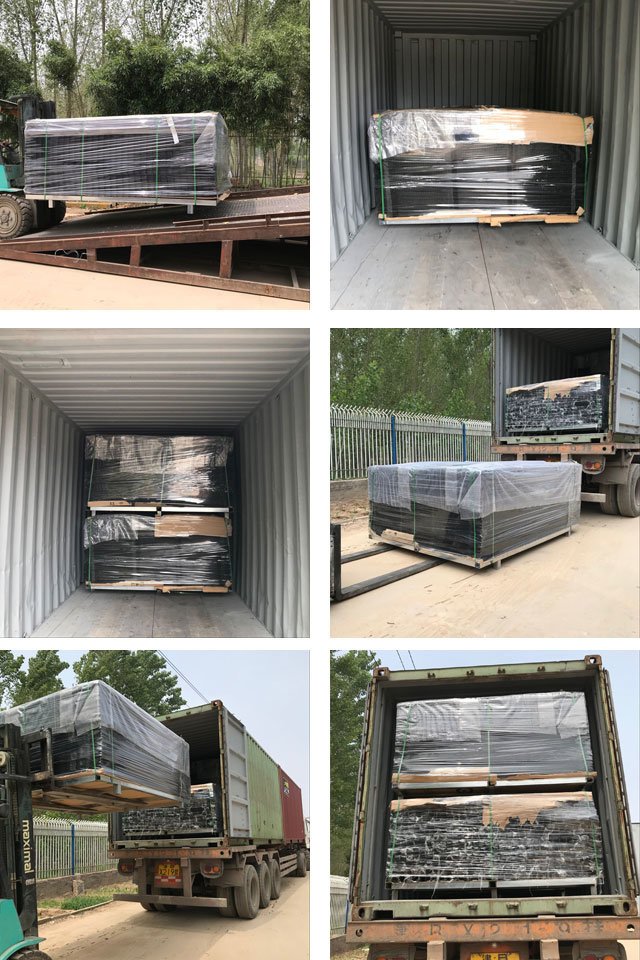
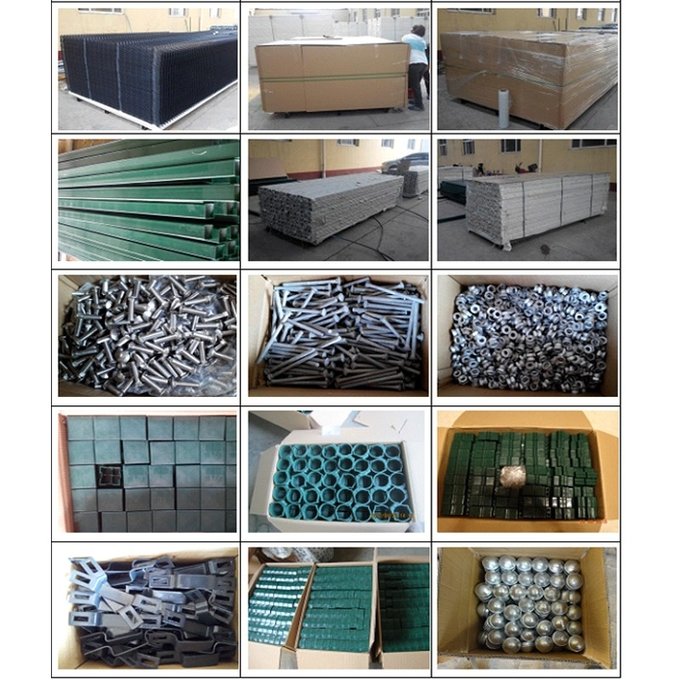
BMP offers export packing arrangements for welded panels, posts, and accessories. Appropriate packaging helps reduce handling damage during international transportation.
Original Packing Methods
- Anti-Climb Mesh Panels: Arrange panels on suitable pallets.
- Steel Posts: Protect posts using plastic bags and bubble film.
- Custom Packing: Adjust packaging according to customer requirements.
Detailed Export Packing
- Panels: Use metal pallets, cardboard protection, and plastic wrapping film.
- Posts: Wrap posts with PP bags and secure them on pallets with protective film.
- Accessories: Pack fittings in cartons or nylon bags.
- Customized Packing: Arrange special packing according to shipment requirements.
Frequently Asked Questions About no dig clearvu fencing
Can ClearVu Fencing Be Installed Without Concrete?
Selected systems can use approved surface-mounted or ground-screw foundations. However, structural suitability depends on the actual site conditions.
Does No-Dig Installation Prevent Underground Intrusion?
Not automatically. No-dig mounting addresses installation methods, while anti-dig protection addresses underground passage.
Can the Fence Extend 300mm Underground?
Yes. The original design offers a 300 mm buried mesh extension. However, installation normally requires trenching.
Are Ground Screws Suitable for Every Soil?
No. Soil strength, rocks, underground services, and structural loading may restrict their use.
Can Steel Posts Mount on Existing Paving?
Only when the underlying structure provides suitable support. Ordinary paving blocks may require separate foundations.
Which Panel Types Are Available?
BMP offers 2D, 2D Plus, and 3D welded mesh configurations. The appropriate design depends on security and structural requirements.
What Post Types Does BMP Supply?
The original range includes SHS, IPE, RHS, and C-profile posts with flat bars.
Which Protective Coatings Are Available?
Available references include electrogalvanizing, hot-dip galvanizing, Galfan, polyester powder, and selected thermoplastic finishes.
Can No-Dig Systems Support Security Gates?
Potentially, but gates impose additional mechanical loads. Consequently, supporting foundations require separate structural assessment.
What Should Buyers Confirm Before Ordering?
Confirm panel dimensions, post sections, mounting details, ground conditions, coatings, gates, and approved engineering drawings.
Why Choose BMP for no dig clearvu fencing?
BMP manufactures welded security mesh panels, steel posts, and compatible fittings for international projects. Our manufacturing experience since 2006 supports different panel geometries and protective finishes.
Furthermore, customers can coordinate 2D, 2D Plus, and 3D configurations through one manufacturing schedule. Appropriate documentation also helps contractors compare installation methods and component requirements.
For high-security projects, High Security Clearvu Fencing offers additional mesh and post options. Meanwhile, the final foundation design should reflect the actual site.
Ultimately, no dig clearvu fencing can reduce conventional excavation where suitable structural conditions exist. Separately, buried mesh extensions provide additional protection against underground intrusion. BMP supports both approaches through configurable welded panels, compatible steel posts, and project-specific manufacturing arrangements.