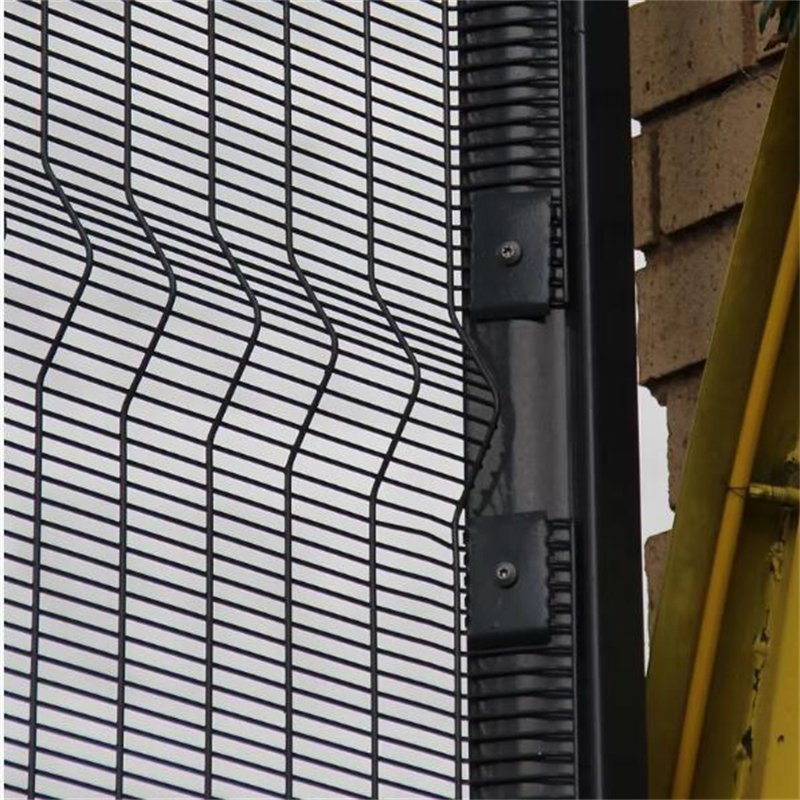
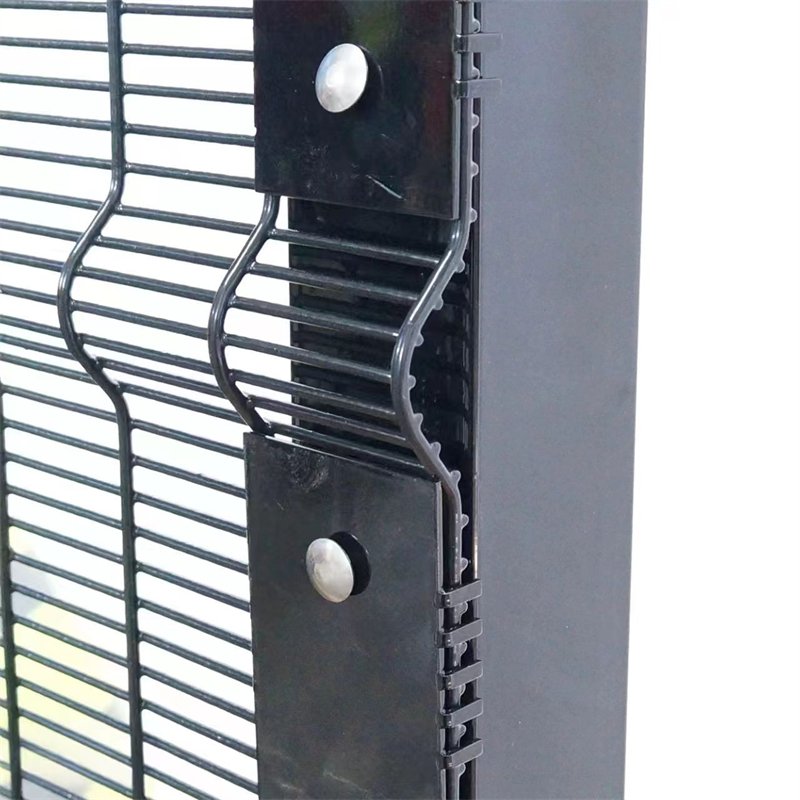
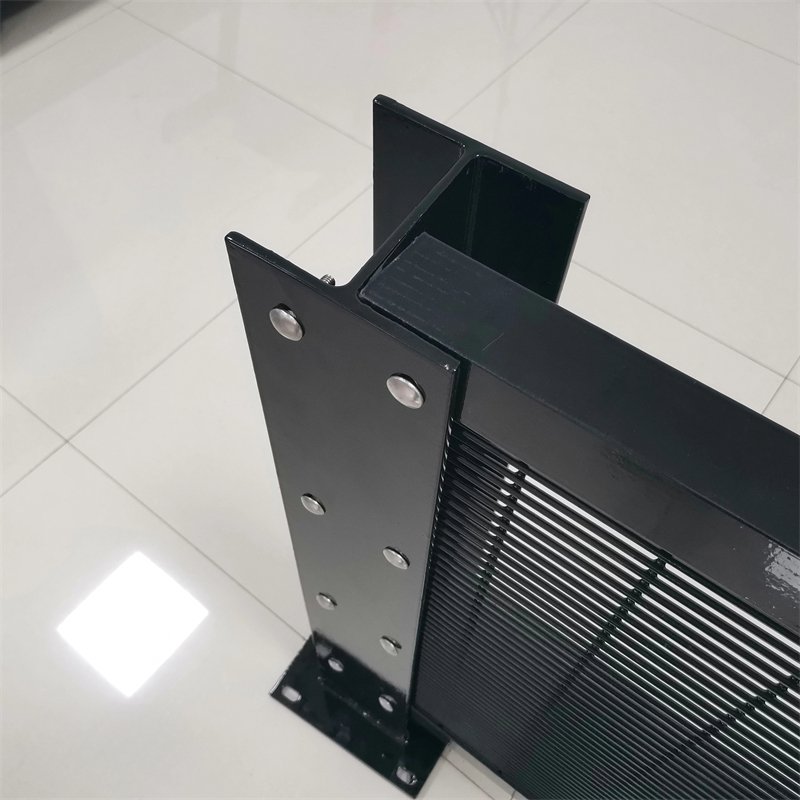
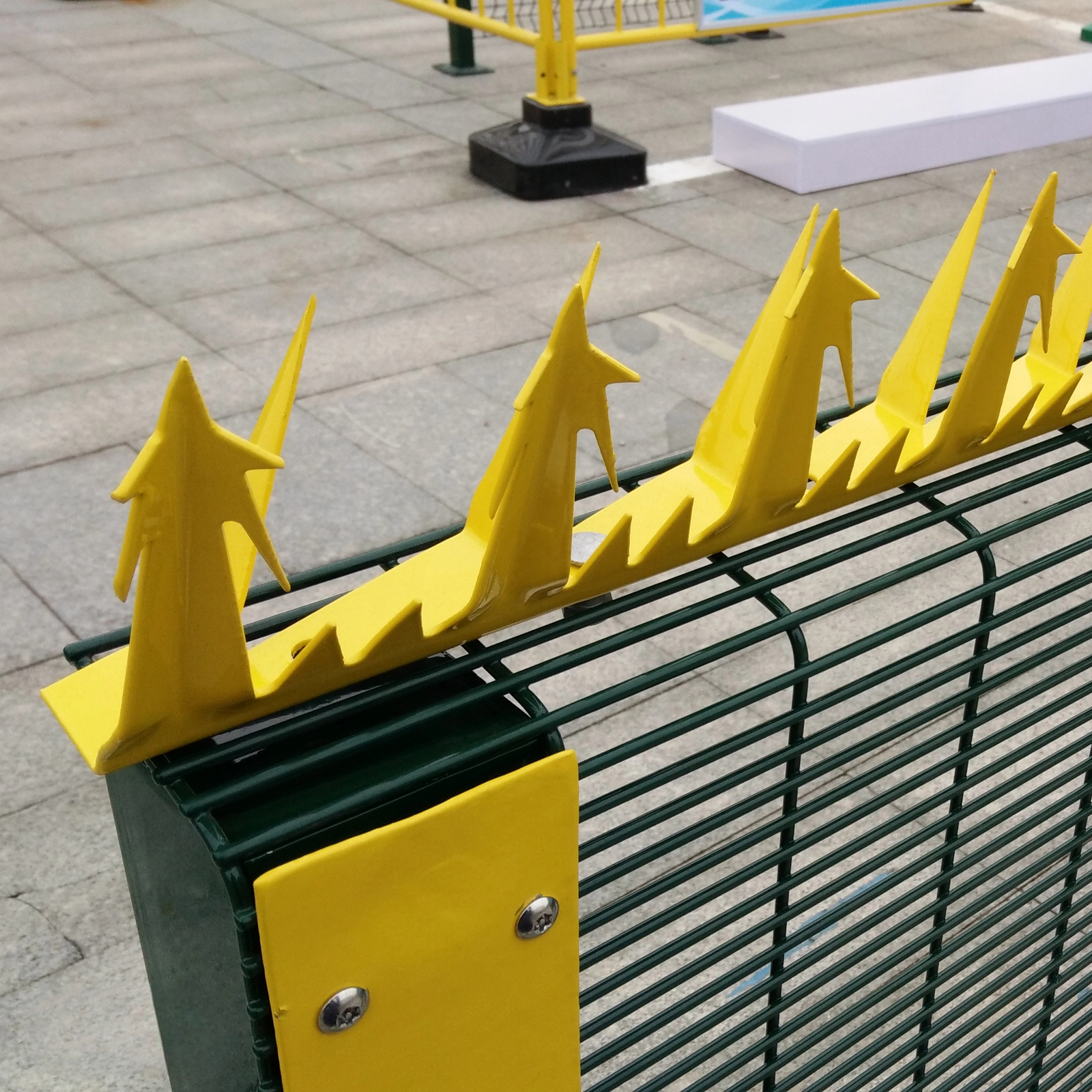
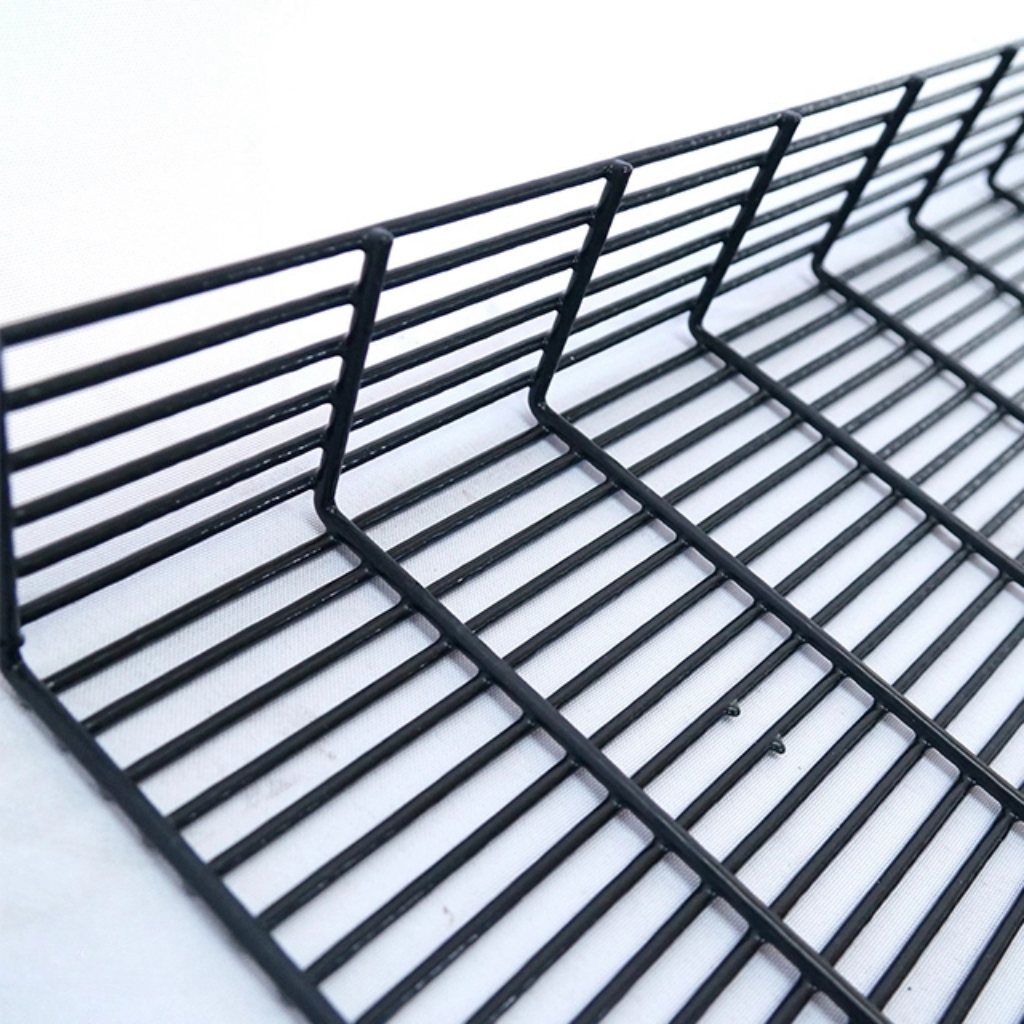
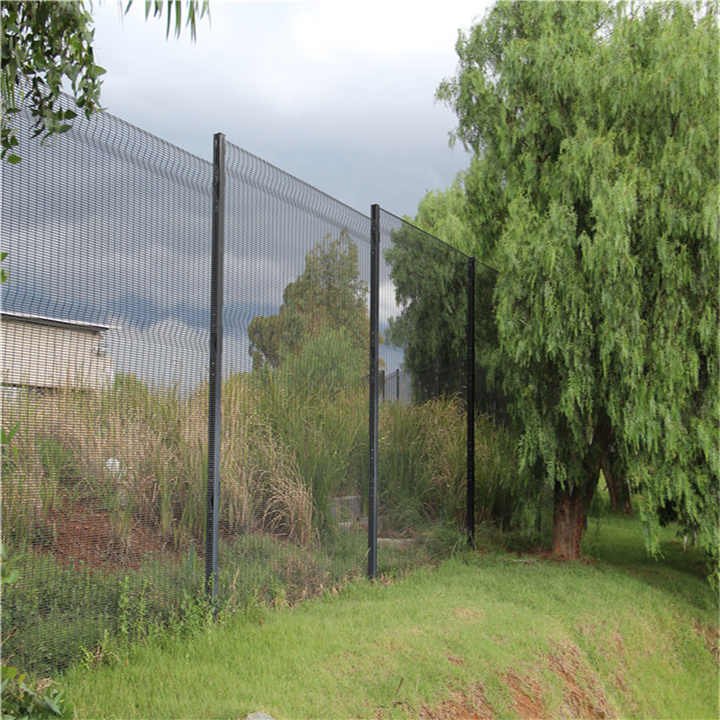
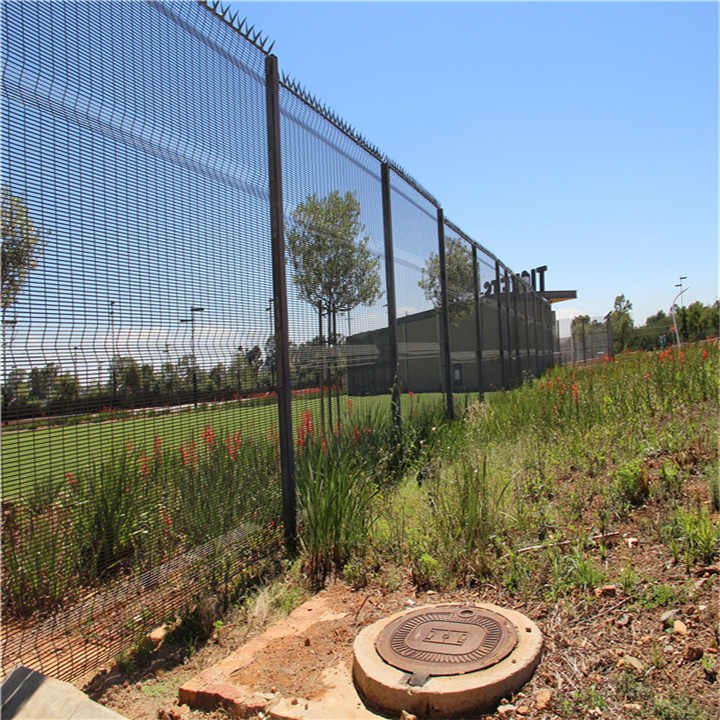
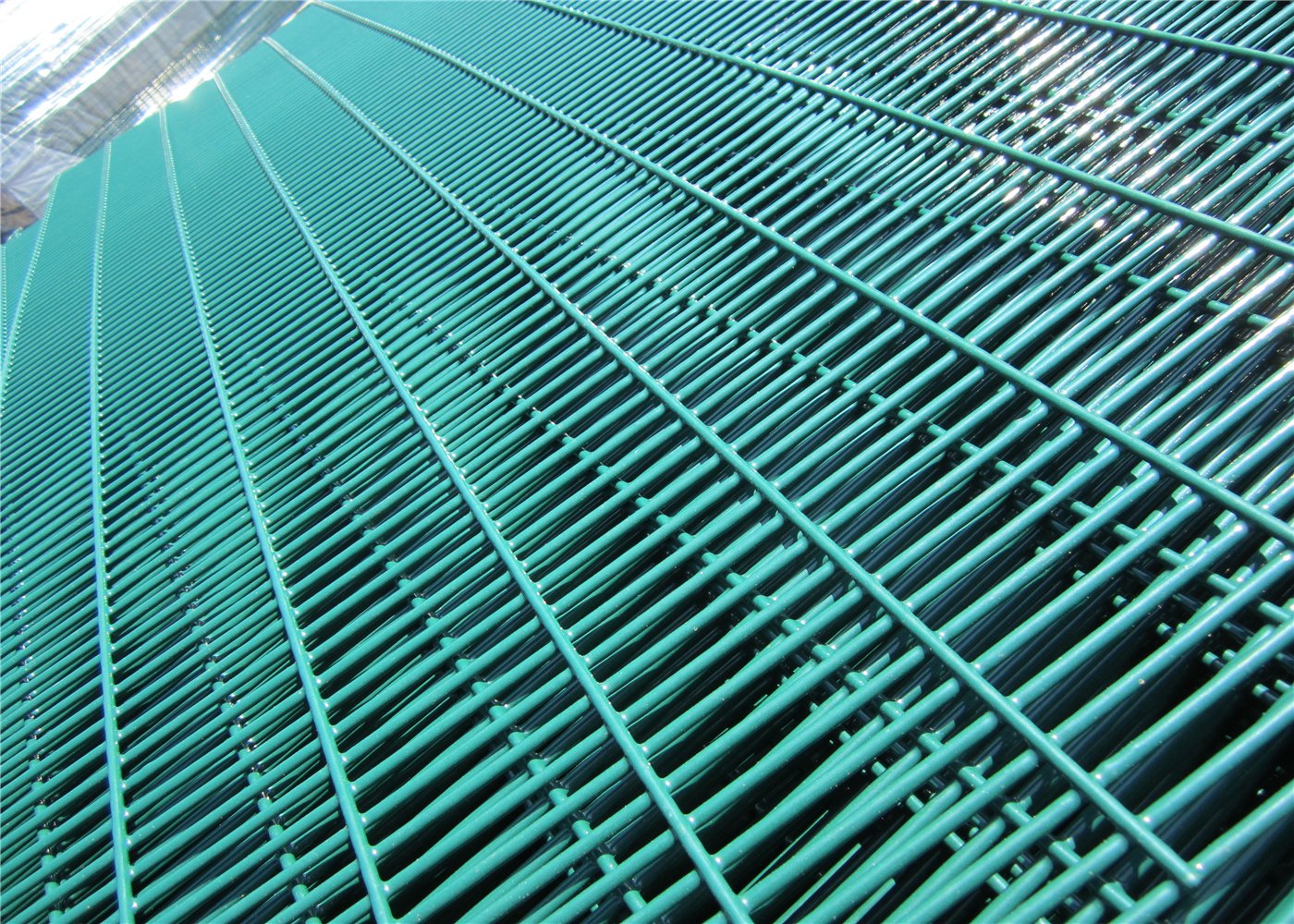
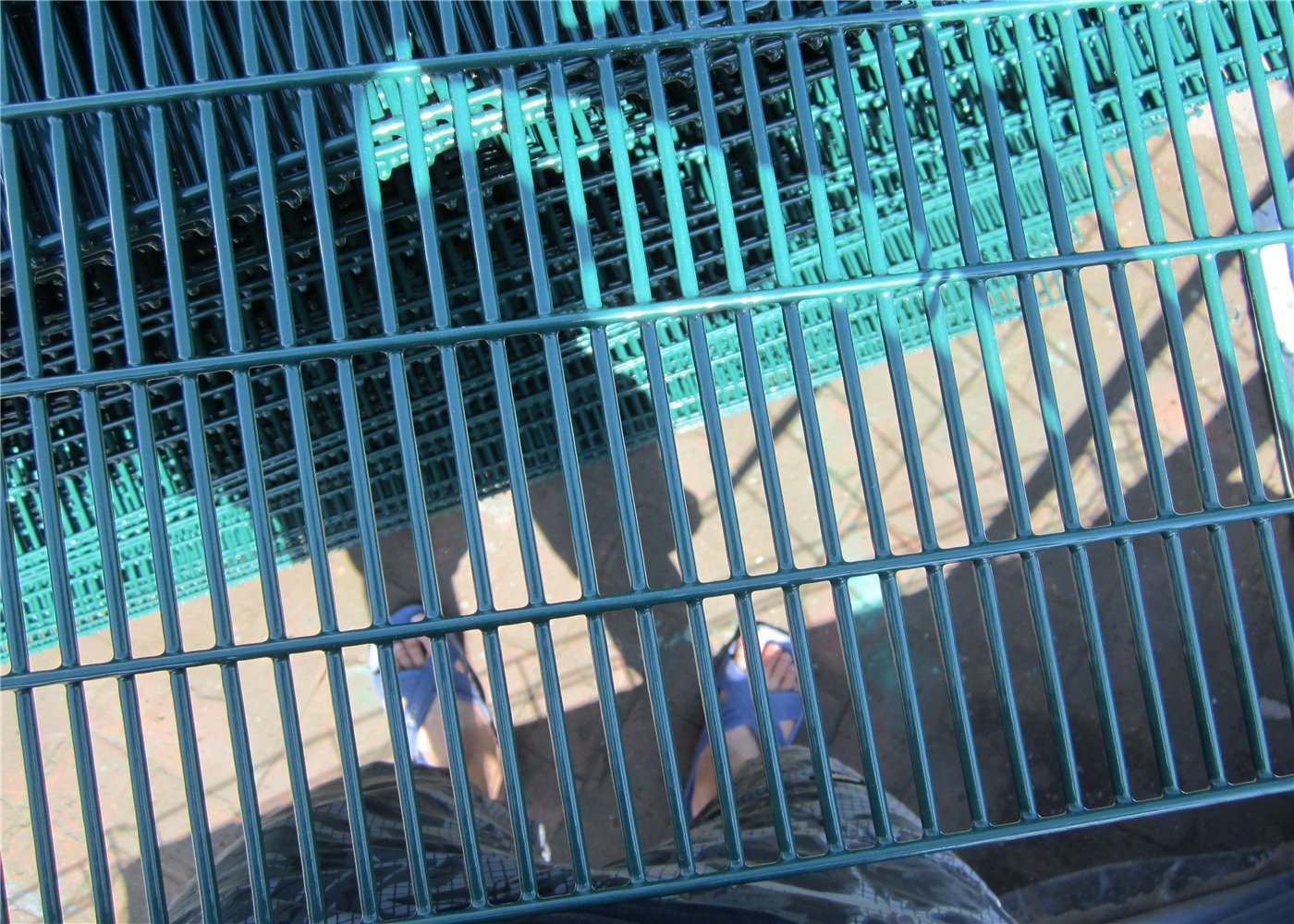
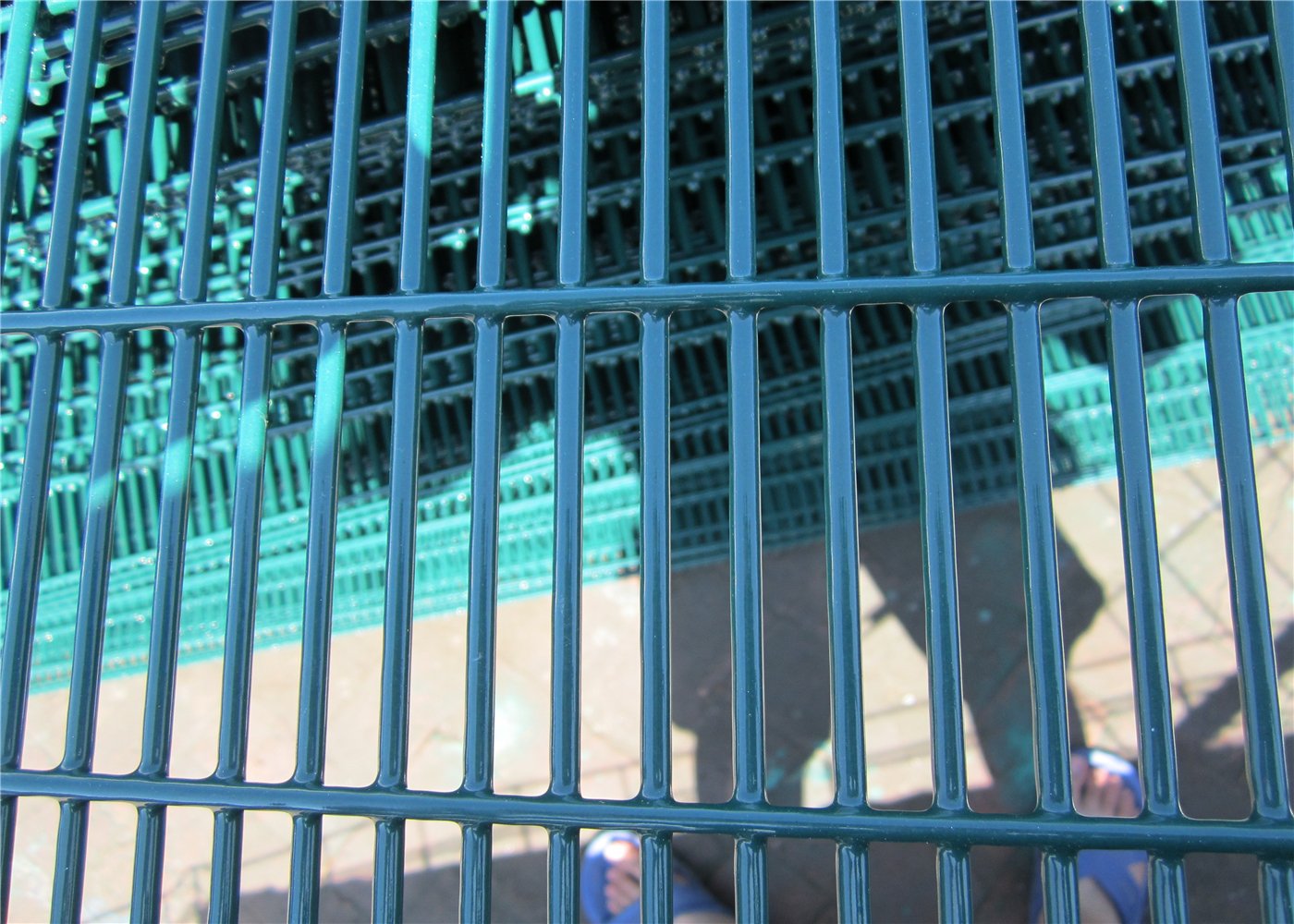
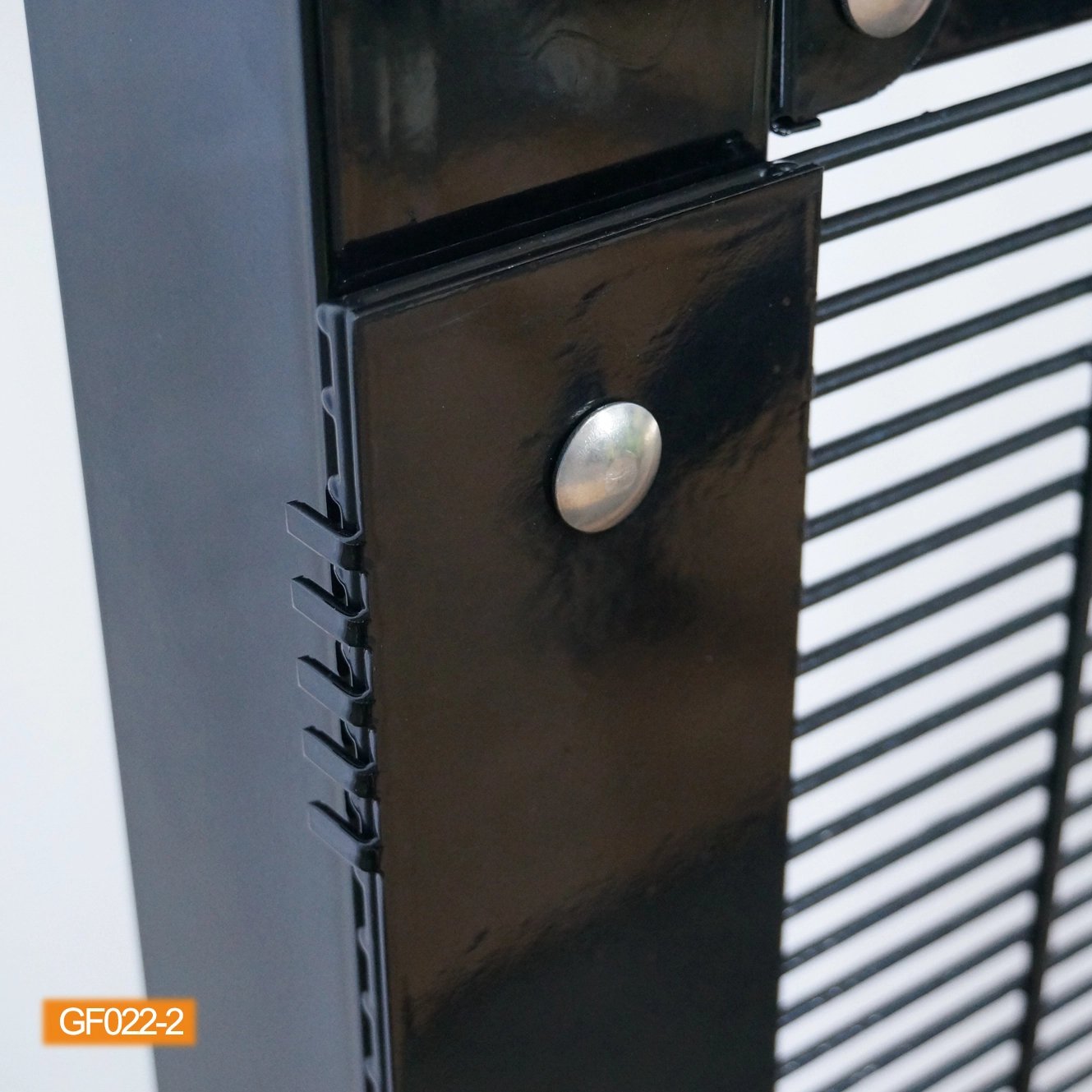
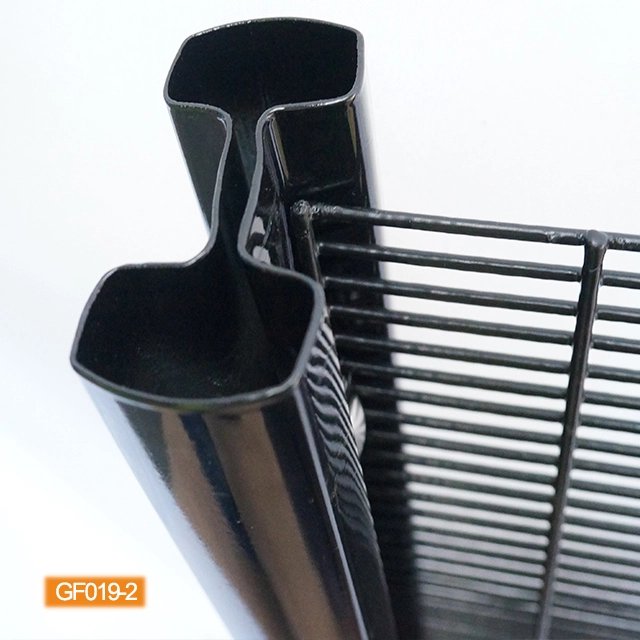
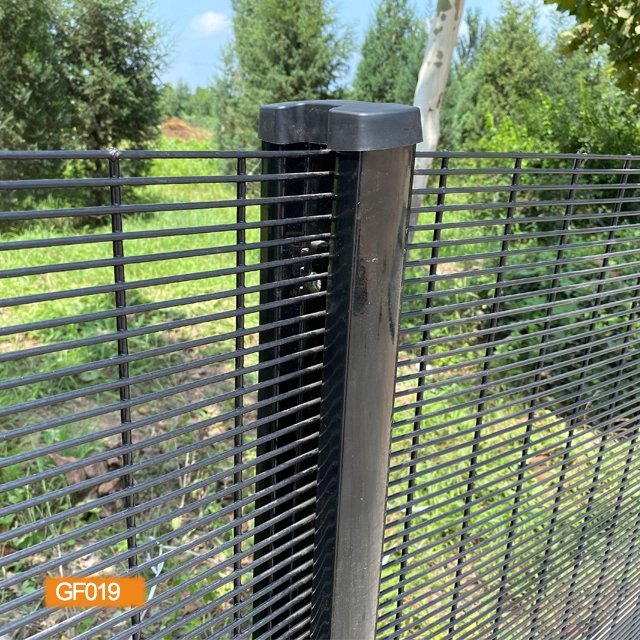
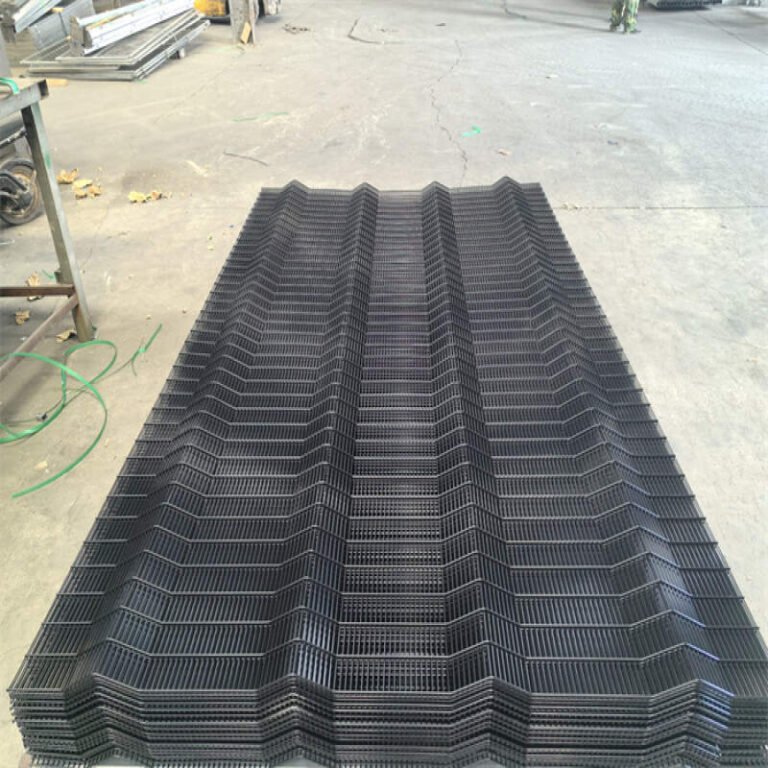
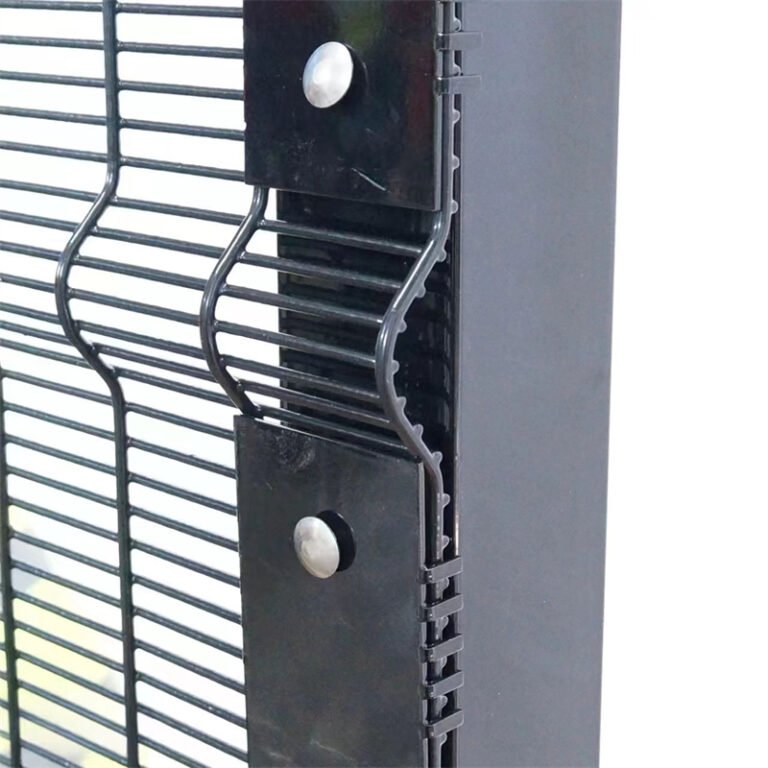
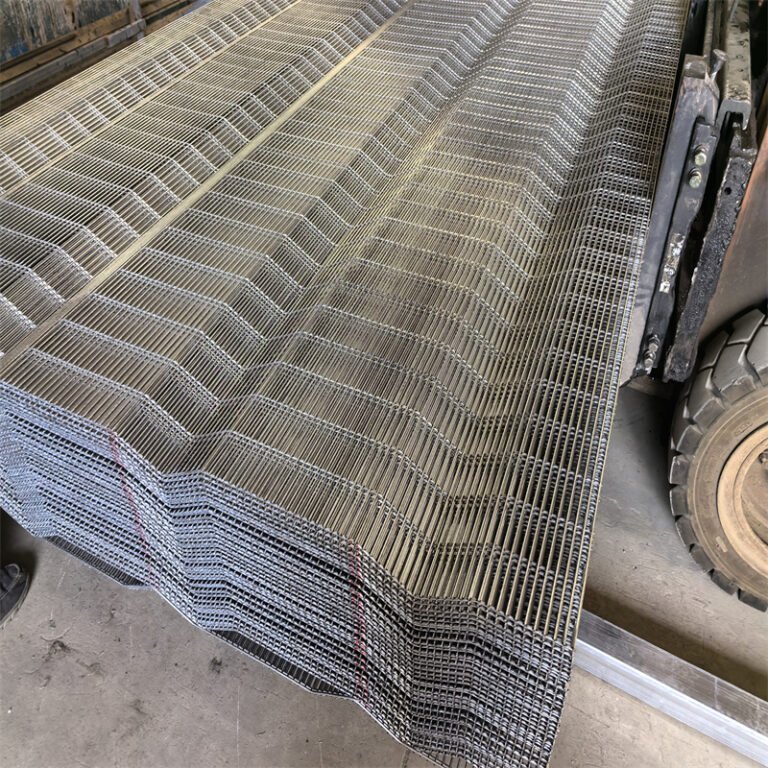
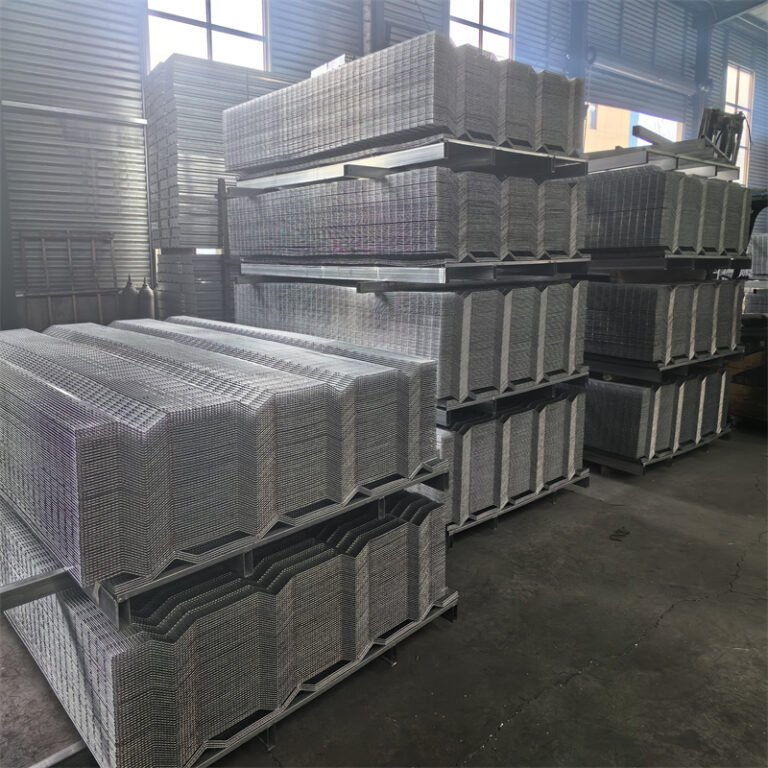
Description 358 welded mesh fence systems combine a close welded grid with clear sightlines for demanding perimeter security. BMP has supplied high-security fencing solutions since 2006. This guide explains the mesh design, reference specifications, common applications, finishes, packing, and project planning considerations. It also helps buyers compare panels, posts, clamps, gates, and optional toppings before requesting a quotation.
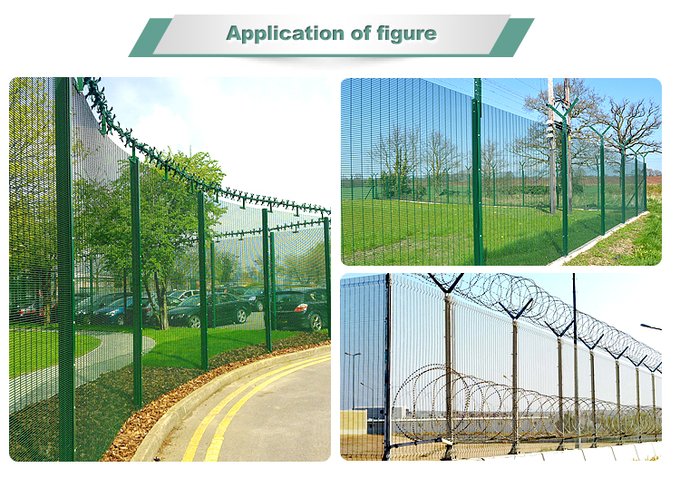
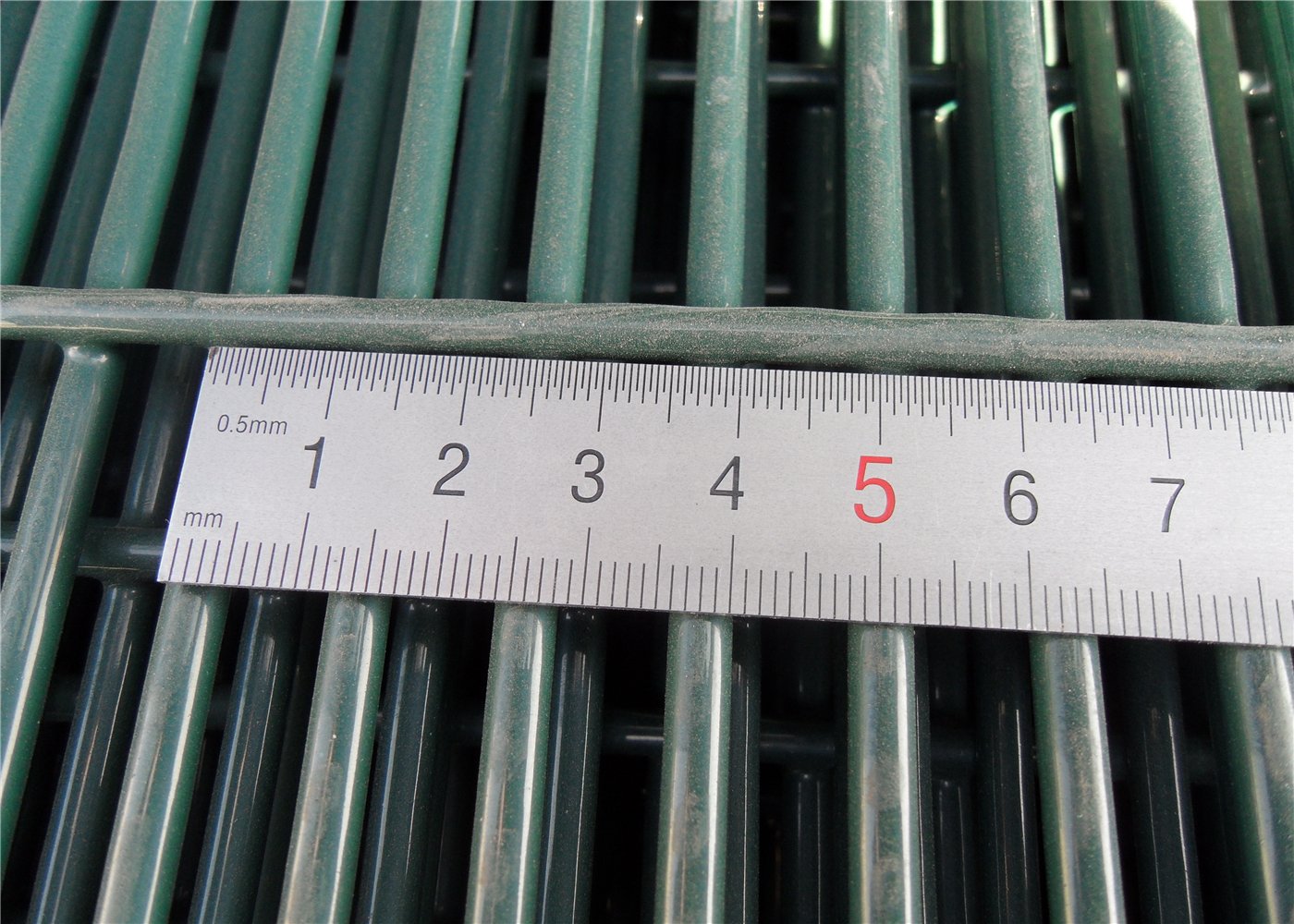
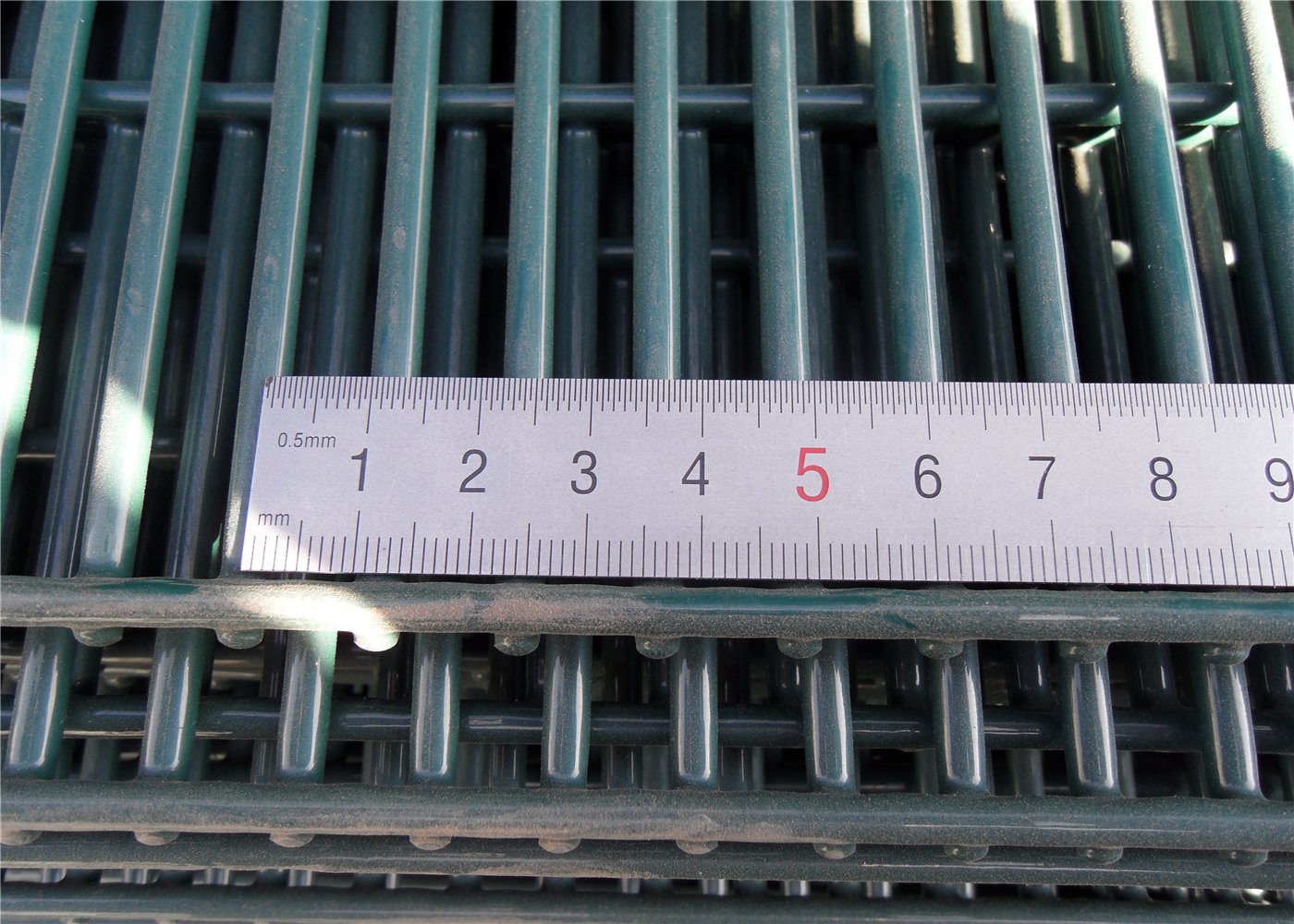
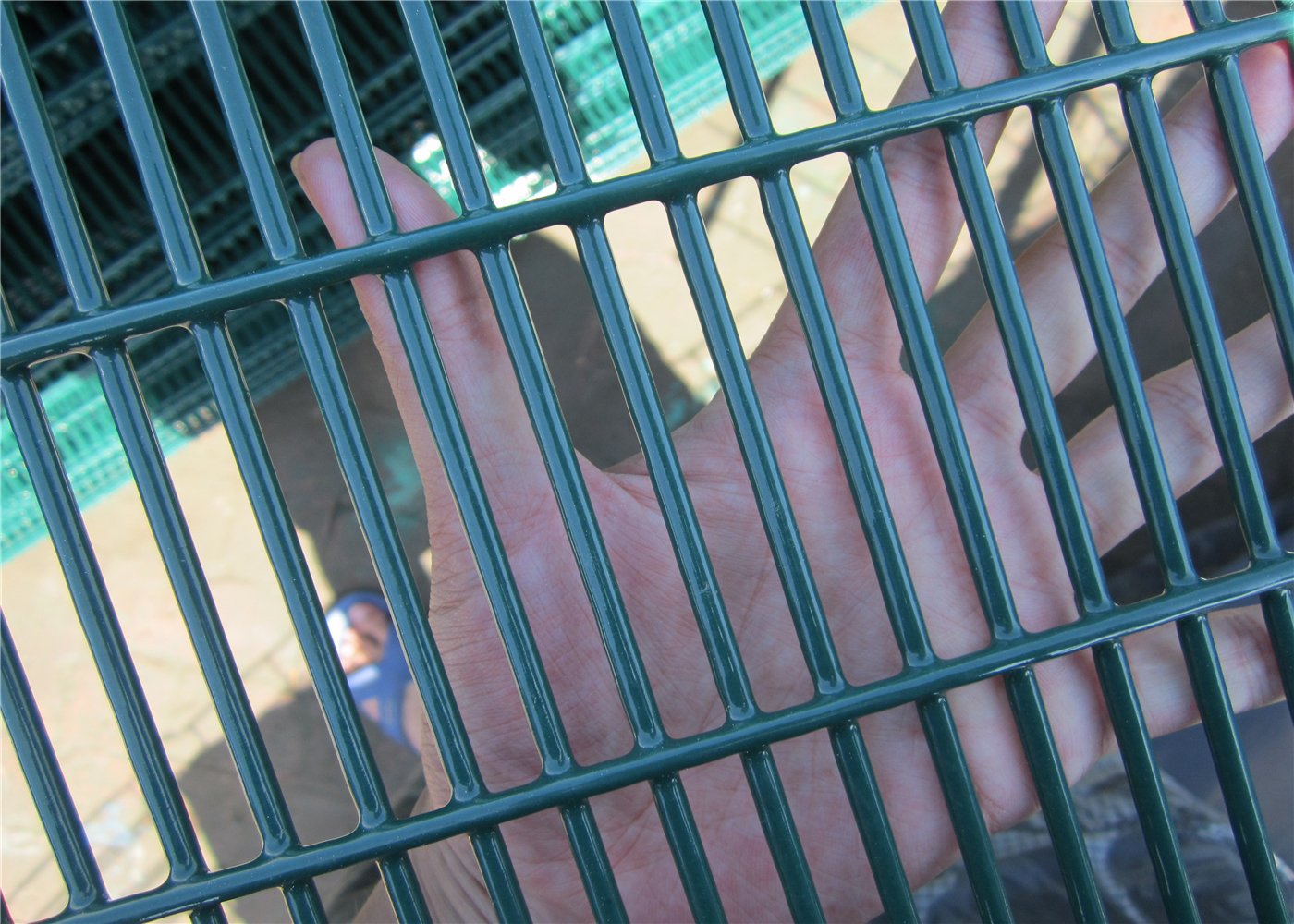
The 358 welded mesh fence takes its name from the approximate imperial measurements of its mesh and wire. The common reference is 3 inches by 0.5 inches with 8-gauge wire. In metric terms, that equals approximately 76.2 × 12.7 mm mesh centres and 4 mm wire. Actual clear openings measure smaller because the wire occupies part of each grid opening. For related system options, see 358 anti-climb welded mesh fence configurations.
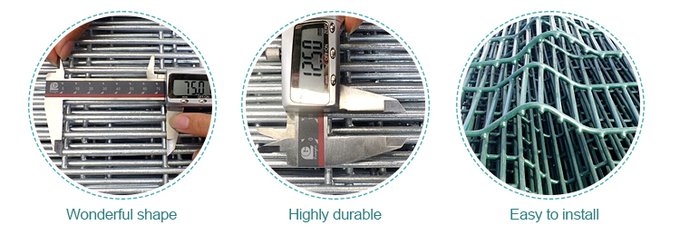
358 welded mesh fence specifications
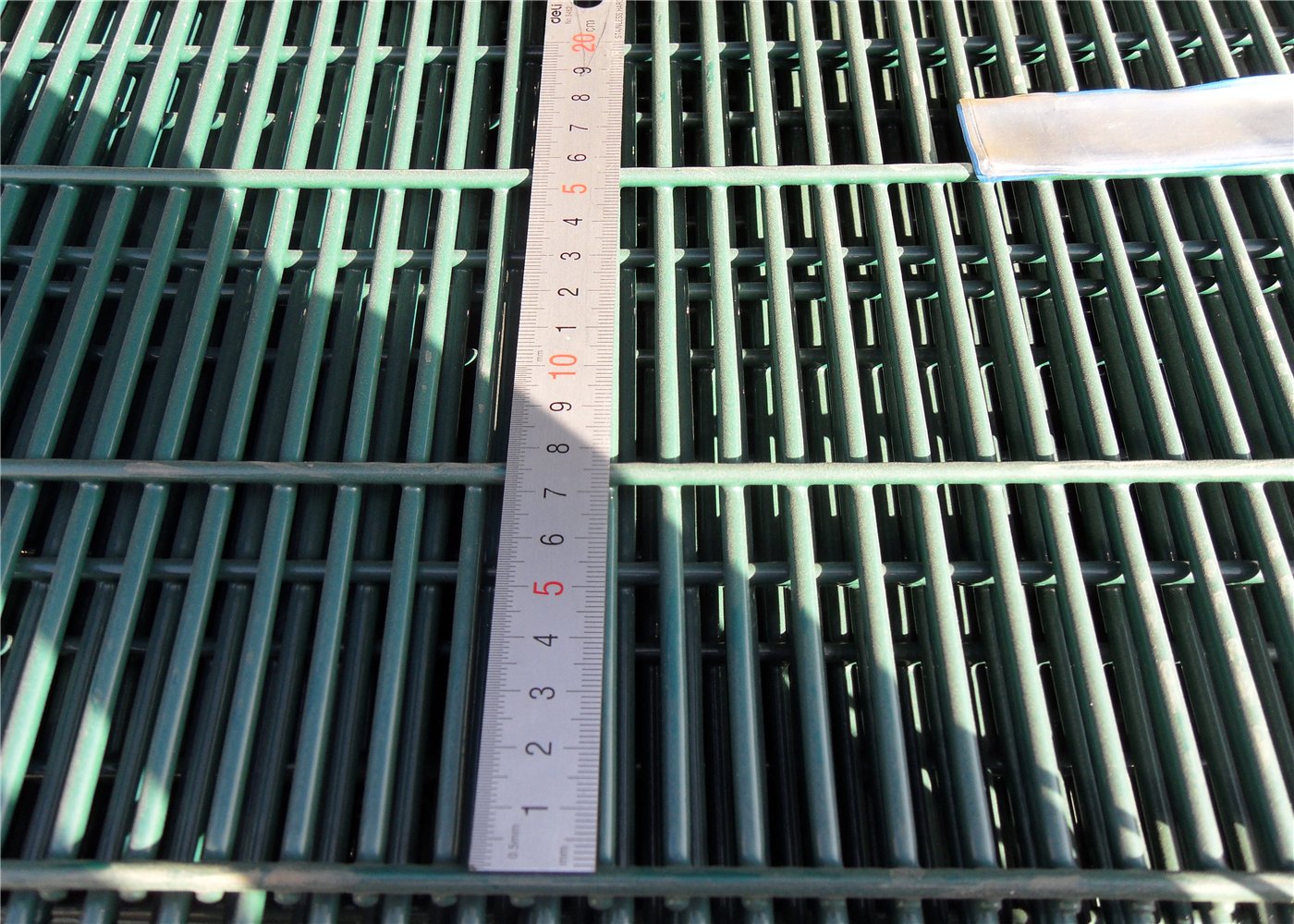
The following reference values come from the supplied product information. Buyers should confirm mesh definitions, tolerances, coating requirements, and test methods against the approved drawing. Different suppliers may report mesh dimensions by centre spacing or clear opening. For more panel and post combinations, review 358 fence manufacturers reference data.
| Specification |
Reference detail |
| Reported sheet aperture |
71 × 9 mm; confirm whether this means clear opening |
| Vertical wire spacing |
4 mm wire at 75 mm centres |
| Horizontal wire spacing |
4 mm wire at approximately 13 mm centres |
| Aperture tolerance |
±0.5 mm, subject to the approved drawing |
| Wire tensile strength |
550–650 MPa, as supplied in the reference data |
| Reported solidity |
37%; confirm the calculation basis |
| Reported open area |
65%; confirm the calculation basis |
| Zinc alloy coating |
Minimum 260 g/m², as supplied in the reference data |
| Weld shear result |
420 MPa minimum stated; verify units and test report |
Some listed figures require confirmation before buyers place an order. Solidity and open-area percentages normally describe complementary parts of a panel, while the supplied figures total 102%. The stated weld shear value also needs a matching test method and unit. EN 10223-4 covers welded steel wire mesh fencing and includes a weld shear test method. Ask the manufacturer to provide the relevant test records for the actual product batch.
358 welded mesh fence panel sizes and packing
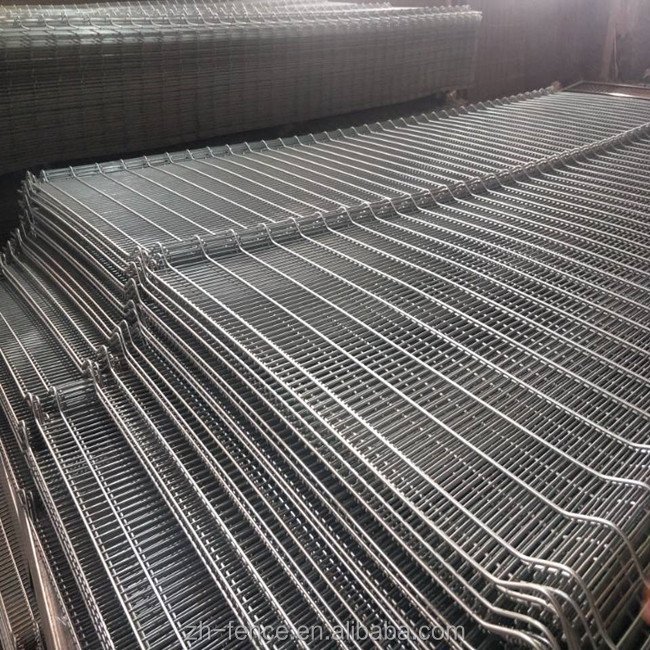
Panel dimensions, sheet weights, and bundle quantities affect handling, freight, and site storage. The schedule below reproduces the supplied reference figures. Pack weights may include protective materials, straps, or pallet components. Confirm net and gross weights before booking transport. Buyers comparing options can also review 358 mesh fencing panels.
| Sheet size (W × H, mm) |
Sheets per pack |
Weight per sheet (kg) |
Weight per pack (kg) |
Packaging |
Finish |
| 2404 × 2384 |
20 |
51.82 |
1061 |
Pallet |
Zalcote/Lifemax |
| 2404 × 2700 |
20 |
58.83 |
1201 |
Pallet |
Zalcote/Lifemax |
| 2404 × 3000 |
15 |
65.32 |
1014 |
Pallet |
Zalcote/Lifemax |
| 2404 × 3100 |
15 |
67.32 |
1044 |
Pallet |
Zalcote/Lifemax |
| 2404 × 3600 |
15 |
78.29 |
1209 |
Pallet |
Zalcote/Lifemax |
| 2404 × 4000 |
10 |
86.98 |
914 |
Slings |
Zalcote/Lifemax |
| 2404 × 4500 |
8 |
97.74 |
828 |
Slings |
Zalcote/Lifemax |
| 2404 × 5000 |
8 |
108.70 |
914 |
Slings |
Zalcote/Lifemax |
| 2404 × 2500 |
20 |
54.35 |
1112 |
Pallet |
Zalcote/Lifemax |
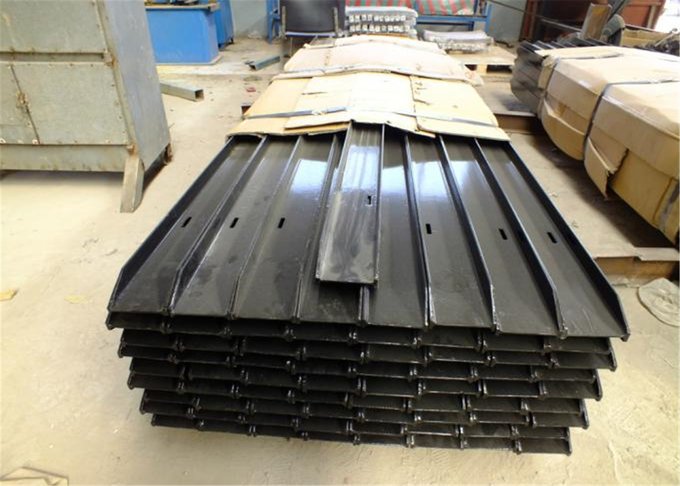
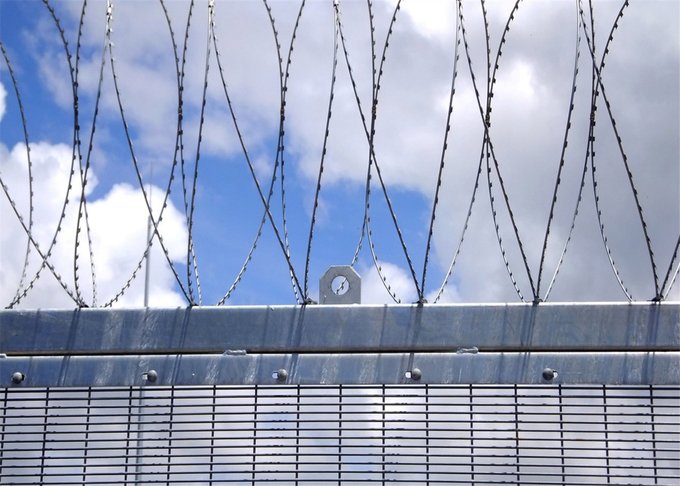
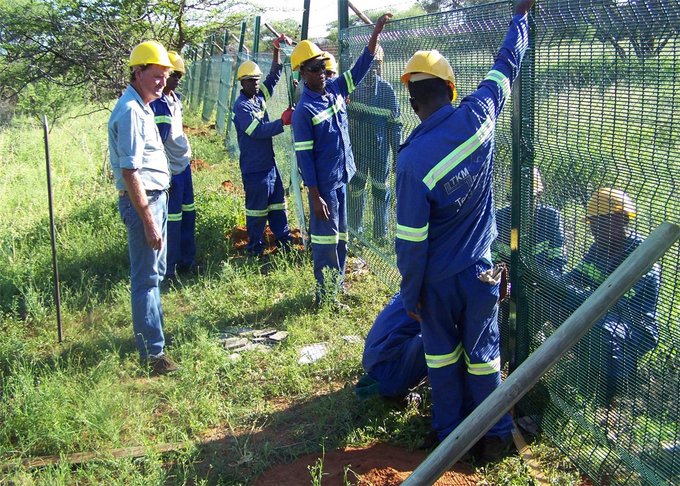
Applications of 358 welded mesh fence
Many security teams choose this mesh where they need strong perimeter protection and ongoing visual monitoring. The close grid makes climbing difficult and slows attacks using common hand tools. Clear sightlines also support patrols, camera coverage, and inspection routines. Review 358 mesh applications when planning a sensitive site perimeter.
- Correctional facilities: The tight grid limits footholds and makes cutting more difficult.
- Airports and ports: Open visibility helps teams monitor fence lines and restricted areas.
- Military installations: A rigid mesh barrier helps protect controlled zones and equipment.
- Utilities: Substations, water facilities, and communications sites can define clear restricted boundaries.
- Industrial premises: The system helps deter unauthorized entry while preserving visibility across yards.
- Commercial properties: Businesses can secure boundaries without creating a visually closed wall.
- Transport infrastructure: Operators can use mesh fencing around depots, service roads, and rail assets.
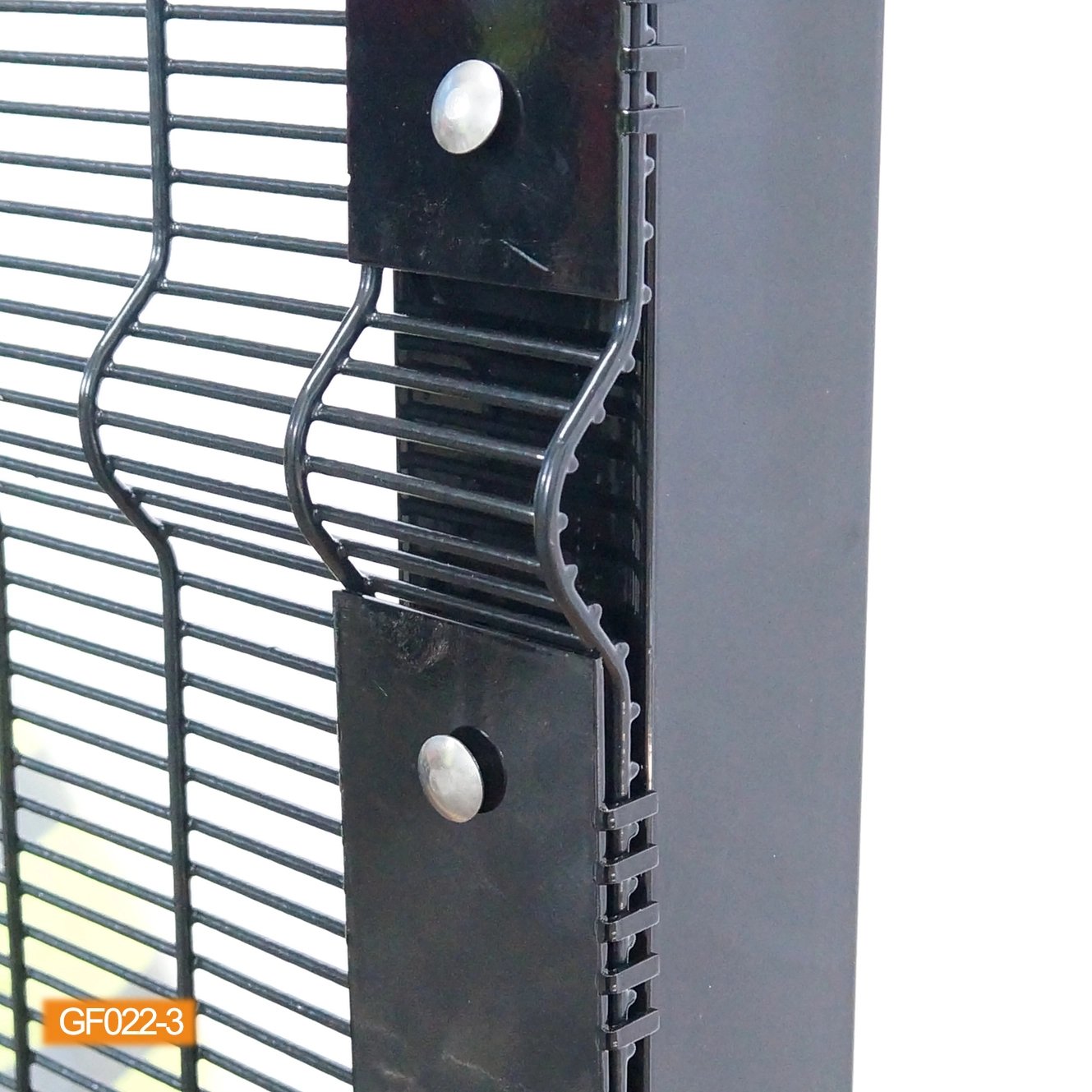
Every site needs a security design suited to its risks and operating conditions. Fence height, post spacing, foundations, gates, lighting, and detection equipment all influence performance. A panel alone does not determine the finished system’s resistance to attack. For compatible perimeter components, see Clearvu fence posts, Clearvu fence clamps, and Clearvu gates.
Why choose a 358 welded mesh fence
A 358 welded mesh fence provides a useful balance between visibility and physical deterrence. Its narrow openings restrict convenient hand and foot placement. The welded intersections create a rigid panel when the manufacturer controls wire quality and welding. Staff can also see through the barrier more easily than through many solid screens. Learn more about Clear Vu fence system components.
- Climb resistance: The small apertures provide few practical footholds.
- Cut resistance: Closely spaced wires make cutting slower and more difficult.
- Clear visibility: Open mesh supports observation from both sides of the boundary.
- System integration: Posts, clamps, gates, and detection equipment can form one coordinated perimeter.
- Design flexibility: Buyers can specify panel sizes, post profiles, colours, and security toppings.
- Practical maintenance: Teams can inspect the mesh, fixings, and coating during routine perimeter checks.
Security upgrades should match the threat assessment and local regulations. A project may add anti-climb toppings, alarms, cameras, or controlled-access gates. These features need safe clearances and suitable warning signs. A qualified designer should review the full perimeter before installation. For product planning, compare Clearvu fence panels and Clearvu fencing options.
Choosing corrosion protection for 358 welded mesh fence
Corrosion protection depends on the base coating, fabrication sequence, environment, and maintenance plan. Coastal air, industrial pollutants, standing water, and damaged coatings can increase corrosion risk. Buyers should describe the exposure conditions when requesting a finish recommendation. A suitable system protects the steel and helps maintain its appearance over time.
- Zinc or zinc-alloy coating: A metallic layer protects steel against corrosion in outdoor service.
- Hot-dip galvanizing: Post-fabrication galvanizing can coat welded intersections and cut edges.
- Powder coating: A compatible polymer topcoat adds colour and another protective barrier.
- PVC coating: A polymer layer can provide colour and extra surface protection when specified.
Coating names alone do not guarantee equal performance. Confirm coating mass or thickness, preparation method, adhesion requirements, and inspection criteria. Ask whether the mesh receives coating before or after welding. Check cut edges, welds, and fixing points during inspection. The project specification should identify the required finish, colour, and applicable test documentation.
For coastal or humid sites, the designer should consider salt exposure, drainage, and maintenance access. Touch up any damage using a compatible repair system. Keep dissimilar metals from creating avoidable galvanic corrosion. For locations with persistent salt spray, request a written coating recommendation based on the exposure category.
Packaging and shipping for 358 welded mesh fence
Careful packing reduces handling damage during loading, transit, and unloading. BMP uses protective film, edge protection, bundling, and palletizing according to panel size and shipment needs. Long sheets may require sling handling or other suitable lifting arrangements. Buyers should confirm packing details before production begins. See 358 mesh fence factory information for production and handling considerations.
- Separate panels from posts, clamps, and gate components for easier receiving checks.
- Protect panel edges and corners from impact during loading.
- Use suitable straps and supports to prevent movement inside the container.
- Mark package quantities clearly for site distribution and installation planning.
- Confirm gross weights, package dimensions, and unloading equipment before dispatch.
Large shipments may benefit from a packing list grouped by fence line or installation phase. A clear package schedule helps teams locate components and reduce site delays. For sites requiring temporary work-zone separation during installation, review temporary crowd control barriers, crowd control barrier specifications, and pedestrian barriers.
Installing a 358 welded mesh fence system
Accurate setting out helps keep the finished fence line straight and stable. Contractors should verify post centres, ground levels, gate openings, and corner locations before digging. Foundation dimensions must suit soil conditions, fence height, wind exposure, and local design requirements. Installers should follow the approved drawings and use the specified fasteners.
- Survey the boundary and mark corners, gates, levels, and underground services.
- Set post positions according to the approved panel width and fixing arrangement.
- Install posts plumb and allow foundations to cure before loading them.
- Lift panels with suitable equipment and protect coating during handling.
- Fit clamp bars or approved fixings and tighten them to the specified requirements.
- Check alignment, ground clearance, gate movement, and fastener security.
- Inspect coating damage and repair affected areas using an approved method.
Uneven terrain may require stepped panels, raked panels, or custom transitions. Gate posts can need stronger foundations than intermediate posts. Do not assume a standard post schedule suits every wind or soil condition. Ask the project engineer to confirm structural loads, foundation details, and any local compliance requirements.
How to specify 358 welded mesh fence
A complete request helps the supplier prepare a useful quotation and production drawing. Include the site layout, total fence length, panel heights, gate locations, and preferred finish. Provide terrain details and expected security accessories where possible. The supplier can then check panel counts, post spacing, packing, and shipping requirements.
- Project location and environmental exposure.
- Total fence length, panel height, and preferred panel width.
- Mesh opening definition, wire diameter, and tolerances.
- Post profile, thickness, spacing, embedment, and base fixing details.
- Clamp style, security bolts, gates, and optional toppings.
- Coating system, colour, coating requirements, and inspection documents.
- Packaging method, delivery terms, unloading access, and required schedule.
Buyers can also compare 358 wire mesh fence specifications and the wider Clear Fence system range. For projects in Nigeria, Clearvu fencing offers another product reference. Ask suppliers to align all quotations with the same drawings and coating requirements.
Conclusion: 358 welded mesh fence
A 358 welded mesh fence supports high-security perimeters where teams need both a physical barrier and clear visibility. Its performance depends on verified mesh dimensions, sound welds, suitable coatings, secure fixings, and correct installation. Project teams should confirm every critical value against approved drawings and inspection documents. BMP can configure panels, posts, clamps, gates, finishes, and packing around project requirements. Careful specification helps buyers compare systems accurately and prepare for reliable installation.