
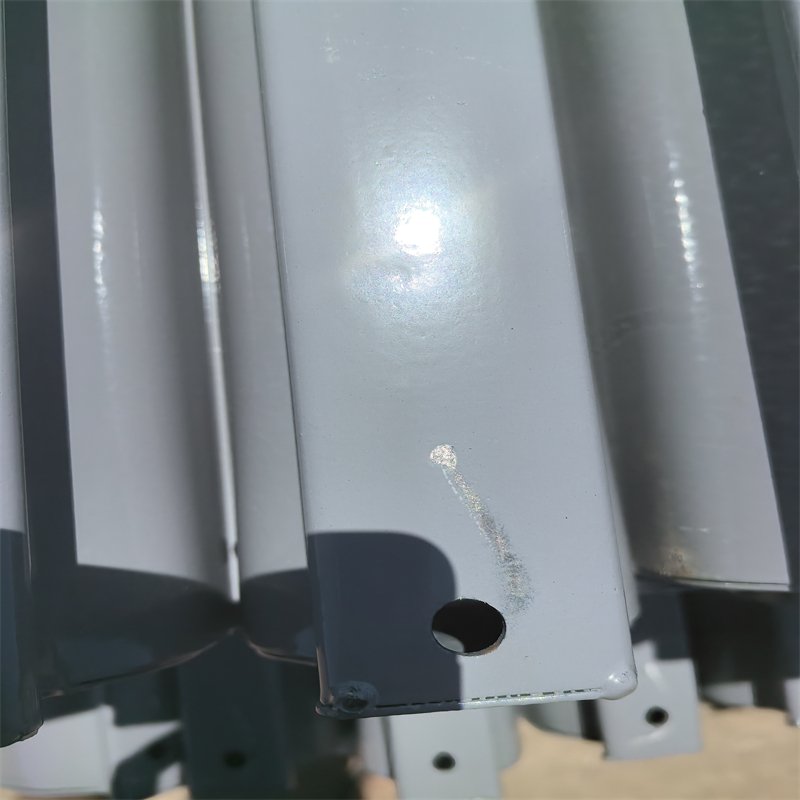
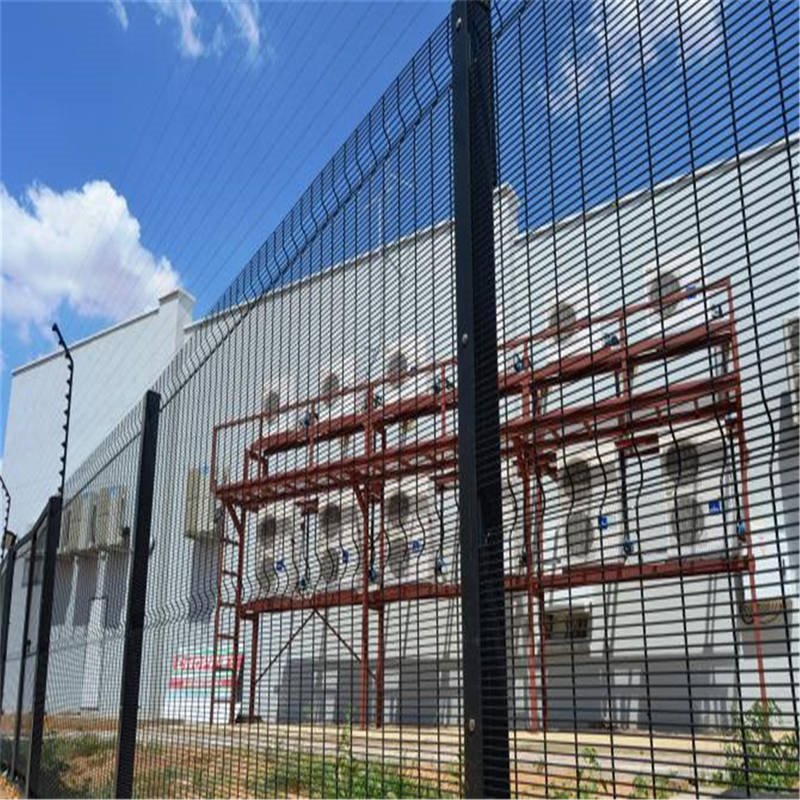
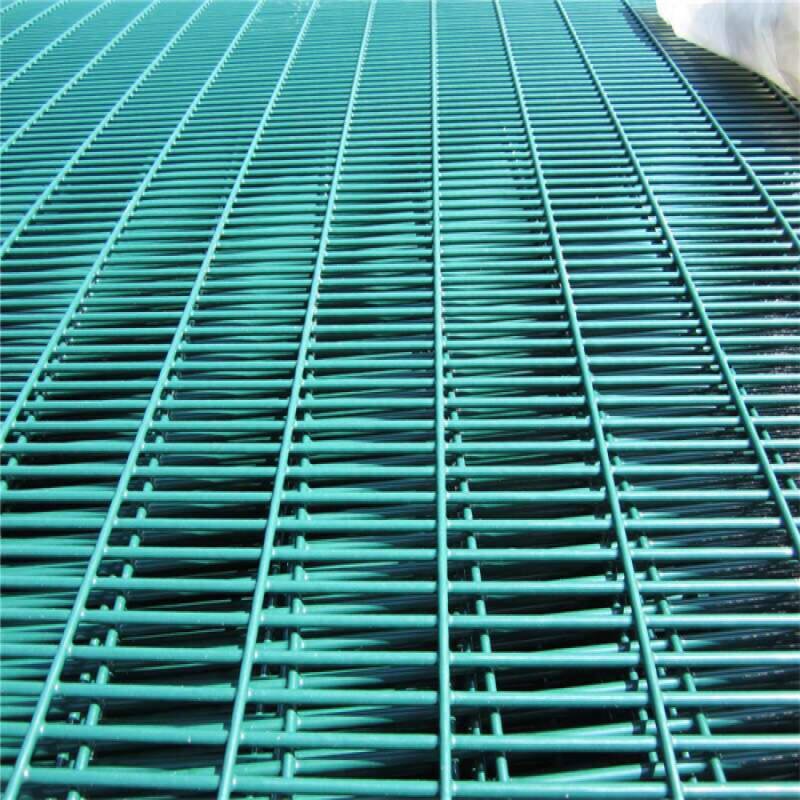
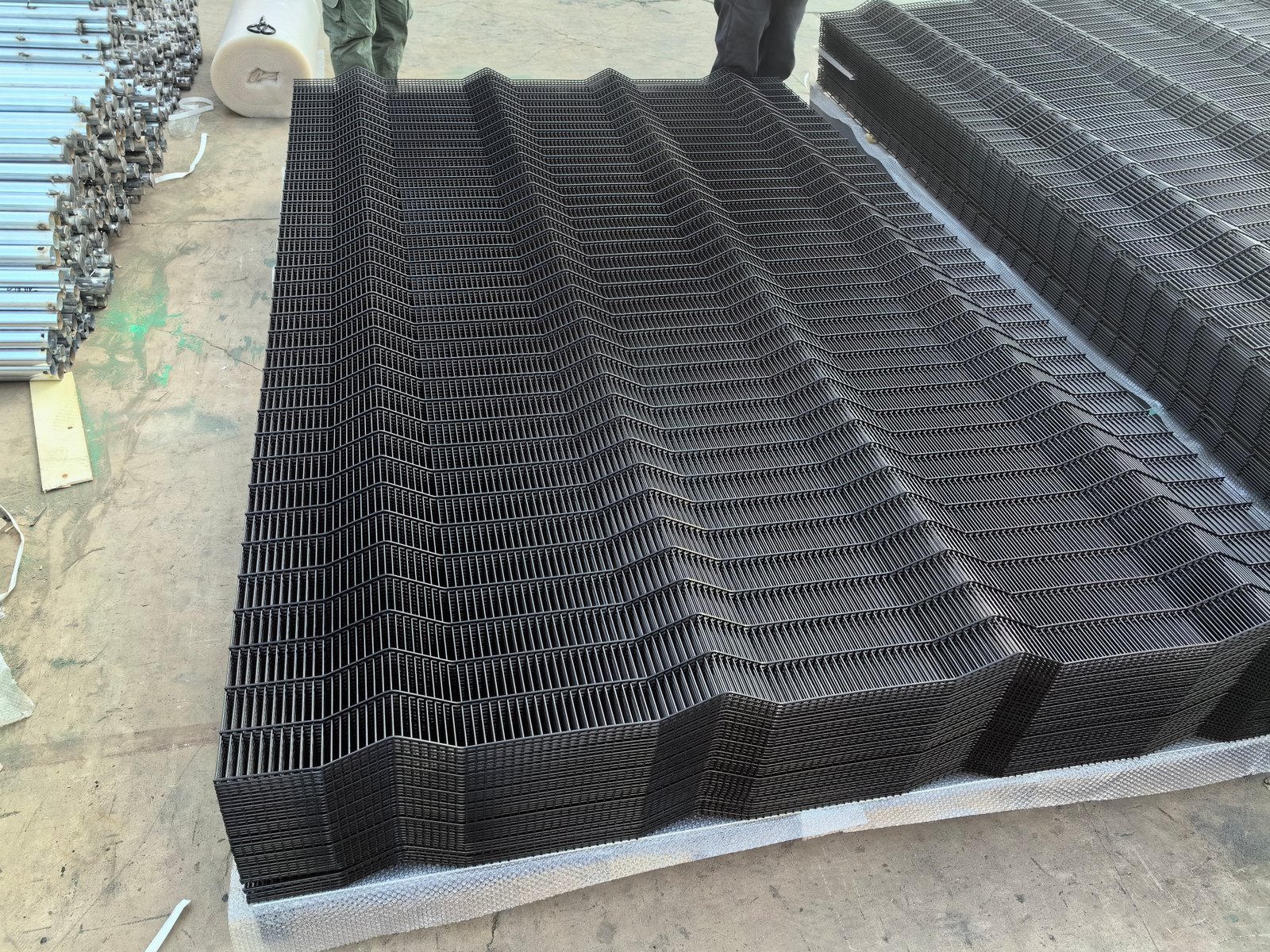
358 anti-climb Welded mesh Fence overview
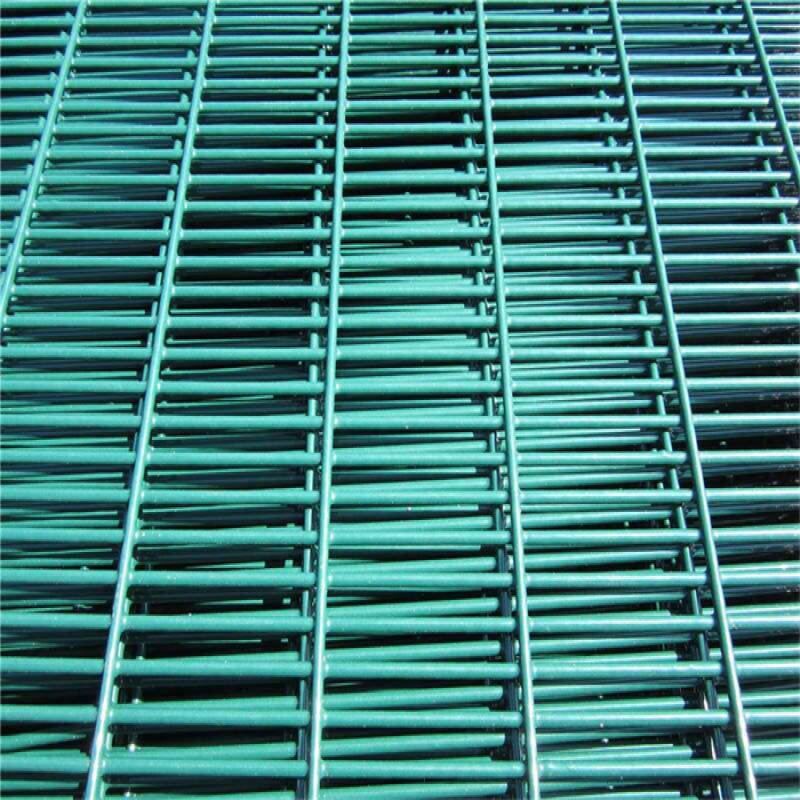
358 anti-climb Welded mesh Fence combines a dense welded structure with practical visibility across the perimeter. Narrow apertures reduce convenient finger and toe holds. Strong welded intersections help maintain panel integrity under normal operating conditions. Security posts and anti-tamper fixings complete the protective barrier.
Facilities often combine this fencing with surveillance cameras, access controls, and perimeter lighting. Such combinations support better monitoring and controlled movement. Different locations require different security arrangements and installation designs. Project engineers should evaluate these requirements before selecting a final configuration.
Understanding the 358 mesh configuration
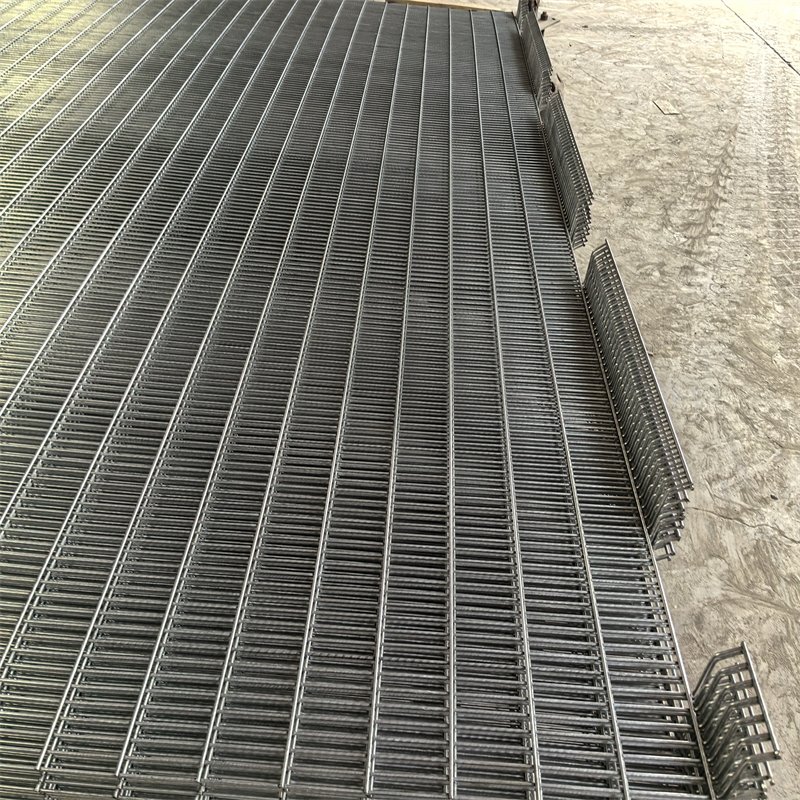
Traditional 358 fencing commonly features 76.2 × 12.7 mm spacing and approximately 4 mm wire. This specialized variant uses narrower 70 × 8 mm openings. Its dense structure makes ordinary climbing more difficult. Some configurations include paired vertical wires for additional stiffness.
The 358 Mesh Fence product page explains related mesh configurations. Buyers should compare actual aperture dimensions, welding arrangements, and wire specifications. Smaller openings alone cannot guarantee a particular intrusion rating. Complete system design remains essential.
358 anti-climb Welded mesh Fence specifications
BMP offers several panel heights and compatible post configurations. The original product schedule includes nominal heights from 2.0 to 3.6 metres. Standard reference panel width measures 2515 mm. Buyers can request customized dimensions subject to manufacturing and shipping requirements.
Panel dimensions directly influence post spacing, installation work, and container loading. Taller panels may require stronger posts and foundations. Engineers should confirm structural requirements using actual site conditions. The following table preserves the original technical reference.
| Fence Height | Panel Size (mm) | Fence Post (mm) | Clamp Bar (mm) | Clamp Quantity |
|---|---|---|---|---|
| 2.0 m | 2007 × 2515 | 2700 × 80 × 80 × 3 | 2007 × 60 × 5 | 7 / 14 |
| 2.4 m | 2410 × 2515 | 3100 × 80 × 80 × 3 | 2400 × 60 × 5 | 9 / 18 |
| 3.0 m | 3010 × 2515 | 3800 × 100 × 100 × 3 | 2997 × 80 × 6 | 11 / 22 |
| 3.6 m | 3610 × 2515 | 4500 × 100 × 100 × 3.5 | 3607 × 100 × 7 | 13 / 26 |
Clamp quantities represent original intermediate and corner connection references. Actual fixing schedules depend on the selected post design. Final drawings should specify every connection component. BMP can review custom dimensions before production.
Panel dimensions and tolerances
Buyers should specify finished panel height, width, and wire diameter separately. Manufacturing drawings must identify the orientation of horizontal and vertical wires. Mesh dimensions should clearly distinguish centre spacing from clear openings. This information helps prevent discrepancies during factory inspection.
Panel weight also affects transportation and installation planning. Narrower mesh openings generally increase wire consumption. Additional vertical reinforcement can increase weight further. Therefore, buyers should request an accurate weight schedule for each configuration.
358 anti-climb Welded mesh Fence mesh design
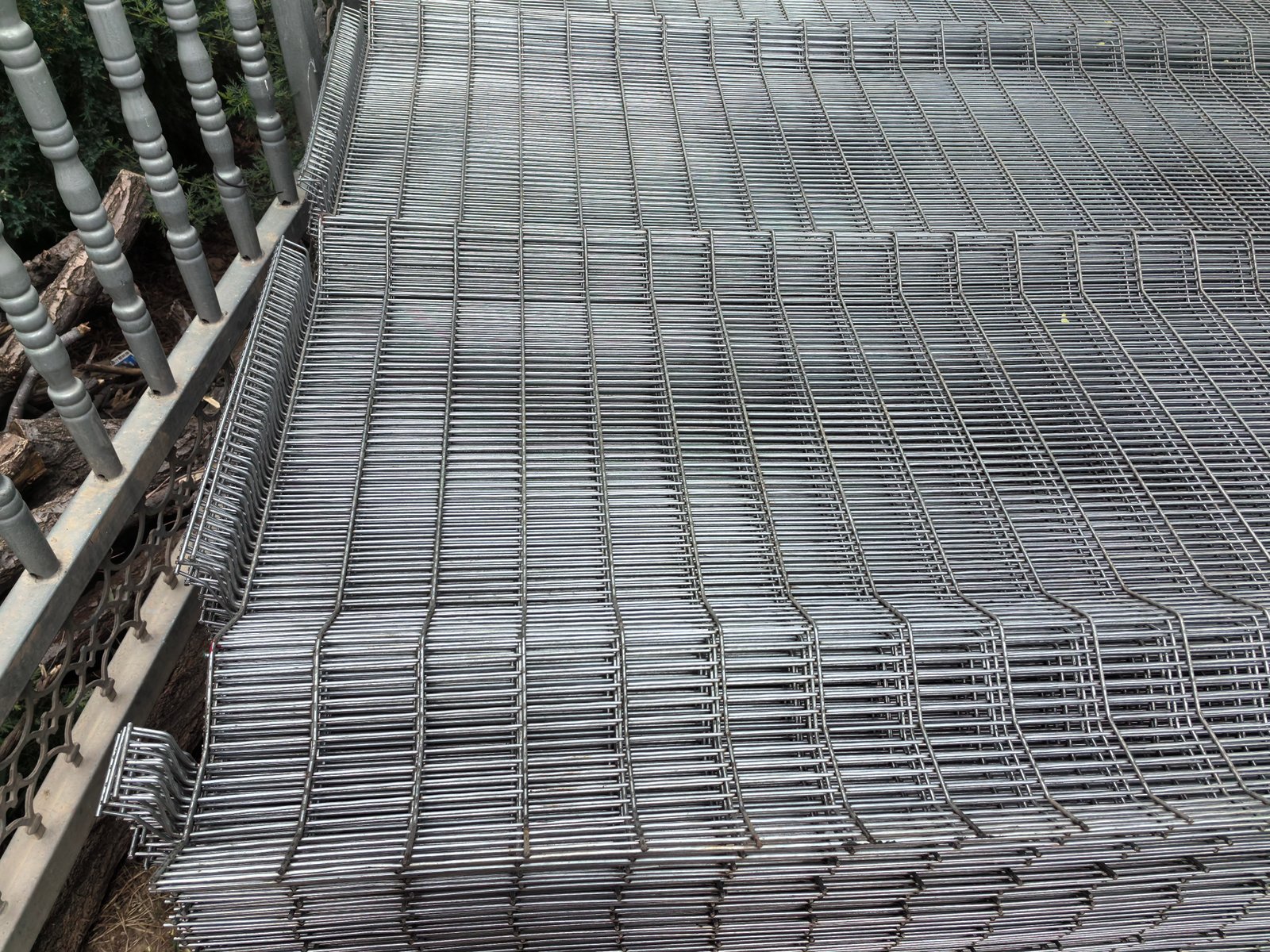
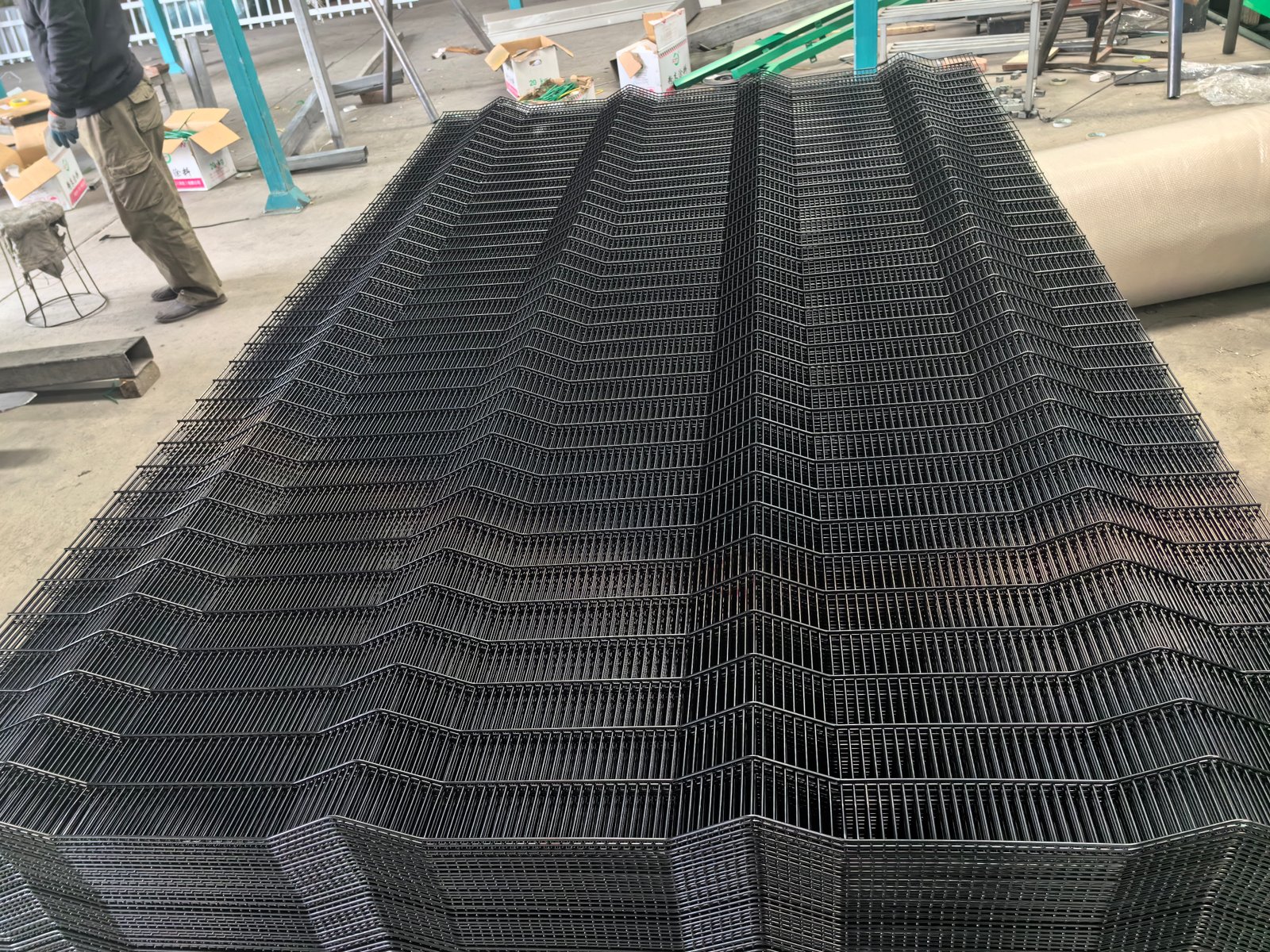
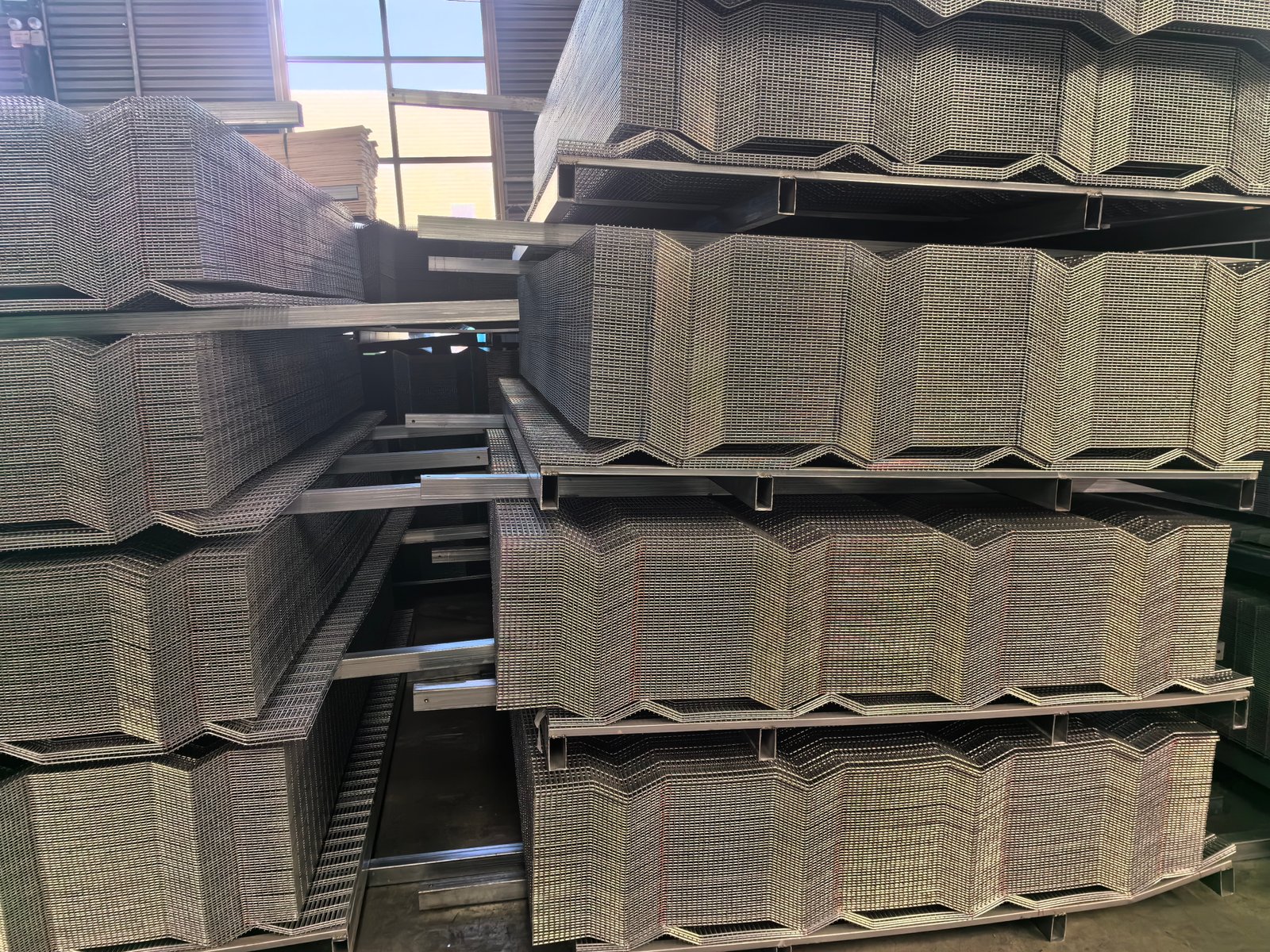
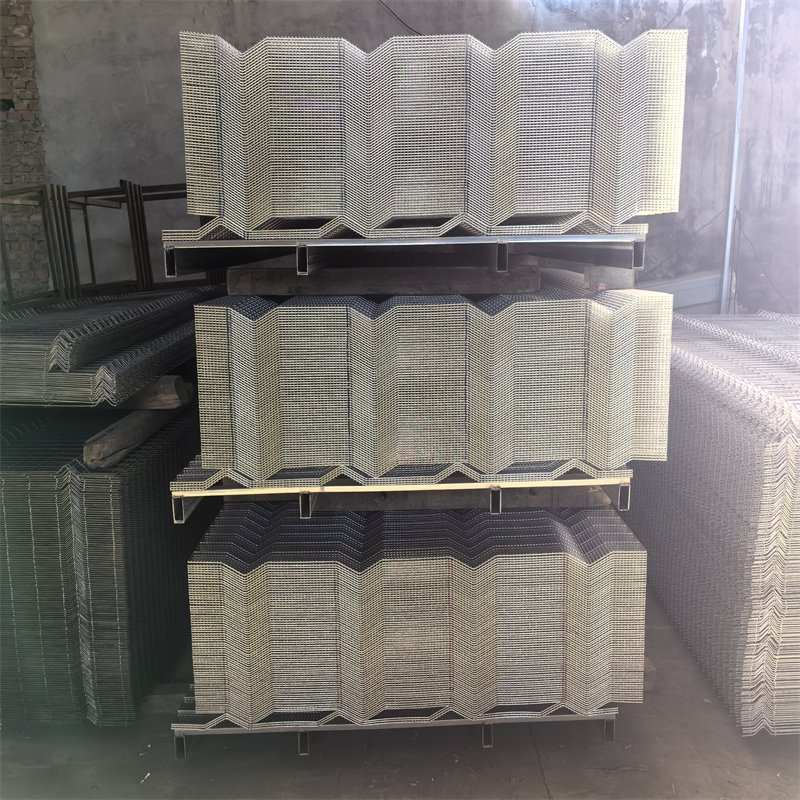
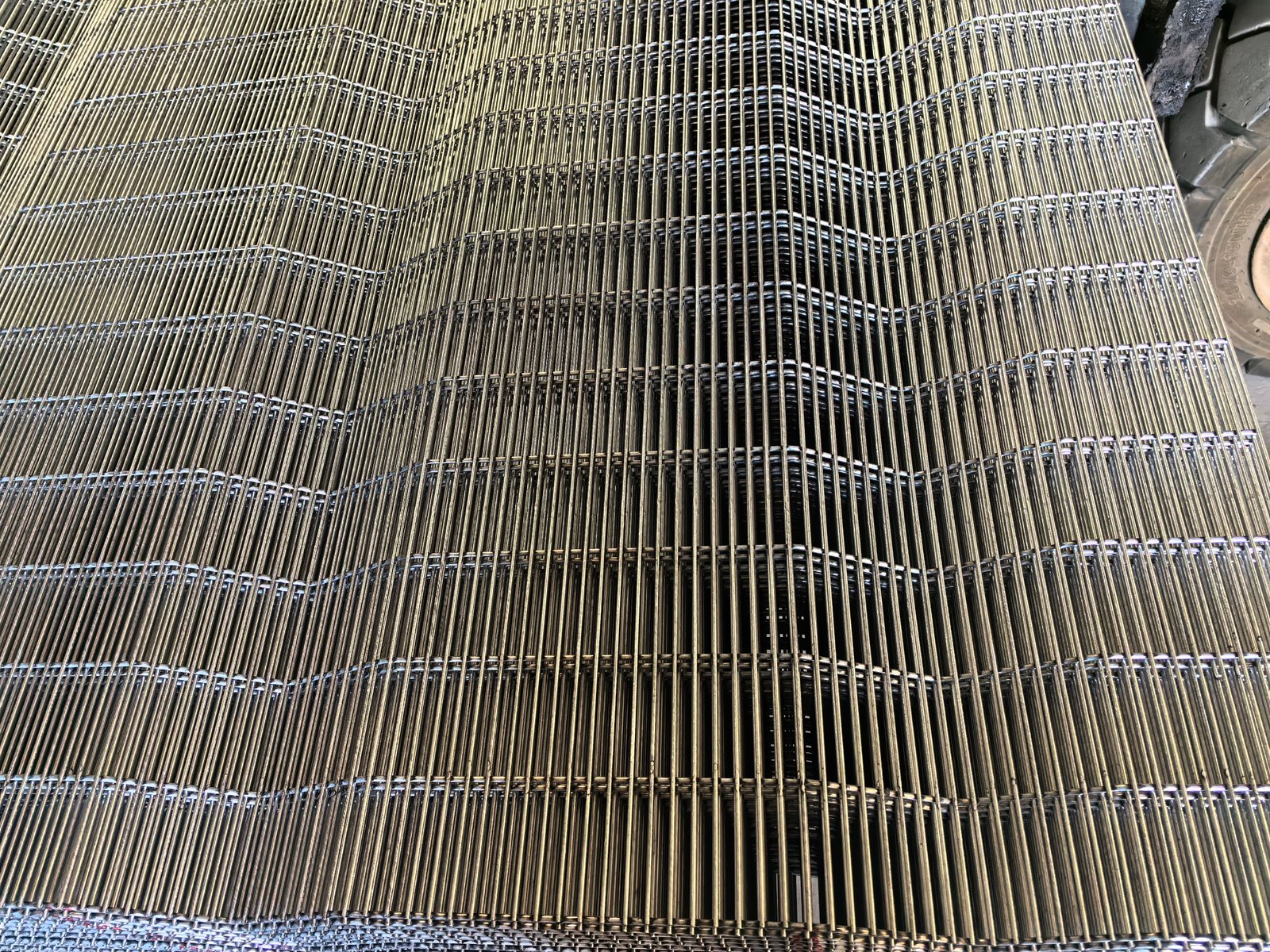
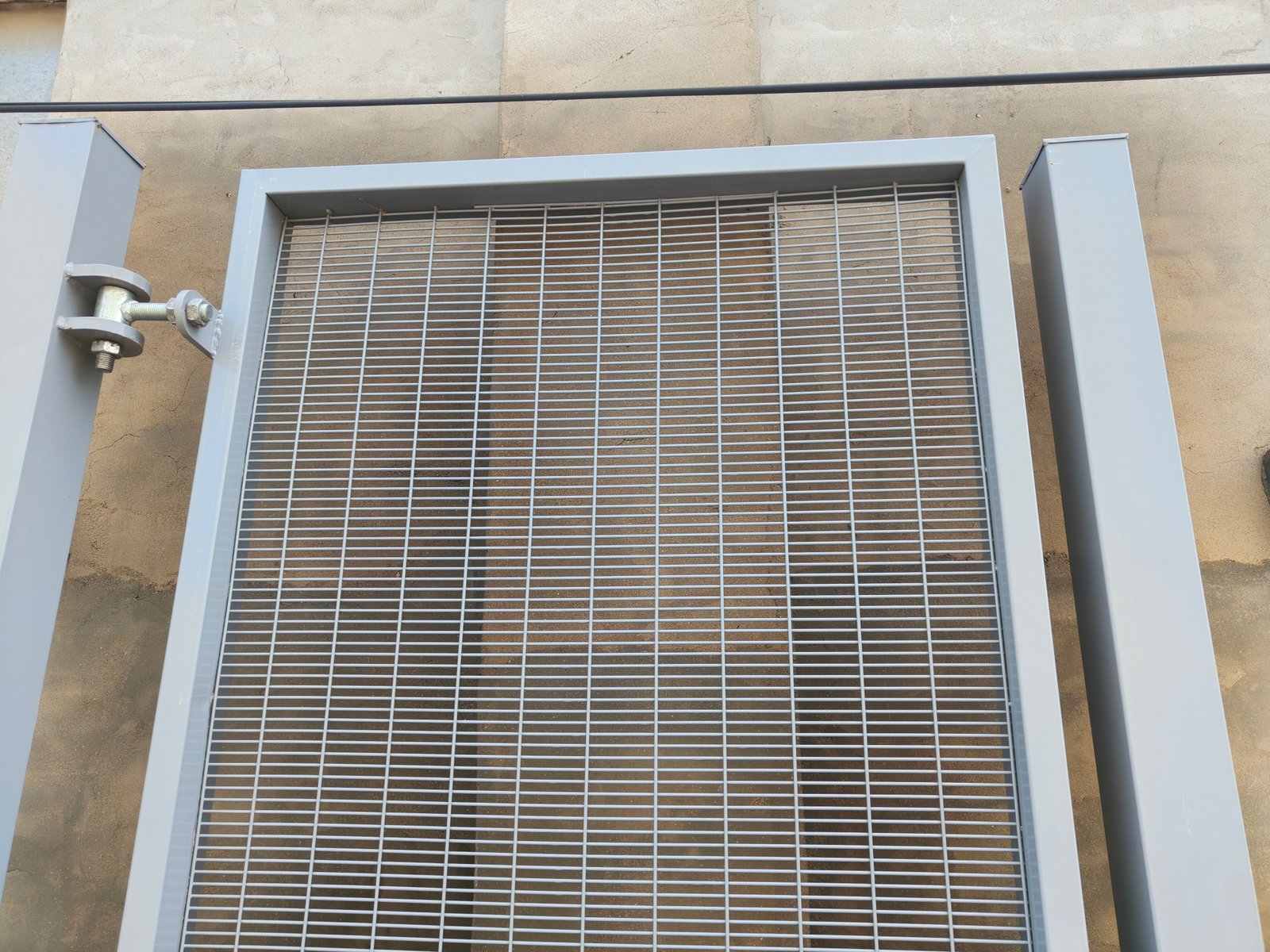
The original fencing system features a narrow welded mesh pattern. Every welded intersection contributes to the panel structure. The design reduces convenient gripping points while maintaining visibility. Additional vertical wires may provide higher stiffness in selected configurations.
Dense mesh can support security monitoring because personnel retain sightlines through the barrier. However, visibility depends on wire diameter, viewing angle, and surrounding lighting. Panel strength also depends on weld quality and supporting posts. A complete technical evaluation should consider these factors together.
Double vertical wire structure
Double vertical wires can strengthen particular panel arrangements. Their exact position and spacing require approved fabrication drawings. The additional reinforcement changes manufacturing requirements and material consumption. Buyers should confirm this feature before requesting production.
Not every 358 fence includes double vertical wires. Standard 358 configurations often use a different welded structure. Comparing products requires more than a shared product name. Customers should request section drawings and technical data sheets.
358 anti-climb Welded mesh Fence security features
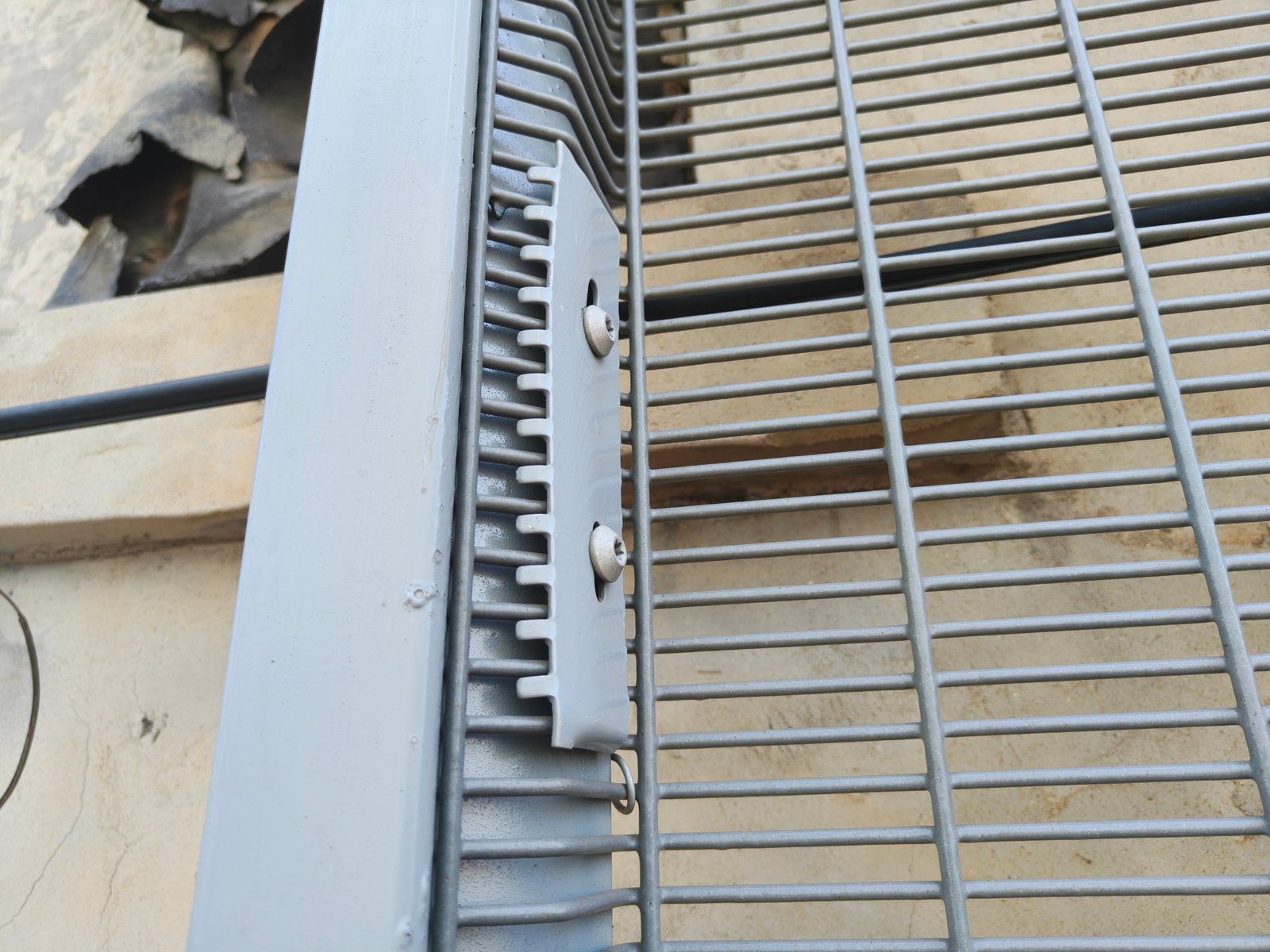
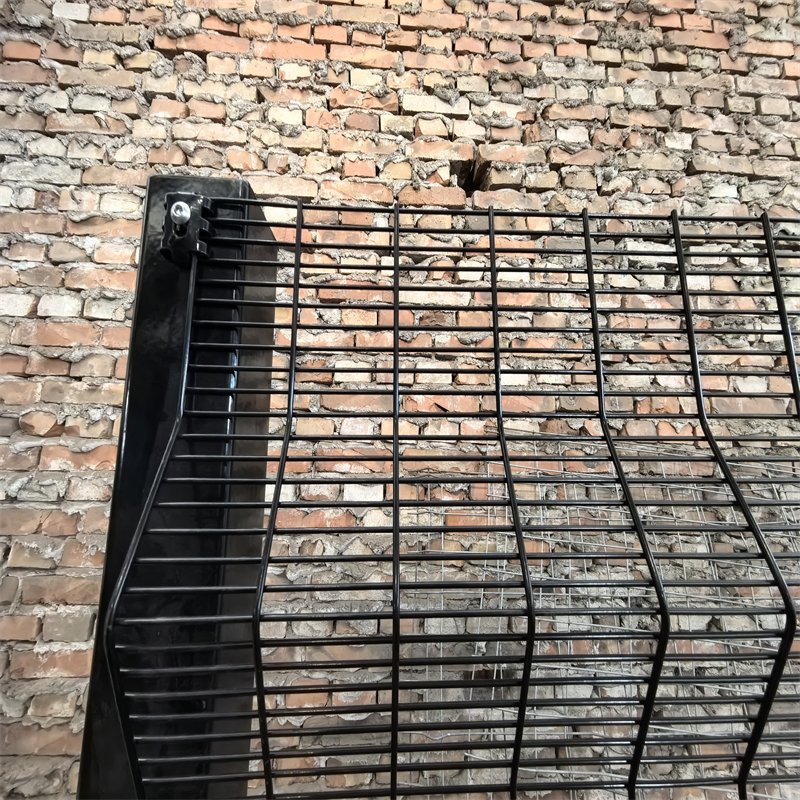
Narrow mesh openings discourage climbing by limiting convenient handholds and footholds. Rigid welded intersections also support panel integrity. Secure posts and concealed or tamper-resistant fixings improve the complete system. These features make the fence suitable for many controlled-access environments.
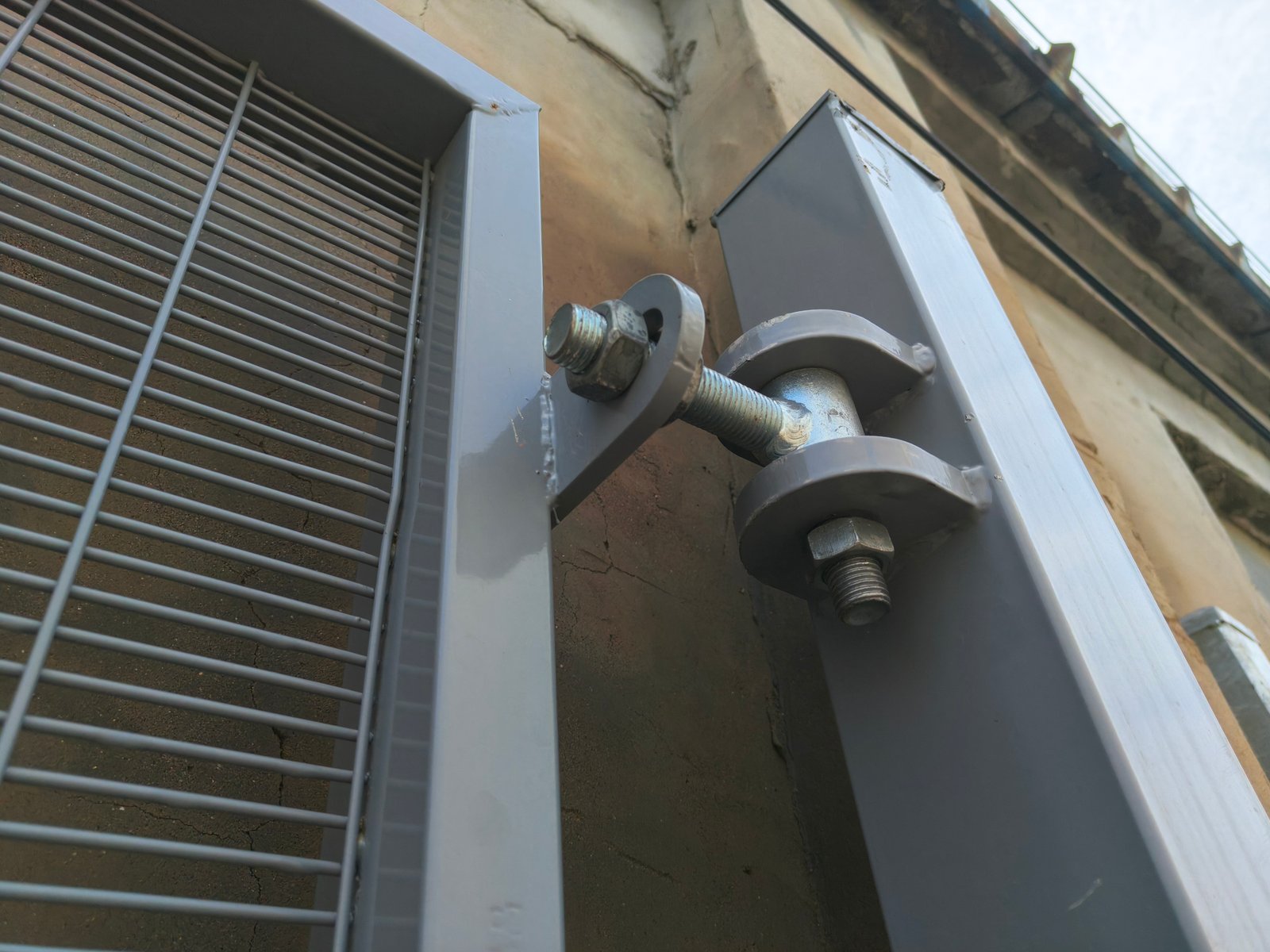
Security performance nevertheless depends on installation and surrounding conditions. Nearby structures may create climbing opportunities. Weak gate hardware can undermine an otherwise robust boundary. Designers should assess the complete perimeter rather than individual panels alone.
Anti-climb and anti-cut properties
The narrow aperture limits access for some conventional hand tools. Its welded steel structure also discourages casual interference. However, no welded wire fence provides absolute protection against every cutting method. Security specifications should describe realistic performance requirements.
Relevant considerations include wire diameter, weld strength, fixing design, and panel height. The quality of surrounding gates also matters. Combining physical barriers with monitoring can improve overall site protection. Each project should follow its security assessment.
358 anti-climb Welded mesh Fence posts
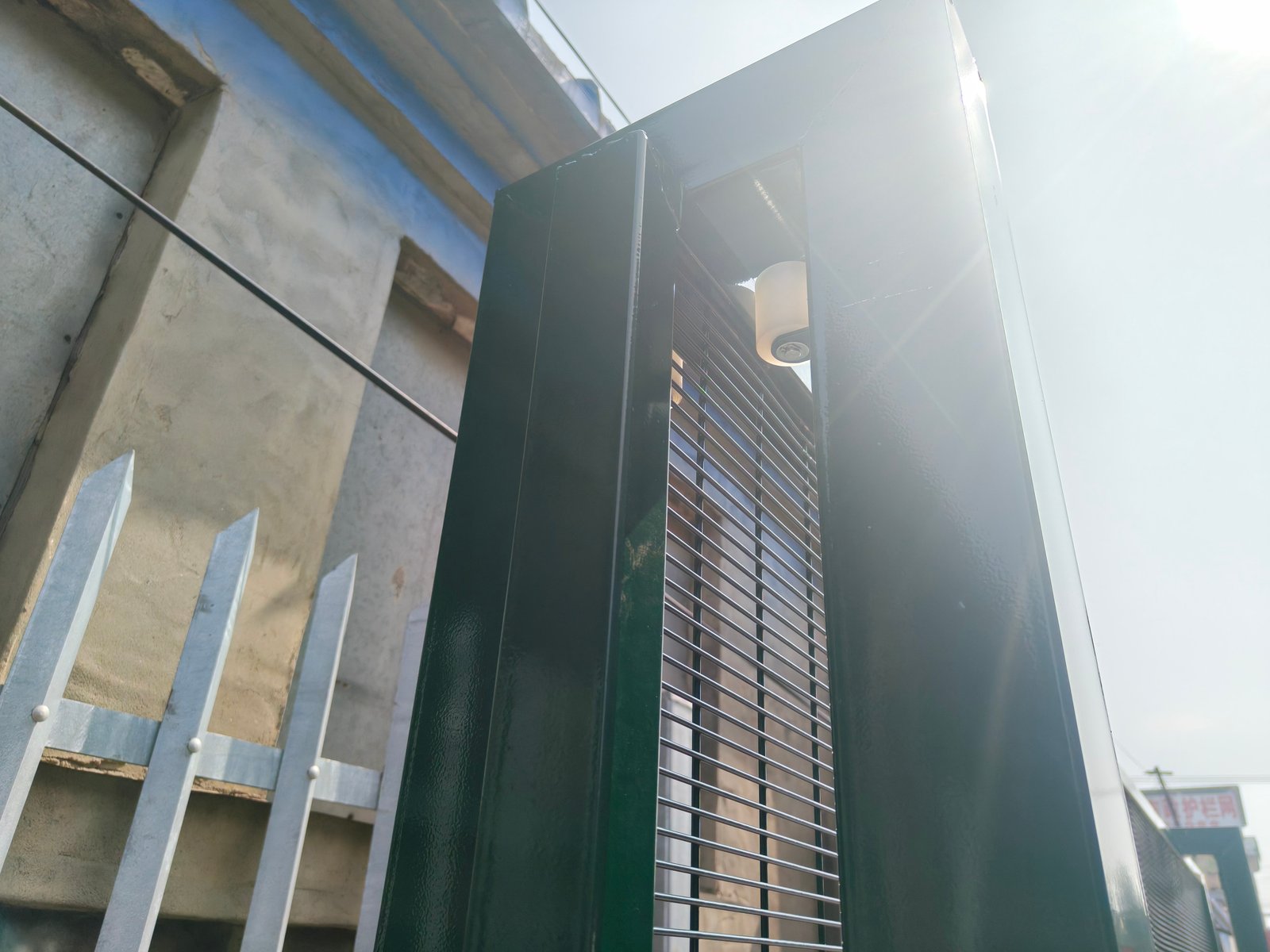
Fence posts provide structural support and maintain panel alignment. The reference schedule includes 80 × 80 mm and 100 × 100 mm square posts. Wall thickness ranges from 3.0 to 3.5 mm in those examples. Final selections depend on height, spacing, soil, and wind exposure.
Corner posts may require different connections from intermediate posts. End posts also need suitable panel fixings. Gate openings require separate structural consideration. Buyers should include all post categories in the purchase schedule.
Clamp bars and security fasteners
Clamp bars secure panels against compatible fence posts. The reference range includes 60 × 5, 80 × 6, and 100 × 7 mm sections. Security fasteners help discourage unauthorized removal. Suitable material and corrosion protection remain important.
Inspectors should verify clamp alignment and fastening completeness. Contractors must use the required tightening procedure. Special corner arrangements may need additional components. Clear installation drawings help maintain consistent assembly.
358 anti-climb Welded mesh Fence surface treatment
Corrosion protection is important for exposed security fencing. BMP offers configurations involving galvanized steel, zinc-aluminium coatings, and polymer finishes. Customers can also consider powder-coated surfaces for colour and environmental protection. The correct treatment depends on exposure conditions and project specifications.
A complete coating specification should identify every manufacturing stage. Pre-galvanized wire differs from galvanizing completed welded panels. Organic coating thickness also differs from metallic coating mass. Buyers should confirm the selected process before placing orders.
Zinc-aluminium and PVC coating
Zinc-aluminium wire coatings provide corrosion protection through a metallic protective layer. Compatible polymer finishes can add another barrier against environmental exposure. Original product references mention a minimum 120-micron coating for one polymer configuration. This value requires confirmation for each order.
Customers can compare related finishes on the Powder Coated Clear View Fence page. Different finishes require different preparation and inspection methods. Coastal environments may demand additional protective measures. Maintenance remains necessary throughout the service life.
358 anti-climb Welded mesh Fence coating colours
Colour options include black, dark green, brown, yellow, bronze, and desert sand. Customers can also request other suitable colours. A specific RAL reference helps the factory confirm the required appearance. Samples can support approval before full production.
Coating performance depends on preparation, application, and curing. Colour selection alone does not determine corrosion resistance. Inspectors should check the finished surface around welds and edges. Any coating defects require appropriate corrective action.
Coating inspection and maintenance
Inspection teams should check surface continuity and visible damage. They should also verify coating thickness where the contract requires measurements. Salt exposure may increase maintenance requirements at coastal installations. Regular cleaning can help remove accumulated deposits.
Customers should retain the coating specification for future repairs. Replacement components should match the original finish wherever practical. Documented inspections improve maintenance planning. Actual warranty terms require written agreement.
358 anti-climb Welded mesh Fence security toppings
Security toppings provide additional deterrence for selected perimeter applications. Original options include fence spikes, shark-tooth profiles, razor coils, and barbed wire. Different accessories require different supporting structures. Installers must also consider public safety and local regulations.
Security toppings should never obstruct emergency access. Contractors need suitable handling procedures during installation. Supporting posts must accommodate the additional attachments. Project drawings should identify every topping component.
Fence spikes and shark-tooth profiles
The original shark-tooth design lists a 35 mm width and teeth reaching approximately 58 mm. Another spike profile uses 2 mm steel plate and a 65 mm base. Available spike lengths include 35 and 70 mm. Reference spacing measures approximately 70 mm.
| Component | Reference Specification |
|---|---|
| Shark-Tooth Spike Width | 35 mm |
| Shark-Tooth Length | Up to 58 mm |
| Spike Plate Thickness | 2.0 mm |
| Spike Base Width | 65 mm |
| Spike Length | 35 / 70 mm |
| Spike Pitch | 70 mm |
358 anti-climb Welded mesh Fence razor wire
Razor wire can supplement restricted-area fencing where regulations permit its use. The original range includes flat and concertina configurations. Reference coil diameters include 600 and 750 mm. Coil construction and coverage depend on the selected model.
Customers should confirm material grade, coil size, and installation requirements. Stainless steel may suit certain corrosive environments. However, actual material selection requires a project-specific assessment. Security teams must consider safe access and maintenance arrangements.
Razor coil and barbed wire specifications
The original razor coil reference lists 55 loops and a 7.5 m extension length. Actual extension depends on product design and installation spacing. Conventional barbed wire options include two strands and four-point barbs. A reference barb spacing measures three inches.
| Item | Specification |
|---|---|
| Razor Wire Type | Flat / Concertina |
| Coil Diameter | 600 / 750 mm |
| Reference Loops | 55 |
| Reference Extension | 7.5 m |
| Material Options | Galvanized Steel / Stainless Steel |
| Barbed Wire | Two Strands / Four-Point Barbs |
| Barb Spacing | 3 inches |
358 anti-climb Welded mesh Fence production
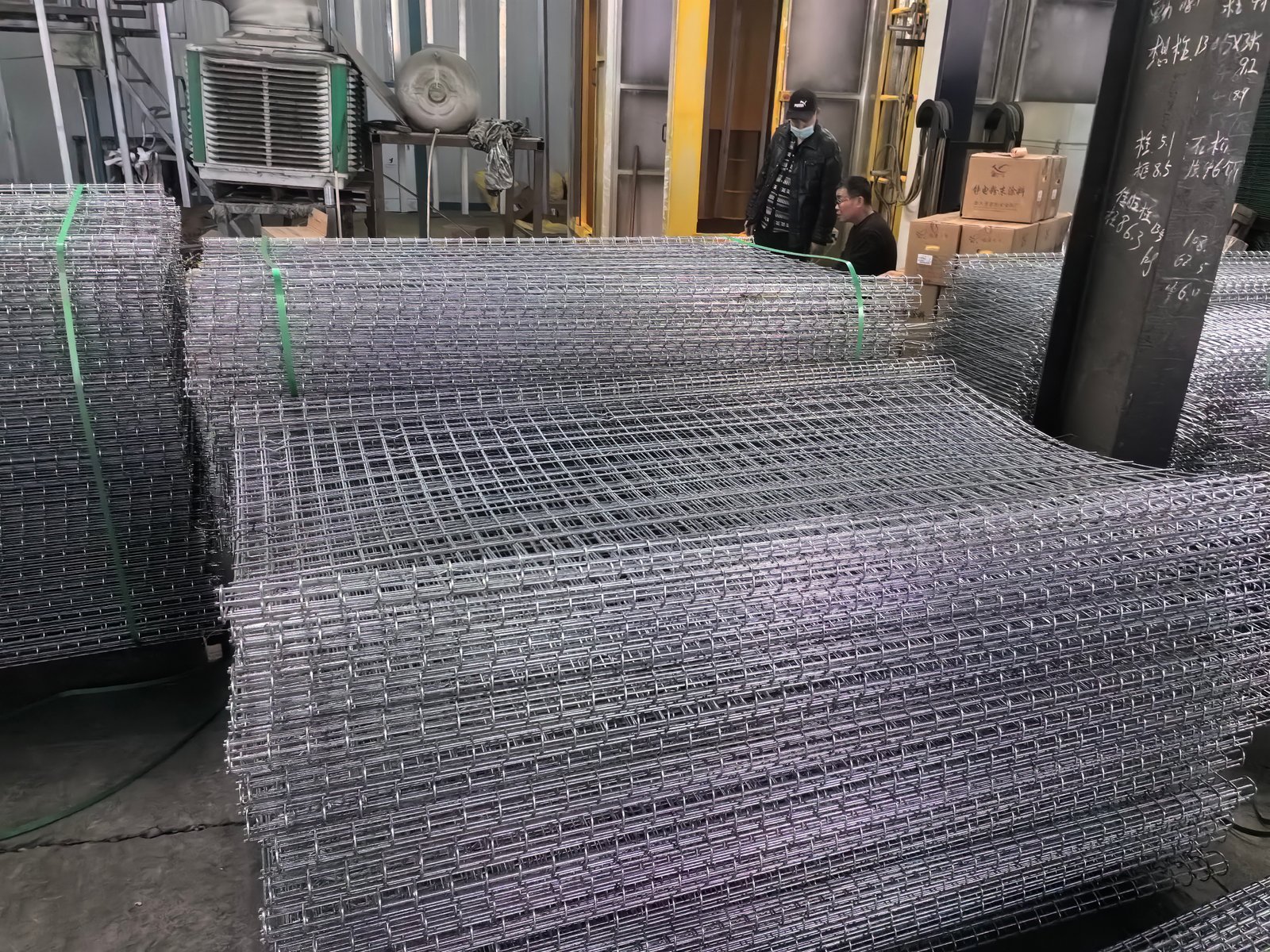
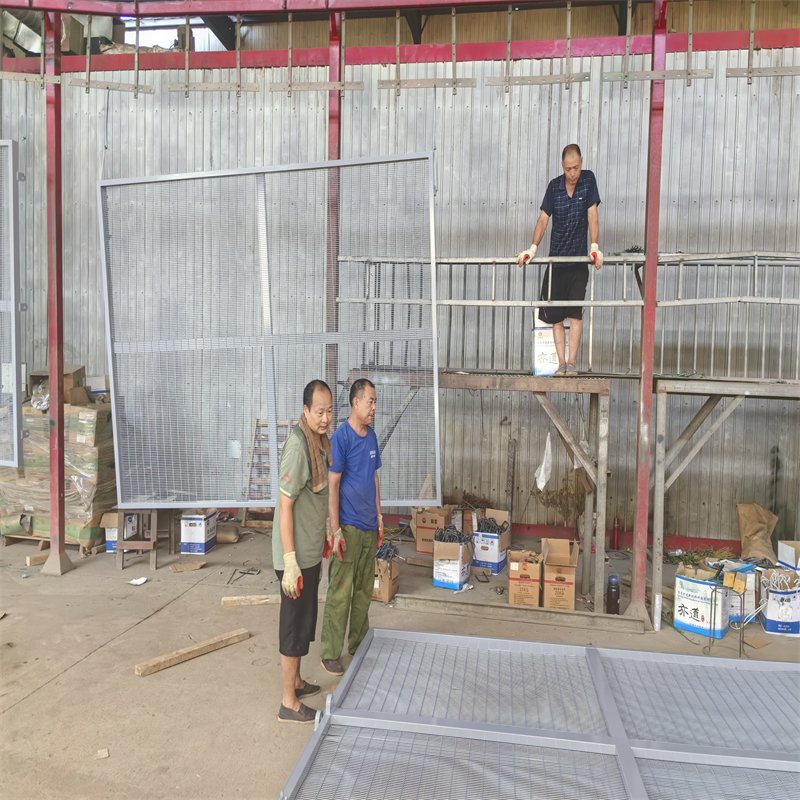
Production begins with approved raw materials and technical drawings. Factory workers prepare steel wires according to the required dimensions. Welding equipment creates the selected mesh arrangement. Inspectors check spacing and welded intersections before subsequent processing.
Surface treatment follows the approved production sequence. Finished panels undergo dimensional and appearance inspections. Packing teams organize panels and accessories by shipment requirements. These procedures support consistent manufacturing and delivery.
Factory inspection procedures
Quality checks should cover wire diameter, mesh spacing, panel dimensions, and welding consistency. Inspectors should also examine post sections and connection components. Coating tests may form part of the agreed inspection plan. Customers can request production photographs and inspection reports.
The Clear View Fencing Factory page provides further manufacturing information. Approved samples can support quality comparisons. Independent inspections may suit demanding projects. Technical acceptance criteria should appear in the purchase contract.
358 anti-climb Welded mesh Fence installation
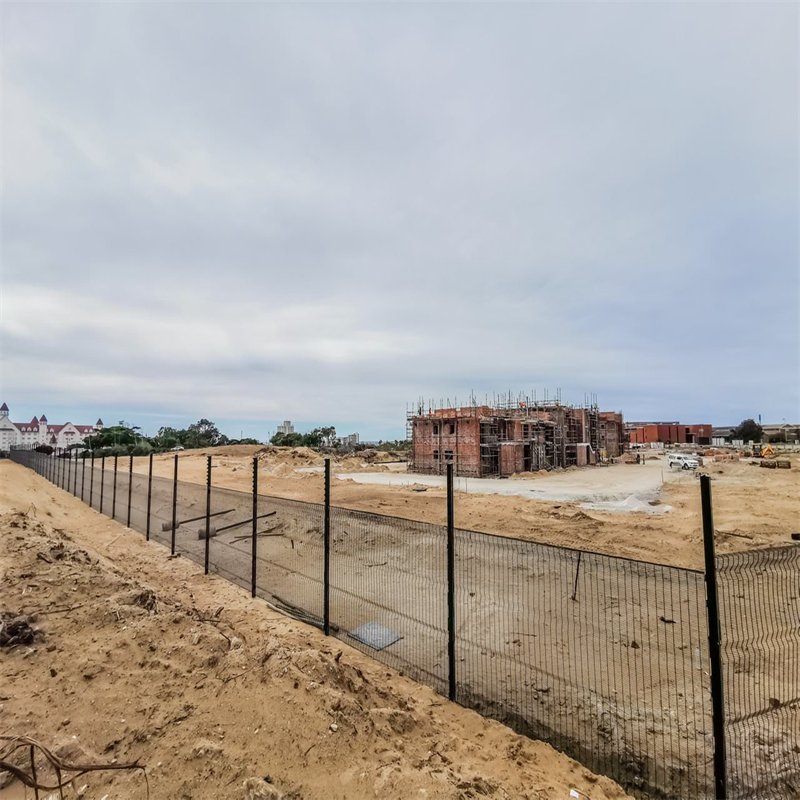
Installation starts with a surveyed boundary and approved layout. Contractors identify underground services and establish the fence line. They then mark post locations according to panel dimensions. Foundation designs must suit ground conditions and structural requirements.
After preparing foundations, installers position posts and fit panels. Workers connect clamps and security fasteners according to approved instructions. Final checks cover alignment and connection integrity. Careful installation helps maintain the intended perimeter performance.
Post foundations and ground conditions
Foundation dimensions depend on post height, spacing, soil conditions, and wind loading. Taller fencing may need deeper or stronger foundations. Sloping ground can require stepped installations or custom panels. Engineers should approve critical foundation details before construction.
Refer to the Clearvu Fence Installation Guide for additional installation information. Accurate setting-out reduces field modifications. Contractors should also protect coating surfaces during assembly. Maintain records of approved changes.
358 anti-climb Welded mesh Fence gate systems
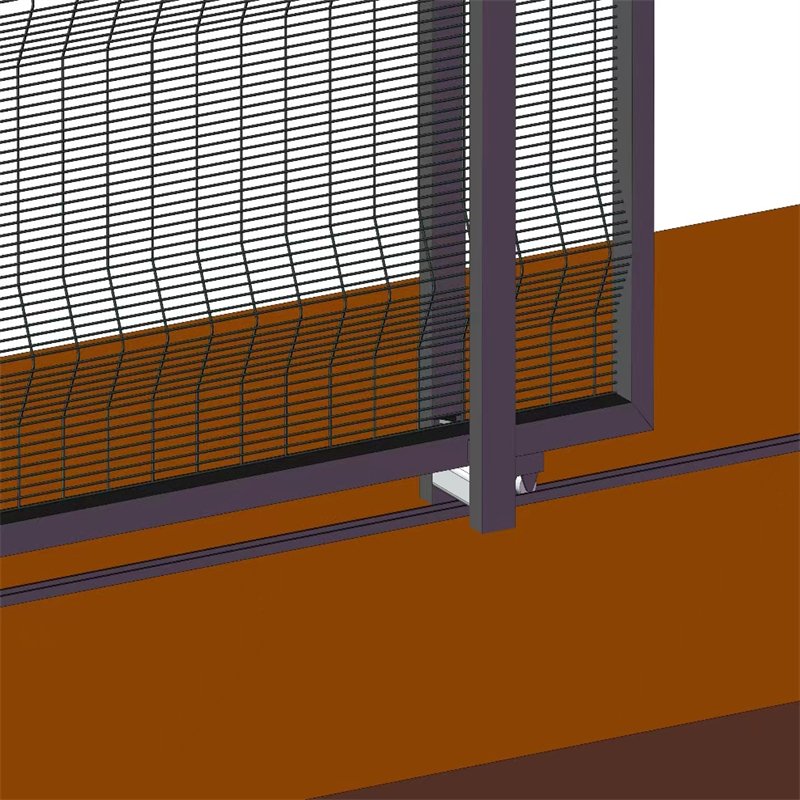
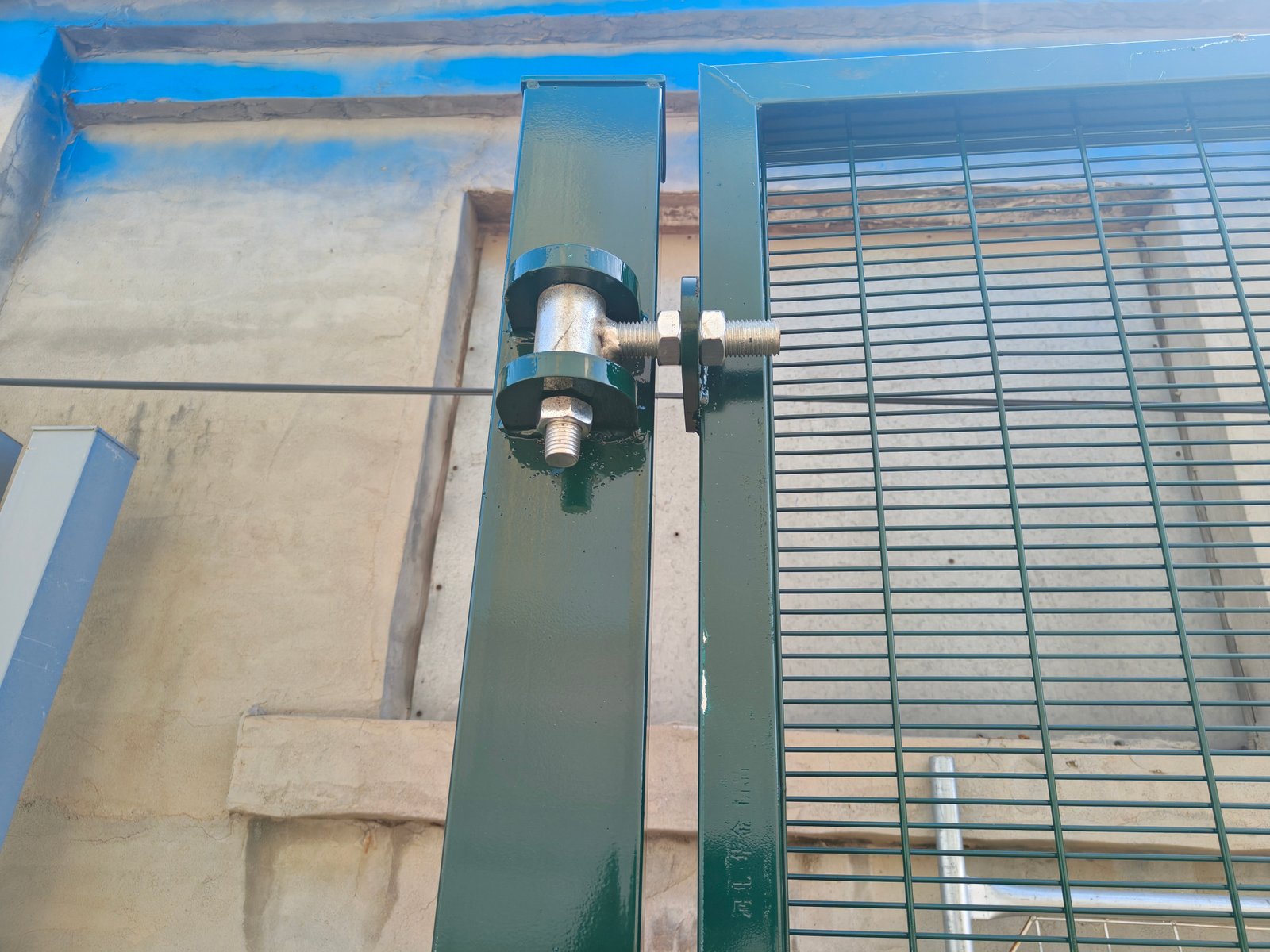
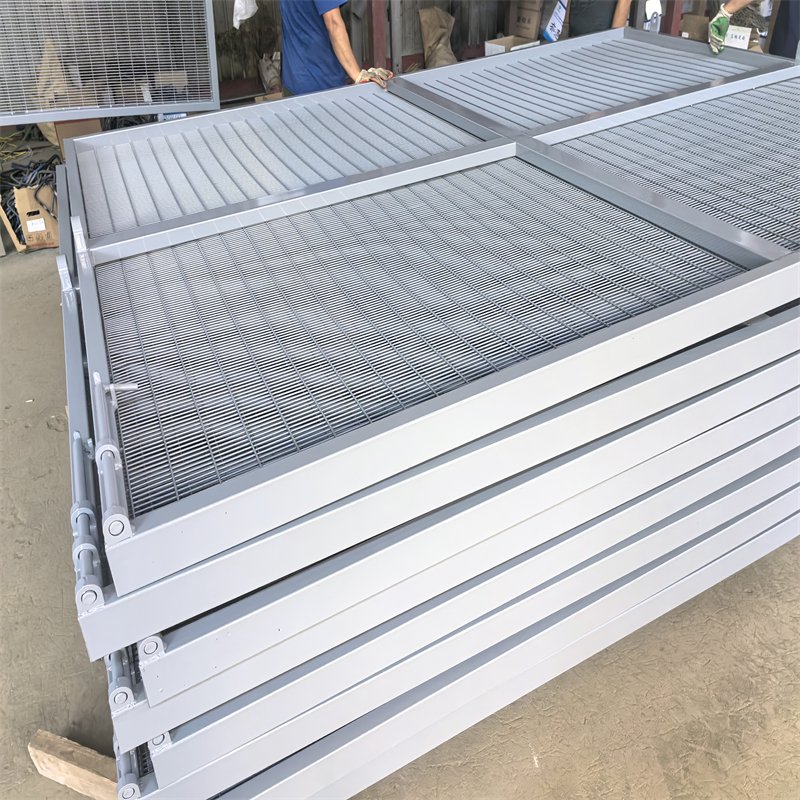
Access openings require compatible security gates and supporting posts. BMP supplies pedestrian gates, swing gates, and sliding gate configurations. Mesh infill can match the adjoining fence. Gate hardware must support the intended operation and security requirements.
The Clear View Fence Gate page introduces related gate systems. Buyers should specify opening widths, heights, locks, and operating methods. Motorized gates need additional safety and electrical provisions. Final gate designs require separate approval.
Sliding gates and vehicle access
Sliding gates suit entrances with sufficient lateral operating space. Manual and motorized configurations serve different project needs. Gate foundations must accommodate actual loads and operating arrangements. Proper alignment helps maintain reliable movement.
Explore Clearvu Fence Sliding Gates for related configurations. Buyers should confirm motors and accessories before production. Factory testing can help identify assembly problems. Local installers should verify final operation after commissioning.
358 anti-climb Welded mesh Fence applications
This fencing system suits projects requiring narrow mesh openings and controlled perimeter access. Common applications include correctional facilities, power stations, industrial compounds, and transport infrastructure. Warehouse facilities may also require similar arrangements. Each application needs appropriate technical specifications.
Security planning should account for gate locations and monitoring requirements. Different sites may need additional protective features. Coastal projects require particular attention to corrosion protection. Engineers should review actual operating conditions before approving the system.
Industrial and infrastructure projects
Electricity facilities often require controlled access and continuous boundary monitoring. Industrial operators may prioritize clear visibility around sensitive equipment. Airports and seaports can require specialized security arrangements. Such projects frequently include additional operational and regulatory requirements.
Fencing should support site access procedures rather than obstruct them. Maintenance routes must remain accessible. Security accessories need suitable structural support. Complete documentation helps coordinate suppliers and contractors.
358 anti-climb Welded mesh Fence packaging
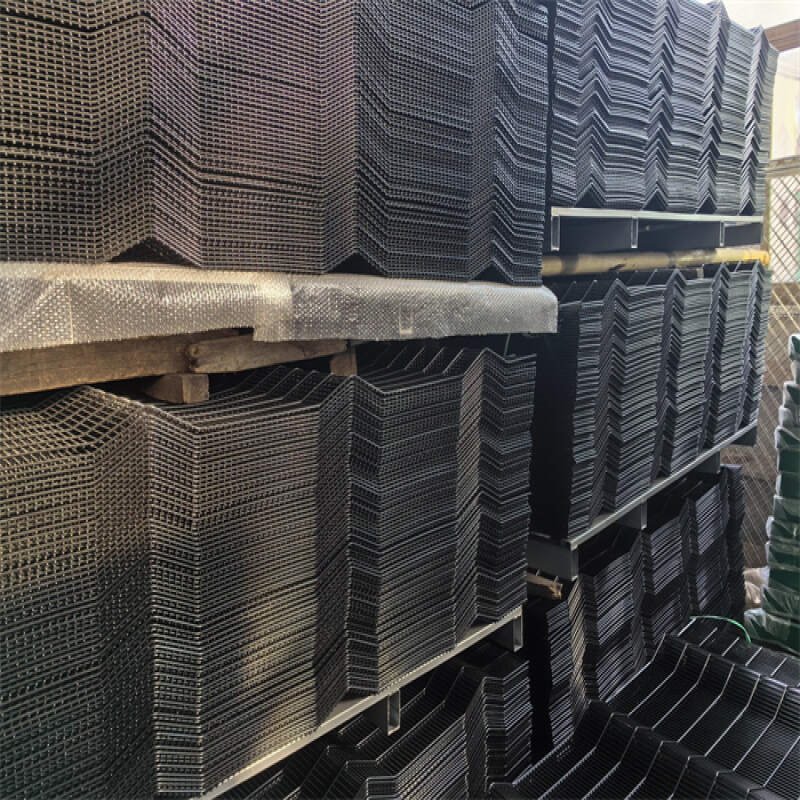
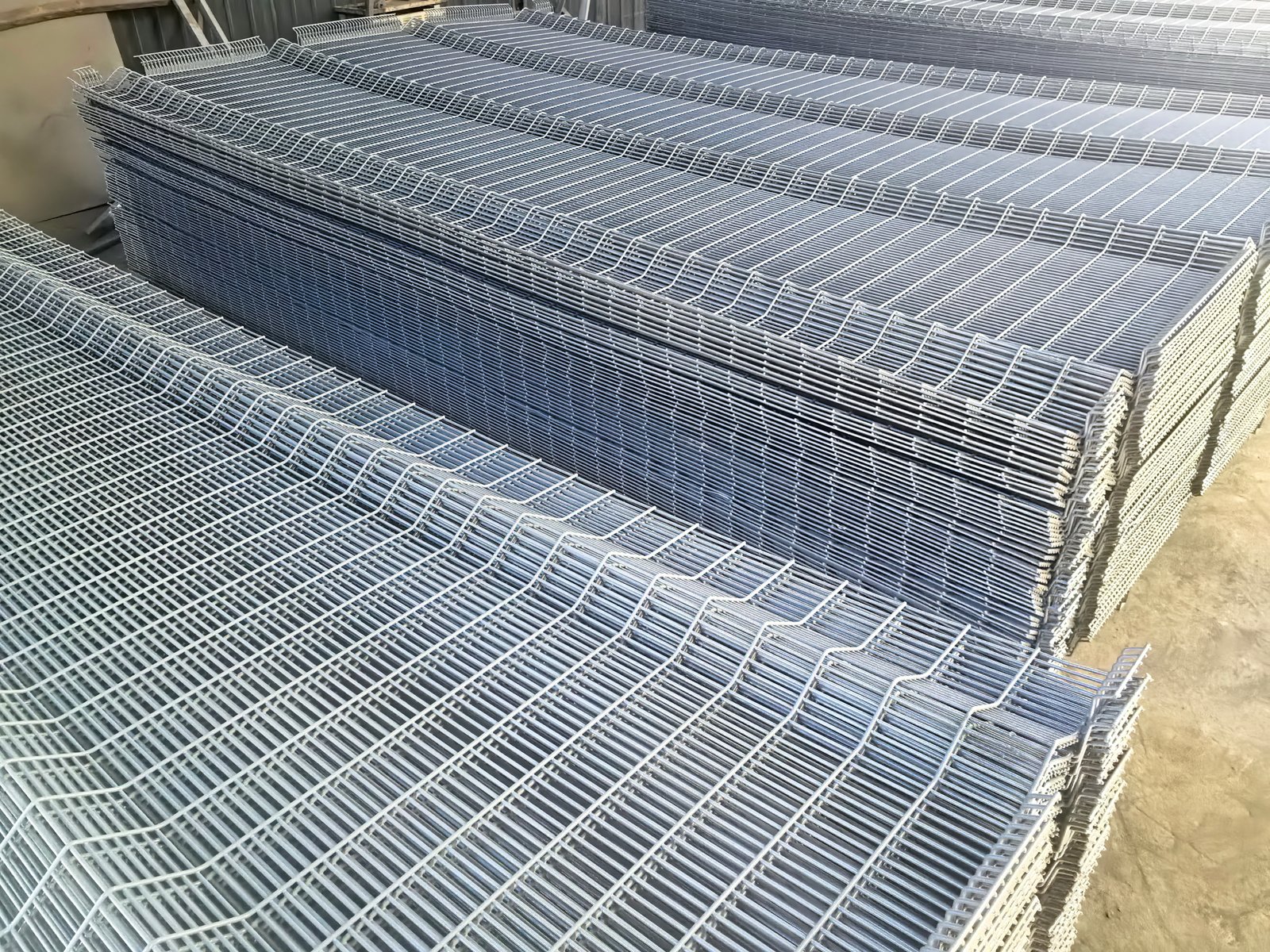
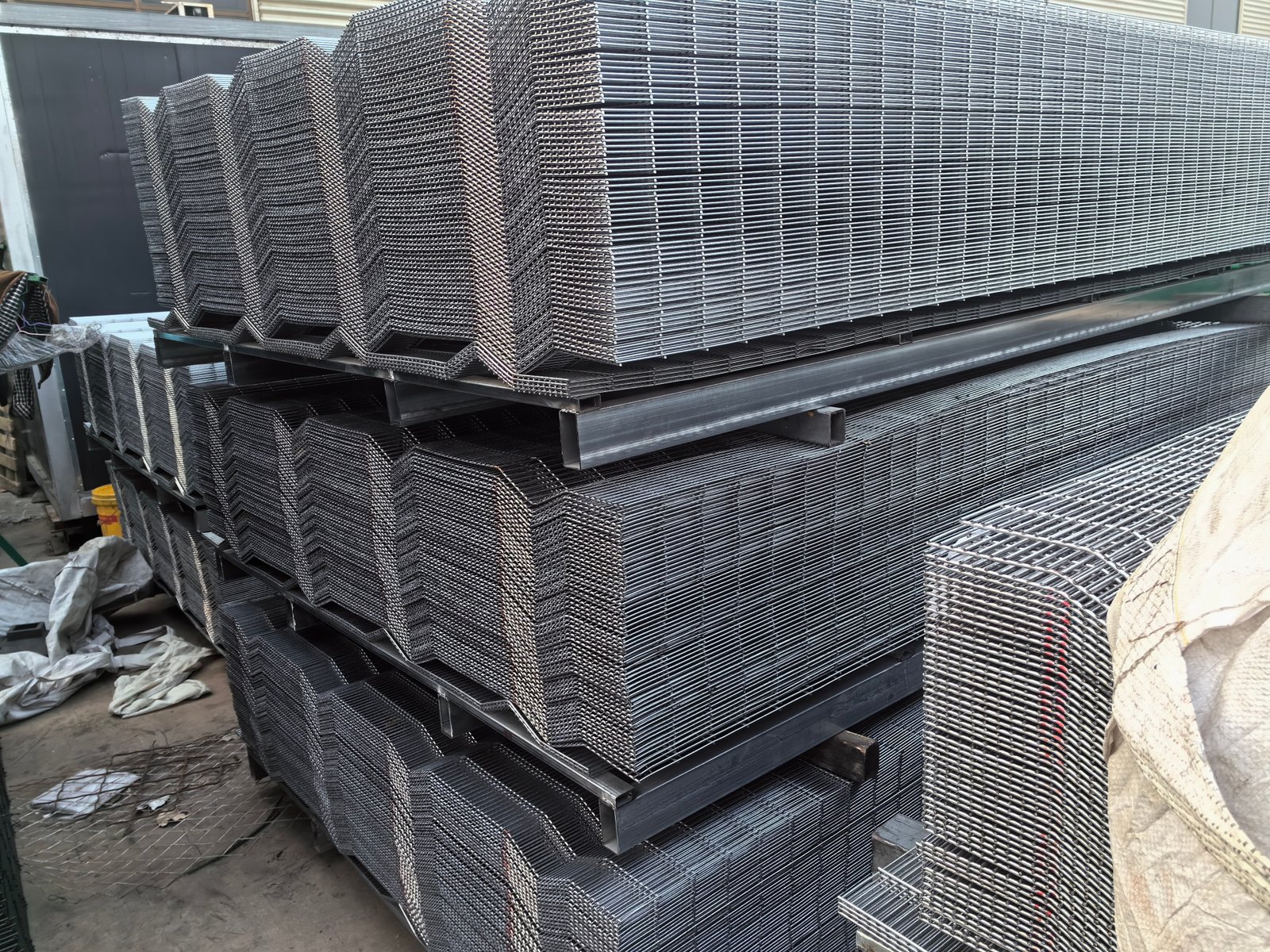
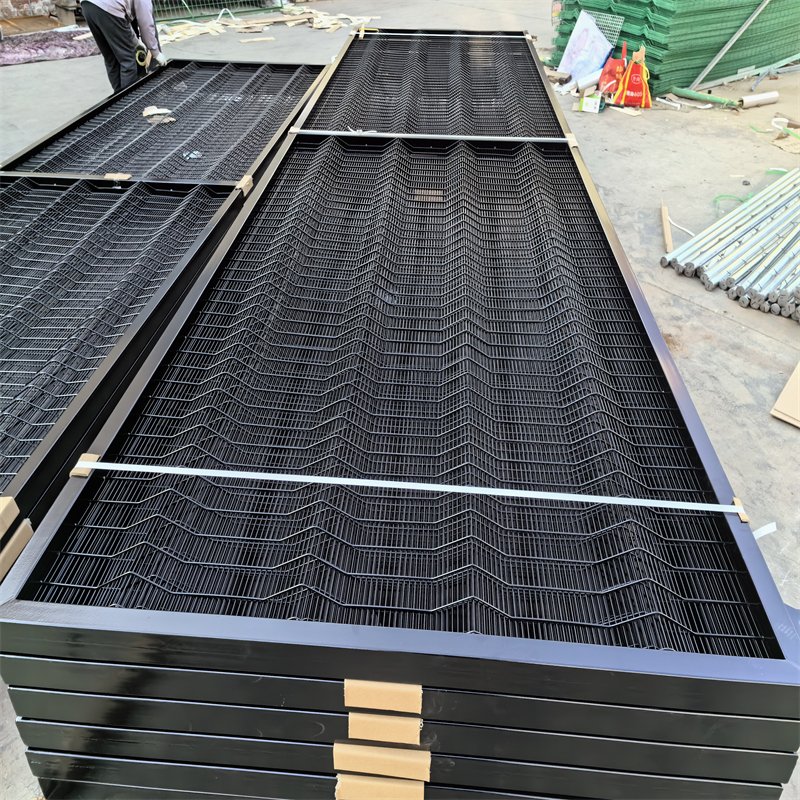
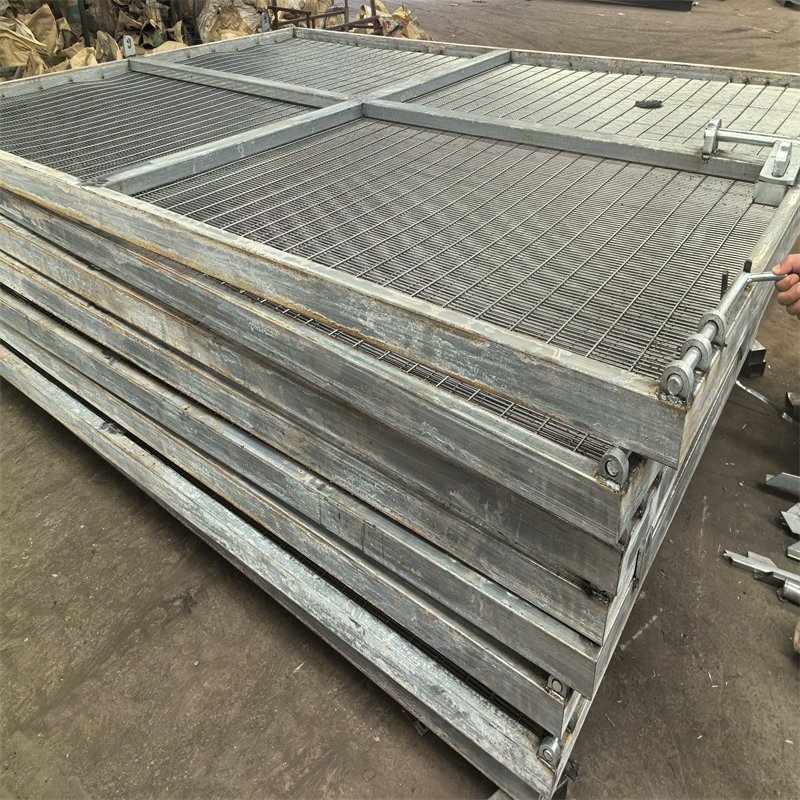
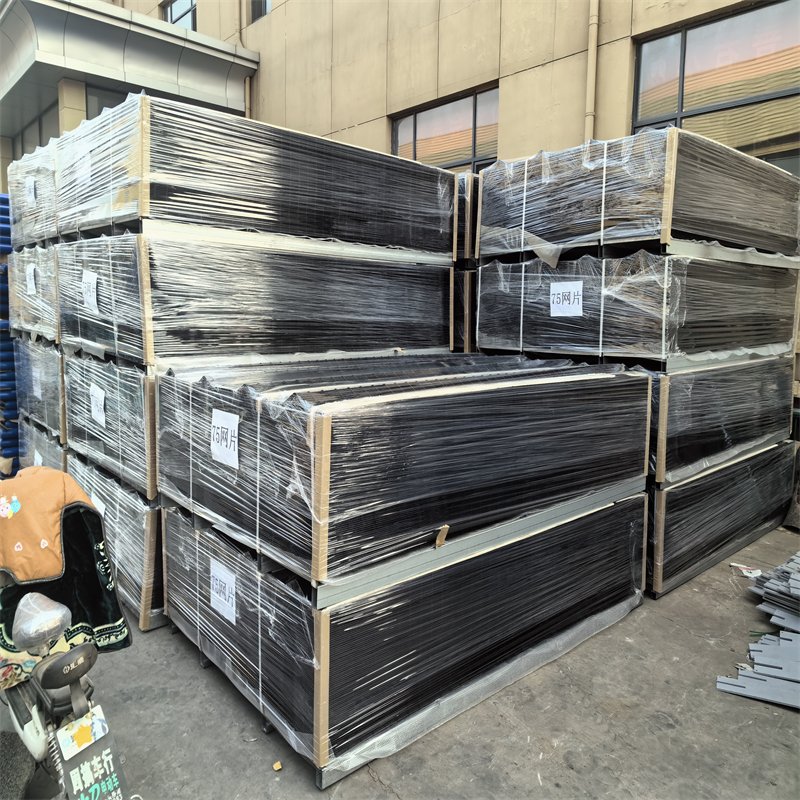
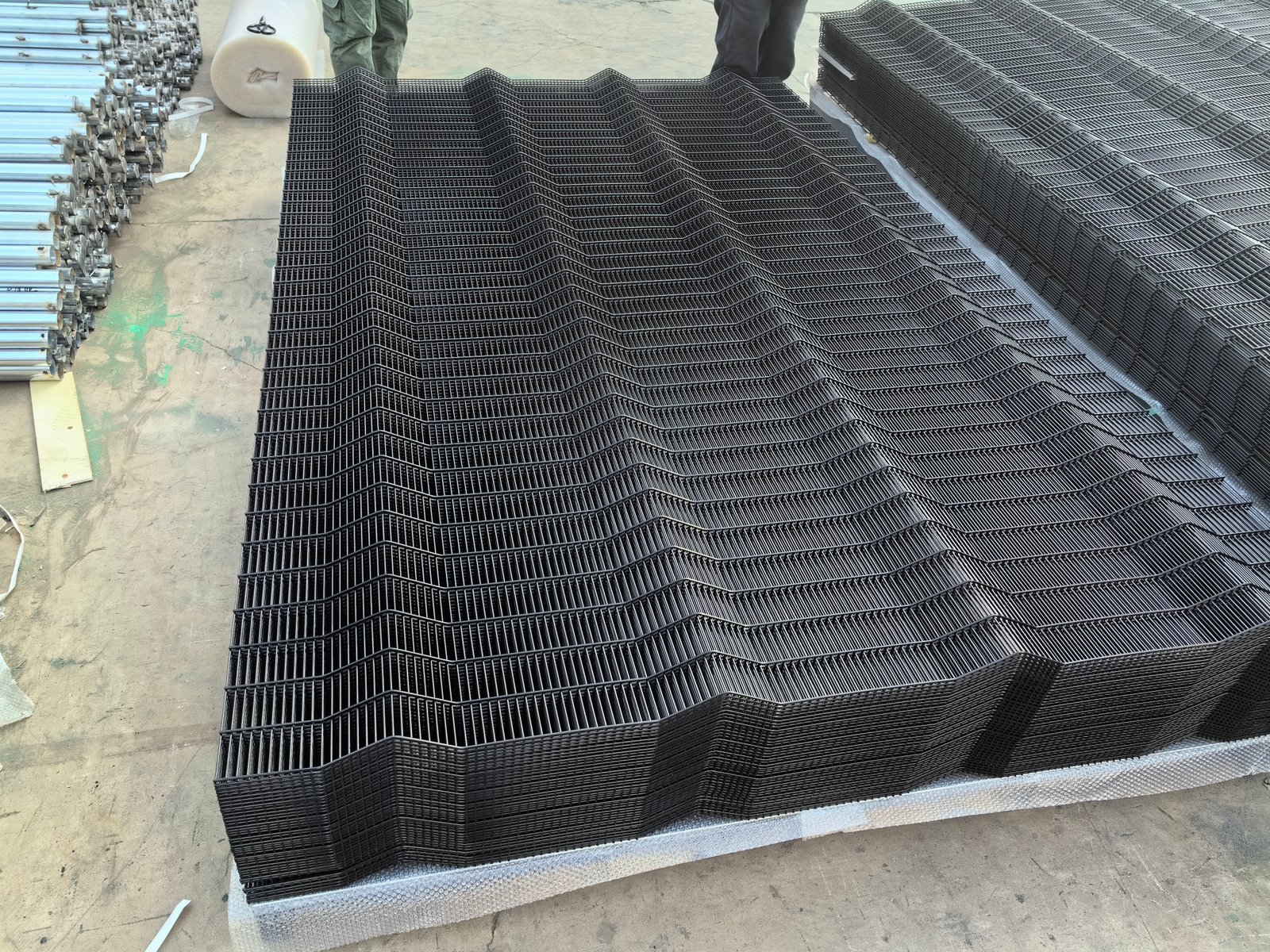
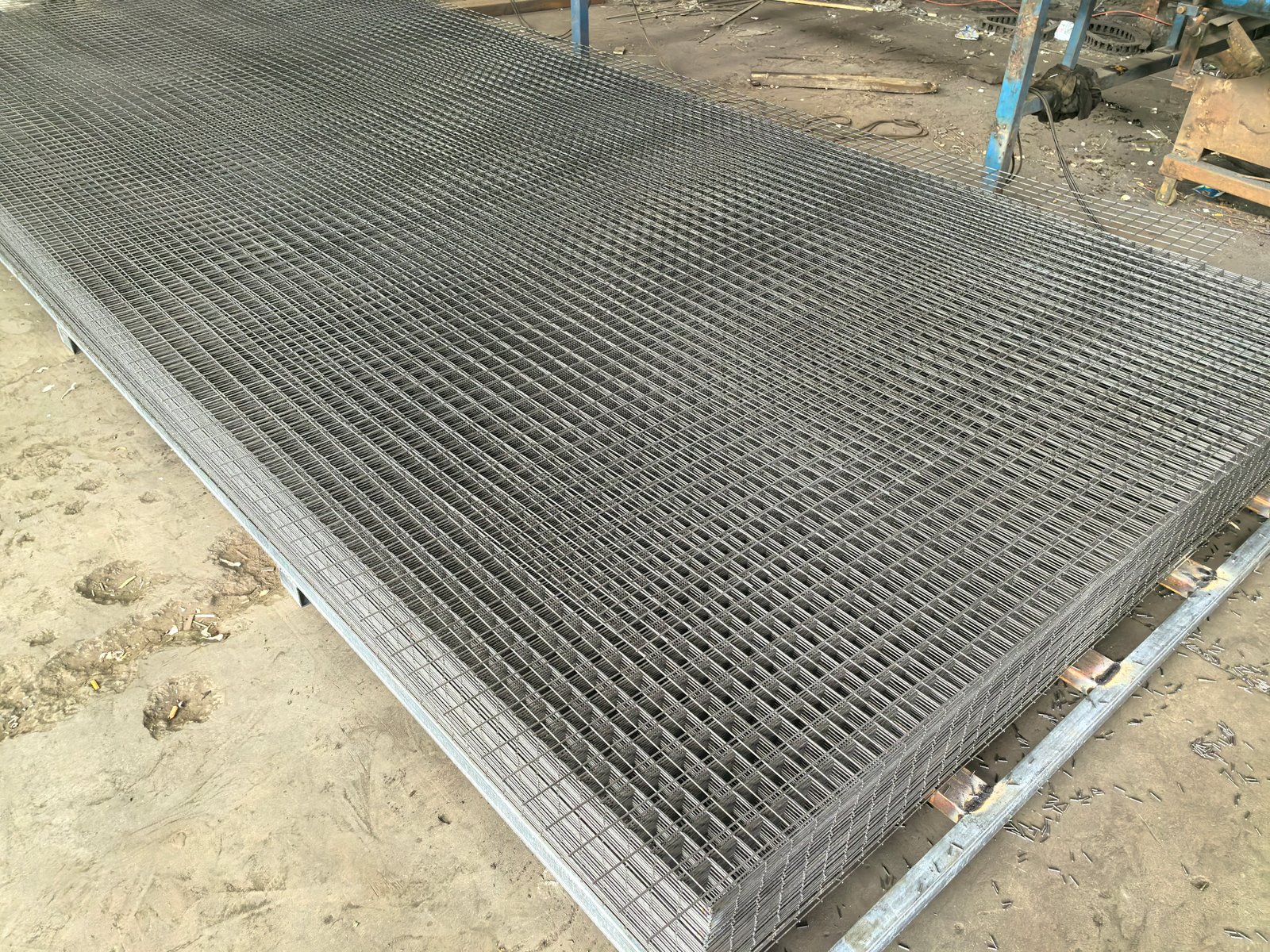
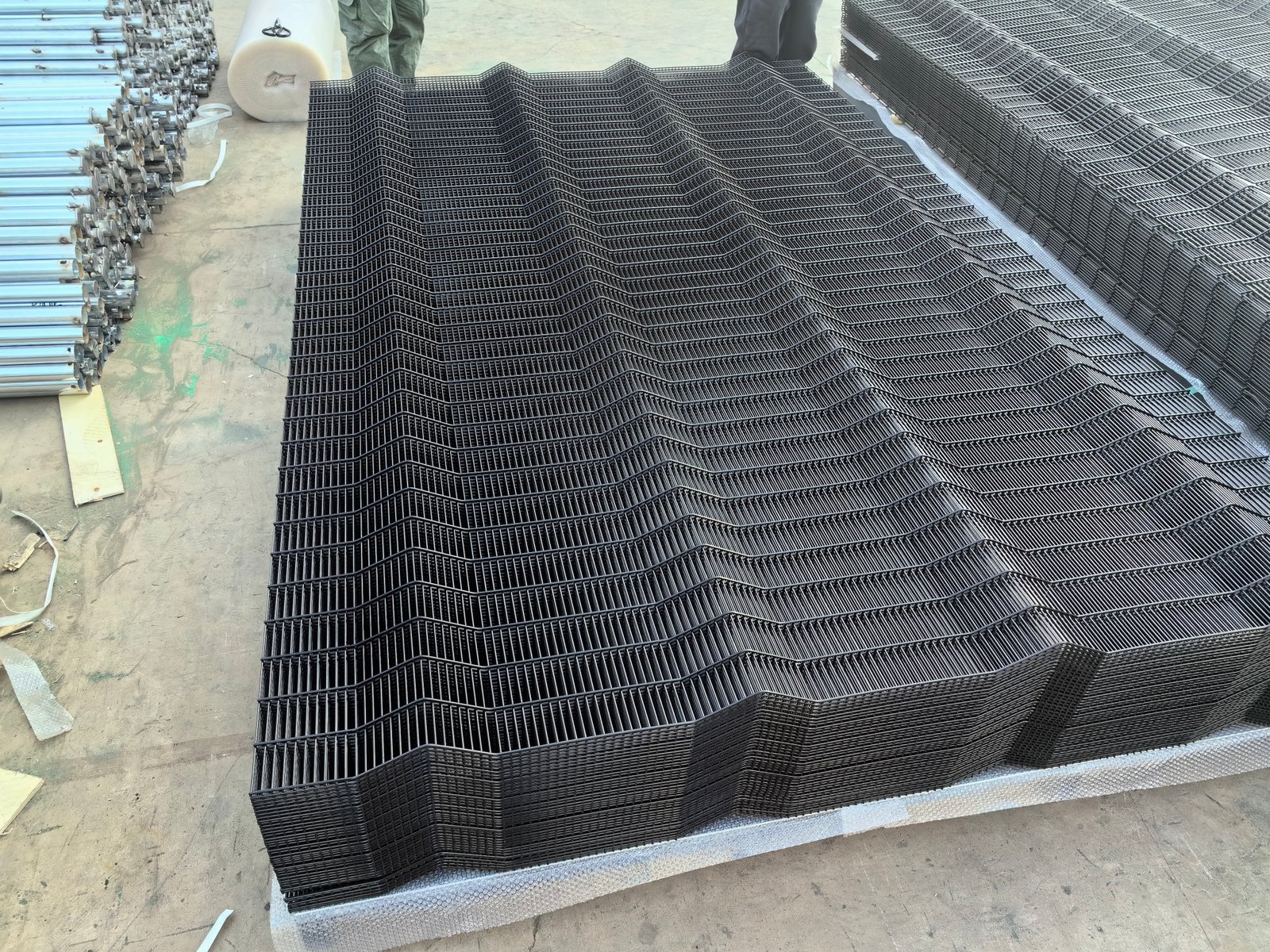
BMP can arrange export packaging according to product dimensions and shipment requirements. Steel pallets provide support for heavy welded panels. Protective materials help reduce scratches during handling. Smaller accessories require labeled cartons.
Gate assemblies may require separate stillages or reinforced packaging. Container loading plans should account for weight distribution. Proper identification reduces unloading confusion. Customers should confirm local handling equipment before shipment.
Container loading and shipping inspection
Factory teams should confirm package quantities before dispatch. Loading photographs can record visible packaging conditions. Shipping documents must match the final packing list. Buyers should also confirm the agreed delivery term.
Upon arrival, customers should inspect pallets and protective coatings. Any visible damage requires prompt documentation. Accessory quantities should match the purchase order. Clear records support future replacement requests.
358 anti-climb Welded mesh Fence procurement
A complete inquiry should include fence length, height, aperture, and wire diameter. Buyers should also specify posts, clamps, coatings, gates, and toppings. Site drawings help identify corners and unusual conditions. Accurate specifications support reliable quotations.
Compare complete system quotations rather than panel prices alone. Different suppliers may include different accessories. Coating systems also influence material costs. Freight arrangements affect the final landed cost.
Quotation comparisons and purchasing
Raw material prices influence welded mesh manufacturing costs. Wire diameter, mesh density, and coating requirements affect material consumption. Posts and security fasteners add further costs. Transportation and packaging also influence the commercial offer.
Customers can review Clear View Fence Price per Meter for related pricing information. The Clear View Fencing for Sale page provides another product overview. Buyers should request itemized specifications before comparing offers. Final pricing depends on confirmed order requirements.
358 anti-climb Welded mesh Fence maintenance
Routine inspections help identify loose fixings, coating damage, and panel deformation. Contractors should examine posts and foundations after major impacts. Gate mechanisms require additional attention. Coastal installations may need more frequent maintenance.
Repairs should follow the approved coating and component specifications. Replacement panels must match original dimensions. Damaged connections require appropriate corrective action. Maintenance records support long-term asset management.
Corrosion checks and component replacement
Inspectors should examine weld areas, clamps, cut edges, and post bases. Trapped moisture can increase corrosion exposure. Prompt coating repairs help limit further deterioration. Cleaning schedules should reflect actual environmental conditions.
Keep spare fasteners and approved repair information available. Replacement orders should reference original fabrication drawings. Site teams must check adjacent panels after impacts. These procedures improve consistency during maintenance.
358 anti-climb Welded mesh Fence FAQ
Buyers frequently ask about mesh dimensions, security performance, coatings, and available accessories. Actual answers depend on project specifications. The following guidance addresses common procurement questions. Customers should confirm final details through approved technical documents.
Common technical questions
What mesh opening does this product use? The featured configuration uses approximately 70 × 8 mm spacing. Does every panel include double vertical wires? No. Customers must specify the reinforcement arrangement.
Can BMP supply matching gates? Yes. Pedestrian, swing, and sliding gate options are available. Can customers select coating colours? Yes. The factory can review custom colour requirements.
Does the fence require maintenance? Yes. Routine inspection and coating maintenance remain important. Can BMP manufacture custom sizes? Yes. Manufacturing feasibility depends on approved specifications.
358 anti-climb Welded mesh Fence project planning
Successful procurement requires clear technical drawings and an accurate bill of quantities. Buyers should identify every panel, post, clamp, and gate assembly. Coating specifications must remain consistent across components. Export packaging also requires early planning.
BMP can review project requirements and prepare an itemized commercial offer. Customers should provide delivery destinations and relevant site information. Approved drawings should control manufacturing. Complete documentation helps prevent installation delays.
Final purchasing checklist
Confirm wire diameter and mesh dimensions before production. Verify posts, clamp bars, and security fastener quantities. Approve coating colours and surface treatment specifications. Include gate requirements and optional security toppings.
Review packing details and delivery responsibilities. Keep inspection records with the final shipment documents. Arrange suitable installation and unloading resources. These steps support a consistent project handover.