Description 358 wire mesh fence: A Closer Look at the Security Grid
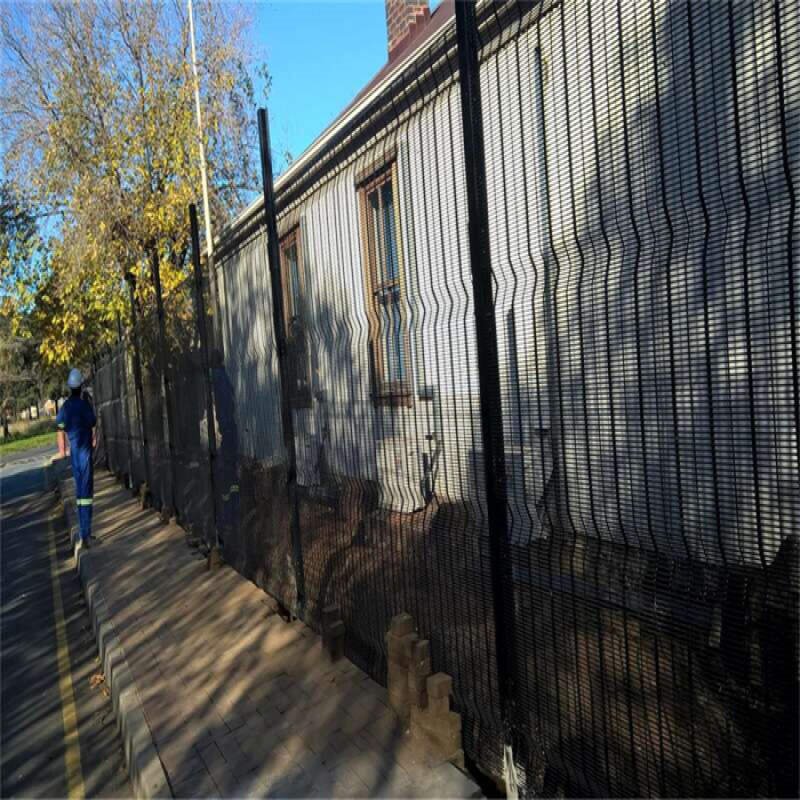
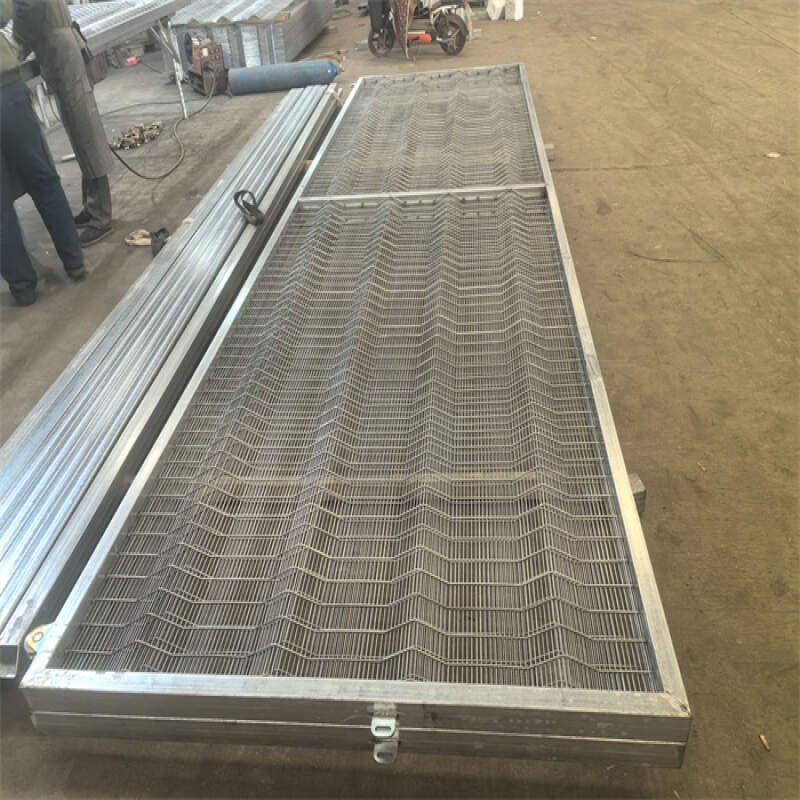
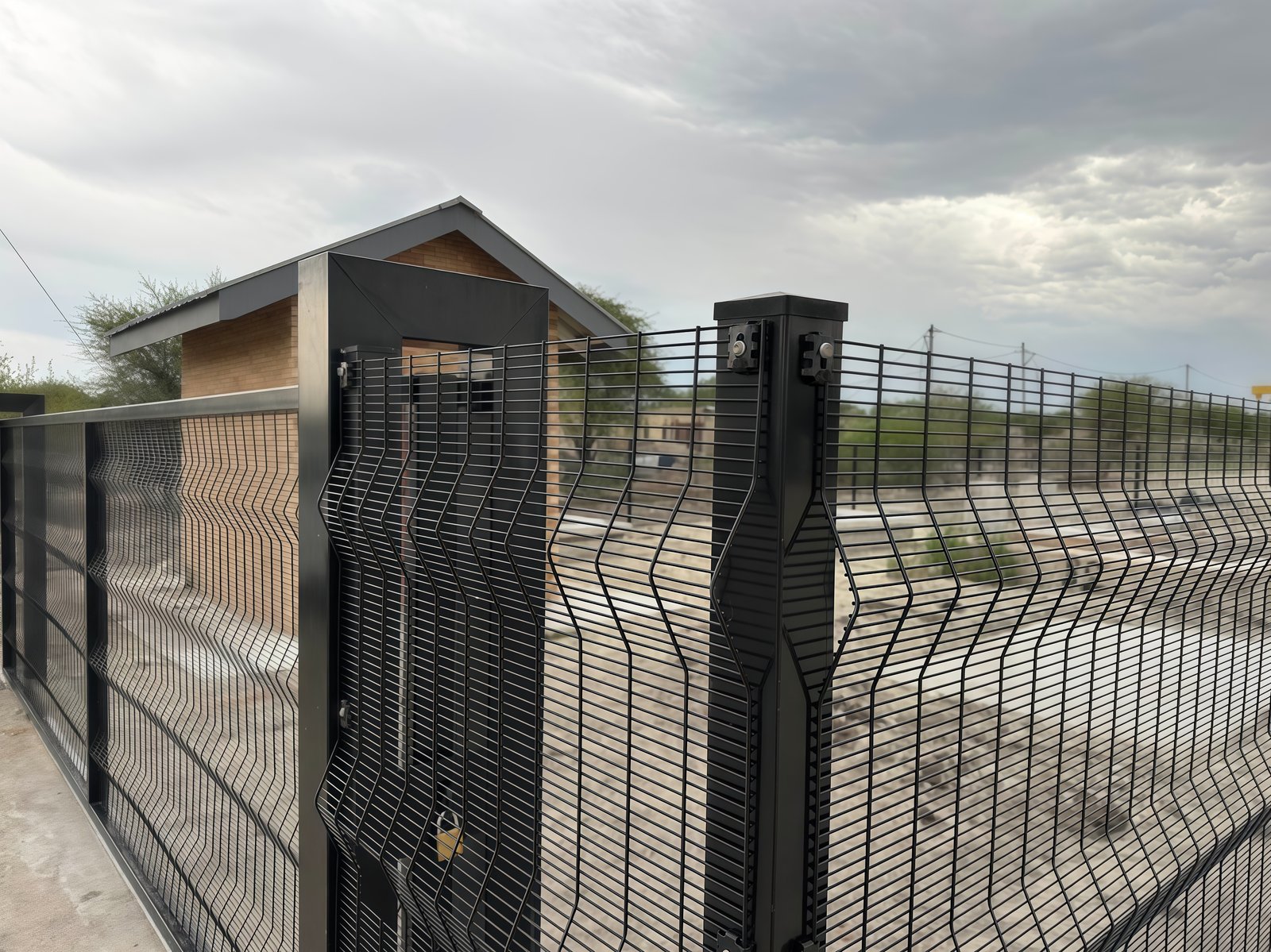
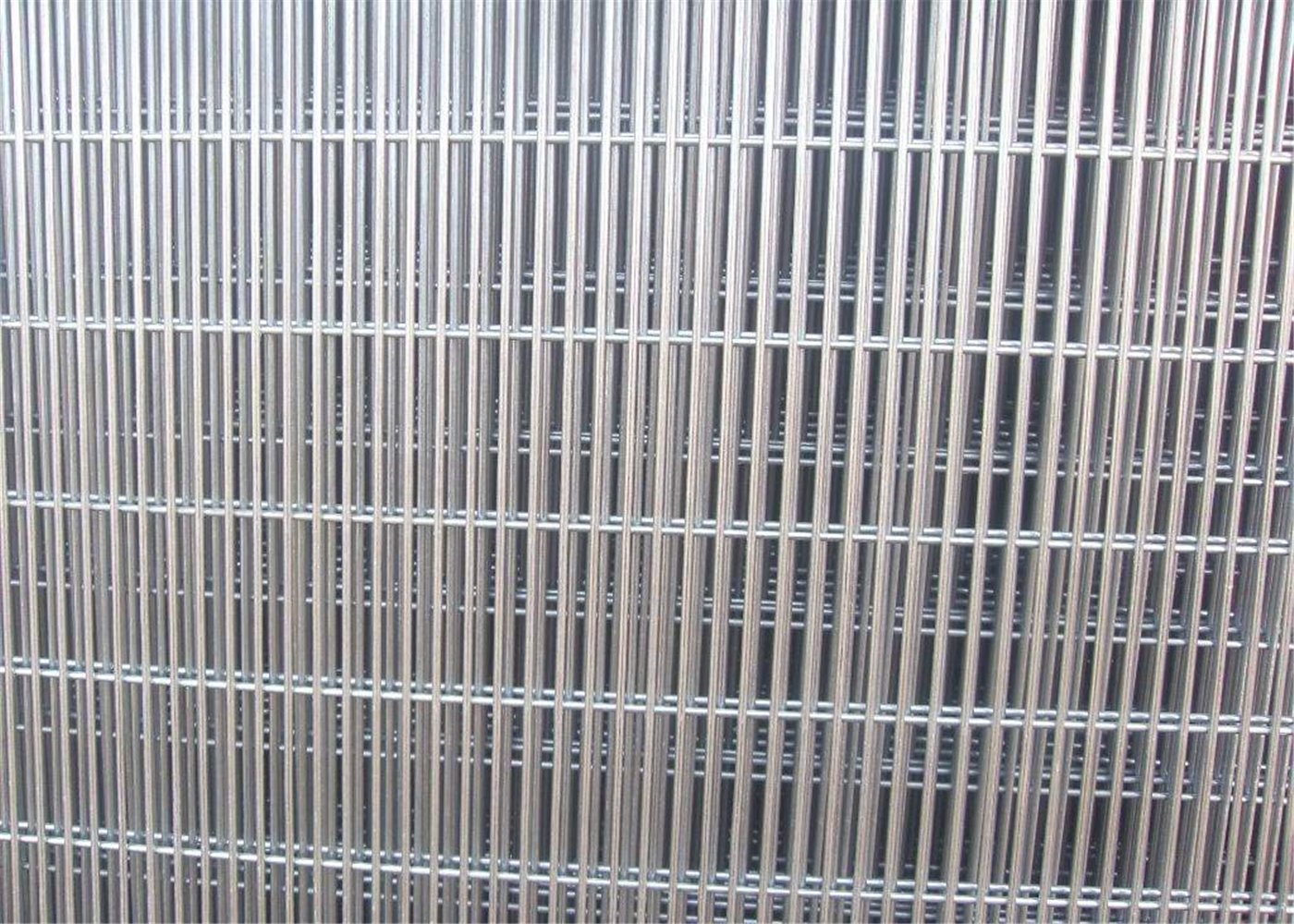
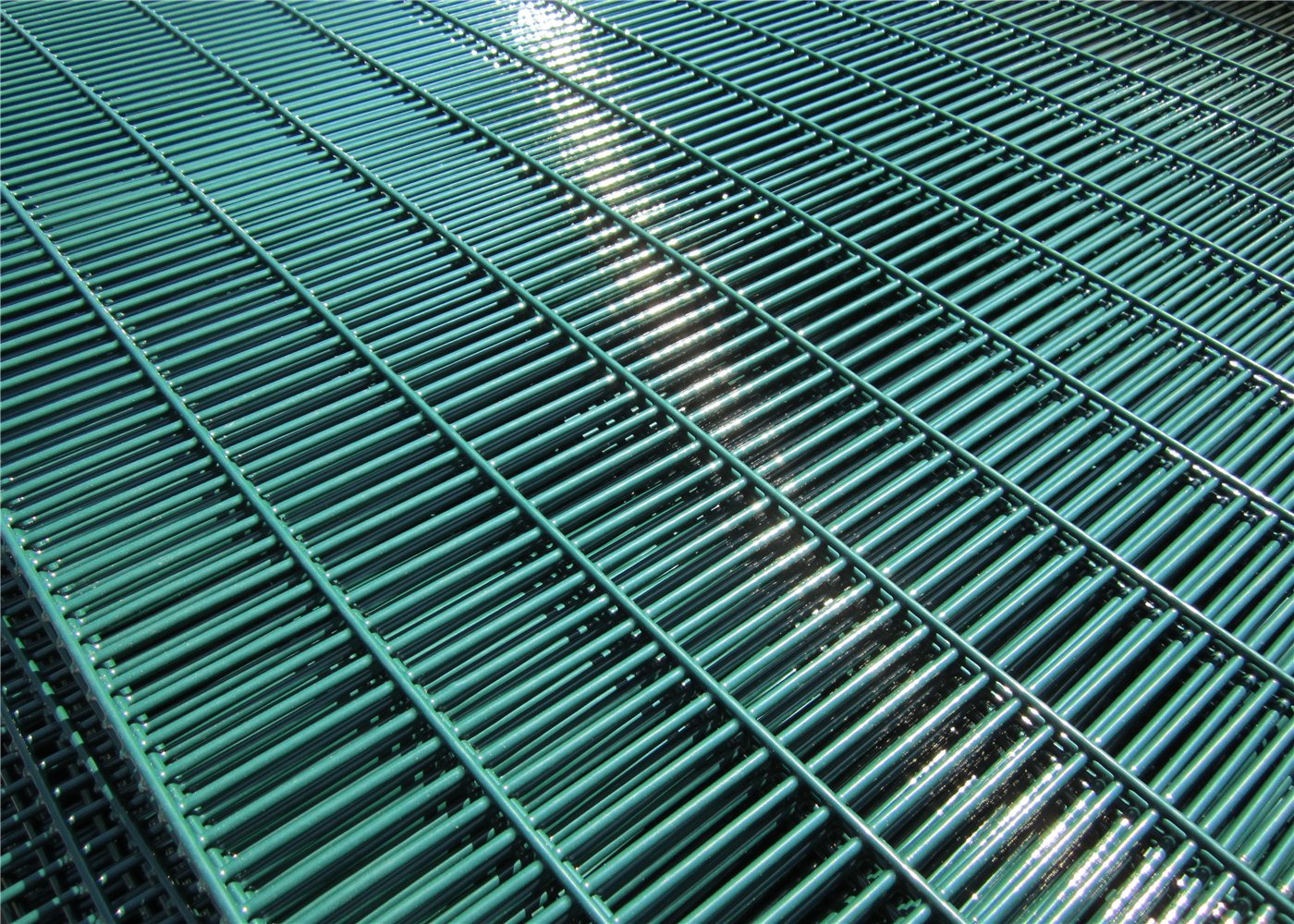
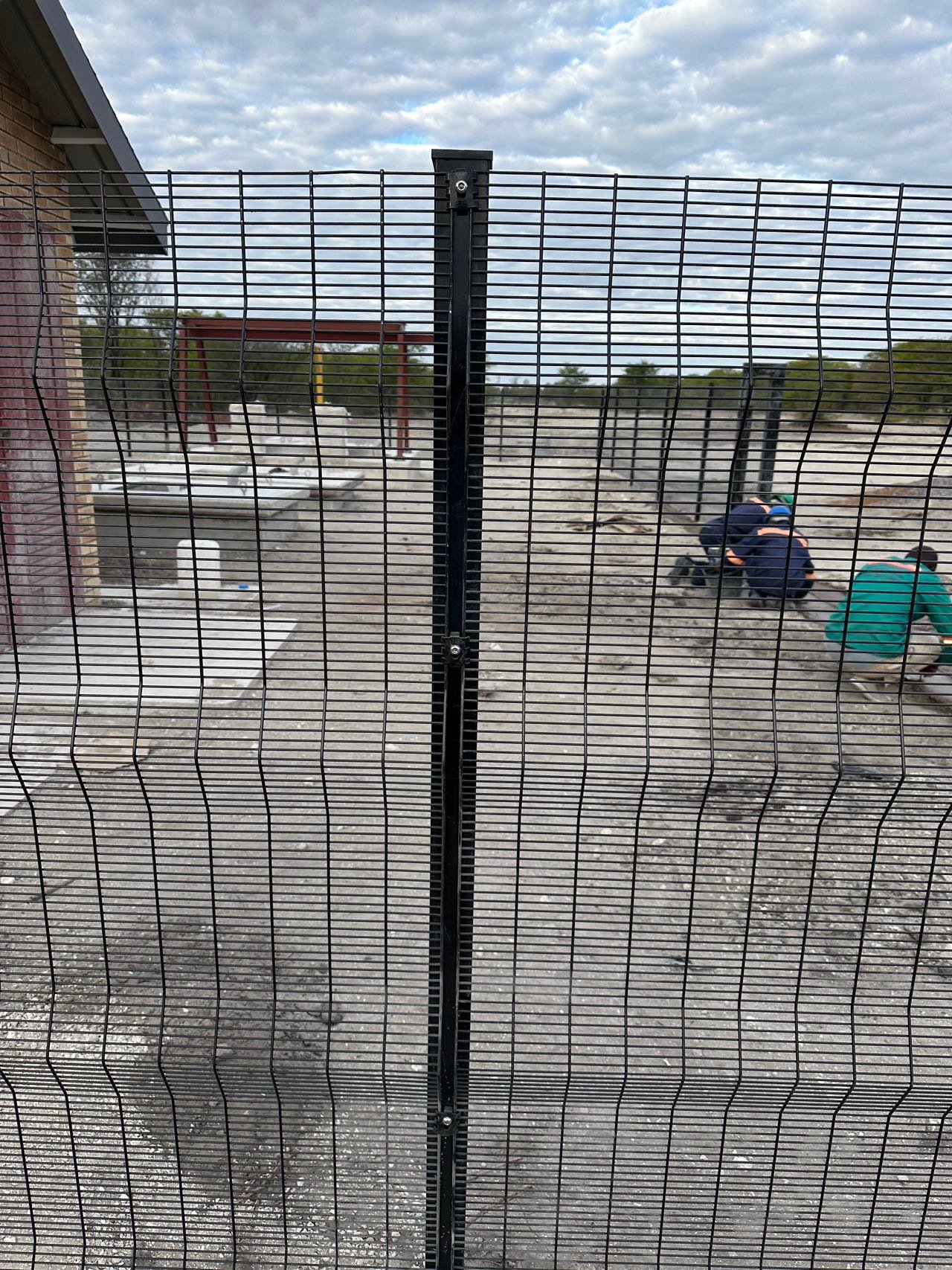
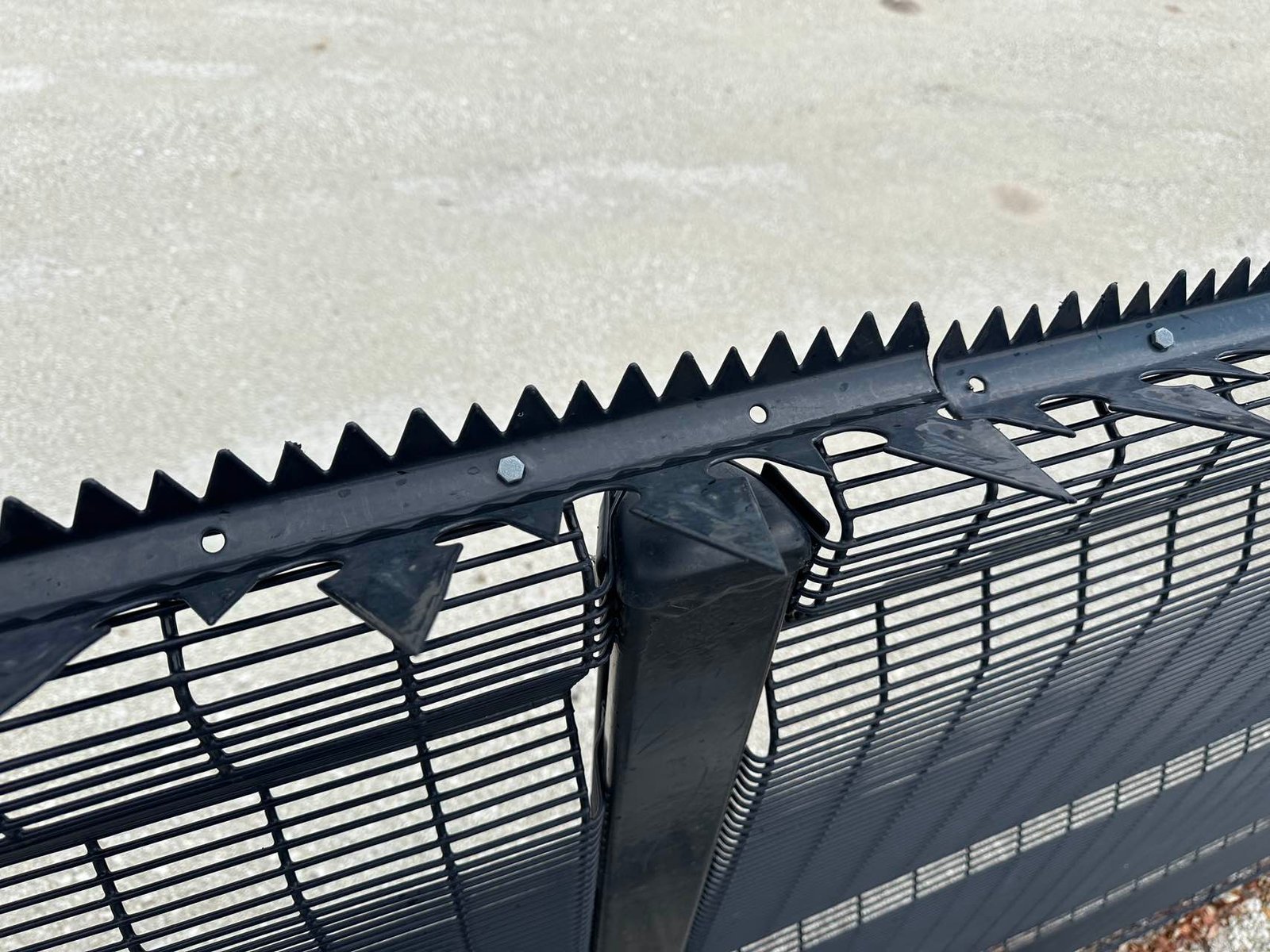
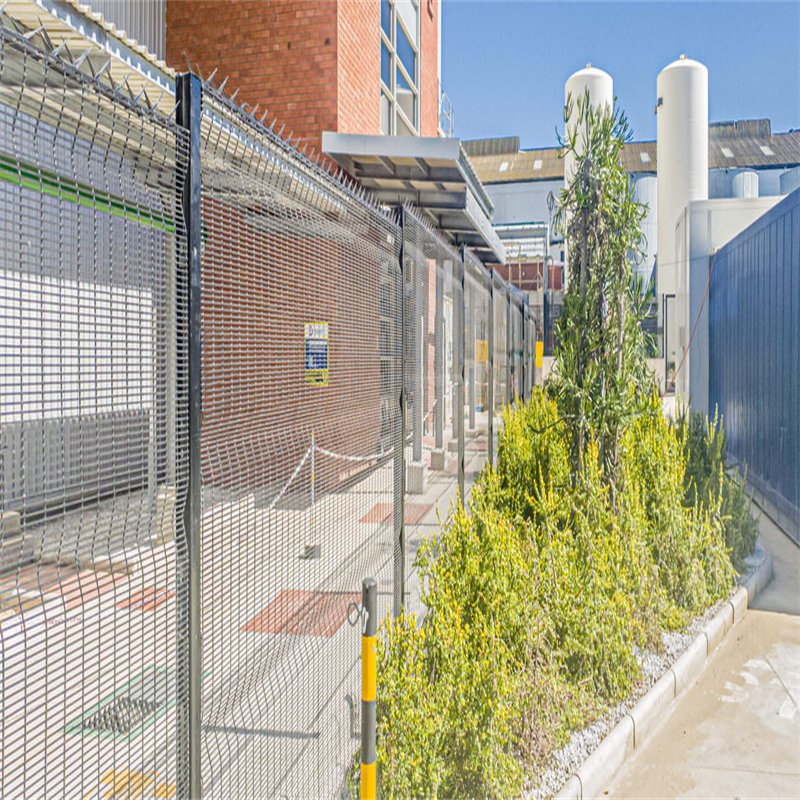
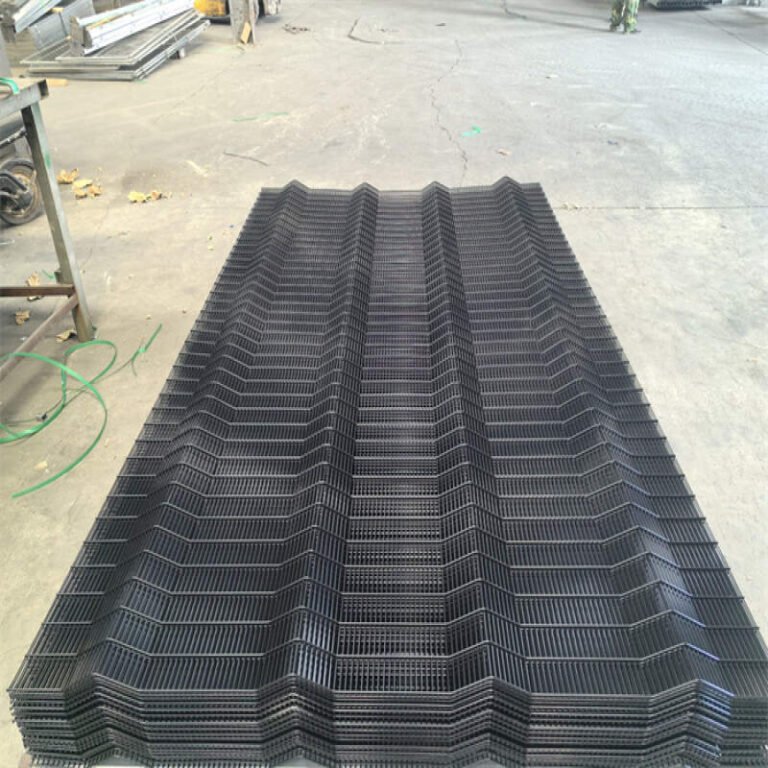
A 358 wire mesh fence uses closely spaced welded steel strands to protect a boundary while maintaining visibility. BMP manufactures mesh panels, supporting posts, and compatible fittings for industrial and commercial projects. The design discourages climbing without turning the entire perimeter into a solid wall.
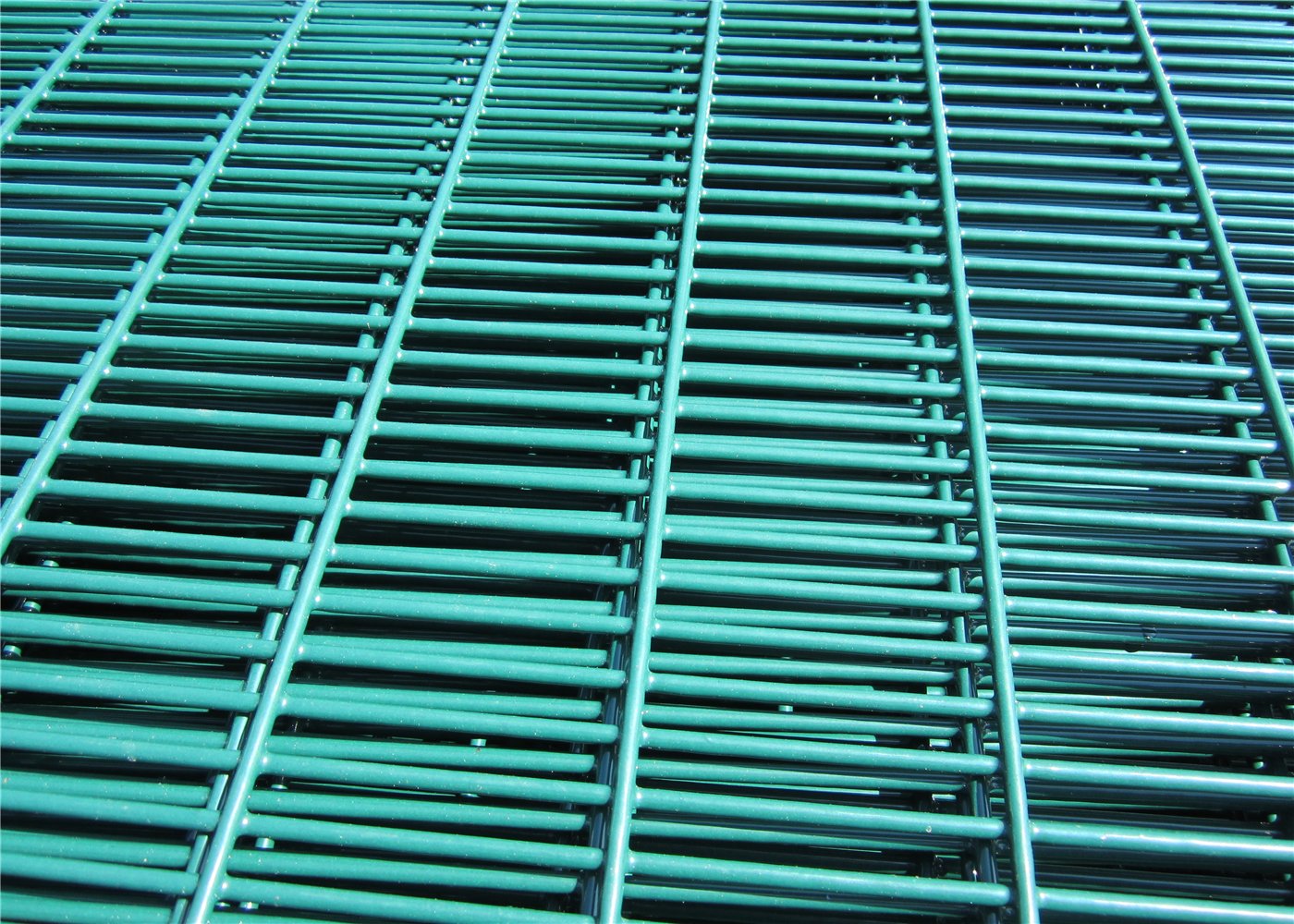
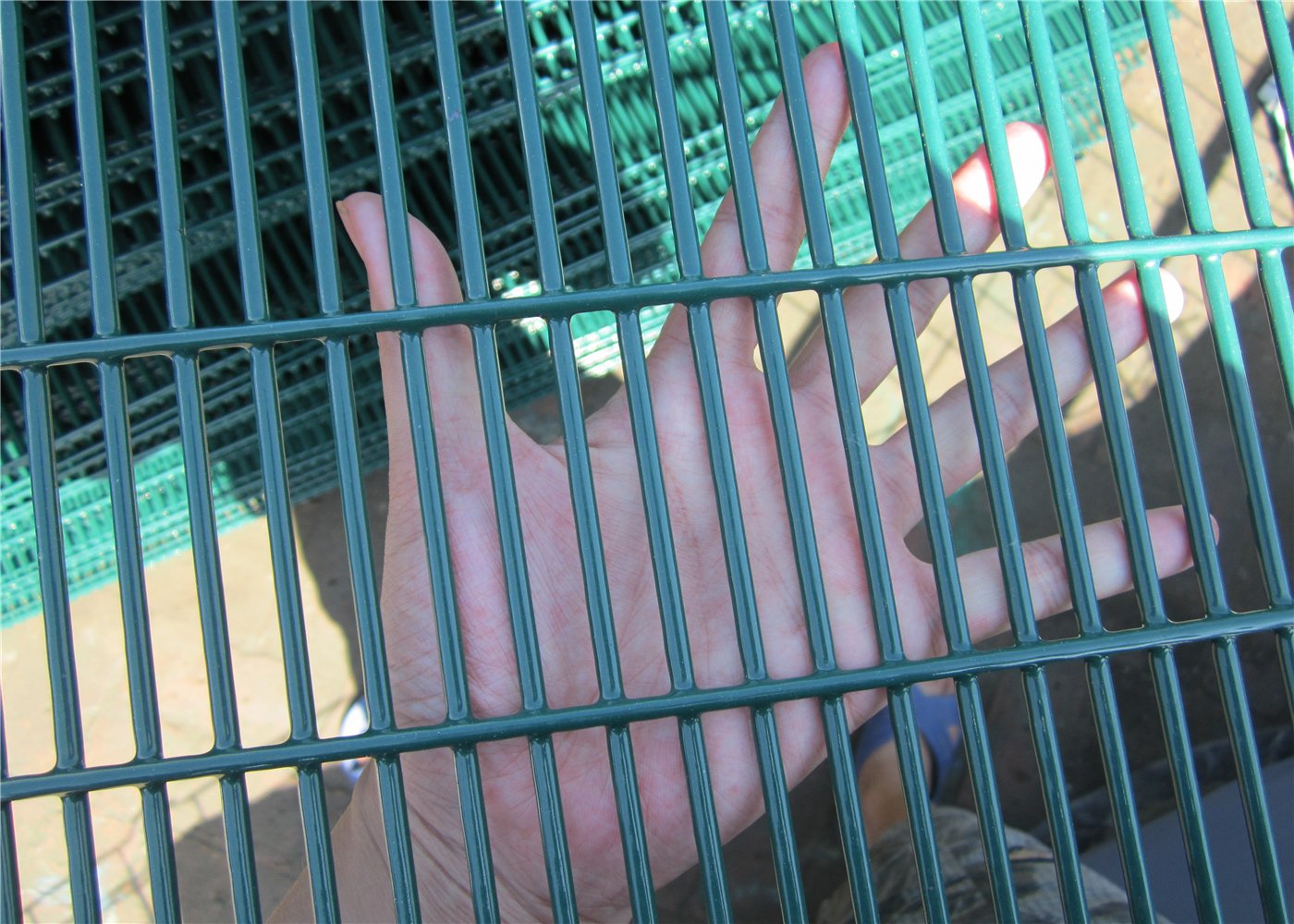
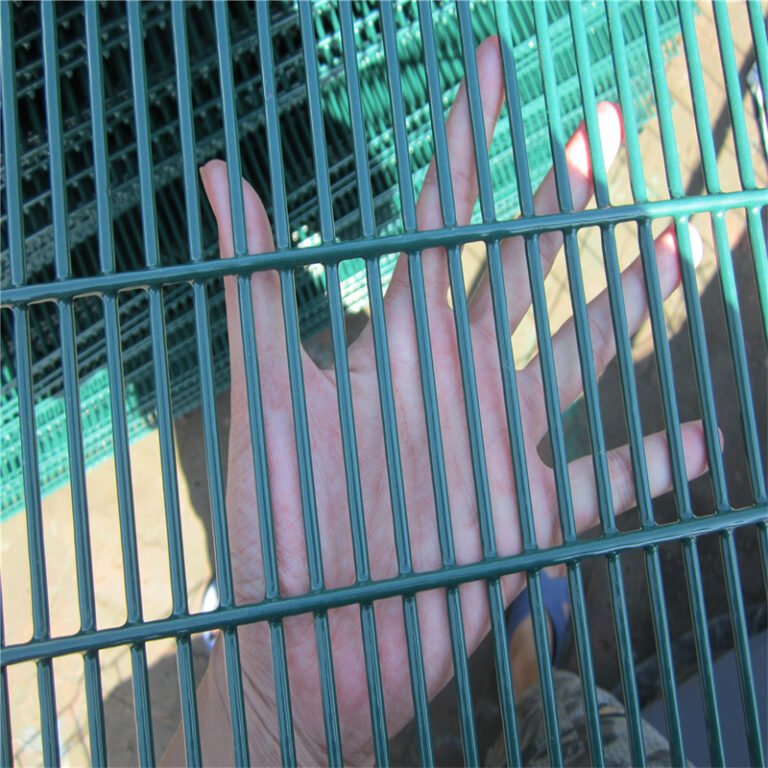
Three dimensions explain the familiar name: three inches, half an inch, and approximately eight-gauge wire. Metric references commonly use 76.2 × 12.7 mm centres with 4 mm steel. Buyers should specify these measurements on their approved production drawings.
Contractors combine Clear View Fence Panels with posts, clamps, and security gates according to each site. A strong mesh sheet cannot correct a weak gate or unsuitable foundation. Effective protection needs coordinated components and sensible inspection procedures.
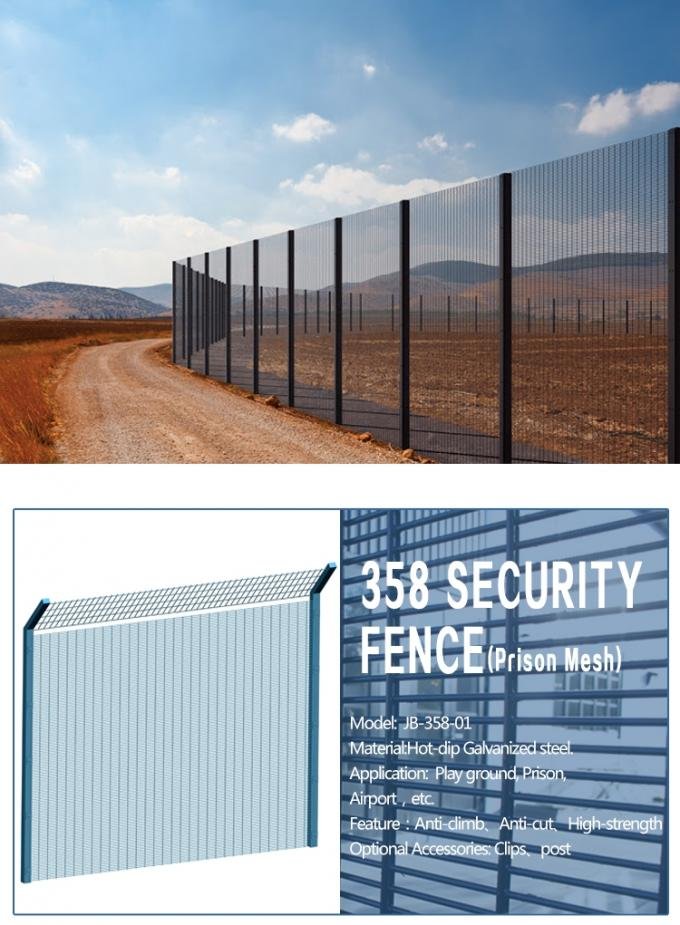 |
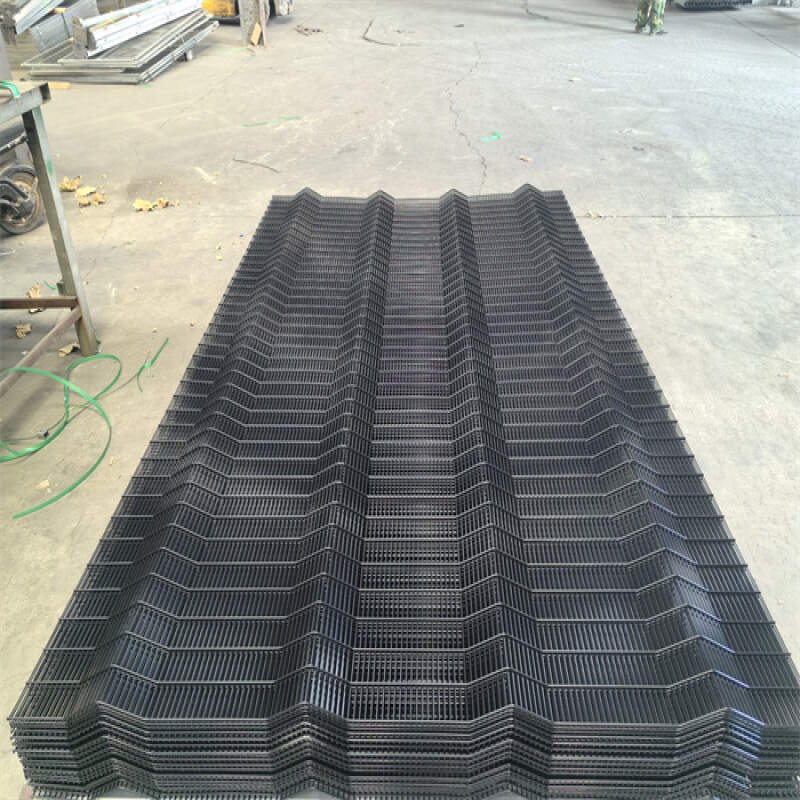
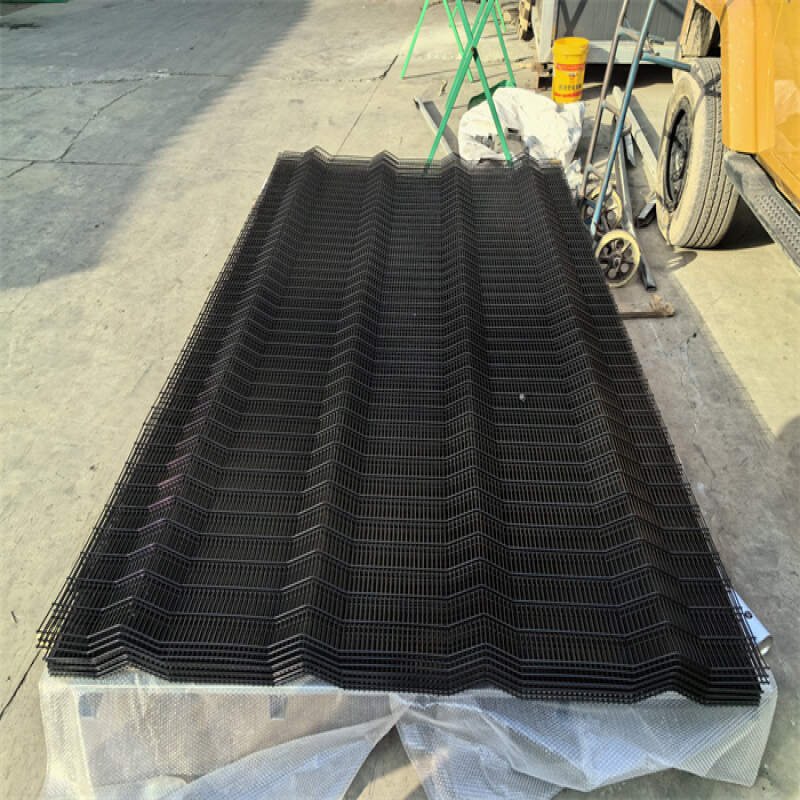
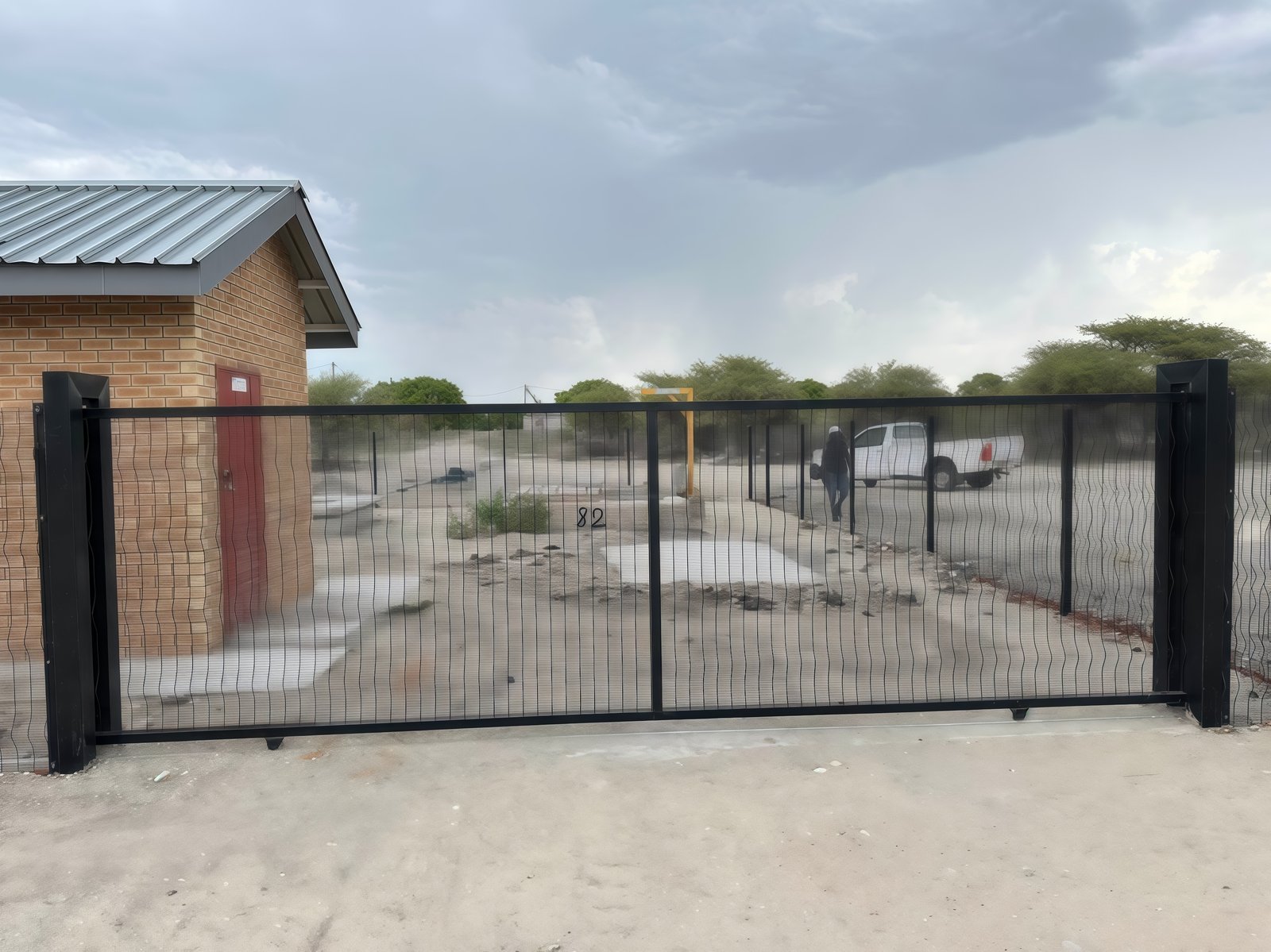
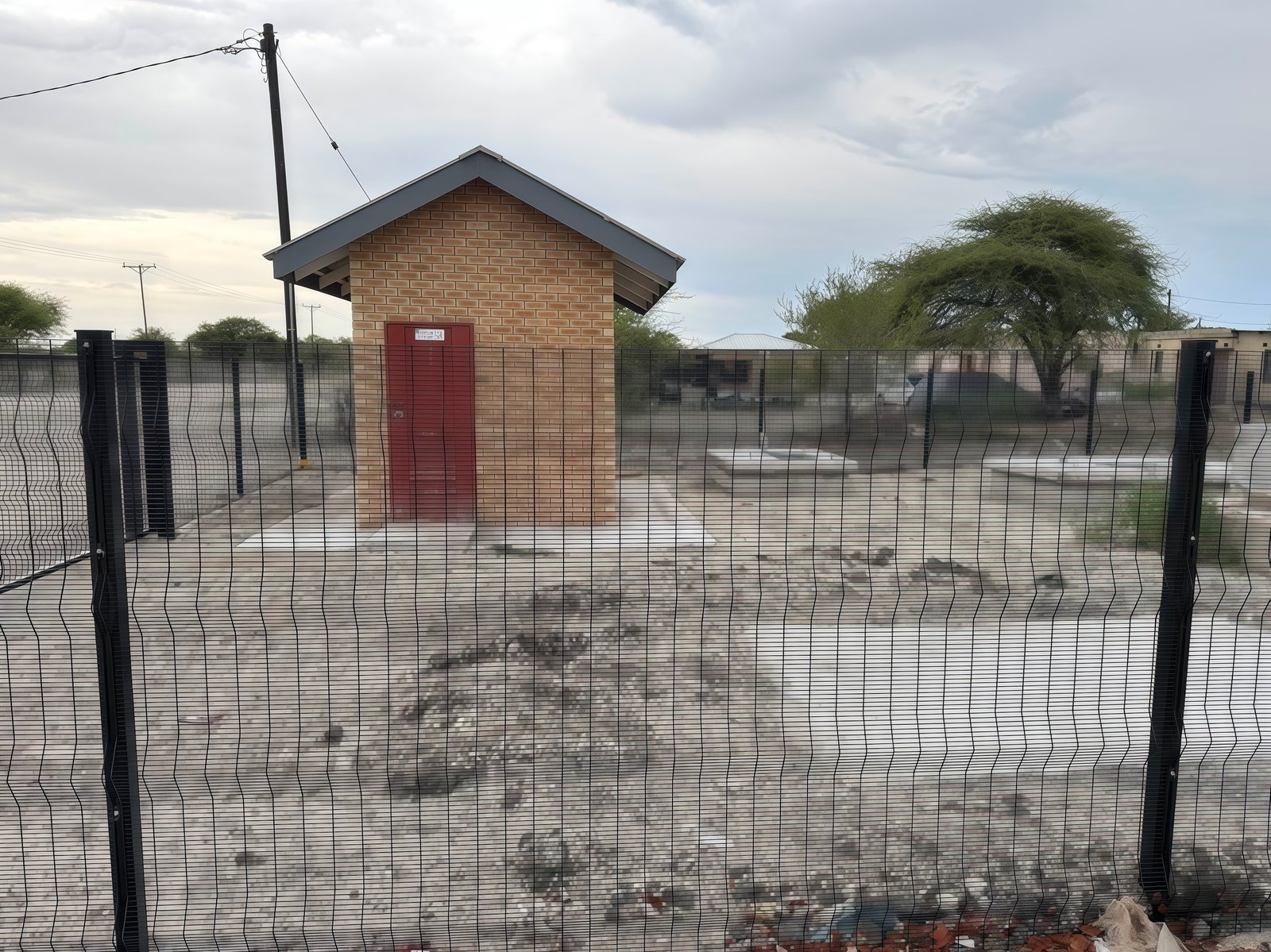
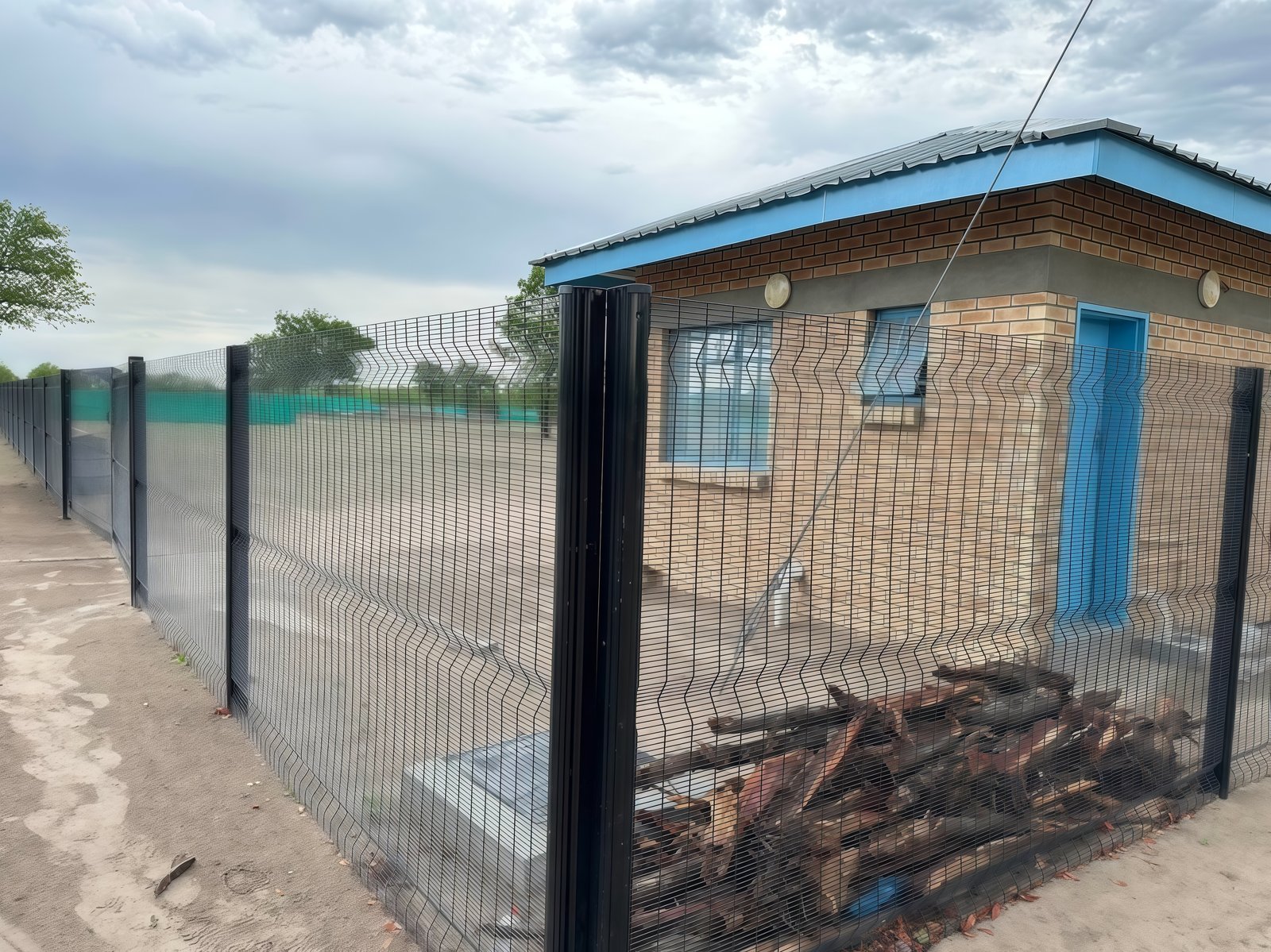
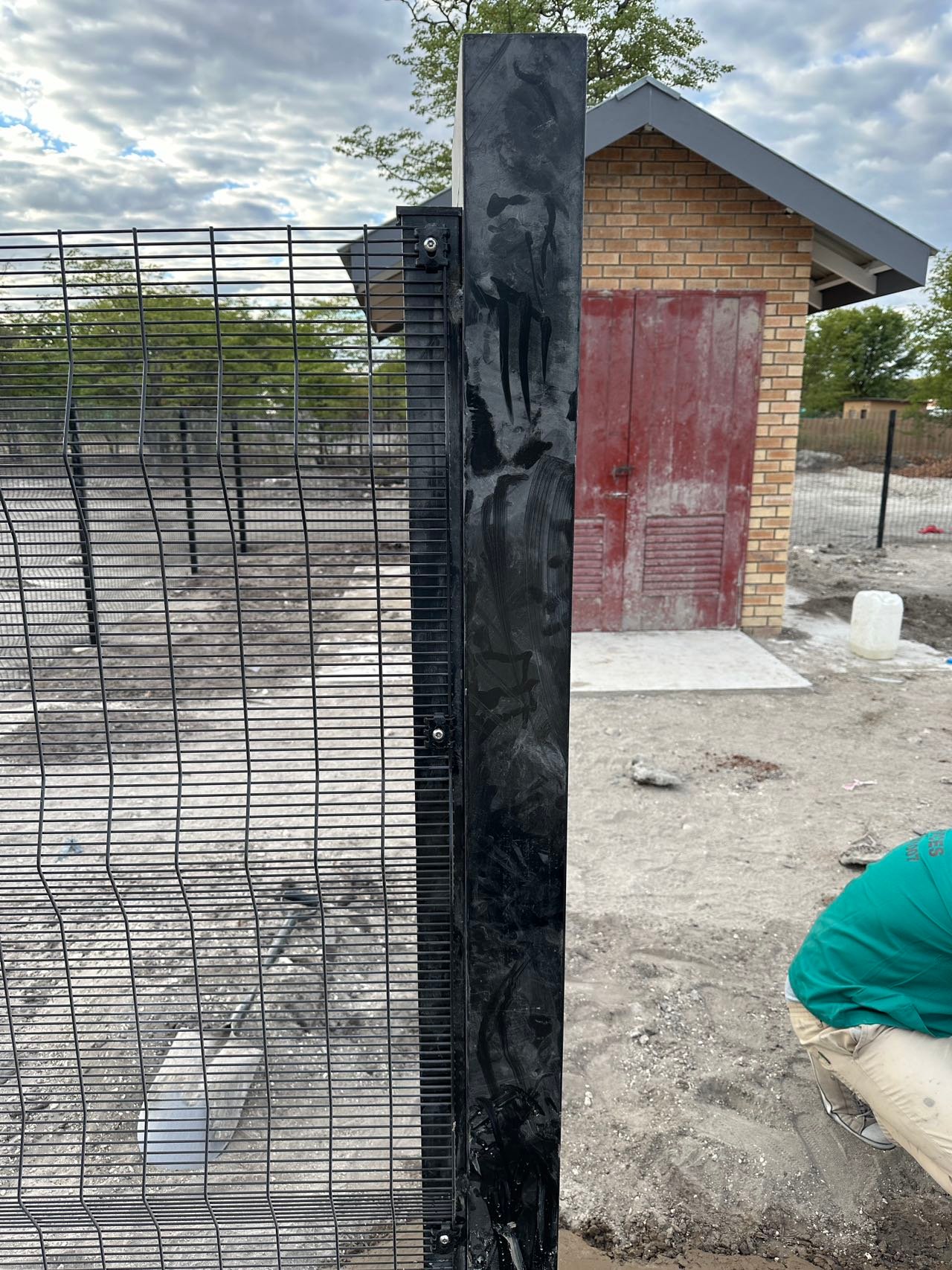
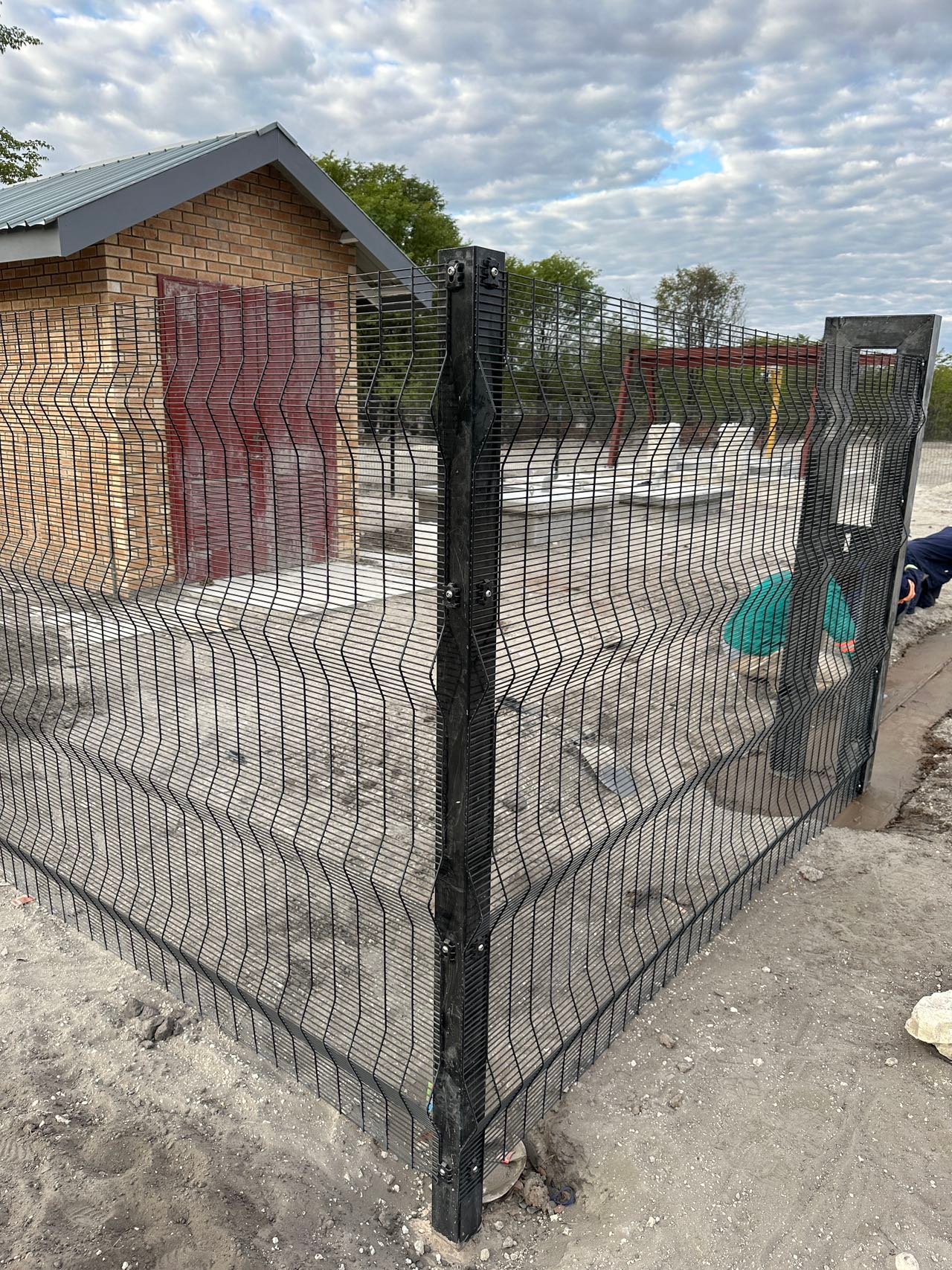
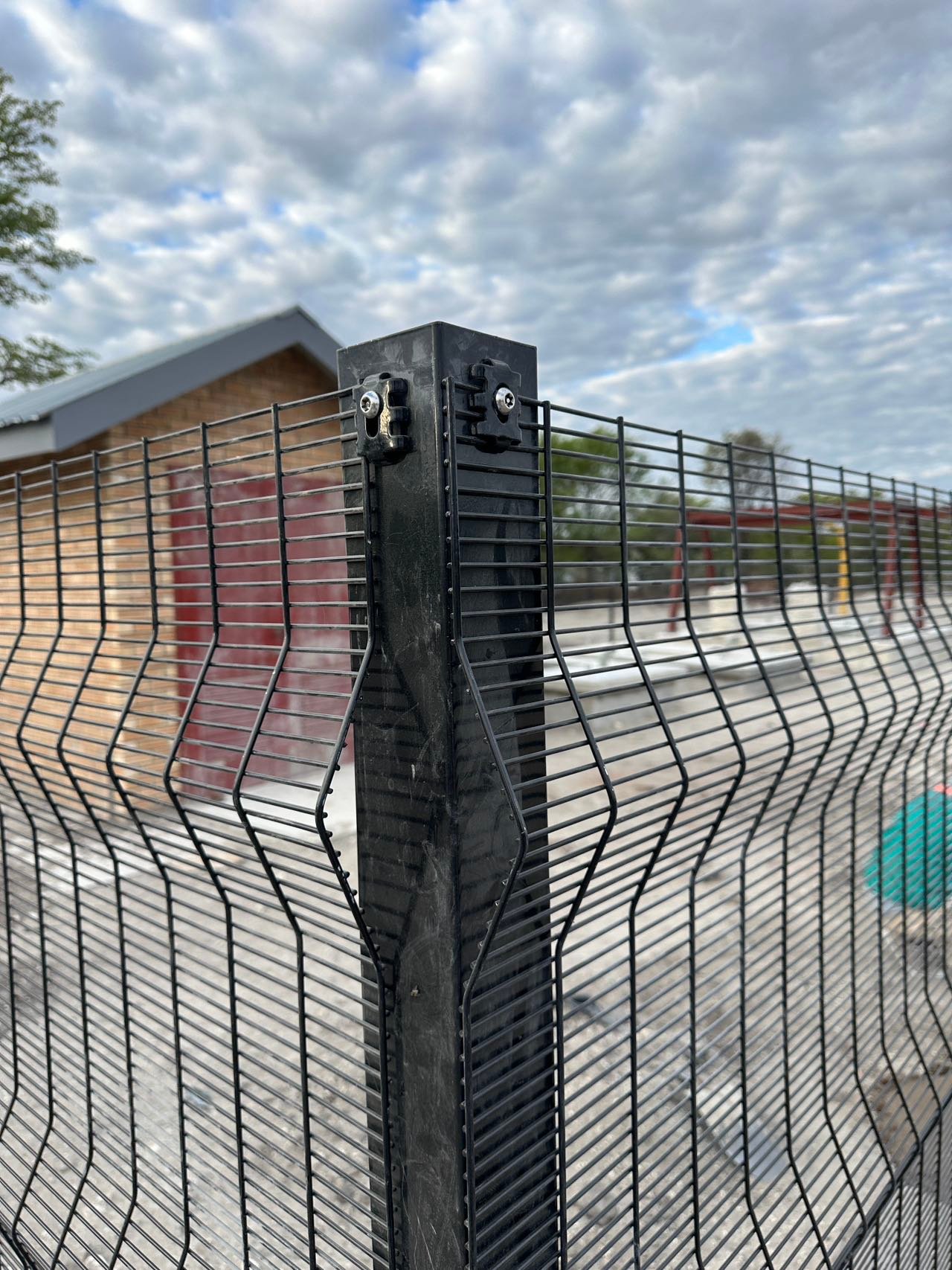
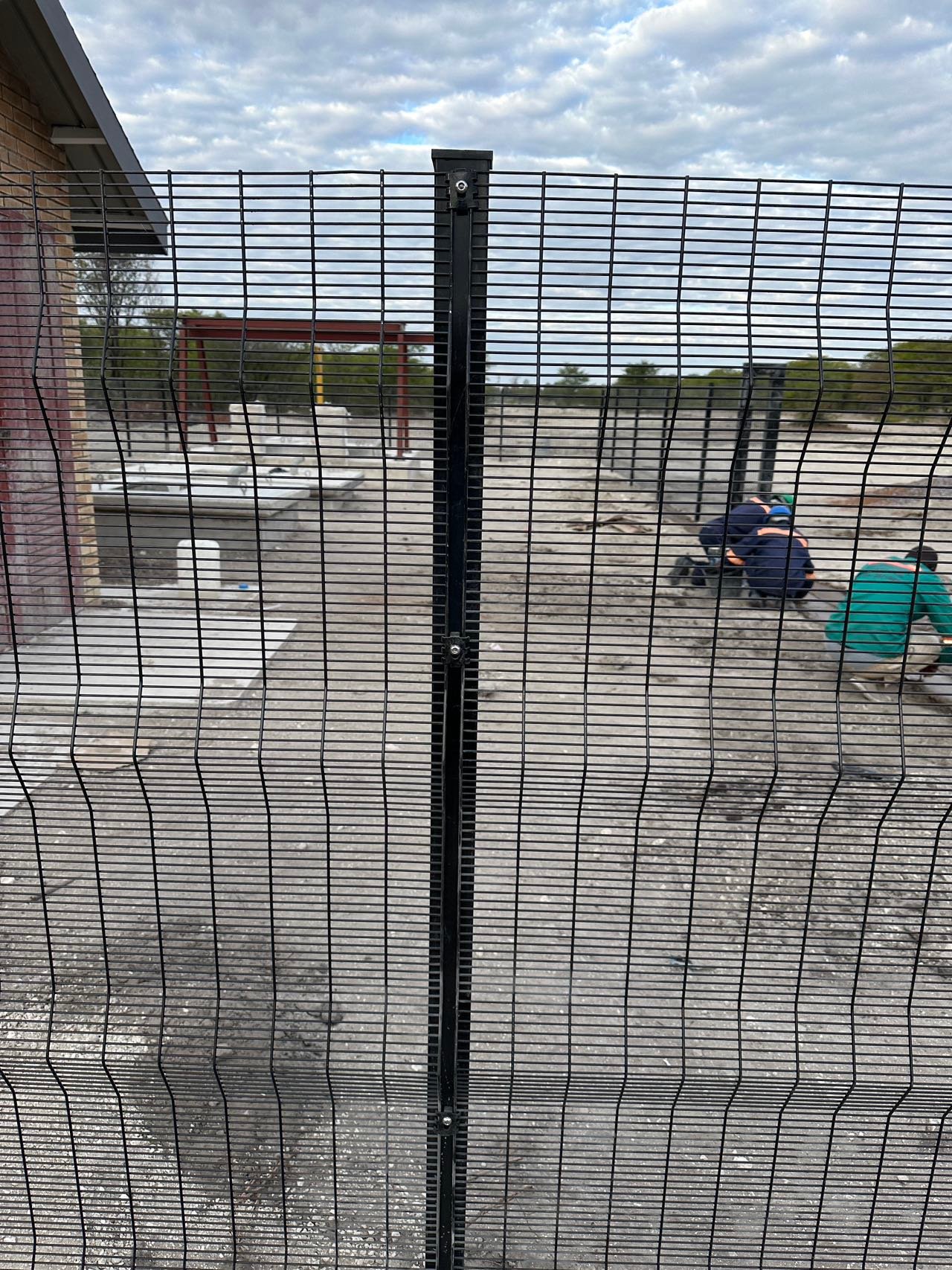
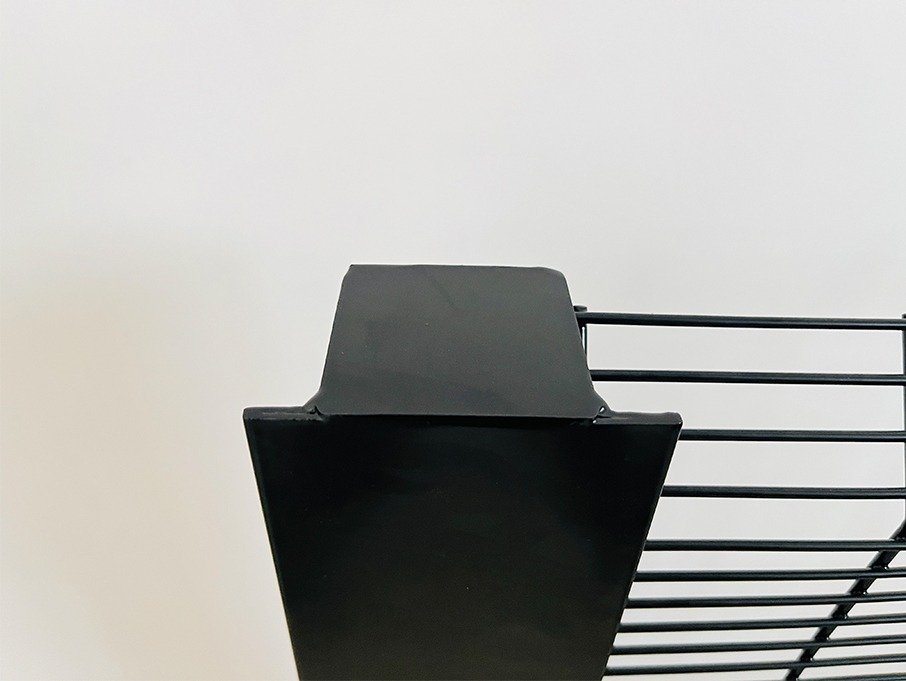
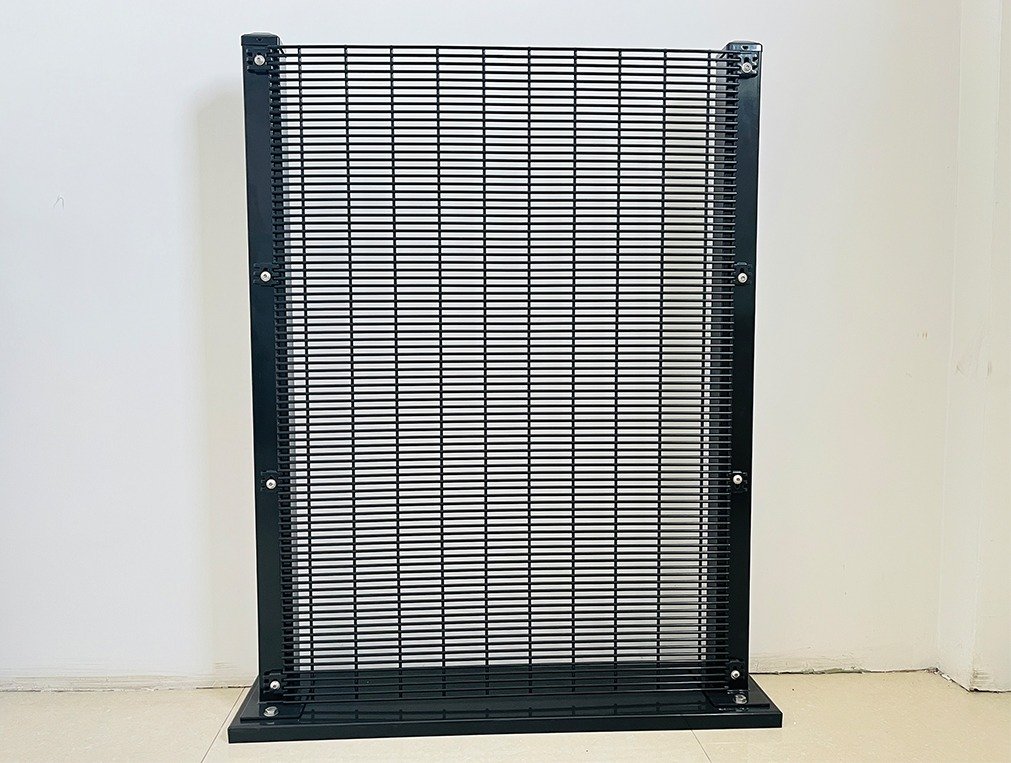
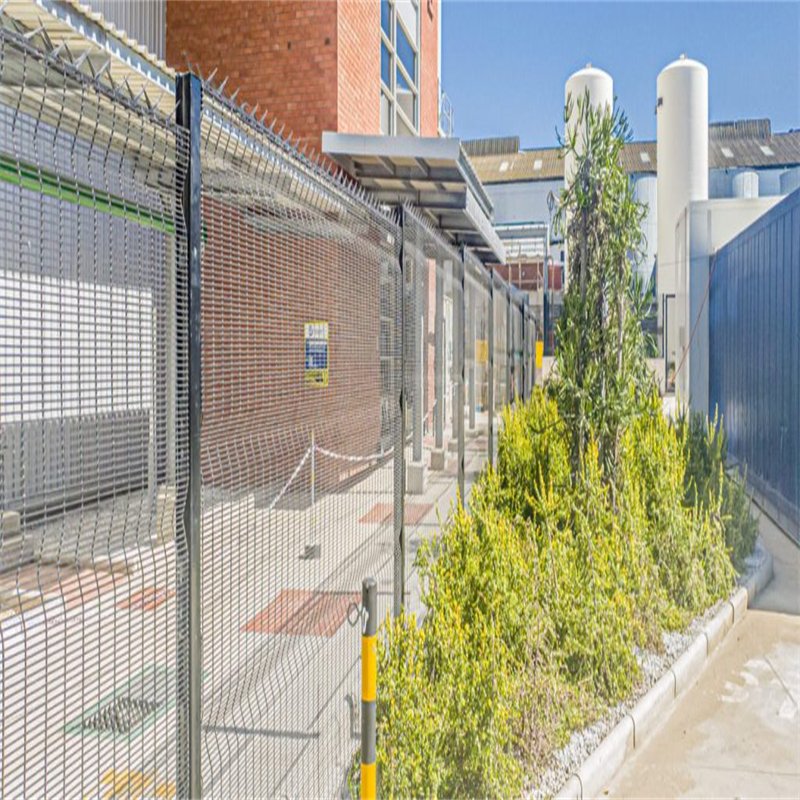
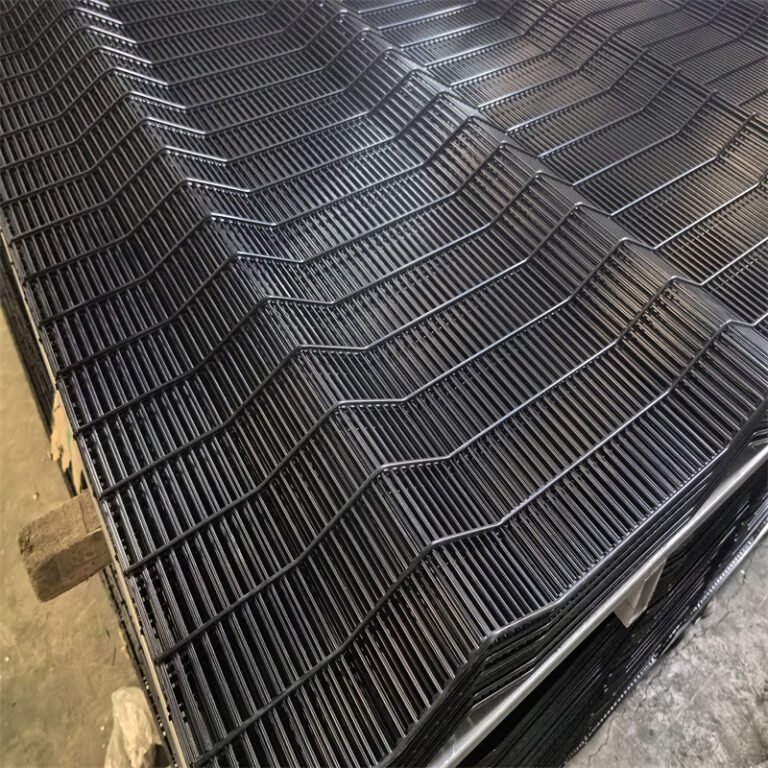
| Original BMP product photograph: closely welded anti-climb mesh used for visible security boundaries. |
358 wire mesh fence Dimensions: Centre Spacing Versus Clear Opening
Nominal pitch measures from one wire centre to the next, not between the exposed steel surfaces. With 4 mm wires, a 12.7 mm pitch leaves approximately 8.7 mm before coating allowances. The other direction also requires its own wire-diameter subtraction.
Coatings can slightly reduce the finished clear gap. Production drawings should identify wire orientation, tolerance, and final coating requirements. A product photograph cannot demonstrate dimensional compliance.
What Makes the 358 Pattern Harder to Climb?
Climbing requires usable handholds and footholds along a vertical surface. Narrow horizontal spacing restricts those contact points compared with ordinary wide-opening mesh. Welded intersections help maintain a regular, rigid grid.
The 358 Mesh Fence pattern also limits working space for certain conventional hand tools. However, no mesh prevents every attack or guarantees a particular intrusion delay. Formal protection ratings need supporting tests on the relevant assembly.
358 wire mesh fence and the Difference Between Anti-Climb and Anti-Cut
Anti-climb describes how geometry reduces convenient grips on the fence surface. Cut resistance concerns wire strength, accessibility, and the tools involved. Those properties overlap but do not prove identical performance.
Wire grade, welded joints, and panel support all influence the finished barrier. Buyers should request material details instead of relying on absolute marketing claims. Independent testing becomes important when a contract names a security rating.
Visibility Does Not Equal Verified CCTV Coverage
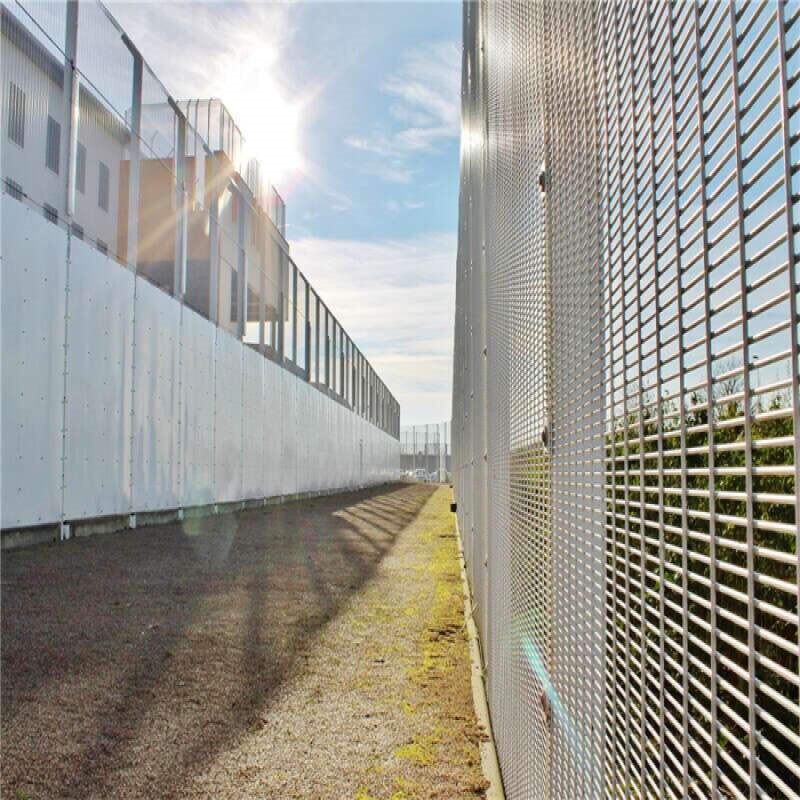
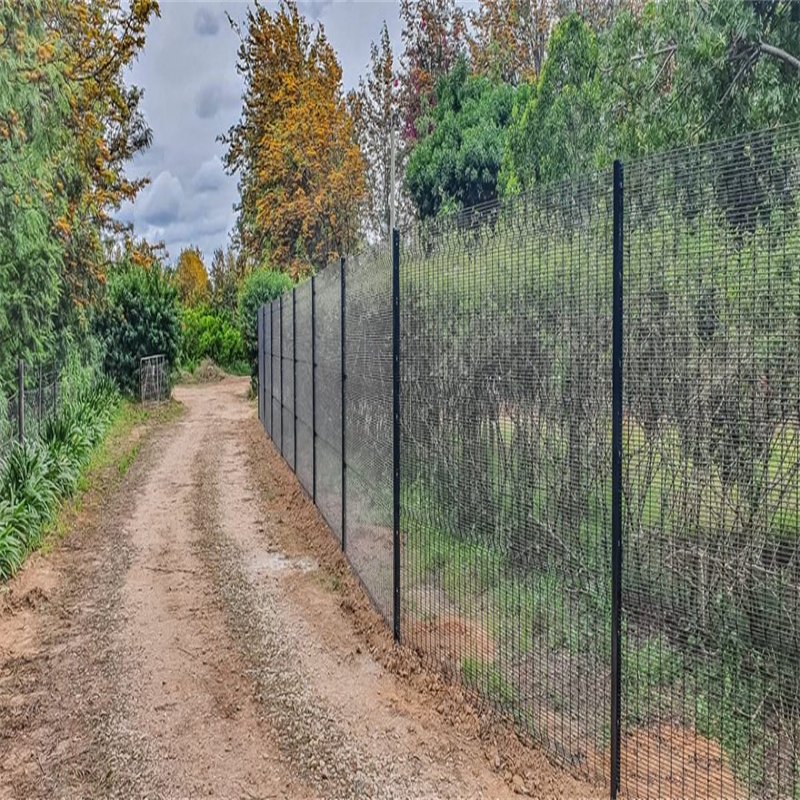
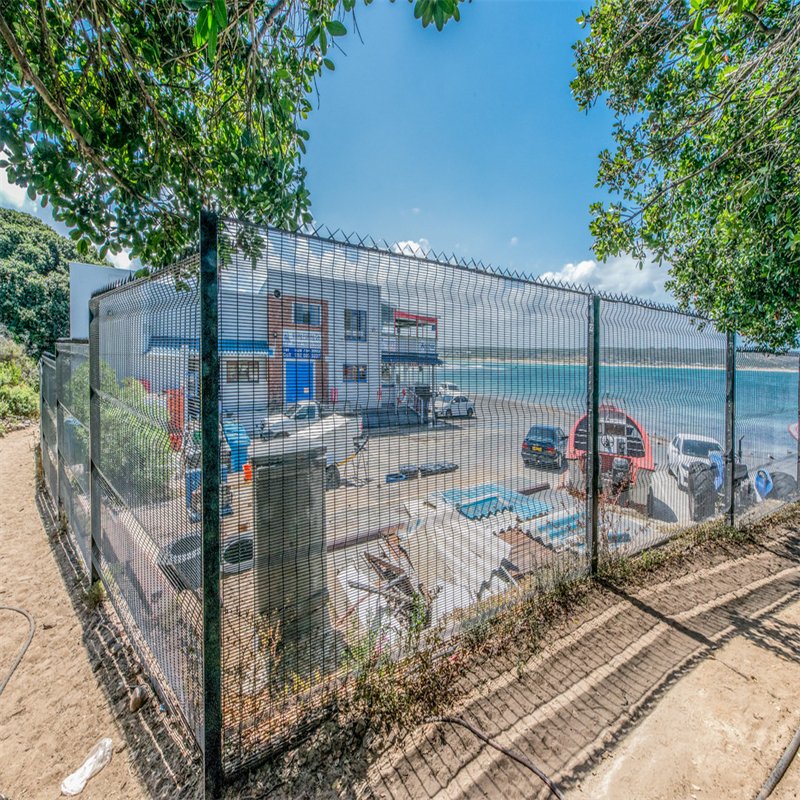
Open welded mesh lets guards observe movement through many portions of a boundary. Camera positioning still determines whether operators can identify an approaching person. Lighting, vegetation, parked vehicles, and gates create additional viewing constraints.
A universal percentage for see-through visibility needs a defined optical measurement. The original 85–90% claim lacks that supporting method. Project teams should evaluate camera views on the actual site.
358 wire mesh fence Specification: Original BMP Reference
The source includes six panel rows with 4 mm wire and one nominal grid. Each row also states a post section, overall post length, and clamp-bar quantities. All six original dimensions appear below without silently correcting the catalogue.
| Wire Diameter |
Mesh Centres |
Panel Height × Width (mm) |
Post Section (mm) |
Overall Post Length (mm) |
Intermediate Clamp Bars |
Corner Clamp Bars |
| 4 mm |
12.7 × 76.2 mm |
2007 × 2515 |
60 × 60 × 2.5 |
2700 |
7 |
14 |
| 4 mm |
12.7 × 76.2 mm |
2004 × 2515 |
60 × 60 × 2.5 |
3100 |
9 |
18 |
| 4 mm |
12.7 × 76.2 mm |
2997 × 2515 |
80 × 80 × 2.5 |
3800 |
11 |
22 |
| 4 mm |
12.7 × 76.2 mm |
3302 × 2515 |
80 × 80 × 2.5 |
4200 |
12 |
24 |
| 4 mm |
12.7 × 76.2 mm |
3607 × 2515 |
100 × 60 × 3.0 |
4500 |
13 |
26 |
| 4 mm |
12.7 × 76.2 mm |
3607 × 2515 |
100 × 100 × 3.0 |
4500 |
13 |
26 |
The second row lists a 2004 mm panel alongside a 3100 mm post and nine intermediate clamp bars. Those values might represent different design assumptions, but the source does not resolve them. Request an updated shop drawing before ordering that configuration.
358 wire mesh fence Width and Installed Bay Spacing
The original schedule uses 2515 mm panel width across all six rows. Finished bay spacing also depends on clamps, overlaps, and post profiles. Contractors should not substitute nominal panel width for post-centre distance automatically.
Related ClearVu Fence Panels include other widths and wire grades. Mixing unrelated component drawings can create installation gaps. One approved material schedule should control the order.
Clamp Bars, Intermediate Supports, and Corners
Each catalogue corner count doubles its matching intermediate clamp-bar count. The figures describe the source's two-direction fixing arrangement. Different post profiles may need another distribution of plates and bolts.
Count corner, end, intermediate, and gate positions separately. Double-check bolt lengths against the actual steel section. A small fastener shortage can delay an otherwise complete delivery.
How BMP Welds a Consistent Security Panel
Reliable fabrication starts with suitable incoming wire and accurate straightening. Operators cut strands to length and arrange them at the specified pitch. Controlled resistance welding creates intersections throughout the steel grid.
Inspectors should check distortion, broken welds, and finished panel dimensions before coating. A strong-looking joint cannot establish a specific weld-strength rating without testing. Material records and production checks should identify the inspected batch.
358 wire mesh fence Welding Quality and Sample Inspection
Measure wire diameter in both directions at agreed sample locations. Check the narrow pitch across the centre and near the panel edges. A warped sheet may complicate clamp alignment despite acceptable wire dimensions.
Look for damaged intersections, sharp projections, and inconsistent edge trimming. Document defects before applying the selected protective finish. Clear acceptance criteria make factory inspections more useful.
Flat 2D Mesh and V-Bend Alternatives
Flat panels offer a relatively uniform face with a straightforward attachment edge. V-bend designs introduce formed geometry that can improve panel rigidity. Their bend depth and placement need separate drawings.
High Security Clear View Fence configurations may use different steel grades or reinforcement strategies. Buyers should distinguish appearance from independently verified strength. Select panel geometry around the complete project requirements.
358 wire mesh fence Posts and Connection Choices
Supporting steel transfers fence loads into the foundations. A standard panel needs compatible holes, fixing bars, and suitable post capacity. Height and wind exposure influence structural requirements.
The source lists 60 × 60, 60 × 80, 80 × 80, 80 × 100, and 100 × 100 mm hollow sections. It also includes a 64 × 83 mm C-profile option. The rectangular sections should not inherit a square-post description.
| Source Post Family |
Reference Section |
Important Design Check |
| SHS |
60 × 60 / 80 × 80 / 100 × 100 mm |
Wall thickness and clamp pitch |
| RHS |
60 × 80 / 80 × 100 mm |
Fixing face and directional capacity |
| C-profile |
64 × 83 mm |
Flat-bar size and fastening access |
| Other engineered options |
Subject to approved drawing |
Post length, section and foundation design |
358 wire mesh fence Square and Rectangular Post Connections
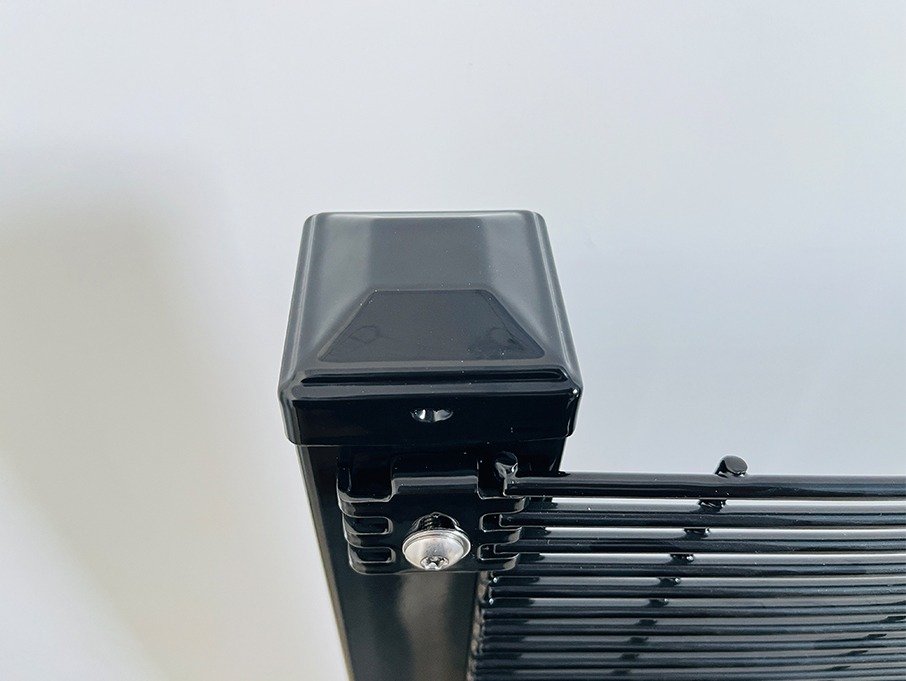
Clear View Fence Post configurations offer hollow steel profiles for different panel arrangements. Square faces can support compatible individual clamps or continuous bars. Rectangular supports require attention to installation orientation.
Every connection needs suitable edge distance and bolt access. Protective caps can help limit moisture entry into hollow sections. Foundation requirements still depend on project engineering.
IPE and C-Profile Support Alternatives
An ClearVu Fencing IPE Post introduces different flange and web geometry. C-profile posts likewise need matching attachment bars and drilled locations. Nominal outside dimensions alone cannot guarantee fit.
Installers should assemble one sample with the selected post and hardware. Verify every hole before fabricating the full order. Avoid unnecessary drilling after powder coating.
Security Clamps and Tamper-Resistant Hardware
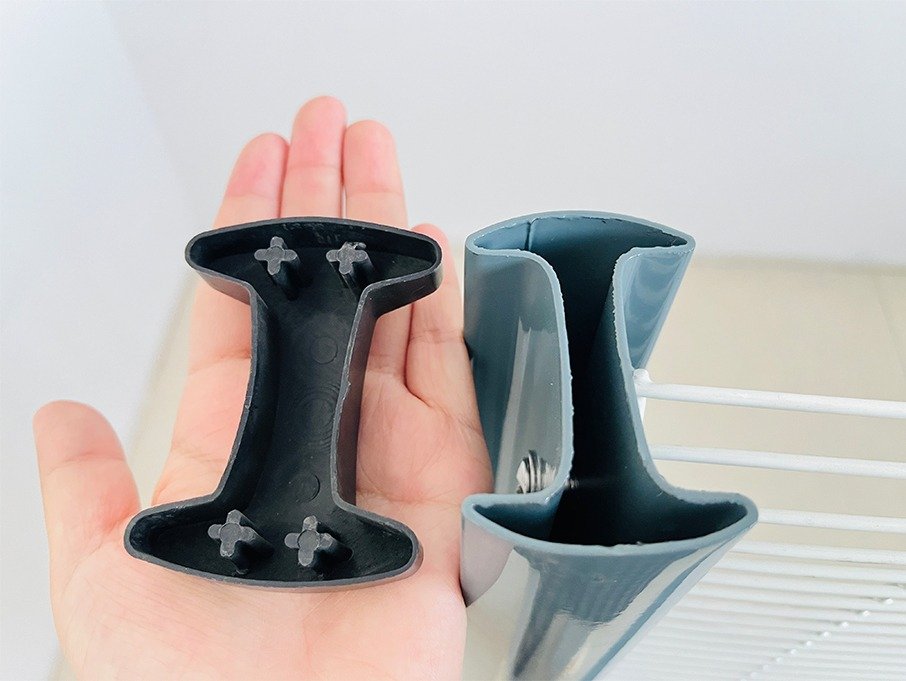
ClearVu Fence Clamps include options for different connection patterns. A secure bolt head can discourage casual tampering. Connection strength still depends on the plate, post, and installation quality.
Inspect bolt engagement and contact pressure during sample assembly. Corners and terminal posts may use additional hardware. Keep replacement fittings identifiable in the packing list.
358 wire mesh fence Coating Options for Outdoor Sites
The original source lists hot-dip galvanizing, electrogalvanizing, and powder finishing. These processes provide different protective systems and acceptance requirements. Buyers should specify one manufacturing route clearly.
Galvanizing introduces a metallic zinc layer, while a compatible polymer finish adds colour and surface protection. Neither treatment eliminates the need for coating inspections. Welds, edges, and fixing holes deserve particular attention.
| Finish Option |
Typical Construction |
Factory Confirmation |
| Pre-galvanized wire plus coating |
Zinc-coated wire, welding, compatible polymer finish |
Weld-area protection and film adhesion |
| Hot-dip galvanizing after welding |
Suitable welded assembly receives batch galvanizing |
Process suitability and zinc thickness |
| Electrogalvanized finish |
Electrodeposited zinc under approved process |
Coating mass, coverage and test method |
| Powder-coated option |
Compatible prepared steel with exterior polymer coat |
Pretreatment, colour and dry-film measurement |
358 wire mesh fence in Green, Black, White, and Other Colours
The source lists green, blue, black, white, yellow, and red as available colour families. Exact shade selection should use an approved RAL reference. One colour code does not prove a particular corrosion specification.
Powder Coated Clear View Fence options may include different zinc and polymer combinations. Request coating data for the selected substrate. Film thickness and adhesion need their own acceptance criteria.
Coastal Salt, Inland Dust, and Drainage
Durban port properties can encounter salt-bearing air and marine moisture. Coastal operators should inspect lower edges, bolts, and exposed coating damage regularly. The chosen system must suit actual exposure.
Johannesburg industrial yards generally face inland dust and seasonal rainfall instead. Poor drainage can still trap moisture around post bases. Maintenance planning should reflect the local site rather than broad marketing promises.
358 wire mesh fence Applications Beyond Correctional Sites
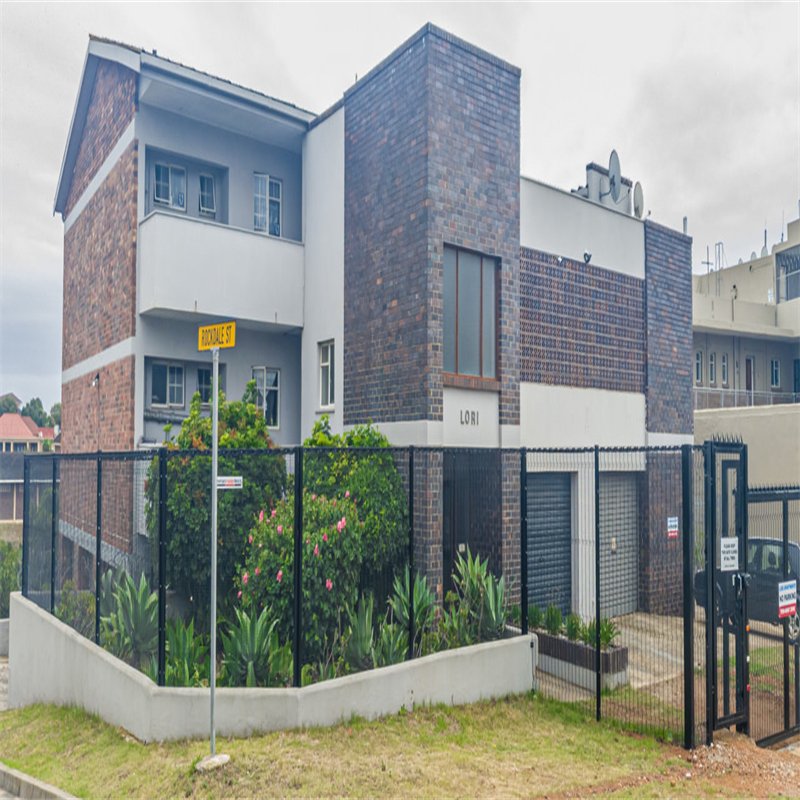
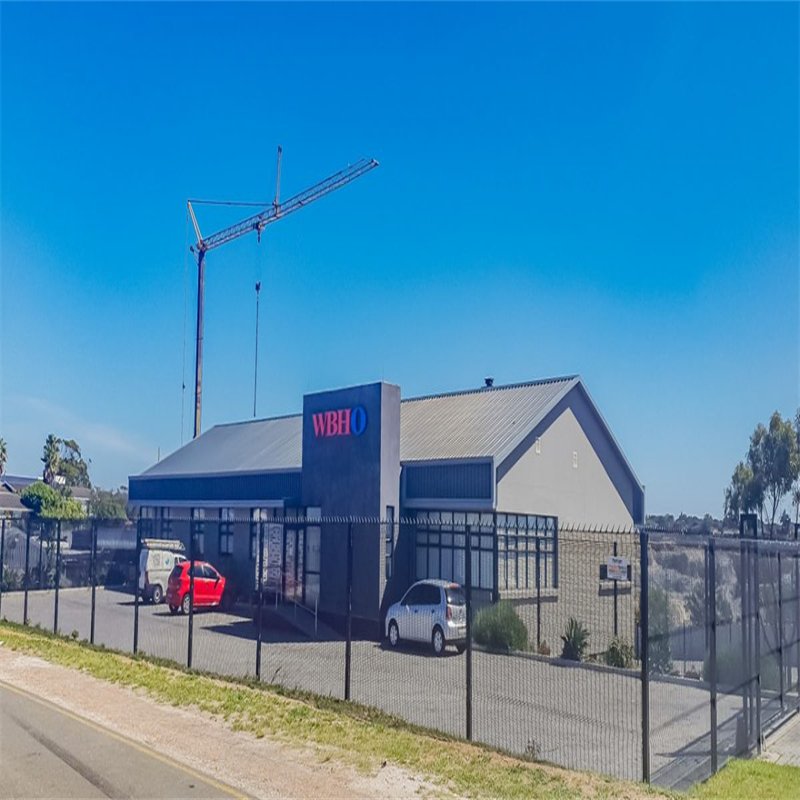
Correctional facilities represent one security application, but welded mesh also serves warehouses, workshops, schools, and selected utility compounds. Different locations need distinct access rules and safety details. A project brief should identify the protected activity before selecting panels.
| Project Setting |
Main Perimeter Objective |
Design Consideration |
| Warehouses and workshops |
Define controlled storage and movement zones |
Vehicle routes and service gates |
| Road and railway compounds |
Separate equipment from public access |
Visibility and operator safety |
| Airports and secure facilities |
Support controlled access and monitoring |
Independent security requirements |
| Schools and medical campuses |
Manage pedestrian entry |
Safe edges and emergency access |
| Residential estates |
Define boundaries with open sightlines |
Gate control and landscaping |
| Industrial and farm properties |
Protect selected equipment and work areas |
Exposure, slopes, and maintenance routes |
358 wire mesh fence for Workshops and Machinery Zones
Warehouse boundaries can separate public visitors from loading and storage operations. Workshop partitions may need different guards from outdoor perimeter fencing. Machine safety compliance requires its own hazard assessment.
Keep stored pallets away from security mesh where practical. Elevated materials can create footholds or obstruct cameras. Traffic protection may also be necessary near exposed posts.
Schools, Medical Facilities, and Public Safety
Schools need reliable visitor entrances and safe pedestrian movement. Medical facilities may require controlled access without creating isolated approaches. Fence geometry should support the operational plan rather than dictate it.
Sharp security toppings can introduce hazards near children or vulnerable people. Confirm local restrictions before choosing razor wire. Ordinary perimeter fencing does not automatically satisfy specialist pool or machine-guard rules.
Cameras and Detection Must Work with the Fence
Close mesh provides a visible physical boundary, but it cannot detect an incident by itself. Cameras help operators verify activity around gates and corners. Detection sensors can provide earlier alerts where the design supports them.
Wind, rain, and vegetation may influence fence-mounted vibration sensors. A security team needs suitable alarm thresholds and operational response procedures. Equipment commissioning should test real site conditions.
358 wire mesh fence with Perimeter Detection Systems
Barrier-mounted sensors may detect climbing or cutting attempts through vibration changes. Their performance depends on fence stiffness, mounting, and environmental conditions. Security operators should verify alarms using independent observation where practical.
Open mesh supports visual monitoring, while detectors provide a separate source of information. Neither technology guarantees a response without staff procedures. A layered strategy remains more useful than any isolated security feature.
358 wire mesh fence Gates and Access Points
Gates break the continuity of a fixed perimeter and need their own structural design. Hinges, locks, motors, and tracks experience loads beyond ordinary static panel fixings. An incomplete gate schedule can weaken the entire project.
Clear View Fence Gates include pedestrian, swing, and sliding arrangements with related mesh infill. Choose the opening from actual vehicle and pedestrian movement. Secure entry must coexist with safe emergency egress.
358 wire mesh fence at Sliding and Swing Entrances
ClearVu Fence Sliding Gates need sufficient travel length and dependable guidance. Sliding tracks should avoid standing water and loose debris. Large swing leaves need adequate hinge posts and controlled swing areas.
Check automatic gate safety separately from the mesh specification. Provide suitable pedestrian protection where vehicles queue. Routine servicing helps retain reliable locking and movement.
Installation Planning for Flat and Sloping Boundaries
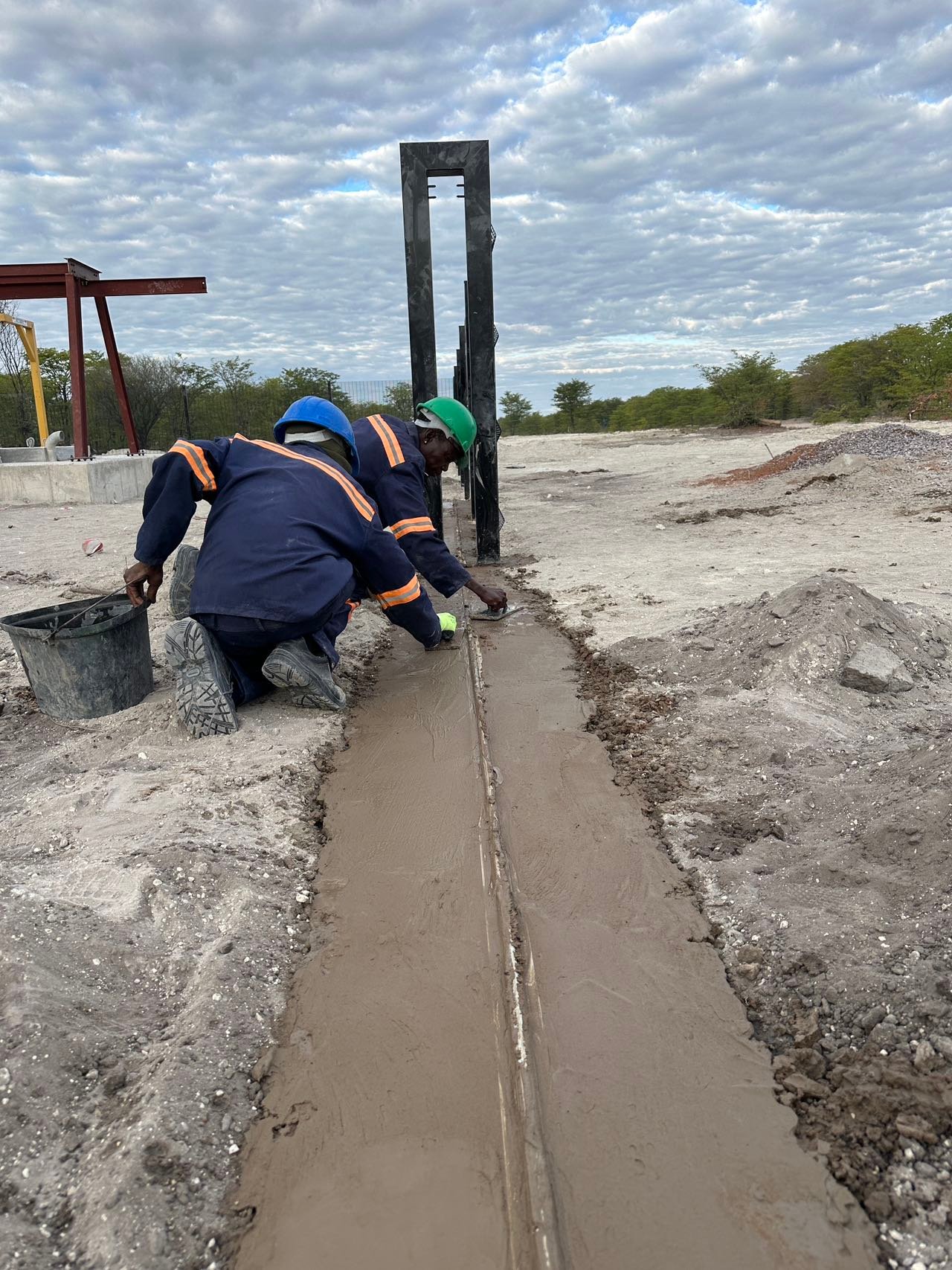
Installation starts with a surveyed boundary, approved levels, and identified underground services. Contractors should calculate actual post centres before excavating. Different slopes may require stepped panels or special closing bays.
The ClearVu Fence Installation Guide describes general setting-out and assembly stages. Local engineering must still establish suitable foundations. Catalogue dimensions do not replace soil and wind assessments.
358 wire mesh fence Bottom Clearance and Sloping Terrain
Stepped panels can create larger ground gaps near descending sections. These openings may undermine the intended boundary. Survey and approve lower-edge details before manufacturing special sections.
Drainage channels also need protection from unintended obstruction. Avoid trapping runoff against post bases. Finish any necessary site alterations with approved corrosion repairs.
Export Packing, Inspection, and Order Records
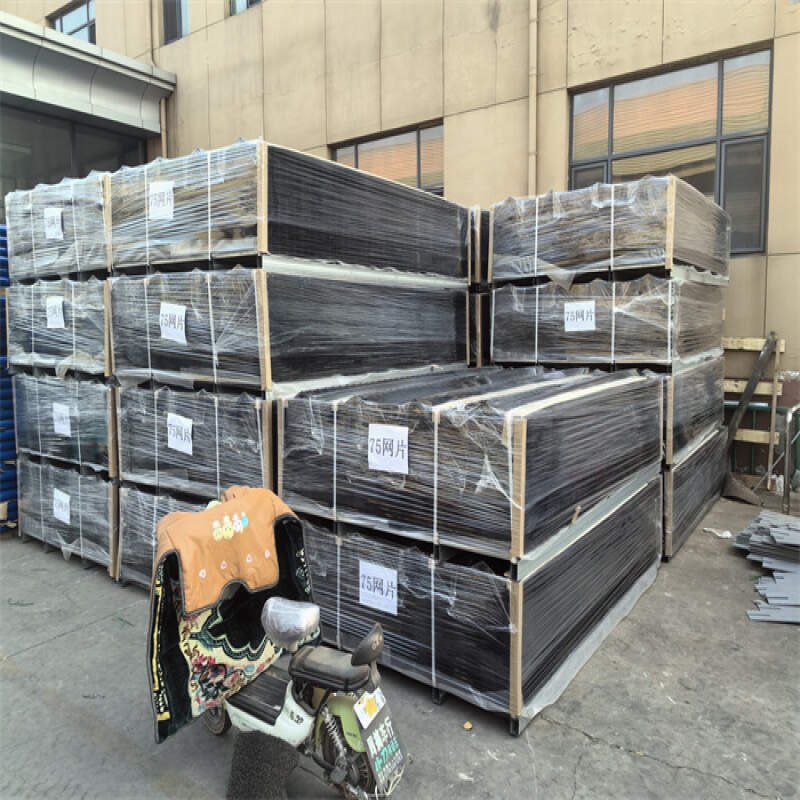
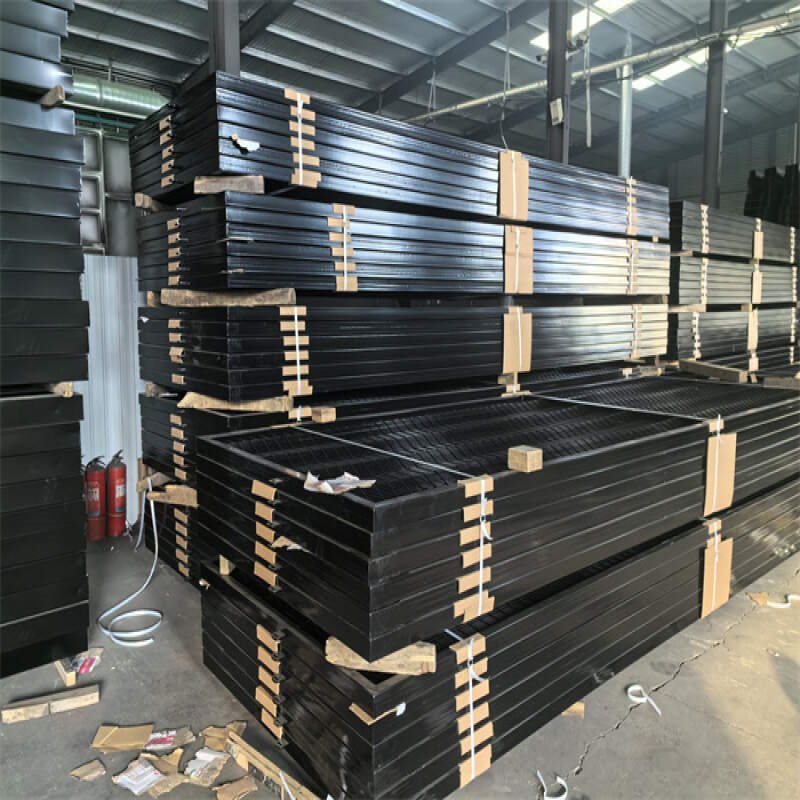
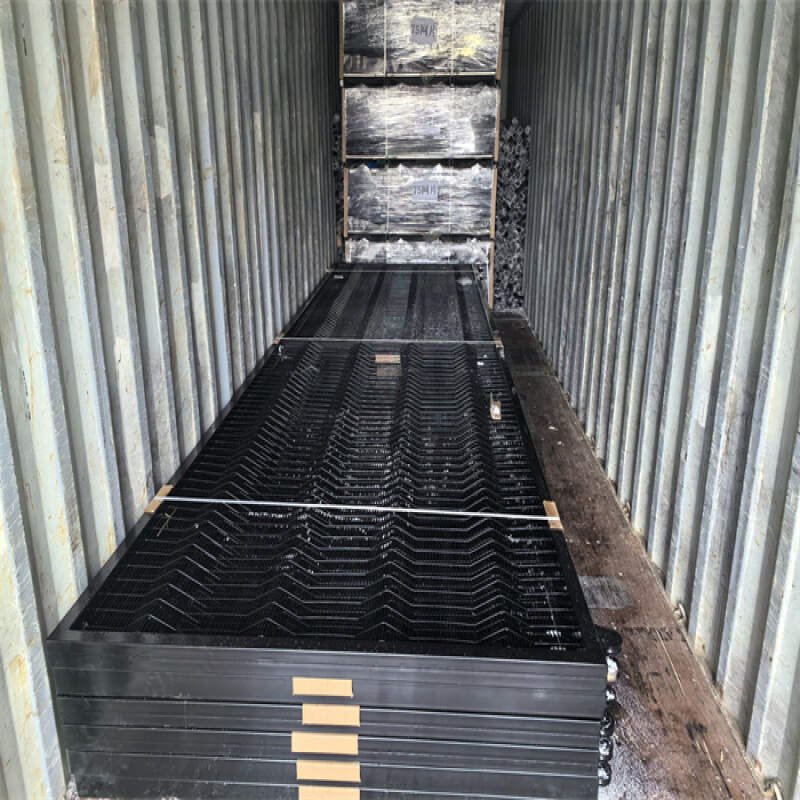
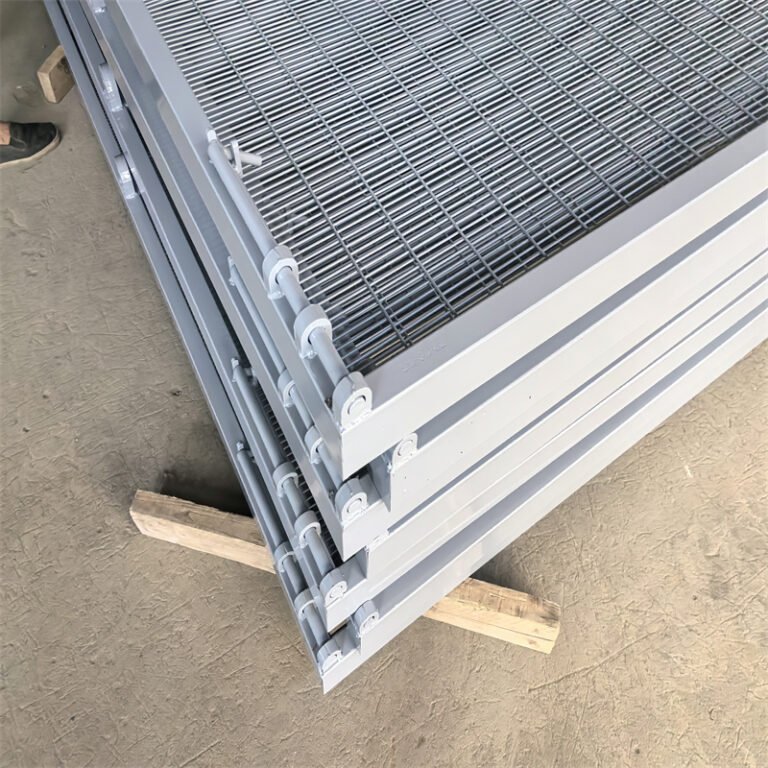
Large welded panels need stable pallets and protective separators during container movement. Edge guards can reduce coating damage from steel restraints. Posts and loose fixings should remain identifiable throughout shipment.
Factory inspection should cover panel quantities, post sizes, clamp compatibility, and coating condition. Photographs assist receiving teams but cannot replace dimensional measurements. Export documents should match actual shipment counts and weights.
358 wire mesh fence Factory Inspection Checklist
- Measure wire diameter and mesh pitch in both directions.
- Check finished panel width, height, squareness, and weld condition.
- Confirm post sections, overall lengths, and approved hole positions.
- Assemble sample clamps and verify security-bolt compatibility.
- Inspect galvanized surfaces, polymer coating, edges, and scratches.
- Match panel and post quantities with the final packing list.
- Photograph completed pallets and document any inspection changes.
Comparing Total Project Cost Instead of Bare Panels
A panel-only price excludes important components in many quotations. Posts, gates, clamps, freight, and installation can change the total budget. Compare identical bills of materials before selecting suppliers.
The Clear View Fence for Sale range includes related project configurations. Differences in geometry should appear clearly in quotations. Buyers should request exclusions and shipping terms in writing.
358 wire mesh fence Versus Other Steel Barrier Systems
Security projects sometimes compare close welded mesh with tubular pickets and portable panels. Each construction creates different gaps, connections, and maintenance demands. A similar finish colour does not establish equivalent protection.
Corromesh provides another welded security mesh arrangement with its own technical options. Garrison Security Fencing instead uses steel pickets and rails. Review drawings before replacing one design with another.
358 wire mesh fence Compared with Portable Construction Barriers
Temporary Construction Fencing supports changing construction zones with movable frames. Permanent security mesh usually needs dedicated posts and engineered foundations. The two systems serve different durations and operational requirements.
Projects may use temporary barriers during footing installation. Contractors should maintain controlled entrances throughout the transition. Portable fence bases cannot replace permanent structural supports.
358 wire mesh fence Questions Buyers Often Ask
Does Every 358 Panel Use Identical Wire?
No. Traditional references commonly use approximately 4 mm steel, but other grades may differ. Specify both wire directions on the approved drawing. Formal performance claims require relevant test evidence.
Can the Fence Use Additional Razor Wire?
Some controlled sites use optional razor wire or other approved security toppings. These accessories introduce safety, maintenance, and loading considerations. Obtain legal and engineering approval before installation.
Is the Fence Suitable for Coastal Locations?
Suitable galvanized and compatible polymer systems may support coastal applications. Salt exposure demands appropriate selection and maintenance. Confirm the coating specification for the actual environment.
What Warranty Does BMP Provide?
BMP offers a 15-year manufacturer warranty for its ClearVu and Clearview products under applicable written terms. Coverage depends on the selected system and installation conditions. Buyers should obtain the written warranty with their order.
358 wire mesh fence: Coordinated Manufacturing by BMP
Boss Metal and Plastic Co., Ltd. supplies welded security panels, compatible posts, clamps, and matching gate components. Manufacturing should follow one approved set of dimensions and finishing requirements. Reliable export projects also need traceable inspection and packing records.
Related ClearVu Fence Panels cover additional regional configurations from BMP. Their dimensions may differ from this catalogue. Send boundary drawings, gate quantities, coating requirements, and the shipment destination for a coordinated quotation.