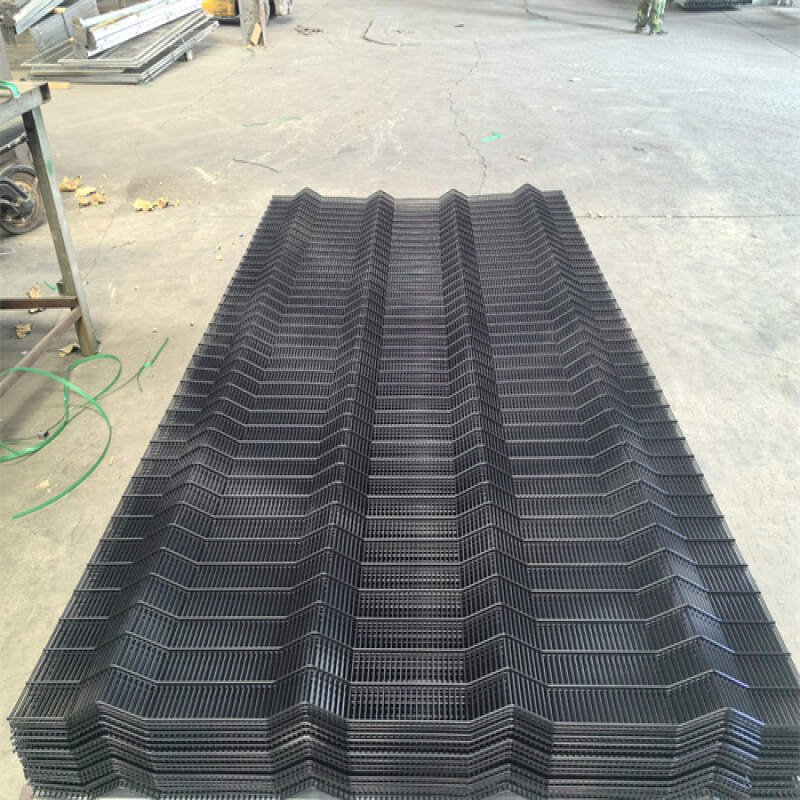
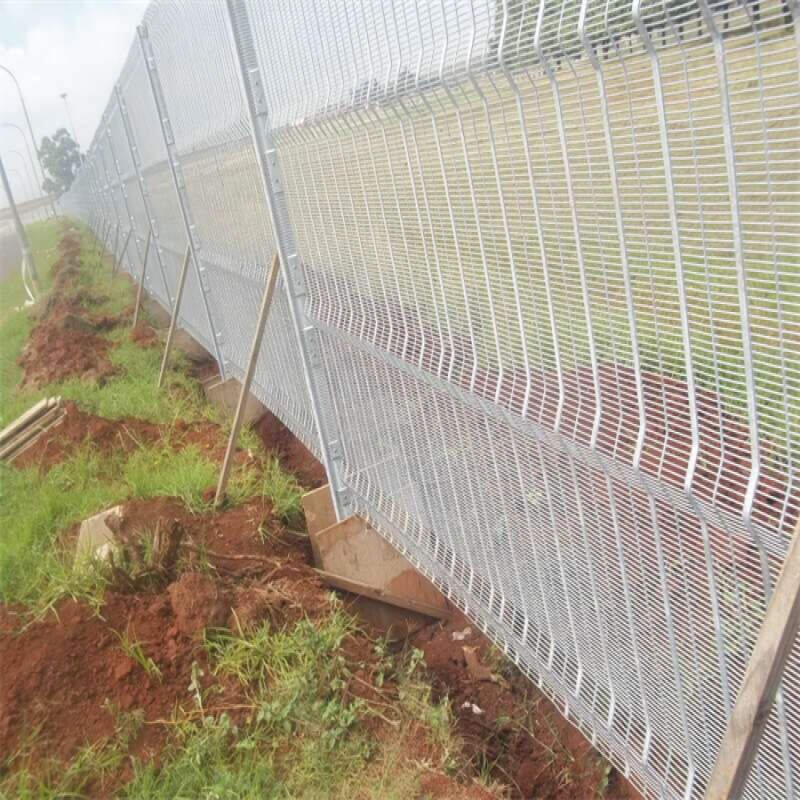
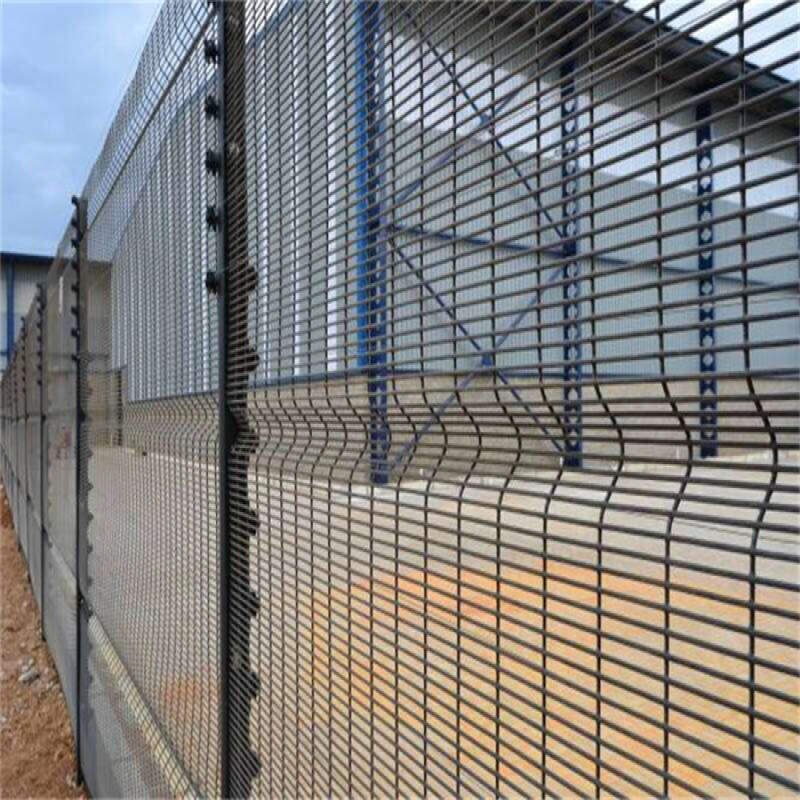
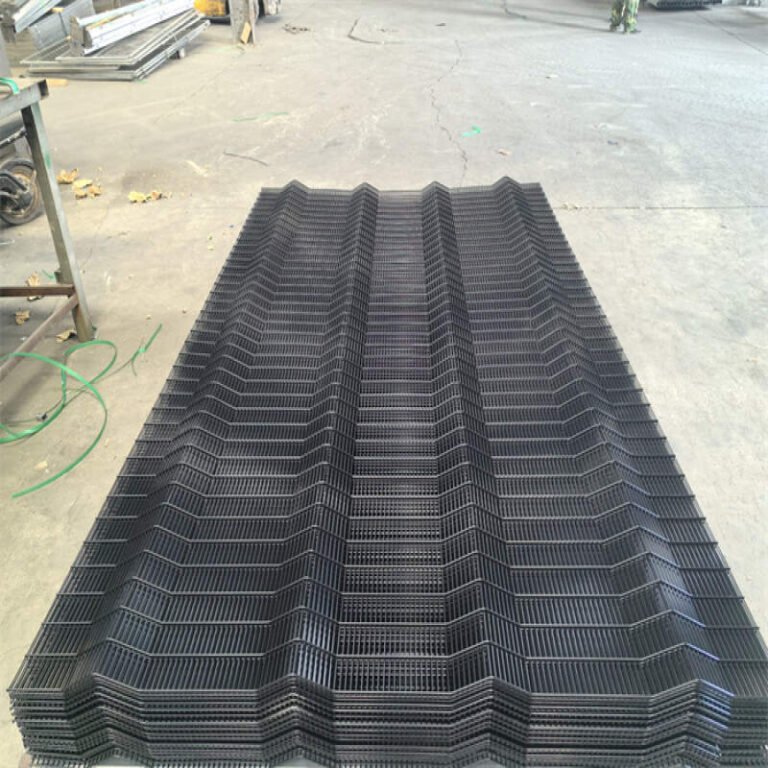
Description 358 high-security fence systems help protect sensitive sites while preserving clear sightlines. BMP has supplied security fencing from China since 2006. This guide covers mesh construction, applications, finishes, packaging, installation, and project planning. It also explains which specifications buyers should confirm before production.
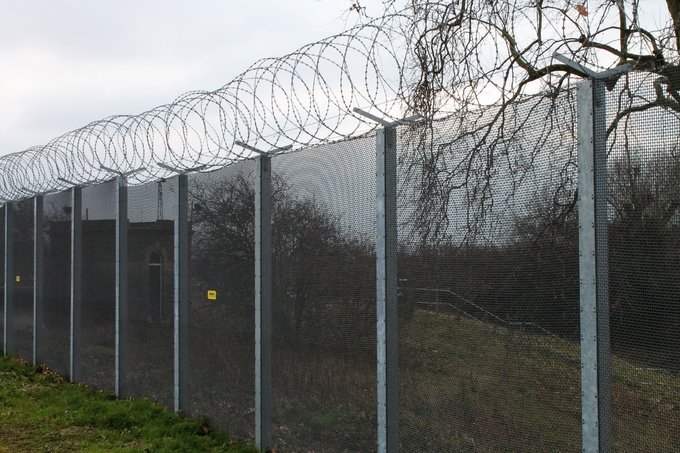
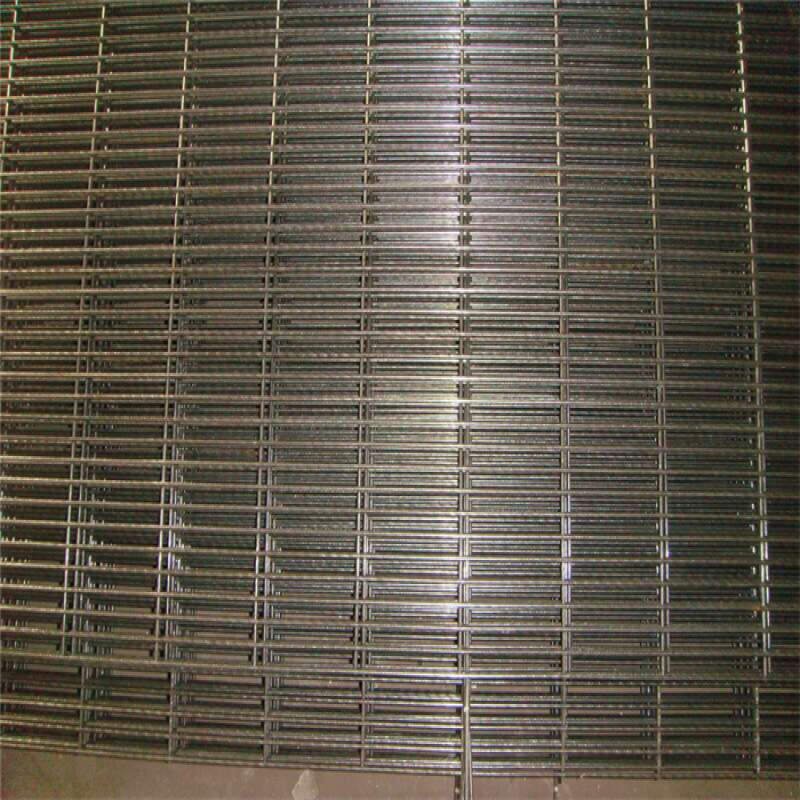
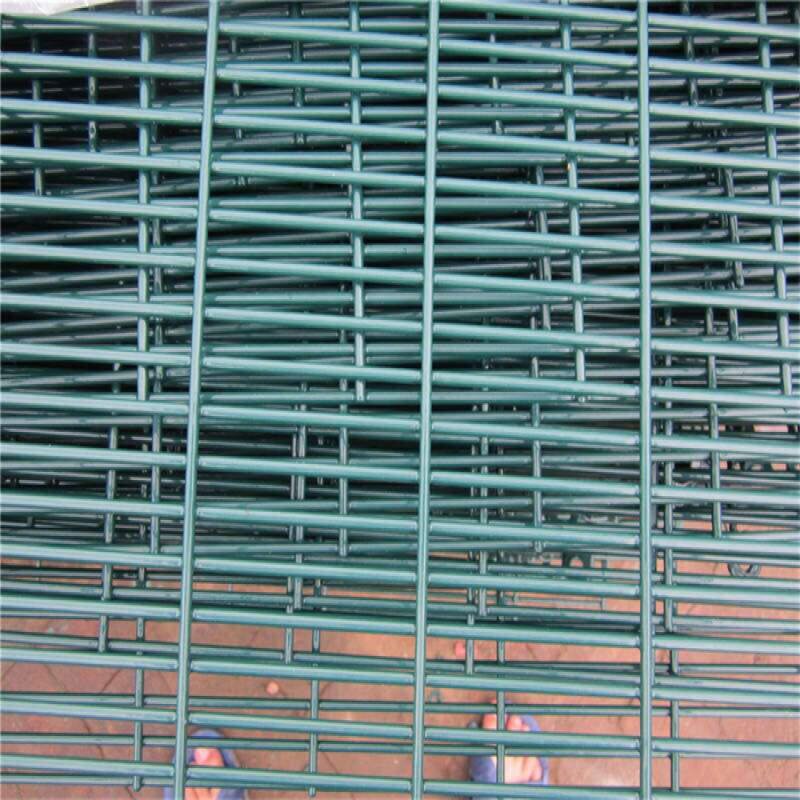
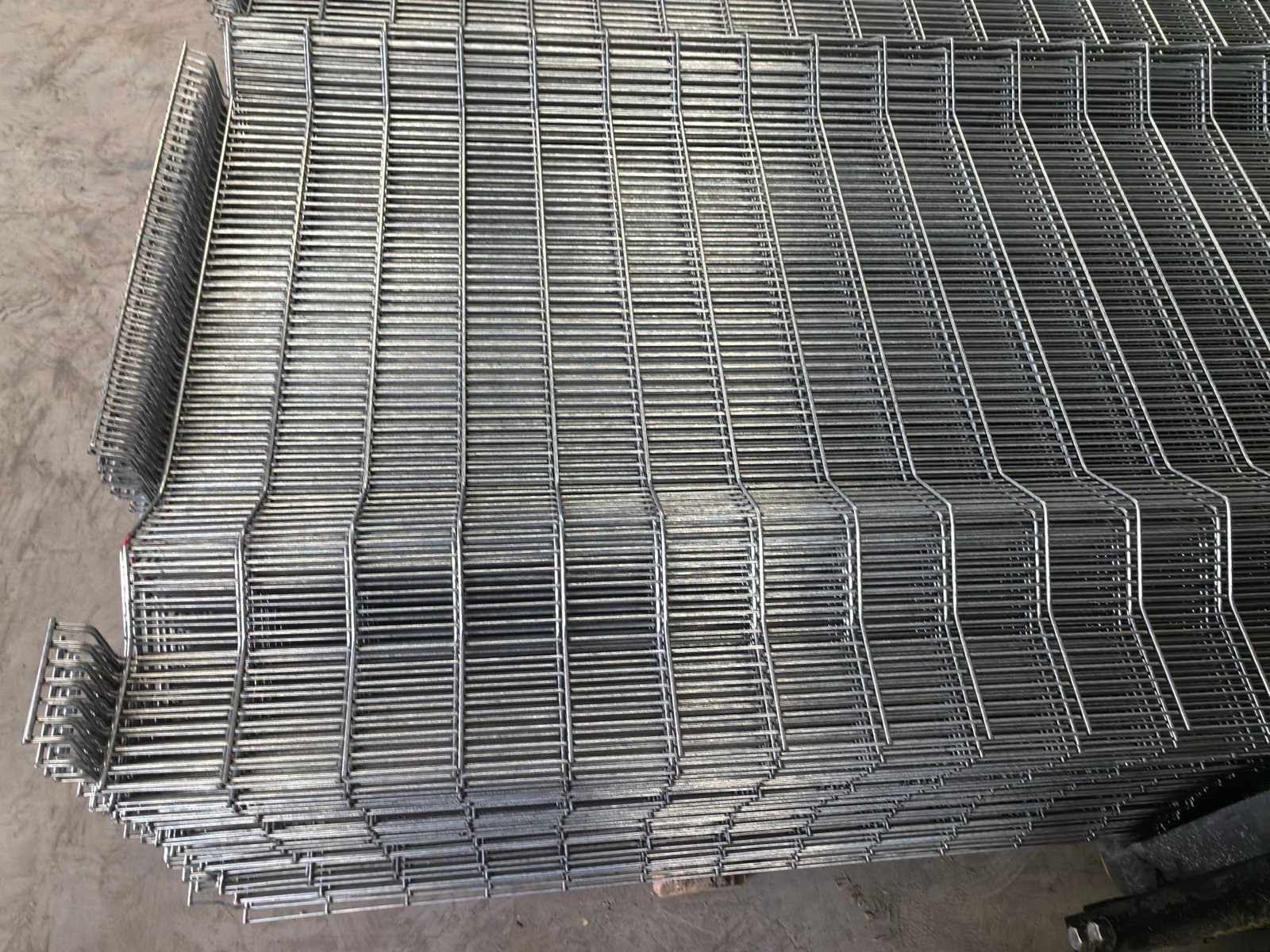
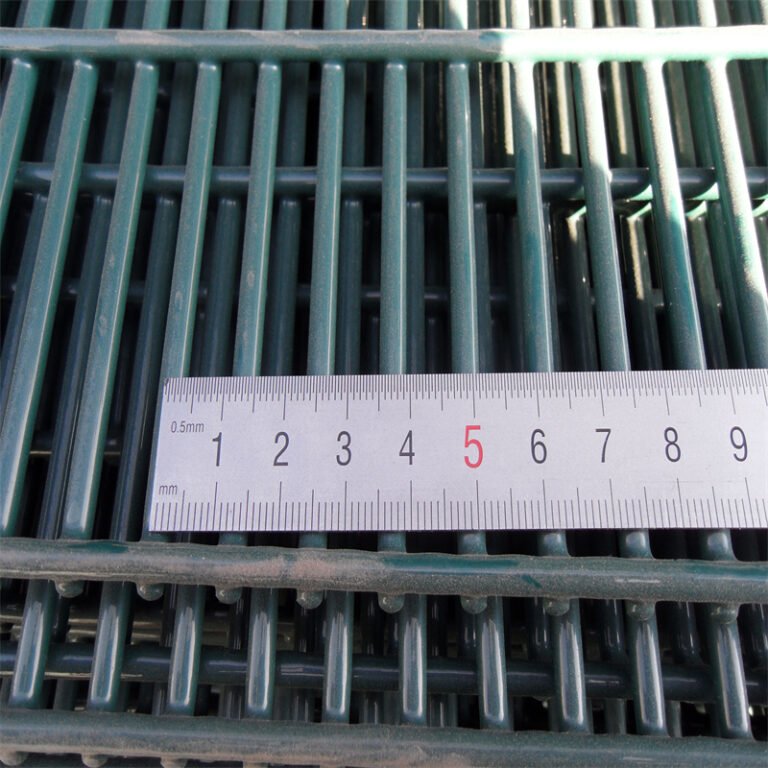
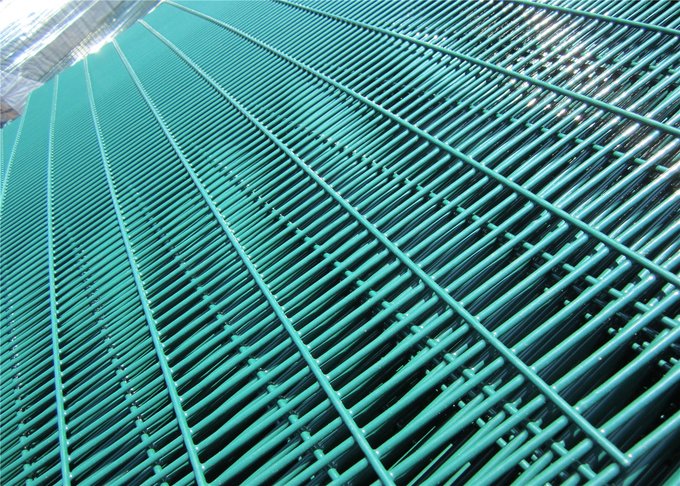
The name “358” refers to a nominal 3-inch by 0.5-inch mesh pattern and 8-gauge wire. This equals approximately 76.2 × 12.7 mm mesh spacing and 4 mm wire. The clear opening measures less than the stated spacing because the wires occupy part of each opening. Buyers should confirm whether drawings show centre spacing or clear aperture. See 358 high-security fence panels for panel options.
Why choose a 358 high-security fence?
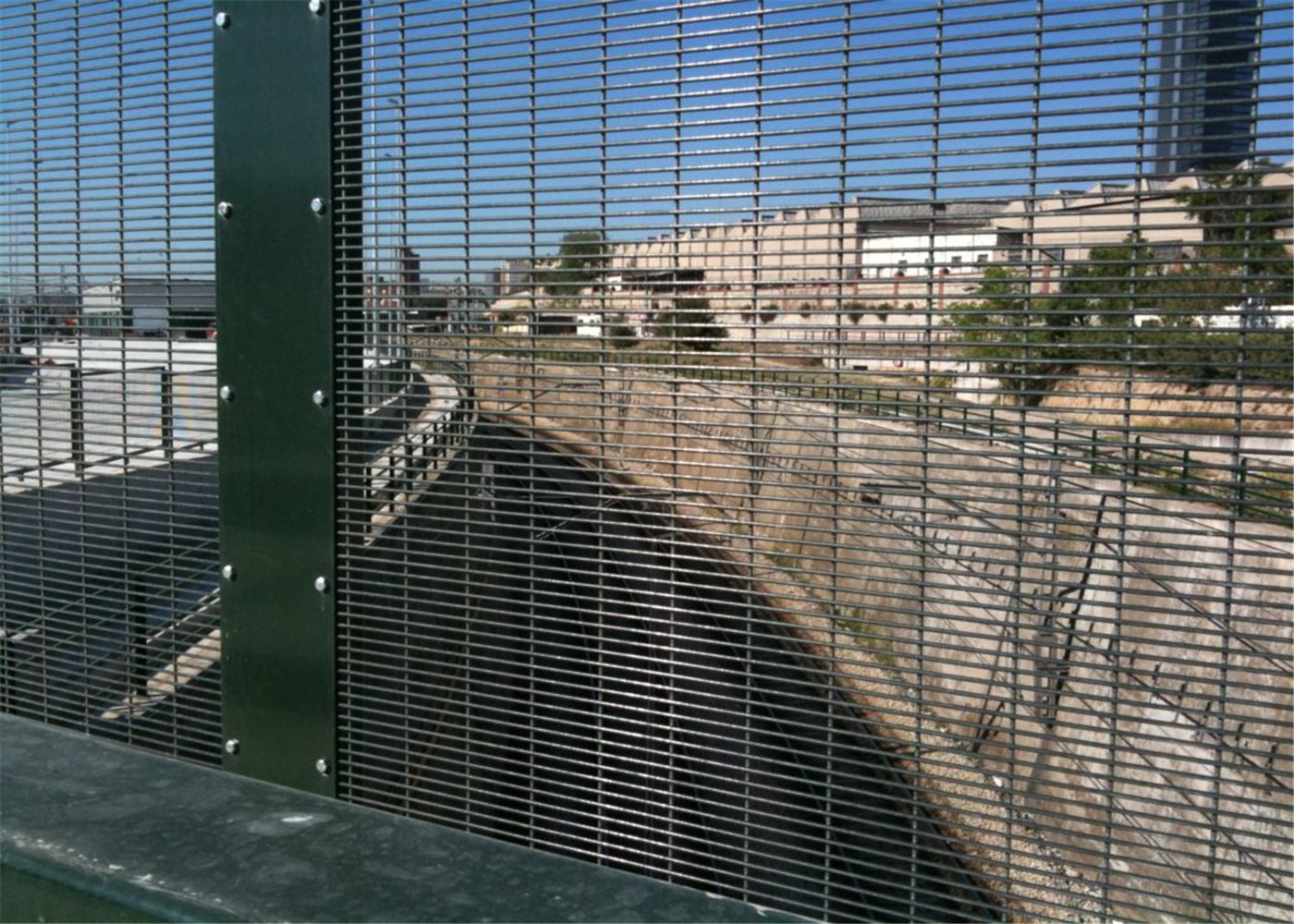
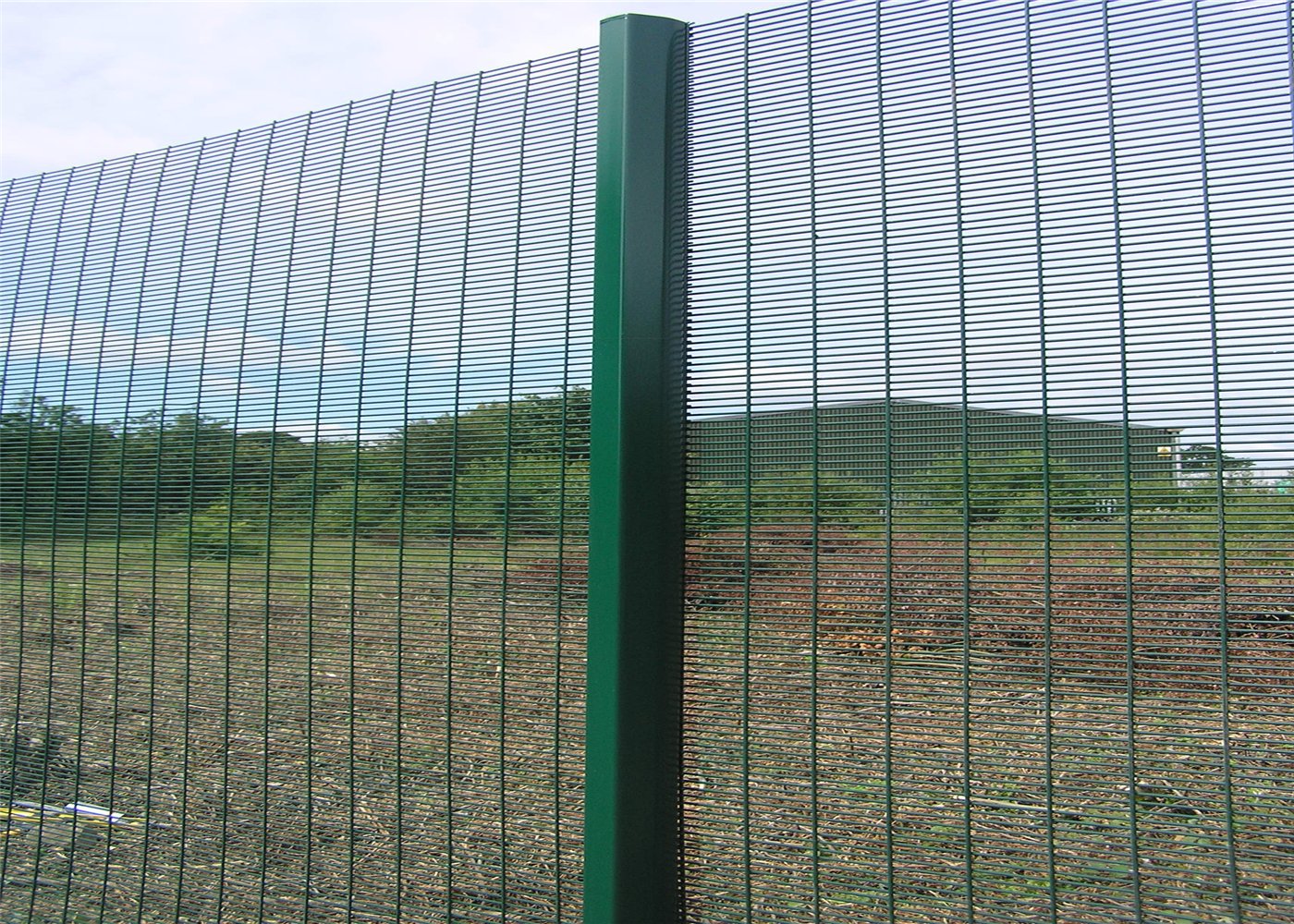
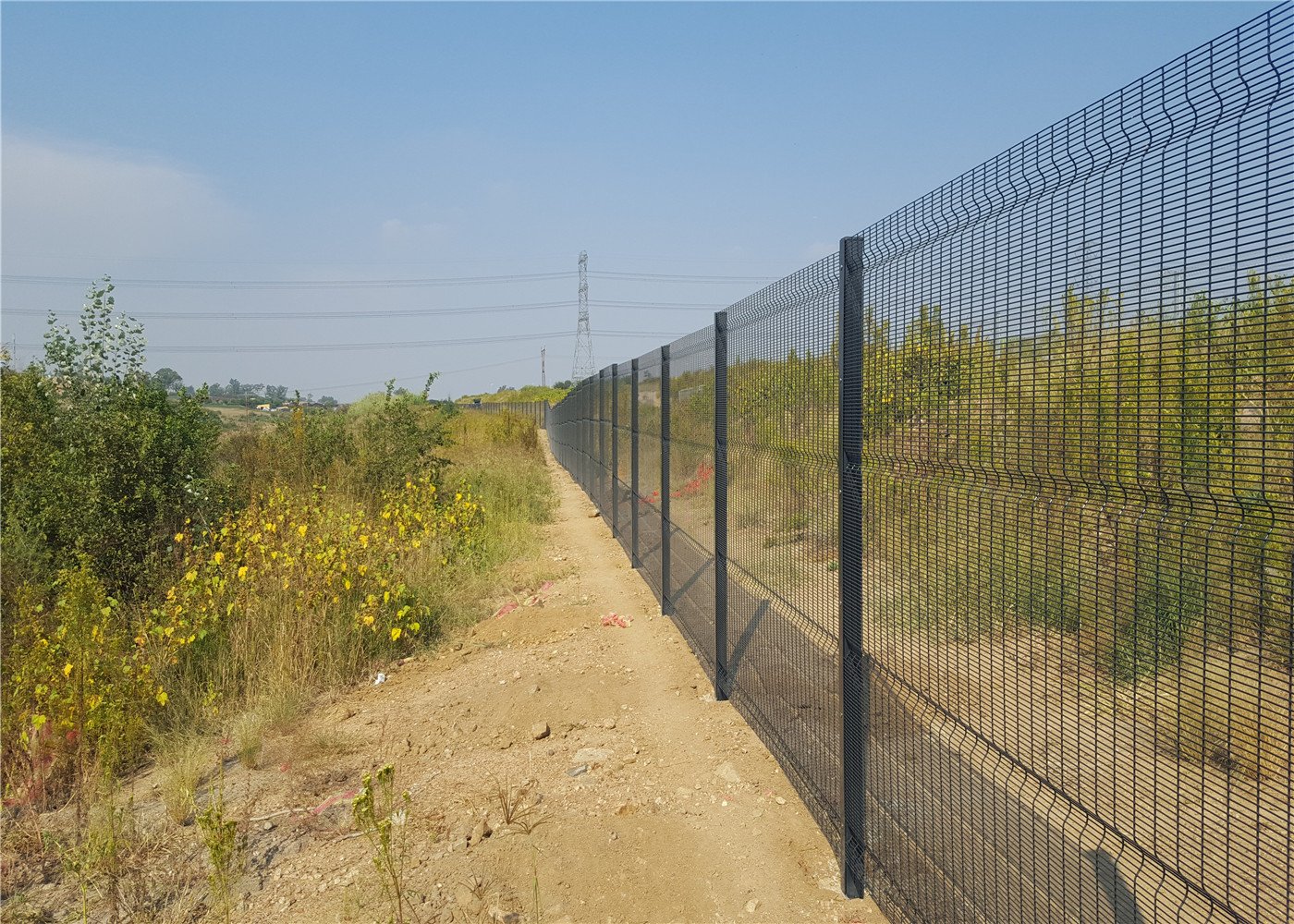
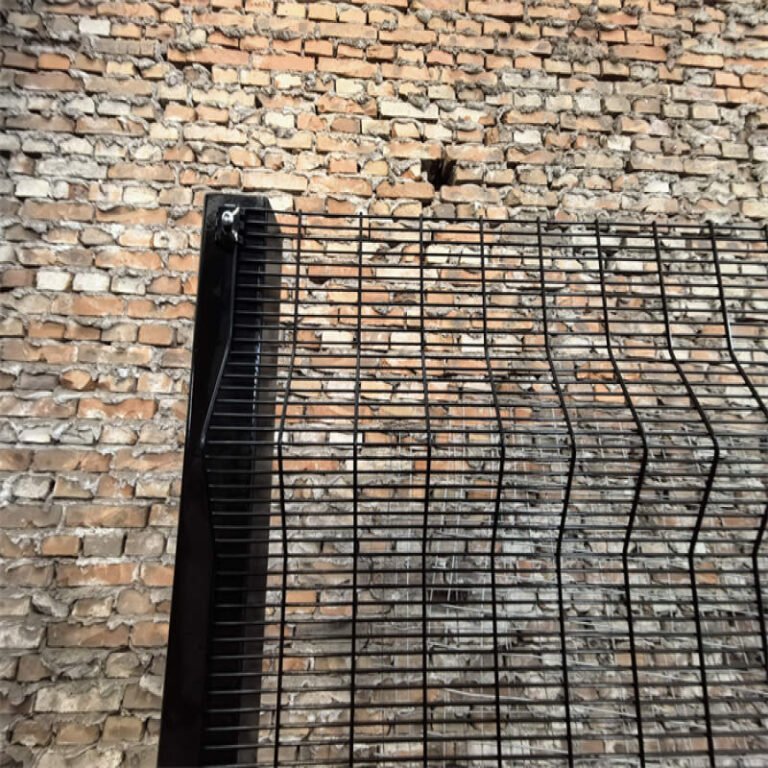
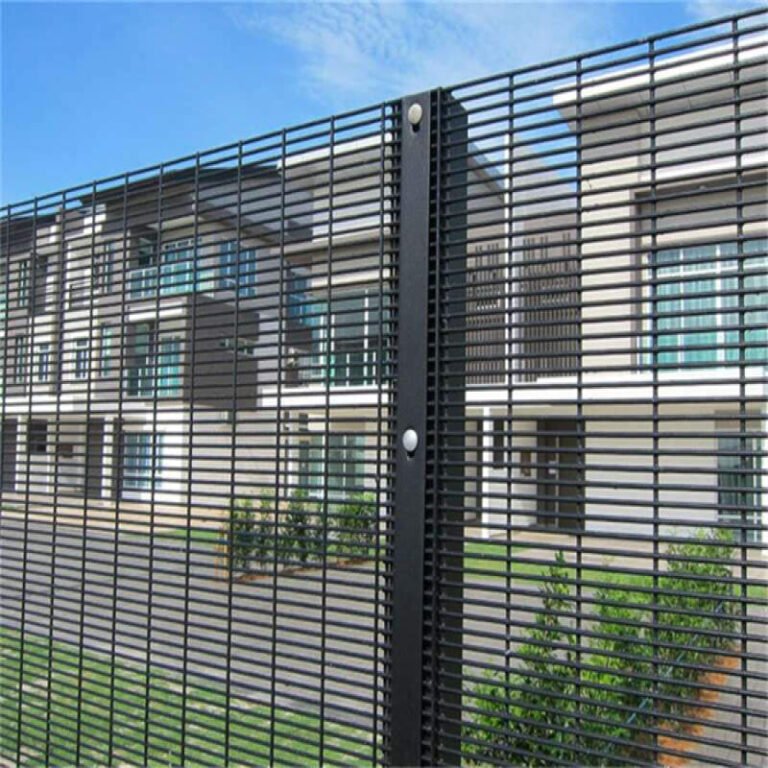
A 358 high-security fence combines a narrow mesh pattern with a rigid welded structure. The small openings provide few convenient handholds or footholds. Closely spaced wires also make cutting more difficult with common hand tools. Open mesh helps guards and cameras monitor the perimeter. Actual performance depends on wire diameter, weld quality, fixings, posts, and installation.
- Climb resistance: Narrow apertures limit practical footholds and handholds.
- Cut resistance: Closely spaced steel wires can slow attempts to cut through the panel.
- Visibility: Open mesh supports observation and CCTV coverage across the boundary.
- System flexibility: Matching posts, clamps, and gates create a coordinated perimeter.
- Finish choices: Galvanized and polymer-coated options suit different environments and colour preferences.
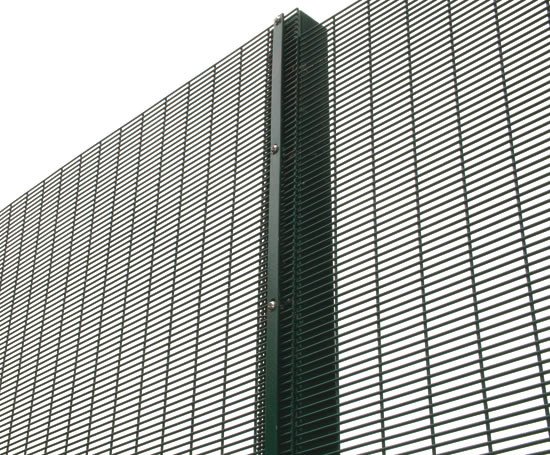
358 high-security fence construction and mesh options
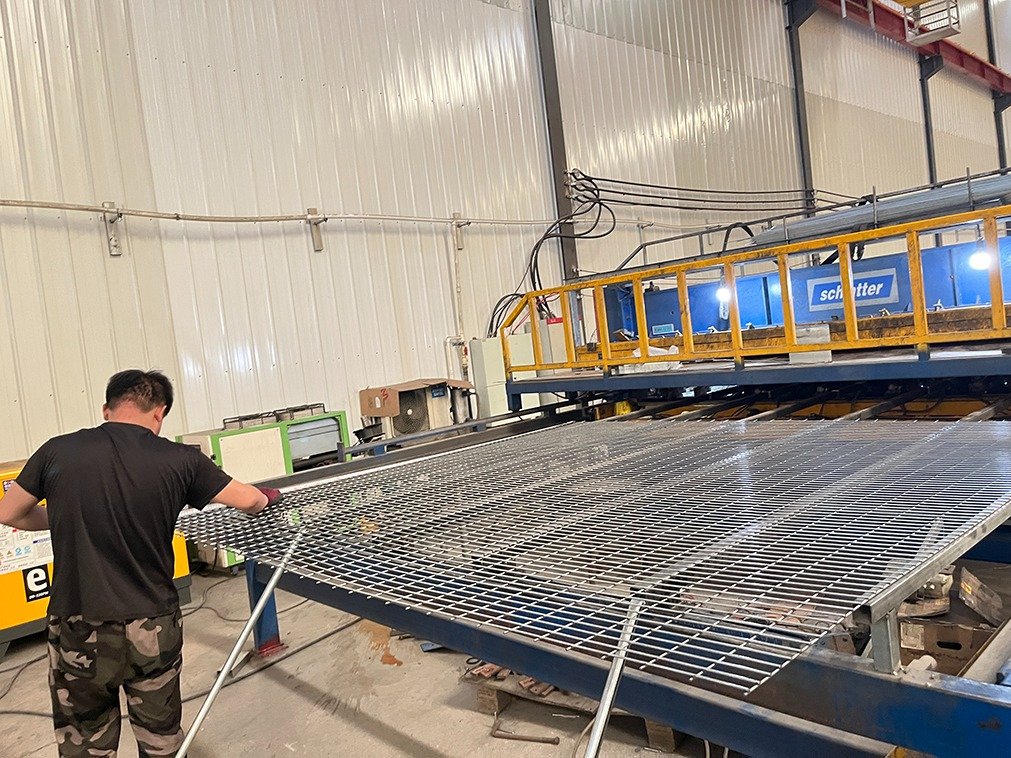
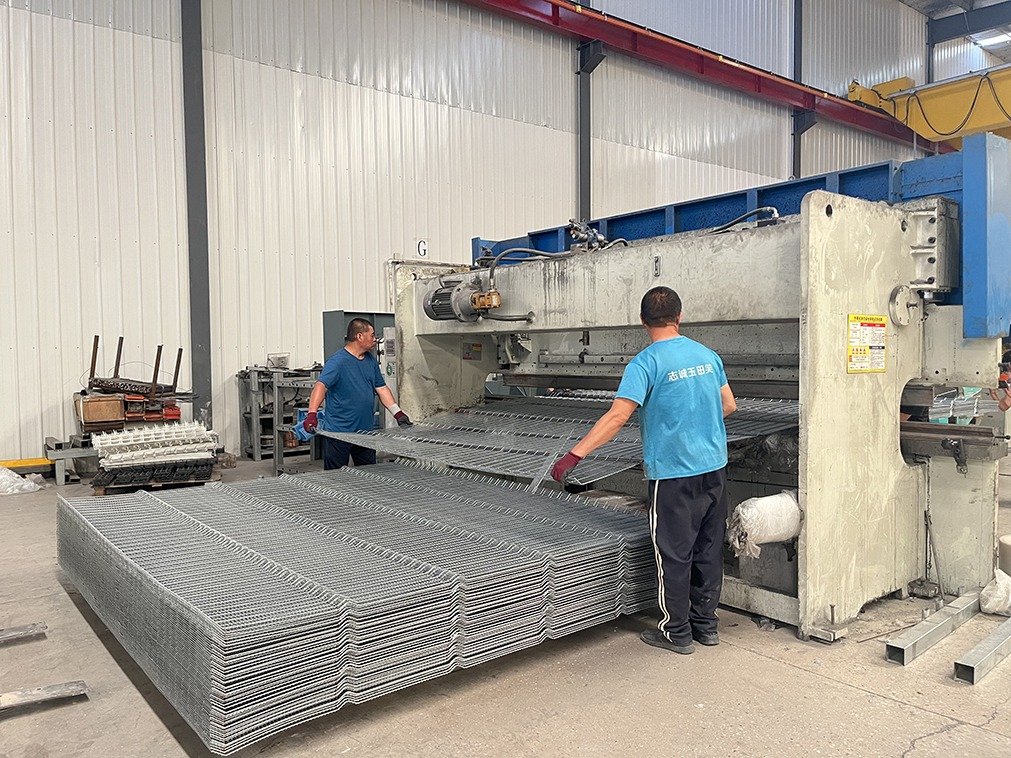
Manufacturers can produce panels with different wire combinations. The source specifications list 4 mm vertical wires with 3 mm horizontal wires, 4 mm wires in both directions, and 3 mm wires in both directions. These options affect panel mass and rigidity. Confirm wire orientation, mesh spacing, tensile strength, and weld requirements on the approved drawing.
| Specification |
4 mm vertical × 3 mm horizontal |
4 mm vertical × 4 mm horizontal |
3 mm vertical × 3 mm horizontal |
| Wire diameter |
4 × 3 mm |
4 × 4 mm |
3 × 3 mm |
| Nominal mesh spacing |
12.7 × 76.2 mm |
12.7 × 76.2 mm |
12.7 × 76.2 mm |
| Reported tensile strength |
500–650 MPa |
500–650 MPa |
500–650 MPa |
| Reported weld strength |
60–80% |
60–80% |
60–80% |
The weld-strength percentage needs a defined test method and reference value. Ask the supplier to identify the applicable test standard and provide inspection records. Do not compare percentages from different test methods without checking their calculation basis. For more system configurations, see high security 358 mesh fencing.
358 high-security fence size and finish specifications
Panel dimensions can vary with site layout and security requirements. The following values reflect the supplied reference range. Confirm current availability, post spacing, and fixing details with the project drawing. A complete 358 high-security fence system may include panels, posts, clamps, gates, and optional toppings.
| Specification |
Reference details |
| Mesh pattern |
76.2 × 12.7 mm nominal spacing |
| Common wire diameter |
4.0 mm; other listed combinations include 3 mm wire |
| Panel width range |
1,000–3,000 mm |
| Panel height options |
1,600, 1,800, 2,000, 2,200, and 2,500 mm |
| Other common heights |
1,800, 2,000, 2,500, and 3,000 mm |
| Material |
Low-carbon steel wire |
| Finish options |
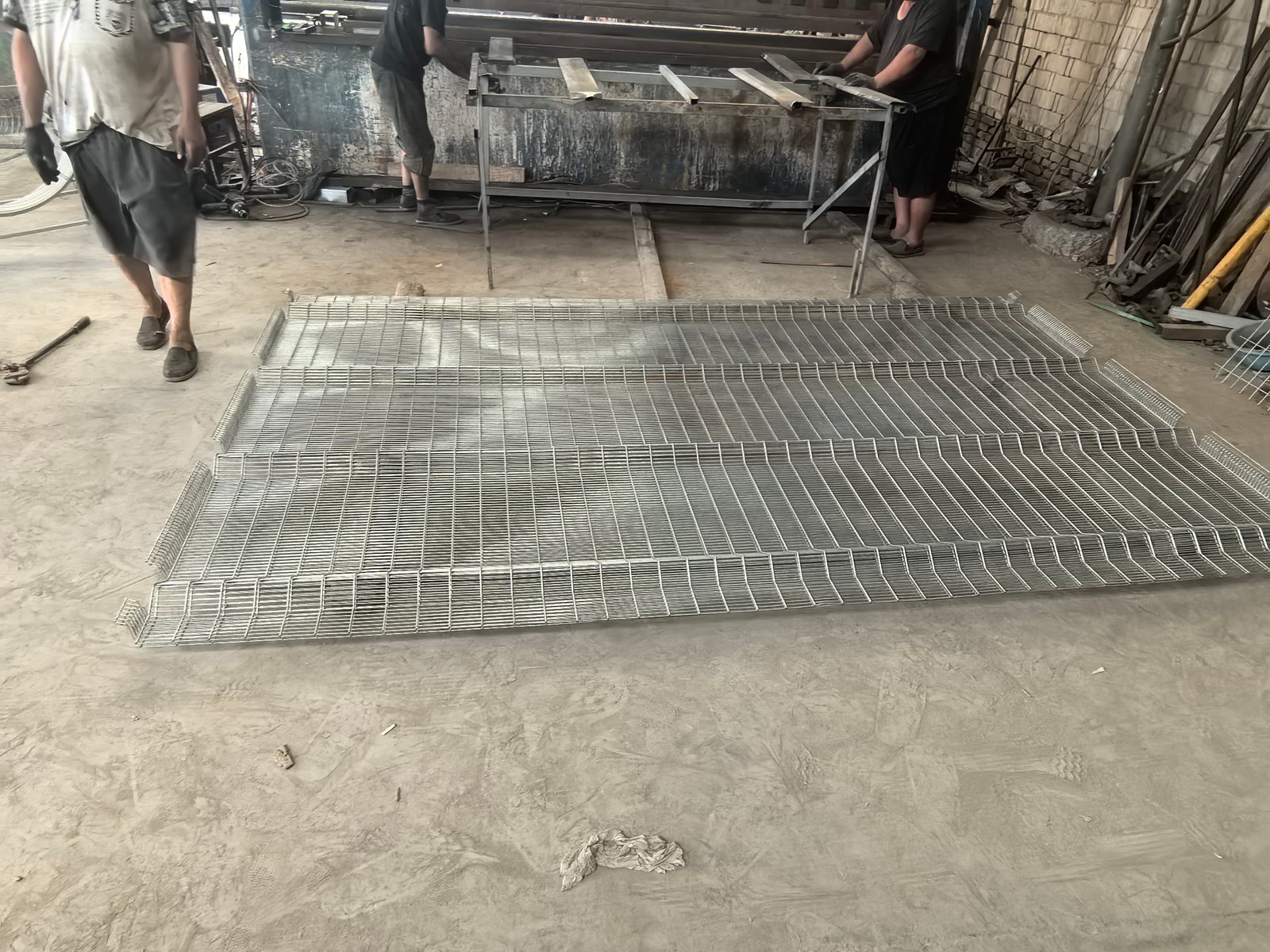
Hot-dip galvanized, PVC-coated, or powder-coated as specified |
| Common colours |
RAL 6005 green, RAL 9005 black, and RAL 9010 white |
Some supplied panel heights appear in both the standard and market-height lists. Buyers should confirm the exact panel height, width, wire combination, and finish before ordering. Browse 358 mesh fencing panels and 358 wire mesh fence references.
Applications for a 358 high-security fence
Site managers use this fencing around facilities that need controlled access and clear monitoring. A 358 high-security fence can suit industrial, infrastructure, transport, and institutional boundaries. Project teams should assess local risks, terrain, access points, and maintenance needs before selecting a system.
- Oil fields and mines: Define restricted areas around equipment, storage, and operational zones.
- Military sites: Protect controlled perimeters while supporting visual patrols.
- Airports: Secure boundaries around service areas and restricted operational spaces.
- Roads and railways: Separate public access from infrastructure and maintenance areas.
- Prisons: Support a layered perimeter design with suitable monitoring and access control.
- Residential estates: Mark boundaries while maintaining sightlines across shared spaces.
- Gardens and public facilities: Protect selected areas without creating a solid visual barrier.
Security fencing works best as part of a wider site plan. Lighting, cameras, access control, response procedures, and gate placement all matter. Local regulations may also affect fence height and security toppings. Explore Clear Vu fence systems for coordinated panel, post, and gate options.
Corrosion protection for a 358 high-security fence
Coating selection should reflect the site environment and maintenance plan. Humidity, coastal salt, industrial pollutants, and standing water can accelerate corrosion. A 358 high-security fence near the coast may need a coating system suited to salt exposure. Ask the supplier to state coating type, thickness or coating mass, and inspection criteria.
- Hot-dip galvanizing: Applies a zinc coating to protect steel from corrosion.
- Powder coating: Adds a coloured polymer layer over a suitable prepared surface.
- PVC coating: Provides a polymer finish in specified colours and coating thicknesses.
- Duplex protection: Combines galvanizing with a compatible polymer coating when the project requires it.
Coating names alone do not prove equivalent service life. Confirm the manufacturing sequence and coating requirements on the purchase specification. Inspect welds, cut edges, fasteners, and damaged areas during installation. Repair coating damage with a compatible system recommended by the supplier.
Installation and packaging for a 358 high-security fence
Correct setting out helps installers maintain a straight and secure fence line. Confirm boundaries, ground levels, gate openings, and underground services before excavation. Post size and foundation design should suit fence height, soil conditions, and wind exposure. Follow approved drawings and local engineering requirements.
- Mark fence lines, corners, gate openings, and changes in ground level.
- Set post positions according to the approved panel width and fixing layout.
- Install posts plumb and allow foundations to cure before fitting panels.
- Lift panels with suitable equipment and protect their coating during handling.
- Fit clamps or approved fasteners and tighten them to the project requirements.
- Check alignment, ground clearance, gate operation, and fixing security.
- Inspect coatings and repair any damage before handover.
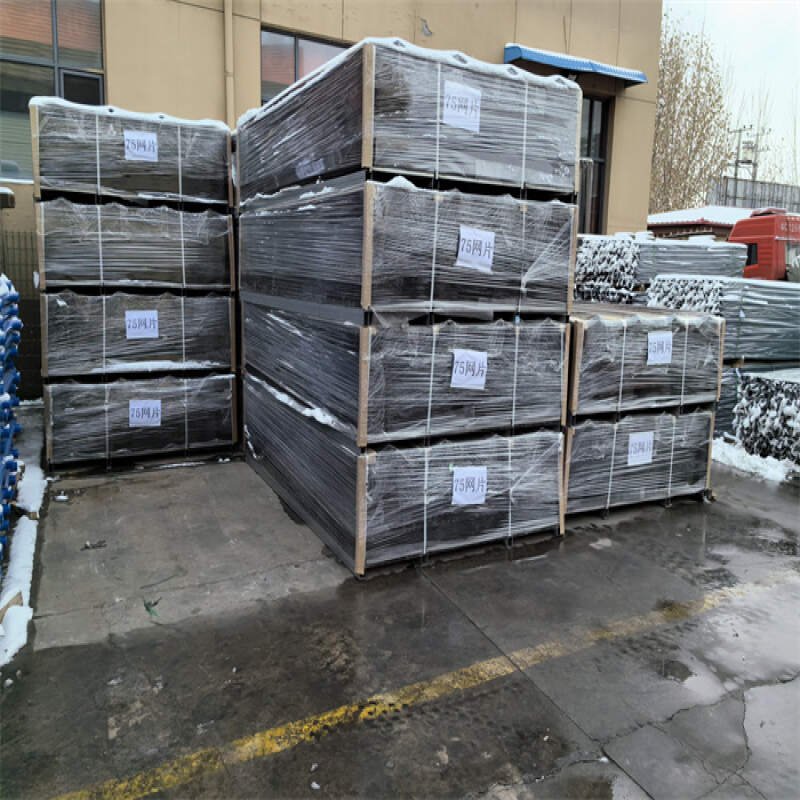
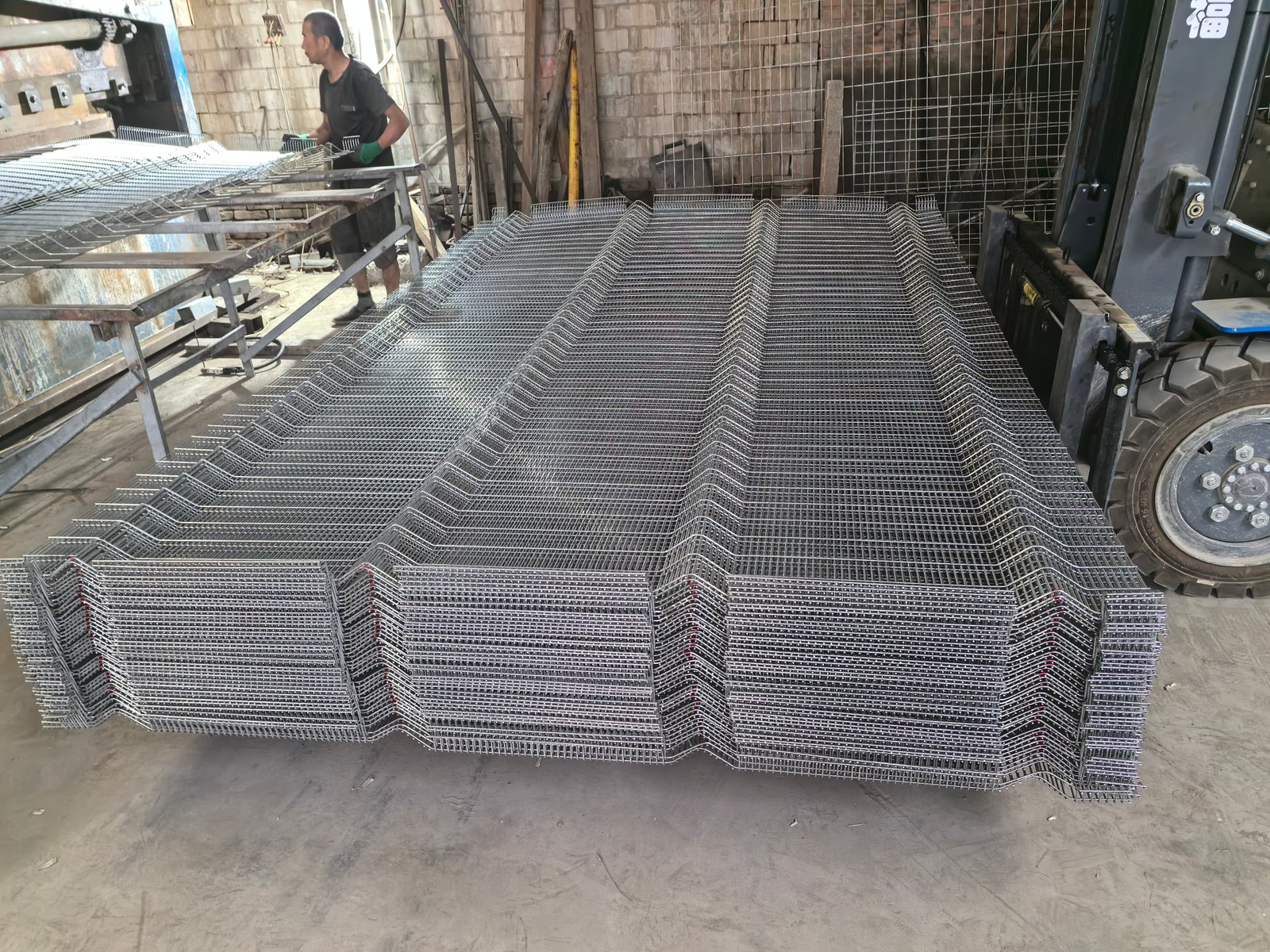
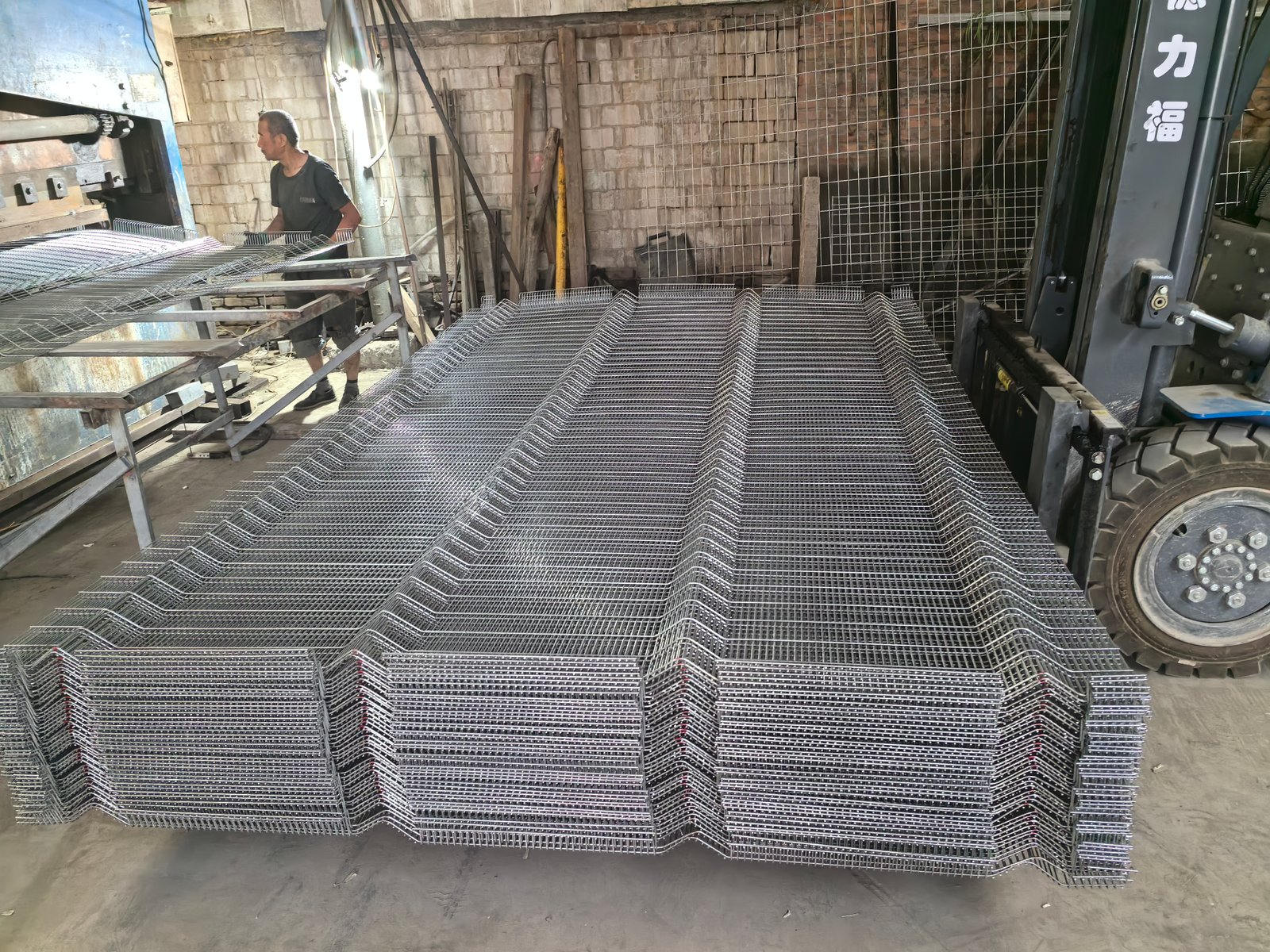
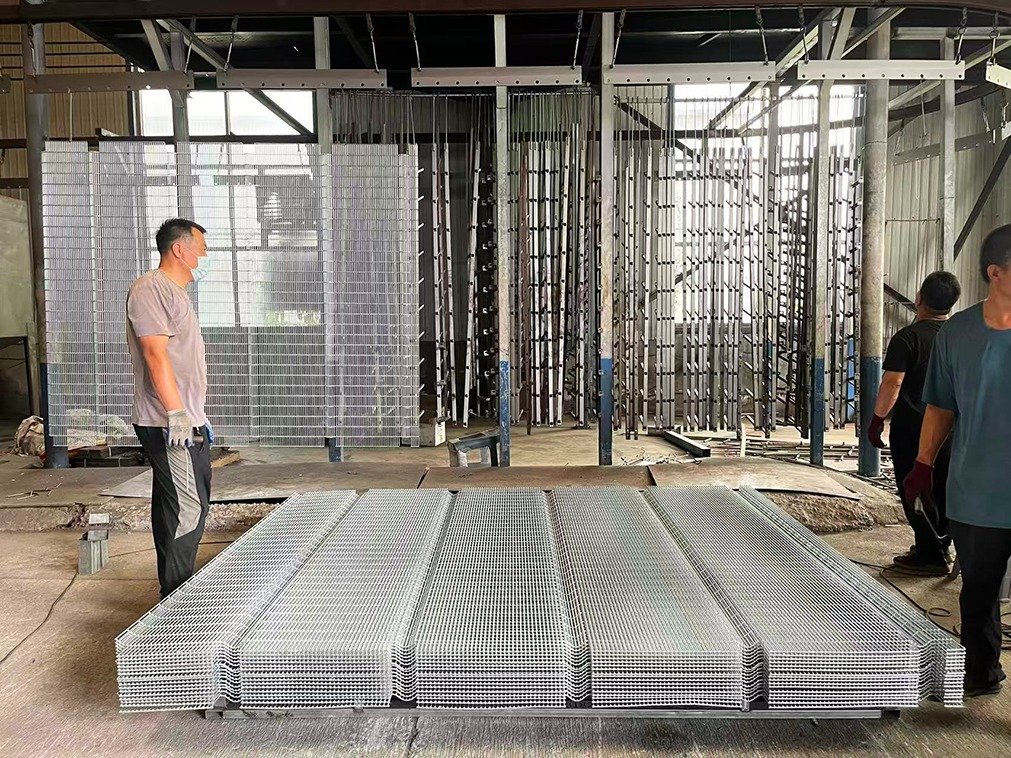
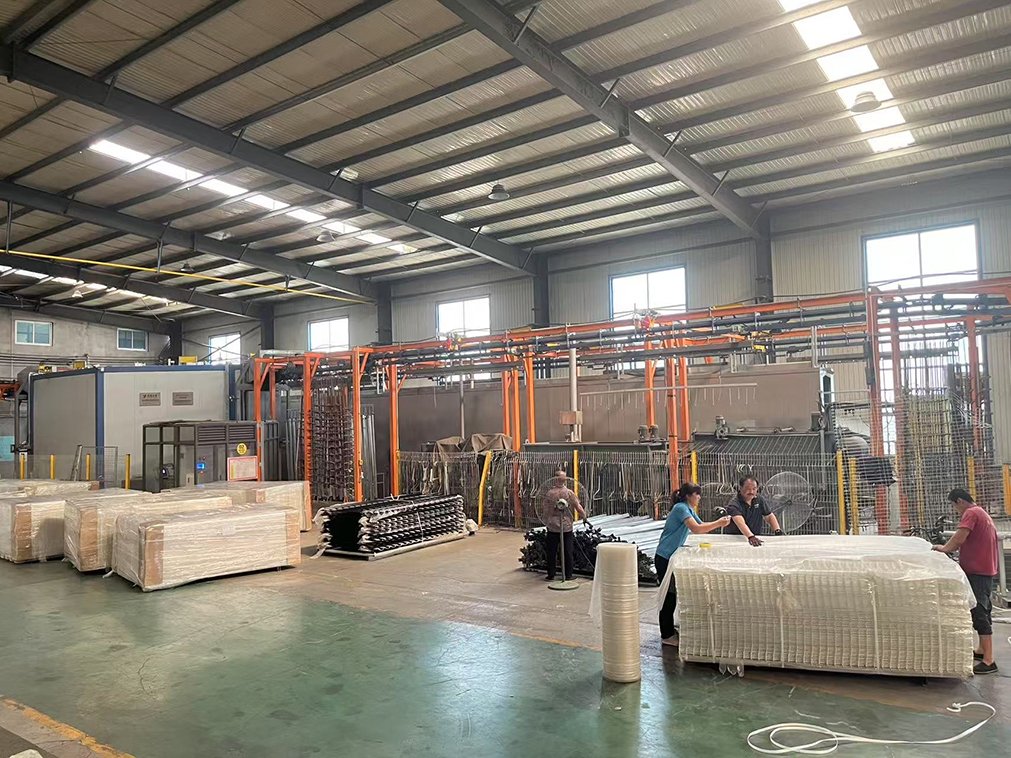
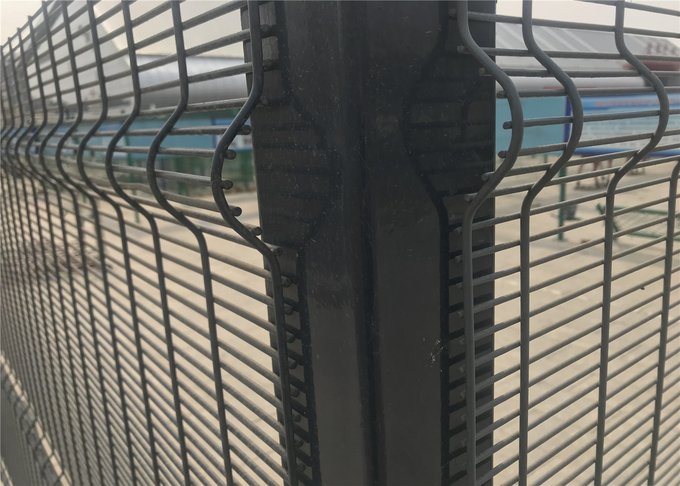
BMP packs panels with protective film and metal pallets. Workers bag and palletize posts, then place accessories in boxes. This arrangement helps crews sort components during receiving and installation. The stated delivery target is within 20 days after deposit, subject to order quantity, final specifications, and production schedule.
For work zones that need temporary separation during installation, crews can use temporary crowd control barriers. Review crowd control barrier specifications when planning pedestrian routes. A temporary construction fence can also help secure short-term work areas.
Custom options for a 358 high-security fence
Custom production can match panel dimensions, wire combinations, colours, and site layouts. Buyers can request compatible posts, clamps, gate frames, and security toppings. Submit drawings or a site plan to help the supplier review quantities and connection details. See Clearvu fence posts, Clearvu fence clamps, and Clearvu gates.
- Project location and environmental exposure.
- Total fence length, panel height, and preferred panel width.
- Wire diameter, mesh spacing, and required tolerances.
- Post profile, spacing, foundation, and fixing requirements.
- Gate quantities, openings, and access-control requirements.
- Finish, colour, packaging, delivery destination, and inspection documents.
Projects in Nigeria can also review Clearvu fencing product information. Comparing drawings and finish requirements helps keep quotations consistent. BMP can customize the 358 high-security fence around confirmed project specifications.
358 high-security fence: project checklist
Before approving production, check the mesh definition, wire diameters, panel dimensions, coating system, and weld test basis. Confirm post spacing, foundations, clamps, gate details, and package quantities. These details help reduce installation changes and support clear supplier communication.
A 358 high-security fence provides a practical balance of perimeter strength and visibility. Its finished performance depends on suitable materials, reliable welds, protective coatings, secure fixings, and correct installation. BMP can supply panels and matching components for custom projects. Share your drawings and site requirements to request a project-specific quotation.