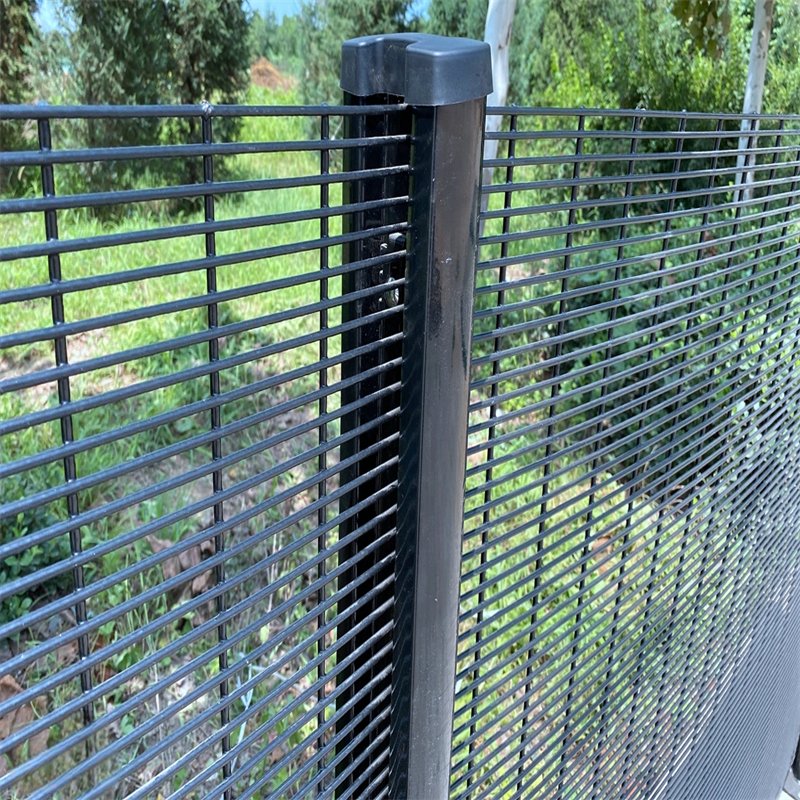
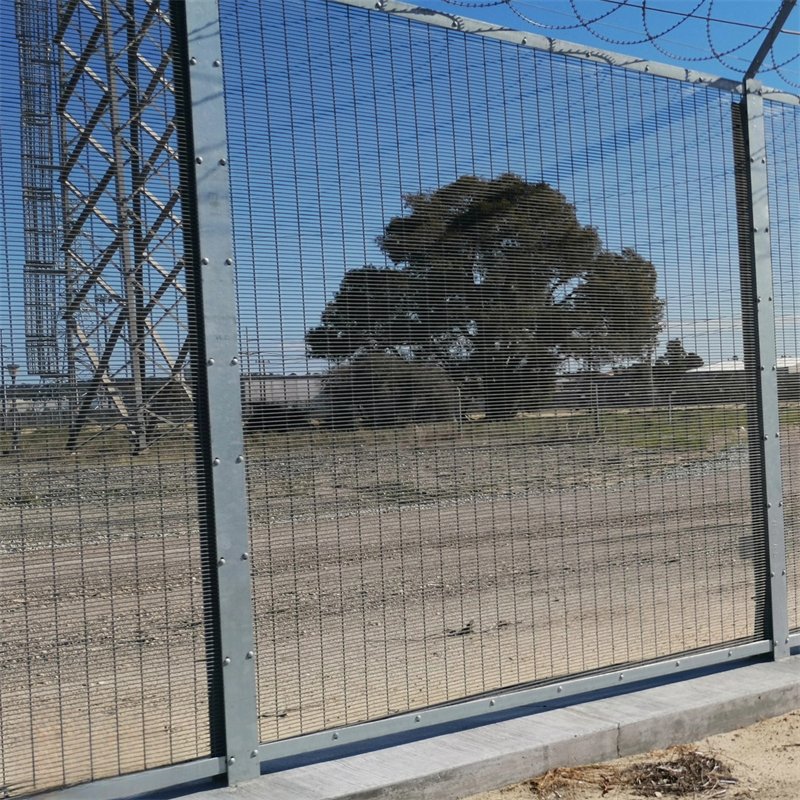
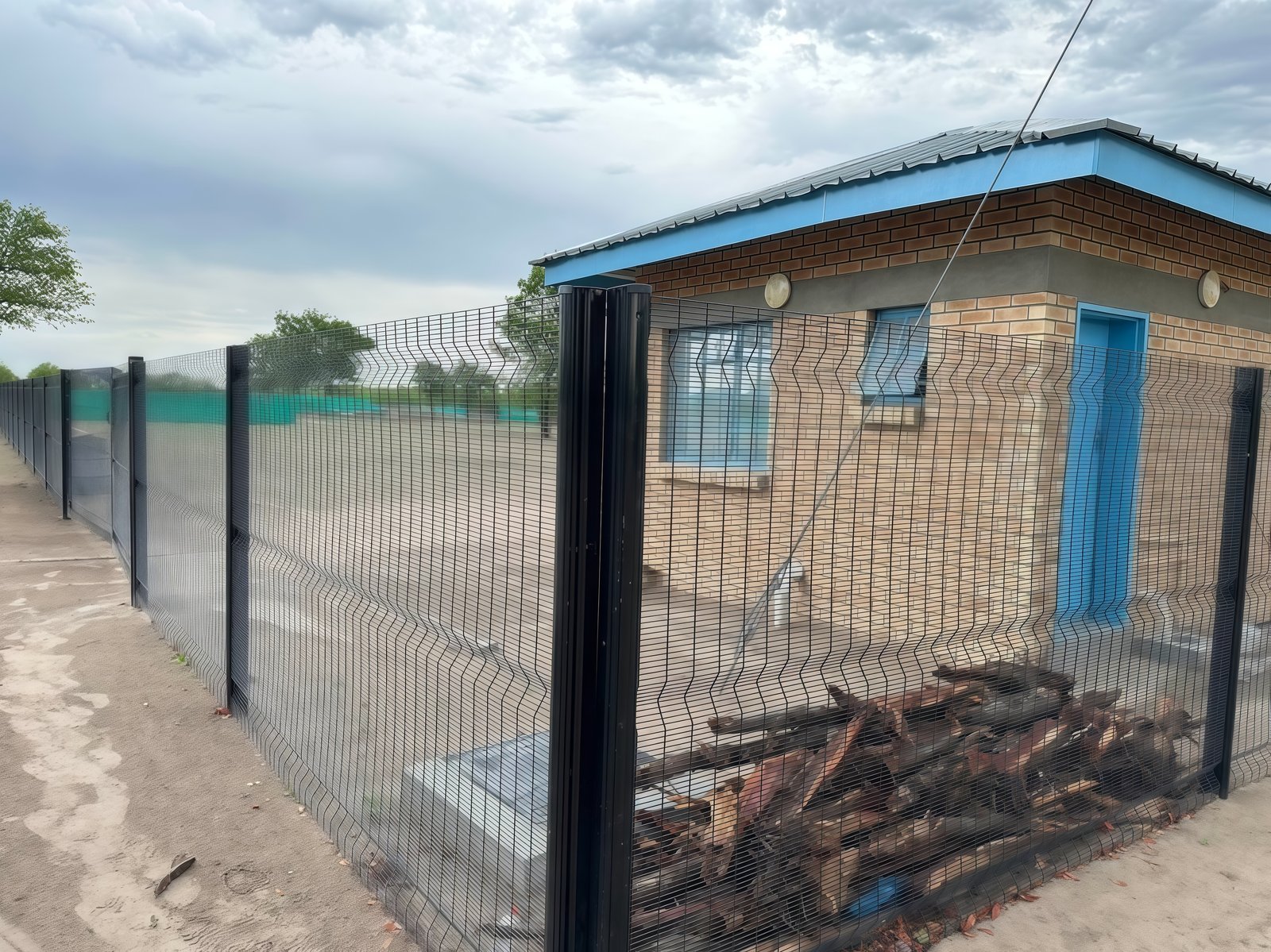
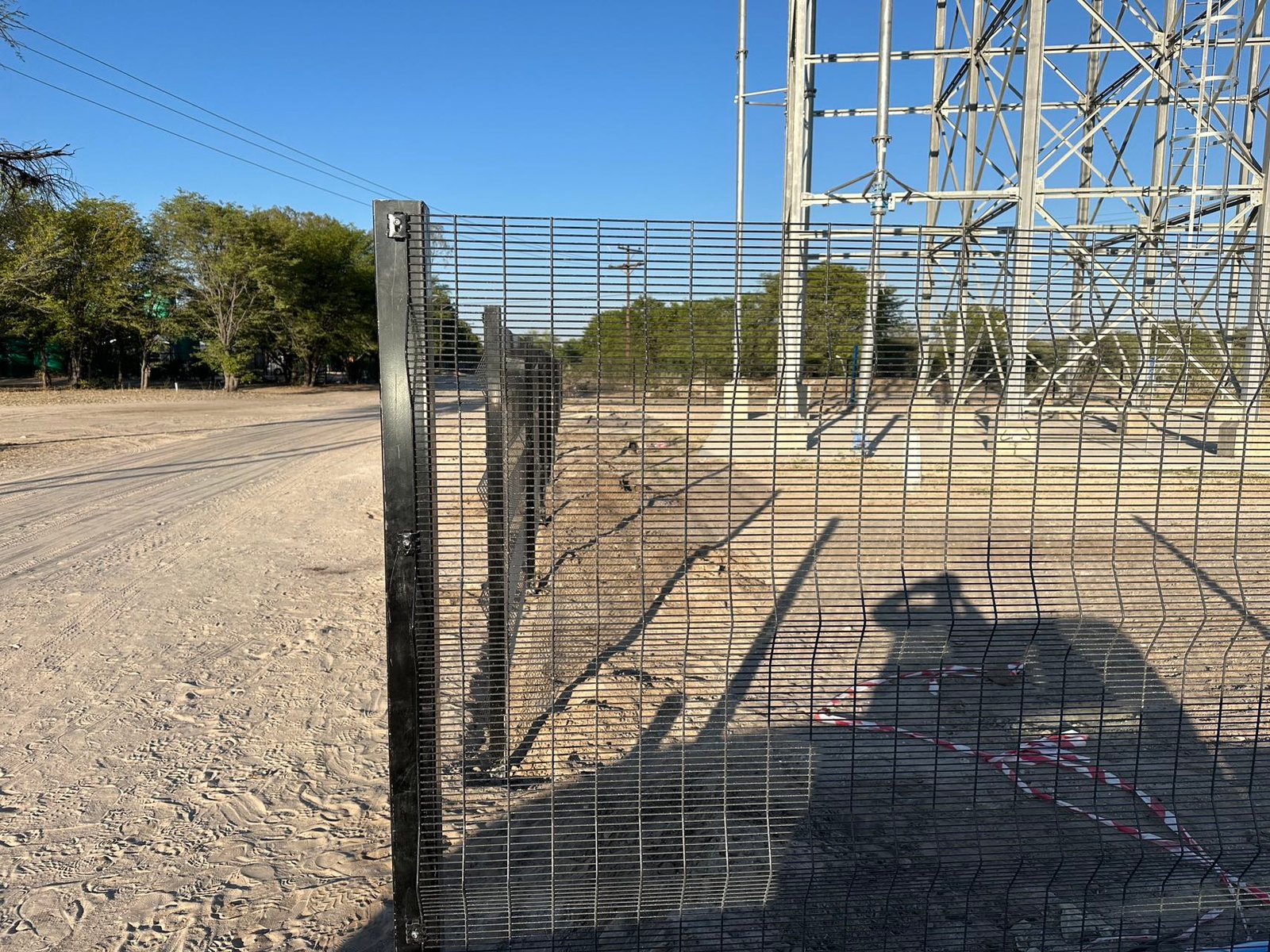
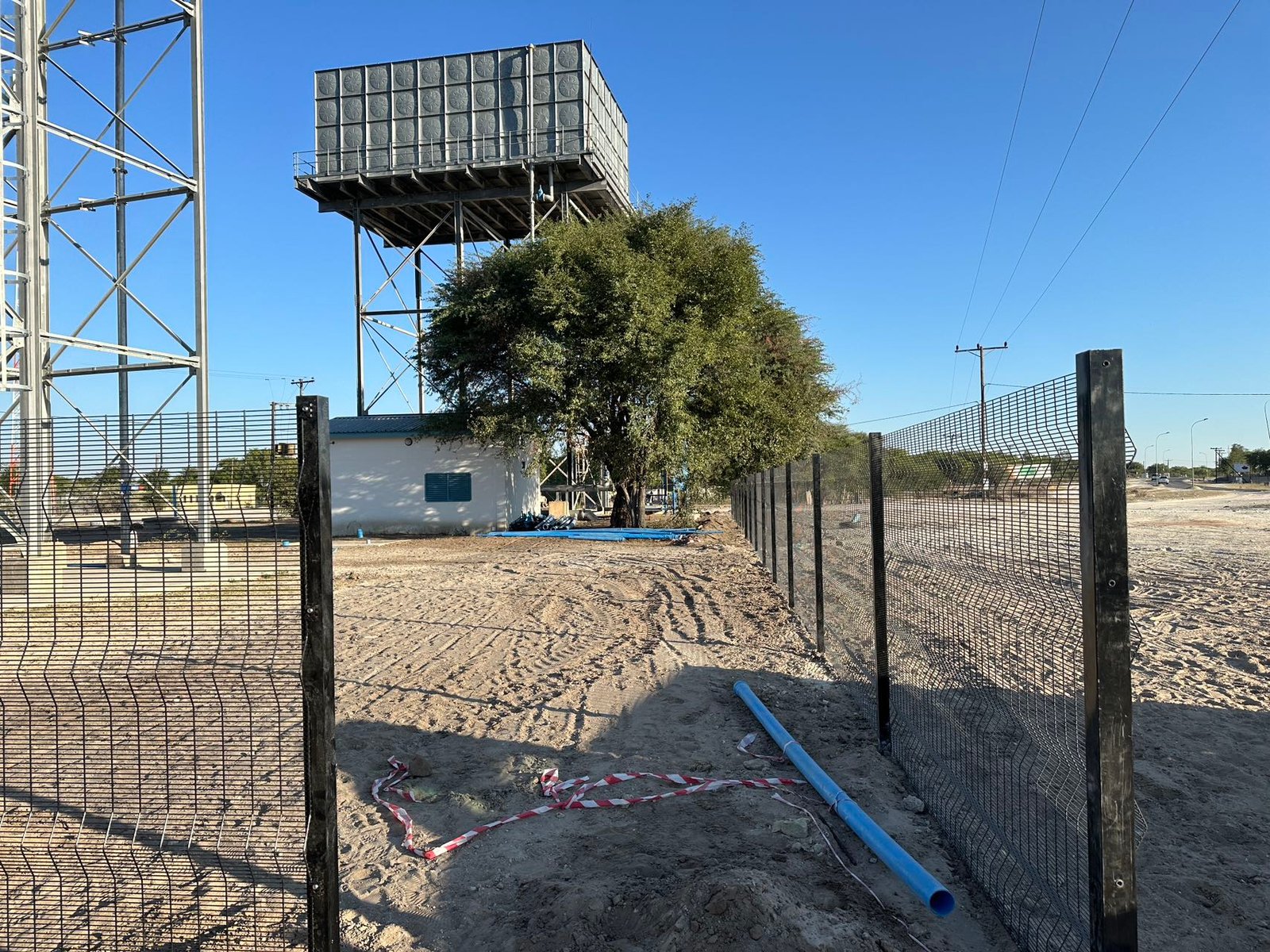
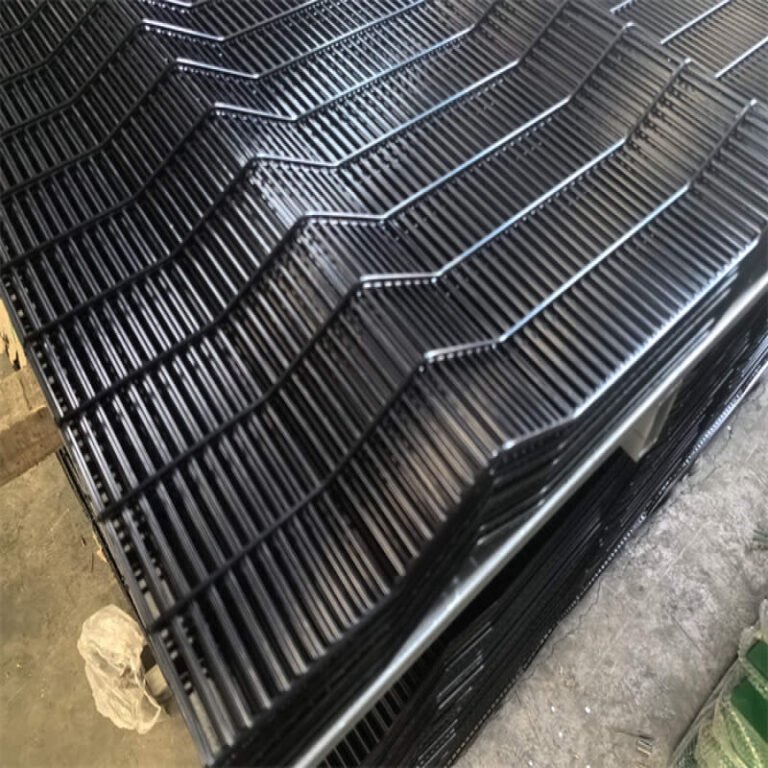
Description A 358 anti-climb fence provides a strong physical boundary through closely spaced welded steel wires. Its narrow mesh openings discourage climbing while maintaining excellent visibility across protected areas. Security designers use this construction around industrial facilities, infrastructure, warehouses, and sensitive properties.
The name 358 describes three-inch horizontal spacing, half-inch vertical spacing, and approximately eight-gauge wire. These measurements correspond to 76.2 × 12.7mm mesh centres and approximately 4mm steel wire. Unlike ordinary chain-link fencing, rigid welded panels maintain a consistent surface without flexible woven connections.
BMP manufactures security mesh fencing, steel posts, clamps, and compatible accessories in Anping County, China. Since 2006, our business has supplied fencing products to international markets. Customers can specify panel dimensions, protective finishes, and connection arrangements according to project requirements.
Property owners comparing high security 358 mesh fencing should examine the complete system rather than individual panels. Strong foundations, suitable posts, and reliable fasteners contribute significantly to perimeter performance.
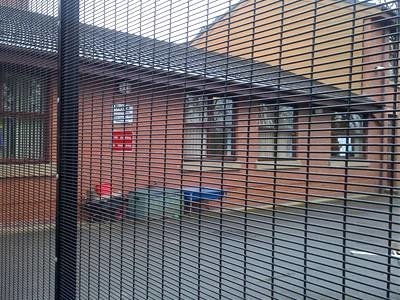
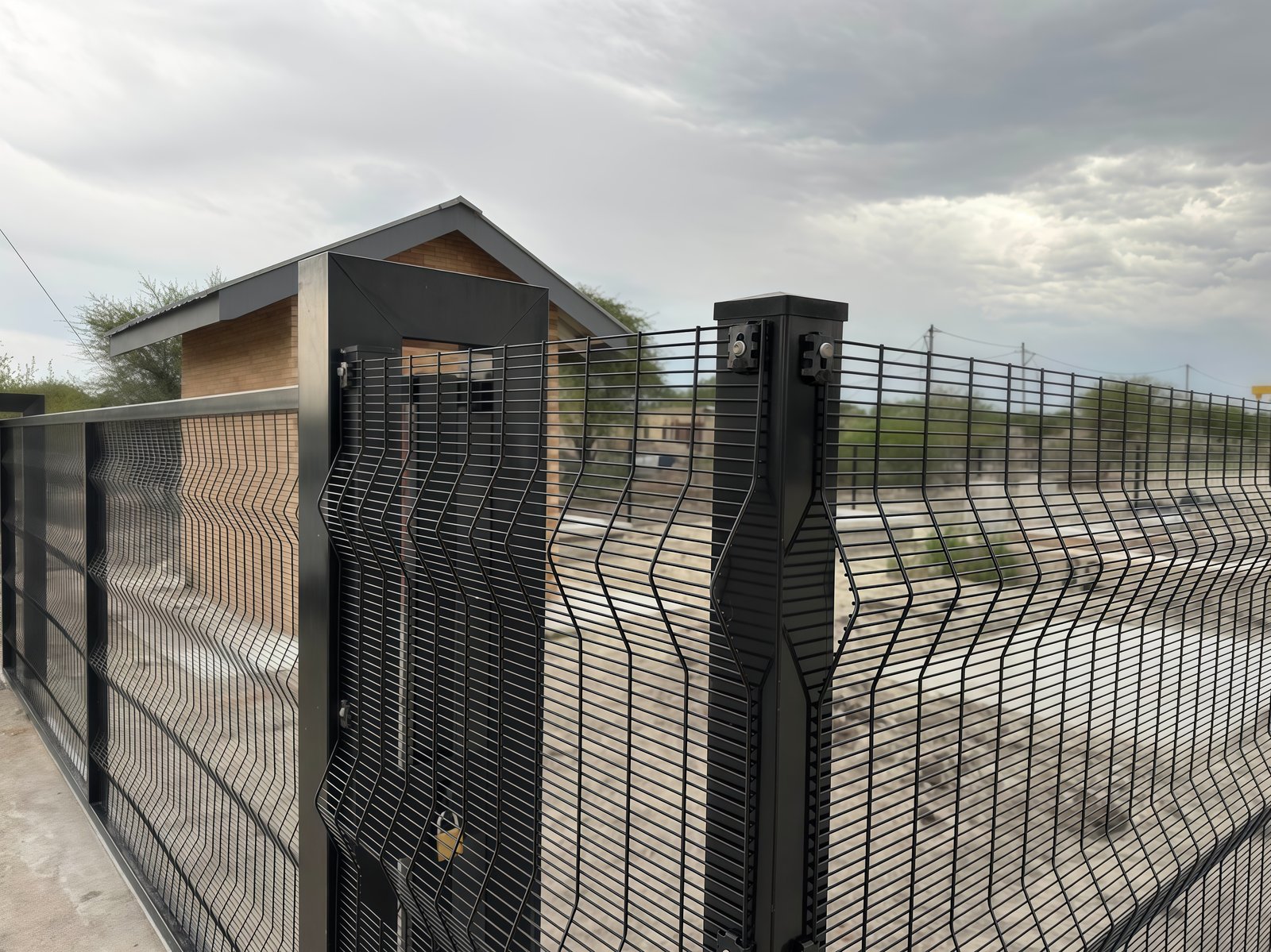
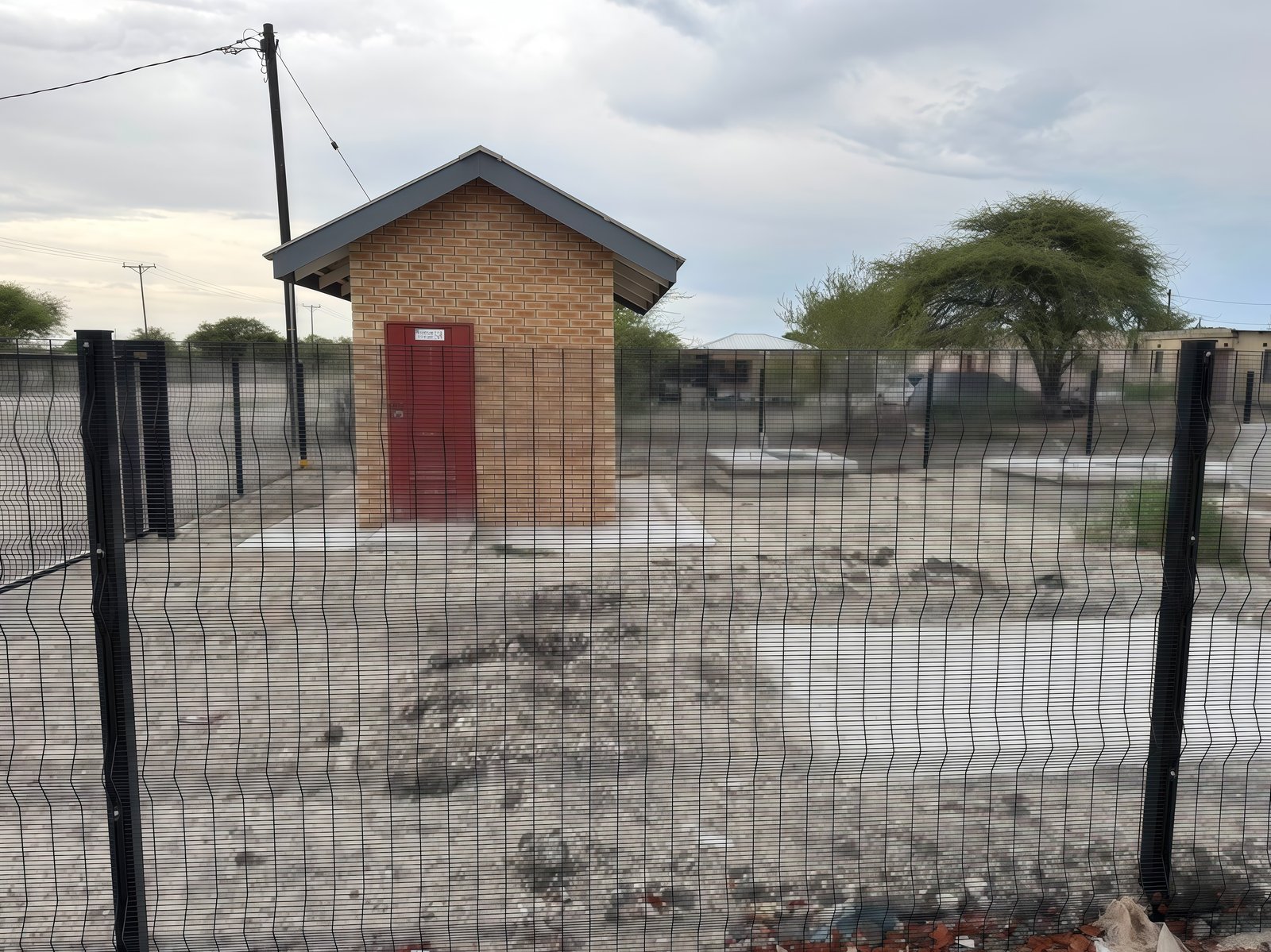
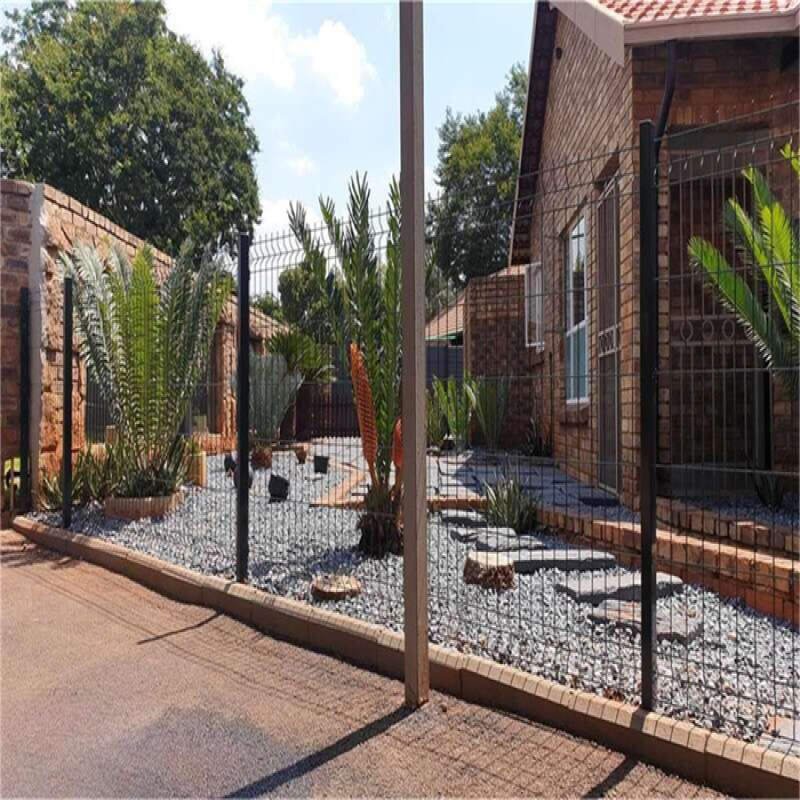
Black security mesh maintains clear views around residential and commercial boundaries. |
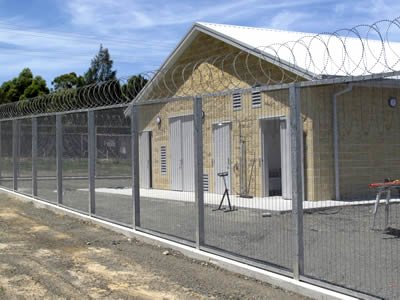
Industrial fencing can integrate suitable perimeter toppings where regulations permit. |
How a 358 Anti-Climb Fence Prevents Easy Climbing
Many conventional fences contain openings large enough to accommodate fingers or footwear. The much narrower 358 mesh reduces these convenient gripping points. Consequently, climbing becomes more difficult without additional equipment.
Welded steel intersections also create a rigid structure that resists ordinary movement. Unlike loosely connected wires, individual mesh intersections help maintain the panel's original geometry. Properly secured supporting posts prevent unwanted panel displacement.
The closely spaced horizontal wires restrict convenient access for some hand tools. However, determined attackers can still damage steel using suitable cutting equipment. Fencing therefore provides resistance and delay rather than guaranteed intrusion prevention.
358 Anti-Climb Fence Mesh Geometry
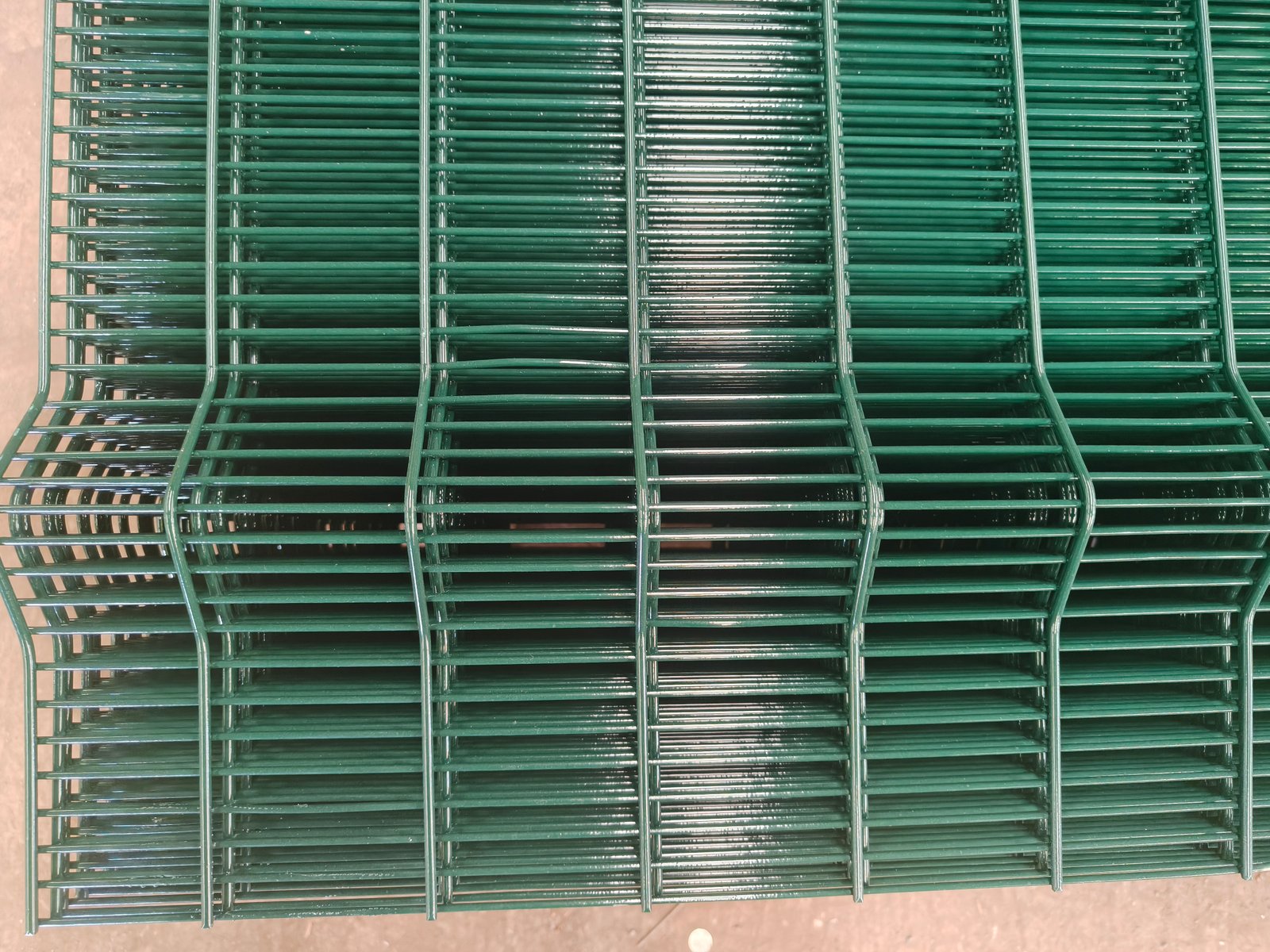
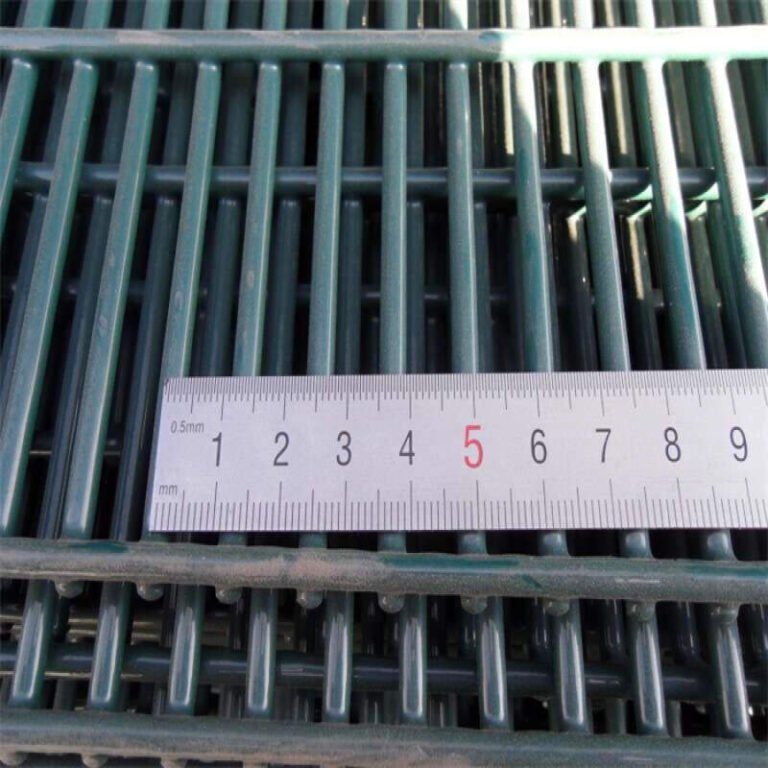
Traditional 358 mesh uses approximately 76.2mm spacing between vertical wires and 12.7mm between horizontal wires. Both dimensions describe wire centre-to-centre distances rather than actual clear apertures. A 4mm wire reduces the corresponding clear spaces to approximately 72.2mm and 8.7mm.
This geometry explains why the narrow direction offers limited gripping space. Manufacturers may also offer 75 × 12.5mm configurations for particular projects. The 358 welded wire mesh fence remains the main reference for these dimensions.
358 Anti-Climb Fence Resistance to Cutting
Wire diameter and steel properties influence resistance to cutting attempts. Traditional 358 panels commonly use approximately 4mm steel wire. Stronger variants may incorporate thicker wires or additional reinforcement.
Weld quality matters because weak intersections can compromise panel integrity. Manufacturers should inspect welded joints and confirm material specifications. Project-specific security tests provide more meaningful evidence than broad marketing claims.
358 Anti-Climb Fence Technical Specifications
Security fencing must combine suitable mesh dimensions with compatible supporting components. The following table preserves BMP's reference catalogue configurations. Actual project specifications require approval before manufacturing and installation.
| Item |
Reference Specification |
| Product Type |
358 Welded Security Mesh Fence |
| Mesh Centres |
76.2 × 12.7mm |
| Alternative Mesh |
75 × 12.5mm |
| Traditional Wire Diameter |
4.0mm Horizontal / 4.0mm Vertical |
| Custom Wire Options |
Project-specific, approximately 2.0–6.5mm |
| Reference Panel Width |
2515mm |
| Alternative Widths |
2000mm / 2200mm upon request |
| Reference Fence Heights |
2000–5207mm |
| Material |
Low-Carbon Steel Wire |
| Mesh Construction |
Resistance-Welded Intersections |
| Posts |
Square / Rectangular Steel Profiles |
| Connection Options |
Clamp Bars / Security Brackets |
| Surface Finish |
Galvanized / Galfan / Powder Coated |
| Typical Colours |
RAL6005 Green / RAL9005 Black |
Manufacturers should confirm actual wire diameters with calibrated measuring equipment. Weld strength requires suitable testing procedures and clear acceptance criteria. Tensile strength and weld strength must not share interchangeable units.
The 358 mesh panels category includes further reference dimensions and product arrangements. Security ratings must relate to tested systems rather than unverified wire measurements.
358 Anti-Climb Fence Panel Heights and Post Selection
Fence height influences climbing difficulty, wind loading, and structural requirements. Taller panels need appropriate supporting posts and engineered foundations. End posts, corner posts, and gate supports may require different construction details.
| Product ID |
Fence Height |
Panel H × W |
Post Length × Section × Wall |
Clamp Bar H × W × Thickness |
Intermediate / Corner Fixings |
| 358F01 |
2.0m |
2007 × 2515mm |
2700 × 60 × 60 × 2.5mm |
2007 × 60 × 5mm |
7 / 14 |
| 358F02 |
2.4m |
2400 × 2515mm |
3100 × 60 × 60 × 2.5mm |
2400 × 60 × 5mm |
9 / 18 |
| 358F03 |
3.0m |
2997 × 2515mm |
3800 × 80 × 80 × 2.5mm |
2997 × 80 × 6mm |
11 / 22 |
| 358F04 |
3.3m |
3302 × 2515mm |
4200 × 80 × 80 × 2.5mm |
3302 × 80 × 6mm |
12 / 24 |
| 358F05 |
3.6m |
3607 × 2515mm |
4500 × 100 × 100 × 3.0mm |
3607 × 100 × 7mm |
13 / 26 |
| 358F06 |
4.2m |
4204 × 2515mm |
5200 × 100 × 100 × 4.0mm |
4204 × 100 × 8mm |
15 / 30 |
| 358F07 |
4.5m |
4496 × 2515mm |
5500 × 100 × 100 × 5.0mm |
4496 × 100 × 8mm |
16 / 32 |
| 358F08 |
5.2m |
5207 × 2515mm |
6200 × 120 × 120 × 5.0mm |
5207 × 100 × 8mm |
18 / 36 |
These dimensions reproduce reference catalogue combinations rather than approved structural designs. Clamp quantities depend on actual connection layouts and corner arrangements. Engineers should verify all post sections against site-specific loading.
358 Anti-Climb Fence for Higher Perimeters
Industrial and sensitive facilities may require panels above ordinary residential heights. Increased height creates additional structural demands and changes installation equipment requirements. Wind loading deserves particular attention on exposed sites.
Some specialised systems incorporate additional wires or reinforced mesh sections. The high security clear view fence range allows buyers to consider different configurations. Final selection must reflect the project's actual security assessment.
358 Anti-Climb Fence Compared With Double-Skin Security Mesh
Traditional 358 fencing normally uses a single welded mesh layer. Double-skin systems combine additional mesh reinforcement to increase resistance against selected attacks. These systems differ in weight, construction, and installation requirements.
Some specialised double-skin designs use tighter secondary openings than standard 358 mesh. Additional steel also affects handling and supporting structures. Buyers should request manufacturer-specific information and independent testing records.
| Characteristic |
Standard 358 |
Double-Skin Security Mesh |
| Mesh Construction |
Single welded layer |
Additional reinforced layers |
| Typical 358 Mesh Centres |
76.2 × 12.7mm |
Model-specific combinations |
| Relative Steel Weight |
Lower |
Higher |
| Installation Demands |
Standard engineered supports |
Potentially stronger supports |
| Security Evaluation |
System-specific testing |
System-specific testing |
| Typical Use |
Industrial security |
More demanding protective sites |
Additional mesh does not automatically guarantee a particular resistance rating. Certification depends on the exact tested assembly, including posts, fasteners, and foundations.
358 Anti-Climb Fence Clamps and Security Connections
Even strong mesh panels require reliable connections to supporting posts. Poorly secured edges can weaken a protective boundary. Proper clamp design distributes loads and discourages casual dismantling.
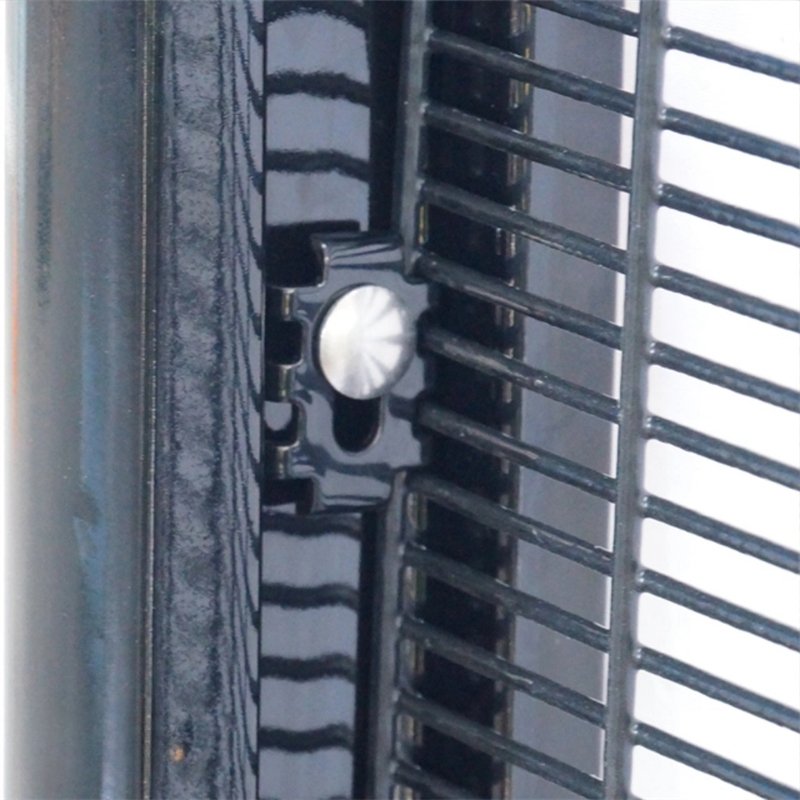
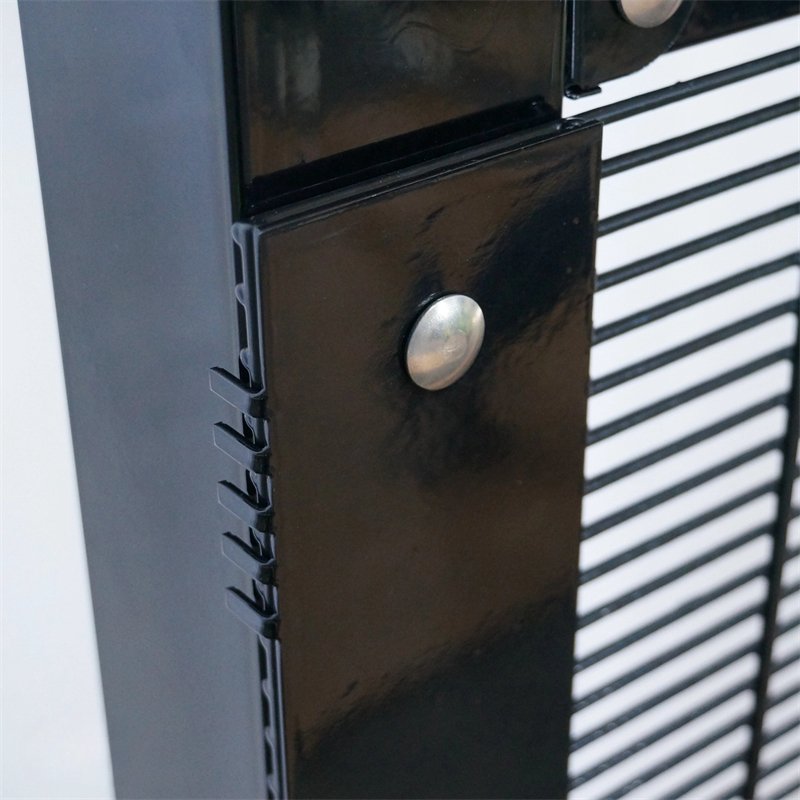
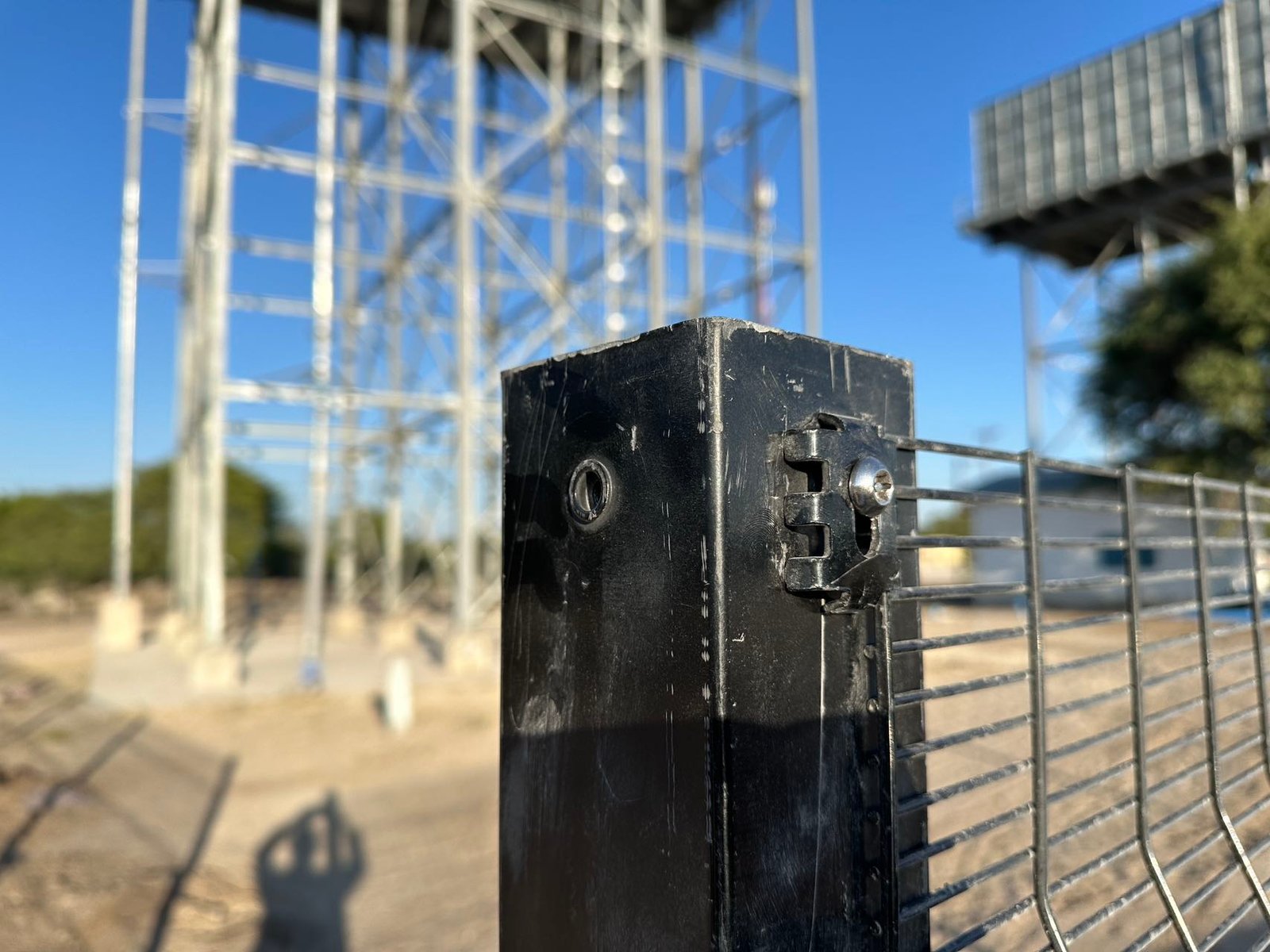
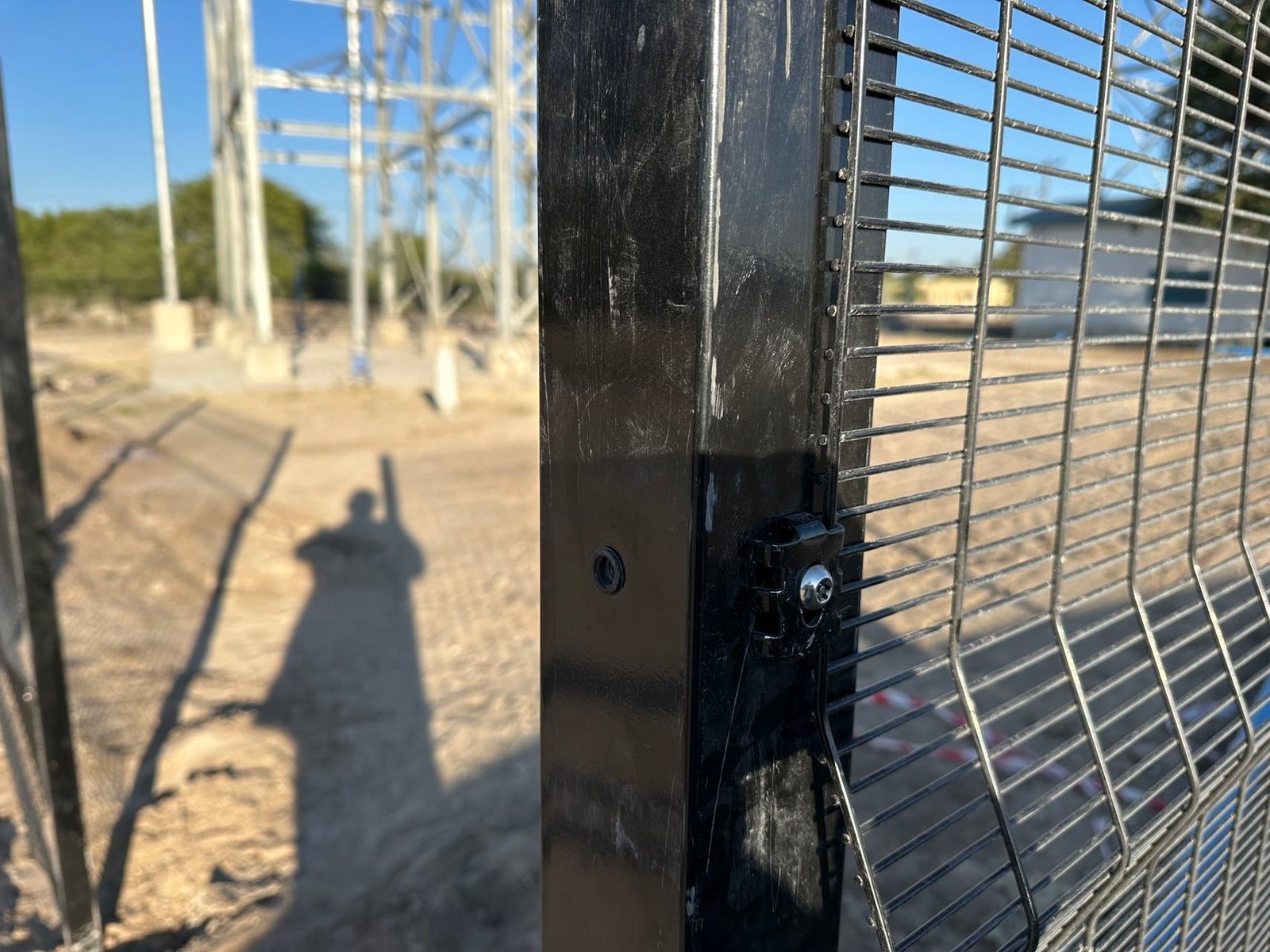
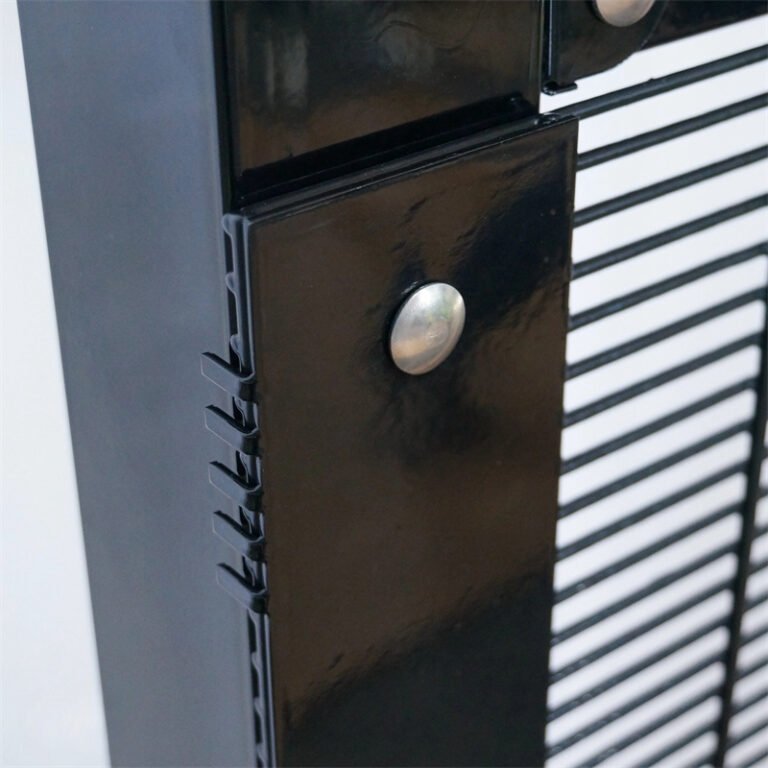
Common options include full-height clamp bars, shorter steel plates, and compatible mounting brackets. Security bolts and tamper-resistant nuts can further protect exposed connections. Hardware must match post geometry and mesh dimensions.
358 Anti-Climb Fence Overlapping Panel Connections
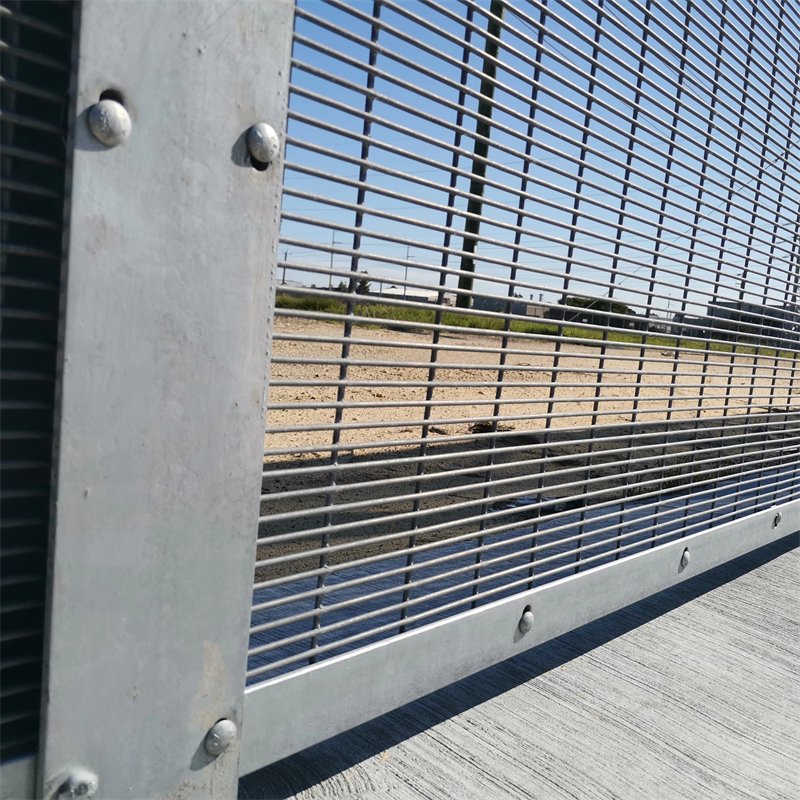
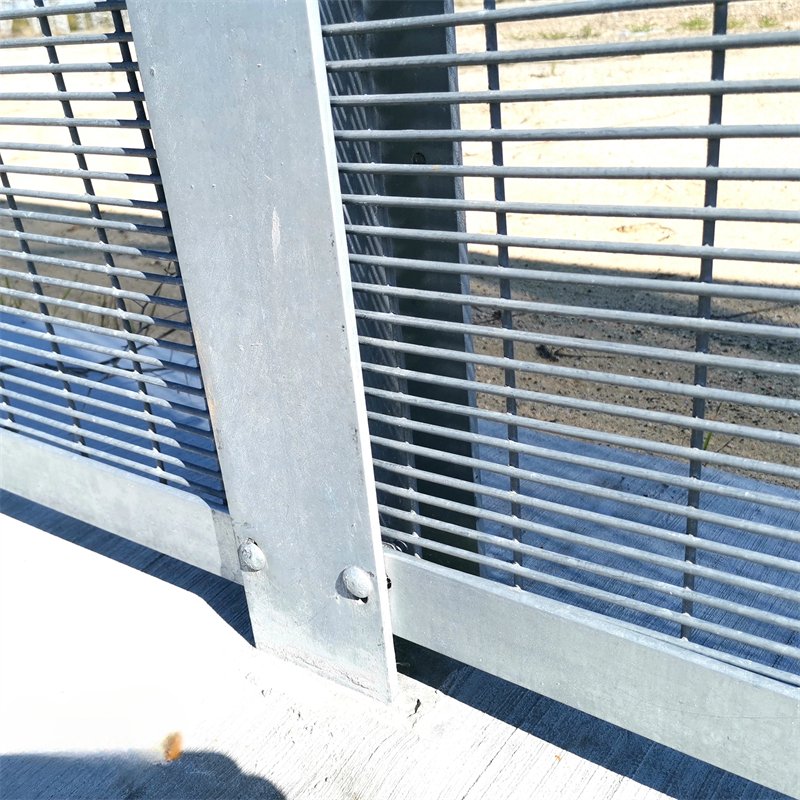
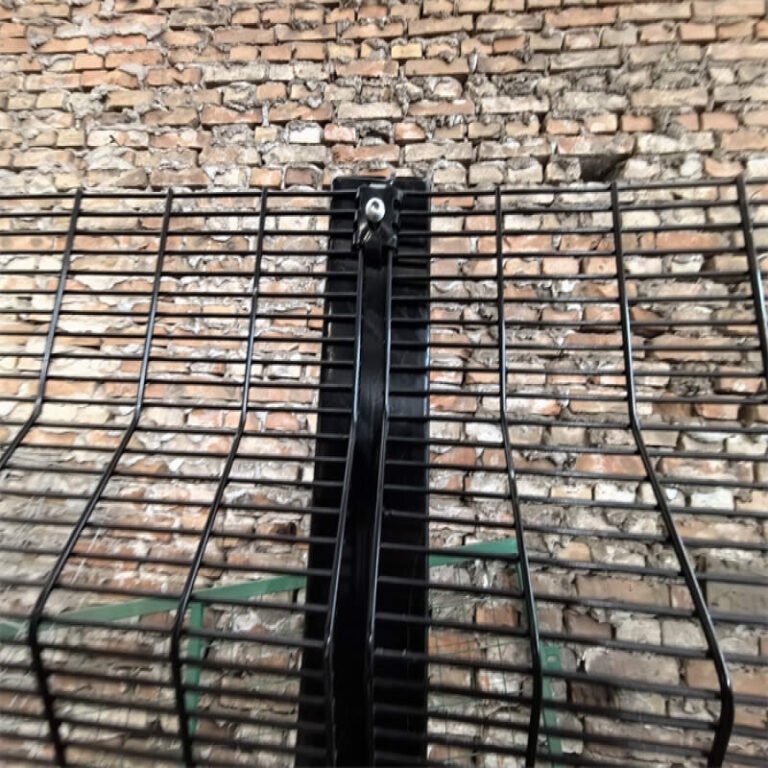
Some installation systems overlap adjoining panels by approximately 75mm at each post. A continuous clamp bar holds the overlapping mesh against the supporting structure. Suitable bolts complete the connection.
Other designs use separate brackets without overlapping panels. These arrangements require different post-centre dimensions and fixing positions. Contractors should follow the approved installation drawing.
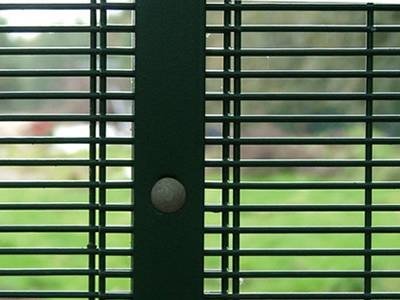
Overlapping mesh panels use a clamp bar to secure adjoining sections. |
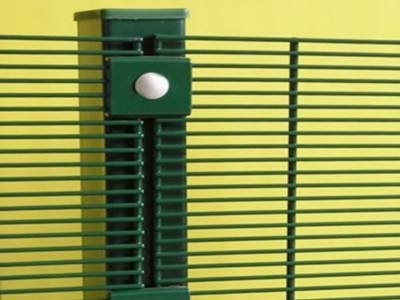
Bracket connections offer another arrangement without panel overlap. |
Clamp Spacing and Tamper Resistance
Some catalogue arrangements position individual brackets at approximately 300mm intervals. However, actual spacing depends on project loads and connection engineering. Full-height bars follow a different fastening method.
Installers should inspect bolt accessibility and exposed attachment points. Appropriate security nuts can discourage casual removal. Related ClearVu fence panels use compatible fastening systems for their selected post profiles.
358 Anti-Climb Fence Surface Protection and Coating Systems
Outdoor steel fencing requires corrosion protection appropriate to the installation environment. Galvanizing creates a protective zinc layer, while additional coatings support appearance and durability. Customers should specify the complete coating process before manufacturing.
Galvanized Steel and Galfan Wire
Hot-dip galvanizing after fabrication can protect welds and exposed steel surfaces. Pre-galvanized wire offers another manufacturing route. Galfan zinc-aluminium coatings provide additional options for selected products.
Wire coating and finished-panel coating are not identical manufacturing processes. Buyers should confirm coating mass, thickness, and inspection requirements. ISO 1461 may apply to appropriate post-fabrication hot-dip galvanized components.
Polyester Powder and PVC Finishes
Polyester powder coatings offer colour and additional surface protection. PVC coatings provide another protective barrier when manufacturers use suitable substrates and processing methods. Environmental conditions influence coating selection.
RAL6005 green and RAL9005 black remain common fence colours. Custom RAL options can support architectural requirements. Surface preparation and coating adhesion affect long-term performance.
358 Anti-Climb Fence Security Applications
Different properties require different protection levels and operating arrangements. Narrow welded security mesh offers useful characteristics wherever visibility and physical separation matter. Fence height and accessories should reflect the site's risk assessment.
- Correctional facilities and controlled institutions
- Industrial warehouses and manufacturing plants
- Airport service and logistics areas
- Electrical substations and utility compounds
- Transport depots and railway infrastructure
- Petroleum and chemical facilities
- Research laboratories and restricted premises
- Commercial storage yards and business parks
- Residential estates requiring stronger perimeter protection
358 Anti-Climb Fence for CCTV Surveillance
Open welded mesh supports observation through suitable fence sections. Security cameras can monitor movement beyond the perimeter when technicians position equipment correctly. Lighting and camera angles still determine image quality.
Solid barriers often create visual obstructions near entrances and storage areas. Transparent mesh reduces some of these restrictions. However, posts, overlapping panels, and nearby objects can still interrupt sightlines.
Industrial Security and Access Management
Factories frequently handle machinery, materials, and valuable inventory. Perimeter fencing separates restricted operations from public access routes. Compatible vehicle gates help control deliveries and employee movements.
Warehouse managers should coordinate fence layouts with loading bays and emergency access. The ClearVu fence sliding gates category illustrates related entrance arrangements. Gate foundations require their own structural consideration.
358 Anti-Climb Fence Performance in South African Conditions
South Africa presents diverse coastal and inland environmental conditions. Durban's salt-laden atmosphere creates stronger corrosion challenges for exposed steel. Suitable galvanizing and protective coatings help reduce deterioration.
Cape Town projects may experience strong winds alongside marine exposure. Inland Gauteng facilities face summer storms, ultraviolet radiation, and industrial dust. These factors influence maintenance and material selection.
For coastal installations, clear view fencing Durban applications highlight relevant protection requirements. Inland buyers can also consider clear view fencing Gauteng configurations.
Property security involves local risks rather than assumptions about entire communities. Fence systems can discourage opportunistic intrusion while helping staff monitor sensitive areas. Appropriate lighting and access controls strengthen the overall approach.
358 Anti-Climb Fence Installation Requirements
Installation begins with accurate surveys and approved construction drawings. Contractors should identify boundary lines, ground levels, underground utilities, and vehicle entrances. These details determine post positions and foundation arrangements.
Post Spacing and Foundations
Panel width does not always equal actual installed post-centre spacing. Overlapping connections can reduce the effective coverage of each panel. Bracket connections follow different layouts.
Foundation dimensions depend on soil conditions, wind loading, and fence height. Engineers should evaluate both intermediate and terminal posts. Gate supports may require separate foundations.
The ClearVu fence installation guide provides related installation planning information. Approved project drawings must govern final construction.
358 Anti-Climb Fence on Sloped Ground
Uneven terrain can create gaps beneath standard rectangular panels. Contractors may use stepped installation or custom panel dimensions. The chosen method should preserve required boundary protection.
Drainage also matters around concrete foundations and post connections. Standing water can increase corrosion exposure. Site planning should address these conditions before installation.
Final Security Inspection
Completed installations require checks for loose fasteners, damaged coatings, and unexpected openings. Inspectors should examine corners, gates, and transitions between different ground levels. Accurate records help identify future maintenance requirements.
Comparing 358 Anti-Climb Fence With Other Steel Systems
Different fence categories serve different purposes. Rigid 358 mesh emphasises narrow openings and visible security boundaries. Other products prioritise portability, aesthetics, or different manufacturing methods.
| Fence System |
Principal Feature |
Common Application |
| 358 Security Mesh |
Narrow anti-climb openings |
Industrial and sensitive boundaries |
| 3D Welded Mesh |
Horizontal reinforcing folds |
Schools and commercial properties |
| Garrison Fencing |
Vertical steel profiles |
Architectural security boundaries |
| Chain Link Fencing |
Flexible woven mesh |
General property boundaries |
| Temporary Fencing |
Movable panels and supports |
Construction sites |
Construction contractors often install temporary fencing panels before permanent security works. These systems accommodate changing access routes during development.
Suitable temporary fence blocks support compatible movable panels. Exposed locations may also require additional bracing and stability checks.
Architectural projects sometimes favour garrison fencing for its vertical steel appearance. Security designers should compare complete performance requirements before choosing a system.
358 Anti-Climb Fence Manufacturing and Quality Control
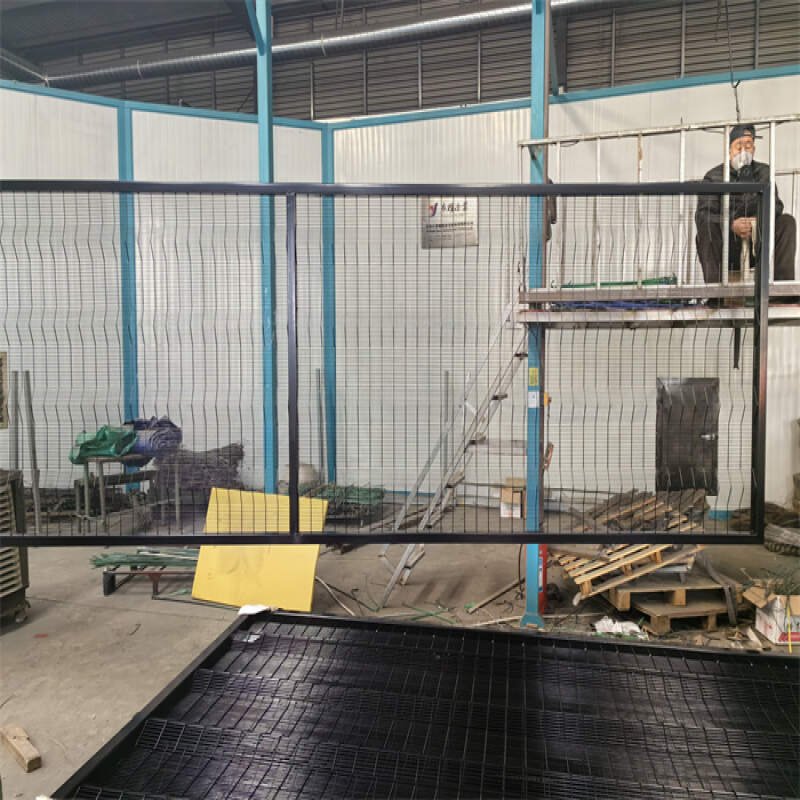
BMP manufactures welded steel security panels using prepared steel wires and resistance welding equipment. Operators monitor wire spacing and intersection consistency throughout production. Finished panels undergo dimensional checks before protective finishing.
Manufacturers should verify wire diameter, mesh spacing, and overall panel dimensions. Coating inspections can identify visible defects and incomplete coverage. Final checks should also cover post sections, clamps, and accessories.
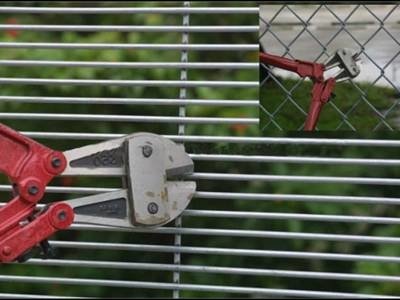
Narrow mesh openings limit access for some conventional cutting tools. |
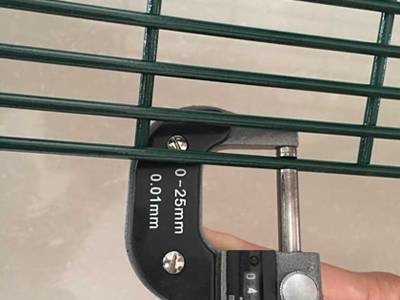
Dimensional inspection confirms the specified steel wire diameter. |
358 Anti-Climb Fence Export Packaging and Shipment
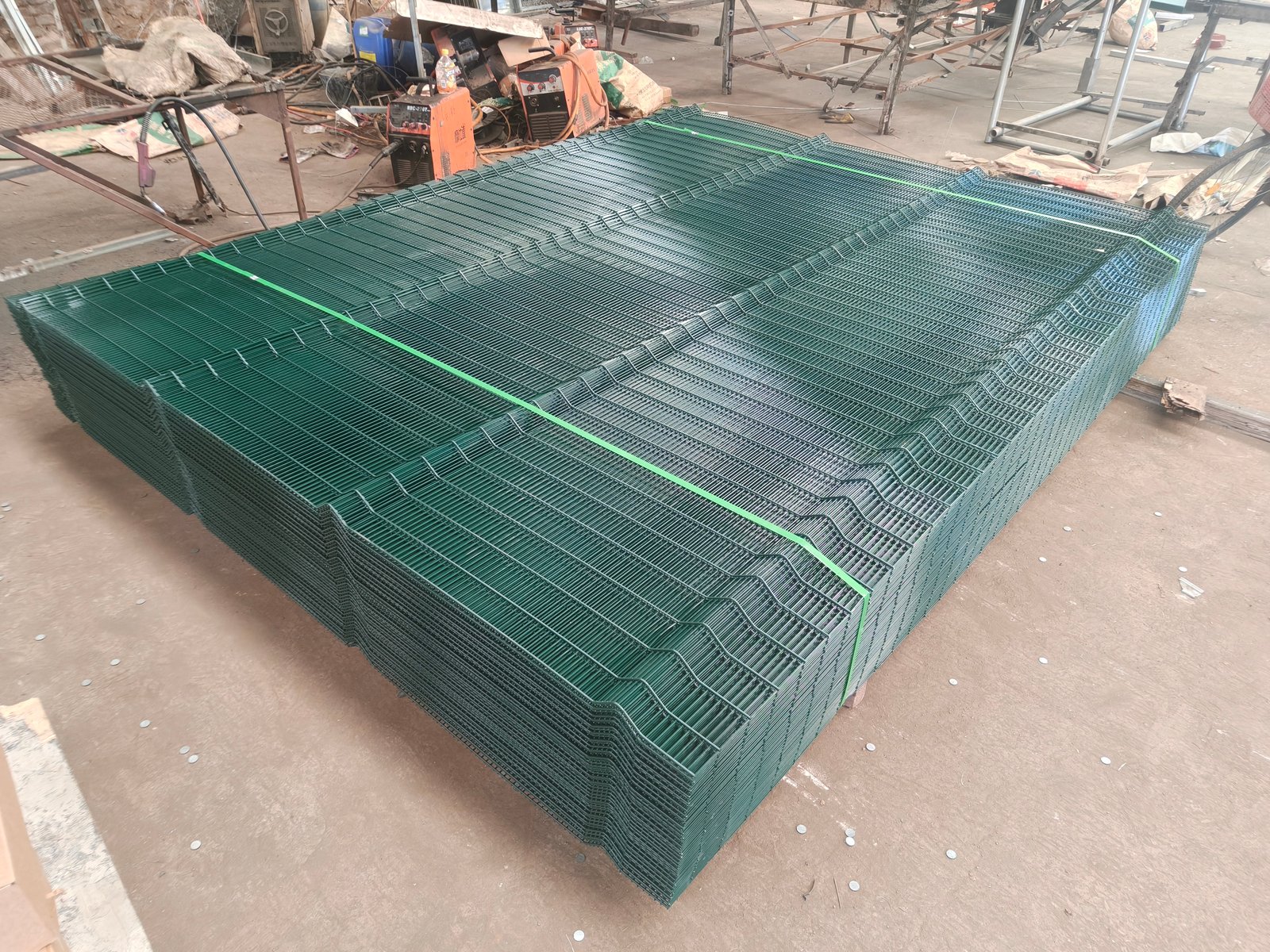
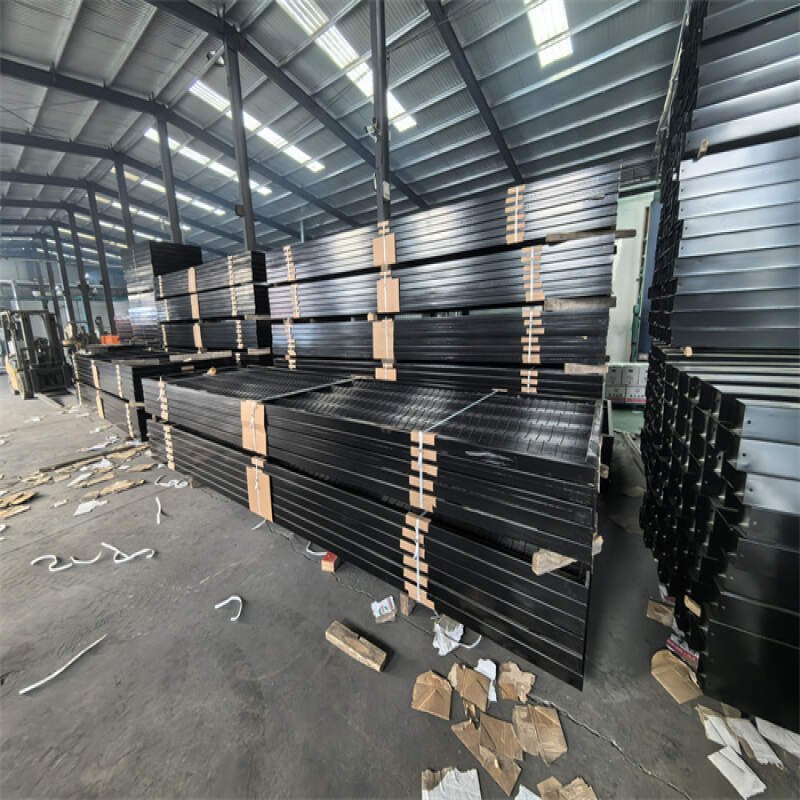
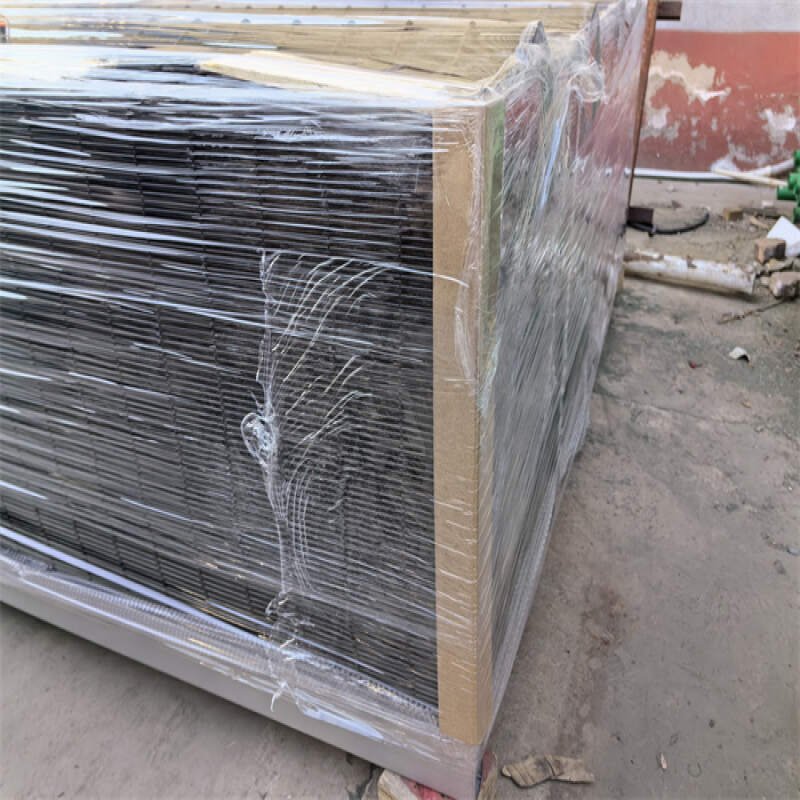
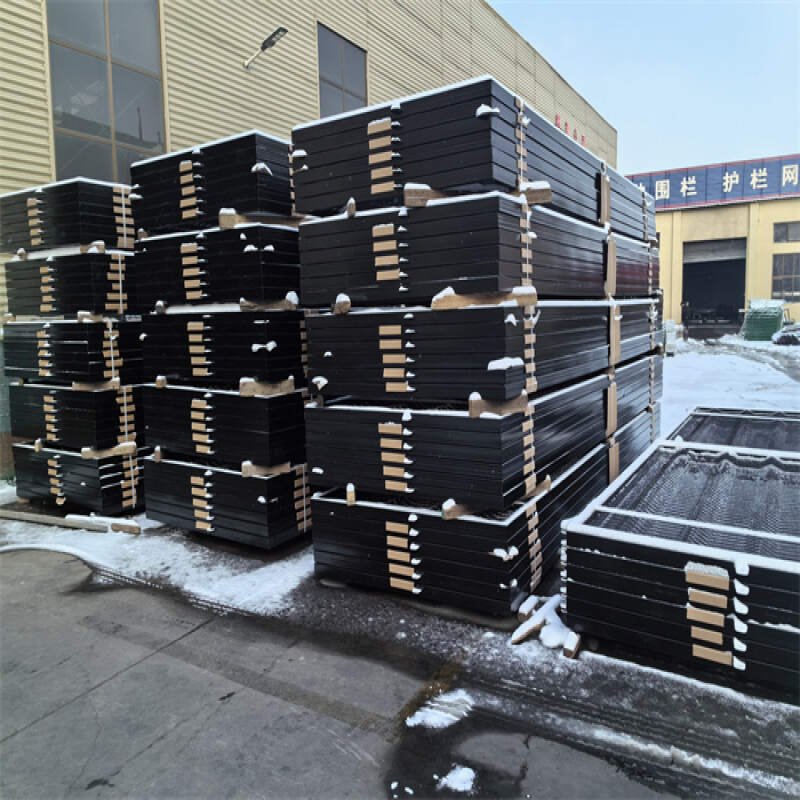
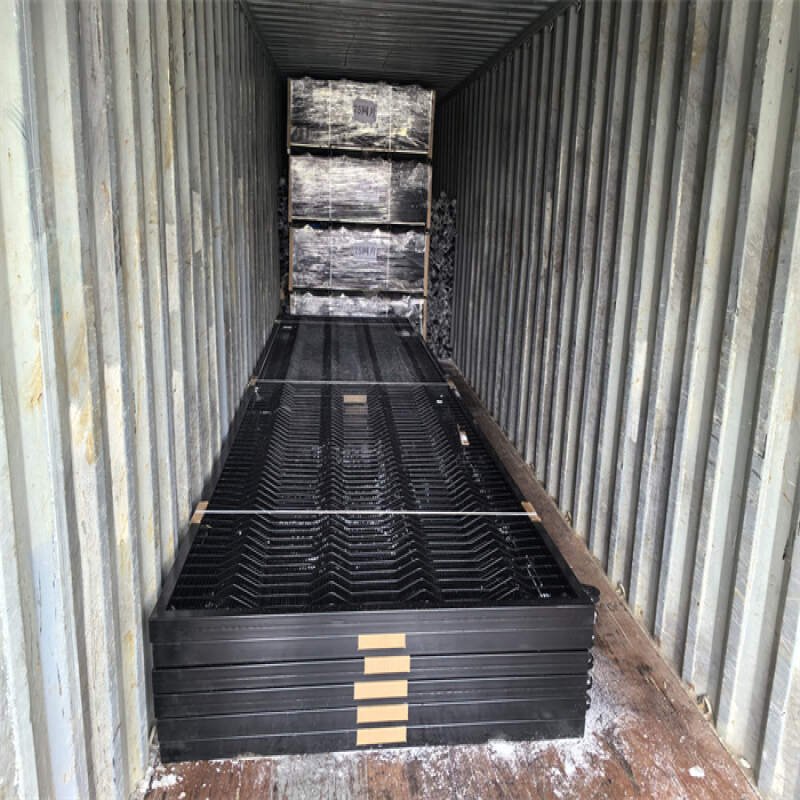
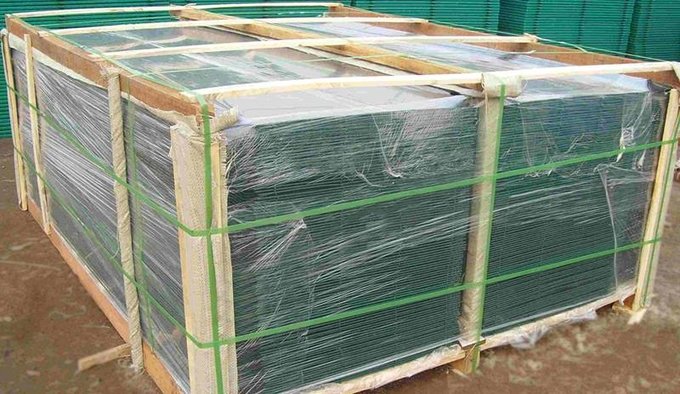
Secure packaging protects welded panels during warehouse handling and international transportation. BMP uses protective film and suitable export pallets for relevant orders. Steel pallet options also support organised container loading.
Separators reduce scratching between coated mesh panels. Protective packaging around corners helps prevent handling damage. Posts and accessories require appropriate identification and securing arrangements.
Customers should inspect product quantities against the packing list. Delivery photographs can assist with receiving checks. Damaged coatings deserve attention before installation begins.
358 Anti-Climb Fence Procurement Checklist
Accurate specifications help customers compare quotations across different manufacturers. Panel prices alone do not describe the full security system. Posts, fasteners, gates, and protective coatings influence total project requirements.
- Confirm the finished fence height and total boundary length.
- Specify 76.2 × 12.7mm mesh centres or approved alternatives.
- Identify horizontal and vertical wire diameters.
- Approve panel widths and manufacturing tolerances.
- Confirm post profiles and foundation requirements.
- Specify clamp bars, brackets, bolts, and security nuts.
- Select galvanizing, powder coating, and RAL colours.
- Identify gate openings and access-control systems.
- Request relevant testing and inspection documentation.
- Confirm packing, delivery terms, and installation responsibilities.
Buyers can review clear view fence prices when assessing material-cost factors. Accurate drawings make quotation comparisons more meaningful.
Frequently Asked Questions About 358 Anti-Climb Fence
What does 358 mean in fencing?
The designation refers to three-inch spacing, half-inch spacing, and approximately eight-gauge steel wire. Metric reference dimensions are 76.2 × 12.7mm and approximately 4mm diameter.
Can people climb a 358 security fence?
The narrow mesh limits convenient finger and toe holds. This makes climbing more difficult than many larger-opening designs. However, no fence guarantees complete resistance against determined attackers.
Does 358 fencing resist ordinary cutting tools?
Closely spaced wires restrict access for some conventional tools. Actual cutting resistance depends on wire properties and equipment. Security tests provide stronger evidence than absolute marketing claims.
Which fence height suits industrial premises?
Many industrial projects consider heights between 2400mm and 3000mm. More demanding sites may require taller installations. Final selection depends on risk assessment and structural engineering.
Can 358 panels support security cameras?
Yes, the open mesh supports observation through suitable sections. Camera positioning and lighting remain important. Installers should verify coverage after installation.
Can 358 fencing include razor wire?
Some projects incorporate approved razor-wire toppings and supporting arms. Applicable safety requirements and local regulations govern these arrangements. Designers must also consider maintenance and public exposure.
Are galvanized panels suitable for coastal areas?
Galvanizing improves corrosion resistance under many outdoor conditions. Coastal sites may require additional protective coatings and more frequent maintenance. Final specifications should reflect environmental exposure.
Does BMP provide a manufacturer warranty?
BMP offers a 15-year manufacturer warranty for its ClearVu and Clearview fencing products, subject to applicable terms. Proper installation and maintenance support long-term performance.
Conclusion: 358 Anti-Climb Fence for Engineered Perimeter Protection
A 358 anti-climb fence combines narrow welded mesh, strong steel components, and clear perimeter visibility. Its geometry discourages climbing while supporting security observation and controlled access.
Reliable protection depends on complete system design rather than mesh panels alone. Suitable posts, compatible clamps, protective coatings, and engineered foundations remain essential. BMP supplies configurable security fencing products and export support for commercial and industrial projects.
Contact our sales team with approved drawings, panel dimensions, and installation requirements for a project quotation.