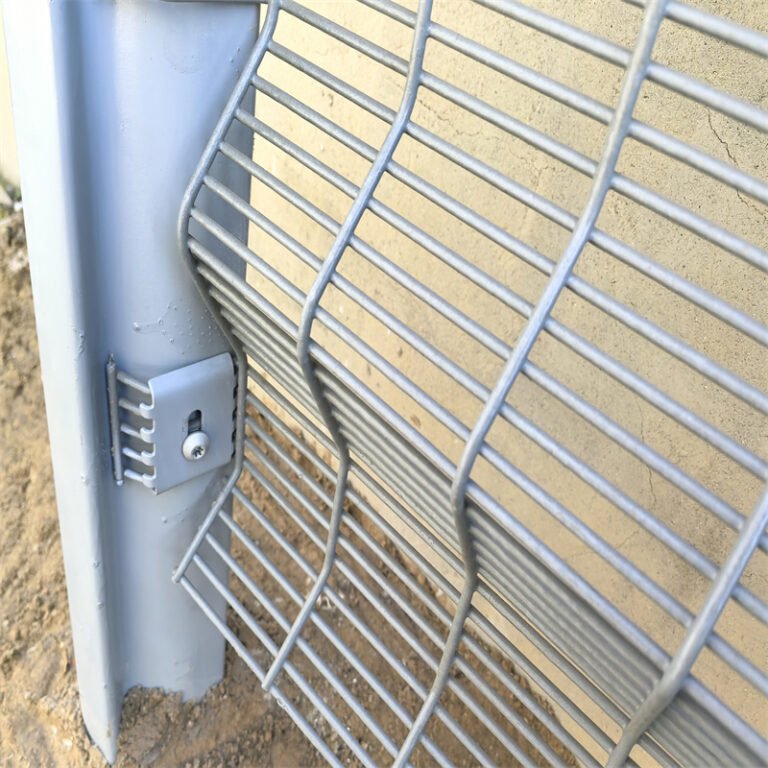
Anti-climb 3510 Security fence combines compact welded mesh, steel posts, and tamper-resistant fixings for demanding perimeter projects. Its narrow openings limit useful footholds while allowing security teams to observe activity beyond the barrier. BMP manufactures these panels for industrial facilities, transport infrastructure, and controlled-access properties.
A typical 3510 panel uses approximately 3.2 mm wire and 76.2 × 12.7 mm mesh spacing. The system offers a lighter alternative to common 358 fencing at similar panel dimensions. Buyers can specify coating systems, posts, gates, and accessories around the project risk assessment.
Anti-climb 3510 Security fence: panel overview
The 3510 designation describes a three-inch by half-inch mesh pattern with nominal ten-gauge wire. Metric specifications typically show 76.2 × 12.7 mm spacing and approximately 3.2 mm wire diameter. Final drawings should state centre-to-centre measurements and manufacturing tolerances.
The related 358 Mesh Fence retains similar spacing but typically uses thicker, eight-gauge wire. Both designs help restrict climbing compared with wide-aperture fence panels. Security performance also depends on weld quality, post strength, foundations, and suitable gates.
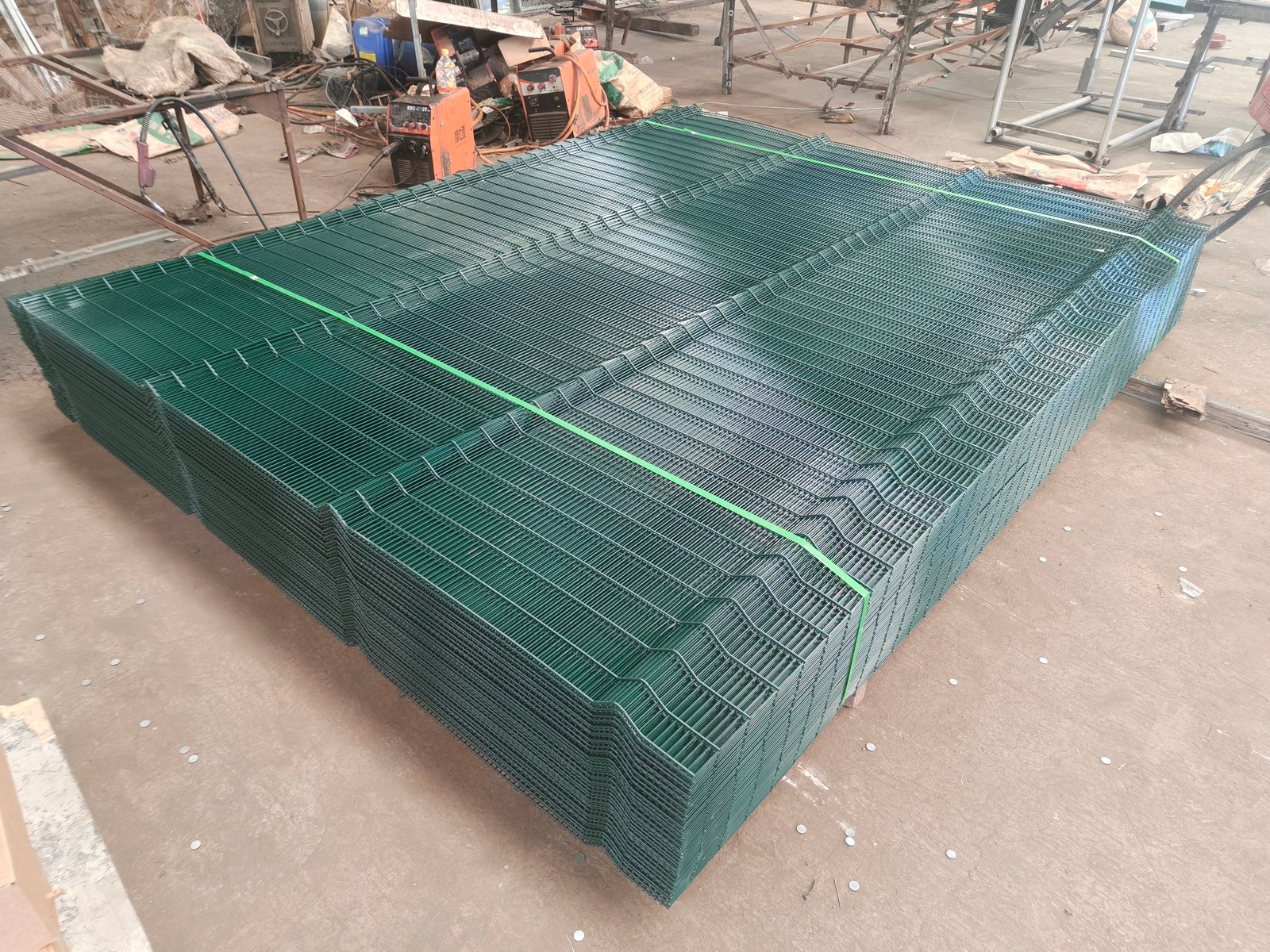
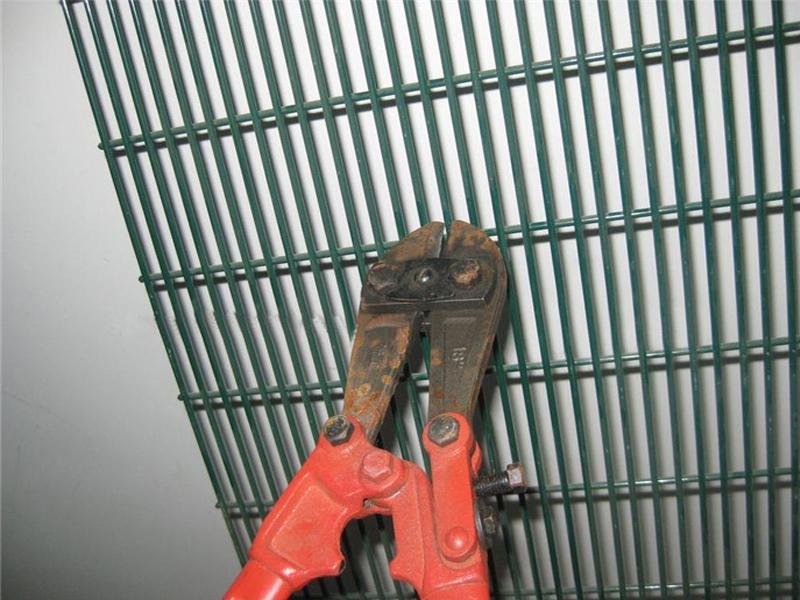
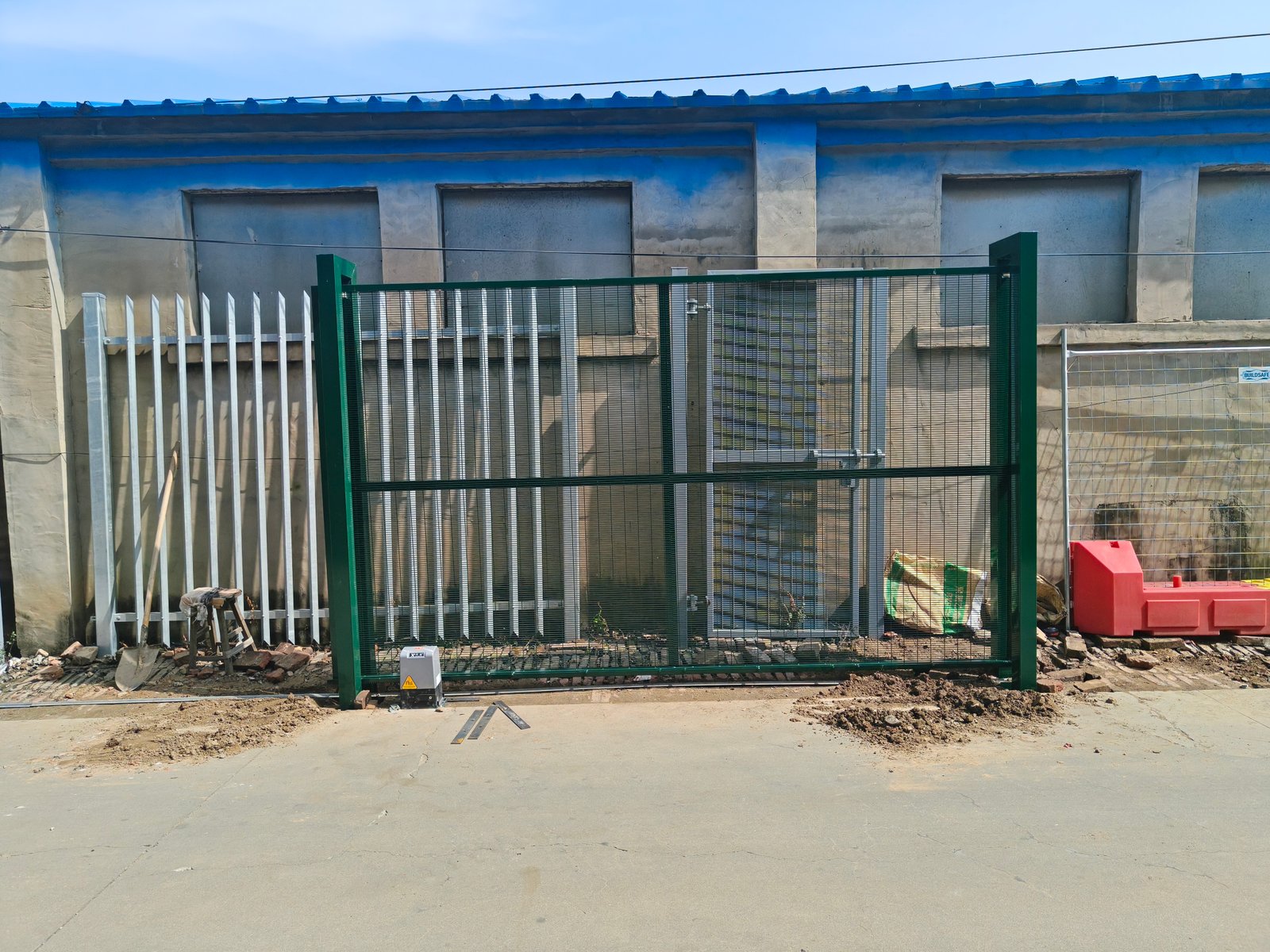
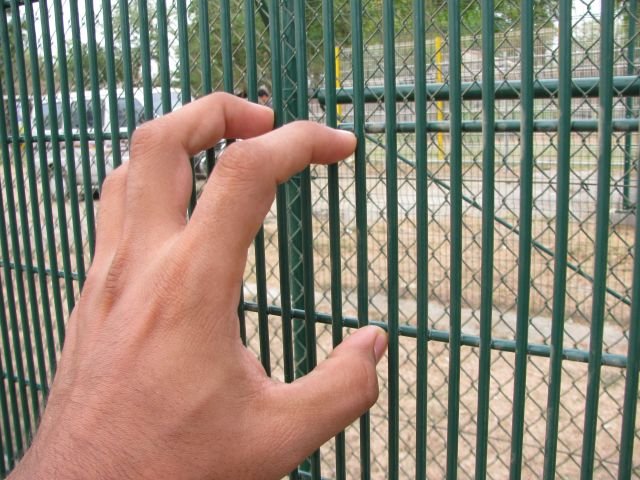
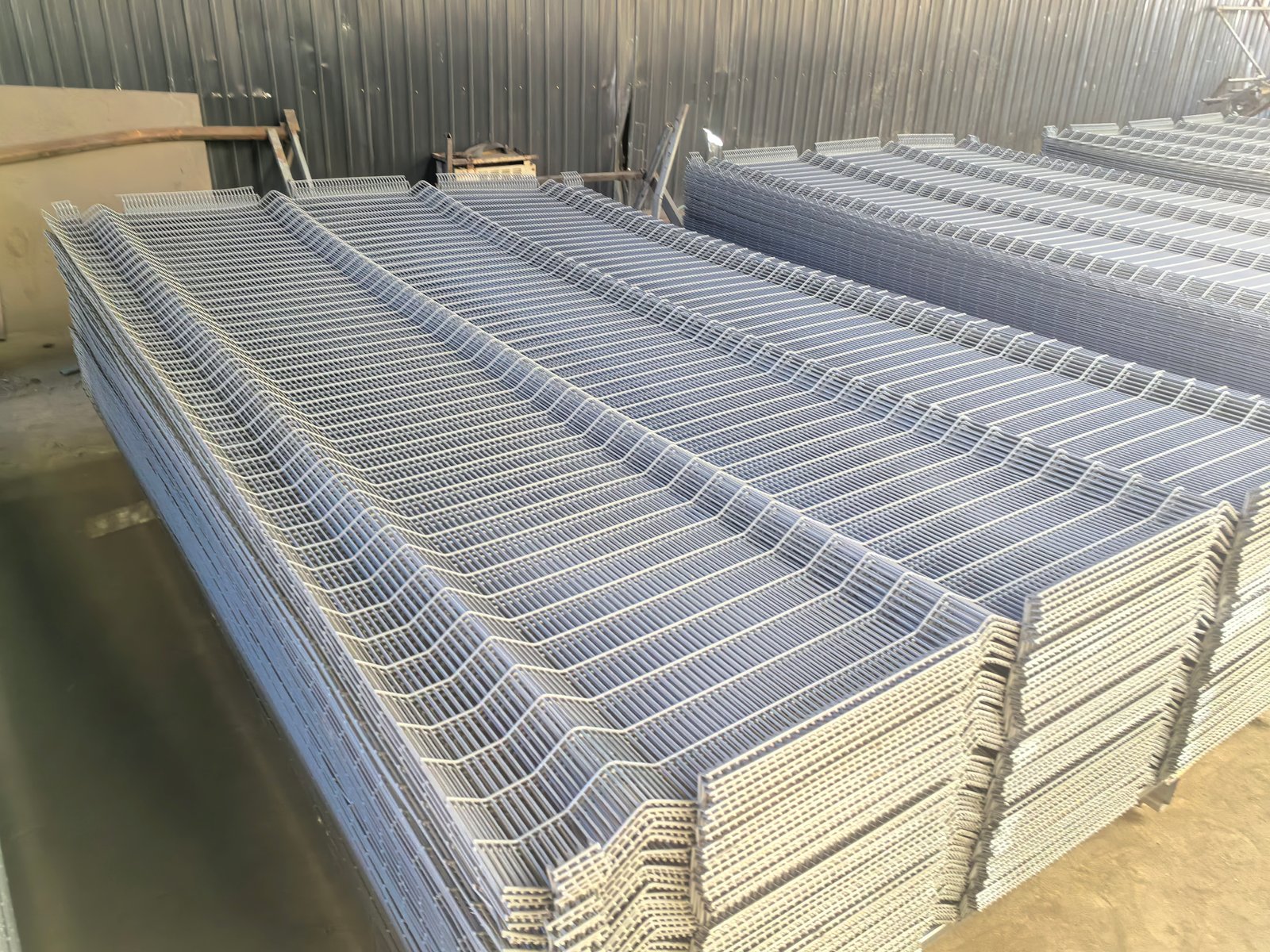
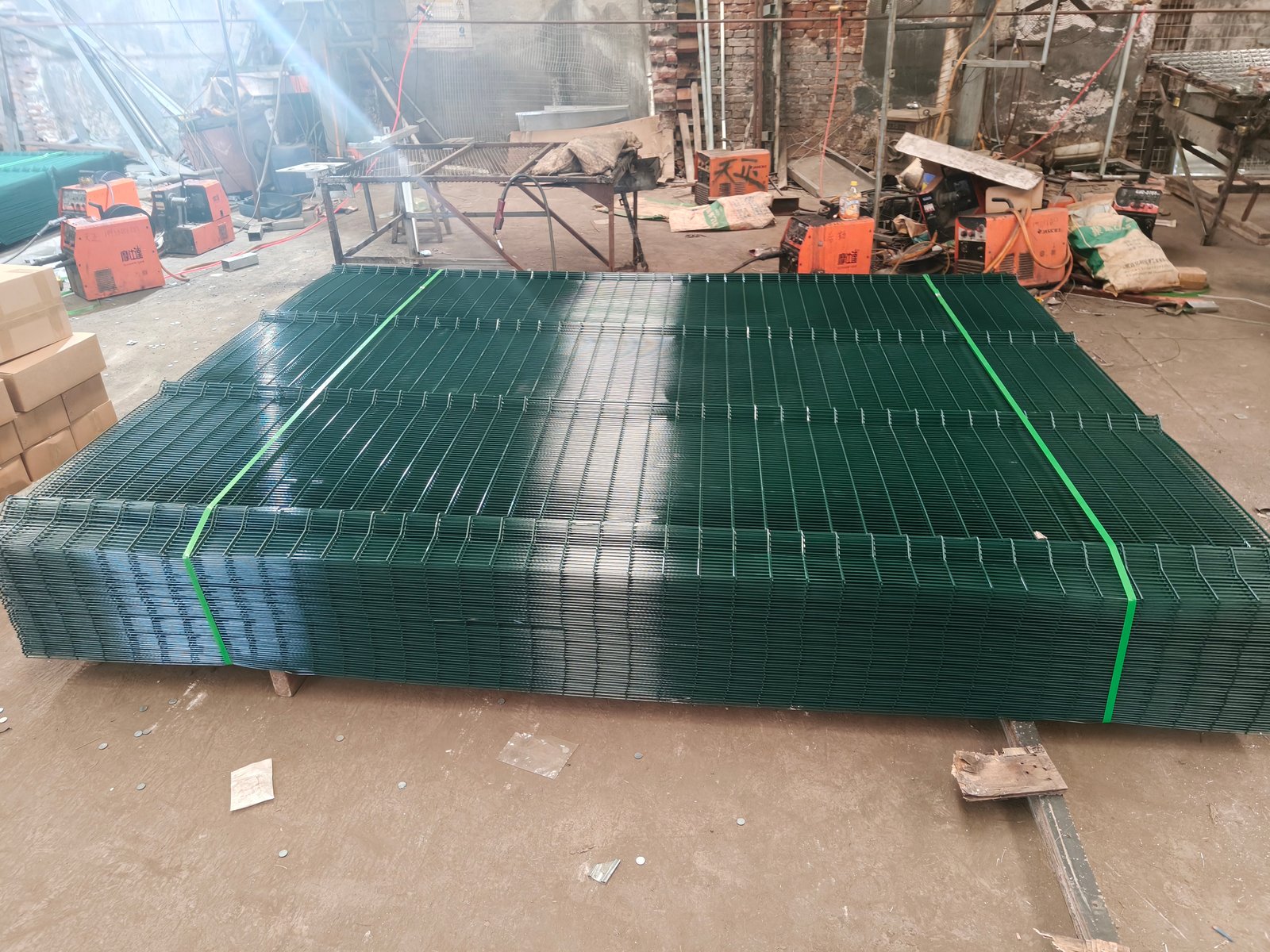
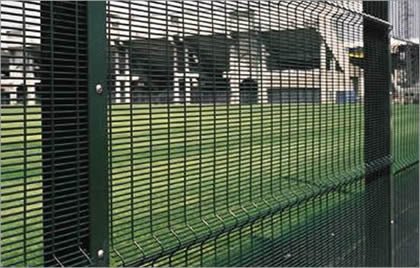
3510M-01: Green 3510 mesh presents narrow openings that discourage climbing and support visibility across the boundary.
Understanding the 3510 mesh format
The small rectangular aperture limits easy finger and toe placement. Its consistent welded grid also supports an orderly appearance across long boundaries. Panels remain vulnerable to determined attacks, so designers must assess the full perimeter.
For related wire configurations, review 358 Security Wire Mesh Fence. Its panel specifications help explain common differences in wire diameters and security applications.
Core security advantages
Close mesh openings discourage convenient climbing and reduce opportunities for passing objects through the fence.
Welded wire intersections help maintain panel shape under routine service conditions.
Open mesh supports camera surveillance, lighting, and visual inspection along the fence line.
Steel posts and security fixings support a continuous perimeter without broad exposed gaps.
Several coating systems allow project teams to address different corrosion environments.
Custom gates and compatible topping systems can form part of the broader security design.
A narrow mesh does not make any fence impossible to cut or breach. Site conditions, tools, access time, and guarding arrangements all affect practical security.
How Anti-climb 3510 Security fence improves visibility
The narrower wire diameter can improve openness relative to heavier wire panels with the same mesh pitch. Security teams can inspect surrounding areas without the visual obstruction of solid walls. Camera placement still requires careful planning around corners, lighting, and vehicle entrances.
For other mesh systems, compare Clear Vu Fence with the 3510 configuration. Product selection should reflect visibility needs and the required level of resistance.
Anti-climb 3510 Security fence specifications
Nominal mesh pitch: 76.2 × 12.7 mm, equivalent to approximately 3 × 0.5 inches.
Nominal wire diameter: approximately 3.2 mm for the 3510 configuration.
Material: low-carbon steel wire.
Wire tensile strength: 500–750 N/mm² as the original reference range.
Typical panel lengths: 2.0 m, 2.5 m, and 3.0 m.
Common panel heights: 1.5, 1.8, 2.0, and 2.4 m.
Additional panel heights: 2.7, 3.0, 4.0, and 5.2 m.
Finish options: galvanising, zinc-aluminium coatings, and compatible powder coating.
Colour options: green, black, red, and project-specific colours.
The figures above describe available design options rather than a single standard product. Confirm exact material certificates, wire tolerances, and coating details before production.
Wire and mesh construction
Automatic welding joins steel wires at regular intersections and helps maintain consistent panel geometry. Welding settings must match the wire material and diameter. The factory should inspect critical intersections for continuity and visible defects.
The 358 Security Fencing range provides another comparison for welded perimeter barriers. A thicker wire may improve cutting resistance, although it also increases material weight.
Technical sizes and panel dimensions
The original specification includes several heights, panel widths, and wire choices. These options support different project drawings and risk requirements. The table preserves the supplied reference dimensions for buyer review.
The 4.0 mm and 4.88 mm variants use heavier wires than a nominal 3510 panel. Their product descriptions should identify those differences clearly. Structural design may also require thicker posts or additional clamps.
Anti-climb 3510 Security fence size selection
Begin with the required fence height and complete boundary length. Then choose panel width, post centres, and any changes in ground elevation. Tall panels need an engineering review of post loads, foundations, and wind exposure.
The original 3510 system includes angle posts and square tubular posts. Angle posts may measure 70 × 70 × 6 mm or 100 × 75 × 8 mm. Square post options include 76 × 76 × 1.6 mm tubing for approved configurations.
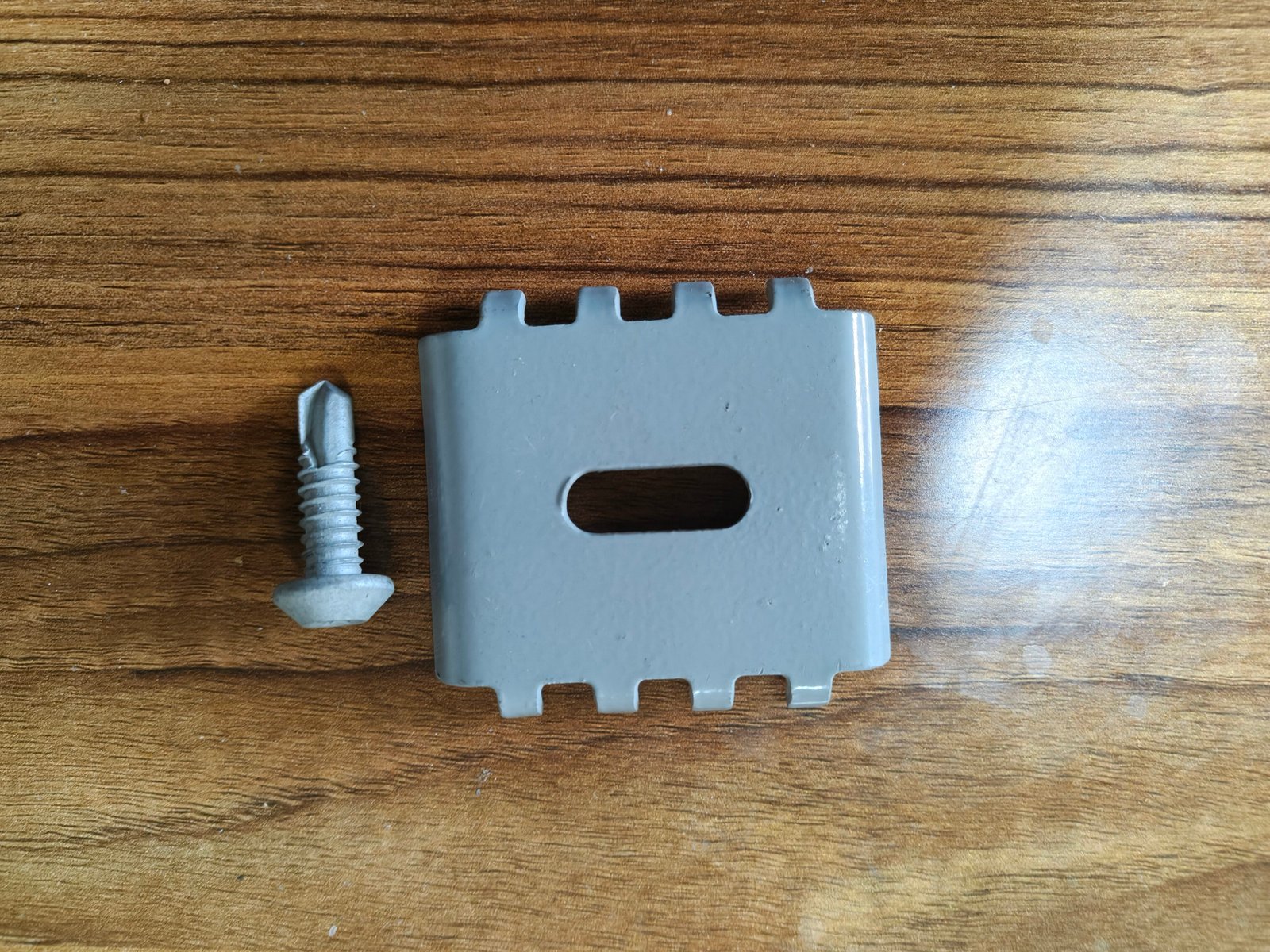
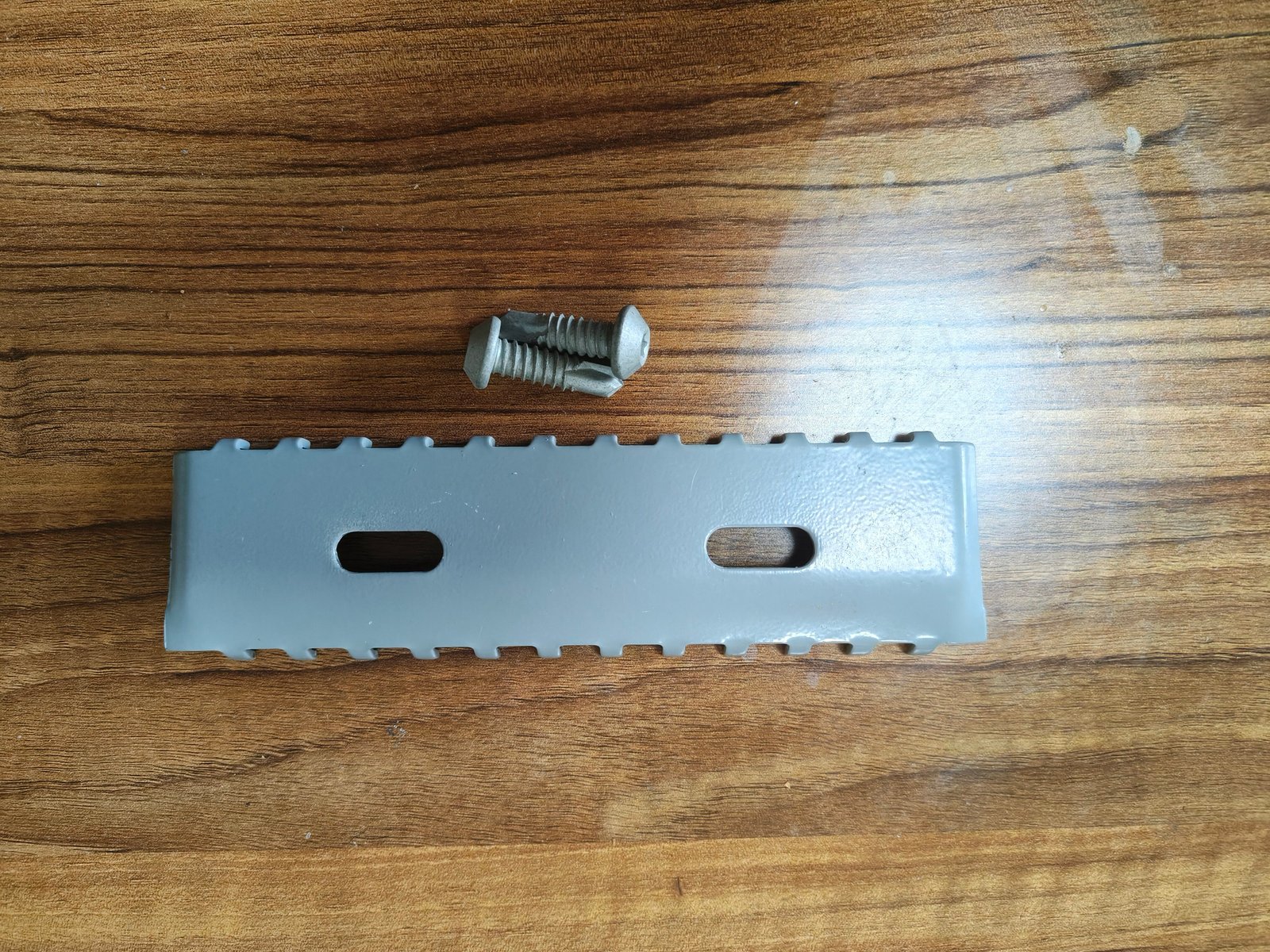
A typical angle-post connection uses stainless steel M8 × 40 mm countersunk bolts with shear nuts. Square posts may carry threaded inserts, clamps, and matching security bolts. Final fastener selection must follow the approved drawings.
Angle posts, tubular posts, and security fasteners
Angle posts offer an established mounting surface for flat bars and mechanical fixing. Square tubular posts create a neat visual profile and protect internal connections. End, corner, and gate posts need their own load assessments.
The Clearvu Fence Clamps collection shows compatible fixing categories. Verify bolt diameter, clamp position, and the number of fixing points before dispatch.
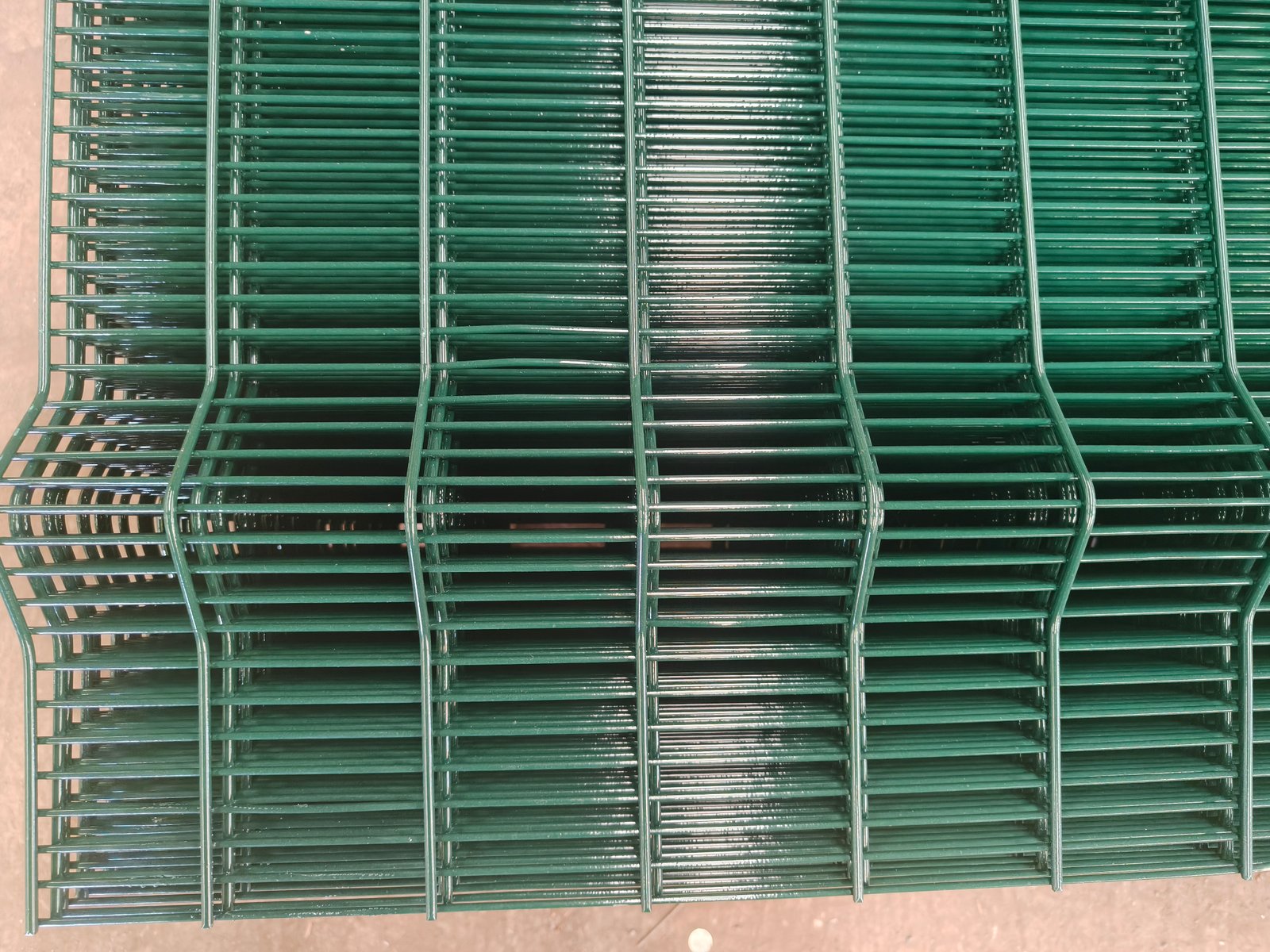
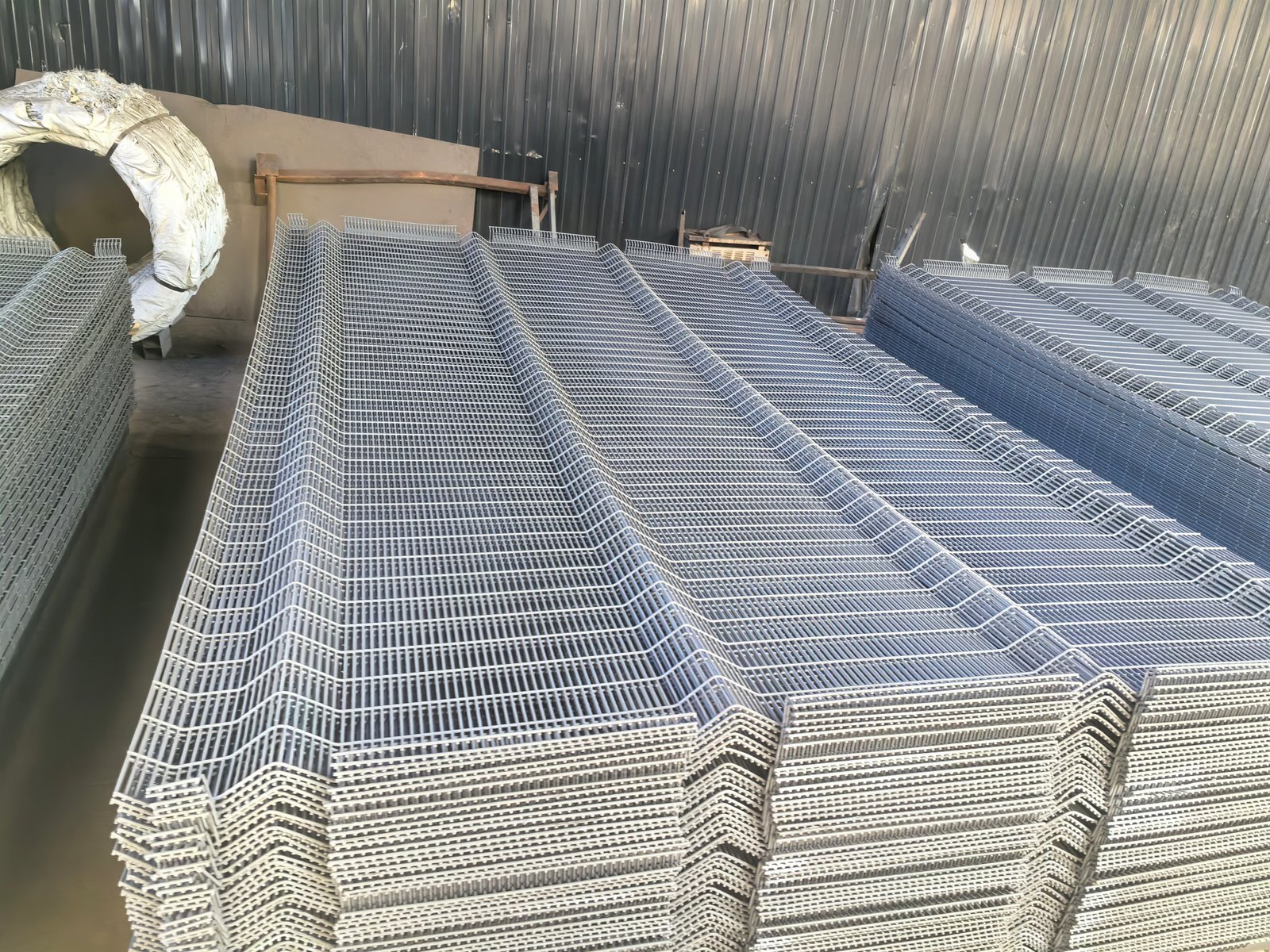
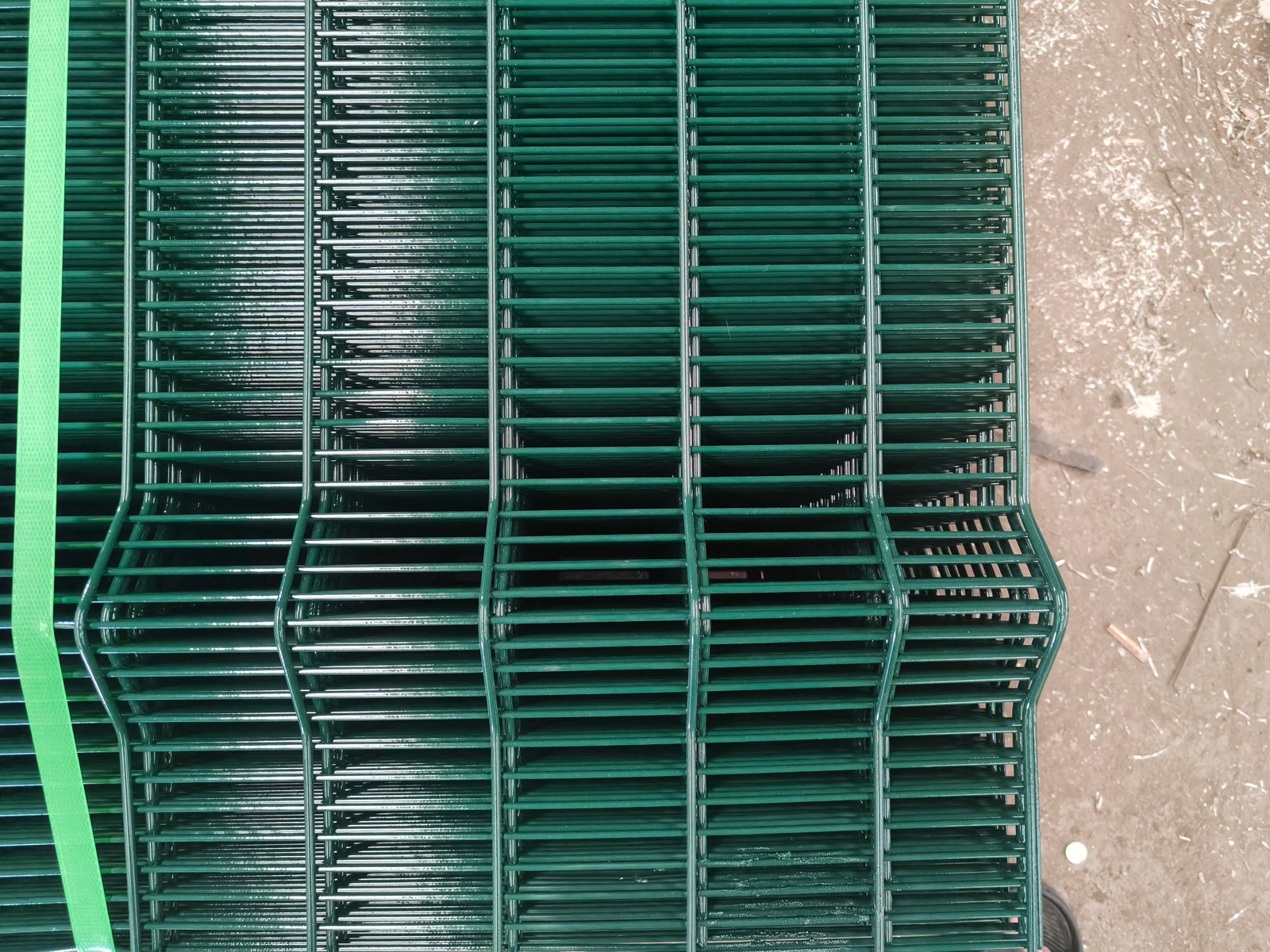
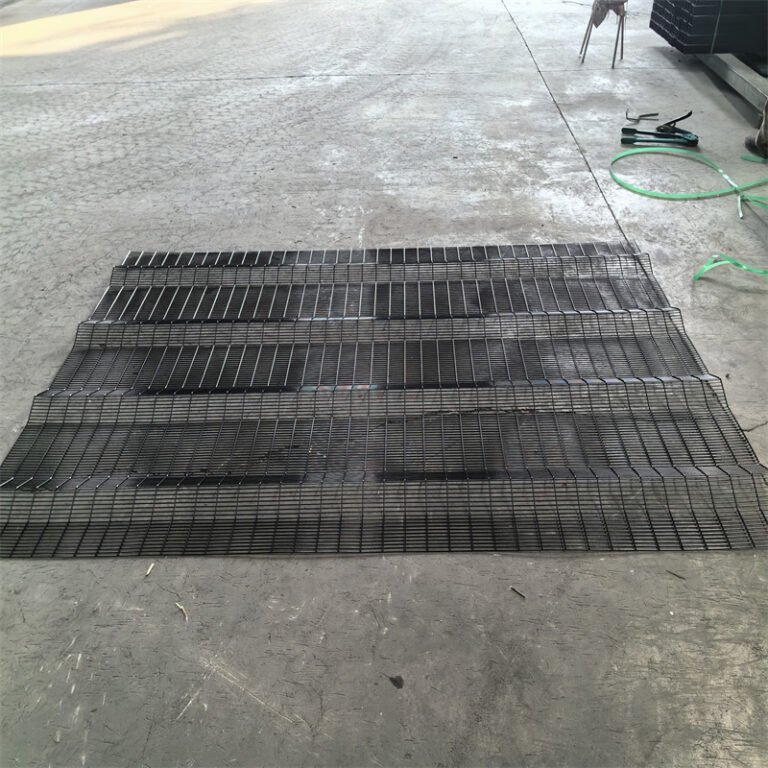
3510M-02: The close welded pattern supports a clear sightline while reducing comfortable handholds on the panel.
Coating and corrosion protection
Corrosion protection matters because outdoor steel faces rain, condensation, and airborne contaminants. Common options include galvanising and zinc-aluminium coatings. A compatible powder coating adds colour and another protective layer.
Coating sequence affects weld protection. Buyers should distinguish pre-coated wire from panels that receive galvanising after fabrication. They should also confirm surface preparation, coating thickness, and relevant inspections.
For related coated panel choices, see Clear View Fence South Africa. The best coating specification depends on exposure conditions and maintenance access.
Anti-climb 3510 Security fence finishes for exposed sites
Coastal and industrial sites can expose steel to salt, moisture, and pollutants. Request a coating system suitable for the actual installation environment. Inspect cut edges, welded points, and damaged areas after handling.
A powder-coated surface cannot guarantee a fixed service life in every environment. Ask suppliers for coating records and supporting test documents when corrosion performance matters.
Anti-climb 3510 Security fence installation
Good installation starts with a verified boundary plan. Mark all post positions, gate openings, changes in level, and underground services. Align panels accurately before tightening security fittings.
Check drawings, fence heights, panel widths, and post centres.
Confirm foundation design against soil conditions and wind loads.
Prepare corner, end, intermediate, and gate posts separately.
Maintain consistent vertical alignment and ground clearance.
Install the correct number of clamps, bolts, and security nuts.
Protect coatings during lifting, assembly, and final adjustments.
Inspect each connection before handing over the perimeter.
Review 358 Anti-Climb Fence for another close-mesh system. Its installation approach provides useful context, but project-specific drawings remain essential.
Foundations, alignment, and safe handling
Concrete footings, base plates, and embedded posts require different installation details. A qualified designer should confirm the required anchoring method. Panels should remain stable during lifting and fastening.
Work crews must protect cut edges and avoid unnecessary scratches. Repair coating damage using the specified approved method. Final inspections should record alignment, loose components, and missing caps.
3510 and 358 mesh comparison
The 3510 and 358 names both refer to nominal mesh wire configurations. They share approximately 76.2 × 12.7 mm pitch. Their main distinction involves wire thickness and the resulting panel weight.
3510 and 358 Mesh Comparison
Feature
3510 Mesh
358 Mesh
Mesh pitch
76.2 × 12.7 mm
76.2 × 12.7 mm
Nominal gauge
10 gauge
8 gauge
Approximate wire diameter
3.2 mm
4.0 mm
Relative panel weight
Lower with identical panel geometry
Higher with identical panel geometry
Visibility
More open appearance
Thicker wire pattern
Project selection
Risk-led specification
Risk-led specification
Thicker wires generally need more cutting effort, although steel grade and tools also matter. Neither specification replaces a full physical security assessment.
Anti-climb 3510 Security fence weight and visibility
A smaller wire diameter reduces material use for comparable mesh spacing and panel geometry. That difference can influence transport weight and handling requirements. However, lighter wire does not automatically provide equivalent attack resistance.
Security buyers should balance transparency, panel stiffness, cutting resistance, and total installation cost. A documented risk assessment helps establish realistic product requirements.
Anti-climb 3510 Security fence applications
This mesh system supports projects that need visibility and controlled perimeter access. Common applications include industrial boundaries, utility compounds, transport sites, and protected commercial facilities.
Correctional facilities and controlled institutional perimeters.
Railways, bridges, airports, and transport infrastructure.
Power distribution facilities and pumping stations.
Fuel storage facilities and industrial compounds.
Warehouses, logistics sites, and commercial boundaries.
Schools and recreational premises with suitable risk assessments.
Utility installations and equipment storage areas.
Explore Clear View Fencing Cape Town for another application overview. Each location requires its own foundation and corrosion assessment.
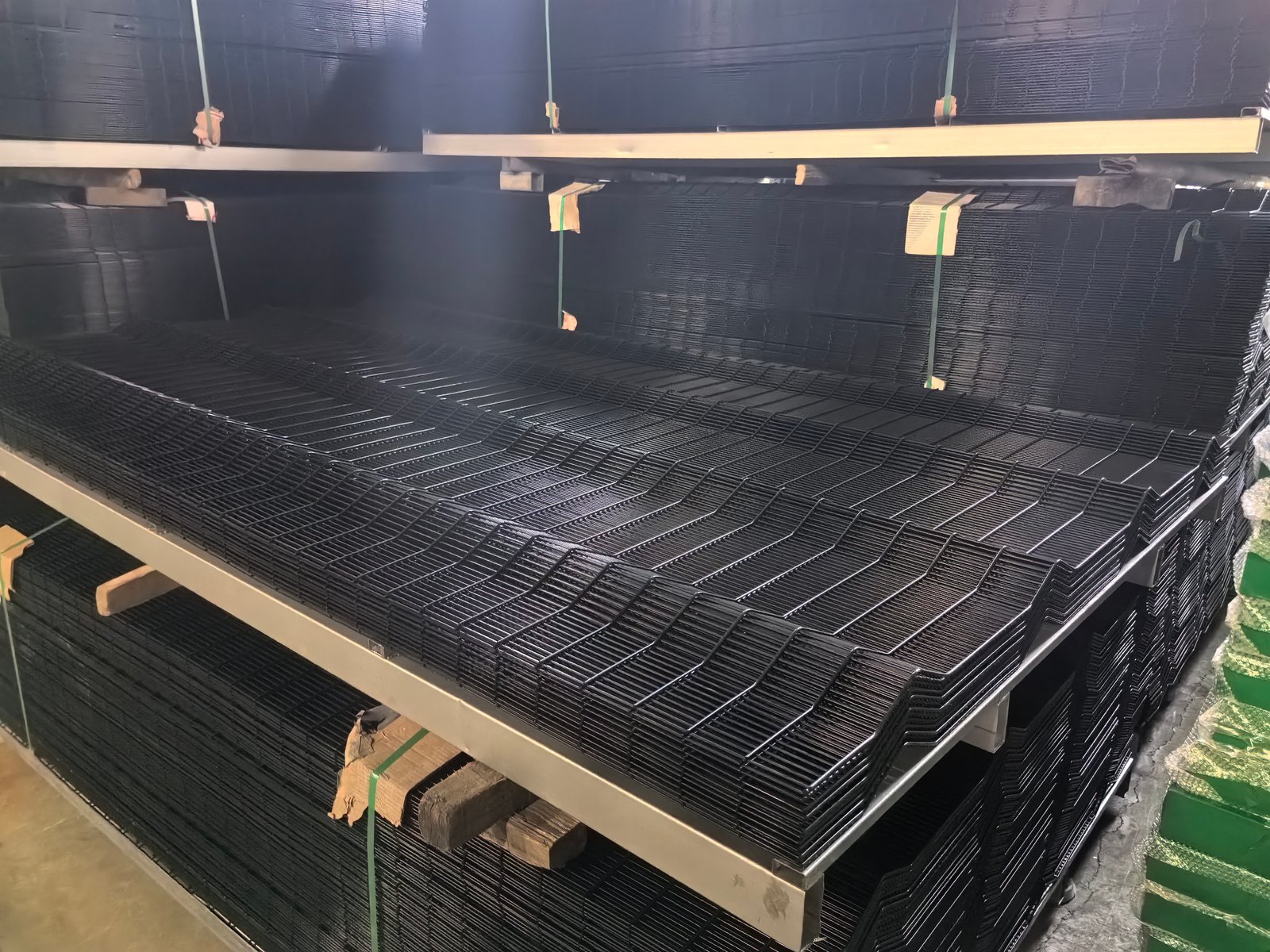
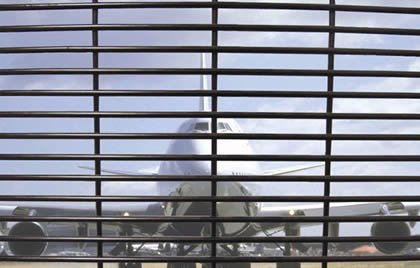
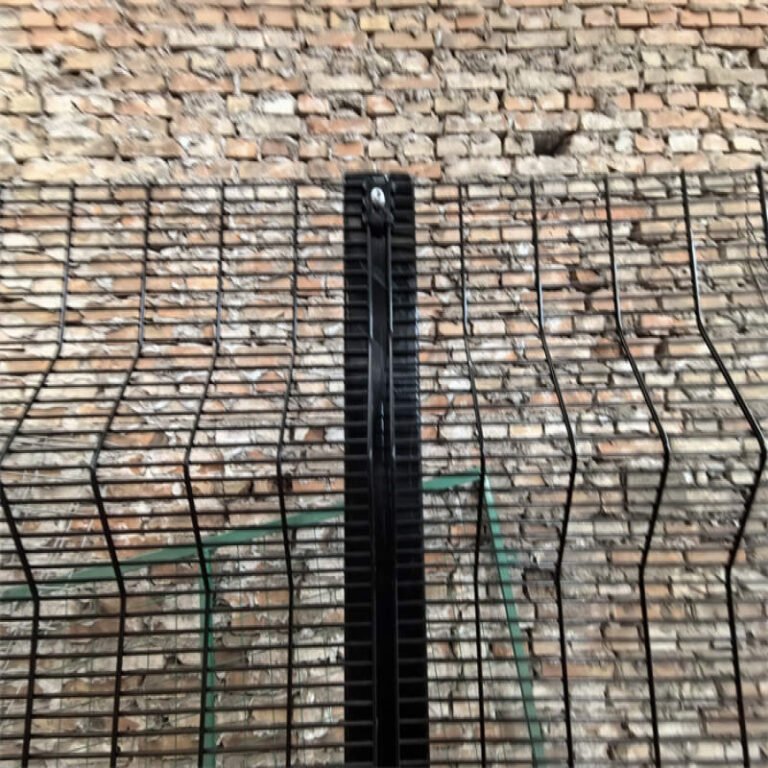
3510M-03: Black welded mesh supports visible perimeter control around transport sites and other restricted facilities.
Gates and compatible accessories
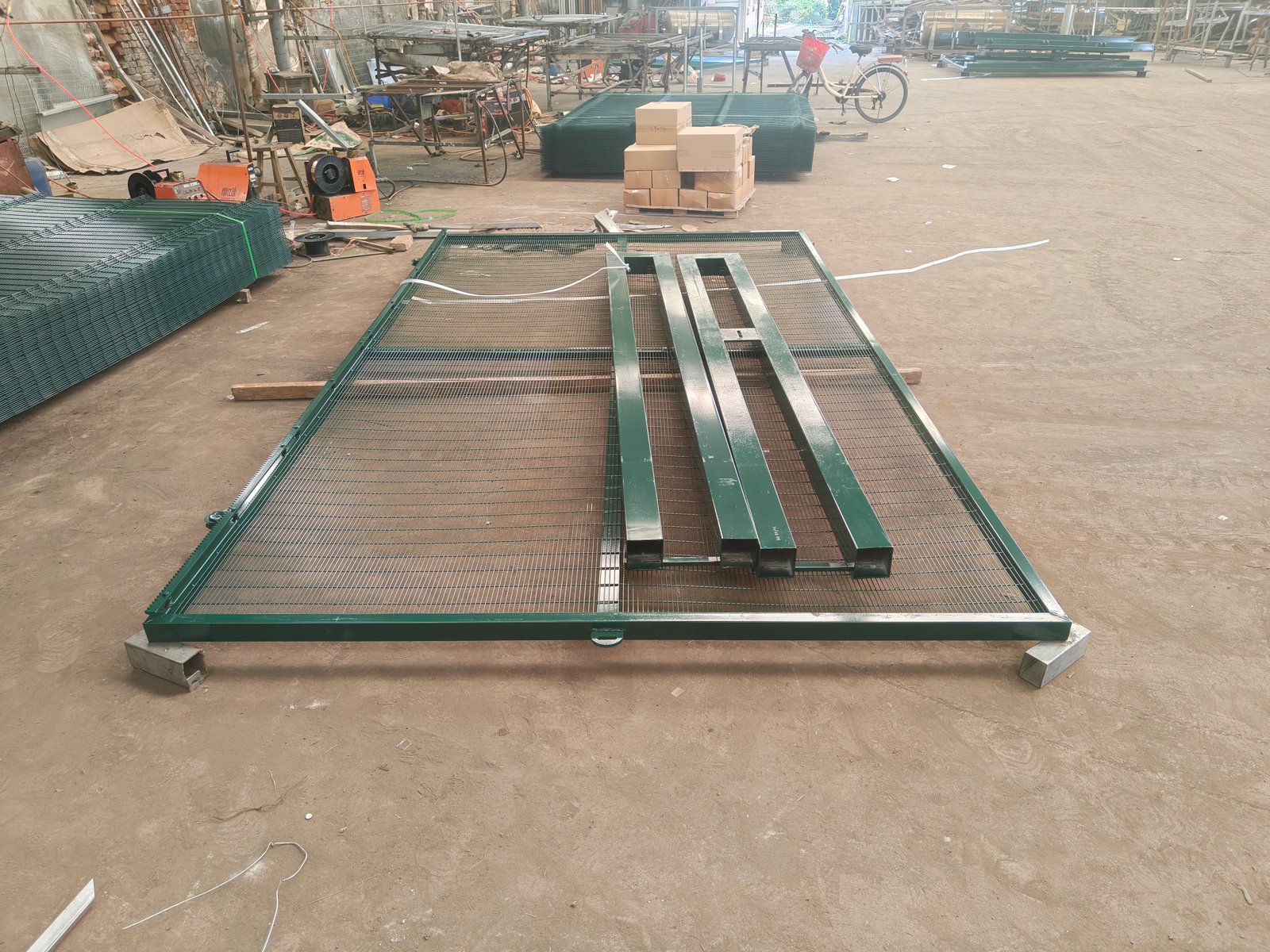
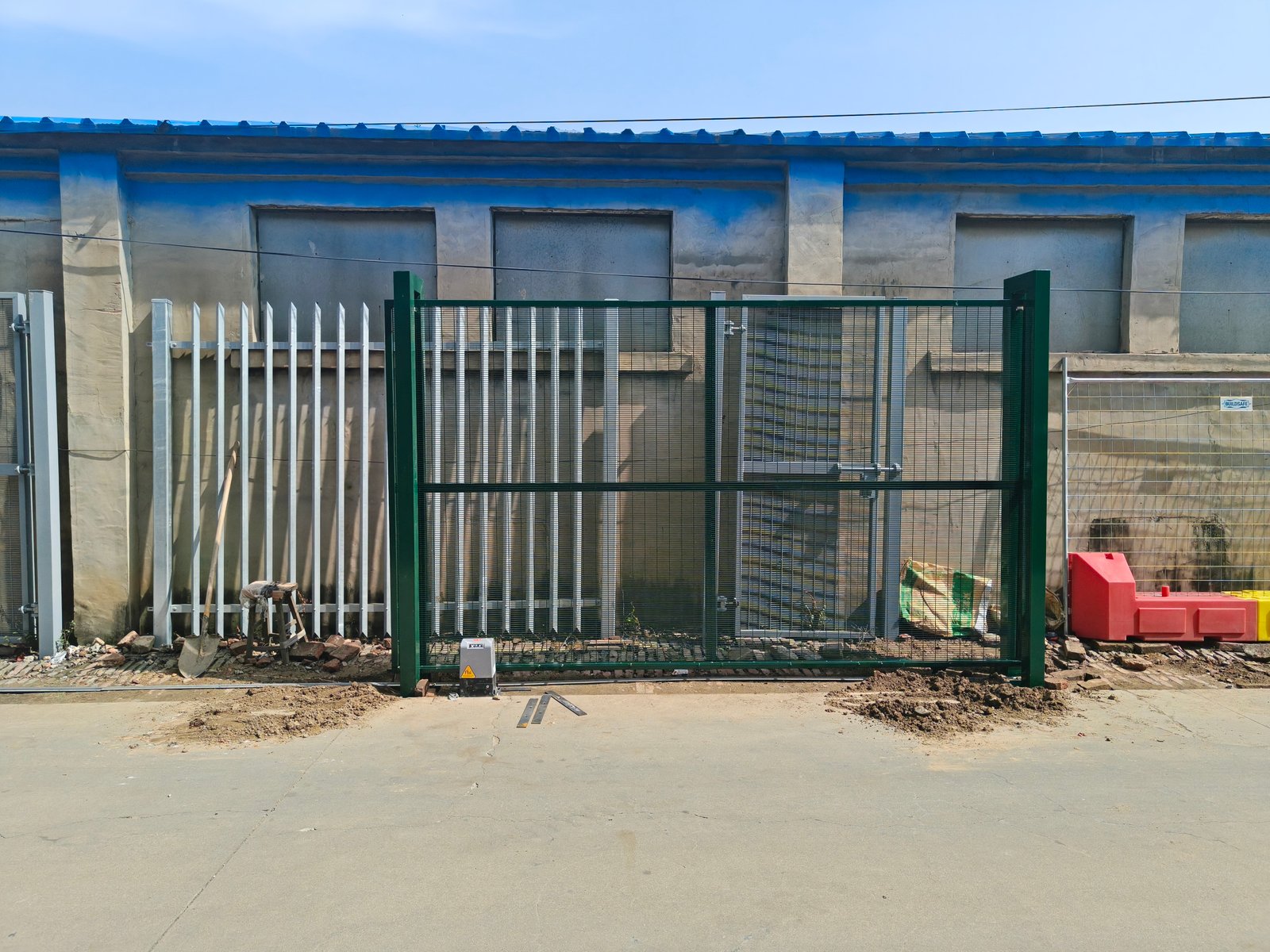
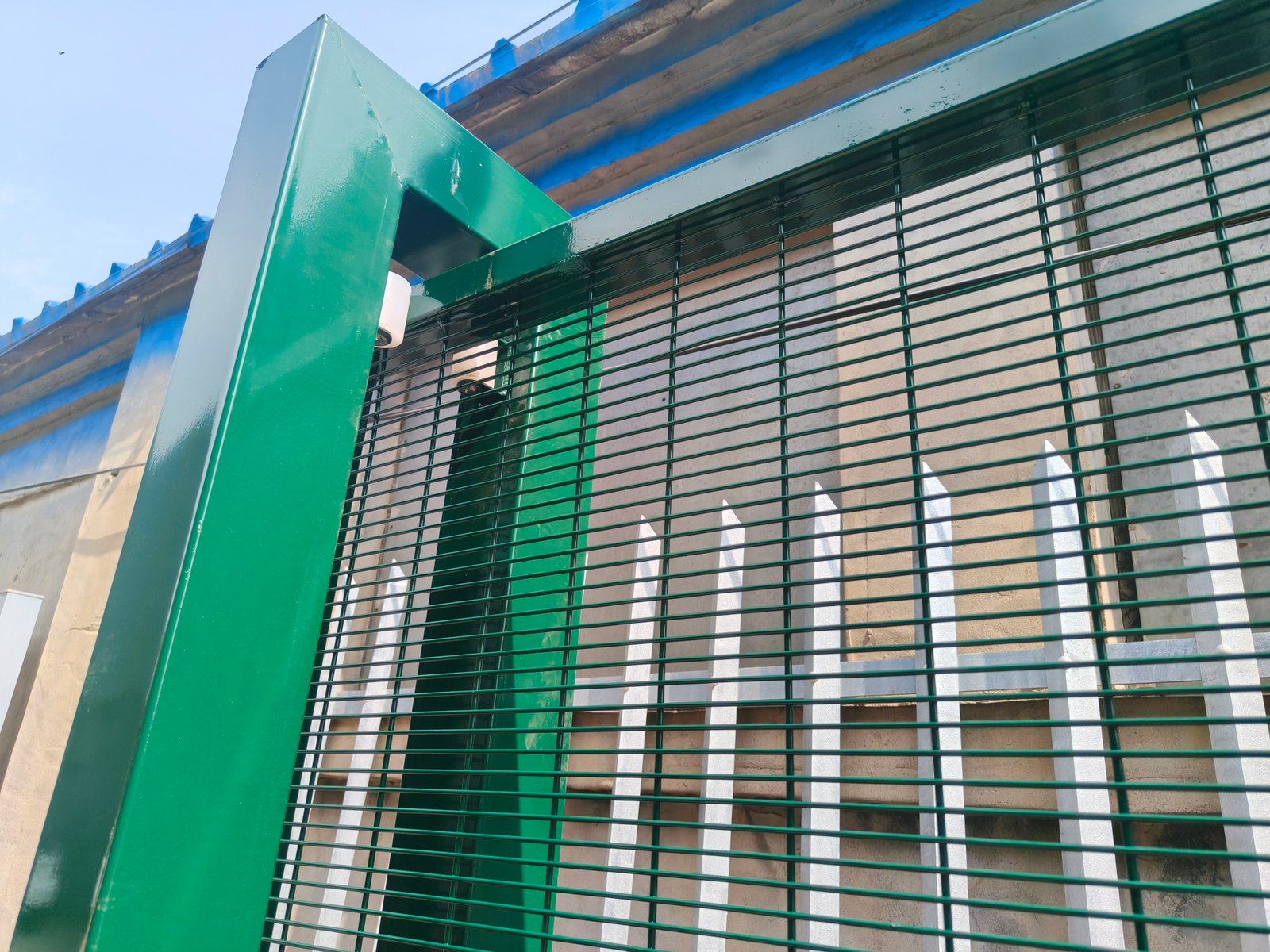
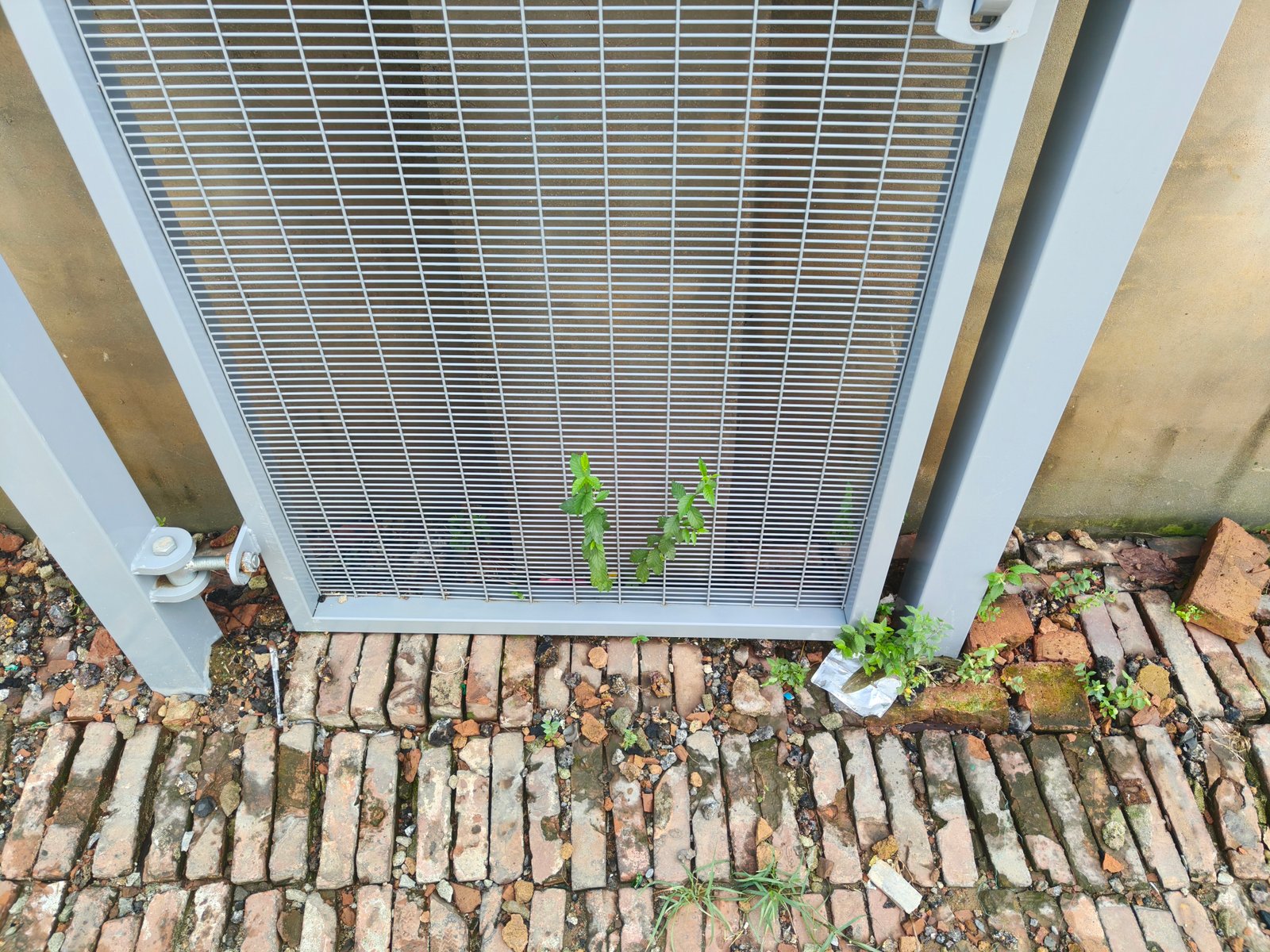
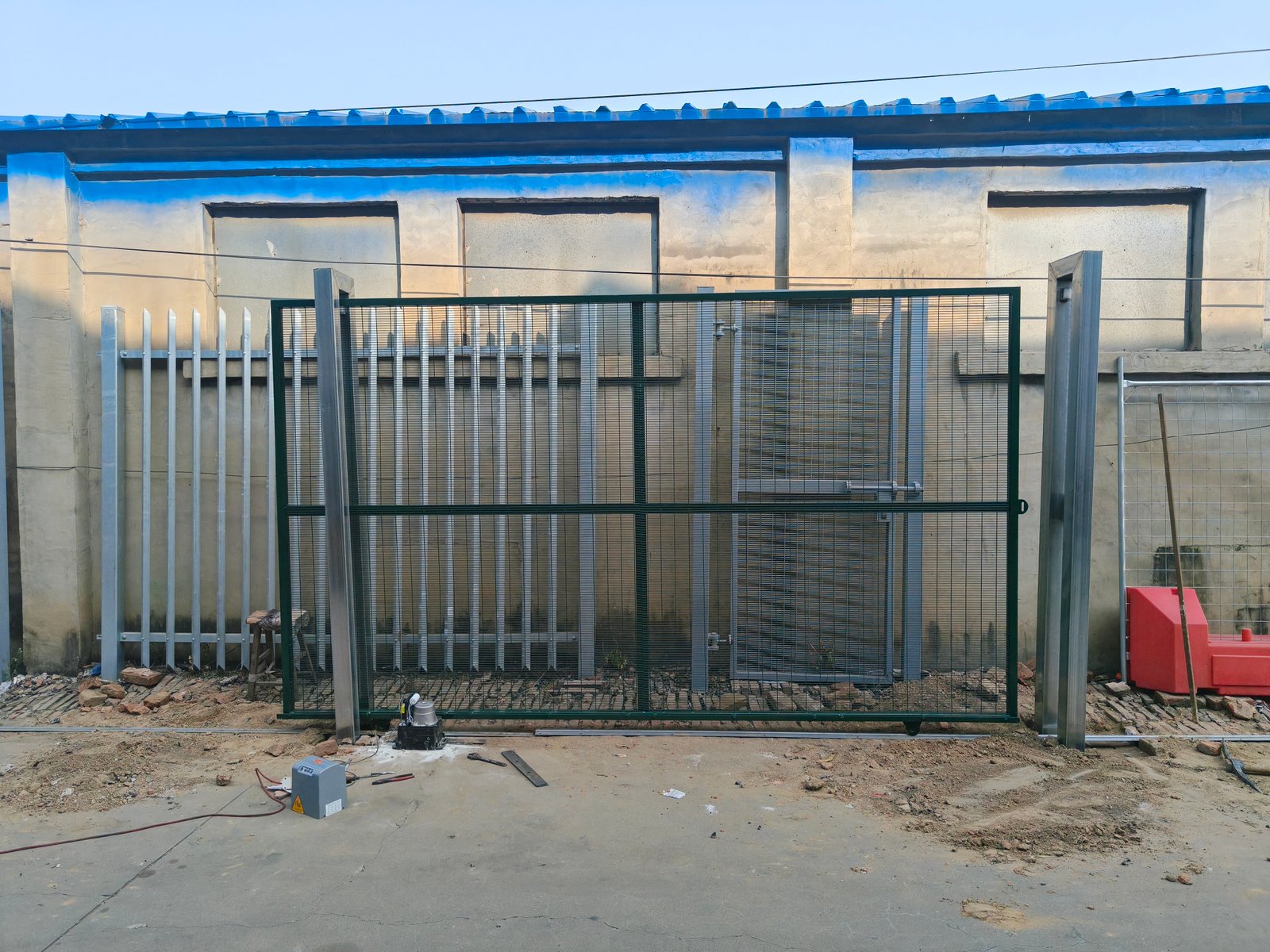
A secure boundary also depends on properly designed pedestrian and vehicle entrances. Matching mesh panels can help gates maintain consistent visibility. Choose hinges, locks, frames, and foundations for their specific loads.
Buyers can compare Clearvu Gates before selecting access arrangements. Some sites also specify Razor Wire Flat Wrap as a perimeter topping.
Security toppings require appropriate clearance, warnings, and compliance with local regulations. Installers must also consider maintenance access and the safety of surrounding public areas.
Project quality checks and documentation
Factory inspection should begin with wire diameter and mesh measurements. Review weld consistency, panel straightness, coating appearance, and post geometry. Verify that accessories match the approved bill of materials.
For specialised projects, request material certificates and coating test records. Confirm inspection methods and acceptance criteria before placing the order. Photographic inspection records can also support shipping documentation.
Anti-climb 3510 Security fence packing and delivery
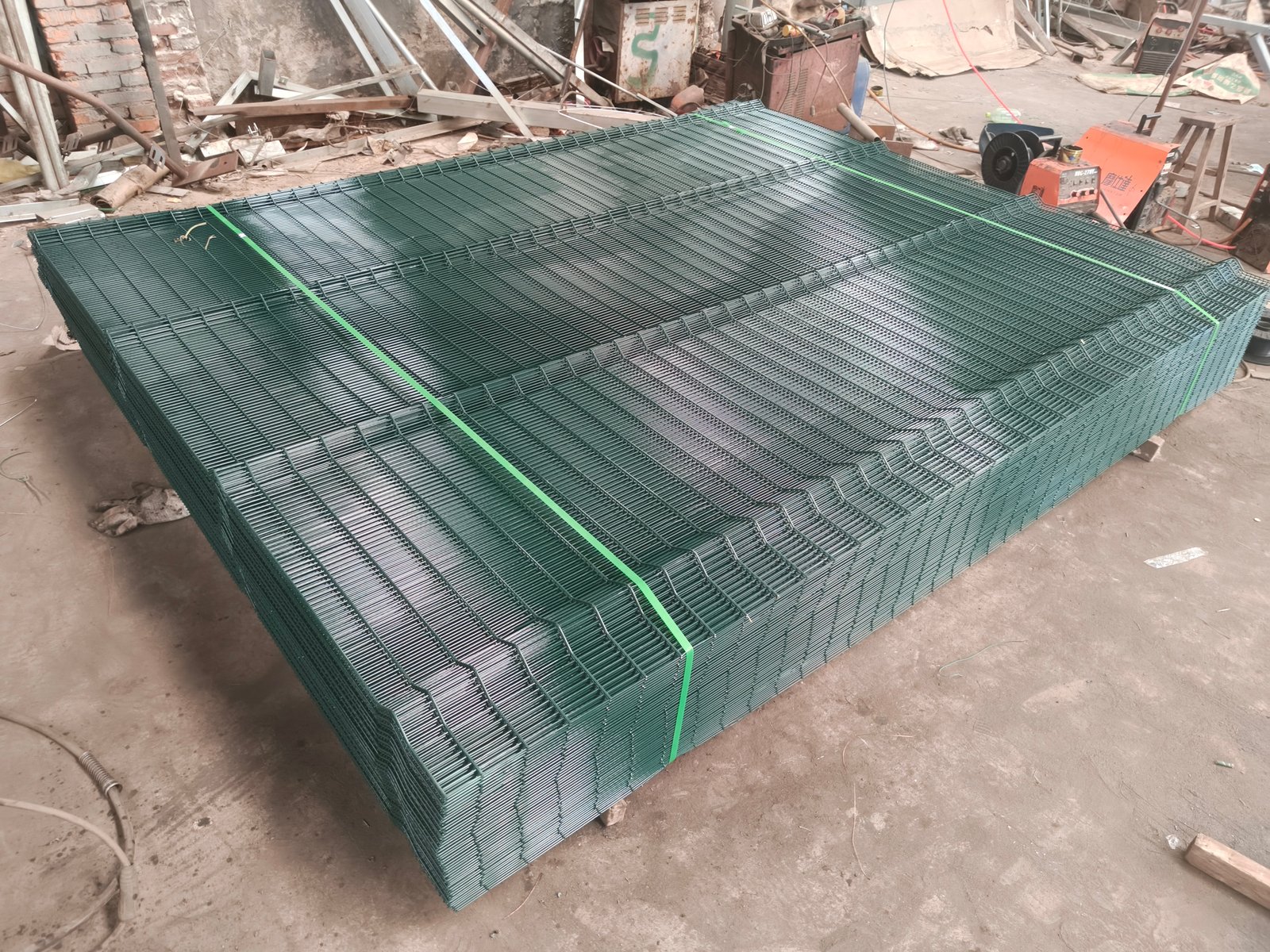
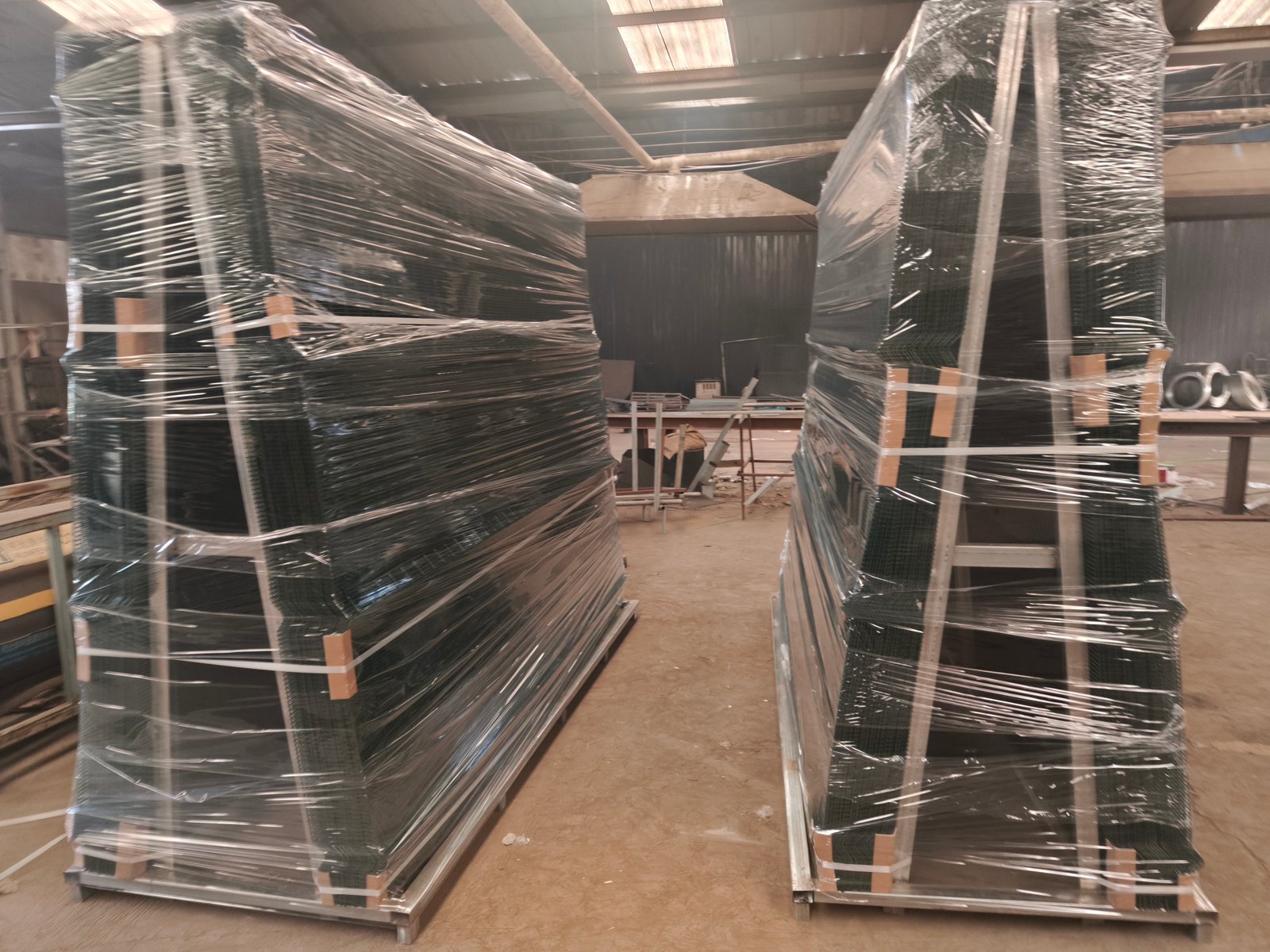
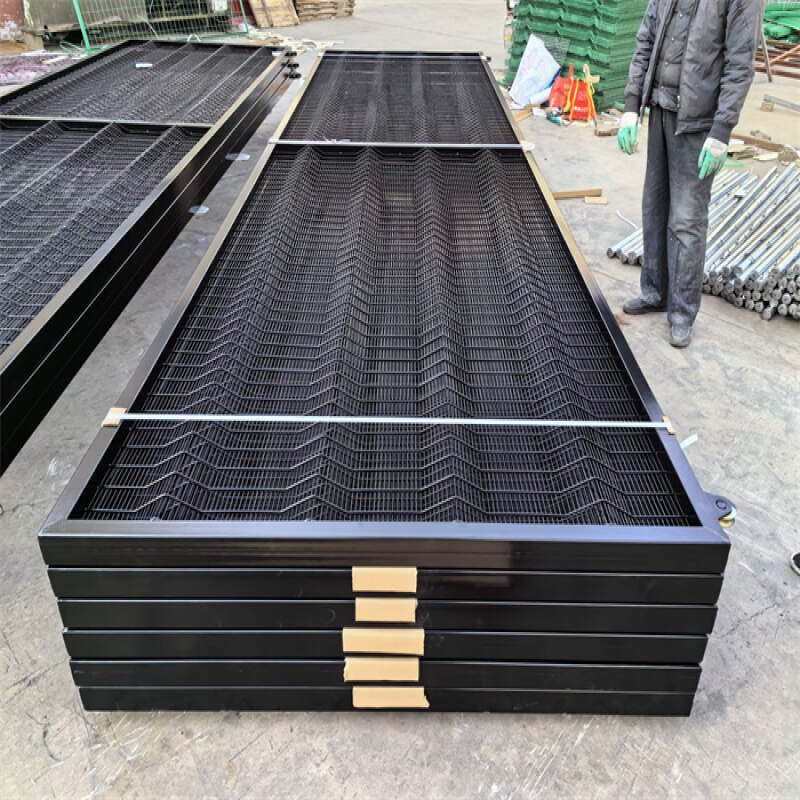
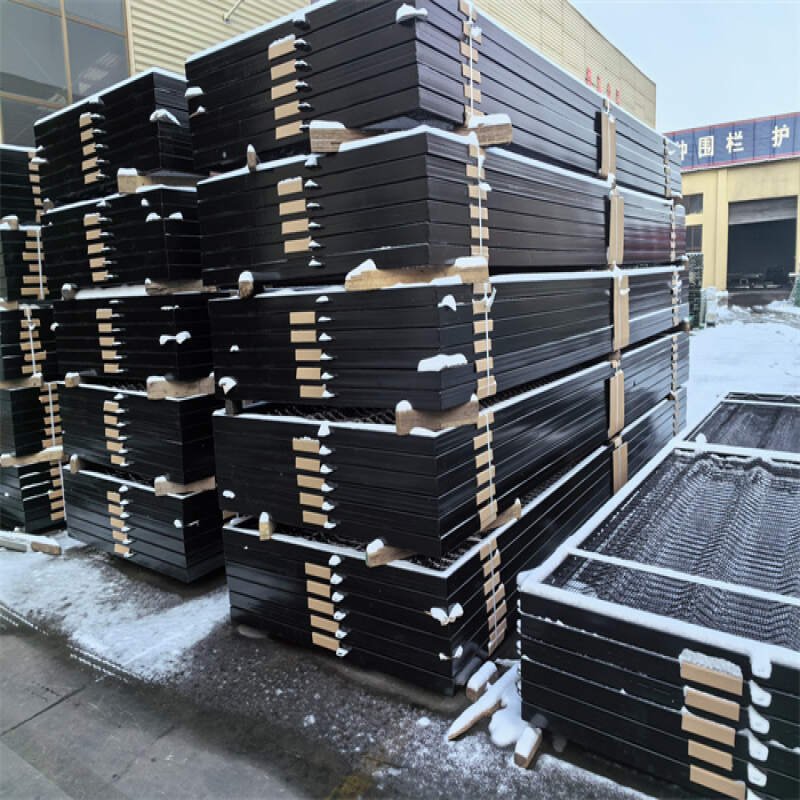
Export packing should minimise panel movement and coating damage during transport. Steel pallets or suitable wooden supports can carry panels in organised stacks. Protective film and corner guards reduce abrasion.
Pack bolts, clamps, and security fittings in labelled cartons. Keep a clear packing list for panels, posts, and accessories. Confirm container loading limits and unloading equipment before shipment.
Anti-climb 3510 Security fence custom production
BMP can review panel dimensions, post profiles, coating options, and project drawings. Custom orders may include compatible gates, extra fixing points, or approved security toppings. Manufacturing feasibility depends on quantities and technical specifications.
Additional specifications appear under 358 Security Fencing for related installations. Engineers should check all changes before confirming a production drawing.
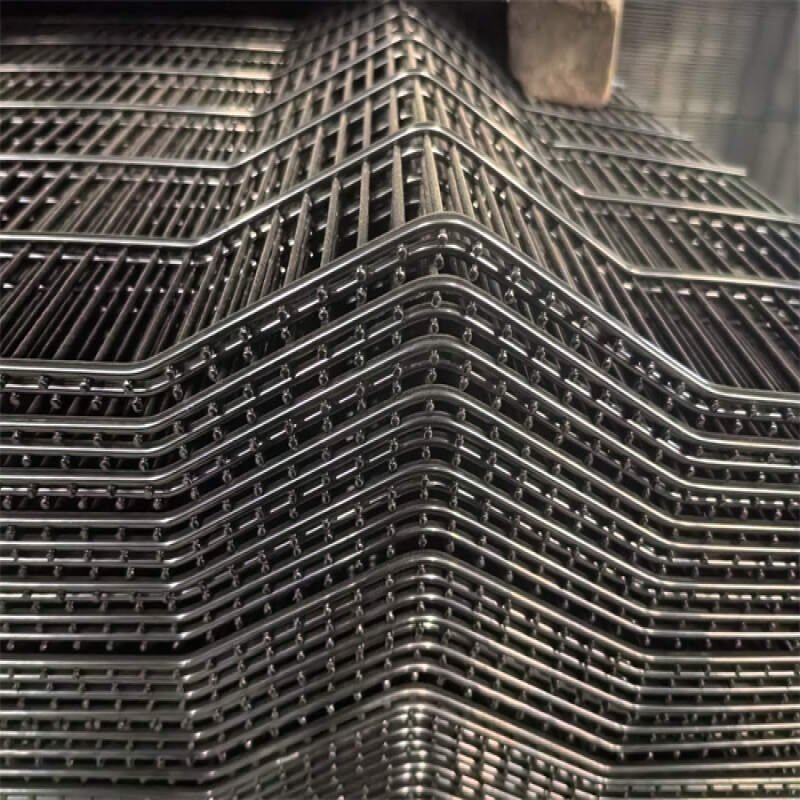
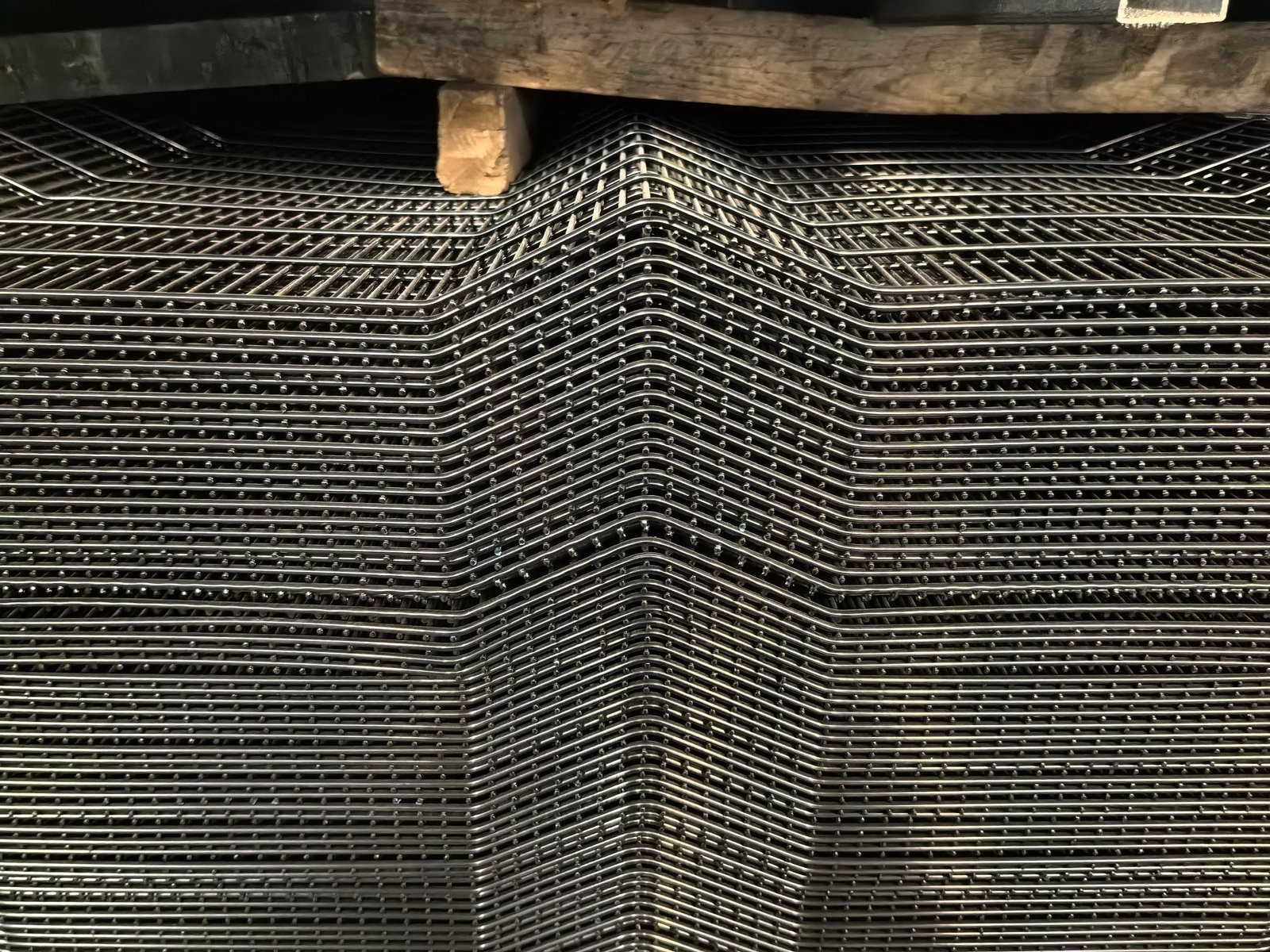
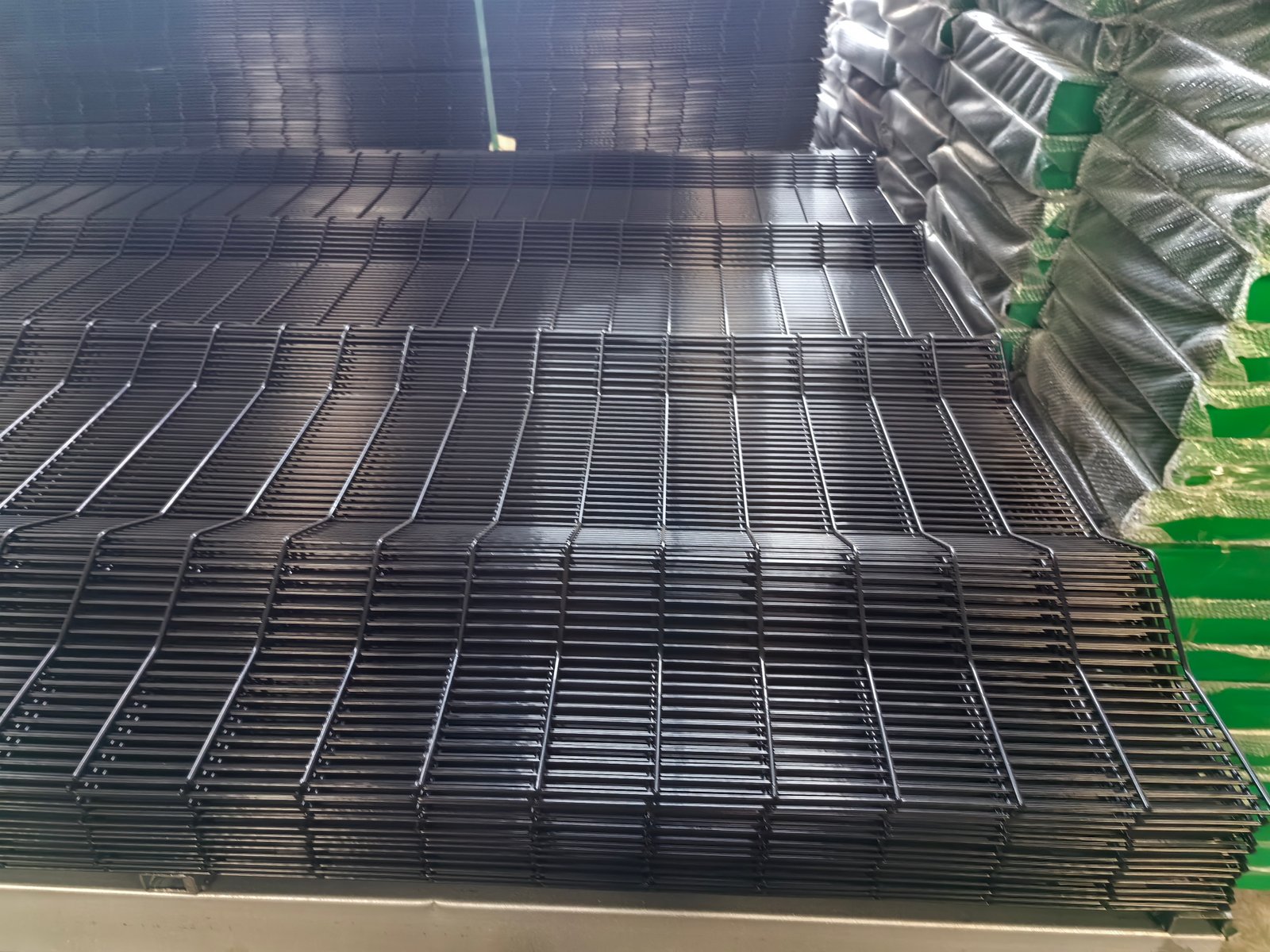
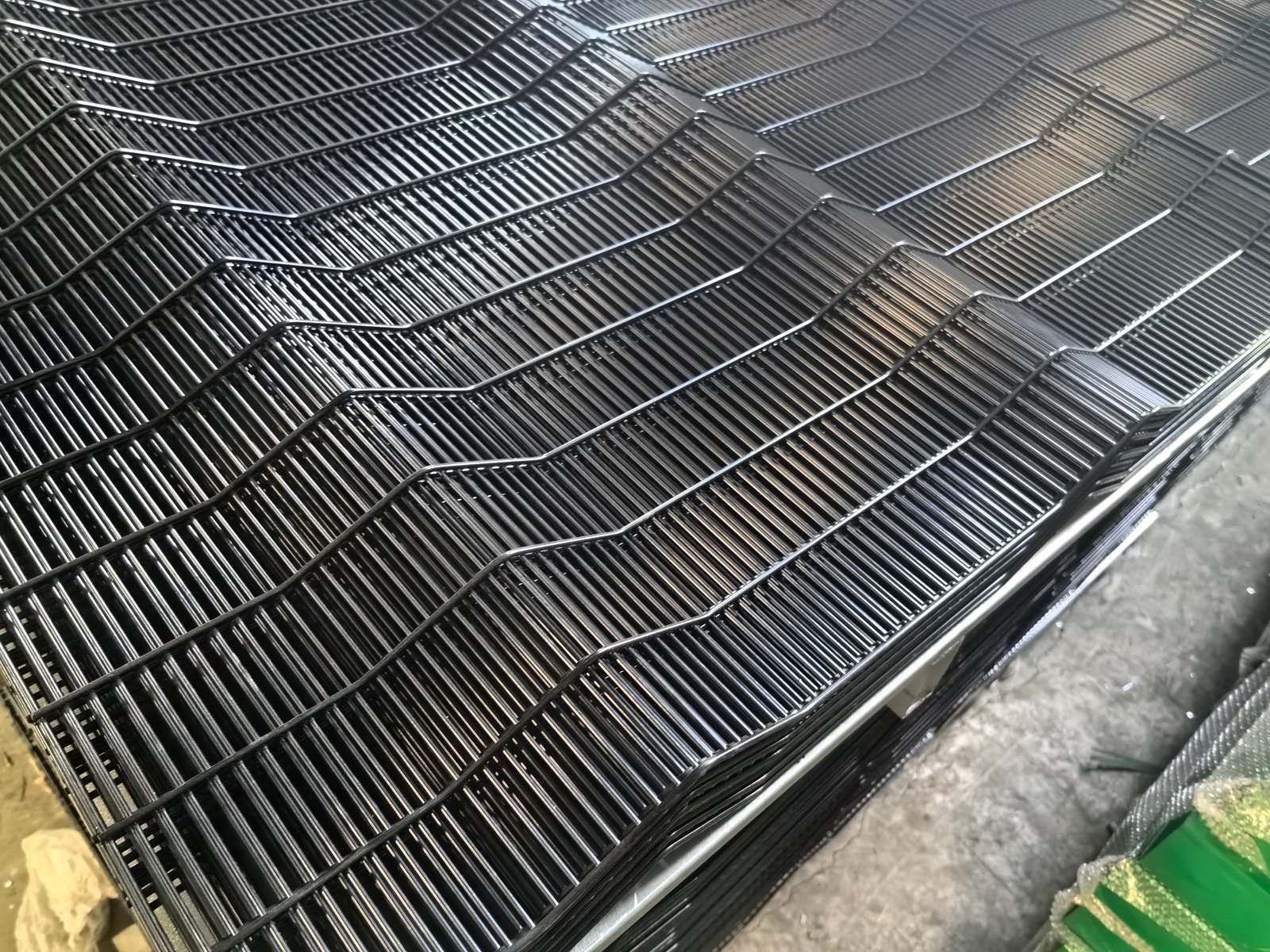
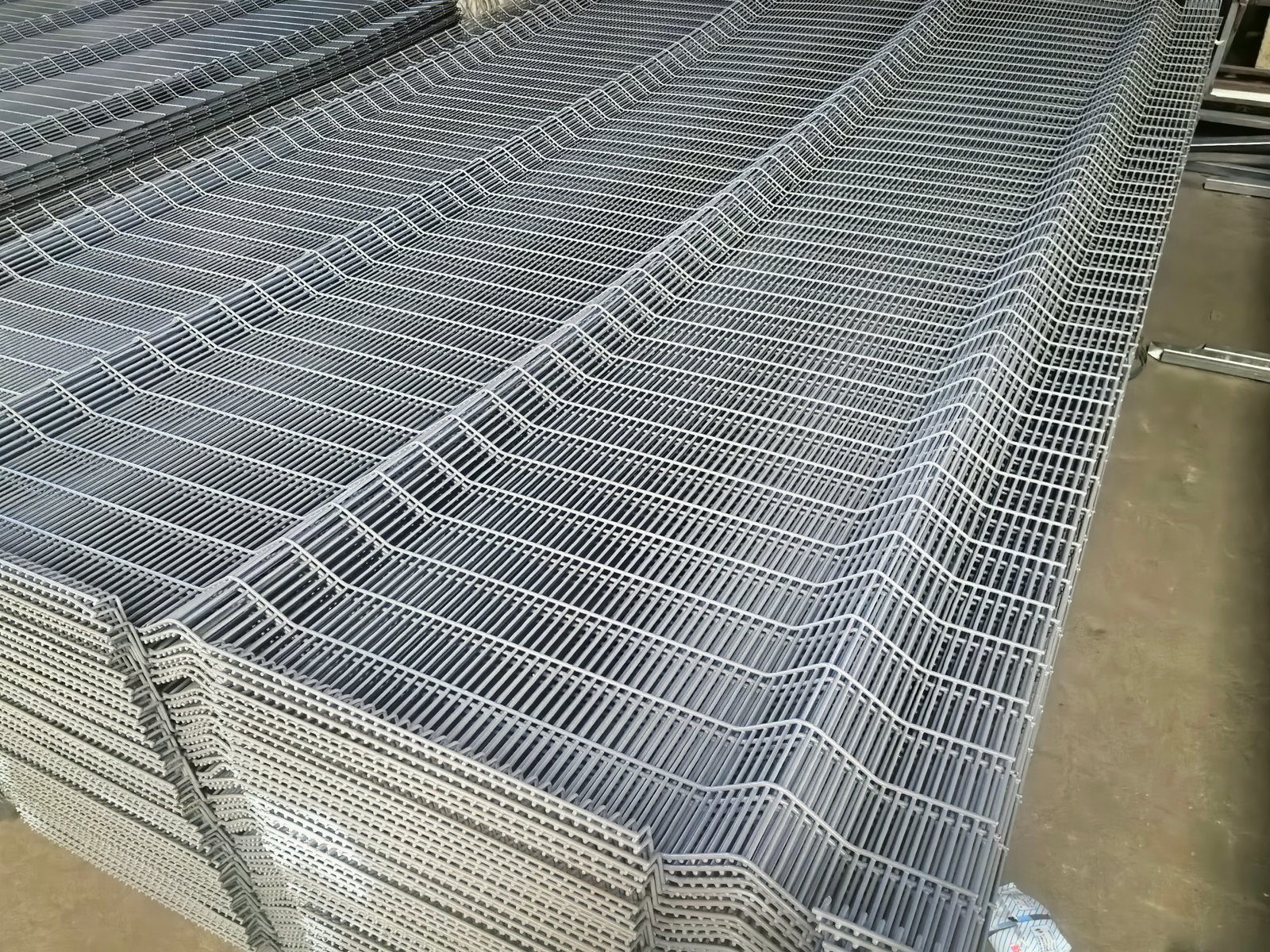
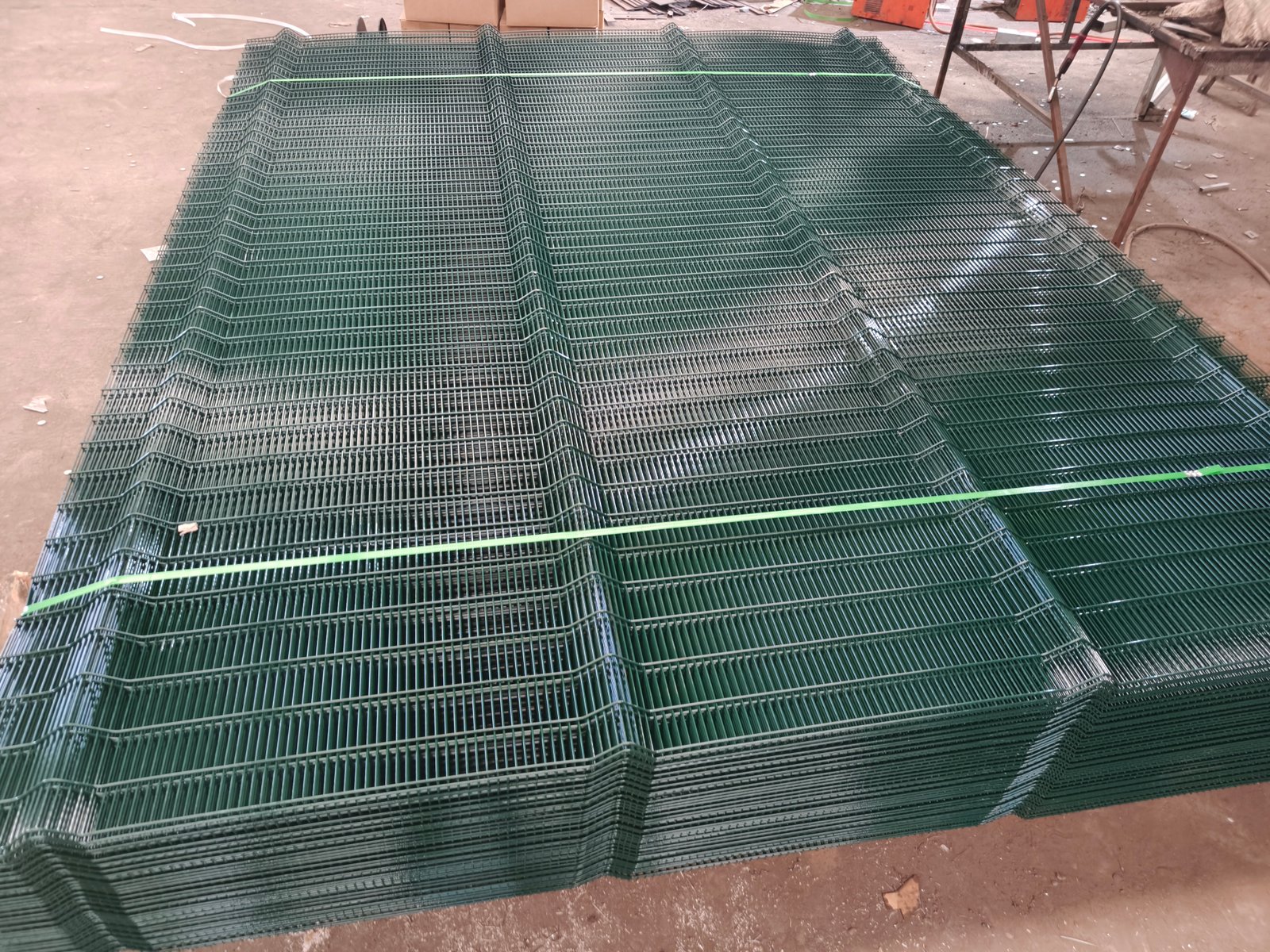
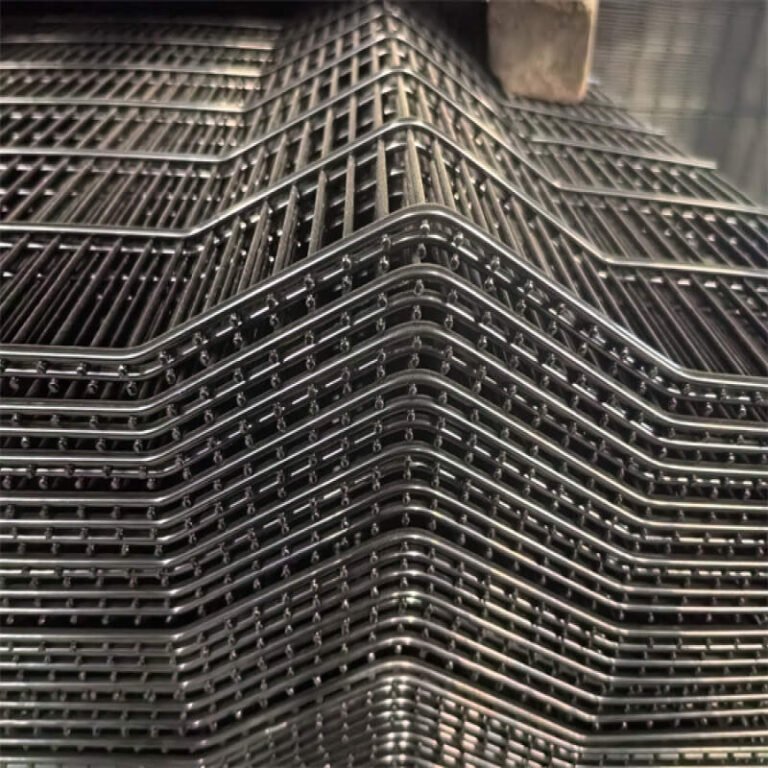
3510M-04: The panel example shows V-bends that can add rigidity while maintaining a clear boundary view.
Information needed for a quotation
Share the perimeter length, panel height, and required mesh specification. Include coating requirements, destination, preferred shipping terms, and gate dimensions. Drawings should identify posts, fixing locations, and any special accessories.
A complete specification helps the factory assess production methods and materials. It also helps buyers compare quotations without overlooking posts, clamps, and freight.
Frequently asked questions
Is 3510 mesh identical to 358 mesh? No. Both commonly share the same mesh pitch, but 3510 uses approximately 3.2 mm wire. Standard 358 mesh typically uses approximately 4.0 mm wire.
Can 3510 panels use powder coating? Yes. Select a compatible coating system and confirm preparation, thickness, and testing requirements.
Can we order alternative dimensions? BMP can assess custom drawings and quantities before production. Confirm availability for nonstandard sizes.
Can security gates match the panels? Matching mesh can suit pedestrian or vehicle gates. Their frames and hardware need separate structural checks.
Anti-climb 3510 Security fence maintenance basics
Inspect the fence after severe weather, impacts, or nearby construction. Look for coating damage, movement at posts, loose clamps, and changes around foundations. Repair problems promptly using approved materials and methods.
Keep gates operational and maintain security cameras where the site uses them. Scheduled inspections can protect the function and appearance of the perimeter over time.
Boss Metal and Plastic Co., Ltd. supplies welded mesh panels, posts, and fitting options for international fencing projects. Send project drawings for a specification review and a tailored supply proposal.