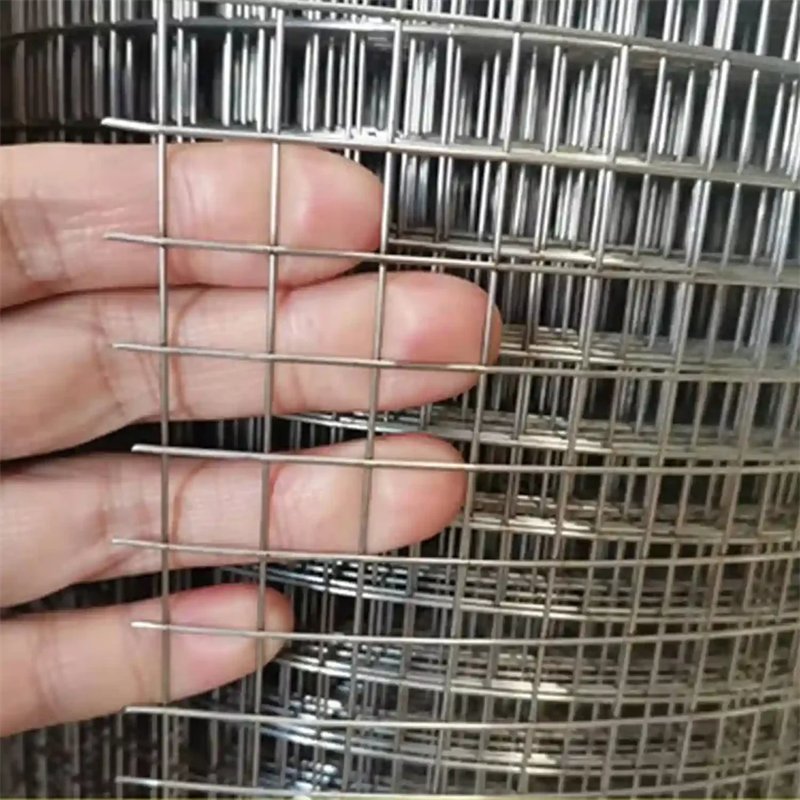
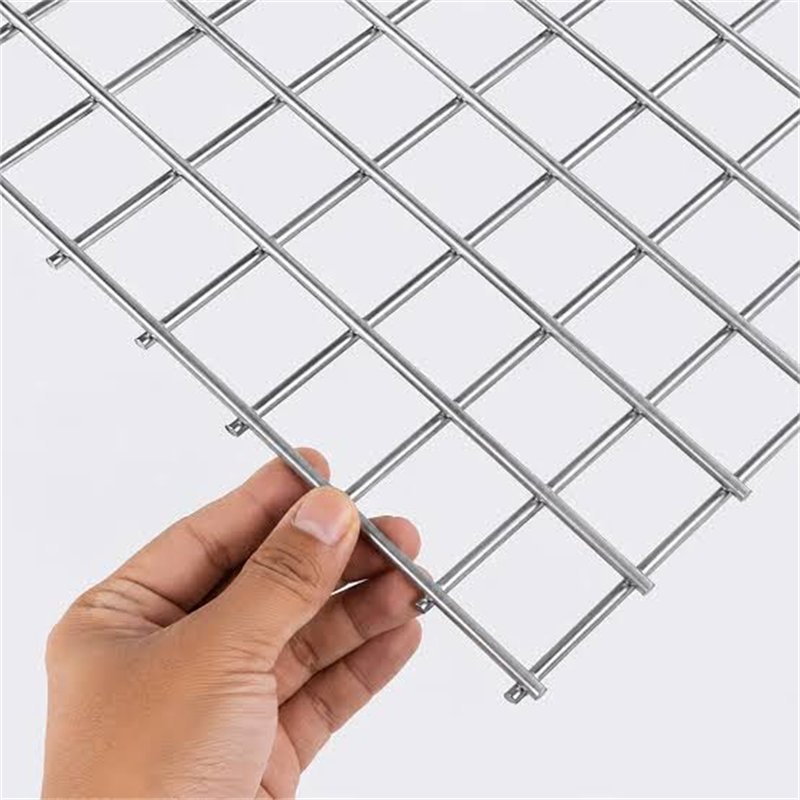
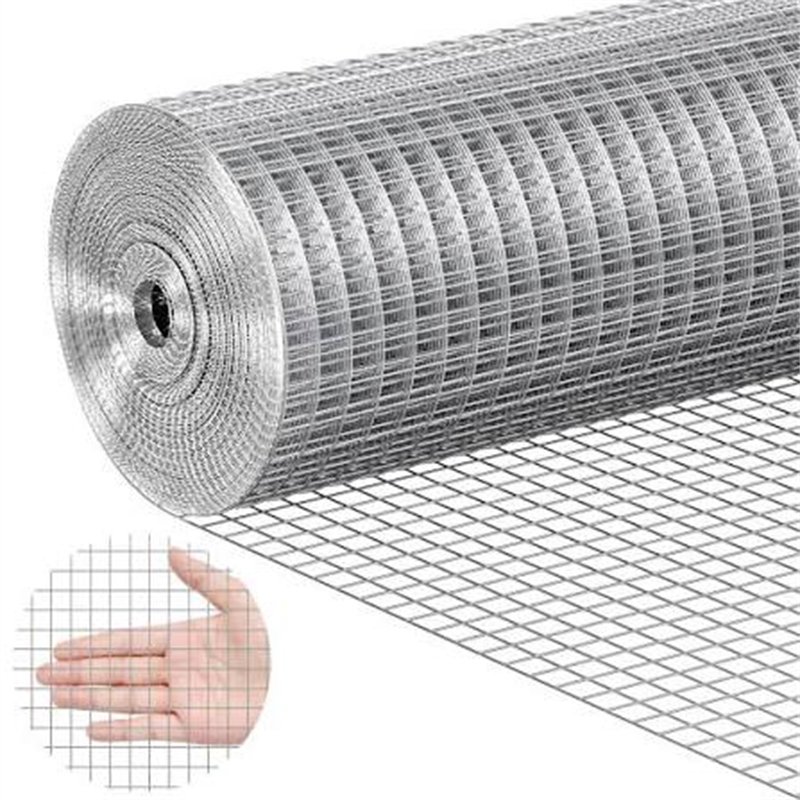
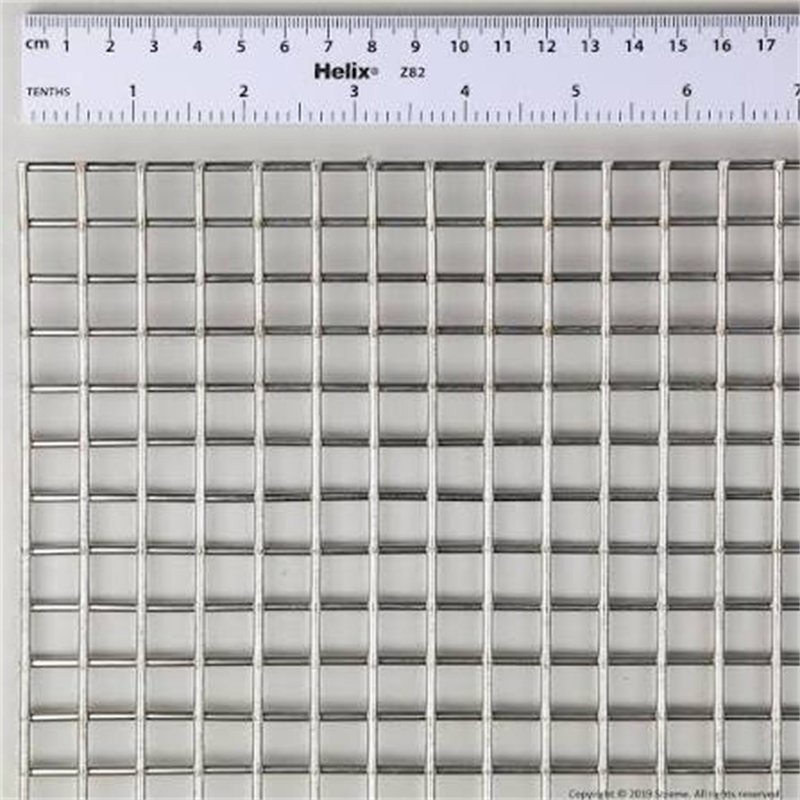
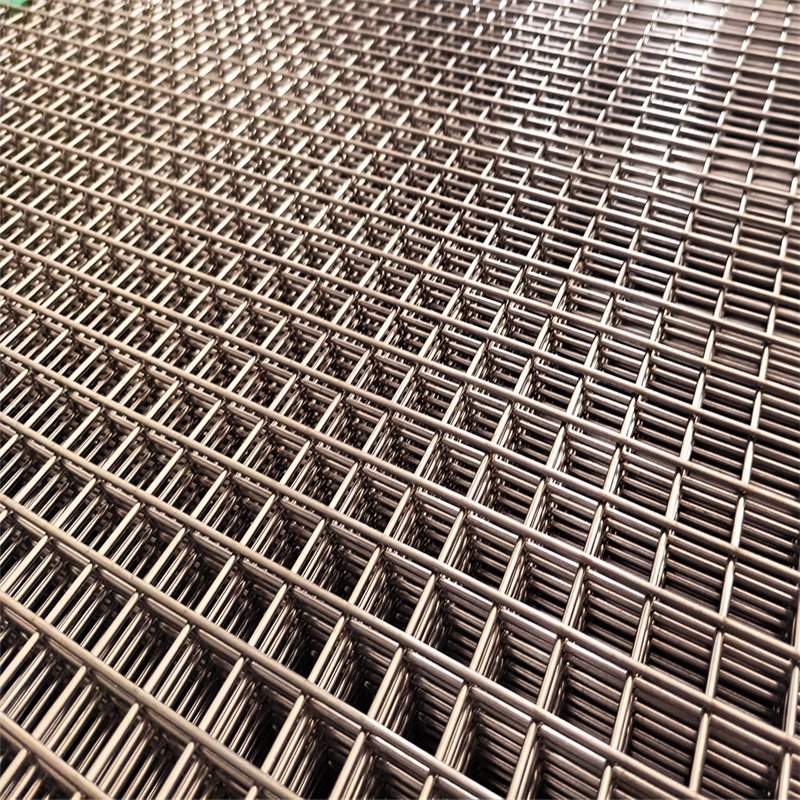
Hot-Dipped galvanized welded wire mesh: product overview
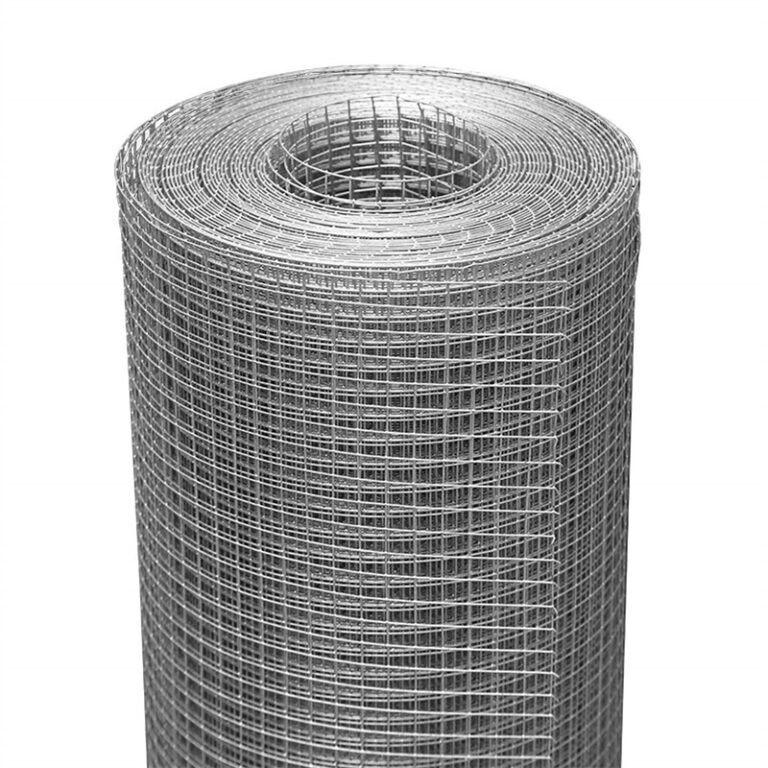
Hot-Dipped galvanized welded wire mesh combines welded steel intersections with protective zinc. Buyers use this material for construction, enclosures, agriculture, and industrial screening. BMP supplies mesh rolls, sheets, and application-specific configurations from its manufacturing base in China. Each project requires the correct opening, wire diameter, coating, and delivery format.
Welded intersections help the mesh retain consistent square or rectangular openings. Zinc offers sacrificial protection when moisture reaches the steel surface. However, exposure conditions and coating quality determine the actual service life. Our welded wire mesh supplier page introduces related mesh products and sourcing options.
What buyers should confirm first
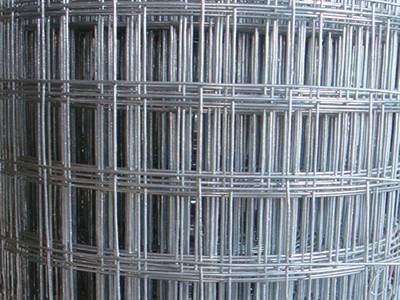
Confirm whether the project needs a flexible roll or a rigid panel. Identify the required aperture, steel diameter, mesh height, and roll length. Ask whether the supplier galvanizes the wire before welding or dips the completed mesh afterward. These details affect cost, handling, and protection around welded intersections.
The phrase hot-dipped describes a process, not a complete performance certificate. Two visually similar rolls can carry different zinc masses. A documented specification allows buyers to compare offers accurately.
Where welded mesh works best
Contractors use galvanized mesh for light-duty partitions, protective cages, garden boundaries, and selected construction tasks. Farms use smaller openings to help contain poultry and other animals. Factories use stiffer sheets around equipment, subject to suitable guarding design. The correct format depends on access, loading, and maintenance.
Decorative and agricultural enclosures often benefit from simple installation and clear visibility. Heavy industrial applications may require thicker wires and stronger frames. Welded mesh cannot replace a certified safety barrier without appropriate engineering. Assess the site before selecting a product.
Hot-Dipped galvanized welded wire mesh for daily applications
A farm enclosure needs suitable openings for the animal species. A machinery guard needs appropriate separation distances and robust support. A construction screen needs adequate attachment points and weather protection. One mesh specification rarely meets every application.
For larger perimeter systems, buyers may prefer our 3D fence panel designs. Those rigid panels use shaped bends and compatible steel posts. Flexible welded rolls serve different installation requirements.
Hot-Dipped galvanized welded wire mesh manufacturing process
Production begins with low-carbon steel wire and an approved diameter range. Workers straighten and feed the wires through a welding line. The equipment joins perpendicular wires at predetermined spacing. Operators inspect alignment, weld consistency, and surface condition before further processing.
The manufacturing route then follows the buyer’s coating specification. Some systems use galvanized wire before welding. Other systems apply zinc after fabricating the mesh. The supplier should identify the process clearly in the quotation.
Galvanizing before or after welding
Pre-galvanized wire already carries zinc before the welding stage. Welding can affect protection around some intersections. Post-weld hot dipping can coat accessible welded junctions. The final result still depends on proper cleaning, bath control, and drainage.
Ask for coating measurements and inspection methods when corrosion exposure matters. Do not assume both processes give identical results. The best option depends on geometry, application, and required performance.
Understanding zinc protection
Zinc protects steel through both barrier protection and sacrificial action. Moisture, chloride exposure, and coating damage influence the corrosion rate. Smooth handling reduces coating scratches during transport and installation. A long service life requires suitable design and periodic inspection.
Wire diameter and coating mass describe different product properties. Suppliers normally express coating mass in grams per square metre. Buyers should specify both parameters independently. Appearance alone cannot verify zinc mass.
Coating methods for Hot-Dipped galvanized welded wire mesh
Continuous galvanizing and batch galvanizing follow different manufacturing routes. ISO 1461:2022 covers certain batch hot-dipped fabricated steel articles. Its scope excludes continuously galvanized wire and welded mesh products. Buyers must select the applicable standard for their actual process.
A historical datasheet references a minimum zinc mass of 20 g/m². Treat this number as a specific reference, not a universal hot-dip requirement. Request the agreed target mass and test evidence for each order.
Hot-Dipped galvanized welded wire mesh sizes and apertures
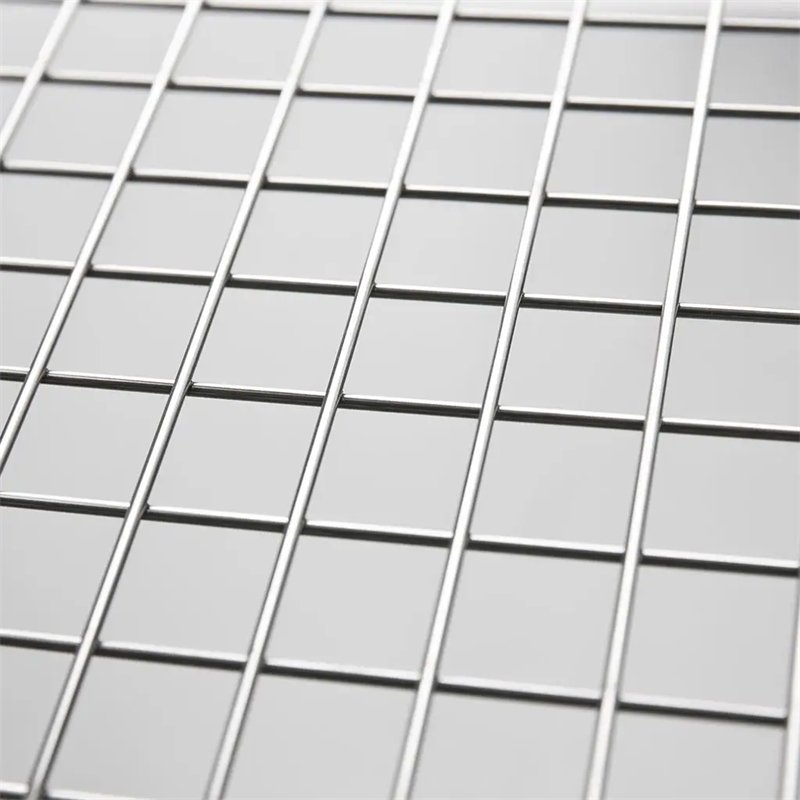
Mesh opening determines visibility, containment, ventilation, and material consumption. Common reference openings include 6.4, 9.5, 12.7, 19.1, 25.4, and 50.8 mm. Larger rectangular formats also serve industrial and agricultural work. Confirm whether dimensions describe clear opening or wire centre spacing.
Mesh rolls may use different heights and lengths. BMP can review project drawings and packing requirements before quoting. An accurate specification reduces cutting waste and installation errors.
| Mesh opening (mm) | Nominal inch | BWG range | Typical wire diameter (mm) |
|---|---|---|---|
| 6.4 × 6.4 | 1/4 × 1/4 | 24–22 | 0.56–0.71 |
| 9.5 × 9.5 | 3/8 × 3/8 | 23–19 | 0.64–1.07 |
| 12.7 × 12.7 | 1/2 × 1/2 | 22–16 | 0.71–1.65 |
| 15.9 × 15.9 | 5/8 × 5/8 | 21–16 | 0.81–1.65 |
| 19.1 × 19.1 | 3/4 × 3/4 | 21–16 | 0.81–1.65 |
| 25.4 × 12.7 | 1 × 1/2 | 21–16 | 0.81–1.65 |
| 25.4 × 25.4 | 1 × 1 | 21–14 | 0.81–2.11 |
| 38.1 × 38.1 | 1 1/2 × 1 1/2 | 19–14 | 1.07–2.11 |
| 25.4 × 50.8 | 1 × 2 | 17–14 | 1.47–2.11 |
| 50.8 × 50.8 | 2 × 2 | 16–12 | 1.65–2.77 |
How to choose a practical opening
Small openings can help contain smaller animals and reduce accidental access. Wider openings may reduce wire consumption and improve airflow. Machinery guarding requires a separate safety assessment. Never select guarding mesh solely by its advertised aperture.
Our clear view fence panels use a different perimeter-security design. Those systems typically combine denser security mesh with supporting posts. Compare complete systems before choosing between the two.
Wire gauges and strength references
The original catalogue lists wire diameters from approximately 0.56 mm through 2.77 mm. Different mesh sizes use different wire gauges and production tolerances. The source also provides a 0.65 mm reference with a 0.025 mm tolerance. Buyers should confirm every figure against the agreed drawing.
The reference material cites tensile strength between 300 and 450 N/mm². It also cites at least 15 percent elongation for one wire example. These figures do not automatically apply to every mesh size. Ask for documented results when strength affects acceptance.
| Property | Reference data | Important qualification |
|---|---|---|
| Steel wire diameter | 0.65 ± 0.025 mm | Example only |
| Zinc coating mass | Minimum 20 g/m² | Historical product reference; not universal |
| Tensile strength | 300–450 N/mm² | Verify material and test method |
| Elongation | Minimum 15% | Confirm for selected wire |
| Carbon | Maximum 0.10% | Confirm material certificate |
| Coil packing reference | 150 kg | Not every finished mesh roll |
| Coil diameters | Approximately 270 / 450 mm | Historical inner / outer reference |
Wire options for Hot-Dipped galvanized welded wire mesh
Thicker wire usually adds weight and can improve resistance to deformation. Smaller wire can make rolls easier to handle. However, bending stiffness also depends on opening size and panel geometry. Engineers should review loads before selecting a structural design.
Some buyers confuse wire gauge with finished coated diameter. PVC and other polymer layers increase the external diameter. Confirm the underlying steel diameter before comparing products.
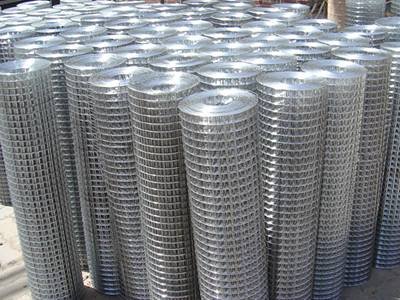
Hot-Dipped galvanized welded wire mesh in rolls
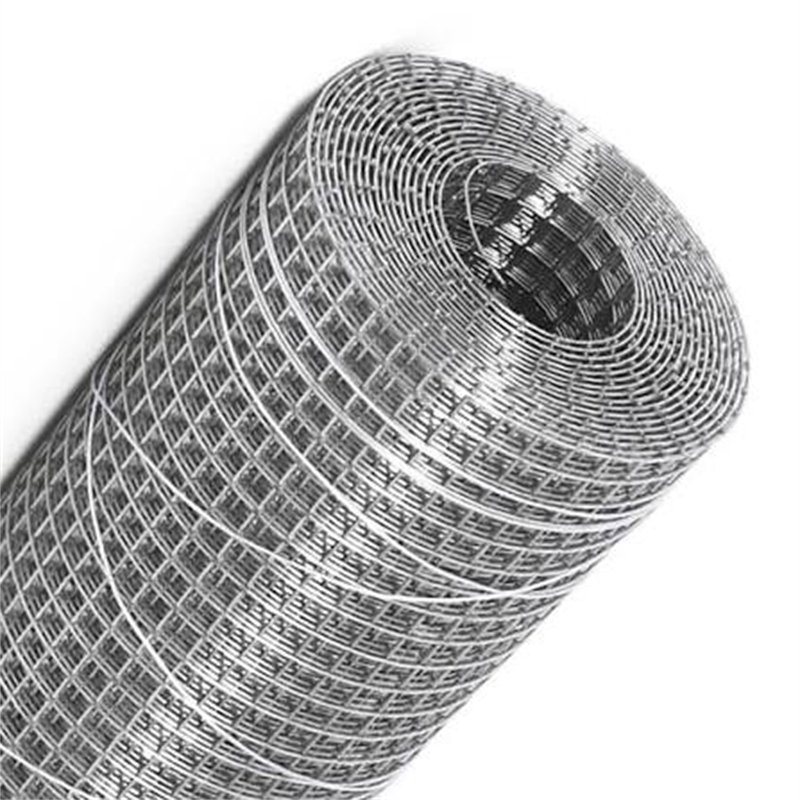
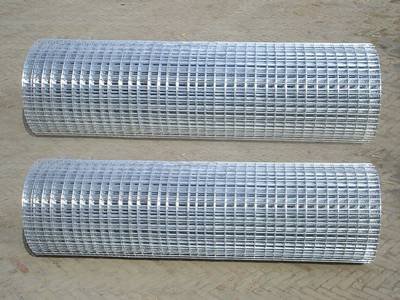
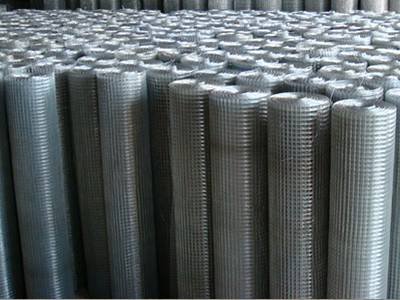
Rolls work well along uneven boundaries and long installation runs. Installers can cut suitable mesh lengths to match the site. Roll flexibility depends on wire diameter, opening pattern, and manufacturing quality. Proper supports keep the mesh aligned.
Reference products include 50 cm and 100 cm roll heights. Example lengths include 5 m and 10 m. Other welded mesh lines offer 30 m rolls. The contract should define length tolerance and outer packaging.
| Reference finish | Mesh opening | Steel wire diameter | Finished diameter | Roll height | Roll length |
|---|---|---|---|---|---|
| Hot-dip galvanized + green PVC | 12.7 × 12.7 mm | 0.65 mm | 0.90 mm | 100 cm | 5 m |
| Galvanized after welding | 12.7 × 12.7 mm | 0.65 mm | — | 50 cm | 5 m |
| Galvanized mesh + green PVC | 25 mm | 0.80 mm | 1.00 mm | 50 cm | 10 m |
| Galvanized mesh | 13 mm | 0.70 mm | — | 50 cm | 10 m |
Handling, unrolling and edge protection
Move rolls with suitable lifting equipment and protective gloves. Control spring-back before releasing a coil. Avoid dragging zinc-coated wire across abrasive surfaces. Inspect cut edges and apply appropriate repairs where the coating suffers damage.
The original catalogue also mentions 150 kg coils for a specific wire supply format. That reference does not describe every finished mesh roll. Confirm actual net and gross weights before booking transport.
Choosing rigid sheets and panels
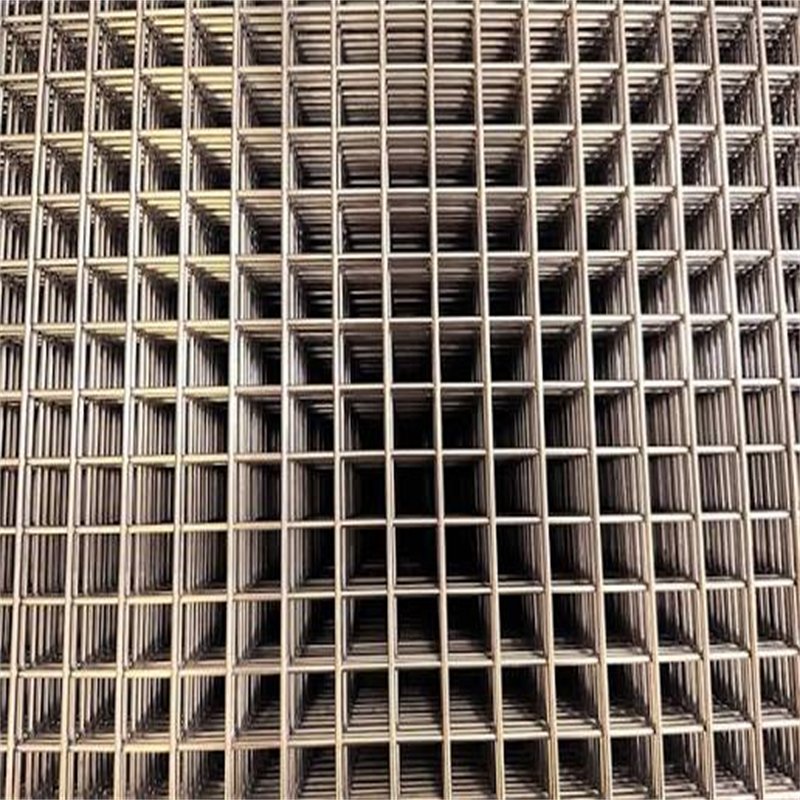
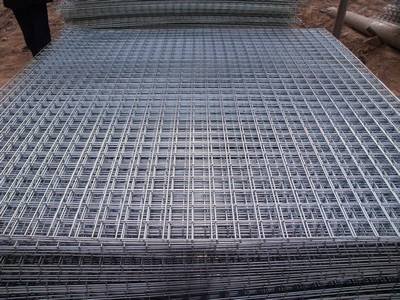
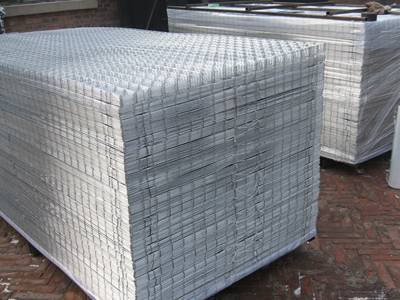
Rigid sheets suit regular partitions, cages, and selected equipment enclosures. A suitable frame can improve stability and simplify fastening. Panel width, flatness, and edge preparation affect installation quality. Contractors should verify handling access for large sheets.
Welded sheets are not interchangeable with engineered security panels. Our 358 welded wire mesh fence offers a narrower anti-climb configuration. The correct product depends on security requirements and budget.
Hot-Dipped galvanized welded wire mesh panel selection
Compare panel dimensions alongside steel diameter and weld quality. Review coating consistency near intersections and cut edges. Request compatible clamps, frames, or mounting details when necessary. Confirm whether the quoted unit refers to one panel or one square metre.
Heavy panels can require mechanical lifting and stronger supports. A qualified designer should check structural and safety requirements. Standard catalogue dimensions do not replace a project drawing.
Hot-Dipped galvanized welded wire mesh quality standards
A reliable specification defines substrate, wire size, opening, coating, and inspection method. It also identifies dimensional tolerances and packaging requirements. Suppliers should provide relevant records when the order requires formal compliance. Different manufacturing routes may reference different standards.
Avoid generic claims that every welded mesh product meets ISO 1461. Continuously galvanized wire and welded mesh fall outside that standard’s direct scope. Check the standard’s stated exclusions before using it in procurement documents.
| Historical class | Opening (mm) | Wire diameter (mm) | Height range (cm) |
|---|---|---|---|
| A | 6 × 6 | 0.65 | 50–150 |
| A | 13 × 13 | 0.90 | 50–150 |
| A | 13 × 25 | 1.45 | 50–150 |
| A | 19 × 19 | 1.45 | 50–150 |
| A | 25 × 25 | 1.75 | 50–150 |
| B | 13 × 13 | 1.40 | 50–200 |
| B | 13 × 25 | 1.50 | 50–200 |
| B | 19 × 19 | 1.50 | 50–200 |
| B | 75 × 13 | 1.90 | 50–200 |
| B | 50 × 25 | 1.90 | 50–200 |
| B | 50 × 50 | 1.90 or 2.80 | 50–200 |
| C | 13 × 13 | 1.20 | 50–200 |
| C | 19 × 19 | 1.20 or 1.40 | 50–200 |
| C | 25 × 25 | 2.30 | 50–200 |
Inspection of zinc coatings
Inspectors can review coating appearance and use suitable measurement methods. Buyers may request sample testing for agreed coating mass. Testing frequency should reflect the purchase contract and applicable standard. Written acceptance criteria reduce disputes after arrival.
An attractive silver finish does not prove a specific coating mass. Confirm production records for the supplied batch. For difficult environments, also inspect cut edges and welded joints.
Color coatings and extra surface protection
Some projects add PVC or another suitable polymer over galvanized steel. The extra layer adds colour and barrier protection. Product compatibility, thickness, and outdoor exposure affect long-term performance. The buyer should approve the complete coating system.
The original catalogue lists a green RAL 6005 coated example. Its 0.65 mm steel core has a 0.90 mm coated diameter. This describes one reference product rather than the entire range. Coating thickness needs written confirmation.
Hot-Dipped galvanized welded wire mesh with PVC
Select PVC-coated mesh when colour or additional protection suits the project. Confirm polymer chemistry, adhesion, and weathering expectations. Ask for a suitable sample when visual appearance matters. Repair cuts using the coating supplier’s recommendations.
For powder-coated perimeter solutions, compare our powder coated clear view fence options. Powder coating and PVC coating use different materials and processes. Their suitability depends on the application.
Hot-Dipped galvanized welded wire mesh for agriculture
Agricultural users often choose rolls for cages, garden partitions, and small livestock enclosures. Mesh spacing should match the animal’s size and behaviour. Support posts must withstand expected loading and contact. Check for sharp edges before use.
In humid settings, inspectors should examine scratches and connection points periodically. Soil contact can accelerate local deterioration under some conditions. Raised edges and proper drainage can help reduce persistent moisture exposure.
Animal cages and boundary planning
A small cage needs reliable closure details and smooth cut ends. Larger enclosures need planned entry points and stronger supports. No standard mesh aperture suits every animal. Local welfare and safety rules also matter.
Our metal chain link fence provides another option for flexible boundaries. Chain-link fabric and welded mesh differ in construction and attachment methods. Buyers should compare their intended applications.
Machinery guards and factory partitions
Factories use welded mesh for separation, screening, and some protective barriers. A rigid frame helps maintain clearance from moving machinery. Designers must account for access points and foreseeable contact. Functional safety takes priority over appearance.
Choose fixtures that resist vibration and accidental removal. Keep maintenance access clear without weakening the barrier. The correct design should follow applicable local machine-safety rules.
Hot-Dipped galvanized welded wire mesh for workshops
Workshops may use panels around storage zones and process areas. Installers need clear post positions and appropriate edge protection. Standardized panels can simplify replacement after damage. Check surrounding equipment and pedestrian routes during planning.
Temporary installations may work better with portable chain link fence panels. These framed panels serve different handling needs than loose mesh rolls. Compare site mobility requirements before purchase.
Hot-Dipped galvanized welded wire mesh in construction
Construction teams use welded mesh for various nonstructural and protective applications. Some engineered welded fabrics also reinforce concrete. However, a generic galvanized roll does not automatically qualify as structural reinforcement. Engineers must specify steel grade, geometry, and applicable standards.
Concrete reinforcement design requires proper strength, anchorage, and placement. Do not substitute general-purpose mesh for certified reinforcement products. Request project-specific drawings and test documents before installation.
Why structural approval matters
Reinforcement performance depends on material properties and the entire structural design. Wire size alone cannot establish load capacity. Construction projects should follow the engineer’s bill of materials. The supplier must identify any required structural certification.
Shipping rolls and flat-packed sheets
Accurate packing details improve container utilization and delivery planning. Exporters should record roll lengths, diameters, net weights, and gross weights. Flat panels need suitable spacers and edge protection. Secure packaging reduces rubbing during transit.
The original reference lists assorted roll masses and sizes. Some historical entries show conflicting weights for identical nominal dimensions. Verify each current product before publishing a fixed loading quantity. Do not treat old catalogue weights as certified measurements.
| Mesh reference | Roll size | Historical mass |
|---|---|---|
| 16 × 16 | 3 ft × 100 ft | 24.75 kg |
| 16 × 16 | 4 ft × 100 ft | 33 kg |
| 16 × 16 | 4 ft × 100 ft | 41.25 kg |
| 16 × 16 | 5 ft × 100 ft | 18 kg |
| 40 × 40 | 1 m × 100 ft | 20 kg |
Hot-Dipped galvanized welded wire mesh export packing
Packaging may include protective wrapping, binding, pallets, and labels. The agreed method depends on mesh stiffness and shipment volume. Buyers should approve packing quantities and handling instructions. Confirm moisture protection for long ocean journeys.
BMP can prepare itemized packing information for confirmed orders. The shipping term should clearly identify freight and destination responsibilities. Local import taxes and installation costs require separate review.
Hot-Dipped galvanized welded wire mesh inspection checklist
Inspect aperture spacing, wire diameter, roll length, surface condition, and packaging. Check weld consistency through the agreed inspection method. Compare every batch against approved specifications. Photograph exceptions before loading or unpacking.
Record coating claims alongside any available testing documents. Verify that labels match the order and carton contents. Large orders benefit from agreed inspection sampling before shipment.
Documents buyers should request
Request the commercial invoice, packing list, technical datasheet, and agreed test records. Some destinations require additional customs documents. Verify the requirements with the importer or customs broker. BMP can discuss the commercial documentation for each shipment.
A sample may help confirm aperture and general finish. Samples cannot replace full-batch tests when the contract requires them. Keep approved drawings with the final order file.
Choosing a suitable fence alternative
Welded mesh rolls suit many light-duty and medium-duty enclosure tasks. Other projects may need rigid fencing, higher security, or more portable systems. Compare total system cost, not only material price. Posts, frames, fasteners, and installation all affect the result.
A security perimeter may need welded clear view fence panels with dense apertures. An agricultural boundary may need flexible galvanized mesh instead. Project risk determines the proper option.
Hot-Dipped galvanized welded wire mesh versus alternatives
Chain-link fabric uses interwoven wire, while welded mesh uses fixed intersections. Rigid 3D panels add bends and supporting posts. Coated systems offer different appearance and corrosion characteristics. Each design serves different operational needs.
For associated corrosion-protected fencing materials, see our galvanized barbed wire product information. That product has different safety and installation requirements. Choose accessories only when site rules permit them.
Hot-Dipped galvanized welded wire mesh purchasing guide
Begin with a clear application description and the required quantity. Provide aperture, wire diameter, roll or sheet dimensions, and coating route. Include the intended environment and delivery destination. Accurate information helps BMP prepare a suitable quotation.
Ask whether the offer covers a roll, panel, square metre, or another unit. Confirm lead time, packing method, and payment terms in writing. Do not infer current stock from older catalogue tables.
How to prepare an accurate enquiry
Send a technical drawing whenever possible. Identify special finish requirements and inspection documents. State whether the project needs a flexible roll or rigid sheet. Include the named delivery port or city.
The sales team can then review available configurations and manufacturing feasibility. Contact BMP through its welded wire mesh supplier page or email clearvu@construction-fence.com. Any final technical agreement belongs in the written quotation.
Buyer questions and product answers
Purchasers often ask about corrosion resistance, roll dimensions, and coating differences. They also compare light mesh with stronger welded panels. Direct answers help suppliers and contractors coordinate specifications. The following guidance supports an initial technical review.
Service life depends on exposure, design, coating quality, and maintenance. A single lifetime guarantee cannot describe every installation. Buyers should request project-specific warranty terms where applicable.
Hot-Dipped galvanized welded wire mesh FAQ
Does galvanizing after welding protect the joints? The process can coat accessible welded intersections. Surface preparation and process control determine the result.
Can BMP supply different mesh openings? BMP can review various square and rectangular openings. The final selection depends on manufacturing availability.
Does every roll meet ISO 1461? No. Continuously galvanized welded mesh falls outside that standard’s stated scope.
Can welded mesh reinforce concrete? Only properly specified reinforcement products should serve structural uses. A qualified engineer must approve the material.
Can buyers order galvanized mesh with PVC? Buyers can request compatible PVC-coated options. Confirm the underlying wire and finished diameter.
How should buyers compare quotations? Compare the same aperture, wire diameter, coating, dimensions, quantity unit, and shipping terms.