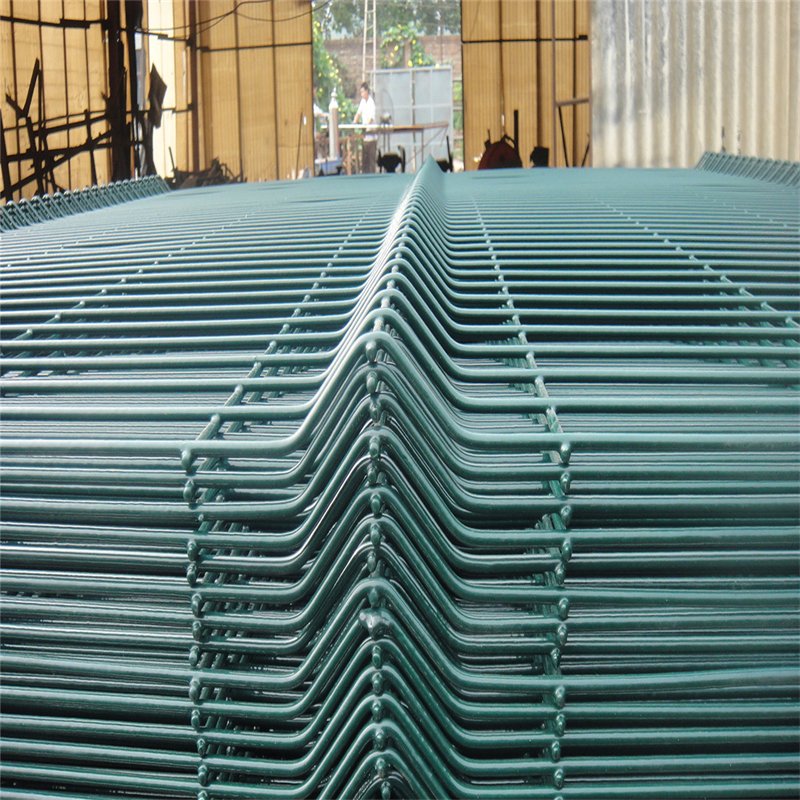
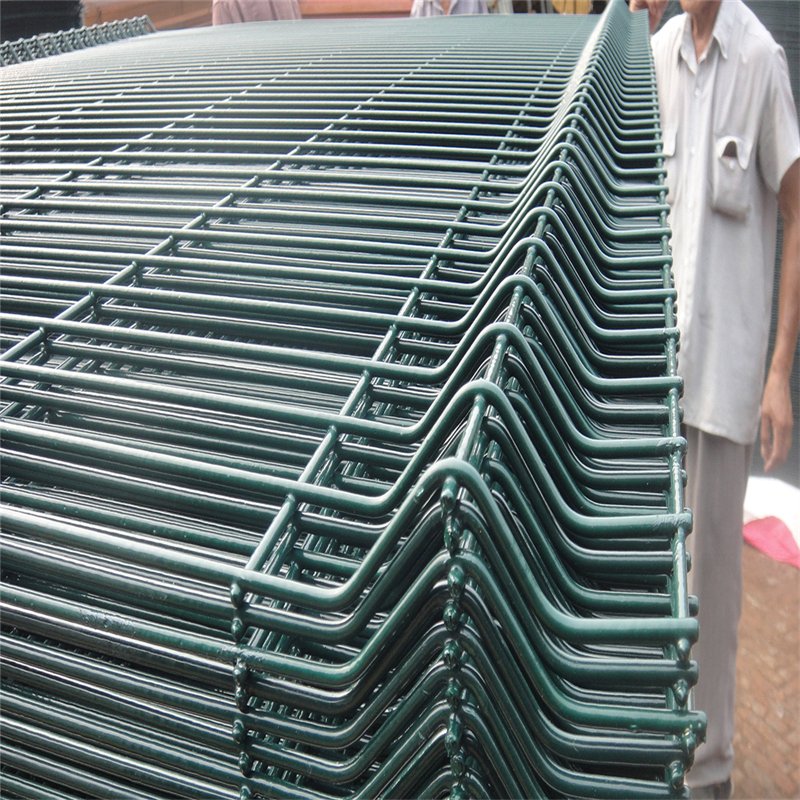
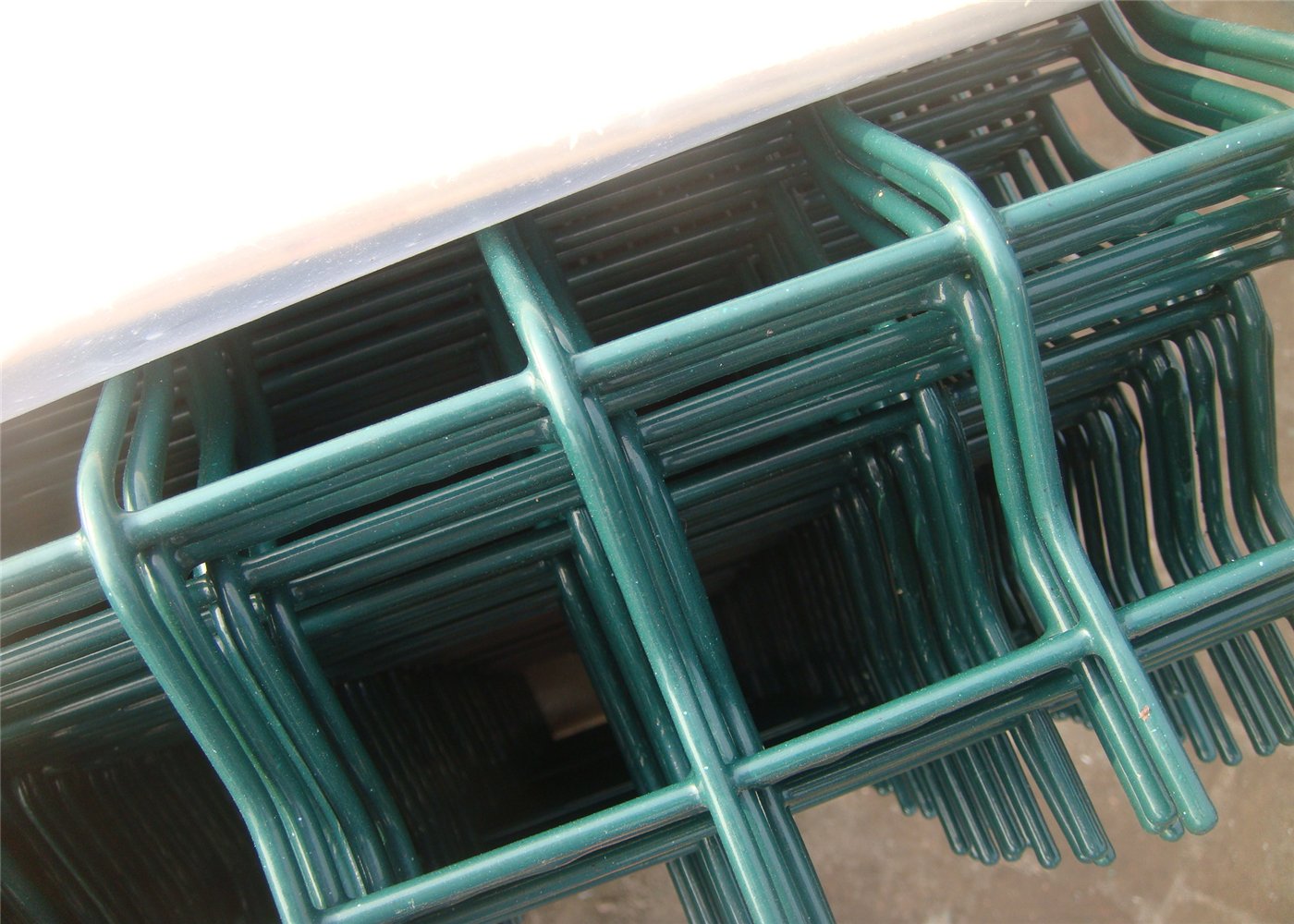
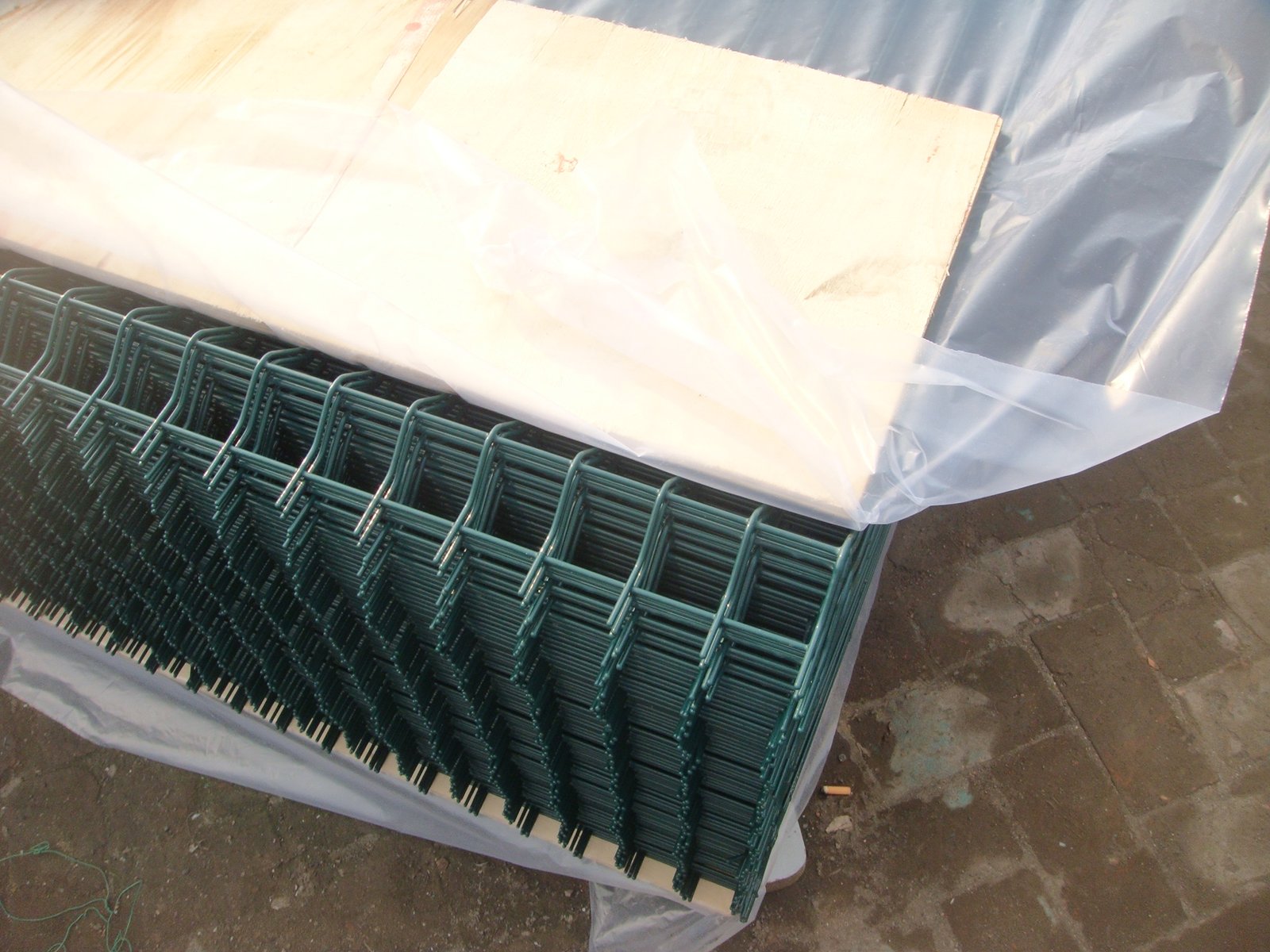
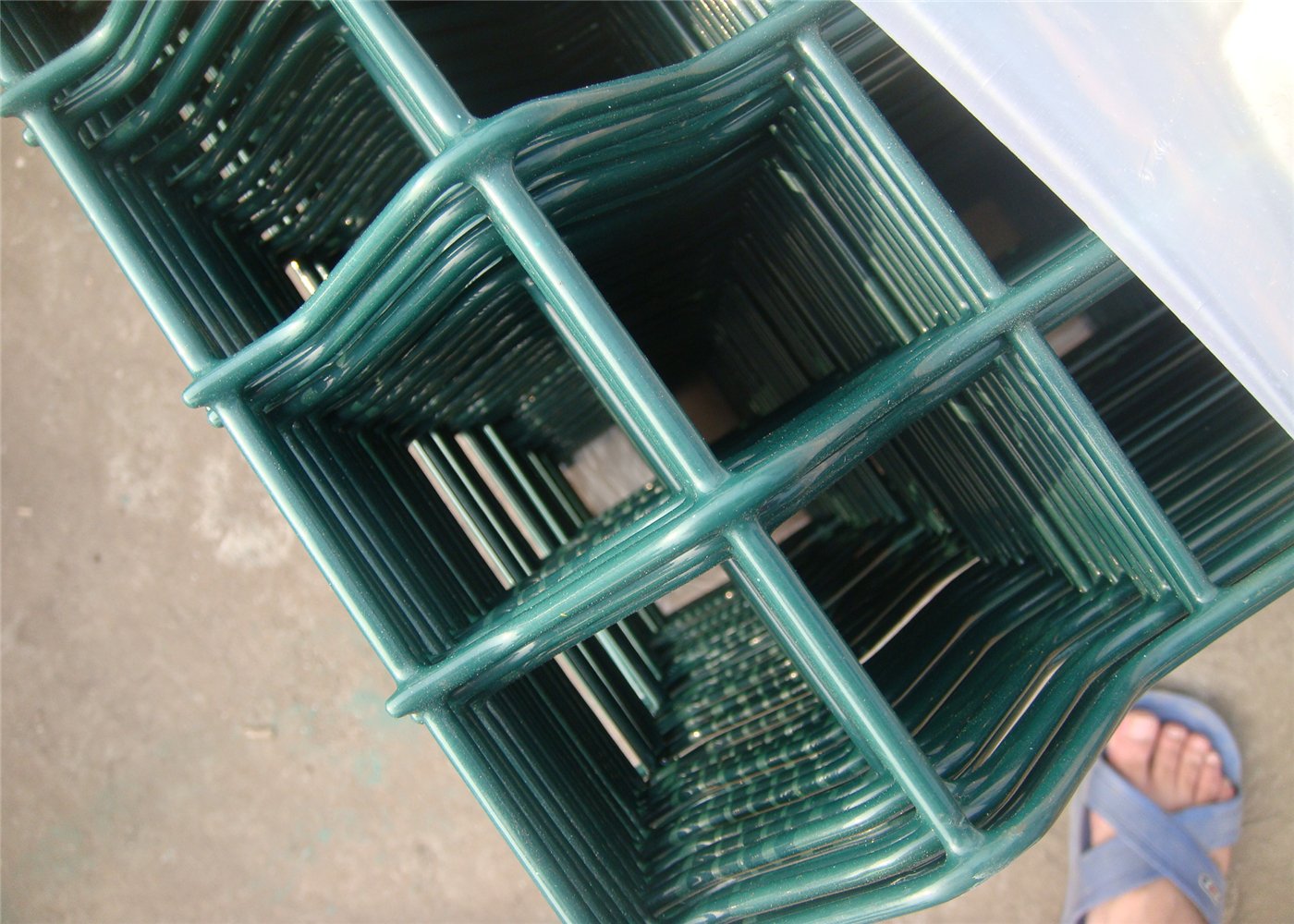
China 3D Security Fence: Factory Overview
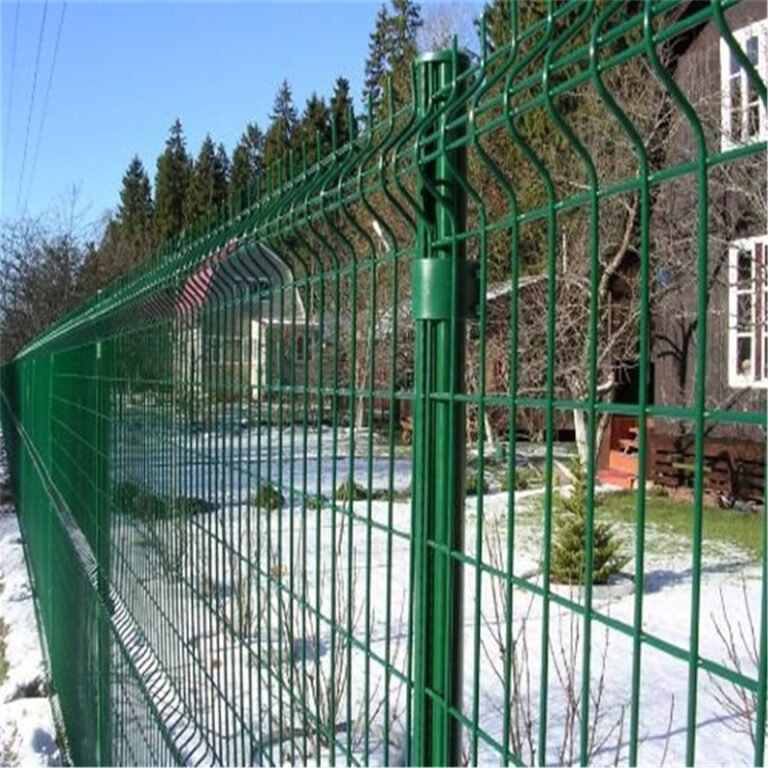
The product also carries the names curved mesh fence, V-bend fence, and curvy security fence. Manufacturers weld vertical and horizontal wires into panels before forming the supporting curves. Clients then select compatible posts and fasteners for each boundary layout. BMP can discuss standard catalogue dimensions and project-specific modifications.
Typical buyers include importers, contractors, property developers, and regional fencing distributors. They often compare the complete fence system rather than panel appearance alone. Our 3D fence panel product page outlines related panel choices. For broader product comparisons, explore 3D fence panels and their available security features.
What Defines a Curved Welded Mesh Panel?
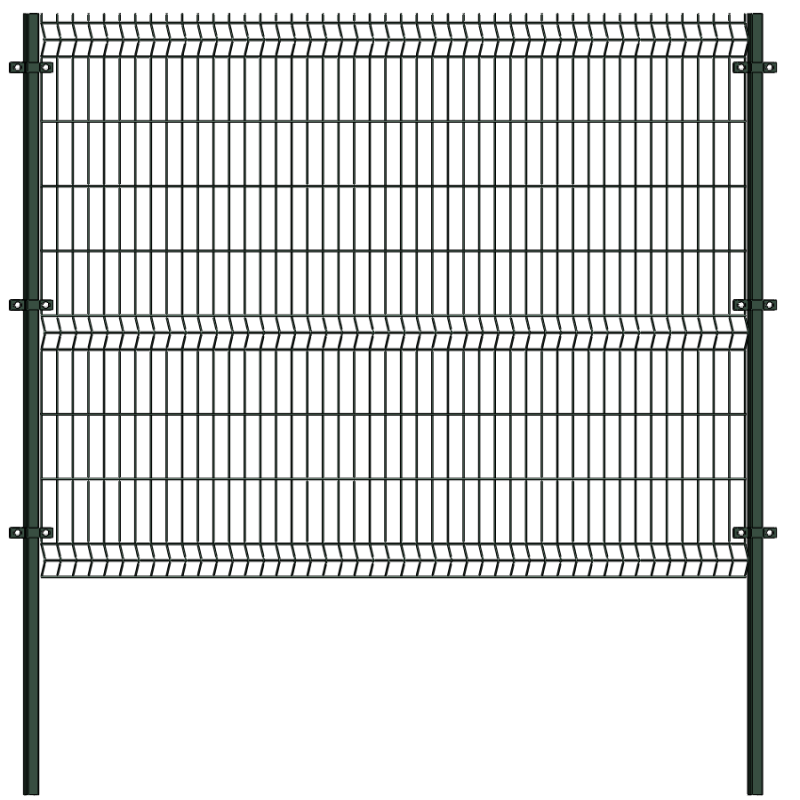
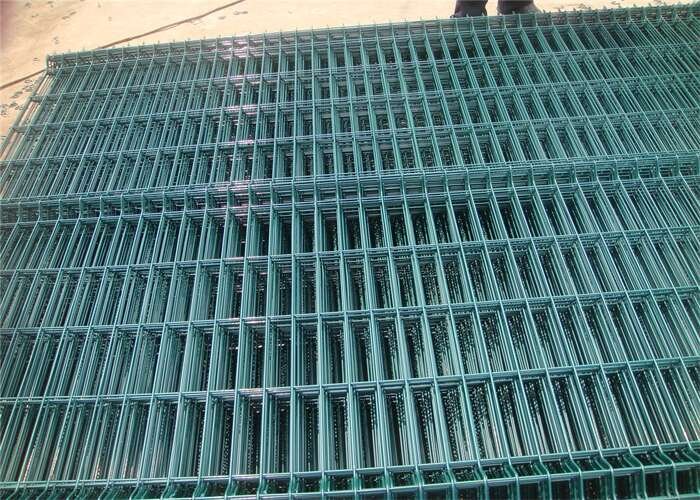
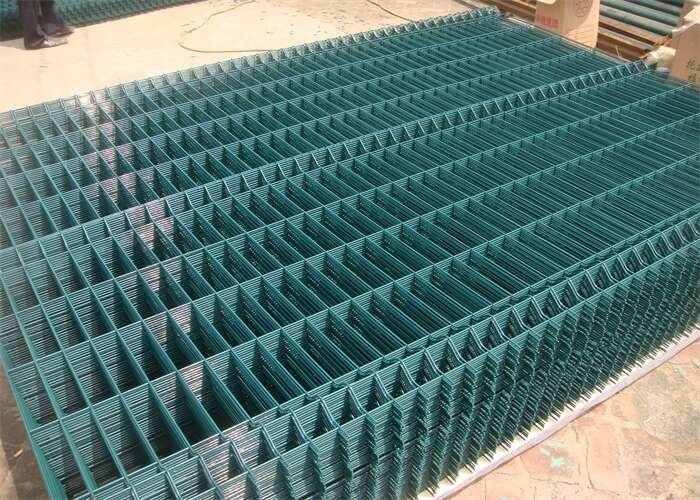
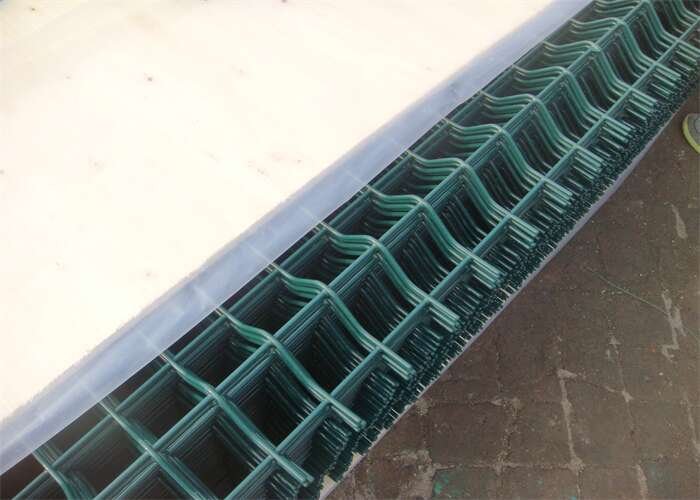
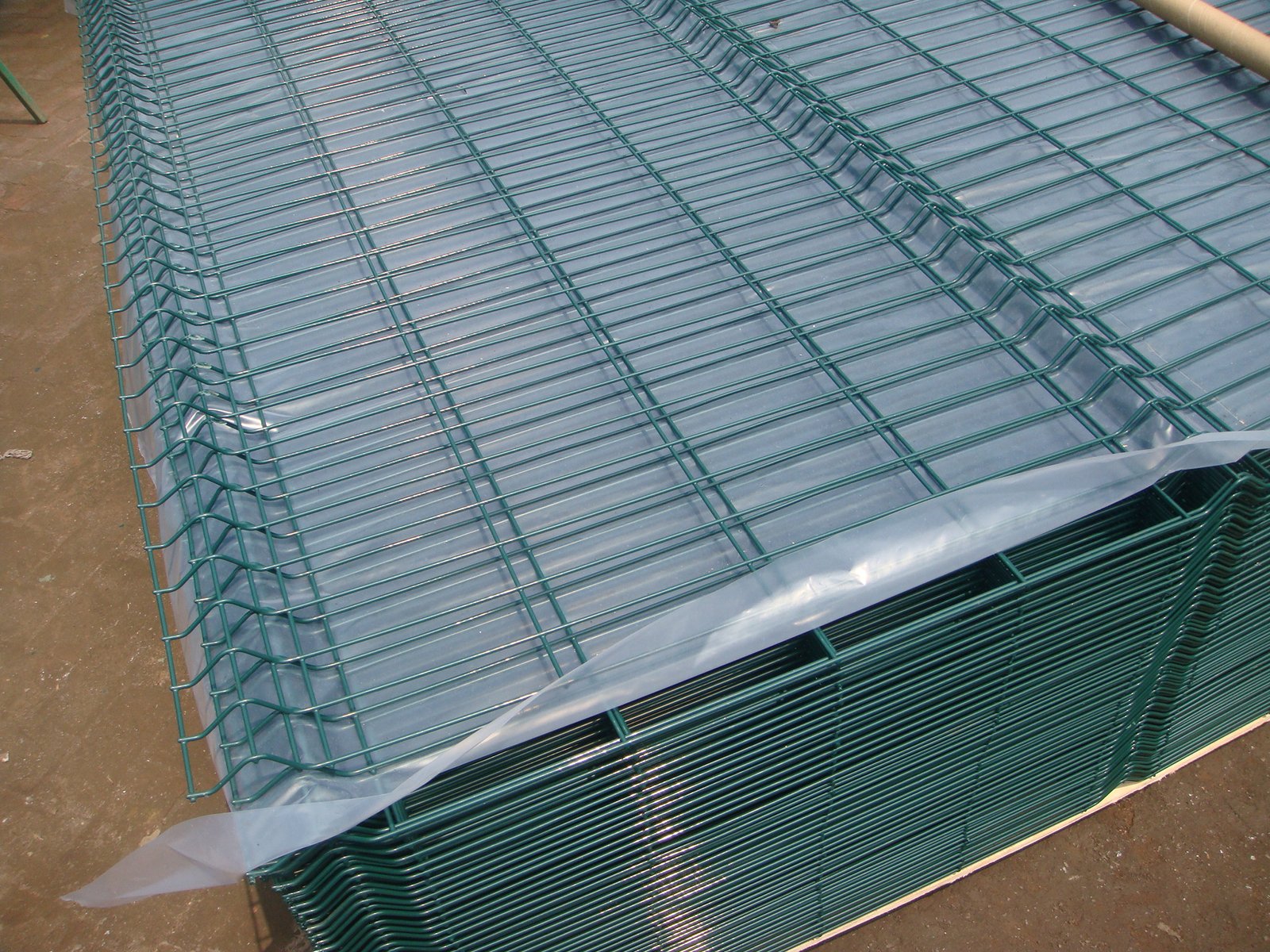
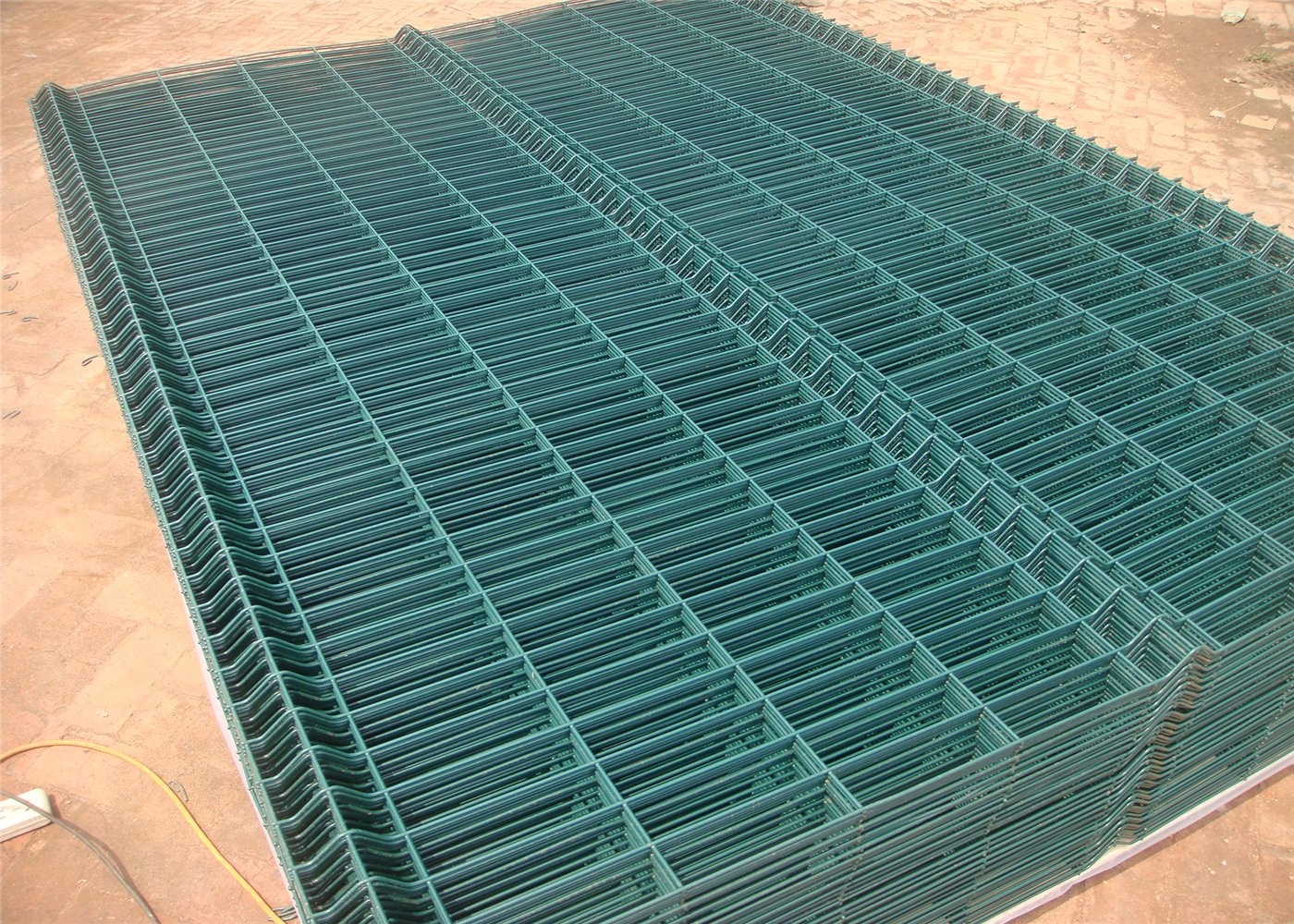
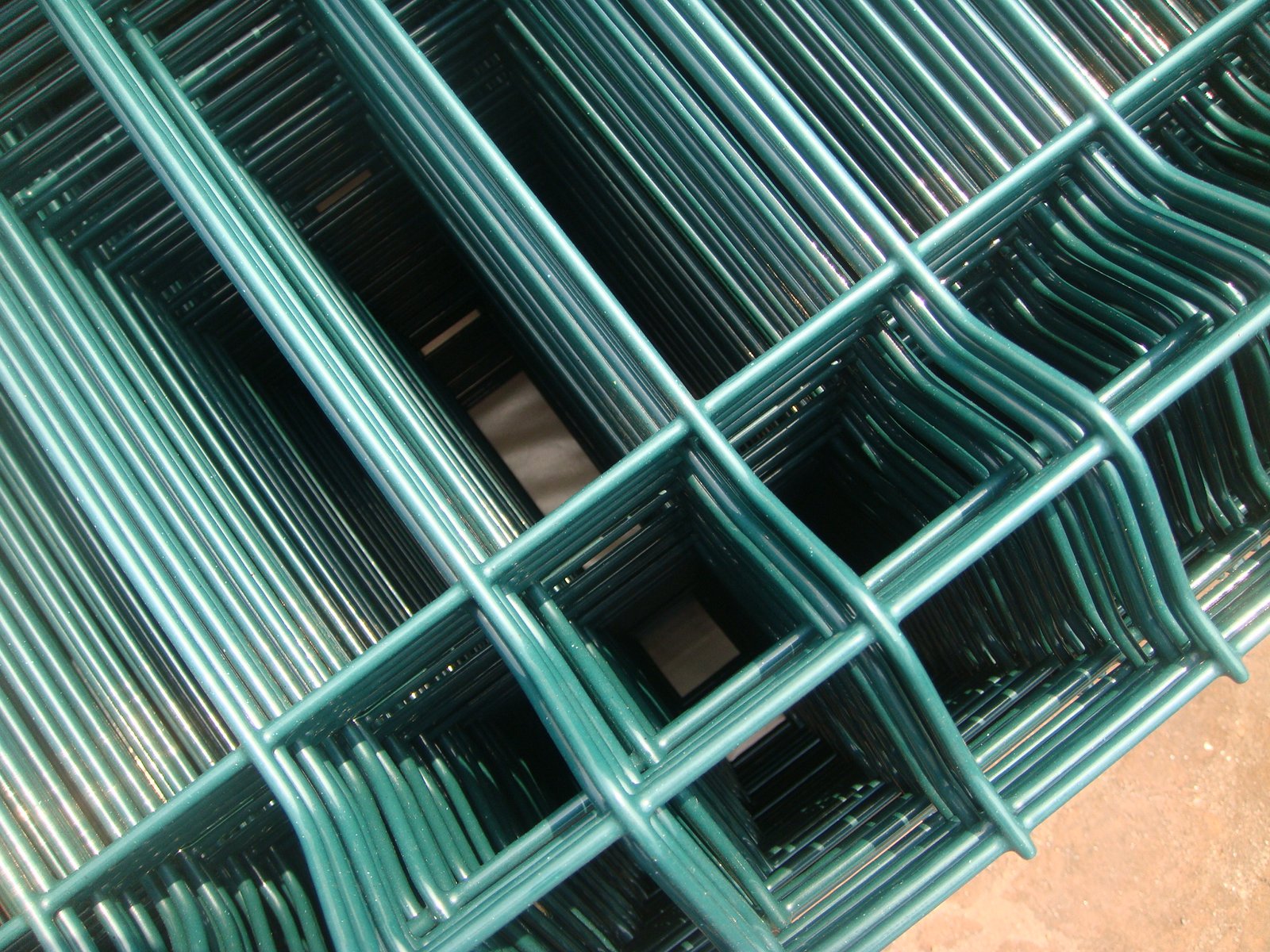
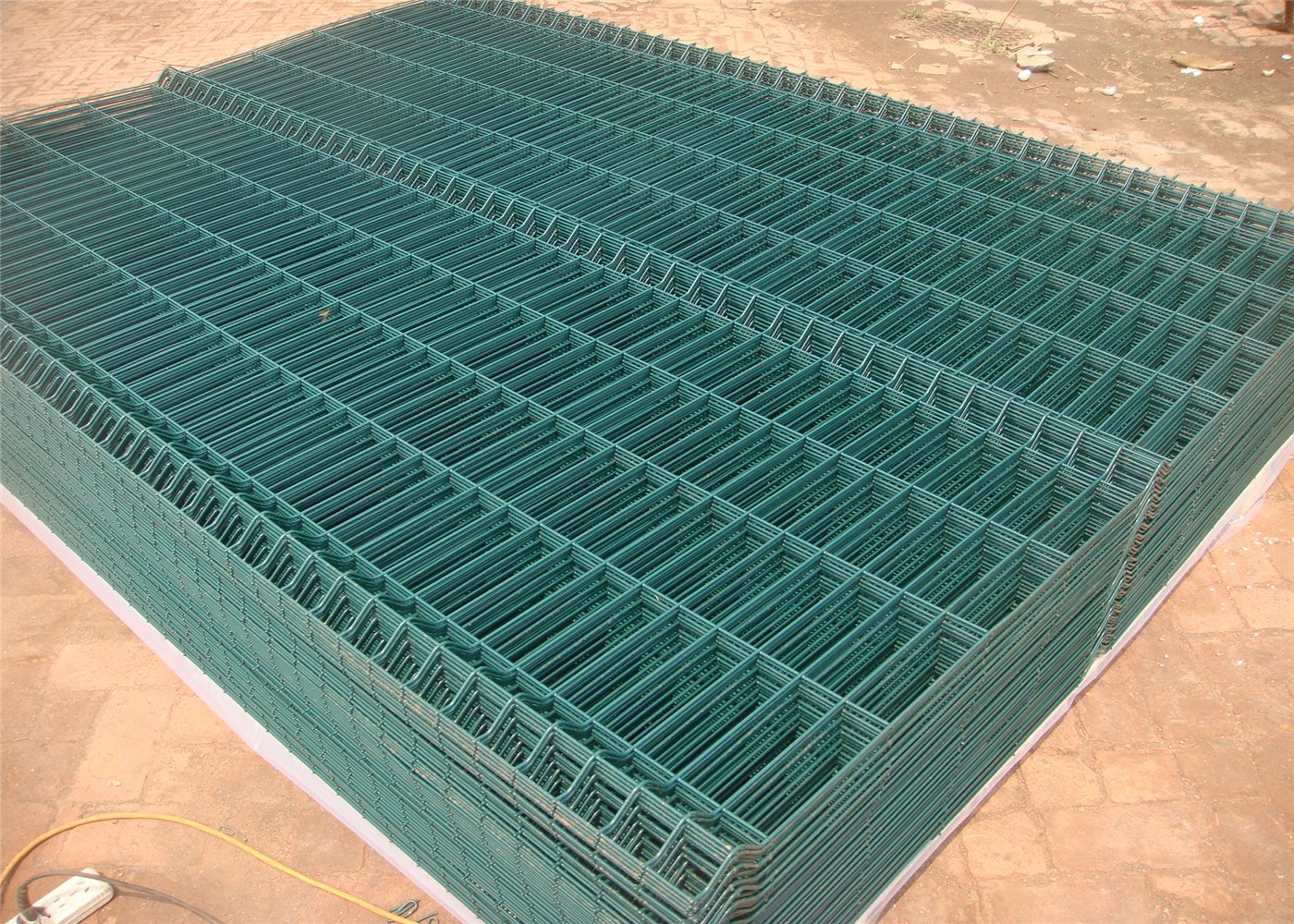
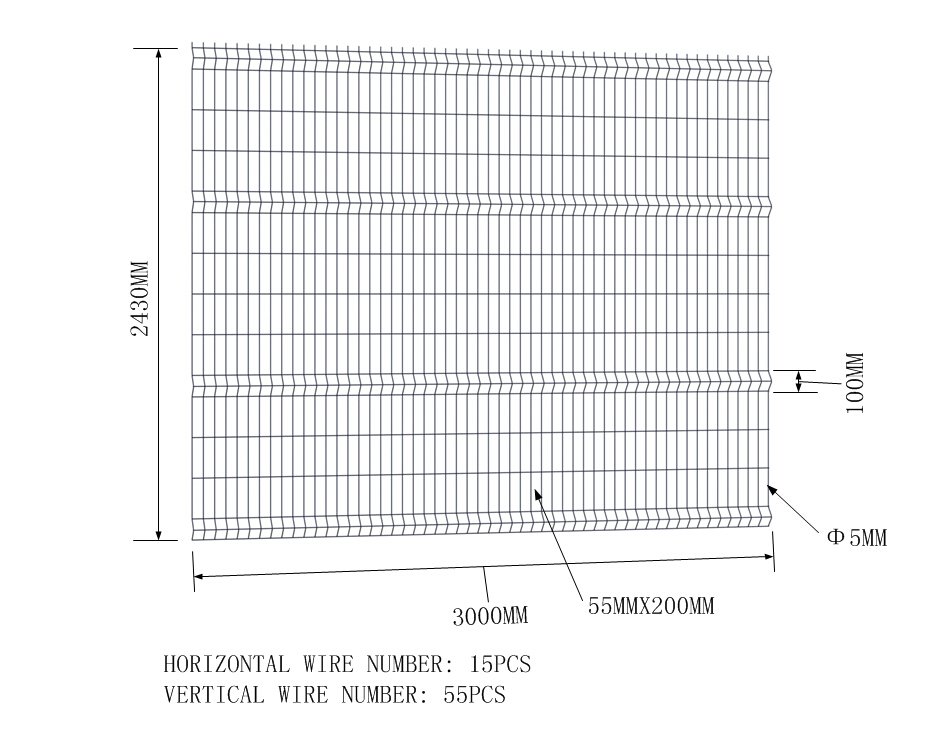
Curved welded mesh features one or more V-shaped folds across each panel. The folds increase rigidity while keeping the boundary relatively transparent. Fold quantities normally rise as panel height increases. The approved drawing should specify fold positions, wire diameter, and overall dimensions.
A curved panel cannot automatically replace a specialised anti-climb barrier. Wide apertures may still provide footholds in high-risk settings. Buyers should match the mesh opening to the site risk assessment. They should also inspect the complete installation, not just the panel.
China 3D Security Fence Benefits for Project Buyers
A complete curved mesh system can provide a practical balance of visibility, appearance, and structural support. Welded intersections maintain the regular mesh pattern. Galvanising and compatible coatings help limit corrosion when installers protect damaged areas. Modular panels can also simplify replacement after localised damage.
- Clear sightlines: guards and cameras can observe activity through the mesh.
- V-bend rigidity: shaped folds help each panel resist everyday deformation.
- Flexible heights: contractors can specify different elevations along a site.
- Post choices: peach, square, rectangular, and round posts suit different layouts.
- Surface choices: metallic coatings and organic finishes suit varying exposure conditions.
- Simple access planning: matching gates can serve pedestrian and vehicle entrances.
Why V-Bends Matter
A V-bend changes panel geometry without adding a continuous supporting frame. Its shape distributes movement differently from a completely flat mesh panel. This benefit depends on wire strength, weld quality, and the bend profile. Project engineers should still verify loads and support spacing.
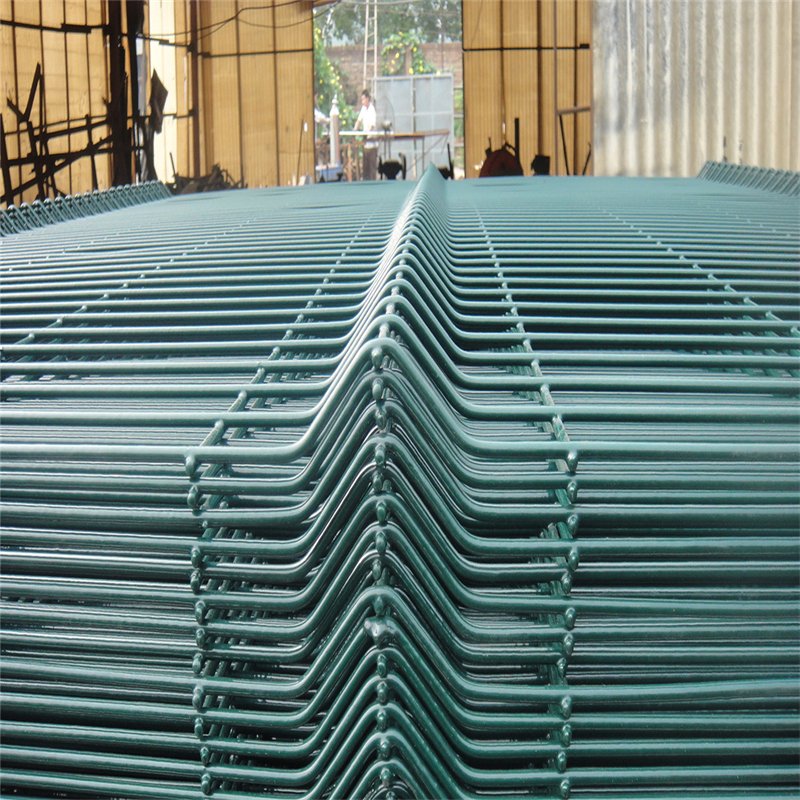
Panel curves also affect pallet stacking and clearances near walls. Buyers should confirm the overall folded profile before approving transport quantities. A representative sample can clarify the finished appearance and dimensions. This step proves useful when matching panels to existing posts.
China 3D Security Fence Technical Specifications
The original BMP catalogue lists low-carbon or galvanised steel wire as common materials. Wire diameter options span 3–8 mm across the broader stated range. Typical apertures include 50 × 100, 50 × 150, and 50 × 200 mm. Other catalogue options include 75 × 150 and 75 × 200 mm.
Standard panel widths range from 2.0 to 3.0 m in the attached reference. The source lists heights from 0.63 to 2.43 m for its model chart. Taller configurations require separate manufacturing and engineering confirmation. Request drawings before treating any catalogue range as an approved project design.
| Specification | Catalogue reference | Buyer confirmation |
|---|---|---|
| Base material | Low-carbon steel or galvanised steel wire | Grade and material certificate |
| Wire diameter | 3–8 mm option range | Nominal diameter and tolerance |
| Mesh openings | 50 × 100; 50 × 150; 50 × 200 mm | Horizontal and vertical orientation |
| Additional apertures | 75 × 150; 75 × 200 mm | Availability by wire grade |
| Panel width | 2.0; 2.2; 2.5; 3.0 m | Overall width and post centres |
| Panel height | 0.63–2.43 m in reference chart | Finished overall height |
| V-bend count | 2, 3, or 4 in reference chart | Fold depth and positions |
| Post profiles | Peach; square; rectangular; round | Section, thickness, and caps |
| Finish choices | Zinc coating; powder; selected PVC system | Process and test documentation |
Steel Wire, Mesh Openings, and Panel Widths
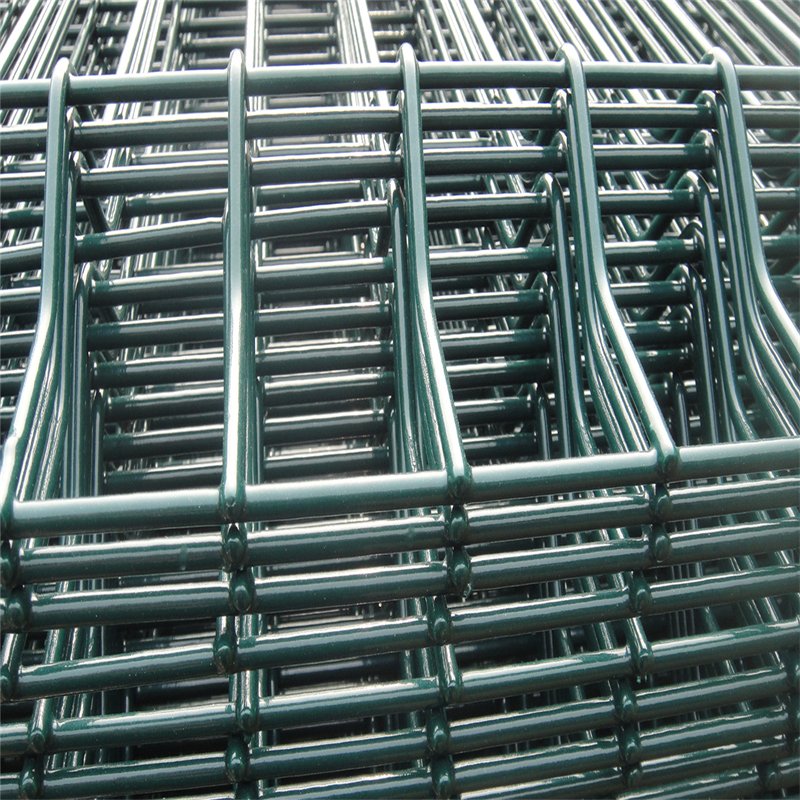
Wire thickness affects material usage, panel weight, and stiffness. Aperture dimensions influence visibility and opportunities for climbing or animal access. Buyers should state both mesh directions on the drawing. They should also confirm overall panel dimensions rather than relying on nominal bay width.
A welded wire mesh supplier can explain wire and aperture combinations. However, not every combination suits every production schedule. BMP should confirm tooling and supply feasibility before accepting special specifications. Clients should request approval drawings for mixed-height orders.
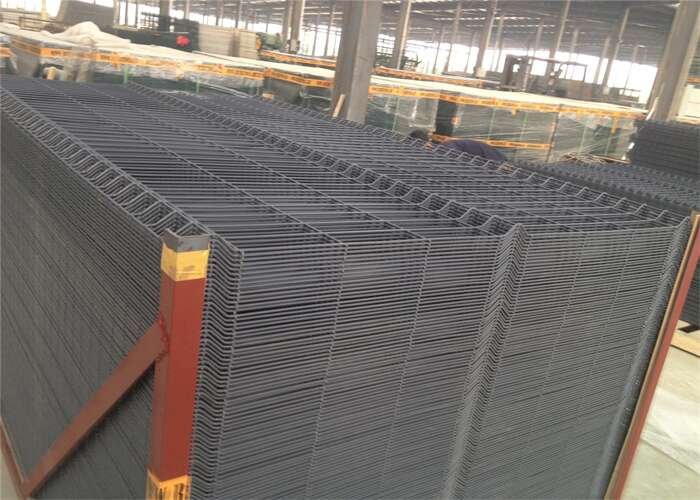
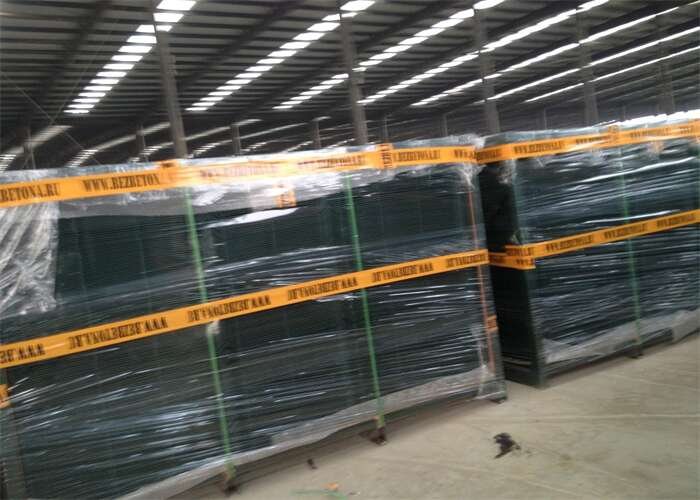
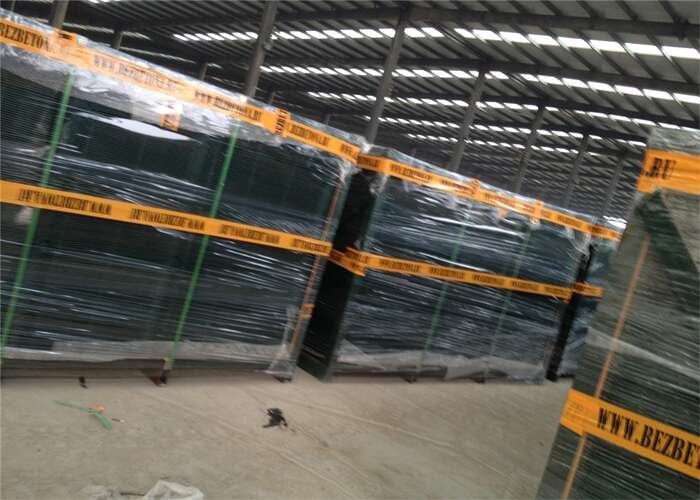
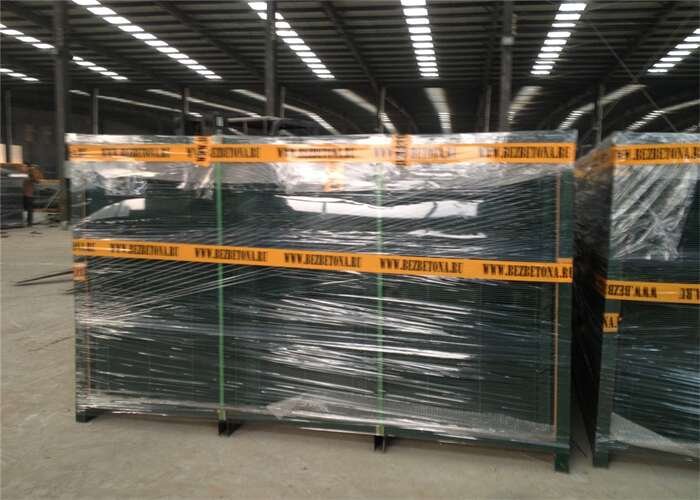
China 3D Security Fence Panel Height and Curve Chart
The following model list preserves the original twelve BMP panel references. All listed models offer several panel lengths. Their curve counts follow the source catalogue rather than a universal design rule. Confirm each final model against the current manufacturing drawing.
| Model | Panel height (m) | Panel length options (m) | V-bends |
|---|---|---|---|
| BMP-01 | 0.63 | 2.0 / 2.2 / 2.5 / 3.0 | 2 |
| BMP-02 | 1.03 | 2.0 / 2.2 / 2.5 / 3.0 | 2 |
| BMP-03 | 1.23 | 2.0 / 2.2 / 2.5 / 3.0 | 2 |
| BMP-04 | 1.50 | 2.0 / 2.2 / 2.5 / 3.0 | 2 or 3 |
| BMP-05 | 1.53 | 2.0 / 2.2 / 2.5 / 3.0 | 2 or 3 |
| BMP-06 | 1.70 | 2.0 / 2.2 / 2.5 / 3.0 | 3 |
| BMP-07 | 1.73 | 2.0 / 2.2 / 2.5 / 3.0 | 3 |
| BMP-08 | 1.80 | 2.0 / 2.2 / 2.5 / 3.0 | 3 |
| BMP-09 | 1.83 | 2.0 / 2.2 / 2.5 / 3.0 | 3 |
| BMP-10 | 2.00 | 2.0 / 2.2 / 2.5 / 3.0 | 3 or 4 |
| BMP-11 | 2.03 | 2.0 / 2.2 / 2.5 / 3.0 | 3 or 4 |
| BMP-12 | 2.43 | 2.0 / 2.2 / 2.5 / 3.0 | 4 |
Reading the BMP Panel Reference Table
The table provides initial product selections, not site-specific structural approval. Models with two curve options need an explicit choice. A taller panel may also require stronger wire or different posts. Request an itemised schedule for every height and width.
The source describes taller custom options beyond its standard reference table. Such requests need separate technical discussion and shipping review. Large panels can create unusual packing and handling demands. A manufacturing drawing should govern the final order.
China 3D Security Fence Post Types and Options
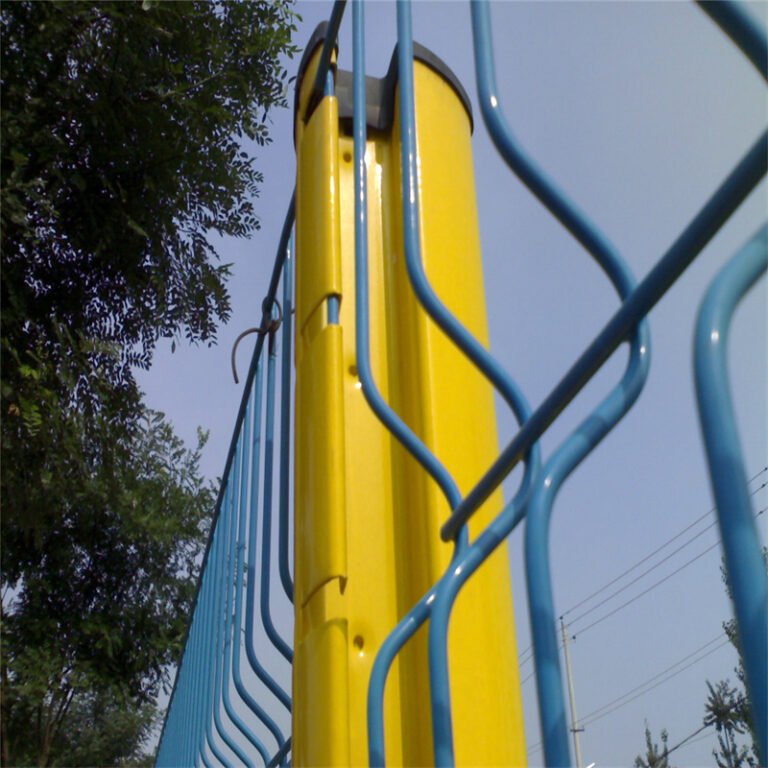
Posts connect the welded mesh sections into one perimeter system. The original source offers peach, square, rectangular, and round profiles. Each profile uses different fastening methods and section dimensions. Designers must check wind loads, foundation details, and connection strength.
Peach posts support compatible clips and specially shaped profiles. Square posts offer straightforward faces for metal clamps and brackets. Rectangular posts offer another route for adapting different site loads. Round posts require matching curved clamps or fitting systems.
Peach, Square, Rectangular, and Round Posts
Post selection also depends on the installer’s preferred foundation method. Embedded posts require appropriate burial depth and concrete design. Base-plated posts need suitable anchors and sound supporting concrete. The attachment alone does not establish a safe post arrangement.
Buyers should specify cap material, clip quantity, and bolt details. They should confirm all fastening accessories before production begins. An incomplete fittings list can delay installation despite accurate panel quantities. A full bill of materials prevents many avoidable shortages.
China 3D Security Fence Post Configuration Table
The following thirteen options reproduce the original post schedule. The source presents a broad post-height range for these profiles. That range describes catalogue possibilities, not approval for every fence height. A qualified project designer should choose the correct section.
| Model | Post style | Section (mm) | Wall thickness (mm) | Clips |
|---|---|---|---|---|
| BMP-01 | Peach | 50 × 70 | 1.2 | Plastic or metal |
| BMP-02 | Peach | 70 × 100 | 1.2 | Plastic or metal |
| BMP-03 | Square | 40 × 40 | 1.2 | Plastic or metal |
| BMP-04 | Square | 40 × 40 | 1.5 | Plastic or metal |
| BMP-05 | Square | 60 × 60 | 2.0 | Plastic or metal |
| BMP-06 | Square | 60 × 60 | 2.5 | Plastic or metal |
| BMP-07 | Rectangular | 40 × 60 | 1.2 | Plastic or metal |
| BMP-08 | Rectangular | 40 × 60 | 1.5 | Plastic or metal |
| BMP-09 | Rectangular | 40 × 60 | 2.0 | Plastic or metal |
| BMP-10 | Round | Ø38 | 1.2 | Plastic or metal |
| BMP-11 | Round | Ø40 | 1.5 | Plastic or metal |
| BMP-12 | Round | Ø42 | 1.5 | Plastic or metal |
| BMP-13 | Round | Ø48 | 2.0 | Plastic or metal |
The earlier schedule lists post lengths from 0.63 to 4.5 m. Buyers must distinguish finished height from total post length. Soil exposure, wind pressure, and anchors affect structural selection. BMP can quote components after the buyer confirms those requirements.
Choosing Anchors and Fasteners
Contractors should select anchors using the actual substrate and engineering requirements. Thin or damaged concrete may not support a selected base plate. Post spacing should follow approved drawings and local loads. Security bolts can discourage casual panel removal when the application warrants them.
Installers should check clamp alignment and torque during assembly. Metal fittings need compatible corrosion protection. Plastic clips require suitable weather resistance and product approval. Every post type also needs a matching top cap.
China 3D Security Fence Zinc and Powder Coating
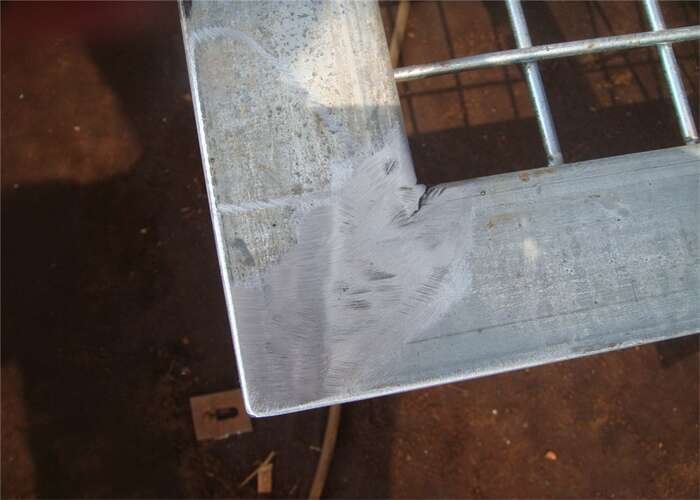
Corrosion protection starts with the chosen steel substrate and fabrication process. Buyers may specify galvanising after welding or suitable coated wire before welding. Powder coating adds colour and an additional protective barrier. PVC-style systems offer another finish where the project specification permits them.
The best choice depends on exposure, service expectations, and budget. Coating results also depend on cleaning, pretreatment, and application controls. A colour code alone cannot establish corrosion performance. The powder coated clear view fence page discusses related coating considerations.
Comparing Protective Finishes
Galvanised finishes offer metallic corrosion protection, while polymer layers create additional barriers. A compatible duplex system combines both approaches. Coastal and industrial exposures may require stronger specifications. Buyers should name applicable standards and ask for suitable inspection evidence.
| Finish route | Purpose | What to check |
|---|---|---|
| Weld, then galvanise | Zinc protection after fabrication | Process suitability and coating evidence |
| Galvanised wire, then weld | Pre-coated wire as starting material | Protection around weld locations |
| Galvanised plus powder | Metallic and organic barrier layers | Pretreatment, adhesion, colour, and film thickness |
| Selected PVC coating | Organic protective finish | Coating chemistry and UV suitability |
Buyers should also identify acceptable finish defects and repair methods. Cut edges may expose steel if workers modify panels onsite. A repair procedure helps limit premature corrosion. The agreed quotation should describe the final finish clearly.
China 3D Security Fence Manufacturing Process
Production normally starts with incoming steel wire inspection. Workers straighten wires and cut them to the required lengths. Welding equipment joins the wires into the selected mesh. Forming equipment then creates the specified V-bends.
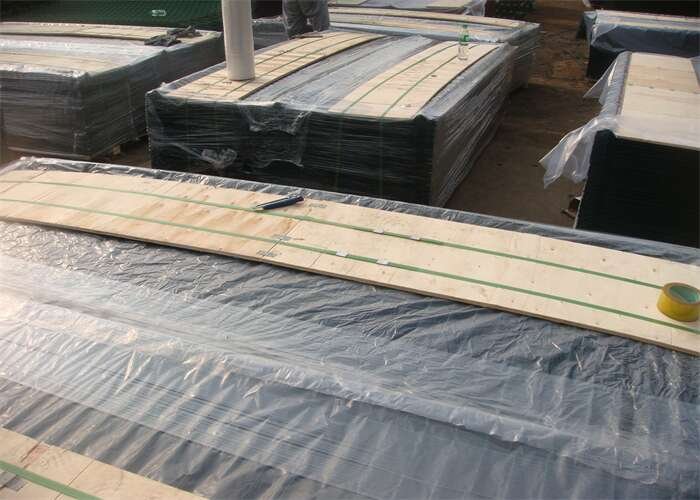
The coating process follows the agreed manufacturing route. Teams prepare and finish panels and posts using suitable procedures. Inspectors check dimensions, surface appearance, and compatible fittings. Export packing protects the finished components during handling.
Quality Checks Before Shipment
An inspection checklist should cover wire diameter, mesh pitch, panel length, and height. Inspectors should also check bend geometry and weld appearance. Coating checks can include visual condition and agreed film measurements. Buyers may request photos or independent checks before shipment.
Packing inspections should confirm model quantities and separate accessory counts. A sample installation can reveal mismatched clips or hole locations. Early checks reduce disputes after the container reaches its destination. BMP should report deviations before the buyer accepts the shipment.
China 3D Security Fence Installation Methods
Installers may use embedded posts on suitable prepared ground. They may also attach base-plated posts to suitable concrete. Both methods need site-specific engineering and careful setting out. An approved drawing should govern alignment, foundations, and panel connections.
Teams should survey services and boundaries before digging. They should mark corner, gate, and end-post positions first. The Clearvu fence installation guide provides related installation steps. Local engineers must still verify the final system.
Ground-Mounted and Base-Plate Systems
Buried posts depend on soil conditions, embedment, and foundation geometry. Base plates depend on substrate strength, anchors, and edge distances. Sloping ground may require stepped or specially arranged panel layouts. Contractors should avoid forcing panels into unsuitable post spacing.
A final inspection should check gates, clips, caps, and ground clearances. Teams should repair coating damage after drilling or adjustment. Documenting final measurements also supports maintenance. Site safety requirements always take priority over convenient installation shortcuts.
China 3D Security Fence Project Applications
Curved welded mesh commonly serves industrial parks, warehouses, and commercial boundaries. It can also separate playgrounds, parking zones, and garden areas. Some transport or utility projects may adopt engineered variations. Each application needs a suitable risk assessment and local compliance review.
Residential projects often prioritise appearance and visibility alongside boundary control. Public sites may need specific height and safety arrangements. Industrial facilities may require gates and surveillance integration. Buyers should avoid assuming one configuration suits every site.
Residential, Industrial, and Public Uses
Parks and residential developments often choose coloured mesh for visual consistency. Factories may prefer robust posts and controlled entry points. Logistics facilities need gate widths that match vehicle movements. Sensitive locations may demand a stronger perimeter design.
For short-term construction boundaries, buyers can compare temporary site fencing with permanent curved panels. Temporary products serve different installation and mobility needs. Permanent panels generally need foundations or reliable anchoring. An agreed use case helps buyers avoid unsuitable substitutions.
China 3D Security Fence Compared With Other Fences
The V-bend product differs from narrow-aperture anti-climb mesh. Common curved panels use larger openings and focus on general perimeter control. High-risk sites may prefer tighter apertures and specialised security fixings. The high security 358 mesh fencing guide explains another design category.
Buyers can also compare chain link security fence for some property boundaries. Chain link and rigid panels require different fittings and support systems. No fence alone guarantees intrusion prevention. A complete security plan should consider surveillance and site access.
When To Consider a Narrower Security Mesh
A 358-style panel usually features a much narrower rectangular opening. This geometry restricts practical footholds more than many standard curved meshes. It may suit higher-risk applications where visibility still matters. Engineers should check actual performance and installation requirements.
A conventional 3D fence may remain appropriate for moderate-risk environments. Its design can simplify standard boundary construction. Comparing both options requires matching heights, posts, and coatings. Buyers should request complete system specifications before choosing.
China 3D Security Fence Gates and Accessories
Most real projects require pedestrian or vehicle access points. Gate width, frame design, and hinge positions affect adjoining posts. Buyers should also match gate finish and height with the fence. The clear view fence gates page describes related gate formats.
Typical accessories include clips, brackets, bolts, post caps, and base plates. Special projects may also need security extensions or access-control provisions. These extras belong in the bill of materials. Omissions can change both project cost and installation time.
Access Points and Gate Planning
Designers should establish vehicle turning space before finalising a gate opening. Pedestrian entries need safe clearances and suitable hardware. Motorised gates need separate mechanical and electrical safety evaluation. Their foundations also differ from ordinary fence-line posts.
Gate posts may require greater stiffness than intermediate posts. Hinges and locks should match the gate weight and duty cycle. Contractors should confirm swing direction and ground levels. Factory drawings should cover all special parts.
China 3D Security Fence Cost Drivers
Material quantity changes with wire size, aperture, and panel area. Taller or wider panels may need heavier posts and improved packaging. Coatings add different process and inspection costs. Buyers should compare installed-system scope, not isolated panel numbers.
A detailed bill of materials should list posts, clips, gates, and protective finishes. Freight terms and pallet dimensions also affect import budgeting. Our clear view fence price per meter article discusses related estimating considerations. Request a current quotation for the exact 3D model.
How Buyers Compare System Quotations
Two quotations may use different wire thicknesses despite similar panel descriptions. They may also exclude fittings, gates, or freight. Buyers should align specifications before comparing totals. A consistent comparison reduces unpleasant procurement surprises.
Currency, shipment terms, and destination charges belong in the commercial offer. Drawings should also establish quantities and tolerances. Keep any promotional price separate from technical acceptance. Technical approval should precede bulk production.
China 3D Security Fence Export Packing and Shipping
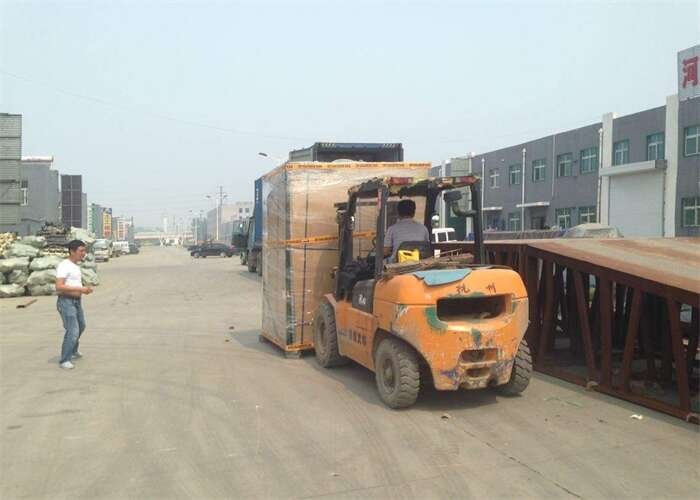
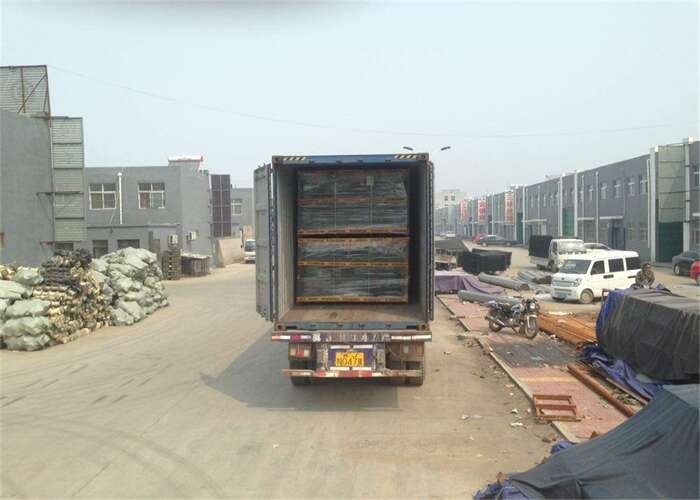
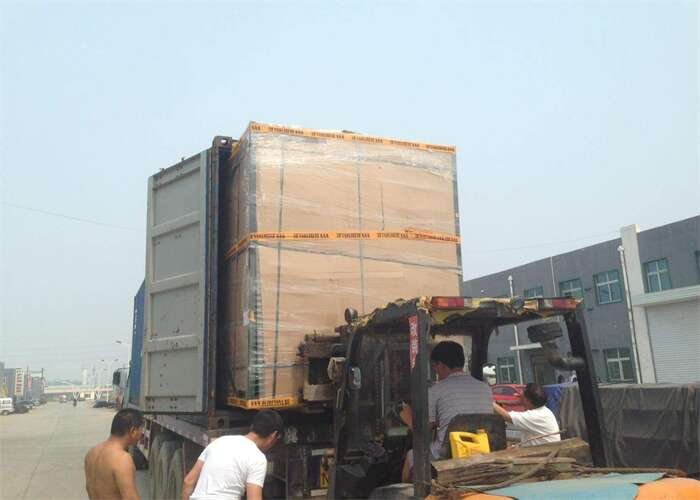
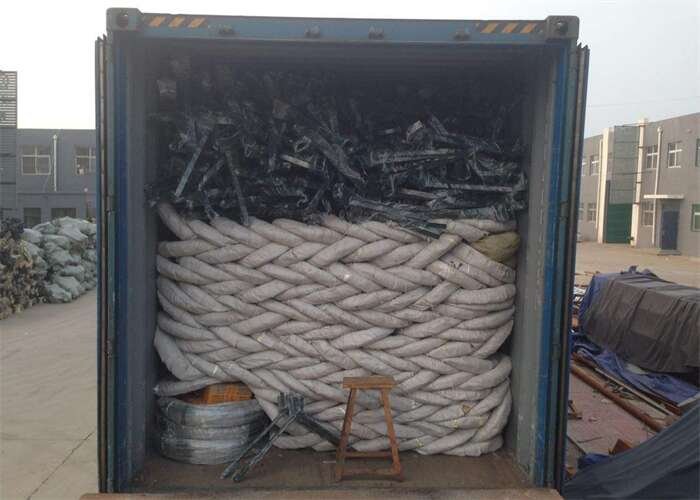
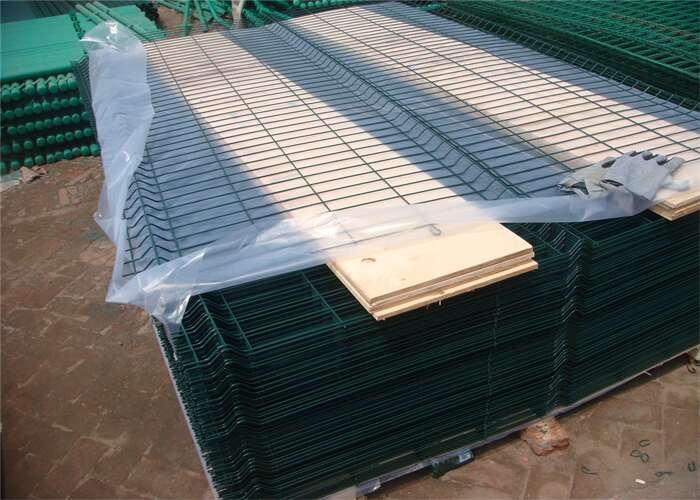
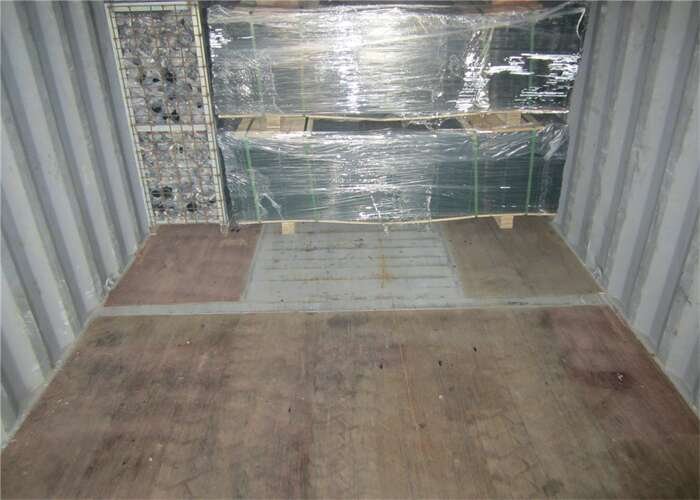
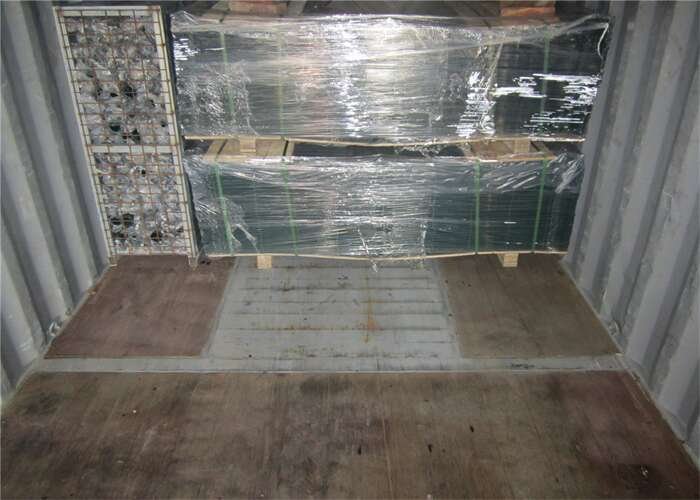
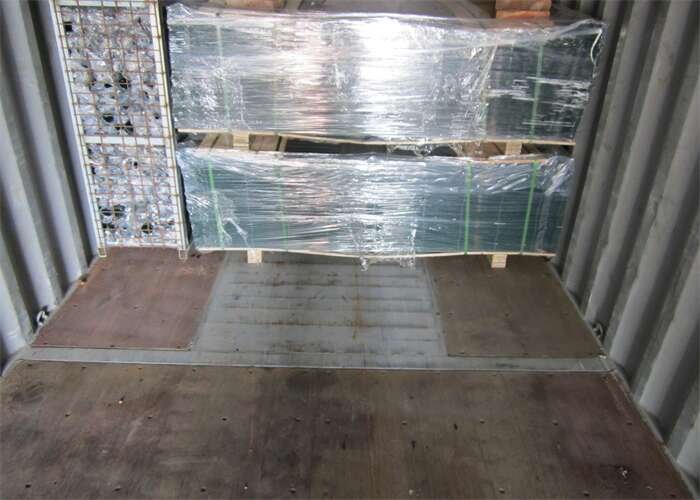
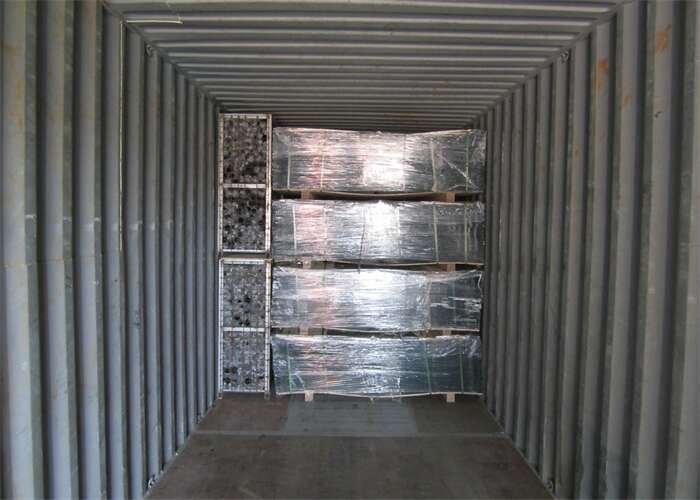
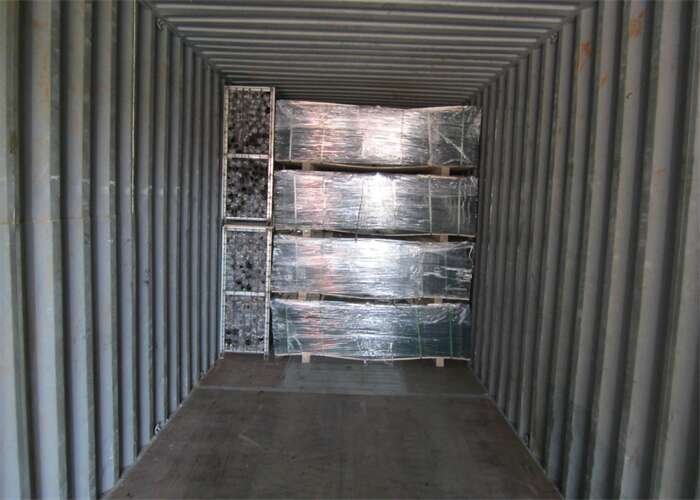
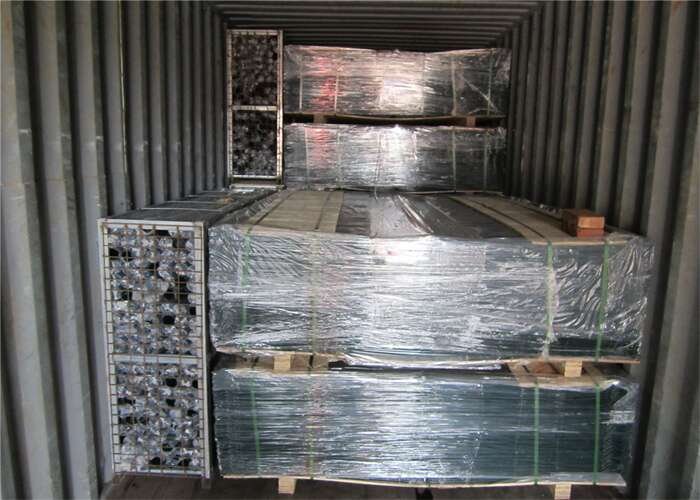
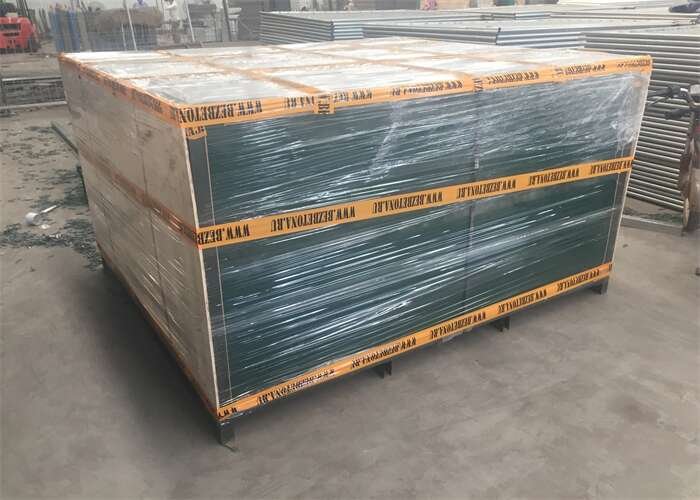
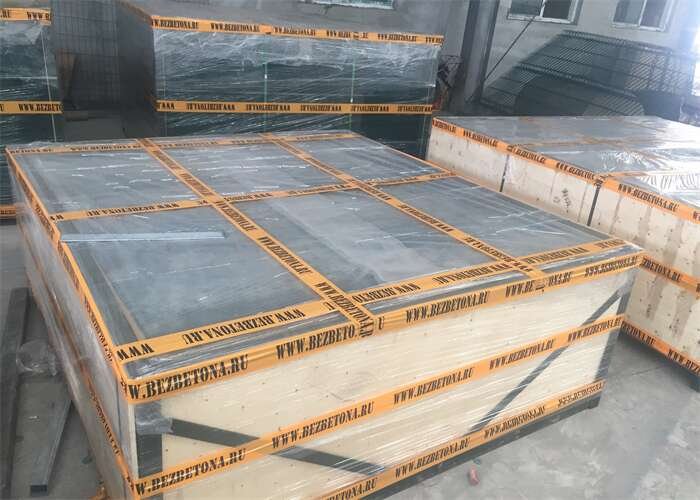
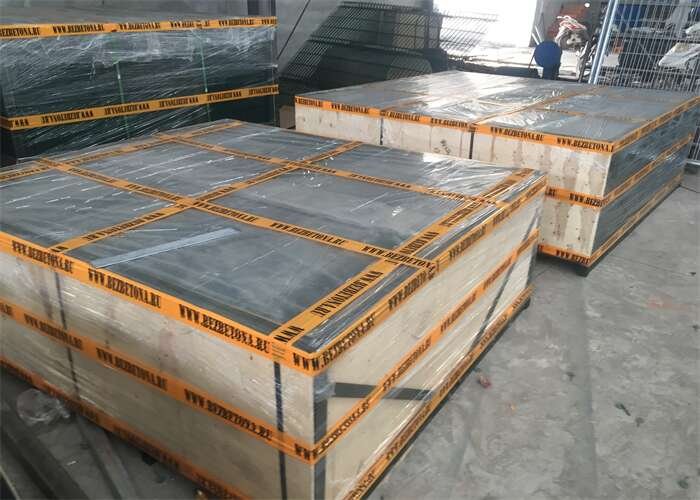
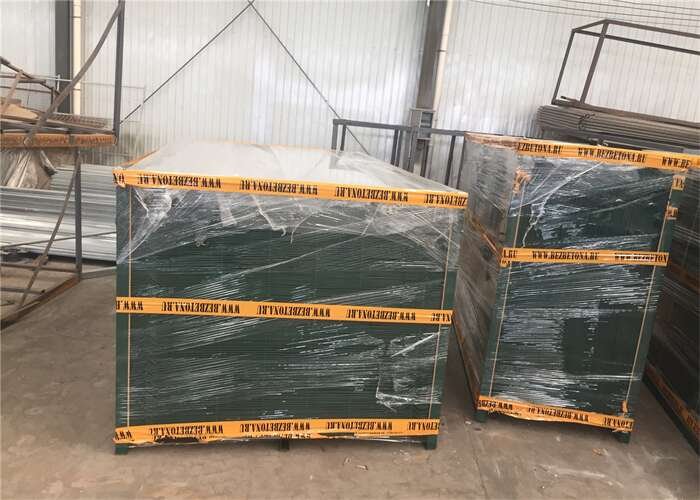
BMP can prepare export pallet packing for panels and compatible posts. Protective layers help reduce scratches during loading. Separate cartons or bundles can protect clips and smaller accessories. The packing list should identify every model and quantity.
Shipment planning should consider container opening dimensions and cargo mass. Long panels may need special loading arrangements. Buyers should confirm destination ports and local delivery requirements. Our clear view fencing factory page provides related manufacturing context.
Document Checklist for Importers
Importers normally review the proforma invoice, packing list, and shipping terms. Some projects also need certificates or inspection records. Customs requirements differ across destination markets. Buyers should confirm the exact document list with their broker.
- Technical schedule: panel codes, heights, widths, wire sizes, and finishes.
- Component schedule: post quantities, fixings, gates, and spare fittings.
- Packing details: pallets, net weights, gross weights, and package dimensions.
- Shipping scope: named port or delivery destination and agreed responsibilities.
- Inspection evidence: drawings, measurement records, and contractual tests when applicable.
China 3D Security Fence Maintenance
Regular inspections help preserve the system after installation. Check coating scratches, damaged mesh, and loose clips. Gates deserve additional attention because they experience repeated movement. Owners should keep drainage clear near posts and foundations.
Maintenance intervals depend on local exposure and facility use. Coastal conditions may require more frequent inspections. Repair damage using the approved coating method. Replace deformed components when they no longer support safe operation.
Repairing Scratches and Inspecting Fixings
Surface scratches may expose steel beneath the topcoat. Treat affected areas before rust spreads. Replacement clips should match the original post system. Do not mix incompatible fasteners without technical approval.
Inspectors should record recurring damage and unusual movement. These observations may reveal loading or installation problems. An early repair often costs less than replacing a larger section. Document repairs for future maintenance decisions.
China 3D Security Fence FAQ
These answers address common questions from importers and contractors. They provide general selection guidance rather than site-specific engineering approval. BMP can review detailed drawings before issuing a project quotation. Clients should confirm technical and commercial terms in writing.
What makes a 3D fence different from a flat mesh fence?
The shaped V-bends add stiffness to the welded mesh panel. Flat mesh panels use a different geometry. Both products require suitable posts and fasteners. The correct selection depends on site conditions and performance requirements.
Can a China 3D Security Fence support custom wire sizes?
BMP can discuss nonstandard wire diameters and apertures during quotation. Manufacturing feasibility depends on the selected combination and order mix. Submit a drawing with clear tolerances. BMP should approve those details before production.
Which post type works with sloped terrain?
Several post styles can support suitable stepped layouts. The engineer must check each connection and foundation. Panel geometry may limit the available adjustment. Request a slope drawing before finalising the order.
Does a China 3D Security Fence resist corrosion?
Compatible zinc and organic coatings can improve corrosion resistance. The chosen process and workmanship affect service performance. Scratches and cut edges still need attention. Buyers should specify coating evidence for demanding environments.
Can installers mount panels onto concrete?
Yes, approved base plates and anchors can attach posts to suitable concrete. The concrete must support the required forces. Engineers should confirm thickness, edge distances, and anchor specifications. Installers must follow the approved design.
Is a China 3D Security Fence suitable for airports?
Some airport service areas may use engineered curved mesh fencing. However, critical boundaries require their own security and engineering approvals. Standard garden-grade panels may not satisfy those needs. Buyers must follow the facility specification.
Which information belongs in a purchase enquiry?
Send the panel model, height, width, mesh opening, and wire diameter. Include post style, coating, and all accessories. Add the project location and delivery terms. Drawings and a quantity schedule improve quotation accuracy.
China 3D Security Fence Wholesale Enquiries
Boss Metal and Plastic Co., Ltd. supplies welded mesh security fencing from Anping, Hebei, China. BMP works with project contractors, importers, and distributors. Share the selected models and required site performance. The sales team can prepare an itemised factory quotation.
Buyers can email clearvu@construction-fence.com for technical and commercial discussion. They can also use the contact us. Please include the destination and preferred shipping arrangement. This information supports a clearer offer.
Next Steps for Technical Approval
Start with a site plan and an initial panel schedule. Confirm post centres, gates, foundations, and exposed conditions. Review production drawings and the finish specification. Approve the component list before the factory starts manufacturing.
A complete purchase schedule reduces corrections during shipment and installation. Keep the technical documents with the commercial agreement. Record any approved changes before dispatch. These practices support more consistent project delivery.