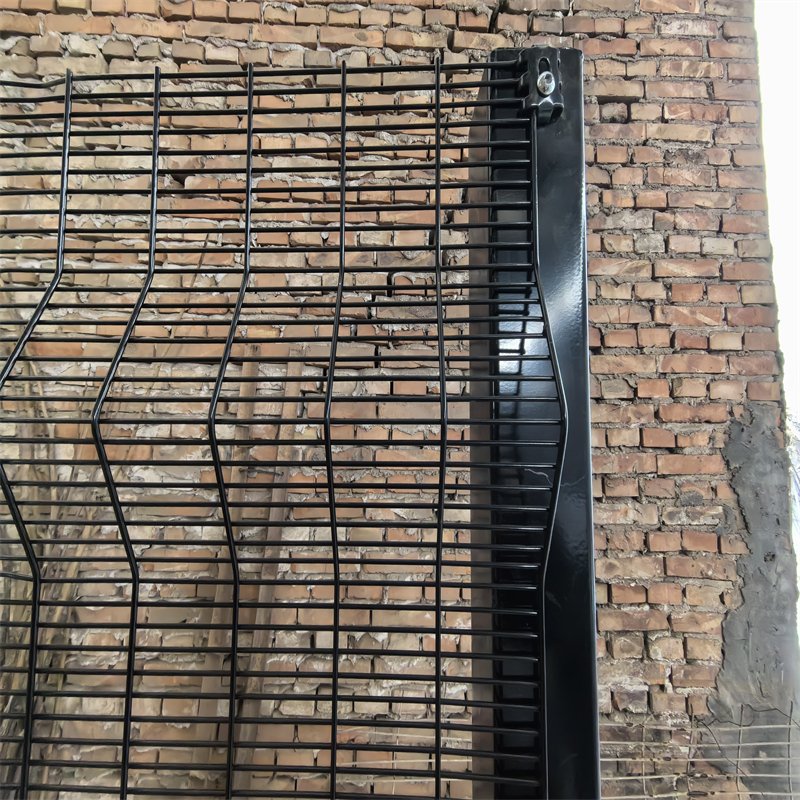
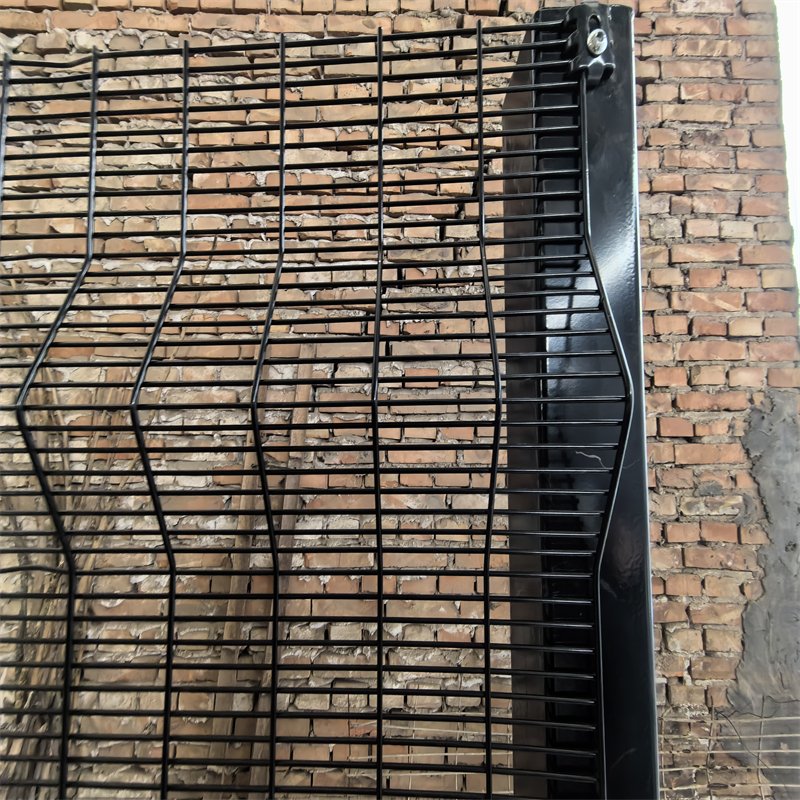
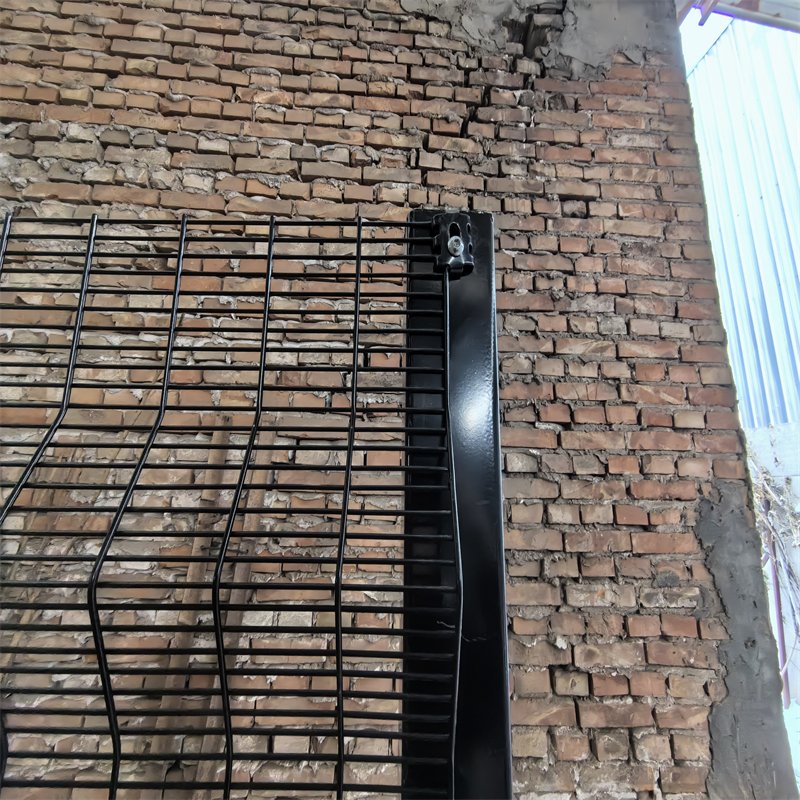
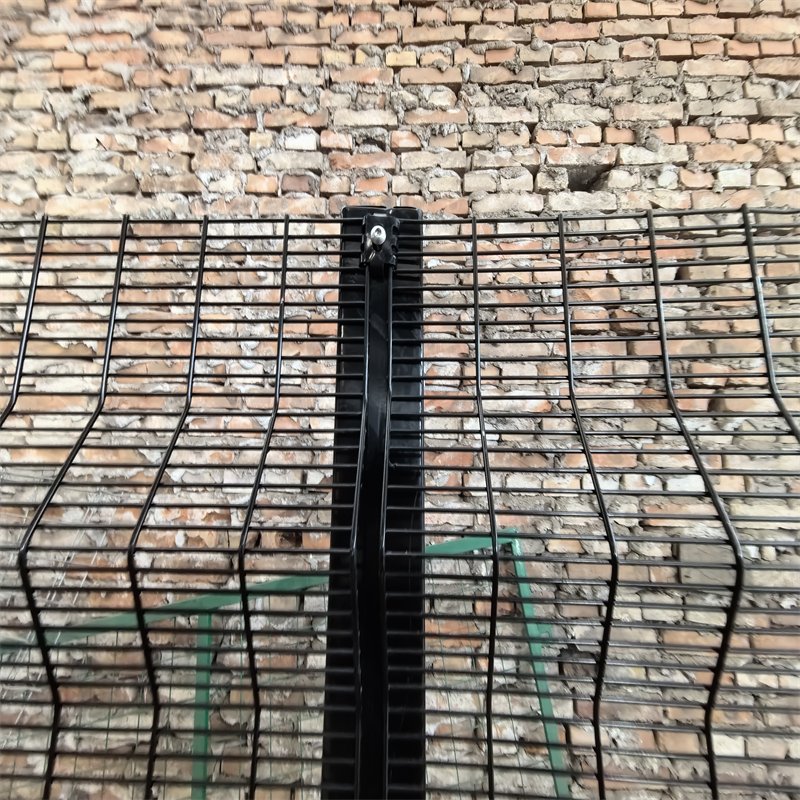
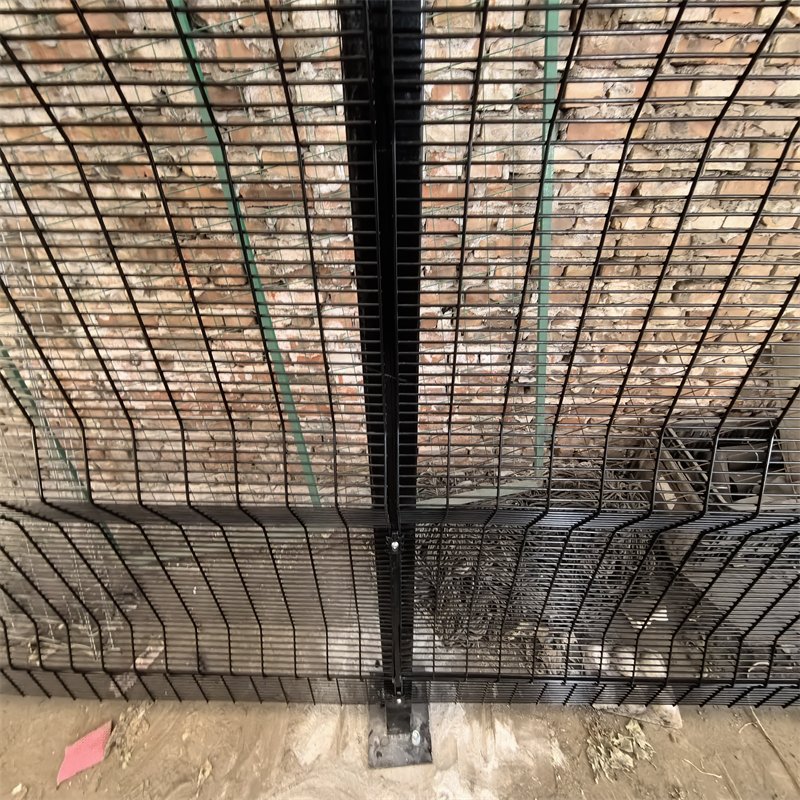
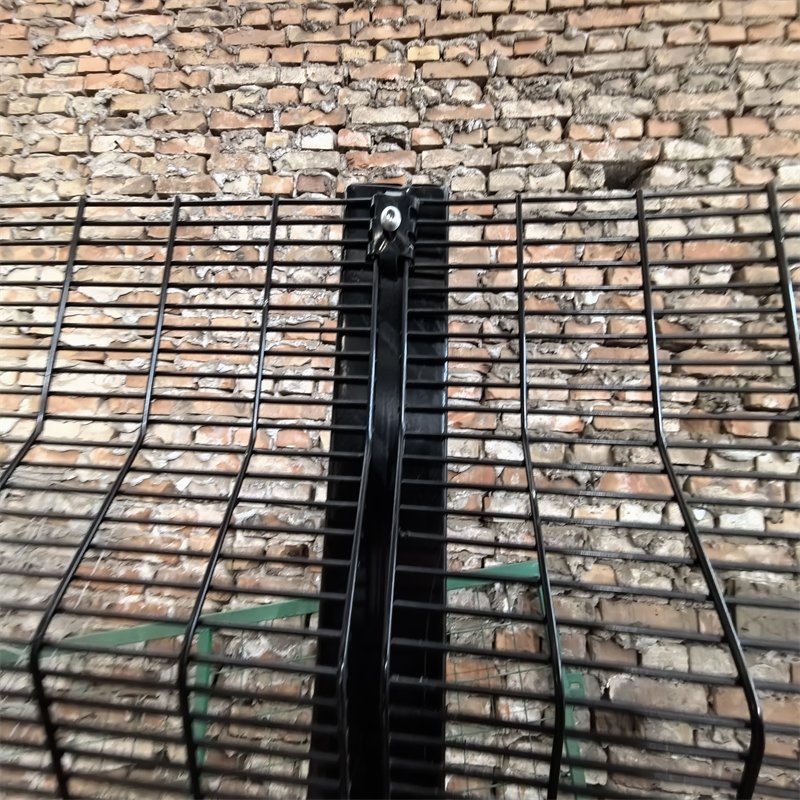
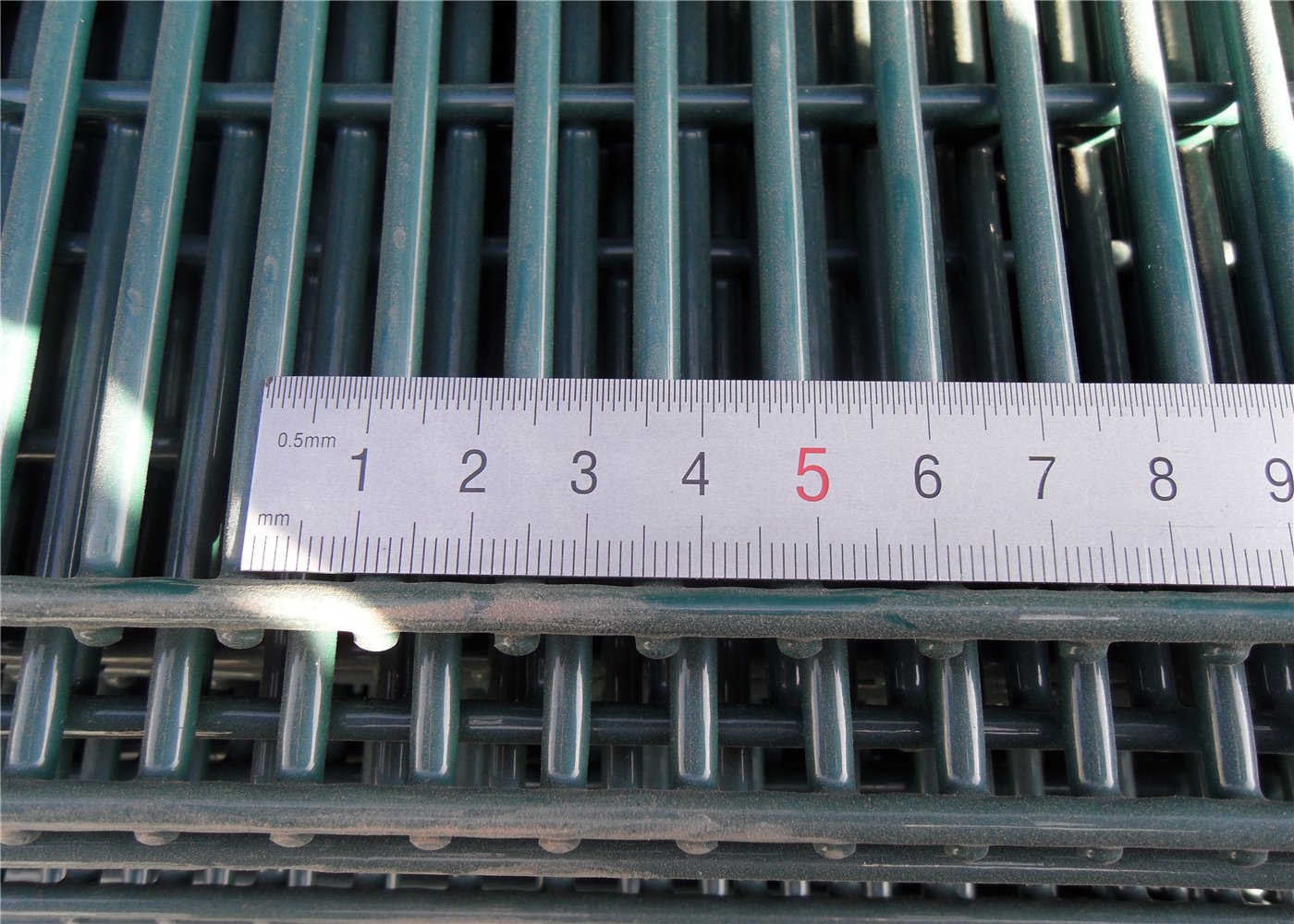
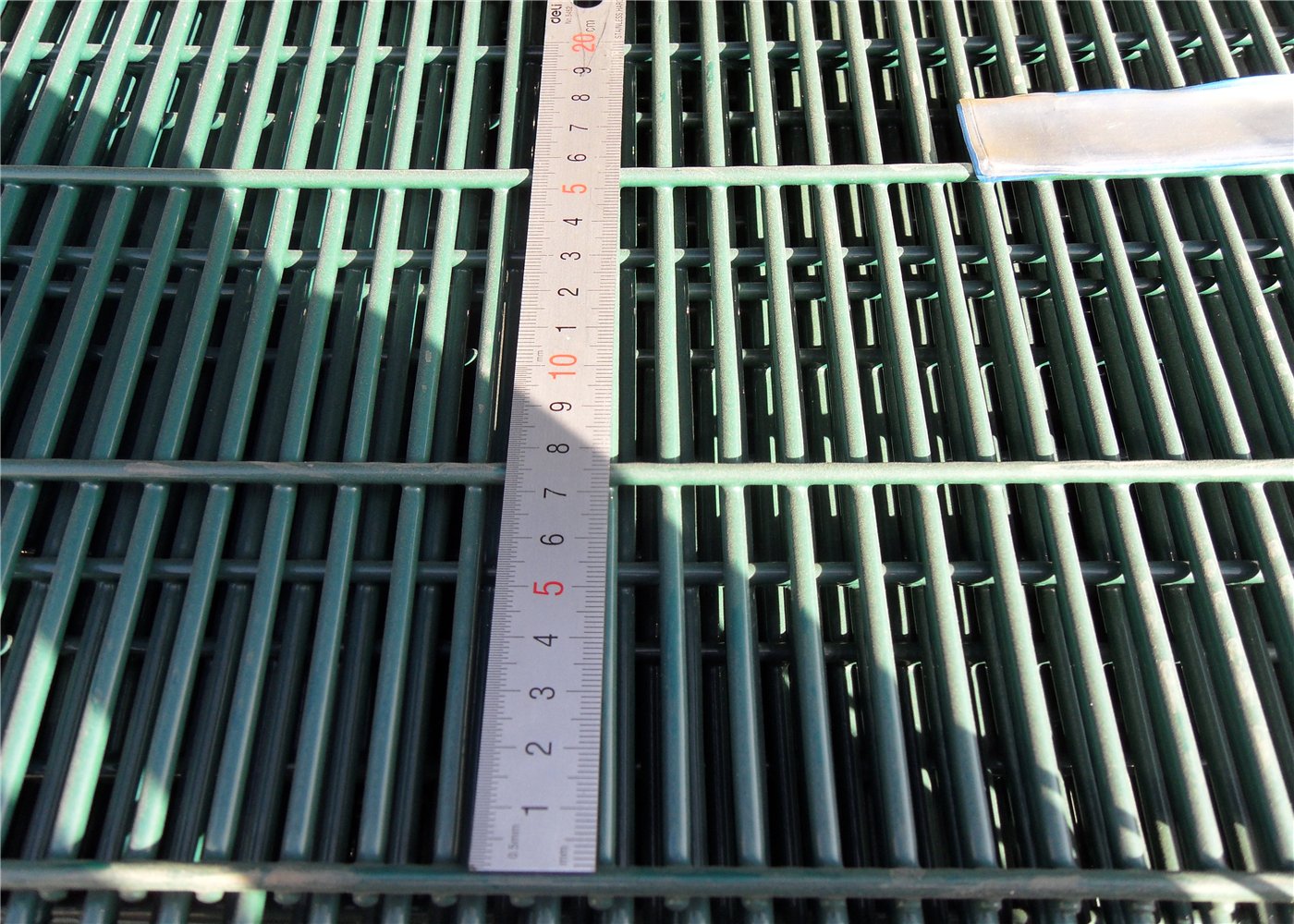
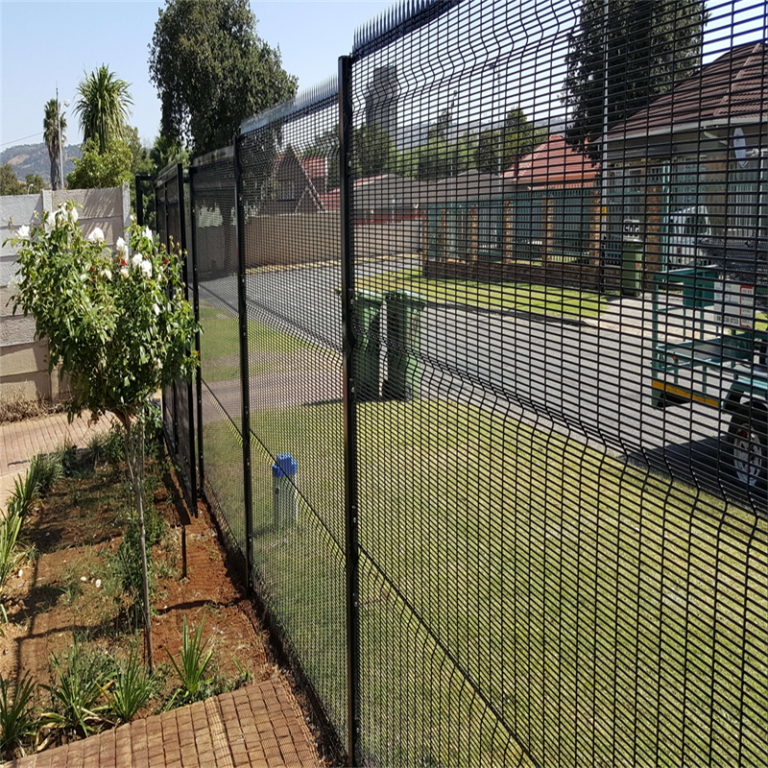
Clear fence panels combine narrow welded mesh with open visibility for demanding perimeter security projects. Their close wire spacing discourages climbing while helping security teams monitor activity beyond the boundary. Boss Metal and Plastic Co., Ltd. manufactures fence panels, posts, gates, and accessories in China. Buyers can select sizes, coatings, and fixing systems to match their site requirements.
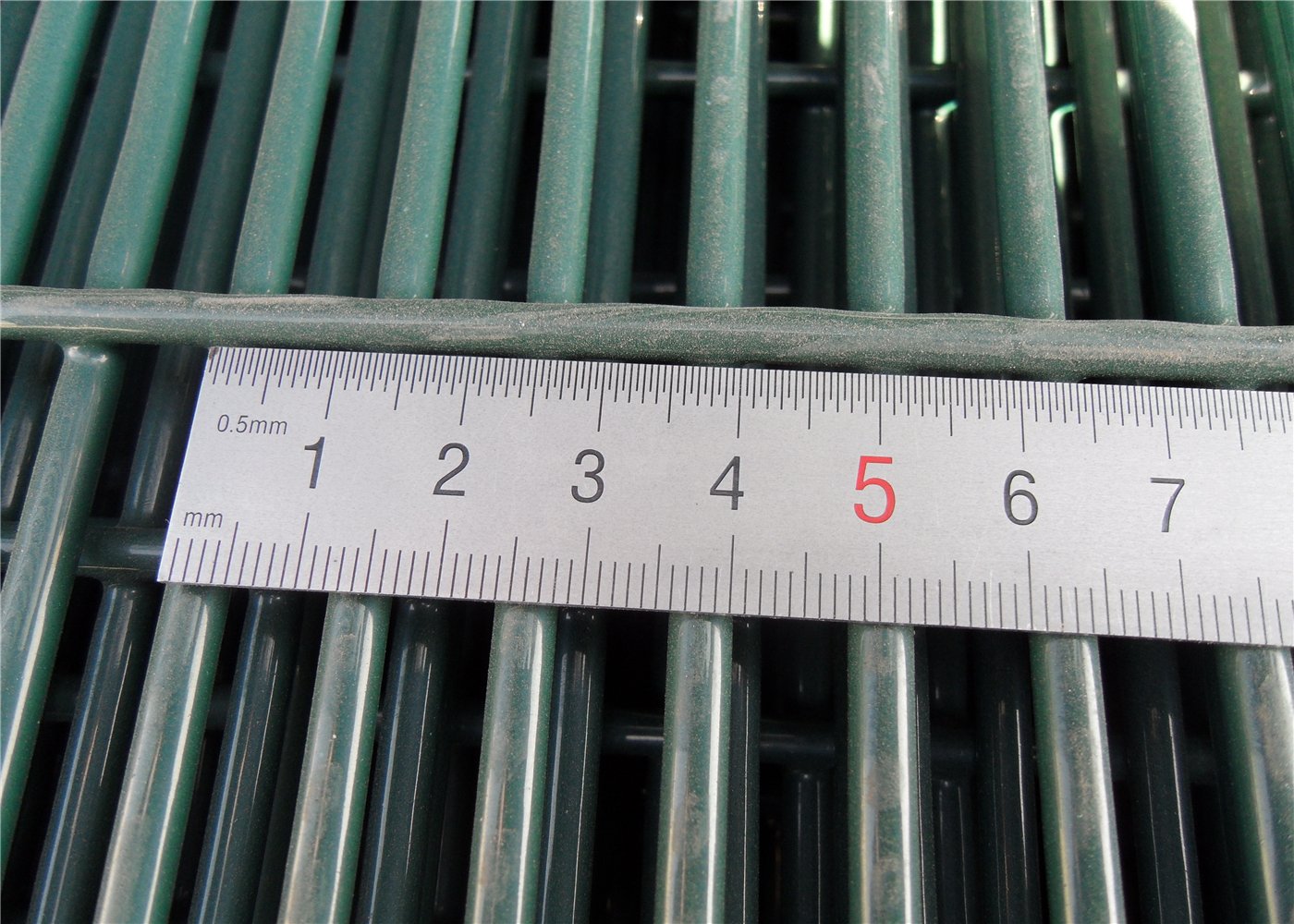
The familiar 358 design uses approximately 76.2 × 12.7 mm wire-centre spacing and 4 mm steel wire. Its name refers to three inches, half an inch, and eight-gauge wire. Panels provide a practical physical barrier, but security also depends on posts, foundations, gates, and supervision.
Clear Fence Panels for Anti-Climb Protection
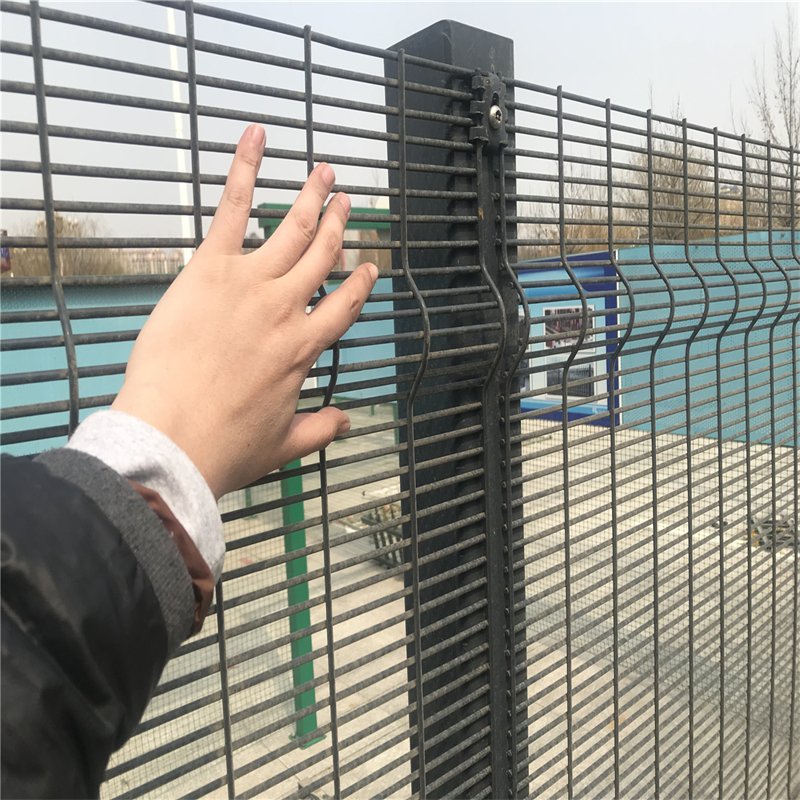
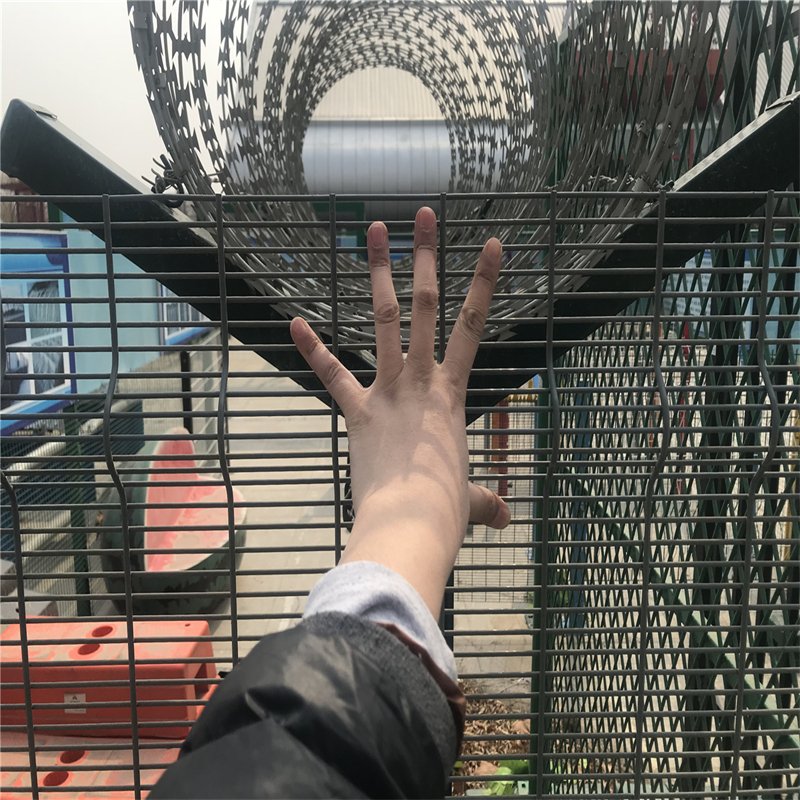
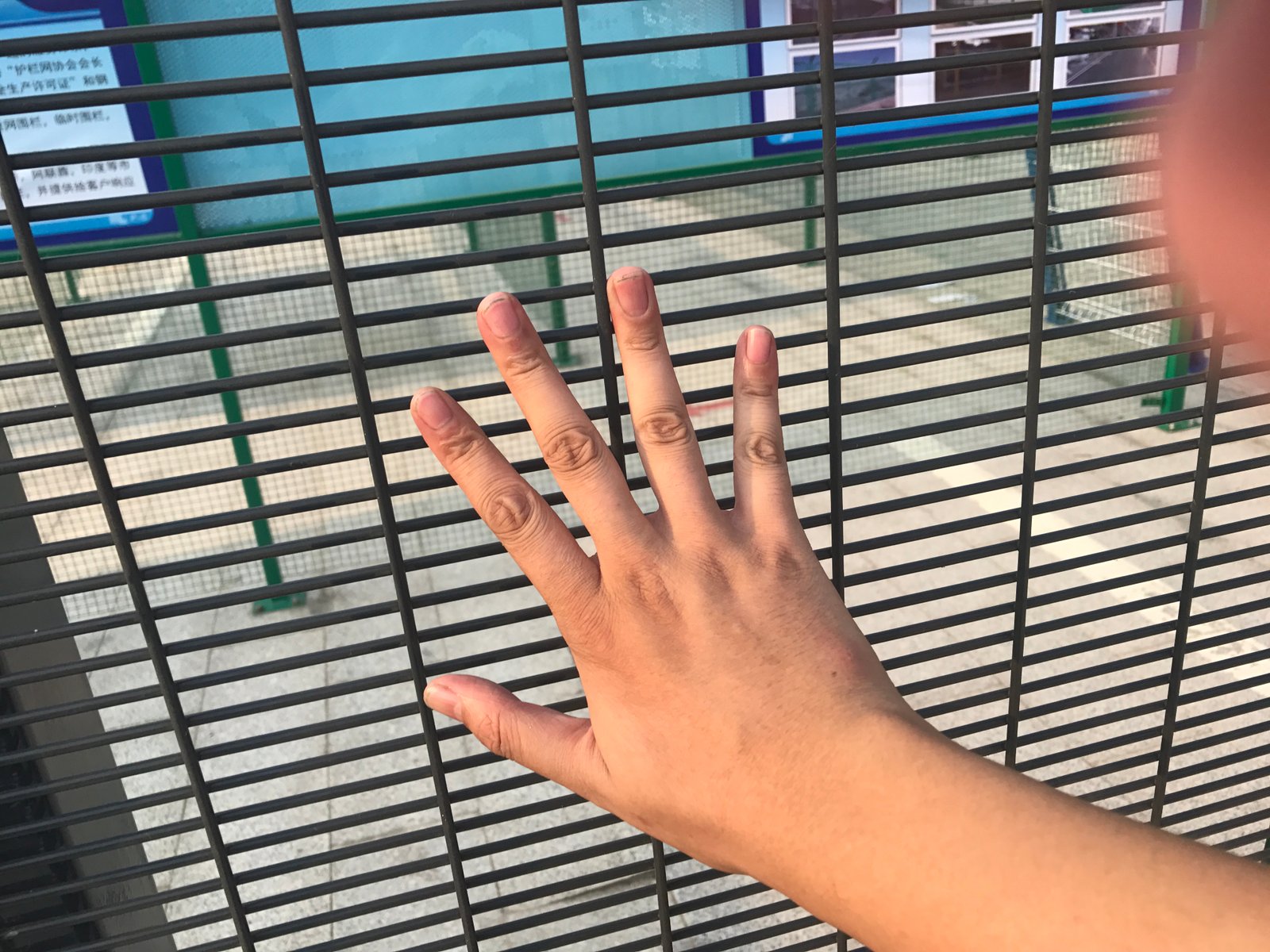
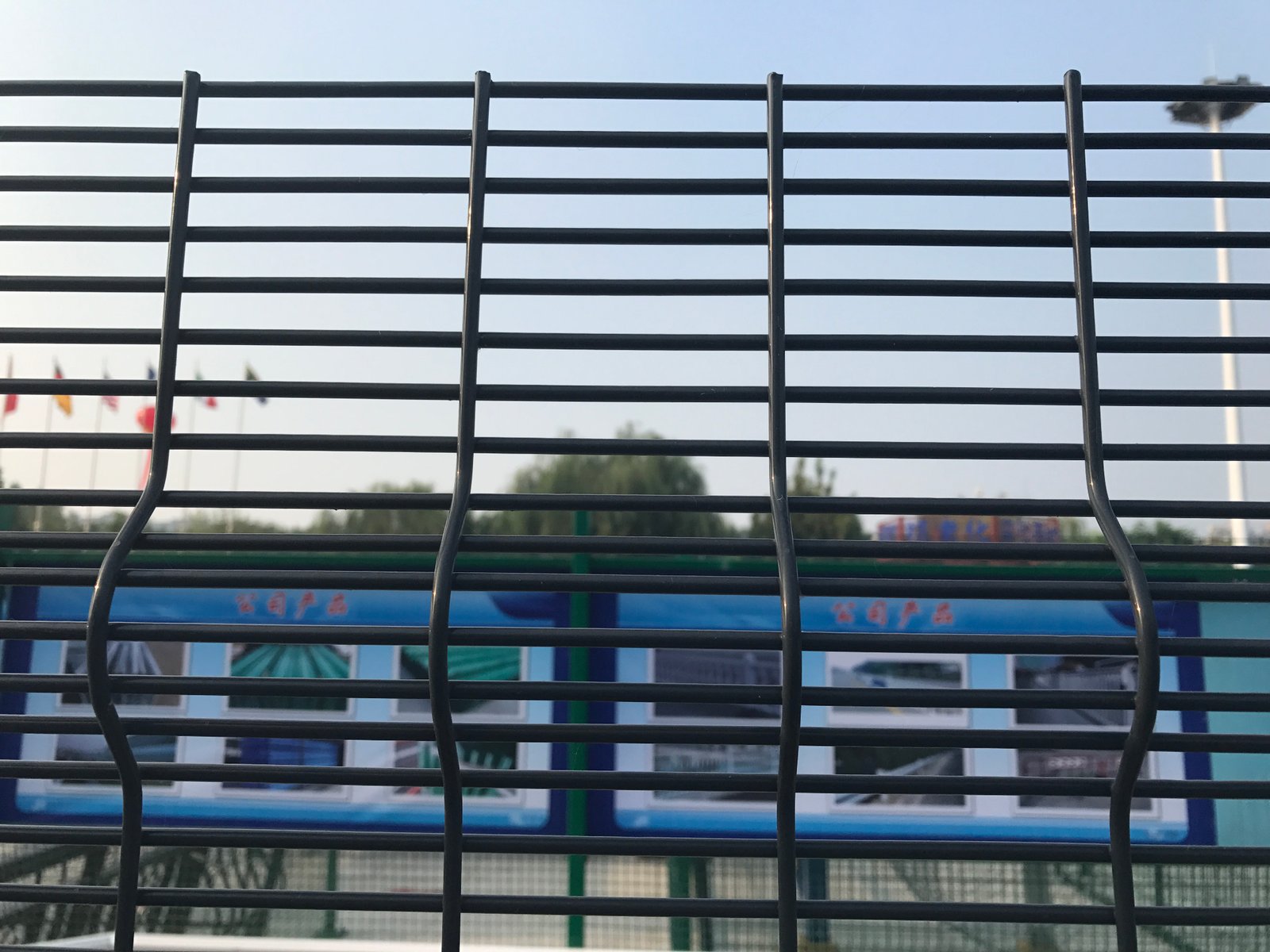
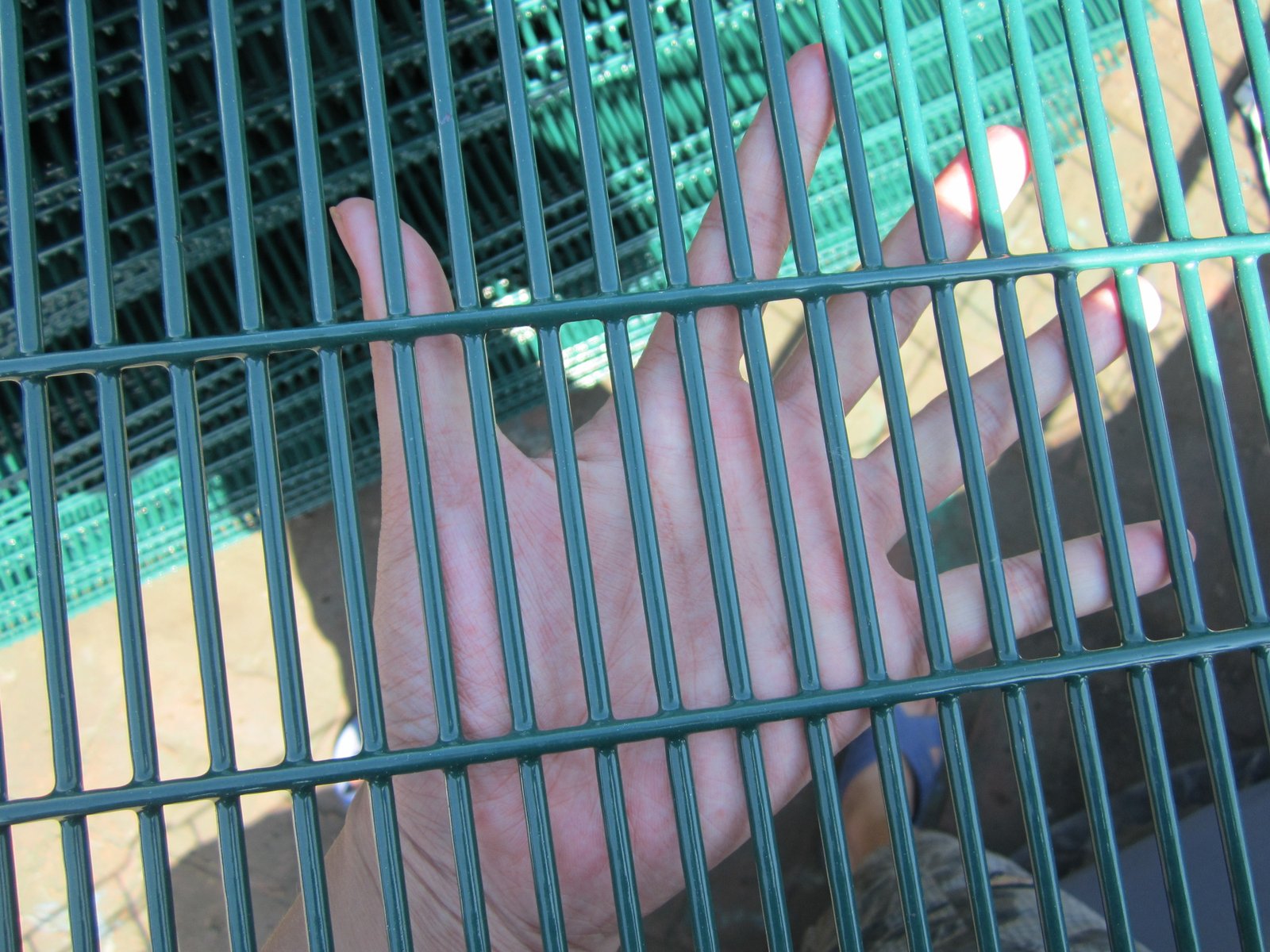
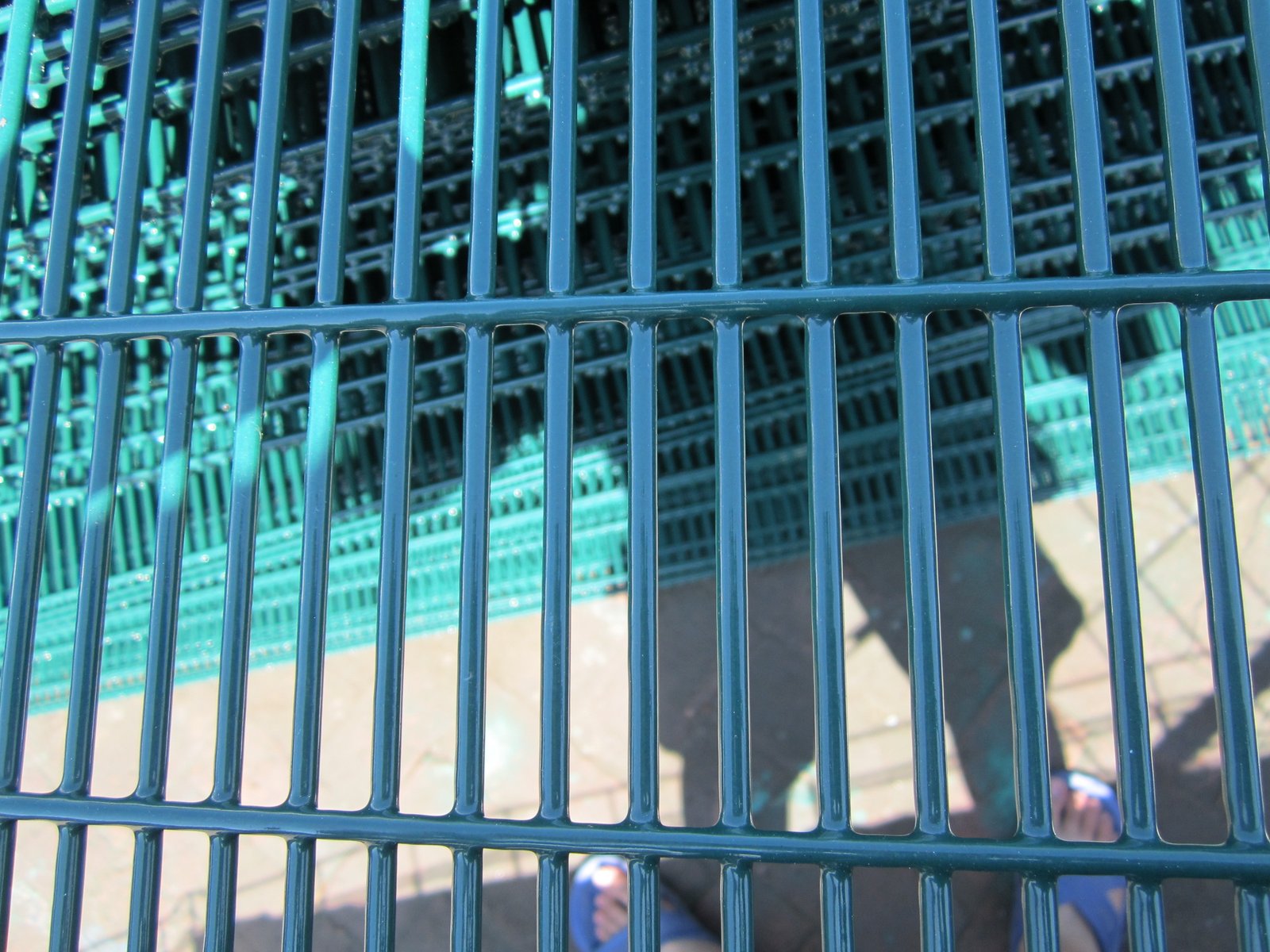
The narrow apertures offer few comfortable fingerholds or footholds. Welded intersections help each panel maintain a stable geometry. Unlike solid walls, the mesh supports visibility, airflow, and routine security patrols. These qualities suit industrial compounds, warehouses, and monitored property boundaries.
For sites requiring close mesh, 358 Anti-Climb Fence designs provide a useful starting point. Buyers can also compare Anti-Climb Fence configurations with their planned access controls. No welded wire panel guarantees complete resistance against every intrusion method.
How 358 welded mesh restricts footholds
The 12.7 mm spacing limits convenient access for fingers and toes. The 76.2 mm wire-centre spacing helps maintain useful visibility across the boundary. The arrangement also complicates access with common manual cutting tools. Actual resistance depends on wire grade, weld quality, and available equipment.
Security professionals should assess nearby structures before approving the fence layout. Low walls, stored materials, and equipment can create unwanted climbing opportunities. The complete perimeter must work together with guards, cameras, and controlled entrances.
Clear Fence Panels Technical Specifications
Our reference product uses low-carbon steel wire and resistance-welded intersections. Common options include flat welded mesh and panels with reinforcing V-bends. The High Security Clearvu Fencing configuration typically uses dense 358 mesh. Wider apertures suit different security requirements.
Material: low-carbon steel wire.
Nominal mesh spacing: 76.2 × 12.7 mm.
Alternative spacing: 75 × 12.5 mm, subject to approval.
Reference steel wire diameter: 4.0 mm.
Standard reference panel width: 2515 mm.
Reference heights: 2007, 2400, 2997, 3302, and 3607 mm.
Panel styles: flat 2D or formed 3D, depending on design.
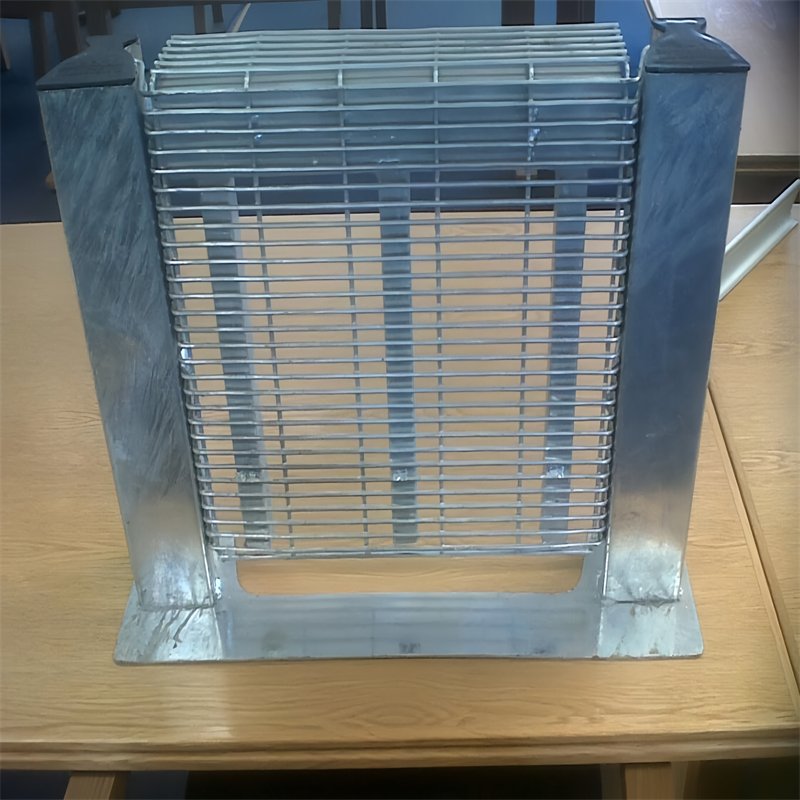
Fixing options: clamp bars, security nuts, and matching bolts.
Post options: square and C-profile steel posts.
Surface finishes: zinc coating and optional protective topcoats.
All dimensions serve as technical reference values until buyers approve production drawings. Specify wire-centre spacing rather than assuming clear aperture dimensions. Also confirm wire diameter before coating, finished tolerances, and fastening details.
Mesh aperture, wire gauge, and welded joints
A nominal wire gauge alone cannot describe every manufacturing tolerance. Buyers should state actual wire diameter in millimetres. Inspectors can then measure representative wires and verify panel consistency. The 358 Fence system also depends on suitable weld integrity and post connections.
Weld intersections should remain consistent throughout each panel. Visible cracks, incomplete welds, or distorted openings deserve further inspection. A purchase order should define acceptable variation and test requirements. These controls support predictable assembly and installation.
Clear Fence Panels Size and Post Schedule
The following table summarises six reference configurations and their fixing counts. Panel heights range from 2007 to 3607 mm. Every post section requires site review and drawing approval before fabrication.
Reference 358 welded mesh panel, post, and fixing schedule
Wire (mm)
Mesh (mm)
Panel H × W (mm)
Post section (mm)
Post length (mm)
Intermediate fixings
Corner fixings
4.0
76.2 × 12.7
2007 × 2515
60 × 60 × 2.5
2700
7
14
4.0
76.2 × 12.7
2400 × 2515
60 × 60 × 2.5
3100
9
18
4.0
76.2 × 12.7
2997 × 2515
80 × 80 × 2.5
3800
11
22
4.0
76.2 × 12.7
3302 × 2515
80 × 80 × 2.5
4200
12
24
4.0
76.2 × 12.7
3607 × 2515
100 × 60 × 3.0
4500
13
26
4.0
76.2 × 12.7
3607 × 2515
100 × 100 × 3.0
4500
13
26
Intermediate and corner fixings use different clamp arrangements. A corner assembly commonly needs additional connections to support two directions. Check the actual fixing design before calculating purchase quantities. Panels may overlap at posts, so nominal width does not always equal centre-to-centre spacing.
Reading fixing quantities correctly
The source table lists intermediate and corner fixing references, not universal installation counts. Corner geometry, clamp length, and post design can change the final schedule. Buyers should request separate counts for straight runs, corners, and end posts.
For an overview of related dimensions, Clearvu Fencing Specifications cover additional posts and clamps. Check each component against the same approved drawing. This reduces missing hardware during installation.
Clear Fence Panels Post Options
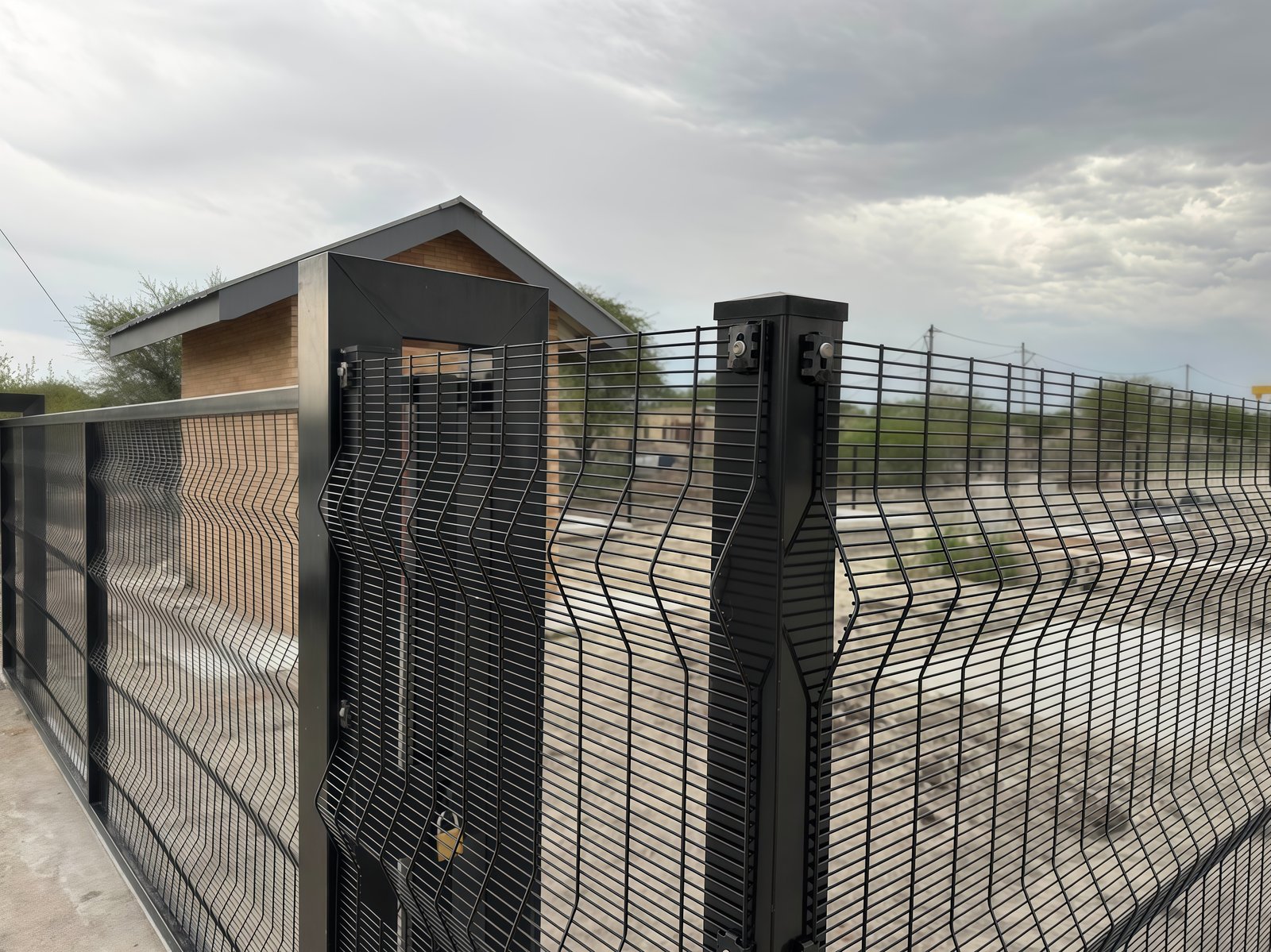
Posts transfer loads from mesh panels into the foundations. Typical square sections include 60 × 60, 60 × 80, and 80 × 80 mm. Larger projects may use 80 × 100 or 100 × 100 mm profiles. The original range also includes a 64 × 83 mm C-type post. Square and formed Clearvu Fence Posts need matching connection details.
The final section depends on height, spacing, wind, terrain, and foundation design. Clearvu Super Fencing offers comparisons across square, rectangular, and formed post families. Never substitute a smaller section without structural review.
Clamp bars and tamper-resistant connections
Flat bars spread fixing pressure along panel edges. Security bolts and shear nuts discourage casual removal. Their effectiveness depends on correct engagement and compatible post geometry. Clearvu Fence Clamps include related fixing styles and hardware choices.
On some international projects, Clearvu Fence Clamps use different clamp profiles. Verify hole spacing, material thickness, and bolt sizes before mixing systems. The drawing should identify every intermediate and corner assembly.
Clear Fence Panels Surface Finishes
Zinc protection and organic coatings support long-term corrosion management. Pre-galvanised wire, post-fabrication hot-dip galvanising, and zinc-aluminium wire represent different manufacturing processes. Powder coating provides colour and another protective layer. Each process needs its own acceptance criteria.
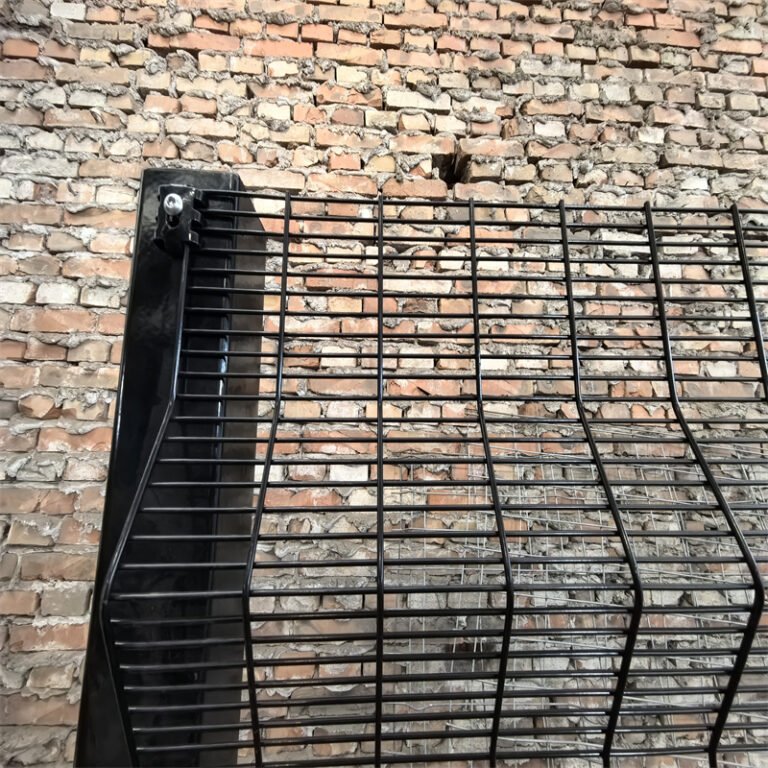
The Powder Coated Clear View Fence range combines welded steel and coloured finishing options. Common colours include RAL 6005 green and RAL 9005 black. Buyers can request other RAL colours after confirming availability.
Galvanising and powder coating
Hot-dip galvanising after fabrication can cover many welds and exposed steel surfaces. Pre-galvanised wire follows another route and requires particular attention at welded intersections. Coating performance also depends on preparation, coverage, and environmental exposure.
Coastal projects may need enhanced specifications and a planned maintenance schedule. Request coating mass, powder thickness, test methods, and repair instructions. Do not assume one finish guarantees a fixed service life. Check post caps, clamps, and gates for matching protection.
Clear Fence Panels Security Features
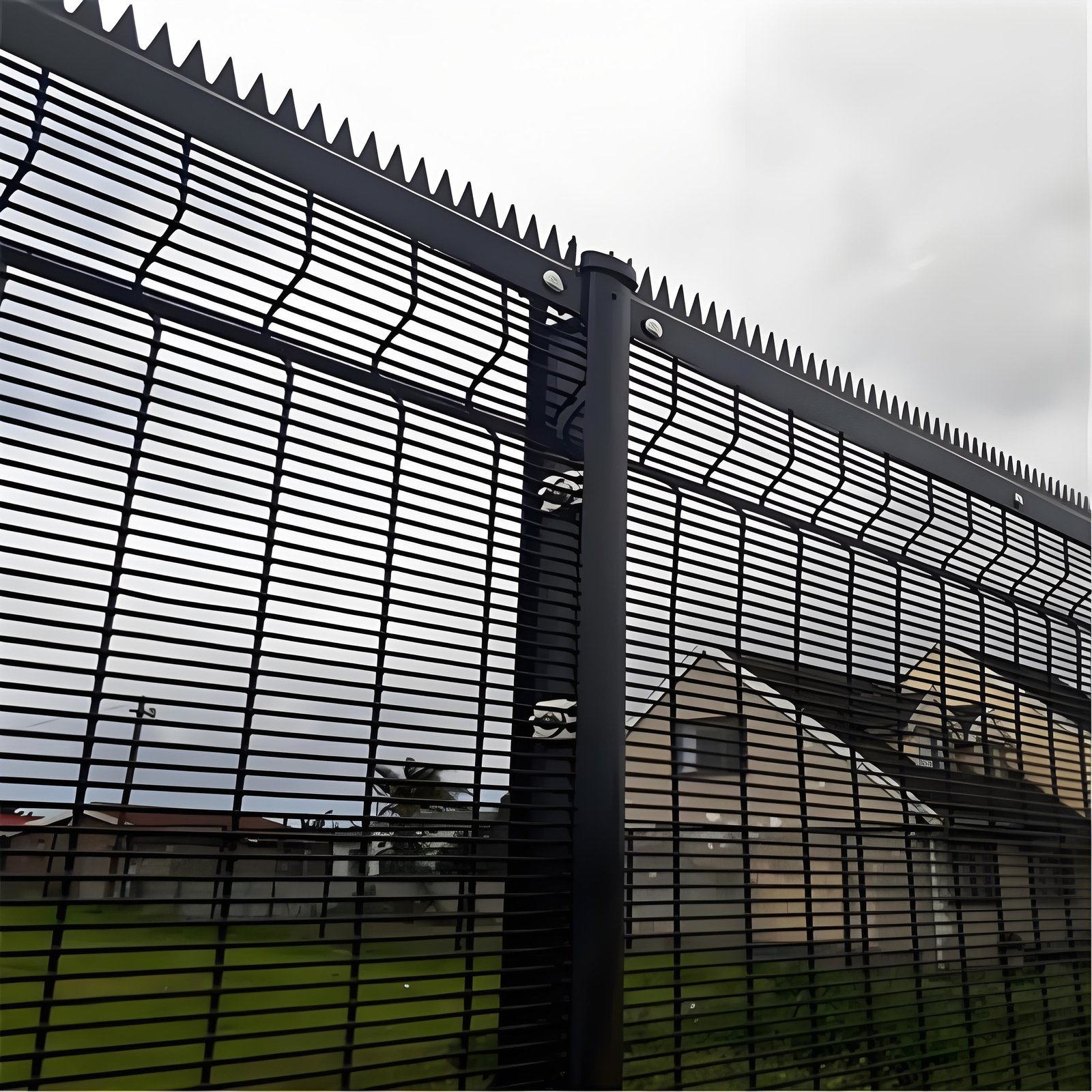
A close mesh pattern discourages climbing while keeping sightlines open. The welded structure also maintains a clean architectural appearance. Security teams can monitor areas beyond the boundary without relying on opaque walls. The Clearvu Fence Panels range illustrates the same functional product category.
Panel height, wire size, and structural details influence attack resistance. The fence should also accommodate patrol routes and maintenance access. Place vulnerable equipment away from the perimeter. A complete security plan must address both deliberate intrusion and accidental damage.
CCTV, lighting, and boundary monitoring
Open mesh can help cameras maintain views through the boundary. However, posts, plants, and adjoining buildings can create blind spots. Plan camera positions and lighting before choosing final post locations. Ensure gates remain visible during busy operating periods.
Guards need sufficient space for safe perimeter inspection. Narrow planting strips and poor drainage can hinder routine checks. Keep access routes clear and record any changes to the boundary layout.
Clear Fence Panels Applications
Warehouse operators use mesh boundaries to separate loading zones and storage yards. Industrial properties need clear sightlines around equipment and entrances. Utilities and transport facilities may require additional access controls. The High-Security Fence 358 Mesh configuration suits projects with stricter perimeter requirements.
Schools, residential estates, and commercial premises may prefer less aggressive accessory arrangements. Define the required protection level before selecting panels. Match fence height and wire diameter to actual security risks.
Public locations need careful consideration of gate access and user safety. Dangerous toppings can introduce unacceptable hazards near children or pedestrians. Select the final design under applicable local requirements.
Clear Fence Panels and 2D/3D Variations
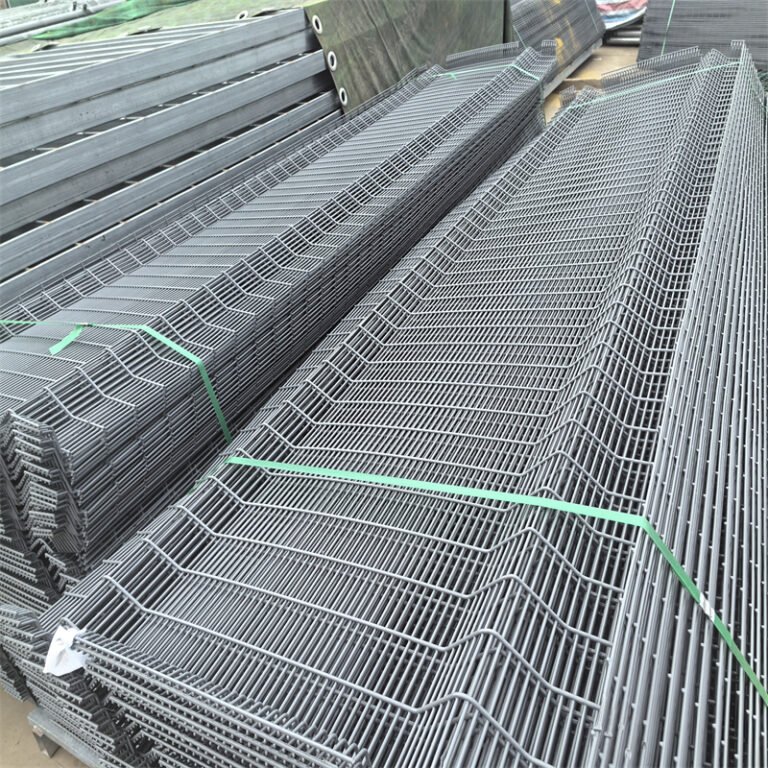
Flat 2D mesh uses a straight panel profile. Formed 3D mesh includes bends that increase panel rigidity. Some 2D-plus systems add reinforcing wires instead of folds. These designs do not share identical performance, weights, or fixing arrangements.
The Clearvu Fence product family includes several flat and formed configurations. A buyer should specify the actual profile rather than ordering only by product name.
Folded panels versus flat mesh
V-bends improve stiffness by changing the panel geometry. The fold depth and number vary with panel height and manufacturing design. Flat panels may need stronger posts or an alternative reinforcement method. Specify fold positions on the approved drawings.
Compare wire diameter, aperture, and full-system performance together. A thicker wire does not automatically solve weak foundations or unsuitable fixings. Confirm panel weight and transport requirements before production.
Clear Fence Panels Installation Guide
Begin with a measured boundary survey. Mark corners, access points, underground services, and level changes. Confirm actual post centres using the panel and clamp arrangement. Then approve the foundation design for local ground conditions.
After suitable concrete curing, installers align posts and attach the panels. Crews tighten the prescribed fasteners and check panel clearances. They should inspect coating damage before handover. Keep installation drawings and hardware records for later maintenance.
Slope, foundation, and gate detailing
Steep changes in ground level may need stepped panels or custom transitions. Designers should address bottom gaps without obstructing drainage. Post embedment requires engineering rather than a universal depth rule. Gate openings also need dedicated supporting posts.
Measure the actual gate opening independently from the fence length. Specify hinges, locks, and required operating clearances. Motorised gates need separate safety and control provisions.
Clear Fence Panels Accessories
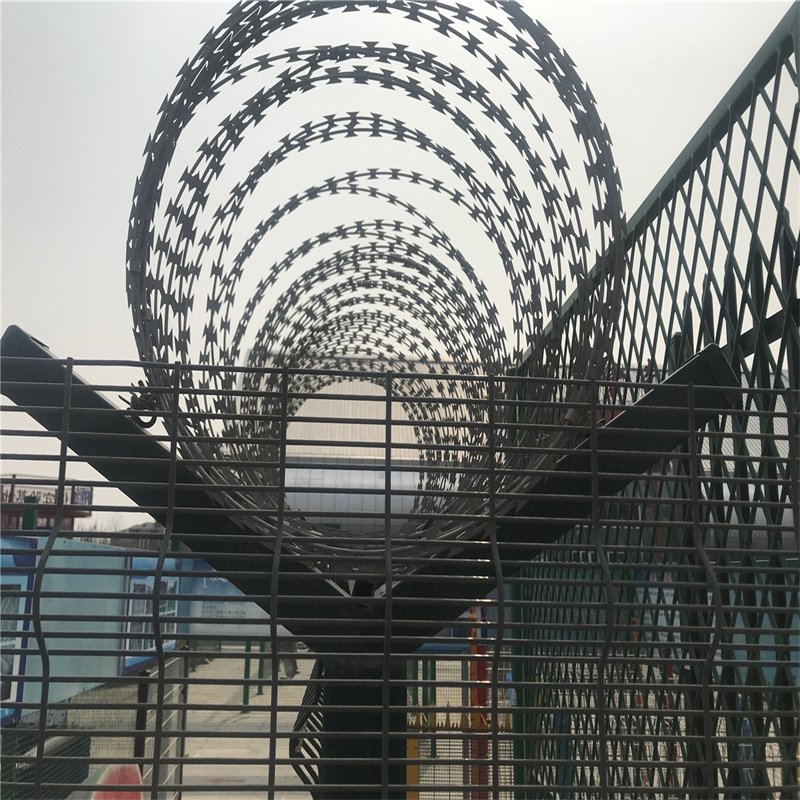
A complete perimeter includes posts, clamps, bolts, nuts, caps, and suitable gate hardware. Optional accessories include extension arms and other approved security toppings. Buyers should distinguish standard accessories from optional additions on the quotation.
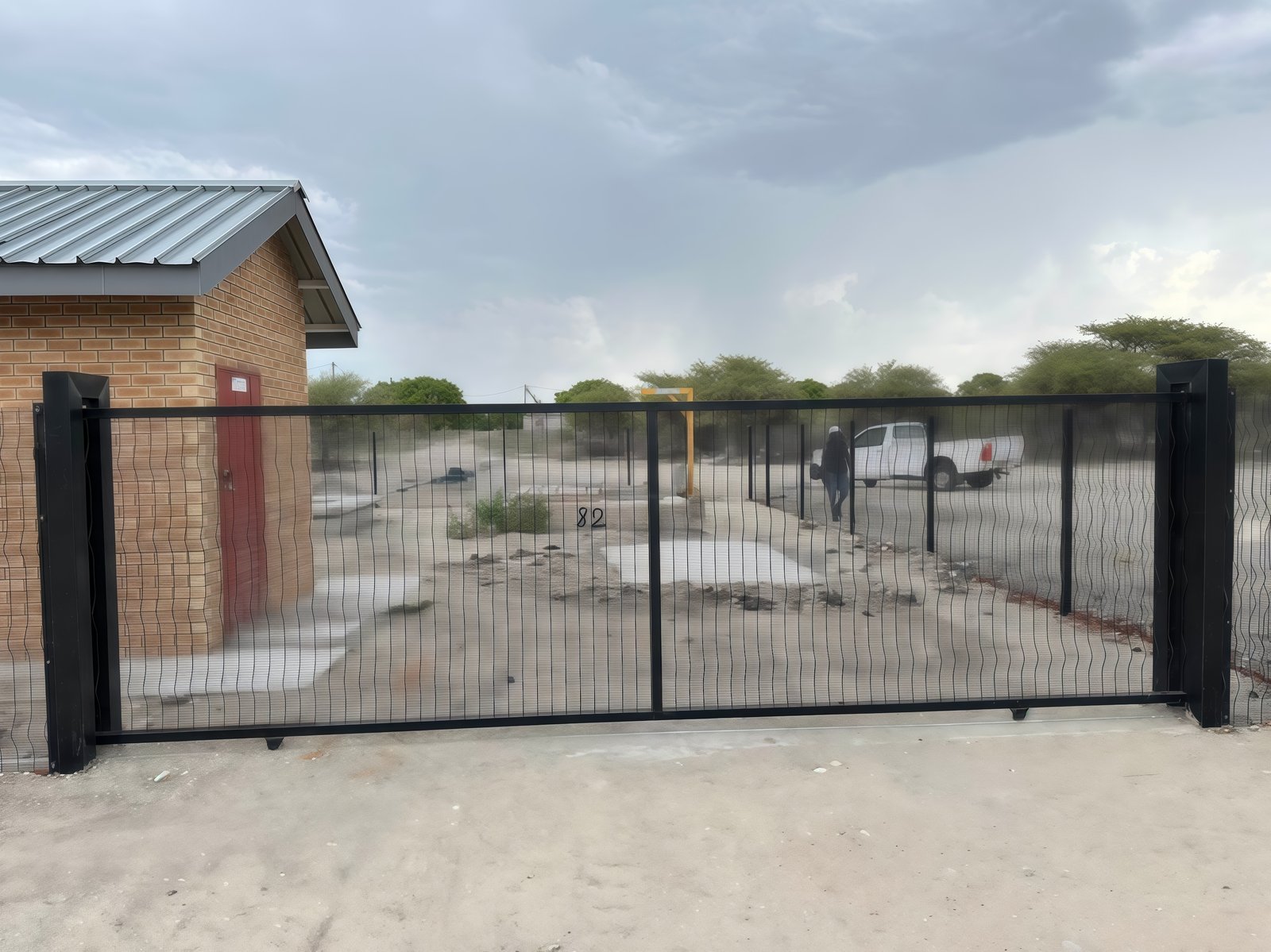
For matching access systems, Clearvu Sliding Gates provide another product configuration. Sliding gates need sufficient travel space and an appropriate foundation. Access controls must match the intended operating conditions.
Gates and security toppings
Pedestrian gates, swing gates, and sliding gates should match the adjacent perimeter height. Their frames require suitable rigidity and secure latching. Accessories should not interfere with emergency access or regular maintenance.
Some projects consider Razor Wire Flat Wrap above the fence line. Such toppings require risk assessment and local approval. Keep sharp components away from public contact areas.
Clear Fence Panels Quality Control
Inspection starts with incoming steel wire and approved production drawings. Workers check cutting, spacing, welding, and overall panel dimensions. Coating teams then confirm preparation and surface finish requirements. Final inspection should record representative measurements and visible defects.
Buyers may request photographs, dimension reports, or third-party inspection. The Clear View Fence South Africa range provides related panel configurations for comparison. Check every delivered model against its own approved specification.
Export packaging and shipping documents
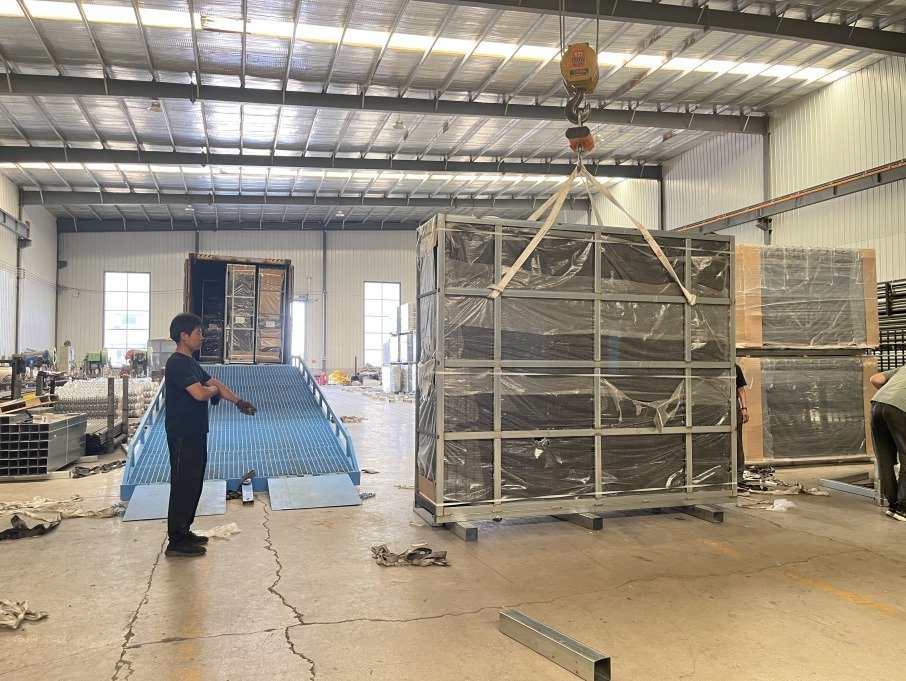
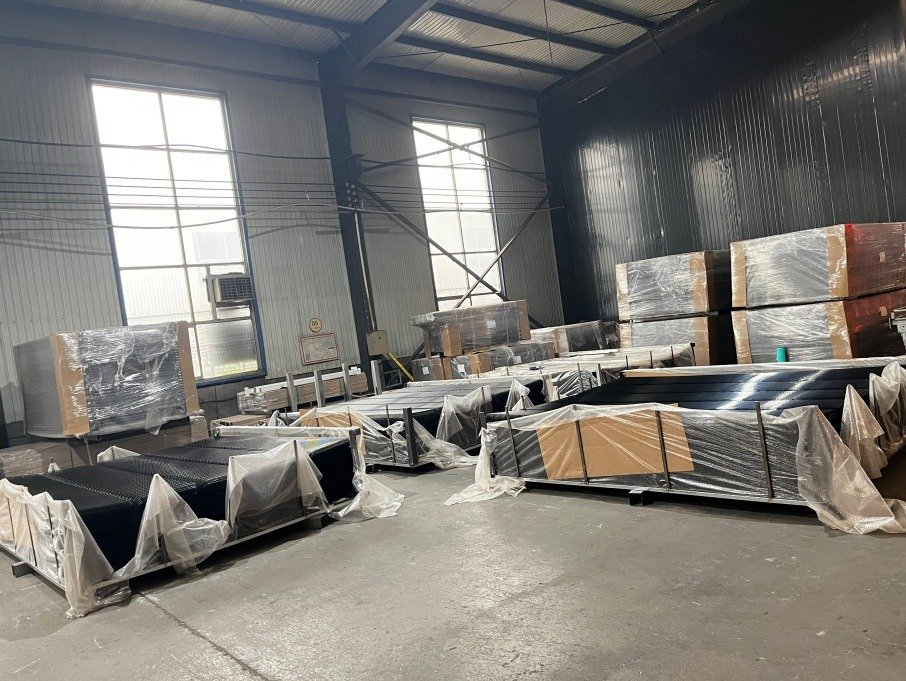
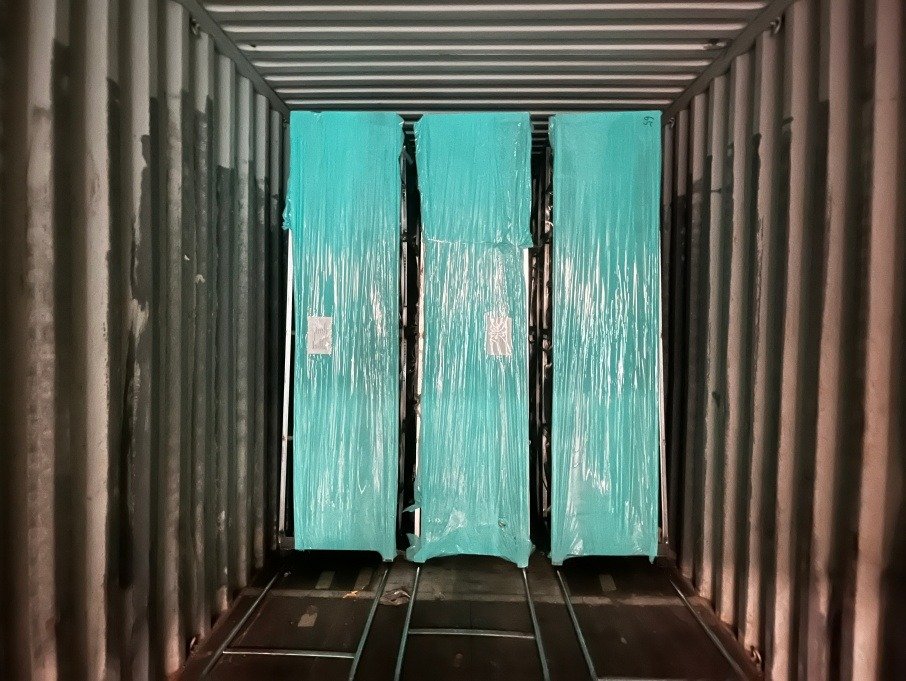
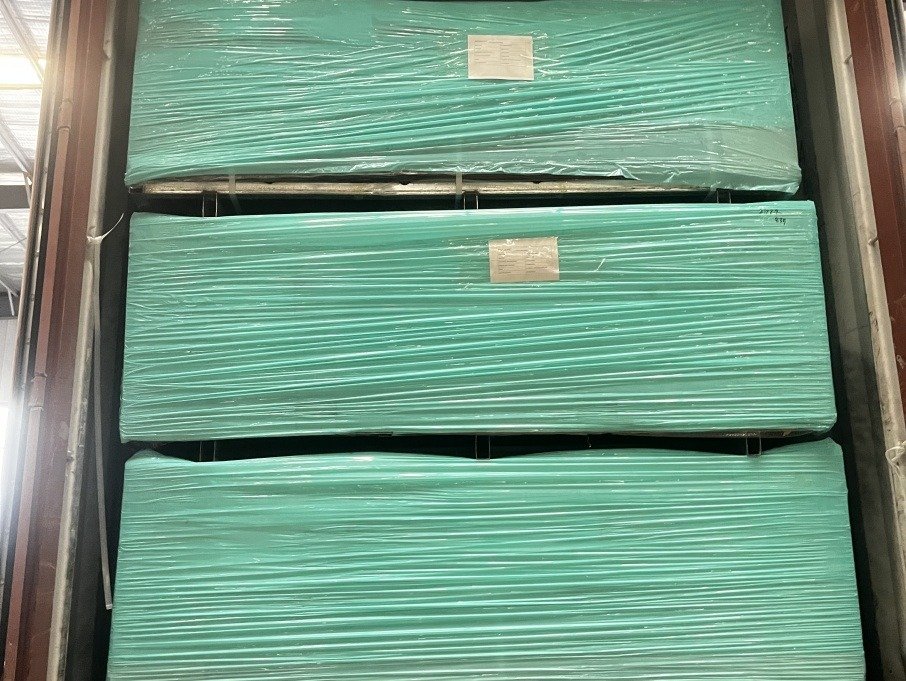
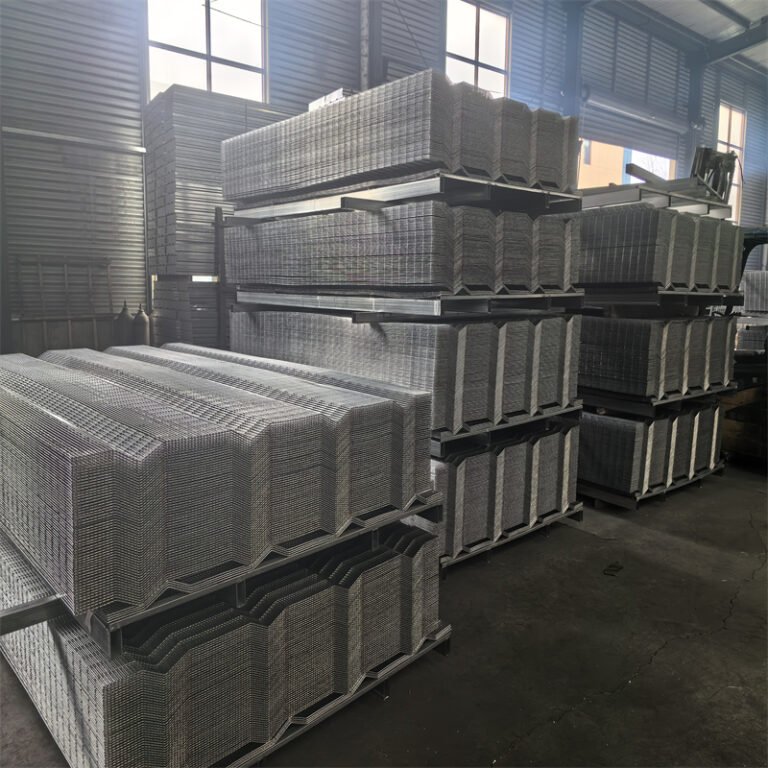
Stack panels on export pallets with protective separation where needed. Secure corners and minimise coating contact during transportation. Pack bolts, clamps, and caps in clearly labelled cartons. A packing list should identify each panel size and accessory quantity.
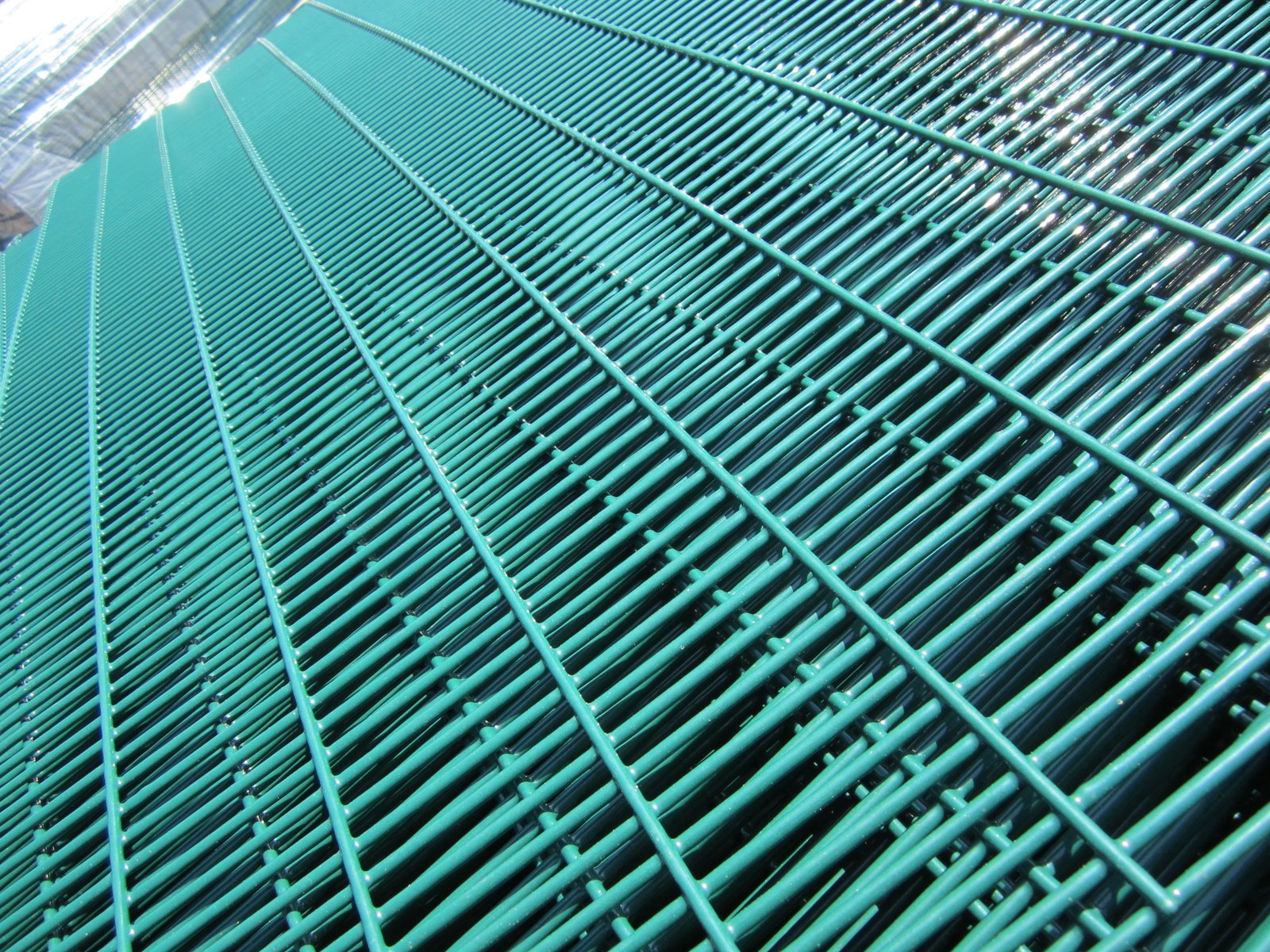
Large panels require careful container planning and safe unloading equipment. The shipping documents should match the purchase order and actual cargo. Photograph pallets before dispatch and inspect them again on arrival. 358 welded mesh reference: narrow rectangular openings support anti-climb design and clear visibility. Check final dimensions against approved drawings.
Clear Fence Panels Maintenance
Routine maintenance helps preserve both appearance and perimeter integrity. Inspect panels after storms, vehicle impacts, and suspected intrusion attempts. Check bolts, clamps, post bases, and coating damage. Remove vegetation that obstructs access or surveillance.
Use compatible materials when repairing protective coatings. Replace components if damage prevents a secure connection. Keep spare hardware from the same fixing system whenever possible.
Routine inspections and coating repairs
Inspect corrosion-prone areas around cut edges, welds, and clamp interfaces. Salt, moisture, and trapped debris can accelerate deterioration. Record problems by location and date. Follow the coating supplier's repair guidance instead of using an unspecified paint.
Gate hinges and locks also require periodic checks. Confirm that post caps remain secure after harsh weather. Maintain a simple inspection register for future work.
Clear Fence Panels FAQ
What does 358 mean? It describes a traditional three-inch by half-inch mesh arrangement with approximately eight-gauge wire.
Can customers request different panel heights? Yes, custom manufacturing depends on drawings, production feasibility, and order size.
Are V-bends always necessary? No, flat panels and formed panels use different structural approaches.
Can panels work with alarm systems? Yes, properly planned installations can complement cameras, lighting, and electronic detection.
Which coating suits coastal sites? Select the complete finish according to exposure conditions and verified protection requirements.
Can buyers order matching posts and clamps? Yes, supply schedules can include matching structural posts and fixing accessories.
Ordering details and project quotations
Provide total fence length, panel height, width, mesh spacing, and preferred coating. Include post details, site drawings, corner quantities, and gate requirements. State the destination and requested trade terms. A complete specification supports accurate production planning.
BMP can review drawings and prepare a project-based export quotation. Buyers should confirm technical tolerances, inspection requirements, and approved accessory quantities before production. This process helps reduce installation errors and shipment discrepancies.