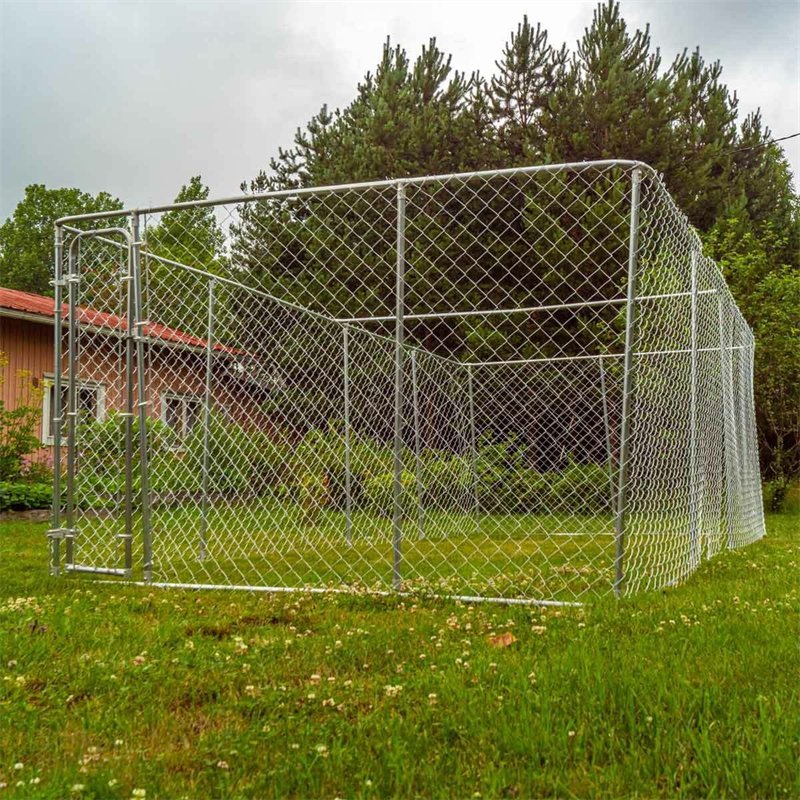
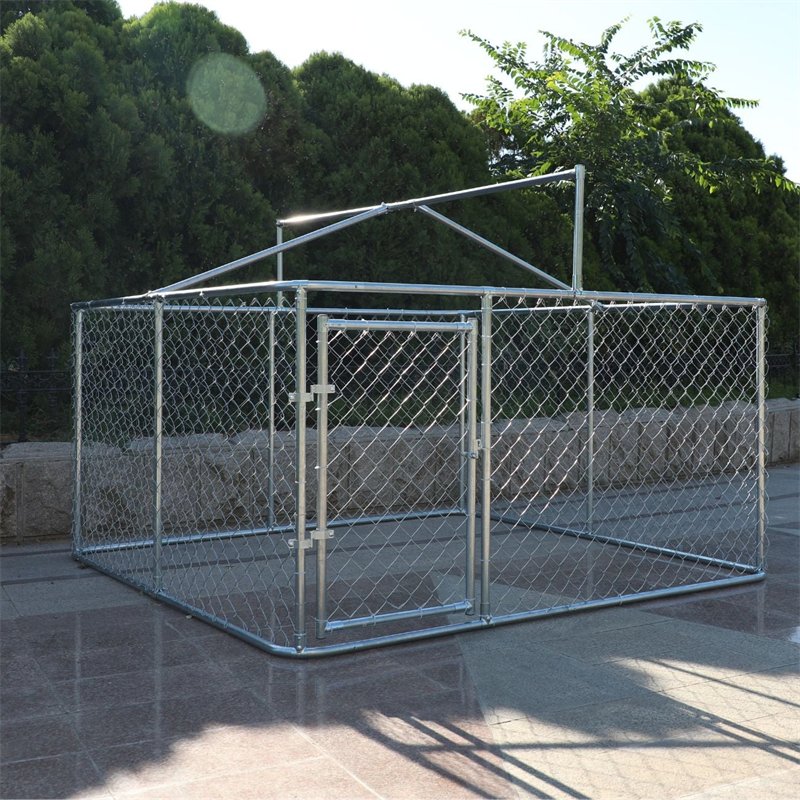
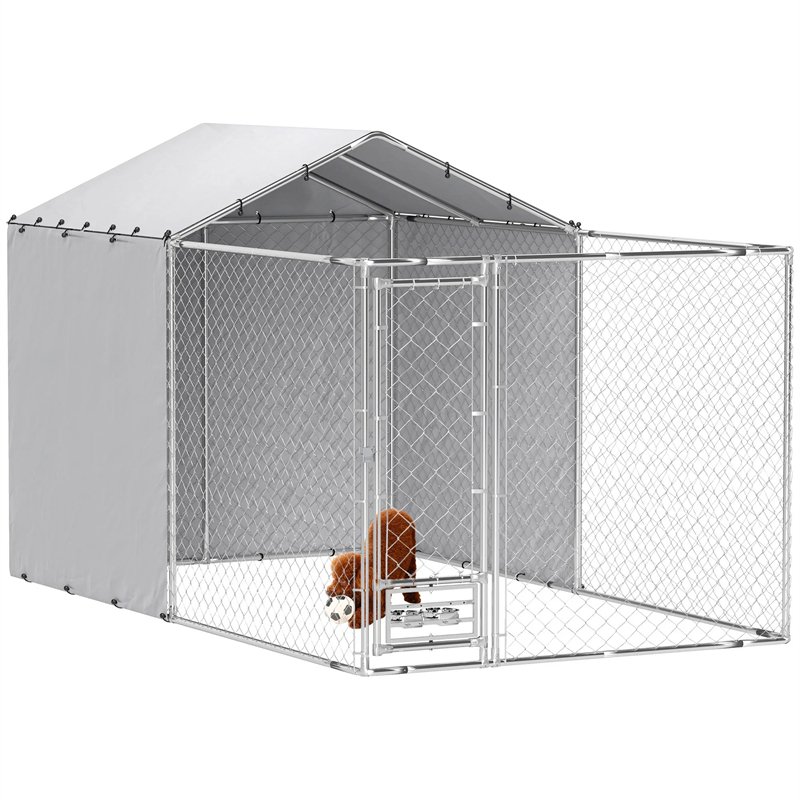
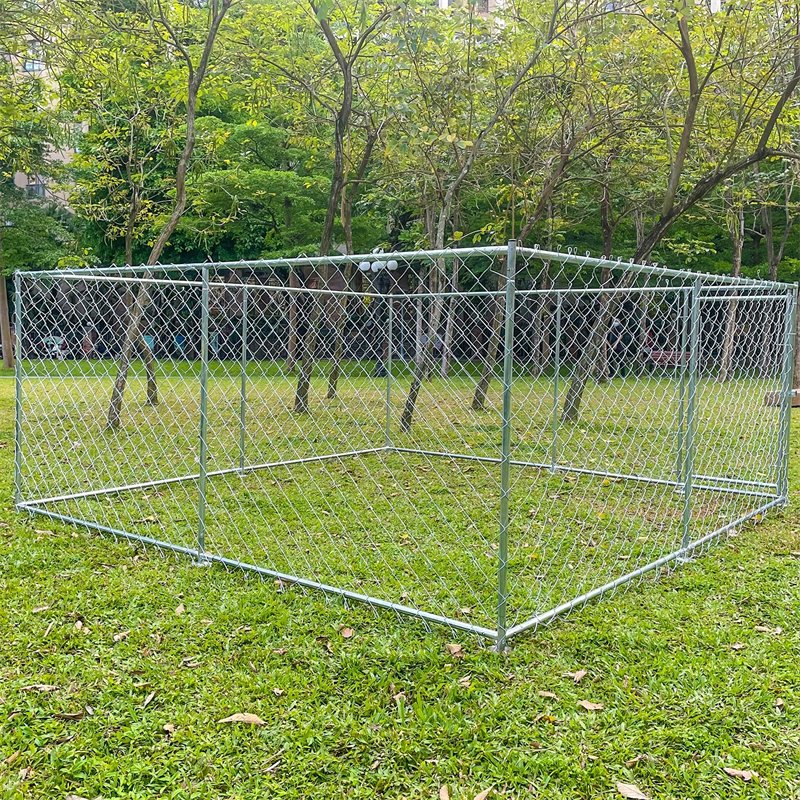
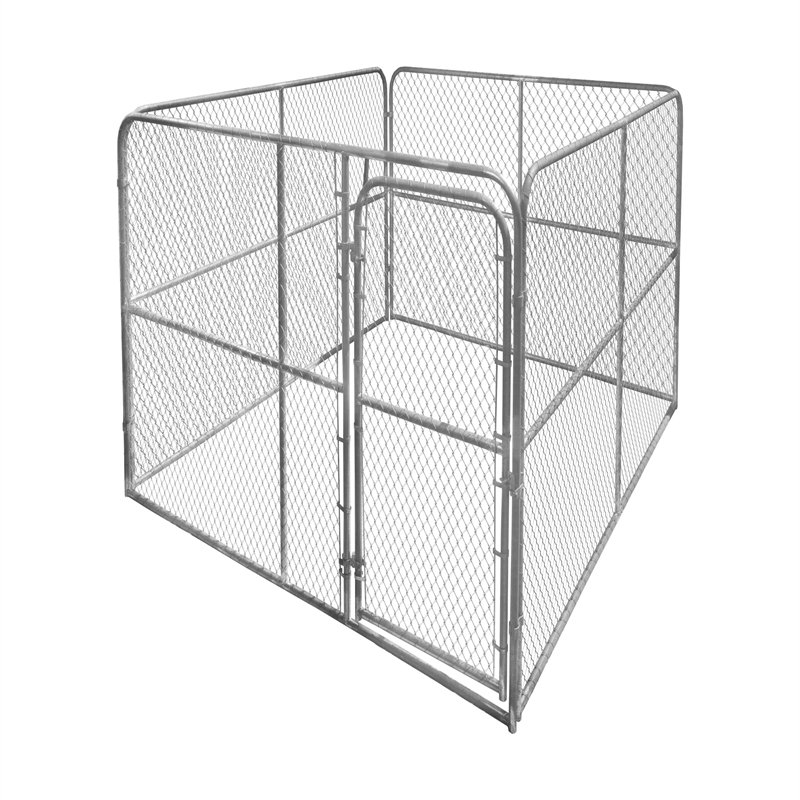
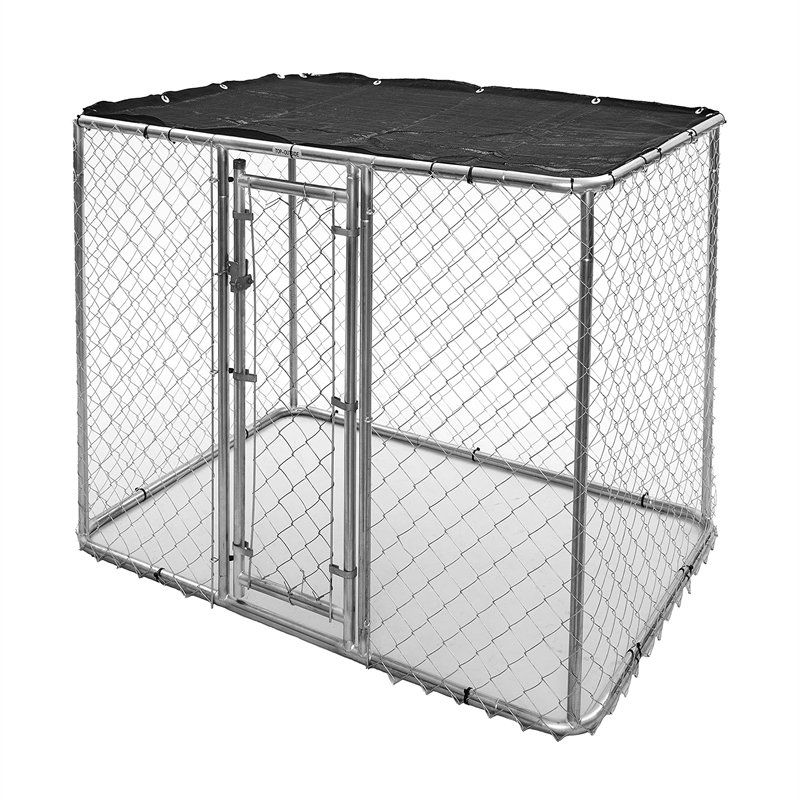
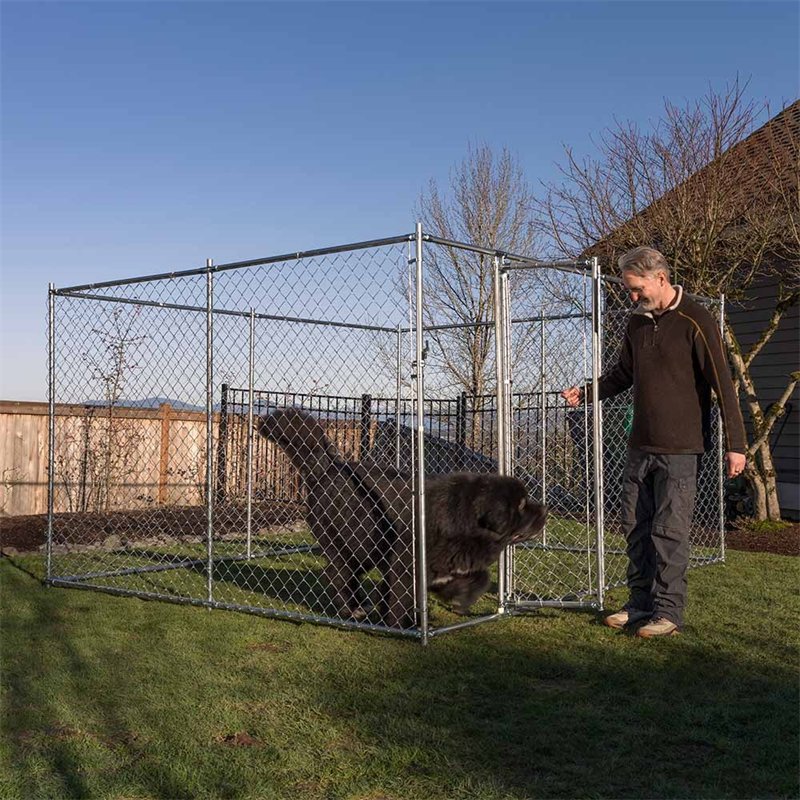
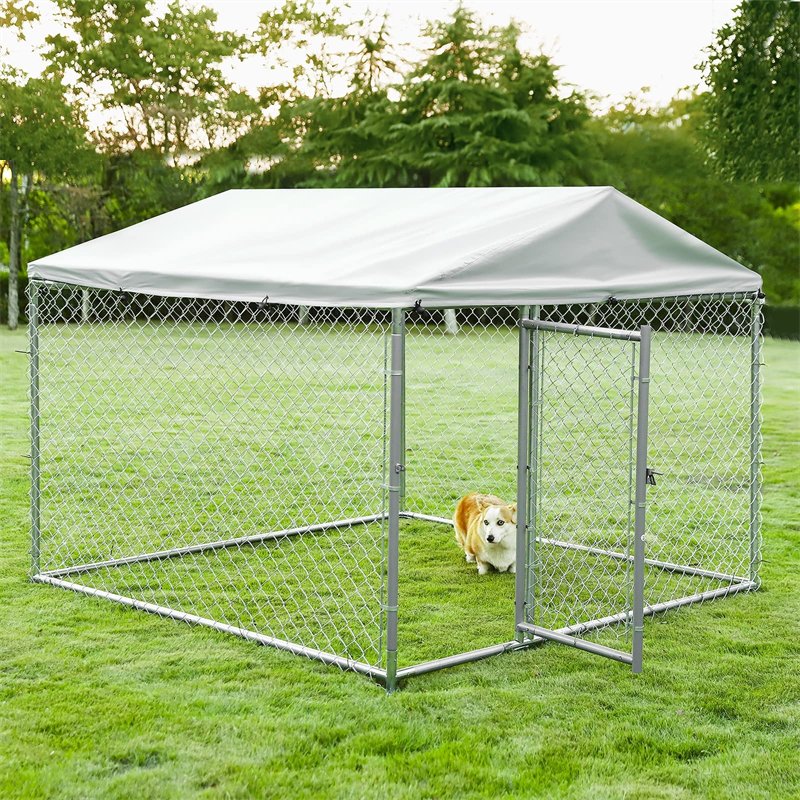
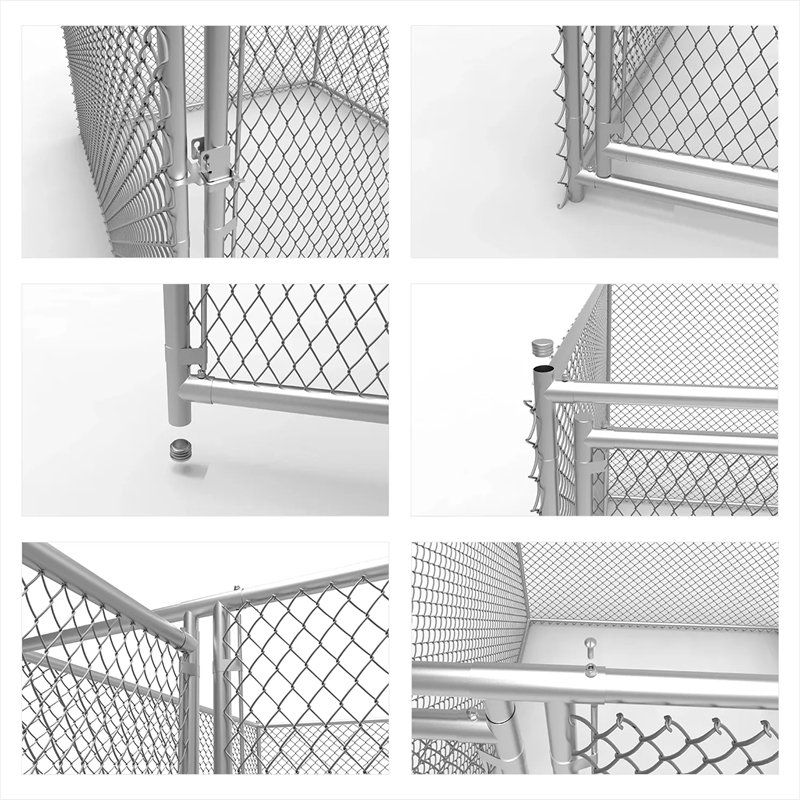
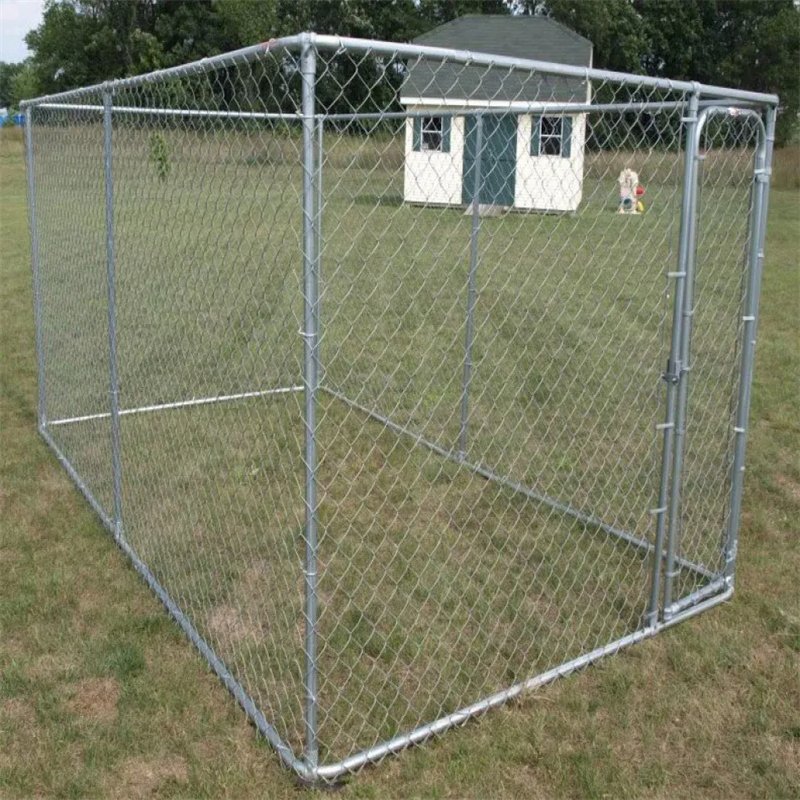
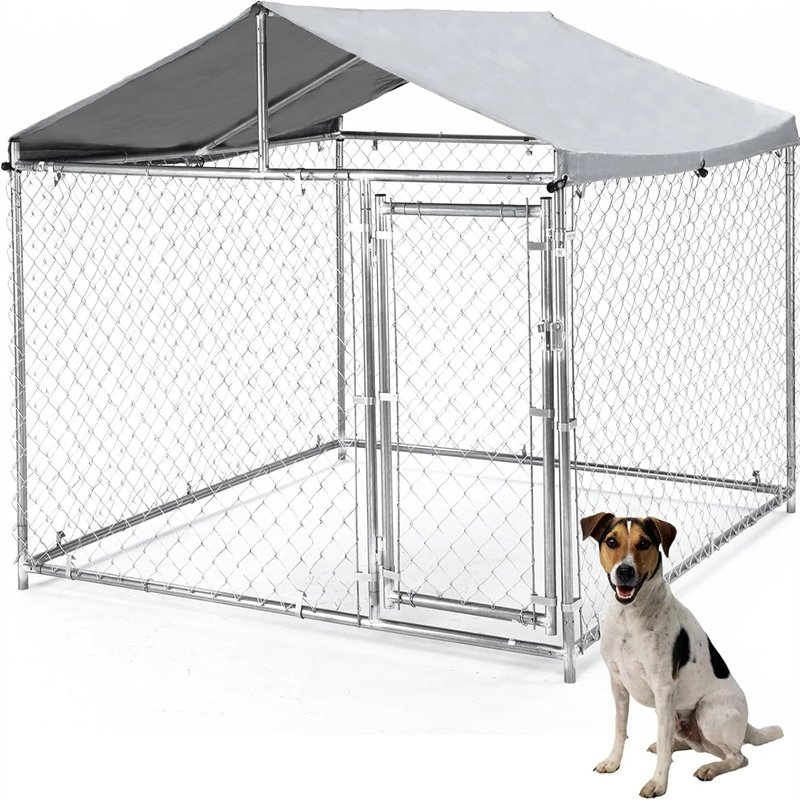
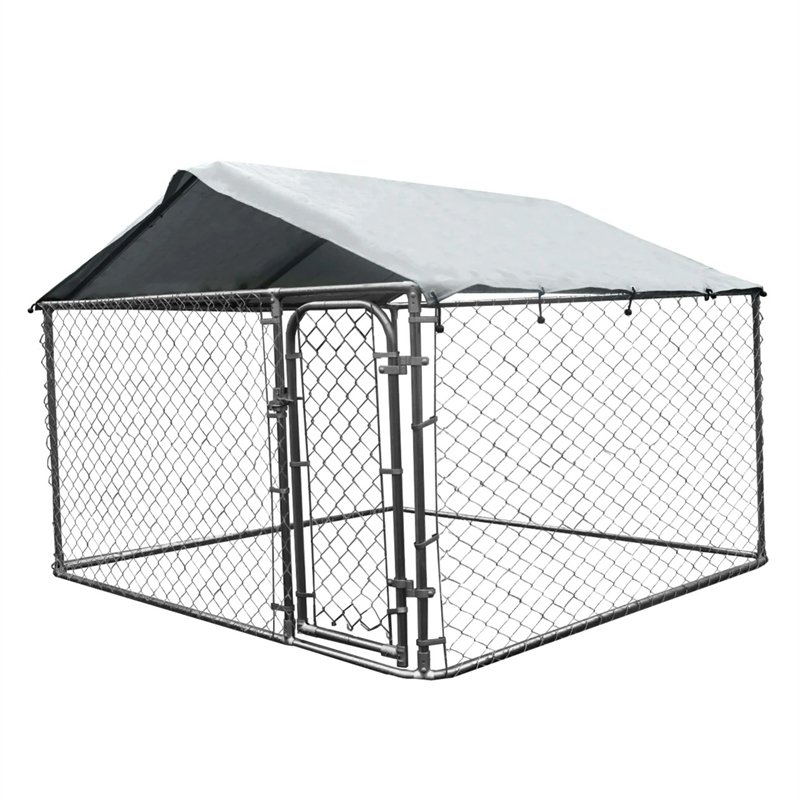
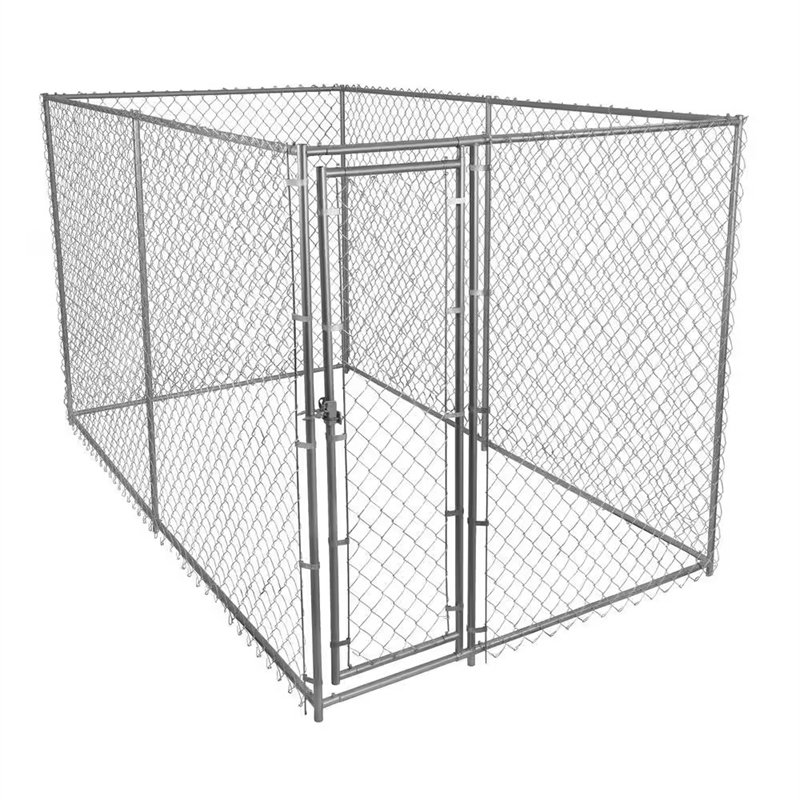
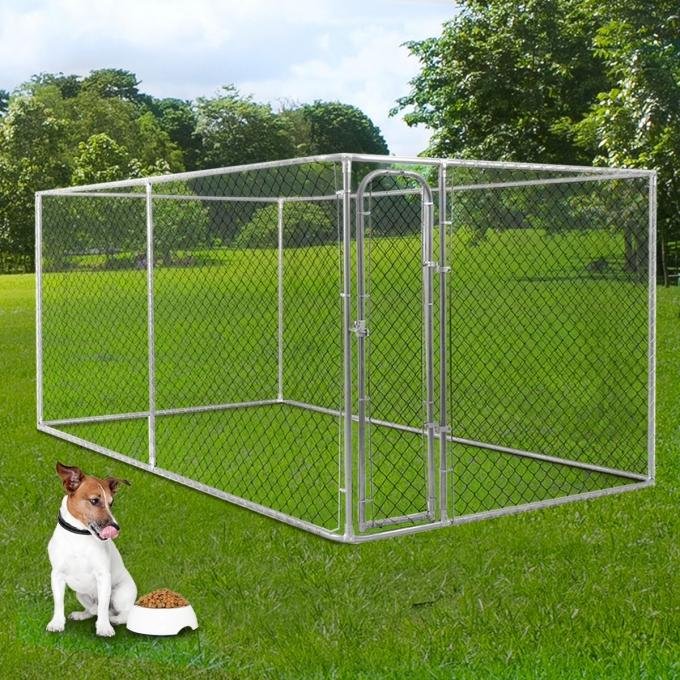
Dog kennel chain link gives dogs an open view while creating a dependable boundary for everyday outdoor use. Galvanised wire offers visibility and ventilation, while sturdy tubular frames support the complete enclosure. BMP manufactures chain link kennels, square tube cages, dog fencing and modular dog runs. Buyers can select dimensions, mesh openings and fittings to match different breeds and site conditions.
Dog Kennel Chain Link: An Overview
A successful kennel combines suitable materials, secure entry points and comfortable conditions for the animals. Chain link mesh allows airflow without blocking the surrounding view. Proper construction also reduces loose edges and damage from regular movement. For larger enclosures, a metal chain link fence offers useful material options. However, kennel hardware needs closer inspection than an ordinary property fence.
Neither wire thickness nor a strong latch alone can guarantee escape prevention. Dog size, behaviour, ground conditions and supervision also determine safety. Choose an enclosure that supports daily exercise rather than restricting movement for long periods.
Why Chain Link Works for Dogs
Open mesh helps owners observe their pets without approaching every panel. Air can circulate through the kennel during warm weather. Galvanised steel resists routine outdoor exposure when the coating remains intact. Modular panels also simplify future expansion or layout changes.
Some dogs chew, dig or climb despite strong construction. Inspect wire ends carefully and avoid exposed sharp points. Use smooth, knuckled edges where animals can reach the fabric. Give active dogs adequate exercise and enrichment outside the kennel.
Dog Kennel Chain Link Construction
Manufacturers weave chain link fabric from steel wire and attach it to tubular frames. They can tension the fabric with bars, ties or suitable frame fasteners. This differs from welded mesh, which joins crossing wires at fixed intersections. For custom fabrication, chain link fence rolls provide a useful starting material.
Welded frames should have smooth joints and consistent dimensions. Frame corners must resist twisting during transport and normal kennel use. Buyers can specify modular chain link fence panels when frequent reconfiguration matters. Compare each connector's dimensions before combining panels from different suppliers.
Mesh Opening and Wire Gauge
Opening size influences ventilation, visibility and escape resistance. Smaller openings often suit smaller dogs, although breed and paw size still matter. The original range includes 50 × 50, 60 × 60 and 70 × 70 mm openings. Wire diameter options run from 2.0 to 4.0 mm.
A larger opening may allow a small dog's paw or muzzle to pass through. Ask for a physical sample before selecting mesh for puppies or small breeds. A black chain link fence offers a coated alternative for customers seeking a darker appearance. Always check the underlying galvanised layer and exposed wire ends.
Dog Kennel Chain Link Specifications
The following table retains the original product range and identifies typical customization choices. Dimensions describe examples rather than universal requirements. Confirm all measurements on the approved production drawing.
Item
Standard or Available Options
Selection Guidance
Material
Low carbon steel wire
Specify galvanising and optional polymer coating
Wire diameter
2.0–4.0 mm
Match strength to the animal and application
Mesh opening
50 × 50 / 60 × 60 / 70 × 70 mm
Check paws, head size and escape risks
Kennel size
2 × 2 × 1.8 / 2 × 2 × 2.0 / 2.4 × 3 × 2.0 m
Other sizes require drawings
Frame tube
OD 25 / 32 / 38 mm
Check wall thickness and gate compatibility
Configuration
Single run / connected runs / custom layout
Allow access for safe cleaning
Gate
Custom framed swing gate
Choose dog-resistant latch and stable hinges
Finish
Galvanised steel; coated option upon request
Inspect the coating at welds and cuts
Frame Pipes and Panel Connections
Common kennel frame diameters include OD 25, 32 and 38 mm. Wall thickness depends on the project and requires separate confirmation. Larger dogs may need stronger members and additional braces. Connector layout should prevent panels from spreading under repeated pressure.
A green chain link fence uses similar fabric principles but may need different mounting hardware. Likewise, Clearvu Fence Posts serve separate perimeter security designs. Do not assume those posts fit modular kennel panels without verified dimensions.
Dog Kennel Chain Link Gate Latches
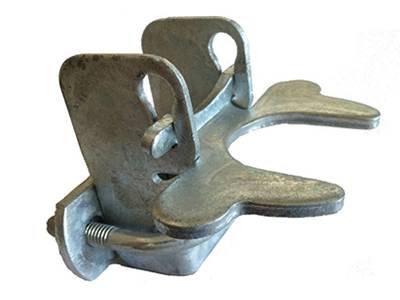
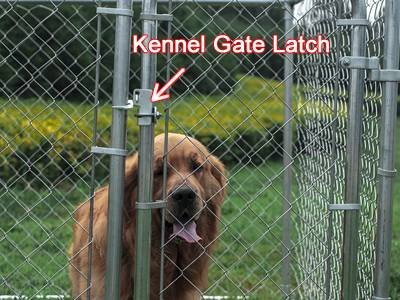
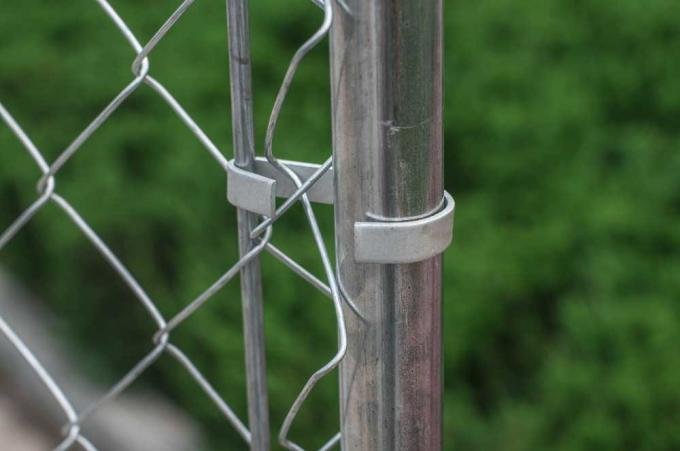
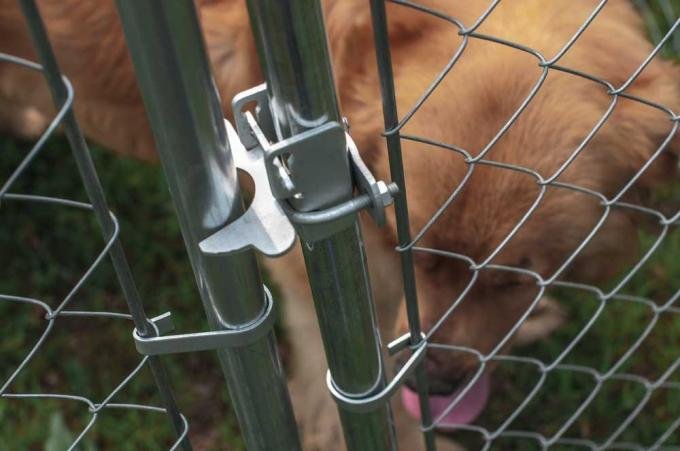
The gate often creates the enclosure's most vulnerable opening. Choose a latch that prevents accidental release during jumping or pawing. The original kennel latch design requires lifting before turning. This two-step action can reduce accidental opening compared with basic fork latches.
Both gate and frame use approximately 1⅜-inch pipe in the supplied latch specification. Verify actual outside diameters before ordering the hardware. Gate edges should meet evenly without creating large gaps. Check the catch after closing the gate every time.
DKGL-01: Galvanised dog kennel gate latch for controlled access.DKGL-02: A single kennel gate needs a correctly aligned latch and frame.
Choosing Secure Latch Hardware
Latch design should match dog behaviour, not merely the appearance of the gate. Consider a secondary keeper when local rules and safety requirements permit one. The latch must still allow quick human access during an emergency. Keep padlocks and loose components beyond the dog's reach.
For a boundary rather than an enclosure, chain link fence gates use different hardware arrangements. Similarly, Clearvu Gates address access control on larger security fence systems. Kennels need animal-appropriate gaps, hinges and locking actions.
Dog Kennel Chain Link Gate Hinges
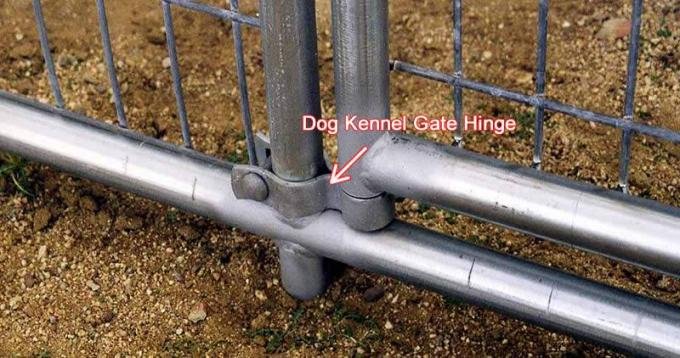
Hinges must carry the gate's weight without allowing it to sag. The supplied kennel hinge suits 1⅜-inch pipe and uses carriage bolts. Its listed bolt size measures 3/8 × 2 inches. Install hinges near the top and bottom of the frame.
Check the hinge rotation before tightening every bolt. Eliminate pinch points where paws or tails could become trapped. Keep the gate opening clear of feeding bowls and resting areas.
DKH-02: Steel kennel hinge hardware for matching tubular gate frames.
Hinge Alignment and Swing Clearance
Position both hinges on a straight vertical axis. Check the gate swing across the entire opening. An uneven floor may require additional ground clearance. Excessive clearance, however, can create an escape opening.
A temporary fence gate hinge supports another style of removable fencing. Its dimensions differ from standard kennel hardware. Only use alternative hinges after checking fit, movement and safety.
Dog Kennel Chain Link Saddle Clamps
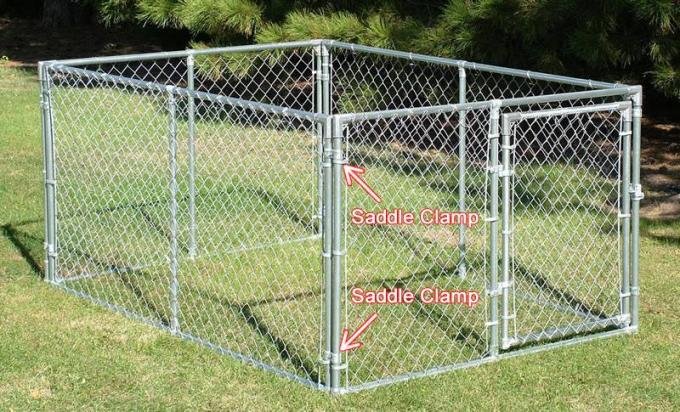
Saddle clamps connect adjacent tubular panels and support modular installation. The supplied clamp range covers 1⅜, 1⅝ and 2-inch pipe sizes. Each connection needs a suitable bolt and nut. The original fastener specification lists a 5/16 × 1¼-inch carriage bolt.
Inspect clamp pressure and pipe contact after installation. A clamp should hold panels firmly without crushing the tubing. Recheck every connection after moving the kennel or changing the layout.
DKPC-02: Saddle clamps hold neighbouring kennel panels together.
Confirming Clamp and Bolt Sizes
Pipe outside diameter and clamp centre spacing describe different measurements. Both values matter when fitting panel connectors. For example, 50mm Temporary Fence Clamps identify a different connector type. The same distinction applies to 75mm Temporary Fence Clamps.
These temporary fence clamps are not automatically compatible with kennel saddle clamps. Likewise, Clearvu Fence Clamps suit another security fence assembly method. Always match the exact hardware drawing and bolt configuration.
Dog Kennel Chain Link Installation
Start with a level base and a measured panel layout. Assemble the corner panels before adding intermediate sections. Fit the gate in a position that supports feeding and cleaning. Tighten connections evenly and inspect all accessible edges.
Use ground anchors or a suitable foundation when site conditions require them. A removable kennel needs stability against wind and animal movement. Each design requires its own anchoring assessment. Avoid exposed bolt threads or sharp cut wire inside the enclosure.
Ground Anchoring and Dig Prevention
Dogs may dig beneath a secure mesh panel. Consider buried mesh returns, concrete edges or other appropriate ground barriers. Choose the method according to drainage and animal welfare. Do not leave exposed mesh points where paws can scrape them.
For larger fenced runs, a chain link fence top rail helps support a continuous boundary. Roof panels may also help contain dogs that climb or jump. Check snow, wind and rain loads before selecting a roof system.
Dog Kennel Chain Link Coating Options
Galvanising helps protect steel against moisture and outdoor corrosion. Powder coating or suitable polymer finishes can add colour and protection. Coating performance depends on preparation, thickness and installation conditions. Inspect cut ends and welded points before shipping.
Coated fabric should not show loose fragments that animals might chew. A kennel near saltwater may require stronger corrosion protection. Wash salt deposits away during routine maintenance. Replace damaged parts before rust weakens the structure.
Shade, Ventilation and Pet Comfort
Mesh visibility does not replace suitable shelter. Provide shade, clean water, dry resting space and adequate ventilation. A roof should prevent overheating and direct dangerous runoff away from bedding. Avoid surfaces that become excessively hot during summer.
Provide a quiet area when dogs need privacy from nearby activity. Dogs also require exercise, interaction and suitable rest outside any confined run. Consider local animal welfare standards before finalising the layout.
Dog Kennel Chain Link for Boarding Facilities
Boarding centres often need several connected runs with separate doors. An organised layout supports feeding, cleaning and animal handling. Solid partitions may help dogs that become stressed by neighbouring animals. Match aisle widths to cleaning equipment and staff access.
Facilities sometimes install chain link security fence around their outer boundaries. That perimeter serves a different purpose from individual kennel cages. Some sites instead select Clearvu Fencing for external security requirements. Neither system should replace animal-safe internal enclosures without appropriate modifications.
Chain Link Versus Welded Wire
Chain link uses interwoven strands and permits flexible fabrication. By contrast, welded wire mesh uses rigid intersections and different panel construction. Both materials can support animal enclosures with proper design. Compare edge finish, opening size, rigidity and maintenance requirements.
For unrelated high-security projects, Clearvu Fence Panels use a narrow welded aperture. This differs substantially from ordinary kennel chain link. The tighter opening does not automatically make every panel suitable for animal care.
Dog Kennel Chain Link Inspection Checklist
Check the whole kennel before first use and after each major relocation. Inspect gate gaps, wire edges, hinge movement and fasteners. Make sure every panel sits level and remains securely connected. Monitor for rust, damaged coating and damaged mesh.
Confirm the latch closes fully without accidental movement.
Verify all hinges and bolts hold their positions.
Check the lower mesh edge for digging damage.
Remove sharp wire ends and loose fragments.
Inspect roof panels, shade covers and anchors.
Check ventilation, drinking water and drainage.
Cleaning and Routine Maintenance
Remove waste and rinse washable surfaces using suitable pet-safe cleaning products. Avoid products that leave harmful residues on wire or floors. Dry gate hardware after washing when practical. Lubricate hinges only with suitable products away from animal contact.
Check the kennel frequently during high humidity and severe weather. Replace damaged hardware instead of relying on temporary ties. Maintain clear access for cleaning and emergency removal.
Dog Kennel Chain Link Packing and Export
BMP can prepare kennel panels for palletised export shipments. Protective separators help reduce metal contact during transport. Suppliers may pack small latches, hinges, bolts and clamps in labelled cartons. The final packing plan depends on component size and order quantity.
Mark each carton with part numbers and compatible tube sizes. Include an installation drawing for mixed panel dimensions. Confirm pallet handling requirements before container loading. Match packing lists against the approved bill of materials.
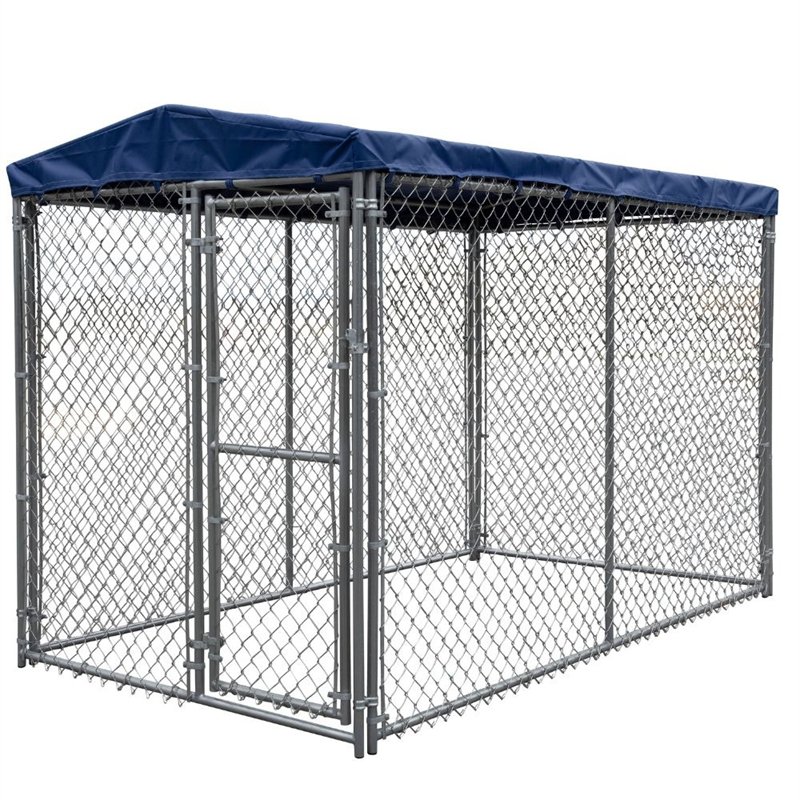
Chain link kennel frame and mesh construction for outdoor dog runs.Chain link kennel product view for reviewing frame and panel layout.Modular dog run panels with chain link mesh for an enclosure project.
Custom Design and Ordering
Share the dog breed, approximate weight, kennel dimensions and installation location. Include the desired gate position and preferred ground surface. Indicate whether the project needs removable panels or permanent anchoring. Request matching drawings for latch, hinge and clamp assemblies.
BMP can discuss customised layouts and OEM requirements according to the project. Final production specifications require written approval. Request samples when the opening size or hardware fit remains uncertain.
Dog Kennel Chain Link FAQs
Which mesh opening works for small dogs?
The original range starts at 50 × 50 mm, but some small dogs require tighter openings. Test the actual animal's fit and behaviour before selecting the mesh.
Are kennel latches completely escape-proof?
No latch guarantees containment for every animal. Use a suitable closure and inspect it regularly. Supervision and proper training remain important.
Can buyers order separate hinges and clamps?
Component availability depends on the approved specification and order. Supply pipe diameters, clamp dimensions and bolt details for accurate matching.
Can the kennel stand directly on soil?
Some installations use soil, but anchoring and digging risks require careful assessment. Plan drainage, hygiene and ground protection before installation.
Does galvanised steel require maintenance?
Yes. Inspect coating damage, hinges and mesh edges regularly. Coastal exposure may require additional cleaning and corrosion protection.
Final Buying Considerations
Dog kennel chain link works best when every component supports animal safety and convenient daily care. Match wire gauge and openings to the animals. Verify all frame sizes, gate hardware and anchoring details. Review the finished drawing before production and inspect the enclosure before use.
Contact Boss Metal and Plastic Co., Ltd. with your dimensions and project requirements. Our team can discuss panel arrangements, hardware selection, packing and export details.