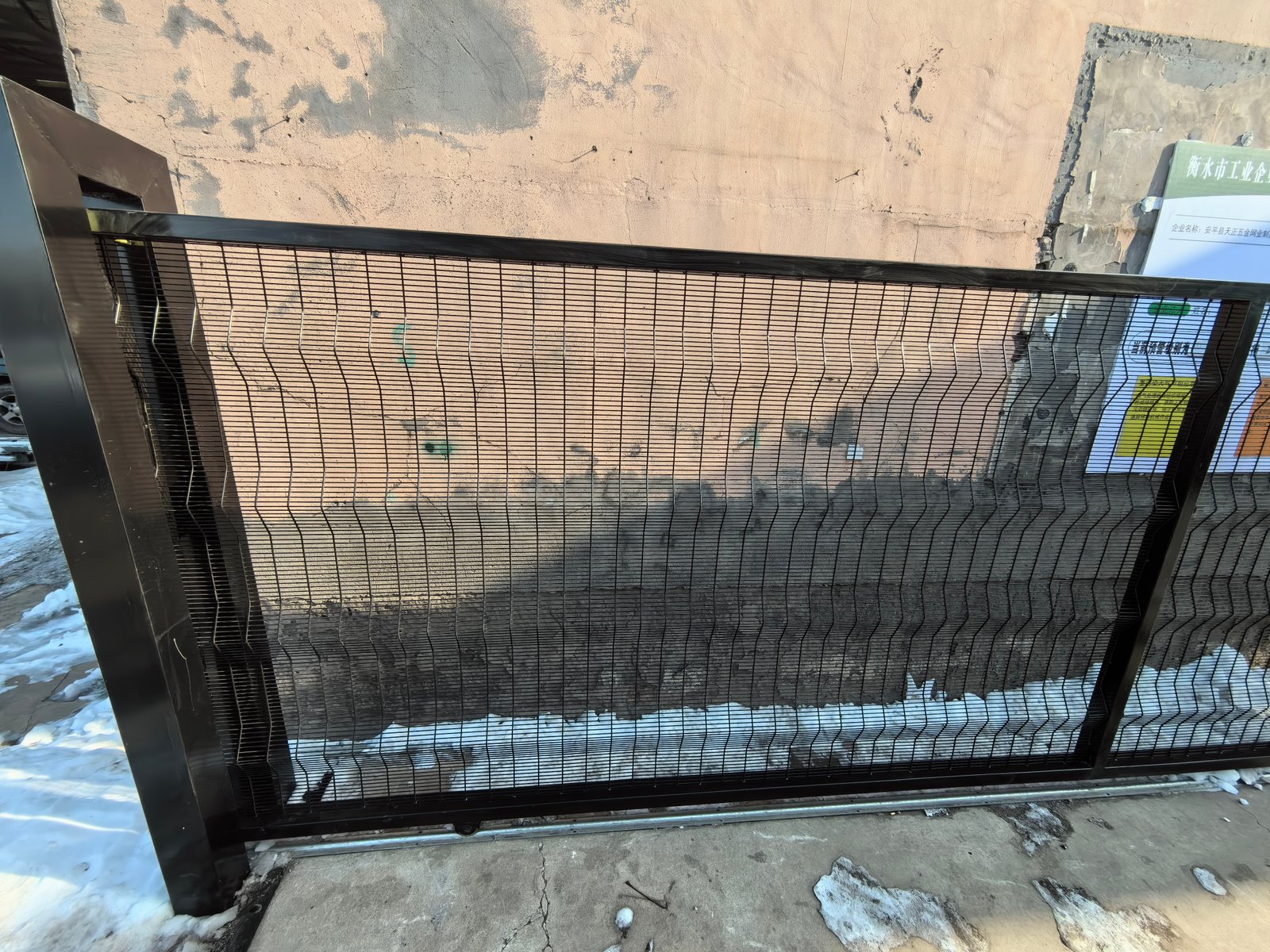
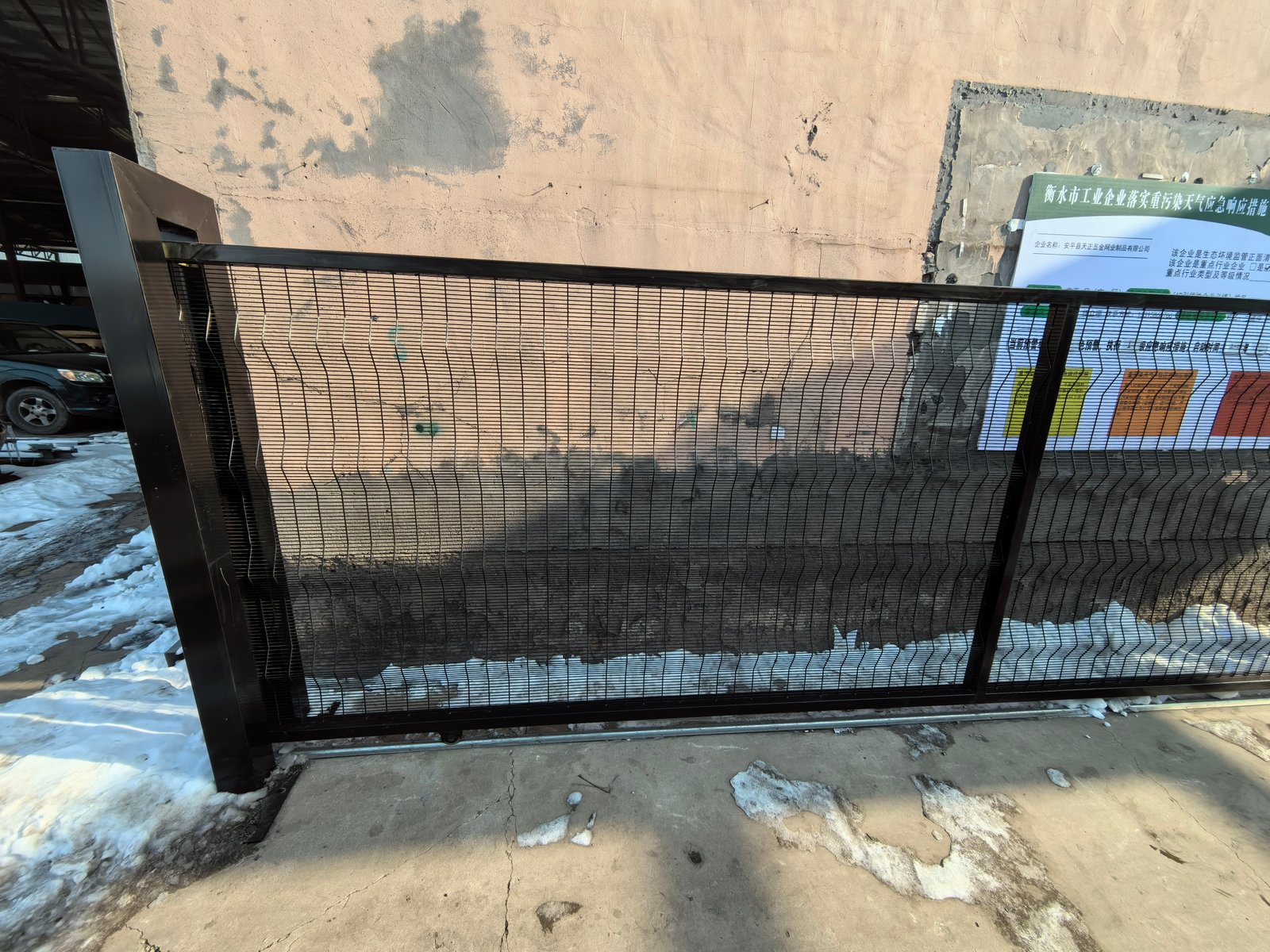
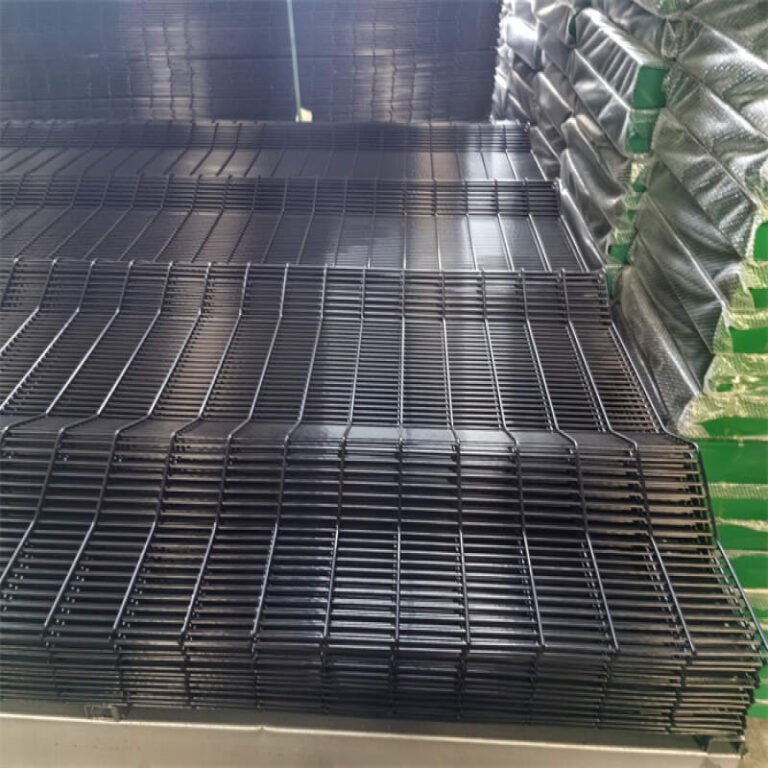
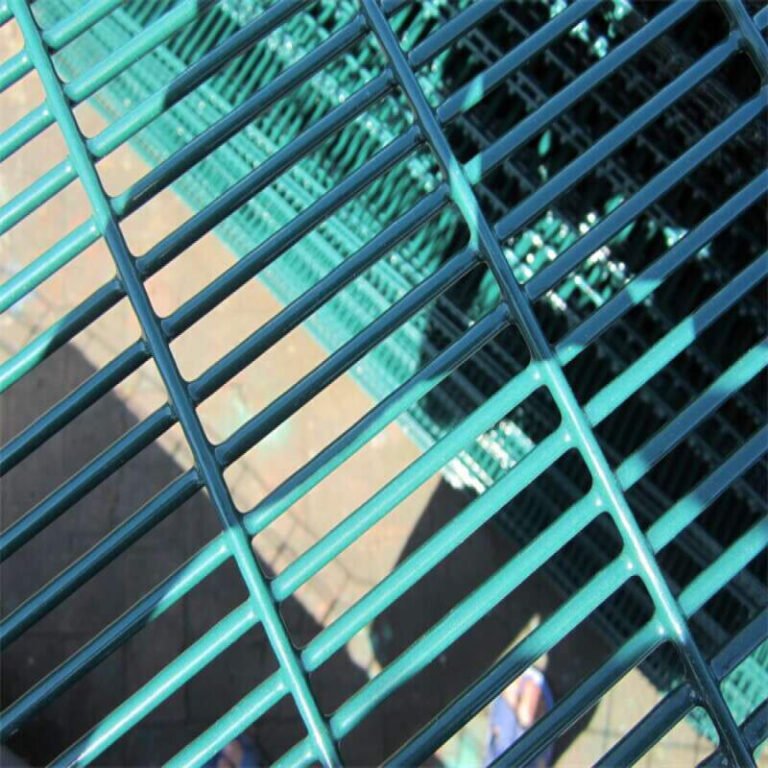
Description Clear View Mesh Fencing for Security Without Solid Walls
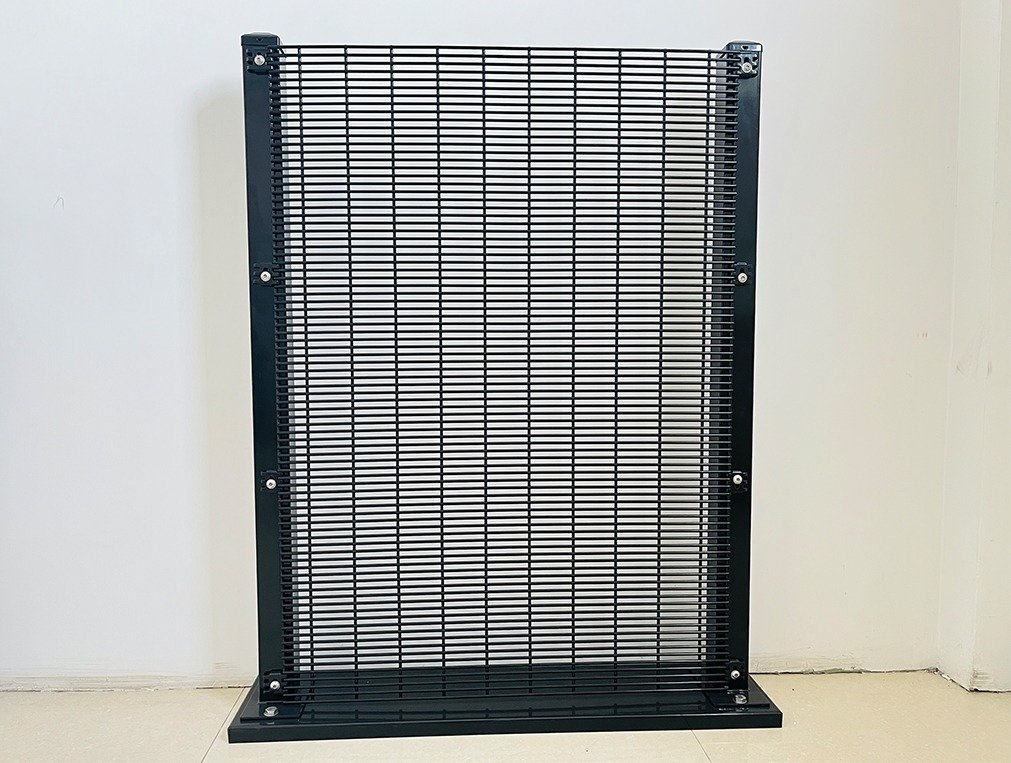
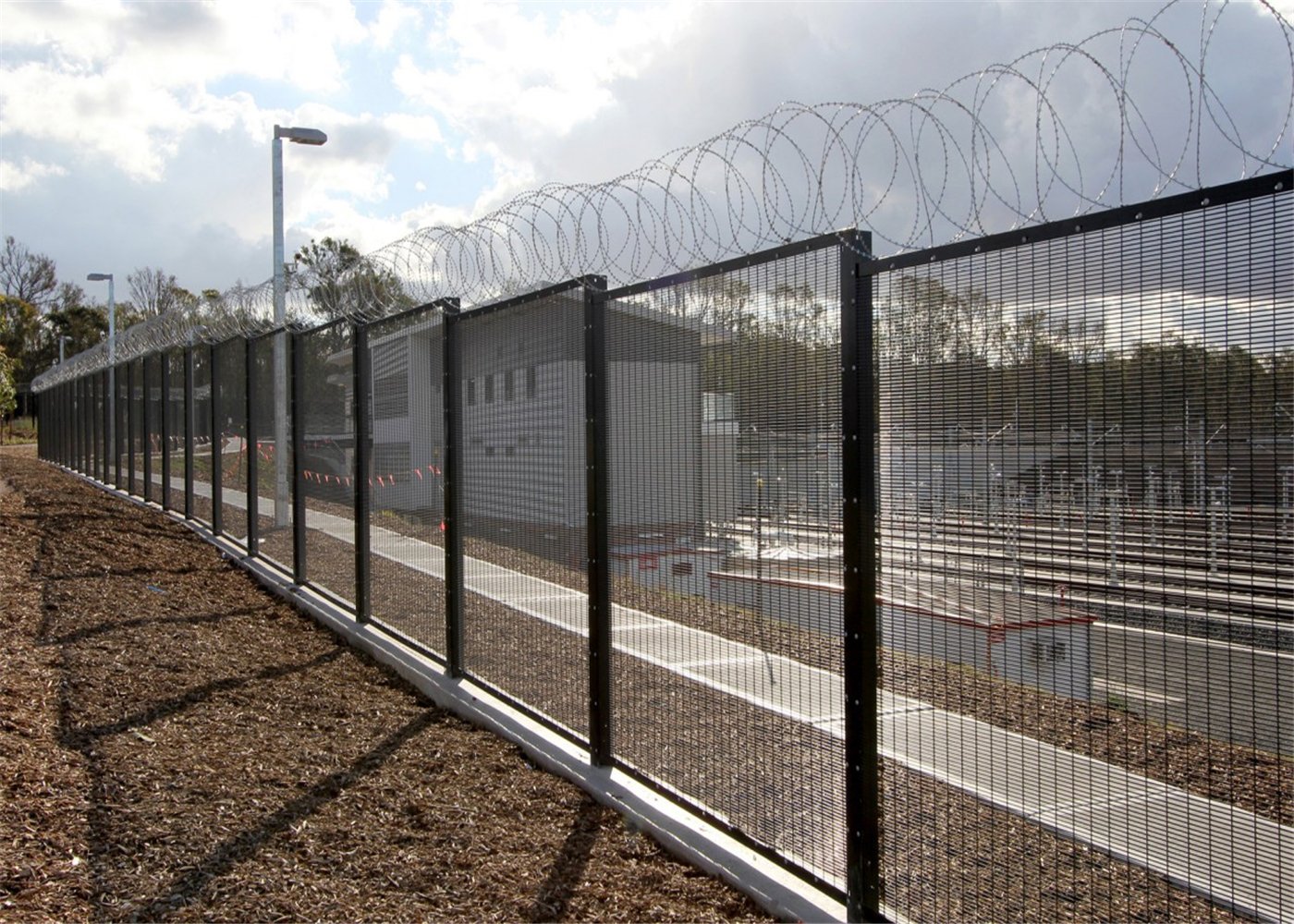
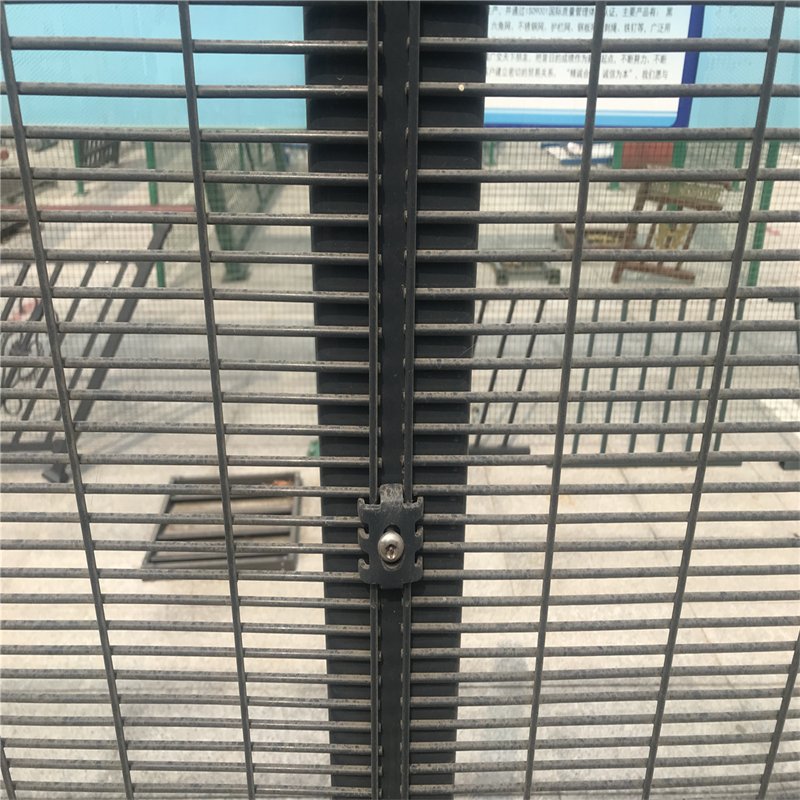
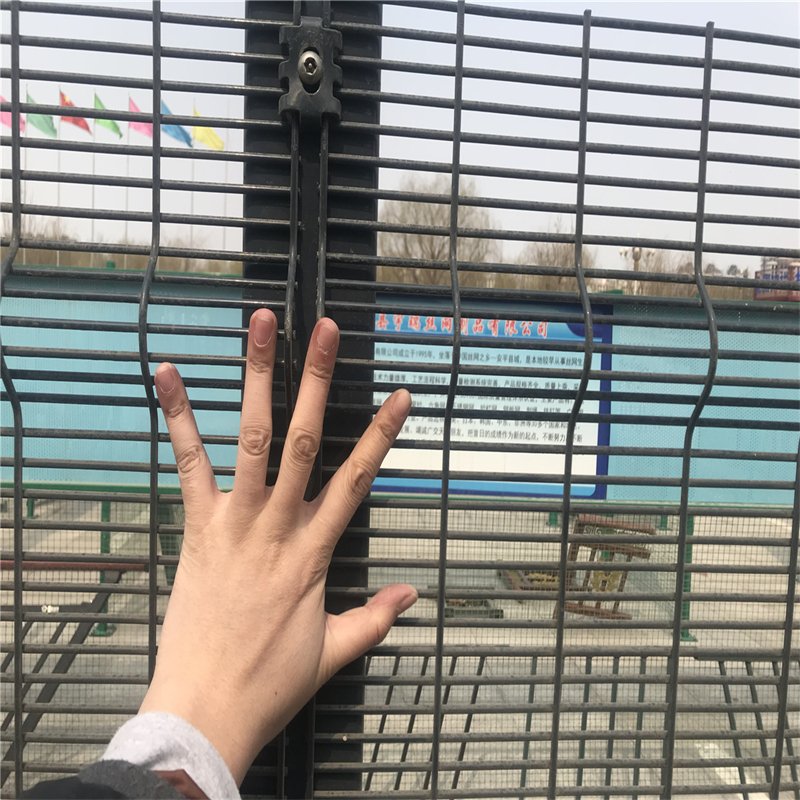
Clear view mesh fencing creates a defined steel perimeter while keeping useful sightlines across the property. Closely spaced welded wires discourage climbing and restrict access for many conventional hand tools. BMP manufactures security panels, posts, fixings, and matching gates for coordinated export projects.
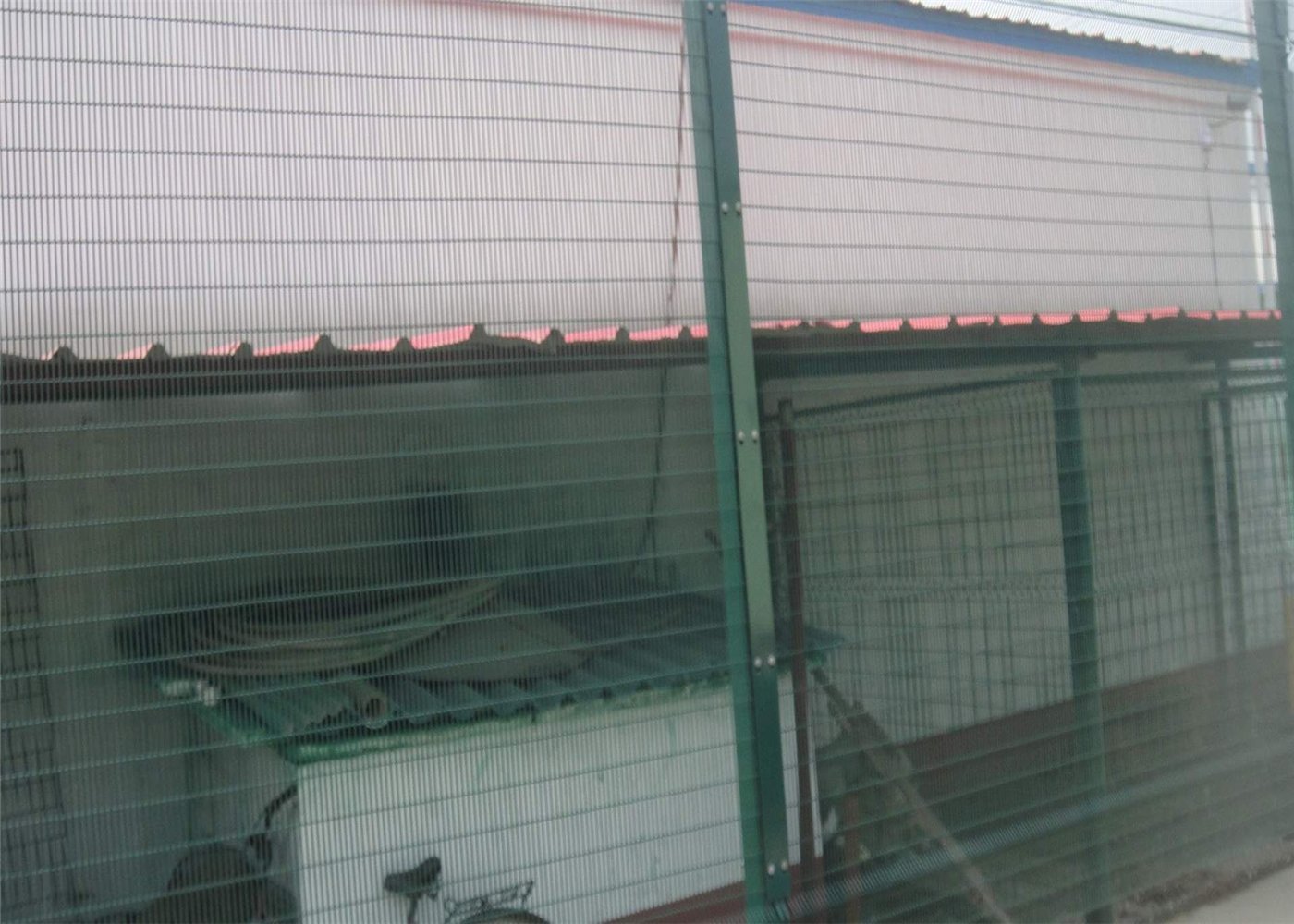
Unlike opaque walls, the open grid lets guards observe activity near entrances and equipment compounds. Camera performance still depends on lighting, vegetation, and equipment placement. Proper security combines an appropriate fence with reliable gates, monitoring, and response procedures.
Buyers often start with Clear View Fence Panels before selecting post profiles and coatings. A complete specification prevents mismatched hardware and unnecessary installation changes. BMP's catalogue includes several wire, height, and finish options.
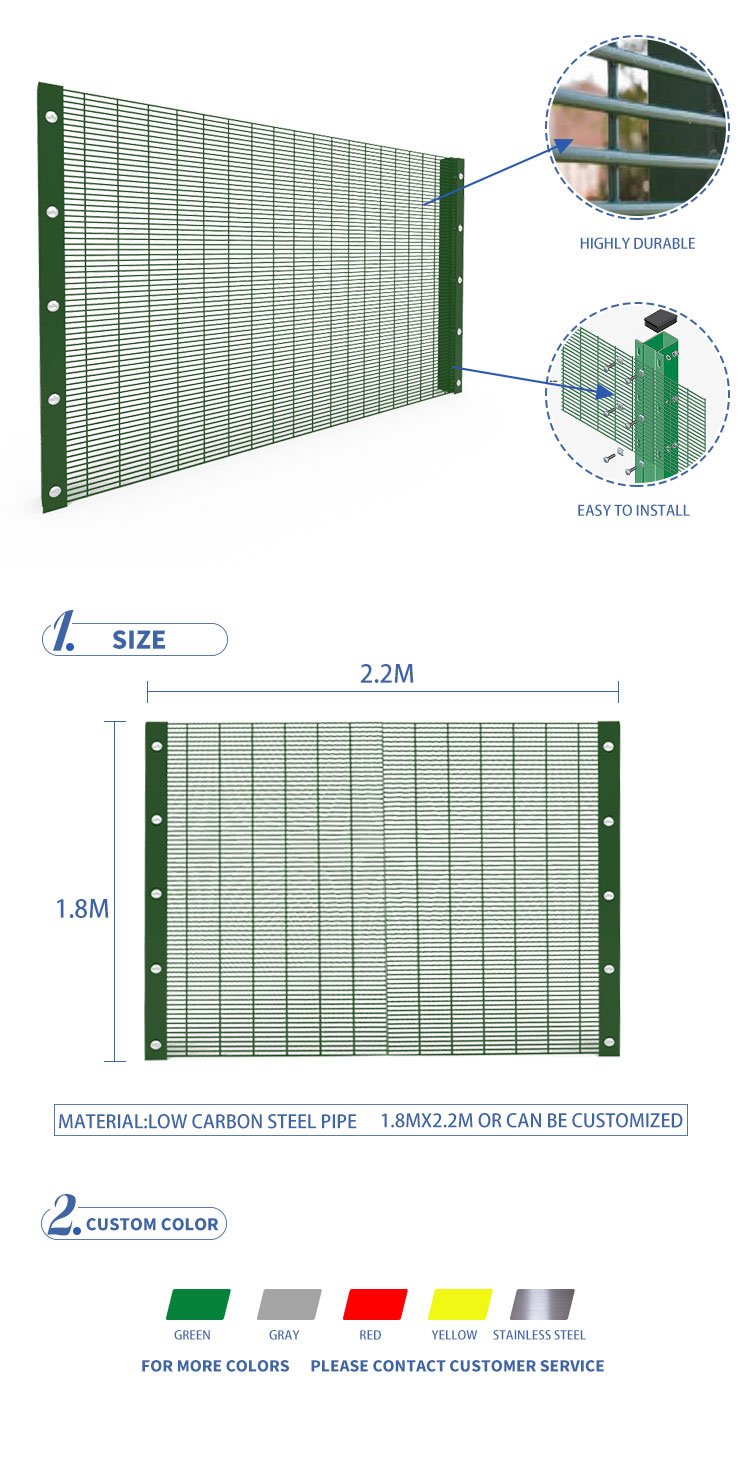
 |
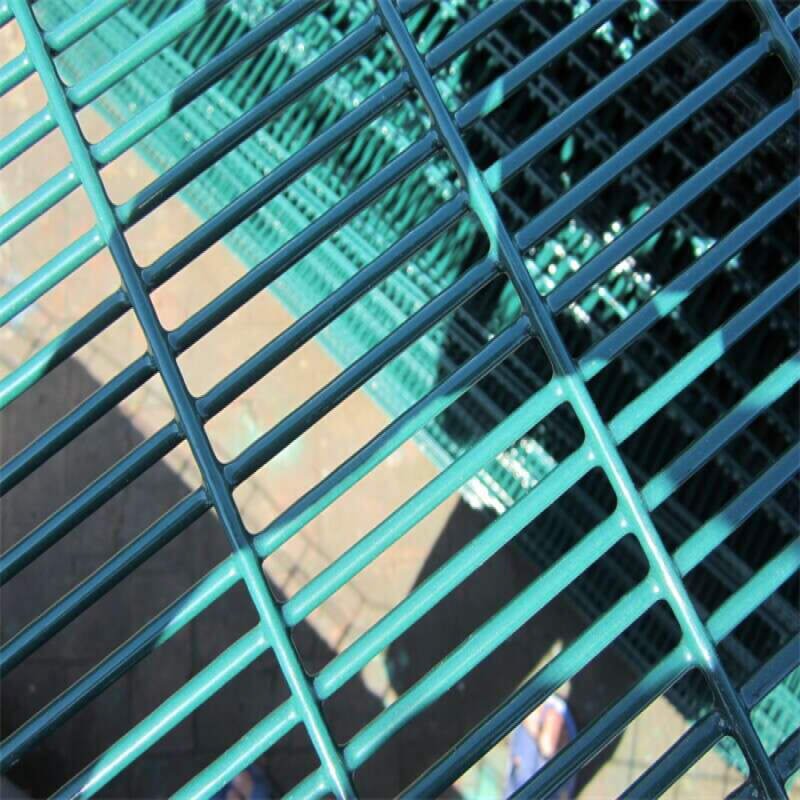
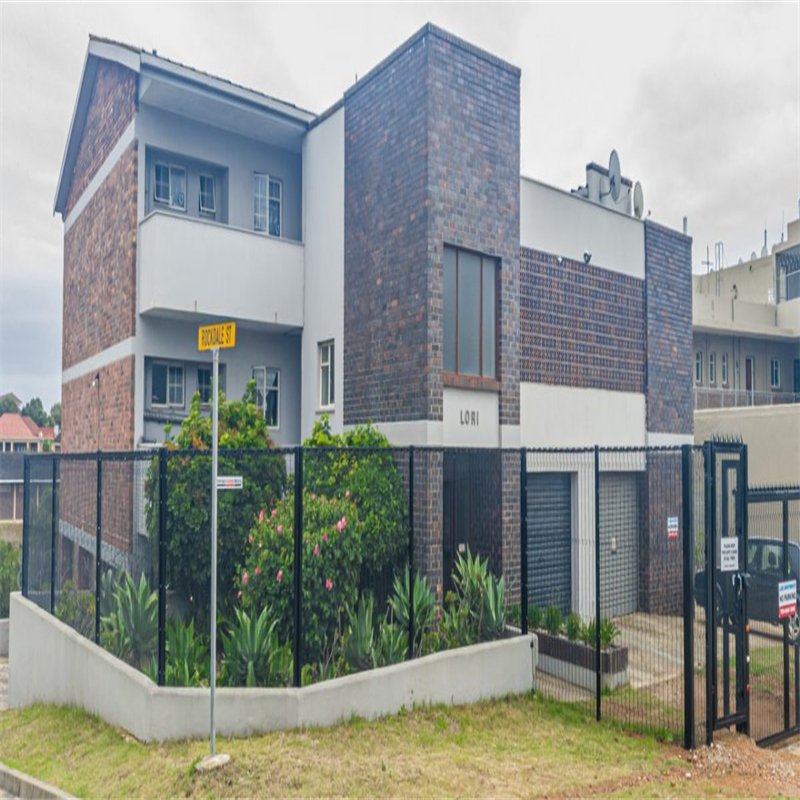
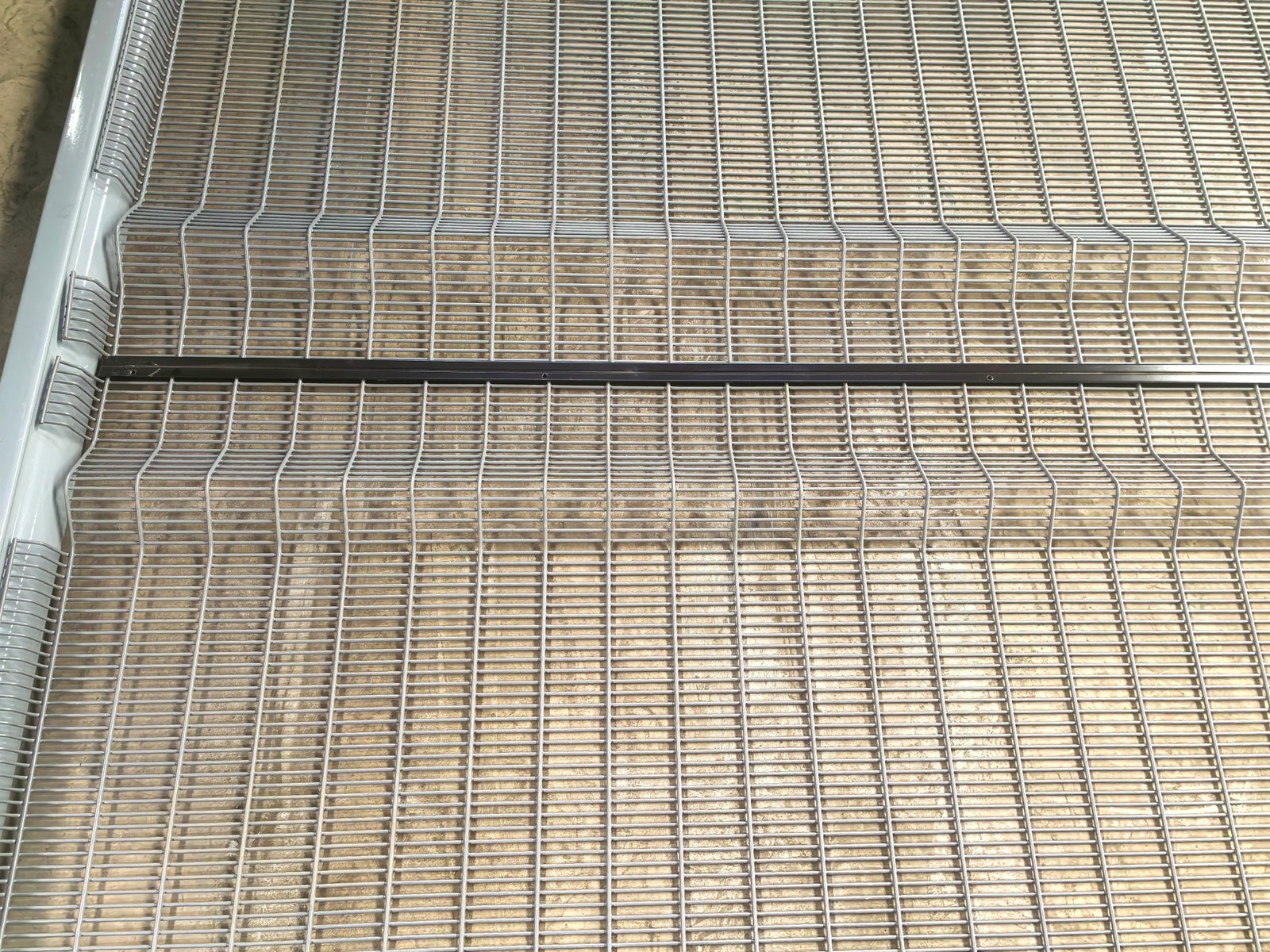
| Original product banner: the high-density welded mesh fencing system. |
Understanding Mesh Aperture and Practical Security
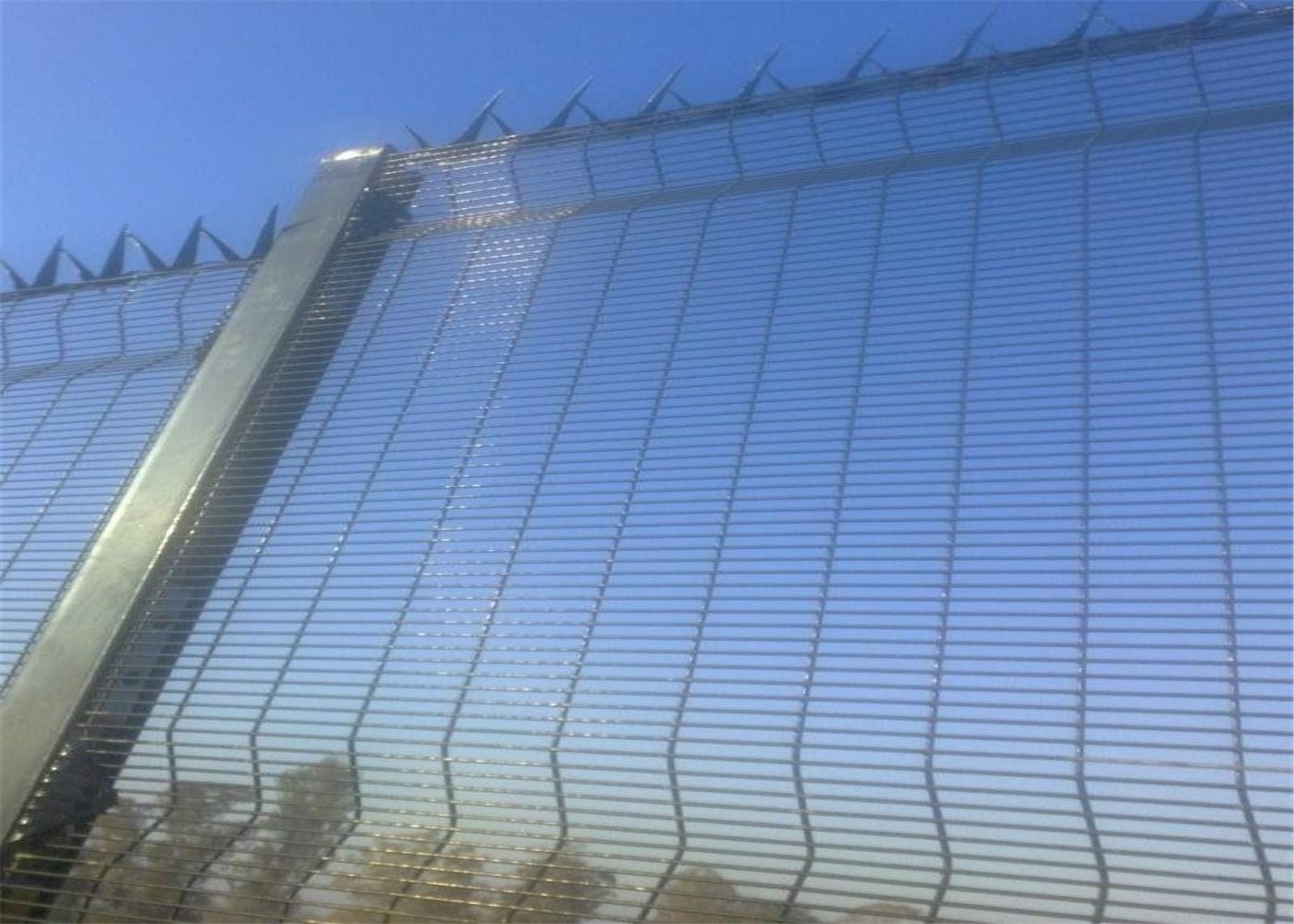
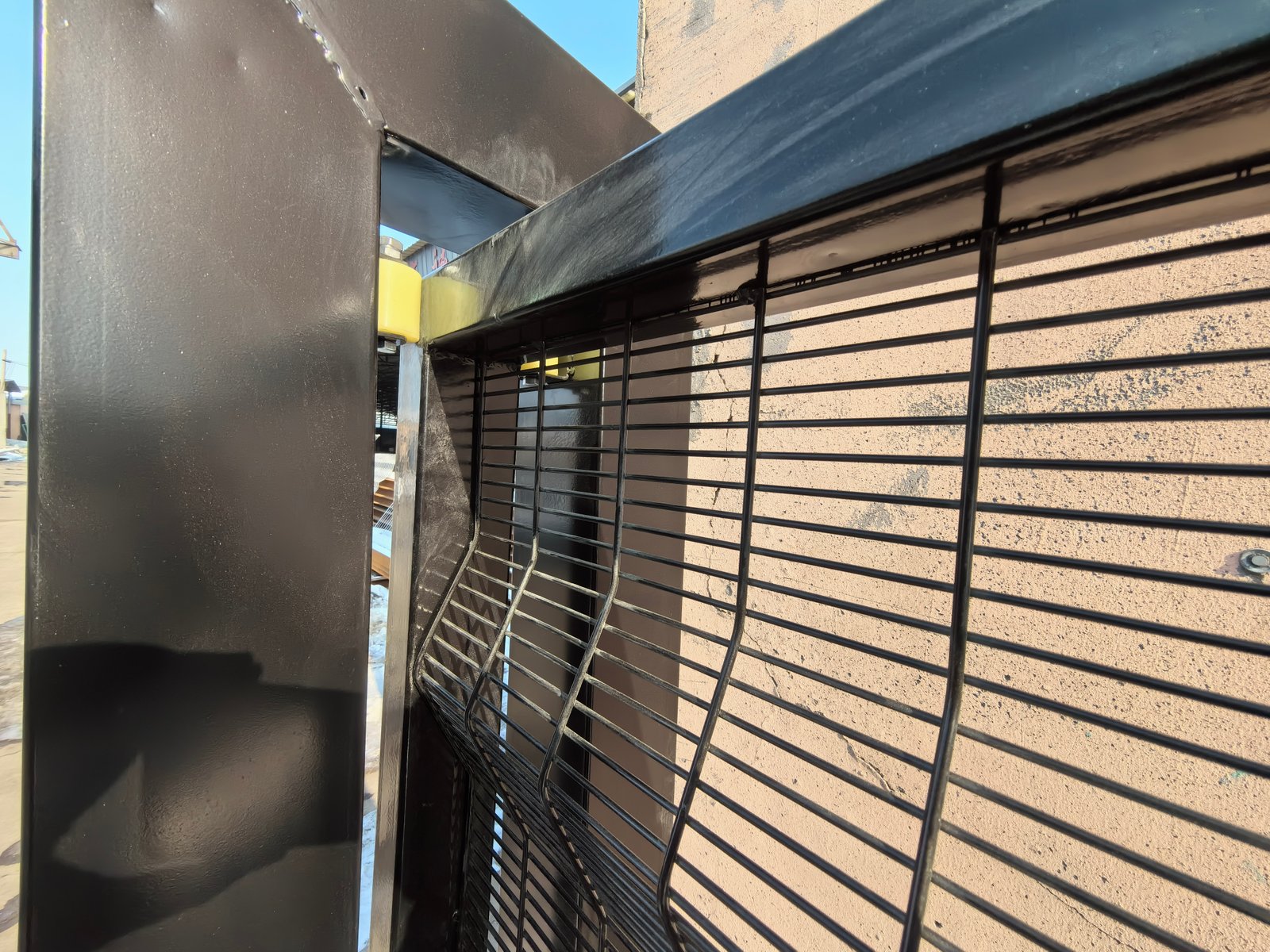
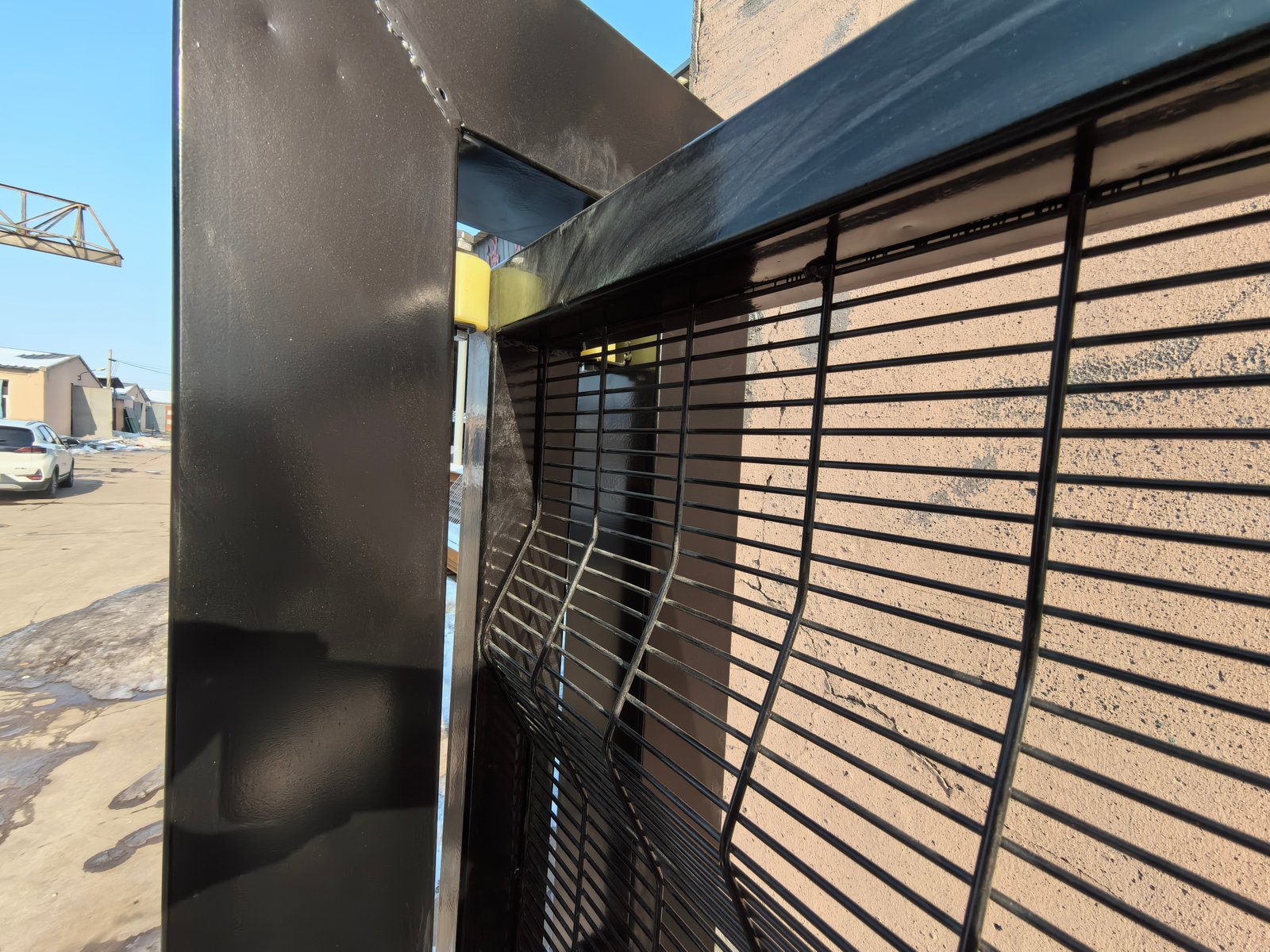
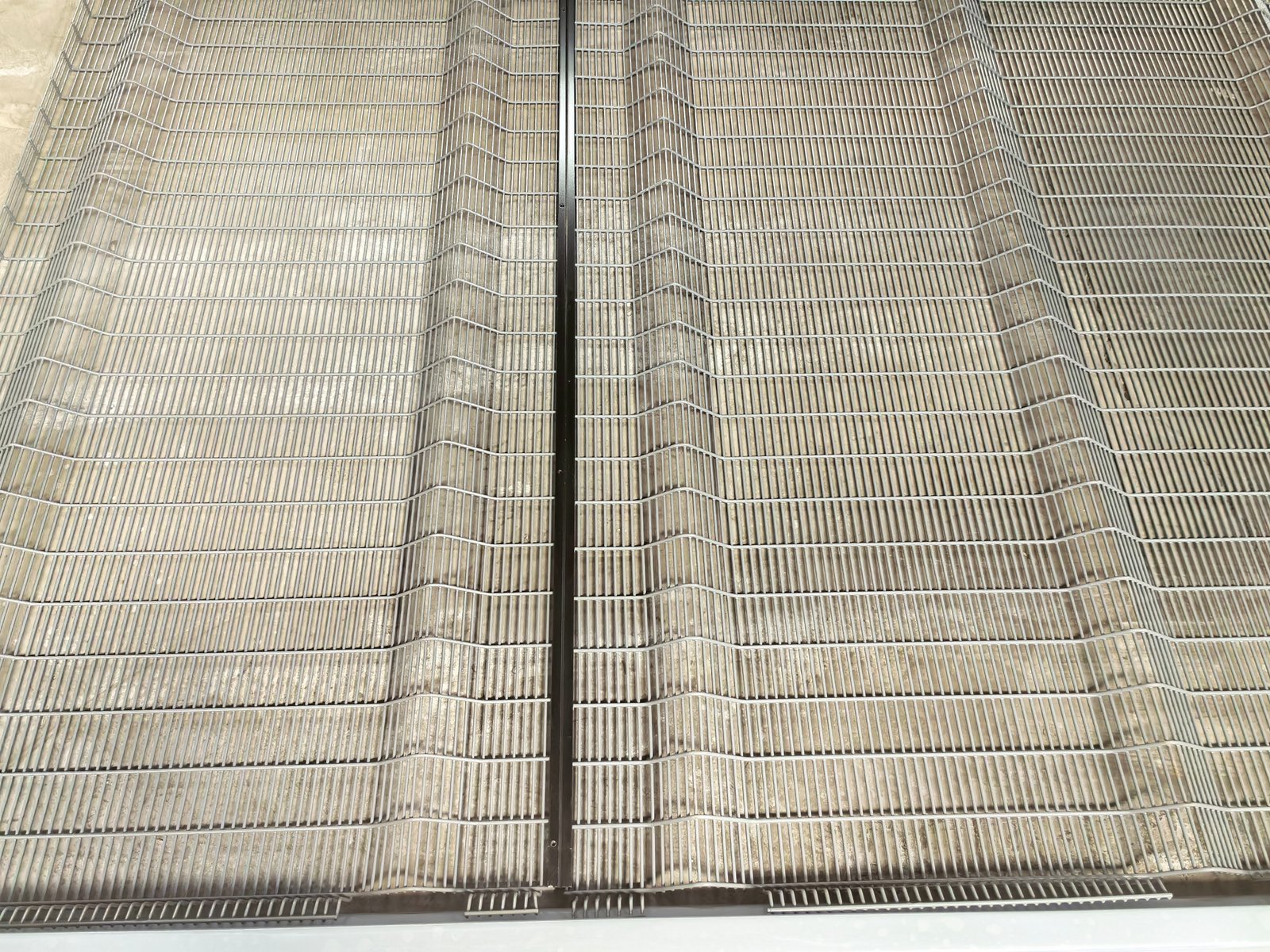
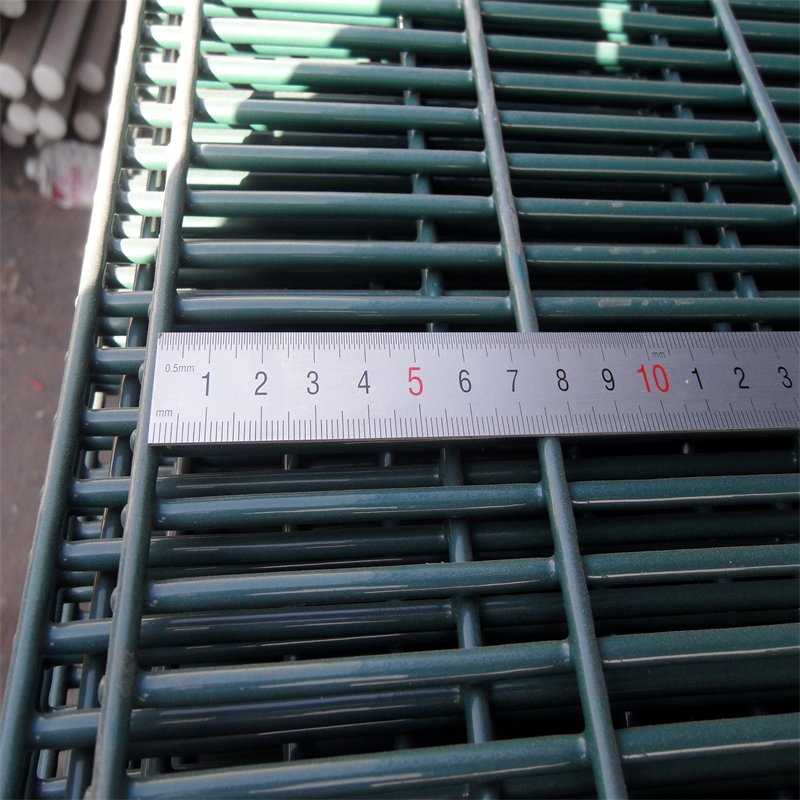
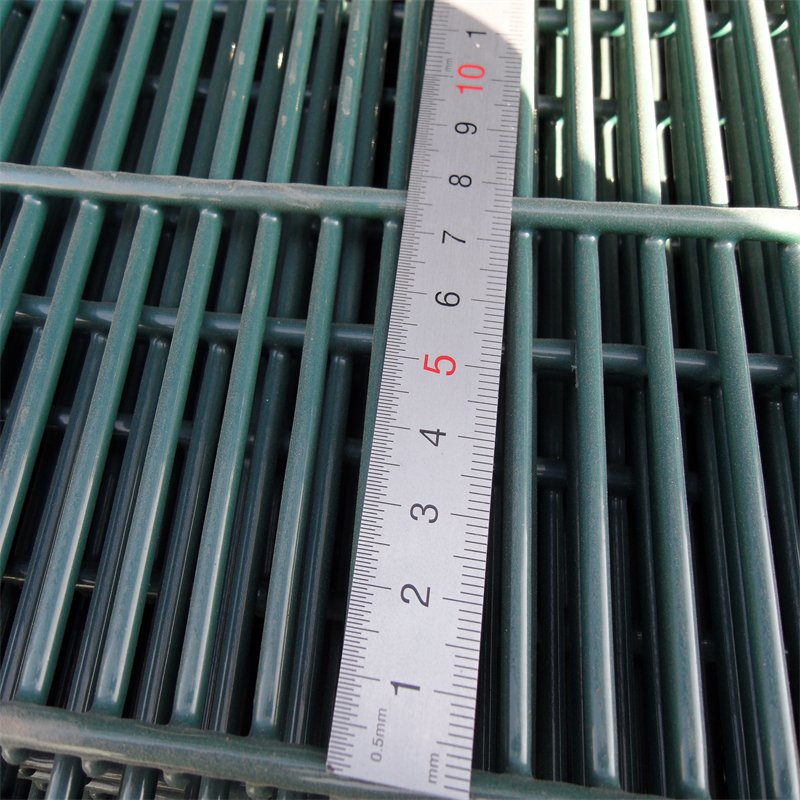
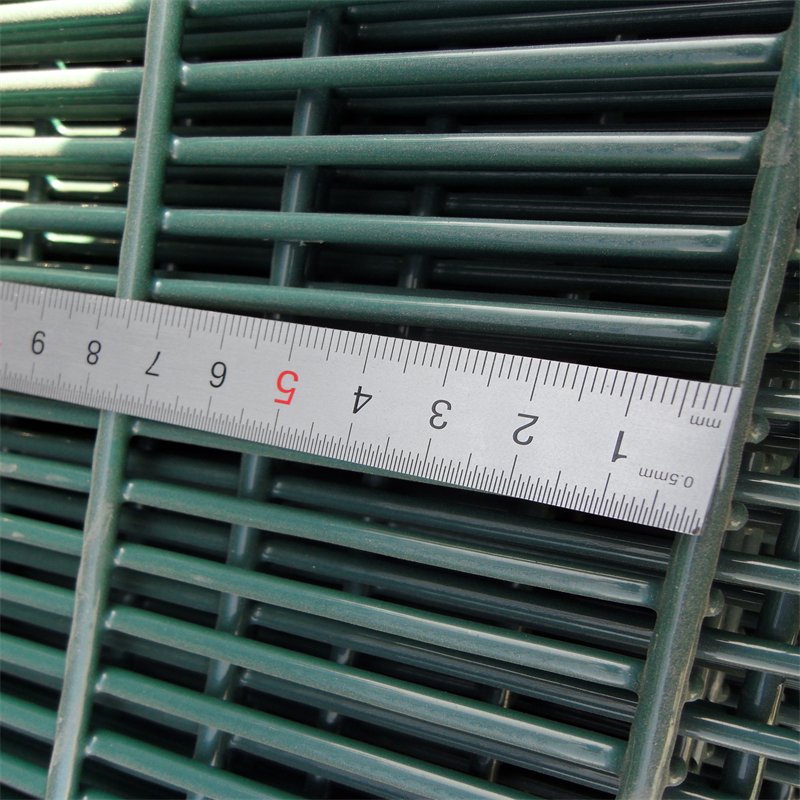
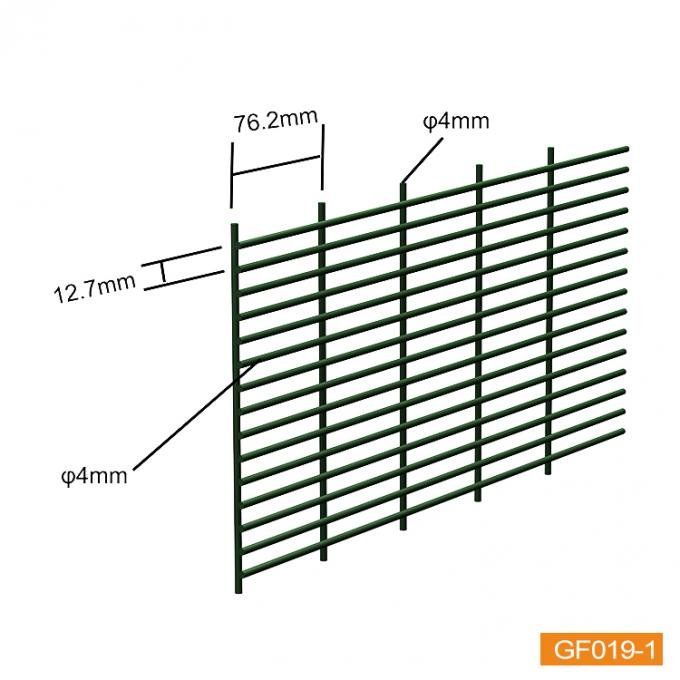
The reference products include 76.2 × 12.7 mm and 75 × 12 mm mesh centres. These values describe spacing between wire centres rather than clear openings. Finished openings become smaller after allowing for the actual wire diameter.
The denser pattern gives fewer convenient positions for fingers and shoes. However, no mesh prevents every cutting method or forced-entry attempt. Security grades should reflect the actual risks instead of broad promises.
Clear View Mesh Fencing and the 358 Pattern
The familiar 358 description refers to three inches, half an inch, and approximately eight-gauge wire. Equivalent metric references commonly use 76.2 × 12.7 mm with about 4 mm steel. Other wire combinations require separate descriptions.
For standard reference dimensions, 358 Mesh Fence products provide closely spaced welded grids. Their exact panels can differ in width, bends, and steel grade. Approved drawings should identify each value explicitly.
Camera Sightlines and Reduced Visual Obstruction
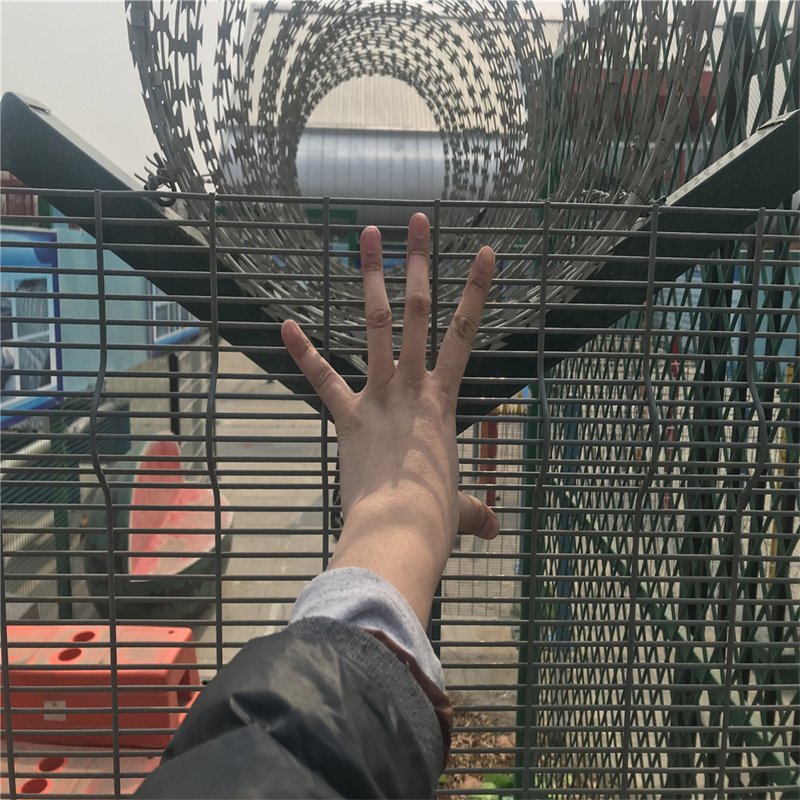
Mesh visibility helps security personnel monitor corridors, vehicle queues, and external fence approaches. Yet camera angles can still create obscured areas along posts and corners. Lighting and routine vegetation control remain essential.
Solid privacy screening changes those viewing conditions and may increase wind loads. Buyers should balance privacy, surveillance, and structural capacity before adding opaque materials. Close-aperture mesh alone offers limited privacy.
 |
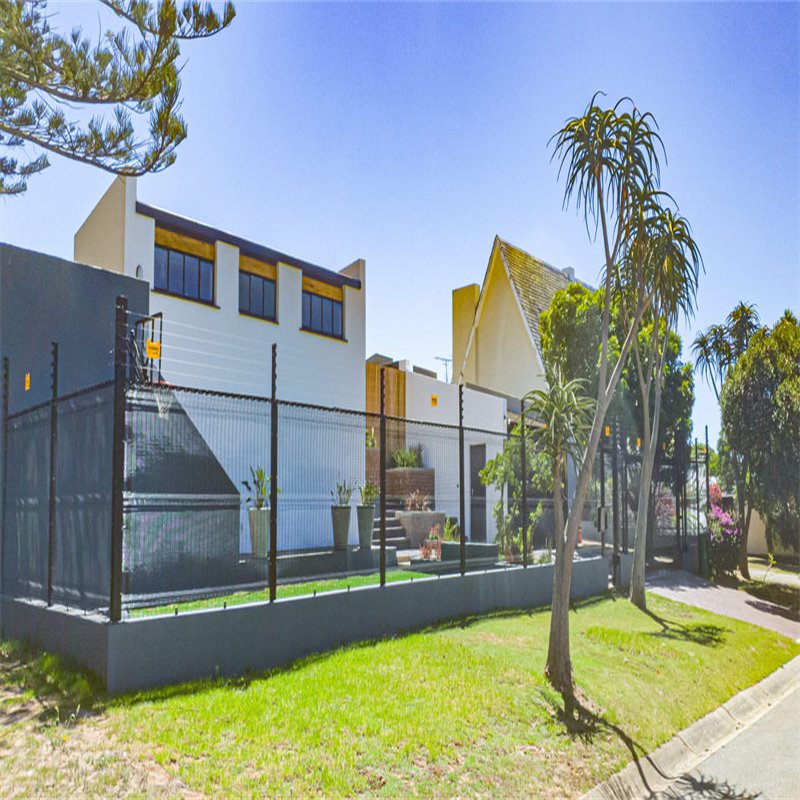
| Original full-height product reference: visible high-density mesh with welded wire intersections. |
Clear View Mesh Fencing Panel Specifications
The source catalogue provides six reference heights and four wire combinations. Width options range from two to three metres. These figures represent selectable configurations rather than one fixed model.
Every dimension needs confirmation against the purchase drawing. Wire orientation matters because line-wire and cross-wire thicknesses can differ. Manufacturing teams should mark those directions before welding.
| Wire Combinations (mm) |
Mesh Centres (mm) |
Panel Width Options |
Panel Height (mm) |
V-Bends |
Colour Options |
Original Finish Routes |
4 × 3
4 × 4
4.5 × 3
4.5 × 4.5 |
76.2 × 12.7
75 × 12 |
2.0 / 2.2 / 2.4 / 3.0 m |
1800 |
4 |
RAL 6005 Green
RAL 7016 Grey
RAL 9005 Black |
Post-weld hot-dip galvanizing
Welded galvanized wire + PVC coating
Welded galvanized wire + PE coating |
| 2000 |
Confirm from drawing |
| 2200 |
4 |
| 2400 |
4 |
| 2800 |
5 |
| 3000 |
5 |
The original table omits the bend count for the 2000 mm panel. Accordingly, that entry remains open for confirmation. Production drawings take priority over incomplete catalogue fields.
Four Wire Combinations for Different Priorities
Mixed wire diameters can change weight, rigidity, and material costs. A thicker cross-wire does not automatically improve every performance measure. Factory samples should match the chosen orientation and dimensions.
ClearVu Fence Panels include other reference wire combinations for security grades. Compare the finished product instead of relying on a single nominal aperture. Customers should request unit weights for loading calculations.
Clear View Mesh Fencing Heights and V-Bends
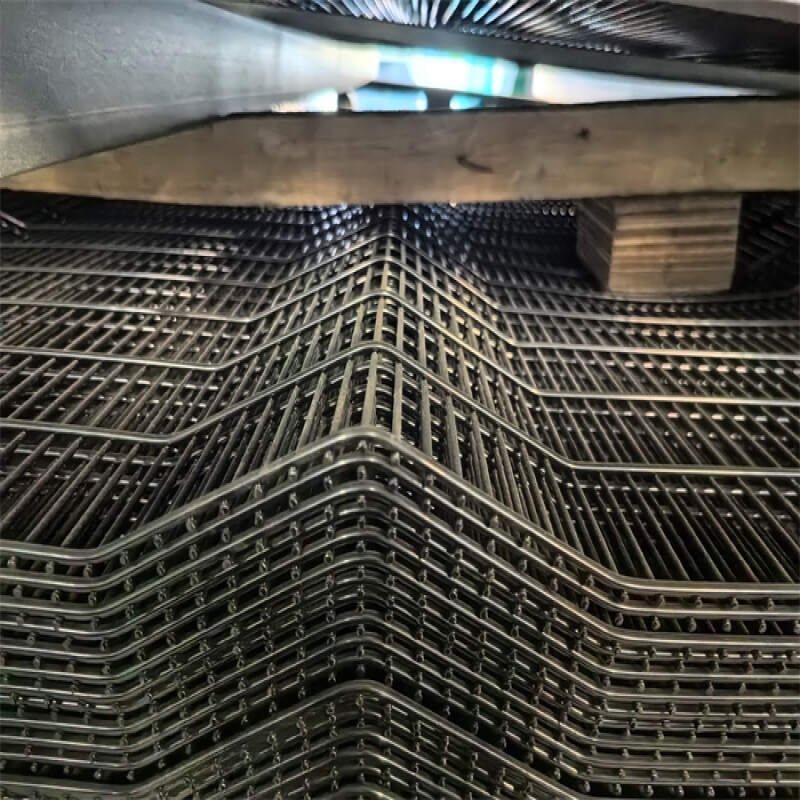
Four or five formed bends can stiffen a panel and change its appearance. Their depth and placement affect usable height and transport stacking. Designers should specify the complete bend geometry.
Taller panels also require stronger support and more careful lifting. Wind loads and foundation conditions may control the final system. Never treat panel height alone as an engineering approval.
Steel Posts and Support Geometry
The supplied post schedule covers I-type and square hollow profiles. Each category includes several cross-sections and reference lengths. Actual wall thickness must suit the approved structural design.
Post dimensions affect clamp fit, connection alignment, and foundation requirements. Buyers comparing Clear View Fence Post options should examine the full assembly. A matching panel cannot compensate for weak supports.
| Post Type |
Source Section Options |
Wall Thickness Choices |
Associated Reference Panel Height |
Post Length |
Finish Routes |
| I-type |
44 × 70 mm
55 × 100 mm |
1.8 / 2.0 / 2.5 / 3.0 mm |
1830 mm |
2400 mm* |
Black steel tube, then hot-dip galvanized
Galvanized tube, then PVC coated |
| 2030 mm |
2500 mm |
| 2230 mm |
2800 mm |
| Square |
50 × 50 mm
60 × 60 mm
80 × 80 mm
100 × 100 mm |
2430 mm |
3000 mm* |
| 2800 mm |
3500 mm* |
| 3000 mm |
3700 mm |
*The source contained typing errors in these three post lengths. The table presents their apparent intended values for confirmation. Engineers must verify every length, embedment, and foundation.
Clear View Mesh Fencing with I-Type Posts
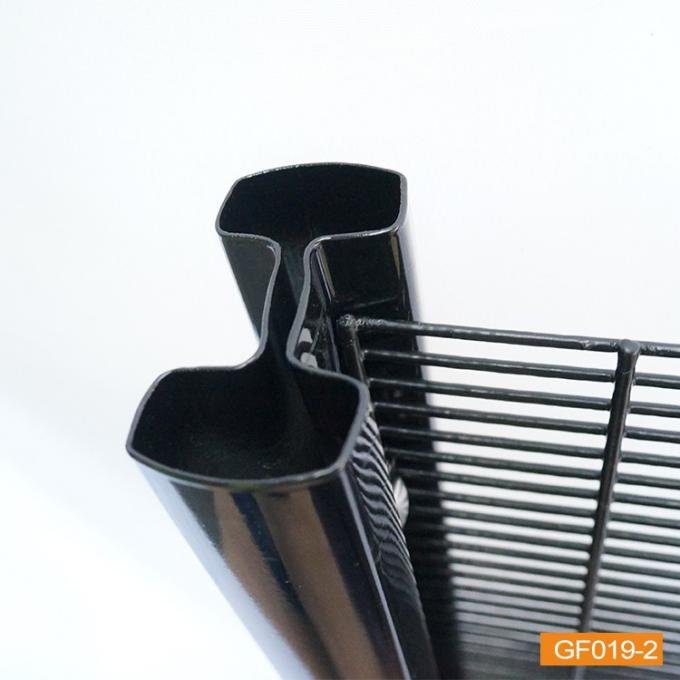
I-type profiles can support matching panels through purpose-designed clamps and prearranged fixing positions. Flange dimensions determine bolt access and panel overlap. The selected section must meet site loading requirements.
For profile drawings, ClearVu Fencing IPE Post provides another post category. I-type and IPE sections should not be assumed identical. Compare actual web, flange, and wall measurements.
Square Posts, Bases and Corners
Square posts offer familiar fixing surfaces and several wall thickness options. Corners and gate supports may require stronger sections than intermediate posts. Soil and wind conditions determine suitable foundations.
Base-plated systems also need compatible anchor bolts and sound concrete. Buried sections require suitable embedment and drainage. Field teams should inspect underground services before excavation.
Clear View Mesh Fencing Connections and Gates
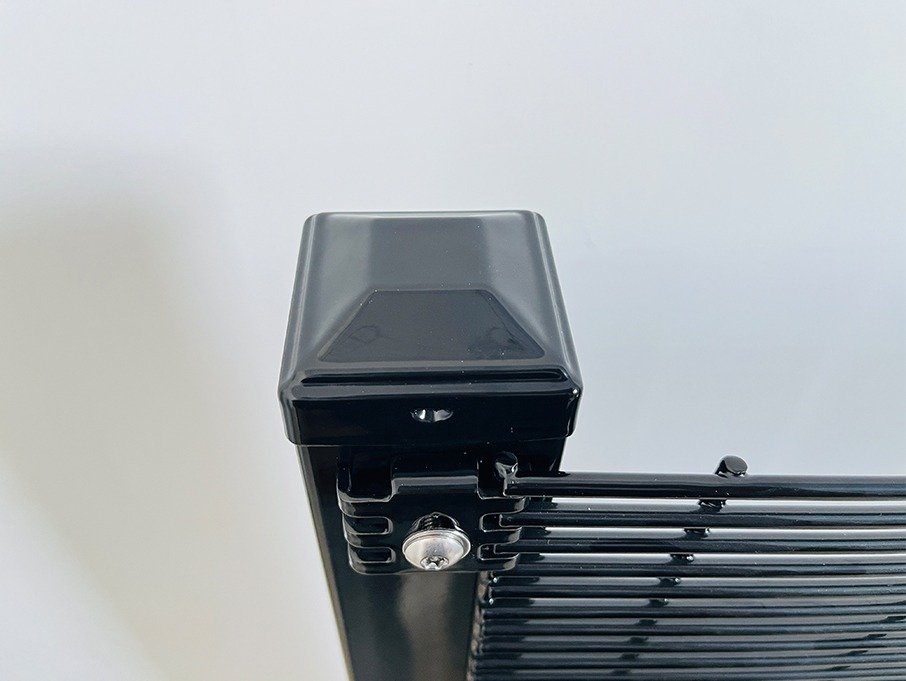
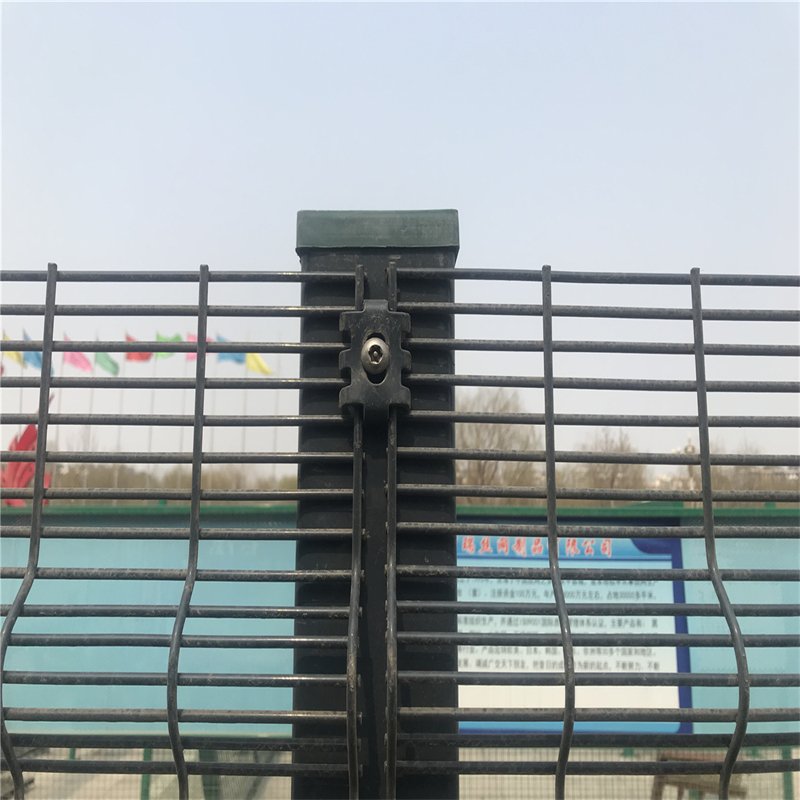
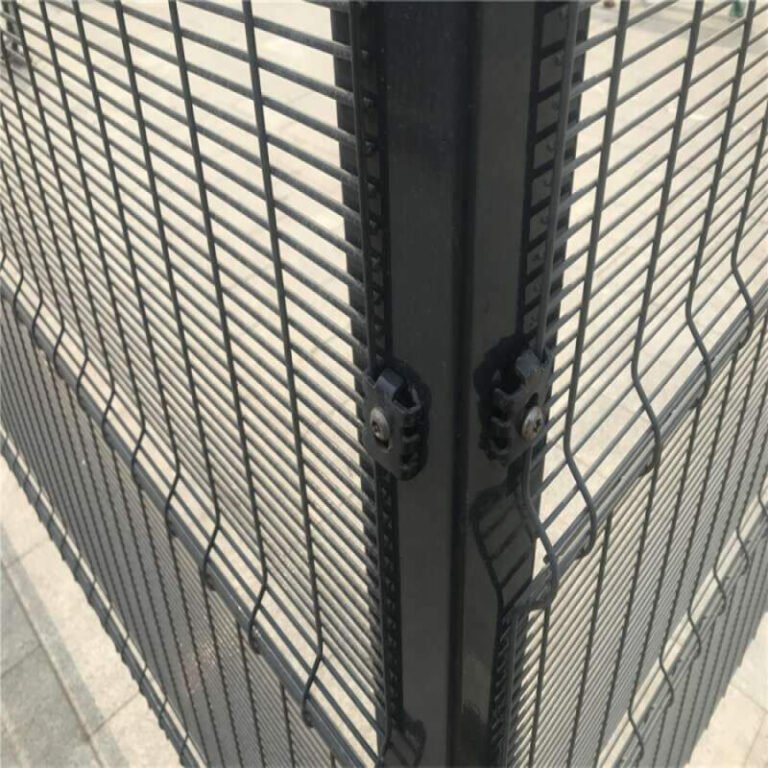
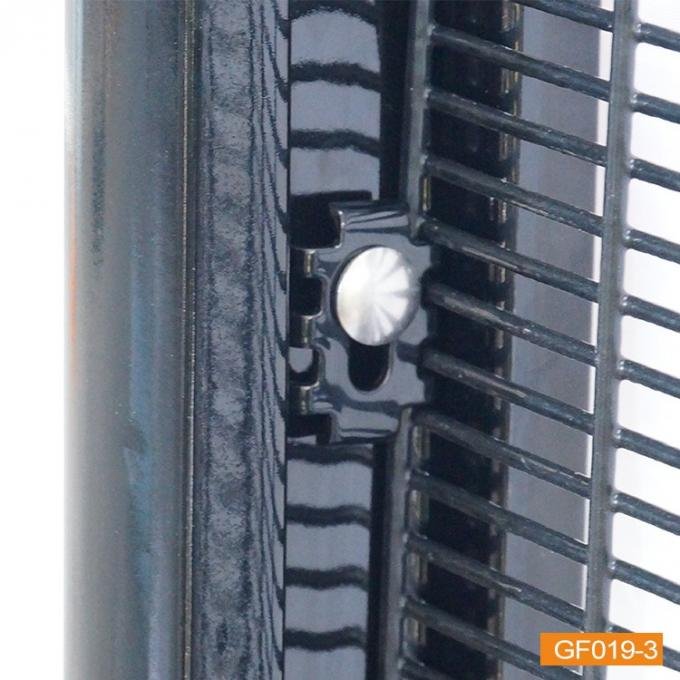
Clamps transfer loads between panels and support posts. Incorrect sizes can introduce looseness, exposed gaps, or damaged protective coatings. Fixing schedules should distinguish ends, corners, and intermediate locations.
Buyers can combine ClearVu Fence Clamps with compatible steel profiles. Each fitting needs the right plate dimensions and bolt arrangement. The final installation plan should also identify anti-tamper hardware where appropriate.
Clamp Selection and Panel Alignment
Short single-bolt plates and longer double-bolt plates serve different connection patterns. Their suitability depends on panel overlap and post geometry. Installers should avoid drilling finished steel without an approved repair method.
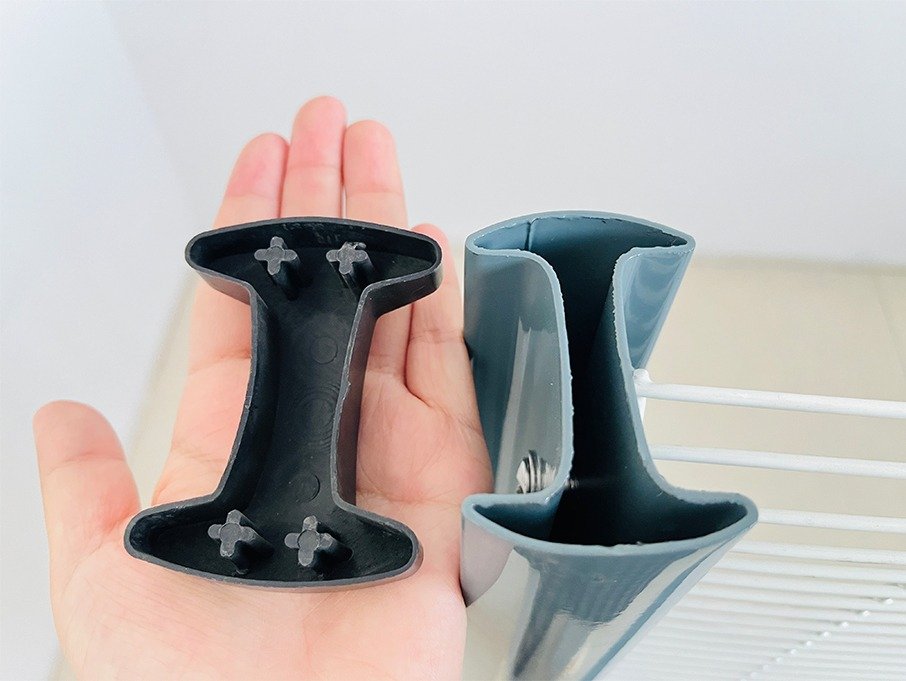
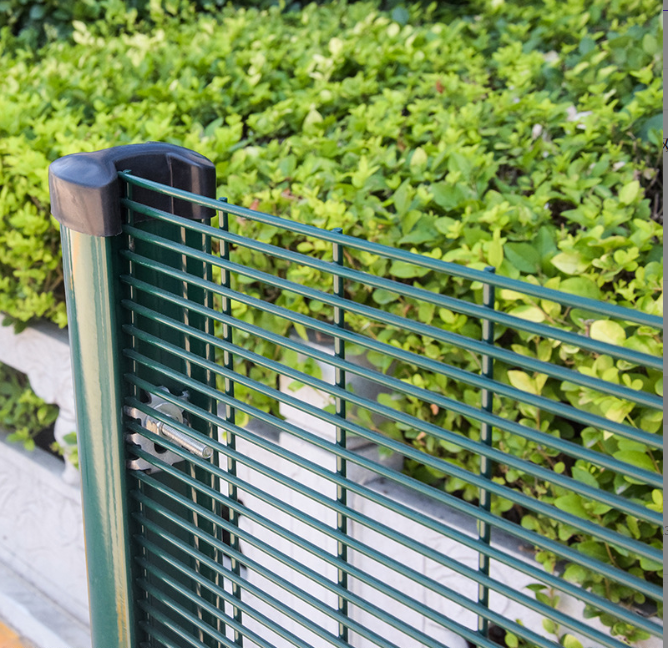
Post caps help limit moisture entry into hollow sections. Damaged caps and loose bolts deserve regular attention. Good assembly keeps the mesh line straight across multiple bays.
Clear View Mesh Fencing for Controlled Entrances
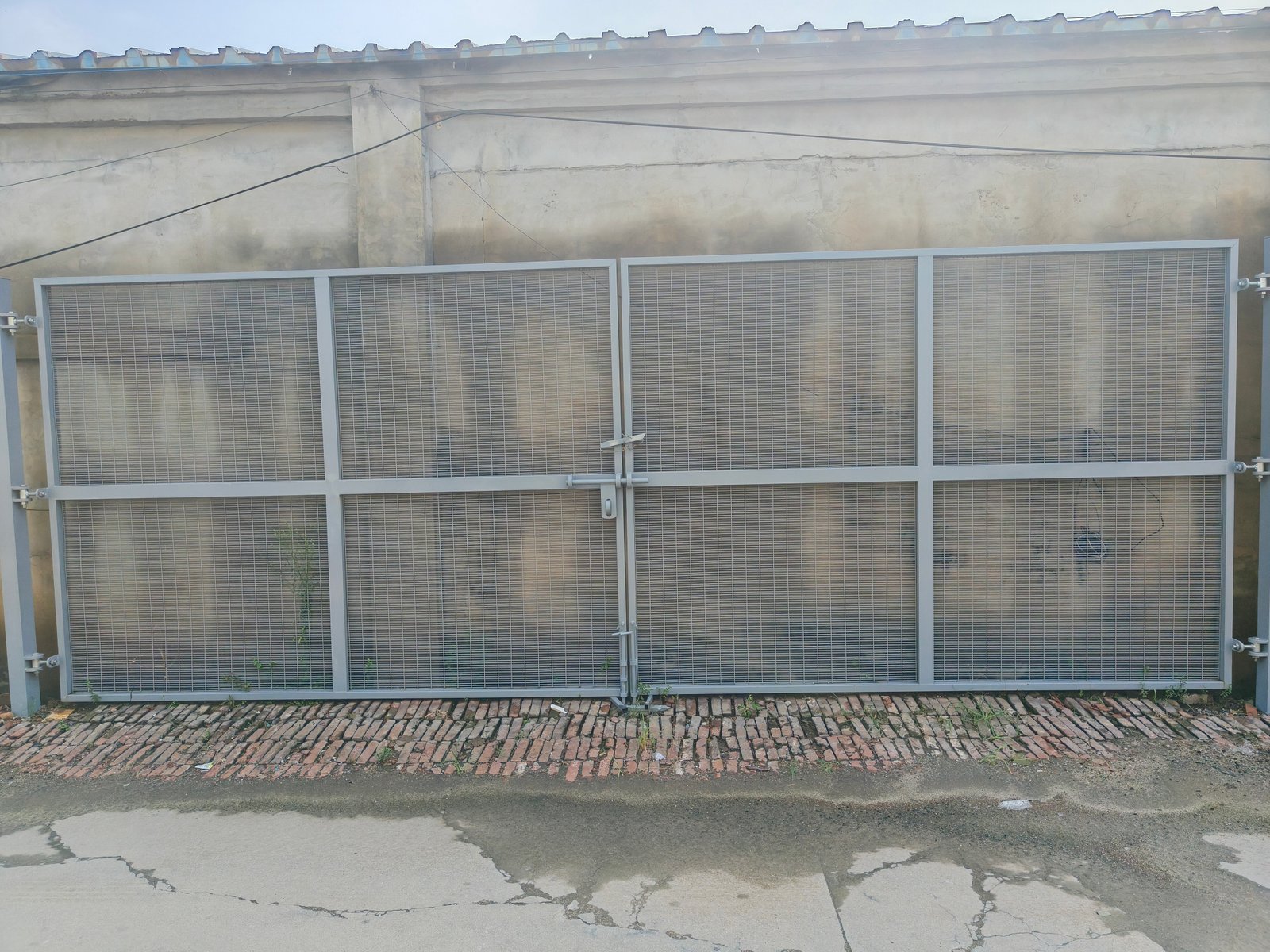
Gates interrupt the fence and create moving loads at their support posts. Pedestrian, swing, and sliding arrangements therefore need individual drawings. Locking equipment must match the operating environment.
Clear View Fence Gates can carry a matching dense mesh infill. Large vehicle entrances also need safe clearances and traffic visibility. A gate cannot deliver adequate security without reliable operation.
Protective Coatings and Colour Selection
Protective finishing plays an important role in long-term outdoor performance. Galvanized steel, zinc-aluminium wire, PVC, PE, and polyester powders represent different systems. Buyers should identify the exact manufacturing sequence.
RAL 6005 green blends with many landscaped properties. Meanwhile, RAL 7016 grey suits contemporary buildings, and RAL 9005 black offers a dark finish. Colour choices should follow approved samples.
Clear View Mesh Fencing Galvanized and Galfan Options
Some source specifications describe pre-galvanized wire around 80–100 g/m². Others describe zinc-aluminium coatings around 275–300 g/m². These figures come from different coating routes and cannot describe every product.
Galvanizing after fabrication can protect suitable welded assemblies through a different process. Weld coverage, venting, and surface preparation require careful control. The purchase contract should define zinc mass and the relevant inspection standard.
Powder Coatings, Adhesion and Colour Durability
A compatible polyester layer can add colour and environmental protection over prepared zinc surfaces. The original reference also mentions approximately 100 microns of architectural polyester. Final thickness must follow the agreed coating system.
Powder Coated Clear View Fence options illustrate different coating configurations. Adhesion and edge coverage matter more than colour alone. Test results should identify their method and acceptance criteria.
Clear View Mesh Fencing Surface Treatment Reference Table
The original catalogue lists broad coating ranges rather than one approved specification. Reproduce these numbers only as historical product references. Confirm real batch results against the selected finish.
| Surface Treatment |
Original Minimum |
Original Maximum |
Procurement Note |
| Electro-galvanized zinc |
20 g/m² |
60 g/m² |
Confirm coated component and process |
| Hot-dip galvanized zinc |
35 g/m² |
700 g/m² |
Very broad reference range; specify target and standard |
| Powder coating |
100 microns |
120 microns |
Confirm dry-film thickness and adhesion |
The 35–700 g/m² zinc range spans very different possible coating specifications. No buyer should treat it as a guaranteed result. Independent inspection can confirm the selected standard.
Why Coastal Projects Need Better Detail
Durban and Cape Town coastal installations can experience salt deposits and persistent moisture. Zinc protection and compatible topcoats deserve careful specification near exposed seawater. Welds, cut edges, and post bases need routine inspection.
For a separate regional approach, ClearVu Fence Panels include related corrosion-resistant configurations. The actual site exposure should guide coating selection. A laboratory salt-spray figure does not guarantee a fixed outdoor service life.
Welding, Finishing and Manufacturing Workflow
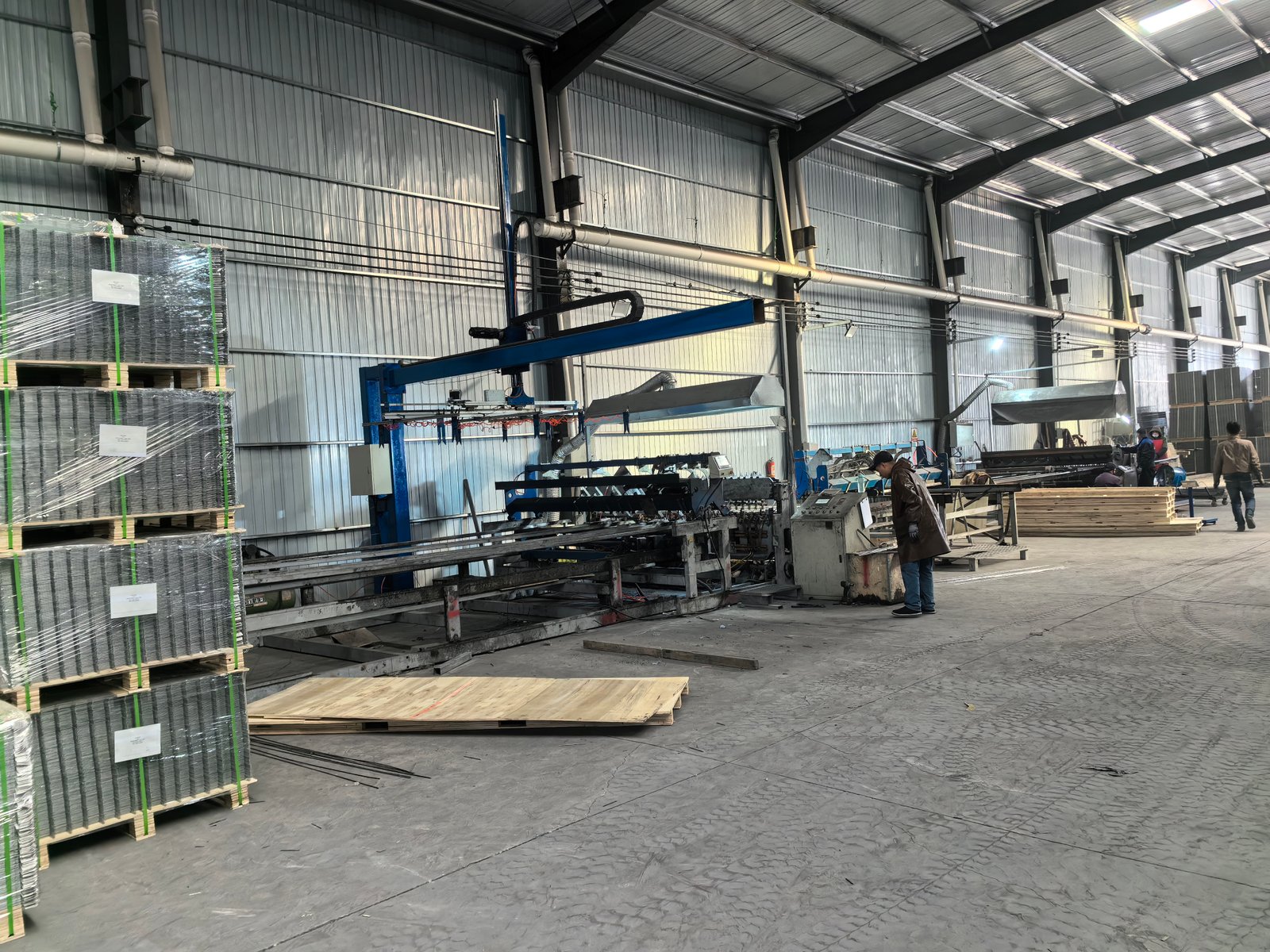
Production begins with material identification and straight wire preparation. Operators then cut, position, and weld the panel before applying the approved finish. Posts and clamps need their own manufacturing checks.
Quality teams should inspect dimensions at intermediate stages. Powder coating cannot conceal unacceptable weld damage or incorrect wire spacing. A documented process improves repeatability across large orders.
Clear View Mesh Fencing Quality Control
Check incoming wire grade, diameter, and zinc or alloy coating details. Verify finished panel dimensions, weld intersections, and bend consistency. Coating adhesion and appearance require their own inspections.
Assembly trials can reveal incompatible posts and clamps before full packing. A sample panel also helps confirm colour and geometry. Buyers should approve any design changes in writing.
Manufacturing Steps for Panels, Posts and Clips
- Identify raw materials and verify the relevant coating information.
- Straighten and cut panel wires to the approved lengths.
- Resistance-weld the grid and form any specified panel bends.
- Prepare and finish steel according to the agreed coating process.
- Cut, punch, and finish compatible steel posts.
- Inspect clamps, bolts, dimensions, and protective coatings.
- Complete a sample assembly before wrapping export pallets.
The sequence may vary with hot-dip galvanizing after fabrication. Actual inspection records should reflect that chosen route. Do not combine conflicting procedures into one certificate.
Clear View Mesh Fencing Product Detail Photographs
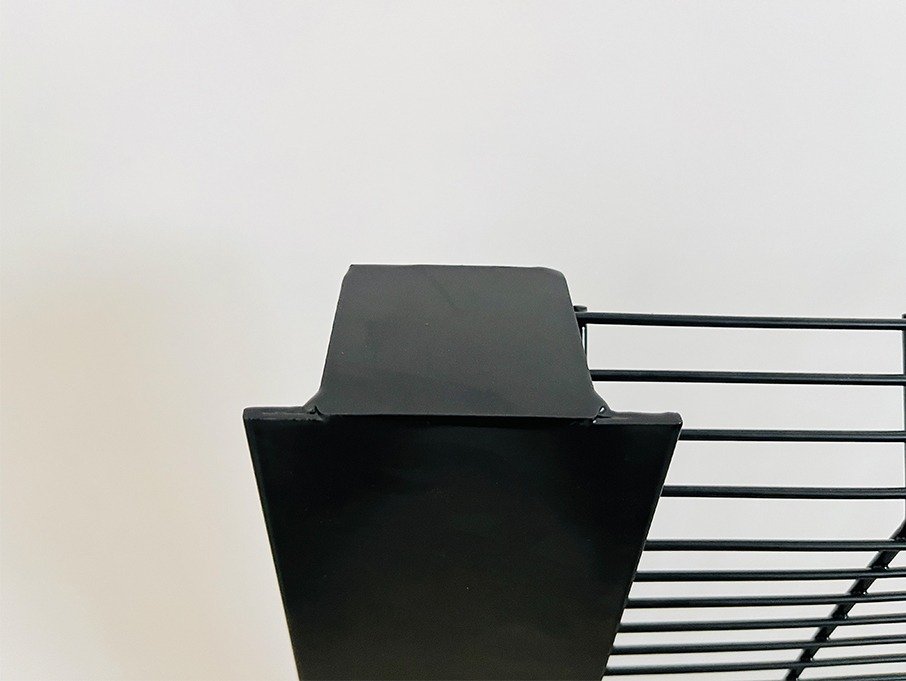
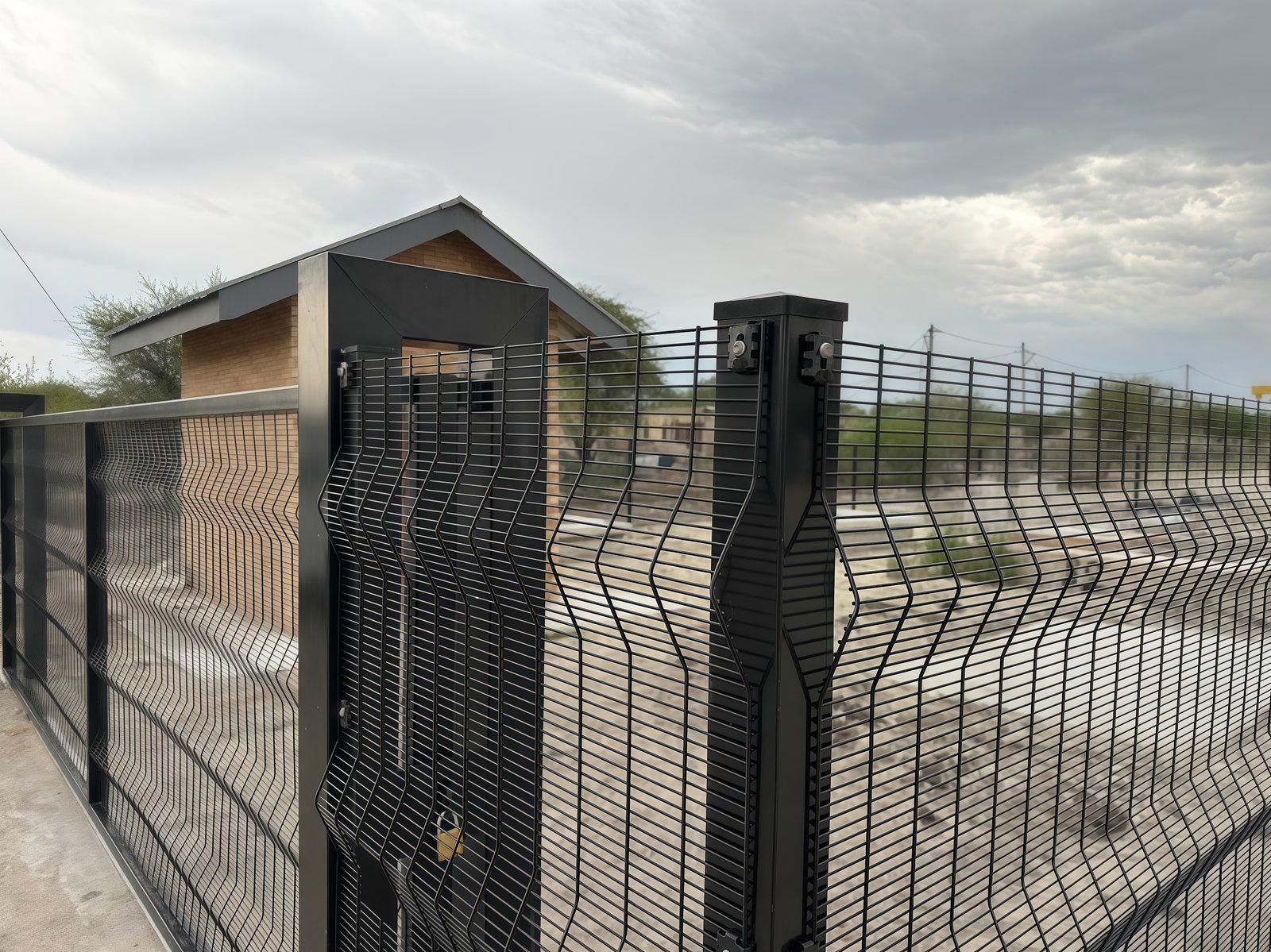
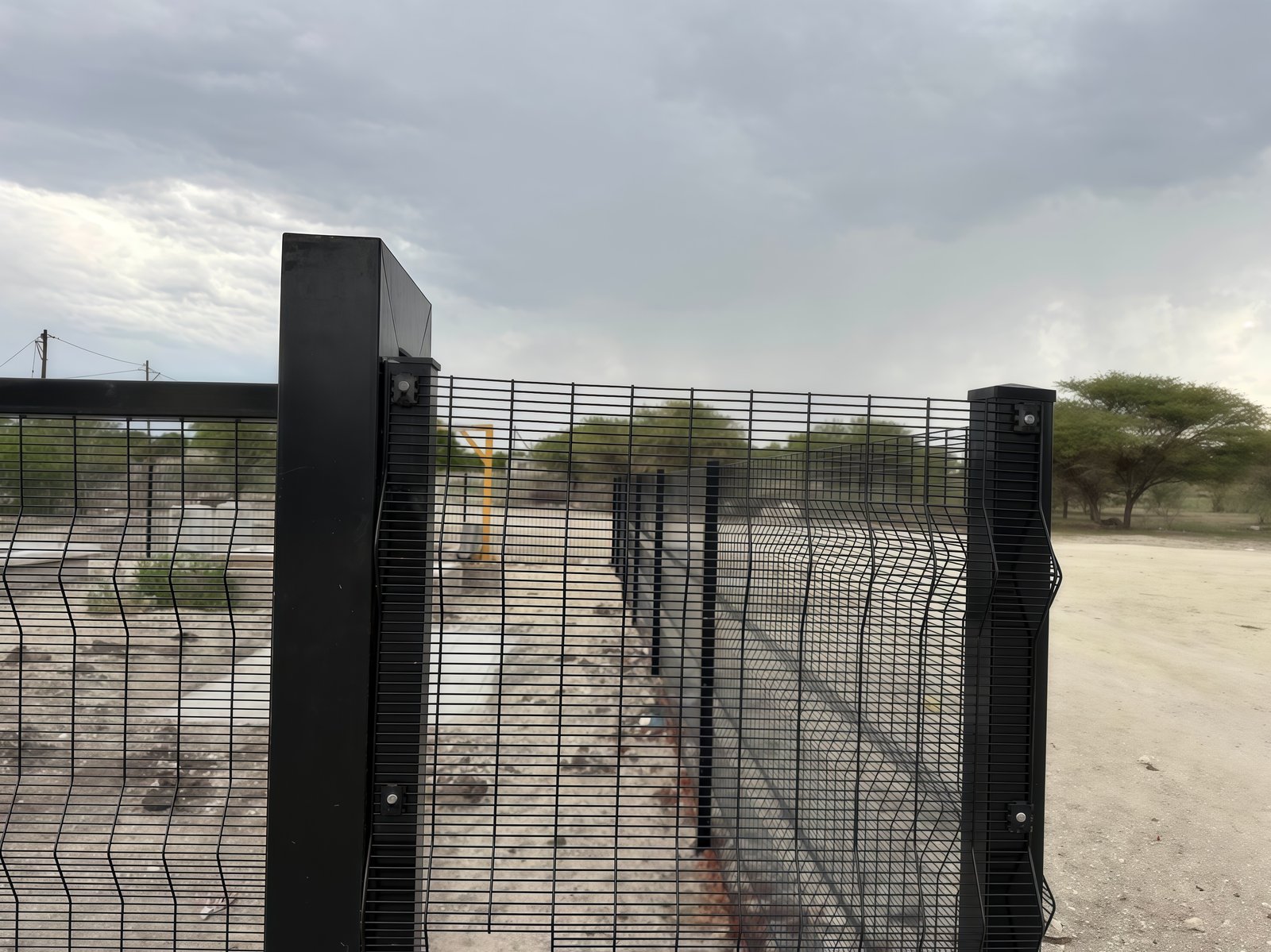
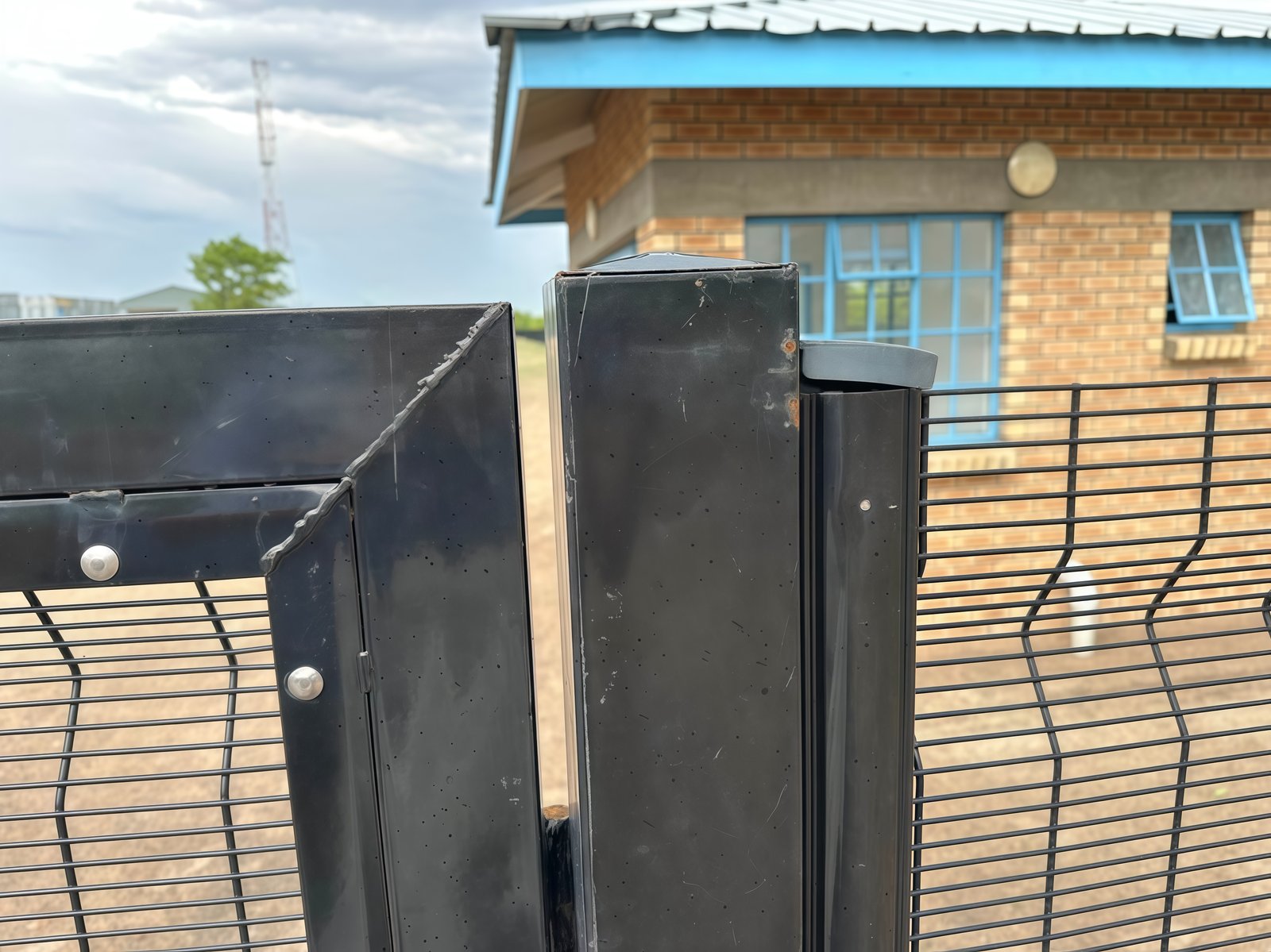
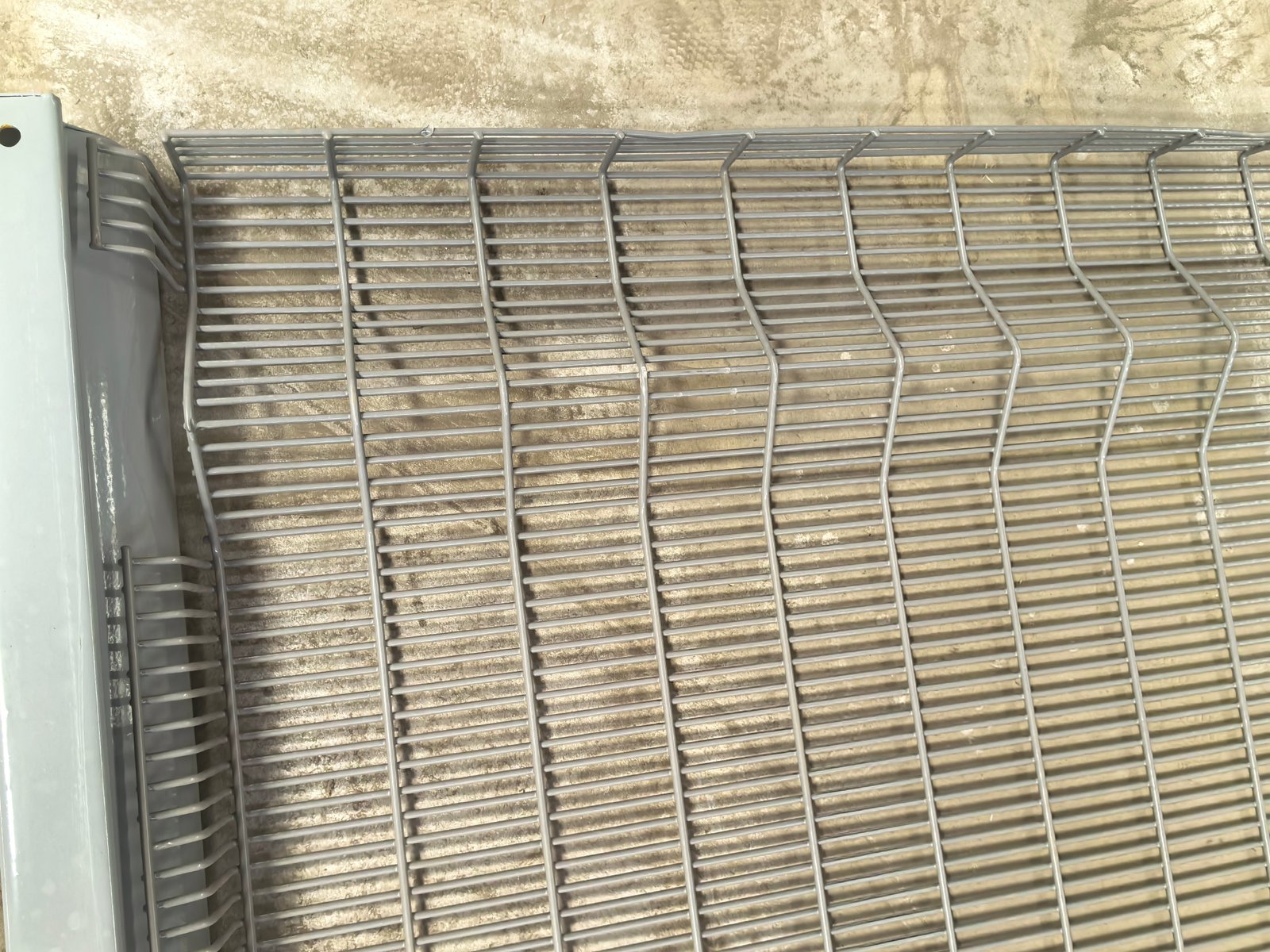
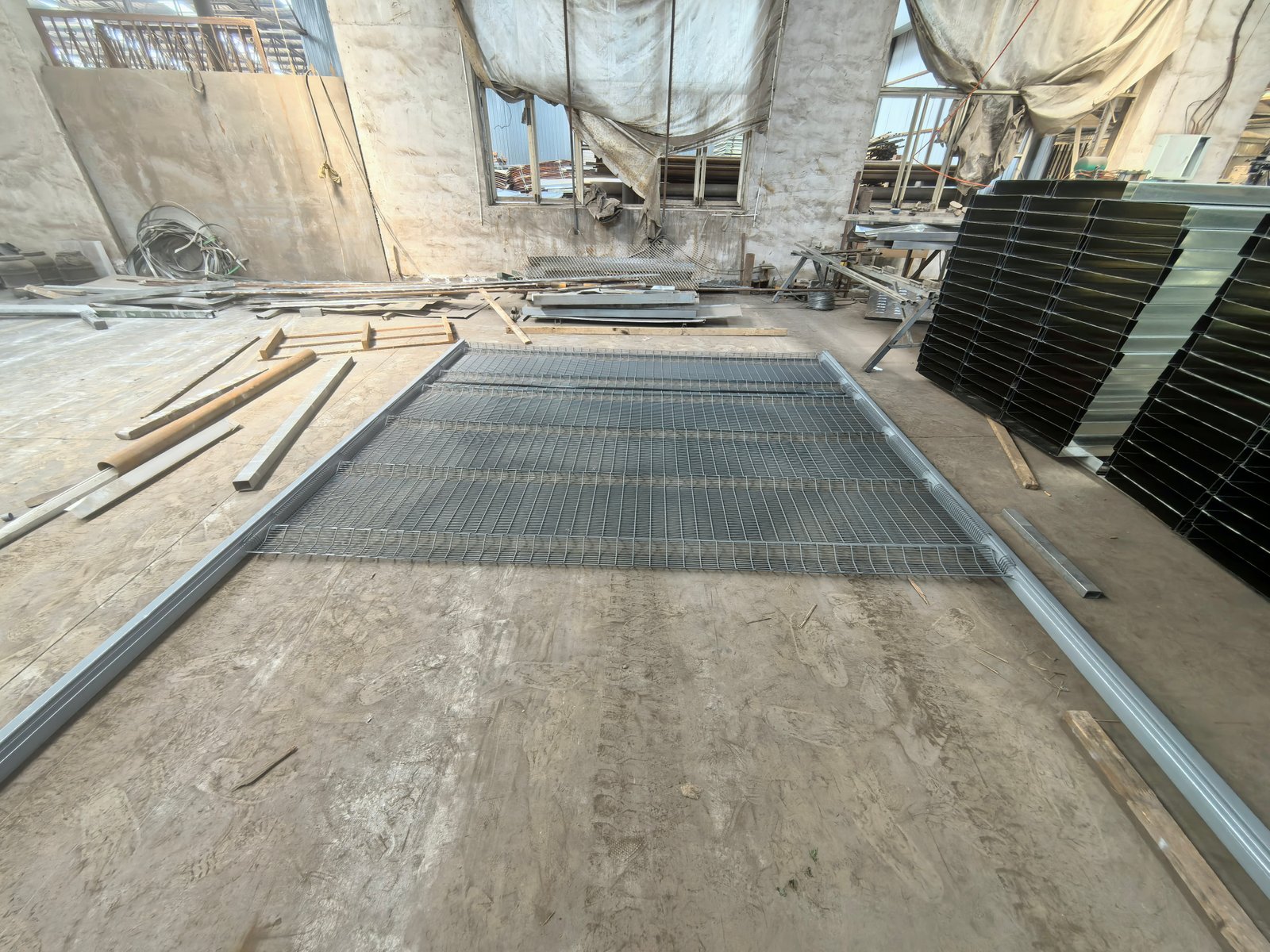
The original article contains three close-up photographs of its GF019 mesh details. All three images remain on their original clearviewfenceafrica.co.za addresses. Their table placement keeps related product views together.
 |
 |
 |
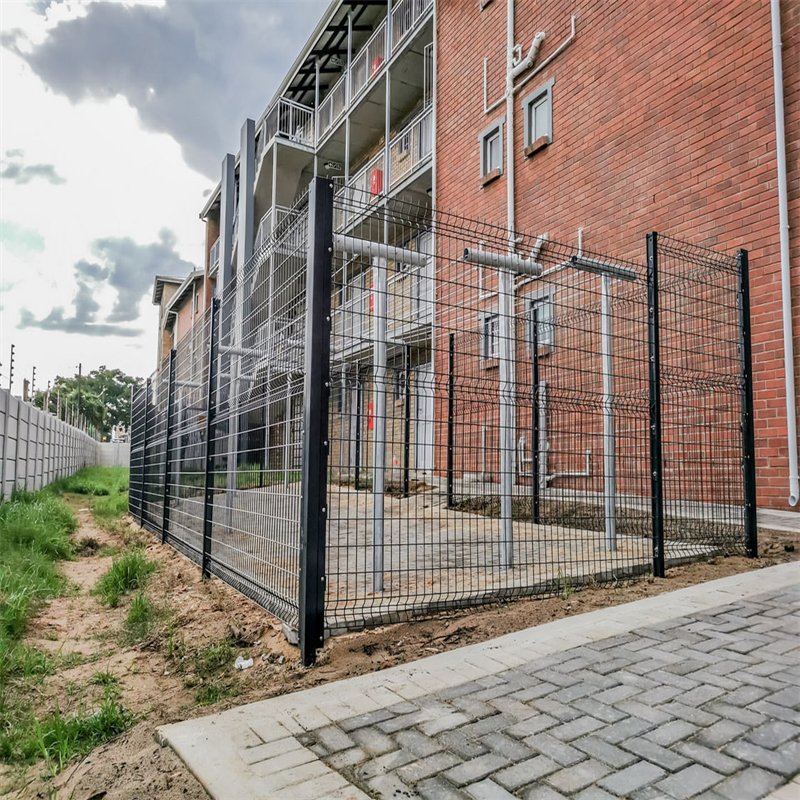
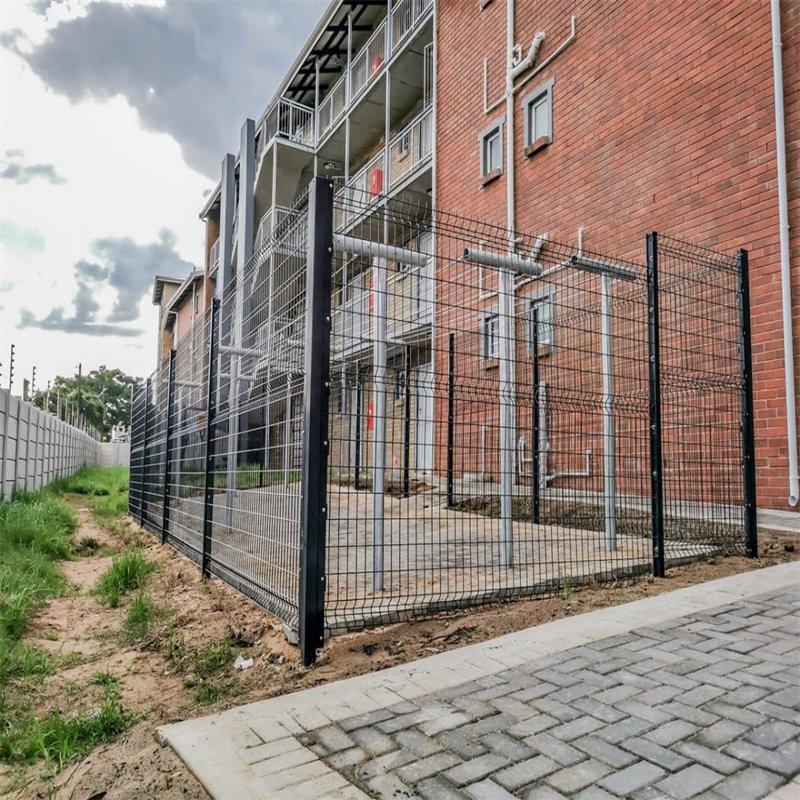
| GF019 original view: welded mesh reference. |
GF019 original view: panel detail. |
GF019 original view: wire arrangement. |
Edges, Bends and Finished Appearance
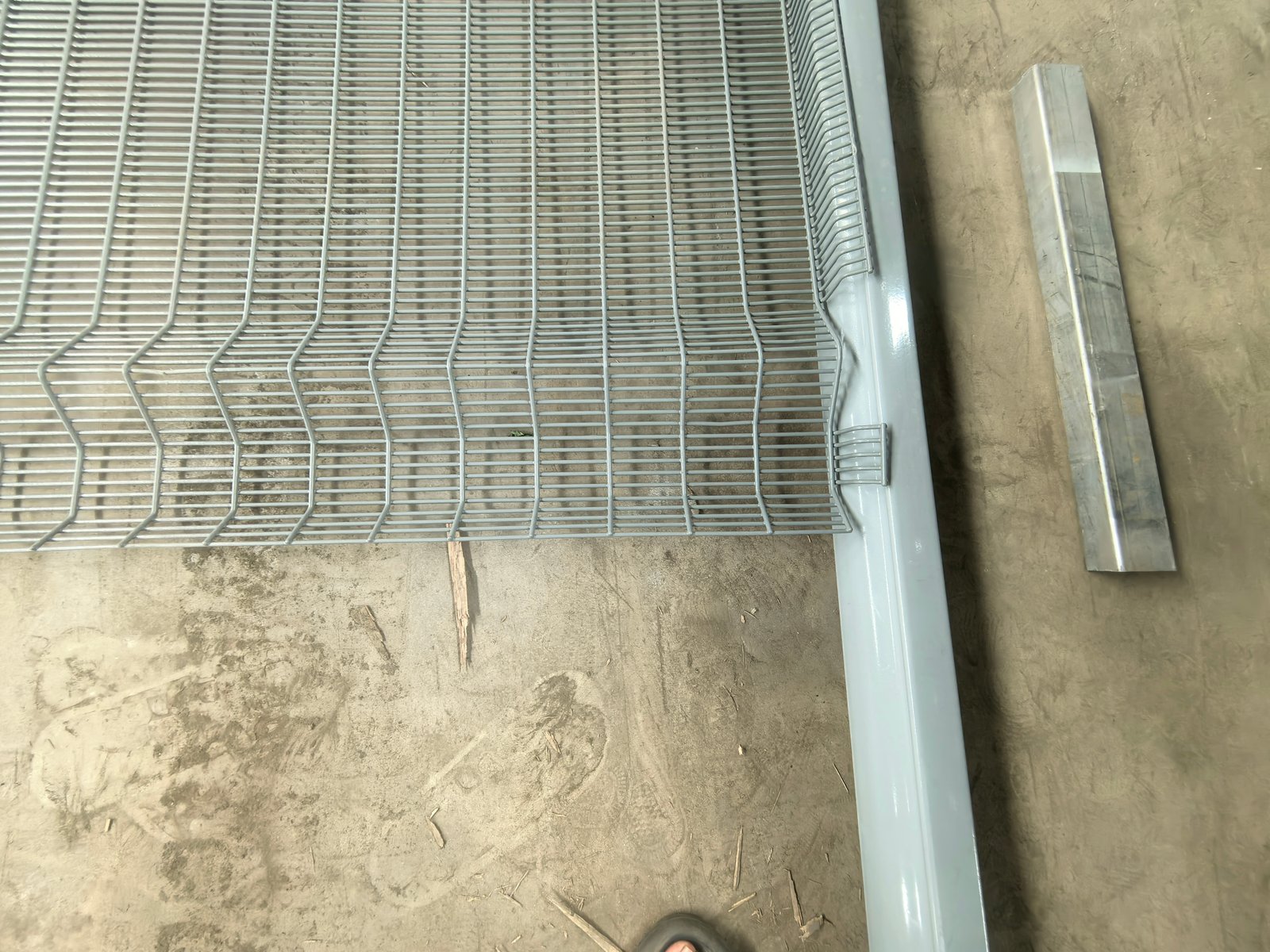
Photographs help purchasing teams understand panel geometry and colour. Measurements still need calibrated tools and approved drawings. Image perspective can distort the appearance of wire spacing.
Inspect exposed edges and attachment positions on physical samples. Bending may change the finished outside dimensions. Clear drawings prevent awkward gaps at corners and gate posts.
Clear View Mesh Fencing Across Different Sites
Dense welded mesh serves selected industrial estates, utilities, schools, transport facilities, and residential developments. Clear View Fence Panels can complement surveillance-led layouts. Each location brings different exposure and access needs. A security fence should complement the site's operating plan.
Facilities may request different panel heights across one perimeter. Stronger sections may protect sensitive areas, while other locations permit simpler designs. Risk assessment and engineering should drive those choices.
Coastal Warehouses and Port Facilities
Coastal warehouses often combine salt exposure with truck and forklift traffic. Perimeter designs should separate vehicle impacts from ordinary fence loads. A visible mesh line can help guards monitor approaching deliveries.
Access gates need suitable turning room and drainage. Protect critical corners where trailers travel near posts. Inspect coatings after heavy handling and storms.
Clear View Mesh Fencing Around Inland Estates
Johannesburg and other inland developments face different weather from exposed coastal sites. Dust, summer storms, and variable ground conditions influence maintenance. Clear sightlines can support estate security without blocking gardens.
Controlled entrances require dependable latches, pedestrian routes, and camera coverage. A visually open fence does not solve poorly monitored corners. Landscaping should preserve inspection access.
Comparing Other Perimeter Fence Designs
Not every project needs the same mesh or support geometry. Corromesh uses another close-aperture steel mesh arrangement. Its dimensions and connections require separate technical approval.
Meanwhile, Garrison Security Fencing relies on tubular pickets and horizontal rails. Buyers may prefer that structure for selected architectural boundaries. Compare actual openings and finishes rather than marketing categories.
Clear View Mesh Fencing Versus Portable Site Panels
Permanent security fencing generally uses fixed posts and engineered foundations. Temporary Construction Fencing serves changing work areas with removable supports. These products have different operational purposes.
Construction projects may use temporary panels before installing permanent security mesh. The final layout should account for gate positions and service routes. Avoid substituting portable panels where the design specifies permanent security resistance.
How to Select the Required Security Grade
Begin with a site drawing and documented protection needs. Identify sensitive assets, public approaches, and authorized maintenance areas. Then choose panel geometry, wire thickness, post style, and gates.
ClearVu Fencing Specifications provide additional dimensional options for comparison. Always confirm final measurements before purchasing. A certified security rating needs its own applicable test evidence.
Clear View Mesh Fencing Packing and Export Logistics
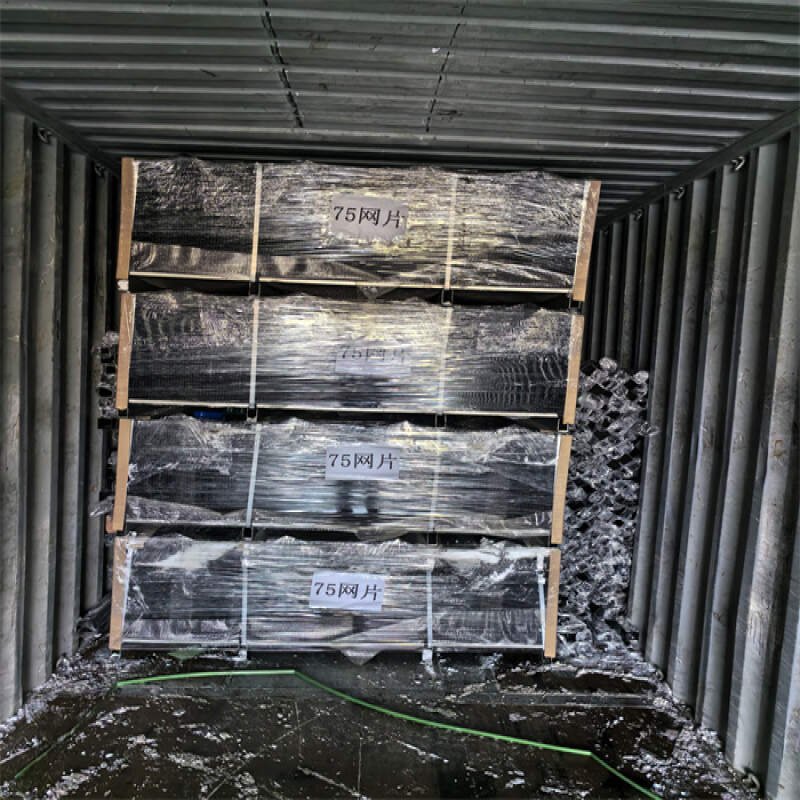
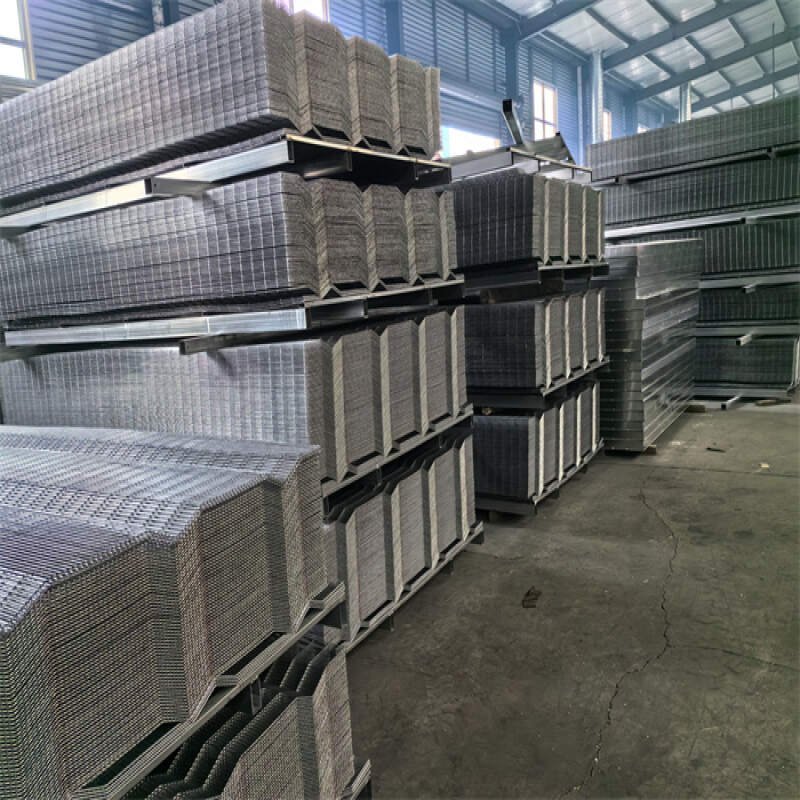
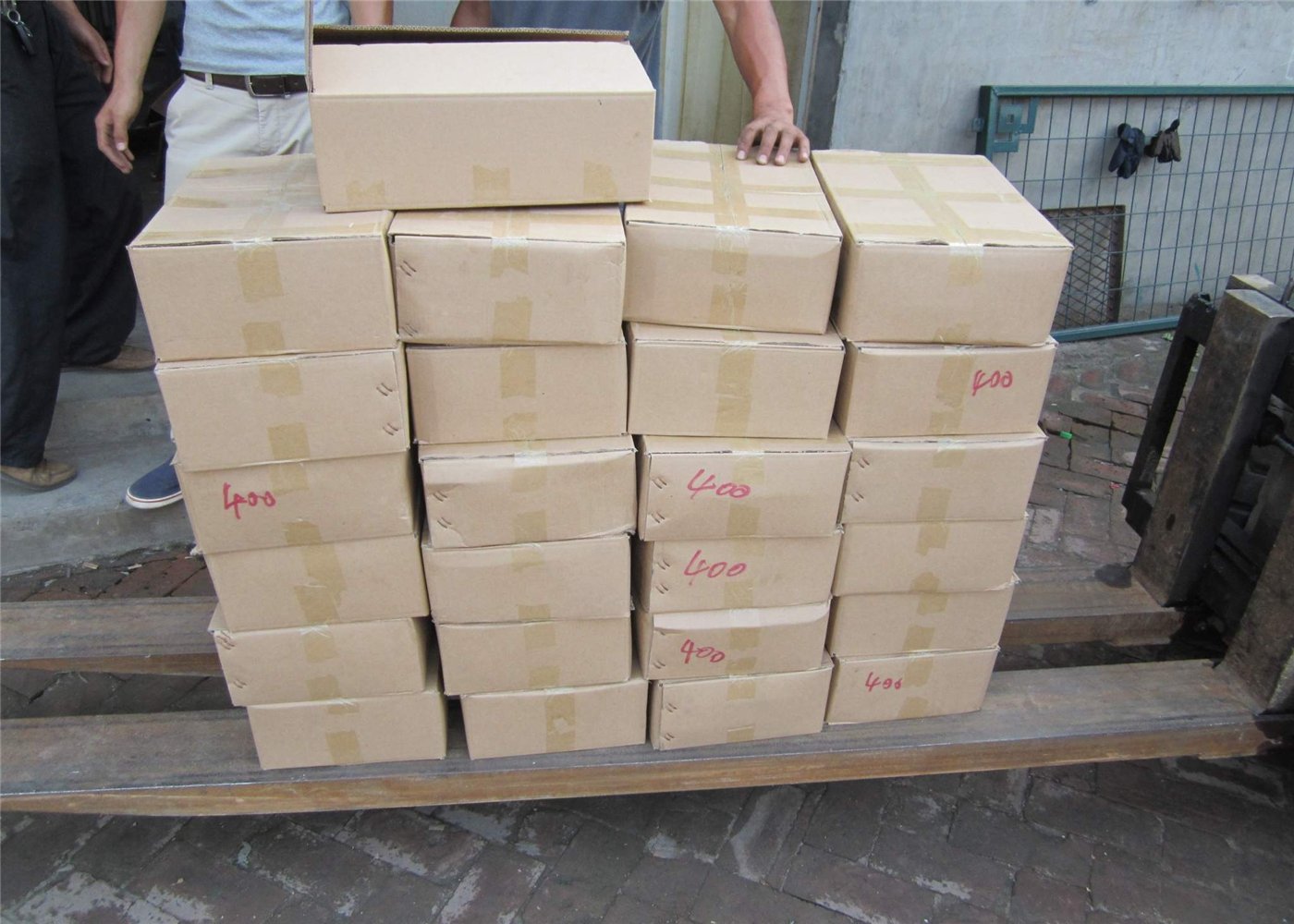
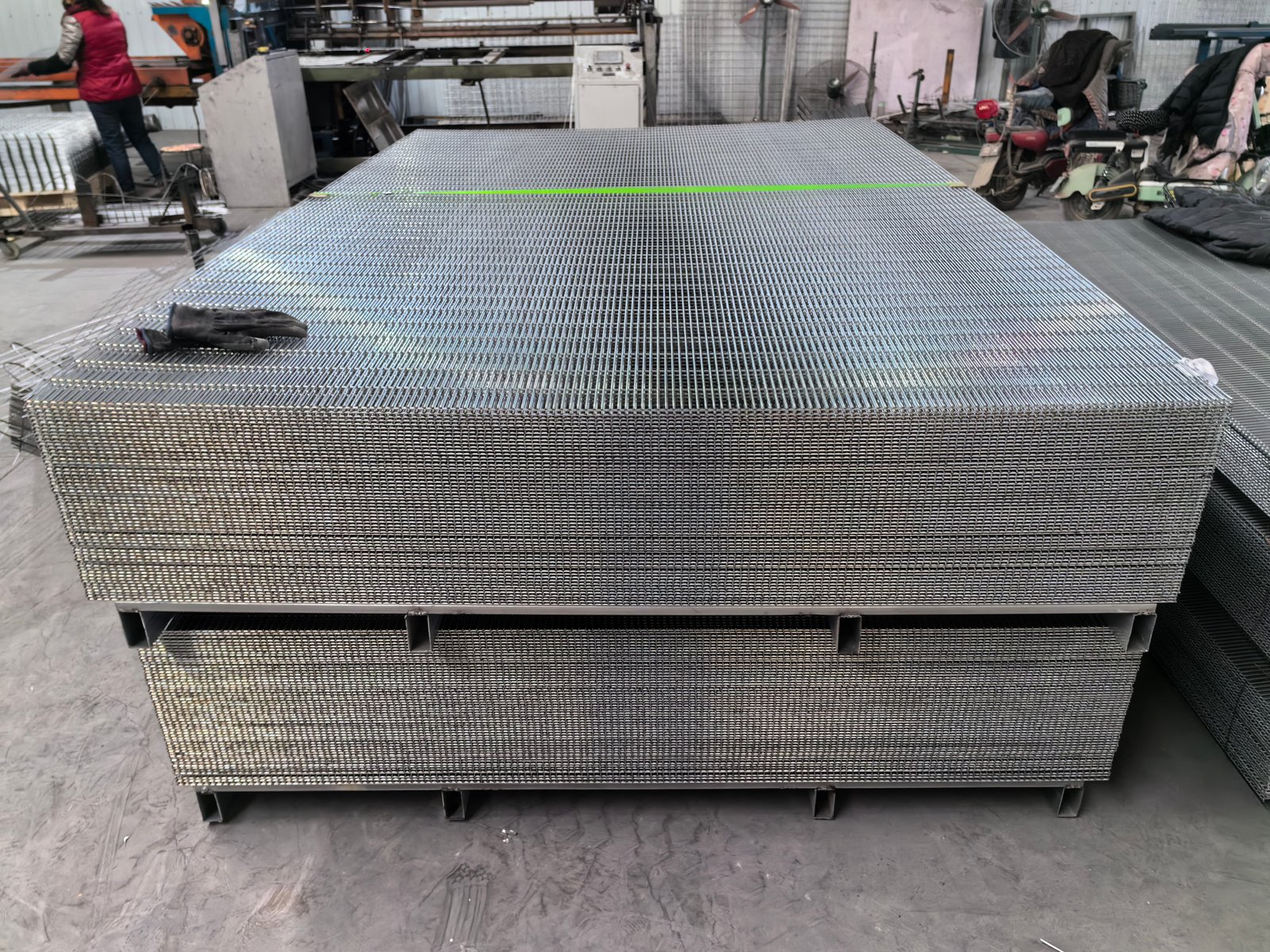
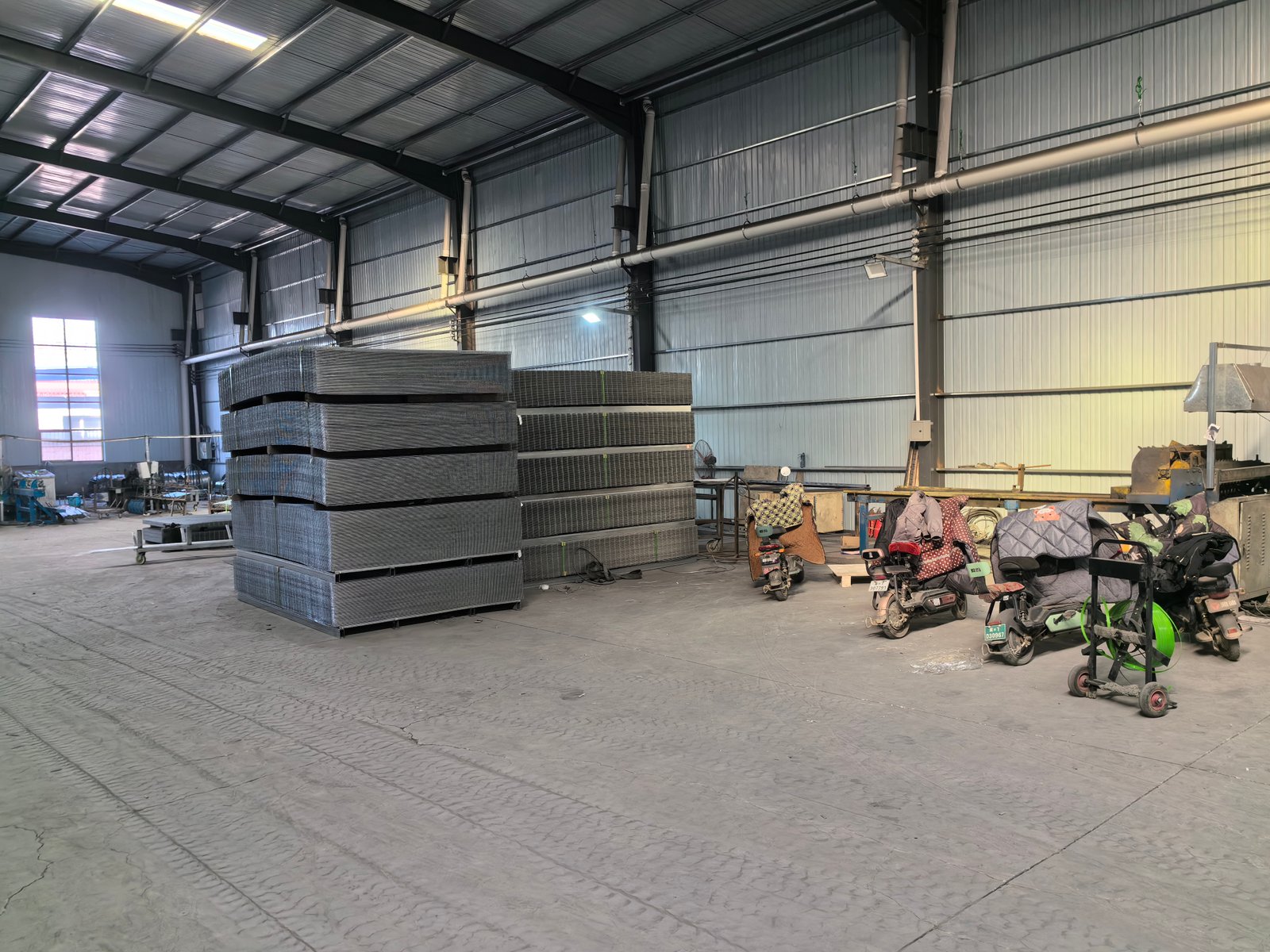
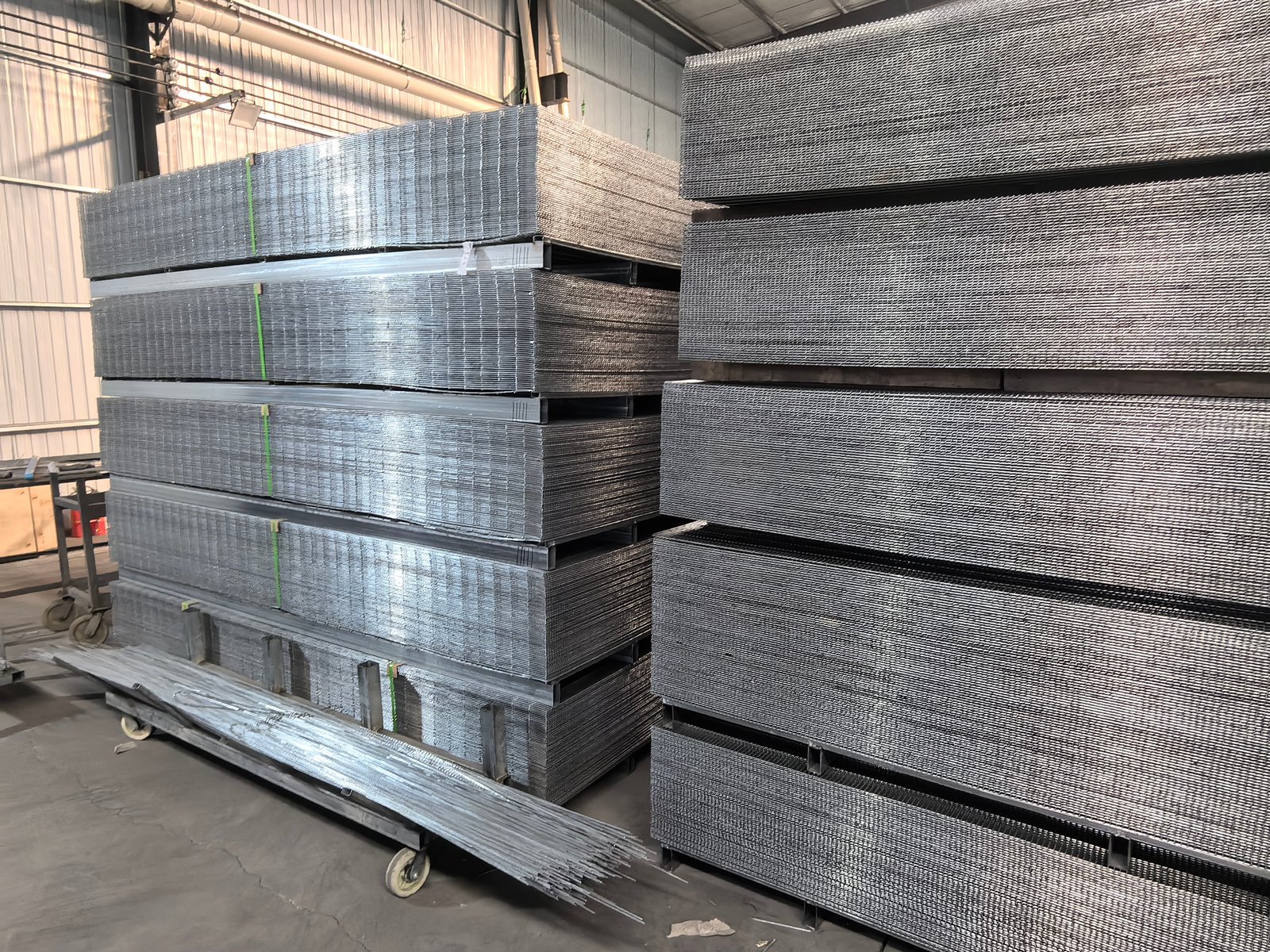
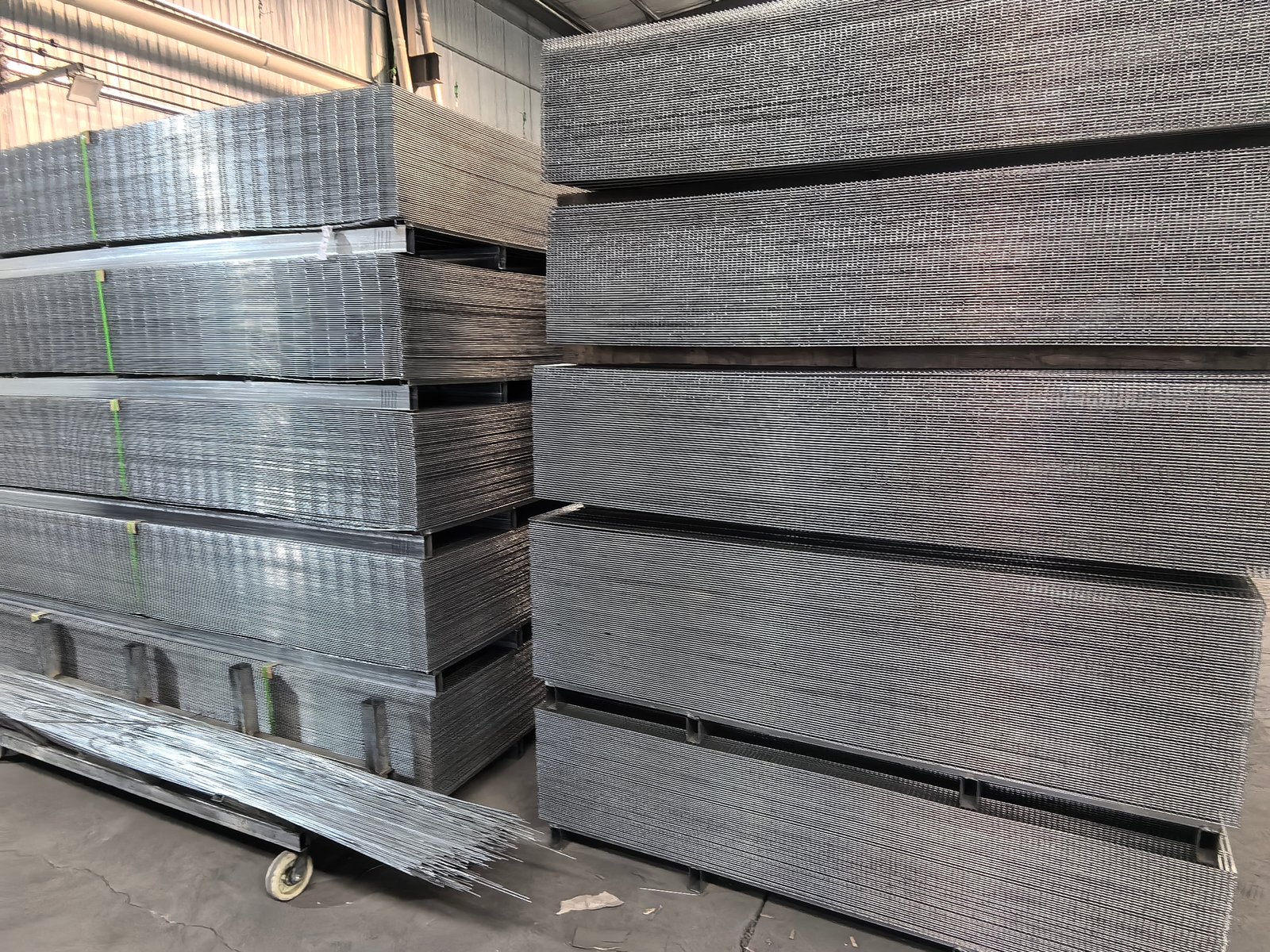
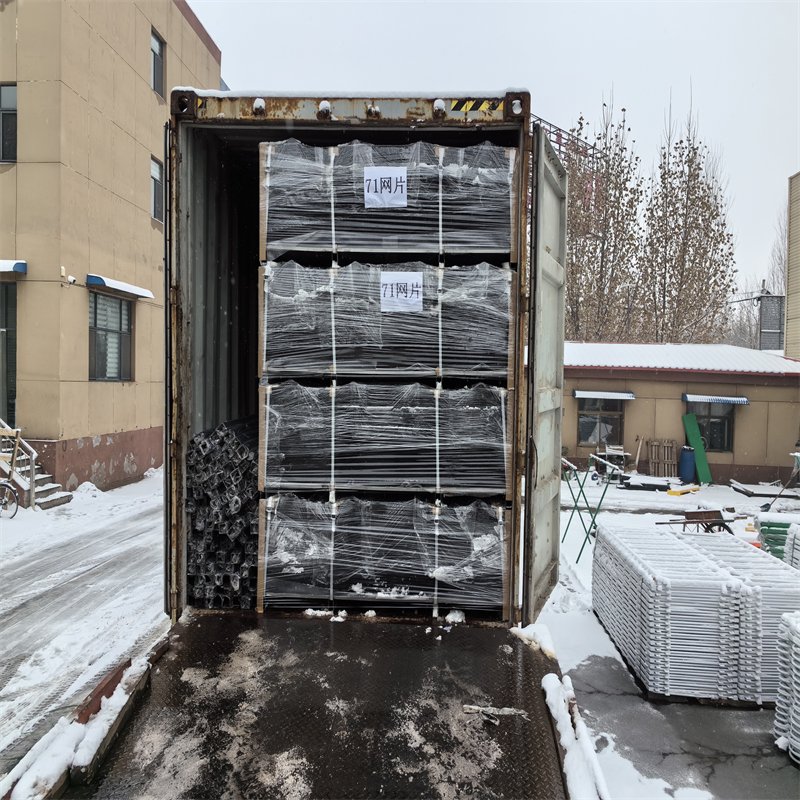
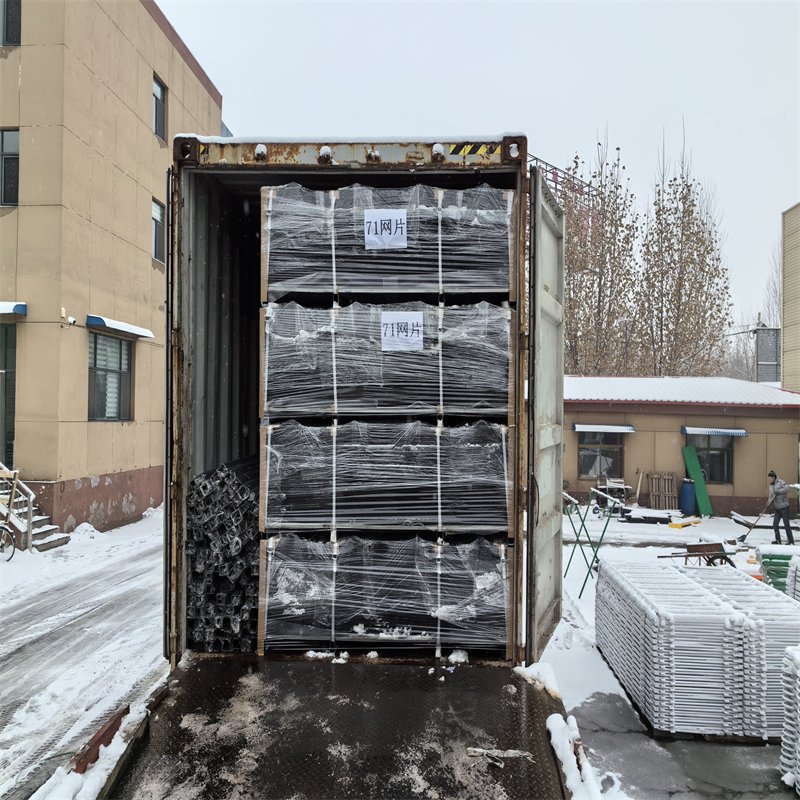
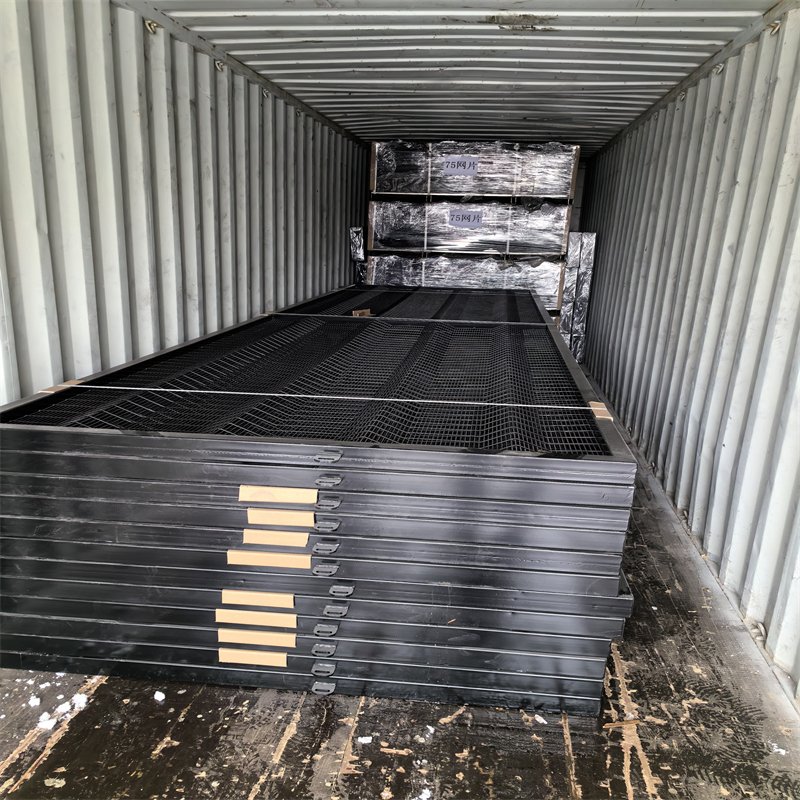
Steel pallets help secure mesh panels during forklift loading and sea transport. Protective separators can limit abrasion between finished surfaces. Corner guards and suitable straps protect the outer edges.
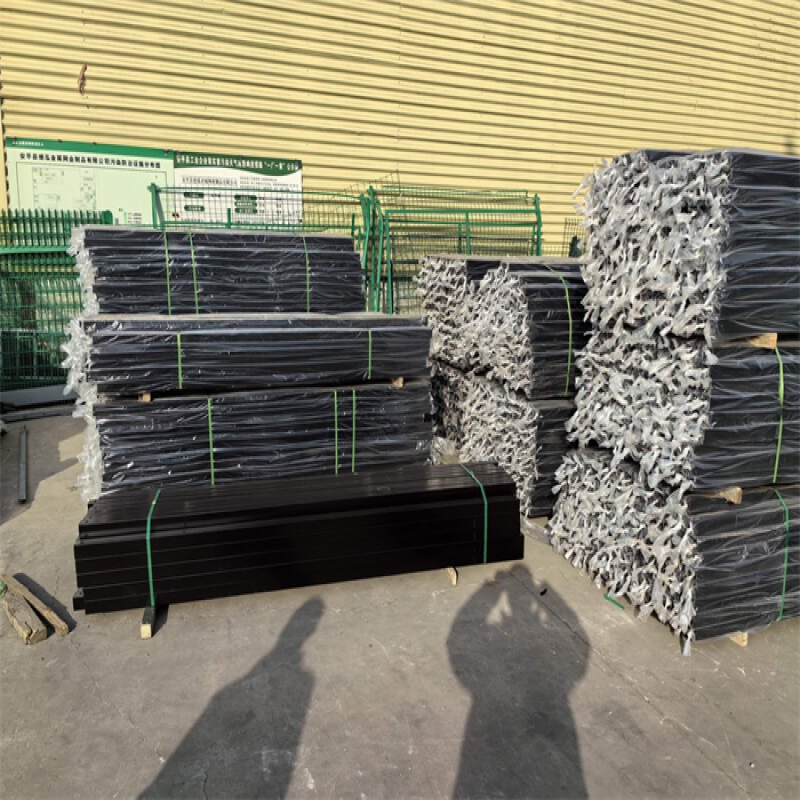
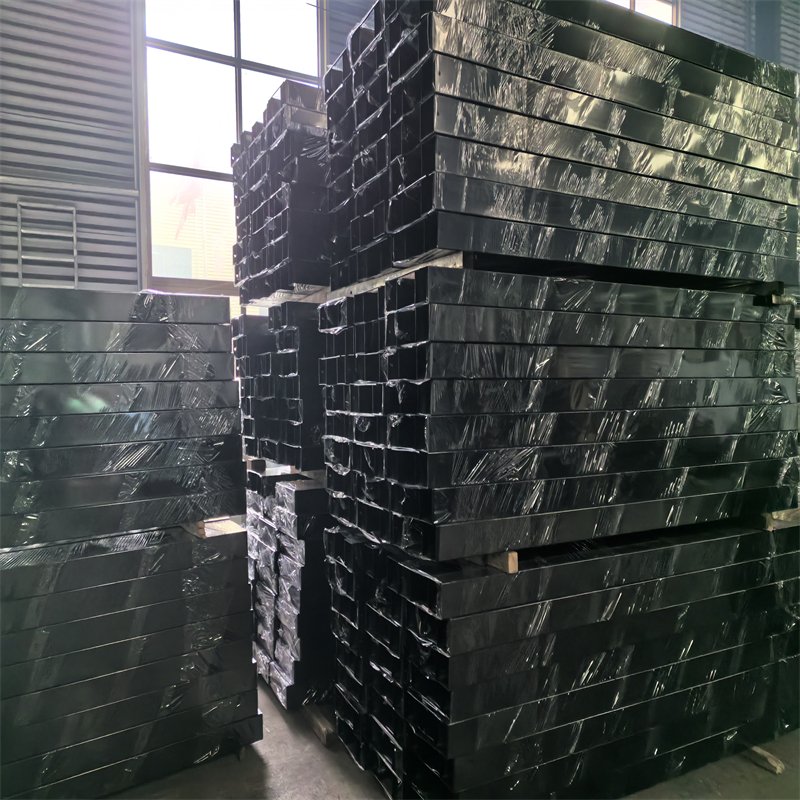
Posts normally travel in stable bundles with protected caps and surfaces. Clips, nuts, and bolts require labelled cartons. The final packing list should separate these product families clearly.
Shipping Inspection and Receiving Checks
Before dispatch, count panels and posts against the approved bill of materials. Record pallet dimensions, gross weights, and visible coating condition. Photographs can help confirm packing before the container departs.
At destination, warehouse teams should inspect damaged wrapping and report shortages. Keep fittings grouped by installation zone. This approach reduces missing components during erection.
Ordering and Project Documentation
A good enquiry identifies the full perimeter, panel heights, gates, and preferred finishing system. Related Clear View Fence Gate models require their own size schedules. Drawing revisions must match the final quotation. Custom sizes require technical acceptance before production.
Purchasing teams should also review delivery terms and inspection responsibilities. FOB and CIF quotations cover different transport obligations. The customer should confirm customs and installation requirements separately.
Clear View Mesh Fencing Warranty and After-Sales Support
BMP offers a 15-year manufacturer warranty for its ClearVu and Clearview fence products under the applicable written terms. Coverage depends on the specified product and agreed conditions. Maintenance and installation requirements should appear in the contract.
After-sales assistance can include drawings, packing documents, inspection photographs, and installation guidance. Independent testing may apply where the project requires it. No warranty replaces correct site engineering.
Clear View Mesh Fencing Questions Before a Quotation
- What mesh centres and wire diameters does the project require?
- Which panel width, height, and V-bend arrangement should BMP manufacture?
- Will the installation use I-type, IPE, square, or tapered posts?
- What coating process, test records, and RAL colour apply?
- How many gates, corners, end posts, and clamp sets are necessary?
- Who handles foundations, installation, and inland delivery?
- Which shipping and inspection documents must accompany the order?
Complete answers help the factory prepare a consistent technical quotation. They also reduce unexpected adjustments during installation. A coordinated schedule supports smooth shipment and receiving.
Clear View Mesh Fencing Supply From BMP
Boss Metal and Plastic Co., Ltd. manufactures welded security mesh with compatible posts, clamps, and gate components. Customers can also compare ClearVu Fence Panels through BMP's related regional catalogue. Final supply follows the approved drawing and purchase specification.
Send the site location, boundary measurements, panel design, coating requirements, and shipping destination. Our team can review product compatibility, export packing, and technical documentation. Accurate information helps develop a practical materials proposal.